Canberra Doctor is proudly brought to you by the AMA ACT
CIRCULATION: 1,900 IN ACT & REGION

What you need to know
Informing the Canberra medical community since 1988


Canberra Doctor is proudly brought to you by the AMA ACT
CIRCULATION: 1,900 IN ACT & REGION
What you need to know
Informing the Canberra medical community since 1988
AMA ACT has welcomed the final report of an independent inquiry into the ACT public health system, which strongly endorses concerns doctors have raised for many years about governance, transparency, workforce sustainability and patient access.
ACT Health Minister Rachel Stephen-Smith tabled the report by former Queensland Director-General of Health, Michael Walsh, in the Legislative Assembly in June. The report sets out 49 recommendations to address systemic challenges in the ACT health system and bring it in line with better practices in other jurisdictions.
AMA ACT President Dr Betty Ge said the report should be used to drive meaningful change
throughout the hospital system.
“The problems in our system are entrenched and require systemic change, not quick fixes. Mr Walsh’s evidence-based recommendations provide a clear path forward to address these challenges.”
Mr Walsh said successful implementation would depend on open engagement with doctors, other health staff and stakeholders, as well as close collaboration across ACT Government agencies, and clear and transparent processes.
AMA ACT looks forward to working constructively with the Health Minister, Canberra Health Services and the Health and Community Services Directorate as the recommendations are considered and implemented. The ACT Government’s formal response to the report is due before the end of 2026.
The inquiry was the result of a motion by the ACT Greens and Canberra Liberals in June 2025, following strong advocacy by AMA ACT and others.
In patient care, your judgment can depend on clear diagnostics. At I-MED Radiology, we see you.
You need more than a report—you need clinical confidence from our 450+ subspecialist radiologists. Key benefits:
• Clinical certainty: Subspecialists handle complexity.
• Easy access: Our service offering across ACT clinics keep it patient-friendly.
Choose I-MED for diagnoses built on expertise, not shortcuts.
I-MED Radiology. When you need answers.
Scan the QR code to read the full report

The report calls for the creation of an ACT Health System Governance Framework, noting: “The governance of the ACT health system would benefit from a clear description of how the system is organised, what and where major decisions are made, and how whole of system matters are identified, prioritised and decided upon.”
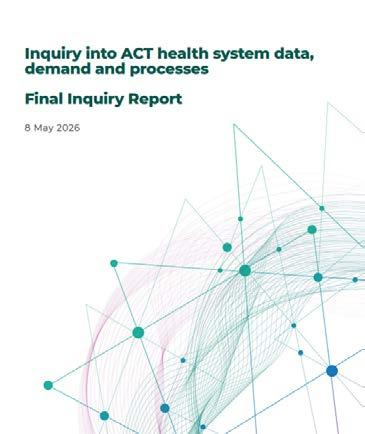
The report recommends creating a Clinical Quality and Safety

Framework for the ACT, consistent with arrangements in other jurisdictions, noting: “Staff must be able to speak candidly about system vulnerabilities, errors, and adverse events if improvement processes are to be effective.”
The report identifies several barriers to quality and safety in the current ACT model. For example, ACT legislation has created “a potentially restrictive environment for undertaking quality and safety reviews…Protections may be inconsistent across services and incident types, and staff may be less confident that

their participation is protected.”
The report identifies an urgent need for planning at all levels of the ACT public health system to guide resource allocation and enable integrated and efficient service delivery.
It notes that the current ACT Health Services Plan (2022–30) was published before several major changes, including the transition of North Canberra Hospital into CHS, the commencement of network arrangements across Canberra

In your busy practice environment, e-Referrals help you save time and reduce patient/clinical risks
Your patients will receive a text message to book an appointment.

Like many of you, I am among hundreds of doctors in the ACT who recently received an email regarding payment of unpaid, unrostered overtime worked as a junior doctor. These letters mark the final stage in a four-year effort to right the wrongs experienced by junior doctors across our public hospital system.
I was closely involved in this class action through my role as chair of the AMA ACT’s Council of Doctors in Training. It began with the courage of one doctor, Dr Ying Ying Tham, who was prepared to speak out. In doing so, she discovered she was not alone, but had the support of hundreds of colleagues who had experienced the same mistreatment. While ideally this $31.5 million settlement would draw a line under the issue, we know our health system has long relied too heavily on the goodwill of doctors, and old habits are hard to shift. It is
encouraging to see doctors are now more readily claiming overtime to reflect the hours they actually work. Nevertheless, we must continue to use our collective voice to ensure this moment is not forgotten.
AMA ACT will keep the conversation about fair working conditions
to expert industrial advice, a supportive network of colleagues, and a powerful advocate to address systemic challenges. For membership inquiries email memberservices@ama.com.au or call 1300 133 655.
Once again, AMA ACT will work with the VMOA to advance the interests of VMOs.
alive, emphasising that doctors' time is valuable and our hours must be safe. Where doctors are required to work excessive hours, they must be paid fairly.
If you are experiencing unfair conditions at work, you are not alone. Through the AMA you have access
Our online booking system provides immediate access to available appointments 24/7
AMA ACT continues to advocate strongly on behalf of salaried public hospital doctors through the ongoing bargaining process. Recent discussions with the ACT Government have covered retention initiatives for interns and PGY2 doctors, annual leave approval, protected teaching time, unrostered overtime, equipment access, security of employment and medical education expense funding. The discussions have been constructive and several matters continue to progress. In a number of areas, Canberra Health Services has indicated that further advice, costing or internal approval is still required before a final position can be reached. We will continue to keep members informed as bargaining progresses.
AMA ACT will push for VMO contract negotiations to commence in the third quarter of 2026. The core negotiation themes are likely to include:
Protection of contract security and standard three-year terms for VMOs in good standing
Fair indexation and review of fee-for-service and sessional rates, including clarity around any proposed changes to contracting models
Contractual safeguards for clinical autonomy, including patient booking, consent and operating list management
Clearer and fairer arrangements for on-call work, callbacks and workload variation during a contract term
Strong procedural fairness, consultation and dispute resolution provisions
The federal AMA’s annual Ambulance Ramping Report Card, released in June, makes difficult reading for the ACT.
Although the ACT has the lowest ambulance utilisation rate in Australia, demand continues to grow, and turnaround times remain higher than four years ago. The report can be found here: ama. com.au/articles/ambulanceramping-report-card-2026
AMA continues to stress that ramping is not simply an ambulance issue, but a symptom of the broader hospital logjam. We continue to call for urgent action, including increased hospital capacity, improved patient flow, stronger support for frontline staff, investment in general practice and primary care, and aged care supports.
Many of these actions are consistent with the Walsh Inquiry report’s evidence-based recommendations (see Page 1), creating further pressure for urgent reform.
It is always a pleasure to see members of our community receive well-deserved recognition. Congratulations to AMA ACT member Dr Peter Henderson, who received a Medal of the Order of Australia for service to obstetrics and gynaecology. Dr Henderson has also been a generous supporter of doctors locally through his role as a senior medical officer for Avant in the ACT. Closer to home, AMA ACT celebrated new Life Members at our annual dinner in May. Awards were presented to: Dr Kathleen Tymms, Dr Antony Crawford, Dr Michael Allam, Dr Malgorzata Koperska, Dr Jennifer Weekes, Prof Michael Peek, and Dr Lachlan Lipsett.
One of the highlights of June was AMA ACT’s Men’s Health Week Dinner, bringing together clinicians, community members and politicians for meaningful conversations on important issues. The event sold out four weeks in advance, demonstrating strong community interest and support. See pages 12-13 for the full story and photos.
Peter Somerville moving on
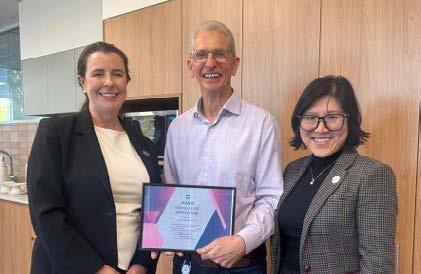
Last but certainly not least, many of you will know AMA ACT CEO Peter Somerville, who has guided our organisation throughout the last decade. His wealth of experience and wise counsel has been invaluable to successive presidents, and Peter was recently honoured with a 10-years of service award.
Peter recently announced that he will be stepping down from the role in November. We will miss his kind manner and sharp intellect and wish him all the best in his tree change.



Congratulations to our new Life Members
Dr Kathleen Tymms
Dr Antony Crawford
Dr Michael Allam
Dr Malgorzata Koperska
Dr Jennifer Weekes
Prof Michael Peek
Dr Lachlan Lipsett
The ACT Government’s 2026-27 Budget, released on 10 June, included a modest increase in investment in the public hospital system in response to growing demand, as well as targeted health spending consistent with Labor’s election promises.
The Government announced an investment of $169.5 million to continue its response to growing demand for, and the rising cost of, public hospital services. Overall health spending made up 32% of this year’s budget ($3 billion) compared with 33% ($2.9 billion) in the 2025-26 budget. This year’s budget reflected an influx of Commonwealth money through the National Health Reform Agreement reached in January, through which the ACT is forecast to receive $4.1 billion over five years to 2030-31.
The Government also reiterated its commitment to building a new Northside Hospital with a total future investment of more than $1.3 billion.
Health Minister Rachel StephenSmith highlighted several targeted investments. These included:
$23.4 million to operate the new Acute Palliative Care Unit at Canberra Hospital, with construction expected to be complete in December 2026 (Labor promise)
$3.9 million to provide better access to specialised life-saving screening, treatment and support services at North Canberra Hospital for people at higher risk of breast cancer (Labor promise)
An injection of $8.2 million to expand the Canberra Hospital Paediatric Fracture Clinic and establish a dedicated paediatric orthopaedic service
$12.1 million to increase lung cancer specialist services, including the rapid access lung cancer clinic

The Government heralded its continued investment in a successful Junior Medical Officer wellbeing and workforce initiative – approximately $3.5 million per year to 2029-30.
Most of the JMO funding goes towards employing 10 full-time Senior Resident Medical Officers (PGY3) who are employed 6-months of the year in rotations of their choice, and 6-months in rotations of their employer’s
choice, where they are valuable in supporting more junior staff. Anecdotally, the scheme has led to improvements in rostering and training opportunities –most notably, for Obstetrics and Gynaecology in 2024, and more recently in Medical Imaging, a unit that did not previously have exposure to the mid-level cohort of JMOs.
AMA ACT President Dr Betty Ge welcomed the investment
in public hospitals, but said the real test will be whether patients get care sooner.
“It is good to see continued investment in our public hospitals, but we need to see that translate into shorter waiting times. We know patients are already waiting far too long for surgery and outpatient appointments. We need to be expanding capacity – more staffed beds, more theatre time and a more stable workforce.”

DR BETTY GE AMA ACT President
The release of the ACT Health System Inquiry Final Report is an important moment for Canberra’s public health system.
The Inquiry gives the ACT a serious, evidence-based roadmap for reform. It confirms what many clinicians, patients and health leaders have been saying for some time: the pressures in our system are real, they are systemic, and they require coordinated action rather than piecemeal fixes. That is why AMA ACT is supportive of the Inquiry and its direction. The report provides a practical framework for strengthening governance, improving transparency, rebuilding trust and delivering better outcomes for patients and staff.
AMA ACT recognises the work of the Inquiry Chair, Michael Walsh, in undertaking this complex review. The Final Report reflects extensive consultation across the health system and a serious effort to listen to clinicians, staff, consumers and representative organisations. We also acknowledge the initiative shown by the Canberra
Canberra now has an opportunity to move beyond argument about whether problems exist and focus instead on how reform should be implemented.
Liberals, the ACT Greens and ultimately, the ACT Government, in supporting the establishment of the Inquiry through the Legislative Assembly. At a time when confidence in parts of the system has been under strain, the decision to create an independent process was an important one. Canberra now has an opportunity to move beyond argument about whether problems exist and
focus instead on how reform should be implemented.
The report’s recommendations should not sit on a shelf.
They should become the basis of a phased reform agenda developed in genuine partnership with clinicians and health services. In our view, several advocacy priorities should shape that next stage.
First, governance reform and clinician participation must be entrenched in the health system.
The Inquiry recognises that stronger system-wide governance, clearer accountability and better use of data are essential. Doctors and other health workers need to have a formal and meaningful role in service design, implementation and review. Reform is far more likely to succeed when the people delivering care are part of building the solutions.
Second, planned care reform, including elective surgery, must be reset in a way that restores trust and improves access.
The goals of fairness, transparency and better management of waiting lists are welcome, but implementation must be clinically workable, transparent and developed with the medical profession, not imposed on it.

Third, workforce stability must be treated as a core reform objective.
The ACT relies on a relatively small number of senior specialists, and the system also depends on the flexibility and resilience provided by VMOs. Recruitment, retention, morale and clinical leadership are not side issues. They are central to whether the health system can improve access, maintain safety and deliver sustainable care.
Fourth, the ACT should move quickly on practical reforms that improve patient flow and reduce unnecessary demand on overstretched services.
Smarter referral pathways, better outpatient processes and initiatives such as specialist advice models can make a real difference. For patients, these kinds of reforms can mean shorter waits for advice, earlier access to the right clinician and less confusion
about where they sit in the system.
Fifth, digital tools and the Digital Health Record must support clinicians and patient care, not add avoidable burden or undermine confidence in performance reporting. Better information, used properly, should strengthen transparency, safety and decision-making across the system, while also helping patients navigate their care with greater clarity and confidence.
AMA ACT wants to be a partner in change and we see the Inquiry as an opportunity to help shape lasting reform, not simply to critique what has gone wrong. We look forward to working with the Health Minister, Canberra Health Services and the Health and Community Services Directorate as the Government considers the report and develops its response due before the end of 2026.

Hospital and North Canberra Hospital, the implementation of activity-based funding in the ACT, and the introduction of the Digital Health Record. Actual activity growth rates in the first years of the plan exceeded forecast growth rates, except for Emergency Department presentations. The report highlights challenges specific to the ACT, including a higher cost per National Weighted Activity Unit than the Australian average – something it says deserves further investigation.
Noting the ACT has a significant proportion of admissions for patients who are not ACT residents (about 35% of surgery admissions), the report calls
for initiatives to support more patients to receive specialist services closer to where they live in NSW.
It also recommends further exploration of e-consult services to provide specialist advice and reduce the number of patients needing to be seen through CHS.
The report also recommends a quality improvement activity for rostering to identify opportunities to reduce overtime and the use of locum and agency staff, and to encourage best-practice rostering.
The report identifies opportunities for CHS to
expand outpatient capacity through a range of models, including virtual appointments, greater use of nursing and allied health professionals or GPs with special interests, contracting private specialists for outpatient assessments, and expanding or reconfiguring outpatient space.
It recommends revisiting master-planning for Canberra Hospital and North Canberra Hospital to identify opportunities to repurpose or develop areas for expanded outpatient clinic space. Other recommendations include quarterly clinical reviews of people on outpatient waitlists, greater use of electronic communication with patients, and specialty-led
analysis of outpatient review pathways so patients can be referred back to primary care when clinically appropriate.
The report highlights the importance of clinician involvement in planned care decision making, particularly following the controversial implementation of the Integrated Operations Centre (IOC) at Canberra Hospital in 2024–25. In comments likely to resonate with many doctors who raised concerns at the time, the report notes: “While the intent behind the IOC was sound and justifiable, the consultation has indicated that it was
implemented without strong clinical engagement and consultation, and mechanisms to ensure the IOC fostered an environment that empowers clinicians and built trust in a respectful and engaging way.”
The report says CHS should learn from those challenges and undertake significant consultation with clinicians and consumer representatives to review the current arrangements.
The report finds that while ACT publishes a comparable level of performance indicators to NSW, Western Australia and Victoria,
substantial gaps remain. It calls for the ACT Health Performance Website to include more detailed indicators, including the number and percentage of patients waiting for an initial specialist appointment within clinically recommended times, broken down by category, medical specialty and surgical specialty.
The report emphasises that the Digital Health Record is first and foremost a clinical tool. It says optimisation must be clinically led and co-designed, so the system supports dayto-day clinical practice rather than working against it.
This new financial year, take a smarter approach to your finances and build the future you deserve. With Cutcher & Neale, doctors turn complexity into clarity with structured, long-term financial strategies designed for medical careers.
A comprehensive roadmap that brings your finances together into a structured strategy for lasting success.
Receive a complimentary one-hour Financial Health Check, built around our proven 7 Pillars for Success framework. This holistic review identifies opportunities, strengthens your financial strategy, and provides a clear action plan to support your goals.
7 Pillars for Success is a proven formula that gets results for our clients.
Talk to an Advisor >
The federal AMA recently updated its Position Statement on International Medical Graduates, recognising the key role IMGs deliver and calling for clearer pathways and properly funded supervision to support them to practise safely and build sustainable careers in Australia.
AMA ACT asked Canberra Health Services what it is doing to ensure that the IMGs it recruits are supported to thrive and make a valuable contribution, with reference to AMA’s position statement. Here’s what they had to say.
AMA position statement:
IMGs should be “provided full and accurate information about job roles, living conditions and the availability of level 1 supervision places prior to making employment decisions”. (Point 1.2)
CHS’s response:
“Positions at Canberra Health Services are advertised with detailed descriptions, including mandatory and desirable selection criteria. Each advertisement includes contact details for a relevant contact officer, and applicants are welcome to engage directly to discuss role expectations and conditions. Our website also directs IMGs to the appropriate regulatory body to determine their eligibility for Ahpra registration, as well as current advice on the registration process. Level 1 supervision is typically reserved for intern level positions.”
based assessments and career advice
AMA position statement:
“Policies must address the risk of deskilling among IMGs by expanding access to competency-based progression, workplace-based assessments, and structured career advice.” (Point 2.1)
CHS’s response:
“CHS recognises there are several benefits and challenges for implementing Work-Based
Assessments (WBA) for IMGs. The structure and requirements of WBA programs result in very limited numbers of participants each year. Review of programs across Australia in similar jurisdictions indicate that approximately 40 clinical supervisors are required to support 10 candidates over a 6-to-12-month period.
“Given CHS currently employs around 370 IMG doctors in training, including 114 on the standard pathway, scalability is a key consideration.
“While CHS does not currently deliver a formal WBA program, we support IMGs to work towards registration by providing orientation, term allocation and rostering support, as well as Australian Medical College clinical exam preparation.
“For those in intern and RMO
Given CHS currently employs around 370 IMG doctors in training, including 114 on the standard pathway, scalability is a key consideration.
Canberra Health Services, on the challenge of implementing Workplace Based Assessment
roles, the Medical Administration team ensure term allocations meet both Ahpra and new National Prevocational Framework requirements to ensure future opportunities regarding specialty training in Australia are not impacted. Support is also provided to those supervising IMGs.
“Our dedicated IMG medical education team is available for individualised career advice, for any stage of training including Specialist IMG pathways.”
AMA position statement:
“Equip supervisors with training and support to deliver highquality guidance and feedback. Increase funding and provide structured training for IMG

supervisors to ensure they are appropriately trained and credentialed.” (Point 2.7)
CHS’s response:
“CHS acknowledges that supervision of IMGs requires dedicated time, recognition and appropriate resourcing. Supervision of all doctors in training, including IMGs, is an established accreditation standard and a key workforce consideration.
CHS continues to review workforce models and resourcing to ensure supervisors are appropriately supported to provide safe, effective and constructive supervision.”
AMA position statement:
“Provide well-resourced and comprehensive onboarding and local integration supports for IMG families, including housing, schooling, spousal employment, childcare, and community connections… Facilitate orientation to the Australian healthcare system and local communities to ensure a smooth transition into practice.” (Points 3.1 & 3.2)
CHS’s response:
“CHS provides comprehensive support for IMGs relocating to Canberra through a dedicated IMG recruitment and onboarding team.
Support includes:
1. onboarding information and advice
2. guidance through Ahpra registration, visa processes and relocation logistics
3. targeted information sessions and video forums for application support
4. CHS also places strong emphasis on social and professional integration.
Initiatives include:
a. connection with IMG peer networks, including moderated WhatsApp communities
b. a structured 2-day integration program for IMGs delivered twice a year to support transition to the Australian health care system, including communication, consent and clinical hierarchical systems. It also provides advice on personal matters such as housing, obtaining a driver’s licence, banking and immigration issues.
IMGs also benefit from broader ACT Government relocation resources and CHS prevocational education programs, including clinical skills workshops and ongoing education opportunities.”
AMA Position Statement:
“Employers must provide and fund cultural safety training for all healthcare professionals, delivered within rostered work hours, to promote inclusive and respectful workplaces, and maintain safe reporting pathways for discrimination without visa or employment repercussions.” (Point 3.6)
CHS’s response:
“Cultural safety training is mandatory for all CHS employees. In addition, cultural awareness and inclusion principles are embedded across:
1. prevocational orientation
2. ongoing education sessions
3. the IMG transition and integration program.”
Read more about supporting IMGs: AMA’s position statement: ama.com.au/articles/positionstatement-internationalmedical-graduates Setting IMGs up to succeed— Canberra Doctor Feature: ama.com.au/act/publicationsand-resources/canberradoctor/Issue-5-2024
survey
Are you an International Medical Graduate working as a medical trainee in Canberra? Share your experiences in our anonymous survey. surveymonkey. com/r/GDNQGK9

A celebrated medical outreach service for people experiencing homelessness is coming to Canberra and is looking for medical professionals to join its volunteer roster.
Street Side Medics runs 15 clinics across NSW and Victoria out of its five vans. Founded in 2020, the not-for-profit organisation has received funding from the Federal Government and the John James Foundation to support the establishment of a new clinic in Canberra.
The free service will operate at Vinnies Roadhouse at the Griffin Centre in Civic, Thursdays 5pm-7pm, from early July, where it will set up alongside St Vincent de Paul’s meal service and street-to-home team.
Dr Tanya Robertson was the first doctor in the ACT to put her hand up for the service.
“I’d heard of Street Side Medics when their founder Dr Daniel Nour was awarded Young Australian of the Year in 2022. I thought it sounded like a great idea, so when I learnt they were coming to Canberra I was keen to volunteer.”
Dr Robertson, a former AMA ACT board member, recently travelled
to Sydney to do a buddy shift with the team at their Marrickville clinic.
“It’s a very social model. There’s a GP in the van, plus another medical officer who is also doing some assessment, and then there’s registered nurses who are often the first point of contact: triaging, providing health advice
There
– Dr Tanya Robertson
including raising awareness of local supports, offering vaccinations and talking with people who initially may simply want to have a chat.
Then there’s a coordinator who is teaching people and handling the logistics of registering patients.
“It’s a gentle opportunity to see if people want to engage. Sometimes it will be something acute — an
injury or a wound or something — and other times there will be chronic long-term conditions that perhaps aren’t being managed.
“There are attempts to encourage ongoing care and adherence to medication. Every encounter is an opportunity to consider how you might be able to get people support.”
Dr Robertson has extensive experience working with marginalised patients. She currently works as a fly-in fly-out doctor with the Royal Flying Doctor Service in Broken Hill. Previously she was a GP at The Junction Youth Health Service in Canberra.
“As a community, we’re getting increasingly divided between those who have and those who do not have. I think it’s useful for all of us to realise that not everybody walks in the same shoes that we do, and that they inevitably have stories in their lives that have led them to be where they are. Volunteering and hearing peoples’ stories is a valuable opportunity to rebuild trust and goodwill across the community.”
Street Side Medics Operations Manager Leanne Akiki said one of the organisation’s aims is to help people who have become disengaged from the health system find a pathway back.
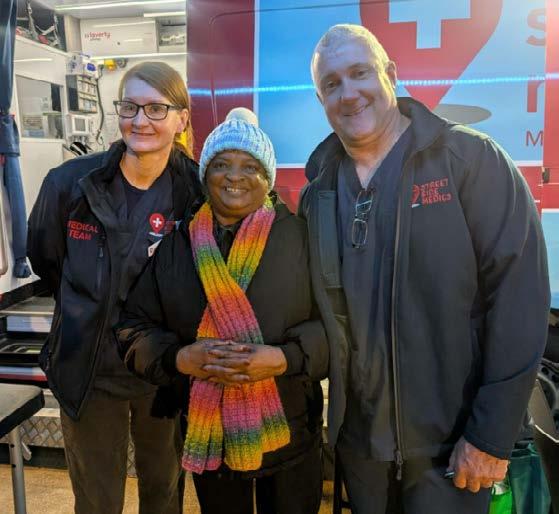
“Our same-time, same-place, eachweek model provides a level of continuity and we have a consistent team leader every week who coordinates care between clinics. We try to bridge that gap back to the traditional health system by
meeting people where they’re at.” Are you able to volunteer? Whether you’re a medical student, a junior doctor or an experienced GP or non-GP specialist, you could help make a difference by joining the roster for two hours a month.
To find out more email volunteer@streetsidemedics.com.au or visit streetsidemedics.com.au



DR MARISA MAGIROS
Medical Director
Drs4DrsACT
Associate Professor Jill Benson AM presented on the topic ‘Staying Well in Medicine’ at the Drs4Drs ACT Safe Spaces event on 23rd May. A/Prof Benson has over 40 years of clinical experience in doctors’ health, medical education, Aboriginal health and mental health. She is a Board Director for Doctors’ Health Alliance, and Medical Director of Doctors Health NT.
The session included strategies to support sustainable, meaningful practice and prevent burnout, as well as practical tips to improve experiences and outcomes when doctors seek medical care.
Insights on flourishing:
A flourishing life requires cultivating the best qualities within you, both morally and intellectually and living up to your potential. It involves using your talents to contribute to society and being actively involved in your community.
Living and working concordantly with our values contributes to fulfilment. If you need help identifying your values, try a survey such as this one: viacharacter.org
The deepest principle in human nature is the desire to be appreciated, respected and valued. Can you identify five people in your life with whom you have mutually supportive relationships? Debrief about difficult circumstances with these people.
Fulfilment comes from diverse experiences. Splitting our time between different roles at a ratio of approximately 1:5 provides fulfilment (e.g. a mix of teaching and clinical work).
Let your hobbies be ‘success experiences’ rather than sources of stress.
A/Prof Benson stressed that caring for ourselves and each other is of the utmost importance in medicine. With that in mind, she offered practical tips to improve experiences and outcomes when doctors seek care.

You are always at least the second opinion
Your patient is health literate, but not expert in everything
Foster shared decision making, agreeing on a plan together (concordance rather than compliance)
Enable realistic expectations
Acknowledge the uncertainty of illness
Demonstrate empathy
Follow-up is essential
Provide privacy and confidentiality
Establish the treating GP as the coordinator of holistic care
Build the relationship without being overly familiar
Ask the difficult questions –sex, drugs, fertility, weight
Don’t be afraid to examine
Ensure confidentiality
Avoid over-investigation
Avoid assumptions of knowledge
Allow enough time
Beware of projecting your own past experiences or feelings onto the patient (transference/ counter-transference)
Social engagements may be challenging in smaller areas
Ensure safety netting for
red flags and advise when and how to seek review
Bill appropriately
Avoid self-treatment, such as trying all the SSRIs yourself before you see the GP
Don’t steer the treating doctor away from the diagnosis you don’t want
Beware of providing a selective history to avoid sensitive areas of inquiry
Don’t self-diagnose – try not to present the treating doctor with your idea of the right diagnosis or treatment; be open to alternatives and “fresh” assessment
Further training on being a doctor who cares for doctors is available at training.drs4drs.com.au where you can access the learning module A Healthy Medical Profession: Caring for Ourselves and Our Colleagues. These free modules were developed by GPs experienced in doctors’ health.

DR MELANIE
DORRINGTON
Chief GP and Primary Care Advisor
Funded professional development and training opportunities for the ACT general practice workforce are available now.
Through the Professional Development and Wellbeing (PWD) Fund, the ACT Government is offering specific professional development opportunities in areas of high demand and community need, including ADHD care, mental health, women’s and children's health, sexual health, gender-affirming health care, and Voluntary Assisted Dying. These funded opportunities are available for GP registrars, GPs, and nurses (including nurse practitioners) in general practice for:
Persistent pelvic pain, perimenopause and menopause training from Vagenius
Access to Australasian ADHD Professionals Association (AADPA) memberships and guidelines
Sydney Children's Hospital Network: Essential Paediatrics
For GP Registrars in the ACT
and their supervisors, registration for GP26 Conference (and some costs covered) – Adelaide, 20-22 November 2026.
More online, on-demand and live and face-to-face courses, and resources, will become available throughout 2026.
To receive your access codes for available courses, and to sign up for a range of other courses coming soon email the PDW project team at OGPPC@act.gov.au.
Note, if you have completed ADHD training to become a continuation prescriber in the ACT and paid for your training, you can contact the team (OGPPC@act.gov. au) about reimbursement.
The Office of General Practice and Primary Care (OGPPC) is seeking input from local GPs, general practice nurses, nurse practitioners, other practitioners

and admin team members to shape the next phase of the Professional Development and Wellbeing Fund.
A range of potential initiatives have been developed through evidence review and local consultation, with a focus on general practice workforce attraction, retention, professional
development, and wellbeing.
Feedback will directly inform how funding is prioritised, designed and delivered, ensuring initiatives are practical, accessible, and aligned to the needs and interests of the ACT general practice community. To take part visit shorturl.at/yObXJ
OGPPC is establishing an opt-in email channel for general practice, with clinically relevant information only – you select the scope. To receive information tailored to general practice including options for health alerts, immunisation updates, or information on local activities, sign up for updates here: shorturl.at/flBTw
With a new financial year upon us, the rush to gather receipts, check tax settings and make last-minute decisions is still fresh in many peoples’ minds. That makes now an ideal time to ask what could be done to make next year easier. One area often forgotten is private health insurance. Not only does having the right cover keep you healthy, but it can also save you money come tax time.
Here are our top tips to help you be better prepared next EOFY.
1. Avoid the Medicare Levy Surcharge
If you earn above certain income thresholds, you may
be liable for the Medicare Levy Surcharge (MLS). This additional levy is imposed by the government if you don’t have an appropriate level of hospital cover.
The MLS ranges from 1% to 1.5% of your taxable income, depending on your earnings.
If you’re close to or over the threshold, consider taking out a compliant private hospital policy before 30th June. Keep in mind that waiting periods still apply, so it makes sense to act soon.
Tip: Use the ATO’s MLS calculator to estimate whether you’ll be affected and compare premiums to see if getting covered makes financial sense.
2. Maximise your private health insurance rebate
The Australian Government offers a rebate on private health insurance premiums based on your income –meaning you could get some reduction in your premiums or a refundable tax offset at return time.
If you’re already claiming the rebate through reduced premiums, double-check that the amount aligns with your expected income for the year. Adjustments can be made at tax time if needed, and any unused portion of your rebate can be claimed as a lump sum.
3. Beat Lifetime Health Cover (LHC) loading Lifetime Health Cover (LHC) loading applies if you delay purchasing hospital cover beyond your base entry age of 31. For every year you wait after turning 31, a 2% loading is added to your premium, up to a maximum of 70%. Once applied, these loadings remain in place for ten continuous years of holding cover.
4. Prepay your premiums for July
One clever trick savvy taxpayers use is prepaying their private health insurance premiums for the next financial year. By doing this before June 30th, you can bring forward your deduction into the current tax year.
Contact our friendly and knowledgeable sales team to find out what discount you’re eligible for by emailing join@doctorshealthfund.com.au or calling 1800 226 126
Disclaimer: The



GABRIELLE SULLIVAN Principal, Sullivans Legal Co
AI as part of the clinical system
For many practitioners AI is no longer a discretionary tool. It arrives at practice or service level, through integrated scribing tools, automated templates, and decision support built into prescribing and diagnostic systems. These tools are designed to improve the efficiency and consistency of care. The legal question is not whether to adopt them. It is how they interact with established professional obligations.
The legal starting point
There is little case law dealing directly with AI in clinical practice, and judicial guidance remains sparse.1 Courts and regulators continue to apply orthodox principles. Ahpra’s guidance is clear: practitioners remain responsible for care provided in their name, AI outputs must be subject to professional scrutiny, and accountability does not pass to the technology.2 A practitioner’s duty has always included the exercise of clinical judgment, whatever tools assist it.
Artificial intelligence is increasingly embedded in clinical practice, from automated note-taking to systems that suggest diagnoses and management plans. Much of the commentary has settled on a familiar proposition: the doctor remains responsible if the AI gets it wrong.
That is correct, but it does not explain how the existing legal principles actually operate. The more useful question is this: When AI becomes part of the clinical workflow, which parts of care remain non-delegable?
This is consistent with the way the law treats clinical decision support systems. Such systems support a clinical decision; they do not make it, and they leave intact the practitioner’s duty to exercise independent judgment.3 AI may inform a decision. It is not the decision-maker.
Where
Risk rarely arises from an obvious system error. It develops through small changes in habit: accepting generated content without rebuilding the clinical picture; treating an output as a substitute for reasoning; signing a record that reflects the system’s synthesis rather than the clinician’s own account.
The clinical record as evidence
The clinical record serves two functions, clinical and evidentiary. Courts rely heavily on contemporaneous records and will often prefer them to later recollection; in Fischer v Brown the County Court

preferred the contemporaneous notes to the patient’s account of what was said and done.4 In professional negligence claims the documentary record is usually the primary basis on which events are reconstructed.5 AI-assisted documentation raises a particular concern where the record is heavily system-generated, assembled after the event, or padded with inferred content, so that it no longer reflects the clinician’s reasoning at the time. Finalising the record remains a clinical task that calls for active judgment.
Responsibility here is concurrent. The practitioner is accountable for the decisions and records made in their name; the practice or health service is responsible for system design, governance, training and workflow.6 The system shapes the decision. Responsibility for the decision stays with the practitioner.

AI does not change the legal framework that governs clinical practice. It is treated as decision support, not as a source of authority. The duty to exercise clinical judgment, and to ensure the record reflects that judgment, remains with the practitioner.
Footnotes
1. Michelle M Mello and Neel Guha, ‘Understanding Liability Risk from Using Health Care Artificial Intelligence Tools’ (2024) 390(3) New England Journal of Medicine 271 (United States commentary; persuasive only).
2. Australian Health Practitioner Regulation Agency, Meeting your professional obligations when using Artificial Intelligence in healthcare (2025).
3. Megan Prictor, ‘Where Does Responsibility Lie? Analysing Legal and Regulatory Responses to Flawed Clinical Decision Support Systems When Patients Suffer Harm’ (2023) 31(1) Medical Law Review 1.
4. Fischer v Brown [2021] VCC 104.
5.Ian Freckelton, 'Records in Medico-Legal Litigation' (1998) Archives and Manuscripts 230.
6. Australian Commission on Safety and Quality in Health Care, National Model for Clinical Governance 2026.
Visit sullivanslegal.com.au or email gabrielle@sullivanslegal.com.au
Common traps when using AI scribes
“Looks right” bias: accepting a note because it reads well, without checking that it is accurate.
Phantom positives: completed fields recording questions that were never asked or findings never made.
A lost reasoning trail: the note states a conclusion but not the thinking that led to it.
Over-reliance on structure: a tidy template mistaken for a complete account.
Passive sign-off: signing by habit rather than after reading.
A practical safeguard: Before signing, ask whether the record reflects what you actually thought and did, or only what the system has constructed.
Gabrielle Sullivan is Managing Legal Practitioner and Director at Sullivans Legal Co, Canberra City, and a Law Society Accredited Specialist in Employment & Industrial Law. The content of this article is intended to provide a general overview on a matter of interest. It is not intended to be comprehensive. It does not constitute legal advice and should not be relied upon as such. You should seek legal or other professional advice before acting or relying on any of the content.
‘Good supervision requires slower clinical service delivery’
Make your voice heard in our ongoing supervisor survey
Clinical supervisors want more support in the vital work of training the next generation of doctors, preliminary results from AMA ACT’s supervisor survey show. Supervisors across a diverse range of specialties have responded to AMA ACT’s ongoing survey, including
representatives from immunology, obstetrics and gynaecology, orthopaedics, urology, emergency medicine, geriatrics, intensive care and dermatology. All respondents are current or recently retired supervisors in the ACT public system, including staff specialists and visiting medical officers.
A consistent theme in responses to date has been the tension between the overwhelming
demands of medical service delivery and the need to teach and support trainees.
“Supervision means I fall behind in other tasks required as part of my role,” one physician wrote.
Another wrote: “Administrators and executives fail to understand that training is linked to service delivery, and teaching is not something disconnected and done separately to clinical work. This is an apprenticeship and good
supervision requires slower clinical service delivery.”
While most respondents said supervising contributed to job satisfaction and professional development, around a quarter said it had contributed to burnout. Almost all respondents called for more protected time so they could prepare, present and provide feedback and support to trainees. Conversely, they called for
more realistic patient loads and administrative expectations.
Supervisors also frequently expressed a desire for additional support with administration and IT.

To contribute to AMA ACT’s ongoing survey ‘Training the Next Generation’ go to surveymonkey.com/r/JLS5HRH
Moving interstate to take the next step in your career is challenging enough without having to wrap your head around new employment conditions and a different industrial relations environment.
Thankfully, the Australian Medical Association has industrial relations advisors across the states and territories to help smooth your journey between jurisdictions. Here are three things to know before your next move.
First, not all entitlements transfer in the same way. It pays to speak to your AMA industrial relations advisor prior to any move to find out what you rights are. AMA NeXt (ama.com.au/ama-next) is also a useful tool that compares interstate entitlements for doctors in training (a similar tool for specialists is under development). Sick leave usually ends when employment ends, and unused annual leave is generally paid out rather than carried across. Long service leave is often the most portable entitlement. Where a doctor is recognised as a public servant, prior service may be counted across government systems. In Victoria there are protections for long service leave in the enterprise agreement. Parental leave is more complex and varies sharply between jurisdictions. Many doctors assume that moving interstate automatically means losing access, but protections may still exist through enterprise agreements, government determinations, or recognition of prior service if the doctor is returning to a place of previous employment. You’ll usually need to apply to your new employer to have your prior service recognised, whether it be for long service leave or parental leave purposes.
Second, AMA looks different around Australia. The AMA does not play exactly the same role in every state and territory, reflecting the different industrial systems across jurisdictions. In many jurisdictions, including the ACT, AMA works to improve pay
and conditions for hospital doctors through enterprise bargaining. In other jurisdictions, such as NSW, South Australia and Queensland, unions are uniquely allocated responsibilities for negotiating awards under state-based laws.
AMA is not a union – it is a professional association, with both employee and employer members. Nevertheless, it remains a strong voice for salaried medical professionals in these jurisdictions.
There are other cross-border differences. For instance, there is no conjoint agreement between the union (ASMOF) and AMA in the ACT, although the two organisations work closely together. You may only be directly represented by the AMA in bargaining negotiations if you elect AMA to represent you. By contrast, in Victoria, Tasmania, Western Australia and the Northern Territory, membership of the AMA gives you free membership of the union.
Third, despite the differences across jurisdictions, AMA plays a crucial role supporting doctors in every state and territory.
Federal AMA Senior Industrial Advisor Andrew Lewis explains: “People often have the wrong impression that industrial relations is about conflict and strikes. But actually, 95% of industrial relations is about strengthening the relationship between employer and employees, problem solving and seeking settlement.
“AMA has longitudinal relationships with employers, and we work hard to protect and nurture those relationships in a constructive way, to the benefit of our members. We have deep contacts within workplaces, so that when our members come to us with concerns, we know who to raise the matter with, and we do that sensitively and respectfully.
“AMA are advisors at the first instance, to minimise potential for escalation. That is why we strongly encourage members to seek professional advice early so that we can help them define the issues early, and equip them to navigate solutions with the right people within their organisation, or we can case manage for them.”




AMA NeXt is a tool that compares interstate entitlements: ama.com.au/ama-next
Pay and conditions for public hospital doctors in the ACT are set out in the enterprise agreement and determined in the federal jurisdiction under the Fair Work Act. AMA ACT can have authority to represent members in this bargaining process and when they raise concerns about their entitlements. There is no conjoint agreement with ASMOF, so AMA bargains on behalf of members who nominate AMA as their bargaining representative.
Commonwealth P P P P P
For doctors employed by the Commonwealth Government, pay and conditions are established under department-specific Fair Work Agreements. AMA has a conjoint agreement with ASMOF to negotiate on doctors’ behalf in these negotiations.
NSW
Registered trade unions negotiate on the industrial award for public hospital medical officers in NSW, under state-based laws. AMA is a professional association, not a union, as it has both employee and employer members. Nonetheless AMA plays an active role advising and supporting doctors in industrial relations matters in the public sector, as in the private sector.
NT P P P P P
Enterprise bargaining operates under the Fair Work Agreement in the NT, and AMA and ASMOF work hand-in-hand to represent the interests of members in the public service.
QLD
The Queensland Branch of the AMA Ltd supports doctors across the state with a strong, united national voice, and provides advisory support for both employers and employees.
SA O O P (rural GPs) P P
As in NSW, registered trade unions negotiate on pay and conditions for public hospital doctors in SA, under state-based laws. AMA nonetheless maintains an active role advising and supporting doctors in both the public and private sector. AMA negotiates with the government on conditions for VMOs working in rural hospitals, in collaboration with RDASA.
Tasmania P P P P P
Enterprise bargaining operates under state law, and AMA Tasmania is a lead in close collaboration with the TSMPS (an ASMOF Affiliate). AMA Tasmania provides industrial services to both employee and employer members.
Victoria P P P P P
Pay and conditions for public hospital doctors in Victoria are set out in the enterprise agreement and determined in the federal jurisdiction under the Fair Work Act. Because there is a conjoint agreement, AMA Victoria and ASMOF Victoria work closely together in bargaining and member industrial services to ensure both employee and employer members are represented industrially.
WA P P P P P
Under state-based laws, AMA in WA has unique status to act as if it were a trade union, negotiating the industrial award for public hospital doctors, as well as performing the roles of a professional association.
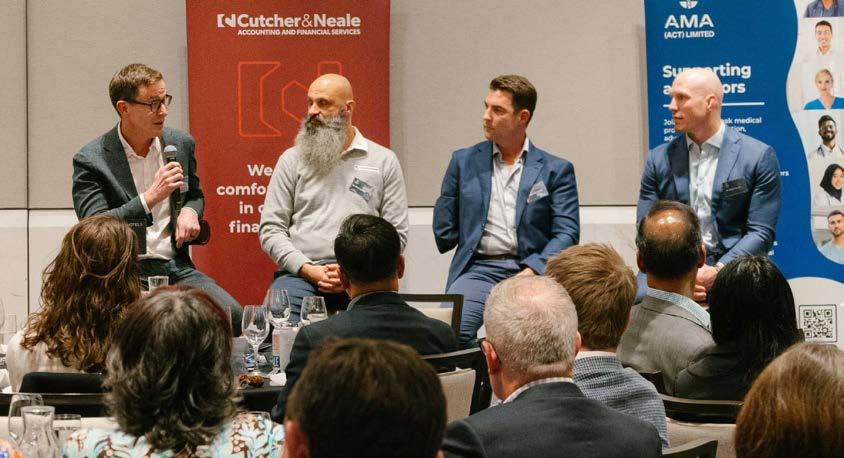
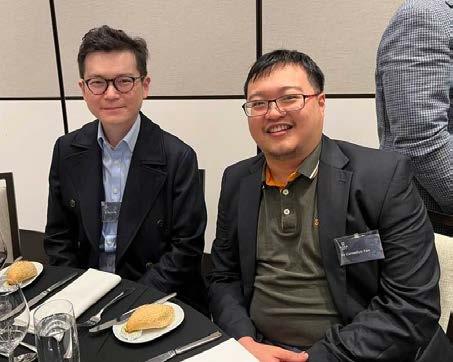
AMA ACT’s Men’s Health Week Dinner in June received strong positive feedback, with clinicians welcoming the opportunity to gather for an informed discussion about the challenges affecting men today and what can be done to help more men live healthy lives.
An engaging panel featuring Senator David Pocock, urologist Dr Sean Heywood,
GP Dr Matthew Thompson, psychologist Nesh Nikolic and host AMA ACT President Dr Betty Ge, spoke frankly about issues ranging from PSA testing and erectile dysfunction to loneliness, addiction and empowering men to seek help early.
“Unfortunately, men’s health isn’t sexy,” said Dr Heywood, speaking about underinvestment in preventive health activities for men.
Dr Heywood noted that men often “put up with” conditions such as erectile dysfunction and BPH, even though early conversations with a doctor and early intervention could prevent
them from developing more serious disease. He also spoke about the need to engage more men in PSA testing: “Prostate cancer is one of the most common causes of cancer death in men, so we should test for it.”
The panellists agreed that funding for preventive healthcare was inadequate, at just 2.9% of total annual government health spending in Australia. “Treasury just cares about the next four years,” Senator Pocock said.
Senator Pocock spoke about loneliness among men, particularly at transition points in their lives, such as the birth of a child. “A lot of men are
feeling lonely… Not having a single health professional check in and see how they are going.”
Dr Thompson emphasised the need for young men to have role models and father figures. “A lot of the issues we see in young people are because people don’t have good role models... They’re isolated and they’re not involved in communities… It goes back to education and trying to break the cycle.”
The panellists agreed that one of the most important things men could do for their health was to have a GP they knew and trusted, with whom they could raise issues over the course of their life. Dr Thompson said: “When it comes to having difficult conversations about things like suicidality or thoughts of self-harm, if you know the patient, they want to look you straight in the eye and tell
you the truth. They don’t want to beat around the bush. That can only happen if you know them.”
Psychologist Nesh Nikolic noted that men differ in how they receive health advice: some prefer a bold, direct approach, while others need gentler encouragement.
“The important thing for doctors is to develop a really strong therapeutic alliance, and take a punt… If your first approach doesn’t work, take a second punt. Change your approach. It’s like how we work with our own children… That’s why continuity of care is so important.”
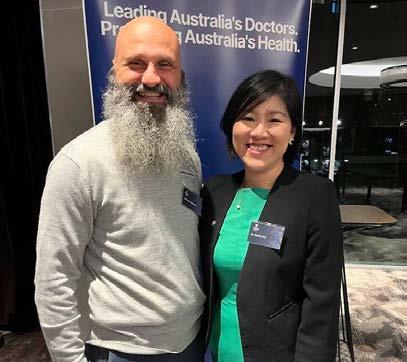
Conversations in Men’s Health: Healthy Mind, Healthy Body was held at Hotel Realm in Barton on 18 June and supported by Cutcher & Neale, ACT Day Hospital and Partnered Health Medical Centres.
Special thanks to our event partners:








Excellence in Surgical Care
ACT Day Hospital is a newly purpose-built, state-of-the-art multispecialty day hospital conveniently located in the heart of Deakin, Canberra.
actdayhospital.com.au
(02) 6195 0180 info@actdayhospital.com.au
37-39 Geils Court, Deakin, ACT 2600



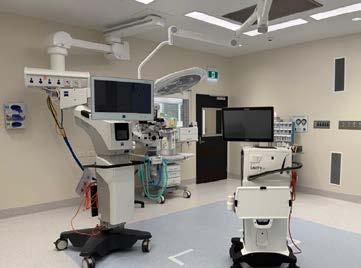
Our Facilities:
• Two fully equipped operating theatres featuring GE anaesthesia machines and supported by highly skilled anaesthetic nurses
• Dedicated Angio Suite for minimally invasive procedures
• State-of-the-art ophthalmology theatre equipped with the latest Zeiss Callisto microscope with Intraoperative OCT
• Highly Skilled Senior Ophthalmology nurses
• Alcon Unity System
• ACT Day Hospital provides exceptional facility for eye surgeries
The important thing for doctors is to develop a really strong therapeutic alliance, and take a punt… If your first approach doesn’t work, take a second punt. Change your approach.
– Psychologist Nesh Nikolic


We currently have the following specialties operating:
• Interventional Pain Management
• Ophthalmology
• Faciomaxillary Surgery
• General Surgery
• Plastic Surgery


PROFESSOR PAUL FITZGERALD
Director, School of Medicine and Psychology
ANU College of Science and Medicine
Novel therapies in psychiatry are offering new hope to patients with conditions that have often proved difficult to treat. At ANU, we are contributing to research at the forefront of efforts to develop and evaluate these emerging approaches.
There has historically been two main pillars of therapeutic activity in psychiatry: psychopharmacology and various forms of
used exception to this. However, over the last 20 years there has been a substantial movement towards developing a third arm of psychiatric treatment – interventional psychiatry. This is being increasingly recognised as a distinct area of practice with training programs and subspeciality recognition emerging internationally and in Australia. The Royal Australian and New Zealand College of Psychiatrists is currently considering advanced training plans in this area and the use of the interventional psychiatry terminology to define the section which oversees professional practice in the areas of ECT and brain stimulation.
One of the main treatment developments that has underpinned the recognition of this area has been the progressive development of techniques using transcranial magnetic stimulation (TMS). TMS methods are now used widely in the treatment of depression, in Australia partly funded through Medicare, and the indications for this treatment are growing to include
things like obsessive compulsive disorder (OCD) and potentially schizophrenia. There is a substantial evidence base including numerous randomised controlled trials and meta-analyses supporting the use of TMS in the treatment of depression, but we are continuing to innovate to improve treatment efficacy and efficiency. At ANU we are currently running clinical trials evaluating the use of TMS as a maintenance treatment and evaluating whether neuroscience tools including magnetic resonance imaging and electroencephalography (EEG) can be used to produce better treatment outcomes through personalisation of treatment parameters.

Friday 28 and Saturday 29 August 2026
Pullman Melbourne on the Park
Uniting medical professionals from every specialty and career stage for two powerful days of learning, inspiration, and connection.
Discover a program designed by doctors, for doctors, featuring keynote speakers, including Jelena Dokic, research abstracts, interactive workshops, the AMA Presidential Election, and key AMA business sessions. This year’s theme, Leading Change in a Connected World, celebrates the power of collaboration, innovation, and leadership to shape the future of healthcare.
AMA's annual Gala Dinner on Saturday 29 August celebrates our inspiring AMA award winners, alongside a three-course meal, drinks and live entertainment.

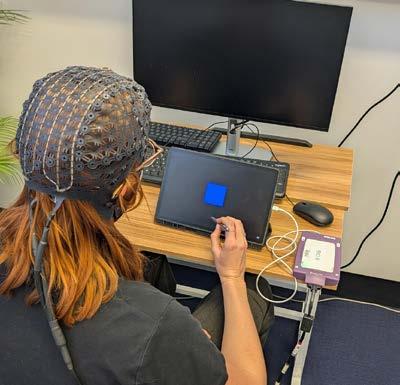
There is also considerable interest in the development of other forms of non-invasive brain stimulation. Transcranial direct current stimulation is being used to a small degree in clinical practice. A significant stream in our research program is focused on the development of another form of electrical stimulation –transcranial alternating current stimulation (tACS). tACS involves the application of a very weak electrical current to the brain to try and entrain neurons (induce them to fire synchronously), at a specific frequency. This frequency can be individualised based on an understanding of the oscillatory activity that underpins specific brain functions, and personalised based upon an individual patient’s EEG. tACS is very well tolerated and can be provided with relatively low cost and portable equipment, making this a highly personalised treatment, but one which can be done in a patient’s own home. This should lower costs
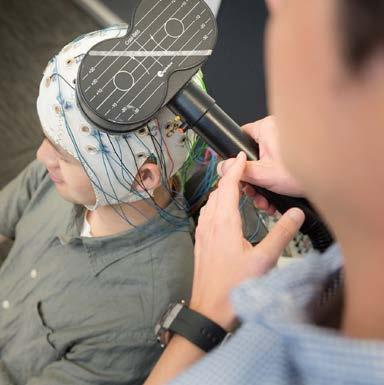
and dramatically increase access to brain stimulation treatment.
We are currently running clinical trials evaluating the use of tACS in depression, post-traumatic stress disorder (PTSD) and OCD, with the treatment parameters in each condition specifically chosen based on an understanding of the electrophysiological underpinning of each disorder. Following a highly promising pilot study conducted in 2025 at ANU where we saw very high response rates, our depression tACS study now involves the provision of treatment at home. In a world first we are using custom developed hardware and software which will allow us to collect EEG data, as well as provide treatment stimulation at home, a big step towards a fully ‘closed loop’ treatment model.
Perhaps the area attracting the most attention in psychiatry and psychiatry research currently is the advent of psychedelic assisted psychotherapy (PAP). PAP involves the provision of a psychedelic medication such as psilocybin or MDMA, usually following a period of psychological preparation and with substantial psychological support during the dosing session. Following dosing, patients typically continue a process of therapeutic integration of the experiences they have had on their dosing day(s). Clinical trials conducted internationally have suggested that psilocybin has meaningful potential as an antidepressant treatment, and that MDMA may be used in the treatment of PTSD. These two applications are available in Australia to a limited degree under an Authorised Prescriber scheme carefully regulated by the
Therapeutic Goods Administration. At ANU, we are coordinating a national registry to track outcomes associated with PAP being provided through the Authorised Prescriber scheme. This is a critical activity to gather real world data to help establish both the short- and longer-term effectiveness of these treatments, especially given that there are well recognised challenges with conducting well controlled clinical trials of these sorts of drugs (it is hard to have an effective placebo when the immediate effects of the active drug can be so obvious). We have also partnered with Medibank Private to conduct a clinical and health economics outcome evaluation of a funding program they have initiated providing access to PAP for some patients insured through them. We are also running a substantial adaptive multi-site clinical trial (EMPACT) evaluating the use of psilocybin in treatment resistant depression (TRD). This is comparing the effects of one, two or three dosing days. Recruitment of patients with TRD for this trial is currently underway including several sites in Canberra. We are also conducting a small pilot trial of Psilocybin and MDMA in patients with OCD.
More information and contacts for referrals
Personalised TMS in depression freed.smp@anu.edu.au
Maintenance TMS trial maitrde.smp@anu.edu.au
tACS in depression
tacsdepression.smp@anu.edu.au
tACS in PTSD
tacsptsd.smp@anu.edu.au
Psilocybin in Depression empact.smp@anu.edu.au
PAP Registry
PAPregistry.smp@anu.edu.au
In 2026 Dr Dani McGufficke left her role as an emergency medicine physician at Canberra Health Services to undertake a prehospital and transport medicine fellowship in Ontario, Canada. Dr McGufficke spoke with Canberra Doctor about her experiences.
What does prehospital and transport medicine look like in Ontario, and how is it different to retrieval medicine in Australia?
In Ontario, prehospital and transport medicine is one huge operation that comprises both urban rotary wing and land ambulance, and fixed wing ambulance servicing remote northern communities. Whereas
Australia has established cross-professional teams with combinations of doctors, nurses and paramedics, crews here have been paramediconly until very recently, with doctors mostly involved from a ground coordination perspective. Bringing doctors into the crews is very new, and this is the only fellowship of its kind in Canada. From a logistics perspective the Canadians deal with expansive territories similar to ours but with different perils – the threat of lines freezing in winter, for example, is something I had never considered before. The cold weather logistics multiplied by resource limitation is super interesting and completely new to me.
What made you want to go to Canada to do this?
A love of prehospital medicine coupled with a deep and irrepressible desire for adventure. I have had Canada in my sights for a long time –
my husband is from Alberta and my kids are Canadian citizens, so this fellowship was an awesome opportunity for me to learn and study in our family’s other home while the kids learn to skate and shovel snow.
What’s been your most memorable day in this fellowship so far?
One of my earliest days there had been a massive snowfall and we were dispatched to a scene call for a snowmobile accident. The helicopter landed on an oval in knee deep snow and as we carried the bags out to assess the patient a big group of community members arrived to help shovel a path back to the aircraft so we could get the patient in on a stretcher. It was awesome to face the new challenge of snow blocking our path, and see everybody work together to solve the problem all at once.
What’s been most challenging?
I have had to overcome about 17 years worth of training in order to say “epinephrine” when I mean adrenaline.
Do you have any time for fun while you’re over there? Absolutely. Our family have been packing in quintessential Canadian experiences – highlights have been skating the length of Ottawa’s Rideau Canal, going out with some colleagues to sauna and plunge in an icy lake, learning to cross country ski, and hiking the wilderness dotted around the province. The kids are also in hockey and skating lessons like true Canadians.
Where to from here?
We’ll come home to Canberra after one more White Christmas and defrost for a while, and I’ll return to my home job in the ED. My love of adventure is balanced by an appreciation for home.




JODIE WALSHE Cutcher & Neale Partner
From Payday Super to Federal Budget changes coming into effect, 1 July 2026 brings changes you can’t afford to ignore, whether you run a practice or are focused on your personal finances.
Payday Super: A major shift. Super for staff must now be paid
at the same time as wages, with contributions reaching funds within seven days. For employers, this means tighter cash flow planning, more frequent payments and near real-time reporting.
Instant asset writeoff now permanent. The $20,000 instant asset write off is here to stay. Eligible small businesses can immediately deduct assets under the threshold, making it easier to invest in equipment, tech or tools without second guessing timing.*
Loss carryback returns.
Loss carry-back rules are back, allowing eligible businesses to
offset losses against prior profits and potentially receive cash refunds.*
trusts: proposed changes ahead.
A significant change to discretionary trusts is coming, with a proposed 30% minimum tax on trust income from 1 July 2028. While not yet legislated, this signals a major rethink for family groups, investors and business owners using trust structures, making early review and proactive advice critical.
Division 296: Here to stay.
Division 296 will officially commence 1 July 2026, meaning an additional 15% tax on earnings relating to
superannuation balances above $3 million, and 30% above $10 million. It signals a broader shift in how wealth held in super is taxed, making structure, timing and long-term planning more important than ever.
What this means for you.
These changes aren’t just compliance updates, they’re planning opportunities. Getting ahead early puts you in control. Contact the experts at Cutcher & Neale for a no-obligation complimentary consultation today.
*The loss carry-back and instant asset write-off measures will not apply until the legislation has been passed through Parliament.
For a complimentary consultation call 1800 988 522 or visit www.cutcher.com.au/contact



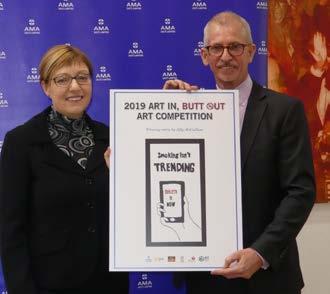
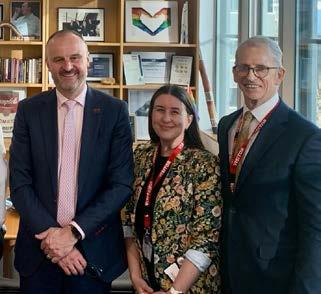
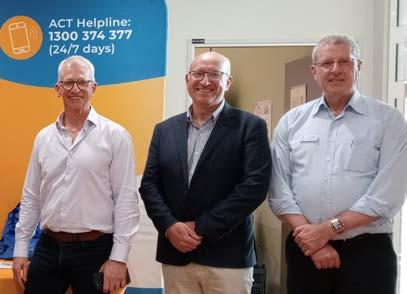
Somerville is stepping down after a decade of distinguished leadership.
A lawyer with extensive experience leading industry and professional associations, Mr Somerville was recently honoured with a 10-year service award, having become CEO in 2015, following the retirement of long-serving chief executive Christine Brill.
“I’m immensely proud of the advocacy we’ve been able to do on behalf of doctors and their patients
over the years, including securing significant improvements in working conditions for junior doctors and helping drive independent inquiries to hold the ACT Government to account,” Mr Somerville reflected.
“It’s been my greatest pleasure to have worked with outstanding presidents – Dr Elizabeth Gallagher, Professor Steve Robson, Dr Antonio Di Dio, Associate Professor Walter Abhayaratna, Dr Kerrie Aust and Dr Betty Ge – as well as board members and Federal AMA staff, who I’ve counted as colleagues from the very beginning.”
Ms Natalia Centellas, Secretary General and Group CEO of the Federal AMA, said Mr Somerville had played a significant role in
New Mawson Collection Centre
We are excited to announce the opening our new collection centre in Mawson.
73-77 Mawson Place, Mawson (near the entrance to Woolworths)
Open 7.30am to 1.30pm Monday to Friday
strengthening AMA ACT’s standing as a respected and influential voice for doctors in the Territory.
“Peter’s wise counsel and thoughtful contributions are known across the AMA Federation, where his opinion is held in high regard,” Ms Centellas said.
“His leadership was crucial to ACT member discussions about a merger with AMA Ltd and to strengthening the AMA’s ongoing presence in the Territory.”
Before joining AMA ACT, Mr Somerville worked closely with the Federal AMA as executive director of the Australian Salaried Medical Officers Federation, including during its successful joint campaign against the Newman Government’s move to abolish collective bargaining for public
hospital doctors in Queensland.
While his decade with AMA ACT has included many wins, Mr Somerville said the role had also changed his life personally.
“If I hadn’t come to Canberra for this role, I may not have met my husband Cristian,” he
said. “He’s been the best thing that’s happened to me.”
Peter will remain in the role over the coming months to support continuity and the transition process. Recruitment for a new Executive Officer of the ACT Branch will commence shortly.
AMA ACT president Dr Betty Ge spoke on HIT104.7 Canberra News on 23 June about the AMA’s Ambulance Ramping Report Card, which showed demand for ambulance services has continued to grow, and that turnaround times are higher than four years ago.
“Every minute the ambulance is delayed is a minute that it cannot respond to the next emergency in the community… We want to see a continued investment our public hospital system, in our medical workforce and more efficient patient flow so Canberrans can access timely care when they need it the most.”
Dr Ge spoke on ABC Radio Canberra Mornings on 12 June about the Walsh Inquiry report.
means better patient care.”
Dr Ge was also quoted in the Canberra Times on 12 June, about the Walsh Inquiry.
“If we deny there is a problem, then there will be no solution and there will be no practical changes on the ground, and I think that’s a real danger to our public.”
Dr Ge was on ABC TV News on 29 June talking about the three new bulk-billing GP clinics opening in Phillip, Tuggeranong and Gungahlin with $10.5 million seed funding from the Federal Government.
"My question is, what would happen after, when the funding dries up? The clinic will face closure and who's going to take over patient care?"
Appointments available all day. Patients can visit capitalpath.com.au/appointments to make an appointment.

“Now we have the roadmap going forward and certainly AMA ACT acknowledges some of the positive changes already happening in our hospital system. But there’s of course still a lot of work to be done…. We still have ongoing concerns about overall psychological safety of staff, and want to maintain good momentum and continuously improve on this, because we know that better safety for staff
Dr Betty Ge spoke with ABC Radio Canberra’s Afternoons presenter Georgia Stynes on 4 June about doctors finally receiving payment through the junior doctors’ class action.
“This is a tremendous and historic win for junior doctors, compensating them for unrostered unpaid overtime they did while working at the health service in the past.”

Gala night
The Medical Women’s Society of the ACT and Region’s Embracing Cultural Diversity fundraising gala –Dr Betty Ge with Dr Yifang Wu and Dr Sunita Singh.

RACGP meeting
Dr Betty Ge meeting with RACGP Vice President Dr Ramya Raman.

Paediatric intensive care specialist and ethicist Dr Melanie Jansen and GP author Dr Joo-Inn Chew at the launch for Melanie’s new book, All That Could Be Lost.
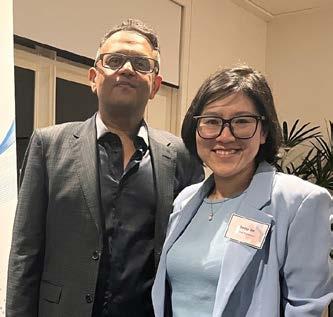
New hospital opening
Dr Betty Ge and Dr Jatinder Shekhawat at the opening of Canberra Emergency Care Centre in Turner.
EVENTS
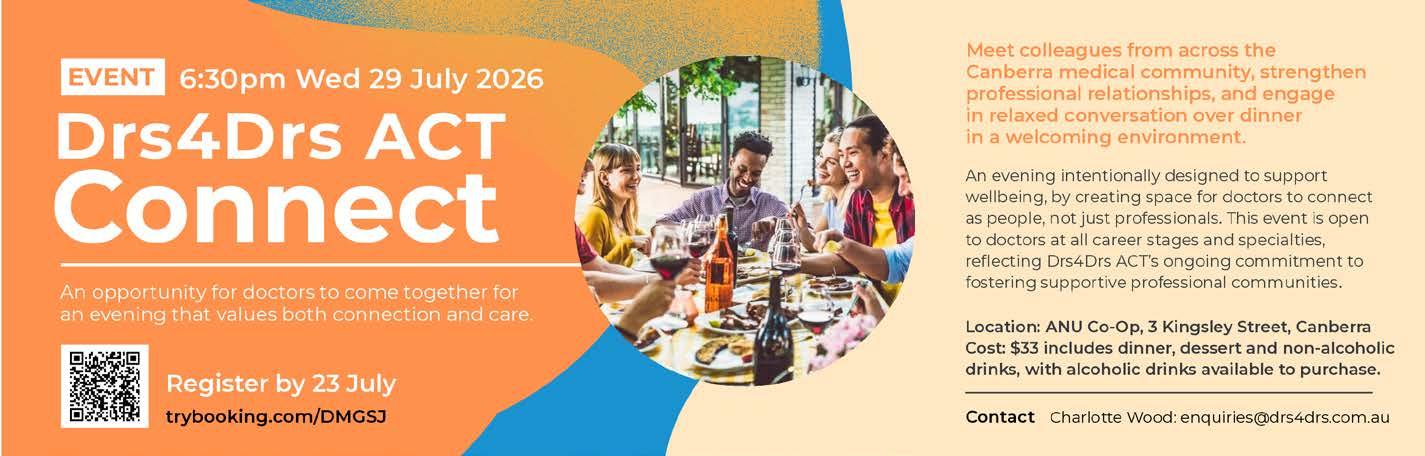
Drs4Drs ACT Connect
29 July, 2026 | 6:30pm to 9pm | ANU Co-Op, 3 Kingsley Street, Canberra
Drs4Drs ACT Connect is an opportunity for doctors to come together for an evening that values both connection and care.
Over dinner, attendees will have the chance to meet colleagues from across the profession, and engage in relaxed conversation in a welcoming environment. The evening is intentionally designed to support wellbeing by creating space for doctors to connect as people, not just professionals. Open to doctors at all career stages.
Bookings close Thursday 23 July - Register at trybooking.com/DMGSJ
Enquiries: Charlotte Wood: enquiries@drs4drs.com.au
See more at ama.com.au/act/events
23 July, 2026 | 6:30pm to 8:30pm (AEST) | Zoom
Step more confidently into budget and performance conversations with the AIHE Finance & Data masterclass — a practical course built for doctors and senior clinicians who want to strengthen their finance and data capability. This course focuses on real-world application: understanding how money flows in healthcare, interpreting operational performance data, and contributing meaningfully to planning and improvement discussions.
AMA members receive access to subsidised rates, as part of our industry partnership with AIHE.
For more info visit ama.com.au/events

Breaking down stigma around doctors’ mental health on Crazysocks4docs day, June 5, with Dr Sharmila Sambandam.
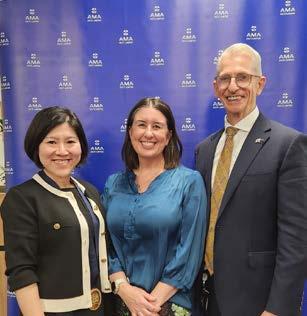




Dr Betty Ge with outgoing president Dr Kerrie Aust and CEO Peter
Dr
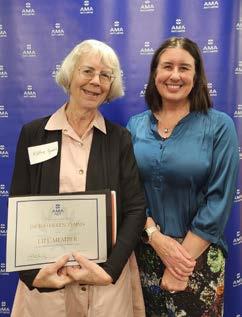
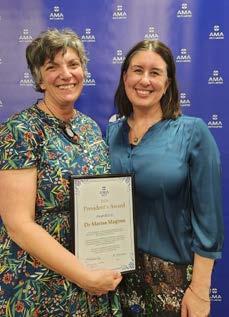
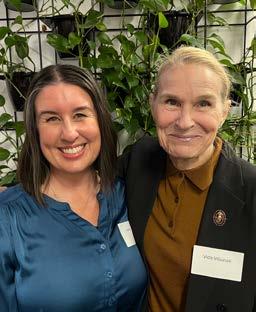
Dr Tony Gill, Dr Aust and Dr Chris Harrison; Dr Kathleen Tymms with her Life Membership; Dr Marisa Magiros receiving the President’s Award; Dr Hazel Serrao-Brown, Dr Sumi Saha and Dr Aust; Dr Kate Reid and Dr Maryse Badawy; Dr Aust and Dr Vida Viliunas; Dr James Miller and Dr Magiros.
A News Magazine
for all Doctors in the Canberra Region
ISSN 13118X25
All electoral matter in this edition of Canberra Doctor is authorised by Peter Somerville on behalf of the Australian Medical Association's ACT branch.
Published on behalf of the Australian Medical Association ACT branch.
Level 1, 39 Brisbane Ave, Barton ACT 2600
Editorial
Sarah Colyer sarah-colyer@ama-act.com.au
Design & Advertising
Juliette Dudley jdudley@ama-act.com.au
Mailing address PO Box 560, Curtin ACT 2605
AMA ACT acknowledge the Ngunnawal and Ngambri peoples who are the traditional custodians of the Canberra area and pay respect to the Elders, past and present, of all Australia’s Indigenous peoples.
AMA ACT is committed to safe and inclusive work places, policies and services for people of LGBTQIA+ communities and their families.
The stories that matter to Canberra's medical community - delivered straight to your inbox. Subscribe to our bi-monthly email newsletter to be notified when our next issue is published. Go to mailchi.mp/ama-act/ candocsubscribe
Canberra Doctor welcomes reader contributions. Submit your stories or letters to editorial@ama-act.com.au
The Australian Medical Association ACT shall not be responsible in any manner whatsoever to any person who relies, in whole or in part, on the contents of this publication unless authorised in writing by it. The comments or conclusion set out in this publication are not necessarily approved or endorsed by the Australian Medical Association ACT.



Following months of anticipation, planning, rehearsals, and countless hours behind the scenes, ANU’s 20th Med Revue took to the stage over three nights in May, with an Abba themed production – Mamma Medicina! On the Wards Again
With more than 1,000 tickets sold, this year’s production raised a recordbreaking $20,000+ for Companion House, to support its vital work assisting refugees and survivors of torture and trauma within our community.
Through comedy, music and heartfelt moments, this year’s show explored the uncertainties and challenges of aspiring to a career in medicine, while celebrating the joy, humour, and camaraderie that make the journey worthwhile.
Med Revue has long been a welcome creative outlet from the pressures of medical training, bringing together students from Years 1 to 4 in a unique collaboration that forges friendships, develops talents, and creates lifelong memories.
This year’s production involved more than 100 students, including the cast, band, chorus, dancers, producers and many volunteers working behind the scenes.
It was directed by Charlotte Raftesath and Soojin Lee, produced by Stephani Viljoen and Ryan Nielsen, with choreography by Katriel Tan and Naomi Yong, music direction by Tori Gillespie and John Hui, chorus direction by Catherine Lindsay, and videography by Josh Abelev.



Dr Neera Jain Cataract and glaucoma
surgeon
Suite 8/3 Sydney Ave, Barton, 2600 blinkeye.clinic/ourdoctors/dr-neera-jain/ 0466996522 neera@blink.clinic
Lyrics: 'Med Degree' (based on Dancing Queen by ABBA)
Finished class
We survived
Only took half of our life
Watch out world
Look at me
Gettin’ my med degree
When we started those years ago
Thought there was so much to know
But to be a good intern
Only need one thing
Just go to ETG
Any day it could be that time
I finally save someone’s life
Just four years of study
To chart panadol
Totally worth my debt
At least I still tell them
We got a med degree
Short and sweet
Seven years at least
Med degree
Stared at screens, used chat GPT
Took a chance
Still alive
Here for the rest of our lives
Watch out world
Look at me
Gettin’ my med degree
Cannot wait to be on the ward
Getting paid and not ignored
Looking out for each other
When it’s 2 AM
MET call is ringing loud
Making ANU proud
Raised in Canberra, Dr Jain completed her undergraduate medical degree at the University of New South Wales, graduating with First Class Honours and the prestigious Foundation Year Graduates Medal. She went on to complete her specialist ophthalmology training within the Sydney Eye Hospital network, where she was awarded the FilipGreer Medal for excellence in Ophthalmic Pathology. Dr Jain pursued advanced subspecialist fellowship training in glaucoma at the Royal Victorian Eye and Ear Hospital in Melbourne and Moorfields Eye Hospital in London. Dr Jain also holds a Master of Medicine in Clinical Ophthalmology from the University of Sydney. She is now welcoming new patients for general eye consultations and glaucoma care.
Are you new in town? Or has your practice welcomed a new doctor? We’d love to help you get the word out to referring doctors by running a profile in the next edition of Canberra Doctor. It’s easy – just email your bio and photo to editorial@ama-act.com.au with the subject line ‘New in Town’.

Assoc/Professor Hodo Haxhimolla

n Prostate cancer treatment n Peyronies disease
n Robotic radical prostatectomy n Male incontinence
Dr Gopi Elango is an Australian-trained FRACS General Surgeon with advanced fellowship training in Endocrine Surgery, Head & Neck Cancer Surgery, and Surgical Oncology. His practice delivers rapid access to consultation, and timely definitive surgery including:
• Endocrine Surgery (Thyroid and Parathyroid)
• Surgical Oncology (Melanoma and Sarcoma)
• Head and Neck Surgery (Salivary Gland, Lip and Facial Cancers, Oral Lesions and Oral Cancer)
• Complex Neck and Lymph Node Surgery
• General Surgery (Hernia, Gallbladder Disease, Pilonidal Disease, Haemorrhoids and Laparoscopic Surgery)
info@drgopielango.com.au | P: 02 6195 0180 | F: 02 6147 066 37-39 Geils Court, Deakin, ACT

n Robotic partial nephrectomy n Laparoscopic radical nephrectomy
n Robotic pyeloplasty n Laser Treatment for BPH
n Erectile dysfunction n Laser stone treatment
n Penile Implant surgery n MRI guided prostate fusion biopsy




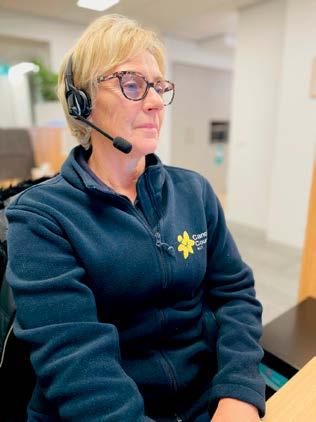






in Canberra Doctor. Professional design included. Contact: Juliette Dudley jdudley@ama-act.com.au






•