
(JANUARY 2020- JUNE 2022)





MESSAGE
CollegeTowne Overview: President John R. Loyack
Message From: Dr Rodney S. Ridley, Sr. EXECUTIVE SUMMARY
Major Initiatives Timeline
The Future of O’Pake THE O’PAKE INSTITUTE FOR ECONOMIC DEVELOPMENT AND ENTREPRENEURSHIP
Mission, Vision & History
Founding Sponsors
Innovation Subcommittee
Staff Bio O’PAKE SERVICES

O’Pake Fellows Program
SPARK Business Incubator
Financial Services

Academic Services
Technology Transfer & Biomedical Innovation Collaborative
Center for Entrepreneurial Leadership
Mentors and Professional Service Providers
Community, Economic, and International Engagement
HIGHLIGHTS
Wins In the News
IMPACT REPORT
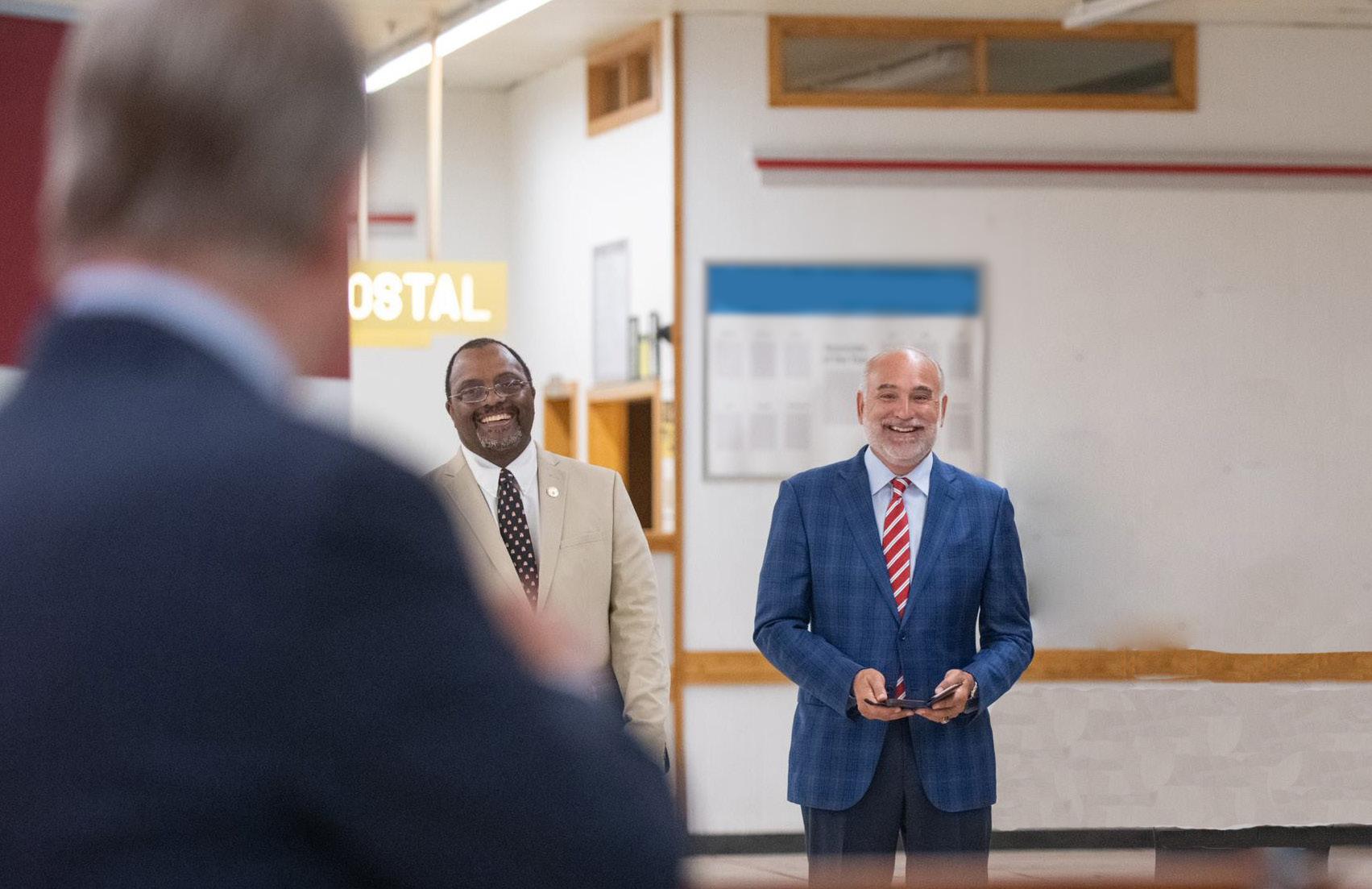
John R. Loyack’s plan to revitalize Reading by turning it into a thriving college town was one of the more head-turning elements that attracted Alvernia when the institution was looking for the best candidate to become its seventh president. The concept was quite solid. Reading, which for too long had been more likely to appear on struggling-cities lists than on up-and-coming lists, was ready for a comeback. Alvernia had been increasing its presence in the city for years. Now, with over two years since Loyack became president of Alvernia, Reading CollegeTowne is a force to be reckoned with.
Even two years later, the president finds it difficult to provide an all-encompassing definition of the endeavor. “CollegeTowne is probably the most complex, multifaceted initiative you could take on at a college,” he said. The main objective of the project is to revitalize downtown Reading’s economic development while also advancing the mission of the Institution. It calls for establishing Alvernia’s physical presence in downtown Reading, now at a breathtaking location on 401 Penn Street, launching a new engineering academic program, reviving the business major and other academic programs while giving them a downtown home, and establishing a student-powered business incubator to aid startup companies in their efforts to get off the ground and established in their area of expertise.
At the heart of 401 Penn Street is the O’Pake Institute, a center for economic development and where entrepreneurship blossoms. A symbiotic relationship quickly flourished between the O’Pake Institute and the development of CollegeTowne, as O’Pake took on this new space as its first unofficial client. In this newly renovated space lives a business incubator for fledging entrepreneurs to spread their wings, and the Institute additionally serves as a space for established entrepreneurs to revamp their businesses in an idea-filled environment. Today, the O’Pake Institute has assisted over 200 clients, and with the help of the leadership team, Graduate Assistants, and undergraduate Fellow teams, over 2,000 hours of work has been completed while fulfilling the goal of elevating aspiring
and existing entrepreneurs. In addition to this, over 10,000 hours of mentoring have been completed to provide students with an unmatched experiential learning opportunity. And with additional efforts such as the newly emerging Cultural Coalition, the O’Pake Institute has become nothing short of a powerhouse at Reading CollegeTowne.
The main objective of the task force on education and workforce development is to collaborate with businesses and institutions in the Greater Berks County and the City of Reading to improve access to post-secondary employment prospects and higher education in the area. Plentiful opportunities exist through the five local institutions of higher learning, along with other avenues for continuing post-secondary education and skill development, giving recent high school graduates the advantage they need to realize their aspirations.
“With several projects currently underway and many others on the horizon, we are pleased to serve as a catalyst to ensure economic revitalization positively affects all neighborhoods and constituencies, especially those typically underserved and underrepresented,” said Alvernia University President John R. Loyack. “While we have started this enterprise in the City of Reading, it will serve as a pilot to guide future strategies to serve all of Berks County.” With such progress being made within a year of the location’s groundbreaking, there is no stopping the empowering movers and shakers that have skyrocketed the dream of Reading CollegeTowne and have transformed it into a living, breathing reality.
In 2019, President John R. Loyack joined the Alvernia University (AU) community. Subsequently, Alvernia’s strategic plan was developed, which laid out a mission to transform how Alvernia and regional institutions of higher education (IHE) operate and grow.
There is a certain model of how higher education has traditionally operated and, like all industries, it is inevitably subject to disruption. This disruption is occurring in a plethora of ways, including skyrocketing costs and the questioning of return on investment for college degrees. Additionally, the traditional, college-eligible student population is declining, especially in the northeastern United States, where the highest density of universities is located. Thus, higher education is being forced to make systemic changes on how it operates.
President Loyack and I both have extensive industry, technology and entrepreneurial backgrounds, so we have a clear understanding of implementing effective change, especially in dynamic and volatile industry sectors. This is where higher education finds itself today. We, along with the AU senior leadership team and the entire AU community, have set out to effectively change how our regional institution of higher education is viewed as well as how it executes and delivers its mission. This requires dynamic change in many facets, such as operation, philosophy and external engagement.
to come here. I knew no institution Alvernia’s size could individually implement the change required; it would require partnerships. Therefore, we needed to start new programming and change our operations through true and meaningful partnerships while also creating distinctive student experiential learning opportunities and market-driven programs.
The Reading CollegeTowne initiative is the strategic driving force behind the change required. the O’Pake Institute’s was redesigned to be the home of the CollegeTowne initiative. To carry out the initiative, O’Pake now encompasses many branches. These branches include the SPARK business incubator, the Fellows Program, academic services, technology transfer, financial services, the Mentor Program, the Center for Entrepreneurial Leadership, community outreach and a comprehensive network of professional service providers.
There are other pieces, as well . At Alvernia, we go further; part of the strategy is to mirror the original mission the Bernadine Franciscan sisters embodied when they first came to downtown Reading. The core of those efforts is consistently acting as servant leaders in the community. The Holleran Center, along with the Bernadine Franciscan Sisters and the Mother Veronica Center are critical assets in fulfilling this mission. They are true O’Pake partners.
JOHN R. LOYACK President
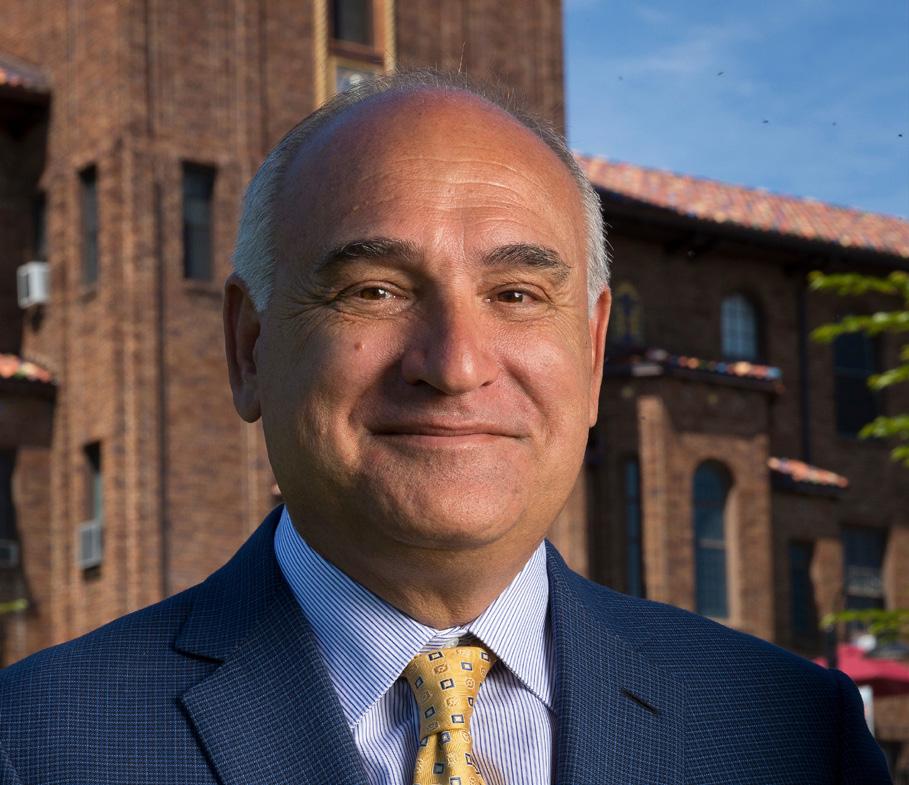
Our initial focus is on both institutional and regional change. Institutionally, we are focused on market-driven programming, enhanced student experiential learning, world-class facilities, and unique and effective partnerships. Regionally, we have already begun to be a catalyst for effective economic development, entrepreneurial efforts and community engagement. This is being done in part by innovating our operations along with forming and operating numerous coalitions and alliances. These include industry experts, governmental agencies, nonprofits and other institutions of higher education.
Both institutional and regional change are the major motivations behind my role at Alvernia and why I chose
Finally, the most important pillar is the students. At O’Pake, educating, preparing and transforming students is the most important thing we do. We prepare them not only to be successful academically, but also to become ethical leaders with moral courage. Students are not only learning effective theories in the classroom, but they are also garnering industry experience through distinctive experiential learning. They will ultimately gain connections and experiences prior to graduation that will benefit them for a lifetime.
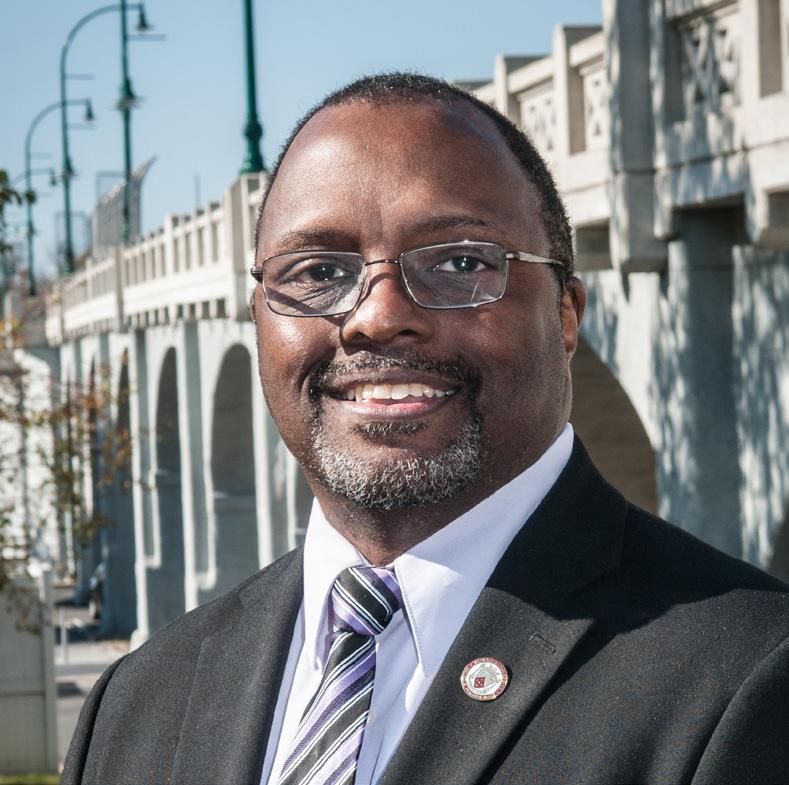
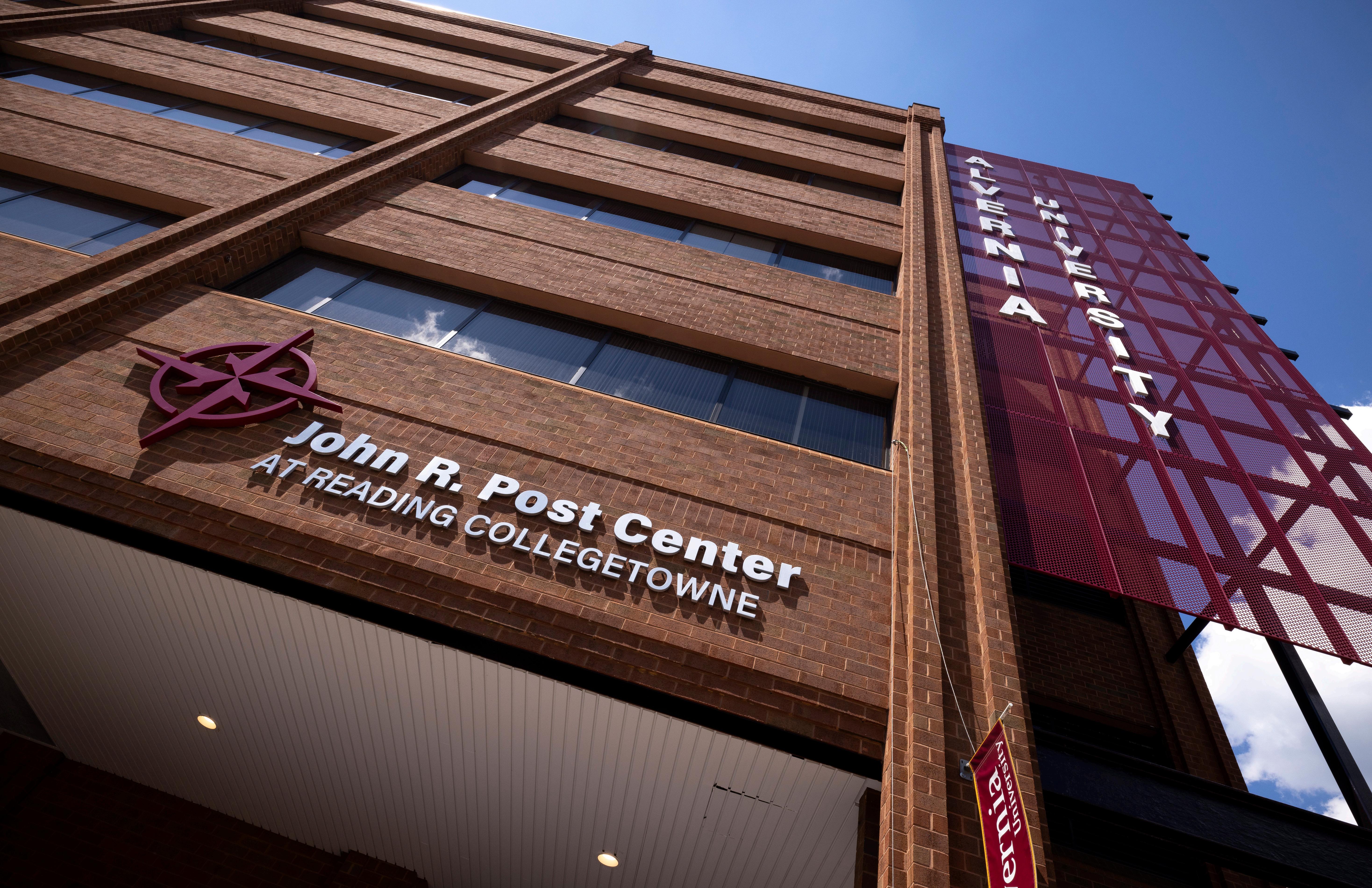
Rodney S. Ridley, Sr., Ph.D., is hired as the Chief Operator Officer at the O’Pake Institute
The O’Pake Fellows Program officially launched
The O’Pake Institute moved to Reading CollegeTowne and formally launched the SPARK Business Incubator
The largest class of O’Pake Fellows graduated
Financial Lending Innovation Collaborative (FLIC) launched
The O’Pake Institute for Ethics, Leadership, and Public Service has been restructured and renamed the O’Pake Institute for Economic Development and Entrepreneurship
Michelle Conway begins as the Director of Student and Client Services at the O’Pake Institute
The first class of O’Pake Fellows graduated and The inaugural Innovation Subcommittee meeting was held
The Cultural Coalition launched
Academic Services launched
After three years (2020-2022), we stand on the cusp of significant growth and enhancement of the organization. In 2020, we established a strategic vision for the organization which had a goal that stated in 2025, we would be at 50+ students, 200+ clients, significant sponsorships, business funding resources and on the cusp of financial independence from AU. Well we are pleased to say that we have reached that milestone 3 years early! We are not revising that vision to look into an enhanced future. In 2023, we will be reimagining O’Pake and issuing a revised strategic plan. The plan will include some truly exciting and unique features such as:
Helping spread the CollegeTowne Strategy to new regions in PA (including Pottsville, Pittston, Philadelphia, Harrisburg, etc.) and begin to explore opportunities both Nationally and Internationally
Impacting AU’s new student enrollment through targeted recruiting of Fellows, enabling us to have 100+ Fellows
We will expanding our full-time staff to increase our capabilities and capacity
Developing a new independent funding model to be financially sustainable
Expanding our impact on AU research, scholarship and internships through enhanced academic services
Working with Graduate and Adult Education office to garner significant amounts non-traditional revenue
Working with institutional advancement and the grants office to continue to bring in new philanthropy and grants
Expanding our equity investing in early stage ventures
Expanding our grant and loan activities into local small businesses and non-profit organizations through FLIC
Developing a new home for O’Pake and the Spark Incubator in the American House
Developing and launch the O’Pake General store to showcase the products of local entrepreneurs
Expanding our efforts in Technology Transfer and Biomedical innovations
Growing our impact on the local community beyond “business district’ through enhanced execution of the Cultural Coalition and related efforts
As we chart a course into the future of O’Pake and AU, we want to thank everyone who has been a part of where we have come from and encourage all to continue with us. We also want to welcome others to join us on the next phase of our journey. At O’Pake we clearly understand we are just a small part of a large effort, we need everyone to pitch in and be a part of what will be a bright and exciting future for us all.
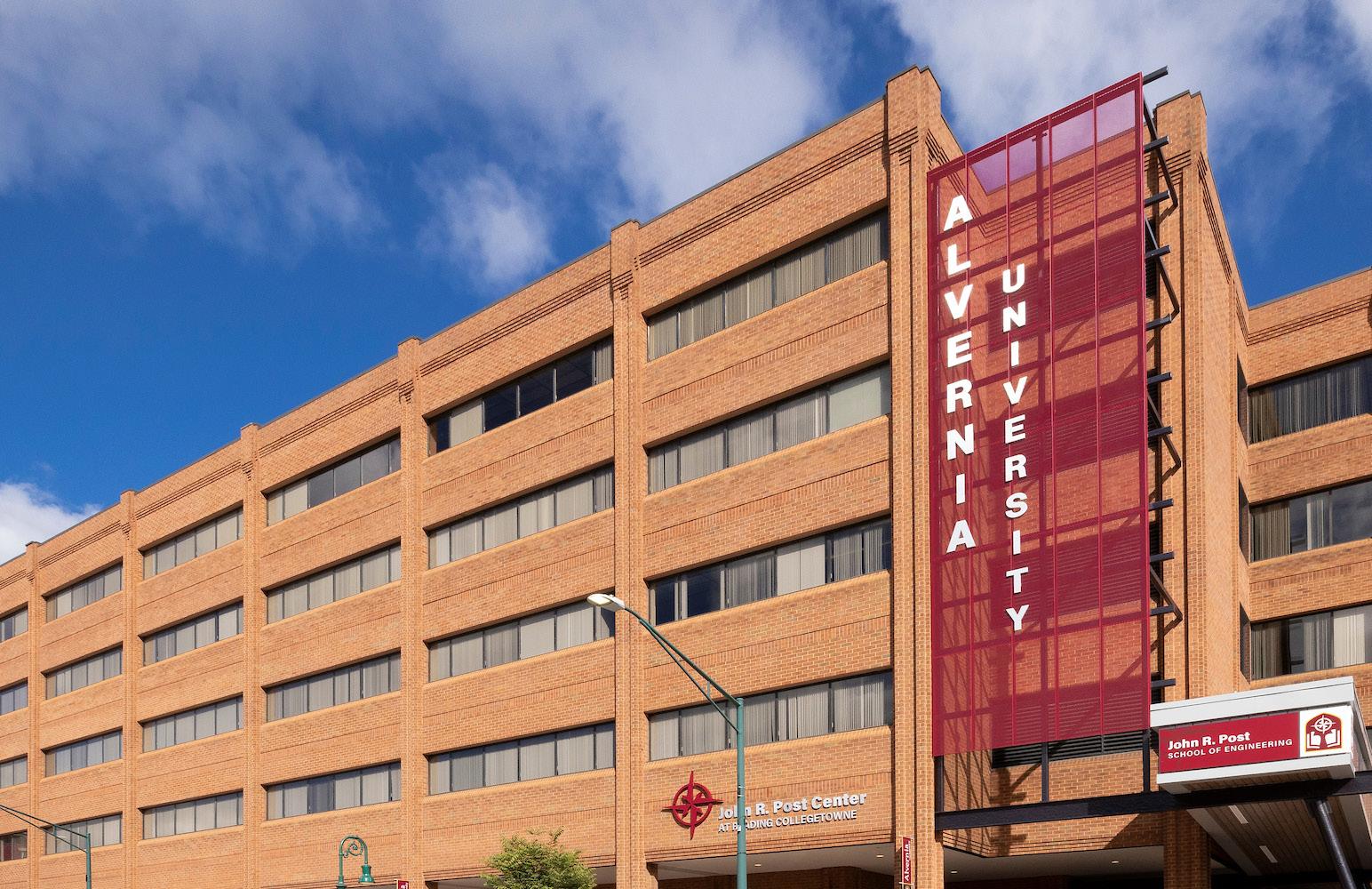
Alvernia University is developing a new, innovative model of higher education that mutually benefits students and businesses alike. The O’Pake Institute for Economic Development and Entrepreneurship is Alvernia’s transformational engine for changing the model and execution of higher education. O’Pake is contributing by creating public and private partnerships that develop a talent pipeline needed to aid business growth in the region.
The O’Pake Institute operates as a catalyst for regional economic development and a driving force enhancing student experiential learning.
Alvernia University has valued students’ moral, ethical and leadership development since its founding in 1958, in line with our Franciscan heritage. In 2008, the university launched the Center for Ethics and Leadership (CEL) to make ethics and leadership a distinctive part of an Alvernia education. CEL advanced Alvernia’s Franciscan identity, expanded educational and collaborative opportunities for students and faculty, leveraged community resources to provide those programs, and established Alvernia as a leader in ethics and leadership education. Alvernia University was fortunate to receive a generous gift from Senator Michael O’Pake, and then renamed CEL “The O’Pake Institute for Ethics, Leadership and Public Service” to honor his service to Alvernia and his community.
In July of 2019, President John R. Loyack assumed leadership at Alvernia University with a vision to transform Alvernia, the economy and future of Reading and Berks County. The O’Pake Institute was a central part of accomplishing those plans and in October 2019, it was transitioned into the O’Pake Institute for Economic Development and Entrepreneurship. Today, the O’Pake Institute focuses on economic development in Reading and Berks County through hands-on, high-impact student projects that fuel student learning and provide valuable skills to local businesses, entrepreneurs, nonprofits, and government and community partners.
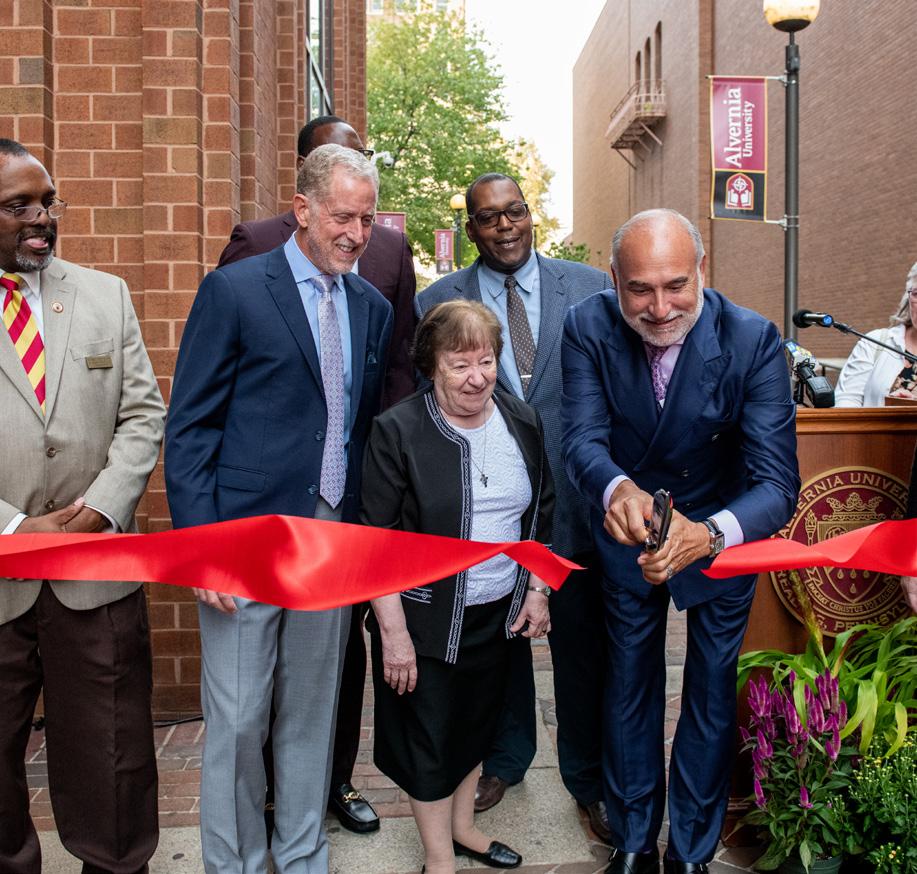

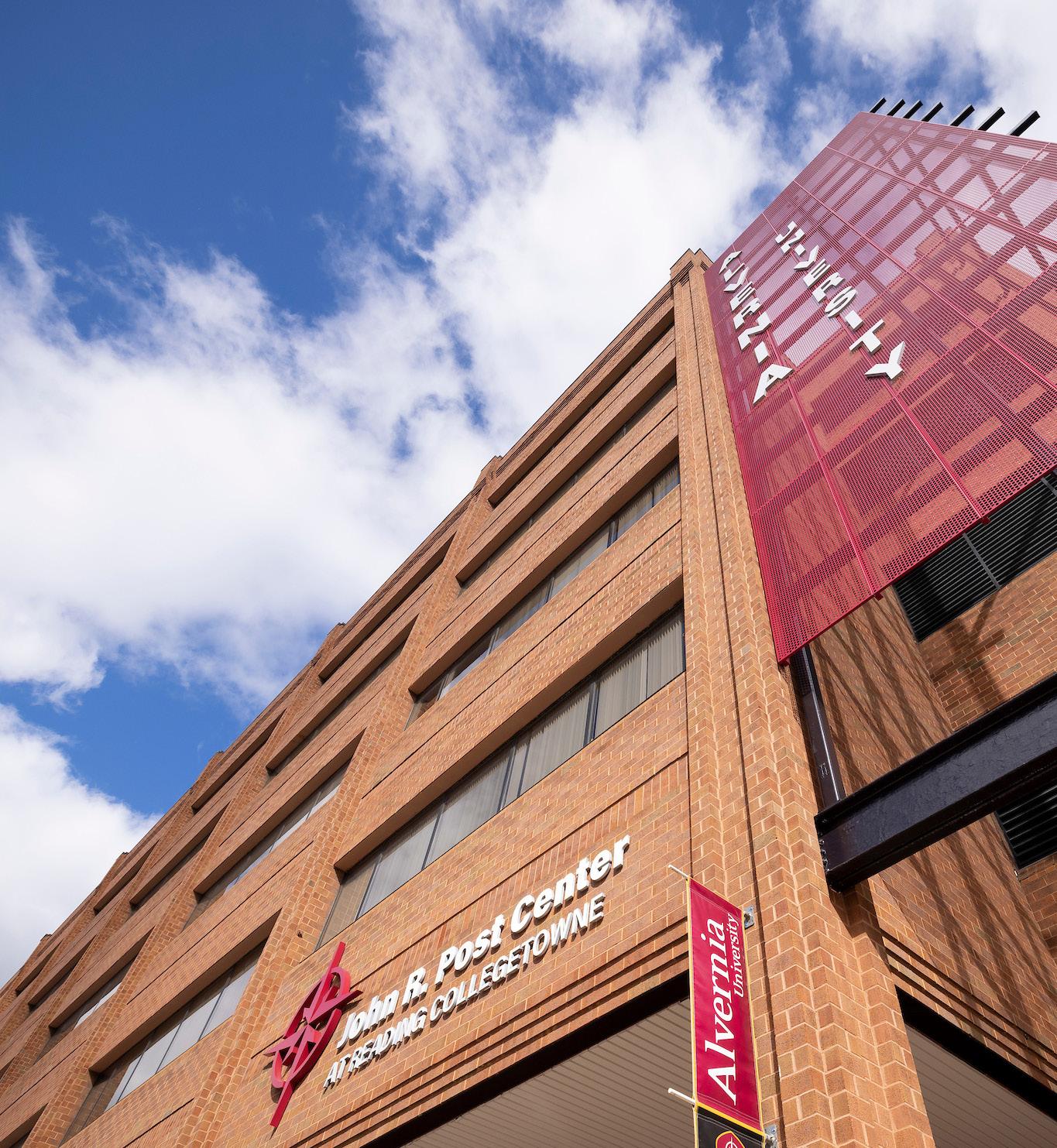
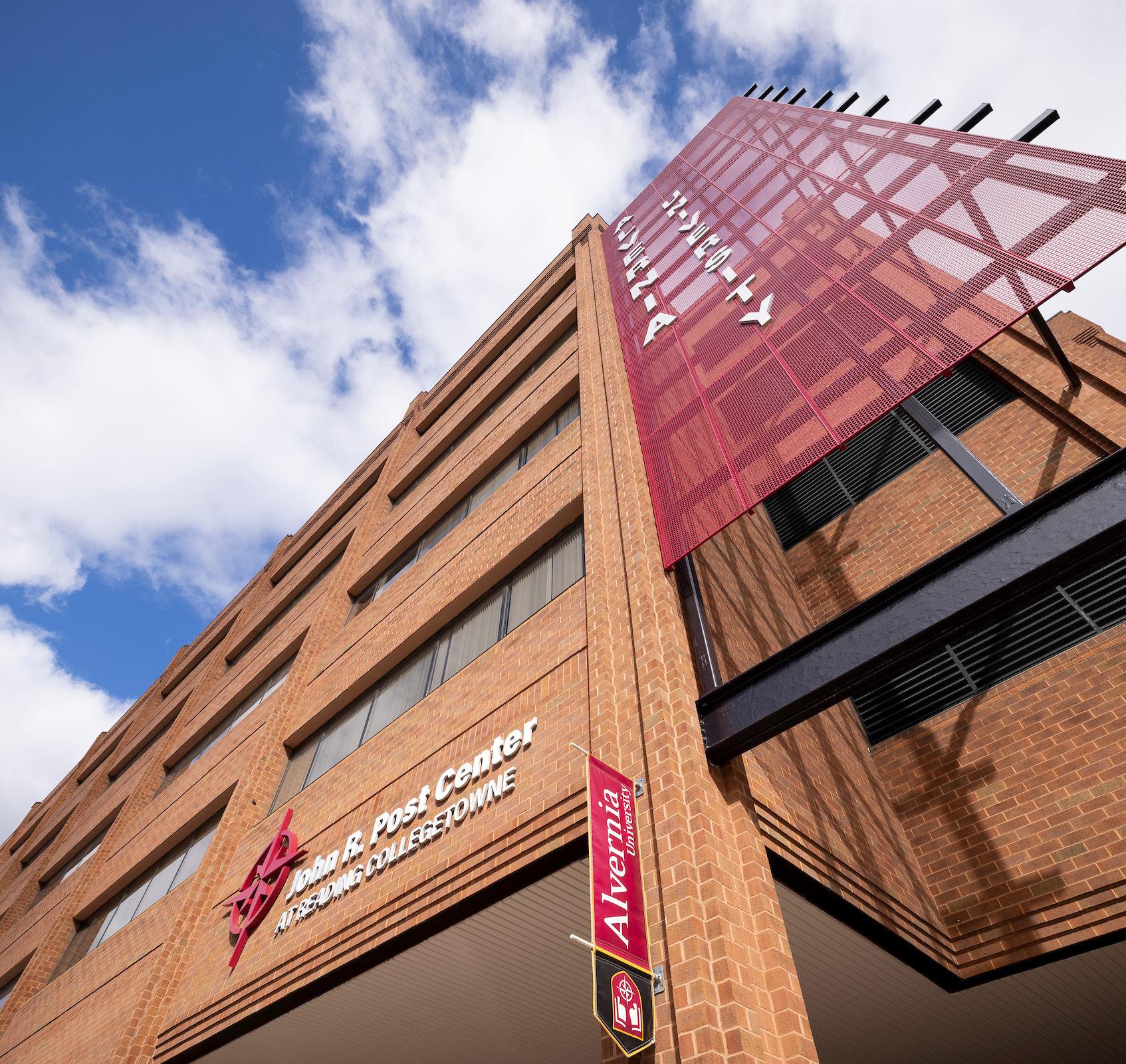
Through the generosity of the individuals and businesses listed below, Alvernia University’s O’Pake Institute for Economic Development and Entrepreneurship is providing students with experiential learning opportunities while leading economic development in the community by providing resources and services to entrepreneurs and businesses in the community.
Collectively, these philanthropic leaders have contributed over $1.7 million to fully fund the operations of the O’Pake Institute, including work-study funding for the student Fellows, mentoring programs, the cultural coalition, and earlystage funding for aspiring entrepreneurs. All of the success stories you will read in this report have been made possible through the philanthropic support of those listed below.

O’PAKE DONORS:
Allan Myers, Inc.
Anonymous
Berks Alliance Community Development
Enersys
Essig Plumbing and Heating
Greater Reading Chamber of Commerce & Industry
Herbein + Company, Inc.
John Arnold
John Scholl
John Weidenhammer
Pennsylvania 30 Day Fund, Inc.
Pepsi Bottling Group, LLC
Riverfront Federal Credit Union
RKL
RR Hockey, LLC
Schlouch, Inc.
Scott Wagner
Tom Masano Auto Group
Tom Work
Triose
Truist Bank
Visions Federal Credit Union
PROJECT 6 SPONSORS:
Reading Royals
Tom Masano Auto Group
Bollman Hat Company
Essig
CEL SPONSORS:
Essig
Herbein/Mosteller
Masano
RKL
Visions Federal Credit Union
The Innovation & Commercialization Subcommittee (ISC) is a subset of the Board of Trustees of Alvernia, which is part of the community and philanthropy committee. The ISC is designed to be oversight and advisory for The O’Pake Insitute. While The O’Pake Insitute is a part of the University 501c3, O’Pake has been revised to spearhead the university’s CollegeTowne initiative. This requires O’Pake to act sudo-independently of the University’s operations. O’Pake’s operation and design are modeled after the traditional research institute at large institutions of higher education.
The O’Pake Institute’s Innovation & Commercialization Subcommittee is a collective group of experienced professionals,
entrepreneurs, and qualified investors seeking to support our new strategic plan, the Alvernia Advantage. Thus, bringing new economic activity and life into downtown Reading and the region at large.
Additionally, the ISC will work closely with the University President and the Chief Operation Officer of The O’Pake Institute to evaluate potential investments of capital, connections and or mentorship into growth ventures, community-based organizations or philanthropic initiatives. The Committee advises on the portfolio, participates in opportunity assessment, and determines how to best engage with each unique opportunity.
“I wanted to get involved with Alvernia University because I believe it to be a transformational institution for its students, the city of Reading, PA, and for Alvernia itself. For me, there was no better place to become involved than serving on the O’Pake Innovation Subcommittee. That is where very strong transformation is taking place in the form of a large business incubator and instruction on how to start a business, intellectual property, business financing, and basically teaching all the elements of entrepreneurship for Alvernia students and the community at large.”
- John Arnold (Chair)
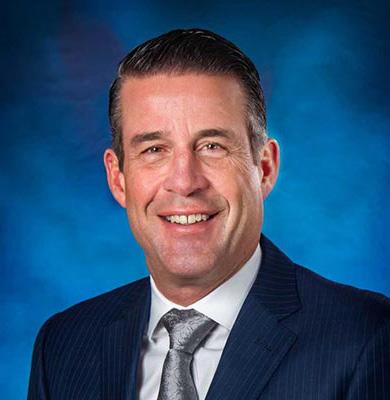
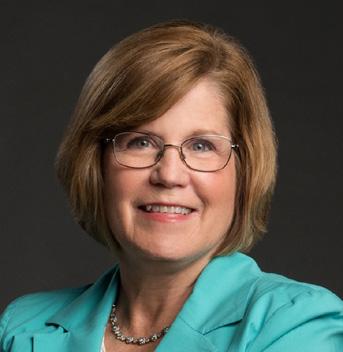
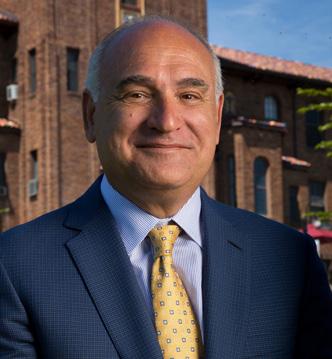
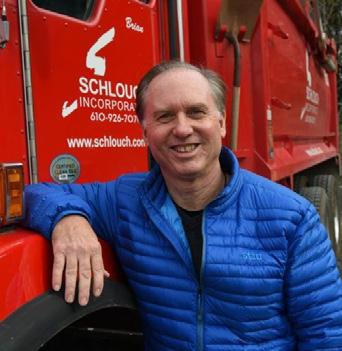
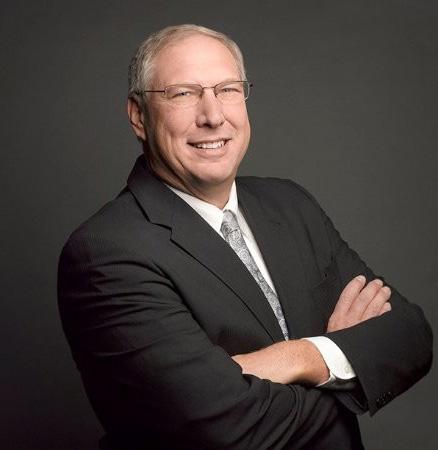
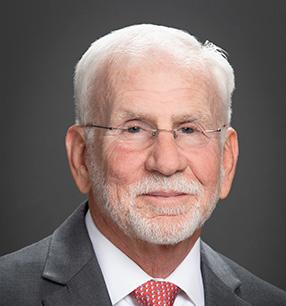
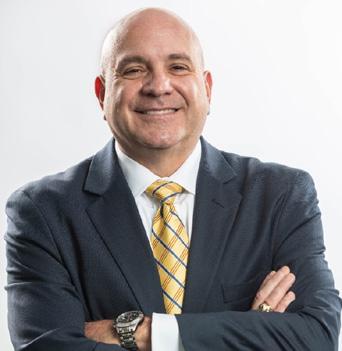
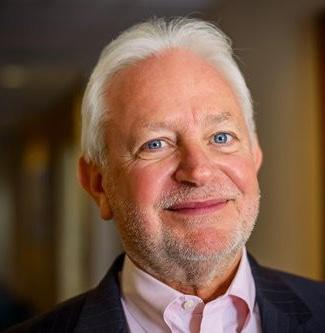
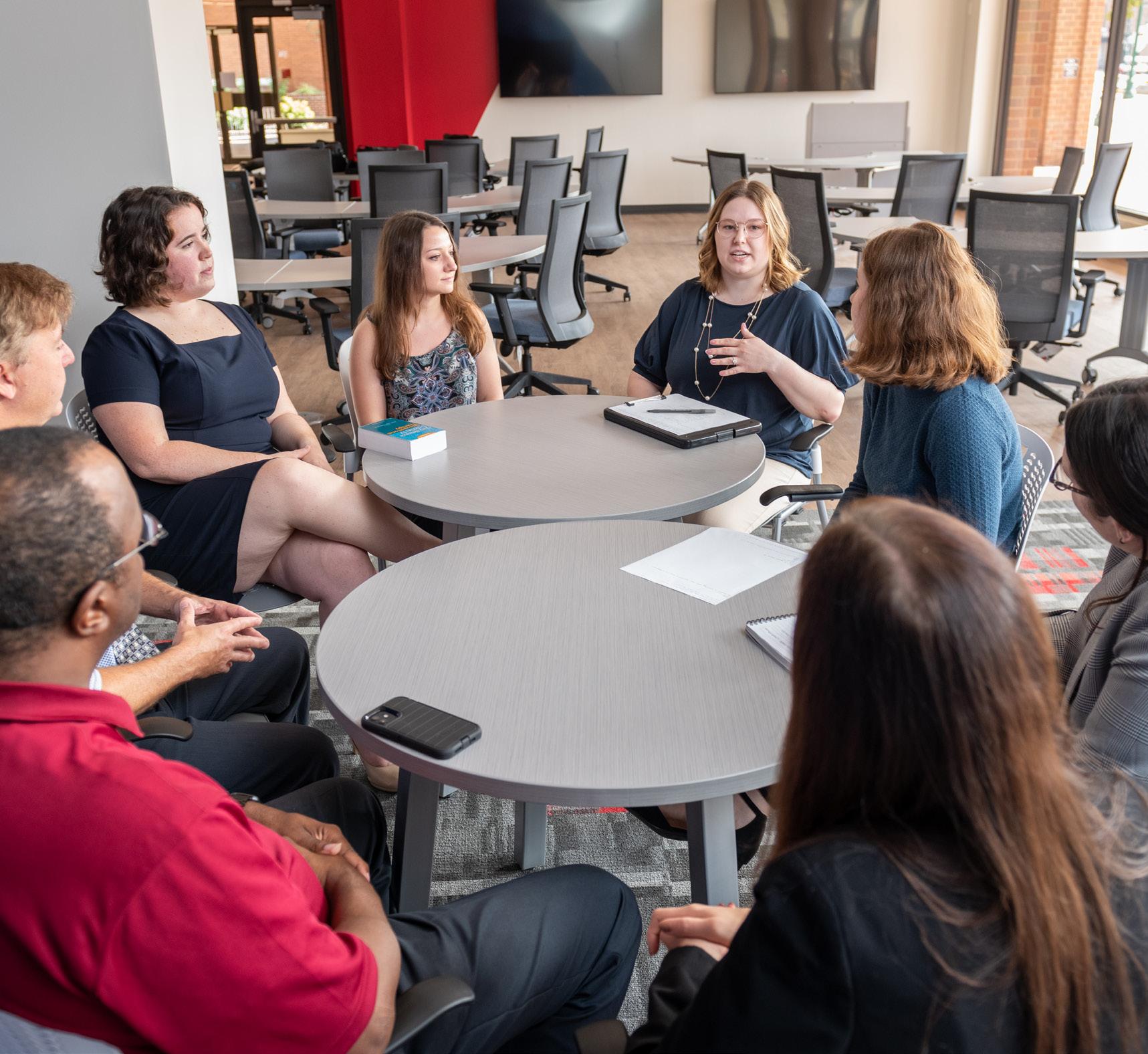
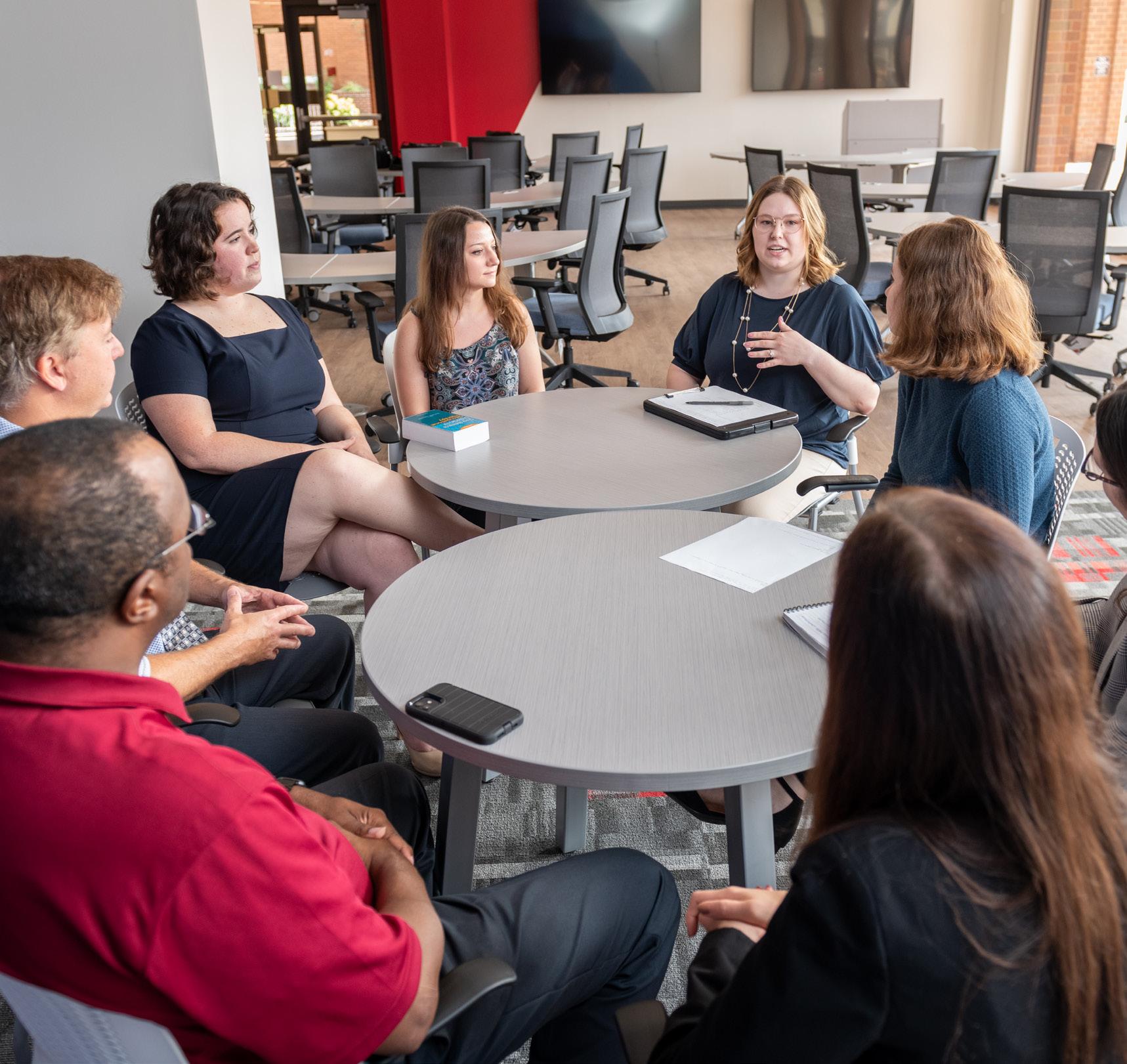
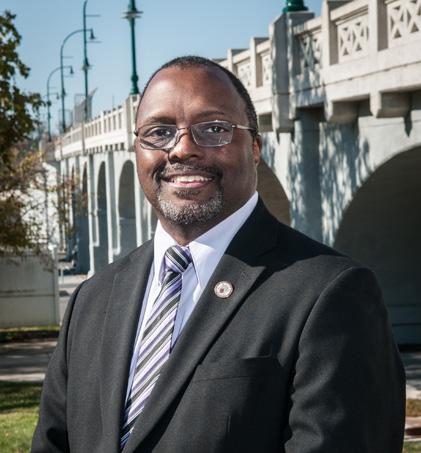
Dr. Rodney S. Ridley Sr. is Vice President of Research, Economic Development and Innovation, Dean of the College of STEAM and Professor, as well as the Chief Operating Officer of the O’Pake Institute for Economic Development and Entrepreneurship. He is a key architect of the Reading CollegeTowne initiative. He is the founder of the O’Pake Student Fellows Program, business incubator, Technology Transfer Office, Professional Mentor Program and MicroGrant Fund. He oversees AU’s Industry and Economic Development Outreach activities.
Prior to joining Alvernia, he was the executive director and distinguished professor of the Allan P. Kirby Center for Free Enterprise and Entrepreneurship at Wilkes University. There he was the founding director of the Wilkes Business Incubator, the Technology Transfer Office, the Industry & Community Outreach Office and a Micro-Grant Fund. In June 2017 he was named “Innovator of the Year” by the Greater Wilkes-Barre Chamber of Commerce.
His professional experiences include chair/director and associate professor in the ABET accredited Engineering and Physics Division at Wilkes University, engineering director at Velox Semiconductor, vice president of Technology at Data Friendly Inc, and principal engineer and key technologist at Fairchild Semiconductor.
Ridley consults in intellectual property management, entrepreneurship, semiconductors and nanotechnology. He holds 28 U.S. patents, numerous foreign patents, and he has authored more than 35 journal and conference articles. He volunteers for a number of professional associations including Association of University Technology Managers (AUTM) and in 2019 was honored with an AUTM Volunteer Service Award. He holds a Ph.D. in Engineering Science, and a M.S. degree in Electrical Engineering from Penn State University, and a B.S. degree in Physics from Lincoln University (Pa).
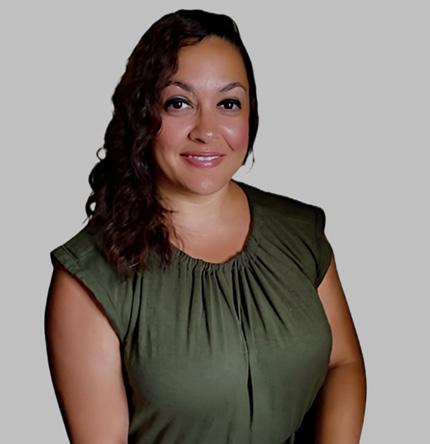
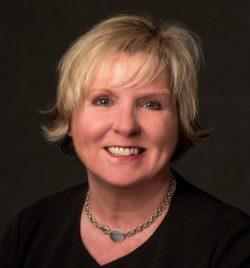
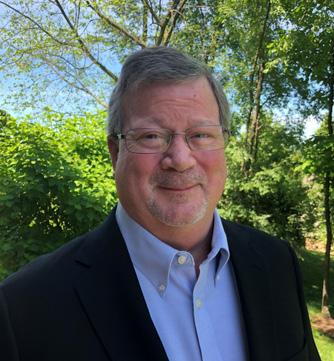
Lizette Epps is the Executive Director of Financial Services & Internal Operations at Alvernia University’s O’Pake Institute for Economic Development and Entrepreneurship. She is an experienced, award-winning businesswoman and community advocate with decades of success under her belt in both the public and private sectors. Her unwavering commitment to ensuring positive change and standing for social justice for all has led her to helping advance the greater Latino community at large as well as empowering women and children to attain their personal and professional successes. She is currently the vice president of the board for the Berks Latino Workforce Development Corp., board member of the First Commonwealth Federal Credit Union, The Lehigh Valley Hispanic Chamber and The Village of Reading. She is a proud MBA graduate of the University of Phoenix and holds her Credit Union Development Educator designation from The National Credit Union Foundation.
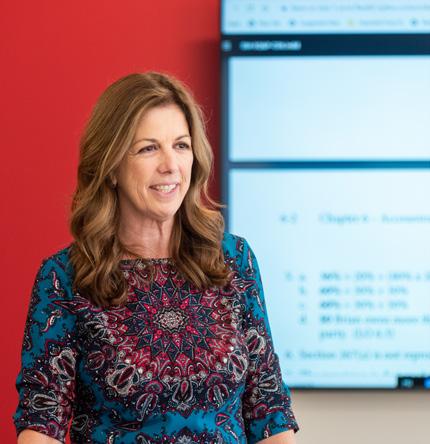
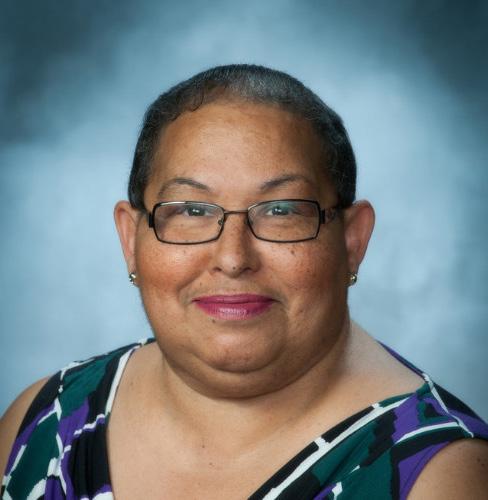
Dr. Mary Ellen Wells is an Associate Professor of Business and Executive Director of Academic Services, Research and Scholarship where she specializes in law and negotiation courses at the undergraduate, master’s, and doctoral levels. Her legal courses focus on the laws affecting businesses, schools, employment, and healthcare. Professor Wells holds an advanced degree in Taxation and is an EPFP Fellow through the Education Policy and Leadership
Center in Harrisburg enabling her to also specialize in teaching Federal Taxation, Organizational Leadership, and Negotiation and Conflict Resolution. She is admitted to practice law in the Commonwealths of Pennsylvania and Massachusetts and is active in scholarship through the Academy of Legal Studies in Business and other professional organizations.

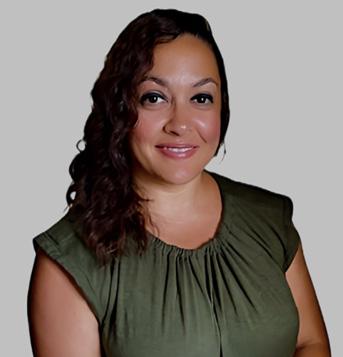
Michelle Rae Conway is an award-winning entrepreneur, educator, speaker, and strategist. Conway serves as the Director for Student and Client Services and Business Incubator Manager at Alvernia University’s O’Pake Institute. She is also an Adjunct Faculty member in the College of Business, Communication, and Leadership.
Prior to her role at Alvernia, Conway acted as the Interim Assistant Director at Wilkes University’s Allan P. Kirby Center for Free Enterprise and Entrepreneurship.
In the last 3 years, Conway has mentored over 200 businesses in the areas of business development, business planning, market analysis, and strategic planning.
She is newly the Author of ‘If You’re in Your Twenties, Read This’ a short story to inspire young professionals to own their journey, celebrate their inexperience, and transform.
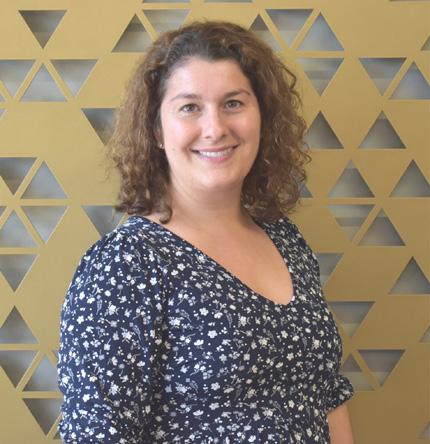
Carolyn Gibson is an experienced higher education administrator with expertise in international education, study abroad and high impact experiential learning programs. She currently works as the Program Coordinator at Alvernia University’s O’Pake Institte and teaches firstyear seminar courses where students learn the skills they need to be successful in college. Carolyn earned her B.A. from Juniata College in international studies and her M.Ed. from Lehigh University with a focus on comparative and international education. She has lived and worked abroad and continues to explore the world. Carolyn has a passion for running and the great outdoors, and she currently serves on the Girls on the Run 5K Committee and is active in her community.
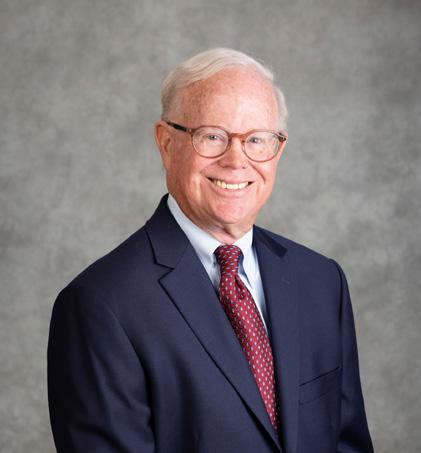
Donald Schalk is the Director for the O’Pake Institute’s Center for Entrepreneurial Leadership. He is also a professional specialist and director of the MBA Program at the university. He has 43 years of management experience and served as the CEO of four organizations. He works with clients of the institute in strategic management and business planning. He connects O’Pake Fellows to community leaders and serves as a mentor to the students.
Another distinctive attribute of the O’Pake Institute is the O’Pake Fellows Program, which provides undergraduate and graduate students at Alvernia University with the ability to work hands-on with entrepreneurs, small businesses, regional partners and faculty in a truly unique manner. The highly-qualified students that enter the program are provided with numerous hours of professional training and mentoring to prepare them to work with our clients. Once trained, they are partnered with specific clients to provide services that match their expertise. The students receive experiential learning opportunities from their work, learn from faculty and subject matter mentors, and deliver quality services to clients. The Program officially began in 2020 with 20+ Fellows being mentored and trained. In our 2022 graduating class, the O’Pake Institute graduated 11 Fellows, with six of the graduates accepting jobs in the Reading area, creating brain gain rather than brain drain.
O’Pake Undergraduate and Graduate Students have the opportunity to engage in both personal and professional development opportunities through the O’Pake Institute’s Power Training Program.
Undergraduate Students Received Training in the following areas:
Business Etiquette
Business Planning
Career Readiness
Corporate Wellness
Branding
Intellectual Property
Project Management
Website Development
Graduate Student Training:
Ahern and Associates Leadership Bootcamp
Alvernia University’s Project Management Certificate Program
DiSC Assessment and Application
Personal Financial Coaching
Conferences and Trainings Attended:
Association of University Technology Managers (AUTM)
Slice Communications Social Media Day Conference
Intellectual Property (IP) Trainings Provided to Fellows, Staff & Community:
Licensing 101 with Attorney Wes Blakeslee
Writing Patent Claims with Attorney Jim McDaniel
Fellow Activity from (January 1, 2020- June 30, 2022) Presentations
K. Hestor, “NFTs in EDU-Acronym Soup or a recipe for success” Presented at the TecBRIDGE Innovation Conference, August 2022
C. Long, Keynote Presentation on “Burnout” Present to Alvernia University Spark Business Incubator, April 2022
C. Long, Workshop on Burnout to Balance, Present to the GAs at the O’Pake Institute at Alvernia University, February -April 2022
C. Long, Workshop on Burnout to Balance, Present to the GAs at the O’Pake Institute at Alvernia University, October 2021
A. Perez, Virtual Scholarship Celebration- Student Speaker at Wilkes University, April 2021
FELLOW ACADEMIC AWARD HIGHLIGHTS
Dean’s List Awardees (January 1, 2020- June 30, 2022)
T. Alexander, A. Andrews, M. Arnold, N. Axt, A. Bhogal, M. Bishop, D. Brown, E. Carr, V. De Avila, N. Denlinger, W. Fagley, A. Florkowski, B. Gumaer, J. Griffith, S. Heckman, W. Hessler, E. Irey, L, Kemper, A. Kirschner, M. Lilliock, M. Maurer, M. Mitchell, J. Montalto, A. Perez, S. O’Hara, A. Potylycki, A. Reisinger, B. Rutcosky, E. Sano, J. Short, S. Smith, D. Thorpe, A. Tompko, A. Verbin, J. Weasner, C.J. Zimmerman
Awards & Honors
T. Alexander, PBL 10th Place Web Design Award, June 2022
M. Bishop, The O’Pake Undergraduate Award in Leadership, May of 2022
M. Horn, 2022 Campus Compact Newmen Civic Fellowship Award, April 2022
M. Horn, TecBRIDGE Business Competition Collegiate Finalist, March 2022
M. Lilliock, 2021 Business Department Excellence in Human Resources Award, May 2021
M. Horn, Franciscan Servant Leader Certification, April 2021
A. Perez, The Mahmoud H. Fahmy, PH.D. Scholarship, Issued by Wilkes University, March 2021
A. Perez, Richard Fuller Excellence in the Arts Award, Issued by Wilkes University, March 2021
A. Perez, Winner of the the first Wilkes Holiday Card Design Contest, Issued by Wilkes University, December 2020
A. Perez, National Society of Leadership and Success Award, September of 2020
A. Perez, BASS Award, Issued by the Division of Behavioral and Social Sciences at Wilkes University, April 2020
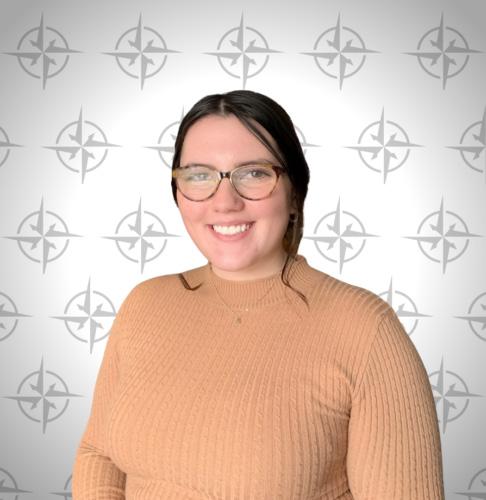
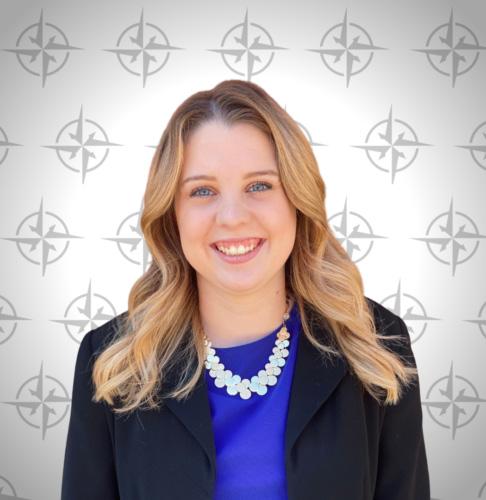
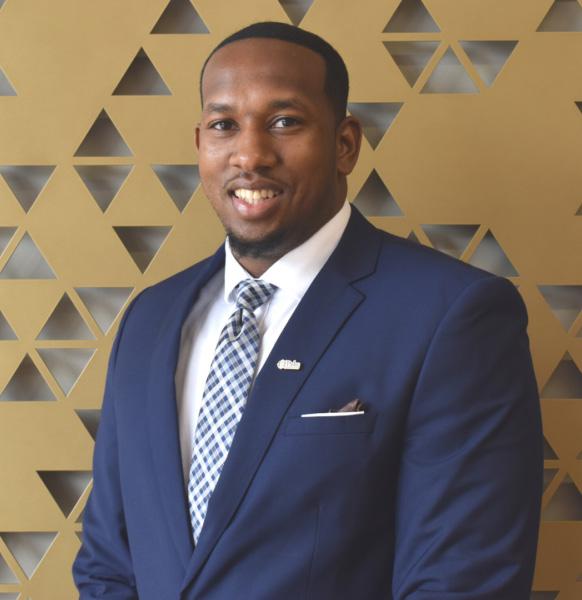
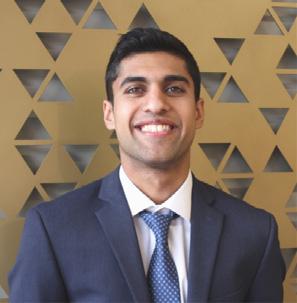
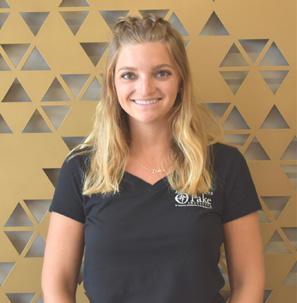

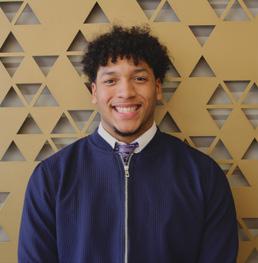

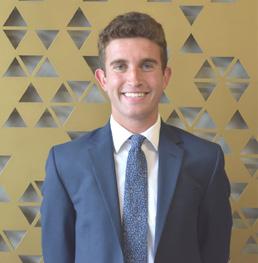

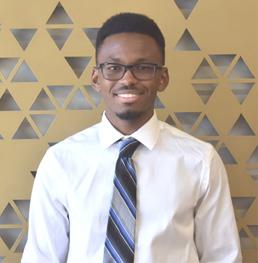
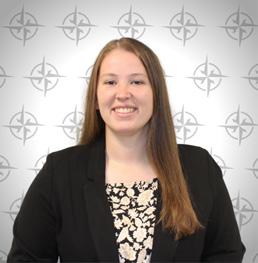

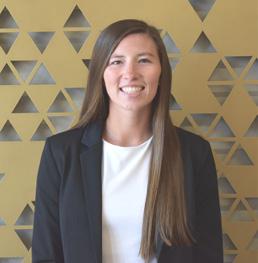
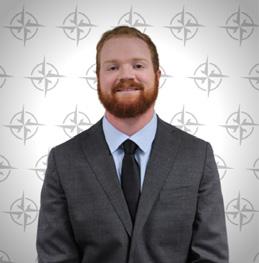
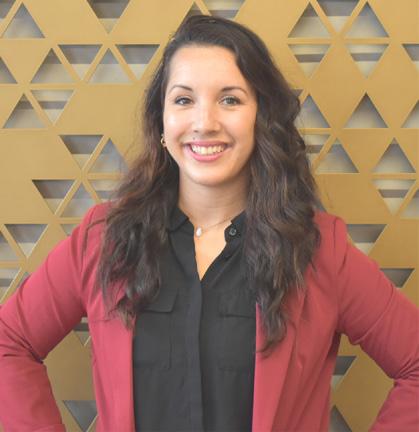
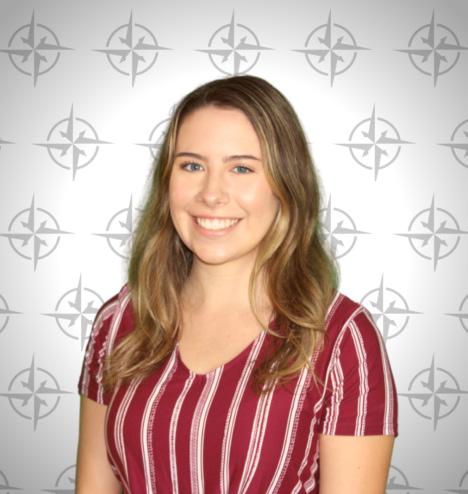
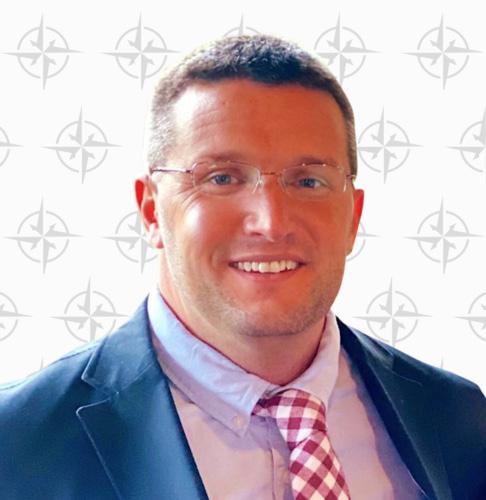


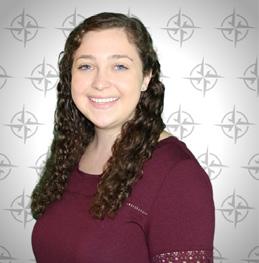
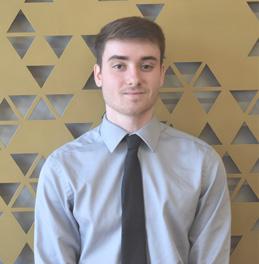
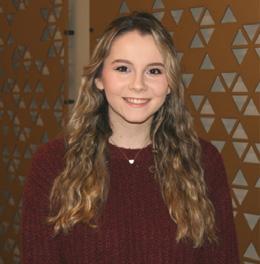
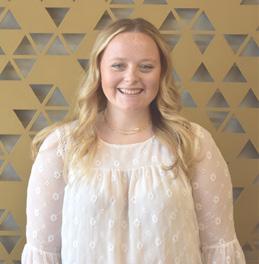
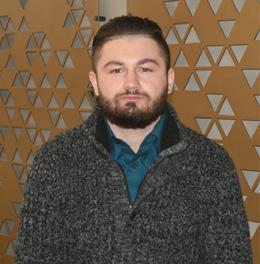
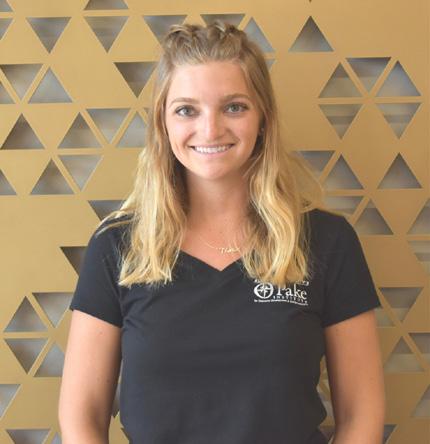
Marisa Bishop, Graduate Assistant of Finance, successfully launched the O’Pake Institute’s student-powered Finance Committee. Under Bishop’s leadership, the Finance Committee is responsible for assisting clients with the application for Financial Lending & Innovation Collaborative (FLIC) funding. Committee members are responsible for assisting clients with budgeting, development of financial statements and creating financial projections. In addition, the committee works with pre-revenue entrepreneurs, venture investment candidates and small businesses to assist them with pro-forma financial development and financial analysis.
Bishop is expected to graduate in July 2023 with a Master of Business Administration degree.
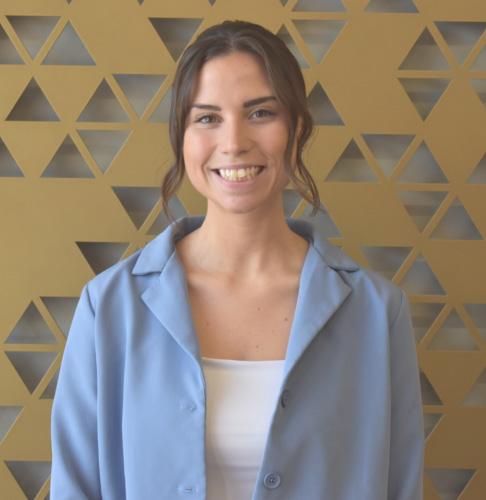
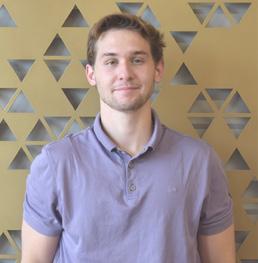
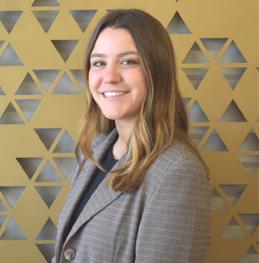
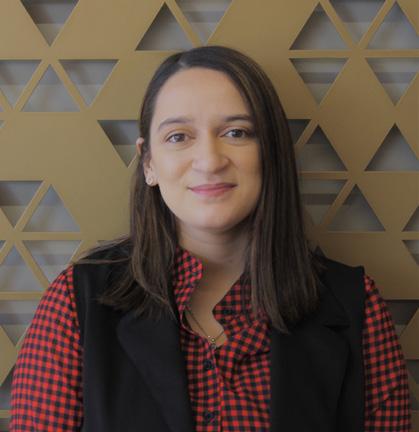
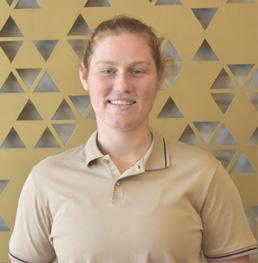
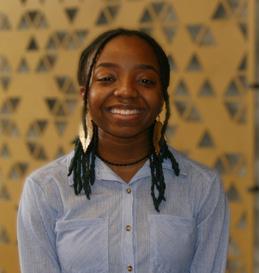
Adonis Fleming, Graduate Assistant of Community Outreach, successfully launched the O’Pake Institue’s Cultural Coalition, a volunteerbased, Berks County-focused, strategic planning and execution group that aids in identifying and attending to some of the city’s social and economic issues. The coalition is comprised of three task forces that includes arts and culture, community and neighborhood revitalization and education and workforce development. Several projects including a block captain and stewardship program, and the relaunching of the First Friday events.
Fleming is expected to graduate in May 2023 and strives to pursue a doctoral degree in leadership at Alvernia University.
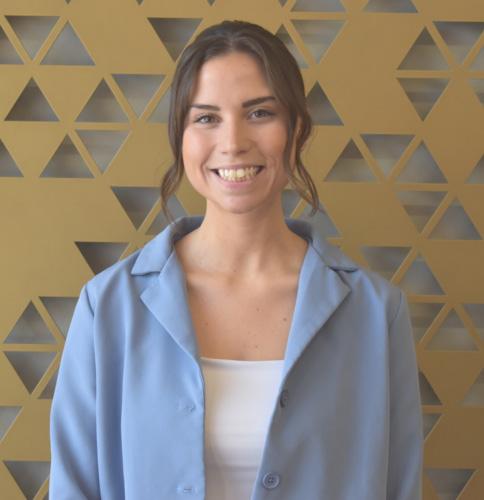
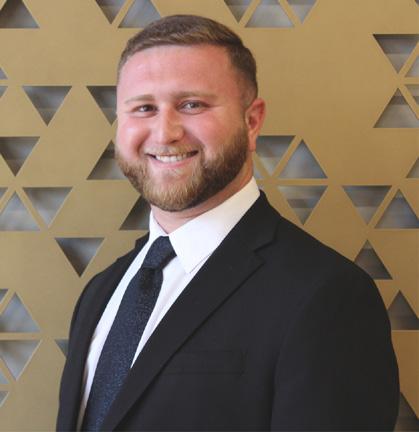
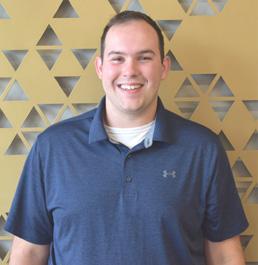
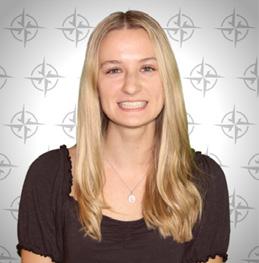
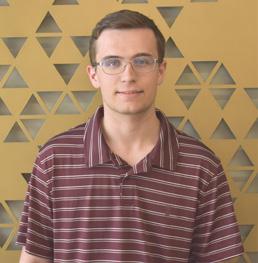
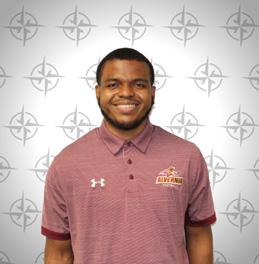
Katie Hestor, the Graduate Assistant of Startup Ventures and O’Pake Investments, developed a comprehensive program for supporting clients seeking venture investment. Since June of 2021, Hestor has worked directly with entrepreneurs in the areas of business modeling, strategy, pitch-deck development and financial analysis. Under Hestor’s leadership, the O’Pake Institute has provided venture services to 12 companies, has one equity position and four pending positions, one venture-seeking incubator tenant, and has generated over 10 million dollars in estimated valuation of all venture clients. Hestor provides this service with assistance from a group of undergraduate Fellows and staff.
Hestor is expected to graduate in December 2022 with a Master of Arts in Organizational Leadership degree. She will also receive her certificate in venture capital presented by the National Venture Capital Association, Venture Forward and Berkeley Law.
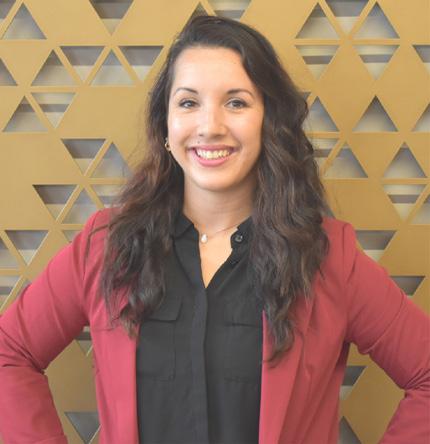
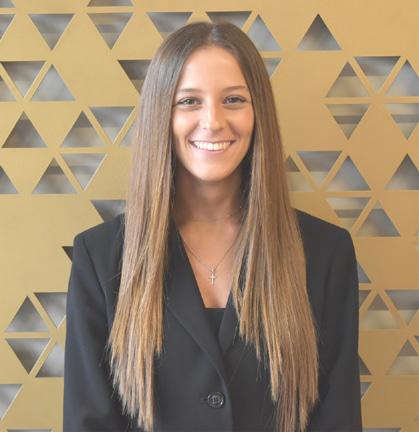
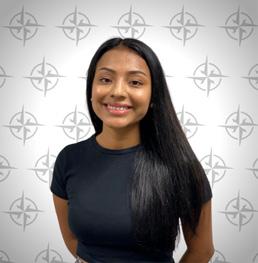
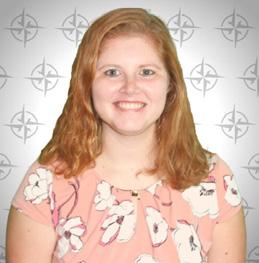
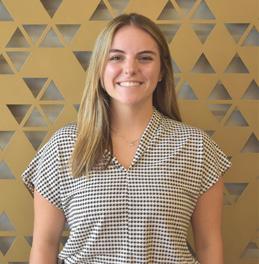
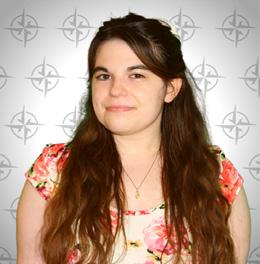
Caitlin Long, P.h.D Graduate Assistant of Health, Research, and Innovation, spearheaded the efforts to develop a Biomedical Innovation Collaborative (BIC). The Biomedical Innovation Collaborative is a group of institutions of higher education, medical institutions, companies and venture investors, focused on supporting regional innovations and subsequent commercialization prospects in biomedicine, biohealth, and biotech; this group integrates with the O’Pake Institute’s Technology Transfer Office (TTO) and Intellectual Property Committee. The group meets monthly to discuss our mutual portfolio of companies in these sciences, and how to get them to the next step.
Long is a doctoral student in the college of Business, Communications and Leadership.
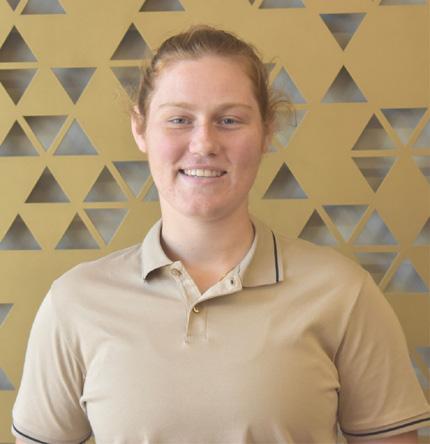
Abigail Reisinger, the O’Pake Fellow of Business, was selected to serve as the O’Pake Institute’s Reading Royals Fellow. As the Reading Royals Fellow, Reisinger is assigned directly to the Reading Royals for a semester-long project. In her role, she works directly with the team on both traditional and digital marketing efforts.
Reisinger is expected to graduate in May 2023 with an undergraduate degree in business administration.
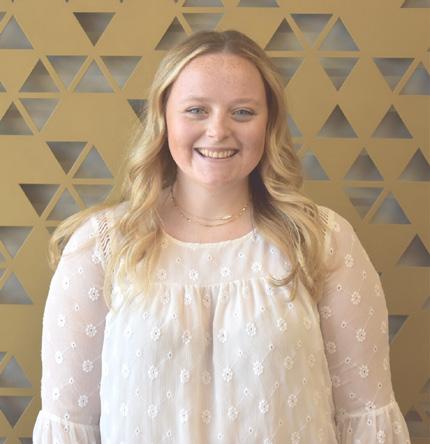
Jennifer Weasner, the O’Pake Fellow of Marketing, created the official mark for the O’Pake Institute’s General Store and O’Pake Honey. Weasner used her skills in design to develop a mark that was in alignment with the university and enticing to the local community. In addition, Weasner has worked with over five other small businesses in the areas of website design, social media marketing and logo development.
Weasner is expected to graduate in May 2023 with an undergraduate degree in digital media marketing and communications.
In fall 2019, the Institute was transformed to focus on economic development and entrepreneurship. Since that time, our business incubator, which launched officially in 2020, has served 149 clients as of June 30, 2022. Since then, the Institute has served over 200 businesses
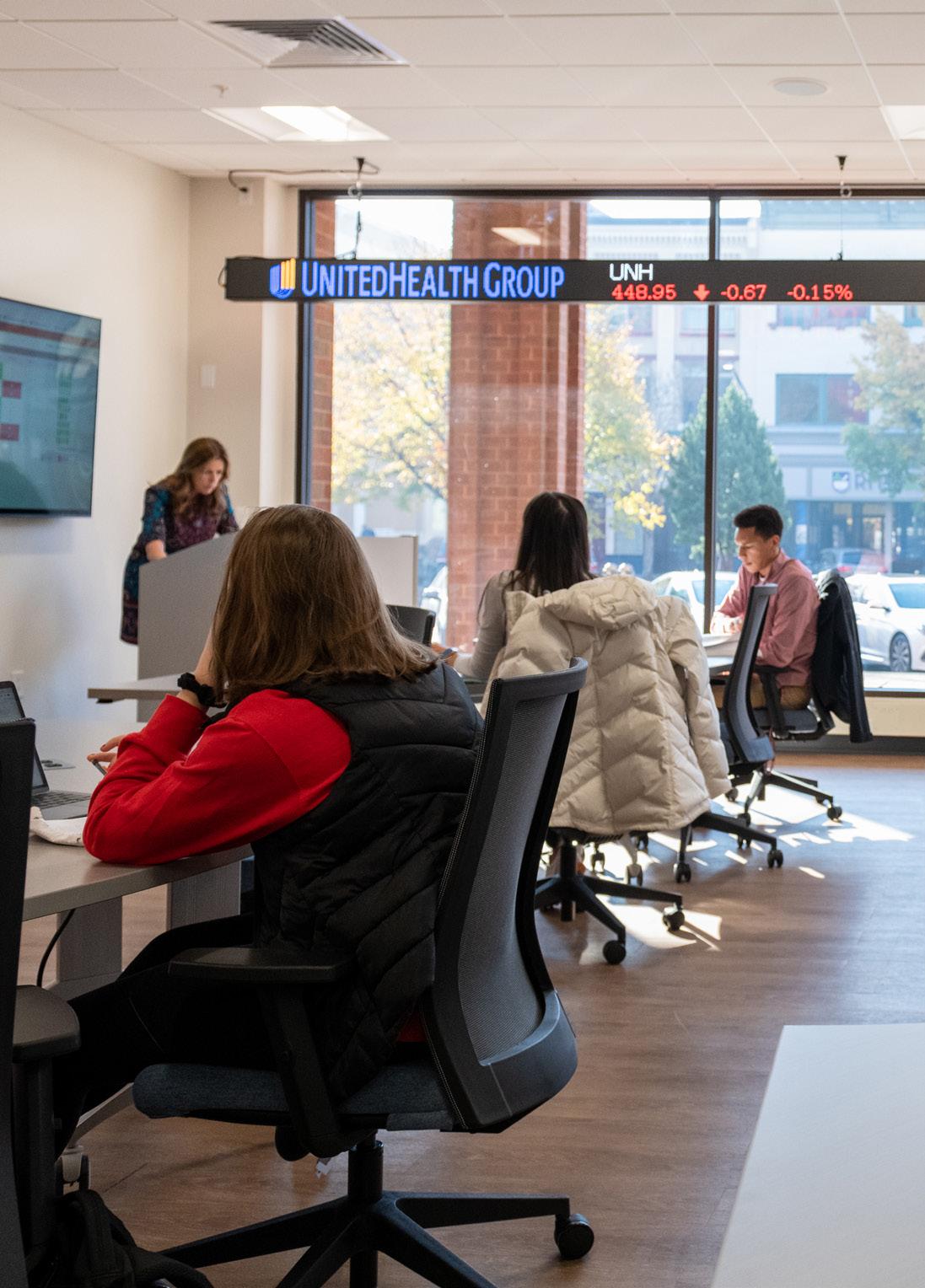
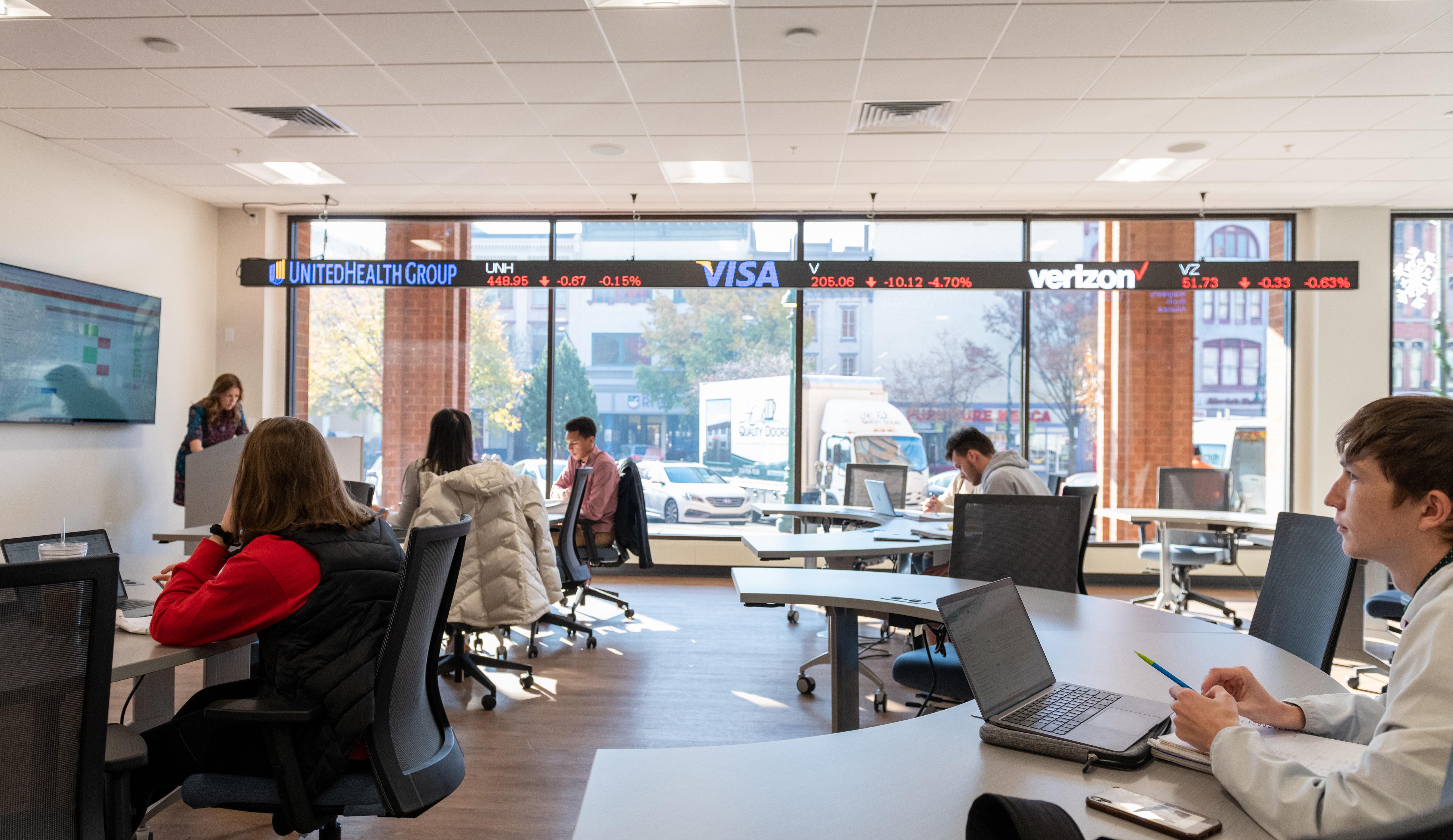
With the August 2021 opening of our CollegeTowne Facility, the O’Pake Institute’s business incubator went from a virtual incubator to having physical incubator spaces. Since the inception of the incubator, the space has been at full capacity with eight clients and a growing wait list. We also provide entrepreneurial services to the JumpStart Incubator and partner with the Penn State LaunchBox, SCORE and the Kutztown Small Business Development Center. Unlike
surrounding business services, the O’Pake Institute uniquely serves both nonprofit and for-profit businesses. The O’Pake Institute also boasts the region’s first Technology Transfer Office to commercialize patents and other intellectual property. We work with established businesses through our aptly named “Project 6” initiative. Through this initiative, we tackle projects that fall just below an organization’s “top five” priorities. These projects are usually not time sensitive but nevertheless critically important. In addition, we are now an authorized agent of, and receive funding from, the Ben Franklin Technology Partners (BFTP). BFTP is a statefunded organization that provides funds and services for nascent and established technology-based organizations.
STUDENT AND CLIENT SERVICES March 2021-August 2021 August 2021-June 2022 Total
Businesses Started
Existing Businesses
Staff Led Client Service Hours
Student Led Client Service Hours
O’Pake Fellows
Incubator Tenants
Case Study
Mentors and Professional Service Providers O’Pake Fellows & O’Pake Team
Launch the O’Pake General Store
Service 50 new incubator clients, focusing on women and minority-owned businesses
Launch the Pottsville SPARK Business Incubator
Develop an expanded footprint for the SPARK Business Incubator in the American House
O’Pake Utilizes Local
to Take Cemboo Global
History:
Cemboo is a global platform that empowers content owners to control, monetize, and distribute their own digital media. The concept came from Haydenfilms Online Film Festival and grew to global success due in part to the relationships built in partnership with O’Pake Institute.
O’Pake was instrumental in helping Cemboo expand its reach to an international level. Cemboo creator, Hayden Craddolph, had a long-standing relationship with the Institute through his previous relationship with Senator Michael O’Pake, the Institute’s namesake. Senator O’Pake met Craddolph through a mutual Kutztown friend and convinced Craddolph to return to PA from LA to take advantage of the filmmaking incentive funds offered by Pennsylvania’s government.
The ties to O’Pake did not end there. After its initial growth, Cemboo was looking to hire and brought on an O’Pake graduate who later introduced Craddolph to the rest of her team of Fellows currently enrolled at Alvernia.
“We already had wireframes for Cemboo completed. However, once we signed with O’Pake, we had a team to hold our hands and put together a business plan and from there, a real business strategy. Everything they’ve done has been a
collaborative process that allows us to look at the research we’ve done and find how we can enhance it to fit an investor story.” - Hayden Craddolph
Insight:
O’Pake quickly made the proper introductions to find investors for Cemboo, and bring awareness to the platform in the area. O’Pake introduced Cemboo to TecBRIDGE helping Cemboo to land a spot as a top 5 finalist in TecBRIDGE’s innovation competition.
“The best part is the team allows us to just be ourselves. They allow us to take the stage to tell our full story. Then they could collect all those pieces that ended up building what we are today.” - Hayden Craddolph
Success:
After developing its business strategy, Cemboo was ready to continue to grow through a cloud storage solution and chose AWS (Amazon Web Services) to take Cemboo global. Cemboo’s AWS partnership has evolved, and Cemboo is now partners with their developers. The same developers power Netflix, Hulu, and Disney, officially making Cemboo a worldclass service.
“We got a 30K grant from AWS allowing us to create a proof of concept, along with what we were doing parallel with O’Pake. If these two partnerships didn’t happen at the same time, we wouldn’t be where we are. None of our relationships would happen if O’Pake didn’t give our project its promise”Hayden Craddolph
Challenge:
In 2020, Jonathan Scaccia started a project that would later become known as PubTrawlr, an AI-driven platform that helps people find new and relevant scientific research on demand. Having spent much of his career succeeding in academic research, Scaccia’s goal was to make scientific knowledge more accessible using AI algorithms. PubTrawlr initially began as an experiential hobby, but with the help of the O’Pake institute, Scaccia and the Fellows began turning this hobby into a successful innovation platform.
Insight:
Scaccia was introduced to the O’Pake Institute by the Ben Franklin Technology Partners, a longtime partner of the O’Pake Institute. An initial kick-off meeting took place that helped Scaccia make sense of his business goals and vision for PubTralwr. After that, the Fellows began working on a business plan. The assigned Fellows helped Scaccia to see that PubTrawlr needed to become its own company, so they connected him with local lawyers to help make that happen.
Scaccia credits O’Pake with using their connections to introduce him to tecBRIDGE, a community that supports early-stage entrepreneurship. O’Pake helped Scaccia to compete in tecBRIDGE’s Business Plan Competition,
which stands as the region’s signature entrepreneurship and innovation event and offers funds to winners.
“The biggest accelerator for our work was the connections they had with the TecBRIDGE community. They recommended I participate in this competition where we develop a plan and pitch the strategy. We worked together on this to refine what that would look like and what that would mean. They had guidance for business plans and helped me make several drafts. It was through their support that we got to the finals. While we didn’t win, we came away with all of the materials needed to kickstart this project.”- Jonathan Scaccia
Scaccia continued to plot out what would be the most effective way to access the market and improve his product, but he “didn’t have the business acumen to support the business end.” He was able to once again leverage O’Pake’s connection with TecBRIDGE when he connected with a recruiter to find a COO for Pubtrawlr. The recruiter presented Scaccia with several candidates, and Scaccia ultimately settled on one who is still with the company today. The new COO brought muchneeded business experience and a large network which helped the company grow even more.
Success:
Scaccia credits O’Pake with much of Pubtrawlr’s success and growth - from what began as an experiential hobby is now a flourishing business.
“O’Pake met me where I was at, especially when I didn’t know what was going on or what the appropriate business steps were. They provided services that synced up with what I needed. As an early-stage entrepreneur, there’s a temptation to try to do everything yourself. But to get things done the right way, you need to rely on others, and O’Pake was the ‘other’ that helped me get there.” - Jonathan Scaccia
Through the O’Pake Institute’s unique relationships and partnerships, O’Pake offers financial services to support businesses and foster professional growth. The services offered are suitable for any local business looking for financial support, advice and resources. O’Pake leverages staff and partners to ensure financial security for clients making business advancements.
I. Client services in addition to the Spark business incubator services:
Unique business curriculum (due diligence)
Micro-grant and microlending
Economic development relationships with venture capitalists
Preparation for loans and grants
II. The Financial Lending and Innovation Collaborative:
The Financial Lending and Innovation Collaborative (FLIC) assists the O’Pake Institute in helping community entrepreneurs and small businesses by providing access to funding during the early stages of the business. These funds will be provided by participating financial institutions to assist early-stage entrepreneurs in obtaining funds. The institutions are Neighborhood Housing Services, Greater Reading Chamber Alliance, Kutztown SBDC, Visions Federal Credit Union, Riverfront Credit Union, Barrio Alegria, Bellco Credit Union (non-voting member) and the O’Pake Institute, where AU funding for the collaborative is courtesy of the PA 30-Day Fund, Schlouch Inc. and Allan Myers, Inc. Through this partnership, Alvernia student Fellows will also work with entrepreneurs to produce financial statements, foster financial literacy and develop business plans to garner experiential learning.
Engaging in collective and collaborative partnerships is extremely important to fostering the continuous educational and professional development of our students. Our partnership with Ben Franklin Technology Partners has afforded O’Pake with the opportunity to engage with established manufacturers like, like the ones listed below:
Activities & Governance
(as of June 30, 2022)
Prior Year
Total # of O'Pake ISC Members
Total # of O’Pake Staff
Total # of O’Pake Graduate Assistants
Total # of Client Service Hours - Student Led
Total # of Client Service Hours - Staff Led
Revenue Pledges & Gifts
Program Revenue
Expenses FLIC Grant Awards
Investment into Student Experiential Learning
Investments into Startups
The Venture Investment team assists high-growth startups in the preparation for the investor audience. Venture clients need various supports such as pitch deck development, financial projections, and business development strategy. In the early stages of development, ventures also need micro funding for critical activities such as protecting intellectual property, legal counsel, and other professional services. O’Pake has developed a model to invest in qualifying startups to assist with venture critical micro funding needs. As the startup matures O’Pake connects the startup to other sources of investment capital. This includes O’Pake’s Innovation Subcommittee, our Partners, Ben Franklin Technology Partners, and the Pennsylvania Angel Investor Network.
Venture Investment Clients:
4th Phase Technologies
Microwave Medical Technologies (Dr. Abas Sabouni)
ZapMed
Coexist Build
Goniotape
Haydenfilms / Cemboo
PubTrawlr
Plexis Tech
TriiiLax
RHINO RHI
Venture Investment Client:
Any client working directly with an O’Pake staff member or the Graduate Assistant of Venture Investments to prepare for the investor audience.
VENTURE INVESTMENT
O'Pake Equity Positions Held
Total Valuation for all Venture Investment Clients
*Pre-money valuation = (investment ask / equity offering) – investment ask. All venture were given a minimum valuation of $1 Million.
Capital Secured
*Investment funds raised by O’Pake venture clients in which the client has received the funds
August 2021-June 2022 (Total)
*The Office was launched June 2, 2021
Mentors and Professional Service Providers
Community, Economic, and International Engagement
O’Pake Fellows & O’Pake Team
Promote the O’Pake Institute’s financial sustainability
Complete 2 terms sheets and company acquisitions
Seek grant and philanthropic opportunities
Support FLIC’s continued success in microlending and grants
Center for Entrepreneurial Leadership
The O’Pake Institute’s Technology Transfer Office (TTO) allows businesses in Berks County and beyond to save time and funds on intellectual property (IP) management. It is managed by the intellectual property committee, which assists companies and entrepreneurs through the process of making the proper advancements regarding patents, trademarks, trade secrets and copyright.
To further ensure positive results, O’Pake has several resources and partnerships to supplement the IP committee. Innovation Q Plus, a search and analytics platform that combines the power of a machine-learning search engine with patents and technical content, is a tool used by the committee for data-backed insights. Additionally, O’Pake
Licenses Pending
Non-Provisional Patent Applications Filed
Provisional Patent Applications Filed
Trademark Registration
Prototypes in Development
Material Transfer Agreements
Federal Grant Applications Drafted
works with IP attorneys from FisherBroyles, one of the world’s largest distributed full-service law firms, to provide professional services to clients when they are deemed ready to file for a patent or a trademark.
Licensing experts from TreMonti Consulting, an internationally recognized firm, also provide a vast network of potential licensing partners, expert knowledge and training to O’Pake clients for utmost success.
January 2020-June 2022 (Total)
*The Office was launched Spring 2020
Create a sustainable Intellectual Property Committee
Expand the Biomedical Innovation Collaborative (BIC)
Offer comprehensive Intellectual Property Training for O’Pake staff and students
Educate Alvernia faculty/staff on Technology Transfer resources
Alvernia University students, faculty and staff have a variety of opportunities to work synergistically together, and with the local community, through Alvernia’s academic services sector. Our academic services sector enhances the student experience by connecting students to experiential learning opportunities with the external community and to academic research projects with Alvernia faculty.
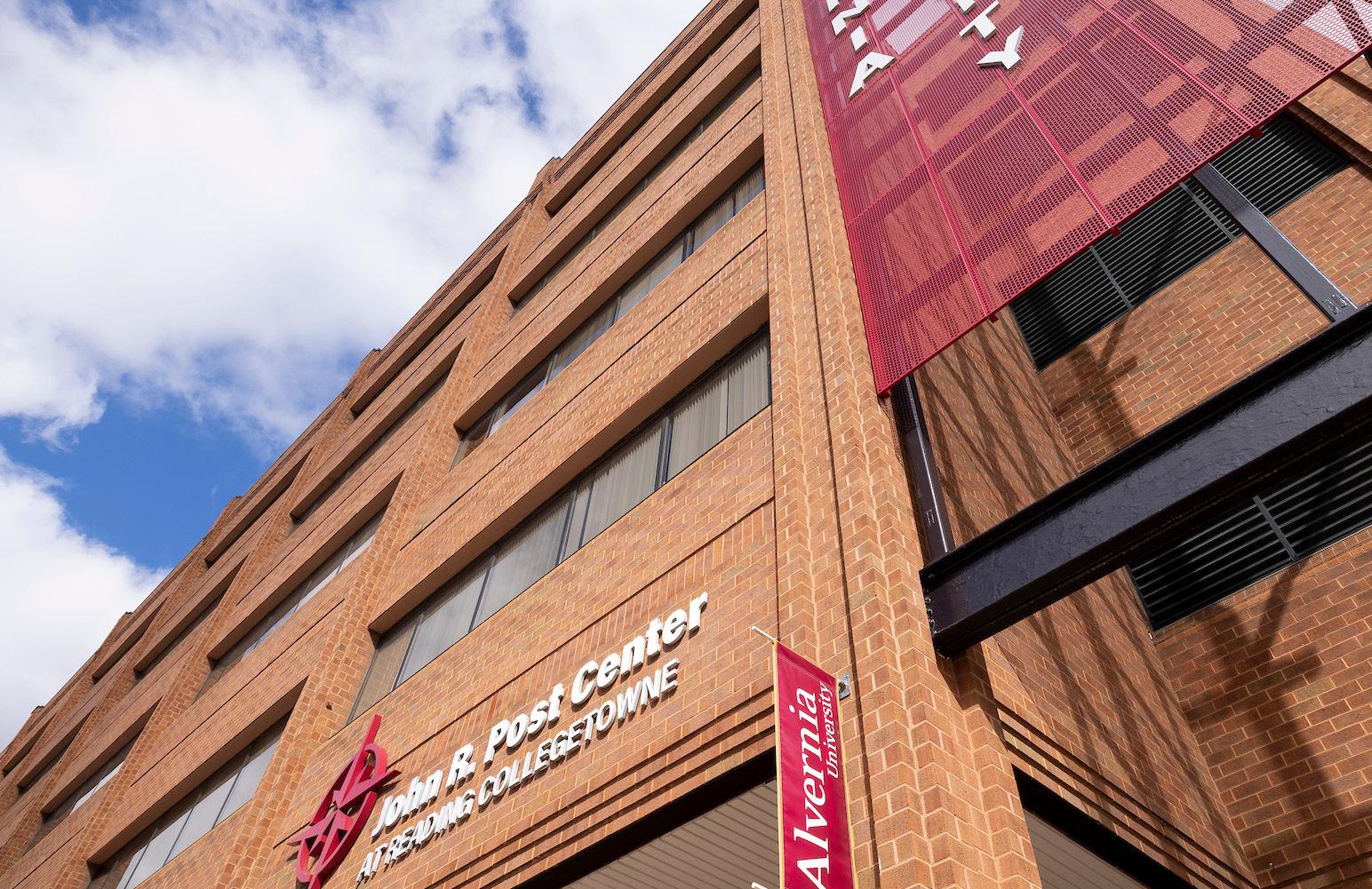
In furtherance of this goal, a pipeline of resources is available to the internal Alvernia community (i.e faculty, staff and students) to fulfill the university’s overall mission and vision, support the academic experience pillar of the Alvernia Advantage strategic plan, and boost economic development through the John R. Post Center at Reading CollegeTowne.
During the spring 2022 semester, the Academic Services sector piloted a successful academic research assistance program for Alvernia faculty. In the inaugural semester, the following projects were launched:
Fellows Kevaughn Ferguson and Anthony Florkowski provided research assistance on a Tourette Syndrome scholarship project for Diane Kraft, M.S., RDN, LDN, a biology instructor at Alvernia. The students were aided by their Graduate Assistant supervisors, Max Horn and McKenzy Lilliock. The students conducted a biomedical literature review to identify and compile a matrix of excerpts from the articles. The projects enhanced the students’ leadership skills as they led segments of the research project.
Graduate Assistants Max Horn and Katie Hestor provided research assistance on a book project for Janae Sholtz, Ph.D., an Associate Professor at Alvernia. The students conducted a literature review and began creating a comprehensive database relating to connections between the philosopher Deleuze and various artists to be included in Dr. Sholtz’s book on the subject.
Fellows Blake Rutcosky and Sherrin Smith provided research assistance on an Open Educational Resource (OER) Textbook, Writing the Disciplines (forthcoming fall 2022), edited and compiled by Caroline Fitzpatrick, Ph.D., an Associate Professor at Alvernia. The students
were aided by their Graduate Assistant supervisors, Sarah Matarella and Angelina Davis. The students researched best practices for using OER materials and writing across the disciplines, contributed to a chapter highlighting recent research on best practices and resources for users of the textbook, and assisted in the editing and layout of text chapters.
Fellow Scott O’Hara provided support using the SPSS software tool for Woosoon, Kim, Ph.D., an Associate Professor of Business at Alvernia. Scott’s assistance allowed Dr. Kim to advance his preparation for data analysis for an eventual Sport Management publication.
This program expanded beginning in the fall 2022 semester.
Davidson, Scott, Godfrey, Kevin, Godfrey, Wells, Mary Ellen, (June 23, 2022), “The Evolution of a University Through ‘Community-Building Subsidiarity.’” National University of Public Serve, Ludovika, Budapest, Hungary.
Ridley, Rodney S., Sr., Vermeulen, J., DelliCarpini, D., and Parr, C.L., (June 15, 2022), “Community Partnerships: Redevelopment, Revitalization & Resiliency.” Presented at the AICUP Campus Leaders Conference, Harrisburg, PA.
Ridley, Rodney S., Sr., Loaiza, Maritza, and Fleming, Adonis, (May 10, 2022), “Spotlight on Alvernia’s Cultural Coalition.” Presented at Berks Alliance Community Forum (Virtual).
Conway, Michelle (May 8, 2022), If You’re in Your Twenties, Read This, Self-Published through Amazon KDP.
Schalk, Donald, (April 28, 2022), “Leadership versus Management.” Presented at Commonwealth of Pennsylvania Leadership Development Program, Harrisburg, PA.
Kasper, C., Ridley, Rodney, S., Sr., Marmer, K., Davis, S. and Zanewicz, J., (February 23, 2022), “The Death of the University TTO in the United States,” Panel discussion presented at the 2022 AUTM Annual Meeting, New Orleans, LA.
Schalk, Donald., (January 27, 2022). “Controlling the Call.” Presented at Bimbo Bakeries, Reading, PA.
Schalk, Donald, (January 10, 2022 and April 21, 2022), “Developing New Products.” Presented at Columbia Forest Products, Greensboro, NC.
Ridley, Rodney S., Sr., (January 7, 2022), “The Energy in the Room.” Guest interview on the Alvernia University podcast hosted by Ms. Sarah Mattarella, Reading, PA.
2021
Schalk, Donald, (October 11, 2021), “Developing Leaders.” Presented at Columbia Forest Products, Greensboro, NC.
Radosh, Jodi, Fitzgerald, Glynis, Ridley, Rodney S., Sr., Ruth, Rudy and Conway, Michelle, (September 14,
2021), “Partnering with Reading Community for a Better Tomorrow.” Presented at the Engagement Scholarship Consortium 2021 Conference, (Virtual).
Schalk, Donald, (July 14, 2021), “Updating Your Strategic Plan.” Presented at Columbia Forest Products, Greensboro, NC.
Ridley, Rodney S., Sr. and Schalk, Donald, (June 11, 2021), “Innovation Wins.” Guest on a television show co-hosted by Angelo Valletta and Connie Faylor, RVN Television, Mt. Laurel Township, NJ.
Karpe, Y., Ridley, Rodney S., Sr., MacKay, Ellen, Ellaithy, A., Stemberkova, R., Withnell, T., and Dixit, T., (April 29, 2021), “Global Best Practices in Technology Transfer & Entrepreneurship.” Panel discussion presented at the World Intellectual Property Forum (WIPF) Conference, (Virtual).
Schalk, Donald, (April 21, 2021), “Execution of Strategic Planning Models.” Presented at Columbia Forest Products, Greensboro, NC.
Schalk, Donald, (April 19, 2021), “Leadership versus Management.” Presented at Commonwealth of Pennsylvania Leadership Development Program, Harrisburg, PA.
Ledaki, Eleftnevia, Ridley, Rodney, R.S., Sr., and Richard, C., (March 16, 2021), Successfully Creating and Managing a Proof of Concept Fund for Early Stage Technologies. Panel discussion presented at the 2021 AUTM Annual Meeting, (Virtual).
Conway, Michelle, (February 3, 2021), “Passing the Baton - Mentoring the Next Generation.” Presented at Women2Women (Virtual).
Sprague, Robert, and Wells, Mary Ellen, (January 29, 2021), “The Great Deplatforming: Can Digital Platforms Be Trusted As Guardians of Free Speech?” ProMarket: the publication of The Stigler Center for the Study of the Economy and the State at the University of Chicago Booth School of Business.
Ridley, Rodney S., Sr., (January 23, 2021), “TecBRIDGE Radio” Guest on an entrepreneurship, innovation and knowledge economy radio show hosted by Mr. Don Webster, 94.3 FM The Talker, Scranton/Wilkes-Barre, PA.
Schalk, Donald, (January 19, 2021), “Leadership in Virtual Environments.” Presented at Bimbo Bakeries, Reading, PA.
2020
Schalk, Donald, (July 6, 2020 and October 5, 2020), “Devising Strategic Planning Models.” Presented at Columbia Forest Products, Greensboro, NC.
Schalk, Donald, (April 13, 2020), “Leadership versus Management.” Presented at Commonwealth of Pennsylvania Leadership Development Program, Harrisburg, PA.
Ridley, Rodney S., Sr., (March 19, 2020), “TecBRIDGE Radio” Guest on an entrepreneurship, innovation and knowledge economy radio show hosted by Mr. Don Webster, 94.3 FM The Talker, Scranton/Wilkes-Barre, PA.
Schalk, Donald, (January 14, 2020), “Avoiding Burnout.” Presented at Bimbo Bakeries, Reading, PA.
Ridley, Rodney S., Sr., (January 4, 2020), “TecBRIDGE Radio” Guest on an entrepreneurship, innovation and knowledge economy radio show hosted by Mr. Don Webster, 94.3 FM The Talker, Scranton/Wilkes-Barre, PA.
2022 (JANUARY THROUGH JUNE)
Ridley, Rodney S., Sr., (April 11, 2022), Award: 2022 Lehigh Valley Business’ Power 30 for Higher Education, Lehigh Valley Business Journal, PA.
2021
Conway, Michelle, (November 2021), Certification: International Business Incubator Network (INBIA), Certified Business Incubator Manager.
Wells, Mary Ellen, (November, 2021), Certification: Alvernia University Project Management, Reading, PA.
Ridley, Rodney S., Sr., (April 28, 2021), Award: 2021 Exemplary Real-World Learning Award, The Alvernia Holleran Center for Community & Global Engagement, Reading, PA.
Conway, Michelle, (April 2021), Certification: Alvernia University Project Management, Reading, PA.
2020
Conway, Michelle, (November 2020), Certification: Leadership Development, Ahern, Murphy & Associates.
The Senior Vice President/ Provost, Dr. Glynis Fitzgerald, is responsible for all academic functions of the university. The O’Pake Institute is integrated with academics at Alvernia through its Academic Services division and its Fellows Program. Alvernia’s executive director of Academic Services, Research and Scholarship further facilitates this integration by serving as an essential bridge with the Chief Operating Officer of the O’Pake Institute and the SVP/Provost.
The Academic Services division fosters and maintains relationships with the administration of the four colleges within Alvernia University and the faculty within each college. These relationships enable the O’Pake Institute and the SVP/ Provost to promote and effectuate partnerships between resources in the external community and Alvernia’s academic programs and departments.
Students from all four colleges at the university and in various academic programs are recruited into the Fellows Program.
The support of the SVP/Provost for the Fellows Program is integral to the success of the are intentionally recruited efforts within each of the Colleges. In addition to their work with entrepreneurs in our SPARK business incubator and on projects with organizations in our community, the Fellows Program assists individual faculty members pursuing their scholarship interests independently and in connection with community partners. The Fellows work in Academic Services enhances the critical thinking of the students, fosters their appreciation of the innovative work of our faculty and helps us share the faculty’s work with our community.
The SVP/Provost works together with the deans and faculty to create the academic environment necessary to recruit and retain qualified faculty in our new and existing programs. The O’Pake Institute benefits from these efforts through faculty
mentorships of our Fellows and SPARK Business Incubator entrepreneurs. Faculty also serve as content experts and consultants on our projects and provide guidance on our initiatives.
The SVP/Provost has also established relationships with many community partners whom she has introduced to the work of the O’Pake Institute. Many of these partners then established mentorships with the Fellows and provided client projects. The faculty also provide additional outreach connections for the O’Pake Institute through their work and partnerships with diverse community organizations and businesses. All of these connections broaden the impact of the O’Pake Institute in our community.
The O’Pake Institute is working with the GoggleWorks Center for the Arts in downtown Reading on a partnership to enhance our local community and our AU community. Since the inception of the STEAM college at AU in 2021, Alvernia has been revising the arts program to realign with the mission of STEAM and to be more interdisciplinary. Students will soon be able to earn a degree in Creativity, which will prepare them to work in emerging career fields. The GoggleWorks Center for the Arts has been a critical partner in the creation of this degree. Their partnership and resources allow AU to envision future unknown career fields that require experience with materials, computer skills, design skills, creativity and innovation. They are a natural partner as they are our neighbor in downtown Reading with a mission to transform lives through unique interactions with art. This relationship will provide our students with new opportunities in visual arts, and our resources will provide their artists and communities with new experiences in performing arts, in which Alvernia specializes.
Alvernia University has also embarked on a novel partnership with Custom Processing Services, Inc. (CPS), a local custom toll processing business based in Reading, Pa. They specialize in the processing and mastery of particle technology. CPS was hiring a Ph.D.-level chemist while AU was searching for a professional with similar credentials to teach courses in the new STEAM college. CPS and AU decided to work together to hire one professional who could work at both institutions: as an adjunct professor here at AU and as a chemist at CPS. This allows both institutions to share the work of hiring, training and compensating a new employee while the employee has access to the resources and innovation of both institutions. Working with CPS, AU can build a program where students have access to world-class facilities and experiential learning that prepare them to be talented technical graduates who are also good
communicators and critical thinkers. CPS meets students in the early stages of their career and potentially finds their next hire. This partnership is also easily reproduced with other industry partners and academic areas.
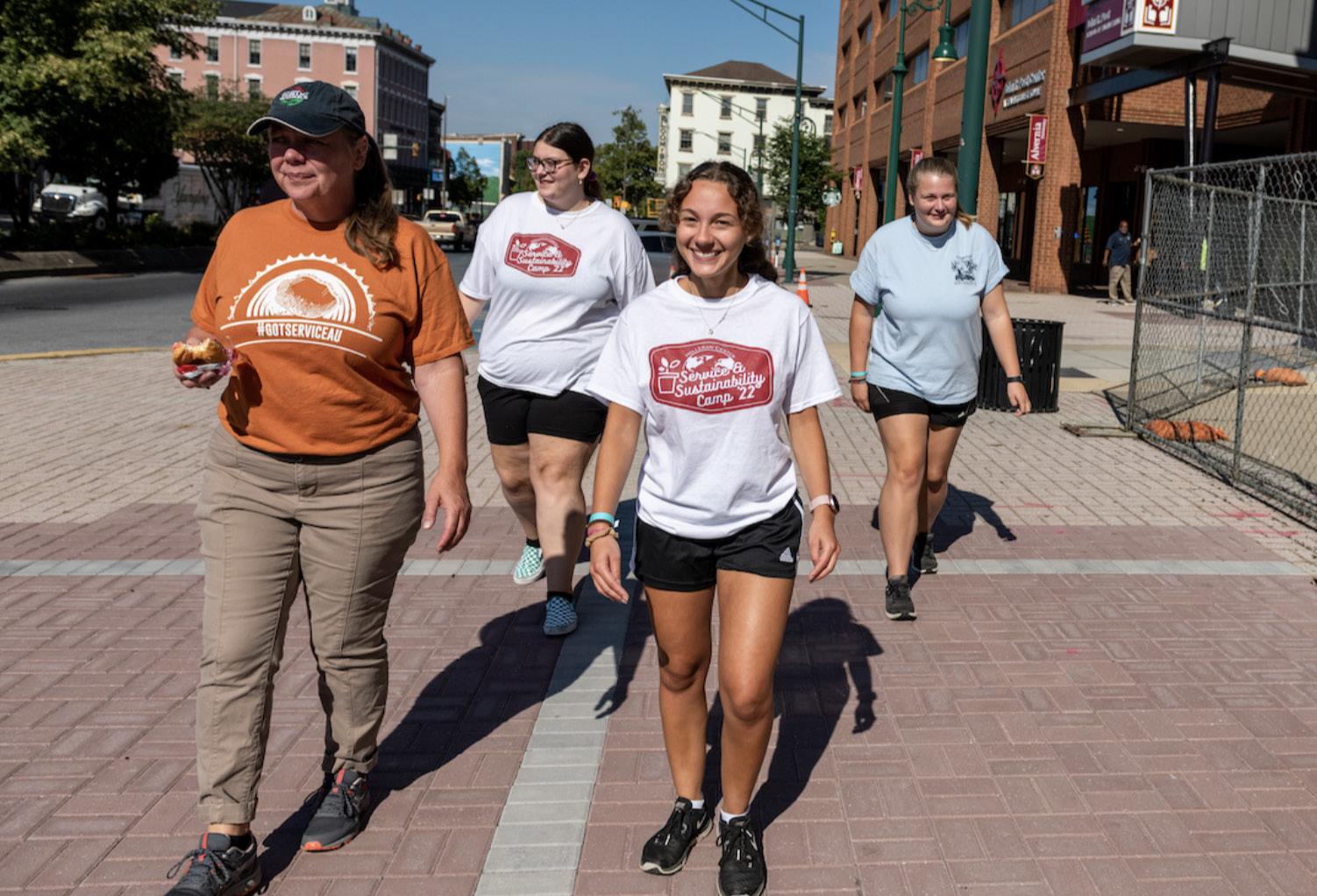
The O’Pake Institute is proud to work with the Holleran Center for Community and Global Engagement at Alvernia University. The Holleran Center is responsible for ensuring that students’ coursework, co-curriculars and servicelearning opportunities reflect the Franciscan mission and values of the university. Working with our colleagues in the Holleran Center, the O’Pake Institute can expand the reach of both offices. The Holleran Center works with many nonprofits and community organizations in Reading and Berks County. The Holleran Center organizes servicelearning opportunities that benefit both the organization and Alvernia students. Often these organizations will ask for assistance with other types of projects, like social media marketing or business services. The staff at the Holleran Center will then pass on those requests to the O’Pake Institute which has helped expand our reach to serve organizations that may not have thought to reach out to us. Staff at the Holleran Center say that working with O’Pake has similarly broadened their reach into the community. When O’Pake works with community organizations and they express the need for service, the staff at the O’Pake Institute can connect the Holleran Center with that organization. This benefits our students who are exposed to a broader range of businesses and community organizations and expands the number of local organizations who can connect with Alvernia University.
The O’Pake Institute also works with the Holleran Center to connect our Fellows with their office in the Fellows Program. O’Pake supports the Holleran Center to hire and train two Fellows to use their talents full time with the Holleran Center, while also participating in O’Pake Fellow activities. Fellows can assist the Holleran Center with a broad range of activities in marketing and digital communications, which expands the students’ resume. One Fellow, Laura Nentwig, loves working with the Holleran Center because she can showcase Alvernia students’ great work with the community through videos or promotion on social media platforms. She enjoys promoting the value of service and getting students interested in service through her fellowship. She hopes to continue with marketing and social media management in her future career and knows her experience with the Holleran Center is providing her with the experience and skills she needs.
The O’Pake Institute partners with the Institutional Advancement Office to impact our students and alumni through program support, mentoring, alumni events and engagement opportunities. This past year, the O’Pake staff and students participated in Homecoming, First Fridays, Women’s Council Leadership Summit, Young Alumni Committee, Turkey Drive and countless mission-driven community events. In addition, Max Horn, Graduate Assistant of Student Services has been working with the Institutional Advancement team learning, special events and event management, philanthropic opportunities and giving tools, and community partnerships.
The O’Pake Institute team members are active with the Alvernia Women’s Council (AWC), which was established in 2018 to empower women at Alvernia through personal and professional development, preparation for leadership roles and mentorship opportunities. The women of O’Pake regularly participate in meetings, events and leadership development programs hosted by AWC. Director of Student and Client Services, Michelle Conway, serves on the AWC’s Steering Committee, and is the chair of the Professional Advancement and Opportunities Committee. As a member of the Steering Committee, Conway works with the group to develop programs and plan annual events. In her role as Chair, she works with other active Committee members to match students with professional mentors and provide them with both personal and professional development opportunities.
Through community partnership building, the O’Pake Institute connected with Ethosource, which provides businesses with the expertise to create the perfect office environment for their teams utilizing eco-friendly furniture. Founded by John Gallen Jr., president and owner, the company has provided and installed workspaces and office furniture for the O’Pake Institute and the John R. Post Center at Reading CollegeTowne, including the dormitory furniture. Gallen and his team are passionate about helping students and young professionals, and enjoy working with businesses in the startup phase. Donating furniture to AU for the O’Pake Institute and Reading CollegeTowne was the perfect way for Gallen and Ethosource to see that passion in action. The design of the O’Pake Institute office space enables our ellows, Graduate Assistants, and staff to work communally or individually based on their workspace needs, creating a flexible work and learning environment that greatly helps us achieve our goals.
The O’Pake Institute partners with the Center for Graduate and Adult Education to offer continuing education opportunities to graduate and adult undergraduate students. O’Pake’s graduate Fellows are executives in training and are fully enrolled in graduate programs at Alvernia University. Graduate Fellows pursue programs of study like Master of Arts in Leadership, Master of Business Administration (MBA) and Doctor of Philosophy in Leadership, which can include a Ph.D. fellowship in Health, Research and Innovation. Similarly, undergraduate fellowships provide a vigorous and dynamic work environment that ensures graduates have strong fundamental skills and experience applying them. Many undergraduate Fellows go on to graduate programs at Alvernia where they develop their management skills further by supervising undergraduate Fellows and taking on more specialized projects and responsibilities.
In conjunction with the Office of Graduate and Adult Education, the O’Pake Institute also provides workforce development opportunities. The Center for Entrepreneurial Leadership (CEL) offers certificate programs in topics like project management and provides members the opportunity to learn timely business information through a series of educational programs on relevant business topics. CEL also offers the Leadership Development Program for Senior Managers in
State Government in conjunction with Harrisburg University and the Governor’s Office of Pennsylvania. This innovative program offers participants the chance to enhance their understanding of their workplace culture and learn strategies, tactics and management techniques applicable to the unique challenges government employees face.
Collaborate with faculty to enhance their scholarship and research
Integrate O’Pake activity in curriculum
Collaborate with the four Deans to promote recruitment for the Fellows program
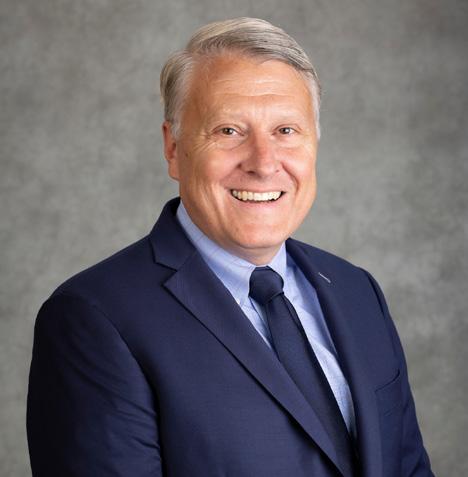
“The O’Pake Institute has proven invaluable in helping us provide educational excellence in business, communication, and leadership focused on developing ethical high performers, inspiring action and delivering value. The opportunities and experiences afforded to our students coupled with the learning and development programs delivered to O’Pake Fellows, help us graduate job ready professionals who know how to add immediate value. The O’Pake Institute provides a platform for our students to use their education to make a positive difference in the lives of people, organizations, and communities. The O’Pake Institute offers another opportunity to live our core Franciscan values, a hallmark of our unique learner experience.”
- Travis A. Berger,
Ph.D., Dean, College of Business, Communication and Leadership
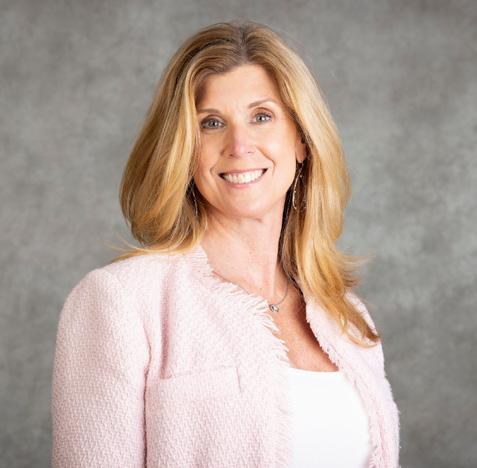
“The Graduate and Adult Education Division at Alvernia University works with the O’Pake Institute to provide a distinctive element to our Graduate offerings and to add value to our relationships with business and community partners throughout eastern Pennsylvania. O’Pake’s graduate fellowship program affords select masters and doctoral students the opportunity to work with local entrepreneurs, world-class corporations, and accomplished research faculty to apply their knowledge by managing a team that is solving a realworld business or technical problem.
O’Pake’s network of professionals gives us a wealth of resources to serve our business and community partners with custom professional development and educational programs that help their organizations to grow and prosper. ”
- Gaetan
Giannini,
Ed.D., Vice President, Graduate and Adult Education
“Health care providers are constantly challenged to meet the diverse needs of society, their patients, and the healthcare industry. The solutions to these complexities cannot be found by looking through a monocular lens, which is the very reason why interdisciplinary collaboration is foundational to healthcare education. The O’Pake Institute extends that educational model even further by providing our College of Health Sciences students and faculty with opportunities to design and develop innovative solutions that have the potential to improve the health care experiences for patients, family members, and health care providers. ”
-Patricia Reger, Ph.D., P.T., Dean, College of Health Sciences
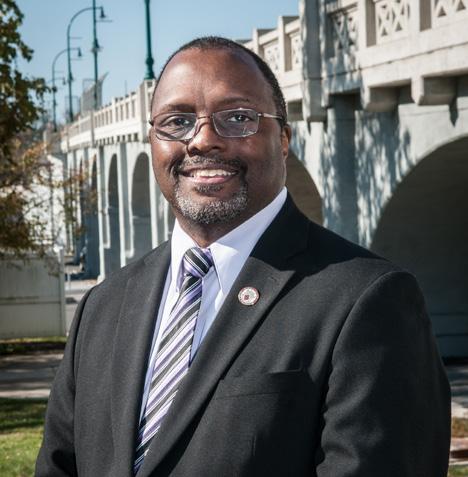
“The College of Science, Technology, Engineering, Arts and Mathematics (STEAM) is deeply integrated with the O’Pake Institute. The O’Pake Institute works on various community and industry projects that connects the O’Pake engineering and science Fellows with hands-on coursework. These Fellows provide assistance on projects involving a wide range of STEAM topics including biomedical innovations and engineering challenges.
The College of STEAM and the GoggleWorks Center for the Arts in downtown Reading have partnered in the creation of a new Creativity major with the assistance of O’Pake Institute staff. There are numerous additional community connections between the College of STEAM and the O’Pake Institute that have enhanced students’ experiential learning opportunities in the classroom.”
- Rodney Ridley, Ph.D., Dean, College of Science, Technology, Engineering, Arts and Mathematics
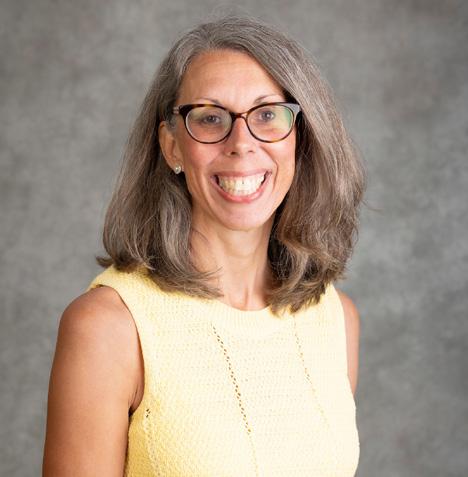
“The O’Pake Institute provides students in the College of Humanities, Education and Social Sciences students with the opportunity to connect their strong liberal arts education with the needs of our community partners. In doing so, they arrive at a deeper understanding of the value of a liberal arts education to a variety of different organizations. Putting their skills into practice boosts students’ confidence and can open them to new career directions. ”
- Elizabeth Matteo, Ph.D., Dean, College of Humanities, Education and Social Sciences
The Center for Entrepreneurial Leadership (CEL) provides business owners and their key personnel with timely and valuable information through a series of educational events, webinars, and certificate programs on relevant business topics to meet the industry demand for professional development.
Programming through CEL is chosen by analyzing trends in business as well as the needs of the O’Pake Institute’s client base. It is designed to teach the principles of leadership and other important skills to build future leaders and managers in an organization. Subject areas include establishing core values and ethical grounding, evolving company culture, developing a culture of accountability, decision-making essentials and more.
The programming is typically held in partnership with a sponsor, partner, and/or client. In the past, CEL has partnered with companies such as RKL, LLP., Herbein | Mosteller HR Solutions, Slice Communications, and many others to present on best practice topics. While there is a fee for premier events, most topics are free as is membership to the Center. Membership is available to entrepreneurs, families in business and strategic-level executives with closely held firms, and offers opportunities for professional, personal and business growth.
Benefits of CEL:
Programming and membership at little to no cost
Business-to-business connection to O’Pake’s client base, mentor network, professional service providers network and other Berks County businesses
Knowledge and support for every step of the business life cycle
Access to event recordings and first knowledge of upcoming programming and important announcements
CEL Events:
Thriving in a Chaotic Environment
Leadership Academy
Managing Risk in a Chaotic Marketplace
Game-Changers for More Adaptable Businesses in an Age of Disruption
Strategic Pricing in a Crisis
Successfully Reopening Post COVID-19
Leveraging the Power of Data and Technology to Achieve Long-Term Sustainability
Project Management Certificate Program
Unconscious Bias Training
Cyber Security Certificate Program
Flourishing Among the Changing Business Sales Model
For more information regarding CEL or specific programming, reach out to Don Schalk at donald.schalk@alvernia.edu.
The O’Pake Institute’s mentor network is a key element in enhancing our student and client experiences. The O’Pake Fellows are linked with a professional mentor to promote personal and professional development. The level of commitment for an O’Pake Mentor varies based on services offered. O’Pake representatives will work with mentors to formalize the details of each relationship agreement.
Clients are then able to receive discounted or pro bono services from those professional service providers and industry experts.
Current Mentors (as of June 30, 2022)
Andy Andrews
Cass Bailey
Paula Barrett
Alex Bollinger
Paul Cohn
Aaron Gantz
Chuck Holder
Kate Huck
Ellen Huyett
Wendy Kerschner
Kyle Levengood
Karen Marsdale
Lanette Miller
Chris Nigon
Rachael Romig
Peter Rye
Dana Schmidt
Kevin St. Cyr
Don Webster
It is part of O’Pake’s mission is to provide Fellows with the best career opportunities possible once they graduate from Alvernia University. The professional service providers sector is a network designed to equip students, entrepreneurs and small businesses with the knowledge of networking and business growth.
The Fellows Program positions students to garner experiential learning through real industry work. While there is essential, core knowledge provided in the classroom, there is a need for application of that knowledge while the students are completing their degrees.
The network encompasses professional service providers from a plethora of industries including but not limited to business development, law, accounting and marketing to provide opportunities to students from a wide range of majors. Professionals and industry leaders in the Berks County community are able to provide a deeper teaching piece to students as well as quality assurance and oversight to the services that O’Pake provides to businesses of all sizes in Berks County and beyond.
The key word here is service, which is one of Alvernia University’s core values. From a student’s perspective, Fellows will have the benefits of personal and professional development opportunities, new industry insight and experience, exposure to a new insight and perspective, and professional advocacy and confidence. This relationship can also lead to opportunities such as job offers, networking, skill building, etc.
From the professional’s perspective, they are given the platform to give back to their community by sharing their experiences with students and providing expertise to new and existing entrepreneurs in the Berks County community and beyond. Thus, this sector also enhances the economic development of the community in the process.
If you are interested in joining our network, go to https://opake.alvernia.edu/professional-mentor-program/

Launched on April 1, 2022, the Cultural Coalition, powered by O’Pake, formed three task forces comprised of local leaders with a passion for community advancement, focusing on communities of color. The task forces include arts and culture, community and neighborhood revitalization, education and workforce development.
The community and neighborhood revitalization task force works with residential neighborhoods and businesses in Berks County to increase homeownership and strive for zero vacancies in the commercial district of Penn St. The goal is to facilitate community engagement and improve social connectedness across the region over time.
The arts and culture task force caters to the awareness and celebration of local artists and the vast cultural diversity in the City of Reading and Greater Berks County. Focusing on making art commercially available for the internal and external community while highlighting local artists is a key goal for this task force.
The education and workforce development task force’s primary focus is partnering with organizations and institutions in the City of Reading and Greater Berks County to enhance access to post-secondary opportunities in workforce and higher education in the region. Opportunities are abundant through the five institutes of higher education in the area, along with many forms of continued post-secondary education and skill development
that can provide high school graduates with the advantage needed to fulfill their goals and dreams.
The success of our first two years has resulted in the rapid expansion of the work engaged in by the O’Pake Institute with the community.
The public’s interest and excitement around the Cultural Coalition has spawned the creation of the following community coalitions:
1. Biomedical Innovations Collaborative
This is a group of institutions, hospitals, and venture investors, focused on supporting innovations and subsequent commercialization prospects in biomedicine, biohealth, and biotech; this group integrates with our O’Pake Technology Transfer Office and Intellectual Property Committee and meets monthly. It also interfaces with the Berks Life Science Working Group facilitated through the Greater Reading Chamber Alliance.
2. Entrepreneurial Ecosystem
Fostering partnerships with other local incubators and providers of small business and entrepreneurial services such as SBDC, SCORE, Penn State Berks LaunchBox, this ecosystem will initially focus on creating a regional resource portal for entrepreneurs and will be a central place for information and resources.
3. Food Innovation Network
The network consists of working groups that support agriculturally based enterprises and activities (including family farms) in Berks County. The working groups undertake activities such as:
i. Agricultural production, processing and distribution of fresh and healthy food products (a complete supply chain that will enable the local family farm to be more profitable and for local restaurants, chefs and patrons to access local food).
ii. Culinary incubation network, including the creation of new restaurants, farmers markets, catering businesses, and food trucks.
iii. A working group focused on creating a location that can be a regionally shared resource for prepared food processing, food packaging, bottling, warehousing and distribution.
Community, Economic, and International Engagement
Launch projects in each Cultural Coalition taskforce
Spread the CollegeTowne strategy nationally and internationally
Implement targeted and strategic economic development initiatives in the regions we serve
In the fall of 2019, the O’Pake Institute was intentionally redesigned to enact the CollegeTowne strategy. CollegeTowne is a strategic model for championing economic redevelopment in a downtown corridor. Through partnerships and collaborations with the City, local businesses, non-profits and other related organizations, O’Pake serves as a catalyst and strategic enabler for strengthening the local economy. The key to this is using students in a distinctive experiential learning model. We provide students, also known as Fellows, extensive training, relevant resources, professional mentoring and critical staff oversight as they work directly with clients to develop and enhance businesses at all stages which causes economic development. We worked with independent third-party institutions, such as The Institute for Public Policy & Economic Development to track and report the impact of our efforts on an annual basis.
ECONOMIC DEVELOPMENT March 2021-August 2021 August 2021-June 2022 Total
Businesses Started
Existing Businesses
Jobs Created
Jobs Retained (Full Time)
Jobs Retained (Part Time)
“We’ve seen a spark in real estate acquisition in that regard (in reference to the purchasing of different buildings). Developers have become more interested in beginning to invest in Berks and Reading. We need to create more programs that include others and provide entertainment for the community.”
- Jamal Abodalo Director of Community Development Services
City of Reading
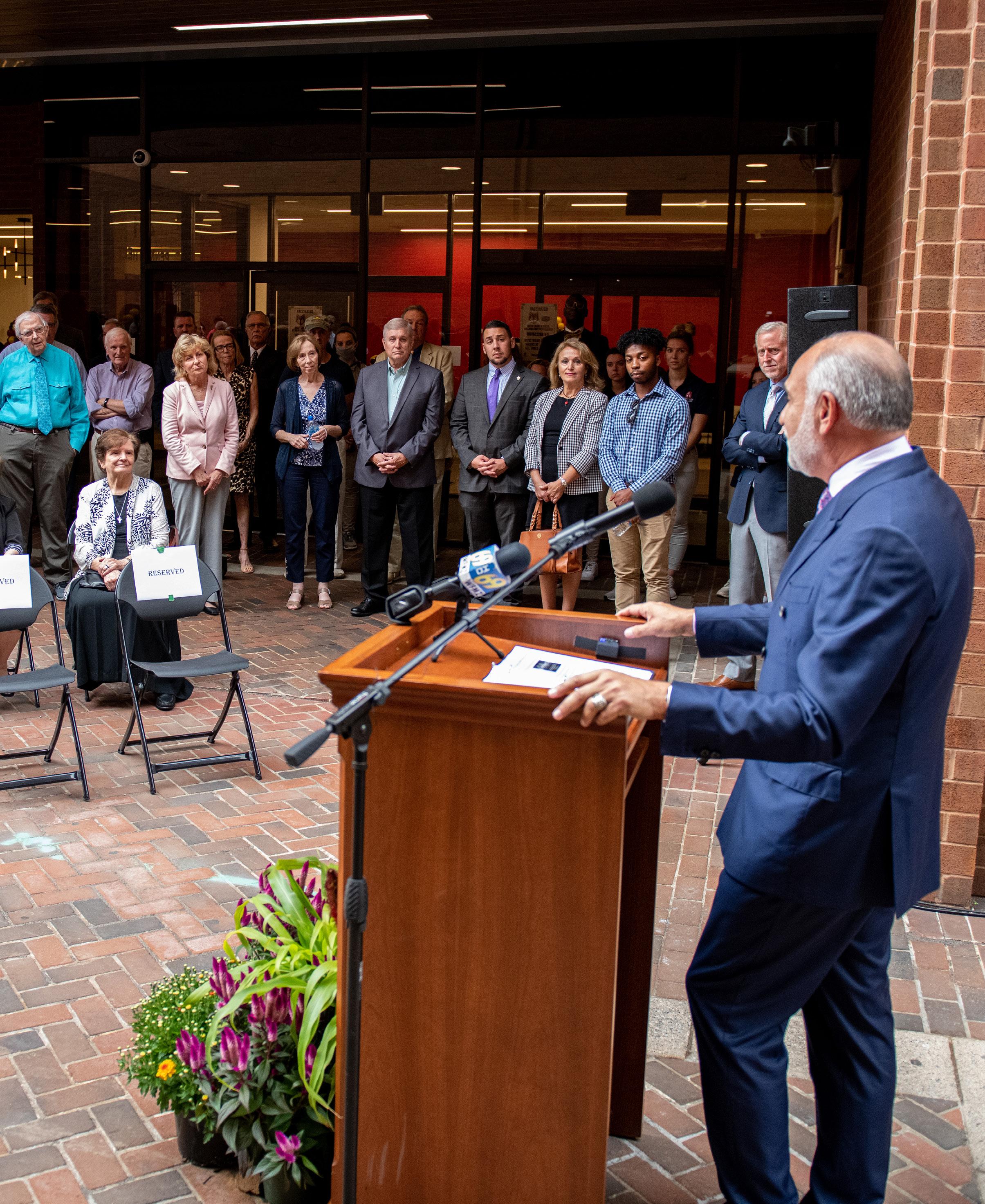
“The investment Alvernia University has made in Reading CollegeTowne has significantly contributed to and spurred both additional interest and investment in Downtown Reading. Additionally, as an anchor institution in the 400 block of Penn Street, Alvernia through the O’Pake Center, has generated collaboration across the public and private sectors on a variety of opportunities throughout the City of Reading and beyond.”
- Aaron Gantz
Senior Director of Economic Development GRCA
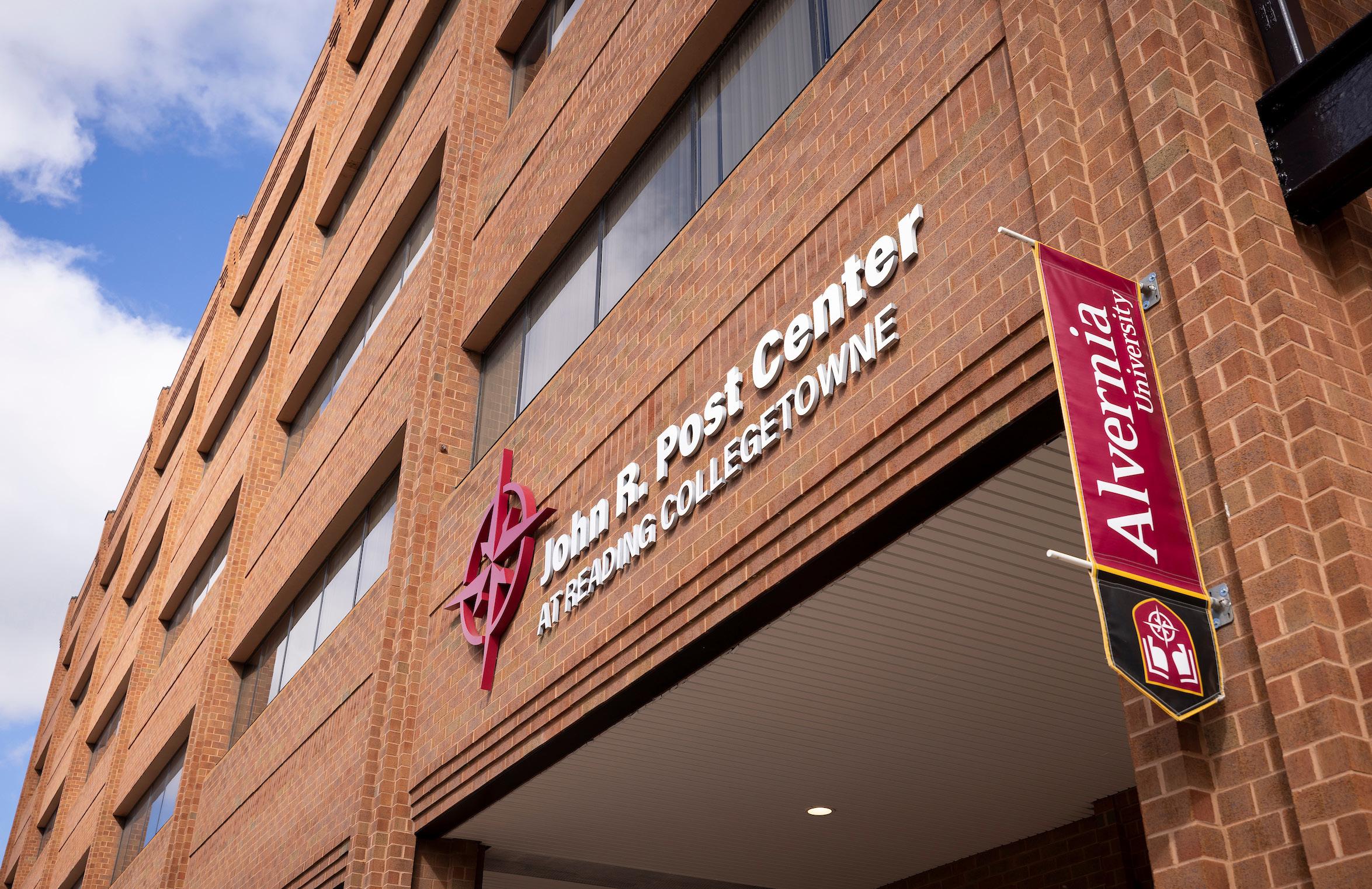
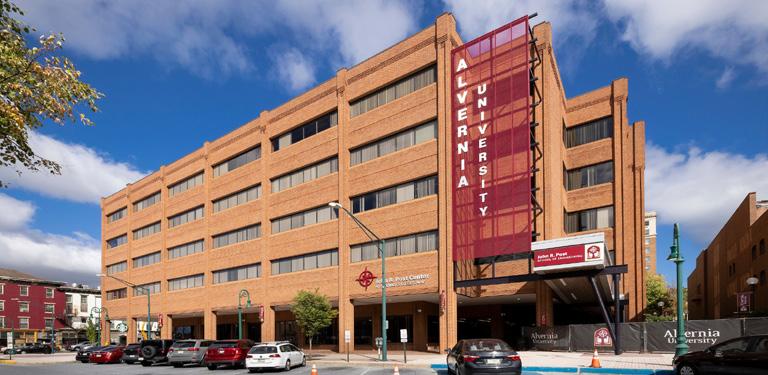
Whenever I look back on where we have come in such a short period of time, I always go right back to the beginning. I always recall the strategic plan vision John Loyack gave to me during my “pseudo” job interview; it was pretty simple and daunting all at the same time. He said to me, “Come to AU and help us to bring CollegeTowne to life. Here’s the plan, I am going to raise money and buy buildings, you come and fill those buildings with unique and distinctive programs and give me lots of good reasons to raise more money; and together (with the AU team) we are going to simultaneously i) change the University, ii) change the economies & communities of the regions we serve and iii) change how regional institutions of higher education operate and grow.” So I came to AU with one quote in my mind:
Do Not Go Where The Path May Lead, Go Instead Where There Is No Path And Leave A Trail
- Ralph Waldo Emerson
So two and a half years later, where are we on our strategic journey? It’s pretty simple to find us, follow the trail called “CollegeTowne”.
O’Pake Financial Services Launches the FLIC
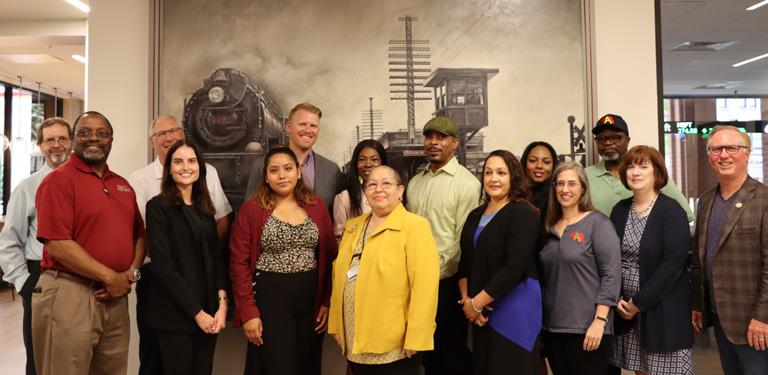
On June 2, 2022, the Financial Services Department of the O’Pake Institute launched the Financial Lending and
Innovation Collaborative Micro-Grant Program, otherwise known as FLIC. The collaborative, made up of participating financial institutions, foundations and private donors, is creating a synergistic community effort that allows O’Pake to have direct involvement and impact in boosting economic development across the region.
Early-stage funding candidates enter the O’Pake Institute’s Spark business incubator client services intake process, which includes a feasibility analysis and financial needs assessment to determine funding eligibility. Eligible organizations will work within the Fellows Program with the O’Pake Finance Committee to prepare their business financials and develop a pitch to request funds. Funds must be utilized for equipment, research and development, lease of rental space, or to cover professional service fees.
Upon award, the grantees are required to provide a one-to-one match of goods or services back to the community against the grant. At the time of the launch, the first $10,400 in awards was allocated to three Reading-based, Black-owned businesses. Moving forward, the collaborative will meet quarterly with qualified entrepreneurs to review their needs, and make a determination on awards of the next rounds of funding.
In addition to FLIC, the finance committee works with both for profit and nonprofit organizations and entrepreneurs to produce financial statements and foster financial literacy for entrepreneurs. Our goal is to ensure that our local entrepreneurs and local businesses find success and support as they move forward.
Fostering New Knowledge
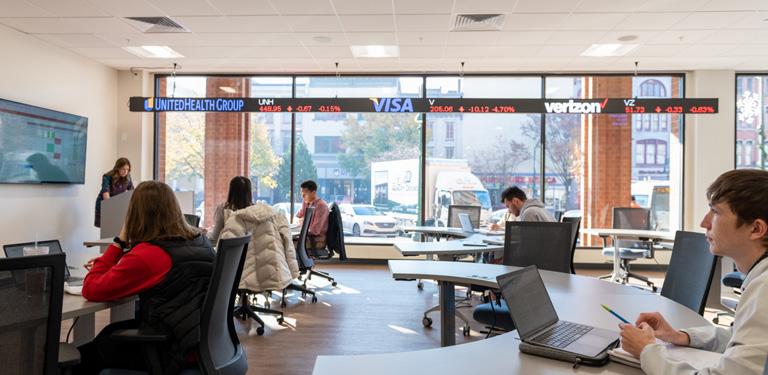
In the spring 2022 semester, Academic Services kicked off the O’Pake Institute Fellow involvement and assistance with faculty research projects. The program has grown to four faculty participating in the initial pilot program ranging from book projects to literature reviews. In the fall 2022 semester, we have grown to 11 faculty participating with their personal research projects - a 175% increase over spring.
Diane Kraft worked with two Fellows on a research project involving Tourette’s syndrome and nutrition during the spring. At the end of the project, one of the Fellows remarked that he was excited to realize that he loved research, an unanticipated and welcome student outcome!
Student Entrepreneurship is Alive at Alvernia University
The O’Pake Institute provides direct support to entrepreneurs, and small and established businesses in Berks County and beyond. In addition to serving community entrepreneurs and small businesses, it is also critical that we inspire entrepreneurship within Alvernia University’s community. Over the last two years, we went from having zero student entrepreneurs in our portfolio to serving over five active student businesses. Student entrepreneurs are given hands-on entrepreneurial and startup support from staff and are assigned an O’Pake Fellow team to bring their ideas to life. Student entrepreneurs have the opportunity to pitch in front ofthe O’Pake leadership team for the opportunity to receive capital through our newly developed Student Innovation Fund or work with us to prepare for the collegiate division of the TecBRIDGE Business Plan Competition, where they have the opportunity to pitch their idea for the chance to be awarded $10,000 and inkind services. In 2021, we had The You Matter Movement LLC, a student-run organization, qualify as a finalist in the TecBRIDGE Business Plan Competition and receive a grant through the Student Innovation Fund to launch the company.
Through the Office of Student and Client Services, we will continue to promote student entrepreneurship, dream-chasing and entrepreneurial success.
O’Pake’s Move to the John R. Post Center at Reading CollegeTowne
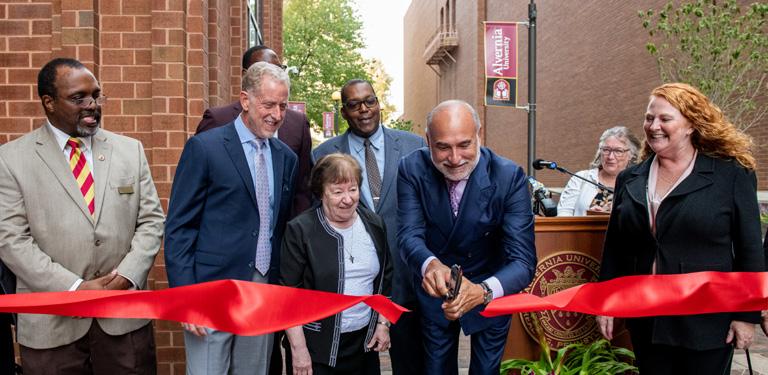
The staff of the O’Pake Institute moved into the John R. Post Center in December of 2021, during the university winter break. The O’Pake Institute staff and Fellows were previously working in several separate locations, both oncampus in the Upland Center and the library, and from remote locations. While the staff and Fellows became experts in working remotely during the pandemic, the opportunity to have a common working space was so exciting. We packed up our two Hill Campus locations and moved our operations full time into the John R. Post Center in downtown Reading. Our undergraduate and graduate Fellows now have their own workspaces that they can design and decorate to match their personalities. It has been so fulfilling to have in-person relationships with my colleagues. It has been so fulfilling to have in-person relationships with my colleagues that were all previously virtual. I have watched my colleagues also build much stronger working relationships in this common workspace, and we have grown immensely as a team.
The Mentor Program
This past year each Graduate Assistant and Fellow had a mentor and learned the importance of networking and its benefits. Those students that graduated this past year all received job offers and are employed. For Don Schalk at this stage of his career, teaching and mentoring students has been a wonderful way to give back and has been personally rewarding.
The External Communications Committee (ECC) is a student-powered public relations group that strategically manages the O’Pake Institute’s community-wide messaging.
Here are highlights from our activity from March 2020-June 2022: THE O’PAKE INSTITUTE ARTICLE LIST # OF MEDIA MENTIONS: 291
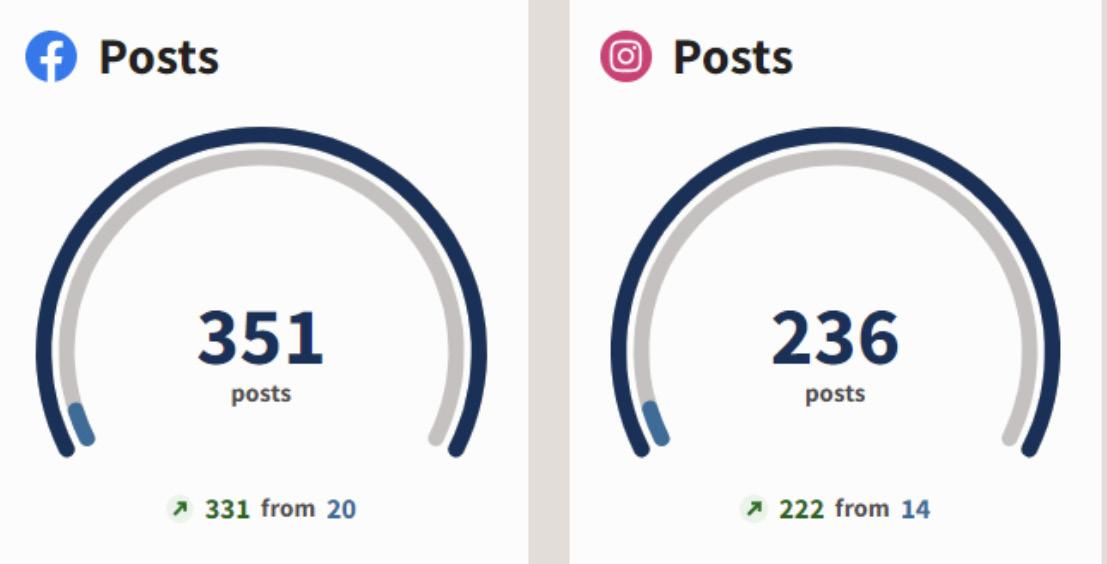
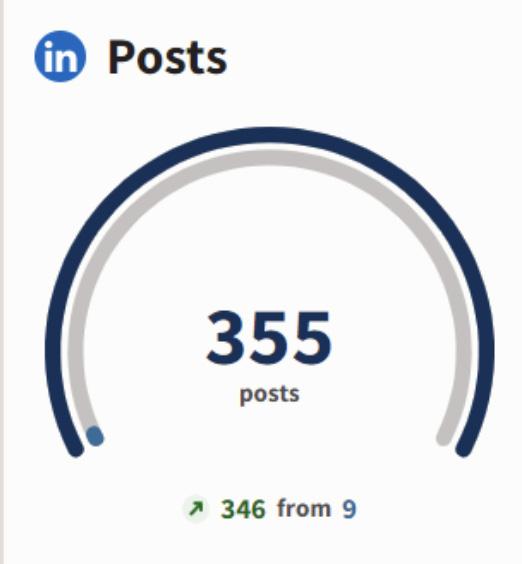
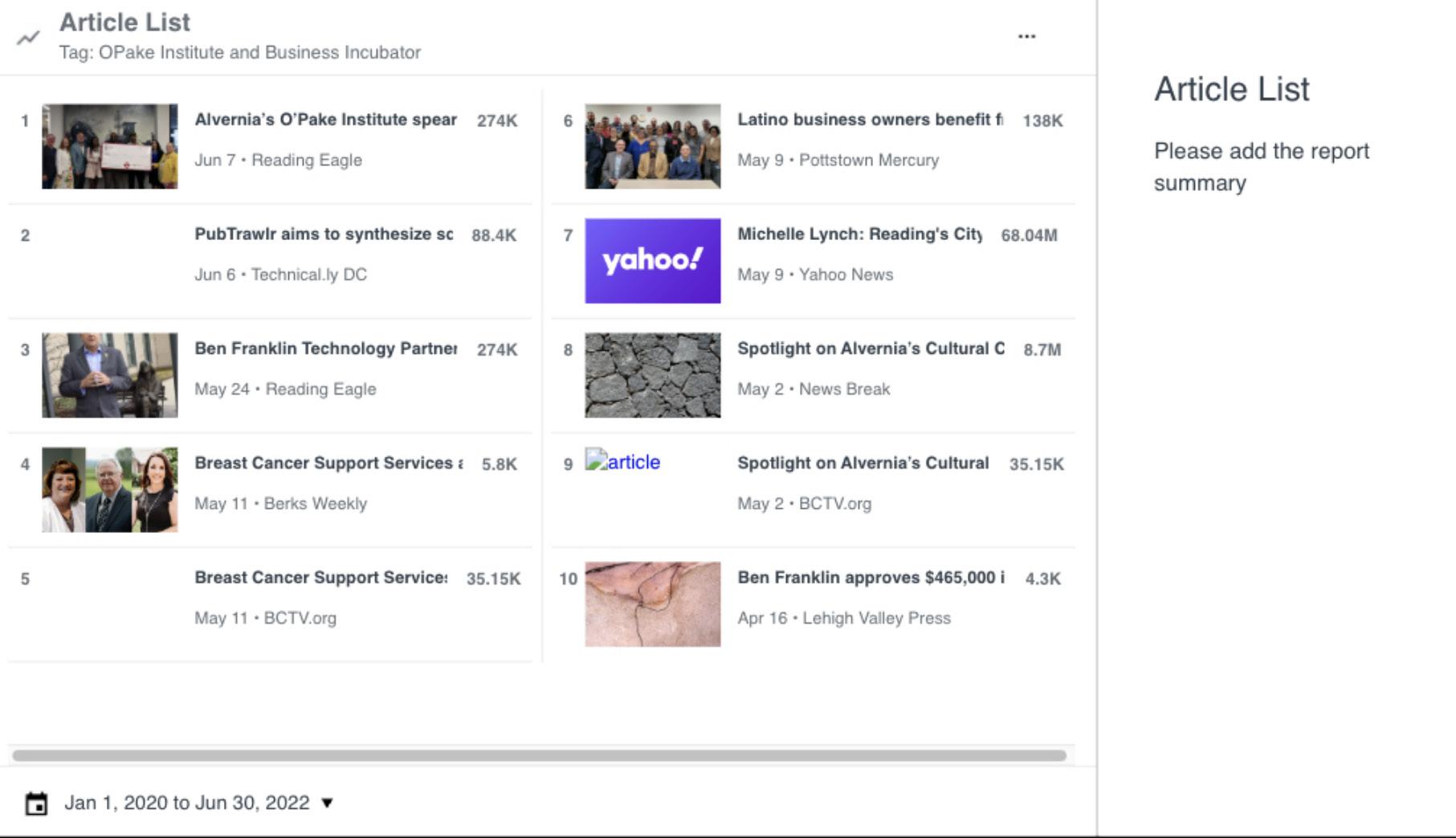
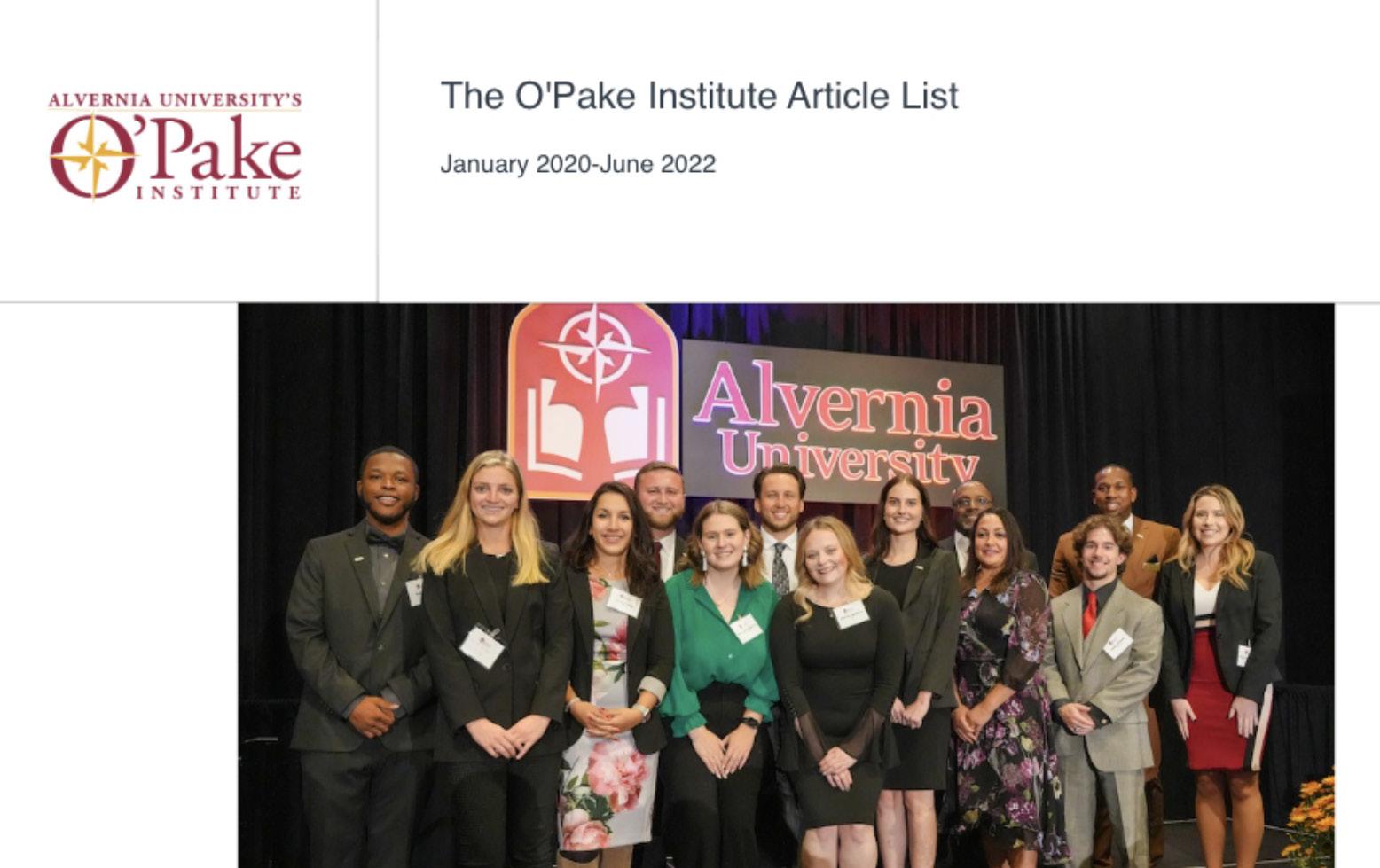
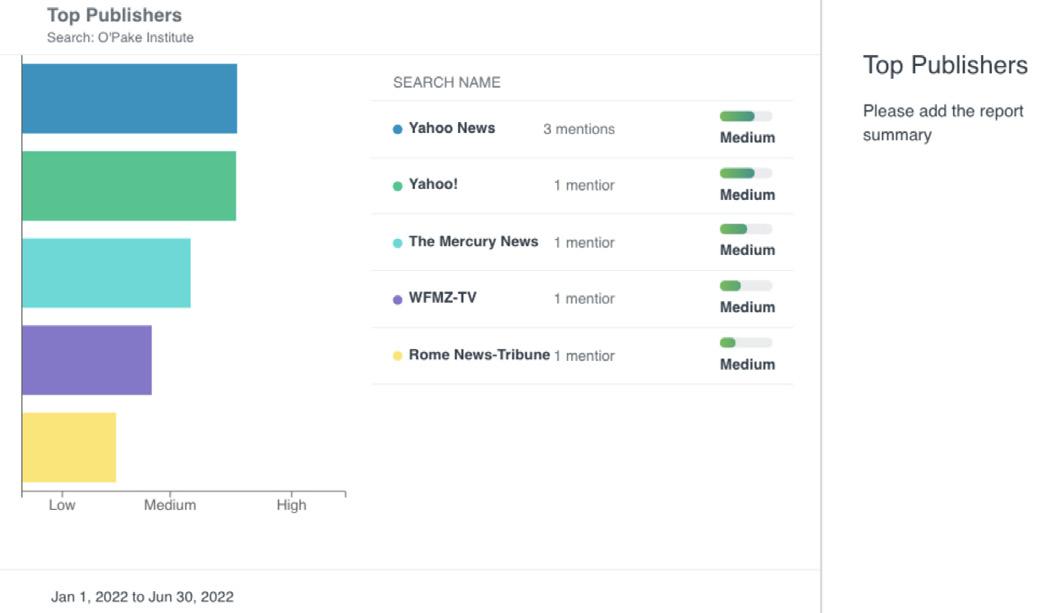
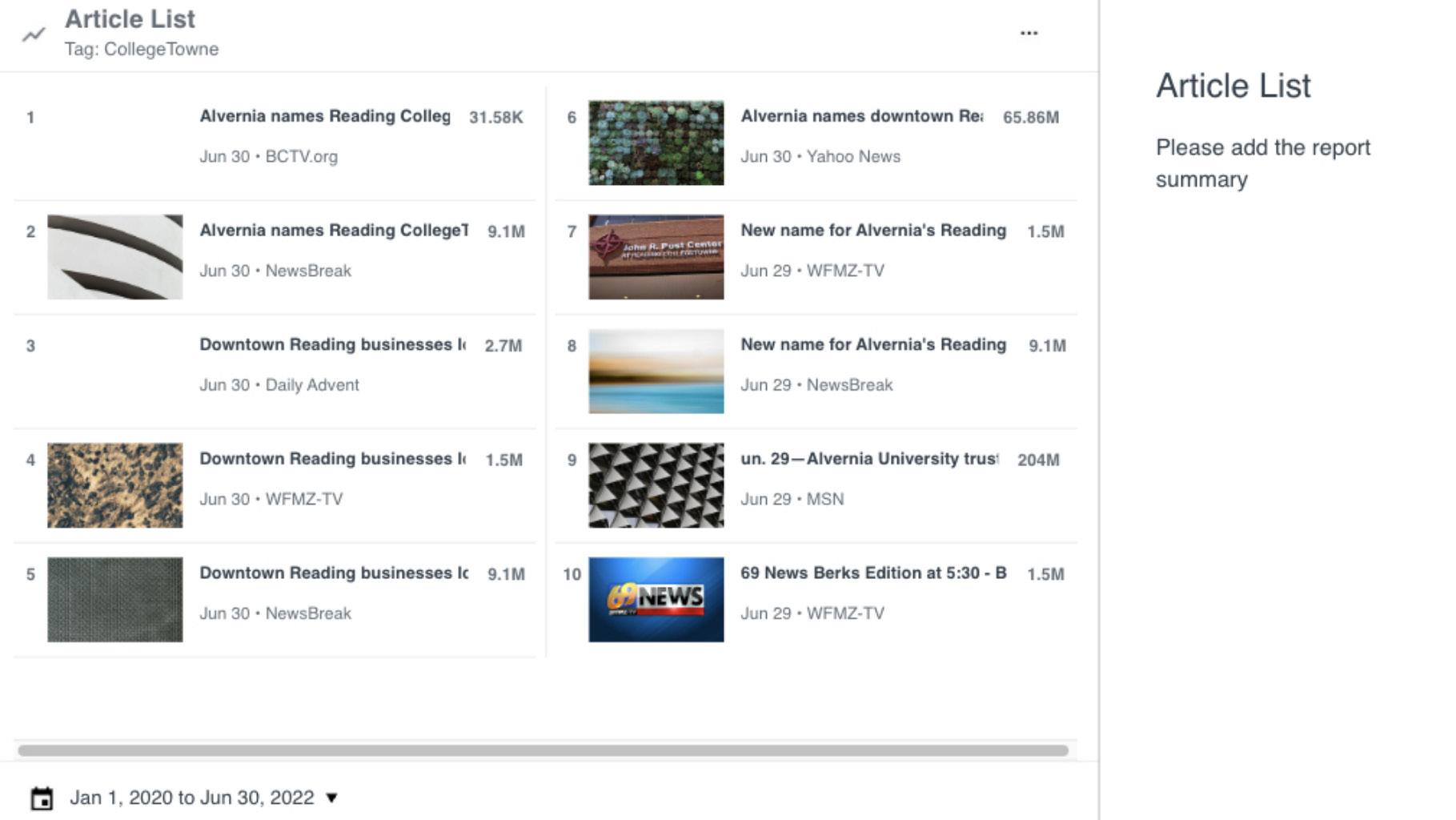
FOLLOWERS COUNT:
Instagram: 526 followers
LinkedIn: 533 followers
Facebook: 503 followers
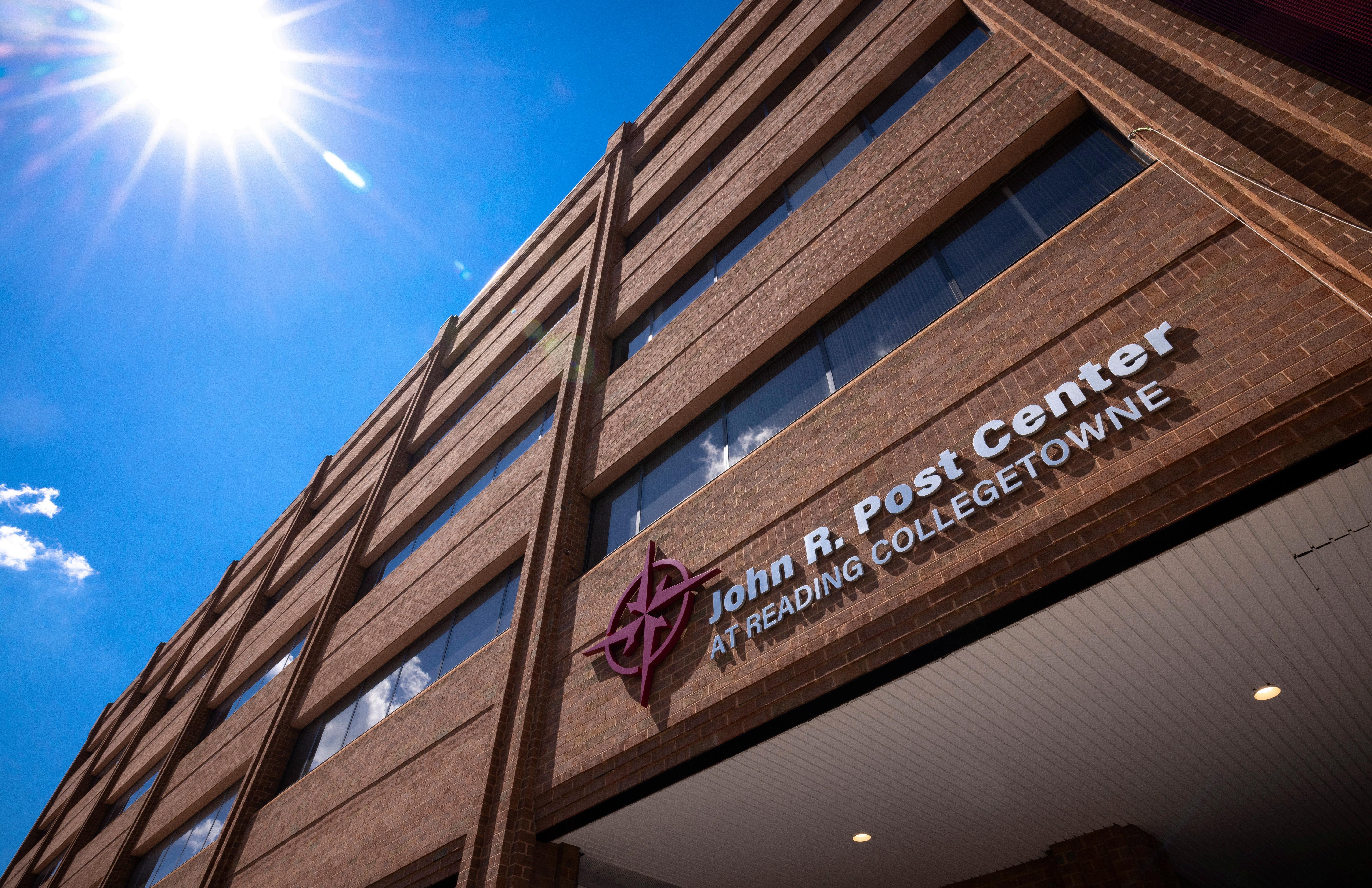
The impact report was compiled and written by The Institute. The Institute is an economic research and applied research and consulting group that provides customized client solutions and strategies to facilitate decision making and planning that enhances growth, impact, and sustainability for organizations.
Alvernia’s new Reading CollegeTowne facility at 401 Penn Street is a dynamic extension of main campus which showcases Alvernia’s student-centric approach to learning. The five-story complex brings hundreds of students, faculty and staff to downtown Reading every day, nurturing economic development in the City and bringing a thriving new energy to the Penn Street corridor.
The home to the university’s new Bachelor of Science degree programs in Electrical, Mechanical and Industrial Engineering, Alvernia is meeting the market demand and workforce needs of the community. With state-of-theart labs and research facilities, these programs and the programs that will follow, will offer students experiential learning opportunities that rival programs at much larger schools because of the partnerships established with some of the largest businesses in the region and manufacturing companies in the country.
A brand new trading floor and business lab, used for a variety of learning experiences over a wide range of upper-level business courses, lends to the growth of the university’s enhanced business majors, which include accounting, economics, finance, healthcare administration, human resource management, management, marketing, sport management and the university’s MBA program. The lab supports simulations, research and a wide variety of other business applications to provide students with an enhanced academic and real-world learning experience.
The expanded communication major offers leading edge technologies through both academic coursework and collaboration with Berks Community Television (BCTV), one of the oldest and longest-serving cable access managers in the country. With a new studio and office on-site at 401 Penn, BCTV works closely with Communication Faculty, providing students with insight into the industry and offering hands-on experiences.
Alvernia’s O’Pake Institute for Economic Development and Entrepreneurship and its student Fellows work with dozens of local businesses, some of which are on-site in the facility’s business incubator, providing support and services that can elevate aspiring and existing entrepreneurs as well as provide experiential learning opportunities for students and clients. Services are delivered through an integrated network of partners, mentors, staff and student expertise. Fields include accounting, business development, communications, digital design, engineering and marketing.
Reading CollegeTowne has been designed to be a superior teaching and learning space with flexible, modular classrooms integrated with the latest technology. Community gathering spaces, lounge areas, and a Starbucks in the lobby are welcoming and open to neighbors and visitors. A brand new lounge for the university’s esport team is certain to become the hub for competitive gaming and its spectators in the region.
New modern residences provide students with a livinglearning experience in the heart of downtown’s thriving Penn corridor. Shuttle service to and from campus runs on a continuous loop for easy access to classes and amenities at both locations.
This $17 million construction initiative required 10 months for completion. Alvernia used a labor pool primarily within the southcentral region with direct costs slightly exceeding $3 million. About 75 percent of materials will be purchased in the region with the remainder in Pennsylvania. The construction will generate over $22 million in 10 months, supporting 325 construction jobs with nearly 244 being from the region and another 63 jobs through indirect and induced impact.
Alvernia University provided the data inputs that generated the economic impact model. The model was built using IMPLAN software with regional multipliers. IMPLAN is a regional modeling software program that evaluates the direct, indirect, and induced economic impact of the project. Impact is measured in terms of output (money flowing into other sectors of the economy), employment, and earnings.
The data included total itemized construction costs. Operations will create additional impact annually but it is not measured here.
The construction spanned 10 months and created a one-time boost to the economy, as indicated in the tables below. The project itself is projected to support 243.8 regional construction jobs, and the indirect and induced impact will create another 63 jobs in multiple sectors. These jobs will be available in retail establishments, restaurants, and health care, and professional services, in addition to the wholesale trade and suppliers to the construction industry. Jobs will also be supported in the architectural, engineering, and legal professions. The construction jobs themselves are expected to yield over $7 million in labor income to workers; the indirect and induced labor income will represent another $3.3 million. Indirect effects include the supply chain impacts of the direct economic activity. Induced effects refer to the economic multiplier effects of the direct and indirect impacts caused when employees spend their labor income in various sectors of the economy.
Together, the total value added to the economy $13.8 million, and the overall economic output from construction will reach nearly $22 million
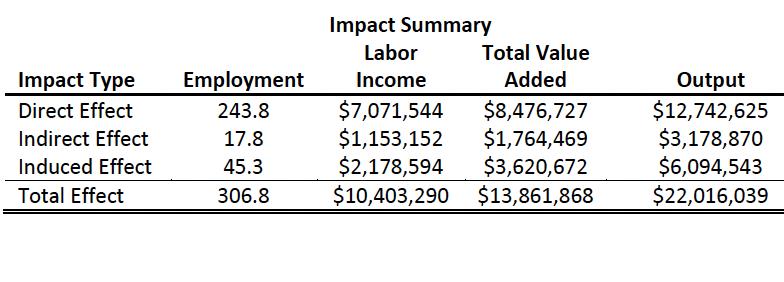
The construction phase is projected to generate over $2.03 million in various federal taxes.
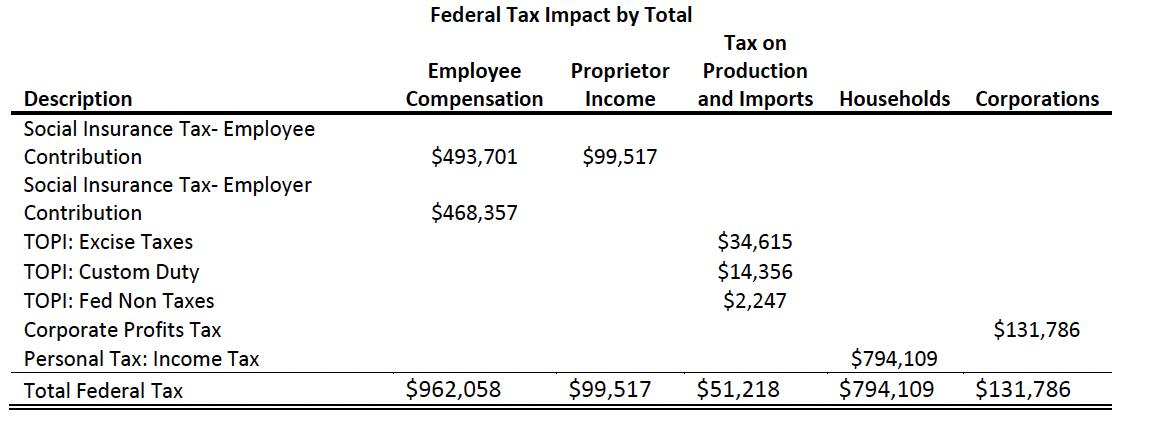
The state and local tax impact is projected to exceed $792,000 during the 10 month construction phase, as indicated in the following table.
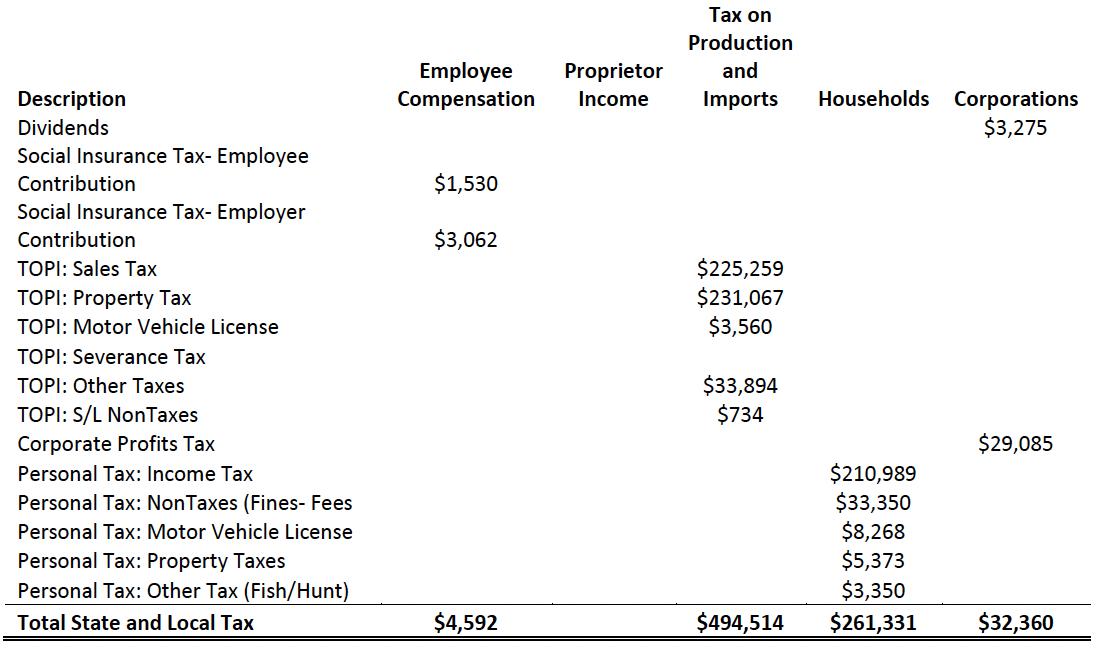
ALVERNIA UNIVERSITY O’PAKE INSTITUTE READING
COLLEGETOWNE NEIGHBORHOOD STUDY YEAR 2
Introduction & Research Methods
This report was prepared as a preliminary economic study of the Penn Street corridor in downtown Reading to inform economic development initiatives by Alvernia University. The report includes a social and economic profile of the city, with select indicators for the downtown area specifically, to provide a baseline to assess future projects and investments. Data for the profiles was sourced primarily from U.S. Census Bureau American Community Survey estimates and JobsEQ, a proprietary labor market information system.
An asset map of the Penn Street study area was also developed, through which observations were made about the uses and conditions of buildings in the corridor. Observations were conducted in Summer 2020 and Spring 2022, allowing for a qualitative analysis of neighborhood change in that time.
Observations were conducted in-person during summer 2020 and spring 2022. Researchers collected data on each building within the study area. Data points included:
1. Number of Properties which were documented regardless of vacancy
2. Descriptions of ground floor use
3. Descriptions of upper floor use
4. Primary occupancy, with full business name listed where possible; in cases of residential properties, complex names and numbers of apartments were listed where possible. Vacant storefronts were documented as such.
5. Observed qualitative condition, using the following scale –
1 = poor. The structure itself is abandoned, damaged, or in serious disrepair (i.e. multiple broken windows, apparent fire or water damage, boarded windows).
2 = below average. There is minor disrepair to the structure, or poor level of upkeep (i.e. peeling paint, broken architectural features broken or cracked, significant presence of litter or dirt on the property).
3 = average. The structure is has no apparent damage or disrepair, and is clean but not new or modern.
4 = above average. Recent work makes the structure appear clean, modern, and well maintained (i.e. high quality landscaping or ornamentation, recent renovations or improvements, new windows or façade, new signage, or a building that appears recently constructed).
6. Notes on condition, or other notes and observations City of Reading
Demographic & Economic Profile
Demographic Characteristics

The city of Reading, Pennsylvania is located in the southeast corner of the state and consists of approximately 10 square miles of area. The city has a total population of 88,333, and population levels have fluctuated only slightly since 2012. The city’s shares of female and male residents are only slightly off balance; 48.6 percent of the population is male and 51.4 percent is female. These statistics are comparable to the national and statewide makeup.
Residents in the city of Reading tend to be much younger than those in the rest of the state, and across the United States. The median age in Reading is 30.6 years, and it has remained relatively steady throughout the past decade. Comparatively, the median age in the Commonwealth is about 40.9 years and nationally it is 38.2 years old. Individuals under 18 years of age comprise the largest portion of residents, at 29.1 percent (compared to Pennsylvania’s 20.7 percent and the nation’s 22.4 percent). Those between 18 and 24 years of age comprise the second largest share, at 12.5 percent (compared to Pennsylvania’s 9.1 percent and the nation’s 9.5 percent). Reading’s age
demographics become most comparable to the other geographies’ between the brackets of 30-34 years and 40-44 years. The populations of older adults are smaller than the shares in the state and the country. The significant portion of young residents compared to the small share of elderly residents allows for a lower dependency ratio, which increases economic turnout for the city as more members of the community are able to participate in economic activity. These data have not changed significantly since baseline data collection.
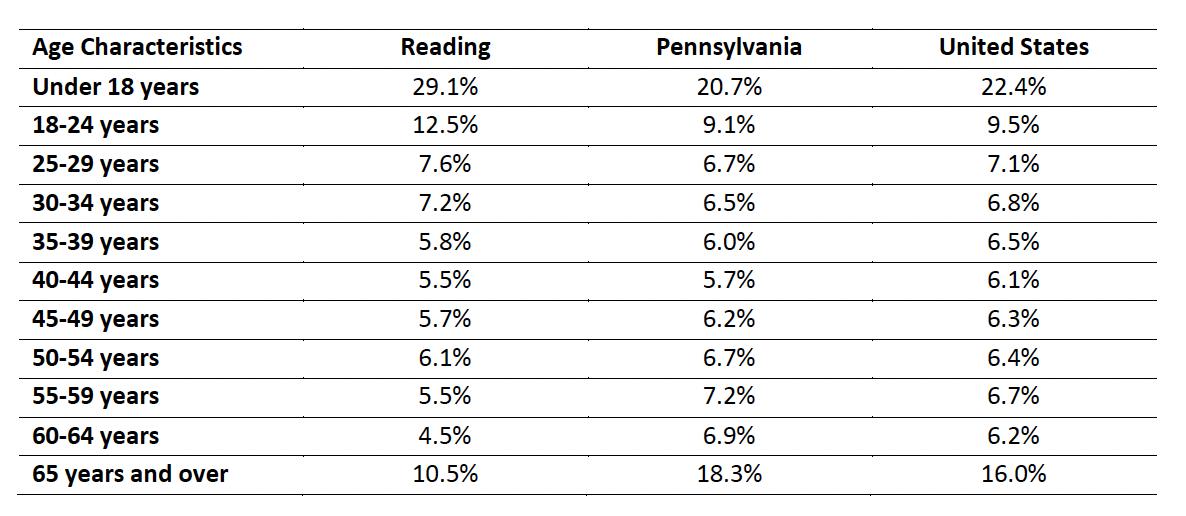
The average household size in Reading is 2.92, which is larger than the average household sizes for the state of Pennsylvania (2.42) and the United States (2.61). Reading’s average household size is relatively predictable given the large portion of the population being under 18 years of age as well as a majority of the population being fairly young and well within the traditional timeframe to have a family.
In concurrence with the age demographic explored above, the marital status of Reading residents remains well explained –the large percentage of young residents correlates with the larger-than-average percentage of residents never married. There is also a high percentage of divorced or separated residents, however. The percentage of widowed residents is comparably low, which again is likely due to the small share of elderly residents.
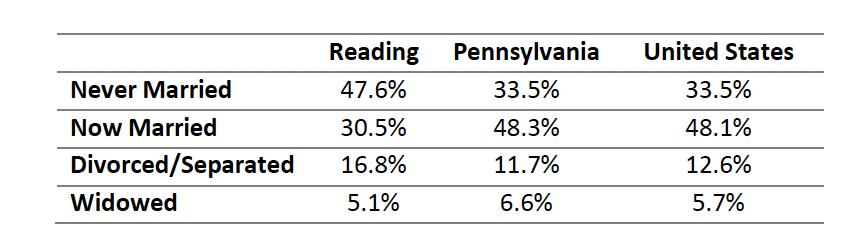
Reading is more racially diverse than the state of Pennsylvania and the United States overall. Reading residents who identify as White account for 61.4 percent of the total population, which is considerably smaller than the shares in Pennsylvania (82.3 percent) and the United States (75.1 percent). All three geographies have grown more diverse on a year-over-year basis, however. Nearly 68.0 percent of Reading residents identify as Hispanic or Latino, compared to just 7.6 percent of Pennsylvania residents and 18.2 percent of U.S. residents. At 18.1 percent, the percentage of Black and African American residents is larger than those in Pennsylvania (12.7 percent) and the United States (14.1 percent). Furthermore, a quarter of Reading residents identify as races other than those listed in the accompanying table – which is the case for only 2.8 percent of Pennsylvanians and 5.5 percent of people across the country.
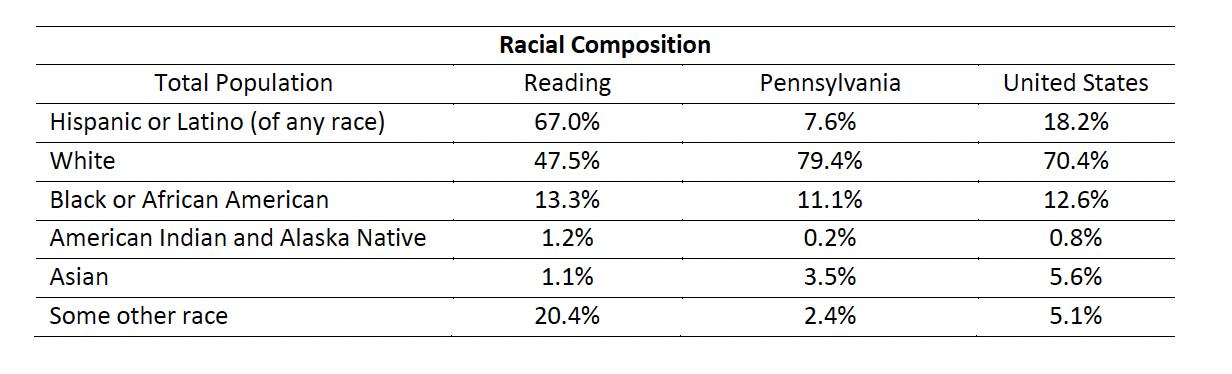
The majority of the residents in Reading – over 81.0 percent – are native citizens of the United States. Nearly half were born in the state of residence, Pennsylvania. These details have remained unchanged since baseline data was gathered.
Another 17.1 percent of Reading residents were born within the United States (including Puerto Rico and other United States territories) – up from 14.0 percent at the time of initial reporting. Among the foreign-born residents, 39.1 percent are citizens through the process of naturalization (up from 36.7 percent).
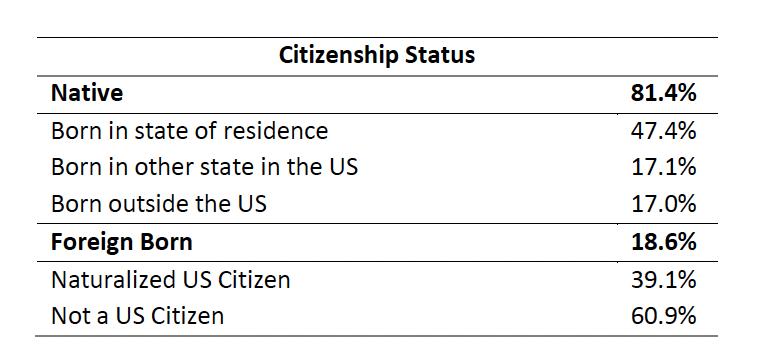
Fewer than 45.0 percent Reading’s population speaks only English, which is nearly half the proportion of Pennsylvania residents who speak only English (the share in the United States is 78.5 percent). Over 55.0 percent of Reading’s population speaks a language other than English – a significantly larger share than those in Pennsylvania and the United states (11.5 percent and 21.5 percent, respectively). In all three geographies, Spanish follows English in terms of languages spoken. In fact, 53.0 percent of people in Reading speak Spanish, compared to just 5.1 percent in the state and 13.2 percent in the nation. These data have not changed significantly since baseline data collection.
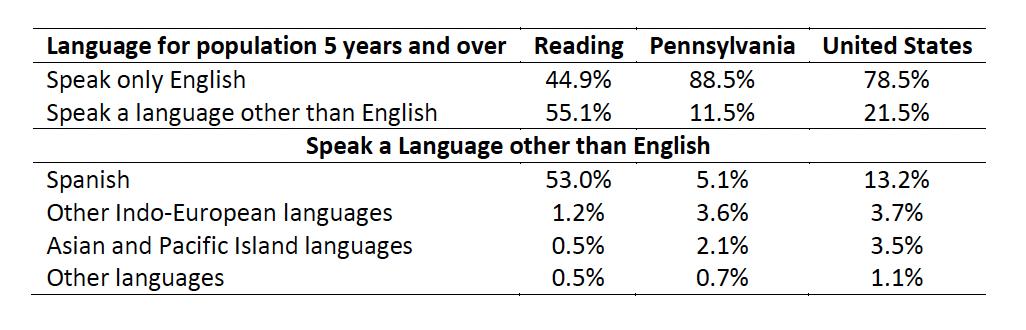
Reading’s percentage of people with disabilities surpasses the state’s proportion, in all age categories. Over eight percent of Reading residents under age 18 has a disability, compared to 5.5 percent in Pennsylvania. Those between 18 and 64 years old comprise 19.7 percent of Reading’s population, compared to 11.3 percent in the state overall. Finally, 48.7 percent of the Reading population aged 65 and over is disabled; the state’s share is 33.3 percent.
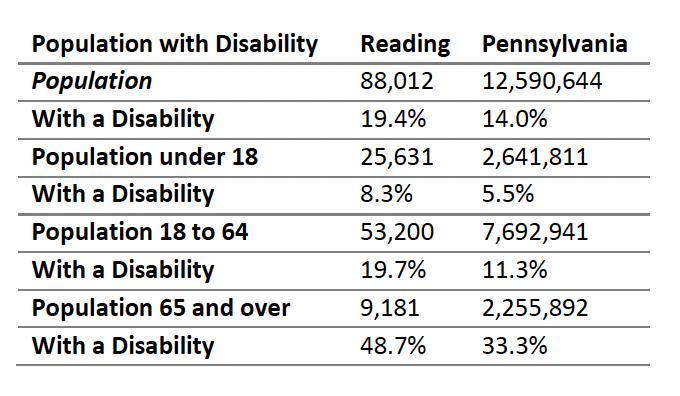
Overall, the city of Reading has lower education attainment percentages than Pennsylvania and the United States. The share of residents with no high school diploma (34.5 percent and up from 29.9 percent during baseline data collection) is greater than that of Pennsylvania (9.0 percent) and the United States (11.5 percent). The proportion of Reading residents who are high school graduates (36.3 percent) is similar to that of the state (34.2 percent) and larger than that of the nation (26.7 percent). Reading also has lower attainment percentages for all categories of higher education. The greatest higher education disparity pertains to those with bachelor’s degrees. Only 6.9 percent of Reading residents have obtained this level of degree, whereas 19.5 percent of Pennsylvania residents and 20.2 percent of U.S. residents have obtained this level of degree.
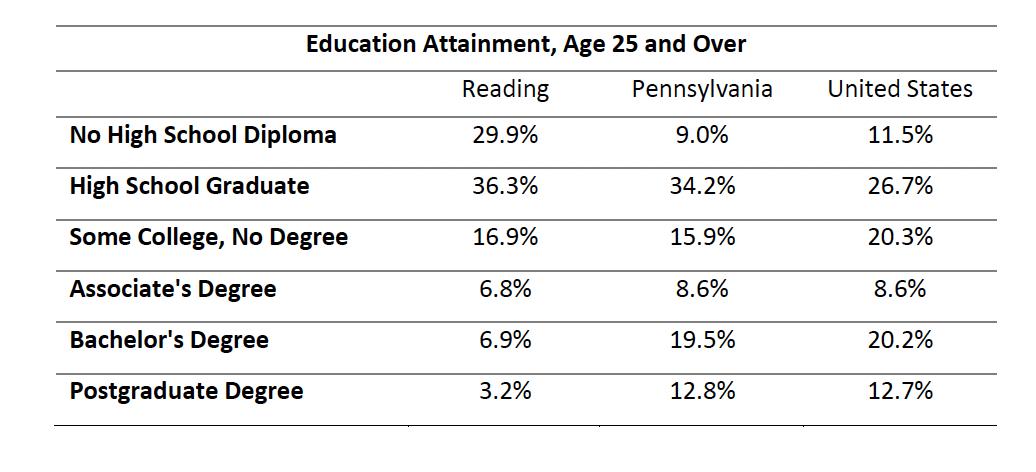
The city of Reading has a considerably low median household income ($35,745) compared to the overall state and national median household incomes ($63,627 and $64,994, respectively). A positive trend emerges when examining changes in Reading’s median household income throughout the past several years, however. Although there has been some fluctuation, the median household income has risen approximately $11,000 since 2011.
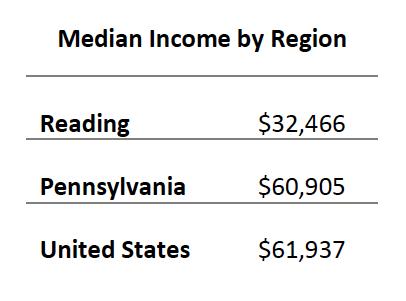

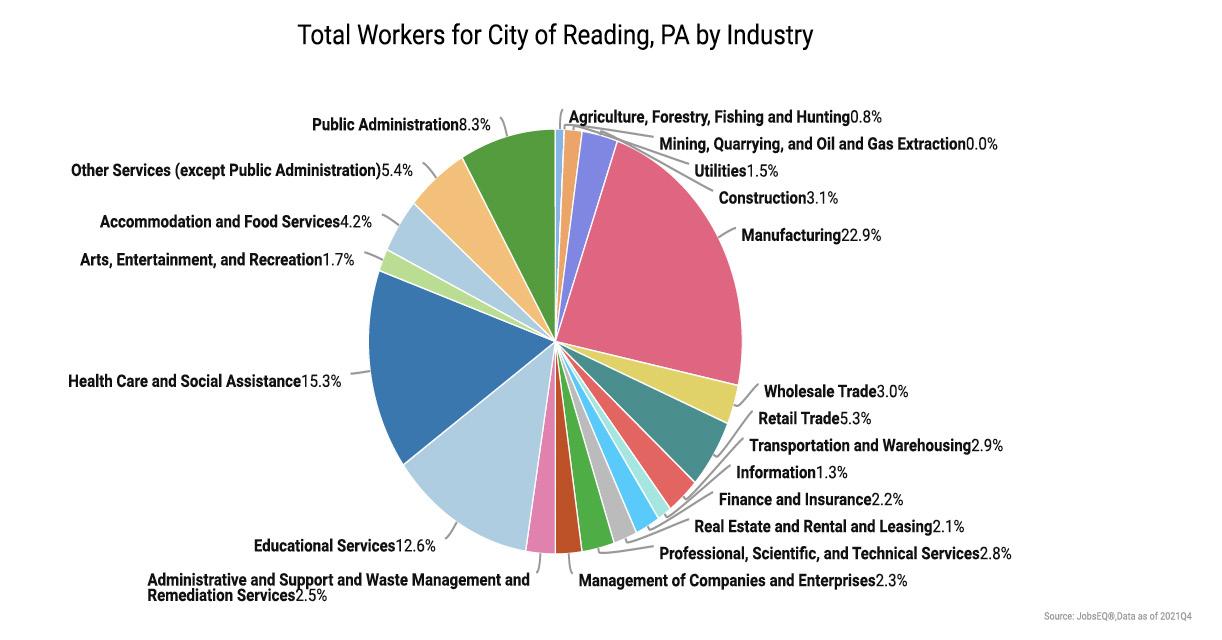
Reading’s employment rate has dropped since the onset of the pandemic. By the close of 2021, the total employment was at 29,456 people – a decline of 8.2 percent (with some recovery already underway, however, having risen from 28,714 at its lowest point in early 2021). Wages have improved as well, rising by 3.3 percent over just the last four quarters. The annual average wage for workers in the city of Reading is $55,737.

Sectors in the City of Reading, PA with the highest average wages per worker are Management of Companies and Enterprises ($121,194), Utilities ($97,431), and Finance and Insurance ($90,308). Regional sectors with the best job growth (or most moderate job losses) over the last five years are Finance and Insurance (+102 jobs), Manufacturing (+78), and Accommodation and Food Services (+26). Healthcare Support Occupations (+27 jobs) and Food Preparation and Serving Related Occupations (+25).
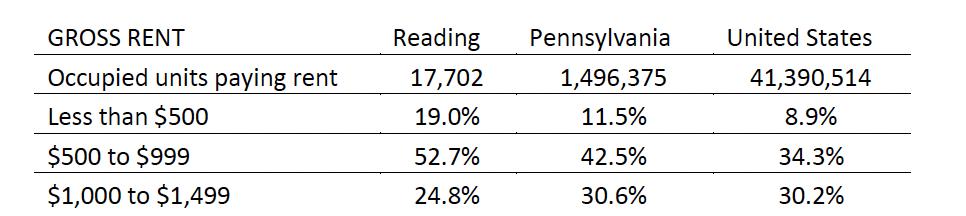

SOCIAL SERVICES CHARACTERISTICS
Poverty Level
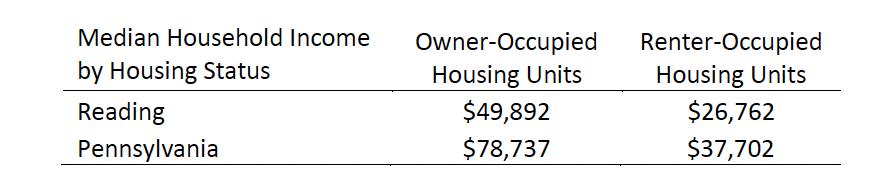
The level of poverty in Reading is significantly greater than the levels in Pennsylvania and the United States. It was recorded at 30.9 percent as of 2020; by comparison, the poverty level for the same year was 12.0 percent for Pennsylvania and 12.8 percent for the United States. This rate has decreased each year since 2014, however, resulting in an approximate 9.2-percent decline.
The high poverty levels coincide with substantial need for assistance. For example, 41.2 percent of the city’s population receives food stamps. These rates have followed a similar trend over the years analyzed.
Health Insurance
The percentage of uninsured residents is higher in Reading than the overall share in the state. Nearly ten percent of Reading’s population was uninsured as of 2020 (up one percentage point since 2018), compared to 5.6 percent in Pennsylvania. The rate is on par with the percentage of uninsured people in the United States, however (8.7 percent). As with the poverty level, this trend has followed a downward slope for several years.
HOUSING AND TRANSPORTATION CHARACTERISTICS
When comparing the median home values of Reading with Pennsylvania and the country as a whole, Reading’s median household value of $67,200 is substantially lower than the state average of $186,000 and well below the national average of $229,700. Similarly, the shares of renters paying less than $1,000 monthly surpasses those shares in the state and nation, while higher rent is more common in these geographies than it is in Reading. Nearly 61.0 percent of city residents rent their homes (down two percentage points since baseline data collection), compared to 31.0 percent in Pennsylvania and 35.6 percent in the country.
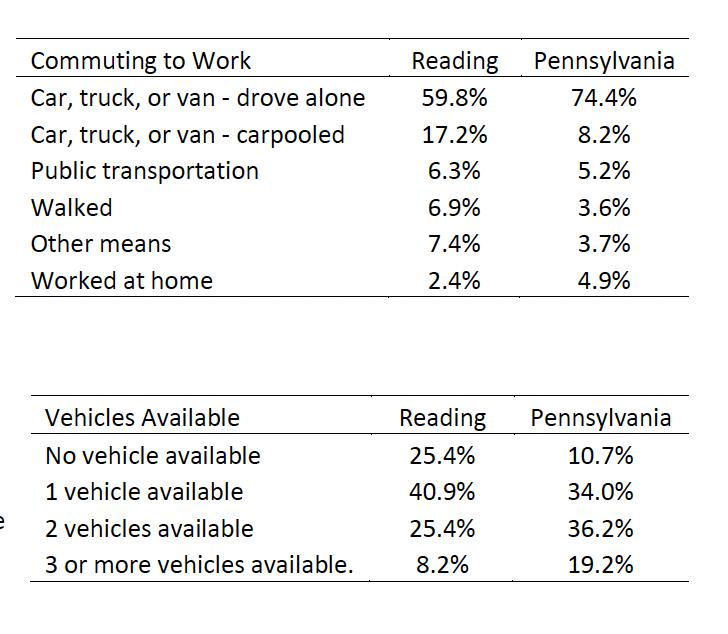
The median household income of Reading homeowners nearly doubles that of renters – $49,892 and $26,762, respectively. The ratio of median household income between homeowners and renters is similar, though the city’s median household incomes are situated
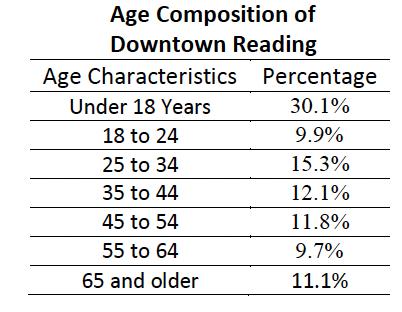
lower than those of the state overall. Over 38.0 percent of renters in Reading earn or receive less than $24,999 annually.
Working residents of Reading utilize a variety of transportation methods, with the majority opting to drive alone or carpool. With the exception of driving alone, the proportions of Reading residents using any transportation options exceed those of the state. For example, the percentage of those who carpool is more than twice that of Pennsylvania’s percentage.
Identical shares of Reading households have no vehicles available and two vehicles available, and 40.9 percent have access to one vehicle (down approximately two percent since baseline data collection). These households are likelier than others across the state to have no vehicles available.
DOWNTOWN PROFILE
Population
The population in the Reading downtown (19601 zip code) is 33,382. The median age is 31.4 years old, although over 30.0 percent of the residents are under age 18.
Nearly 20.0 percent of this population is foreign-born, and 27.5 percent of those above age 5 speak English less than very well. Sixty-six percent of the households with children in this area are also single-parent households (an approximate two-percent increase since baseline data collection). Of 18-64 year olds, 19.6 have disabilities (also an approximate two-percent increase). The poverty level falls at 32.6 percent (the poverty rate of the state and nation are 12.0 percent and 12.8 percent, respectively).
Race
As with the city of Reading as a whole, a majority of the downtown population identifies as Hispanic or Latino. Nearly 42.0 percent of the population is White, and 14.2 percent are Black or African American. The share of the population identifying as some other race expanded over five percent since the baseline report.
Nearly 39.0 percent of the downtown population aged 25 and older have completed high school education. Nearly 29.0 percent have not done so. Another 17.7 percent have received some college education but have not earned a degree. Slightly more than 15.0 percent of residents aged 25 and older have received college degrees.
9.4 percent of the residents are uninsured. Among the 13, 371 housing units in the downtown area, the median value of owner-occupied units is $79,400, although and 62.5 percent of units overall are occupied by renters. Nearly 12.0 percent of these units are vacant. These data have remained relatively consistent.
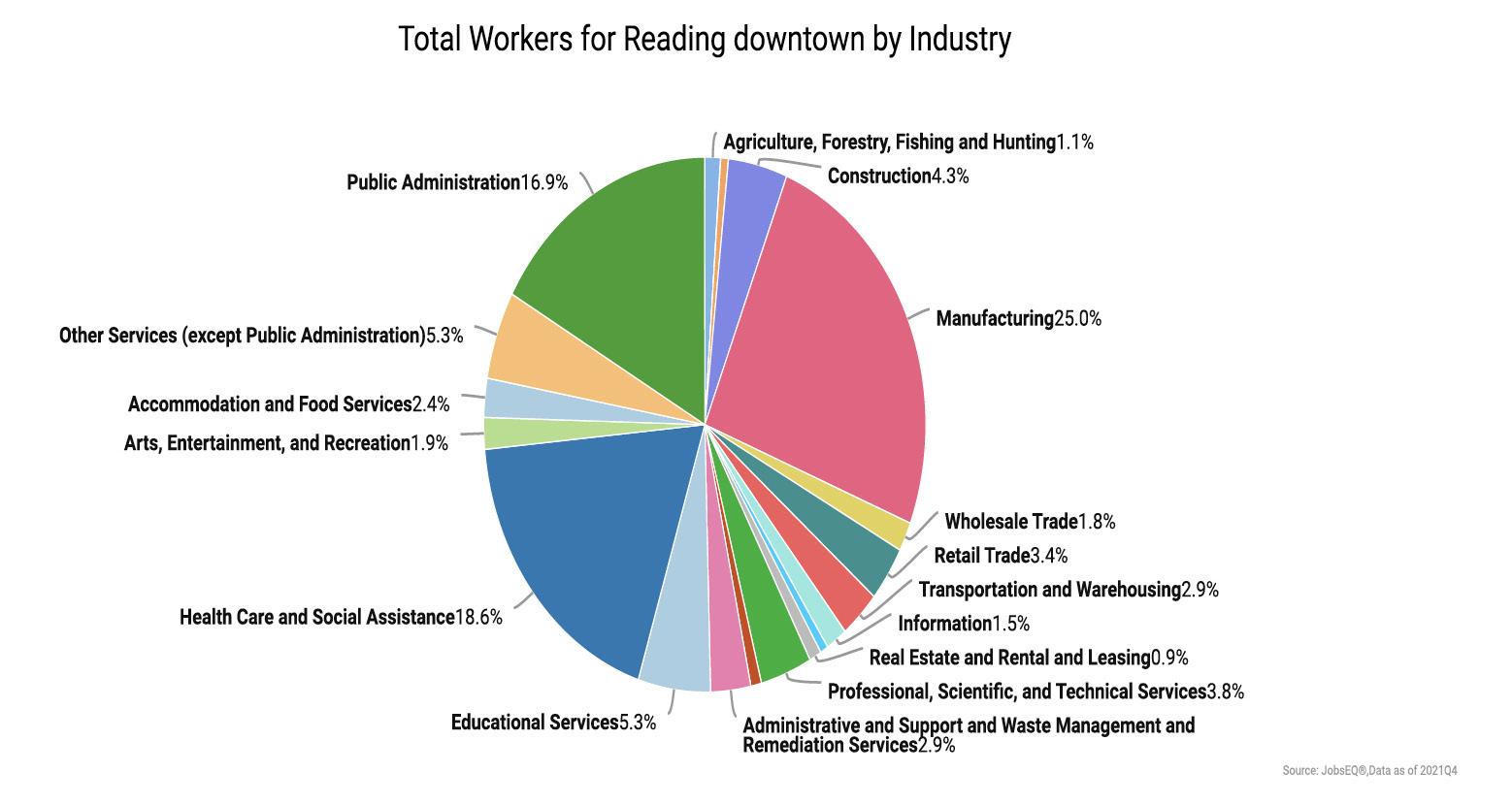
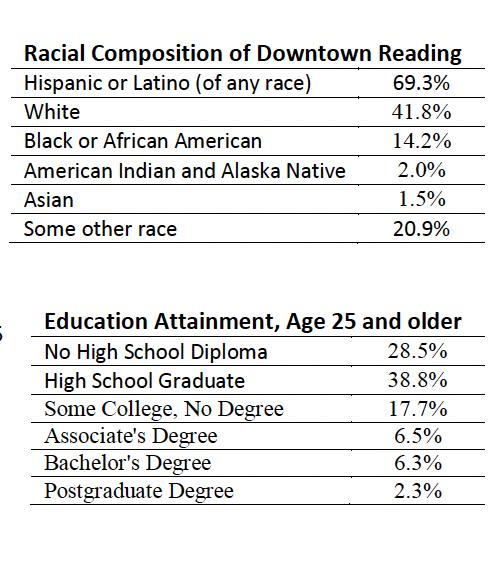
The median household income in downtown Reading is $32,430. The poverty rate is 32.6 percent (compared to 12.0 percent for the state and 12.8 percent for the nation). Due to the high poverty levels, 43.3 percent of households receive SNAP benefits. Furthermore,
Over 13,341 people are employed in the downtown area. The average worker earns $63,059 annually. Manufacturing remains the largest industry sector in downtown Reading, with 3,333 employees (25.0 percent, having recently increased 1.5 percent). It remains followed by Health Care and Social Assistance with 2,488 employees (18.6 percent). Public Administration remains the third largest sector, with 2,251 workers (16.9 percent). The average annual wages in the three largest sectors are $97,195 for Manufacturing, $46,931 for Health Care and Social Assistance, and $60,001 for Public Administration.
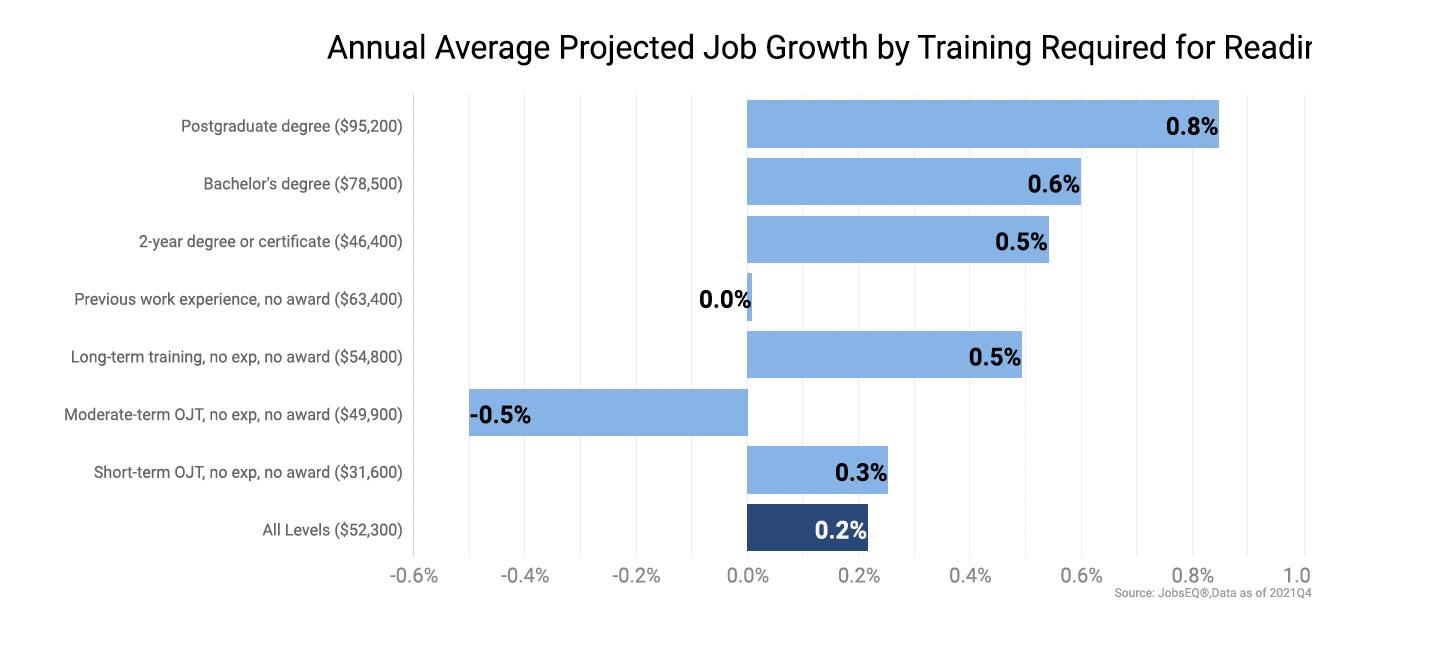
THE HEALTH CARE AND SOCIAL ASSISTANCE INDUSTRY HAS THE MOST POTENTIAL FOR GROWTH.
Within these industries, major occupation groups still pertain to production (1,786 workers), office and administrative support (1,654 workers), and transportation and material moving (1,070). Growth rates for occupations vary depending on the education and training needed. Overall employment in the downtown is expected to expand by 0.2 percent over the next decade, and occupations that require higher education degrees are expected to grow up to 0.8 percent per year.
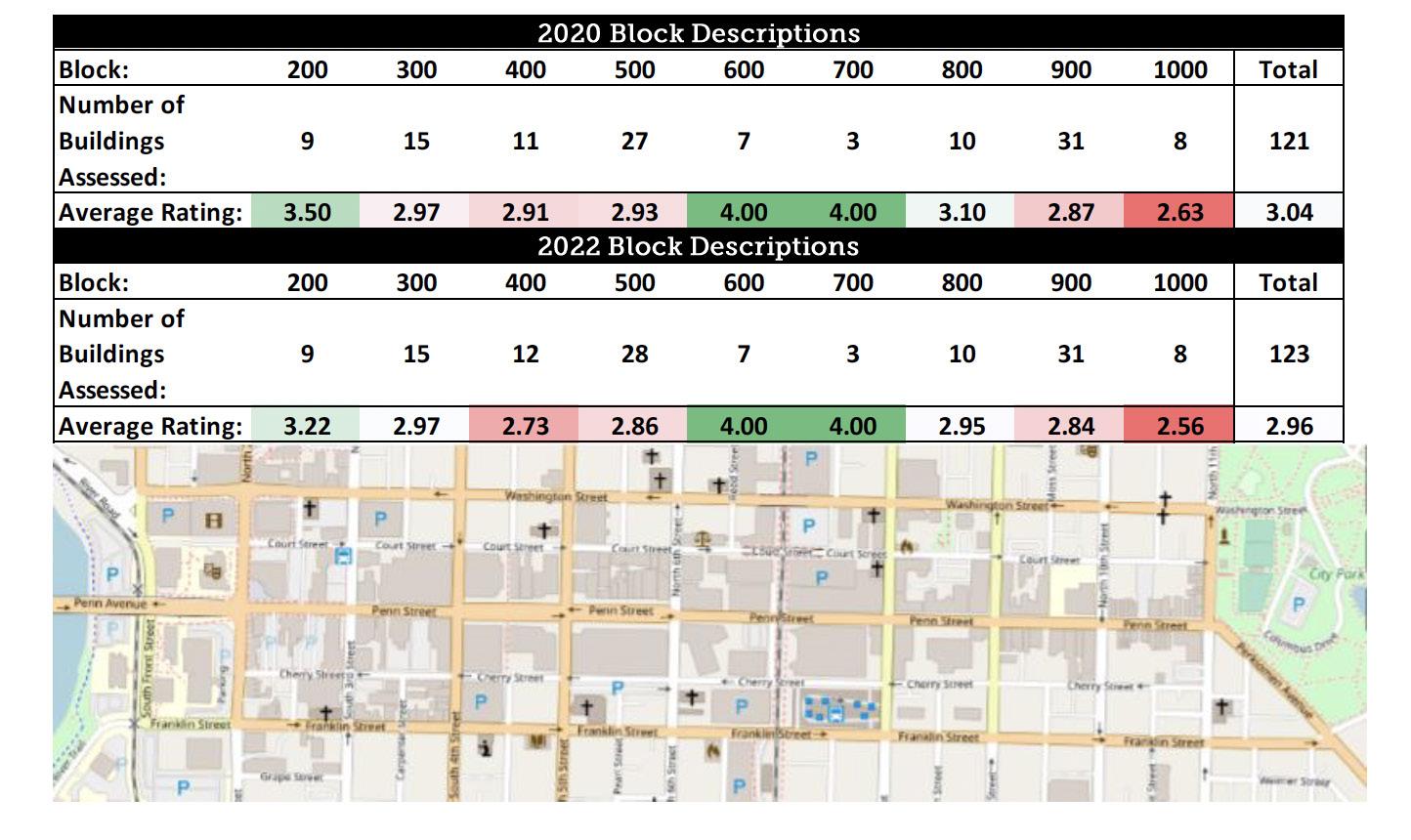
Overall, Penn Street is an active urban corridor with numerous businesses, offices, and residential buildings. However, there are some signs of urban decay in some buildings that may contribute to poor perceptions of the downtown area. The map below shows the average qualitative rating for buildings for each block in the study area. The blocks of Penn Street between Sixth and Eighth Streets received the highest scores in 2020 and 2022. These blocks are anchored by the relatively recent Double Tree hotel, Santander Arena, food establishments such as Café de Columbia, and several modern office buildings. The blocks between Fourth and Sixth Streets have mixed conditions, with some vacancies and commercial/office space or signs of underinvestment. This area represents a critical area of opportunity as a high-visibility commercial corridor, and historically the hub of the central business district. The lowest scores were recorded in the easternmost two blocks of the study area. Block-by-block descriptions are included below for the last two years.
The buildings on the 200-block of downtown Reading received ratings of 3 or higher, with the exception of one store. This portion of Penn Street includes a bankruptcy court, with a statue and garden in front. The only auto shop and funeral home in the study area are located in the 200-block as well. The Reading Eagle newspaper offices are located on the 300-block of Penn Street, along with the only orthodontist and car rental agency in the study area. Otherwise, businesses largely consist of retail establishments and restaurants. Upper floors of the buildings largely consist of apartments. Some establishments appeared dirty and outdated, and minor damages were noted.
The 400-block is home to multiple banks, restaurants, and two retail stores. A charter school as well as the Reading Area Water Authority located in this block recently closed, and the offices house an insurance company. Two restaurants on this block showed signs of disinvestment; they received general condition ratings of 1.5 and 2.
In terms of commercial activity, the 500-block of Penn Street is perhaps the most densely populated in the study area. There are thirteen retail businesses are located there, along with the only gym (YMCA) and liquor store in the study area. Another retail business, Metro by T Mobile, was found on this block and building condition indicated it opened recently. Multiple buildings appeared boarded and/or abandoned. Moravian Health/Farias Medical Center had a for rent sign on the first floor. Several healthcarerelated establishments are located in this area, including a pharmacy, an optometrist, and a home care agency. Some additional upkeep is needed on this block; graffiti is visible on one of the restaurant fronts, for instance, and paint is peeling on several other buildings. Upper floors of the buildings largely consist of apartments.
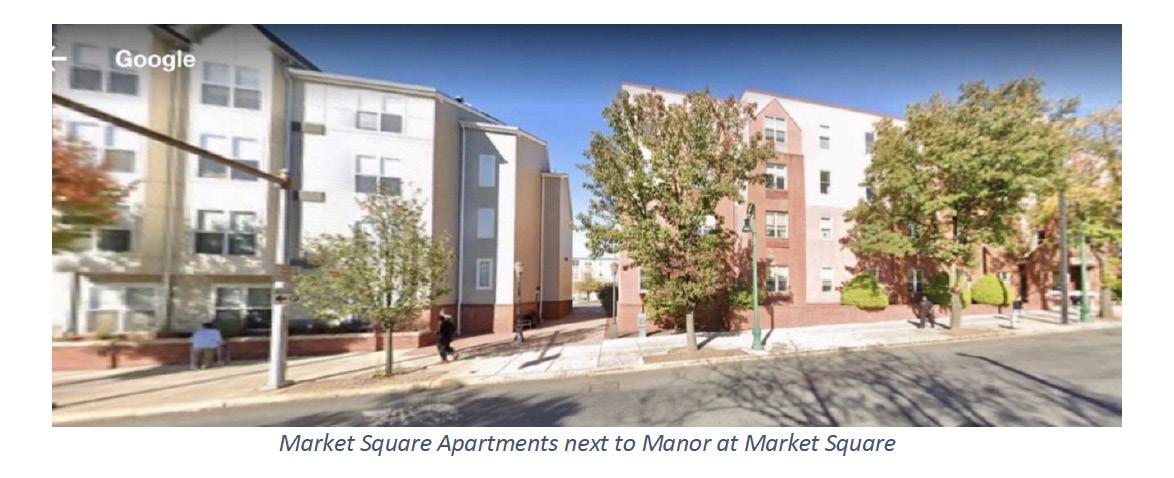
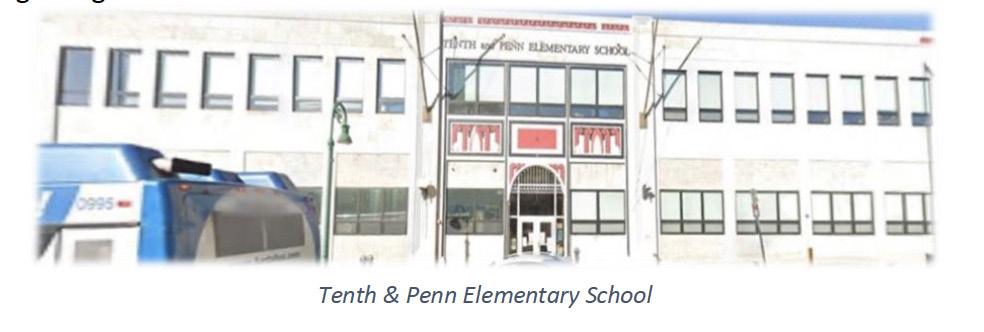
Penn Street’s 600-block and 700-block are clean and modern. All buildings received ratings of 4. A bank is housed in the only building on the 600-block with two floors. Others have four and five floors. This area is also home to the Reading Science Center. The upper floors of these buildings largely consist of office space. The 700-block consists of the Santander Arena as well as a hotel and restaurant. In addition to three restaurants and three retail businesses, the 800-block of Penn Street includes a social services agency, an assisted living facility, an apartment building, and a community health center. A high level of loitering seems to take place outside the community health center. The assisted living facility is clean and modern, receiving a rating of 4. Market Square apartments
received a rating of 3.5 since the building is not as new and modern. Others appeared to need upkeep and/or require repairs. Other buildings with third and fourth floors contain apartments as well.
There is also a high volume of commercial activity on Penn Street’s 900-block, although two buildings appear vacant. This area is home to an elementary school. It contains a laundromat, religious goods store, travel agency, bakery, pawn shop, and tattoo parlor in the study region. All three salons in the footprint are condensed on this block as well. The vast majority of upper levels contain apartments. Condition ratings ranged from 2 to 3.5.
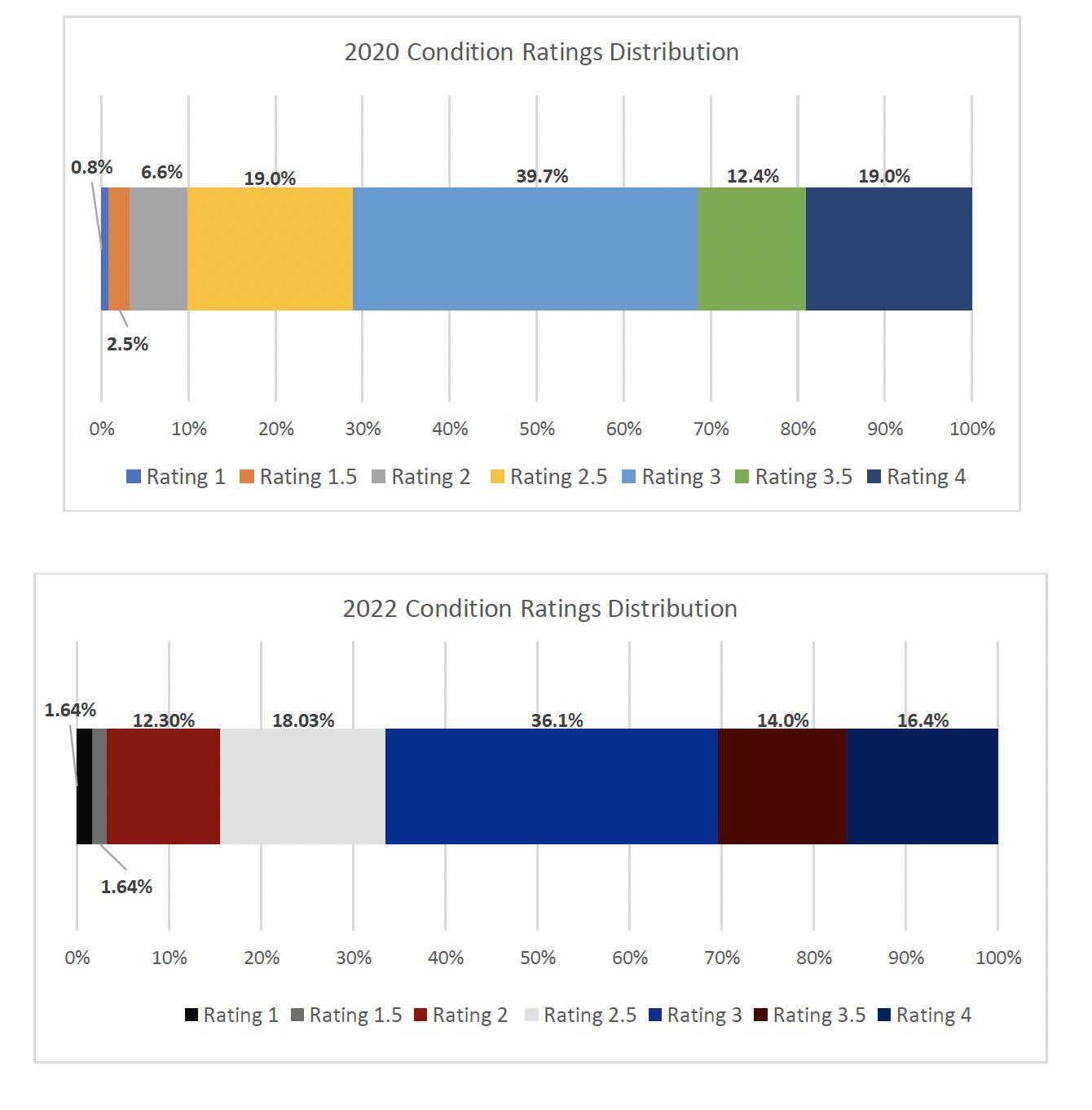
The remaining block in the Penn Street footprint contains the study area’s only furniture store and previous antique store, although both are vacant and have boarded windows. It contains the study area’s only dentist office as well. The block is also home to two apartment buildings and multiple upper-floor apartments. One of the apartment buildings is dedicated senior housing; it is modern and clean, with the only 4 rating on the block. The remaining structures are run down, dirty, and damaged.
Nearly 40.0 percent of the buildings in 2020 were afforded ratings of 3, with equivalent proportions receiving ratings of 2.5 and 4. Only one rating of 1 was reported, and no ratings of 5 were recorded. By 2022, 36 percent of the buildings had ratings of 3,
with equivalent proportions receiving ratings of 1 and 1.5. Additionally under 20 percent of the buildings were afforded ratings of 2, 2.5, 3.5, and 4.
Approximately 80 percent of the buildings consist of 2-4 floors, more than half of which contain apartments. The three apartment complexes on Penn Street are designated for assisted living and senior housing. The 900-block is most densely populated with upper-level apartments, and the 900-block and 1000-block seem to contain the most vacancies.
A bankruptcy court and social security office are located on the 200-block of Penn Street. There are also multiple banks, bookkeeping, and tax service agencies, as well as three pawnshops and a bail bondsman. A Wells Fargo bank and a Santander bank are situated across the street from one another, and the Farmers Bank building appears to now house a substation of the Reading Police Department. One pawnshop is housed on the 500-block and the other is housed on the 900-block. Reading Gold Buyers pawn shop previously recorded was vacant in the 2022 study area.
In addition to an elementary school, the study area includes a science center. A charter school appears to have closed or relocated.
Facilities and organizations committed to health and wellbeing are present and fairly distributed on Penn Street. There is a family support center, and child development agency, and an assisted living locale – along with multiple home care headquarters. Two pharmacies, an orthodontist office, a dentist office, and two optometrists are situated throughout the street as well. A medical services center and a community health center are separated by approximately three blocks. The footprint contains one gym.
There are 30 restaurants, bars, and bakeries in the study area. Every block has at least one restaurant. The majority serve bar/ American food, Mexican food, and there are multiple Italian and Hispanic or Latin restaurants, as well as a few Chinese
restaurants. Chinese food is the only type of Asian food on this street. There are two supermarkets, located on opposite ends of Penn Street – one on the 200-block and the other on the 800-block. There is also one liquor store in the footprint.
Penn Street’s 500-block is home to a substantial amount of the study area’s retail locations, such as both its jewelry stores. One of the three cigar/smoke stores are housed on this block as well. Additionally, the two other smoke shops are located on the 900-block. The footprint includes three shoe stores, all of which are situated between the 200-block and the 500-block.
The 600-block and 700-block do not have retailers as of 2020 and do not have any such vacancies. By 2022, there are empty retail/commercial space in the 600-block that are looking to be filled. The 1000-block also houses no retailers as of 2020, but has vacancies available. There are also no retailers as of 2022 in this block area. Many of Penn Street’s vacancies are retail locations. For instance, a former department store, furniture store, and shoe store are now closed. Other than a Family Dollar variety store, CVS, Rite Aid, and Metro by T Mobile there are no big-name retail brands in the study area. Furthermore, all retail locations received conditions ratings higher than 3, except for Metro by T Mobile which was recently added into the area received a rating of 4.
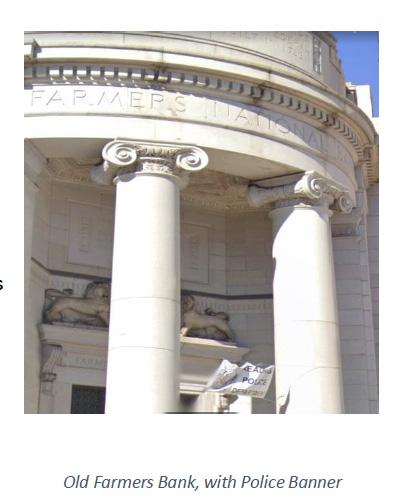
Penn Street is home to an auto shop, a car rental agency, and a travel service center. No fuel stations or auto sales lots were identified in the study area.
BARTA bus service on several routes is available in the study area. The BARTA Transportation Center, the hub for most public bus transit in Berks County, is located just off Penn Street, at Eighth and Cherry Streets.
A laundromat and a funeral home are available on Penn Street. There are also multiple beauty shops and salons, although the salons are specific to braiding and adjacent to each other. These two salons are housed on the same block as the only barbershop.
The research team documented various changes in the study area from the first in-person observations during summer 2020 to the second observations conducted two years later. In general, changes were largely minimal. In many cases, small changes to the condition rating of properties may not represent a substantial change or reflect a neighborhood-wide trend but reflect the particular condition of the property on the day of observation.
Based on the block descriptions, the average rating decreased by 0.08 while two additional buildings were located in the footprint on the 400-block and 500-block. Though the ratings for the 300-block, 600-block, and 700-block didn’t change, all other blocks received a relatively small decrease in average ratings. According to the condition rating distribution, there was a slight increase of one percent in buildings that received 1 and 3.5 rating while rating 2 increased by 5.7 percent. Structures had about one percent decrease in 1.5 and 2.5 ratings while buildings with rating 3 dropped 3.6 percent and rating 4 decreased by 2.6 percent from 2020 to 2022. Overall in both years analyzed, majority of buildings in the study area had a rating of 3.
Besides the recorded ratings on all blocks, different changes were seen two years later to store’s locations and building closures/vacancies. Currently on the 200-block The Plug Store appeared to be out of business and added another location to the 500-block with a newer sign instead of Villa Join the Movement. The 300-block also had changes as City Thrift store had shut down and had a for sale/private property sign on ground floor. Next on the 400-block there was a new fence that enclosed the
buildings on the street to ensure no access into the front so the Reading Water Authority as well as Good Neighbor Pharmacy/ Berks Discount Pharmacy indicated in 2020 was not there. The Archive was found at the end of this block was added to the study area but was closed.
Additionally, the 500-block did not have Pauline’s Soups and Reading Distilling Guild that was open during 2020. Another retail store was added to this block known as Metro by T Mobile that received the highest rating. Lastly in the 500-block the pawn shop called Reading Gold Buyers that was originally open, was abandoned in recent years. Within the 600-block, building with FDC offices and a restaurant is now currently closed which provides the town with clean retail, office, and commercial space. On the other side of the street, two new restaurants opened called Cafe de Columbia and the Great American Creamery. Significant changes were also found in the 900-block such as changes of May’s Fashion retail store to a smoke shop and another building going from Hoy Travel Service to Uptown Notary & Taxes store for residents. Previously a retail building that was marked empty now has a cashing-in shop, but the building was left in the same condition. A new fast food restaurant was found in 2022 instead of a deli called Choisi Hoagies and appeared more intact with new company signs. Then further down on the other side of street, there were changes of store names with a retail and bail bond store. Lastly on the 1000-block, two antiques stores are no longer in business as well as the closure of House of Jerk Dread restaurant allowing The Kreyol Kitchen to open in good condition.
The Downtown Reading area, centered on the Penn Street corridor, is an active urban neighborhood with a number of assets. The blocks anchored by Santander arena and relatively new Double Tree hotel, and the neighboring block that includes several office buildings, appear to represent the strongest components of the corridor. The impact of COVID-19 on longterm office space demand is an important unresolved question, however. The observations made in 2022 showed marginal declines in building condition on some blocks, but relatively little change overall. There has been some degree of turnover, where new businesses have replaced others, indicating a relatively steady level of activity downtown over time.
There is significant pedestrian and vehicle traffic along the corridor, which includes mass transit service. There is also a mix
of small businesses and several national brands. This diversity is important to the vibrancy of the neighborhood, so economic development efforts must ensure the preservation of a varied mix of retailers, restaurants, and personal service businesses –including those that cater to the city’s diverse population.
Several areas could benefit from physical enhancements. For instance, some small cities in Pennsylvania have emphasized façade improvement to elevate the appearance of their corridors (such as the 7th Street corridor in Allentown). Small grants to businesses can cover upkeep like repainting, brick façade restoration, new windows or awnings, and modernized signage. These efforts may also be combined with placemaking investments such as wayfinding signage, improved pedestrian and bicycle infrastructure where necessary, and neighborhood branding.
New development options are available as well, with several vacant or underutilized properties which may be suitable to house institutional or office tenants. In particular, a number of buildings appear to have underutilized upper floors – which are best suited to redevelopment for office or housing use (including student housing) in order to reserve street level space for retail, restaurant, or personal service functions. Specific recommendations on needed retail and services to accommodate the student residents will be made once there are definitive tenants for the current structure.
As with many urban downtowns in transition, perception poses a substantial challenge to revitalization. Fostering connections between students and the downtown area is one way to bring new traffic into the area, but communication is needed to educate students on the amenities available there, and perhaps to dispel misinformation about public safety.
Alvernia’s new Reading CollegeTowne facility at 401 PIMPLAN Software by IMPLAN Group, LLC
IMPLAN is a software system that addresses the functions of a local economy and the impact a business (for profit and non-profit) has on that economy. It generates input-output multipliers by geographic region and by industry combined with a county / state database (using the North American Industry Classification System (NAICS), which allows the assessment of change in overall economic activity.
Economic Impact Analysis Methodology
The key to quantifying economic impact is understanding the concept and application of the “multiplier effect.” Within the field of economics, the multiplier effect is used to determine the impact of spending or investing in a defined economy. These are the indirect business effects of business operations, which make the economic impact larger than just the direct effects (actual revenue and expenses of the business) by themselves. It is based on the ripple effect — how dollars flow through the economy, and serves to quantify the economic impact and activity that results from each dollar entering, influencing, and eventually leaving a defined economy. This results in increased revenue, production, and job creation in other sectors of the economy.
DEFINITIONS
Direct effects
Represents the response for a given business - in this respective of direct spending on a local level.
Employee Compensation
Is the total payroll cost of the employee paid by the employer. This includes wage and salary, all benefits (e.g., health, retirement) and payroll taxes (both sides of social security, unemployment taxes, etc.)
Employment Multiplier
Measures the number of jobs generated across all industries by the activity within a given industry. The multiplier produces an estimate of the total number of new jobs that a local economy can support in all industries due to the dollars being injected into the community.
Indirect Business Taxes (IBT)
IBT is the combination of excise, sales and property taxes, as well as, fees, fines, licenses and permits.
Indirect effects
Represents the response by all local industries caused by purchasing of goods and services.
Induced effects
Represents the response by all local industries to the expenditures of new household income generated by the direct and indirect effects.
Labor Income
All forms of employment income, including Employee Compensation (wages and benefits) and Proprietor Income
Other Property Type Income (OPTI or OPI)
OPI represents property income minus proprietor income. It includes corporate profits, capital consumption allowance, payments for rent, dividends, royalties, and interest income.
Output
Output represents the value of industry production. In IMPLAN, these are annual production estimates for the year of the data set and are in producer prices. For manufacturers this would be sales plus/minus change in inventory. For service sectors production = sales. For Retail and wholesale trade, output = gross margin and not gross sales.
Measures the increase in total output generated in a defined regional economy for each dollar spent by a given industry
Proprietor Income
Proprietor income consists of payments received by selfemployed individuals and unincorporated business owners. This income also includes the capital consumption allowance and is recorded on Federal Tax form 1040C.
Value Added
The difference between an industry’s or an establishment’s
total output and the cost of its intermediate inputs. It equals gross output (sales or receipts and other operating income, plus inventory change) minus intermediate inputs (consumption of goods and services purchased from other industries or imported). Value added consists of compensation of employees, taxes on production and imports less subsidies (formerly indirect business taxes and nontax payments), and gross operating surplus (formerly “other value added”).
Measures the earnings (purchasing power) that an industry generates, through payroll and the multiplier effect, for households employed by all industries within a defined area. Consequently, the Value-Added impact represents the amount of dollars that aggregate households in a given area will gain in household income based on the dollars through operating expenditures.
FOR MORE INFORMATION, PLEASE CONTACT:
opakeinstitute@alvernia.edu
VISIT OUR WEBSITE: opake.alvernia.edu/ FOLLOW US:
@ opake.institute
O’Pake Institute
@OPakeInstitute
The O’Pake Institute