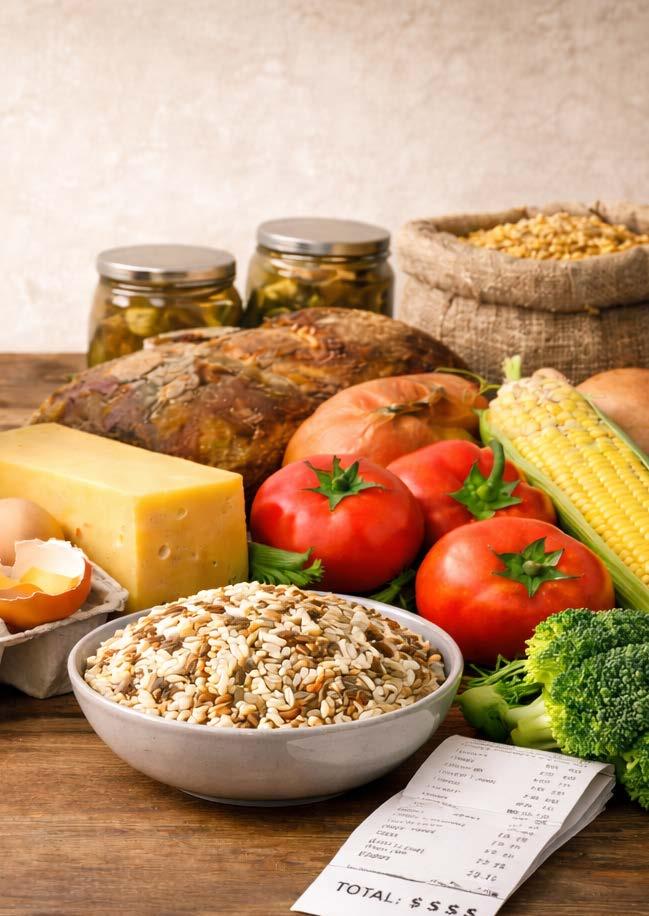
Why the Iran conflict is pushing food costs higher
Food commodity updates
Key market information on what you’re buying
Catering technology delivers more than just savings
Greater control over cost, compliance, and choice
Foodsight: Spring 2026 Edition
How the Middle East conflict could impact food prices
Commodities - what you need to know
Unilever: regenerating the roots of our supply chain
Fresh, seasonable, and sustainable eating for summer
Technology-led food procurement is the way forward
More extreme weather, more unstable food supply
Spring is a season of change, and this year global events are once again shaping the
food landscape.
Ongoing tensions in the Middle East are creating uncertainty across energy and shipping markets, with rising oil prices already beginning to influence logistics costs and food commodities. As global supply chains remain closely interconnected, this volatility is something allmanhall will be watching closely in the months ahead, and keeping our clients informed with the latest market insights, from this to the current white fish force majeure, to help menu and budget planning.
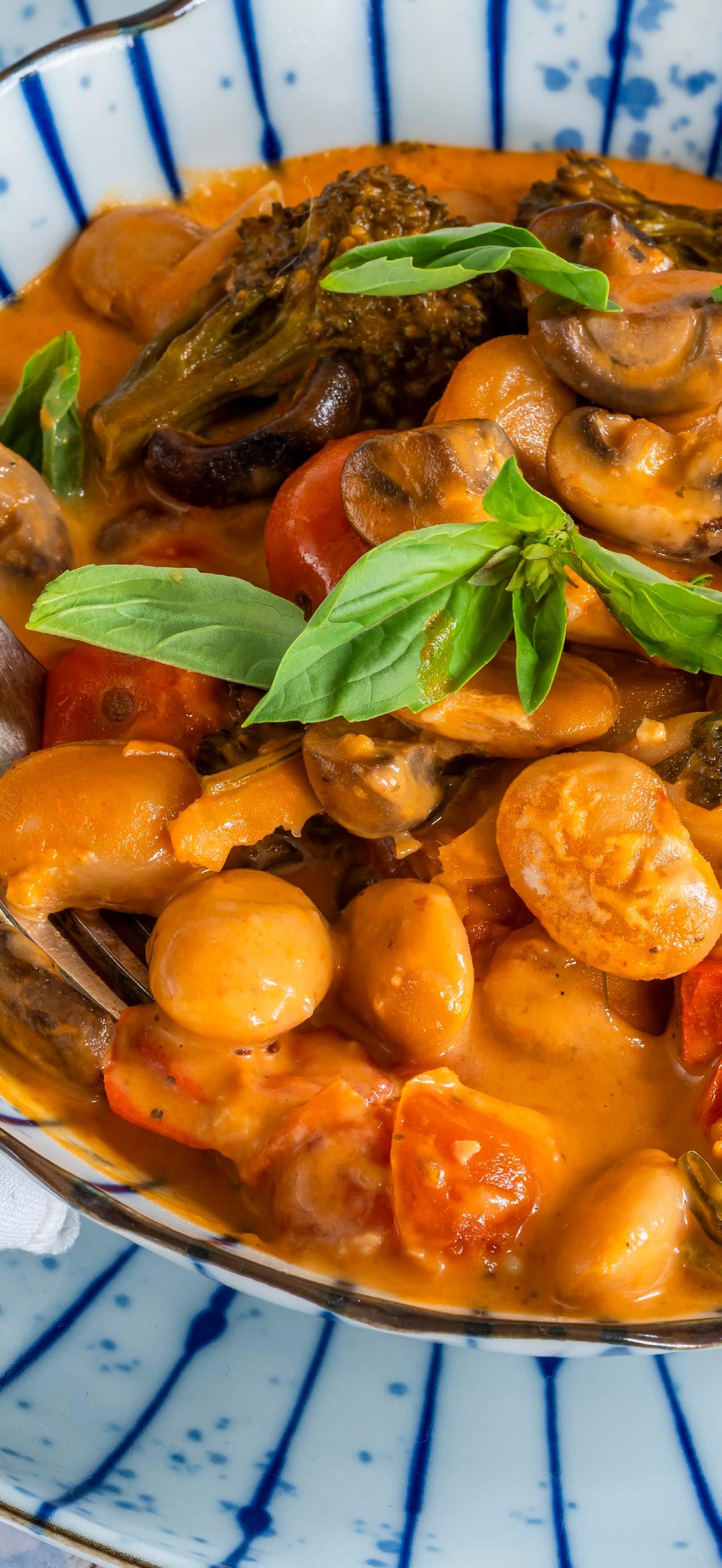
Alongside these challenges, sustainability continues to move firmly up the agenda. From reducing waste to increasing plant-rich ingredients, small changes can make a big impact. Our Bang in Some Beans campaign highlights one simple opportunity - encouraging catering teams and foodservice operators to add more beans and pulses to menus as a nutritious, cost-effective, and lower-carbon ingredient.
With summer on the horizon, there’s also plenty to look forward to. Lighter, brighter menus and seasonal flavours will soon be taking centre stage, and in this issue we’re sharing inspiration to help you make the most of the months ahead, including our vibrant The Brighter Burger, alongside the latest commodity insights, product highlights, and sustainability ideas.
“The foodservice industry is incredibly resilient. While global events can create uncertainty, they also highlight the value of strong partnerships, clear market insight, and forward planning. allmanhall are here to help our clients stay informed, adapt with confidence, and continue delivering great food experiences.”
Jo Hall, Co-owner & Managing Director
How the Middle East conflict is impacting UK food pricing
Global food markets are highly interconnected, meaning economic, geopolitical, and weather events can quickly influence supply chains and pricing. The ongoing conflict involving Iran, Israel, and the United States is creating uncertainty across global energy and shipping markets, which will have implications for food pricing in the UK.
As a net importer of food, the UK is particularly exposed to these global disruptions. The main drivers of potential price increases include rising energy costs, pressure on key shipping routes, supply chain disruption, and heightened market volatility.
Energy markets and oil pricing
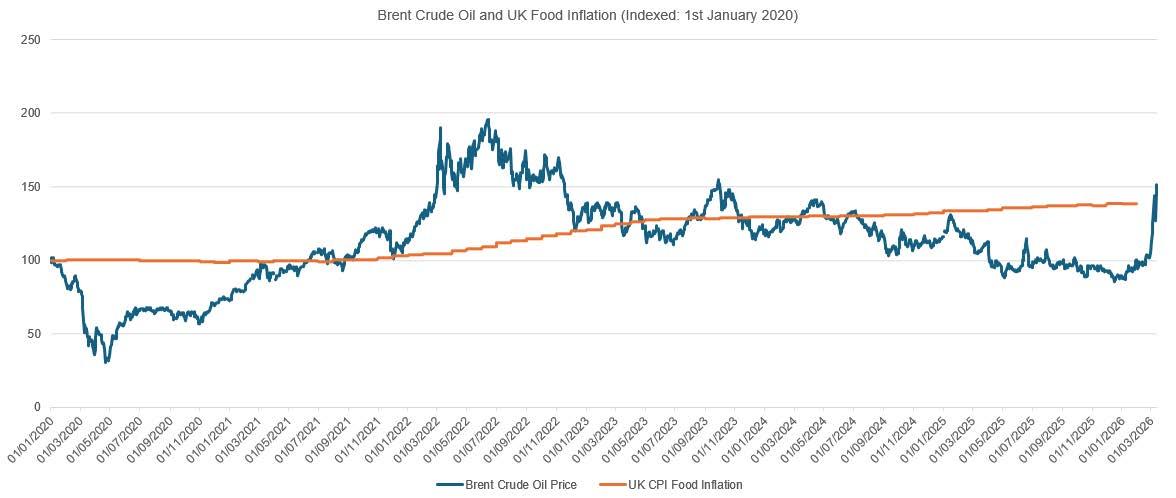
One of the most significant influences on food pricing is the cost of oil. Oil plays a vital role across the entire food supply chain, from fertiliser to food production, refrigeration, and transportation. As a result, there is a strong correlation between movements in global Brent crude oil prices and the cost of food commodities. When oil prices rise, the cost of producing, processing, and transporting food increases, which ultimately feeds through to wholesale and retail pricing.
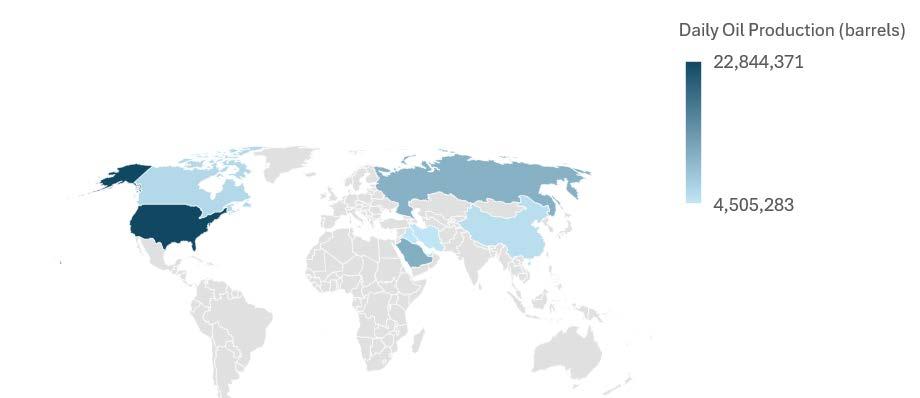
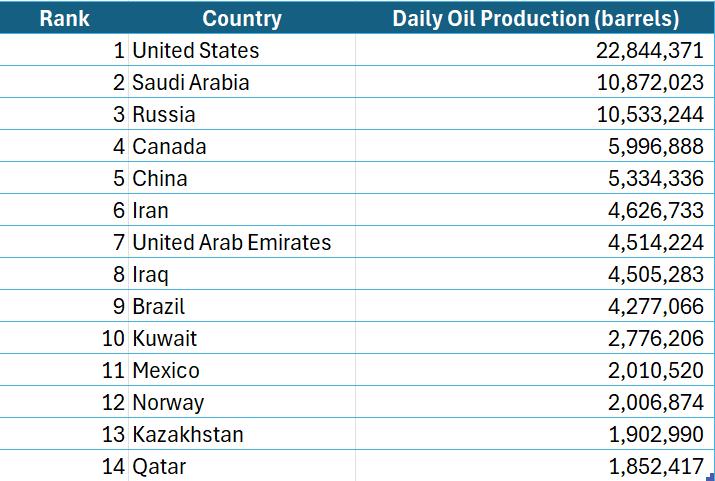
Current geopolitical tensions in the Middle East are creating renewed uncertainty in global energy markets. After the United States, Saudi Arabia is one of the world’s largest oil producers, followed by Russia, meaning instability in these regions has influenced market outlook and oil pricing.
At the time of writing, oil prices have exceeded $100 per barrel for the first time since the start of the Russian invasion of Ukraine.
Rising oil prices are already being reflected in higher UK forecourt fuel prices, with further increases likely to feed through to transport and logistics costs across the food sector.
Shipping routes and supply chain risk
The Strait of Hormuz, through which roughly 20% of global oil supply passes, is one of the most strategically important transit points for energy shipments. At the time of writing, shipping vessels have been attacked, and the Iranian military has reportedly begun laying mines in the strait, effectively closing it to marine traffic, ultimately directly pushing global oil prices higher.
Similarly, the Suez Canal remains a vital corridor for shipping between Asia, the Middle East, and Europe. The conflict and associated security risks along these routes have forced vessels to divert to longer alternative paths, increasing transit times, fuel consumption, and overall freight costs.
Food commodity exposure
While the Middle East is most commonly associated with oil production, the region also plays a role in supplying a range of food commodities, ingredients, and foodservice disposables used within the UK supply chain. A number of products either originate from the region or move through key logistics routes that connect Asia and Europe. As a result, any disruption to production, infrastructure, or export logistics can have a knock-on effect on supply availability.
Even where primary production remains unaffected, the impact of conflict on shipping routes and freight markets can still drive price increases. Higher fuel costs, increased insurance premiums for vessels operating in high-risk areas, and longer transit routes all add cost into the supply chain before products reach UK distributors and foodservice operators.
We keep you abreast of food inflation every month with the latest CPI figures and food inflation rate, here.
During periods of geopolitical instability, suppliers and manufacturers within the supply chain may also invoke force majeure clauses, where contractual obligations become difficult to fulfil due to extraordinary circumstances. This can occur when suppliers face significant cost inflation, restricted logistics capacity, or a sharp reduction in product availability. In such cases, supply agreements may be temporarily suspended or renegotiated, further tightening availability in the market.
It is also important to recognise that market reactions to geopolitical events often move faster than the physical supply chain itself. Commodity and freight markets typically react immediately to perceived risk, meaning that price volatility is frequently driven first by market response, speculation, and movements in energy markets. As a result, short-term price spikes or fluctuations can occur across multiple food commodities even when underlying production levels remain relatively stable.
Outlook for UK catering & foodservice operations
Looking ahead, the overall impact on UK food pricing will largely depend on the duration and escalation of the conflict. However, the close relationship between oil markets, shipping routes, and food production means that sustained increases in oil prices would inevitably place upward pressure on global food commodities, ultimately impacting costs for catering operations.
Through our procurement expertise, market insight, and strong supplier relationships, allmanhall are well positioned to support our clients through this period of uncertainty. By securing competitive pricing, providing guidance on menu development, and helping clients plan ahead, we work to mitigate potential cost increases wherever possible.
60% less plastic vs singleuse portion packs*
Mess-free dispensing
Hellmann’s Real Mayonnaise made with free range eggs
The Nation’s favourite Mayonnaise**
Scan the QR code to find out more
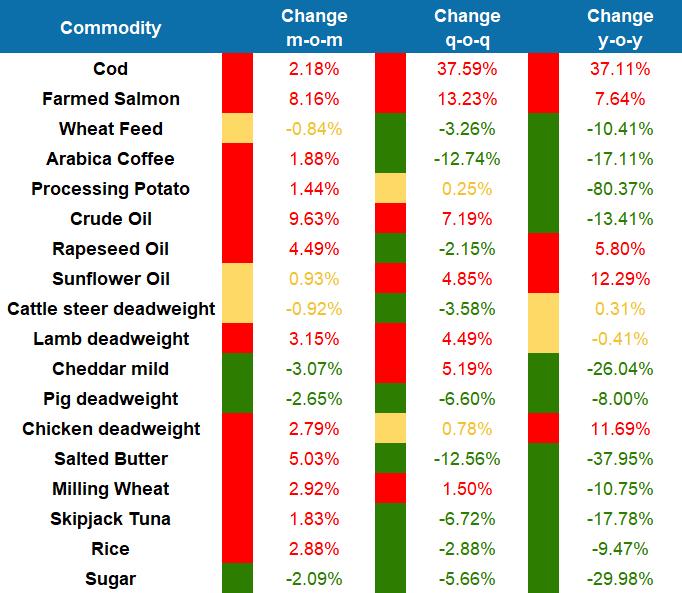
Commodity table
Spring 2026
“Global food markets are inherently volatile, but geopolitical tensions in the Middle East are currently adding further pressure through rising oil prices and increased uncertainty around key shipping routes. Because energy, freight, and food production are so closely linked, movements in oil markets often feed quickly into commodity pricing. We’re already seeing that reflected across several key areas of the supply chain, and it’s something operators will need to keep a close eye on in the months ahead.”
Hayden Hibbert Client Relations Director
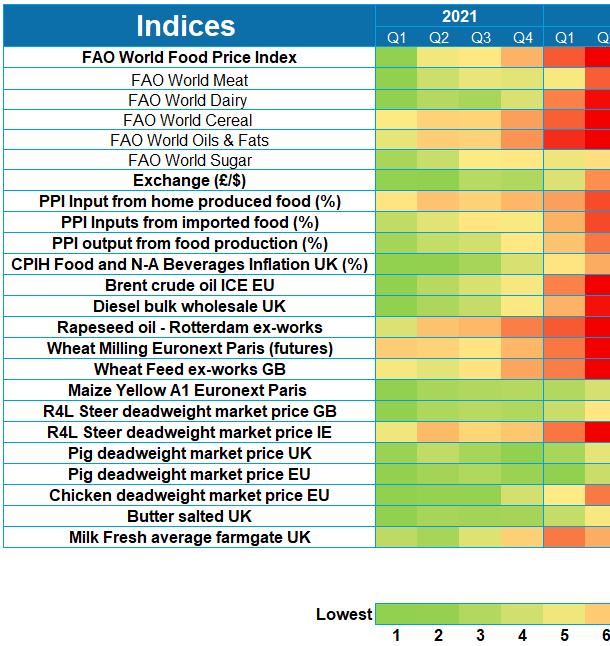
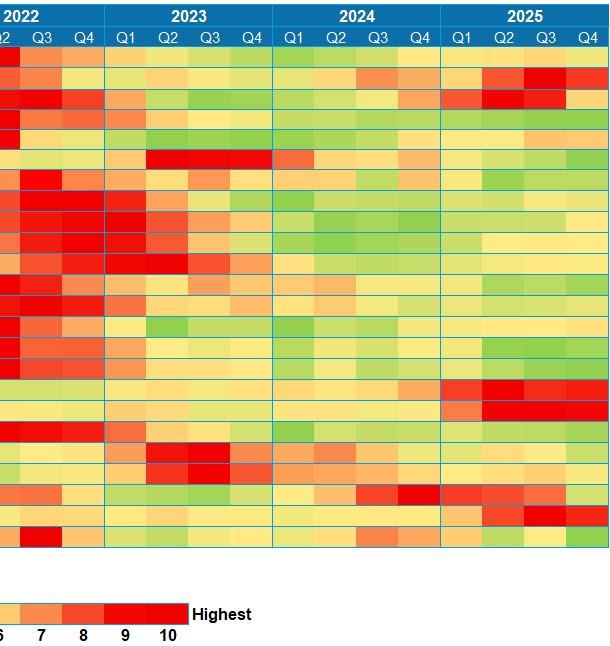
Commodities heat map
Stay up to date on our blog or, for allmanhall clients, on The Pass.
“Commodity markets may fluctuate, but with the right expertise and partnerships in place, operators can stay in control. By combining market insight with proactive procurement strategies, we’re able to help our clients manage cost pressures while continuing to deliver quality and choice”
Jo Hall Co-owner & Managing
Commodity updates
Spring 2026
Beef: Markets have remained under significant upward pressure through 2025 and into 2026, driven by continued supply constraints and strong demand.
In 2025, deadweight prices peaked at £7.13 per kg in April, up 43% from the previous year and 70% higher than the 5-year average. Values eased slightly towards the end of 2025, and prices have remained stable in the early part of 2026. In February 2026, the deadweight prices averaged £6.30 per kg.
Tight supply continues to support the high market prices. UK beef production in 2025 totalled 895,000 tonnes, down 3.4% year on year. AHDB forecasts that beef slaughter will continue to reduce in 2026, with lower overall production expected compared with 2025 as the availability of cattle remains tight.
Menu considerations
Based on availability and price...
Focus on:
• Dairy (butter, cream, cheese)
• Pork
• Mid-sized & processing potato grades
Be wary of:
• Cod & haddock
• Beef
Beef production across the EU also declined in 2025, where production fell by 4%. The continued decline in production in EU beef markets is expected to sustain high price points as we continue into 2026.
Volume exports from the UK to the EU in 2025 dropped by circa 10% compared with 2024; however, the total value increased by 20%, reflecting market conditions. Although growth in the EU and US markets remains possible in 2026, it is more likely that exports will fall slightly in 2026, correlating with the expected reduced production.
Retail prices have mirrored these increases. Reflecting the retail market, by December 2025, after a year of substantial increases, average retail minced beef prices rose by 47%, which is 64% higher than in January 2020. With cattle availability expected to tighten further in early 2026, both retail and wholesale beef prices are likely to remain high.
Pork: The pork sector is currently benefiting from steady supply levels, competitive pricing, and substitutional demand as consumers and operators shift away from the higher-priced proteins.
UK pig deadweight prices have continued to drop since September 2025, with a quarter-on-quarter reduction of 6.46%. This reduction in price has continued into 2026, with a 2.3% reduction since the turn of the year. At the time of writing, the average deadweight price sits at £1.85 per kg, around 7% lower than the same period last year.
This stability is underpinned by an anticipated 3% rise in output, driven by increased throughput and heavier carcass weights, despite only modest expansion in the breeding herd.
Nevertheless, while production growth is expected, the market remains sensitive to changes in key cost drivers, such as feed, energy, and trade policy, which could influence the current pricing environment.
Demand trends further strengthen the market. Retail data shows rising pork consumption, driven by beef price inflation and heightened consumer focus on affordable protein options.
Throughout 2025, pork demand grew by more than 9,000 tonnes, with strong year-on-year gains in mince (+19.4%), ribs (+15.8%), and sausages (+2.8%), as consumers opted for lower-cost options. This broader trend toward value-led purchasing is already being replicated within the foodservice sector.
Overall, pork enters 2026 in a sustainable position, contrasting with the volatility experienced in previous cycles.
Chicken: Prices have risen by 14% year on year, largely driven by the continued impact of avian Influenza and other poultry diseases affecting major producers across Europe.
Prices remain elevated in 2026, although the rate of inflation has moderated compared to this time last year. After rising sharply year on year through most of 2025 (circa 14%), prices have now stabilised, with just a 0.28% month on month change.
The European deadweight price now stands at £2.53 per kg, supported by the supply pressures across the continent.
Feed is a key cost driver in broiler production, linking chicken prices to movements in maize, wheat, and other essential feed ingredients.
The global grain outlook has improved, with stronger supply forecasts for both maize and wheat, suggesting a degree of price stability in the months ahead.
Domestically, the UK flock size has remained broadly in line with last year. However, increases in average bird weights have lifted poultry meat production by approximately 2%, adding 4,000 additional tonnes, helping to support supply. Higher-welfare production standards in the UK will limit supply growth and are likely to continue putting upward pressure on prices in the sector.
Overall, chicken is currently in a steady position, supported by strong consumer demand, moderated input costs and a supporting supply chain. However, price softening in the near term remains unlikely.
Cod for example is currently priced at £3.09 per kg, whilst haddock continues to sit at the elevated position of £2.04 per kg. Reduced fishing quotas and heightened demand, driven in part by ongoing sanctions on Russian-origin fish, have significantly tightened global supply.
Russia previously accounted for approximately 40% of global white fish production, and its continued absence is placing sustained pressure on both European and UK markets.
The International Council for the Exploration of the Sea (ICES) has recommended a 21% reduction in cod quotas and has proposed a zero catch for North Sea cod in 2026.
White fish: The market, particularly cod and haddock, remains under significant upward pressure.
As a result, cod and haddock are trading at record price levels, with force majeure notices already being issued across UK and European supply chains. Cod is by far the most consumed white fish in the UK and has a history of overfishing. Catches are therefore becoming increasingly controlled in order to prevent stocks from being overly depleted, and supply constraints are expected to continue in 2026.
It is likely prices will remain elevated throughout 2026. Where operationally feasible, some of this impact may be mitigated in the short-term by switching to alternative species such as pollock or coley.
However, demand for these substitutes has increased sharply as the wider market seeks alternatives, resulting in limited availability and emerging upward price pressure across these species as well.
Unless there is a significant biological recovery, allowing quota expansion, or a geopolitical shift affecting Russian trade, white fish prices are expected to remain elevated throughout 2026.
Salmon: The market enters 2026 in a more balanced but still premium priced position compared with 2025. Early 2026 data indicate that prices are beginning to ease from late 2025 highs, yet the market remains supported by strong international demand. Short-term volatility is likely to persist, with week-to-week fluctuations influenced by inventory levels and exchange rate movements. Salmon also remains sensitive to trade policy, biological performance, and seasonal consumption patterns.
The introduction of US import duties in the second half of 2025 continues to be a key development.
Norwegian salmon now faces a 15% tariff, with similar levies affecting other major producers.
These measures have reduced demand from one of the largest export markets and contributed to downward pressure on global spot prices. Norwegian salmon currently trades at around £6 per kg, down from £8 per kg at the same point last year, reflecting a relative oversupply against current demand.
Despite these tariffs, export values remain strong. Salmon previously destined for the US has been diverted to China, where exports rose by 68% in 2025. This rebalancing has helped stabilise global trade flows.
Domestically, UK demand remains strong, particularly in foodservice and seasonal menus.
Smoked salmon continues to command high prices, while fresh salmon benefits from increased availability from European and Asian suppliers.
Dairy: Since December, the downward pressure on the UK dairy market has continued, with farmgate milk prices now widely sitting in the mid to high 30ppl range.
Milk volumes remain elevated, although this has begun to stabilise slightly compared to the exceptional highs seen in late 2024, reflecting more active volume management by processors.
Wholesale markets for butter, cream and cheese are continuing to reduce due to ample stocks across the UK and EU.
Stay up to date on our blog or, for allmanhall clients, on The Pass.
Overall, the market remains fundamentally oversupplied on milk, and without a meaningful shift in either export demand or production discipline, pricing is expected to stay under pressure through the first half of 2026 before any sustained recovery materialises.
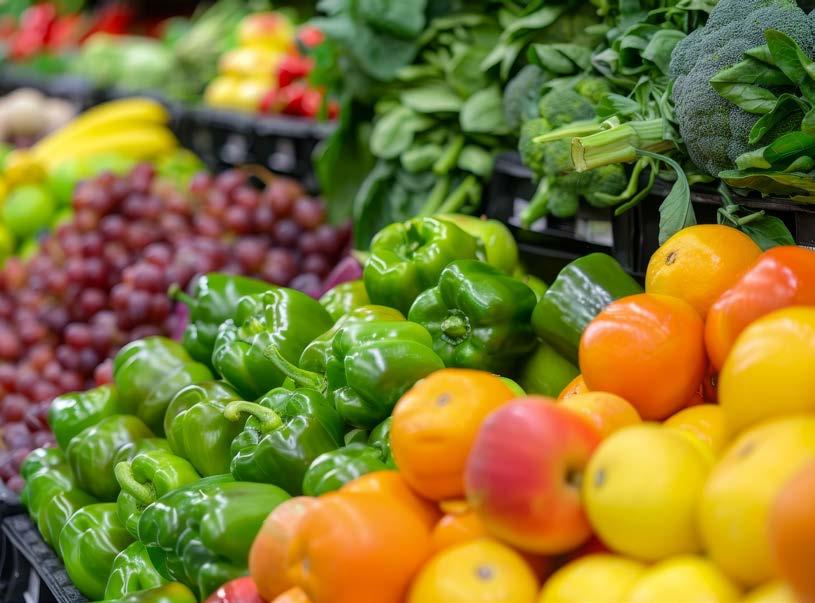
Fresh produce: Since our update on the challenges throughout key growing regions in Southern Spain and Morocco at the start of February, weather conditions have gradually improved, allowing harvesting, packing, and transport operations to resume more consistently.
However, intermittent disruption continues to affect Tangier Port and onward connections via Algeciras, resulting in some ongoing delays and short-term gaps in availability.
While supply is stabilising, certain lines - particularly peppers, cauliflowers, iceberg lettuce, tomatoes, aubergines, cucumbers and courgettes - remain under pressure, with quality and pricing still reflecting the recent challenges. We are maintaining daily communication with our growers and supply partners to secure volumes, explore alternative routes where possible, and minimise further disruption.
Potatoes: Since our last update, the UK potato market has remained broadly stable, with strong in-store volumes continuing to underpin supply through the winter period.
Quality out of store has generally been good, although the higher dry matter levels reported earlier in the season are now translating into some increased sensitivity to bruising and handling, requiring careful management across the supply chain.
Availability of larger baking grades remains tighter than average due to the smaller tuber profiles seen at harvest, while movement of midsized and processing grades has been more comfortable.
Pricing has largely tracked as forecast, holding below 2024 levels, although firmer demand for specific packing grades has led to some modest short-term adjustments. Across mainland Europe, the ongoing surplus and subdued processing demand continue to weigh on free-buy values, limiting export opportunities and keeping overall market sentiment cautious.
Frozen lines remain relatively unaffected for now, but continued raw material availability and the downward movement on pricing could apply further pressure as we move towards the end of the storage season.
However, they have fallen slightly month-onmonth as higher stocks have moved pricing lower.
Coffee: Arabica prices remain down 28.8% on last year and indications are that the 2025/26 crop will exceed demand, marking an improvement in the future availability of coffee.
Rice: The global rice market is currently oversupplied, largely due to strong production levels in India, which is on course to become the world’s top producer.
Wheat: Wheat prices, which have historically been highly volatile, showed a consistent downward trend throughout 2025. French milling wheat is currently trading at £168 per metric tonne, down 8.97% from the same period last year.
Notwithstanding the generally favourable global supply outlook, prices have begun to firm over the past month.
This recent upward movement appears to be driven by stalled peace negotiations between Russia and Ukraine, which have raised concerns regarding the continuity of trade flows from the Black Sea region.
In addition, heightened military tensions involving Iran have contributed to higher energy-related costs, further supporting prices.
Sugar: Global sugar prices softened through 2025, driven by rising production in key producing regions and expectations of ample supply in the current season.
Food dates to look out for
1-31 May: Coeliac Disease Awareness Month
Coeliac disease affects 1 in 100 people in the UK, yet many remain undiagnosed and have to rely on safe, gluten-free options. Robust allergen management and clear menu communication are essential to support both diagnosed and undiagnosed individuals.
12-18 May: Food Allergy Awareness Week
UK law requires clear declaration of the 14 major food allergens with Natasha’s Law mandating full labelling for PPDS foods. Ultimately, responsibility for robust allergen management sits with each site, making compliance, training and clear processes an absolute priority.
22 May: Earth Overshoot Day
Earth Overshoot Day marks the point in the year when global resource consumption exceeds what the planet can regenerate annually. Foodservice can help by reducing waste, sourcing responsibly, and offering lower-carbon menu choices.
25 May–7 June: British Tomato Fortnight
British tomatoes are rich in antioxidants and support overall health and wellbeing. Using seasonal produce boosts flavour, nutrition and supports British growers.
29 June-12 July: Wimbledon fortnight
Over 1.9 million strawberries are enjoyed during Wimbledon, supplied by British growers like Hugh Lowe Farms. Showcasing British strawberries celebrates seasonality, quality and long-standing UK supply partnerships.
1-31 July: Plastic Free July
A global movement helping tackle global plastic waste, with over 100 million participants worldwide. Foodservice can make a difference by sourcing innovative, plastic-free and lower-impact alternatives.
27 August: National Burger Day
A celebration of a versatile menu favourite, ideal for showcasing innovative and sustainable options. Plant-based alternatives like The Brighter Burger support carbon reduction without compromising on taste.
Regenerating the roots of our food supply chain
How regenerative agriculture is strengthening resilience from field to foodservice
The foundations of our food system begin in the soil. As climate pressures intensify and biodiversity declines, the resilience of our supply chain depends on how we farm today. Regenerative agriculture is no longer a future ambition - it is a critical strategy for restoring ecosystems, strengthening crop security and protecting long-term food supply.
Working alongside forward-thinking organisations such as Unilever Food Solutions, who are embedding regenerative practices into their UK and global food supply chains, allmanhall are helping to shape a more resilient future for foodservice.
Committing to responsible sourcing, Net Zero ambition and long-term supply chain stability. allmanhall empower foodservice teams to make informed, sustainable purchasing decisions that deliver both environmental and operational value.
“True sustainability leadership requires action at scale. Organisations that prioritise soil health, biodiversity and supply chain transparency are critical if we are to build a foodservice sector that is resilient for generations to come.”
- Oliver Hall, Founder & Co-owner of allmanhall
Why regenerative agriculture matters
Regenerative agriculture goes beyond simply reducing harm. It actively restores soil health, improves biodiversity and strengthens farming resilience.
For foodservice operators, this matters because:
• Healthier soils improve long-term crop productivity and resilience to climate-related shocks
• Increased below-ground biodiversity strengthens ecosystems and reduces dependency on artificial inputs over time
• Lower input farming systems reduce environmental impact across the supply chain and our global food system
• More resilient farms mean greater long-term supply security
View product codes
In short, healthier land supports a healthier supply chain, and that stability benefits suppliers, catering teams, and end consumers alike.
Unilever is working with rapeseed farmers in the UK, whose oil is used in Hellmann’s mayonnaise, to improve sustainability within the rapeseed supply chain. Rapeseed farming faces increasing pressures, such as climate volatility, pest management and market fluctuations.
You may have heard in the news about acquisition plans for some of the UFS brands. Its BAU at present and support for these UFS products continues, especially those with credentials around sustainability and nutrition benefits, in line with allmanhall’s core values.
Regenerative practices are helping mitigate these risks through:
• Planting cover crops to keep soils covered and protected, restoring soil health over time
• Alternating crops through improved rotations to disrupt pest cycles
• Practising low-tillage methods to reduce soil disturbance and erosion
• Planting pollinator strips to attract beneficial insects
Together, these approaches are building more climate-resilient farming systems while supporting long-term ingredient security.
Driving sustainability through supplier collaboration
Sustainable and responsible food procurement sits at the heart of everything allmanhall do.
We recognise that meaningful progress only happens when procurement expertise and supplier innovation work hand in hand.
Working alongside our supplier partners, including Unilever Food Solutions, we encourage continuous improvement in better farm management practices, responsible sourcing and carbon reduction across our supply chains.
Our approach includes:
• Prioritising suppliers with clear Net Zero commitments and measurable carbon reduction plans
• Embedding food waste reduction and menu optimisation strategies into our client partners’ catering operations
• Working closely with suppliers who uphold ethical sourcing standards Holding a Gold rating from EcoVadis, the world’s leading provider of business sustainability ratings, allmanhall have demonstrated our commitment to reducing risk, driving continuous improvement and accelerating positive impact for both people and planet.
This recognition reflects our success in meeting corporate sustainability goals and influencing positive change across our supply chain, for the benefit of our clients, their diners and the environment.
Our long-standing support of regenerative farming, including partnerships with suppliers such as Wildfarmed (who supply the flour for our Brighter Burger buns), reflects our belief that supply chain resilience starts at source.
Sustainability leadership in action
Regenerative agriculture is not a short-term initiative. It is a long-term commitment to restoring ecosystems, protecting biodiversity and strengthening the roots of our food system. Through their ambitious global targets and practical UK programmes, Unilever Food Solutions are demonstrating how large-scale brands can drive meaningful agricultural change.
“Sustainability must move beyond ambition and into measurable action. By embedding responsible sourcing and regenerative principles into procurement reviews and supplier collaboration, we are helping clients translate environmental goals into practical, long-term results.”
- Tess Warnes, Head of Nutrition & Sustainability
By aligning responsible sourcing, regenerative farming and data-led procurement, Unilever Food Solutions and allmanhall are both championing a supply chain that is more transparent, resilient and future-fit. Because when sustainability is embedded at every level, from soil to supplier to service, it strengthens not just today’s operations, but the longterm future of foodservice itself.
Spring Statement 2026: fiscal calm to fuel shock - what the Iran conflict means for catering costs
The UK Spring Statement 2026, delivered on 3 March, was positioned as a steady fiscal update rather than a major Budget event. Growth forecasts were revised down, unemployment expectations edged up, and inflation was projected to ease back towards target. Importantly for catering teams and foodservice operators, there were no immediate new tax measures affecting food, hospitality or employment costs.
When the Spring Statement was drafted by the Chancellor, the message was one of cautious stability.
However, global events since 28 February have since shifted the economic landscape dramatically.
Our thoughts are with all those impacted by the conflict and facing uncertainty and concerns over safety.
The escalation of conflict involving Iran, and the subsequent disruption to energy markets, has triggered a sharp rise in global oil prices.
With shipping routes through the Strait of Hormuz under pressure and markets pricing in sustained geopolitical risk, oil and gas costs have moved quickly upward.
As Jo Hall, Co-owner & Managing Director of allmanhall, explains:
“The Spring Statement pointed towards improving stability, but the escalation of the Iran conflict and the immediate rise in oil prices changes the operating landscape for catering teams almost overnight. Energy underpins every part of the food supply chain - from farming and production to transport and utilities - so volatility in oil markets will inevitably feed through into food costs. Now, more than ever, operators need clear data, strong supplier relationships and agile procurement strategies to stay in control.”
Before the geopolitical escalation, the key economic signals from the Spring Statement were as follow.
Major economic points from the Spring Statement
Growth forecast lowered: The Office for Budget Responsibility has downgraded its forecast for economic growth for this year to 1.1%, indicating slower economic expansion. It had previously forecast the economy would grow by 1.4% in 2026.
Unemployment forecast increased: Unemployment will peak at 5.3% this year, up from a 4.9% peak forecast at the Budget, and then fall gradually to 4.1% by 2030. This signals a softening labour market before gradual recovery, which may further dampen consumer spending, including on hospitality and catering.
Inflation expected to fall near target: Inflation is forecast to fall faster than previously thought, reaching 2.3% during 2026 before reaching the Bank of England’s target of 2% by the end of the year. This is a long way from the peak in October 2022 when prices were rising at a rate of 11.1% a year.
No direct tax changes on food or hospitality introduced. However, those forecasts are now subject to significantly greater uncertainty if the impact of the US-Israel conflict with Iran persists.
The Iran conflict & rising oil prices
Since the Statement was written, a major geopolitical conflict involving Iran escalated (28 February 2026), disrupting global energy markets.
Shipping through the Strait of Hormuz, a vital export route for ~20 % of global oil and LNG, has been severely restricted, with tanker traffic falling sharply. Oil prices have spiked (e.g., Brent crude up sharply toward ~$80 or higher), and natural gas prices have jumped significantly in various markets. Markets are pricing in a ‘war premium’ that could persist, and analysts warn prices could move substantially higher if disruptions continue.
This conflict and market response were not factored into the Spring Statement forecasts and will materially change the economic backdrop for costs and inflation.
What this means for catering teams and foodservice operators
Food & commodity costs: Food prices are already influenced by global energy costs (fuel for production, fertiliser, transport). Higher oil prices generally feed through to higher supply chain costs.
Action: Employing a dedicated procurement organisation to oversee supplier performance and ongoing pricing management, can play a pivotal role in securing competitive pricing and providing reassurance.
Logistics & delivery cost:
Fuel costs are a major driver in distribution fees and logistics. With oil prices rising suddenly, supplier delivery charges are likely to increase, and third-party logistics providers may reprice routes, especially for longhaul and time-sensitive cargo.
Action: Engage your suppliers now to understand any impending freight cost changes, and factor higher delivery costs into meal costings, if you aren’t working with a procurement expert already.
Consumer demand & sector exposure: Slower growth, rising living costs, and energy cost inflation could dampen consumer spending on hospitality (event venues). Institutional sectors (schools, care, healthcare) may be more stable but still face squeezing budgets.
Action: Highlight costefficient menus without eroding quality - look at plant-rich proteins to replace more costly meat, for example.
Operational impacts:
Energy cost inflation affects utility bills (gas & electricity), refrigeration, kitchen operations and heat generation, especially if gas price volatility persists.
Key takeaway
The Spring Statement’s economic picture was accurate at the time of its writing, but the outbreak of the Iran conflict and resulting surge in oil and gas prices will now materially affect costs, inflation and supply chains critical to catering teams and foodservice operators.
Unless you are already working with a food procurement expert, catering managers and foodservice operators should review budgets and forecasting assumptions urgently to incorporate higher energy prices, logistics costs and potential inflation knock-on effects for 2026 planning.
As Oliver Hall, Founder & Director of allmanhall, explains:
“Catering teams and foodservice operators are already balancing tight budgets, labour pressures and sustainability commitments. Sudden global shocks like this reinforce the importance of proactive procurement and forward planning. It’s not just about reacting to rising prices - it’s about using insight, forecasting and collaboration to protect both quality and financial stability for the long term.”
A time for agility and adaptability
Periods of uncertainty reinforce the value of trusted partnerships. With the right data, transparency, and longterm collaboration, catering teams and foodservice operators can navigate volatility with confidence, protecting both your budgets and the communities you serve.
Now is the moment to stress-test budgets, revisit supplier agreements, and ensure forecasting reflects the new energy reality. In an environment where global events can rapidly alter cost assumptions, procurement must be proactive, informed, and resilient - not reactive.
The Spring Statement may have signalled stability, but the global backdrop tells a more complex story. For catering teams and foodservice operators, agility and insight will be critical in the months ahead.
If you want expert guidance through challenging times, find out how allmanhall can help you here.
Food price uncertainty continues But not with allmanhall!
With CPI climbing and rising geopolitical tensions involving Iran pushing oil markets higher, many operators are bracing for further food inflation. These pressures typically flow quickly through the supply chain and can translate into higher food prices.
But we have some good news for allmanhall clients...
Our buyers and analysts have been working hard behind the scenes to negotiate on your behalf.
Through detailed market analysis and firm negotiations, we have improved on major supplier's initial price increase proposals.
The result? Weighted basket changes will be minimal and outperform the CPI inflation figure.
This is a strong outcome, resulting from hard work and the application of insight, experience and skill, in a challenging market.
It is exactly the kind of value allmanhall's expert team works hard to deliver on your behalf.
Lets’s LINK IN !
If you have a LinkedIn account, be sure to follow @allmanhall for the latest market updates, industry news, foodie insights, sustainability guidance, recipe inspiration, and much more!
Community & Social
As well as sharing insights and updates, we regularly collaborate with partners including Foodsteps, UN Global Compact and Jamie’s Farm.
You will also get to see behind-the-scenes photos of our team and what we get up to!
Summer 2026
Fresh, seasonal,
sustainable eating
Summer brings opportunities to delight your diners with fresh, vibrant food that celebrates the season - from relaxed barbecue food to convenient, on-the-go meals that match the (hopefully) warmer weather and seasonal availability. In 2026, this shift aligns with broader foodservice trends towards wholefoods, global flavour exploration, functional nutrition and sustainability, offering you rich inspiration for seasonal menus.
Outdoor flavours & global inspiration: Summer is made for sharing, whether it’s at a picnic, an event, or just over an office lunch. As Bidfood’s research highlights, consumers in 2026 continue to seek adventure and sharing experiences that connect them socially around food.
• Global twists on classic summer eats: Think Korean-style BBQ short ribs, Peruvian anticuchos, Malaysian satay skewers, or South American chimichurri-drizzled grilled veggies - all ideal for outdoor grills and shared plates.
• Loaded on-the-go options: Street-food-inspired loaded bowls and wraps meet the summer demand for bold flavour and convenience. They are perfect for festivals, themed events and venue catering.
This global and shareable trend will not only keep your menus exciting during the summer months but also enhance the communal feel.
Wholefoods & seasonal goodness
A key trend emerging is a shift towards wholefoods that deliver flavour plus nutrition, particularly as consumers seek lighter, more nutrient-dense options.
Seasonal fruit & vegetables: Summer berries (strawberries, raspberries, cherries) and crunchy vegetables (peas, broad beans, tomatoes, courgettes) shine at this time of year. They offer vibrant colour, high nutrition and lower environmental impact when seasonally sourced.
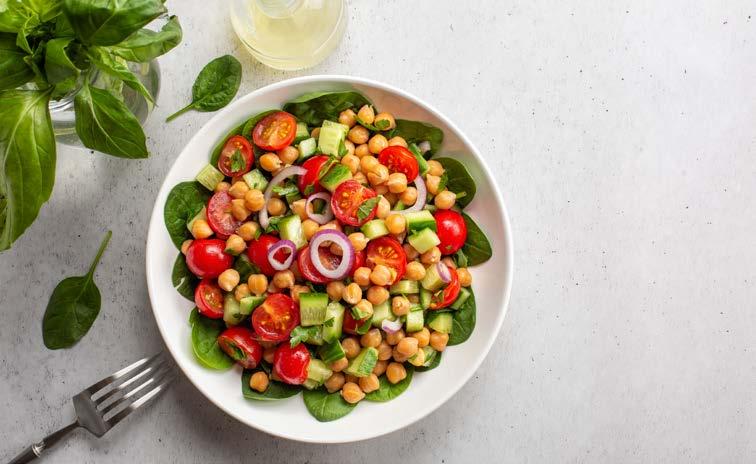
Pulses for sustainability & nutrition: Pulses, including chickpeas, beans and lentils, are rising in popularity as foodservice operators look to deliver nutrientrich, plant-rich protein that supports sustainability goals. Pulses are:
• High in protein and fibre, aiding gut health and satiety
• Lower in carbon emissions than many animal proteins
• An excellent base for summer salads, picnic pots, wraps, mezze plates and BBQ sides
Using pulses and seasonal veg together in dishes builds affordable, nutritious, and lower-impact menus, that appeal to health-conscious and eco-aware diners. For a selection of great pulse-based recipes, allmanhall’s Hero Recipes do the trick.
Functional & refreshing eats for warmer weather
Functional eating - choosing foods that go beyond basic taste to deliver wellness benefits - is continuing to grow in consumer consciousness. While some functional beverages and fortified products have mixed scientific backing, the broader movement reflects interest in gut health, hydration and wholefood nutrition.
For summer:
• Hydration-focused beverages like cold teas, citrusbased spritzers and fermented drinks such as kombucha (rich in flavour and probiotic appeal) meet the current demand for refreshing, on-trend alternatives.
• Wholefood meals with fibre and plant protein as the hero ingredient, for example, grain & pulse bowls with summer veg, align with consumer interest in balanced nutrition and digestive wellbeing.
• Functional concepts can be positioned around natural ingredients (berries, whole grains, pulses) rather than synthetic fortification, which supports better health messaging.
.
Textures & sensory experiences:
Textures, colours, and contrasts elevate food beyond the ordinary. Multisensory eating remains on the rise in 2026, with interest in crunchy elements, flavour contrasts and playful presentations.
• Freeze-dried fruits and crisp grains can add visual appeal and exciting mouthfeel to salads or picnic boxes.
• Layered summer desserts that combine seasonal berries, natural yogurt and toasted oats or seeds for added appeal.
These elements complement summer dining: cooling dishes, refreshing drinks and light, texturally exciting meals that enhance your diners’ enjoyment.
Customisation, sharing & on-the-go eating:
Summer eating is often flexible and social. This year’s focus on community, sharing and choice can easily be translated into:
• Grazing boards & DIY boxes tailored to your diners’ tastes
• Build-your-own salads, wraps and bowls allowing diners to mix plant proteins, seasonal veg and flavourful toppings
• Snack-style meal replacements that suit irregular eating patterns in warm weather
This flexibility not only caters to varying appetites and dietary needs but also maximises menu appeal in diverse summer settings.
Sustainability as a baseline expectation:
Across 2026 trend insights, sustainability is no longer optional. Consumers expect food choices that align with their environmental values, along with simple, honest ingredient lists and lower impact operations.
Seasonal sourcing boosts biodiversity and reduces costs, while plant-forward and pulse-rich dishes support carbon footprint reduction without compromising taste and nutrition.
This focus on sustainability pairs perfectly with summer eating: menus that are lighter on the planet and full of seasonal goodness.
In summary (or should that be summery?)
Summer 2026 looks set to be full of vibrant flavours, outdoor dining, nutritious wholefoods, and sustainable choices.
Whether it’s a salad bar packed with pulses and seasonal vegetables, or a barbecue spread exploring global marinades and plant proteins, you can build an on-trend summer menu that delights your diners while delivering on value, wellness and sustainability.
Why catering technology-led food procurement delivers more than just savings
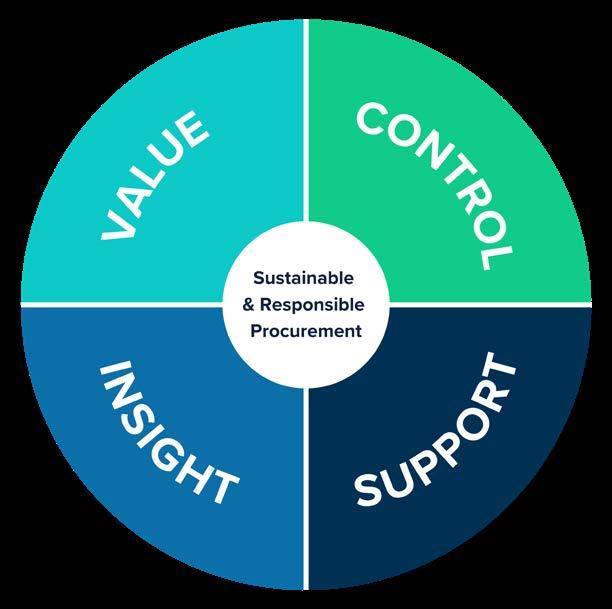
Food procurement has evolved beyond simply buying ingredients at the lowest possible price. In today’s complex foodservice landscape, organisations need visibility, control, insight, and support across their entire food supply chain.
You need to understand where your food comes from, what it costs in real terms, how it helps your sustainability goals, and how your procurement decisions impact the quality, compliance, and efficiency of your catering operation.
This is where expert food procurement, supported by intelligent catering technology, makes a difference. allmanhall’s food procurement solution provides a strategic service underpinned by our purpose-built platforms to give our clients clarity and confidence.
What is food procurement?
To understand the full value of this approach, it is useful to start with a clear definition of what food procurement really is, and why it matters.
As explored in our recent blog, food procurement is the process of sourcing food and non-food supplies in a way that balances cost, quality, service, sustainability, and supply chain resilience. It is fundamentally different from foodservice management, which focuses on day-to-day catering operations. Procurement sets the foundations that allow those operations to succeed. Everything allmanhall do, including the technology we deploy, stems from this core principle.
Catering technology built into food procurement, not added on: Choosing the right food procurement partner is increasingly about choosing the right combination of people, data, and technology.
As highlighted in How to choose a food procurement partner, effective procurement requires independent thinking, robust supplier relationships and the ability to turn information into insight. Technology plays a critical role in making this possible, but only when it is designed around the needs of clients rather than added as an afterthought.
allmanhall’s catering technology is embedded into our procurement solution to reduce unnecessary cost, improve transparency, and ultimately save time for catering teams.
Our platforms provide a single source of truth that removes duplication, reduces manual administration, and enables better control.
One of the most powerful examples of this is our catering controls platform that underpins ordering, pricing updates, nutrition and dietetics information, costing of recipes, stocktaking and billing.
It enables our clients to work with multiple approved suppliers while benefiting from consolidated billing of suppliers all across their food supply chain, a feature that consistently delivers both financial and operational advantages.
One invoice a month rather than dozens or more!
Futura Learning Partnership’s finance and operations teams are now able to monitor spend by site and supplier in real time, supported by comprehensive monthly reporting. It has empowered the catering teams to manage menus more effectively, dramatically reduce their expenditure, and gain more control with range management and a restricted Authorised Buying List.
Lower costs through control:
Rising food inflation, labour pressures and volatile supply markets have made cost control more challenging than ever.
While negotiating competitive prices remains important, real savings are often unlocked through improved processes, visibility and compliance. allmanhall’s catering controls platform plays a central role in this by ensuring that agreed prices are accurately applied, orders are placed with the right suppliers and spend is fully transparent.
Consolidated billing is a key differentiator in allmanhall’s procurement solution. Instead of processing dozens, or even hundreds, of individual supplier invoices each month, clients receive a single, clear invoice from allmanhall.
With allmanhall’s support, Worth School, for example, benefit from administrative efficiencies and a reduction in volume of invoices, from 2000 per year to less than 120 per year.
It also allows our clients to see exactly where their money is being spent across categories, sites and suppliers, enabling informed conversations about value rather than simply cost. This level of control demonstrates that procurement decisions, when supported by the right systems, will directly influence operational efficiency and financial performance across the organisation.
Transparency and insight at every level:
Transparency in the food supply chain is no longer optional but essential. Catering functions need and want to understand pricing structures, supplier performance, risk exposure, and the impact of their purchasing decisions. Catering technology makes this possible, but only when data is accessible, relevant, and easy to interpret.
The Pass, allmanhall’s secure online client portal, puts information and insights directly into our clients’ hands. The Pass works alongside our catering controls platform, as a hub of additional resources, all in one place.
Rather than relying on static reports, clients can log in at any time to access bespoke financial reports, procurement reviews, invoices, supplier information, product updates and industry insights. This real-time visibility empowers catering teams, finance teams, and senior stakeholders alike.
For catering teams in care and education in particular, our controls platforms support allergen management, making it easier to run compliant, audit-ready kitchens. When issues arise, support cases can be logged directly through the platform, reinforcing allmanhall’s commitment to responsive support.
Sustainability driven by facts, not guesswork:
Sustainability is now a central pillar of food procurement strategy, particularly as organisations face increasing pressure to reduce their carbon emissions and demonstrate progress against environmental targets. However, they can only act effectively with accurate measurement.
Without concrete data, sustainability remains a hope rather than an expectation.
allmanhall integrate sustainability tools such as Foodsteps into our procurement solution to give our clients a clear understanding of the carbon impact of their food choices.
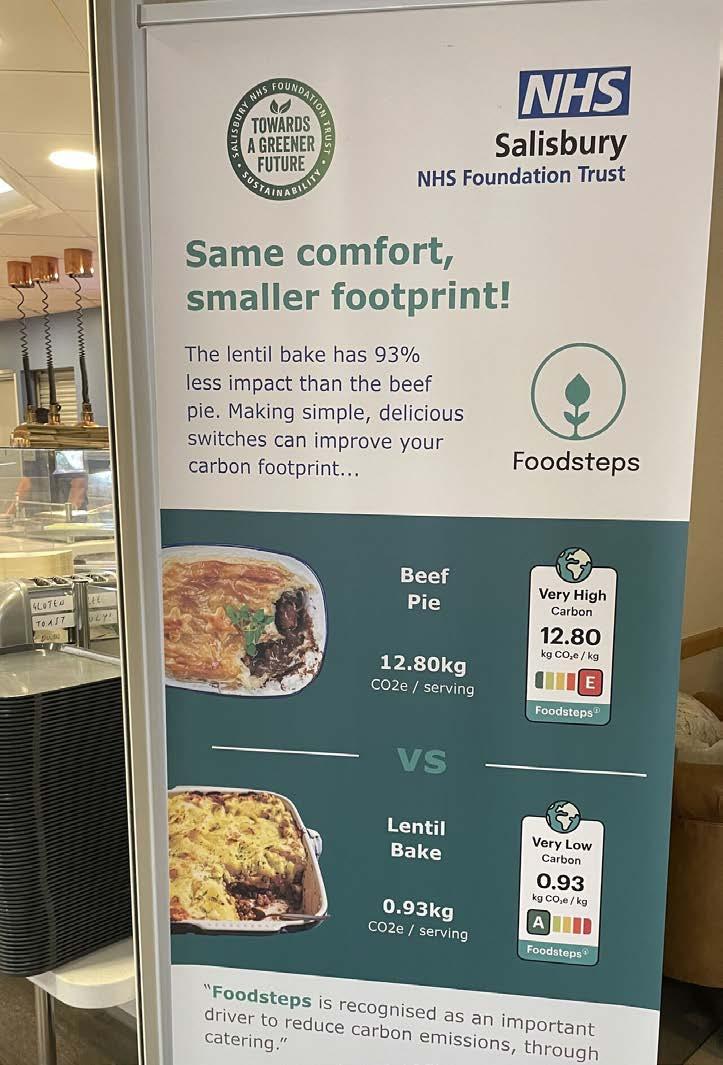
Foodsteps calculates emissions at ingredient and dish level, allowing catering teams to see where the highest impacts sit and therefore make informed substitutions.
This could mean switching from highimpact proteins to lowercarbon alternatives, which is helped by using allmanhall’s Hero Recipes, adjusting sourcing strategies, or adapting menus to reduce emissions without compromising taste or nutrition.
These insights feed into our sustainability dashboards, enabling clients to track progress over time and align their procurement decisions with wider organisational goals. This approach has proven particularly valuable in healthcare and care environments, where sustainability must be balanced with clinical needs, special diets and strict compliance requirements.
Similarly, education clients such as Heart Academies Trust have used procurement insights to drive both financial and environmental improvements across multi-site operations.
A connected service shaped around client needs: What truly differentiates allmanhall is not any single platform, but the way our catering technology, data and people work together.
Salisbury NHS Foundation Trust, has found that by embracing a plant-rich food culture and leveraging cuttingedge technology, they are reducing food-related carbon emissions and empowering patients and staff to make better choices and improve sustainability.
Our catering controls platform supports efficient ordering and consolidated billing.
Foodsteps and our sustainability dashboards turn environmental goals into action. The Pass brings everything together in one accessible, secure space.
Underpinning it all is an award-winning support team, with dedicated relationship managers and client support advisors who ensure technology enhances, rather than replaces, human service.
This integrated approach reflects allmanhall’s values. We are agile and independent-thinking, driven by real results, informed by insight and here for long-term partnerships. Our procurement solution is so much more than a background function, supporting cost control, sustainability, compliance, and quality simultaneously.
For organisations seeking clarity in an increasingly complex foodservice landscape, technology-led food procurement offers a powerful solution. allmanhall help our clients move from reactive decisionmaking to confident control thanks to full transparency.
Meet the team: Craig Smith
Who are you?
I am the Client Tech Support Manager at allmanhall, where I help our users maximise the value of our catering control platforms. I have been with allmanhall for 16 years and, aside from the owners, I’m the company’s longest-standing employee.
Before joining the team, I worked as a chef, and I have since combined that industry experience with my university degree in Computing & Marketing to support our clients.
Meet the team
What is a typical day for you?
Client support is my primary focus, whether that’s providing on-site or virtual training through to the setup and maintenance of our platforms. I pride myself on a patient approach that resonates with clients, ensuring that even those with no prior technology experience can utilise our catering platforms with ease. We also operate a managed platforms support desk to provide ongoing guidance and answer any questions that our clients or my peers may have. Our goal is to streamline administrative processes, allowing catering teams to remain focused on their passion in the kitchen.
What are you most proud of?
I am most proud of being part of a family-managed company and witnessing our growth from five team members to over 50. It is fantastic that some of our clients have maintained a relationship with allmanhall for even longer than I have! The most rewarding part of my role is helping our clients by providing systems to optimise their operations. I truly enjoy sharing experiences and insights regarding what works best for them.
Three words to describe your role: Industrious. Dedicated. Adaptable.
All our latest blogs, in one place!
If you’ve missed any recent blogs, you can catch up here. From sustainability and nutrition to responsible sourcing, these quick reads offer practical insight for catering teams and foodservice operators.
To mark World Pulses Day, we explore why lentils, beans and chickpeas deserve a central place on your menu. Cost-effective, nutritious and naturally sustainable, pulses support healthier diets while helping reduce environmental impact.
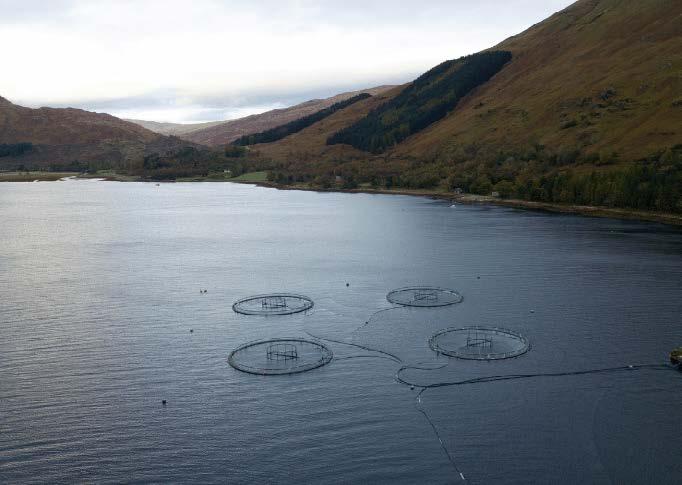
Seafood sourcing can be complex. Our recent blog helps caterers understand sustainable salmon farming, key certifications, and environmental considerations enabling informed decisions that balance quality, welfare, and sustainability.
Fibre plays a vital role in digestive health and longterm wellbeing.
To mark Fibre February, Tess Warnes, allmanhall’s Registered Dietitian, Head of Nutrition & Sustainability, highlights practical ways to boost fibre in your menus, with simple swaps and menu ideas that make a meaningful nutritional difference.
Celebrating World Wildlife Day, allmanhall’s Sustainability Manager, Richard Dowling explores how ingredient choices, including herbs and aromatics, can support biodiversity.
He looks at how responsible sourcing and thoughtful menu planning can help protect ecosystems while delivering vibrant, flavourful dishes.
More extreme weather, more unstable food supply
Climate change is no longer something that might affect the food industry. It’s already impacting catering operations with volatility in harvests, tighter ingredient availability, and sharper price swings. And because the UK’s food supply chain is global, disruptions thousands of miles away quickly cause repercussions for menus and margins at home.
Climate change is reshaping food production in real time, but the organisations that respond best will be the ones with the most transparent supply chain, the strongest procurement partner, and the most practical operational tools.
allmanhall’s Sustainability Manager, Richard Dowling, explores how you can face those challenges with agility and clarity.
He’ll look at the big picture and then shine the spotlight on key commodities in everyone’s catering operation – coffee, chocolate, red meat, and dairy.
The big picture: how climate change is rewriting our menus
As temperatures rise, rainfall patterns shift, and extreme weather becomes more frequent, food production is squeezed from both sides: crops fail in heat and drought, and they’re also damaged by flooding and storms. The result is more frequent supply shocks that hit availability and prices.
As a recent example, the summer of 2025 was the hottest in the UK since records began in 1884, and it had a direct impact on food prices.
Three of the five worst harvests on record have now occurred since 2020, leaving some arable farmers asking whether the growing impacts of the climate crisis are making it too financially risky to sow their crops.
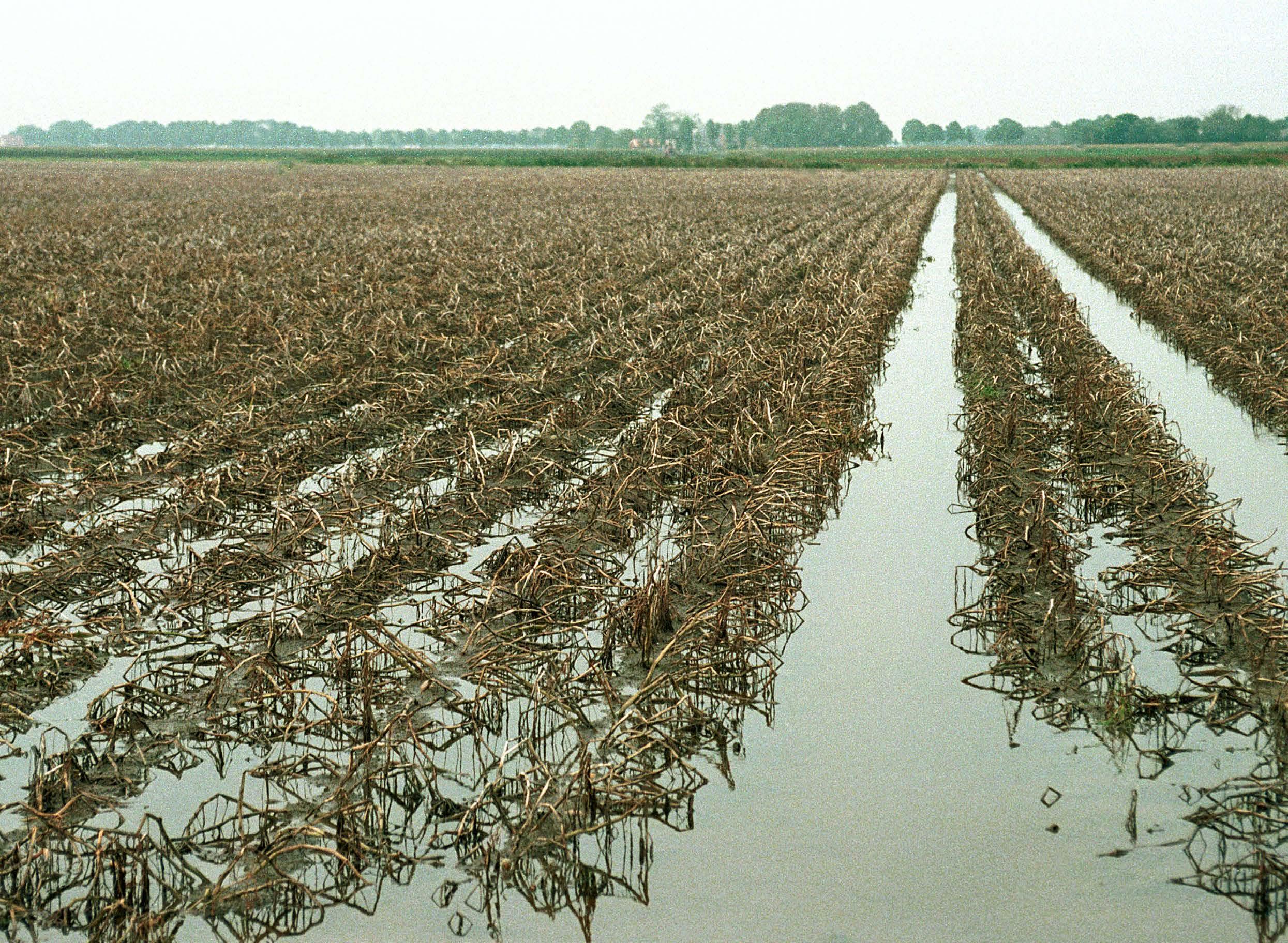
This has been followed by a period of extended rainfall, not just in the UK but across Europe, which has devastated supply chains.
At the same time, Earth Overshoot Day is arriving earlier, underlining the scale of resource demand versus what the planet can regenerate.
In 2025, Earth Overshoot Day fell on 24 July - a stark indicator that our consumption patterns are increasingly misaligned with long-term resilience. In fact, Earth Overshoot Day has arrived earlier and earlier over the last 50 years, and the event will almost certainly arrive earlier than 24 July this year.
For catering operations, this isn’t just an environmental story - it’s a supply and operation story.
Let’s look at key commodities in more detail…
Coffee: “coffee-harming heat” is rising in the world’s key growing regions
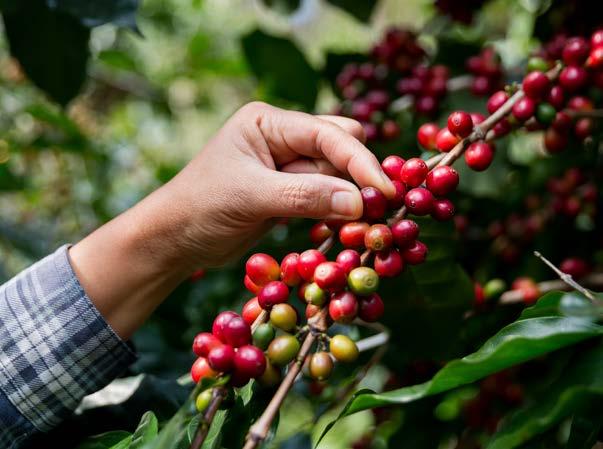
A recent Guardian analysis reports that the top five coffee-growing countries, responsible for ~75% of global supply, have experienced an average of 57 extra days per year of “coffeeharming heat” linked to climate change.
Key takeaways for food production and purchasing:
• Temperature thresholds matter. Arabica (often the most valued variety) struggles above 30°C.
• Some areas are being hit harder than others Large increases in “coffee- harming heat” days in specific producing countries like El Salvador show that harvests are becoming more uneven.
• Prices have already responded. World Bank data indicates that arabica and robusta prices almost doubled from 2023 to 2025, with an alltime high reached in February 2025.
What this means for you
Coffee is a classic example of a product where climate risk and commercial risk are now intrinsically linked. Even if your pricing is stable today, your supply chain is exposed to tomorrow’s drought or flood.
allmanhall’s procurement expertise gives you supply chain transparency and control over your coffee prices.
Chocolate hit by a triple whammy
Cocoa is under intense pressure from all sides - from adverse growing conditions to increasing scrutiny around supply chain ethics and deforestation.
Cocoa prices have reached record levels driven by climate volatility, with the industry simultaneously facing demands for greater transparency.
Cocoa-driven deforestation is a major concern, particularly in West Africa, where new cocoa planting can replace tropical forest rather than reusing existing land.
The environmental footprint of chocolate is also shaped by its ingredients. Milk chocolate (cow’s milk) has a substantially higher impact than plant-rich alternatives across all environmental metrics. It generates roughly three times the greenhouse gas emissions, requires around ten times more land, and uses between two and twenty times more water.
While the impacts of almond, oat, soy, and rice milk differ slightly, each has a substantially lower overall footprint. As a result, vegan chocolate offers a more responsible choice, with many consumers reporting little to no noticable difference in taste.
The intense pressure on cocoa producers, and therefore on prices, means that chocolate bars are getting smaller and less chocolatey – some recipes have changed so much that bars like Toffee Crisp, Penguin and others can no longer be called chocolate.
What this means for you
Understanding where cocoa comes from, who grows it, and how it’s farmed will help you to pass on that knowledge to your students, diners or residents.
Cocoa prices are high but that doesn’t mean chocolate has to vanish from your menus. It’s an opportunity to tweak your menus to add alternative ingredients or focus on quality rather than quantity.
Swap in plant-rich chocolate to desserts and snacks, go half and half with dairy chocolate in a few recipes, and test your diners’ reactions. You might find you can make meaningful tweaks to help both your bottom line and the planet.
For optimum transparency, you could use a tool like Foodsteps to monitor your carbon footprint and help you adapt to a more sustainable way of operating, not just when it comes to chocolate.
Red meat: pricing pressure meets climate consequences
Rising meat prices are being driven by tight supply and declining production across the UK and EU (see page 11 for more details.
Climate risk sits in the background as a proven cause through feed availability, water stress, and the increased likelihood of heat-driven productivity losses.
Regardless of the methods used for meat production, the idea of sustainable meat is unfortunately, a myth. Putting the carbon comparison in plain terms:
• Beef: ~60kg CO₂e per 1kg
• Chicken: ~6kg CO₂e per 1kg
• Root vegetables: ~0.4kg CO₂e per 1kg
What this means for you
When beef prices spike, your response doesn’t have to be “remove it” or “absorb it”. Simple menu tweaks can protect both quality and value. For example, hybrid dishes (e.g. 50% beef/50% lentils) can reduce cost and impact while staying familiar - an approach we encourage and demonstrate in our Hero Recipes
You could go all the way with plant-rich proteins replacing beef entirely and emphasise both the environmental and nutritional benefits to your diners. As summer approaches and thoughts turn to barbecues, replace your usual burger with The Brighter Burger - discover its cost and environmental benefits on page 42.
Dairy: a heavy footprint on the planet
Dairy is often discussed as a nutrition essential in many settings, but from the perspective of environmental resources, it carries a heavy footprint. Agriculture represents the largest share of the UK’s water footprint, and farming uses around 70% of global freshwater sources for feed production, not drinking water.
What this means for you
Where dairy is essential for nutrition, tradition, or customer expectation, the goal is to change the specification rather than remove it entirely.
Prioritise transparent, higher-welfare, and more efficient supply chains which reduce water waste, and consider plant-rich options which can complement dairy rather than compete.
Transparency links it all
Across coffee, chocolate, red meat, and dairy, one theme links them all: climate change is having a direct impact on their production and supply.
allmanhall’s guidance is clear for our clients - transparency in your supply chain is now a regulatory and reputational requirement, not just a “nice to have”.
It supports compliance, reduces risk, and strengthens accountability on carbon, ethics, and reporting.
Practically, this means being able to answer:
• Where did this product come from, beyond just the last-mile supplier?
• What are the welfare, labour, and deforestation risks at source?
• What is the carbon and water impact of this ingredient or dish?
allmanhall support this with a combination of technology and specialist procurement expertise including:
• Carbon impact assessment and menu insight through Foodsteps, helping teams rate recipes, set targets, track progress, and engage diners
• Data-led transparency across provenance, allergens, welfare standards, and environmental impact
• Sustainability support that spans menu engineering, waste reduction, and reporting, so that sustainability becomes operational, not aspirational.
What you can do now
1. Map your high-risk categories and act accordingly: Focus first on coffee, chocolate, beef, and dairy, then identify where you have limited traceability or weak reporting.
2. Use menu engineering to reduce your exposure without reducing taste: Hybrid proteins, plant-rich alternatives, and seasonal recipes can cut cost volatility and environmental impact at the same time.
3. Think of water as an ingredient: Because so much water use is embedded in ingredients, water footprint reduction is often achieved fastest through better sourcing and more plant-rich menus.
4. Plan for volatility, don’t just react to it: Work with a food procurement expert to plan for risk.
If you want to limit your exposure across coffee, chocolate, red meat, dairy - as well as other key commodities - and build a procurement plan that balances cost control, quality, nutrition, and sustainability, to meet the challenges of more extreme weather, allmanhall’s food procurement and sustainability specialists are here to help.
allmanhall are proud to be awarded a gold rating by Ecovadis, the world’s leading provider of business sustainability ratings.
Bang in Some Beans: a small cost for a big impact
The Food Foundation’s “Bang in Some Beans” campaign is shining a spotlight on something we’ve long championed at allmanhall: the humble bean.
At a time when food budgets are squeezed and meat prices remain volatile, beans (part of the wider pulse family) make clear economic sense and can deliver substantial savings compared with meat. As chef and author Ali Honour puts it:
“While meat prices float into the stratosphere, humble beans remain the quiet overachievers of the food world: cheap, filling, nutritious, and ready to save your dinner and your bank account.”
Tinned beans, for example, are priced at a fraction of the cost of equivalent meat protein, while also delivering additional fibre and valuable micronutrients.
A 400g tin of kidney beans provides around 20g of protein - delivering approximately 40% of daily protein requirements for teenage girls and over a third for teenage boys - alongside up to half of their recommended daily fibre intake.
By contrast, a 100g chicken breast may offer slightly more protein but provides no fibre and typically costs considerably more.
Launched at the end of 2025, the Bang in Some Beans campaign encourages chefs and caterers to rethink weekly menus by incorporating beans into familiar dishes such as shepherd’s pie, chilli con carne, and Bolognese. It’s a small but impactful way to stretch budgets while enhancing the nutritional profile of meals.
For allmanhall’s clients, this is nothing new.
allmanhall are ahead of the curve
We’ve championed the nutritional and environmental benefits of pulses for years. Back in 2023, allmanhall’s Mike Meek highlighted the humble bean as key to both health and sustainability in an ITN interview. As ever, ahead of the game.
Through our expert food procurement solution, we support our clients in making practical, data-led menu decisions that balance cost, quality, nutrition, and sustainability. Beans and pulses sit at the intersection of all four.
As holders of a Gold rating by EcoVadis, the world’s leading provider of business sustainability ratings, allmanhall’s ongoing commitment to reducing risk, driving improvement, and accelerating positive impact goes beyond advice. Sustainability is embedded within our procurement reviews, supplier engagement, and reporting.
We don’t just consult on sustainable foodservice - we live it.
Our bean pledge
allmanhall believe meaningful change comes from measurable action. That’s why we are committing to increase the volume of bean and pulse products purchased through our supply chain by 30% by 2028.
By working closely with our clients, suppliers, and chefs, we aim to make beans an everyday feature of menus across all our clients’ catering settings. This pledge supports both cost control and carbon reduction goals while helping normalise plant-forward menu choices.
Shifts across thousands of meals can deliver significant results - for budgets, for health, and for the planet.
Boosting beans helps your budget, your diners, and your planet!
Increasing bean content in your menus supports:
• Carbon reduction, particularly across Scope 3 supply chain emissions. When you consider the carbon footprint of meat, producing 1kg of beef can generate around 60kg of CO₂e, compared with approximately 1kg for black beans.
• Reduced exposure to volatile meat markets, strengthening supply chain resilience. Beef prices in 2025 were 70% higher than the five-year average and although price increases have slowed slightly in the first quarter of 2026, they show no signs of dropping significantly soon.
• Waste reduction, as beans and pulses are versatile, long-life ingredients (when dried or canned) that work across multiple menu cycles. When over 30% of your food budget could be going straight in the bin, flexible, low-cost ingredients matter.
• Better nutrition providing fibre, plant-based protein and key micronutrients including potassium, magnesium, folate, iron and zinc. Beans are also one of the few plant foods rich in lysine, an essential amino acid.
Shining a light on beans
Beyond cost and nutrition, beans are a climate-smart crop:
Nature-based solutions: Beans contribute to soil health through nitrogen fixation, reducing the need for synthetic fertilisers. This protects ecosystems by minimising harmful agricultural runoff that harms biodiversity both in the soil, and the waterways. Beans also support crop rotation practices, which benefit pollinators and improve overall ecosystem health.
Climate mitigation through conservation: Beans are a climate-friendly crop. Their production requires less water and generates significantly lower greenhouse gas emissions compared to animal protein sources, while using fewer resources, contributing to a sustainable food system.
From field to fork
We don’t just talk about beans - we help clients put them on the menu.
Through our Hero Recipes, menu guidance, and nutrition & dietetics consultancy support, we provide practical inspiration for incorporating beans and pulses into dishes that work operationally and appeal to diners, whether that’s through blended protein dishes or fully plant-rich options.
Sometimes sustainability doesn’t require a radical overhaul. Sometimes it starts with something simple.
Sometimes, it’s just about banging in some beans.
Product codes and pack sizes:
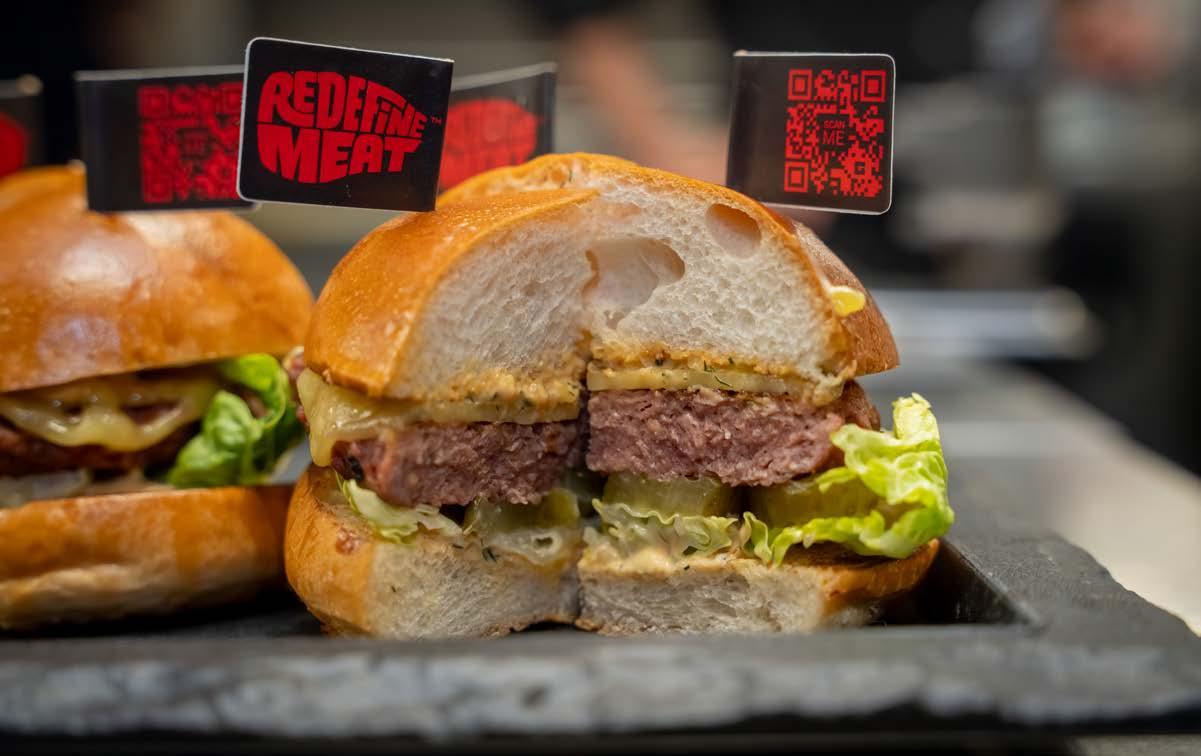
Order the burger patty (product code 22781 Redefined patty 48 x 100g) now via Bidfood Direct! 23907
A customer at Marwell Zoo summed it up saying: “That was the best veggie burger I’ve eaten in my life!” Our revolutionary burger only emits 0.34kg CO2e compared to 5.77kg CO2e in a standard beef burger. That’s a 94% reduction in carbon emissions, making The Brighter Burger a truly sustainable choice.
1. Cook the brown rice as per the manufacturer instructions. While warm, fold through the rice vinegar and salt. Cool to room temperature for service.
2. Whisk together the light soy sauce, maple syrup, sesame oil, ginger, and garlic. Toss the tofu in the marinade and leave for at least 30 minutes. Roast at 190°C for 20-25 minutes until lightly golden and caramelised. Finish with sesame seeds.
3. Blanch the edamame for 3-4 minutes. Finely slice the cucumber and radish. Prepare the lime wedges and micro herbs.
Assembly (per portion):
• 180g brown rice base
• 150-180g marinated tofu
• 60g edamame
• Arrange cucumber and radish in sections
• Garnish with micro herbs and lime
Please always check labels and packets for allergens
Tess Warnes, Registered Dietitian, Head of Nutrition & Sustainability allmanhall
Please always check labels and packets for allergens
Tess Warnes, Registered Dietitian:
“This plant-rich poke bowl is a fantastic way to deliver balanced nutrition in one vibrant dish. The tofu and edamame provide high-quality plant protein to support muscle health, while the brown rice contributes slow-release energy and fibre to help maintain steady blood sugar levels. Combining wholegrains, legumes and fresh vegetables makes this a nourishing, satisfying option for a wide range of diners.”