HOLISTIC STABILITY WITH FUNCTIONAL INGREDIENTS AND REAL VALUE
GLEDITSIA AMORPHOIDES AS A SOURCE OF SAPONINS AND BIOACTIVE COMPOUNDS FOR PET FOOD
RETHINKING PROTEIN IN PET NUTRITION: FROM TRADITIONAL SOURCES TO ALTERNATIVE AND FUNCTIONAL PROTEINS













HOLISTIC STABILITY WITH FUNCTIONAL INGREDIENTS AND REAL VALUE
GLEDITSIA AMORPHOIDES AS A SOURCE OF SAPONINS AND BIOACTIVE COMPOUNDS FOR PET FOOD
RETHINKING PROTEIN IN PET NUTRITION: FROM TRADITIONAL SOURCES TO ALTERNATIVE AND FUNCTIONAL PROTEINS
With Wenger, you make products that pets love to eat.
Through careful testing and extensive research, our world-class team helps you develop premium foods and treats, and the processes to produce them at scale. Pet food producers globally trust Wenger for extrusion cooking and drying solutions to satisfy healthy pets everywhere.
See what Wenger can do for your business.
Wenger.com
Tel: +55 19 3881 5060
E-mail: wengerbr@wenger.com
All Pet Food
Alvear 44, Chacabuco
Provincia Buenos Aires–Argentina info@allpetfood.net
Editorial Team
Josefina Poy
Maria Candelaria Carbajo
Delfina Rojas
Laureano Cane
Ludmila Barbi Trindade
Erika Stasieniuk
Candela Bonaura
Armando Enriquez de la Fuente Blanquet
Juan Manuel Peralta
Luis Miguel Gómez Osorio
Josiane Volpato
Juan Gómez-Basauri
Iván Franco
Felipe J. Martínez
CEO Pablo Porcel de Peralta pablo.porcel@allpetfood.net
Sales Manager
Iván Marquetti ivan.marquetti@allpetfood.net
Marketing Coordinator
Julia Cruz Díaz
julia.cruzdiaz@allpetfood.net
Editorial Leader / Community Manager
Josefina Poy josefina.poy@allpetfood.net
Content Marketing Specialist
María Candelaria Carbajo candelaria.carbajo@allpetfood.net
Content Marketing
Lumila Barbi Trindade ludmila.barbi@allpetfood.net
Editorial Translator
Delfina Rojas
delfina.rojas@allpetfood.net
Event Leader
Micaela Poltrone micaela.poltrone@allpetfood.net
Event Marketing Strategist
Analía Gottig analia.gottig@allpetfood.net
Brand Estrategist – UX UI Laureano Cane laureano.cane@allpetfood.net
Multimedia Design
Juliana Di Palma juliana.dipalma@allpetfood.net
Junior Designer
Martina Venece martina.venece@allpetfood.net
Our community Web: www.allpetfood.net
Linkedin: bit.ly/3xOBkEt Youtube: bit.ly/3izL0Hn Instagram: bit.ly/3lUV6Z7
por ningún
el
previo del propietario de los derechos de autor. Se puede encontrar más información en www.pcm-group.net
Dear readers,
In this new edition of All Pet Food Magazine, we focus on one of the key pillars of the industry: raw materials. Under the concept of real value , we aim to explore the strategic role that ingredients play in the development of products that are increasingly efficient, safe, and aligned with evolving market demands.
Throughout these pages, you will find technical and scientific content addressing the industry’s main challenges, from technological efficiency in plant operations to microbiological safety, the development of new ingredient and protein sources, and the environmental impact associated with their production and use, an integrated perspective that combines applied knowledge with the trends currently reshaping the sector.
In addition, we present an exclusive interview with Aulus Cavalieri Carciofi, CBNA committee member, who shares his insights on the current challenges in animal nutrition and the opportunities driven by innovation in raw materials.
Finally, this edition accompanies a particularly active calendar for the industry. All Pet Food will be present at some of the most important international events, including Interpack in Germany, Interzoo in Nuremberg, Fenagra and CBNA in Brazil, Victam International in the Netherlands, and Foro Mascotas in Mexico. These are key spaces where the topics shaping today’s agenda will be discussed: innovation, sustainability, and technological evolution.
We remain committed to being a meeting point for knowledge, industry, and opportunities.
Thank you for joining us for another edition!


The pet food industry has long built its narrative around raw materials: “premium” ingredients with increasingly complex and extensive ingredient lists. However, in recent years, a significant conceptual shift has emerged: the true nutritional value of a pet food product does not lie solely in the raw materials used, but in the essential nutrients ultimately delivered to the animal.
By MVZ Armando Enriquez de la Fuente Blanquet
This shift in perspective is redefining how pet food is designed, formulated, and communicated. Advances in nutritional science, technological development, and a deeper understanding of canine and feline physiology have driven a more precise approach: animals do not require specific ingredients, but rather essential nutrients in adequate amounts and with high bioavailability.
Raw materials remain fundamental—they are the starting point in the production of balanced diets. Their quality, digestibility, safety, and stability directly influence the final product. However, evaluating a diet solely based on the origin of its ingredients may lead to incomplete interpretations. Two diets formulated with different raw materials can deliver equivalent nutritional profiles. In
other words, raw materials are the vehicle, while nutrients are the target.
This concept becomes particularly relevant when analyzing micronutrients, where chemical origin and molecular form can significantly influence absorption and metabolic utilization.
The “real value” of a pet food product can be understood as its ability to meet the animal’s physiological requirements efficiently, safely, and consistently. An ingredient that appears attractive on the label may not deliver optimal nutritional performance if its digestibility is low or if its nutrients are not bioavailable. On the contrary, less “marketable” ingredients may provide highly digestible proteins, essential amino acids, or key micronutrients.
Modern nutritional evaluation is increasingly focused on what the animal actually absorbs and utilizes, rather than what is simply listed in the formulation. Dogs and cats require a specific combination of essential nutrients to support normal metabolic function, growth, tissue maintenance, reproduction, and immune function—such as essential amino acids, essential fatty acids, vitamins, and trace minerals.
Regulatory bodies such as the Association of American Feed Control Officials and the European Pet Food Industry Federation establish nutritional profiles that serve as benchmarks to ensure pet food products meet the physiological needs of dogs and cats at all life stages.
Trace minerals—including zinc, copper, iron, manganese, selenium, and iodine—play critical roles in enzymatic activity, tissue formation, energy metabolism, immune function, skin and coat health, and antioxidant processes. Although required in relatively small amounts, both deficiency and excess can have significant physiological consequences. For this reason, the type of mineral source used in formulation can directly influence the real nutritional value of the product.
Historically, the feed industry has relied on inorganic minerals as sources of trace elements, including forms such as sulfates, oxides, and carbonates. Sulfates, for example, have been widely used due to their availability and relatively low cost. However, advances in nutritional research have shown that some of these forms present limitations in bioavailability or may interact with other dietary components. Within the gastrointestinal environment, inorganic minerals can dissociate easily and participate in reactions that reduce their absorption or create antagonisms with other nutrients. These interactions may affect the overall nutritional efficiency of the diet and even influence the stability of sensitive ingredients, such as vitamins or lipids.
In response to these limitations, the industry has developed organic minerals, also known as chelated minerals or mineral complexes. In these forms, the mineral is bound to an organic molecule (often amino acids or peptides), which may facilitate its transport and absorption in the digestive tract. The concept behind these sources is that minerals can be absorbed through transport mechanisms associated with organic nutrients, reducing competition with other minerals and improving bioavailability. The most commonly used forms include bis-chelated minerals, amino acid chelates, proteinmineral complexes, peptide-bound minerals, and organic selenium derived from yeast.
Several studies have demosntrated that these sources can improve mineral retention and reduce excretion compared to some inorganic forms under certain conditions. The use of trace elements in organic forms has been associated with potential benefits in animal nutrition, including enhanced bioavailability and reduced interaction with other nutrients. Organic minerals may also be less reactive within the feed matrix or in the digestive tract. Lower chemical reactivity can
help preserve sensitive nutrients during processing and storage. In addition, improved absorption efficiency may reduce mineral excretion, contributing to more sustainable nutrition strategies.
It is important to note that the performance of these sources depends on multiple factors, including the type of mineral complex, the overall diet formulation, and the animal’s physiological condition.
The transition from inorganic to organic minerals clearly illustrates the paradigm shift currently shaping pet nutrition: moving from an ingredient-focused approach to one centered on nutrients and bioavailability. In this context, modern formulation aims to optimize not only nutrient inclusion but also how those nutrients are delivered to the organism. Raw materials remain essential, but their value is increasingly assessed based on their actual contribution to the nutritional profile of the diet. This approach also enables the development of more precise diets tailored to different life stages, breed sizes, and specific physiological conditions.
As nutritional science continues to advance, pet food development is likely to move further toward precision nutrition strategies, where ingredient selection, nutrient chemical form, and processing technologies work together to maximize nutritional efficiency. In this scenario, the concept of “real value” will continue to gain relevance. Beyond marketing trends or consumer perception, the true indicator of product quality will be its ability to deliver essential nutrients in a bioavailable, safe, and consistent manner. The transition toward more advanced mineral sources, such as organic trace elements, represents just one example of how the industry is integrating science, technology, and nutrition to improve pet well-being.
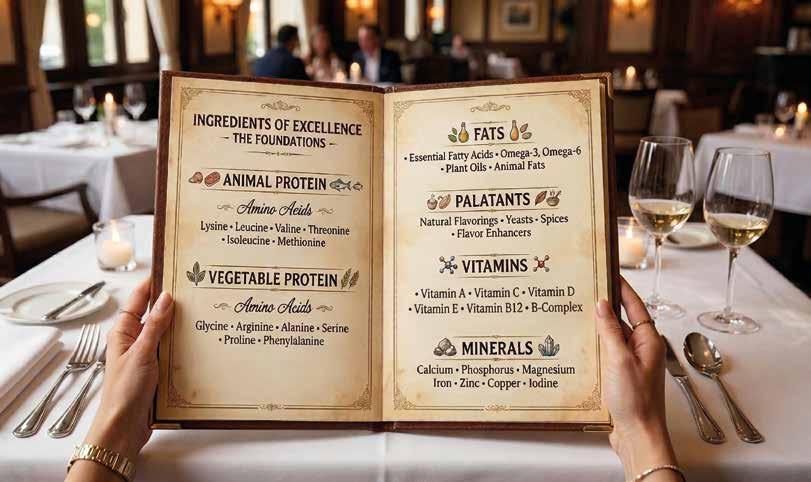
The pet food industry has been undergoing a profound transformation. Days when pet food was viewed merely as a vehicle for basic caloric sustenance or a “dumping ground for agricultural byproducts” are gone.
By Felipe Martinez R.
Today, as pets are increasingly humanized and elevated to the status of family members, the scrutiny placed on the ingredients in their bowls has never been higher. This is why, for this edition, I’m taking a different approach from my past articles and decided to write about the most scrutinized, expensive, and dynamic component of any pet food formula: protein.
The true value of a raw material is no longer dictated solely by its price per ton. Instead, it is defined by a complex matrix of nutritional efficacy, marketing appeal, and manufacturing viability. The universe of ingredients is expanding rapidly, introducing alternative proteins, functional extracts, and novel additives. However, to truly understand how these ingredients deliver value, we
must examine how the menu of ingredients, including the different protein sources, complement each other in three dimensions: nutrition, consumer trends, and the realities of managing these materials on the factory floor.
From a purely nutritional standpoint, a pet does not require specific ingredients; it requires specific nutrients. The goal of any formulator is to deliver a complete and balanced amino acid profile, alongside high digestibility and bioavailability, and palatability—because if the pet does not eat the product, all the effort has been done for nothing. Achieving this is rarely accomplished








































AFB is more than palatants.
We provide tailored solutions to improve pet food palatability, meet attribute requirements, achieve performance targets, and deliver technical objectives.
solutions for your brand.
We are your global palatability strategy partner!



efficiently with a single protein source. Instead, formulation is all about complements.
Traditional animal protein sources, including chicken, beef, fish, and lamb meal, have long been the workhorses of the industry, offering high protein density and excellent palatability. However, they are often complemented with each other and with plantbased options, such as peas, soybeans, potatoes, or corn gluten meal.
Why blend them? Because what one ingredient lacks, another provides. For instance, plant-based proteins can be highly digestible and lower the overall ash content of the formula, but they may be limited in essential amino acids (methionine or taurine precursors). By strategically pairing it with a marine protein source, such as salmon meal or a functional extract like yeast, a formulator can bridge the amino acid gap while maintaining a specific price point and functional target.
Furthermore, the rise of alternative proteins, including insects, single-cell proteins, and cultivated meats, is altering the formulation landscape. These ingredients are not just novelties; they can offer functional benefits, such as hypoallergenic properties or high levels of antimicrobial peptides. They “play” within a formula, not just as bulk protein, but as functional additives that elevate the nutritional profile and the true value of the end product.
While formulators focus on amino acids, digestibility, bioavailability, and palatability, the focus of marketing departments and consumers is the ingredient list and the product claims. In today’s premium and super-premium segments, communication trends heavily influence product design, sometimes at odds with traditional formulation logic.
The push for “clean label” products and limited ingredient diets is a prime example. Higher-value segments are demanding shorter ingredient lists, driven by a consumer perception that fewer ingredients equate to a more natural, wholesome, and transparent product. This creates a significant challenge: how do you deliver a perfectly balanced amino acid profile when your marketing brief restricts you to a single protein source and a single carbohydrate source?
This restriction has driven the industry toward novel proteins. These new ingredients, such as rabbit, kangaroo, wild boar, herring, venison, and duck, are commanding premium prices—they serve a dual purpose. First, they are highly effective for pets with suspected food sensitivity or allergies to common proteins like poultry or beef. Second, they provide a powerful narrative for marketing and communication. Novel proteins instantly differentiate a brand on a crowded retail shelf, communicating exclusivity and premium quality.
However, the true value here also hinges on the traceability of origin. Consumers put value into knowing
that the rabbit was sustainably sourced or if the salmon was wild. Traceability has evolved from a supply chain buzzword into a non-negotiable consumer demand and a core pillar of a brand’s value proposition. The story behind the ingredient is now just as important as the ingredient itself.
A recipe can look perfect on paper and test brilliantly in a consumer focus group, but it must be feasible to manage within an existing manufacturing process. Managing diverse and novel proteins in a high-volume factory introduces pain points that question the concept of “true value.”
One of the most persistent challenges is managing the natural variability of raw materials, particularly animal by-product meals. Meat and bone meals, for instance, can vary significantly from batch to batch depending on the rendering process and the exact source materials. A classic factory pain point is color variation. If a specific batch of chicken meal contains a higher concentration of blood, the resulting kibble will be noticeably darker. While the product remains entirely safe and nutritionally sound, this visual inconsistency can inevitably lead to consumer complaints. Pet owners are conditioned to expect absolute uniformity, and a dark batch of kibble is often misinterpreted as burnt or spoiled. Managing this requires strict supplier specifications, advanced mixing techniques, and sometimes, the reluctant use of colorants to standardize the final appearance.
Beyond color, different proteins behave differently during extrusion. Plant proteins often require different specific mechanical energy and moisture inputs compared to animal proteins. High levels of fresh meat, while highly appealing on an ingredient label, introduce massive amounts of water into the formula, which must be managed to ensure the kibble expands properly and dries to a safe moisture level to prevent mold.
The universe of pet food ingredients is undoubtedly expanding, but “true value” is not found simply by adding the newest, trendiest protein to a formula. True value is achieved at the intersection of three distinct disciplines.
It requires the formulator’s skill to blend complementary amino acid profiles for optimal animal health. It demands the marketer’s insight to select ingredients that resonate with consumer demands for transparency, limited ingredients, and sustainable origins. And crucially, it relies on the factory expertise to handle the physical realities, variabilities, and organoleptic challenges of processing raw materials at scale.
As the industry continues to innovate beyond price, the brands that succeed will be those that master this complex matrix, ensuring that every raw material earns its place in the bowl: nutritionally, commercially, and operationally.




















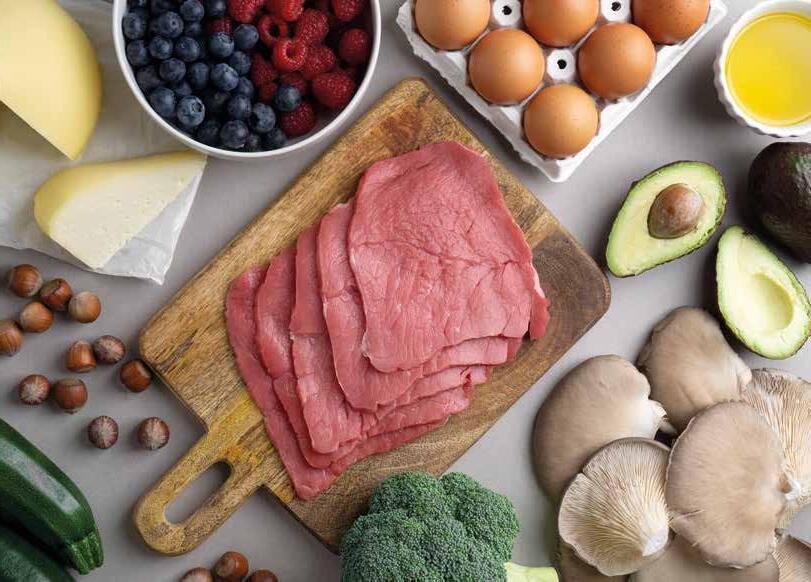
Protein is one of the most critical nutrients in animal nutrition, supplying essential amino acids necessary for growth, maintenance, immune function, and metabolic health. For decades, pet foods have relied on well-established protein sources, such as meat, poultry, fish, and plant-derived ingredients including soybean meals and pulses. These ingredients have supported the rapid growth of the global pet food industry—projected to reach USD 247 billion by 2035 (Future Market Insights, 2026)—and continue to provide reliable nutritional value.
By Juan Gómez-Basauri, Ph.D. - MAGELLAN LLC
In recent years, however, the discussion around protein has expanded significantly. Terms such as “alternative proteins”, “novel proteins”, and “functional proteins” are increasingly used across the food and pet food industries. Much of this interest is driven by sustainability concerns and projections that global demand for protein will increase substantially as the human population approaches 10 billion by 2050 (FAO, 2022; OECD-FAO, 2023).
This raises an important question: do we truly need entirely new protein sources to feed our pets, or should we focus on improving how we utilize the protein sources we already have?
The answer likely lies somewhere in between. Traditional protein sources remain nutritionally robust, while emerging technologies and alternative ingredients












offer opportunities to improve sustainability, functionality, and health outcomes —including effects on the gut microbiome.
Projections toward 2050 suggest that global protein demand will rise sharply as the world population approaches 10 billion, with food demand expected to increase by about 60% (FAO 2018; FAO 2022; Henchion et al., 2017). At the same time, the global pet population continues to expand, with an estimated 900 million dogs and cats worldwide . Approximately 60% of these animals are concentrated in Europe, the United States, China, and Brazil.
These trends have raised concerns about whether traditional livestock production alone can meet future protein needs. Critics often argue that feeding animalderived proteins to pets competes with the human food supply and contributes to environmental pressures, such as land use, greenhouse gas emissions, and water consumption.
However, the picture is more nuanced. A significant portion of animal-derived ingredients used in pet foods originates from rendered co-products of the human food system, including organ meats, trimmings, and fish processing residues. These ingredients represent an efficient form of nutrient recycling within the food supply chain (Boland et al., 2013).
Advances in food processing technologies are also improving nutrient utilization, enabling greater recovery of proteins, peptides, and bioactive compounds from raw materials and by-products (Yuan et al., 2025). Improving how proteins are processed and utilized may therefore be as important as identifying entirely new protein sources.
Protein requirements in companion animals are well established through decades of nutritional research. According to AAFCO guidelines (AAFCO 2026), the minimum protein requirement for adult dogs is approximately 18% on a dry matter basis, while growing puppies require 22.5%. Cats, as obligate carnivores, require higher protein intake, with minimum levels of 26% dry matter.
In commercial diets, however, protein levels are typically higher. Many dry dog foods contain 22–32% protein, while cat foods often range from 30–40% protein. These levels reflect both nutritional needs and consumer expectations, as protein content has increasingly become associated with perceived diet quality.
Animal-derived proteins remain central to pet nutrition because of their balanced amino acid profiles and high digestibility. Common ingredients include chicken meals, beef and lamb meals, fish meals, fish protein
concentrations, and meat or organ by-products. These ingredients supply essential amino acids, such as lysine, methionine, and taurine and typically exhibit digestibility values around 85–90%, although digestibility can vary depending on the specific ingredient and processing conditions.
Plant proteins also play a significant role in modern formulations. Ingredients such as soybean meals, pea protein, lentils, and chickpeas contribute valuable amino acids while offering flexibility and cost efficiency in formulation.
Recent innovations in food processing have further improved plant protein functionality. Technologies such as fermentation, enzymatic hydrolysis, and advanced milling can increase digestibility while reducing anti-nutritional factors such as lectins and protease inhibitors (Yuan et al., 2025).
These developments highlight an important point: innovation does not always require entirely new ingredients—sometimes it involves improving how existing ingredients are processed and utilized.
Over the past decade, the use of fresh meat or poultry has expanded significantly in dry pet food formulations. Many premium kibble products now incorporate fresh chicken, beef, or fish as part of their protein systems.
In many cases, these fresh ingredients originate from mechanically deboned meat (MDM) or automated meat recovery (AMR) processes, which efficiently recover edible muscle tissue from carcasses after primary cuts have been removed. These ingredients provide highly digestible protein while improving palatability and consumer perception.
Marketing narratives around “fresh” ingredients have also been reinforced by the rapid growth of fresh and lightly cooked pet food formats. The fresh pet food market in the United States alone is estimated to exceed USD 3 billion and continues to grow (Packaged Facts, 2023). This trend illustrates how consumer expectations increasingly influence ingredient selection and processing strategies in the pet food industry.
While traditional proteins remain dominant, several emerging protein technologies are gaining attention.
Insects, such as black soldier fly larvae, mealworms, and crickets are being explored as sustainable protein sources. Insect meals typically contain 40–65% protein and can be produced using relatively small amounts of land and water compared with conventional livestock production (van Huis, 2021).
Insect proteins may contain bioactive compounds such as antimicrobial peptides and chitin that could influence immune function and gut health (Gasco et al., 2020).
However, scaling production and achieving widespread consumer acceptance remain challenges.
Fermentation technologies represent another promising pathway. Microbial fermentation can produce single-cell proteins (SCP) using yeast, bacteria, fungi, or microalgae grown on various substrates (Matassa et al., 2016). These proteins can provide favorable amino acid profiles while requiring relatively small land footprints.
Traditional fermentation methods—such as koji fermentation using Aspergillus oryzae —can also transform plant substrates into more digestible and nutritionally enhanced ingredients (Yuan et al., 2025). Advances in biotechnology now allow engineered microbes to produce specific peptides or proteins with targeted functional properties.
Cellular agriculture represents one of the most technologically ambitious approaches to protein production. By culturing animal cells in controlled environments, it may eventually be possible to produce meat without traditional livestock production (Post, 2012). Although promising, this technology is still in its early stages—particularly for pet food applications—and faces challenges related to cost, energy use, and regulatory frameworks.
One of the most exciting areas linking protein nutrition and health is the gut microbiome
The gut microbiota plays a central role in digestion, immune function, and metabolic health in companion animals. Diet composition—including protein source and digestibility— can significantly influence microbial communities in the gastrointestinal tract (Handl et al., 2013).
Highly digestible proteins reduce the amount of undigested nitrogen reaching the colon, minimizing the
production of undesirable fermentation by-products, such as ammonia or biogenic amines.
Conversely, certain peptides and amino acids may serve as substrates for beneficial microbial populations, contributing to the production of short-chain fatty acids and other metabolites that support intestinal health (Sandri et al., 2017).
The conversation around alternative proteins often frames the issue as a replacement of traditional proteins. Actually, the future of protein in pet nutrition will likely be more integrated and from this discussion, several key insights emerge:
1. Traditional protein sources remain nutritionally efficient. Animal and plant proteins continue to provide reliable amino acid nutrition and will remain foundational ingredients in pet food.
2. Alternative proteins expand the toolbox; insects, microbial fermentation, and cellular agriculture may complement existing protein systems.
3. Processing technology and advances in fermentation, enzymatic modification, and ingredient recovery can improve nutrient utilization, reduce antinutritional factors, and enhance the functional value of protein ingredients.
4. Consumer expectations are reshaping protein systems. The growth of fresh, minimally processed, and high-protein pet foods illustrates how market trends increasingly influence ingredient selection and processing technologies.
Ultimately, the goal should not be to replace traditional proteins with alternatives but to develop a diverse and efficient protein ecosystem that supports sustainability, nutrition, and pet health. The key question is not only which proteins we choose, but how intelligently we use them.

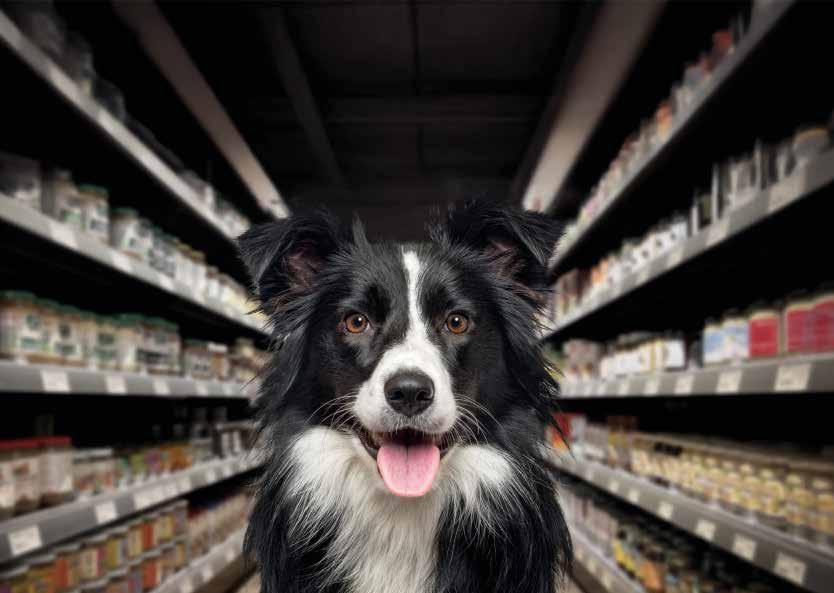
Over the past decade, the Latin American pet food market has undergone a structural transformation driven by demographic shifts, urbanization, pet humanization, and the sustained expansion of industrial supply. Today, the pet food sector has consolidated its position as one of the most dynamic consumption categories within the regional food industry.
By Iván Franco
Despite the sector’s evident growth, a significant gap still exists between the figures commonly cited in international reports and the market’s actual size in Latin America.
Various studies from non-specialized global consulting firms tend to estimate the regional pet food market at around USD 10 to 11 billion. These are frequent figures in aggregated reports based on international databases and broad research methodologies.
However, a closer examination of industry-level operational data suggests that these estimates significantly underestimate the market’s true scale. The main reason lies in methodological limitations.
These reports rely on data from modern retail, formal
trade channels, or limited secondary sources, leaving out a substantial portion of actual consumption across Latin America.
In the region, the pet food market extends far beyond supermarkets and large retail chains. Traditional channels, regional distributors, independent veterinary clinics, specialty stores, agricultural retailers, wholesalers, and informal distribution networks account for a substantial portion of sales. Numerous local manufacturers and co-packers produce private-label brands for retailers and distributors—many of which are not present on international databases.
When these components are excluded, the result is an inevitable underestimation of the market’s actual size;

































Mexico provides a clear example. Some non-specialized sources estimate the Mexican pet food market at approximately USD 3.5 billion. However, this figure is difficult to reconcile with the operational reality of the sector. For instance, a single retail chain in the country accounts for nearly one-third of that value on its own— suggesting that the total market size is considerably larger when all channels and industry participants are taken into account. Discrepancies become even more evident when analyzing the industrial structure across the region.
Brazil, for example, has one of the largest pet food productions in the world. The country hosts dozens of industrial plants operated by both domestic and international manufacturers, supplying not only the local market but also exports across Latin America. Companies such as PremieR, Adimax, BRF Pet, and Special Dog have developed highly sophisticated production infrastructures, with capacities that exceed the needs of several regional markets.
When estimated production and consumption volumes across the region’s key markets—including Brazil, Mexico, Argentina, Chile, Colombia, Peru, Ecuador, Central America, and others—are aggregated, the true scale of the Latin American market becomes much more evident.
According to an analysis conducted by Triplethree International , based on primary market research,
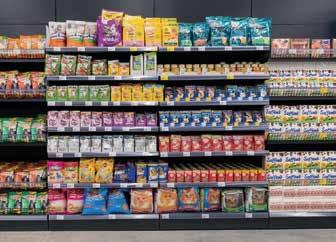
species-level consumption modeling, industrial capacity assessment, and competitive structure by brand, the Latin American pet food market reached approximately 9.25 million tons in 2025.
Assuming an average regional price of around USD 3/ kg at the point of sale, the total market value is estimated at approximately USD 30 billion. This positions Latin America as one of the most relevant pet food markets globally, far exceeding many of the estimates published in secondary reports

Beyond its absolute size, what makes the Latin American market particularly compelling is its heterogeneous structure and growth potential.
Unlike mature markets—such as the United States or Western Europe—where the pet food sector is highly consolidated and dominated by a small number of multinational corporations, Latin America presents a unique combination of global players and highly competitive regional manufacturers.
Mars, Nestlé Purina, and ADM are examples of multinational companies that coexist with local companies and have established strong leadership positions in specific markets. In countries such as Brazil, Chile, Argentina, and Peru, regional players have developed solid brands and distribution networks that compete directly with major international groups.
This industrial ecosystem creates a highly dynamic environment, where market shares can shift rapidly as consumer preferences evolve and companies adjust their expansion strategies.
Another key driver of growth is pet humanization, a trend increasingly visible across the region . An increasing number of households are treating dogs and cats as family members, willing to invest in nutrition, health, and overall well-being. This cultural shift is driving the
expansion of higher value-added segments, particularly in categories such as functional foods, specialized diets, premium nutrition, and veterinary products.
At the same time, the expansion of modern retail, the growth of e-commerce, and the professionalization of specialized channels are transforming how consumers access pet food products.
These factors position Latin America as a market that is expected to continue growing steadily over the next decade, both in volume and value.
Understanding the true scale of the market is essential for manufacturers, investors, and industry operators seeking to evaluate expansion opportunities in the region.
Beyond the numbers, the future of the pet food sector in Latin America will depend on companies’ ability to accurately interpret the complexity of distribution systems, local competitive dynamics, and evolving consumer preferences.
In this context, having estimates based on primary research and models tailored to the Latin American reality is critical to understanding where one of the world’s most dynamic—and still underanalyzed—pet food markets is heading.
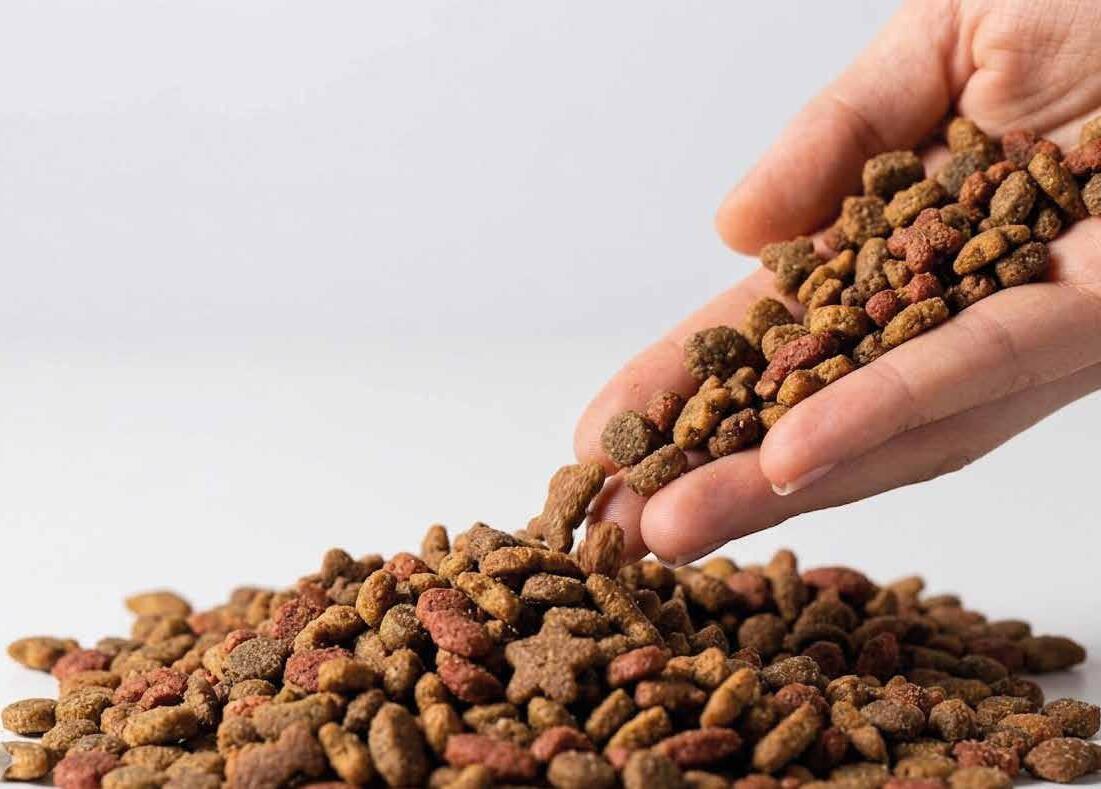
In a scenario marked by increasing pressure on margins and volatility in the price of key raw materials, cost reduction has become a priority for the pet food industry. In this context, choosing the ingredient with the lowest price per kilogram may seem like a logical and financially responsible decision. However, when analyzing the impact of this choice across the entire production process, it becomes clear that the cost of a raw material goes far beyond its purchase price.
By Ludmila Barbi Trindade Bomcompagni – All Pet Food
In practice, the unit price rarely reflects the total cost of using an ingredient. Factors such as stability, standardization, technological performance, and supply chain reliability have a direct impact on industrial efficiency and the consistency of final products. Overlooking these variables results in a series of invisible costs that, over time, compromise operational profitability.
Traditionally, many procurement processes are still based on direct price-per-kilogram comparisons. This approach assumes that equivalent ingredients can be evaluated solely based on their purchase cost. However, seemingly similar raw materials may present significant differences in parameters, including particle size, moisture content, purity, active compound concentration, or functional behavior within the formulation.
These differences often go unnoticed during commercial negotiations but become evident during production. When
an ingredient shows variability between batches, industrial operations must constantly adapt to maintain process stability. Adjustments in temperature, pressure, moisture, or inclusion rates become necessary to compensate for unexpected variations in the original formulation.
Variability is one of the most relevant hidden costs associated with lower-priced raw materials. In extrusion lines, for example, small differences in water absorption capacity or physical behavior can affect kibble expansion, product texture, or final density. These effects require frequent operational corrections and reductions in production predictability.
Another common impact is related to industrial performance. Ingredients with lower levels of standardization may increase the generation of fines, reduce pellet durability, or result in a higher proportion of out-of-spec mater ial. In some cases, this leads to



















reprocessing or partial product discard, which increases energy consumption and reduces line efficiency.
This is a frequent phenomenon in the industry. Lowdigestibility protein sources may require higher inclusion levels to achieve the same nutritional value, reducing the initially perceived savings. Similarly, mineral ingredients with lower concentrations of active compounds may demand higher inclusion rates to deliver equivalent nutritional contributions.
Functional extracts or technological additives lacking proper standardization may also deliver inconsistent performance, requiring frequent formulation adjustments or operational corrections.
In more evident cases, these variations impact the performance of the final product—whether in palatability, appearance, or consistency—leading pet owners to perceive a decline in quality and directly affecting brand trust and satisfaction.
Beyond direct production impacts, there is also a frequently underestimated technical cost: the time dedicated to corrective formulation. Regarding raw materials with high variability, R&D and quality teams need time for analysis, internal testing, and specification adjustments. This effort is rarely accounted for as part of the ingredient cost, yet it represents a significant allocation of specialized resources.
Another relevant factor is raw material traceability. The pet food industry faces growing demands related to supply chain transparency, food safety, and regulatory


compliance. Ingredients with unclear origin or limited technical documentation may be challenging during audits, raise regulatory concerns, and generate uncertainty in specification standardization.
In this context, supplier reliability and control over the production chain become strategic factors. Batch-tobatch consistency, availability of analytical data, and clarity regarding the raw material source contribute to reducing operational risks and ensuring more predictable formulation performance.
This reality reinforces the expansion of the concept of value applied to ingredients in the pet food industry. For a long time, purchase price was considered the main selection criterion. Today, the true value of raw material clearly lies in its ability to deliver stability, functionality, and safety throughout the entire production process.
When an ingredient behaves consistently, formulations can be precisely executed, reducing the need for operational adjustments. It results in more stable production lines, better use of industrial capacity, and greater predictability in final product quality.
In this scenario, evaluating the total cost associated with an ingredient—not just its purchase price—becomes increasingly important. Instead of asking how much an ingredient costs per kilogram, the more relevant question may be: how much does the variability it introduces cost?
Companies adopting this broader perspective are better positioned to build more stable supply chains, reduce operational risks, and develop more efficient production processes. In the long term, this approach contributes to more predictable margins and stronger brand trust.













In recent years, the pet food industry has undergone rapid evolution. Increasing pet humanization, combined with higher expectations from pet owners and professionals, has pushed the industry not only to reformulate products but also to rethink nutritional approaches.
By Dr. M. Candela Bonaura
Today, it is no longer enough to label a product as “premium” or “super-premium.” The focus shifted toward a deeper concept: the real value of raw materials.
Traditionally, pet food evaluation relied heavily on guaranteed analysis. However, this approach now becomes limited if it does not consider the quality, origin, and functionality of nutrients.
Product development now incorporates:
Alternative proteins: from novel animal sources to options, such as insects or hydrolyzed proteins, aimed at improving digestibility and reducing adverse reactions.
Functional ingredients: prebiotics, probiotics, phytonutrients, and bioactive compounds that impact the microbiota, immune system, and metabolism.
Technological and functional additives: natural antioxidants, mineral chelates, urinary pH modulators, among others.
This shift reflects a move from “adequate” nutrition toward strategic, targeted, and functional nutrition.
Another key pillar is ingredient traceability. There is a growing need to understand: Where does the protein come from? Is it a specific ingredient or a generic by-product?
What process has it undergone? What nutrient losses have occurred? What waste has been generated? Are there any toxic risks?
The difference between “meat meal” and “fresh deboned chicken” is not merely semantic—it directly affects digestibility, bioavailability, and perceived quality.
In this context, transparency is no longer a value-added feature; it has become a requirement.
The market is filled with commercial claims. Terms—such as “natural,” “functional,” or “gut health”—are widely used, but they are not always supported by scientific evidence.
A truly functional ingredient must meet three conditions:
• Having a known mechanism of action.
• Demonstrating a measurable clinical benefit.
• Being included at an effective dosage.
• When these criteria are not met, the product is more likely to reflect a marketing strategy than a true nutritional tool.
In this scenario, the role of veterinarians becomes even more critical. Choosing a pet food should not rely solely on brand or commercial positioning, but on ingredient quality,
actual digestibility, formulation consistency, and suitability for each patient.
Understanding the relationship between ingredients, mechanism, and clinical outcome allows nutrition to become a true therapeutic tool.
One of the most common challenges in daily practice is cost perception. However, reducing food selection to price per kilogram can lead to misguided decisions.
The pet food sector is undergoing a clear paradigm shift. Raw material quality, functional value, and scientific validation are emerging as the true differentiators.
In this context, nutrition is no longer a general recommendation—it becomes a clinical decision.
And in that decision, the veterinarian’s well-founded judgment is decisive.
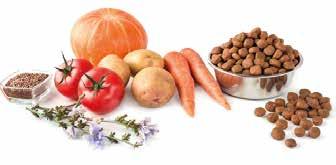

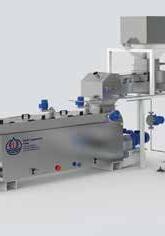
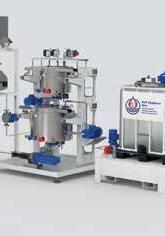



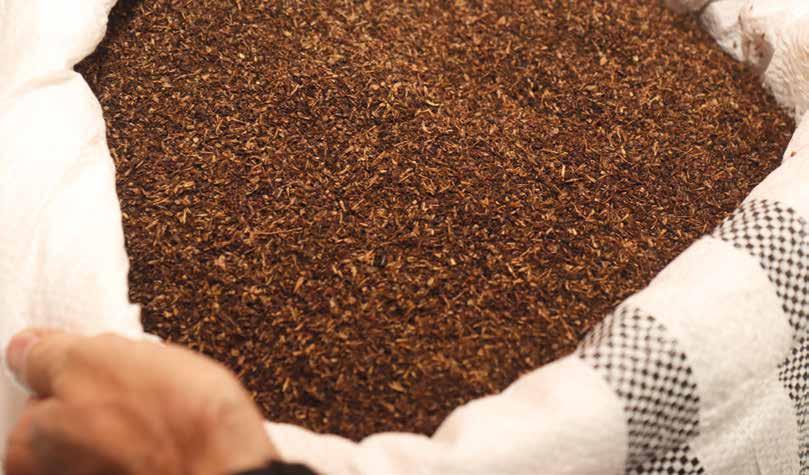
The pet food market continues to expand globally, driven mainly by the growing humanization of companion animals and the increase in the demand of owners for healthier, more functional, and sustainable products.
By Bruna Cavalari Santello; Laura Cicília Cassol da Silva; Douglas Melo de Souza; Lorenna Nicole Araújo Santos; Josiane Aparecida Volpato
In this scenario, the pet food industry has been looking for alternatives that simultaneously meet nutritional, technological, and environmental requirements, promoting innovation without compromising the quality of the final products.
Among the main trends, the partial or total replacement of traditional protein sources, such as poultry viscera meals, meat and bone meal, fish meal, and soybean meal, with more sustainable ingredients with less environmental impact stands out. In this context, black soldier fly larva meal (Hermetia illucens or BSF) has gained prominence as a promising solution to the current challenges of the production chain.
The production of this ingredient is directly related to the ability of the larvae to convert organic waste into
biomass of high nutritional value. This process, known as bioconversion, allows the use of agro-industrial byproducts, reducing waste and contributing to circular economy models. In this way, BSF flour not only meets nutritional demands but is also part of a broader sustainability strategy in the pet food sector.
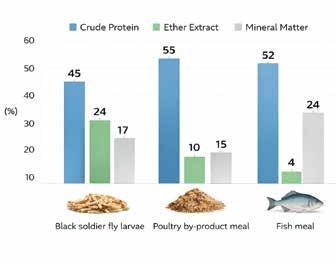
From a nutritional point of view, BSF flour has a variable protein content, usually between 35% and 60%, depending on the substrate used in the larvae and the industrial processing applied. Although this content is considered intermediate compared to some conventional sources, the ingredient stands out for the quality of its protein and amino acid profile, suitable for the nutritional requirements of dogs and cats.
In addition, BSF flour has a high lipid content, especially lauric acid, a medium-chain fatty acid associated with antimicrobial properties and potential benefits to intestinal health. This differentiated lipid composition can contribute
not only to the energy value of diets but also to important functional effects in the animals’ bodies.
Recent studies also indicate additional benefits associated with the use of BSF flour in extruded diets,


including improvements in skin integrity, coat quality, and antioxidant response. These effects are possibly related to the presence of bioactive compounds and the quality of the nutrients present in the ingredient.
Another relevant point is the presence of minerals, such as calcium and phosphorus, at significant levels, as well as essential amino acids, e.g., methionine and tyrosine. The higher concentration of tyrosine, in particular, has been highlighted as a differential of BSF flour, reinforcing its nutritional potential in complete formulations.
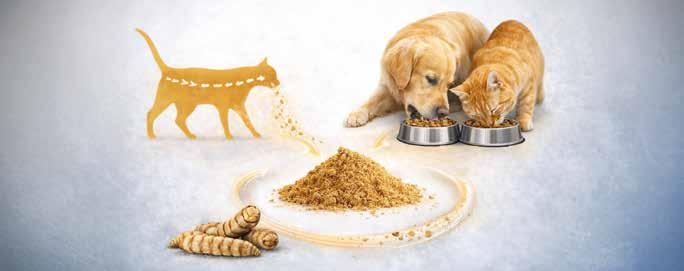
In addition, BSF flour contains compounds with potential prebiotic and antibacterial action, which can contribute to the modulation of gut microbiota and the maintenance of digestive health. This set of characteristics makes the ingredient attractive not only as a source of protein but also as a functional component in diets for dogs and cats.
Because it is an alternative protein and still little used on a large scale, BSF flour also has potential application in hypoallergenic diets, being an interesting option for animals with food sensitivities to conventional proteins, such as chicken, beef or soy.






Digestibility is one of the main criteria for evaluating the quality of new ingredients in animal nutrition. In this aspect, BSF flour presents consistent results, with protein digestibility coefficients similar to those observed in diets formulated with traditional ingredients.
Studies indicate that inclusion levels ranging from 5% to 20% result in apparent protein digestibility of 83% to 84%, values compatible with those observed in conventional diets. These results demonstrate that the ingredient is efficiently used by the animals’ bodies, without compromising fecal quality.
In addition to the protein fraction, the lipid digestibility of BSF flour is also noteworthy, being frequently high due to the presence of medium-chain fatty acids, which are easier to digest and absorb when compared to long-chain fatty acids.
The presence of chitin, a structural polysaccharide in the exoskeleton of larvae, represents another important aspect from a nutritional point of view. Chitin can act as a functional fiber, contributing to the modulation of the gut microbiota and the formation of stools with better consistency. However, its effect depends directly on the level of inclusion and processing of the ingredient, and can, at high concentrations, interfere with the digestibility of nutrients.
Thus, the use of BSF flour requires an adequate balance in the formulation of diets, in order to maximize its functional benefits without compromising nutritional use.
Another determining factor for the practical application of the ingredient is palatability. The acceptance of food by animals is one of the main indicators of commercial success, especially in diets for cats, which have more selective feeding behavior.
In general, the inclusion of BSF flour does not compromise the intake, and good acceptance is observed
in both dogs and cats. However, studies indicate that this factor is strongly dependent on the level of inclusion.
Lower levels of substitution, such as 3%, maintain intake similar to the control diet and may even stimulate the animals’ initial interest in the food. On the other hand, higher levels, such as 6%, tend to reduce intake and preference. This effect may be associated with the lipid composition of the larvae, especially the higher content of medium-chain fatty acids, which can influence the sensory perception of food.
Thus, the definition of the appropriate level of inclusion is essential to ensure the acceptance of the final produc t, with moderate inclusion being the most suitable strategy for commercial formulations.
In addition to the nutritional and functional aspects, BSF flour has significant environmental advantages when compared to traditional protein sources. Its production requires less use of natural resources, such as water and agricultural areas, in addition to resulting in lower greenhouse gas emissions.
The ability of larvae to convert organic waste into highvalue protein allows the use of by-products that would otherwise be discarded, contributing to the reduction of the environmental impact of the production chain.
Another important point is production efficiency. Insect farming has better feed conversion and lower need for inputs when compared to conventional livestock, making it a viable alternative for more sustainable production systems.
This set of characteristics positions BSF flour as an ingredient in line with the main global trends in the pet food industry, which seeks to integrate nutritional performance, innovation, and environmental responsibility.
In conclusion, black soldier fly larva meal consolidates as a strategic ingredient for the pet food industry, bringing together nutritional quality, functionality, and environmental benefits. Its use allows the development of more sustainable diets without compromising digestibility, fecal quality, or acceptance by animals, representing a promising solution for the future of dog and cat nutrition.












A study demonstrates how Gleditsia amorphoides can beneficially influence intestinal metabolites and the antioxidant system in dogs.
By Vanessa R. Olszewski, Danieli Z. Cypriano and Ananda P. Félix – BioAromas
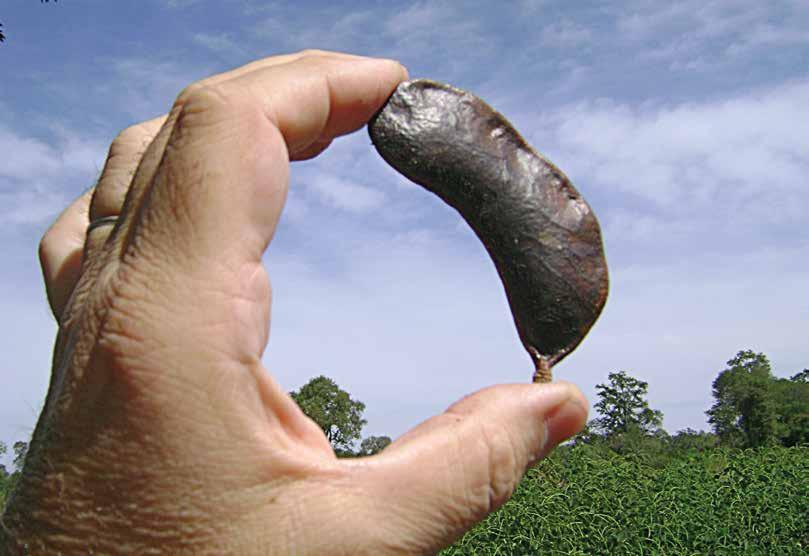
In recent years, new plant-based sources of saponins have been investigated to expand the functional benefits of these compounds, with Gleditsia amorphoides emerging as a promising alternative. This tree species, belonging to the Fabaceae family, is native to temperate and subtropical regions and has traditionally been used for timber and industrial purposes. Gleditsia amorphoides presents a high saponin content (approximately 22%, compared to 7–15% in Yucca schidigera) and a relevant profile of bioactive compounds, including galactomannans and polyphenols (Perduca et al., 2013; Lu et al., 2024).
Although studies are still limited, initial evidence— mainly from in vitro experiments—suggests that gleditsia extract can modulate the intestinal microbiota by promoting saccharolytic bacteria, reducing microorganisms associated with proteolytic fermentation, and increasing the production of metabolites with antioxidant and anti-inflammatory potential (Francis et al., 2002; Sparg et al., 2004; Sittikijyothin et al., 2005). To further investigate this potential, a study was conducted in adult dogs to evaluate the effects of dietary supplementation with Gleditsia amorphoides and Yucca schidigera extracts on intestinal fermentation, fecal metabolites, and systemic biomarkers related to inflammation and antioxidant status.

Gleditsia amorphoides
Source: Wikimedia Commons
The study was carried out at the canine nutrition laboratory (LENUCAN) at the Federal University of Parana (UFPR) in Brazil and was approved by the institution’s Animal Ethics Committee (protocol no. 013/2024). Eighteen healthy adult beagle dogs (10 males and 8 females), approximately two years old and with an average body weight of 12.2 ± 1.33 kg, were randomly assigned to three experimental groups (six dogs per group): control (unsupplemented diet), diet supplemented with 200 g/ton of Yucca schidigera extract, and diet supplemented with 200 g/ton of Gleditsia amorphoides extract (Sapcor®, Bioaromas do Brasil) Diets differed only in the inclusion of the additives. Dogs were fed experimental diets twice daily for 20 days.
At the end of the experimental period, fresh fecal samples were collected to evaluate fecal characteristics and metabolites associated with intestinal fermentation. Fasting blood samples were also collected to assess systemic physiological responses to dietary treatments. Data were analyzed using analysis of variance (ANOVA), followed by Tukey’s test when significant differences were identified. Non-parametric data were evaluated using the Kruskal–Wallis test, considering statistical significance at p < 0.05.
Results
No adverse reactions to feeding—such as vomiting, diarrhea, or feed refusal—were observed during the experimental period, indicating good acceptance.
Dietary supplementation with Gleditsia and Yucca influenced several metabolites associated with intestinal fermentation (Table 1). Dogs fed diets

containing Yucca schidigera or Gleditsia amorphoides showed lower fecal ammonia concentrations compared to the control group (P < 0.05), suggesting reduced proteolytic fermentation in the gut. However, only dogs supplemented with Gleditsia showed: more fecal concentrations of propionate, higher total short-chain fatty acids (SCFA), and lower concentrations of 4-methylvalerate compared to the Yucca group (P < 0.05).
Propionate is a characteristic metabolite of saccharolytic fermentation and has been associated with potential anti-inflammatory effects in the gastrointestinal system, including inhibition of the Toll-like receptor
4 accessory protein CD14. This results in reduced activation of NF-κB-mediated inflammatory pathways and decreased production of pro-inflammatory cytokines (Hoyles et al., 2018).
Additionally, fecal concentrations of histamine and spermidine were lower in the Gleditsia group compared to the control group (P < 0.05, Figure 1). These compounds are derived from microbial amino acid degradation and are associated with proteolytic fermentation, which may exert harmful effects on intestinal mucosa and liver function when present at high concentrations (Brito et al., 2010; Souza et al., 2025).
Note: SEM: Standard error of the mean. P: Probability.
a,b Different letters indicate statistical difference according to the Tukey test (P < 0.05).
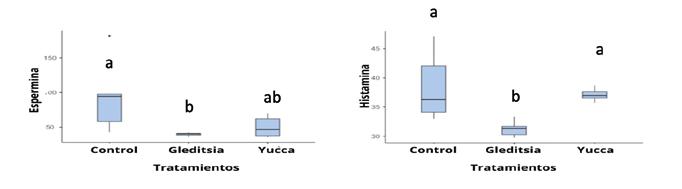
1:
concentrations (dry matter basis) of biogenic amines in dogs from Control, Gleditsia, and Yucca groups.
a,b Different letters indicate statistical difference according to the Tukey test (P < 0.05).
These effects may be related to the composition of Gleditsia extract, which combines triterpenoid saponins with galactomannans that may exert prebiotic activity (Lu et al., 2024). This combination may promote a shift in microbial fermentation patterns—from predominantly proteolytic to more saccharolytic pathways—as also suggested by in vitro studies using human fecal microbiota exposed to Gleditsia extracts (Wang et al., 2023). Furthermore, saponins may contribute to the reduction of proteolytic metabolites through different mechanisms, including inhibition of bacterial urease
activity, direct binding to nitrogenous compounds, and modulation of the intestinal microbiota (Dos Reis et al., 2016; Zhang et al., 2023).
Dogs receiving diets supplemented with Gleditsia amorphoides or Yucca schidigera showed: lower lipid peroxidation (LPO) and higher catalase (CAT) activity compared to the control group (P < 0.05, Figure 2), indicating improved antioxidant status. Additionally, dogs in the Gleditsia group showed lower alkaline phosphatase activity compared to the control group (Control: 45.10 U/L; Gleditsia: 33.30 U/L; P < 0.05). These systemic effects may be partially associated with reduced production and absorption of proteolytic metabolites in the intestine, which can trigger inflammatory and oxidative
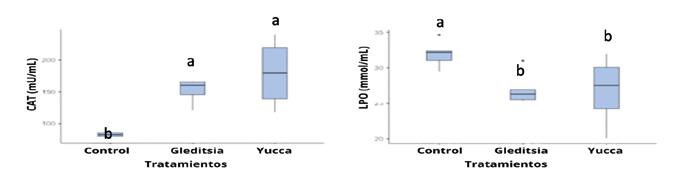
a,b
responses (Souza et al., 2025). Additional antioxidant effects may also be linked to polyphenolic compounds present in Gleditsia, such as quercetin derivatives, which have been shown to activate the Nrf2 oxidative stress response pathway in canine hepatocyte cultures (Lu et al., 2024).
Overall, these findings suggest that dietary supplementation with Gleditsia amorphoides may contribute to improving intestinal fermentation patterns and antioxidant status in dogs, indicating potential functional benefits for canine nutrition.


The study conducted at UFPR indicates that dietary supplementation with Gleditsia amorphoides beneficially modulates intestinal fermentation metabolites in dogs. These changes were accompanied by improvements in systemic antioxidant markers, including reduced lipid peroxidation and increased catalase activity. Overall, these findings suggest that botanical additives containing saponins and associated bioactive compounds may contribute to intestinal functionality and systemic health in dogs.
















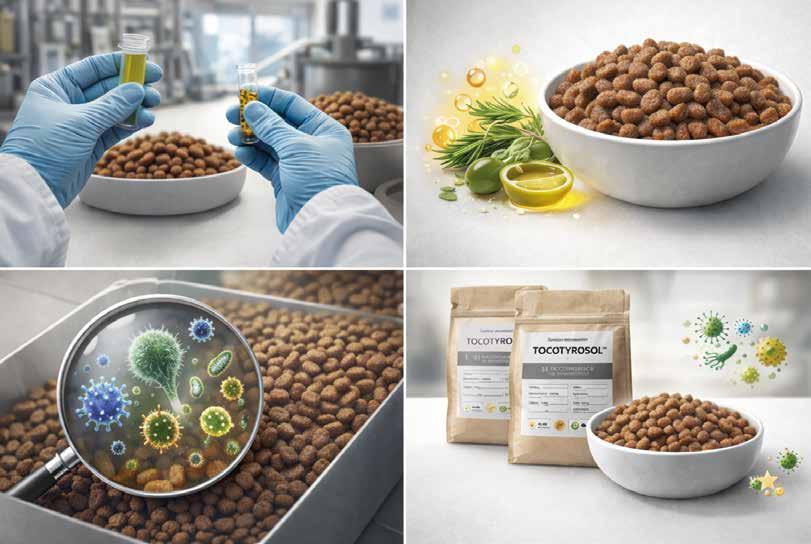
In pet food, investment is not only financial: it is also emotional. That is why both the quality perceived by the consumer and the quality the animal actually receives depend on a factor that is often underestimated: ensuring ingredients retain their value from day one to the very last serving. It is not enough to formulate with high-quality raw materials; we must also ensure their nutritional contribution, microbiological safety and sensory profile reach the bowl intact. That is the difference between “label composition” and real value.
By 3A BIOTECH
3A BIOTECH and Real Value: You Don’t Buy It, You Protect It
The value of a raw material is not defined only by its specification sheet, but by its ability to remain stable over time. Pet food is a living system, exposed to chemical changes, sensory alterations and microbiological hazards during processing, storage and transport—and finally when the pack is opened at home. Throughout that journey, stability determines whether the formulation delivers on its promise.
Fats and oils, meals and proteins are core pillars of metabolisable energy, palatability and the supply of essential nutrients. At the same time, they are the components most vulnerable to degradation. Lipid oxidation generates free radicals and peroxides that damage vitamins and other fat-soluble compounds, alter aroma and reduce the food’s actual bioavailability. These processes begin as soon as the raw material is exposed to air and continue throughout the entire shelf life.
The consequences are direct: a drop in real energy delivery, loss of palatability, the formation of undesirable secondary compounds and reduced aroma stability. In practice, the lipid profile the animal consumes may no longer match what is declared. That is why oxidative stability is a central parameter of real value : if an ingredient oxidises easily, its nutritional and functional value diminishes long before it reaches the consumer.
Moreover, oxidation is not only a sensory issue. Certain compounds derived from rancidity can contribute to digestive imbalances. In pet food—where tolerance and the microbiome matter—protecting against oxidation also protects the nutritional experience.
Alongside oxidative loss comes microbiological instability. Animal-origin raw materials and certain cereals can promote the growth of moulds and bacteria if not properly controlled. The challenge is compounded by the potential presence of heat-stable mycotoxins, which can survive processing and compromise final product safety.
Even moderate microbial loads can accelerate degradation and shorten shelf life in ways that are not immediately visible. For that reason, microbiological quality is a critical component of real value: it determines
safety, stability and formulation performance, and it also influences batch-to-batch consistency.
In a market that has historically competed in cost, more and more manufacturers recognise that differentiation is not only about purchase price, but about true functional value : what an ingredient delivers, what it preserves, and what it guarantees. Evaluation moves beyond “€/tonne” and starts to include stability, digestibility, control of wastage, sensory consistency and fewer issues/complaints.
This evolution reflects a more demanding end consumer seeking premium, natural products with tangible benefits. It also pushes the industry towards integrated systems that not only protect raw materials but also provide technological and biological functionality.
A functional ingredient—typically natural in origin, derived from plants, microorganisms or bioactive extracts—provides additional benefits either to the organism or to the formulation itself. In pet food, this translates into improvements, such as gut-health support, immune reinforcement, oxidative stabilisation, microbiota
modulation, cellular protection against oxidative stress, and improved digestibility.
From a technological perspective, functional ingredients extend product stability, preserve organoleptic integrity and reduce degradation during storage. They can also help optimise texture, stabilise emulsions, minimise unwanted reactions and support preservation, by reducing variability and enabling more consistent nutritional claims.
To preserve real value, the industry relies on carefully designed antioxidant and preservative systems. Antioxidants work by preventing free-radical formation and protecting lipid integrity. In parallel, preservatives based on organic acids help keep microbial loads under control, avoiding deterioration that would reduce the initial nutritional value.
When these systems are formulated with an integrated approach—synergy, correct dosing and process compatibility—they stop being “additives” and become functional ingredients: they influence stability, safety and overall formula performance.
In dry foods, the risk of rancidity increases when oxidation-susceptible meals are combined with oils applied as coatings. Processing and storage time can intensify degradation, affecting aroma, flavour and acceptance by the animal.
In wet foods, although wax coatings can help minimise drying out—particularly relevant for cats due to their more fragmented feeding pattern—it remains essential to stabilise emulsions and control oxidative and microbiological degradation. Here, emulsion physical stability is key to maintaining texture, appearance and palatability: small variations can trigger defects visible to the consumer.
A balanced combination of antioxidant protection and functional support is found in formulations such as TOCOTYROSOL by 3A BIOTECH . This solution is developed using natural antioxidants—tocopherols and extracts of rosemary, olive and green tea—and is designed to integrate efficiently into manufacturing processes for both dry and wet foods.
Its antioxidant synergy helps preserve sensory and nutritional stability from production through to consumption, supporting lipid profile integrity, palatability and product consistency. In addition, it incorporates a prebiotic angle that supports the intestinal microbiota and digestive efficiency, aligning with the growing demand for more functional formulations.
From the manufacturer’s perspective, these solutions deliver value at the technological stage (oxidation control, stability, preservation and reduced variability) and help sustain formulation performance over time. In other words, they enable the final product to fulfil the brand promise— batch after batch.
The pet food industry no longer competes to be the cheapest, but to be the most efficient, stable and functional. In a sector where every ingredient is an investment, ensuring raw materials retain their real value is a strategic decision: it improves final quality, reduces issues and strengthens consumer trust.
At 3A BIOTECH, we help brands protect that value with natural solutions based on functional ingredients and holistic stability systems.
Would you like to validate it on your own line? Request a technical assessment or a pilot trial with TOCOTYROSOL and see how well-designed protection can translate into greater stability, a better consumption experience and a more consistent product.


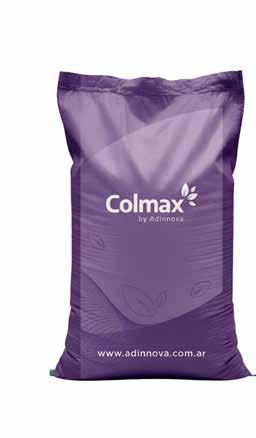
For years, choline chloride has been the most widely used source of vitamin B4, an essential nutrient in dog and cat diets. Colmax, an additive developed by Adinnova, offers a more stable and functional natural alternative, delivering plant-based choline and inositol that contribute to cellular integrity and support liver and energy metabolism.
By Adinnova
In companion animal nutrition, well-being begins long before food reaches the bowl. Ingredient quality and nutrient balance are key factors in sustaining the vitality and metabolic health of dogs and cats.
Among these nutrients, choline plays a fundamental role. Its presence in the diet contributes to proper liver function, lipid transport, and the development of the nervous system. Dogs and cats do not synthesize sufficient amounts on their own, making the inclusion of this ingredient essential.
Colmax is a natural source of choline and inositol developed by Adinnova to help regulate liver, lipid, and energy metabolism. Its plant-based formulation enables this essential nutrient to be incorporated into different pet food formulations in a stable and safe manner.
Choline is involved in fundamental physiological processes, particularly liver metabolism, fat transport, and nervous system function. When dietary intake is insufficient, liver disorders, reduced vitality, or muscle weakness may occur.
Traditionally, the most widely used source of choline in animal nutrition has been choline chloride. However, this molecule presents certain technological limitations. It is a hygroscopic and reactive compound that can interact with other dietary ingredients, affecting the stability of sensitive nutrients during feed processing and storage. Among the most common effects are the oxidation of vitamins, pigments, and amino acids. Moreover, its origin is associated with petrochemical byproducts.
Natural sources of choline represent an alternative aimed at overcoming these limitations. Plant-based choline is associated with phospholipids such as phosphatidylcholine, which are in the cellular membrane structure and contribute to its biological stability.
Adinnova’s source of choline and inositol, Colmax, was developed to contribute to metabolic balance in animal nutrition. Its formulation combines plant-based choline with functional compounds that support cellular performance.
Its components include phospholipids, such as phosphatidylcholine and phosphatidylinositol, as well as coadjuvants, for example, butyric acid and plant extracts, that support intestinal and liver health and nutrient absorption. This combination helps optimize lipid transport and utilization, helping metabolic balance and pet vitality through nutrition.
Another relevant characteristic is its technological stability. Colmax is a fluid, non-hygroscopic presentation that withstands the thermal treatments commonly used in pet food processing, as these molecules remain active and maintain absorption capacity. In turn, its use allows lower inclusion levels in the formula compared with synthetic choline sources, optimizing formulation efficiency and economic performance.
Colmax provides choline, a pseudovitamin that dogs and cats do not synthesize in sufficient amounts. Its presence in the diet helps reinforce the integrity of cell membranes and participate in neurometabolic processes linked to vitality and normal body function.
This nutritional additive supports the healthy development of the brain, heart, liver, muscles, and nervous system, contributing to the overall well-being of animals through nutrition.
Its stable formulation also allows easy incorporation into pet food. The recommended dosage in pet care ranges from 150 to 500 g/ton of feed, and it can replace choline chloride (60%) at an approximate ratio of 1-4, optimizing the use of space in the diet.
By supporting cellular function, Colmax helps sustain the vitality and well-being of dogs and cats throughout all life stages. Its nutritional contribution reinforces cell membrane integrity, supports neuronal development, and contributes to pets’ overall health.
This biosolution has been supported by scientific evaluations aimed at understanding its effect on animal metabolism. During 2024 and 2025, Adinnova carried out studies in collaboration with the National


Institute of Agricultural Technology (INTA) to analyze productive, metabolic, and physiological parameters, including performance, liver function, and tissue analysis. The results validated the contribution of Colmax as a nutritional additive that supports the general well-being of animals.
Gene expression studies were also conducted using advanced sequencing technologies to observe how the organism responds to its inclusion in the diet. Analyses have shown that Colmax modulates several metabolic pathways linked to nutrient utilization and cellular energy production.
Lower activation of genes associated with cell proliferation processes was observed. When dysregulated, these mechanisms are often linked to different pathologies, including tumor processes such as cancer. In other words, Colmax supports an active and balanced metabolism without stimulating cellular mechanisms associated with uncontrolled proliferation.
Adinnova is an Argentine company, present in international markets, dedicated to the development of natural additives for animal nutrition. Each biosolution integrates science and innovation applied to wellbeing and productivity.
More information on our website: adinnova.com.ar




















Pet owners are increasingly keen to improve the well-being of both their animal companions and the planet. This makes way for healthy and sustainably sourced ingredients such as astaxanthin; its antioxidant power shows potential to overcome various challenges in a pet’s life.
By AstaReal
Owing to the ongoing anthropomorphism of pets, owners are taking a closer look at what they’re feeding their beloved companions. Just as they themselves are opting for healthier and cleaner-label nutrition—and starting to consider the associated environmental aspects—, owners want to ensure that the same standards apply to their pet’s meals. This is manifesting as a shift towards providing fresh food or preferentially selecting more natural or organic pet food products.
Overall, the pet food sector is witnessing continuous growth. The market size in Europe is estimated to be worth $55 billion in 2024 and is expected to reach a value of more than $78 billion by 2029 (growing at a CAGR of approximately 7%).1 Next to classic feed compounds, such as grain or meat, novel functional ingredients are gaining traction in this developing market. Many of these components can be both integrated into feed grades as well as pet-friendly nutraceuticals. One example is carotenoids, which are not only known for their vibrant yellow, orange, or red colours, but also for their antioxidant attributes. One carotenoid with a particularly high antioxidant power—110 times more than vitamin E—is astaxanthin.
In nature, the most abundant source of astaxanthin is a tiny microalga called Haematococcus pluvialis. Although astaxanthin has a long history as an ingredient in human supplements, its beneficial effects were first discovered in the marine world regarding the survival and reproduction rates of salmon. Research on astaxanthin in aquaculture was also the basis for the Swedish company, AstaReal’s business. The organisation was the first to produce natural astaxanthin on an industrial level and, as the subject of more than 75 clinical studies on humans and animals, it owns today’s most researched astaxanthin brand in the market.
“We wanted to understand what this might mean for different kinds of animals, so we started using the ingredient in trials with cats and dogs,” says Peter Ahlm, Head of Marketing & Sales at AstaReal. Distinct research on targeted animals is indispensable when it comes to developing a safe and efficacious product; effects might vary between species, and it’s imperative to optimise the amount of ingredients to be dispensed.
There is a growing body of evidence for various positive effects of natural astaxanthin on pets’ health,
many of which show a similar pattern to humans. For instance, astaxanthin can support canine mobility, endurance, and muscle recovery; the cardiovascular system; cognitive function; attentiveness and at the cellular level, the mitochondria.2–5 Moreover, natural astaxanthin supplementation in dogs and cats could enhance their innate defence systems and improve both their cellmediated and humoral immune responses.6,7 Astaxanthin also has shown potential to improve impaired vision due to age-related conditions like cloudy lenses in dogs. 8
“The recorded health effects may seem quite diverse; however, they are all rooted in astaxanthin’s unique molecular structure. Due to its linear, polar-nonpolar-polar molecular layout, natural astaxanthin can effectively penetrate and traverse the cell and mitochondria membranes and neutralize reactive oxygen species (ROS) in both the hydrophobic interior and hydrophilic exterior boundaries. In addition to providing better protection to the cells and their powerhouses against oxidative stress, natural astaxanthin also has anti-inflammatory effects that support multiple bodily organs and systems.” - Behnaz Shakersain, Scientific Affairs Manager at AstaReal.
As neither humans nor animals can produce astaxanthin in their bodies, they can only benefit from its protective functions through nutritional intake. To obtain effective amounts, dogs are generally recommended to be fed 1 mg of astaxanthin per 10 kg body weight, which equates to about two wild King salmon fillets for a beagle or three for a golden retriever per day. Feed or treats rich in astaxanthin might offer an easier and more sustainable solution in many cases.
Natural algae-derived versions of astaxanthin offer additional advantages, such as higher levels of antioxidant potency. Moreover, algae play an essential role in the planet’s ecosystem, and being recognised as a renewable resource resonates strongly with responsible consumers. If algae are cultivated indoors, they can be better protected from environmental harm or contamination, and the yield of astaxanthin-rich algal biomass has a higher quality profile.
If manufacturers are sensitive to the shifting demands of pet parents and are willing to combine health with sustainability trends, they are well set. Algal astaxanthin can play an assisting role in these efforts. Thanks to its antioxidant and multifunctional effects, it naturally supports the well-being of our four-legged friends while stemming from a futureproof source.
One of today’s major challenges is how to feed the pets sustainably. In search of plant-based sources for both human and animals, algae are gaining traction. Algae are relatively easy to cultivate, are nutritious, and being considered as more sustainable than several conventional crops. One precious and health-promoting ingredient that algae offer is astaxanthin. AstaReal derives the carotenoid from the micoralgae Haematococcus pluvialis that are being cultivated indoor in specially designed photobioreactors. The company applies a unique system to reuse the excess heat produced during the algae cultivation process to heat up 2500 apartments in the nearby residential area, aiming to continuously reduce their carbon footprint.






Developing a formula with healthy ingredients is only the first step, according to Peter Ahlm: “Pet food manufacturers also need to make sure that their product will remain stable and nutritious throughout its intended shelf-life. Bioactive substances are particularly prone to interact with other compounds in multi-ingredient formulations or can degrade during harsh production processes, such as extrusion or pelleting.”
To minimize such risks and protect the power of astaxanthin, AstaReal uses encapsulation in its animal nutrition brand NOVASTA®. Its recently launched NOVASTA® EB15 can be mixed into pet food or added to supplements and consists of algal flour (32%) encapsulated in rapeseed oil with a final astaxanthin concentration of 1.5%. Due to encapsulation, it can be better incorporated into challenging formulations, such as pellets, meal mixes, and soft chews, which are more likely to be exposed to air at ambient temperature.




















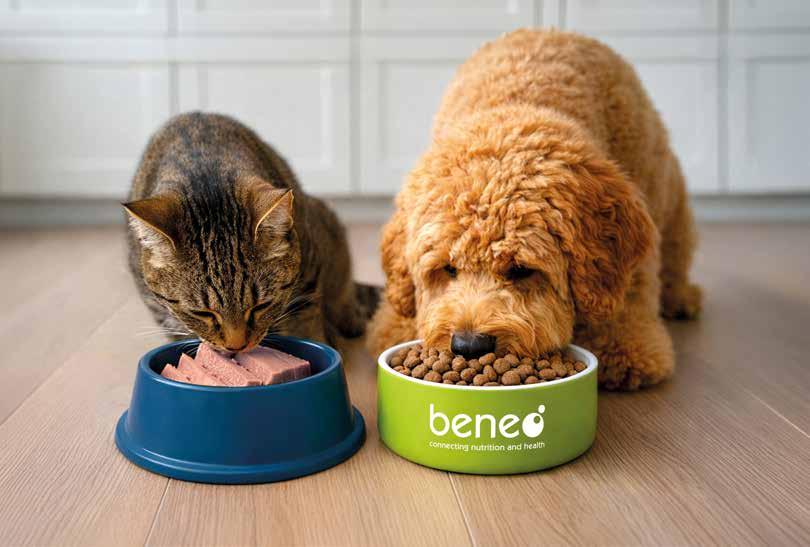
BENEO’s new trials reveal technical, sustainable, and cost benefits.
By BENEO
Demand for wet pet food is on the rise, with the segment’s growth being driven by pet owners looking for premium and nutritionally balanced pet food with good palatability. i. At the same time, consumers increasingly want to see more plant-based offerings that also reflect their own sustainability values. In response to these evolving expectations, BENEO has conducted a new set of technical trials to explore the potential of its faba bean protein concentrate as a functional, plant-based ingredient for wet pet food.
In premium and super-premium wet pet food, maintaining consistent product quality is essential. These products
typically contain at least 50 wt% total moisture, and their quality is standardised and maintained through the addition of spray-dried animal blood plasma (ABP). This ingredient provides excellent texturizing and emulsifying properties but can come at a high cost. Moreover, due to its animal origin, ABP is increasingly perceived as undesirable by consumers who increasingly want more plant-based ingredient options for their pets.
To address these challenges, BENEO initiated a series of technical trials in collaboration with Passion4Food, a specialist service provider for the pet food industry. The objective was to evaluate whether faba bean protein concentrate could be used as a suitable and
cost-effective alternative to ABP in wet pet food formulations.
The initial trials investigated the performance of BENEO’s faba bean protein concentrate when partially (50%) or fully (100%) replacing ABP in high-protein wet pet food loaves (paté format). The results showed that the ingredient could be successfully used for both full and partial ABP replacement, with no significant change in the end product’s weight or texture. This means producers can maintain desired product quality while achieving considerable cost savings compared to ABP. Based on these promising results, BENEO carried out follow-up trials using a test recipe suitable for commercial scalability.
As part of the following additional trials, the same percentages of ABP and faba bean protein concentrate were used and compared to a test recipe in which ABP was partially replaced at 50% with pea protein concentrate.
The data demonstrated that BENEO’s faba bean protein concentrate acted as an excellent and costeffective alternative binder to ABP, with no significant changes observed in loaf height, weight, hardness, or adhesiveness. In contrast , the partial replacement of ABP with pea protein concentrate led to a significant decrease in hardness, indicating that faba bean protein concentrate provides a higher binding capacity in wet pet food loaves. This makes it a valuable ingredient for maintaining the desired texture of the endproduct while reducing reliance on animal-derived binders.
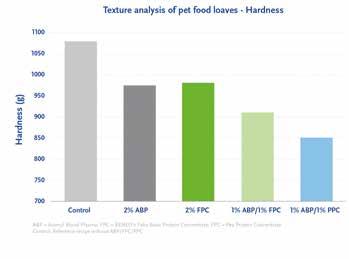
Following these successful results, BENEO filed an international patent application for the use of faba bean protein concentrate as an alternative to spray-dried animal blood plasma in wet pet food. The patent application was published in August 2025, underscoring BENEO’s dedication to research-based innovation and functional ingredient development for the pet food industry.
Beyond its technical and cost benefits, BENEO’s faba bean protein concentrate also provides strong nutritional value. With a protein content of 61 g per 100 g on a dry matter basis and an ileal digestibility score of almost 90%, it is a highly digestible source of protein. Its amino acid profile is relatively rich in lysine and can complement cereal proteins, such as rice protein or vital wheat gluten, to achieve a complete essential amino acids profile.
The ingredient also provides flexibility for product positioning. It is listed in the EU Catalogue of Feed Materials ii and can be used in formulations that carry “no grain” claims.
Sustainability has become an increasingly important consideration for both consumers and producers. BENEO’s faba bean protein concentrate offers strong sustainability credentials linked to the faba bean crop and to BENEO’s local sourcing and production processes in Germany. Local production in the new stateof-the-art pulse-processing plant, located in Obrigheim, further supports short transport distances, secures supply and reduces the environmental impact compared to more resource-intensive ingredients.
Dr Maygane Ronsmans, Product Manager Animal Nutrition at BENEO, comments:
“With two in three pet owners considering plant-based proteins to be better for the environment iii , demand has grown for sustainable and locally sourced vegetal protein ingredients. As the technical trials show, BENEO’s faba bean protein concentrate offers pet food manufacturers a win-win scenario: producers can decrease their recipe costs while benefitting from secure supply and meeting consumer expectations for more sustainable and plantbased pet foods, without impacting the quality of the endproduct.”
The findings from BENEO’s trials confirm that faba bean protein concentrate combines functionality, nutritional quality and sustainability. It performs effectively as a binder in wet pet food, delivers a high level of digestible protein, and provides a viable alternative to animal blood plasma in applications where consistency and texture are key.
For pet food manufacturers, this opens the door to new formulation strategies that balance technical performance, cost efficiency and environmental responsibility. As the market continues to evolve, ingredients such as BENEO’s faba bean protein concentrate can help producers meet consumer expectations for more plant-based, locally sourced and high-quality products.
Interested in learning more about BENEO’s ingredient solutions? Find more details: https://www.beneo.com


















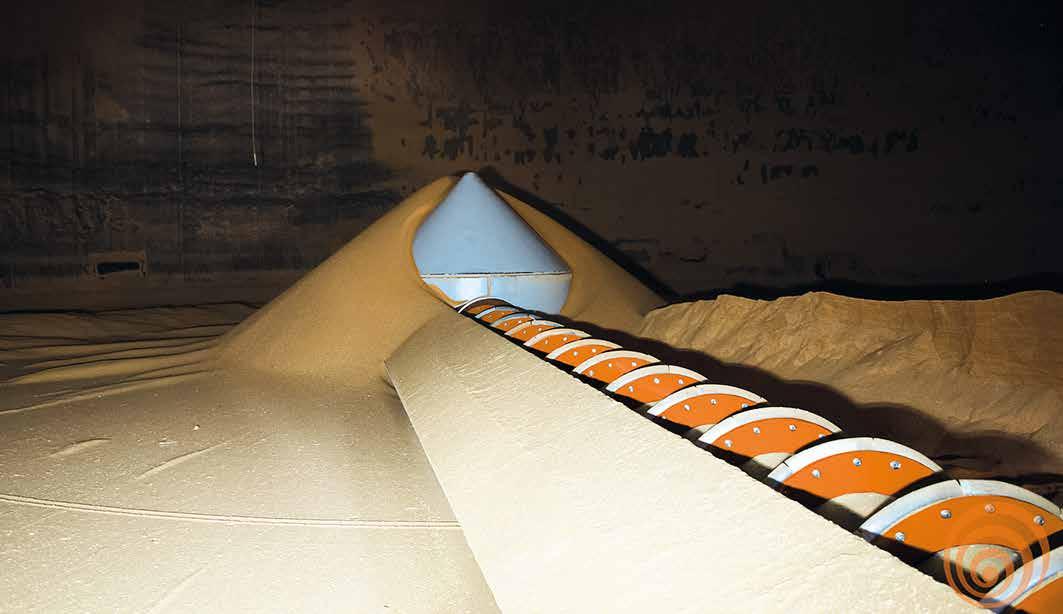
The real value of a raw material is not only found in its origin or formulation, but also in the industry’s ability to preserve it throughout the entire production process.
By Clivio Solutions
Today, the real value of raw material is built from multiple factors that go beyond its cost or chemical composition. Traceability of origin, as well as the ability to preserve its properties during storage and production, have become determining variables for pet food manufacturers.
In this context, the relationship between ingredients and process technology becomes increasingly relevant because the quality of a raw material depends not only on its origin but also on how it is managed within the production plant.
The evolution of the pet food market is driving an
unprecedented diversification in the types of ingredients used in formulations. In addition to traditional raw materials, new protein sources, functional compounds, and specialized additives are now being incorporated to meet increasingly specific nutritional demands.
This expansion of the ingredient universe introduces new challenges for production plants. Each raw material has particular physical characteristics that influence its behavior during storage, transport, and dosing.
Beyond their nutritional profile, raw materials used in the pet food industry exhibit very diverse physical behaviors. Variables, such as particle size, moisture, bulk density,

or the tendency to compact, can significantly affect how ingredients behave within solid handling systems.
Ingredients, such as animal and plant-based meals, protein by-products, fish meals, or certain concentrates, often present flowability issues, generating phenomena that include compaction, arching, or dead zones within silos and/or storage cells.
When this occurs, the consequences may go beyond a simple interruption of the production process. Prolonged retention of stored material can lead to ingredient degradation, cross-contamination between batches, or loss of traceability within the production chain.
In other words, a high-quality raw material can lose part of its value if it is not properly managed within the plant.
One of the least visible aspects in the pet food valuechain is the impact that ingredient storage and retrieval systems have on the final quality of the ingredient.
In many cases, traditional silos present limitations when handling low-flowability materials. The formation of internal bridges or tunnels can prevent uniform product flow, creating areas where raw material is retained for long periods.
In the case of flat warehouses organized in cells, there are also relevant challenges from both operational and quality perspectives. The absence of automated extraction systems makes it difficult to efficiently manage material flow, increasing the risk of excessive handling and, consequently, product contamination. Likewise, the inability to ensure proper rotation under the FIFO (First In, First Out) criteria may result in prolonged storage of certain batches. There is also an operational risk associated with storage at height, where pressure exerted by the material itself can cause compaction or crushing, affecting the physical characteristics of the raw material and its subsequent performance in the process.
ü Flexible
ü Reliable
ü Gentle
ü Low energy consumption
ü Easy to clean
ü Low maintenance
This phenomenon not only affects operational efficiency but also compromises the proper rotation of stored products. When controlled flow under FIFO principles is not ensured, older raw materials may remain in the system while new batches enter the production process.
For an industry that demands high standards of quality, traceability, and food safety, these situations represent a significant challenge.
Faced with these challenges, process engineering and material handling technologies play a key role in preserving the real value of raw materials within the plant.

www.simatek-bulk.com

PATENTED FEEDING SYSTEM
ü 100% filled buckets – no spilled products

Among these solutions are extraction systems developed by Laidig Systems, designed to work with low-flowability materials and products that tend to compact during storage. These systems allow for progressive and uniform recovery of stored raw material, promoting proper rotation.
This type of technology helps maintain more stable storage conditions, reduce retention, and ensure that ingredients are used within controlled time and quality parameters.
Additionally, automation of the discharge process eliminates the need for manual intervention inside silos, significantly improving operational safety conditions within the plant.
Efficient raw material management depends not only on ingredient quality or the design of individual equipment. It requires a comprehensive vision that considers the entire handling chain within the plant: from initial reception to incorporation into mixing or processing stages.
In this context, industrial engineering solutions make it possible to integrate storage systems, internal transport, dosing, and process control into a coherent and efficient production architecture.
At Clivio Solutions, we work on the development and implementation of engineering solutions for efficient raw material handling, adapting international technologies to the specific needs of each plant. The goal is to ensure that raw materials maintain their quality, traceability, and functionality throughout the entire production process.
The evolution of the pet food sector shows that the concept of value associated with ingredients is changing. Today, raw material is not evaluated solely by its price or nutritional composition but also by its ability to integrate efficiently into increasingly sophisticated production systems.
In this new scenario, ingredients, technology, and processes are part of the same industrial ecosystem. The way a plant manages its raw materials can directly influence final product quality, process stability, and supply chain reliability.
For this reason, the real value of raw material is not only found in its origin or formulation but also in the industry’s ability to preserve it throughout the entire production process.

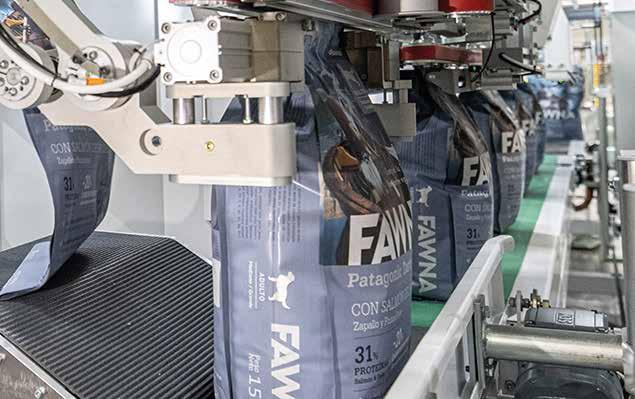
The pet food industry is undergoing a profound transformation. The development of alternative proteins, functional ingredients, and increasingly sophisticated formulations is raising both the nutritional, and economic, value of pet food products.
By PAYPER
This shift impacts product development as well as the industrial processes that handle these materials. As raw materials become more complex and valuable, every stage of production must ensure proper handling, preservation, and traceability.
In this context, bagging and end-of-line operations are becoming increasingly strategic within production plants.
Modern pet food formulations incorporate ingredients with highly diverse physical characteristics: plant-based proteins, functional meals, blends with varying particle
sizes, and dehydrated ingredients with high nutritional value.
These raw materials may behave very differently during handling, requiring adapted bagging solutions. Among the most relevant factors are:
• Variations in bulk density.
• Presence of fine particles or dust during filling.
• Fragile or handling-sensitive ingredients.
In these cases, dosing and weighing systems must ensure controlled flow and gentle product handling, avoiding
losses, breakage, or segregation that could affect final product quality.
Having equipment that adapts to these characteristics is essential to maintain process efficiency and protect product integrity.
As formulations incorporate higher value-added ingredients, precision in the bagging process becomes critical.
Even small weight deviations can represent significant economic losses when working with high-cost raw materials or tightly balanced nutritional blends. For this reason, bagging lines must integrate dynamic weighing systems and digital control to maintain high accuracy, even at high production speeds.
In this field, PAYPER has established itself as a global reference in dynamic weighing of bulk solid products. All its automatic bagging machines incorporate the MSX weighing controller, designed to ensure exceptional accuracy in demanding industrial processes.
This system enables optimized product dosing, reduced variability between bags, and maximized raw material utilization—key factors when handling high-value ingredients.
Product quality and safety are top priorities in the pet food sector, where production standards are increasingly aligned with those of the food industry.
For this reason, modern bagging lines can incorporate various inspection and control systems, such as metal detectors, checkweighers, and automatic rejection systems. These solutions allow for the identification of process deviations and ensure that only bags meeting all quality parameters proceed along the production line.
In the case of PAYPER, these technologies can be integrated into complete end-of-line solutions, covering everything from dosing and weighing to bagging, palletizing, and final pallet protection. This integrated approach optimizes coordination between equipment and ensures smooth and efficient operation across the entire line.
As production plants increase in capacity and complexity, managing bagging lines requires advanced control and monitoring tools.
In this context, PAYPER has developed Pulsar, an all-in-one digital platform designed to centralize the management of the entire bagging line. This tool allows manufacturers to monitor equipment performance, analyze production data, and optimize line configuration in a simple and intuitive way.
Through this system, manufacturers gain a comprehensive view of the process, enabling them to identify deviations and improve operational efficiency.
In addition, Pulsar facilitates maintenance management and access to key technical information, allowing potential issues to be anticipated and interventions to be planned before unplanned downtime occurs.
In high-capacity production environments, operational continuity is critical. Any unexpected downtime can directly impact plant efficiency and supply capacity.
For this reason, access to specialized technical service and predictive maintenance tools has become essential for manufacturers.
Digital solutions such as Pulsar enable equipment condition monitoring, spare parts management, and maintenance support, helping reduce downtime and improve line availability.
This approach combines advanced technology with specialized technical support to ensure maximum reliability in plant operations.


The evolution of the pet food sector demands increasingly precise, flexible, and automated solutions. In this context, expertise in design and bagging systems optimization becomes a key factor in meeting new market requirements.
In an environment where ingredients are becoming more innovative and higher in value, bagging is no longer just a logistical step—it becomes an essential part of the product’s value. Ensuring precision, quality control, traceability, and proper final presentation allow this value to be preserved from production through to distribution.
This evolution—closely linked to operational efficiency and production optimization—is also reflected in the industry’s leading international events. In this context, PAYPER actively participates in trade fairs, such as Interpack (stand 12C06), Fenagra (stand C19), and Foro Mascotas (D6-B), where it showcases its solutions and engages directly with key industry players.
In addition, the company continues to strengthen its international presence in key markets, such as Central America and Brazil, where it operates with local structures to provide close, tailored support to the specific needs of the sector.
September 23-24

High-level technical program featuring 25+ international speakers
Presence

VITACEL® AF 401 T is Natural Fiber with well-balanced dietary fiber composition gently processed from dried, juice extracted apples.
Roughly 100 apples are needed to obtain 1 kg of VITACEL® Apple Fiber. The gentle concentration of our apple fiber preserves antioxidant properties, delivers appealing color and provides a balanced ratio between soluble and insoluble dietary fiber of around 60% total dietary fiber.
These unique properties with 9% pectin also make the VITACEL® Apple Fiber a candidate for functional effects. Pectin serves as emulsifier to reduce oil leakage in snacks and dry pet foods.
VITACEL® Apple Fiber is a perfect choice for fiber enrichment and product optimization.
https://www.jrs.eu/en/pet-food/index.php
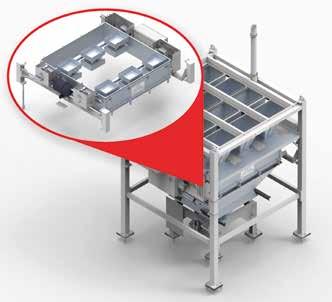
The KCD WiW is transforming micro - ingredient dosing by integrating a Weigher- in -Weigher system capable of one - gram accuracy. Designed for industrial environments that demand maximum precision, it optimizes production processes and guarantees consistent, repeatable batches.
Engineered for compact layouts, this modular unit fits seamlessly into limited spaces. It is available with 8 or 12 gate dosers, in stainless-steel or flexible silos, and can be equipped with agitators to ensure steady product flow.
Enhanced with the new Advanced Dosing Algorithm (ADA), the KCD WiW boosts efficiency, reduces error rates and increases dosing speed. Its enclosed, fully cleanable design prevents cross- contamination and minimizes direct human exposure.
By automating what was previously done manually, it improves safety, hygiene and overall performance, making the KCD WiW the ideal solution for demanding feed, premix and pet food applications.
https://www.ksegroup.com
In this All Pet Food Magazine section we highlight the latest innovations to optimize pet food production.
Let’s take a look at the solutions proposed by different supplier and market leader companies.

Necton™ is an intelligent solution by Premier Tech that connects industrial equipment to a real-time monitoring system, enabling more strategic, data-driven management. The platform provides full operational visibility, with indicators such as production, uptime, and alarms, accessible remotely.
More than just collecting data, Necton™ turns it into actionable insights, helping anticipate failures, identify bottlenecks, and optimize processes. This reduces unplanned downtime, increases productivity, and improves operational efficiency.
With fast plug-and-play implementation, automatic operation, and strong data security, the solution also includes a complete portal with history, reports, and spare parts.
By digitalizing equipment management, Necton™ helps reduce costs, extend asset lifespan, and improve decision-making, making it a key competitive advantage for modern industry.
https://www.ptchronos.com/

For dry pet food producers handling everything from fine powders to dense meals and grains, maintaining sample integrity is essential—but preventing crosscontamination is the real challenge. The Samplex CS90 from TEKPRO delivers a compelling, auditready solution. Its patented gravityfed spear provides consistently representative samples across diverse product types, ensuring quality teams can trust their results.
The CS90 is built for highthroughput environments, with a 340° rotating telescopic arm that allows flexible sampling patterns to meet ISO 24333:2009 standards—ideal for facilities receiving varied raw materials daily. Critically, its selfpurging spear minimizes the risk of crosscontamination between loads, reducing both downtime and product integrity issues—an invaluable advantage for pet food formulations that demand strict ingredient segregation.
Combining durability, electromechanical reliability, and precise automated sampling, the CS90 stands out as a robust tool to elevate safety and consistency across modern pet food manufacturing.
https://tekpro.com/samplex-truck-probes/

To comprehend the sector’s evolution, it is imperative to adopt a scientific perspective as pet nutrition becomes increasingly complex. In this interview, we talked with Aulus Cavalieri Carciofi—a leading expert in animal nutrition and member of the CBNA committee—about advances, challenges, and the relationship between academia and industry.
How has your path as a professor and researcher in animal nutrition developed, and which areas have you primarily focused on over the years?
I am a veterinarian, graduated from FMVZ/USP in 1991, where I completed both my master’s degree in nutrition and my PhD in nutritional diseases. In 1998, I began teaching at the Faculdade de Ciências Agrárias e Veterinárias (FCAV) at UNESP, Jaboticabal campus, at the Department of Clinical Medicine and Surgery. Within the veterinary hospital, we established a clinical nutrition service for dogs and cats that focuses on treating patients requiring nutritional support for specific diseases. At the same time, veterinarians are trained to work in this field. It was a challenging yet rewarding initiative.
In 2002, in collaboration with the former company Guabi, now MBRF Pet Food, we built the “Prof. Dr. Flávio Prada” research laboratory dedicated to nutrition and nutritional diseases in dogs and cats. This was something new, particularly within the Brazilian model of collaboration between industry and public universities. Over time, a network of trust was established among all stakeholders, demonstrating that it is possible to conduct internationally relevant, neutral research with material support from the private sector. Today, we have a group of dogs and cats, and we’ve conducted research on nutrition and health that has led to practical changes in the work of professionals in clinical nutrition care and food production companies— which makes it highly rewarding. In parallel, we developed a food extrusion laboratory, equipped with a complete extrusion system for dogs, cats, and aquatic organisms, supported by Manzoni Industrial. These three pillars— the clinical nutrition service, the research laboratory, and the extrusion facility—complement and strengthen each other in generating knowledge and training specialized professionals. However, they would not function without public funding and contributions from companies in the nutrition sector, which support all projects. With strong participation from students and collaborators, we have also created two biennial events at FCAV/UNESP, running for over 20 years, which have contributed to disseminating knowledge across Brazil and Latin America: one focused on clinical nutrition and the
Our work at the university has always been to educate and support undergraduate and graduate students, bringing together scientists and technical professionals capable of contributing to the growth of the pet food
sector in Brazil. Today, former students from our program are present in companies, universities, clinics, and laboratories both nationally and internationally, which is deeply gratifying.
Based on your experience, how has dog and cat nutrition evolved in recent years from a scientific perspective?
Globally, evolution has been very positive. However, it is important to recognize that significant gaps remain in fundamental data, including requirements for amino acids, vitamins, and minerals, particularly for dogs and cats in maintenance stages. Brazil has followed this trend and, in some areas, has even led this growth. At international conferences, the country stands out for both the number and quality of researchers and scientific contributions. For example, at last year’s European College of Veterinary and Comparative Nutrition congress (Leipzig, Germany), Brazil had the highest number of participants and scientific contributions in pet food. Of the four awards presented at the event, two were granted to Brazilian researchers, highlighting the country’s research capacity. However, some aspects of the sector’s growth are concerning—particularly the excessive humanization of dogs and cats. This trend has unnecessarily complicated feeding strategies, increasing costs and the environmental impact of pet food. This issue, more related to commercial evolution than scientific progress, deserves broader discussion to achieve a better balance.
You are currently a member of the CBNA committee and its coordination. What is your role within the institution, and what objectives are pursued?
The CBNA (Brazilian College of Animal Nutrition), as an institution dedicated to nutrition, is currently chaired by veterinarian Godofredo Mitenberg. Our role is to coordinate the Pet Committee, which is responsible for organizing the CBNA PET Congress. I consider this congress to be one of the most important technical events globally in nutrition and pet food production. Its applied, technical, and integrated approach covering both individual nutrition—addressed in the workshop of nutrology held the day before, coordinated by SBNutriPet (a committee integrated to CBNA)—and production, industrial, and safety aspects, gives the event a unique profile not commonly seen in other international congresses. As part of a dedicated and highly qualified team, all decisions and
programming are developed collectively with the Technical Committee, aligning with the sector’s needs. This has positioned the event as a key platform for disseminating innovations, concerns, and trends that have supported the growth of the Brazilian pet food industry.
The CBNA PET Congress is highly relevant from a scientific perspective. How is the agenda defined, and what criteria are prioritized?
The program is structured around four main areas: nutrition, processing, safety, and market. Although nutrition receives greater emphasis due to CBNA’s core expertise, professionals from different sectors find valuable content related to professional development, technical solutions, and continuous learning. The scientific committee, comprising both industry professionals and academic members, defines the program, ensuring a balance between practical needs and scientific rigor. The committee actively gathers feedback from participants, including suggestions for future topics to align with real industry demands.
Currently, in the field of dog and cat nutrition, which research areas do you consider most relevant and with the greatest application potential for the industry?
There are traditional areas that will always require further research, such as a deeper understanding of nutritional requirements and ingredient utilization, as well as their metabolic implications. The effects of raw material processing have also been a long-standing focus, particularly regarding extrusion and its impact on nutritional value and the metabolism of starch and proteins.
In a global context marked by the growth in human and animal population, research on by-products and sustainable sources of protein and energy with lower environmental, social, and economic impact has become critical. Food safety and nutritional stability during shelf life are also key research areas related to quality and nutritional safety, especially considering the prolonged consumption of pet food products. While there has been strong scientific output in nutraceuticals and functional ingredients, more fundamental research areas still require greater attention from the scientific community.
In a rapidly evolving pet food industry, what are the main trends and challenges you foresee in the short and medium term?
It is necessary to further mature the relationship between commercial strategies and the scientific foundations of nutrition. Driven by the global humanization trend, companies are innovating across nutrition, processing, and product presentation—often following patterns observed in the human food market. However, it is important to recognize dogs and cats as species with specific nutritional requirements that differ from those of humans and must be respected. Academia, regulatory bodies, and society all play a role in this process. Addressing this challenge in the mid- to long-term is crucial to reach dynamism, financial growth, as well as nutritional quality, animal health, and environmental and social sustainability.
Research highlights include:
• study period.
• in select cytokine-related biomarkers associated with immune signaling.
• • of the diet.





CONTACT US TO LEARN MORE!






























































































































https://apcproteins.com/
https://www.linkedin.com/company/apcinc/posts/?feedView=all @apcproteins.la
At APC , we are global leaders in the production and commercialization of blood-derived ingredients, including plasma and red blood cells. In Latin America, we continue to advance our mission of helping animals thrive through the use of innovative functional proteins that positively impact animal health.
Our story began over 40 years ago when APC scientists discovered the powerful role plasma derived functional proteins play in helping support and maintain normal immune function. Since that initial discovery, our scientists have seen powerful, consistent and effective results in multiple species. APC’s spray dried red blood cell and spraydried plasma (SDP) products are used in animal feed and other industries to add value through the unique properties that positively impact billions of animals each year.
Plasma-based ingredients are an effective solution to enhance dry pet food, treats, and health-focused
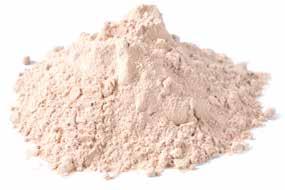
supplements. Whether the goal is to develop a functional formulation or to incorporate a single ingredient with scientifically supported health benefits, APC provides ingredient solutions aligned with formulation and cost requirements.
• Whole body health support
• Improves digestibility
• High palatability
• Low-ash, high-protein alternative
• Contribution to gut health and immune function in adult dogs
• Supports improved mobility in senior dogs
In wet, moist and semi-moist applications, plasmabased ingredients can be used for traditional, functional manufacturing benefits while providing a superior finished product. They help make a more homogenized loaf, firmer chunks with fewer crumbs, improve texture and create a gravy pets love.
• Improves digestibility
• Highly palatable for finicky eaters
• Improves gelling
• Improves emulsification
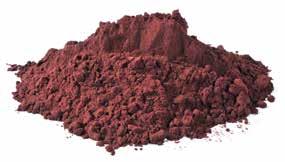
• AP 301 is a high-quality, highly digestible protein source derived from red blood cells.
• High protein digestibility: 92%
• Meaty colorant properties
• Sustainable ingredient
• High solubility and palatability
Under official inspection protocols, APC gets blood from healthy animals as a co-product of meat production intended for human consumption. Whole blood is separated into plasma and red blood cells, representing a natural and sustainable resource that contributes to the nutrition of other animals.
The separation process involves high-speed centrifugation to isolate plasma from red blood cells. Plasma is the straw-colored liquid in which red blood cells, white blood cells, and platelets are suspended. This fraction is then processed through spray drying, converting it into a stable powder.
Plasma contains numerous bioactive components that contribute to overall health. Thanks to our unique processing technology, active functional proteins are preserved and, when consumed orally, deliver measurable health benefits.
With APC, high-quality products are available worldwide.
For more than 40 years, APC has added value to the global food chain by reducing waste and providing high-value ingredients that support optimal animal performance.
Sustainability is at the core of everything we do. By upcycling co-products from the animal protein industry that would otherwise be wasted, APC maximizes resource efficiency, reduces environmental impact, and contributes to a more sustainable global food system.
Spray-dried plasma and red blood cells are produced from existing raw materials, supporting circular economy principles and minimizing the carbon footprint of animal nutrition.
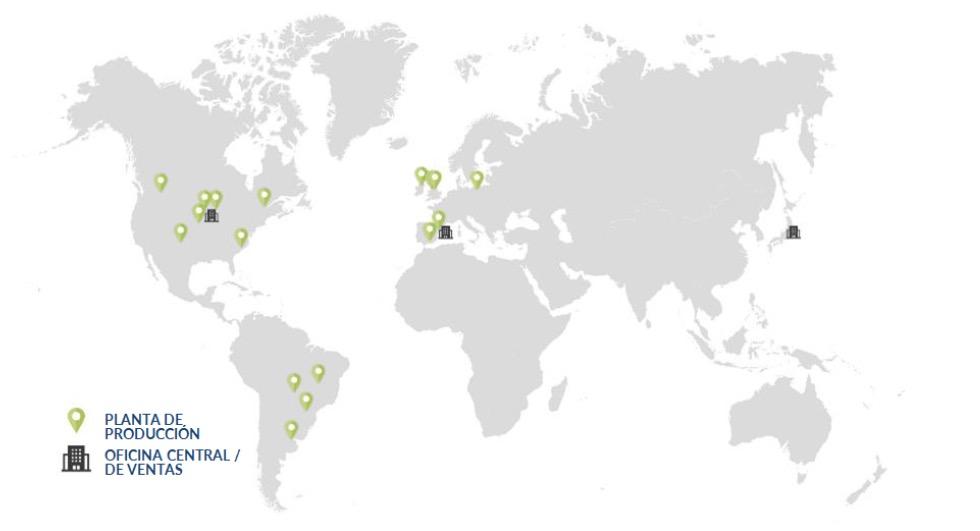














In each All Pet Food Magazine issue, we share recognized products and new launches from prominent worldwide pet food manufacturing companies.

GranPlus Bifinhos is the new line of snacks developed by MBRF Pet for dogs of all sizes and ages.

With 33% crude protein and 100% of which comes from animal sources, GranPlus Bifinhos does not contain artificial colorings or modified ingredients, such as soy, reinforcing the brand’s commitment to a tasty and balanced diet for dogs’ everyday routine.
Available in 60 g packages, GranPlus Bifinhos comes in three flavors:
• Grilled pork loin
• Grilled beef
• Roasted chicken
Developed to suit different moments of pets’ daily routines, Bifinhos can be offered as treats, rewards, expression of affection, or even as positive reinforcement and to help reduce stress, by enhancing the sensory experience and strengthening the bond between people and dogs.
GranPlus is one of the leaders in the Special Premium segment, investing in products that combine flavor, nutrition, and emotional closeness.
The campaign “More flavor, please. Your pet asks for GranPlus” accompanies the launch and reflects the proposal of making the snack a pleasurable habit that becomes part of the daily routine.











We present innovative formulations with high-quality raw materials, in line with market trends, obtained through technological production processes, and providing benefits to both pet health and nutrition.

in

Optimeal Holistic’s new products are designed to support long-term animal health and tailored to the nutritional needs of pets of different ages, sizes, and physiological characteristics, containing live probiotics, antioxidants, vitamins, minerals, ingredients for joint health, and cognitive support.
Longevity Formula:
Nutrition: Our food is carefully formulated to support physical and mental health of pets, containing all the essential nutrients they need. This balanced diet helps pets stay healthy for as long as possible.
Love: Pets that feel loved experience lower stress levels, have a stronger immune system, and better overall health.
Care: Providing responsible care and daily attention helps pets lead healthier, longer lives.
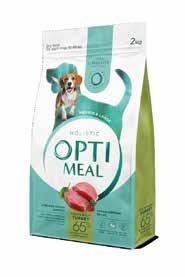

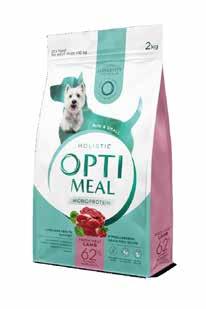

All Pet Food Magazine publishes content of high academic interest created by editors, who bring prestige to each issue and valuable knowledge to the entire pet food industry. In this section, we are pleased to share the professional profiles of our guest editors, their country of residence, and their main phrase.


Feed with love, care with science


APRIL Issue
Raw material, real value
Description: How the ingredient sector is changing in pet food: alternative proteins, functional extracts, new additives, origin traceability, and solutions that go beyond the price.
• Interpack, May 7-13, Düsseldorf, Germany.
• Interzoo, May 12-15, Nüremberg, Germany.
• Fenagra, May 12-14, São Paulo, Brazil.
• CBNA, May 12-14, São Paulo, Brazil.
• Victam International, June 2-4, Utrecht, The Netherlands.
• Foro Mascotas, June 24-26, Guadalajara, Mexico.
JULY Issue
No footprint pet food
Description: Focusing on strategies that allow environmental impact reduction without compromising profitability or performance—from upcycled ingredients to circular packaging and new footprint measure systems.
• PET FAIR ASIA, August 19-23, Shanghai, China.
• CIPAL, September 23-24, Buenos Aires, Argentina.
• Figap, October 21-23, Guadalajara, Mexico.
OCTOBER Issue
More than a product
Description: How B2B models change: services, collaborative platforms, international expansion, strategic alliances, new business models in the sector.
• SINPET, October 15-16, Porto Alegre, Brazil.
• PET FAIR SOUTH EAST ASIA, November, Bankgok, Thailand.








AUGUST 19-23, 2026
Asia's Leading International Hub for the Pet Industry
2,600+ 130,000+ 320,000+
EXHIBITORS TRADE VISITORS SQM







CALLIZO OPENS NEW FACILITY IN TEXAS, REINFORCING ITS EXPANSION IN THE NORTH AMERICAN PET FOOD MARKET
With over three decades of experience in pet food palatability solutions, Callizo Aromas takes a step further in its international expansion strategy with a new facility in Texas. The investment strengthens the company’s presence in the North American market, grows production capacity, and positions it in one of the most dynamic segments of the pet food industry.
https://acortar.link/GZgVH0

FROM SAMPLING TO SUSTAINABILITY: TEKPRO’S ROLE IN MODERN PRODUCTION PLANTS
In this interview, we speak with Tyrone Moy about Tekpro’s global strategy, the growing demands of the pet food industry, and how precision technologies are helping manufacturers strengthen quality, traceability and operational efficiency.
https://acortar.link/qzcS4q
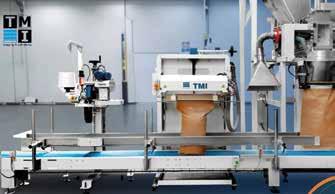
TMI AND HS AUTOMATION CONSOLIDATE THEIR INTERNATIONAL EXPANSION WITH THE LAUNCH OF TMI USA INC.
TMI and HS Automation continue their international growth with a decisive move in North America. The consolidation of TMI USA in the American market represents a key milestone in our long-term strategy to strengthen our presence in the United States and offer closer, more agile, and efficient support to our customers.
https://acortar.link/4gpNPo
SMART PET FOOD PRODUCTION: INDUSTRY EXPERTS GATHER IN NUREMBERG TO ADDRESS INNOVATION, SCALE-UP AND COST EFFICIENCY
The Pet Food Competence Network is hosting an exclusive industry event titled “Smart Pet Food Production: From R&D Scale-Up to Total Cost of Ownership”, bringing together leading experts to explore the key technological and economic challenges shaping the future of pet food manufacturing.
https://acortar.link/EHqWVV
Automation
NorthWind Technical Services LLC
+1 7 852 840 080 kastorga@no northwindts.
rthwindts.com com
KSE
+31 6 11820906 info@kse nl ksegroup.com/es
Clivio Solutions
+ 54 9 2352 449007 info@cliviosolutions.com cliviosolutions.com
Market Consulting
Triple Three International +521 (552) 187 4357 ifranco@triplethreeinternational.com triplethreeinternational.com
Statec Binder
+43 3112 38580 0 sales@statec-binder.com statec-binder com
Biorigin
+55 14 3269 9200 biorigin@biorigin.net www.biorigin.net
Asta Real +46 0857 013 950 info@astareal.se https://www.astareal.se/
APC
+55 19 971492710 luciana tognetti@apcproteins.com apcpet.com/la
Asta Real
+46 0857 013 950 info@astareal.se https://www.astareal.se/
BENEO-Animal Nutrition +49 621 421-150 Animal.Nutritionsupport@beneo.com https://www.beneo.com/
Nutrition | Palatants

AFB International +54 11 4 894 8570
Buhler Group + 52 722 262 05 12 info@buhlergroup.com buhlergroup.com


CPM +55(11)93904-3217 idah@cpm.net petfood.sales@cpm.net
Extru-Tech
+1 785 284 2153 extru-techinc@extru-techinc com extru-techinc.com
Famsun
+86 514 80689999 contact@famsun com https://en.famsun.com
Ferraz +55 16 3934 1055 vendas@ferrazmaquinas.com.br ferrazmaquinas.com.br
Industrias Bartoli Hnos +54 0343 486 2707 info@bartolihnos.com.ar bartolihnos com ar

Tietjen Verfahrenstechnik GmbH +49 4106 63 330 info@tietjen-verfahrenstechnik.com tietjen-original.com/en/ Payper +34 973216040 contact@payper.com payper.com
Premier Tech
+ 55 11 4525 1151 (Brasil) +52 81 8008 1050 (México) reie2@premiertech com ptchronos.com

EZMA +34 6 1664 1435 sarmendariz@ezma.com www.ezma.com

Kemin
+55 19 3881-5700 guilherme.fray@kemin com kemin.com
JRS
+49 7967 152 663 sandra.kupfer@jrs.de jrspetfood.com


3A Biotech SL +34 968 839 004 info@tres-a net tres-a.com
BBR Industries
+54 9 2314 475503 info@bbrindustries.com https://bbrindustries.com/
Adinnova

+54 9 11 2586-2474 info@adinnova.com.ar https://adinnova.com.ar/en/
Callizo Aromas
+57 305 814 9448 info@callizoaromas com callizoaromas.com
Kemin +55 19 3881-5700 guilherme.fray@kemin.com kemin.com
Symrise Pet Food +55 19 99751 3565 pedro bermudes@symrise.com symrise.com
Nutrition | Gut health
Biorigin
+55 14 3269 9200 biorigin@biorigin.net biorigin.net
PLP Systems SRL
+39 0523 891629 info@plp-systems.com plp-systems.com
KSE
+55 19 98340-0057 info@kse.nl ksegroup.com/es
Packaging

Petropack +54 343 4362502 info@petropack.com www.petropack.com

Wenger Manufacturing +55-19 3881 5060 wengerbr@wenger.com wenger.com
Reading Bakery Systems +57 3166728560 info@readingbakery.com www.readingbakery.es
TMI +34 973 25 70 98 info@tmipal.com http://www.tmipal.com/
Andritz +56 2 462 4600 contact.ACL@andritz.com http://www.andritz.com/ft
Tekpro
+44 0 1692 403403 sales@tekpro.com https://tekpro.com/
Manzoni +55 19 3765-9333 comercial@manzoni.com.br www.manzoni.com.br
Simatek Bulk Sistems
+56 9 92 89 34 19 paj@simatek-bulk.com https://simatek-bulk.com/
Molinos Vieira +55 (15) 3251.0810 atendimento@moinhosvieira.com.br https://moinhosvieira.com.br/en/
Zheng Chang
+55 (19) 3761-3700 contato@calibras.com.br https://www.zhengchang.com.br