Providing high-quality drinking water is a complex endeavor that necessitates expert knowledge and strict compliance with regulatory standards. Our team of water professionals operates continuously throughout the year, 24 hours a day, performing essential tasks such as water analysis, equipment maintenance, and regulatory oversight to guarantee the safety and dependability of our water supply. This report reflects those daily efforts to uphold the safety and reliability of our water services.
Este informe contiene información muy importante sobre su agua potable. Tradúzcalo o hable con alguien que lo entienda bien. Para asistencia en español, favor de llamar al teléfono (936) 564-5046.
NACOGDOCHES
WATER UTILITIES
3628 Rayburn Dr. Nacogdoches, TX 75961
Water Quality Inquiries/ Environmental Concerns
Contact us at: (936) 564-5046 (936) 559-2586
New Service/Billing Questions/Meter Leaks
Contact us at: Customer Service:(936) 559-2593 utbillingsupport@nactx.us
Water Leak / Sewer Concern
Contact us at: (936) 564-7980
After-Hours Emergency
Contact us at: (936) 559-2900
Stay Informed and Manage Your Usage Effectively
Keep track of your water usage like never before through the Consumption Analysis Portal. This user-friendly platform allows you to track your water consumption across various time frames.
You can also personalize your account by setting up alerts with notifications that can be sent directly to your phone or email whenever your water consumption reaches a specific threshold that you choose.
To get started, visit Water Utility Billing / Customer Service | Nacogdoches, TXOfficial Website
QUESTIONS ABOUT YOUR WATER? CONTACT US FOR ANSWERS FOR INFORMATION
For information aboutthisreportoryourwater qualityingeneral,please contacttheWaterUtilitiesManager,BartAllen,at936-564-5046oremail nacwater@nactx.us. A copy of this report is also posted on the Water Utilities Official Website www.nactx.us/909/Water-Utilities.
HEALTH EFFECTS INFORMATION
For more information about the health effects of the listed contaminants in the following tables, call the USEPA hotline at (800) 426-4791. The USEPA also maintains a water-related website at www.epa.gov/safewater. Further details about source water and assessment not required to be itemized in this report are available at Drinking Water Viewer URL: https://dwv.tceq.texas.gov/
CITY COUNCIL MEETINGS
The City Council has two regular meetings each month. Meeting details can be found on the City Council - Official Website, www.nactx.us/838/City-Council We encourage public participation in
SOURCE WATER
CITY OF NACOGDOCHES
The CITY OF NACOGDOCHES sources drinking water from LAKE NACOGDOCHES and the WILCOX-CARRIZO aquifer, located in Nacogdoches County, Nacogdoches, TX.
WATER PRODUCTION
The Water Surface Water Treatment Plant (SWTP) treats approximately 7.5 million gallons of water every day from Lake Nacogdoches. However, the SWTP can produce up to 25 million gallons of drinking water a day. Groundwater Production can produce 8 MGD of drinking water each day. Our water source(s) and source water assessment information are listed below:
SOURCE NAME/ LOCATION TYPE OF WATER REPORT STATUS
1 - TYLER RD Ground water PLUGGED
4 - POWER ST Ground water EMERGENCY
5 - POWER ST Ground water PLUGGED
6 - OLD LUFKIN RD Ground water ACTIVE
7 - OLD LUFKIN RD Ground water ACTIVE
8 - HWY 59 S Ground water ACTIVE
9 - HWY 59 S Ground water ACTIVE
10 - FM 3228 Ground water PLUGGED
11 - HWY 59 S Ground water ACTIVE
12 - HWY 59 Ground water ACTIVE
13 - FM 225 / BAXTER LN
14 - FM 225 / AIRPORT
16 - FM 225 / CR 753
INTAKE 1
Ground water EMERGENCY
Ground water ACTIVE
Ground water EMERGENCY
Surface water ACTIVE
LAKE NACOGDOCHES
Surface Water Production
Lake Nacogdoches is located on Loco Bayou, a tributary of the Angelina River, which in turn is a tributary of the Neches River. The City of Nacogdoches manages the lake. Its main uses are to supply water for the city and to provide recreational opportunities.
WILCOX-CARRIZO
Ground Water Production
Your raw groundwater is pumped from the Carrizo-Wilcox Aquifer. This group extends from the Rio Grande in South Texas to Arkansas and Louisiana, serving 60 counties in Texas. Over half of the water pumped is used for irrigation, while about 40 percent is for municipal supply. The Carrizo-Wilcox Aquifer is the third most important groundwater source in the state.
SUPERIOR PUBLIC WATER SYSTEM
Nacogdoches is recognized by TCEQ as a Superior Public Water System, highlighting that our Water Professionals apply a proactive and efficient management approach to water treatment.
TECQ ASSESSMENT OF RAW WATER SUPPLIES
TCEQ completed an assessment of your source water, and the results indicate that some of our sources are susceptible to certain contaminants. The sampling requirements for your water system are based on this susceptibility and previous sample data. Any detection of these contaminants will be found in this Water Quality Report. For more information on source water assessments and protection efforts of our system, please contact the Water Utilities Manager at 936-564-5046. In order to ensure that tap water is safe to drink, the EPA prescribes regulations that limit the amount of certain contaminants in water provided by public water systems. The FDA regulations establish limits for contaminants in bottled water that must provide the same protection for public health. Access source water assessment results at Drinking Water Viewer URL: https://dwv.tceq.texas.gov/
CONTAMINANTS
Contaminants that may be present in source water include
• Microbial contaminants, such as viruses and bacteria, which may come from sewage treatment plants, septic systems, agricultural livestock operations, and wildlife.
• Inorganic contaminants, such as salts and metals, which can naturally occur or result from urban storm runoff, industrial or domestic wastewater discharges, oil and gas production, mining, and farming.
• Pesticides and herbicides, which may come from a variety of sources such as agriculture, urban stormwater runoff, and residential uses.
• Organic chemical contaminants, including synthetic and volatile organic chemicals, which are by-products of industrial processes and petroleum production, and can also come from gasoline stations, urban stormwater runoff, agricultural application, and septic systems.
• Radioactive contaminants, which can be naturally occurring or be the result of oil and gas production or mining activities.
YOUR 2025 WATER QUALITY REPORT
CONTAMINANTS
When drinking water meets federal standards, there may not be any health-based benefits to purchasing bottled water or point-of-use devices. Drinking water, including bottled water, may reasonably be expected to contain at least small amounts of some contaminants. The presence of contaminants does not necessarily indicate that water poses a health risk. More information about contaminants and potential health effects can be obtained by calling the Environmental Protection Agency's Safe Drinking Water Hotline (800-426-4791).
ALL DRINKING WATER MAY CONTAIN CONTAMINANTS
When drinking water meets federal standards, there may not be any health-based benefits to purchasing bottled water or point-of-use devices. Drinking water, including bottled water, may reasonably be expected to contain at least small amounts of some contaminants. The presence of contaminants does not necessarily indicate that water poses a health risk. More information about contaminants and potential health effects can be obtained by calling the Environmental Protection Agency's Safe Drinking Water Hotline (800-426-4791).
SECONDARY CONSTITUENTS
Many constituents (such as calcium, sodium, or iron), which can cause taste, color, and odor problems, are called secondary constituents and are regulated by the State of Texas, not the EPA. These constituents are not causes for health concern. Therefore, secondaries are not required to be reported in this document, but may greatly affect the appearance and taste of your water.
WE COMPLY WITH ALL STATE & FEDERAL WATER QUALITY REGULATIONS
In order to ensure that tap water is safe to drink, the EPA prescribes regulations that limit the amount of certain contaminants in water provided by public water systems. The FDA regulations establish limits for contaminants in bottled water that must provide the same protection for public health.
CHLORAMINES
Surface water supplies are treated with chloramines, which is a combination of chlorine and ammonia, as the drinking water disinfectant. In addition, the PWS treats its stored water with chloramines. Chloramines are effective killers of bacteria and other microorganisms that may cause disease. Chloramines form fewer disinfection byproducts and have no odor when used properly. People who use kidney dialysis machines may want to take special precautions and consult their physician for the appropriate type of water treatment. For further information or if you have any questions about chloramines, please call the Water Utilities Manager at (936) 564-5046.
DISINFECTANTS AND DISINFECTION BYPRODUCTS
Disinfection of drinking water was one of the major public health advances in the 20th century. Disinfection was a major factor in reducing waterborne disease epidemics caused by pathogenic bacteria and viruses, and it remains an essential part of drinking water treatment today. Chlorine disinfection has almost completely eliminated the risks of microbial waterborne diseases from our lives. Chlorine is added to your drinking water at the source of supply. Enough chlorine is added so that it does not completely dissipate through the distribution system pipes. This “residual” chlorine helps to prevent the growth of bacteria in the pipes that carry drinking water from the source into your home. However, chlorine can react with naturally occurring materials in the water to form unintended chemical byproducts, called disinfection byproducts (DBPs), which may pose health risks. A major challenge is how to balance the risks from microbial pathogens and DBPs. It is important to protect from these microbial pathogens while simultaneously mitigating health risks from disinfection byproducts. The Safe Drinking Water Act requires the USEPA to develop rules to achieve these goals.
THMs & HAAs
Trihalomethanes (THMs) and Haloacetic Acids (HAAs) are the most common and most studied DBPs found in drinking water treated with chlorine. The USEPA set the maximum amount of total THMs allowed in drinking water at a maximum annual average level of 80 parts per billion and added HAAs to the list of regulated chemicals in drinking water. Your drinking water is routinely monitored for DBPs every quarter.
CRYPTOSPORIDIUM
Cryptosporidium is a microscopic organism that, when ingested, can cause diarrhea, fever, and other gastrointestinal symptoms. The organism comes from animal and/or human wastes and may be in surface water. The PWS tested your treated water for Cryptosporidium in 2024 but did not detect it. If it ever is detected, Cryptosporidium is eliminated by an effective treatment combination including sedimentation, filtration, and disinfection. The USEPA and the federal Centers for Disease Control and Prevention guidelines on appropriate means to lessen the risk of infection by Cryptosporidium and other microbial contaminants are available from USEPA’s Safe Drinking Water Hotline (800) 426-4791 or online at www.epa.gov/safewater.
IMMUNOCOMPROMISED
Some people may be more vulnerable to contaminants in drinking water than the general population. Immunocompromised people, such as those with cancer who are undergoing chemotherapy, persons who have had organ transplants, people with HIV/AIDS or other immune system disorders, some elderly persons, and infants, can be particularly at risk of infection. These people should seek advice about drinking water from their healthcare providers.
A GUIDE TO YOUR WATER QUALITY
HOW TO READ YOUR WATER QUALITY REPORT, DEFINITIONS & ABBREVIATIONS
To help you better understand the terms in the tables below, we’ve provided the following definitions:
Action Level (AL): The concentration of a contaminant which, if exceeded, triggers treatment or other requirements which a water system must follow
Action Level Goal (ALG): The level of a contaminant in drinking water below which there is no known or expected risk to health. ALGs allow for a margin of safety.
Level 1 Assessment: A Level 1 assessment is a study of the water system to identify potential problems and determine (if possible) why total coliform bacteria have been found in our water system
Level 2 Assessment: A Level 2 assessment is a very detailed study of the water system to identify potential problems and determine (if possible) why an E. coli MCL violation has occurred and/or why total coliform bacteria have been found in our water system on multiple occasions.
Maximum Contaminant Level or MCL: The highest level of a contaminant that is allowed in drinking water. MCLs are set as close to the MCLGs as feasible using the best available treatment technology.
Maximum Contaminant Level Goal or MCLG: The level of a contaminant in drinking water below which there is no known or expected risk to health. MCLGs allow for a margin of safety
Maximum residual disinfectant level goal or MRDLG: The level of a drinking water disinfectant below which there is no known or expected risk to health. MRDLGs do not reflect the benefits of the use of disinfectants to control microbial contaminants.
Maximum residual disinfectant level or MRDL: The highest level of a disinfectant allowed in drinking water. There is convincing evidence that addition of a disinfectant is necessary for control of microbial contaminants.
Treatment Technique or TT: A required process intended to reduce the level of a contaminant in drinking water.
Avg: Average - Regulatory compliance with some MCLs are based on running annual average of monthly samples.
RAA: Running Annual Average.
LRAA: Locational Running Annual Average mrem: millirems per year (a measure of radiation absorbed by the body).
ppb: micrograms per liter (ug/L) or parts per billion - or one ounce in 7,350,000 gallons of water.
ppm: milligrams per liter (mg/L) or parts per million - or one ounce in 7,350 gallons of water.
picocuries per liter (pCi/L): picocuries per liter is a measure of the radioactivity in water.
na: not applicable.
LRAA: Locational Running Annual Average mrem: millirems per year (a measure of radiation absorbed by the body).
ppb: micrograms per liter (ug/L) or parts per billion - or one ounce in 7,350,000 gallons of water.
ppm: milligrams per liter (mg/L) or parts per million - or one ounce in 7,350 gallons of water.
picocuries per liter (pCi/L): picocuries per liter is a measure of the radioactivity in water.
na: not applicable
Chemical analysis results can be confusing, but understanding the units of measure can help
A unit of measure is the amount of chemical found in a specific volume of water. It is also called concentration units, or simply units. The four common units of measure used in drinking water analysis results are milligrams per liter (mg/L), micrograms per liter (µg/L), parts per million (ppm), and parts per billion (ppb) mg/L and ppm are equivalent & µg/L and ppb are equivalent. For example, one part per million is about the same as one drop of soda in fifty 32-oz. drinks.
Even though these amounts appear very small, any amount can be potent and harmful. For example, trace amounts of pesticides are known to be harmful at levels 1000 times less than 1 µg/L or 1 ppb, and strong evidence exists that lifetime exposure can result in cancer. Therefore, a very minute amount of a chemical constituent can be of significance and concern.
2025 LEAD AND COPPER
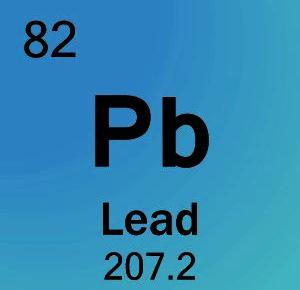
Lead can cause serious health problems, especially for pregnant women and young children. Lead in drinking water is primarily from materials and components associated with service lines and home plumbing. CITY OF NACOGDOCHES is responsible for providing high-quality drinking water and removing lead pipes, but cannot control the variety of materials used in plumbing components in your home. You share the responsibility for protecting yourself and your family from the lead in your home plumbing. You can take responsibility by identifying and removing lead materials within your home plumbing and taking steps to reduce your family’s risk. Before drinking tap water, flush your pipes for several minutes by running your tap, taking a shower, doing laundry, or a load of dishes. You can also use a filter certified by an American National Standards Institute-accredited certifier to reduce lead in drinking water. Additional information on lead in drinking water, testing methods, and steps you can take to minimize exposure is available at http://www.epa.gov/safewater/lead
Lead and Copper Water Quality Data Table
Corrosion of household plumbing systems; Erosion of natural deposits; Leaching from wood preservatives
Corrosion of household plumbing systems; Erosion of natural deposits
Health Effects:
• Copper is an essential nutrient, but some people who drink water containing copper in excess of the action level over a relatively short amount of time could experience gastrointestinal distress. Some people who drink water containing copper in excess of the action level over many years could suffer liver or kidney damage. People with Wilson's disease should consult their personal doctor.
• There is no safe level of lead in drinking water. Exposure to lead in drinking water can cause serious health effects in all age groups, especially pregnant people, infants (both formula-fed and breastfed), and young children. Some of the health effects to infants and children include decreases in IQ and attention span. Lead exposure can also result in new or worsened learning and behavior problems. The children of persons who are exposed to lead before or during pregnancy may be at increased risk of these harmful health effects. Adults have increased risks of heart disease, high blood pressure, kidney or nervous system problems. Contact your health care provider for more information about your risks.
FEDERAL REGULATORY UPDATE: Every three years, your PWS collects samples that are tested for lead and copper at the customer's tap. All Lead and Copper results are published on the Texas Drinking Water Viewer https://dwv.tceq.texas.gov/
WATER SERVICE LINE INVENTORY
As part of the current Lead and Copper Rule, the City of Nacogdoches has taken inventory of over 13,000 service lines. Visit Water Utilities | Nacogdoches, TX - Official Website nactx.us/1583/water-service-lineinventory –map to learn more about the Updated Lead & Copper Rule.
2025 WATER QUALITY DATA TABLE
The EPA sets rules to keep tap water safe by limiting contaminants in public water systems. The pages that follow list all of the federally regulated or monitored contaminants, which have been found in your drinking water. The U.S. EPA requires water systems to test for up to 97 contaminants. The table below lists the contaminants found in your water during the report year. Although many contaminants were tested, only the ones listed were detected. Some contaminants are tested less than once a year because their levels are usually stable or the water system is not likely to be contaminated. Definitions for terms and abbreviations you might not know are provided below the table.
Disinfectant Residual
All public water systems in Texas are required to disinfect drinking water to ensure control of microbial contaminants. Disinfectants are water additives used to control microbes
Required Health Effects Language: Water additive used to control microbes; Some people who use water containing chloramines well in excess of the MRDL could experience irritating effects to their eyes and nose. Some people who drink water containing chloramines well in excess of the MRDL could experience stomach discomfort or anemia.
Microbiological Contaminants: Total Coliform Bacteria
COLIFORM (TCR)
In the month of May, 3.33% of the sample(s) returned as positive Treatment Technique Trigger 0 Naturally present in the environment
Required Health Effects Language: Coliforms are bacteria that are naturally present in the environment and are used as an indicator that other, potentially harmful bacteria may be present. Coliforms were found in more samples than allowed, and this was a warning of potential problems. Coliforms are bacteria that occur naturally in the environment and are used as an indicator that other, potentially harmful, waterborne organisms may be present or that a potential pathway exists through which contamination may enter the drinking water distribution system. We found coliforms, indicating the need to look for potential problems in water treatment or distribution. When this occurs, we are required to conduct assessment(s) to identify problems and to correct any problems that were found during these assessments.
Disinfection Byproducts
Required Health Effects Language:
• Haloacetic Acids (HAA): Some people who drink water containing Haloacetic acids in excess of the MCL over many years may have an increased risk of getting cancer.
• TTHMs [Total trihalomethanes]: Some people who drink water containing trihalomethanes in excess of the MCL over many years may experience problems with their liver, kidneys, or central nervous systems, and may have an increased risk of getting cancer.
Regulated Contaminants
In the tables below, we have shown the regulated contaminants that were detected. Chemical Sampling of our drinking water may not be required on an annual basis; therefore, information provided in this table refers back to the latest year of chemical sampling results.
Discharge of drilling wastes; Discharge from metal refineries; Erosion of natural deposits
Erosion of natural deposits; Water additive which promotes strong teeth; Discharge from fertilizer and aluminum factories
Runoff from fertilizer
Leaching from septic tanks, sewage; Erosion of natural deposits
Runoff from fertilizer use; Leaching from septic tanks, sewage; Erosion of natural deposits
Required Health Effects Language:
• Barium: Some people who drink water containing barium in excess of the MCL over many years could experience an increase in their blood pressure.
• Fluoride: Some people who drink water containing fluoride in excess of the MCL over many years could get bone disease, including pain and tenderness of the bones. Fluoride in drinking water at half the MCL or more may cause mottling of children's teeth, usually in children less than nine years old. Mottling, also known as dental fluorosis, may include brown staining and/or pitting of the teeth, and occurs only in developing teeth before they erupt from the gums.
• Nitrate: Infants below the age of six months who drink water containing nitrate in excess of the MCL could become seriously ill and, if untreated, may die. Symptoms include shortness of breath and blue baby syndrome.
Turbidity
Turbidity is a measurement of the cloudiness of the water caused by suspended particles. We monitor it because it is a good indicator of water quality and the effectiveness of our filtration.
Required Health Effects Language: Turbidity has no health effects. However, turbidity can interfere with disinfection and provide a medium for microbial growth. Turbidity may indicate the presence of disease-causing organisms. These organisms include bacteria, viruses, and parasites that can cause symptoms such as nausea, cramps, diarrhea, and associated headaches.
Total Organic Carbon (TOC): The percentage of Total Organic Carbon (TOC) removal was measured each month, and the system met all TOC removal requirements set, unless a TOC violation is noted in the violations section.
Violations – Revised Total Coliform Rule (RTCR)
2/1/2025 2/28/2025
We failed to test our drinking water for the contaminant and period indicated. Because of this failure, we cannot be sure of the quality of our drinking water during the period indicated. A clerical error resulted in the collection of only 59 out of the required 60 monthly samples. The issue was identified during the end-of-month audit and was promptly resolved prior to the March 2025compliance deadline.
There are no additional required health effects violation notices.
SECONDARY
CONSTITUENTS 2025
In an effort to ensure the safest water possible, the State has required us to monitor some contaminants not required by Federal regulations. Of those contaminants, only the ones listed below were found in your water. Secondary constituents are regulated in public drinking water. They are called "secondary," instead of primary, because they have no adverse health effects.
Constituent
Aluminum 0.5- 0.2 mg/L 0.78 mg/L
mg/L 9.74 mg/L
mg/L 0.011 mg/L
dark color; staining; bitter metallic taste Silver 0.1 0.001
skin discoloration; greying of the white portion of the eye
taste; blue-green staining Iron 0.3 mg/L 0.05 mg/L
rusty color; sediment; metallic taste; staining
taste; deposits; slippery or soapy feel
UNDERSTANDING TOTAL HARDNESS
Total hardness in water is primarily caused by the presence of calcium (Ca²⁺) and magnesium (Mg²⁺) ions. It is commonly expressed in terms of calcium carbonate (CaCO3) concentration, which provides a standardized way to quantify hardness levels. Water hardness is typically measured in milligrams per liter (mg/L) or parts per million (ppm), where 1 mg/L is equivalent to 1 ppm.
Categories of water based on the hardness
Total hardness (mg/l)
For more information on the effects of Secondary Constituents, visit: Secondary Drinking Water Standards: Guidance for Nuisance Chemicals | US EPA
Soft Water: Water with less than 60 mg/L of CaCO3 is generally considered soft and is less likely to cause scaling in pipes and appliances.
Hard Water: Water with more than 60 mg/L of CaCO3 is classified as hard. Hard water can lead to scaling in plumbing and appliances, reducing their efficiency and lifespan
2025 Total Hardness Water Quality Data Table
Mineral buildup on plumbing fixtures and reduced effectiveness of soap and detergents.
UNREGULATED CONTAMINANT MONITORING
Unregulated contaminants are those without established drinking water standards by the EPA. Under the Fifth Unregulated Contaminant Monitoring Rule (UCMR5), the EPA required PWSs across the nation to begin initial monitoring of 29 per- and polyfluoroalkyl substances (PFAS) and lithium in drinking water. The 5year UCMR 5 cycle spans 2022 – 2026, with preparations in 2022, sample collection from 2023 – 2025, and completion of data reporting in 2026.
UCMR5 results are available at National Contaminant Occurrence Database (NCOD) | US EPA, https://www.epa.gov/dwucmr/fifth-unregulated-contaminant-monitoring-rule-data-finder#data-finder.
Have questions about UCMR5 data or other water quality concerns? Contact us at (936) 564-5046.
EMERGING CONTAMINANTS OF CONCERN
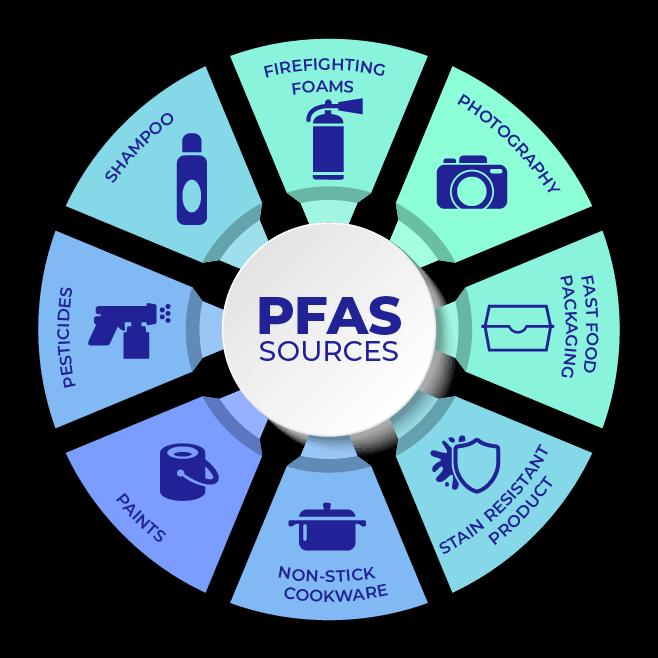
forever chemicals,” are a group of synthetic chemicals used in a wide range of consumer products and industrial applications, including non-stick cookware, water-repellent clothing, stainresistant fabrics and carpets, cosmetics, firefighting foams, electroplating, and products that resist grease, water, and oil. PFAS are found in the blood of people and animals, water, air, fish, and soil at locations across the United States and the world. PFAs do not occur naturally in the environment and can accumulate over time, leading to serious health impacts.
In April 2024, the U.S. Environmental Protection Agency published the first-ever national PFAS regulations to protect communities from exposure to per- and polyfluoroalkyl substances (PFAS). A new regulation, set to take effect in 2027, will require public water systems to monitor and implement treatment measures for PFAS.
Where to Go for the Latest Information on PFAS
Per- and Polyfluoroalkyl Substances (PFAS) In Drinking Water - Texas Commission on Environmental Quality - www.tceq.texas.gov https://www.epa.gov/pfas/our-current-understanding-human-health-and-environmental-risks-pfas https://www.epa.gov/pfas/meaningful-and-achievable-steps-you-can-take-reduce-your-risk
State Water Loss Audit
In the water loss audit submitted to the Texas Water Development Board for the period of January through December 2025, the City lost an estimated combined total of 628,307,743 gallons of water through main breaks, leaks, inaccurate customer metering, theft, and other causes.
3628 Rayburn Dr. Nacogdoches, TX 75961
Mailing Address
Water Utilities Department
P.O. Box 635030
Nacogdoches, TX 75963
Water Quality Inquiries/ Environmental Concerns
Contact us at: (936) 564-5046 (936) 559-2586
State Contacts:
TCEQ Region 10, Beaumont: (409) 898-3838
TCEQ, Central Office Austin, Texas (512) 239-1000
FOR WATER QUALITY INFORMATION
It is important for us that our customers understand the water they drink. Please contact us if you have any questions about your water quality.
Community Participation
For more information about this report, please contact the Water Utilities Manager at 936-564-5046.
Please share this information with anyone who drinks this water (or their guardians), especially those who may not have received this report directly (for example, people in apartments, nursing homes, schools, and businesses). You can do this by posting this report in a public place or distributing copies by hand, mail, email, or another method.