


• Design Inspiration
• Administration
• Classrooms
• Public Space
• Focus Space
• Manufacturers 2-3 4-7 8-14 15-30 31-37 38-72

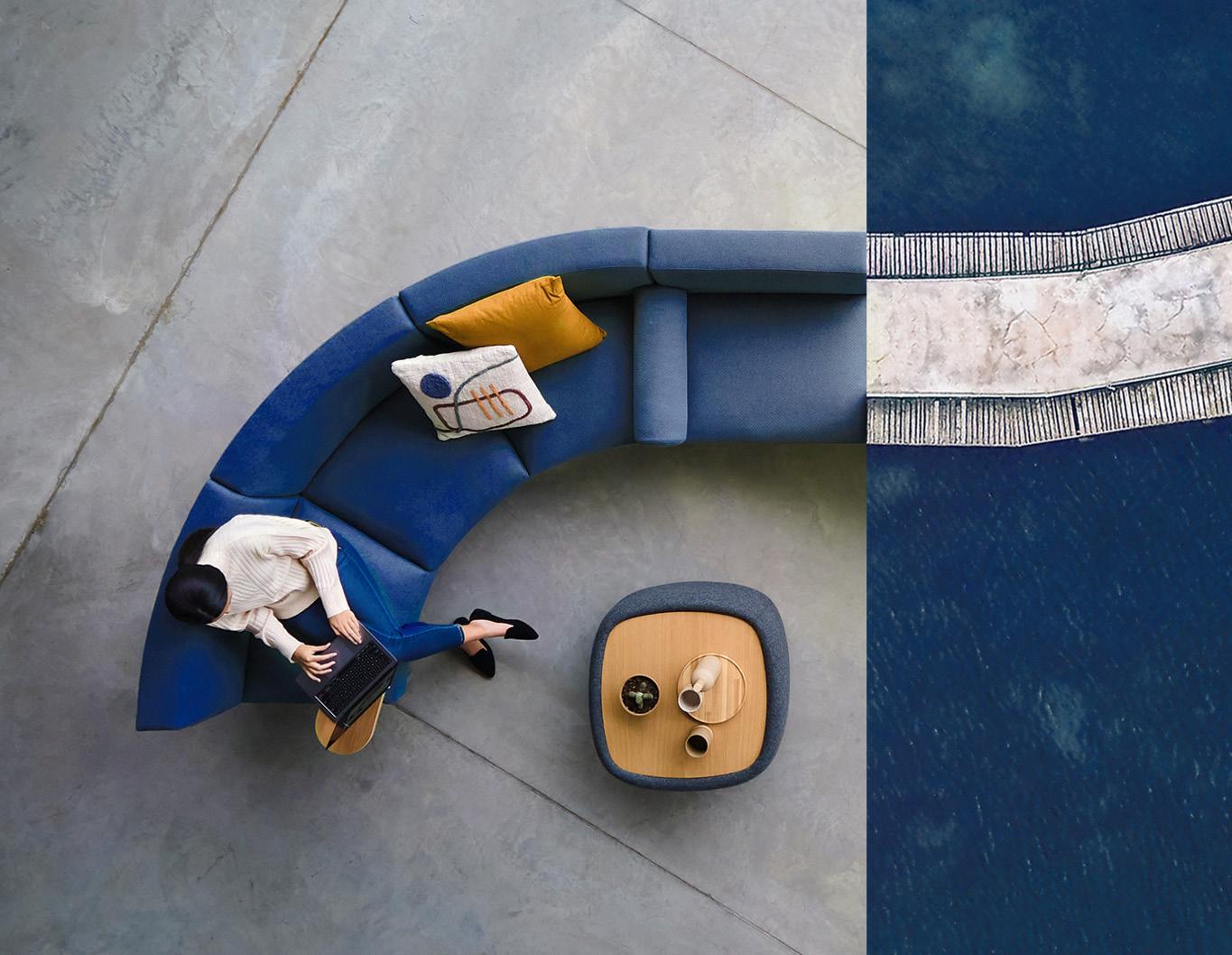
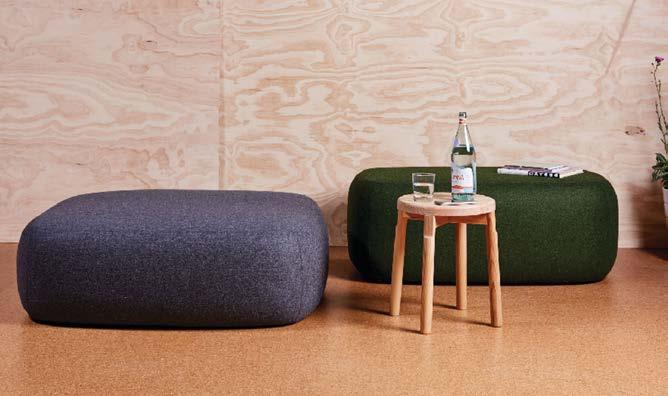
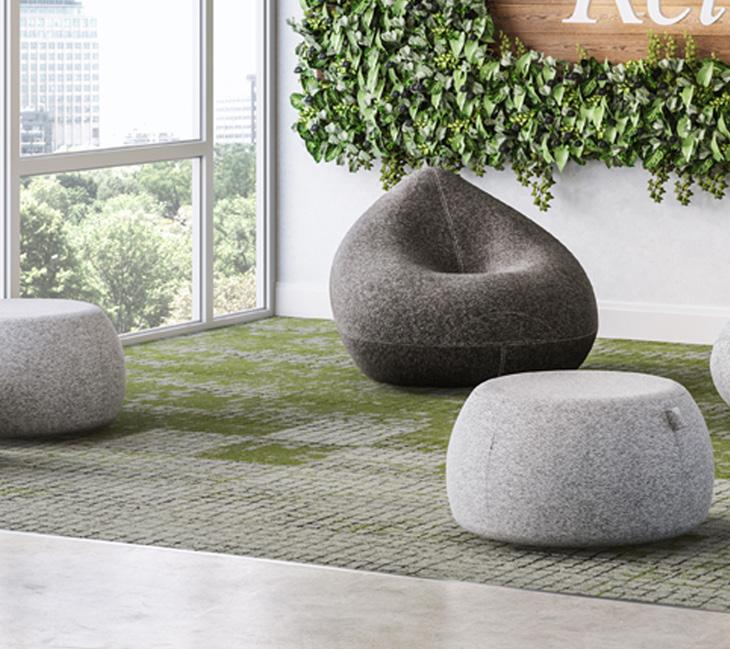
Beauty, light, and mixed materials surround us in the natural world.
Through thoughtful design choices, we can capture the beauty in the world around us and increase the sense of belonging in both, students and faculty members.

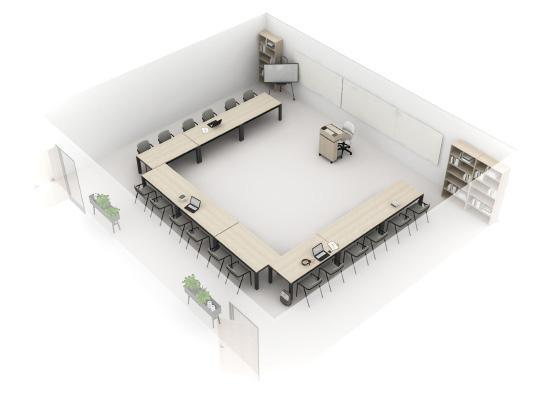
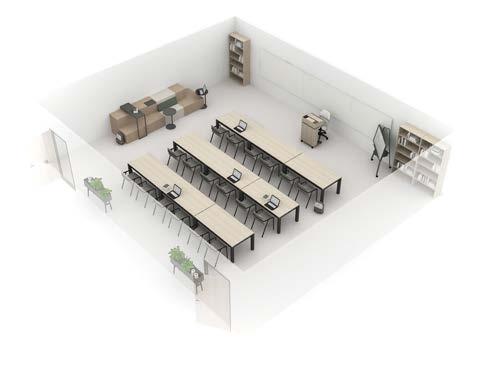
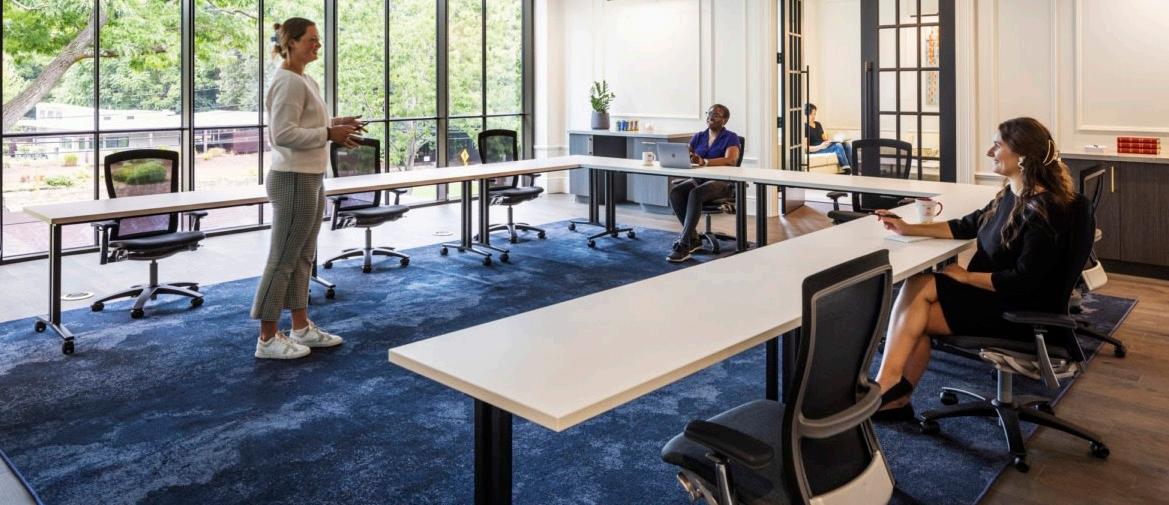
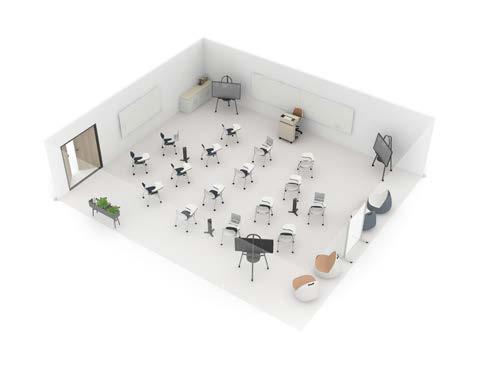
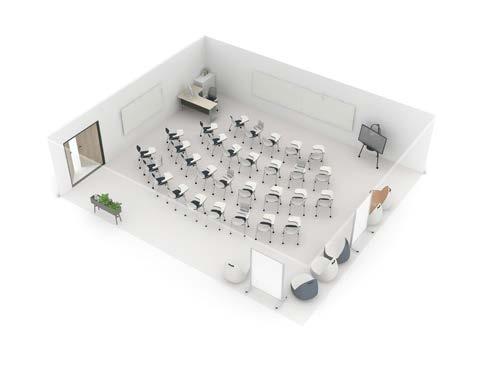
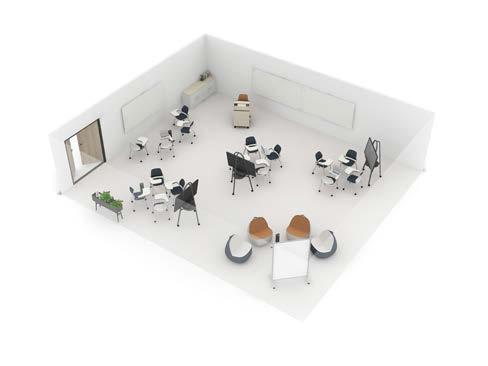
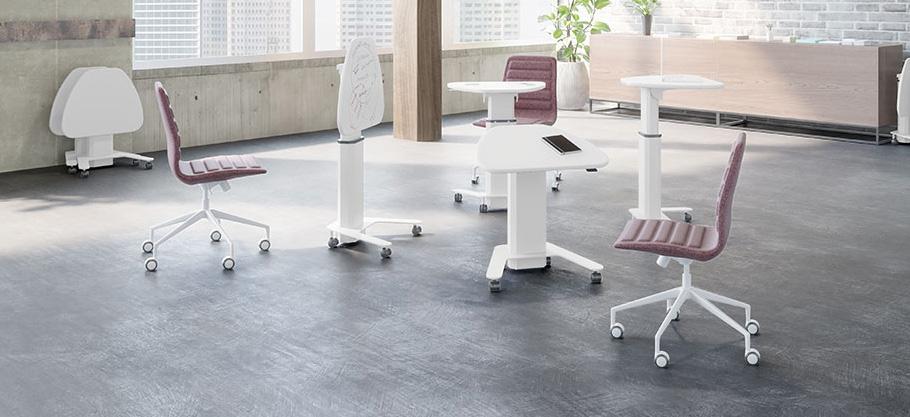
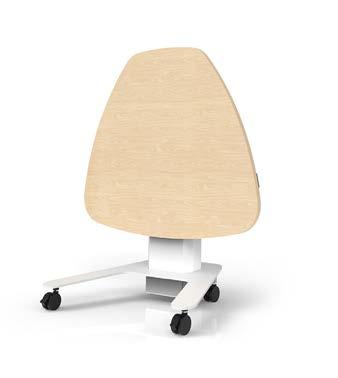
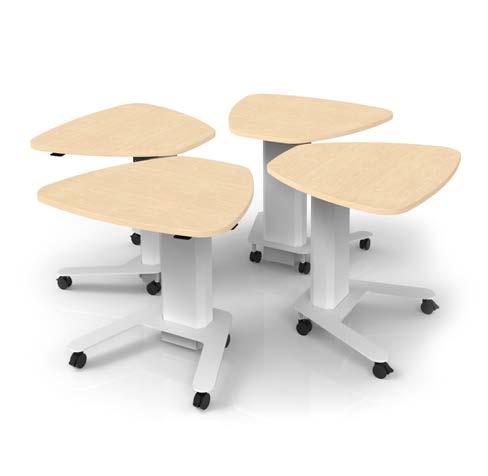
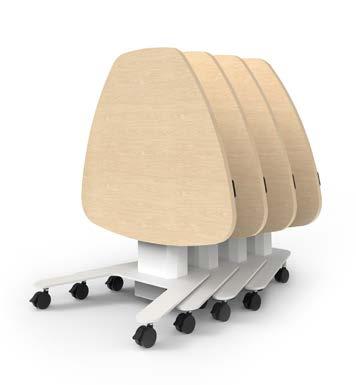
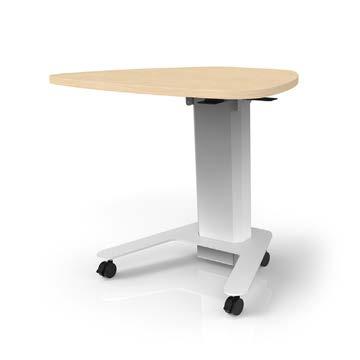
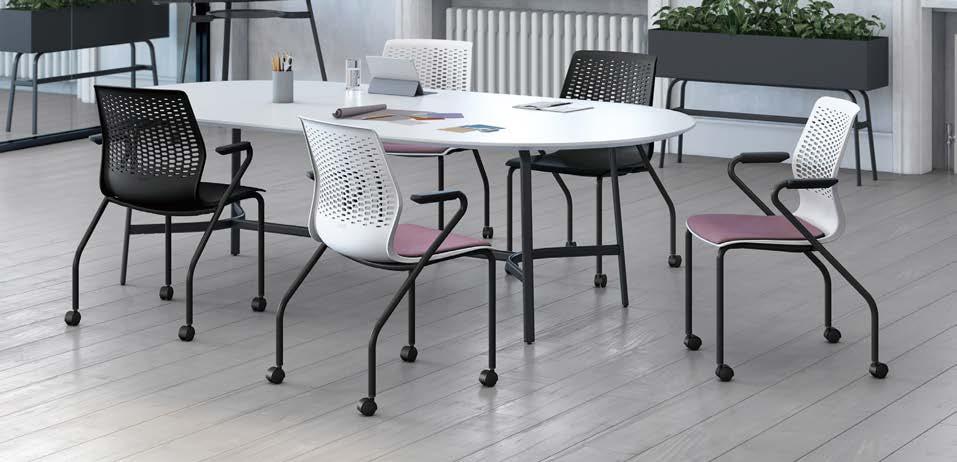
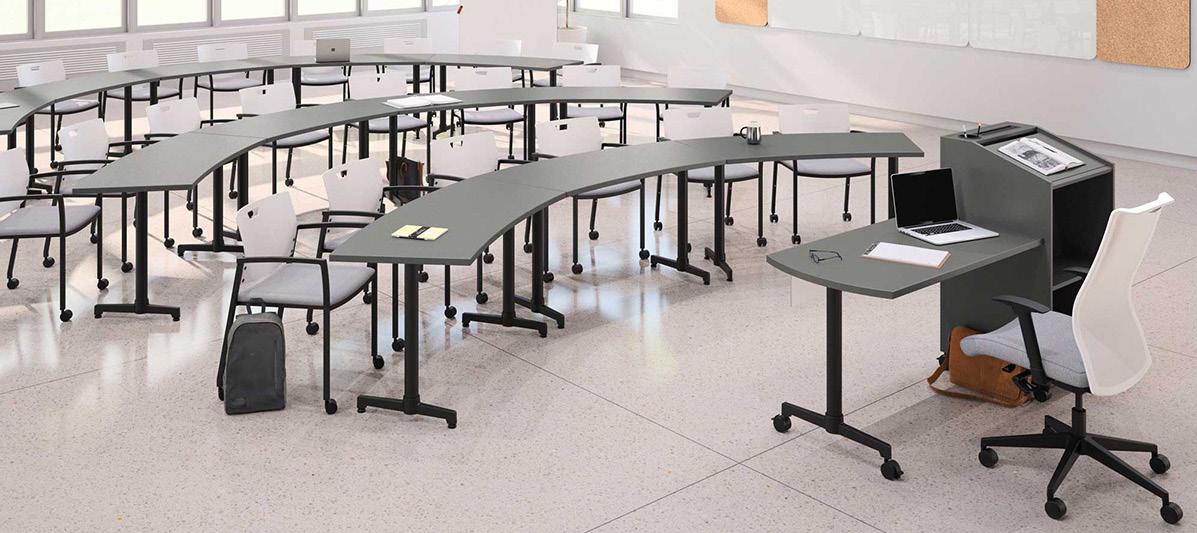
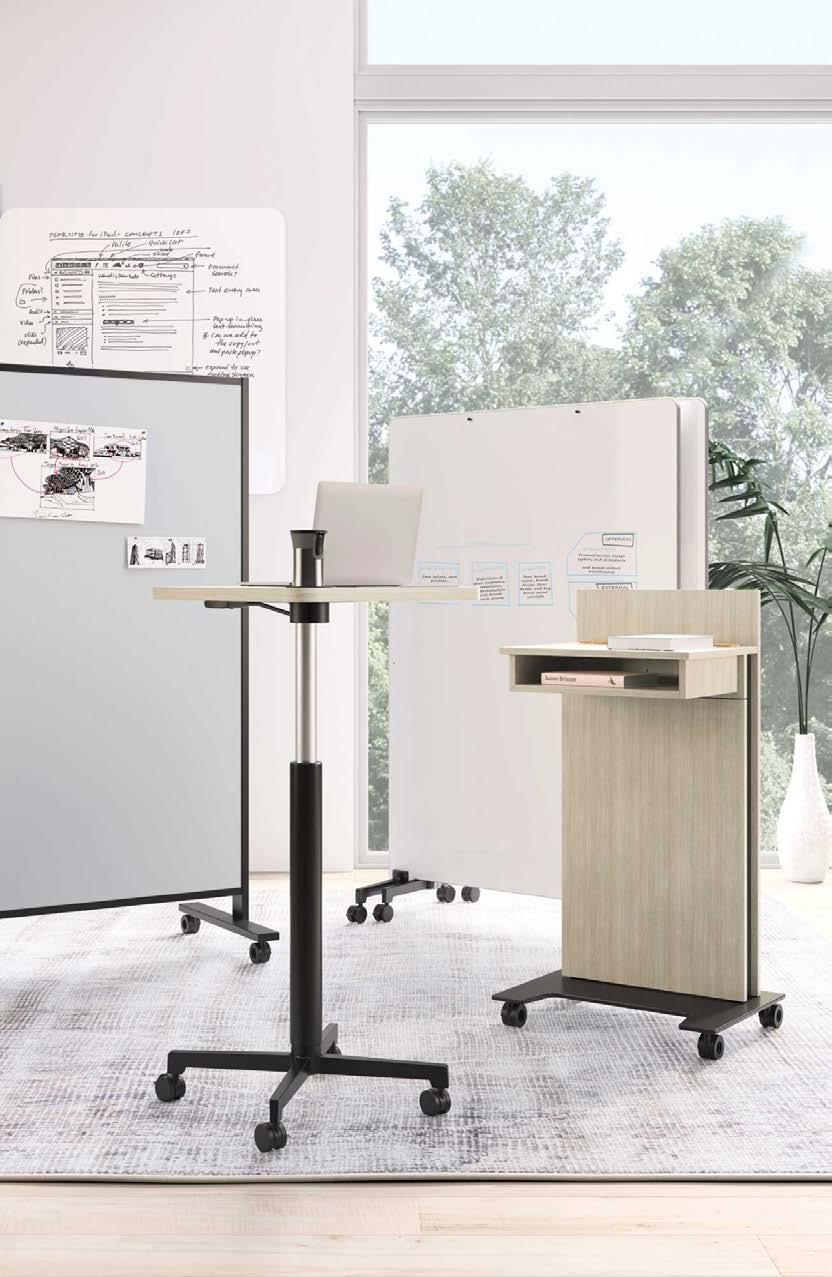
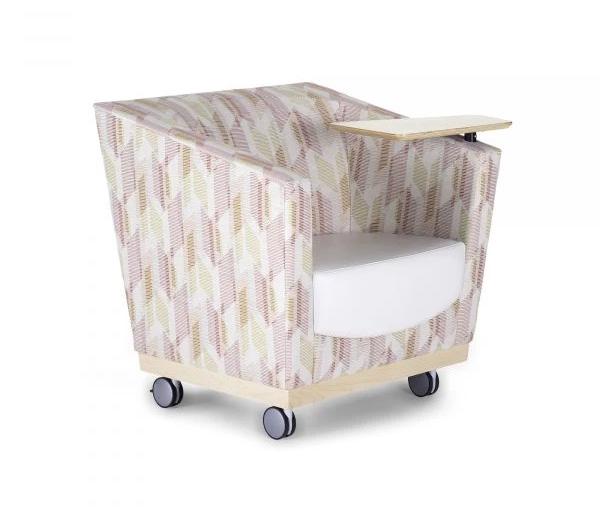
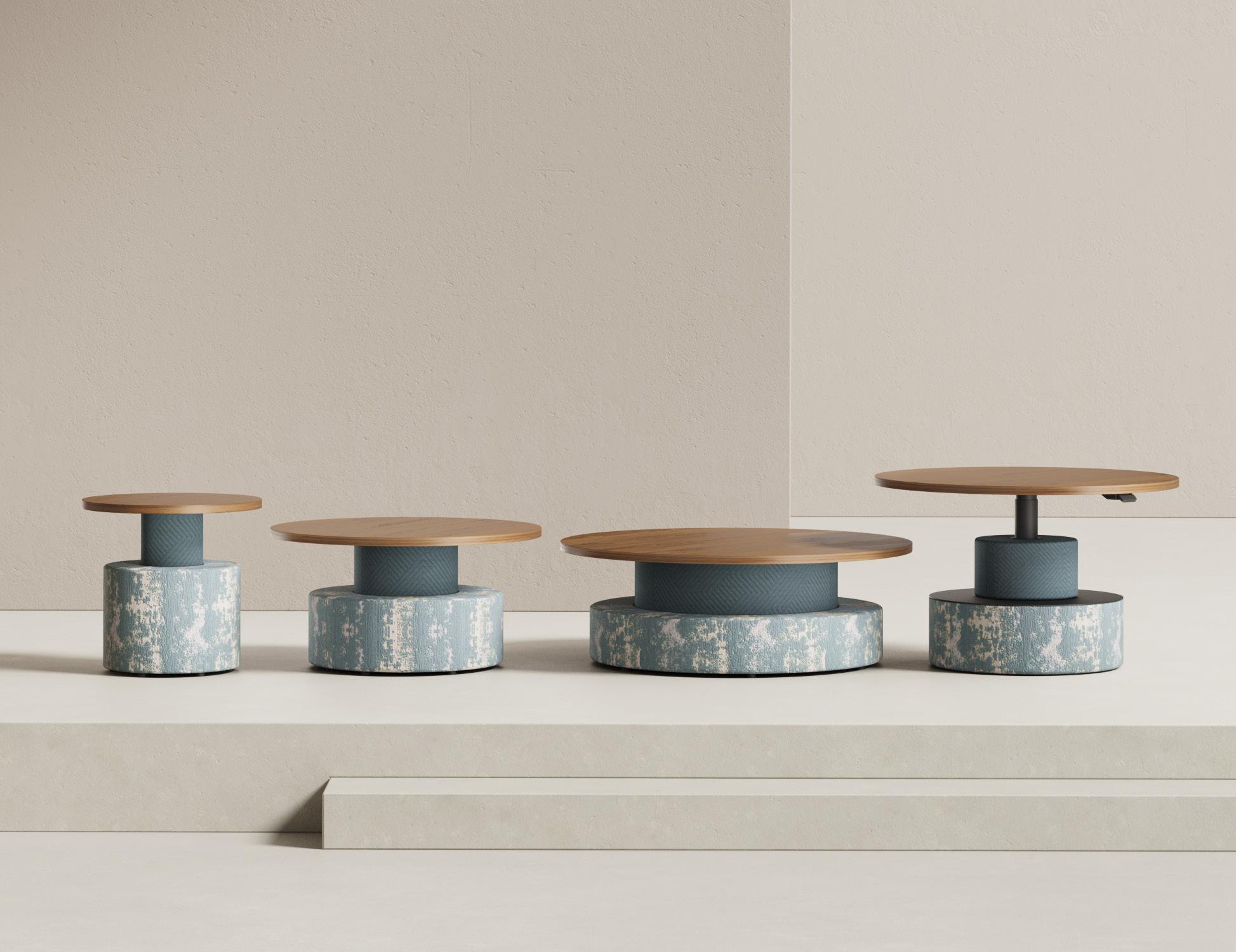
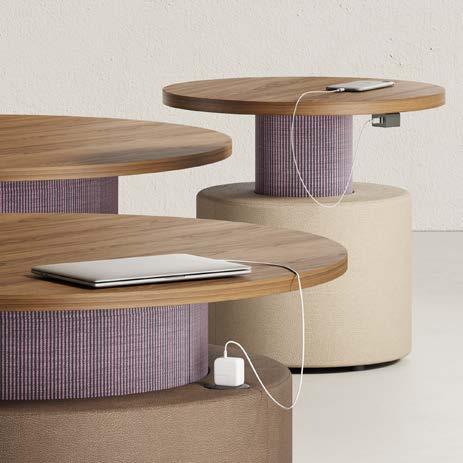
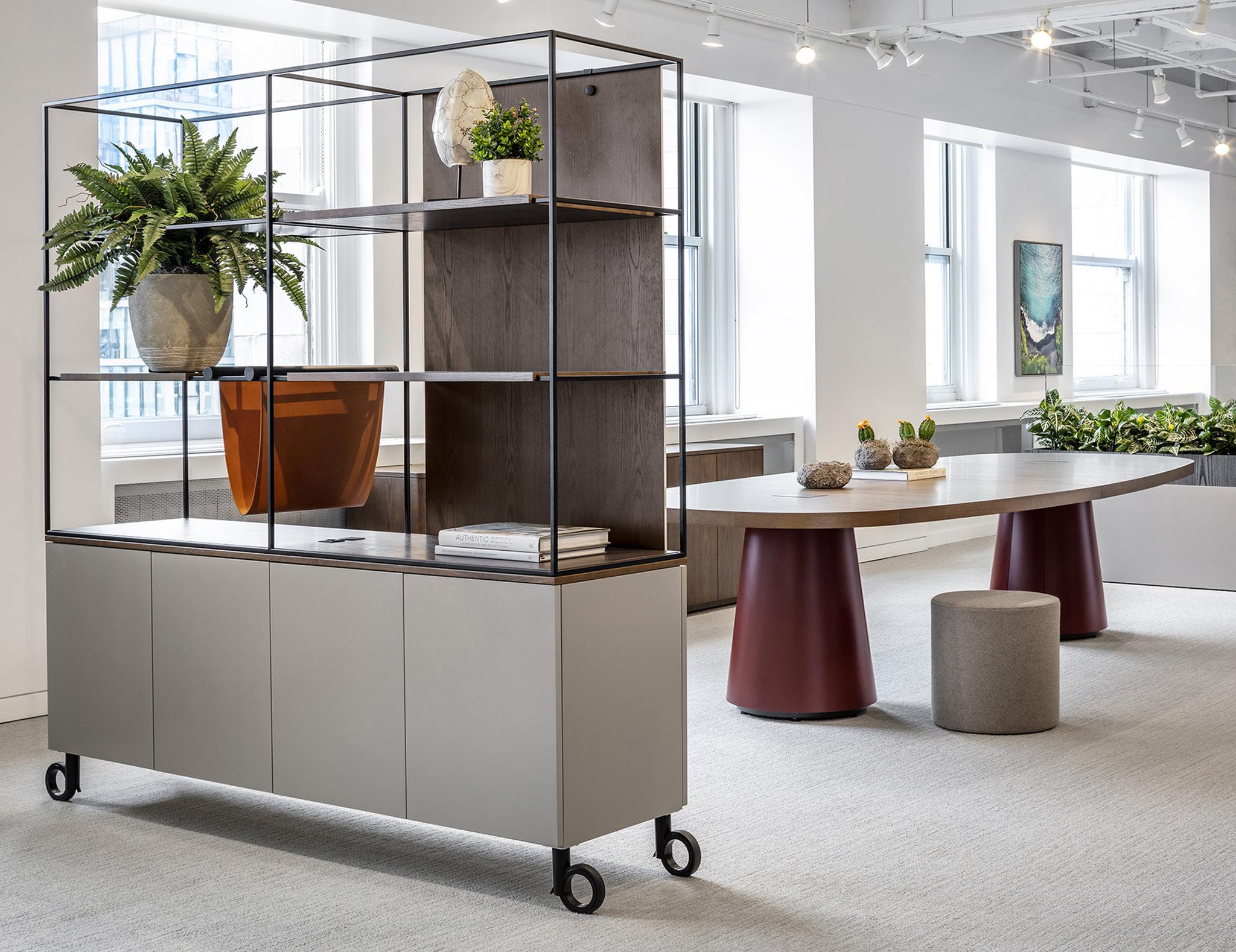
Mobility, flexibility, and technology are some of the most important trends in higher education design. With the advent of online learning, students are no longer confined to a physical classroom. As a result, higher education institutions are designing spaces that are more flexible and adaptable to the changing needs of students. Furniture on casters, height adjustability, and flip furniture that can easily nest are just some of the ways designers are achieving flexibility in modern spaces.
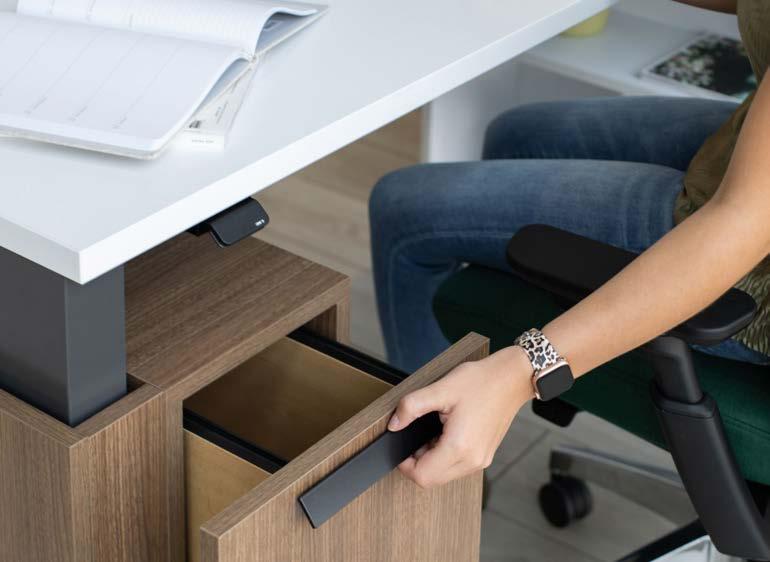
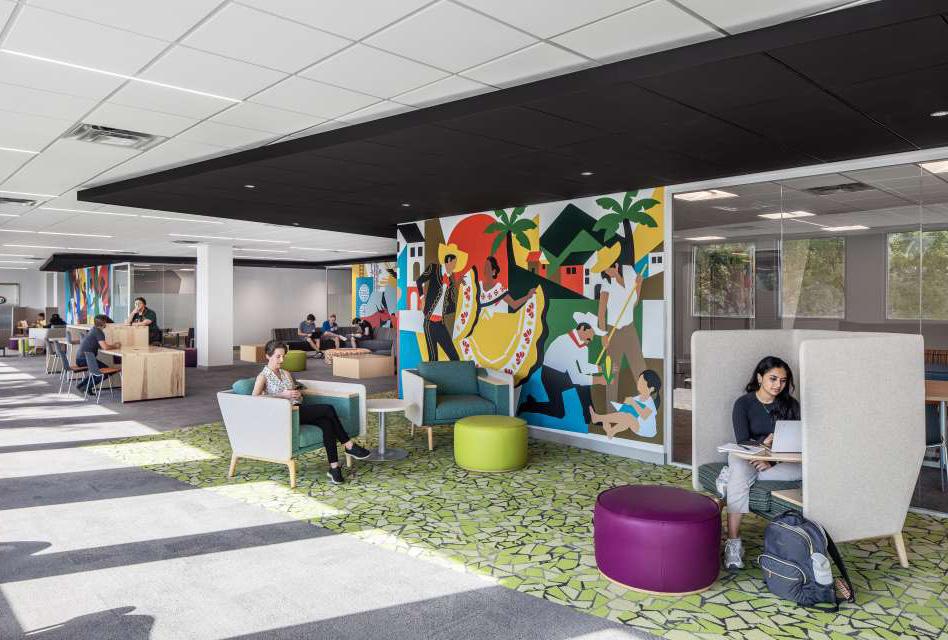
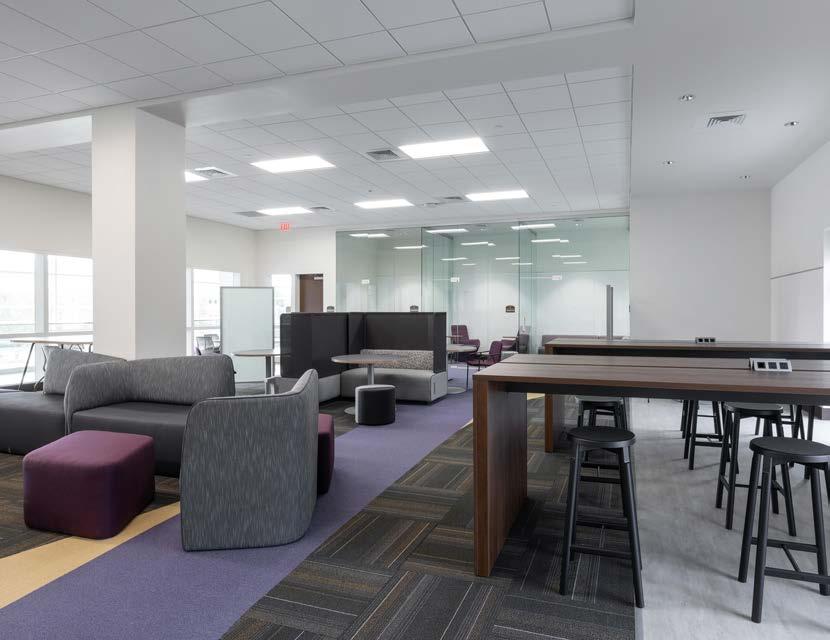
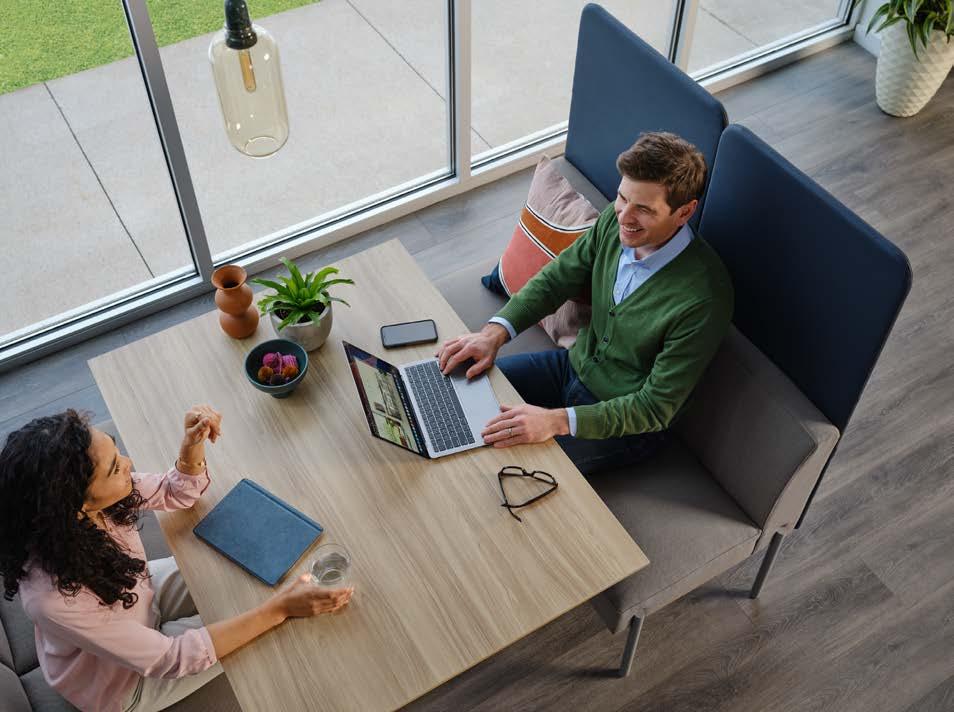
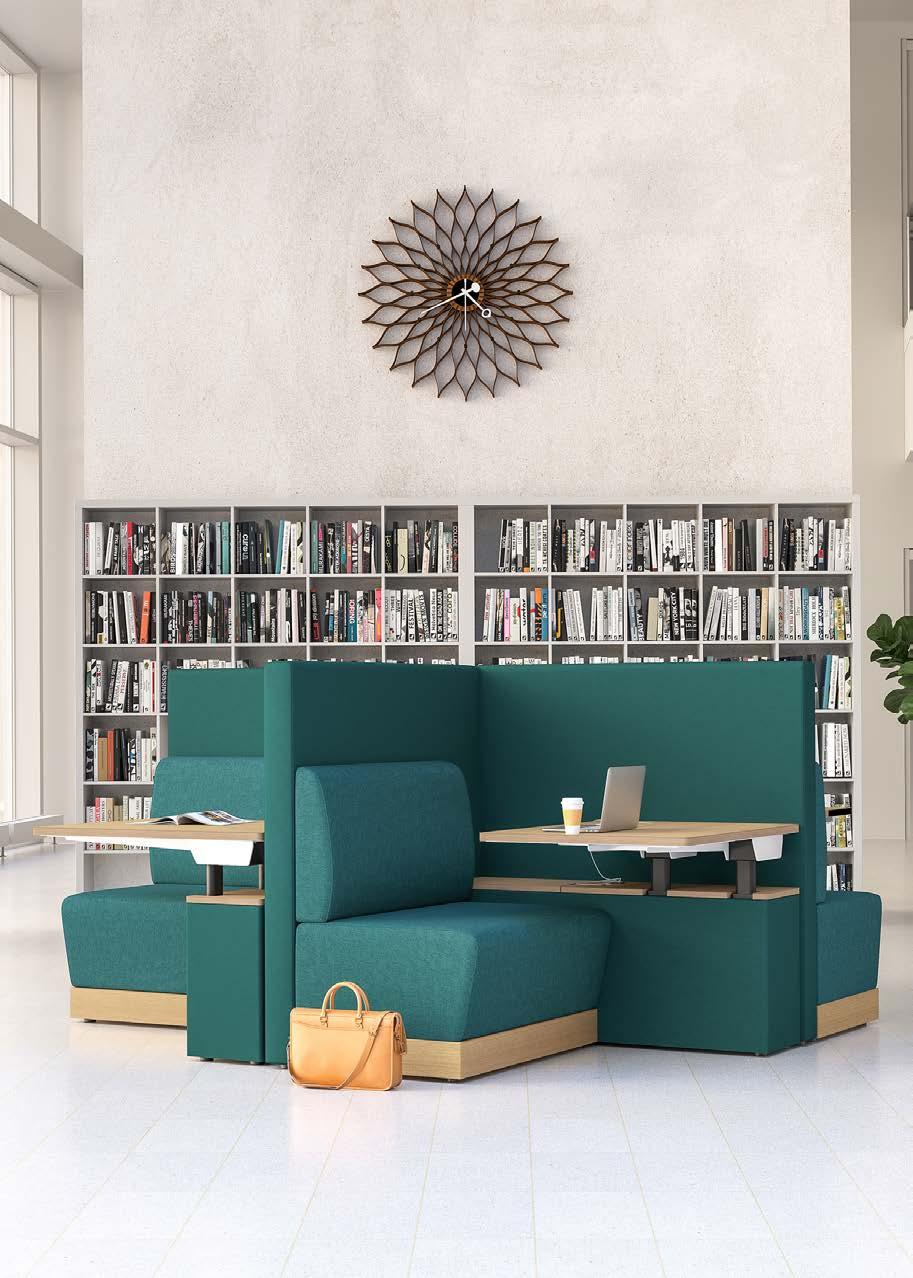
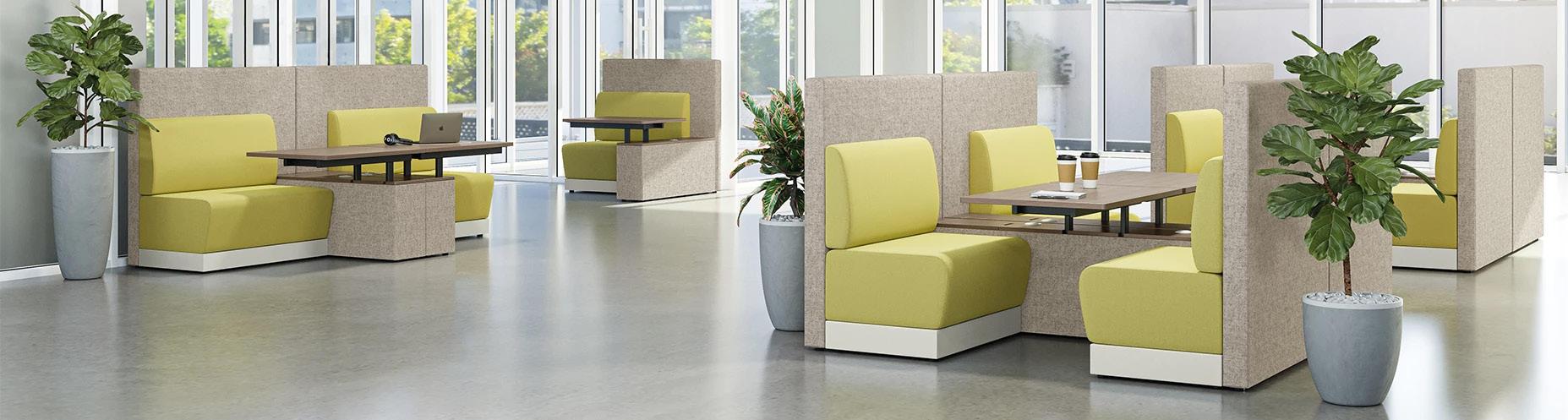
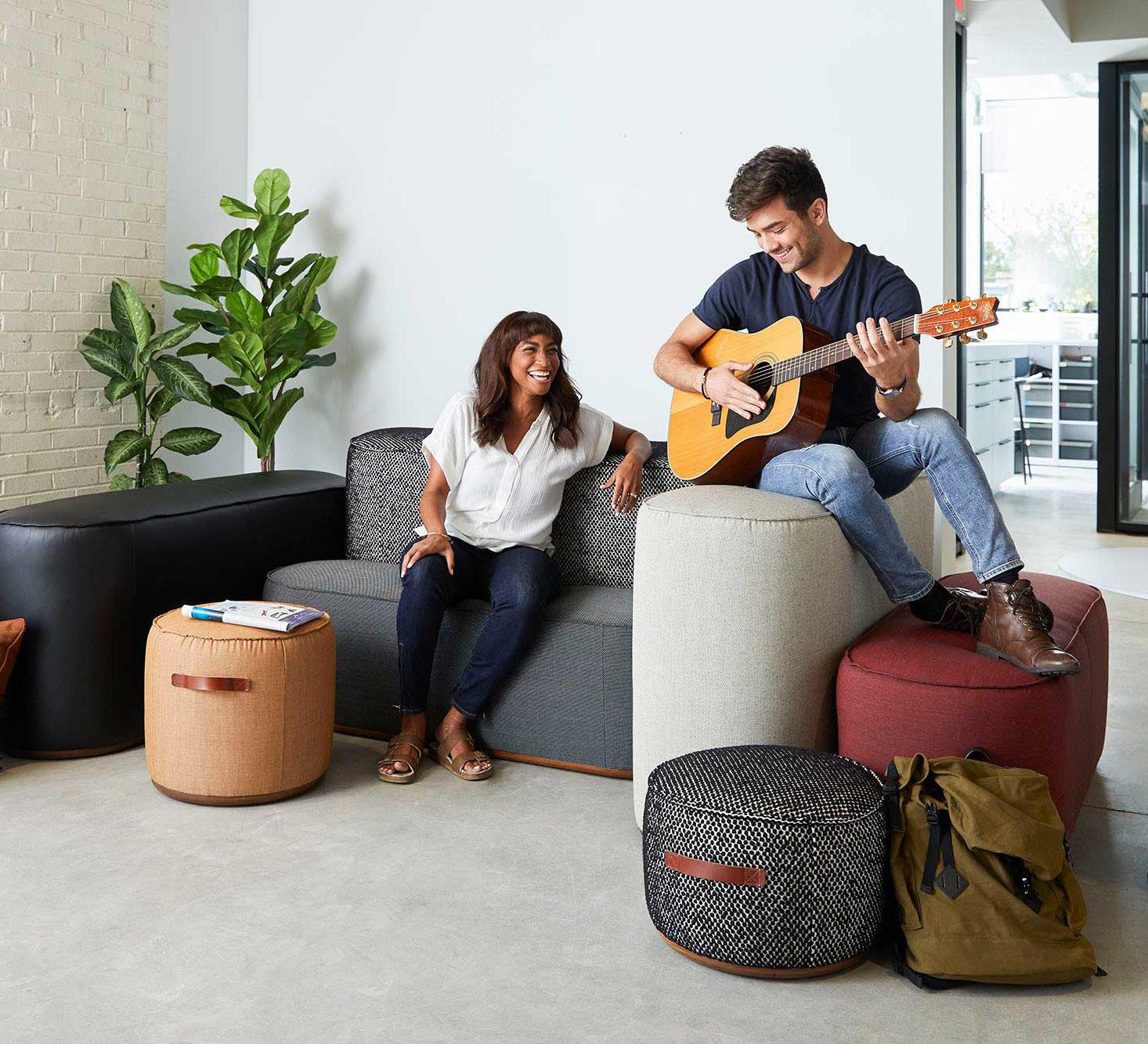
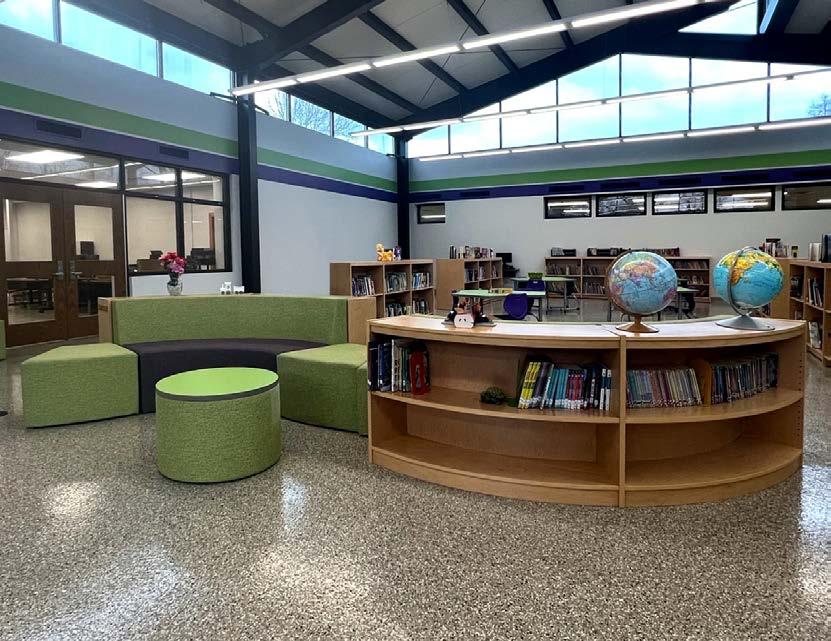
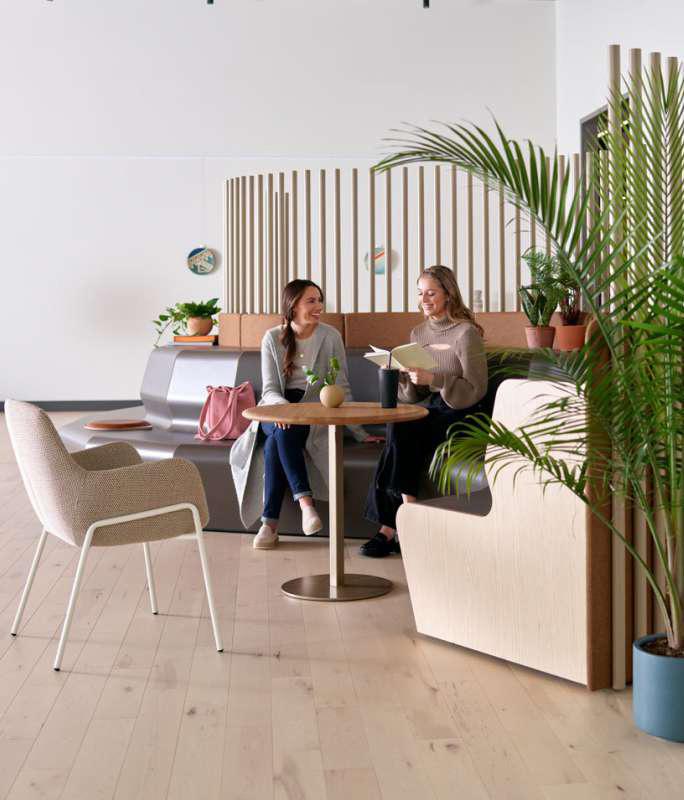
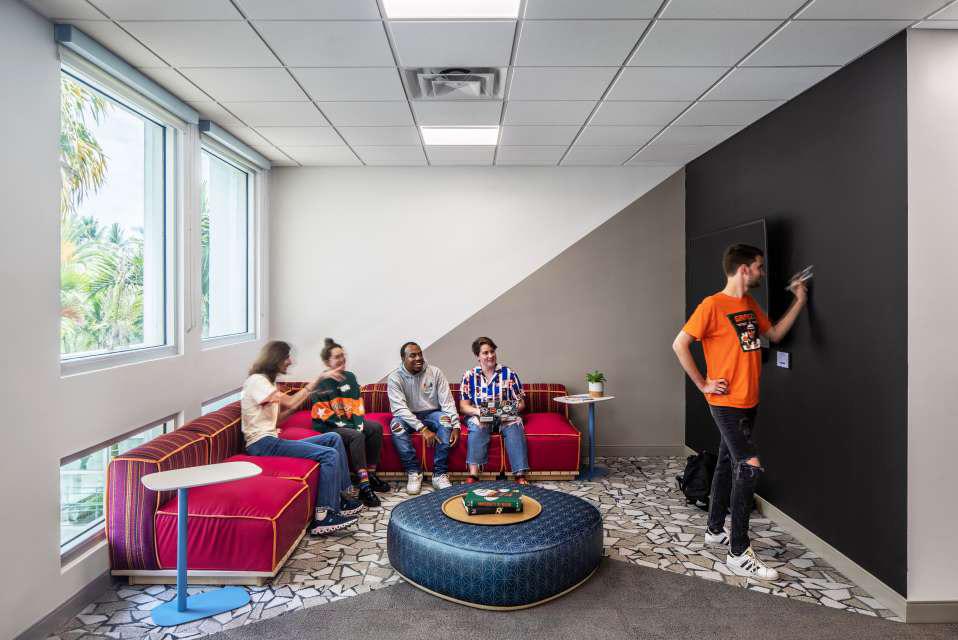
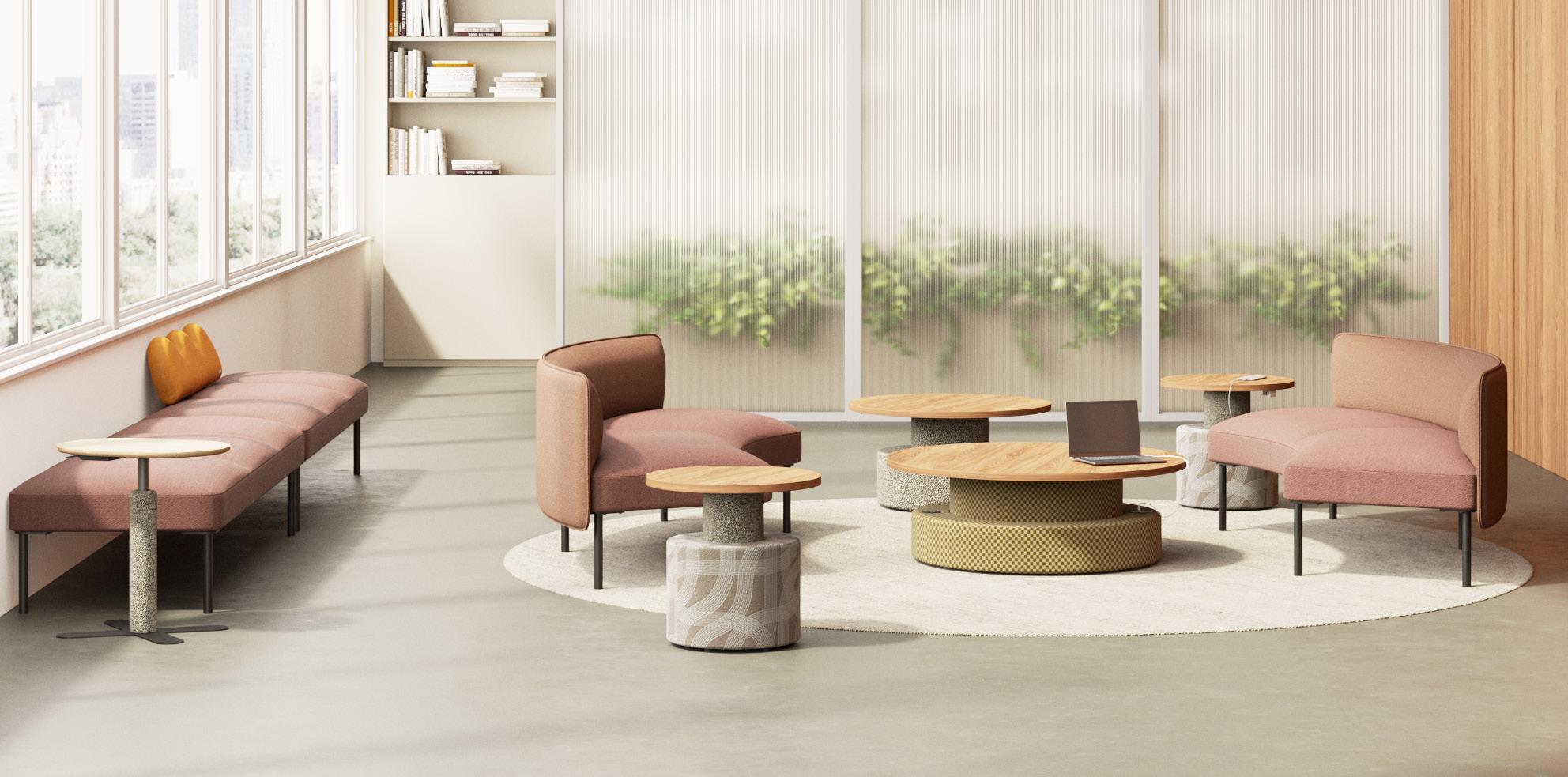
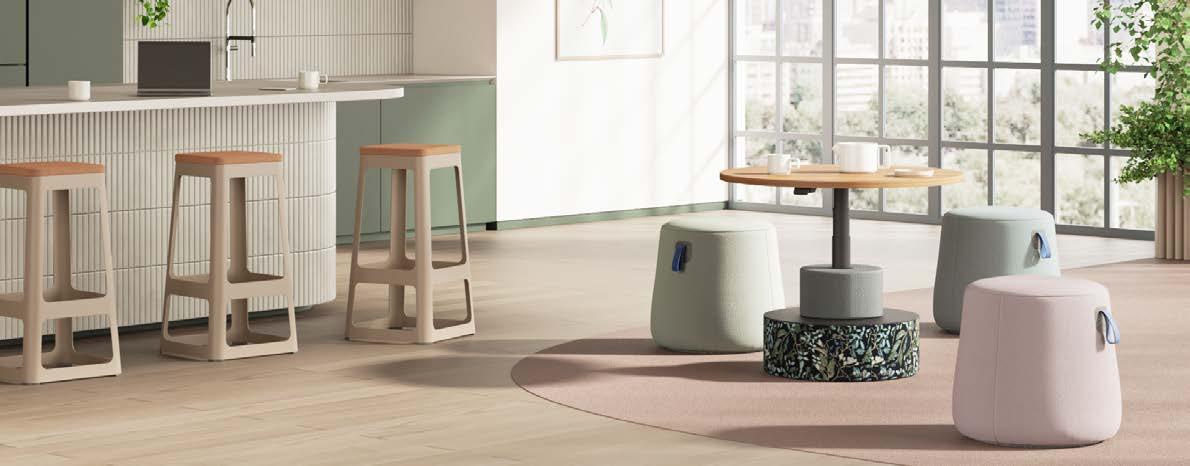
It is important to have spaces that are diverse and cater to different needs. These spaces should be designed to promote focus, collaboration, learning, and restorative activities. Additionally, they should be equipped with flexible furniture that supports movement and well-being. For instance, furniture that allows for sit-to-stand transitions can help students stay active and engaged during long periods of study.
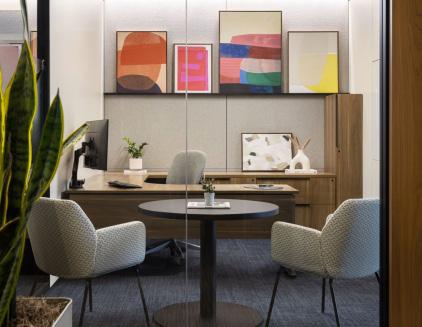
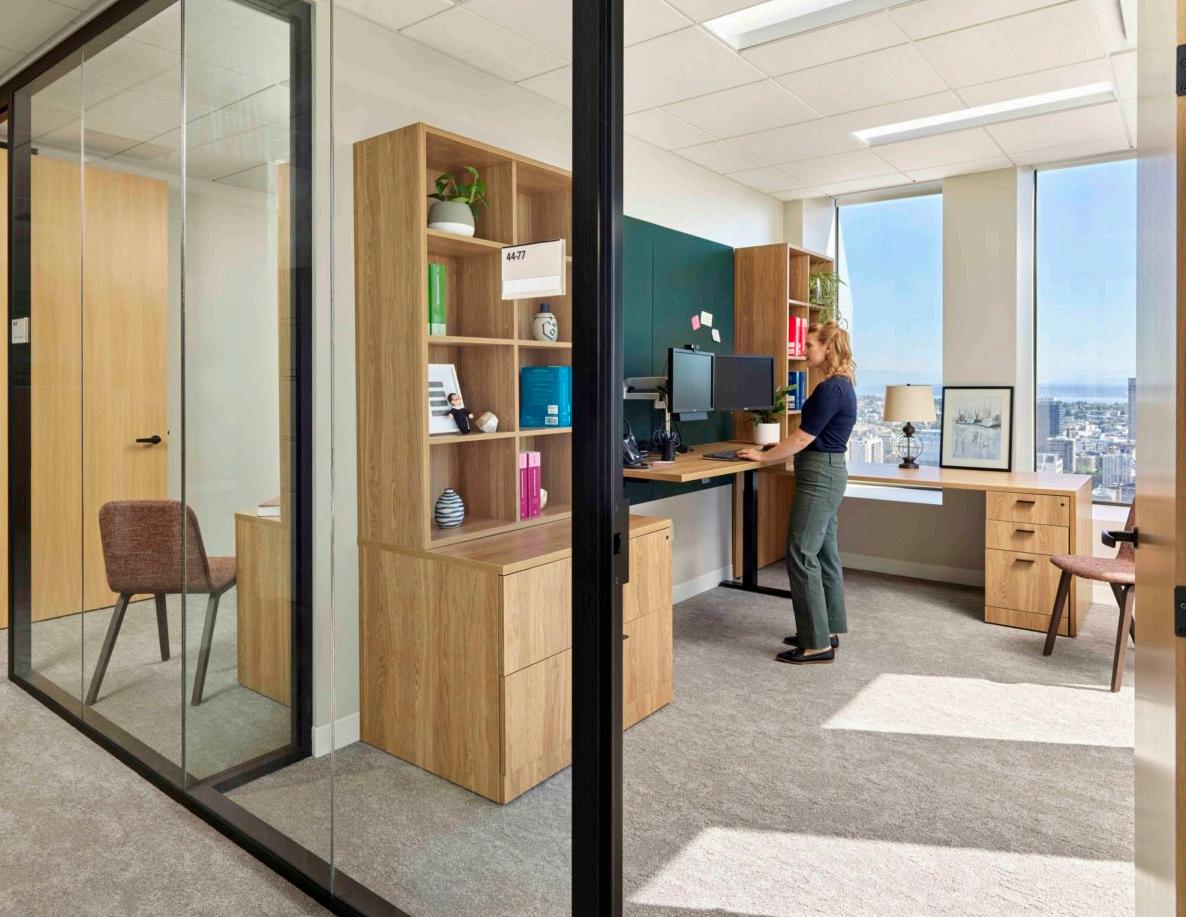
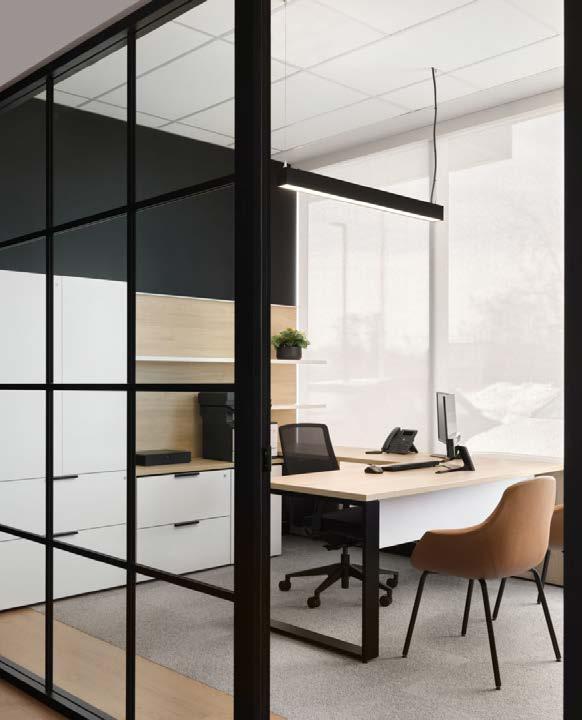
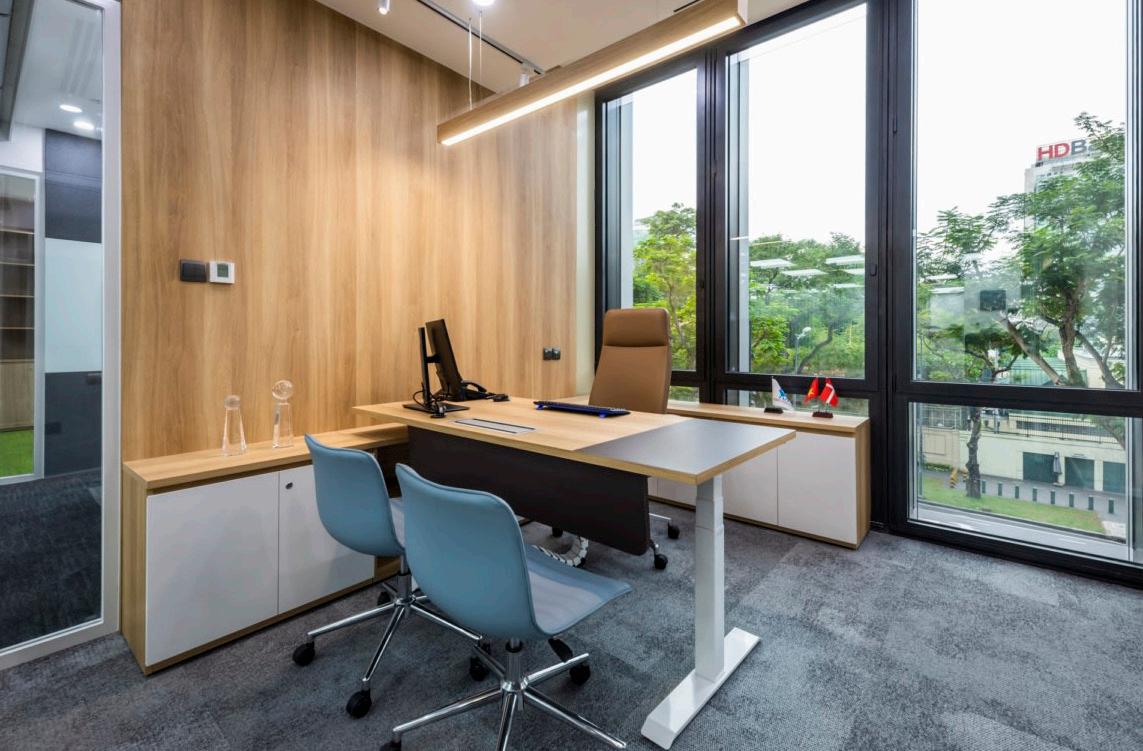
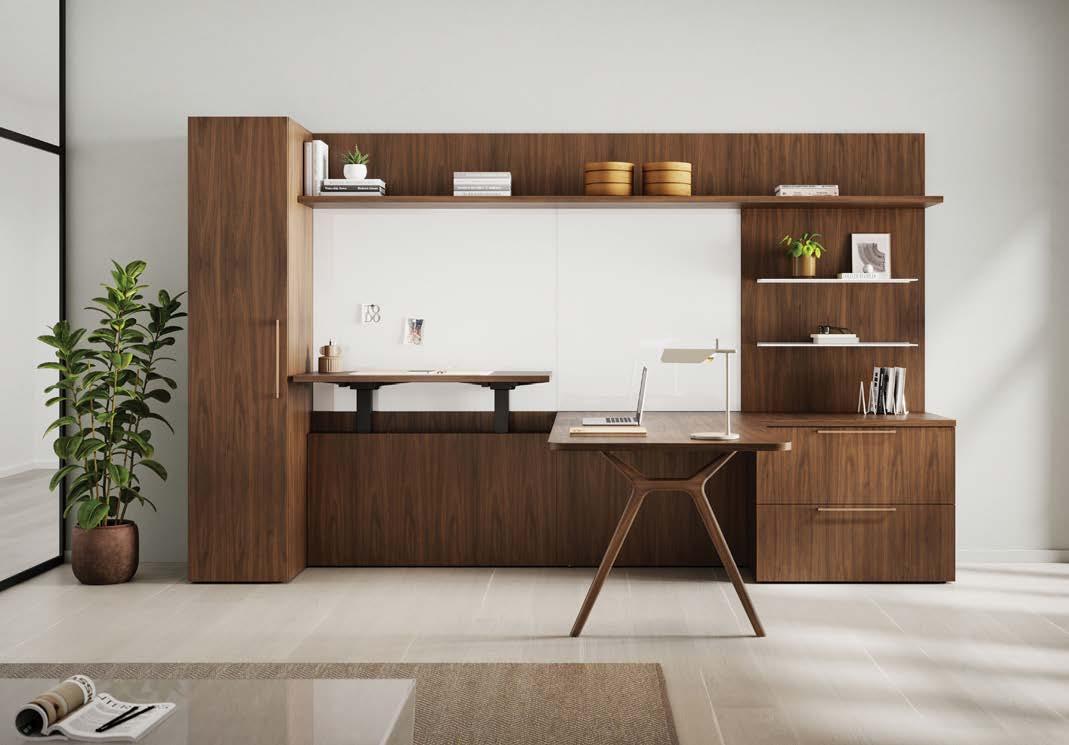
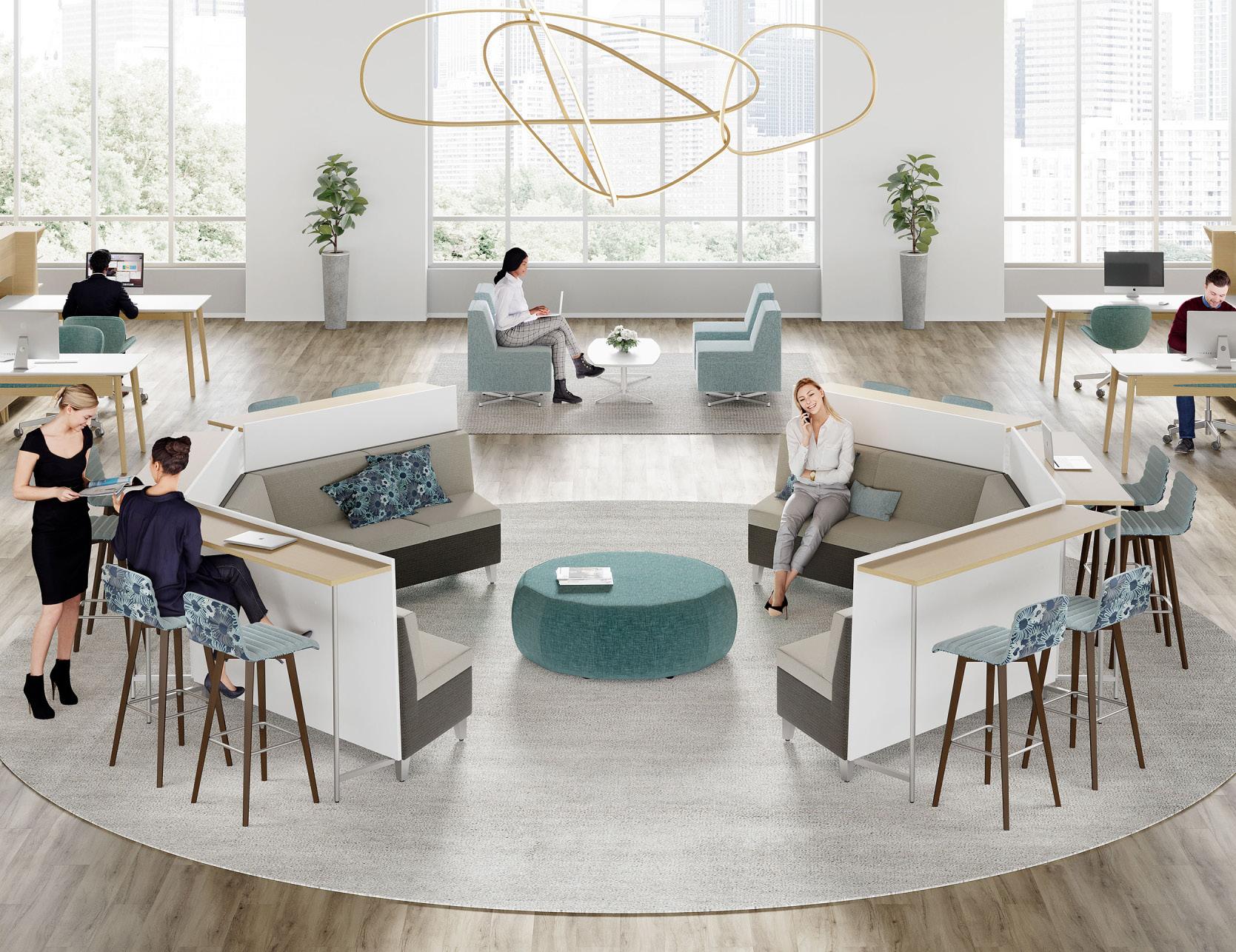
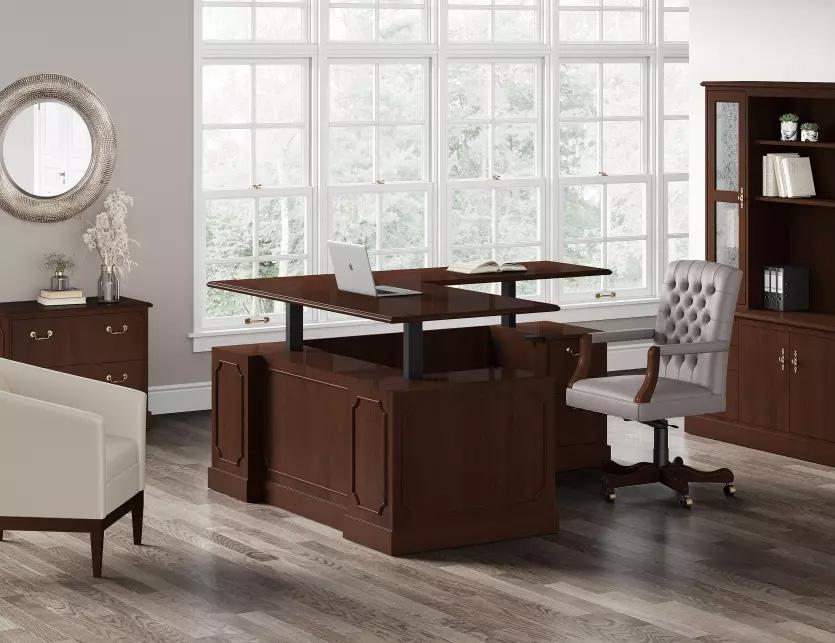
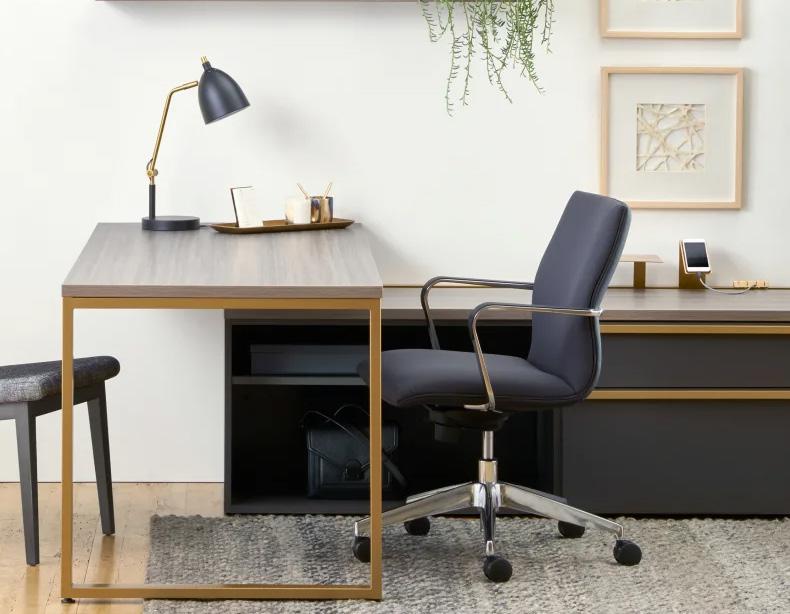
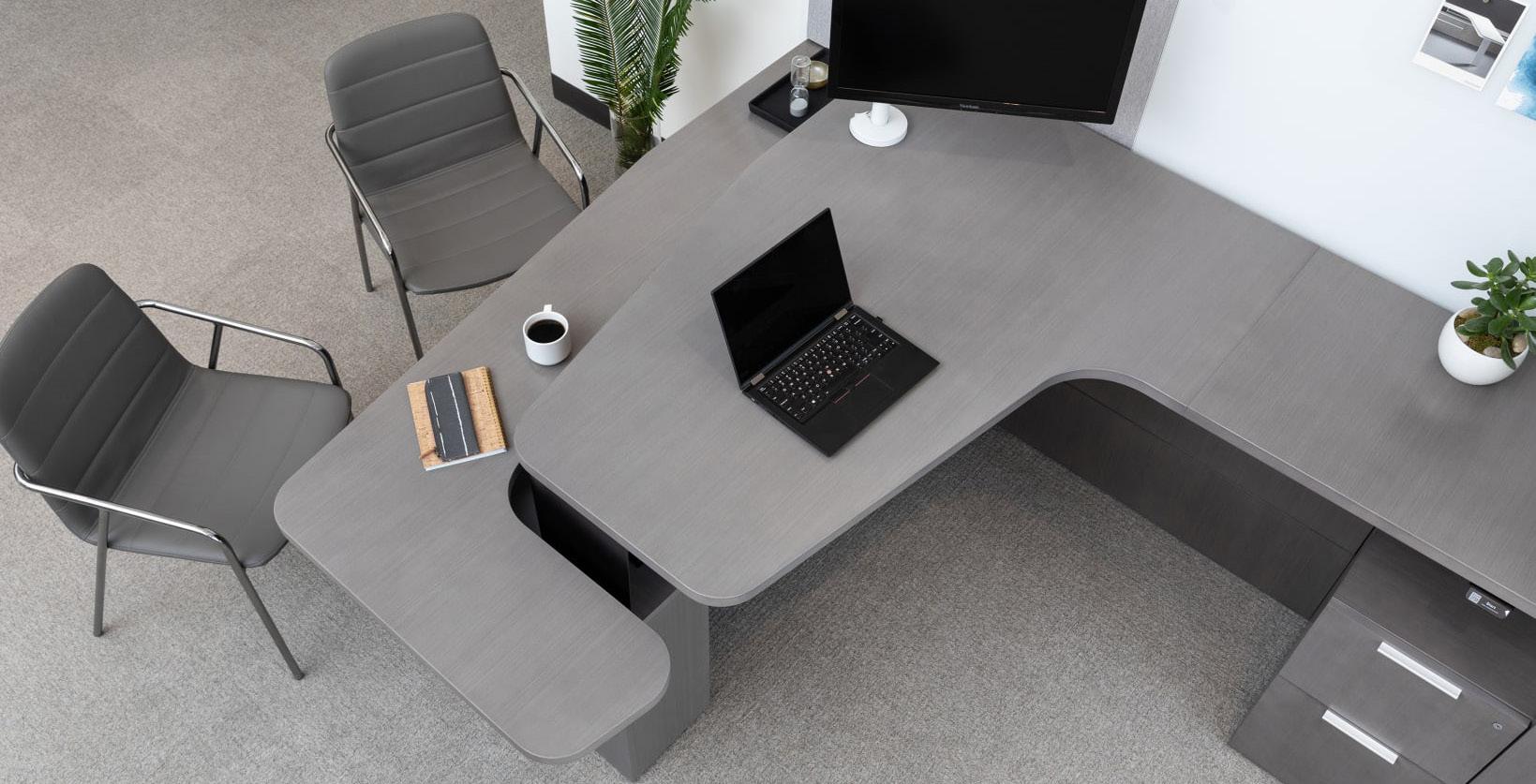
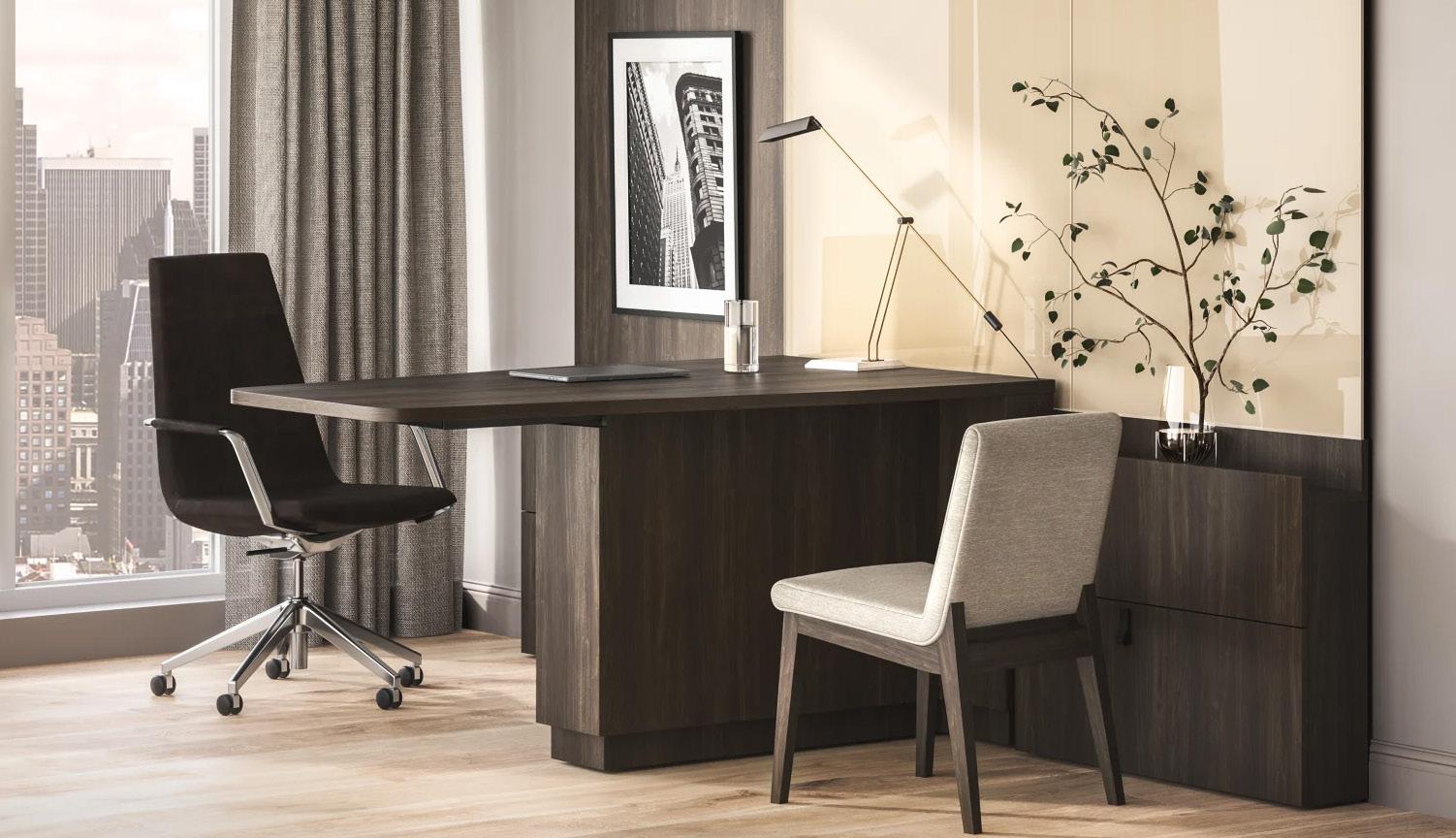
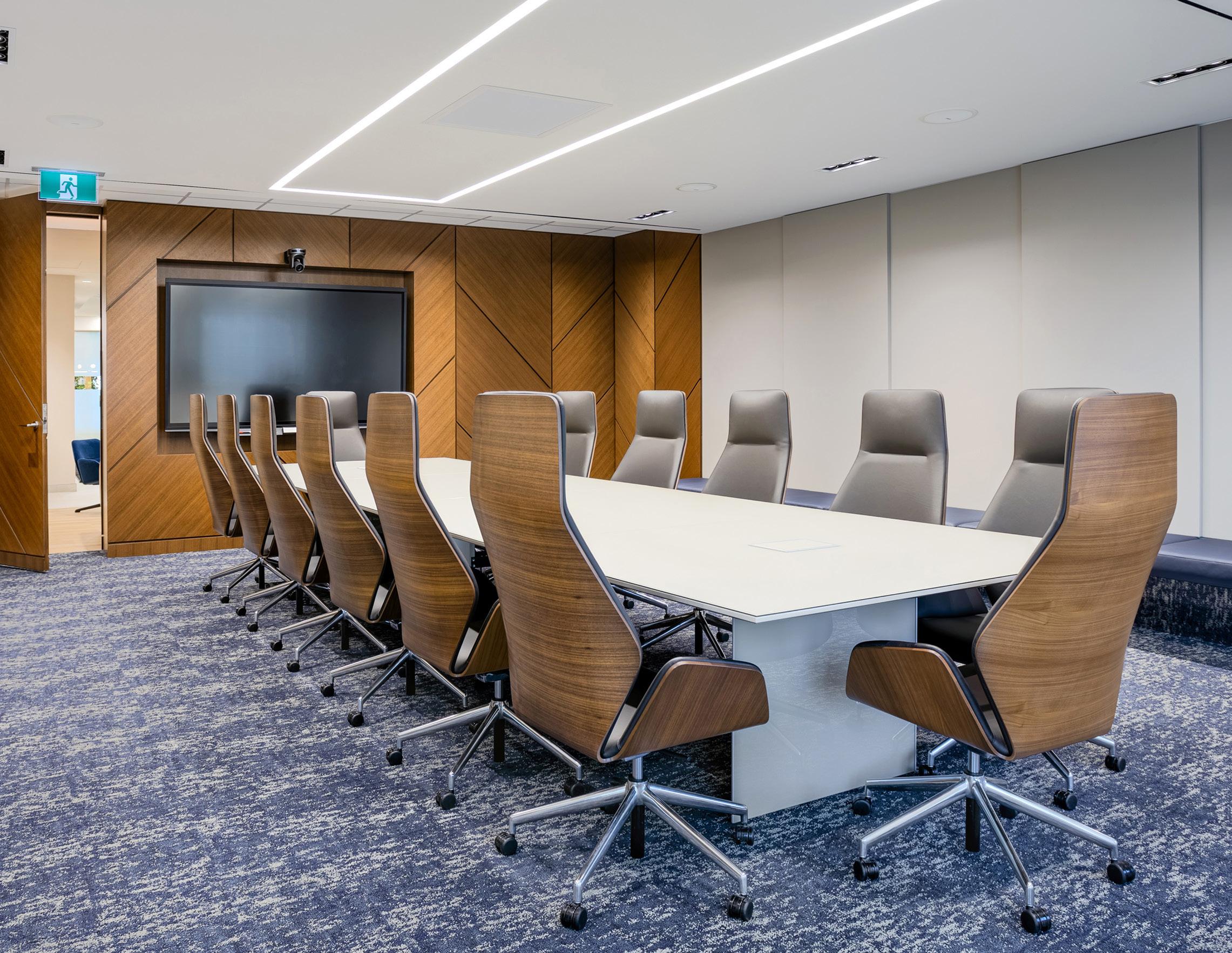
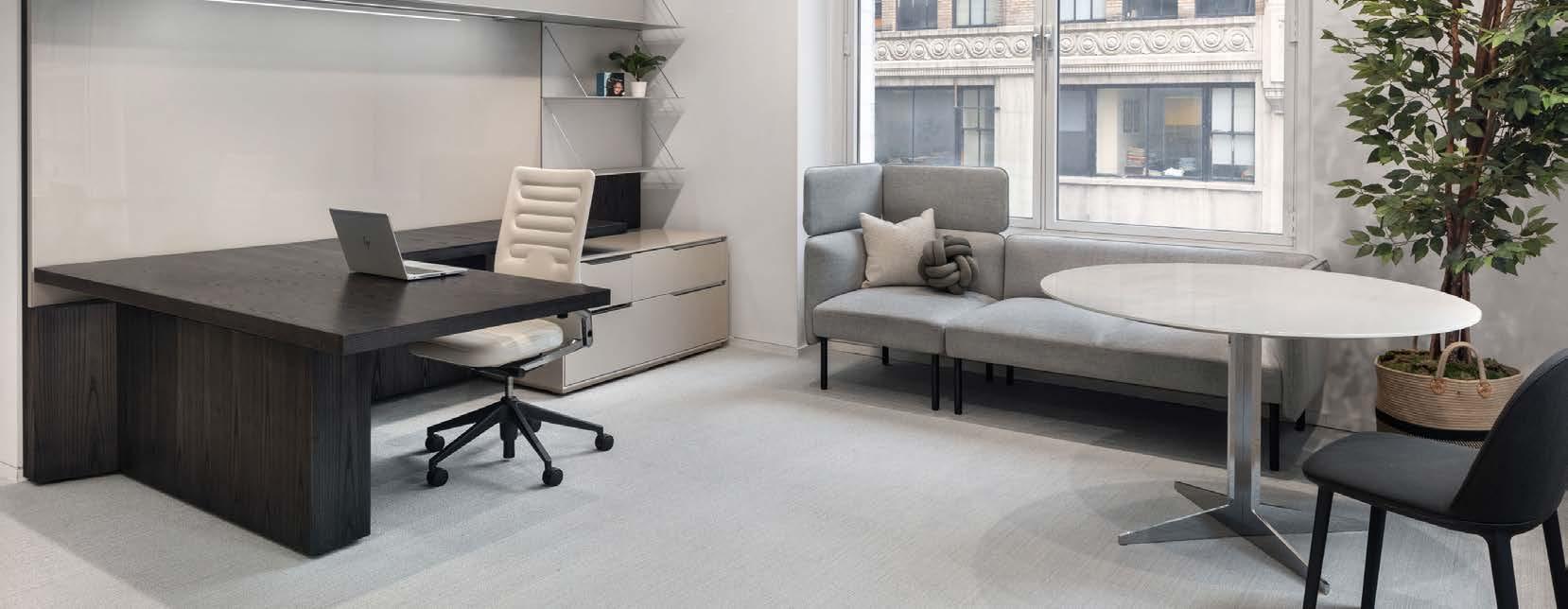
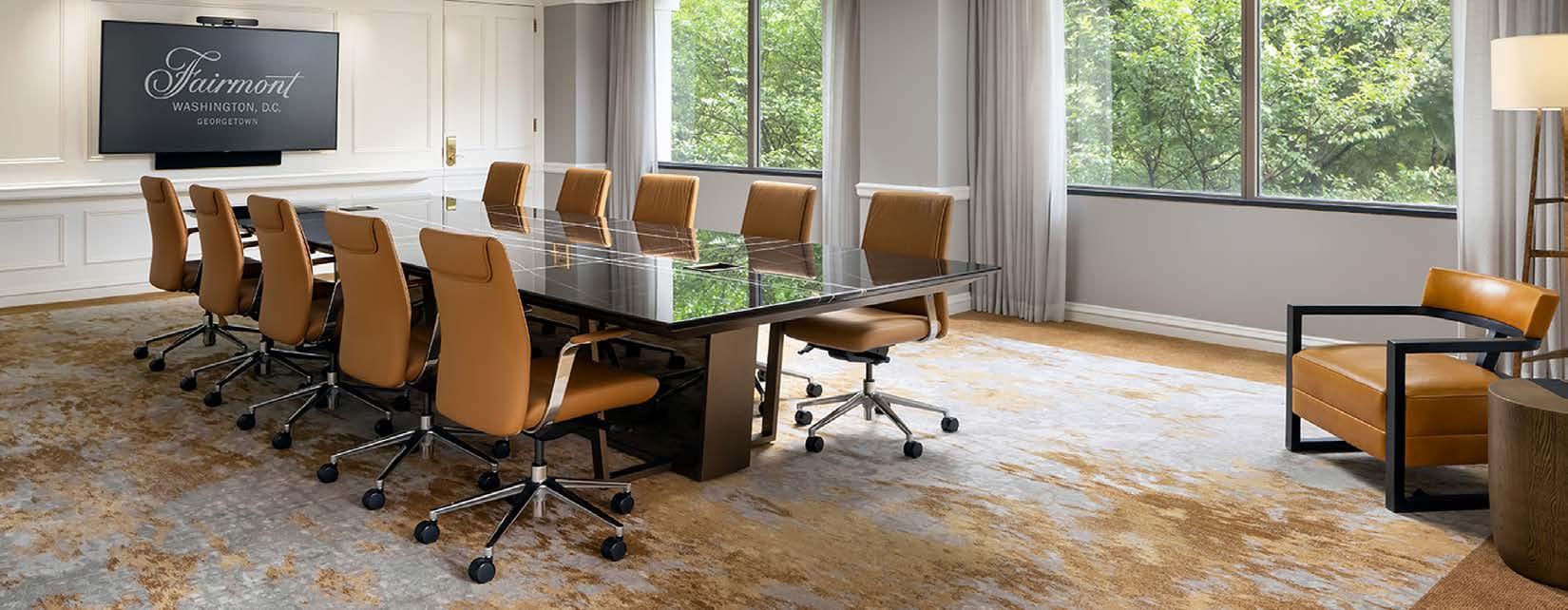
A well-designed office is crucial, as it serves as a dynamic hub for collaboration, decisionmaking, and innovation. An environment that fosters open communication, ergonomic workspaces, and technological integration not only enhances productivity but also promotes a positive and inclusive culture.

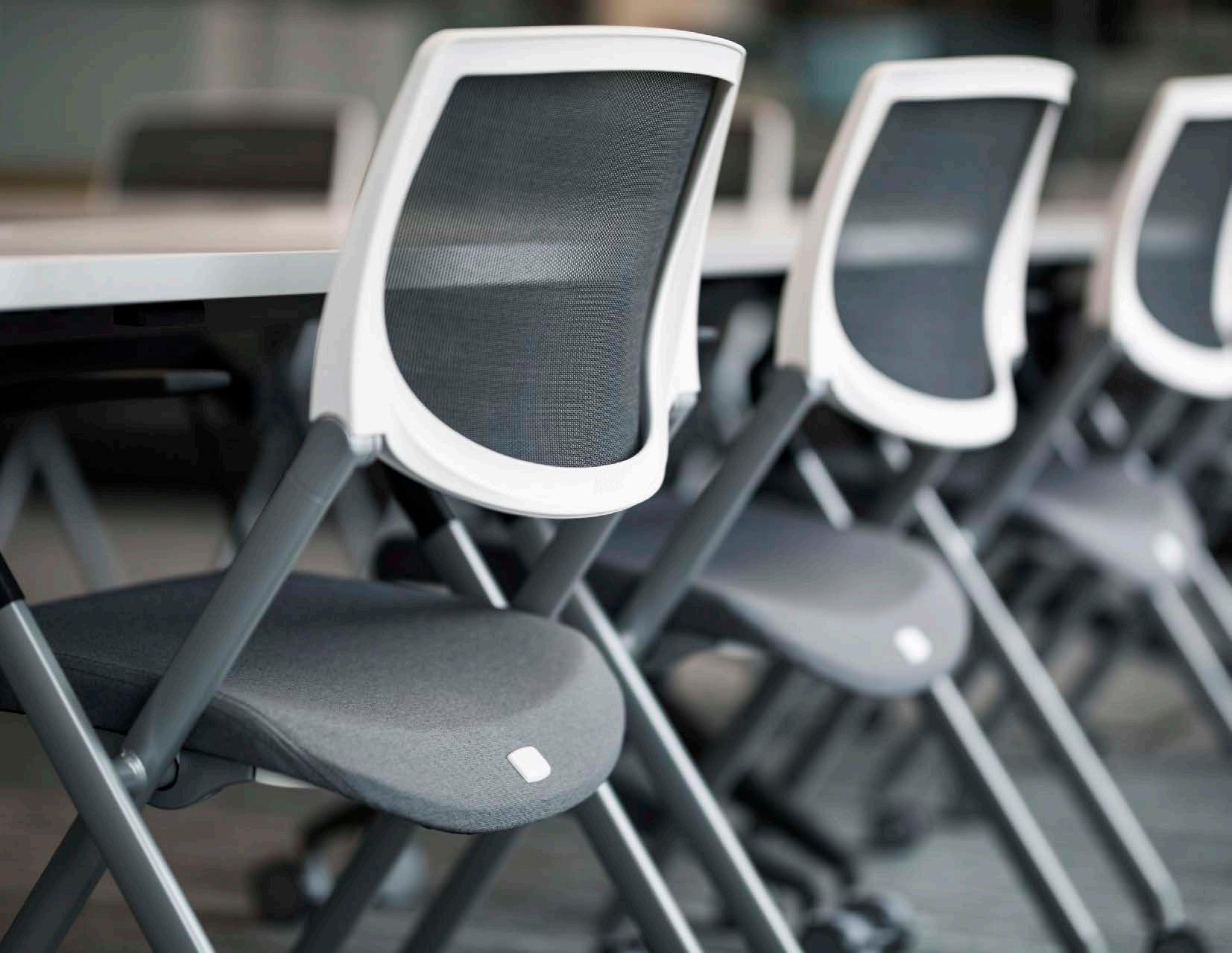
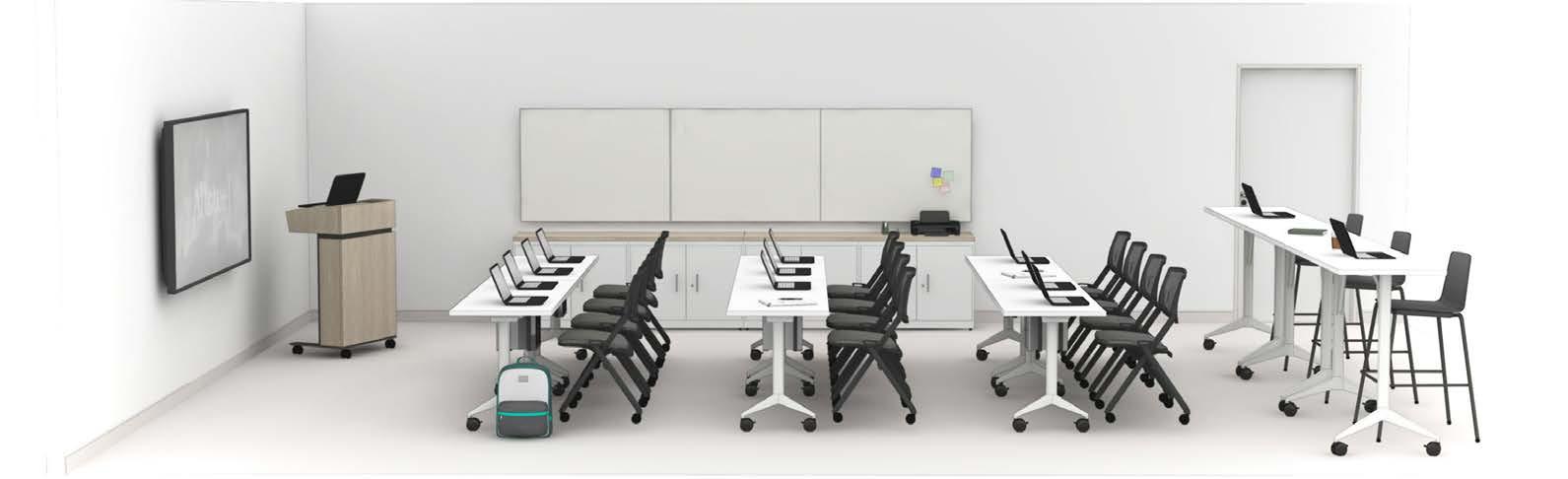
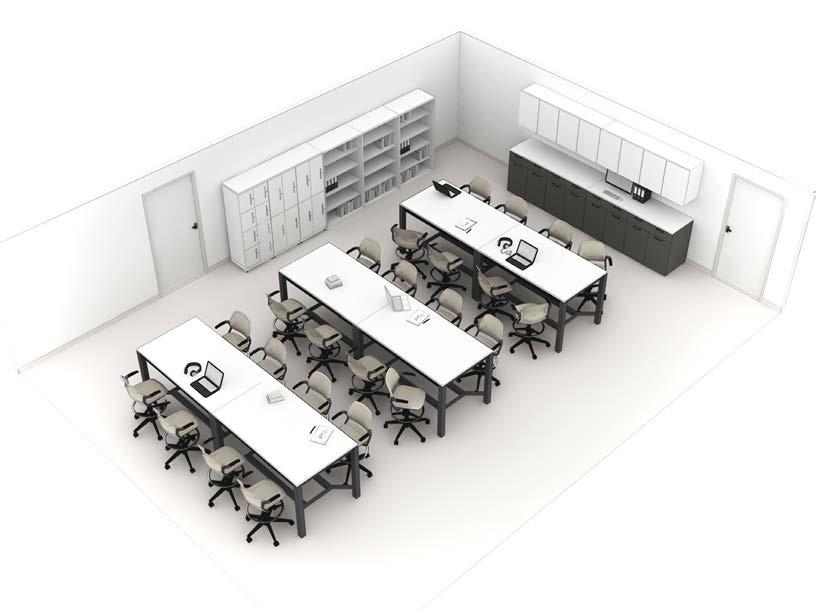
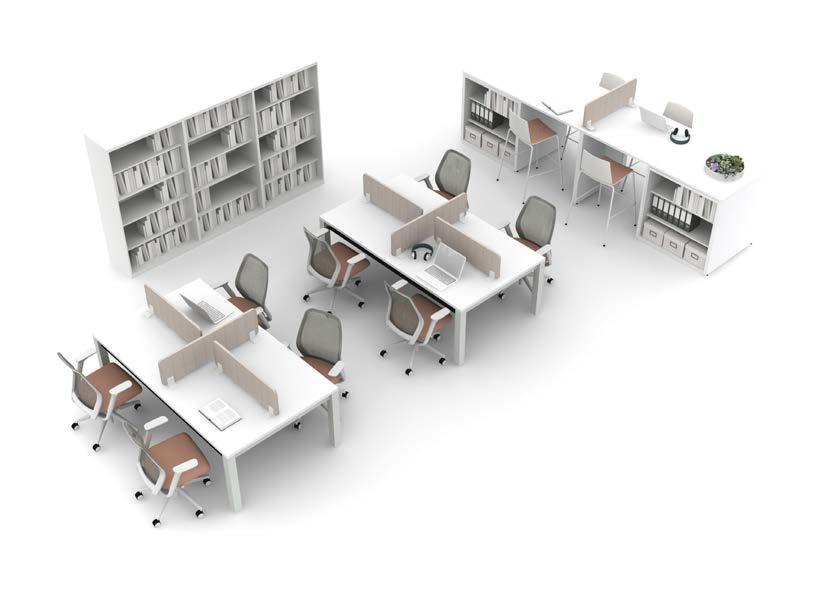
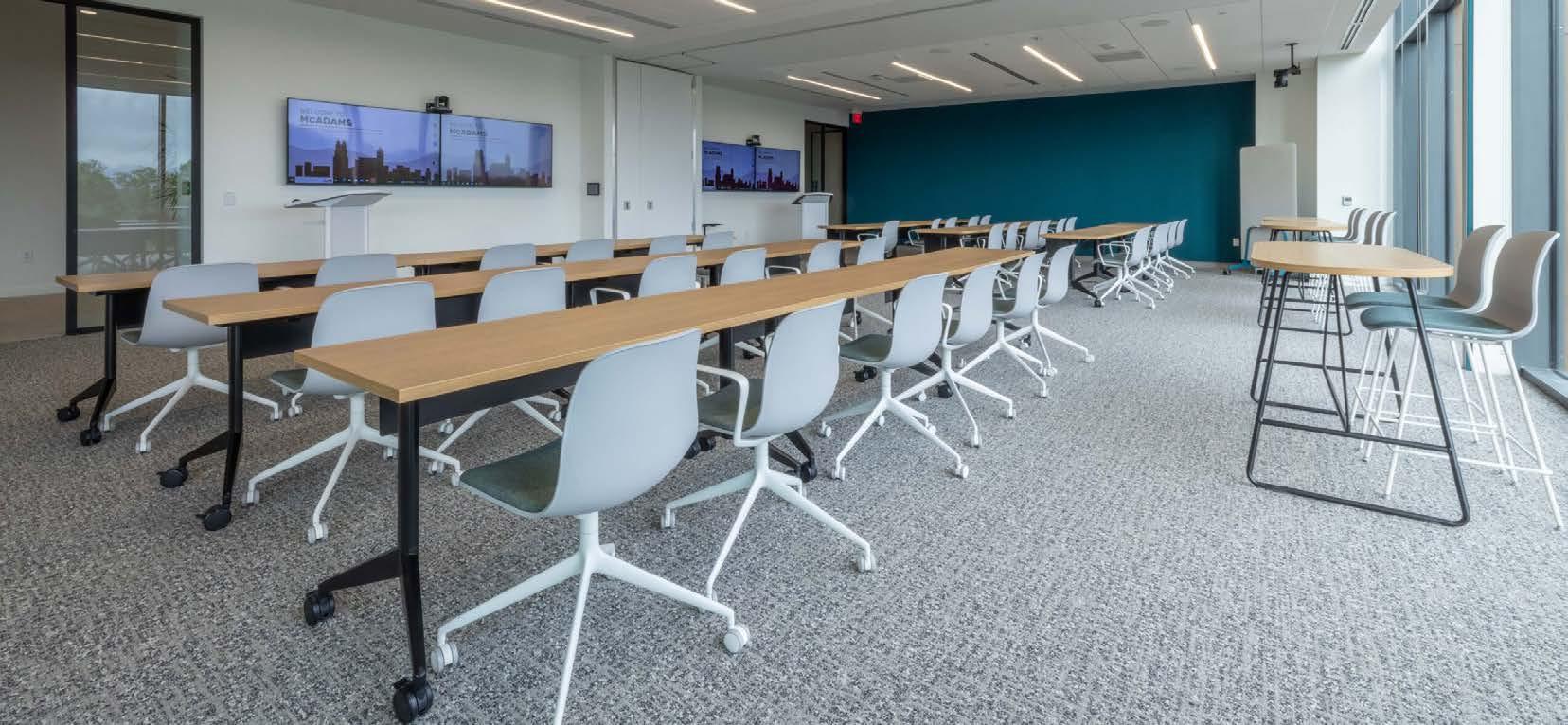
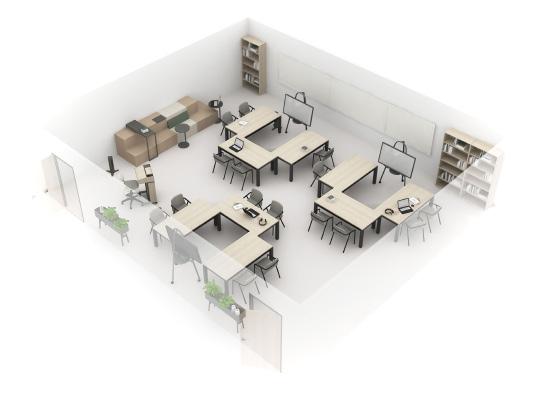
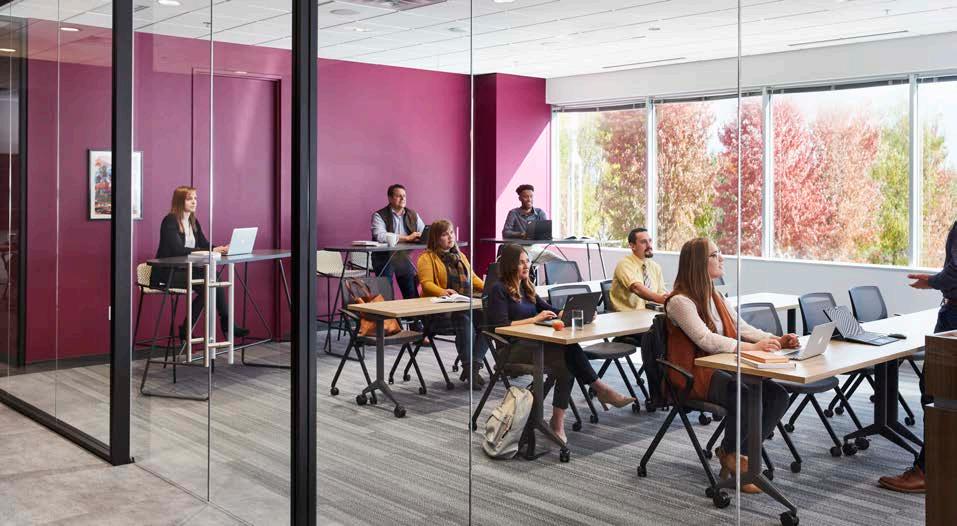
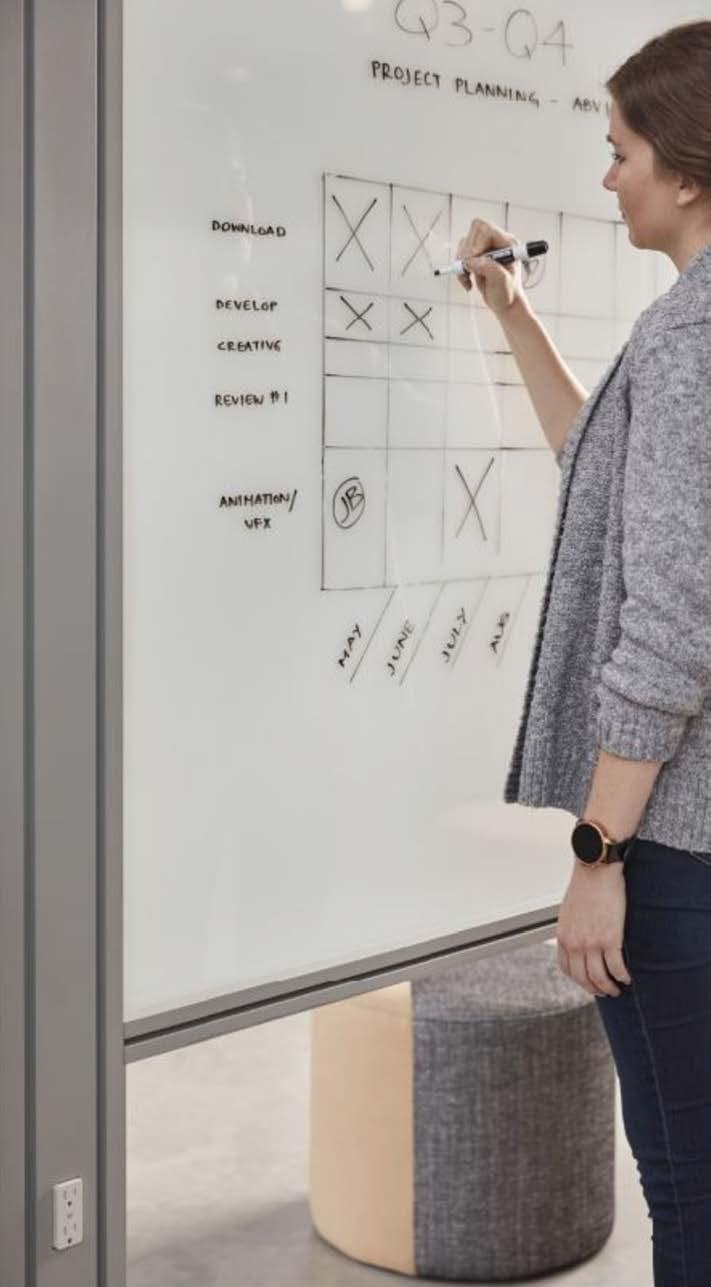
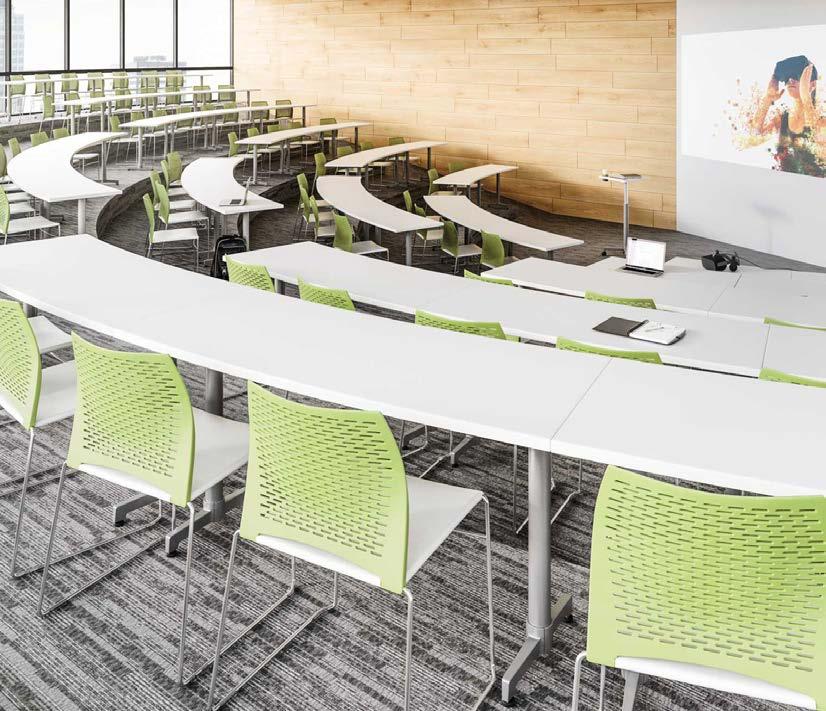
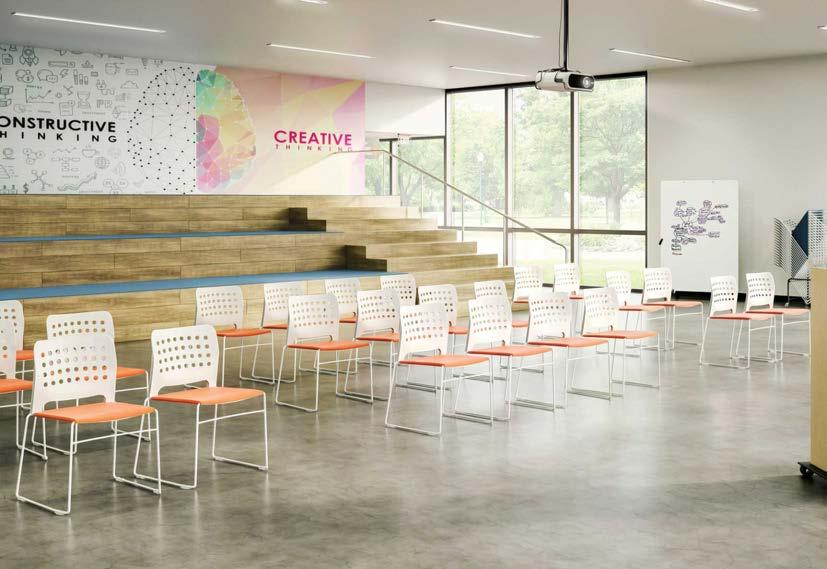
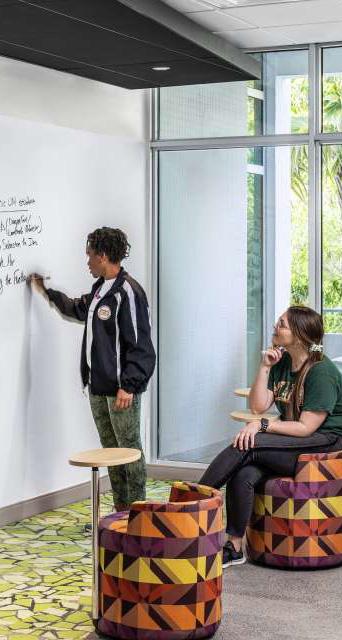
Adaptability in modern higher education classrooms is of utmost importance, not only for staying abreast of technological advancements but also for fostering an inclusive environment. An adaptable approach allows educators to incorporate diverse perspectives, accommodate various learning styles, and create an environment where every student feels valued and supported.

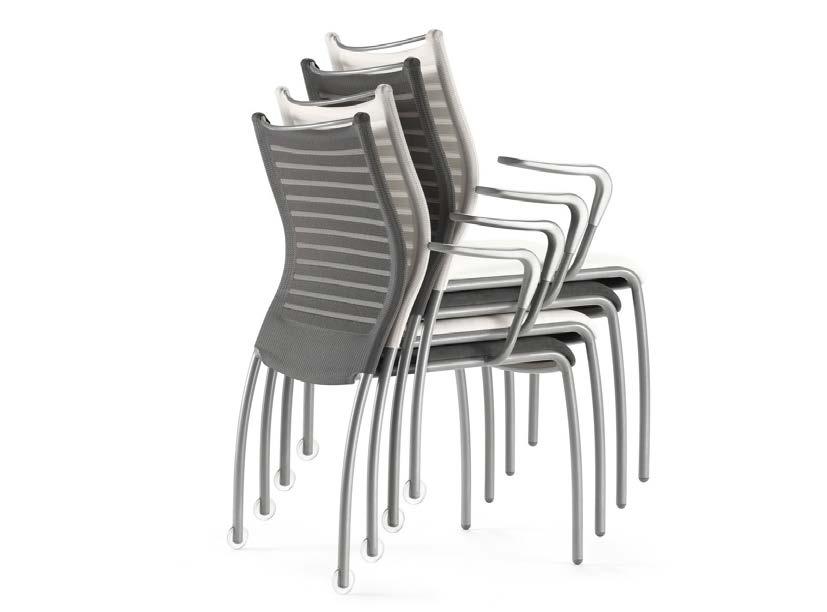
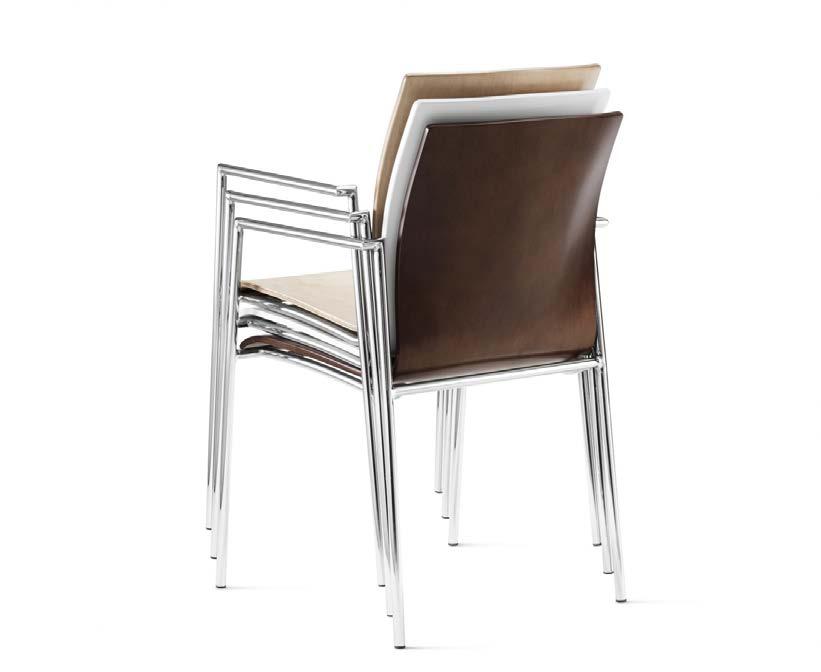
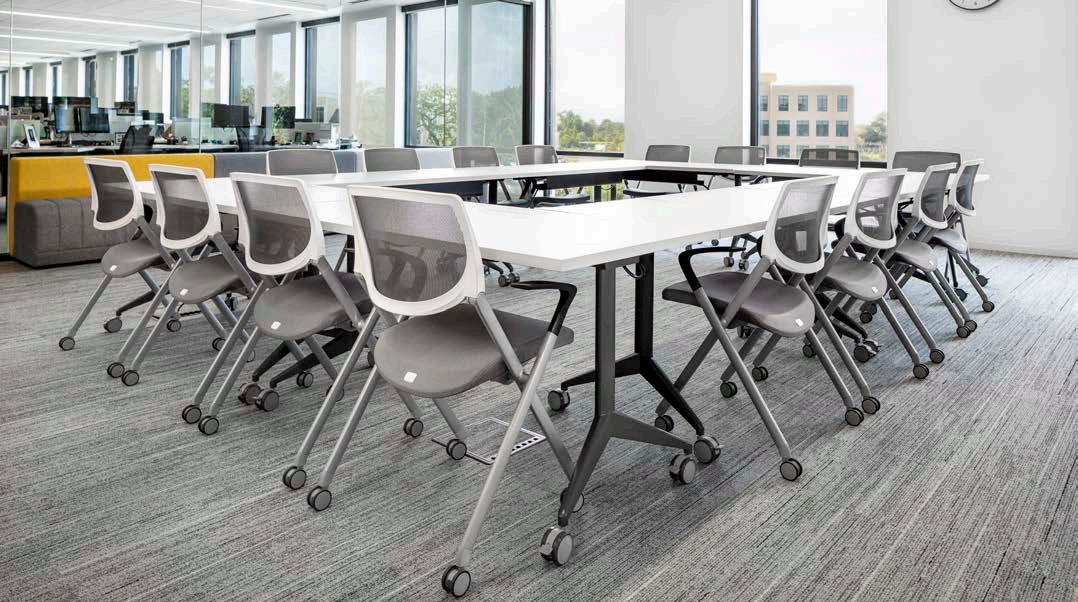
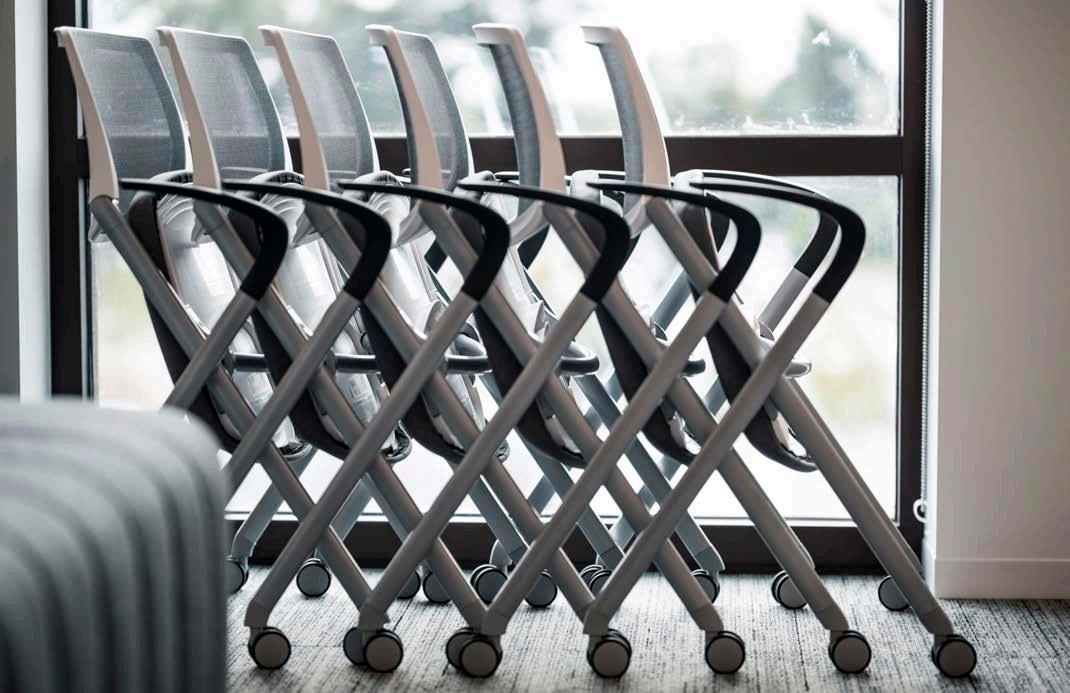
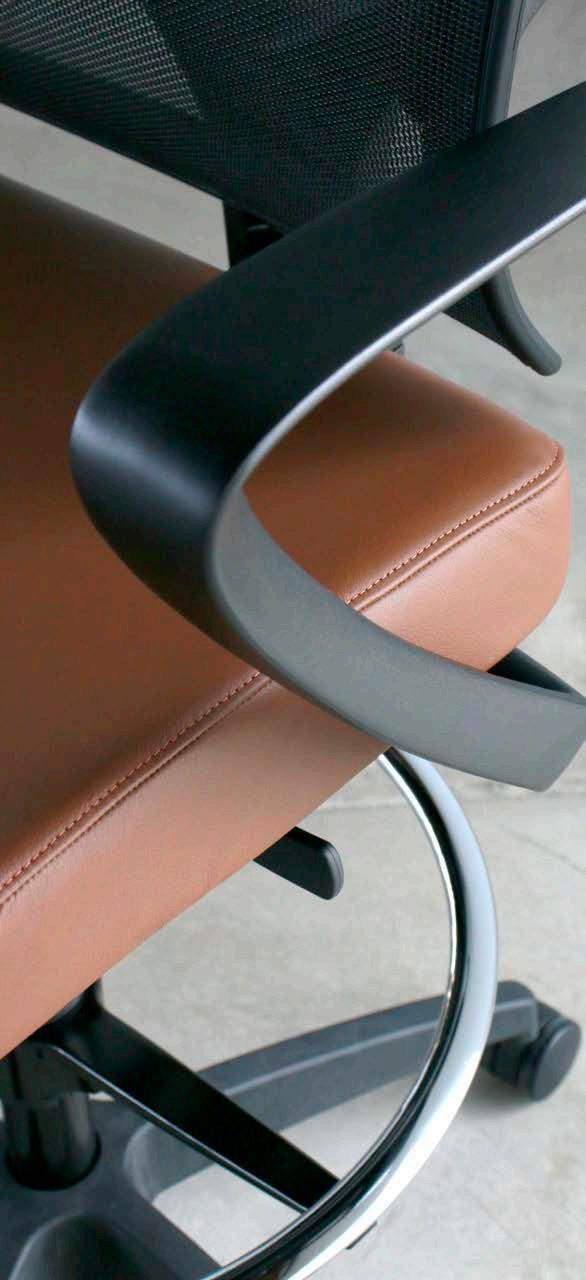
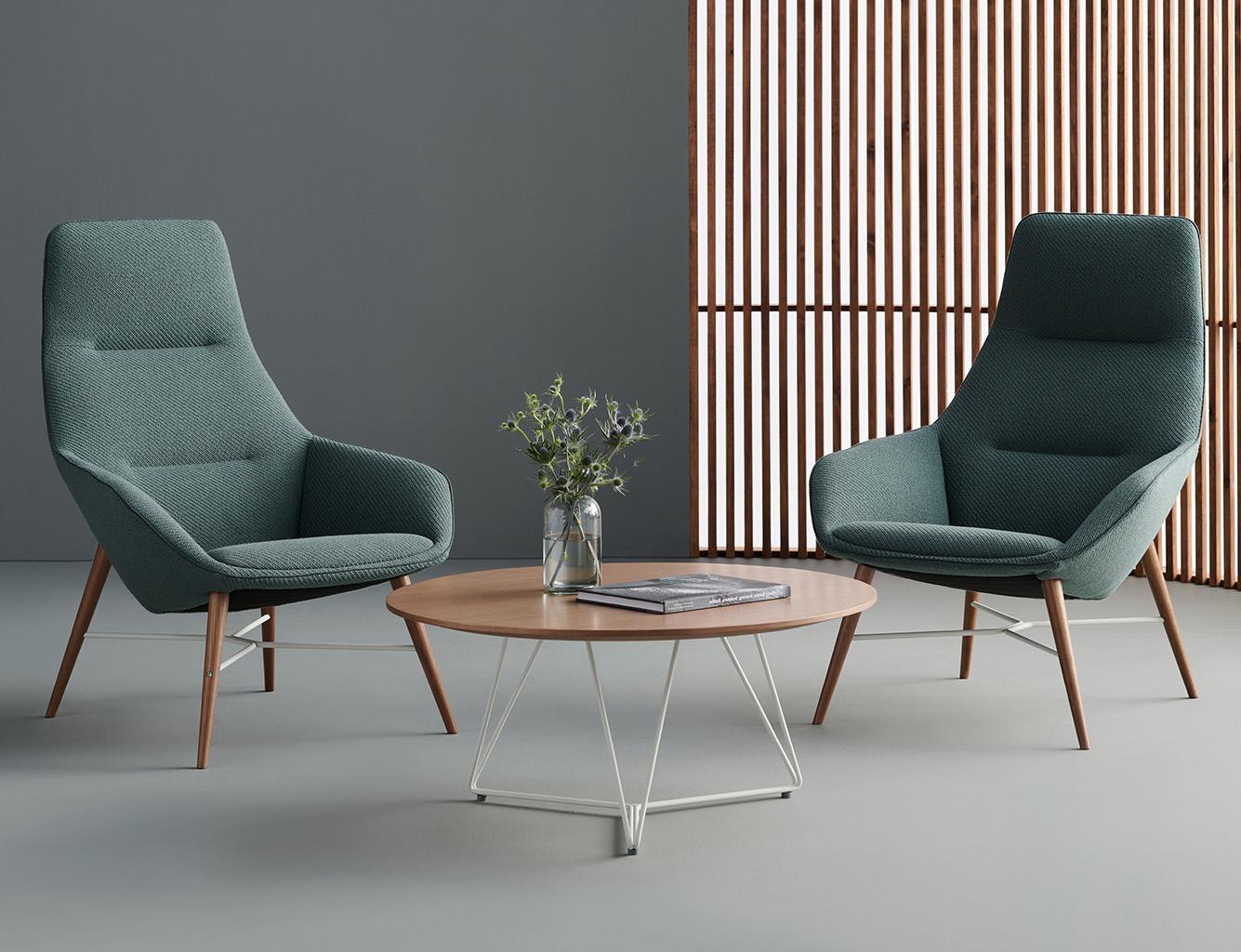

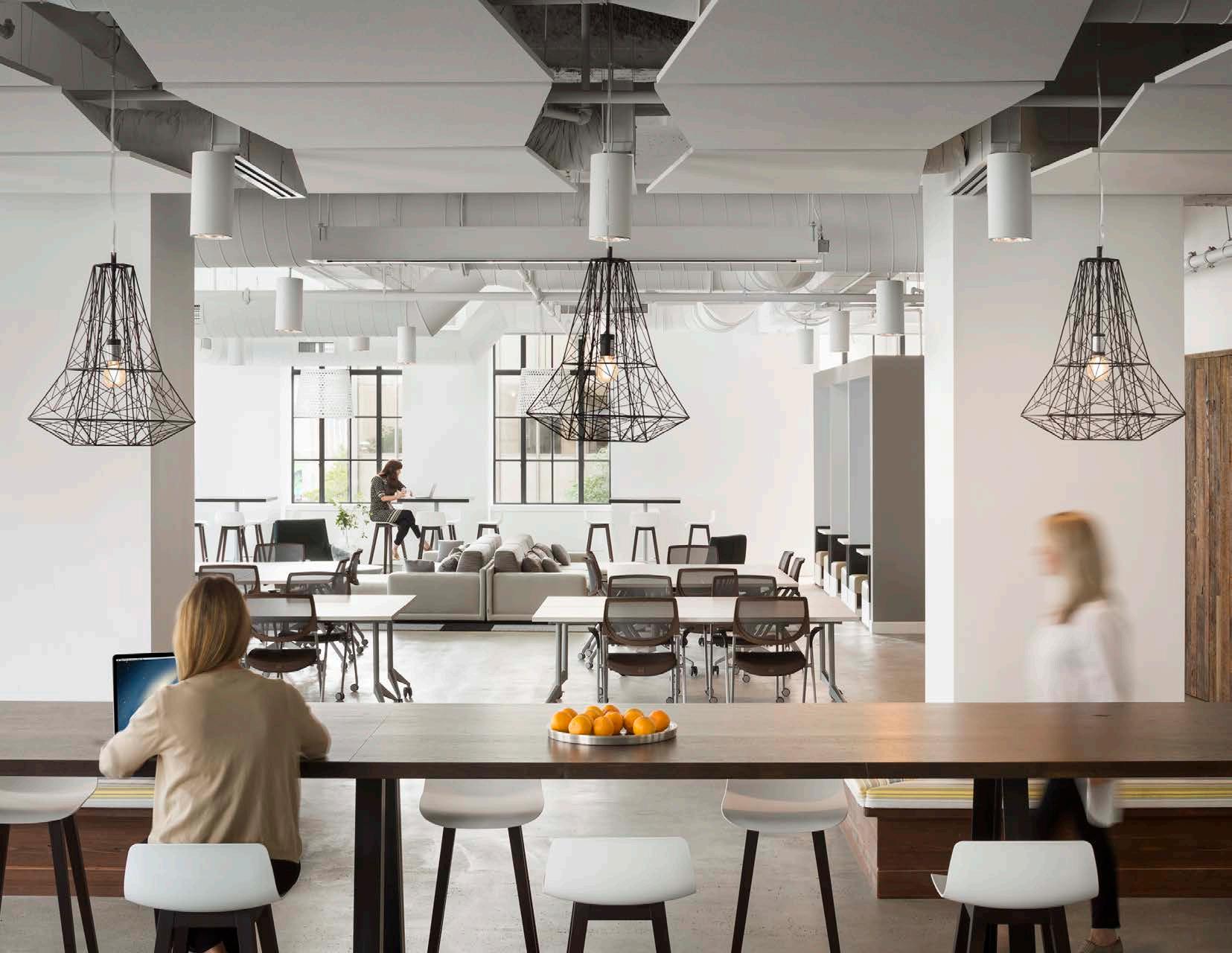

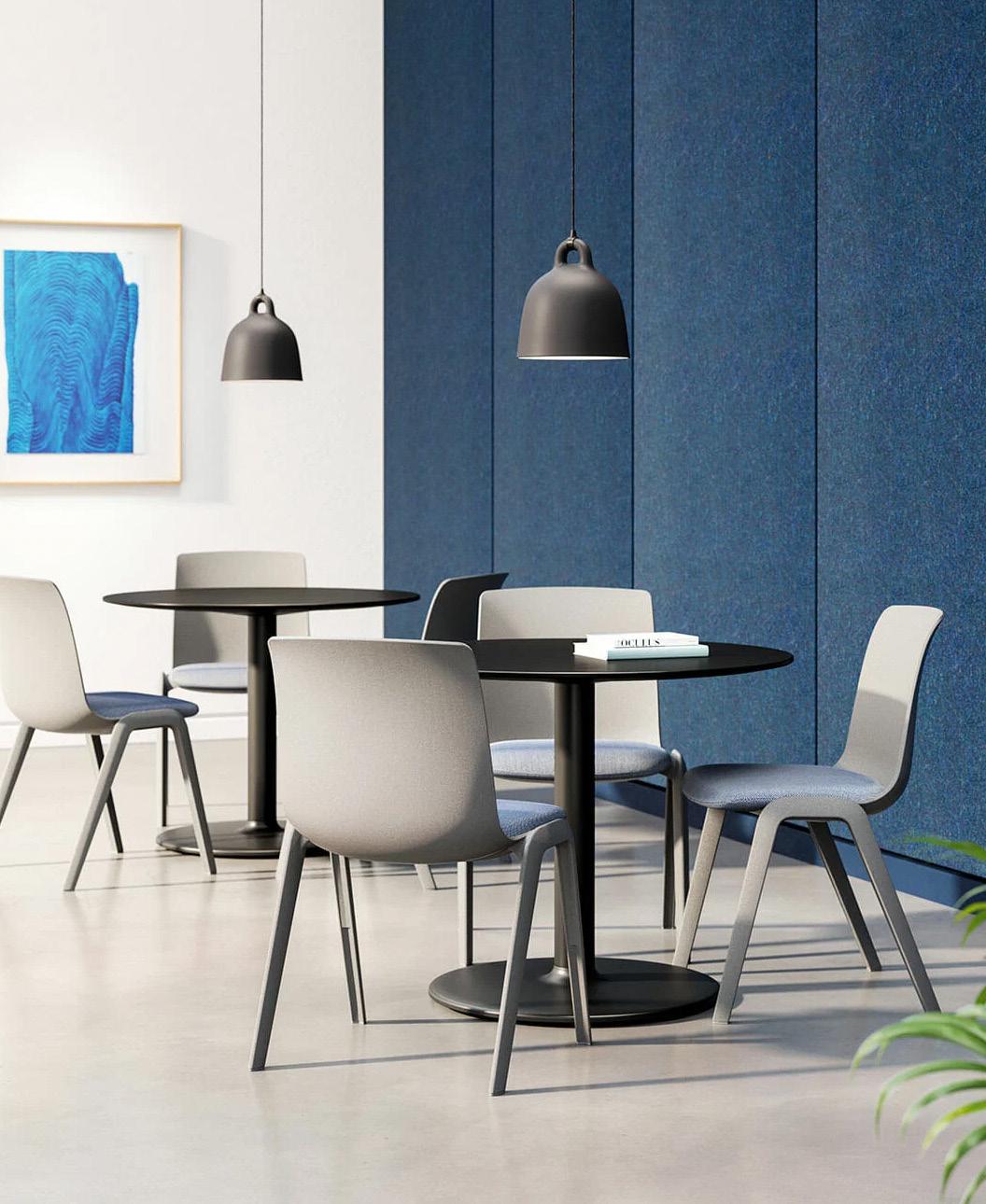
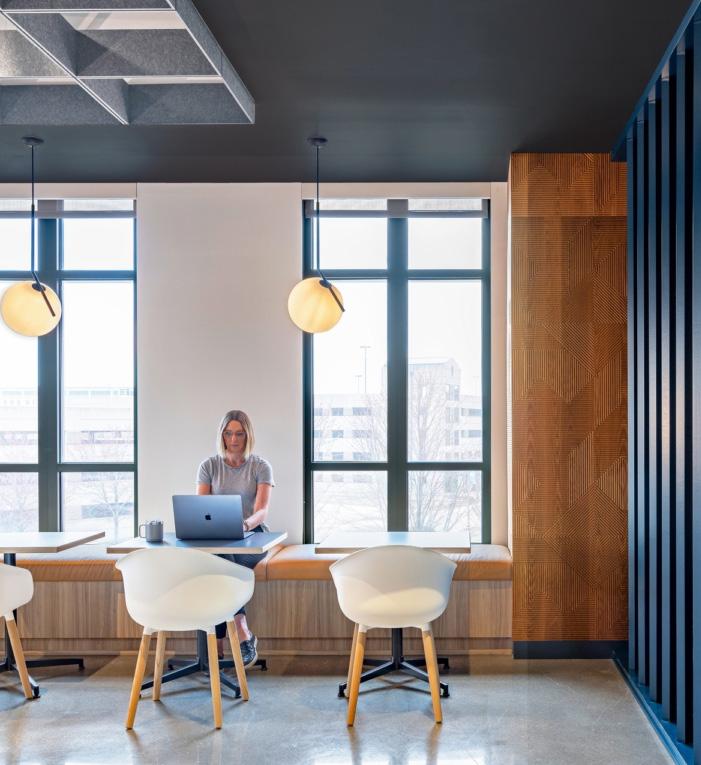

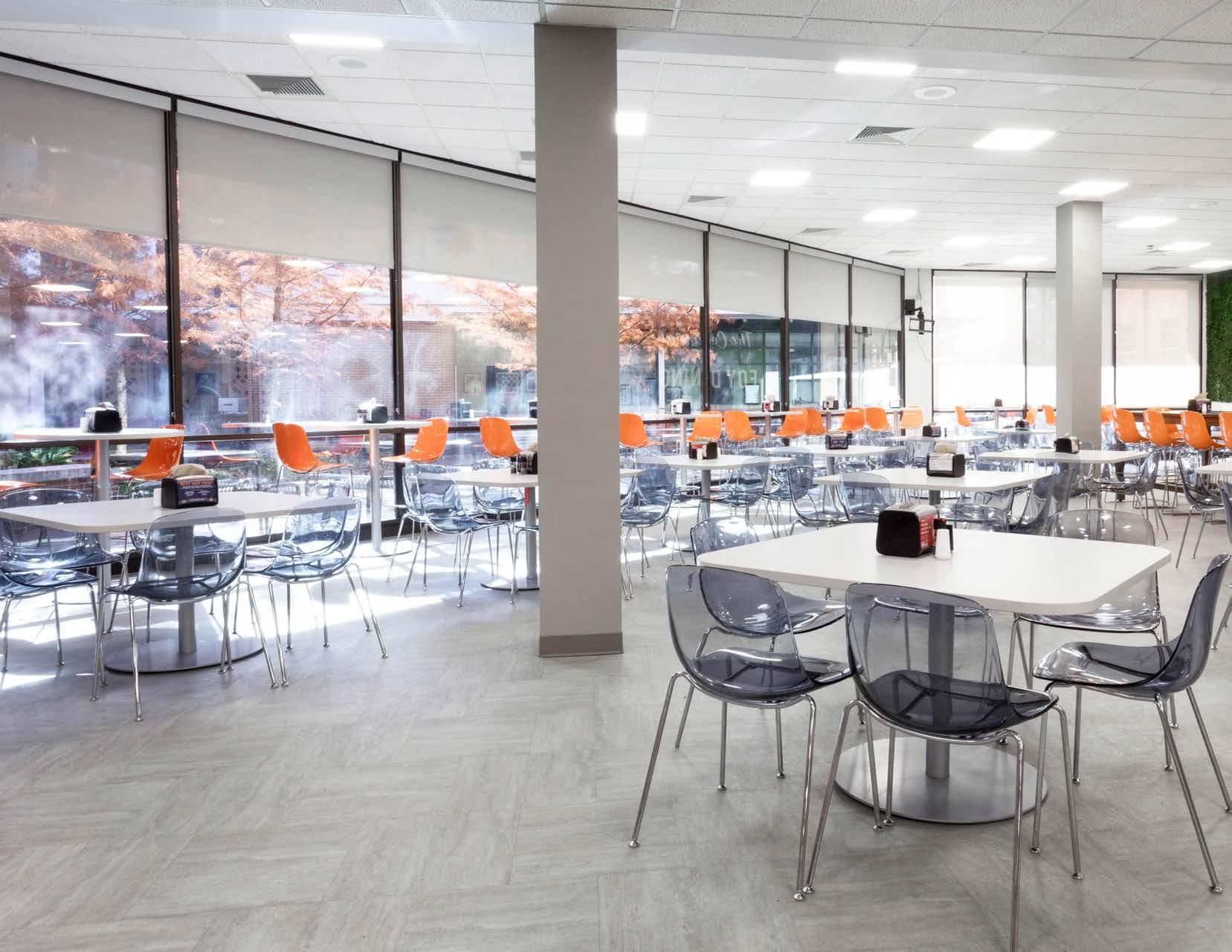
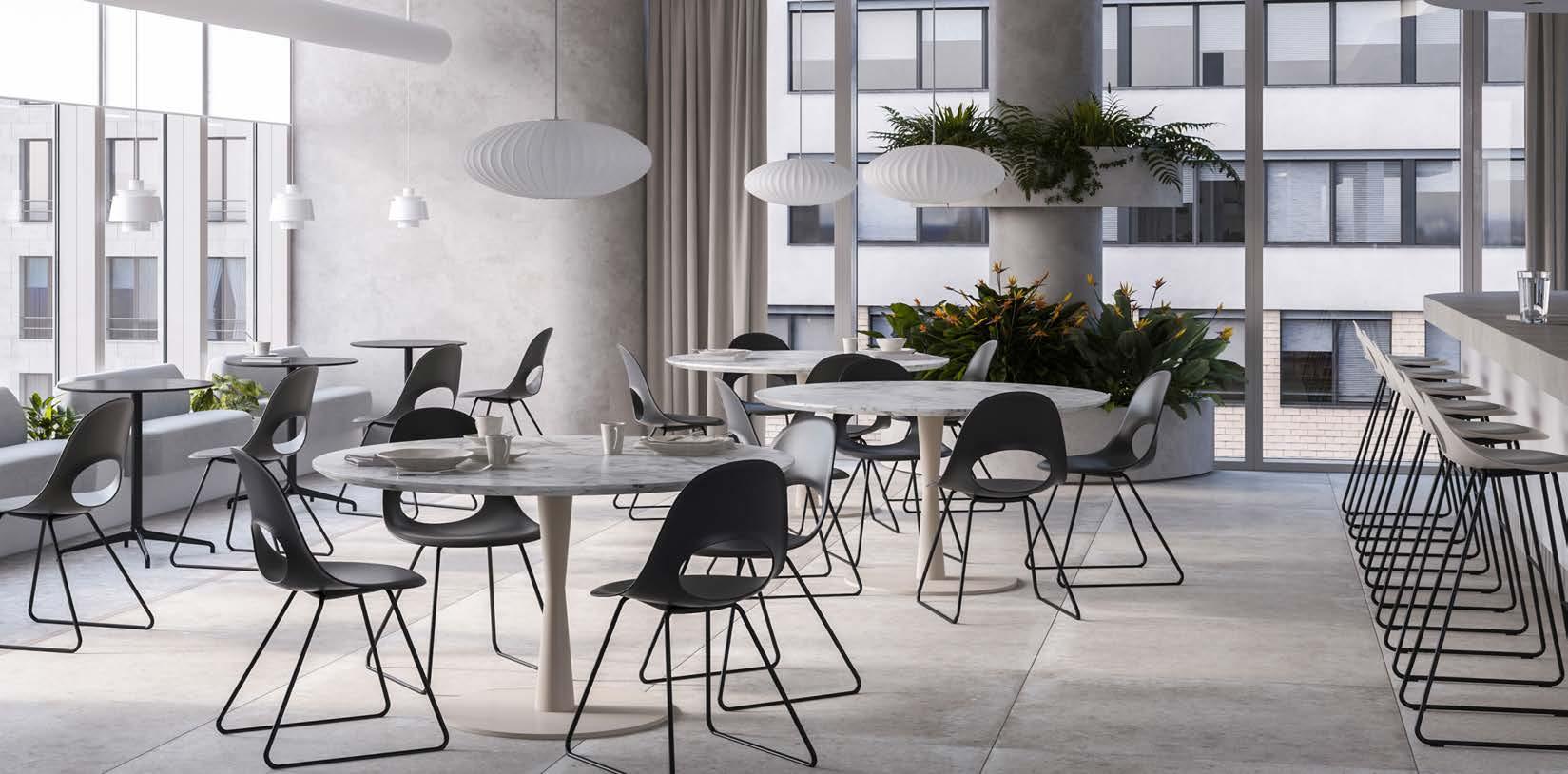
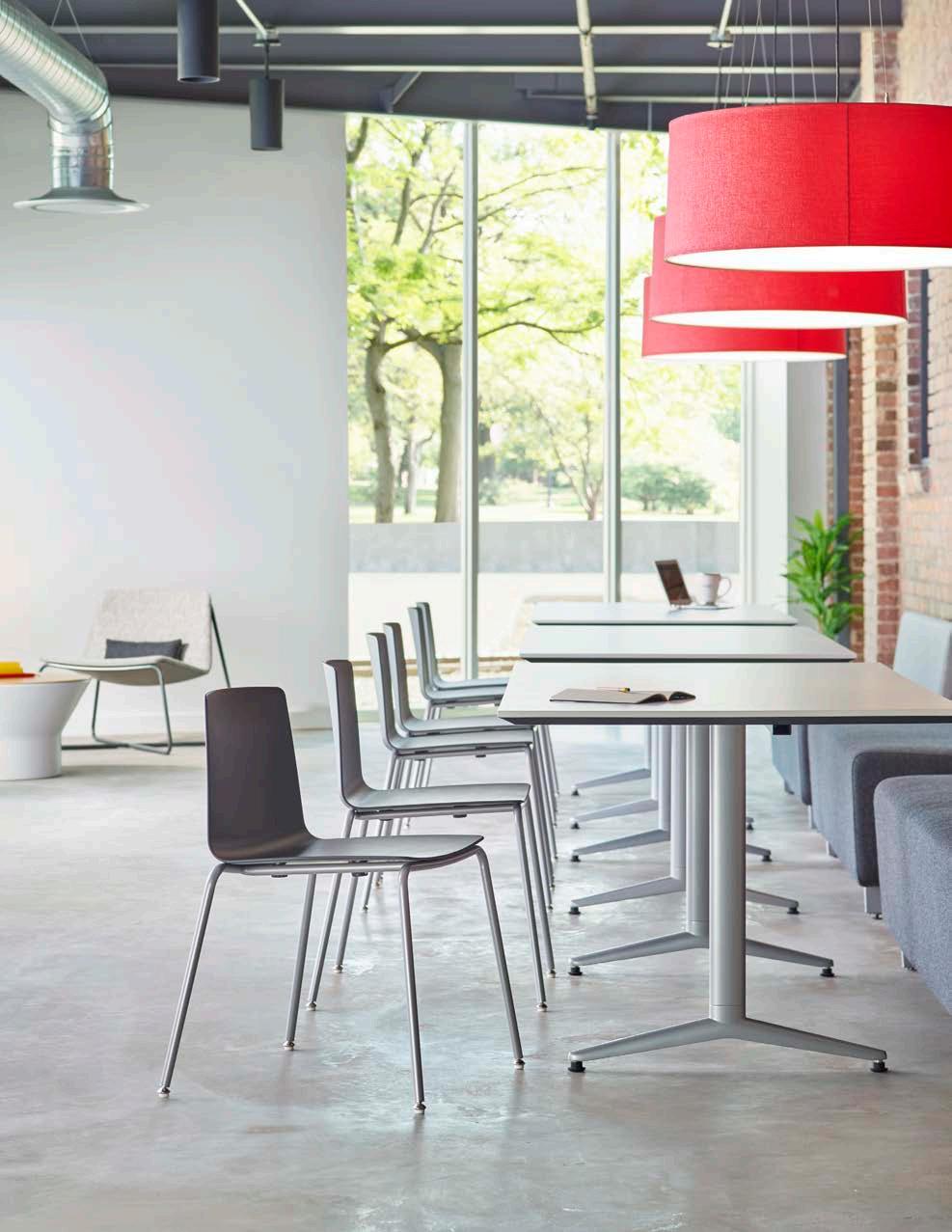
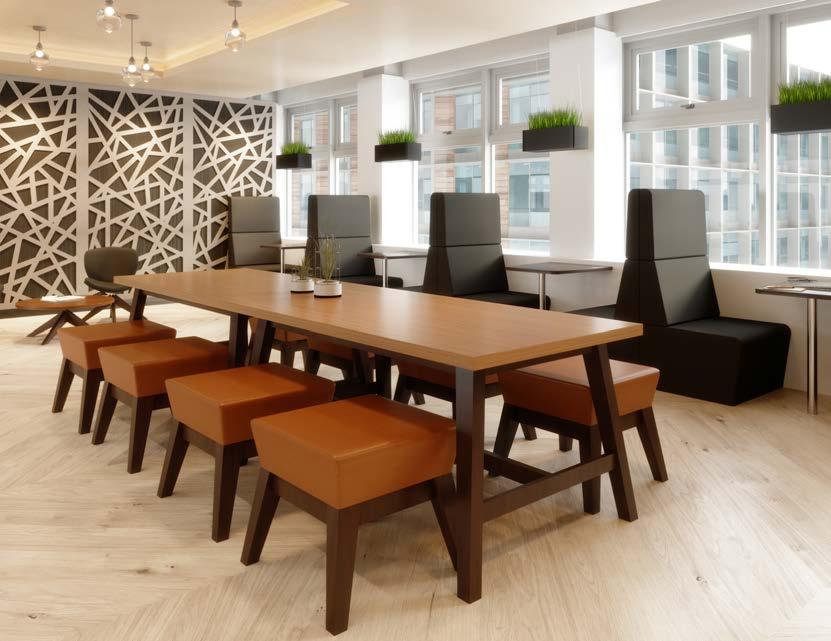
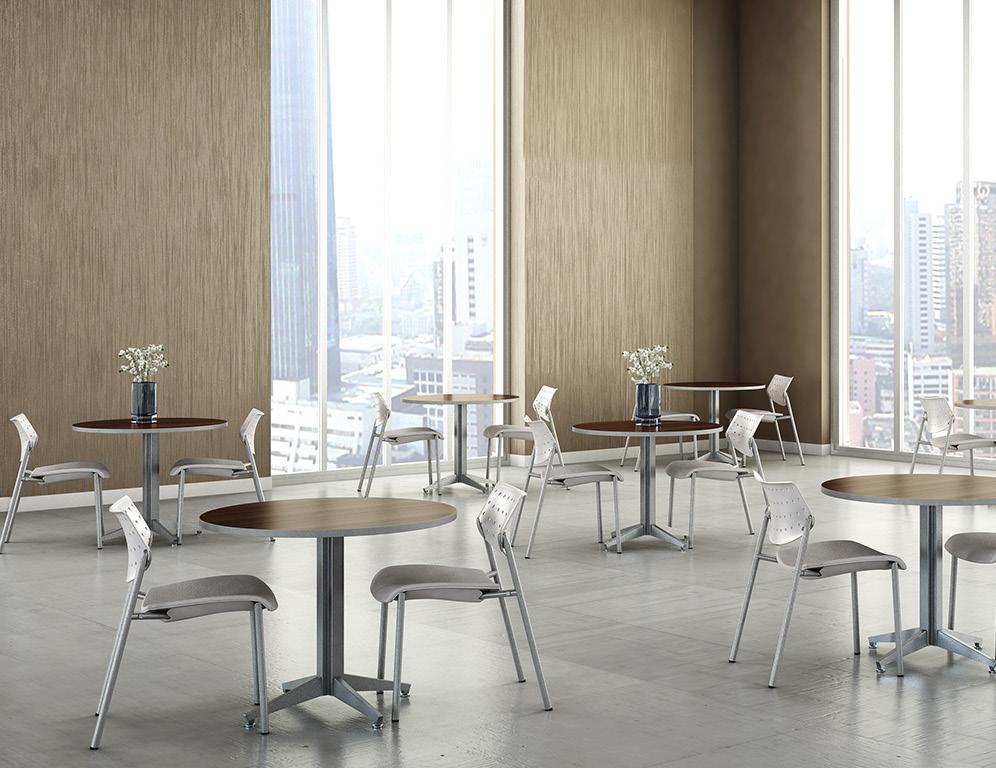
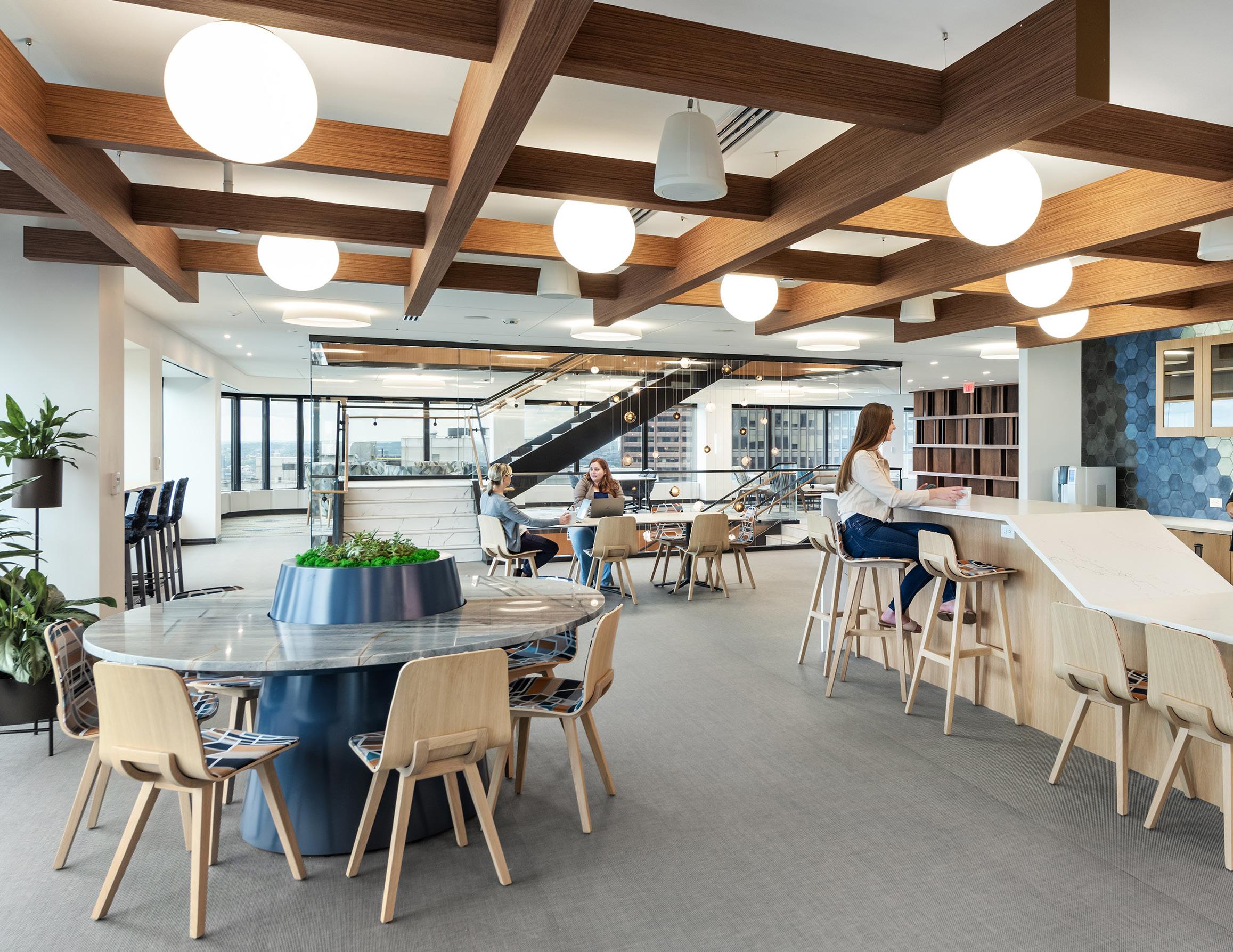
Thoughtful design not only enhances the aesthetics of the dining space but also influences social interactions, wellbeing, and the sense of community. Comfortable seating arrangements, visually appealing decor, and efficient layouts contribute to a welcoming atmosphere, fostering a positive dining environment that encourages students to gather, collaborate, and engage in meaningful conversations.

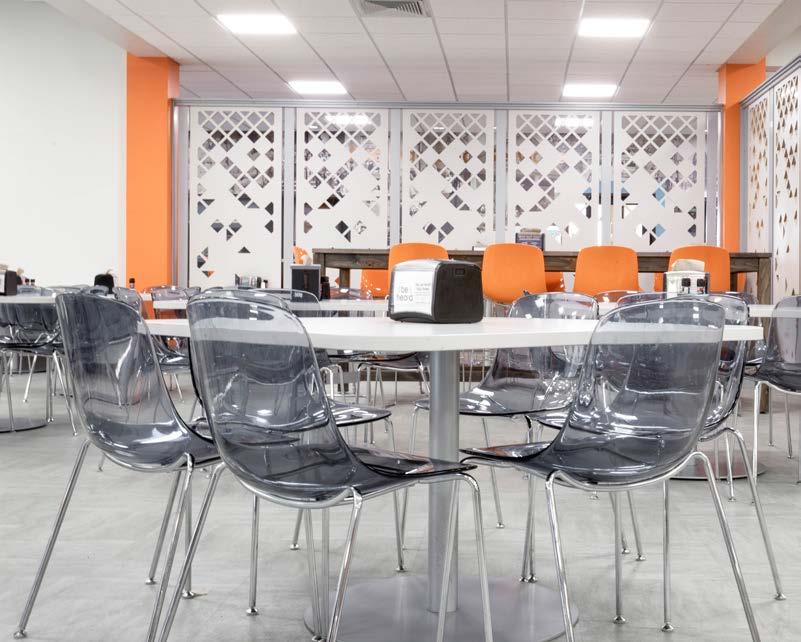
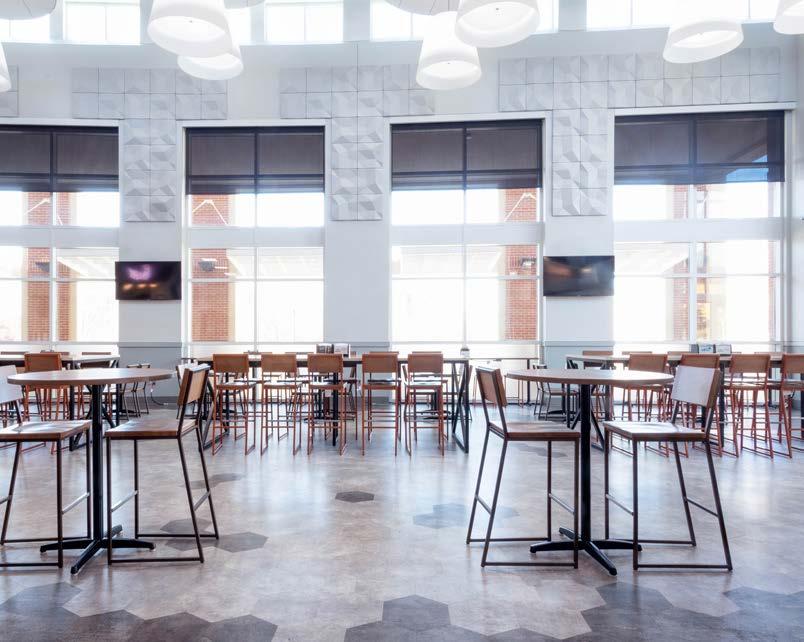
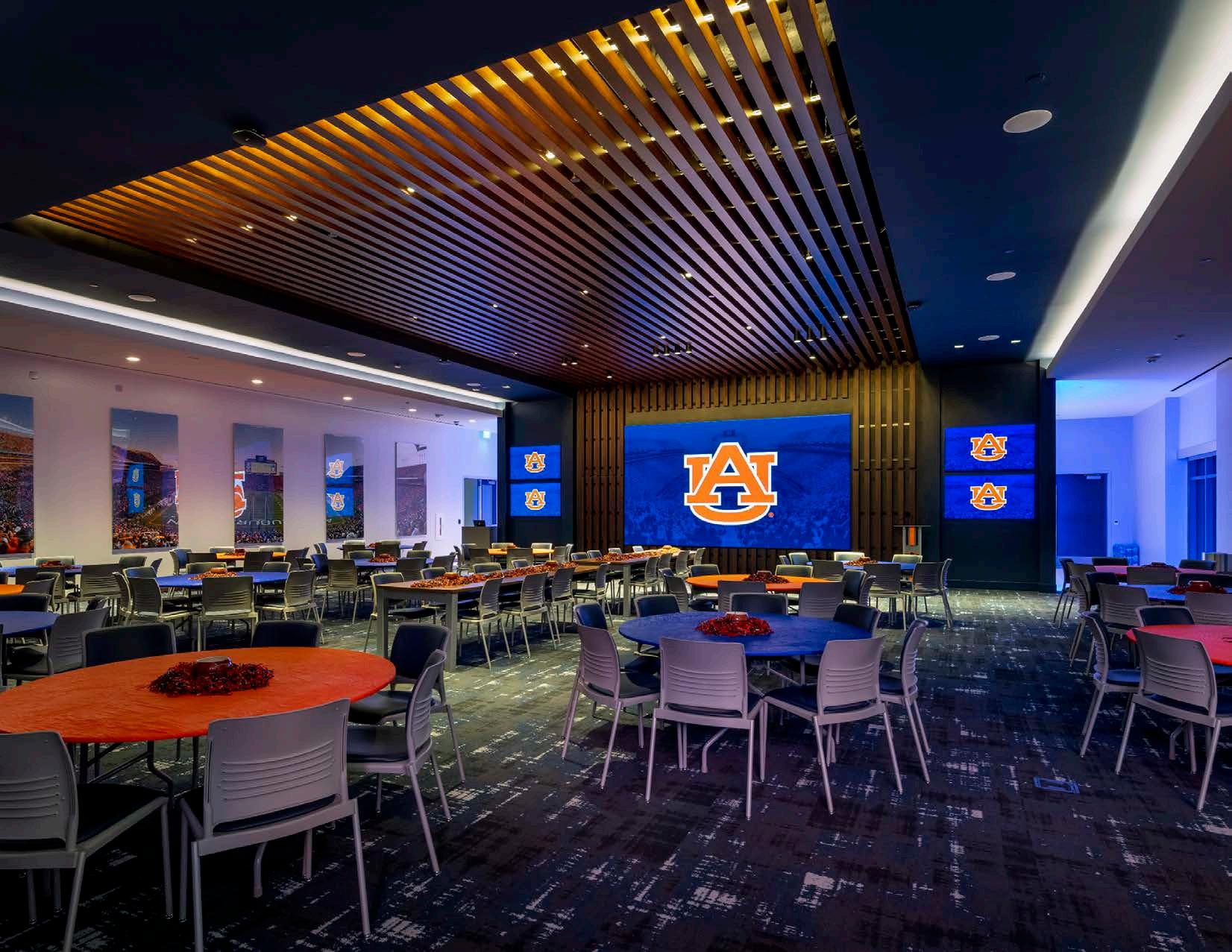

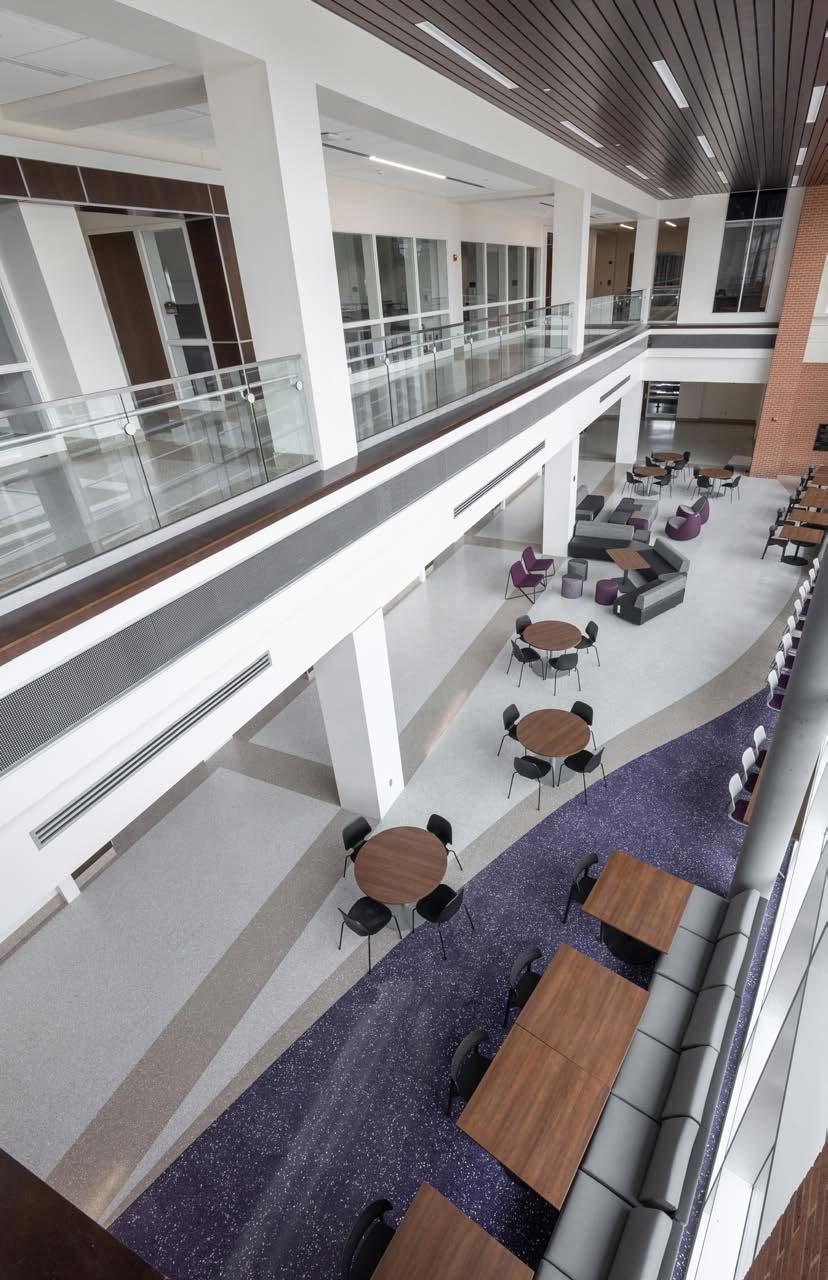
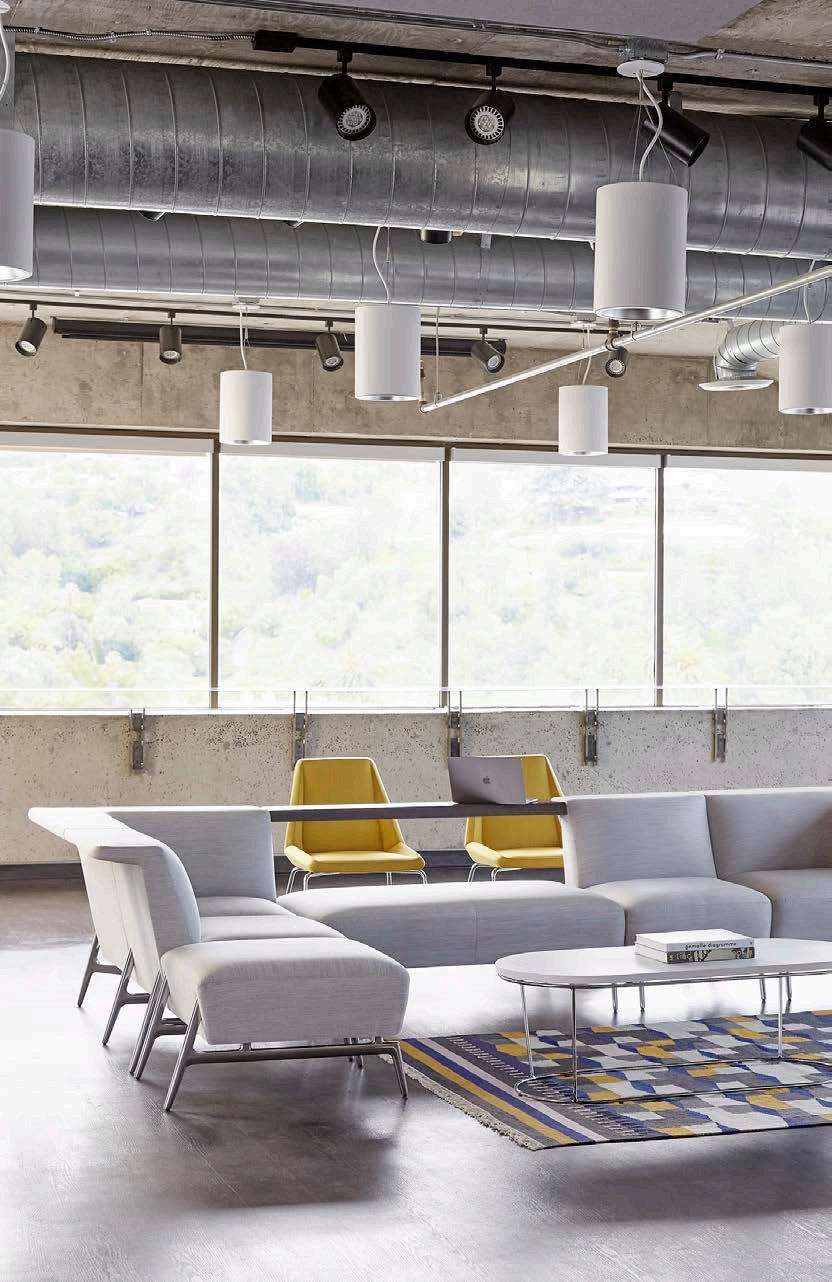
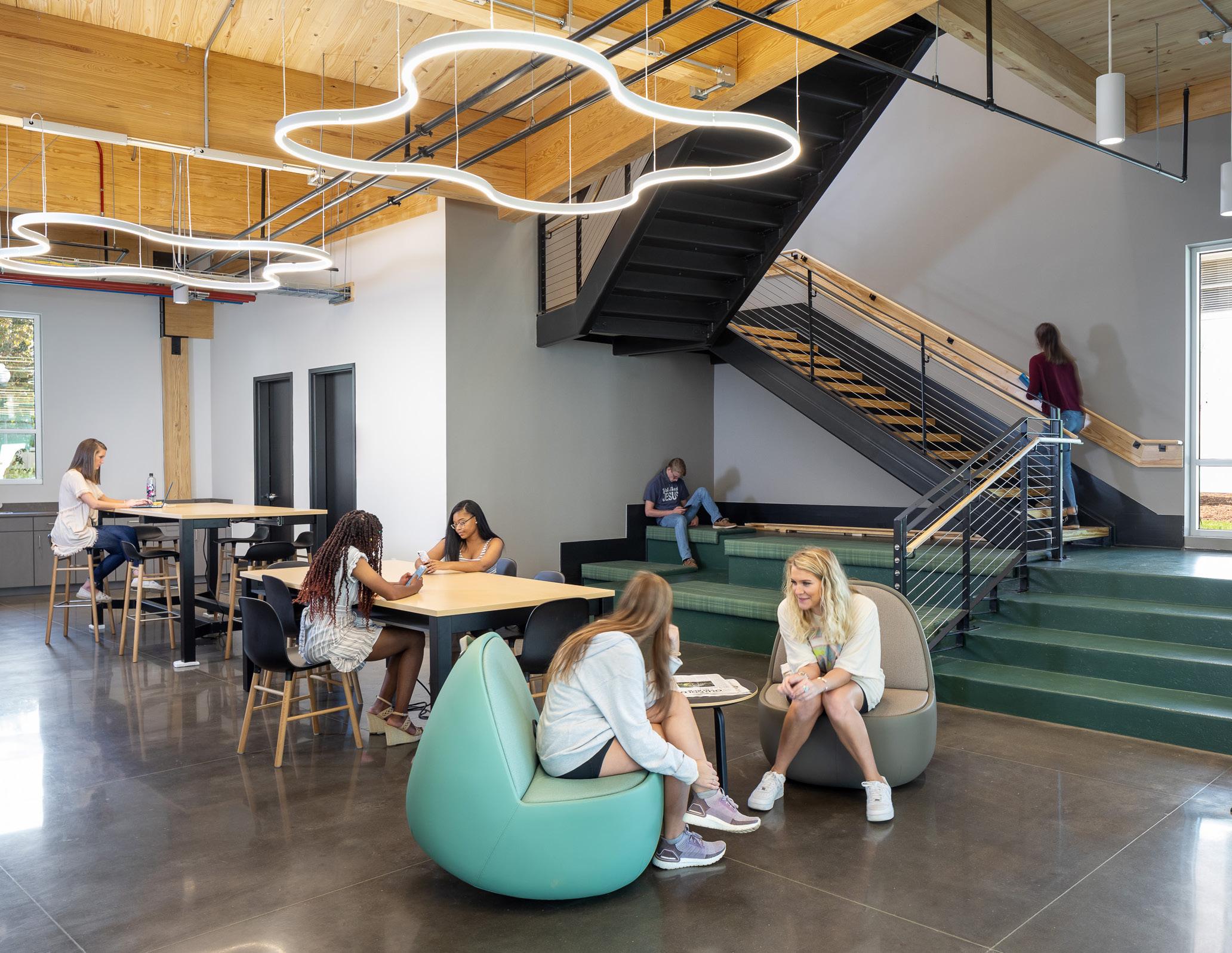
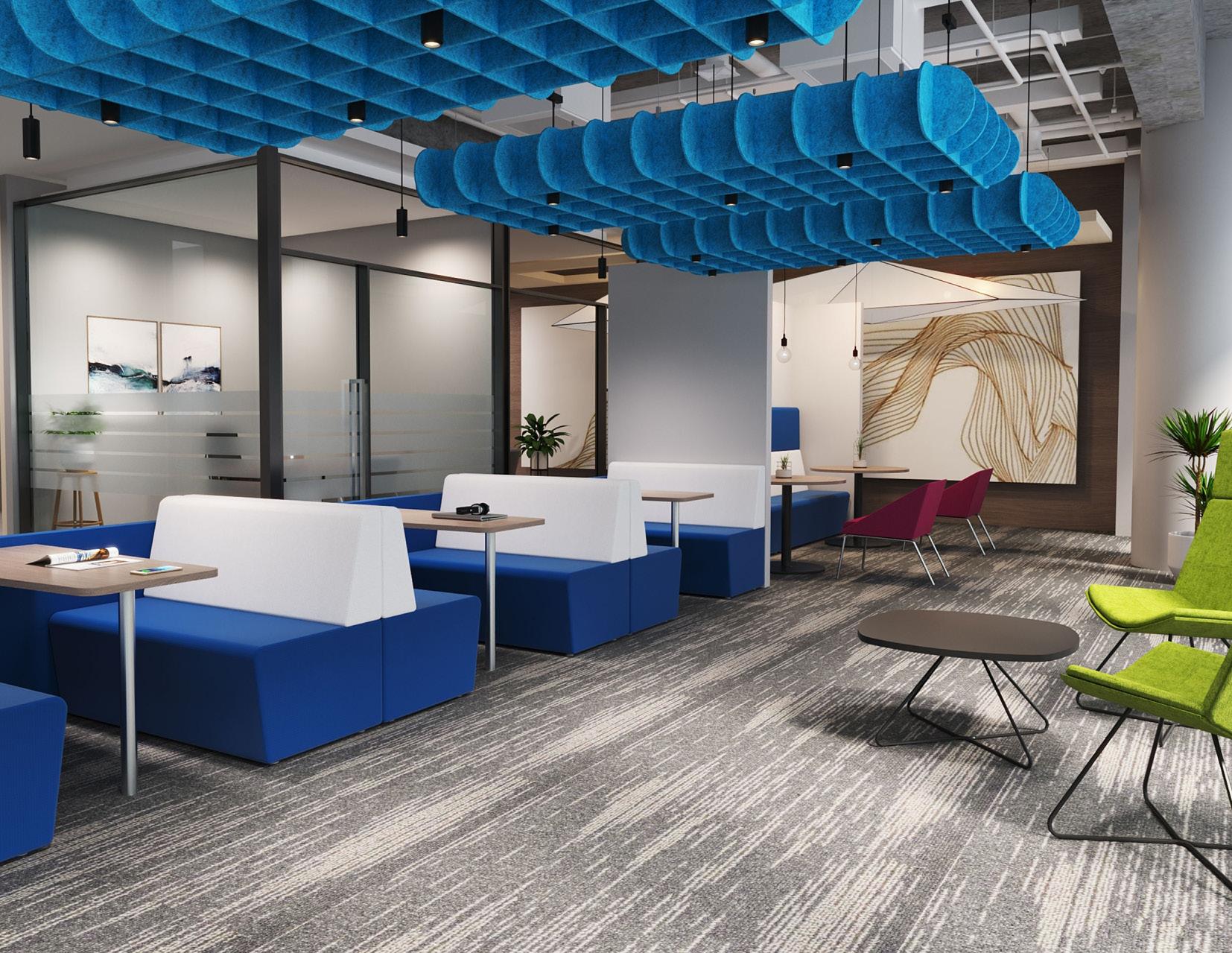
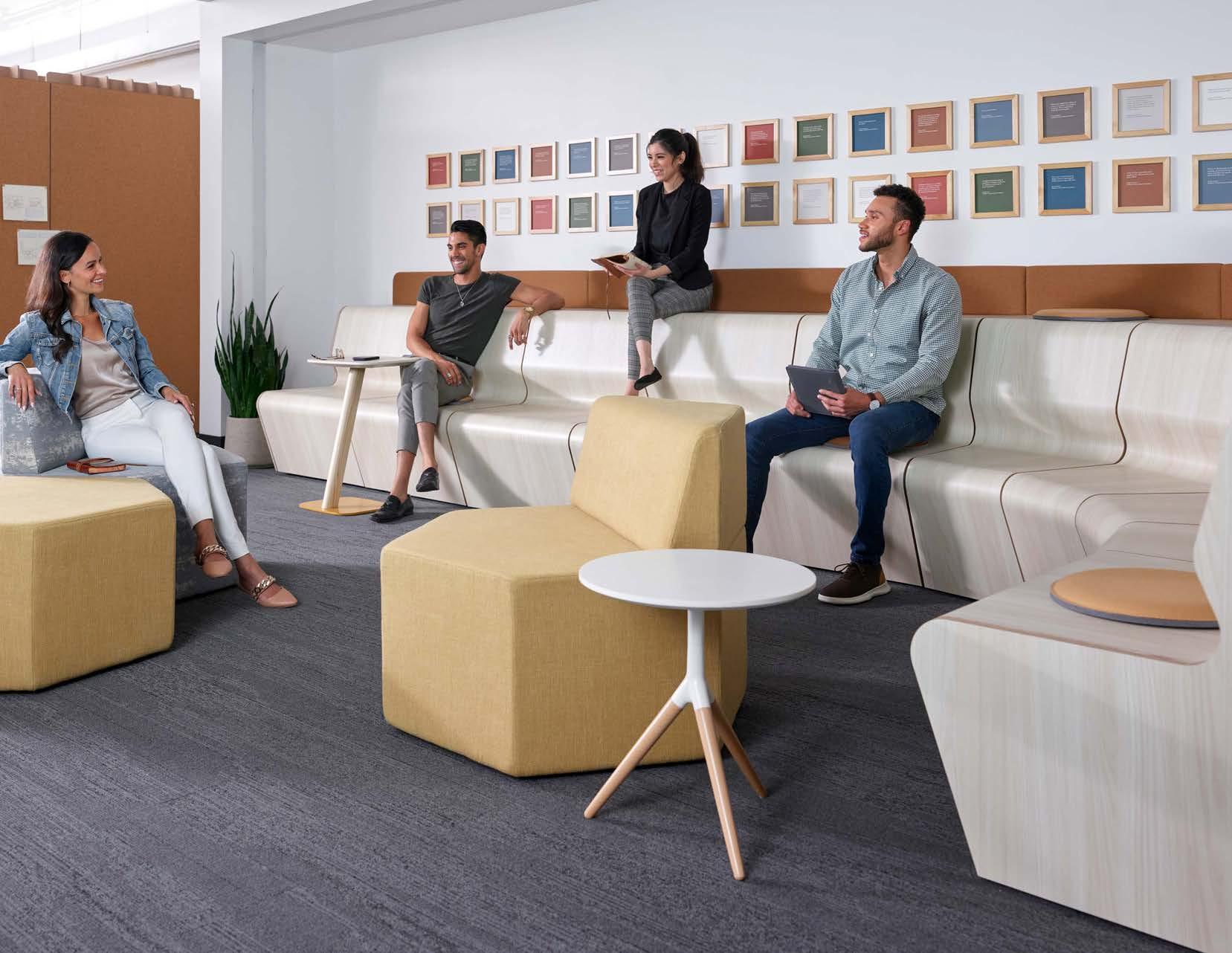
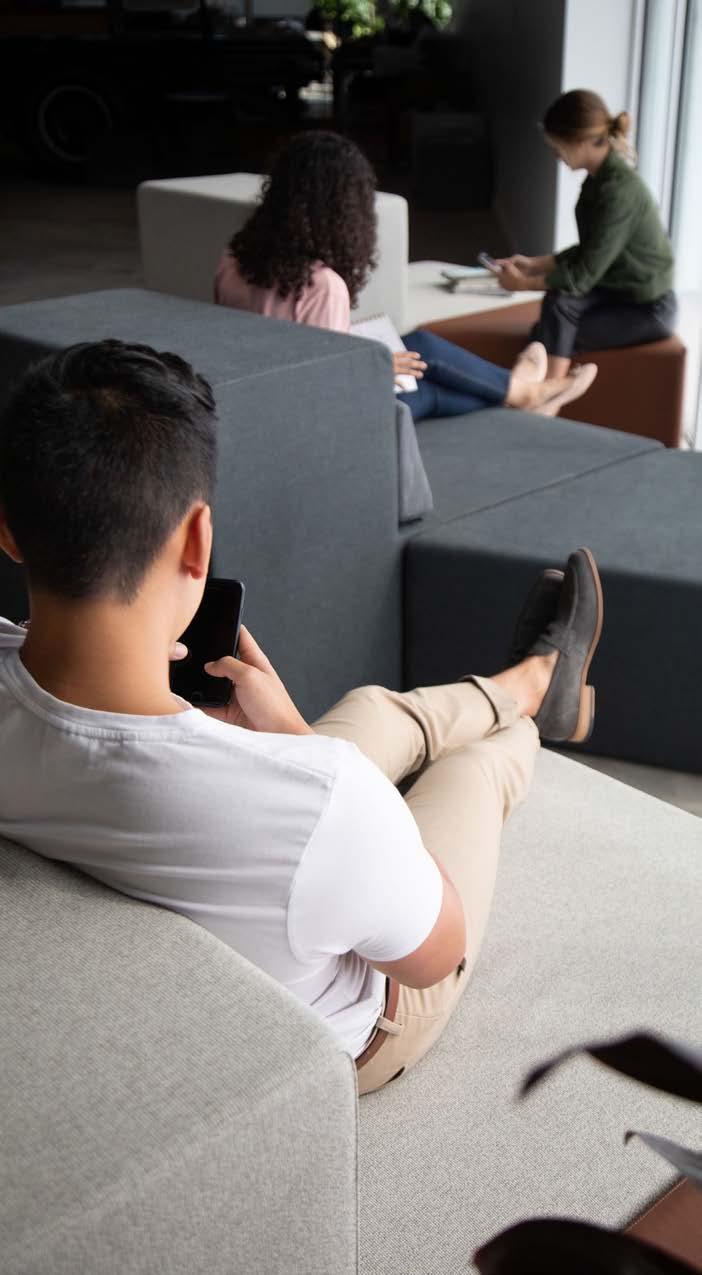
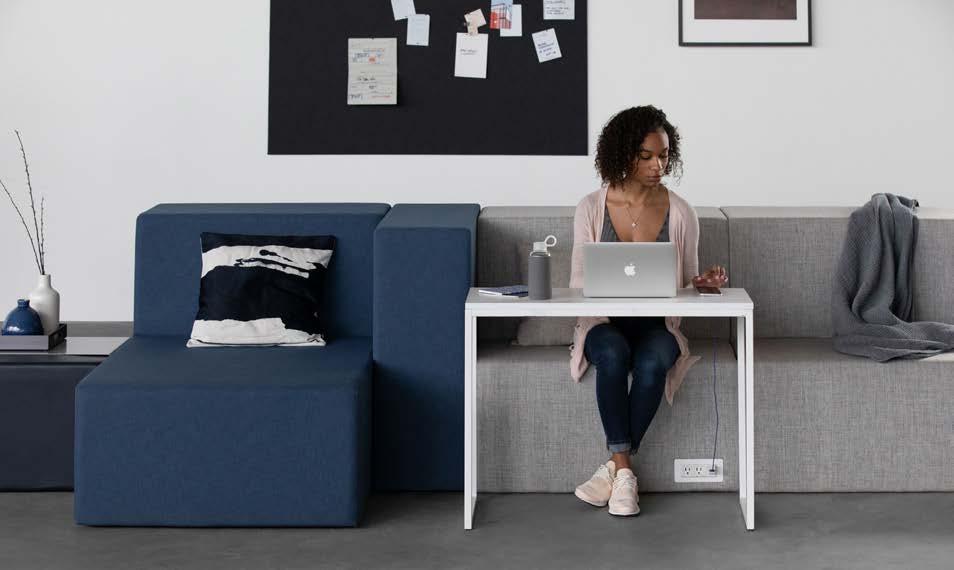
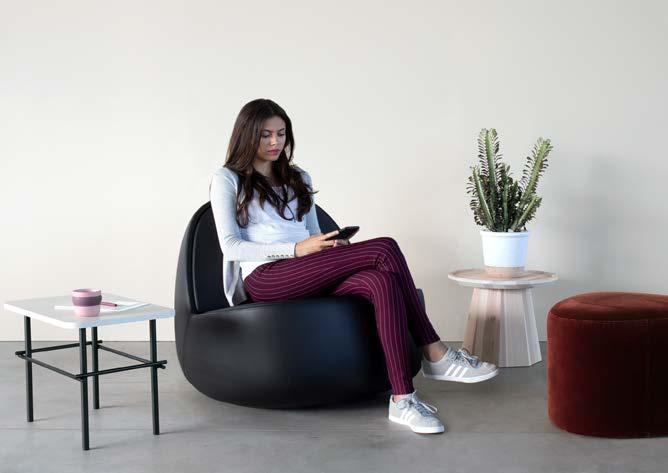
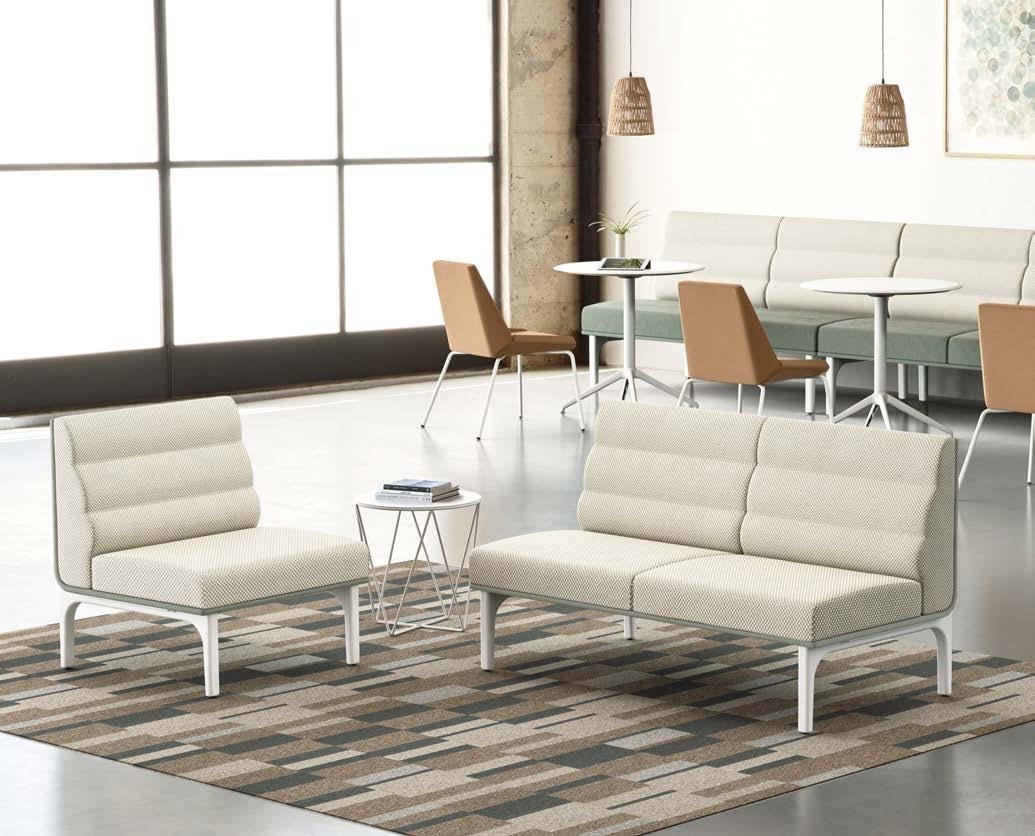
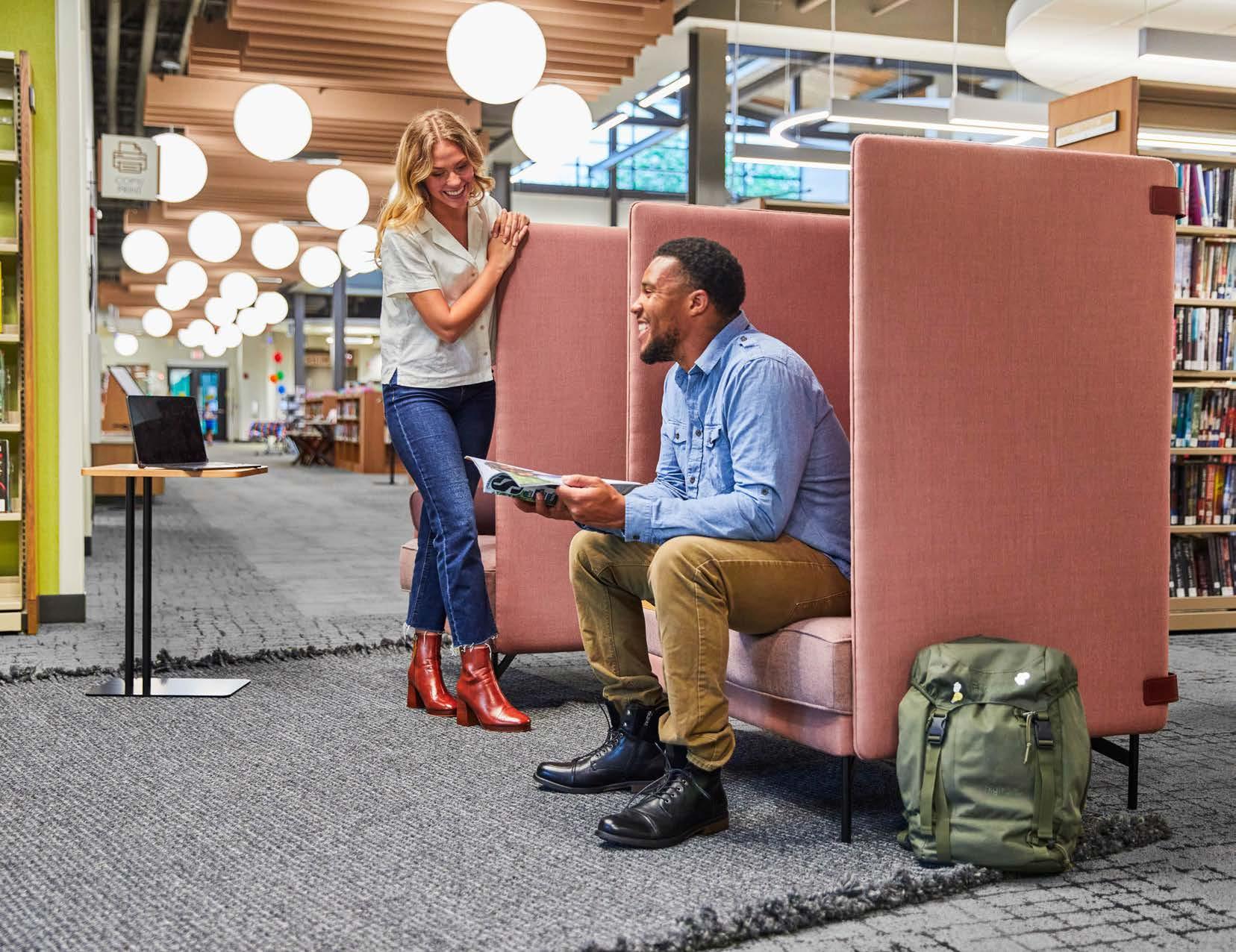
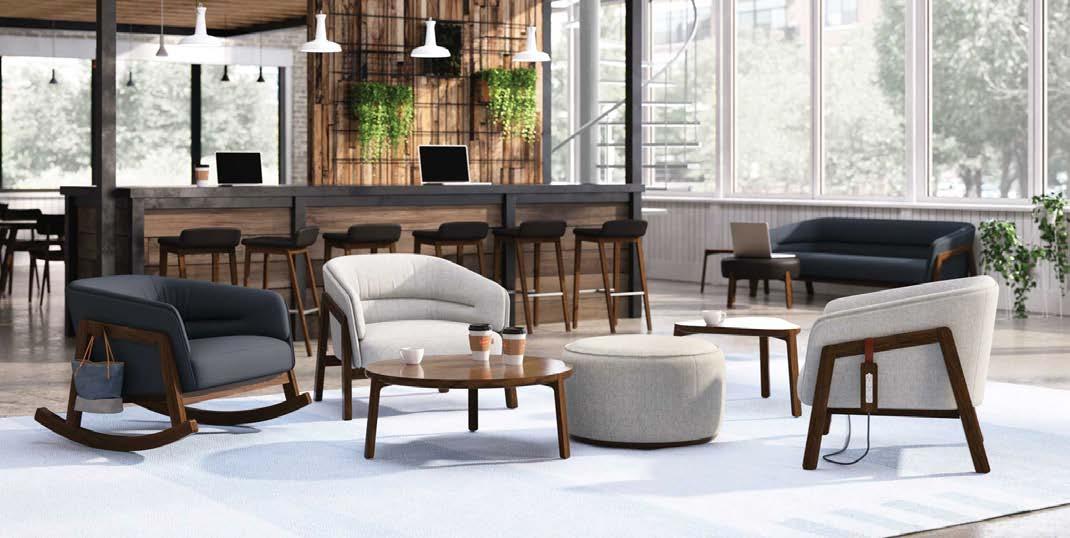
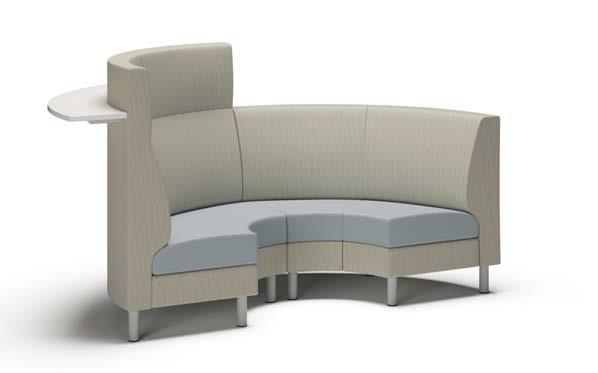
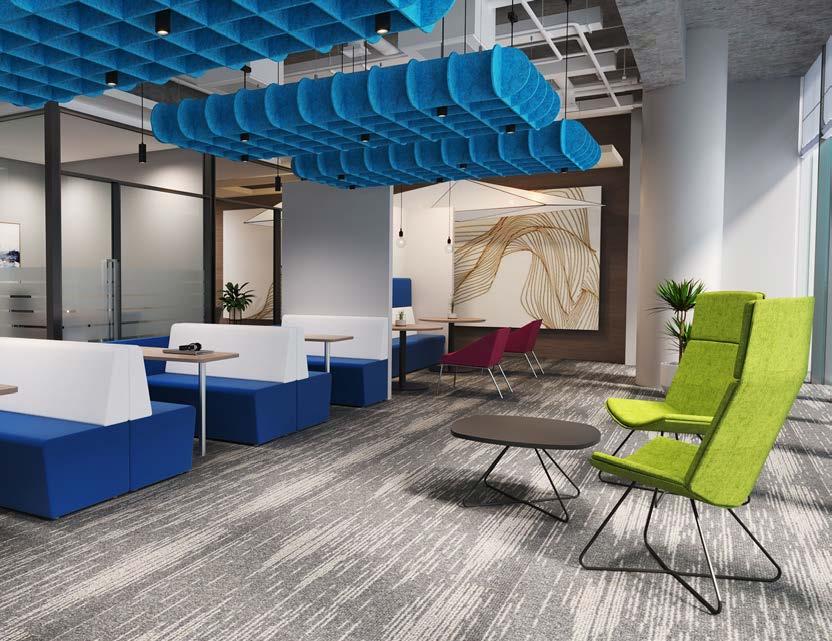
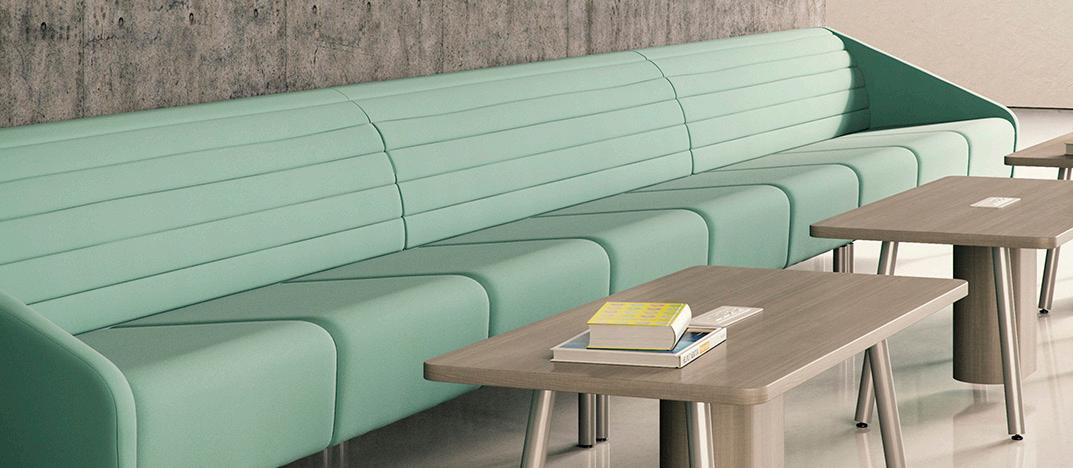
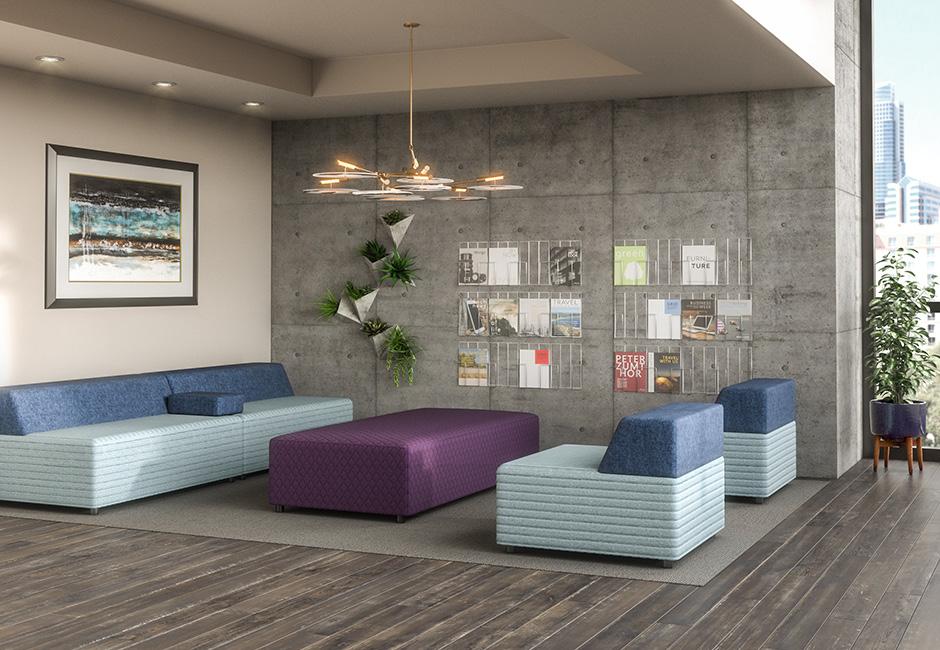
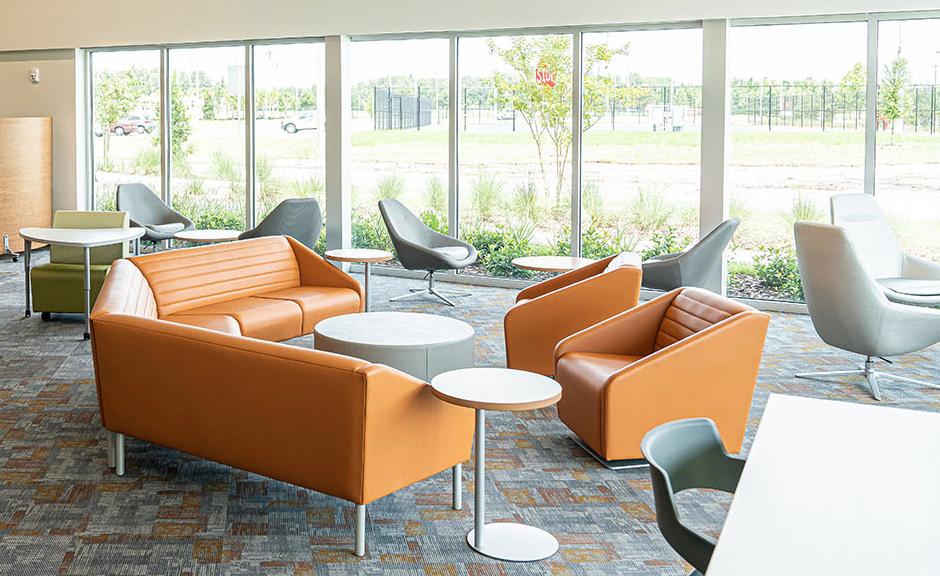
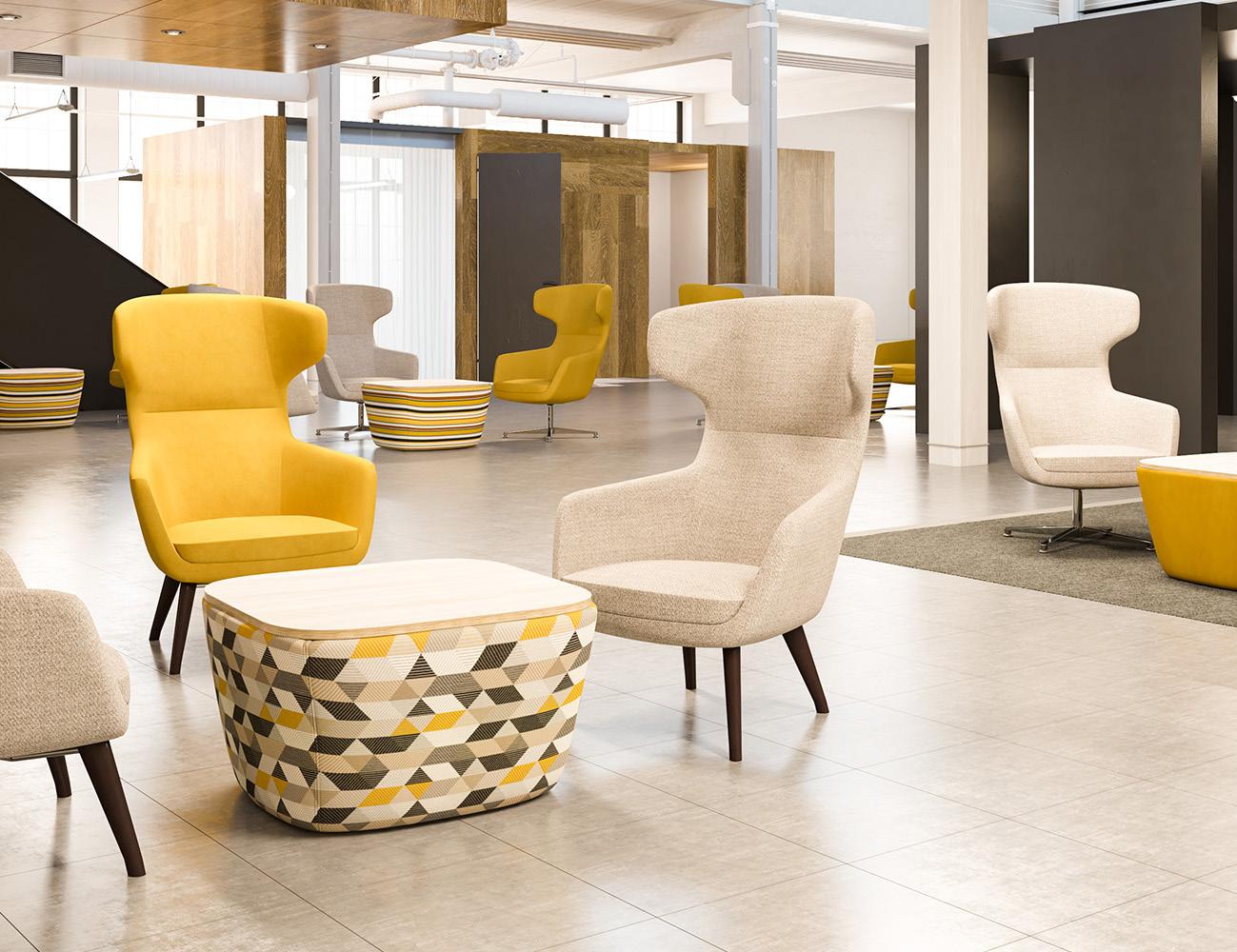
Inclusive and adaptive design in public spaces on higher ed campuses is instrumental in creating environments that cater to the diverse needs of students, faculty, and visitors. Design elements that prioritize accessibility, such as furniture designed to accommodate different behavioral patterns and body types, ensure that public spaces are welcoming to individuals with varying physical abilities.
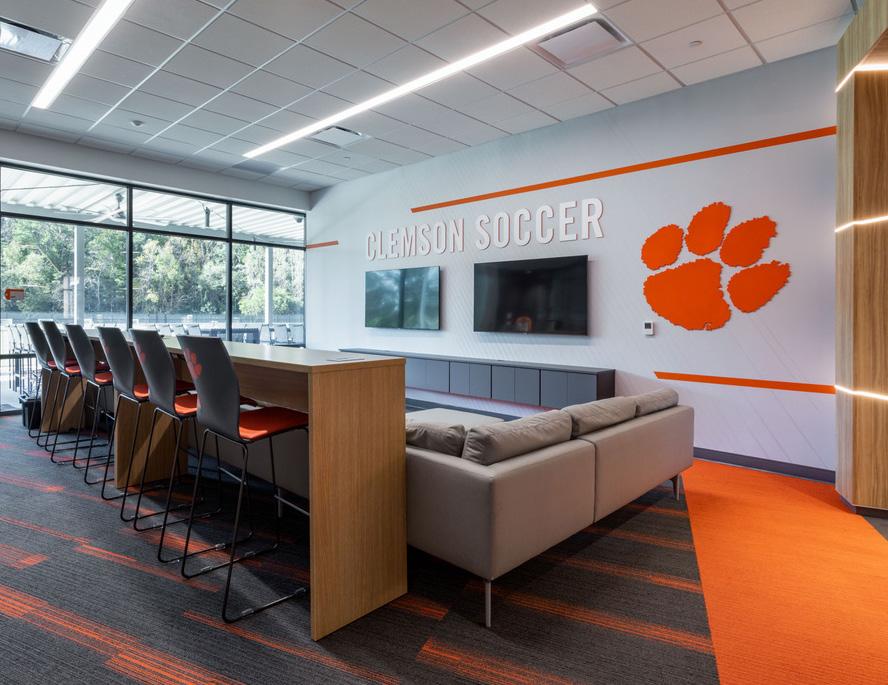
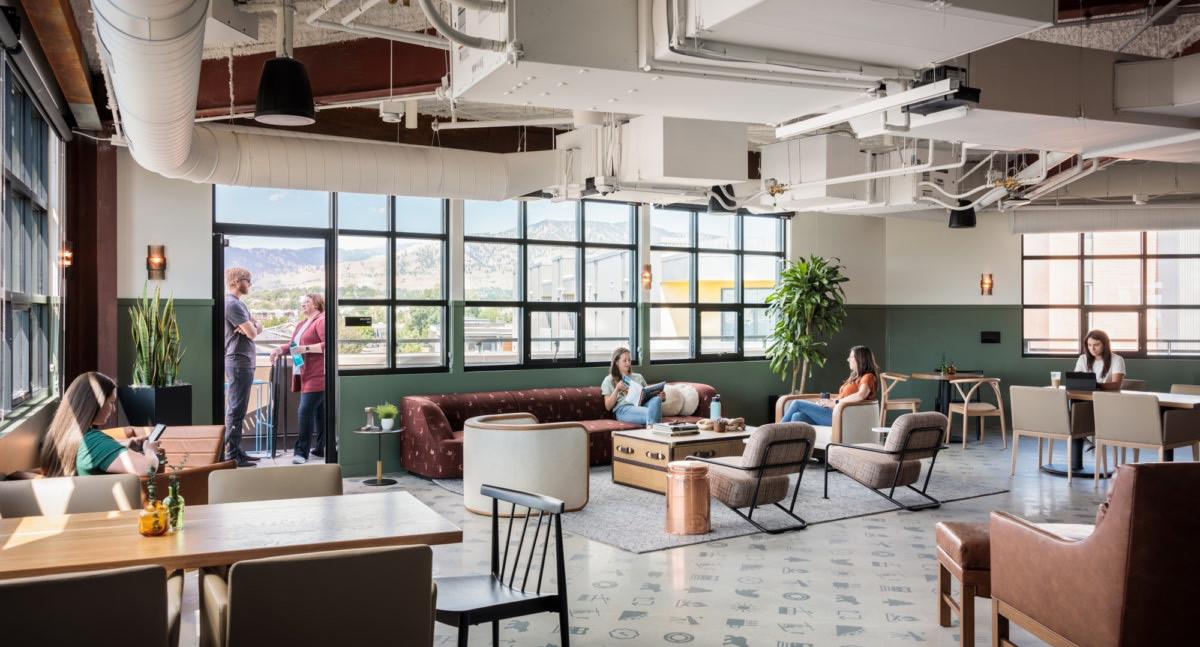
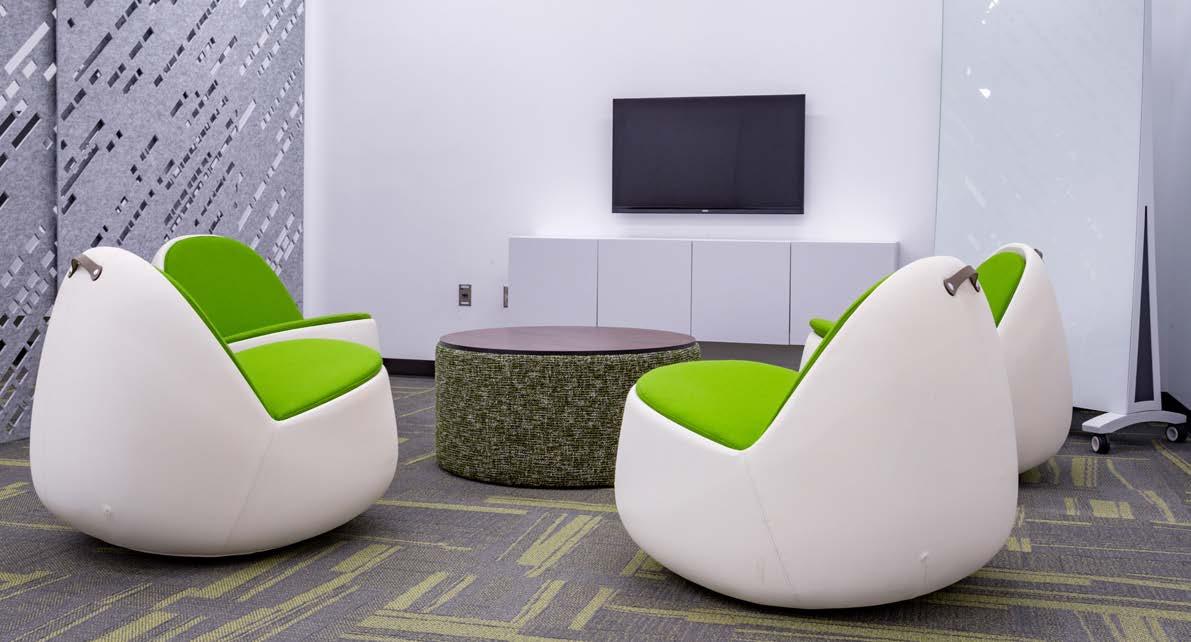
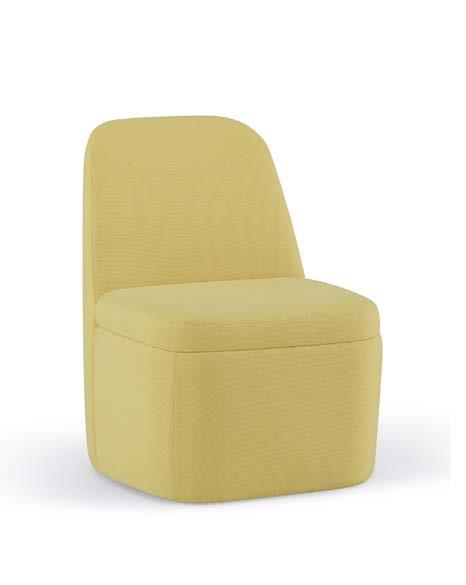
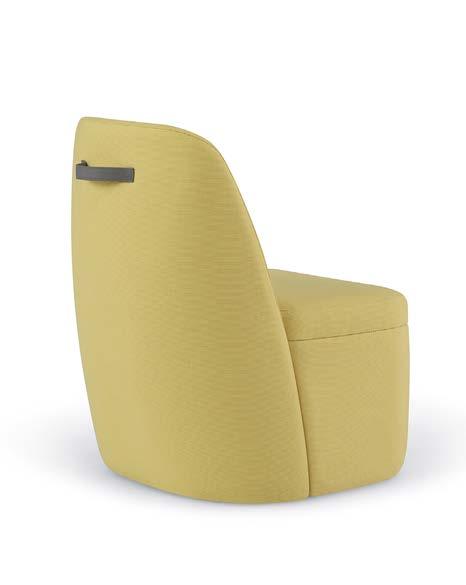
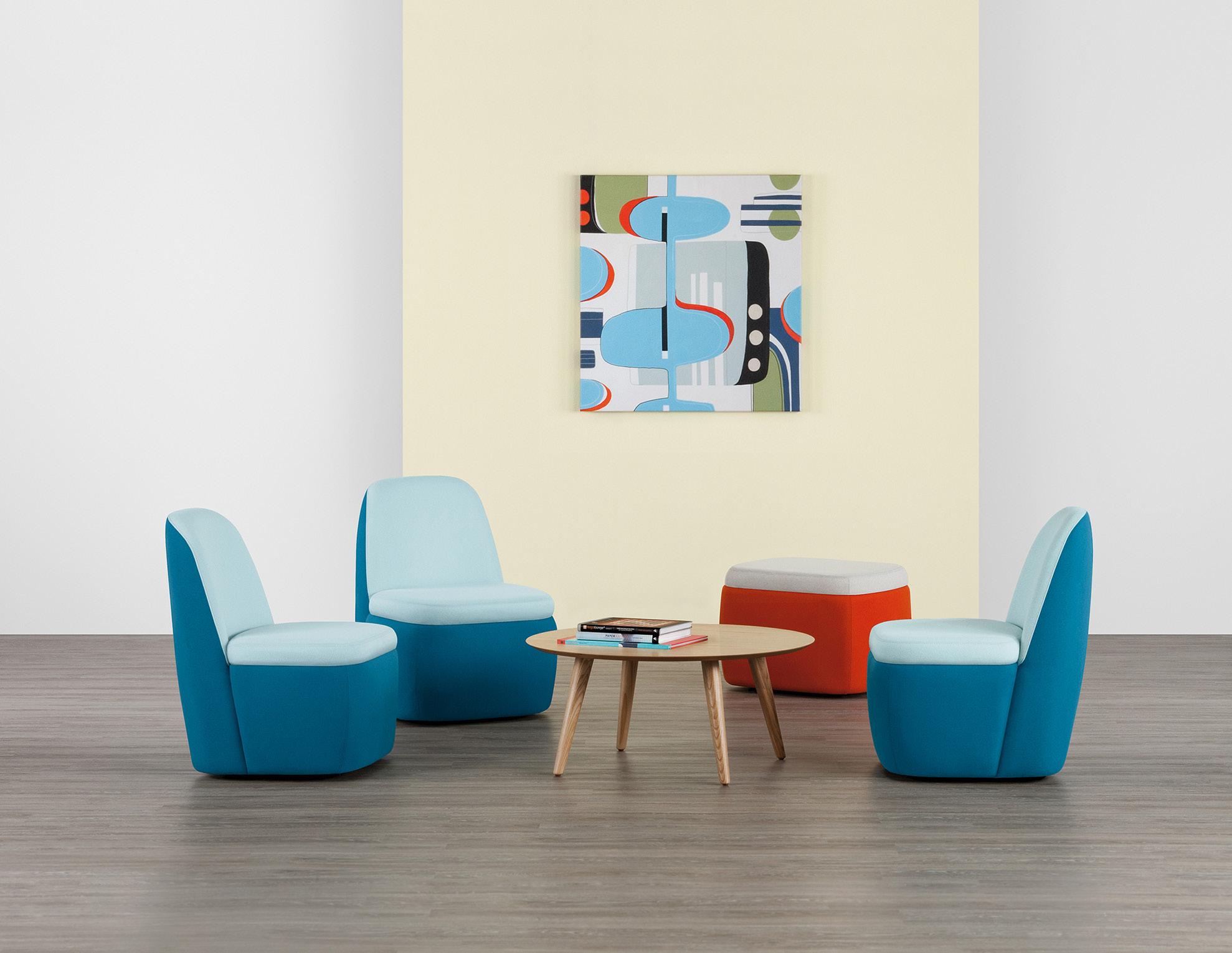
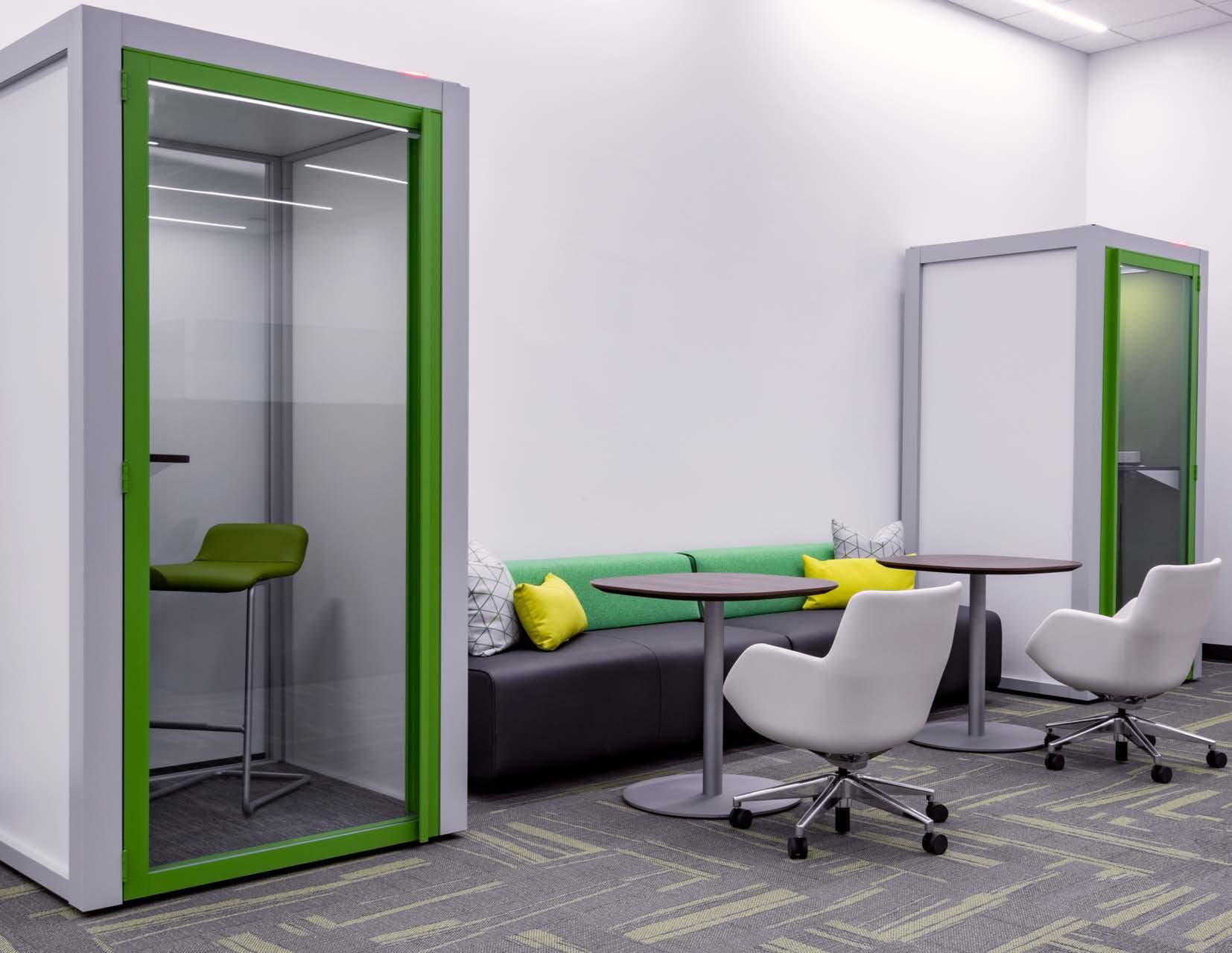
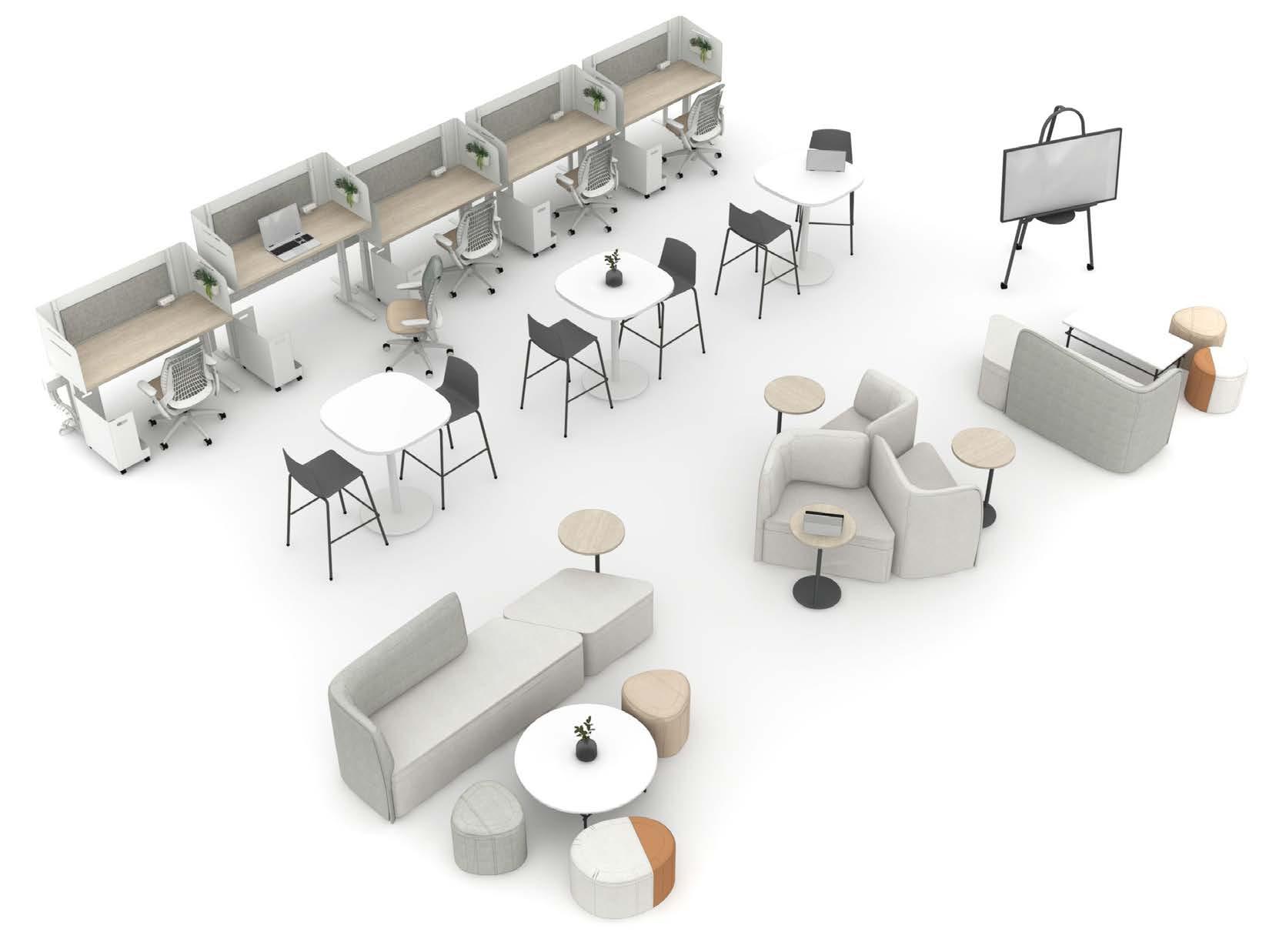
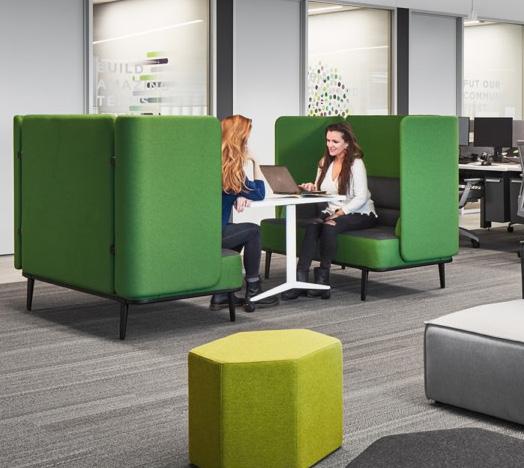
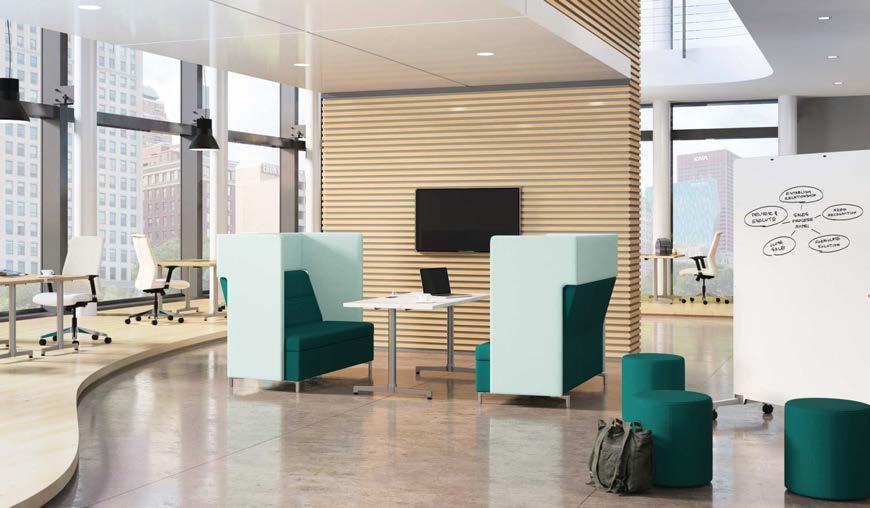

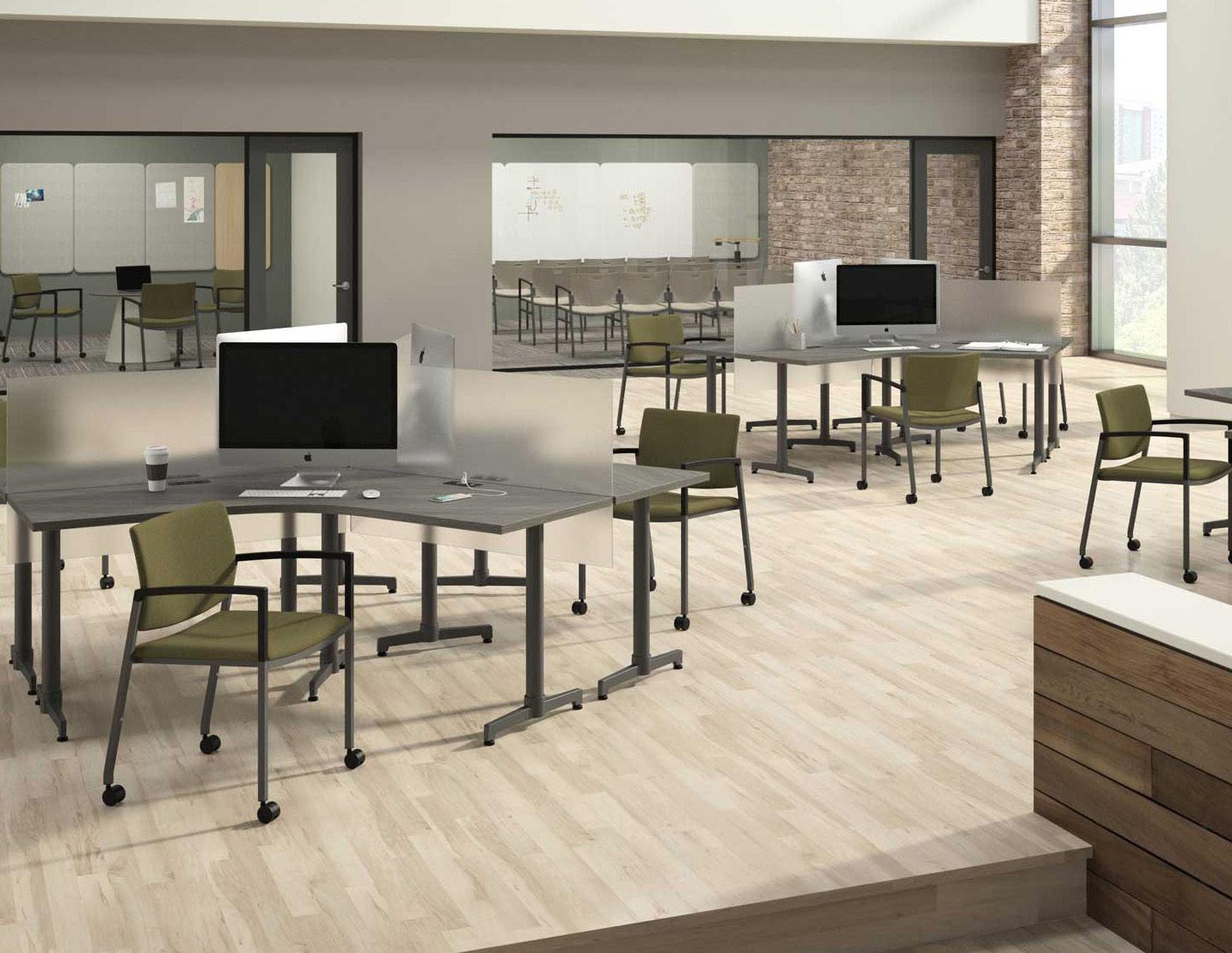

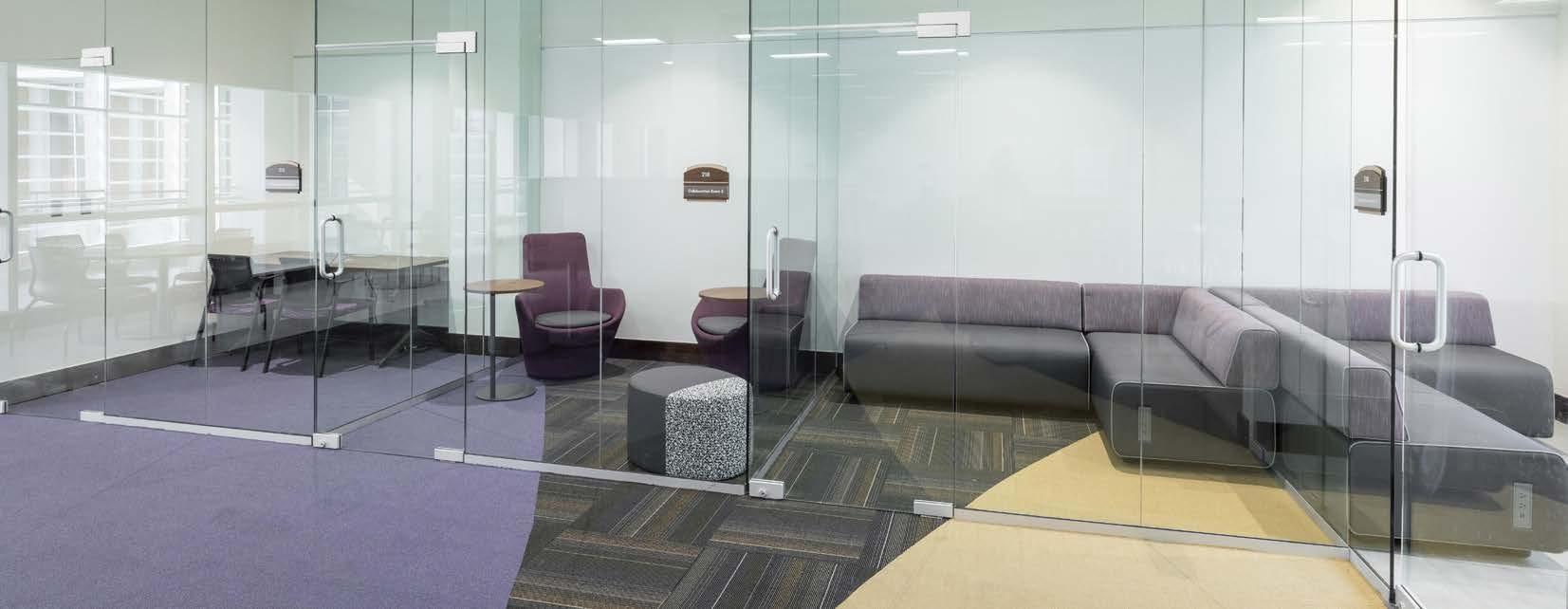
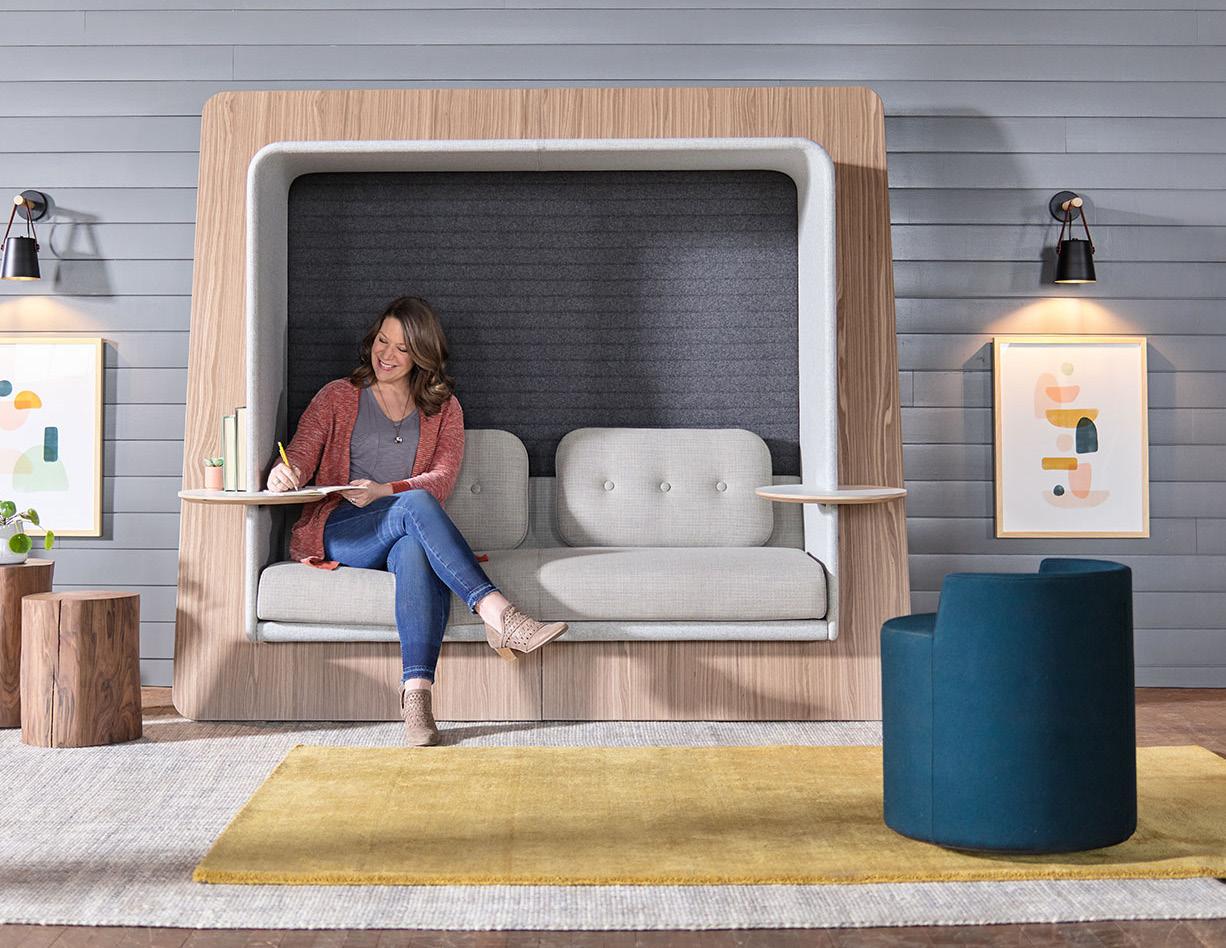
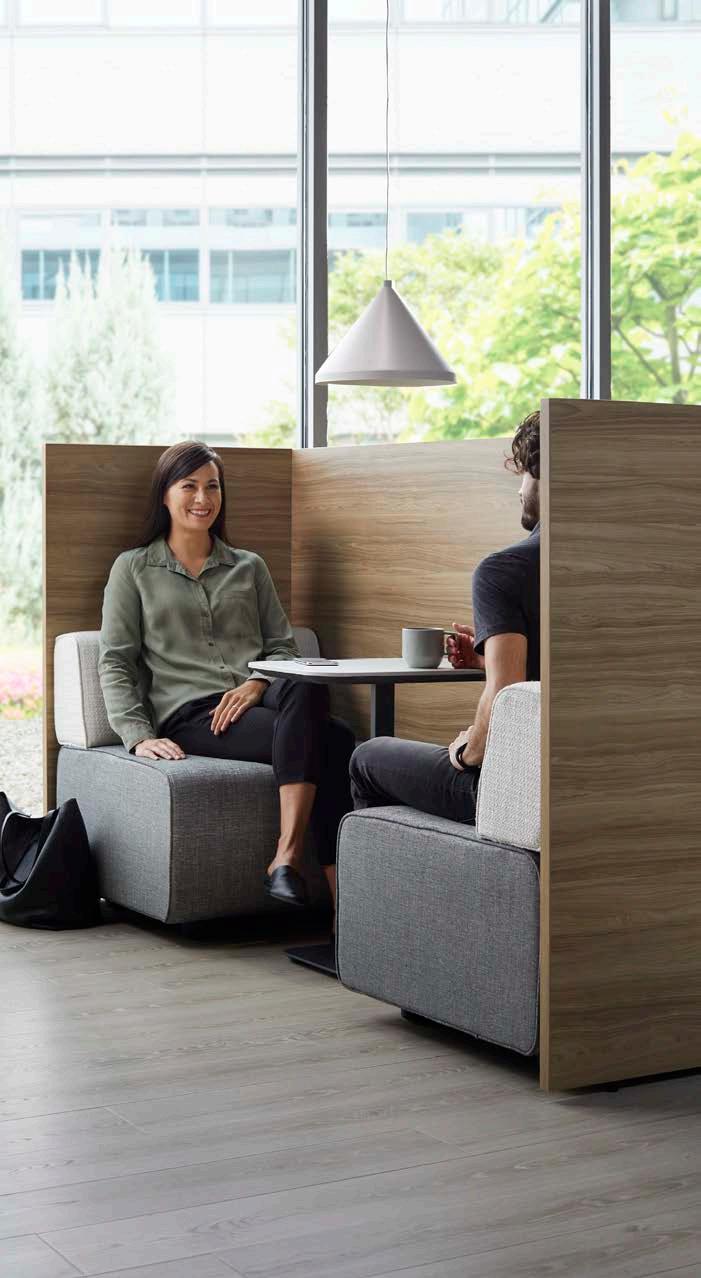
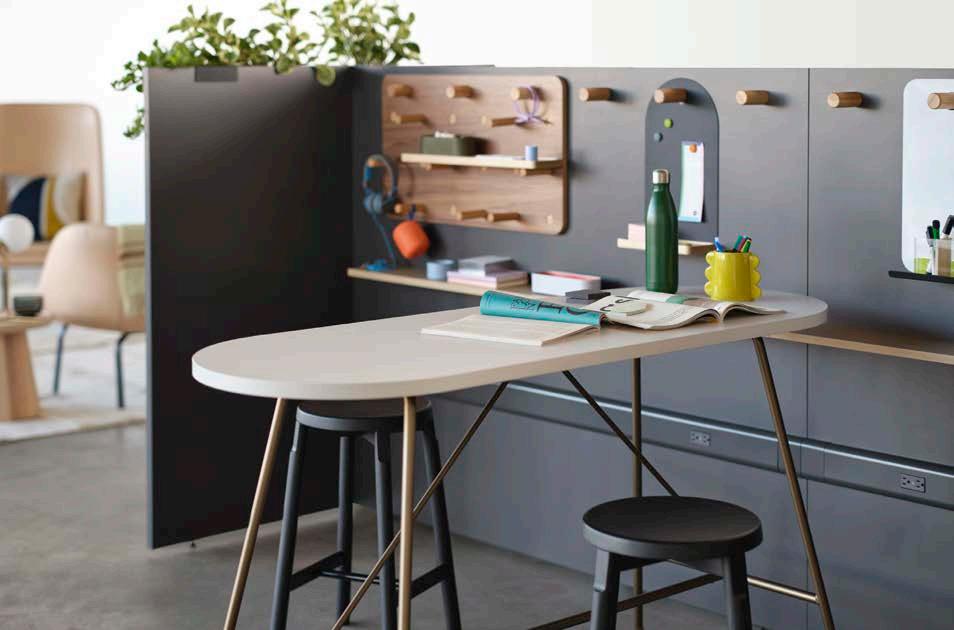
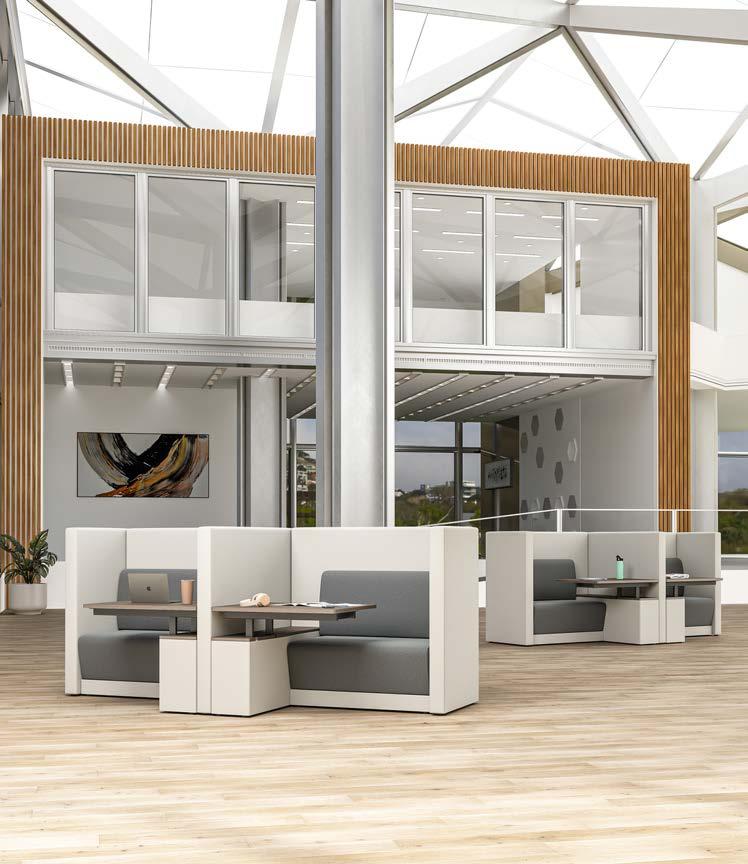
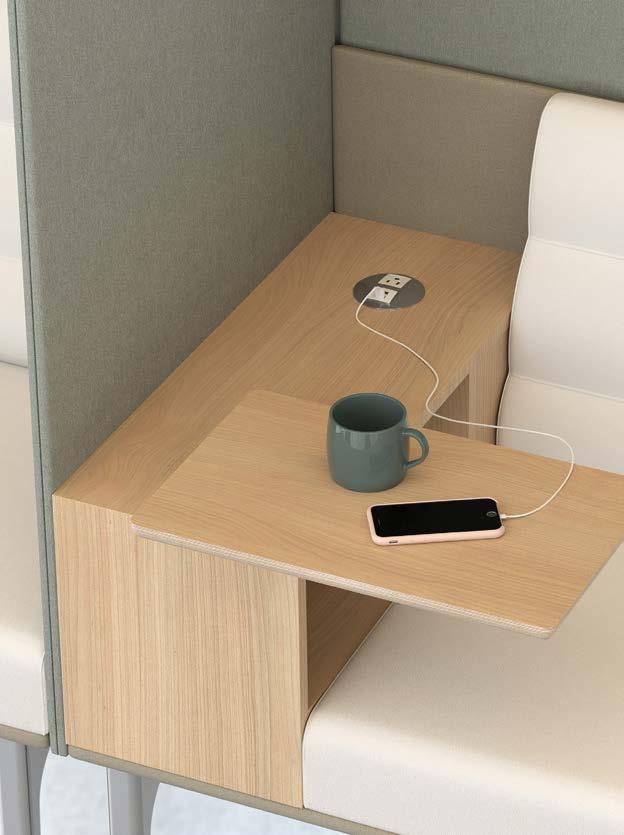
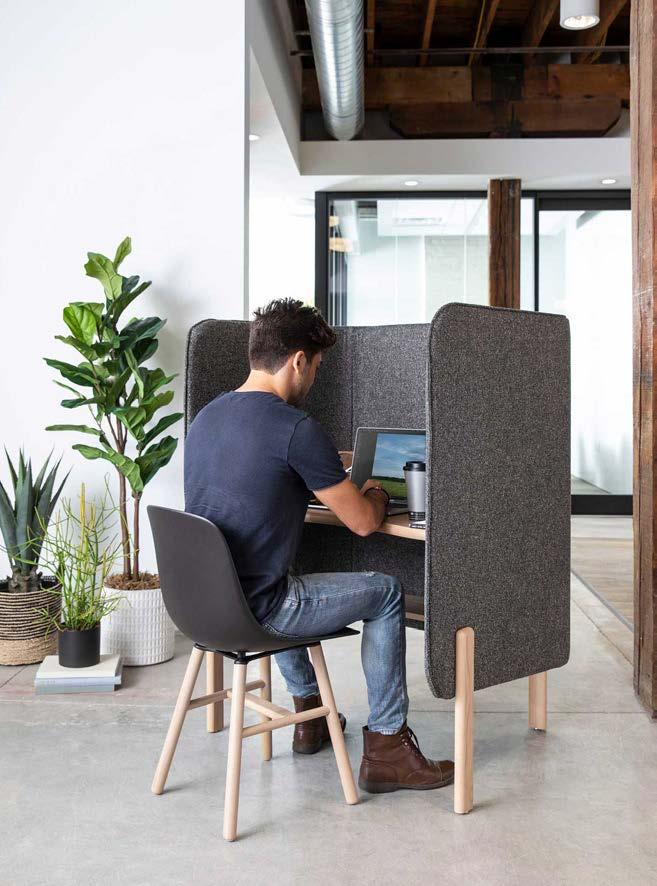
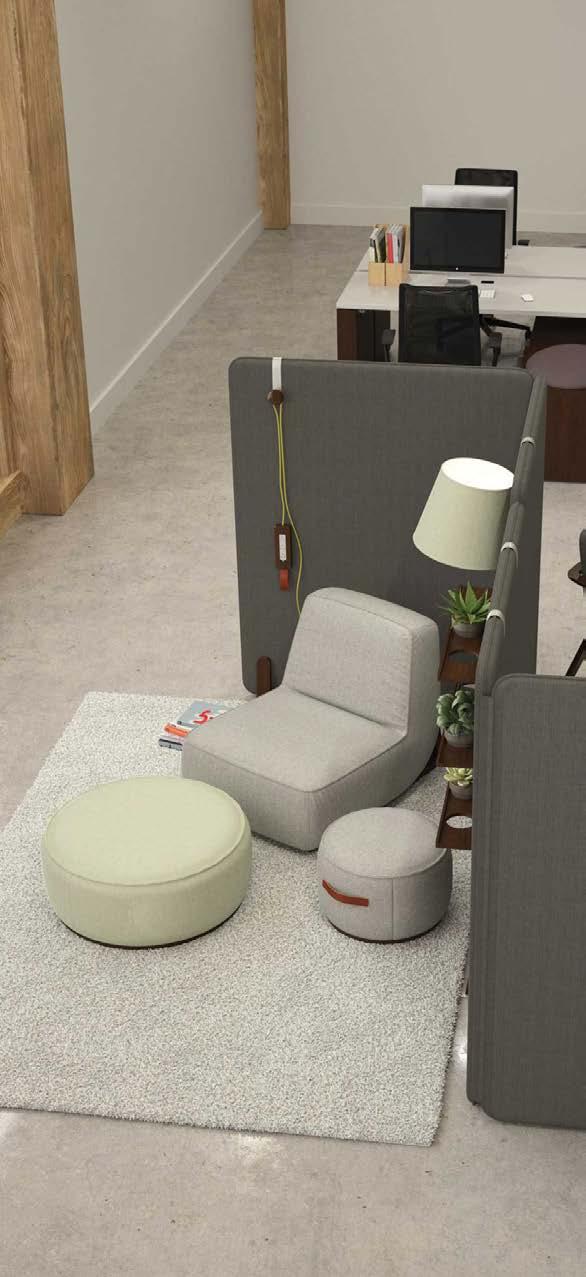
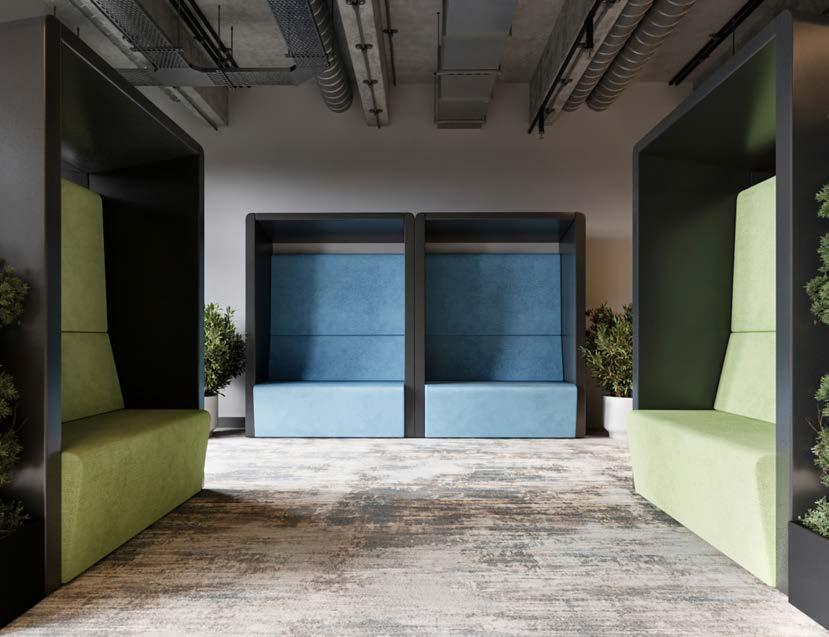
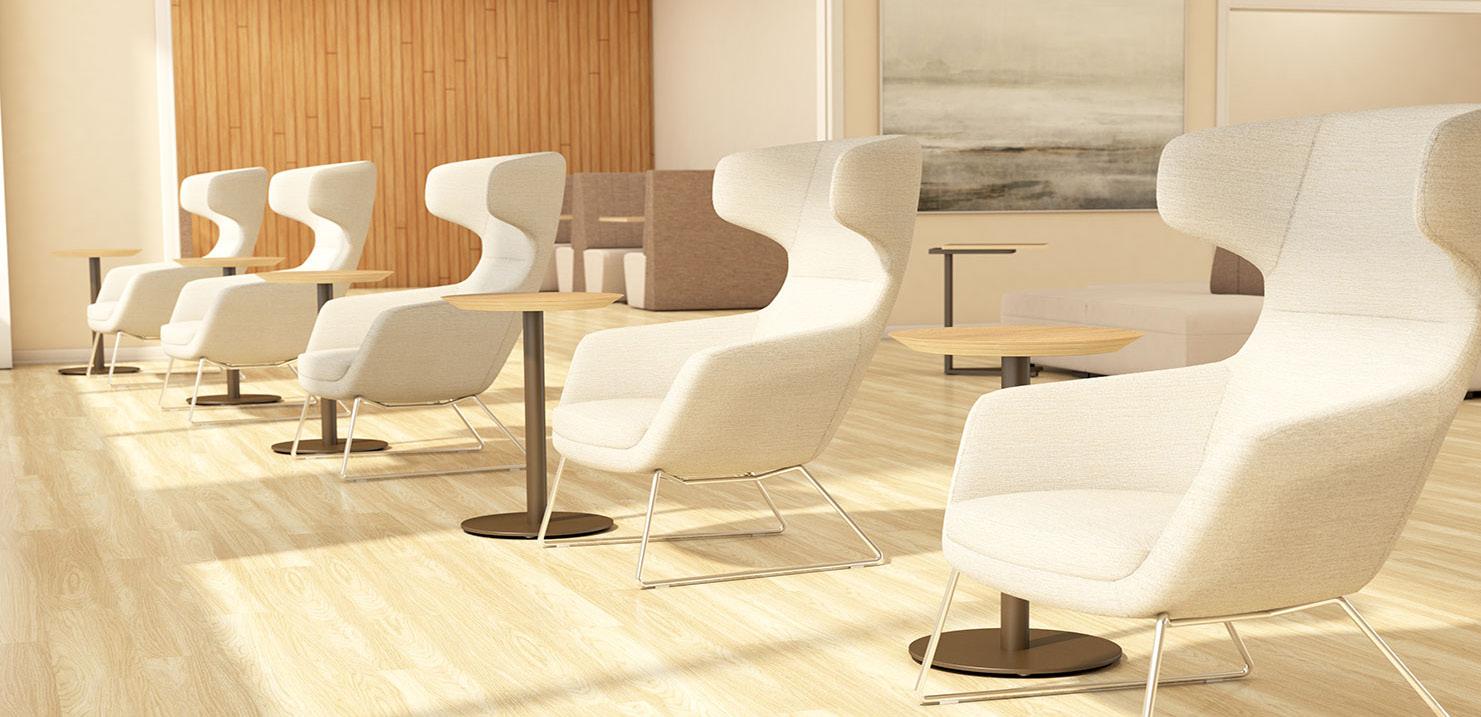
Focus spaces are crucial for students and faculty alike, providing dedicated environments for concentrated studying, research, and deep thought. These spaces offer a respite from the potential distractions of communal areas, allowing individuals to immerse themselves in academic tasks with enhanced focus and productivity.

























thank you