Sara Hussey, MBA, CAE ACMS Executive Director shussey@acms.org
MEDICAL EDITOR
Natalie Gentile, MD acmsbulletin@acms.org
BULLETIN DESIGNER
Victoria Gricks koonacreative@gmail.com
EDITORIAL/ADVERTISING OFFICES:
Bulletin of the Allegheny County Medical Society, 850 Ridge Avenue, Pittsburgh, PA 15212; (412) 3215030; fax (412) 321-5323. USPS #072920. PUBLISHER: Allegheny County Medical Society at above address.
The Bulletin of the Allegheny County Medical Society is presented as a report in accordance with ACMS Bylaws.
The Bulletin of the Allegheny County Medical Society welcomes contributions from readers, physicians, medical students, members of allied professions, spouses, etc. Items may be letters, informal clinical reports, editorials, or articles. Contributions are received with the understanding that they are not under simultaneous consideration by another publication.
Bulletin of the Allegheny County Medical Society reserves the right to edit all reader contributions for brevity, clarity and length as well as to reject any subject material submitted.
The opinions expressed in the Editorials and other opinion pieces are those of the writer and do not necessarily reflect the official policy of the Allegheny County Medical Society, the institution with which the author is affiliated, or the opinion of the Editorial Board. Advertisements do not imply sponsorship by or endorsement of the ACMS, except where noted.
Publisher reserves the right to exclude any advertisement which in its opinion does not conform to the standards of the publication. The acceptance of advertising in this publication in no way constitutes approval or endorsement of products or services by the Allegheny County Medical Society of any company or its products.
Annual subscriptions: $60
Advertising rates and information available by calling (412) 321-5030 or online at www.acms.org.
COPYRIGHT 2026: ALLEGHENY COUNTY MEDICAL SOCIETY POSTMASTER – Send address changes to: Bulletin of the Allegheny County Medical Society, 850 Ridge Avenue, Pittsburgh, PA 15212. ISSN: 0098-3772
The Return of the Primitive
THE ANTI-VACCINE MOVEMENT AND CRISIS OF ENLIGHTENMENT
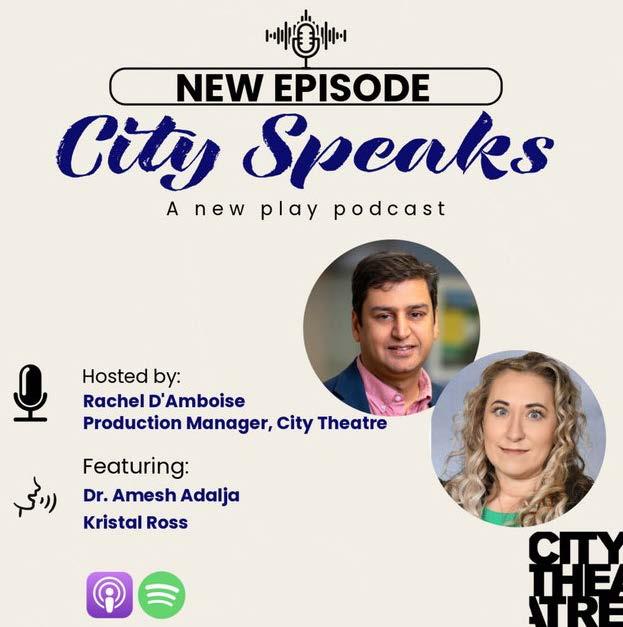
written by AMESH ADALJA, MD, FIDSA
The dawn of the vaccine age began in 1796 when Edward Jenner developed the smallpox vaccine — a feat that would, 184 years later, lead to the complete eradication of that ancient scourge. What made Jenner’s achievement remarkable was not only the outcome but its epistemological audacity: he synthesized folk observations made by farmers and country doctors about cowpox immunity and transformed them into a systematic, replicable intervention against one of humanity’s most lethal adversaries. He accomplished this decades before Louis Pasteur codified the germ theory of disease. Jenner’s vaccine was, in short, a triumph of the Enlightenment — empirical, universal, and life-saving.
And yet, almost immediately, it produced its shadow. The antivaccine movement was born alongside vaccination itself, an insidious countermovement grounded in the rejection of precisely what made Jenner’s
achievement possible: the application of reason and science to the natural world. That shadow has never fully disappeared. Instead, it has grown, transformed, and in our own era reached what can only be called its apotheosis — wielding significant political power and institutional influence. To understand how we arrived here, one must trace the movement not merely as a series of recurring myths but as a coherent ideological tradition rooted in a deep ambivalence — and at times open hostility — toward modernity itself.
FROM COW PARTS TO CONSPIRACY: THE RHETORIC OF ANTI-VACCINATION
The early vocabulary of the antivaccine movement was visceral and instinctive. Critics of Jenner’s vaccine portrayed it as poison derived from animals; popular cartoons of the era depicted recipients sprouting cow parts after inoculation. The objection was, at its core, a recoiling from the unnatural — a revulsion against the idea that a human being might be deliberately altered by contact with animal matter. This was not a scientific argument. It was an aesthetic and moral one.
From this foundation, anti-vaccine leagues formed across England, Europe, and North America through the 19th century. In 1885, one such organization helped instigate a riot in Montreal over compulsory smallpox vaccination. The rhetoric expanded its philosophical reach, encompassing the principle of bodily autonomy — notably, the term
“conscientious objector” originated not with pacifists but with early antivaccine activists. This libertarian thread would remain a persistent, if sometimes dormant, strand in antivaccine ideology.
By the 20th century, the movement had added a more intellectually sophisticated grievance: the contention that the scientific method is not a universal truth but merely one cultural approach among many. This is the terrain of postmodernism, and its infiltration into vaccine skepticism represents a critical inflection point in the movement’s intellectual history.
POSTMODERNISM AS PATHOGEN
Postmodernism mounted a sustained critique of what it called “metanarratives” — grand systems of explanation claiming universal validity. Science, particularly postWorld War II science, was a primary target. The association of scientific authority with thalidomide, nuclear weapons, and industrial pollution gave intellectual credibility to a broader suspicion of scientific institutions. As the sociologist Ulrich Beck wrote in *The Risk Society*, the sciences are deeply complicit in producing civilizational risk, serving as legitimizing patrons of global industrial contamination.
From this framework emerged standpoint theory: the idea that truth is not objective and universal but situated within the particular identity, experience, and power relations of the observer. Scientific consensus
becomes not truth but one cultural approach among many, reflecting the power of those who produced it. Science becomes, in Beck’s phrase, a “branch office for politics, ethics, business… in the garb of numbers.”
The consequences for vaccine discourse are direct. If no single source of truth holds authority, “misinformation” becomes merely a competing version of information. Expertise is flattened; everyone becomes their own expert. The injunction to “do your own research” is not anti-intellectual so much as a democratic extension of postmodern epistemology. In this framework, vaccine hesitancy is not ignorance; it is an alternative explanatory model.
*EUREKA DAY* AND THE PROGRESSIVE ANTI-VAXXER
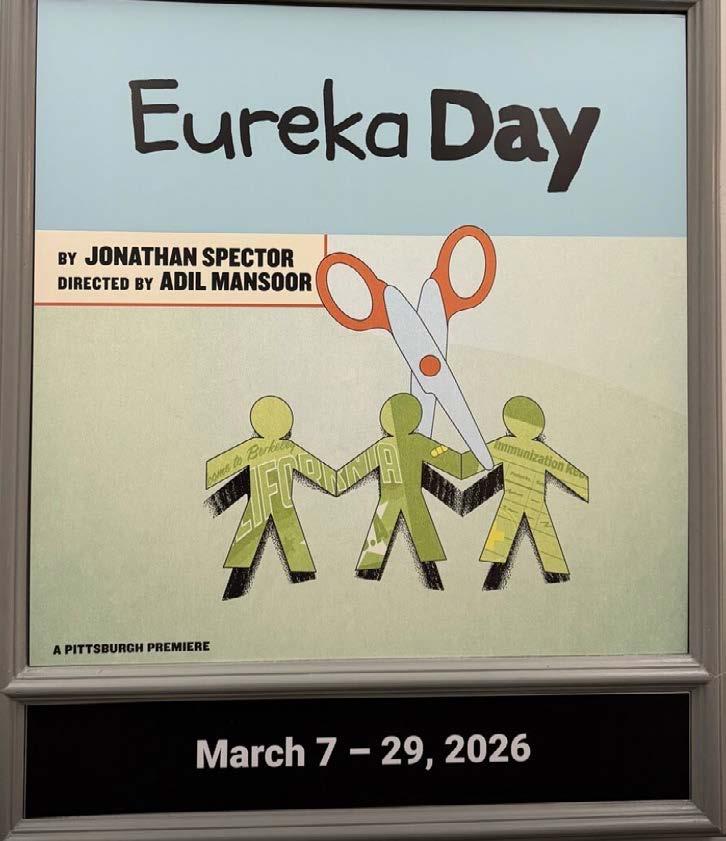
Jonathan Spector’s play
*Eureka Day*, written in 2018 and inspired by the 2014 Disneyland measles outbreak — itself a direct consequence of declining vaccination rates in affluent California communities — dramatizes the anti-vaccine movement in its pre-COVID incarnation. The archetypal vaccine skeptic of that era was not a conspiracy theorist or political reactionary. She was a progressive, educated, Berkeley-adjacent parent — committed to inclusivity and natural living, deeply suspicious of pharmaceutical corporations, and inclined to trust her own research over the pronouncements of a medical establishment she viewed as captured by power and profit.
This portrait was grounded in epidemiological reality. States like Mississippi and West Virginia had among the highest childhood vaccination rates in the country, while the public health community’s anxieties centered on Marin County, California, the Pacific Northwest,
and organic-food-oriented suburban enclaves. The anti-vaccine movement had, in this period, a coherent if tragic internal logic: it emerged from communities that had absorbed enough postmodern epistemology — often through elite education — to feel justified in rejecting consensus science as a form of power rather than a form of knowledge.
COVID AND THE GREAT TRIBAL MIGRATION
The COVID-19 pandemic shattered this political geography. Opposition to pandemic restrictions — lockdowns, mask mandates, business closures — became entangled with opposition to COVIDera vaccines. The bundling was not logically necessary, but the pandemic handed anti-vaccine ideologues something potent: a living illustration of Foucault’s concept of biopower — the state’s exercise of control over bodies and populations in the name of public health. For those already primed to see science as an instrument of power, governments mandating behaviors and compelling vaccination confirmed every suspicion. Vaccine acceptance or refusal became a tribal marker, a signal of political identity rather than a medical decision.
The result was a demographic inversion. By 2022, vaccine skepticism had become so intertwined with political identity that merely invoking science could be experienced as a personal attack. As one pediatrician told the NYTimes: “It is a culture. I feel like if I talk about science, then I’m going against their political identity.” The new anti-vaxxer was no longer the crunchy Californian progressive but the conservative populist who viewed mandates and vaccines as instruments of government overreach.
Yet this transformation should not obscure the continuity beneath it. The philosophical infrastructure — the suspicion of expertise, the assertion of personal epistemic sovereignty, the equation of scientific consensus with the exercise of power — was already in place, erected over decades. COVID did not create this infrastructure. It merely handed it to a different political constituency.
SCIENCE, POLITICS, AND THE CORRUPTION OF AUTHORITY
One reason the anti-vaccine movement has proven so difficult to defeat is that it contains a kernel of legitimate grievance. Science has been infused with politics. Expertise and authority have, at times, been fused inappropriately — particularly when scientific imprimatur is deployed as an appeal to authority in debates where the underlying questions are not primarily scientific. This is scientism: the overextension of scientific authority into domains where it cannot bear the weight placed upon it. The credibility of public health institutions erodes when they speak with false confidence, shift positions without adequate explanation, or allow political considerations to shape their communications.
However, despite legitimate concerns of scientism it cannot be denied that at the core of the current moment is an anti-Enlightenment ethos. Vaccines are a technological achievement that cascaded from the Enlightenment. They are now under an overtly irrational anti-human cultural and political attack.
CONCLUSION: THE PERSISTENT PRIMITIVE
Throughout its history, the antivaccine movement has taken on many identities — conservative and progressive, religious and secular, libertarian and communitarian — but one overarching principle has remained intact: an antipathy toward humans employing the tools of science to prevent infectious disease. The specific arguments change; the underlying posture of rejection and the Dark Ages-like denial of the benefits of vaccine technology on human flourishing persists.
Now, as this movement has reached its apotheosis with significant government power, the world of *Eureka Day* seems almost nostalgic — a time when vaccine skepticism was the province of well-meaning, if misguided, parents in progressive school communities, rather than a force capable of reshaping national health policy. But it would be foolish to treat that earlier moment as disconnected from the present one. The intellectual seeds were planted long ago, in the earliest cartoons of cow-partsprouting vaccine recipients, in the postmodern seminar rooms where scientific authority was first systematically delegitimized, in the online forums where alternative truth-making was perfected. What we are experiencing today is not the birth of something new. It is the harvest of something very old.
The task for those committed to evidence-based medicine is not simply to rebut individual claims but to understand the deep epistemological anxieties that animate the movement — and to hold scientific institutions to a standard of transparency and intellectual honesty that makes those anxieties harder to exploit. Jenner’s achievement was not only technical. It was a demonstration that human reason, carefully applied,
can overcome nature’s worst cruelties. That demonstration must be continually renewed.
AMESH ADALJA, MD, FIDSA
Dr. Adalja, a senior scholar at the Johns Hopkins Center for Health Security, is a Pittsburgh-based infectious disease, critical care, and emergency medicine physician. Follow him on X and YouTube
What’s on Your Plate?
UNDERSTANDING FOODBORNE ILLNESS IN ALLEGHENY COUNTY
The Allegheny County Health Department (ACHD) investigates reported enteric conditions and responds to foodborne illness complaints and outbreaks. Common foodborne illnesses include campylobacteriosis, shiga toxin producing E. Coli (STEC), listeriosis, salmonellosis, hepatitis A, shigellosis, and norovirus.
In 2025, the ACHD Food Safety Program received 257 suspected foodborne illness complaints, with 41 requiring Infectious Disease Epidemiology Program investigation. Risk for foodborne illness can increase due to the following:
• Consumption of:
• Raw/undercooked meats, poultry, seafood, or eggs
• Raw dough or batter made with uncooked flour or eggs
• Unpasteurized dairy products, juice, or cider
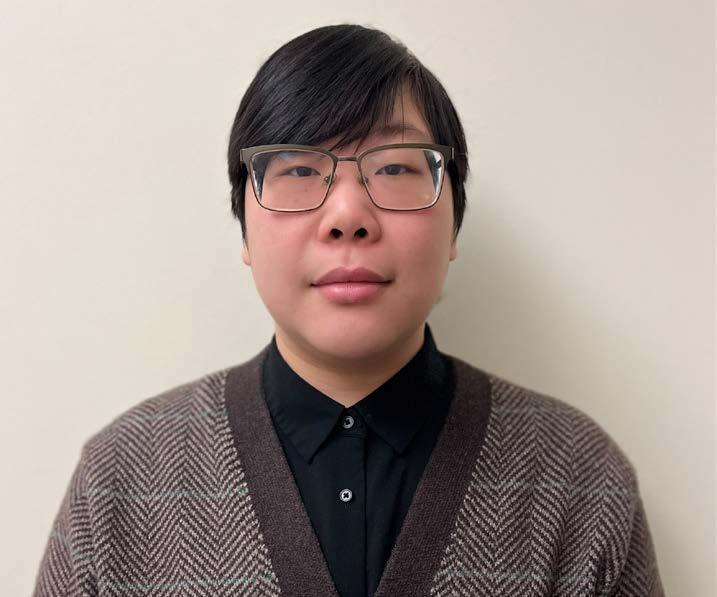
written by VIVIAN FENG, MPH
• Unwashed fruits and vegetables
• Perishable foods that have sat out at temperatures between 40 to 140 °F for more than 2 hours Improper food holding temperatures
• Improper cooking temperatures
• Contaminated equipment/food
• Poor personal hygiene
• Food from unsafe sources
While everyone is at risk for foodborne illness, young children, older adults, pregnant women, and immunocompromised individuals are at higher risk for severe illness. ACHD strongly encourages good personal hand hygiene and food safety practices to reduce the risk of foodborne illness. More information can be found here. Healthcare providers treated patients who may have a foodborne illness and people who suspect that they may have a
foodborne illness should contact the ACHD food safety program here
VIVIAN FENG, MPH
Vivian Feng, MPH, is an Applied Epidemiologist at the Allegheny County Health Department. They support a variety of Infectious Disease Epidemiology Program functions, including foodborne illness investigation and vectorborne disease surveillance.
New Frontlines, New Faces
“New Frontlines, New Faces” recognizes both our Frontline Group practices and the physicians, residents, and students who joined ACMS and PAMED during the first quarter of 2026. We thank these members and practices for supporting organized medicine and helping strengthen physician advocacy, collaboration, and connection across Allegheny County and Pennsylvania.
FRONTLINE GROUPS
Advanced Dermatology
AHN Cardiology
AHN Cardiovascular & Thoracic
Surgery-Park at Jefferson Medical Bldg
AHN General Surgery-Jefferson Hills Specialists
AHN Nephrology
AHN Neurosurgery
AHN OBGYN-Premier-Sewickley
AHN Radiation Oncology
Alice J Buchdahl, MD
Allergy & Asthma Associates of Pittsburgh
Associates in Clinical Psychiatry PC
Associates in Ophthalmology
Center For Digestive Health & Nutrition
Cornerstone Care Community Health-Clairton
Crossroads Counseling & Consulting Associates
Dermatologic Care Inc
Dermpath Diagnostics
Division Hematology & Cellular Therapy
East Suburban Ophthalmic Associates
Eye Physicians and Surgeons Ltd
Forefront Dermatology-Monroeville
Forefront Dermatology-Pittsburgh
General and Vascular Surgery Associates Inc
Genesis Medical Associates-Heyl Family Practice
Greenleaf Compassion
Horvath Dermatology Associates
HVMG Edgeworth Internal Medicine
HVMG Heart & Vascular Center
HVMG West Allegheny Healthcare
Jefferson Internal Medicine PC
Jules Kann & Malcolm Harris MD
Leo R McCafferty MD FACS & Associates, Plastic Surgery
Liebe Medical PC
Macisaac Family Medicine
Medical Rehabilitation Inc
Mumtaz A Alvi MD PC
NeuroPsychiatry Center
New Directions Mental Health
Northern Area Family Medicine of Genesis Medical Assoc Inc
Partners in Family Care
Pittsburgh Ear Associates PC
Pittsburgh Gastroenterology Associates
Pittsburgh Infectious Diseases Ltd
Pittsburgh Oculoplastic Associates Ltd
PPCP Chartiers Valley
Private Physicians Medical Practice LLC
Regenexx Pittsburgh
Romano Pontzer & Associates Ltd
Sewickley Eye Group
Smithfield Medical PC
South Hills Eye Associates Ltd
South Hills Gastroenterology Associates
South Pittsburgh Urology Associates
Specialists in Cardiovascular Medicine
St. Clair Neurology
Suburban Urologic Associates PC
Valley Medical Associates PC
Zitelli, Brodland, & Lim PC
PHYSICIANS
Muhammad Rayan Alamiry, MD
Mazen Al-Qadi, MD
Angela Balarin, MD
Anika Binner, MD
Janice Chan, MD
Michael Chang, MD
Melissa Dosch, DO
Jefferson Ebube, MD
Lauren Giugale, MD
Susan Jacob, MD
Dorian Kusyk, MD
Anand Mamdani, MD
Jose Mantilla Rivas, MD
Jaya Mehta, MD
Sonya Narla, DO
Sonja Opper, DO
Rowena Pingul-Ravano, MD
Frederic Pugliano, MD
Anushree Puttur, MD
Raghu Ram, MD
Stephen Samples, MD
Neel Shah, MD
Andrea Snitchler, DO
Jean Tersak, MD
Jacob Thomas, MD
Michael Turk, DO
RESIDENTS
Akanksha Aggarwal, MD
Rowaid Ahmad, MD
Hassan Alshaker, MD
Hasaan Ans, MD
Einer Carlos Eduardo Arevalo Rios, MD
Mohammad Fahad Ashraf, MD
Sarfo Asiedu, MD
Aya Awwad, MD, MS
Javid Azadbakht,
Amy Benson, MD
Mary Binko, MD
Morgan Bradford, MD
Haley Brown, DO
Armeen Butt, MD
Berk Celik, MD
Celeste Charchenko, MD
Hannah Chin, MD
Chetna Chopra, MD
Justin-James Chua, MD
Samuel Collazo, MD
Amelia Collings, MD
Louis Collins, MD
Nicole Conrad, MD
Lee Cooper, DO
Catherine Corey, MD
Ashley Covatto, DO
Caroline Cummings, MD
Lauren Dennis, MD
Patrick Durkin, MD
Rebecca Easly-Merski, MD
Razane El Hajj Chehade, MD
Mohamed Elnouty, MD
Gabriel Garcia Castro, MD
Mohamed Ghamry, MD
Pratiti Ghosh-Dastidar, MD
Nathaniel Goldblatt, MD
Apoorva Gomber, MD
Navneet Gupta, MD
Salar Haider, MD
Nathan Hammerle, DO
Bassel Hammoud, MD
Matthew Hapstack, Matthew Harris,
Jacob Holsopple, DO
Titus Hou, MD
Xander Jacquemyn, MD
Sameer Jhaveri, DO
Evan Johnson, MD
Kirtan Kadia, MD
Mahmut Kaymakci, MD
Katherine Keever, DO
Rachel Kennedy, DO
Hassan Khalid, MD
Phillip Khong, DO
Niwen Kong, MD
Vaidehi Kothari, MD
Ian Lagerstrom, MD
Maria Lampou, MD
Hao-Tinh Le, MD
Crystal Lee, MD
Xiaoyun Li, MD
Marissa Lobl, MD
Sydney Loria, MD
Talia Magoon, MD
Rayan Magsi, MD
Sajia Mahjabin, MD
Liyan Mazahreh, MD
Kaitlyn McSurdy, MD
Megan Melnyk, MD
Jacob Merrill, DO
Daayl Mirza, MD
Salman Naseem, MD
Muhammad Asad Natique, MD
Nirmal prasad Neupane, Rajmund Niwinski, MD
Eniolahun Olakunle-Adesina, MD
Lindsey Olivere, MD
Saurav Panda, MD
Kavin Parmar, MD
Anna Pleet, MD
Maya Polashenski, MD
Krishna Vamsy Polepalli, MD
Mokshal Porwal, MD
Emma Powers, MD
Ryan Powley, DO
Dillon Prokop, MD
Lama Quraiba, MD
Hari Randhawa, MD
Chanel Reid, MD
Rebecca Rusnak, MD
Tara Russell, MD
Harshavardhan Sai Sadineni, MD
Anu Sehgal, MD
Cole Shafer, MD
Ashani Shah, MD
Hodaka Takaiso, MD
Neelimaprasanthi Theella, MD
Ecenur Tuc Bengur, MD
Lauren Uram, DO
Waqas Usmani, MD
Rodrigo Villalta Quezada, MD
Jose Ynigo Villanueva, MD, DO
Nat Voos, MD
Rishva Vyas, MD
Michael Wang, MD
Marion White, DO
Stephen Worrall, DO
Michael Xu, MD
Avantika Yadwad, DO
Syeda Alisha Zehra, MD
Alice Zhou, MD
Rachel Zuellig, MD
STUDENTS
Katherine Abraham
Julia Amstutz
Catherine Beamish
Gabrielle Bell
Emilienne Bolettieri
Christin Candela
Carl Carlson
Jordan Carter
Annie Chen
Jocelyn Coholich
Alexa Conomikes
Mesgana Dagnachew
Dasanae Davis
Mathew Dudich
Bradford Dugan
Jana El-Sayed
Jacob Engel
Chinemeh Eyiba
Hanna Fischer
Karlie Gambino
Nathalie Gijsbers
Christopher Groetsch
Anika Hendricks
Michael Kail
Vincent Kaschauer
Jill Koech
Rachana Kolli
Victora Koontz
Rachel Lopes
Fatima Madondo
Kaitlin McCarthy
Ikroop Miglani
Anastasia Murphy
Leah Mushall
Fiona Pashollari
Azalyn Patterson
Correggio Peagler
Charli Pogany
Wyatt Ringo
Nathan Rowell
Rachit Saggar
Claire Shemon
Lauren Simonian
Thomas Skoff
Mariam Sleem
Jorna Sojati
Stephen Sokolosky
Cherisse Tompkins
Kaitlin Tortorete
Cassidy Wesenberg
Ivan Wolansky
Anne Wondisford
Jacquelyn Xu
Jessica Zheng
Sydney Zhou
BECOME A FRONTLINE GROUP PRACTICE
The Frontline Group program is designed for practices where all physicians are PAMED and ACMS members, ensuring 100% participation across your team, with the convenience of one streamlined invoice for billing.
Contact Haley Thon, Manager, Member Services to sign up.
Like Mother, Like M.D.
HONORING OUR ACMS FEATURED MEMBERS
written by MARCELA BOHM-VÉLEZ, MD + NICOLE F. VÉLEZ, MD
MARCELA BOHM-VÉLEZ, MD
Dr. Marcela Böhm-Vélez is a boardcertified radiologist with fellowship training in Women’s Imaging. She is a Fellow of the American College of Radiology, the Society of Radiologists in Ultrasound, and the American Institute of Ultrasound in Medicine. She serves as President of Weinstein Imaging, a boutique private practice specializing in breast imaging, ultrasound, and DXA. Dr. Böhm-Vélez has published and lectured extensively on gynecologic ultrasound and breast imaging at national and international meetings. She has been deeply involved in academic, leadership, and advocacy roles within radiology, including serving as President of the Pennsylvania Radiological Society, where she was also named Honored Radiologist. She remains actively engaged in clinical practice.
NICOLE F. VÉLEZ, MD
Dr. Velez is a board certified dermatologist and Mohs micrographic surgeon who specializes in the diagnosis and treatment of skin cancer. She has been practicing medicine since 2014 and founded Pittsburgh Skin Dermatology & Mohs Surgery in 2019, a practice that offers general, surgical and cosmetic dermatology services. She currently serves on the board of the Pennsylvania Academy of Dermatology and Allegheny County Medical Society.
I proudly told my preschool class, “We passed the boards.”
WHAT HAS IT BEEN LIKE TO SHARE THE SAME PROFESSION ACROSS GENERATIONS?
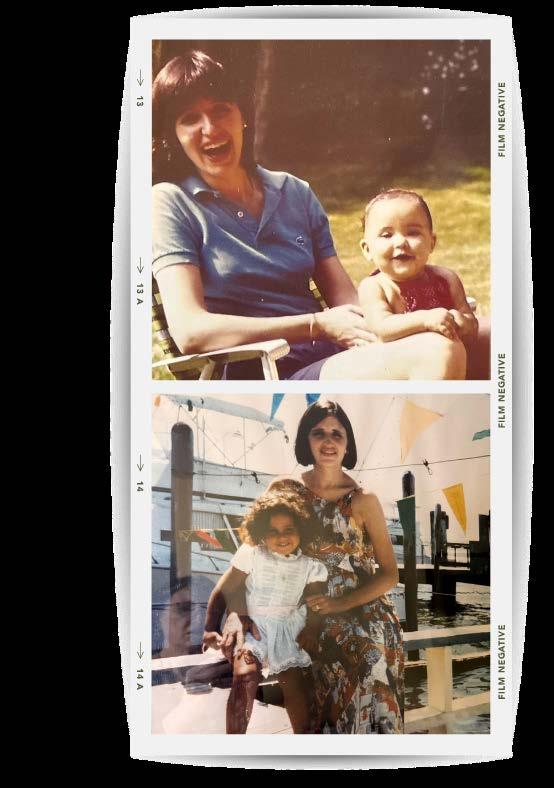
Nicole: One of my earliest memories is sitting beside my mom as she studied for her Radiology board exam. She would hand me a legal pad so I could “study” with her. When she passed, I proudly told my preschool class, “We passed the boards.” As I grew older, I spent Saturdays with her at West Penn Hospital making art from x-ray cardboard and later helping with clerical tasks at radiology meetings she organized. These experiences introduced me to other female physician leaders and sparked my interest in medicine. Her dedication to patients and lifelong learning were truly inspiring. In medical school and residency, I relied on both my parents for support, especially during difficult moments, like my first experience with an unexpected
patient outcome. Their guidance, shaped by similar experiences, made those challenges easier to navigate. As a practicing physician, I enjoy sharing clinical cases, and am always grateful for her perspective and insight.
Marcela: I am so proud of Nicole’s ability to balance work, family, and personal life. I am continually amazed by how she was able to build a successful private practice from the ground up during a time of intense competition and uncertainty in healthcare. Her background in information systems from Carnegie Mellon University undoubtedly played a significant role in empowering her success. Her achievements have inspired me to continue striving forward and to keep pace with the new generations.
WHAT IS SOMETHING YOUR MOM TAUGHT YOU—DIRECTLY OR INDIRECTLY—THAT SHAPED WHO YOU ARE TODAY?
Nicole: Always strive to improve—for the benefit of your patients and your own growth. As a child, I watched my mom read journals, engage in thoughtful discussions, participate in research, and continuously seek new skills. As technology advanced, she embraced it early, incorporating tomosynthesis mammography, DEXA, molecular breast imaging and breast MRI to enhance patient care. She was also a dedicated advocate: when insurers resisted covering breast ultrasound, she helped advance guidelines recommending ultrasound for patients with dense breasts, expanding access to necessary care.
WHAT MAKES YOU MOST PROUD OF YOUR DAUGHTER— NOT JUST PROFESSIONALLY, BUT PERSONALLY?
Marcela: More than her professional achievements, what makes me most proud of her is her compassion, her
empathy, and the genuine dedication she brings to caring for her patients and advancing her field.
HOW HAS THE EXPERIENCE OF BEING A FEMALE PHYSICIAN CHANGED BETWEEN YOUR GENERATIONS?
Marcela: In 1981, I was asked to delay starting my radiology residency because I was pregnant, as it was considered “disrespectful” to have a pregnant resident. After completing my fellowship, I was told I didn’t need to earn as much as my colleagues because my husband was also a physician. While women now make up nearly half of all physicians and overt bias has become less common, disparities persist—particularly in salary negotiations and professional advancement. Another significant change in medicine has been the growing pressure to increase volume as reimbursement declines. This shift has strained patient interactions and contributed to widespread burnout. It is encouraging to see the next generation of physicians recognizing these challenges, prioritizing well-being, and advocating for a culture that values self-care alongside patient care. Nicole: While our clinical roles are more equal today, women physicians still face challenges in salary negotiation, leadership positions and academic advancement. I remember being surprised when early in my career, a supervisor asked if I wanted my father present when reviewing my contract. Later a private equity owner tried to dissuade me from starting my own practice by threatening to open a competing office across the street. Experiences like these highlight the subtle and overt barriers that persist and pushed me to advocate more confidently for myself. I’m deeply grateful for the community of female physicians who supported
and encouraged me along the way. Identifying mentors and intentionally cultivating these relationships is critical—not only for individual success, but for creating a more equitable path for those who follow.
WHAT IS ONE LESSON ABOUT BALANCE (OR LACK OF BALANCE!) YOU’VE LEARNED ALONG THE WAY?
Marcela: You can’t do everything alone, and you have to ask for help. With my husband working fulltime and frequently on overnight call, balancing a career and raising children would not have been possible without strong support. My father helped with school pickups and homework, and we had a
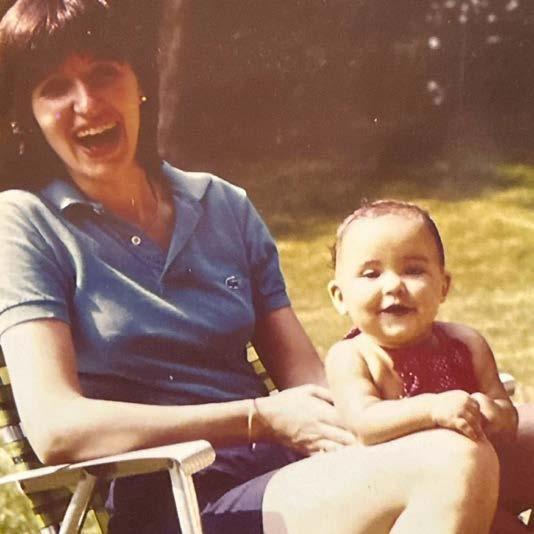
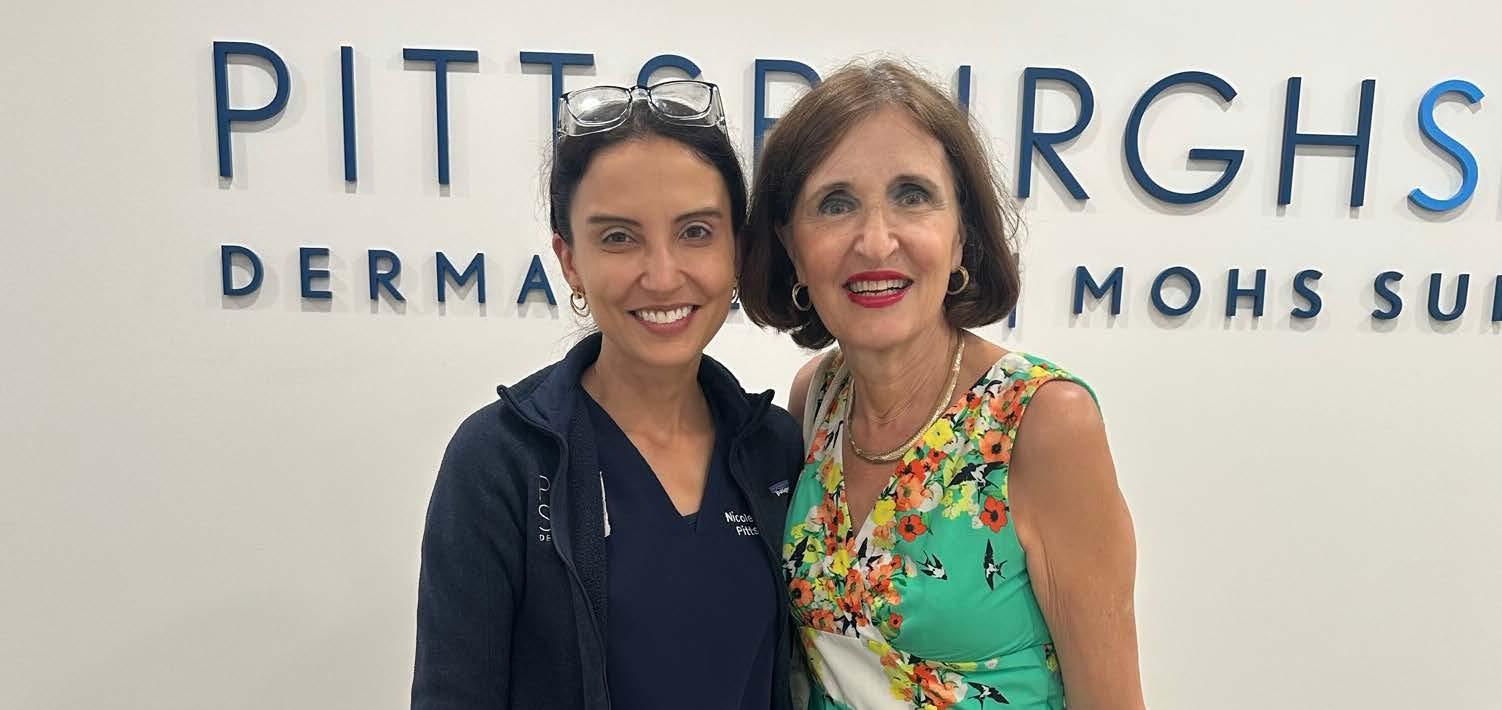
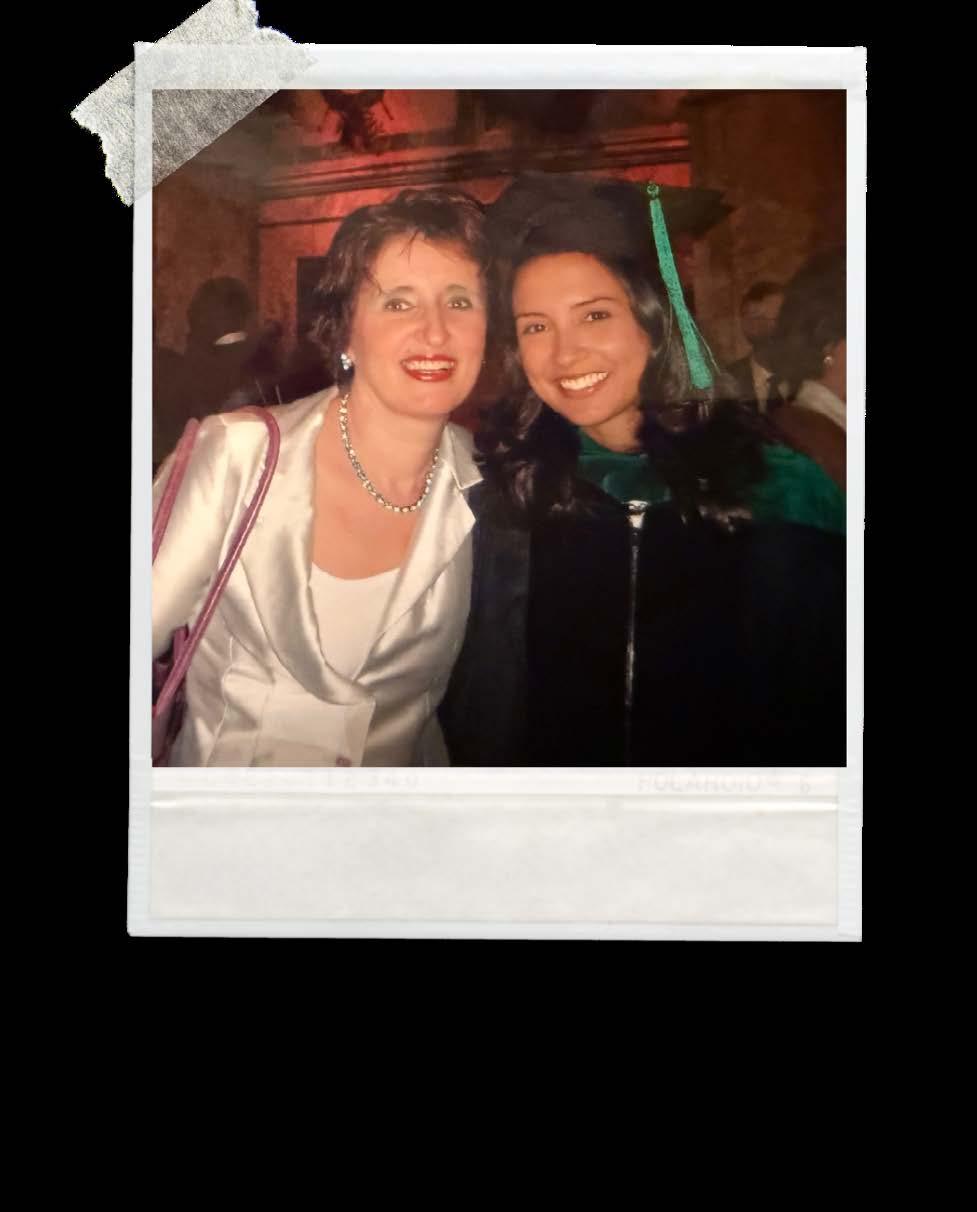
Dr. Marcela and Dr. Nicole pictured together.
also publishing and presenting. Whenever possible, I combined conference travel with family vacations, turning those trips into meaningful shared experiences. Nicole: Growing up, I saw my mother rely on a network of
support to keep our family running smoothly. Between extended family, housekeepers, and babysitters, it truly took a team effort. We were raised by a “village,” and I believe that experience broadened our worldview, as each person brought unique interests, skills, and perspectives into our lives. Now, as a mother of three, I continue to depend on a similar support system to make work and family life possible. I have also come to question whether “balance” is the right concept; instead, there are seasons when I need to lean more into work and others when family takes priority. In addition, the growth of modern conveniences—such as delivery services, curbside pickup, and subscription-based systems— has been enormously helpful. It’s hard to imagine how our prior generations made it work without these!
WHAT DOES MOTHER’S DAY MEAN TO YOU NOW?
Nicole: As a mother myself, I have developed a deeper appreciation for the demands of this role and the remarkable job my own mother did in raising us. It has been especially meaningful to see her step into the role of grandmother over the past few years, now with five grandchildren. As a physician, I also have a fuller understanding of the contributions she has made to her field and to her patients. I continue to be inspired by her example and value the time we are able to spend together.
Motherhood, in its many forms, has a profound ripple effect—shaping not only the lives of children, but also the families, communities, and professional paths that grow from that foundation.
Friday, September 18th, 2026
Renaissance Pittsburgh Hotel, 107 6th St, Pittsburgh, PA 15222 SPONSORED BY
COURSE DIRECTORS
Prerna Mewawalla, MD Associate Professor Hematology & Cellular Therapy
Please contact Samantha Kunvatanagarn in the CME office at samantha kunvatanagarn@ahn org for more information
At a Crossroads
WHY PHYSICIAN UNIONIZATION IS GAINING MOMENTUM
To unionize or not to unionize?
This seems to be a significant question among doctors these days, especially those working in large corporate medical centers. At the Allegheny County Medical Society, as part of the Advocacy Task Force, we have been grappling with what position we should take as a medical society, and it has proven to be a complex and fraught subject.
I do not intend to try and answer that question here, but rather, I want to examine the very reason why the question has arisen in the first place: namely, the complete loss of control and power over how we practice medicine and treat patients. This change has been insidious, but its effect on the lives and practices of physicians has finally reached a tipping point that is difficult to ignore.
We have always had long working
written by VINT BLACKBURN, MD
hours, and we have always dedicated more of our energy and our lives to our profession than is probably good for us. But there were always rewards, such as knowing we did what we do to help others and save lives. There was solace in knowing that, at the end of the day, we made a difference, even if our families often suffered in the process. Modern medicine is changing, and it is changing fast. As we move toward increasingly organized, corporatized medical models (whether they describe themselves as non-profit or not), we are seeing more and more constraints placed on our ability to do what is best for our patients.
Whether it is prior authorizations for simple medications, many of which seem designed to demoralize us into not pursuing them, or being told that a procedure we know is
necessary must be preceded by several that are not, or simply being told we cannot do what we know a patient needs because a form was not completed in advance, many physicians feel completely powerless, or at the very least severely hamstrung. It is not as if our working hours have decreased or our quality of life has improved in other ways. We are still expected to work diligently and continuously, but now in an environment where we are told we cannot do what we know is right. We are effectively being pushed toward second-rate care by people who frame their decisions in terms of fraud and waste, or even suggest that we do not know what we are doing.
There was a time, not so very long ago, when the community physician was respected as a highly educated member of society whose opinion
carried weight, often even outside medicine, though whether or not it should have is a separate question. Today’s practice feels like the opposite. It often seems as though we do not even have a voice within our own specialty, as if we must regularly justify our decisions to non-physicians, some at corporate levels, others in media and political spheres.
The point is that we feel unheard. One of the reasons I became involved with the Allegheny County Medical Society was advocacy, and in speaking with our members, it is clear that this is one of the most important priorities for many of them. I have had the privilege of attending numerous leadership events that included discussions with our representatives, and each time they report that they do not hear nearly enough from physicians. There is a good reason for this: the sheer volume of what we are already expected to do. Furthermore, feeling increasingly marginalized does not encourage us to reach out individually and challenge the perceived powers that be.
This is why the question of unionization is so relevant at this moment. Whether or not we as a medical society support it, or whether you as an individual practitioner (whether in private practice or employed by a large system) believe it is the answer, none of us can ignore the fact that we have a serious problem. And it is not a problem that will resolve itself unless we respond collectively. If we do not, conditions will continue to deteriorate in a system that is already barely sustainable. I am not certain what the solution is or how we should implement it, but at this point, inaction is no longer an option. We have to do something.
ADVOCACY TASK FORCE: WE WANT TO HEAR FROM YOU
The Allegheny County Medical Society Advocacy Task Force welcomes member input on unionization, physician autonomy, administrative burden, and any other issues impacting the practice of medicine.
Please share your comments, concerns, or questions at board@ acms.org for consideration by the Task Force.
Advocacy efforts already underway in 2026 include:
• Public immunization statements supporting evidence-based vaccine policy
• Statements regarding immigration enforcement in healthcare settings and protection of the physicianpatient relationship
• ACMS Member Legislative Town Hall connecting physicians directly with elected officials and policy leaders
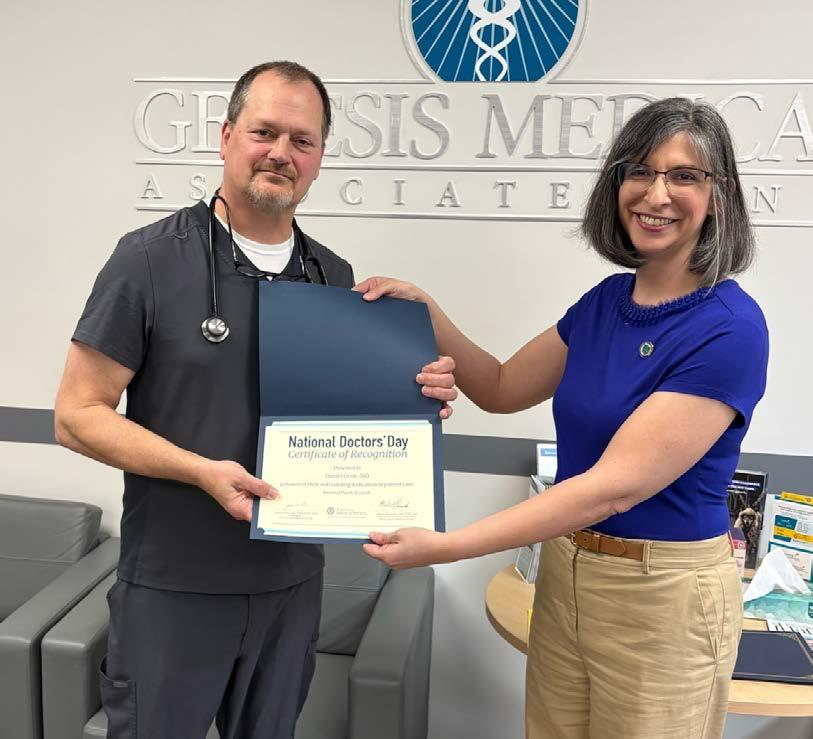
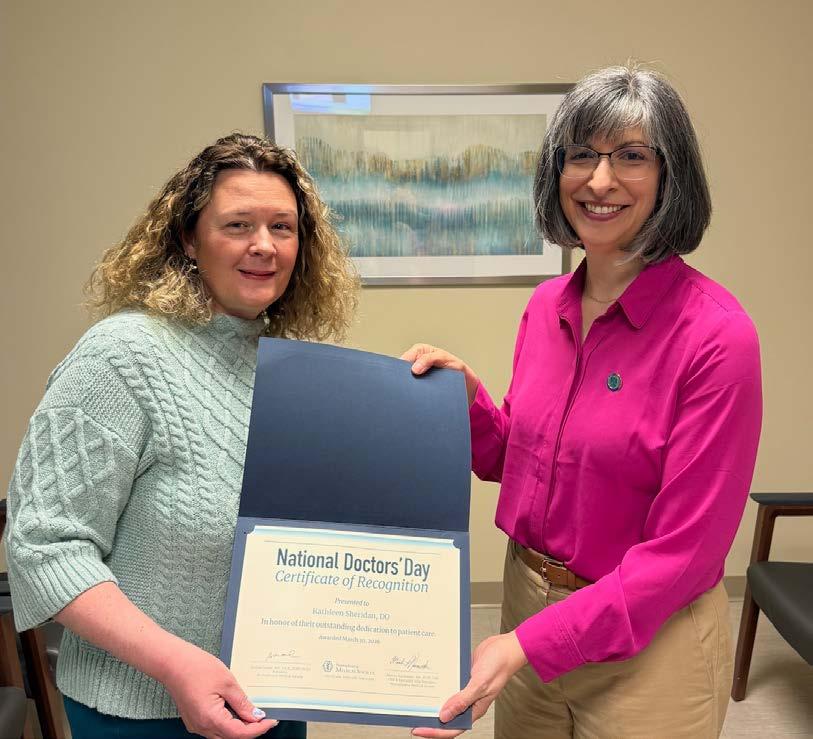
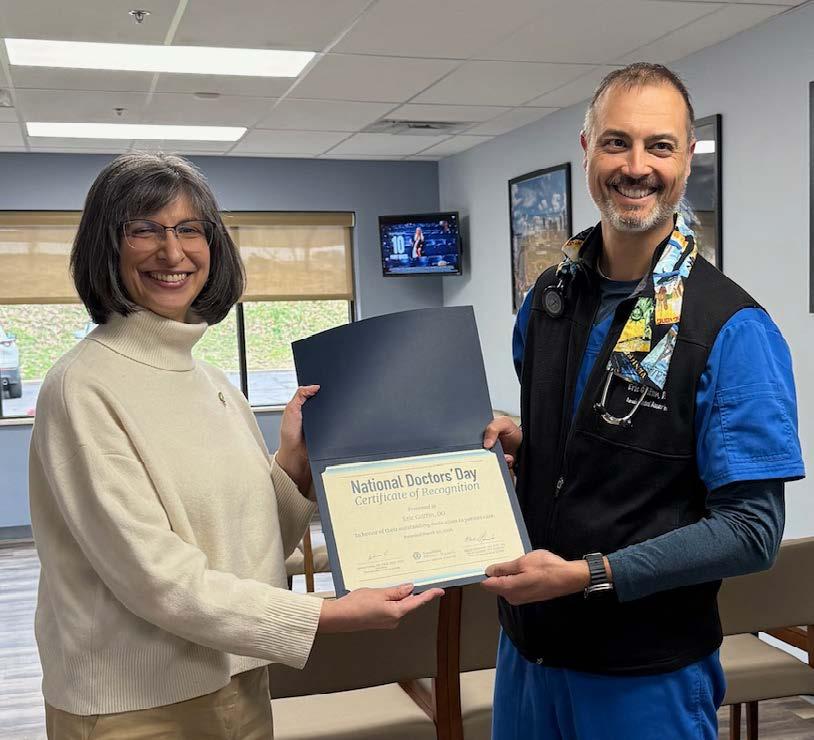
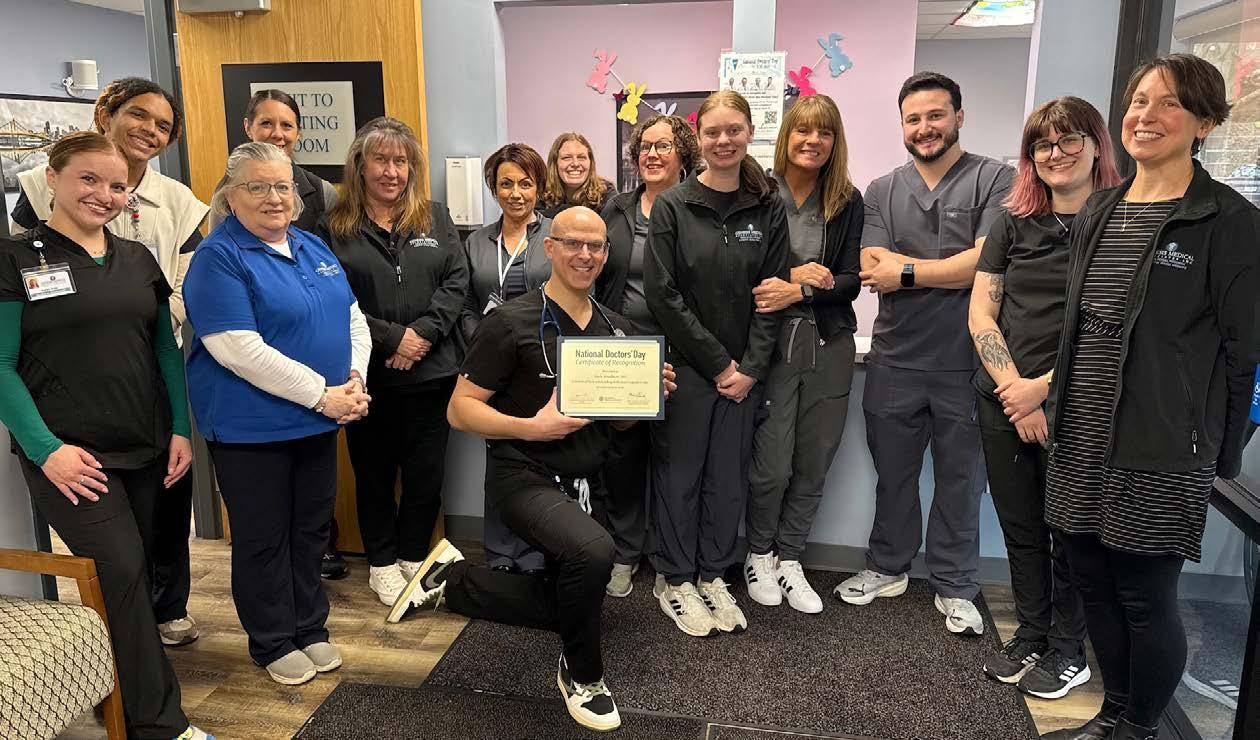
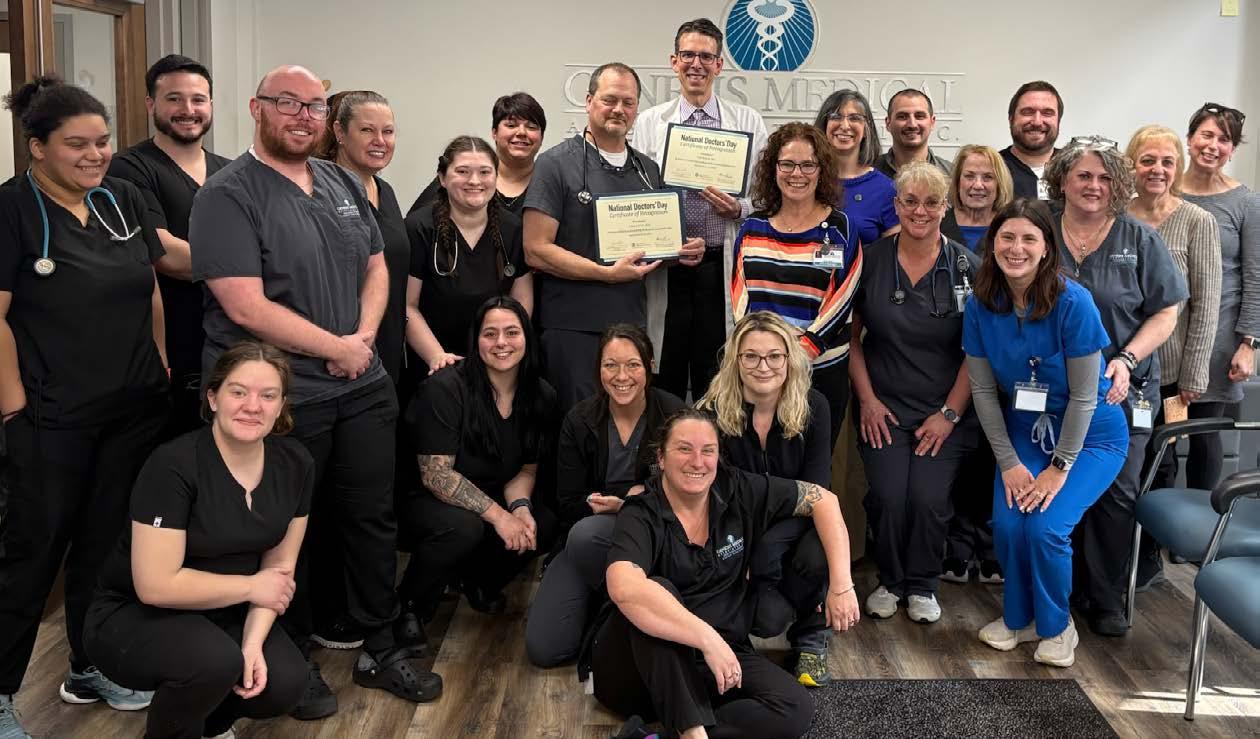
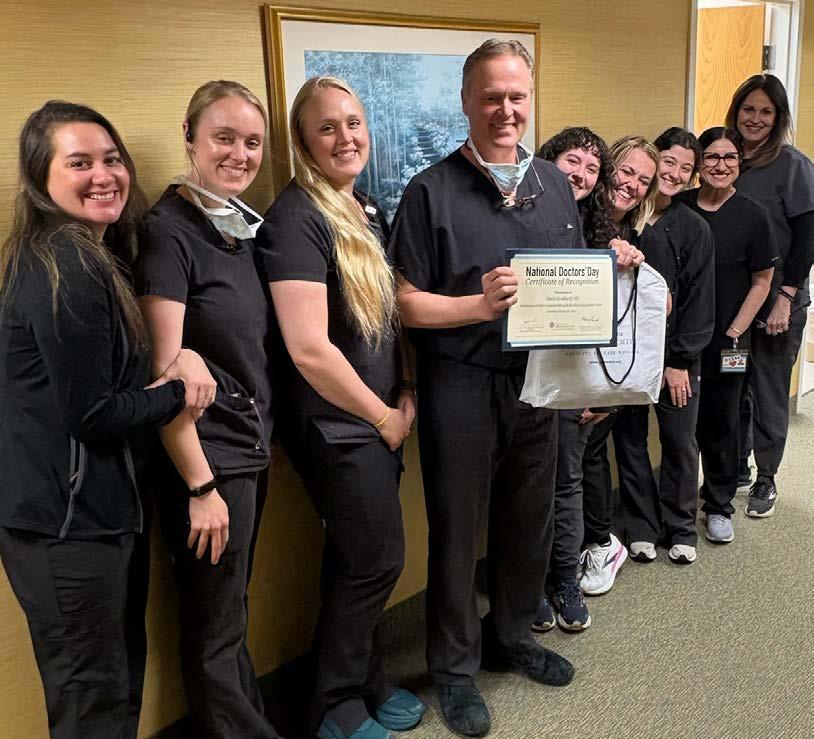
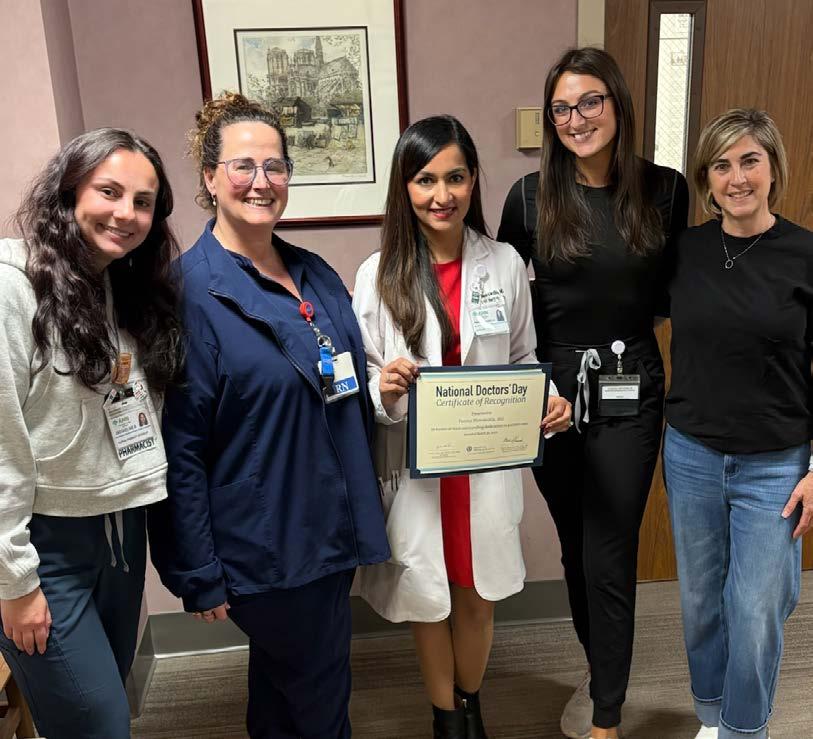
National Doctors’ Day
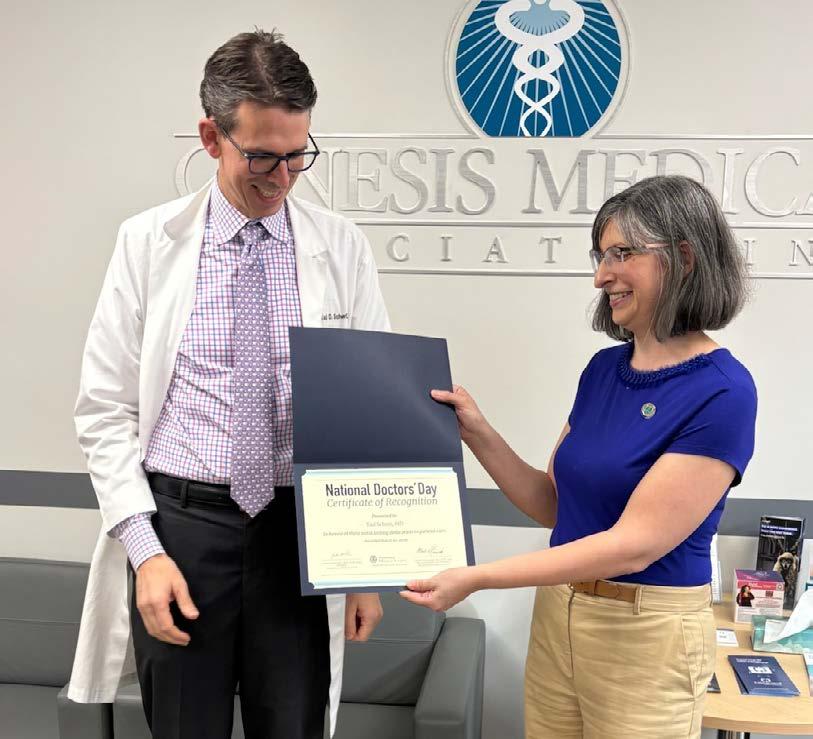
On March 30th, Allegheny County Medical Society proudly joined the Pennsylvania Medical Society in celebrating National Doctors’ Day and honoring the incredible physicians who care for our communities.
To all of our ACMS members, we are grateful for your compassion, expertise, resilience, and unwavering commitment to patient care. Your impact extends far beyond the exam room! Thank you for making a difference every single day.
Specialty Group Updates
UPDATES FROM SPECIALTY GROUPS
ALLEGHENY COUNTY IMMUNIZATION COALITION
2025-2026 Chair: Jenny Bender, MPH, BSN, RN, CIC
The Allegheny County Immunization Coalition continues its community education efforts this spring with a Vaccine Education Table at the August Wilson Birthday Celebration Block Party on Saturday, May 9, 2026, in Pittsburgh’s Hill District. Volunteers will share vaccine information, distribute educational materials, and engage with attendees at this large outdoor community event. No clinical care will be provided.
ACIC will also host its next General Membership Meeting on Thursday, June 18, 2026, from 9:00–11:00 AM. The meeting topic will be “RSV Illness in Adults: Prevention Starts with Awareness.” Registration will open approximately six weeks prior, with more details coming soon.
AMERICAN COLLEGE OF SURGEONS SOUTHWESTERN PENNSYLVANIA CHAPTER
2025-2026 President: Richard Fortunato, DO, FACS
The American College of Surgeons–Southwestern Pennsylvania Chapter is excited to host its annual “Most Interesting Case” spring competition and dinner on Wednesday, May 20, 2026, from 6:00–9:00 PM at Eddie Merlot’s. This highly anticipated event brings together residents, surgeons, and medical professionals for an evening of education, competition, and networking. Residents attend free, with discounted registration for ACSSWPA members. We encourage attendees to join us for this standout
annual program celebrating surgical excellence and innovation. Click here to register.
The 34th Annual Clinical Update in Geriatric Medicine Conference marked a meaningful return to inperson learning after five years, bringing together more than 150 healthcare professionals from multiple states for two full days of education, collaboration, and innovation in older adult care. Grounded in the Age-Friendly Health Systems 5Ms framework, Day 1 featured expert-led, casebased sessions on medication, mentation, and mobility, offering practical strategies attendees could immediately apply in their practice. Day 2 continued the momentum with sessions focused on multicomplexity and what matters most, further reinforcing patient-centered approaches to caring for older adults.
The conference fostered valuable networking, interdisciplinary discussion, and renewed energy in advancing geriatric care, while highlighting the dedication of speakers, partners, exhibitors, and organizers who made the event a success.
PITTSBURGH OPHTHALMOLOGY SOCIETY
2026 President: Laurie A. Roba, MD
The Pittsburgh Ophthalmology Society (POS) successfully hosted its 61st Annual Meeting, bringing together regional ophthalmologists,
trainees, and distinguished guest faculty for a day of education and professional engagement. Conference Chair and POS President Laurie A. Roba, MD, welcomed over 85 physicians and introduced an exceptional lineup of guest speakers.
The Annual Meeting remains a vital signature program for the POS by offering networking, collaboration, and the exchange of knowledge across the regional ophthalmology community.
46th Annual Ophthalmic Personnel Meeting
In conjunction with the Annual meeting, the Society hosted the 46th Annual Ophthalmic Personnel Meeting on March 20, 2026, welcoming a growing audience of ophthalmic professionals from across the region. Attendance increased from the previous year, with more than 145 participants.
The meeting delivered a dynamic and engaging educational program. The agenda featured a combination of general sessions and specialized breakout sessions designed to enhance clinical knowledge, strengthen practical skills, and provide insights that attendees could immediately apply in their practices.
Shaping Health Leaders
HOW JHF FELLOWSHIPS ENGAGE PHYSICIANS
written by SCOTLAND HUBER – CHIEF COMMUNICATIONS OFFICER AT JHF
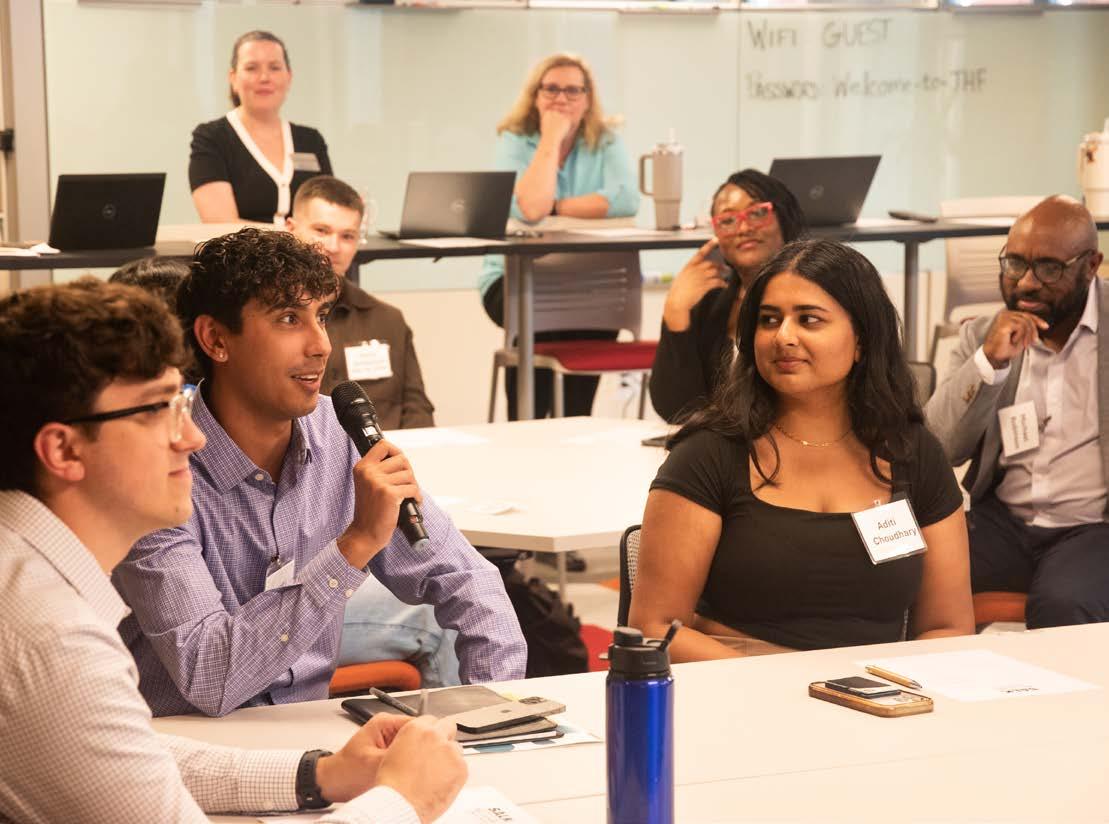
For more than two decades, the Jewish Healthcare Foundation (JHF) Feinstein Fellowships have complemented traditional clinical and graduate education by equipping emerging professionals with practical skills rarely taught in formal curricula. Designed as immersive, multidisciplinary experiences, these fellowships bring together graduate students, medical students, residents, and early-career professionals to explore pressing challenges in health care and to build a network committed to meaningful change.
Each fellowship runs annually for 8–10 weeks at no cost to participants, offering a collaborative learning environment where future clinicians and health leaders engage directly with policy and clinical experts, community organizations, and national thought leaders. For practicing physicians, these programs offer a unique opportunity to contribute as mentors, recruiters, and site hosts (and sometimes even as fellows).
A LEGACY OF INNOVATION IN HEALTH EDUCATION
The Feinstein Fellowships were developed in response to gaps in formal professional training where licensing and accreditation standards dictate curriculum. Topics range from patient safety strategies to conversations at end of life, systems thinking, communication, and advocacy.
Since launching the Salk Health Activist Fellowship (formerly the Jonas Salk Fellowship) in 2001, JHF has expanded its portfolio to include the Patient Safety Fellowship (2005) and the Death and Dying Fellowship (2015). Collectively, these programs have engaged over 2,000 interdisciplinary participants and helped shape careers across medicine, public health, nursing, social work, and beyond.
THREE FELLOWSHIPS, THREE CRITICAL LENSES Patient Safety Fellowship
Now in its third decade, the Patient Safety Fellowship focuses on quality improvement, tech innovations, and systems thinking. Participants examine real-world challenges—such as communication failures, care transitions, and patient empowerment—and develop
team-based solutions grounded in site visits and stakeholder engagement.
Recent cohorts have collaborated with local organizations including community clinics, long-term care facilities, and specialty practices to design practical interventions. For physicians, this fellowship offers a direct connection to emerging safety strategies and an opportunity to shape how early-career professionals understand risk, communication, and team-based care.
Salk Health Activist Fellowship
The Salk Fellowship prepares participants to engage effectively in health advocacy and public discourse. Fellows learn how to translate complex health and policy issues into compelling narratives that build public will and drive change.
Recent programs have focused on Medicaid’s role in Pennsylvania and substance use policies, with fellows developing advocacy briefs for diverse populations and learning from policymakers, clinicians, and media experts. Physicians involved in this fellowship can help bridge clinical insight with policy discussions, an increasingly important intersection in today’s healthcare landscape.
Death and Dying Fellowship
Addressing one of the most persistent gaps in medical education, the Death and Dying Fellowship prepares participants to navigate serious illness, end-of-life care, and grief. Through interdisciplinary dialogue and experiential learning, fellows examine the medical, ethical, cultural, and emotional dimensions of care.
A hallmark of the program is its emphasis on communication skills, particularly around advance care planning and difficult conversations. Site visits to hospitals, hospice programs, and community organizations allow fellows to observe interdisciplinary care in action. Physicians who participate often find this fellowship aligns closely with the realities of clinical practice, where communication and compassion are as critical as clinical decision-making.
OPPORTUNITIES FOR PHYSICIAN ENGAGEMENT
Local physicians play a vital role in the continued success of the Feinstein Fellowships. There are several meaningful ways to get involved:
• Recruitment and Mentorship: Physicians are wellpositioned to identify promising students, trainees, and residents who would benefit from these experiences.
• Site Visits and Hosting: Practices, hospital departments, and community-based programs can serve as hosts, offering fellows insight into clinical workflows, challenges, and innovations.
• Guest Expertise: Physicians may also contribute as speakers or advisors, sharing practical perspectives on safety, advocacy, serious illness care, and system improvement.
• Participation as a Fellow: Physicians can strengthen their skills in end-of-life communication, develop more effective advocacy and policy strategies, and adopt a systems-based approach to addressing patient safety challenges.
Strengthening the Regional Workforce
The future of healthcare will be shaped by those eager to step beyond the exam room and engage with the broader systems that impact patient care. The Feinstein Fellowships create that opportunity. Learn more here.