This concept package marks the beginning of Stage B2 — where early conversations, lived experience, and the realities of the site are translated into architectural possibilities.
Included in the following pages are four initial concept directions for your home at Waimana Place. Each explores a different way the house, pool, garden, and fencing might work together — responding to the Mediterranean character of the existing building, the alpine context of Wānaka, and the practical demands of pool compliance, insurance repairs, and future-proofed living.
These ideas are grounded in your brief: to re-imagine the pool environment as an open, calm, and beautifully integrated part of the landscape. The concepts range from light-touch interventions to the existing structure, through to more ambitious explorations of selective demolition and new construction — testing how a contemporary Mediterraneanmountain home might unfold.
They are not final answers, but starting points — designed to test possibilities, challenge assumptions, and spark conversation about how this home can become a place of retreat, reconnection, and quiet magic after many years living overseas. I’m very much looking forward to exploring these directions with you.
PRINCIPAL DESIGNER
YOUR TEAM
Charlotte Muschamp
PRINCIPAL DESIGNER
Charlotte Muschamp is an award-winning Architect (USA) and the founding director of Alki Design, a Wanaka-based studio known for crafting high-performance, character-rich buildings across Aotearoa. With a strong foundation in both architecture and construction, Charlotte brings a thoughtful, hands-on approach to every project — where beauty, functionality, and sustainability go hand in hand.
Charlotte’s work is grounded in a deep respect for place, people, and the natural environment, with a design ethos that values natural materials, long-term performance, and soulful spatial experiences. As your lead designer, she is committed to creating a home that is elegant, flexible, and truly yours — balancing comfort, resilience, and beauty with care and creativity to achieve a home your excited to come back to.
This project involves concept design for the renovation of an existing four-bedroom, three-and-a-half-bathroom residence at Waimana Place, including the attached garage, roof deck, internal living areas, pool environment and key landscape structure. The home is arranged across two wings separated by the kitchen, opening west to a courtyard and north to the pool, with lake views captured from the rooftop deck above the master suite.
This phase establishes a master-plan direction for the property, addressing pool fencing compliance, potential pool repair and restyling, external material upgrades, improved storage and garaging, and a stronger relationship between indoor and outdoor living. The work sets the architectural and landscape framework to guide future design, consent and construction stages.
INFLUENCES
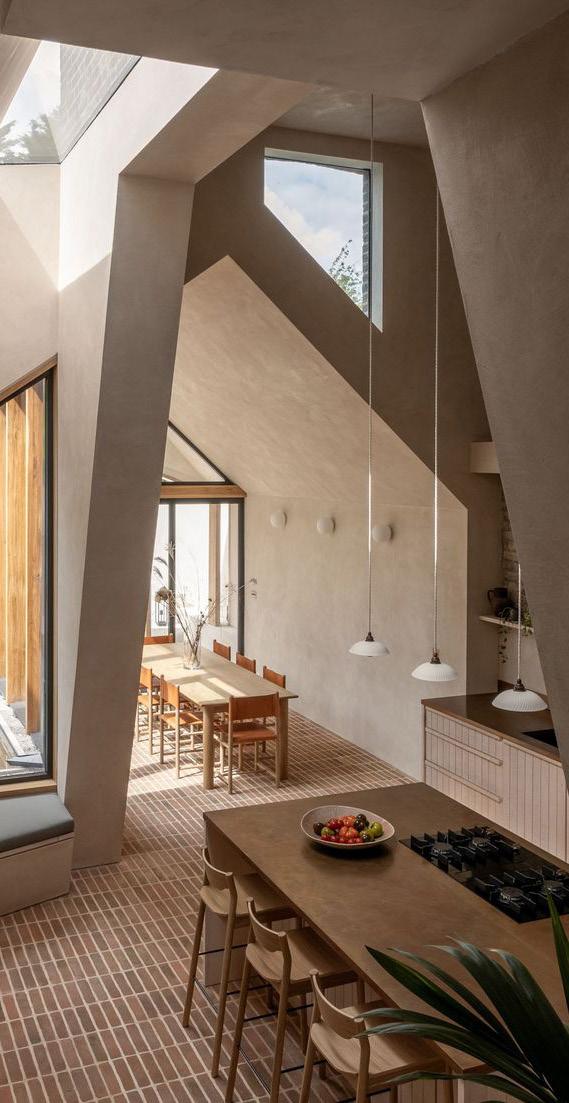
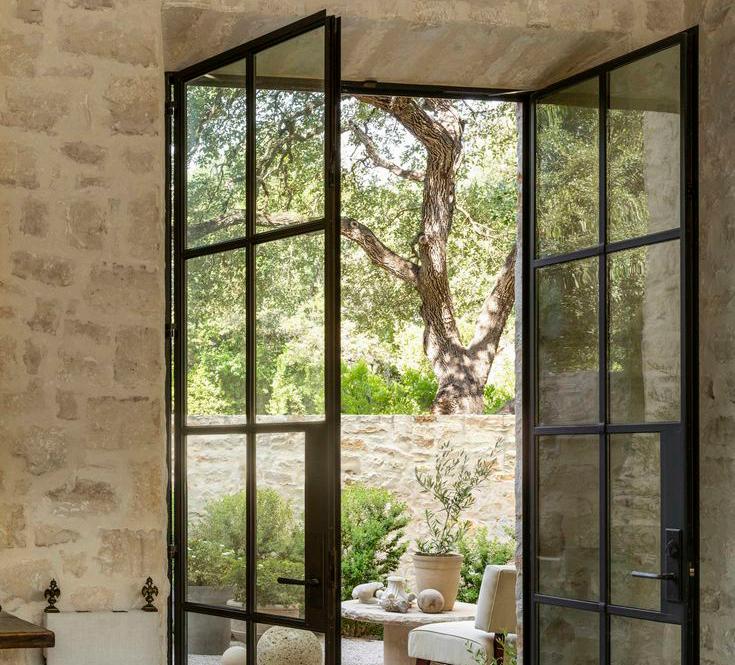
The design is shaped by the home’s Mediterranean character — arched ceilings, plaster finishes and intimate courtyard spaces — combined with the alpine context of Wānaka and the site’s favourable solar orientation. Constraints such as the 4 m height overlay, opportunities above the garage zone, the pool’s proximity to the house, and compliance requirements strongly inform how form, garden and circulation are explored.
Climate, prevailing winds and afternoon sun guide where fencing dissolves, planting thickens and outdoor rooms emerge. The palette is light, tactile and restrained, balancing Mediterranean softness with a grounded mountain vernacular of timber, stone and shadow.
ESSENCE
At its heart, Waimana Place is about transformation rather than replacement — revealing the potential of a characterrich home by softening its edges, strengthening its function, and weaving architecture, pool and landscape into a cohesive retreat.
This phase seeks to create a calm, future-ready master-plan that supports everyday rituals, adapts over time, and restores a deep connection between house, land and water.
Re-establish the home as a place of retreat and stillness
Create a calm, grounded living environment that supports rest and reconnection after years overseas, through considered spatial planning that responds to Wanaka’s seasonal extremes and celebrates materials native to the landscape, which will withstand the test of time.
GOAL №3
Respecting the rich character of the home and Wanaka’s vernacular
Respecting the home’s existing Mediterranean curves, vaulted ceilings and plaster forms where appropriate, but also investigating how we might bring neutral mountain materiality and craft into a home tailored to the taste and aesthetic of its new owners.
GOAL №2
Integrate the pool and landscape into a cohesive master plan
Develop a fencing, planting, and pool layout strategy that satisfies compliance while dissolving boundaries — allowing the pool to feel embedded within a garden rather than enclosed by it.
GOAL №4
Create a future-ready framework
Establish a clear architectural direction that can guide staged renovation, insurance-driven repairs, and future consent and construction documentation as the project evolves.
SITE ANALYSIS
FEASIBILITY RESULTS
We’ve undertaken a detailed review of 20 Waimana Place, Wānaka, including planning controls, climate data, and the physical attributes of the site.
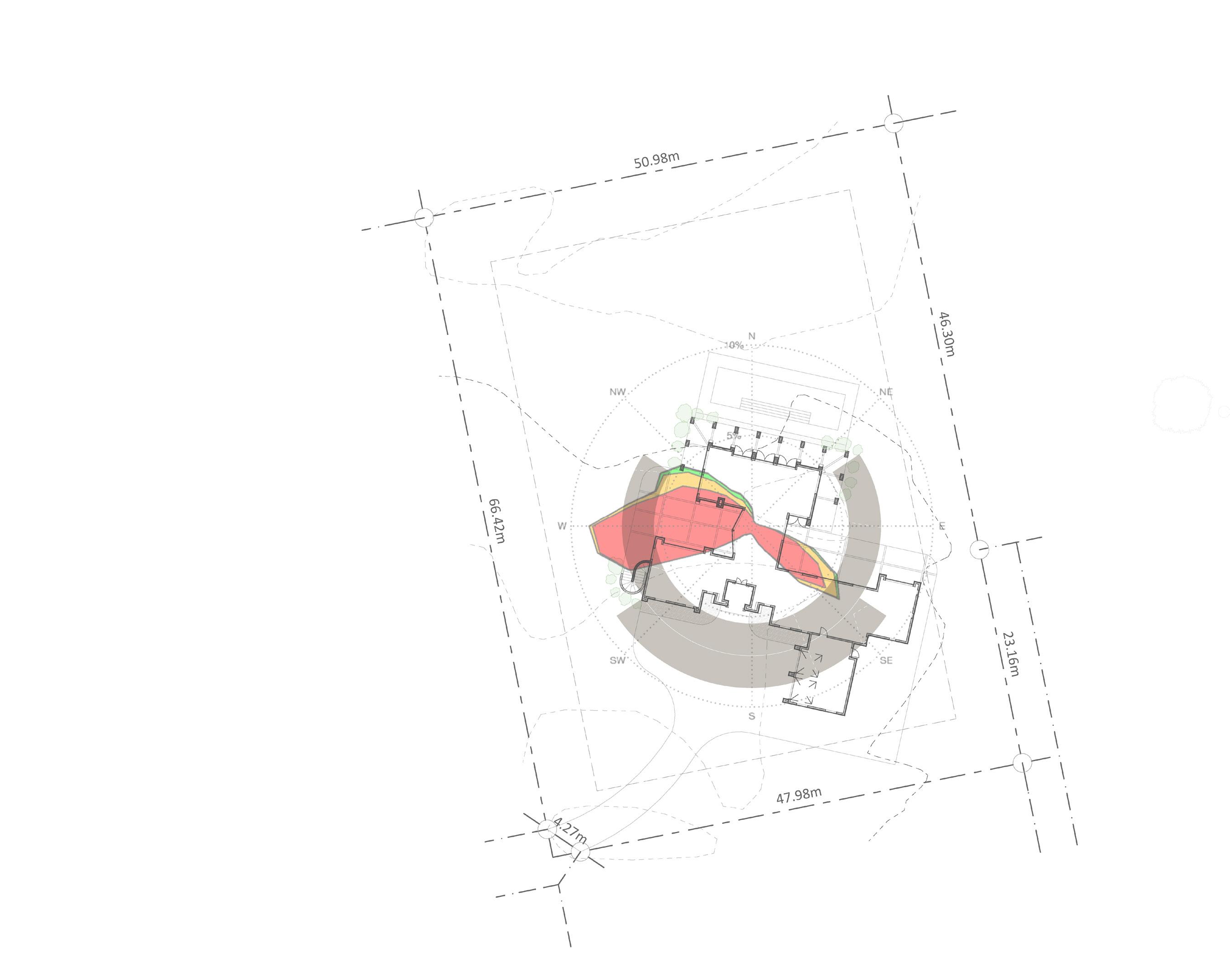
The property sits within QLDC’s Large Lot Residential A Zone, with a 4.0-metre height restriction overlay across much of the site. While this limits vertical expansion, it encourages a design response focused on horizontal connections.
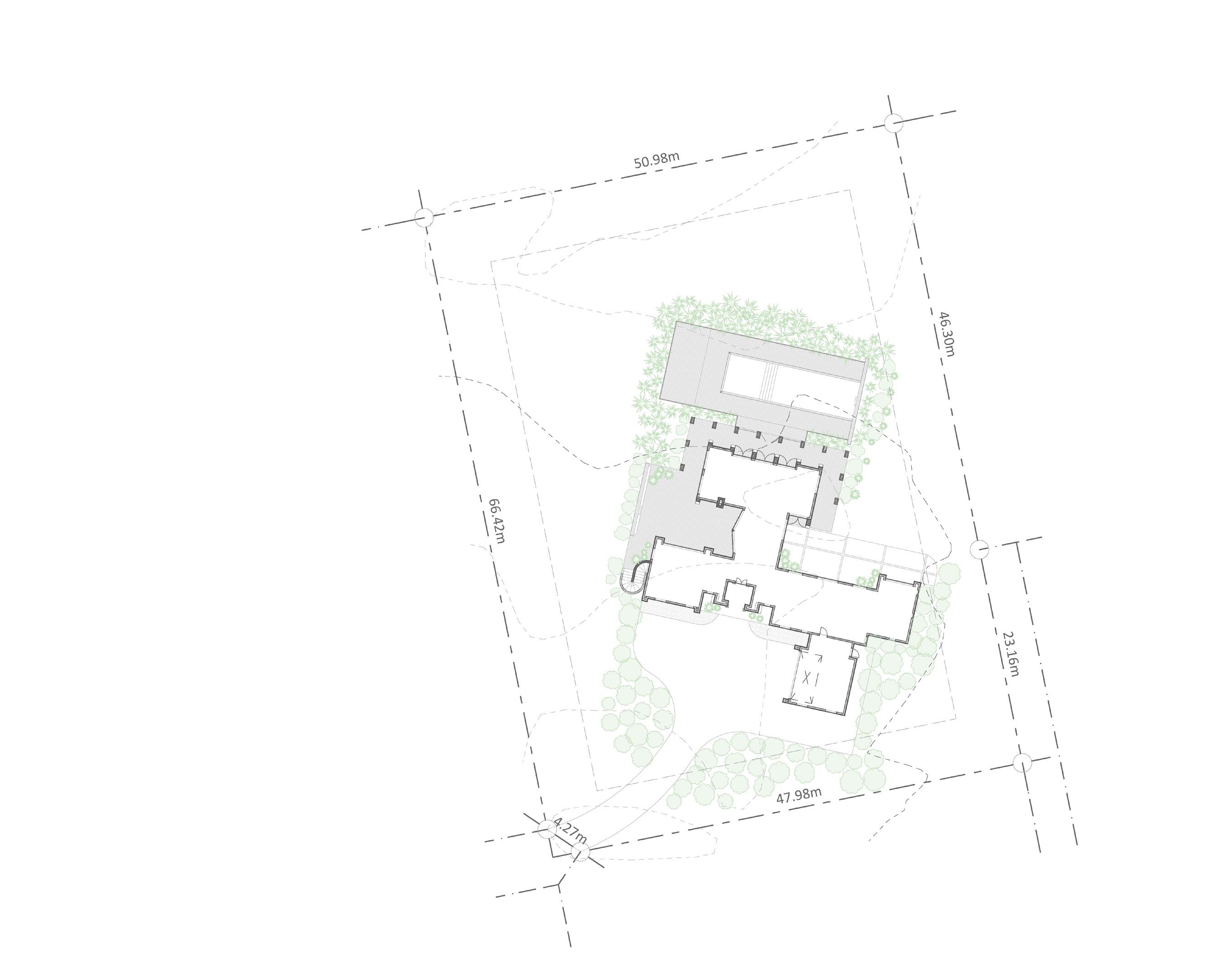
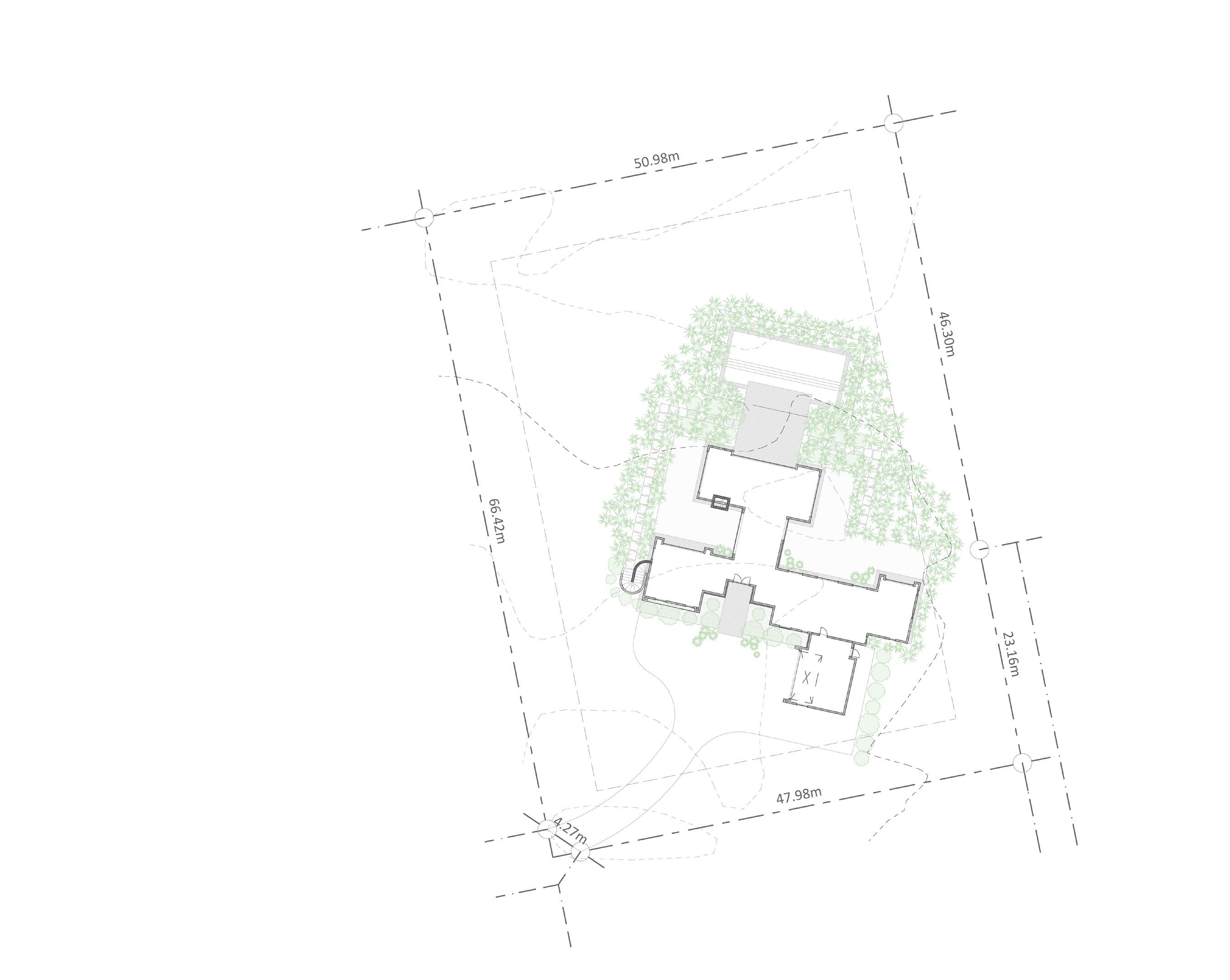
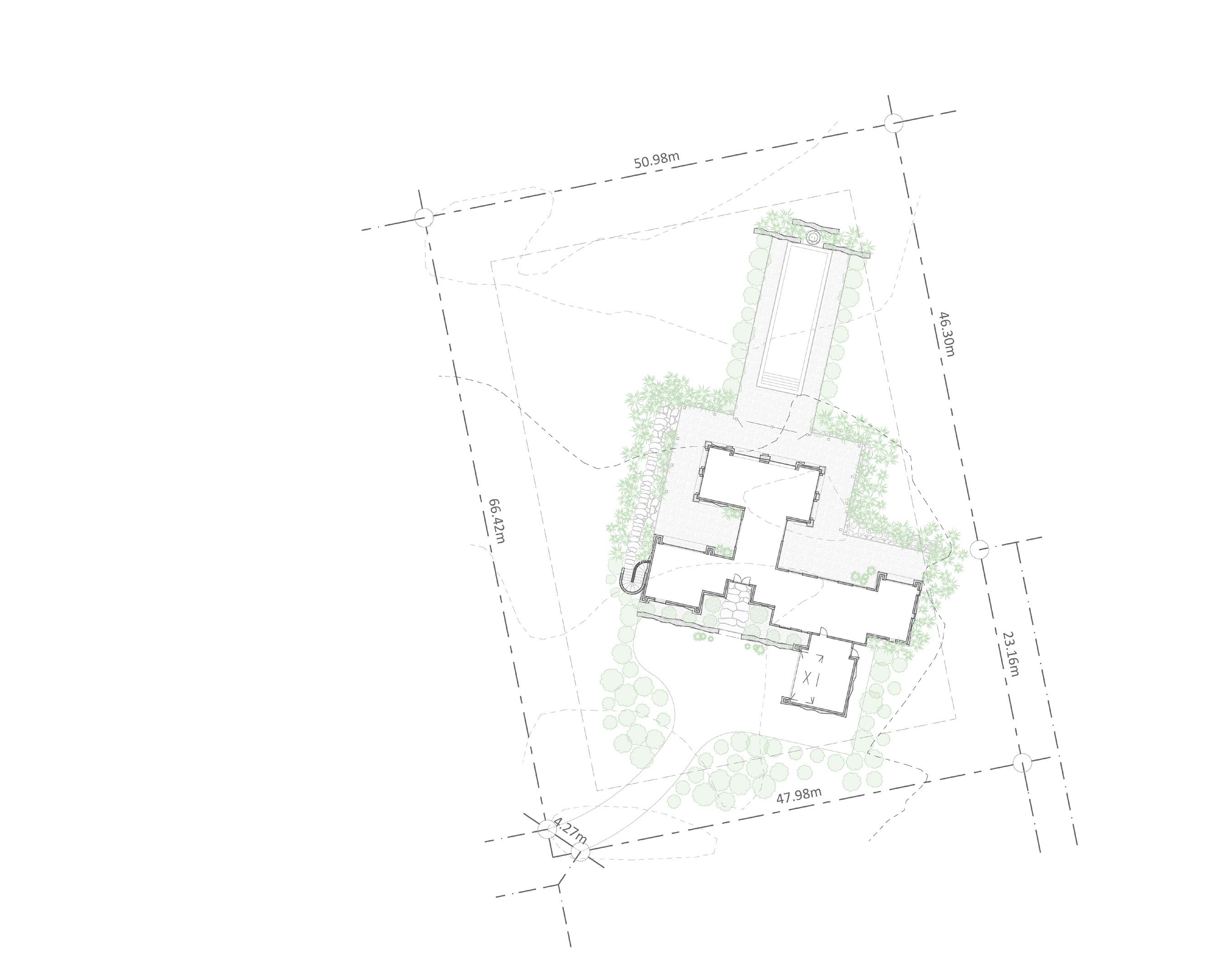
At approximately 3,536 m², the site is generous and largely flat, with neighbours set well back. This offers rare flexibility in massing, privacy, landscape structure, and pool–garden integration — allowing the home to dissolve into meadow-like planting rather than being defined by boundaries.
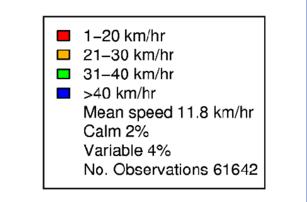
BRANZ climate data classifies the property within Climate Zone 6, Earthquake Zone 3, with Medium Wind Zone, Exposure Zone B, and a rainfall range of 20–30 mm.
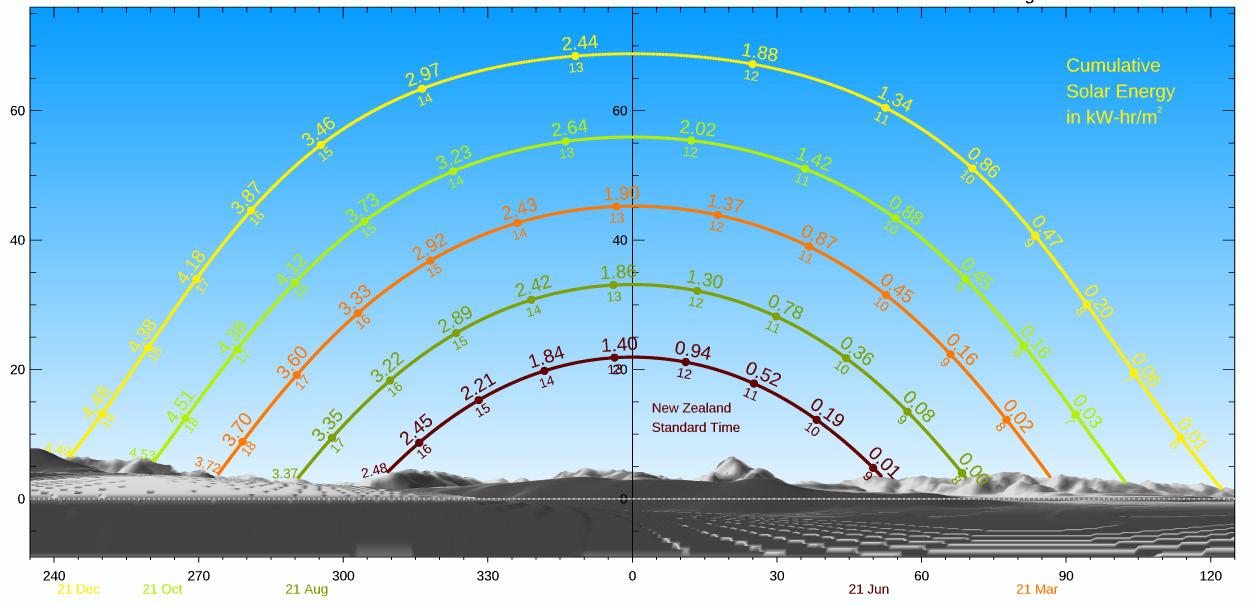
Despite the formal “Medium” wind classification, the site experiences strong north-westerly winds off Lake Wānaka, particularly through spring. These winds, combined with Wānaka’s intense UV levels and increasingly hot summers, make unshaded western façades highly susceptible to overheating. Conversely, the cold winters require careful harnessing of solar access and reduced thermal bridging to maintain thermal comfort without excessive reliance on mechanical heating.
PLANNING + MATERIAL CONSTRAINTS
The district plan requires external materials to remain within recessive greys, blacks and neutral tones, with minimal light reflectance and no contribution to light pollution. This materially restrained framework strongly influences the palette — favouring plaster, muted stone, charred timber, dark metals, and shadowrich detailing to sit quietly within the landscape. SIZE
The existing residence, consented in 2003 and originally designed by TEAM Architects, is approximately 327 m² and constructed in light timber framing with timber joinery and double glazing. The home is oriented slightly east of true north — an ideal position for year-round solar access — and is arranged across two wings separated by the kitchen, opening west to a courtyard and north toward the pool.
The western courtyard with fireplace offers beautiful summer living, though its exposure to strong north-westerly spring winds highlights the importance of sheltered alternatives. In contrast, the eastern courtyard, accessed directly from the kitchen passthrough, is perfectly positioned for morning sun, calm conditions, and everyday rituals such as coffee and breakfast — giving the home a true four-season outdoor living strategy.
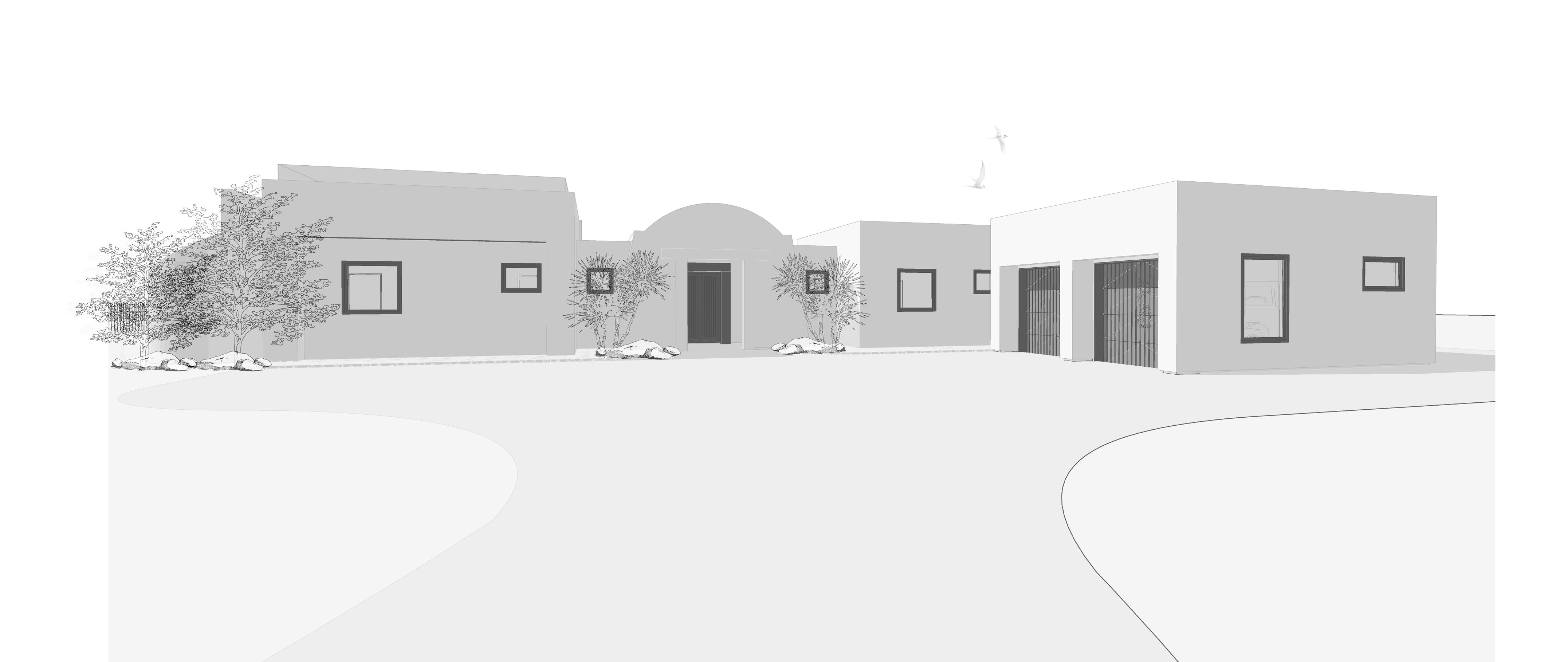
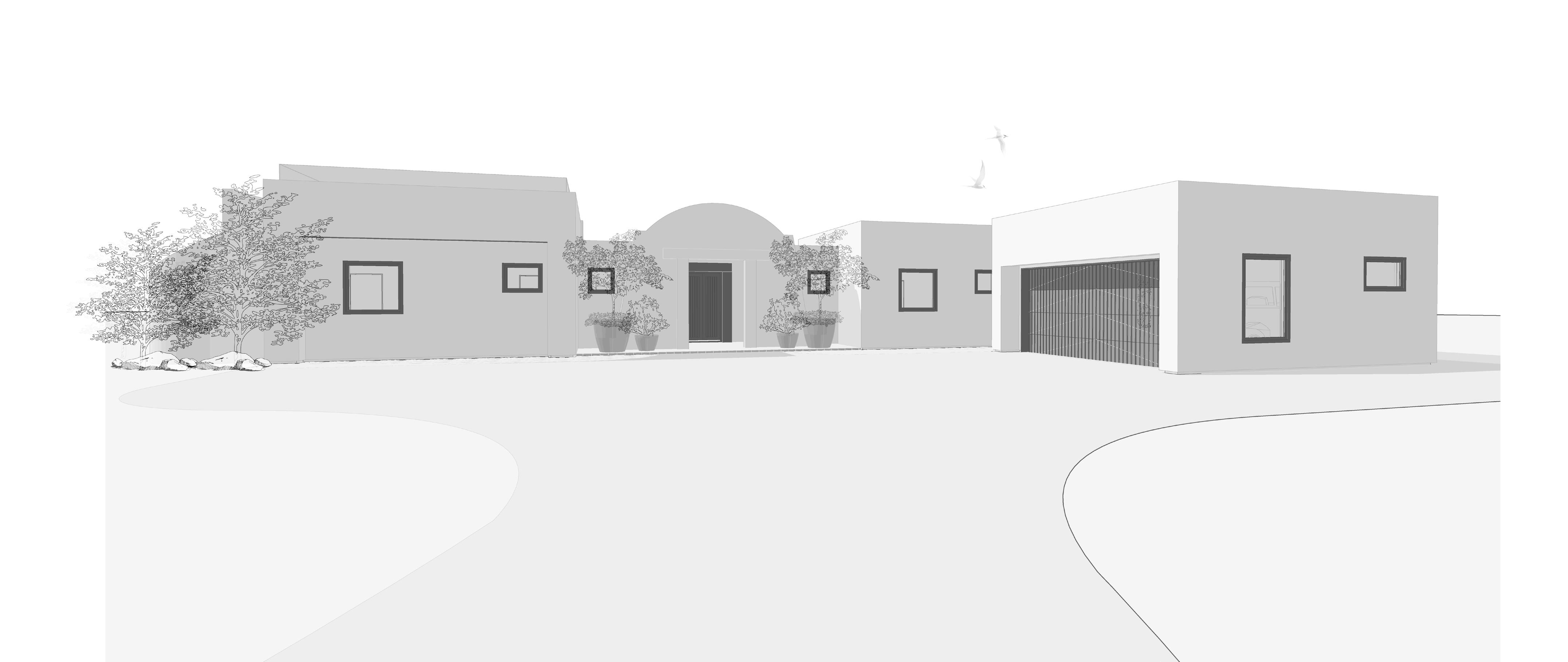
Access from the south is also well considered: the garage and driveway effectively bunker the site from less favourable orientations while preserving privacy and calm to the north and east.
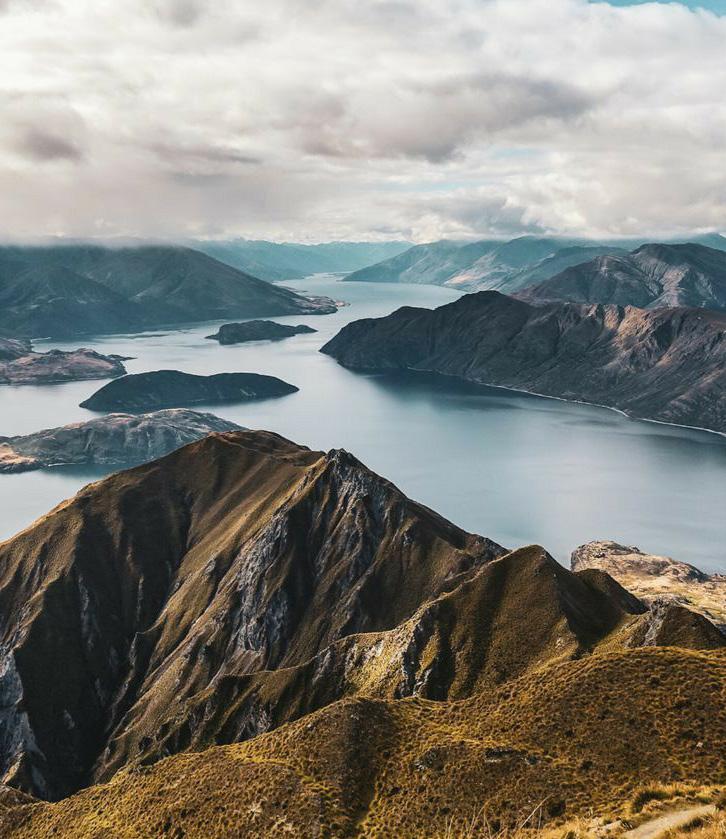
The entry sequence is layered and legible, establishing a strong central spine through the home. From the front door, the primary sightline extends toward The Peninsula and Stevenson’s Arm — a powerful axial gesture with enormous potential to be enhanced through landscaping, courtyards, living spaces and the pool environment.
The layout is fundamentally sound, with generous room proportions and clear separation between public and private zones. This allows future design work to focus on refinement and integration rather than reconfiguration — with cosmetic upgrades and interior design playing a key role in stitching together landscape, architecture and interiors into a cohesive whole.
The roof form is expressed as a series of low-slope membrane roofs, combining gentle curves over the entry and main living areas with parapet construction elsewhere. A rooftop deck above the master suite captures distant lake views, reinforcing the home’s Mediterranean lineage while offering moments of elevation within an otherwise grounded plan.
Timber trellises, curved roof edges and outdoor buttresses soften the building’s mass and create shadow, texture and seasonal change. These elements are not treated as obstacles but as cues — opportunities to decide what to celebrate, what to quieten, and how the architecture might evolve toward a more alpine vernacular expression without erasing the soul already present.
Alki Architecture + Design Studio, Concept Charlotte Walsh Walsh Residence
CLIENT PROFILE / CHARLOTTE WALSH
Charlotte is shaping the Waimana Place project as a personal homecoming — a deeply considered renovation that transforms a Mediterranean residence into a calm alpine retreat.
With a desire to balance compliance, practicality and creative expression, she is seeking a master-plan that brings clarity to the pool environment, re-energises the home’s character, and allows architecture and landscape to work as one. These initial concepts explore how the house, garden and pool might evolve together — early sketches to spark conversation and chart the strongest path forward.
Concept One is a deliberately conservative and minimalist response, focused on achieving immediate pool compliance with almost no intervention to the existing home.
The architecture remains untouched, allowing the project to move swiftly through insurance and reconstruction without opening broader renovation scope.
The intent is to secure “one run on the board” — restoring safety, compliance, and continuity with minimal disruption. This approach preserves the soul of the house while quietly stitching new layers into the landscape. It is the lowest-cost, lowest-risk pathway forward, proving that restraint can still be deeply considered.
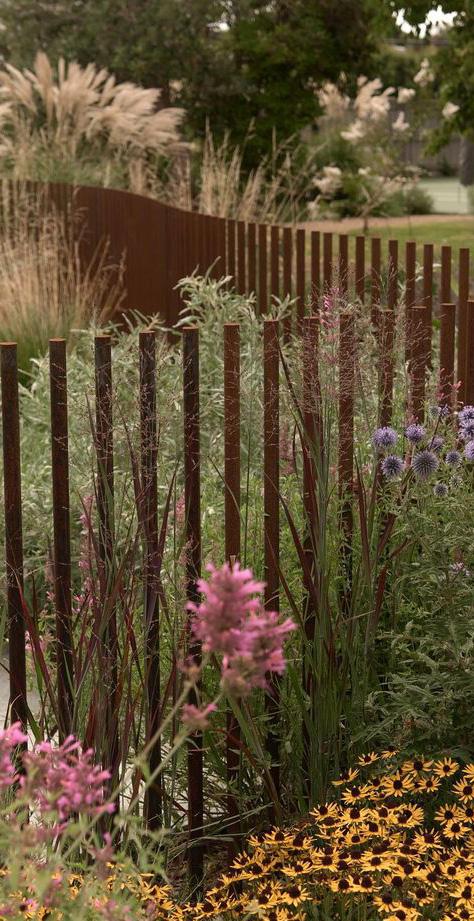
Pole fence to boundary line
Glass panel barrier
OVERVIEW
SITE PLAN
PRAIRIE IN CONTEXT
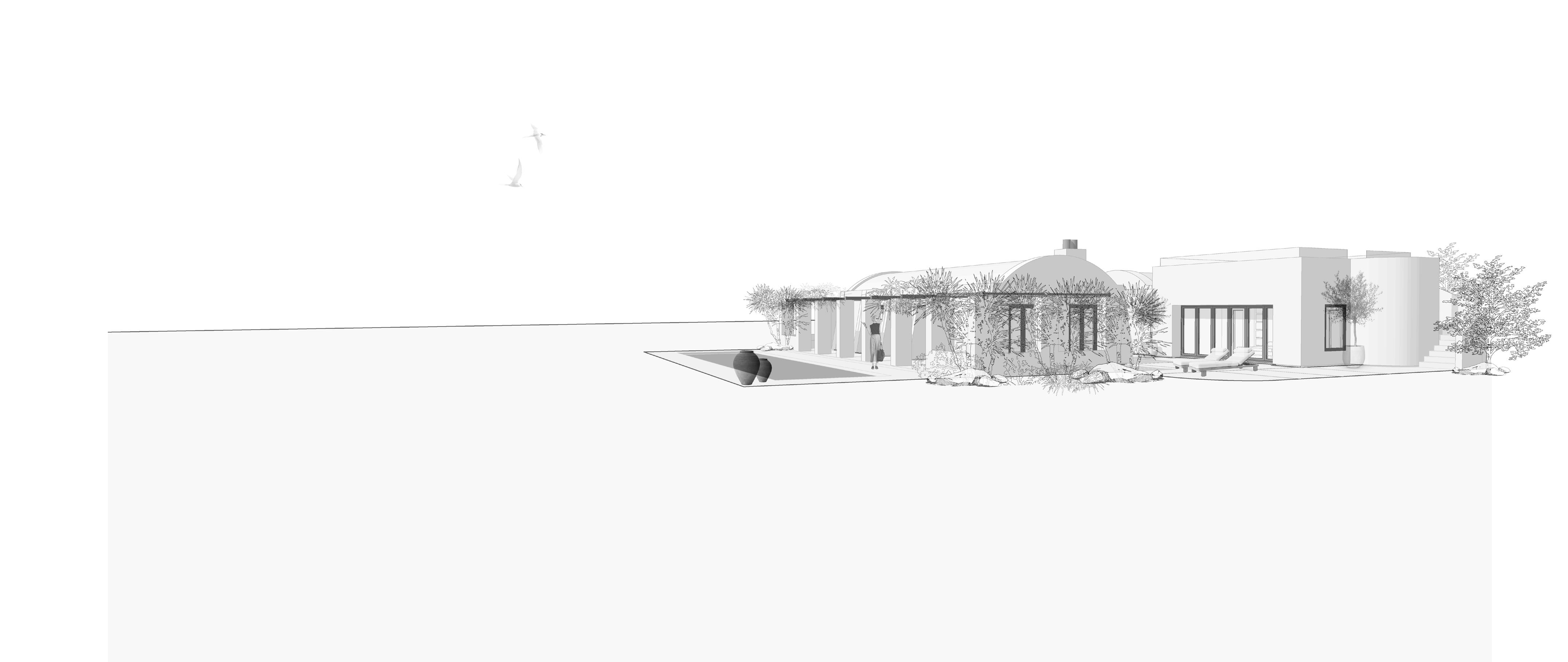
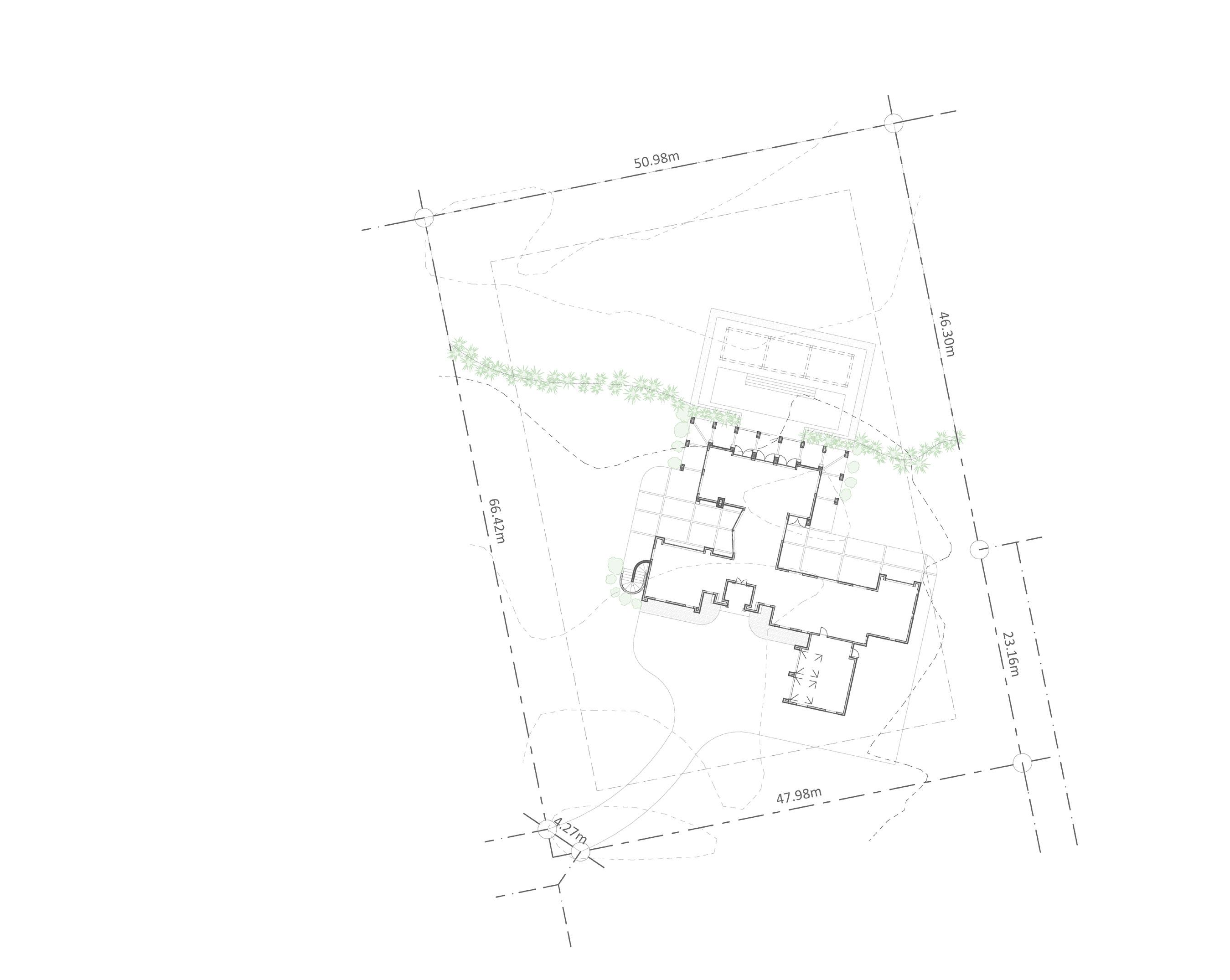
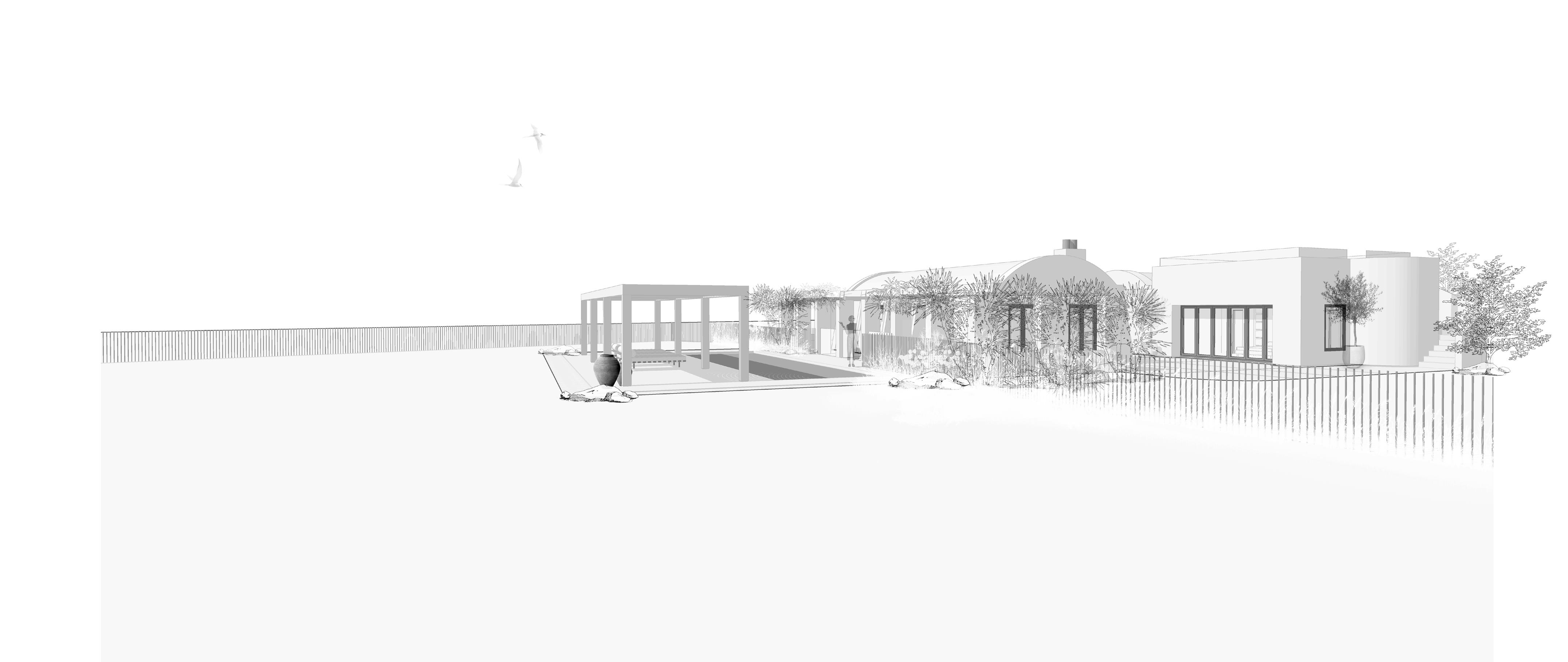
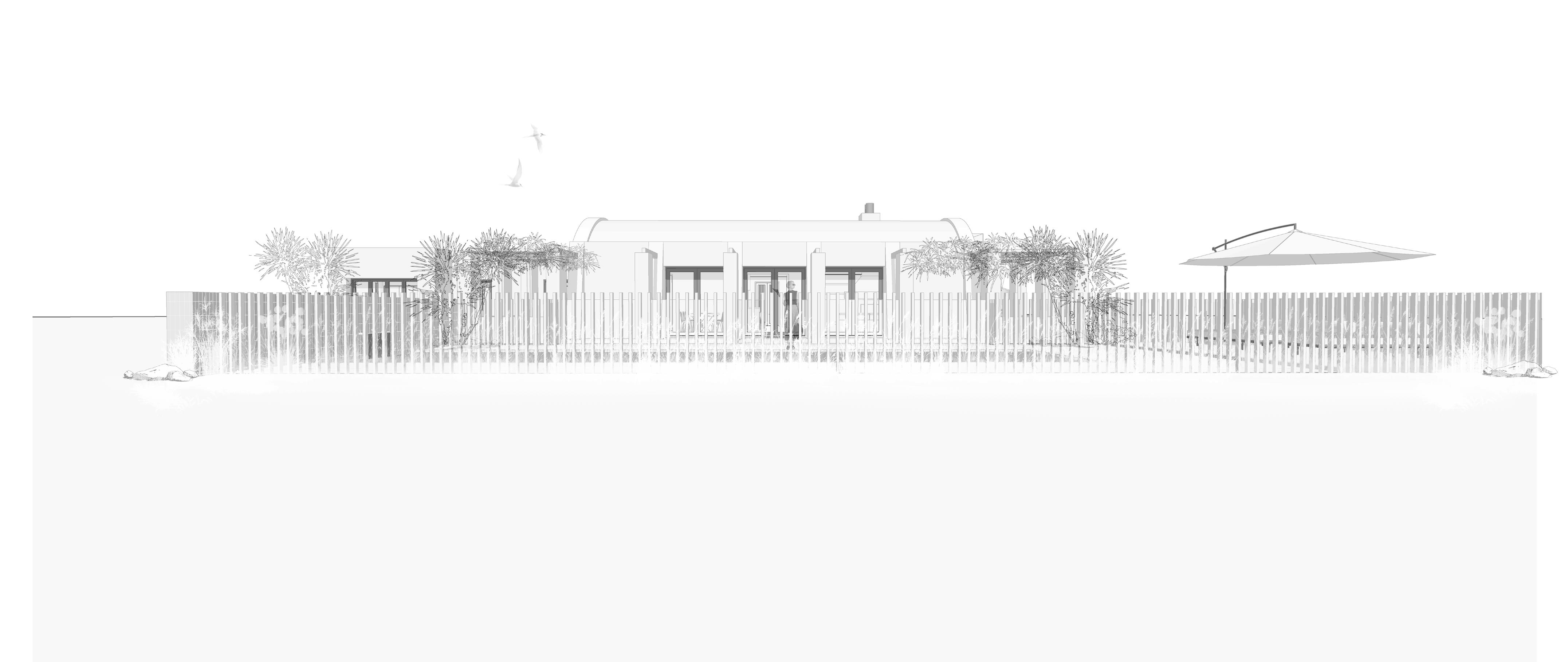
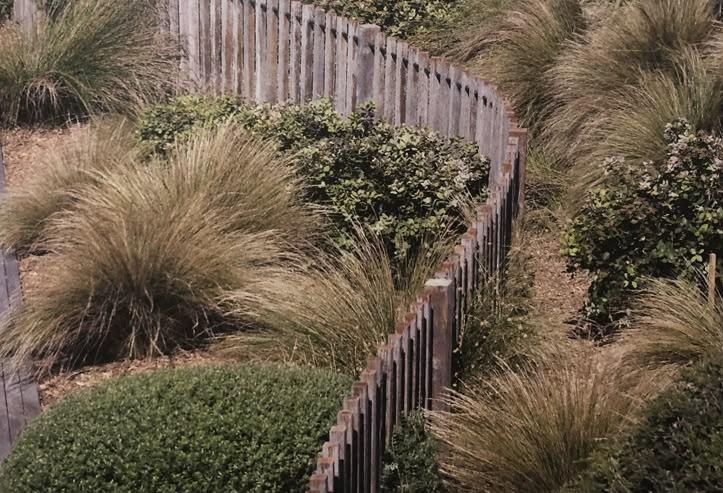
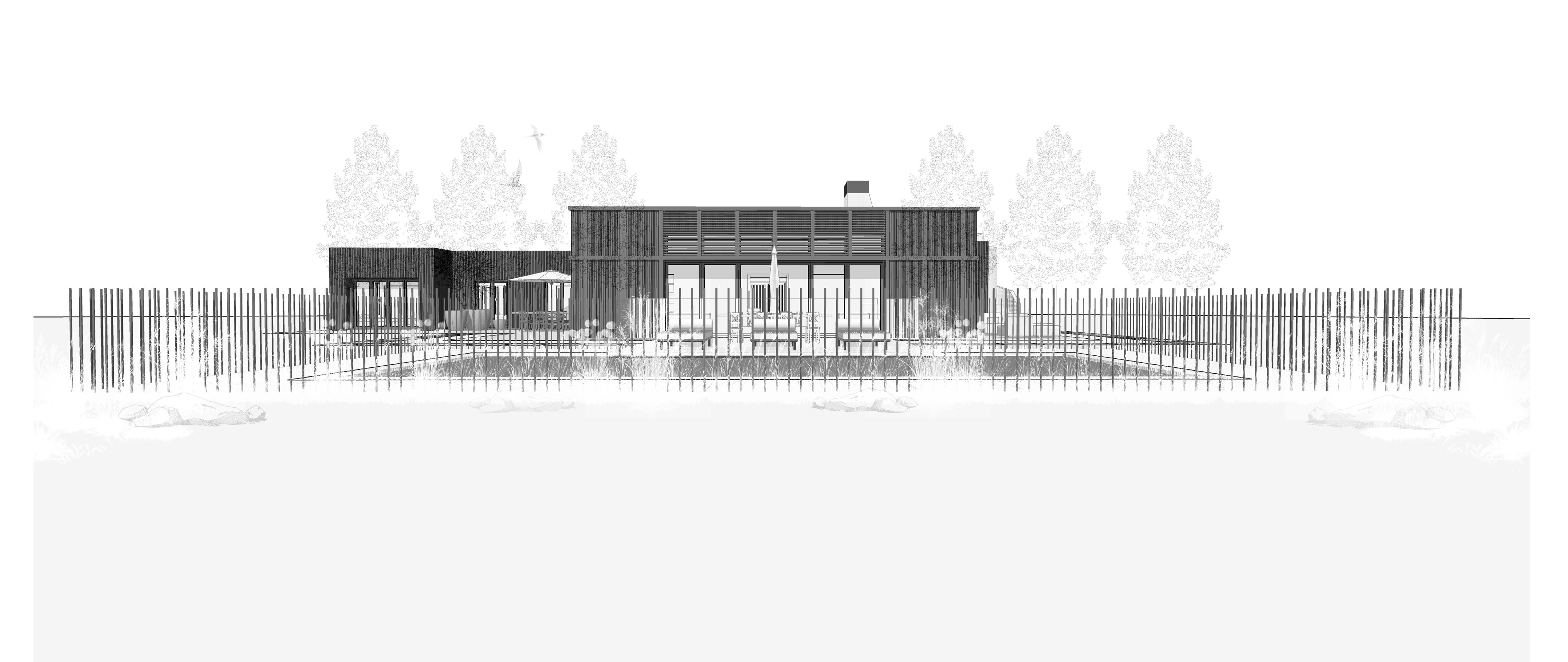
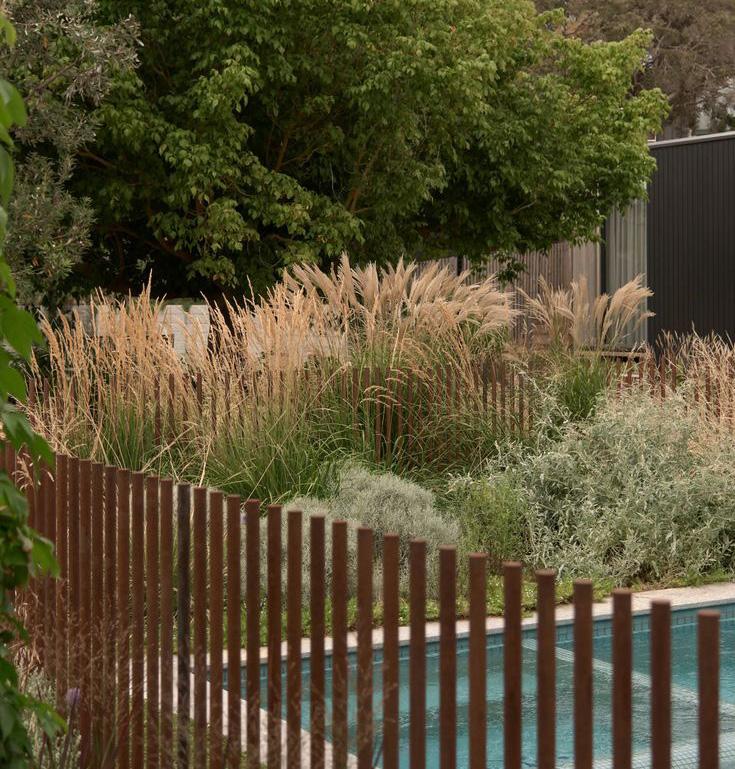
Rather than enclosing the pool tightly, this concept allows the fencing to dissolve into the wider prairie landscape. The glass fence traces the immediate façade between existing doors and pillars, maintaining visual continuity from house to garden. The steel pole fence then extends gently toward the property boundary, where it becomes almost invisible within meadow planting. This approach preserves long sightlines across the site to the surrounding mountains and retains the feeling of openness that already defines the property. The pool remains part of the land, not an object contained within it.
Treble Cone
Titiea
pole fence out to boundary fence with wild meadow garden
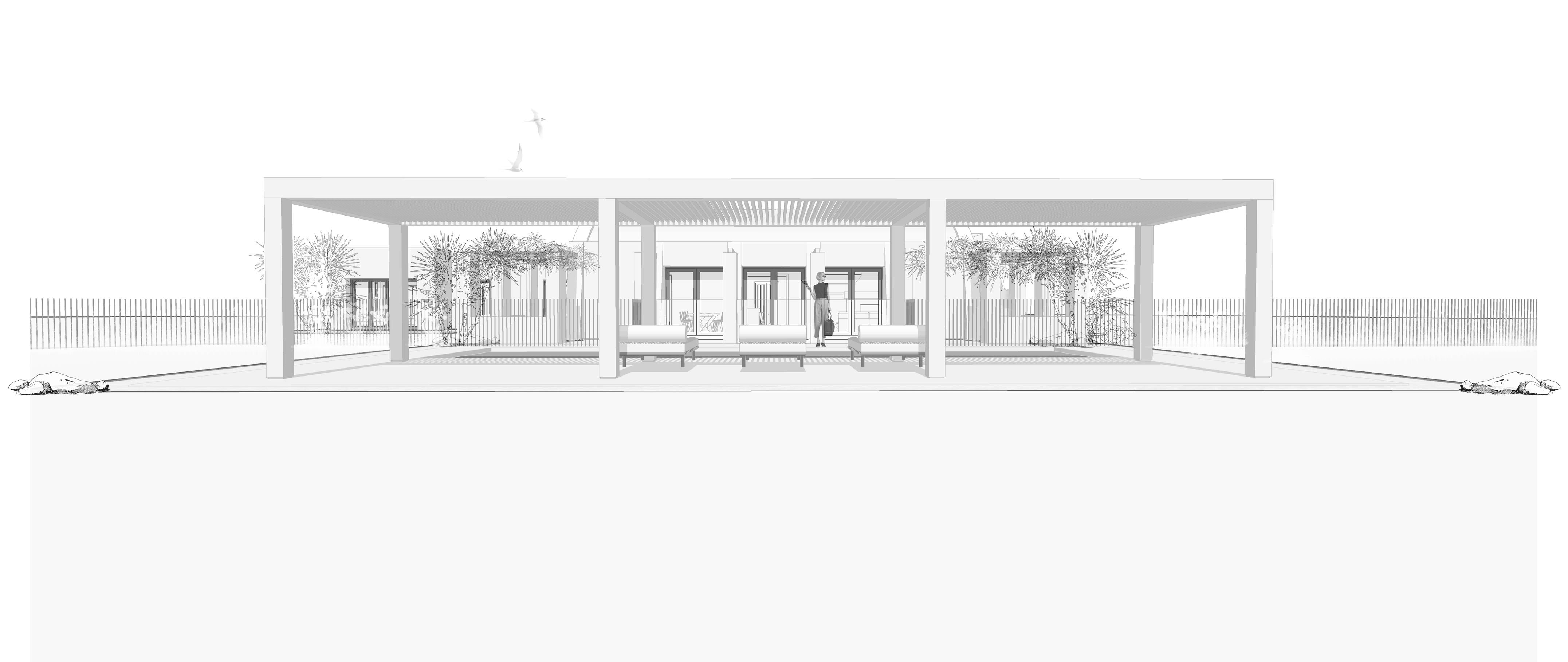
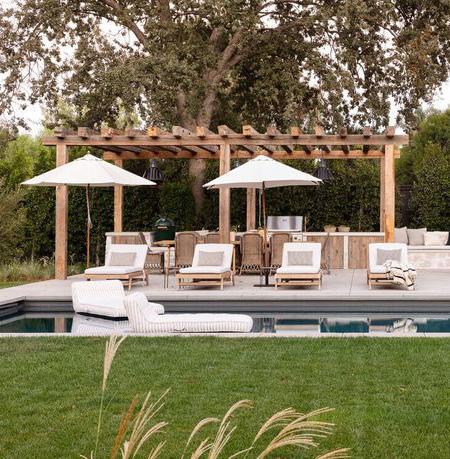
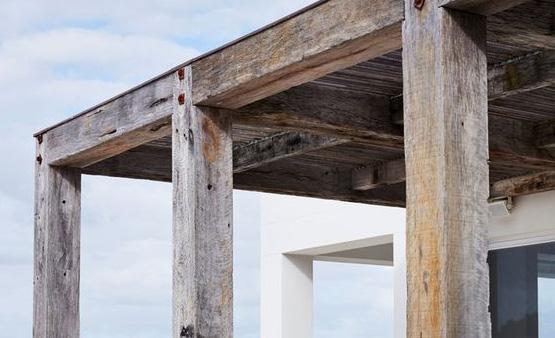
The Mediterranean character of the home is celebrated rather than rewritten. The existing plaster, curved forms, buttresses and trellises remain, with the only additions being a light-touch pergola and subtle fencing elements that feel more like garden structures than barriers. The Purple Heart hardwood pergola weathers to silver over time, casting
rhythmic shadows across the pool terrace and framing views beyond. Glass panels dissolve between the pillars, allowing doors to continue reading as portals to landscape rather than thresholds to enclosure. The pole fence is introduced sparingly, avoiding any sense of “prison bars,” and instead becoming a delicate, almost botanical gesture in the prairie.
SPATIAL PLAN
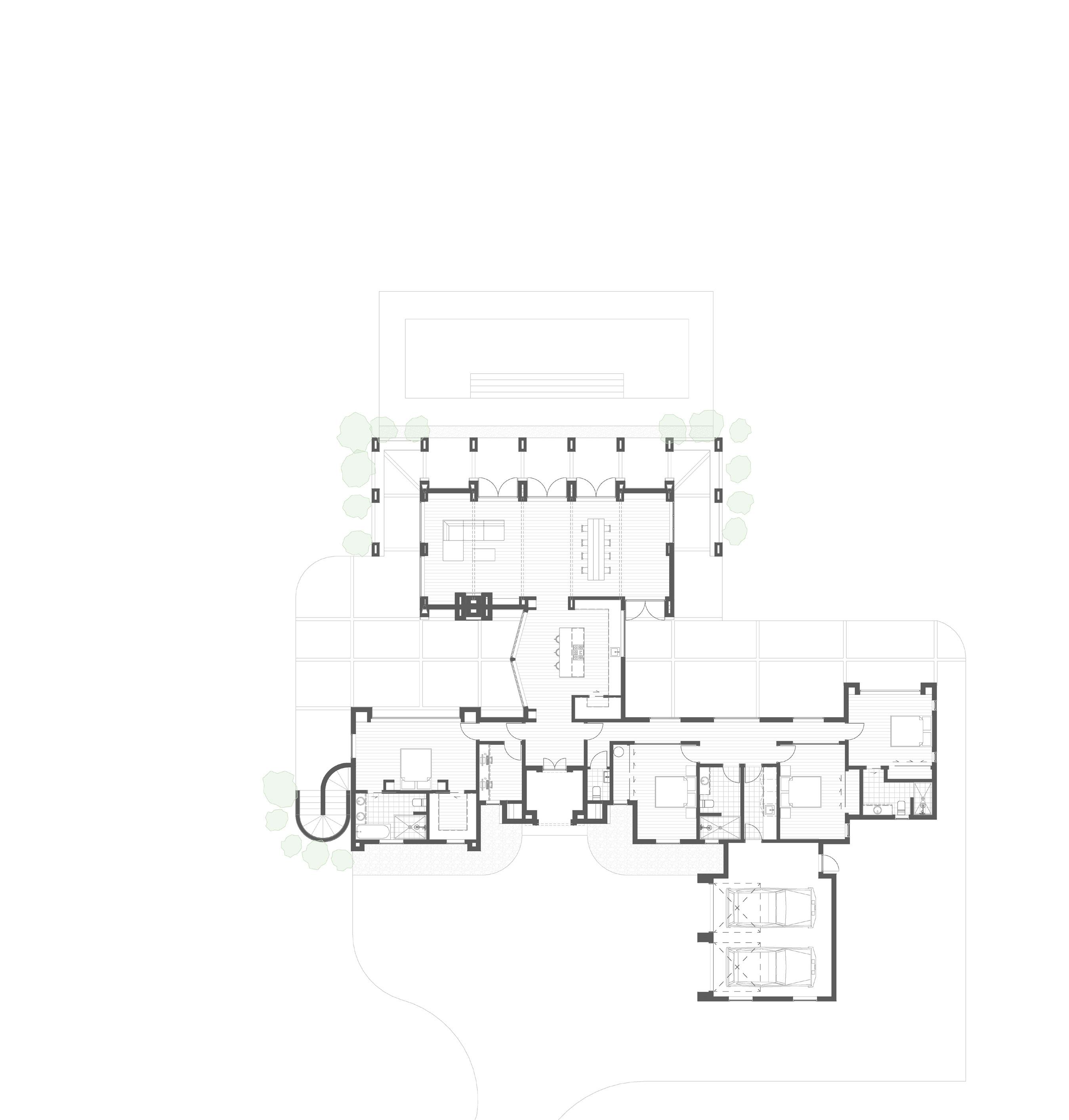
The internal layout remains entirely intact, preserving all existing circulation, room sizes and relationships. The pool footprint is unchanged, though stair access shifts to the northern edge to ease circulation through the tighter southern pinch point. Existing planter boxes beneath the trellis are removed to eliminate climbing hazards within the 1200 mm compliance zone. Built-in seating near the pool edge is retained, with fencing strategically pulled away to maintain clearances. The result is a compliant enclosure that still feels porous, flowing, and visually uninterrupted.
17 Alki Architecture + Design Studio, Concept Charlotte Walsh
SPATIAL PLAN
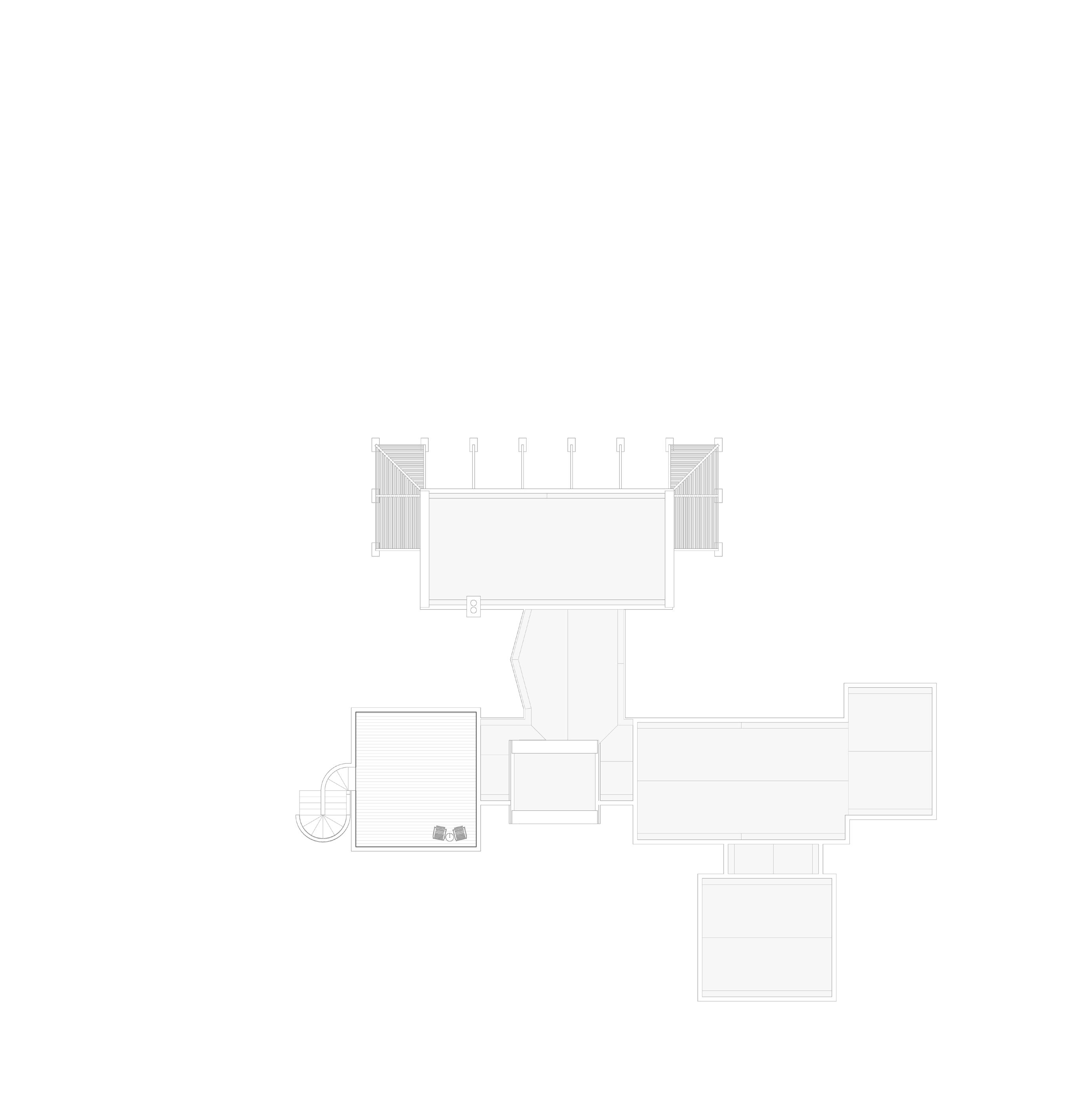
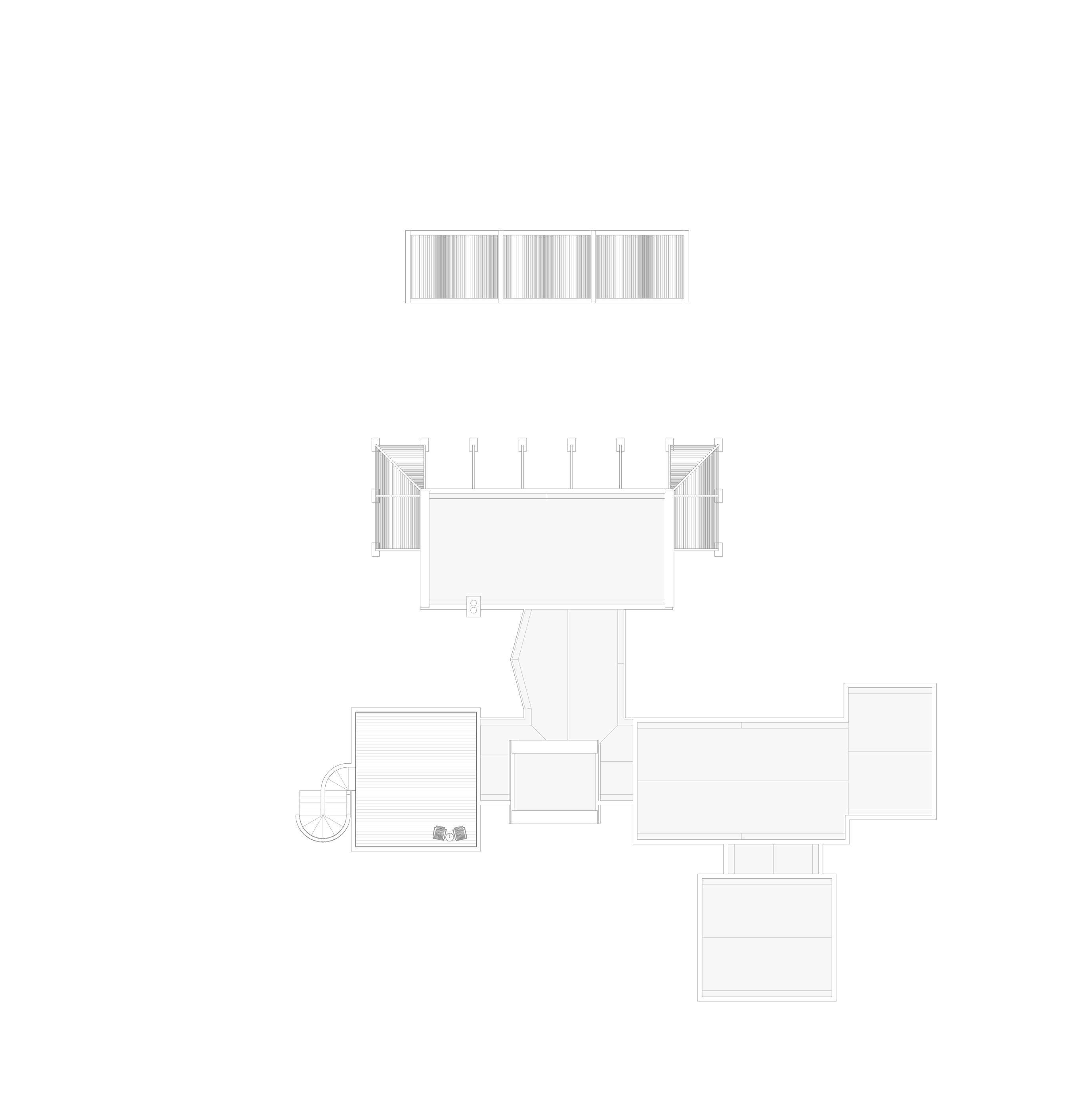
All existing roof forms remain unchanged. The curved membrane roofs, low-slope parapets and rooftop deck above the master suite are retained in full. The new pergola introduces a lightweight, secondary layer rather than altering the building envelope. This ensures height overlays are fully respected while allowing the outdoor experience to evolve subtly.
1. roof deck
2. poolside pergola
PROJECT INSPIRATION
glass pool fence Hardwood Pergola
INSPIRATION
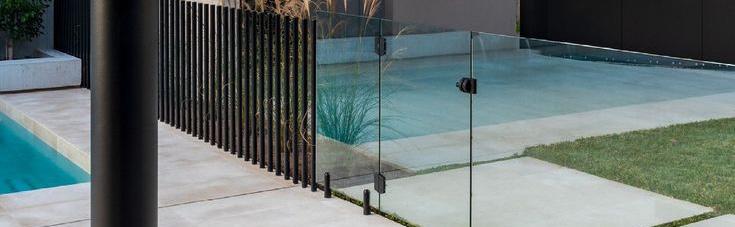
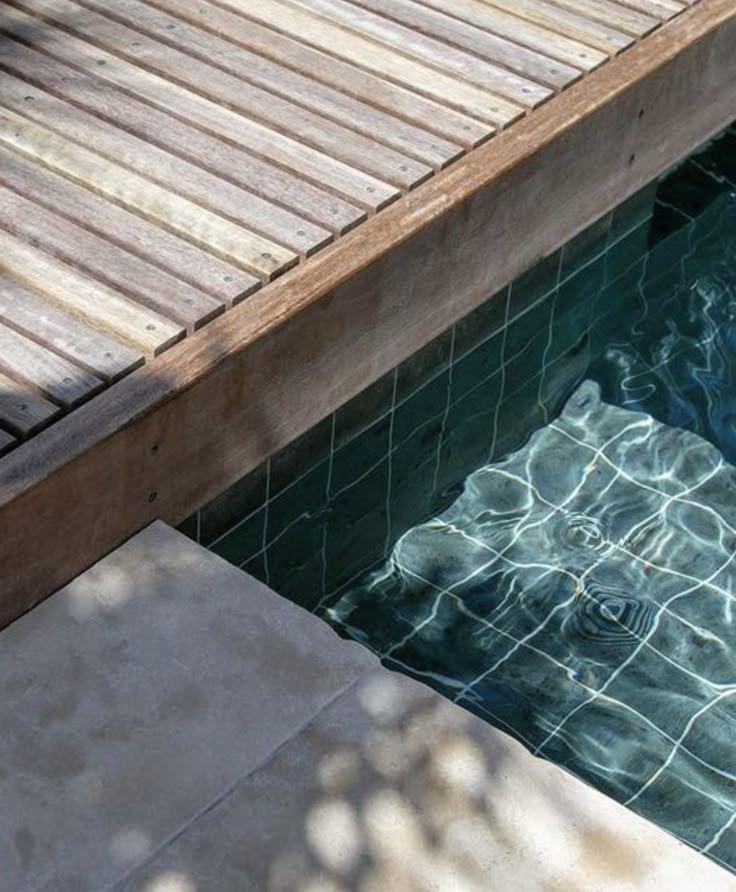
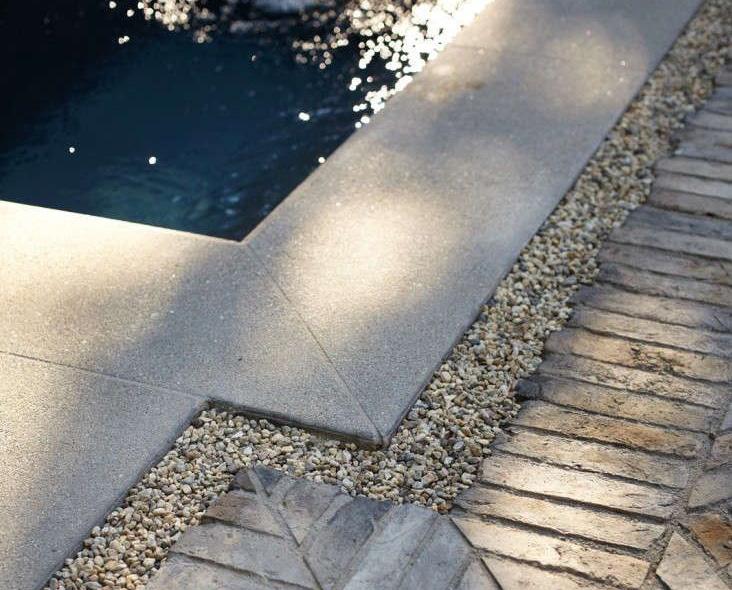
The palette is restrained and honest: clear glass, slender steel rods, weathering Purple Heart hardwood, existing concrete, and washed gravel. These materials echo what is already present — light, mineral, tactile — reinforcing the Mediterranean lineage without introducing unnecessary contrast. The fence dissolves into meadow flowers, allowing architecture to remain dominant.
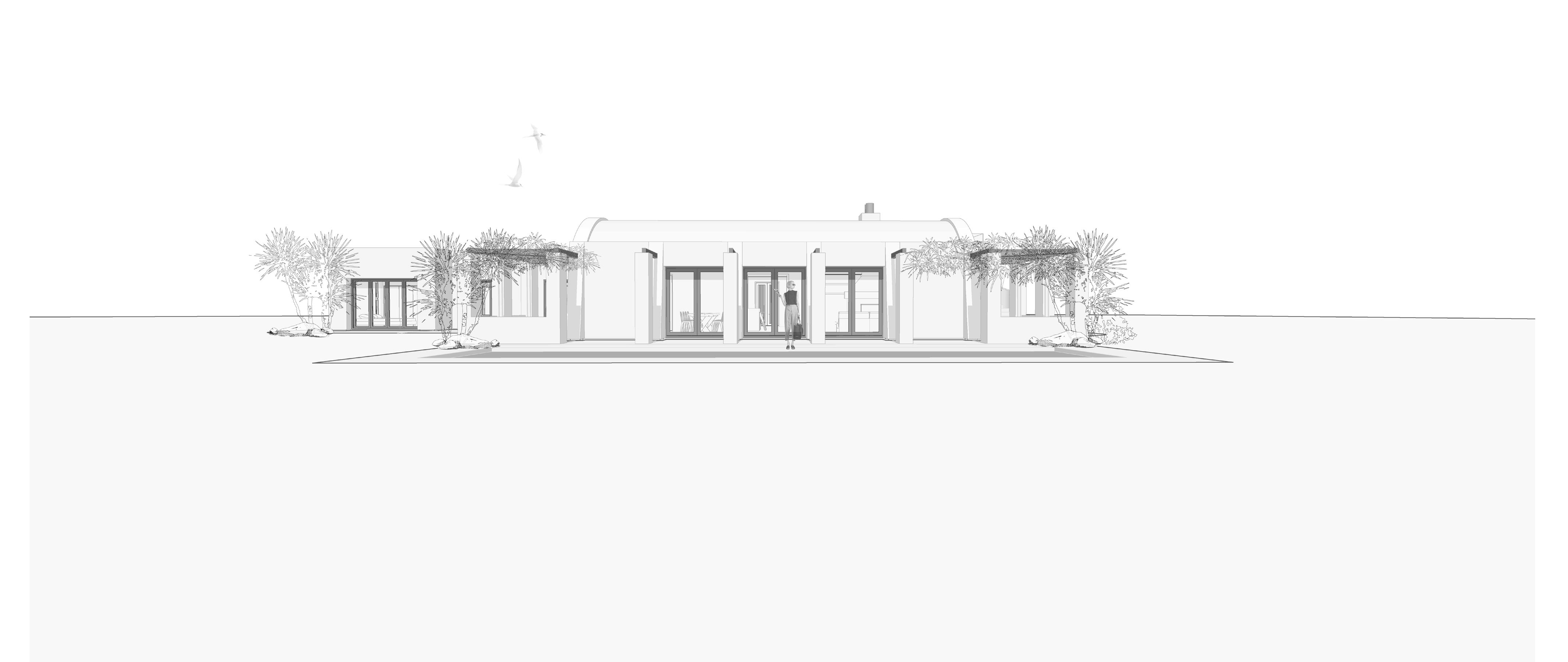
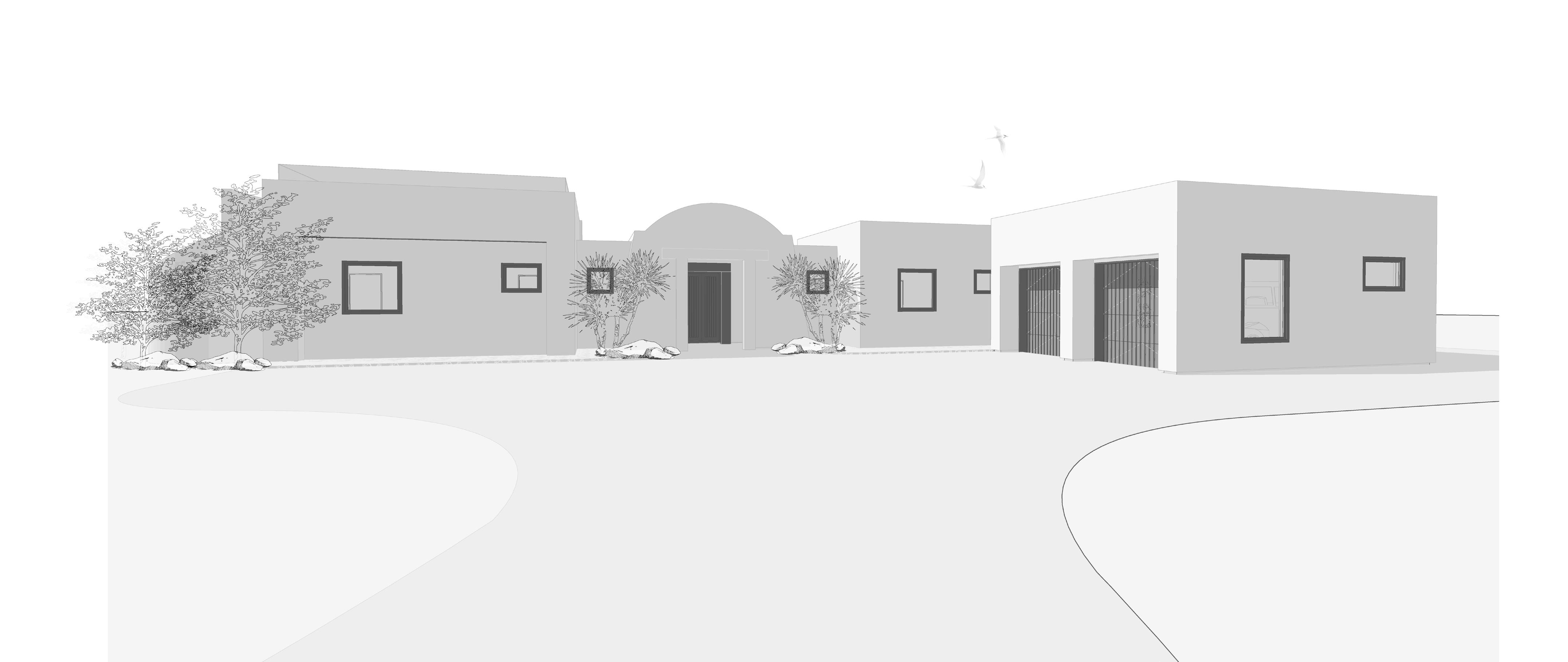
From the driveway, nothing announces change — and that is precisely the point. The procession into the home remains gentle and familiar, with no visual disruption to the entry sequence. Only once you move through the house does the new pergola and meadow-wrapped fencing reveal themselves, quietly reframing the pool as a place of calm, shade and openness.
This concept proves that the smallest moves can still shift the experience profoundly — maintaining the poetry of what exists while delivering safety, compliance and peace of mind.
Break
Concept Two remains restrained in demolition, retaining the home’s existing buttresses, trellises and vaulted ceilings, while shifting the project’s centre of gravity to a full interior and material refresh. The architecture is respected, but its surfaces are reimagined to elevate everyday rituals through texture and craft.
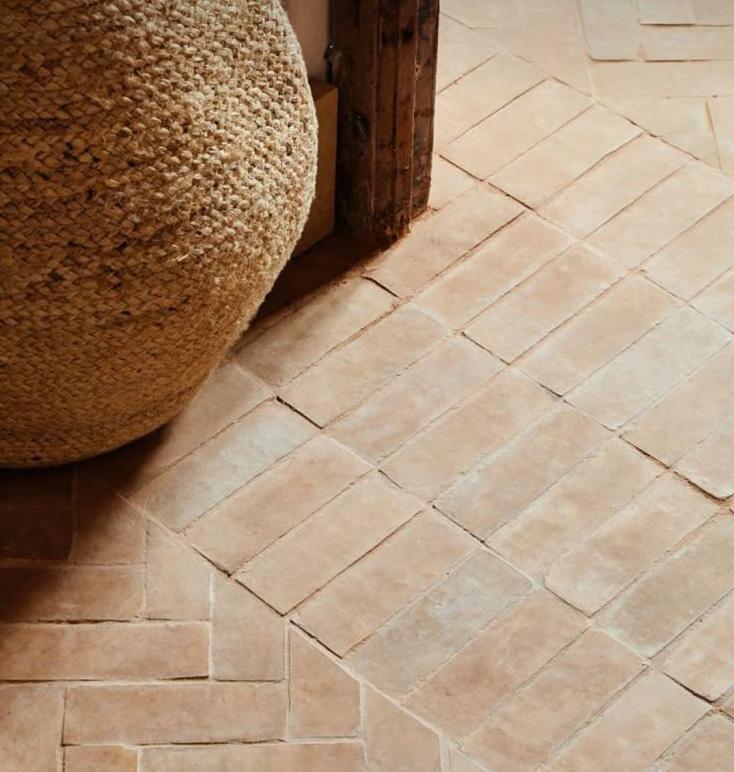
The principal move is the introduction of a continuous terracotta brick floor that flows seamlessly from inside to out. This material strategy sets a new tone for the entire home without altering its structure. It represents a moderate increase in scope and cost from Concept One, but with a profound impact on atmosphere.
Poolside shade at raised lounge zone
OVERVIEW
SITE PLAN
PRAIRIE IN CONTEXT
The site plan celebrates brick as a connective tissue between house, pool and prairie. Rather than competing with the landscape, the architecture dissolves into it — brick surfaces soften into meadow planting that blur boundaries toward the mountains beyond. Sightlines remain open to Mt Aspiring and Stevenson’s Arm, with the northern pool edge kept deliberately simple to protect those long alpine views. The garden swallows fencing, timber and steel alike, ensuring the property still reads as one expansive field rather than a series of contained rooms. The home becomes grounded, tactile, and unmistakably of place.
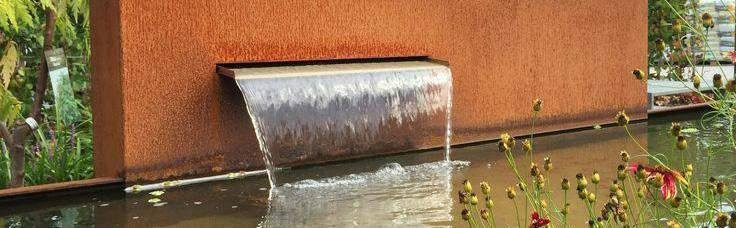
brick wall and water feature to mimic pool bookend
Concept Two
This courtyard is redefined as the emotional heart of the concept. Terracotta brick extends beneath bare feet, framing zones of water, rest and gathering with warmth and rhythm. A brick wall at the eastern end of the pool becomes both boundary and theatre — housing a waterfall feature that animates the deep end with sound and movement.
At the western end, a raised brick platform holds chaise lounges beneath a simple umbrella, its elevation subtle yet intentional, creating dryness, shade and pause. Brick becomes the protagonist — rich, imperfect, alive — without the noise of unnecessary structures.
SPATIAL PLAN
FLOOR PLAN
The internal layout remains intact, with no structural reconfiguration. Instead, the home is renewed through surface, sequence and flow. Terracotta flooring replaces existing finishes and runs uninterrupted through the kitchen, living areas and out to the pool terrace.
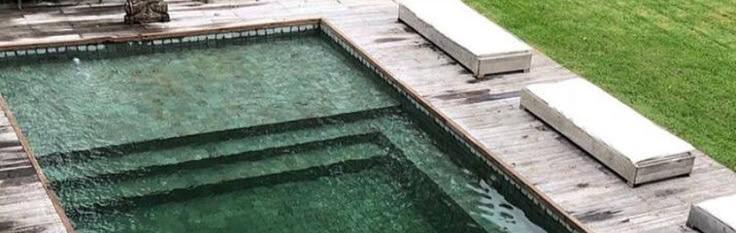
Inside, this is paired with timber accents and soft natural plasters — venetian, clay or lime — allowing materials to speak honestly in light and shadow. Pool steps are relocated to the west, introducing a shallow “wading quarter” for ankle-deep lounging before descending into the deeper swimming zone by the waterfall.
Planters are removed, fencing is carefully offset from existing seating, and a subtle dip between the glass fence and square pool deck creates a compressed threshold before release — a procession of pinch and expansion.
SPATIAL PLAN
ROOF PLAN
All existing roof forms are retained: curved membrane roofs, low-slope parapets and the rooftop deck above the master suite. No demolition is required at roof level. The architecture remains grounded in its Mediterranean lineage, allowing the new material language below to carry the transformation. Height overlays are fully respected.
1. roof deck
26 Alki Architecture + Design Studio, Concept Charlotte Walsh Walsh
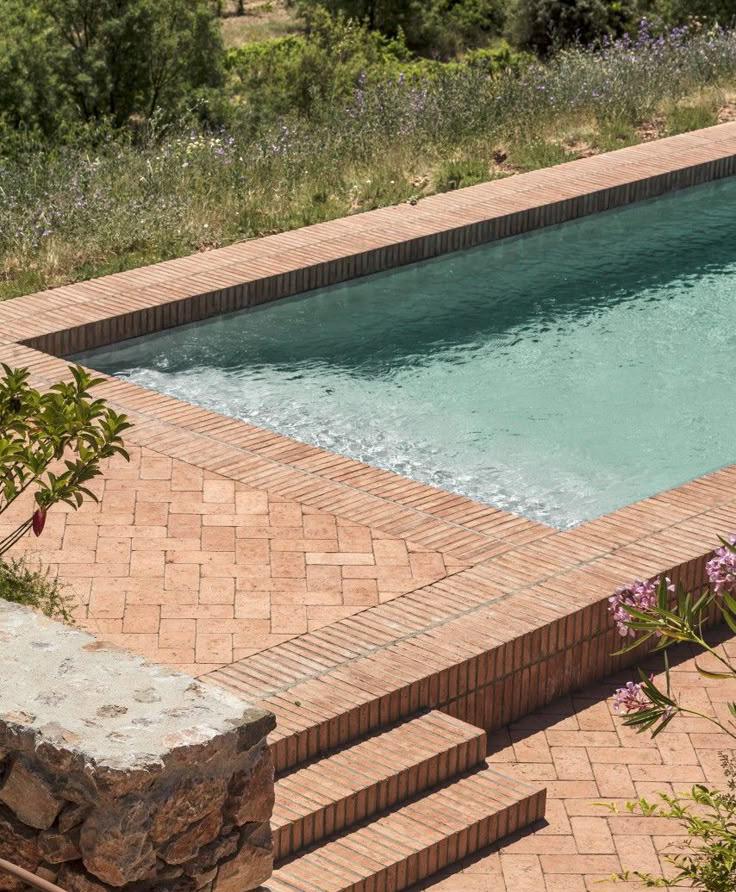
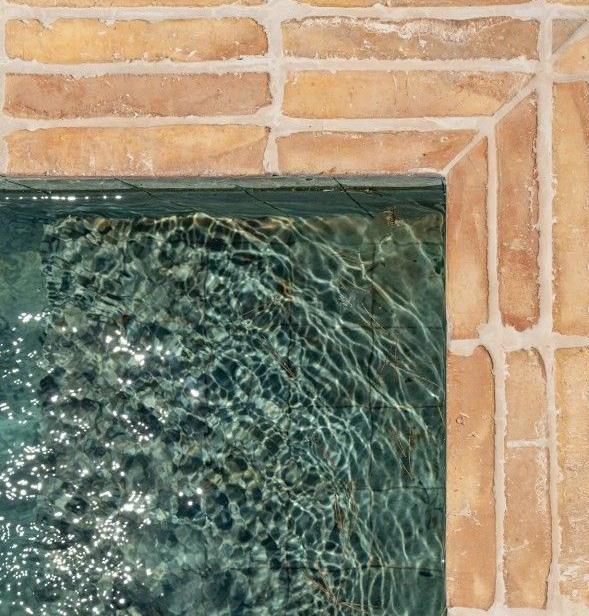
differening brick patters around pool + features
INSPIRATION
Terracotta brick is the soul of this concept — celebrated inside and out through running and stack bonds that articulate zones, thresholds and pauses. It is paired with timber joinery and soft mineral plasters that bleed into prairie planting. Macrocarpa posts with stainless steel rods define the pool boundary, their silvering tone echoing existing trellises while dissolving into tussock and grass. This is materiality that ages, breathes, and belongs.
Two Fin.
Arrival is quietly transformed through continuity and procession. Terracotta brick becomes a runway from the threshold of the home through to the pool terrace, offering a crisp release from architecture into prairie.
Along the entry drive, a forest of birch trees forms a shaded approach, with sunlight filtering through trembling leaves and dancing across the existing driveway — a living corridor
that prepares the body for stillness before the house is even reached.
Beyond the entry and living room, glass fencing dissolves between the pillars, brick walls frame courtyards, and the home unfolds not as a static object, but as a sequence of moments where fire and water live in harmony and compression gives way to expansion.
Birch forest (not shown)
Birch forest (not shown)
Break
pole fence with meadow right to pool edge
Concept Three
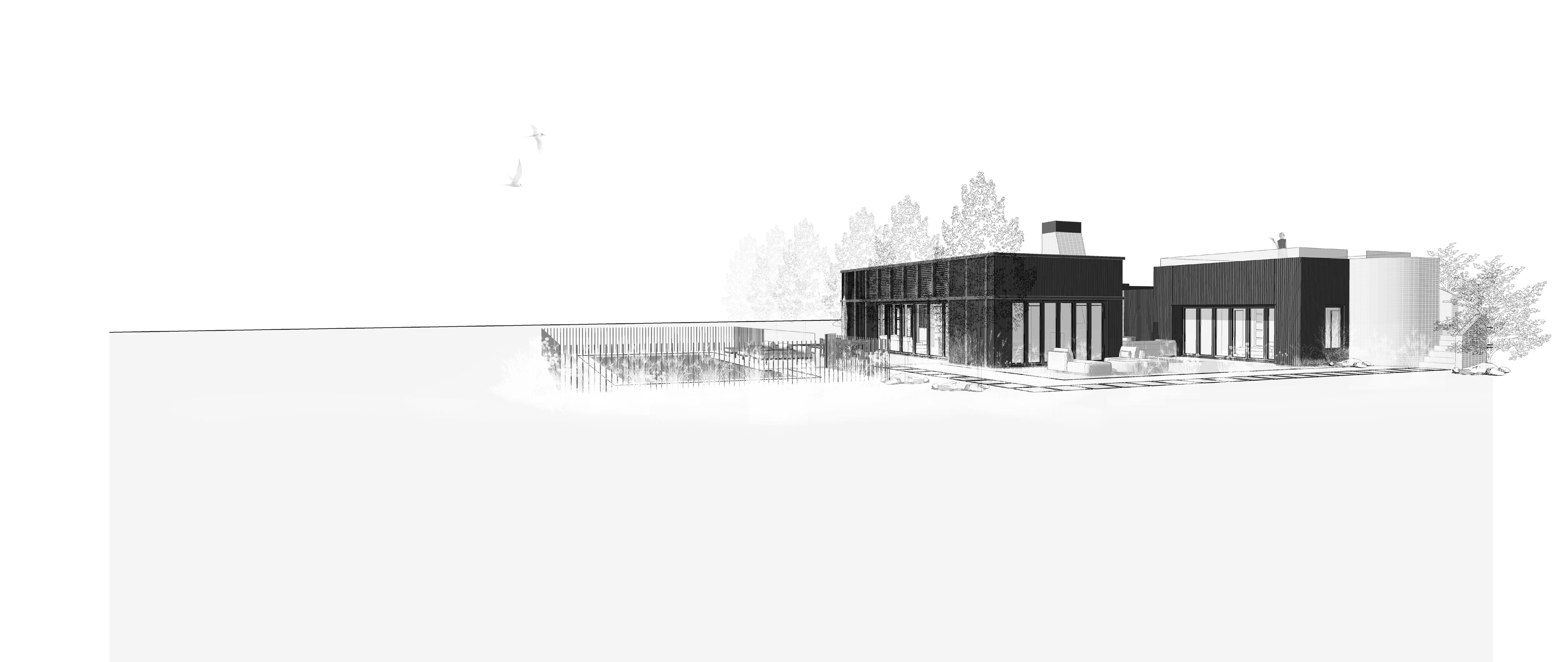
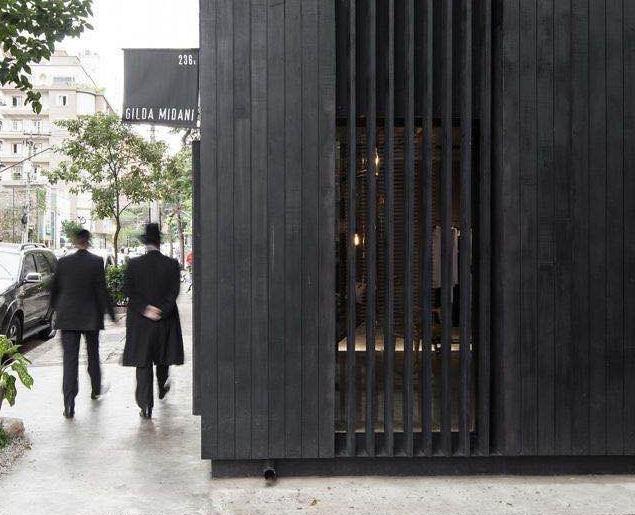
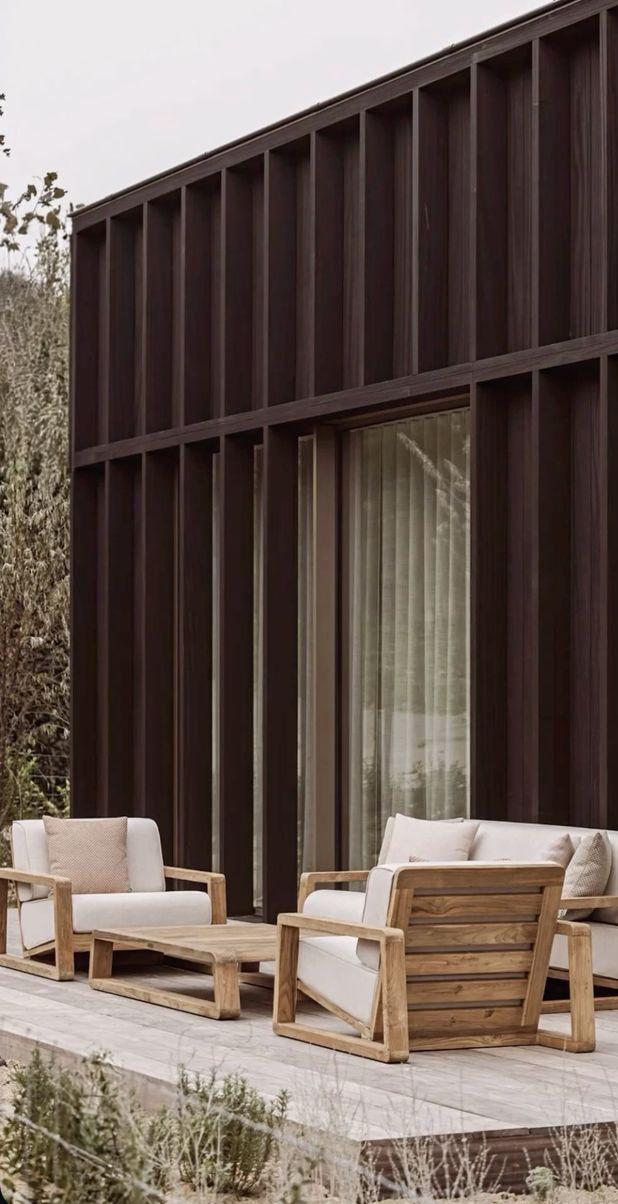
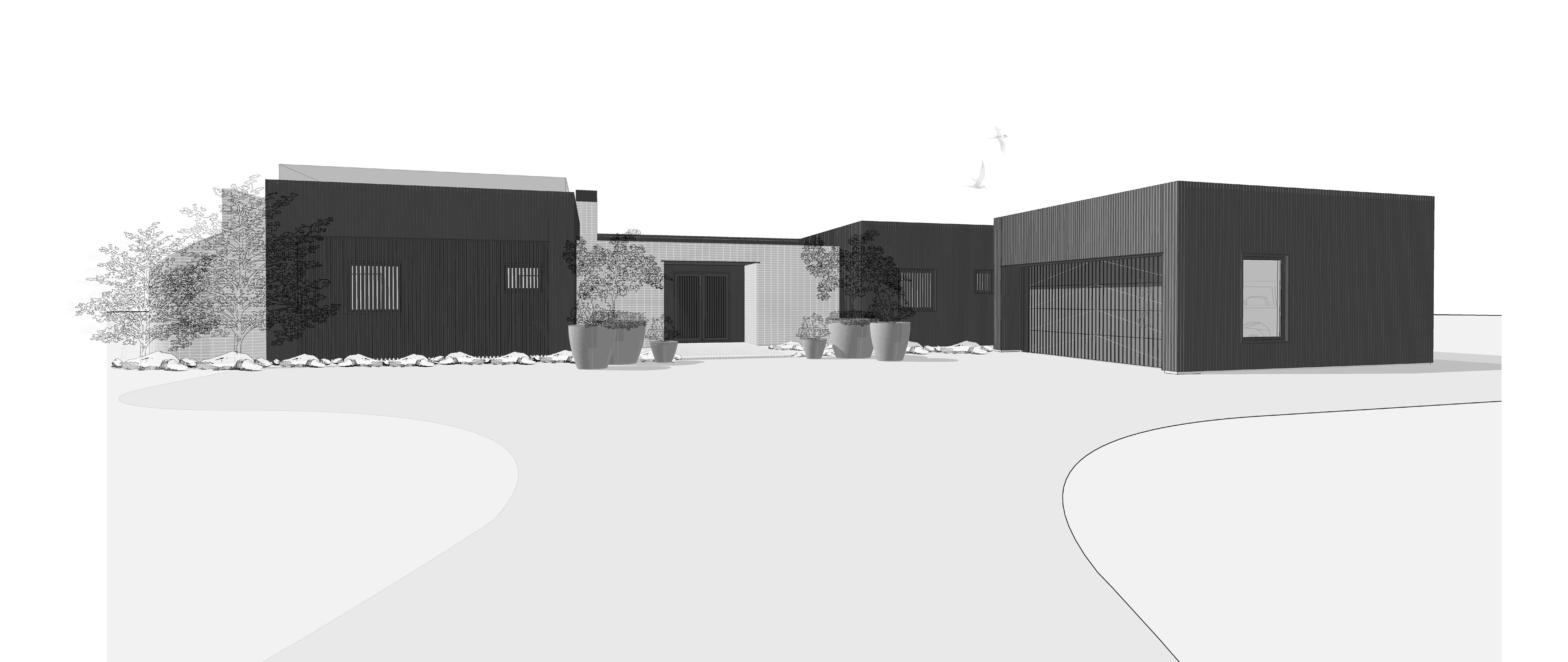
Concept Three marks the first decisive departure from the existing Mediterranean aesthetic, introducing targeted demolition and bold architectural moves. Plaster cladding is removed and replaced with vertical Yakisugi timber shiplap — a resilient, low-maintenance skin designed to weather Wānaka’s harsh UV and alpine extremes without re-oiling or staining.
The home becomes a dark, textured canvas for landscape and light, with its charred surface creating depth, movement and shadow. Clay brick is used selectively where scale needs softening or sculptural moments are required, humanising the black box. This concept introduces moderate-to-significant cost implications in exchange for long-term durability and architectural clarity.
OVERVIEW
SITE
PLAN
PRAIRIE IN CONTEXT
The building is re-embedded within the prairie, allowing meadow planting to meet the pool edge and dissolve boundaries between water, land, and lake beyond. A narrow brick “moat” floats above the southern pool edge, flanked by wildflower meadows that encapsulate the outdoor dining patio and encourage the landscape to bleed directly to the water.
The pole fence is pulled back 1.5 metres from the pool edge, swallowed by tussock and grasses so the enclosure becomes almost imperceptible. The home now reads as part of a larger ecological field rather than a standalone object. Architecture becomes a quiet frame for Wānaka’s alpine horizon.
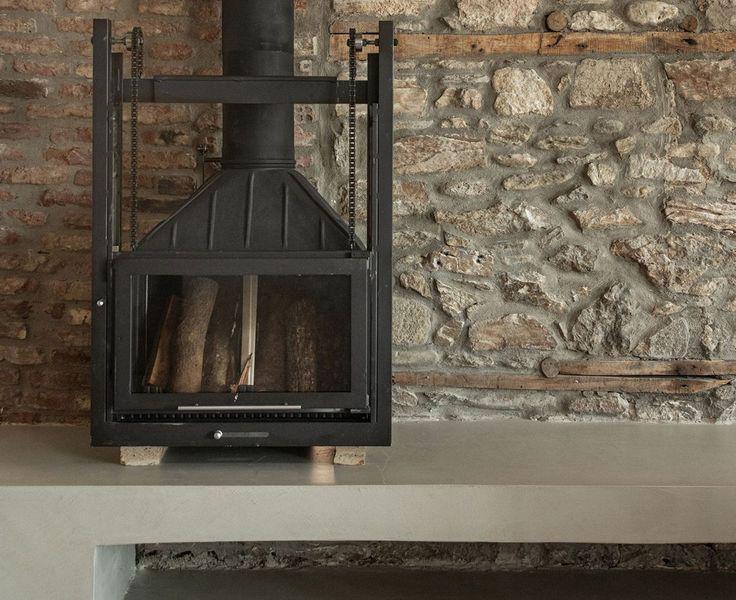
The western courtyard is reimagined as a sculptural threshold between old and new. Clay brick walls puncture the black Yakisugi mass to articulate hearth, circulation and pause. The brick moat hovers lightly above the pool edge, echoing the river-rock entry garden and reinforcing a poetic thread between lake, riverbed and water.
With no conventional pool deck, the prairie advances right to the water, blurring the line between leisure and landscape. This is not containment, but release.
sculptural staircase
pool deck 'moat'
SPATIAL PLAN
FLOOR PLAN
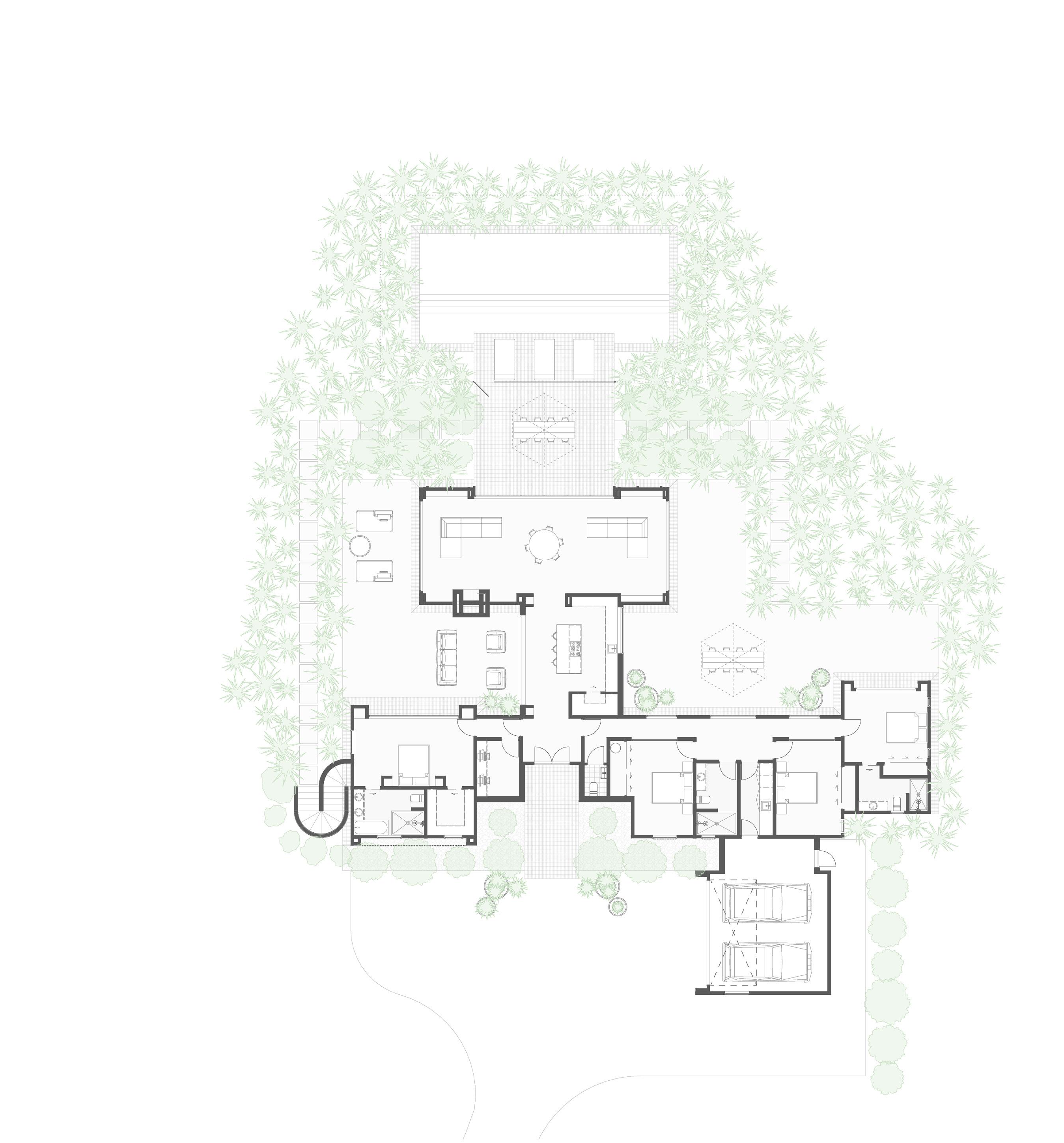
Significant demolition occurs within the living wing: vaulted ceilings, buttresses, trellises, outdoor pillars and bench seating are removed. Full-height walls rise to the 4-metre height overlay, forming a tall, flat-roofed living pavilion clad in Yakisugi.
Large bifold doors open east to the morning courtyard and west to the evening courtyard, while a generous north-facing slider connects directly to the pool moat.
Angled kitchen doors are squared off to rationalise circulation and enlarge the space around the western fireplace. The plan is simplified into a strong axial spine that dramatically improves indoor–outdoor flow.
SPATIAL PLAN
ROOF PLAN
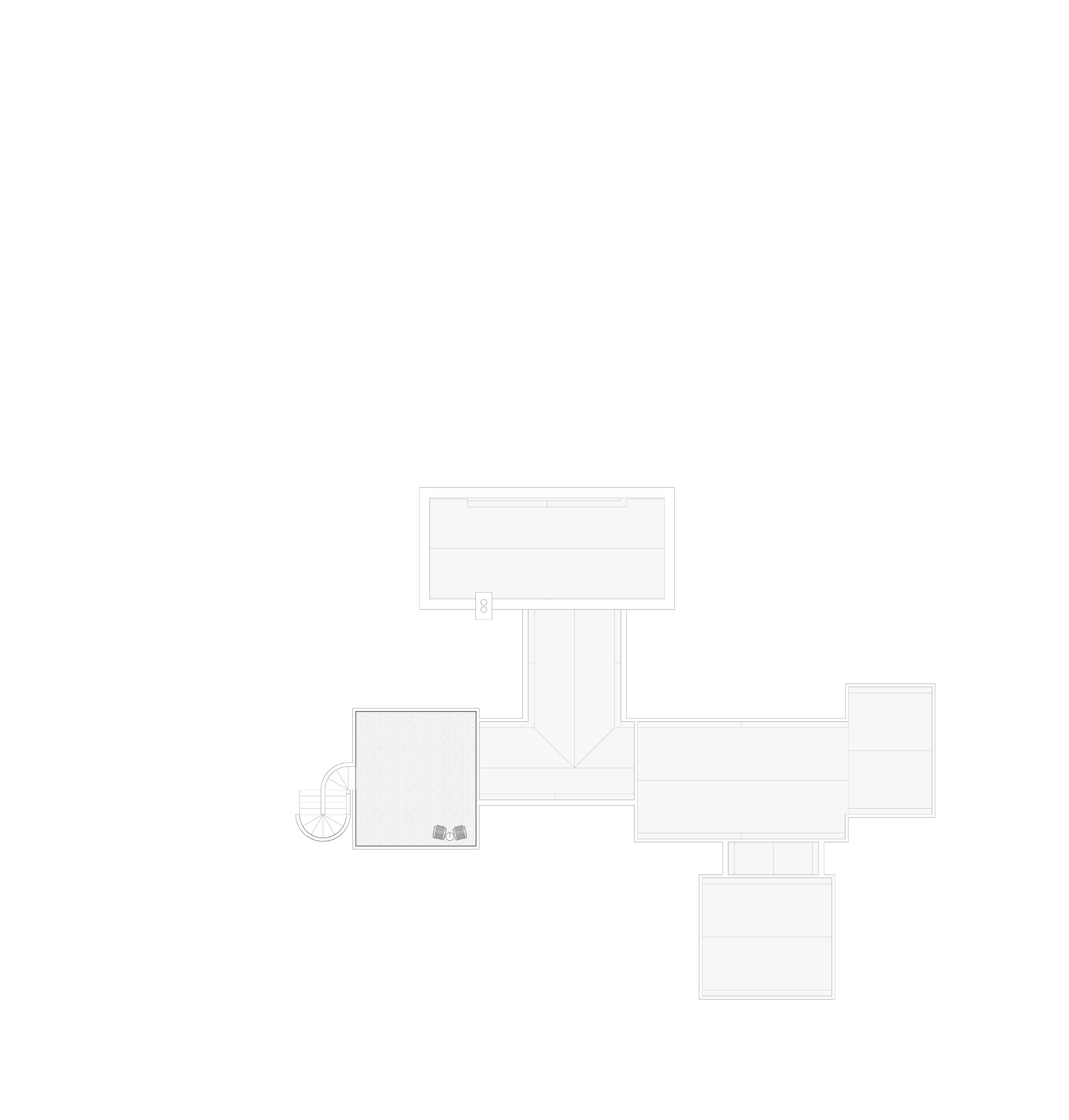
Curved roof structures are removed across both the remodelled living wing and the entry zone, replaced with a continuous flat membrane roof that ties back into the dropped roof plane above the kitchen. This reinforces the idea of compression before expansion — a spatial “pinch” that heightens the release into the new living pavilion. Heights are maximised within the 4-metre overlay, increasing volume and daylight while remaining fully compliant. Clerestory glazing to the north is protected by horizontal shading to admit winter sun and block high summer angles.
1. roof deck
pole fence with meadow edging
INSPIRATION
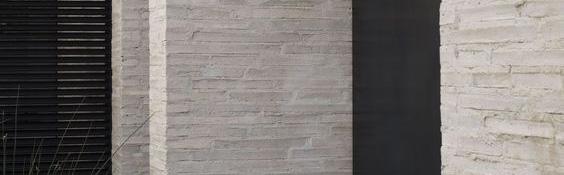
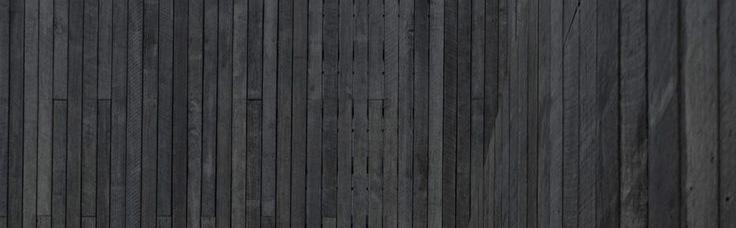
Vertical Yakisugi timber becomes the dominant language — charred, tactile, and enduringly black. Long, low clay bricks in contemporary stack bond punctuate the dark skin, wrapping stair towers, hearths and spatial thresholds. The palette is restrained to blacks, greys, natural linens and stainless steel, allowing texture, proportion and shadow to replace ornament. This is alpine minimalism grounded in craft.
Concept Three Fin.
Arrival is transformed into theatre. A brick runway crosses a river-rock garden — a modern moat lined with birch trees whose pale trunks flicker against the black façade. Vertical timber screens flank the entry court, shielding intimate windows while heightening the sense of procession. A new double door with tall cylindrical handles is inset into the brick — part portcullis, part invitation — drawing you inward to a space that cocoons and shelters.
Beyond, the home opens dramatically: prairie, pool, brick moat and lake align into a single axial gesture. The house is no longer simply occupied — it is entered, crossed, and released.
remodelled brick entry
brick 'moat' over river stone garden
Break
Concept Four
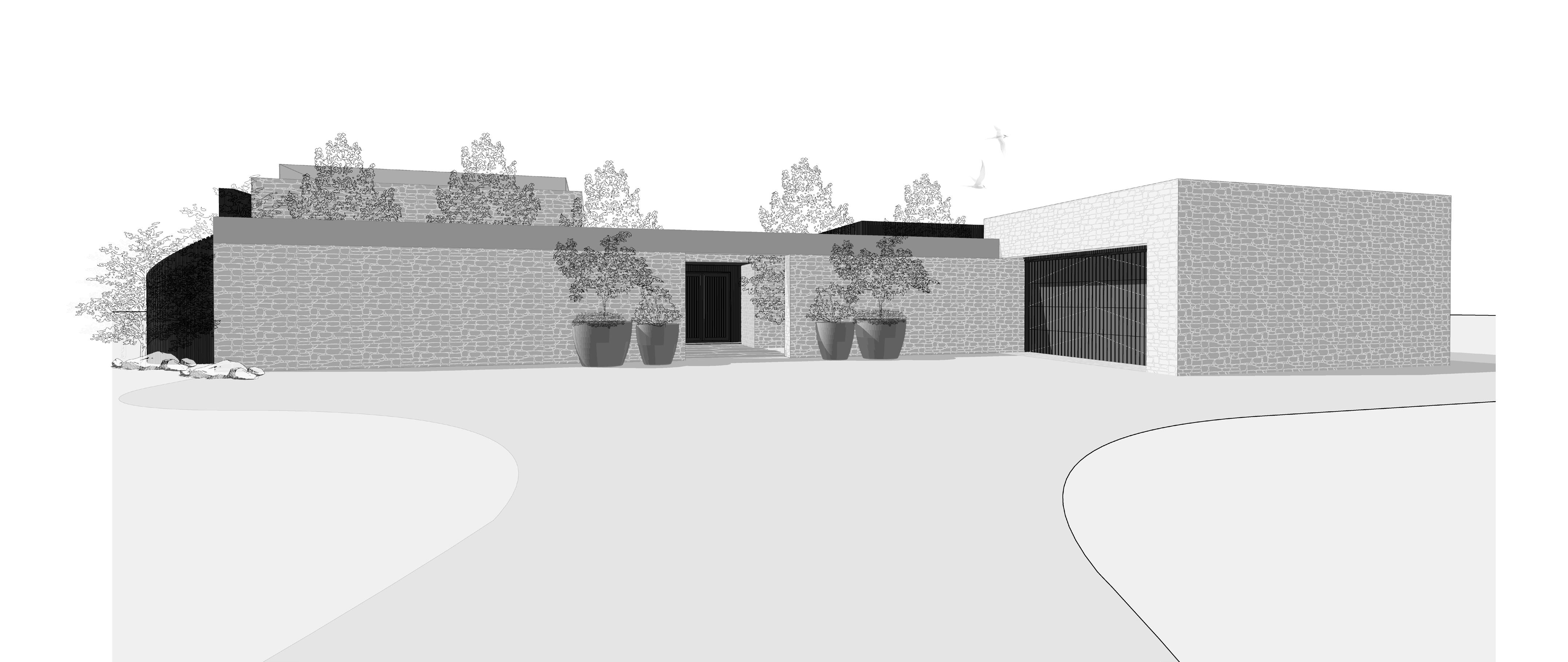
Concept Four represents the most profound reimagining of Waimana Place — a full embrace of the alpine vernacular through stone, proportion, and procession. Four primary volumes — the garage, master suite, secondary suite, and re-engineered living wing — are entirely reclad in local stone, forming grounded “castles” within the prairie.
Yakisugi timber threads between these stone bodies, connecting circulation paths and softening transitions while offering a durable response to the harsh mountain climate. While the internal layout remains intact, every surface is transformed through natural plaster, fieldstone floors, and dark timber joinery. This is the most significant investment, yet it offers an architecture that feels carved from the land rather than placed upon it.
OVERVIEW
SITE PLAN
PRAIRIE IN CONTEXT
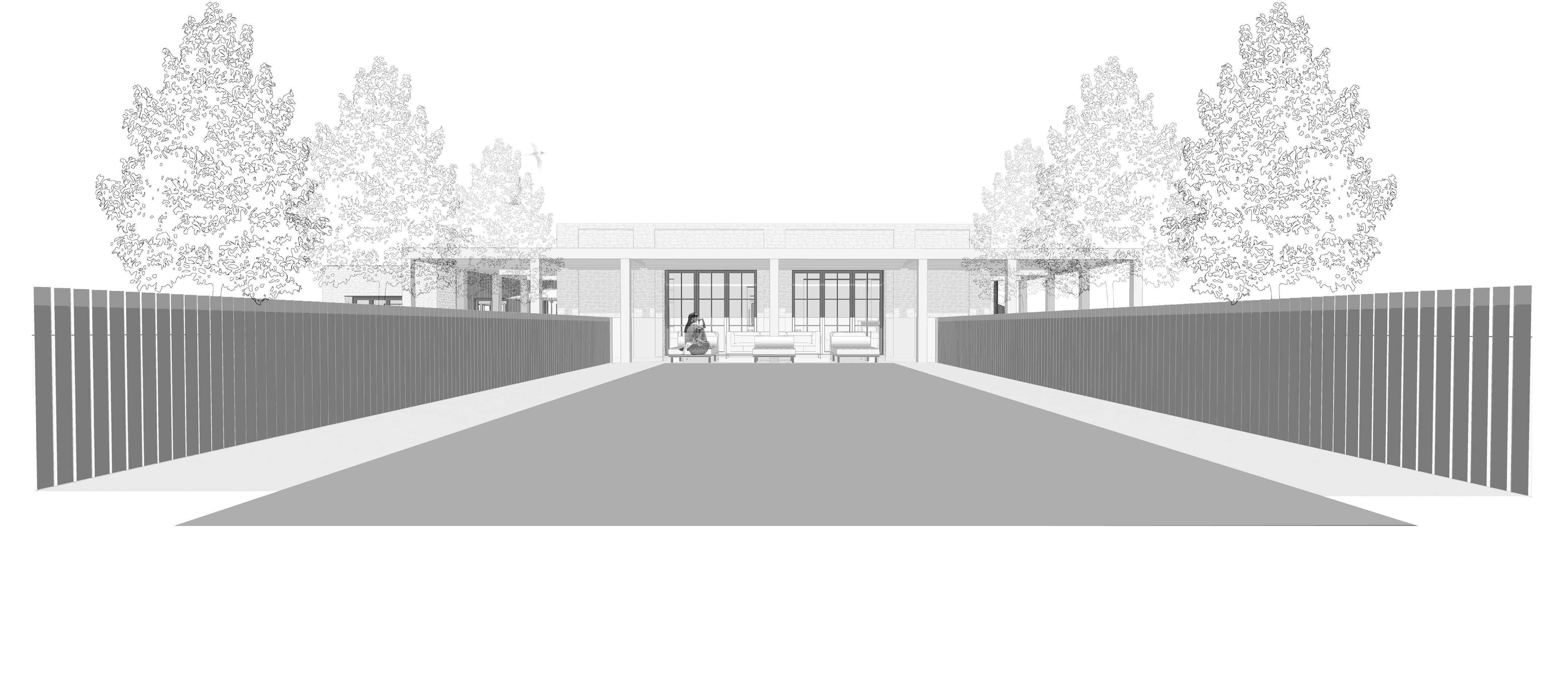
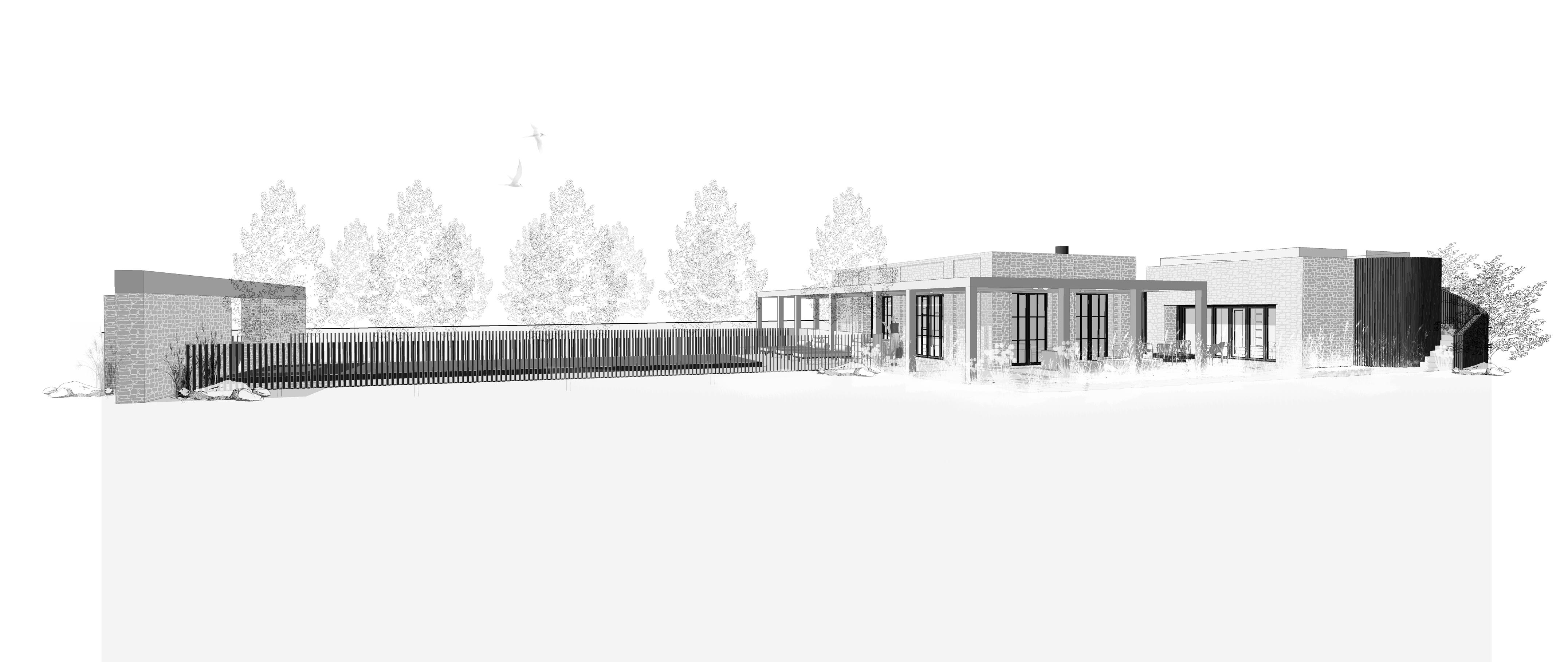
The site plan is defined by a new north–south axis that stretches from entry portal to the far end of the pool, establishing a commanding spatial narrative across the prairie. The pool is rotated to run the full length of the site, allowing the house to expand outward rather than inward, dissolving the sense of enclosure that previously contained it.
Stone is layered deliberately — beginning at the detached entry portcullis wall, continuing through the foyer threshold, extending into the living wing, and culminating at a terminal pool wall that frames water, meadow and sky. Between these anchors, meadow planting and birch groves soften the mass, allowing the architecture to feel held by landscape rather than imposed upon it.
The pool is no longer an object within the garden; it becomes a linear element of the land itself — a reflective incision through prairie, visually aligned with the lake beyond. The home reads not as a building on a site, but as a geological sequence unfolding through stone, water and wildflower.
Treble Cone
Titiea
39 Alki Architecture + Design Studio, Concept Charlotte Walsh Walsh
landscape walls +
Concept Four
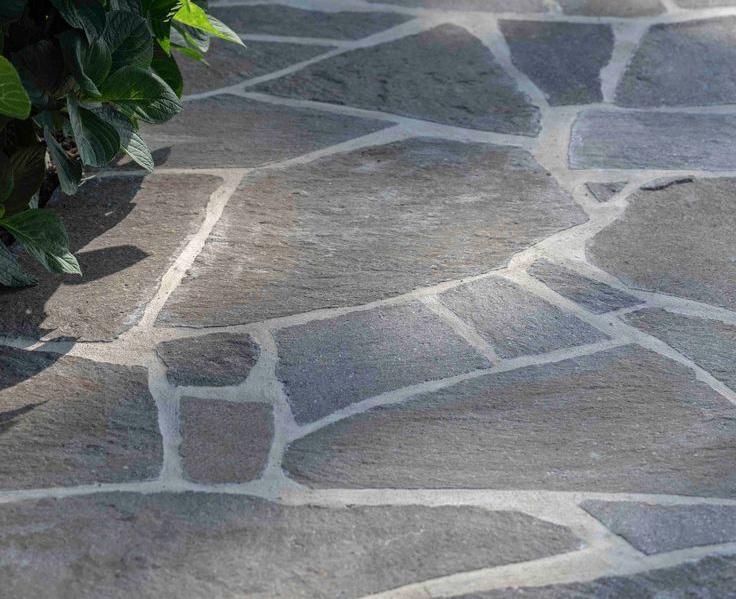
The western courtyard is quieted and distilled. The former fireplace gives way to an uninterrupted stone plane — a place for shadow, wind and silence. Fieldstone paving flows from inside the living wing and breaks apart into meadow planting at the edges, removing any hard definition between room and field.
The courtyard is no longer performative; it becomes contemplative — a pause between the architecture and the prairie.
angled metal fins
curved charred staircase
SPATIAL PLAN
FLOOR PLAN
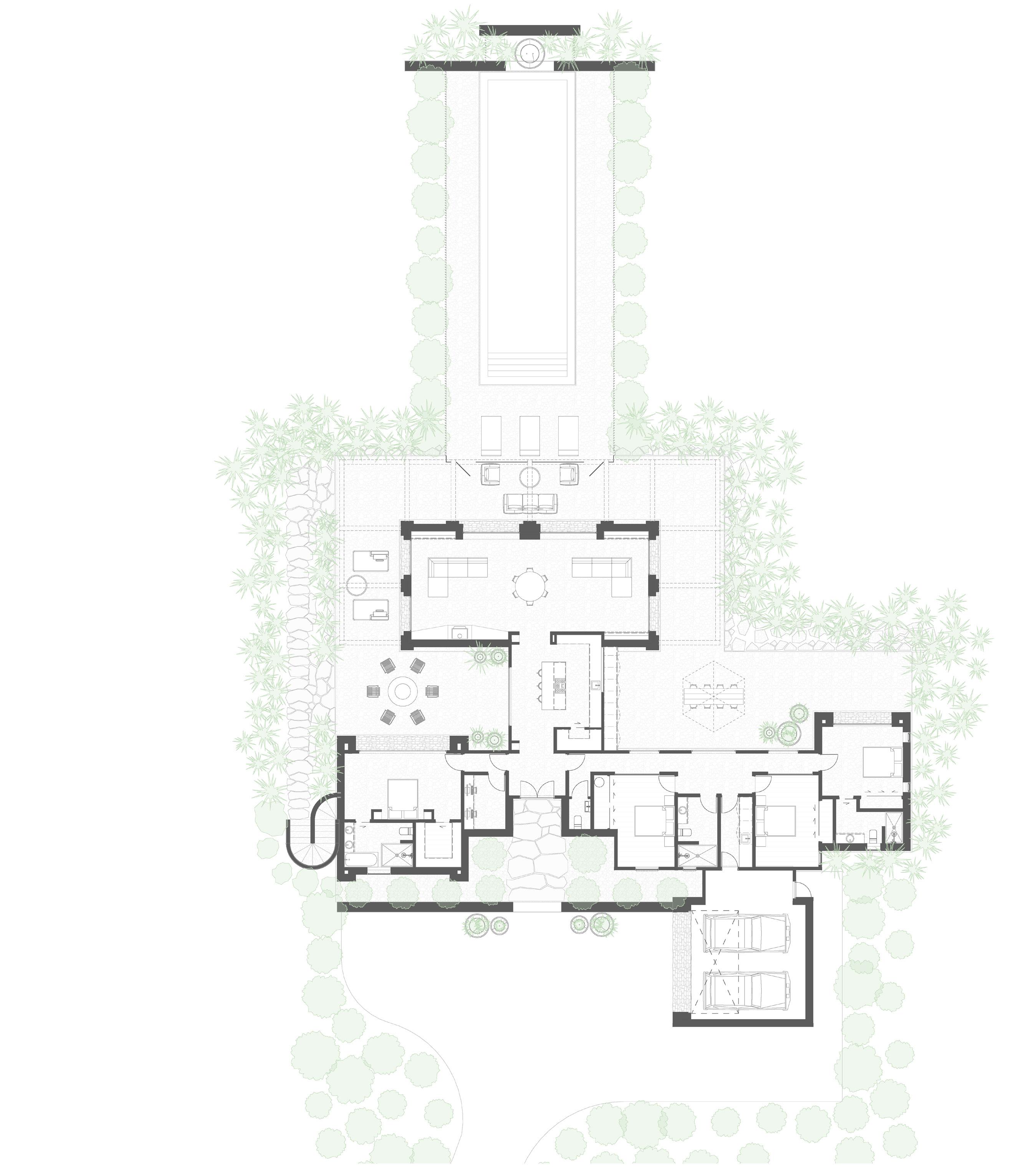
This concept introduces a complete re-engineering of the living wing — transforming it into a monumental stone pavilion that becomes the architectural heart of the home. All existing vaulted ceilings, buttresses, trellises and bench seating are removed to create a pure cubic volume rising to the full 4-metre height overlay, allowing the space to breathe vertically while remaining grounded in mass.
The new living room is wrapped in layered schist, detailed as a series of colonnade-like frames that humanise scale and rhythmically articulate each steel French door. These openings are placed with deliberate cadence along the east, north and west façades, allowing light, air and movement to permeate the room while maintaining protection and enclosure.
At each threshold, the stone wraps around all four sides before dissolving into interior fieldstone paving that flows seamlessly outside, breaking apart at its edges into meadow planting. A narrow band of river stone at the base of each wall creates a soft tactile transition between architecture and earth.
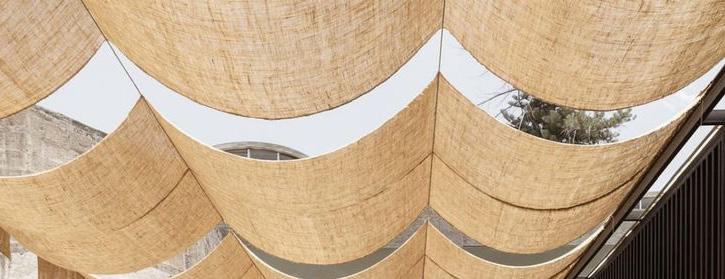
A pergola of solid Purpleheart posts and beams extends from the pavilion, recalling the home’s Mediterranean ancestry while tempering solar gain. Looped shade cloth between bays filters light and casts shifting patterns, introducing softness against the stone.
The pool edge is treated as a continuation of the architecture. Fieldstone paving slips beneath the glass fence for two bays only, maintaining visual flow while remaining compliant, before transitioning into angled black vertical fins — open from the house, opaque from the mountains — choreographing privacy and prospect.
Here, living room, pool and prairie dissolve into a single layered terrain of stone, water, timber and meadow — stitched together by detail, proportion and shadow.
SPATIAL PLAN
ROOF
PLAN
The existing vaulted roof is removed above both the entry and living wings, replaced with a continuous flat membrane roof that unites kitchen, foyer and living spaces into a single architectural gesture. This dropped roof plane reinforces the experience of compression before expansion — intensifying the release into the new stone living volume.
The rooftop deck above the master suite remains untouched, while new charred timber slats wrap the curved stair to create a tactile lantern rising from the meadow. The roof is no longer a collection of forms — it is a horizon.
INSPIRATION
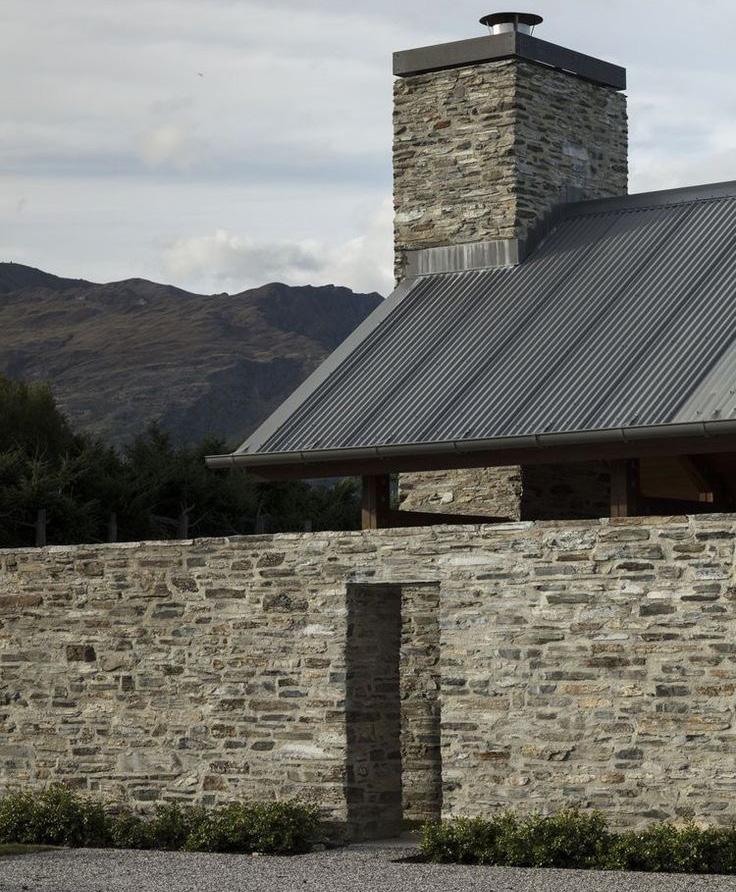
Stone is expressed in three registers: schist cladding to the primary volumes, fieldstone flooring flowing seamlessly between interior and exterior, and river stone at thresholds, entry courts and pool edges. Yakisugi timber binds these layers together, while Purpleheart pergolas recall the home’s Mediterranean lineage — weathering to silver against the stone mass.
heavy timber andpostbeam pergola
Concept Four Fin.
Arrival becomes a rite of passage. A detached stone wall guards the home, its portal revealing only the crowns of birch trees beyond. As you pass through, river stone crunches beneathfoot, light flickers through leaves, and fieldstone steps soften the final approach to the great double doors.
Beyond, the stone axis draws you through prairie, water and sky — a procession that feels less like entering a house and more like stepping into a place of deep belonging.
NEXT STEPS
NEXT STEPS
YOUR REVIEW Take your time to explore each concept, sit with the ideas, and reflect on what feels most aligned with your hopes for this next chapter. This is your space to dream, to imagine, and to shape a project that truly reflects your intention.
OUR REVIEW Let’s catch up over Zoom to walk through the concepts together. I’ll have the 3D model on hand so we can explore the layout, materials, and sense of space in more detail. Allowing us to better understand where to next..