Bachelor of Science in Architecture





0102 03 Healing
“The collegium represents the earliest form of collective living focused exclusively on intellectual labor, the cloister also symbolized an idea of concentration and focus as opposed to the hectic ethos of medieval urban life”

Spring 2024
In this studio, we created a collective housing project. It was a response to the cultural and historical lineage of collective living and domestic space. Our design aimed to transcend conventional notions of housing, pushing boundaries to conceive innovative communal spaces.
My partner, Jacob Hanson, and I were tasked with conducting thorough research on a case study. The end product diagrams based on our in-depth analysis of the project. We payed special attention to the organization of the larger urban fabric and the individual units of which it was comprised.
The case study given was “Thoughts on a Walking City” by MOS Architects. It’s an evocative exploration of urban livability, although it’s based on an exhibition that was never built. The big idea was that a livable city is a walkable city.
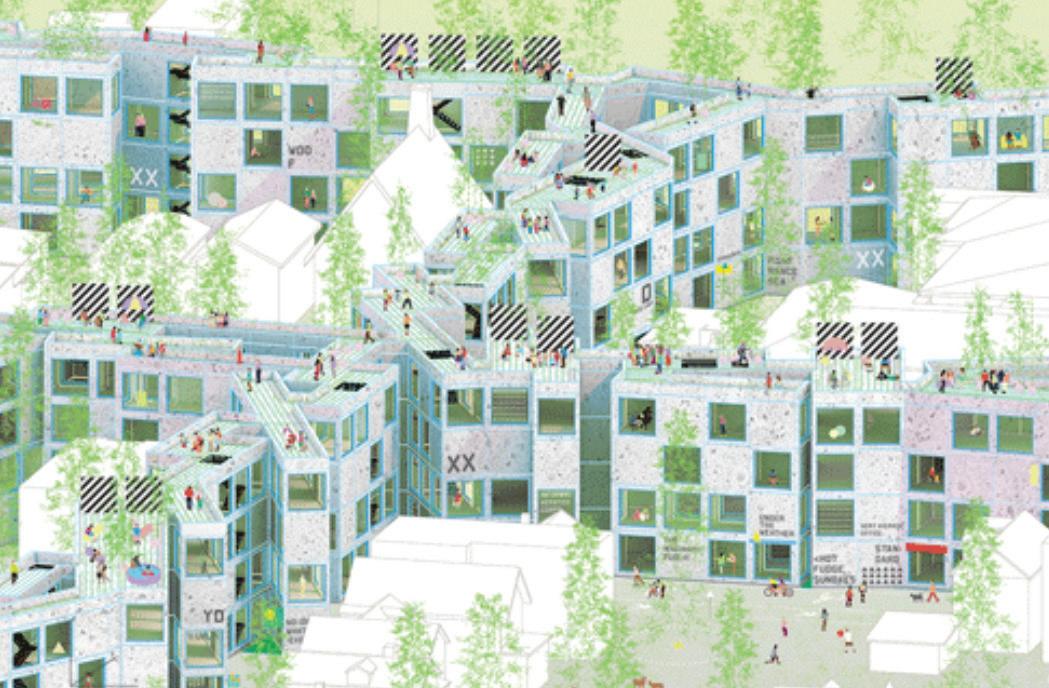
The axonometric drawing o ers a three-dimensional perspective of elements such as the circulation of the roof, inner courtyards, pedestrian paths, flexible juliet balconies, and more.
The ground floor plan serves as a guide to the spatial organization of the project with elements such as pedestrian paths, entry ways, programs, etc.



Fall 2024




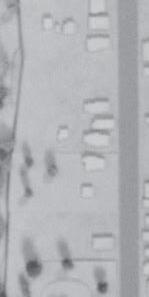
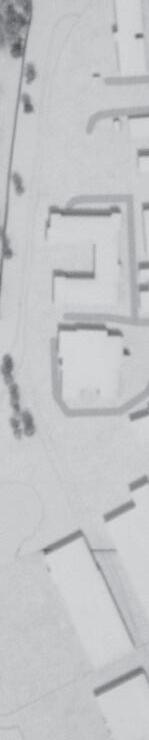
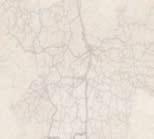
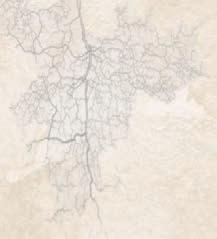
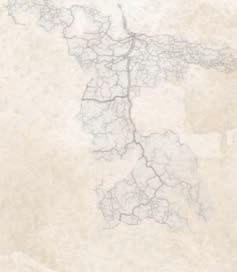
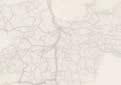
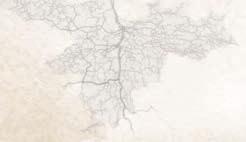
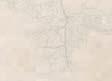
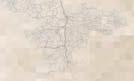
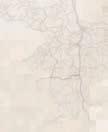
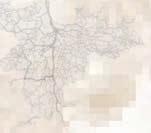
This studio, explored the dichotomy between architecture and urban design. Our site was located in North Minneapolis in an industrial area in need of revitalization to better serve the people who lived there. We began with various in-depth mapping analysis to get a deeper understanding of the site’s historical context. This approach allowed for a more context driven and human centered design.











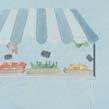




































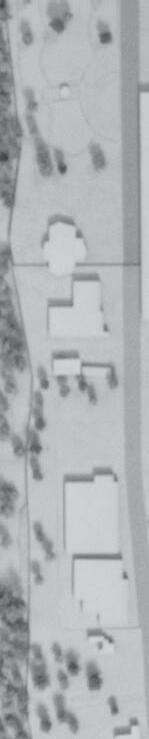
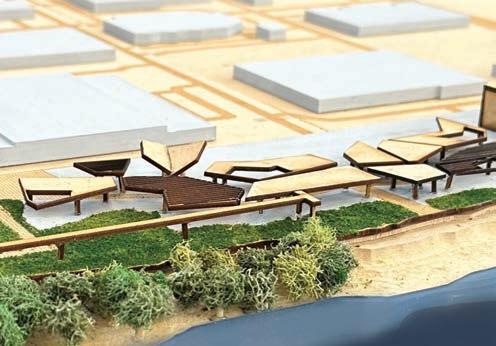
The pavilions act as a space for local vendors to sell their products while also inviting people




































community to relax and strengthen their connection to the Mississippi riverfront




















































Bedding



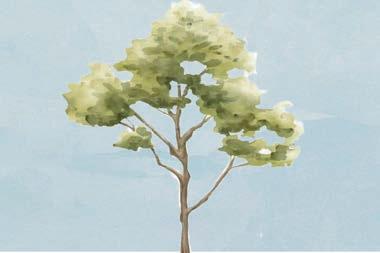
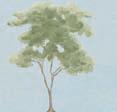
To mitigate run-o into the Mississippi River, two pedestrian walkways leading to the site from the Hawthrone neighborhood were implemented Various rain water management systems such as tree pits, previous paving, and bioswales are incorporated along these walkways.









At the site, a green roof with a channel into a bioswale was introduced. Additionally, each pavilion was slightly sloped inward towards the walking path to allow for rainwater to be funneled and filtered one last time before making its way to the river.

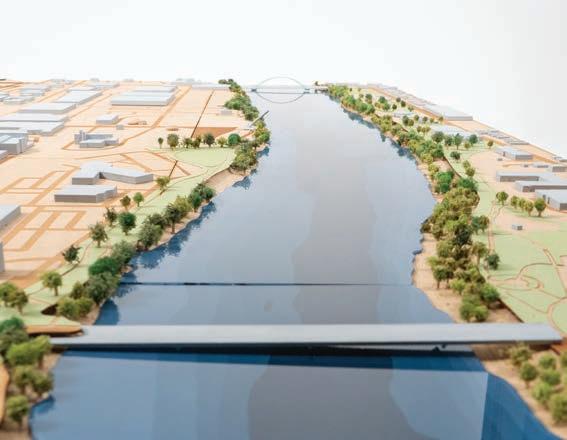




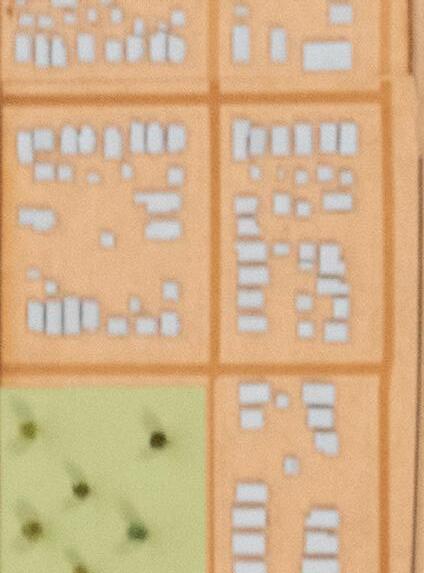
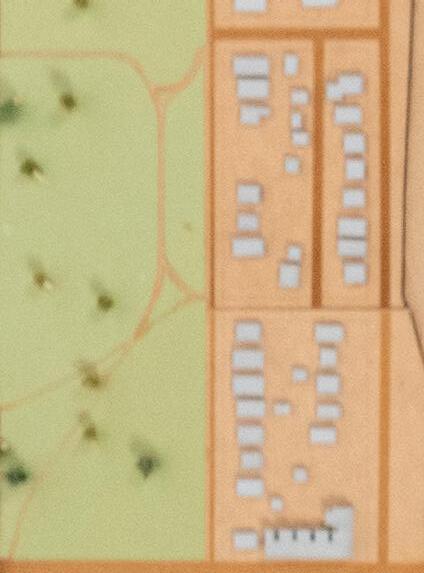
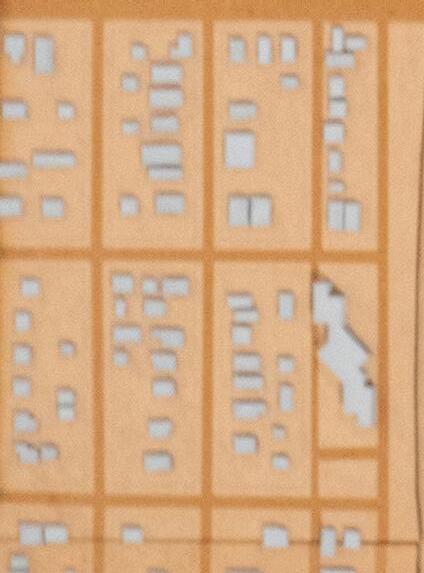
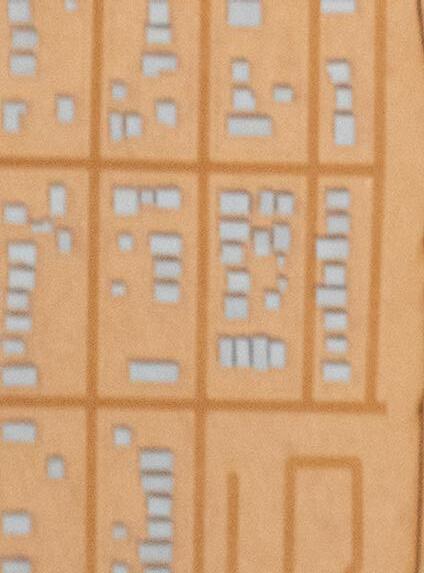
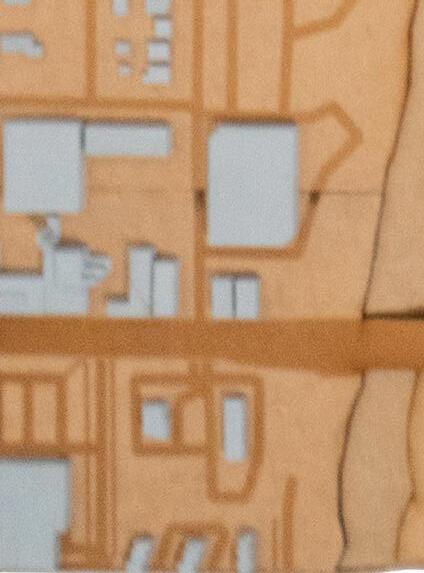
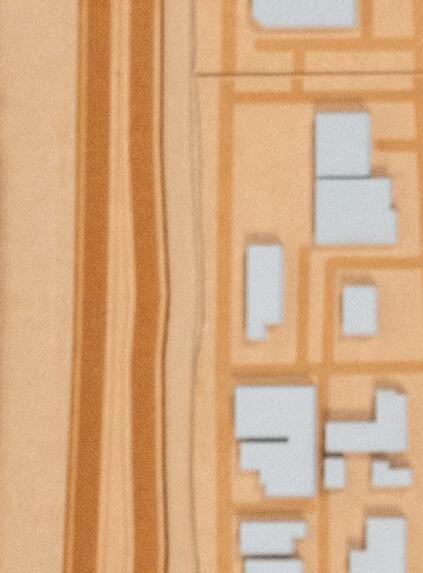
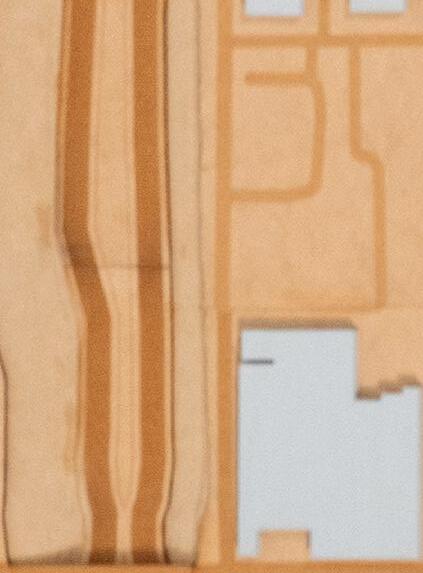

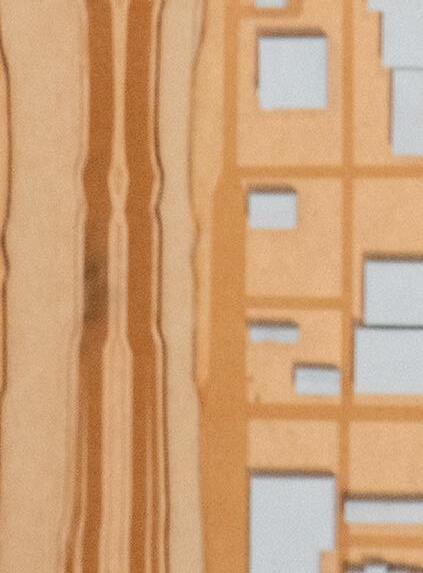
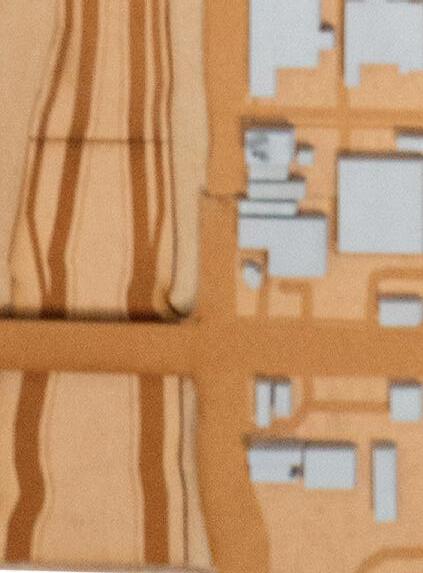
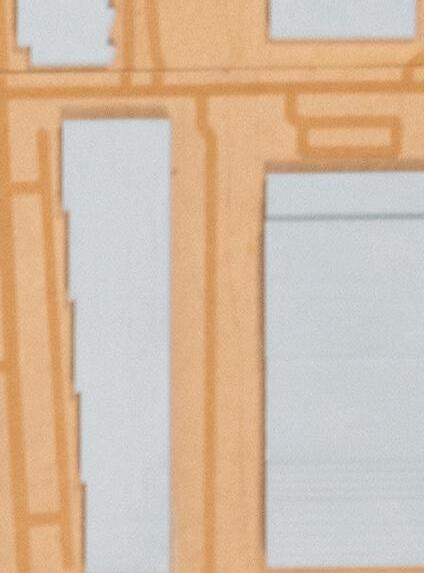
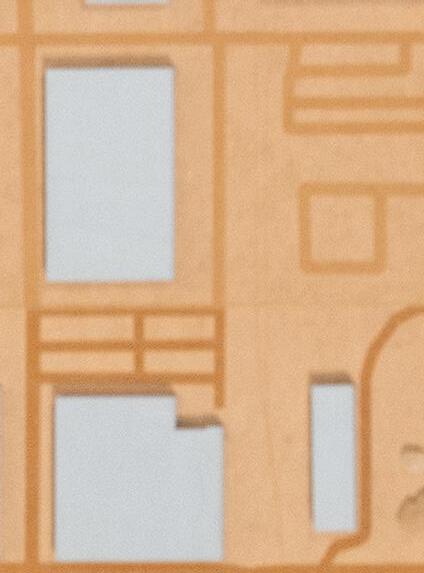

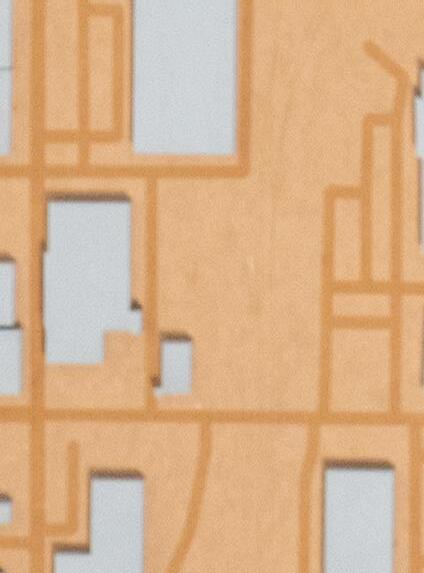
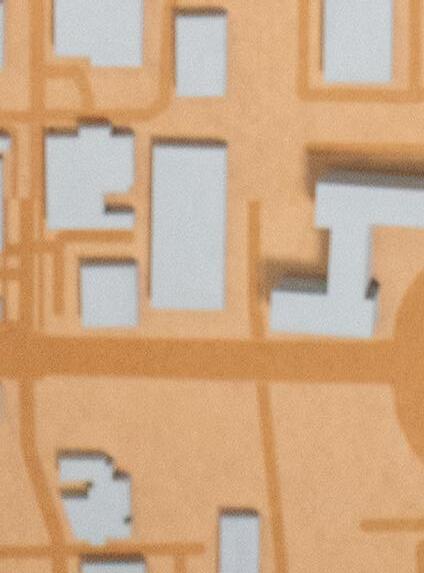
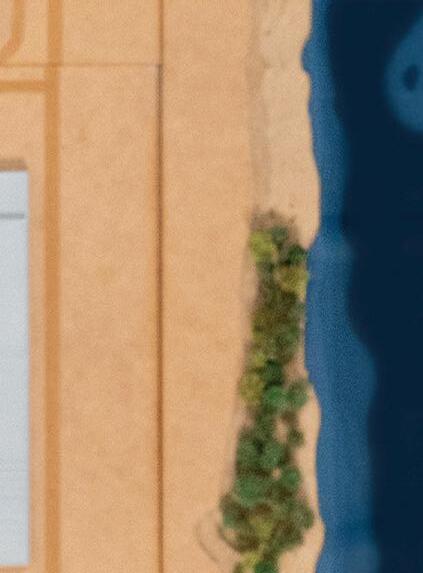
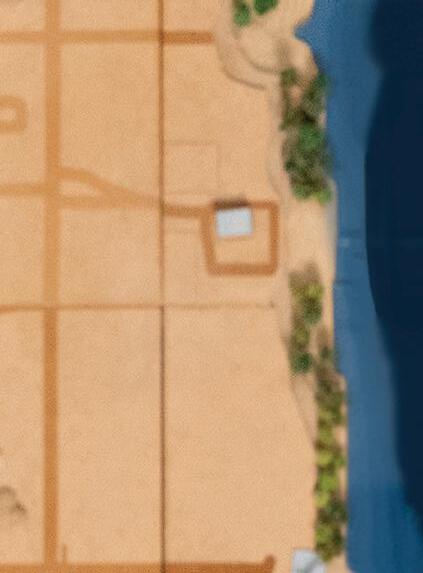
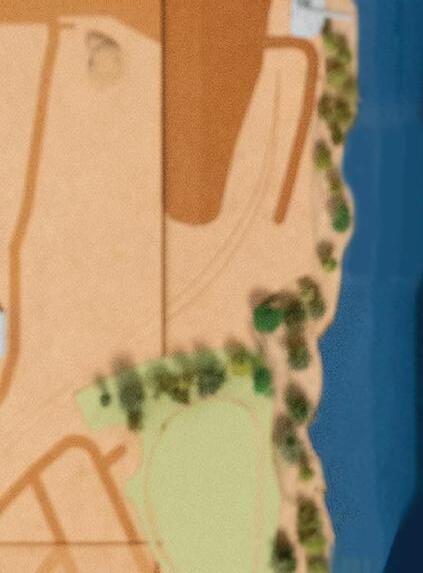
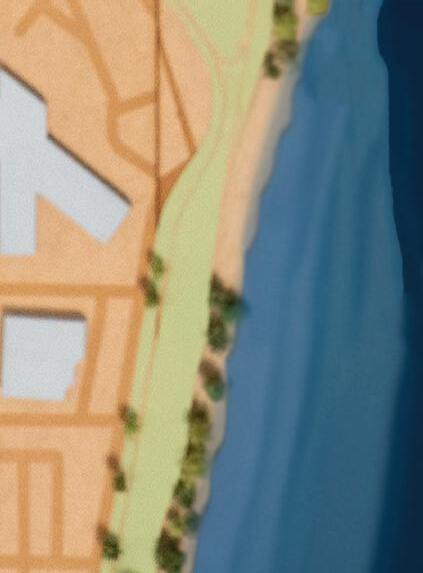
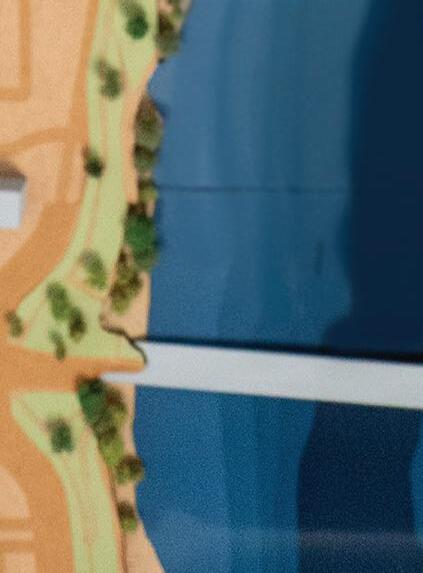
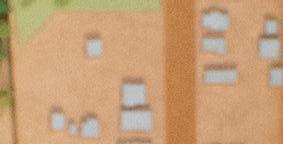
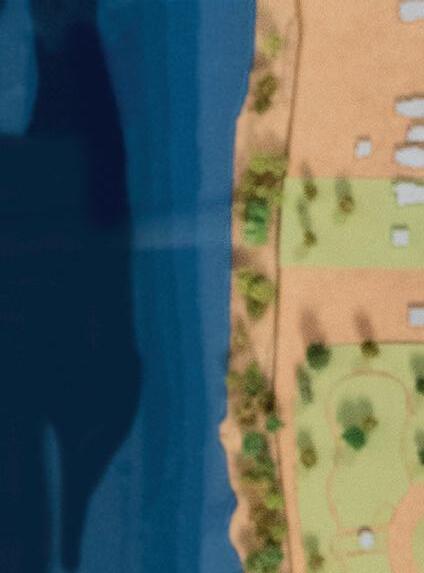
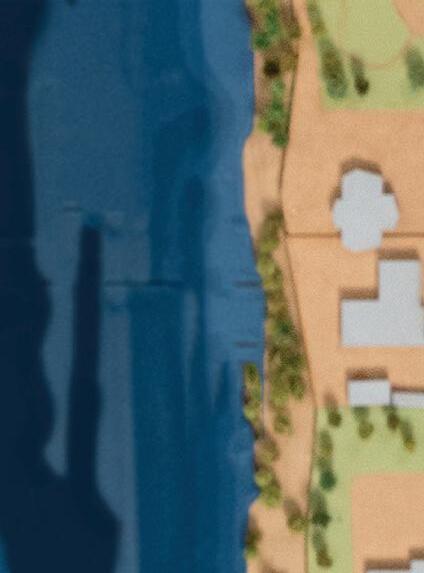
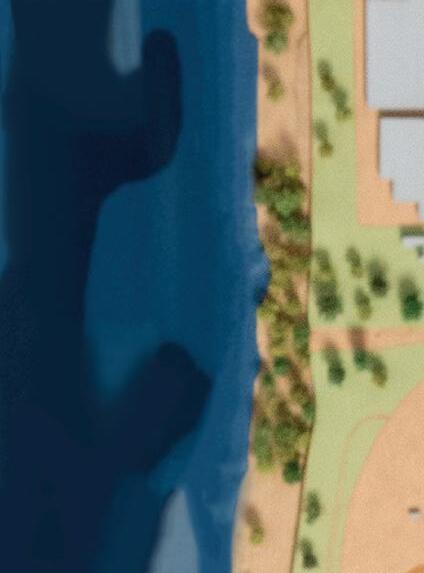
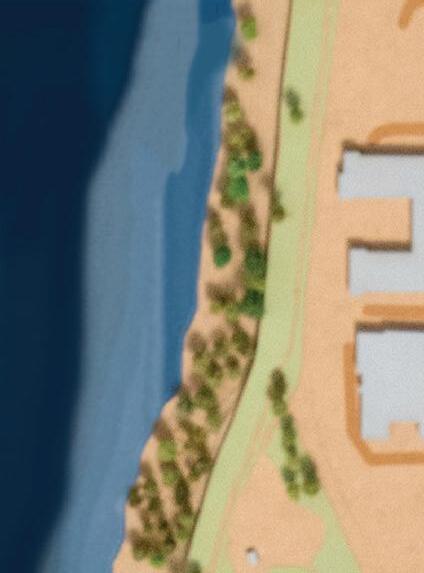
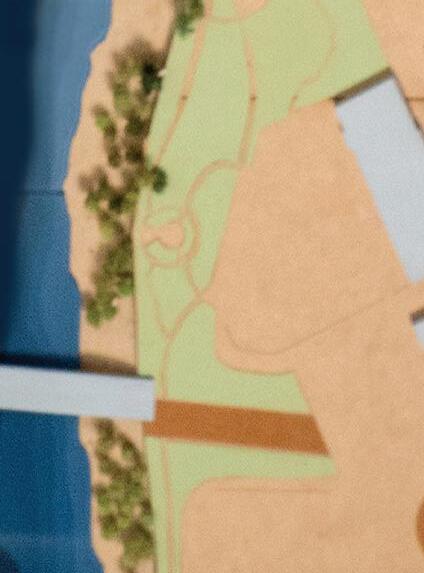

A 4’ x 6’ physical model of our site and surrounding area created by me and the rest of my

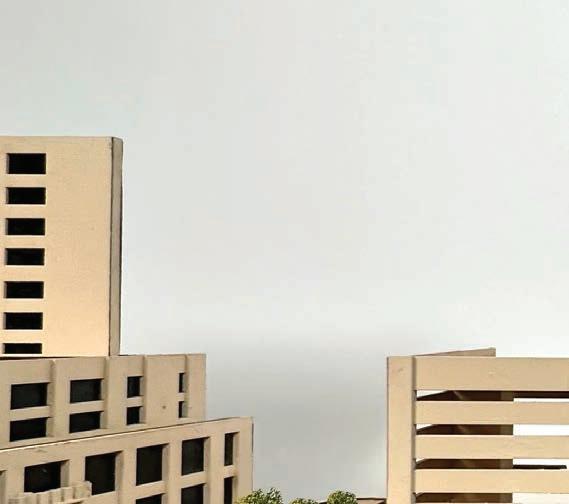
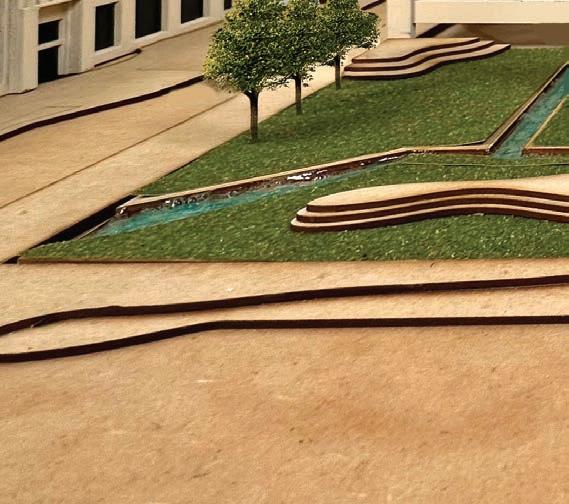

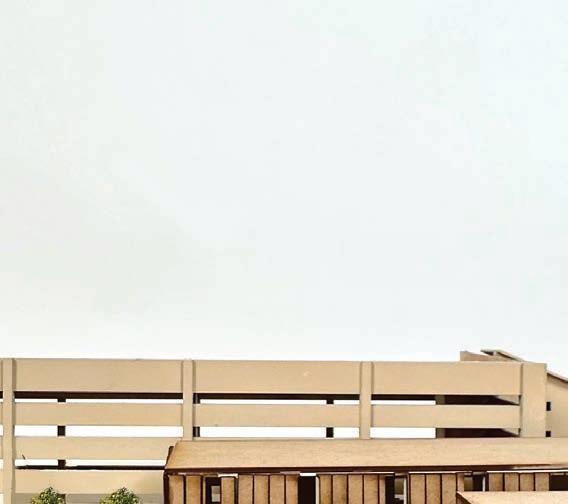
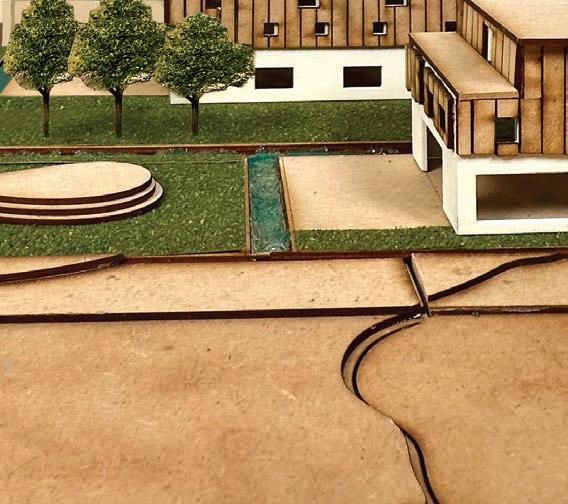


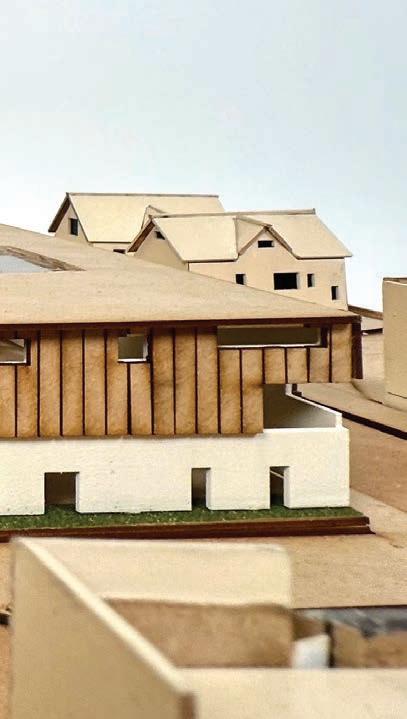
The objective of this project was to develop a design for a mixed use, multi story building in response to the research and observations we made of the Lake Street site. We were tasked to explore ideas of nestedness, form, materiality, programmatic organization, and most importantly, site.
I was passionate in creating a resource center to aid people struggling with drug addiction. The idea of shedding light on the topic of addiction was a big driving factor for my design.
This model served as a dynamic canvas, inviting individuals to envision and place their own building within the context of Lake Street.
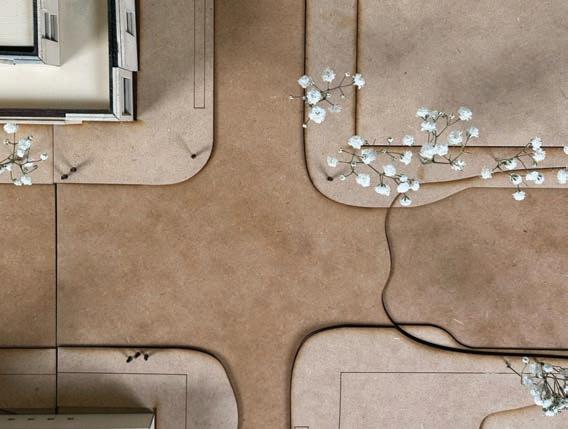
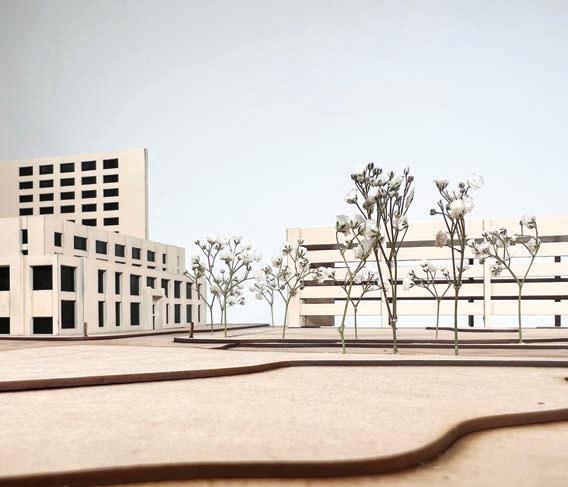
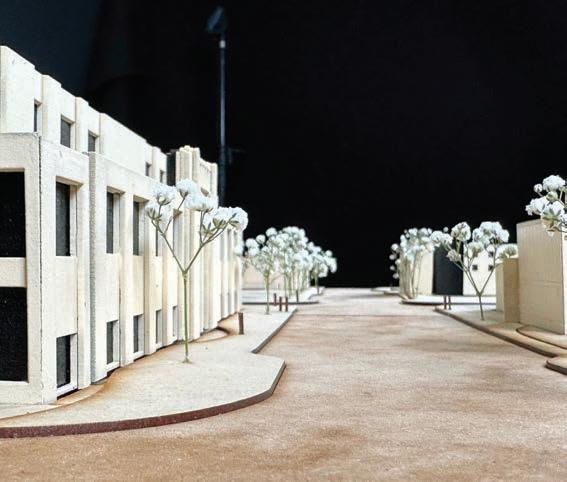
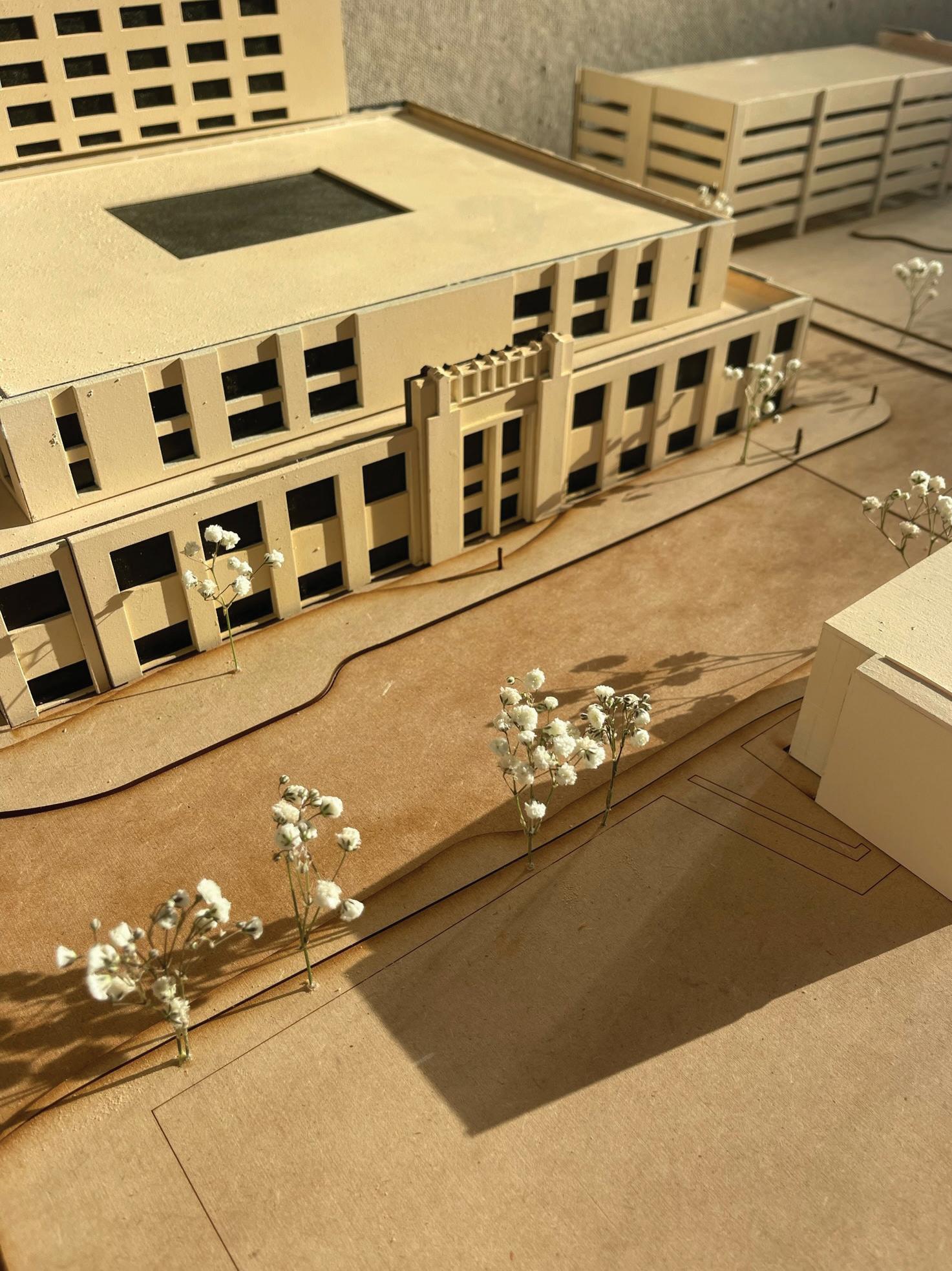
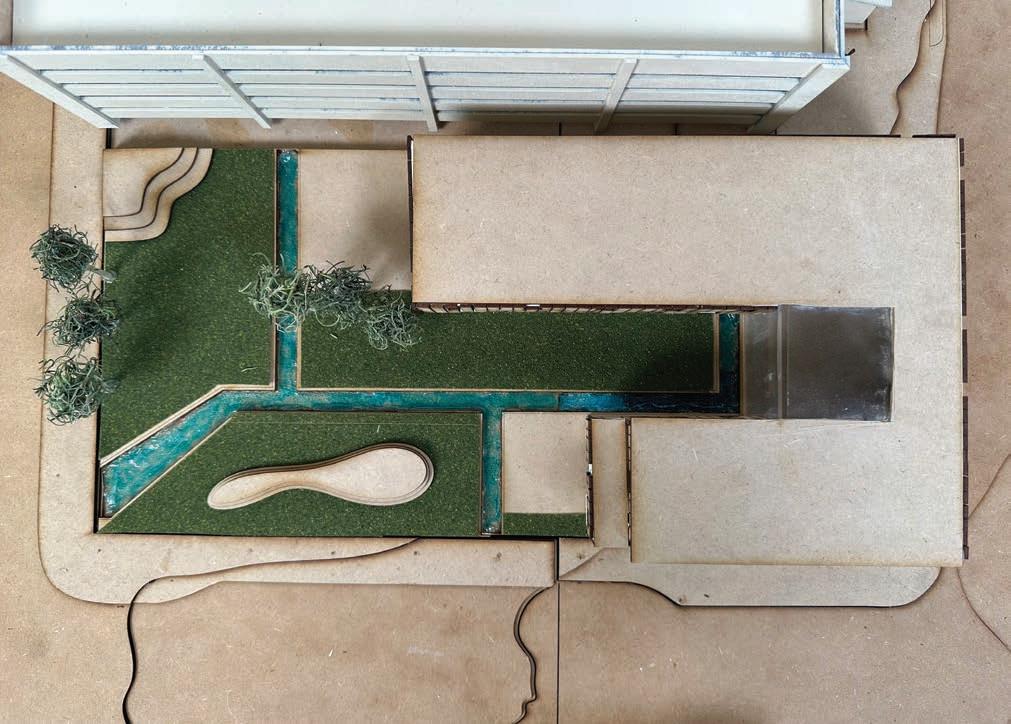
This design prioritizes support, accessibility, and a sense of progression through spatial organization. The and foster connections. The basement level provides more private spaces, including medical care services
Floor 1 1/16” = 1’
The ground floor has amenities such as a cafe and many seating areas to be inviting to the public services and safe injection rooms.

































The two sections and basement level floor plan are indicative of how light is delivered to the safe injection









injection rooms through sky lights placed under a portion of the reflection pool.

Spring 2024
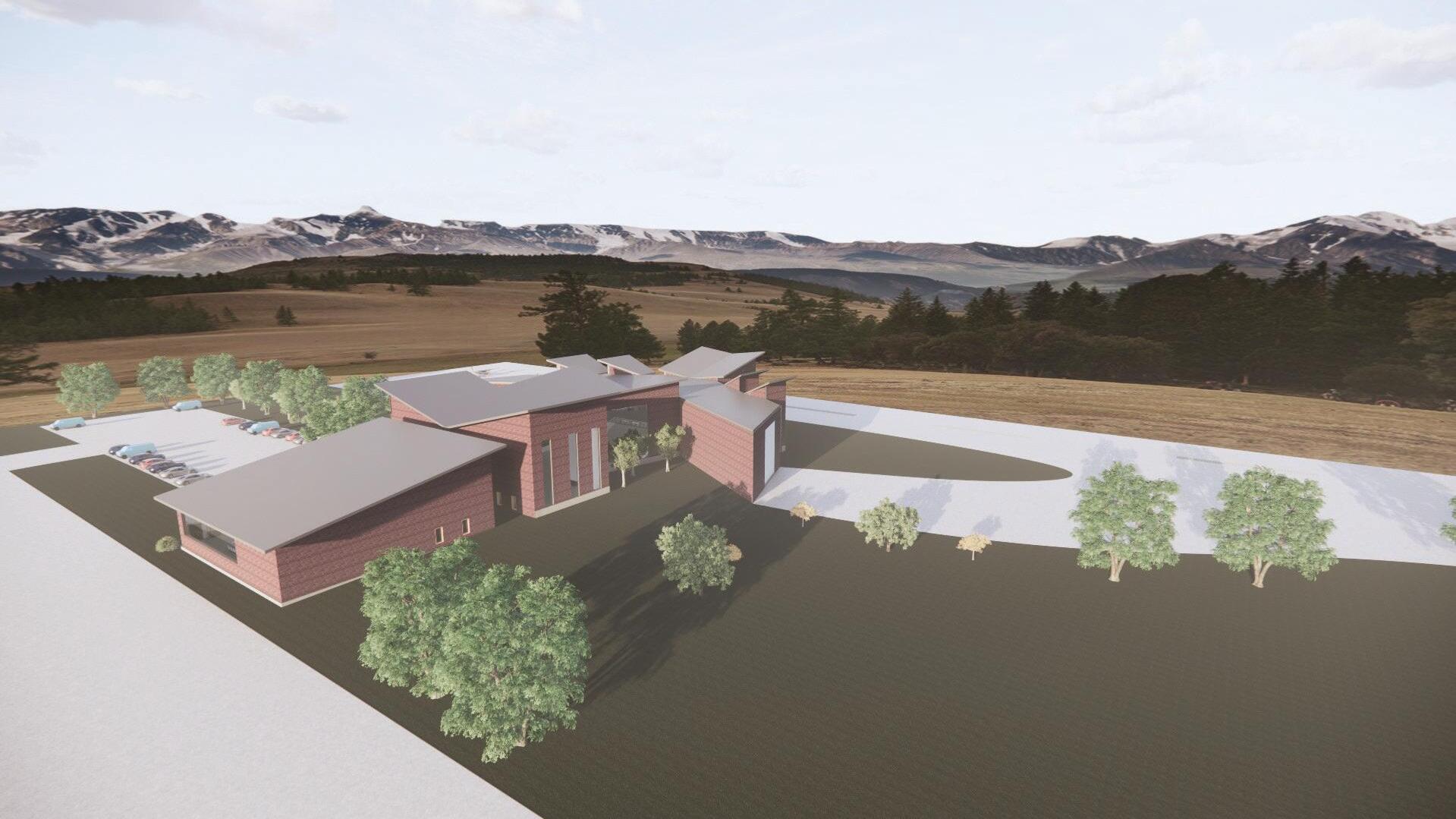
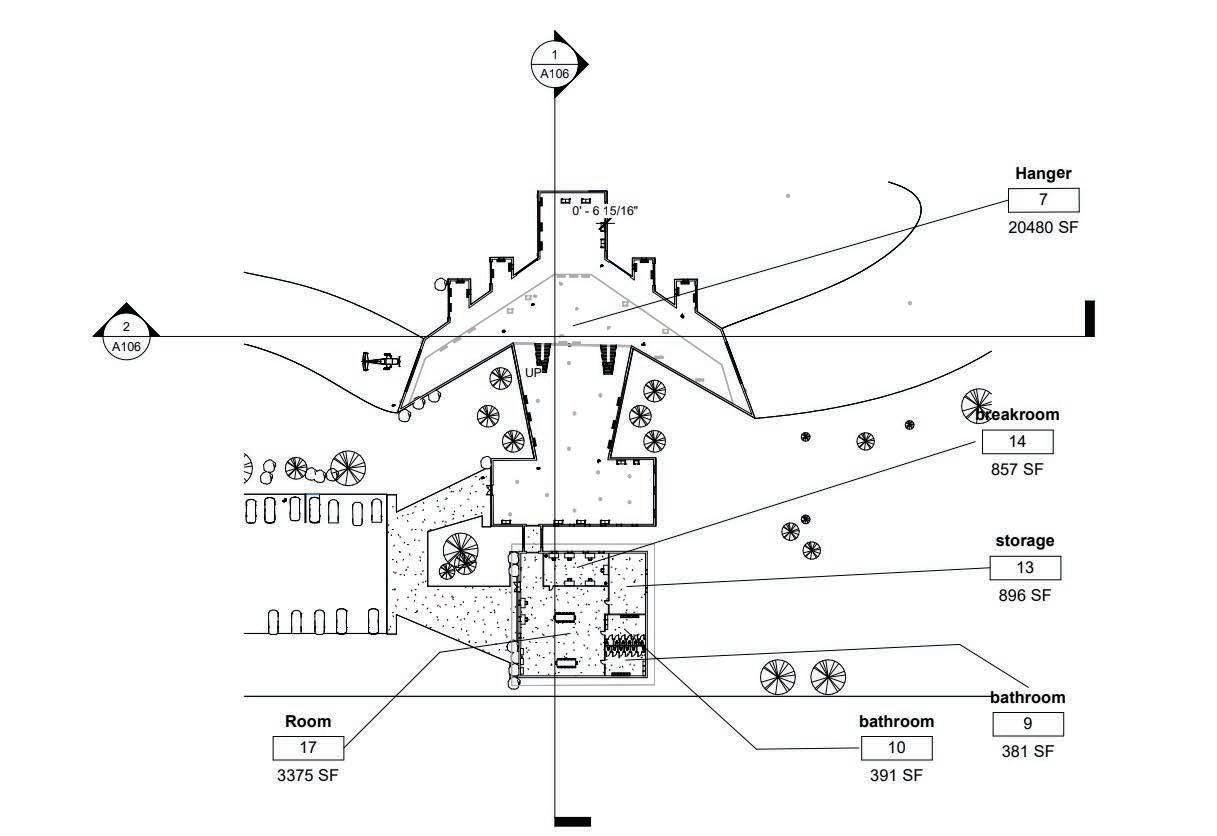
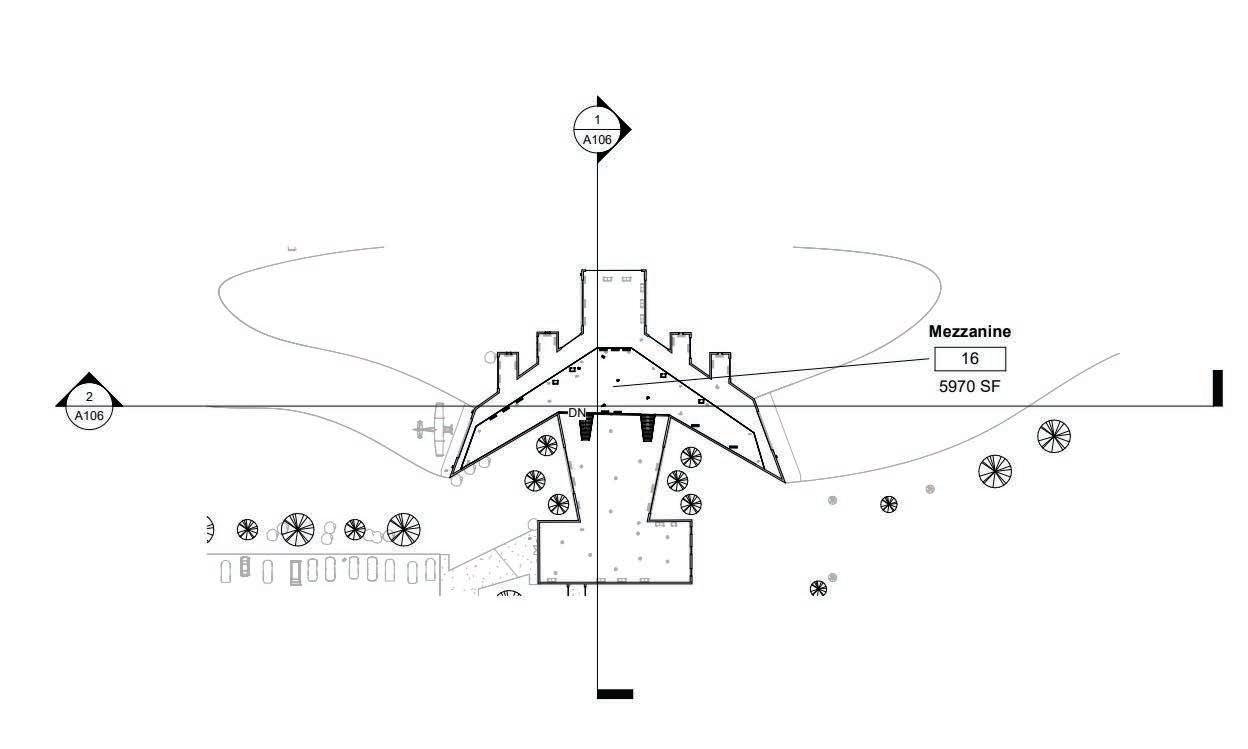
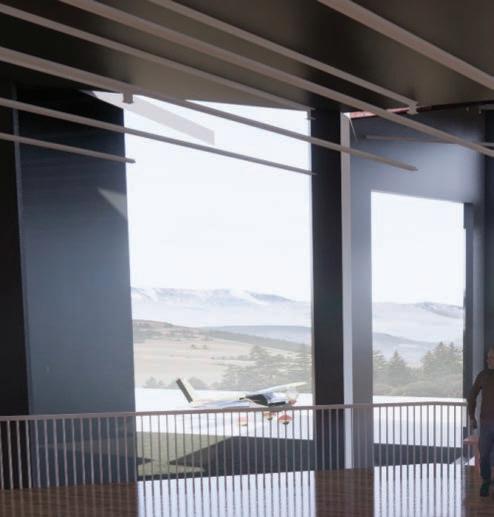
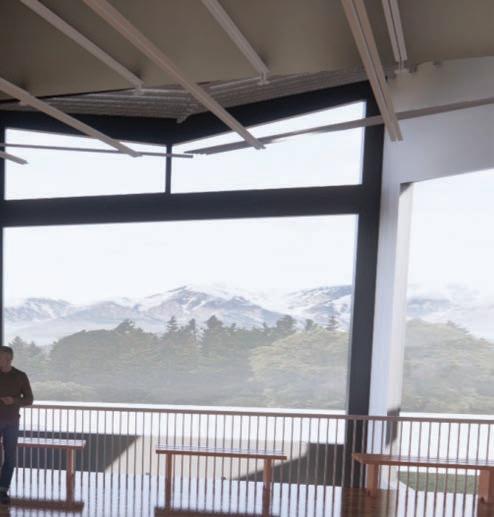
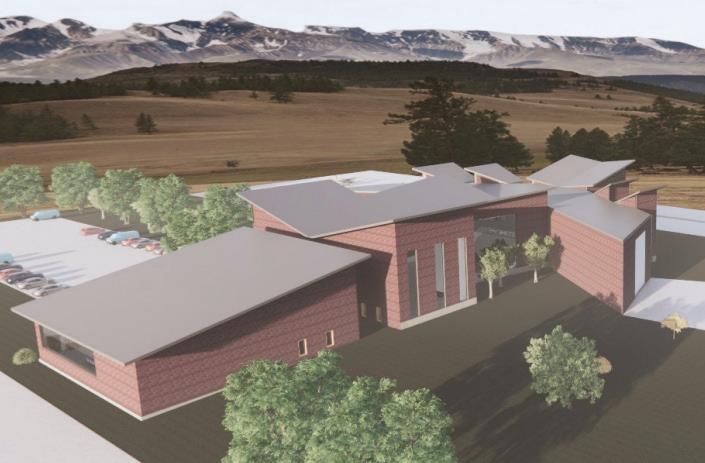
During this class, we learned about Building Information Modeling (BIM) and were introduced to Revit as a design tool. For this project, we were tasked in designing an airplane hanger. I took inspiration from the structure and form of an actual airplane, incorporating angled roof lines and an e cient layout.

Spring 2025
This studio was an exploration of how our personal stories and backgrounds shape the spaces we create. Architecture is not just about the aesthetic qualities or the functionality of the building, but about creating a space where everyone, no matter who they are, can feel welcomed in the space.
Section drawing depicting the various programs of the building.



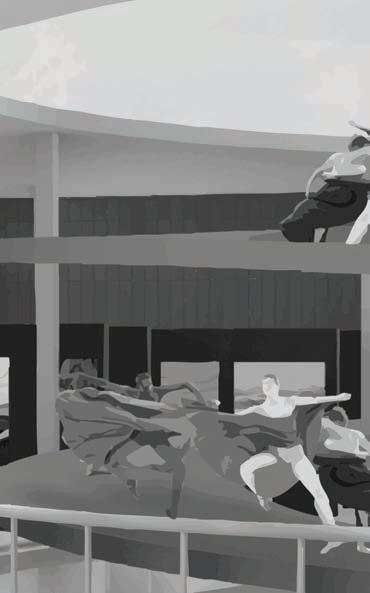
A spiral ramp on the interior of the building served as vertical circulation as well as a non conventional dance space. Another organic element is the curved curtain wall facade on the north end of the site. These are where the dance studios are located and mimic the flow and rhythm of dance.















Creating a variety of vantage points to experience or participate in dance was central to the design. Glass accordion doors along the south facade of the rooftop dance studios allows for an integration between the interior and exterior creating an immersive experience.
The curved glass curtain wall further emphasizes the call for flow and motion throughout the space. It’s undulating building’s edge with moments of colored translucent glazing cast vibrant hues unto the studio. From the exterior, these flashes of warm colors and curved bounds draws visitors toward the space.





































Crucial elements were the curved ramps as a means for circulation but also as a stage for performances.