INVESTIMENTI
SUSTAINABILITY REPORT 2024
(Translation from the Italian original which remains the definitive version).
1.1.4
1.1.5
2.5
2.5.1
2.5.2
2.5.3
3.6
3.7
3.7.1
Letter to the Stakeholders
Dear readers,
Steel industry challenges in 2024 are not dissimilar to those faced in 2023: the shortage of ferrous scrap (a strategic material in terms of decarbonisation) and non-competitive natural gas and electricity prices have impacted finished product exports, leading to tough competition in the domestic market and on the margins of the steel industry.
Among the factors driving the steel market both on a domestic and European level are the significant ongoing geopolitical uncertainties: from the continuing war in Ukraine to the outbreak of war in the Middle East, as well as the disruption to the global economy caused by American protectionist trade policies.
On top of this background, there's also regulatory uncertainty around sustainability issues, which have been a real challenge in recent years for the steel industry where the Group operates. But the pending harmonisation of sustainability and competitiveness regulations isn't slowing down the Group's ESG efforts.
In such a scenario, despite achieving a negative result, the Siderurgica Investimenti Group maintained the equity strength that sets it apart and confirmed its market share, as well as its standing among the leaders in the industry and as a benchmark for its stakeholders.
Our commitment and focus on sustainability issues are enhanced this year with this Sustainability Report. The 2024 edition, prepared in accordance with GRI Standards, indeed looks to the future, being the first step towards compliance with the Corporate Sustainability Reporting Directive (CSRD). This means that we can now talk about the first Siderurgica Investimenti Group's Sustainability Report, where the reporting scope has been widened compared to the previous four years to include all companies controlled by the holding Siderurgica Investimenti. Moreover, the first Double Materiality Assessment year was carried out, meaning that the impacts generated by business operations are supplemented by the risks and opportunities that environmental, social and governance issues generate or may generate for the Group.
This process, which was carried out in the first half of 2025, is intended to draw new inspiration from the structured identification of Impacts, Risks and Opportunities (IRO) characterizing our market. As an ongoing evolutionary process, the Group intends to progressively align its business strategies with these results, thus reflecting its increasing awareness of the ecosystem in which it now operates.
In reaffirming the key role played by our people and renewing our commitment to their development, we have launched a major cultural growth project based on respect. With this in mind, a new management system for gender equality is being implemented, aimed at obtaining UNI PdR 125:2022 certification, thus confirming our ongoing commitment to developing an increasingly fair and inclusive working environment, in full harmony with the founding values of our Code of Ethics.
In light of the scenario described above, our Group's guiding principle remains the constant pursuit of maximum efficiency and competitiveness, driven by significant investments (over 170 million euros in four years), ongoing improvements and steady teamwork.
This guideline allows us to implement a consistent approach aimed at continuously improving ESG performance, including:
- our carbon footprint, benefiting this year from the purchase of GOs (Guarantees of Origin);
- energy performance, through the implementation of energy efficiency measures in produc tion processes and related auxiliary services;
- waste generated, enhanced by the Zero Waste policy;
- injury rates, as a result of investments in prevention and continuous training for all staff;
- the training of maintenance experts through the IFTS Alfa Academy.
Being aware of the importance of our role as a company, we would like to thank first and foremost the women and men of Siderurgica Investimenti Group who, with commitment and passion, actively contribute to increasing the company's competitiveness and sustainable development, while creating value for our customers, the community in which we operate and all our stakeholders.
Ettore Lonati Chairman

Stabiumi CEO

Amato
Methodological Note
The 2024 Sustainability Report (hereinafter also referred to as the ‘Sustainability Report’ or ‘Report’) of the Siderurgica Investimenti Group (hereinafter also referred to as the “Group” or the “Organisation”) is the first one produced by the Group. It highlights the Organisation’s performance and initiatives in the areas of Environment, Social and Governance (ESG).
In the previous four years, sustainability reporting covered only the operating companies controlled by Alfa Acciai S.p.A. In the 2024 release, the scope of reporting has been extended to include all companies in the Siderurgica Investimenti Group.
The aim of this report is to provide stakeholders with a clear, comprehensive and transparent overview of corporate strategies, operations, overall performance and results achieved, as part of a sustainable economic development framework.
This Report is issued yearly on a voluntary basis, in line with the Sustainability Reporting Standards published by the Global Reporting Initiative – GRI 2021, according to the latest release effective as of 1 January 2023, and applying the “with reference to” reporting option. These Standards are currently the most widely recognised international reference for sustainability reporting.
In accordance with the GRI Standards, for easy reference, the GRI Content Index is available on pages 89-92, making it simpler to identify the content reported in accordance with the agreed standards.
All information provided in this Sustainability Report reflects the principle of materiality, a key element of the GRI Standards, and is based on an analysis of the most significant impacts generated by the Group on the economy, people, human rights and the environment.
In the new reporting process, aimed at expanding disclosure, the Group recognised the importance of dialogue with key stakeholders and the value of their opinions in order to identify the Group's main impacts, as illustrated in the subsection 1.2 ‘Stakeholders and double materiality assessment: impacts, risks and opportunities’. In this view, the contributions of key internal and external stakeholders have been taken into account by engaging in ongoing, structured dialogue on ESG issues.
Since the entry into force of Directive 2022/2464/EU (Corporate Sustainability Reporting Directive – CSRD), transposed in Italy by Legislative Decree No. 125/2024, the Group has started a process of progressive alignment with the European Sustainability Reporting Standards (ESRS), thereby anticipating potential future regulatory requirements and strengthening the transparency of its own sustainability practices. Indeed, Directive (EU) 2025/794, known as “Stop the Clock”, transposed in Italy by Law No. 118 of 8 August 2025 which amended Legislative Decree No. 125/2024, postponed the entry into force of certain CSRD mandatory requirements, thus deferring the application of the legislation also for the Group by two years.
The materiality analysis has therefore been extended to include, in addition to the “inside-out” perspective (impact materiality), which considers the effects generated by the
GRI 2-1, GRI 2-2, GRI 2-3, GRI 2-4, GRI 2-5
company on the environment, the economy and people along the entire value chain, the ‘outside-in’ approach (financial materiality), which assesses risks and opportunities that could influence economic performance, cash flows and corporate reputation in the short, medium and long term.
This comprehensive approach allows the Group to develop a holistic view of its sustainability.
Last but not least, the Group has identified the Sustainable Development Goals (SDGs) of the United Nations 2030 Agenda, which it supports by its own activities.
Reporting period and scope
The period covered by this Sustainability Report coincides with the financial year 2024 , i.e. from 1 January to 31 December 2024 , and the data reported refer to the three-year period 2022-2024, in order to ensure comparability. The scope of this Report includes the holding Siderurgica Investimenti S.r.l., with registered office at 8 Via G. Verdi, Bedizzole (BS), and its direct and indirect subsidiaries:
• A.L.F.A. S.p.A. (Brescia);
• Alfa Acciai S.p.A. (Brescia);
• Acciaierie di Sicilia S.p.A. (Catania);
• Tecnofil S.r.l. (Gottolengo, BS)1 ;
• Ferro Berica S.r.l. (Vicenza) (hereinafter "Ferroberica");
• Alfa Derivati S.r.l. (Brescia);
• Alfa San Polo S.r.l. (Brescia);
• Alfa Montirone S.r.l. (Brescia);
• Le Madonie Investimenti S.r.l. (Palermo);
• Servizi Energetici Industriali S.r.l. (Catania);
• SI Energy S.r.l. (Palermo).
Data collection and validation
Information was collected by the Group's environmental, social and governance representatives, in collaboration with all the Group's main operational departments and with the technical and methodological support of a leading consulting firm. All data reported is from an internal source and can be verified through the documentation kept on file.
This report has been subject to a limited assurance engagement in accordance with ISAE 3000 (Revised) by KPMG S.p.A. The audit was conducted in accordance with the procedures set out in the Independent Audit Firm's Report included herein. This audit comprised a review of compliance with the requirements of the GRI Standards and, consequently, excluded an analysis of Financial Materiality (an ‘outside-in’ approach). Other reporting standards or indicators other than the GRI Standards were not included in the limited audit.
This Sustainability Report was approved by the holding Siderurgica Investimenti on 20 October 2025.
1) SIt should be noted that on 17 April 2025, following a resolution by the extraordinary shareholders' meeting, Tecnofil S.r.l. changed its legal form from a joint-stock company to a limited liability company.
Reporting principles
The following principles were taken into account in defining and presenting the contents of the Sustainability Report:
Accuracy: the information reported must be accurate and sufficiently detailed to enable stakeholders to assess the impacts of the Organisation.
Balance: information must be reported impartially, providing a fair and balanced representation of both negative and positive impacts, allowing for a considered assessment thereof. Reporting should avoid selection, omission or presentation formats that could unduly or improperly influence the decision or judgement of the reader.
Clarity: the Organisation shall make data available in a manner that is understandable and accessible to stakeholders, using tools that allow information to be found without undue effort, avoiding the use of technical terms or abbreviations without adequate explanation.
Comparability: the Organisation shall select, collect and report information in a consistent manner. This information shall be presented in such a way as to enable stakeholders to analyse the evolution of the Organisation's impacts over time and underpin comparisons with other organisations.
Completeness: the report shall address material topics and their scope in sufficient detail to reflect the impacts on the economy, the environment and people, including human rights, in order to enable stakeholders to assess them over the reporting period.
Sustainability context: the report shall clearly present the Organisation's impacts within the overall sustainability scenario, highlighting how it contributes – or intends to contribute in the future – to the improvement or, conversely, the deterioration of economic, environmental and social conditions, as well as developments and trends at local, regional or global level.
Timeliness: the Organisation shall publish the report periodically so that the data is available in time to enable stakeholders to make informed decisions.
Verifiability: the Organisation shall collect, record, process, analyse and present information, together with the processes used to prepare the report, in such a way as to make it auditable and allow its quality and relevance to be assessed.
Contact
For any clarifications or further information regarding this document, please contact: infobds@alfaacciai.it
SIDERURGICA INVESTIMENTI
General information
1.1 Siderurgica Investimenti Group’s identity and profile
GRI 2-1
The Siderurgica Investimenti Group has been one of Europe’s leading manufacturers of reinforcing steel and wire rod for 70 years, with an overall annual production capacity of 2.5 million tonnes. It is a benchmark in terms of cutting-edge technology, mindful of employees and the environmental awareness throughout the entire steel supply chain.
The Siderurgica Investimenti holding, which belongs to the Stabiumi and Lonati families, has control over all the companies in the Group, the main features of which are a high level of knowhow, outstanding industrial flexibility and utmost operational efficiency both upstream and downstream of the melting process, backed by a sound equity and financial structure. As a result of
these strengths, the Group successfully faces the continuous changes in the national and international steel market and the increasing awareness of environmental and social issues, while maintaining the highest level of commitment that the Siderurgica Investimenti Group has always placed on employees and customers.
Operating companies are shown in red, real estate and special purpose companies in grey, and holding companies in white. For further details, please refer to Chapter 4 ‘Governance information’.
1.1.1 Siderurgica
Investimenti Group’s background
A Brescia la società “Acciaierie Laminatoi Fonderie Affini S.r.l.”, the original name from which the current acronym ‘ALFA’ derives, started its activity in Brescia, focusing entirely on steel production and rolling, through ongoing technological upgrading.
Mitigation of the environmental impact of the plant, through both the installation of state-of-the-art EAF off-gas dedusting systems and also sound-proofing of the main production processes.
The Downstream Production Unit comes into being for the production of welded mesh and drawn wire.
Siderurgica Investimenti holding is established with the transfer of Stabiumi and Lonati families’ stake. In the same year, Alfa Acciai takes over Vicenza-based Ferroberica, thus enabling the company to upgrade all its cold processes, including the pre-shaping and assembling of reinforcing steel, sectors in which it is now a leader in Europe.
Alfa Acciai takes over Catania-based Acciaierie di Sicilia, the only steel mill in the heart of the Mediterranean Sea, for the production of rebar and spool coils.
In agreement with the Brescia Town Council, Alfa Acciai develops the ‘Alfa 2000’ plan to further mitigate the environmental impact of the plant on the surroundings.
Inauguration in Brescia of the third rolling mill to add spooled coils in the production range.
With a view to minimising the environmental impact of its production cycle, Alfa Acciai begins production of Alfa Sinstone®, an aggregate obtained from the recovery of steel mill slag for use in civil engineering works and road construction.
2016
Alfa Acciai takes over in Brescia the industrial site of Montirone and Tecnofil, one of the major drawing mills with galvanising plant in Europe, and soon rationalizes the wire types (galvanized, alu-zinc and bright wire).
The Montirone site is getting ready to host a new Alfa Derivati department for the production of recoiled wire and a hyper-technological Ferroberica plant, joining those in Vicenza, Catania and Sedegliano (UD).
Alfa Acciai sets out the feasibility of an innovative and efficient system for recovering thermal waste from the steel plant. This project will lead between 2023 and 2024 to the implementation of the Alfa Heat Recovery industrial project that feeds the city district heating system managed by A2A, Italy's largest multi-utility company.
Publication of the Alfa Acciai Group’s first Sustainability Report.
Ferroberica’s 50th anniversary with the development of a product EPD for this company as well, downstream of the Alfa Acciai’s and Acciaierie di Sicilia’s melting process and the definition of a Group-wide Organisational Carbon Footprint.
70th anniversary of Alfa Acciai’s foundation. The Group’s range of artificial aggregates is now complemented by the production of Gripstone® at Alfa Acciai and Sicilystone at Acciaierie di Sicilia. Opening of Ferroberica’s second production unit in Catania.
1.1.2 The Group’s structure and value chain
GRI 2-1, GRI 2-6, GRI 2-23
Siderurgica Investimenti Group comprises a number of well-established companies specialising in various areas of steel production, located in the north and south of Italy, guaranteeing products and services that qualify the Group as an ideal business partner in terms of quality and reliability.
Below is an overview of the Group operating companies:
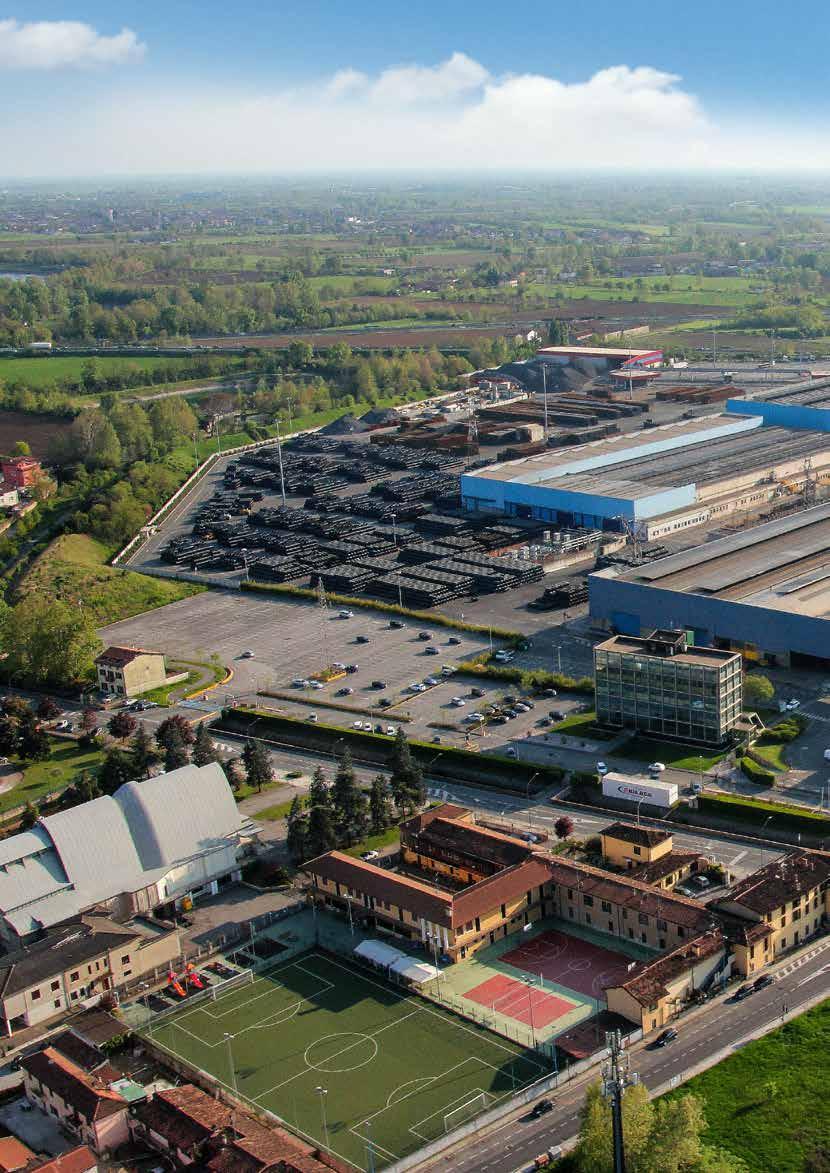
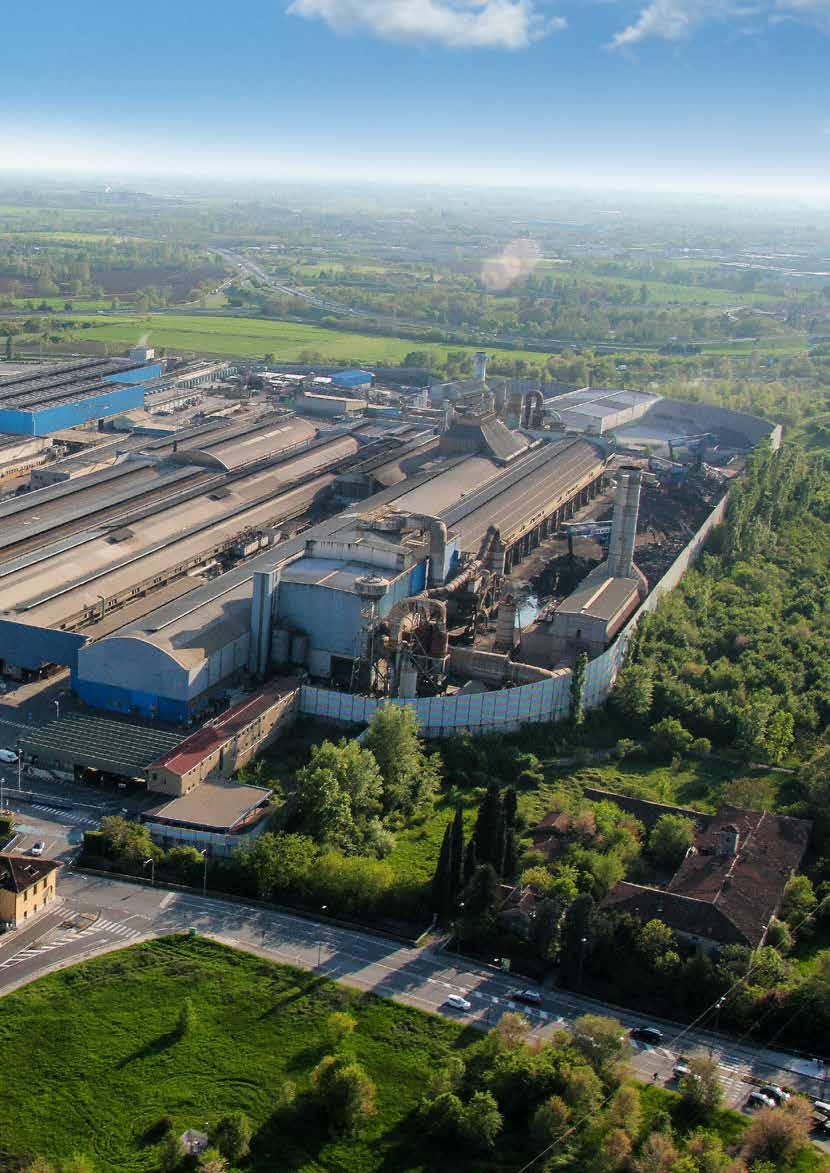
Since it was established in the 1950s, Alfa Acciai is headquartered in San Polo, in the municipality of Brescia. Linked to major road infrastructure, over the years it has become one of Italy's largest EAF-steel production sites.
The plant comprises two electric-arc furnaces (EAFs), two ladle furnaces (LFs) and two continuous-casting machines, each with five-strand lines for the production
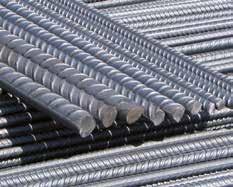
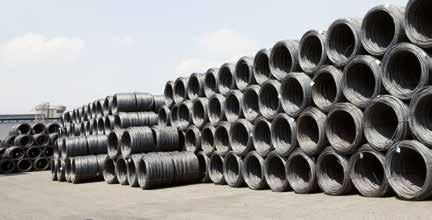
of billets, which are the semi-finished product used in the three hot-rolling mills for the production of rebar and spooled coils for reinforced concrete under the ALFA ACCIAI brand, and wire rod. The steel mill also produces Alfa Sinstone® and Gripstone® aggregates of industrial origin, by-products obtained from the processing of black steel mill slag, that will be dealt with in Chapter 2 “Environmental Information”.
The only steel mill in the heart of the Mediterranean Sea and the Group's strategic point of reference for the southern Italian market and for exports to countries bordering the Mediterranean Sea. The plant is located in the Catania’s industrial area. The company turns out reinforcing steel in bar and coils under the AC-
CIAIERIE DI SICILIA brand. These products are made by electro-fusion of ferrous scrap, followed by hot rolling, which uses a billet hot-charge system to significantly reduce CO2 emissions. With characteristics similar to the Alfa Acciai granulates, Acciaierie di Sicilia produces the Sicilystone aggregate.
Alfa Derivati has two production sites in Brescia, one within the parent’s San Polo-based industrial site and the other in Montirone. It produces, for and under Alfa Acciai’s brand
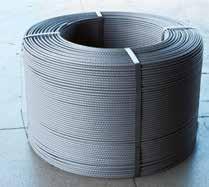
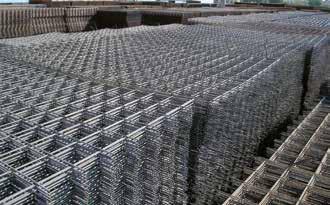
name, high-ductility welded mesh for reinforced concrete and recoiled wire, using Alfa Acciai products only.
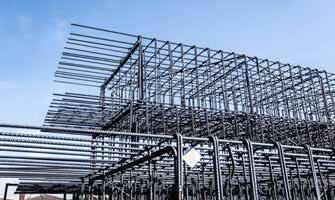
With its registered headquarters and main production facility in Vicenza, Ferroberica is a European leader for cutting and bending and assembling reinforcing steel for concrete for Europe’s main construction companies. The company operates the following production units, which use the Group’s bars and coils, in addition to its headquarters in Vicenza, one in Sedegliano (Udine), one in Montirone (Brescia), and two in Catania. Set up in
1973, Ferroberica has been part of the Alfa Acciai Group for over 30 years and is now a cutting-edge production facility with its latest-generation equipment thanks to its expertise and reliable supplies.
In the domestic market, it relies on loyal production centres located in strategic areas in order to best meet the needs of construction sites.
Tecnofil was established in 1994 in Gottolengo (Brescia) and is currently the drawing mill with the largest galvanising plant in Europe. Since its very beginning it has developed and strengthened its core business in the production of low- and medium- carbon content wire. In 2016, when the company joined the Siderurgica Investimenti Group, it completed the Alfa Acciai’s wire rod downstream production line. Tecnofil is currently equipped with twenty
Siderurgica
Investimenti
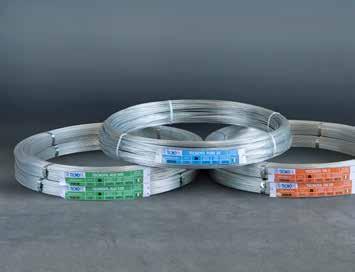
dry-drawing plants and two immersion galvanization systems for the production of steel wire, galvanized wire, alu-zinc wire, bright wire, annealed wire, redrawn wire and skin-passed wire for endless applications. The close cooperation with the Alfa Acciai steel mill and rolling mill has significantly increased its overall production capacity and product range.
Group’s value chain
The Siderurgica Investimenti Group stands out for its presence along the entire steel supply chain, implementing a vertical, integrated and responsible approach that spans both upstream and downstream activities in the value chain. Mapping this chain has enabled the Group to identify, understand and assess the main impacts, risks and opportunities, assigning them to the relevant stages (upstream, core and downstream), as shown in the table in subsection 1.2.
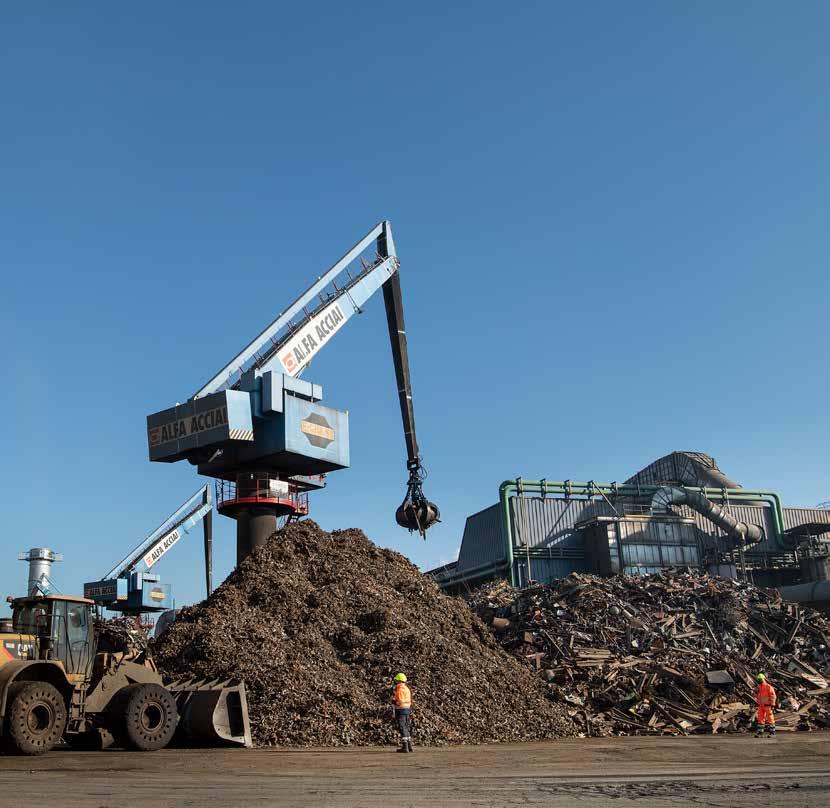
Upstream, the Group mainly sources ferrous scrap and other raw materials, liaising with qualified suppliers and operating in accordance with the principles of fairness, transparency and efficiency as defined in the Code of Ethics. The production activities (core) include melting,
hot rolling for the production of reinforcing steel for concrete and wire rod , followed by cold processing for the manufacture of welded mesh and recoiled wire. Some of these products undergo further processing: drawing and galvanising for wire rod, cutting and bending and assembling for reinforcing steel.
Close attention is paid to the recovery and recycling of production residues through internal and external reuse processes, along with the recovery of thermal energy for Brescia's district heating network.
Downstream, products are delivered by road, rail and sea to the main target industries: construction, mechanical engineering, automotive, household appliances and agriculture.
1) More information about the Group's products is available at www.alfaacciai.it
Charting the value chain of the Siderurgica Investimenti Group
SECOND LIFE
UPSTREAM
PROCUREMENT
Ferrous scrap suppliers
SIDERURGICA INVESTIMENTI
IN-BOUND LOGISTICS AND DISTRIBUTION
Suppliers of other raw and process materials
Road and rail transport
Suppliers of energy
Suppliers of technologies and installations
Suppliers of services
MELTING AND HOT ROLLING
Volumetric reduction of part of the scrap and extraction of non-ferrous material
Alfa Acciai
Acciaierie di Sicilia
EAF melting for the production of billets
Alfa Acciai
Acciaierie di Sicilia
Hot rolling for the production of wire rod and reinforcing steel in bars or coils
Alfa Acciai
Acciaierie di Sicilia
Production waste
Internal recovery of
Recovery of thermal energy
The Group's industrial model fosters the circularity of materials and processes and the recovery of waste, making a tangible contribution to a more sustainable production system.
GROUP’S OPERATIONS
COLD PROCESSING
Production of recoiled wire and welded mesh
Alfa Derivati
Cutting and bending, assembling and laying of reinforcing steel
Ferroberica Drawing and galvanising
Tecnofil
DOWNSTREAM
OUT-BOUND LOGISTICS AND DISTRIBUTION
TARGET SECTORS
Road, rail and sea transport
Construction industry, mechanical engineering, automotive, household appliances and agriculture
Outsourced management of production waste at other circular economies
production waste
from melting processes
Transfer to the Brescia's district heating network
1.1.3 Governance model and business integrity
GRI 2-9, GRI 2-12, GRI 2-13, GRI 2-27, GRI 205-3, GRI 206-1
The holding Siderurgica Investimenti S.r.l. features a governance structure consisting of a Board of Directors (BoD), made up of two co-directors, Amato Stabiumi and Ettore Lonati. To complete the information, the data relating to Alfa Acciai S.p.A., Group's main operating company which controls all the Group companies, is provided below in order to offer an overview of the governance and in-house monitoring.
Alfa Acciai S.p.A. has adopted the so-called ‘traditional’ organisational model, which, as per the Articles of Association, envisages the following corporate bodies:
• Shareholders’ Meeting:
A body with purely deliberative functions, to which the law attributes competence solely over resolutions of major importance for the company's operations, excluding activities of a managerial nature.
• Board of Directors:
A governing body comprising three to thirteen members, vested with broad ordinary and extraordinary powers over the company, with the authority to adopt any and all resolutions and measures deemed necessary or appropriate for the achievement of the company's objectives.
• Board of Statutory Auditors:
A three-member committee appointed to supervise the company's management in accordance with Article 2403 of the Italian Civil Code.
The Shareholders' Meeting entrusted KPMG S.p.A., a
company of recognised standing to conduct the statutory audit pursuant to Legislative Decree No. 39/2010.
Alfa Acciai S.p.A.’s Board of Directors has assigned part of its powers to three Managing Directors, granting each of them the following powers:
• Chairman and
• Deputy-Chairman, who are responsible for representing the Company and hold the powers necessary for dayto-day management;
• Managing Director responsible for occupational health and safety and environmental management, who is the Company's legal representative for matters within his area of competence.
In relation to sustainability issues, Alfa Acciai S.p.A. has decided to assign specific powers and responsibilities to one of the directors, supported in the management and monitoring of individual aspects by heads of the relevant departments, who liaise with the various production units, as well as by other personnel with specific skills.
The subsidiaries have equity, organisation and management autonomy. Each has an administrative body, with directors who have specific powers of attorney.
It should be noted that Alfa Acciai S.p.A., through its staff, provides services for certain corporate functions of the subsidiaries on the basis of specific contracts governing the conditions.
Board of Directors
ALFA
ACCIAI
S.p.A. CORPORATE POSITIONS
Chairman
Ettore Lonati
Deputy-Chairman
Chief Executive Officer (CEO)
Amato Stabiumi
Managing Director
Sebastian Alberto Lopez
Board of Statutory Auditors
Directors
Francesco Lonati
Marco Lonati
Gianluigi Piccioli
Giacomo Polotti
Clara Stabiumi
Margherita Stabiumi
Chairman
Mariano Casella
Statutory auditor
Giorgio Alberti
Statutory auditor
Antonio Minervini
The Group conducts its activities in full compliance with applicable laws and regulations. In this regard, it should be noted that, for the three-year period 2022-2024, the companies of the Siderurgica Investimenti Group re-
1.1.4
Approach to tax
GRI 207-1, GRI 3-3
Being aware of the central role of tax revenue as a source of contribution to the economic and social development of the country, the Group manages taxation with the utmost fairness, by establishing relationships of loyal cooperation and transparency with the competent authorities and in no way adopting conduct that could interfere with their auditing and monitoring activities. The Group's main objectives in tax-related matters are to ensure timely fulfilment of tax obligations, safeguard correct taxation, and monitor and mitigate tax risk. Tax compliance is guaranteed not only through the expertise of the Group's staff, but also through collaboration with leading tax consultants who assist companies in meeting their tax obligations and studying new regulations introduced into the tax system.
ported neither cases of bribery nor administrative or judicial sanctions for non-compliance with environmental, social and economic laws and/or regulations.
In achieving these objectives, the Group contributes to economic development by fulfilling various types of tax obligations, such as:
▶ income taxes, such as the direct taxes on company profits;
▶ property taxes, levied on the ownership, sale or rental of real estate;
▶ labour taxes, which include taxes collected and paid to the tax authorities on behalf of employees;
▶ indirect taxes such as VAT, customs duties, excise duties, etc.
It should also be noted that all Group companies are resident in Italy 2 and fulfil their obligations in Italy.
2) The Ferroberica branch based in France fulfills its obligations in that country as well.
1.1.5 The Group’s mission, values and strategic principles
GRI 2-23, GRI 3-3
The Siderurgica Investimenti Group is fully aware that a responsible economic, social and environmental strategy is essential for achieving long-term business success and competitiveness. As a result, the Group has established and nurtures excellent relationships with people and the communities in which its premises are located, and is committed to always conducting business operations in line with the following values:
COOPERATIVE APPROACH
The Group aims to maintain and develop a relationship of trust with its stakeholders whose input is necessary for achieving company objectives, or who have an interest in their achievement.
PROPRIETY
Situations in which parties involved in business transactions have or appear to have a conflict of interests must always be avoided when undertaking any activity.
FAIRNESS
The Group does not discriminate on the basis of age, gender, sexual orientation, health, race, nationality, personal opinion or faith in decisions that affect stakeholders.
INTEGRITY
The Group uses organisational tools designed to prevent employees and collaborators from breaching principles of integrity, transparency and lawfulness and monitors compliance thereof.
These values provide guidelines for corporate decisions, strengthen relationships of trust with stakeholders, and ensure a transparent and fair approach towards people, communities and the local area.
In order to put these values into practice, the Group companies have chosen to "combine sound economic management with respect for people and the environ-
ment" in which they operate, adopting their own Code of Ethics3, which represents the foundation of the principles and behaviours that guide all company activities, in order to develop positive ethical relationships.
It translates the Group's mission into specific commitments:
“Promoting the growth of a sustainable business by producing and developing quality steel products, ensuring the best operating conditions and minimising the environmental impact of own operations.”
3) Available on the websites of the Group companies (www.alfaacciai.it, www.tecnofil.net, www.ferroberica.it) in Italian and English.
The Code of Ethics of each Group company is binding for all employees, collaborators and business partners who are required to share and uphold the Group’s general principles in relations with stakeholders, which can be summarised as follows:
▶ Focus on people
The Group believes in the value of people, and guarantees dignity, fairness, safety and opportunities of growth for all its employees.
▶ Transparency and fairness
All Group companies operate in compliance with the law, with fairness and clarity in their relationships, promoting loyal behaviour.
▶ Quality and innovation
Products and services are of a high standard, based on listening to customers and constant investment in research and innovation.
▶ Sustainability and the local community
The Group has always been committed to reducing its environmental impact and supporting the economic and social development of the communities in which it operates.
▶ Shared value
Resources are managed in a sound and responsible manner, so as to generate lasting growth and value for all the Group's stakeholders.
A CUSTOMER-ORIENTED SERVICE SYSTEM
The Siderurgica Investimenti Group provides technical, professional and sales resources placing the customer at the heart of the relationship system. The dialogue between the Siderurgica Investimenti Group and customers goes beyond the supply of products and takes the form of a comprehensive system of interconnected services, aimed at ensuring an overall quality-oriented relationship. Dynamism, precision and expertise are the cornerstones of this integrated service, which begins with specialist advice on the product's functional characteristics, regulatory aspects of use and management of the material on site or in the factories where it is used.
Each Group operating company has also adopted an Organisational, Management and Control Model pursuant to Legislative Decree 231/2001, of which the Code of Ethics is an integral part. By using these tools, the Group promotes and disseminates an approach based on corporate ethics and professional responsibility. The Group's operating companies have also set up a Supervisory Body (SB), responsible for monitoring the effective and correct implementation of the Model and reporting periodically to the Board of Directors on the work performed. The SBs are composed of qualified professionals, able to ensure continuity of action, autonomy and independence from the management bodies.
A key role is assigned to training on the Code of Ethics, aimed at disseminating the reference values and be-
havioural standards within the Group companies. This training is provided jointly with that provided for the recipients of the Organisation, Management and Control Model pursuant to Legislative Decree 231/2001.
As part of the prevention and control system, the Group has also set up dedicated reporting channels (whistleblowing), in accordance with Legislative Decree 24/2023, which allow employees, collaborators and third parties to report any violations of the Code of Ethics, Model 231 or other applicable regulations in a confidential and protected manner. Reports are handled in accordance with the confidentiality of the reporter's identity and the prohibition of retaliatory or discriminatory acts.
1.1.6 Markets served
GRI 2-6
Thanks to continuous technological investments and highly qualified sales network, Siderurgica Investimenti Group has expanded its presence abroad and enlarged its product range: in addition to the construction industry, where it plays a leading role, it serves the mechanical engineering, automotive and household appliances industries and agriculture.
The main products turned out by Alfa Acciai and Acciaierie di Sicilia are reinforcing steel (rebar, spooled coils, recoiled wire, welded mesh), wire rod and billets Being the steel industry highly regulated, the products are subject to stringent quality controls and well-defined statistical process controls to ensure the required specifications. Indeed, in order to be able to market and use reinforcing steel, the Group companies are required to obtain and maintain product qualifications with the various national bodies that carry out regular quarterly, half-yearly or annual audits depending on the country. During these audits, checks are carried out on both the product and the quality management system.
In terms of product target markets, the wire rod customers are usually the wire drawing mills that use the product to produce wire or strip for a variety of applications including mechanical engineering, automotive
1.1.7 Membership associations
GRI 2-28
Alfa Acciai and Acciaierie di Sicilia are members of Federacciai, the national association representing the main Italian steel manufacturers, which is also a member of Eurofer – the European steel association. Alfa Acciai is also member of Confindustria Brescia, the General Confederation of Italian Industry, Acciaierie di Sicilia is a member of Confindustria Catania and Ferroberica of Confindustria Vicenza
The Group is also a member of the following organisations operating at a local, national and international level:
▶ ALFA ACCIAI OBSERVATORY
▶ GREEN METALS BRESCIA CONSORTIUMA
▶ RAMET CONSORTIUM
▶ CO.DI.SA. - Health and Environmental Committee
and household appliances, building construction, special wire mesh, the manufacturing industry in general and agriculture. Instead, customers for reinforcing steel are typically cutting and bending centres, distributors of building products and international dealers, as well as construction companies and precasters.
Tecnofil serves a variety of sectors as it produces low-to-medium carbon galvanised, zinc-aluminium and bright wire for such applications as building construction, agriculture, household appliances and articles, automotive, enclosure security and fencing systems and many more everyday applications.
Ferroberica is a leading company in Europe for cutting and bending and assembling reinforcing steel. It also acts as a subcontractor for major Italian and foreign construction companies in neighbouring countries for all types of structural works—road, rail and maritime— as well as for public, industrial, and civil buildings.
▶ UNISIDER - Italian steel standards unification body
▶ AIM - Italian Association of Metallurgy
▶ ANCE - National Association of Building Contractors
▶ ANSAG - National Association of Shapers for Reinforced Concrete
▶ FINCO - The Italian Federation of Industries for Products, Systems, Services for Construction and Maintenance
▶ ADETS - The French association for the development of welded wire mesh
▶ ESTEP - European Steel Technology Platform
▶ ANPAR - A trade association of inert waste recyclers in Italy and Europe
▶ REACH FERROUS SLAG CONSORTIUM
1.2 Stakeholders and double materiality assessment: impacts, risks and opportunities
The Group recognises the strategic value of engaging with stakeholders and promotes ongoing involvement with all key reference groups. Dialogue with the industry is consolidated by participating in major international steel trade exhibitions. During the reporting year, the Siderurgica Investimenti Group took part in the Düsseldorf Wire exhibition, the world's most important trade fair dedicated to the wire industry. Tecnofil took part in Made in Steel, Southern Europe's leading event dedicated to the entire steel supply chain, which combines business, innovation and industrial culture. These events provide strategic opportunities for the Group to promote innovation and strengthen relationships with customers, suppliers and partners. For more information on employee engagement, please refer to the ‘Social information’ section.
The double materiality assessment is the Siderurgica Investimenti Group's fundamental starting point for identifying the most significant issues for the entire Group and its stakeholders. This assessment helps define the areas to be explored in depth in the 2024 Sustainability Report
The assessment made it possible to identify in a structured manner the impacts, risks and opportunities related to the main environmental, social and governance issues, taking into account both the Group's direct operations and the upstream and downstream value chain. The analysis covers three-time horizons in line with the criteria set out in the relevant international standards:
• Short-term (less than 1 year),
• Medium-term (1 to 5 years),
• Long-term (more than 5 years).
The impacts identified in the previous reporting year, according to the materiality assessment4, were taken into account and updated in the 2024 assessment. Compared to previous years, the process further strengthened the
distinction between impact materiality and financial materiality:
• The first perspective relates to the identification of actual and potential positive and negative impacts on people, the environment and governance, both in the short and medium-long term, resulting from the Group's operations and value chain;
• the second perspective assesses the risks and opportunities associated with these impacts, highlighting the potential effects on economic and financial performance, financial position, cash flows, access to credit or cost of capital.
The assessment process, which integrates the two perspectives, involves all relevant departments and Business Units, as well as Senior Management. The approach adopted is consistent with the guidelines issued by the European Financial Reporting Advisory Group (EFRAG), namely IG1 Materiality Assessment Implementation Guidance and IG2 Value Chain Implementation Guidance.
The main stages of the Double Materiality Assessment process are outlined below:
1) Analysis and understanding of the organisation and business context
The Siderurgica Investimenti Group conducted an in-depth analysis aimed at mapping the sustainability issues relevant to both its operations and is value chain. This included the specific characteristics of the EAF steel industry, the Group's operating context, the main ESG indices for the industry and benchmarking studies on comparable companies. Both internal sources (company policies, Code of Ethics, sustainability reports from previous years5) and external sources (scientific publications, sector reports, best practices) were assessed.
The analysis included a review of the value chain, iden-
4) Note that in the previous reporting year, the materiality analysis only concerned Siderurgica Investimenti Group operating companies.
5) Note that the sustainability reports for previous reporting years only concerned Siderurgica Investimenti Group operating companies.
tifying the operational phases and commercial relationships most likely to generate significant environmental and social impacts.
2) Identification of impacts, risks and opportunities (IRO)
Based on the results of the context assessment, the Group identified the actual or potential positive and negative impacts generated directly by its activities or indirectly through the value chain. These impacts were associated with issues relevant to the Group and consolidated into a preliminary list of Impacts, Risks and Opportunities. This was conducted with the involvement of the relevant company departments, drawing on the experience gained in the various areas of operation.
3) Assessment of the materiality of impacts
The materiality of the impacts was assessed through input from top management and the direct involve-
ment of five categories of stakeholders via online questionnaires (details of the stakeholder engagement stage are provided in the following subsection). The impacts were assessed in terms of scale, scope, irremediability (for negative impacts) and likelihood of occurrence (for potential impacts), using a standardised scale.
Emphasis was placed on impacts on human rights, which were given greater weight to highlight their significance.
4) Prioritisation of Impacts
All impacts, risks and opportunities were prioritised based on their relevance, and a materiality threshold was then defined to identify the most significant ones. These impacts, risks and opportunities were then linked to the material topics that guided the Siderurgica Investimenti Group in preparing its 2024 Sustainability Report.
STAKEHOLDER ENGAGEMENT
The double materiality assessment process entailed the structured, transparent and participatory involvement of key stakeholders, both internal and external to the Siderurgica Investimenti Group, with the aim of gathering a plurality of perspectives and expectations on the most relevant environmental, social and governance issues. This approach made it possible to strengthen dialogue with stakeholders, thereby promoting a shared assessment of strategic priorities and greater integration of sustainability principles into the Group's decision-making processes.
In this perspective, stakeholders were asked to assess the significance of the issues that emerged from the internal double materiality process by completing an online questionnaire. The questionnaire was sent to 225 external stakeholders. The response rate of 47% confirms the significance and reliability of the results collected.
The categories of stakeholders involved were:
• Employees;
• Customers;
• Suppliers;
• Financial and Insurance institutions;
• Local communities and authorities.
The results of the process have made it possible to establish a map of the material impacts of Siderurgica Investimenti Group, supporting the definition of sustainability strategies and future planning.
TABLE: IMPACTS, RISKS AND OPPORTUNITIES


The operations of the Siderurgica Investimenti Group generate scope 1 and 2 emissions
Operations along the upstream and downstream value chain of the Siderurgica Investimenti Group generate Scope 3 emissions
Operations at Siderurgica Investimenti Group require high energy consumption

Recovery of thermal energy during production processes
Implementation of more efficient and/or innovative production processes that reduce energy consumption (e.g. scrap melting/ rolling process)
The Group's operations generate polluting emissions (e.g. NOx, CO and particulate matter) that can degrade air quality


The Siderurgica Investimenti Group requires a large amount of water for the cooling system used in certain hot production processes
The adoption of efficient technologies and practices results in reduced consumption and reuse of water in industrial water circuits
Use of ferrous scrap as the main source of material in the production process of the Siderurgica Investimenti Group
Adopting circular economy practices allows for making the most of production waste by putting it back into the production cycle (like refractory materials and steel skull scrap) or selling it to other markets (like black slag)
Adopting circular economy practices allows for making the most of production waste that feeds into other production cycles (like metal dust, rolling scale, white slag, and non-ferrous metals)
Waste generation linked to Siderurgica Investimenti Group's production activities
deriving from energy recovery Opportunity
of materials
MATERIAL

The Group places particular importance on safeguarding the rights of its employees, ensuring adequate remuneration through second-level collective bargaining agreements, which provide, among other things, performance bonuses and more favourable conditions than those established by current legislation
The Group is aware of the importance of careful and responsible management of health and safety issues in the workplace as a key factor in protecting the physical and mental well-being of employees and preventing accidents. This is achieved also through awareness-raising activities and training courses aimed at promoting a culture of prevention and shared responsibility
The Group contributes to the wellbeing and satisfaction of its employees through corporate welfare initiatives that promote an effective work/life balance
Equal treatment, equal opportunities and the prevention of all forms of discrimination ensure a fair and inclusive working environment for employees
Growth, training and development schemes contribute significantly to staff motivation and to increasing and enhancing skills, while promoting the attraction and retention of talent

Deep roots in the local area, selection of suppliers and collaboration with local schools, public and private institutions and organisations contribute to the creation of value and the cultural, social and economic development of local communities, thereby promoting employment
The manufacture of non-compliant products by the Group could affect the end-user safety
Promotion of a corporate culture based on principles of ethics, integrity and transparency through the Code of Ethics, with a consequent positive impact on the company's workforce and the Group's external stakeholders
The existence of channels for reporting breaches of the Code of Ethics or other offences ensures good corporate conduct, with consequent positive impacts on relations with internal and external stakeholders
Short payment lead times to suppliers can have a positive impact on supplier relationships
chain value
By investing in industrial process digitalisation, the Group can develop solutions to increase its overall efficiency and reduce potential environmental impacts
For convenience, the IROs listed above will be shown in italics in the relevant sections.
Reputational and market opportunities thanks to the selection of suppliers who comply with social and environmental criteria. Opportunity
Opportunities arising from digitalisation and automation

SIDERURGICA INVESTIMENTI

Environmental information
GRI 2-25
2.1 Environmental management
Decarbonisation undoubtedly represents the greatest challenge the steel industry is currently facing as a whole, as it is one of the largest global emitters of CO2. The basic objective is to implement energy transition processes geared towards more efficient models with a lower climate impact.1
Environmental sustainability in the steel industry is a competitive factor that is acquiring greater importance, due to the increasing focus of European and international legislation and the expectations of stakeholders. As a result, organisations that re-design their production processes to meet the challenges imposed by climate change and transparently communicate their strategies are rewarded.
The Group has therefore adopted an integrated policy and cross-cutting measures to manage its environmental impact, as evidence of its ongoing commitment to sustainability as a whole and in response to steel industry requirements and expectations.
More specifically, Alfa Acciai, Acciaierie di Sicilia and Tecnofil have prepared and implemented an Environment, Health, Safety and Quality Policy aimed at maintaining the highest environmental, social and product standards, operating in full
compliance with rules, laws and regulations, and retaining the system and product certifications already obtained.
The function responsible for implementing this policy within Alfa Acciai is the Chief Operational Officer (COO), while for Acciaierie di Sicilia and Tecnofil this function is covered by the Plant Manager and the Managing Director, respectively.
The Group closely monitors the environmental impact of its production facilities, namely Alfa Acciai and Acciaierie di Sicilia, taking into account the processes adopted and high production volumes. During 2022, work also began on quantifying the Group's carbon footprint in relation to its operating companies, in accordance with ISO 14064-1 (CFO – Carbon Footprint of Organisations). The certification in 2023 and its subsequent confirmation represent a further step in carbon footprint management. This certification will be discussed in more detail in the following paragraph.
Aware of the environmental impact of its operations, the Group is committed to making steel production increasingly sustainable through an integrated approach that encompasses all environmental matrices, full compliance with current environmental regulations and continuous research into the best technical, managerial and organisational solutions for improving consumption efficiency.
1) Source: Decarbonization in the European steel industry: Strategies, risks, and commitments, 2024, Environmental Challenges.
Through an integrated approach involving all environmental matrices (air, water, soil, noise, etc.), all Group companies apply the Best Available Techniques (BAT), i.e. the most technically advanced solutions currently available that ensure an optimal balance between reducing environmental impact and economic sustainability, the aim being to constantly improve process efficiency. In order to manage the various issues related to environmental responsibility (energy, emissions, pollution, water, resource use and the circular economy), the Group has implemented the following cross-cutting actions:
▶ ISO 14001: the commitment to managing environmental topics and safeguarding natural resources has led Alfa Acciai, Acciaierie di Sicilia and Tecnofil to implement an Environmental Management System certified to ISO 14001. The Group companies have implemented a set of policies, procedures, tools, measures and improvement plans for managing and monitoring their environmental performance at the best, including water and energy consumption, emissions and waste. Further monthly or yearly audits are scheduled to monitor that the current management system is aligned with the set objectives and the path pursued.
▶ EPD CERTIFICATION: as proof of ongoing commitment to sustainability, an important achievement for the Group's two steel-making companies, Alfa Acciai and Acciaierie di Sicilia, was the EPD (Environmental Product Declaration) certification obtained for hot-rolled products (reinforcing steel in bars and coils) and, for Alfa Acciai only also for wire rod, cold-rolled products, welded wire mesh, including the one for Alfa Sinstone® and Gripstone® industrial aggregates. Added to these is the EPD certification obtained by Ferroberica in 2023 and renewed in 2024,
relating to the shaping, cutting and welding of steel for reinforcing concrete. The EPD is based on the application of the Life Cycle Assessment (LCA) which, regulated by ISO 14040 and ISO 14044, quantifies the environmental performance of products at the various stages of their lifetime. Thanks to this certification, it is possible to calculate the environmental impact of products, identify focus areas for reducing this impact, define strategies and monitor progress and improvements in performance.
▶ SUSTSTEEL CERTIFICATION: Another step the Group has taken towards sustainability is the fact that Alfa Acciai and Acciaierie di Sicilia are among the first companies to obtain the European SustSteel Certification for sustainable steel established by Eurofer (European Steel Association). This voluntary certification was designed to develop, manage and promote the concept of sustainable development based on a complex combination of economic, social and environmental issues for products used in the steel construction industry.
▶ ICMQ ECO GOLD CERTIFICATION: Last but not least, Alfa Acciai and Acciaierie di Sicilia have been awarded the ICMQ ECO Gold certification since 2013, a mark of sustainability that certifies the environmental performance of hot-rolled products on the basis of three topics: safeguarding the environment, protecting resources and energy savings.
Every certificate held by the Group companies is based on an independent third-party assessment scheme and is a tool that demonstrates transparency and communicates environmental and non-environmental performance levels to all stakeholders.
2.2 Climate change and energy efficiency
GRI 305-1, GRI 305-2, GRI 305-3, GRI 305-4, GRI 3-3
In a European context where energy efficiency still needs to reach the levels required for climate neutrality, Siderurgica Investimenti Group keeps strengthening its resources and investments in innovative solutions, including through the implementation of energy efficiency measures in production processes and auxiliary services, making a tangible contribution to reducing its environmental impact and improving its energy performance.
Siderurgica Investimenti Group acknowledges climate change as a strategic priority, assessing its impacts, risks and opportunities all along the value chain.
The main impacts include direct and indirect emissions generated by production processes and energy consumption, as well as the associated environmental and social impacts. The double materiality analysis highlighted transition risks2 related to decarbonisation, but also opportunities arising from the adoption of more efficient technologies, energy recovery and the increasing use of renewable sources, thereby supporting the Group's resilience and competitiveness.
In order to achieve the challenging emission-reduction goals, the European Emission Trading System (EU-ETS) regulatory scheme has been revised, whereby permitted emissions will be gradually reduced, with a particular focus on energy-intensive industries and power plants. These include Alfa Acciai and Acciaierie di Sicilia, as EAF steel producers.
Thanks to continuous improvements in the performance of its industrial plants, Siderurgica Investimenti Group had no need to purchase additional allowances beyond the allocated amount, either in the third ETS period (2013-2020) or in the first part of the fourth ETS period (2021-2024), which will end in 2030.
In 2022, the process of quantifying the carbon footprint of the entire Group, also known as the Organisational Carbon Footprint (OCF), was launched in accordance with ISO 14064-1, in order to quantify and certify the climate-changing gas emissions resulting from its organisation.
Being certified in 2023 and maintaining this certification in 2024 are a major step forward in managing and
reducing the organisation's environmental impact, thus highlighting the Group's ongoing commitment to promoting greater transparency in reporting processes and adopting effective strategies to combat climate change. The emissions monitored and reported by the Siderurgica Investimenti Group companies are divided into the categories Scope 1, Scope 2 and Scope 3. Specifically, according to the definition of the Environmental Protection Agency (EPA), Scope 1 emissions are direct greenhouse gas (GHG) emissions generated from sources controlled or owned by an organisation (e.g., emissions associated with the combustion of fuels in boilers, furnaces, vehicles).
Scope 2 emissions are indirect GHG emissions associated with the purchase of electricity, steam, heat, or cooling.
These emissions physically occur at the facility where they are generated and are accounted for in the GHG inventory of the user organization.
Scope 3 emissions are indirect emissions generated by operations carried out by the Group, which transpire
2) Transition risks are the potential financial losses or negative impacts that a company may suffer as a result of regulatory changes.
from sources that it does not own or control and include emissions from operations upstream and downstream of the production system.
Based on the Scope breakdown of greenhouse gas emissions (tCO2eq3) from OCF calculated in accordance with ISO 14064-1 for the year 2024, indirect Scope 3 emissions account for approximately two-thirds of the Group's total greenhouse gas emissions 4, as reported in the previous year.
Below is the contribution of the categories of Scope 3 emissions:
Indirect emissions from purchased goods and services (capital goods)
67.54%
Indirect emissions from transport
Indirect emissions of sold goods throughout the entire production life cycle
Indirect emissions from waste generated
3) CO2 equivalent (CO2eq or tCO2e) is a unit of measurement that expresses the impact of different greenhouse gases in terms of the equivalent mass of carbon dioxide (CO2) that would have the same climate-changing effect.
The calculation is made by multiplying the quantity of each greenhouse gas by its Global Warming Potential (GWP), i.e. the value that measures how much a gas contributes to global warming compared to CO2 over a given period of time.
This approach allows the emissions of different greenhouse gases to be compared and aggregated, enabling an overall assessment of the carbon footprint of an activity or product.
4) Data relating to Scope 1 and Scope 2 (both market-based and location-based) is reported in accordance with GRI 305-1 and 305-2, while data relating to Scope 3 is obtained from the CFO (Carbon Footprint of Organisation).
5) Method for calculating Scope 2 emissions, using the average emission factor of the national electricity mix, reflects the actual environmental impact of electricity production in the country, regardless of the company's procurement choices. For the reporting year, the AIB 2024 Production Mix emission factor was used.
6) Method for calculating Scope 2 emissions that considers the emission factor associated with the company's specific energy supply choices, such as contracts with renewable energy suppliers (PPAs) or the purchase of Guarantees of Origin (GO) certificates. For the reporting year, the AIB 2024 Residual Mix emission factor was used.
CFO – CARBON FOOTPRINT DI ORGANIZZAZIONE ISO 14064-1
In 2023, the Group obtained certification of the organisational carbon footprint for all its production plants for the first time, based on 2022 data, and has been maintained in subsequent years.
The process began with the development of an organisational GHG (greenhouse gas) inventory, which consists of identifying and accounting for all direct and indirect emissions considered significant - arising from imported electricity, transport, products and services used by the organisation, the use of products that the organisation manufactures or markets, and finally from other sources.
Starting in the second year, the scope was expanded and no category of emissions was excluded , thereby ensuring transparency and integrity of the reporting scope. The ever more accurate data collected is the result of an increasingly structured internal management system based on clear responsibilities and effective control processes. The decision to submit the results for external validation is proof of the Group's commitment to transparent, reliable reporting that is comparable between the years and geared towards continuous improvement.
This approach is fully compliant with European requirements and provides a solid basis for defining an action plan to improve/mitigate GHG emissions through specific activities. The study and certification are the starting point for defining a strategy to mitigate GHG emissions that contribute directly or indirectly to global warming.
During 2025, emissions for the year 2024 were reported and certified as follows: compared to GHG emissions of 1,071,904 tCO 2 e in 2023, the figure for 2024 came to 1,026,151 tCO 2 e, with a consequent reduction in Group emissions of 45,753 tCO 2 e – equivalent to a decrease of 4.3% on year 2023 and 5.3% (57.376 tCO 2 e) on baseline year 2022 – a very positive result, despite the inclusion of a new Ferroberica production site, as a result of the organisation's ongoing decarbonisation efforts.
The following section outlines the main actions and objectives that the Siderurgica Investimenti Group implemented during the reporting year in order to effectively manage its impacts, risks and opportunities associated with climate change. The Group keeps strengthening its commitment to environmental sustainability by adopting strategies and tangible initiatives to reduce greenhouse gas emissions and reduce environmental impacts linked to its own activities. These measures form an integral part of the annual investment plan and responsible management of the production cycle, in line with global decarbonisation and environmental protection goals.
Main Group actions:
• Cutting-edge technologies and production processes aimed at reducing greenhouse gas emissions: in 2024, the Group continued its commitment to reducing greenhouse gas emissions, leveraging advanced technologies and production processes planned as part of the yearly investment programme.
• Organisational Carbon Footprint Certification (ISO 14064-1): as mentioned above, the Group operating companies confirm their environmental commitment by renewing the Group’s Organisational Carbon Footprint Certification (ISO 14064-1) in 2024.
• Environmental Product Declaration (EPD): Alfa Acciai and Acciaierie di Sicilia have obtained EPDs for all product categories: hot-rolled products, namely reinforcing steel in bars and coils and wire rod, cold-rolled steel products as recoiled wire and welded wire mesh, as well as Alfa Sinstone® and Gripstone® industrial aggregates. Ferroberica obtained the multi-site EPD for shaped and welded steel for reinforcing concrete. These certifications attest to the Group's focus on sustainability throughout the entire product life cycle.
• Optimisation of HGV traffic: to limit the environmental impact of transport, Alfa Acciai and Acciaierie di Sicilia have maintained and improved the time slot booking system for both scrap delivery and finished product collection, thereby generating a more regular and sustainable flow of inbound and outbound vehicles.
• Intermodal transport: one of the Group's commitments to sustainable logistics is the use of the Montirone railway hub, which facilitates intermodal transport to and from Central Europe for the export of finished products and the import of raw materials (ferrous scrap).
• Update of the Home-Work Travel Plan: among the measures taken, it is worth noting the update of the Home-Work Travel Plan for employees of Alfa Acciai, Acciaierie di Sicilia and Alfa Derivati. This initiative has contributed to reducing indirect emissions included in the Scope 3.7 category (Employee Commuting), while promoting staff well-being and helping to reduce urban traffic in the areas concerned.
• Green Metals Brescia: Alfa Acciai has joined the ‘Green Metals Brescia’ project, the aim being to make a concrete contribution to the decarbonisation of the steel industry through the construction and conversion of facilities for the production of biomethane, a fuel with virtually zero emissions.
In line with the actions described above, Siderurgica Investimenti Group has set targets to minimise greenhouse gas (GHG) emissions, both at the group level and at the level of individual Group companies:
Achieving Net Zero by 2050
The main group-wide objective is to achieve climate neutrality (“Net Zero”) by 2050. To this end, 2022 has been identified as the baseline year, as it is the first year of certifi-
cation according to ISO 14064-1, allowing for the certified quantification of GHG emissions at an organisational level. As at 31 December 2024, the Group reported an overall reduction of 57.376 tCO₂eq compared to 2022, evidence of the progress made towards achieving this goal.
This goal is based on the assumption that emissions can be accurately measured and compared in their complexity, so as to set up mitigation actions and long-term strategies
The actions taken to his end included:
- the harmonisation of energy emission factors according to market-based and location-based criteria, thereby ensuring greater methodological consistency and data comparability over the whole reference period;
- the updating of monetary emission factors by adopting the new ADEME 2023 coefficients, which have improved the accuracy of economic-environmental estimates, despite a certain level of methodological uncertainty;
- the identification and systematic application of all relevant factors to ensure data comparability between reporting years.
Comprehensive reporting of Scope 3 emissions
In 2024, the Group pursued as its second strategic goal the comprehensive reporting of indirect Scope 3 emissions, including all categories covered by the GHG Protocol, without any exclusions.
This approach aims to:
- strengthen the transparency and integrity of the climate reporting scope;
- align with emerging European regulatory requirements, in particular the Corporate Sustainability Reporting Directive (CSRD);
- provide a solid basis for defining the Transition Plan and analysing the risks associated with climate change, both physical and transitional.
Extension of environmental product certification
At a product level, the Group has set itself the goal of increasing the number of product families covered by environmental certifications, as well as reviewing and updating existing certifications in line with developments in production processes. The year 2023 has been identified as the baseline year for this target.
During 2024, Group companies:
• assessed the need to recalculate and republish existing EPDs (valid for five years) if significant changes occurred in the production cycle or environmental impacts (e.g., significant change in GWP – Global Warming Potential expressed in kgCO₂/t);
• launched the process to obtain the Product Carbon Footprint for certain families of Tecnofil brand
products, with a view to strengthening traceability and environmental transparency along the value chain.
Direct GHG emissions (Scope 1) (tCO2eq)
7) The 2022, 2023 and 2024 DEFRA emission factors were used to calculate direct CO2eq emissions (Scope 1) for the relevant years.
8) When calculating emissions linked to natural gas consumption and the use of carbonaceous materials by Alfa Acciai and Acciaierie di Sicilia, which fall under the EU Emissions Trading Scheme (EU ETS), the relevant ETS methodology for 2022, 2023 and 2024 was adopted for the relevant years.
9) Relating to Ferroberica and Tecnofil.
Total Scope 2 emissions (Location-Based) (tCO2e)
Total Scope 2 emissions (Market-Based) (tCO2e)
When looking at the Group's emissions intensity, a continuous improvement can be seen over the three-year period considered, with a 9% reduction compared to 2023 and about 15% compared to 2022.
10) Data relating to Scope 2 – market-based approach – is not available (N/A) for the two years prior to the reporting year, as no Guarantees of Origin (GO) were acquired to cover electricity consumption during those years.
2.2.1 Energy efficiency
Siderurgica Investimenti Group gives top priority to continuously improving its energy performance by making production processes and support services more efficient, with a view to reducing the impact on the environment.
Steelmaking facilities melting scrap using an electric arc furnace (hereinafter also referred to as ‘EAF’) have, on the one hand, a reduced environmental impact and less greenhouse gas emissions — particularly CO₂ — compared to integrated processes based on ore, while requiring, on the other, significant amounts of electricity. In order to face this challenge, which is intrinsic to the electric steel-making process, the main policies, actions, targets and metrics adopted by the Group in the reporting year to effectively manage its energy requirements and impacts are outlined below. This commitment highlights the constant focus on environmental sustainability and monitoring, in line with the stakeholders' requests and expectations.
Alfa Acciai and Acciaierie di Sicilia have implemented an Energy Policy aimed at continuously improving their energy performance. This objective is pursued through a commitment to enhancing the efficiency of processes and equipment, operating in accordance with the principles of economic, environmental and social sustainability, and complying with current energy regulations. The companies are committed to involving all staff, both internal and external, promoting awareness and energy saving culture at all organisational levels. At Alfa Acciai, the person in charge of implementing this policy is the company's Chief Operational Officer (COO), while at Acciaierie di Sicilia this function is entrusted to the Plant Manager.
The main actions include the following:
▶ ISO 50001
In line with the Group’s energy policy, Alfa Acciai and Acciaierie di Sicilia adopt an energy management system complying with ISO 50001, which aims to facilitate the process of identifying, recording and evaluating energy-related results. This certification, which is subject to annual monitoring and is renewed every three years, guarantees ongoing regulatory compliance, promotes continuous improvement in energy performance and allows new opportunities for optimising the use of resources to be identified thanks to automation systems for monitoring energy parameters, diagnosing con-
sumption and defining interventions, as well as choosing cutting-edge technologies suitable for reducing energy consumption.
▶ Renewable energy – Guarantees of Origin (GO) Since 2024, the Group has been purchasing electricity from renewable sources certified by Guarantees of Origin (GOs) for its most energy-intensive companies (Alfa Acciai, Acciaierie di Sicilia and Tecnofil). This commitment is to increase renewable energy in electricity consumption, a goal that was fully achieved in 2024, with positive effects on the reduction of Scope 2 emissions.
▶ Redesigning the off-gas extraction system – Furnace 1 In 2023 Alfa Acciai redesigned the Furnace 1 off-gas extraction system to improve its efficiency and reduce electricity consumption. Compared to the -10% consumption target (baseline year 2023), a 10.8% reduction was recorded in 2024, exceeding the set target.
▶ Transferring heat to the district heating network
In 2023 Alfa Acciai launched an industrial project to transfer residual heat to Brescia's district heating network, which was completed in 2024. This project aimed to increase the power transferred by 25% compared to 2023; at the end of the project, the actual increase was 38%, well above the set target.
▶ Optimizing the F1 Ladle Furnace
A new heating station serving the Alfa Acciai’s F1 ladle furnace was installed in 2023 to improve secondary metallurgy processes. This resulted in a reduction in electricity consumption of 0.43% in 2024 compared to the baseline year 2023.
▶ Reducing natural gas consumption – Wire Rod Mill
Two operations involved Alfa Acciai’s wire rod mill: improving efficiency of the hot billet direct charging system to the heating furnace on the one hand and upgrading the level 2 control system of the same furnace on the other. These combined actions led to a 3.3% reduction in natural gas consumption in 2024 compared to 2023.
▶ Reducing natural gas consumption – Bar Mills 1 and 2
In 2024 Alfa Acciai has streamlined the tracking of billets on Bar Mills 1 and 2, thereby optimising direct loading and reducing natural gas consumption by up to 3% compared to 2023.
▶ Rolling mill reheating furnace – Acciaierie di Sicilia
In order to reduce natural gas consumption, Acciaierie di Sicilia streamlined the hot-charge loading process
of the heating furnace. The goal was to achieve a 12% reduction in consumption compared to 2023; a 10% improvement was achieved in 2024, thus confirming the effectiveness of the measures adopted.
▶ Heat treatment
Heat treatment in the rolling process was upgraded at the same plant, with specific measures taken to reduce electricity consumption for water pumping. The -15% target was not only achieved but exceeded: in 2024, consumption was reduced by 20%, which proves the effectiveness of the solutions adopted.
▶ Drawing process – Tecnofil
The motors and drivers used in the drawing process
at Tecnofil were replaced, switching from direct current to alternating current. This upgrade, intended to increase energy efficiency, generated 20% savings in 2024, on 2023, compared to the initial target of 15%.
▶ Mesh production machine – Alfa Derivati
Furthermore, Alfa Derivati upgraded one of its own mesh production lines with a latest-generation model. The target of reducing process electricity consumption by 30% was not only achieved but even exceeded: in 2024 this decrease reached 39%, with a positive impact on sustainability and the reduction of indirect emissions.
ALFA HEAT RECOVERY: THE THERMAL WASTE RECOVERY AND HEAT TRANSFER PLANT
The Group is aware of its role within the community and, thanks to the location of its plants near the residential area to the south-east of Brescia, Alfa Acciai has been able to capitalise on years of investment in projects seeking new solutions through its industrial heat transfer plant connected to the city's district heating system. The system recovers the energy dissipated by the steelworks' offgas cooling system to provide energy for the inhabitants of Brescia through a high-efficiency energy exchange station that connects the steelmaking process to the A2A district heating network.
The heat transfer plant is equipped with a sophisticated control system that ensures optimised thermal energy recovery through predictive algorithms that control the heat transfer plant based on the steelworks' process parameters. The thermal plant consists of innovative, high-efficiency components and large energy storage units that ensure thermal stability.
During the 2022-23 heating season, work continued successfully on completing the energy recovery system for the entire steelworks, connecting both melting furnaces to the recovery plant. In addition, an increase in the temperature of the district heating supply was completed and certified in 2024. In this new configuration, the plant achieved the following benefits:
▶ savings of 4,500 TOE/year (tonnes of oil equivalent);
▶ avoided emissions into the atmosphere equal to: 11,000 tonnes/year of CO2, 1,800 kg/ year of CO and 9,000 kg/year of NOx, as well as a significant reduction in PM10 and PM2.5 fine particulate matter;
▶ reduction in the heat dispersed into the atmosphere and water consumption for refilling by over 4,000 m³/year, an increasingly important issue in the wake of climate change.
Thanks to this project, Alfa Acciai is not only a shining example of circularity in recycling ferrous scrap but is also moving towards energy circularity. By enhancing the value of heat that would otherwise be dispersed into the atmosphere, Alfa Acciai is contributing to the decarbonisation of Brescia's urban fabric.
2.2.2 Energy consumed
GRI 302-1, GRI 302-2, GRI 302-4
The main source of energy required for melting scrap is electricity, followed by natural gas combustion, which contributes to a much lesser extent. In particular, electricity consumption is also necessary for auxiliary processes, such as environmental controls and production services. Instead, for the hot rolling of billets produced by the steelworks, the main source of energy is natural
gas, which is used to power the billet heating furnaces, with electricity consumption being secondary. Finally, the consumption of diesel fuel to power work vehicles and vehicles used to handle finished or semi-finished products is minimal, while since 2023, LPG consumption for cutting bars to size has been eliminated thanks to the complete transition to cold cutting.
(GJ)
In the 2022-2024 period, the Group's total energy consumption remained virtually stable, with a slight decrease of -2.1% compared to 2022 and an increase of 0.3% compared to 2023.
Natural gas consumption decreased by 1.6% overall compared to 2022, down from 1,729,597 GJ to 1,702,600 GJ. After a decline of 3.6% in 2023, it increased by 2.1% in 2024 compared to the previous year.
Diesel fuel consumption showed a steady decline: -0.9% from 2022 to 2023 and -5.2% from 2023 to 2024, with an overall decrease of -6.0% over two years.
Overall consumption of fossil fuels showed a moderate but steady decline in the period 2022-2024, with a total decrease of -1.7%. This figure reflects the transition from 1,764,977 GJ in 2022 to 1,735,828 GJ in 2024, highlight-
ing the Group's efforts to reduce the use of fossil fuels through efficiency measures and replacement with more sustainable sources.
As for electricity purchased, there will be an overall decrease of -2.3% over three years, with consumption falling from 3,526,567 GJ in 2022 to 3,446,568 GJ in 2024. The decrease was gradual, with a reduction of -1.8% between 2022 and 2023 and a further decrease of -0.5% in the following period, indicating a steady improvement in energy efficiency and greater use of renewable sources.
The Group's energy intensity remained fairly stable in the period 2022-2024, with values ranging between 2.56 and 2.64 GJ per tonne of finished product. Despite a slight change, the figure shows substantial consistency in specific energy consumption in relation to production.
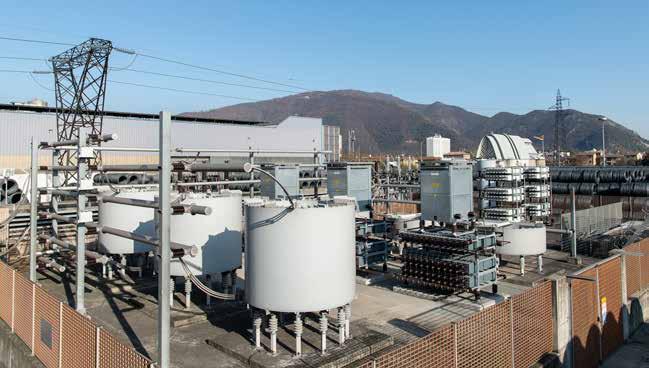
2.3 Air pollution
GRI 305-7, GRI 3-3
Siderurgica Investimenti Group recognises that its own activities generate polluting emissions (e.g. NOx, CO and dust), which have an impact on air quality and the surrounding environment. Managing emissions is a priority for the Group, which operates in compliance with environmental regulations and authorisations, striving to constantly reduce the impact it has on the environment.
The stacks connected to the melting and rolling processes, particularly at the Alfa Acciai and Acciaierie di Sicilia plants, account for almost all of the emissions into the atmosphere. Among its actions to manage its impact, the Group has adopted continuous monitoring systems for the performance of emission abatement systems and related parameters, thus achieving very high
performance in terms of limiting dust emissions from off-gas stacks, reaching levels well above those recommended by the EU in its BAT conclusions. The Group constantly monitors the significant emissions from its production processes, the overall values of which are shown in the table below:
L’An analysis of emissions in terms of mass flow, compared with previous years, shows substantial stability. This result is mainly attributable to intensive monitoring and maintenance activities, which ensure not only high performance of environmental systems, but also their maintenance at levels of excellence over time. The mass flow of emissions is calculated in the same way for all Group companies and is based exclusively on analyt-
ical emission certificates, as required by the monitoring and control plan of the various environmental authorisations in place.
All measures implemented to reduce dust emissions into the atmosphere have also contributed significantly to minimising emissions of other dust-related pollutants, such as heavy metals and organic micropollutants. More specifically, Alfa Acciai and Acciaierie di Sicilia
are equipped with an activated carbon injection system which, combined with process parameter and raw material control, effectively reduces the concentrations of dioxins and furans (PCCD/F) in their emissions. These concentrations are constantly monitored using a permanent sampling device called the Dioxin Monitoring System (DMS).
Furthermore, the Group regularly implements plant
2.4
maintenance programmes in order to keep facilities running efficiently and ensure high performance, resulting in dust and metal emissions that are as low as technically possible. All of the measures taken, combined with careful management of environmental facilities, enable the Group to keep atmospheric emission concentrations well below the limits set by integrated environmental authorisations
Management of water resources
GRI 303-1, GRI 303-2, GRI 303-3, GRI 3-3
Water is a strategic resource in the steel production process. For Siderurgica Investimenti Group, its efficient and responsible use is a priority. In order to reduce water consumption, the Group adopts management methods with low environmental impact and the best technical solutions available for cooling systems.
Siderurgica Investimenti Group, well aware of the environmental impact associated with the high water requirements of its plants, promotes the responsible use of this resource through the use of efficient technologies and practices that encourage reuse and reduce consumption in production processes.
Water is supplied from two main sources: the municipal aqueduct, intended for civil and sanitary use, and wells owned by the Group, used for industrial purposes. Specifically, water for industrial use serves to refill evaporated water in both indirect circuits (furnaces, rolling mills, ingot moulds and continuous casting plants) and direct circuits (continuous casting spray and direct cooling of rolled products).
from the Company
Total sourced by the Company (groundwater – fresh water) from
Water sourced by third parties
Total sourced by third parties (groundwater – fresh water) from
The table below shows the Group's water supply figures for the three-year period considered.
The degree of water stress was assessed using the Aqueduct11 analysis tool, which is based on an index called “Overall Water Risk” which combines 13 indicators covering various types of water-related risk by aggregating and weighting all the indicators selected from the Physical Quantity, Quality and Regulatory & Reputational Risk categories, i.e. indicators that take into account the quantitative availability of the resource, quality, regulatory framework and evolution.
When taking the overall indicator into account, all Group companies fall within areas of medium-high or high water stress.
As a general rule, water withdrawal trends are closely linked to steel production volumes. Increased efficiency in cooling system performance is directly proportional to growth in steel production, as evaporation and discharges occur even with limited production. Rainfall is another factor that has a positive impact on water withdrawals. At Alfa Acciai, higher rainfall, together with a more regular distribution throughout the year, allows for an increase in the recovery of rainwater in direct cooling circuits.
In 2024, the total volume of water withdrawn from the groundwater increased by approximately 2% compared to 2023, due to external factors.
Alfa Acciai and Acciaierie di Sicilia are the Group's largest users of water resources, as hot processes such as melting and rolling require large amounts of water for indirect cooling of the plants and direct cooling of the products/semi-finished products.
Alfa Acciai takes specific actions aimed at safeguarding water resources, such as a system for collecting and treating first and second rainwater and monitoring receiving water bodies. After undergoing specific treatment, the collected rainwater is returned to the industrial water circuits, thus reducing withdrawals from wells.
Furthermore, the Group's approach is to reuse water as many times as possible before discharging it. Indeed, the company's target is to maintain its current efficiency in reusing water resources, i.e. using the cooling system to recirculate water as many times as possible before discharging it. This saves a huge amount of water needed for cooling the plants. For Alfa Acciai alone, the amount saved is around 77 million m3/year. In 2024, Alfa Acciai recirculated water 28 times, meeting 96% of the plants' water needs with the same water before it was discharged. Refill of well water accounts for less than 4% of plant requirements and serves to balance evaporation from cooling towers and industrial discharge. In relation to effluents, the Alfa Acciai, Acciaierie di Sicilia and Tecnofil plants, being granted Integrated Environmental Authorisation (hereinafter referred to as IEA), are required to comply with specific quality standards based on the Best Available Technologies (hereinafter referred to as BAT) of their respective production sectors, which, where necessary, are supplemented by local assessments incorporated into the authorisations that establish the monitoring quality and frequency. For the Alfa Acciai site alone, the review of the integrated environmental authorisation in July 2022 led to an increase in the frequency of monitoring of industrial water effluents into surface water bodies, bringing it to a monthly basis. At present, municipal wastewater, for which drainage into the sewer system is always permitted, is not monitored.
Overall, the Group systematically monitors its water consumption and is committed to reducing waste related to water used in cooling processes by adopting closed circuits, modern technologies and using blowdown from indirect cooling circuits as a source of refilling for direct circuits.
11) Source: https://www.wri.org/aqueduct.
2.5 Circularity within the Siderurgica Investimenti Group
Circularity is an integral part of the industrial identity of the Siderurgica Investimenti Group, which bases its business on an environmentally sustainable production model, using ferrous scrap as its main raw material, and adopts zero-waste operational strategies.
2.5.1 Business model circularity
The Siderurgica Investimenti Group recognises the strategic importance of the circular economy, which underpins its production process using ferrous scrap and extends the forms of application of this model. This is how the Group manages to reduce its environmental impact, making the most of production waste with a view to recovering and reusing resources.
Accordingly, steel is the ultimate recyclable material: products from the Group's steelworks, at the end of their life cycle, can be recovered and remelted 100% for an unlimited number of times to obtain products for new applications. This is possible thanks to the specific characteristics of steel that can be recycled an infinite number of times without compromising its basic properties.
This characteristic is the reason why steel is the most recycled material in the world12 and is commonly considered, including by European policymakers, to be a strategic material for sustainable economic development. The following graph provides a clear synthetic representation of the continuous cycle of steel recovery.
The steel life cycle
SEPARATE COLLECTION
Steel to be recovered is sent for separate collection
THE CYCLE STARTS OVER AND OVER AGAIN
COLLECTION AND SORTING
Collected material is sorted and, if necessary, pressed/shredded at authorised facilities
Steel is the most recyclable and recycled material in the world
PRODUCTS
New products are obtained from the melting of recycled steel
STEEL MILL
Collected/shredded material is delivered to the steel mills
MELTING
Steel is then melted to produce castings
12) Source: World Steel Association, Raw materials (2024), available at: https://worldsteel.org/other-topics/raw-materials/.
In the Brescia-based and Catania-based steel mills, Siderurgica Investimenti Group has processed around 1.7 million tonnes of ferrous scrap in the last few years. The finished products turned by these plants have a certified minimum content of recycled material of 99% , in compliance with UNI/PdR 88:20213certification (according to UNI CEI EN ISO/IEC 1706714). Both steel mills are committed to maintaining very high levels of recycled material content in their finished products, consistent with the availability of scrap supplied by their partners, as it is a strategic and shortage material.
99%
This figure is among the highest in Europe and far exceeds the Minimum Environmental Criteria for structural applications set by CAM-EDILIZIA, which is Italy's most important environmental standard in the construction industry.
ZERO WASTE philosophy is a cornerstone for the Group. The aim being to optimize the reuse, recovery and recycling15 of all waste materials resulting from the various stages of production, thereby contributing to the protection of invaluable natural resources through the implementation of forms of industrial symbiosis that allow the systematic application of the circular economy principle to all production waste generated. In this regard, in 2024, the Group recorded a 33% reduc-
tion in the amount of waste generated, mainly thanks to the recovery and recycling of black slag16as a by-product and the reuse of spent refractories reintroduced into the production cycle as a part replacement for magnesite. The extension of the circular economy model to the management of energy flows is applied effectively in the Alfa Heat Recovery system17, which allows the recovery and recycling of heat generated by production processes.
13) The UNI/PdR 88:2020 certification attests to the percentage of recycled, recovered or by-product material contained in products, providing a standardised method for their assessment and declaration.
It is a Reference Practice issued by UNI, which allows companies to transparently disclose their commitment to the circular economy and to meet the requirements of the Minimum Environmental Criteria (known as CAM in Italy).
14) The UNI CEI EN ISO/IEC 17067 standard provides principles and guidelines for product, process and service certification schemes. It does not define requirements for specific schemes, but helps scheme owners and other interested parties to understand, develop, implement and maintain them, providing basic elements and certification scheme examples.
15) For further information, please refer to subsection 2.5.3 ‘Waste management’.
16) For further information, please refer to the box: ‘Recycling the black slag at Alfa Acciai and Acciaierie di Sicilia’, in subsection 2.5.3.
17) For further information, please refer to the box ‘Alfa Heat Recovery: the thermal waste recovery and heat transfer plant’ in paragraph 2.2.1.
MINIMUM RECYCLED MATERIAL CONTENT
ALFA ACCIAI AND ACCIAIERIE DI SICILIA
2.5.2 Use of materials
GRI 301-1, GRI 301-2
The main component in steel production is ferrous scrap, which provides the basis for the Siderurgica Investimenti Group's production process. Sourced from both domestic and foreign sources, this material is a key element in the Group's environmental sustainability, as it is a recycled raw material that can be reused indefinitely.
Strict controls are carried out on scrap entering the Alfa Acciai and Acciaierie di Sicilia plants, including documentary checks, all supervised and assisted by the Environment Department, as well as visual inspections and radiometric tests, in accordance with current regulations. Among the scrap control operations, the most important is the stringent radiometric testing; indeed, there is a comprehensive and complete system in place, which starts with the acceptance of incoming goods and continues throughout all stages of production, in order to prevent the accidental melting of radioactive material. Ferrous scrap is the main raw material used in steel production. In 2024, approximately 1.7 million tonnes of scrap were melted in Alfa Acciai’s and Acciaierie di Sicilia’s furnaces, accounting for around 95% of the total raw materials used by the two companies, as shown in the table below “Percentage of recycled raw materials”. Alongside various types of scrap, the Group's steelworks use such raw materials as lime, ferroalloys, magnesite and coke. Conversely, for Ferroberica, Tecnofil and Alfa Derivati, which operate downstream in the production
process, the main raw material is wire rod and reinforcing steel for concrete, which are produced by the subsidiaries Alfa Acciai e Acciaierie di Sicilia, out of which added value is generated on the final products. The tables below show the quantity of raw materials and process materials consumed in the three-year period 2022–2024. However, it should be noted that the distinction between renewable and non-renewable materials required by the GRI is not applicable to the steel industry, as the resources used (scrap) are not re-generated in the short term. Nevertheless, the Group is committed to reducing its environmental impact and limiting its consumption of natural resources by making extensive use of recycled raw materials.
The year 2024 was characterised by substantial stability in production volumes compared to 2023, in a context of continued weak demand following the serious global geopolitical situation. The quantity of materials consumed was in line with previous years, down by approximately 2% compared to 2023, net of verticalised products.
In addition to raw materials, steel production also requires a series of process materials that are essential for ensuring the quality of the end product. Among these, additives and process agents play a crucial role in forming and regulating the chemical composition of steel and slag, the latter being fundamental for its protective
action on the steel melting. Refractory materials, on the other hand, line furnaces and ladles and limit heat loss. Finally, inert gases are used to stir the bath, thereby promoting homogenisation. In short, these are essential components for ensuring a high-quality end product.
In the ongoing commitment to reducing the use of fossil fuels in the steel production process, the use of recycled polymers, which started in 2021 at Alfa Acciai, continued in 2024, thus contributing to a simultaneous decrease in the use of coal. The use of recycled polymers helps reduce emissions and promote decarbonisation processes, while increasing the recovery and recycling of post-consumer plastics within the production cycle.
In the three-year period 2022–2024, the average share of recycled polymers used in production processes stands at around 20%. The steps taken by the steelworks in 2024 have nevertheless led to an overall decrease in the consumption of fossil-based coal, despite a reduced use of polymers. In addition to ferrous scrap as the main input for the
production process, another recovered material used is spent refractories from the demolition of the melting furnace, which are reintroduced into the production cycle as a partial substitute for raw materials. These replace the magnesite used in the melting process in the Electric Arc Furnace (EAF), thereby helping to reduce the consumption of natural resources.
In terms of the overall use of recycled raw materials, the percentage for the two steelmaking companies Alfa Acciai and Acciaierie di Sicilia will remain at 95%18 in 2024, in line with the previous three-year period. This result bears witness to the Group's strong vocation to circularity, characterised by a high incidence of recycled raw materials incorporated into the production process.
18) GRI 301-2 was calculated considering the quantities of raw materials used for Alfa Acciai and Acciaierie di Sicilia. The figure differs from that obtained from the UNI PdR 88:2020 certification (99% in Alfa Acciai and Acciaieria di Sicilia) as the GRI (301-1 and 301-2) has different calculation methods compared to the UNI standard.
2.5.3 Waste management
GRI 306-1, GRI 306-2, GRI 306-3, GRI 306-4, GRI 306-5
As well as representing one of the most established circular economy models, such as that of the EAF steel-making industry, the Group adopts production practices geared towards environmental sustainability, focusing on the efficient use of resources and the recovery and recycling of residues generated by its production processes.
The production process at the Group's steelworks, Alfa Acciai and Acciaierie di Sicilia, is circular in nature, as steel is produced by melting purchased or recovered ferrous scrap in electric furnaces, giving it new life and thus reducing the consumption of virgin raw materials. Steel production generates certain residues, which is why one of the Group's main commitments is to reduce the waste generated and, where it is not possible to limit
its production, to internally reuse production residues or recover them in other circular economies, so as to limit landfill disposal.
In 2024, the absolute value of waste produced by the Group dropped by 33% compared to the previous year, mainly thanks to the recovery of black slag, which was managed as a by-product, namely Alfa Sinstone®, Gripstone® and Sicilystone.
Black slag, produced during the process of melting ferrous scrap in electric arc furnaces, is mainly made of iron oxide, calcium and silicon, and is subject to strict controls during its formation and solidification. It is then crushed, de-ferrized and screened to become a high-performance artificial aggregate of industrial origin.
Process control gives the slag specific chemical and physical characteristics, making it suitable for multiple uses in the building construction, road paving and civil engineering industries as a replacement for natural materials (quarry aggregates), thus saving non-renewable natural resources.
The by-products of this process are:
• Alfa Sinstone® and Gripstone®: Mainly used for drainage and leveling layers, or as aggregates for cementitious and bituminous mixtures.
• Sicilystone: ideal for cement and bituminous conglomerates, as well as for civil engineering works and road construction.
These by-products are registered at European level under the REACH regulation. Alfa Sinstone® and Gripstone® also come with EPD certification.
Recycling the black slag at Alfa Acciai and Acciaierie di Sicilia
The Group's engagement in the recovery of waste can be clearly seen in the results achieved by Alfa Acciai, which alone accounts for over 79% of the waste generated at Group level. The plant recorded a significant improvement, increasing the percentage of waste sent for recovery from 15% in 2017 to 73.4% in 2024, thus consolidating the progress already achieved in 2023 (75.5%).
Overall, the Group sent 68% of the waste produced in 2024 for recovery, a figure substantially in line with previous years. A comparison between 2023 and 2024 shows a significant reduction in waste sent for disposal (-26%), a result that represents significant progress in terms of sustainable management.
Total waste generated (t)
The diagram below shows how the ferrous scrap circular economy is related to other circular sub-economies resulting from the steel production process:
▶ black slag coming from the steel production process is first partly recovered in-house as a by-product (Alfa Sinstone®, Gripstone® and Sicilystone) and partly sent, in increasingly lesser amounts, to recovery facilities to obtain an inert material that can be used to replace virgin materials mined from quarries, thereby preserving natural resources;
▶ thanks to sorting operations, non-ferrous metals (such as aluminium and copper) are obtained from the
ferrous scrap shredding process, which can be put to good use in other external production cycles;
▶ metal dust with a high zinc content is generated from the melting process, which enters other circular production cycles designed to extract zinc metal, a highly precious element for our economy;
▶ mill scale is generated from rolling processes, which is basically an iron oxide used to produce cement clinker;
▶ recovering refractory materials is also important for making the most of production waste, as it preserves important natural resources, including magnesite.
VEHICLE CHECK-IN
LINING AND REFRACTORY MATERIALS
GRAPHITE ELECTRODE SECTIONS
EMISSIONS CONVEYED
GRAPHITE ELECTRODE SECTIONS
EMISSIONS CONVEYED LINING AND REFRACTORY MATERIALS
The Group is continually looking for new opportunities that can further optimise the recovery of all production waste in accordance with legislation. In particular, the main efforts are focused on white slag (an aggregate that develops during steel treatment in the ladle), which is currently mainly intended for disposal and is the final obstacle to achieving 100% circular steelmaking. In 2024, the Lombardy Regional Authority approved guidelines for the management of white slag, which
will offer the opportunity to develop circularity for this production waste as well. The Group regularly monitors the waste data that are analysed by the corporate management system, with the help of dedicated facilities (environment departments). Backed by well-established organisations, digitalisation and automation of processes continue with determination, aiming at anticipating the regulatory developments and responding pro-actively to growing control and sustainability requirements.
BLACK SLAG
WHITE SLAG
The table below illustrates the quantities of waste generated, subdivided into hazardous and non-hazardous waste over the three-year period 2022-2024.
In line with the reporting standards adopted (GRI Standards), a breakdown of the waste produced in 2024 is shown in the table below, highlighting the quantities sent for recovery and those for disposal, with an indication of the specific process used.
All processes are carried out at external sites. The data confirms the soundness of the circular economies of which the Group is a part, thereby maintaining high percentages of waste recycled that is sent to recovery centres.
The Group's commitment to waste recovery also covers hazardous waste, with over 90% of all such waste from production processes being sent for recovery. In 2024, the proportion of hazardous waste sent for disposal is
expected to remain low, at around 1% of total waste generated, thus helping to minimize the overall environmental impact.


Social information
GRI 2-25
3.1 The people
GRI 2-7, GRI 2-8, GRI 401-1, GRI 405-1, GRI 3-3
A key factor in the success of the Group lies with its employees and collaborators. For this reason, as outlined in the Code of Ethics, all Group companies protect and promote the value of human resources with a view to enhancing and increasing everyone's skills and expertise.
Siderurgica Investimenti Group recognizes the central role of people as a strategic resource for the organization's growth. In this respect, it promotes the protection of workers' rights, health and safety in the workplace, well-being and work-life balance, equal treatment and skills development, helping to create a fair, inclusive and human capital-oriented working environment , while generating a positive and lasting impact. These principles guide the Group's human resources management, ensuring ethical business conduct and constant focus on the social impacts generated.
The Alfa Acciai Human Resources department oversees and supports the Group companies in the management of personnel, guided by the principles set out in the Code of Ethics.
The Code of Ethics is a benchmark for everyone within the Group. It sets out the values and principles of conduct that govern daily actions both inside and outside the company.
For the employees, the Code of Ethics is a tool for guidance and protection, which fosters a working environment based on respect, transparency and collaboration. It is a tangible commitment to integrity, lawfulness and sustainability: all together, these values strengthen the corporate philosophy and help create a climate of trust and shared identity.
Workforce by company (2024)
Alfa Acciai
Acciaierie di Sicilia
Alfa Derivati
During 2024, the number of Group employees decreased slightly, from 1,235 in 2023 to 1,231 in 2024 , of which approximately 54% were based at Alfa Acciai. Historically, the steel manufacturing industry has mainly employed men. Keeping pace with development in wider society, the Group, one of the first in the in-
dustry, launched a programme aimed at promoting the inclusion and professional growth of women within the company, including in roles traditionally held by men, setting itself the goal of progressively increasing the female presence year after year.
Workforce by company and gender in 2024
Tecnofil
Ferroberica
Alfa Derivati Acciaierie di Sicilia
GENDER EQUALITY CERTIFICATIONS - UNI PDR 125:2022
Since the end of 2023, Alfa Acciai has been pursuing gender equality certification in accordance with UNI PDR 125:2022: the Reference Practice published by UNI that defines the requirements for a gender equality management system in organizations. Companies that adopt it can obtain voluntary certification to prove their compliance with practices aimed at eliminating discrimination and promoting equal opportunities and inclusion. The certification is based on key performance indicators (KPIs) divided into six areas, including corporate culture, governance, human resource management and opportunities for women's growth. This commitment is formalized in the Gender Equality Policy with the aim of obtaining certification as soon as possible, further strengthening the dedication to the values of equity and inclusion.
Data for the three-year period 2022–2024 show substantial stability in the overall number of Group employees, which will increase from 1,221 in 2022 to 1,231 in 2024. In this context, there is an increase in the number of female employees, from 55 in 2022 to 61 in 2024, representing a growth rate of 11%
With regard to professional qualifications, in the reporting year, blue-collars accounted for approximately 70% of the company's workforce, white-collars for 26% and middle managers for 2%.
The distribution by age group in 2024 shows an organ-
ization characterized by a good balance between experience and generational turnover. Approximately 50% of the total workforce is in the 30-50 age group, workers over 50 represent 39%, and the under 30 age group accounts for 11% of the workforce.
In 2024, the Group companies also used 14 external workers (interns, freelancers and temporary workers).
The Group pays particular attention to the job stability of its employees. In fact, the most common type of contract is the open-ended contract, with a contractual presence of 97%, a slight increase compared to 2023. Furthermore, as in the previous two years, 98% of the
Group's staff were employed on a full-time basis in 2024. Through these types of contracts, the Group receives and offers stability: on the one hand, it ensures the experience and presence of a stable and competent workforce, and on the other, it offers its employees security and continuity in a time and work environment characterised by instability and uncertainty.
During 2024, the hiring rate settled at 9%, with a predominance of under-30s, confirming the Group's focus on generational change and the recruitment of young talents. In 2024, 105 new hires were made, mainly at Alfa Acciai, Alfa Derivati and Ferroberica, due to the integration of new technical and managerial resources to replace staff leaving on retirement, as well as to ensure
that the set production targets were met.
A low and natural turnover rate is a prerequisite for minimising the risk of losing valuable talent and knowhow: in line with the previous year, the layoff rate in 2024 came to 9%, one percentage point higher than in the previous year.
3.2 People’s wellbeing
GRI 2-30, GRI 3-3, GRI 406-1
The Group takes particular care of the wellbeing of its employees, aiming at creating an inclusive and rewarding work environment that promotes a good work-life balance.
Siderurgica Investimenti Group generates a positive impact on the wellbeing of its employees through initiatives dedicated to their development and welfare, helping to fostering a healthy working environment that focuses on the quality of professional and personal life.
As Group companies operate in a country that has ratified the fundamental human rights conventions of the International Labour Organisation (ILO1), all of them are engaged to comply with these protocols, with particular reference to human rights and conditions at work.
In line with previous years, the Group is committed to maintaining an ongoing dialogue with trade unions
1) The International Labour Organisation is a specialised agency of the United Nations that aims to promoting social equity and human rights in working life by setting and promoting international standards for decent work, meaning conditions of freedom, equality, security and human dignity for all workers. Founded in 1919, it is unique in its “ three-party” structure, which provides for the equal participation of governments, employers and workers in setting labour policies and standards.
with the aim of ensuring compliance with regulations and responding effectively to employees’ needs.
All Group’s employees are covered by collective bargaining agreement, which applies to 100% of the workforce, in accordance with national collective and second level agreements.
Given the diverse national origins of its workforce in its production plants, Siderurgica Investimenti Group is characterised by a high level of social integration and mutual respect. As discussed in detail in section 3.5, ‘Diversity and Inclusion,’ these elements make diversity a genuine strength for the organisation. Confirming this inclusive environment, no incidents of discrimination were reported during the three-year period covered by this report.
Being aware that welfare policies and tools are key levers for enhancing people's value and improving the quality of the working environment, the Group actively promotes the well-being of its employees, encouraging a sustainable balance between private and professional life. With this in mind, the Group has chosen to invest in its own workforce, recognised as the main strategic factor for its success and development.
For the past three years, several companies within the Group have consolidated their use of the welfare platform, which was created to meet employees' various needs. From the outset, the welfare platform was de-
signed to integrate a range of dedicated services. Employees can access the opportunities offered through a portal that brings together a basket of services and benefits of social utility, available directly and easily.
In 2024, the spending options within the platform were expanded with the introduction of new services, and discussions were initiated with local associations to integrate packages dedicated to psychological support for young people and other welfare activities, so as to offer increasingly comprehensive support tailored to the needs of employees and their families. Age, lifestyle and family needs are key indicators, as they influence each individual's personal experiences. The Group companies have focused their attention on these aspects in order to promote better use and enhancement of the specific services offered through the welfare platform.
With a view to promoting a better work-life balance, the Group values flexibility as a tool that allows people to grow professionally without sacrificing well-being. In the area of sustainable mobility, in 2024 some Group companies began updating their Home-Work Travel Plan (PSCL) and are monitoring the data. This tool is crucial for promoting sustainable mobility among employees. The PSCL aims to encouraging alternative forms of transport to private cars, thus contributing to the reduction of CO₂ emissions and improving the quality of working life.
3.2.1 #AlfaPeople and communication channels
Getting involved in the company means making your voice heard, becoming an integral part of its philosophy, and actively participating in both the physical and digital settings.
Within the Siderurgica Investimenti Group, great importance is placed on building solid, rewarding and lasting human relationships. With specific reference to Alfa Acciai, the #AlfaPeople project was launched in 2023 and continues to be implemented year after year, now involving all the companies in the Group, the aim being to tell people's stories, highlighting their background, commitment and dedication.
This initiative places employees at the forefront of digital channels and company websites, thereby helping to
spread a shared culture and strengthen a sense of belonging.
Using #ALFAPEOPLE #TECNOFILPEOPLE #ADSPEOPLE #FERROBERICAPEOPLE, the intent is to celebrate and raise awareness of the people who contribute to the success of Siderurgica Investimenti Group on a daily basis. These stories not only highlight the human value of the “Alfa Team”, but also represent a fundamental element of the Group's sustainability strategy, based on the recognition and enhancement of the value of human resources.
New Telegram channels have also been created with the aim of promoting local community activities, projects supported by companies and welfare initiatives dedicated to employees
A video and thousands of photographs dedicated to the people who work for Alfa Acciai, named #ALFAPEOPLE, were produced to mark the company's 70th anniversary, celebrated in 2024. This important milestone not only represents the history and growth of the company, but
3.3 Health and safety
more importantly the value and commitment of every single employee who has contributed to the Group's success over the years.
The Alfa Acciai Info-point is now a well-established point of reference, a dedicated space and a direct, functional and accessible communication channel that promotes discussion and strengthens the sense of belonging, offering increasingly concrete and immediate support on technical, operational and regulatory issues.
GRI 3-3, GRI 403-1, GRI 403-2, GRI 403-3, GRI 403-4, GRI 403-5, GRI 403-6, GRI 403-7, GRI 403-9, GRI 403-10
The protection and development of workers' health and safety are a top priority for Siderurgica Investimenti Group, which is constantly committed to ensuring safe working environments and conditions that promote the health of its staff. The promotion and dissemination of a strong safety culture in all its sites and production facilities is the Group's ongoing commitment.
Siderurgica Investimenti Group generates a positive impact on the protection of the mental and physical well-being of its people through careful and constant management of health and safety issues, thereby promoting a culture of prevention and shared responsibility.
This commitment is even more important considering that the steel production environment in which the Group operates entails high risks for the workers' health and safety. For this reason, it is necessary to maintain a constant focus on this issue, especially in situations where the repetitiveness of daily actions can lead to underestimating risks and applying procedures automatically, without considering the possible consequences of even minor variations.
To this end, Alfa Acciai, Acciaierie di Sicilia, Alfa Derivati and Tecnofil have adopted various actions, including the implementation of a worker health and safety management system, certified 2 by an accredited third party, to ensure compliance with UNI EN ISO 45001 standards through annual verification cycles and three-yearly renewal.
Ferroberica has a worker health and safety management system that is not yet certified.
Management systems are a crucial guarantee for all stakeholders, ensuring an approach based on monitoring and ongoing improvement of workers’ health and safety performance.
The management system, underpinned by a comprehensive scheme of delegated powers and responsibilities, is the main organisational means whereby Group companies plan, implement and verify the cornerstones of their strategy. These principles, shared with all stakeholders, are translated into specific programmes with measurable objectives and targets that are subject to regular monitoring.
2) All up-to-date certificates relating to the companies' management systems can be found on the Group's website: www.alfaacciai.it.
The existing Management System is characterised by six key elements:
1 SETTING OBJECTIVES
2 RISK AND OPPORTUNITY APPROACH
3 CENTRAL ROLE OF WORKERS
4 RISK ASSESSMENTS
5 MONITORING AND IMPROVING PLANS
1. When defining safety objectives and targets, employers, jointly with their representatives, take into account the safety policy, legal requirements, analysis of accidents that have occurred and any communications from interested parties, the results of risk assessments and management reviews, operational requirements and the possible effects on the organisation's public image. All these elements enable the Group to set clear, relevant and comprehensive objectives.
2. The Group adopts an approach based on the Risk and Opportunity concept to ensure that it is able to achieve the following objectives:
▶ promoting continuous improvement by monitoring compliance with safety objectives by departments/ bodies/areas of competence;
▶ ensuring that the Security System implementation process is complied with in the various work stages;
▶ guaranteeing that the Bodies and/or Functions directly reporting to management operate in compliance with the Security System and contribute to improvement.
3. With regard to the role of workers in managing safety-related aspects, they also participate in the development and implementation of the Occupational Health and Safety Management System (OHSM) through the Workers' Safety Representatives (WSR). Participation takes the form of periodic meetings, the frequency of which varies from company to company, and formal and informal meetings, which may even be held on a daily basis.
6 DIGITIZED ENVIRONMENT
4. The results of specific risk assessments, including the Risk Assessment Document as per Legislative Decree 81/2008, are shared with the competent physicians and the WSR in order to inform workers on risks and the management of all accidents.
5. For the purposes of monitoring OHS plans and improvement objectives, each Group company has scheduled regular meetings at company level. At these meetings, performance and process indicators are reported, any deviations or anomalies are analysed, opportunities for improvement are assessed and, in the event of significant deviations from the planned schedule, the relevant management team defines the corrective actions to be implemented, including any extensions. The review of company improvement plans is normally carried out on an annual basis, during Management Reviews, and may be brought forward following possible critical events or situations.
6. Digitalised safety management by creating a digital environment implemented by AlfaGest software at various levels by Alfa Acciai, Alfa Derivati, Acciaierie di Sicilia and Ferroberica. By continuously improving its functions and application modules, AlfaGest now allows all information and data relating to work environments, workers, machinery, plants and equipment to be collected and managed. AlfaGest also provides constantly updated documents and risk assessment dynamics that comply with legal requirements and are in line with
company objectives. The software also plays a central role in health surveillance through the “Occupational Medicine” module. Access to this module is reserved exclusively for competent physicians and nursing staff, allowing them to create and update electronic health records for each employee. These records collect all data relating to health monitoring thus allowing the company doctors to perform analyses, including statistical ones, on the entire working population. Finally, in the case of environmental and biological analyses, AlfaGest also provides a comparison of the aggregate results with the average values observed in the population, thus giving extra info that's useful for prevention assessment. AlfaGest’s latest implementations covered:
▶ Access qualification and authorisation system for contractors who, in order to qualify as such, are required to upload all the documents prescribed by the application system. This documentation needs to be validated by the Group companies.
▶ The Unified Interference Risk Assessment Document
Alfa Acciai is safety ambassador
Promoting and strengthening the culture of health and safety in the local area with communication campaigns run by a group of ambassador companies, focusing on specific topics to spread good practices. This is “People First!”, Confindustria Brescia's project dedicated to occupational health and safety.
Alfa Acciai has once again made itself available in 2024, together with other companies in the province of Brescia, as a “Safety Ambassador”. The theme-based focus of the meetings includes training on safety, diversity and inclusion policies, corporate welfare measures and innovation in the field of safety. Proposals for improvement in all areas dedicated to the protection of individuals are developed in a cross-cutting and systematic manner.
Occupational diseases
The prevention of occupational diseases and the protection of workers' health are guaranteed at all Group companies by means of:
▶ regular monitoring of physical and chemical risks using programmes to measure hazard factors such as noise, microclimate, vibrations and electromagnetic fields;
(DUVRI) is completed electronically by the Employer's Representatives, the Operational Managers of Alfa Acciai and the Operational Managers of the contractors involved. The same applies to the management of construction sites in accordance with Title IV of Legislative Decree 81/08. The new system ensures greater control over the contractor qualification process, the definition of the tasks of DUVRI operators in managing contracts and the widespread compilation of DUVRI documents, both in hard copy and digital format. Since October 2024, the licence credit requirement and verification have also been introduced for companies operating within construction sites.
In recent years, Alfa Acciai, Alfa Derivati and Acciaierie di Sicilia have made numerous investments in the development of new application modules for the AlfaGest software, which plays a crucial role in health and safety management and is also undergoing continuous expansion at Ferroberica.
It is intended to build a working network capable of engaging and facilitating dialogue between different stakeholders in the industrial sector in the province of Brescia.
In June 2024, Alfa Acciai presented its safety organisation to the Confindustria Brescia, with a division into three production units and the management of safety reports involving all employees. The project bears witness to the Group's commitment to individual and collective well-being as a factor not only in business development, but also and more importantly in mutual discussion and support with the aim of reducing and preventing accidents.
▶ limiting exposure through continuous research and the progressive replacement of health-hazardous substances, the reduction of heavy workloads, the improvement of work areas, the soundproofing of machinery, and so forth;
▶ ongoing training aimed at making employees aware of
risks to health and the need to use PPE correctly (ear defenders, safety masks, gloves etc.);
▶ health monitoring, consulting company doctors on healthy lifestyles and protecting vulnerable employees. The steelmaking industry has shown particular sensitivity to the following occupational diseases over time:
▶ hearing loss due to noise exposure;
▶ tumours due in particular to asbestos exposure in the past;
▶ musculoskeletal disorders due to incorrect work posture and/or trauma.
Healthcare monitoring
Healthcare monitoring encompasses all medical procedures that protect the health and safety of workers in relation to occupational risk factors, the working environment and working practices.
Each Group company manages a Company Healthcare Service, structured according to the specific characteristics of the individual company. Qualified healthcare personnel are committed on a daily basis to providing medical examinations, either preventive or on request, and laboratory tests.
All environmental and aggregate health data and general population data are periodically analysed and compared in order to prevent any deviations or anomalies. The task of the competent physicians, in collaboration with the Head of the Prevention and Protection Service(RSPP),
Training on safety
The Group companies are keenly involved in promoting and spreading an adequate culture of health and safety in the workplace in order to prevent (or at least minimise) any risk to the health or physical safety of workers, as well as to improving working conditions.
Staff training plays a crucial and irreplaceable role in this context. At the beginning of each year, Siderurgica Investimenti Group plans its training activities by defining a training plan to be implemented throughout the year, with the possibility of making updates if necessary. The main classes scheduled are:
▶ Safety training for all workers (general and specific, in accordance with the Central-Regional Authority Agreement);
▶ Managers;
The results achieve to date include:
▶ the implementation of protective cabins along production lines and soundproofed control stations;
▶ distribution of ear defenders, including customized versions;
▶ the absence of carcinogenic substances in production processes;
▶ ergonomic studies and investigations using electronic sensors and the application of inertial systems for motion analysis.
is to draw up a company healthcare protocol, which is developed on the basis of the results of specific risk assessments.
The risk of occupational diseases is monitored preventively through periodic medical examinations at the company healthcare centre, the frequency of which varies depending on the worker's job.
Furthermore, the company doctors and the healthcare service provide first aid and minor medical treatment when necessary. If required, the company doctors can refer workers to specialist clinics and provide advice on various personal health issues.
In 2024, the management of checks related to the use of alcohol and psychotropic substances was intensified, both for high-risk tasks and for all workers in general.
▶ Supervisors;
▶ Fire prevention;
▶ First aid;
▶ Use of equipment (forklifts, cranes, lifting platforms, etc.);
▶ PPE Category III.
The classes are held in-house and generally by accredited training schools and/or freelance technical instructors. In addition, ad-hoc training classes and meetings are held for employees following the revision of procedures and operating instructions, while new employees and those changing jobs are supervised by senior employees – tutors – who assess progress.
In 2024, Alfa Derivati held a training class on ergonomics. This class focuses on the ergonomics of human body
movements, as well as practical activities at workstations: sensors attached to the worker's body during normal work activities vibrate when an unergonomic movement is made, allowing the worker to perceive the error
Work-related injuries
In 2024, Siderurgica Investimenti Group reported 48 workplace injuries among its employees, corresponding to an injury rate of 23.83, which is a clear improvement of 30.4% , compared to 2023 (69 injuries and a rate of 34.83), and a 2% improvement compared to 2022 (49 injuries and an injury rate of 26.08).
For Alfa Acciai, the frequency rate (FR) is among the best in the last 10 years. Acciaierie di Sicilia and Ferroberica recorded slight positive changes, while Tecnofil recorded a slight increase in injuries at work. At the same time, for non-employees, the rate was 34.9 in 2024 (51.86 in 2023 and 95.84 in 2022).
It is worth noting that in 2024 there were no fatalities or serious injuries, with a severity index (SI) of 0.61%,
and correct it. Following this training and instruction in ergonomic movements, workstations were improved and the DVR (Risk Assessment Document) was revised.
confirming the effectiveness of prevention policies and the consolidation of a culture of safety within the Group. In general, the types of injuries in 2024 mainly concerned contusions, sprains and dislocations caused by tripping and slipping, for which the Group companies are focusing on housekeeping activities to improve the tidiness and orderliness of the various workplace areas and on raising awareness among supervisors for more accurate monitoring in this regard.
Occupational safety is an ongoing commitment for the Group, and the figures confirm the consolidation of a process of continuous improvement in safeguarding people.
Safety reporting management
Siderurgica Investimenti Group firmly believes that the correct and careful analysis of reports is the basis for the continuous improvement of management systems. For this reason, Alfa Acciai, Alfa Derivati and Acciaierie di Sicilia have developed a structured and precise process for transmitting safety reports.
The process involves all employees and is structured according to a dual logic: BOTTOM UP, with a flow of information from employees to management, and TOP DOWN, with a reverse flow, i.e. from management to operations. Furthermore, this process ensures that staff remain highly attentive to safety issues, encouraging active and continuous reporting, which is essential for keeping the safety management system up to date.
BOTTOM-UP activities mainly consist of meetings and discussions which, depending on the staff involved, take place on a daily or weekly basis.
At Alfa Acciai, Alfa Derivati and Acciaierie di Sicilia, during daily meetings (Obeya Meetings), the operational teams - from operators to shift supervisors and maintenance managers - analyse the events and near-events that occurred the previous day, identifying possible causes
and proposing corrective or improvement actions. On a weekly basis, the Heads of the Prevention and Protection Service (RSPPs), analyse the events/reports identified in the Obeya Meetings and record the findings in the PDCA register for progress monitoring. During the Operations Meetings, the COO, his staff and the management of Alfa Acciai, Acciaierie di Sicilia and Alfa Derivati discuss safety issues by presenting weekly updates on safety rates, events and corrective and improvement actions, proposing any top-down safety activities. An annual safety meeting is held with the Workers' Safety Representatives (RLS), pursuant to Article 35 of Legislative Decree 81/08.
On these occasions, all events, reports recorded in the PDCA and the progress of each of them are analysed together with the RLS.
Everything that emerges during the meetings is recorded in the management system using the typical PLAN - DO - CHECK - ACT method in order to keep the progress status up to date, verify the effectiveness of the actions taken and continuously improve the management system itself.
3.4 Training and professional growth
GRI 3-3
The Group generates a positive impact on the growth and development of its people by investing in training and development programmes that strengthen motivation, promote professional development and help attract and maintain talent , thereby promoting retention and continuity of skills within the organisation.
Enhancing employees' intellectual assets, growth and development capabilities, as well as their level of professionalism and motivation, is key to promoting sustainable business growth.
Training classes are usually outsourced to external organisations and, over the last three years, in line with previous years' planning, they have mainly focused on such topics as:
▶ Health, safety and hygiene skills in the workplace;
▶ Metallurgical and technical-specialist skills;
▶ Environmental skills;
▶ Management skills.
In order to encourage the continuous growth and development of its employees, Group companies regularly participate in qualified seminars, coaching sessions, webinars and conferences covering a wide range of topics, both specific to the steel industry and of a more general
3.4.1 #AlfaRecruiting
nature, such as economic and industrial trends.
The Group places great importance on developing its employees' skills, fostering their development through the involvement of industry experts and professionals, with an approach that combines two training methods: on-the-job training and classroom-based theory. Health and safety have always been priorities for the Group. Ensuring a safe and healthy working environment is a fundamental objective for all companies, to enable their employees to work with confidence every day. Training in new specialist techniques in the industry has been encouraged with a view to innovating processes. Furthermore, in order to expand opportunities for discussion and sharing of skills, English language courses have been organised, in specific groups based on the roles of those involved, providing targeted and personalised language training.
The Group actively participates in events organised by schools, universities and local authorities to meet young talents, invest in student training programmes and offer them opportunities for professional growth.
In 2024, the PCTO (Cross-Curricular Skills and Guidance Pathways) programme was implemented, extending it not only to technical courses but also to office-based areas, offering students direct, practical experience of the working environment.
In parallel, curricular internship and thesis projects were launched in collaboration with the University of
Brescia, which involved university students being placed directly in production departments and other company departments, with the support of internal tutors.
In 2024, the Group participated in DOMANI LAVORO, a new city event that combines the characteristics of traditional university Career Days with a more inclusive approach aimed at all job seekers. The initiative proved
to be an important opportunity to connect with a large and diverse audience of candidates, united by their interest in the industrial sector and eager to embark on a professional career within the Group. This participation reinforced our commitment to building a constructive dialogue with the local community, promoting different career routes and offering real opportunities for integration and growth. The company's
organisation is structured around key processes. With a view to strengthening the specific skills of the various professional groups and promoting continuous and virtuous improvement of related processes, the Group is constantly committed to implementing targeted and diversified training plans. This is where Alfa Acciai launched the Alfa Academy project, dedicated to train specialists in plant maintenance and installation.
Together with the ITS Academy Machina Lonati training institute in Brescia, Alfa Acciai launched the Alfa Academy project in the 2023/2024 academic year. This initiative is an educational programme aimed at helping young people enter the world of employment, with a particular focus on innovation and digitalisation. This project is a practical example of commitment to social and economic responsibility, thanks to the training of highly skilled professionals and the development of the expertise of the young people participating in the initiative.
In light of the results achieved and the strong interest shown, a second edition of the Alfa Academy project has been planned, which will start in October 2025, with the aim of further extending the pool of trained young people and contributing on an ongoing basis to the development of the local area and the Group companies.
The training schedule is divided into:
▶ Internal training at Alfa Acciai;
▶ External training in classrooms and laboratories managed by ITS Machina Lonati;
▶ Work experience within the company.
Alfa Academy aims to have a positive impact in a number of areas:
▶ Youth Employment: the Academy offers training and work opportunities to young people, helping reduce youth unemployment and improve their integration into the labour market.
▶ Innovation and Digitalisation: targeted training in digital and technological skills prepares a workforce that is suited to the needs of the modern industrial sector, promoting continuous innovation within the Group companies.
▶ Intergenerational Turnover: the Academy encourages the exchange of skills between young employees and experienced workers, creating a continuous learning environment that is useful for both new hires and senior employees.
This project has attracted considerable interest and numerous young talents eager to pursue a career in the industrial sector. The combination of theoretical and practical training, combined with direct experience in the field, is an effective model for preparing qualified professionals.
3.5 Diversity and inclusion
GRI 3-3
Promoting and consolidating a fair and inclusive work environment, valuing diversity in terms of gender, age, culture, orientation, ability and background, and ensuring equal opportunities for all people is not just an ethical commitment, it is a constant investment in the future and sustainability of the organisation.
Siderurgica Investimenti Group generates a positive impact by promoting equal treatment and equal opportunities, fostering a fair, inclusive and diversity-friendly working environment, acknowledging the importance of Diversity & Inclusion (D&I) as a strategic value and lever for sustainable development, innovation and organisational well-being.
The Group considers Diversity & Inclusion issues to be a key factor for the well-being of people as well as for corporate resilience and competitiveness.
By implementing inclusive policies and practices, training programmes and awareness-raising activities, the Group is constantly striving to ensure a working environment based on mutual respect, listening and valuing diversity, developing a fair, open and participatory corporate culture in which everyone can fully express their potential.
The diverse composition of the workforce in terms of national origin, as already mentioned in paragraph 3.2 “People's wellbeing”, contributes to the creation of a working environment based on integration and inclusion, where differences are valued as a resource for the organisation's growth and innovation.
Alfa Acciai has also launched a cultural programme to promote gender equality and female empowerment, which aims to ensure equal opportunities at all stages of people's working lives. A Gender Equality Steering Committee (PdG) has therefore been set up to guide, monitor and evaluate initiatives aimed at promoting fairness and inclusion.
The initiative undertaken by Alfa Acciai has been formalised and structured with a systemic approach that has seen the introduction of a specific Management Sys-
tem, compliant with the UNI/PdR 125:2022 reference standard, aimed at obtaining Gender Equality Certification.
In addition to the Gender Equality Policy, which restates the company's commitment to pursuing and protecting the values of fairness, gender equality and female empowerment, the management system includes a Strategic Plan, which defines specific objectives for developing and disseminating these values, and specific procedures governing internal company processes in key areas of people's working lives, such as:
▶ staff selection and recruitment;
▶ continuous training and access to professional development;
▶ promotion of female leadership;
▶ equal pay;
▶ work-life balance and support for parenthood;
▶ prevention and combating of all forms of discrimination, harassment or gender stereotypes.
By taking these actions, the Group confirms its willingness to actively contribute to building a fair and sustainable working environment, in line with goals 5 (Gender Equality) and 10 (Reduced Inequalities) of the UN 2030 Agenda and with the expectations of stakeholders who are increasingly attentive to social and value-related issues.
3.6 Engaging with local communities
GRI 3-3, GRI 413-1
Siderurgica Investimenti Group regards dialogue with local communities as a key tool for building trust and creating shared value.
As a result of its long-standing presence and established relationships with local stakeholders, the Group has a positive impact on the community involved, by fostering employment and professional growth at a local level and making a tangible contribution to the economic and social development of the surrounding areas, building on positive synergies among the company, the community and institutions
Many of Siderurgica Investimenti Group's employees and suppliers are local, a choice that strengthens ties with the territory and supports the community's economy.
The Group operates in close connection with the urban and social fabric, with significant and well-established
ALFA ACCIAI OBSERVATORY
industrial facilities. In Brescia, Alfa Acciai's Alfa Heat Recovery plant, which became operational in the 2023/2024 heating season as described in Chapter 2, supplies renewable thermal energy to Brescia's district heating network, thereby supporting urban decarbonisation.
The main tool adopted by Alfa Acciai to actively involve the local socio-economic players in environmental issues is the Alfa Acciai Observatory, established in 2007 by the company, the local community and the Municipality of Brescia. Created with the aim of facilitating the flow of information about the plant to various stakeholders, the Observatory is a permanent forum for discussion and dialogue, managed by the Municipality of Brescia and made up of various entities: the Councillor for the Environment, Green Areas and Inter-municipal Parks (who acts as chair), the Head of Environmental Sustainability, the Chair of the Council Committee on Ecology, Environment and Civil Protection, a minority councillor, a representative of the Environmental Council, a representative of Alfa Acciai, a representative of the company's unitary union representative (R.S.U.) and two representatives of the San Polo Case and San Polo Parco Neighbourhood Councils.
The Observatory's task is to periodically assess the environmental impact of the steel mill with reference to:
• the state-of-the-art of the work in progress;
• the assessment of the main issues raised by residents with possible solutions;
• the assessment of environmental monitoring data.
By holding regular meetings and publishing reports online on the websites www.alfaacciai. it and www.comune.brescia.it, the Observatory promotes transparency and dialogue and encourages constructive discussion between the parties involved, contributing to the spread of a shared environmental culture.
EDUCATION, TRAINING AND SOCIAL COMMITMENT
Siderurgica Investimenti Group actively advocates educational programmes focused on STEM-based subjects, with particular emphasis on initiatives that introduce students to AI, robotics, and sustainable innovation. Among the projects promoted are Da Vinci 4.0 and Meet and STEAM. In parallel, the Group is consolidating its commitment to promoting a culture of sustainability and interest in the steel industry by way of company visits, internship programmes and participation in educational events.
At Futura Expo 2025, Italy's leading exhibition dedicated to sustainability, Siderurgica Investimenti Group, through its subsidiary Alfa Acciai, will present the core of its green philosophy: the infinite life of steel. An immersive video will illustrate the entire production cycle of EAF steel: from the use of different types of ferrous scrap at the base of the process to the multiple applications of reinforcing steel for concrete and wire rod, which, in turn, can be reintroduced into the production cycle as scrap at the end of their useful life. All this fully embodies the circularity of steel, a material that can be recycled infinitely without losing quality, thus helping to reduce environmental impact and make the most of waste. This vision of a truly regenerative economy is at the heart of Siderurgica Investimenti Group's commitment to promoting a sustainable future, focused on the younger generations and the well-being of the community.
Last but not least, among the training initiatives, the SiderBrick project stands out, the brainchild of the collaboration between Acciaierie di Sicilia and ITI Cannizzaro in Catania. This innovative high-performance brick uses steel residues transformed into building material, bringing both economic and environmental benefits, thus proving the value of collaboration between schools and businesses.
The Group also extends its own support to communities
by means of national cultural initiatives aimed at young people in disadvantaged situations, such as the Camp Now! From Me to We project. In the area of welfare, psychological support programmes for underage children are available on the company welfare platform, in collaboration with Fraternità Giovani. In addition, an agreement has been signed with the parish GREST near the Brescia headquarters to support the local community.
SPORT AND INCLUSIVITY
Sport is praised as an educational and inclusive tool. Tecnofil has been participating for years in the Pigiama Run, a non-competitive race in support of young cancer-patients organised by LILT. The Group also supports local sports clubs such as Rugby Brescia, ASD Virtus Rondinelle Calcio and ASD Brixia Smile, involving children and young people with disabilities.
SUSTAINABLE MOBILITY
In promoting low-environmental-impact lifestyles, Alfa Acciai has joined the ‘Come to work without your car’ initiative, while Acciaierie di Sicilia has participated in ‘Sicily by bike’, supporting sustainable modes of transport.
GENDER EQUALITY
The Group actively promotes inclusion and gender equality, with a dedicated section on the company website (Inclusion – Alfa Acciai). Initiatives include:
▶ The path towards gender equality certification.
▶ Support for associations opposing violence against women, such as ‘Casa delle Donne’, ‘Laura vive in me’ and the exhibition ‘Io ti ascolto’.
▶ Support for the Marcegaglia Foundation's project for female professional integration into the workplace.
3.7 End-user safety and product quality
GRI 3-3
The conformity of manufactured products, whether wire rod or reinforcing steel for concrete, is a fundamental requirement for end-user safety, and is guaranteed by the Quality Management System.
More specifically, the ability of reinforcing steel structures to bear loads, withstand stresses and ensure the protection of people depends on the compliance of the
3.7.1 Product quality – ISO 9001
GRI 416-2, GRI 417-2
products with the relevant technical standards, along with their correct design, execution and maintenance.
The Group is committed to being a benchmark in the EAF steel market, offering quality products, efficient production processes and technical support services that guarantee complete customer satisfaction.
The Group identifies quality management as a strategic cornerstone of its corporate culture. Constant care and monitoring of processes and product quality prevent potential non-compliance, protecting the safety of end users and strengthening the Group's reputation and trust among all stakeholders.
Quality is a fundamental value guiding the definition of precise and stringent manufacturing standards, which are essential to ensure full product compliance. This commitment translates into a dedicated organisational structure, which includes specific figures responsible for this area: the Group Quality Manager, the Quality Managers of each operating company, the Quality Management System and Product Certification Manager, the Customer Technical Assistance Service Manager and the Central Metallographic Laboratory Manager. These figures liaise constantly with each other and with the departments of their own unit or company to ensure the timely management of critical issues, the analysis of quality KPIs, and the effective sharing of information, in support of improvement activities related to the product, process and equipment. These activities are coordinated by the Group Quality
Manager, who is responsible for guiding all activities aimed at the ongoing improvement of methods, processes and products.
In addition, the role of the Corporate Quality Organisation, coordinated by the Group Manager, is to achieve full customer satisfaction by promoting the active involvement of every employee in the ongoing improvement process through dedicated training and on-thejob tutoring.
As confirmation of the value attributed to quality, each Group company has a Quality Management System conforming to UNI EN ISO 9001:2015 standards and certified by IGQ (Italian Institute for Quality Assurance) and IQNet (International Certification Network). This system ensures full compliance with well-defined operating procedures and instructions that are constantly updated in line with the company's technical
and organisational development, covering the entire production cycle from acceptance of incoming materials to inspection and testing of the finished product.
Firmly committed to being a benchmark in the EAF steel market in terms of efficiency and quality in the production process for customer satisfaction, the Group has developed a quality system based on the following cornerstones:
▶ Continuous improvement based on scientific methods, adopting KPI (Key Performance Indicators) metrics;
▶ Application of LEAN Production principles to streamline the production process, reducing it to only those stages targeted at creating added value;
▶ Care for detail, aimed at achieving objectives and continuous improvement, without neglecting the logic of achieving maximum manufacturing cost efficiency in relation to the quality requirements expected by the target customer base;
▶ Involvement of all employees at all levels of the company, defining tasks and responsibilities;
▶ Active participation in the Executive Committee of UNISIDER (Italian steel unification body) for the drafting and development of technical standards at national and European level;
▶ Reflecting and acting quickly to consolidate and maintain competitive advantage.
Overall, the quality level of the Group's products, recognised both nationally and internationally, is guaranteed by the following factors:
IN-PROCESS CONTROLS
• A system of Statistical Process Controls designed to avoid the possibility of errors. Specific controls and related records are provided for at each crucial stage of the process;
• Strategic incoming materials are tested on a sample basis according to statistical sampling logic using the most advanced analysis techniques, including XRF (X-ray Fluorescence Spectrometry), IR (infrared) combustion analysis, lab and portable instruments.
CUTTING-EDGE TECHNOLOGY
• The cutting-edge instruments available in the labs and the finished product tested by qualified technicians using the most modern equipment ensure compliance with current regulations and customer requirements.
• Continuous investment in the best technological
solutions available in the electromechanical and steel industry.
TECHNICAL ANALYSES
• The chemical composition of each product is verified using Direct Optical Spectrometry (quantometer) and C-S (carbon-sulphur) and O-N (oxygen-nitrogen) analysers.
• Micrographic analysis of the steel produced using optical microscopy.
• The metallurgical laboratory, equipped with a latest-generation optical microscope, is capable of performing automated analyses on different stages of steel processing, inclusion content and crystal grain size, in addition to carrying out dedicated failure analyses for our customers.
The focus on quality and the effectiveness of management systems have enabled the Group to develop a holistic view of business management, which places the customer at the centre.
The strategy is based on two essential aspects:
▶ Customer satisfaction assessment: customer satisfaction is monitored regularly and taken into account through various tools, such as satisfaction questionnaires, technical and commercial visits, as well as technical assistance and consulting services for product development and dedicated business activities.
▶ Complaint management: rapid action is required to promptly resolve any problems and, at the same time, implement measures on the process or product to prevent them from recurring. The Group believes that only in this way, by drawing on the experience acquired, is it possible to fully satisfy the customers’ real needs, by designing and manufacturing products that fully meet the expected performance and guarantee consistent repeatability.
The Group shares its expertise with customers, leveraging the verticalisation process with its subsidiaries. The knowledge acquired by Alfa Derivati, Ferroberica and Tecnofil, as the processors of Alfa Acciai and Acciaierie di Sicilia products, provides opportunities for ongoing improvement and the development of new products and applications. Every critical issue is addressed and resolved with extreme efficiency, ensuring customers receive the highest level of service: sharing this knowhow with customers means the Group is recognised as a reliable partner, committed to shared growth, rather than just a supplier. In this way, Siderurgica Investimenti
Group combines continuity and innovation, both values that have always characterised its history.
On top of the effectiveness of the management systems mentioned above, the Group companies are regularly inspected by national certification bodies for the marketing of their own reinforcing steel for concrete, thus ensuring compliance and, consequently, product safety.
In 2024, Alfa Acciai alone underwent a total of 816 hours of inspections, which included external system and
product testing, CE marking inspections (for Sinstone®, Gripstone® and Sicilystone) and internal audits. Thanks to its constant focus on quality and continuous monitoring of production processes, over the last three years Siderurgica Investimenti Group has not encountered any non-compliance issues relating to the safety of the products delivered, nor have there been any non-compliance issues relating to labelling or information on products and services.
3.7.2 Investments and synergies to support quality
In a technologically dynamic context and an extremely competitive market, the Siderurgica Investimenti Group considers digitalisation and the adoption of advanced technologies to be strategic levers for innovation and competitiveness.
The Group generates a positive impact through the digitalisation of its industrial processes, improving overall efficiency, reducing potential environmental impacts and strengthening its commitment to quality, while seizing the opportunities for growth, development and continuous improvement offered by technological evolution.
For Siderurgica Investimenti Group, quality is not only an absolutely imperative requirement for competitiveness, but also a tangible issue that continues to drive the company's organisational, technical and cultural development. In a context of regulatory transition, which today sees the ESRS standards replacing the previous GRI references, the centrality of the issue of quality remains fully consistent with the Group's business model, acting as a strategic lever for long-term sustainability. Our commitment is reflected in a comprehensive system of investments and collaborations, bringing together digitalisation, research and development, the enhancement of in-house skills, and scientific and industrial partnerships.
DIGITALISATION
In recent years, the Group has stepped up its investments in digitalisation and process automation, with a view, among other things, to ensuring increasingly accurate quality control all along the production cycle. The inte-
gration of production systems with digital platforms now makes it possible to automatically collect large volumes of data, perform advanced statistical analysis and provide real-time quality performance indicators to support operational and strategic decisions. The data collection process is a key element in assessing the progress and impact of our decisions, both in terms of production and quality.
RESEARCH AND DEVELOPMENT WITH THE ACADEMIC COMMUNITY
Collaboration with universities has been further intensified, thus strengthening a virtuous model of synergy between applied research and industry. More specifically, during the reporting period, two dissertation and internship projects were launched and completed jointly with the University of Brescia, which made it possible to explore important topics such as:
• streamlining production processes through advanced statistical methodologies;
• metallographic analysis and the study of relevant rolling process parameters, with a view to developing online predictive models on heat treatment compliance.
These projects have produced tangible results in terms of both technical and scientific know-how and industrial applicability, thus confirming the Group's commitment to investing in the training of young talents and technology transfer.
The partnership with Milan Polytechnic has instead made it possible to develop specific studies on the technological and structural fatigue resistance-related aspects, with significant repercussions on improving the performance and safety of products for the building construction industry.
SYNERGIES IN SUPPORT OF QUALITY
Alongside collaboration with the academic world, the Group's quality management system is based on the belief that the most significant results come from the ability to integrate internal and external expertise with a view to continuous improvement.
As mentioned before, quality governance is delegated to a dedicated, widespread structure that includes professionals at a Group and individual-company level, ensuring constant monitoring and continuous analysis of performance indicators (KPIs). This organisational model allows for the timely management of critical issues and
promotes the active involvement of every employee in the ongoing improvement process.
This in-house network is complemented by collaborations with customers, suppliers and scientific partners, thereby creating an open and dynamic ecosystem. Synergies are achieved on several levels:
- Sharing know-how with customers: by providing technical assistance, proactively managing complaints and co-developing innovative products.
- Intra-Group relations: as a result of vertical integration with its subsidiaries Alfa Derivati, Ferroberica and Tecnofil, Alfa Acciai and Acciaierie di Sicilia create continuous opportunities for improvement.
- Involvement of raw material suppliers: rigorous qualification, constant performance monitoring and shared improvement programmes.
- Industrial partnerships: the Group has been continuing its strategic agreements with leading international technology partners in order to optimise processes and positively impact product quality.
- Proactive participation in technical and regulatory bodies: the Group contributes to the definition of national and European standards by being a member of the UNISIDER Executive Committee.
All this makes quality a cross-cutting factor that goes beyond product compliance to encompass governance, innovation and sustainability, thus confirming the Group's vision of a competitive and future-oriented steel-making industry.
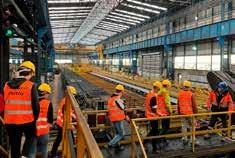
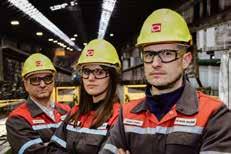
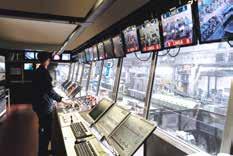
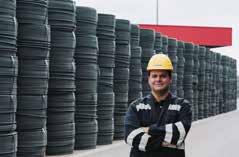
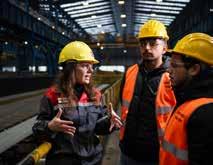
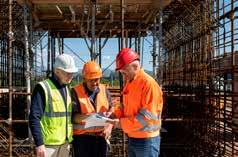
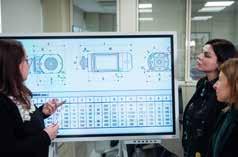
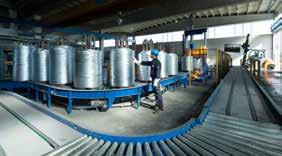
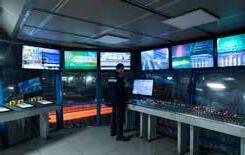
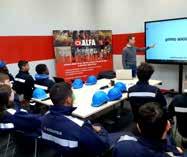
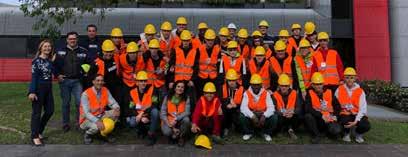

SIDERURGICA INVESTIMENTI

GOVERNANCE DISCLOSURE4.
Governance disclosure
4.1 Relationships with suppliers
GRI 2-6, GRI 204-1, GRI 3-3, GRI 308-1
Siderurgica Investimenti Group's companies implement an Integrated Quality, Environment and Safety System that reflects the Group's commitment to operational excellence. This system ensures the highest standards at every stage of the production process, in order to guarantee high levels of quality, reliability and competitiveness of products, protect people and the environment, and enable efficient and transparent management of the supply chain, based on stable partnerships and a culture of ongoing improvement.
Siderurgica Investimenti Group ensures its operational soundness through structured management of supplier relationships, based on transparency, fair payment terms and collaboration founded on mutual reliance. This approach allows the Group to guarantee continuity and efficiency throughout the supply chain, ensure process repeatability, strengthen its reputation and promote market growth, relying on trustworthy partners who share the same ethical principles.
The Group's suppliers can be classified into two macro-categories based on the Group's structured and consolidated supply chain:
Suppliers of goods
▶ Suppliers of scrap and other raw materials;
▶ Suppliers of technology and materials.
Siderurgica Investimenti Group has always been committed to enhancing the communities in which it operates, including by selecting, where possible, local suppliers located in areas close to its manufacturing sites, thereby contributing to the socio-economic and skills development of the surrounding area.
Suppliers of services
▶ Outsourcer (suppliers performing part of the process);
▶ Contractors (suppliers providing on-site installation works, ordinary and extraordinary maintenance, tenders and construction sites);
▶ Suppliers of other services.
In 2024, the percentage of total purchases spent on local suppliers at Group level was 20%, in line with previous years. Acciaierie di Sicilia, in particular, has a very high percentage of local suppliers, equal to 49% in 2024, in line with the 2023 financial year, when it was 51%.
In line with the principles set out in the Code of
More specifically, all suppliers based in the same province as the operational headquarters of the various Group companies are considered “local”: Brescia for Alfa Acciai, Tecnofil and Alfa Derivati, Catania for Acciaierie di Sicilia and Vicenza for Ferroberica.
Ethics – including high standards of professional skills, competence and full compliance with current regulations – the Group operating companies adopt stringent criteria in managing relations with suppliers. No relations are therefore maintained with parties involved in illicit activities, lacking the necessary requirements of integrity and reliability, or with third parties that carry out activities prejudicial to the environment or health, or that demonstrate a lack of interest in respecting human rights.
4.1.1 Selecting suppliers
The Group takes great care of the quality of the goods purchased and the methods used to perform the service. Therefore, it endeavours to select its suppliers based on their reliability and competitive ability to guarantee not only the price of goods/services, but also on-time delivery, innovative approach, after-sales service and support, market reputation and environmental protection policies. In pursuing these strategic objectives, the Group has adopted specific policies and procedures focused to ensuring the accurate selection and evaluation of suppliers, with the aim of identifying the most solid and reliable partners.
Below are two different procedures for the selection and evaluation of suppliers adopted by the Group: one for scrap suppliers and one for suppliers of other goods and services.
▶ The selection of suppliers of goods and services is assigned to the Quality Department and the Purchasing Department, each with roles defined according to their respective areas of expertise. The related qualification process, within the internal control system, involves sending a questionnaire to suppliers in order to verify compliance with quality standards and, where necessary, carrying out any targeted audits to ascertain the suppliers' ability to meet product and/or system requirements and examine specific aspects of the supplier's organisation. During the initial supplier assessment, the checks are diversified depending on whether or not the supplier has a quality system certification issued by an officially recognised third party. If the outcome is positive, the supplier is included in the ‘Vendor List ’ with a two-year qualification. Performance is monitored constantly throughout this period, both during and after use, in order to establish and evaluate the supplier's performance over time.
A clear example of this is Ferroberica, which has partnerships with numerous companies for processing, assembly, installation and transport activities, selecting only suppliers registered on the “White List” established by the local police authorities. Furthermore, the validity and correctness of the tender contracts entered into with companies that collaborate on a permanent basis with Ferroberica have been certified by the Certification Board of the “Marco Biagi” Department of Economics at the University of Modena and Reggio Emilia.
▶ The approach is different for scrap metal suppliers, given the specific nature of this raw material. These suppliers are subject to a complex and strict company qualification procedure.
The qualification process, which in 2024 involved 13 new suppliers, includes a detailed procedure to check that they meet current environmental regulations and target product categories, as well as assessing their financial standing to make sure the Group's supply chain is managed efficiently.
The initial step of the qualification process involves an on-site visit to the supplier's premises to gather information and check the equipment used, with particular regard to the instruments used for radiometric control, the type of production facilities and the quality of the materials in place.
If the outcome is positive, an information checklist is drawn up, which is the first tool for the systematic assessment of the supplier. The subsequent stages of the qualification process are all carried out digitally: the supplier is required to upload the requested documentation, which is then examined by the relevant departments, to a web portal dedicated to data collection and filing. Following analysis of the data collected and after obtaining the approval of the relevant company departments, the supplier is formally qualified.
Maintaining qualification is subject to ongoing compliance with the initial requirements and the quality of the scrap supplied, in line with current regulations and strict company procedures. Incoming material is subject to strict safety and quality controls before being sent for melting. In addition, inspections at the sites of qualified suppliers continue throughout the supply relationship, confirming continuous and coordinated monitoring.
4.2 Economic management and performance
4.2.1 Economic value generated and distributed
GRI 201-1, GRI 3-3
Overall, the economic and financial figures presented in the 2024 Sustainability Report and the related comparative information include the performance of Siderurgica Investimenti S.r.l. and its subsidiaries, unlike last year,
Tecnofil
Alfa Montirone S.r.l.
Le Madonie Investimenti S.r.l. Palermo
The following table shows the Group's economic and financial figures for the three-year period 2022-2024 in accordance with GRI 201-1.
The European steel market is facing a period of major change, marked by weak and fragmented demand, squeezed margins and a growing need for sustainable innovation. 2024 confirmed a complex environment, in which the main challenge for producers was to remain competitive against an ever more aggressive non-EU competition and an acceleration of decarbonisation policies.
While technological developments and investments in production processes with a lower environmental impact have begun to open up new opportunities for growth and renewal for the entire industry, geopolitical tensions and protectionist measures adopted by various countries have contributed to making the market situation even more unstable. In this scenario, the European steel market is under strong competitive pressure from
when the scope only included the operating companies of the Alfa Acciai Group. In more detail, the scope of consolidation includes the following companies:
China and other third countries, which resort to dumping practices and overproduction policies supported by state aid, with distorting effects on prices and the profitability of European companies.
The European Union has strengthened its trade defence measures to counter these phenomena, introducing anti-dumping duties on various categories of steel products and launching new investigations to protect the domestic market. With the Steel & Metals Action Plan, the European Commission has also provided for more effective tools to ensure fair competition and support the competitiveness of the European steel industry For the entire Italian EAF steel industry, international geopolitical uncertainty, the crisis in building construction, the impact of extra energy costs compared to European competitors and the increase in raw material prices have led to a sharp drop in margins. In this challenging scenario, Siderurgica Investimenti Group maintained the production levels of the last two
1) Considering the existence of own shares equal to 3.03% of the share capital of A.L.F.A. S.p.A., the percentage held by Siderurgica Investimenti Group rises from 77.2% to 79.6%.
years and revenues of over €1 billion, thus reaffirming its industrial strength and ability to compete sustainably by capitalising on the quality of its processes, technological innovation and integration with the
local supply chain. These elements form the basis of its operational resilience and commitment to contributing to a sustainable and competitive future for the steel industry.
4.2.2 Investment plan
In this difficult economic climate, Siderurgica Investimenti Group continued to invest in sustainability, efficiency and innovation, the aim being to strengthen its competitiveness. Investments during 2024 amounted to approximately €36 million, bringing the total for the four-year period 2021-2024 to over €170 million. The Group therefore continued to consistently implement its investment plan, focused on the ongoing improvement of safety standards, environmental and quality performance, as well as strengthening the flexibility and efficiency of its entire product range. Resources were allocated to the implementation of the
most technologically advanced solutions, in line with long-term innovation and sustainability objectives. The actions involved all Group companies and each production division, thereby confirming an integrated and systematic approach to asset management. In line with a long-established strategic choice, each company asset is systematically monitored and subjected to specific maintenance programmes in order to ensure maximum efficiency.
Revenues reflect the economic value directly generated and include the value of production and financial income.
2) Revenues are the directly generated economic value and include the value of
During the 2024 financial year, out of a total of €36.4 million, the main investments involved Alfa Acciai (€19.3 million), Ferroberica (€8.3 million) and Acciaierie di Sicilia (€6.2 million). The breakdown by investment purpose is shown in the table below.
A significant portion of the investments was targeted at ESG projects, in order to further reduce the carbon footprint of processes and products and strengthen social commitment.
4.3 IT systems management
Using the latest IT technologies developed by the market is crucial for the Group companies: this helps them achieve their targets and ensures stability and constant operability. The IT Governance goal is to improve efficiency, increase security and refine both interaction with customers, suppliers and institutions, and the accuracy of internal production processes in the IT and OT areas. Among the most significant projects implemented in 2024 were: the extension of Industrial KPI management, the automation of administrative processes, the creation of a new Data Centre and the improvement of warehouse movement management.
In line with the previous year, the analysis of industrial KPIs was extended to other Group production processes and was further developed in processes relevant to the Group companies' business. A process was also launched to collect, analyse and display the vast amount of data that companies are currently able to collect in a more efficient manner, with the ultimate aim of obtaining valuable insights. These can be used to make more informed decisions and improve business performance, using reports and dashboards created with Business
Intelligence tools. Training was also provided to users to raise awareness of this new information and technology. At the same time, thanks to the enhancement of RPA (Robotic Process Automation) processes, some inhouse solutions have been developed to improve administrative processes, thus reducing the workload of the offices.
As part of the Group's Business Continuity and Data Recovery procedures, Alfa Acciai has undertaken a significant project to migrate the main server room to a new technological environment, which involves the adoption of cutting-edge solutions to improve the performance, security and overall management of the IT infrastructure, increasing its scalability and ensuring greater energy efficiency.
Furthermore, a project has been launched to optimise the loading of outbound heavy goods vehicles and improve in-house traffic flow using a Yard Management System to streamline management, thereby reducing waiting times and increasing operational safety and the overall efficiency of the logistics process.
The IT security strategy is recognised as a basic cornerstone of the Group, which is committed to raising awareness among all employees, building an in-house culture in which the protection of data and systems is considered a shared responsibility.
GRI Content Index
Disclaimer: Siderurgica Investimenti Group has reported the information mentioned in this GRI content index for the period 01-01-2024 | 31-12-2024 with reference to the GRI Standards.
GRI 1 – Basic principles - version 2021
General disclosures
GRI 2: General disclosures 2021
GRI 2-1
Organizational details
GRI 2-2 Entities included in the organization’s sustainability reporting
GRI 2-3 Reporting period, frequency and contact point
GRI 2-4 Restatements of information
GRI 2-5 External assurance
GRI 2-6 Activities, value chain and other business relationships
GRI 2-7 Employees
GRI 2-8 Workers who are not employees
GRI 2-9 Governance structure and composition
GRI 2-12 Role of the highest governance body in overseeing the management of impacts
GRI 2-13 Delegation of responsibility for managing impacts
Methodological Note; 11
1.1 Siderurgica Investimenti Group’s identity and profile; 16
1.1.1 Siderurgica Investimenti Group’s background; 17
1.1.2 The Group’s structure and value chain; 18
Methodological Note; 11
Methodological Note; 11
Methodological Note; 11
Methodological Note; 11 Independent Auditors' Report; 93
1.1.2 The Group’s structure and value chain; 18
1.1.6 Market served; 26 4.1 Relationships with suppliers; 84
3.1 The people; 60
3.1 The people; 60
1.1.3 Governance model and business integrity; 22
1.1.3 Governance model and business integrity; 22
1.1.3 Governance model and business integrity; 22
GRI 2-22 Statement on sustainable development strategy Letter to the Stakeholders; 6
GRI 2-23 Policy commitments
GRI 2-25 Processes to remediate negative impacts
GRI 2-27 Compliance with laws and regulations
1.1.5 The Group’s mission, strategic values and principles; 24
1.1.2 The Group’s structure and value chain; 18
1.2 Stakeholders and double materiality assessment: impacts, risks and opportunities; 27
2 Environmental information; 33 3 Social information; 59
1.1.3 Governance model and business integrity; 22
GRI Standards 2021
GRI 2-28 Membership associations
GRI 2-29 Approach to stakeholder engagement
Membership associations; 26
Stakeholders and double materiality assessment: impacts, risks and opportunities; 27 GRI 2-30 Collective bargaining agreements
People’s well-being; 64
Material topics
GRI 3: Material topics 2021 GRI 3-1 Process to determinate material topics
GRI 3-2 List of material topics
Climate change and energy efficiency
GRI 3: Material topics 2021 GRI 3-3 Management of material topics
GRI 305: Emissions 2016
GRI 302: Energy 2016
Pollution
GRI 3: Material topics 2021 GRI 3-3 Management of material topics
GRI
Emissions 2016
Water resource management
GRI 3: Material topics 2021 GRI 3-3 Management of material topics
GRI 303: Water and effluents 2018
Stakeholders and double materiality assessment: impacts, risks and opportunities; 27
Stakeholders and double materiality assessment: impacts, risks and opportunities; 27
Stakeholders and double materiality assessment: impacts, risks and opportunities; 27
Stakeholders and double materiality assessment: impacts, risks and opportunities; 27
Management of water resources; 47
Siderurgica Investimenti Group’s circularity
GRI 3: Material topics 2021
GRI 301: Materials 2016
GRI 306: Waste 2020
3-3 Management of material topics
Own workforce
GRI 3: Material topics 2021 GRI 3-3 Management of material topics
Stakeholders and double materiality assessment: impacts, risks and opportunities; 27 2.5 Circularity within the Siderurgica Investimenti Group; 49
Use of materials; 51
GRI
GRI 405: Diversity and equal opportunity 2016
GRI 406: Nondiscrimination 2016
GRI 403: Occupational health and safety 2018
406-1 Incidents of discrimination and corrective actions taken
Stakeholders and double materiality assessment: impacts, risks and opportunities; 27 3.1 The people; 60 3.2 People’s wellbeing; 64 3.3 Health
GRI Standards 2021 Disclosure
Communities concerned
GRI 3: Material topics 2021
GRI 413: Local communities 2016
GRI 3-3 Management of material topics
Stakeholders and double materiality assessment: impacts, risks and opportunities; 27 3.6 Engaging with local communities; 75
GRI 413-1 Operations with local community engagement, impact assessments, and development programs 3.6 Engaging with local communities; 75
Consumers and end users
GRI 3: Material topics 2021
GRI 416: Customer health and safety 2016
GRI 417-1: Marketing and labelling 2016
Business conduct
GRI 3: Material topics 2021
GRI 3-3 Management of material topics
GRI 201: Economic performance 2016
Stakeholders and double materiality assessment: impacts, risks and opportunities; 27 3.7 End-user safety and product quality; 77
GRI 416-2 Incidents of non-compliance concerning the health and safety impacts of products and services 3.7.1 Product quality – ISO 9001; 77
GRI 417-2 Incidents of non-compliance concerning product and service information and labelling 3.7.1 Product quality – ISO 9001; 77
GRI 3-3 Management of material topics 1.1.4 Approach to tax; 23
1.1.5 The Group’s mission, strategic values and principles; 24
1.2 Stakeholders and double materiality assessment: impacts, risks and opportunities; 27
4.1 Relationships with suppliers; 84
4.2.1 Economic value generated and distributed; 86
GRI 201-1 Direct economic value generated and distributed 4.2.1 Economic value generated and distributed; 86
GRI 204: Procurement practices 2016 GRI 204-1 Proportion of spending on local suppliers 4.1 Relationships with suppliers; 84
GRI 205: Anticorruption 2016
GRI 206: Anticompetitive behaviour 2016
GRI 205-3 Confirmed incidents of corruption and actions taken
GRI 206-1 Legal actions for anti-competitive behaviour, anti-trust, and monopoly practices
GRI 207: Tax 2019 GRI 207-1 Approach to tax
GRI 308: Supplier environmental assessment 2016
GRI 308-1 New suppliers that were screened using environmental criteria
1.1.3 Governance model and business integrity; 22
1.1.3 Governance model and business integrity; 22
1.1.4 Approach to tax; 23
4.1 Relationships with suppliers; 84
Independent Auditors' Report
GRI 2-5

KPMG S.p.A.
Revisione e organizzazione contabile Via Cefalonia, 70 25124 BRESCIA BS Telefono +39 030 2425720 Email it-fmauditaly@kpmg.it PEC kpmgspa@pec.kpmg.it
(This independent auditors’ report has been translated into English solely for the convenience of international readers. Accordingly, only the original Italian version is authoritative.)
Independent auditors’ report on the sustainability report
To the board of directors of Siderurgica Investimenti S.r.l.
We have been engaged to perform a limited assurance engagement on the 2024 sustainability report (the “sustainability report”) of the Siderurgica Investimenti Group (the “group”).
Directors’ responsibility for the sustainability report
The directors of Siderurgica Investimenti S.r.l. (the “parent”) are responsible for the preparation of a sustainability report in accordance with the “Global Reporting Initiative Sustainability Reporting Standards” issued by GRI - Global Reporting Initiative (the “GRI Standards”).
The directors are also responsible for such internal control as they determine is necessary to enable the preparation of a sustainability report that is free from material misstatement, whether due to fraud or error.
They are also responsible for defining the group’s objectives regarding its sustainability performance and the identification of the stakeholders and the significant aspects to report.
Auditors’ independence and quality management
We are independent in compliance with the independence and all other ethical requirements of the International Code of Ethics for Professional Accountants (including International Independence Standards) issued by the International Ethics Standards Board for Accountants (the IESBA Code), which is founded on fundamental principles of integrity, objectivity, professional competence and due care, confidentiality and professional behaviour.
Our company applies International Standard on Quality Management 1 and, accordingly, is required to design, implement and operate a system of quality management including policies or procedures regarding compliance with ethical requirements, professional standards and applicable legal and regulatory requirements

Siderurgica Investimenti Group Independent auditors’ report 31 December 2024
Auditors’ responsibility
Our responsibility is to express a conclusion, based on the procedures performed, about the compliance of the sustainability report with the requirements of the GRI Standards. We carried out our work in accordance with the criteria established by “International Standard on Assurance Engagements 3000 (revised) - Assurance Engagements other than Audits or Reviews of Historical Financial Information” (“ISAE 3000 revised”), issued by the International Auditing and Assurance Standards Board (IAASB) applicable to limited assurance engagements. This standard requires that we plan and perform the engagement to obtain limited assurance about whether the sustainability report is free from material misstatement.
A limited assurance engagement is less in scope than a reasonable assurance engagement carried out in accordance with ISAE 3000 revised, and consequently does not enable us to obtain assurance that we would become aware of all significant matters and events that might be identified in a reasonable assurance engagement.
The procedures we performed on the sustainability report are based on our professional judgement and include inquiries, primarily of the company’s personnel responsible for the preparation of the information presented in the sustainability report, documental analyses, recalculations and other evidence gathering procedures, as appropriate.
Specifically, we performed the following procedures:
1 analysing the reporting of material aspects process, specifically how the reference environment is analysed and understood, how the actual and potential impacts are identified, assessed and prioritised and how the process outcome is validated internally;
2 comparing the financial disclosures presented in paragraph 4.2.1 “Economic value generated and distributed” of the sustainability report with those included in the group’s consolidated financial statements;
3 understanding the processes underlying the generation, recording and management of the significant qualitative and quantitative information disclosed in the sustainability report.
Specifically, we held interviews and discussions with the parent’s management personnel and personnel of the subsidiary Alfa Acciai S.p.A.. We also performed limited procedures on documentation to gather information on the processes and procedures used to gather, combine, process and transmit non-financial data and information to the office that prepares the sustainability report.
Furthermore, with respect to significant information, considering the group’s business and characteristics:
• at group level:
a) we held interviews and obtained supporting documentation to check the qualitative information for consistency with available evidence;
b) we carried out analytical and limited procedures to check, on a sample basis, the correct aggregation of data in the quantitative information;
• we visited Alfa Acciai S.p.A.’s site at Via San Polo 152 in Brescia, which we have selected on the basis of its business, contribution to the key performance indicators at consolidated level and location, to meet their management and obtain documentary evidence, on a sample basis, supporting the correct application of the procedures and methods used to calculate the indicators.
Siderurgica Investimenti Group Independent auditors’ report 31 December 2024
Conclusion
Based on the procedures performed, nothing has come to our attention that causes us to believe that the 2024 sustainability report of the Siderurgica Investimenti Group has not been prepared, in all material respects, in accordance with the requirements of the GRI Standards.
Other matters
The 2023 and 2022 comparative figures presented in the sustainability report have not been examined. Brescia, 3 November 2025
KPMG S.p.A.
(signed on the original)
Monica Mazzotti Director of Audit
SIDERURGICA INVESTIMENTI
For more information about our operating companies and relevant products, please refer to the following websites: www.alfaacciai.it www.ferroberica.it www.tecnofil.net
‘For more information about Sustainability infobds@alfaacciai.it
© 2025, Siderurgica Investimenti. All rights reserved. Concept and graphic design: Studio Baronio (www.studiobaronio.com)
Printed in November 2025
100% recycled, biodegradable, eco-friendly paper