Stuart Weitzman School of Design, University of Pennsylvania
Alexia Luo
BARNACLE COVE
Design community settlements by drawing inspiration from geological At the threshold between lived territory and oceanic ecology, the project choreographs overlapping systems across crossing axes, articulating a continuous gradient of transition.
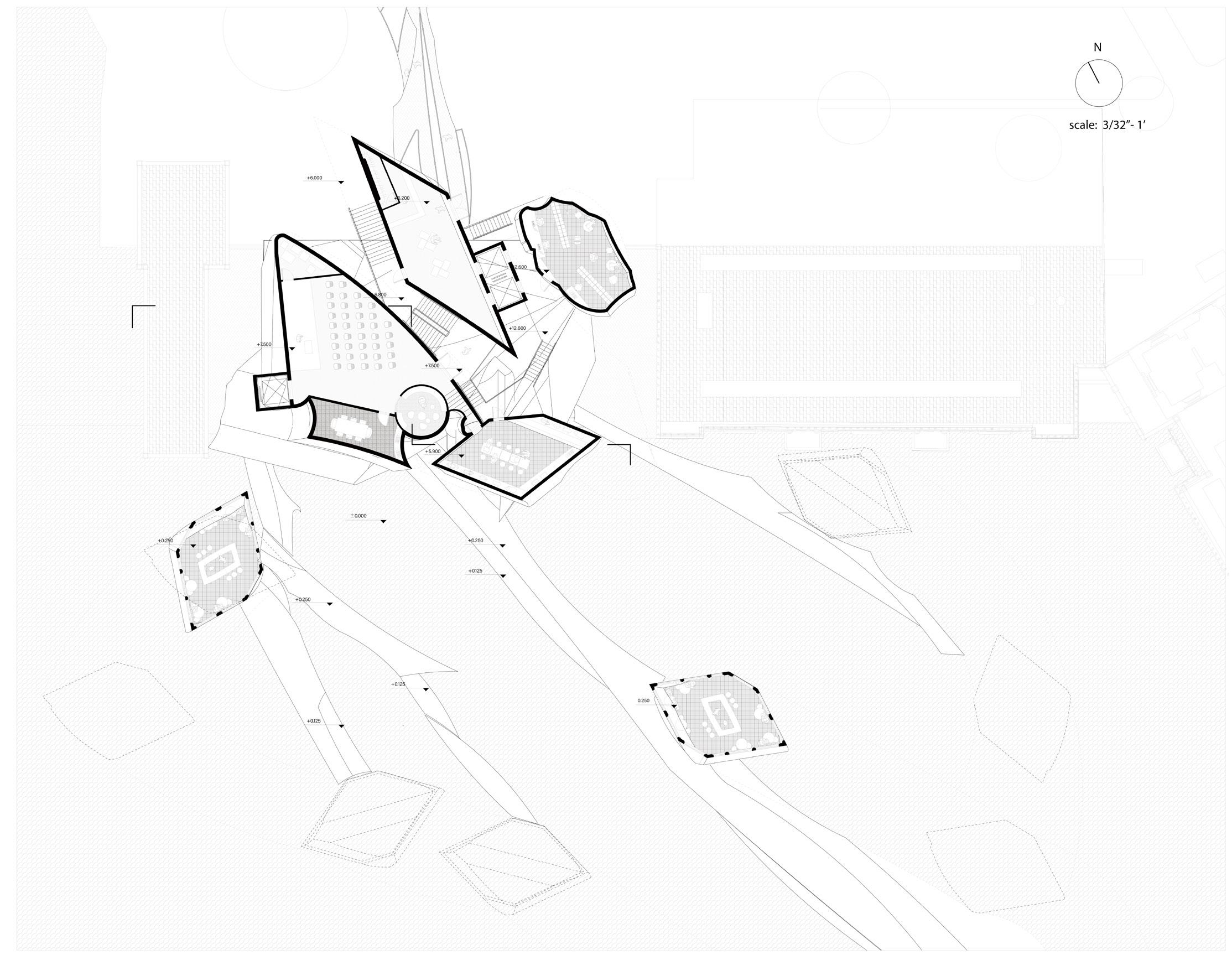
SETTLEMENT OF SCHIST
Design community settlements by drawing inspiration from geological forms, fostering a deep connection between inhabitants and their environment. By mirroring natural structures, these
Toolpath-Programmed Hygromorphic Bio-Composites for Architectural Scale RAMUS V1
OCEANIC NEXUS
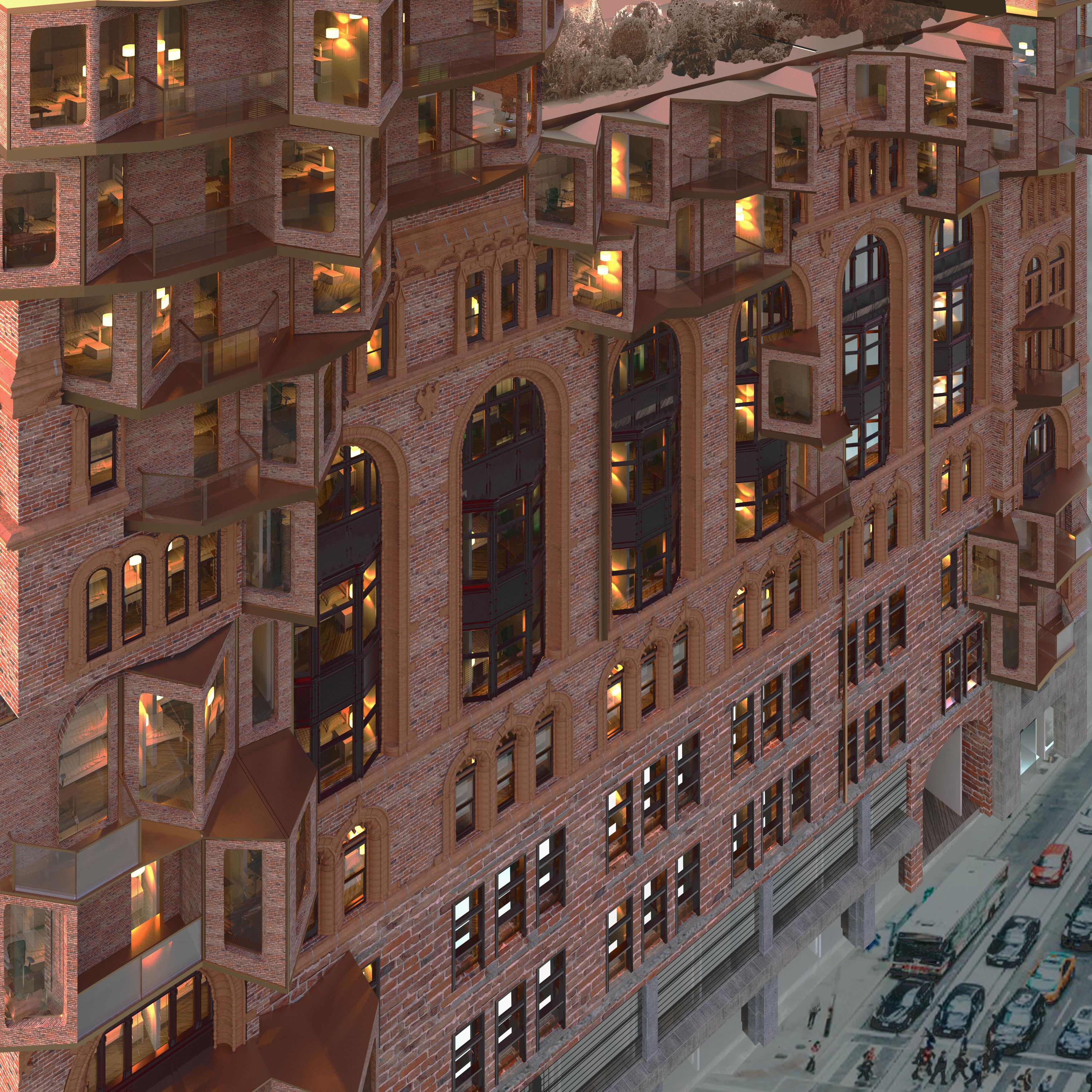
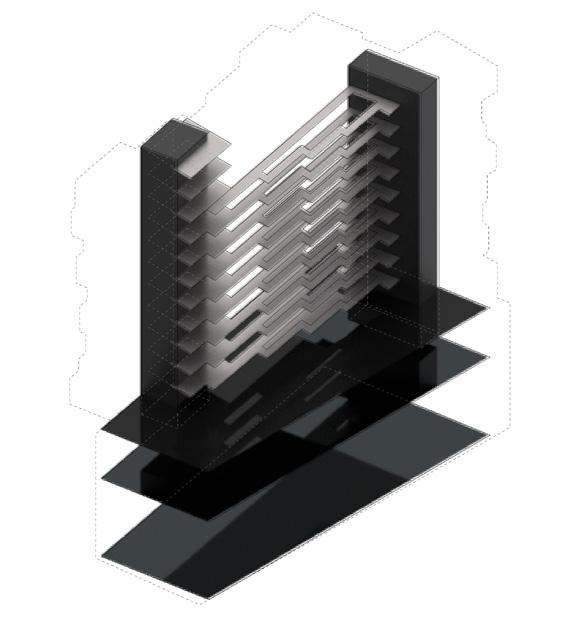
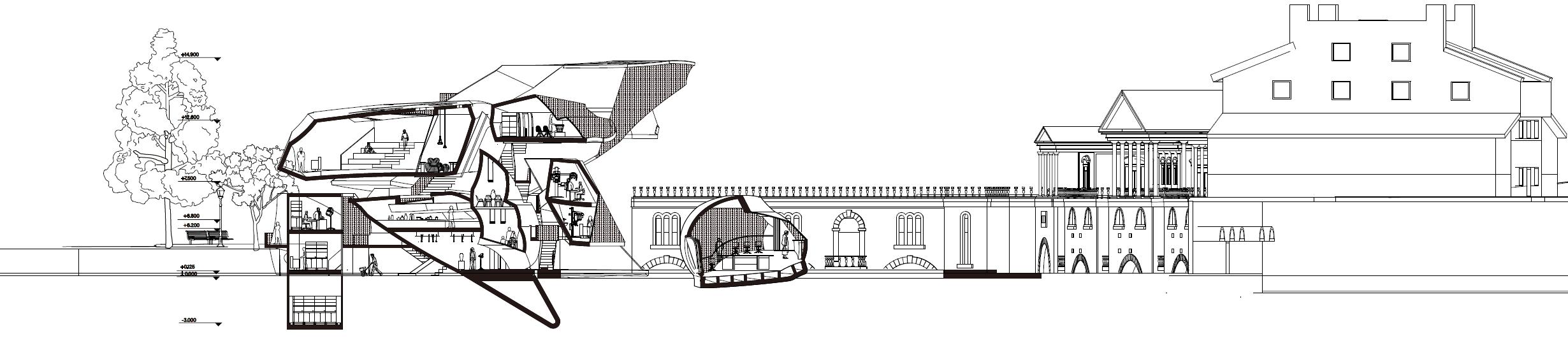
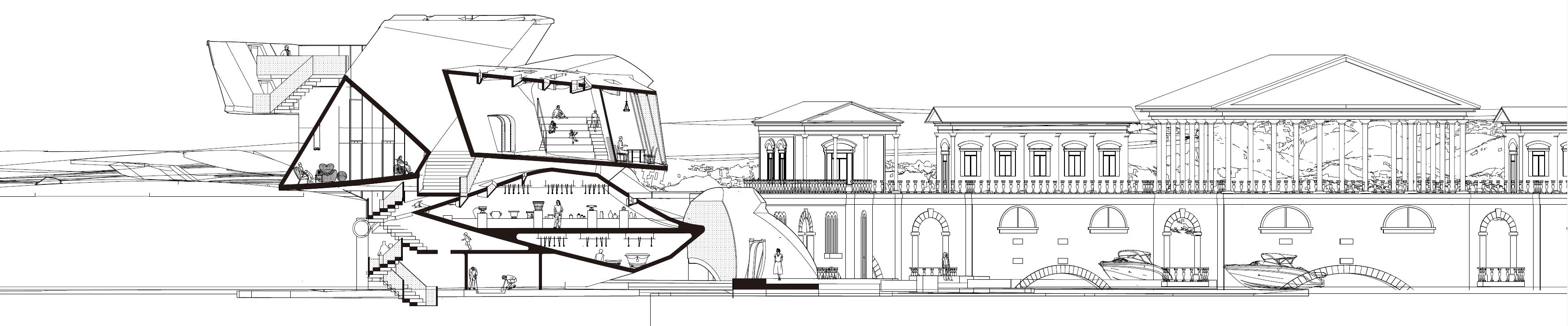
Public space design seamlessly merges historical context with contemporary functionality, creating environments that honor the past while addressing modern needs. Through thoughtful spatial organization, residential units are arranged to enhance community connectivity, meeting diverse needs and fostering a harmonious balance between tradition, innovation, and everyday living.
URBAN ALCHEMY BEACON
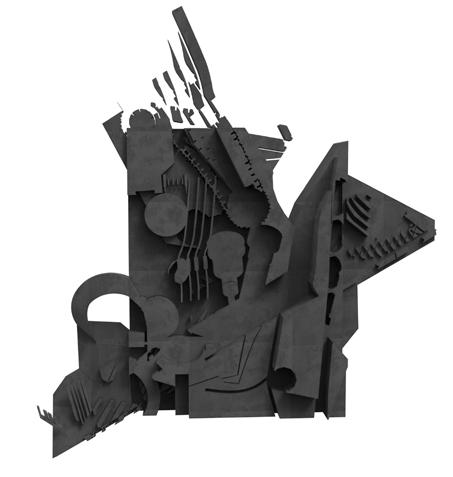
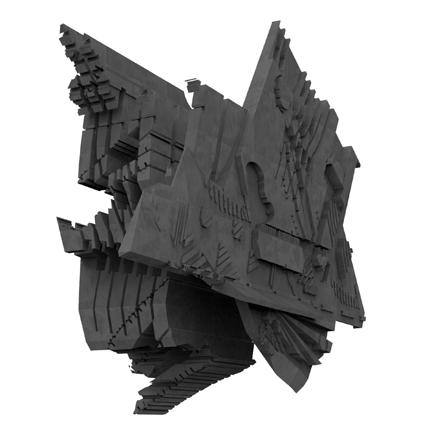
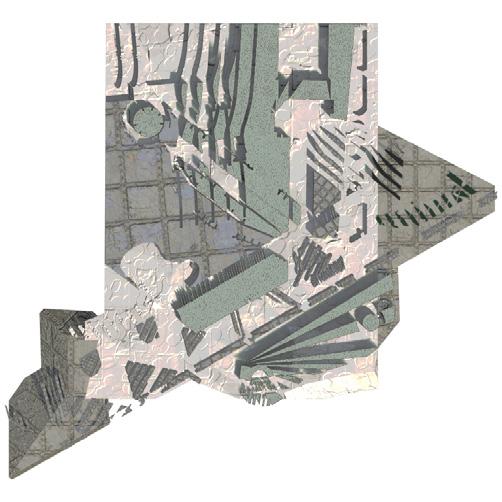
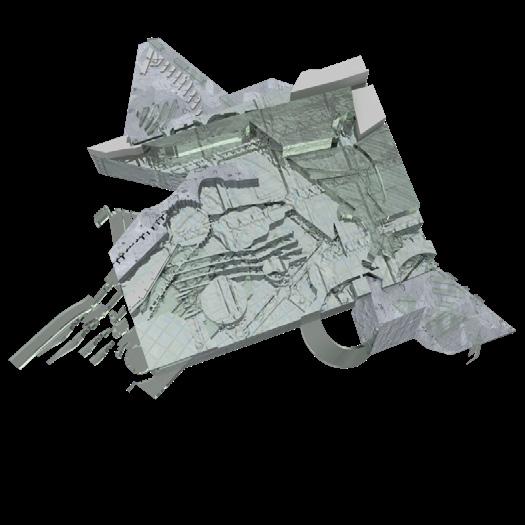
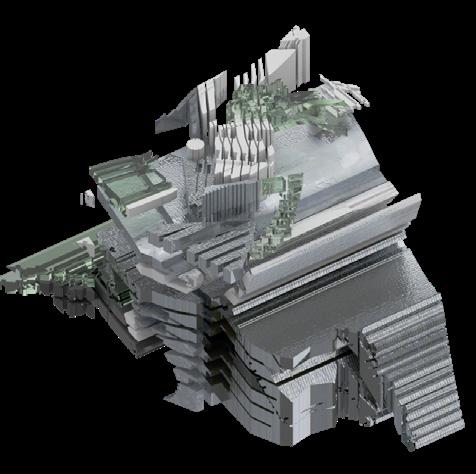
A brownfield redevelopment transforms the old town’s abandoned glass and metal factory into a vibrant urban hub through AI-integrated design. Blending industrial heritage with contemporary urban planning, this project revitalizes the site, creating sustainable spaces that honor the
A cityscape sculpture crafted with sustainable, recyclable materials reflects urban beauty while promoting environmental responsibility. This installation captures the essence of the city's skyline in an eco-friendly form, blending art with sustainability and
Barnacle Cove
Location: Sandy Hook, New Jersy | Team: Alexia Luo, Jin Yan | Instructor: Richard Garber | Year: Spring 2024
“Nothing of him that doth fade, But doth suffer a sea-change Into something rich and strange.”
- William Shakespeare, The Tempest
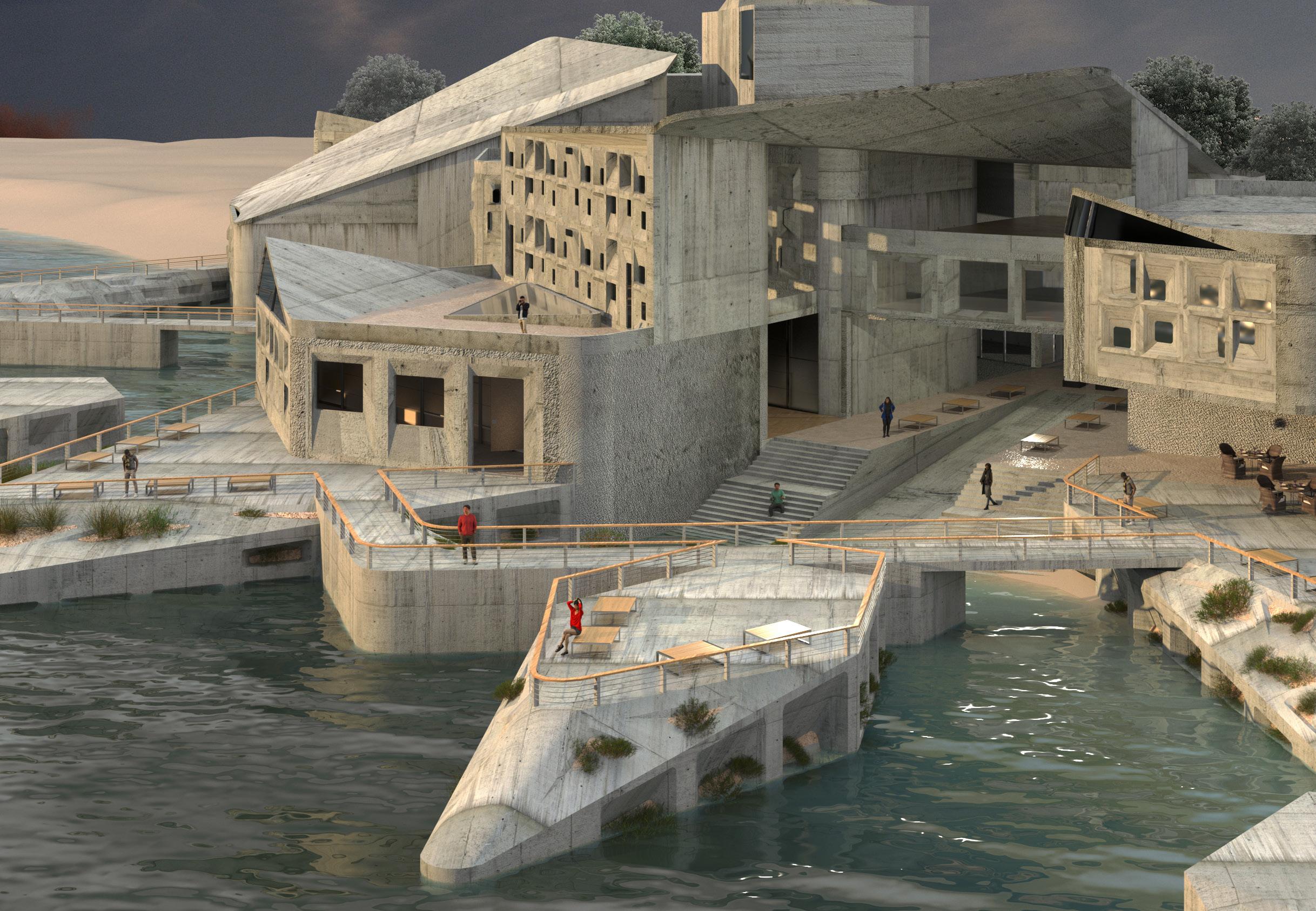
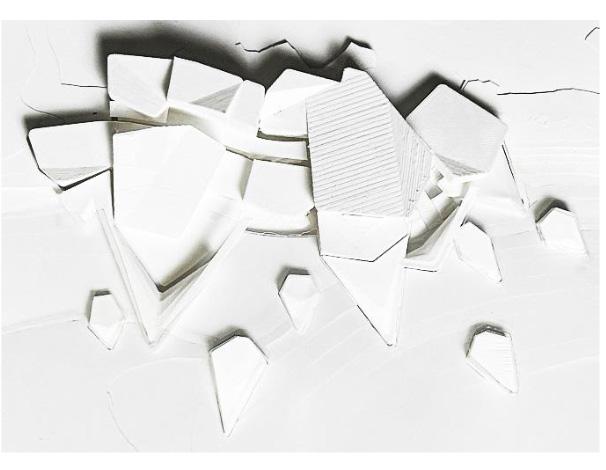
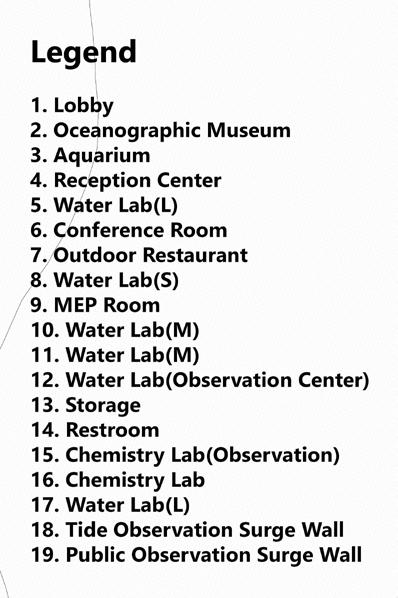
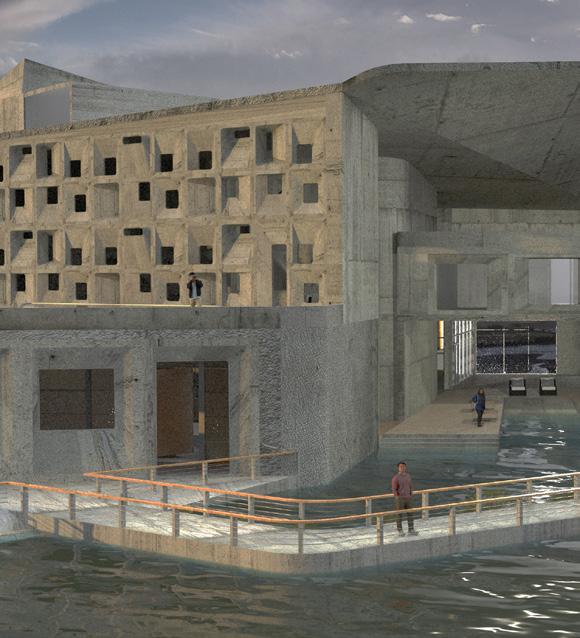
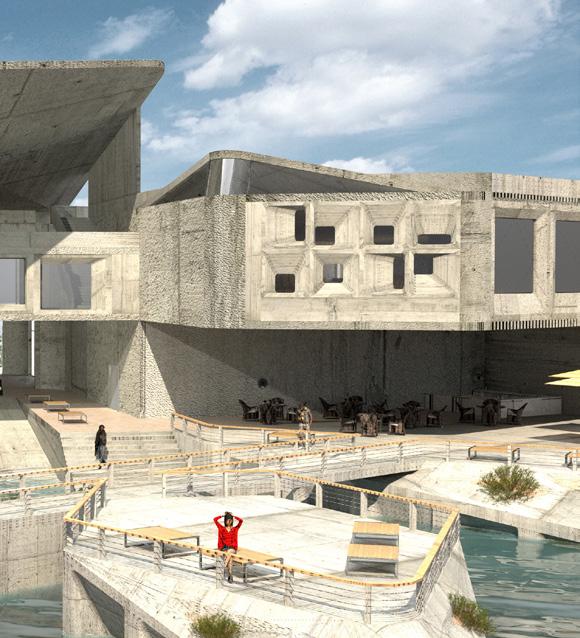
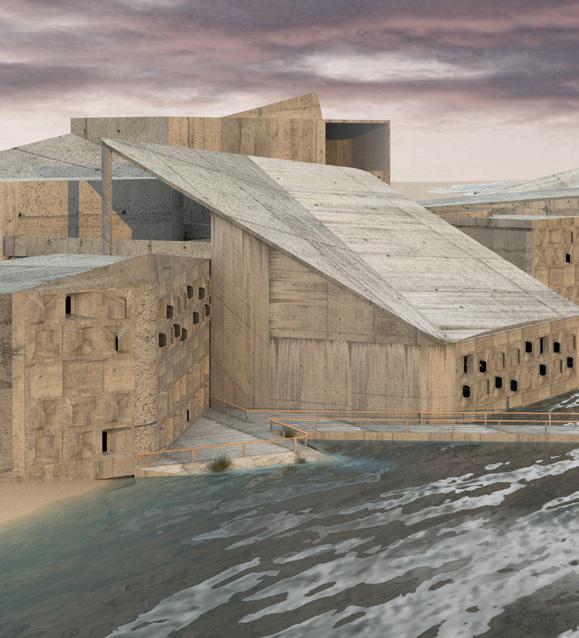
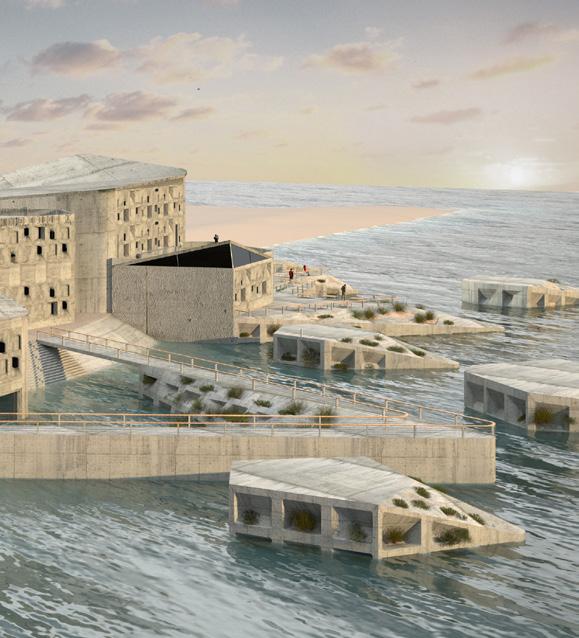
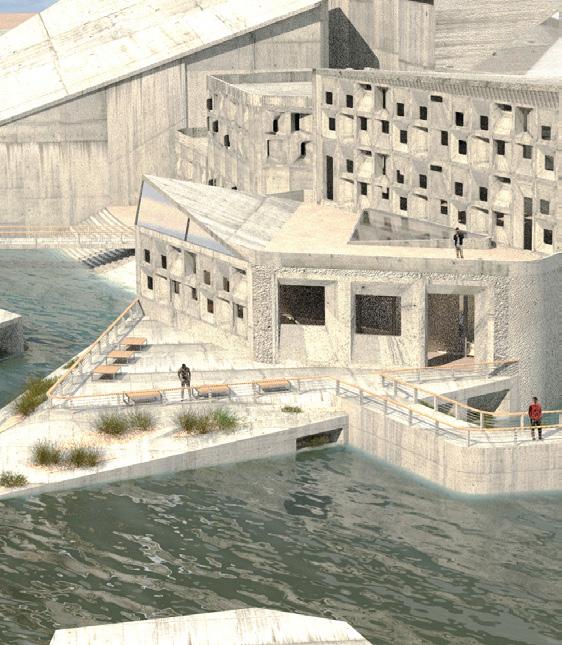
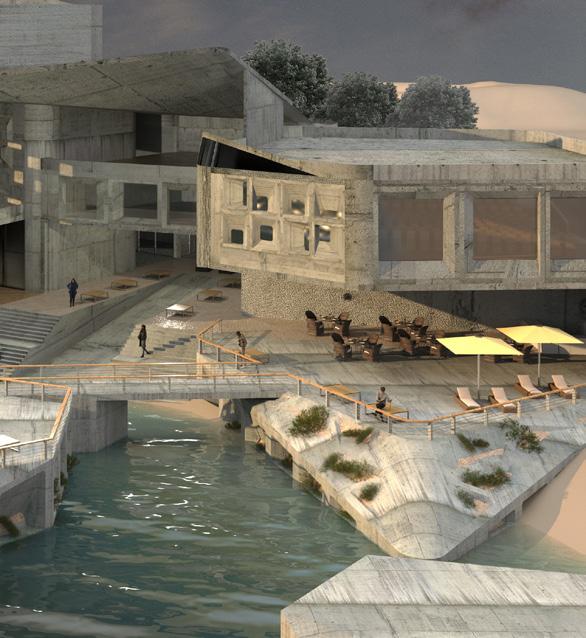
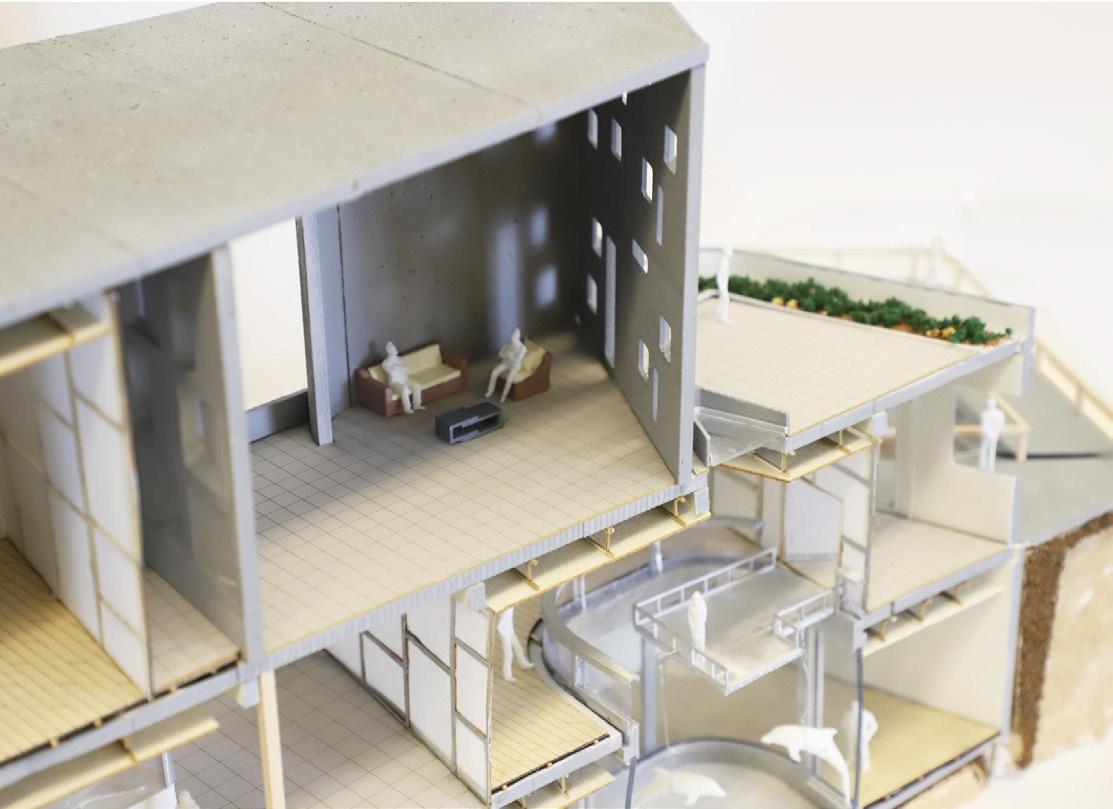
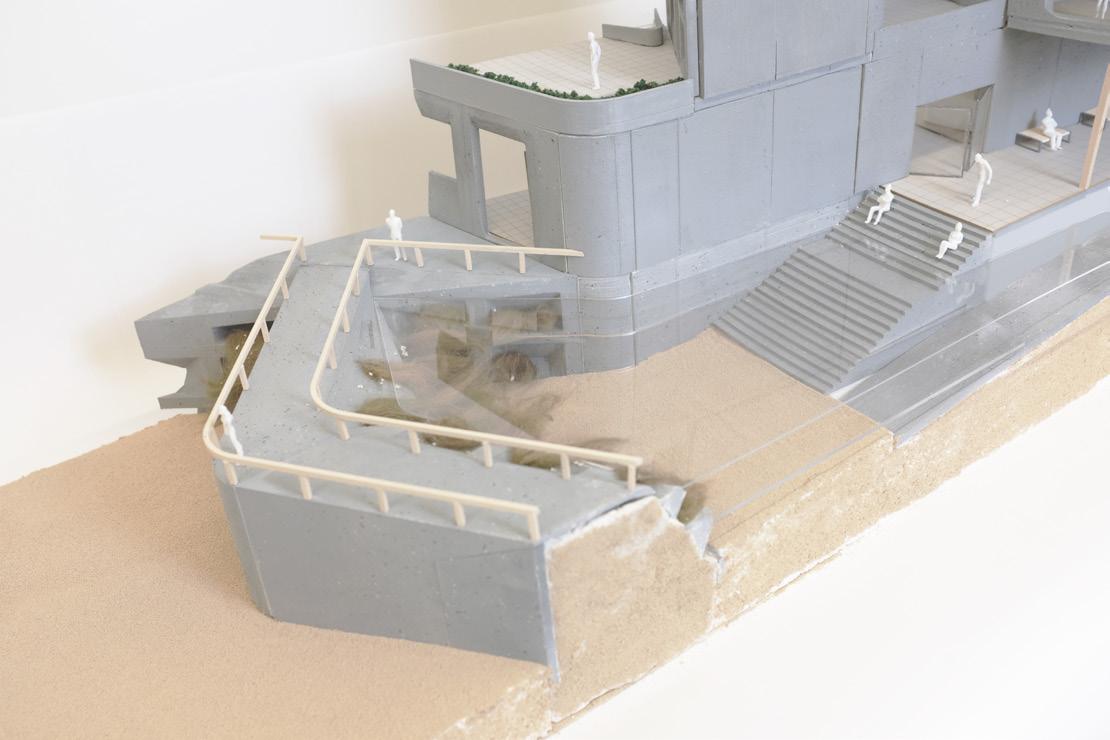
At the threshold between lived territory and oceanic ecology, the project choreographs overlapping systems across crossing axes, articulating a continuous gradient of transition.
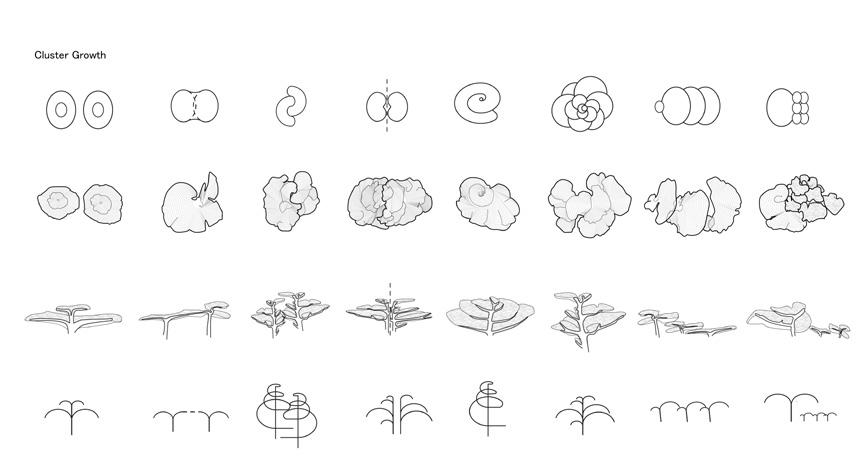
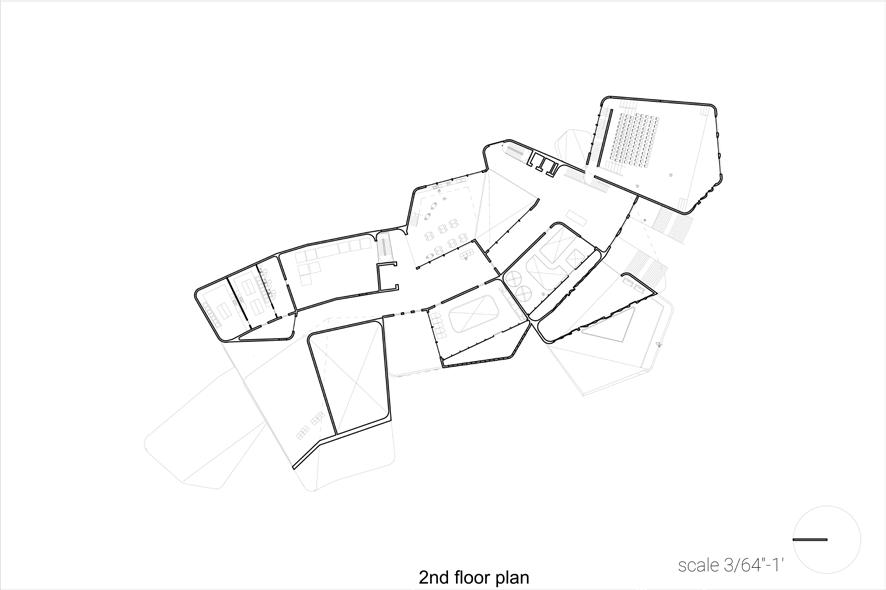
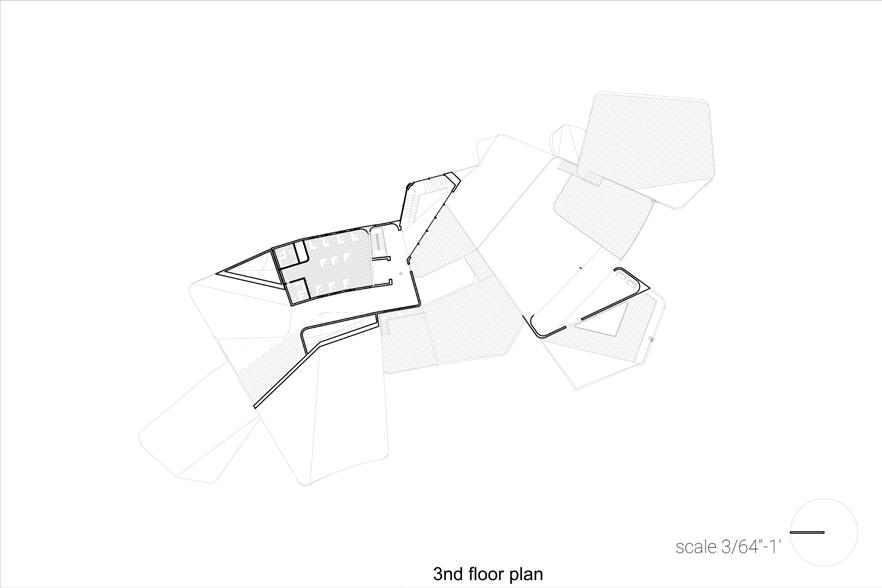
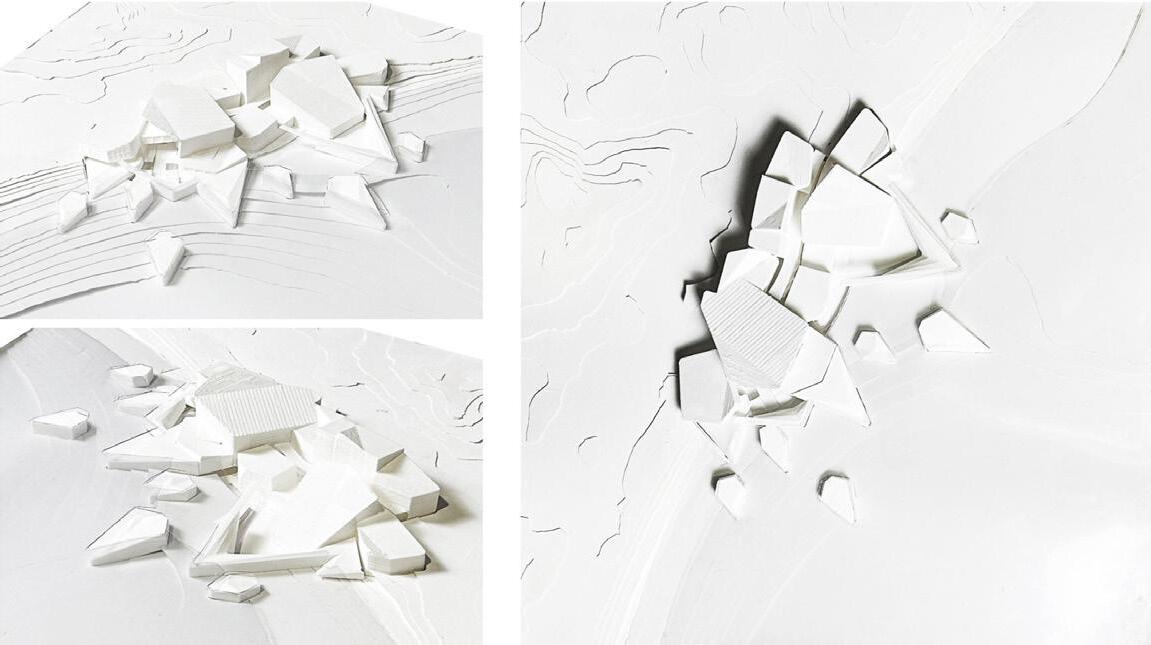
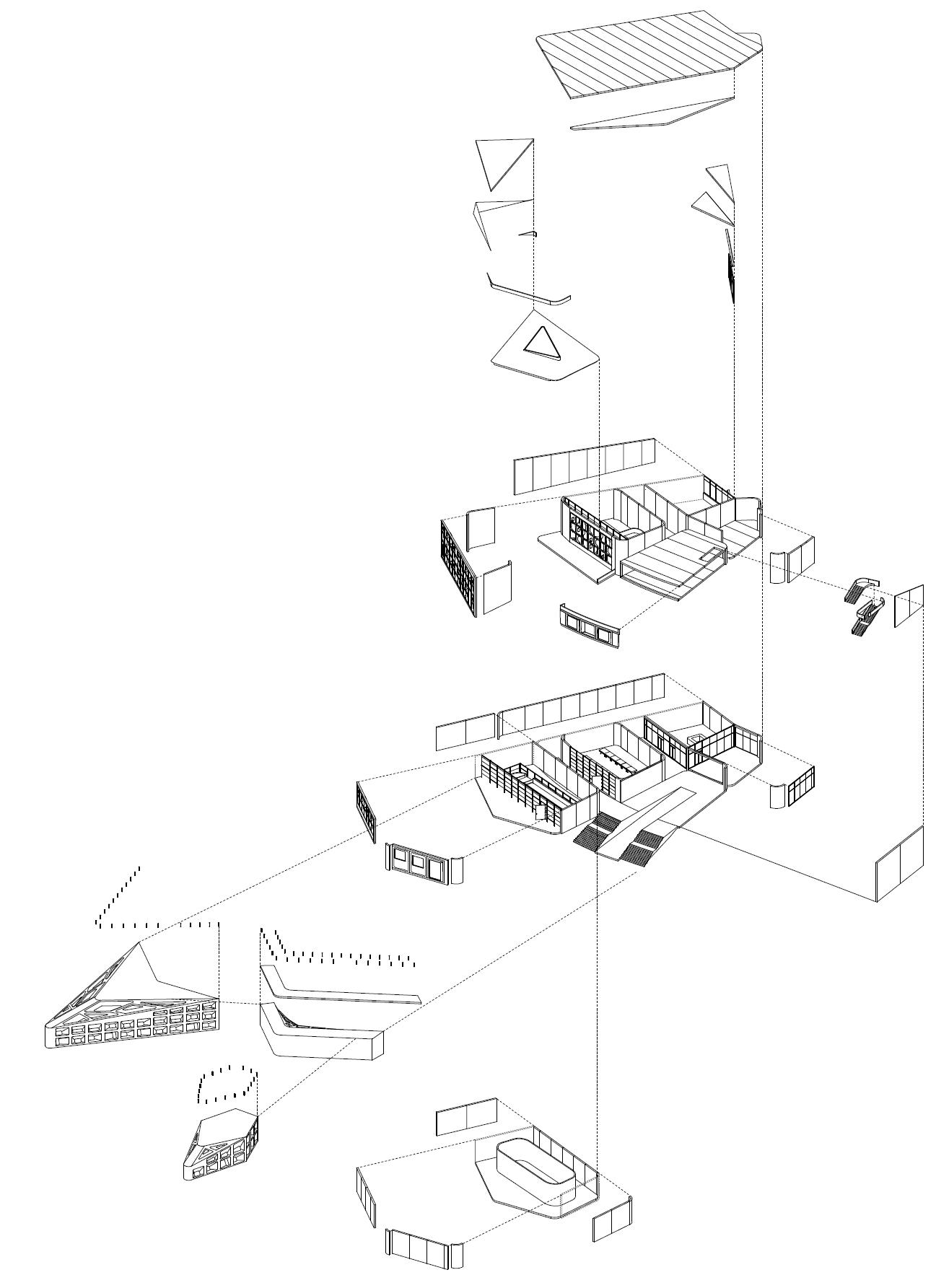
We are aiming to create an environment where the boundaries of human and nature systems are integrated together. From the front entrance on the inner land side to the edge of the harbor, the building forms become more complicated as the function of the building moves from human defined to animal inhabited.
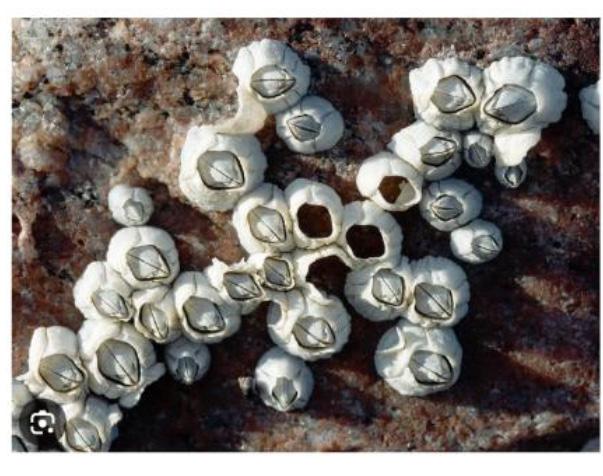
Within human systems there are two functioning systems, the visitor and researcher components arranged in a flow of programming. Where the two systems share some of the programming within the center of the building. We hope that either researchers or visitors have the opportunity of engaging with sea life and animals. Our chosen animal is the barnacle. In our envision, barnacles would grow around or on top of the building and eventually become part of the building.
Barnacle Cove
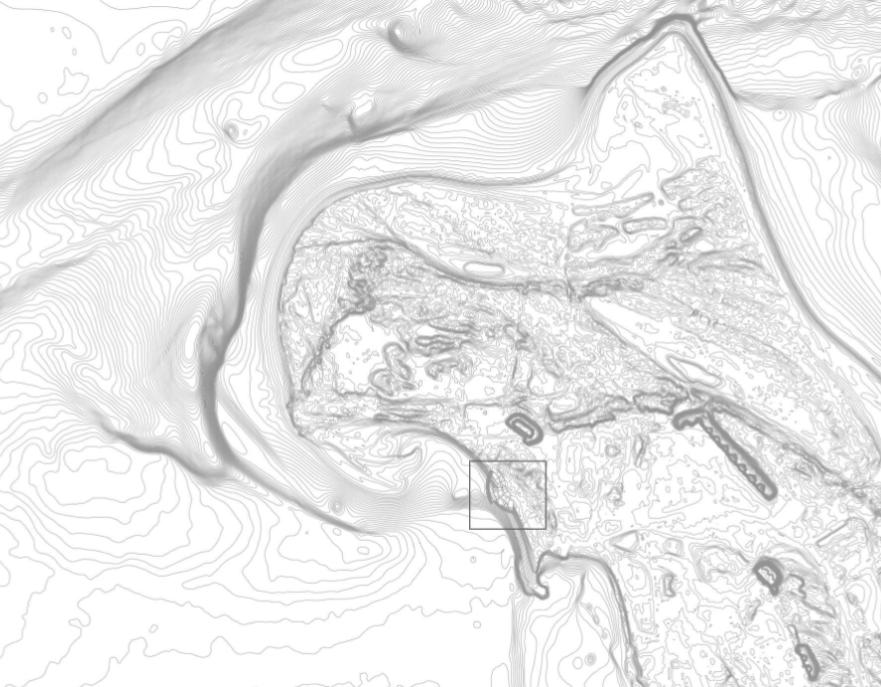
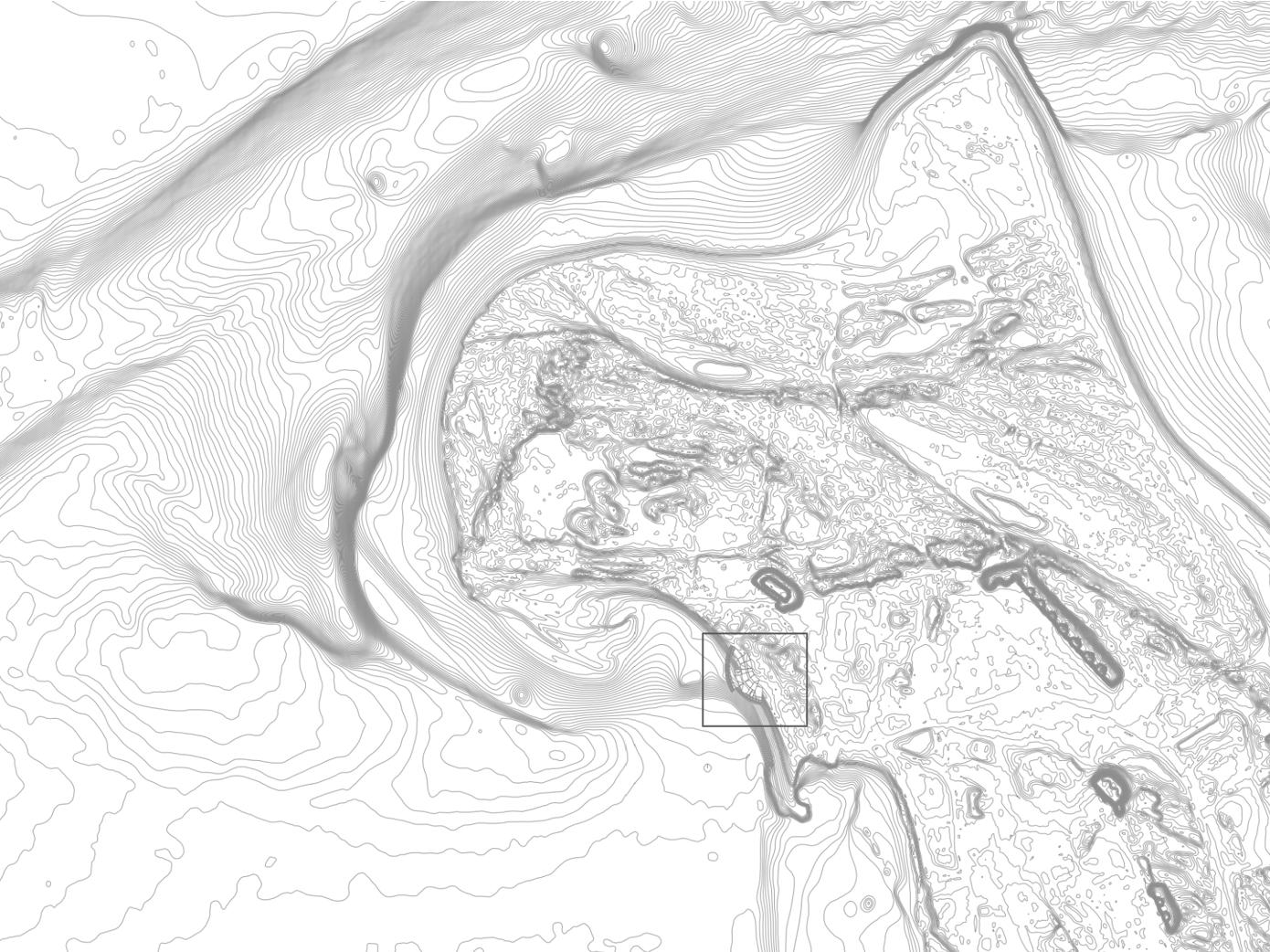
Sandy Hook sits at the edge of the New York–New Jersey Harbor as a recurved sand spit—a “storm corner” shaped by northward longshore currents that continually move and deposit sand (littoral drift) along the Atlantic-facing beach. In other words, the site is literally made by accumulation—and just as quickly reworked by erosion, overwash, and storm surge during the Atlantic hurricane season (June 1–November 30). National Hurricane Center Its daily tidal swing is also powerful: the NOAA Sandy Hook station records a mean tidal range of 4.7 ft (diurnal range 5.22 ft), repeatedly redrawing the coastline as a living boundary.
Over longer horizons, that boundary is rising: Sandy Hook’s relative sea-level trend is 4.28 mm/year, and NOAA projects ~10–12 inches of additional sea-level rise along U.S. coastlines by 2050, compounding flood risk and shoreline retreat.
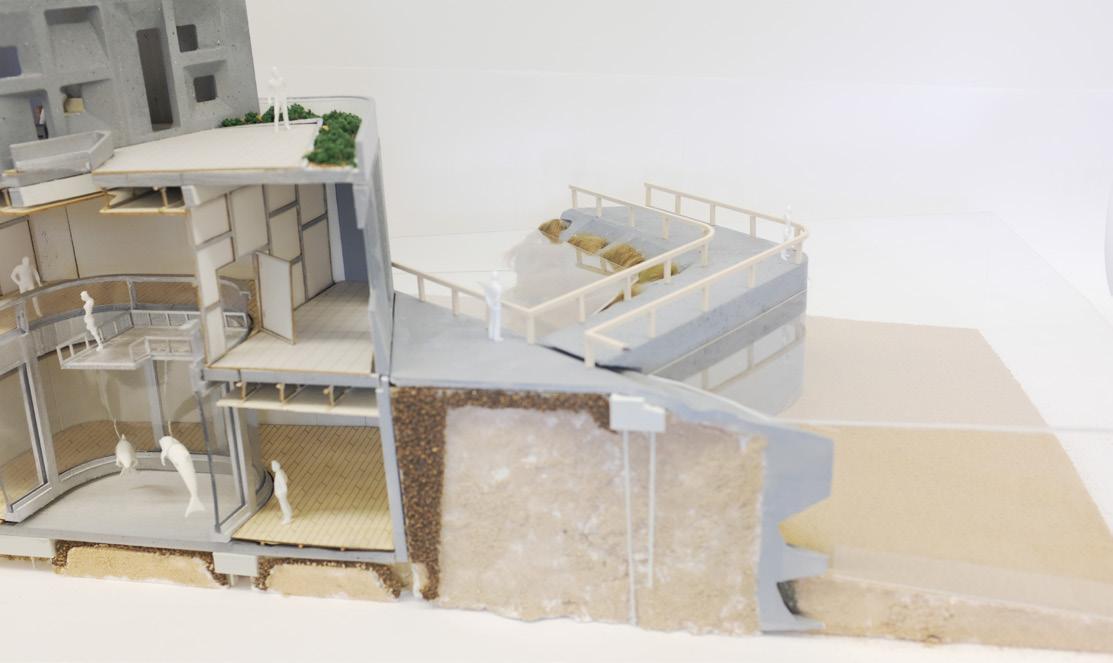
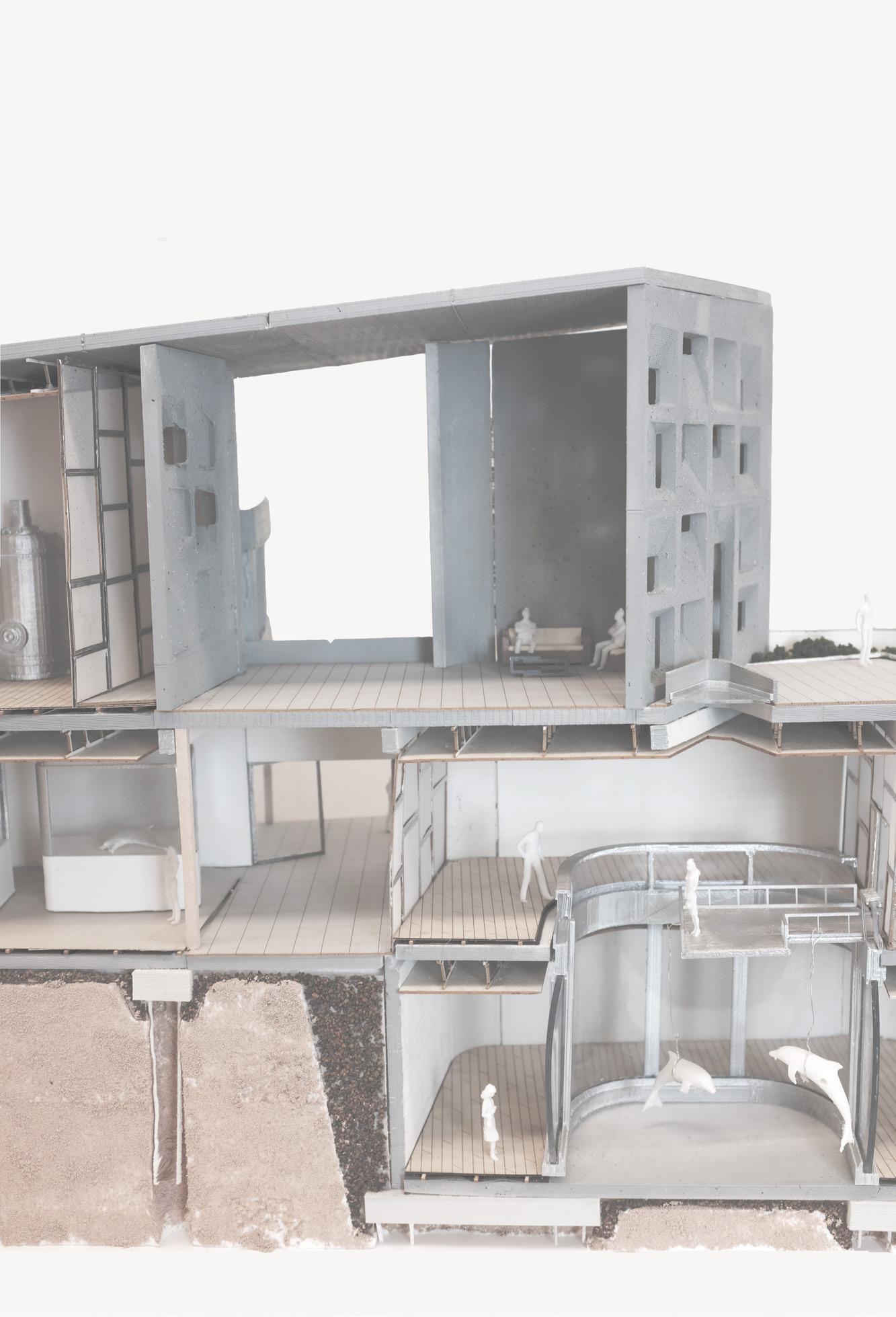
In response, we design a marine research center that is half above ground and half below, embedding laboratories and critical equipment within the dune/landform “thickness” for protection and thermal stability, while lifting public-facing observation and community spaces into the open air. The building becomes a civic instrument for stewardship.
-16.0
Inspiration: From Barnacle to Aggregation
Barnacle Cove
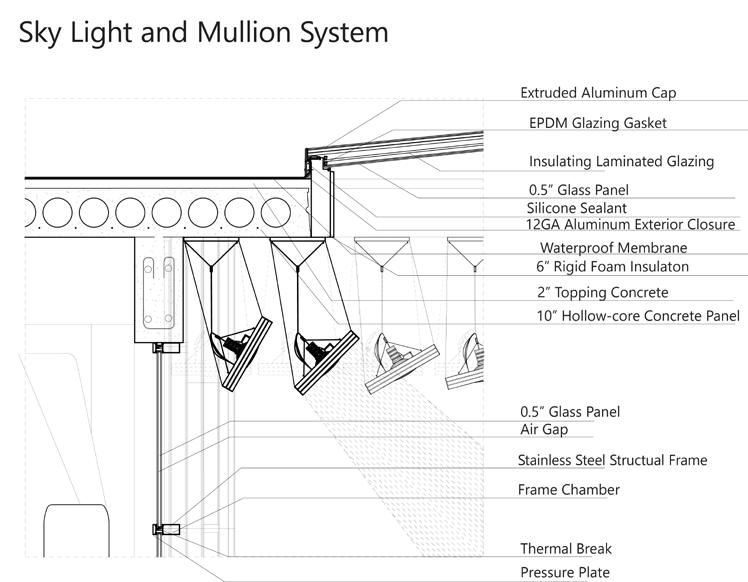
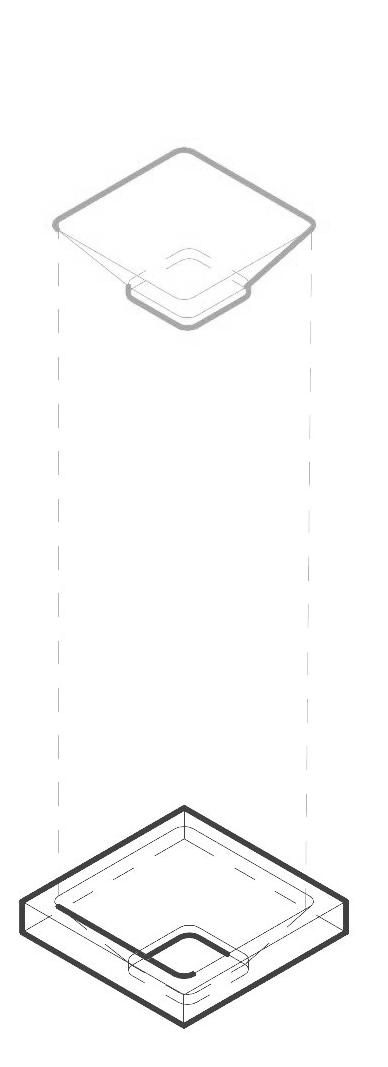
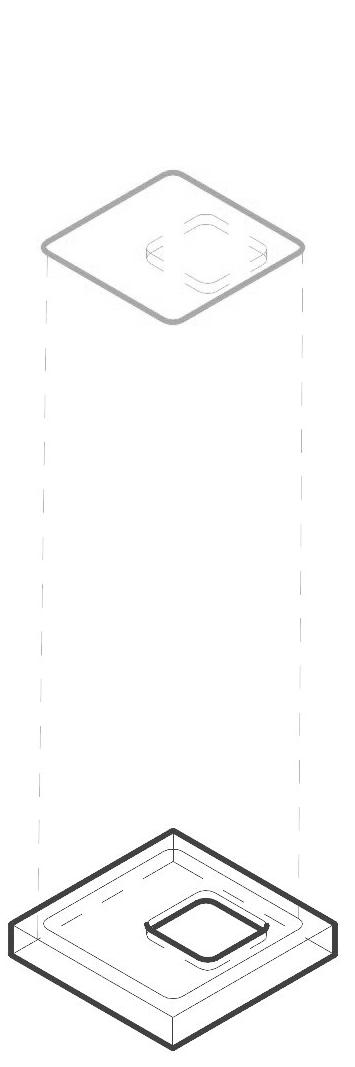
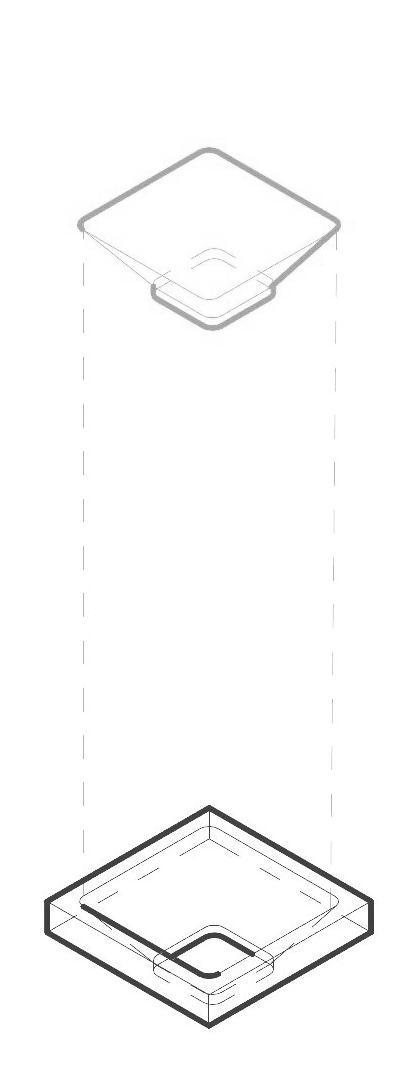
Diffuse-light modules
Diffuse-light modules side view
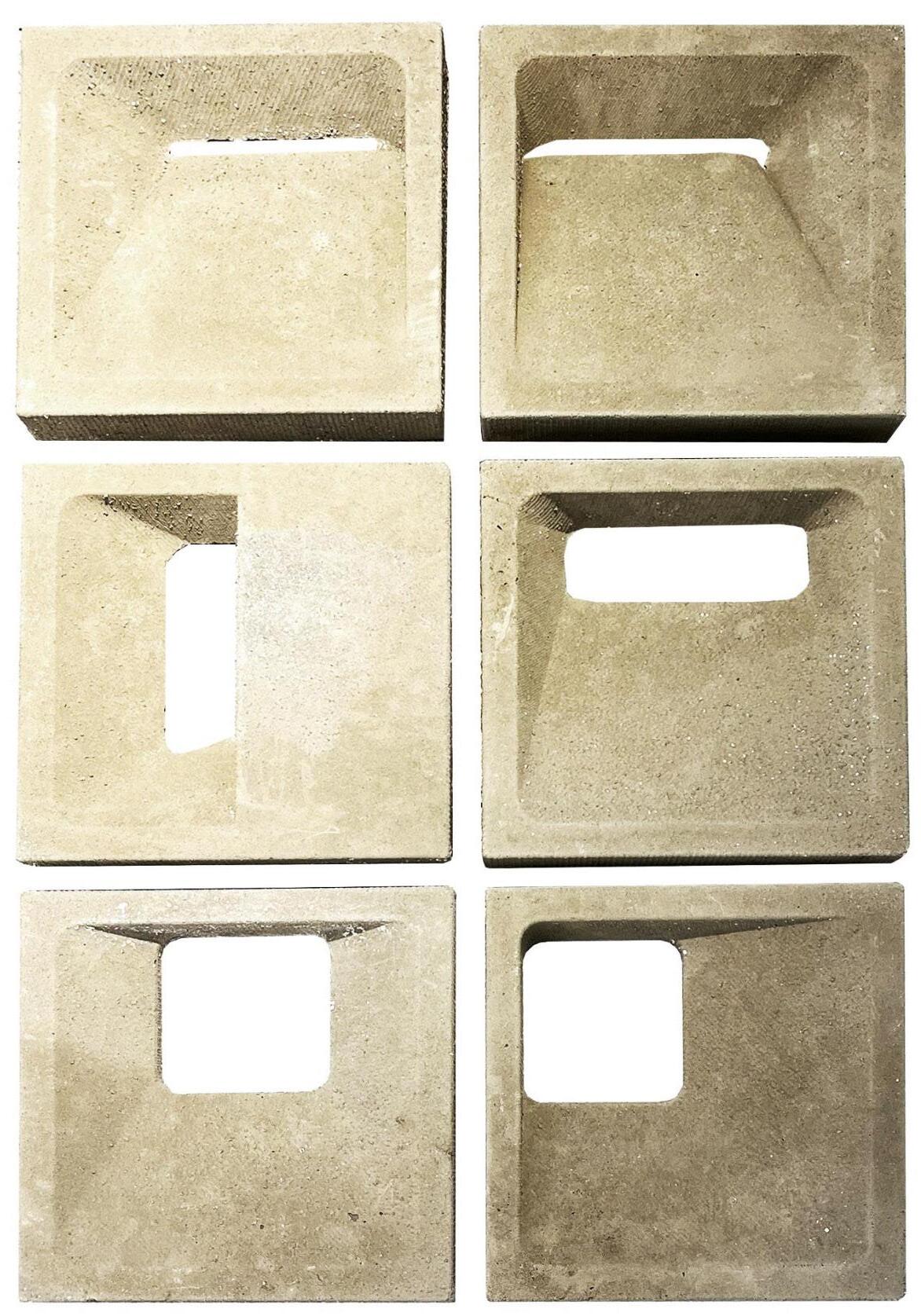
Mold-pouring process
Concrete Brick casted in real world
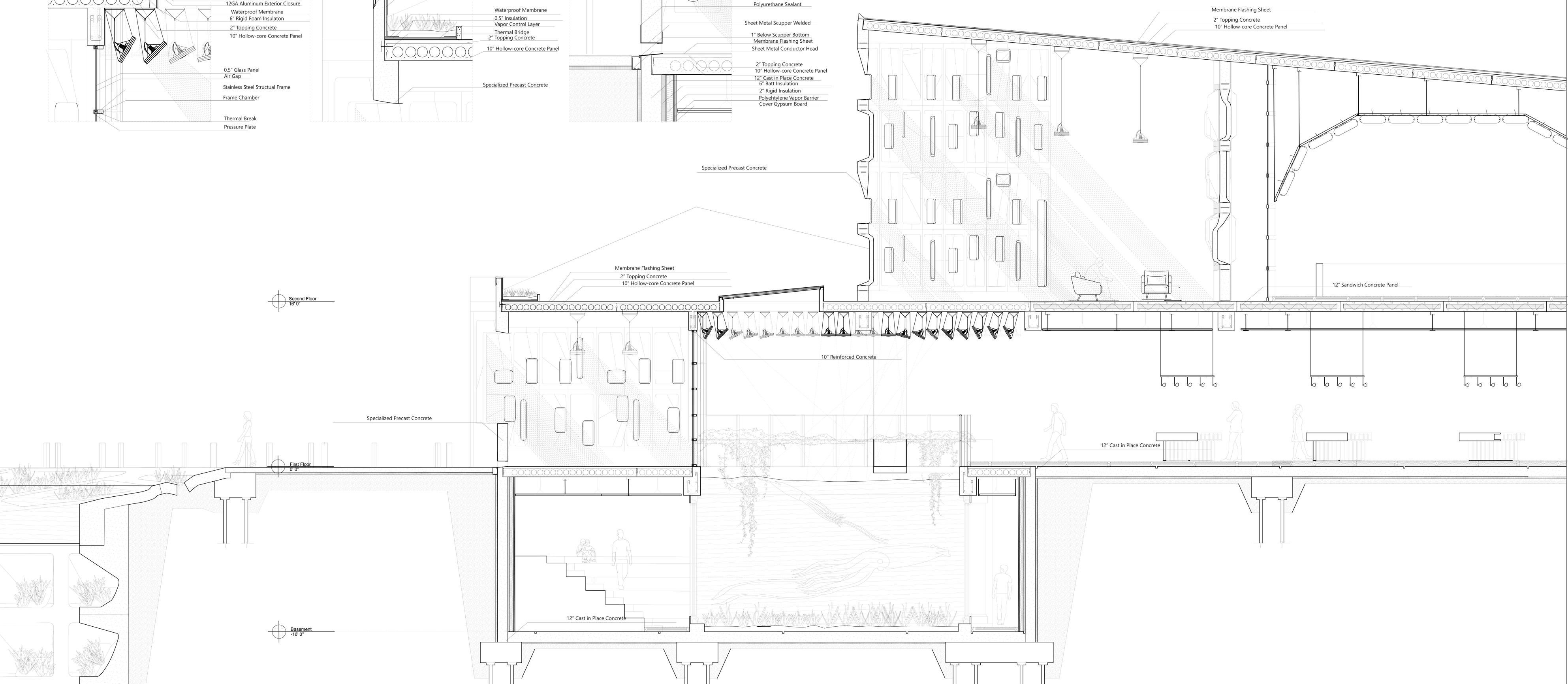
Section: Public & Lab condition natural lighting situation
Barnacle Cove
Barnacle Cove
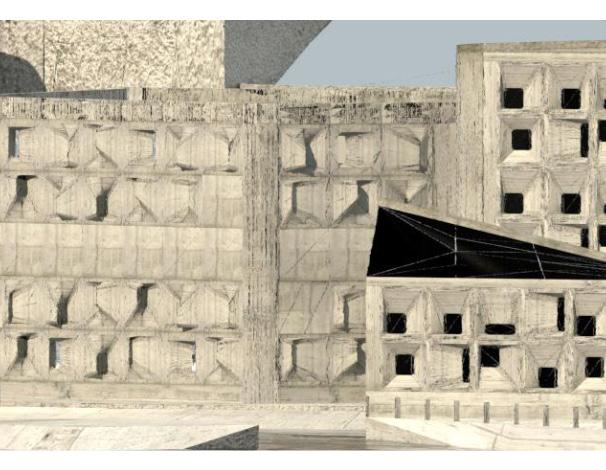
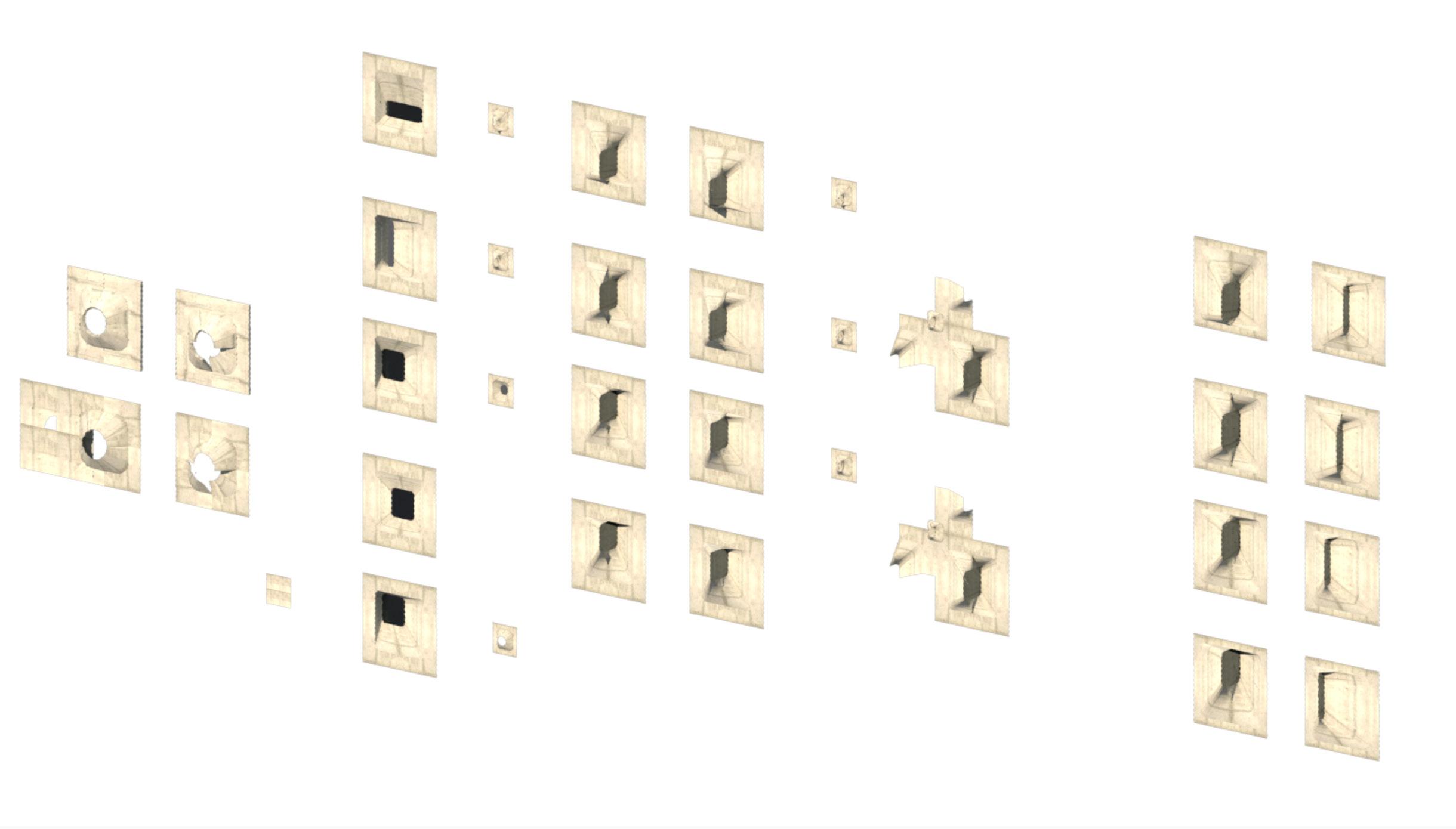
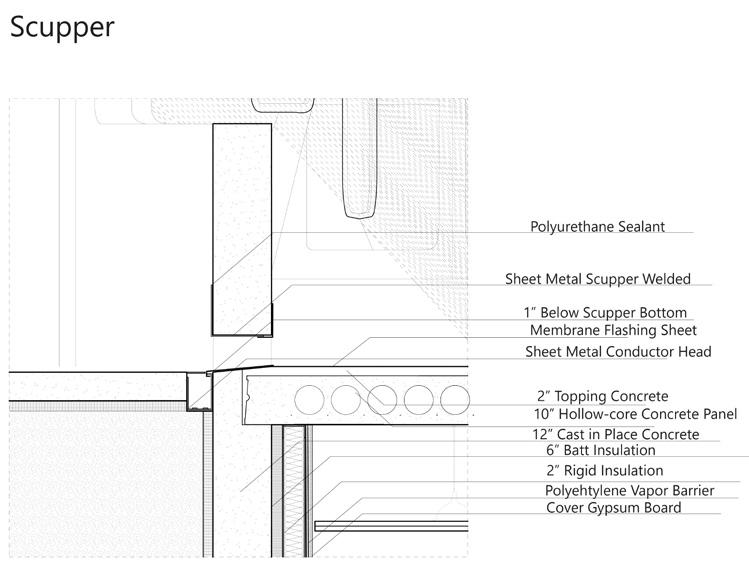
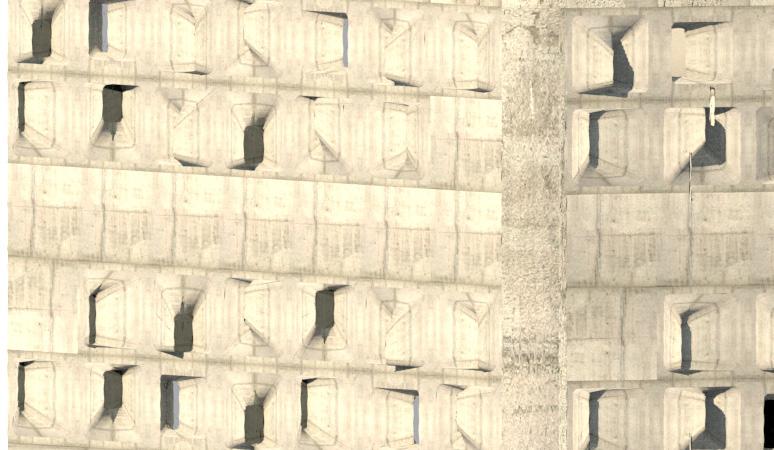
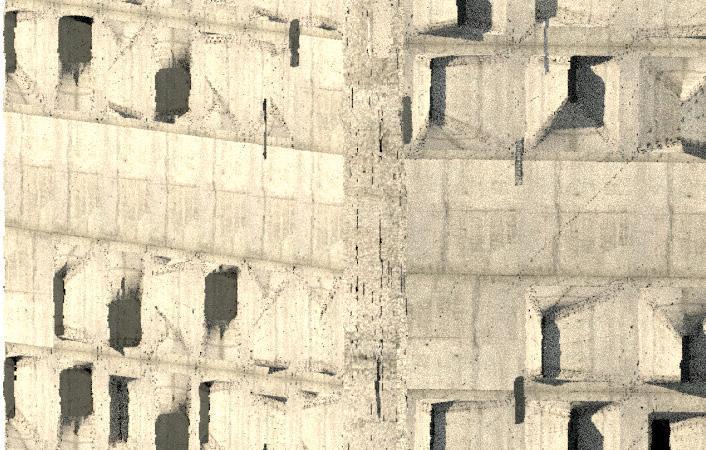
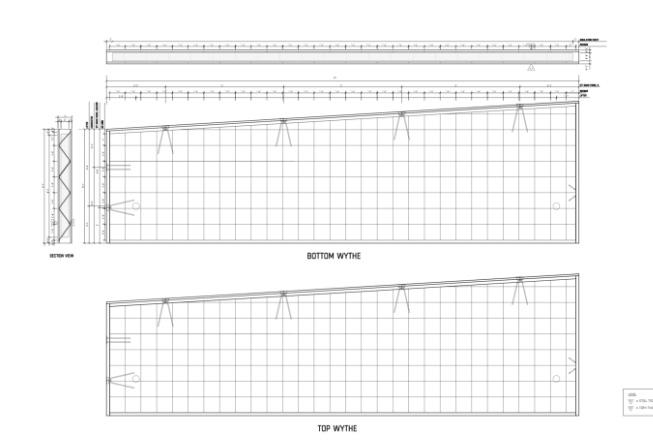
Left Page: A precast concrete module wall system composed of standardized units that can be aggregated and rotated to form both straight and curved segments. The modular logic supports rapid assembly, variable porosity, and controlled openings while maintaining a repeatable casting workflow.
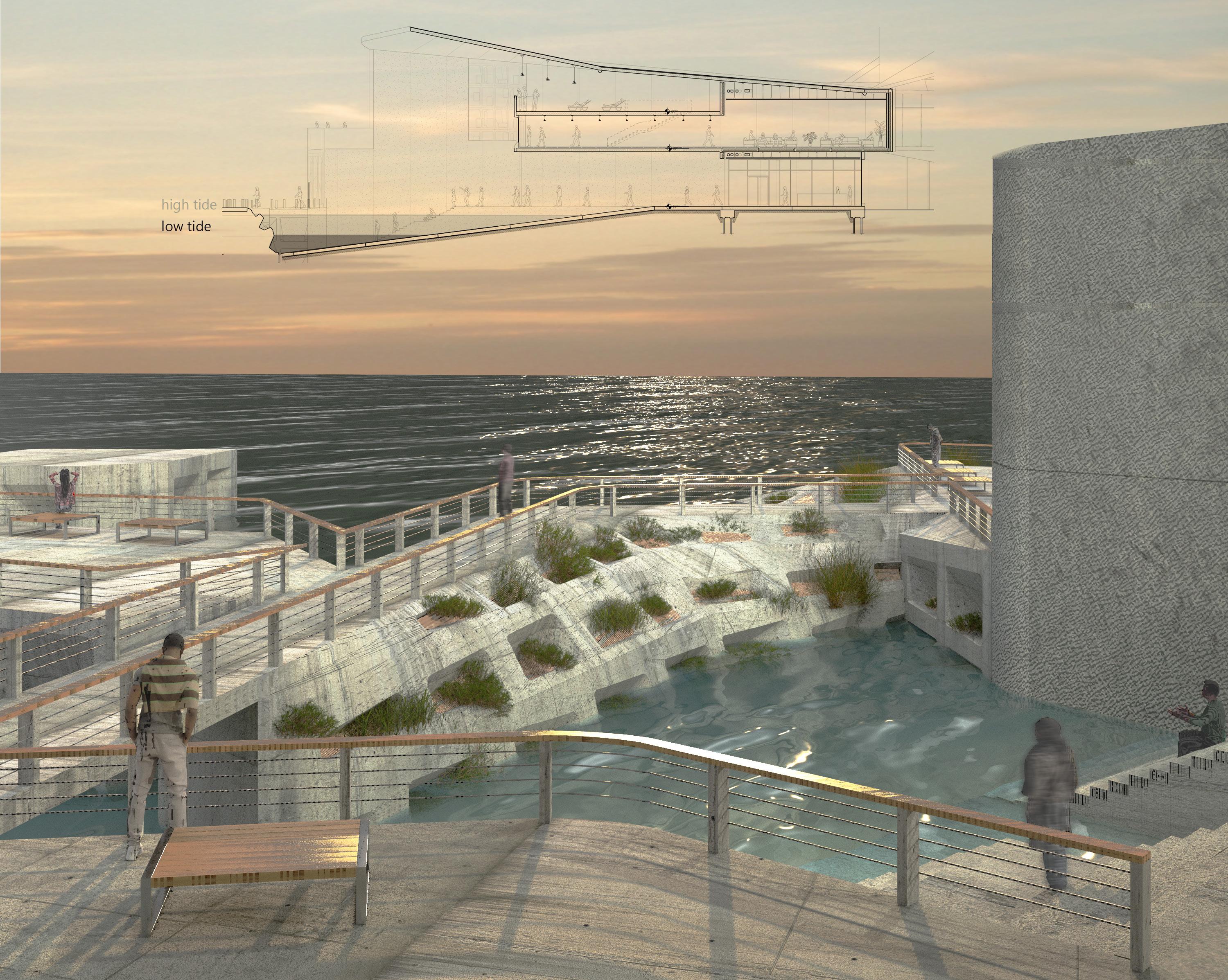
Right page: The building is conceived as a tidal interface, where high tide and low tide reframe circulation, access, and façade performance. Program and thresholds are tuned to the waterline: high tide emphasizes elevated routes and protected edges, while low tide reveals intertidal ground conditions and enables closer engagement with the shoreline and marine operations.
Modular Precast Wall System: Interior view
Precast Wall System: Interior view
Modular
Barnacle Cove
Modular Precast Wall System: Surge Wall
Modular Precast Wall System: Window lighting
Modular Precast Wall System: Bay side view
Shifting Hybrids: Oceanic Nexus
“History is not a burden on the memory but an illumination of the soul.”
- Lord Acton
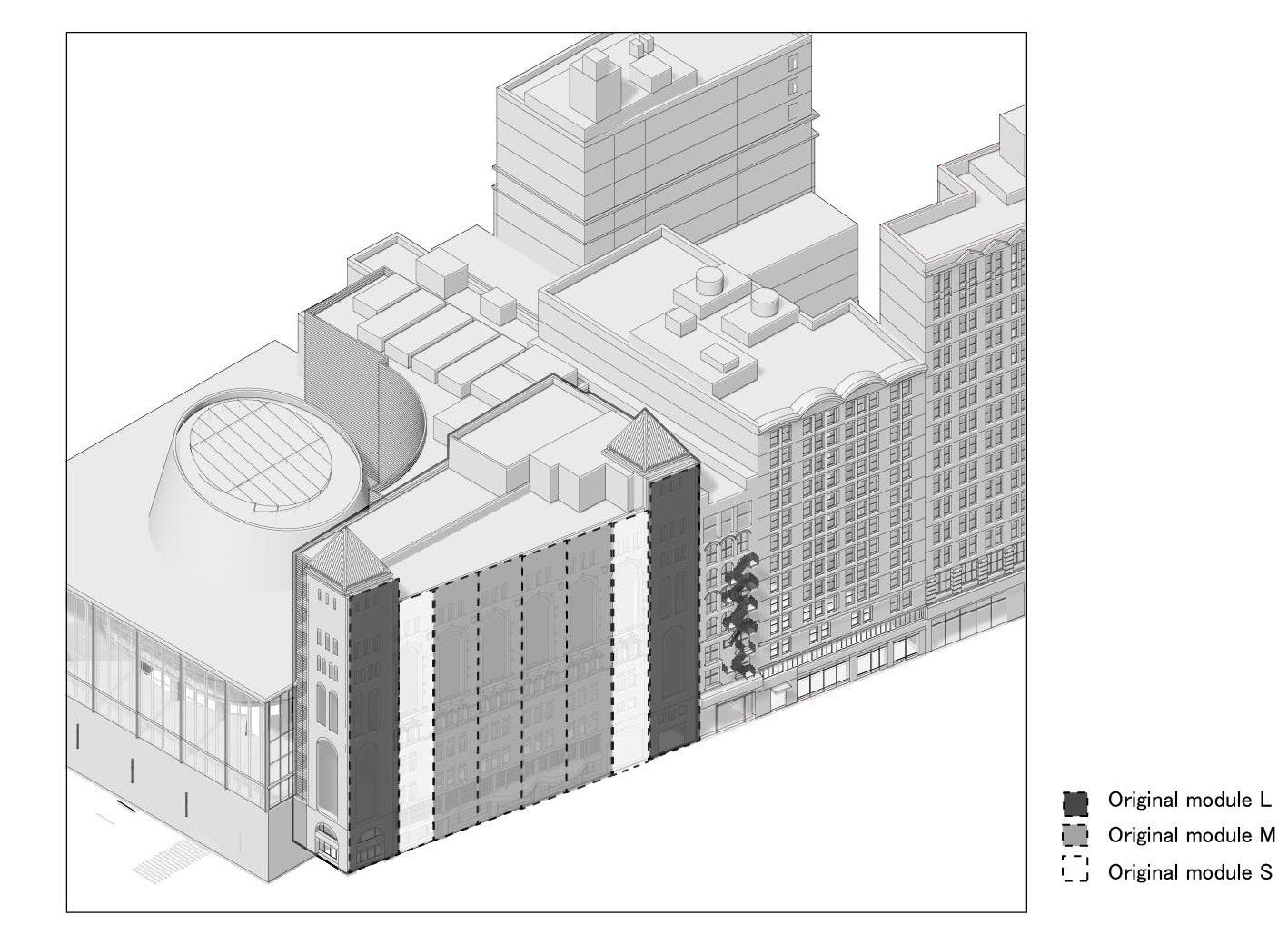
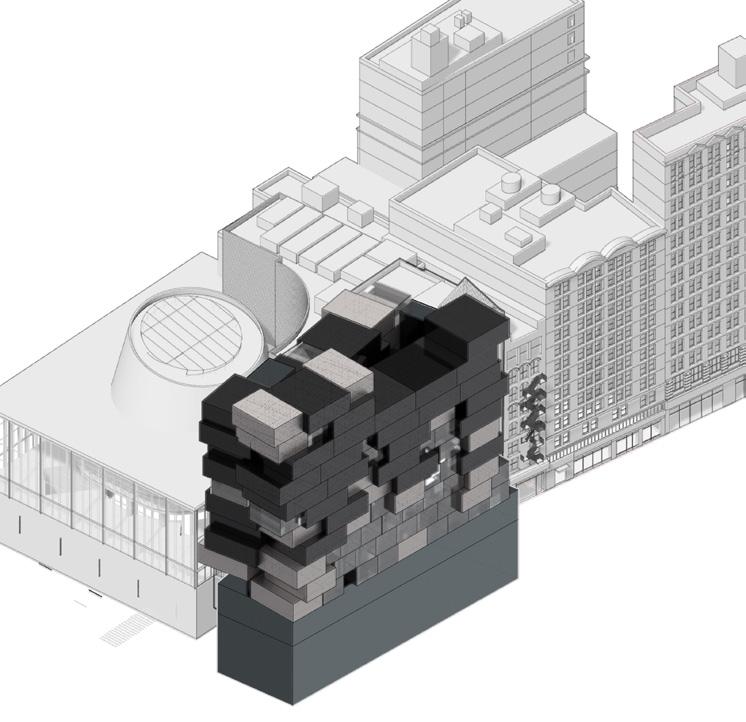
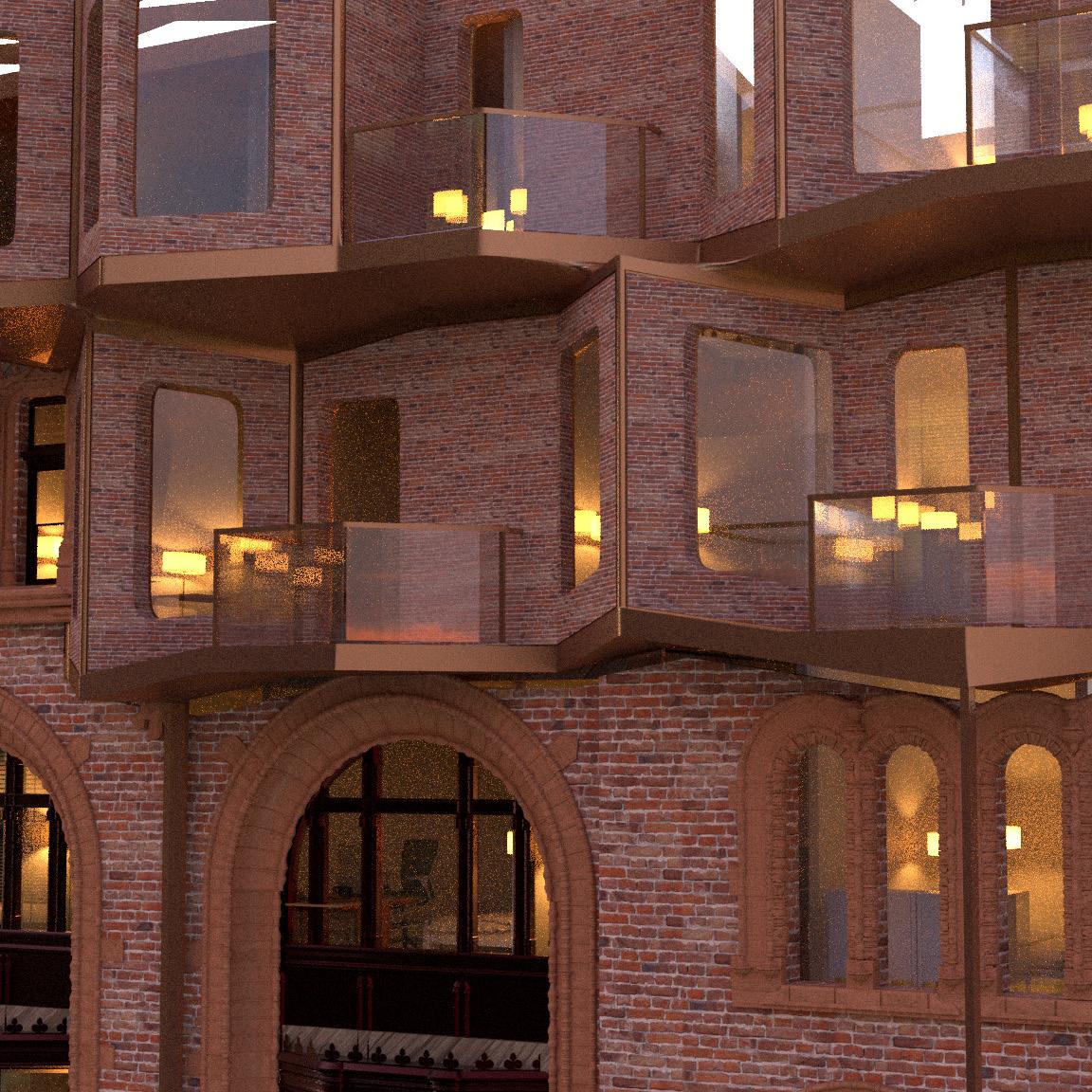
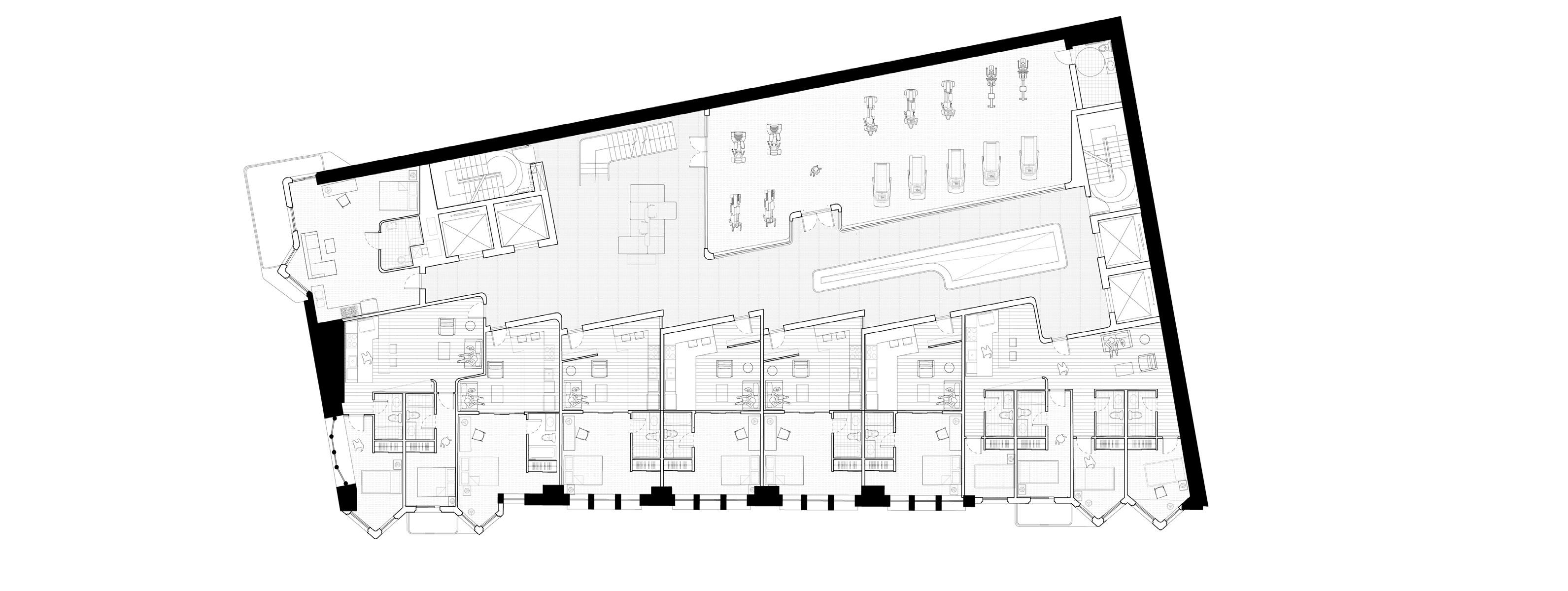
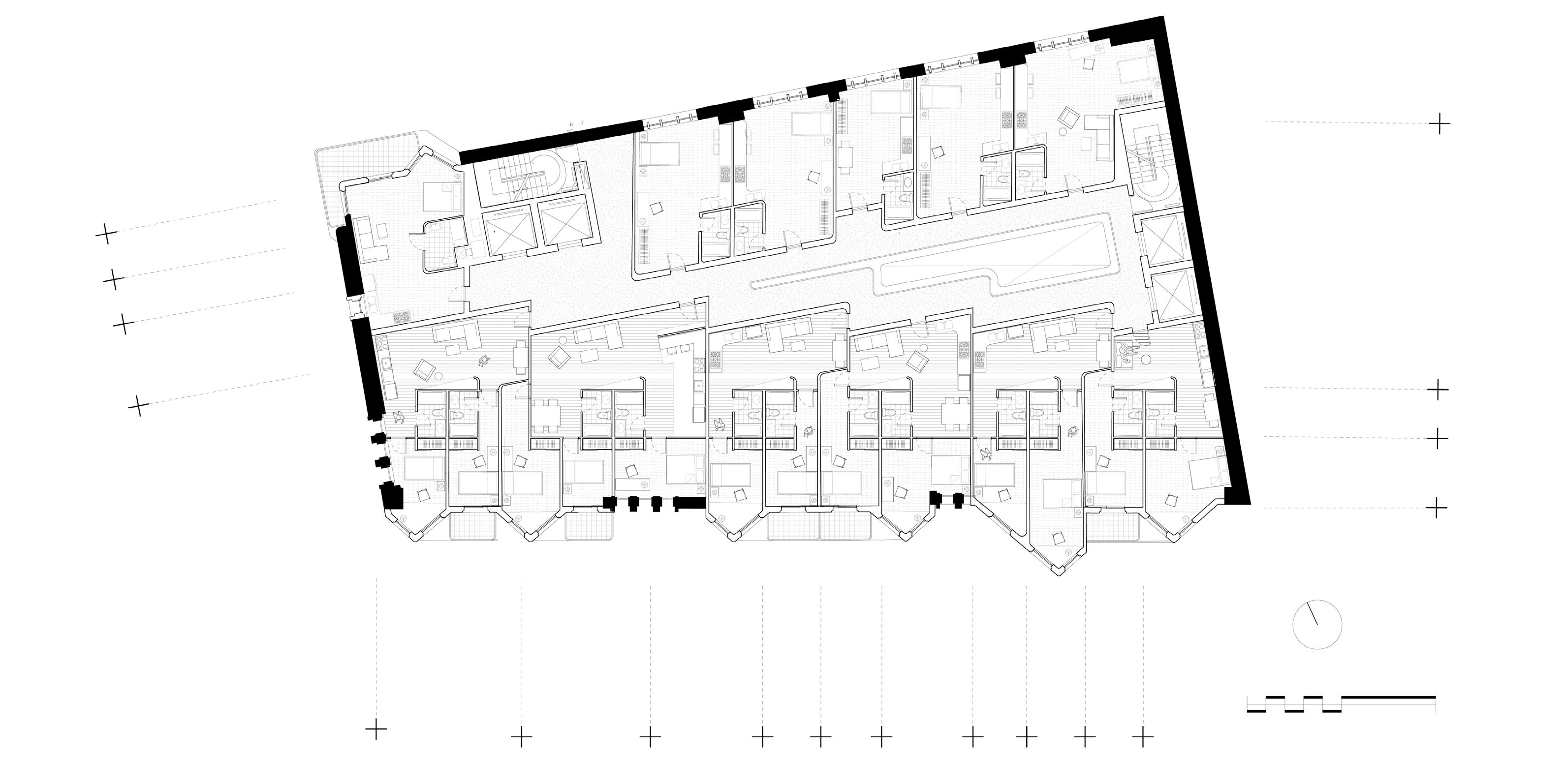
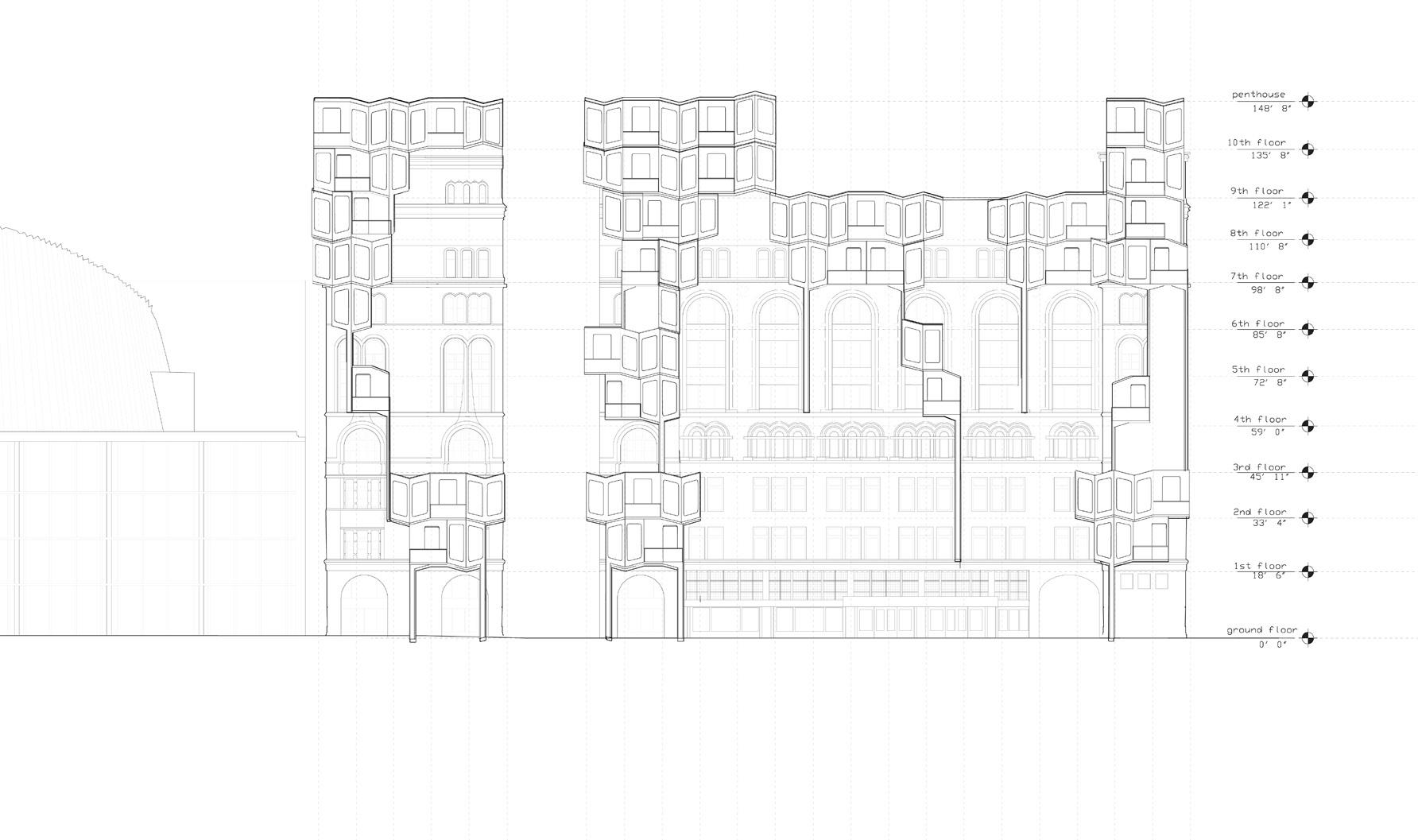
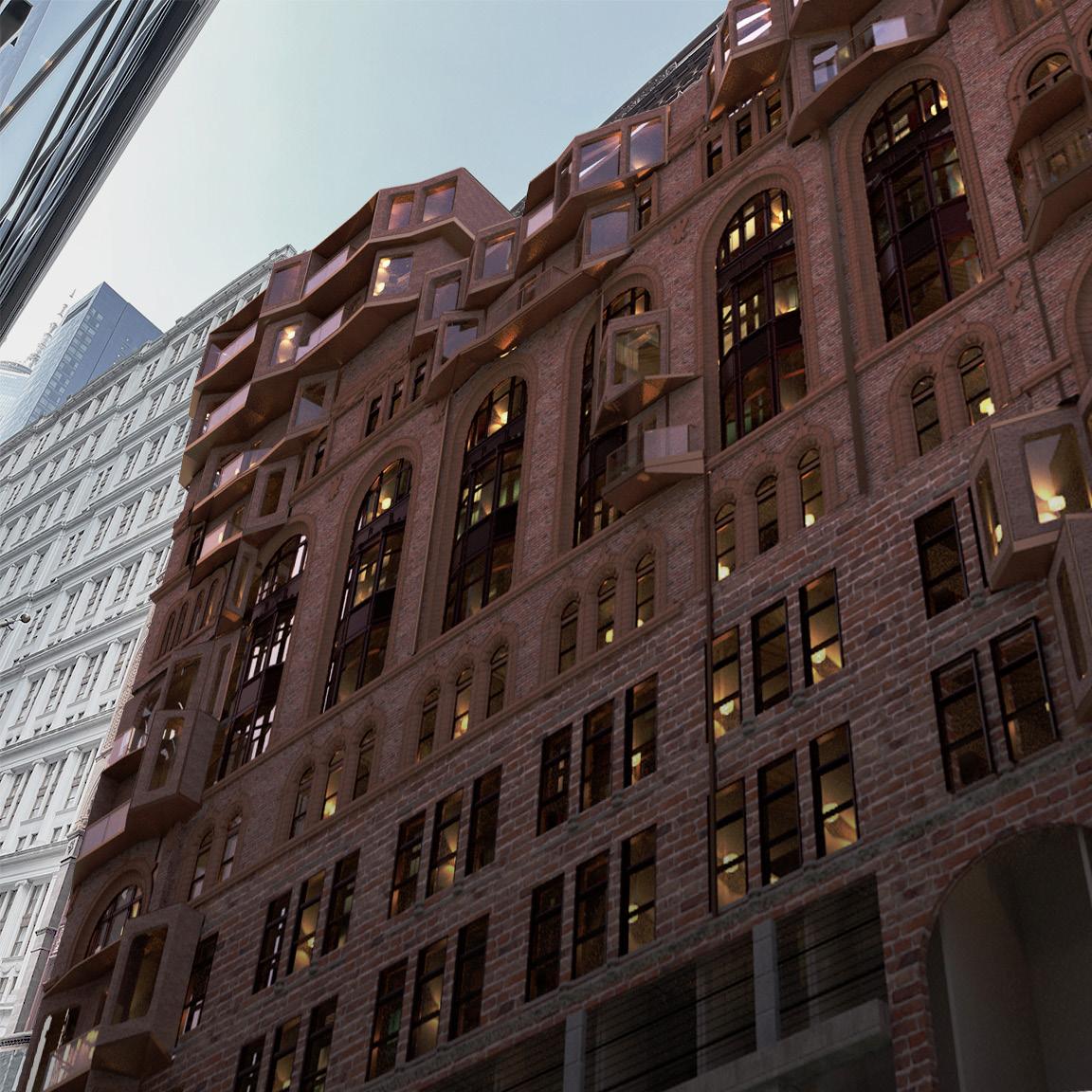
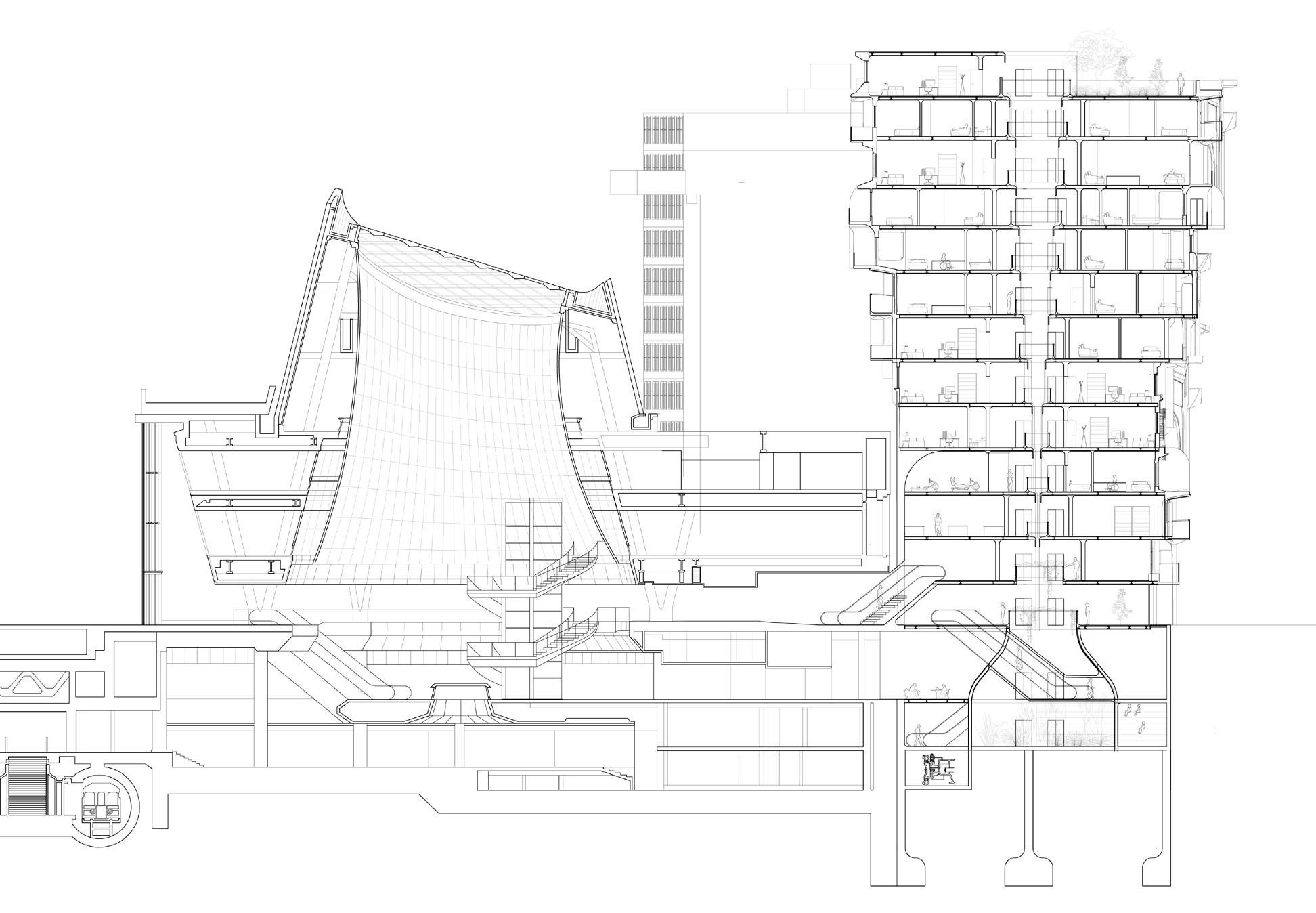
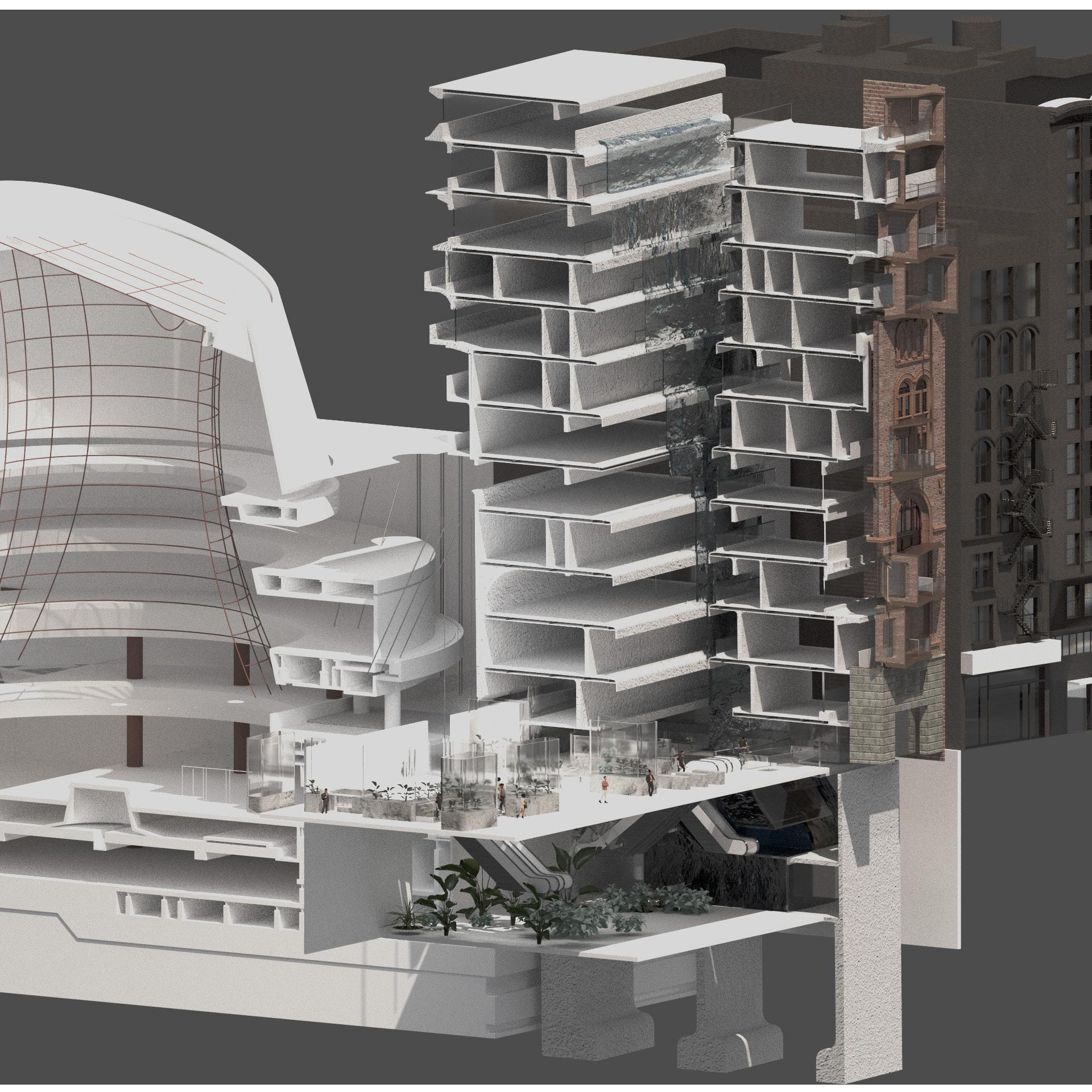
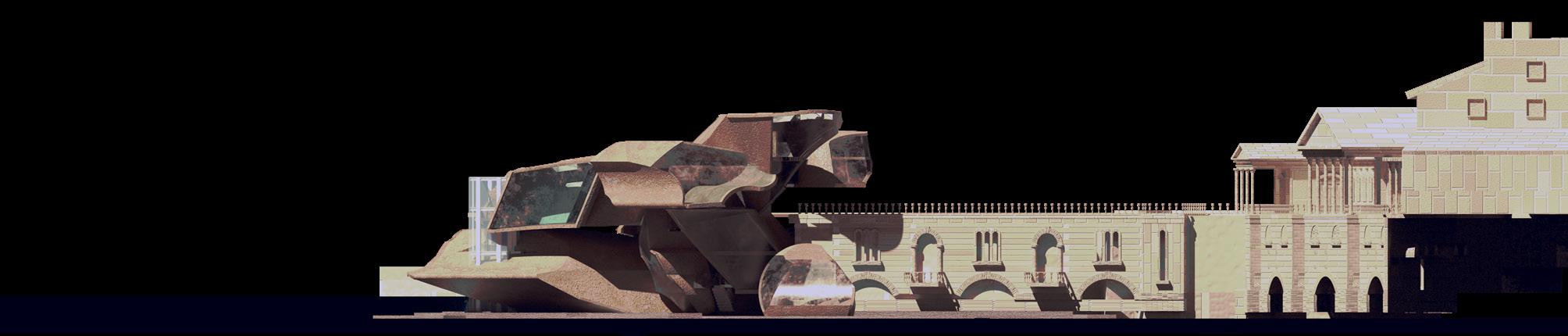
The emerging commonality in designing public spaces lies in the convergence of historical context with contemporary functionality. The design utilizes spatial organization to organize various type of residential units and serve the community’s needs; the integration of natural elements like rainwater and sunlight fosters a sense of belonging and connectivity.The Corbin building’s transformation exemplifies this synergy by blending heritage with modern needs, akin to adaptive nature. Its public aspect revolves around fostering community through architecture—creating a shared environment where history intertwines with daily life. By repurposing the building into a marine biology center and residences, it transcends mere functionality, becoming a communal space that educates, interacts, and encourages engagement. This approach aligns with the notion that history isn’t a burden but an enlightening force, as the space illuminates the past while catering to present-day communal requirements through architectural design.
Location: New York, New York | Instructor: Hina Jamelle | Year: Fall 2024
Shifting Hybrids: Oceanic Nexus
Interrelationship Diagram
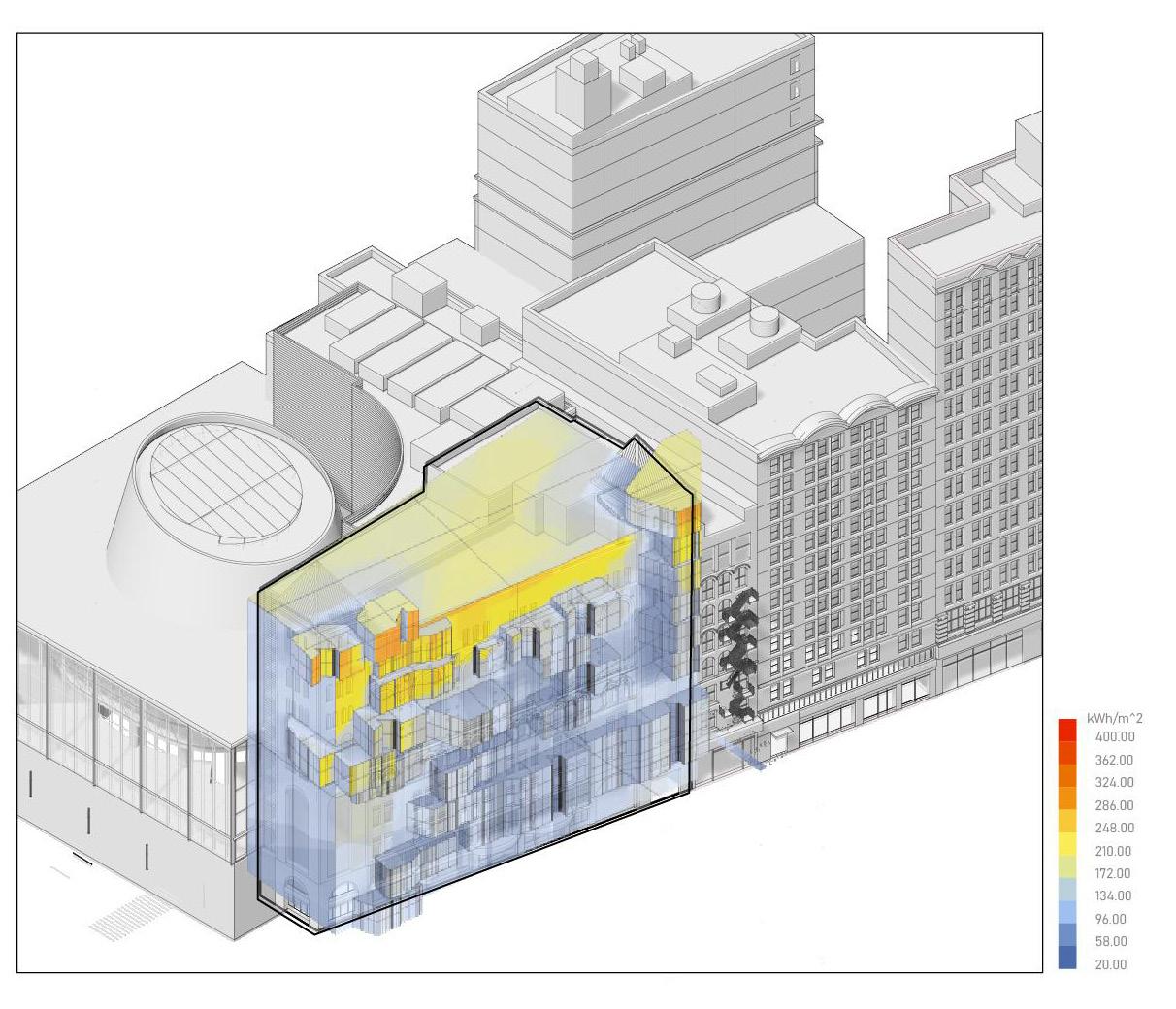
Massing and Egress Site analysis
Shifting Hybrids: Oceanic Nexus
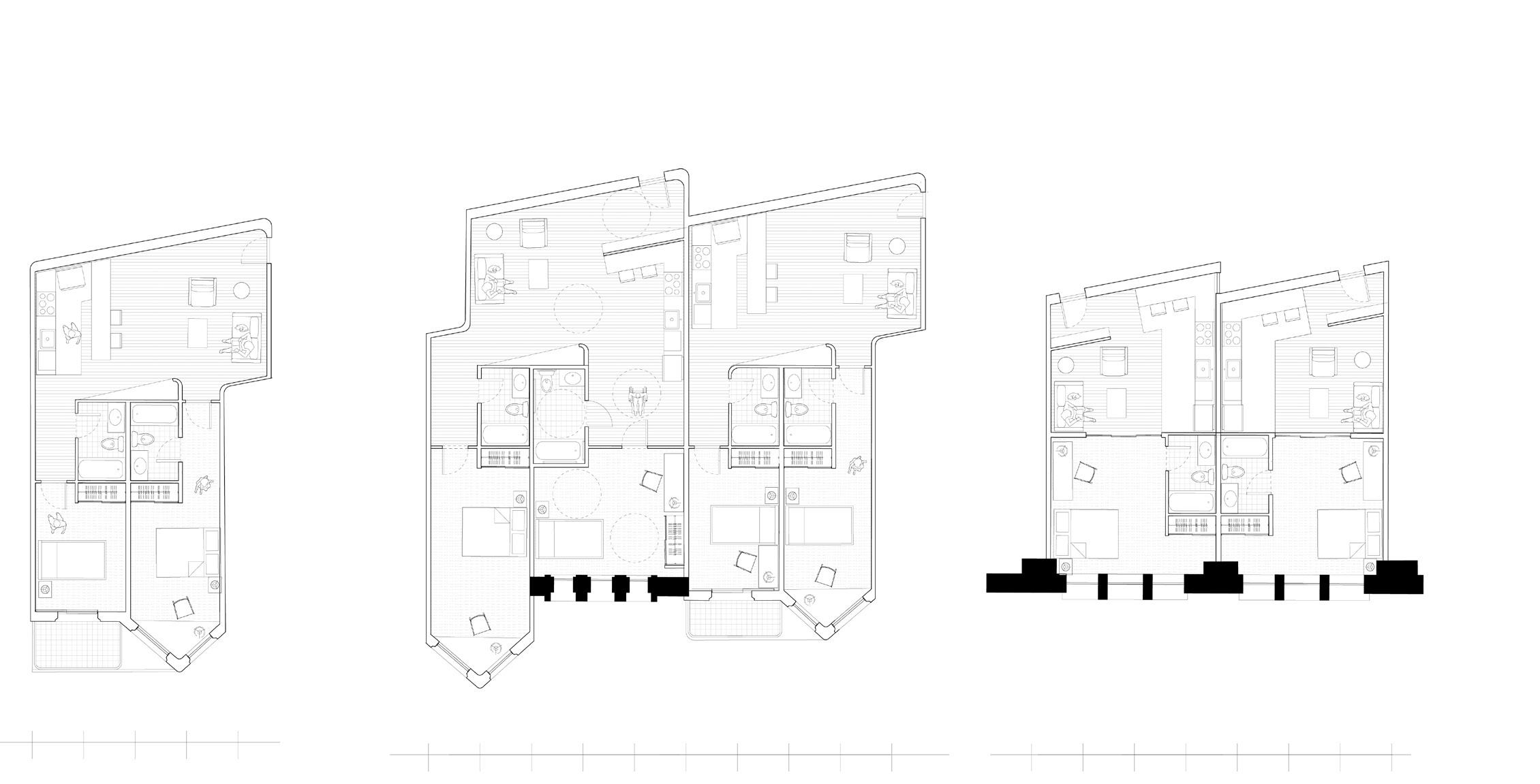
Unit: Interrelationships
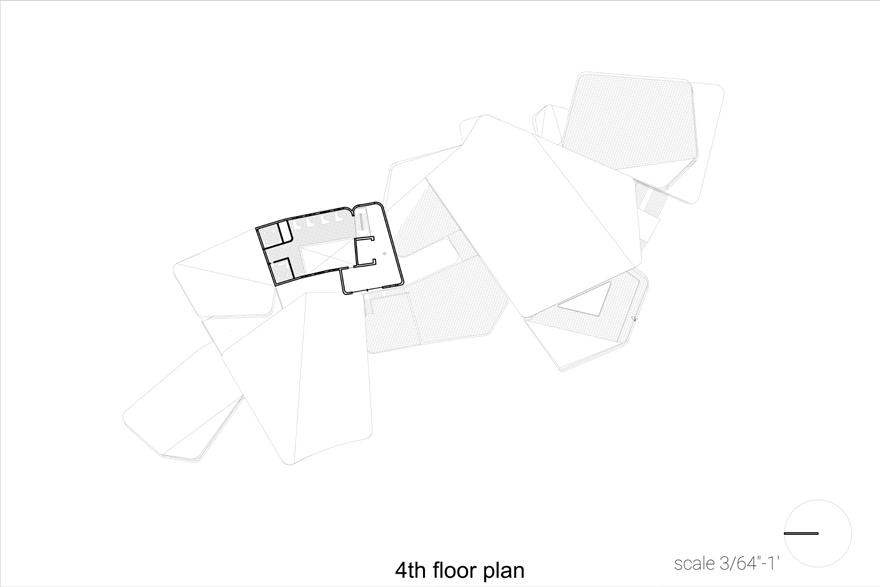
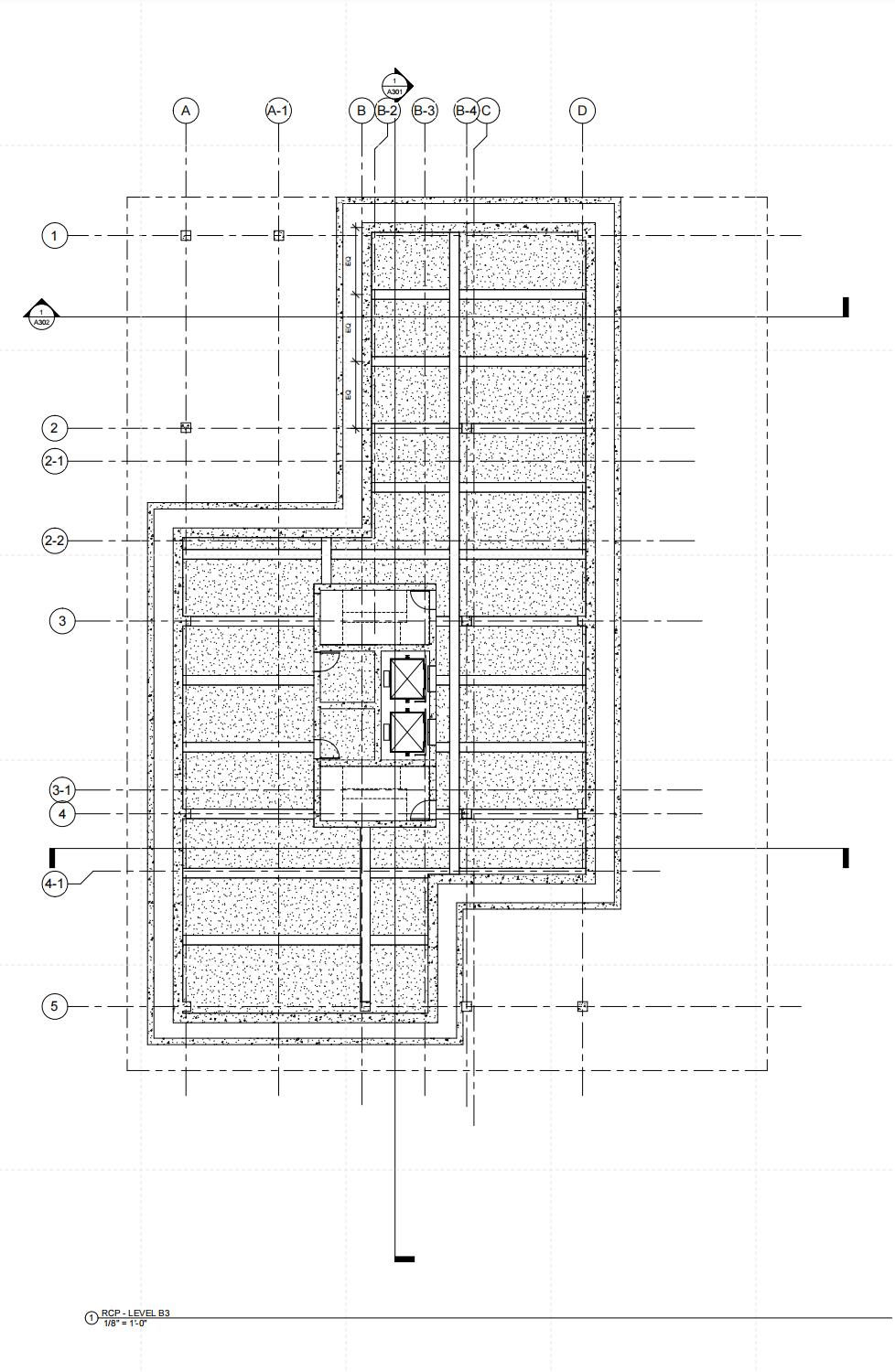
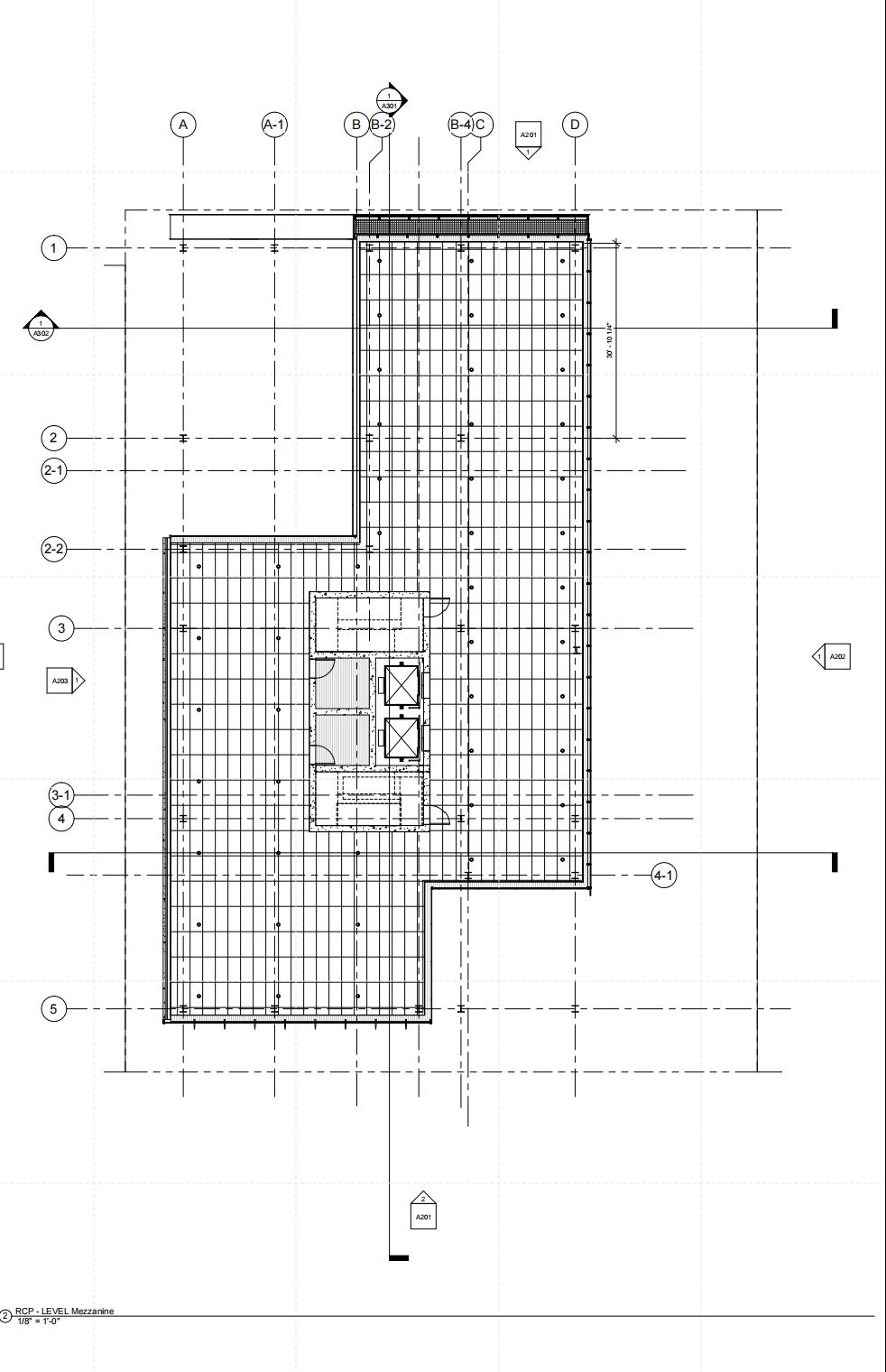
Typical Floor Plan - 4F
Typical Floor Plan - 9F
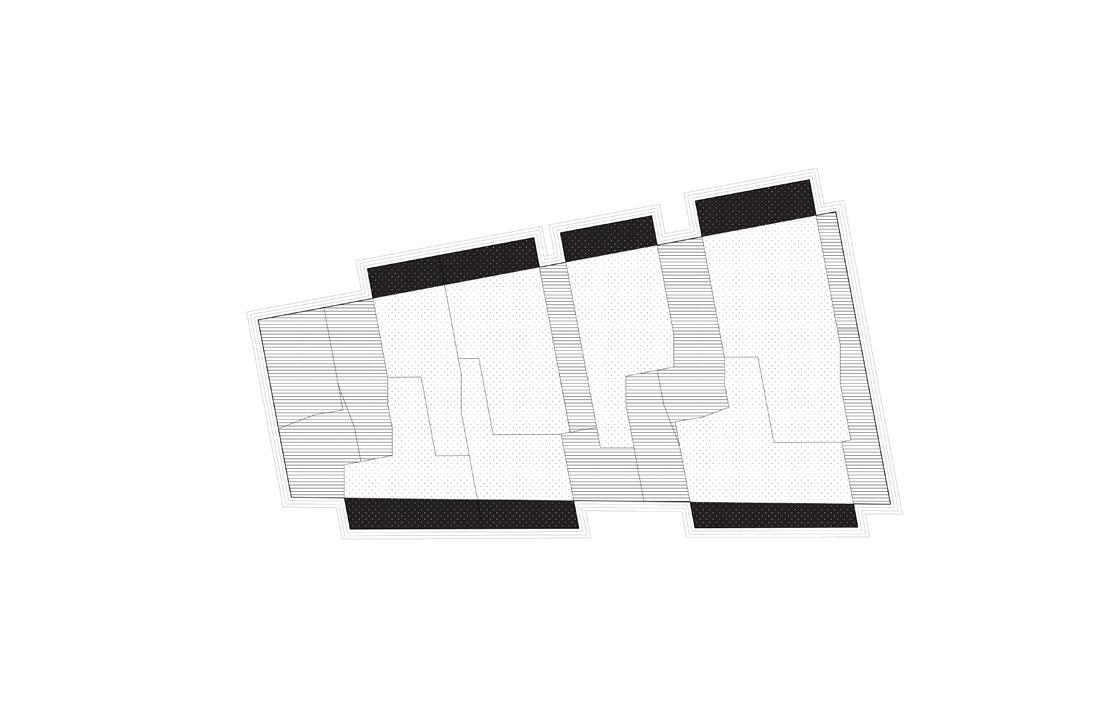
Floor Plan Diagram: rooting
Shifting Hybrids: Oceanic Nexus
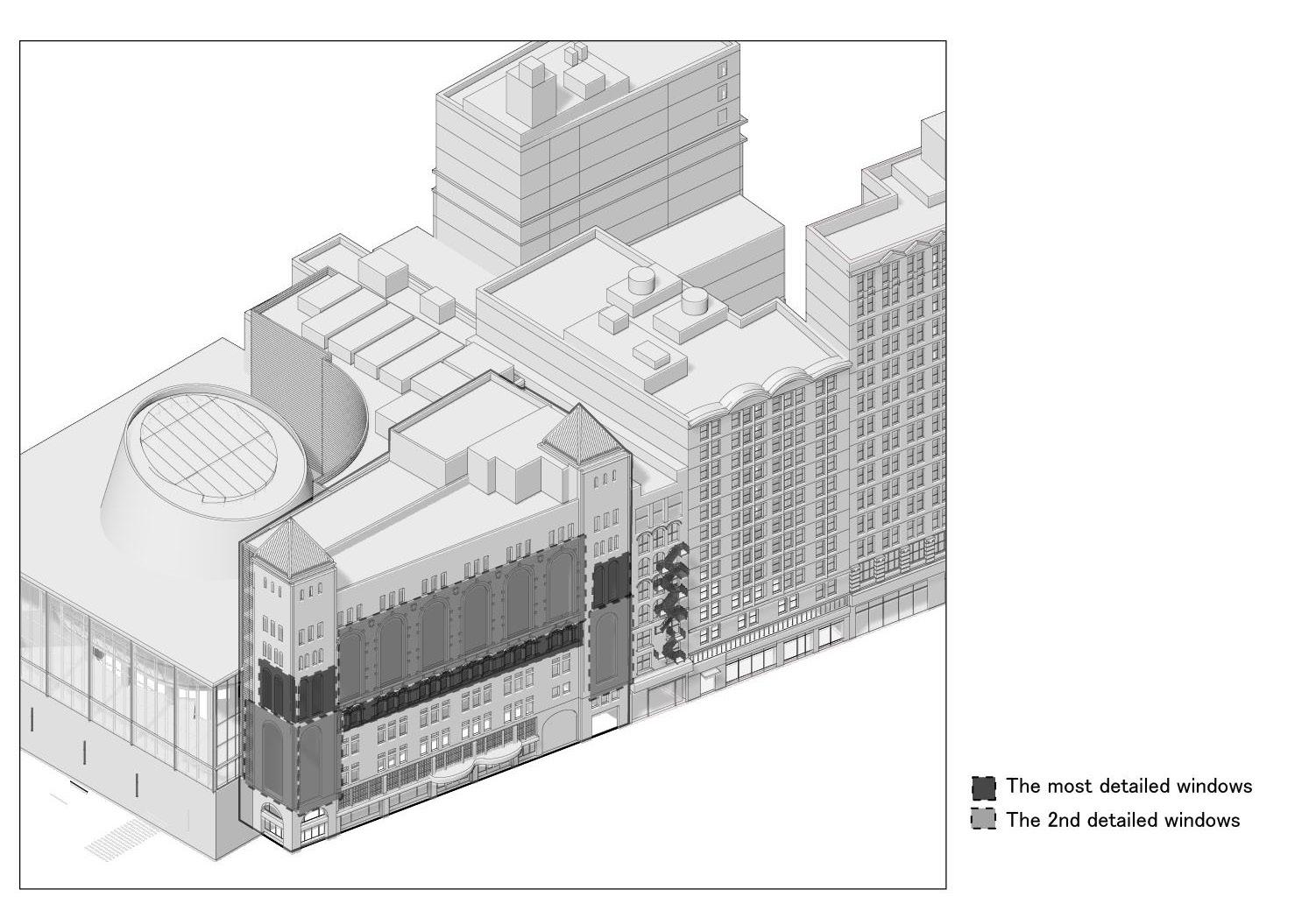
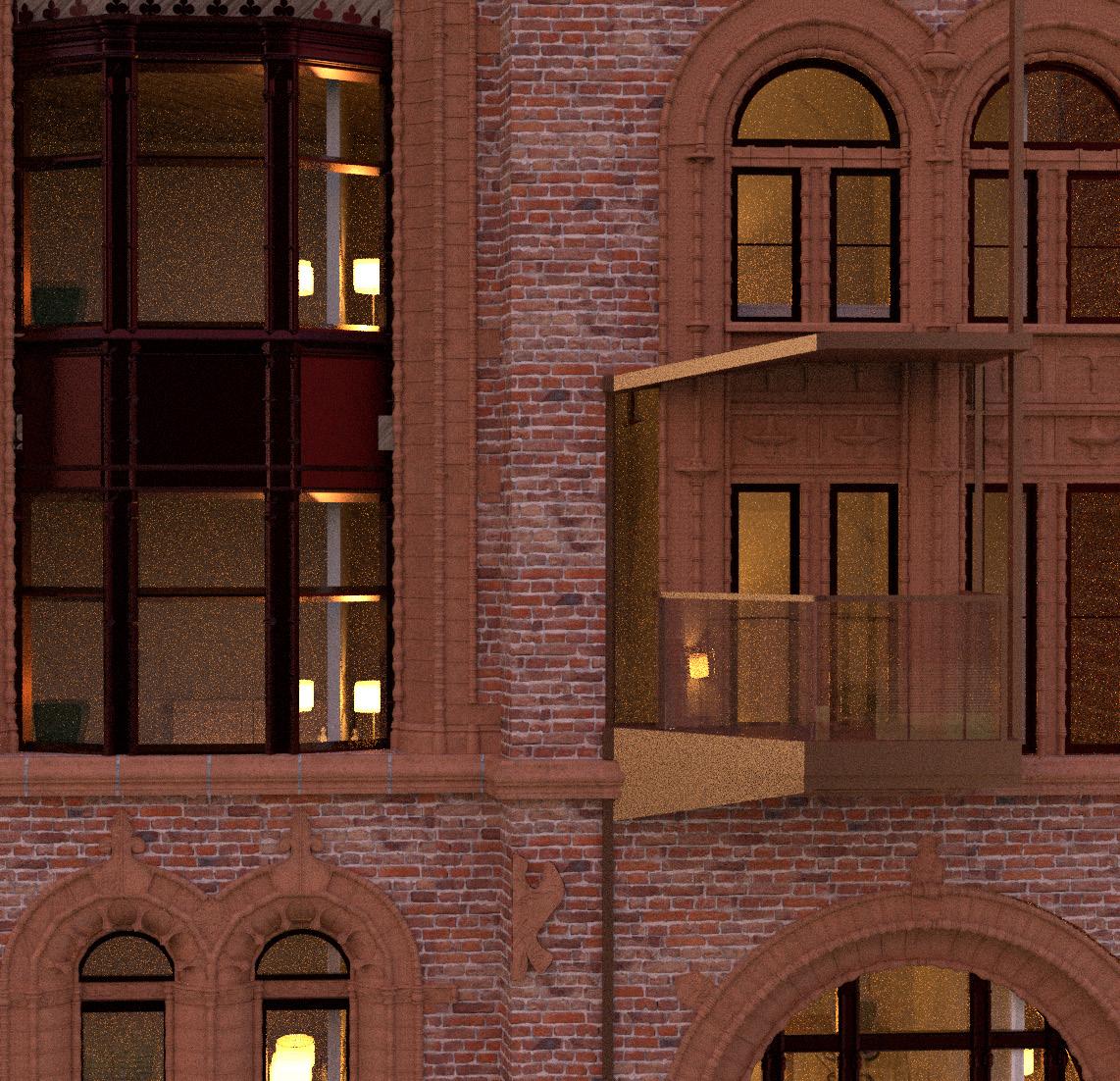
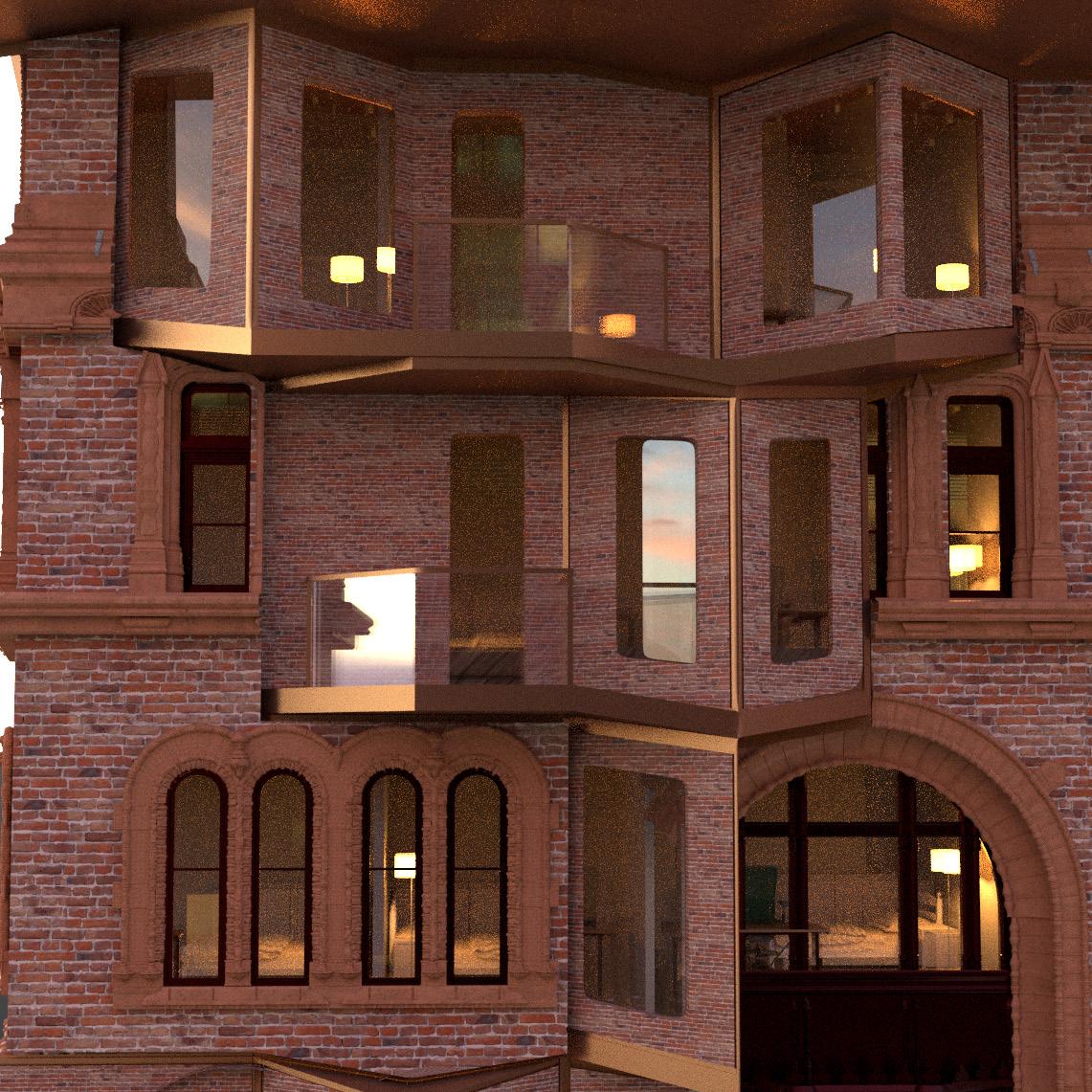
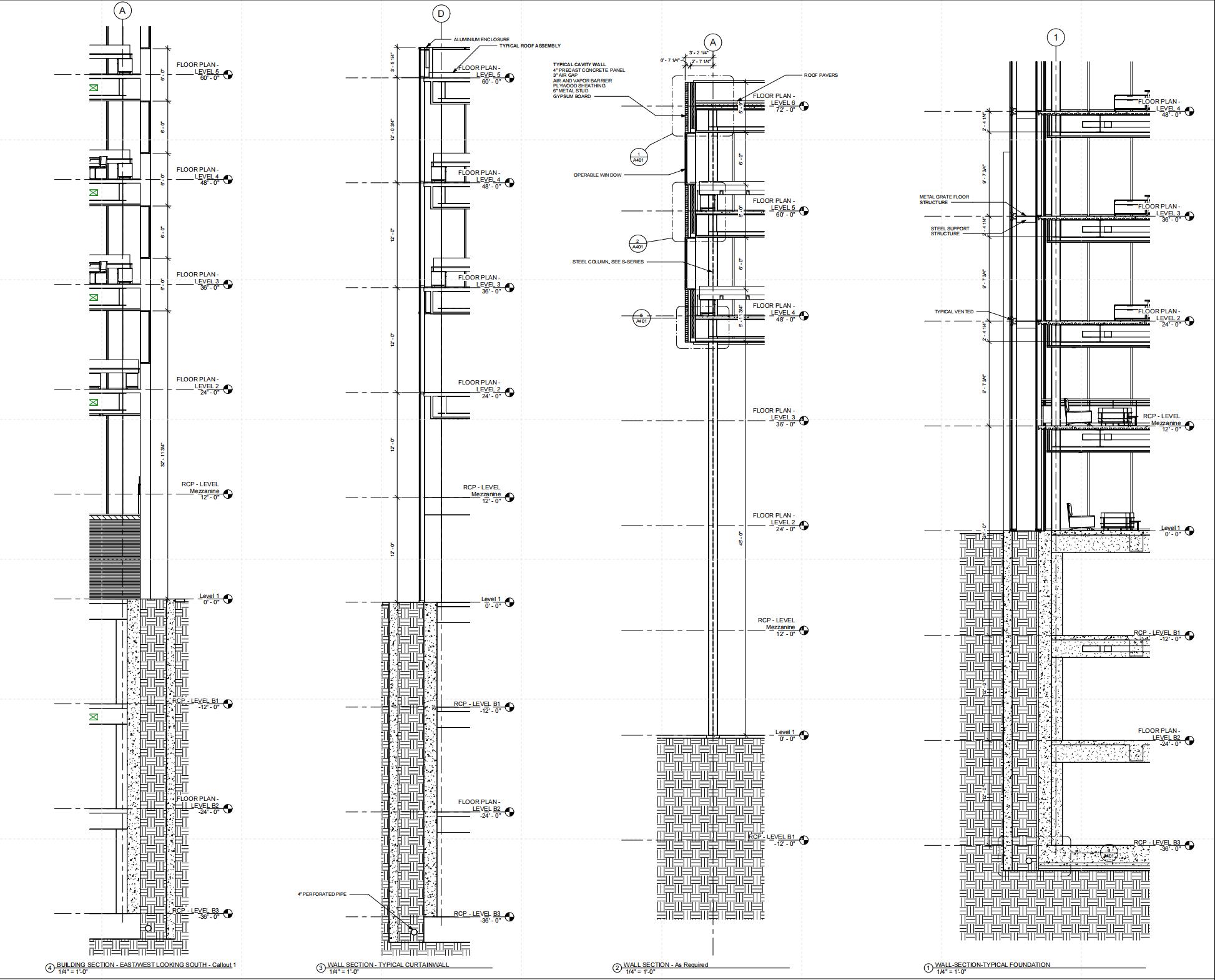
Detailed Façade Design
Detailed Façade Design: Perspective from the broadway St.
Shifting Hybrids: Oceanic Nexus
Detailed Façade Design Diagram
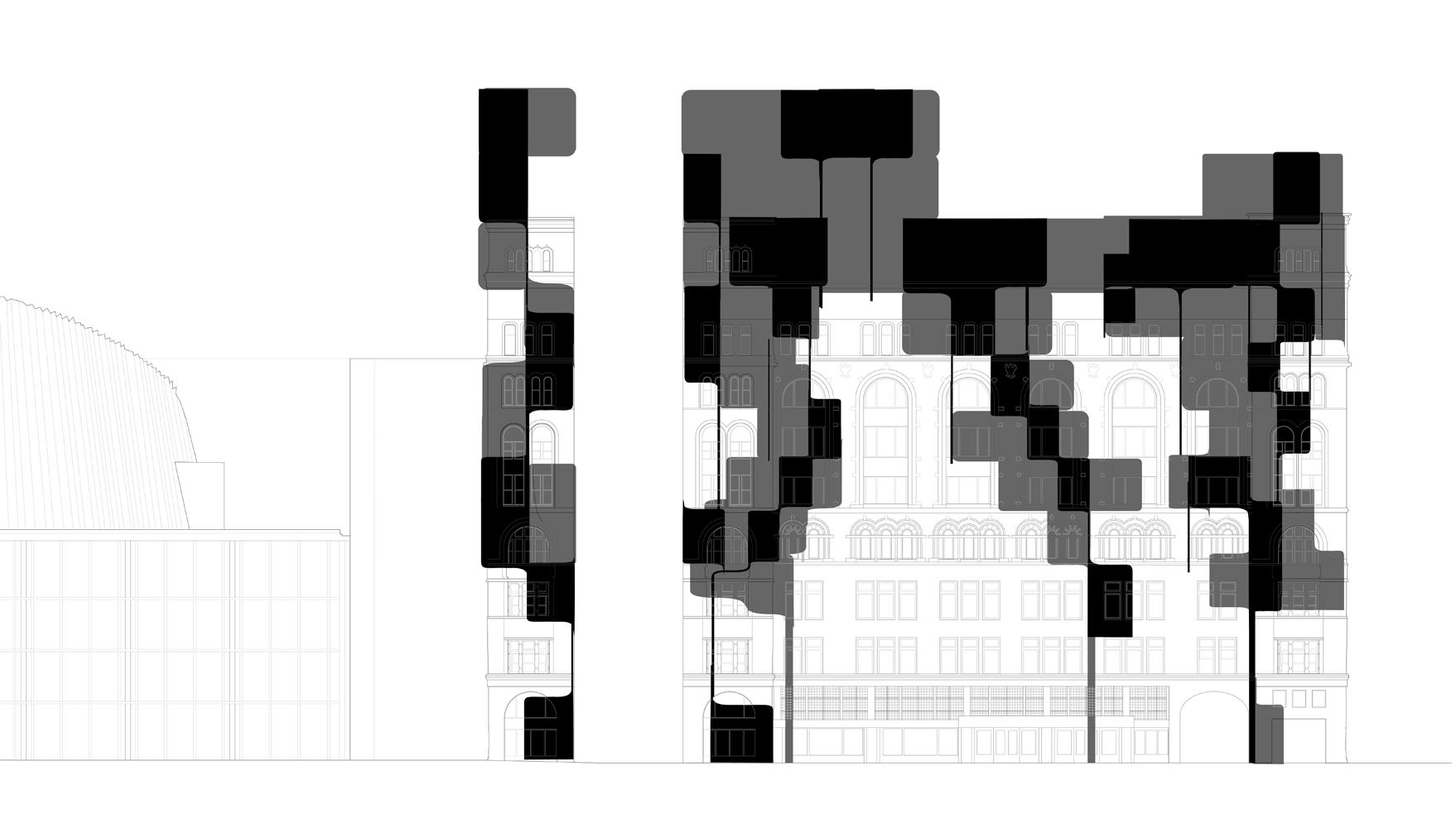
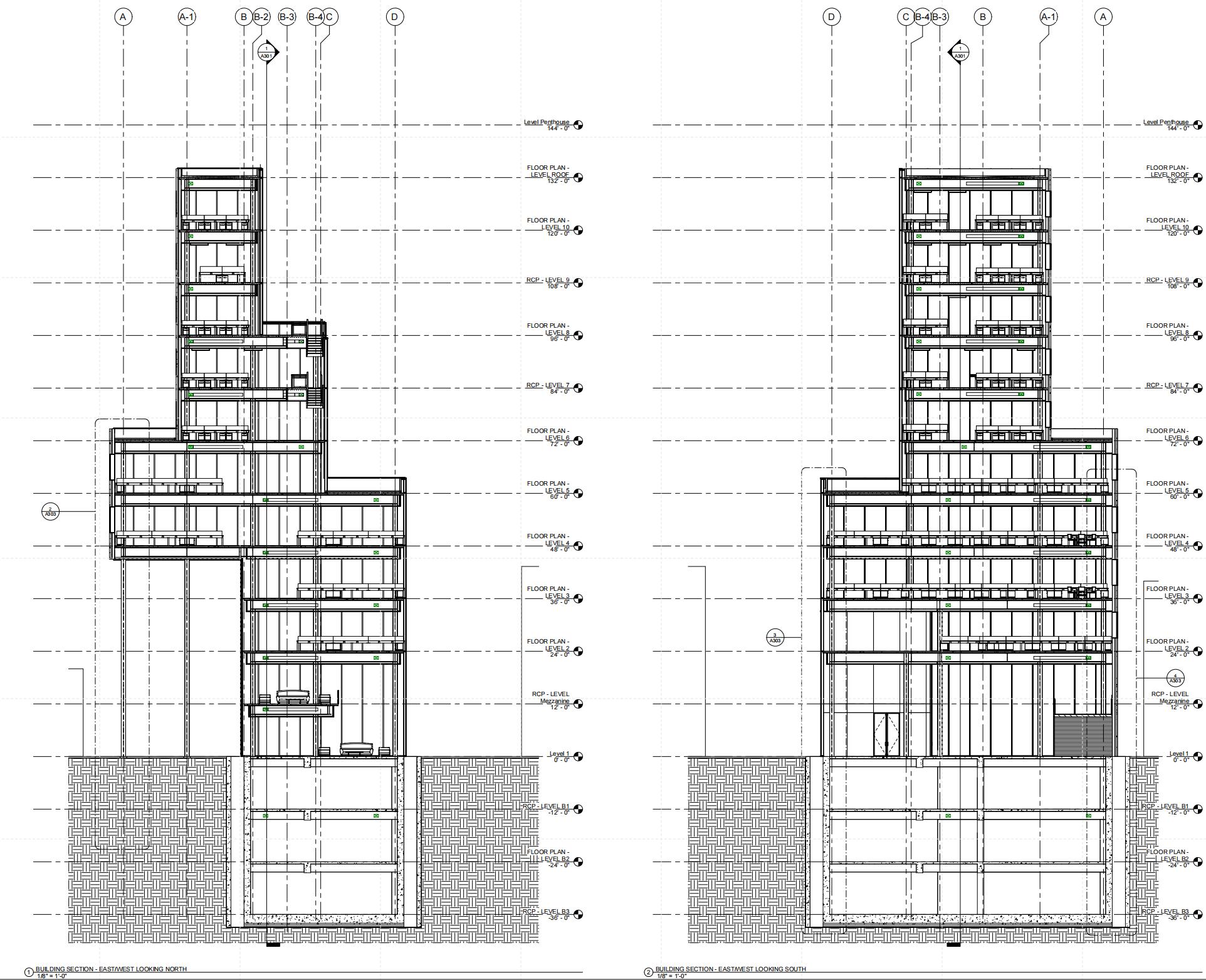
Section
Chunk - Section : Connection with Fulton Center
Barnacle Cove
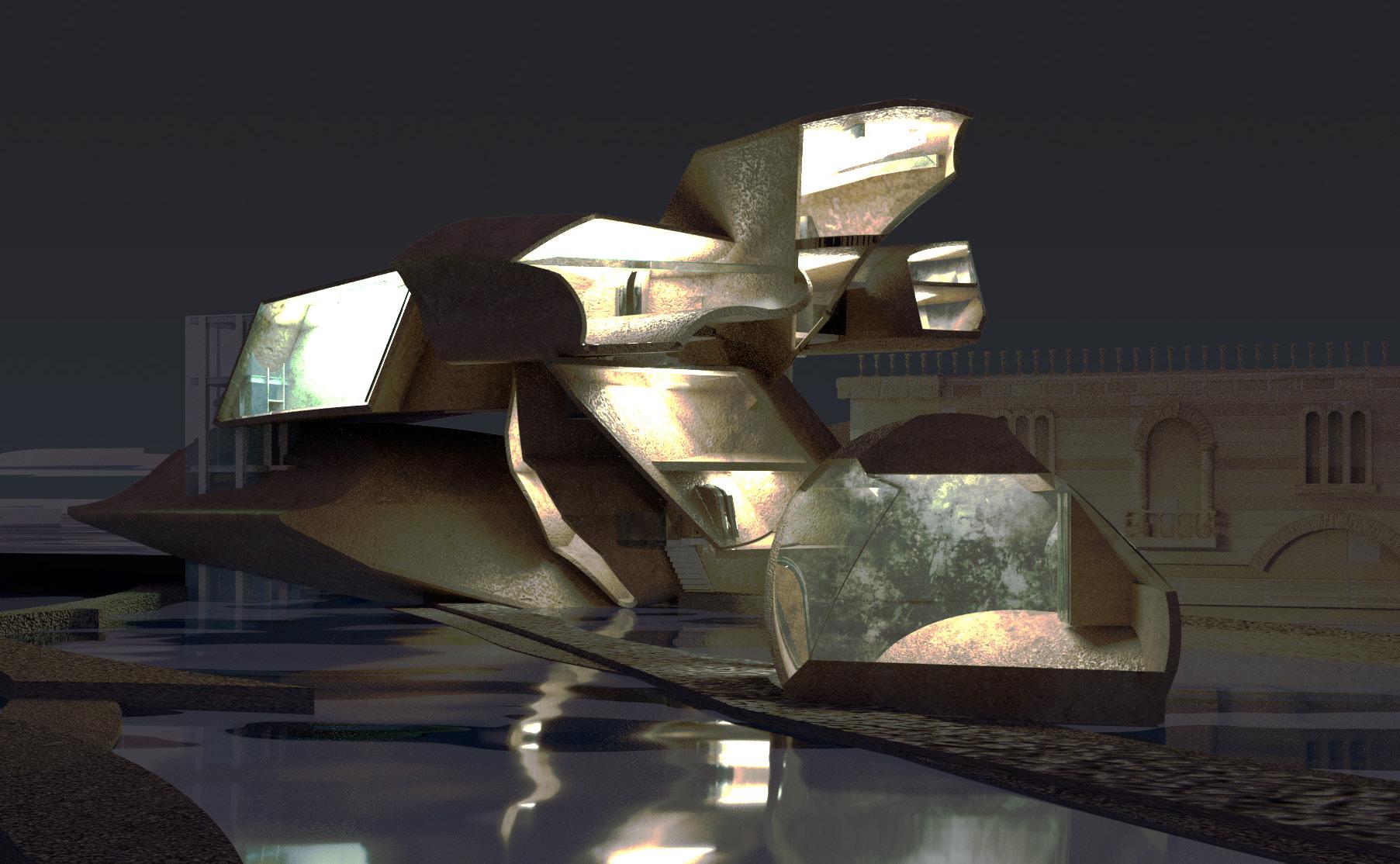
TIME AS MATERIAL Settlement of Schist
Philadelphia, PA | Instructor: Laia Mogas-Soldevila | Year: Spring 2022
“We are tied to the ocean. And when we go back to the sea, we are going back from whence we came.”
--John F. Kennedy
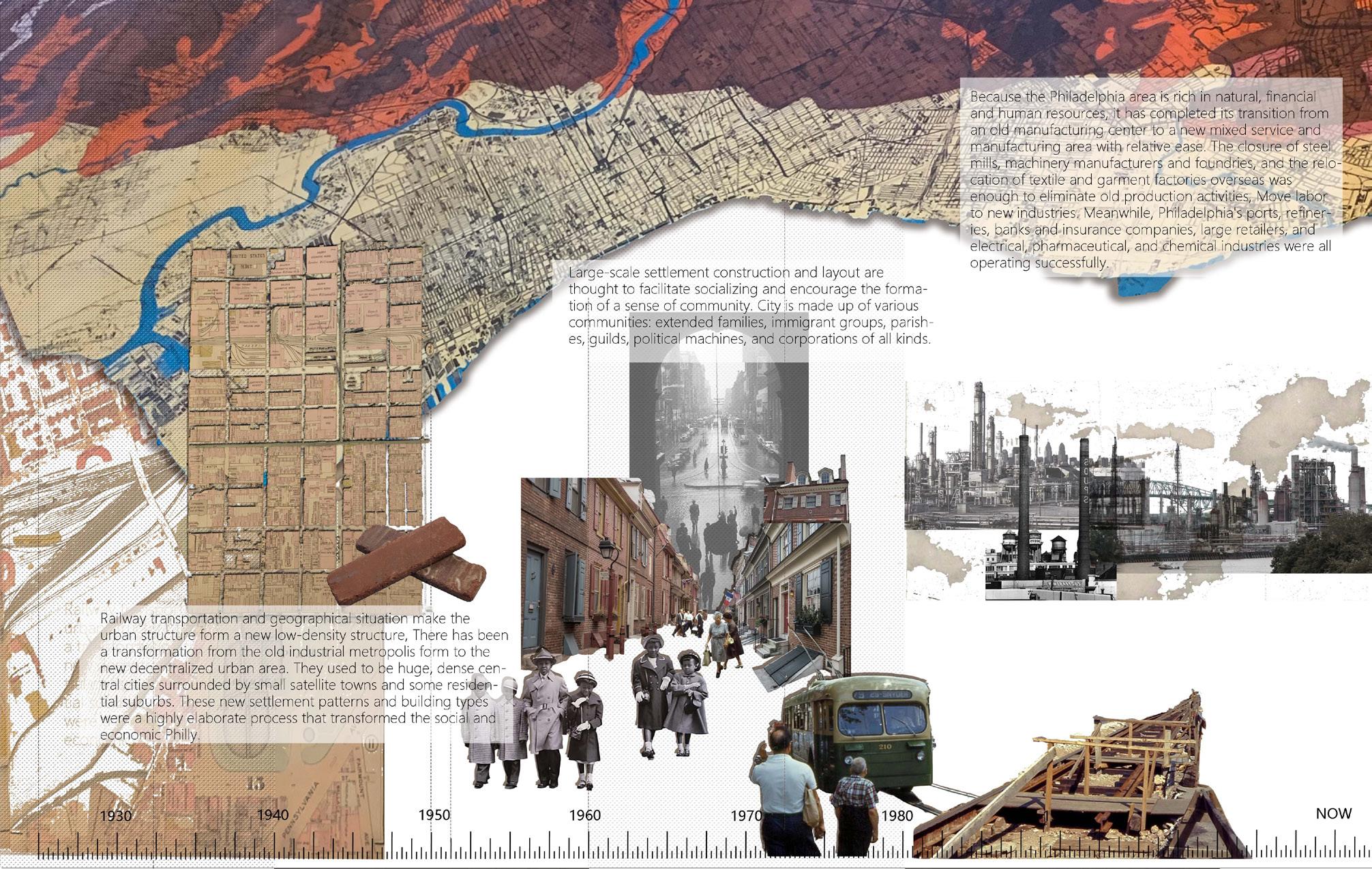
This chapter reads Philadelphia as a living palimpsest—where deep geology, industrial infrastructure, and everyday life continuously overwrite one another. I begin with the city’s watershed and street grid, tracing how rivers and rail once organized extraction, manufacturing, and dense worker neighborhoods, and how those same spatial logics later retooled into new economies and civic programs. The collage compresses decades into a single section of time: photographs, transit fragments, and skyline cutouts act as evidence of migration, labor, and the shifting politics of settlement.
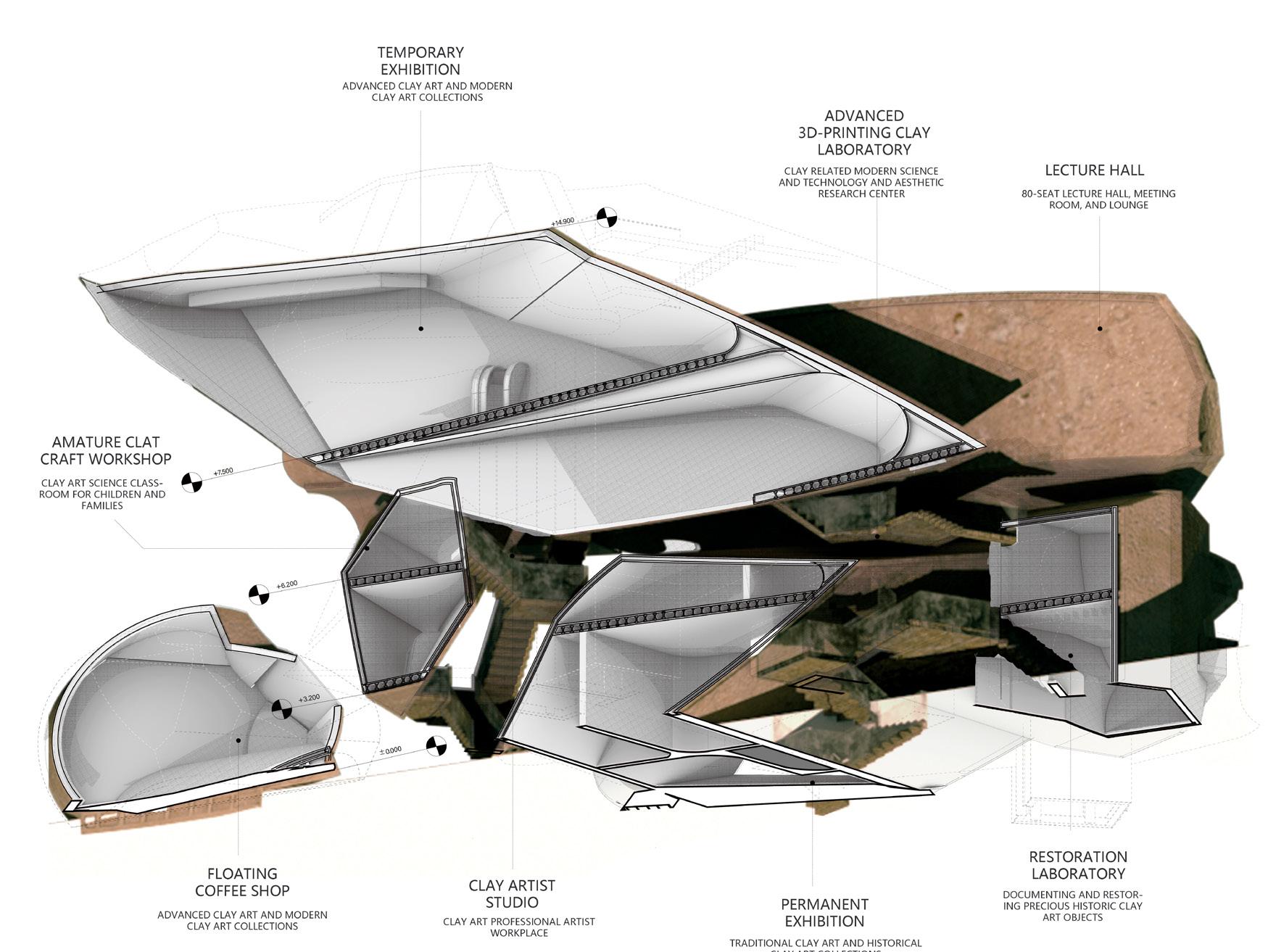
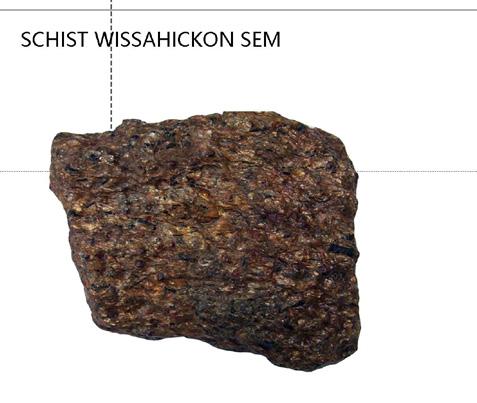
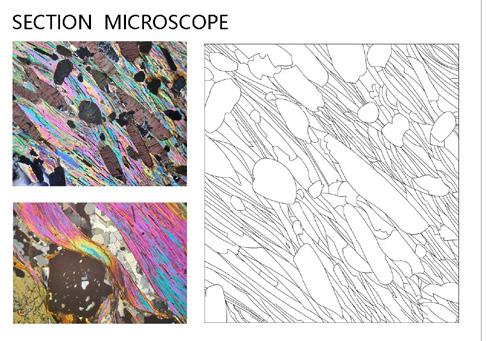
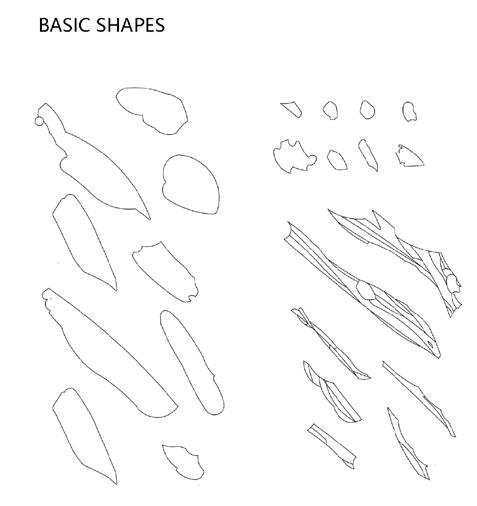
Beneath the urban narrative, I treat the ground as an active archive. A fragment of Wissahickon schist—paired with microscope imagery and extracted “grain alphabets”—becomes a vocabulary for form: fracture lines, anisotropy, and stratification suggest rules of making that are not designed from scratch but inherited from material behavior. I extend this reading into craft, organizing ceramic references as a taxonomy of cultural techniques—sorting, firing, glazing—as parallel modes of site interpretation.
Rather than using history as a backdrop, this chapter positions time as a design material. By linking deep time to municipal change, I develop a framework for interventions that respect continuity, anticipate weathering, and negotiate transformation without erasure.
Location:
Sculpture Deterioration Process
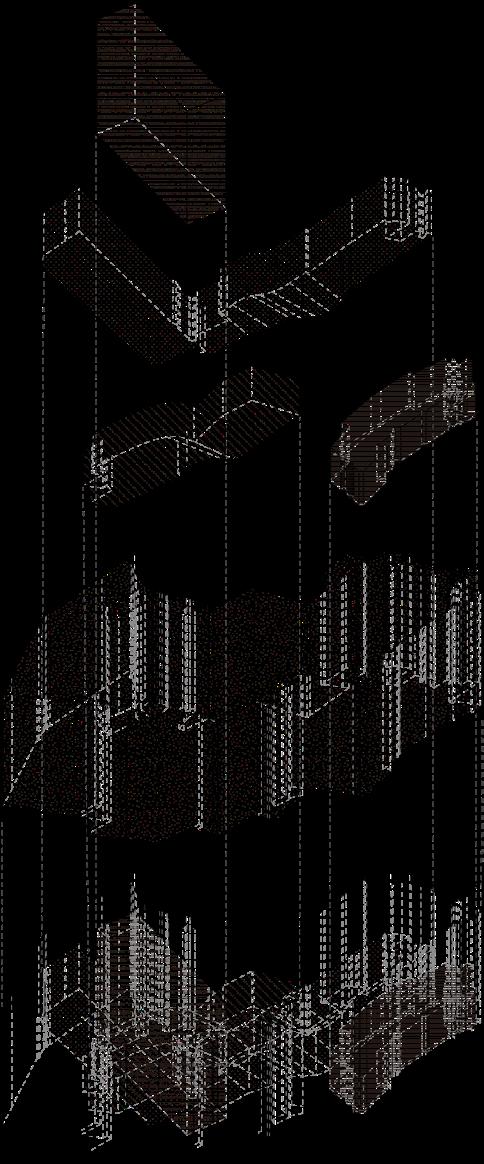
Axon-Section
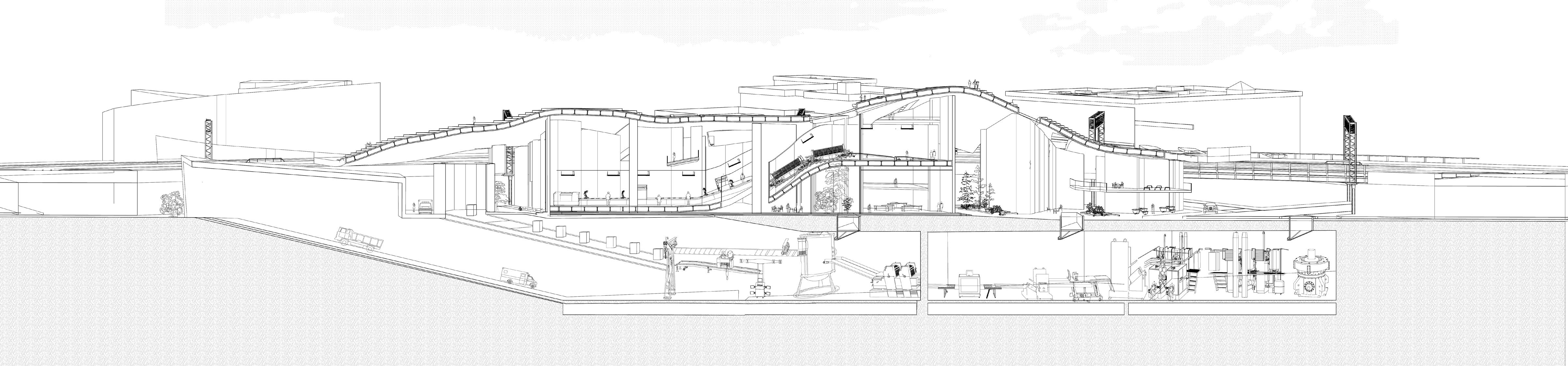
Section: North to South direction
Section: North to South direction
CALLOWHILL RELIEF: Urban Alchemy
"In the symphony of urban evolution, the seamless integration of industry and community orchestrates a harmonious melody."
--Jane Jacobs
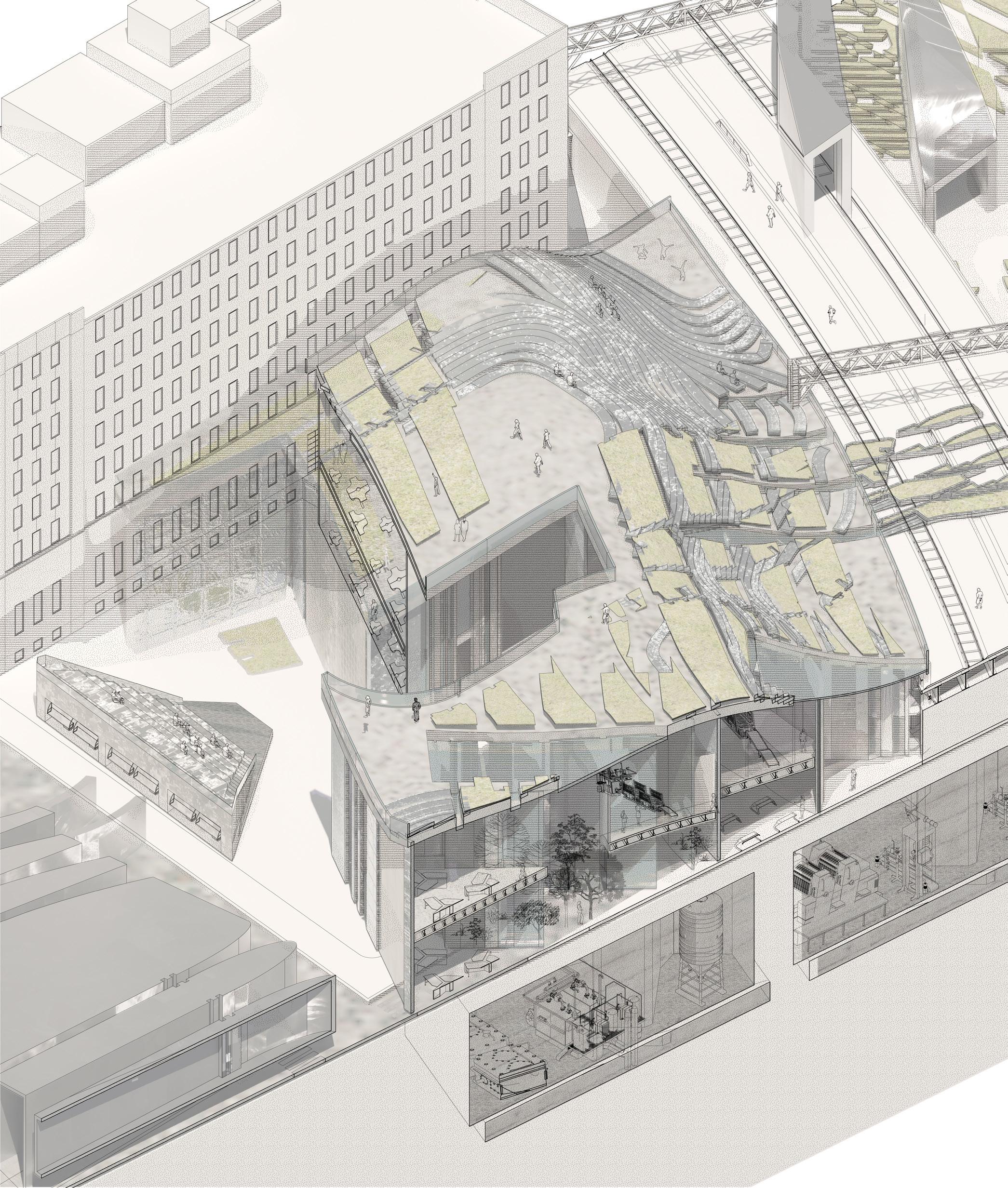
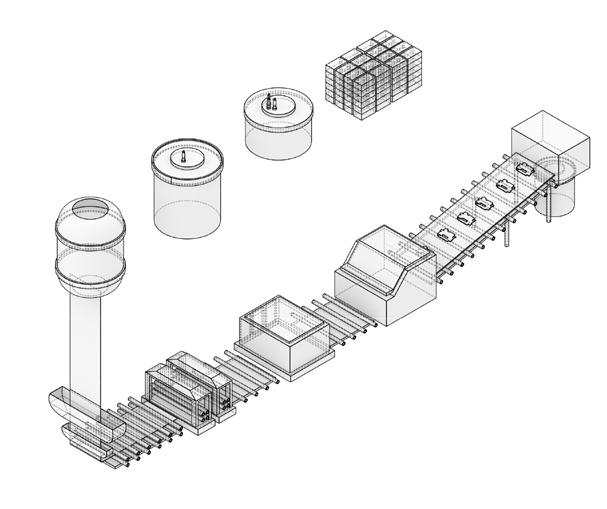
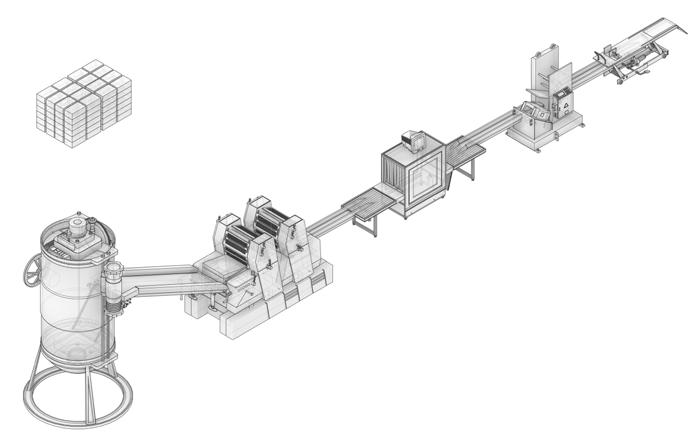
The convergence of traditional industries, specifically metal and glass, harmonizing within the fabric of urban development is the focal point of my project. Delving into the subterranean realm, the basement becomes a hub for the recycling of metal and glass, housing automated processes such as classification, melting, purification, and solidification—operations that are inherently loud and polluting. Here, machines take center stage, efficiently handling the transformation of recycled materials into structured blocks.
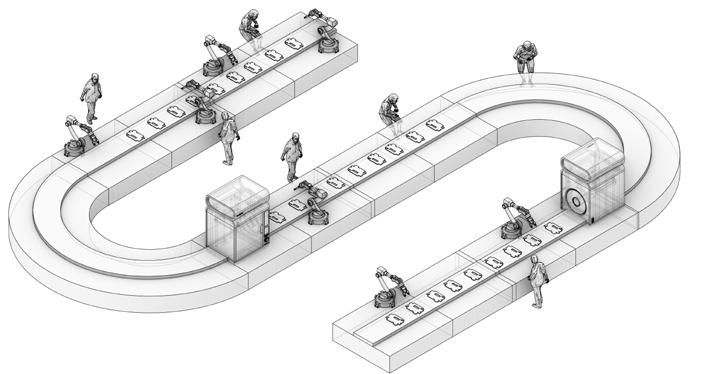
Ascending to the surface, the manual circuitry continues, manifesting as assembling spaces, scientific workshops, and product-centric shops, forming a grid pattern that permeates the urban landscape. The production flow seamlessly blends automated and human-supervised processes, creating a linear narrative reflected in the site plan's abstract mimicry of historical buildings and scientific instruments in Callowhill.
Location: Philadelphia, PA | Instructor: Ryan Palider | Year: Spring 2023
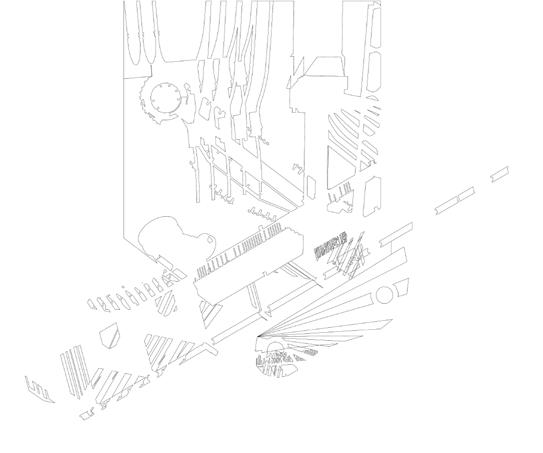
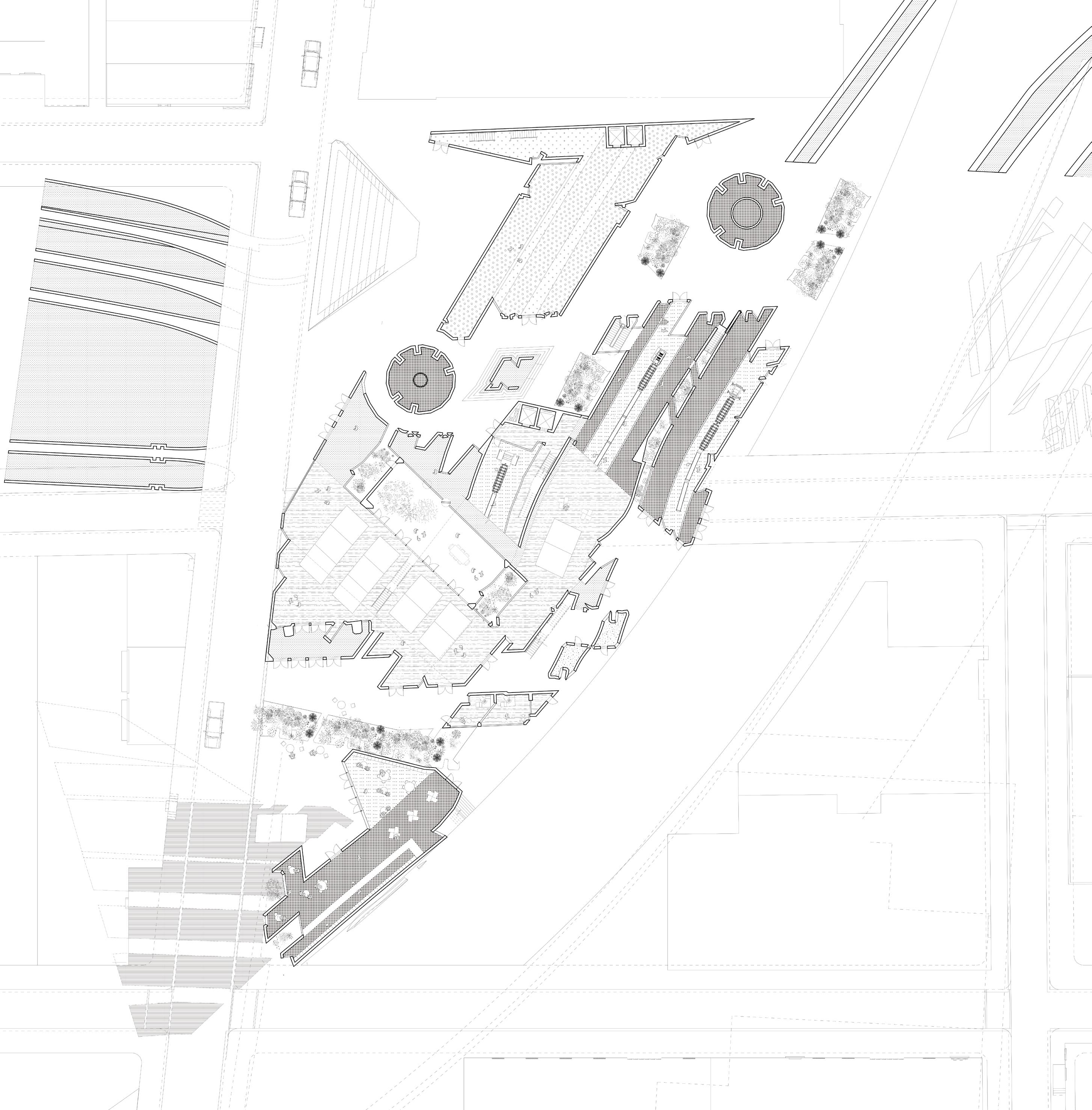
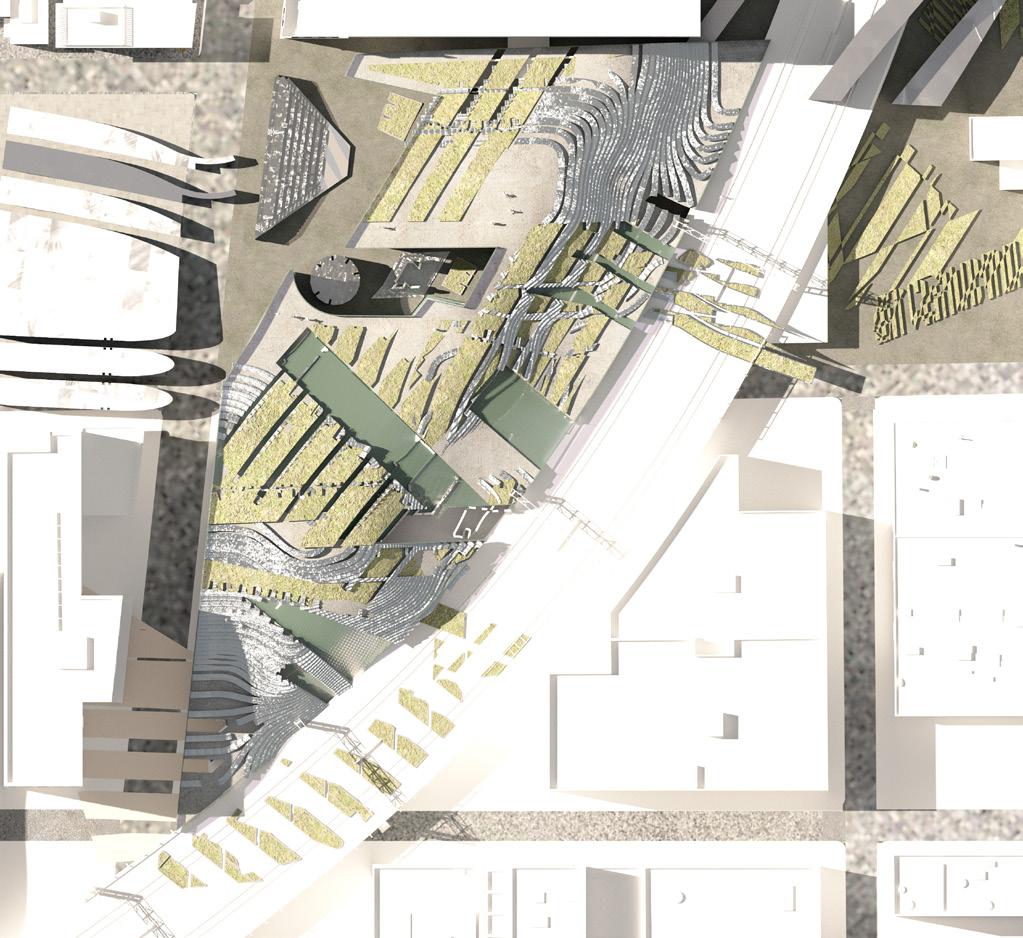
The Production flow Including automated and human-supervised processes are quite linear, So the site plan follows the Abstract outlines of historical buildings in Callowhill and scientific instruments to form a shape that Reflects the shape of the above-ground and underground working assembly lines.
the on the ground part is basical organized in 3 major rectangular tubular spacevisitors can move around the whole building to observe how those components are made or join the work shops from the 1st floot themselves.
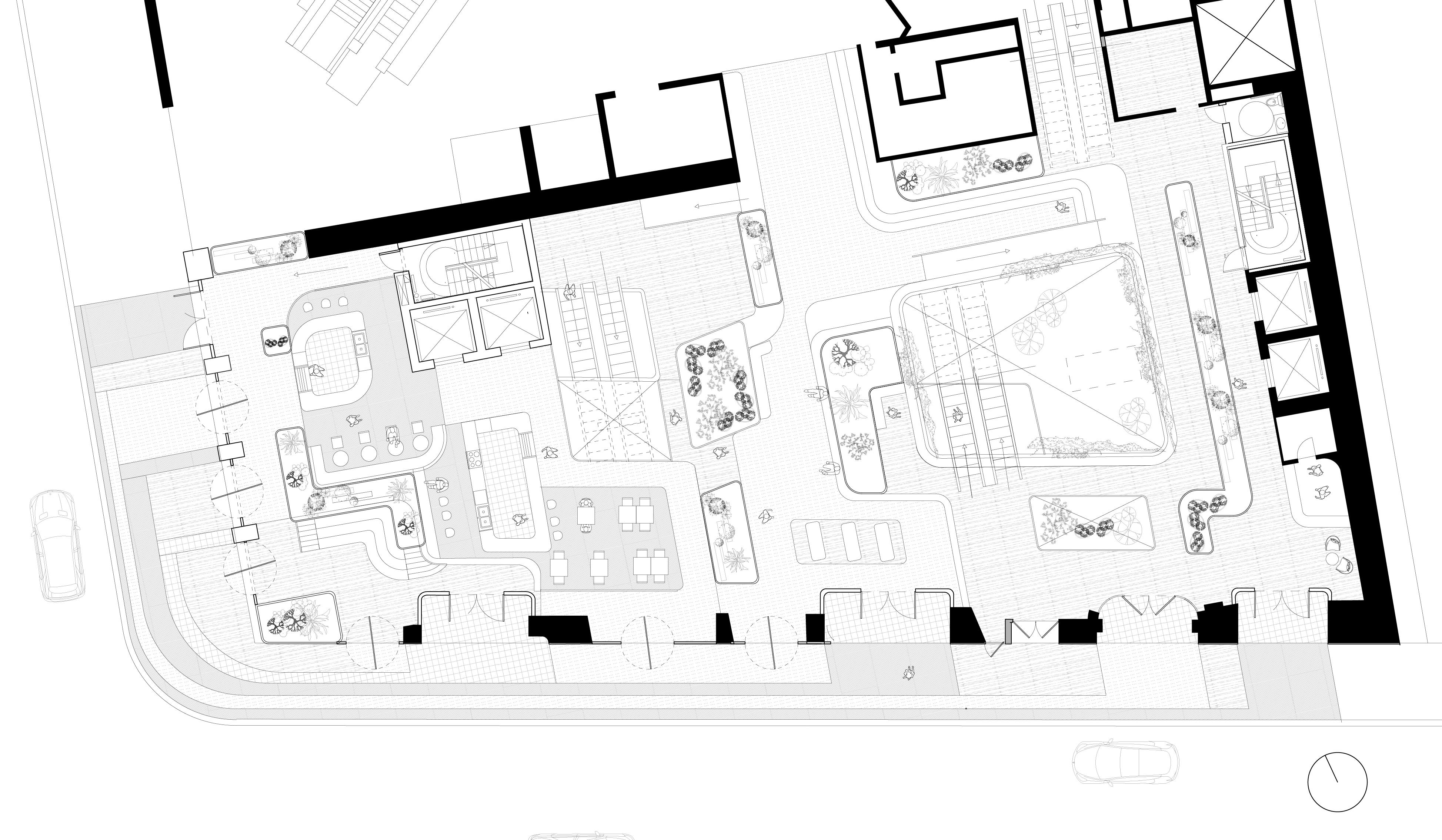
the rest of the major market center will be spaces rent to individual suppliers and the supplementary restaurant and coffee shop in the corner to invite passers-by to experience. Like the viaduct, the underground passes will serve as transportation hub and link the areas separated on both sides by viaduct and welcome all the passers-by to experience the
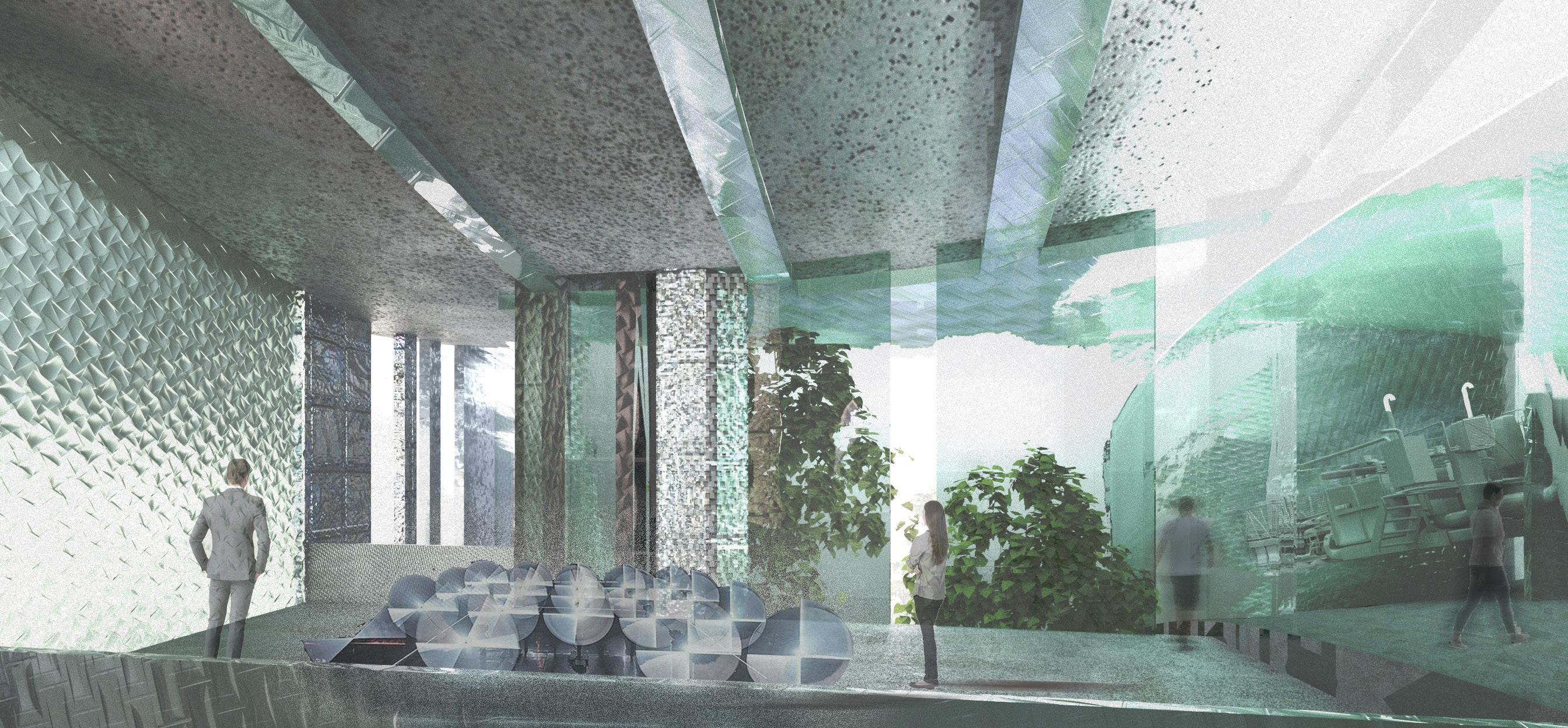
The above-ground space comprises three major rectangular tubular sections, inviting visitors to traverse the building and witness the intricate processes involved. Beyond the manufacturing spectacle, individual suppliers occupy major market centers, interspersed with restaurants and coffee shops, fostering a vibrant atmosphere. Analogous to a viaduct, underground passages serve as a transportation hub, connecting disparate areas and inviting passers-by to witness the transformation of recycling into construction materials and everyday objects. Ultimately, this market serves as a nexus, bridging communities and mitigating the adverse impact of heavy industries on
Interior Rendering : 2F Exhibition Hall
The Production flow Including automated and human-supervised processes are quite linear, So the site plan follows the Abstract outlines of historical buildings in Callowhill and scientific instruments to form a shape that Reflects the shape of the above-ground and underground working assembly lines.
Ground Floor Plan
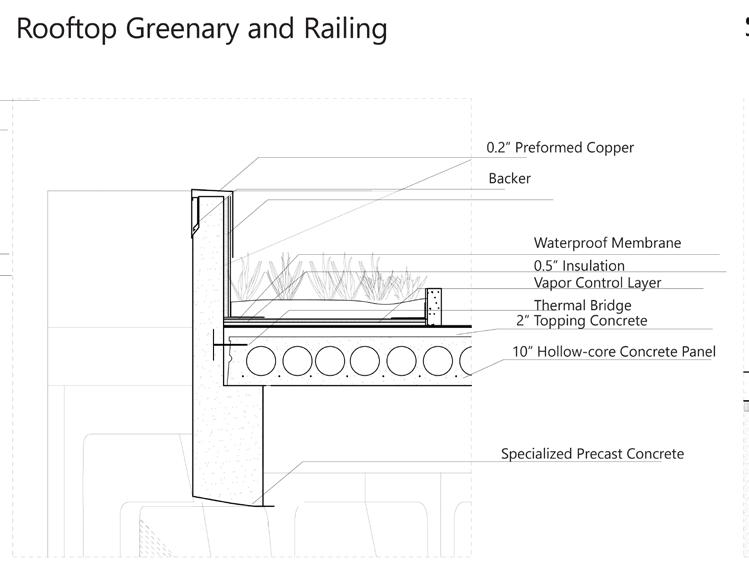
Roof Garden Plan
Toolpath-Programmed Hygromorphic Bio-Composites for Architectural Scale
Ramus v1
Location: Philadelphia, PA | Instructor: Laia Mogas-Soldevila | Year: Spring 2025
“I am rooted, but I flow.”
- Virginia Woolf, The Waves
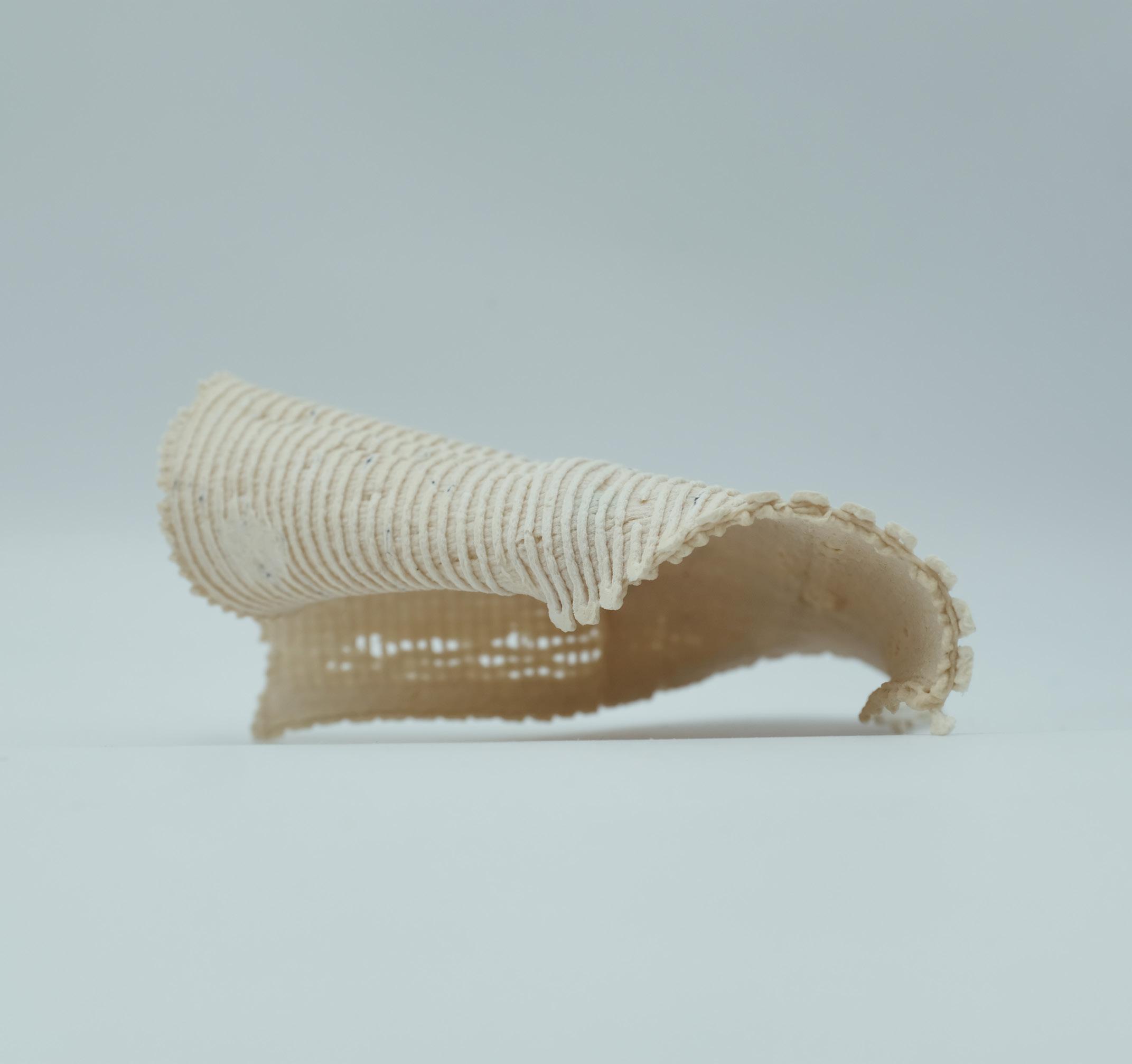
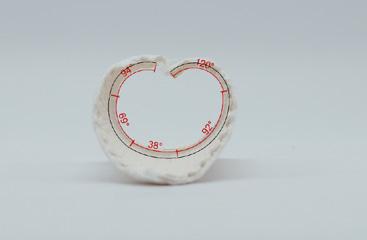
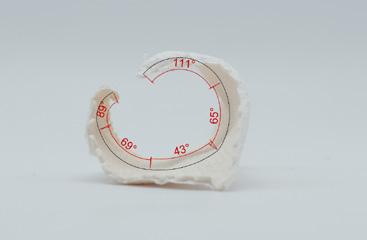
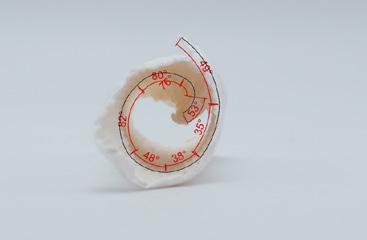
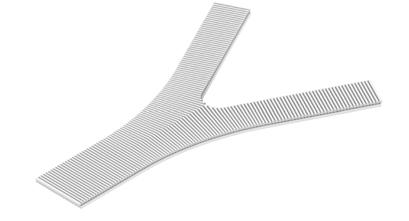
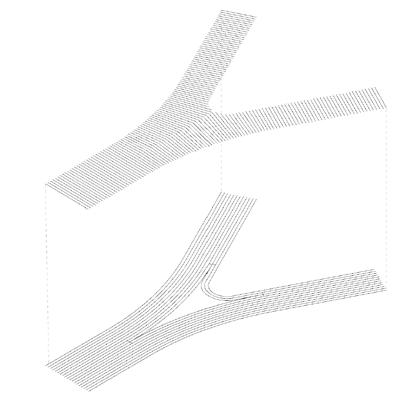
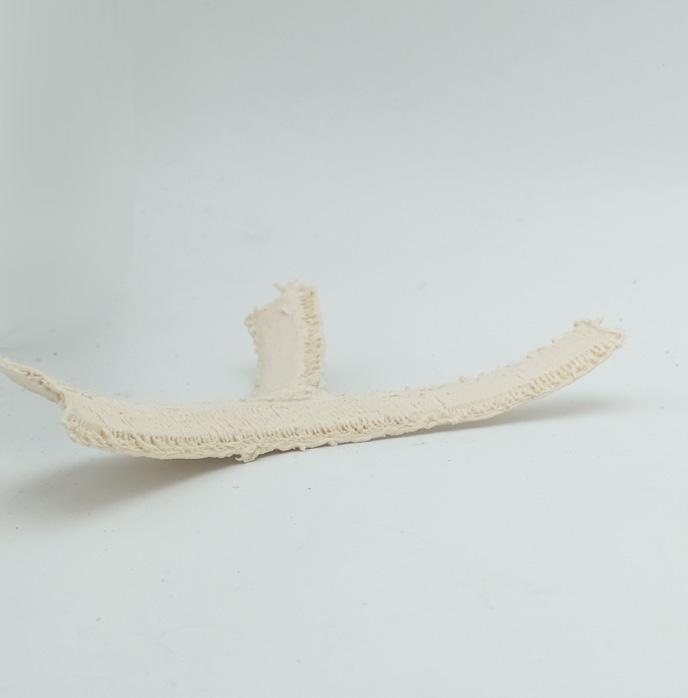
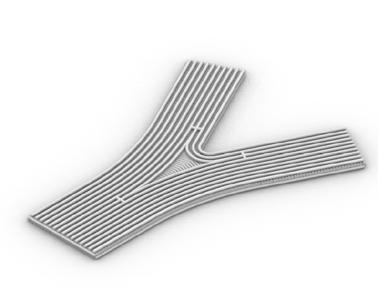
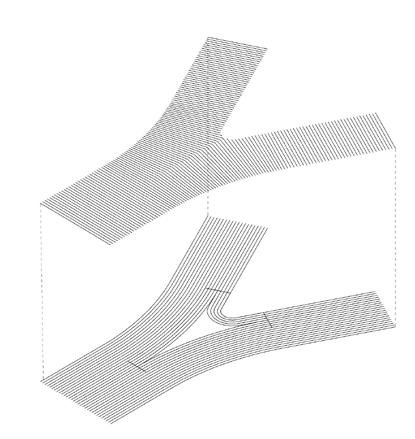
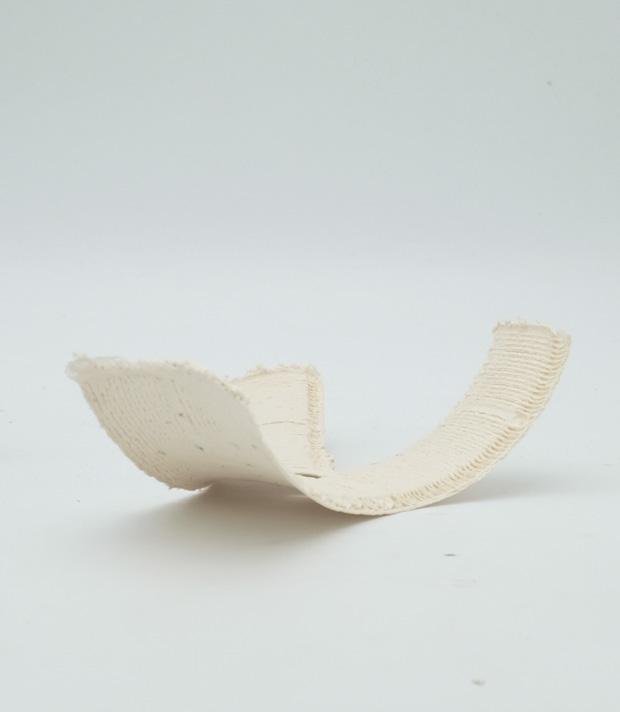
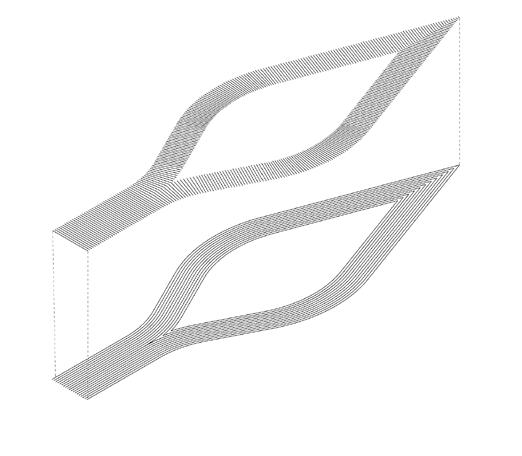
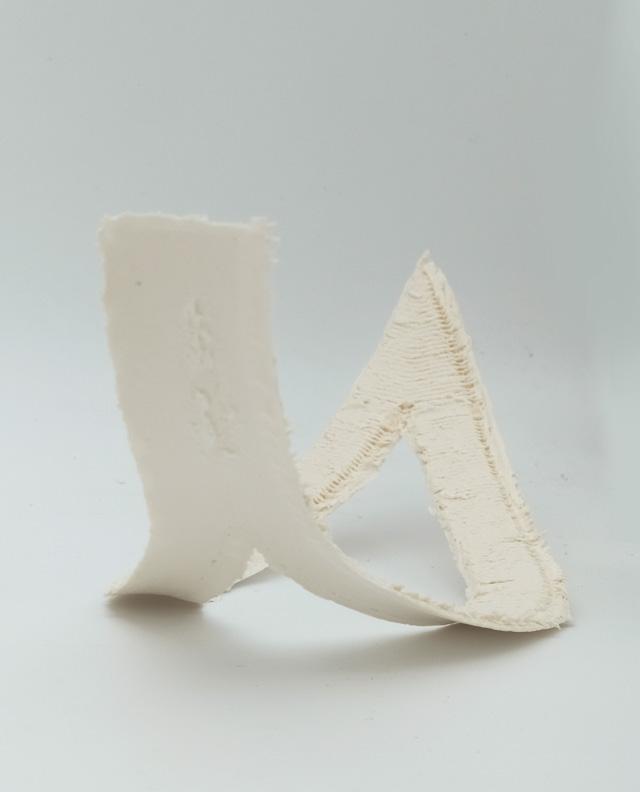
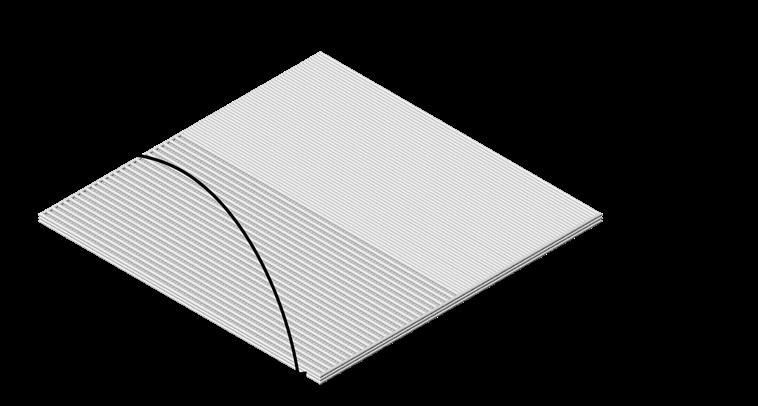
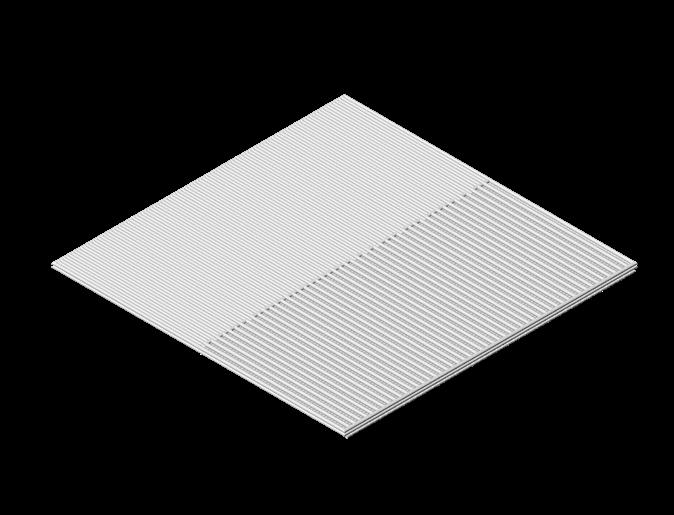
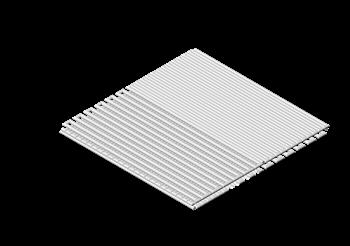
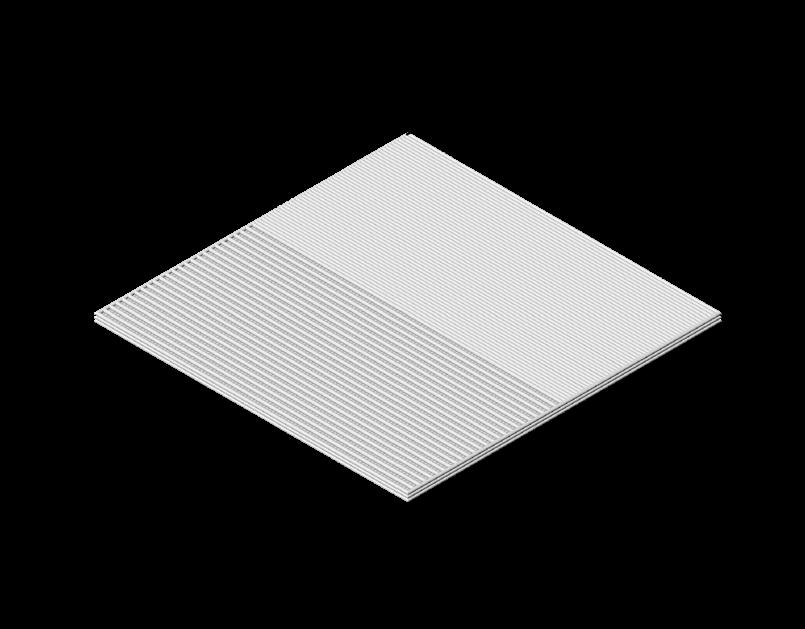
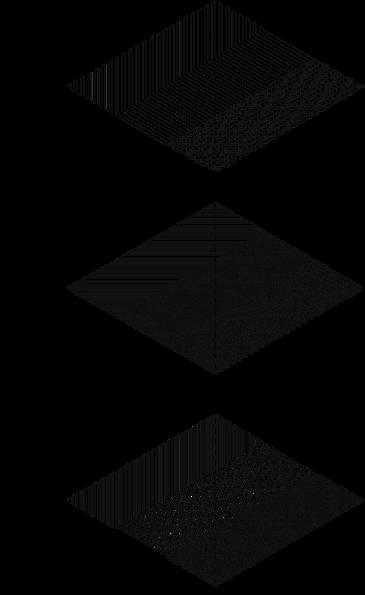
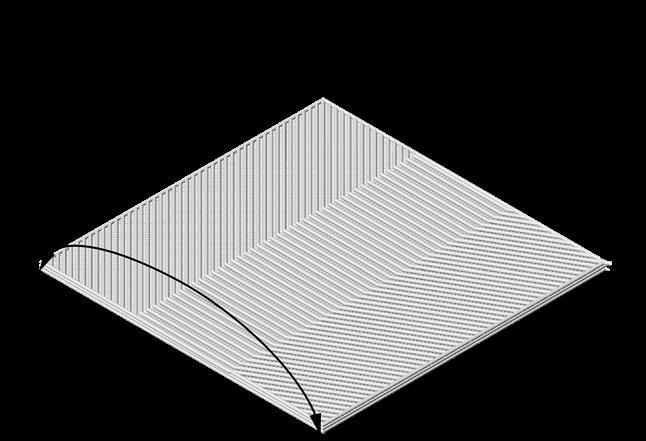
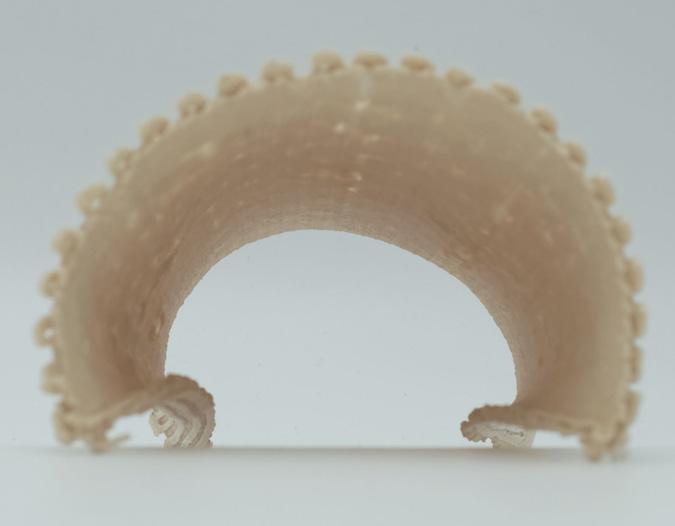
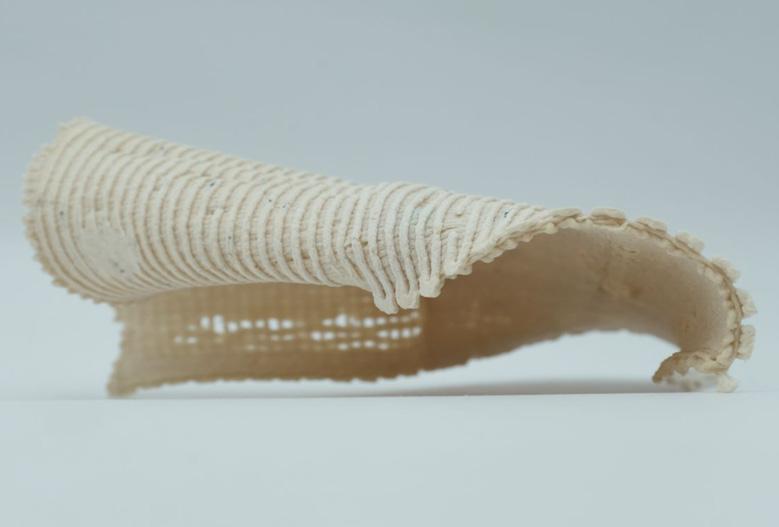
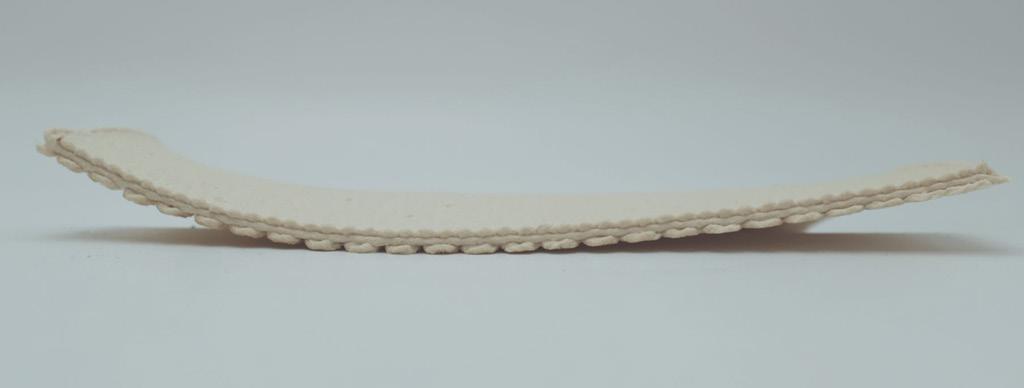
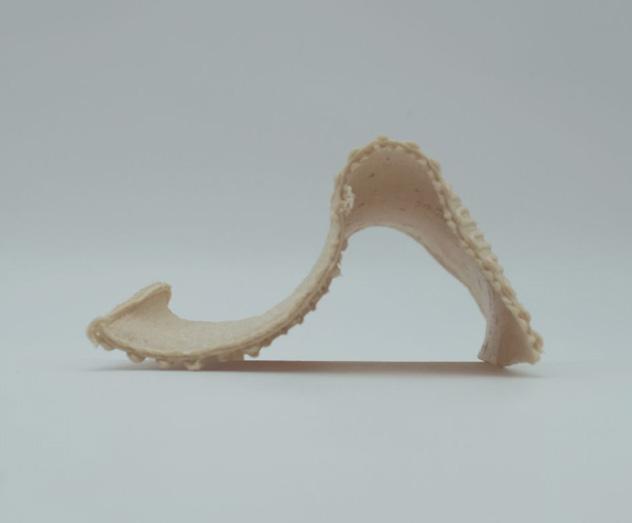
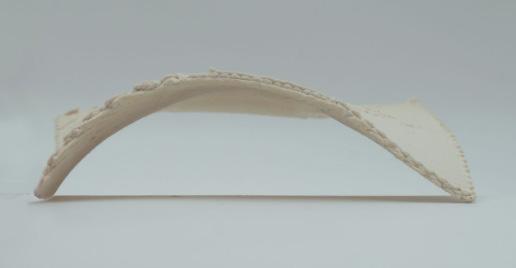
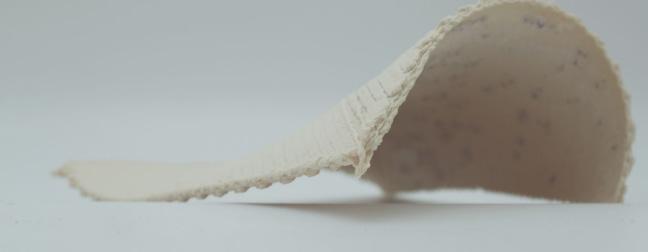
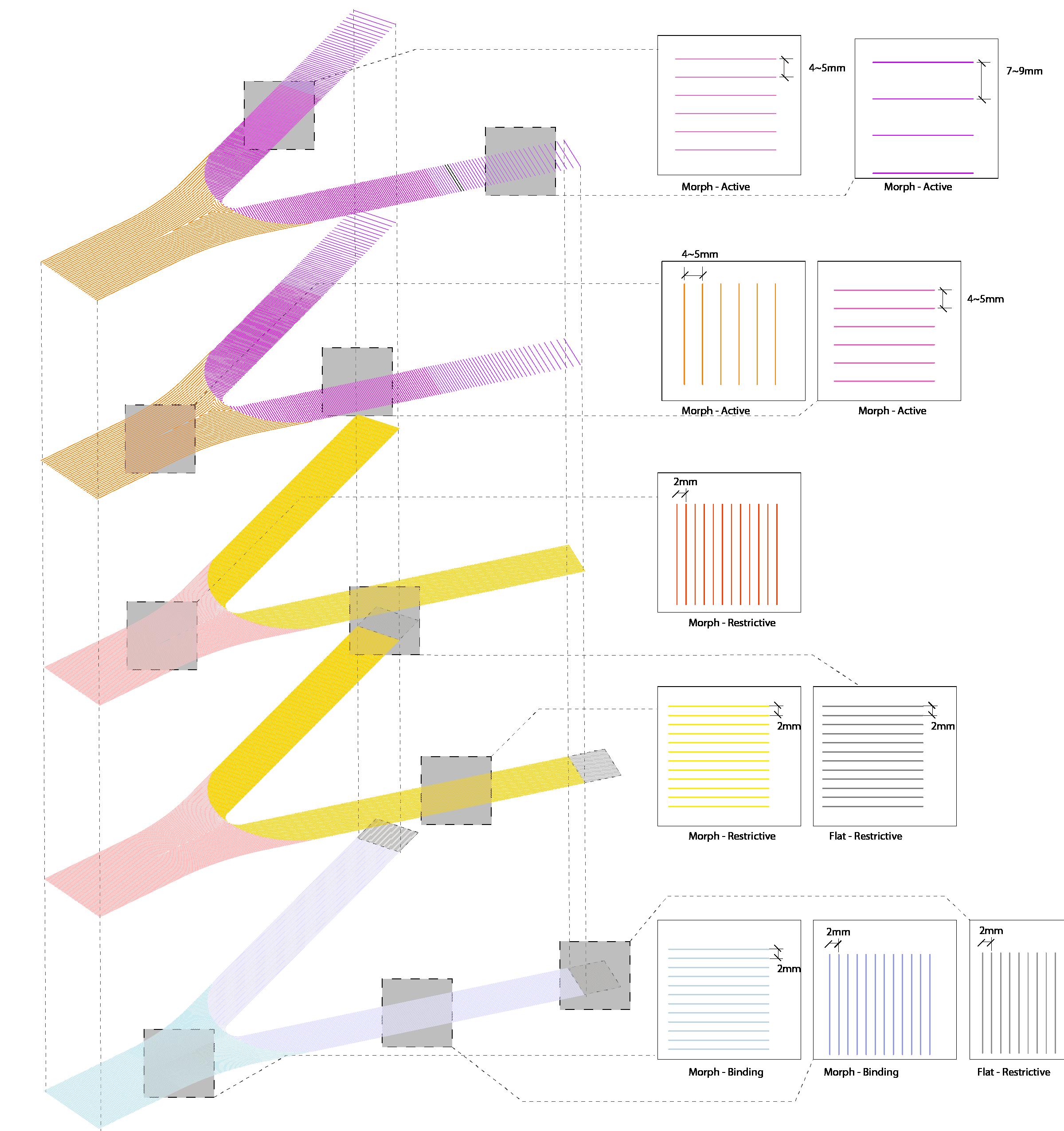
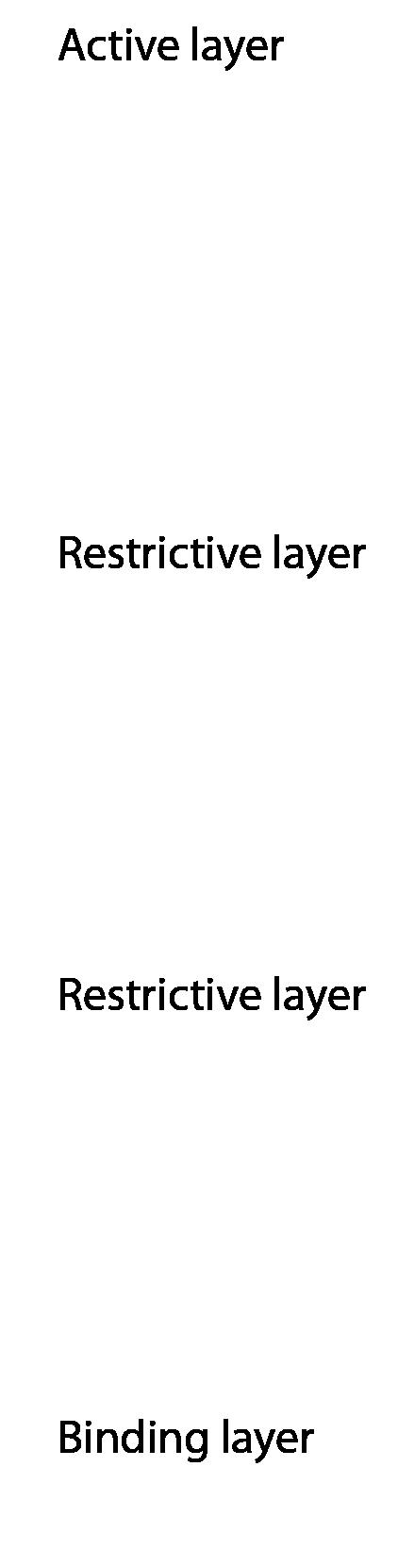
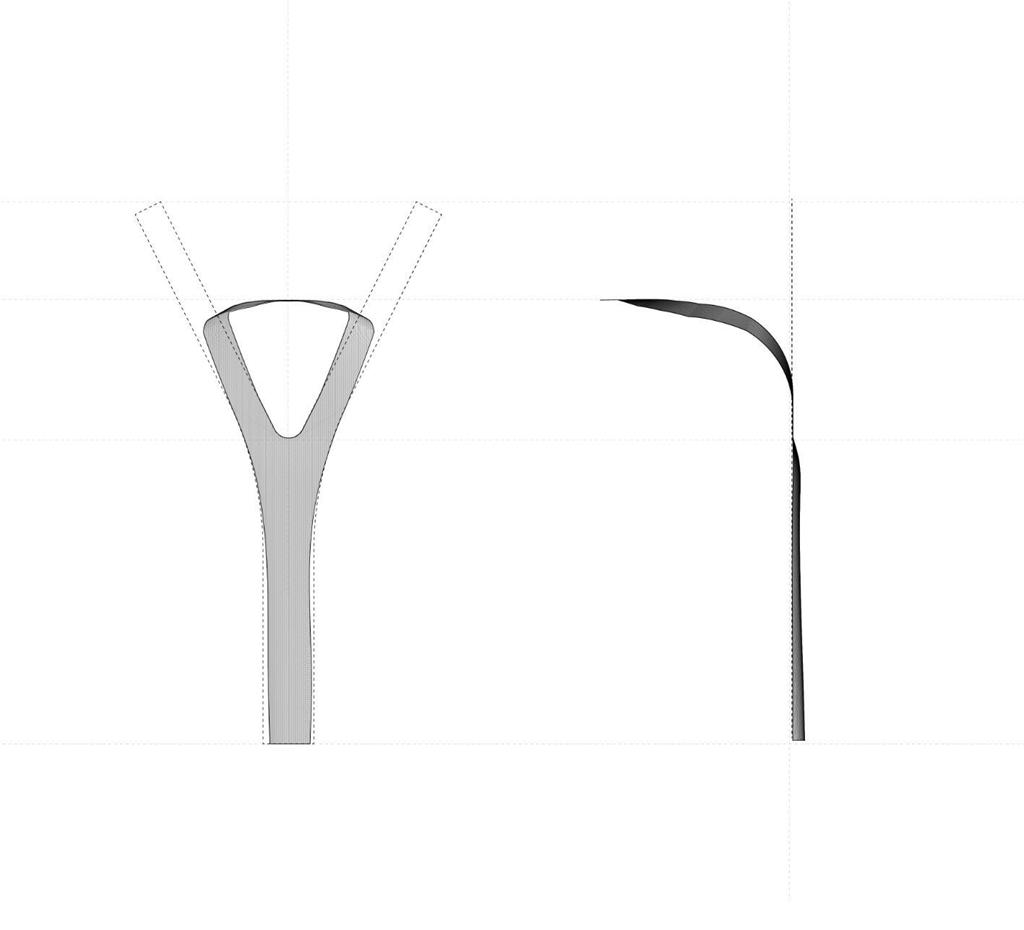
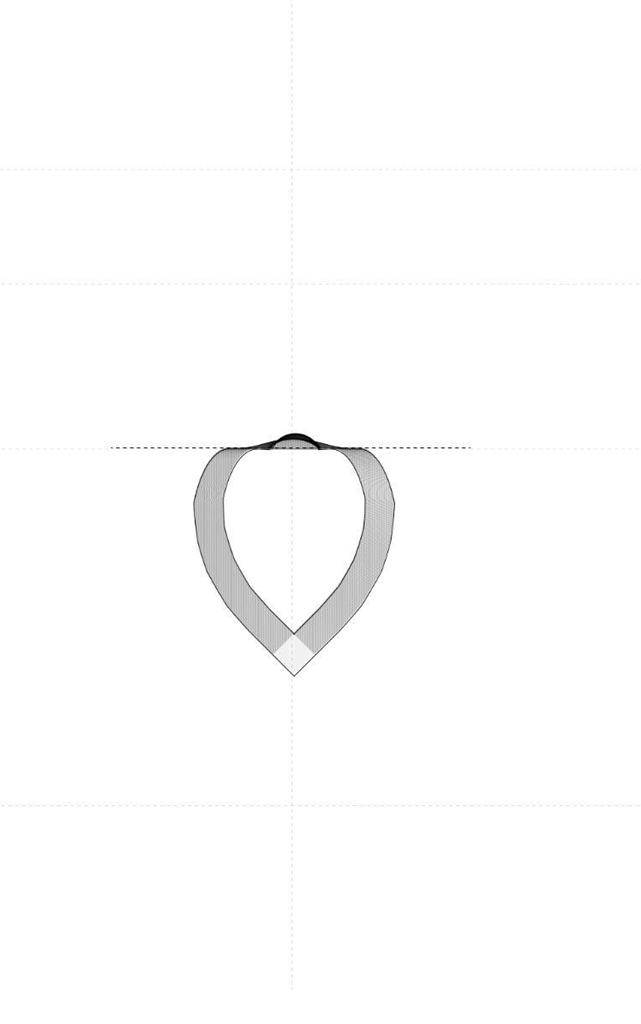
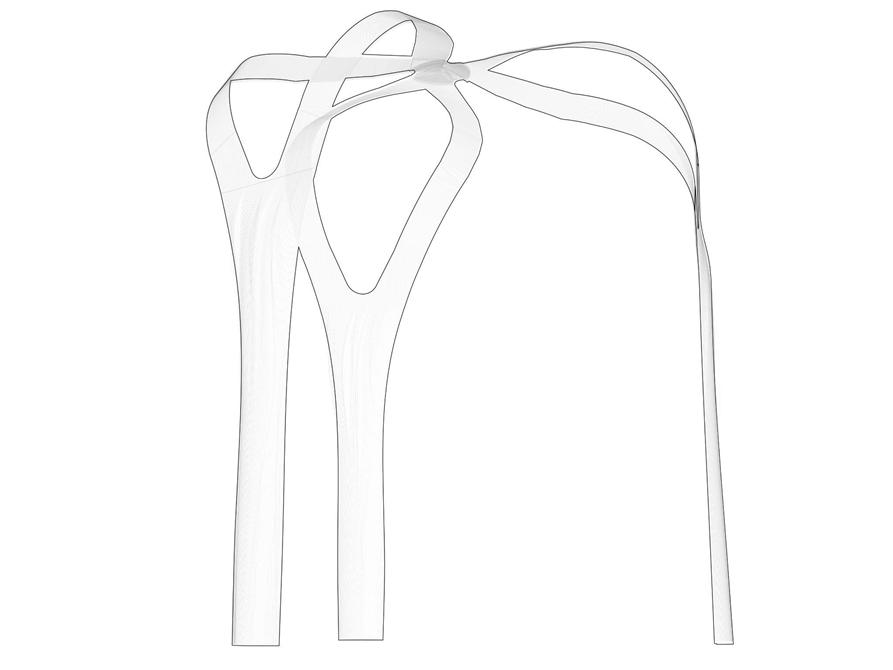
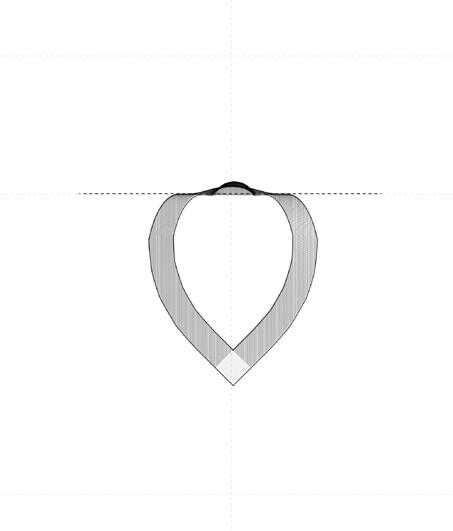
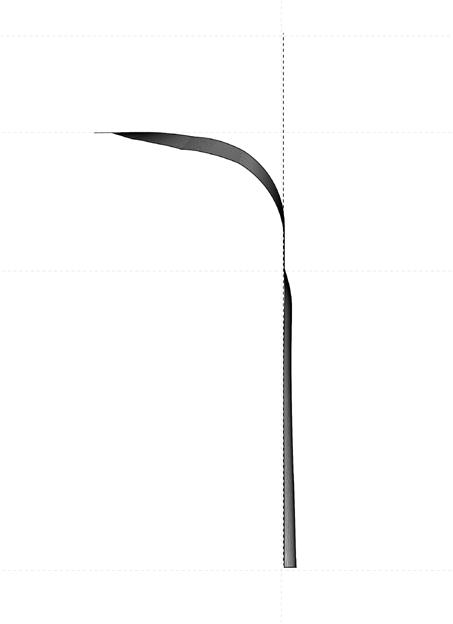
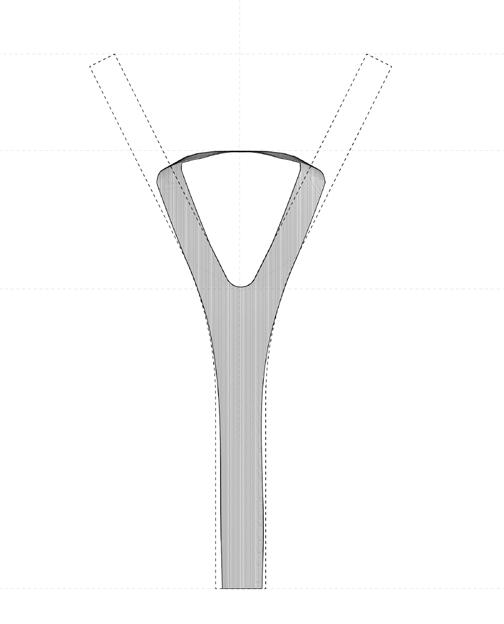
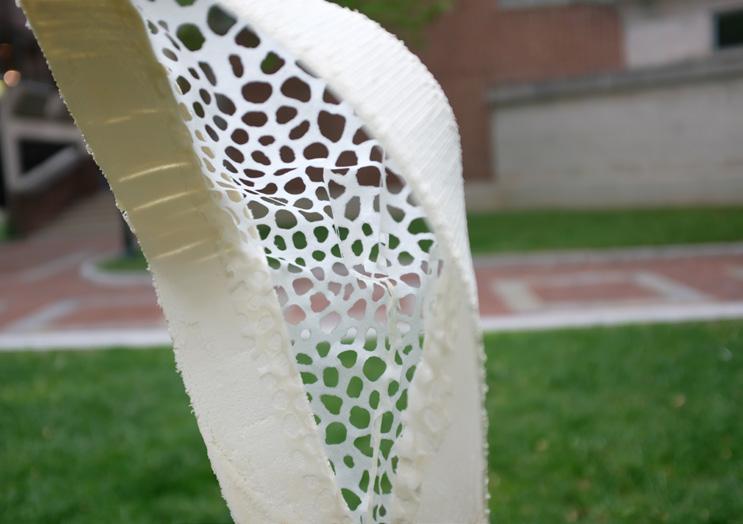
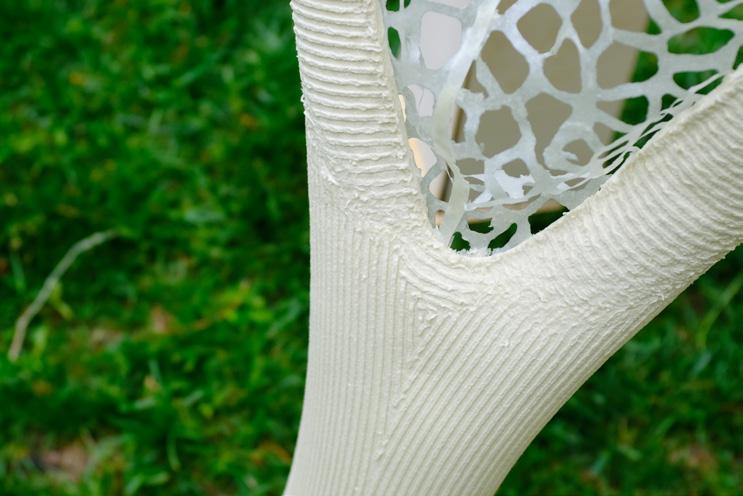
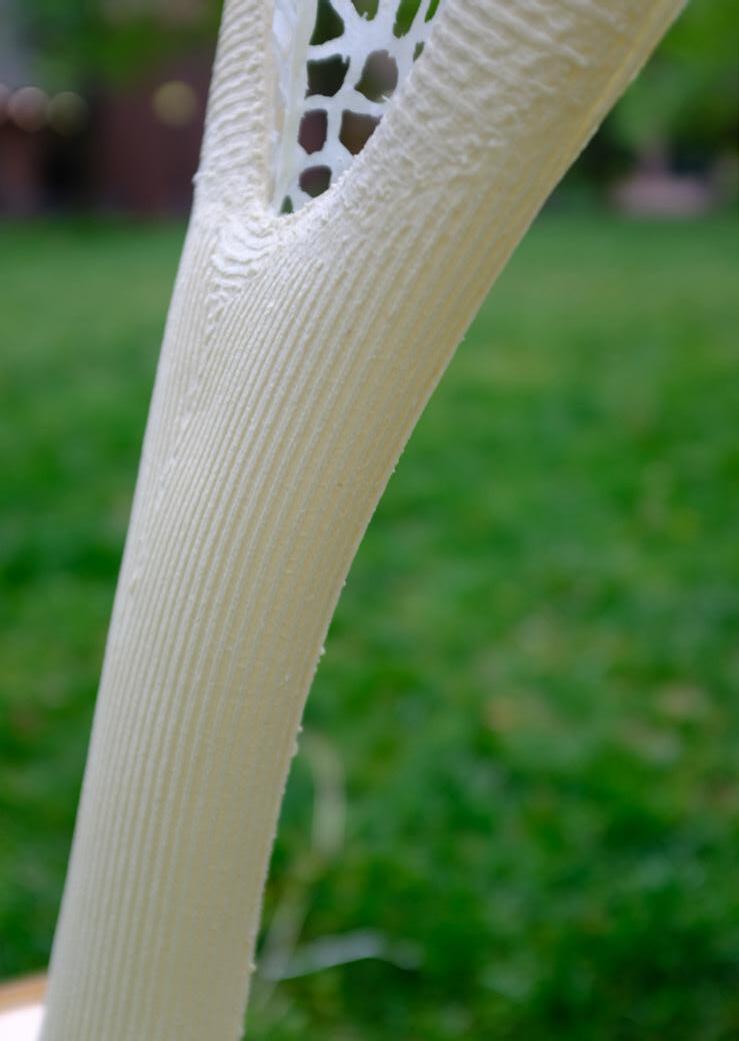
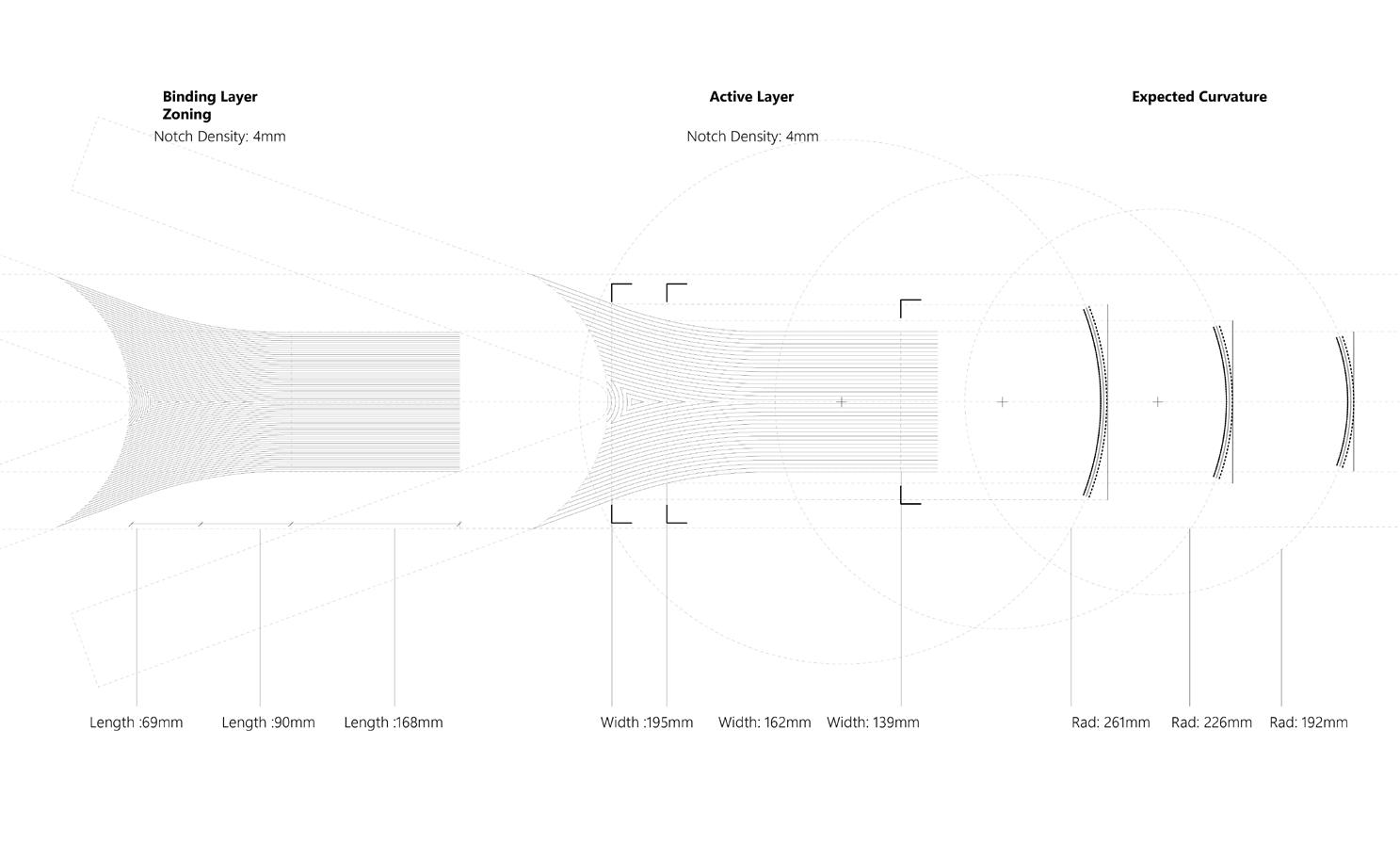
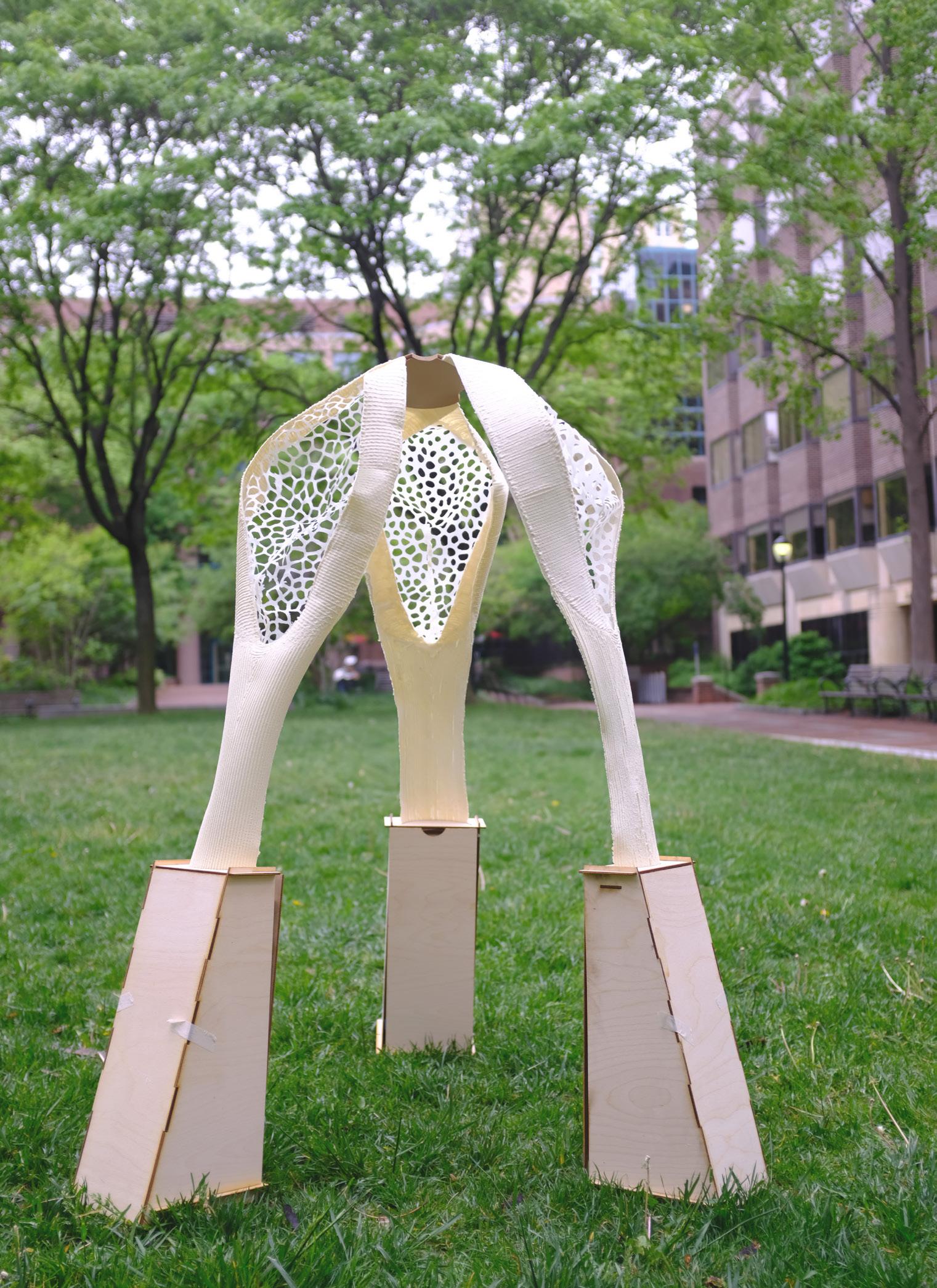
This paper presents RAMUS v1, a 4D-printing logic that programs hygromorphic behavior into plastic-free, biodegradable composites at architectural scale. We separate “binding” (stiffness-providing) and “active” (morphing) layers and show that curvature can be encoded by toolpath zoning, layer count, notch density, and principal direction without changing material chemistry. Systematic studies establish six principles relating layering, notching, directionality, global geometry, and scale to emergent form. From these we derive compact design rules—most notably a monotonic mapping from notch pitch to bend radius—and validate them through two predictive bar studies and a five-layer Y-branch grammar. The work contributes a fabrication-side pathway to responsive, biodegradable construction and a replicable method for prediction-driven design.
The built environment can be programmed to change—without plastics, without motors, without waste.
Benefit and Problems with Plastic-Free Wood 3D Printing
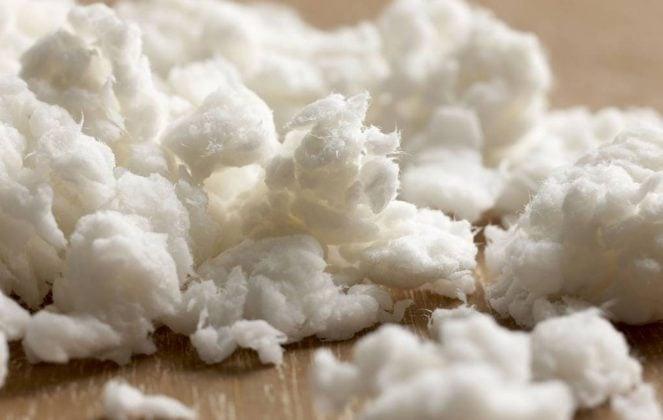
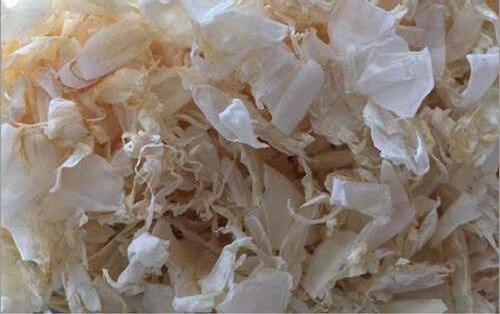
Abundant byproduct bio- materials from forestry and fishing industries that capture carbon during growth and use very low fabrication energy, and decay naturally at end-of-life.
Benefit and Problems with Plastic-Free Wood 3D Printing
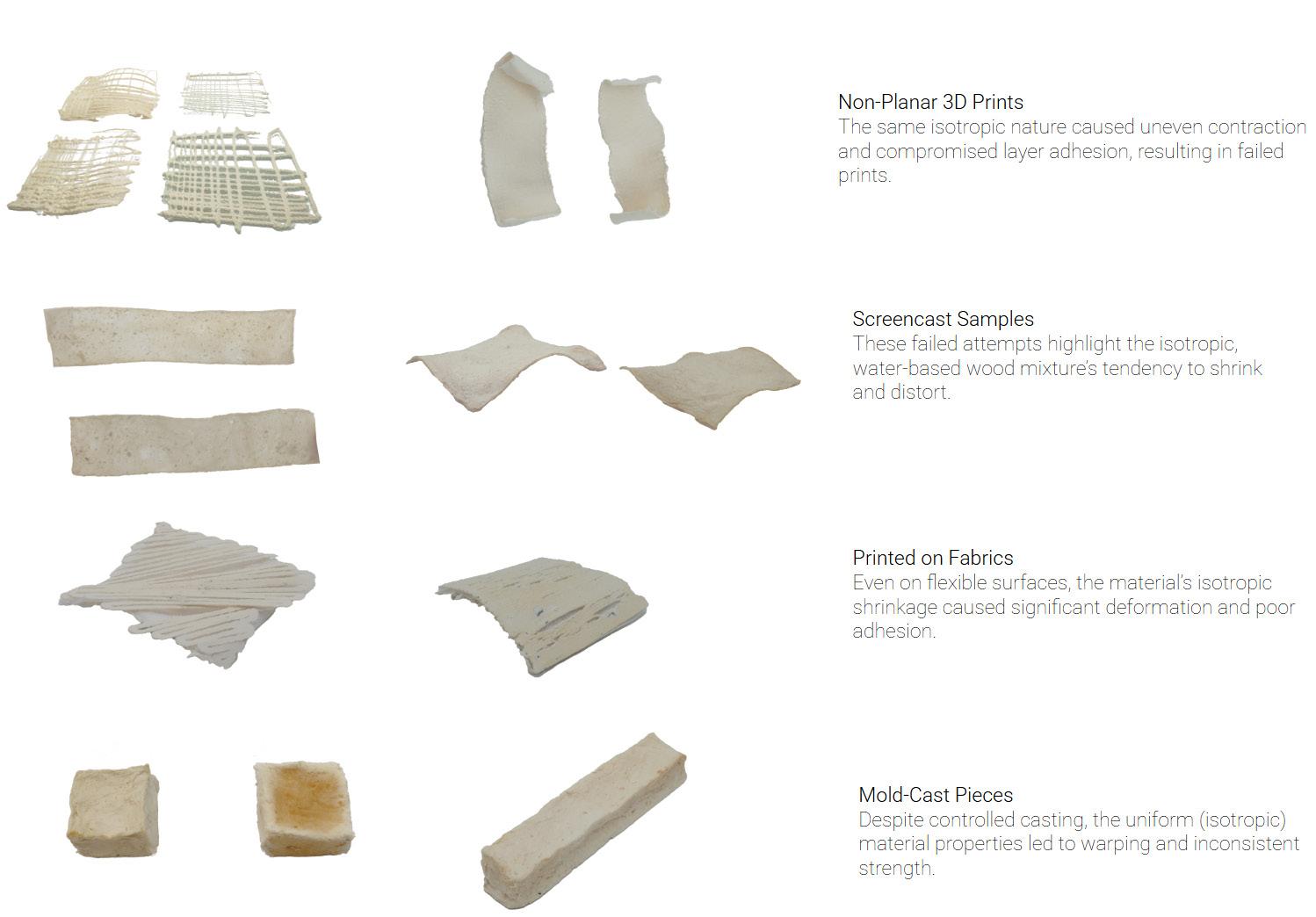
Both constituents are processed exclusively in water and mixed at room temperature and atmospheric pressure; no organic solvents, petrochemical plasticizers, or thermal curing steps are used. The paste is extruded and dried under ambient conditions, yielding a fully bio-based, petrochemical-free composite. At end of life, the material can be mechanically broken down and composted, decaying without known toxic residues and aligning fabrication with low-energy, local production. Abundant byproduct bio-materials from forestry and fishing industries that capture carbon during growth and use very low fabrication energy, and decay naturally at end-of-life. A water-based, isotropic material that lacks directional strength and shrinks during curing, limiting its form control and resolution in 3D printing. But it has sustainability promise.
Filler
A water-based, isotropic material that lacks directional strength and shrinks during curing, limiting its form control and resolution in 3D printing. But it has sustainability promise. Screencast
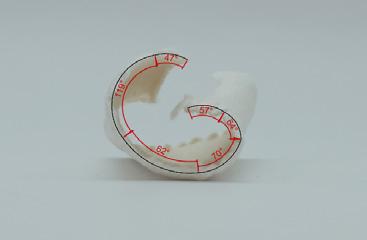
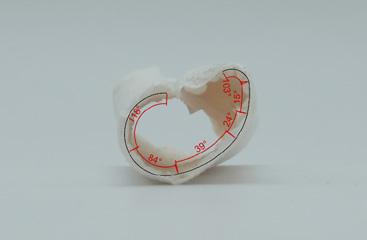
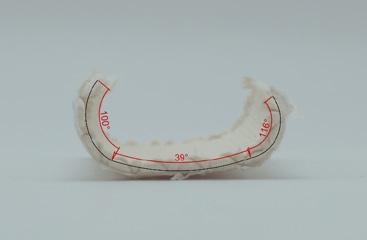
Effect of Printing Layer Quantity and Toolpath Orientation on Curling Angle
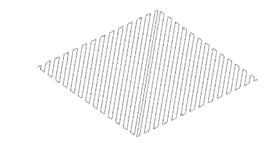
direction oriented diagonally.
Double-layer sample with the printing principle direction oriented diagonally.
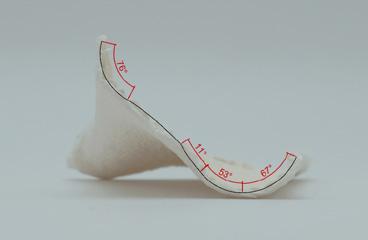
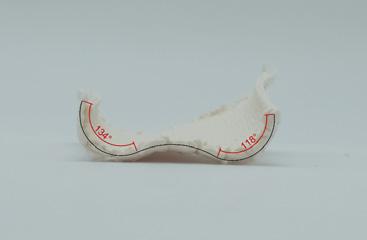
EFFECT OF ENCLOSED GLOBAL GEOMETRY ON MORPHING BEHAVIOR
Double-layer Racket shape samples with multiple printing toolpath directions
Double-layer Racket shape samples with multiple printing toolpath directions
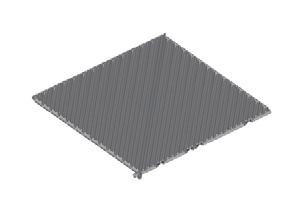
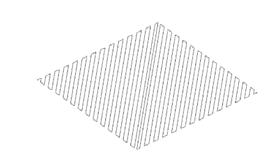
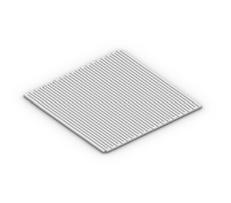
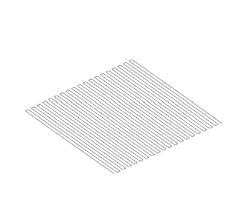
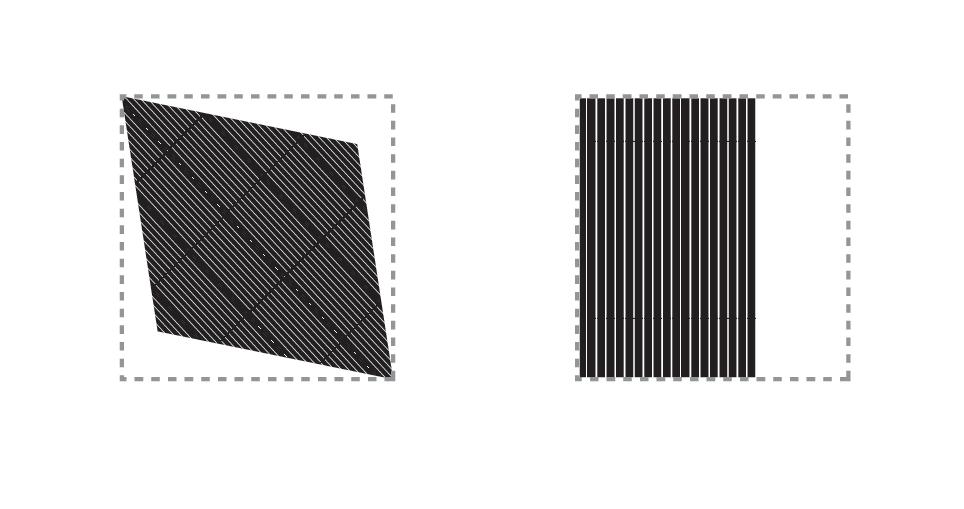
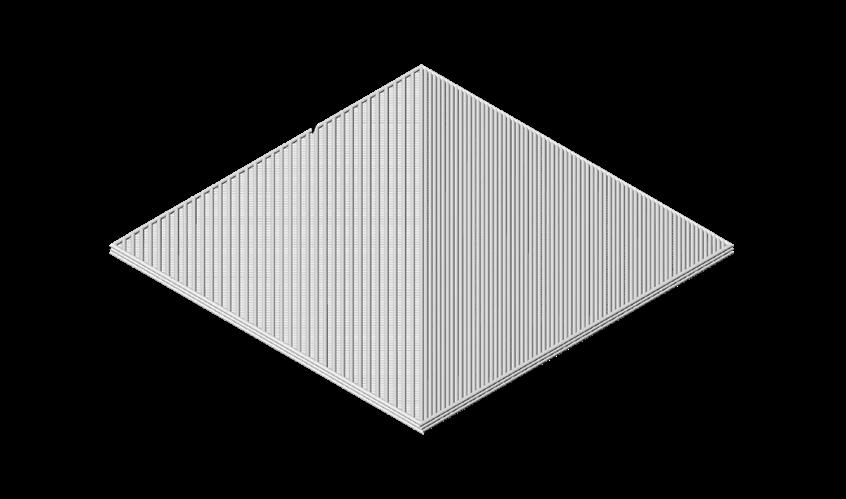
Single-layer sample with the printing principle direction oriented parallel to the square’s sides.
Double-layer sample with the printing principle direction parallel to the square’s sides.
Double-layer Racket shape samples with multiple printing toolpath directions
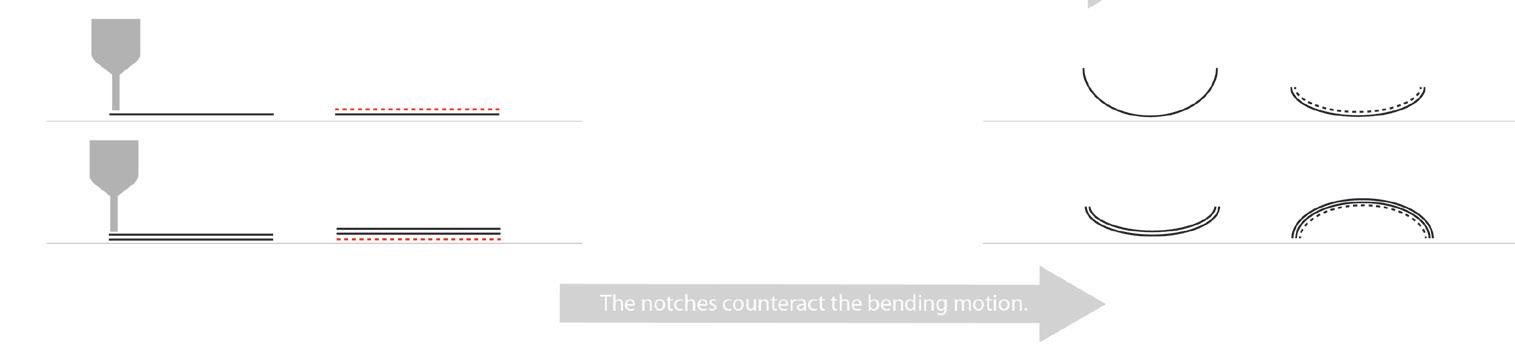
Rule 1: Notches on one side resist bending in that direction and promote opposite bending.
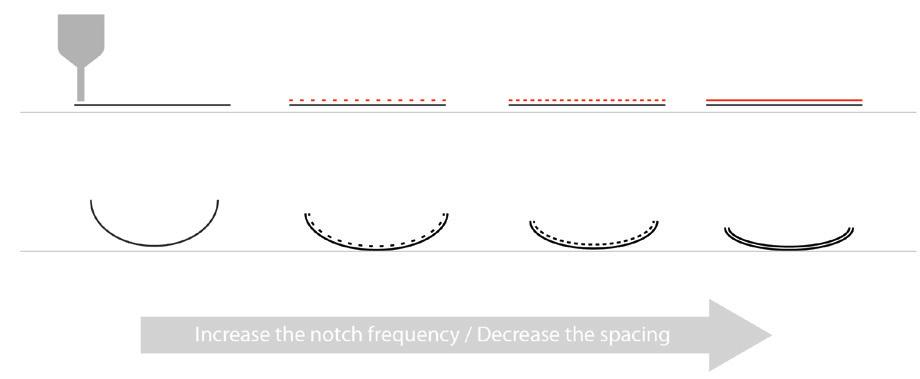
Rule 2: As the density of the notches increases, the curling angle decreases.
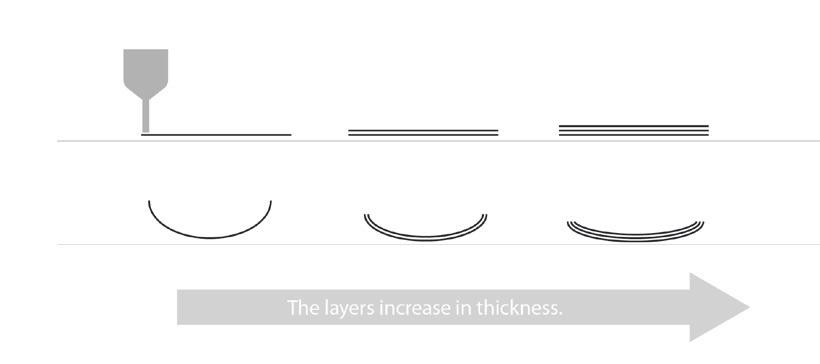
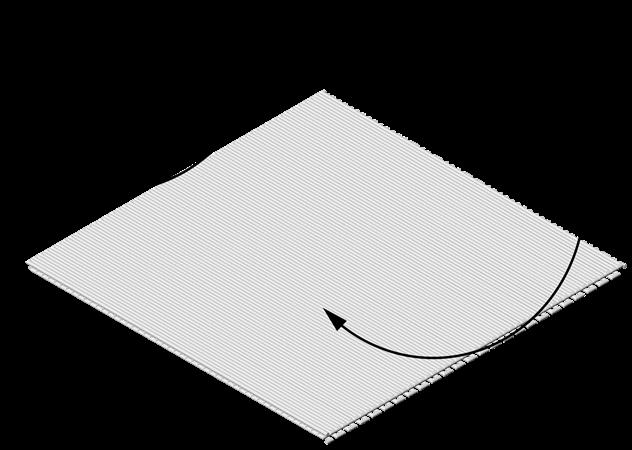
Rule 3: As the number of printed layers increases, the curling angle decreases.
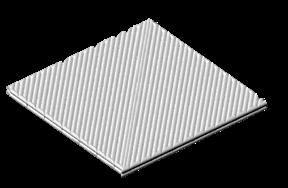
Rule 4: The principal direction of the printing toolpath influences shrinkage along that axis, thereby altering the global geometry.
Rule 5: The global shape effects the morphing behavior.
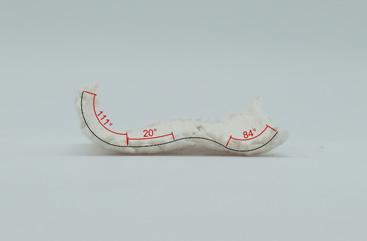
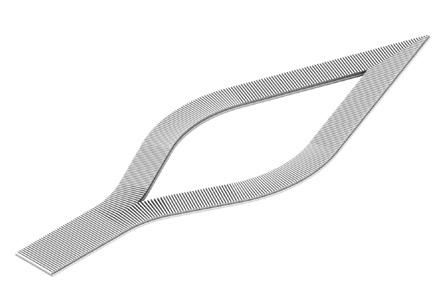
Incorporating binding layers enables more complex geometry.
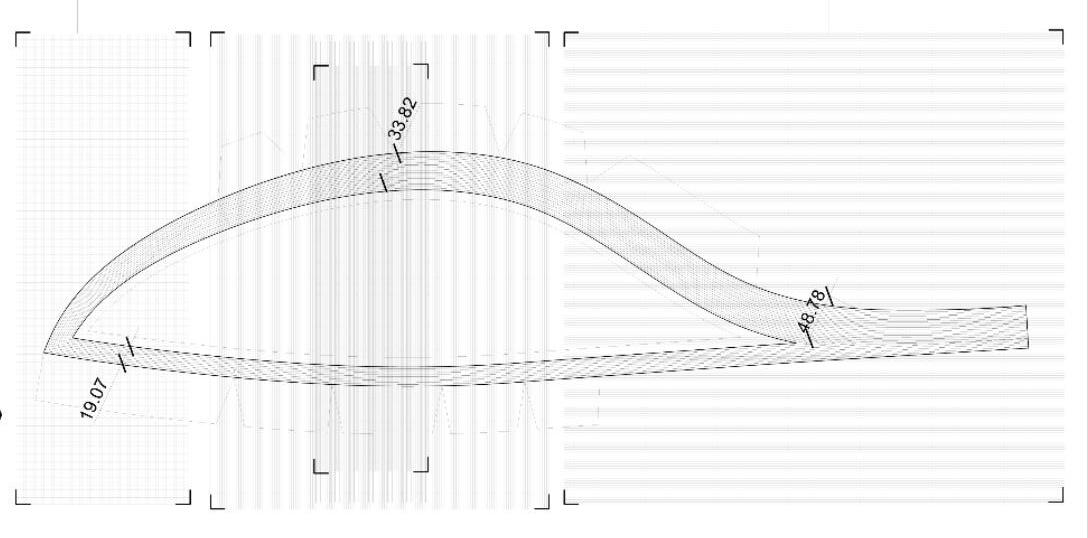
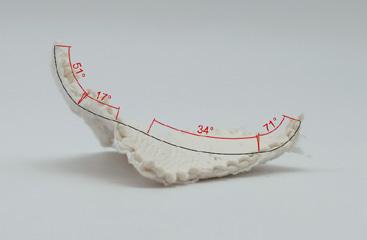
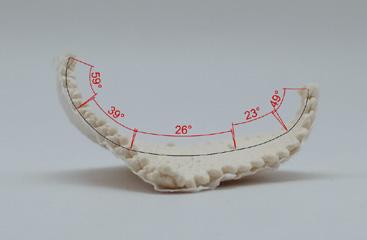
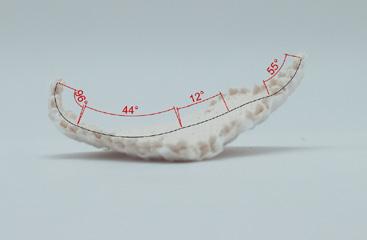
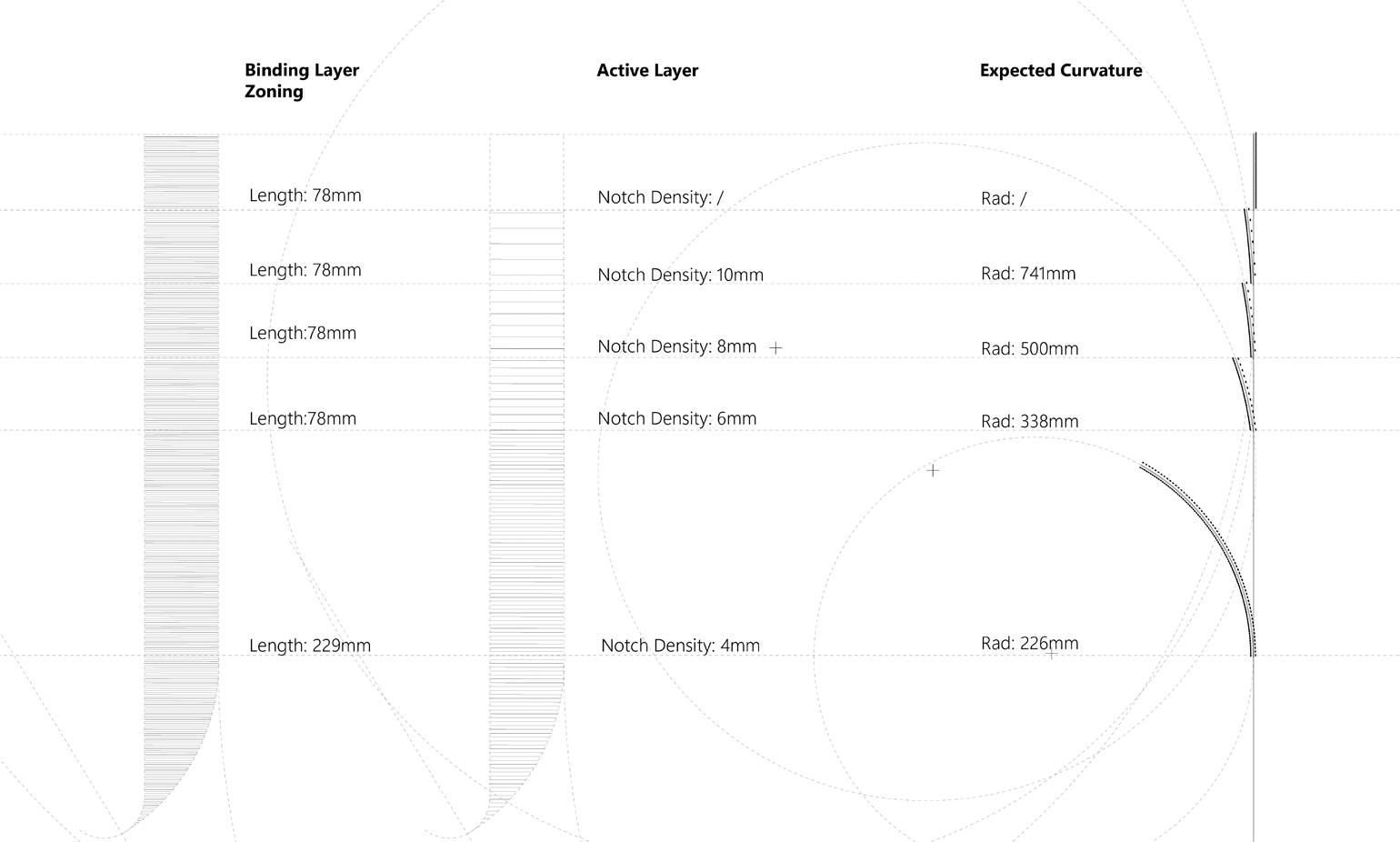
With geometry and binding fixed (four 78 mm bands plus a 229 mm anchor), only the active-layer pitch varied: —/10/8/6/4 mm. Target radii decreased strictly with density: 741, 500, 338, 226 mm. This yields a compact mapping from pitch to radius that can be embedded in design tools.
We adopt a conservative mass-normalized sequestration factor of −1.6 kg CO₂ kg⁻¹. The former Quad Elm (~1,500 kg biomass) is estimated to have captured ≈ 2,500 kg CO₂ over its century of life. RAMUS v1 (~28 kg) has stored ≈ 44 kg CO₂ so far; while totals differ by mass and lifespan, the per-kilogram effect is equivalent. Over time, the porous envelope can host mosses or grasses, enabling additional biotic sequestration and extending performance beyond fabrication. [cite]
Predicted morphing strategy
Prediction study for the density–curvature relation Predicted model
Toolpath generated by Bowen, Qin.
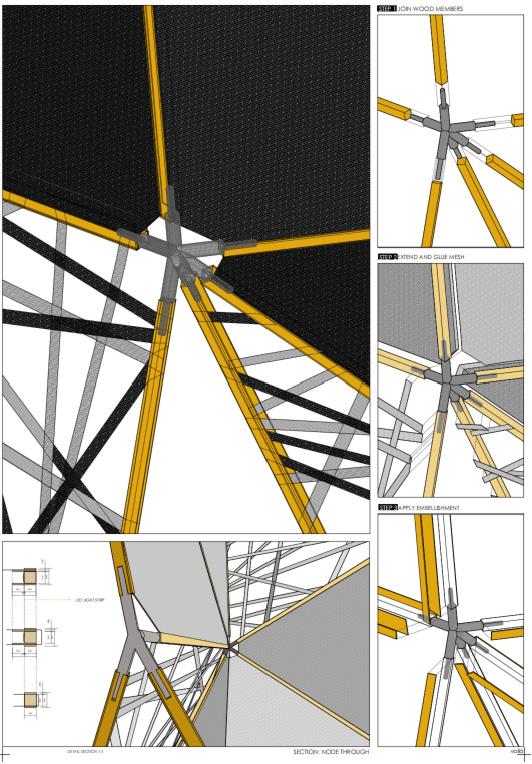
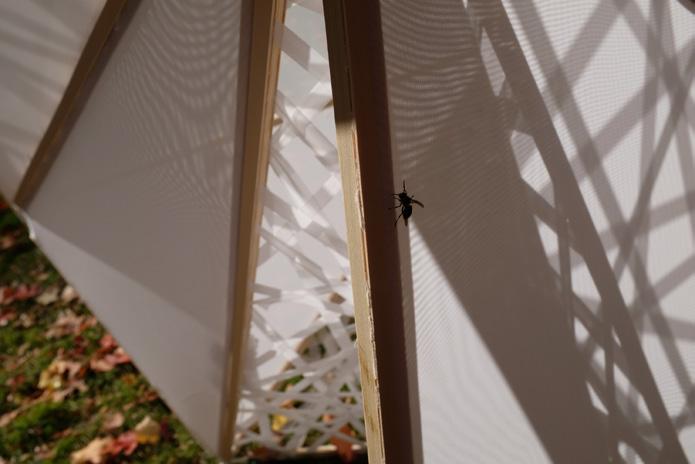
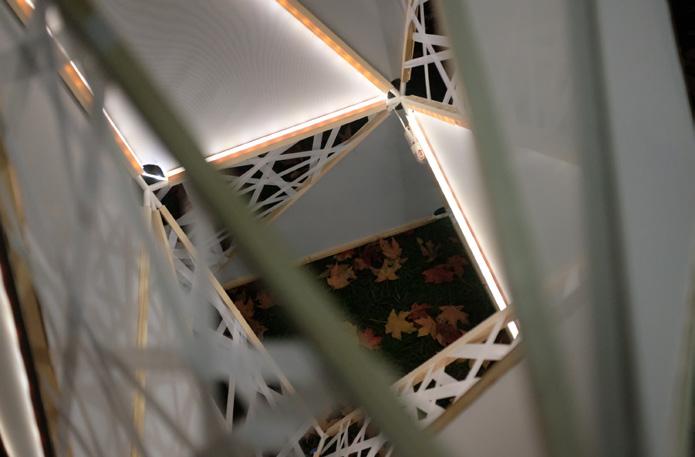
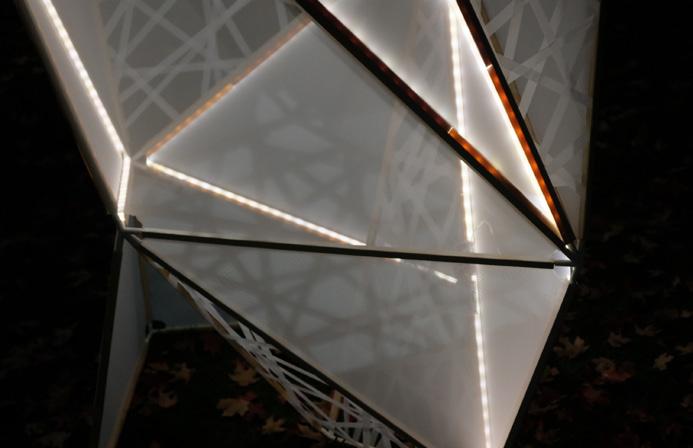
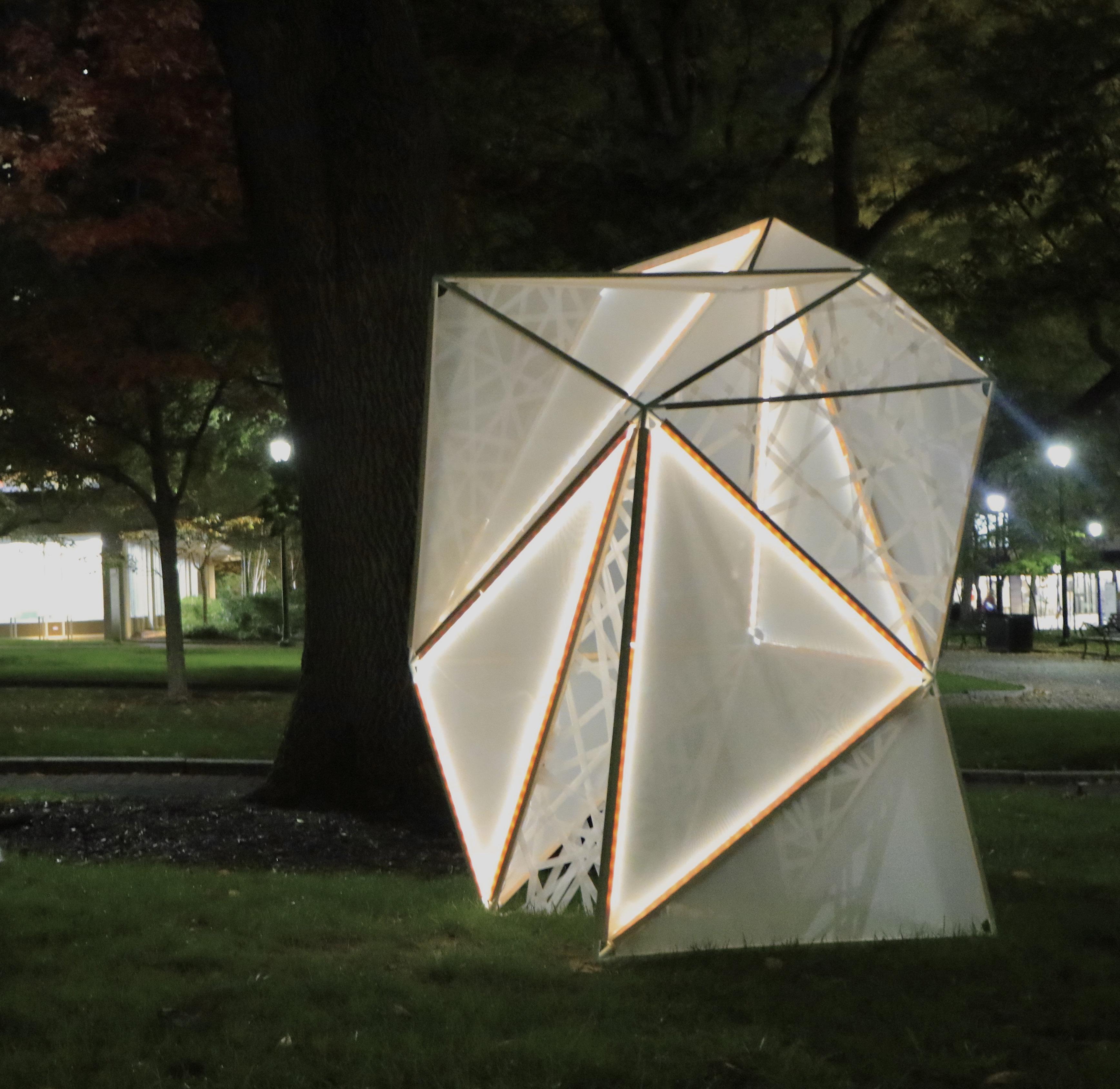
Beacon, the Chamber
Location: Philadelphia, PA | Team: Group member: Xia Luo, Andreina Sojo, Qiuxiao Tang, Hanzhong Luo | Instructor: Laia Mogas-Soldevila | Year: Spring 2022