
ALEX HARRIS
Landscape Architecture Portfolio
ABOUT THE DESIGNER ABOUT THE DESIGNER
Alex Harris is a recent graduate of the masters of landscape architecture program at Kansas State University. She is a passionate designer with an interest in urban design, conservation, and public art. She strives to create spaces that resonate with communities and foster meaningful connections within them. The exchange of creative ideas and user-centric solutions lie at the core of her constant effort to become a better designer, capable of shaping and inspiring the world around her through thoughtful design.
DENTON SQUARE
CONTEMPLATIVE SPACE
SKYLINE PARK
CONSTRUCTION DOCUMENTS
GRADUATE RESEARCH
| PLAZA | PRUDENVILLE, MI | AUTOCAD, PHOTOSHOP, PROCREATE |
Denton Square is a project designed for a community engagement studio focused on the township of Denton in Prudenville, Michigan. The community of Denton Township sought a space to commemorate the logging and fishing history of the town while also providing an area to host community events, particularly during the peak summer months when tourists visit for Denton’s popular summer festivals and concerts.
For this project, I aimed to create a commemorative space where the township can gather year-round and enjoy outdoor activities with their community.
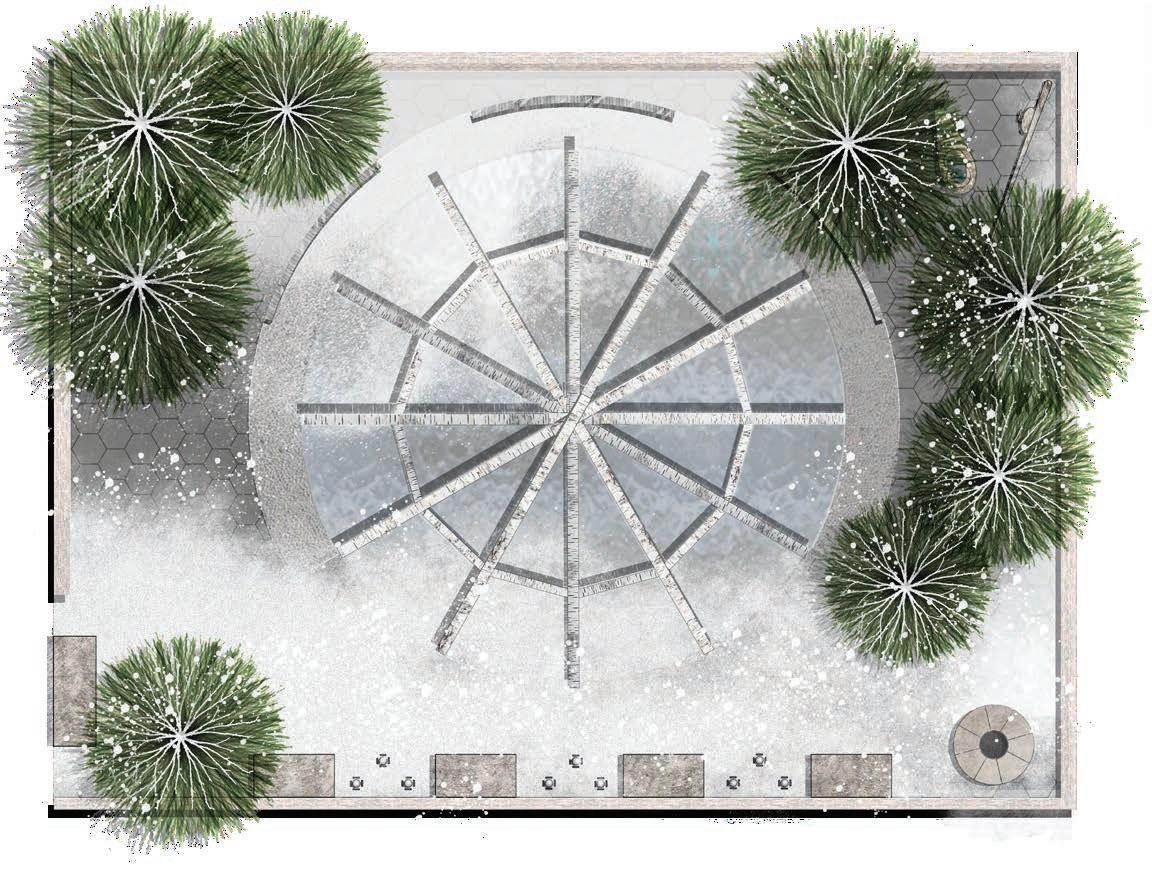

Commemorative Sculpture Seating
Multi-Use Skating Rink
Ticket Kiosk & Skate Rental
Food Kiosks Fire Pit
Denton Square is a social hub designed to host events year-round with its multi-use skating rink and amenities to keep the community coming back for more. During the winter, the rink would be used for ice skating, and in the summer and spring, it can be used for roller skating, concerts, and festivals.
To pay homage to the township’s logging history, the overhead structure is designed of poles constructed to look like the back of the trembling aspen, a strikingly beautiful tree; native to the area. I designed the overhead structure to peer on the horizon as a beacon, signaling to come and gather.
The sculpture of the fish and rod is a nod toward Denton’s rich fishing history. The township has a long-standing history of being a picturesque destination for fishing on Houghton Lake, which lies North of Denton Square. The Fish is a public art piece that can be climbed upon and inside. During the evening the fish glows with transitioning colors throughout the night. Integrating the fish sculpture’s enjoyment into the year-round aspect of Denton Square; during the winter, the art piece could release fluffy warm blankets of steam, colored by led lights to attract children and visitors looking to warm up during the winter months. During the spring, the fish sculpture could release bubbles cascading in the air adding a sense of whimsy to Denton Square. For the summer months, when the temperature starts to rise the fish sculpture and the space around it could be converted into a splash pad for children to cool down in.

The fire pit in Denton square May also be used year round. During the fall and winter the fire pit can be used as a place to socialize and rest. The fire pit is a refuge to enjoy the fire’s warmth and to get cozy with friends and family. The fire pit is placemed near the food kiosks so that the space can additionally be utilized for the enjoyment of roasting snacks such as s’mores and hotdogs.
I designed the living wall as a protective barrier between Denton Square and traffic. The living wall is designed not only to protect the square, but to also be a form of sound dampening from the surrounding traffic. The living wall is also designed with spaces between the patches of greenery for murals or chalkboards. Having space for art can allow the community to make Denton Square their own by adding artistic touches of their own. The mural spaces enable Denton Square to host permanent or temporary art.

| PARK | MANHATTAN, KS | AUTOCAD, PHOTOSHOP, HAND-DRAWN |

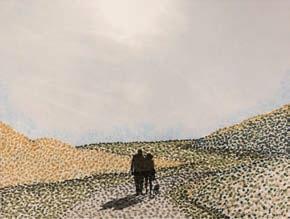
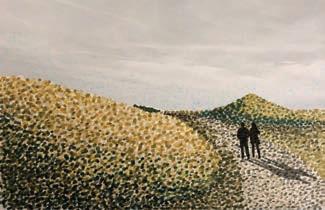
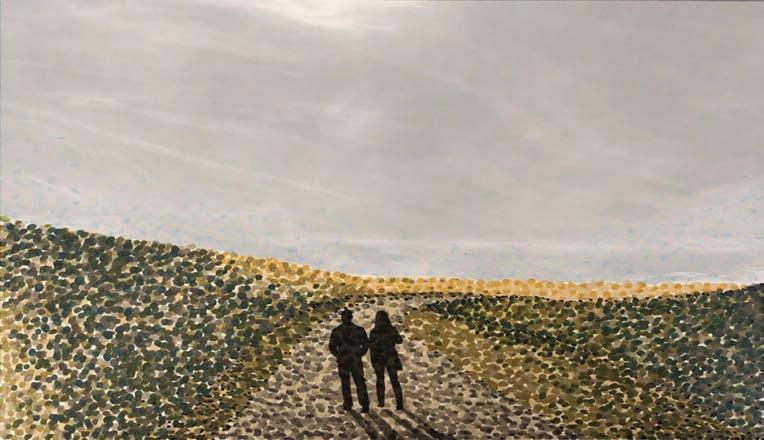
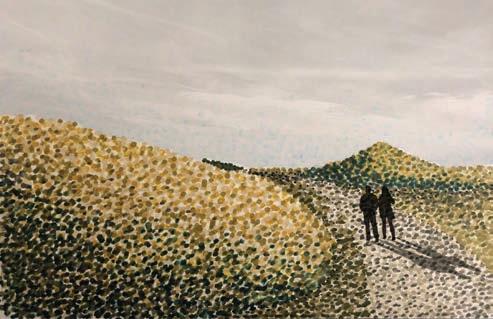
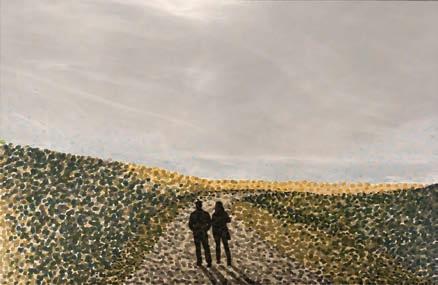
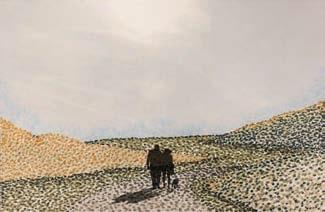
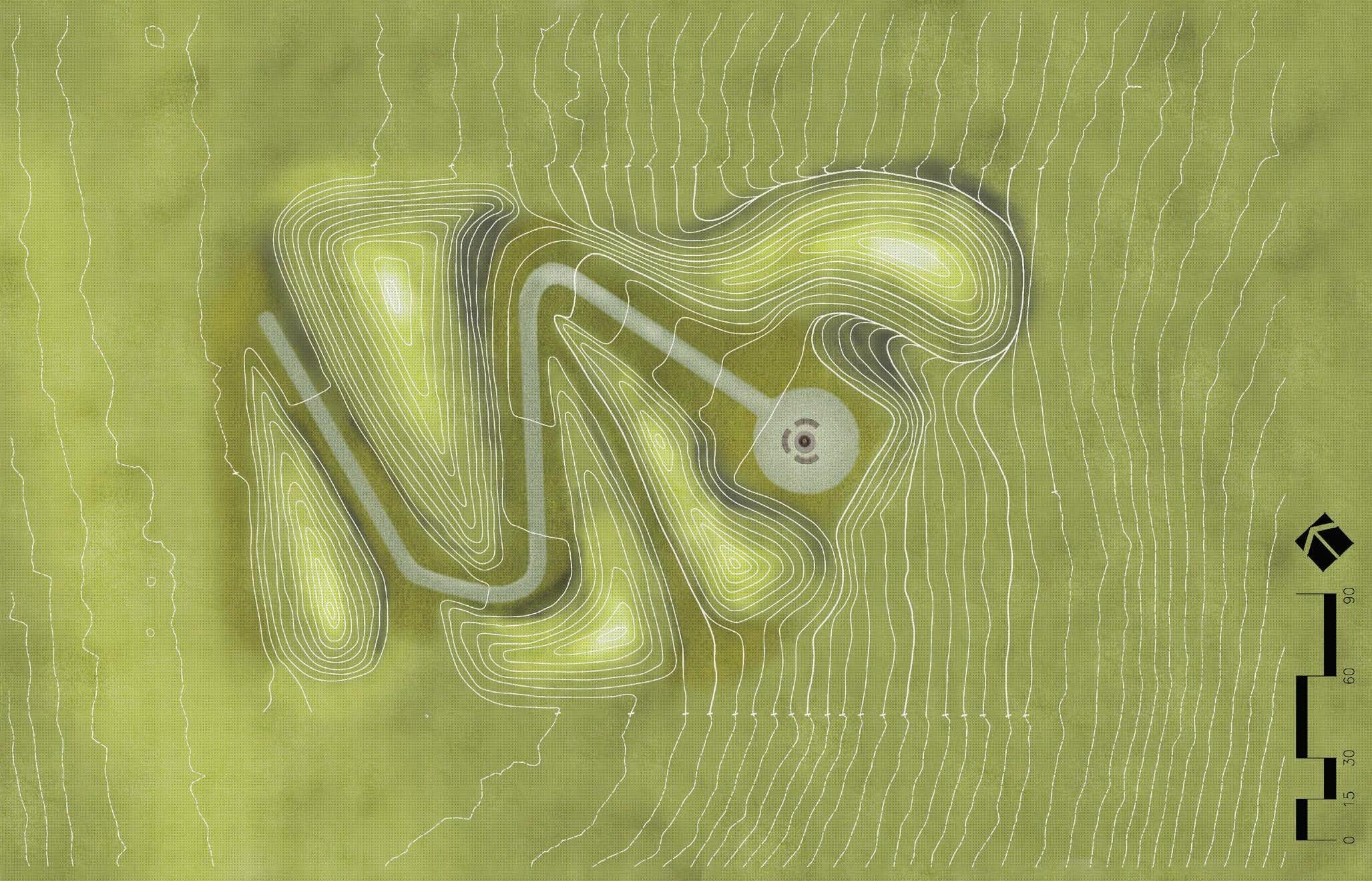
The Contemplative Space project was designed for Marlatt Park in Manhattan, Kansas. I designed this space to provide a reflective journey for visitors, allowing them to explore the varying topography of the Flint Hills.
As you walk through the space you are guided through hills and plateaus, culminating in an open area with a panoramic view of the Flint hills. Here, one can sit or gather around a fire, contemplating the natural beauty of Kansas and the serene landscape of the Flint Hills.



| URBAN PARK | DENVER, CO | AUTOCAD, PHOTOSHOP, PROCREATE |

TACOS
CONSTRUCTION DOCUMENTS
| UNIVERSITY CAMPUS | MANHATTAN, KS | AUTOCAD |
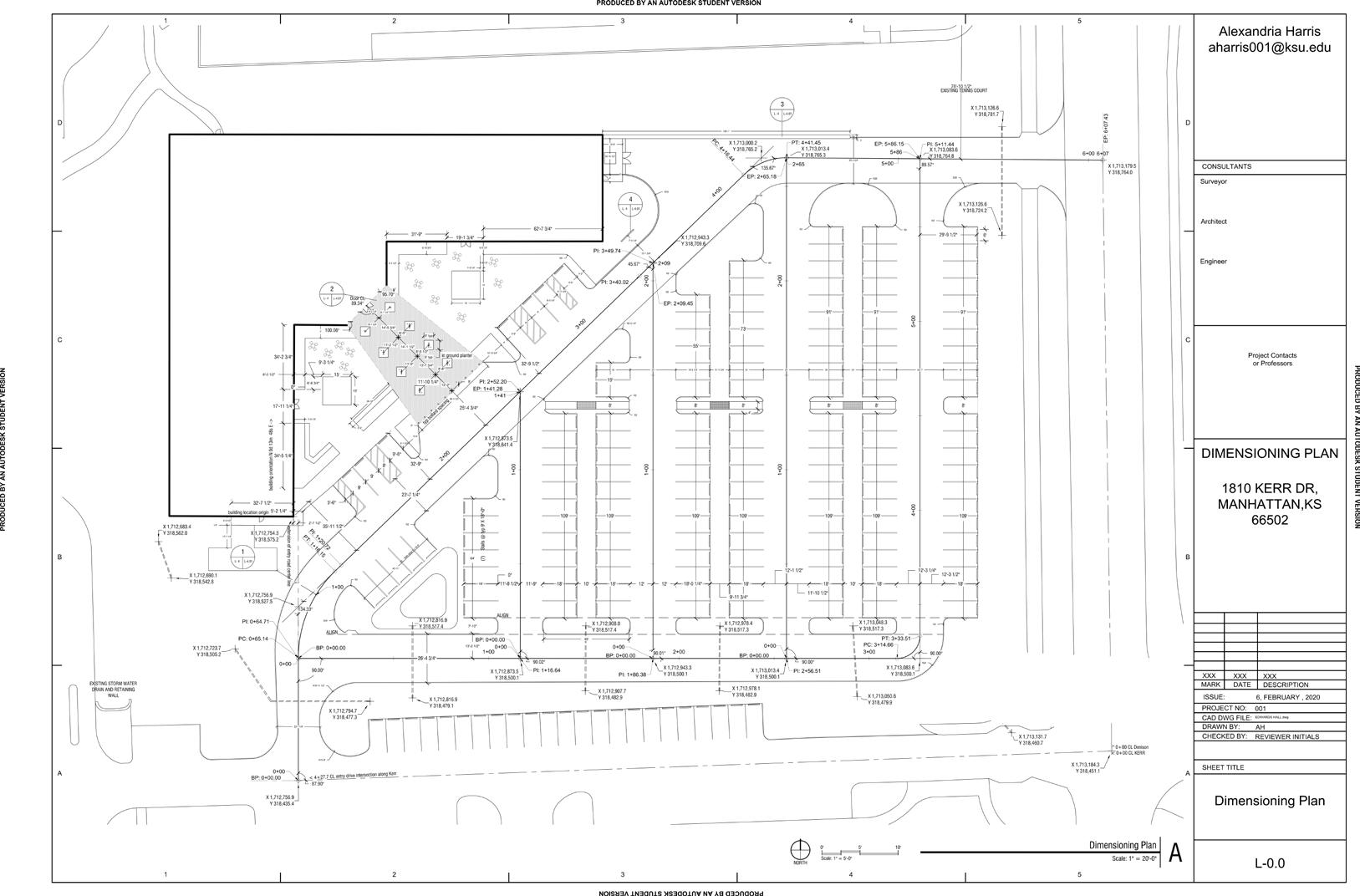
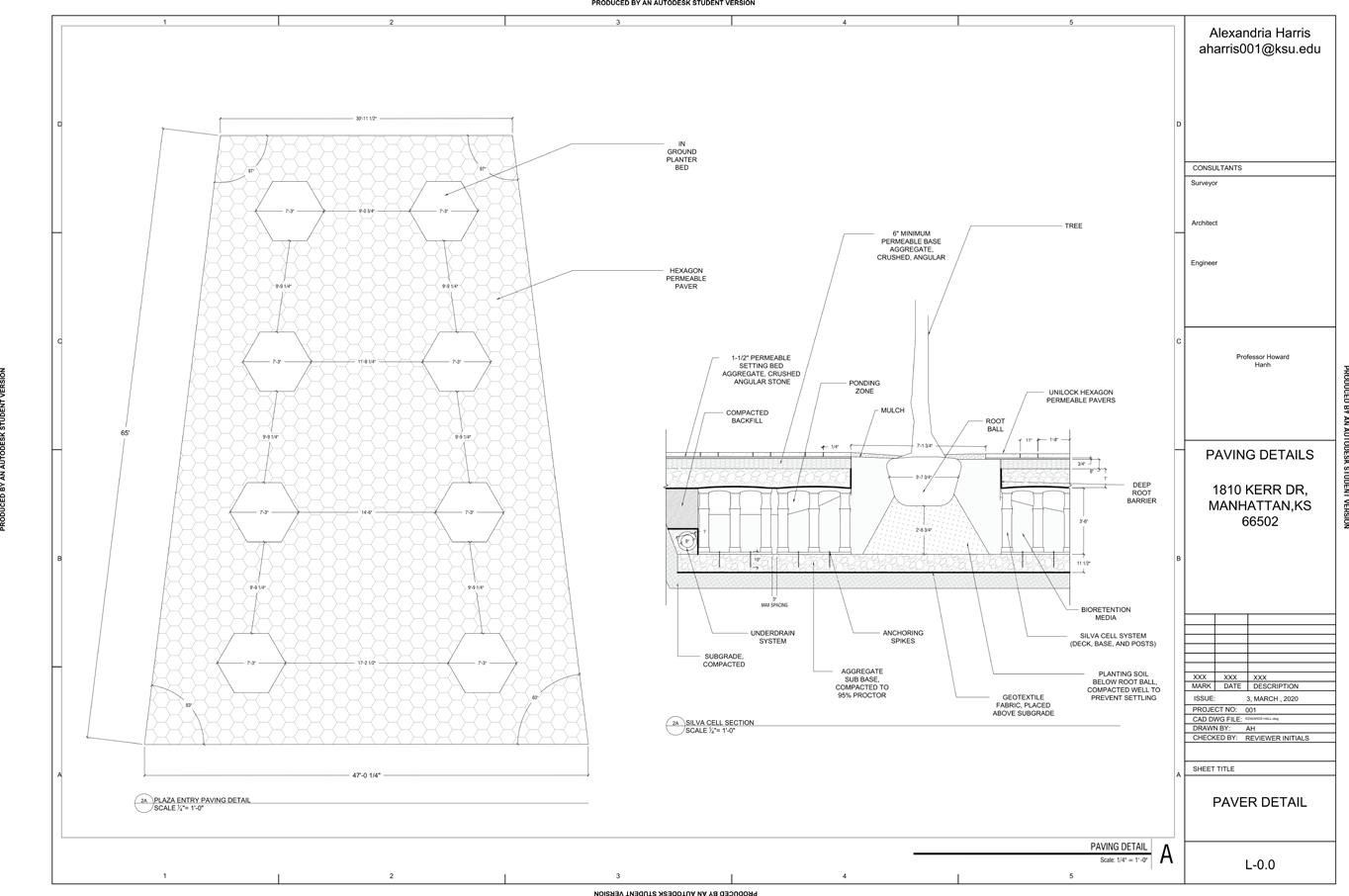
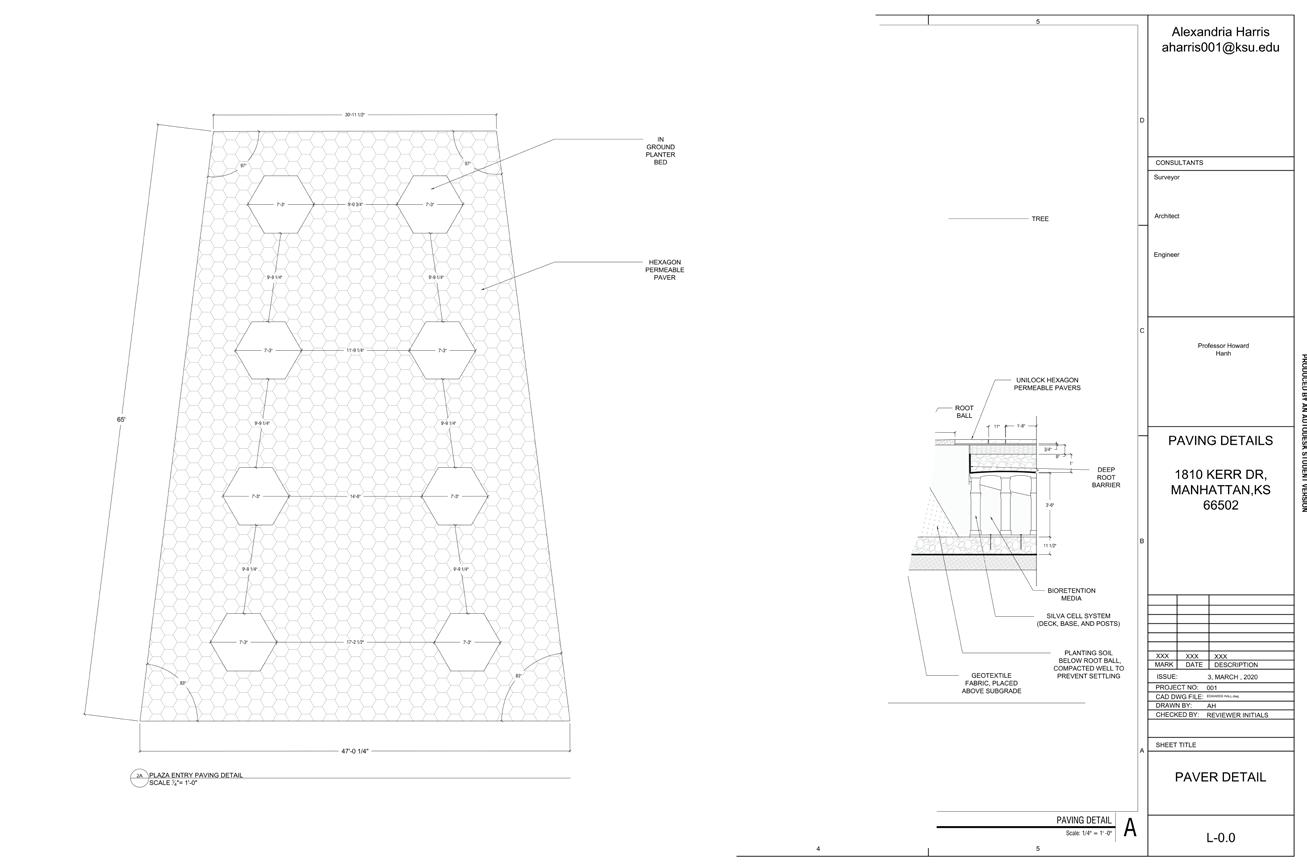
The following construction documents and details are for Edwards Hall, a building on Kansas State University’s campus that needs a serious remodel. The construction documents for this project include plans for a redesigned parking lot, walkway/entrance to an angular building, and redesign of the surrounding topography for rain gardens and a bioswale. The construction details include a future design for a wooden deck and a new limestone sign, matching the material language of other building signs on campus.
By examining`a variety of creative approaches to combine pollinator habitats and public art. This study aims to address the decline in pollinator populations, especially those of native bees, and their habitats by considering pollinator art in an ecological context through research-based design. The pollinator art created for this study integrates native plants and site context factors into hypothetical public art installations. For more insight into the research itself, my full masters report can be found at https://hdl.handle.net/2097/42470

Diagram of the research process for master's report project
RESEARCH



PROCESS



Precedent Studies Develop Framework Design & Form Exploration
(Source: Manchester Bees Mural by David Dixon, 2017, Available through)
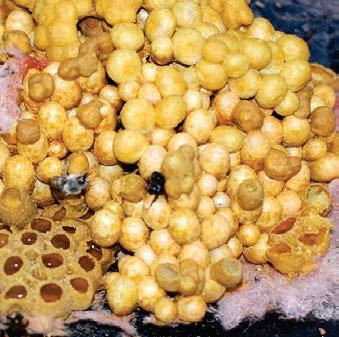
BUMBLE BEE NESTS
The form and function of Bumble bee hives inspired the form of The Bee Barnacle modules
(Source: Hive by Photo Munki, 2008, Available through creative commons)
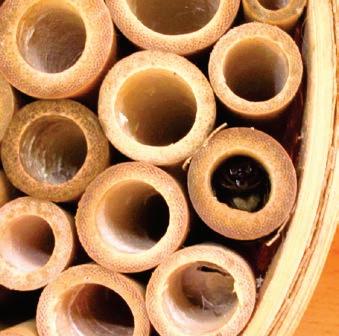
REED AND STEM NESTING CAVITIES
Hollow reeds and pithy stems used for commercialized bee hotels inspired the form of the nests on the nest modules
(Source: Mason Bees by Dale Calder, 2012, Available through creative commons)
DIGITAL DRAWING

DIGITAL RENDERING

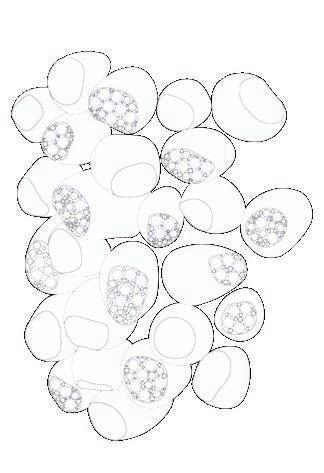

BEE BARNACLE
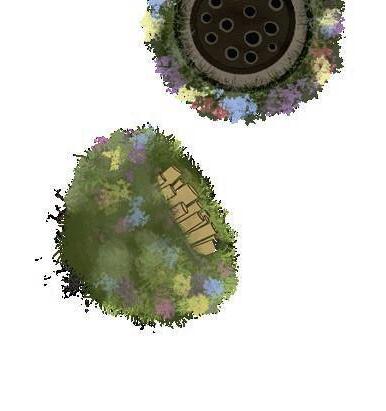
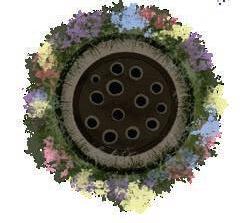
The Bee Barnacle is a versatile modular sculpture. This rendition of pollinator art can be made at various scales, allowing it to exist in many urban settings. The modular aspect of this design allows it to be a dynamic multi-purpose public art piece. The Bee Barnacle's primary purpose is to provide a habitat for native bees within an urban setting. The Bee Barnacle is also a public art installation that intends to engage the public and educate its visitors on its importance and benefits. The Bee barnacle is designed to pique the public's curiosity and encourage thought-provoking discourse about native bees, pollinator decline, and how public art can be further utilized to raise awareness.
At first glance, perceptions of pollinator habitats are not usually positive, and it is common for the public to deem pollinator habitats as having a weedy or unkempt look. My goal is to change those perceptions by providing resources to educate the public on native bees, native habitats, and their importance. Through artistic design, I aim to shorten distances between pollinator habitats and revitalize blighted urban areas.
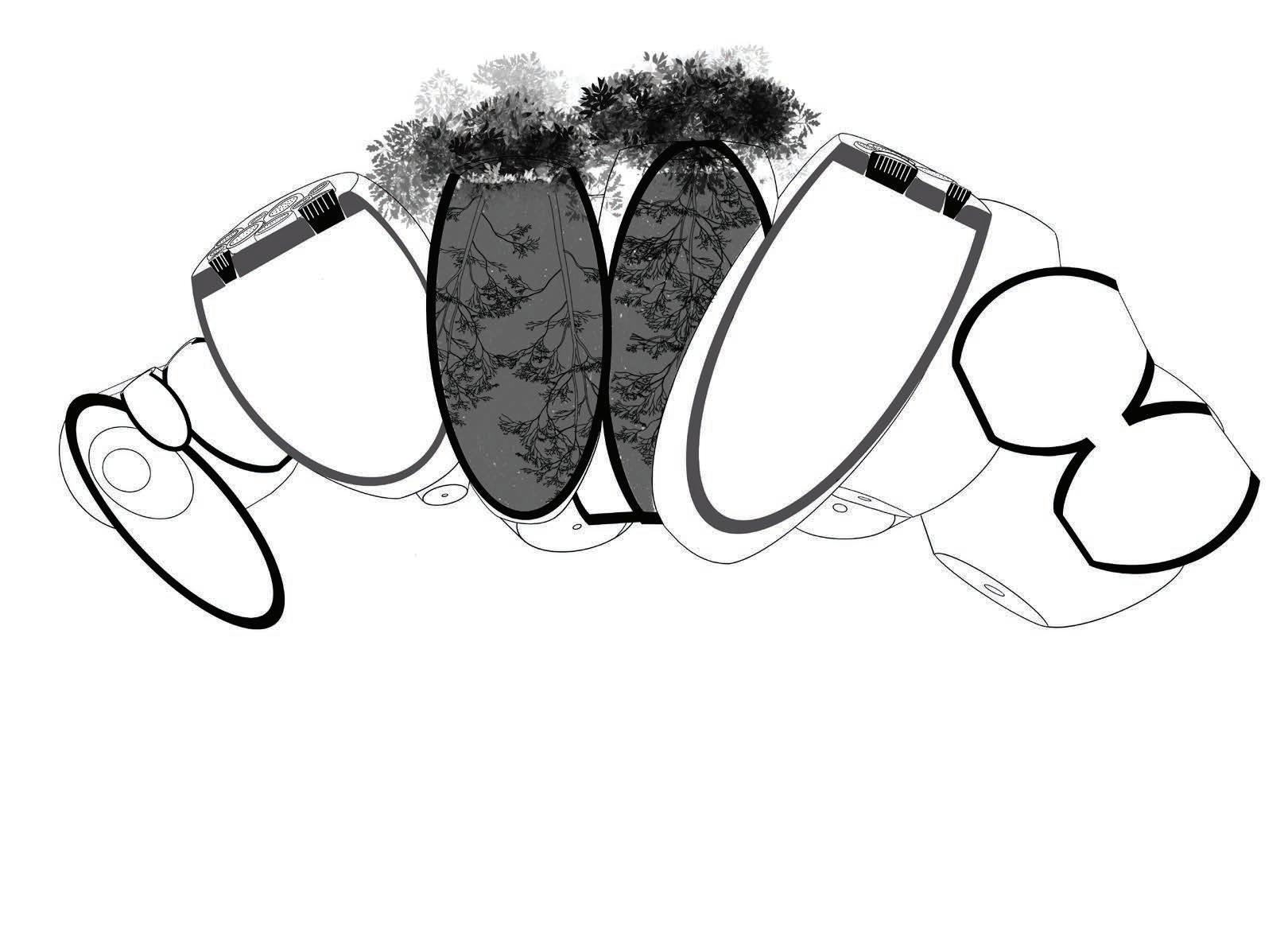

A REMOVABLE PLASTIC COVER CAN BE PLACED OVERHEAD THE NESTING CAVITY MODULE TO PROTECT NESTING BEES FROM THE ELEMENTS
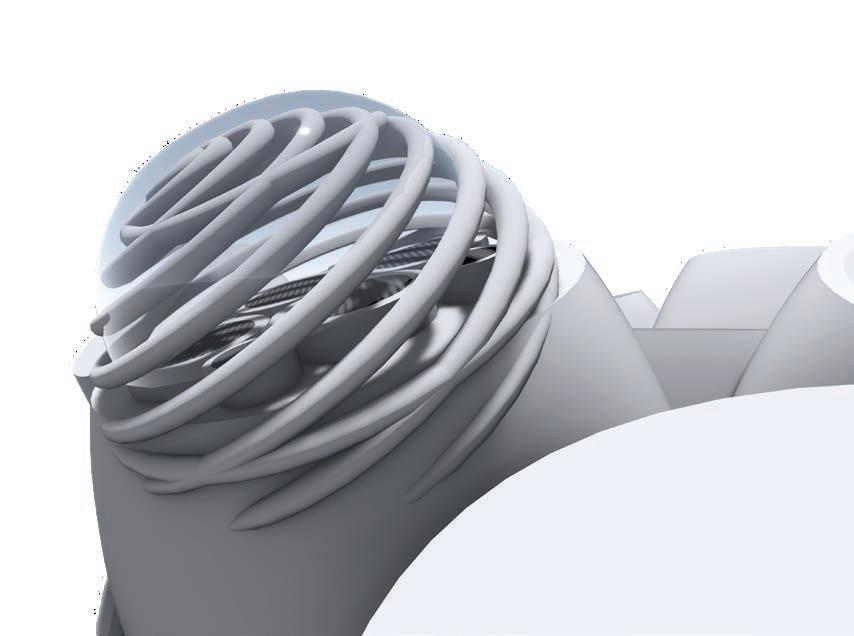
The Bee Barnacle can be used in various settings; therefore, three different types of coverings were designed to protect the modules containing nesting cavities. Each covering is removable to ensure ease of annual cleaning to maintain a healthy nesting environment for native bees.
THIS COVERING SHOULD BE USED IN SETTINGS THAT LEAVE THE NESTING CAVITIES EXPOSED AND DIRECTLY OPEN TO THE SKY
THE GLASS DOME WITHIN THIS COVERING PROTECTS THE NESTING MODULES FROM RAIN, SLEET, AND SNOW
THE GLASS DOME ONLY COVERS HALF OF THE SPIRAL STRUCTURE TO ALLOW AIR FLOW
IF WATER ENTERS UNDERNEATH THE COVERING, THE GAPS BETWEEN THE BARS OF THE SPIRAL ENABLE DRAINAGE
THIS COVERING SHOULD BE USED IN SETTINGS THAT LEAVE THE NESTING CAVITIES EXPOSED AND DIRECTLY OPEN TO THE SKY
THE SPIRAL STRUCTURE OF THIS COVERING PROTECTS THE NESTING MODULES FROM BIRDS
A CLOSER LOOK
The following is a rough representation of the modular form of The Bee Barnacle's nesting module. The materiality, form, and scale may vary for a commissioned art piece, depending on the piece's use.
THE MODULAR FORM OF THE BEE BARNACLE CAN BE DESIGNED TO BE HEAVY , HOLLOW, OR LIGHT. THE MATERIALITY WILL DEPEND ON THE USER AND SETTING
THE OUT ENCAPSULATING SHELL IS FASHION TO RESEMBLE BAMBOO SHOOTS OR HOLLOW REEDS PAYING HOMAGE TO MASS PRODUCED SOLITARY BEE HOMES
THE VARYING HOLE DIAMETERS HELP TO ATTRACT DIFFERENT SPECIES OF SOLITARY BEES
HOLES WITH VARIOUS DIAMETERS ARE DRILLED INTO RECLAIMED CONCRETE HUNKS. THE HOLES SERVE AS NESTING CAVITIES