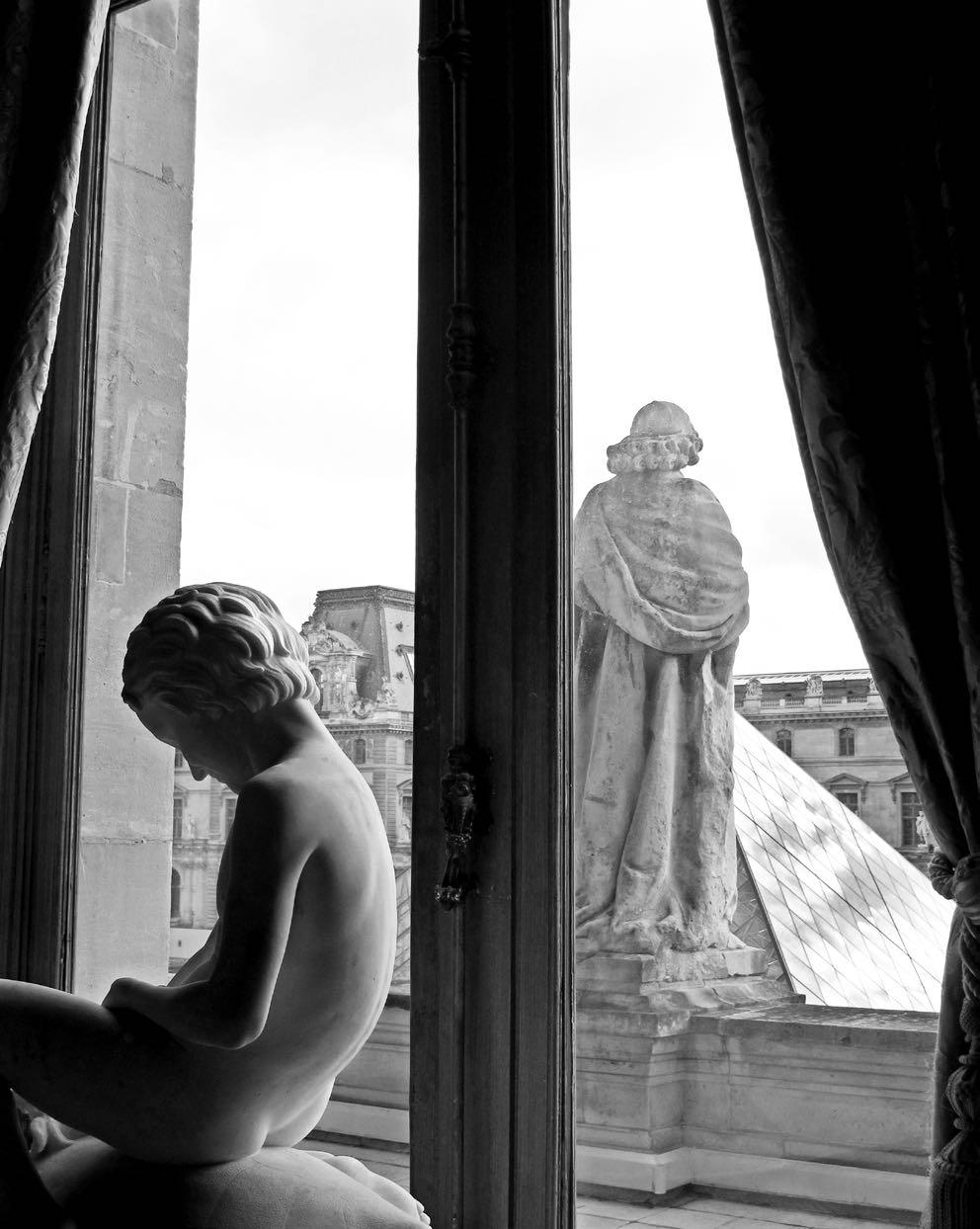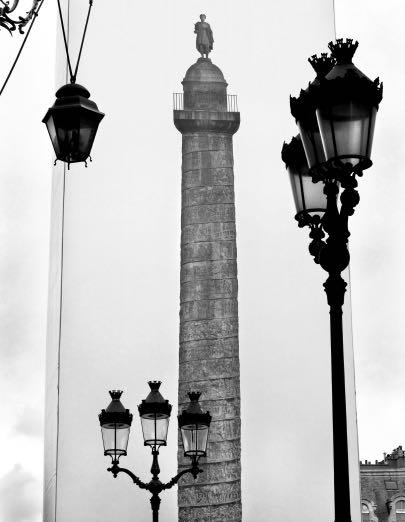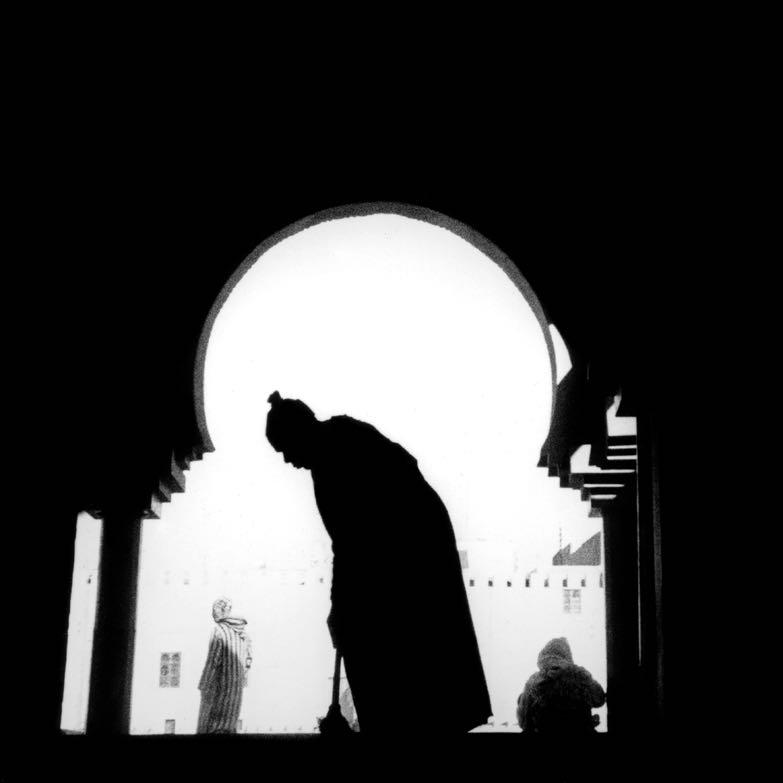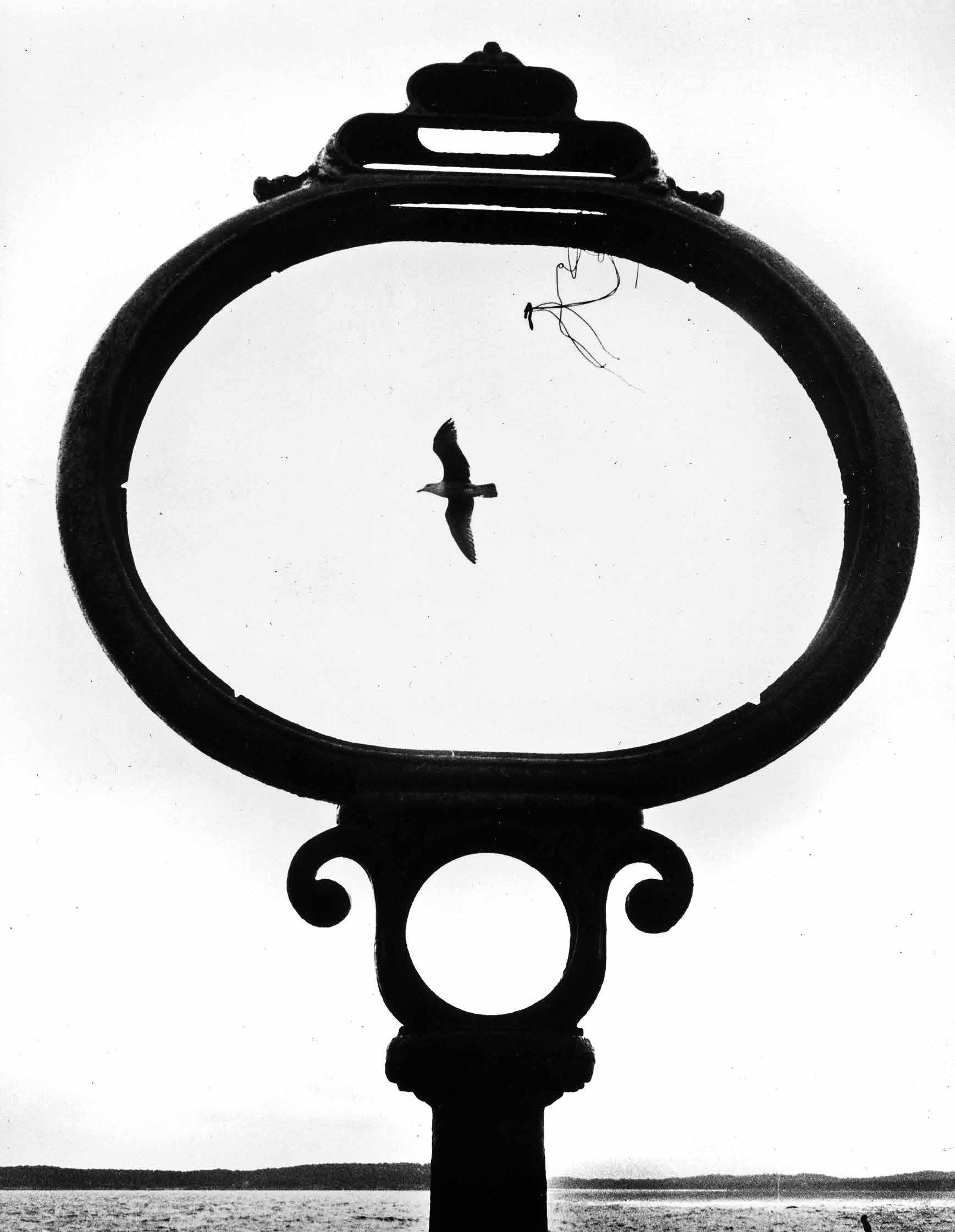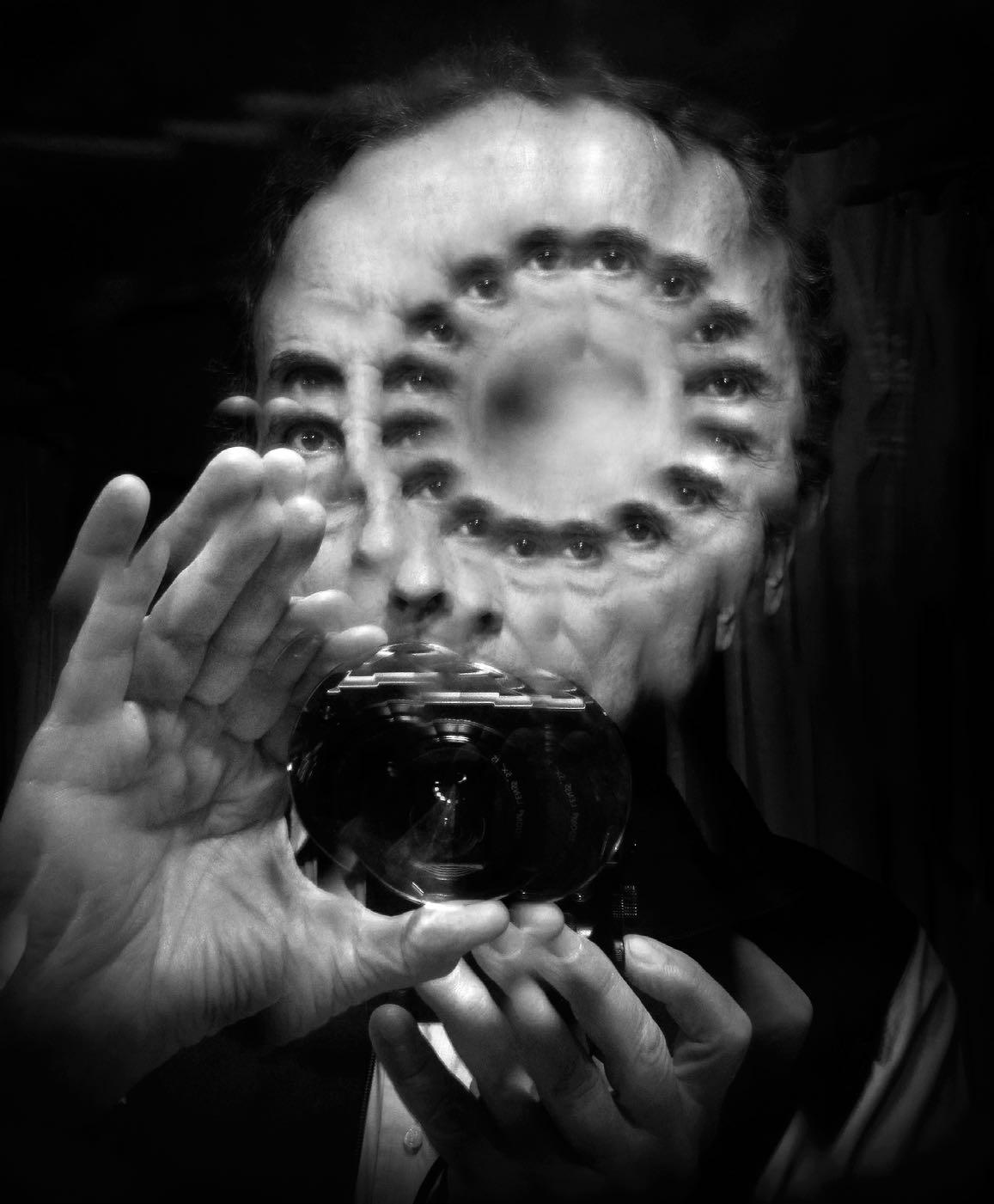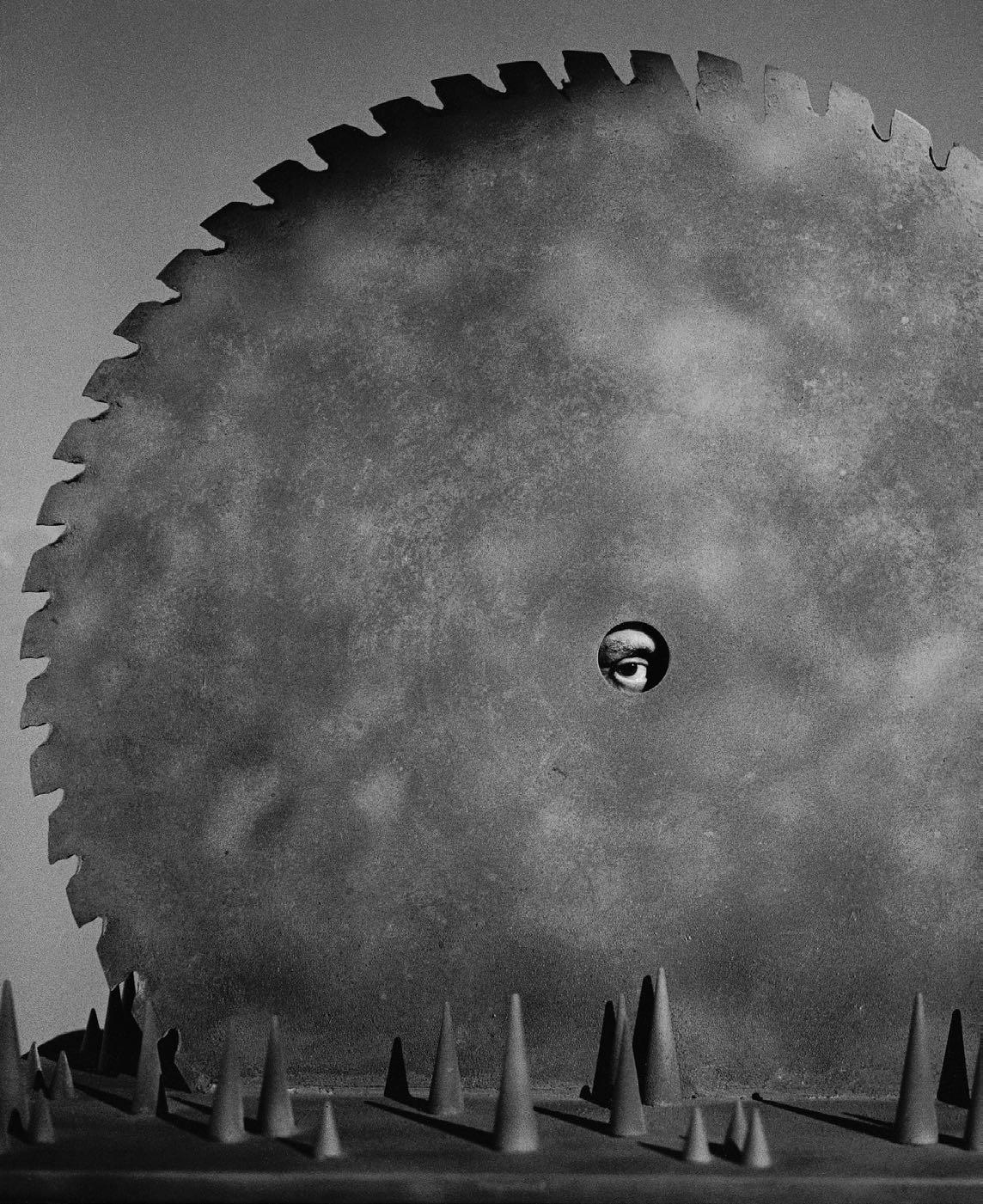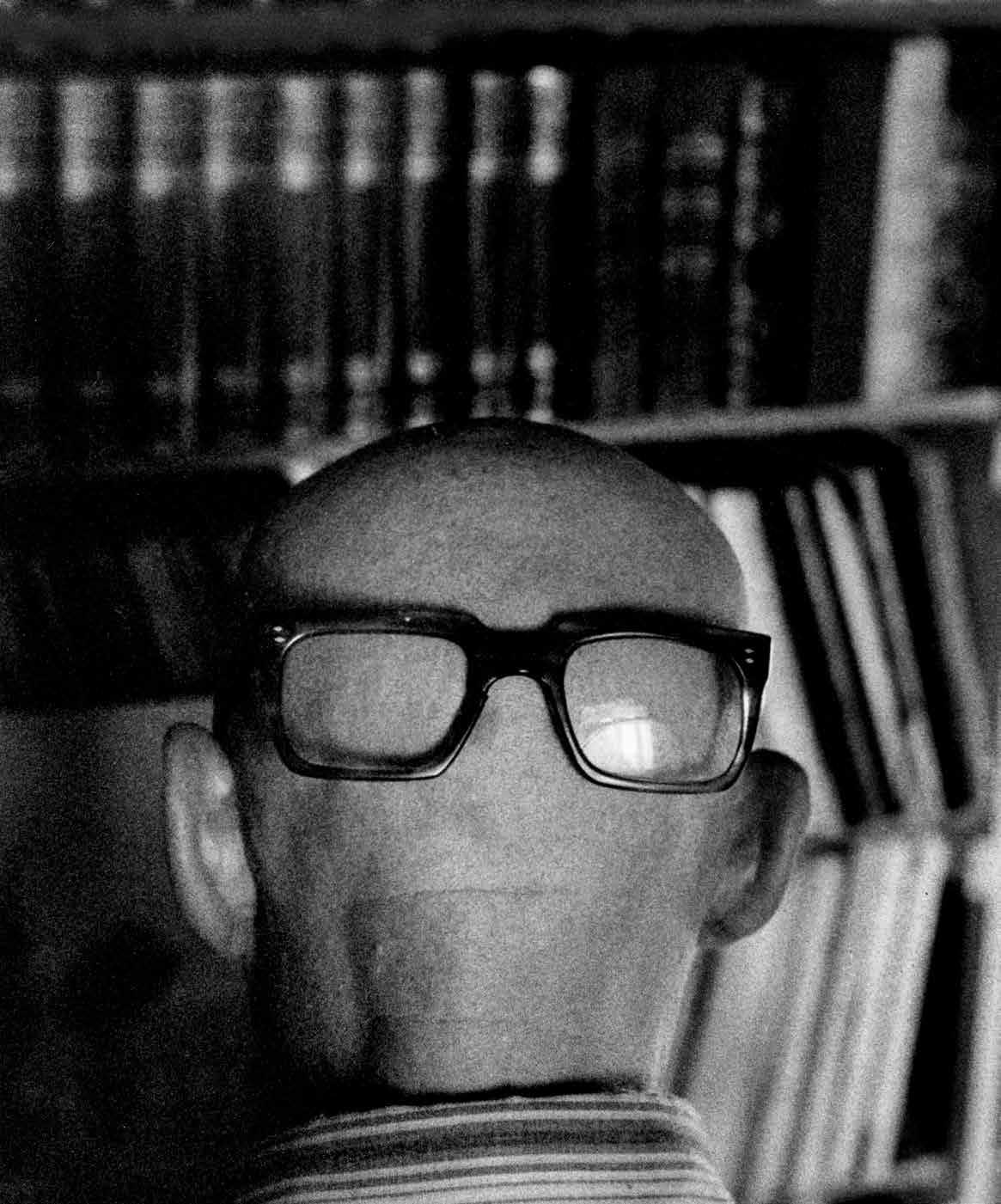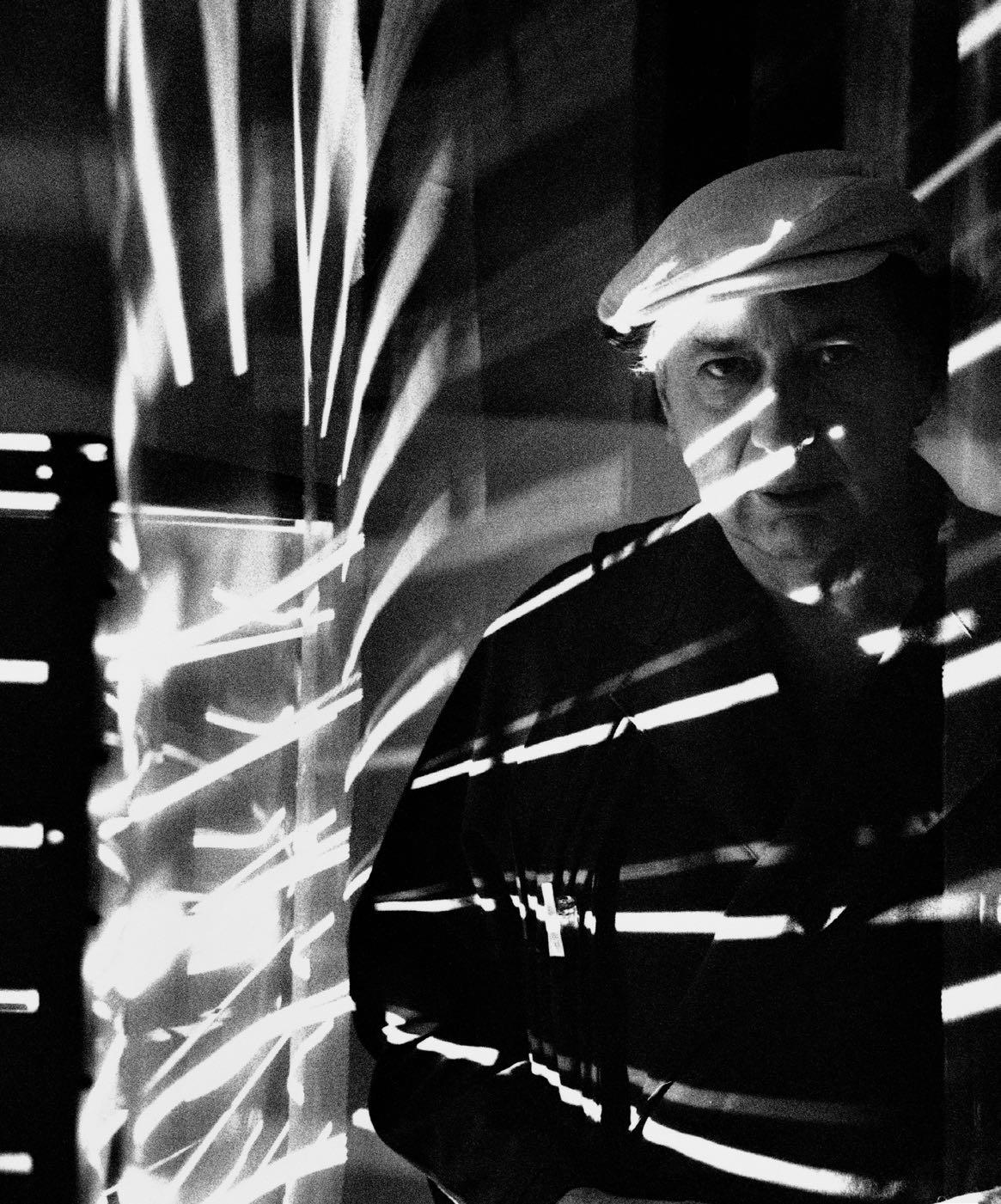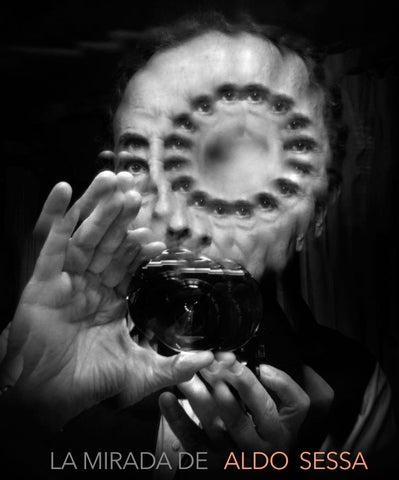
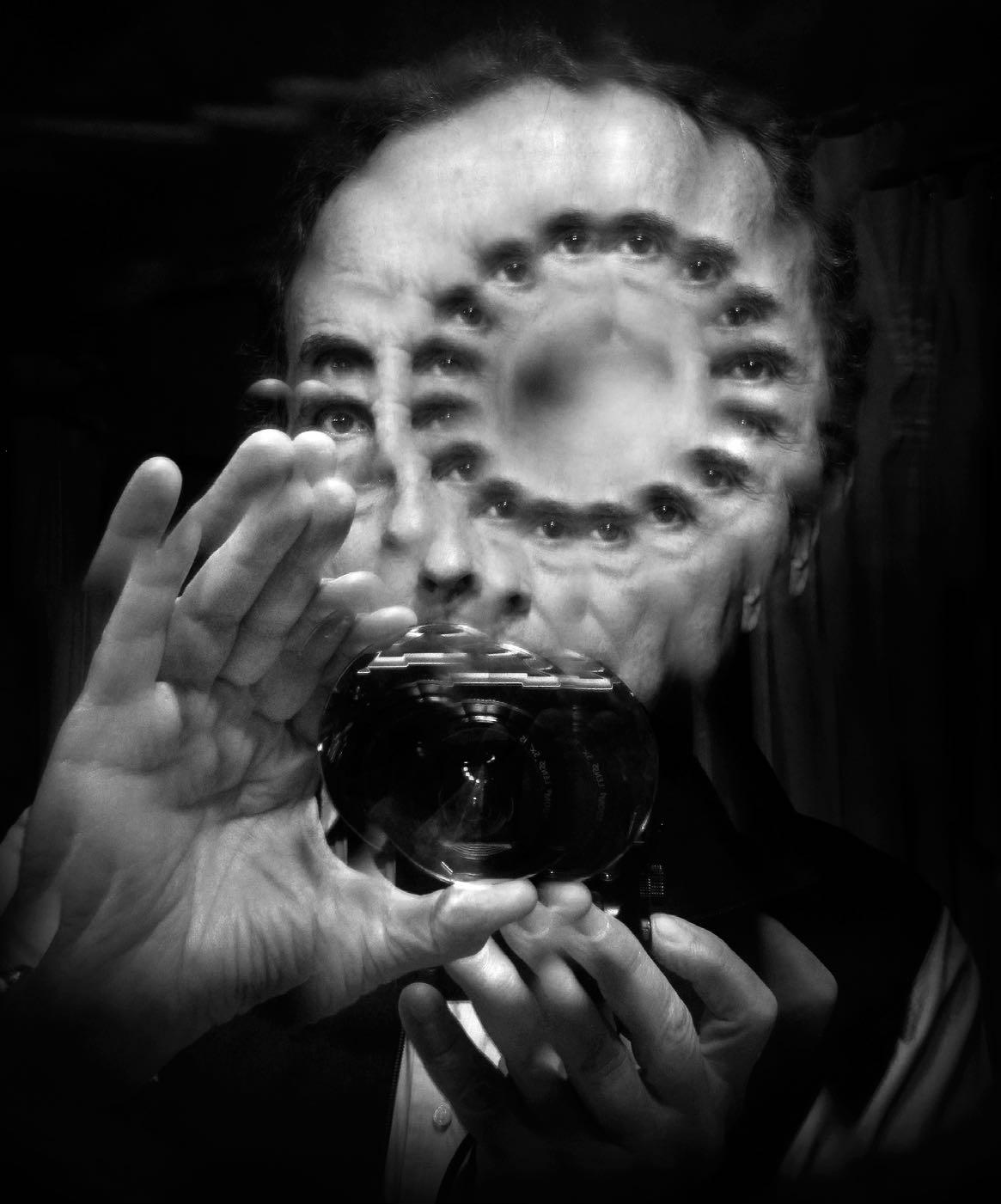
LA MIRADA DE ALDO SESSA
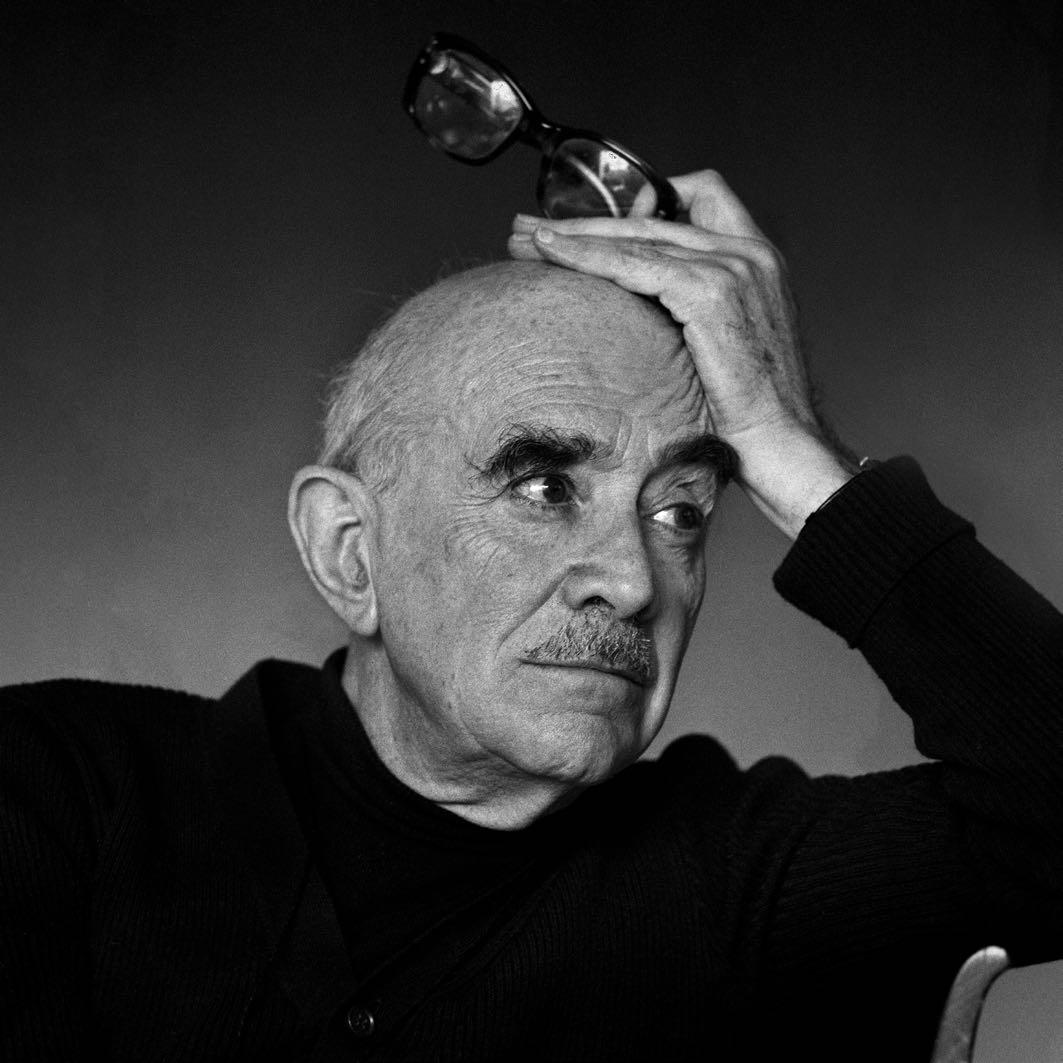
ALDO SESSA
TITULO EN CASTELLANO
Texto y poema de Ray Bradbury
A RAY BARDBURY
Celebrando nuestra eterna amistad
ALDO
SESSA
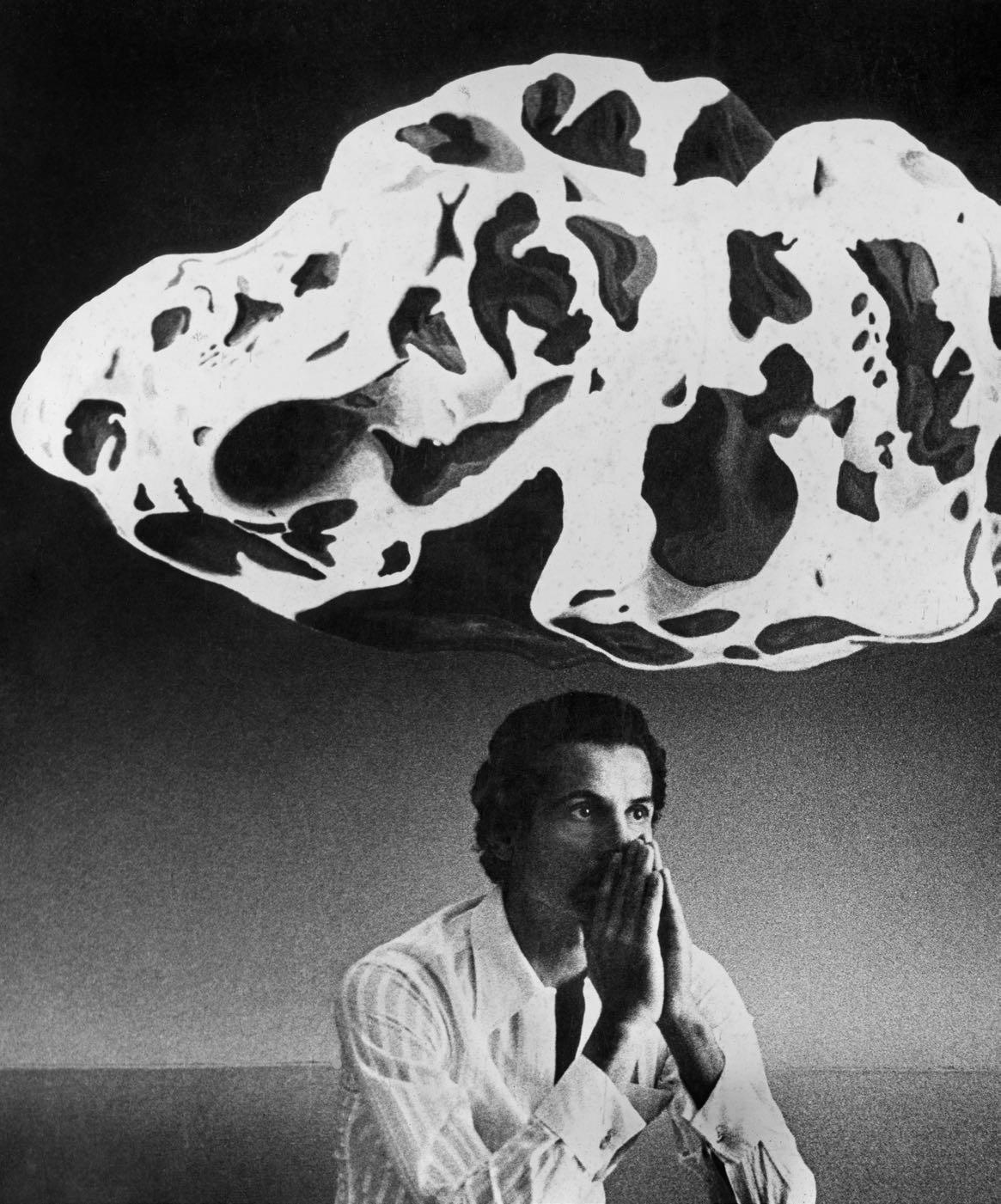

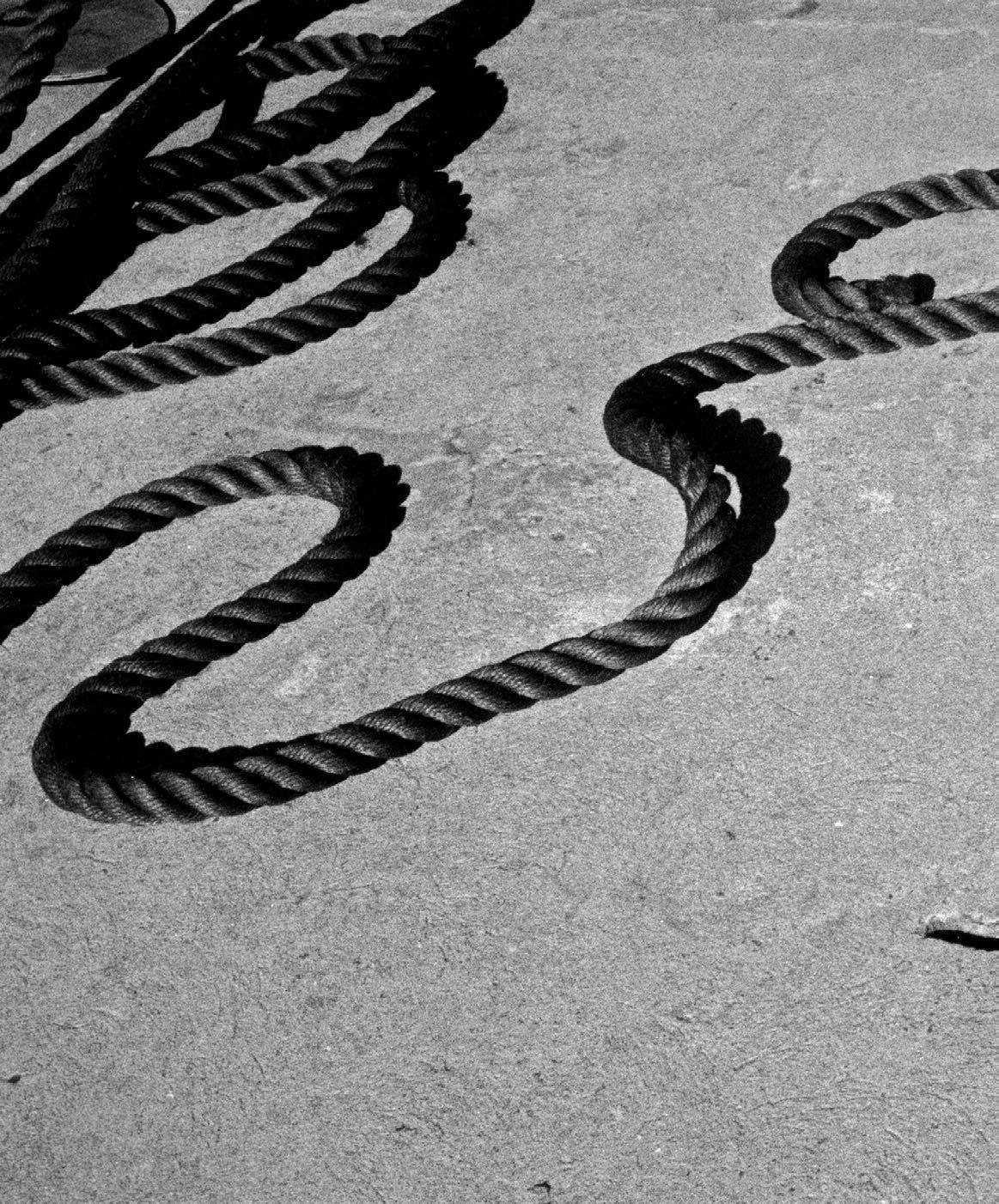
UN EXTRACTO DEL POEMA DE RAY BRADBURY
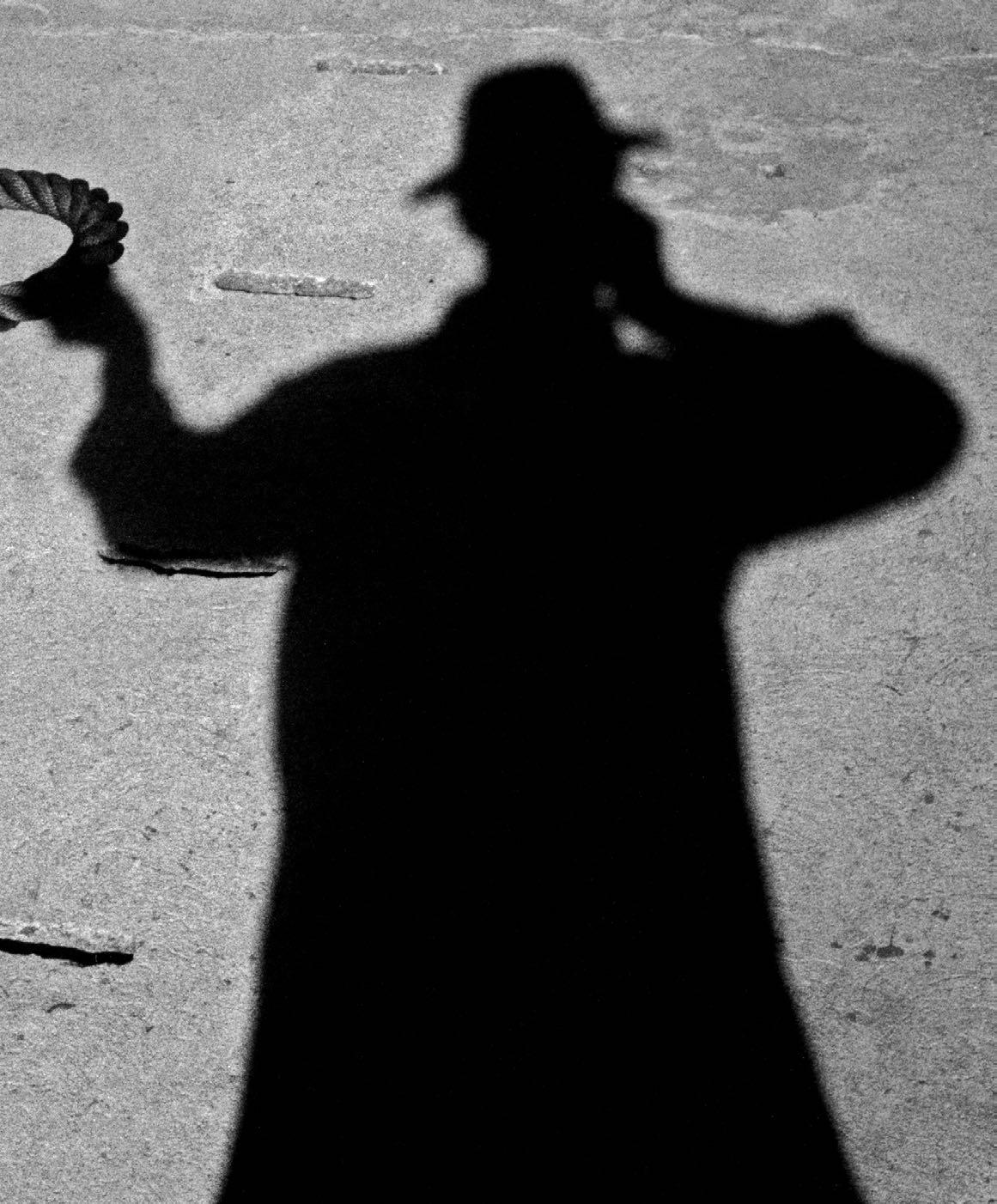
“Viendo doble: la Estética de Aldo Sessa”
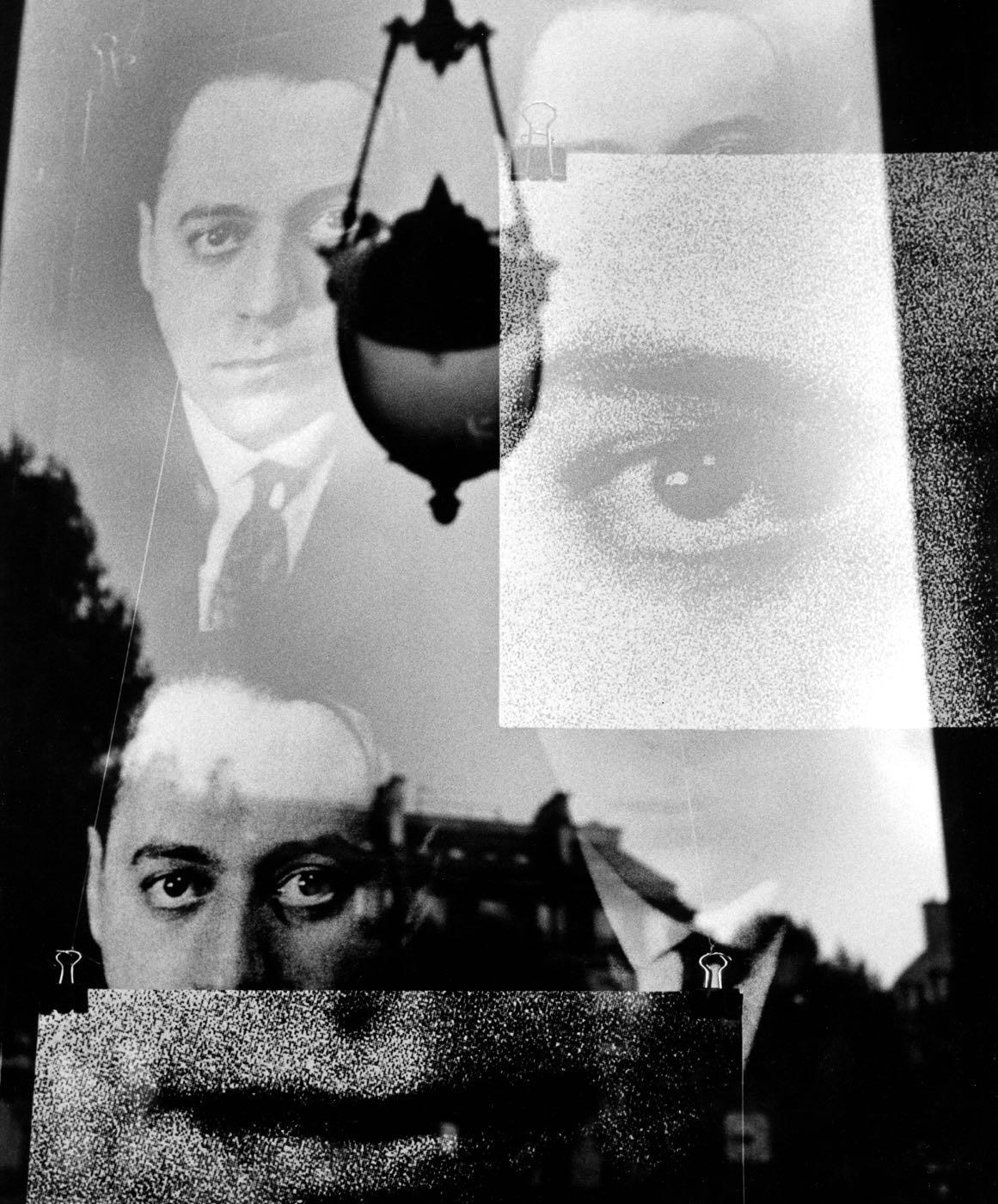
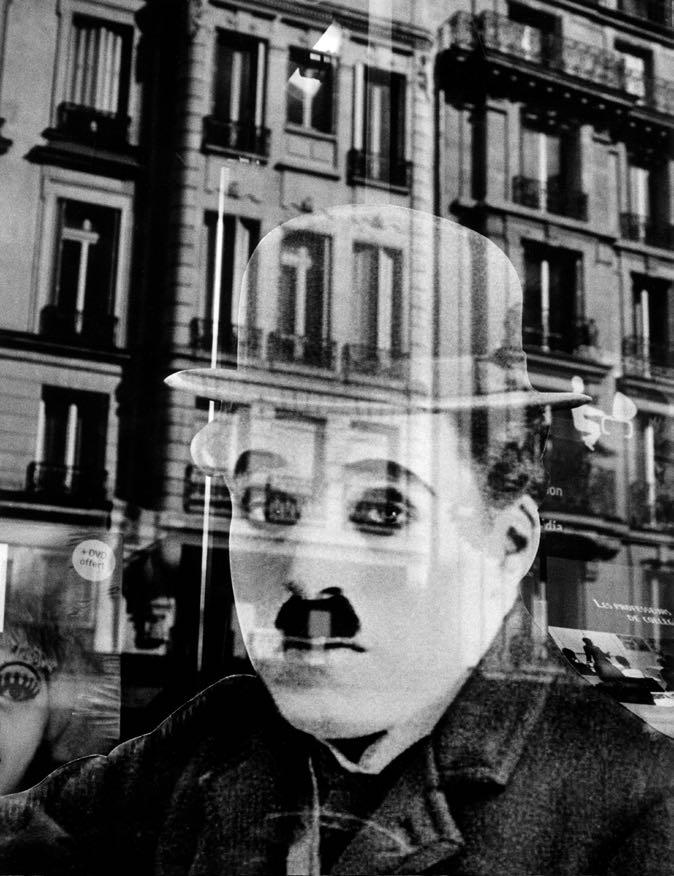
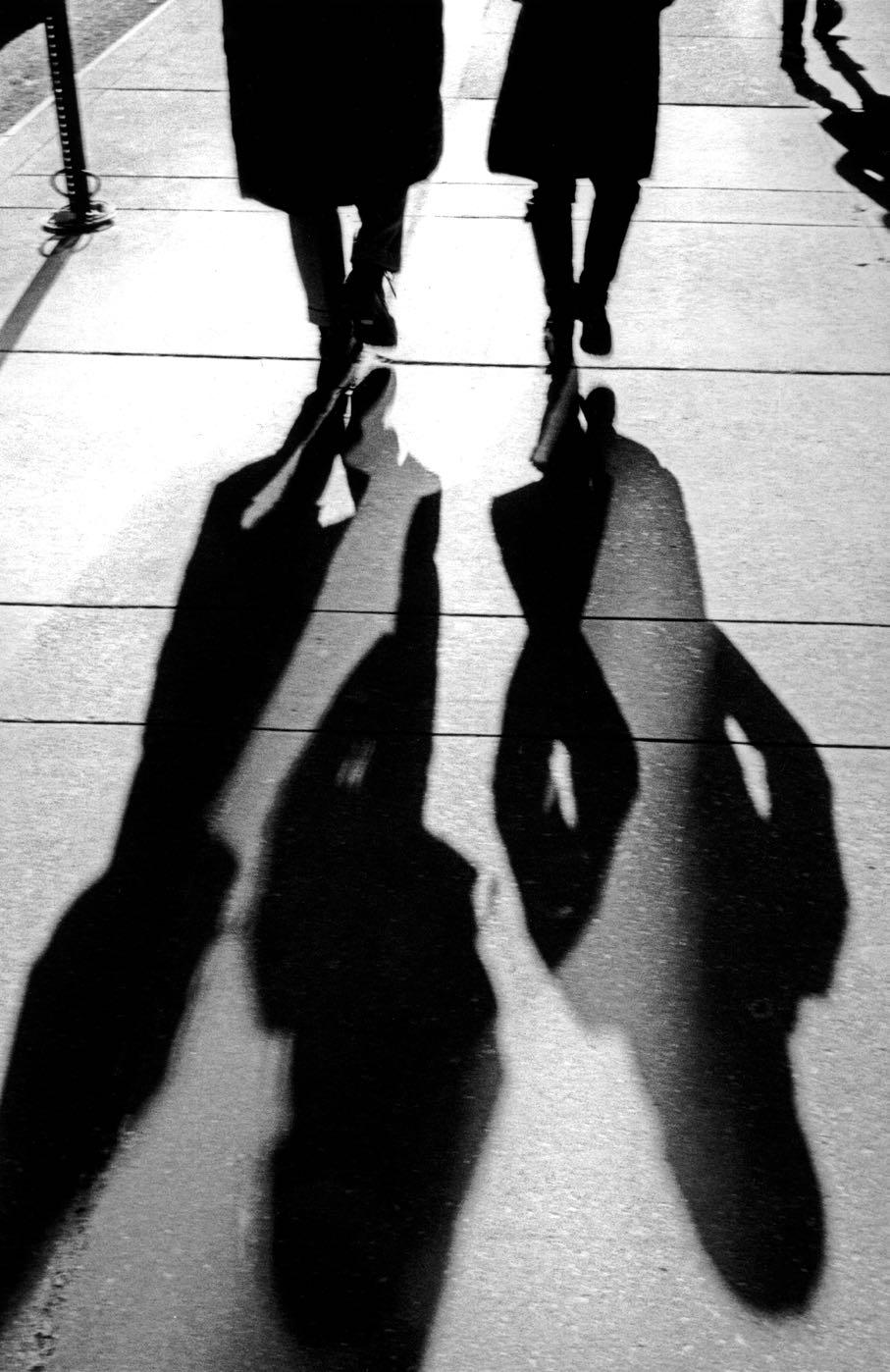
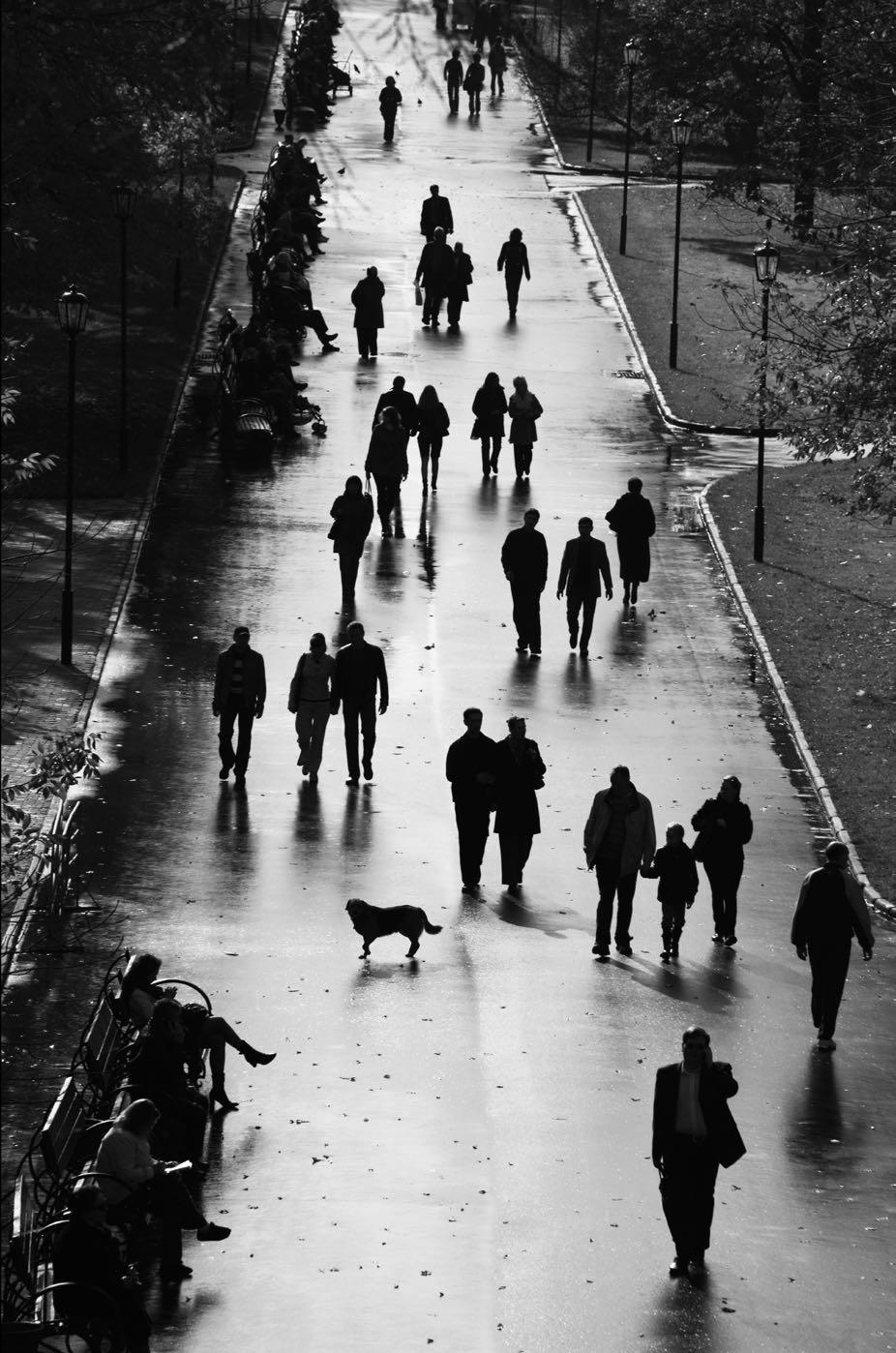
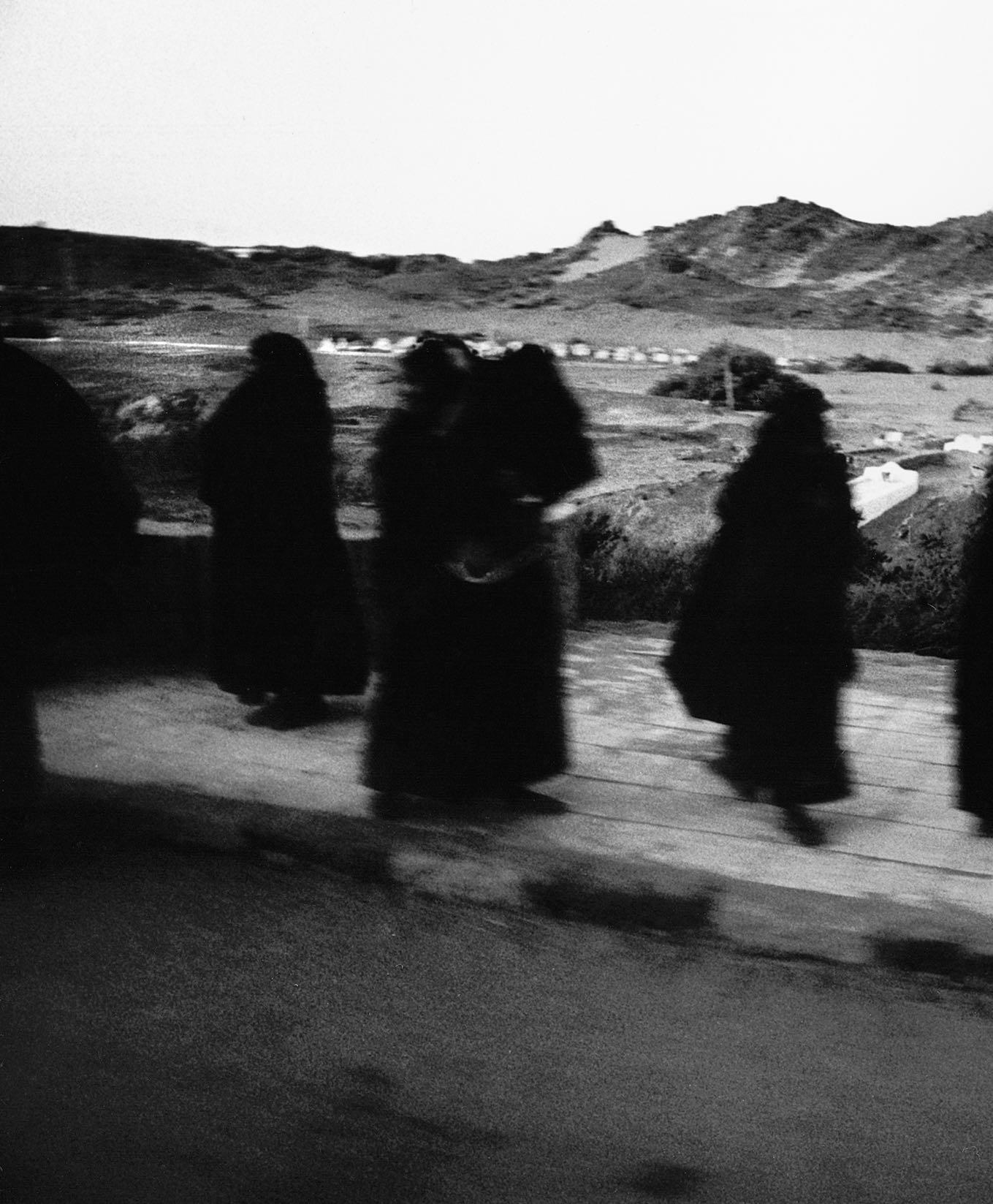
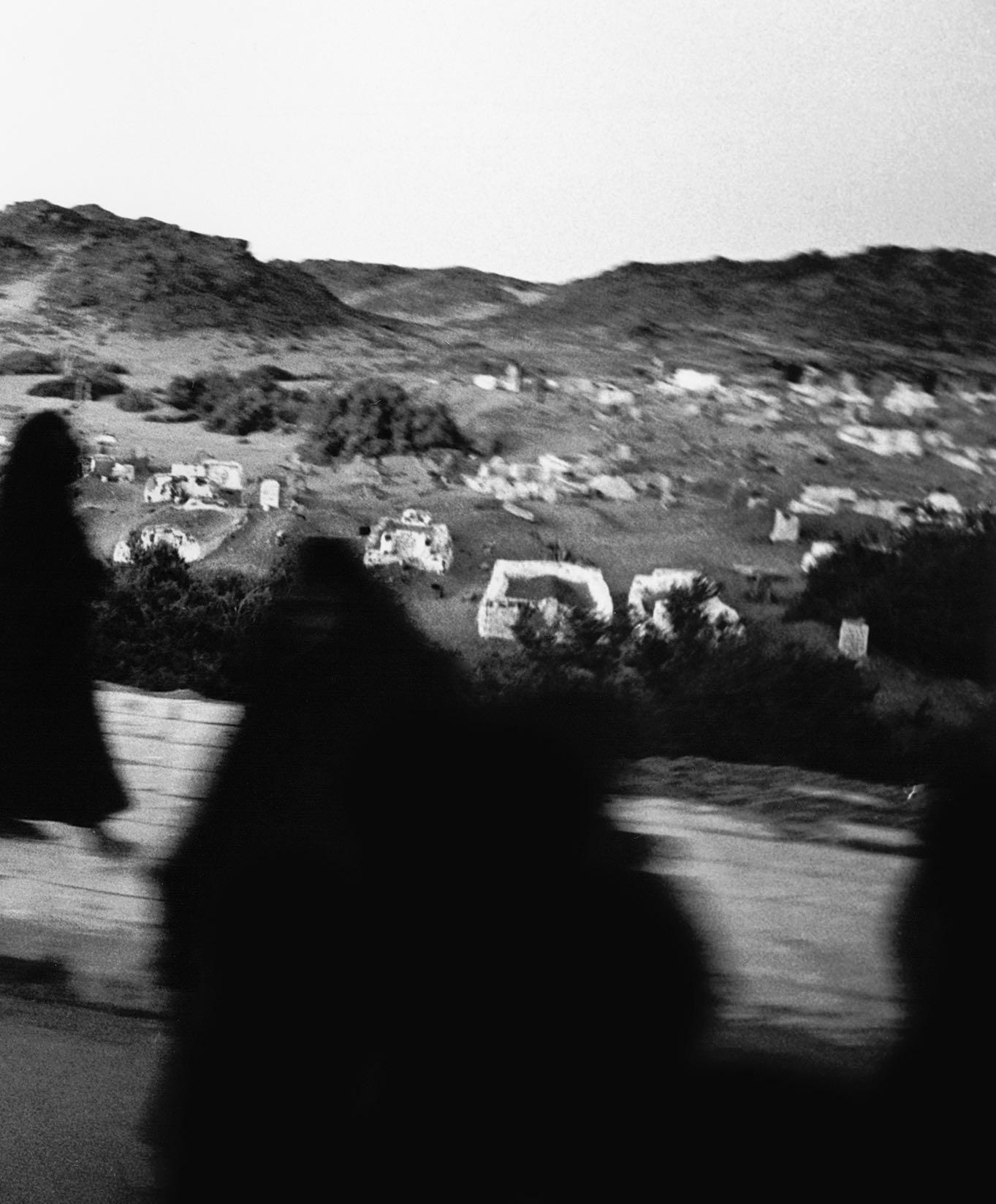
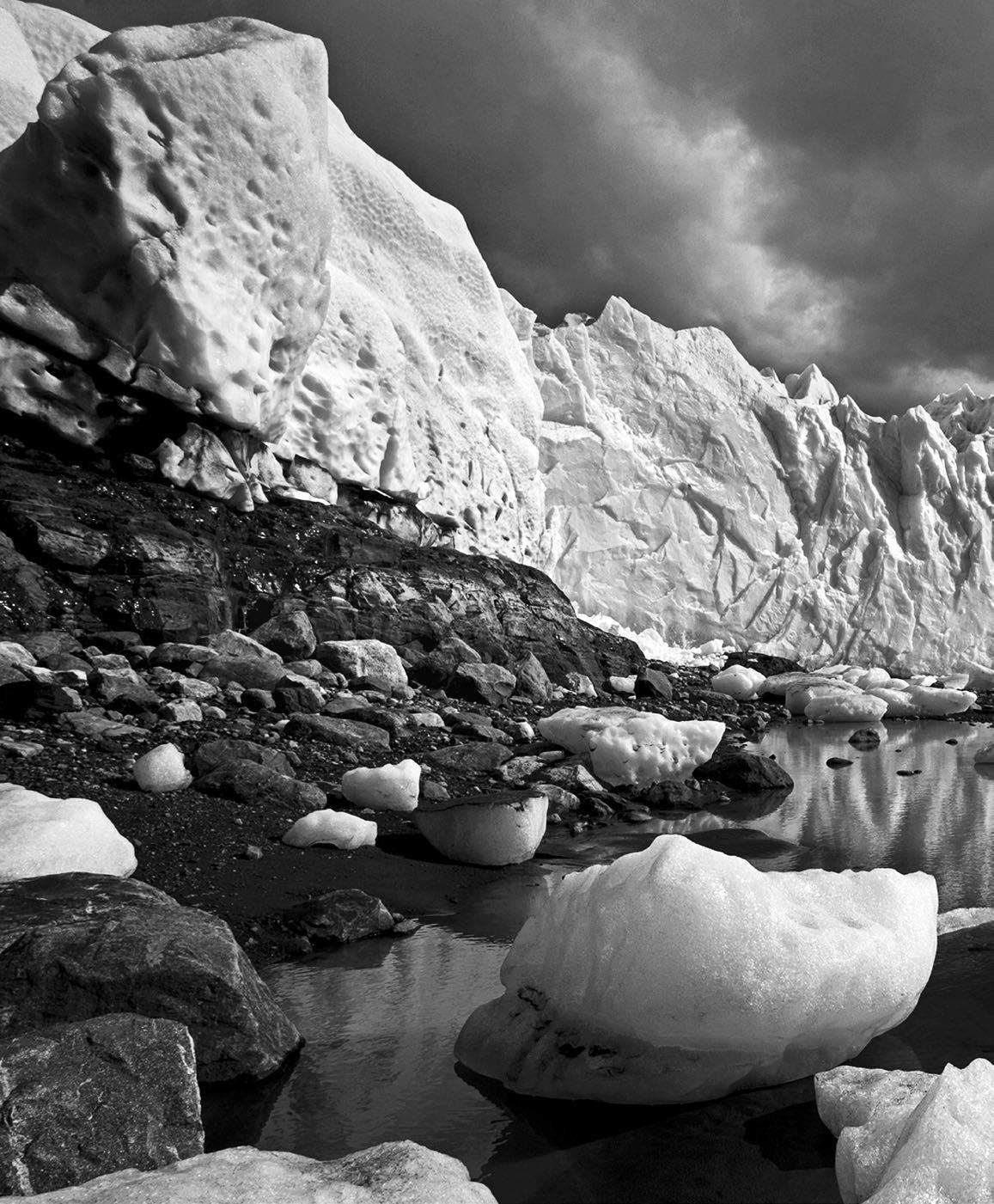
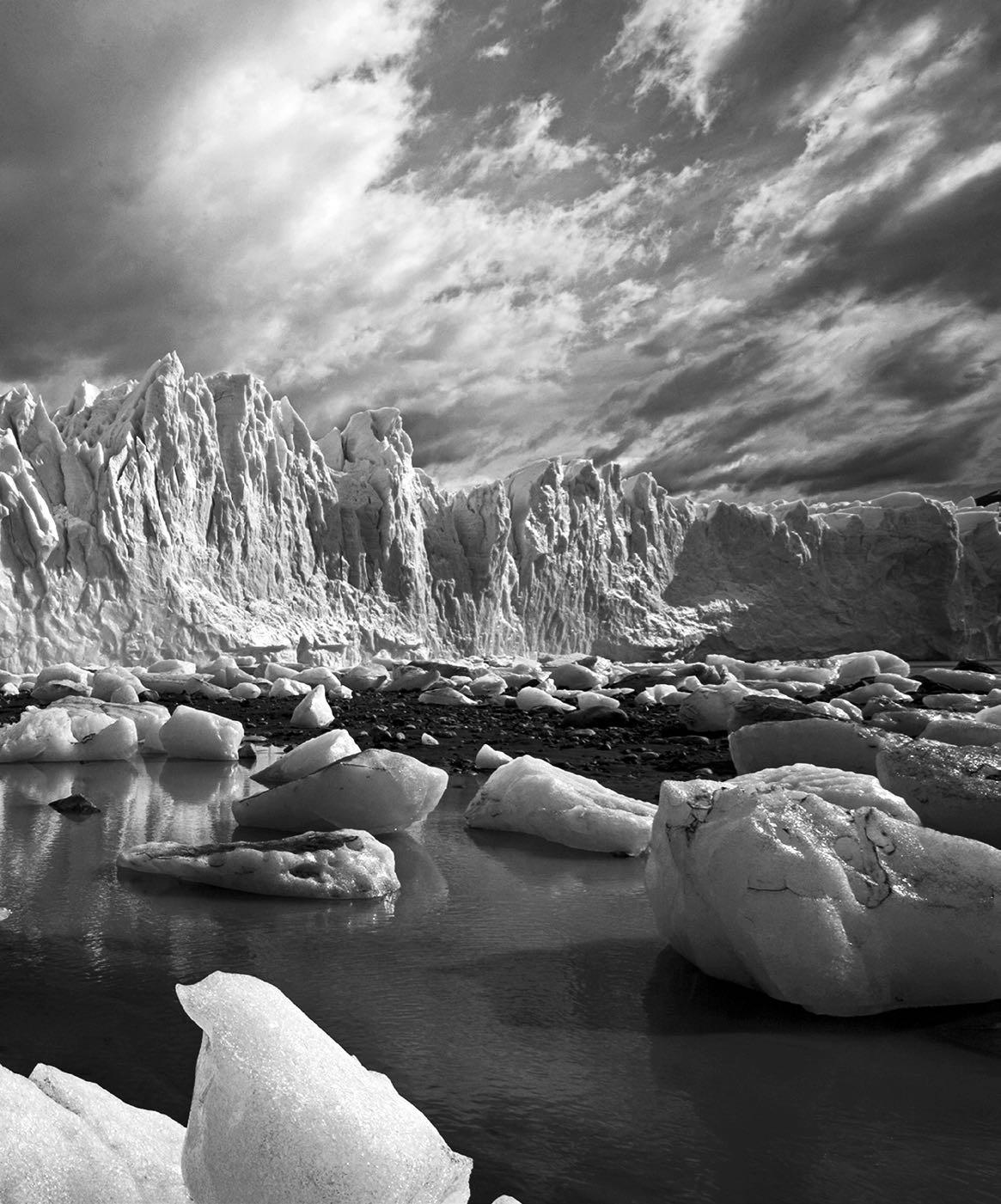
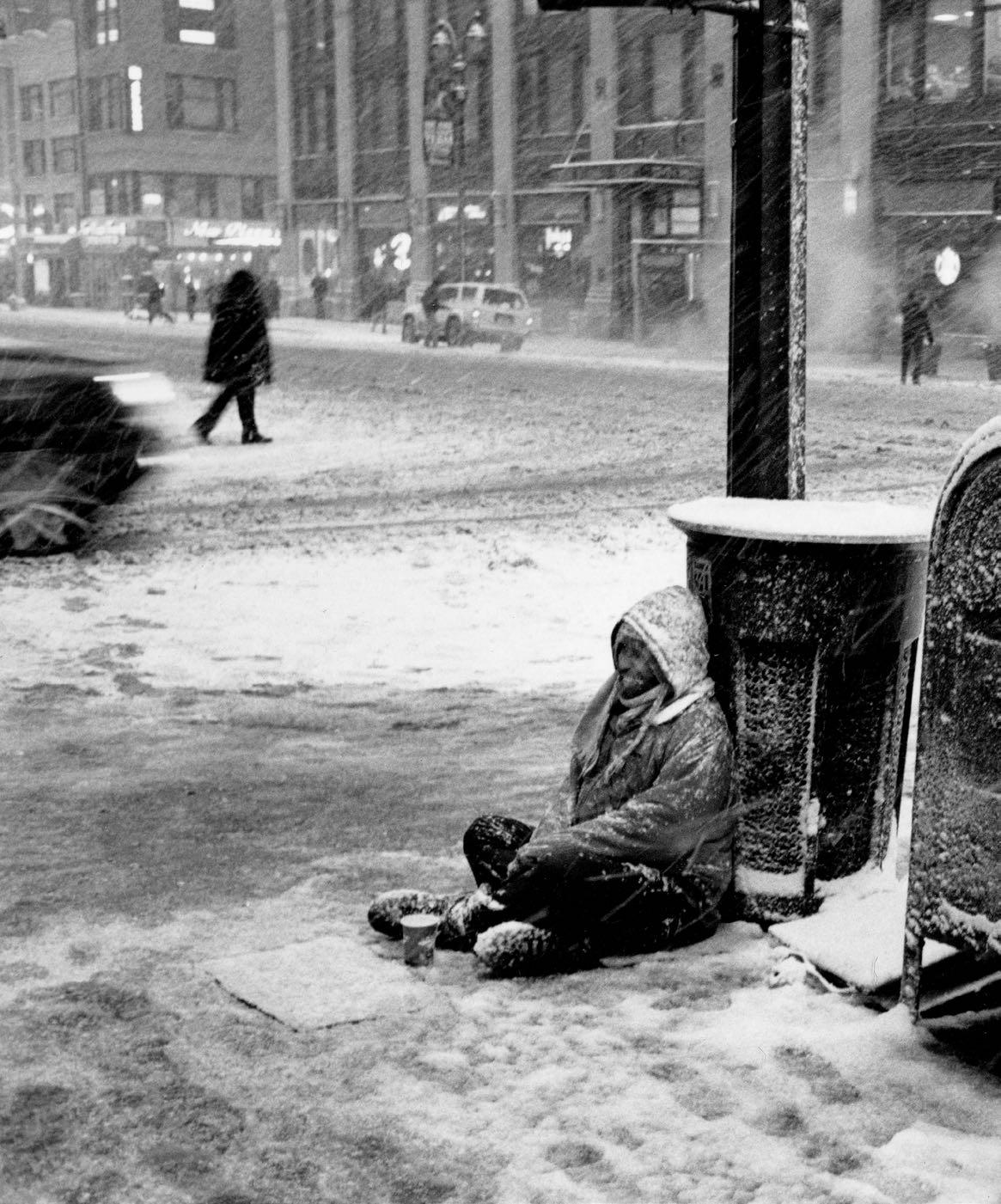
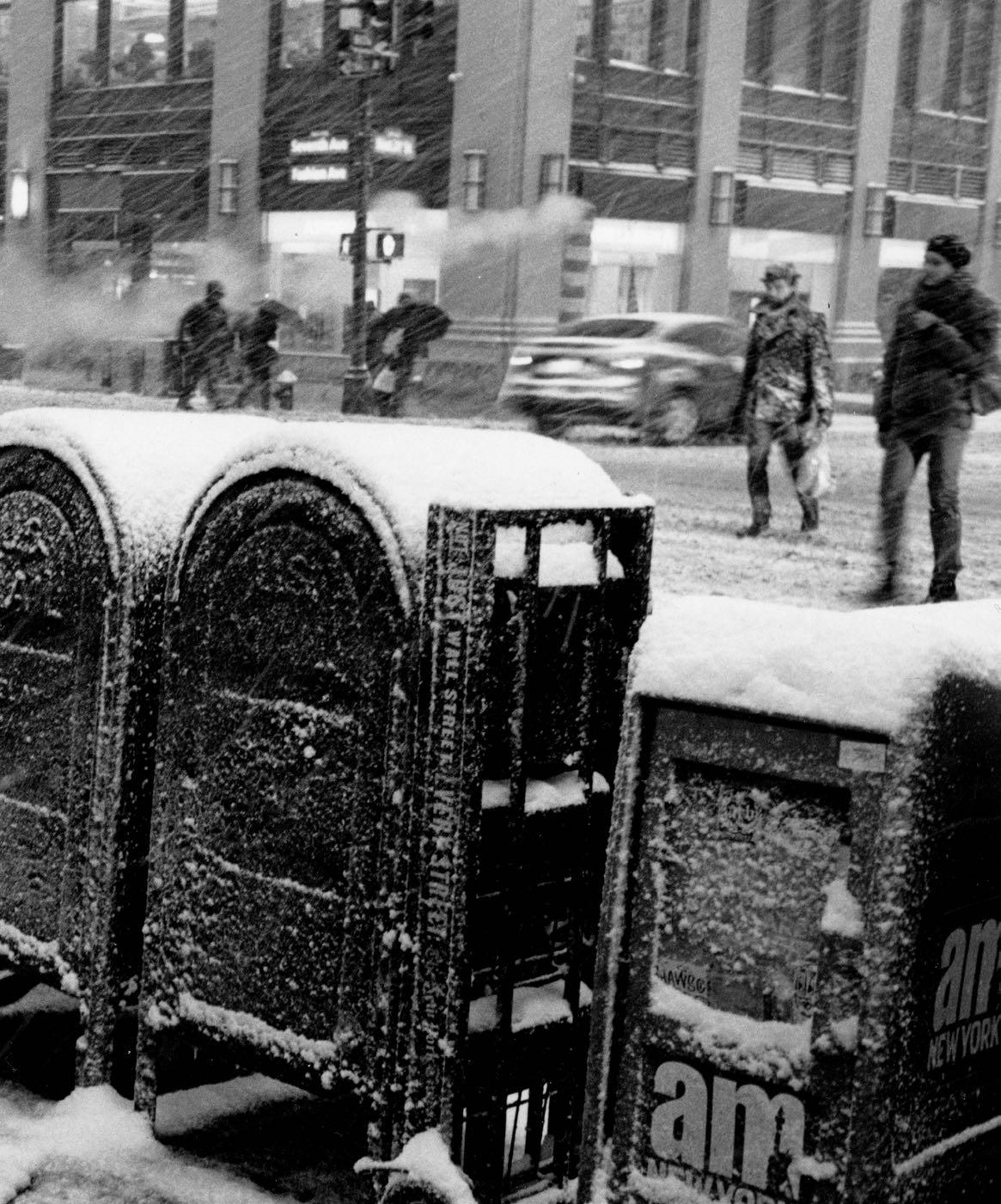
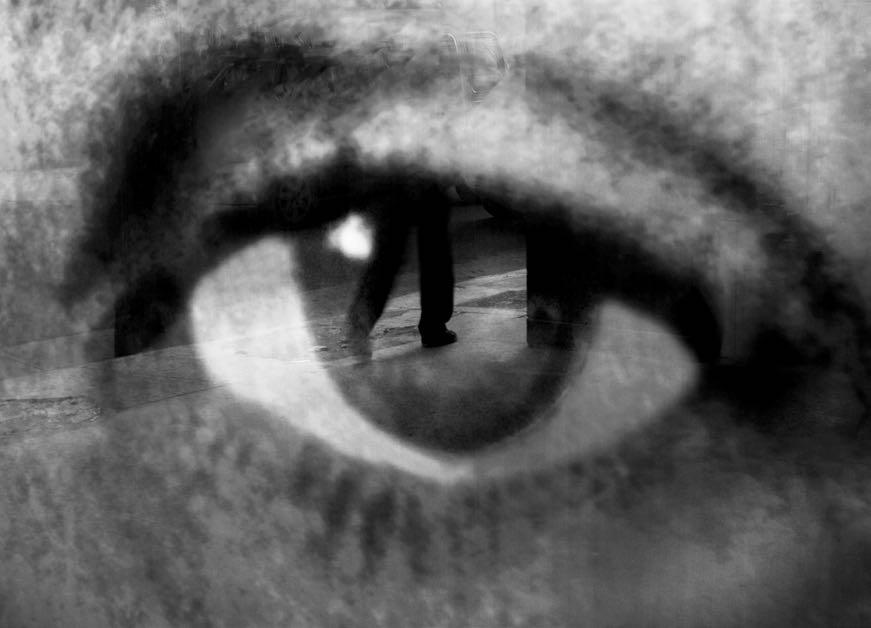
En la cámara de su cabeza, ectoplasmas de los muertos, texturas espirituales vagan buscando su hogar; en la caverna secreta de Sessa hay pantallas que reflejan espectrales huellas de luz perdida, diurno sol, nocturna luna; irisados prismas evocan primaveras verdes, otoños llameantes, donde ocultos fantasmas aguardan que la emulsión los revele; capturados con un chasquido, encerrados donde durmieron mil alboradas, ahora regresan del sueño por designio del cazador de imágenes que los atrapó con su lente y los lleva a guaridas nocturnas. Allí, en aguas agridulces, él revive horas pasadas donde los espectros rondan en traslúcida nieve, volviendo las caras hacia gentes como ellos y tú y yo; una raza multitudinaria se funde en un solo rostro allí donde un cielo plural bordea un singular ojo cristalino.
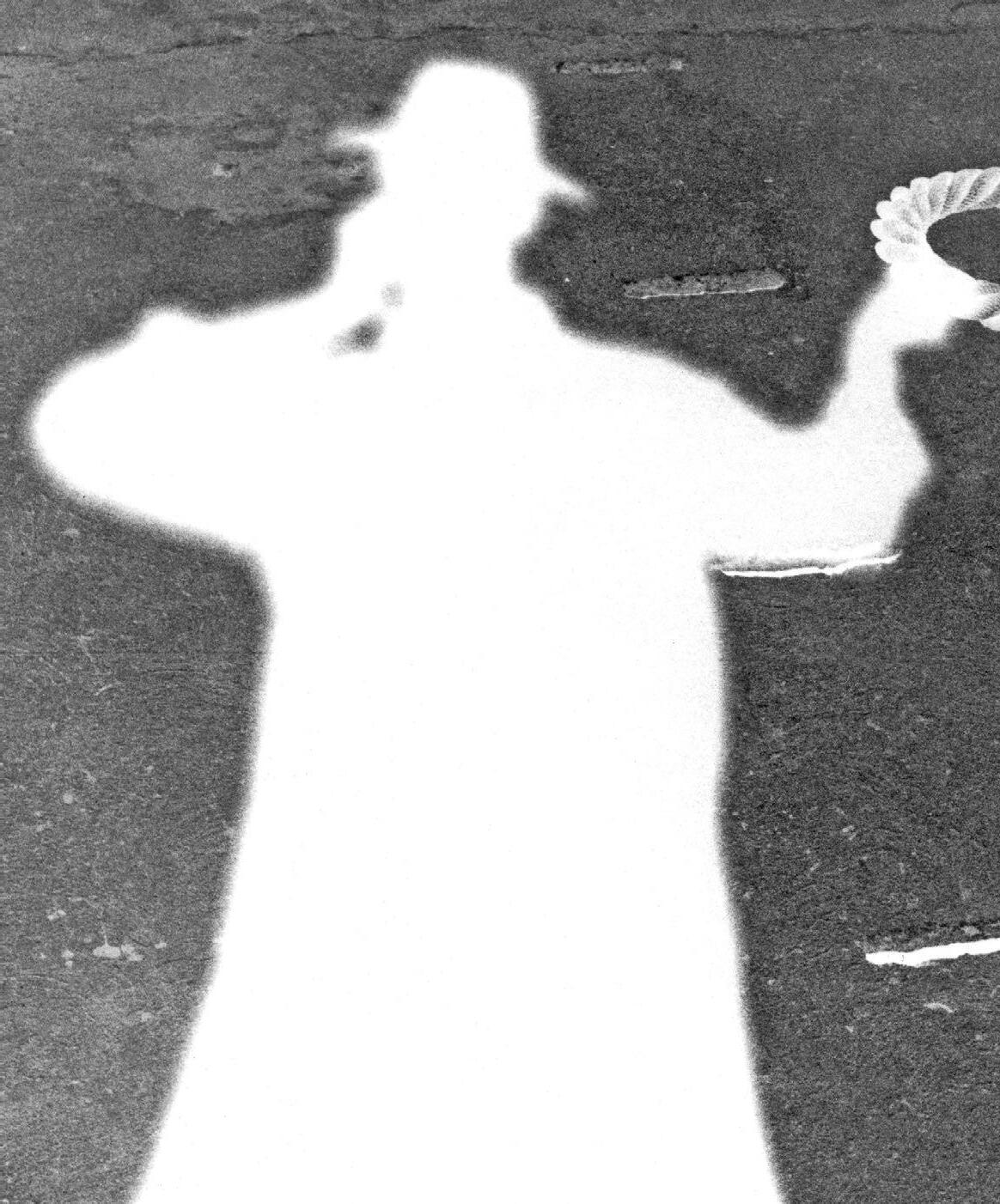
“Seeing Double: the Aesthetics of Aldo Sessa”
In the camera of his head
Ectoplams of the dead
Spirit tissues rise and roam
Seeking anchorage, a home; There is Sessa’s secret cave
Where his lightscreens sift and save Seance imprints of lost light Sun of noon, moon of light,
Prismed rainbows, kept, recall Greening springtime, burning fall, Where the ghosts wait to be found In immulsion’s lifting-ground, Clicked and captured, captured, kept Where ten thousand dawns have slept, But now risen, called from dreams,
By this picture-takers schemes, He who trapped them with his lens Hies them now to midnight dens
There in waters sweet and sour
He summons up some yesterhour
Where their wraiths in hauntings go
In a gossamer of snow
All their faces turned to see
Such as them and you and me
Here a multi-millioned race
Melts into a single face
Where a multifold of sky
Brims a single crystal eye.
AN EXTRACT FROM RAY BRADBURY’S POEM
RAY BRADBURY
Para el libro “SESIONES Y FANTASMAS”, con Aldo Sessa - 2001
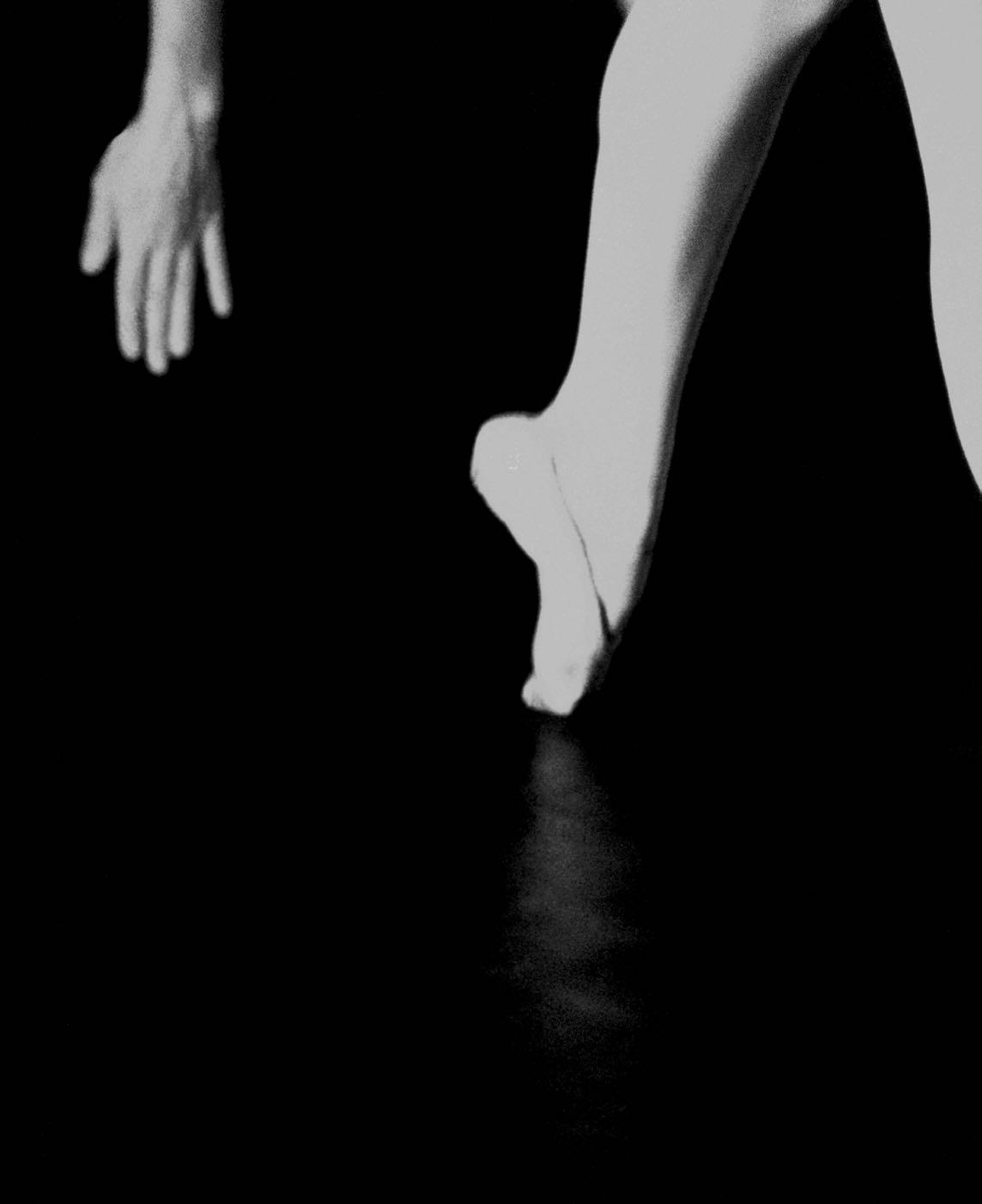
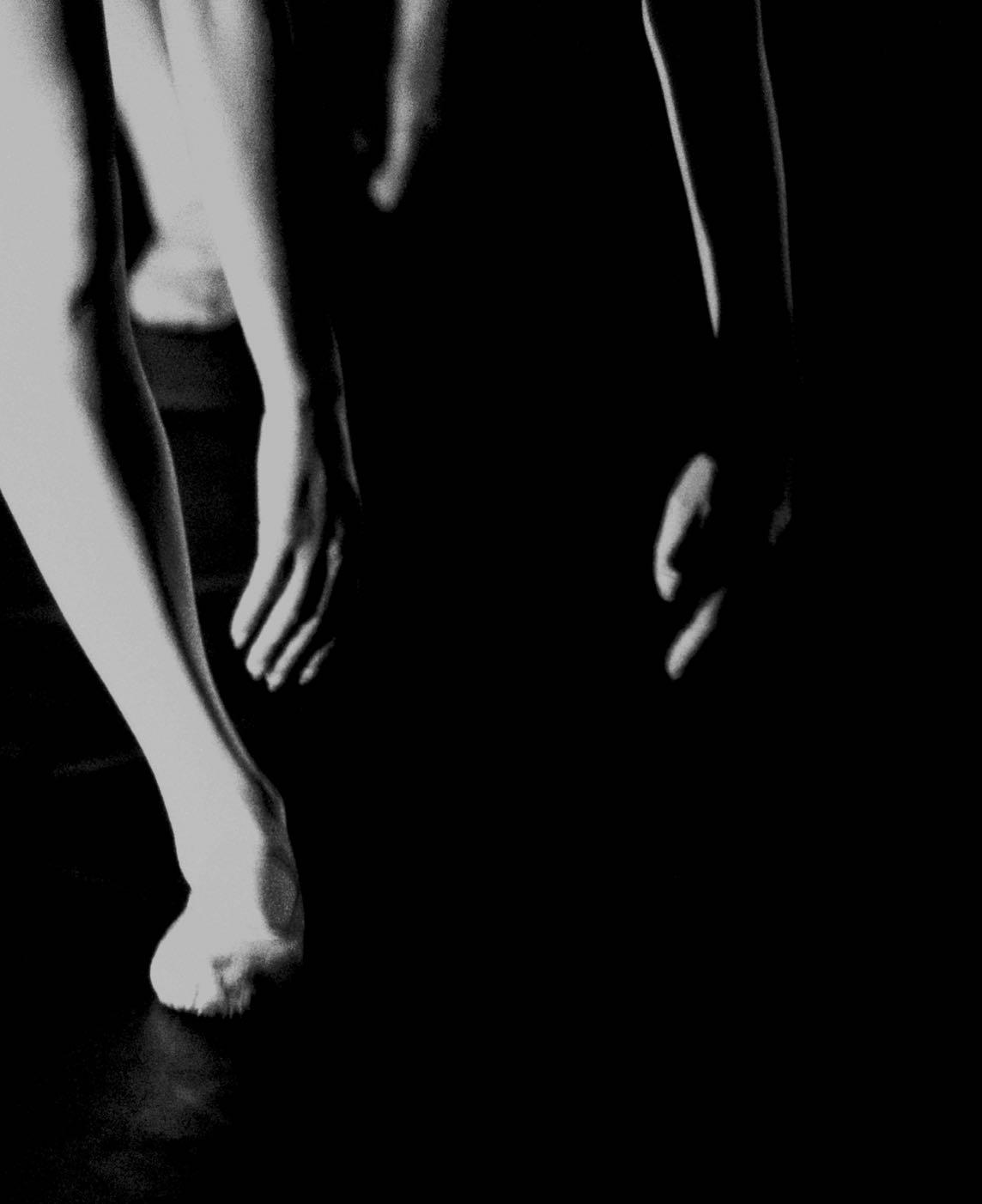
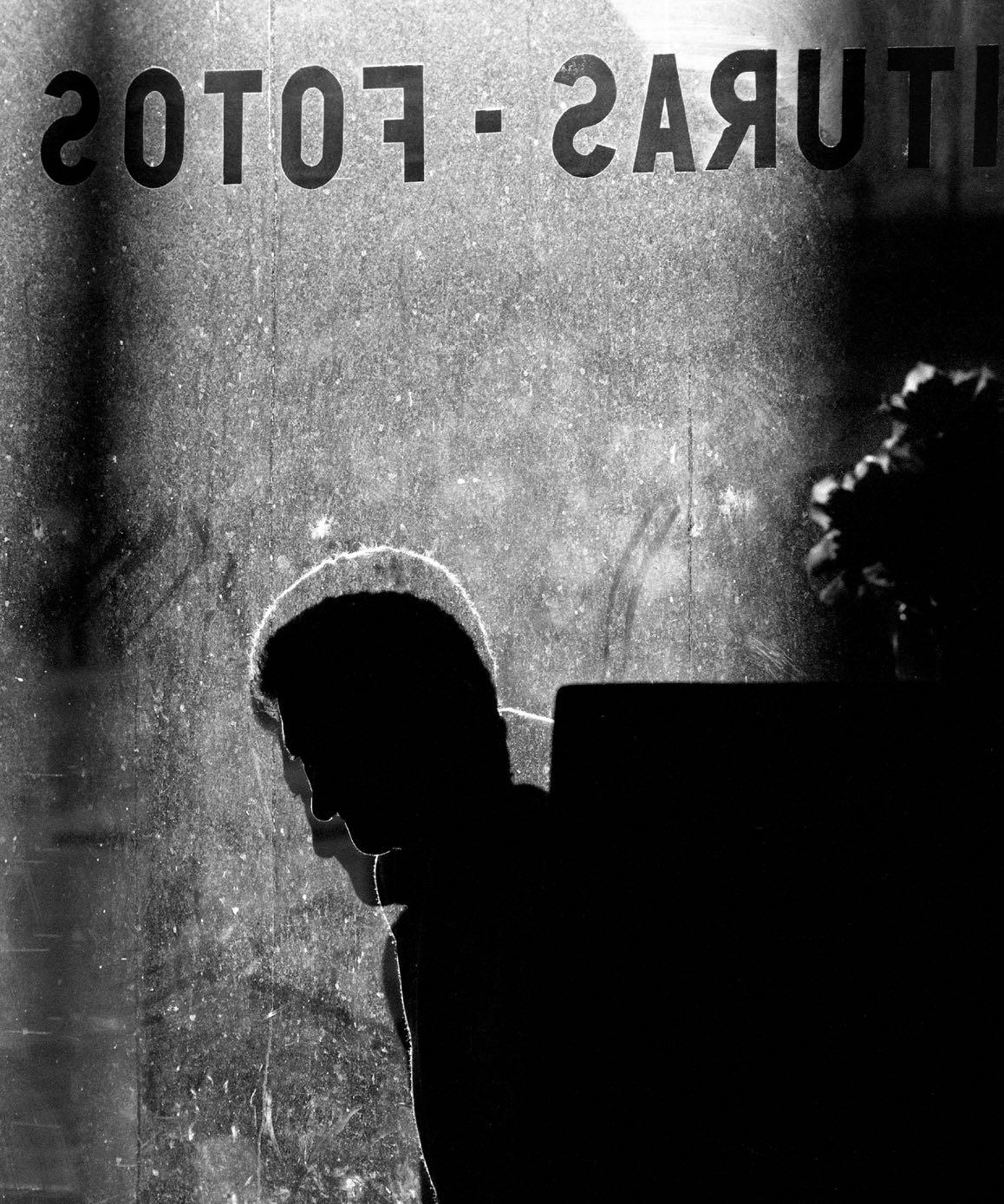
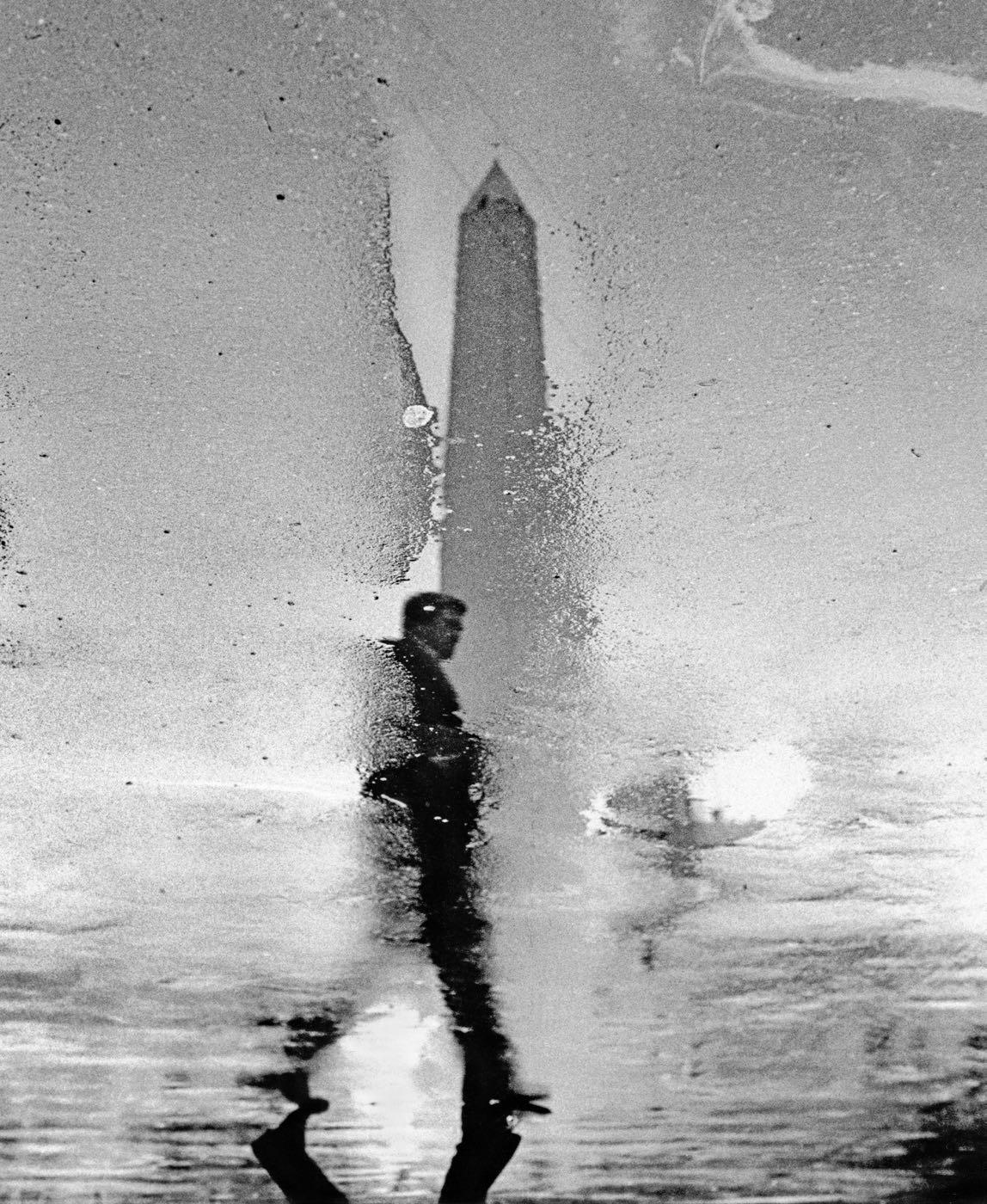
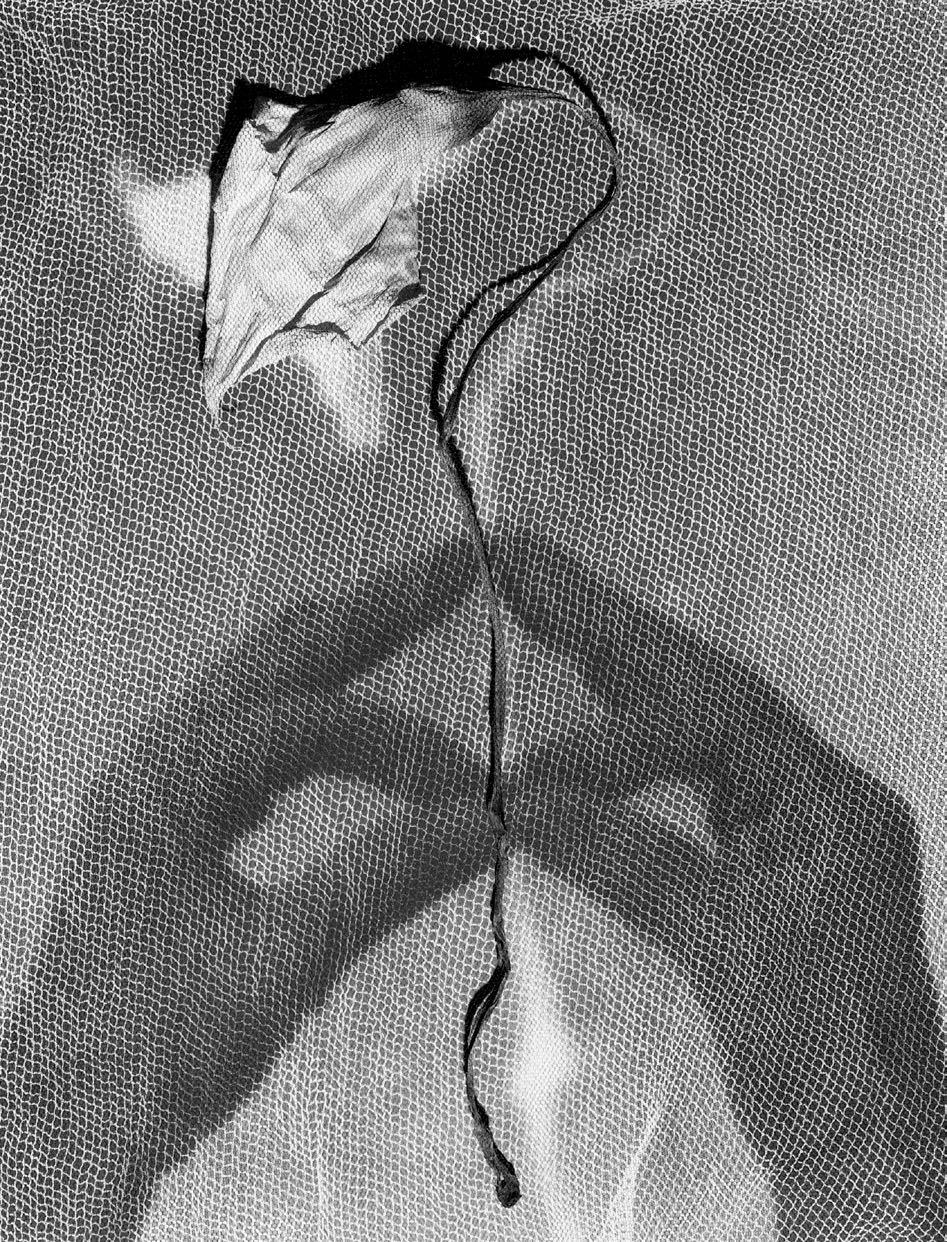
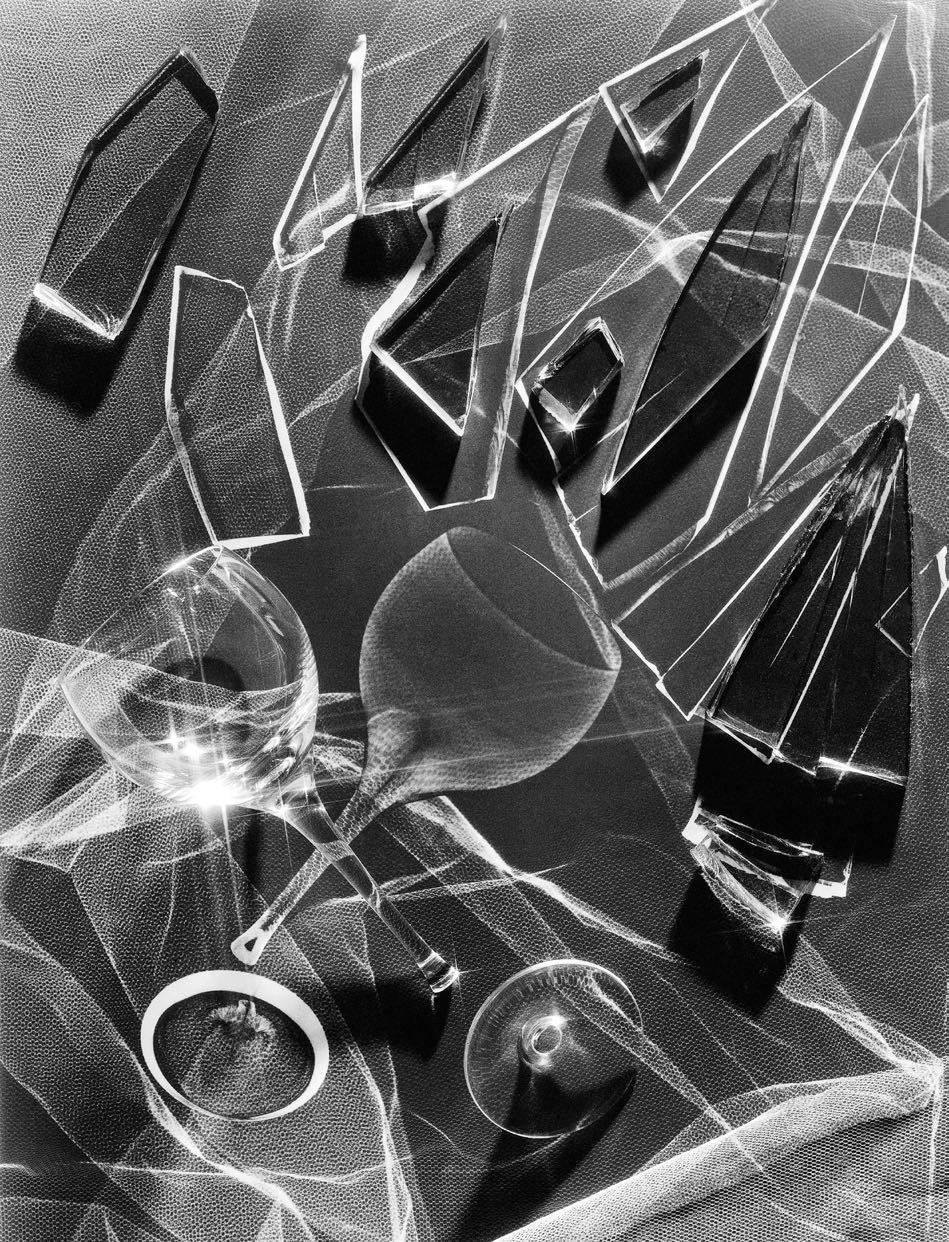
Lo que hace a una buena fotografía es captar lo que está allí, pero parte de su calidad consiste en que también lo haga con lo que no está. Más que delinear, sugiere. Es una sesión de espiritismo dentro del cuarto oscuro, donde lo que no se ve se levanta de la muerte.
Observar a estos fantasmas levantarse de las cubetas es un procedimiento a la manera de Lázaro. Se sumerge a las imágenes latentes en progresivos baños para recordar a las cosas que se han ido hace una hora, un día o la mitad de una vida. El ectoplasma responde. Se dice que un metafísico agudo puede espiar esta materia, como una nube de humo saliendo de las bocas y narices de los muertos y de los moribundos. El alma, liberada, sale como los pañuelos del sombrero de un mago para desvanecerse en el aire claro.
Todo esto raya en lo ridículo a no ser que se escudriñe en los misterios de Aldo Sessa. Entonces uno se lo puede imaginar en el cuarto oscuro llamando de la nada a sus imágenes para
darles forma. Lo que no era, lentamente cobra vida . Es como mirar en un espejo empañado y, una vez frotado, ver una forma familiar que emerge. Un fantasma implícito pero escondido. Debemos atrevernos a describir cómo un fotógrafo adivina lo que no se ve detrás de lo que se ve y atrapa ambos en un instante congelando al fantasma. Así, cuando la niebla se levanta de la cubeta y se derrite para convertirse en carne o en paisaje la buena foto combina la sustancia y lo que implica, tan íntimamente fusionados, que si no se tiene cuidado se puede pensar que son uno.
Una buena fotografía, como los grandes cuadros, muestra no solamente a una mujer sino a todas las mujeres, es una historia de la carne reducida a una sola pose y a una sonrisa solitaria. Así como el sol de Van Gogh es todos los soles que alguna vez brillaron sobre el campo; o la fuente de coloridas frutas de Cézanne es la exhibición trascendental de naranjas, manzanas y peras; o La Virgen de las Rocas de Leonardo de Vinci es el fantasma pintado detrás de la carne.
Miramos a la fuente misteriosa que a todos ilumina a través de la piel, la carne, los huesos y la médula. Leonardo pintó la iluminación que no se puede apagar, aunque ya no estemos en el museo; seguimos caminando con ese origen implícito en nuestros ojos, en la química que baña nuestra retina.
Todo esto se nos va de las manos a no ser que, como ya he dicho, se den vuelta estas páginas y se deje a los espíritus de Aldo Sessa levantarse y llenar el cuarto oscuro para asumir su identidad. Si él fuera solamente un fotógrafo de lo obvio—(la piel, la cáscara, la sustancia exterior de las cosas) yo no estaría escribiendo este prefacio. Es un hecho que se las ha arreglado para encontrar y mantener la superficie y el espíritu detrás de la superficie, esto es lo que hace de su colección de imágenes una visión y una clarividencia.
Cuando la vida abandona el cuerpo y se convierte en nada más que carne, cuanto más miramos menos encontramos, así que enterramos el cadáver y nos vamos hacia la luz. Reanimemos esa criatura fría, aunque sea por un momento, y pongámonos a examinar el misterio dentro de la forma, la revelación dentro de la máscara.
F. Scott Fitzgerald no está en su tumba; tomemos su libros y el fantasma se levantará. ¡Ya basta, he dicho suficiente! Todas las imágenes en este libro de Sessa, ya no están; sus misterios, reencontrados en el cuarto oscuro, se quedan para nutrirnos con su calidez interior.
La tarea de Sessa es mucho más difícil que la de un pintor. ¿Por qué? El pintor envuelve el mundo real con sus ojos y allí hace sus propios cambios y reacciones, transmitiéndolos a su muñeca, las manos y los dedos. Puede hacer lo que quiera con el mundo, hacerlo irreal o terriblemente real. Los fotógrafos como Sessa no tienen esta opción. Deben trabajar con lo que hay allí, en tres dimensiones, y convertirlo en dos, y aun así encontrar una cuarta detrás de la mirada obvia.
Lo que esta debe ser descubierto en un instante de genio y encerrado en la cámara antes de que pueda escapar o gritar. El cuarto oscuro es el momento de exaltación o desesperación. Mientras mezcla sus sustancias, el pensamiento del fotógrafo es “Lo atrapé vivo o lo maté”. Lo que llega a la superficie luego de aquel baño ácido asegura su futuro, o automatiza su vida en estaciones de subterráneo a seis poses por sesenta centavos.
RAY BRADBURY
For the book “SEANCES AND GHOSTS”, with Aldo Sessa - 2001
A good photograph is good because it catches what is there, but part of its quality lies in what is not there. It suggests rather than delineates. It is a seance held in a darkroom where the unseen, found chemistries, is raised from the dead. To watch those ghosts rise in emulsion-filled laboratory pans is a Lazarus procedure. You drown the latent images in progressive baths to summon remembrance of things an hour, a day, or half a lifetime gone. The ectoplasm responds. It was claimed a sharp metaphysician could spy that stuff like gossamer smoke, issuing from the mouths and nostrils of the dead or dying.
The soul, uncorked, flamed up like tissues yanked from a magician’s hat to vanish in thin air.
All of this verges on the ridiculous unless you scan Aldo Sessa’s mysteries. Then you can imagine him in a dark room beckoning his images out of nothing to shape the familiar. What was not slowly becomes. It is like staring into a cloudy mirror that, breathed upon, evaporates the mist so a familiar thrusts through. A ghost implied but not revealed. One must dare describing how a photographer guesses at the unseen behind the seen, and traps both with a trigger finger that freeze-frames the ghost. So when the fog rises in the emulsion pan and melts to assume flesh or landscape, the superb photo combines both, substance and the implied, so closely fused that if you are not careful you think they are one.
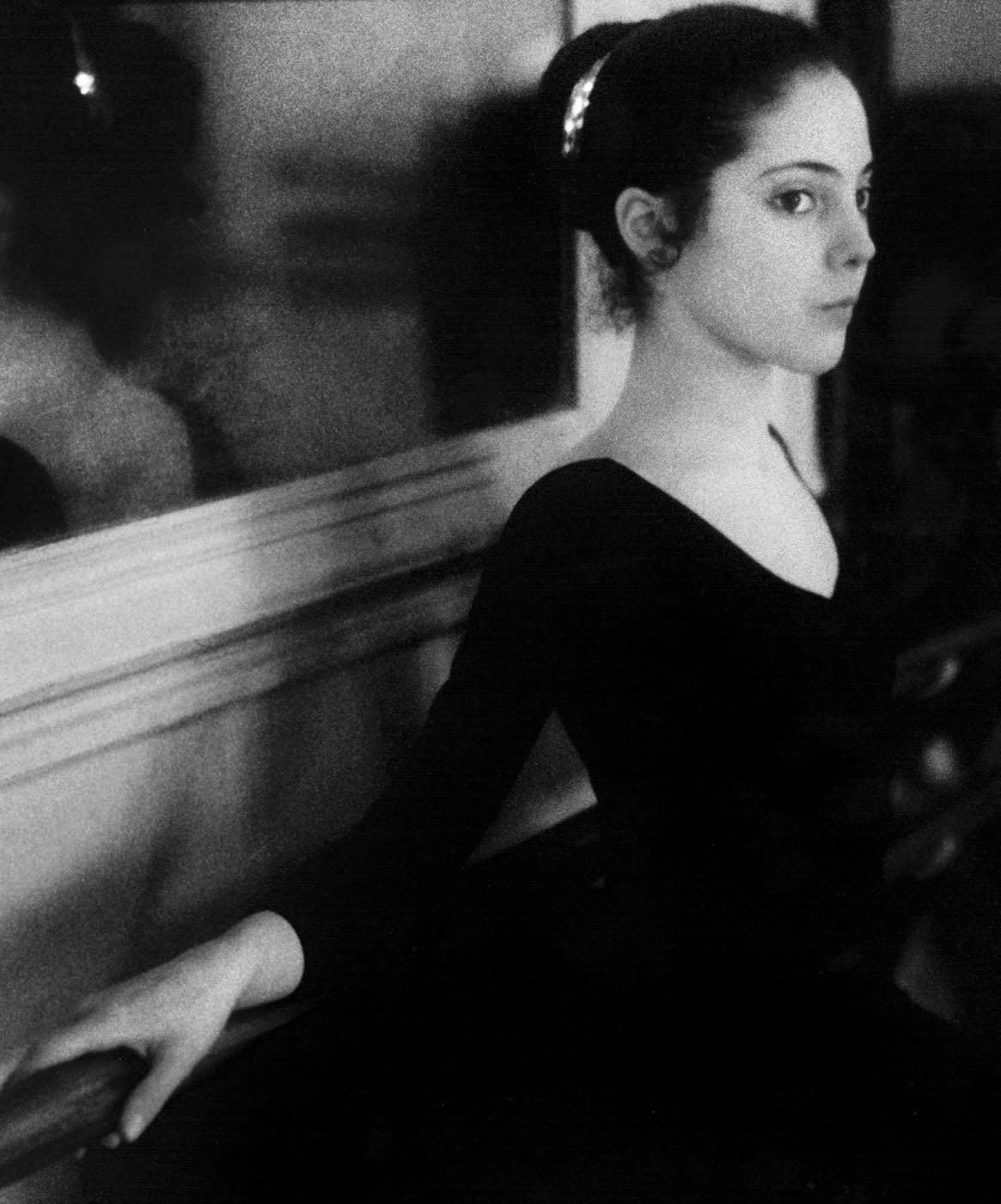
A good photograph, like a great painting shows you not only the woman but all the other women she represents, a history of flesh reduced to a single pose and a lonely smile.
Just as Van Gogh’s sun is all suns that ever blazed a harvest field, or Cezanne’s bowl of bright fruit is the transcendental display of oranges, apples and pears, or Da Vinci’s Madonna of the Rocks is the ghost painted behind the flesh. We see through the skin, meat, bones and marrow in the bones to the mysterious source that illumines it all. Da Vinci painted the illumination which cannot be turned off even as you turn to leave the gallery, but walk away with the implied source beneath your eyelids in the, chemistries bathing the retina.
This all gets out hand unless, as I have said, you turn the pages and let Aldo Sessa’s seances rise and fill the darkroom to assume their identities. If he were a mere photographer of the obvious, the skin, the shell, the outer substance of things, I would not be writing this preface.
It is the fact that he has managed to find and keep both the su!face and the spirit beneath the suY’ace that makes this collection both a sight and an insight. When the life goes from a body, when it becomes flesh and nothing more, the more we look the less we find, so we bury the dead and turn toward the light. Re-animate that cold creature if for only a moment, and we turn back to examine the mystery within the shape, the revelation behind the mask. The dead F. Scott Fitzgerald cannot be found at his grave. Pick up his book, his phantom rises.
Enough. I have beaten the dead horse so that it sits up, I hope, and runs. All the things in this Sessa book are long since gone. Their mysteries, re-found in a bad light, remain to sustain us with their inner fevers.
Sessa’s job then is much harder than a painters. How so? The painter tucks the real world behind his eyeballs, and makes his own changes in the emulsions there, the litmus chemistries, and the nerve endings that lead to his wrist, hand and fingerlips. He can do as he wishes with the world, make it unreal or terribly real. Photographers like Sessa lack that option. They must work with what is there in three dimensions,, atten it to two, yet find a forth beneath the obvious look. It must be flash discovered in that instant of genius discovery and intuitively snapped shut in a box before it can cry out or escape. The darkroom is the moment of exhilaration or despair. Did I trap it live or kill it dead, is the photographer’s thought, as he blends his chemistries. What swims up to focus in that sour bath insure his future or automats his life in subway stations with slot machine pix, six poses for sixty cents.
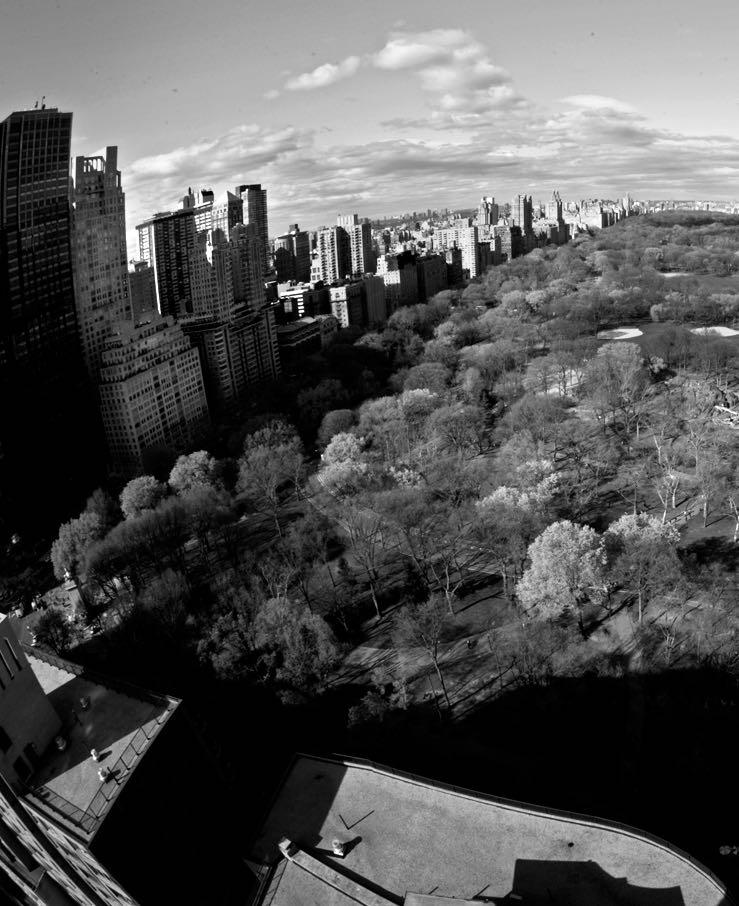
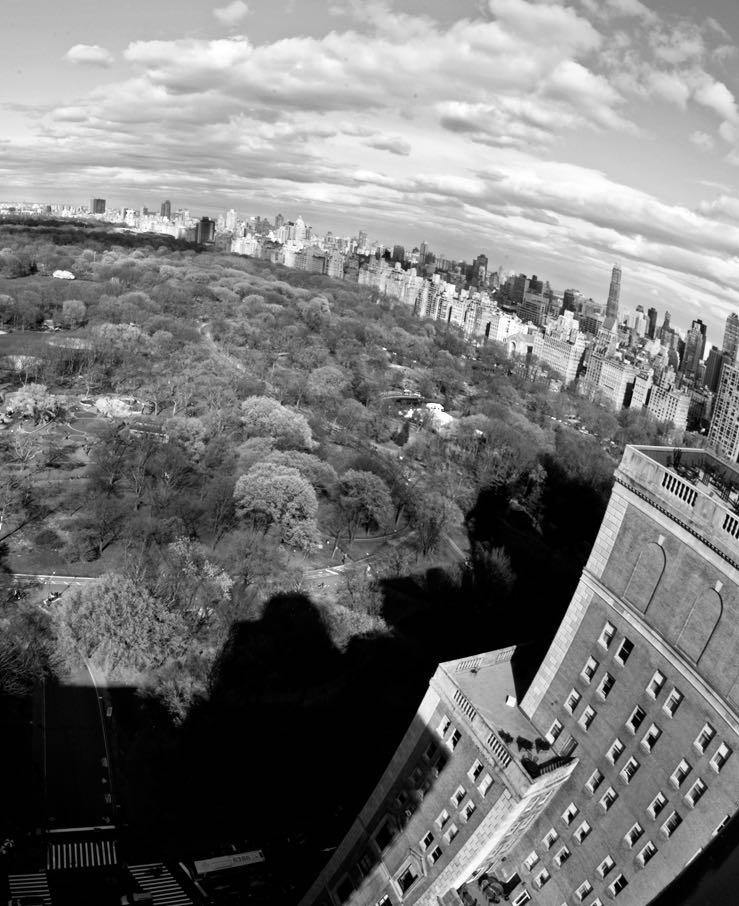
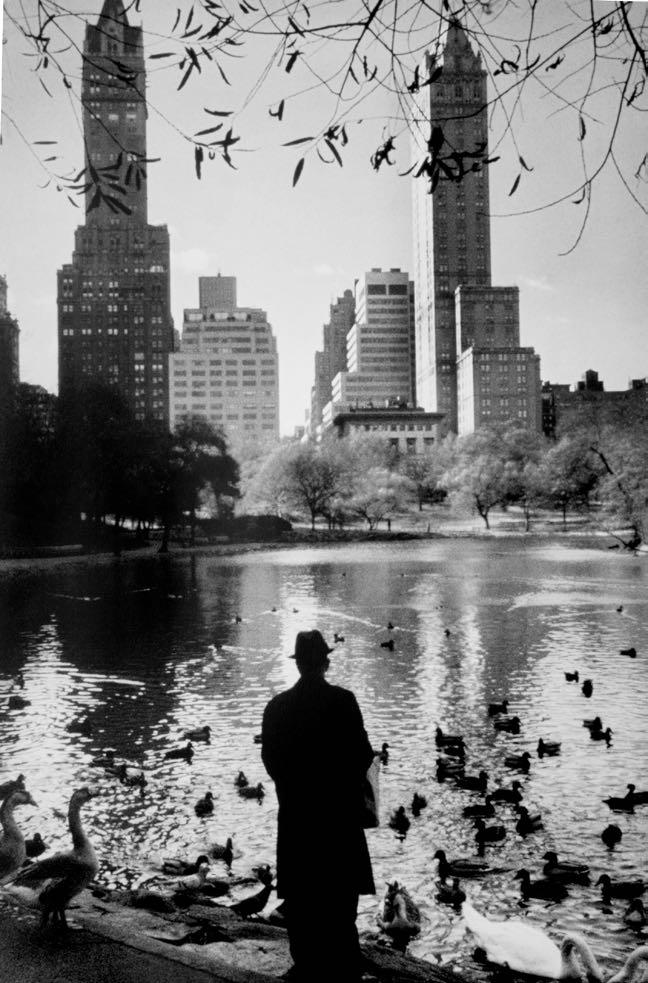
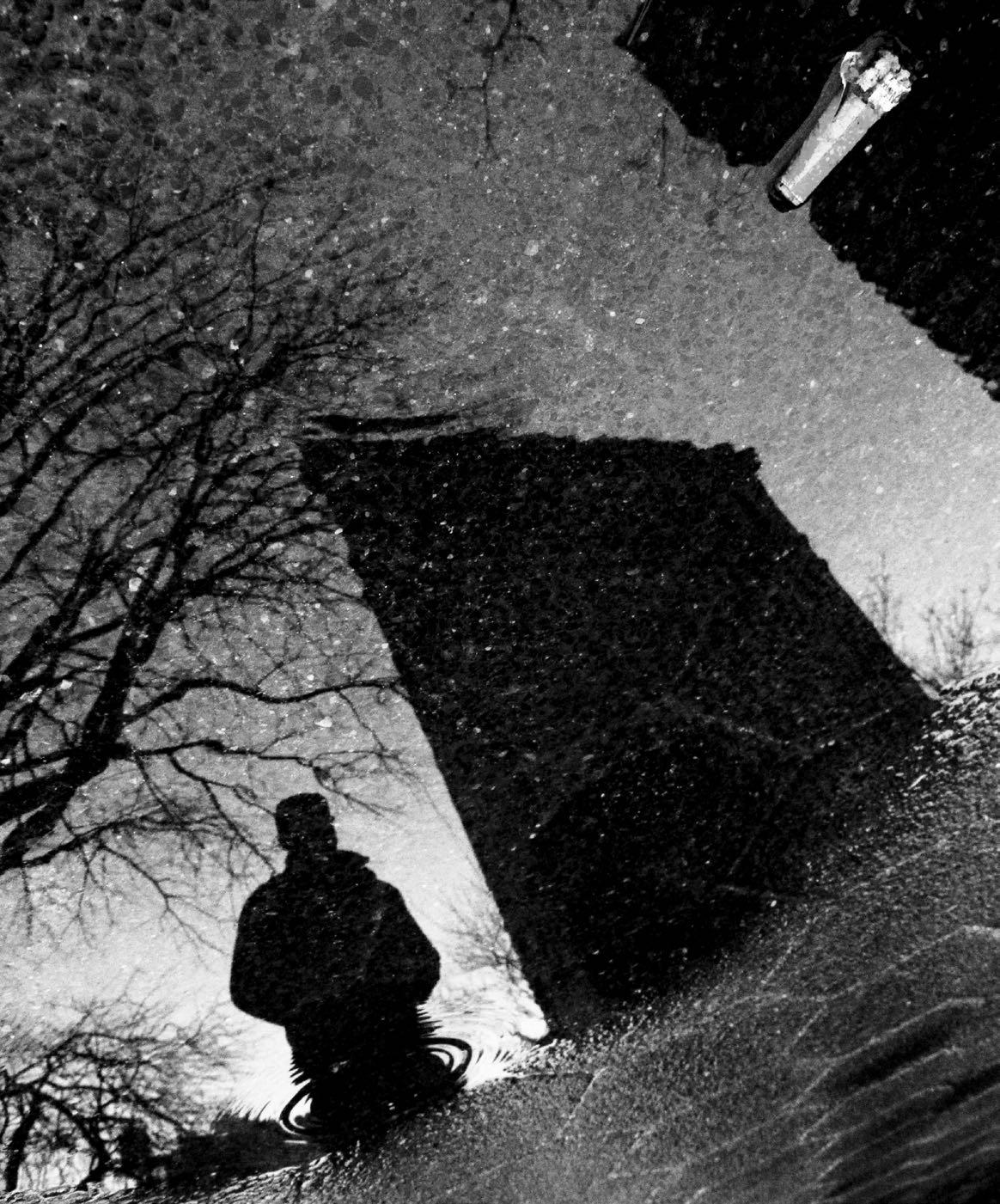
El alma de la fotografía es lo que el fotógrafo es capaz de ver
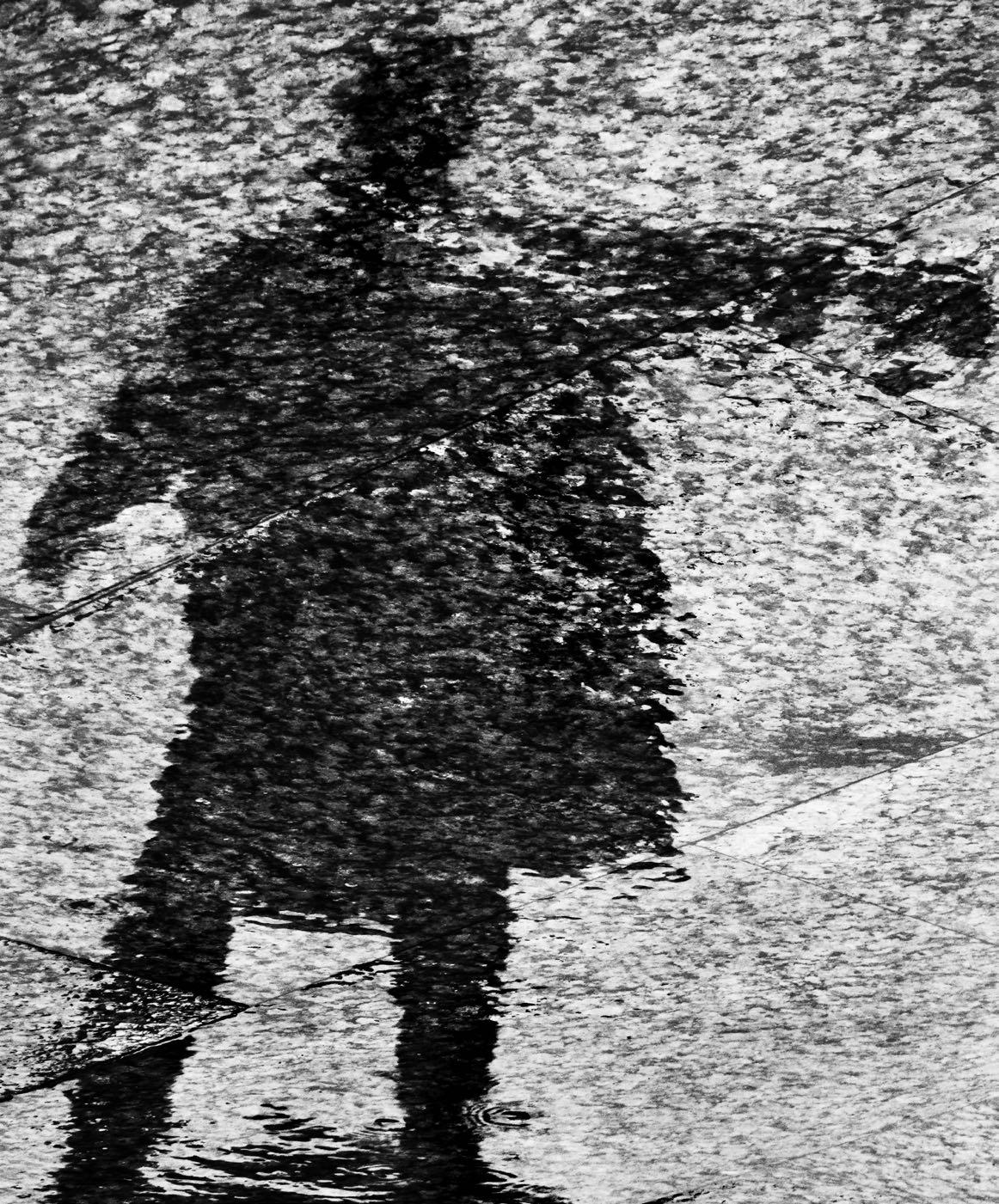
La fotografía digital aporta una revolución de la mirada
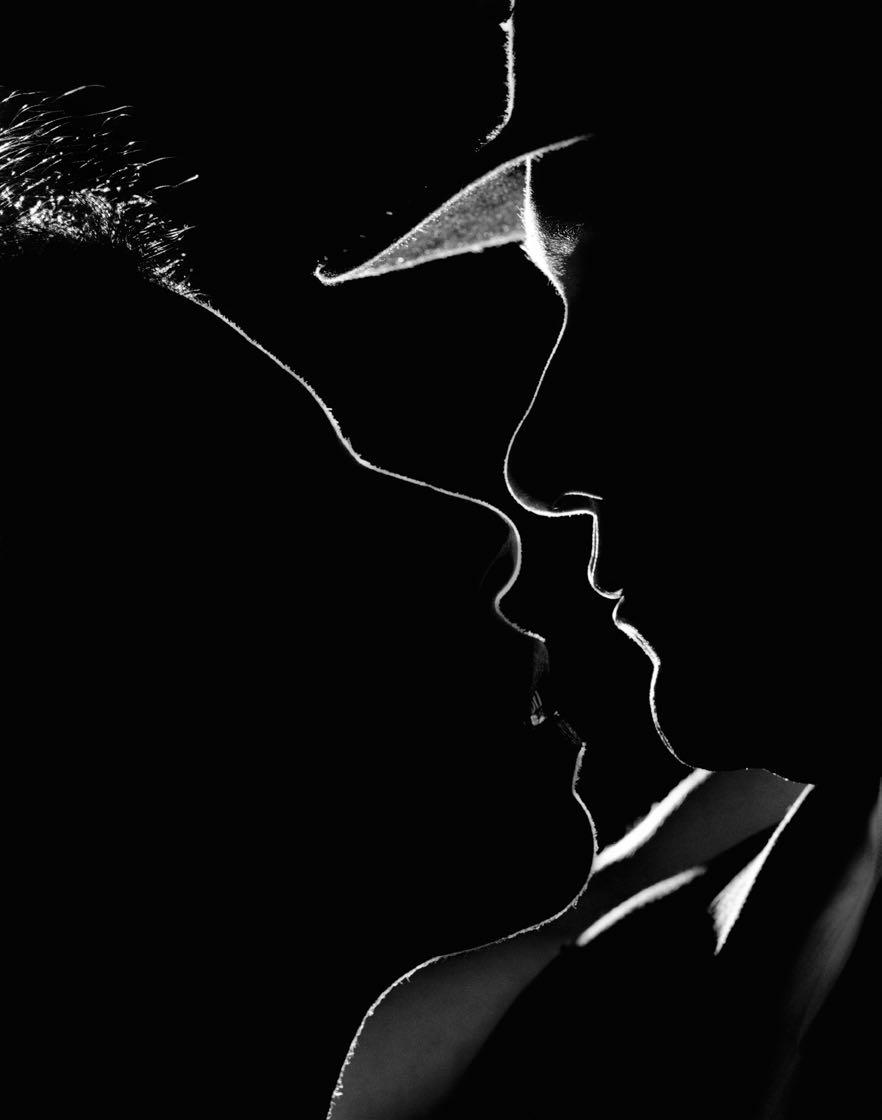
Pasión es, cuando veo una joven pareja en una esquina mirándose a cinco centímetros de distancia viéndose fuera de foco sin sentir su mal aliento.
La pasión es irracional, mas necesaria que la vocación
Siento que el sonido de una máquina es música celestial
Para mi la pasión es fundamental, absolutamente fundamental
La fotografía es hermana de la magia