
A guide for Year 9 pupils and their parents on GCSE subject choices
Dear Year 9,
GCSE options are the first important academic decision that you will make as you progress through AESG. It is an exciting time and an opportunity to reflect on your progress so far, and celebrate academic strengths and achievements.
This booklet sets out all of the important information to guide and support you through this process, and to help you and your parents make well-informed decisions that will enable you to flourish. At AESG, we have an enviable record of success at GCSE Level, with superb results at GCSE and many girls outperforming their baseline targets.
During the GCSE options process it is vital that you receive excellent support, advice and guidance. You can talk to your teachers, form tutor, Head of Year and, of course, your parents at home It is important that you are at the centre of the options process, making informed decisions for the right reasons During Year 10 and 11, it is important to balance academic rigour with a fully rounded experience that enables you to make the most of our extensive extra-curricular programme By doing this, you will be able to continue to develop important life skills that will be invaluable outside of the classroom
You are embarking on the next stage in the great, lifelong adventure of learning. I wish you all every success as you embark upon this next stage of your time at AESG.
Enjoy it and good luck!
Mrs Caroline Wood Headmistress
To offer an extensive enrichment programme to enable girls to develop leadership skills, foster collaboration and resourcefulness, grow in confidence and encourage resilience.
To provide a rich and stimulating school experience in and outside the classroom, where girls can explore and develop their interests and talents
To welcome girls of all faiths who share our values, and to respect, celebrate and embrace diversity and equal opportunities without prejudice.
To present a supportive, open and inviting environment for girls to explore their spirituality, to encourage reflection, and develop a strong moral compass based on our Christian foundation and principles.
To create a supportive, nurturing and happy environment underpinned by proactive pastoral initiatives, putting the girls' wellbeing first To empower all our girls to flourish as strong women in the 21st Century workplace, to communicate with confidence, and take their place as responsible, active and global citizens bringing about positive change for a more sustainable and equitable future.
1.The PSHE lesson in the Autumn Term will focus on GCSE Option Choices.
2.The School's GCSE Option Choices Booklet will be available electronically at the end of the Autumn Term
3 On Wednesday 26 November, there will be a GCSE Options Evening This will provide pupils and parents with the opportunity to speak to subject teachers about what is involved in each GCSE subject.
4.You will have a meeting in small groups to discuss options and then the opportunity to have an individual appointment with the School's Career Adviser during school time, if required
5 On Tuesday 13 January, you are invited to attend the Year 9 Parents' Evening with your parents You will have the opportunity to discuss your choice of GCSE subjects with your subject teachers.
6.Friday 30 January is the latest date for handing in your GCSE Option Choices Form which will be done online.

These subjects are divided into two groups:
• Core Subjects
• Optional Subjects
Core Subjects
You must study all of these subjects at GCSE level:
• English Language
• English Literature
• Mathematics
• Science - either Double or Triple Award
Optional Subjects
You will choose six subjects, ranked in order of preference from the fourteen optional subjects on offer. Most students will be able to study four of their top five subjects
If you wish to study Triple Science, this should be one of your six choices. Occasionally, if you have an unusual combination of subjects or choose several subjects which only a few pupils study, we may place you in your sixth choice.
Mrs Evans will see you to discuss your options if we are using your fifth and sixth choices Your subject choices will be confirmed in writing by the end of the Spring Term. We may not be able to offer every subject listed if there is insufficient demand; however, we strongly encourage and support choices in subjects that are traditionally underrepresented by women.
Non-Examined Subjects
It is important for your general education that you follow courses in non-examination subjects. You will have such lessons in PE and PSHE
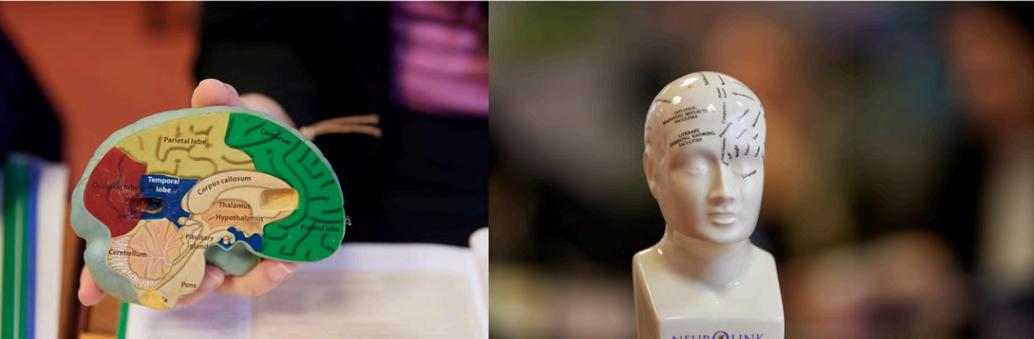


The process of reforming all GCSE qualifications began in September 2015. The government's stated intention in reforming GCSEs was to make the courses more rigorous, by introducing a new grading system and by moving away from Controlled Assessments towards longer final examinations at the end of the two-year course
GCSEs are graded from 9 (the highest) to 1 (the lowest) The chart above shows how the current grading of GCSEs compares with the new grading system A grade 4 is counted as a 'standard' pass; a 'good pass ' is a grade 5.
All pupils throughout Key Stage 4 will continue to have timetabled lessons of PE and will participate in a variety of activities including Hockey, Netball, Athletics, Tennis, Rounders, Badminton, Volleyball and Fitness Pupils are made aware of the many benefits of regular exercise to their health and as a purposeful way in which to use their leisure time. Pupils will continue to be encouraged to attend extracurricular activities and may represent AESG in matches
As part of our commitment to outstanding pastoral care, all pupils continue with one lesson of PSHE per week. This is delivered by specialist teachers on a carousel and pupils are taught in forms. We take a 'gentle' approach to the topics below, and understand the importance of working in collaboration with families, to support your daughters during adolescence The vast majority of girls enjoy PSHE lessons, as they offer a reprieve from their academic studies, time with their form mates and opportunities for meaningful conversations and self reflection
From September 2026, all schools in England will have to follow updated statutory guidance for Relationships, Sex and Health Education- the part of PSHE covering relationships, health and wellbeing The new guidance introduces wider and more explicit coverage of 'personal safety' (including risks in everyday situations such as travel, roads, water, rail, etc ), change, loss and grief (for example bereavement), and mental-health and online-safety issues, in ways designed to reflect the realities faced by young people today. There is also a stronger focus on safeguarding: for example, teaching about the negative effects of pornography, misogyny, violence against women and girls, and other harms linked to online culture.
Please be reassured that the guidance remains age- and stage-appropriate and we work closely with the PSHE Association, Chameleon and the Independent Girls' School Alliance PSHE Cluster group, to ensure best practice The PSHE department works closely with Careers, to help pupils explore future pathways and understand the skills needed for work. It supports informed decision-making by introducing options like A Level choices, apprenticeships, and post-16 routes. Lessons will also cover study skills, examination preparation and team building, with a range of guest speakers invited in to deliver more specialist topics, including substance abuse, contraception and cancer awareness.
Please note there are no formal examinations, or homework in PSHE, but you will receive a written report in Year 10 and Year 11.
The Higher Project Qualification (HPQ) is an optional Level 2/GCSE additional qualification offered to Year 9 pupils, allowing them to explore a topic of their choice in depth. This unique opportunity encourages students to engage with a subject they are passionate about, fostering curiosity and independence Unlike traditional coursework, HPQ does not follow a fixed structure, giving pupils the freedom to define their learning path. This process challenges them to navigate obstacles without a clear roadmap, helping them develop adaptability, resourcefulness, and key skills like research, problem-solving, and resilience attributes that will support their future academic and personal pursuits Through independent study, students cultivate self-awareness, time management, and initiative, essential qualities that extend far beyond the classroom.
HPQ also promotes collaboration and communication skills Although each pupil is responsible for their individual project, they learn to seek support from teachers, peers, and external sources, building confidence in asking for help and exchanging ideas. This qualification also provides an excellent foundation for the Extended Project Qualification (EPQ) offered in Year 12, as HPQ pupils acquire valuable experience in referencing, planning, and presenting their work This head start in project-based learning not only makes EPQ more approachable but also gives them a unique advantage in the academic landscape. Students begin HPQ in the autumn term of Year 9, completing it by the summer term of Year 10, making it a meaningful journey that prepares them for diverse future paths

The importance of the work carried out during Year 10 and Year 11 cannot be over-emphasised, particularly because Controlled Assessments form part of many GCSE courses. A Controlled Assessment may take the form of a project, a piece of research or some fieldwork.
Controlled Assessment tasks are time limited and are carried out in lessons during the school day. In general, performance in a Controlled Assessment task is assessed by teachers in school and then moderated by the Examination Board For subjects in which Controlled Assessment is an integral part of the GCSE course, failure to complete this work could mean that a pupil would not be awarded a GCSE grade for the subject
For GCSE Mathematics, Science and MFL, two levels of entry are possible: Foundation Level and Higher Level The vast majority of entries at AESG are made at Higher Level, but Foundation Level can be recommended for a particular pupil in a particular subject. The final level of entry is decided upon in consultation between the subject teacher, the pupil and her parents and takes place in either the Summer Term in Year 10, or the Autumn Term in Year 11
You will be taught in ability sets for:
English
Mathematics
Double Award Science
For all other subjects your groupings will depend upon your choice of subjects.
All departments provide lunchtime clinics for pupils who need extra help with revision, homework, examination questions or some other aspect of their GCSE course. In addition, some pupils receive support from Mrs Beecham, our SENDCo, and her team
Examination Board: AQA
• GCSE English Language is a compulsory subject and the skills which you will gain are transferable across the curriculum You will learn how to read texts actively and critically, employing close reading skills to retrieve information
• In the course of your studies, you will be encouraged to make inferences and give informed comments on language in use.
• You will also produce your own writing, experimenting with different audiences and purposes. In short, studying English Language will develop crucial reading, writing, speaking and listening skills which are fundamental to any further studies
The study of English Language will equip you with invaluable skills for life Language is both a creative tool for expression and a means for social connection. If you choose to continue to study English Language at A Level, you will develop a critical awareness of the world around you; you will be able to utilise your communication and analytical skills to navigate through your professional and personal life, and you will also learn how to adapt your skillset for various mediums.
Examination Board: AQA

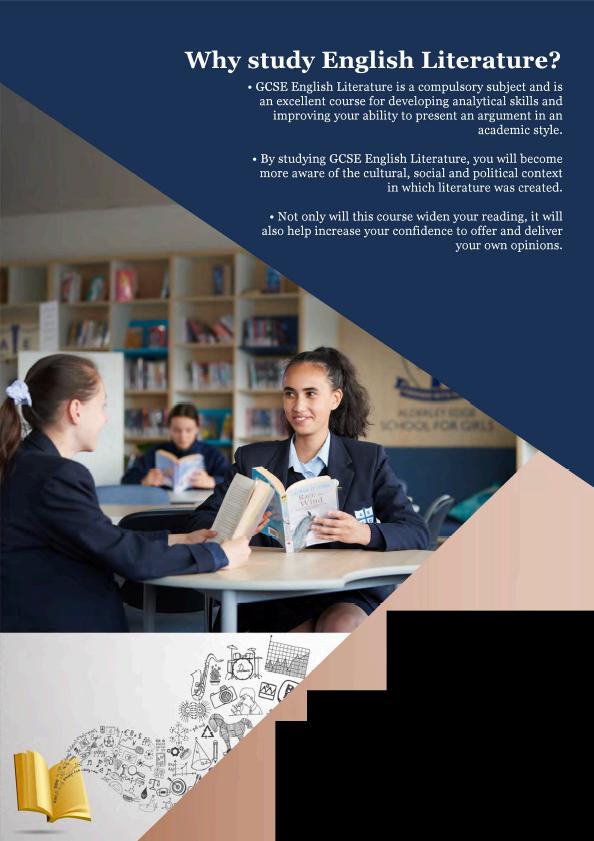
GCSE English Literature is a compulsory subject and is an excellent course of developing analytical skills and improving your ability to present an argument in an academic style.
By studying GCSE English Literature, you will become more aware of the cultural, social and political context in which literature is created.
Not only will this course widen your reading, it will also help increase your confidence to offer and deliver your own opinions
Where will this lead?
The study of English Literature will equip you with invaluable and transferable skills for life If you choose to continue to study English Literature at A Level, you will delve deeper into the study of human nature, how we think, how we act, what motivates us as individuals and the importance, and difficulties, of our relationships with others
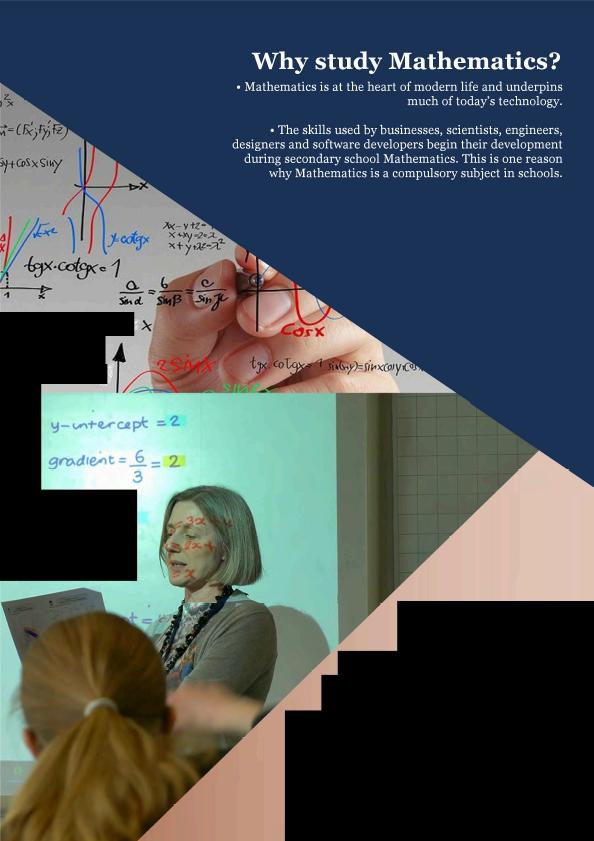
All pupils at AESG are entered for GCSE Mathematics at the end of Year 11. Grades are awarded following three examination papers at the end of the course, one of which is a non-calculator paper. The examination board we use is Edexcel
There are two tiers of entry at GCSE Mathematics: Higher and Foundation At Foundation Tier, the maximum grade that can be obtained is grade 5 (equivalent to a high grade C under the previous assessment scheme) Around 45% of the national population are entered at this entry tier. This entry route is recommended by the examination board for all candidates whose realistic target in the subject is below grade 6.
Higher Tier is targeted at pupils aiming for grades 6-9, although grades 4 or 5 are available The content is both broader and significantly more difficult than that of Foundation Tier The examination board state that 50% of the assessment is aimed at grades 7-9 (previously grades A and A*).
The course is assessed by final assessment only This takes the form of three 6o-minute papers at either Foundation or Higher Tier, which carry equal weight. One paper is non-calculator. Any topic may be assessed on any paper. Each paper is marked out of 80; the final grade is awarded from the overall score out of 240.
Set A pupils are given the opportunity to participate in national challenges run by the UK Mathematical Trust and by Liverpool University Small groups of pupils have also been entered into Team Challenges and we have run visits to Manchester University for events around Women in Mathematics and Taking Maths Further.
AESG offers an additional, optional course of Level 2 Further Mathematics It is taught through weekly after-school lessons and offers additional challenge (and an extra qualification) for pupils who have an interest in pursuing mathematics to a higher level Pupils may consider this course but should be aware that a significant commitment to individual study and work is required.
Where will this lead?
A 'good pass ' at GCSE Mathematics is a prerequisite for many careers and further study courses. This is usually at least a grade 4, although some institutions or courses which require a greater use of Mathematics may set higher requirements. Mathematics can lead to many job opportunities, including Engineering, Accountancy, Medicine, Economics and Computing.
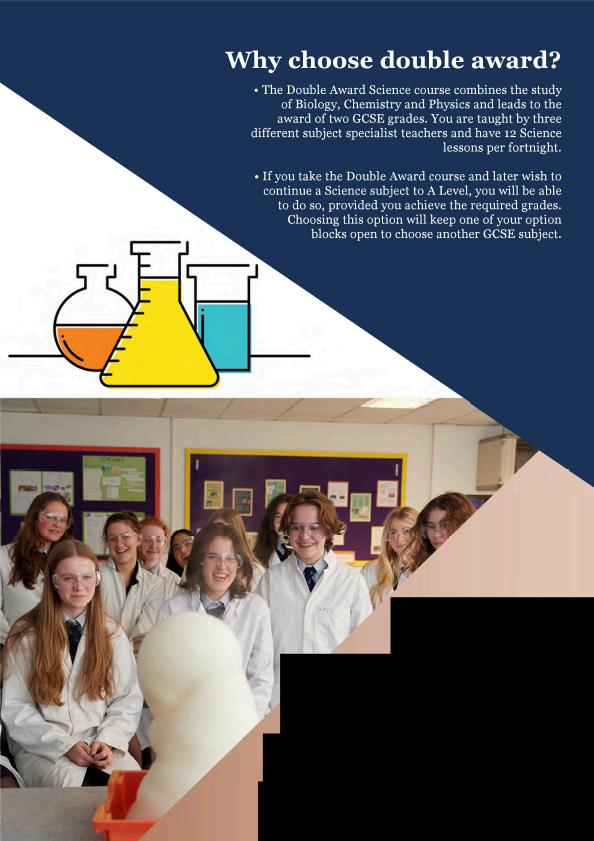
In your Biology lessons you will learn about organ systems in the human body, including the nervous system and the digestive system. The specification also includes topics on the environment, inheritance and photosynthesis. There are opportunities to learn about relatively new techniques and technologies, such as genetic engineering and the therapeutic use of stem cells
In your Chemistry lessons you will learn why chemical reactions occur The specification includes topics on combustion, extraction of metals and neutralisation Factors such as how to alter the rate of a reaction and how to analyse substances are also covered. You will also find out how chemists strive to minimise the use of limited resources and energy consumption in the manufacture of useful products and how chemists develop ways of disposing products at the end of their useful life in ways that ensure that materials are used sustainably
In your Physics lessons you will learn about forces, energy resources (including the use of fossil fuels and global warming as critical problems for this century), waves (including modern technologies such as imaging and communication systems), electricity, magnets, the particle model of matter and finally radioactivity and nuclear physics
The course is divided into Biology, Chemistry and Physics topics that will be assessed via six examinations taken at the end of Year 11, two for each science
Each examination is 1 hour 15 minutes long. Questions testing experimental and investigative skills are also included in each examination Each paper is worth 16 67% of your GCSE grade and there are no controlled assessments
We offer to take the Year 11 students to the GCSE Science Live! Talks in Manchester
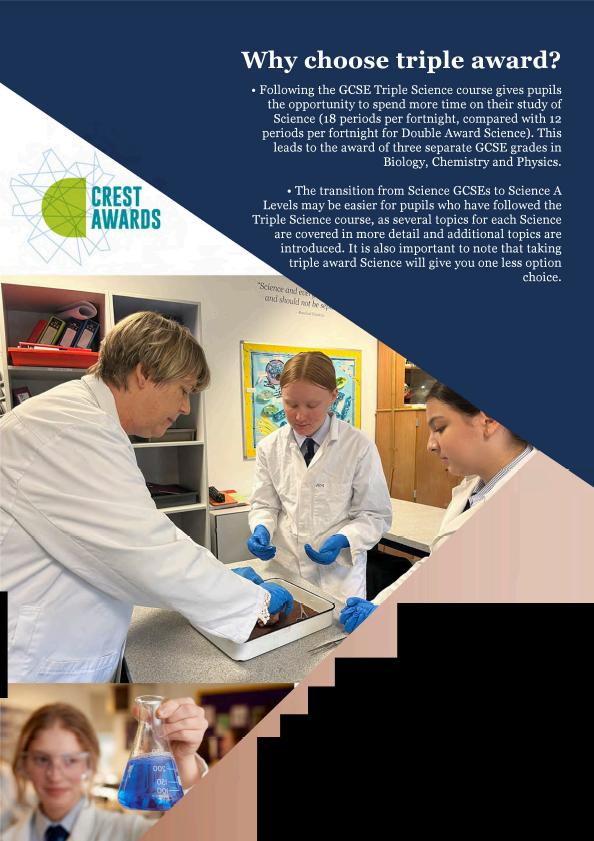
We enter students for the nationally recognised CREST awards which is the British Science Association's scheme for STEM project work that inspires young people to think and behave like scientists and engineers
We will also be submitting students for the three science Olympiads which are put on by the relevant societies.
Where will this lead?
The extra time students have to study the triple award means that they get to cover more topics and go deeper into the topics that are covered In order to succeed you will need to have already demonstrated an aptitude for Science You are expected to have strong analytical and evaluation skills as well as the ability to apply your knowledge to unfamiliar problems It is a fantastic course for those with a real interest in science
Biology- the specification covers all of the Double Award Biology GCSE topics, plus some further topics including the structure of DNA, cloning methods in plants and animals, evolution and a study of ecosystems
Chemistry - the specification covers all the topics studied in the Chemistry sections of the Double Award Science GCSE plus further topics including the properties of transition metals, chemical cells and fuel cells, synthetic and naturally occurring polymers and additional quantitative chemistry.
Physics - the specification covers all the Double Award Science GCSE topics plus further topics including moments, pressure, lenses, static electricity and space physics
The course is divided into Biology, Chemistry and Physics topics that will be assessed via six examinations taken at the end of Year 11, two for each science
Each Science GCSE covers a range of topics that are examined in two written papers at the end of Year 11. Questions testing experimental and investigative skills are also included in each examination Each examination is 1 hour 45 minutes long This means that you will have a total of six Science examinations at the end of Year 11 There are no controlled assessments.
We offer to take the Year 11 students to the GCSE Science Live! Talks in Manchester
We enter students for the nationally recognised CREST awards which is the British Science Association's scheme for STEM project work that inspires young people to think and behave like scientists and engineers
We will also be submitting students for the three science Olympiads which are put on by the relevant societies
Where will this lead?
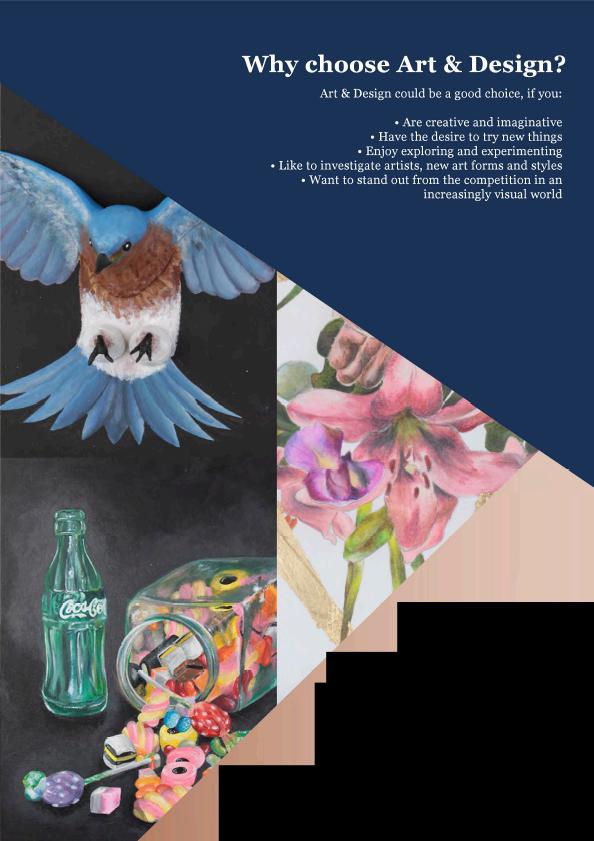
Through the study of Art, girls will learn to think, learn, question, explore and experiment with ideas, materials and processes. They will be comfortable in taking risks and learn to understand that mistakes and failures are an essential part of the creative journey and be encouraged to recognise that the journey (creative process) is more important than the destination They will be introduced to contemporary, historical and cultural art forms Artists: Make, Play, Care, Talk, Shape and Share!
For GCSE Art & Design we offer the Fine Art endorsement in which you will explore techniques such as: drawing and painting, collage, mixed-media, multi-media textiles, printmaking and photography. You will have the opportunity to explore traditional and digital media and to produce individual innovative outcomes
There are two components Component 1, the 'Portfolio', which counts for 60% of the GCSE grade and, Component 2, the 'Externally set assignment' which is worth the remaining 40%. Both components are practical. Your 'Portfolio' will contain a selection of work from the introductory project and workshops and a sustained investigation which will show the creative journey from the initial idea through to creating a final outcome You will start work on preparation for the 'Externally set assignment' in January of Year 11 where you will be given a choice of seven starting points after a preparatory period of approximately eight weeks. You will then complete a final outcome during ten hours of supervised, unaided work
Enrichment opportunities include workshops and careers talks from visiting artists and regular art clinics which will enable you to use our excellent facilities such as the photography studio and bright art area to continue to work on your portfolio During the course you will also have the opportunity to attend the Conway residential study weekend
Where will this lead?
The Business specification is structured into two themes, taking students from how entrepreneurs start businesses (Theme 1) through to growing and global businesses (Theme 2)
Theme 1 concentrates on the key business concepts, issues and skills involved in starting and running a small business You will approach topics through the eyes of an entrepreneur who is setting up a business
Theme 2 examines how a business develops beyond the start-up phase. It focuses on the key business concepts, issues and decisions used to grow a business There is particular emphasis on aspects of marketing, operations, finance and human resources
You will already be familiar with many of the concepts and ideas we discuss and should find it easier to add more depth to your understanding and analysis We also use a mixture of qualitative and quantitative data so, whether you prefer essay based or numerical subjects, there is something which links to your personal strengths
There are two written examinations which are taken at the end of Year 11, each are 1 hour and 45 minutes long
Paper 1 - Investigating Small Business
Paper 2 - Building a Business
The papers are divided into three sections, consisting of calculations, multiple choice, short answer and extended writing questions Questions in section B and C are based on business contexts given in the paper
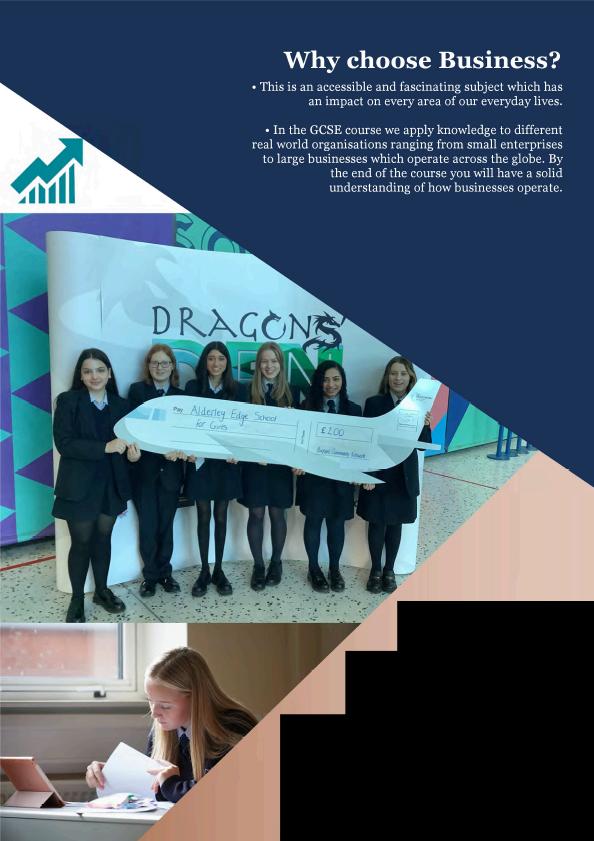
Take Part in the 10X Challenge – Turn £10 into a Business!
This exciting four week programme gives pupils the chance to start and grow their own company with just a £10 loan You will work in a team to develop an idea, create a product or service, promote it and manage the money It is a great opportunity to be creative, learn real business skills and see how far you can grow your ten pounds. At the end pupils decide what to do with their profits, whether that is supporting a charity, saving for future entrepreneurial ventures or treating themselves at the Trafford Centre It is fun, practical and a brilliant way to experience what running a business is really like.
Where will this lead?
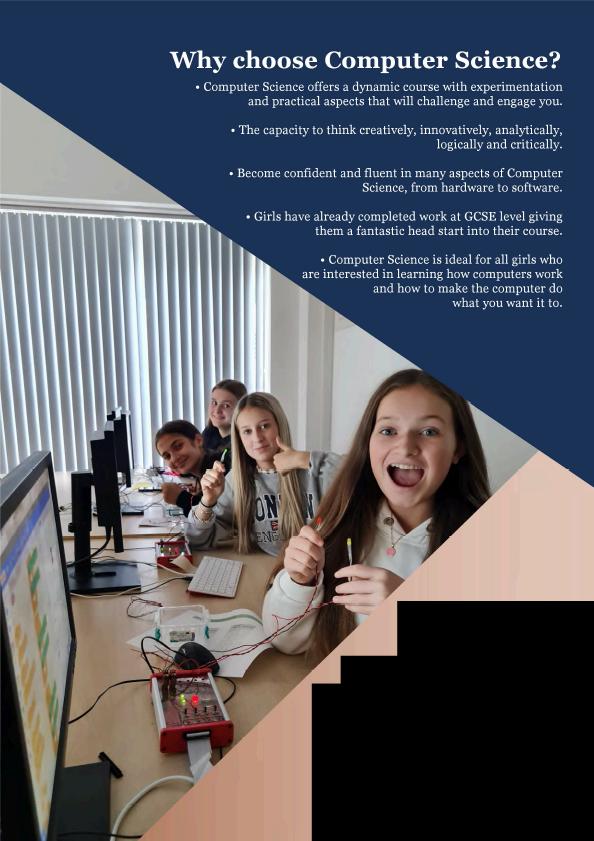
Computer Science will help you to develop your understanding of current and emerging computing and algorithmic technologies and understand how they work.
The course is best suited to pupils who have a keen interest in computational thinking and problem solving Pupils with perseverance and tenacity tend to be the most successful. Programming is taught as a practical subject using Python. Pupils are given the opportunity to work at their own pace, completing challenges which extend their skills
Computer Systems (weighing 50%)
Computational Thinking, Algorithms and Programming (weighing 50%)
Robotics Team mentoring and coaching
With three different robotics teams providing a variety of engineering and programming challenges, you will have the opportunity to share your experiences with the younger students. This is a fantastic opportunity for you to give back and a great experience for your future CV Not to mention the coach T-shirt!
Trips
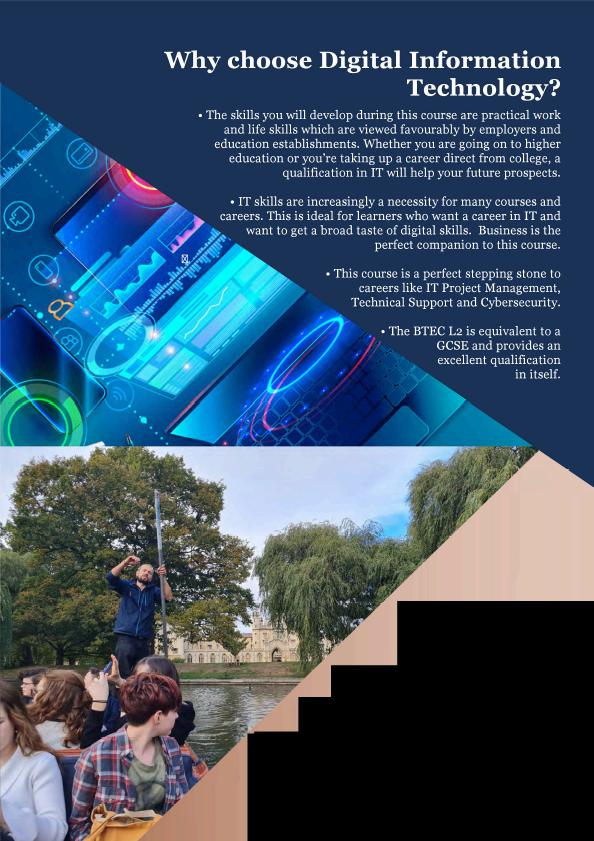
This year we have a two-night residential visit to Bletchley Park and Cambridge to learn more about STEM careers for women, computing history and have some hands-on programming We will be arranging another trip for next year
Over the coming years the department will be looking to visit local tech businesses to gain an insight into the careers that Computer Science could lead you to
Where will this lead?
This qualification allows pupils to develop useful key skills for working in the information technology sector, through a mixture of investigation and project work. Students learn about the processes that underpin effective ways of working, including common planning techniques, iterative design processes, teamwork and cybersecurity, as well as legal and ethical codes of conduct Pupils will also consider how user interfaces meet user needs, how organisations collect and use data to make decisions and virtual ways of working
Unit 1: User Interface Design - Internal assessment (30%)
Unit 2: Collecting, Presenting and Interpreting Data - Internal assessment (30%)
Unit 3: Effective Digital Working Practices - Examination - 1 hour 30 mins (40%)
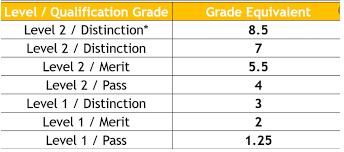
This course is a BTEC and it is graded on a different system to a GCSE course however it is equivalent to one GCSE Please see the table below for details of how these grades compare to 1-9 GCSE grading.
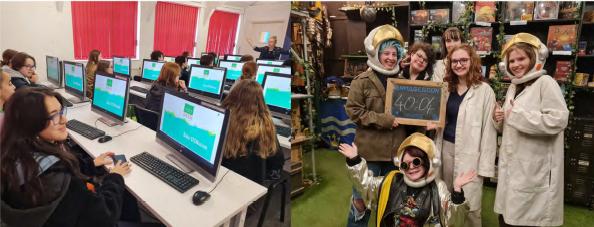
This year we have a two-night residential visit to Bletchley Park and Cambridge to learn more about STEM careers for women and computing history We will be planning a residential trip again next year
Where will this lead?
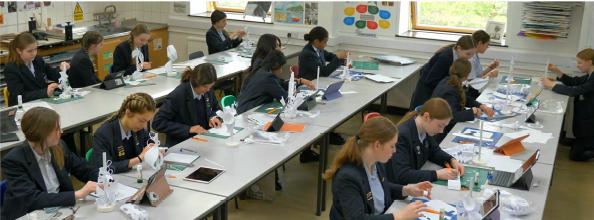
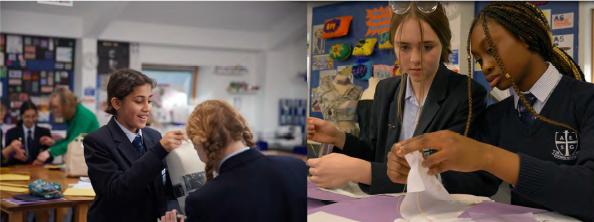
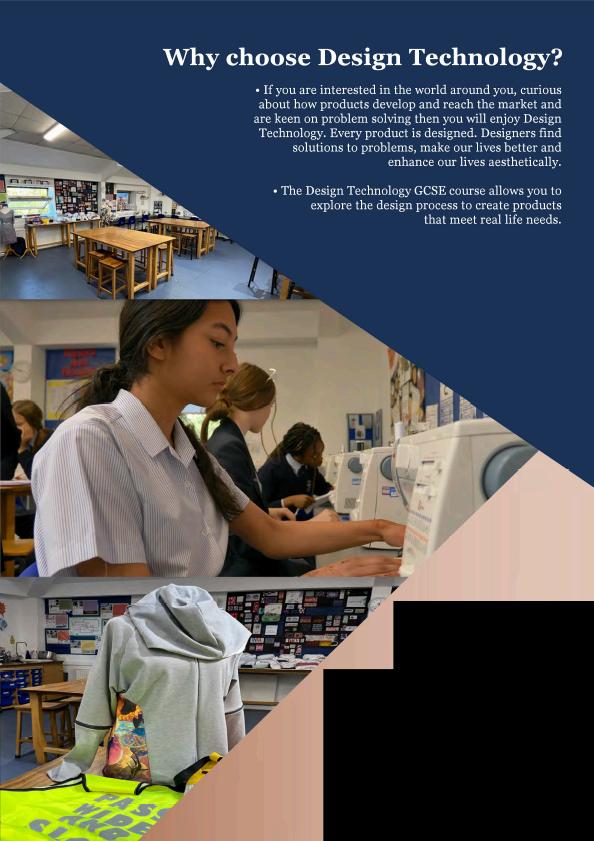
In Year 10, pupils will be taught all the key skills We will build on the knowledge you have already gained from lower school projects and you will become familiar with woods, metals, plastics, papers and boards as well as our specialist area of textiles. Pupils will use this knowledge to develop product design ideas and solutions and you will make prototypes using our Laser Cutter, 3D printer and sewing machines
In Year 11, the examination board will release a 'context' upon which you will base your controlled assessment project. You will develop your own design brief and work through the design process to create your final product Your project will have a textile focus but can also incorporate any of the other material areas as part of your final product Your controlled assessment will be worth 50% of your final mark
50% Examination
The examination will make up 50% of the final GCSE This brings together core knowledge of all material areas and indepth knowledge of Textiles A minimum of 15% of the paper will assess your mathematical and science skills as applied within a design and technology context.
50% Coursework
The coursework is a controlled assessment project which is the final 50% of the GCSE mark. The examination board issue three contexts at the end of Year 10, bringing together problem solving and research skill to produce a final prototype of the final design
Design and Technology Club
Fashion Competition such as Wool4schools Gallery & Exhibition Visit
Where will this lead?
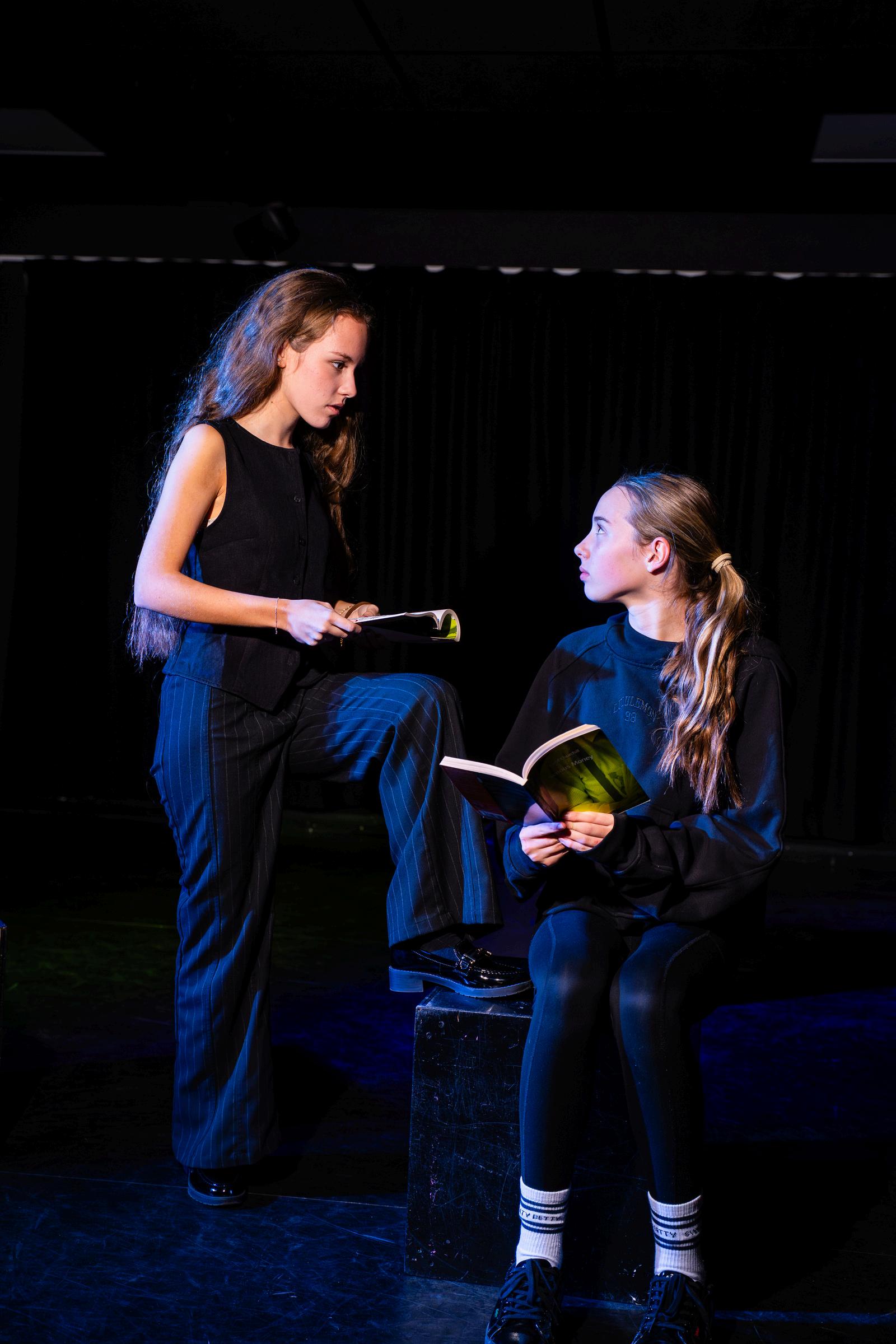
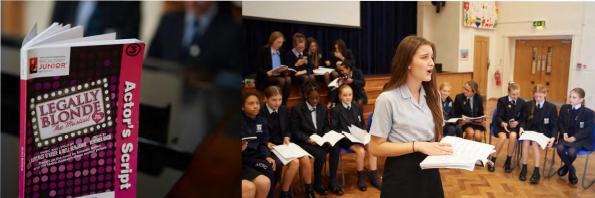
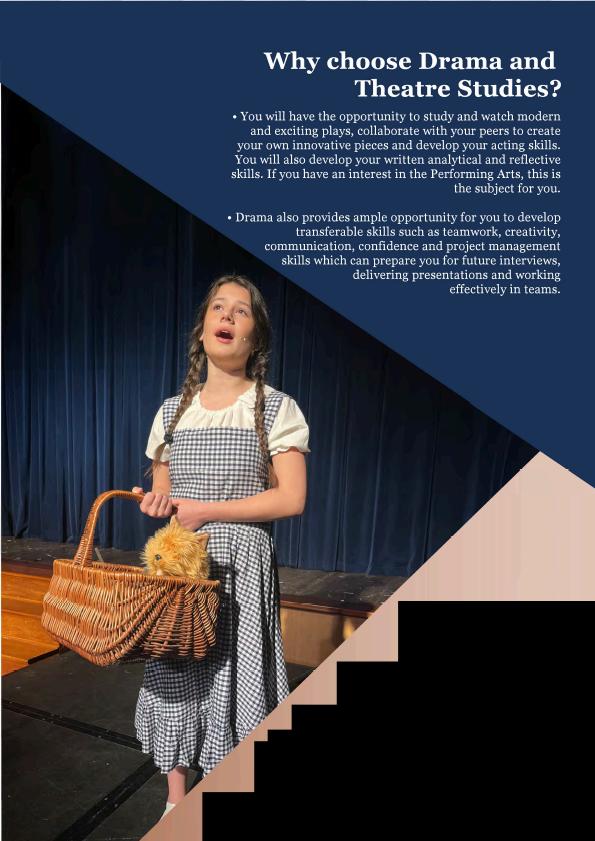
The Drama GCSE is an exciting mix of practical exploration, performance and theory work Pupils study a set text which they explore practically in class as actors, directors and designers This prepares them to write about the text in the written examination. As part of the course the pupils will go to watch live theatre and learn how to critically analyse and evaluate what they have seen. They will also work in a group to create a devised performance piece, an accompanying portfolio and perform two scripted pieces to an examiner and audience towards the end of the course
Component 1: Devising (40% of GCSE)
Creating an original group piece: 10% along with Accompanying portfolio: 30%
Component 2: Performance from Text (20% of GCSE)
Scripted monologue, duologue or group piece performed to an audience and an external examiner.
Component 3: Theatre Makers in Practice (40% of GCSE)
1 hour 45 mins written examination taken at the end of the two year course
Drama Club
Dance Club
School Production
ISA Competitions
LAMDA
Theatre visits
Where will this lead?
GCSE Drama prepares pupils well for the A Level Drama and Theatre Studies course
Studying Drama can prepare you for a variety of courses and careers including; Actor, Director, Stage Manager, Arts Administrator, Drama Teacher, Television Producer, Radio Presenter, Youth and Community Worker, Personnel Manager, Social Worker, Lawyer and Journalist.
The skills you will gain in studying Drama will also help you to present yourself well in an interview and build team working and problem solving skills, preparing you for any potential career choice
Food preparation skills working with five main commodity categories:
• Food, nutrition and health
• Food science
• Food safety
• Food choice
• Food provenance Assessment
EXAM: Paper 1: Food preparation and nutrition (50%)
• Written examination: 1 hour 45 minutes
• 100 marks
• 50% of GCSE
NON EXAM ASSESSMENT: (NEA)
Task 1: Food investigation (15%)
Students' understanding of the working characteristics, functional and chemical properties of ingredients Practical investigations are a compulsory element of this NEA task.
Task 2: Food preparation assessment (35%)
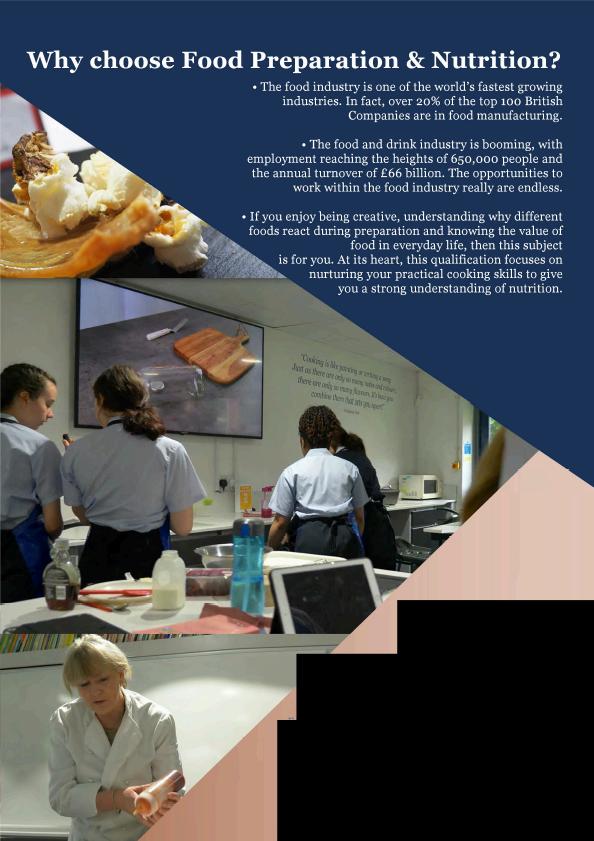
Students will prepare, cook and present a final menu of three dishes within three hours, planning in advance how this will be achieved
Masterclasses are offered working with commodities that are not usually used in lessons. There are competitions that pupils can enter if they are interested
If there are Food related shows or exhibitions which will benefit the pupils, outings will be arranged


Where will this lead?
Some examples of careers in food are: Food Scientist, Dietician/Nutritionist, Food sales and promotion, Product Development, Consumer Technologist (Sensory Analysis and Product Tasting), Chef/Baker/Caterer, Food Journalist/Food Critic, Environmental Health Officer, Health & Safety Inspector, Food Service Management, Delicatessen/ Restaurateur, Food Wholesaler, Production & Manufacturing, Quality Assurance/Standardisation, Purchaser (buys and sells food from around the world), Packaging Technologist and Teacher
The GCSE course for French covers the following topics:
Theme 1: Identity and Culture
Theme 2: Local, national, international and global areas of interest
Theme 3: Current and future study and employment
Paper 1 Listening - 45 minutes, (25%)
Paper 2 Speaking - 10-12 minutes, (25%)
Paper 3 Reading - One hour, (25%)
Paper 4 Writing - One hour 15 minutes, (25%)
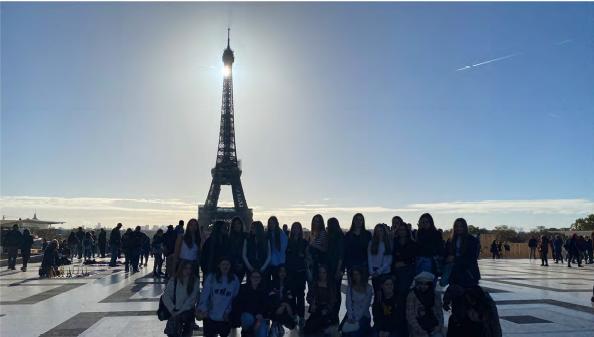
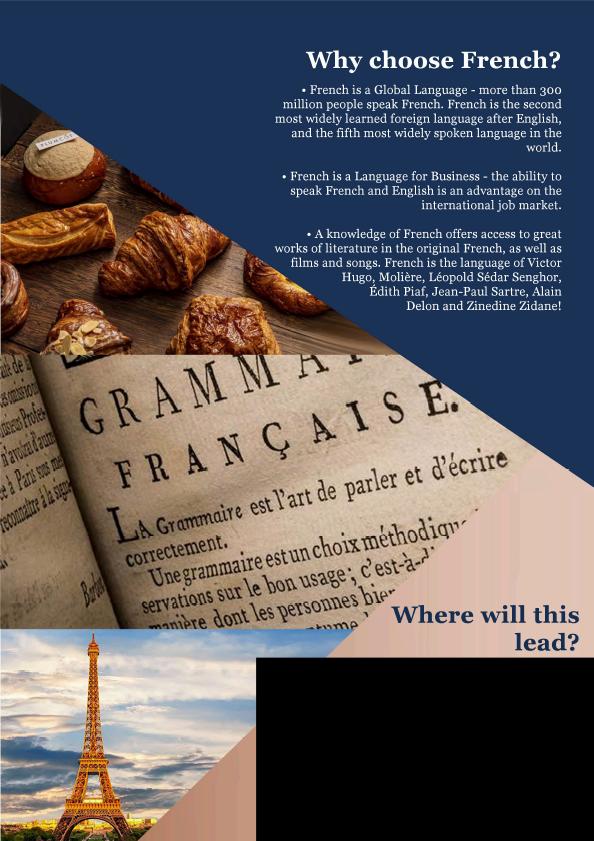
A trip to Paris every two years is provided as an option to all French pupils from KS3 to KS5. Staff and pupils travel by train and Eurostar and stay in a hotel in the northern part of Paris near Porte de Montmartre on a half board basis. During the trip, students visit the Eiffel Tower and the Montparnasse Tower and spend a day in Euro Disney. There is also the opportunity to have a boat trip on the river Seine and do a lot of sightseeing and shopping
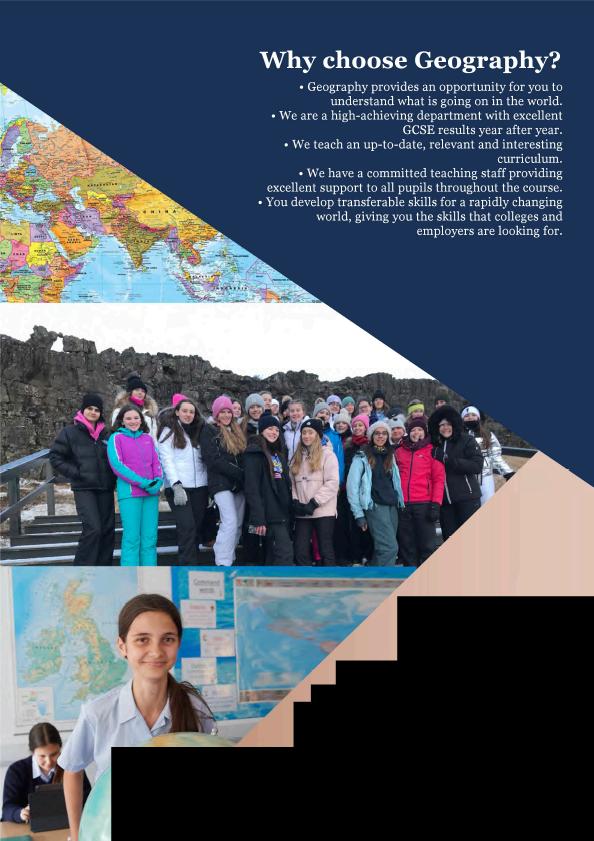
The AQA course we offer is hands on, it is relevant and it is fun The course will give you a chance to get to grips with some of the big questions that affect our world and understand the social, economic and physical forces and processes which change and shape our world Pupils will need to undertake two days of fieldwork and this will include aspects of both physical and human geography There will be a compulsory overnight residential trip to Cranedale in North Yorkshire in Year 11 (usually towards the end of September but this is subject to availability and approval: approximate cost is £235 per pupil)
Students will be assessed on the above content by three examination papers, all sat at the end of Year 11:
Paper One: Living with the physical environment (worth 35% of GCSE)
Paper Two: Challenges in the human environment (worth 35% of GCSE)
Paper Three: Geographical applications (worth 30% of GCSE)
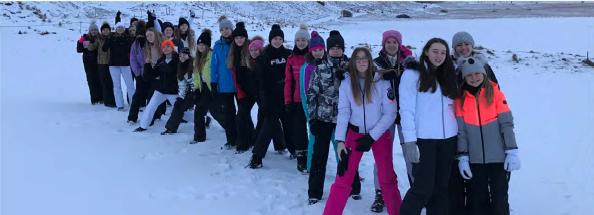
The Geography department organises a biennial exciting overseas trip, offering pupils a unique opportunity to experience geography beyond the classroom In the past, we have visited Iceland, exploring its volcanoes, glaciers, and waterfalls For our 2026 trip, we are planning to visit the stunning Amalfi Coast in Italy, where pupils will study coastal landscapes, volcanic activity, and the Mediterranean environment, while immersing themselves in the rich culture of the region.
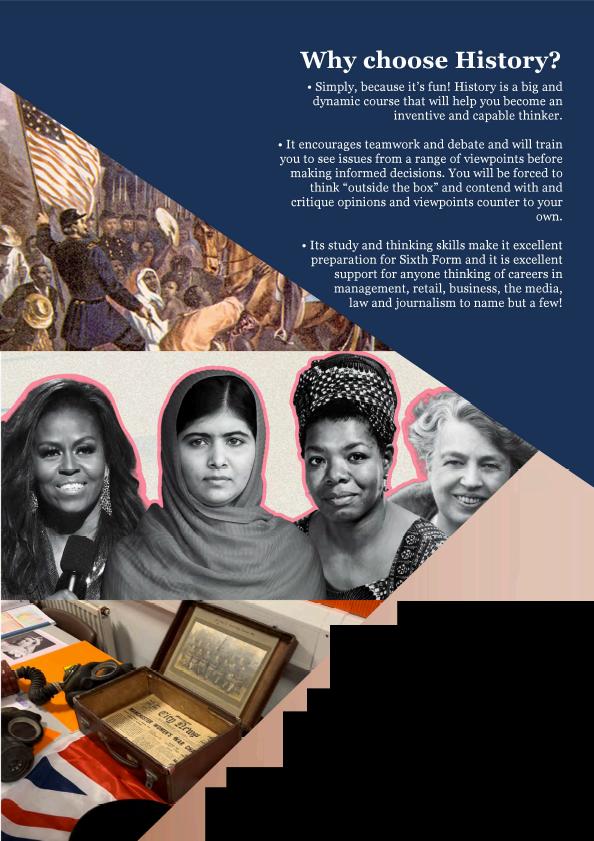
History is amazing - it's the story of people and their lives! It also helps us understand the world that we live in today This course enables you to study the most interesting parts of British, European and World History.
Diversity is assured and it offers something for everyone It is the history of all, for all! Topics covered include how American Society changed during the 20th Century, looking in detail at the changing role of women, the growth of the entertainment industry (Hollywood) and American attitudes towards racism, immigration and organised crime (Al Capone)
Students taking GCSE History will sit two examinations at the end of Year 11. Each examination will last 2 hours and will be worth 50% of the GCSE
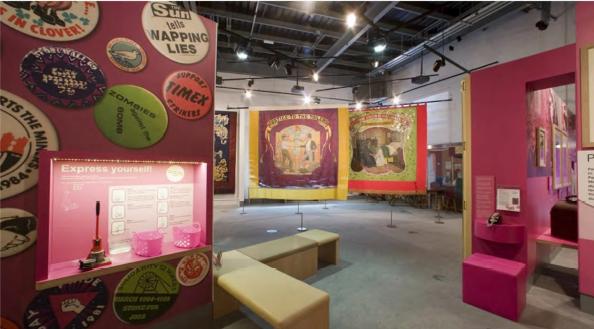
Enrichment Opportunities include visits to national sites relevant to the Elizabethan Age and the People's History Museum in Manchester. The department has also visited the United States (Washington DC and New York City) subject to appropriate demand
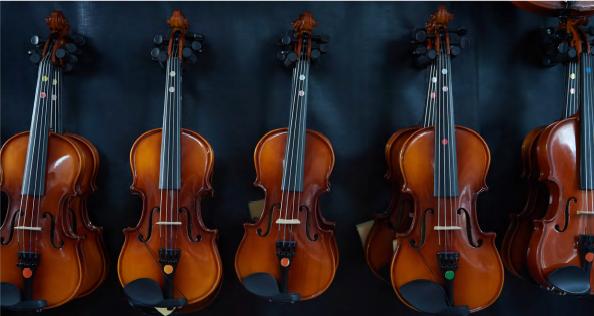
GCSE Music gives you the opportunity to develop your knowledge, understanding and skills of music building on what was learned at KS3 It gives you the skills to understand why music has different effects on you at different times, not only teaching you why you like certain styles of music but also why you don't like some pieces
Technology is key to all of this and you will develop skills on different musical platforms which help to increase your confidence
There are three components. Unit 1 is Performing - one solo and one ensemble, which accounts for 30% of the GCSE grade Unit 2 is Composing music - one free composition and one set brief which is released to students on 1 September in Year 11. This unit is worth 30% of the GCSE grade. Units 1 & 2 are coursework components, internally assessed and externally moderated Unit 3 is a listening and appraising examination (1 hour 45 mins), which accounts for 40% of the GCSE grade, including questions on the eight set texts and unfamiliar listening
Enrichment opportunities include performing in school and the local community, RNCM & Guildhall School of Music workshops, ISA and BBC competitions for composing, composing music for specific events within school, directing others in performance of compositions and the opportunity to perform in Cathedrals throughout Europe, such as Rome and Salzburg.
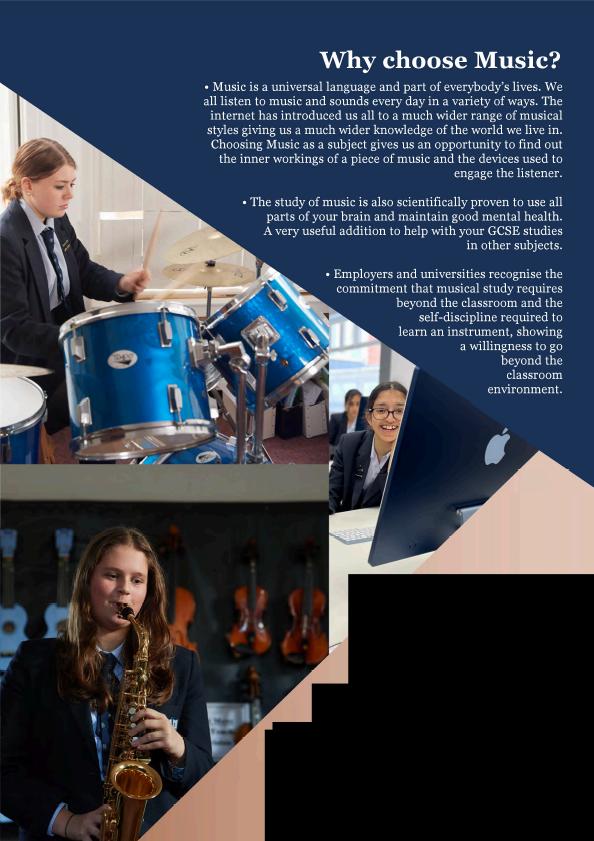
It provides an opportunity to progress to further musical study at A Level and will support study of performing arts on BTEC courses You may use the skills learned on the course to compose and perform your own music in the future, either for your personal, or a more public, platform. These are skills that will stay with you for life!
The course is extremely diverse; it allows you to explore and enhance your own sporting ability, but also bridges the academic divide between the Arts and Sciences We will be addressing current contemporary issues in sport, the psychology of sport and the impact of exercise on the human body. We are seeking students who are committed to performing or appreciating sport at a high level and are keen to use the theory of sport to develop their performance
Examination: (60% of overall result in the form of 2 written papers)
Paper 1: (1 hour 30 minutes) Applied anatomy and physiology, movement analysis, physical training and the use of data.
Paper 2: (1 hour 15 minutes) Health, fitness and well-being, sport psychology, socio-cultural influences and the use of data.
Coursework: (10% of overall result) Planning, carrying out and monitoring a personal exercise programme
Practical: (30% of overall result) Completion of 3 physical activities (minimum 1 team activity and 1 individual activity).
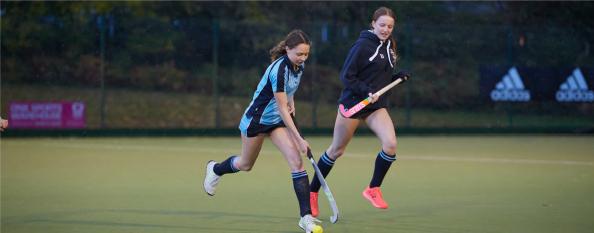
A vast array of clubs are available to you from hockey club to rock climbing; there is something for everyone! Additional opportunities, include:
Sports Tours
Strength and Conditioning
PE Clinic
Sports coaching opportunities
Sports Psychology workshops
A Ski Trip in December
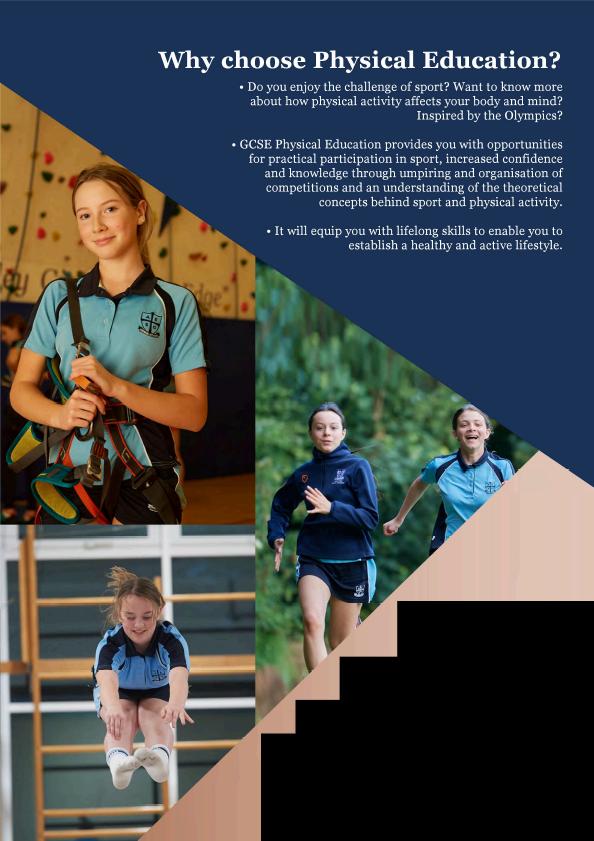
Physical education lends itself to a range of careers in sports and fitness as well as other industries that you may not have considered before For example, did you know that many nutritionists, physical therapists and chiropractors have a degree in PE?
Some careers that you could consider doing with PE include: Sports Science, PE Teacher, Physiotherapist, Professional Sportsperson, Sports Coach/Consultant, Diet and Fitness Instructor, Personal Trainer, Sports Psychologist
GCSE RS one of the most versatile GCSE’s you can undertake. It is relevant to all future careers and walks of life as it requires students to be well informed and aware of the world around them We follow the AQA RS Specification as it allows us to cover religion, philosophy and ethics
You will study a range of 'themes' such as: Relationships and families - what is human sexuality, gender equality, role and nature of marriage, changing nature of the family
·Religion and life - abortion, euthanasia, science versus religion, animal rights. Religion, crime and punishment - death penalty, prison, forgiveness, justice Religion, human rights and social justice - prejudice, religious freedoms, role of women and the responsibility of wealth
Plus an in-depth study of the beliefs and practices of Christianity and Sikhism.
There will be two examinations for this subject Each examination will be 1 hour 45 mins There will not be any coursework
Paper 1: The study of religions, beliefs, teachings and practices: Christianity & Sikhism
Written Exam: 1 hour and 45 Minutes, 50% of GCSE
Each religion has two sections (Beliefs and Teachings and Practices)
Each section includes a 1, 2, 4, 5 and 12 Mark question
Paper 2: Thematic Studies
Theme A: Relationships and Families
Theme B: Religion and Life
Theme E: Religion Crime and Punishment
Theme F: Religion, Human Rights and Social Justice
Written Exam: 1 hour and 45 Minutes, 50% of GCSE
Each theme includes a 1, 2, 4, 5 and 12 Mark question
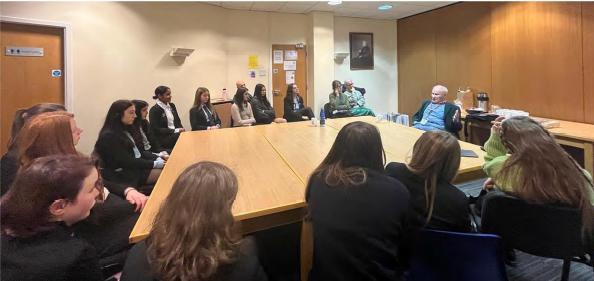
Enrichment Opportunities In the past we have benefitted from discussions with speakers of different faiths including
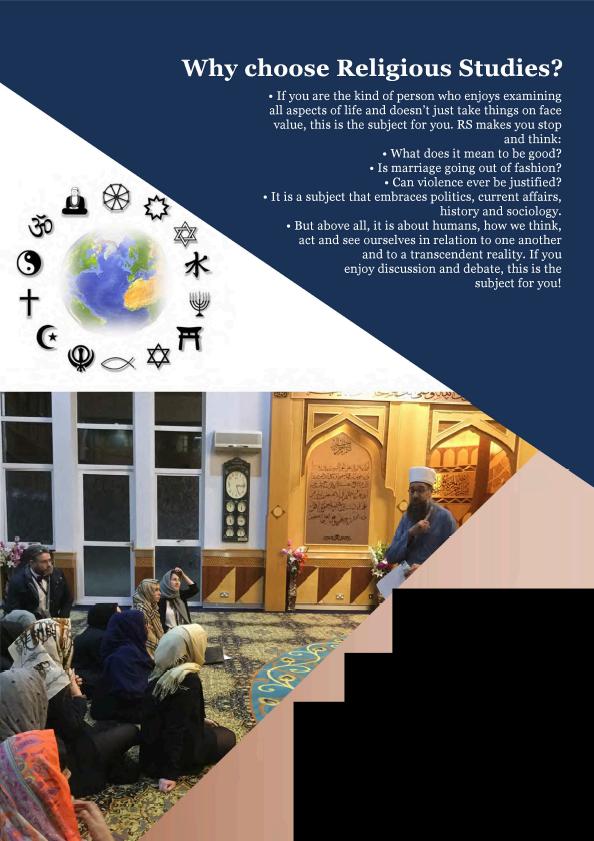
If you are the kind of person who enjoys examining all aspect of life and you don’t take things at face value, this is the subject for you RS makes you stop and think: what does it mean to be good? Can violence ever be justified? Are some lives worth more than others? Does wealth come with a responsibility?
This subject embraces politics, philosophy, current affairs, history and sociology But above all, it is about humans It is about how we think, act and see ourselves in relation to one another and to a transcendent reality If you enjoy discussion and debate, this is the subject for you!
“It is really interesting to hear about other people’s points of view and I love that there are not answers to everything!” (Year 10 student)
“I just think it so fun to learn!” (Year 10 student)
RS is one of the most versatile GCSE’s you could undertake While being perfectly suited to wider study at A Level and university in the fields of Law, Politics, Economics, History, Sociology, Psychology, Anthropology, Business and/or Management Degrees as well as the study of Theology, Classics, Criminology RS contains the logic and reason that can be applied to many pathways and opens a lot of doors for potential careers. RS can lead in to virtually any career, the logical thinking and reasoning you use is applicable in potential future pathways More specifically it can apply to all roles within the Legal Sector with the possibility of conversion courses as well as roles in Politics, Philosophy and Economics. Other options are Publishing, Public Relations, Ministry, Journalism, Business, Management as well as Fundraising and Non-profit Work It also opens doors to roles in Advertising, the Civil Service and Social work, and that is just to name a few
The GCSE course for Spanish covers the following topics:
Theme 1: Identity and Culture
Theme 2: Local, national, international and global areas of interest
Theme 3: Current and future study and employment
Assessment
Paper 1 Listening - 45 minutes, (25%)
Paper 2 Speaking - 10-12 minutes, (25%)
Paper 3 Reading - One hour, (25%)
Paper 4 Writing - One hour 15 minutes, (25%)
At KS4 and KS5, our pupils get the opportunity to go to visit Spain where they get the opportunity to experience this amazing country and immerse themselves in the Spanish culture We aim to organise cultural visits to maximise exposure to the modern languages pupils study, therefore improving the pupils' language skills whilst having a great time
We are very fortunate to be able to attend Spanish GCSE Study Days led by Carmen Herrero, Head of Spanish at Manchester Metropolitan University and to Spanish film visits in HOME cinema
During these visits, pupils are introduced in Spanish to key vocabulary and contextual information about the film To make this day even more memorable, we take our pupi8ls for a meal to one of the amazing tapas restaurants in Manchester
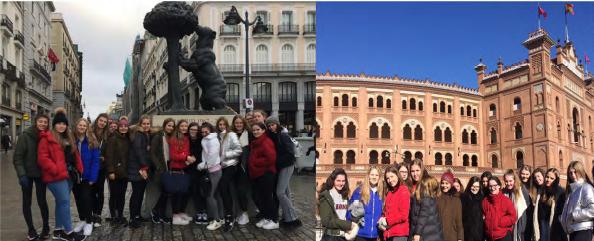
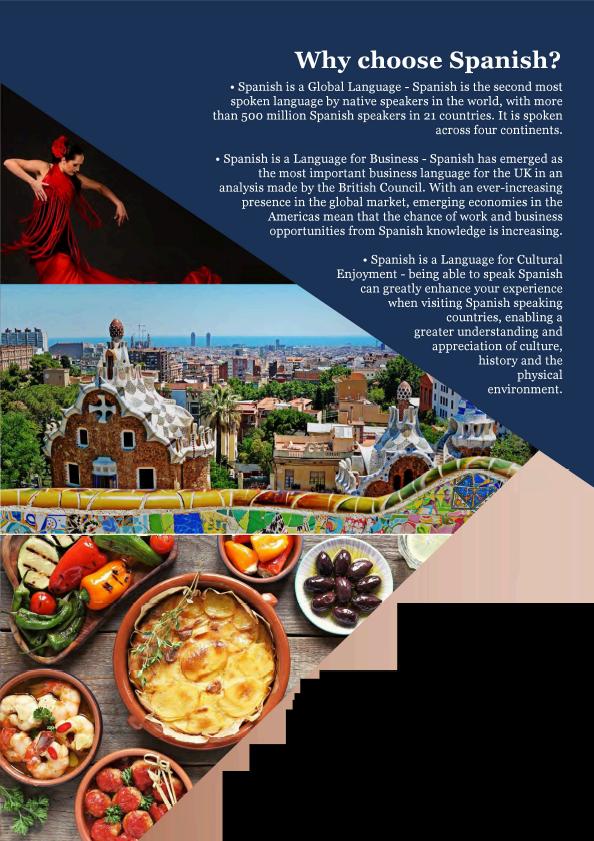
Whatever you want to do in life, knowing more languages will grant you more opportunities. As a scientist, you may want to collaborate with Universities around the world; as a journalist, you might want to interview people in different countries; or as an engineer, you might get the chance to work on a major international Spanish project Whatever job you are applying for, speaking multiple languages could put you ahead of all the other candidates Students who are hoping to go to University will benefit particularly from GCSE Spanish
Alderley Edge School for Girls, Wilmslow Road, Alderley Edge, Cheshire, SK9 7QE T: 01625 583028 | E: admissions@aesg co uk