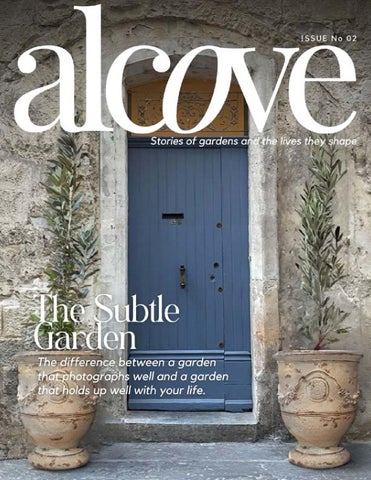
“A gardendoesn’t announce its success . It’s revealed in how we return to it.”
Spring felt like the right moment to pause here — to look closely at the questions that come before a garden is fully lived in.
Most mornings, before the day has fully started, I find myself looking toward the garden—sometimes from the deck during the warmer months, sometimes from the kitchen window in winter. I tend to linger in the same places, noticing where the light lands first, where the ground still holds the cool of the night, where something has shifted without asking for attention.
Lately, I’ve been thinking about how little it takes for a space to change how we live in it. A chair angled slightly toward the sun. A path that curves just enough to slow your steps. A threshold you pass through without realizing it has asked you to pause. These are small decisions, but they shape the way a garden holds up with life over time—how long we stay, whether we gather, whether we feel at ease.
The gardens in this issue are modest in scale: a courtyard, a balcony, a narrow backyard. They don’t rely on abundance. Instead, they reveal how stillness, gathering, and movement can be created through attention rather than expansion. Some of these pages are about noticing what’s already there. Others are about making a single, intentional change—and living with it long enough for it to matter.
Spring doesn’t arrive all at once in my garden. It comes quietly, in moments I almost miss. This issue is an invitation to notice those moments—and to give them a little more room.
CONTRIBUTORS
INGRID LEENE
INGRID LEENE GARDEN DESIGN
A landscape architect attentive to planting, structure, and the way gardens are lived in over time. @ingridleenegardendesign
Dale Goffigon Photographer @goffigon
All essays and reflections in this issue are written by DaShan Nixon, unless otherwise noted.
WIKTOR KLYK
KLYK LANDSCAPING
A landscape architect working with mood, enclosure, and the emotional life of outdoor spaces. @wiktorklyk
AUTHENTIC PROVENCE
A curated collection of garden antiques and architectural pieces shaped by age, use, and place. gardens. @authenticprovence
alcove magazine is a digital publication celebrating small gardens and beautiful outdoor living. Available at www.alcovemagazine.com. All rights reserved. No part of this publication may be reproduced, distributed, or transmitted in any form or by any means without prior written permission from the publisher, except for brief quotations in digital and print reviews.
Some gardens are designed to impress. This one is designed
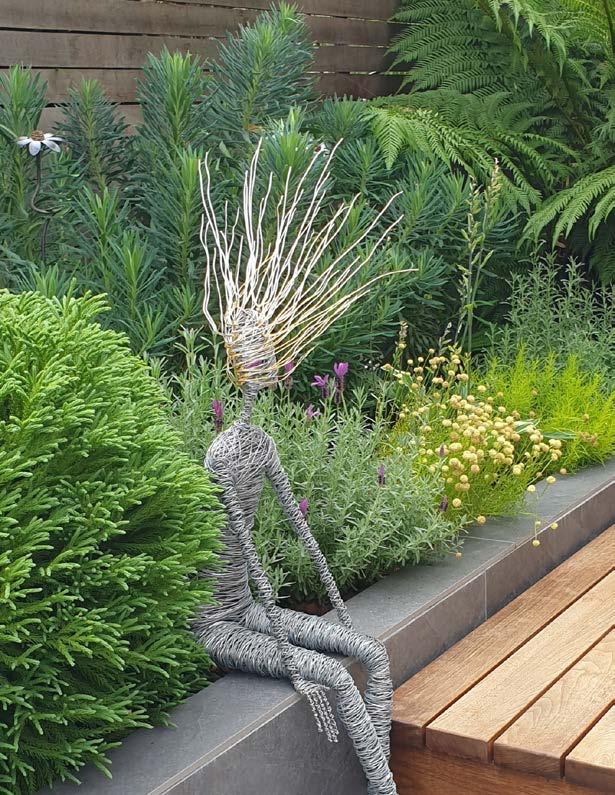
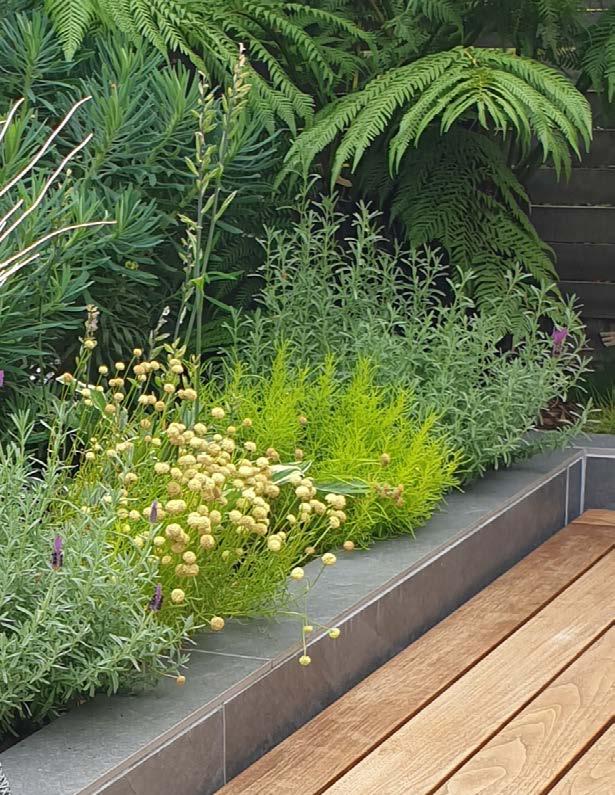
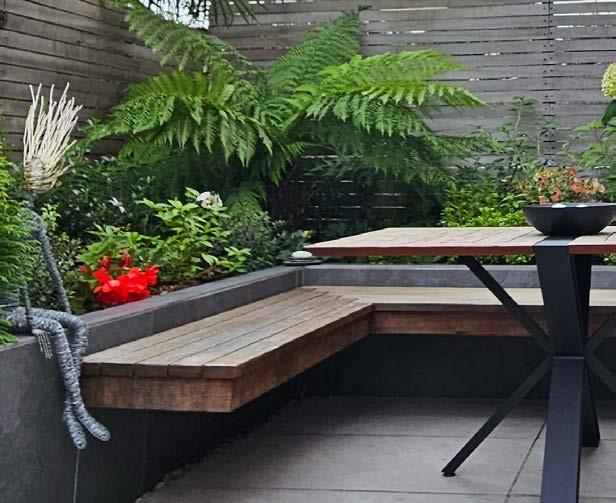
to hold you. In the Henley courtyard, restraint isn’t a limitation — it’s the source of comfort. Clean lines, controlled planting, and carefully chosen materials create a space that feels finished without feeling closed, modern without feeling cold.
It’s a reminder that small gardens don’t need to do more. They need to do enough, clearly.
At just 40 square meters (about 430 square feet), the Henley Garden started as a tight, enclosed space between walls — visible from both the ground floor and upper living areas. It wasn’t a forgotten corner, but it also wasn’t doing much. And that raised a familiar small-garden question: how do you create impact without visual noise?
For designer Ingrid Leene of Ingrid Leene Garden Design, the real challenge wasn’t the size. It was knowing when to stop. From the beginning, her clients were clear about what they wanted: a contemporary courtyard that felt calm, practical, and easy to care for — but still
visually rich throughout the year. This wasn’t meant to be a garden you admired from a distance. It needed to work for everyday life: a place to eat, to sit, to notice how the light moves, and to watch birds come and go.
RATHER THAN TRYING TO MAKE the courtyard feel bigger by adding more, the design focused on definition. One of the earliest — and most important — decisions was removing the lawn altogether.
What replaced it wasn’t emptiness, but structure. Raised planters became the backbone of the garden, allowing planting, seating, and circulation to work together instead of competing for space. A mature wisteria near the gate was kept and celebrated, wrapped with a raised planter that also includes space for fragrant and edible herbs — close enough to the house to grab while cooking, without thinking twice.
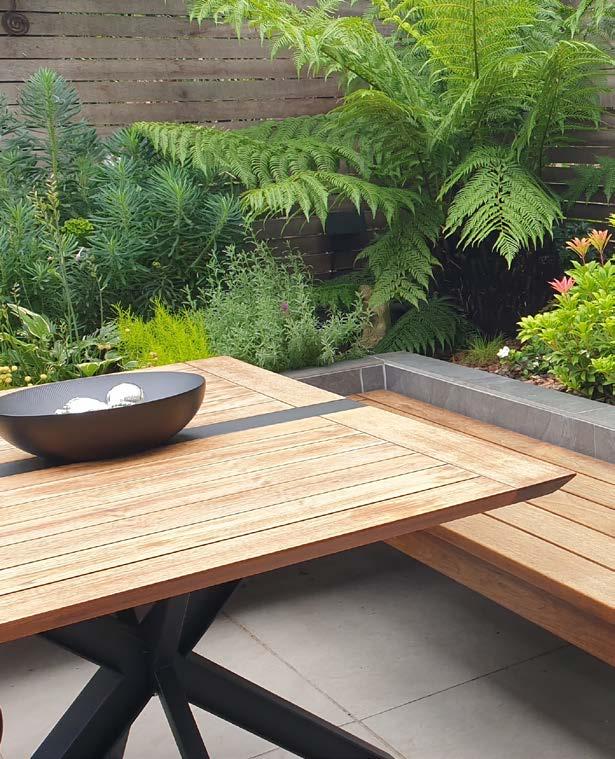
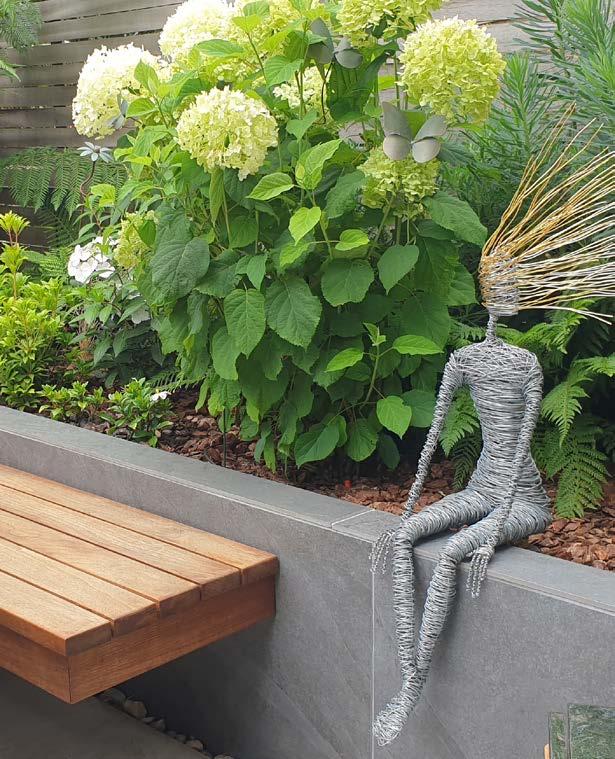
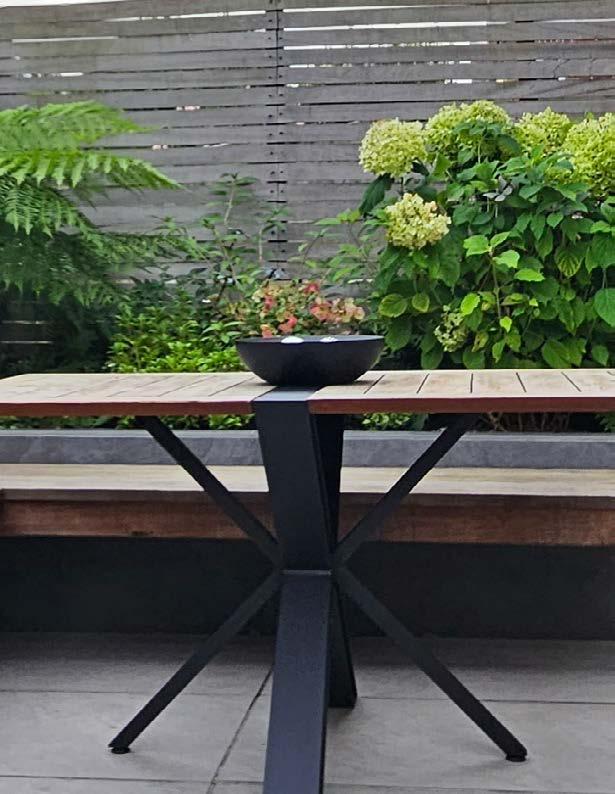
The layout naturally settled into two clear zones. The dining area is framed by a generous L-shaped planter with an integrated walnut bench, further defined by the existing
horizontal fencing behind it. The lounge area feels quieter and more inward, bordered by low planting and a brick wall, and anchored by tall, upright cypress trees (Cupressus sempervirens) that add height, rhythm, and a sense of enclosure.
The garden doesn’t feel split — it feels intentional.
PLANTING HERE WAS NEVER ABOUT filling space. It was about balance.
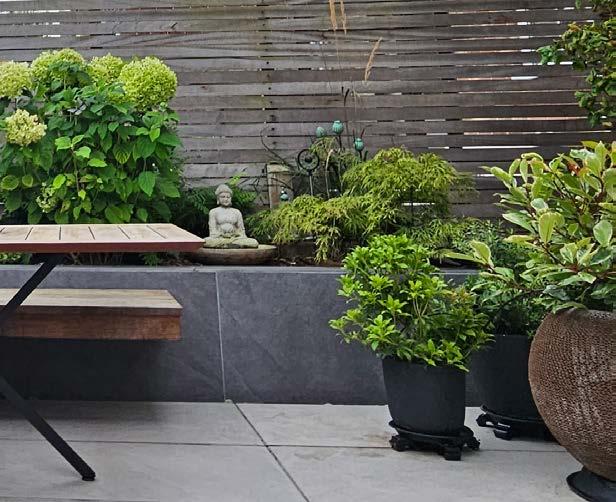
Existing elements — the wisteria and a neighboring palm (Trachycarpus fortunei) borrowed visually from beyond the fence — were treated as part of the composition. New layers were chosen for texture, evergreen structure, and sculptural form: a triplestemmed tree fern (Dicksonia antarctica), evergreen ferns, Cryptomeria japonica, Hydrangea paniculata ‘Limelight,’ and a small Japanese maple.
Flowering plants were kept to a tight whiteand-green palette, letting foliage and form do most of the work. The result feels calm and controlled, but not static.
“ When you’re designing a small space, you have to choose the exact right products and make sure everything has a function — from tiles, to furniture, to accessories.”
Since the garden’s completion in 2021, it has continued to evolve — not through redesign, but through care. The clients have added and edited over time, and that quiet attention shows. The garden feels lived with, not finished.
MATERIALS PLAY A BIG ROLE in how composed the space feels. A large-format rectangular tile — 120 × 60 cm (roughly 48 × 24 inches) — set the proportions for the entire layout. Designing around the tile size meant no awkward cuts, which keeps everything looking
clean and resolved.
The same tile appears in two different orientations to subtly distinguish the dining and lounging areas. A darker version of the tile was used to clad the raised planters, grounding the space visually and allowing the planting to stand forward. As evening comes, integrated lighting beneath benches and along walls adds warmth without drama. Nothing competes. Everything supports the whole.
LOOKING AT THE HENLEY GARDEN
now, it’s a good reminder of what small-space design really asks of us: every element has to earn its place.
From tiles and furniture to bird feeders and artwork, everything here has a role. The color palette is edited. Vertical elements are used deliberately. There’s nothing ornamental without intention.
Some gardens are designed to be admired. Others are designed to be lived with, day after
day.
Henley Garden falls firmly into the second category — a composed, quietly confident courtyard that shows calm doesn’t come from having less, but from choosing well. a
The Conditions to Linger
Agarden is never neutral. It leans on you. Asks you to move a certain way.
Invites you to stay — or quietly suggests you leave. Some spaces keep you standing. Others teach you where to sit.
A single chair feels like a pause. A table feels like permission. Shade slows the body. Exposure sharpens it. I think about this when I remember our old balcony. Four by six feet. Too bright. Too open. Technically outdoors — functionally ignored.
After it changed, we went there without thinking. Evenings stretched. Conversations lingered.
Nothing about us changed — only the conditions.
Plants did that. They softened edges. Lowered the temperature. Made it easier to breathe without being seen.
Now, when I look at a garden, I notice what it allows. Where the body naturally goes. Where it hesitates. Where time seems to loosen its grip.
A space doesn’t announce its success. It’s revealed in habits. In what gets worn smooth. In what’s returned to. In what becomes part of the day without effort.
An Outdoor Room for Stillness
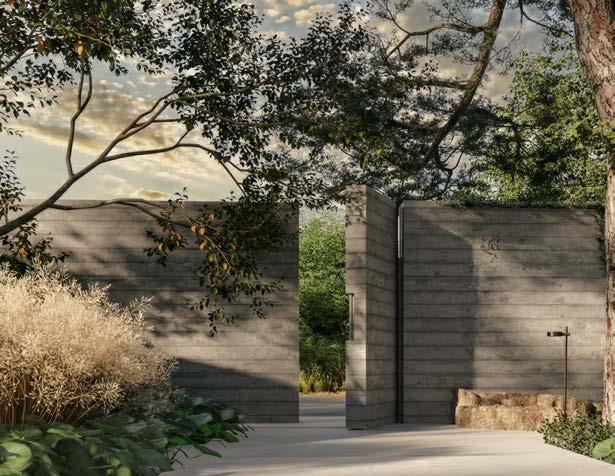
At first glance, this garden feels secluded—almost withdrawn.
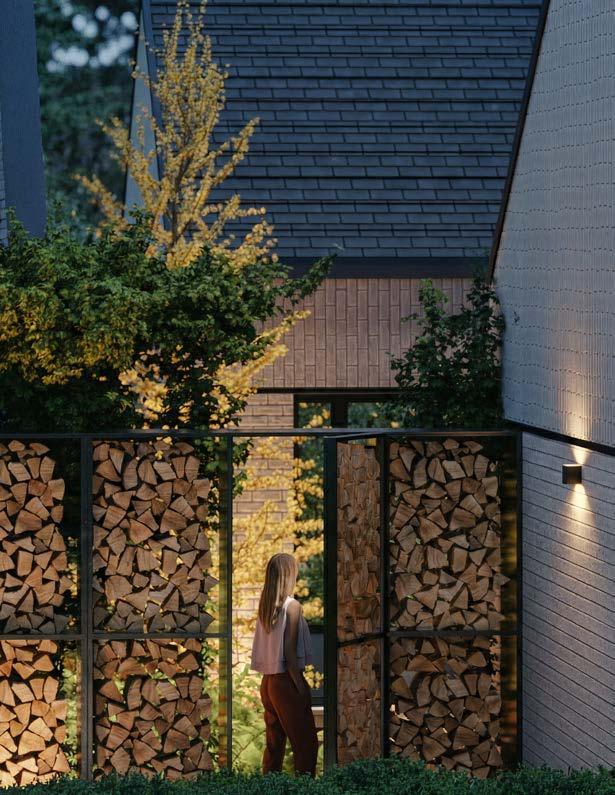
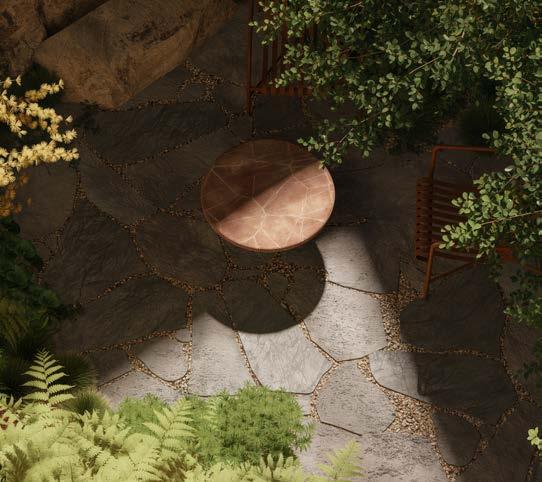
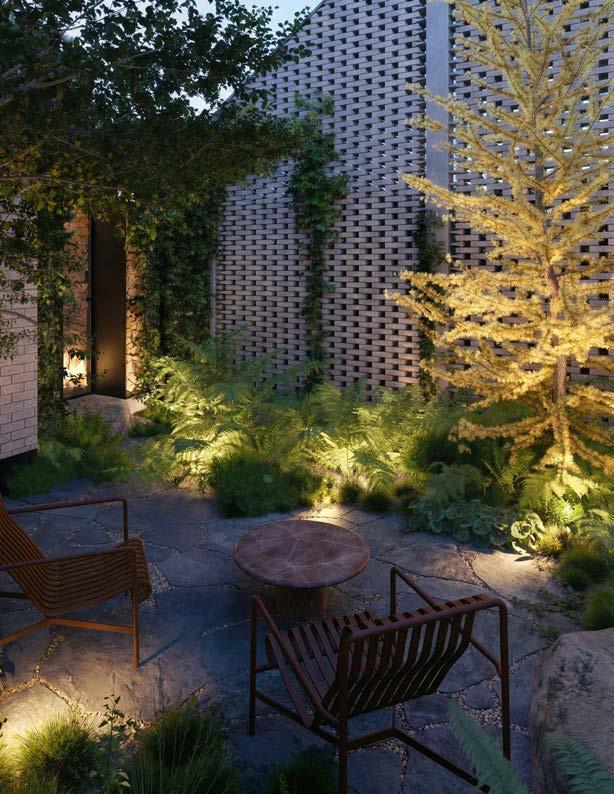
You would never guess it sits within a dense urban neighborhood. The boundaries dissolve into foliage and shadow, and the space opens inward rather than out, inviting presence before activity. This is not a garden designed to impress at a distance. It is a garden designed to be entered. For the designer, Wiktor Kłyk of Kłyk Landscaping, emotion is not a byproduct of the work—it is the work itself. “We design gardens to evoke specific feelings. Those emotions grow out of the site itself, the climate, and most importantly the stories of our clients.” Rather than beginning with materials or forms, the design starts with an interior question: How should this space feel to live in?
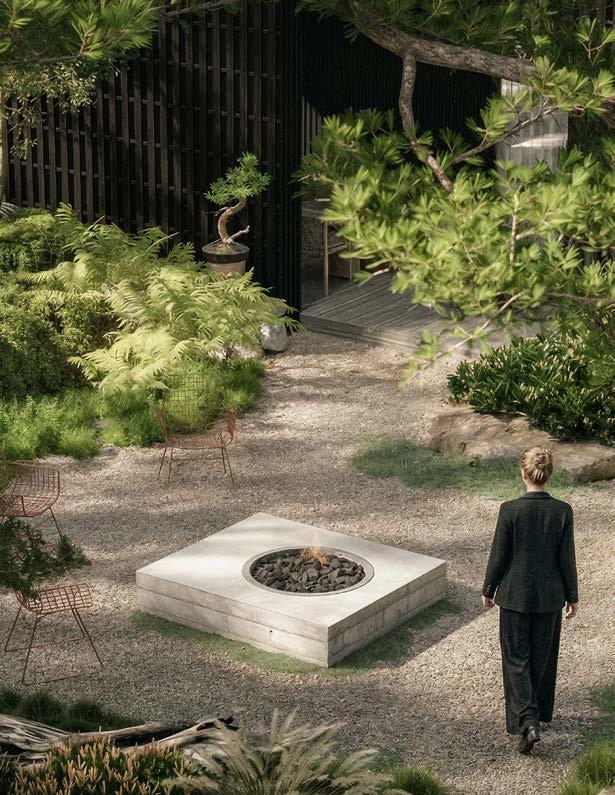
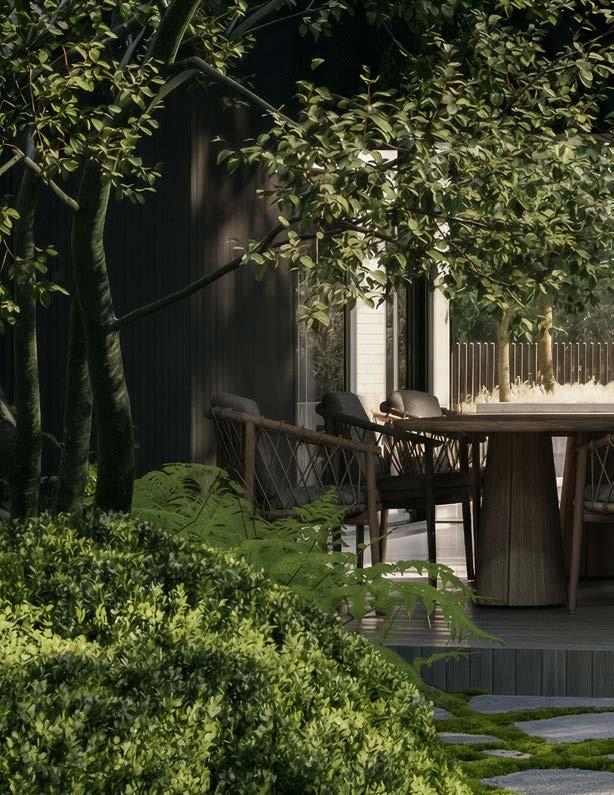
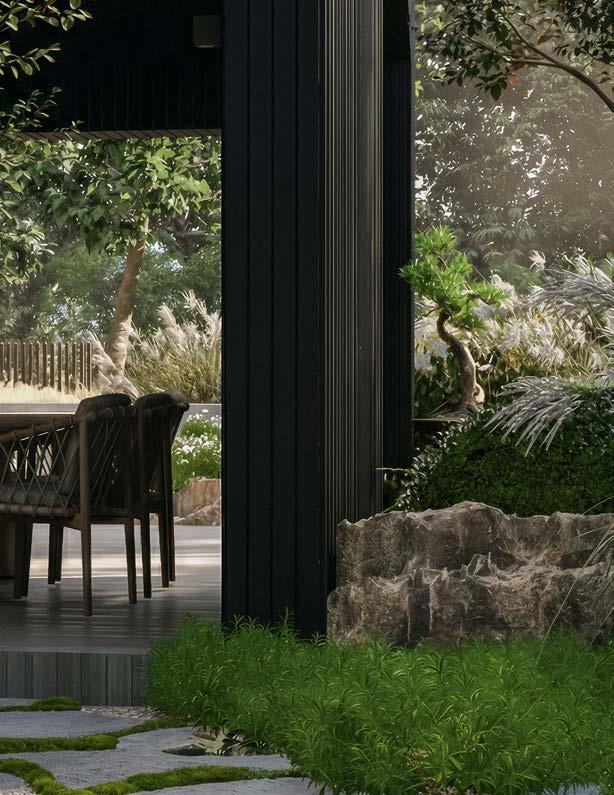
Design: Wiktor Kłyk Conceptual imagery by the designer
“We design gardens to evoke specific feelings. Those emotions are not a byproduct of the work — they are the work itself.”
— Wiktor Kłyk
Calm, in this case. Shelter. A sense of being held.
ONE OF THE DEFINING QUALITIES of the garden is how enclosed it feels without ever becoming closed. Walls, planting, and structures are arranged not as edges, but as transitions—each space leading quietly into the next.
“We build space through a sequence of interiors, because of that, the garden doesn’t feel closed—it feels continuous. You never quite know where it ends.”
The uncertainty is intentional. It stretches the experience of the garden beyond its actual
dimensions, allowing the mind to wander even when the footprint is compact. What might otherwise feel contained instead feels layered.
This is how small spaces learn to breathe.
THERE IS NO CENTRAL LAWN calling for use, no obvious zone for gathering. Movement through the garden is gentle and unforced. Seating appears where it makes sense to pause, not where it demands attention.
“You’ve read it perfectly,” Kłyk says, when asked whether the garden is meant more for retreat than activity. “This garden is an oasis of calm.”
Stillness here is not emptiness—it is carefully composed. Light and shadow shift across textured planting. Evergreen forms anchor the space, while grasses respond to wind with quiet motion.
“I treat light and shadow the way a painter treats composition. Texture and scale create rhythm, but the movement is always gentle.”
Nothing disrupts the ear. Even the presence of water is subdued, offering reassurance rather than sound.
FROM WITHIN THE HOUSE, THE garden reads like a framed scene—something to be observed before it is entered.
“This space is like an artwork framed by the windows of the house,” he says. “You step into the image you’ve been viewing from inside.”
That threshold matters. The garden is not merely an extension of the home, but an interior of its own— one that asks the body to slow as it crosses into it.
FOR THOSE WORKING WITH SMALLER or simpler spaces, the instinct that matters most is not scale, but immersion.
“In large landscapes, boundaries already exist,” he explains. “In small gardens, we recreate all the elements of a landscape in miniature.”
The guiding archetype is a forest clearing: enclosure at the edges, glimpses of depth beyond, and a subtle sense of protection. A place where the body instinctively understands it can rest.
“In such a place, your heartbeat slows,” he says. “Your body receives a simple message: sit down— you are safe here.”
Though this garden is still a conceptual design— one that will be built later this year—its intention is already clear. It is not trying to solve a problem or make a statement.
It is trying to make space for quiet.
And in a world that rarely pauses, that may be its most enduring function. a
Shrink the Scene
Urns as Threshold Objects
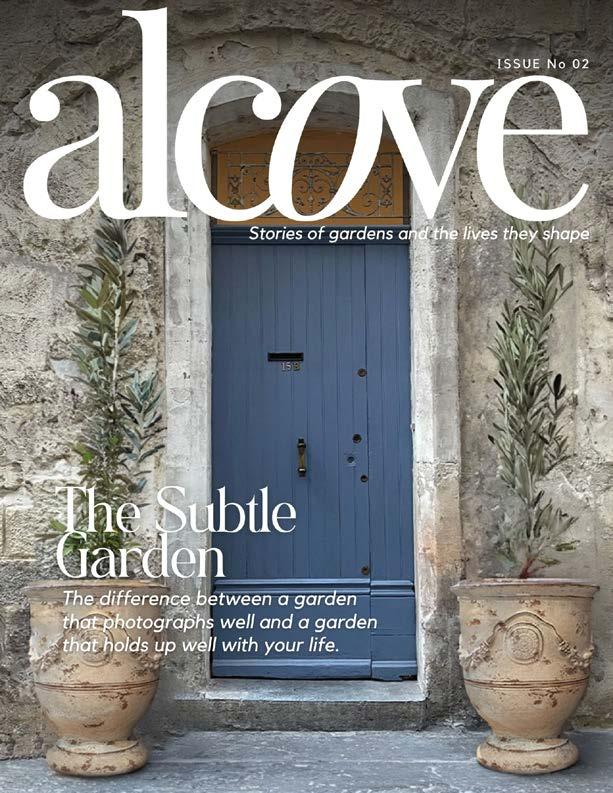
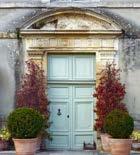
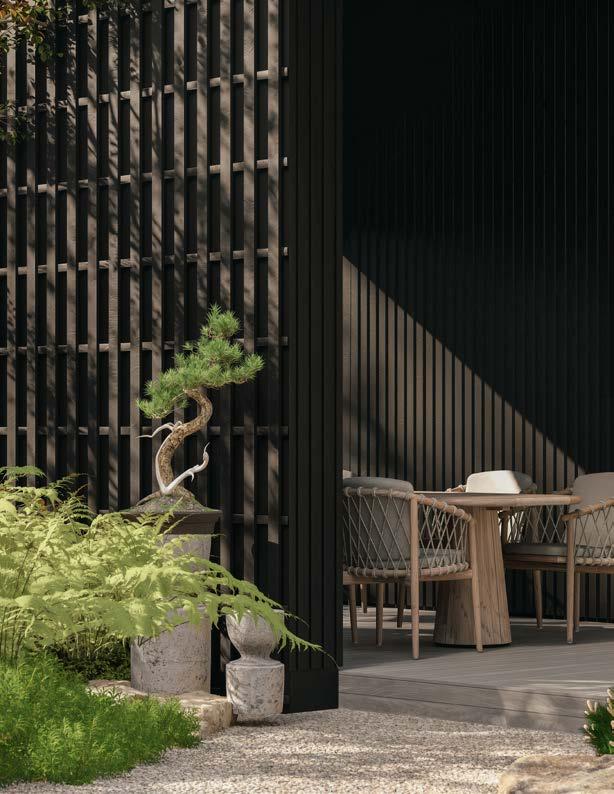
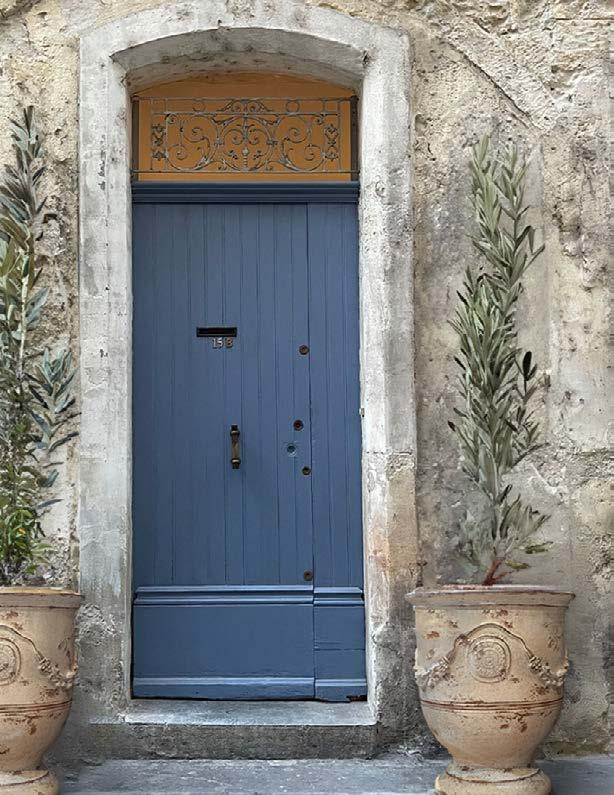
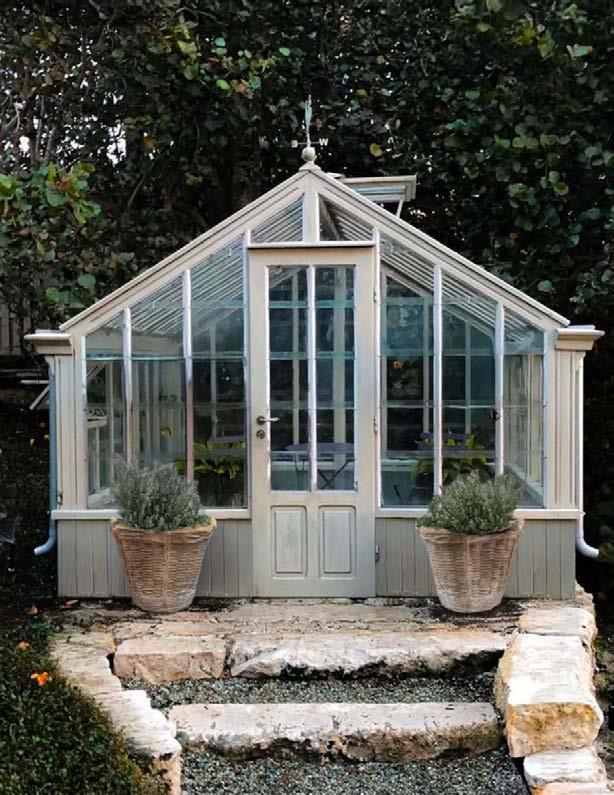
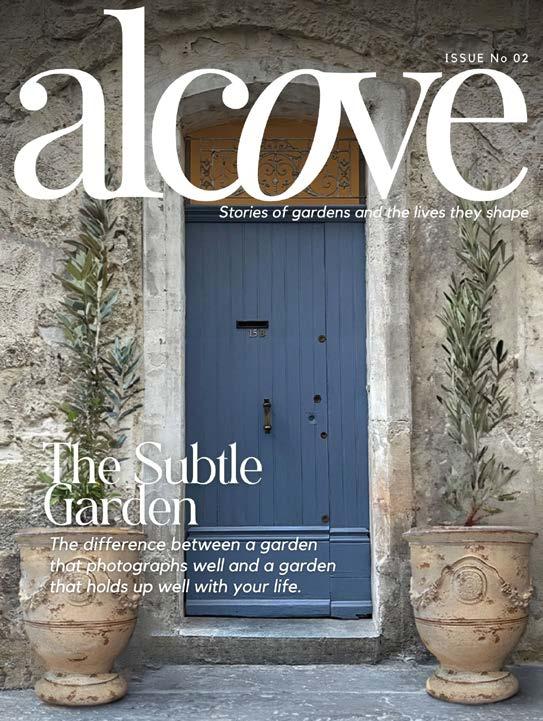
Adoorway. Two urns.
Stone with enough weight to slow you down. Nothing announces itself. Nothing competes. The space feels settled, as if someone stopped at the right moment.
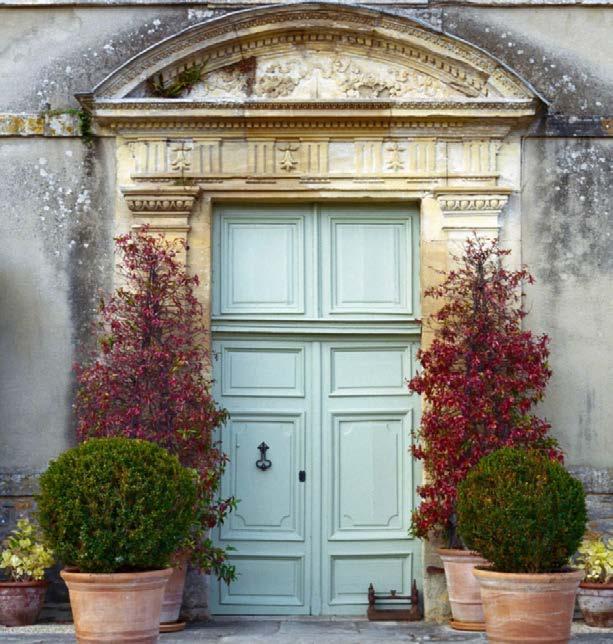
Urns do this work well. Placed at thresholds, they steady a transition without closing it off. They mark arrival without spectacle.
The urns from Authentic Provence carry that kind of weight. Their forms are restrained and familiar. The surface is soft with age. They don’t ask to be noticed, but they hold the space around them. Crafted in the south of France, these forms are shaped by use rather than trend.
Set on either side of a doorway, they create balance without strict symmetry. The stone grounds the opening. The olive trees rise gently from that weight, adding movement without distraction.
What’s striking is how little is required. Two objects. One material. A clear decision.
This is the kind of choice that doesn’t need revisiting. Placed once. Left alone.
Next time you move through a garden, notice what happens at the threshold. What steadies the space before you enter? What slows you down without asking?
Urns and stone vessels by Authentic Provence Images by Authentic Provence + Dale Goffigon
In each of these spaces, the objects do the same quiet work. They slow the body. They steady the eye. They mark the moment where outside becomes inside — without spectacle. An urn, a door, a pair of planted forms. Placed once. Left alone. The space understands what comes next. a
Photo: Dale Goffigon
A City Backyard Designed for Gathering
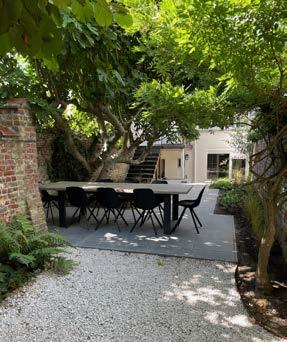
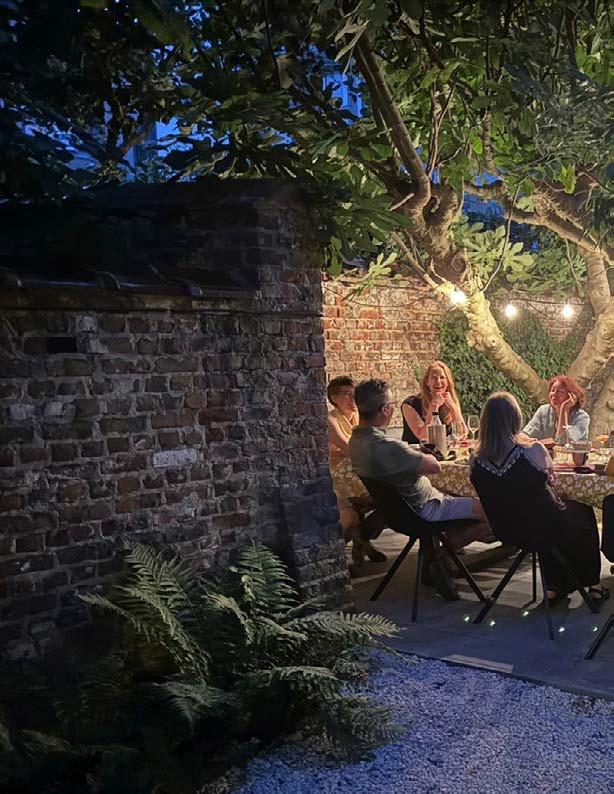
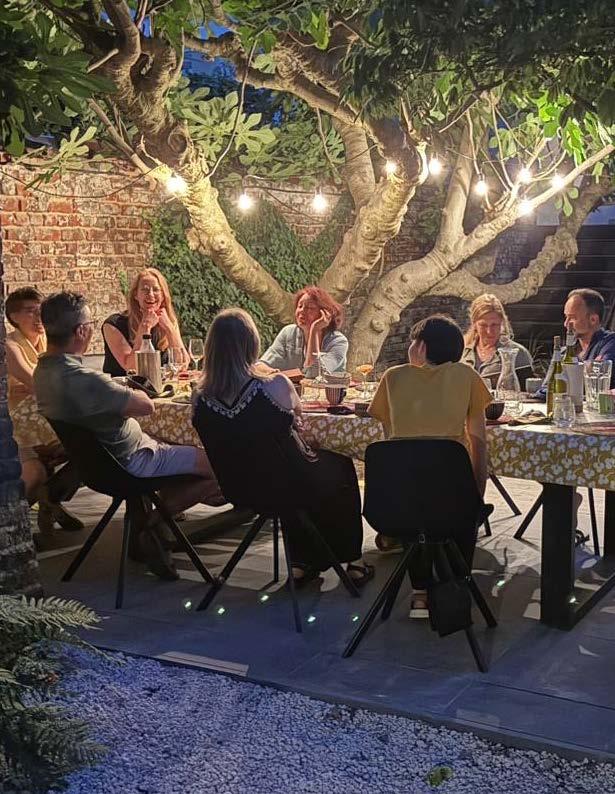
The first thing that drew us to this Brussels garden wasn’t a planting detail or a material choice. It was a table — surrounded by people. Friends leaning in. Glasses half full. An evening stretching longer than planned. In a city backyard where outdoor space is often treated as secondary, this garden does something quietly radical: it places human gathering at the center of the design. Everything else — the paving, the planting, the circulation — follows that decision.
Designed by Ingrid Leene of Ingrid Leene Garden Design, the space unfolds as a sequence of outdoor rooms — places to gather, linger, and retreat — shaped as much by daily life as by architectural restraint.
Design: Ingrid Leene
“Some gardens are designed to be admired. Others are designed to be lived in.”
THE PROJECT BEGAN WITH a blank slate, but with a site rich in character and constraint: tall brick walls, mature trees, limited sunlight, and a long, linear footprint. The challenge was not to add more, but to bring clarity and connection — transforming an underused garden into an extension of the home itself.
LEENE’S PATH INTO GARDEN DESIGN is rooted in architecture and urban landscape design. Raised in the Netherlands and trained at a master’s level, she spent years working across disciplines — from furniture design to hospitality — before turning her focus to
gardens. What drew her in was scale and proximity. Urban design projects often stretched across years, with limited involvement from start to finish. Gardens, by contrast, offered immediacy: shorter timelines, closer collaboration, and the ability to shape how people actually live in a space. That sensibility is evident throughout this project.
A GARDEN YOU CAN REACH is a garden you’ll use. One of the earliest problems to solve was access. Despite its beauty, the garden could only be reached from the lower ground floor — home to storage and a home office —
while the main living spaces sat one level above, disconnected from the outdoors.
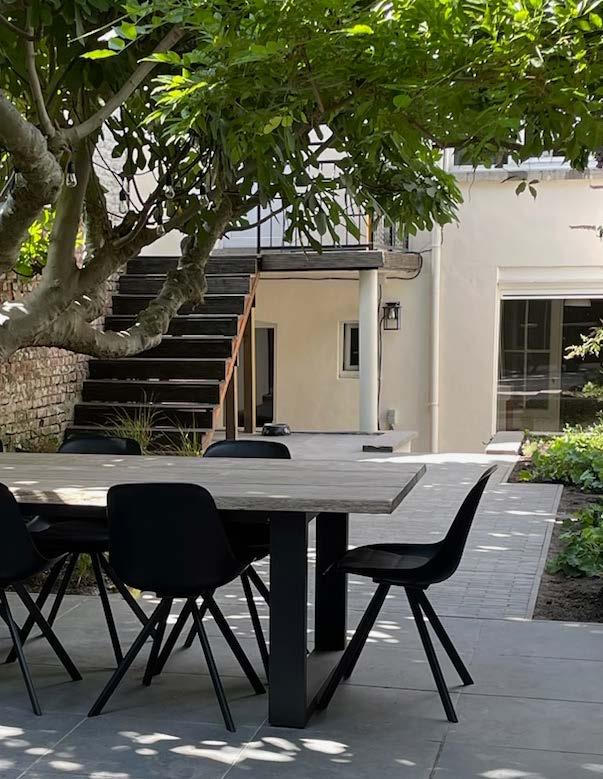
Creating direct access from the kitchen and living room became a priority. New stairs now lead directly into the garden, turning it into a natural continuation of daily life rather than a destination that required effort. It’s a simple shift, but a powerful one: when a garden is easy to step into, it becomes part of the rhythm of the home.
EVERY GARDEN HAS A QUIET
anchor — the element that shapes all others. Here, it wasn’t a plant or a view, but a long timber dining table.
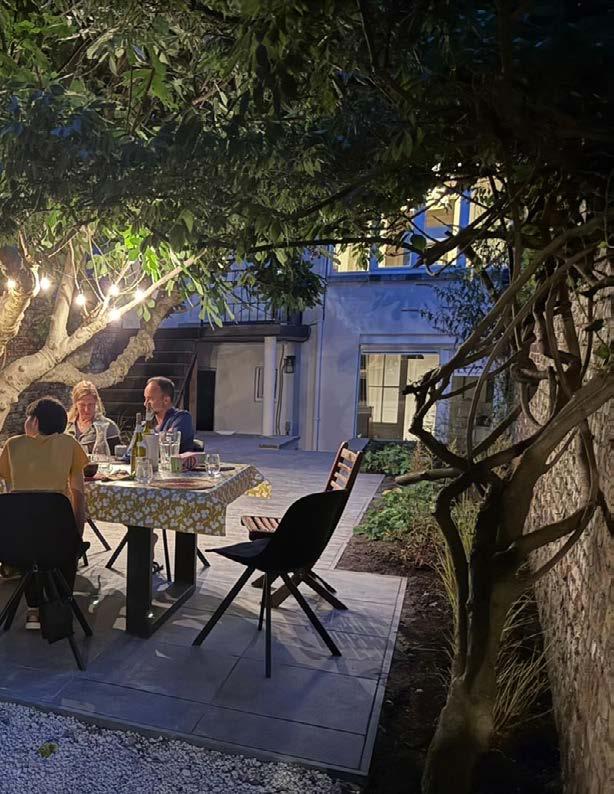
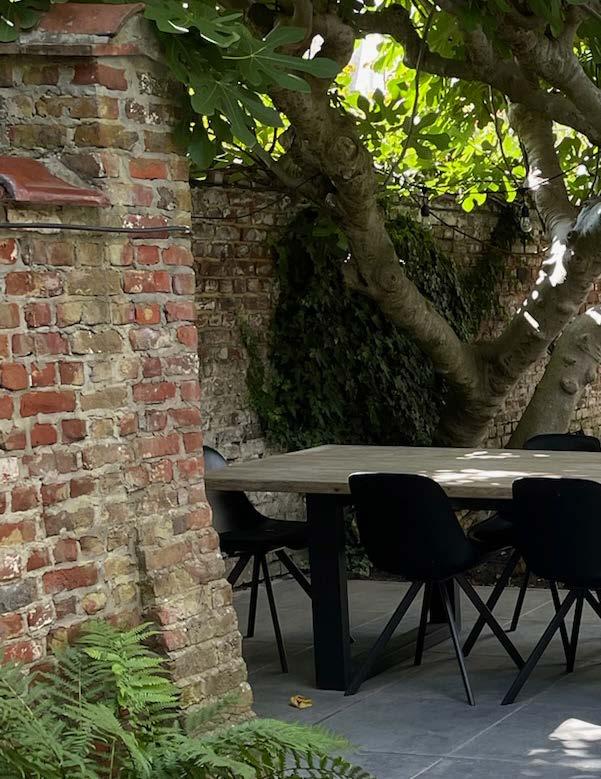
The table represented the client’ real intention: to entertain, to gather, to spend time outdoors with friends and family. Its placement beneath a mature fig tree set the tone for the entire design. From there, the garden began to organize itself.
Large square stone pavers define the dining area, creating the feeling of an outdoor room, while smaller pavers lead the eye and body through the space. Both are cut from a blue-toned natural stone commonly used in Brussels, grounding the garden in its local context.
TURNING A LONG SPACE, rather than treating the garden as a single strip, Leene divided it into a sequence of rooms — each with its own character, yet unified through material and planting.
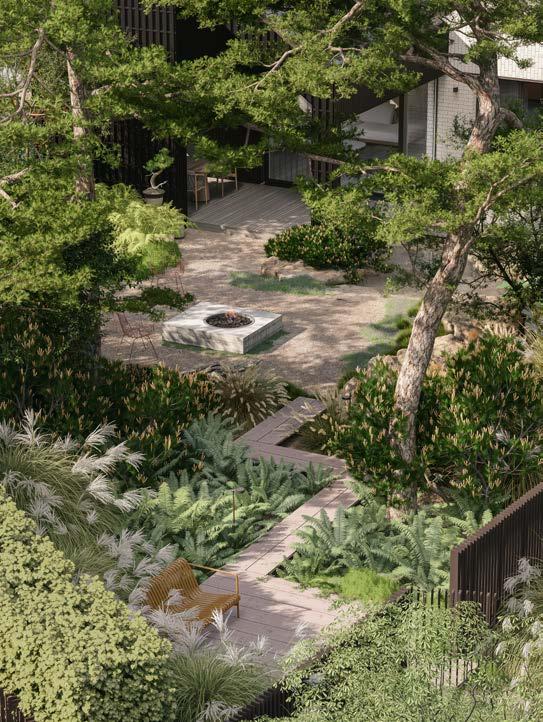
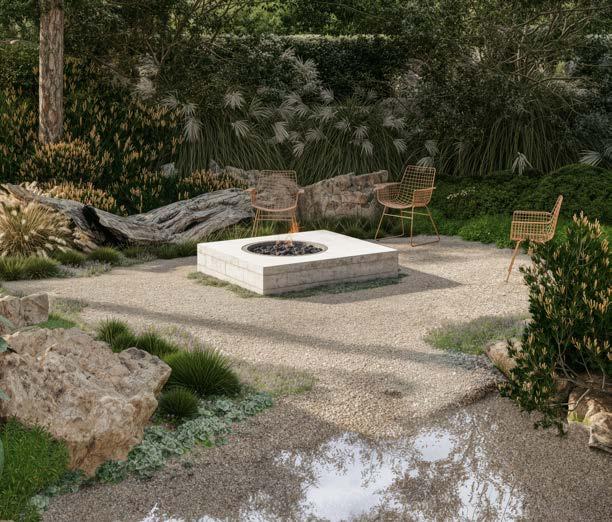
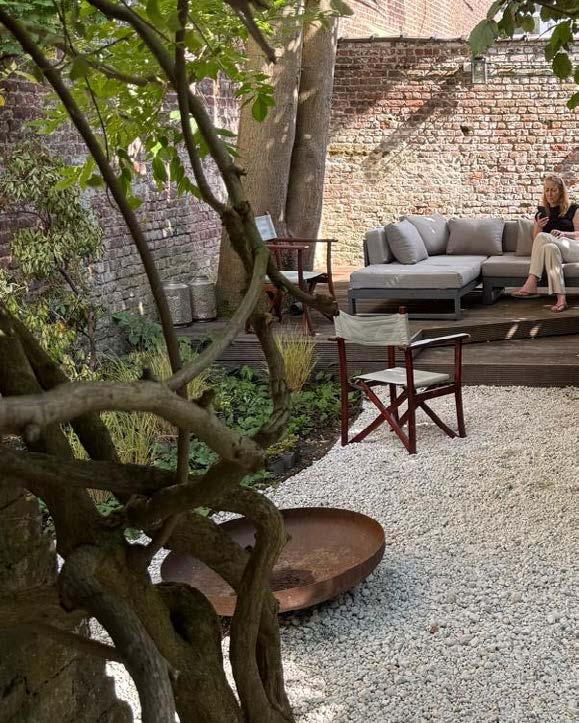
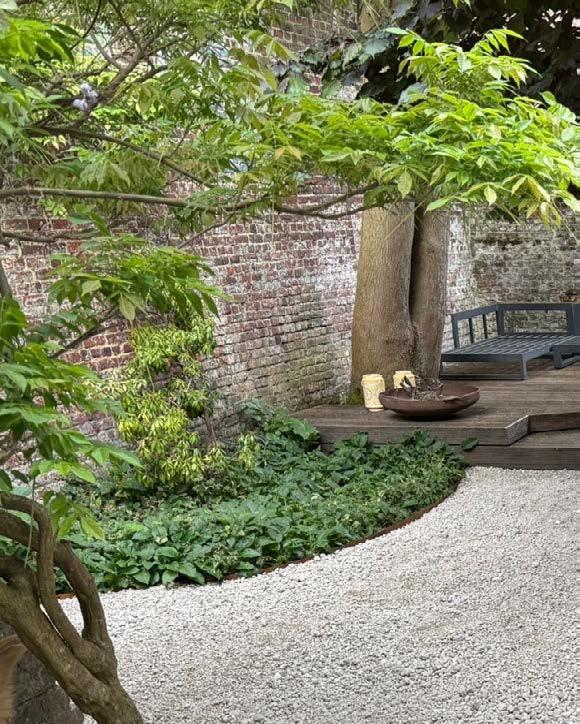
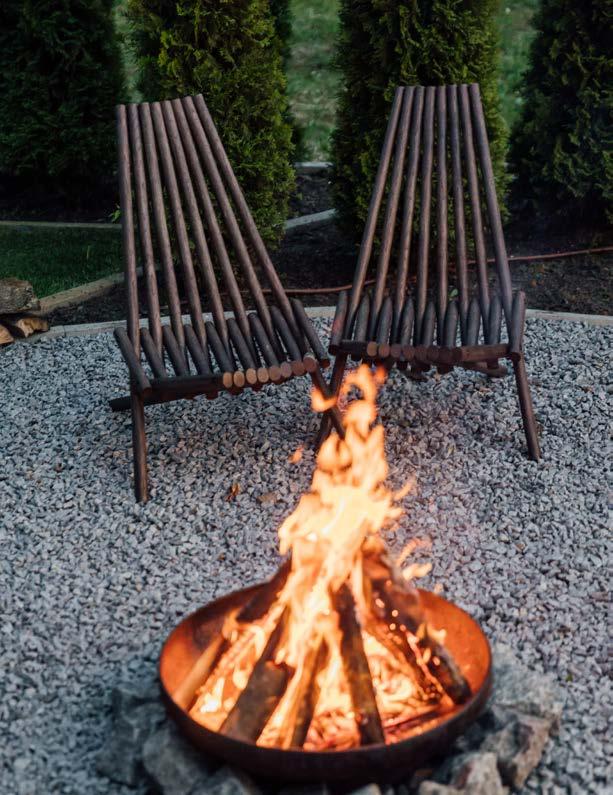
Closest to the house sits an outdoor kitchen, followed by the dining area beneath the fig tree. Beyond that, the space becomes softer and more secluded: a timber deck wraps around an existing tree, furnished with lounge seating and a fire pit.
Tall brick walls and mature planting enclose
“The challenge was not to add more, but to bring clarity and connection to what was already there.”
the back portion of the garden, creating a sense of privacy and calm. The progression feels intentional — formal to relaxed, open to intimate — mirroring how people naturally move through a home.
WORKING
WITH
SHADE,
NOT AGAINST it was essential. Narrow city gardens often come with limited sunlight, and this one is no exception.
Tall walls cast long shadows, particularly at the back of the garden, making a traditional lawn impractical. Rather than forcing a solution, Leene leaned into the conditions.
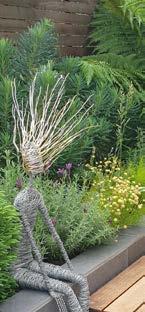
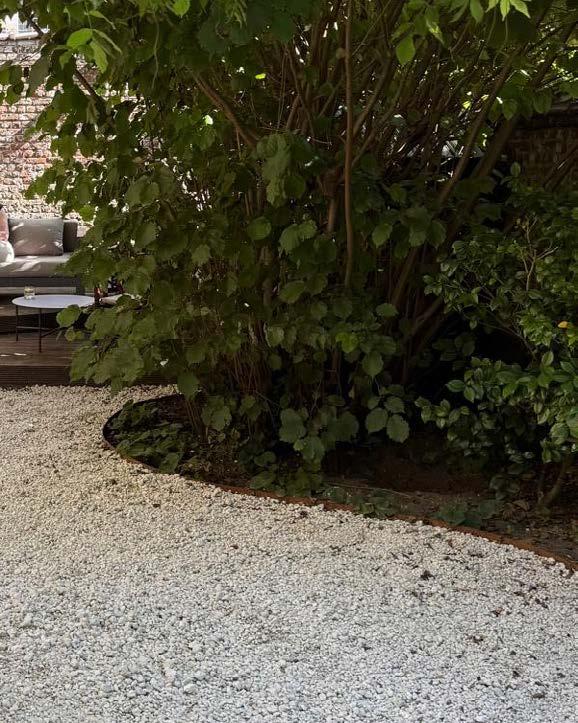
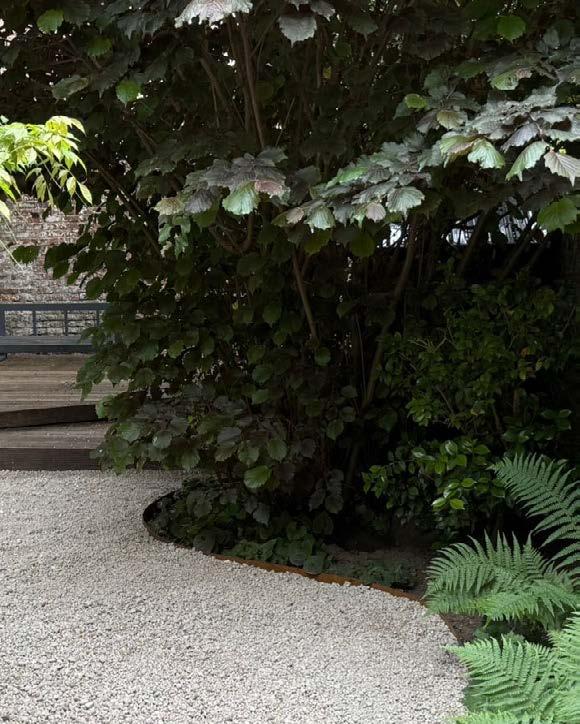
Gravel replaces grass, bordered by softly curved metal edging that introduces movement and texture. Shade-loving plants — ferns, fatsia japonica, hellebores — provide evergreen structure, ensuring the garden remains visually rich year-round.
A GARDEN THAT CHANGES how you live is the real measure of success. The clients planted much of the garden themselves and quickly began using it for late-summer dinners and gatherings.
The new stairs transformed how they move between
indoors and out, turning the garden into a true extension of their living space. A well-designed garden isn’t just beautiful — it reshapes daily habits.
IN SMALL OR NARROW spaces especially, thoughtful design has the power to unlock possibilities that aren’t obvious at first glance. In this Brussels backyard, the lesson is simple and enduring: when a garden is designed for living, it becomes indispensable.a
Here’s what quietly informs how we see.
books we keep nearby
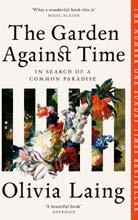
The Garden Against Time
Alice Vincent
The Ballast Seed
Rosie Kinchen
The Ballast Seed is an exploration of gardens as cultural spaces shaped by taste, habit, and personal values. Kinchen writes with curiosity rather than authority. Why we keep it nearby: It reminds us that gardens reflect how we live, not just how we plant.
when the garden
“ feels layered — not just with plants, but with time.”
The
Thoughtful Gardener
Jinny Blom
The Garden Against Time is part memoir, part garden history, this book follows Vincent as she traces a single, neglected garden and its long entanglement with labor, class, memory, and care. Why we keep it nearby: This is the book we reach for when the garden feels layered — not just with plants, but with time.
The Thoughtful Gardener is a reflective look at hat gardens offer when we stop asking them to perform. Blom writes about restraint, attention, and listening to place. Why we keep it nearby: This is the book we return to when the garden asks for patience instead of action.
On Gardening
Jamaica Kincaid
On Gardening are sharp, unsentimental essays that examine gardening through power, beauty, obsession, and inheritance. Not comforting — but unforgettable. Why we keep it nearby: It asks harder questions about why we garden at all — and doesn’t offer easy answer
Second Nature
Michael Pollan
Second Nature is a classic meditation on control and cooperation in the garden, especially resonant for small or imperfect spaces.
Why we keep it nearby: Every time we’re tempted to “fix” the garden, this book quietly intervenes.
The Patience of Climbing Things
On shade, patience, and the gardens we leave behind
She reached out after eight years of trying
to make this courtyard feel like an outdoor room. Nothing ever quite worked.
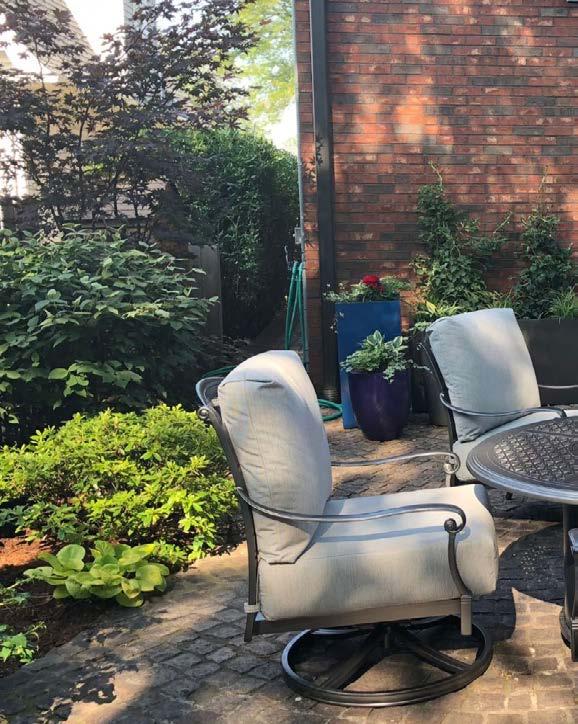
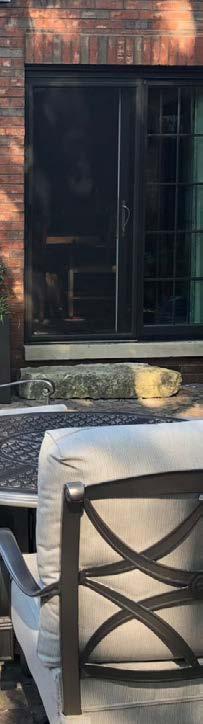
The challenge was obvious: the stone patio ran right up to the walls. There were no planting beds, no generous soil, no obvious place for a garden to take hold. What she wanted, though, wasn’t more plants—it was a feeling. Shelter. Enclosure. The sense that the space could hold her.
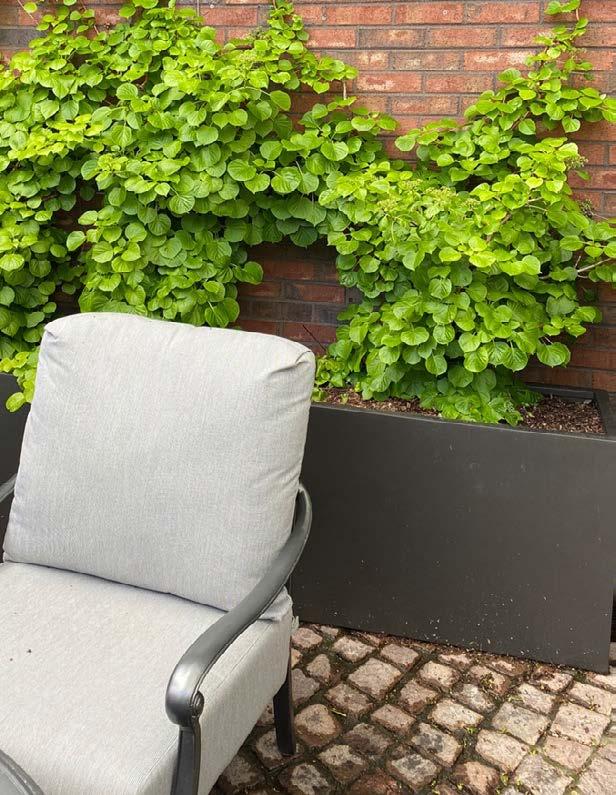
What the courtyard needed was layering on the walls. We lined the perimeter with large planters and planted climbing hydrangea—shy plants, as I
like to call them. Slow to start. Uninterested in performing on demand. We left room at their feet for seasonal annuals, knowing this would be a long conversation with time, not a quick fix. And then we waited.
Over the course of three years, the vines climbed. Brick softened. Shade deepened. The walls didn’t move, but the space began to feel closer, cooler, safer. Chairs appeared only after the shade did. They eventually moved away. Later, she wrote to tell me the new owners had small children. A fence went in. The climbing hydrangea came out. We both grieved. Somehow, the weeping birch was spared.
It’s strange how attached we become to gardens we no longer live with. You wish you could pack them up like furniture and take them with you—but gardens don’t work that way. They ask for presence. And then, eventually, they ask to be let go.
Before You Go
Not every garden announces itself.
Some make themselves known slowly—through repetition. In where the chair ends up each evening. In the path that wears just enough to feel familiar. In the places we return to without quite realizing we’re doing it.
While working on this issue, I kept noticing how often the most meaningful changes were the least visible ones. A threshold softened. A corner claimed. A space adjusted just enough to invite staying a little longer. Nothing dramatic. Nothing that asked to be noticed. Just a quiet shift in conditions.
These are the gardens that hold up over time.
They don’t rely on spectacle. They don’t need explaining. They work because they make room for life as it actually unfolds—messy, repetitive, ordinary. They give permission to linger longer than planned. To settle in. To let habits form naturally rather than by design.
If there’s an idea I hope stays with you from these pages, it’s this: Pay attention to what you return to.
Notice where your body settles without instruction. Notice what you use again and again, and what quietly falls away. Those small patterns often tell you more than any before-and-after ever could.
A garden doesn’t announce its success. It reveals it—over time, in use, in the living of it.