“The precise role of the artist, then, is to illuminate that darkness, blaze roads through that vast forest, so that we will not, in all our doing, lose sight of its purpose, which is, after all, to make the world a more human dwelling place.”
—James Baldwin
There’s an ache in the air these days, a sort of world-weariness that’s hard to throw off. We read it in the headlines, hear it in the conversations, even in the things we whisper to ourselves in our most private moments. The world feels drawn too tight, convulsed between certainties and unknowns, as if it might snap at any moment. Let’s not pretend otherwise.
At times like these, I find myself thinking, curiously, about elegance. By which I mean a kind of restraint, a way of being that holds in tension the many competing demands of our lives. I think, too, about grace, which I take in its etymological sense: the discipline of forgiveness. And reconciliation: that word, reduced here to its simplest definition as the work of seeing another person as clearly as we can.
Art has always been one of the last refuges of such disinterestedness. To stand before a work of art is to engage with someone else’s vision on its own terms. We don’t need to agree or disagree—or even to fully understand—only to see, and in doing so, to be seen. It’s a small thing, but a necessary one in a time when the muscle of empathy has atrophied in public life.
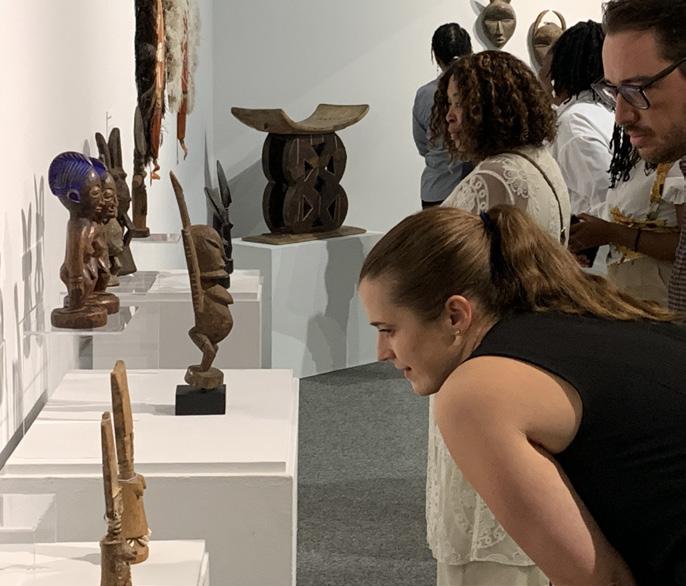
The beauty of museums is that they are still among the most trusted institutions in our culture, and in large part, I think, because they’re still one of the few places where we aren’t asked for much more than presence. They remind us that creativity, at its best, is a form of care: not just the care to imagine, but to tend to that which goes unseen, unheard, and—perhaps especially—misunderstood.
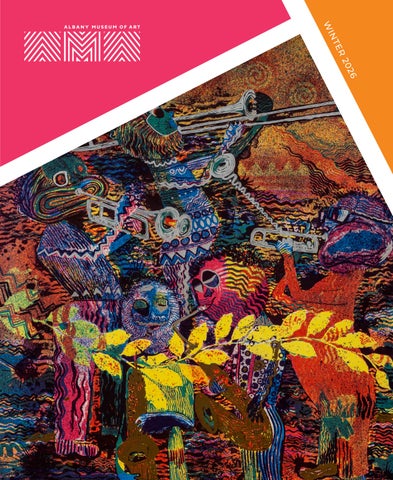
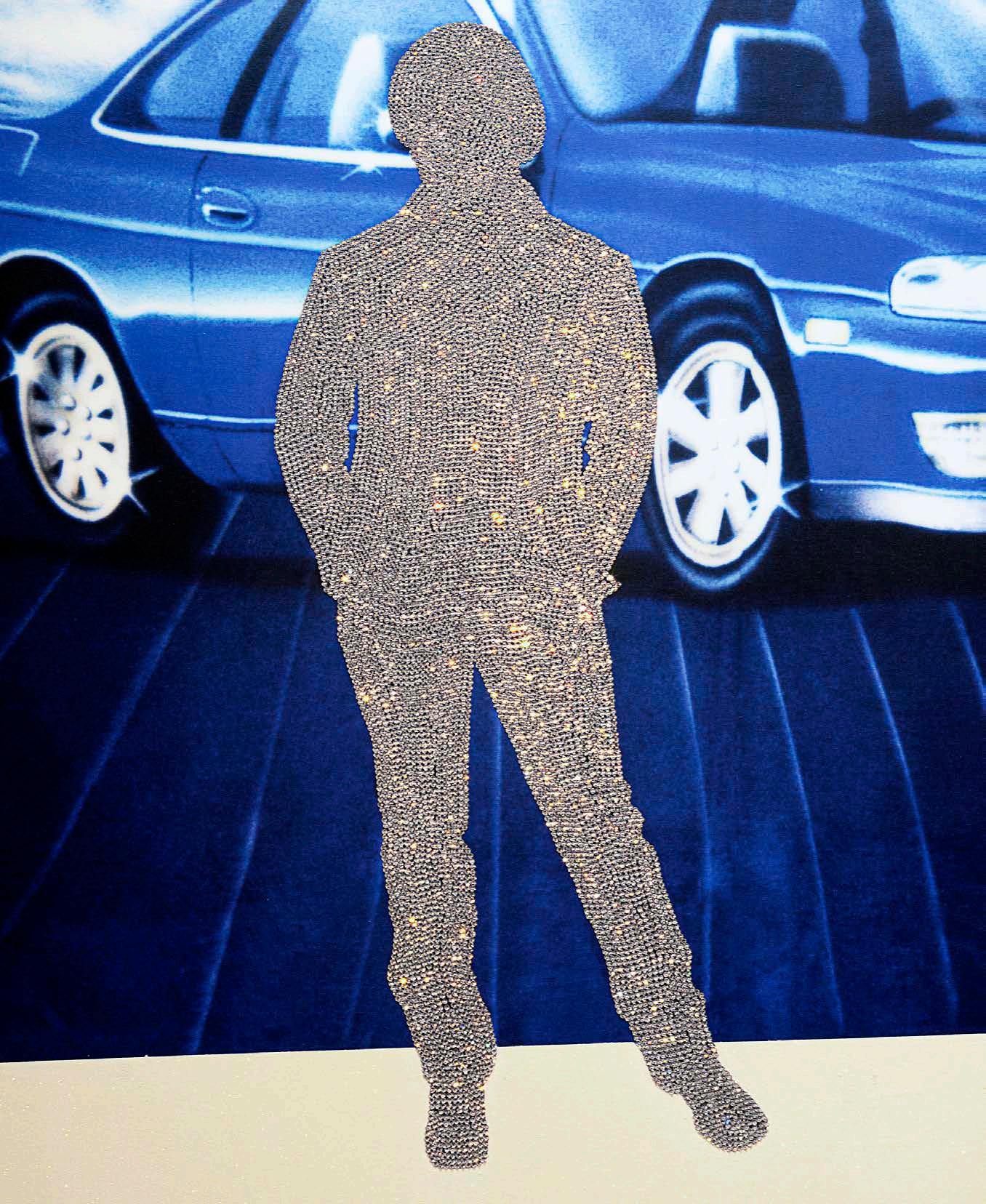
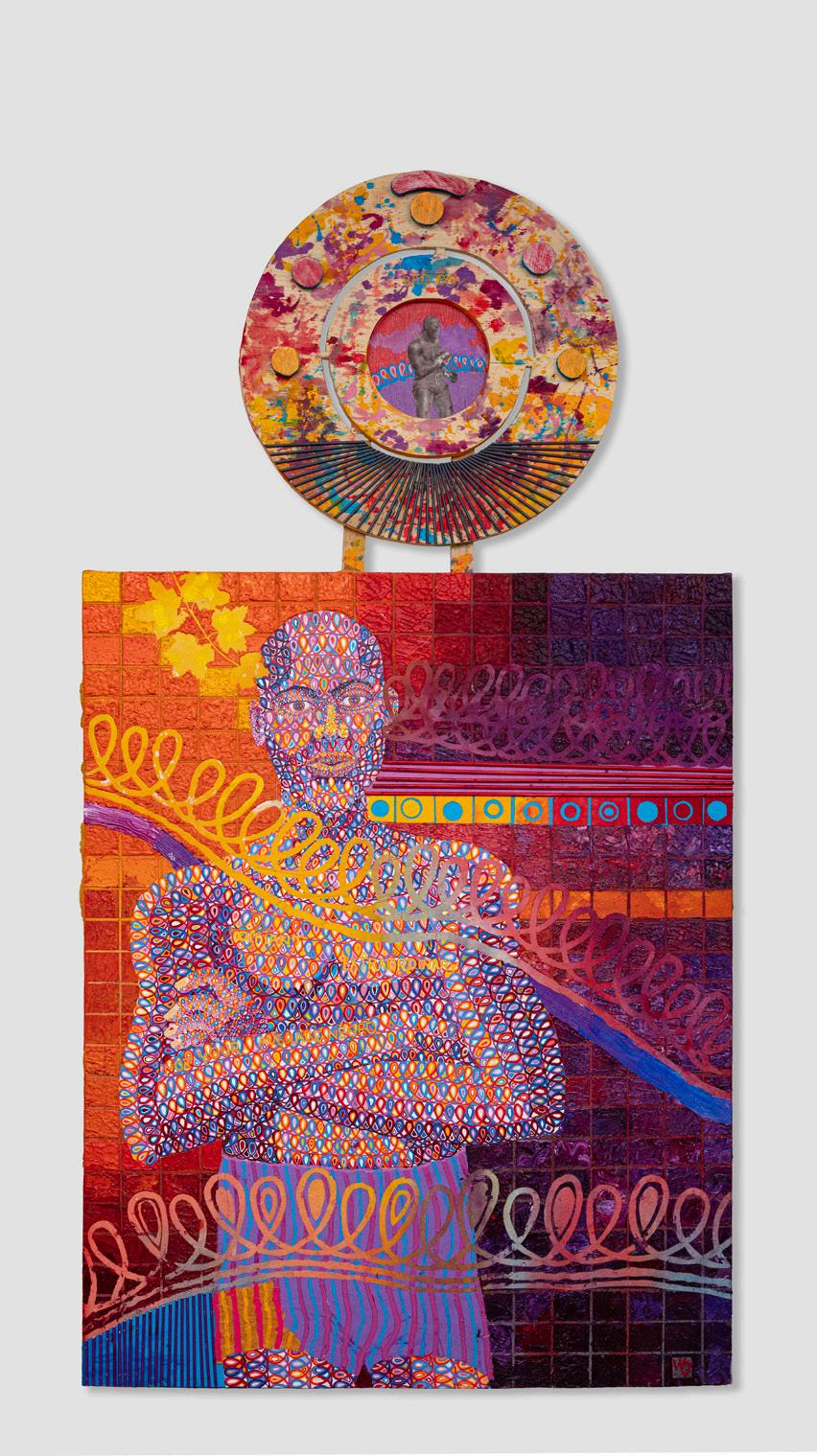
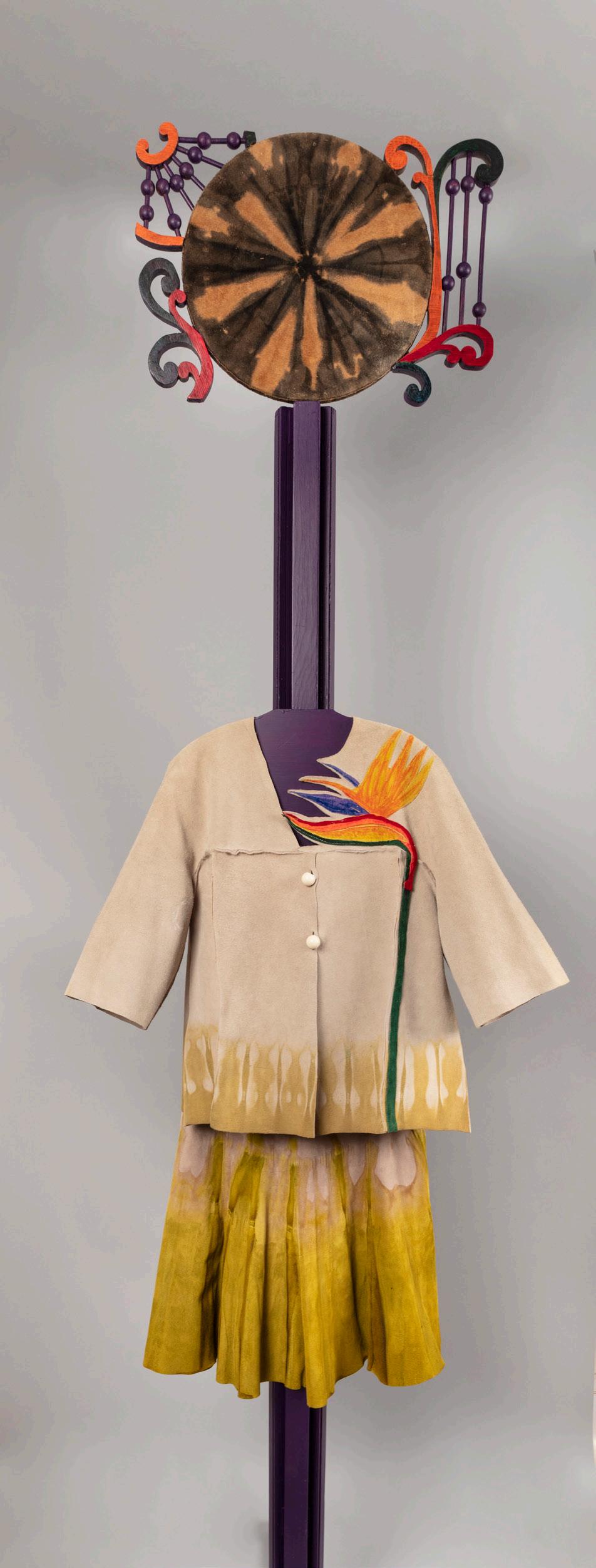
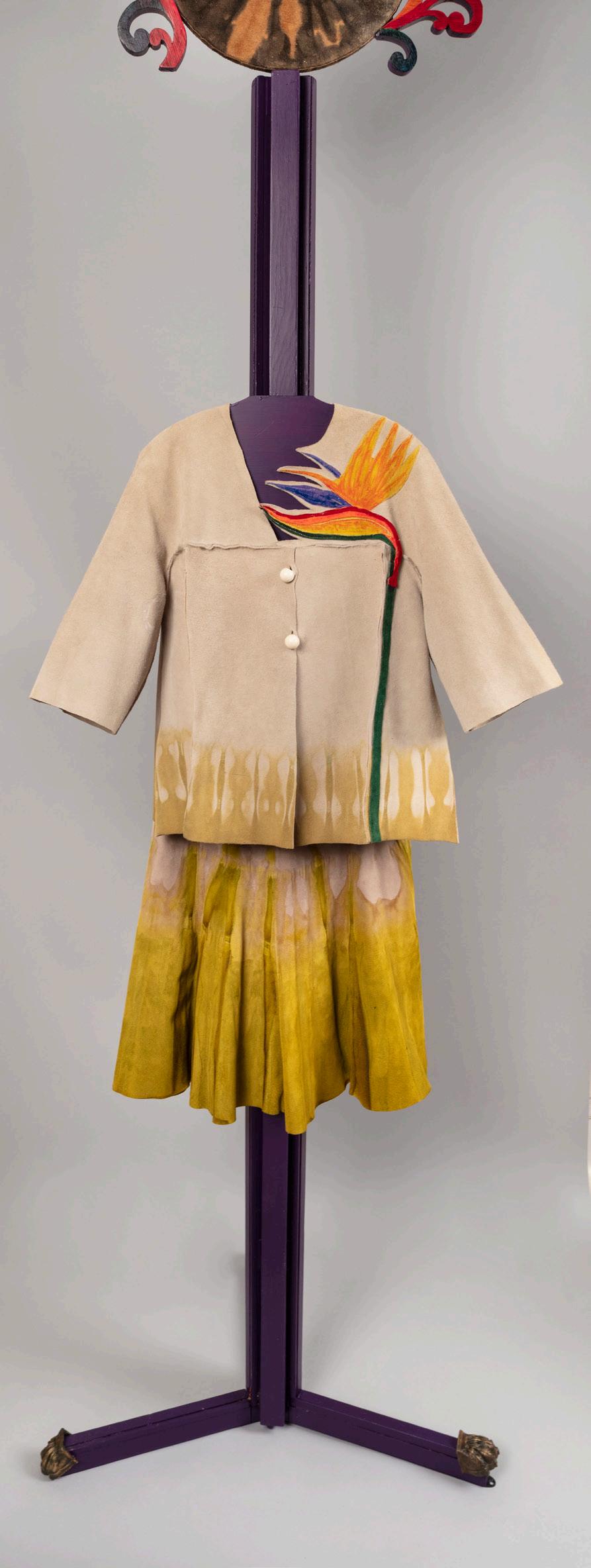
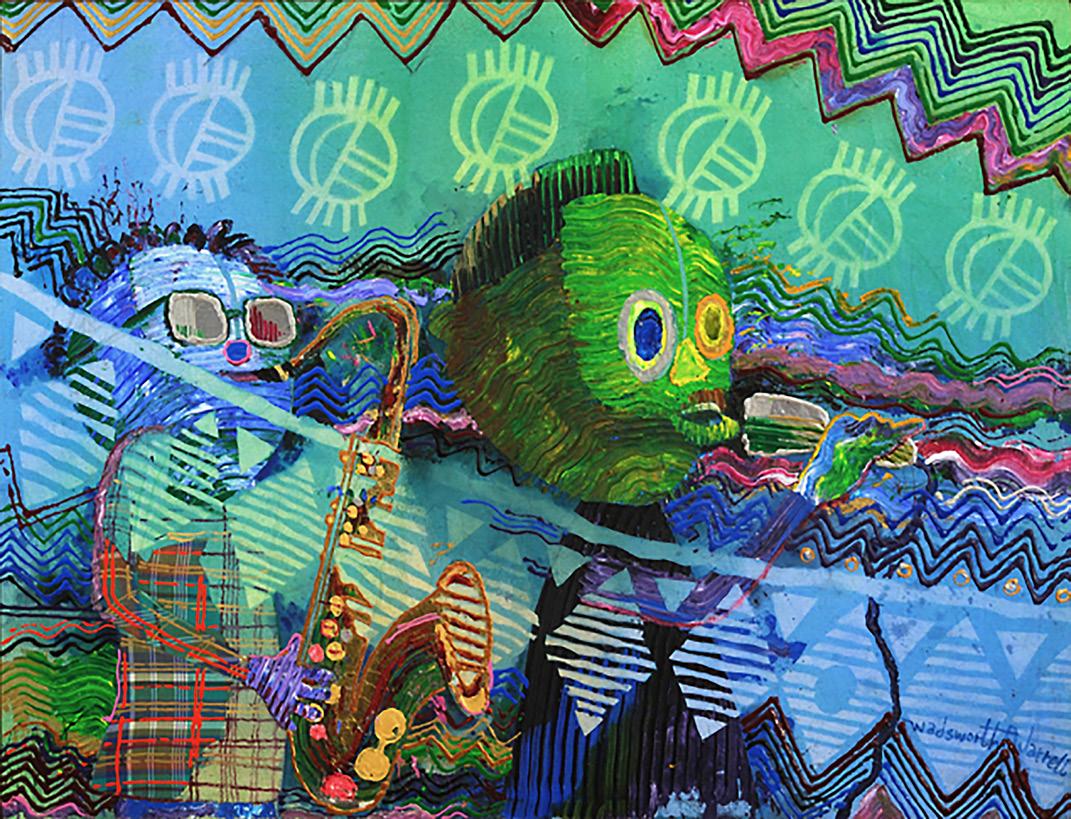
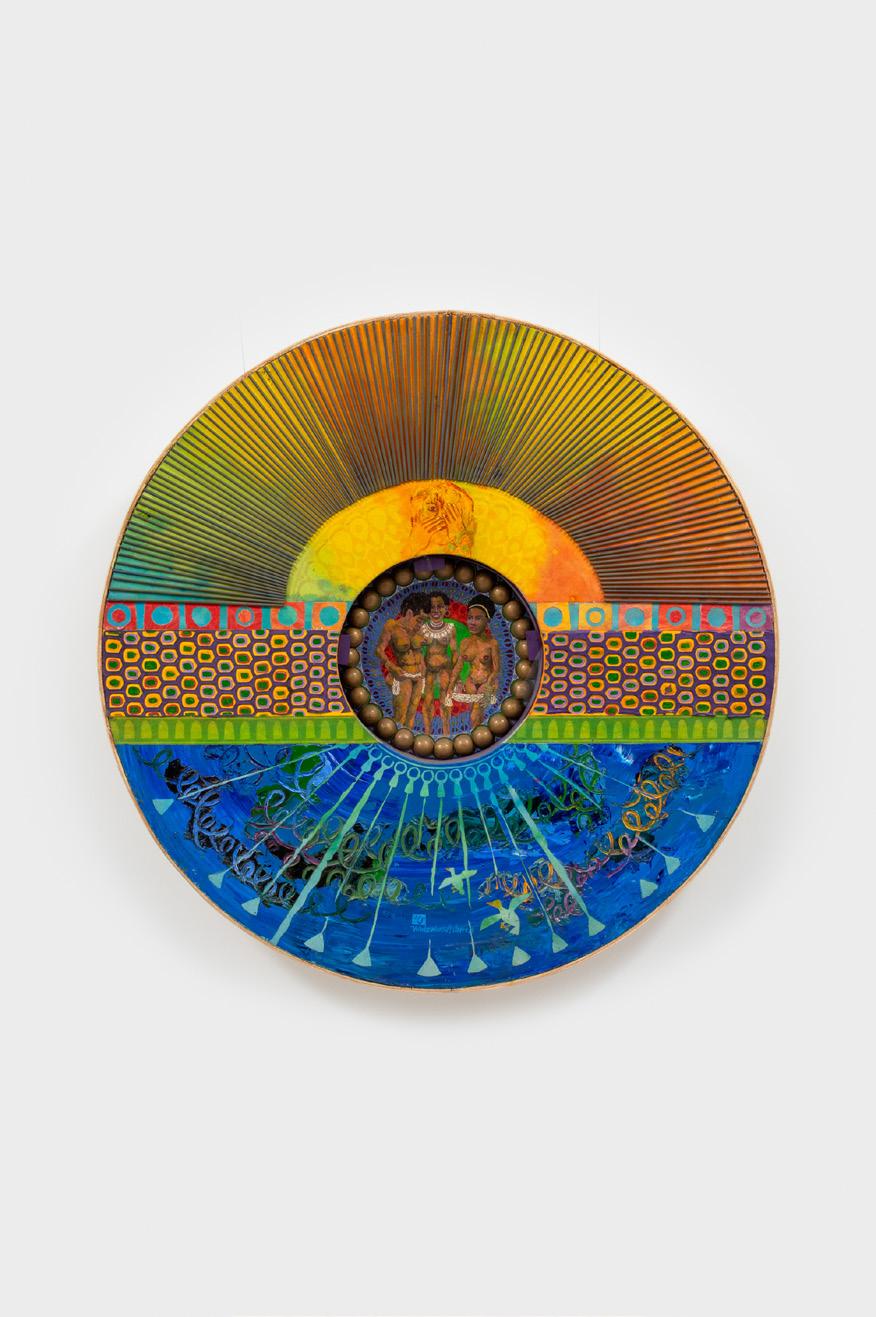
In Wadsworth and Jae Jarrell: Art Making/World Making, the Albany Museum of Art celebrates two of AfriCOBRA’s most essential artists this winter. An expansive exhibition that brings together the work of the Jarrells for the first time in over a decade, Art Making/World Making is a declaration of collective beauty and radical imagination. In their work, Jae and Wadsworth Jarrell remind us that art is not an ornament to history, but a fundamental part of the blueprint for a more—and in every sense of the word—elegant world. The works that comprise the exhibition are bold, show us that creativity can still be a form of grace, and that beauty itself can be a radical act of reconciliation.
I think about this often as we prepare to break ground in April on the new museum along downtown Albany’s West Broad Avenue. To build in a time when so much is coming undone is an act of faith—faith in the power of art and community, and in the future that we still have it in ourselves to build. The new Albany Museum of Art will not rise as an escape from a fragmented world, but as an affirmation to engage that world with our full attention and care.
At the Albany Museum of Art, we still believe that beauty and truth are not luxuries. They are tools of survival, even of restoration. In every exhibition, program, and conversation, we ask you to join us in this quieter, more difficult work: the work of making the world a more human dwelling place, as Baldwin put it.
As 2025 came to a close, progress continued on the relocation of the Albany Museum of Art to downtown Albany. With welcome announcements that $4 million had been secured from the City of Albany, $3 million from Dougherty County, and additional funds from public and private donors, the project reached the point of naming a contractor.
In late September, following a request for qualifications, the short list of candidates for general contractor included JCI General Contractors, Inc.; LRA Constructors, Inc., and Pellicano Construction, Inc. A contractor had not been selected by the press deadline for this magazine.
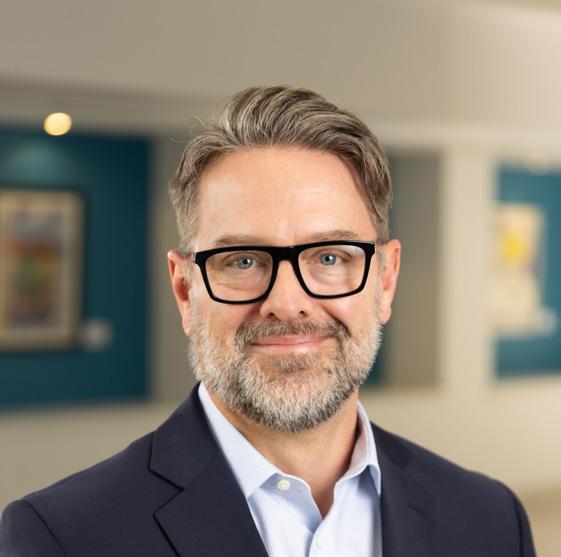
Executive Director Andrew James Wulf, Ph.D., announced in early December that an owner’s representative had been hired. Aaron & Clements, Inc., of Columbus, Ga., will represent the AMA through all aspects of the project delivery process.
Founded in 1992, Aaron & Clements has served clients on hundreds of projects in a wide variety of commercial and residential markets, including traditional corporate, museum, healthcare, skilled nursing, religious, educational, office, hospitality, civil, multi-family, specialty non-profit, and financial.
“Aaron & Clements brings exactly the kind of experienced leadership we need at this moment,” said Executive Director Andrew James Wulf, Ph.D. “They will serve as an essential
partner to the Museum, our architects, and our future contractor as we translate years of vision and fundraising into a new civic landmark for downtown Albany.”
The target date for completing the downtown relocation is spring 2028. Wulf said plans are to break ground by late spring this year, with construction expected to take 20 to 24 months.
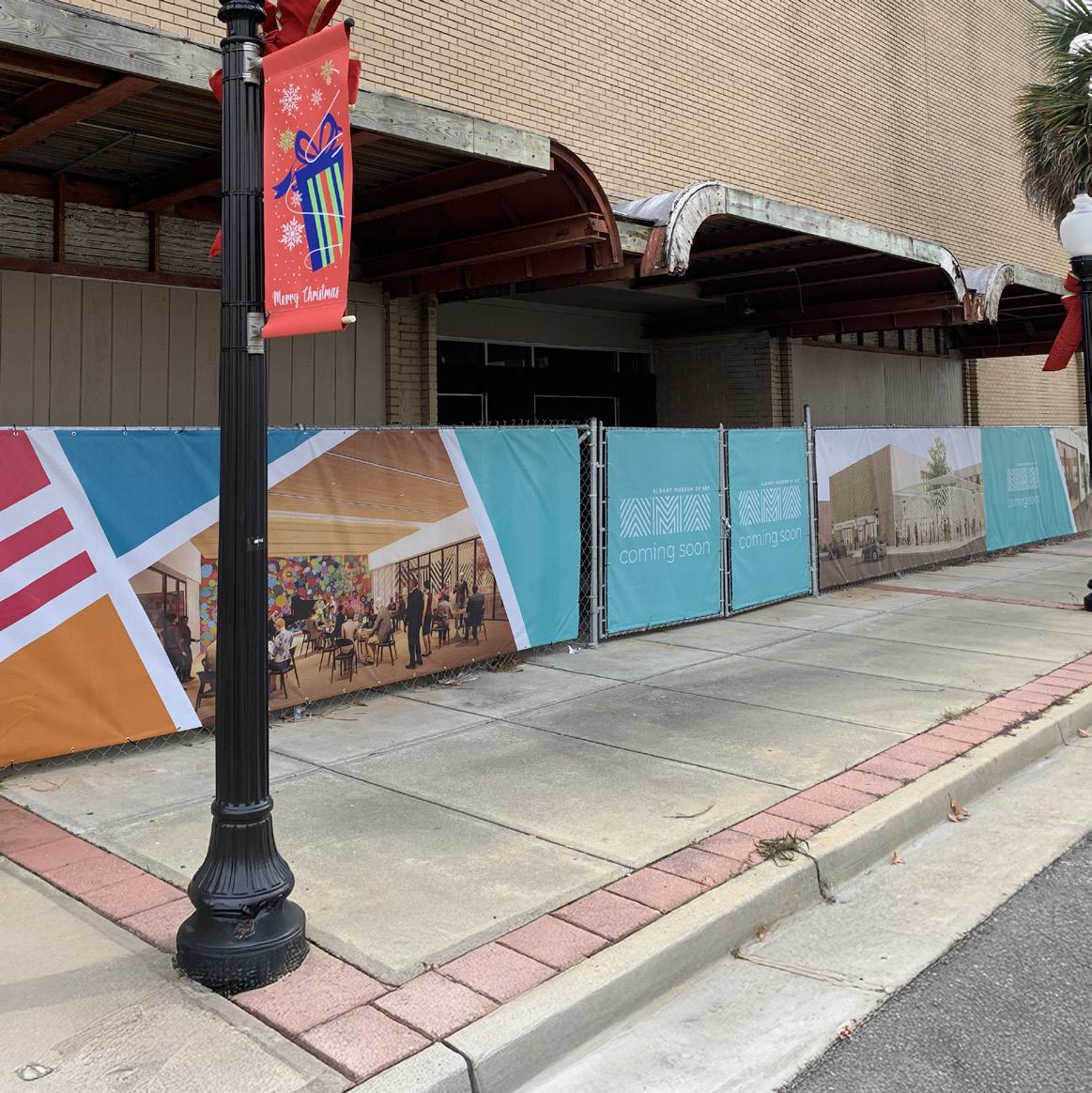
One highly visible sign is the hoarding signage that was attached in early December to the construction fence surrounding the property on Broad Avenue and Washington Street. The 400-foot-long signage depicts renderings of the new museum. The signage was made possible by a donation from AMA Capital Campaign Committee Members Mark and Marsha Taylor.
With the Oglethorpe Avenue bridge closed through August 2026 because of construction, the signage should be a prominent reminder of the AMA project for thousands of motorists who now use the Broad Avenue bridge as their primary means of crossing the Flint River in Albany.
DILLARD, HINTON PRESENT AT SEMC
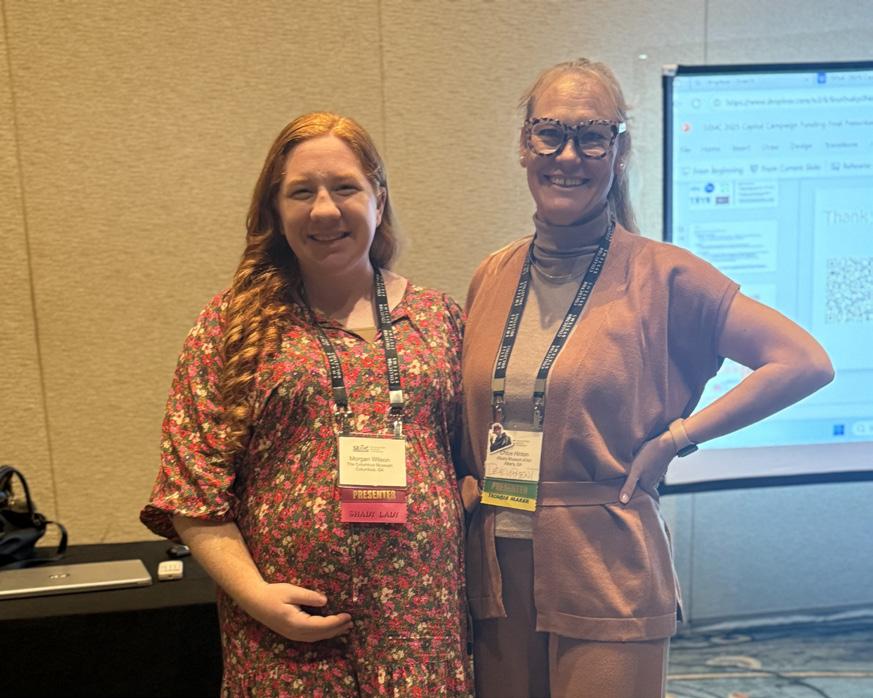
AMA Director of Curatorial Affairs Katie Dillard and Director of Development Chloe Hinton each presented at SEMC 2025, the annual Southeastern Museums Conference that was held in October in Montgomery, Ala.
Dillard presented her ongoing research on a series of charcoal portraits in the Albany Museum of Art’s permanent collection. Her presentation was part of a distinctive group panel led by former AMA Curator of Art Kristin Miller Zohn. The panel brought together curators and museum directors from across Alabama, Mississippi, Georgia, and Florida, with each sharing updates on current research initiatives.
The session utilized the Pecha Kucha format, which is Japanese for “chit-chat,” a fast-paced presentation style in which speakers deliver 20 slides for 20 seconds each. This format encouraged concise, engaging communication and highlighted the breadth of research being conducted across institutions in the Southeast.
Hinton and Megan Wilson of the Columbus Museum of Art offered museum professionals a timely look at the evolving landscape of capital campaign fundraising. Their session, Funding Your Capital Campaign: A Rundown on Different Funding Sources, distilled a complex topic into an accessible roadmap for institutions planning major facility or infrastructure projects.
Hinton and Wilson emphasized that no single funding source can carry a modern capital campaign. Instead, successful campaigns rely on a carefully balanced mix of public and private grants, individual philanthropy, foundation support, corporate partnerships, municipal investment, and—where applicable—historic tax credits. Each source plays a different role: grants provide essential early momentum, individual donors fuel long-term progress, municipal dollars anchor projects in community value, and tax credits can significantly offset development costs.
Using case studies from their respective museums, the presenters demonstrated how institutions of different scales adapt these tools to meet their unique needs. The Albany Museum of Art’s campaign integrates historic tax credits and city partnership strategies, while the Columbus Museum of Art’s approach centers on cultivating donor relationships and framing corporate sponsorships as community impact investments.
Both leaders were candid about the challenges inherent in capital fundraising—lengthy grant cycles, fluctuating public budgets, the need to educate boards on complex financing tools—but their transparency offered clarity and reassurance to attendees facing similar hurdles.
The takeaway was that today’s capital campaigns demand creativity, flexibility, and strategic layering. By drawing from diverse funding streams and remaining responsive to community priorities, museums can build stronger, more resilient futures.
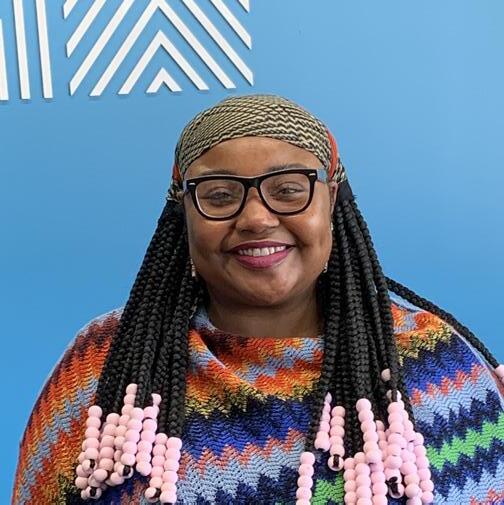
The Albany Museum of Art is happy to announce that La Keisha Smith-Martin has joined the guest services staff. Smith-Martin is a visual and performing artist, a dedicated art educator, and a passionate advocate for the arts. In addition to greeting visitors at the front desk, she is the point of contact for rentals and facilitates children’s birthday parties at the AMA.
Welcome to the AMA family, La Keisha!
TRANSITIONS & FAREWELLS
The AMA bids farewell to longtime associates Bruce Campbell and Jazzmond Kendrick.
Bruce Campbell, a former AMA Board of Trustees member who served as technical director for the past six years, officially concluded his role in December. Bruce, an art collector and lover of art, has provided insight and advice for years on the museum’s physical plant operations and participated in early discussions on preparing for and transitioning to the new downtown museum. We thank him for his service and wish him the best in his future endeavors.
Jazzmond Kendrick, the museum’s operations director, officially ended his term in November and has moved on to a career in public safety with the Southwest Georgia Regional Airport.
Prior to his time as operations director, Jazzmond was in charge of security operations for the AMA and was instrumental in ensuring the daily operations of the museum ran smoothly. We thank him for his service and wish him the best in this next step of his career journey.
FALL FESTIVAL AGAIN A SUCCESS
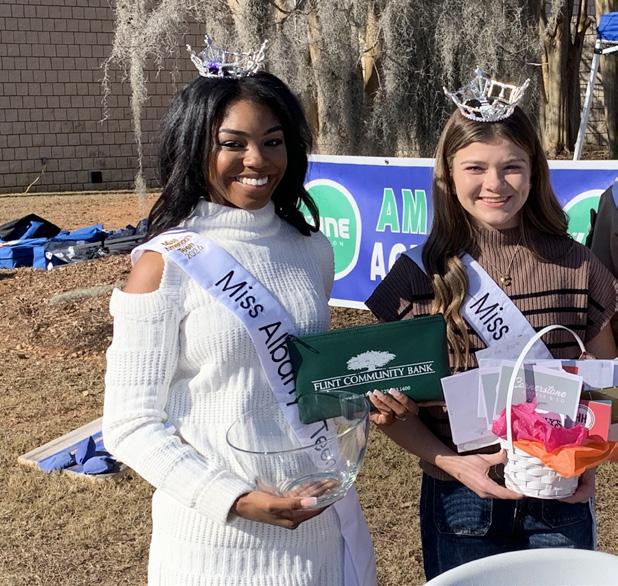
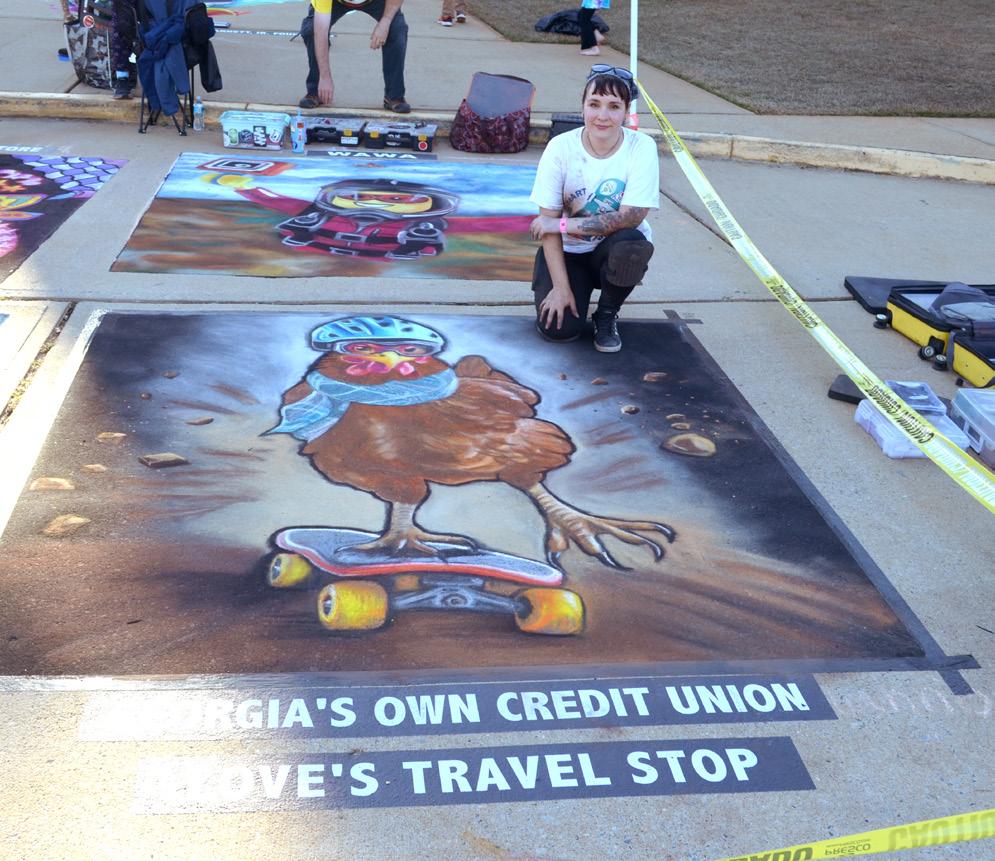
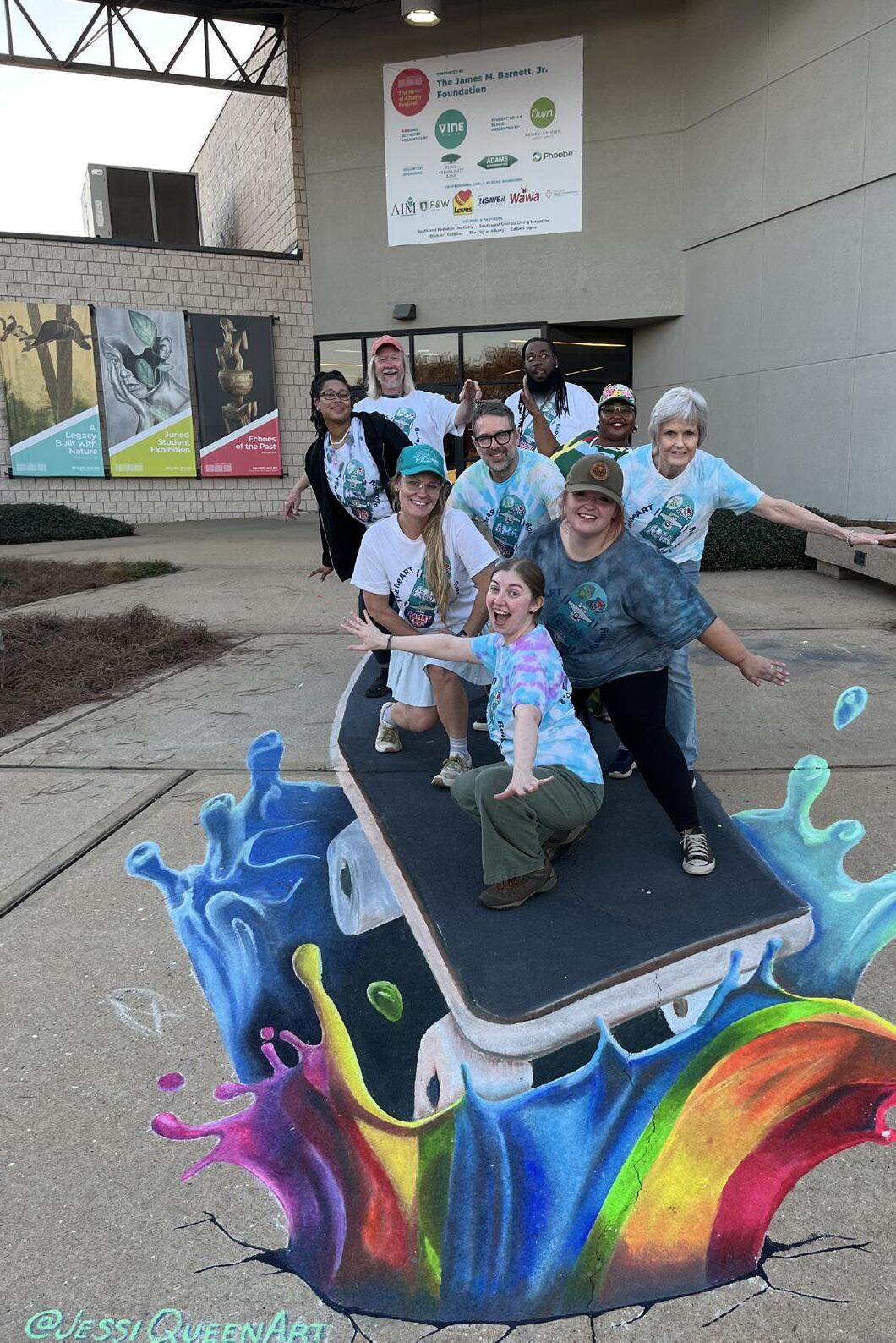
Instead of the shredded chicken you might find in a taco, a chicken shredding on a skateboard earned professional chalk artist Shannon Brooke the Best of Show prize on Nov 15 at the 8th annual Heart of Albany Festival. The event brought another big crowd to the AMA campus.
Brooke’s depiction of a Rhode Island Red riding a skateboard while sporting a blue helmet and scarf that matched perfectly the gorgeous sky visitors enjoyed was judged to be the one that best captured this year’s extreme sports theme. This was the Murfreesboro, Tenn., artist’s fourth appearance at the festival and her first Best of Show win. Seven artists competed, including three previous festival champions.
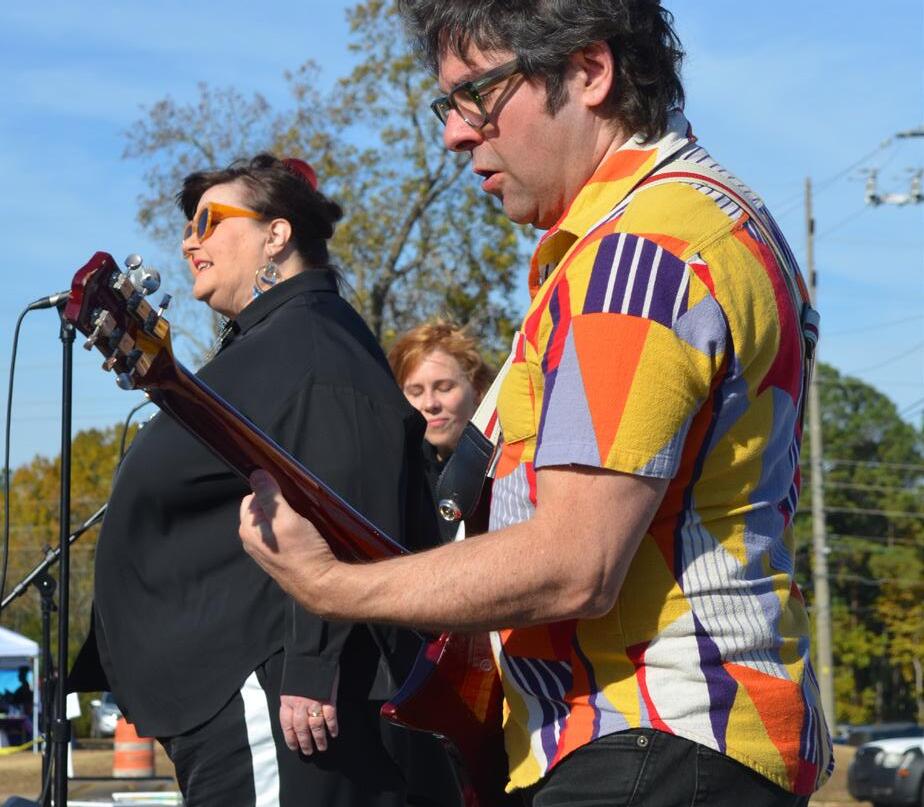
On the James M. Barnett, Jr. Foundation Stage, Athens band Pylon Reenactment Society performed for the first time in Albany. They were preceded on stage by singers/songwriters Hannah and Jansen Barnes. Festival-goers also got sneak peeks at scenes and songs from Ballet Theatre Albany’s The Nutcracker performances and Theatre Albany’s A Christmas Carol. DJ Jazzy Joe provided music between sets.
Also making its first appearance at the festival was the Hot Glass Academy of Americus. Demonstrating artists included Kern Cunningham, Joseph Bryant, Elizabeth Fullerton, high school student Remington Adams, Christopher Jenkins, and Nancy Jones and friends.
The AMA thanks our generous festival sponsors:
• Presenting Sponsor: The James M. Barnett, Jr. Foundation;
• AMAzing Activities games and play area: Vine Vision;
• School Chalk Blocks: Georgia’s Own Credit Union;
• Community Artists: WebstaurantStore;
• Professional Chalk Blocks: Albany Internal Medicine, Wawa, F&W Forestry, Love’s Travel Stops, Underwood Law, LLC, and U-Save-It Pharmacy;
• Volunteers: Adams Exterminators, Flint Community Bank, and Phoebe;
• Helper: Southern Pediatric Dentistry.
In-kind partners were Blick Art Supplies, Southwest Georgia Living Magazine, and Eddie’s Signs.
STUDENT CONTEST WINNERS ANNOUNCED
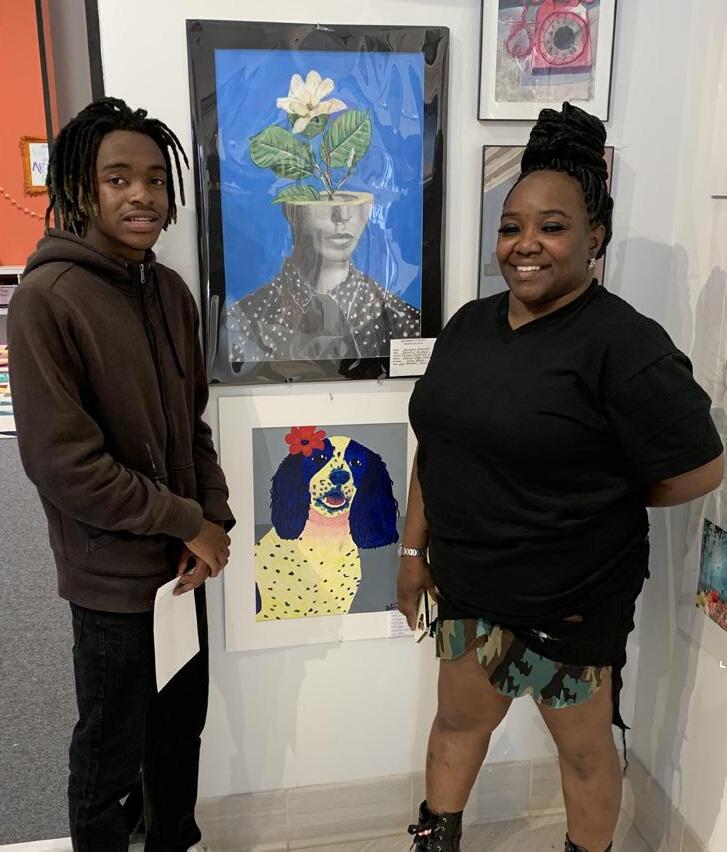
The 2nd annual Student Exhibition opened during the Heart of Albany Festival in the AMA’s West Gallery. More than 70 Southwest Georgia students submitted artworks for the contest and exhibition, with the top two high school winners in each category earning cash prizes. The exhibition was on view in the West Gallery from Nov 15 to Jan 3.
The 2025 winners were:
Abstract 2D Works: First place, Destiny Carter, freshman, Monroe High School, for Static Color (mixed media); second place, Juliet Cannon, Deerfield-Windsor School, Clown (painting); honorable mention, Jamyla Richardson, freshman, Monroe, Soft Energy (mixed media).
Enhanced Photography and Digital Art: First, Destiny Melvin, Chocolate Emporium; second, Daiveon Davis, Surfer Boy: honorable mention, Kelsey Salter, Poured to Perfection. All three are Dougherty High School students.
3D and Sculpture: First, Phoenix Adams, sophomore, homeschool, Escape; second, Jack Hopkins, sophomore, homeschool, Aldabra Tortoise Habitat; honorable mention, Marley Davis, Celebration
People’s Choice: The award voted upon by those attending the festival went to Daroiyun Strawder, senior, Monroe, for Bloom of the Mind (colored pencil drawing). Strawder also won this award in the first competition in 2024.
FROM THE COLLECTION
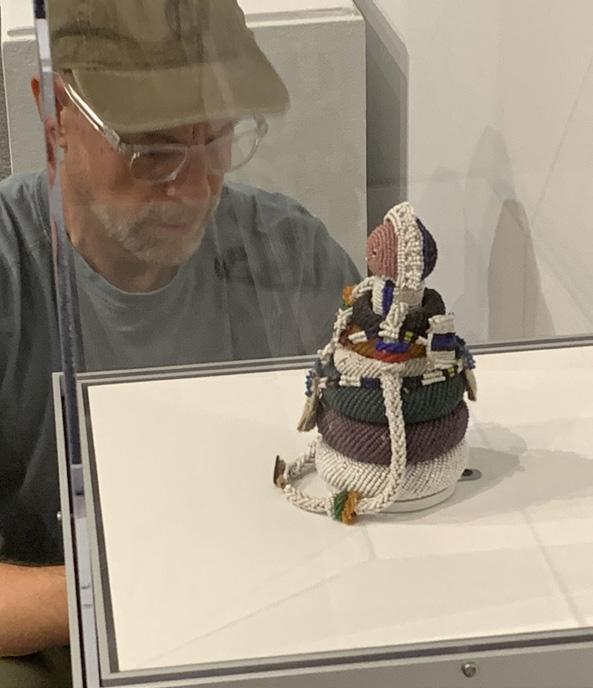
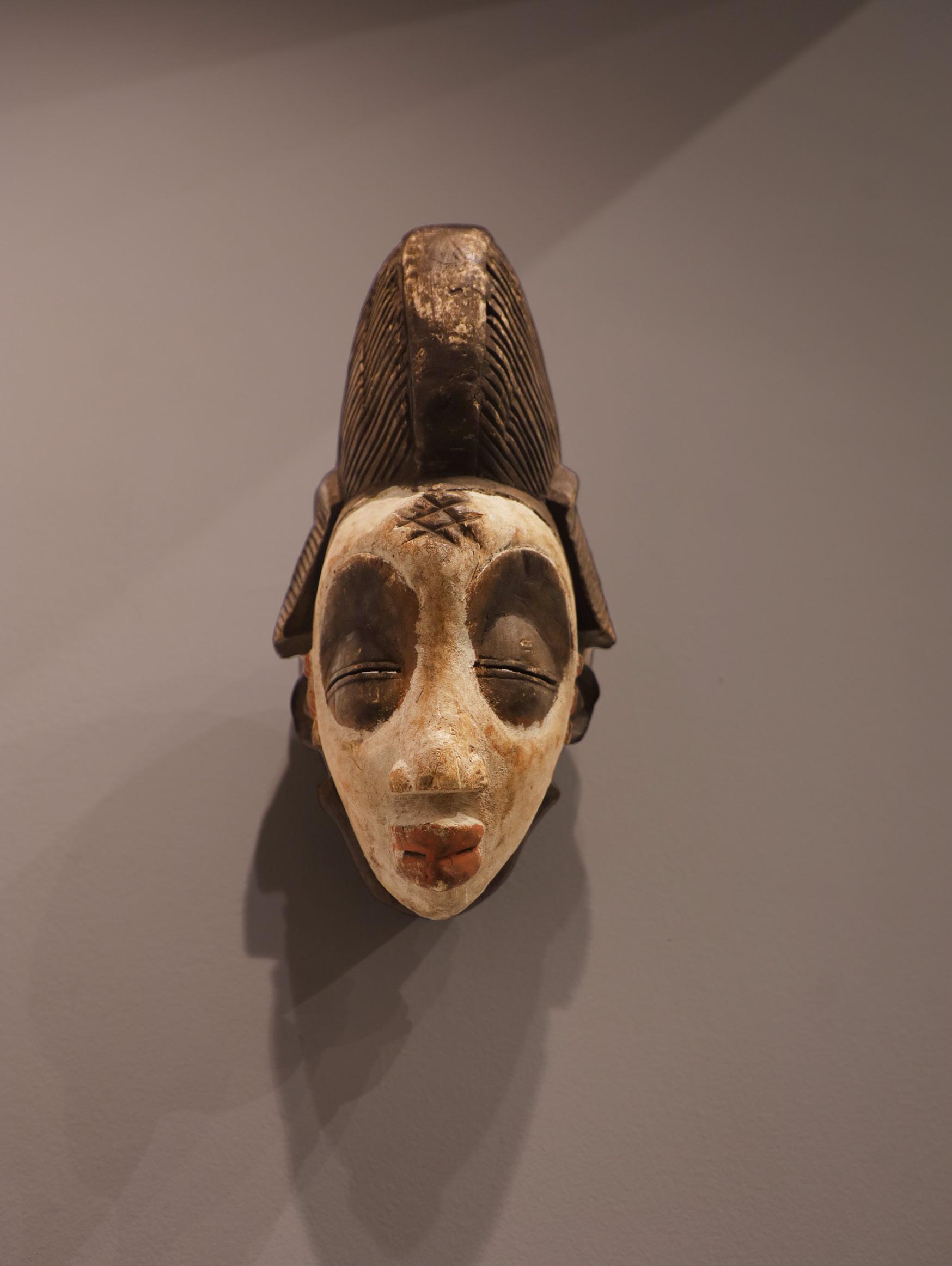
Punu Maiden Spirit Masks will always share several distinct features: the coiffure or hairstyle, the long forehead with scarification, eyes closed in a serene state, and the white kaolin clay surface.
GABONESE ARTIST: PUNU MAIDEN SPIRIT MASK
This mask from the Punu community in Gabon is one of the few museum purchases in the Sub-Saharan African collection. Punu Maiden Spirit Masks always share very key and iconic features that denote the iconic characteristics of a spirit ancestor. The Punu community is historically and traditionally deeply rooted in spiritual practice and ritual. Additionally, Punu culture is matrilineal, making the Punu Maiden Spirit Mask an important facet in this community’s traditions.
The Punu Maiden Spirit Mask would have typically been worn by dancers in performance or masquerade in celebration of the beautiful women in their community who have become or will become ancestors one day. The masks would have been worn by male dancers, who would take on the spirit of the maternal ancestor. In addition to the mask, costuming would also include stilts, making the performers tower over their community, adding an element of mysticism. Punu Maiden Spirit Masks will always share several distinct features: the coiffure or hairstyle, the long forehead with scarification, eyes closed in a serene state, and the white kaolin clay surface. Each of these features is a representation of ideal beauty features or traits for women of the Punu culture. While noting the physically beautiful features, such as hair styling and the long forehead, the mask also touches on the internal beauty through the calm and contented look of the mask, depicting a wise woman connected to the spiritual realm.
The Punu community, like many African communities and cultures, believed that their ancestors were present in their everyday lives. One would work on having the most prosperous life so they too could become an ancestor, while also doing ancestral veneration or honoring their ancestors throughout their lives in ritual practice. The kaolin clay pigment is a key feature pointing to the importance of spiritual awareness, while the white pigment denotes that the figure being depicted is a spirit; the kaolin clay itself has a deep significance in Punu culture. Kaolin was taken from the riverbeds and thought to have healing properties, and the river itself was seen as a transitional site, almost a door to the spiritual domain.
Gabonese Artist, Punu Maiden Spirit Mask, 20th century, wood, kaolin clay, pigment, museum purchase, 96.004.002.
UNTITLED (WRECKED AUTO)
John Salt was best known as one of the pioneers of photorealism. Born and raised in Birmingham, England, Salt’s early surroundings were steeped in the aesthetics of the automobile — his father owned a motor repair garage, and his step-grandfather painted decorative stripes on car bodies. This mechanical lineage would later emerge as the visual and emotional core of his art. Encouraged to draw at a young age, Salt entered the Birmingham School of Art when he was only 15. He progressed to the Slade School of Art in London, where the influence of Prunella Clough and American Pop Art figures such as Robert Rauschenberg shaped his early vision.
Salt’s early works reflected the two dominant artistic trends of his time — Abstract Expressionism and Pop Art. While teaching in Stourbridge and exhibiting at Birmingham’s newly opened Ikon Gallery in the mid-1960s, he was still exploring where his artistic voice would resonate best within these established styles. Yet, he was discontent with the idea of adopting a ready-made lexicon, unlike the Warhols of the age. Instead, he sought a more personal language that could reconcile the magnetism of pop culture with a deeper, more observational truth.
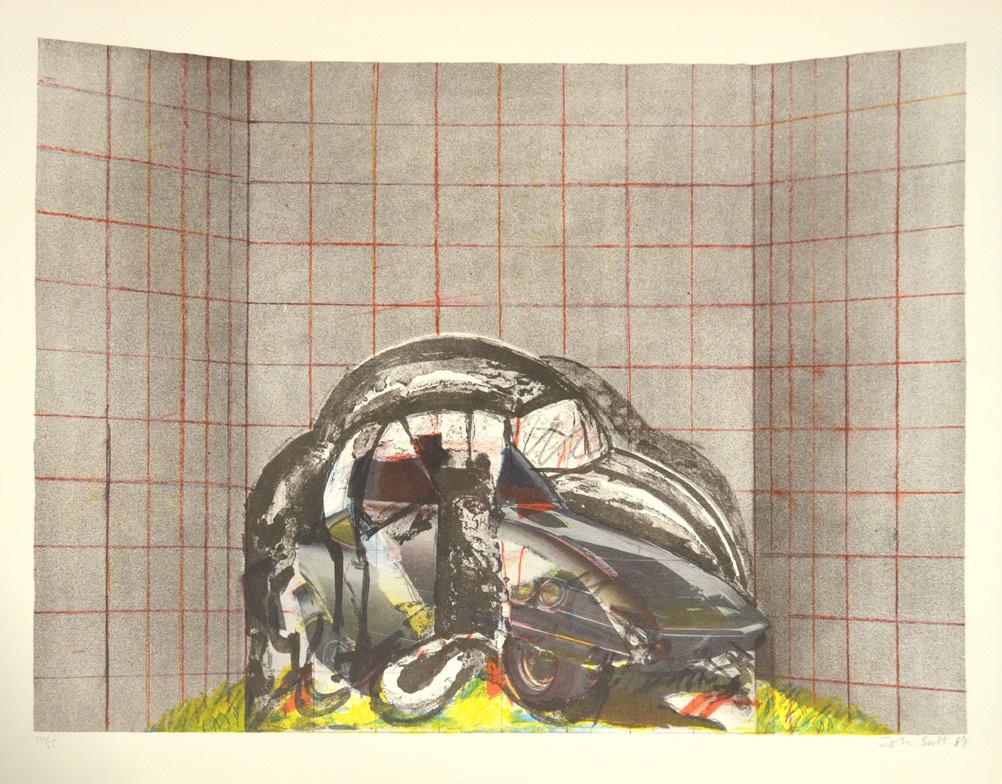
John Salt (British, 19372021), Untitled (Wrecked Auto), 1969, lithograph, gift of Mr. and Mrs. Ivan C. Karp, 84.010.012.
This search intensified when Salt moved to the United States in 1967 to join the MFA program at the Maryland Institute College of Art (MICA) in Baltimore. Under the mentorship of Grace Hartigan, he was encouraged to experiment beyond stylistic conventions. In the college library, he discovered Contemporary Photographers: Towards a Social Landscape, a book that proved transformative. The direct, documentary style of photographers such as Garry Winogrand and Lee
Friedlander, with their unselfconscious recording of everyday life, offered Salt an alternative to the painterly habit. He began photocopying images from the book with the intent of translating their realism into paint.
Salt’s painting Untitled (1967), closely based on Winogrand’s New York City (1959), marked his first step toward a new artistic language. The painting, depicting the interior of a car as seen from outside, restaged the photograph with near-clinical accuracy, yet still retained traces of expressive interpretation. Salt realized that the elimination of expressive “style” would demand an exact and impersonal transcription of the image.
When artist Alex Katz reviewed Salt’s work while still at MICA, he remarked, “This may not even be art.” That comment was, unexpectedly, an affirmation. Salt had found a form of painting that subverted traditional notions of authorship by erasing gesture.
Instead of returning to England after completing his studies in Baltimore, Salt moved to New York City in 1969. This relocation marked a profound shift in both subject matter and sensibility. Moving beyond the pristine interiors of consumer advertising, he began photographing the unvarnished, grimy world around him.
The decisive moment came when he discovered a scrapyard beneath the Brooklyn Bridge. The scene of twisted metal and wrecked vehicles, stripped of their showroom allure, offered a raw, anti-consumerist counterpoint to the polished imagery of his earlier work. These wrecks embodied entropy, memory, and loss. Using his photographs as source material, Salt captured vehicles mangled to the point of violence, transforming them into haunting icons of decay.
This scrapyard epiphany did more than change his subject; it reoriented his method. He began using airbrushes, stencils, and other media, refining the technical precision necessary to reproduce photographic detail while suppressing painterly trace. The resulting works—abandoned cars, mobile homes, and pickup trucks rendered with frozen stillness—blurred the line between painting and photograph.
This print is a part of the resulting experimentation after that pinnacle moment. This untitled lithograph, edition number 54 of 65, was made in 1969 in New York City, after he was influenced by the scrapyard’s monument to decay. Salt incorporates photorealistic imagery of a violently crumpled car body, with traces of painterly embellishment. The background is little more than a grid in one-point perspective, suggesting containment and isolation. Yet the green grass beneath the mangled vehicle, which is far from photorealistic, gives the deception of life still present. This print is one of many that Salt made into a series, all variations of the same mangled, functionless, dirty vehicles in a containment grid, in various colors and degrees of destruction, including aspects of photorealism and painterliness. This is one of three Salt prints in the AMA’s permanent collection.
By anchoring his art in his photographic encounters, Salt redefined realism as both document and meditation. What began as an engagement with Pop Art’s celebration of the consumer object evolved into a quiet elegy for its aftermath. Where Pop Art had glorified the new, Salt painted what was left behind.
Using his photographs as source material, Salt captured vehicles mangled to the point of violence, transforming them into haunting icons of decay.
ON VIEW
Jan 22 – May 2, 2026
Haley Gallery
Familiar Rhythm: Time, Nostalgia, and Memory
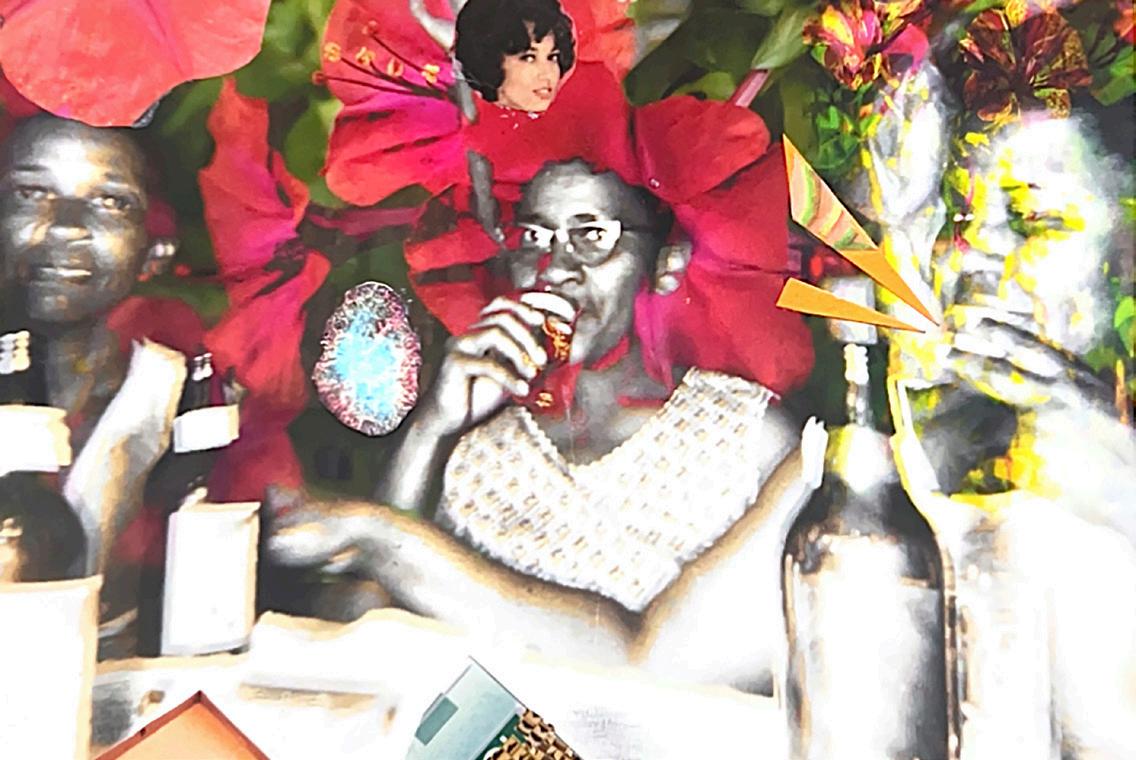
Familiar Rhythm: Time, Nostalgia, and Memory is a group exhibition featuring works of Maiya Lea Hartman, Larry Cook, and Kimberly Anderson. The artists in this exhibition rethink methods of memory-making and documentation through the manipulation of photography. Through this revamping and altering of photographs, the artists in Familiar Rhythm create feelings of familiarity and nostalgia by allowing snippets of Black cultural tradition to induce a feeling of collective memory and re-memory. The vague feeling of nostalgia presents itself
within each of these artists' works, creating a surreal viewing experience that allows the viewer to feel comfortable in feelings of cultural and shared memory. While the Black experience is unique, Familiar Rhythm presents a space of comfort and embrace in Black cultural tradition and shared memories among the Black community, regardless of the geographic location. From moments capturing friends, family, and communal gathering spaces, Familiar Rhythm thinks through cultural memory as an experience filled with reminiscence.
This exhibition emphasizes the manipulation of photographs as a tool to heighten this sense of familiarity. Though the image is presented in snippets, collages, and distorted compositions, the picture in its entirety is not needed, as one can still experience what the image holds.
Above: Kimberly Anderson, great, great Aunt Frances n’em at 4 o’clock, 2025, mixed media collage.
Opposite page: Larry W. Cook, La Fontaine Bleau, 2024, mixed media on canvas.
Works by Kimberly Anderson, Larry W. Cook, and Maiya Lea Hartman
Jan 22 – May 2, 2026 East, Hodges, and McCormack Galleries
Art Making / World Making ON VIEW
Wadsworth and Jae Jarrell
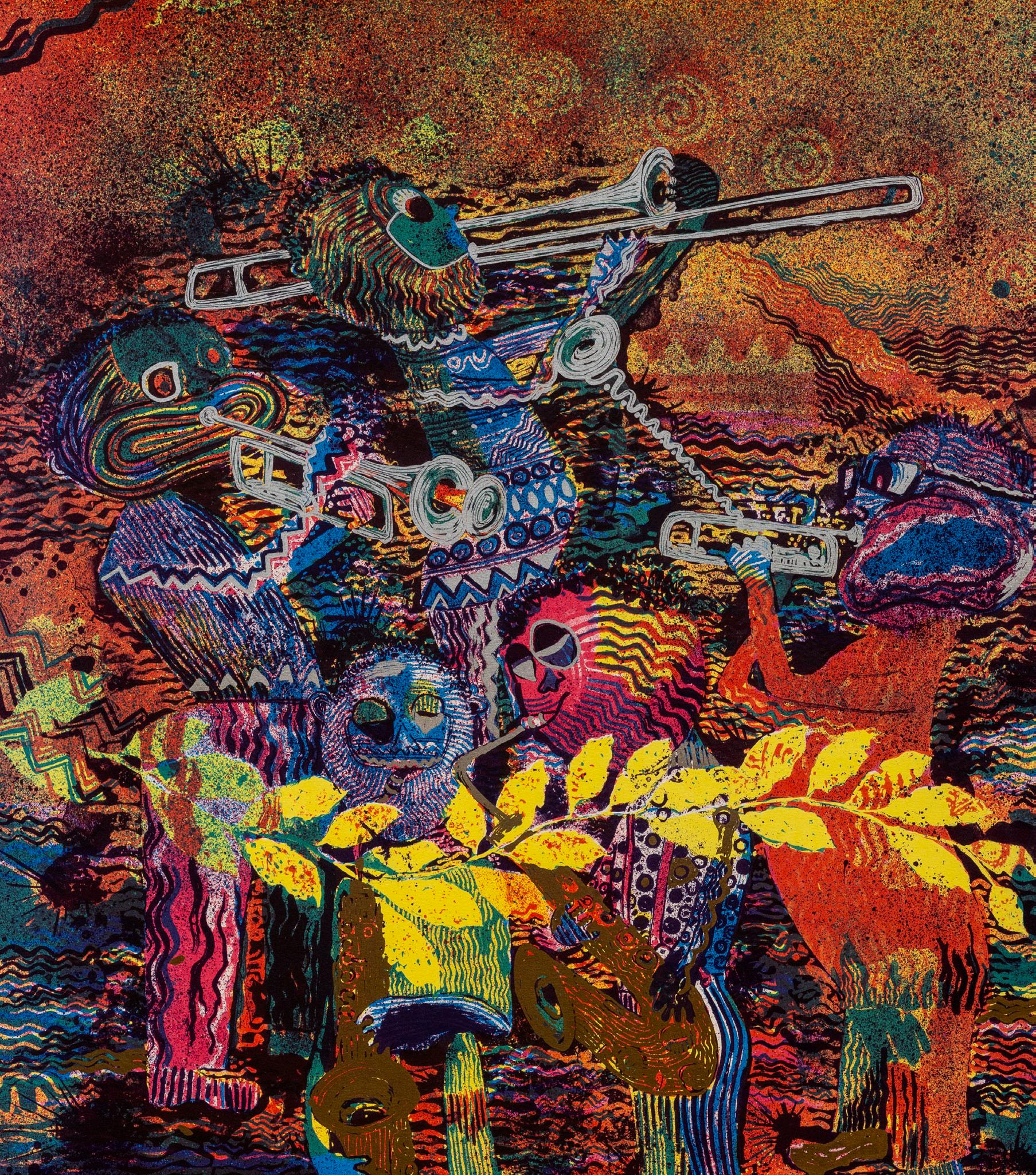
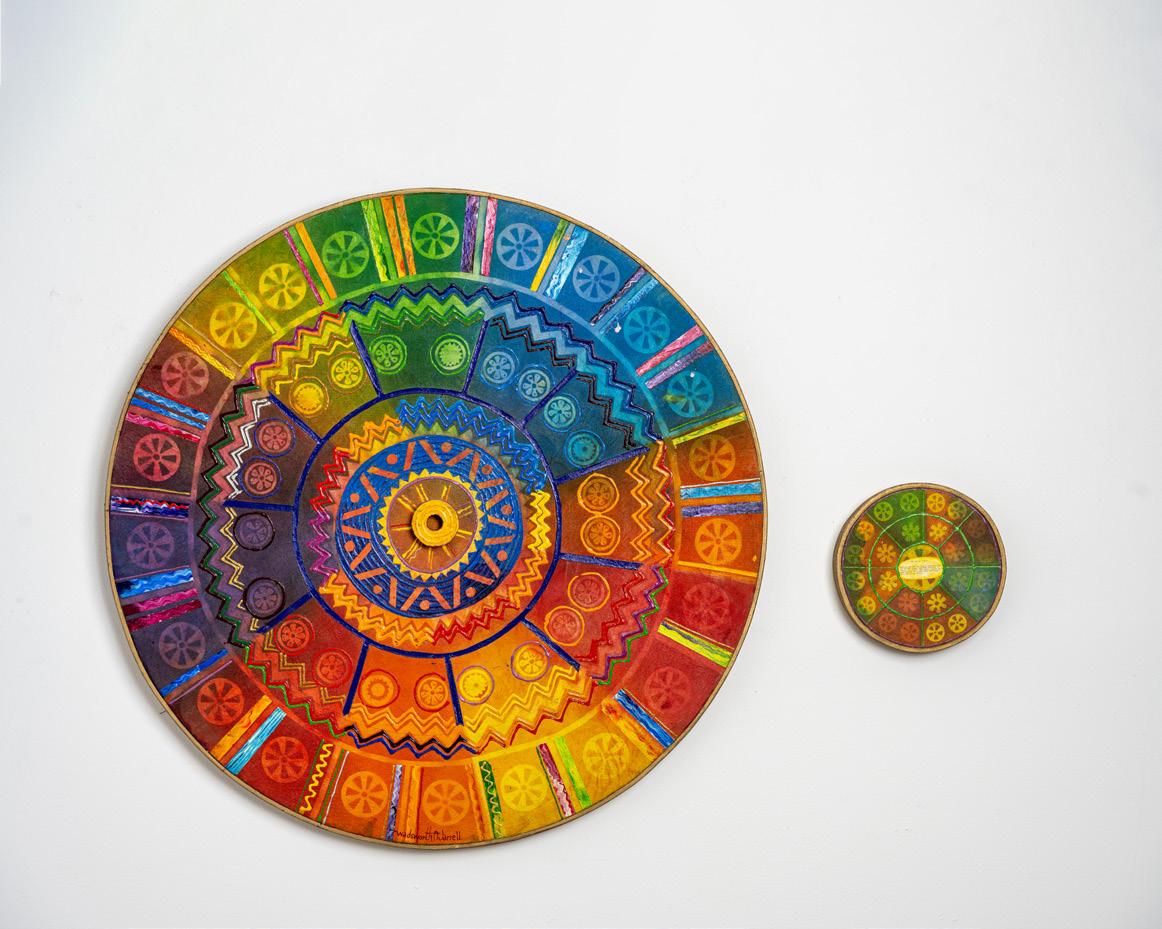
Wadsworth and Jae Jarrell are longtime artists, demonstrators, and provocateurs. In their early work as founding members of the Black radical arts group AfriCOBRA, they worked to provide a new visual language of Black culture. With key elements like Shine, Positive Images, CoolAde Colors, and Visibility that the collective established as key points in their philosophy, they created their own world, with their own aesthetic practice and their own visual language.
Art Making / World Making presents a selection of works by the Jarrells from key points in their lives. It begins with their early art careers, progressing through moments that influenced their practices, such as the first collective solo exhibition
of AfriCOBRA at the Studio Museum in Harlem in 1970, AfriCOBRA I, or their work in Nigerian Arts Festival Festac ’77. As it moves into the present, Art Making/ World Making explores how their work has changed throughout the decades.
This exhibition marks a pivotal moment, not only for the Albany Museum of Art but for these exhibiting artists. It acts as a symbolic homecoming. Wadsworth Jarrell was born in Albany, and last exhibited at the museum in 1987. Jae Jarrell also has connections to Albany, as the late C.B. King was her brother-in-law.
Wadsworth & Jae Jarrell: Art Making / World Making aims to highlight the legacy of these two dedicated, lifelong artist-ac-
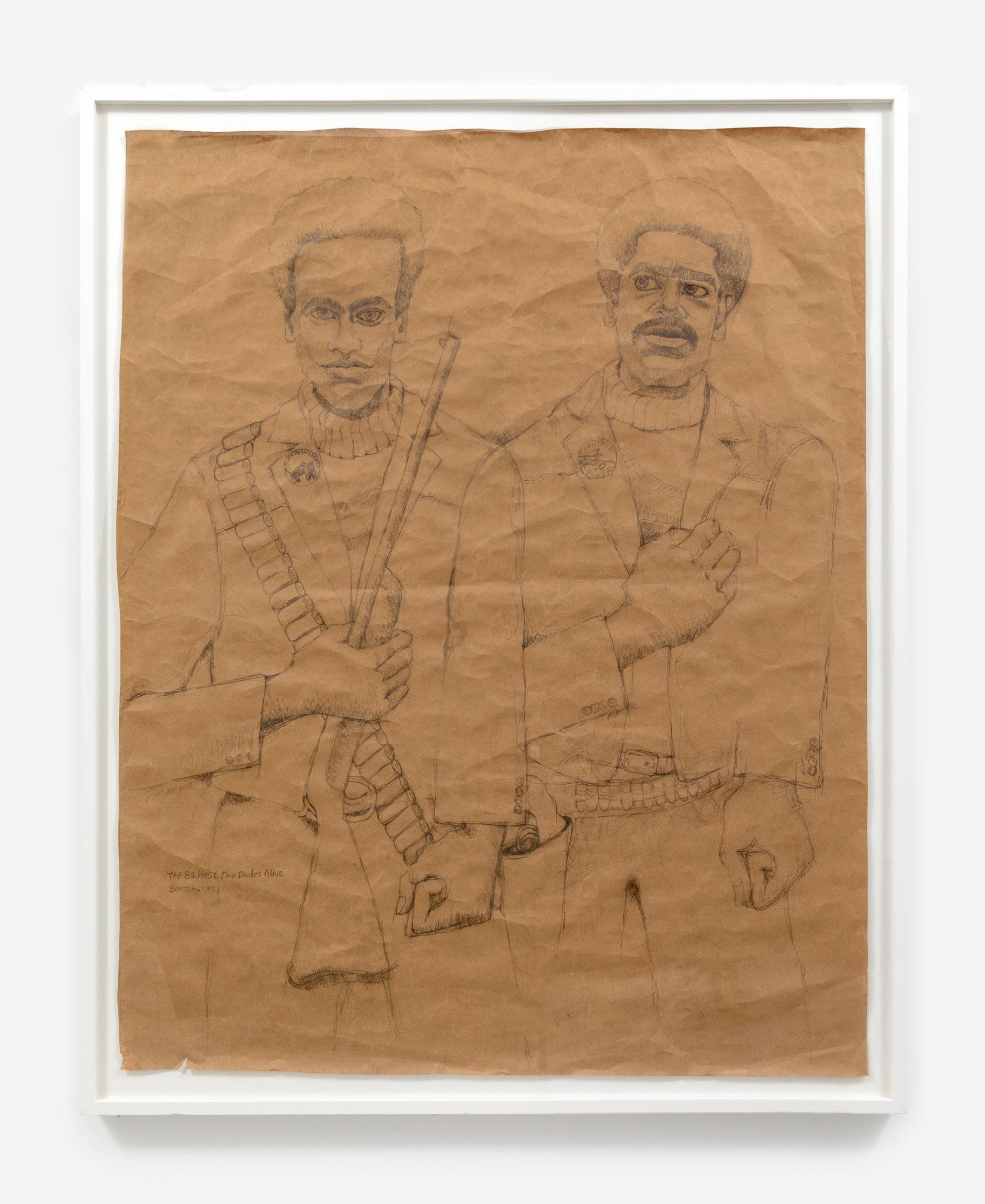
tivists. Through the interdisciplinary textile practice of Jae Jarrell and the dynamic narrative-building drawings and paintings of Wadsworth Jarrell, these artists together share a passion for visibility, advocacy, and positive representations of Blackness.
This exhibition is made possible with support from the Walter & Frances Bunzl Family Foundation.
Opposite page: Wadsworth Jarrell, Baddest Two Dudes Alive: Huey and Bobby Graphite on paper, 1971
Water is integral to life. As NASA continues to search for evidence of water on our celestial neighbors, we have the privilege of being close to bodies of water in our own backyard: rivers, creeks, lakes, and blue springs. Southwest Georgia is connected to water in many tangible ways, but here is an offering to connect in yet another way.
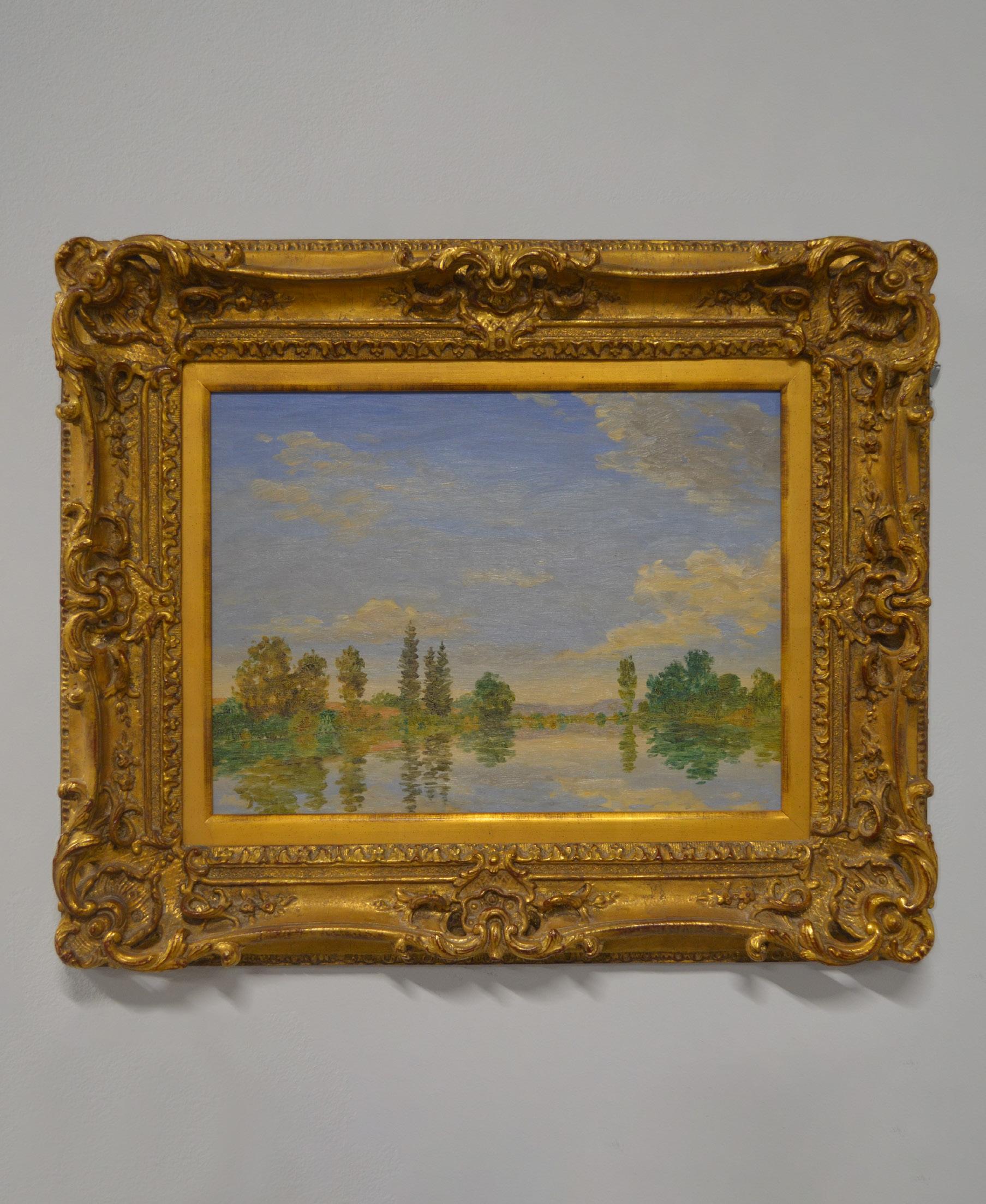
Still Waters explores waterscapes from the permanent collection, inviting viewers into a world where calm becomes a transformative force. Ranging from the mid-19th century to the modern era, each artwork captures the quiet power
of water at rest, with scenes of horizons unbroken, reflections gently disturbed by tide ripples, and light gently diffused across tranquil Impressionist surfaces.
Through these serene paintings, sketches, and photographs, this exhibition highlights how moments of stillness can ground us, offering space for reflection and emotional clarity. By focusing on nature’s more peaceful moods, this sample of the permanent collection celebrates calm, not as an absence, but as a presence—a vital, restorative state that reconnects us to nature’s rhythms and to our own inner balance.
Still Waters invites viewers into a world where calm becomes a transformative force.
David Eugene Henry (American, B. 1946), A Pond in Northwest Georgia, c. 1993, oil on panel, gift of the artist, 00.004.001.
FOR K-12 HOMESCHOOL DAY
Thursday | Feb 12, March 12, April 9, May 14 | 10-11:30 AM
FOR KIDS
TODDLER TAKEOVER
Tuesday | Feb 3, March 3, April 7, May 5 | 10:30-11 AM
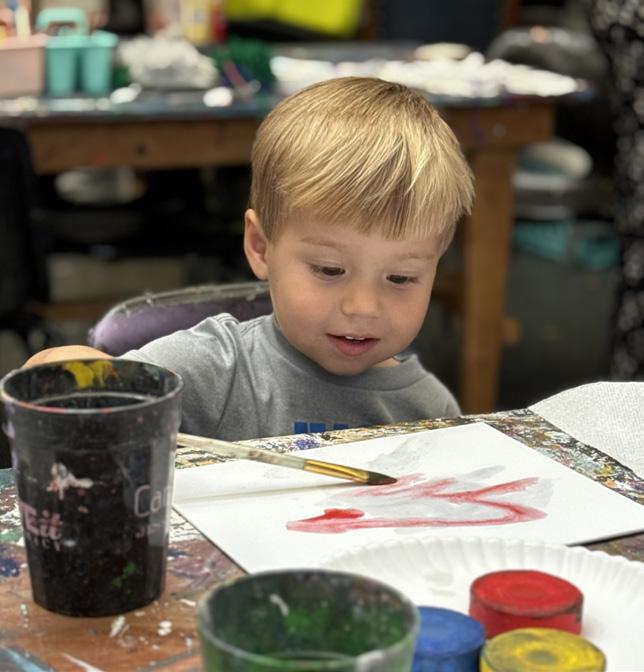
Toddler Takeover is a 30-minute program designed for children ages 15 months through 3 years and their caregivers. It is also sibling-friendly, so bring brother or sister along as well. Toddler Takeover engages children’s creativity and incorporates monthly themes with related artwork, art-making activities, stories, and gallery tours.
Schedule note: After the May 5 meeting, the program will pause over the summer because of the heavy schedule of art camps. Toddler Takeover will return for a new series of sessions in September.
Cost: $7 ($5 for Artist Guild donors; free for Reciprocal donors and above).
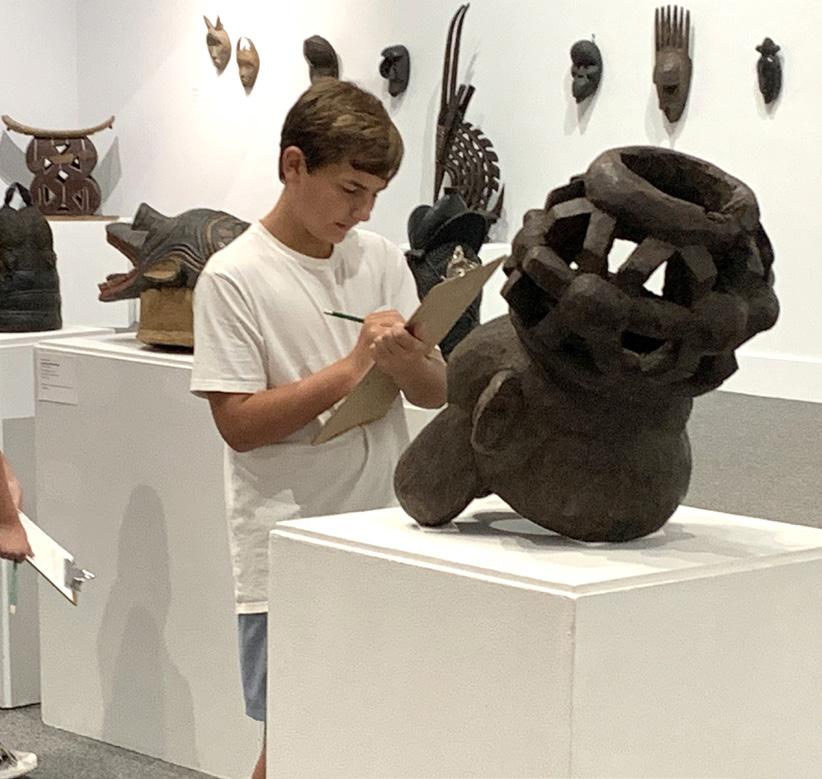
K-5th grade homeschoolers learn together in the gallery and work together on a take-home project in the AMA Classroom. Homeschooled students benefit immensely from visiting the AMA as we provide a rich visual environment to address a wide range of topics, such as cultural awareness and understanding, critical thinking skills, and practice real-life application of literature, history, mathematics, language arts, and science.
In the classroom, students practice new artistic techniques, grow social skills, improve fine motor skills, and foster creativity. This in-gallery and hands-on exposure complements traditional homeschooling methods, enhancing their understanding of various subjects.
Schedule note: After the May 14 meeting, the program will pause over the summer because of the heavy schedule of art camps. Homeschool Day will return for a new series of sessions in September.
Tuesday | Jan 27, Feb 24, March 24, April 28 | 3:30-5 PM
Middle & High School Students:
Wednesday | Jan 28, Feb 25, March 25, April 29 | 3:30-5 PM
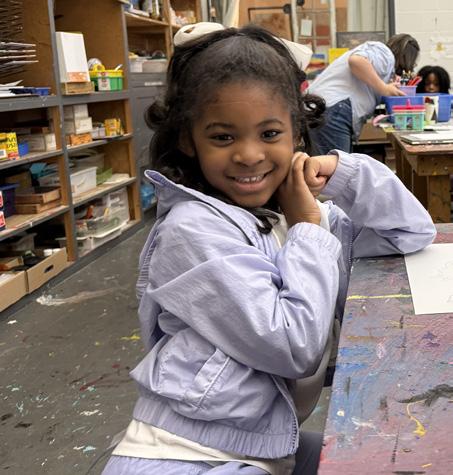
The monthly meetings of the After School Art Clubs enable students to explore different art media and learn and work on new techniques during the school year. Each session explores a different area of art, expanding the students’ exposure to various media, developing their art-making skills, and helping them expand their portfolios.
Schedule Note: After the April 28-29 meetings, the program will pause over the summer because of the heavy schedule of art camps. The After School Art Clubs will start the 2026-27 season in August.
Kids in K-7th grade can spend the days out of school can spend spring break week making art, friends, and memories at the Albany Museum of Art. The theme for this year’s camp will be announced soon.
The summer is always busy at the Albany Museum of Art with a series of week-long art camps that involve different themes and media. Each camp is for a specific age group, ranging from toddlers to primary and elementary school to middle and high school students. The themes and ages will be announced in early spring.
Saturdays | Feb 14, March 14, April 11, May 9 | 10-11 AM
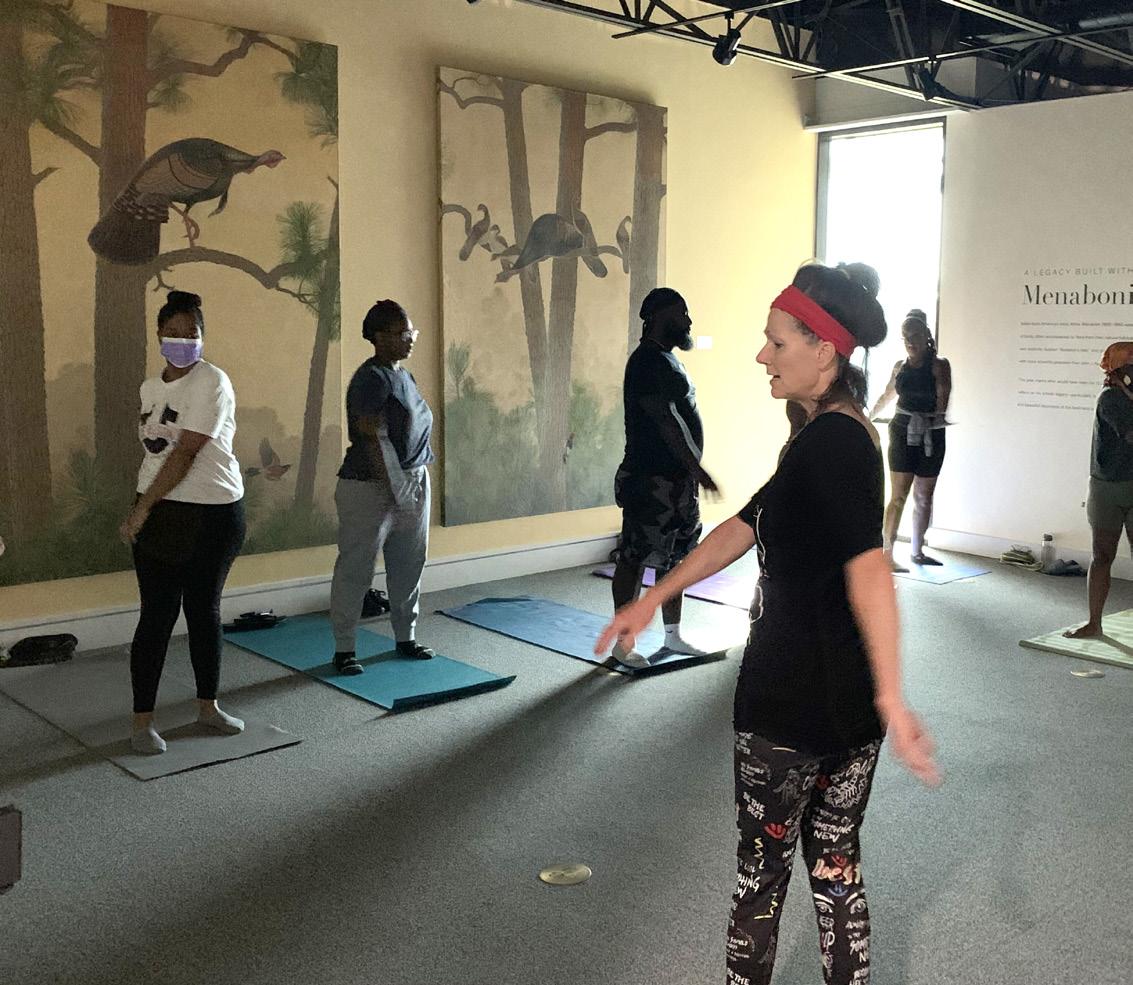
Yoga in the Gallery lets participants engage in yoga in the art-inspired environment of an Albany Museum of Art gallery. Renea Miller instructs the monthly classes.
Each exhibition ignites a new aspect of participants’ meditation. Participants unplug from daily distractions to look within themselves and find balance and new energy while consciously experiencing art.
No yoga experience is necessary. Participants should dress comfortably and bring a mat.
Schedule note: Yoga in the Gallery is now conducted on the second Saturday of the month.
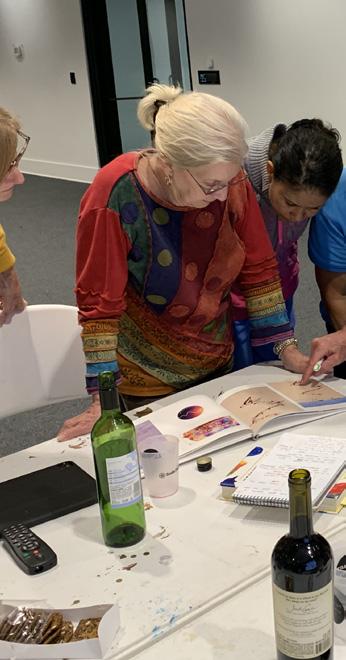
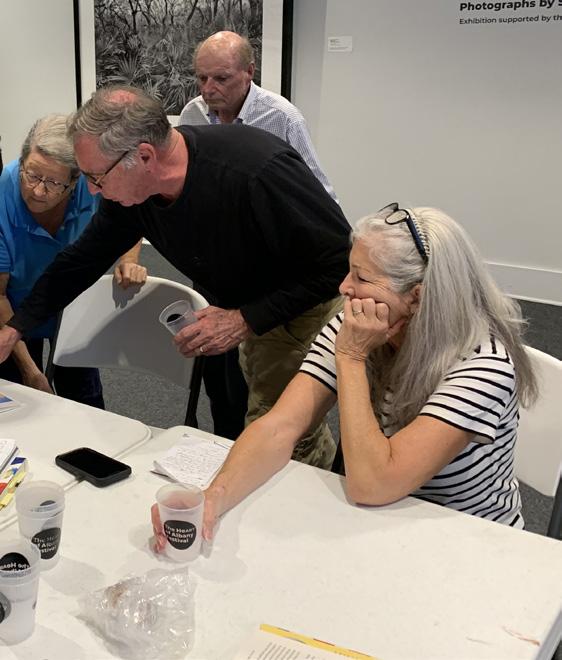
Get away from phone screens and other electronic media and talk about books with other art and book art lovers. Club members enjoy wine and snacks while they discuss the artcentric selections at the Tuesday evening meetings.
The discussions are held every other month to provide plenty of time to read the selection. There is no cost to attend, and no formal membership, but we do ask that you RSVP so that adequate seating and refreshments can be set up for the meeting.
Here is the reading list for the winter and spring. The selections for the new season that starts in the summer will be decided by club members in May.
Jan 20: St. EOM in the Land of Pasaquan: The Life and Times and Art of Eddie Owens Martin by Jonathan Williams is a biography of eccentric Southern visionary artist Eddie Owens Martin, creator of Pasaquan.
March 17: Ninth Street Women by Mary Gabriel is a sweeping group biography of five women artists (Lee Krasner, Elaine de Kooning, Grace Hartigan, Joan Mitchell, and Helen Frankenthaler) who transformed American art in the 20th century.
May 19: The Grand Affair: John Singer Sargent in His World by Paul Fisher is a rich, beautifully written biography that places Sargent in the broader cultural, aesthetic, and social world of the late 19th and early 20th centuries.
Season 7 opens on July 14 with a discussion of A Gentleman and a Thief: The Daring Jewel Heists of a Jazz Age Rogue by Dean Jobb. This is a true crime caper set in the art and jewel theft world during the Jazz Age. The club will decide the other titles for season 7 in May.
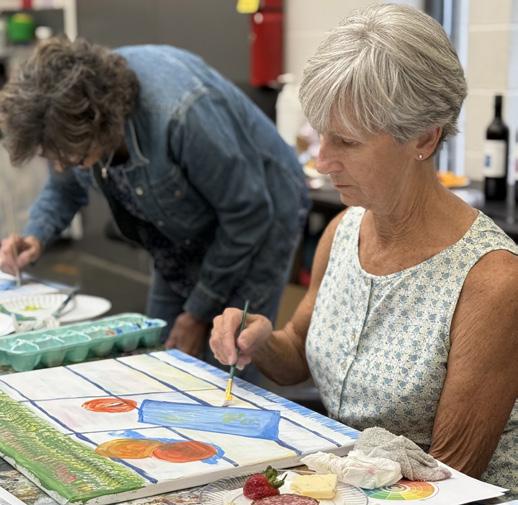
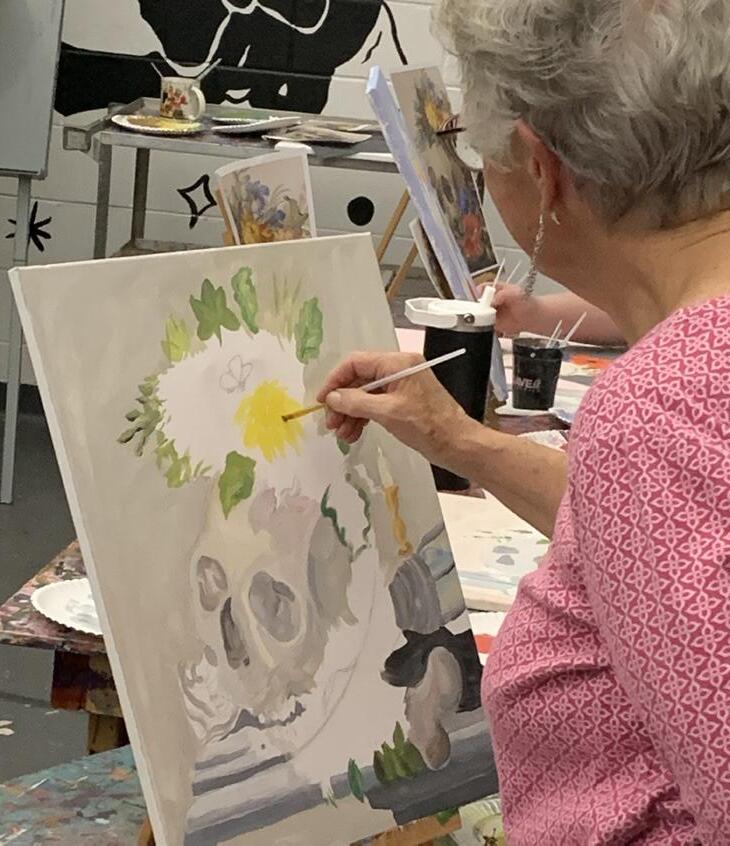
Painting experience is not needed to enjoy these bimonthly painting parties. Participants get step-by-step instructions on creating their interpretations of famous paintings. Painters of all skill levels enjoy wine, snacks, background music, and pleasant conversation during each low-pressure, highsatisfaction painting party.
The AMA provides all art materials and refreshments. Each participant goes home with an artwork he or she can proudly display at home or in the office.
Paintings that will inspire the winter and spring painting parties are:
Feb 19: Gustav Klimt's The Kiss, created between 1907 and 1908;
April 23: Flower Beds at Vétheuil by Claude Monet, created in 1881.
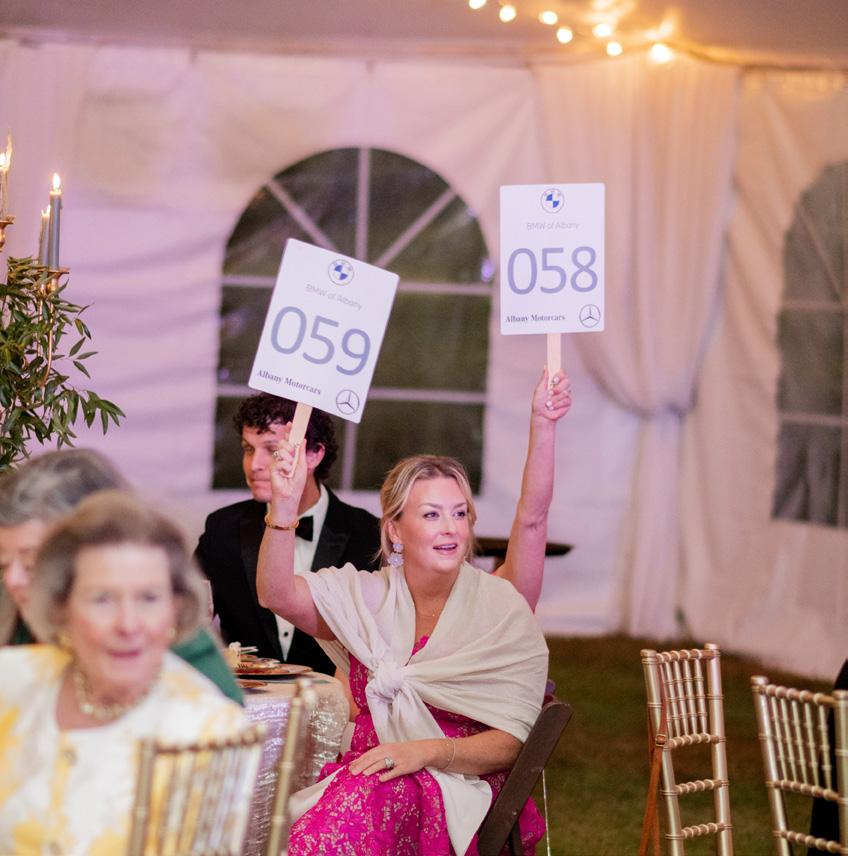
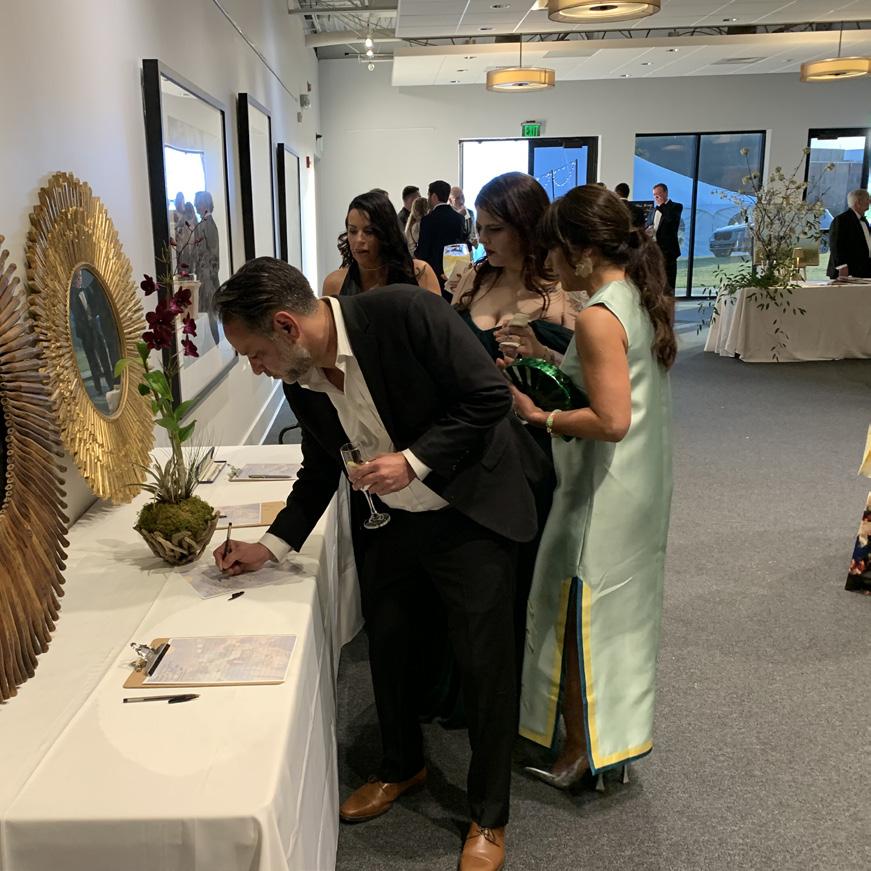
Details for Art Ball 2026 were still in the planning stages at the AMA Magazine deadline, but it will again be a spectacular evening celebrating the arts. Information will be shared on the AMA’s website, social media, and Sunday evening newsletter as soon as it is available.
The event, as always, will include a gourmet meal, drinks and hors d’oeuvres, live and silent auctions, and great entertainment and dancing.
Art Ball plays an indispensable role as the Albany Museum of Art’s biggest fundraiser of the year. The black-tie-option event not only raises awareness about the AMA and its important work in the community, but it also raises vital funding that supports free admission for everyone, world-class traveling exhibitions, educational programming, art camps (including scholarships to reach more areas of the community), and more.
Donations made during the Wayne & Alicia Gregory Family Foundation Paddle Raise portion of the evening support the AMA’s educational programs, including scholarships to the museum’s popular seasonal art camps.
The Art Ball website is www.albanymuseum.com/events/art-ball.
EXHIBITIONS OPENING RECEPTION
Thursday | Jan 22 | 5:30-7 PM
Join us as we celebrate the opening of the winter-spring exhibitions: Familiar Rhythm: Time, Nostalgia, and Memory, a group exhibition of works by Maiya Lea Hartman, Larry Cook, and Kimberly Anderson in the Haley Gallery; Wadsworth and Jae Jarrell: Art Making/World Making in the East, Hodges, and McCormack Galleries, and Still Waters, works from the Albany Museum of Art permanent collection, in the West Gallery.
Cost: Free for Reciprocal and high donors; $10 for Artist Guild donors; $15 for non-donors.
FAMILY OPENING DAY
Saturday | Jan 24 | 10 AM-5 PM
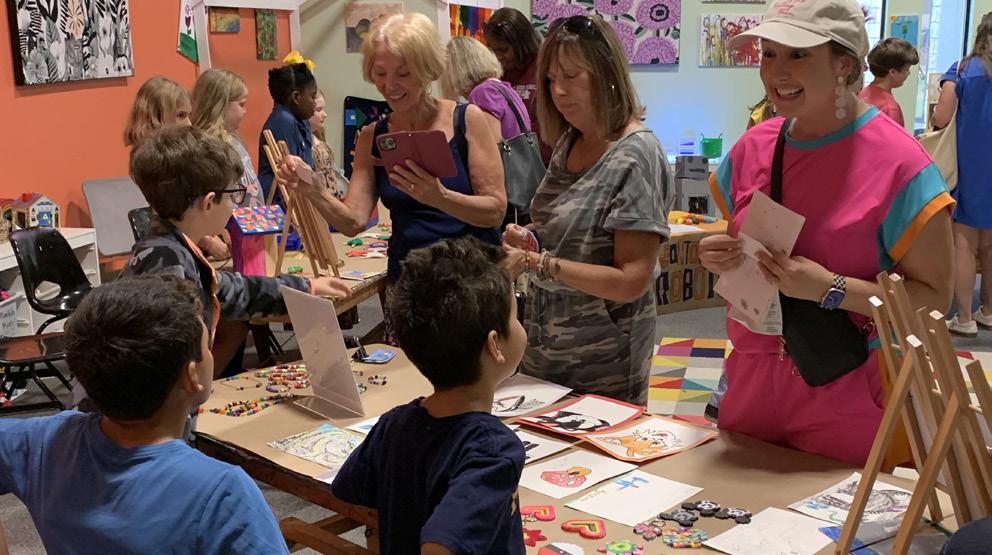
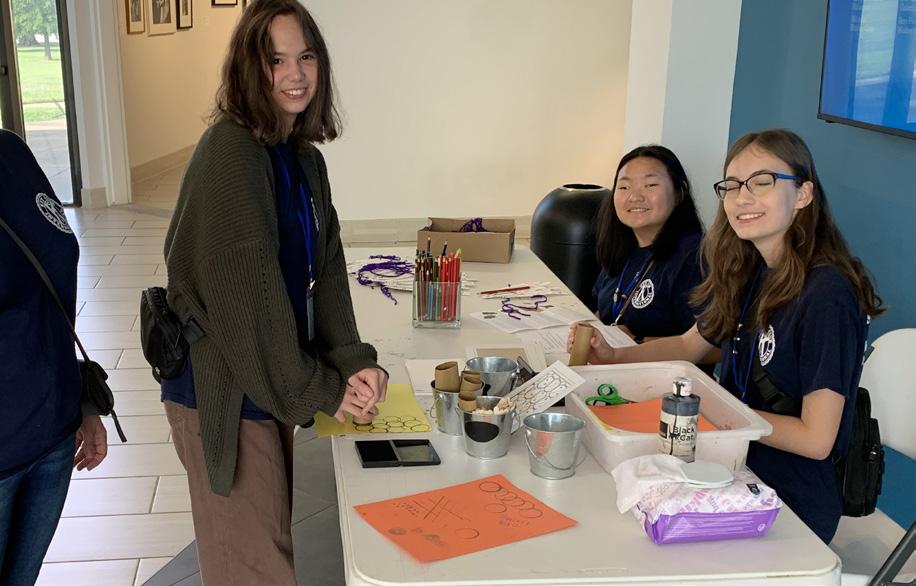
Take a scavenger hunt in the galleries while you visit the newly opened exhibitions and enjoy creative play in the AMAzing Space activity center. Key Club teens will guide a fun take-home art project from 10 AM to 1 PM.
It will be a magical morning of imagination, creativity, and delightful treats at the Albany Museum of Art. Designed especially for young girls and their favorite dolls, Tea & Treasures is the perfect way to celebrate friendship, play, and art.
Dress to impress! Wear your best party outfits, and be sure to dress up your doll, too.
The event includes:
• Doll & Me art projects: Create charming keepsake crafts that you and your doll can enjoy together.
• Tea Time Treats: Light snacks including tea cakes and fresh fruit.
• A Proper Tea Party: Sip warm tea in a beautifully decorated tea-party setting.
Cost (one child and one accompanying adult): $35 ($30 for AMA donors). Each additional adult, $20.
RSVP: www.albanymuseum.com/event/tea-party-2026/
BECOME A DONOR
A non-profit organization cannot fulfill its mission without operational support. The funds raised through the Annual Fund directly support staff, programming, infrastructure, and building needs. There are tiered levels starting at $1, with giving circles that suit the donor’s level of engagement. The AMA is deeply grateful for all our donors, whose contributions are 100% tax-deductible within the limits permitted by law.
This donorship program replaced the AMA’s traditional paid membership program on June 30, 2024.
To become an Annual Fund donor online, visit www.albanymuseum. com/support/annual-fund and choose the level you find comfortable. If you have questions, please contact AMA Director of Development Chloe Hinton at 229.439.8400 or at chloe.hinton@albanymuseum.com.
DONOR LEVELS
Artist Guild — <$125/year
• Attend one (1) opening reception per year for free for all household members, with discounts on other opening receptions.
• Discounts on Toddler Takeover, After School Art Club, Homeschool Day, Corks & Canvases Painting Parties, and AMA Meet-Up Trips (art camps are not included).
• Digital Communications, including the AMA’s weekly email newsletter, event invitations, and access to the digital magazine.
• Active military and their families may contribute at this level and receive Reciprocal Level benefits.
• 10% discount at the Lamp Shade.
Reciprocal Level — $125-$249/year
You receive all benefits of the Artist Guild Level, and:
• Print copies of event invitations, AMA Magazine, and special AMA announcements mailed to your preferred address.
• Reciprocal membership to hundreds of museums across the United States through the North American Reciprocal Membership (NARM) program and the Southeastern Reciprocal Museum (SERM) program.
• A discount on all camps and classes.
• A discount on birthday parties.
• Attend two (2) opening receptions per year for free for all household members, with discounts on other opening receptions.
• Toddler Takeover sessions are free.
Contributor — $250-$499/year
You receive all cumulative benefits through the Reciprocal Level, and:
• Annual recognition in AMA Magazine
• Attend all opening receptions for free.
• Free admission to AMA Meet-Ups
• Priority registration for special events.
Enthusiast: $500-$999/year
You receive all cumulative benefits through the Contributor Level, and:
• Invitation for two (2) to The Year in Art luncheon, a free, invitation-only event reflecting the closing fiscal year and looking forward to the coming year.
• A complimentary Reciprocal Level donorship for you to give to someone as a gift.
• Recognition on the Year-End Donor Wall in the AMA Lobby.
Advocate: $1,000-$2,499
You receive all cumulative benefits through the Enthusiast Level, and:
• A private tour for up to 10 people guided by the AMA Director of Curatorial Affairs.
• 20% off one auditorium rental.
Champion: $2,500-$4,999/year
You receive all cumulative benefits through the Advocate Level, and:
• One free annual limited-edition print.
• 50% off auditorium rental.
• Monthly updates on all things AMA.
Philanthropist: $5,000 or more/year
You receive all cumulative benefits through the Champion Level, and:
• One free auditorium rental.
• Exclusive travel opportunities to the Southeastern Museum Conference (SEMC), the Alliance of American Museums (AAM) conference, and Museum Advocacy Day in Washington, D.C., along with other invitations to travel with the AMA Executive Director.
AMA DONORS
$250-$499
Adewumi Household
Angie Barber
Sheri Barlow
Jo Anne Bates
Lou Ann Best and Thomas Talley
Cheryl Buford
Sarah Grace and Jeffery Carswell
Patricia Chatmon
Mary Linda Cotten
Lindsey Cotton and Keith Walker
Joseph Dent
Parker and Rob Douglas
Englewood Health Care, Inc
Shannon and Rich Flynn
Kimberly and Clint Folmar
Kori and Walt Foy
Ashley and Jordan Knoefler
Marcie Kreager
Hays and Taylor
Lacey
Frances and John Leach
Kathy and Bob
Lindsey
Lee and Robert Lyons
Michael Mallard
Bethany and Jay McAfee
Soraya and Mark Miller
Sarah and John Newton
Chinyelu Ofodile
Herbert and Connie Phipps
Marci Prisant
Jenny and Michael Revell
Pat and Ronald Simpson
Laura and Stuart
Sinyard
Nealy and Dunn Stapleton
Mackenzie and Tyler Strom
Mack and Karen Wakeford
Shannon and Logan Willis
$500-$999
John Bell and Kelsey Brown
Marianne and Jeffery Cannon
Haley and Charles Clark
James Coman and Jesse Coman
Nancy and Thomas Chambless
Margaret and Jim Deal
Kay and David Dunn
Fleming and Riles
Insurance
Shirley and Bill Geer
Shelly and Patrick Golden
Julie and Matt Hays
Cheryl and Jim Hendricks
Bronwyn Hinton
Brenda Hodges-Tiller
Wendy and Taylor Jenkins
Lynn and Richard Kennedy
Sarah Beth and Cam Kirbo
Shane McKenzie
Pam and Frank Middleton
Erin and Michael Monahan
Jodi and Clint Newsome
Ami and Milan Patel
Ray Pierotti and Walter Lewis
Camille and Beau Sinyard
Marsha Taylor
Marian White
$1,000-$2,499
Albany Internal Medicine
R. Ripley Bell, Jr.
Pamela and William Buntin
Hope and Bruce Campbell
Mario Campos
Carlton Foundation
Jennifer and Jack Davis
Patti and John Dixon
Clyde Ellis and George Harrison
F&W Forestry
Laura and Clifton Fay
Richard Fields
Sam and Terrence Fields
Elaine and Hal Gurley
Robin and Don Gray
Elizabeth and Charles Holton
JLA Global
Love's Travel Stops and Country Stores
Shenna and Trey Pippin
Claire and Taylor Prchal
King Randall
Jamie and Jake Reese
Roof Services
Shanna and Curt
Scott
Alan and Archer
Seely-Wilson
Sarah and Lee Spratling
Roxana and Mark Tatman
Ashley and Kemble Teague
Sharon Teske
U-Save-It Pharmacy
Callie and Grant Walker
WebstaurantStore
Terri and Mike Wetherbee
Nicole and Charles Williams
Stephanie Williams
Andrew James Wulf
$2,500-$4,999
Albany Motorcars
Art Bridges
Bronwyn Bates and Burt Sorrells
Allison and Hunter Brettel
BMW of Albany
Fisher-Crum Foundation
Hays LTI
Rebecca McCathern
Molson Coors
Dwayne Summar
Carmen and Colby
Wiggins
Vine Vision
WALB TV
Beverly and Larry Willson
$5,000-$9,999
E. Haley Endowment
Flint Community Bank
Meghan Gentile
Phoebe Putney Health System
Publix
Safe Aire Heating and Cooling
Laura and Jonathan Siskey
Katie and Victor Sullivan
Upland Wealth Advisors
$10,000-$19,999
Kianda Addo
MetroPower, Inc.
Kelly and Matt Lane
Brooke and Rusty Skalla
Jim Womack
$20,000-$49,999
C.R. Hodges, Jr. Trust
Walter and Frances Bunzl Foundation
Wayne and Alicia Gregory Family Foundation
$50,000-$74,999
Georgia Council for the Arts
$75,000-$100,000
W.B. Haley Foundation
$150,000+
James M. Barnett Jr. Foundation, Inc.
CAPITAL CAMPAIGN: DONATIONS & PLEDGES
Kianda Addo
Sheri Barlow
Lindsay and Whitcomb Barnhill
R. Ripley Bell, Jr.
Marianne and Jeffrey Cannon
Summer and Bradford Cotten
The Fred Taylor Company
Meghan Gentile
Jeanette and Jeffrey Hoopes
Jason Langer
Jenna and Bucky Leach
The McCormack Foundation
Englewood Healthcare
Kelsey and Matt Reed
Camille and Beau Sinyard
Nealy and Dunn Stapelton
Butler Stoudenmire
Walter and Frances Bunzl Foundation
Stephanie Williams
Stephanie Williams and Charles Crutchfield
Smith and Bob Wilson
The Albany Museum of Art gratefully recognizes the people and organizations whose generous contributions support the museum’s mission.
Donations are Jan 1-Dec 8, 2025.
AT A GLANCE
JANUARY
6 Toddler Takeover 10:30-11 AM
8 Homeschool Day 10-11:30 AM 10 Yoga in the Gallery 10-11 AM
20 Art Lovers Book Club
5:30 PM
22 Winter Exhibitions Opening Reception
5:30-7 PM
24 Family Opening Day 10 AM
27 After School Art Club: Elementary School
3:30-5 PM
28 After School Art Club: Middle & High School
3:30-5 PM
FEBRUARY
3 Toddler Takeover 10:30-11 AM
AM
in the Gallery
AM
Corks & Canvases
5:30-7:30 PM 24 After School Art Club: Elementary School
3:30-5 PM
25 After School Art Club: Middle & High School
3:30-5 PM
28 Doll & Me Tea Party 11 AM-1 PM
MARCH
3 Toddler Takeover 10:30-11 AM 12 Homeschool Day
AM
Yoga in the Gallery
AM 17 Art Lovers Book Club 5:30 PM 24 After School Art Club: Elementary School
3:30-5 PM
25 After School Art Club: Middle & High School 4-5:30 PM
30-31 Spring Break Art Camp
9 AM-4 PM
APRIL
1-3 Spring Break Art Camp
9 AM-4 PM
7 Toddler Takeover 10:30-11 AM
9 Homeschool Day 10-11:30 AM
11 Yoga in the Gallery 10-11 AM
Friends of the AMA Garden Tour TBA
23 Corks & Canvases Painting Party
5:30-7:30 PM
28 After School Art Club: Elementary School 3:30-5 PM
29 After School Art Club: Middle & High School 4-5:30 PM
MAY 5 Toddler Takeover 10:30-11 AM
9 Yoga in the Gallery 10-11 AM 14 Homeschool Day 10-11:30 AM