Why the Quietest Offices Arenʼt Actually the Most Productive
By Franco Faraudo - Editor, Propmodo Feb 11, 2026
Soundisoneofthemostunderestimatedfactorsinofficeperformance. Accordingtosomestudiesroughlyone-thirdofworkersaredissatisfiedwith acousticconditionsintheirworkplace.Theconsequencesaremeasurable.Poor acousticscancauseworkerstobelesshappyandlessproductive.Background noisecanleadtoasmuchasa66%dropinproductivity,makingitabigger
workplacedistractionthansocialmediaorothercommonlycitedproductivity drains.
Therelationshipbetweensoundandcognitiveperformancehasbeenstudied extensively,andthefindingsconsistentlypointtothesameconclusion.
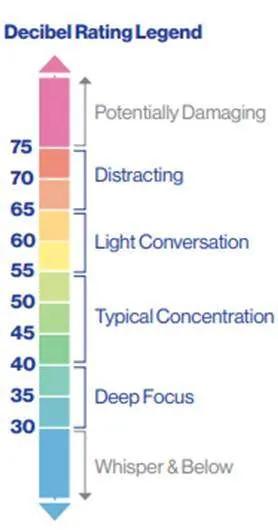
Excessivenoiseimpairsconcentration,increasesstresshormones,andreduces theabilitytoperformcomplextasks.Butrecentresearchhasrevealed somethingcounterintuitive.Theproblemisn’tjusttoomuchnoise.It’salsotoo little.AUniversityofArizonastudyfoundthatofficesbelow50decibelscreate stressresponsesjustashighasofficesthataretooloud.Thesweetspotsits around50-55decibels,comparabletomoderaterainfallorsoftconversation.
Foryears,theprevailingwisdominofficedesigntreatedsoundasaproblemto beeliminated.Quieterwasbetter.Butemergingresearchisrevealingthatthis assumptionwasfundamentallywrong,andthatthepathtobetterworkplace designrunsthroughunderstandingnotjusthowloudaspaceis,butwhatkind ofsoundsfillit.

Theopenofficerevolutionofthepasttwodecadescreatedanacousticcrisis thatdesignersarestillgrapplingwith.Aswallscamedownandcollaborative spacesexpanded,noisecomplaintsskyrocketed.Theindustry’sresponsewas predictable.Acousticceilingtiles,sound-absorbingpanels,whitenoise systems,andincreasinglysophisticateddampeningtechnologiesdesignedto makeofficesquieter.Thesesolutionsaddressedtheimmediateproblemof excessivenoise,butindoingso,manyofficesbecamesoacousticallydeadthat theyfeltlifeless.Thesonicequivalentofasterilelaboratoryratherthana vibrantworkplace
BrianLedder,SeniorDesignStrategistatHLWArchitects,hasbeenstudying theimpactofnoiseonofficeperformancebyusingnoisesensorsaspartofhis firm’sactivityanalysis.“Wealreadywereusingvisualcues,whynotauditory onesaswell?”saidLedder.Whathisteamdiscoveredchallengesconventional thinkingaboutworkplaceacoustics.
Thedatarevealedsomethingcounterintuitive.Therelationshipbetweennoise andworkplacesatisfactionisn’tlinear.It’snotsimplytheamountofnoisethat isthemostimportantfactor.“Whatwefoundisthatitisnotjustaboutoverall noiseortotalvolumesincesomesoundsareloudbutonlylastforasecond, othersarequietbutareconsistentlikeHVACnoise,”Leddersaid.Thecrucial factorisn’tthepeakvolumeoreventheaveragedecibellevel.It’sthecharacter andvariabilityofthesoundsthatfillaspace.
Theresearchpointedtotheimportanceofthenoiselevelsweetspotaround50 decibels.Butreachingthatlevelisn’tenough.Whatmattersishowyouget
Advertisement
there.Aspacethatmaintains50decibels throughconstantHVAChumfeelsvery differentfromonethatachievesthesame averagethroughtheebbandflowofhuman activity.“Mostpeoplesaythatwantaspace thatfeelsenergetic,andforthat,youneed someofthosehighamplitudewavesounds.A littlebitofdistractioncanbegood,”Ledder said.
Thisreframessoundnotasanuisancetobe controlledbutasadesignelementtobe orchestrated.Thekeyisunderstanding reverberationtime,themeasureofhowlong soundpersistsinaspaceafterthesource stops.“Whatwehaven’tconsideredis reverberationtime,whichiswhatgivesyouthatbuzzandenergy.Inconcert halls,thisiswhattheythinkaboutmost,”Leddersaid.Concerthall acousticianshaveknownforacenturythatreverberationcreatesemotional impactandspatialawareness.Acompletelydeadacousticenvironmentfeels claustrophobicanduncomfortable,whiletherightamountofreverberation makesaspacefeelaliveandenergetic.
Thechallengeismaintainingthatenergywithoutlettingbackgroundnoise establishtoohighabaseline.HVACsystemscanundermineanotherwisewelldesignedacousticenvironment.“HVACnoiseisoftenoneoftheloudestina quietofficeandifitgetstooloud,itcanstarttodictatetheothersounds.If yourbaselevelistoohigh,thenitwillstarttogetdistractingquickly,”Ledder said.Whenthemechanicalbaselinesitsabove45-50decibels,itforces
conversationstoescalate,creatingafeedbackloopwheretheofficegets progressivelylouderthroughouttheday.
Advertisement
Thisinsighthasledofficedesignfirmstoreconsidertheaggressivesounddampeningthatbecamestandardinopenoffices.Acousticceilingtilesand absorptivepanelshavetheirplace,butblanketinganentirefootprintwiththem canstripawaytheacousticlivelinessthatmakesaspacefeelenergetic.Itcan alsocreateasenseofprivacy.“Whenyouhavealotofothernoisesinaspace, peoplefeelmorecomfortabletotalk.Youwanttobeabletotakeacallandnot thinkthatyouarebotheringeveryoneorthattheyarelisteningtoyou,”Ledder said.
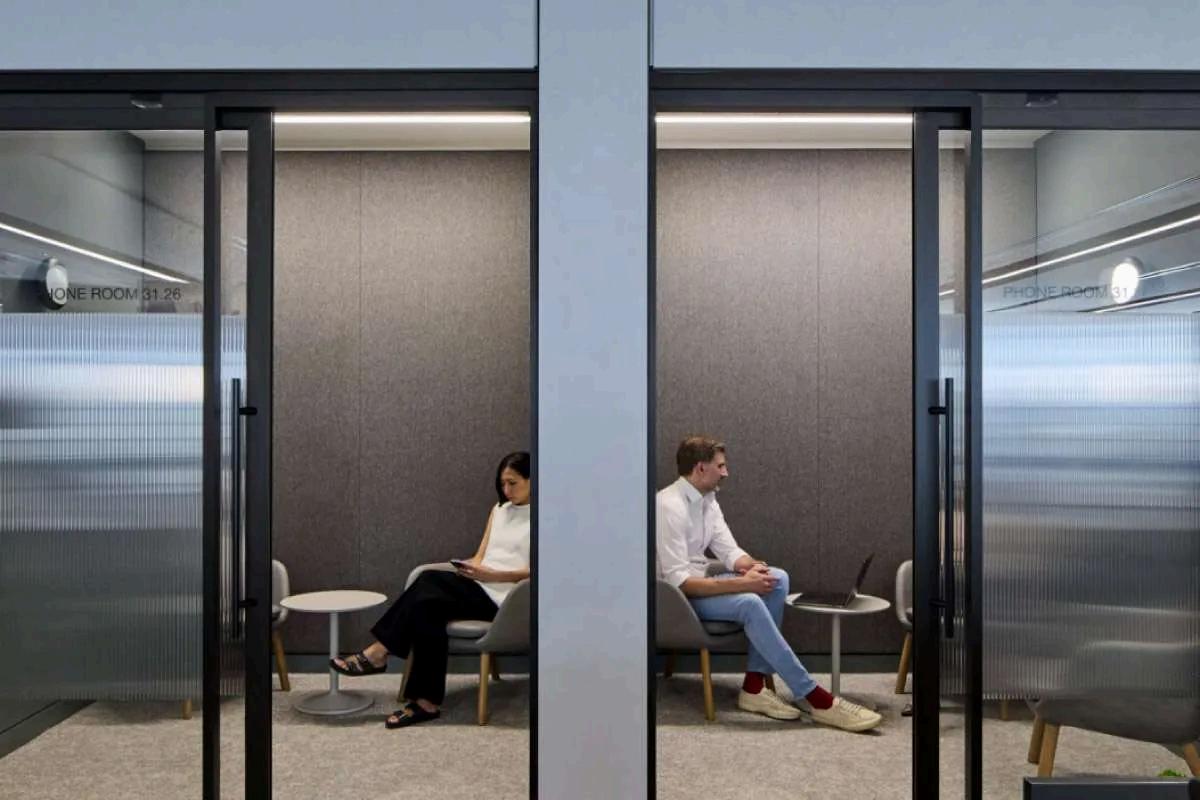
Thesolutionliesincreatingacousticzonesratherthanacousticuniformity. Workcafesandcollaborationareasbenefitfromhardersurfacesandlonger reverberationtimesthatallowthenaturalsoundsofconversationandactivity tocreatethatenergeticbuzz.Thesespacescantolerateandevenbenefitfrom soundlevelsthatwouldbedistractingelsewhere.Focusareasincorporate partitions,sound-dampeningceilingtiles,andmoreabsorptivematerialsto createthequieterenvironmentthatconcentratedworkrequires.
Curvedwallshaveemergedasaparticularlyeffectivetoolinthiszoning strategy.Unlikeflatsurfacesthatcreateharshreflectionsandpotentialecho problemsinlargeopenareas,curvedwallsdiffusesoundinsofterpatternsthat contributetopleasantreverberationwithoutcreatingtheharshacoustic artifactsthatmakespacesuncomfortable.Thegeometryofthespacebecomes partoftheacousticdesign,shapinghowsoundmovesandtransformsasit travels.
Advertisement
Thisrepresentsafundamentalevolutioninhowdesignersthinkabout workplaceacoustics.Theoldparadigmwasessentiallybinary.Openandloud, orenclosedandquiet.Thenewapproachrecognizesthatsoundisaspectrum, andthatdifferenttypesofworkcallfordifferentacousticenvironments.Focus workdemandslowervolumesandminimalreverberation.Collaboration benefitsfrommoderatevolumesandlivelyacoustics.Socialspacesthrivewith evenmoreenergyandambientsound.
Theimplicationisthattheworkplaceofthefuturemaybemoreacoustically diversethaneverbefore.Ratherthantryingtocreateasingleoptimalsound levelacrossanentirefloor,successfulofficeswillfeaturestarkcontrasts.Ultraquietfocusroomswithaggressivesoundisolation,energeticcollaboration zoneswithcarefullytunedreverberation,andeverythinginbetween.The designchallengeshiftsfromeliminatingsoundtochoreographingit,ensuring thattherightsoundshappenintherightplacesattherighttimes.
Thisacousticdiversityalsoalignswiththebroadershifttowardactivity-based working,whereemployeesmovebetweendifferentsettingsbasedontheir tasks.Justasworkersmightchoosebetweenastandingdesk,aloungechair,or aconferenceroombasedonwhatthey’redoing,theycanselecttheiracoustic environment.Seekingoutquietwhentheyneeddeepfocusandgravitating towardbuzzwhentheywantenergyandsocialconnection.
Fordecades,architectsanddesignershavemeticulouslycontrolledeveryvisual aspectoftheworkplacewhiletreatingsoundasanafterthought.Somethingto bemeasuredandminimizedratherthandesignedandorchestrated.Theopen officebacklashtaughtusthatsilenceisn’ttheanswer,buttheresponsehastoo oftenbeentosimplyturndownthevolumewithoutconsideringwhatwelosein theprocess.Theemergingscienceofworkplaceacousticsrevealsthatthebest
officesaren’tquietorloud.They’reacousticallyintentional,usingsoundasa designtooltocreatespacesthatfeelasgoodastheylook.Inanerawhen bringingworkersbacktotheofficerequirescreatingexperiencestheycan’tget athome,thesoundofproductivitymightbejustasimportantasthesightofit.