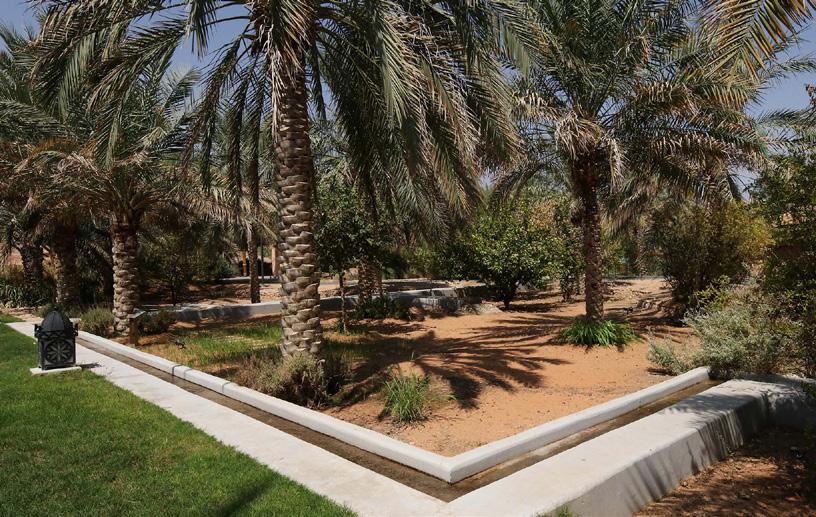
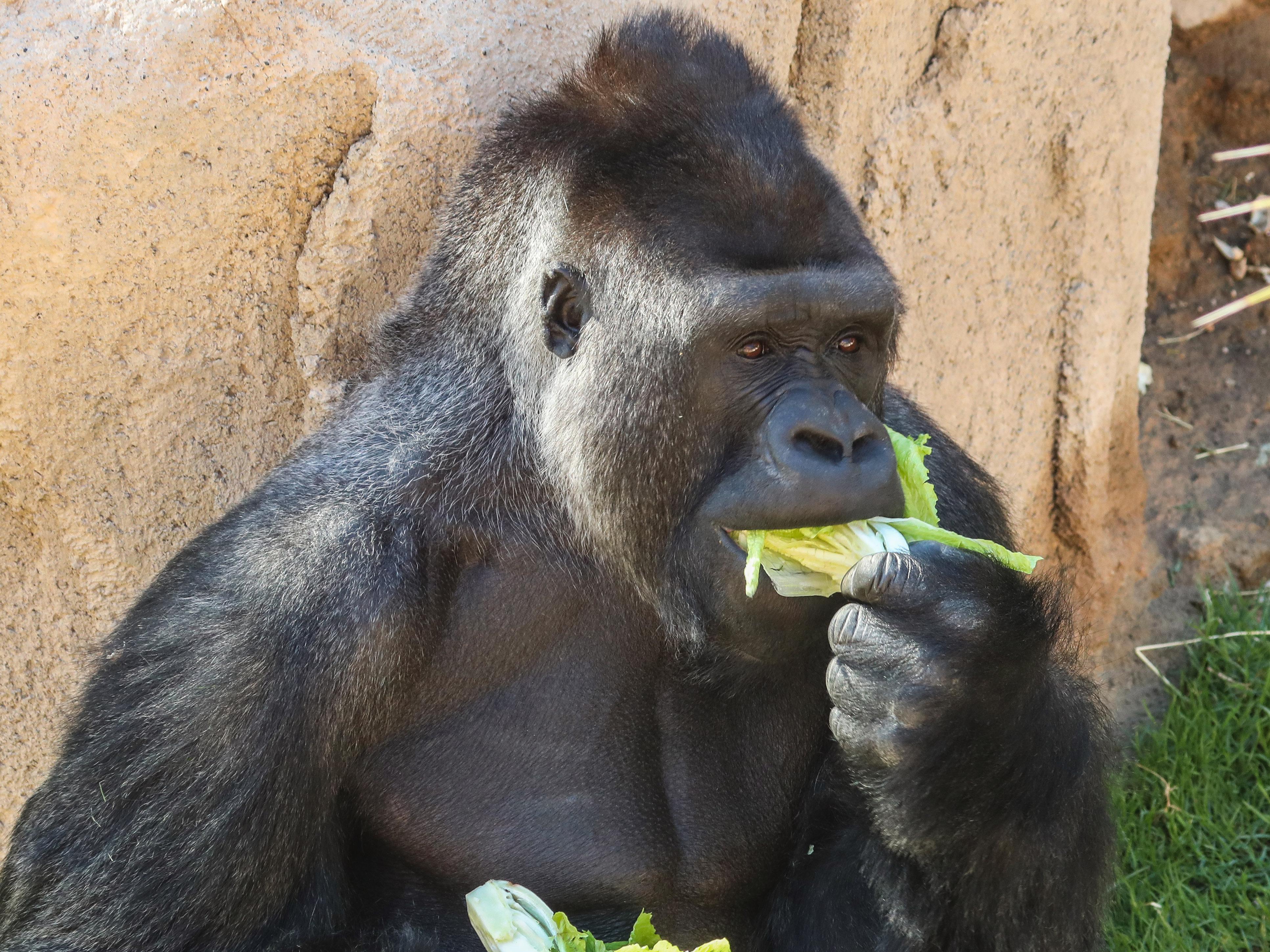
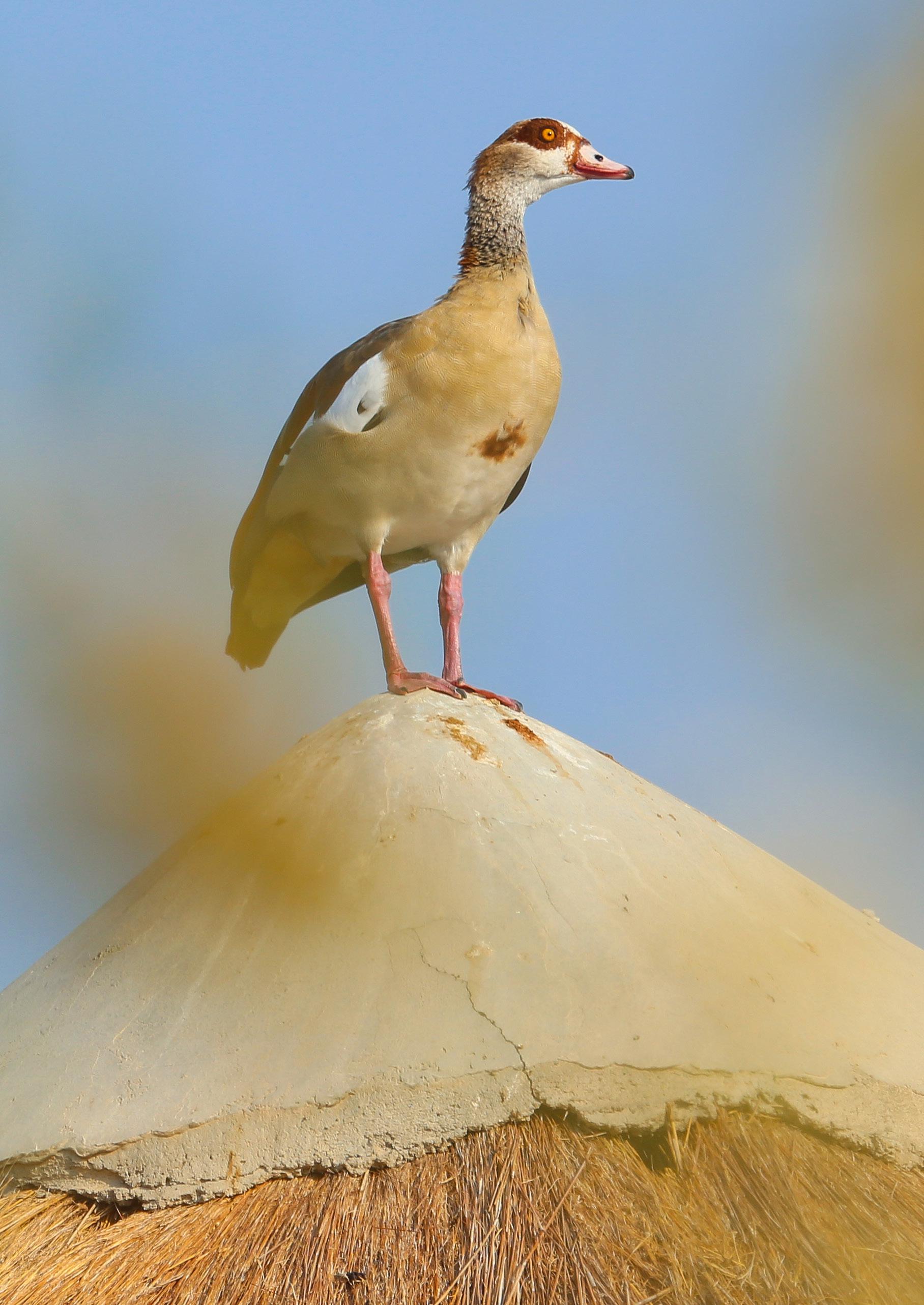
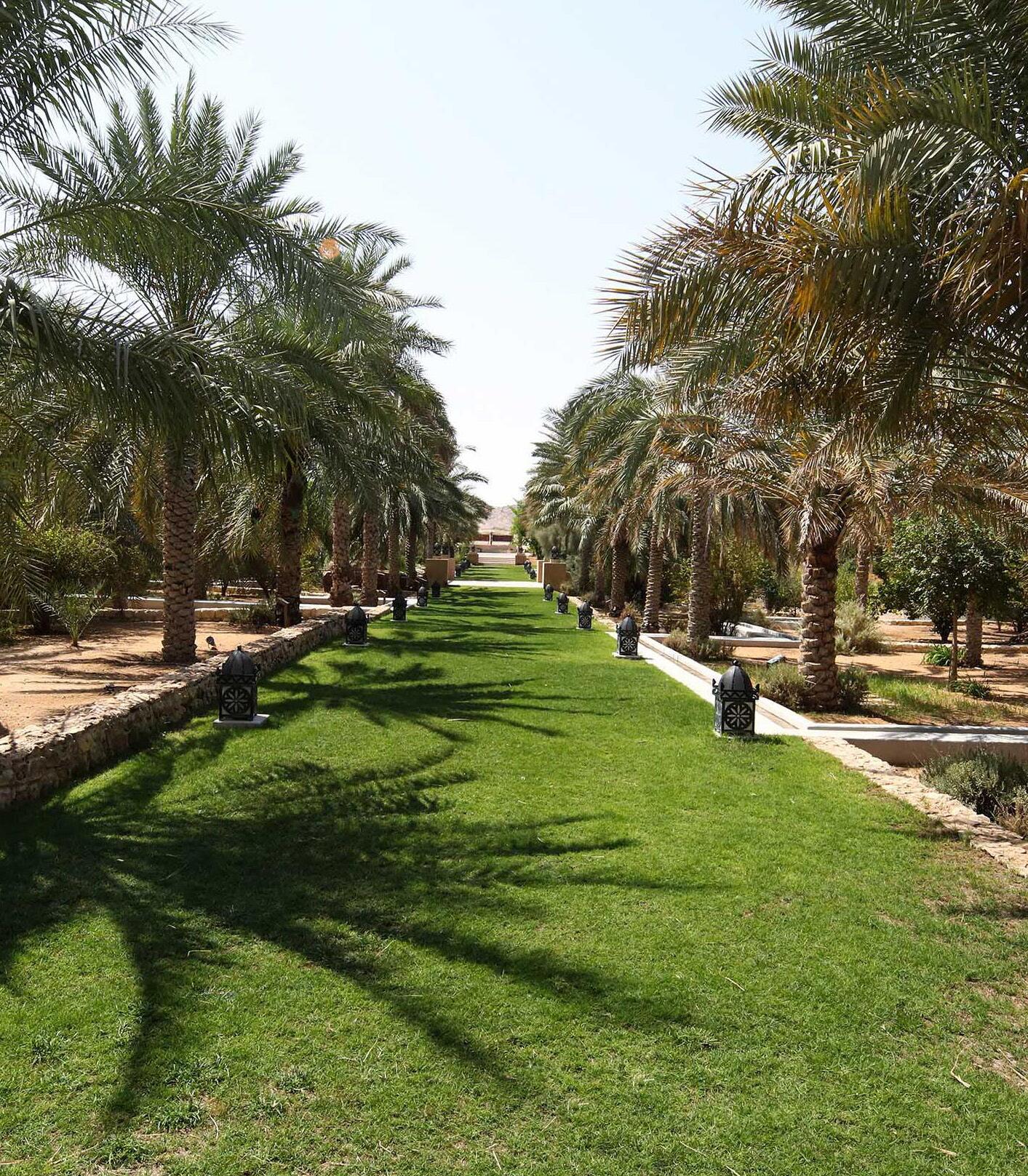
OASIS GARDEN .. A live aesthetic model of the Emirati irrigation system JUMBO .. He is the fastest tree climber and can eat more than 2000 grapes daily
VISITOR LENS
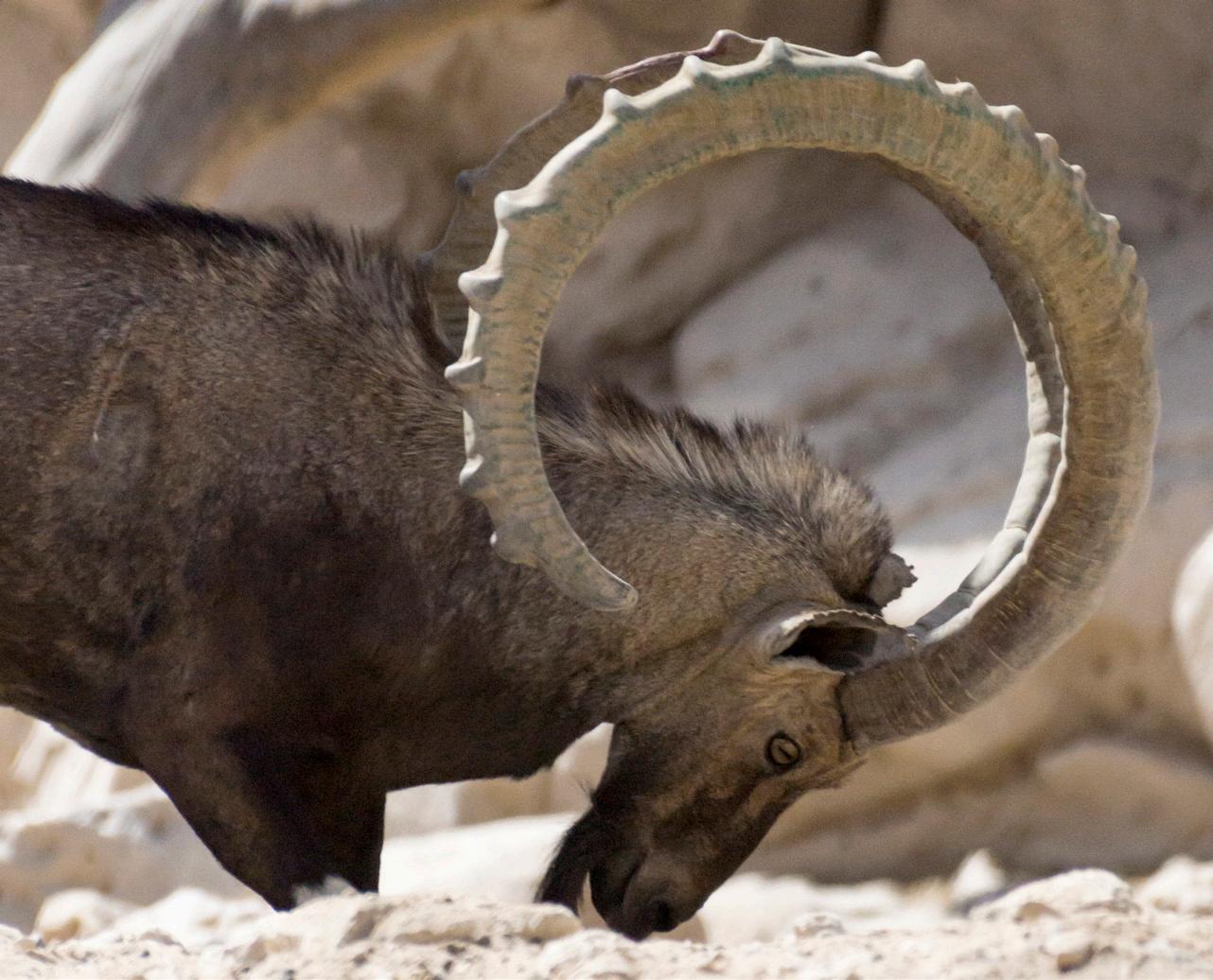
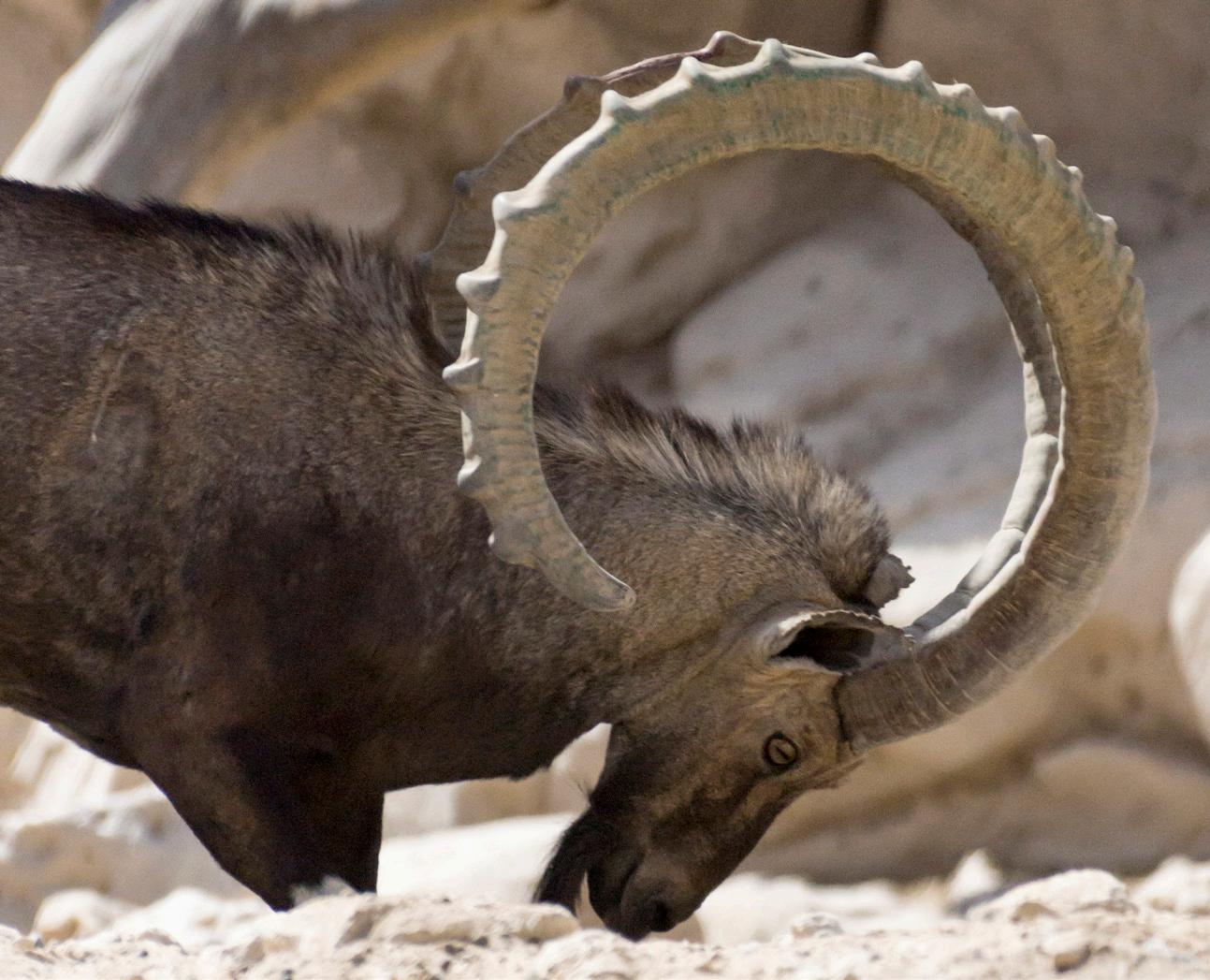
The Nubian Ibex drinks water almost every day! The Nubia Ibex lives in mountainous arid regions with steep slopes, the coastal regions of North Eastern Africa, the Sinai Peninsula, and the Arabian Peninsula. The Nubian Ibex is listed on the IUCN Red List of Threatened Species as a vulnerable species.
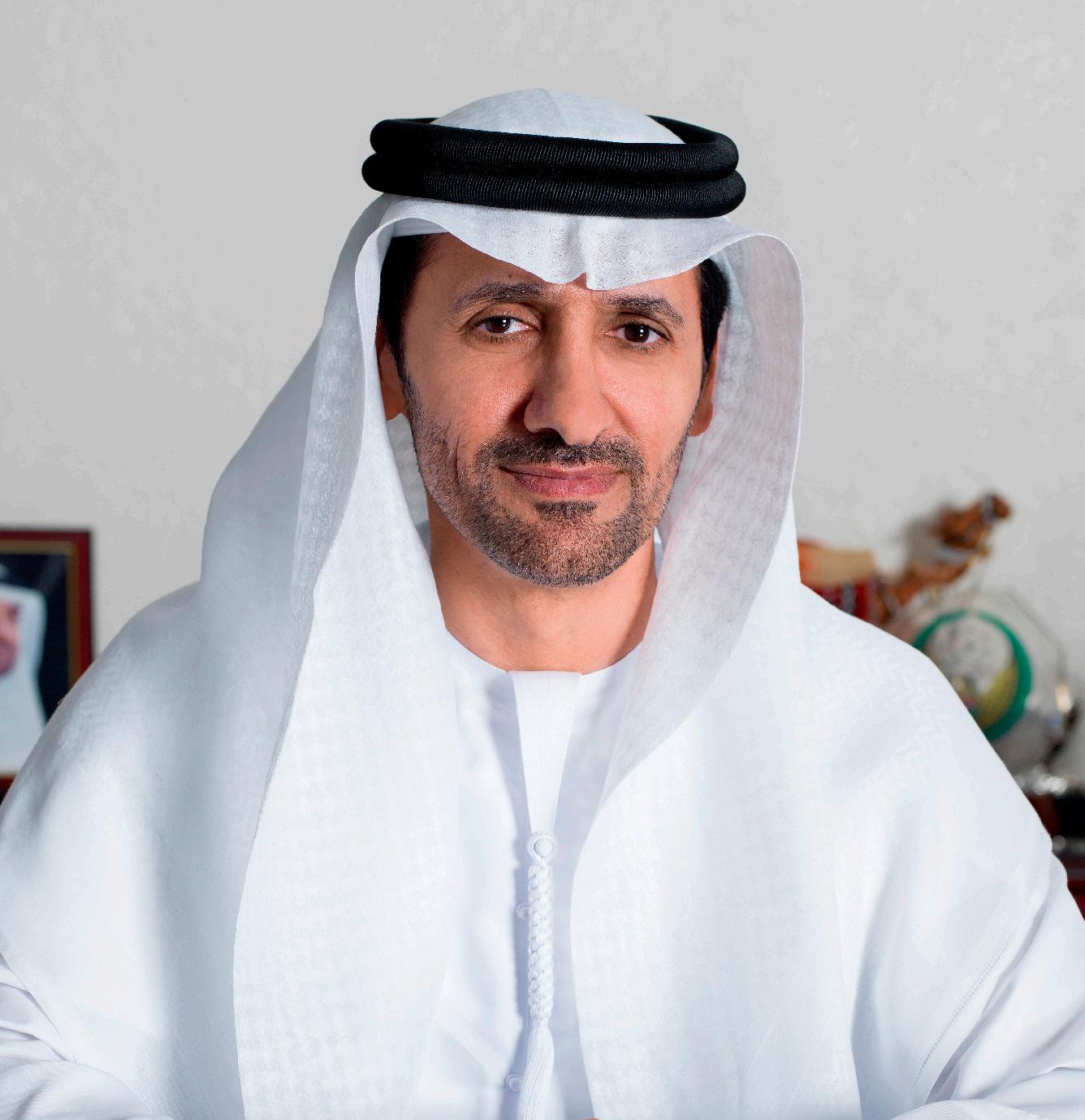
There is no doubt that all organizations across the UAE have worked hard with intensified efforts to combat the COVID19- pandemic. During this period, Al Ain Zoo faced the unique challenge and responsibility of protecting more than endangered 4000 animals calling it home.
Teams worked around the clock with utmost care and attention, devising pioneering precautionary plans and measures that garnered international commendations. These are the results of commitment and dedication, an essential part of our national identity of giving, I proudly say thank you to all of you.”
Abu Dhabi Events
Event: You Are Here Workshop: An Adventure in Mapping Exploration and Observation
Location: Virtual Event
Date: June 5
Event: Abstraction and Calligraphy − Towards a Universal Language
Location: Louvre Abu Dhabi
Date: Valid until Jun 12
Event: Online calligraphy demonstration and talk
Location: Virtual Event
Date:Valid until Jun 12
Event: Theory of Arab Literature: Prospects and Limits
Location: Virtual Event
Date: June 14 - October 17
Event: Abu Dhabi Festival 2021
Location: Virtual Event
Date: Valid until Dec 30
Event: TrainYAS Ladies
Location: Yas Marina Circuit
Date: Valid until Dec 31
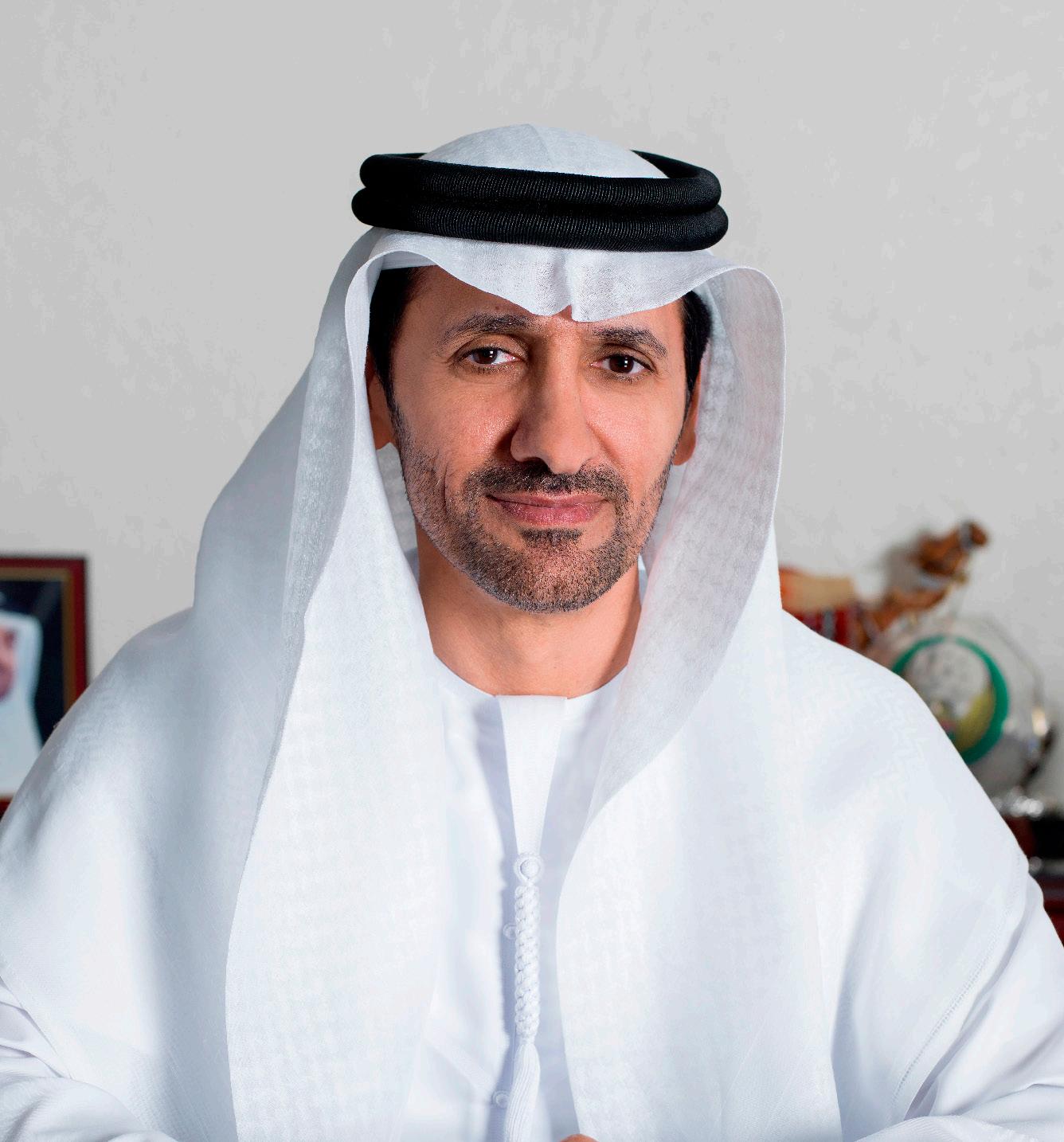
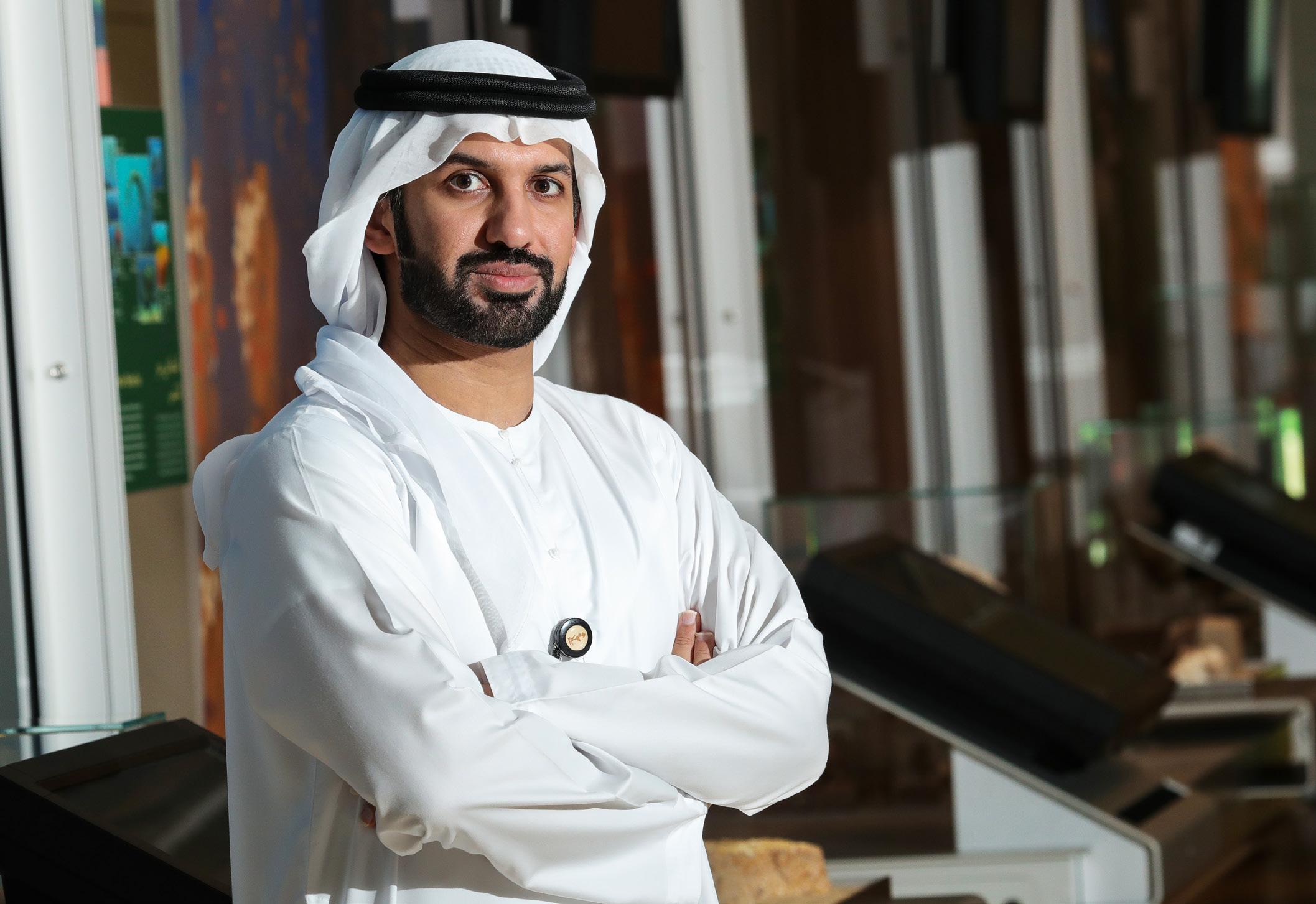
H.E
DR Matar Mohammed Al Nuaimi Chairman of the Board of Directors of the
Zoo & Aquarium Public Institution in Al Ain
For more information, call 800555
Photo by: Khalid Qabbany
Cultural Guides…
Generous Emirati Hospitality
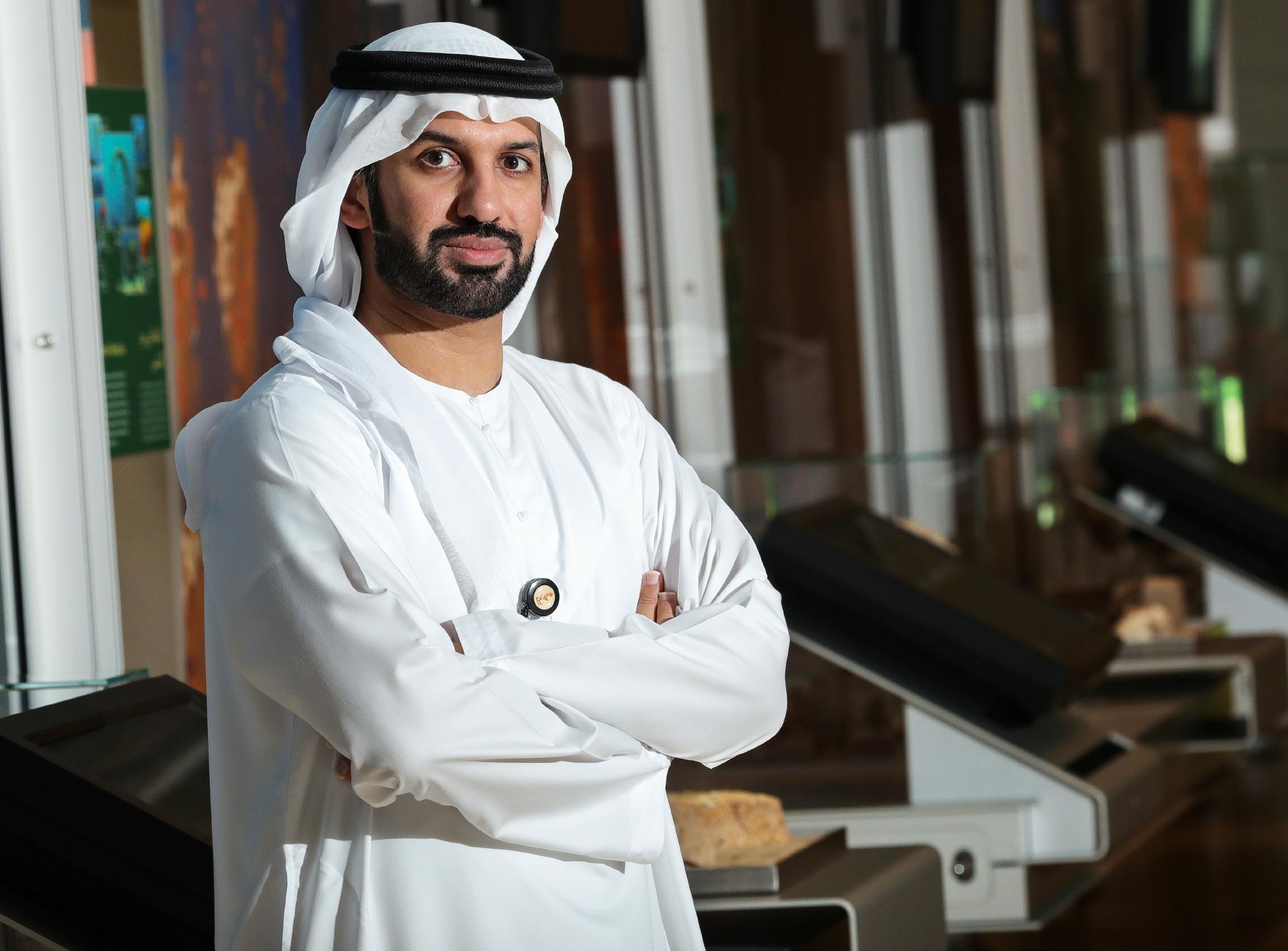
Offering guests, a wealth of knowledge about the Emirate of Abu Dhabi, the Cultural Guides team is the face that represents the UAE to guests of all ages and backgrounds. Guests of Sheikh Zayed Desert Learning Centre will become familiar with our rich history, modern present, and bright future, in a unique traditional Emirati inspired style thanks to the help of the Cultural Guides.
The Cultural Guides team welcome guests to SZDLC at the reception area, and take them on a journey to the centre’s five wonderful galleries, including Sheikh Zayed Tribute Hall, Abu Dhabi Desert over Time, Abu Dhabi’s Living World, People of the Desert and Looking to the Future. The tour also covers the Desert Dynamic Theatre and the Sustainability Theatre, as well as watching the cinematic film “Arabian Desert Vision”,
which captures the legacy of the ancestors who survived the harsh desert environment, amid visual effects and natural scenes of biological diversity and spectacular animal species.
Representing the UAE’s culture and traditions, the Cultural Guide Team consists of capable Emirati talents equipped with the language and communications skills and more importantly a vast and deep knowledge of the UAE’s history and heritage. This is in line with Al Ain Zoo’s ongoing efforts to enable Emirati youth in taking career paths as Cultural Guides by providing training courses and special programmes allowing Emirati staff to become licensed tour guides to present the UAE’s rich history and traditions to guests.
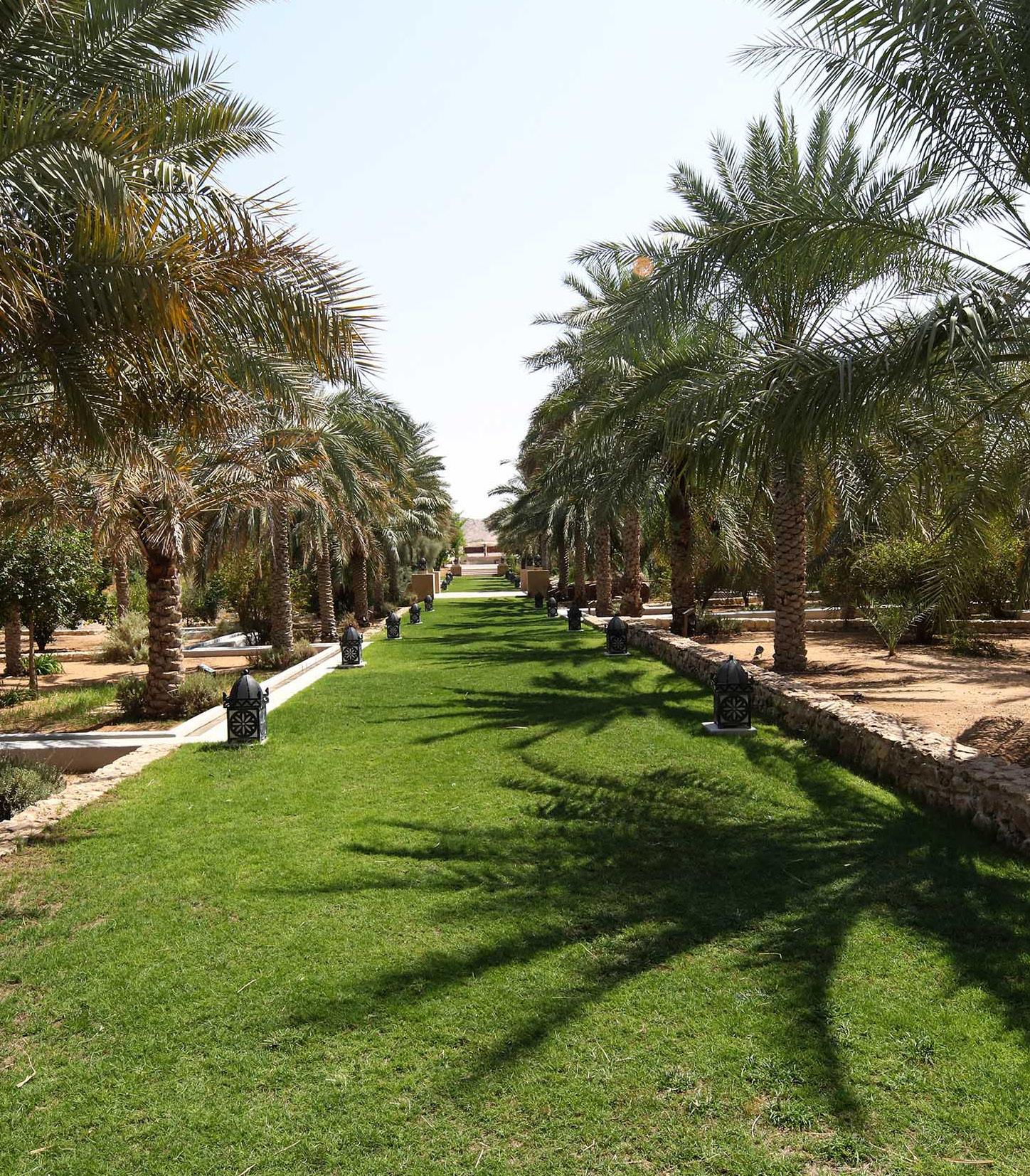
Oasis Garden..
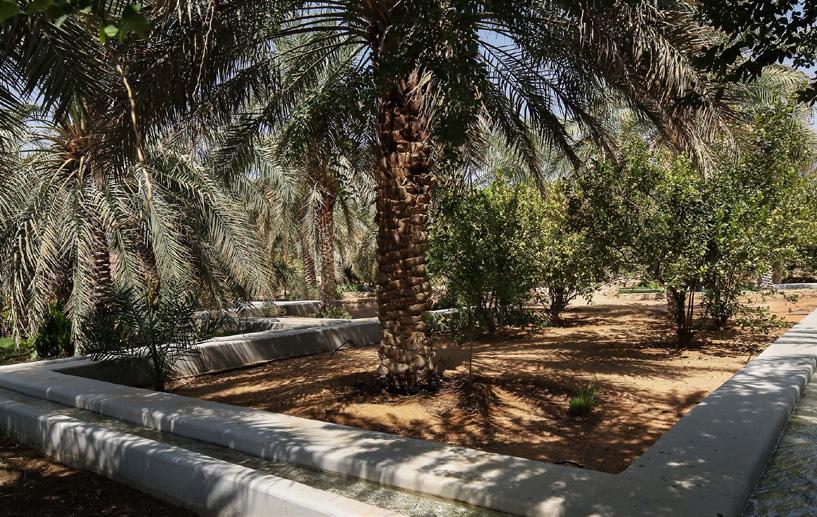
a live aesthetic model of the Emirati irrigation system they get to learn about the aflaj system and how it was utilised.
Since ancient times, Aflaj have been a major source of fresh water, and they played an important role in providing fresh water throughout the year for the people living in Al Ain Oasis, these Aflaj have remained a heritage icon connecting the past with the present, showcasing the region’s long and rich history and the challenges faced by its people.
Inspired by that, Al Ain Zoo launched the innovative Oasis Garden project, one of the largest projects, it first opened its doors to guests in October 2016, taking them on trip into Emirati atmosphere characterized by the calmness of green oases as the water flow through the Aflaj, where
Across its various projects, Al Ain Zoo conserves the natural environmental heritage of the United Arab Emirates. At the Oasis Garden project, visitors get to learn about the Falaj irrigation system, It is one of the oldest irrigation systems, it has been in use for 3,000 years.
The Oasis Garden showcases the beauty of the region’s rich history through garden design inspired by the famed oases of Al Ain City, where magnificent palm trees and local fruits trees offer shade in the green lush spaces in a wonderful engineering display of Oasis Garden and falaj.
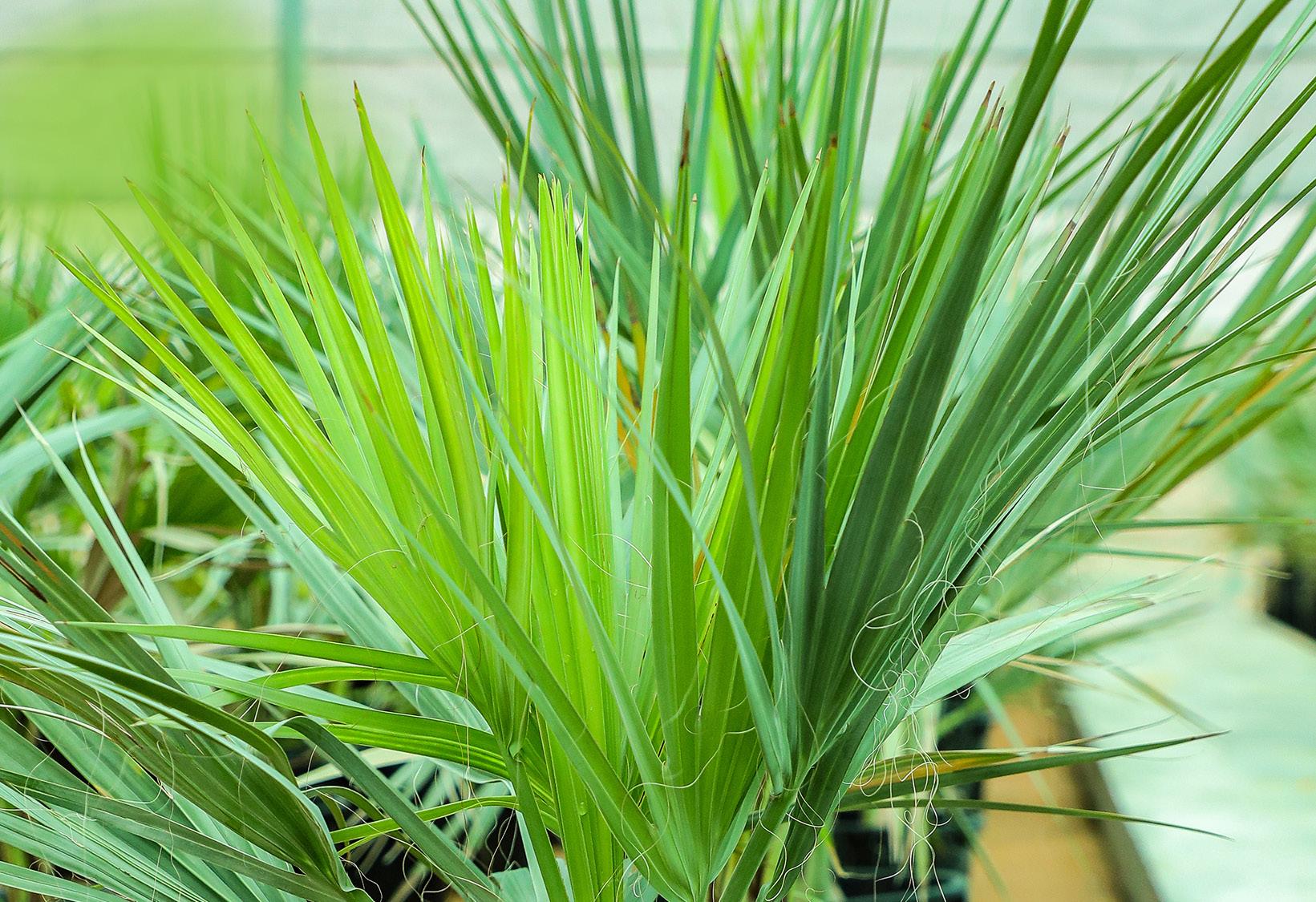
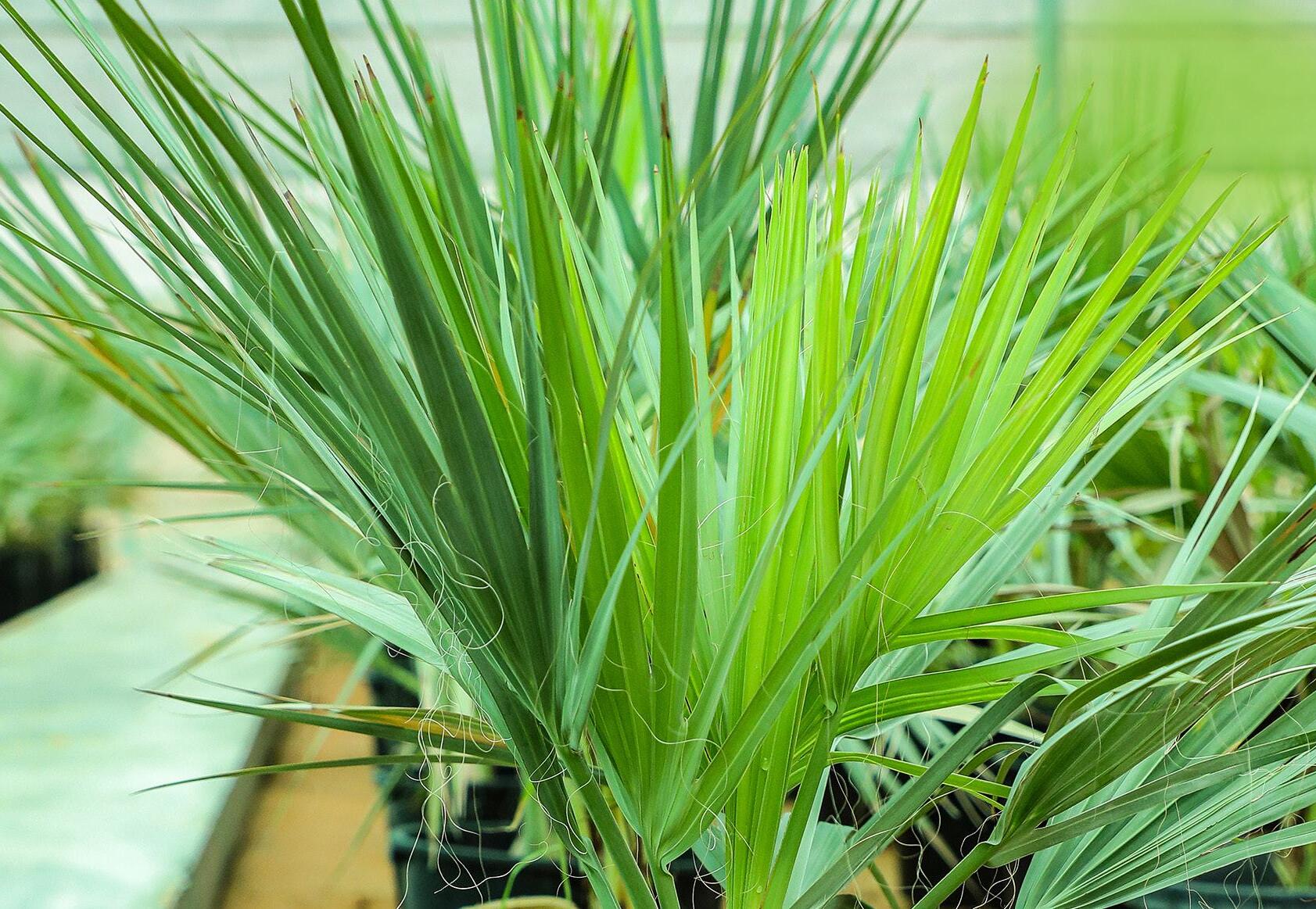
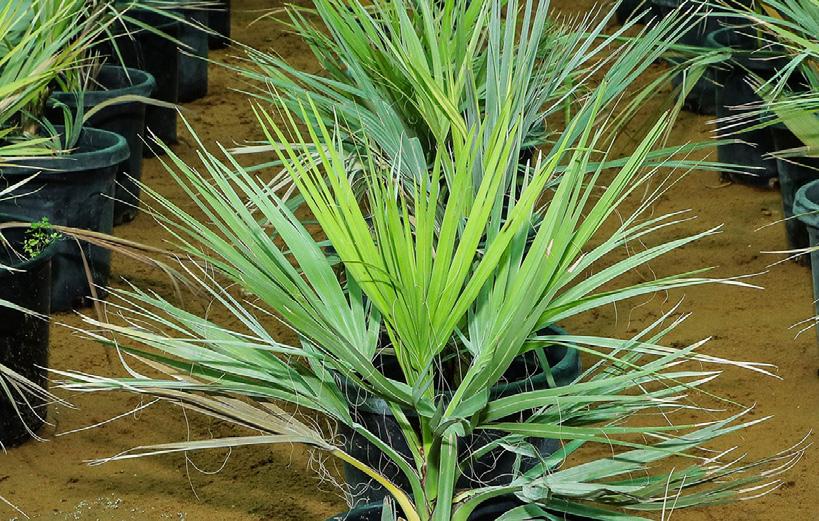
Many uses for the Ghadhaf fibers in Oman, where the palm is more common: baskets, camel and donkey harnesses. Mats, hand-held fans. Used specifically for ropes for fishing nets because the fiber becomes stronger when it’s wet. Fibers of the dwarf palm can be split into finer strands than those of the wild date palm but cannot stand exposure to heat and sunlight. Also used with goat skin to make milking bowls. The woolly hair at the base of the leaves was used to dress wounds. Hard pips of fruit were used in slingshots and even substitutes for bullets.
DESCRIPTION
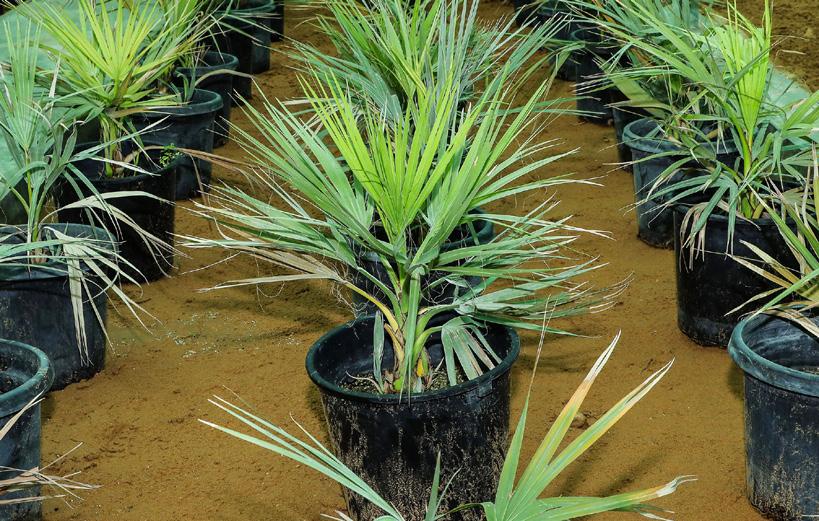
The Ghadaf is a local perennial and endangered plant of the palmate family, which is a dwarf plant that resembles a palm, adapts excellently to different environments, as it tolerates severe winters, grows in very hot summers, and grows naturally in various types of soils from good to salty and dry. It needs long growth periods when grown by seeds.
Areas of spread in the world:
The Ghadhaf usually grows in valleys and bottoms, as well as in mountainous heights. It is found in Yemen, the Taif Mountains, Oman and Kuwait, Wadi alGhaf in Jordan and the rest of Southwest Asia (in Iran, Pakistan, and Afghanistan, as far as northwestern India).
Cultivation Areas in Al Ain Zoo:
In Al Ain Zoo, there are so many areas planted with the dwarf palm such as Zoo main entrance, Oasis Garden and Falaj area, UAE World Desert, around shaikh Zayed Desert Learning Centre and other locations.
The Little Arabian Tahr and the scary wish
Finally, the little Arabian Tahr managed to escape the sanctuary where he was born and raised; he was excited to see the outside world with its vast expanse and wonderful secrets.
He kept roaming until he reached the desert highway, as soon as he laid his hoof on the paved road, the cars let out their loud horns as they sped along the road.
Although feeling startled, the young Arabian Tahr decided to continue his journey discovering the free world.
He managed to cross the road safely, once on the other side he came across a group of humans, who had built tents, lit a fire, and set up camp with all they might need, including food, games, and bikes with large wheels to cover the horizon with waves of storm sands.
The little Tahr barely moved a step and found himself caught by one on the humans, who called upon his friends as he found a precious treasure: “Come here guys! You won’t believe what I found! It is a dear!!”
One of his friends replied: “It is an Arabian Tahr, how charming and little he is, look at his beautiful horns and soft fur!”
Al Ain Zoo… A sanctuary for migratory birds
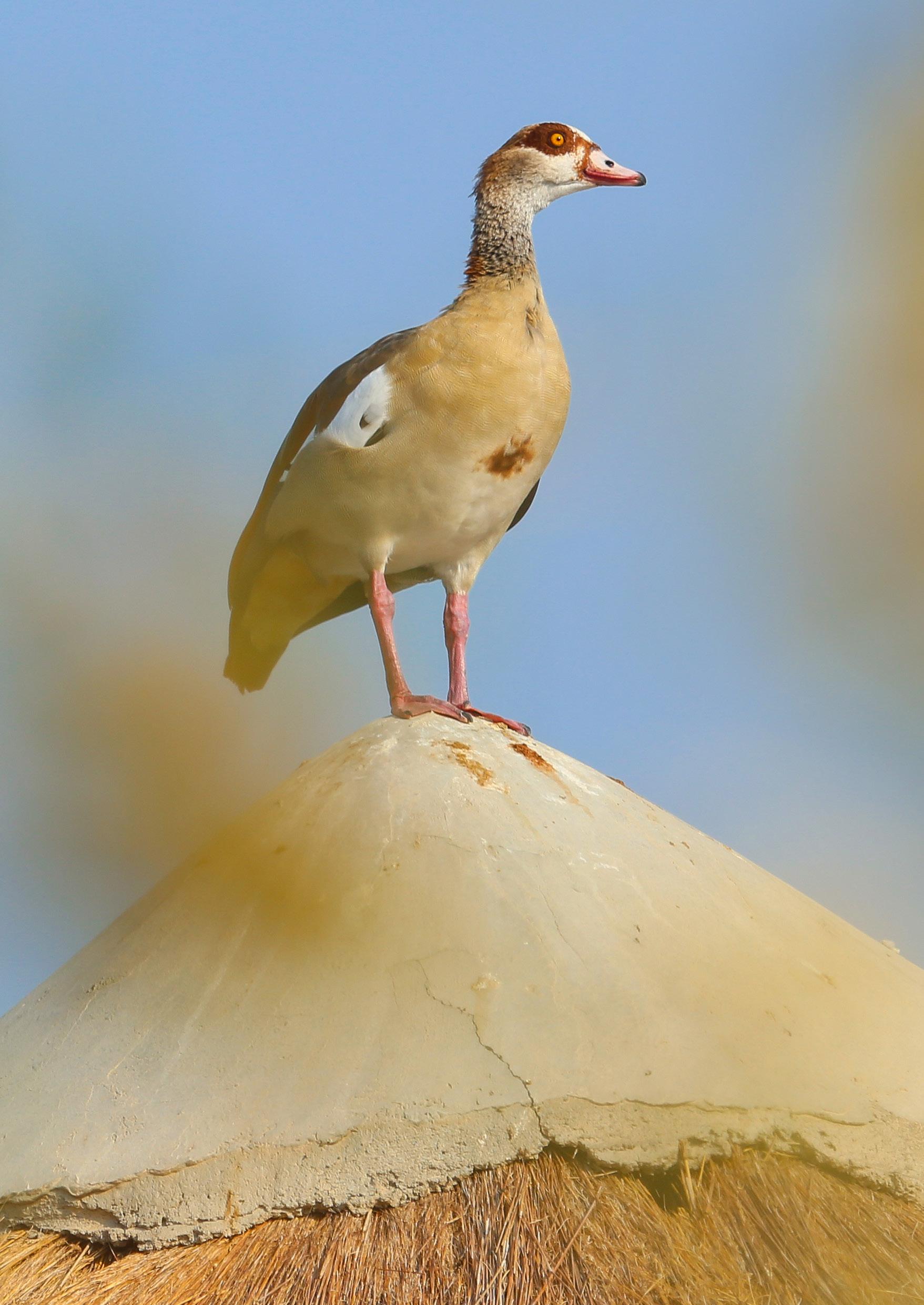
Al Ain Zoo is intensifying its efforts in nature conservation and wildlife protection to include plants and animals’ diversity, and providing migratory birds with a suitable habitat as they settle at the zoo’s spacious welcoming environment.
According to the latest study, 100 migratory and local aquatic birds have been surveyed at Al Ain Zoo, where they take refuge amidst the threat of extinction that they face around the world.
Not only does Al Ain Zoo survey these migratory birds and provide them with a perfect habitat, the
team at Ai Ain Zoo also exchange expertise with relevant international and local parties by sharing data and results. Part of these efforts includes Al Ain Zoo taking part in the International Waterbird Census this year for the first time and sharing all relevant data with eBird, which is an important and large bank of data to help efforts in bird species conservation.
In addition, Al Ain Zoo provides the right environment for migratory birds to rest and for resident species to breed within its premises, including artificial lakes, reedbeds and other vegetation.
Since 2017 and upon observing the increased numbers of migratory birds at Al Ain Zoo, efforts have intensified to study their biodiversity as the zoo offers a perfect environment to attract this species.
The team continues to monitor the birds’ activities and population on a monthly basis, gathering data and information including the birds’ species, number of individuals and behaviour, as well as any level of threat they face, to provide the necessary programs and support to conserve and protect them.
The little Tahr resisted trying to escape until one of his horns broke, around six humans gathered around him,
tightening their grip and securing him with ropes.
He didn’t know what was going to happen to him, would his horns be sold? Or was he going to become their dinner? He started moaning in pain and regret, his beautiful life was flashing through his mind like a vivid dream, he was living happily and peacefully among his family and friends, humans would come to visit and watch without hurting him, his human caretaker would give him delicious grass, his beloved sanctuary would protect him and treat him even from the lightest pain, he would run and play safely…
He started crying out for help, meanwhile his mother was trying to wake him up: “What is happening my little Tahr?! Why are you screaming like this? Are you having a nightmare?”
He opened his eyes to find himself in his mother’s lap, inside his beloved sanctuary!! Protected behind its fence, with his favourite caretaker checking up on him.
Oh, what a dream!
The Little Tahr took a deep breath. Feeling happy and secure, he looked around, realizing that some wishes might be deadly. Dreams are not always rosy, and fences are not always a constraint.
Al Ain Zoo’s Reptile Park
Al Ain Zoo will soon welcome guests to the region’s largest reptile’s exhibit.
Al Ain Zoo’s Reptile Park… the region’s largest reptile exhibit
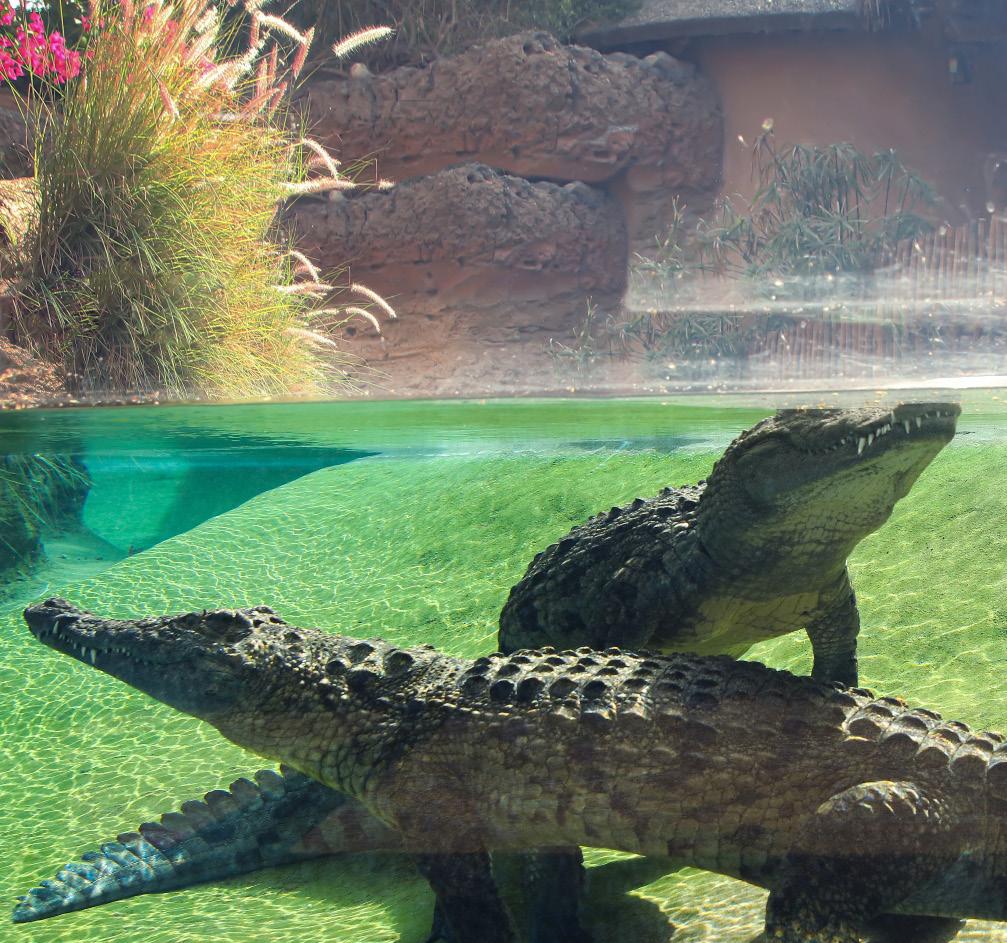
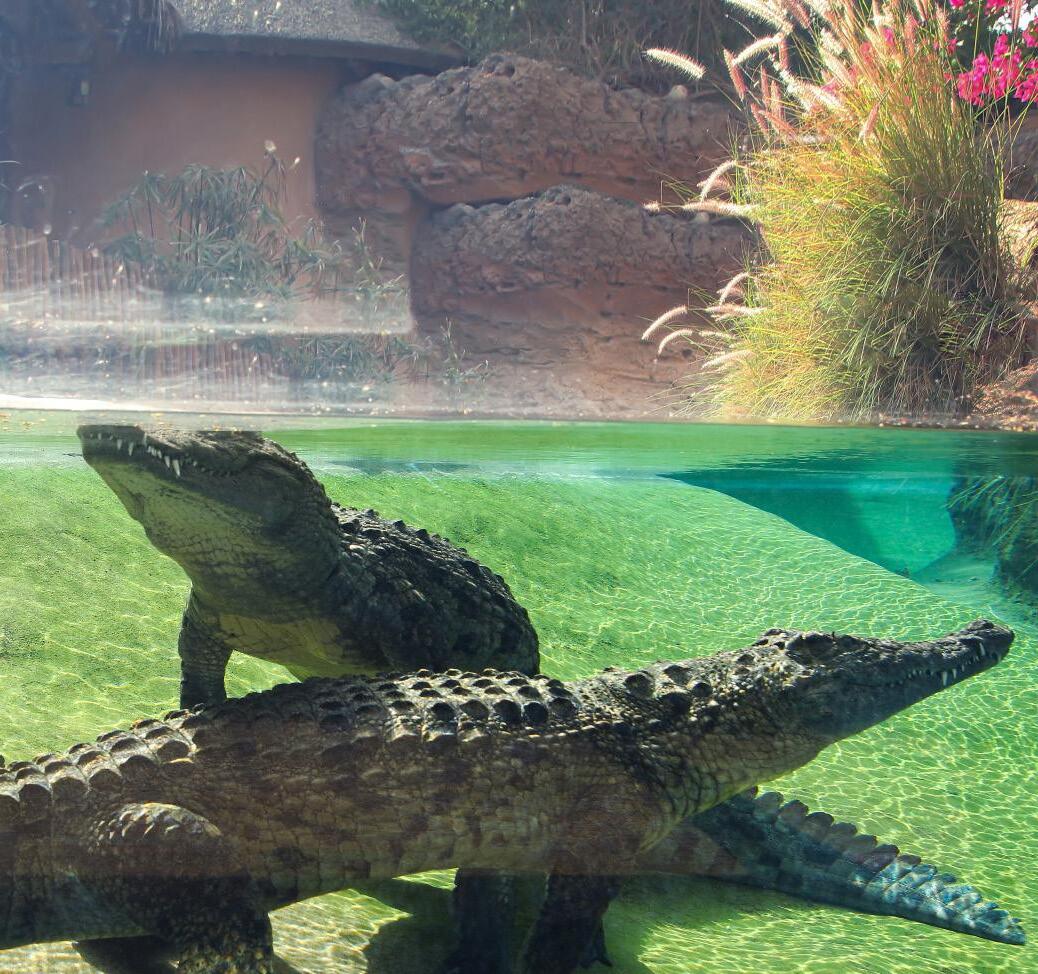
Al Ain Zoo will soon welcome guests to the region’s largest reptile’s exhibit, spanning an area of 11,500 m2. The newly rebuilt and developed project is set to be home for more than 100 species of reptiles including crocodiles, turtles, lizards, and snakes from all around the world.
The new exhibit features indoor and outdoor areas and pathways, as well as 209 plants and 299 trees spread on a 3,855 m2. It will offer guests the opportunity to learn about some of the world’s largest reptiles, such as the Giant Turtle, Nile Crocodile, and Comodo Dragon.
Providing guests and students with a fun and entertaining experience, they will get a chance to learn about some of the most exciting conservation programs outside their natural habitat, as well as a thrilling overview for the history of one of the world’s most ancient species.
In addition to that, the new Reptile Park will give visitors the opportunity to climb on giant reptile sculptures that resemble the real thing and provides children with vast green spaces in which to play and enjoy while surrounded by natural wildlife.
Al Ain Zoo offers special care to lizards.
As a part of its ongoing efforts to conserve endangered species, Al Ain Zoo has introduced several dedicated programs to the highest international standards and practices to nurture and protect a variety of lizard’s species over that last 30 years.
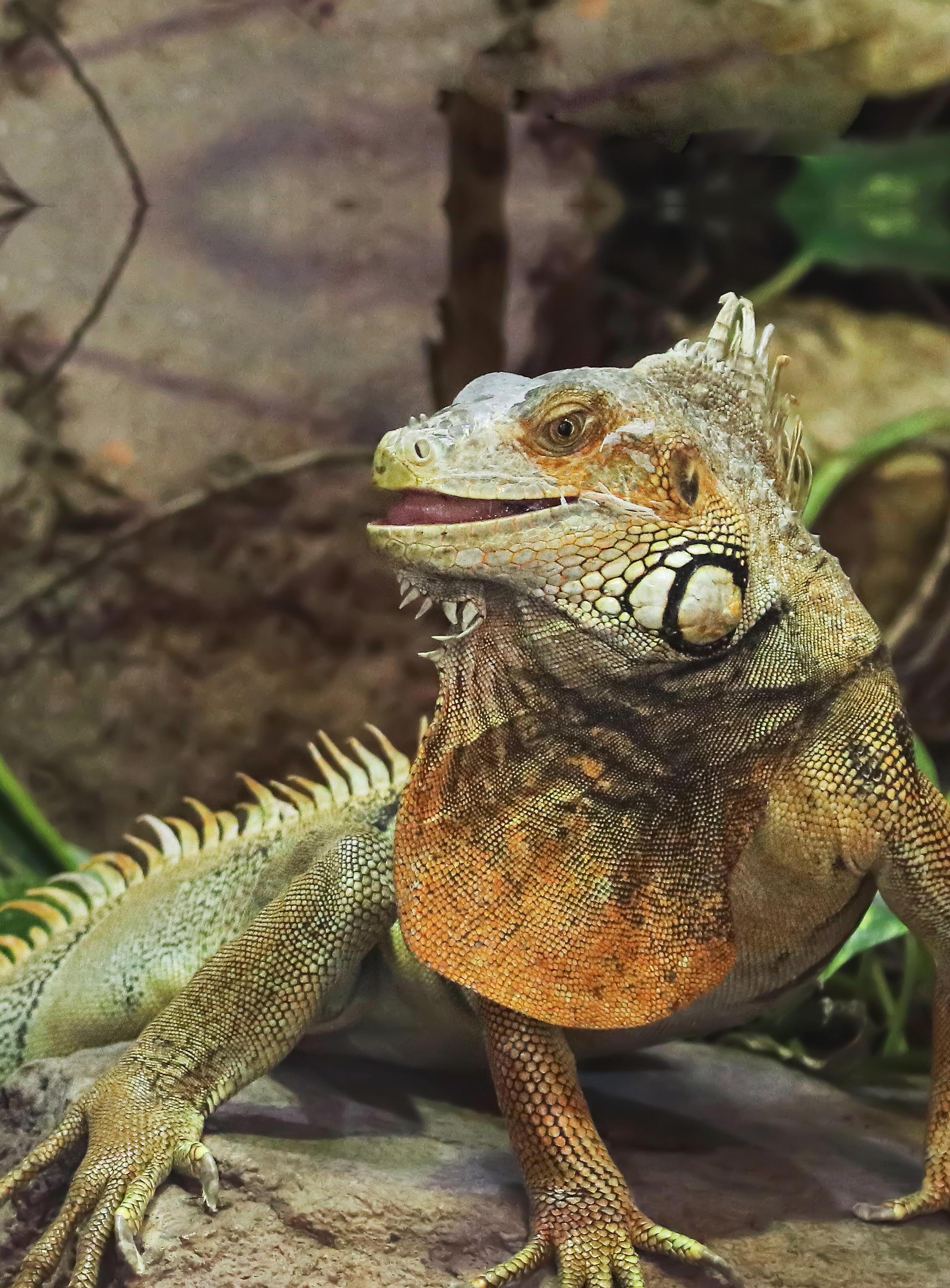
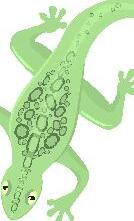
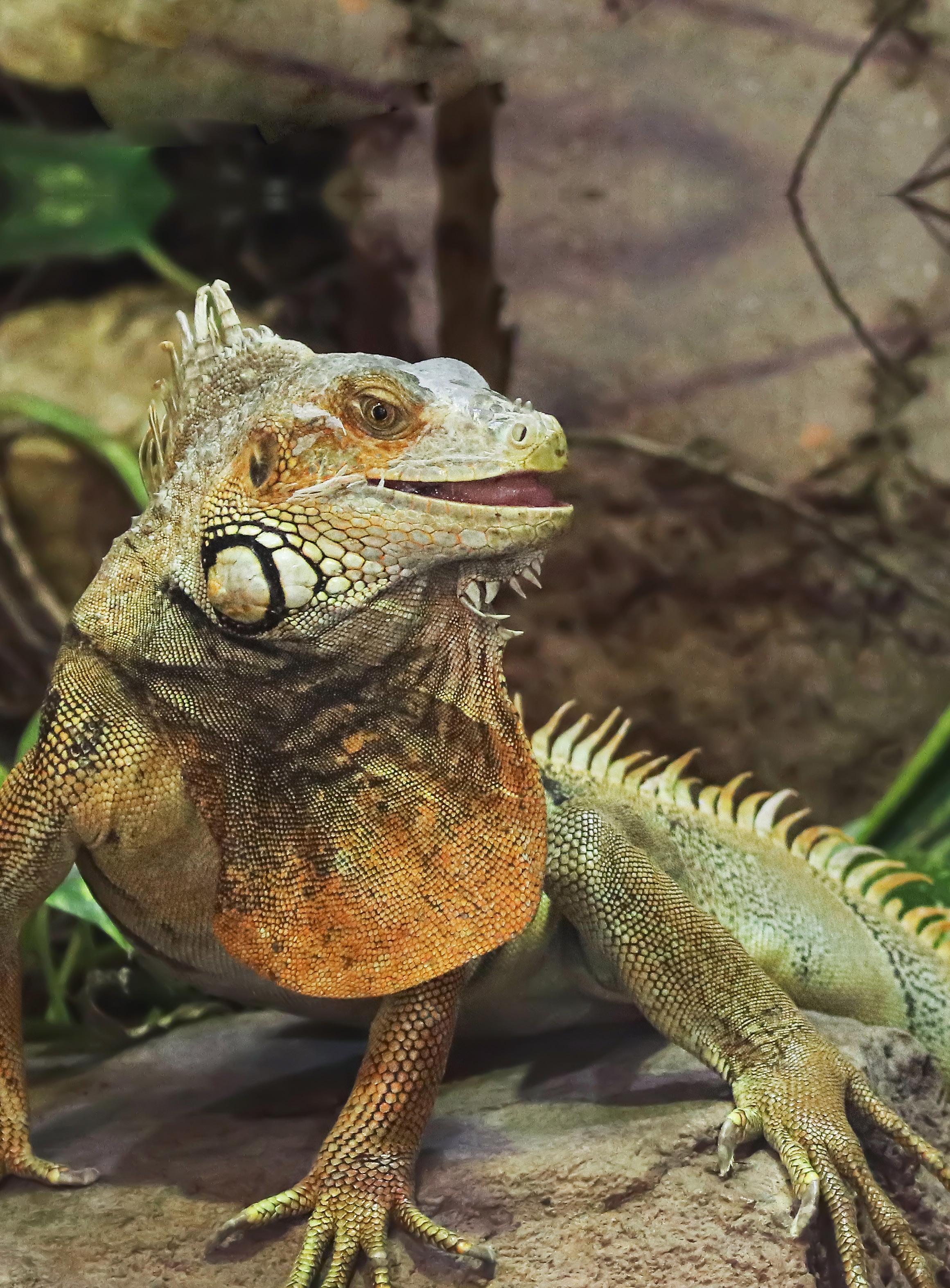
Al Ain Zoo is home to 53 lizards belonging to six species which include the Desert Monitor, the Spiny-tailed lizard, the Wonder Gecko, the Sudan plated lizard, the Green Iguana, and the Veiled Chameleon.
EXCLUSIVE SNEAK PEEKS ... STAY CLOSE!
Animal World with National Geographic
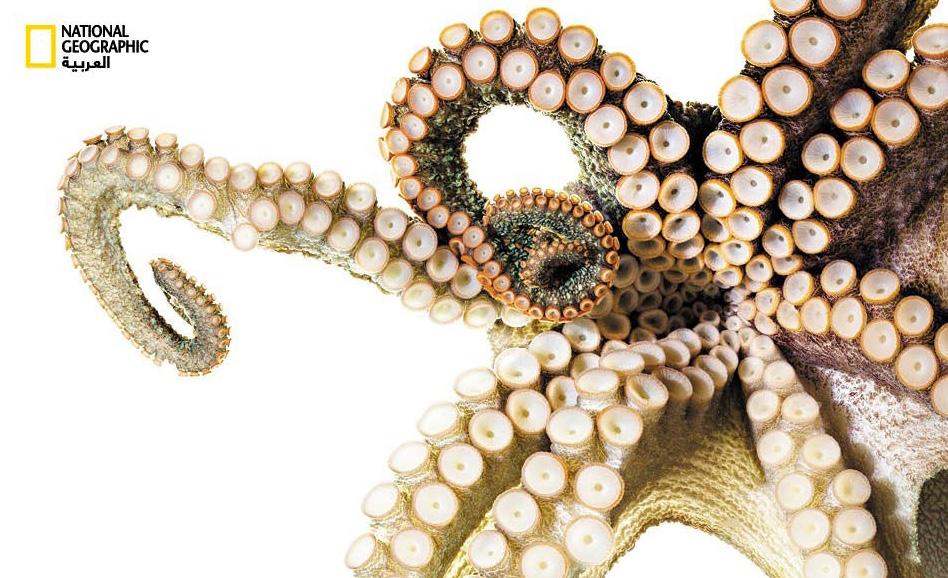
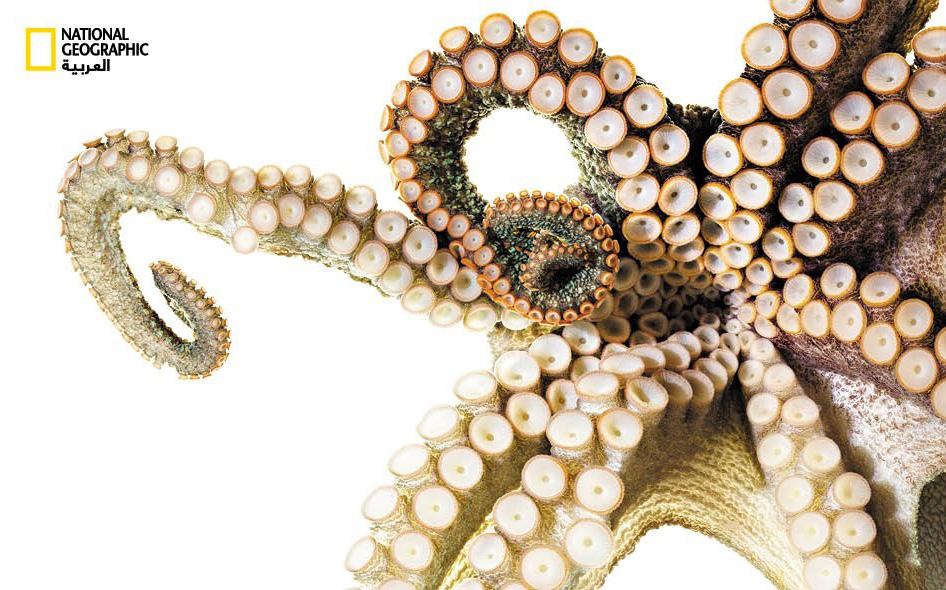
Scientists learn ... from octopus arm movements
It’s one thing to marvel at an octopus’s flexibility, and another to quantify it. Marine Biological Lab researchers watched 10 wild-caught octopuses attempt various tasks for two hours—and counted a total of 16,563 arm movements. Studying the mollusks’ moves could help engineers design versatile, strong “soft robotic” arms for use in dangerous rubble inspections or delicate surgical procedures.
JORDAN SALAMA
Jambo..
Zoolife: “Good morning my charming Gorilla.”
Jambo: “You are very late Zoo Life! I have been waiting for almost an hour, this is unusual from you, is everything OK?”
Zoolife: “It is a windy day, and as you know my friend, a slight breeze of air can send me flying away in the air. I had to wait for the wind to calm down and the weather to improve.”
Jambo: “The sky is cloudy; I think it might rain today. Oh, how much I hate heavy rain!”
Zoolife: “Oh, my God! Are you serious? Who would hate the rain?”
Jambo: “I am serious. In all honesty, I hate being wet and I don’t like getting dirty.”
Zoolife: “This is normal. You have spent your childhood at the Apenheul Zoo in Netherlands amidst the green hills.”
Jambo: “This is true; however, Al Ain Zoo covered my encloser at the Big Cat Oasis lush green grass, now it has become an amazing oasis where you can sit back and relax, guest also love to come over and enjoy this wonderful view.”
Zoolife: “I am sure you will enjoy your new home, especially as the gorilla sanctuary is set to be completed soon.”
“Oh, what you are doing Jumbo! Look how fast you can go! How did you manage to climb this tree so quickly? And why did you leave me and go there?”
Jambo: “Isn’t it my right to show off my capabilities in front of you? Didn’t you come here for a chat? Watch my skills at climbing trees. We, Western Gorillas, are better known for this compared to the Eastern Gorillas because we are smaller and lighter.”
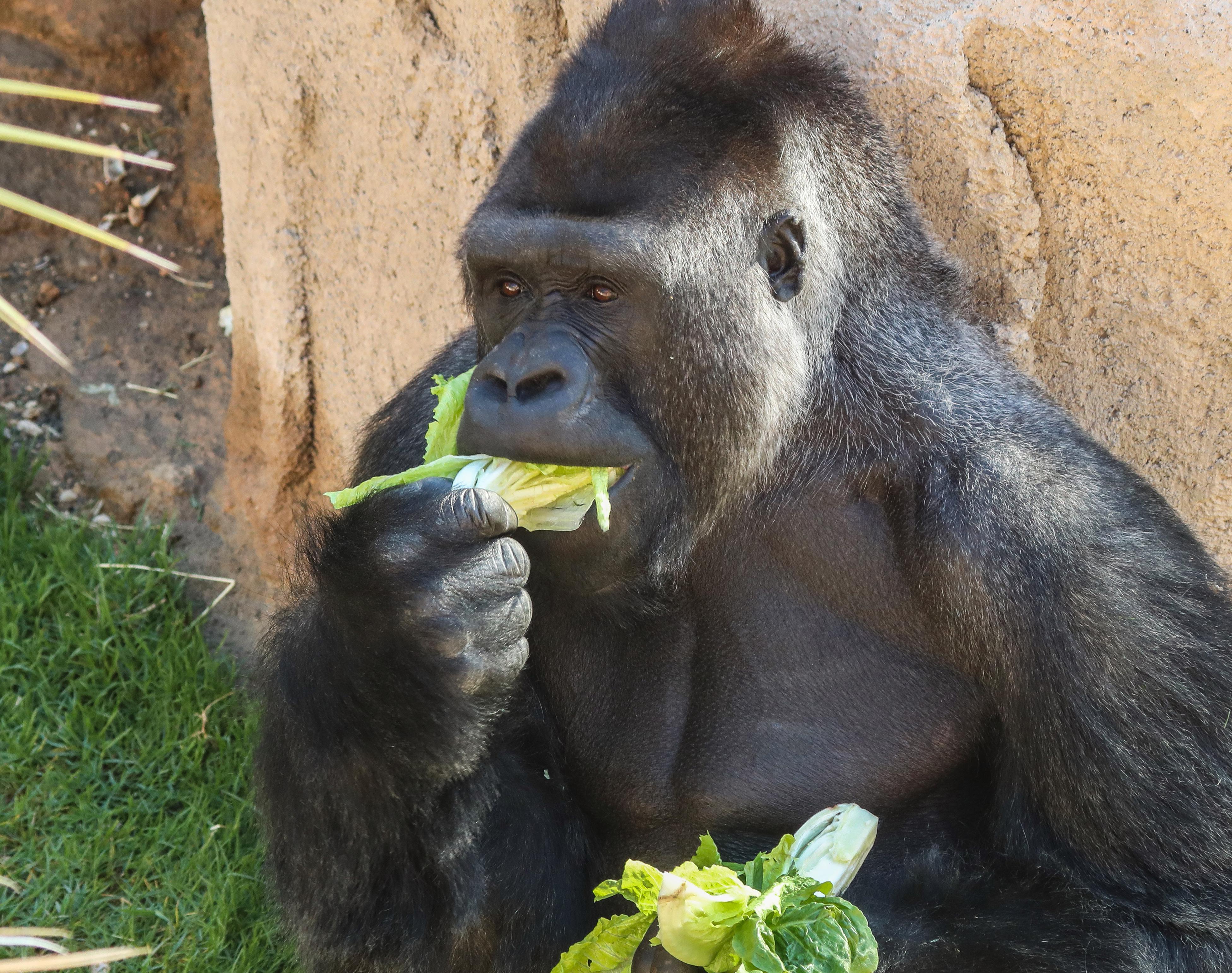
Zoolife: “You don’t have to prove yourself to me, I can see it clearly. Come on Jumbo, come down and let’s continue our chat. I can see your human friend brining a feast of fresh lettuce and carrots, so come back my dear Silver Gorilla and enjoy your meal.”
Jambo: “Wow, how amazing! I cannot describe how much I love fruits and vegetables. I would eat more than 2,500 grapes every day if I could, but thankfully, Al Ain Zoo has put me on a balanced diet with set calories count to help maintain my health and agility.”
Zoolife: “, Bon appétit my friend. No one can deny your agility, but why are you eating so slowly?”
Jambo: “It is a question my human care takes keep receiving from guests. In fact, I like to enjoy my meal, so I eat it slowly and calmly and I am not surprised by visitor’s inquiries as some humans like to eat their mealy quickly.”
Zoolife: “No worries, you need to have a healthy diet to enjoy a healthy life in the beautiful Al Ain Zoo. According to IUCN Red List of Endangered Animals, you are threatened with extinction and we must pamper you and ensure your health is in top condition.”
“My friend, you have gone quiet suddenly, is there something wrong?”
Jambo: “Yes, my friend. I have appointed my son “Wimbe” to manage the group’s affairs. He is getting bigger and stronger; he can handle the responsibility. I can still interfere if it is necessary because my family is the most precious thing to me, and I would do anything possible to look after and protect them.”
Zoolife: “Did you know that visitors were extremely happy to have learnt that you and your three sons would be coming from the Netherlands? They are extremely excited for this moment since “Lady Gorilla” passed away, you must have heard of her?”
Jambo: “Of course I did. Who does not know of Lady Gorilla? She was loved by all visitors, she has meant a lot to them from their early childhood, she was their friend for 40 year, even after the sad passing of her
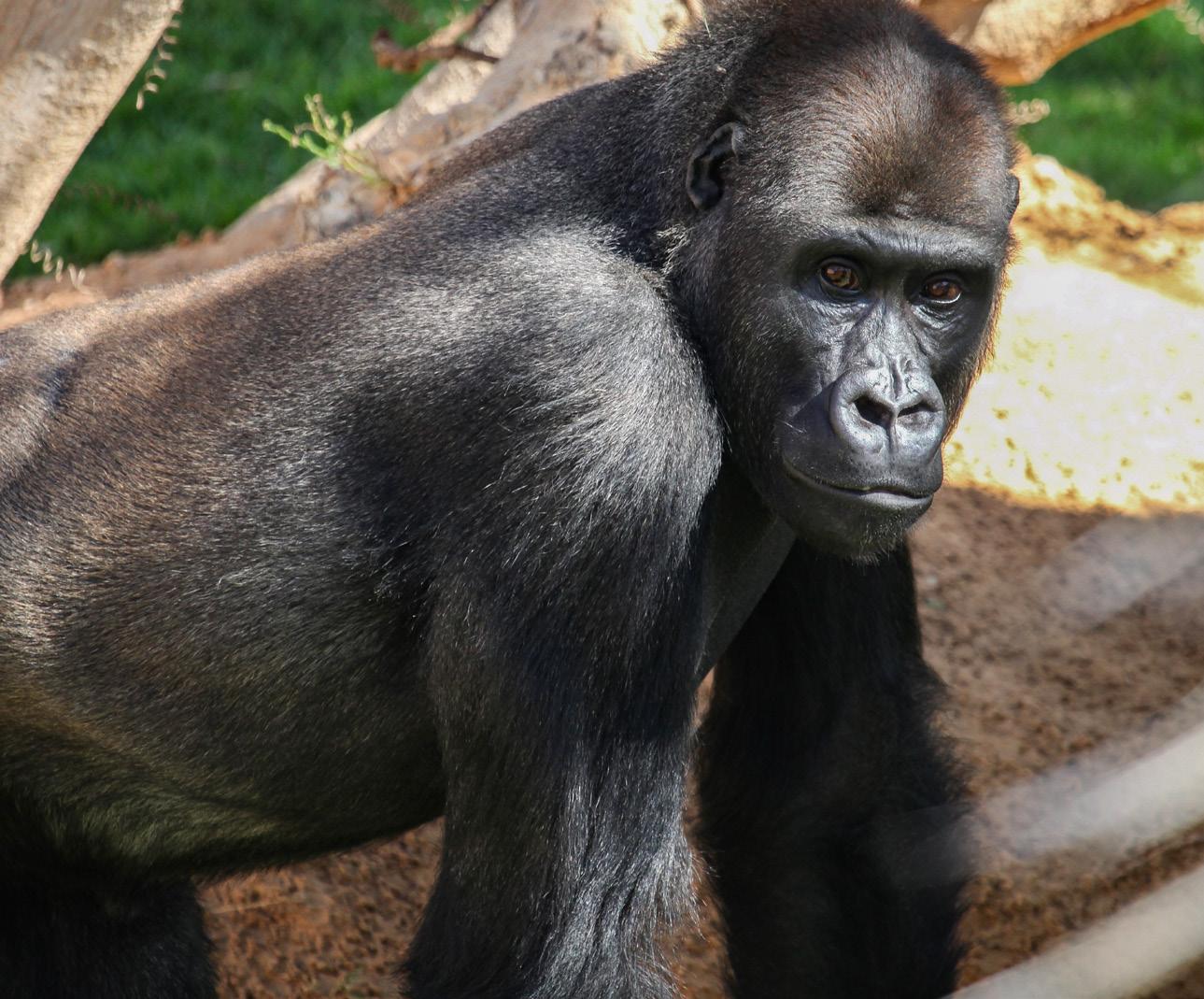
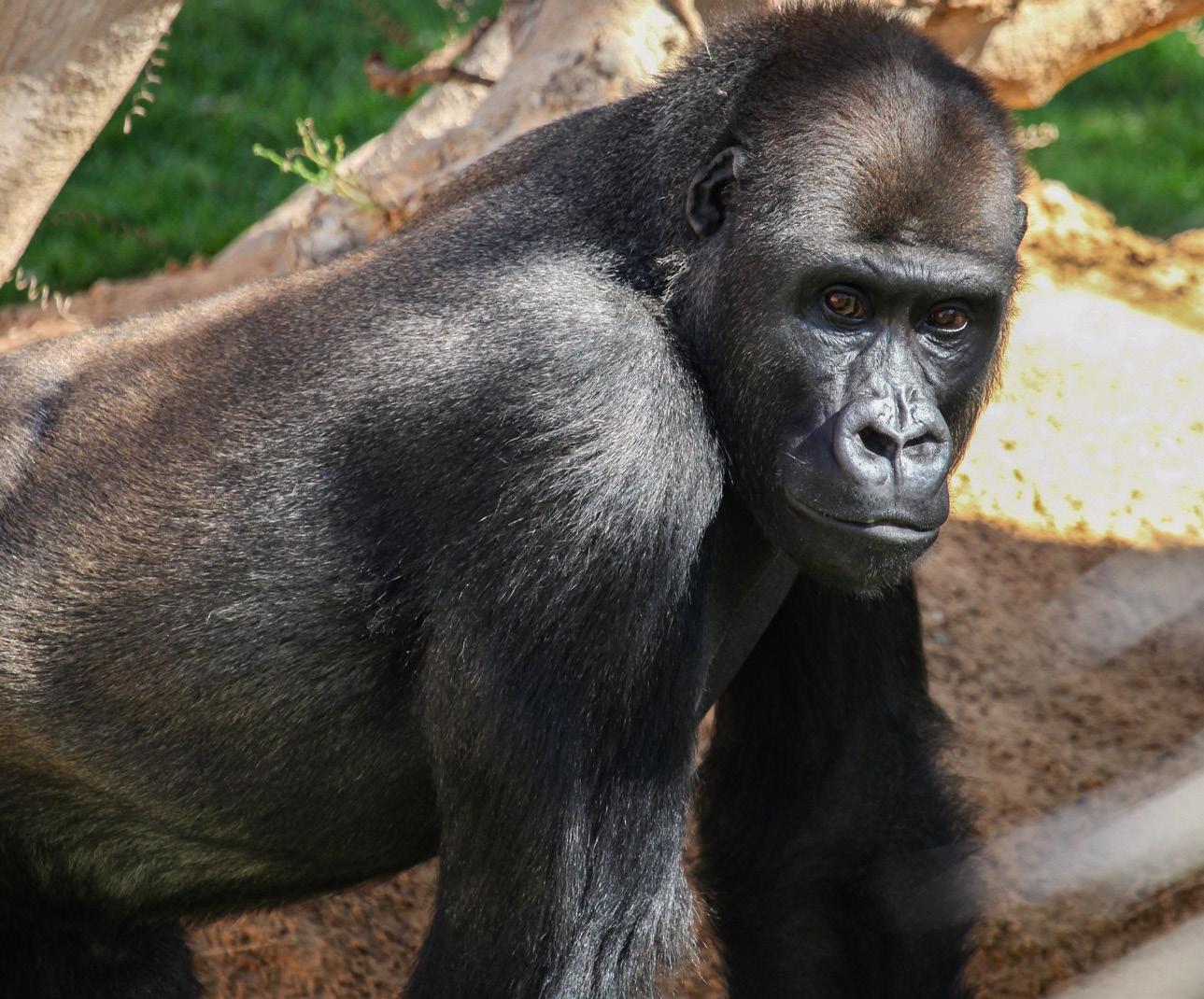
Jumbo is the fastest tree climber, and can eat more than 2000 grapes daily.
My family is the most precious thing to me. I am always ready to anything possible to look after and protect them.
Zoolife: “Did you know, even though you look very stern with your broad chest, heavy neck and hands, strong feet, and thick eyelids, you are actually extremely sweet, and you always have interesting things to say. I am very sure that visitors feel the same way as me even without talking to you. I am grateful to have met you and thank you so much for your time.”
Jambo: “That is very sweet of you to say! Thank you, my friend. You can visit us any time you want, but be careful not to show up late as you just did today.”
Zoolife: “Hahaha, please accept my sincere apology. I will leave you now to enjoy your favorite meal, and promise to visit you again soon.”
Jambo: “You are most welcome.”
Jumbo
husband Maxi, which made her feel lonely.”
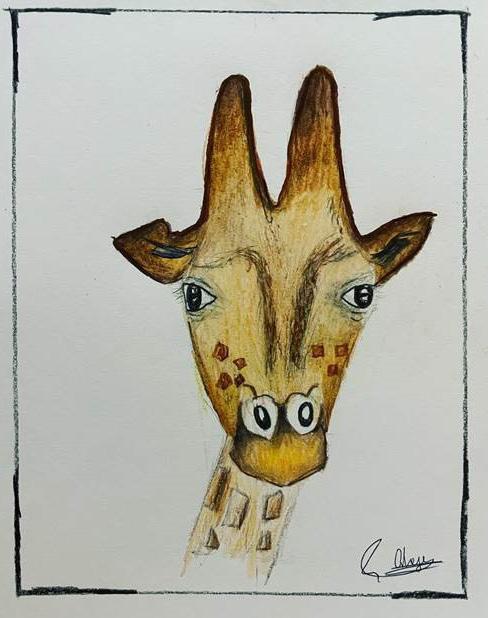
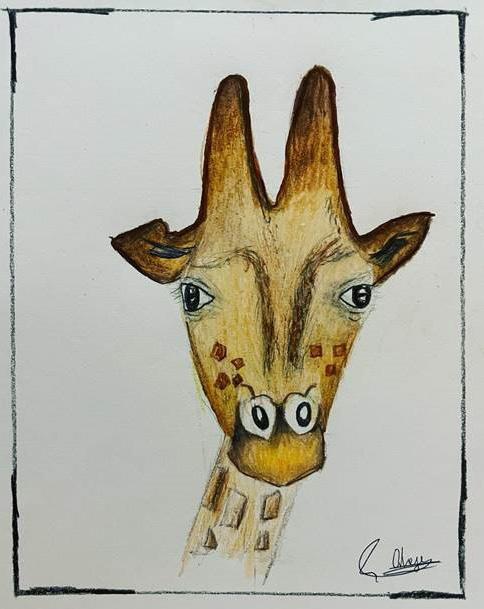
Name: Ghaya Saad Nassib Al Ahbabi
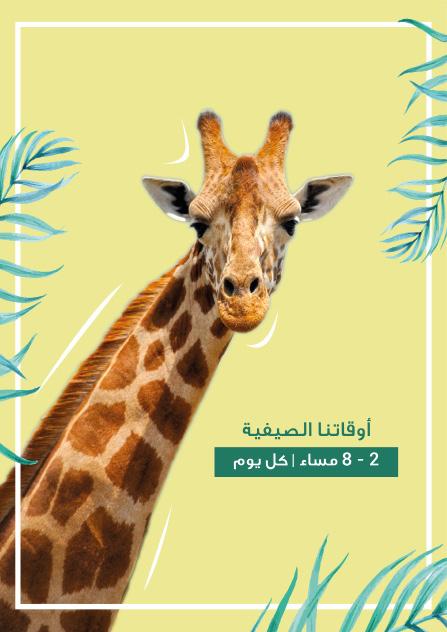
Title of the project: Cute giraffe
Liwa International School for Girls - 5th grade
Find the five differences
What are the traditional uses of Al Ghadhaf plant? check the opposite page to discover the answer