مجلة حديقة الحيوانات بالعين " زوولايف " العدد الواحد والعشرونZooLife September 2019 edition
September 2019
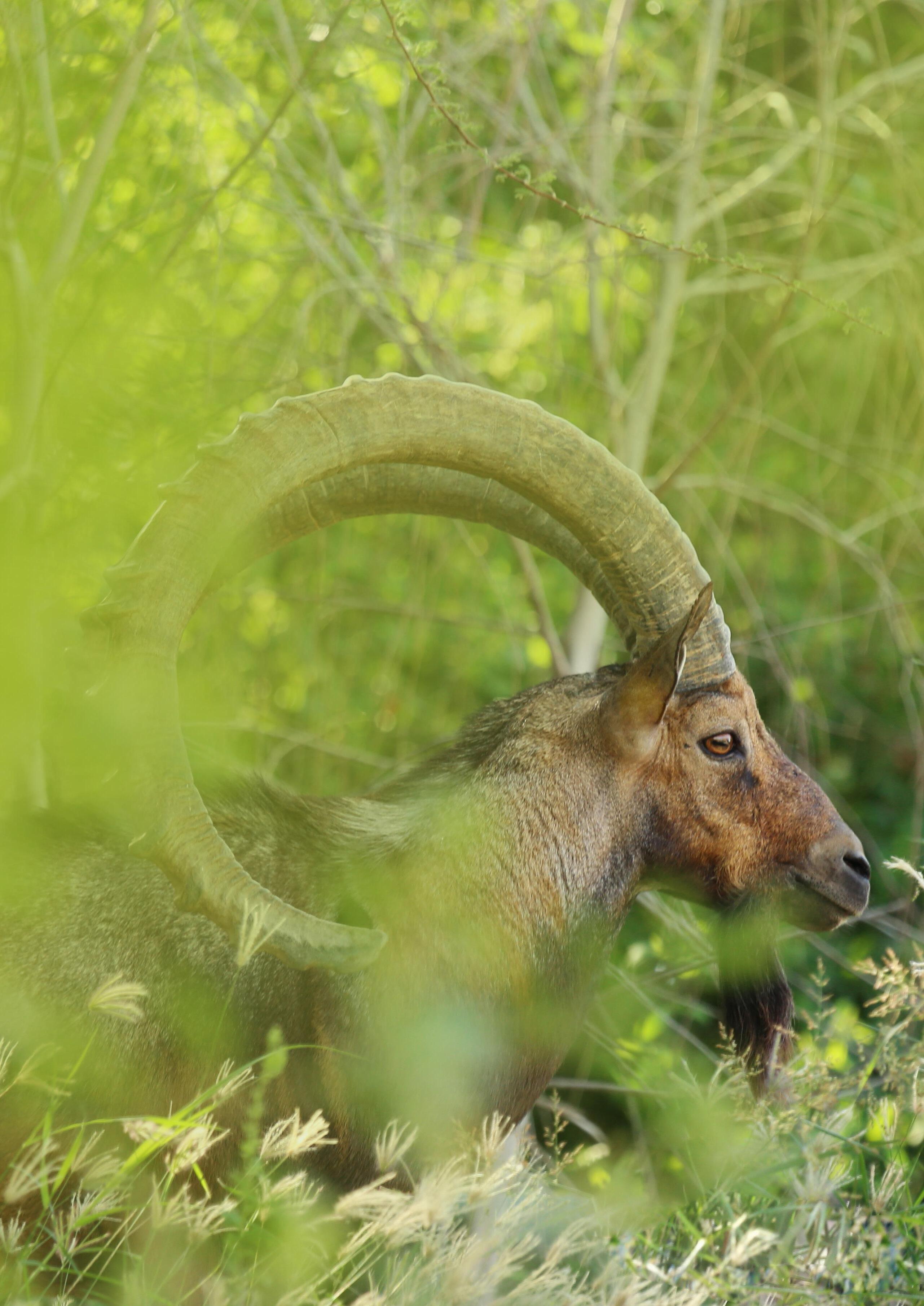
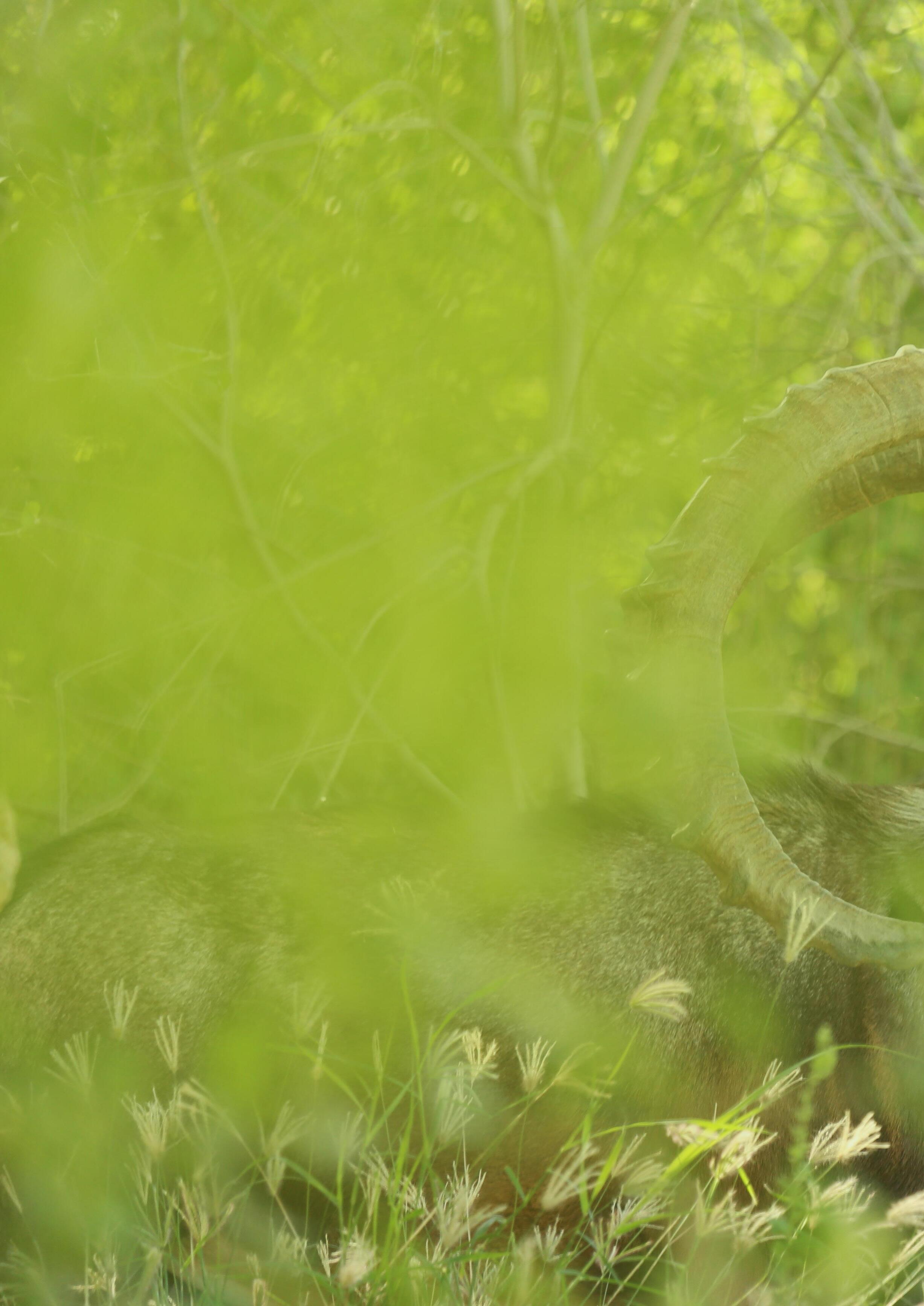
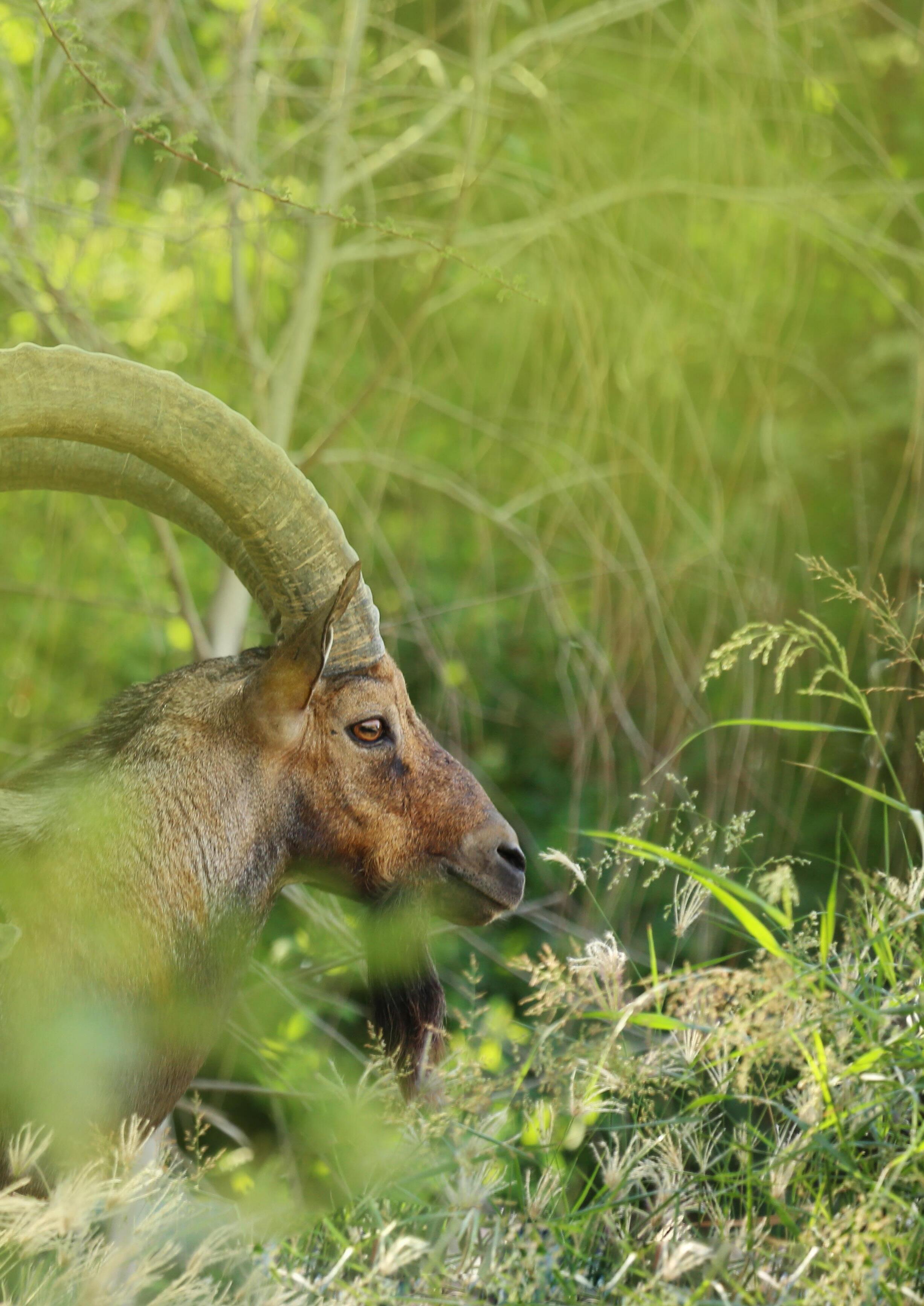
Nubian Ibex
Is the only species that live in hot desert environments
She wanted to be a doctor, but life brought her to horticulture ....
Aysha Al Hamedi
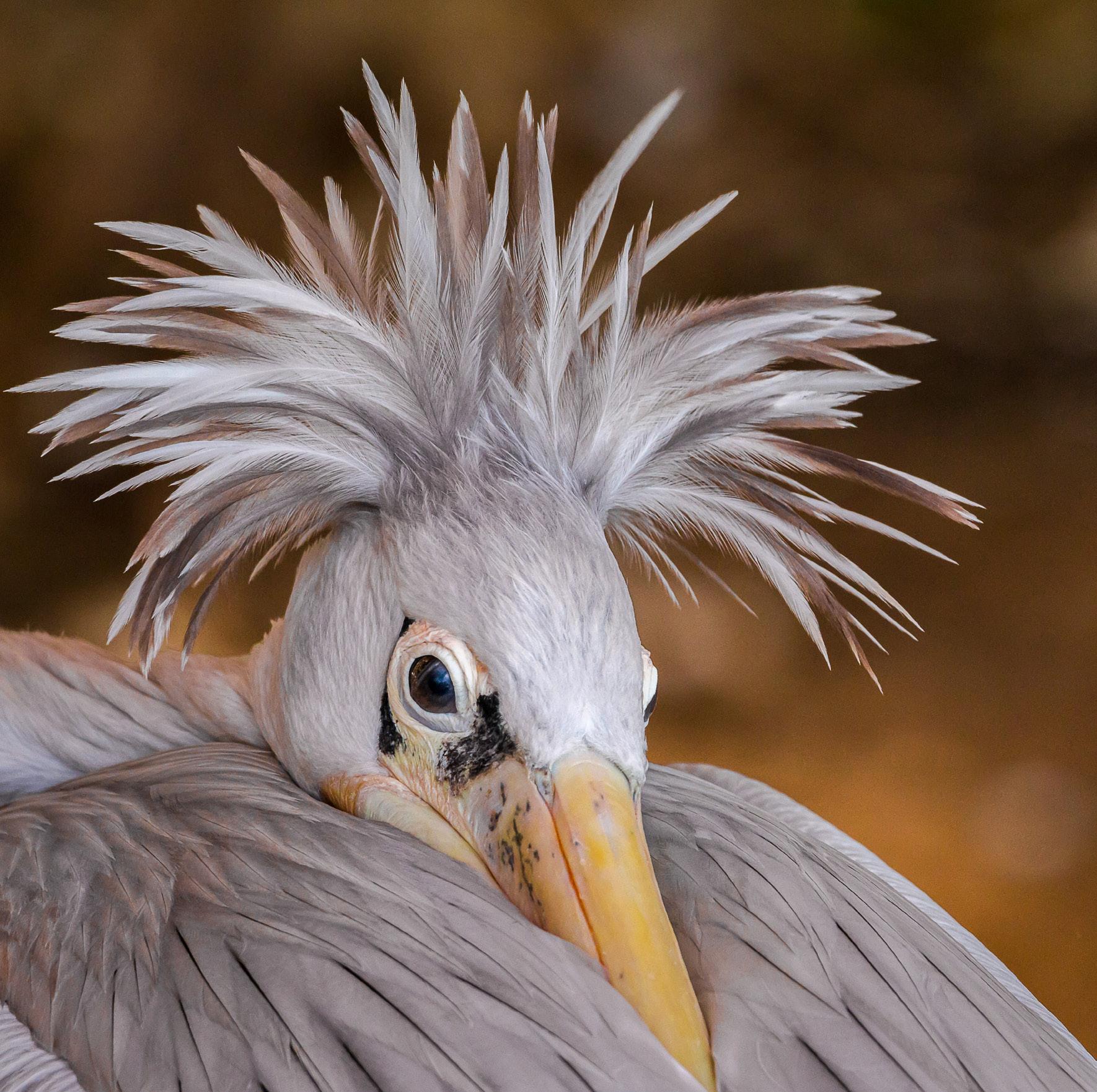
A free space for the wonders of light and lens, that we leave up to the visitors’ and webpage surfers’ creativity. Share your picture with us, and let it speak for you.
Please send the photographs to zoolife@alainzoo.ae
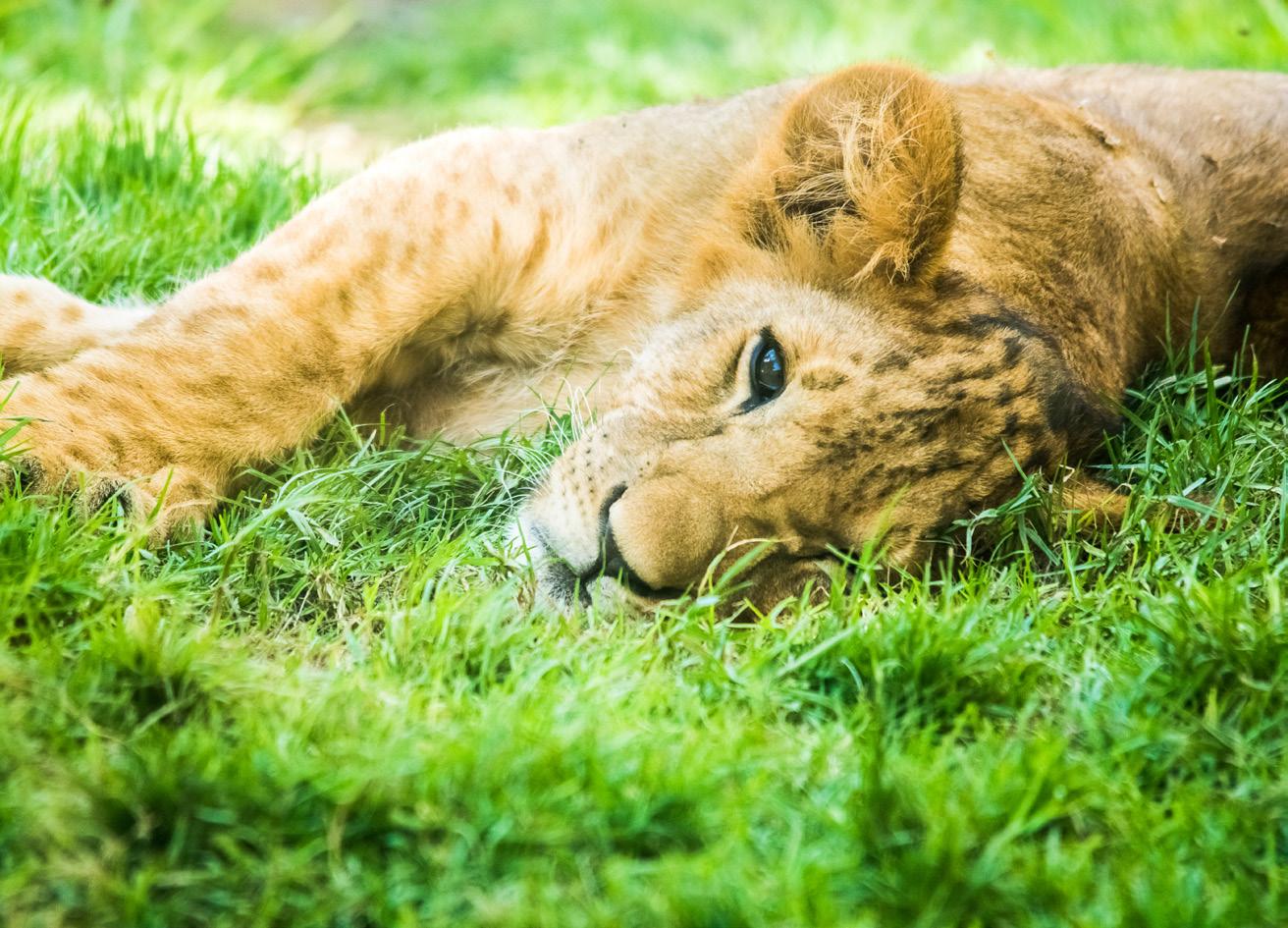
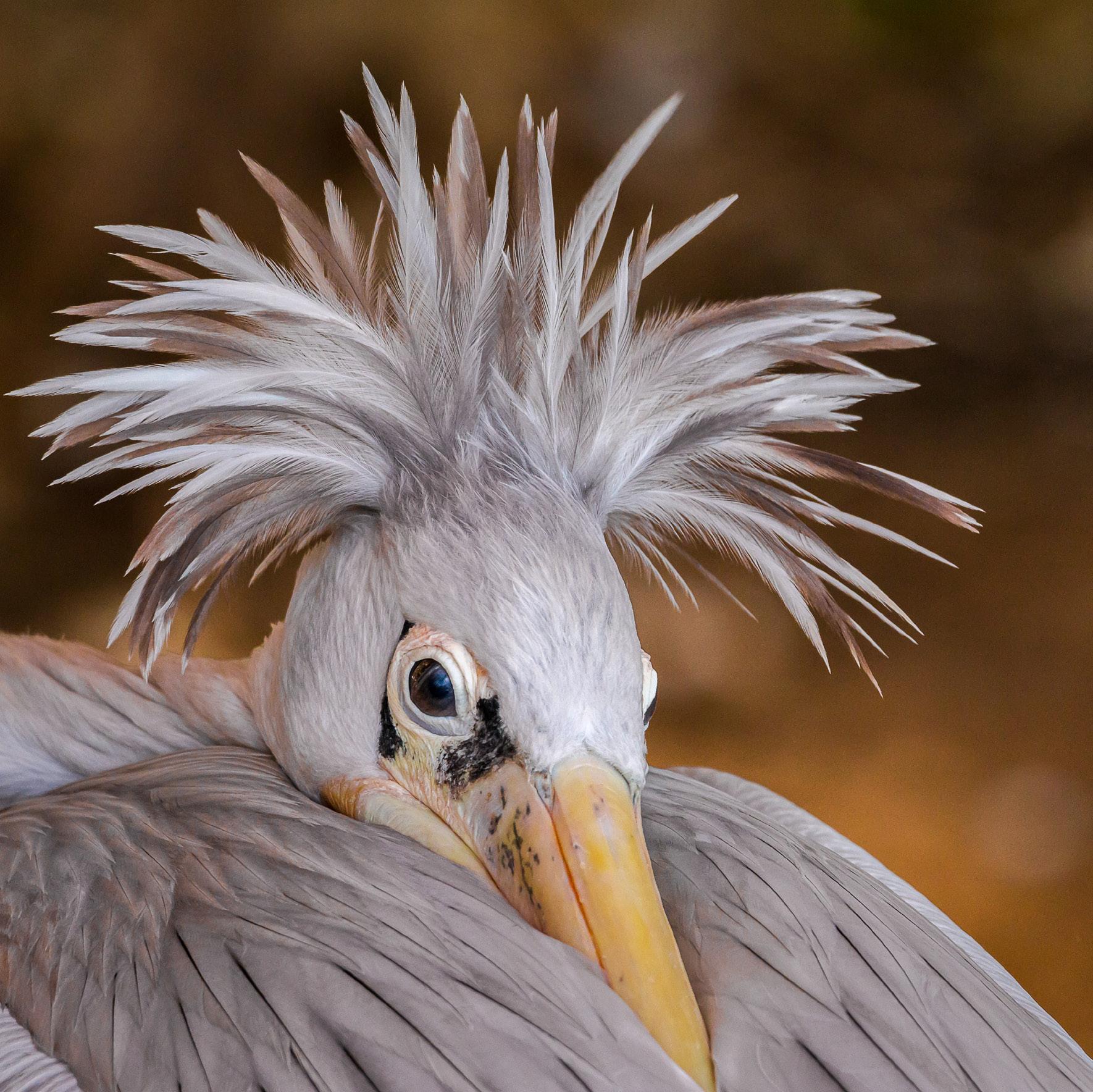
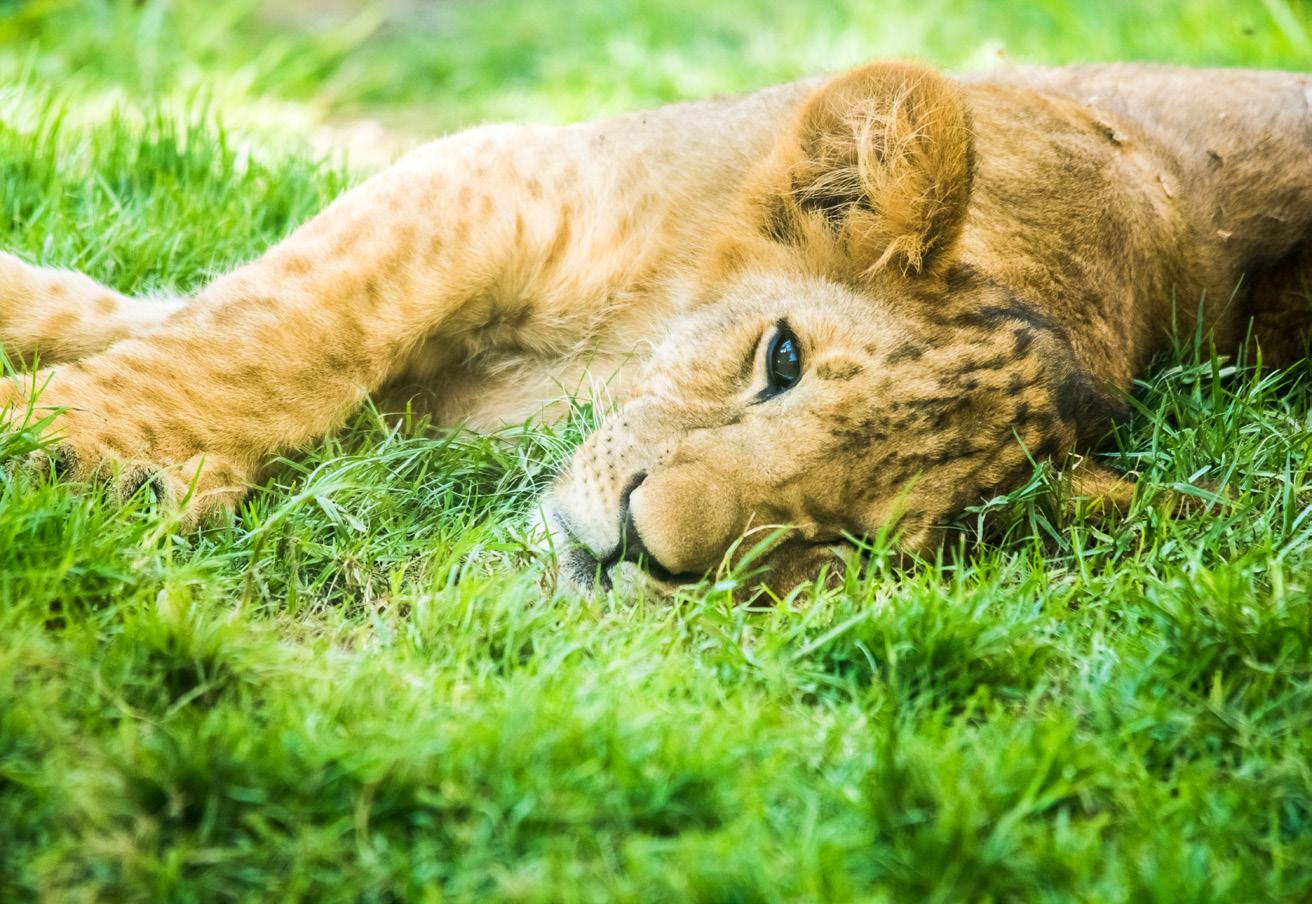
Our little cub does not care about what is happening around him: he has a comfortable mattress of soft grass; he lazily lays down to show off the golden beauty of his fur and regards us with a sleepy gaze as he agrees to the photo-shoot.
By: Arun
Abu Dhabi
01 - 07 SEPTEMBER
Abu Dhabi Showdown Week 2019
Abu Dhabi
04 SEPTEMBER
Red Hot Chili Peppers Live in
Abu Dhabi
The Arena Yas Island, Yas Island
17 SEPTEMBER - 05 FEB 2020
NYUAD Music Recital Series
The Arts Centre At NYU Abu Dhabi, Saadiyat Island
18 - 19 SEPTEMBER
Cleanzone Middle East 2019
Dusit Thani Abu Dhabi
27 SEPTEMBER
ISN Gulf Expo 2019
Abu Dhabi city
24 SEPTEMBER - 03 OCTOBER
Al Ain Book Fair 2019
Al Ain Convention Centre
Strategic Planning office
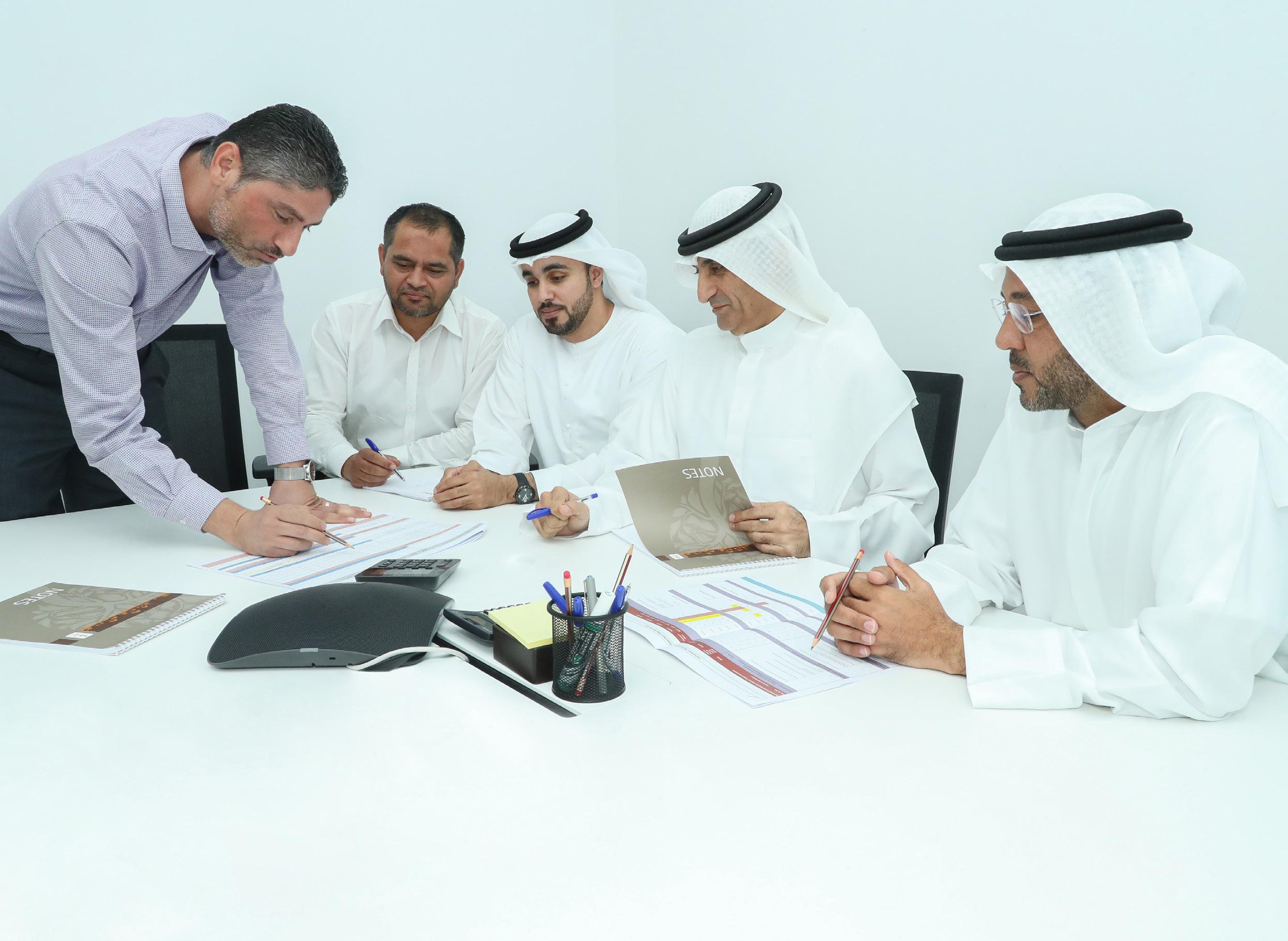
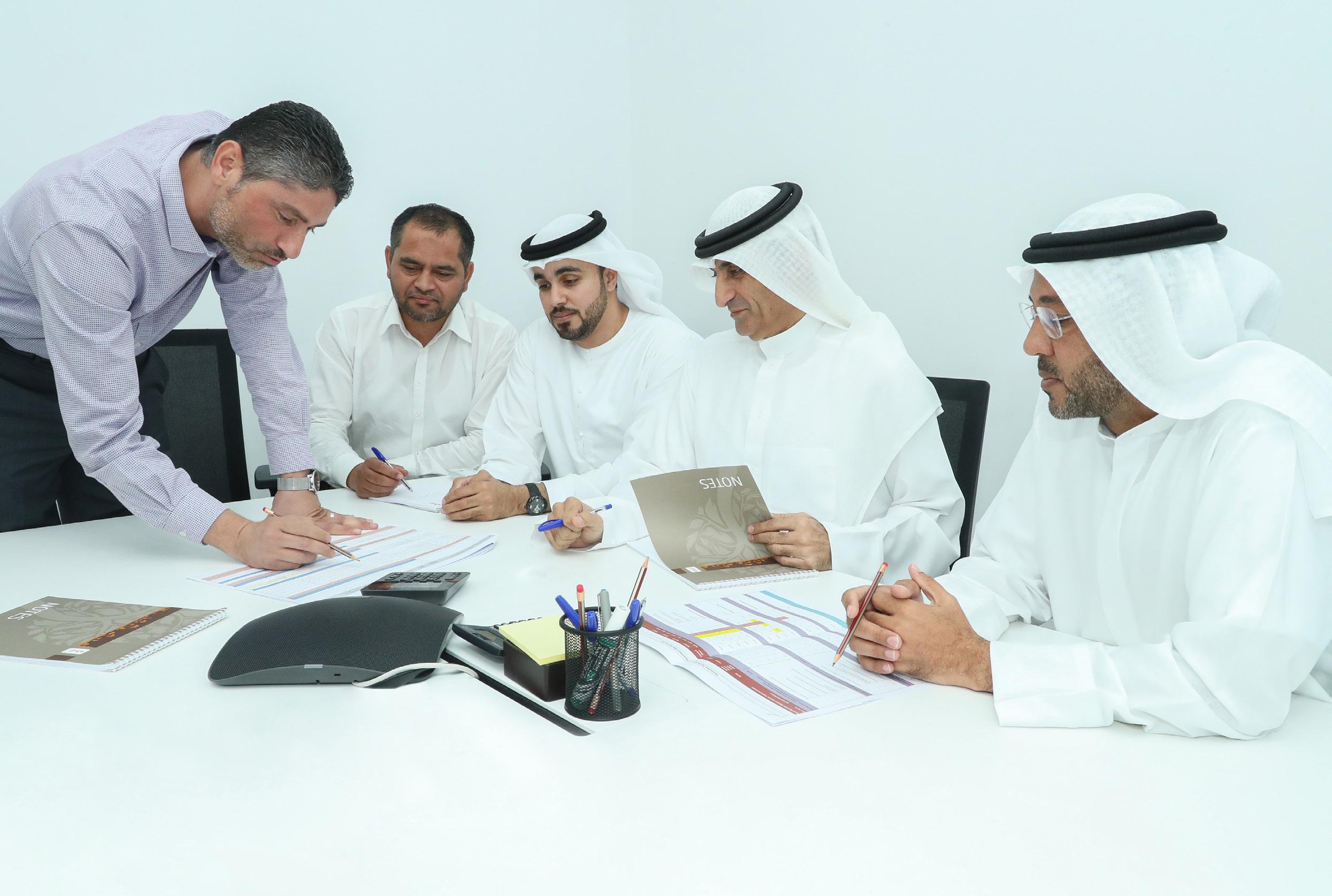
The Strategic Planning Office team is preparing the strategic plan for the Zoo & Aquarium Public Institution in Al Ain as directed by the Board of Directors.
The preparation of the strategic plan includes knowledge of the institution’s services, its business scope, its client segments, its main partners, its strategic partners, and how to achieve the plan by identifying a number of objectives all employees and departments share, which contributes to achieving the institution’s strategic goal and vision.
The Office works with senior management to prepare an annual plan that highlights the work requirements for one year from each department, which results in the annual objectives of each department, and hence the objectives of each employee.
The Strategic Planning Office team includes the Organization Excellence Section, which raises operational standards towards global standards
of excellence, including reviewing key policies, procedures and frameworks, identifying gaps in procedures and coordinating with different departments.
The team also participates in the international quality and excellence awards competitions of various types of ISO and excellence awards in the country and other international excellence awards such as EFQM.
The Strategic Planning Office is also part of customer service management in terms of satisfaction level service quality offered internally and externally through internal and external questionnaires. The results are then analysed, proposing improvements and working with various departments to raise the level of satisfaction.
Trip to the Forest
Written by: Rida Iqbal
One of the winners in the Short Story
Writing Competition 2018 Category: 8 - 10 years
"Good morning students." Exclaimed the teacher. "Good morning Miss Sofia!" The students chanted. The students loved Science class with Miss Sofia. "Do any of you know what we will be doing today?" The students looked at her with curiosity. "Nobody?
Ok, today we will be learning about how Nature works." "How are we going to do that?", asked Lisa. "We are going to have a field trip to the forest tomorrow." The kids were overjoyed yet scared that something dangerous would happen. "Don't worry. It will be completely safe as long as we stay together, so don't wander off, OK?" "Yes Miss Sofia!", they chanted in relief.
The next morning, the school was filled with happy sounds and cheers. The whole school was really excited to go to the field trip to the forest and learn about nature. As soon as the bus reached their destination, Miss Sofia reminded them, "Remember not to wander off, if you want to go somewhere, make sure to ask us teachers first, am I understood?
The kids promised not to wander off And their field trip began, and as soon as it started, the kids started spotting butterflies, while Miss Sofia showed them how each species looked and their special abilities. After that,
Miss Sofia stopped them so they could all drink water and rest. "Just stay here for some time,
And then we'll examine more animals." Miss Sofia to them. Meanwhile, Miss Sofia and the other teachers made sure they were safe, but as soon as they were away from the students Ben, Chris, and David got up and started walking away in the other direction. "What are you doing?" Asked Bill. "Ohh, we're just going to see more butterflies." "You could get in danger, Miss Sofia said so
Bill said, terrified. "Miss Sofia only said that so she won't get in trouble as a teacher!" Said Chris angrily as he was the leader of the group, while his minions, Ben and David agreed. "Fine, leave!" Shouted Bill. Chris, Ben, and David laughed before running away and disappearing into the trees. All the students started panicking about Chris and his friends, everyone except Bill.
Bill knew the possible dangers just as well as all the other students, but he was too angry with Chris to care. The students tried to reason with him, but he was too stubborn. When Miss Sofia came back, she seemed to be in a hurry, but as soon as the students told her what happened while she was gone, she became pale, and told
the kids they had to find them as soon as possible. "Why?" asked Bill.
"Because one of the teachers heard a Grizzly Bear a few yards away and we need to get out of here!" Scolded Miss Sofia. Now everyone was panicking." OK kids calm down, do any of you know where they went?" Asked Miss Sofia, still a little panicked herself. "All we know is that they went to see the butterflies."
So they started heading where the boys had ran to earlier, after a little while, they heard running and the boys appeared. The class as well as Miss Sofia noticed David scratching his abnormally red hand viciously. "What happened to your hand, David?" Asked Miss Sofia, worried. "He touched a poisonous flower." Said Chris. David was rushed to the hospital, afterwards the boys were punished and apologized to everyone, and although they got in trouble, they still loved Miss Sofia.
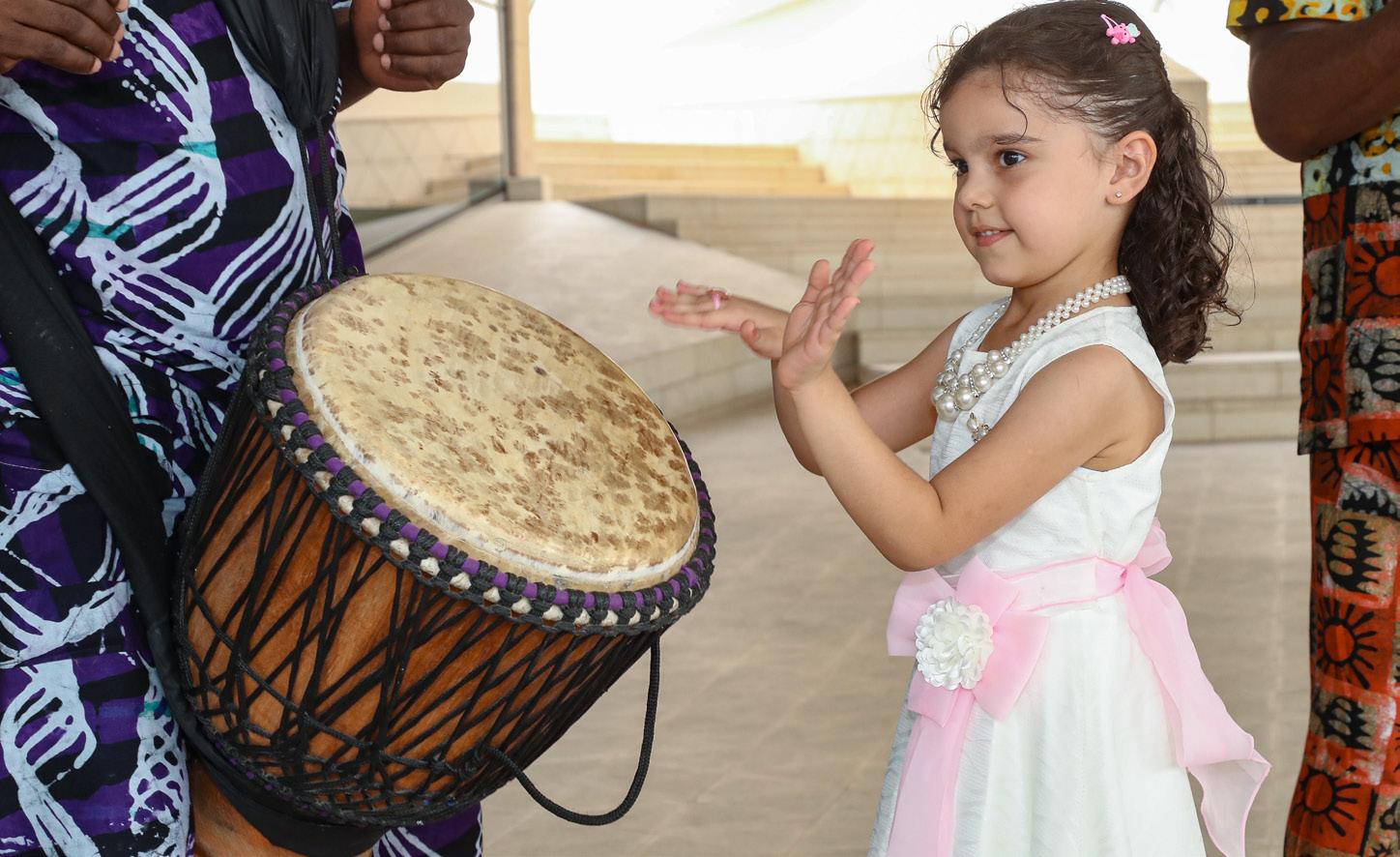
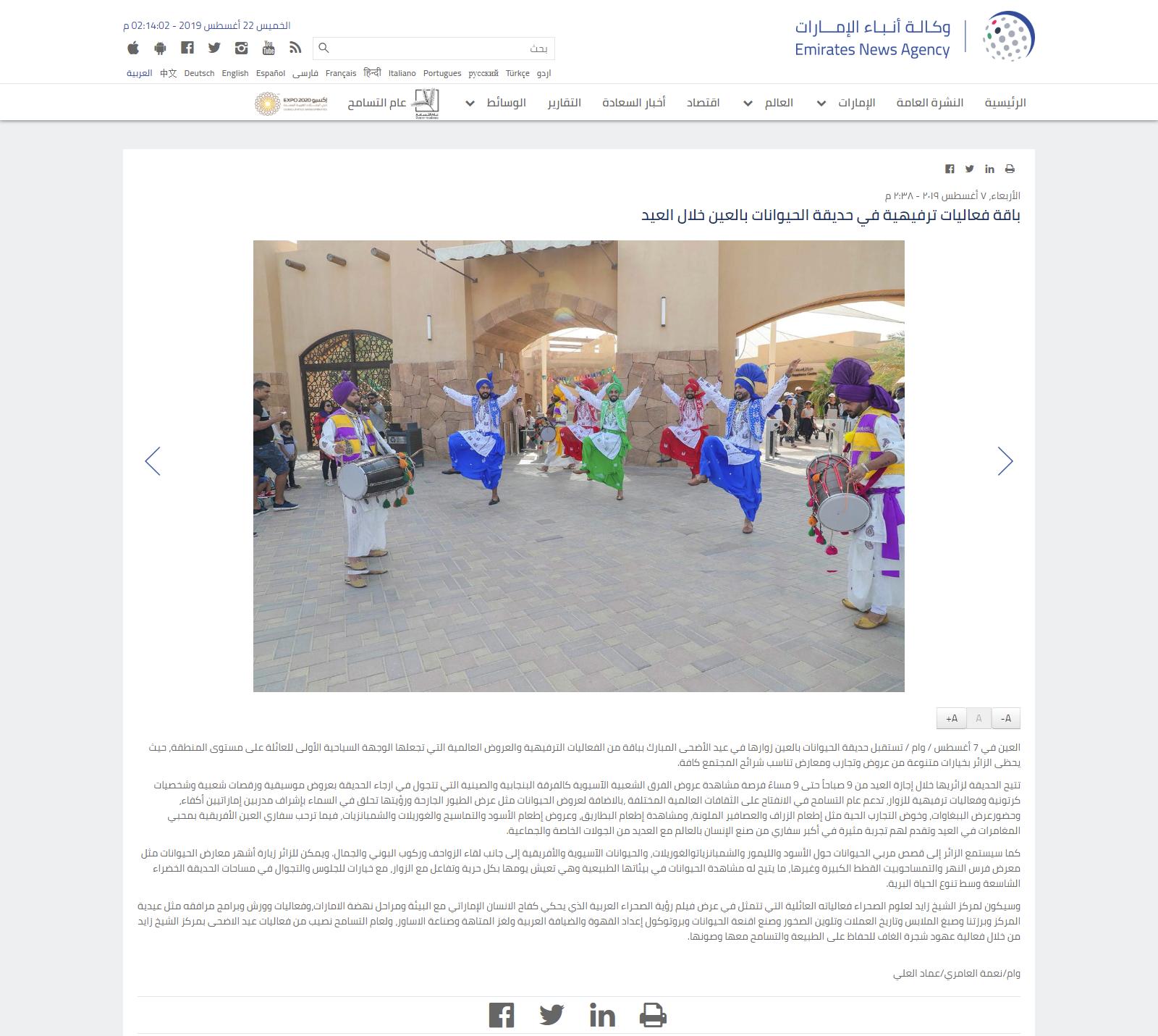
Eid activities
Eid activities
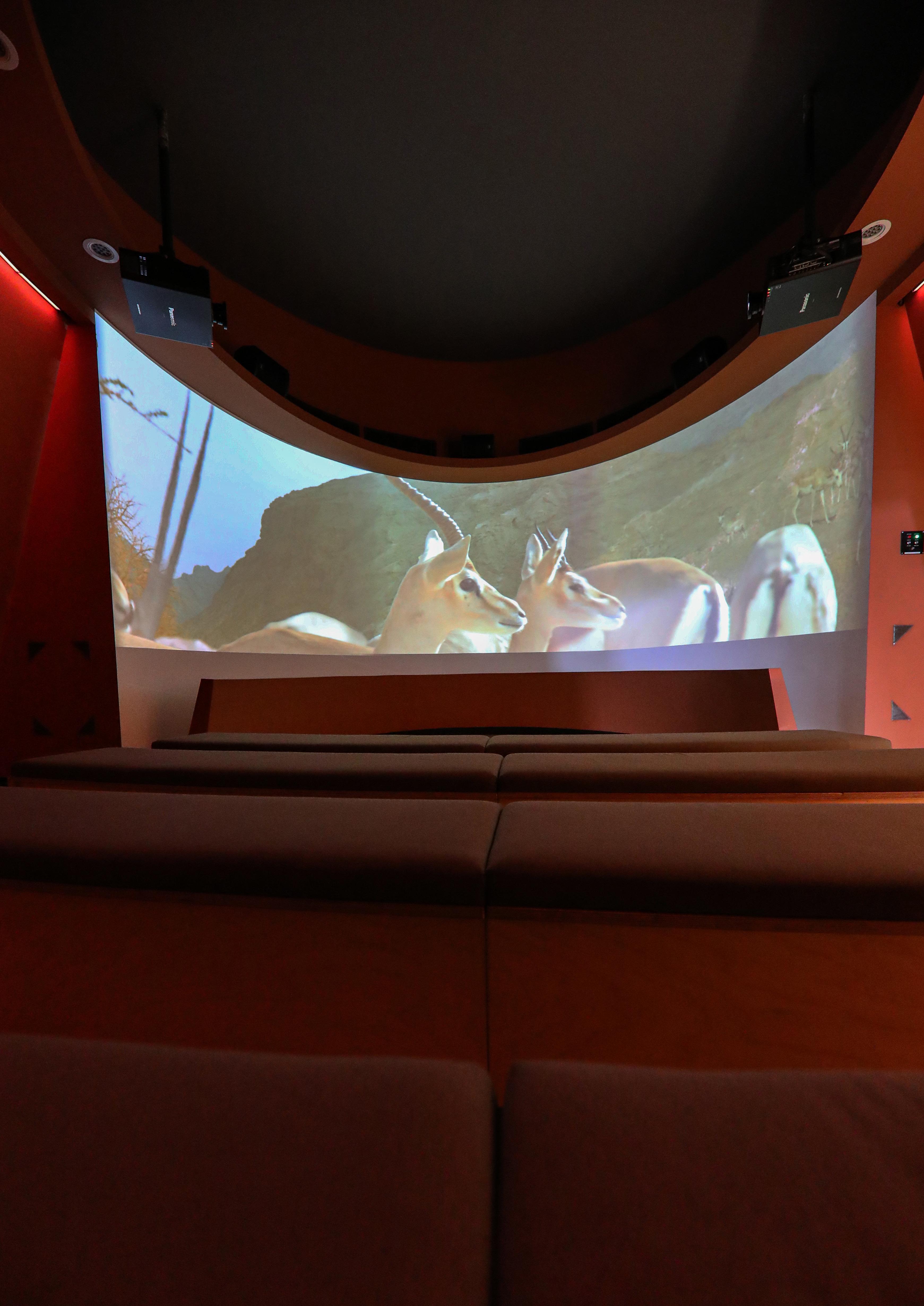
Desert Dynamic Theatre
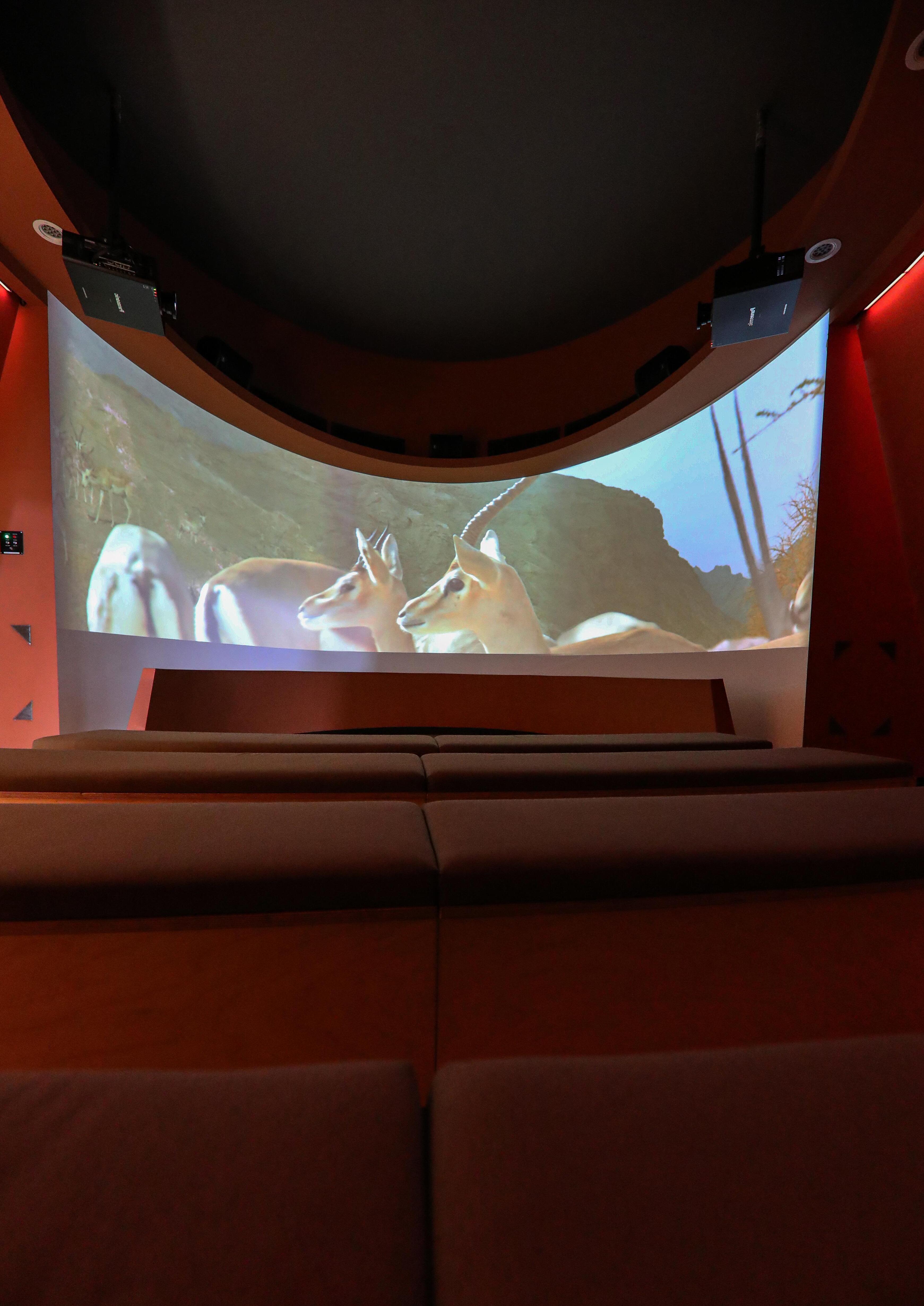
The Sheikh Zayed Desert Learning Centre has a fascinating “Desert Life” presentation in the “Abu Dhabi Live World” Exhibition theatre, which accommodates 35 people. In seven minutes, this film presentation takes you on a journey through the nature of the United Arab Emirates that captivates you with its unique details in a documentary that is rich in the history of animal and plant diversity and interesting information about the Emirate of Abu Dhabi.
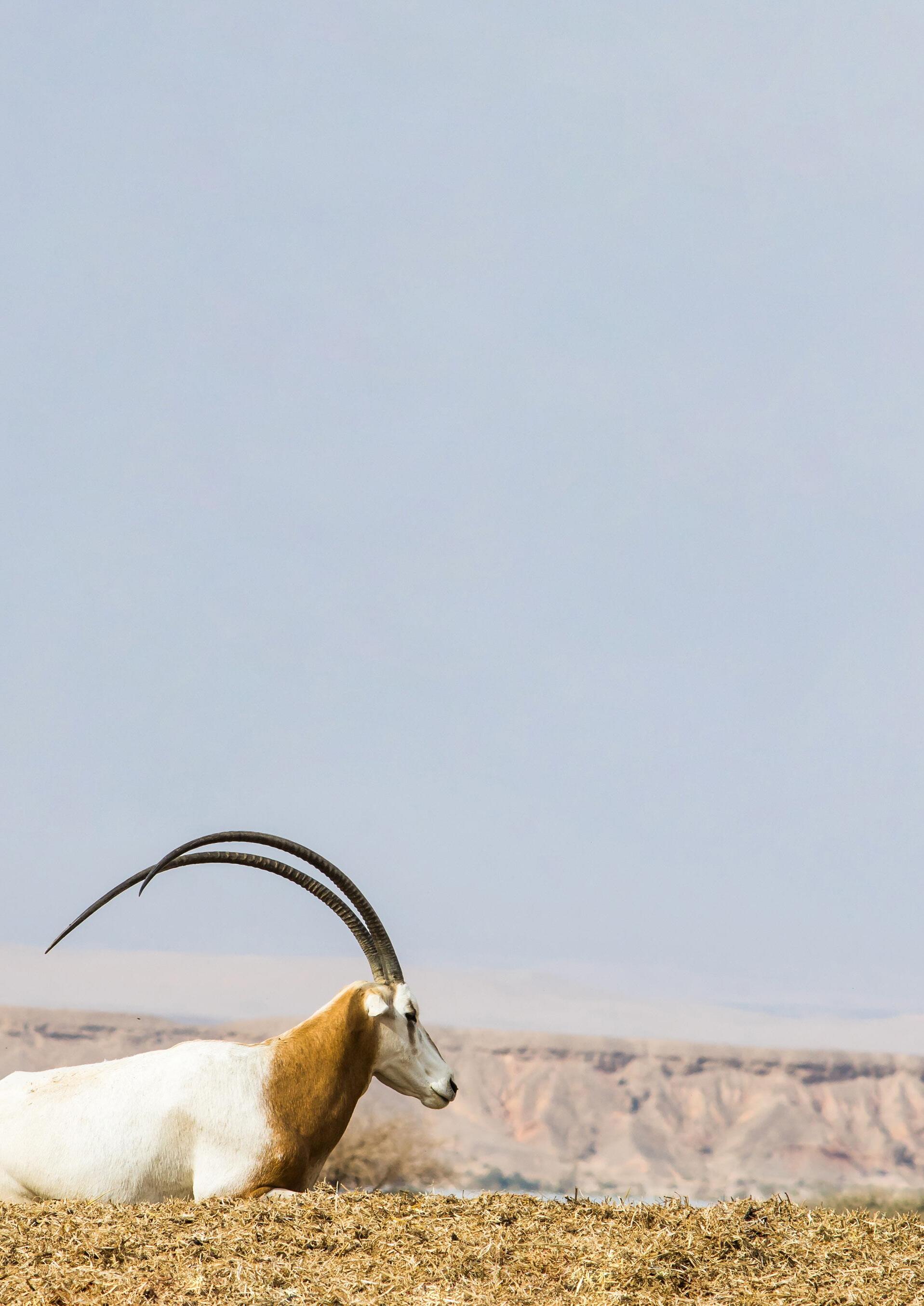
Nubian Ibex
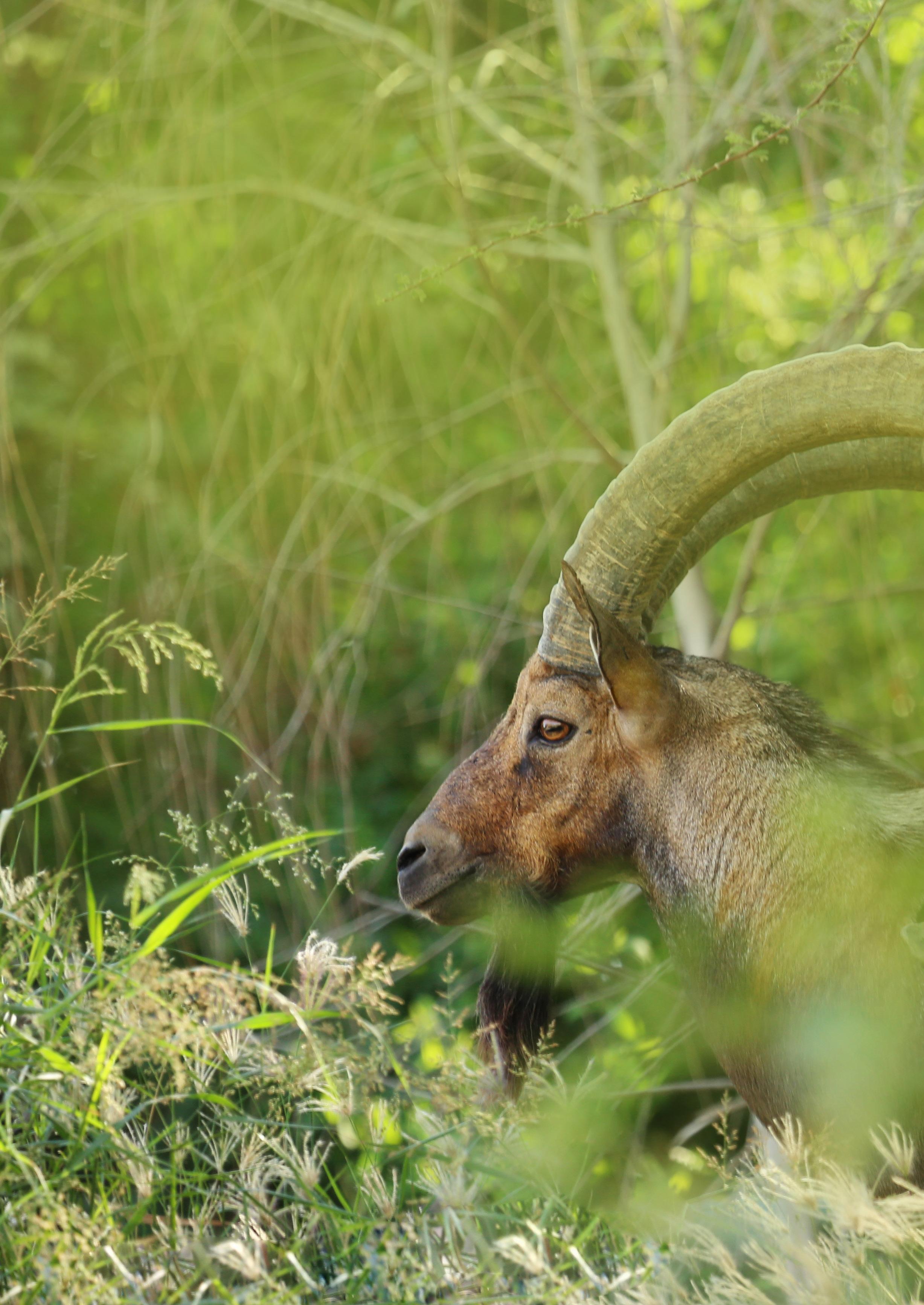
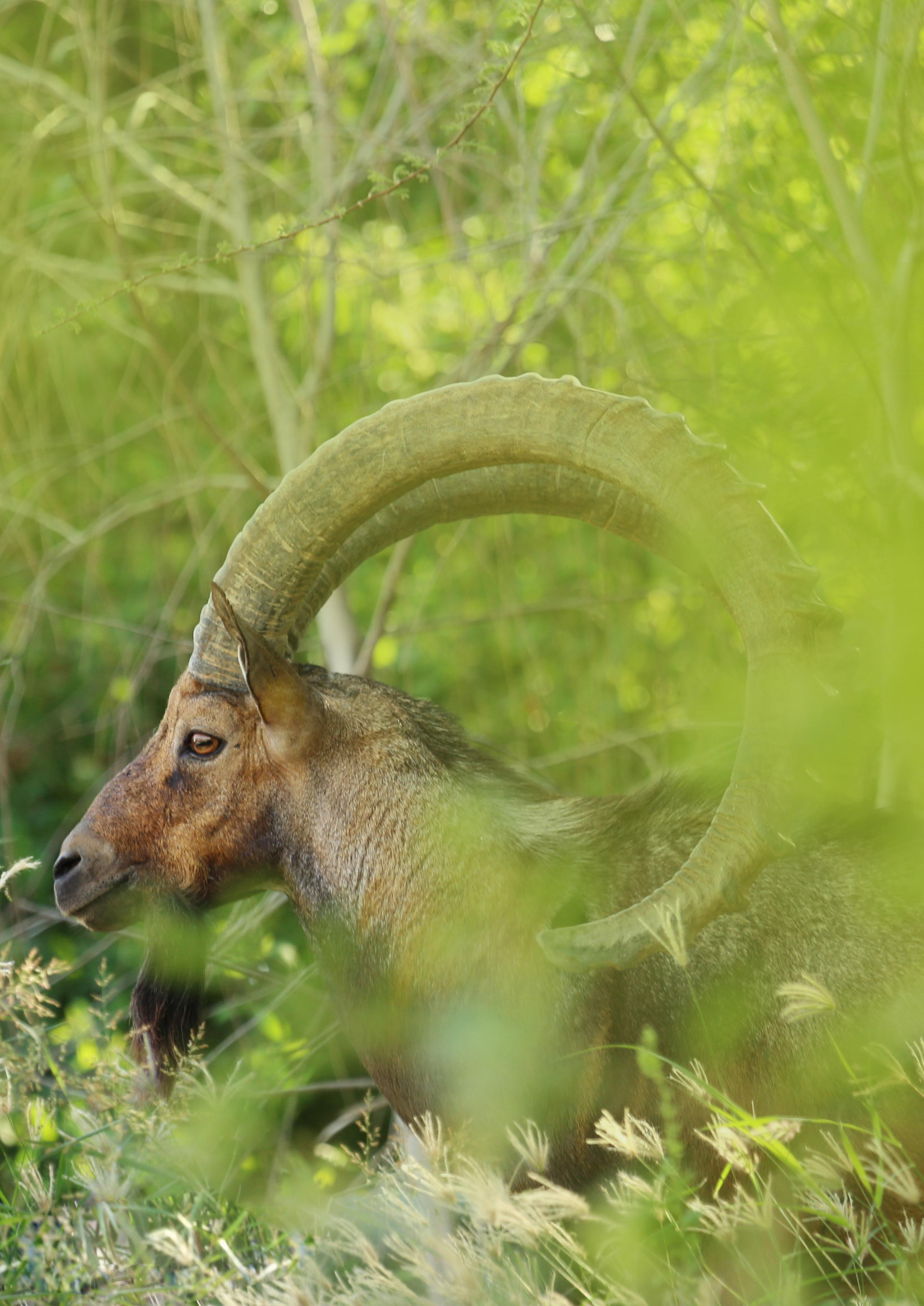
The Nubian Ibex belongs to the goat antelope species, the only species that lives in hot desert environments. Some scholars consider the Nubian Ibex to be just a breed of European Ibexes that used to live in the Alps, while others classify it as independent species. The Nubian Ibex has a long history in human civilization and Arab civilization in particular, as it appears in many monuments and the heritage of civilizations in the Fertile Crescent and the Arabian Peninsula.
Original Homeland
The Nubian Ibex mainly inhabits deserts, and is present today in the mountainous regions of Palestine, Egypt, Sudan and the Arabian Peninsula. It used to live in Lebanon and Syria before becoming extinct there in the 1950s due to competition with other species for water and urbanization in rural, and mountainous areas. There are some projects to reintroduce these ibexes to some reserves in Syria, Lebanon and the UAE.
Characteristics
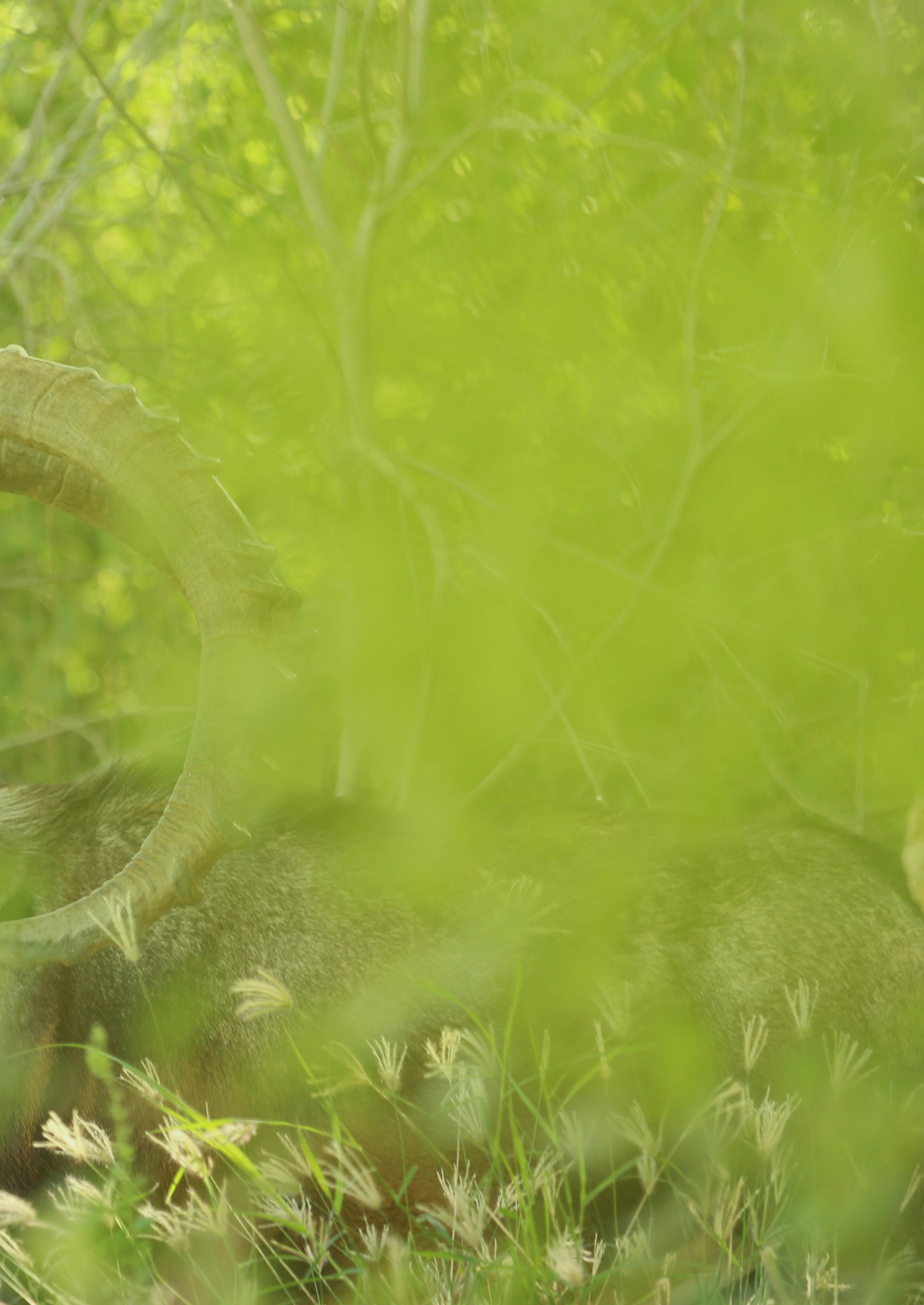
The Nubian Ibex is about 60 cm long at the shoulders and weighs about 50 kilograms. This animal has pale brown and white colours on their abdomen and the males have a black line on their front legs and on their back, as well as a black “beard”. It also has curved long horns with a length of about one meter. The female’s horns are much smaller, just 30 centimeters long.
Food
The Ibex adapts to living in dry mountainous areas where grasses and leaves form its diet. It is a perfect prey for leopards, wolves, common foxes, eagles and bearded vultures.
Groups
This type of Ibex lives in separate herds of males and females after reaching maturity. They are active during the day and rest during the night. They are distinguishable from other desert animals by their great dependence on water, so the herds are always concentrated in areas where surface water and rocky water pools are available.
The Nubian Ibexes live in groups ranging from about 10 to 20, and are endangered by hunting, especially for their distinctive horns and the belief that they have medicinal benefits.
Conservation
The Nubian Ibex lives in the wild for about 10 to 15 years, and may live in captivity for 17-19 years.
UAE FIGHTS VIOLENT EXTREMISM WITH HEDAYAH
In December 2012, His Highness Sheikh Abdullah bin Zayed Al Nahyan, UAE Minister of Foreign Affairs and International Cooperation, inaugurated the International Center of Excellence for Countering Violent Extremism (HEDAYA, during the Third Ministerial Meeting of the Global Counterterrorism Forum in Abu Dhabi.
The UAE government’s hosting of this center is an embodiment of the principles of tolerance adopted by the country since its formation, as it rejects extremism. The Center works to build partnerships with various institutions across the globe working in the field of countering violent extremism as well as focusing on important areas such as sports and cultural diplomacy, educational curriculums, promoting the rejection of intolerance in prisons, and supporting victims of terrorism.
Sweet dreams our beloved friends
See you tomorrow at your favorite #AlAinZoo for a lot of #ZooFun 9 AM – 8 PM
164 likes
alainzoouae
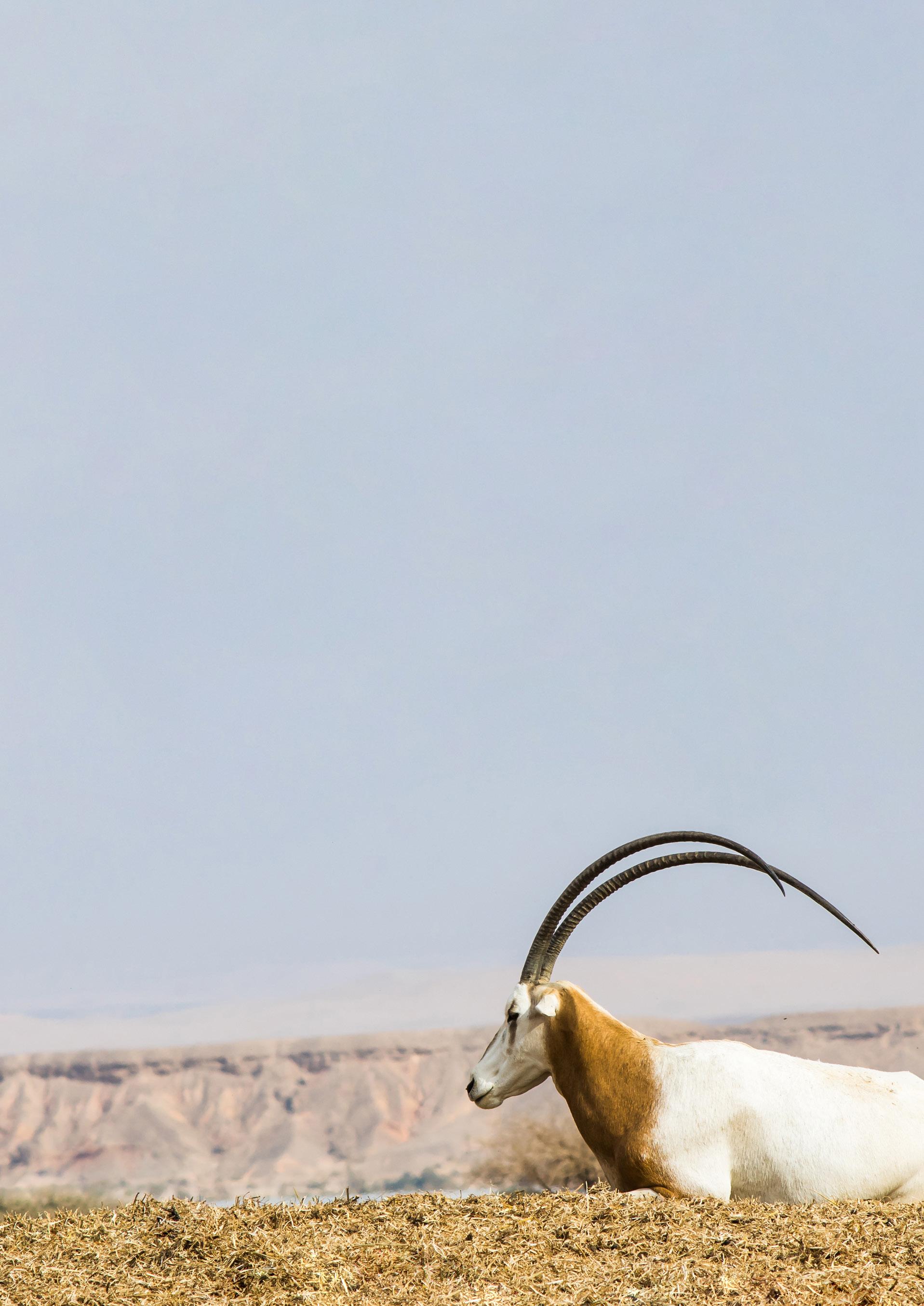
Scimitar Horned Oryx Re-introduction
The Scimitar Horned Oryx is a distinctive species native to the Sahara Desert. It was one of the largest herbivores there, and like the Arabian Oryx in our region, the Scimitar Horned Oryx has become extinct in the wild due to overhunting and habitat loss.
In the past, Scimitar Horned Oryx populations were very widespread, but their numbers in the wild declined to about 500 in the 1980s. Then, it disappeared 15 years later. Fortunately, the Scimitar Horned Oryx was not completely extinct due to the presence of some groups in zoos.
Scimitar Horned Oryx and Al Ain Zoo
In 2008, Al Ain Zoo hosted a workshop to begin planning the re-introduction of the Scimitar Horned Oryx. Since then, we have been working with various international partners, including the Sahara Conservation Fund and the IUCN Conservation Breeding Specialized Group, to complete the planning phase of this project and select a reproduction area.
The Zoo, in collaboration with Environment AgencyAbu Dhabi, contributed to the first small trial group of Scimitar Horned Oryx in 2015. If the resettlement is successful, a group of animals from Al Ain Zoo will be resettled at a later stage of the project, which will be a major achievement and remarkable success for everyone who participated in the project, a distinct success in the conservation of arid land wildlife.
Why does the Scimitar Horned Oryx reproduction process take so long?
The reproduction project is a long-term program and may take many years of planning, due to the fact that:
• Fields studies are needed to identify areas with good habitat where the animals will survive
• Many different stakeholders are involved requiring extensive consultation and agreement. This includes local people and governments whose support is vital.
• Threats which caused the species to become extinct in the first place have to be addressed.
• Funds have to be raised for planning implementation and long term monitoring.
• Healthy animals have to be identified and prepared
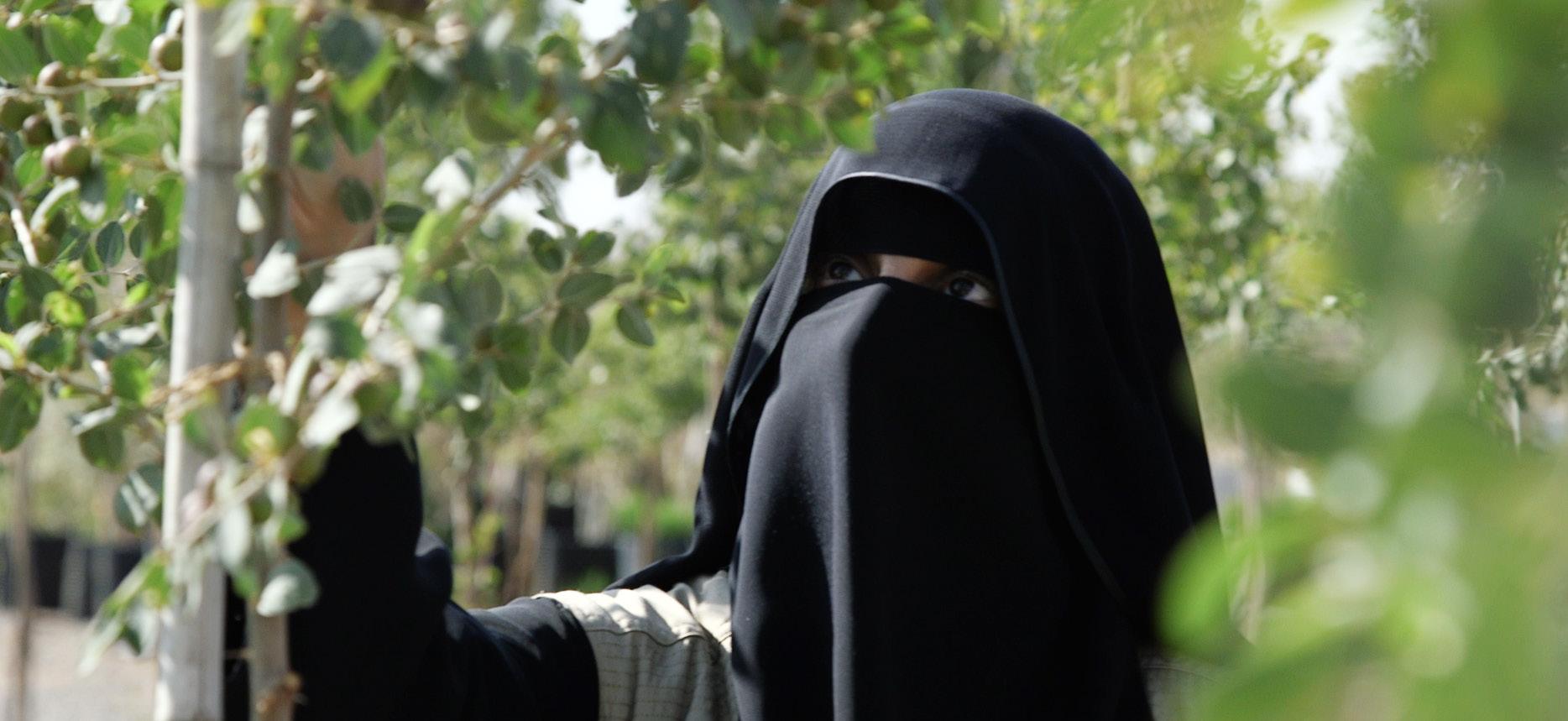
She wanted to be a doctor, but life brought her to horticulture and Al Ain Zoo
Aysha Al Hamedi:
“Goal-setting achieves the impossible and leadership has a great role in guiding and developing employees”
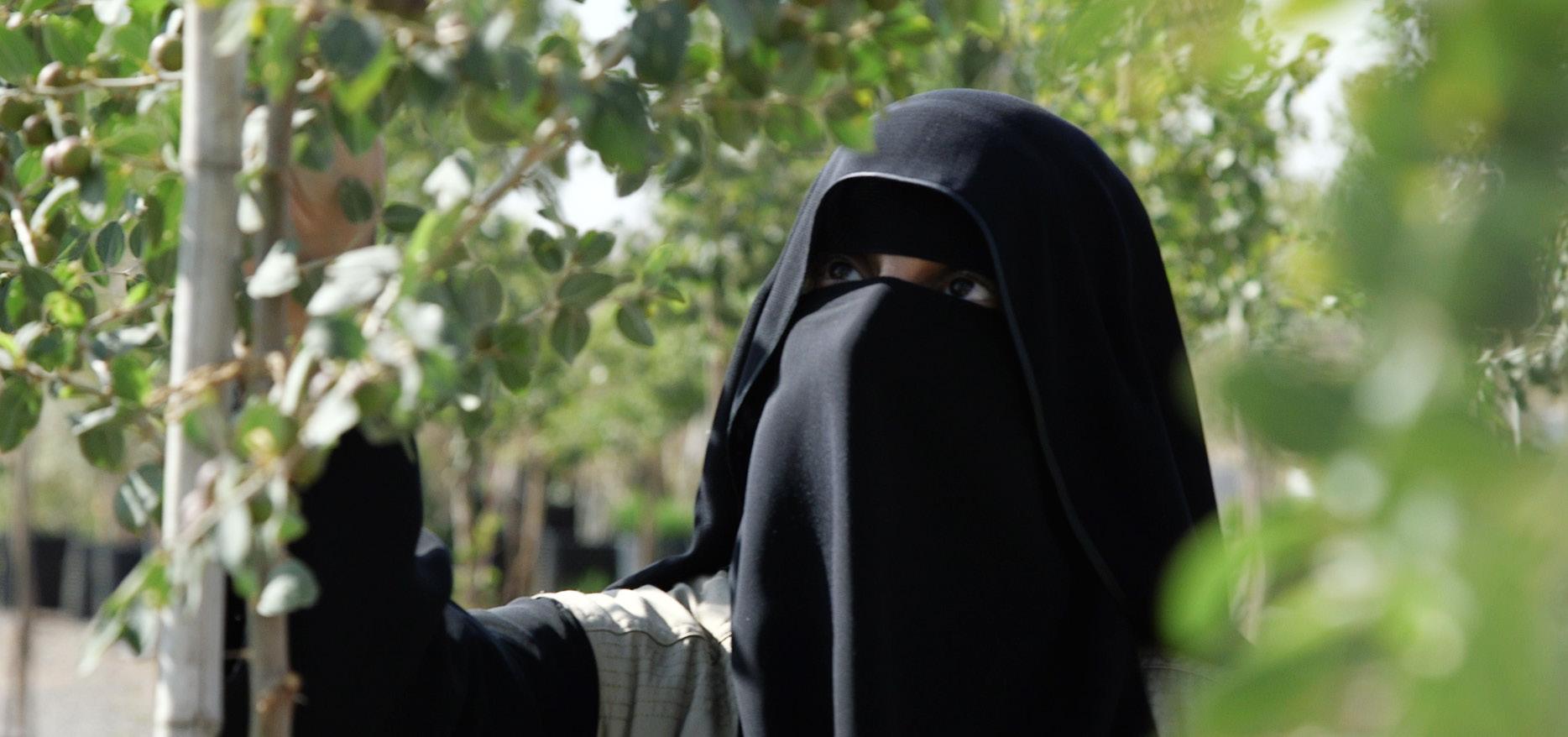
During her educational journey, she had originally wished to study medicine, engineering or nutrition, but life introduced her to horticulture and she became one of the first graduates of the horticulture department at UAE University in 2007. After graduating, she found herself working in one of the most prestigious institutions in preserving nature when she joined Al Ain Zoo in 2013.
She is our colleague, Aysha Saif Al Hamedi, Senior Officer Landscape in the Facilities Management Department, and the first Emirati woman to join the horticulture department at Al Ain Zoo.
Aysha says, "I joined the training program in the organization for a six-month period in the Landscape Section, and it was one of the most wonderful experiences I have had, especially in the field and administrative work. The nursery was the most important thing that attracted my attention, and thanks to God I got the job."
She added, “The turning point in my career started after the directions of my Director to develop my training plan, I was looking for training courses that suit my specialty but I could not find any similar training in UAE, therefore, I Had to do a two weeks training in Oman Botanic Garden in Muscat. I noticed that they are relying heavily on Omani cadres, especially women, in the field of plant propagation, nursery management and the seed bank. Despite the short time, I spent working on the plans, I returned with a wealth of knowledge and experience”.
Then, what happened after returning back from this
experience?
I returned with a passion to apply what I learned and incorporate best practices. The development of the nursery was a dream to achieve because of its importance to the Organization. We were able to achieve this goal by developing the nursery and establishing a seed bank, becoming a reference source for transferring expertise to various other institutions. We also cover the Zoo’s needs for plant, and we are able to sell multiple types of plants, whether local or ornamental, for indoor and outdoor decoration.
So, we can say that leadership has a great impact in terms of encouraging the employee?
Certainly, I will never forget what I was once told by the Director-General, when he stressed the necessity of every employee having a goal to achieve and strive for. I also often received advice from my father to work sincerely. He said, "Our leaders did not fail to empower us and our duty is to return the favor." His words left a huge impact on me that made my goals in life clearer.
Defining your goals and your endeavours to achieve them is a powerful motivation to challenge, accomplish, and achieve the impossible. There is a flame of happiness and self-confidence generated by having goals.
What exactly are you doing at the nursery and seed bank?
The nursery team work to propagate plants and collect seeds according to a work plan based on client needs. We have focused our attention on local plants because of their ability to withstand the heat and the lack of water, as well as lower requirements for maintenance. This also helps to achieve the strategic objectives of the organization.
We play an educational role, in cooperation with the Education team, to identify local nature and explain the need to preserve these plants and their various uses that they have been put to by our ancestors since ancient times. We also promote the use of recycling systems in many projects to achieve self-sufficiency and contribute to the preservation of the environment and rationalize the resources and consumption. One of the remarkable projects in this area is the sustainable fertilizer project that is designed to meet the nursery’s needs.
Have you achieved your goal, or you still have future goals?
Certainly, there must be future goals. Goals from my personal perspective are an endlessly extended series, like climbing a ladder. The more you achieve your goals; there will always be another rising before you.
What we aspire to now is to become globalized and meet our challenges through research and experiments in the field of propagation, especially of local plants, which are endangered due to the lack of studies. We are also working to achieve self-sufficiency of the plants.
Those who do not thank people do not thank God, so I am grateful to those who have made contributions to the development of my personality and my performance in working morally and professionally. My thanks also go to the leadership of the Al Ain Zoo, the teamwork in the enterprise sector, the wonderful facilities and my colleagues in other departments. Thanks to God and thanks to their cooperation and encouragement, I have been able to grow to where I am now.
Nubian Ibex is the only species that Live in hot desert environments