مجلة حديقة الحيوانات بالعين " زوولايف " العدد الرابع عشر ZooLife February 2019 edition
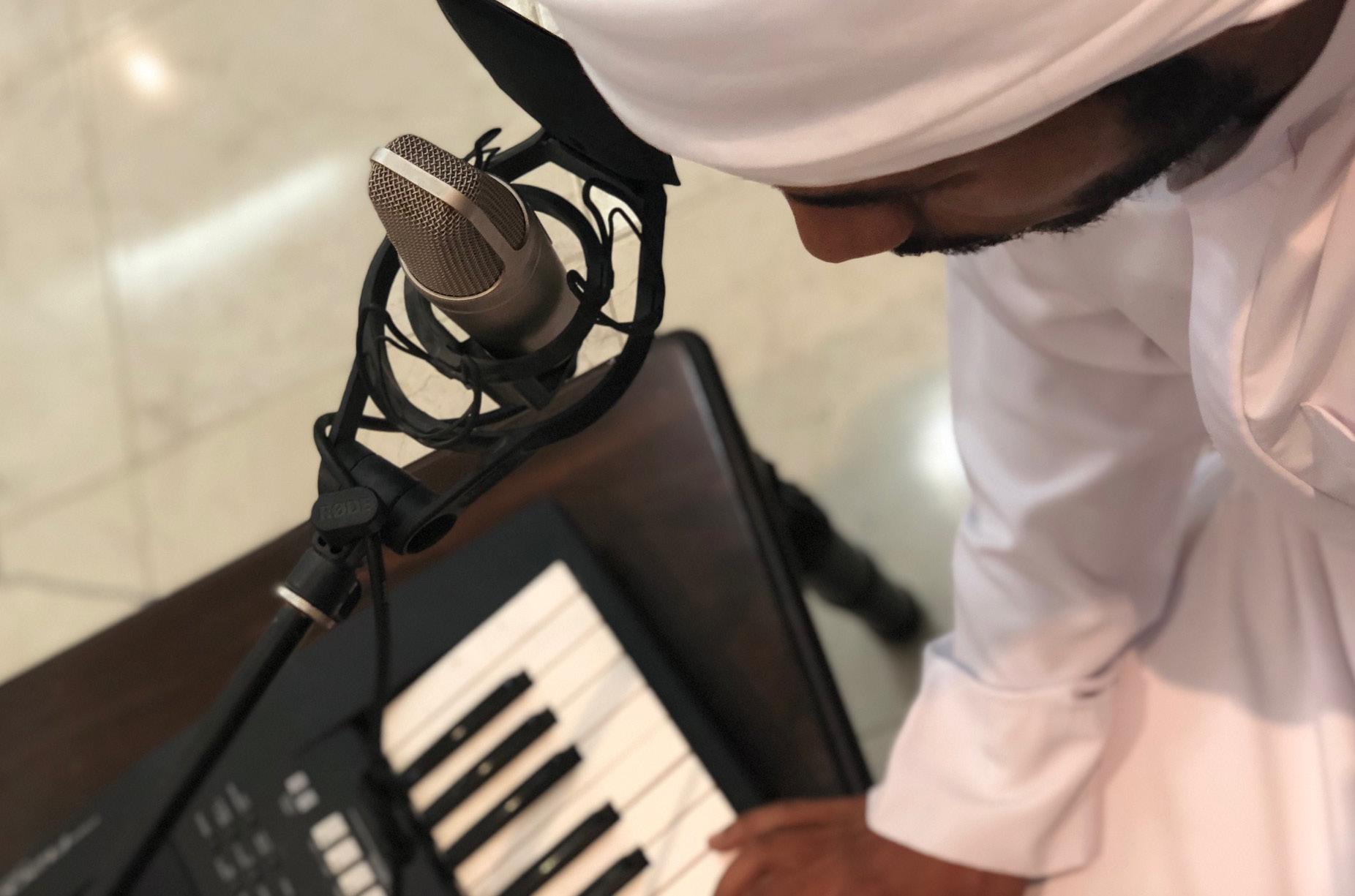
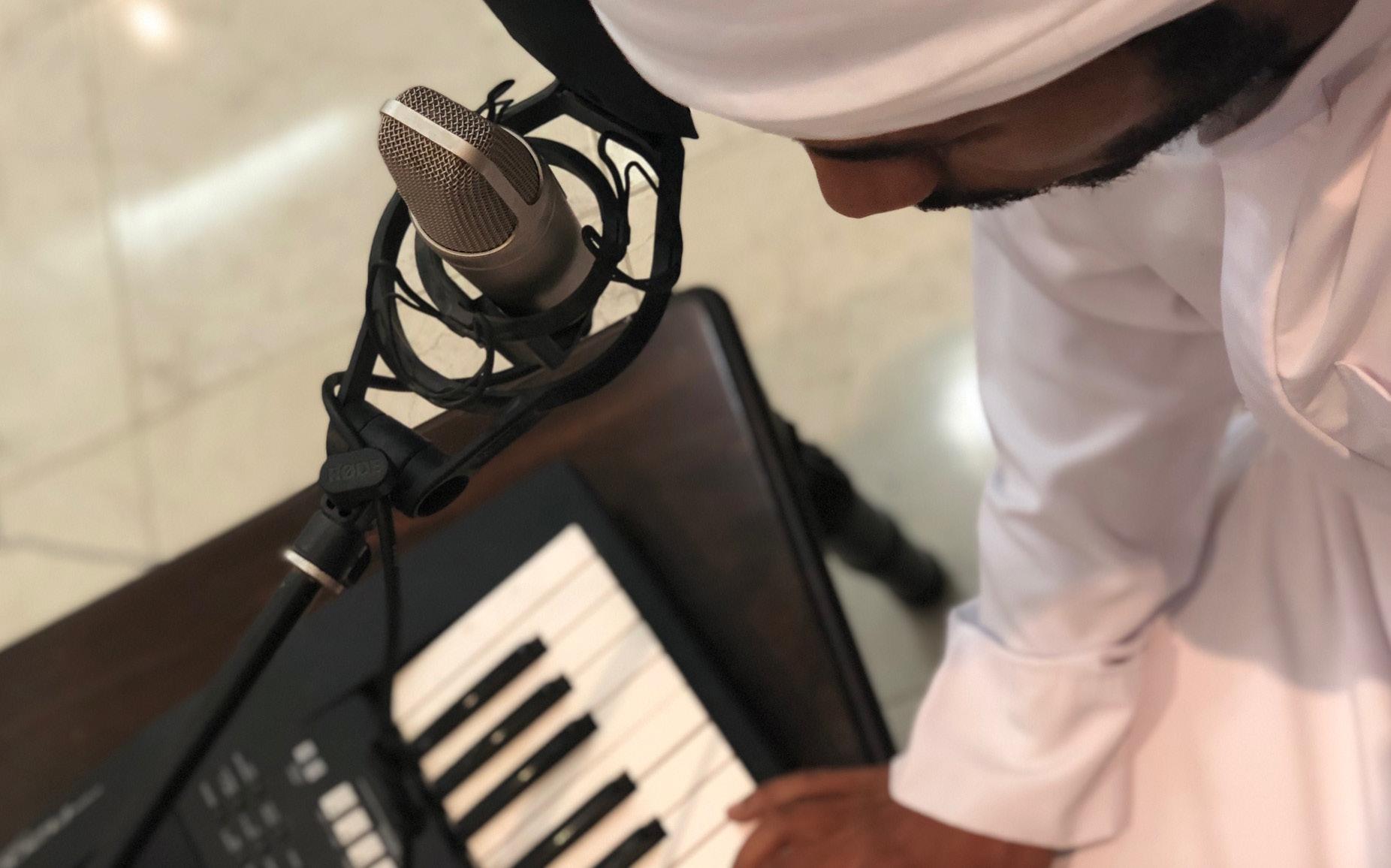
“Music has emotional depth and is a form of self-expression”
Mansour Al Hassani
Our new short story... “Nature on Clock”
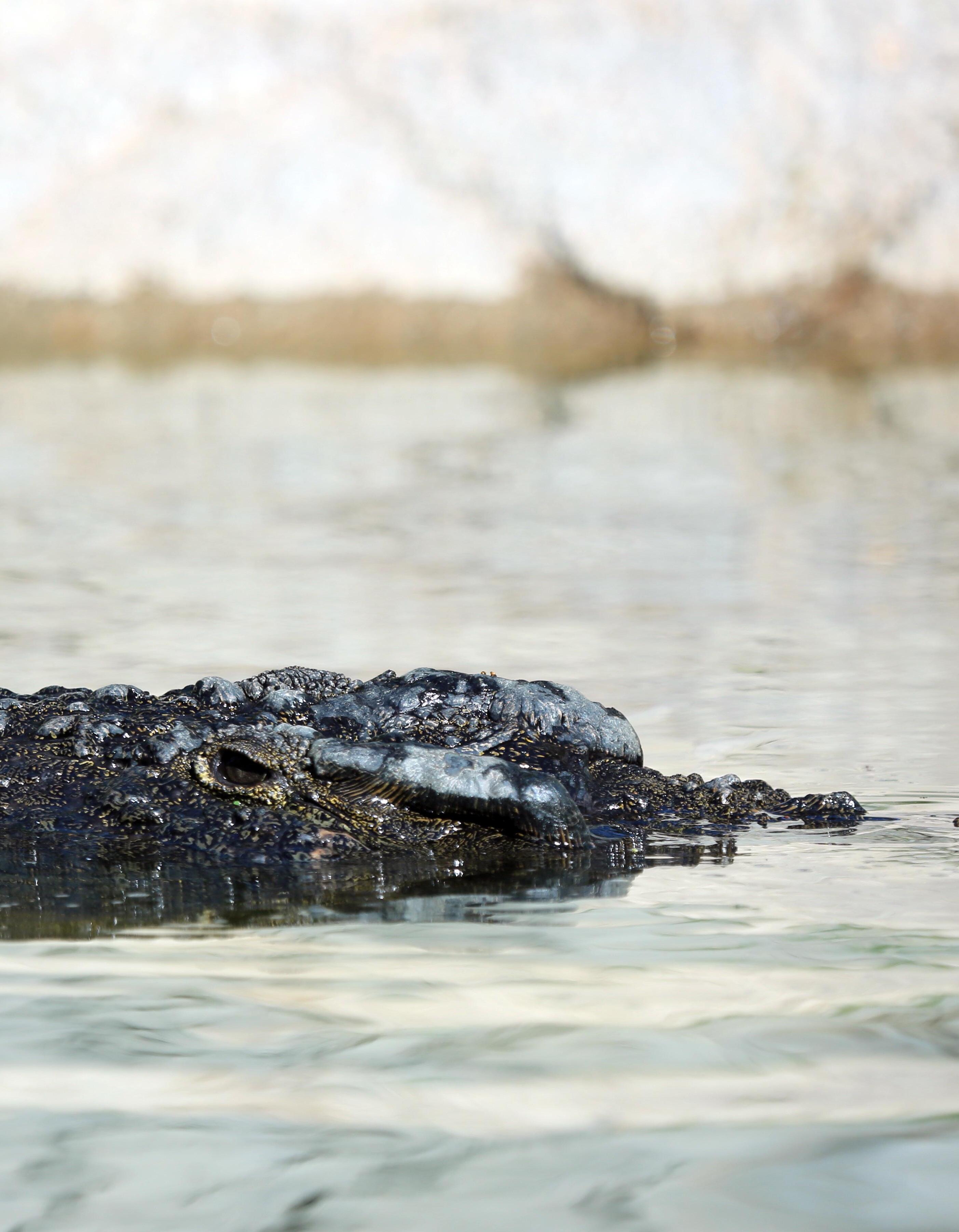
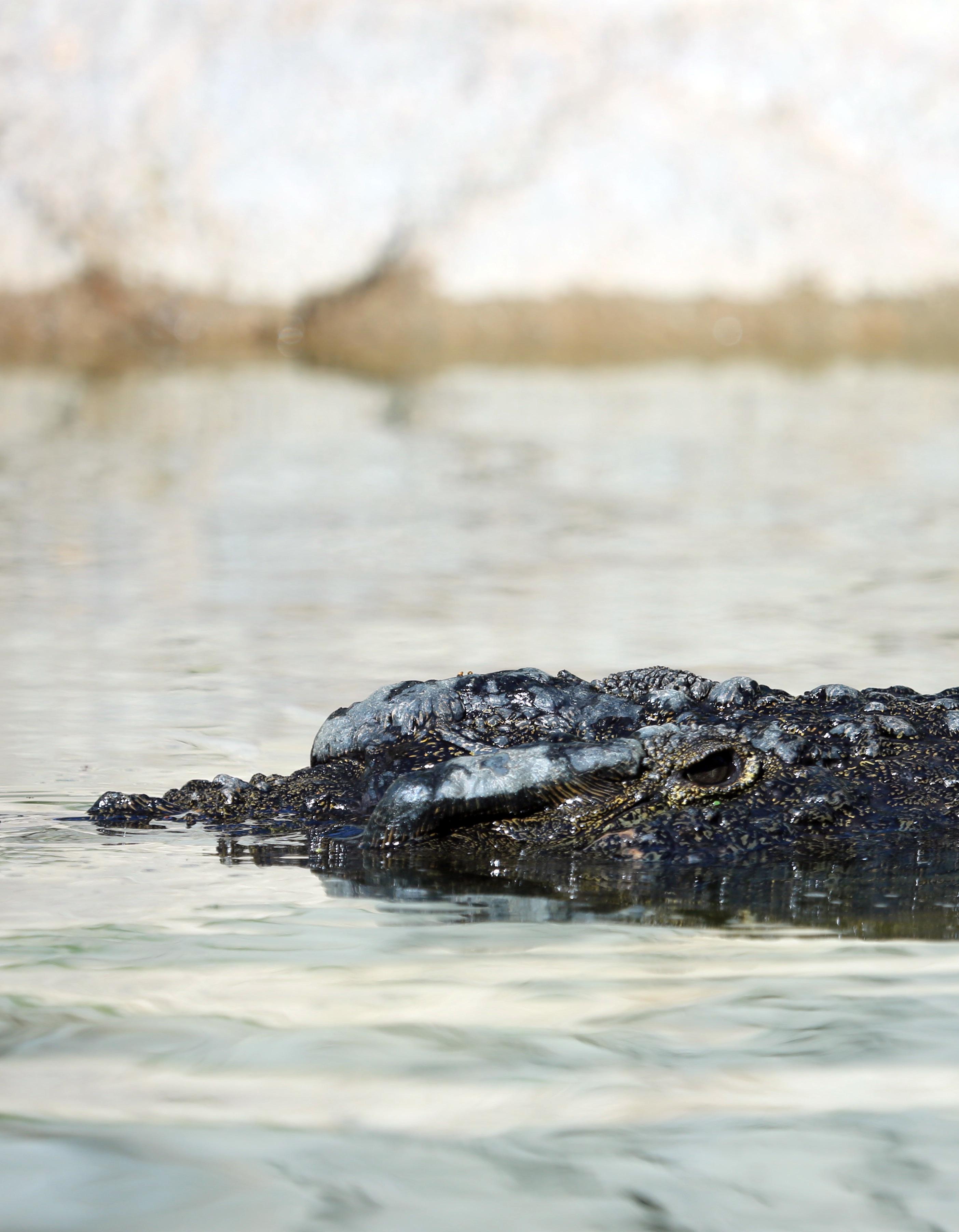
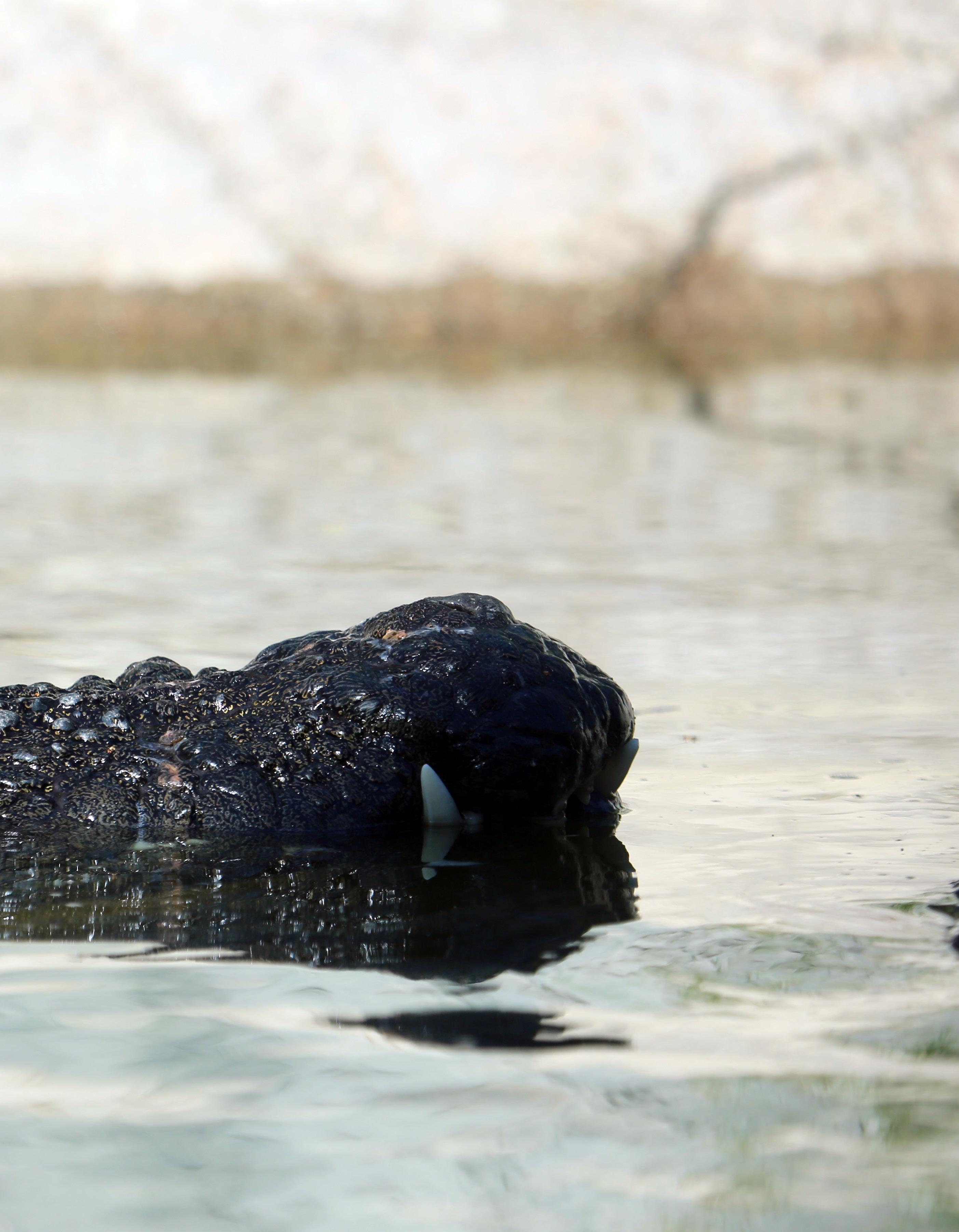
Nile Crocodile
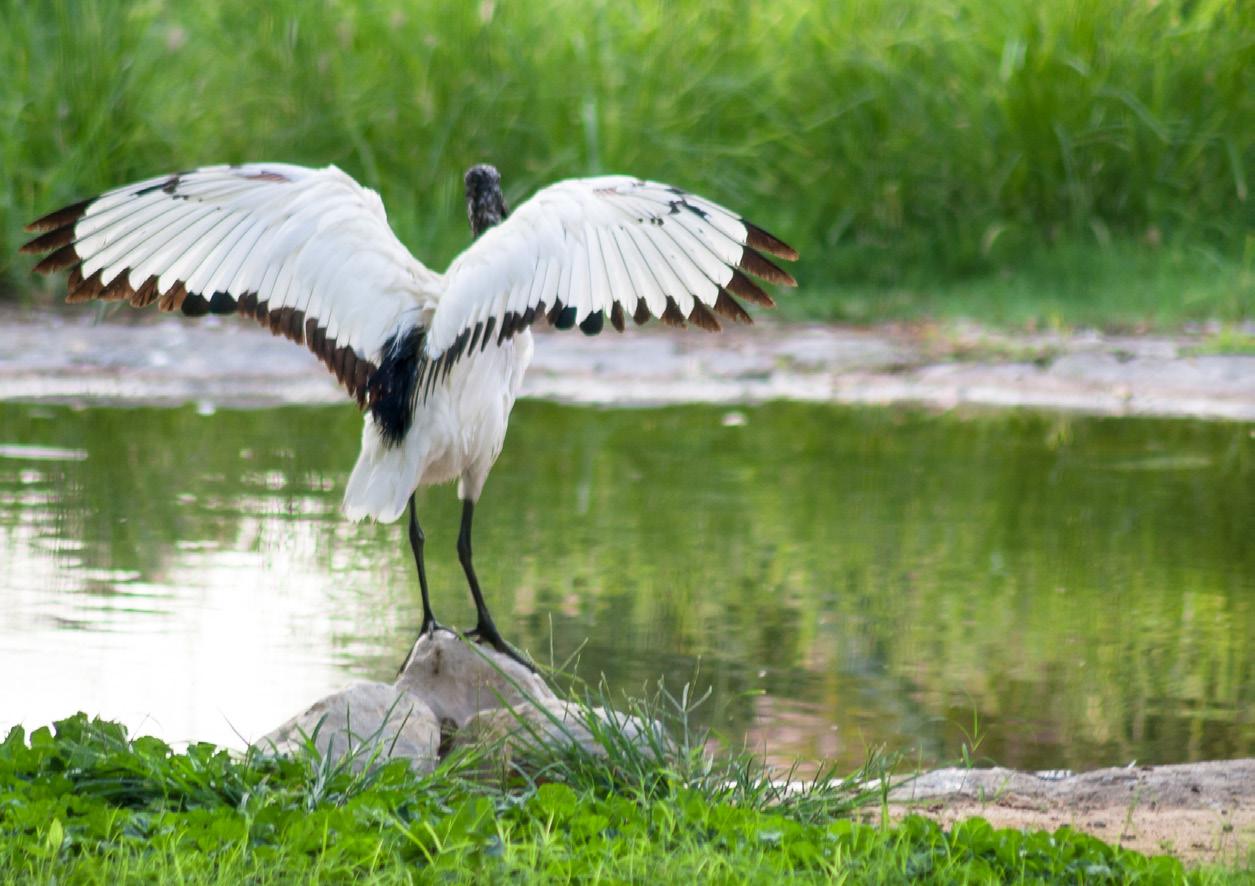
A free space for the wonders of light and lens, that we leave up to the visitors’ and webpage surfers’ creativity. Share your picture with us, and let it speak for you.
Please send the photographs to zoolife@alainzoo.ae
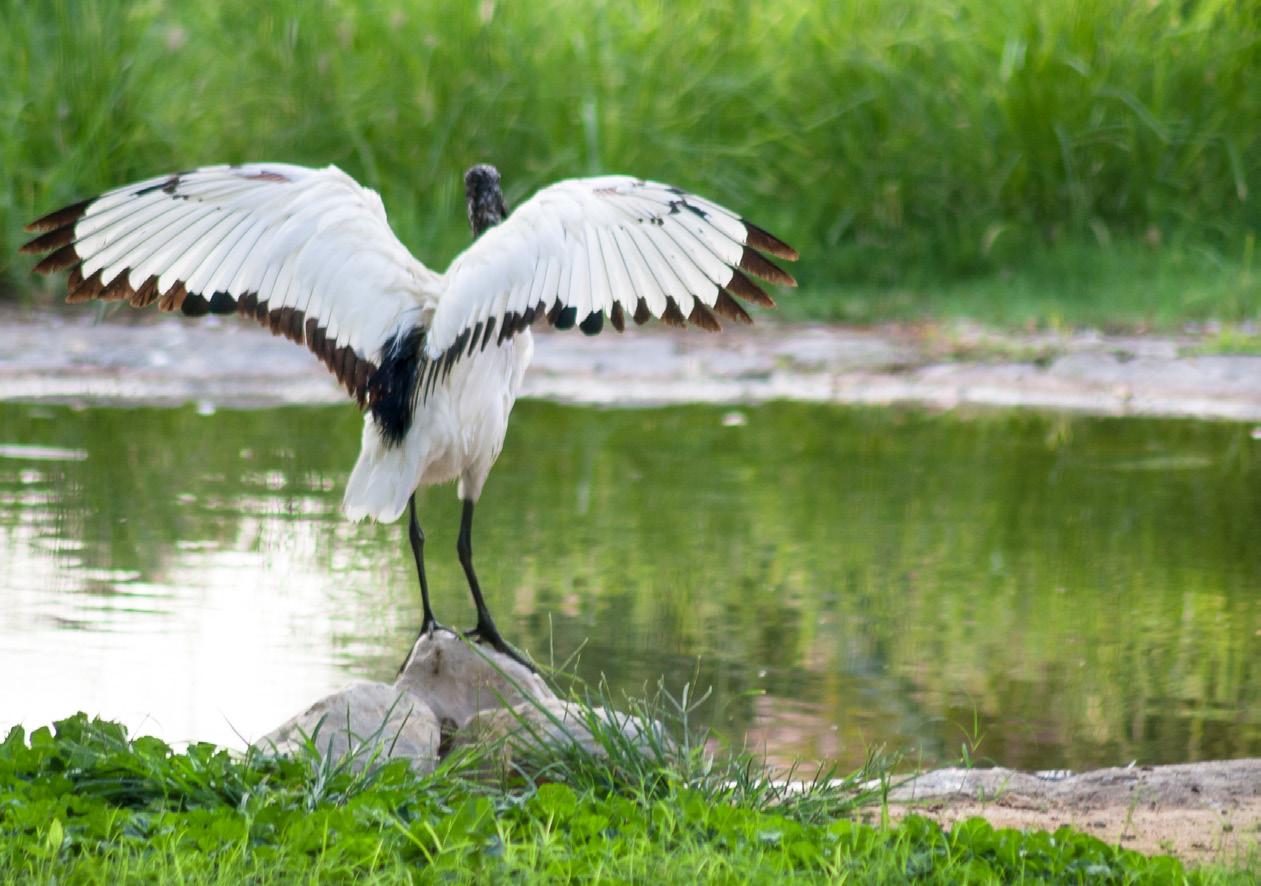
After a very long journey, flying from north to south and from east to west, the Sacred Ibis goes back to its temporary beloved home, Al Ain Zoo. Our visitor was very eager to capture this shot before it flies away on a new journey.
By: Any Daisy
UPCOMING EVENTS IN MARCH 2019
03 MAR
Korean National Ballet - ‘Giselle’ Emirates Palace
08 MAR
Korean Symphony Orchestra
Emirates Palace
08 MAR
Justin Kauflin
NYU Abu Dhabi Art Gallery
12 - 23 MAR
Mother of the Nation Festival
Abu Dhabi Corniche
14 - 21 MAR
Special Olympics World Games
Abu Dhabi
Around Abu Dhabi
15 MAR
Tosca: The Art of Sir Bryn Terfel with Sinfonia Cymru
Emirates Palace
15 MAR - 25 OCT
Jabel Hafeet Challenge
Jabel Hafeet
07 MAR
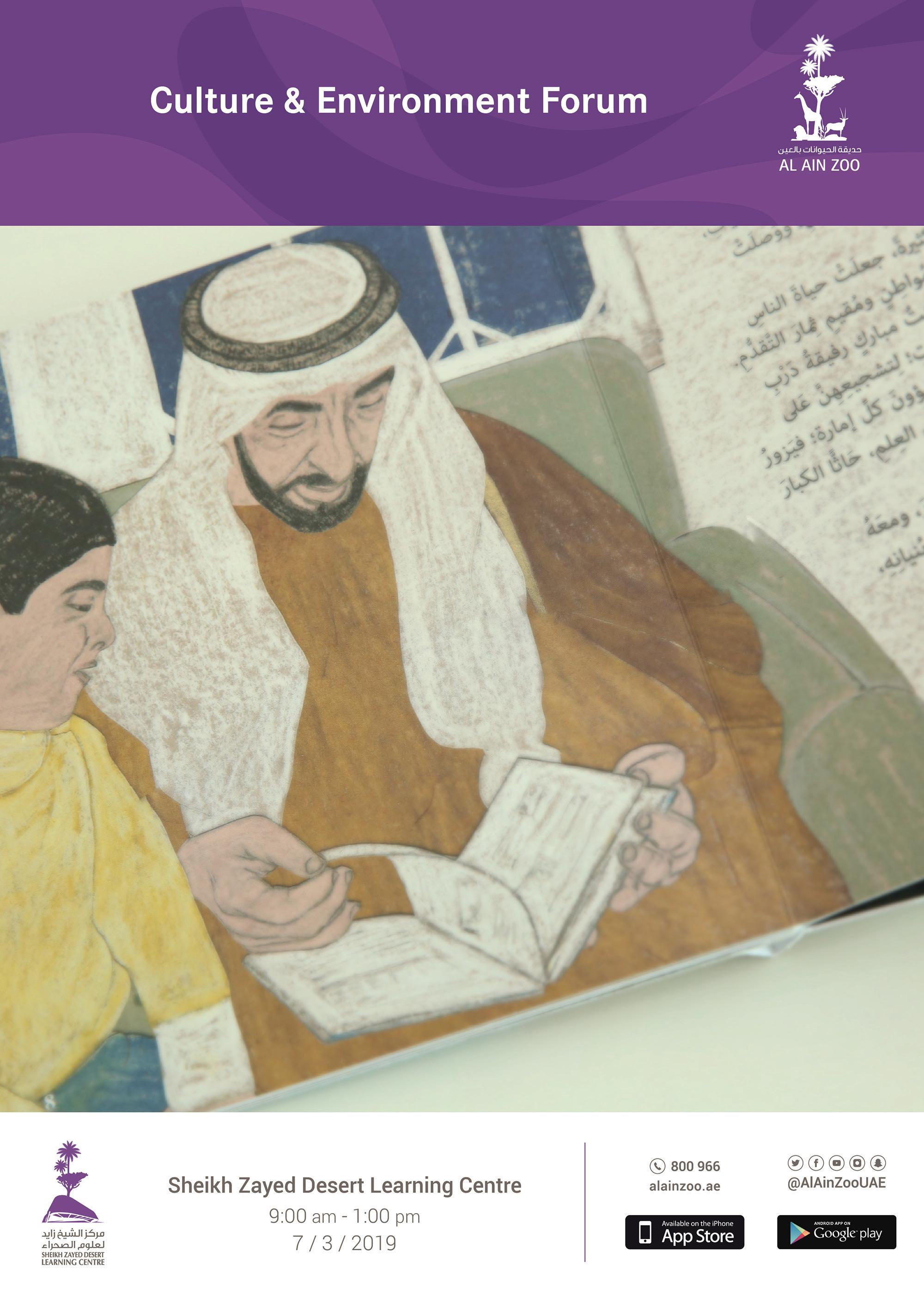
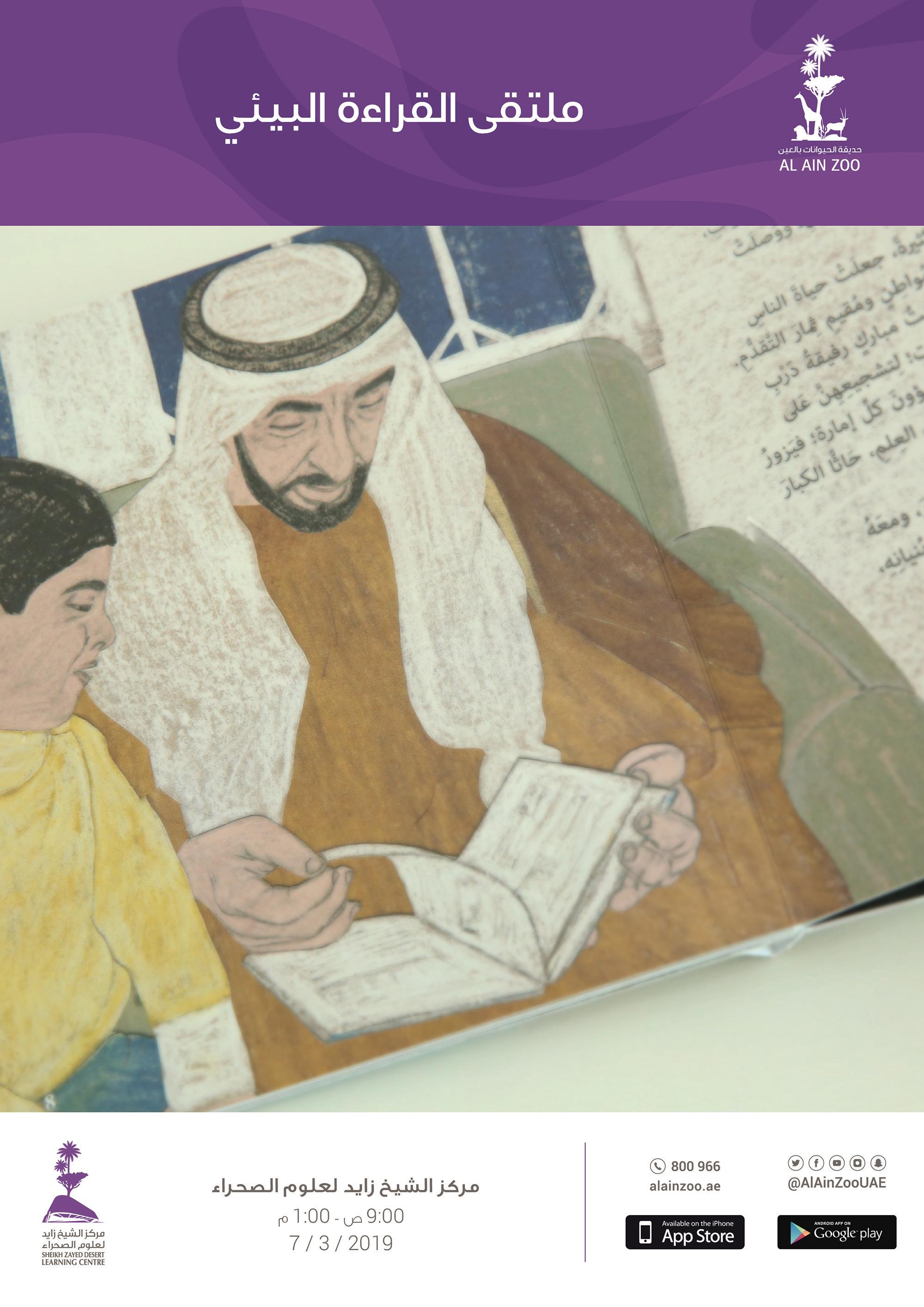
Environmental Reading Forum
Al Ain Zoo
15 MAR
Spartan Race
Al Ain Zoo
30 MAR
Earth Hour
Al Ain Zoo
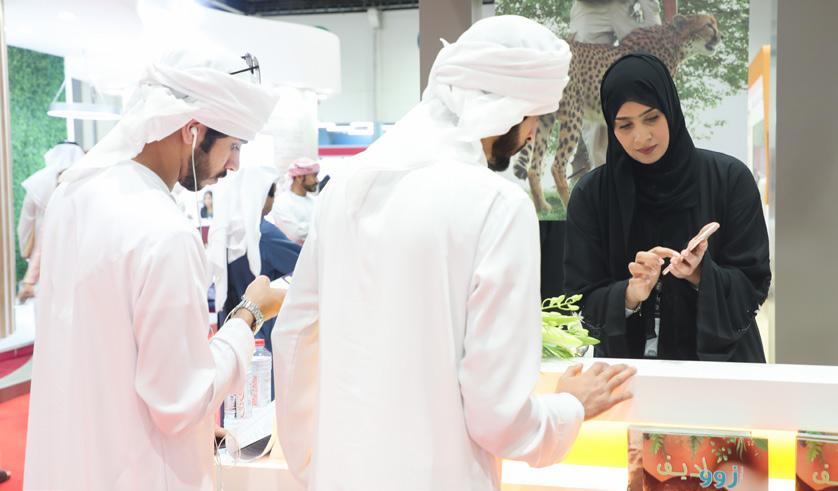
Guest Happiness Team
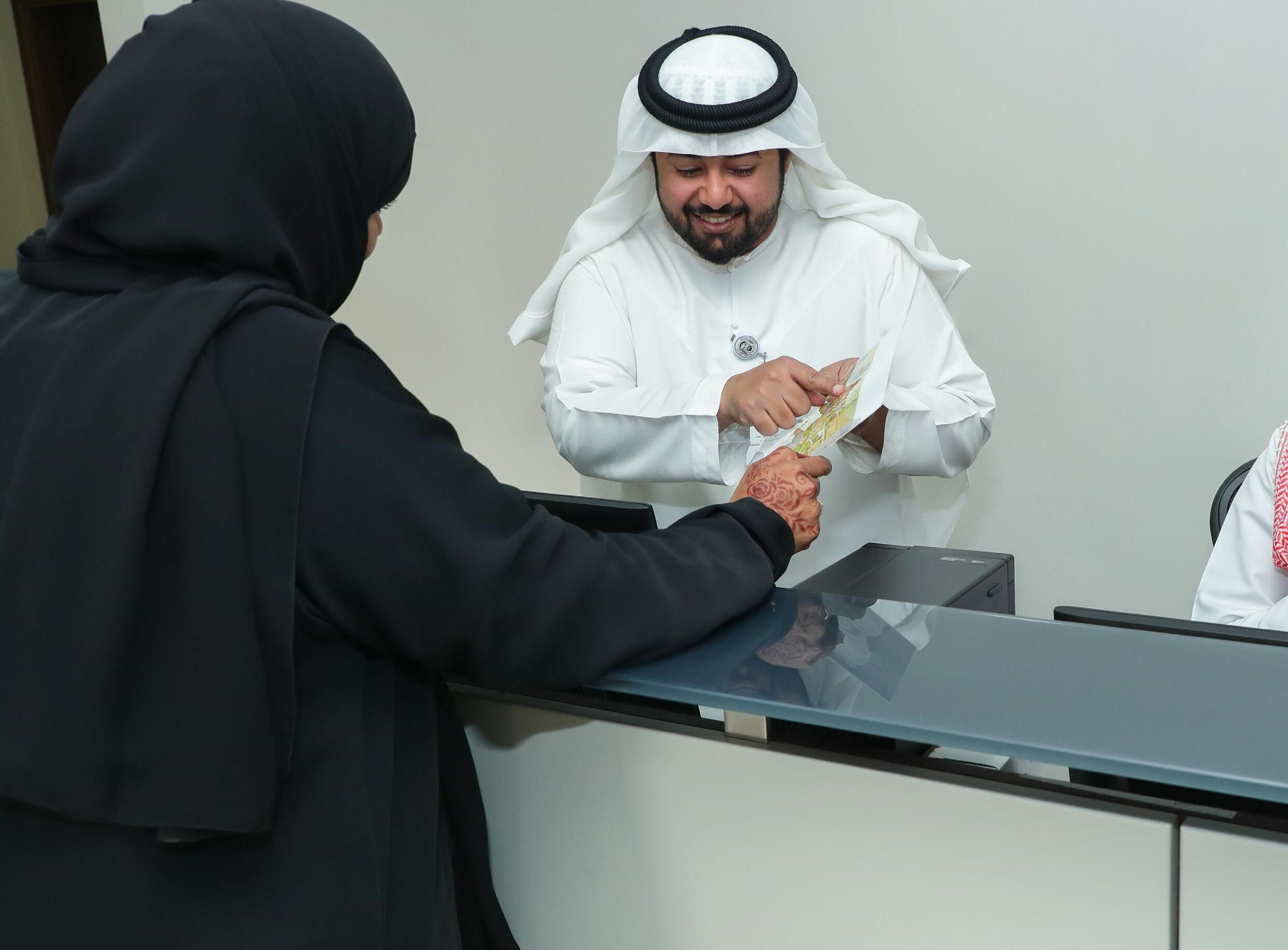
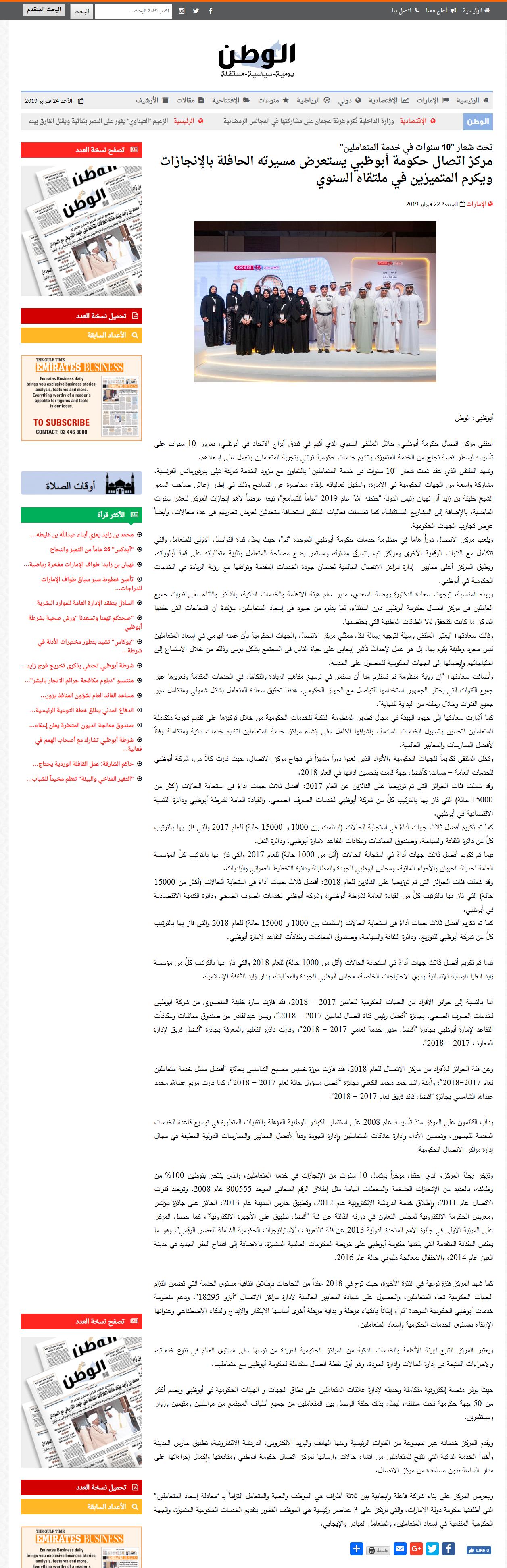
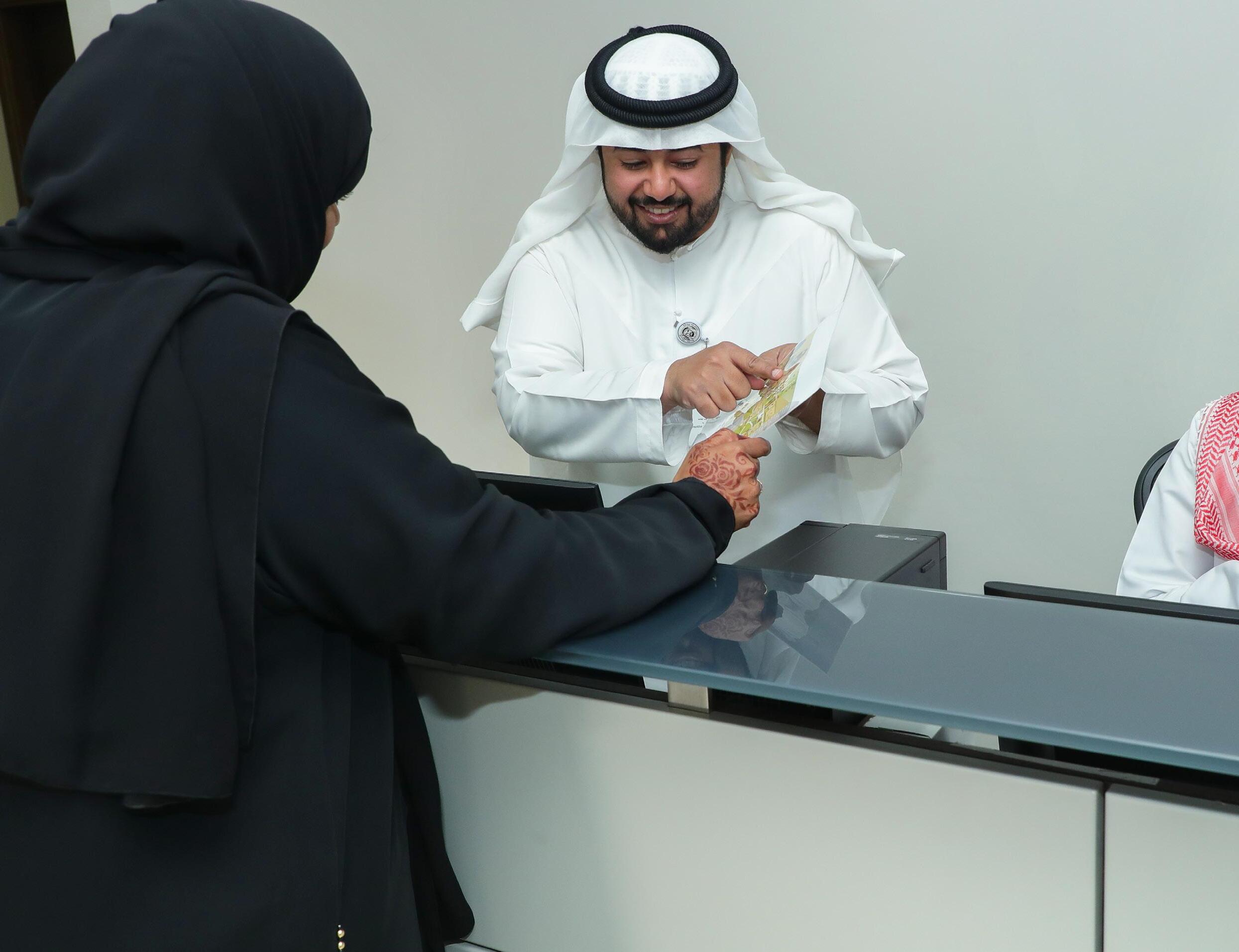
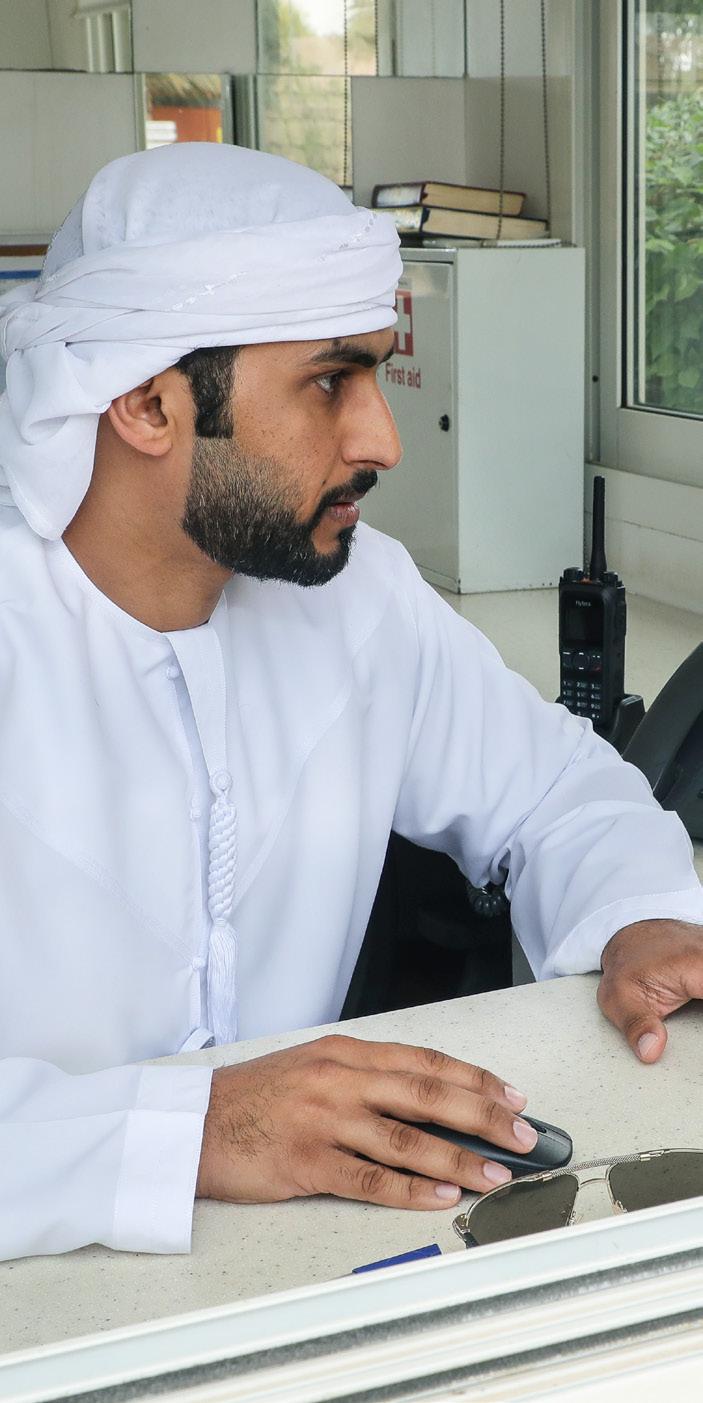
At Al Ain Zoo, we unique Emirati teams, one of which is the Guest Happiness Team, whose main responsibility is to bring a smile to the faces of our visitors of all ages and make sure everyone is happy. The team welcomes visitors of different nationalities and offers them a map of the Zoo in order to help them during their visit. They also provide visitors with a variety of services, such as giving information about the Zoo, which can be obtained from the Guest Happiness Team or the Information Desk.
The Team offers our visitors the ‘Marhaba Alssaa’ Program, a free guided tour using a luxurious golf cart where visitors can enjoy a tour around the Zoo. They also carry out questionnaires, receive suggestions or complaints from visitors. They are also responsible for the lost and found service, where they receive any lost
items and record the details to help visitors find their lost items. The team provide wheelchairs for elderly visitors and people of determination upon their request, in addition to providing a "free tracking device" for children if parents request this service. Moreover, the team can provide free access to safes to store their belongings during their visit.
In addition, they work on broadcasting internal advertisements about events and other activities by announcing them on display screens and via loud speakers, in addition to playing music all around the Zoo using well positioned speakers.
The Guest Happiness Team also attracts university students to work as trainees to help them finish their graduation projects.
Nature On Clock
Written by: Agam Kaur Kohli
Second Place winner in the Short Story
Writing Competition 2018 Category: 8 - 10 years
There once lived two friends. Their name were Tam and Sam. They were friendly to the environment and nature. They used to tell others not to cut trees, they motivated others not to pollute the air and not dirty the water so that we have a happy healthy earth to live in. They also used to help others, share things, respect elders, give things to the needy. They believed nature is beautiful gift of God which we all should save.
One day they both planned to plant trees in a nearby forest as they heard that few people came and cut the trees. They manged to collect few saplings and all the stuff needed to plant the trees… Just when they started planting trees they heard a voice crying loud… They got scared and though
to call some elder… They ran towards there and told everything to their mother. The mother said, "don’t worry, I will come with you both". They reached the same place where they had all the saplings ready to be planted. They followed the crying voice and came to a tree next to the ocean.
All three soon realised it was the big huge tree and the ocean who was crying. The tree said "my name is Woody and this is Mr Blue the famous Indian ocean"
The mother said, "glad to meet you both, but… why are you both so sad and crying… Please tell us... we will try to help you.."
Woody said in a low sad voice, "am crying because I just got cut down by a woodcutter and my body is paining. I kept shouting
please don’t do this to me... I give you oxygen to breath, fruits to eat and some animals eat my leaves and you use my flowers to make perfumes and ornaments, I always pay you back with shade and give rest from heat of the sun and rain. I kept shouting, but the wood cutter did not stop at all… How can you help me? If you want to help please tell your fellow men not to cut trees…"
The ocean said "look at me, I am getting dirty day by day. I give you water to drink, bath, clean, wash and cook. But the people here are continuously polluting me by throwing plastic and all waste. The fish inside me are not able to breathe and are dying. Please stop… help us… help yourself…. One day everything will
come to an end if we don’t save our mother nature…"
Tam and Sam looked at their mother … Mother understood they will make a difference so she said let us go home children… All three said bye to Woody and Mr blue with a promise to surely do something to keep them safe and clean…
Both boys were quiet the entire way back home… Soon they were home… They made a presentation and made poster… Next morning they told this to everyone and motivated them not to cut trees instead grow more and more tree… They explained how important it is to keep the ocean clean..Still the people thought that they were lying. They tried to tell them it was true but they did not listen. So they
continued cutting down trees and dirtying the water. The two boys ran to Woody and Mr Blue. They told them how hard they tried but no one is ready to believe them.
Both Tam and Sam thought of a plan so that they get people to see Woody and Mr. Blue by organizing a family outing. Quickly their mother agreed and called their friends & family stating it would be great to go to the place where all of them used to go when they were kids. Most families agreed.
Next weekend, families came to the beach. Everyone was shocked to see how the water was smelling bad, with all plastics floating and was becoming black in colour.
Mom’s starting saying they used to make sand castles when they were young but now the sand was all covered with garbage. Mom’s starting missing the sea shells they used to collect as only thing which the sea was throwing was dead fishes; plastics and other kinds of waste.
All Dad’s started saying when we they were young there were so many tree’s in here and they would climb on them, eat fruits and rest in the shade after playing. It suddenly started raining and they had no shade as trees were cut down.
Then came food time, some dad’s went fishing and started the barbeque, but were shocked to see fishes having plastics inside them
and were not safe to eat any more.
All families said let us go home, then Tam, Sam and all children said we need the tree’s and sea like the way you had it when you were young.
This opened everyone’s eyes and all promised to get together and grow more trees and keep our ocean clean by saying no to plastics.
Next weeks all Dad’s, Mom’s and children spent on the beach cleaning it up. And ensured no more tree’s get cut. Indeed everyone started planting more tree’s.
Few months later Tam and Sam heard splashing waves, smelt fresh air and saw seagulls. Tree’s with
fruits and beautiful looking flowers smelling so good. Different types of birds chirping and flying all over. They were pleasantly surprised. And then came the biggest moment where they saw Woody and Mr. Blue playing with each other by Mr. Blue throwing water in form of big waves on Woody.
Woody and Mr. Blue shouted to Tam and Sam to join them in their fun and for making them happy again.
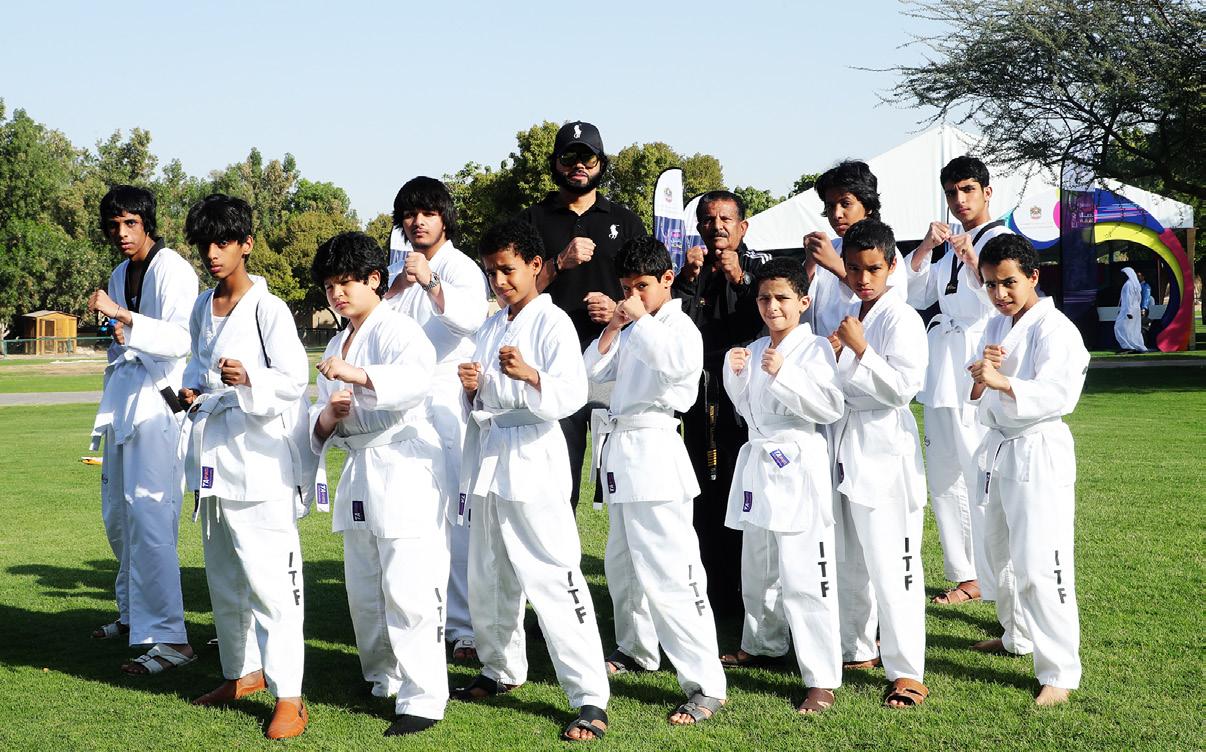
Health & Fitness Fun Festival | 30 - 31 January 2019
Zoo Run | 02 February 2019
Tawdheef Abu Dhabi 2019 | 27 - 29 January 2019
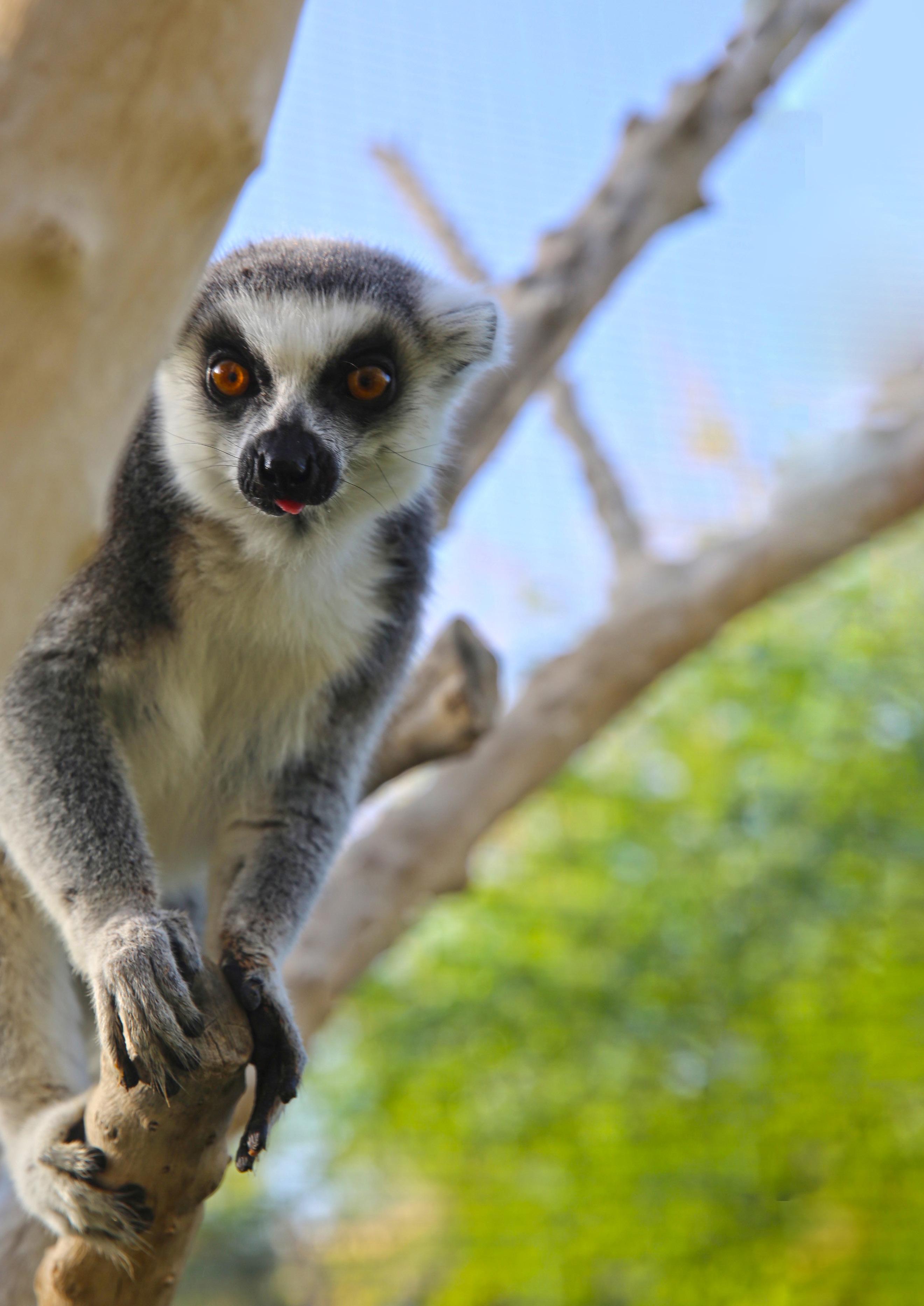
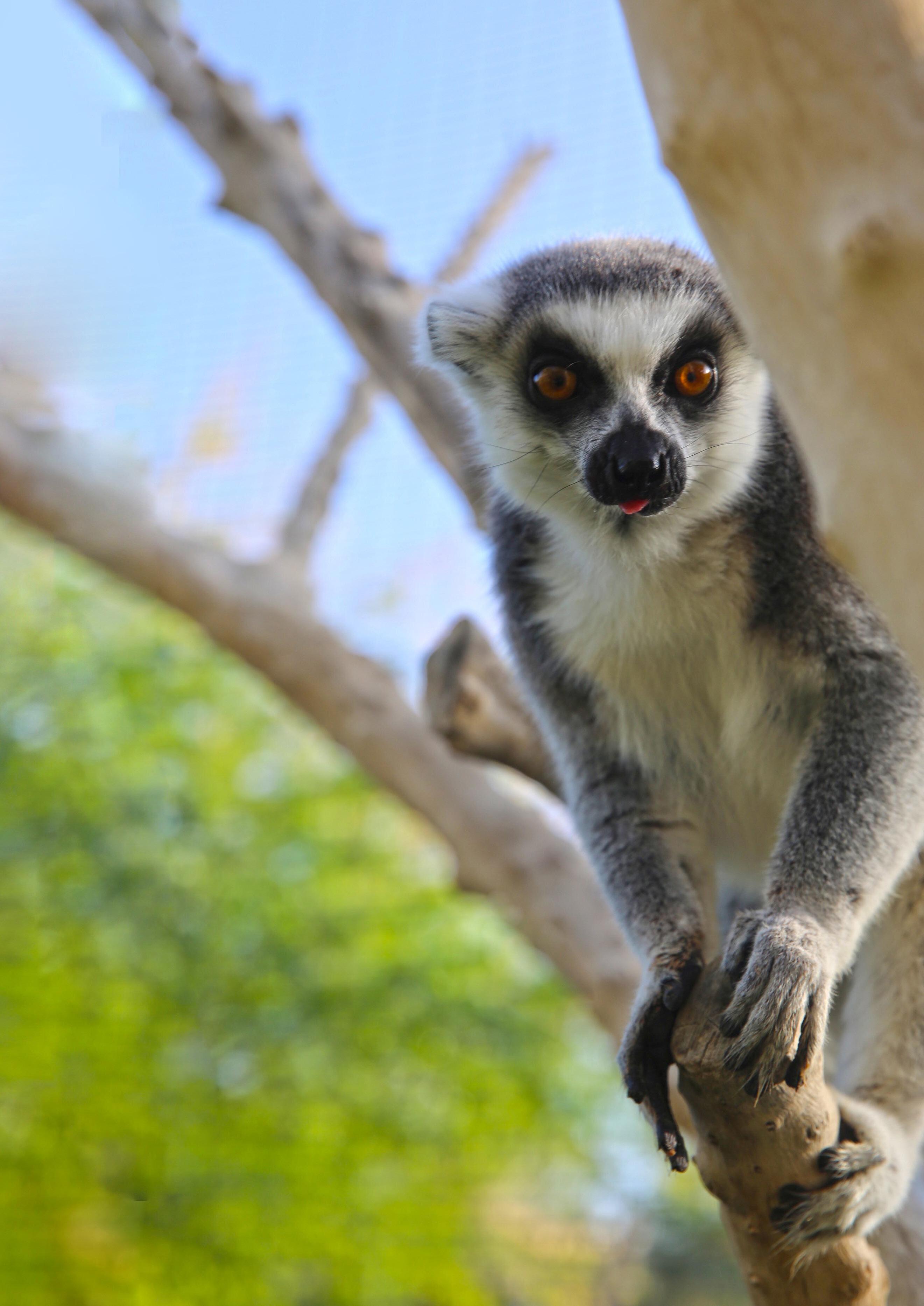
The Lemur Walk
The Lemur Walk experience at Al Ain Zoo is one of a kind. Can you imagine how amazing it is when those little, highly social primates are running towards you while performing the “lemur dance” to grab a piece of fruit or nut from your hands? This experience never fails to bring a smile to our visitors’ faces. Visitors of all ages can enjoy this unique experience every weekend (Thursdays, Fridays, and Saturdays) and take souvenir
photos with them. For the safety of the animals and our visitors, we ask all visitors to follow some simple steps before entering the exhibit, such as sterilizing their feet, and staying with their group all the time while remaining calm and quiet.
Visitors can book their visit by contacting the Call Centre to make sure they are available.
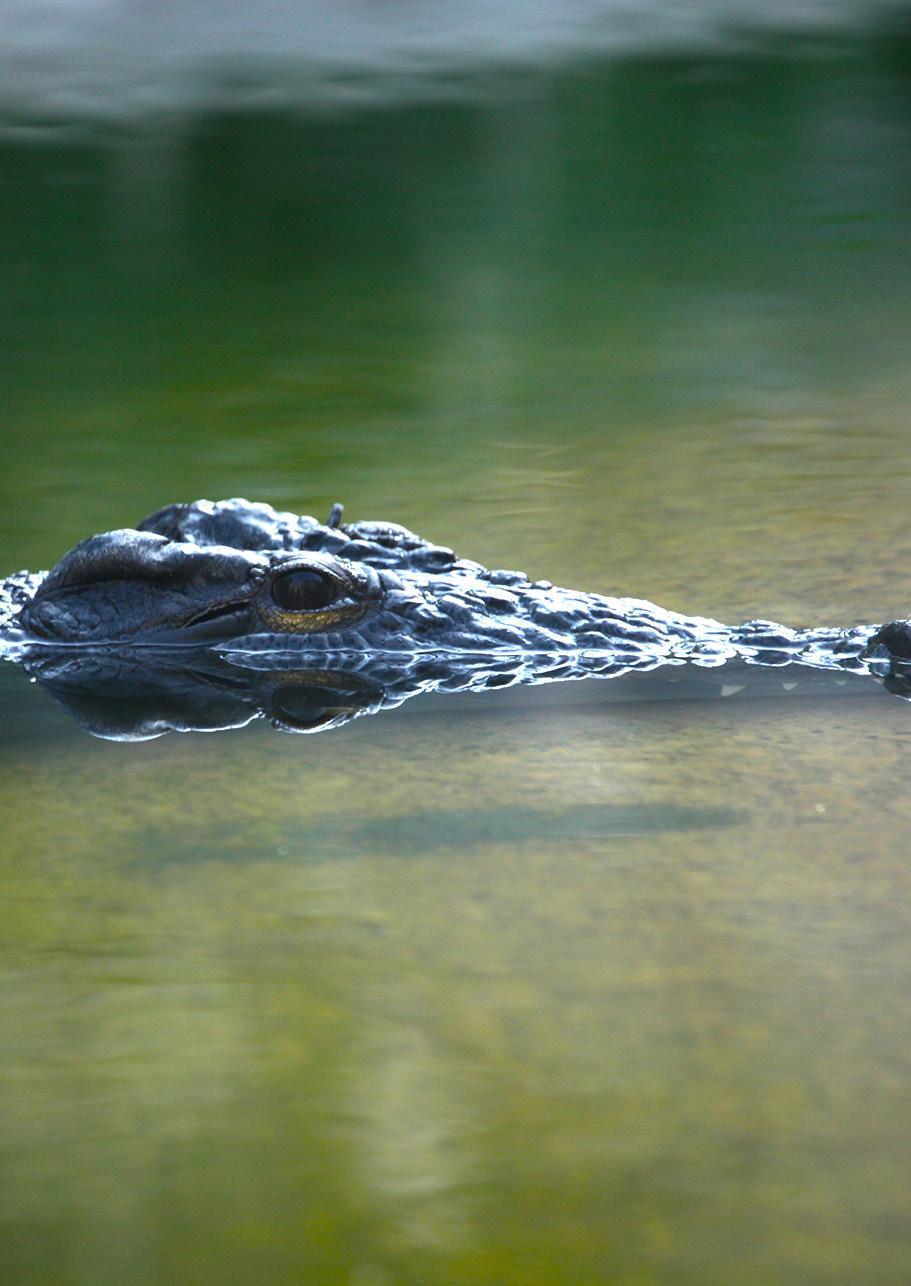
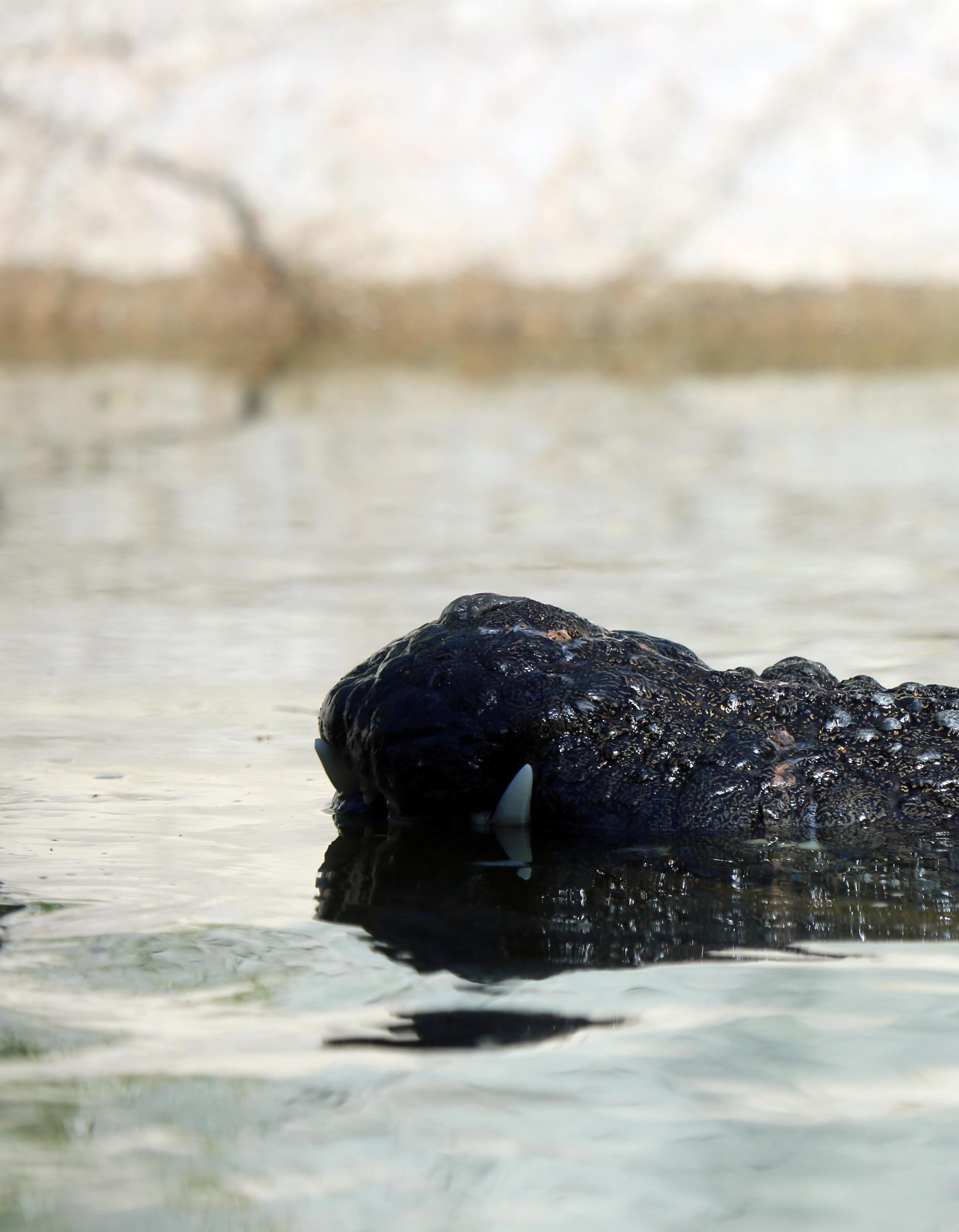
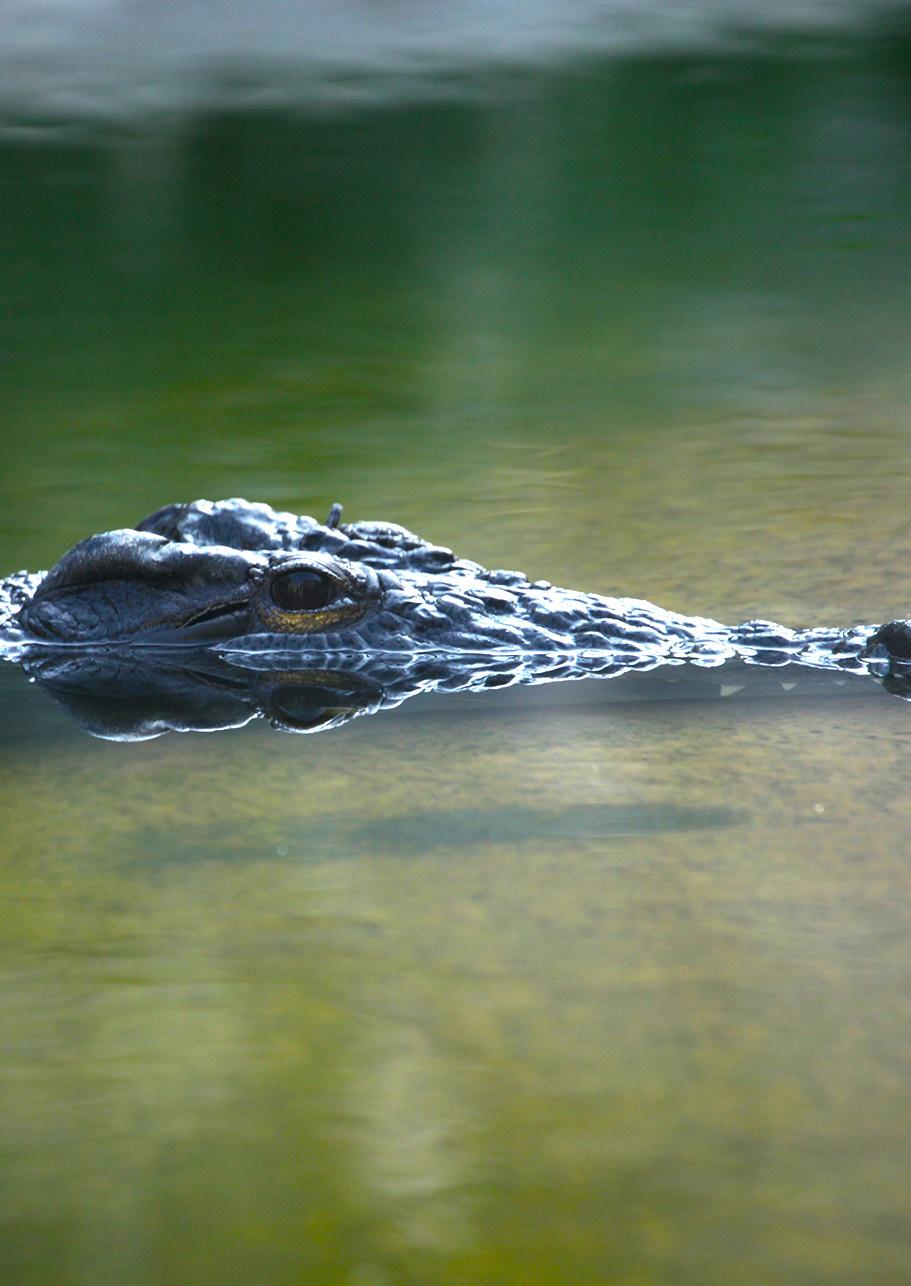
Nile Crocodile
The Nile crocodile is the largest freshwater predator in Africa and is considered the second-largest extant reptile and crocodilian in the world, after the saltwater crocodile. It is a common species of crocodile and is not endangered.
Habitat
The Nile Crocodile is quite widespread throughout subSaharan Africa and lives in different types of aquatic environments such as lakes and rivers. Although capable of living in saline environments, this species is rarely found in saltwater, but occasionally inhabits deltas and brackish lakes.
Features
Nile Crocodiles have thick, scaly, heavily armored skin to protect them from predators. On average, the adult Nile Crocodile is between 4m and 5m in length and weighs 410kg. However, specimens exceeding 6m in length and weighing up to 900kg have been recorded.
Like all crocodilians, the Nile Crocodile is a quadruped with four short, splayed legs, a long, powerful tail, and powerful, elongated jaws. It has a nictitating membrane to protect the eyes and lachrymal glands to cleanse its eyes with tears. The nostrils, eyes, and ears are situated on the top of the head, so the rest of the body can remain concealed under water for a long period of time.
Food
Their diet consists mostly of different species of fish, reptiles, birds, and mammals. They are ambush predators that can wait for hours, days, and even weeks for the suitable moment to attack. They are agile predators and wait for the opportunity for a prey to come well within attack range.
Even swift prey are not immune to attack.
Family life
Nile Crocodiles are relatively social crocodiles. They share basking spots and large food sources, such as schools of fish and big carcasses. Their strict hierarchy is determined by size. Large, old males are on top of this hierarchy and have primary access to food and the best basking spots. Crocodiles tend to respect this order; when it is infringed, the results are often violent and sometimes fatal.
Life span
The Nile Crocodile has an average life span of 70 to 100 years in nature and 50 to 60 years in captivity.
"Muslims and intolerance? This is quite strange! A true believer should be merciful and tolerant. Only the hard-hearted can be ruthless."
The late Sheikh Zayed bin Sultan Al Nahyan
In 1968, The late Sheikh Zayed bin Sultan Al Nahyan donated a piece of land for “The British School –Al Khubairat” in Abu Dhabi, and visited it on the opening day.
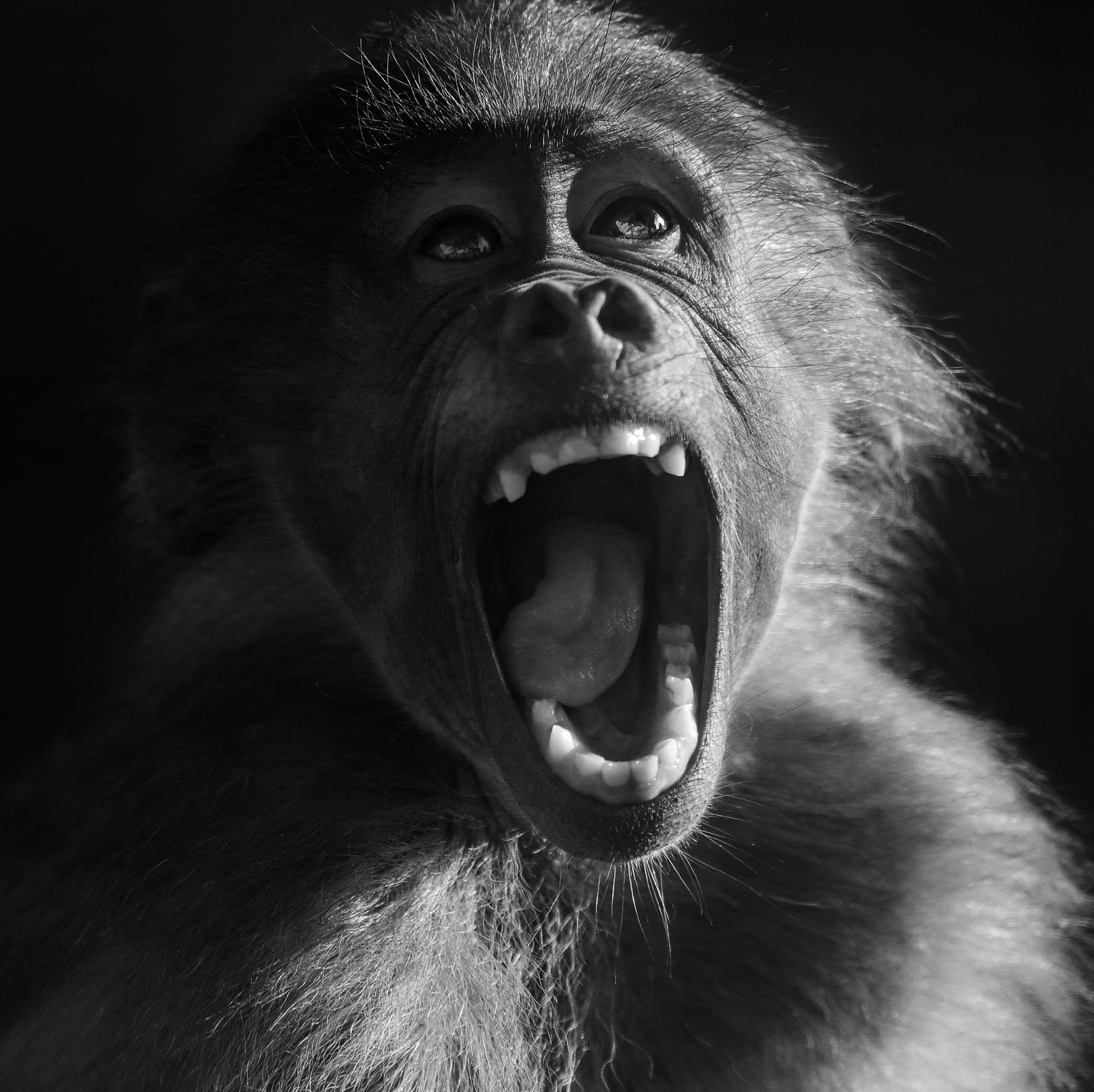
Rhesus monkeys have learnt to live in Asian cities where they steal food to survive. When numbers get too large conservationists trap and take them to the countryside
273 likes
alainzoouae
Protecting wildlife with Kenya’s experts
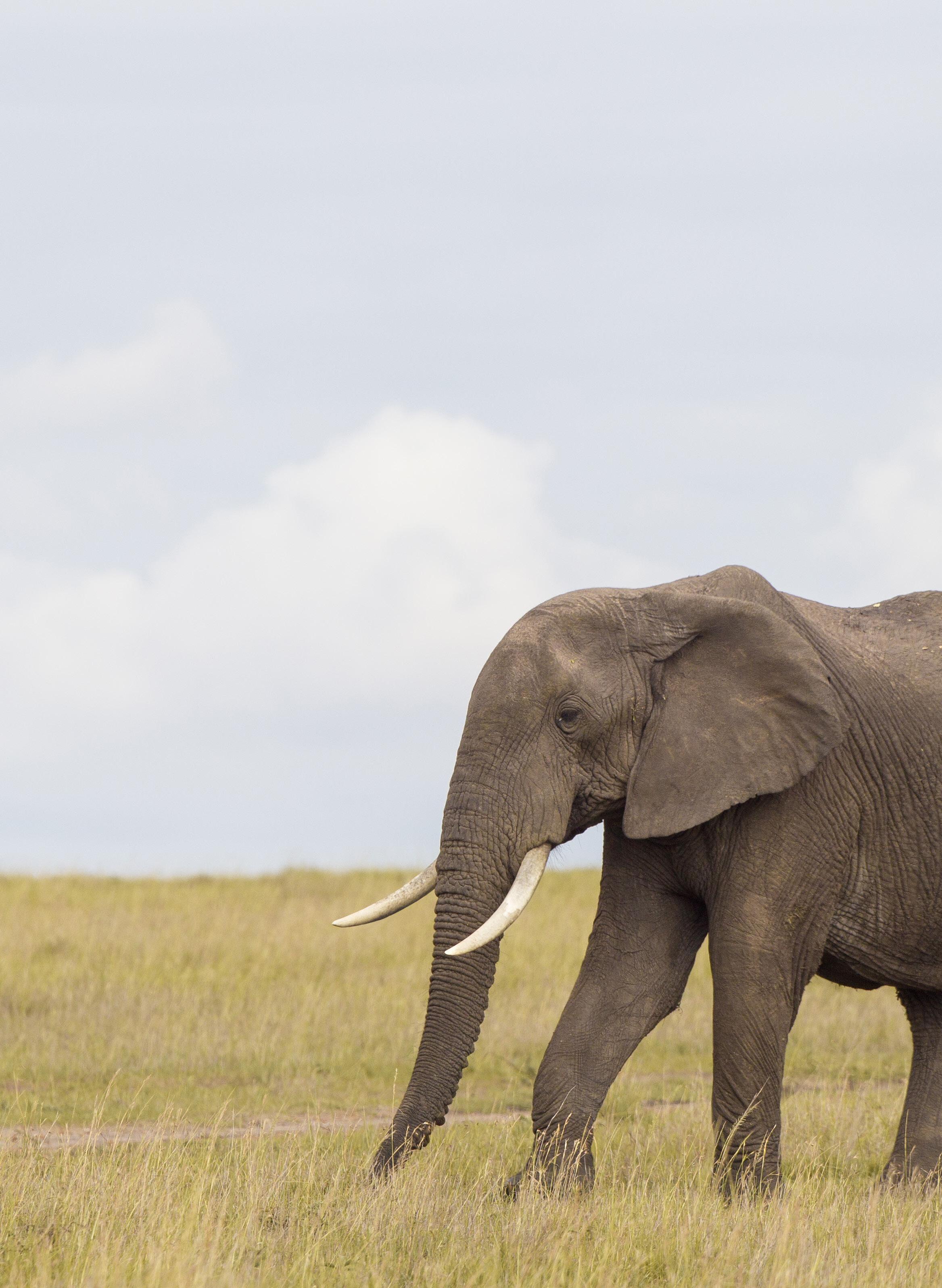
Al Ain Zoo supports a number of initiatives and creates global opportunities to preserve nature. One of which is the agreement signed with the Lewa Wildlife Conservancy in Kenya since 2013, which provides logistical and financial support, carries out field research, monitors animals, and applies best practices for the care and security of animals in their natural habitat.
Our team of experts visits Lewa Wildlife Conservancy annually in
order to ensure animals’ safety in this area. They also join the technical team in monitoring information about animal numbers and their locations using modern technologies, entering the data collected daily in specialized programs. This is in addition to following up and collecting data from field surveillance cameras and transferring and documenting the data electronically.
The Zoo’s first official visit was in 2015, and the most recent was in
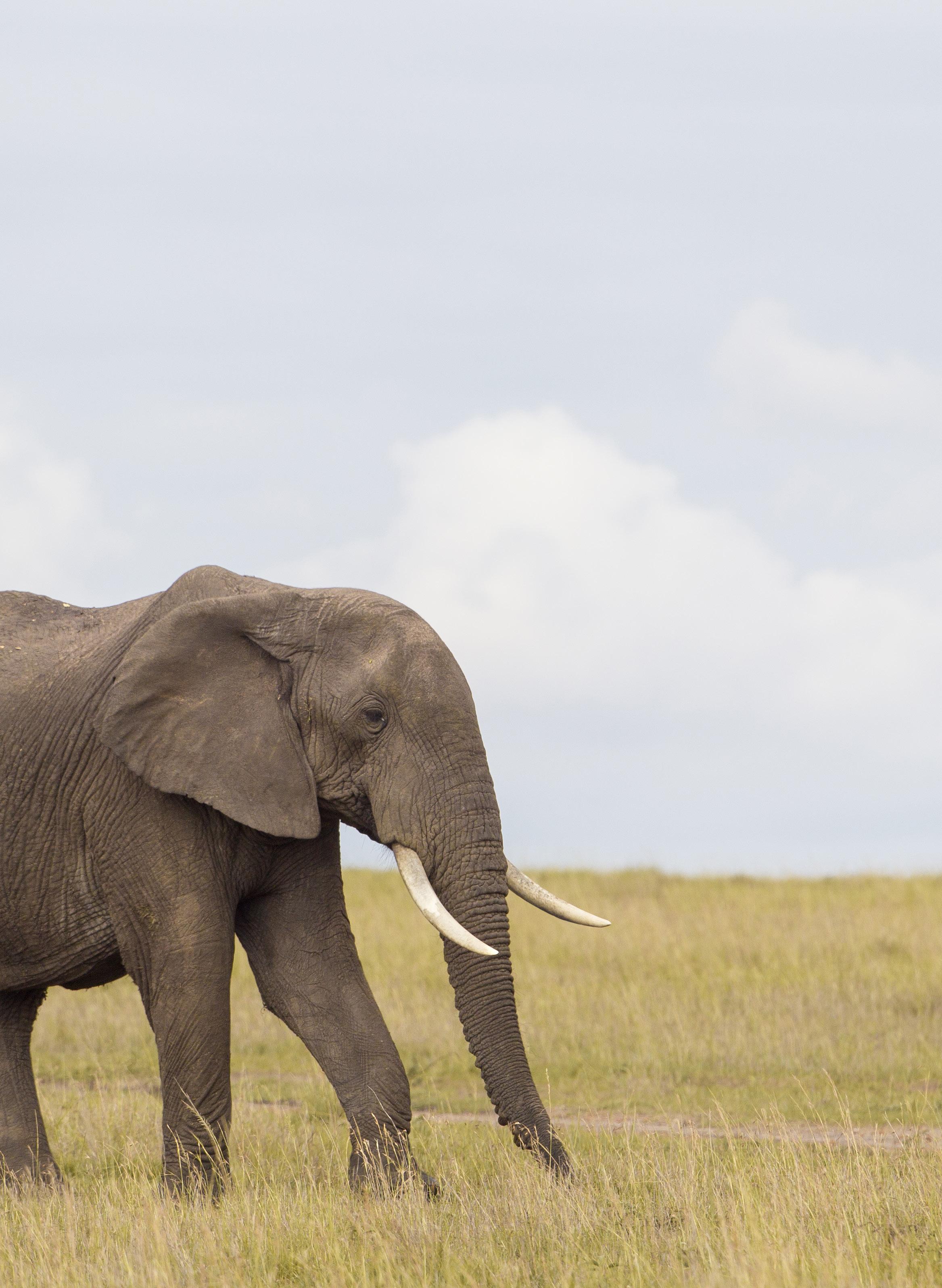
2018, during which there was the follow-up of specific animals such as elephants, lions, rhinos, zebras and ungulates. Programs and strategies have been developed to ensure their protection and saving future generations. Some of these animals are on the brink of extinction for several reasons, most importantly overhunting and commercial hunting, predatory intrusion and habitat loss.
These are visits from which we have gained valuable experience in fieldwork, specifically working in the natural environments of endangered species, such as those at Al Ain Zoo. We have learnt techniques for monitoring animals in the wild and methods of counting their numbers, as well as learning about research, community education programs, and experiencing tourism in Kenya's natural safaris.
Here at Al Ain Zoo, we organize workshops, meetings and forums to share experiences and discuss future challenges and plans, such as the 'Primary Partners of Nature Conservation Forum', which opened with the Kenyan experience. The most recent Forum was the 'International Zoo Educators Association (IZE) Conference', which was held for the first time in the Middle East with the participation of many countries from all over the world, most importantly Kenya.
He spent 6 years of his life learning basic musical instruments, of which the Oud was the hardest
Mansour
“I
Al Hassani
closed my eyes for a couple of minutes and found the crowd surrounding me with a wave of applause”
This month, ZooLife interviews a new face on a new musical journey full of sweet melodies and serenity.
Mansour Al Hassani started learning to play the piano when he was 13. Then, his passion for music took him to a new challenge where he spent years and years
learning the oud, guitar and violin. He learnt to play by listening; he can reproduce a piece of music he has heard, without seening it notated in any form of sheet music. All he has to do, is close his eyes and he gets carried away by his imagination and feelings to come up with a genius masterpiece.
He took his passion further and started arranging his own songs. He mixed his lovely melodies with well written lyrics and his beautiful voice.
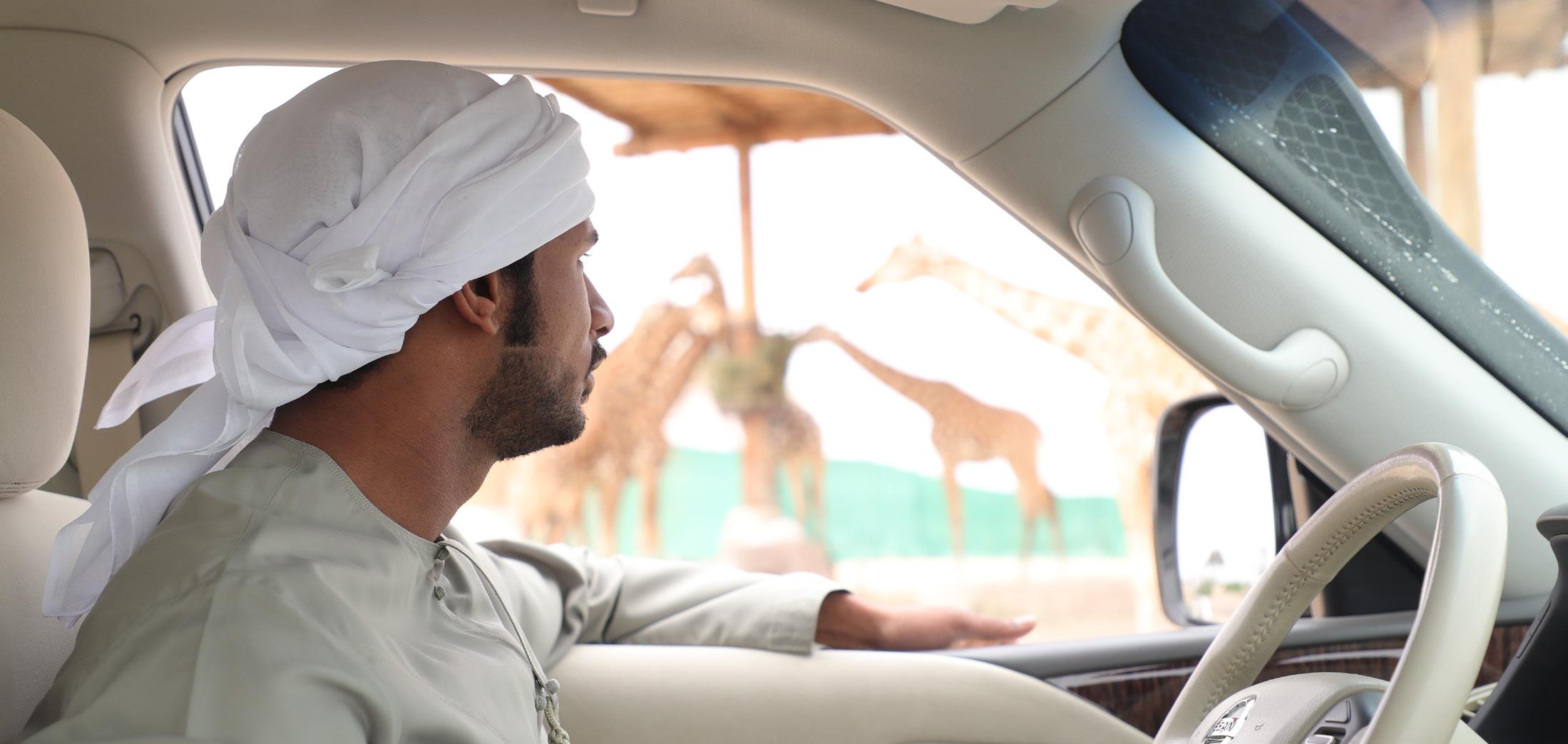
Our guest is Mansour Saeed Al Hassani, a Safari Guide. He joined Al Ain Zoo 7 years ago. He started out as a Cultural Guide for one of the Zoo's tour, "Kashta" and then moved to Al Ain Safari after its opening in 2016.
"I feel very happy when I guide visitors around the Zoo and Safari." says Mansour. "Communicating with people of different backgrounds gives me a deep humane dimension, as well as giving me good communication skills which allow me to socialize with people of all levels and cultures."
“I’m very keen to tell our visitors that Al Ain Zoo is not only a tourist destination, but rather a home to lots of animals to be taken care of. This makes visitors more aware of
Mansour Al Hassani
our role and our unseen efforts in protecting wildlife from extinction.”
What is the similarity between music and tour guiding?
“Both require patience & knowledge. They have both completed my skills in reading, self-development, and broadening my perspective,” he said. “At Al Ain Zoo, we deal with people of different cultures, nationalities and ages. We must treat everyone patiently to meet their expectations, while, at the same time, promoting our message of nature conservation. The same thing applies to music; it requires patience. For example, I spent 4 years learning to play the oud, two years learning the violin, and 6 months to learn the guitar.”
You were shy when we asked you to sing, why do you hide your talent?
“There are some talents that people can share with others; on the other hand, some talents are better kept unshared. That’s how I see singing, I love to sing alone. As for music arrangement, it is not within my plans at the present time.”
He interrupted his train of thoughts and said, “As a matter of fact, I respect my mother's desire as well,
she does not want me to get into artistic community business and prefers to keep my talent limited to family members only.”
Do you mean you never played in public?
“I actually played more than once in public, and of all the times I performed in public, two of them I will never forget. The first one was at the World Association of Zoos and Aquariums (WAZA) conference hosted by Al Ain Zoo in 2014 at the Hilton Hotel. As a Cultural Guide, it was my responsibility to accompany delegates on their tours. When we returned to the hotel, there was a piano in the lobby. As soon as my colleague saw it, he announced to everyone that I am a musician and I wanted to play a piece of music and sing. It was all very sudden; I was left speechless and could not apologize. So, I started to sing, and all the international delegate of VIP’s, professionals, and professors listened to me. It was very embarrassing; however I can’t forget the wave of applause I heard when I stopped singing.”
And the second time?
“One day I was at a shopping mall and I went into a musical instrument
store. I saw a piano and I tried it. I always close my eyes when I start playing. After only five minutes, I found crowds of people gathered around me and started applauding just before I finished playing.”
Mansour told us, “The situation was not over yet. My mother was in the crowd, her eyes were full of pride and fear at the same time. Then she said, that was brilliant! But I’m afraid people might envy you.”
So you are not planning to turn your talent into a professional career?
“Music has emotional depth and is a form of self-expression, so I do not care about fame or commercial production. I am not really keen on expressing myself publicly in that way. I play music to express my inner feelings. I translate how I feel into melodies, and that’s all I need.”
What are your future plans?
“I don’t really like to stay in one place. I love change, that’s why I'm currently writing lyrics and learning to play qanun (a Middle Eastern instrument similar to the zither). This is quite a challenge for me as the qanun is one of the most difficult instruments. I need your good wishes on this.”
Challenge your friend...
Crocodiles don't chew their food but tear the flesh and swallow large chunks of it!