
It is an honor and a joy to write to you as CONNECT’s new Head Editor.
Transitions can be delicate things. They ask for patience, flexibility, and a great deal of teamwork. Over the past few months, I have had the privilege of watching this team rise to that moment with grace. Our editors, designers, writers, and website coordinators have been steady, thoughtful, and incredibly hardworking throughout the handover. Deadlines were met. Pages were polished. Messages were answered. And perhaps most importantly, encouragement was shared generously behind the scenes.
CONNECT has always been a collaborative effort, but during this transition, that spirit has been especially clear. I am stepping into this role supported by people who care deeply about this magazine and the community it represents. For that, I am profoundly grateful.
As we move forward, I would also like to turn our attention outward, to you.

CONNECT exists because there is a community of English speakers in Japan who want to read, to share, to learn, and to feel a little more connected. You are not simply our audience. You are the reason this magazine continues to grow. So we would like to hear from you more intentionally. What would you like to see in future issues? What stories feel untold? What perspectives are missing?
Whether you are a longtime reader or someone who has just discovered us, your voice matters here. We hope to open more space for reader input, feedback, and collaboration in the months ahead. After all, a magazine about community should listen to it!
Thank you for welcoming me into this role, and for continuing to support CONNECT. I am looking forward to building this next chapter together.
Warmly,
Taylor Hamada Head Editor

CONNECT|Development Careers
7 From the Classroom to the Kiln: Clay with Character
CONNECT|Outdoors Entertainment
13 Book Review: Is It Poetry?
16 10 Dance Movie Review
Travel
19 Pixie Dust & Power Stars: A Tale of Two Parks
Wellness
28 Choosing Single Motherhood on JET: Robin’s Story
CONNECT|People Arts
34 CONNECT Photo Contest Superlatives Culture
40 Why is Gen Z Obsessed with Japan? Japan’s 15 Minutes of Social Media Fame
44 Sushi, Sake and Storytelling: The Ancient Mythology of Japanese Cuisine
HEAD EDITOR
Taylor Hamada connect.editor@ajet.net
ADMIN ASSISTANT
Diane Yett connect.adminassistant@ ajet.net
HEAD WEB MASTER Nathan Vonderahe connect.homepage@ajet.net
SECTION EDITORS
Marco Rice
Ari Lalji
WRITING TEAM
Alayna Blaylock
Joely Thompson
Angelinne Moreno
Destiny Torres
Tori Kusukawa
Frederick Azechi
ASSISTANT DESIGNERS
Taylor Sanders
Indy Inoue
Vaughn McDougall
Chantal Gervais
WEB EDITORS
Joseph Coston
Min A.
Liz Mudry
COPY EDITORS
Kaitlin Stanton
Brianne Dy
Sarah Massey
SOCIAL
Amari Stapleton
Vicanda Ma
PR MANAGER
Daisy Thor-Poet
CONTRIBUTORS
Alayna Blaylock
Taylor Hamada
Angelinne Moreno
Marco Rice
Joely Thompson
CAREERS EDITOR
CAREERS DESIGNER
CAREERS COPY EDITOR
Brianne Dy

Alayna Blaylock (Tokyo)
Interviewing Madeline Allman (Toki City, Gifu, 2019–2024)
Please introduce yourself and where you’re from!
My name is Madeline Allman. I’m originally from El Paso, Texas in the US.
Where and what did you study before JET?
I studied at SUA (Soka University of America) and my major was Environmental Studies. I also took several pottery courses in college, one semester focusing specifically on Japanese Raku.



Where were you placed on JET and for how long?
I was placed in Toki City, Gifu Prefecture for 5 years. I found out I was placed in Gifu while sitting in my pottery class in California. When I told my teacher my placement, he immediately said, “Oh! That’s a pottery hotspot!”










When I told my teacher my placement, he imMediately said, “Oh! That’s a potTery hotspot!”
What is your current career?
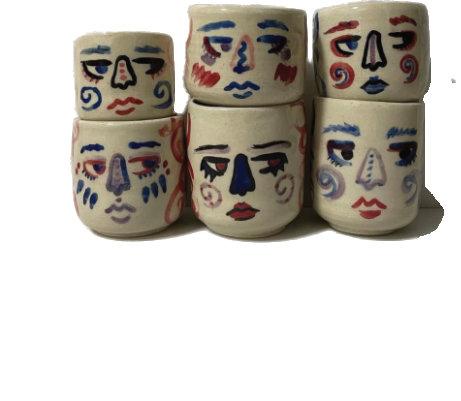
I am currently an English teacher, homeroom teacher, and study abroad program assistant at a private school in Gifu prefecture. I am also doing pottery semiprofessionally. I have done pottery for6yearsnow.Igotocraftmarkets and am currently doing private sales.
What type of pottery or art do you make?
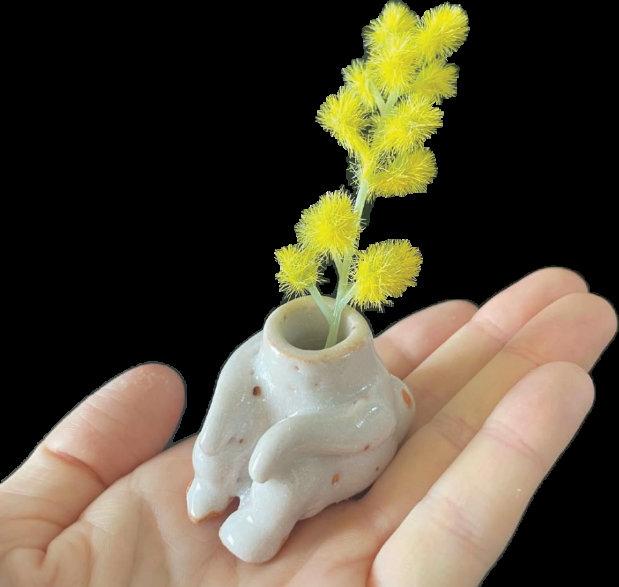
I usually do sculptures that serve a purpose. My best sellers are the「足長いね」(ashinagai ne) and “leggy babies.” I love coming up with different designs and poses to put the characters in. The longer the legs, the more the characters are ordered. My pottery club members freak out, so that’s fun too.
What are the steps that go into making your sculptures?
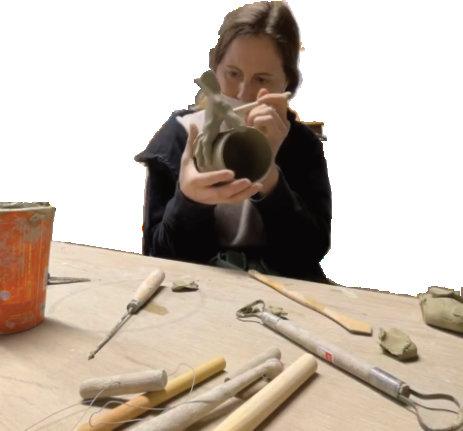
I usually start with a sketch. I draw on random papers throughout my work day. By looking at my doodles, I can usually extract a little character that I think I could make with clay. From there, I make the base (for the 足長い ね this means making the body first, either through hand building two cups and connecting them or making a base on the pottery wheel).
Once the base is trimmed and leather-hard, I attach the legs and the head (or heads, depending on the character). The legs are very fragile, so making sure each step is done slowlyandcarefullyisimportant.With pottery, you can’t rush. At the same time, if you wait too long, your piece can dry out, making it impossible to attach anything further.
Once the piece is sculpted, I can add detailswithsmallerpiecesofclayand underglaze. I can add underglaze either before the first firing or in between the first and second firing.
In my studio, we are responsible for every step of the pottery process. We take turns manning the kiln during a firing. Each shift is 12 hours long and can be quite tiring, but it’s really fun being able to hand glaze everything and pull things out of the kiln!
If things go well, I get a nice finished piece! If not. . . well, we try again! It’s just clay!



How did you get into pottery?
I took some pottery classes in college and have always been interested in it, but the community emphasis on it has helped me learn even more. Pottery in Gifu is everywhere! The walls, streets, bridge corners, bathrooms, murals, everything! The mayor even gave me several pottery pieces throughout my time working with him! Kids make pottery often in schools, and some schools have their own kilns.
The ones that don’t have kilns rely on the local community centers to fire them. During my time in JET, I becameamemberofalocalpottery group. Now I have been a part of exhibitions throughout the prefecture with them. Most of the membersareover70yearsold,with the oldest being in his 100s (he also used to be my next door neighbor)!
My senior pottery club members motivate me. They are always challenging me to make more pottery and always burst out laughing when I end up making something they’ve never seen before. It is such a great community and I am beyond thankful to be a part of it!

PotTery in Gifu is everywhere!
The walLs, streEts, bridge corners, bathroOms, murals, everything! The mayor even gave me several potTery pieces throughout my time working with him!

What were some memorable experiences you had on JET and/or how did the JET experience as a wholeshapewhoyouaretoday?
The kids! The job itself could be a bit repetitive, but the kids made it worth it. Every time I got a letter or little origami creature from a kid, I was so happy! To this day, I still have all of those little gifts and letters. Whenever I'm having a bad day, I like to go through them and remember all of my students.
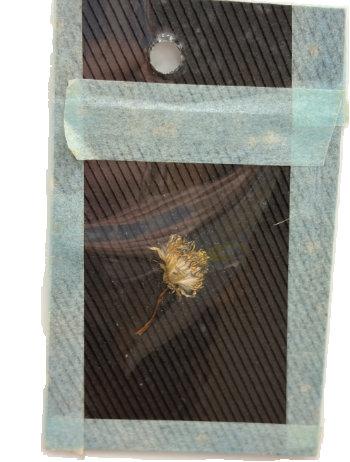
Onestudentinparticulargavemealittle flower on a random school day. I went home and carefully put the flower into one of those plastic picture films to try to preserve it. When I ended up leaving her school (we were unfortunately tossed around schools each year), she gavemealetter.Iremembertearsfilling myeyeswhilereading"Pleasedon'tcry. No matter what, we will always be together. I will always keep my memories of you in my heart. Please don't forget me!"
Several years later, she ended up being a student at one of my junior high schools. We both may have cried that day, but I will not confirm or deny this (I am currently in tears saying this). Today, that little flower remains taped onto my desk as a reminder of why I do my job.






I remember tears filLing my eyes while reading "Please don't cry. No matTer what, we wilL always be together. I wilL always keEp my memories of you in my heart. Please don't forget me!"
How did JET help you in achieving your current career pathway or any professional endeavors?
JET gave me the experience of living and working in Japan. This really helped me when I ended up switching to my current job.
It is not just about teaching, it’s about learning how to navigate living overseas and overcoming things that seem simple, like seeing a doctor and learning more about who you are and what you can do. I am forever thankful I was able to be a part of JET.
Do you have any advice for JETs who might be looking into a similar pathway after their time on the program?
Study! Make connections! Join clubs! Get everything you can out of this experience! If I had just gone home after work each day, I would not be living the life I am now! Reach out! Your community centers most likely have some sort of club you can join.
If you want to try pottery out, there are plenty of places that provide one-time classes. Some are on hand building, others are on the wheel, and others are just painting ready-made pieces! Talk to your neighbors, befriend the local FamilyMart worker, visit the local shrines, and talk to anyone and everyone you can! It feels really nice to be a part of the community.
I think it’s important to also cherish your friends. Since JET members tend to go back to their home country or move away for other opportunities, the time you have with them is sacred. Go on adventures together, buy a beaten up car and take road trips if you can, or take a train to nowhere. . . just live your life as much as you can.
For those wanting to start potTery, it sounds redundant, but just keEp trying! My first cup was so ofF center it felL over. I’ve had pieces explode in the kiln. That’s part of the fun!
In the future, Madeline Allman hopes to make pottery professionally, expanding her business to selling overseas and in local stores. Her pottery will soon be sold in a local guest house. You can learn and see more of Madeline’s pottery on her Instagram page @tokidokipottery


ENTERTAINMENT EDITOR
Marco Rice
ENTERTAINMENT DESIGNERS
Vaughn McDougall
Taylor Hamada
ENTERTAINMENT COPY EDITORS
Kaitlin Stanton Brianne Dy
TRAVEL EDITOR
Marco Rice
TRAVEL DESIGNER
Vaughn McDougall
TRAVEL COPY EDITOR
Brianne Dy
WELLNESS EDITOR
Taylor Hamada
WELLNESS DESIGNER
Indy Inoue
WELLNESS COPY EDITOR
Brianne Dy

Marco Rice (Tokyo)

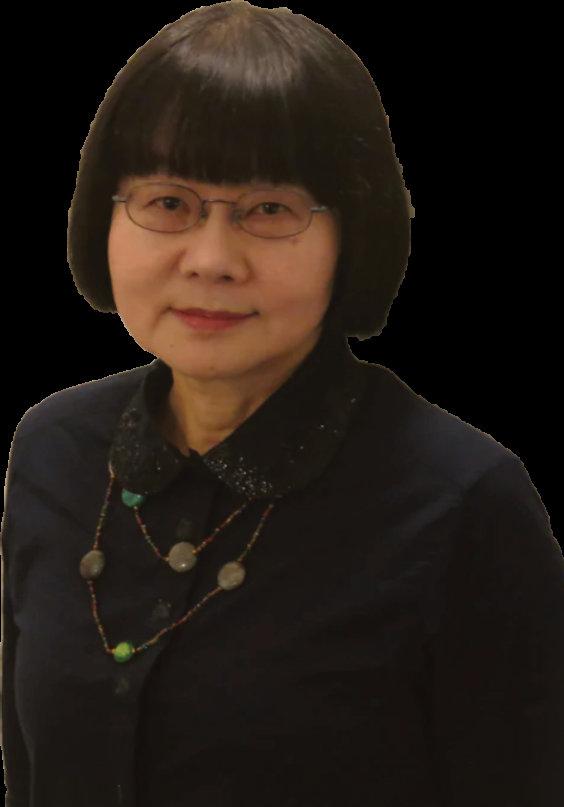
The title of Hirata Toshiko’s 2004 book has two meanings. Shinanoka can be read as either 詩七 日(shinanoka, “Poem on the seventh day”), or しなのか (shi nano ka, “Is it poetry?”)
The first reading explains the experiment behind the book. After struggling with writer’s block, Hirata decided to write one poem every month, on the seventh day, for two years.


The second meaning prepares the reader for Hirata’s tongue-in-cheek style and use of wordplay. She wants this book to be a conversation and is willing to ask the opening question herself. Shinanoka was critically acclaimed in Japan, winning the Hagiwara Sakutaro Prize, but the complete collection wasn’t translated intoEnglishuntil2024.
Hyett chose to publish the book under the second meaning, wanting to capture the playfulness of the original. They also changed the chapter titles to match. The first chapter is titled “Is It January?” the second “Is It February?” and so on. When twelve poems are finished and the second year begins, the titles begin a new pattern of “Is It January Again?” and “Is It February Again?”
There is not always a connection between the months, or a clear descriptionofthespeakerorspeakers.
Are we reading the experiences of multiple people, or the journey of a single soul? Reading with the latter interpretation, the book becomes a diary of a life we are only allowed glimpsesof,anarratorwhoseimagewe arelefttopiecetogether.
Eachpoemshowsadifferentsideofthat life: a playwright who hates her own work, a tenant who can’t get any sleep because of the excavators next door, a daughter reckoning with her mother’s aging,apedestrianlookingataposterof alostparrotinJimbocho...allthesame person, trying to make it through the year.
In “Is It June?” the speaker hides someone who probably committed a murder, but we focus instead on the tenderness our narrator has for this individual, on a love that has sustained their very life. The poems float between whimsicalandgrounded,unravelingthe

As the months arrive and depart, the things that occupied all our thoughts and fears one week are all but forgotten the next. Things change, we groan and insist we will never acclimate, and then we do and the world moves on.

Without conforming to the same meter or stanzaic form, Hirata uses vivid imagery and storytelling grounded in emotion to write poems that make you wanttoreadthemallasecondandthird time.
The notes on translation at the end of the book are also fascinating, a peek into the trials of translating a text with this level of literary complexity, and an explanation of cultural context that was lostinEnglish.
Is It Poetry? is a quick read and something I’d recommend even to those who don’t usually reach for poetry. Those who can read it in Japanese will assuredly find an even deeper value, but the dedication put into the English translation guarantees its enjoyment for an Anglophone audienceaswell.





“Dance is neither about technique or stamina. Love is what makes it whole.” This is probably the most memorable line from the recent Netflix release 10 Dance, starring Keita Machida and Ryoma Takeuchi.
Adapted from the manga of the same name and directed by Keishi Ohtomo, the storyoftwoverydifferentdancersunfolds throughtension-filledscenesthatbuildup to the moment their passion for both dance and each other is revealed on the dancefloor.
Keita Machida plays the outwardly perfect gentleman Shinya Sugiki, a Japanese world-class ballroom dance champion. Meanwhile, Ryoma Takeuchi plays the eccentric half-Japanese, halfCuban Japan Latin dance champion, Shinya Suzuki. Their names only differ by a single Japanese character and appropriately symbolize the dedication they both bring to their careers in vastly different ways. Where Sugiki focuses on technique, striving for perfection, Suzuki approachesdancewithafieryattitudethat feelsquiteintimate.
The characters knew of each other throughthedanceworld,butonlycameto


admire each other with more familiarity after Sugiki challenged Suzuki to train together and compete in the infamous 10 Dance competition. The 10 Dance competition is the only stage where both ballroom and Latin dancers can compete. Suzuki, not one above accepting challengesinanger,takesonSugiki’soffer to train together and attempt to best the otheratthetimeofthecompetition.
Their relationship starts off on unsteady feet. They clash during practice sessions, with Sugiki unable to understand how to embrace the less calculated and sexier nature of Latin dance, while Suzuki overlooks the consideration for one’s partnerinherentinballroomdancing.
Eventually, through close observation and proximity as well as spontaneous exposure toeachother’supbringing,theycometonot only understand one another on a deeper level but also evolve their rivalry into somethingnotquitestrictlyprofessional.
Upon stumbling into Sugiki dancing by himselfonChristmasnight,
Suzuki approaches him,
“You going to die if you don’t dance?” To which Sugiki simply responds, “Will you?”
They go on to spend the night drinking together, and Sugiki confesses he is not the gentleman he pretends to be while dancing. Up until this point, both characters had been dancing around their unspoken attraction. After intending to part ways that night, the film’s climax unfolds in an empty train car, where Sugiki runs to catch up to Suzuki and embraces him in a passionate kiss. This is the point in the film where both dancers seem to truly come to understand each other beyond their first impressions and assumptions. The scene also captures the moment they come to accept that their feelings for each other are much more complicated than their shared passion for dance and their initial distaste for each other.
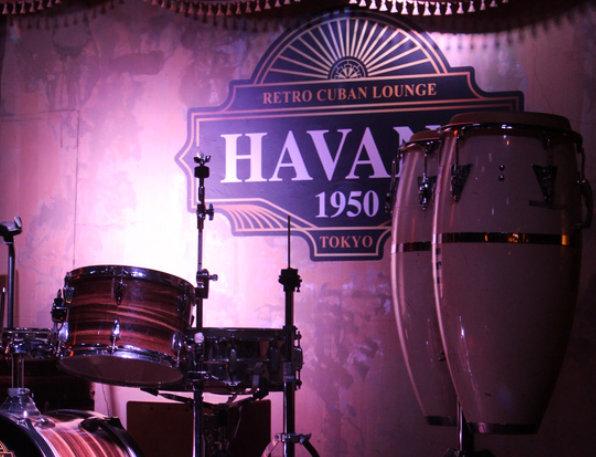
Critics have described the movie as underwhelming and rushed, while also criticizing the dancing of both actors. However, the rigorous training they underwent and their dedication to the film have been highlighted in numerous interviews. To the average viewer, the efforts of both actors to perform multiple dance styles with both male and female partners are highly evident and admirable. Beyond the dancing, the movie also successfully incorporates other meaningful themes that deserve appreciation. One being the dualism between Japanese and Cuban culture, brought to life through Sugiki and Suzuki—one embodying a perfectionist nature, the other a more sentimental approach to life. Suzuki is portrayed as being deeply connected to his Latin heritage and is depicted a s having close ties with the Hispanic community in Japan. The real Cuban restaurant, Havana 1950, which can be found in Tokyo, is the setting of one scene wherein Suzuki appears to be a regular who speaks Spanish with the staff. Suzuki also takes Sugiki dancing to a Latin bar in another scene.
Another interesting theme is that of the queer experience set in Japan, which is never explicitly discussed between the characters. It is quite accurate to the characteristics of both commonly conservative Japanese and Hispanic cultures for this to have been the case. Committing to Suzuki is definitely something Sugiki struggles with. It can be said to go against his perfectionist personality to engage in such a relationship, as it is still considered taboo in Japan. Suzuki, who seems to be more prepared to cross that metaphorical bridge, is devastated when, amid a scuffle, Sugiki tells him, “You and I can never become one.” This may or may not be an allusion to the fact that same- sex marriage is still not recognized in Japan.
Despite the fact that Japan is well known for its queer entertainment, such as BL (Boys Love) and GL (Girls Love), the reality remains that individuals who identify as LGBTQ+ have fewer legal protections than in other developed countries.
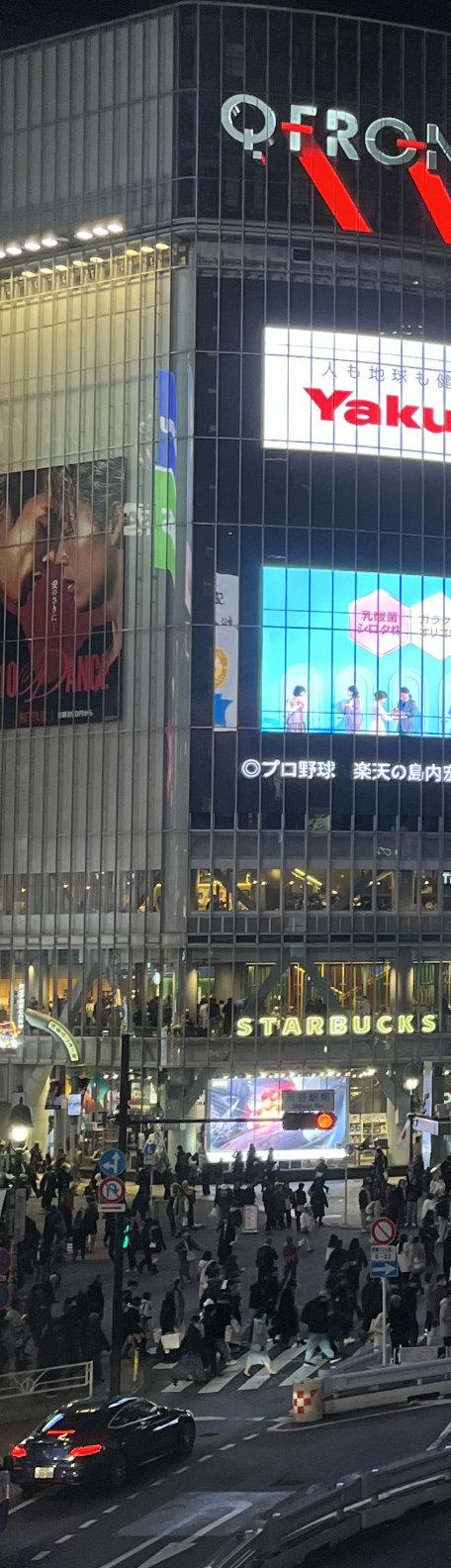
And yet, it is still possible to see the iconic 10 Dance movie poster at Shibuya Crossing, one of Japan’s most famous sights, in a major entertainment and commercial district crossed by an estimated 2.5 million people every day.

To echo Machida’s thoughts on the movie, for one to truly appreciate everything it has to offer, it is definitely worth watching more than once. He describes the film as one “that is packed full of everyone’s passion and love.” Moreover, thefilmoffersawonderfulappreciationforCuban culture and provides a unique story highlighting queer experiences in Japan. During a time when both foreign and queer topics in Japan are still striving to be regarded in a more positive light, the success and popularity of the movie 10 Dance brings about a sense of hope that the future will see a more understanding and outwardly diverse Japan.
Angelinne Moreno is a first-year, Cuban-American, JET ALT from Miami, Florida. She is based in Miyagi, where she enjoys traveling and taking pictures.


Taylor Hamada (Kyoto)
When it comes to theme parks in Japan, the ultimate debate is often Tokyo Disney Resort versus Universal Studios Japan. Choosing a favorite is tough because they both deliver sweet, fun experiences, each with its own distinctive style.
As a lifelong Disney devotee with a general love of theme park energy, my perspective focuses on what makes these two destinations feel unique, especially in their atmospheres. Whether you are after thrills, food, photos, or simply soaking up the ambiance, both parks shine in their own ways, though the experiences they offer can feel surprisingly different.

Tokyo Disney Resort is not just one park—it is two richly imagined worlds that create twice the magic. Disneyland offers classic Disney warmth, iconic characters, and nostalgic attractions that evoke a sense of childhood, wrapped in pastel colors.

Meanwhile, DisneySea is often praised as one of the most beautifully designed theme parks on the planet, complete with Mediterranean harbors, Arabian coastlines, the stunning new Fantasy Springs area, and nighttime views so cinematic they feel lifted straight from a film.

1. DisneySea creates an incredible atmosphere that feels like a dream. Even visitors who do not ride many attractions can spend hours wandering through ports, bridges, fountains, and waterfront areas.
2. Tokyo Disney Resort excels in strong storytelling as the rides focus on immersive world-building and emotional details rather than pure adrenaline.
3. The parks are great for all ages— everyone from kids to couples and solo travelers fit right in.
1. Crowds become intense on weekends and holidays because Disney is extremely popular with locals, which is wonderful, but also means long lines form quickly.

2. Ride priorities require strategy because popular attractions often need planning, early arrivals, or paid Premier Access.
3. The overall pace can feel slower if you prefer a strong thrill-park style, although this can easily be a positive, depending on what you personally enjoy.


If Tokyo Disney Resort is a storybook escape, USJ launches you into an action-packed blockbuster. Here, you leap from Minions to Jaws, dodge dinosaurs, and stroll through Hogwarts, all in a single day.

Its electric, high-energy vibe contrasts with Disney’s gentle ambiance, making it a bold destination for anyone craving excitement and a constant pop-culture buzz.

1. USJ offers big thrills because the roller coasters and action-packed attractions make it perfect for energetic visitors.
2. It is pop-culture heaven, especially for fans of video games, anime, movies, and character-themed food.
3. The vibe is great for groups and friends because it is social, vibrant, and ideal for a fun day out.

1. Popular rides attract long waits, and areas such as Super Nintendo World and the Wizarding World of Harry Potter fill up quickly.
2. The atmosphere is more fast-paced than calm, which is amazing for thrill-seekers but not ideal for those who enjoy slow strolls or quieter corners.
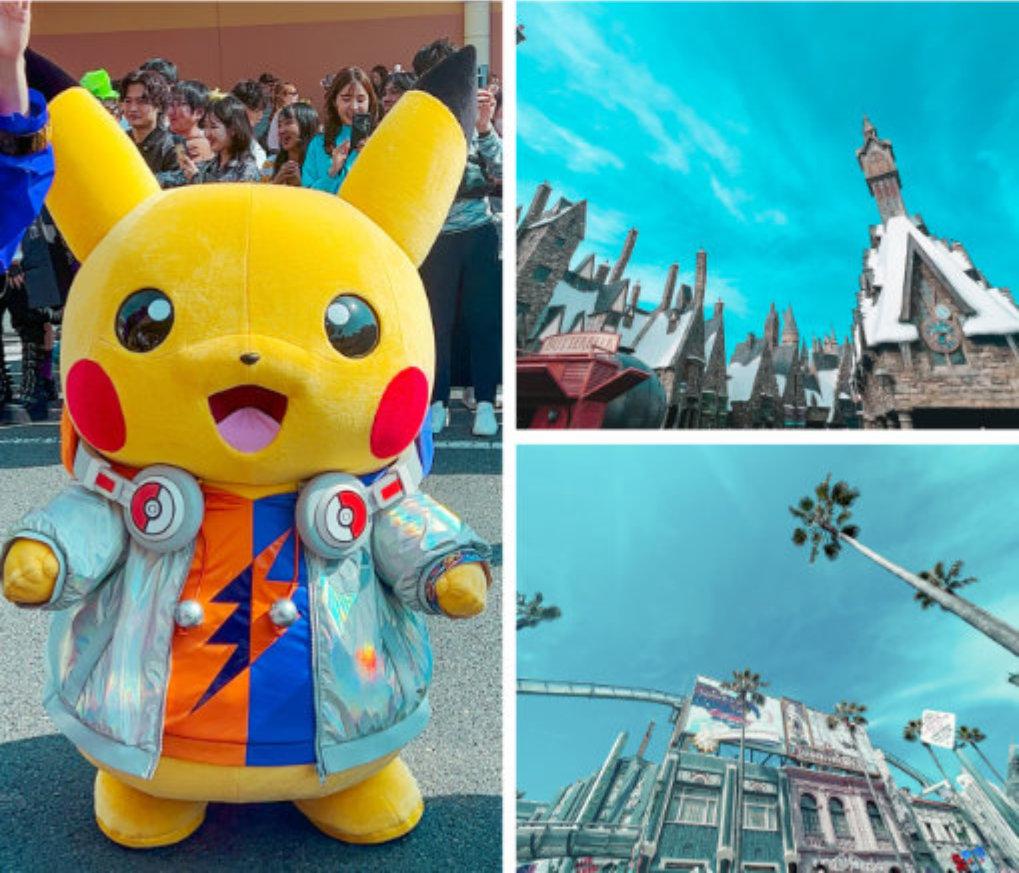
USJ leans into bold colors and character-driven food, especially in Super Nintendo World and Minion Park.
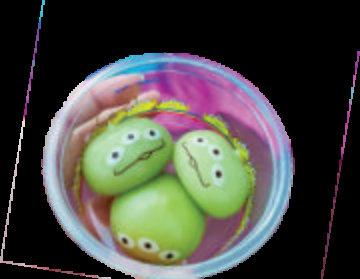
1. Minion cookie sandwiches, Mario-themed drinks, animeinspired pork buns, and colorful desserts make eating part of the entertainment experience.
2. The food is vibrant, playful, and wonderfully over-the-top.
3. Depending on the season, full anime-inspired menus appear at certain restaurants that require reservations about one month in advance. Recent collaborations have included Demon Slayer, Detective Conan, and One Piece. The current anime feature is Jujutsu Kaisen.

Disney specializes in cute, themed snacks that are unsurprisingly tasty.
1. Character drinks, creative churro flavors, seasonal sweets, and specialty dishes fill the menus across both parks.
2. Sit-down restaurants are high- quality and beautifully themed. DisneySea in particular creates a gentle and almost romantic dining atmosphere, perfect for adults who want something more than a quick- service meal.
3. Restaurant reservations fill up early, so booking about a month in advance offers the best chance of getting a preferred timeslot.







Tokyo Disney Resort
1. DisneySea’s Mediterranean Harbor
2. Arabian Coast mosaics
3. Wacky backdrops in Toon Town
4. Cinderella and Belle’s Castles
5. The Little Mermaid’s Grotto
Universal Studios Japan
1. Super Nintendo World’s bright colors
2. Hogwarts Castle and snowcovered Hogsmead
3. New York City street facades
4. Inside Bowser’s Castle
5. Hello Kitty accent walls










Tokyo Disney Resort
1. Water-side strolls in DisneySea
2. Live shows and parades
3. Seasonal merch collections
4. Long, relaxing meals
5. Beautiful nighttime lights and music
Universal Studios Japan
1. Dance shows
2. Snagging limited-edition merch
3. Wand-casting and Butterbeer in the Wizarding World
4. Exploring Nintendo’s interactive activities
5. Big, flashy street performances

Tokyo Disney Resort
1. Weekdays: Generally smoother, especially mid-afternoon into evening.
2. Weekends & holidays: Very busy; entrance queues can stretch, and popular rides can hit wait times of almost three hours.


3. Ride waits: 30–120+ minutes depending on season and popularity.
Disney definitely draws bigger crowds during school breaks and major seasonal events, but fan-favorite rides like Beauty and the Beast, Frozen, and Journey to the Center of the Earth stay popular all year long. You can expect healthy wait times from open to close!
Universal Studios Japan
1. Weekdays: Manageable, especially mornings.
2. Weekends & holidays: Big crowds, especially around Nintendo and Harry Potter areas.
3. Ride waits: 40–150+ minutes for blockbuster attractions.
Arriving early at USJ can be a secret advantage, because in my experience, the gates sometimes open earlier than the posted time.

Tokyo Disney Resort and Universal Studios Japan are completely different flavors, and that is exactly what makes them both excellent choices. You don’t have to pick one because both offer their own unique strengths.
If you love magic and ambiance, Disney is a dream. If you crave thrills and energetic pop-culture fun, USJ delivers. No matter which one you choose, you will leave smiling and already planning your next visit!

Taylor Hamada, a former JET Program
ALT, is a Kyoto-based tour guide and school teacher supporting students with non-Japanese roots. She spends her free time buried in books and spending way too much money on enjoying Japan’s theme parks.



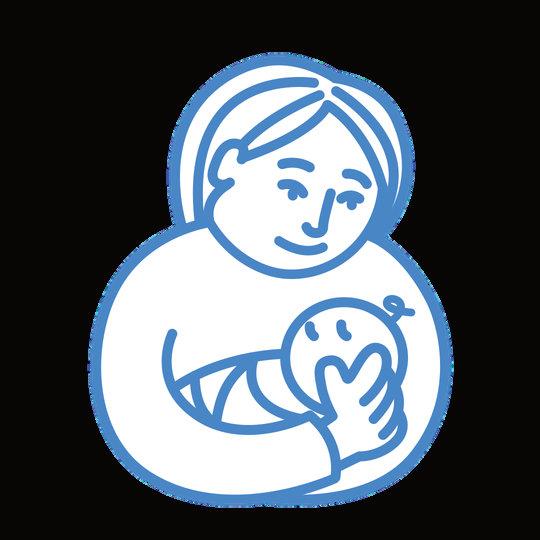
It’s a Wednesday night and I’m sitting across from my friend, Robin, in her apartment in East Tokyo. Behind her, playing with her portion of rice and salmon, is the cutest one-year-old I have ever seen. Robin is 28 years old, a fifthyear JET and a single mother by choice.
As she defines it, a single mother by choice is “someone who chooses the path of parenthood either through donor sperm or eggs, surrogacy, or adoption. . . going into parenthood from before conception without a partner involved.”
While there is growing international awareness of moms like Robin, they are still under-resourced and overstigmatized—especially in Japan, as Robin knows firsthand. By sharing her story, she hopes to raise more awareness of non-traditional paths to parenthood and provide a resource for prospective single mothers in Japan.
the choice to become a single mother
Robin knew since high school that she wanted to become a parent. She also knew she wanted to do so at a young age, partly because her parents were nearly 40 when they had her.
“I think a lot of people with older parents will understand this but,when you get to a certain age, you start to realize your time with them is limited. I also realized that my child’s time with them is limited, and if I didn’t have a child sooner rather than later, they probably wouldn’t remember my parents. And as an only child, that made me really sad,” Robin explains.
In college, she had decided that if she didn’t have a partner by the age of 25, she would pursue having a child on her own.
When Robin was first accepted into the JET program, she hadn’t expected to have a child. She had planned to spend only one or two years in Japan, then have a child back home in the US, most likely with her long-term girlfriend. But at the end of her first year on JET, Robin broke up with her girlfriend and started to think more seriously about having a child on her own.
After running the numbers, she realized how much cheaper it is to have a baby in Japan compared to America. Besides, she was happy living in Japan and didn’t want to sacrifice her life here in order to have a child.

Some of Robin’s family and friends worried for her. The image of the struggling single mother is very culturally pervasive, Robin explains, but there is a big difference when it is a choice. “It’s hard, no matter what. . . but going into single parenthood with the knowledge that you’re going to do things alone. . . is easier than becoming a single parent by chance.”
For the next two years, Robin focused on building her savings and was able to set aside about 50,000 yen per month from the JET salary, even while living in Tokyo. She is grateful for this, because once she started the process, she was no longer able to save any money.
When she was ready, Robin began looking for a sperm donor. After looking at a few different organizations, Robin ended up finding her match on Pride Angel, a website that aims to connect single people as well as lesbian, gay, or infertile couples with sperm donors, egg donors, or coparents. The donor she chose is a Japanese citizen who is half-American and half-Japanese, and lives close enough that the two could meet up for fertility treatments.


She considered working with a company that imports donor sperm from abroad, but ultimately ruled it out. The costs were high and she didn’t want to use anonymous sperm. “Children have a right to know who their biological family is,” she explains, even though this comes with its own challenges and risks.
Abroad, families with donor-conceived children often involve lawyers to secure custody arrangements. In Japan, custody laws are different, exclusively favoring the parent who currently has physical custody of the child, which works in Robin’s favor. There is also almost no documentation that connects Bia, Robin’s daughter, to her biological father. He isn’t on any of Bia’s legal documents and Bia does not

appear on his koseki, the Japanese official family registry (which also means that Bia does not have a claim to Japanese citizenship, a question Robin gets frequently).
The only document his name appears on is a form that he and Robin had to sign at the fertility clinic stating that they were ‘long-term partners.’ She chose Pride Angel also because it was the only clinic she found that did not require a marriage certificate. The intrauterine insemination (IUI) was successfully run through both Robin and her donor’s insurance without any need for further documentation and, luckily, it only took one insemination to get a positive pregnancy test.
Post-conception came with more costs, since prenatal care, labor, and delivery are not fully covered by Japanese health insurance. There are coupon systems that cover the majority of prenatal care, but access to the coupons is not available until the pregnancy is registered with the local city hall at 12 weeks. After registering, Robin received her Boshi-Techo, a handbook

used to track all maternal and child health from pregnancy through the age of six.
Bia was born, healthy and beautiful, in August of 2024.
Robin took 12 months of maternity leave, though she acknowledges that without her parents’ financial support, a full year would not have been possible. She received four months of fullypaid maternity leave—two months before birth and two months after. The 10 months that followed are also legally required to be offered as childcare leave. For Robin’s insurance as a Tokyo private school JET, this worked out to twothirds pay for the first half and 50% for the second half. She spent seven months of her maternity leave in Indiana with her family, then returned to Tokyo in May to begin the process of securing childcare.
The Japanese school year begins in April and it is extremely difficult to get into a nursery school in Tokyo outside of that window, even for Japanese citizens. Space is limited and fills up quickly. Robin’s maternity leave ended in July and she was ready to return to work in August, which presented a challenge: there was no availability in any local nursery schools. While maternity leave can be extended up to 24 months at 50% pay if childcare is unavailable—a possibility for parents with a partner working full-time—this is simply not feasible for a single parent. Additionally, Robin herself wanted to return to work.
At the city hall, Robin was told that she wouldn’t be able to get a spot. “It’s funny because Japanese people usually don't want to guarantee anything, but they were like, ‘It’s not happening,’” Robin recounts.
They told her she had to apply anyway and that once she received an official rejection, she could apply for a subsidy which would allow a babysitter to come to her house daily for only ¥150 per hour, reduced from ¥3,000. The only hurdle was that nanny companies required clients to make arrangements over the phone, which was difficult given Robin’s level of Japanese.
“It’s hard, no matter what. . . but going into single parenthood with the knowledge that you’re going to do things alone. . . is easier than becoming a single parent by chance.”

She emailed the handful of companies that did not require phone calls, but none had availability for the hours she needed. One company assured her for a month they could find someone, only to later change their mind. Time was running out before Robin had to return to work, so a friend from home came to stay with Robin from August to early November to watch Bia during the day—until, finally, a company was able to secure one nanny to work Mondays, Thursdays, and Fridays, and a different nanny to come on Tuesdays, starting in November.
If she could offer advice to a prospective parent in Tokyo, Robin recommends enrolling a child in daycare starting in April, even if it shortens family leave. Even then, spots are not guaranteed, as they are allocated based on a point system. Thankfully, the system gives priority to single parents and full-time employees, so Robin is optimistic that Bia will be enrolled in nursery school starting this April.
Bia has seven known half-siblings, most of whom live in Japan with a few others spread across the world. It is important to Robin for Bia to have a relationship with her biological father and halfsiblings, for as long as she wants it. Her view is also shaped by her own experience as the raised-child of a sperm donor. She was able to connect later in her life with two half-siblings from her father’s donations and values those connections deeply. Ideally, Robin envisions an annual gathering with Bia’s biological family.
At this point in our conversation, Bia crawls onto the table and tries to grab the yatsuhashi laid out on the table—a choking hazard that Robin swiftly takes away. She pulls her daughter into her lap instead and wraps her arms around her. Bia beams.
I ask Robin what she is looking forward to in the next 5 years.
“It’s so cliché but I’m excited to see her grow, see what kind of person she’s going to grow up to be.” Robin pauses while Bia babbles happily. “I guess I’m looking forward to seeing what my path holds, what I’m going to do. I think I’m going to teach when I go back to the States. I feel like our time on JET exists in this liminal space of putting a pause on having to be a real adult. You know, we’re working, we’re paying taxes here, and it is a real job, but it also doesn’t feel like it is a real job. And going back to the States feels like it’s really the start of my life as an adult. . . and now I have a child. So it’ll really be quite different and I’m excited to see what happens in my life.”
Before I leave, she shows me her newest tattoo, a colorful frog on her arm. “It’s because when Bia was born we called her ‘froggy girl’ because her legs were always up like this,” she demonstrates, folding her arms up into frog legs and smiling, “so this is my frog for Bia.”
Bia and the tattoo frog have an identical glow in their eyes—well-loved and wanted.


Born and raised in Seattle, Marco Rice is a first year JET in Tokyo. On the weekends you’re more likely to find him outside of the

ARTS EDITOR
Taylor Hamada
ARTS DESIGNER
Taylor Sanders
ARTS COPY EDITOR
Brianne Dy
CULTURE EDITOR
Taylor Hamada
CULTURE DESIGNERS
Indy Inoue
Taylor Sanders
CULTURE COPY EDITORS
Brianne Dy Dianne Yett


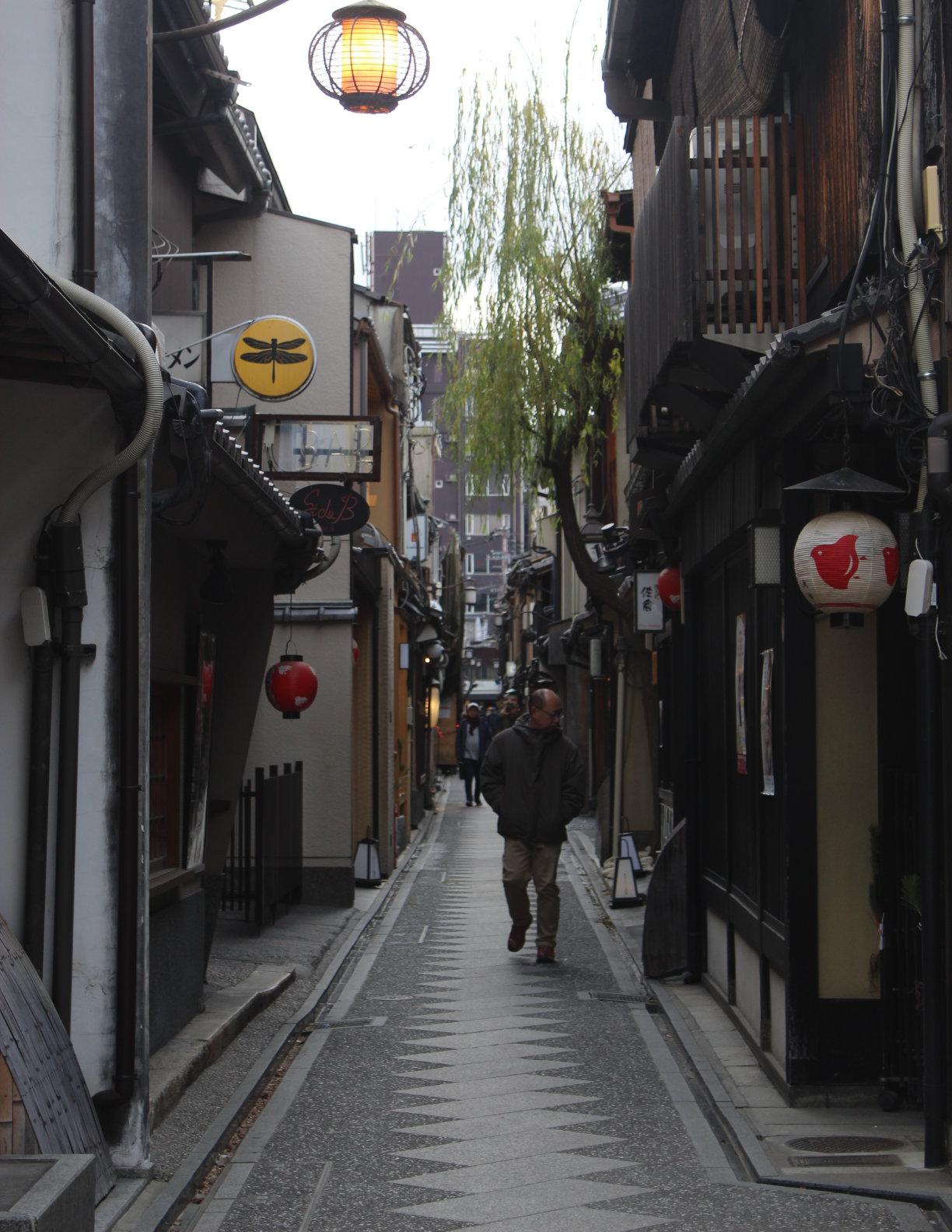
Every photo contest gives us more than a single winning shot. It offers us images that linger in our minds, moments that make us pause mid-scroll, and details that stick in our heads long after.
These superlatives are our way of celebrating the shots from past CONNECT Photo Contests that gave us joy!
Below are the photos that earned a special spotlight in this issue, and the amazing photographers who captured them.
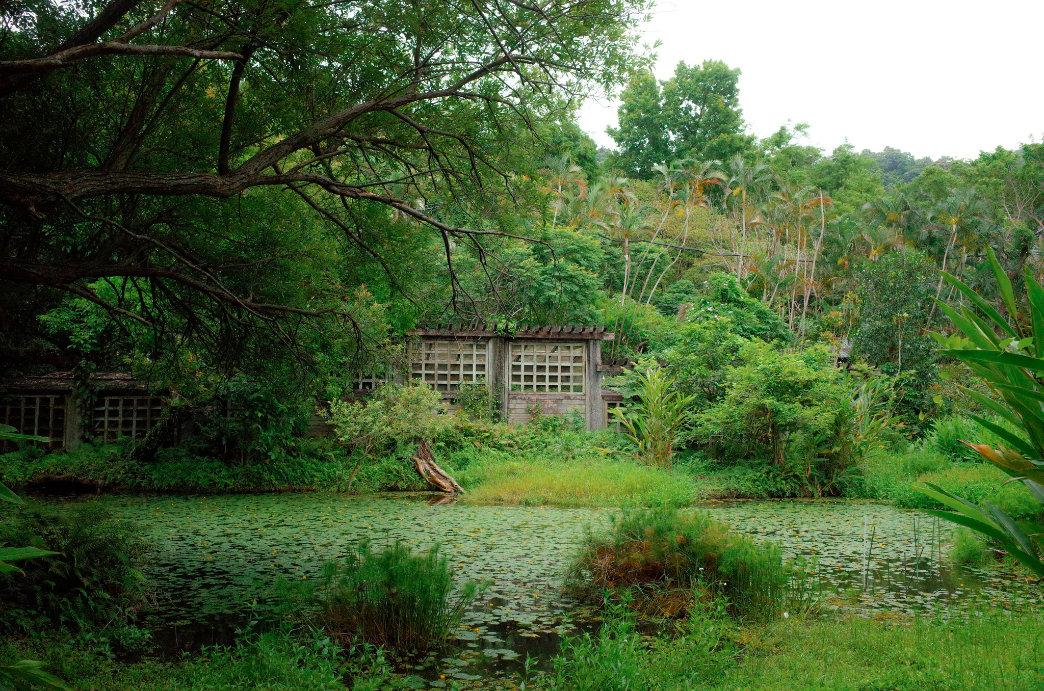
A scene so serene, it instantly evokes a sense of peace.
Photographed by Leong Cheng I
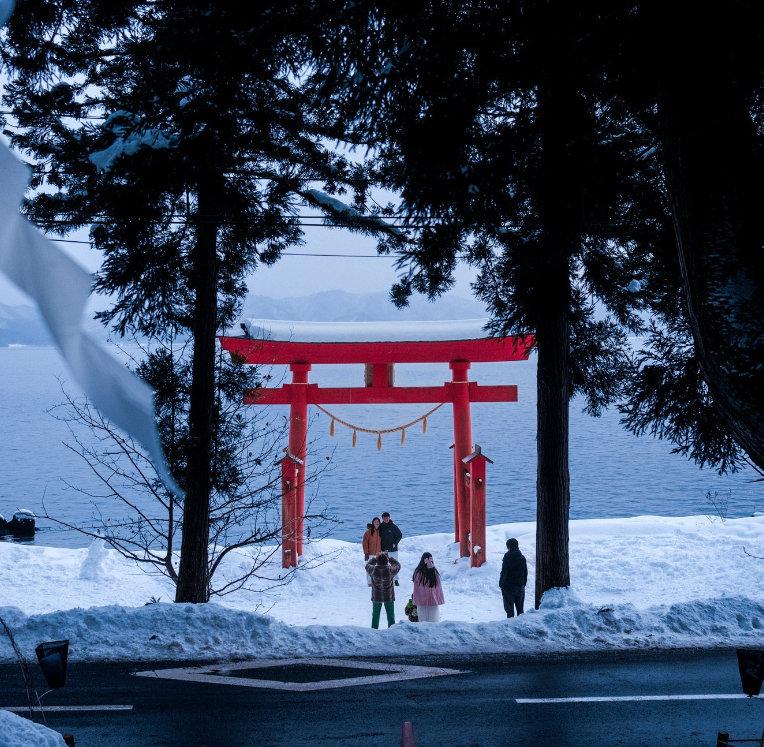
YOU EVEN SPOT THAT?" AWARD THE "HOW DID

Blink, and you’d miss it. Thankfully, they didn’t.
Photographed by Alicia Goh
by
Matthew Li
Bold contrasts create a story where color drives emotion.

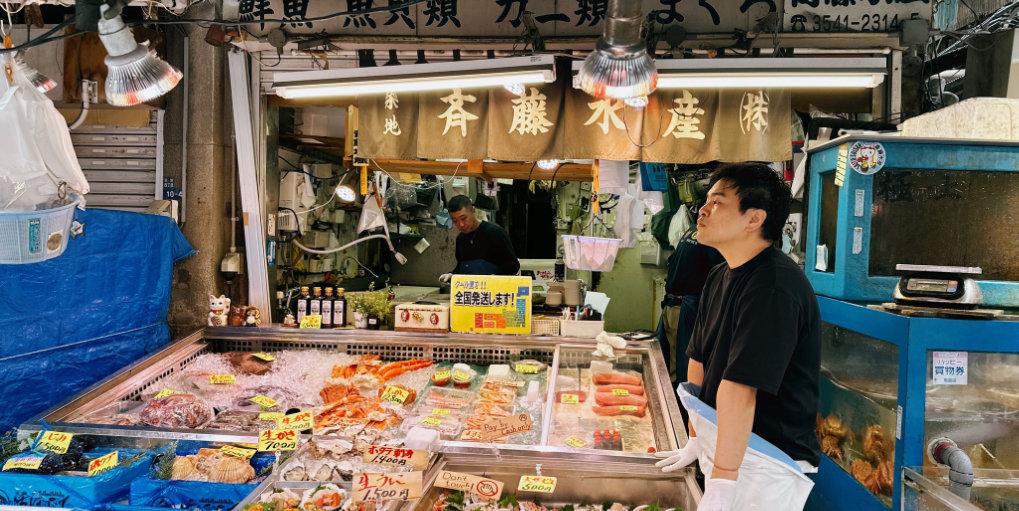
Nothing fancy, just life: perfectly caught.
Photographed by Daisy Thor-Poet

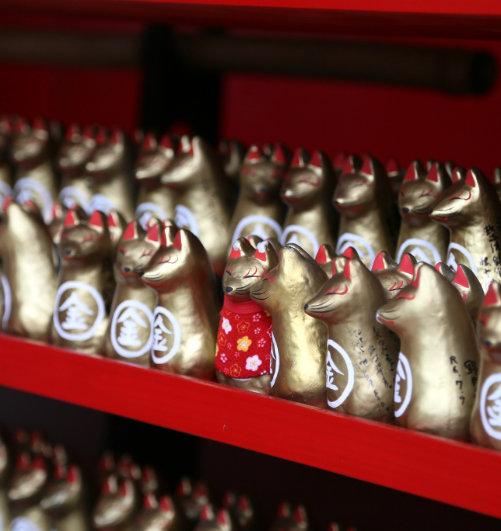
The light said, “Don’t worry, I’ve got this.”
Photographed by Mark Christensen
The kind of photo your phone would be proud to display.
Photographed by Jon Solmundson


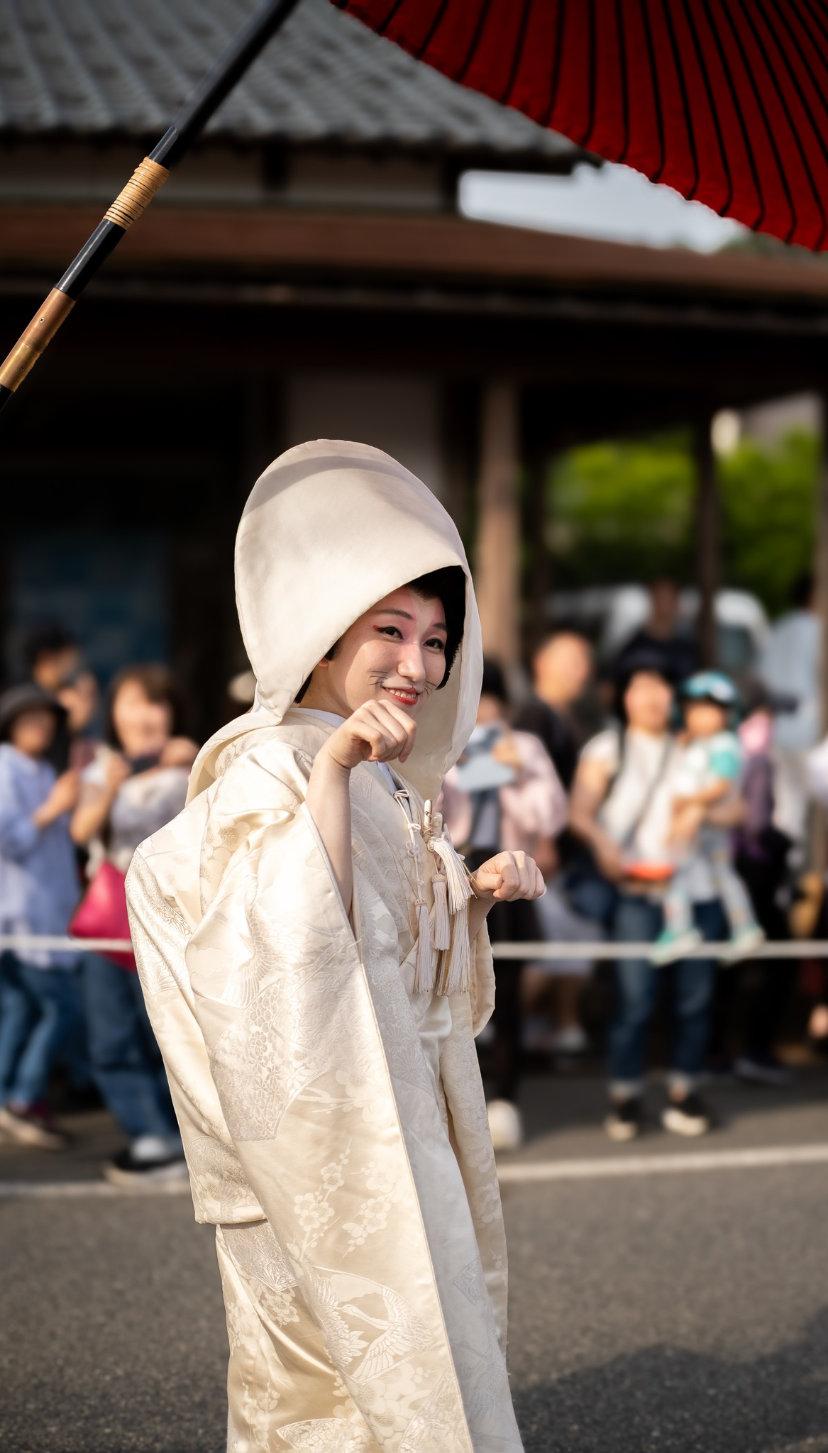

Perfect timing, zero do-overs. Photographed by Martin Rupert Agsaulio
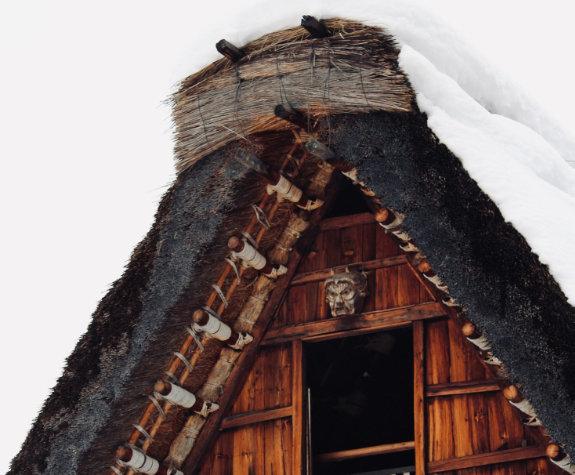
Proof that being silly can still make a great photo.Photographed by

Clean, crisp, and straight to the point.


A debut that says, “It’s just the beginning.”Photographed by Taylor Goth

Japan's minutes of social media fame
Joely Thompson (Ishikawa)
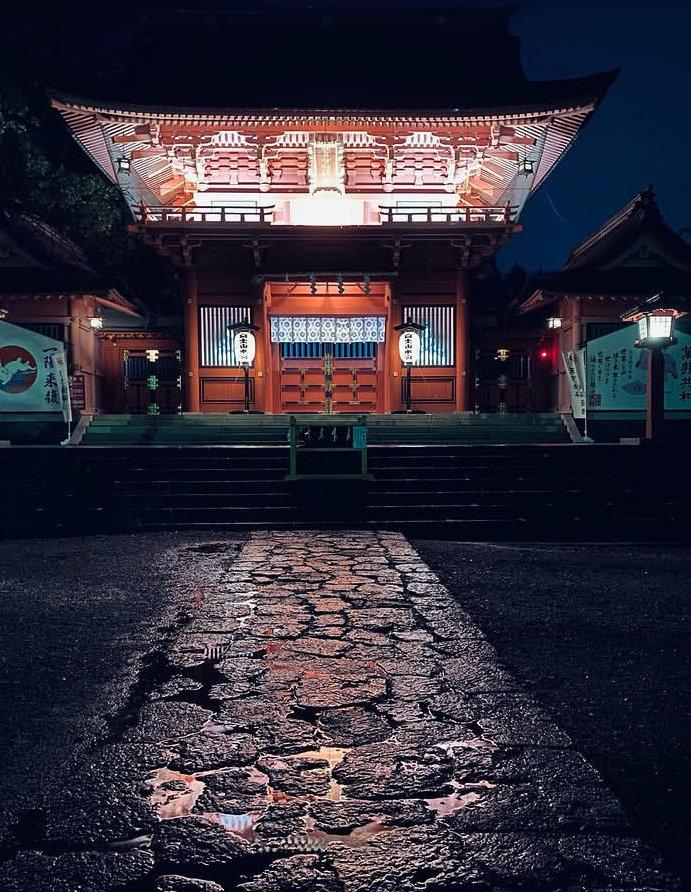



Whether it’s sumo wrestlers in London, matcha latte reviews, ski season in Niseko or the Japanese ambassador chugging beer, Japan-related videos are unavoidable on social media. The social media generation is obsessed with Japan.
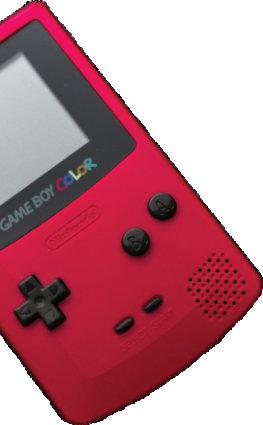
Although Japan may be the man of the moment, it is no stranger to popularity and fame. Japanese culture has always been internationally renowned. In the 1980s, Japan was an economic superpower: Nintendo released Super Mario Bros., Studio Ghibli was founded, and famous Japanese pop songs (such as Miki Matsubara’s “Stay With Me”) enjoyed global fame.
By the 1990s and 2000s, although Japan was suffering from a recession, its global cultural influence only grew: the PlayStation was released, Miyazaki’s Spirited Away received international acclaim, and everybody knew the popular snack character, Hello Kitty. From the 2000s to modern day, anime has grown in popularity, while ramen, sushi, and udon restaurants are now commonplace in the West. Ultimately, Japan has always exported its culture en masse.
In the early 2000s, authors started to write about the impact that these cultural exports could have on Japan’s economy and soft power. For example, in what would later become an article of great cultural significance, American journalist Douglas McGray wrote about Japan’s gross national ‘cool’. He suggested that if ‘cool’ could be measured in the same way as GDP, Japan would be the highest-grossing country.
Effectively, the argument goes that Japan very successfully transmits a mass culture. What sells well in Japan tends to sell well in the United States and the rest of the world.
Pokémon, Hello Kitty, and Super Mario Bros. are all examples of this. Therefore, if Japan can harness its ability to export ‘cool’, it can increase its soft power and improve its economy (by increasing overseas visitors and product sales).
Following this article, the term “cool Japan” (first coined by McGray) became a catchphrase used to advance policies boosting the Japanese economy. For example, the Office of Cool Japan was established, and the Cool Japan Fund was launched—financing projects which
introduce Japanese culture abroad. New investments were made in media, food, fashion and tourism. Furthermore, in 2015, the Ministry of Foreign Affairs (MOFA) was given $550 million to increase the nation’s influence on the global stage. MOFA established Japan House, an overseas cultural education hub, to “nurture a deeper understanding and appreciation of Japan by the international community.” Three international hubs in major cities (London, São Paulo, and Los Angeles) were created.
Therefore, whilst cool Japan might be new to the social media generation, this particular vision of Japan has been a long time coming. This perception is not accidental; it is the result of an intentional diplomatic strategy by the Japanese government. ‘Cool Japan’ was primarily about increasing soft power and improving the economy. Interestingly, in order to do this, high-end diplomacy shifted international audiences away from seeing Japan exclusively as the land of anime, gaming, and kawaii. Even though these were three key pillars upon which McGray’s article and the ‘cool Japan’ vision stood.
Instead, the ‘cool Japan’ strategy focused on craftsmanship, tradition, and high-culture, to attract city professionals and corporate individuals who could improve Japan’s economy and bolster

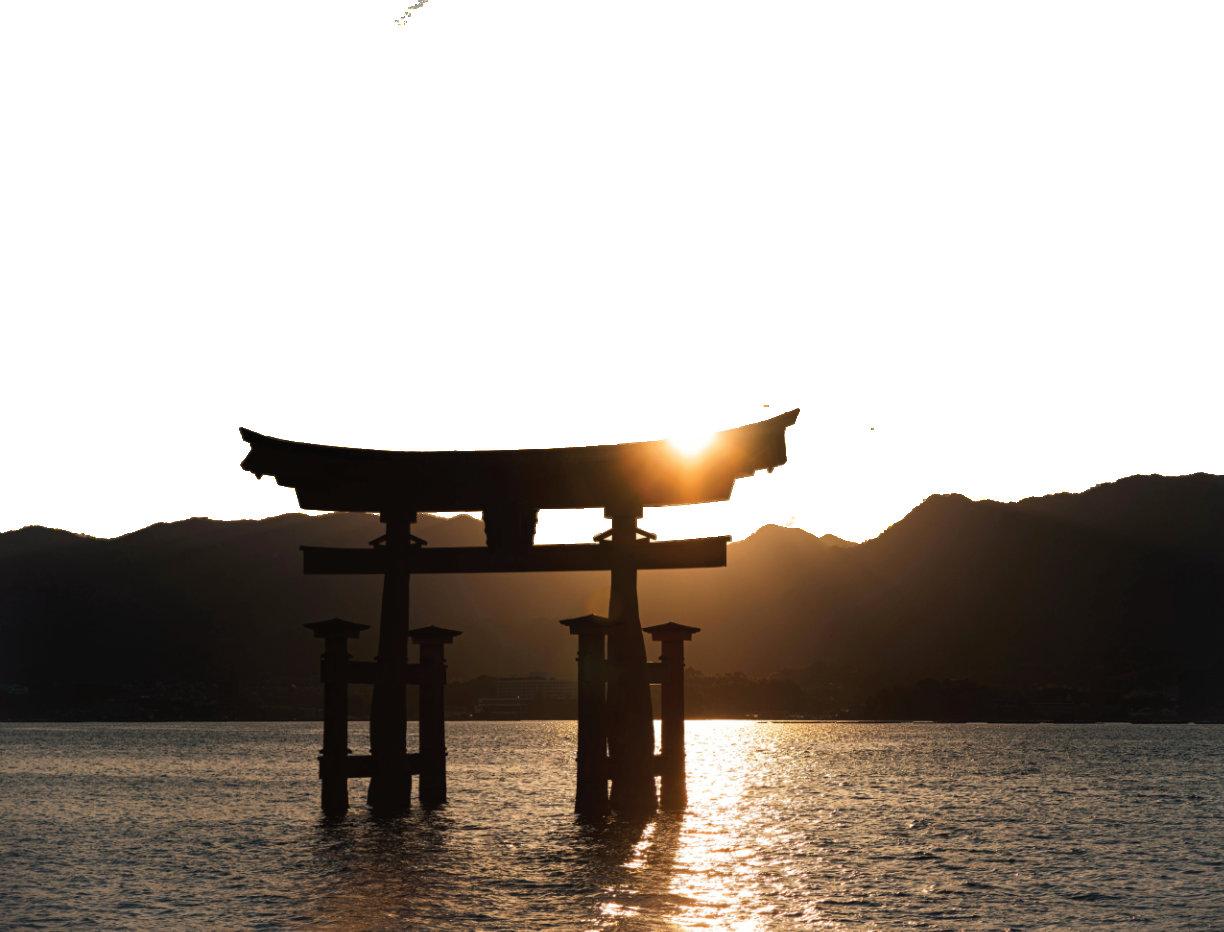
Photo by Jeremy Dupuis
their soft power. For example, Japan House “distinguish[es] itself clearly from other cultural activities, many of which have been defined by stereotypes and faux representations of Japan.” Furthermore, Japan House (London) is located in an Art Deco, grade -II- listed building in Kensington. Nothing says “we want to attract high society” quite like placing a cultural hub in one of the wealthiest areas of London.
Furthermore, the Cool Japan fund (aimed at introducing Japanese culture abroad ) diverted much of its investment towards refined areas of Japanese culture, such as traditional crafts. It also invests in companies offering tailormade group tours for high-end travellers, investment capital companies, real estate funds, shipping companies, and tech investment platforms. These factors are all indicative of the audience Japan is trying to attract and the cultured image it is trying to portray.
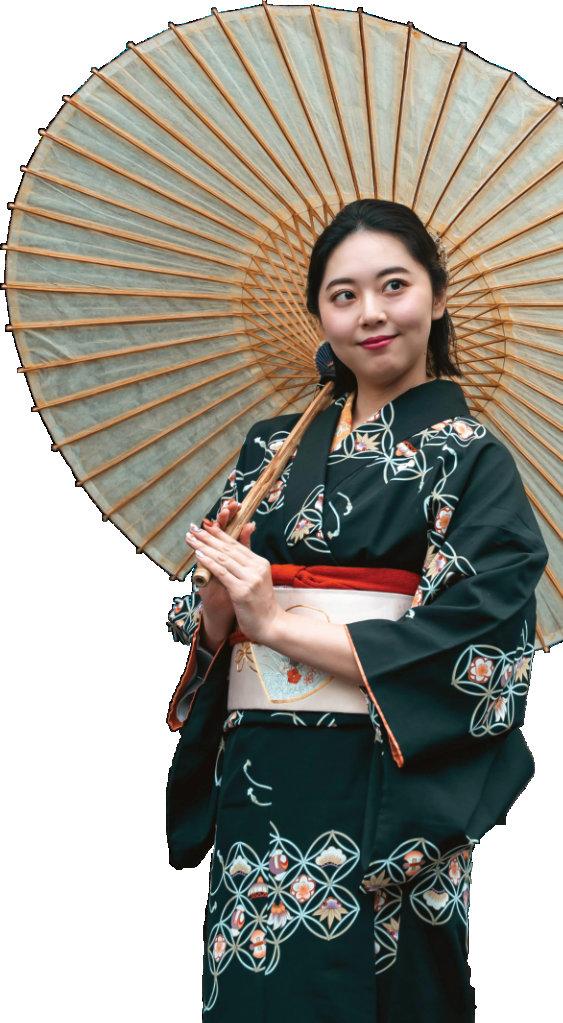
Understanding the motivation behind “cool Japan” provides a better understanding of Japan’s social media popularity. The rise of ‘cool’ Japan has coincided with a time in which Gen Z are reconnecting with traditional values. There is a marked shift on social media away from hustle culture and capitalist consumption towards a slower, more traditional way of life. It’s hard to scroll for more than a couple of minutes on social media without seeing popular buzzwords like ‘trad-wives,’ ‘organic,’ ‘homegrown,’ or ‘slow life’—all of which are associated with traditional values.
Mark Fisher, the author of Ghosts of my Life, suggests that this could be a direct result of late-stage capitalism. Neoliberalism’s destruction of solidarity and security brings about a hunger for the wellestablished and familiar. Other authors have echoed the same sentiment, suggesting that the intensity and precariousness of late-stage capitalist work leaves people overstimulated, and exhausted. They long for the ability to slow down and return to traditional ventures.
Whatever the reason for this renewed interest in traditional values, it has perfectly coincided with the rise of cool Japan. Japan’s celebration of tradition, quality craftsmanship, and refined culture has captured the attention of social media at a time when wellness, authenticity, and tradition are highly valued. Often ‘trad-wives’ and ‘slow-life’ enthusiasts have come under scrutiny for the privilege they experience, allowing them to live this kind of life. However, the cool Japan strategy sits comfortably alongside videos promoting a slow, and intentional life. First, you watch a video of a trad wife baking home made sourdough in her countryside cottage using local ingredients. You scroll, and the next video is of somebody living a slow life in rural Japan, sipping matcha out of their traditional chawan. These videos seem harmonious, they co-exist very well within the same online reality. Both connect with and promote traditional values.
Ultimately, Japan is trying to attract refined, wealthy individuals by focusing on sophisticated tradition
and cultural exports and the social media generation is a willing consumer of tradition and culture. In other words, Japan aligns perfectly with the (social media) mood of the moment. ‘Cool’ Japan has been a long time coming—it just so happens that Gen Z has embraced it in a way which no-one predicted.
Sources
https://medium.com/@TokyoStories/japan-through-the-eyes-of-a-parting-bbc-correspondente58983407bc9
https://uscpublicdiplomacy.org/blog/japan-using-cultural-diplomacy-reassert-its-place-world
https://www.jstor.org/stable/3183487?read-now=1&seq=1#page_scan_tab_contents
https://www.meti.go.jp/english/policy/mono_info_service/creative_industries/creative_industries.html
https://www.jstor.org/stable/j.ctv3029qtp
https://www.japanhouse.jp/en/what/
https://www.nippon.com/en/japan-data/h02262
https://www.yokogaomag.com/editorial/project-cool-japan
https://www.bbc.com/news/articles/c4gzpn2pe5wo
https://www.theworldfolio.com/interviews/cool-japan-fund-investing-in-japans-cultural-future/6846/
Ghosts of My Life: Writings on Depression, Hauntology and Lost Futures
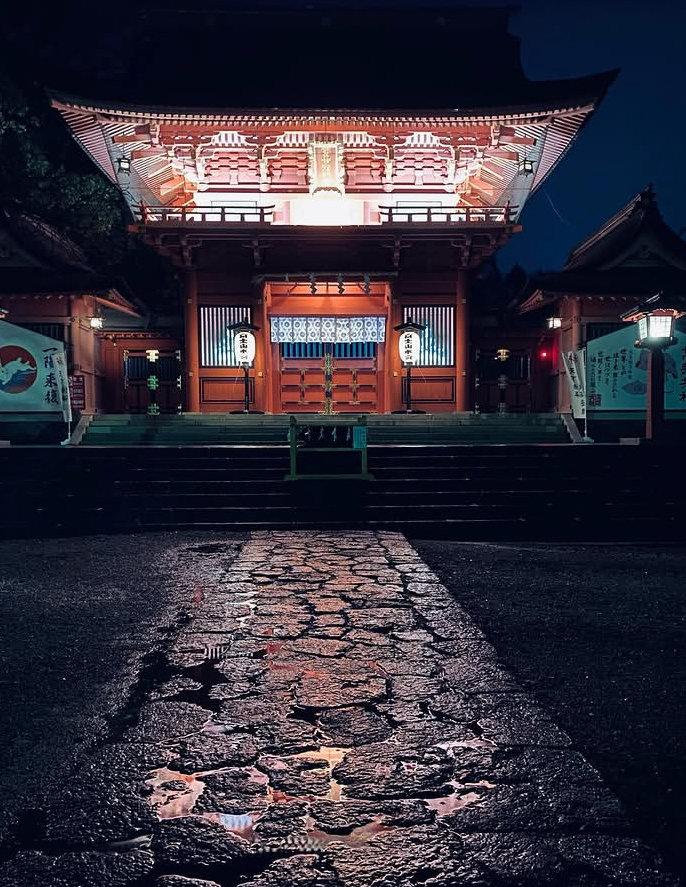
Joely Thompson (Ishikawa) is a first year JET who enjoys writing, reading, and exploring Japan.

You must not put chopsticks upright in your rice.
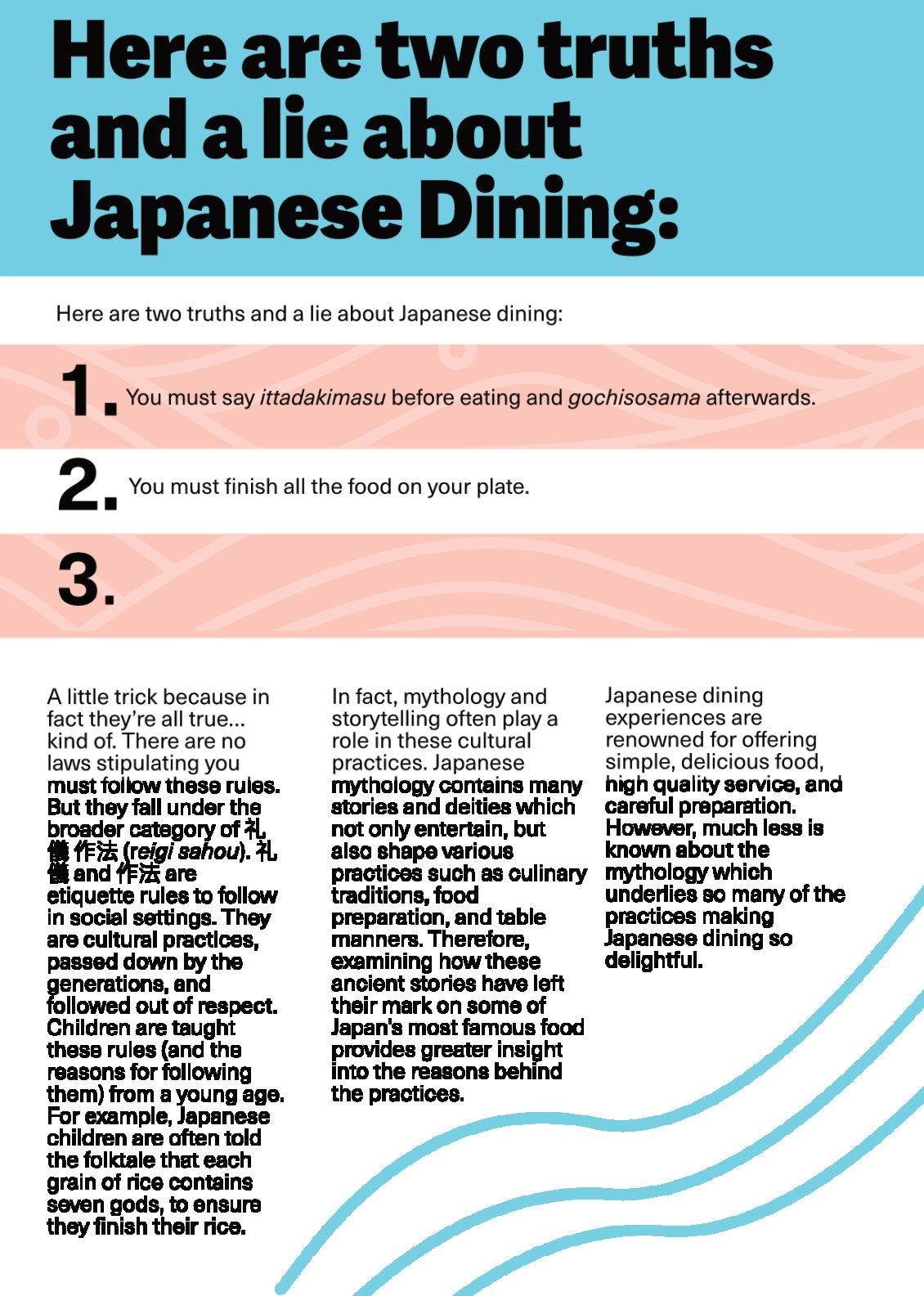
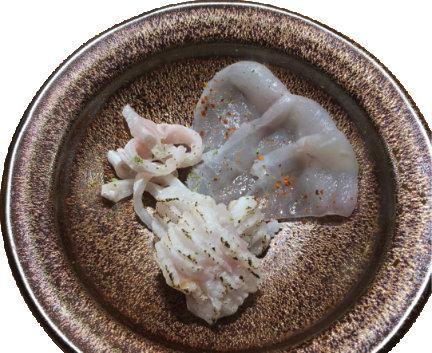
Rice remains a vital part of Japanese food and agriculture. It is a staple dish in most Japanese homes. However, rice cultivation dates back 10,000 years. The mythology associated with rice can be found in Japan’s oldest historical texts, the Kojiki (written in 712CE) and the Nihon Shoki (written in 720CE). These are both ancient texts depicting the birth of Japan and the Japanese deities. They offer insight into Japan’s cultural and spiritual history.
According to the Kojiki, rice has divine origins. The sun goddess, Amaterasu Omikami, first cultivated rice in the heavens. She gave this rice to her grandson, Ninigi no Mikoto, to take with with him when he descended from




As with rice and sake, the history of sushi is also ringed by storytelling. However, the legend of sushi’s origin does not come from the Kojiki or the Nihon-Shoki. Despite sushi being considered the national dish of Japan by many, there is no mention of sushi in either text. In fact sushi (in its earliest form), didn’t make it to Japan until between the 4th and 8th century.
Nevertheless, sushi has its own legend, the origins of which are unknown or thought to be an ancient Japanese wife's account.

An elderly woman, fearing thieves would steal her pots of rice, started hiding them in osprey nests. After some time, she returned to her pots to find the rice had fermented and fish from the osprey’s meal had mixed in with the rice, creating a delicious meal that also produced a new way of preserving fish.
The actual history of sushi starts with an early form of fish preservation in which the fish is gutted and stuffed with rice (called narezushi in Japan). Narezushi originated in areas around the Mekong River.

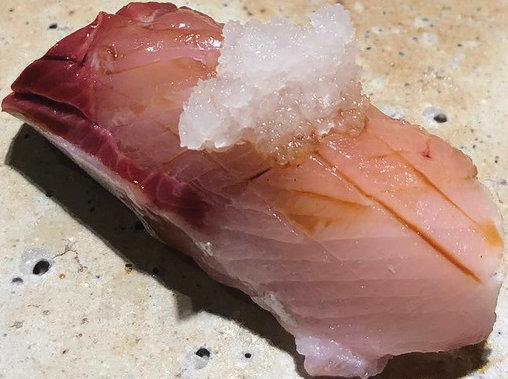
It was introduced to Japan by China through maritime trade routes between the 4th and 8th century. However, it wasn’t until the 19th century that sushi was revolutionised into a form that we would recognise as sushi today. A food vendor named Hanaya Yohei was tired of waiting months for fermentation. He served fresh fish on top of vinegared rice with wasabi (called nigirizushi).



Althoughsushihasnodivineorigin,it
" isasymbolofJapaneseidentity, representingthenation'sagricultural heritageandconnectiontothesea."

Furthermore, the preparation and presentation is rooted in tradition. The Itamae (sushi chef) trains for years, mastering basic skills before they are allowed to handle the fish. Also, they must select the freshest ingredients and pay high attention to detail when cutting the fish. This meticulousness is a reflection of broader Japanese values of respect for nature, harmony, and the pursuit of perfection.
For many, the mythological origins of their food and drink might be unimportant. Maybe, if you grow up saying ‘ittadakimasu’ and drinking sake at special events, you don’t question why. For others, perhaps praying to Inari every year is necessary to ensure an annual healthy harvest and pay respect to the deities. Either way, these practices are woven into culture. For individuals who have not grown up with Japanese cuisine, they’re interesting to explore, to understand how they impact Japanese cuisine and dining today.
Joely Thompson is a first-year JET who enjoys writing, reading, and exploring Japan.

SUBMIT HERE
CONNECT is a magazine for the English-speaking community in Japan, by that very community. Everyone is welcome to write, no matter your experience or style! If you have an idea you want to see in these pages, please reach out to our Head Editor, or any of the amazing Section Editors. We'll work with you to make it the best it can be and share it with our audience of thousands. Whether it's an essay, an interview, infographics, great photo spreads, or even just your favourite recipe— reach out to us!
Contact the Head Editor of CONNECT, Taylor Hamada, at connect.editor@ajet.net, with your submissions, comments and questions.
Write about something you're doing, something you love, or even just a cool piece of history that you're interested in. Tell us a story.
Tell us about someone in your community who is doing something neat and noteworthy. Cooks, collectors, calligraphers— we want to hear about the inspiring people around you!
If you're an aspiring photographer and want your work published, please get in touch with our Head Designer, Renee Stinson at visualmedia.connect@ajet.net
Let us know what you think. Interact with us on Facebook, Instagram and issuu.com.
Have an article you want to share? Join our Contributors Page on Facebook to stay connected with the team so you can share your adventures whenever story strikes!
Interested in contributing to CONNECT? Want to stay up-to-date on interview opportunities, photo requests, and CONNECT announcements? Get involved with CONNECT by contacting our current CONNECT staff and reading about the possible positions here.
You can also like us on Facebook, follow us on Instagram, and interact with the magazine via CLIP at ISSUU