






Dr. Wenchao Xue is an Associate Professor in the Faculty of Civil and Environmental Engineering at Asian Institute ofTechnology
She earned her PhD in Urban Engineering from the University of Tokyo and brings over a decade of experience in water pollution control, water and wastewater treatment technologies, emerging contaminants and microplastic pollution in aquatic environments,andsustainablewatershedmanagement.
Dr. Xue is an UNESCO–The World Academy of Sciences (TWAS) Young Affiliate and serves has the senior advisor ofAll-ChinaEnvironmentFederation.
Founding Director of the AIT Belt and Road Research Center.
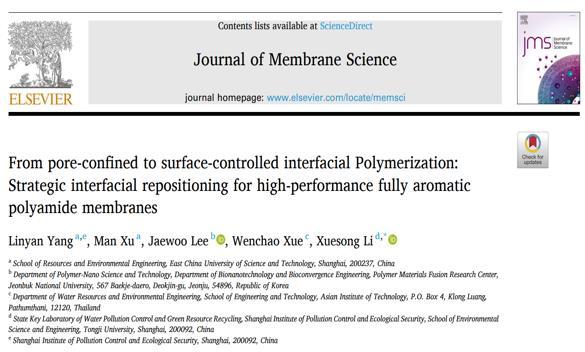
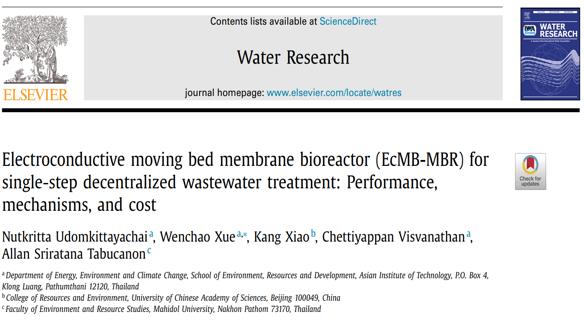
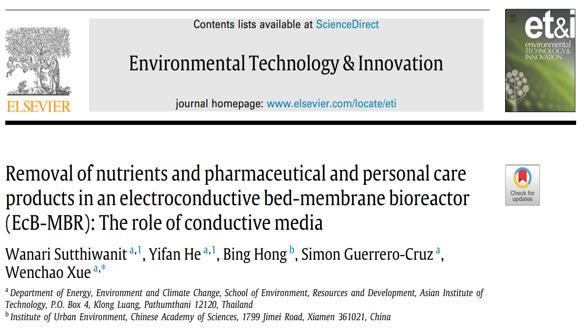
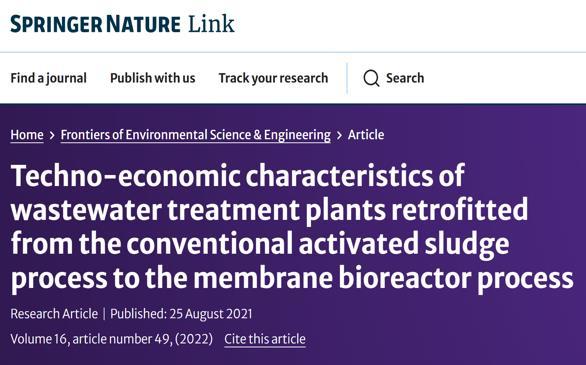
She has authored over 60 international peer-reviewed publications, including Nature Sustainability, Water ResearchandJournalofCleanerProduction.


Environmental membrane and electrochemical technologies
Resources/energy productive wastewatertreatment
Sustainable watershed environmental management
Microplastic in aquatic environment
Monitoring and elimination of environmental emerging contaminants








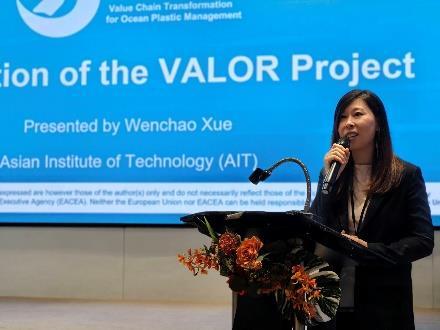
Project description
This project aims to
1. To record best practices and design
in Ocean Plastic Management
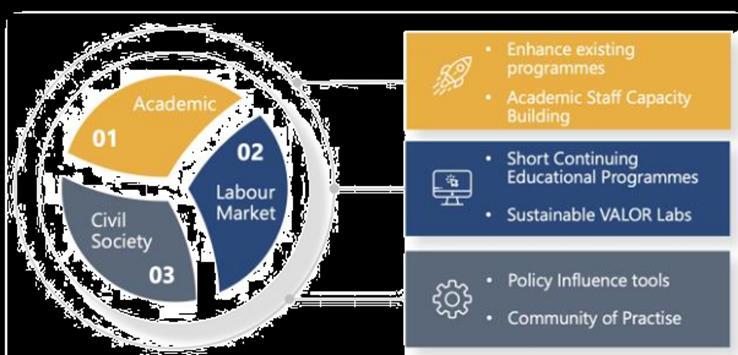
2. To develop and enhance the capacity of 6 HEIs in the target countries to effectively address the challenges of ocean plastic waste management.
3. To strengthen the relationship between the educational sector and the labor market in Thailand, the Philippines, and Indonesia by fostering new avenues of cooperation and innovation
4. To empower Innovation and Entrepreneurship.




Project description
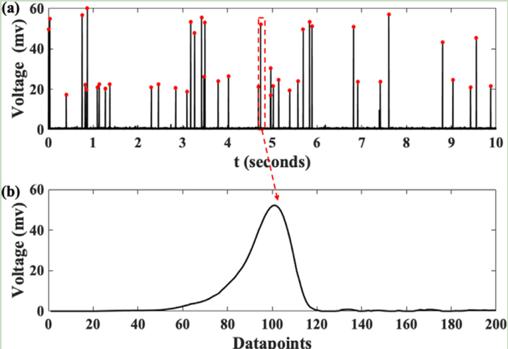
This project aims to develop a novel, cost-effective method for in-situ monitoring microplasticpollution in aquatic environments using the electrical sensing zone (ESZ) methodempoweredby machine learning techniques, with the goal of promoting its future application in support of water environment protection in developing countries within the Belt andRoadregion.Specific objectivesinclude:
➢ To verify the efficiency of ESZ method in microplasticmeasurement.
➢ To establish a reliable machine learning method for microplastic identification and characterization basedon ESZ method.
➢ To adapt and apply the method for in-situ measurement of microplastic pollution in differentwater environment scenarios.
➢ To disseminate and promote the new method in environmental monitoring and protection, tailored for Belt and Road countries.

SDG of focus:



Project description
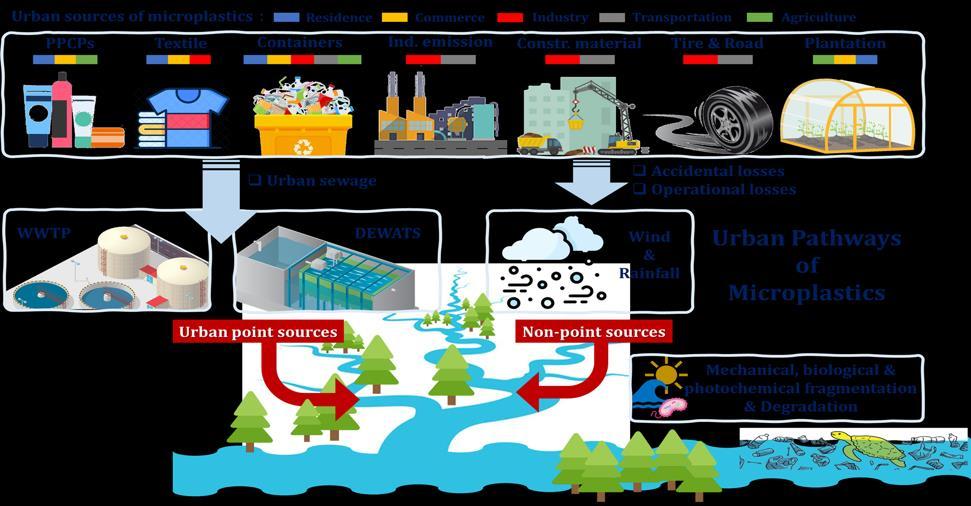
The project includes three objectives aiming at gaining a systematic understanding of MPs entering the oceans through urban aquatic systems in theSEA Region
➢ To develop a suitable source-pathway-receptor (SPR) framework for a holistic understanding of MP transmission from Southeast Asian urbans through critical literaturereview.
➢ To quantitatively assess MP influx into marine ecosystems in selected urban areas based on the SPR frameworkandmassbalanceanalysis.
➢ To strengthen the capacity of policymakers to understand the impact of urban MP pollution and formulate evidence-basedpolicyframeworks.
SDG of focus:





Project description



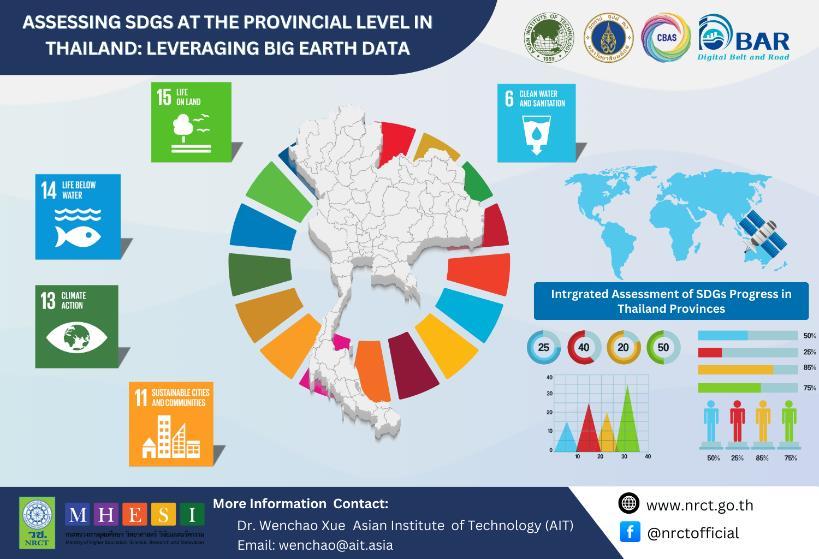
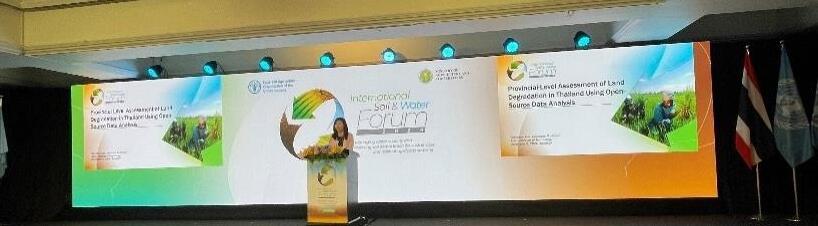
➢ Attain a comprehensive understanding of data availability in Thailandthrough critical review of international,regional, andlocalopen-sourceddataproducts
➢ Identify and fill crucial data gaps by utilizing Earth Observation-basedbigdataproductsinThailand.
➢ Propose a framework with applicable indicators for provincial-levelSDGprogressassessment inThailand.
➢ Conduct multi-dimensional (i.e., spatial, temporal, and featural) assessments of SDG progress in Thailand at the provincial scale.
➢ Provide an integrated rating of SDG progressin Thailand at theprovincial level.
➢ Enhance application and regional engagement in SDG assessmentin ASEAN.
SDG of focus:


Research description
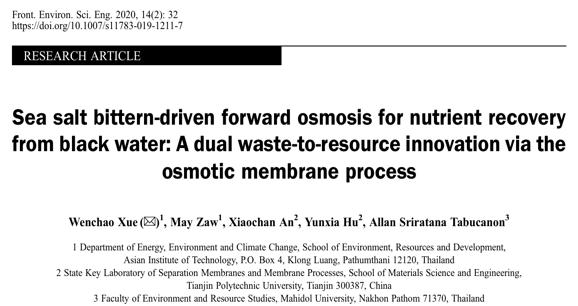
This research aims at advanced technology development and innovation for water and wastewater purification, desalination, energy &resourcesrecovery
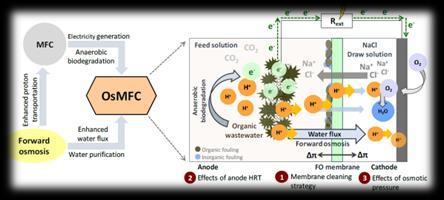
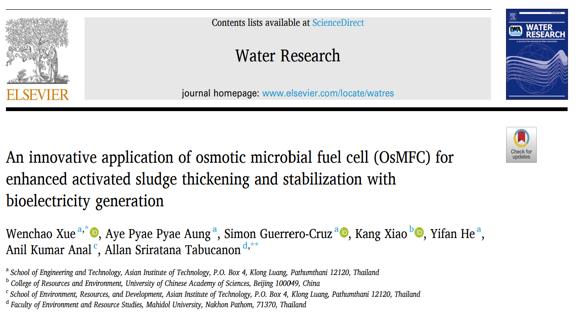
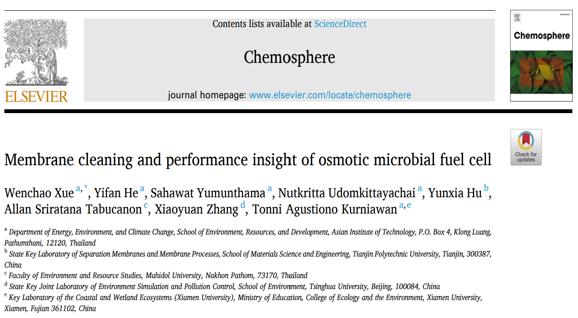
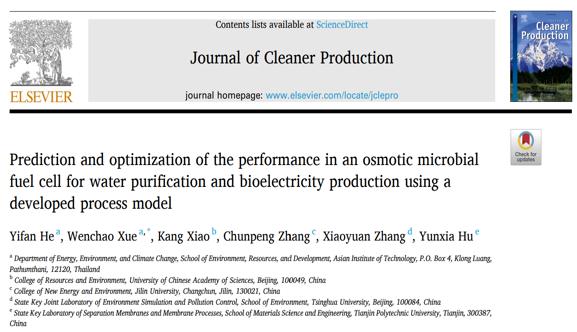
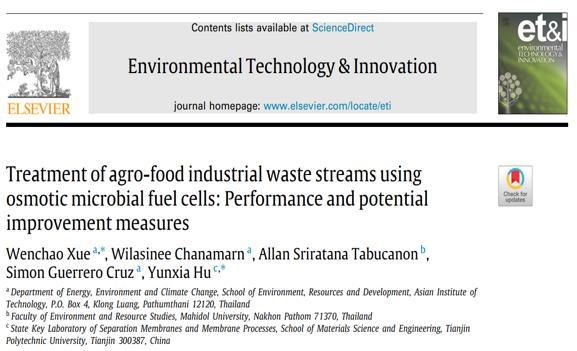
➢ Innovative osmotic microbial fuel cell technology for bioelectricity generation fromorganicwaste&wastewater
➢ Development of electricity assisted membrane bioreactor technology for efficientmunicipalwastewatertreatment
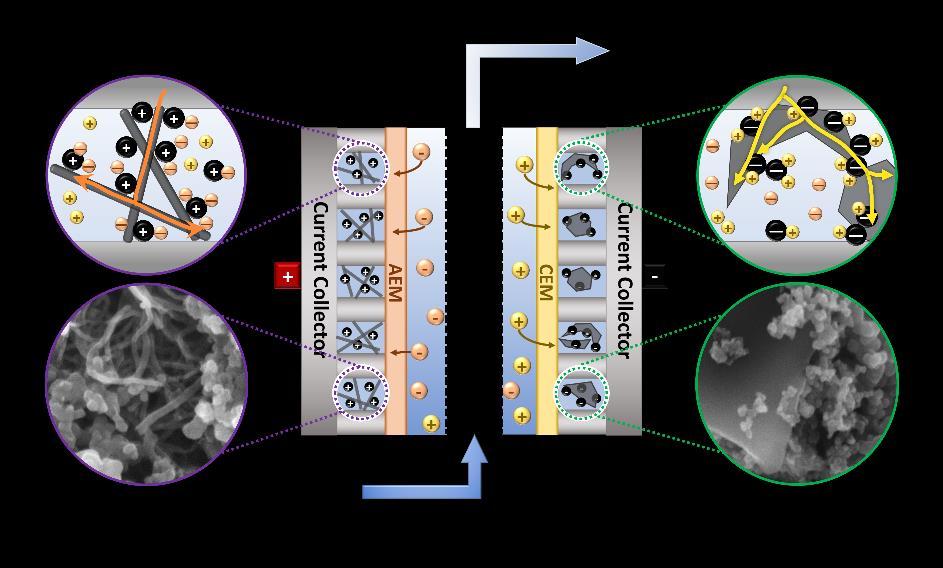
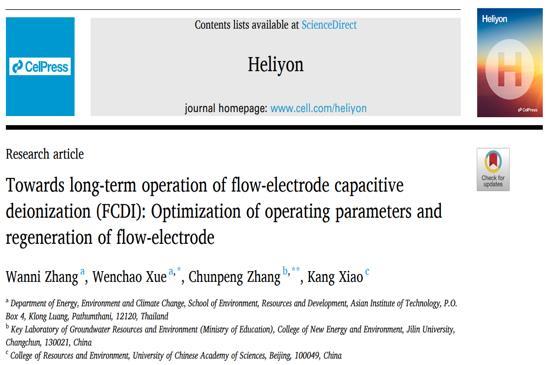
➢ Innovative capacitive deionization process forwaterdesalinationandpurification
SDG of focus:
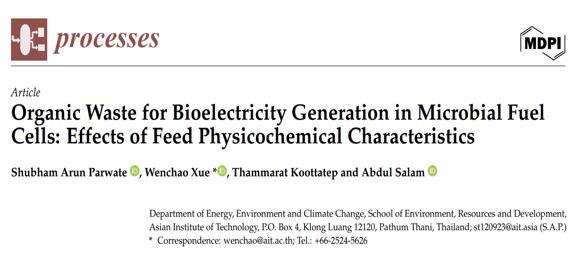
Research description
This research aims at advanced technology development and innovation for water and wastewater purification, desalination, energy & resources recovery
➢ Innovative osmotic microbial fuel cell technology for bioelectricity generation from organic waste & wastewater
➢ Development of membrane bioreactor technology for efficient municipal wastewatertreatment
➢ Innovative capacitive deionization process forwater desalination and purification
SDG of focus:
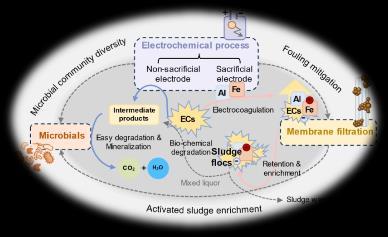
Research description
This research aims at advanced technology development and innovation for water and wastewater purification, desalination, energy & resourcesrecovery
➢ Developmentofelectricity assisted membrane bioreactor technology for efficient municipal wastewatertreatment
➢ Innovative osmotic microbial fuel cell technology for bioelectricity generation from organicwaste&wastewater
➢ Innovative capacitive deionization process for waterdesalinationandpurification
SDG of focus:

Advancing scientific understanding and developing effective solutions to address emerging contaminants, particularly microplastics, in aquatic environments.
Developing advanced membrane and electrochemical technologies for efficient water and wastewater treatmentandresourcerecovery.
Promoting integrated and interdisciplinary approaches to water environment research and water pollution control forsustainablewatermanagement.

Strengthening the science–policy interface to support evidencebased management and policy development addressing microplastic pollution in aquatic environments
Developing and prototyping innovative water and wastewater treatment technologies to enhance the removal of emerging contaminantsand improve treatment sustainability
Applying artificial intelligence and machine learning to advance environmental monitoring, predictive modeling, and decisionsupportsystems for water and environmental management
Utilizing Big Earth Data to support the assessment, monitoring, and reporting of progress toward the Sustainable Development Goals, particularly in areas related to water quality and environmental sustainability