




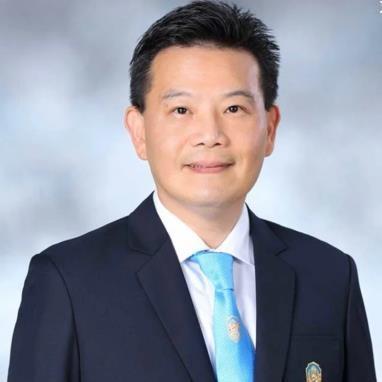
Professor of Sustainable Energy Transition, Faculty of Climate Change and Sustainability, AIT
➢ Listed in Stanford University top 2% of scientists globally (2020, 2023)
➢ Chair, Sustainable Energy Transition Academic Program
➢ Executive Director, Bangchak Initiative & Innovation Center @AIT(BIIC@AIT) (2017-Present)
➢ Editor-in-Chief, GMSARN International Journal (SCOPUS-indexed) (2007-Present)
➢ Board Director: Metropolitan Electricity Authority (MEA), Thailand (2024-Present)
➢ Former Dean, SERD, AIT (2009-2013) & Acting President, AIT(2013)

➢ Ph.D. & M.S. in Electrical Engineering, Texas A&M University, USA(1994)
➢ B.Eng. in Electrical Engineering, Chulalongkorn University, Thailand (1988)
➢ CFA Charter holder (CFA Institute, USA) | Certified Energy Risk Professional (ERP)
➢ Research identity
➢ Intelligent systems and optimization for modern power systems
➢ Smart grids, distributed generation, microgrids, and energy transition policy
➢ Emerging wave/ocean-energy integration for resilient island power systems

A systems approach: forecasting → control → optimization → policy and deployment
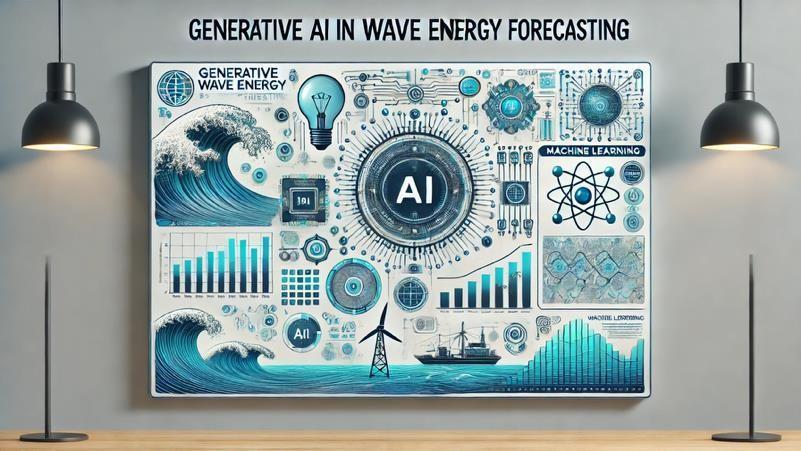
AI and optimization intelligent systems, forecasting, powersystem operation and control
Smart grids and microgrids distributed generation, energy management systems, storage, grid resilience
Blue energy integration wave and tidal energy as local renewable resources for island communities
Energy market and risk deregulation, restructuring, financial and operational risk management
Policy and capacity building training,stakeholder engagement, institutional translation
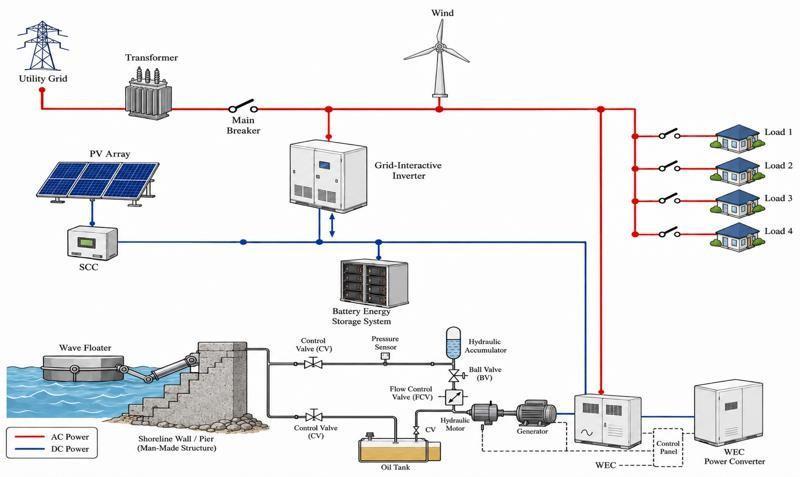
Six connected examples for a general audience
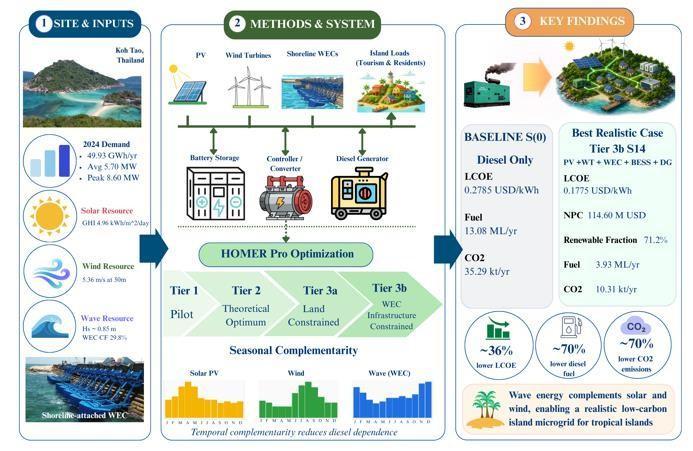
Common theme: practical clean-energy systems that reduce diesel dependence while improving reliability and inclusion.
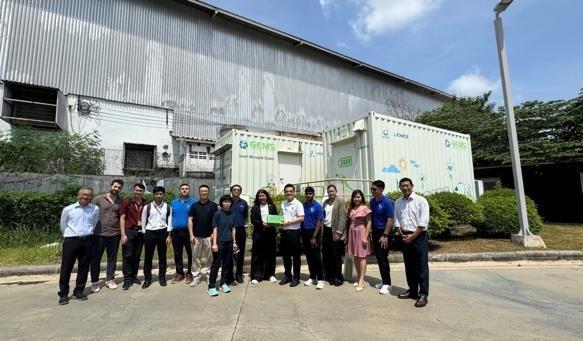
1 IsWEPT: islandedwavepowered microgrid pilot for Thailand
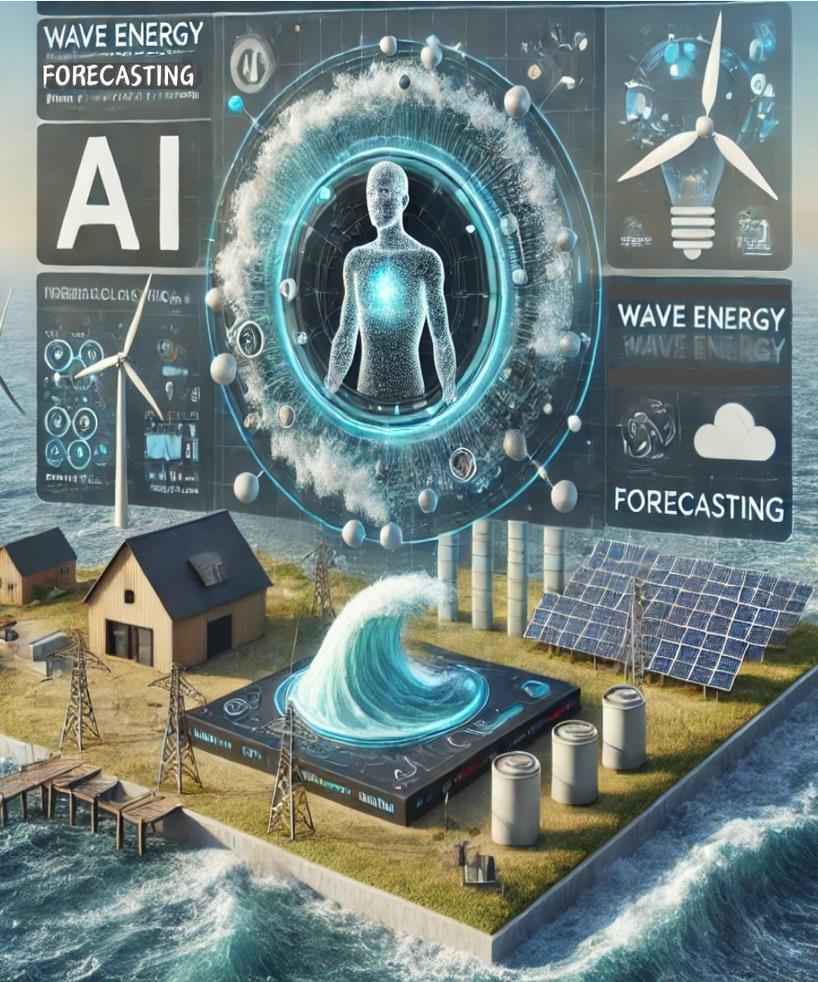
4 AI and machine-learning forecasting for wave and renewable generation
2 KohTao techno-economic planning with PV-wind-WECbattery-diesel systems
5 Blue Energy for Southeast Asia: regional knowledge and industry engagement
3 WEC site/resource assessment and shorelineinfrastructure screening
6 Capacity building, utility collaboration, and policy translation
Islanded Wave-Powered Microgrid Pilot for Remote Islands in Thailand
Project description
A UKRI-supported collaboration on ocean energy, microgrid control, and inclusive energy access for remote islands.
Aim and objectives
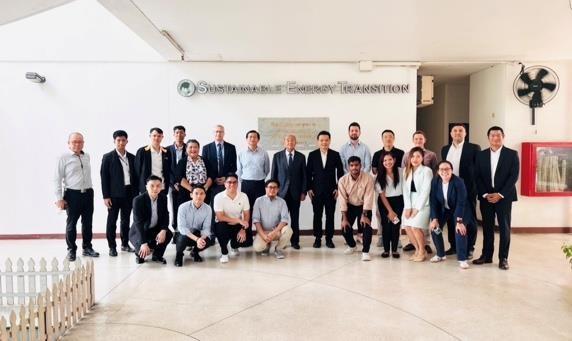
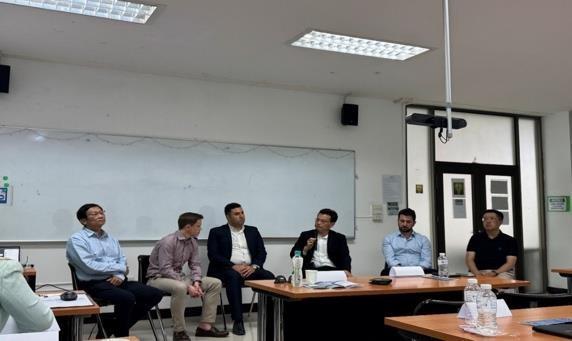
Share WEC, radar, PTO, EMS, and integration progress; exchange lessons with utilities, regulators, industry, and universities.
A scalable model for affordable, resilient, and socially inclusive cleanenergy access in coastal communities.
Participants included EGAT, PEA, MEA, ERC, DEDE, UNESCAP, private-sector innovators, and international partners.




101+ international refereed journal articles 173+ conference papers and proceedings 16+ doctoral dissertations completed 130+ master’s theses supervised
Citations & Impact
➢ Google Scholar: 6,752+ citations, h-index 42
12 books on AI in Power System Optimization
2 book chapters
➢ SCOPUS: 4,331+ citations,h-index33
Awards & Recognition
❑ The Most Noble Order of the Crown of Thailand
❑ TheMost Exalted Order of theWhite Elephant
❑ Outstanding EngineerAward (IEEE PES Thailand)
❑ Keynote Speaker, IEEE PES GTDAsia 2025
Energy-sector impact
➢ Board/advisoryroles with PEA, MEA, NFC, Sri TrangGloves, and energycommittees
➢ 50+invited lectures/training sessions supportingsmart grids, energypolicy, and risk management

Research direction: turn island clean-energy demonstrations into replicable, bankable, and socially inclusive systems forSoutheastAsia
Blue-energy microgrids Wave, PV, wind, storage, and diesel transition pathways for island systems.
AI-native EMS Forecasting-to-dispatch pipelines for wave, PV,wind, load, and battery operation.
Grid-forming resilience
Investment-ready planning
Stable microgridoperation under high renewable fractions and weak-grid conditions.
Techno-economic, social, and regulatory evidence fordeployable coastal projects.
Inclusive regional capacity Training and stakeholder engagement for utilities, regulators, communities, and young researchers.