

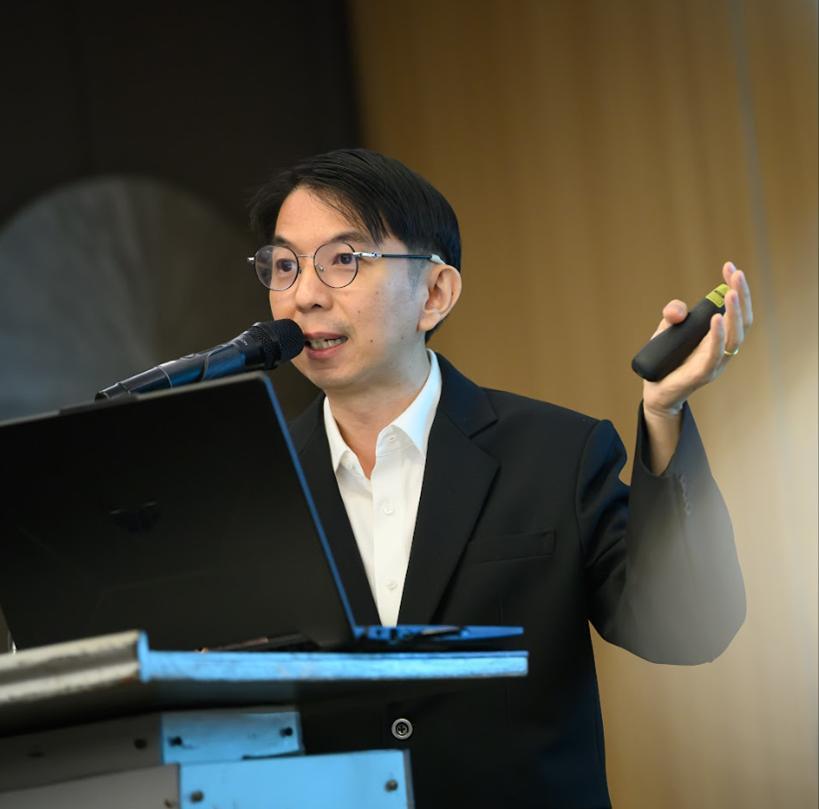
Prof. Mongkol Ekpanyapong
Professor & Director, AI Center
Asian Institute of Technology
► Currentlyleads AIT’s AI Center andFacultyof Advanced Science and Technology. He is also serving as the President of the Intelligent CCTVAssociation.
► Holds Ph.D. & M.S. in Electrical & Computer Engineering, Georgia Institute of Technology, M.Eng. CS from Asian Institute of Technology and.B.Eng.,fromChulalongkornUniversity.
► Previously worked as a Senior Computer ArchitectatIntelCorporation.
► Has received several national and international awards, including the Thailand Research Fund Prominent Research Award and multiple innovation awards in AI and embeddedsystems.
IC Hardware Design & Digital Systems Computer Architecture & HPC
Real-Time &
Embedded Computing
Embedded Systems &IoTDevices Computer Vision &Image Processing Deep Learning &AIApplications

Project Description
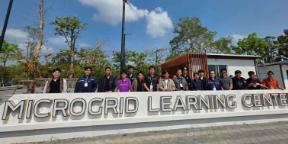
o Optimizes energy distribution using real-time data andpredictiveanalytics.
o Integrates renewable energy and ensures autonomousoperationduringgridfailures.
Aim & Objectives
o Intelligent power control and prioritized electricity distribution.
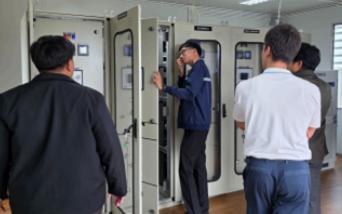
o Seamless integration with PEA systems using IEC 61850 protocols.
o Enhance PEA awareness forfuture power system implementations.
Research Outcomes
o Delivered a scalable, cost-reducing platform to the Provincial ElectricityAuthority(PEA).
o Supports IEC 61850 interoperability and future scalability across PEA's grid network.
o All resultingintellectual propertybelongtoPEA.
SDG of focus:

The Challenge
o Traditional elder care relies on reactive wearablesandbasicfall detection.
o No proactive identification of risks before incidentsoccur.
OurProactiveSolution
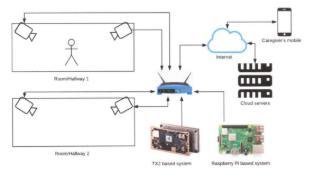
o Integrates Video Analytics, IoT, and Cloud for real-timemonitoring.
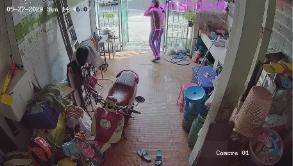
o Predicts accidents via gait analysis and behavioral profiling.
o Alerts caregivers before an incident , on unusual stabilitypatterns.
o Development of a near-commercial IoT prototype.
o Extensive real-world testing to refine the device andgatherdesignfeedback. SDG of focus:

Empowering NRENs: GenAI for Network Monitoring & Cybersecurity
Project Overview
o Four-month initiative applying GenAI in cybersecurity and network monitoring.
o Strengthens digital resilience across NRENs in Thailand, Philippines, Indonesia, and Bhutan.


Research Outcomes
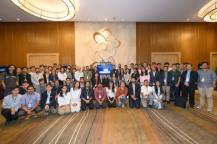
o Systematic dissemination plan to maximize exposureandreuseofresults.
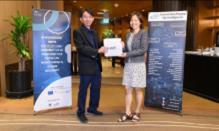
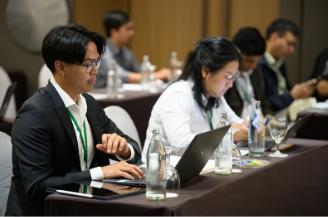
o Trained over 60 individuals form seven different countries.
o All training materials publicly available and actively promoted. Community Impact
o Directly benefits participating institutions and the broader TEIN research and education community.
o Hands-on learning approach builds lasting institutional capacity.
SDG of focus:

The Challenge
o Rising cases of Mild Cognitive Impairment (MCI) progressingtoAlzheimer's.
o Delayed diagnoses due to specialist shortages andmanual MRI assessmentlimitations.
Aim & Objectives
o Develop AI models to automate brain MRI analysis.
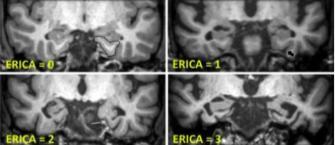
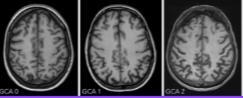
o Utilize clinical criteria (MTA, ERICA, and GCA) to accuratelyassessbrainatrophy.
o Predict future brain degeneration rates based onimagingdata.
Research Outcomes
Patients: Faster, more accurate early diagnosis and personalizedcareplans.
Healthcare: Reduced burden on specialists and loweredhealthcarecosts.
SDG of focus:

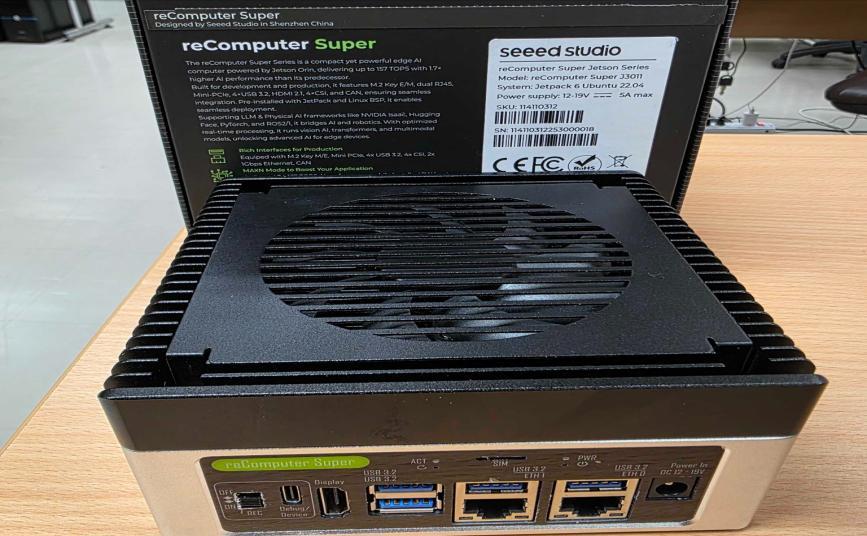
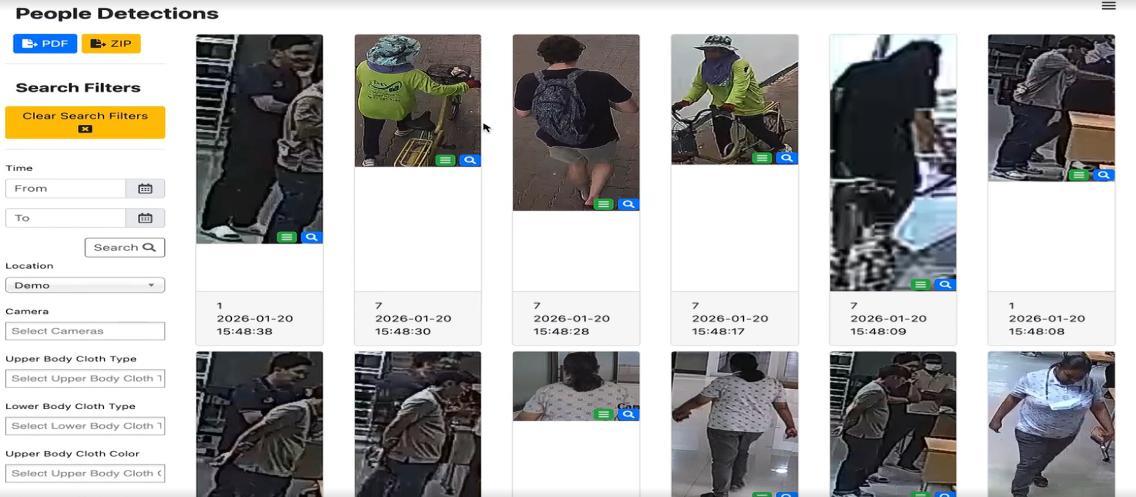
Optimized AI/IoT detection software for seamless operation across Edge devices and Cloud infrastructure.
o Comprehensive Monitoring: Detects humans, vehicles,andobjectsinreal time.
o Event & Anomaly Detection: Traffic incidents, intrusions,andfireincidents.
o Web-Based Visualization: Live dashboard for filtering,analysis,andincidentresponse.
o Aligns with government smart city policies.
o Provides actionable data for urban planning, security management, and emergency response.

SDG of focus:


The Clinical Challenge
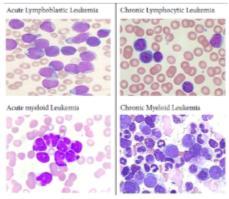
Resource-limited facilities lack specialists for rapid, accurateleukemiadiagnosisfrombloodsmears.

Our AI Solution
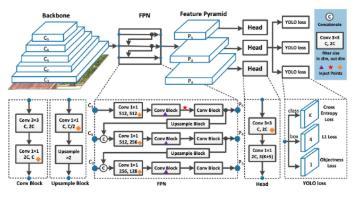
o Automated deep learning pipeline accessible via web/mobile for near real-time preliminary diagnosis.
o User-friendly GUI with a continuous training pipelineformodel improvement.
Key Research Outcomes
o Detects and classifies 4 leukemia types (ALL, CLL, AML, and CML.)
o Achieved 80% Accuracy (F1-score).
o Empowers non-specialist staff for faster preliminarydiagnosesandearliertreatment. SDG of focus:


Project Overview
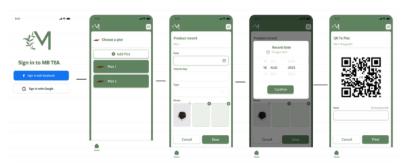
Comprehensive mobile platform to enhance productivity, quality, traceability and sustainability for tea farmers in Chiang Mai.

Key Features
o Real-Time Traceability: Farmdata collectionto build consumer trust.
o Direct-to-Consumer Marketplace: Secure platformforsustainableteasales.
o AI Biodiversity Monitoring: IoT + ML for bird and insectclassification.
Outcomes
o App deployed on the GooglePlayStore.
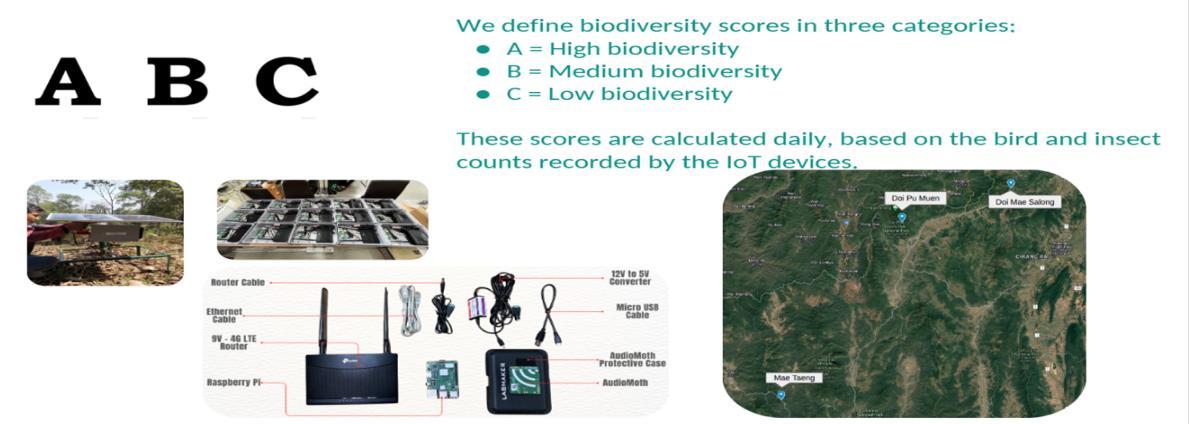
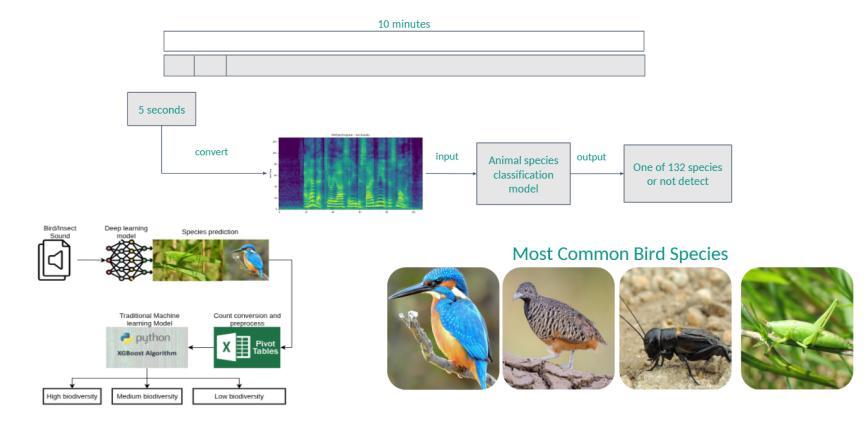
o Empowers farmers with actionable insights whileactivelyprotectinglocal ecosystems. SDG of focus:


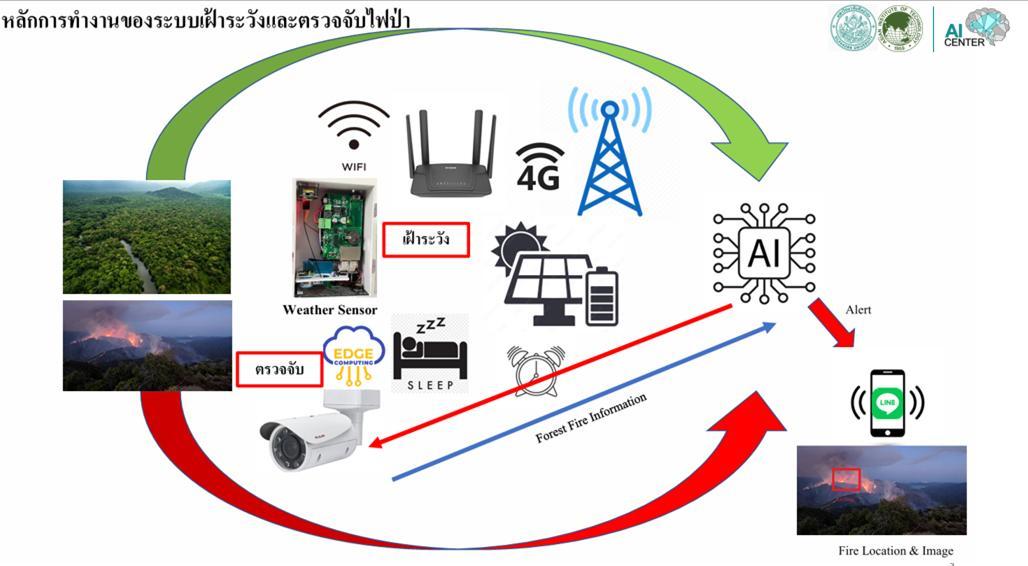
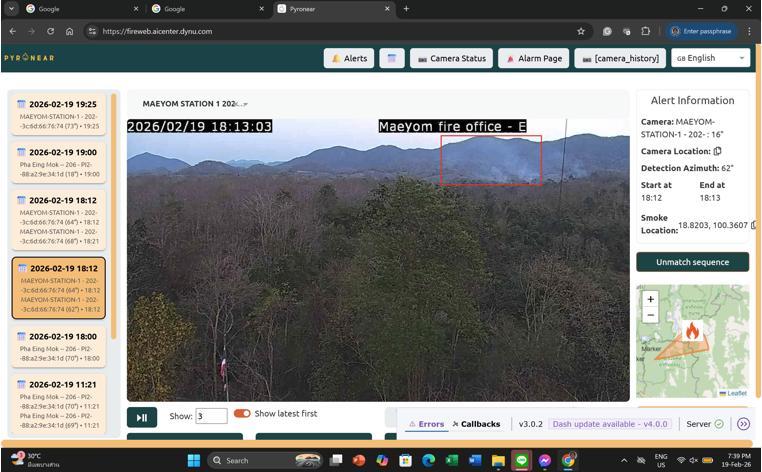
The System Architecture (Collab. with Silpakorn University)
o The "Eyes": High-resolution AI-operated cameras for visual detection.
o The "Nose": Smart sensor nodes (NRCT-funded) todetectsmoke.
o The "Brain": IntegratedAIforreal-timemonitoring andalertrouting.
Aim & Objectives
o Enable real-time forest fire monitoring and automatedalertsystems.
o Drastically reduce response times and firefighting costs.
Key Research Outcomes
o Developed a real-time AI wildfire analysis model.
o Created a swarm drone control and monitoring system.
o Deployed a mission-planning app enhancing personnel safetyandresponseefficiency.
SDG of focus:
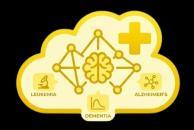
Healthcare AI
Cloud-based AI diagnostics for Leukemia, Dementia,andAlzheimer's.
Smart Systems & IoT
Edge AI for elder care, including proactive fall prediction.
Agricultural Traceability
Mobile tracking and biodiversity monitoring forteafarmers.
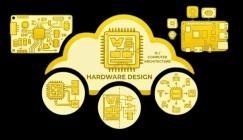
Hardware Design
Bridging IC/Computer Architecture with embeddedapplications.
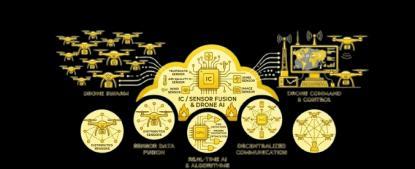
Disaster Management
Sensor fusion and swarm drones for real-time forestfireresponse.
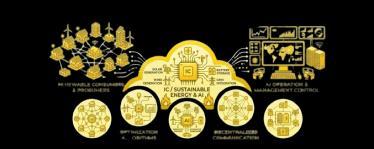
Sustainable Energy
AI-optimised Smart Microgrids for renewable energydistribution.
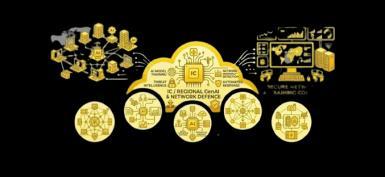
Cyber Security
Regional GenAI training for network defence.
Health and Medical Artificial Intelligence (AI)
- Neurodegenerative Diagnosis: To investigate and develop AI models for early diagnosis of neurodegenerative diseases (Dementia and Alzheimer’s) by utilizing gait pattern captured using specializeddepthandIPcameras.
- Radiological Automation: To investigate the integration of AI with brain radiology to generate automated reports for Magnetic Resonance Imaging (MRI) scans facilitating efficient and effective remotediagnosis.
- Elder Care and Surveillance: To scale AI surveillance and IoT-based devices across various sectors, specially for real-time fall prediction inelderlycare.
- Disaster Resilience: To advance disastermanegermnt solutions by combining machine learning, satellite data, IoT Devices and Unmanned Aerial Vehicles for predictive modeling of floods and agriculturalopenburningpredictions activities.
- Black Smoke Monitoring: To promoteandscaleAItechnologyto record the amount of black smoke emittedfromvehiclesinreal-time.
Smart Infrastructure
- EmissionInventory: Toenhancethe comprehensiveness of regional emission inventories, providing robust datafornecessarypolicyformulation anddatadrivenclimateactions.
- Energy Optimization: To further scale the AI-driven Smart Microgrid platformsthatoptimizetheefficiency and management of renewable energy distribution at both local as wellasregionallevels.