





Takuji W. Tsusaka, Ph.D., is an internationally recognized development economist, conducting research in Tropical Asia and sub-Saharan Africa. He has been serving in various capacities at international organizations such as Asian Institute of Technology (AIT), International Crops Research Institute for the Semi-arid Tropics (ICRISAT), International Rice Research Institute (IRRI), and Mars&Co.
Most recently, Dr. Tsusaka serves as an associate professor and academic program chair of natural resources management at Faculty of Food, Agriculture, and Natural Resources (FFANR) of AIT; the Japanese Faculty Representative (JFR); and the Chair of the AIT Sustainability Positioning Taskforce(SUPOT).
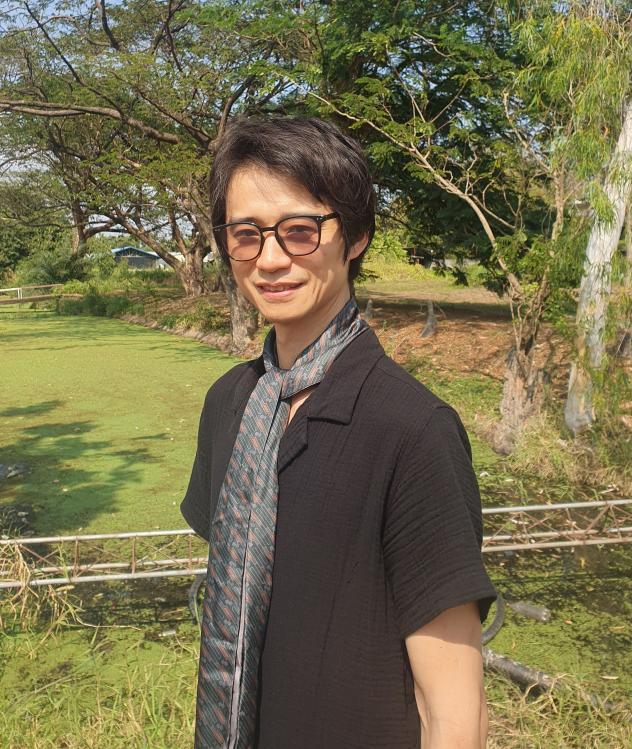
Heholds his Ph.D. inDevelopmentEconomics,MasterofInternational Development Studies, and B.E. in Applied Physics.
He has authored over 110 Scopus-indexed publications and ranks among the Top 1%impact researchers inLoop.Hehasguided14 Ph.D.studentstograduation,and visited84countriestodate.

Dr. Tsusaka specializes in the following fields of research.
Rural and farm economics,
Food and nutrition security,
Technology adoption among smallholders,
Ex-post impact assessment,
Common-pool resource management,
Econometric analysis of spatial spillover,
On-field social capital assessment.
His excellence in research has been reflected in the recognition he has received from international bodies over the years; the Most Cited Paper Award from Resources, Conservation & Recycling Advances (Elsevier); the Best Paper Award at the 10th ASAE (Asian Society of Agricultural Economists) International Conference; Top-15 Nominee for the Inaugural SDGs Award by GRIPS; the Best Research Manager Award at the ICRISAT Annual Science Awards; a Winning Innovation at the USAID & Australian Aid global platform LAUNCH Food; and the Best Display Award at the McKnight Foundation's 10th Community of Practice Conference for Southern Africa.

Youth Engagementin ForestRestorationfor Climateand Biodiversity Goalsin Luang Prabang,Vientiane,and Champasak,Lao PDR




Project description:
The project aims to:
1) Assess current levels of youth knowledge, awareness, and participation in forest restoration for climate change mitigation and biodiversity conservation in Lao PDR; 2) Identify socio-demographic, economic, educational, and cultural factors shaping youth engagement; and
3) Examine policy frameworks to detect gaps and propose actionable recommendations for enhancing youth-led contributions to national environmental targets.
SDGs of focus:




Promotion of Upstream Actions against Marine Plastic Litter in Sri Lanka, Pakistan, Vietnam, Cambodia, and Thailand (CounterMeasure II Extension)









Project description: The project aims to:
1) Strengthen regional capacities on the development and implementationof tools andprotocols relevant to plastic pollution monitoring;
2) strengthen identification of regional funding opportunities and capacities on development of bankable project proposals; and
3) Promote regional knowledge sharing among project countries.




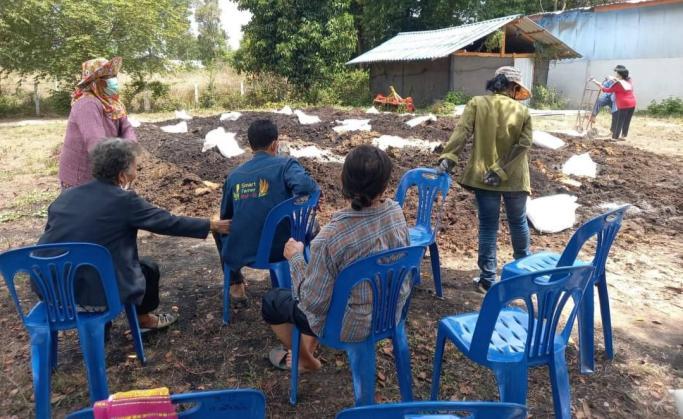
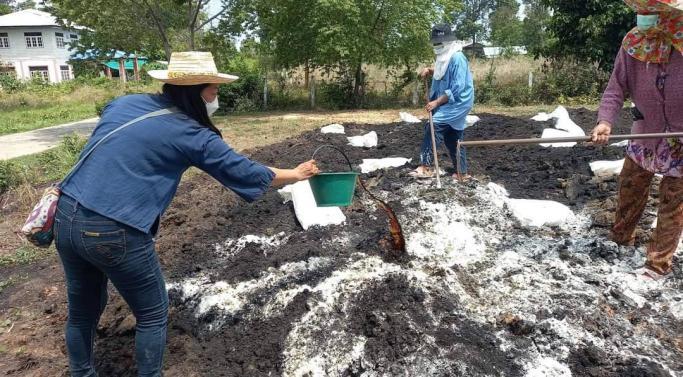
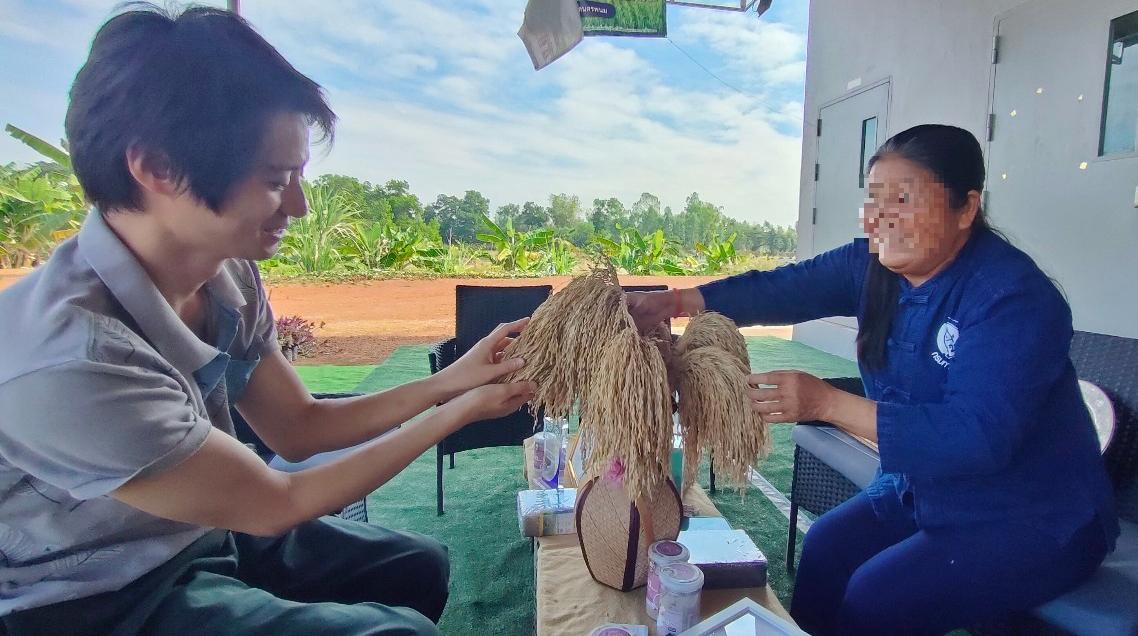
The livelihood impact assessment of organic paddy production in northeast Thailand through surveys with leaders, members, and non-members of farmer groups

Project description:
The project aims to:
1) assess the extent to which the export-standard organic farming, Thai-standard organic farming, and GAP (good agricultural practices) farming of jasmine rice make significant differences in farmers’ livelihoods, with particular attention to the cost of various inputs including the opportunity cost;
2) examine the spillover from jasmine rice to sticky rice; and
3) investigate the roles of government subsidy and contractual agreements with exporters and processors.


SDGs of focus:
Climate Change Adaptation in Agriculture for Enhanced Recovery and Sustainability in Northern Highlands of Thailand: Improving Agricultural Product Quality, Value Addition, and Market Linkages
Project description:
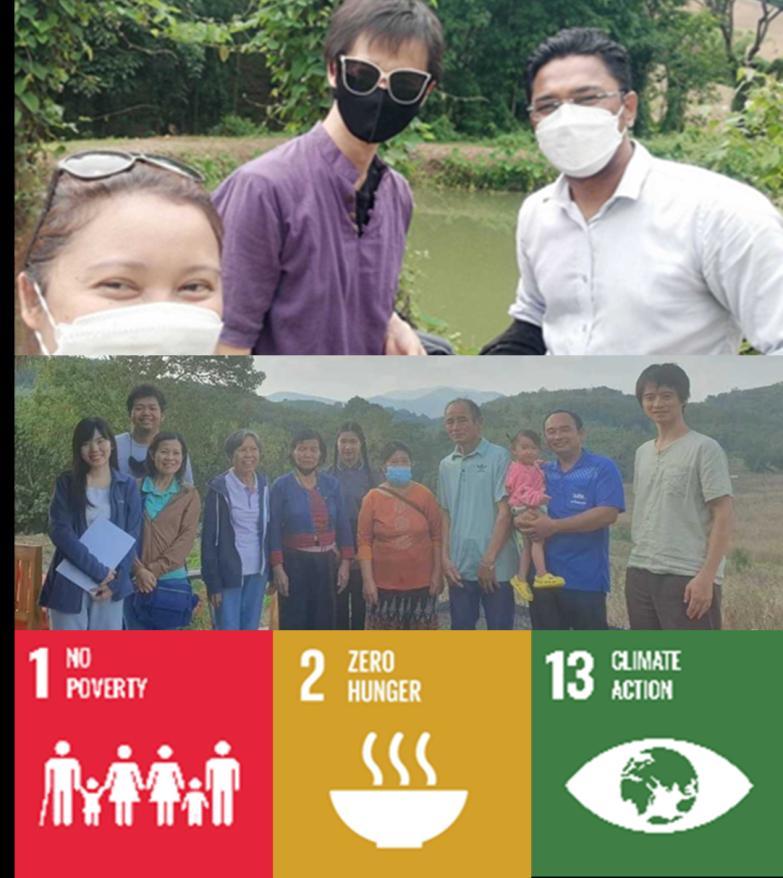
The overall project aims to strengthen the capacity of local governments and communities, especially the highland areas of Nan province, to address adverse climate change impacts and introduce climate-smart agriculture (CSA) practices and technologies. Dr. Tsusaka and his team lead the component on agricultural product quality, value addition and market linkages through agribusiness value chain improvement.

SDGs of focus:
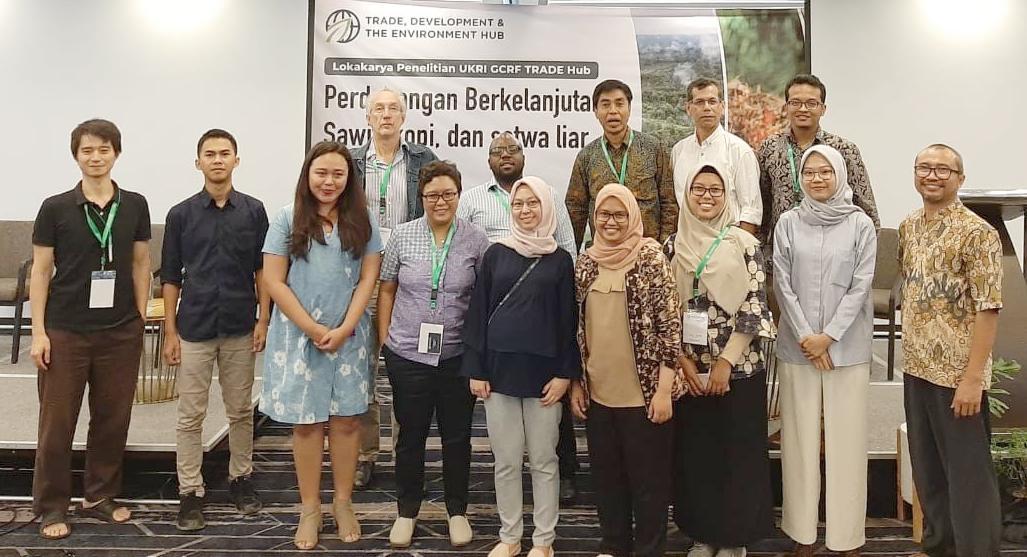
(Brazil, Indonesia, DR Congo, Gabon, R Congo, Cameroon, Tanzania, China)


Project description:
Theprojectaimedtoattainsustainabletrade of agricultural commodities and wildlife goods that contribute to economic growth, poverty reduction, and environmental benefits through research and capacity building activities in eight countries across the globe. In particular, AIT handled the MEL (Monitoring, Evaluation, and Learning) componentoftheproject.
SDGs of focus:

Ocean Commons and Ecotourism in Asia: Mutual Learnings across Vietnam, Thailand, and Japan


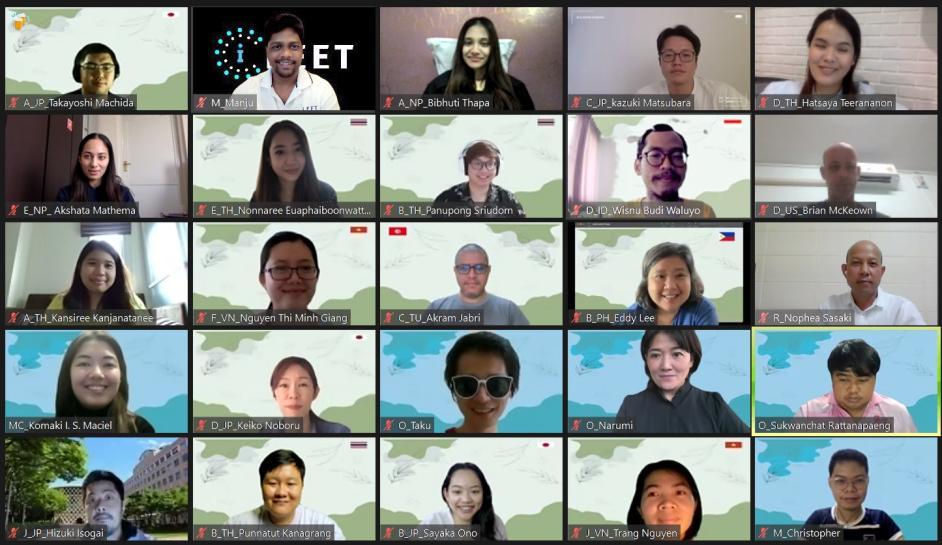





Project description: The project aimed to leverage ecotourism and cross-country civic collaboration to understand, monitor, and address ocean plastic pollution in Japan,Thailand,andVietnam.
SDGs of focus:
Smart Food: Harnessing Affordable Climate-Resilient, Nutrition-Dense Orphan Crops for Healthier and More Sustainable Food Systems (India, Kenya, Mali, Malawi, Myanmar, Niger, Nigeria, and Tanzania)








Project description: The project aims to:
1. Tackle undernutrition by leveraging the use of locally produced, affordable, climate-resilient, nutrient-dense orphan crops such as millets, sorghum, and tropical legumes through a PD/Hearth-based community approach.
2. Conduct field-based impact assessment using anthropometric measurements, panel data, DiD framework, and RCTs.
3. Review and synthesize existing evidence on the nutrition,resilience,and development potential of these crops.
SDGs of focus:


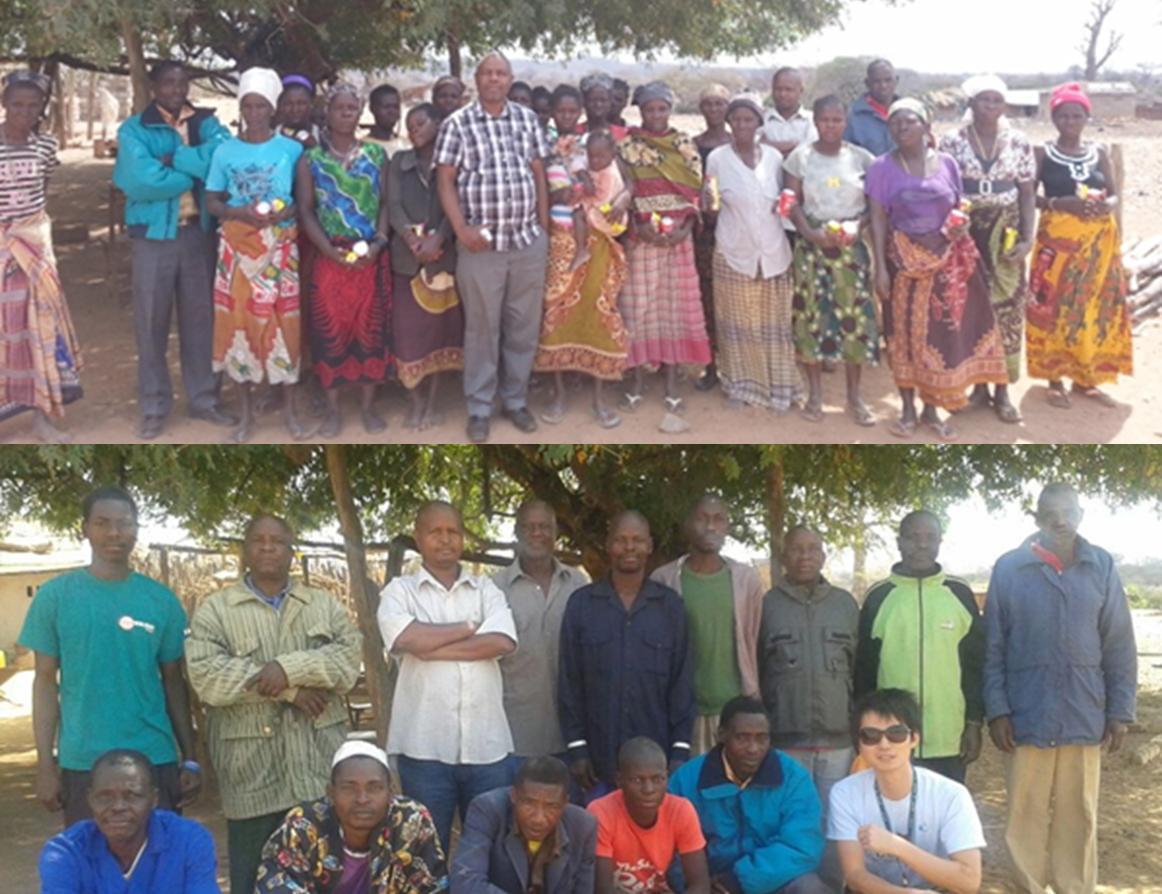
Assessing Scale-appropriate
Technologies


Project description:
The project aimed to:
1. identify the labor-intensity across stages of groundnutpost-harvestoperations,withparticular attentiontothedisproportionateburdenborneby women;
2. co-design and field-test scale-appropriate mechanical equipment (lifter, stripper, sheller) suitable for use by smallholders;
3. quantitatively assess the economic viability of community-based models for acquiring and rentingtheequipment;and
4. evaluate the gendered impacts of technology adoption on labor, time allocation, and control overdecisionmaking.
SDGs of focus:



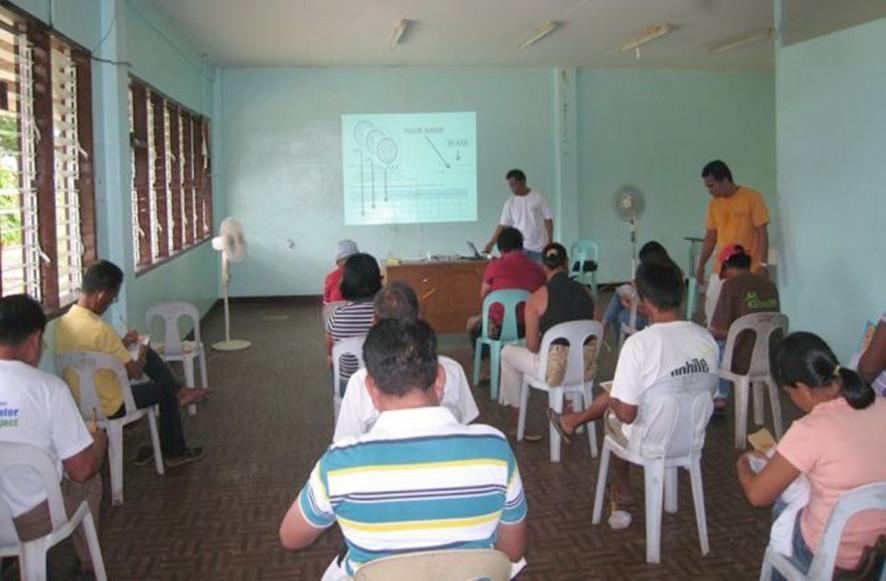
Project description: The project aimed to:
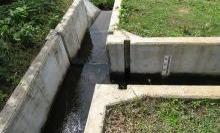
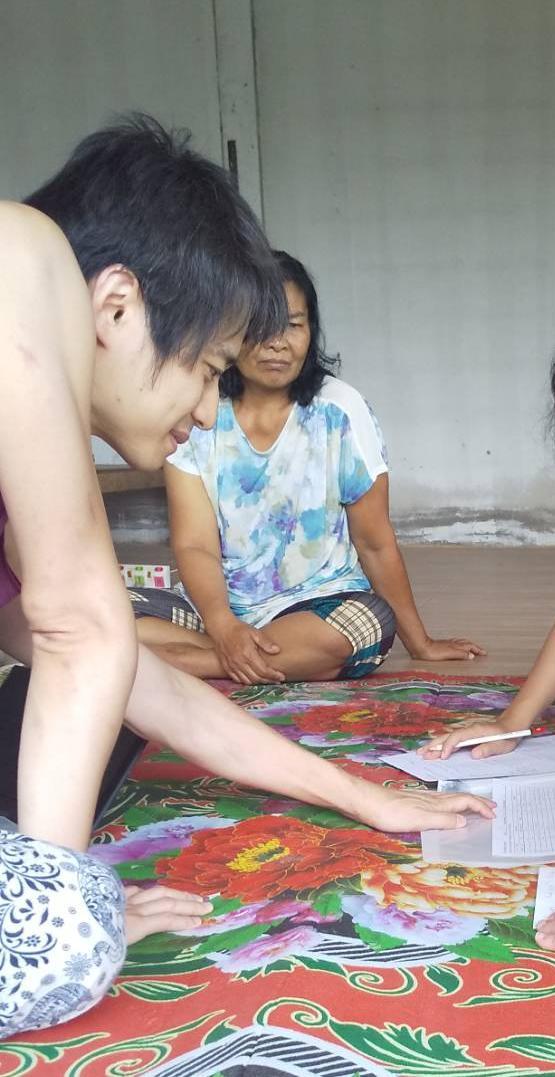
1. compare cooperative and altruistic behaviors between irrigated and rainfed farming communities using artefactual field experiments;
2. examine whether collective water management under a community irrigation scheme fosters stronger social norms and reduces free-riding behavior among farmers; and
3. quantify the spatial spillover of social capital among irrigation scheme beneficiaries, and to assess how physical distance between farmers affects the strength of these community ties.

Project description: The project aimed to:
1. estimate how the sensitivity of five major cereals (wheat, rice, maize, sorghum, and pearl millet) to temperature and rainfall has shifted over time in India and Sub-Saharan Africa;
2. assess whether and how Green Revolution technologies have buffered fine cereals (wheat, rice, maize) and coarse dryland cereals (sorghum and pearl millet) differently against climatic stresses; and
3. contrast the degree of technology-driven climate protection achieved in India vs. Sub-Saharan Africa, and draw lessons for climate adaptation policy.
SDGs of focus:

Quantified and validated peer extension as a development tool: While past literature debated the real-world value of extension programs, his work provided verified evidence that farmer-to-farmer training directly drives technology adoption and boosts crop yields.
Consolidated developmental nutrition research: He and his team took fragmented, scattered studies on millets and built them into the most comprehensive meta-analyses to date, solidifying their health benefits in tackling anemia, diabetes, and obesity in least developed communities.
Expanded behavioral agriculture frameworks: Rather than merely looking at profit margins as in traditional approaches, his research added crucial social context, particularly the roles of local beliefs and community mechanisms in actually driving sustainable farming decisions.
Challenged the assumption in the way cereals in South Asia and Sub-Saharan Africa respond to climatic stresses: Through several publications based on his dissertation, he demonstrated that climate sensitivity of cereals is not a fixed property but it varies by crop type (fine or coarse) and evolves with varietal development, offering implications for how we design climate adaptation policies for food-insecure regions.

To tackle the tragedy of the global commons: Expanding the literature on global externalities to figure out how to internalize costs that cross borders.
To investigate the potential lower high-income trap: Analyzing the unique economic stagnation and structural hurdles now facing once-developed economies that have lost their economic momentum.
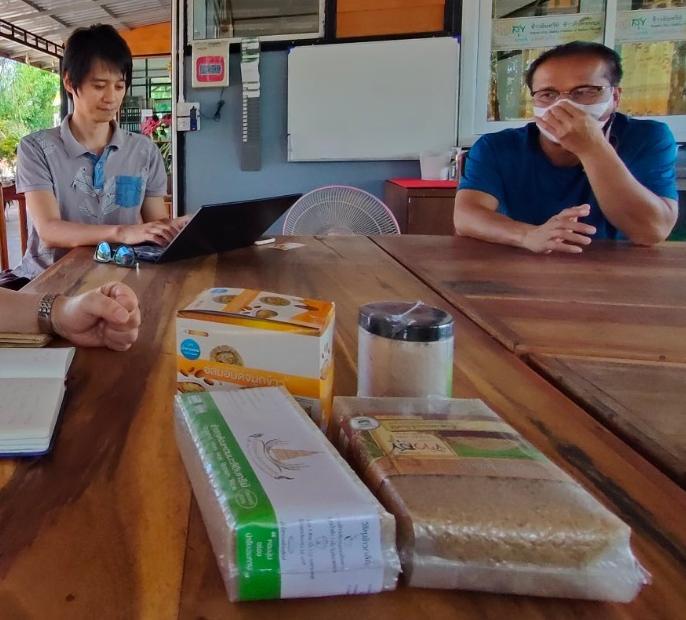
To confront the reality of organic farming in developing nations: Moving past idealized models to study the real-world trade-offs of low-input smallholder agriculture, specifically addressing the hidden costs, low yields, and practical challenges thathurtwidespreadadoption.
To characterize the economics of an aging agricultural workforce: Evaluating whether high-tech, remote farming solutions can empower urban youth to manage rural agriculture from afar to bridge this gap at different levels of economy in the Global South.