


❏ Dr. Thi Phuoc Lai Nguyen is an Associate Professor in the Faculty of Public Policy and Sustainable Development at the Asian Institute of Technology, where she also serves as Dean.
❏ She serves on the editorial boards of Scientific Reports (Nature Portfolio), Research in Globalization (Elsevier), and Gender, Technology and Development (Taylor & Francis).
❏ She is also the Lead Editor of the Topical Collection “Socioecological Systems and Climate Resilience” in Discover Environment (Springer).
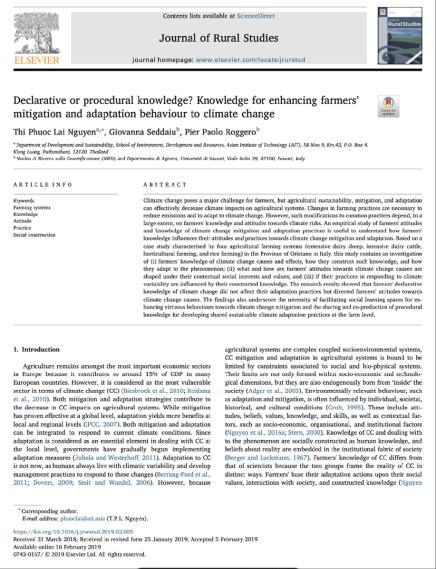
❏ She has authored over 70 peer-reviewed publications, book chapters and policy briefs, including many as first and corresponding author, in leading journals such as Agricultural Systems, Journal of Rural Studies, Applied Geography, Environmental Science & Policy, etc.
❏ Qualifications
❏ PhD in Governance and Complex Systems, University of Sassari, Italy (2014)
❏ MA in Development, Innovation and Change, University of Bologna, Italy (2008)


Dr. Nguyen specializes in rural and environmental sociology, with particular expertise in social epistemologies and societal responses to environmental change, and in examining how institutions, governance structures, and knowledge systems shape the sustainability and resilience of socio-ecological systems. Her research focuses on the following areas:
❑ Rural socio-ecological systems, climate resilience, and community sustainability
❑ Socio-ecological systems governance, transformation, and sustainability
❑ Environmental sociology, social epistemologies, and environmental inequalities
❑ Sustainability education and institutional innovation for sustainable development



Project: Harnessing Resilience of Agricultural Heritage Systems to Climate Change in the Southeast Asian highlands
This project aims to strengthen the multifunctionality and climate resilienceofAHSasenduringancientagroecological systems.
SpecificObjectives
► To identify and characterize AHS in the SEA highlands, including their tangible and intangible values, socio-economic conditions, and climatechange challenges.
► To assess socio-ecological change and farmers’ livelihood resilience to climate variability and natural disaster risks across the four case areas.
► To develop a community-driven knowledge base integrating traditional and indigenous knowledgeto strengthen AHS resilience. Expected Outputs
► Inventory reports of tangible and intangible values ofAHS
► Social-ecological changeand livelihood resilienceindicators
► Community-driven knowledgebase ontraditional practices
► Policyrecommendationsandregional AHSnetworks


Project Description
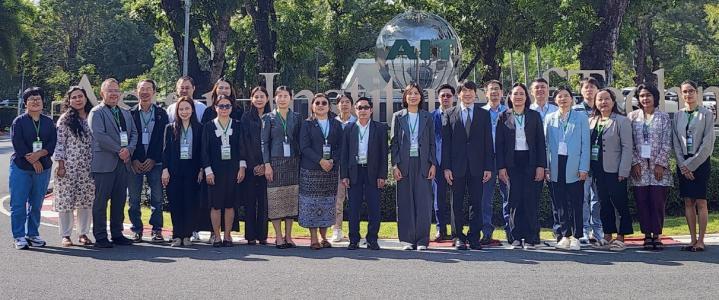
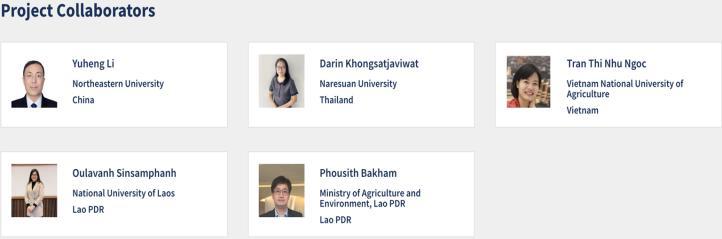
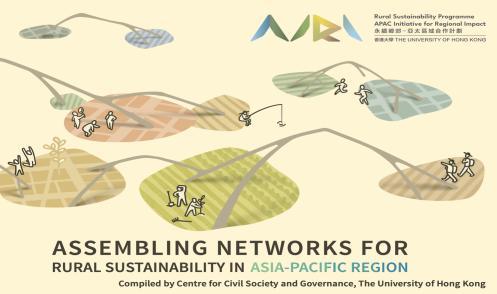
► The project funded by Hong Kong Bank foundation. Its project is to strengthen rural sustainability by fostering regional collaboration and building local partnership networks, with consortium members serving as intermediaries to implement fellowship and empowerment programmes, support knowledge exchange, and promote action through engagement with keystakeholders.
SpecificObjectives
► Strengthen rural–urban linkages to enhance resilienceandinclusivegrowth
► Promote nature-based solutions for sustainable rural development
► Create a strong regional network to advance rural sustainability
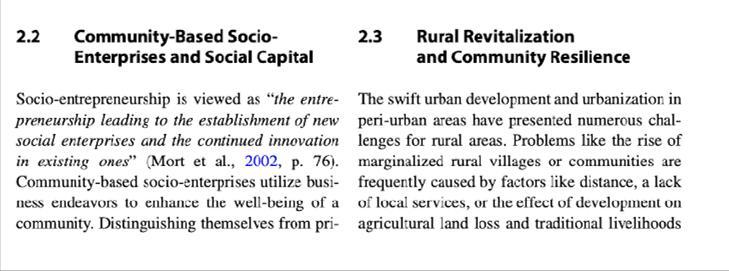
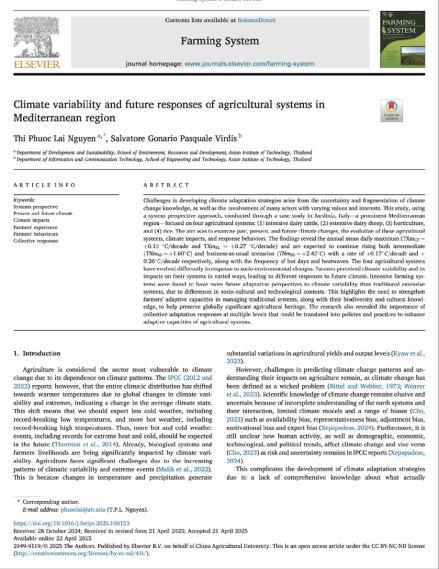
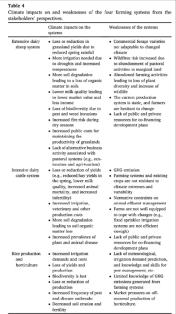
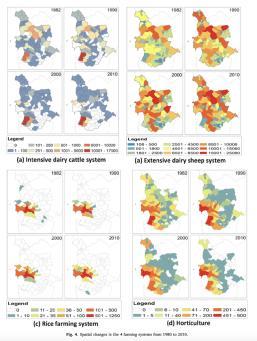
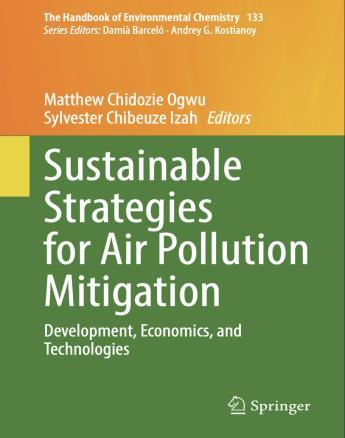
Project: Scenarios of climate change adaptation of agricultural systems in the Mediterranean Region
Project Description
► The project was funded by the Italian Ministry of Agriculture and Forestry. Its objective was to examine how climate change and socio-environmental transformations affect agricultural systems and to identify adaptive strategies to strengthen resilienceandsustainability.
SpecificObjectives
► Assess climate change and socio-environmental impacts on agricultural systems,livelihoods,and sustainability.
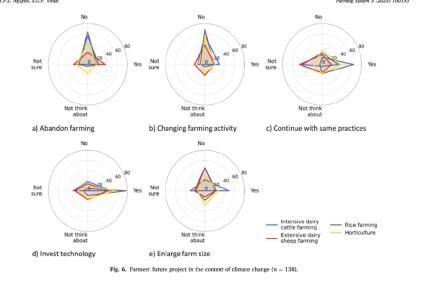
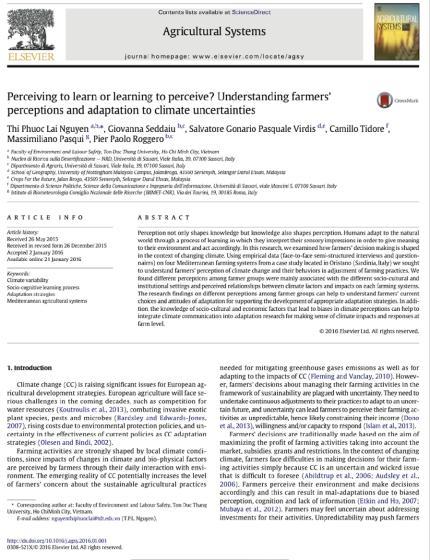
► Examine farmers’ perceptions and adaptive responses to climatevariabilityand environmental change.
► Evaluate the resilience and adaptive capacity of agricultural socio-ecological systems.
► Identify pathways and policy options to strengthen adaptive capacity and promote sustainable rural resilience.
Projects:
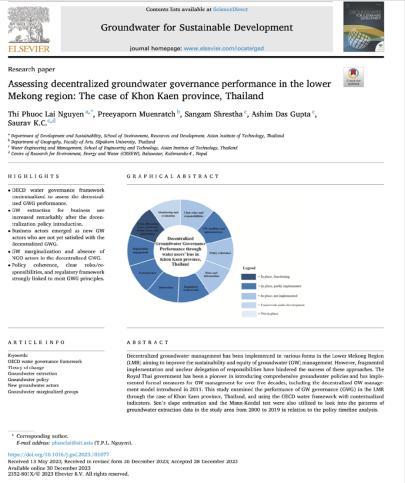
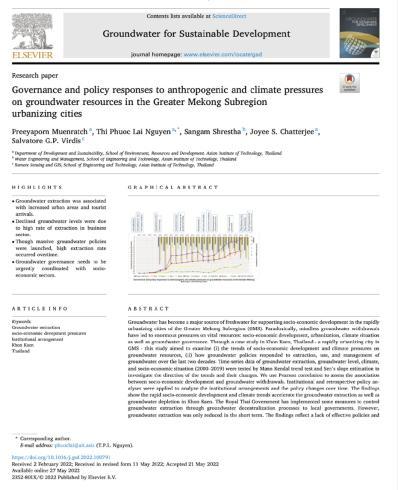
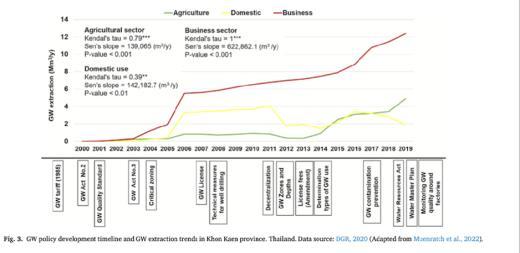
1. Strengthening Groundwater Governance in Rapidly Urbanizing Areas of the Lower Mekong Region, funded bySUMERNET4All
2. Sustainable coastal groundwater management and pollution reduction through innovative governance in a changing climate,funded byEU-PRIMA.
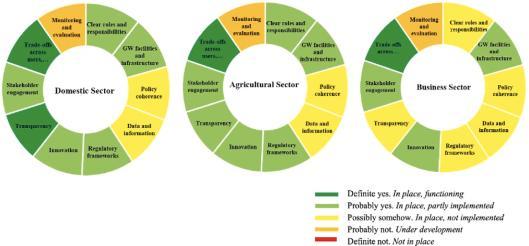
The projects’ aim to evaluate groundwater governance in the Mekong region and identify pathways to strengthen policy, institutional coordination, and equitable, sustainable management.
SpecificObjectives
► Assess existing groundwater policies, legal frameworks, and institutional arrangements
► Examine governance effectiveness, including coordination, implementation, and enforcement across sectors and administrative levels.
► Evaluate equity and inclusiveness in groundwater governance, particularly for vulnerable and marginalized groups.
► Develop policy and institutional recommendations to strengthen sustainable and equitable groundwater governance.
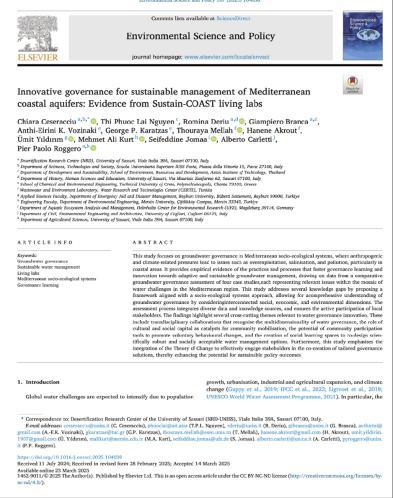
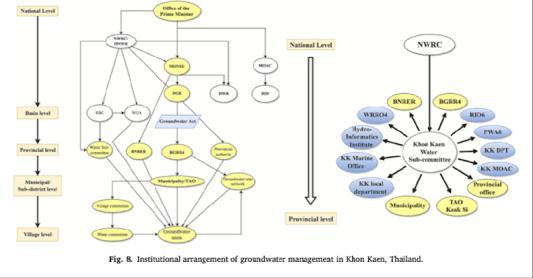
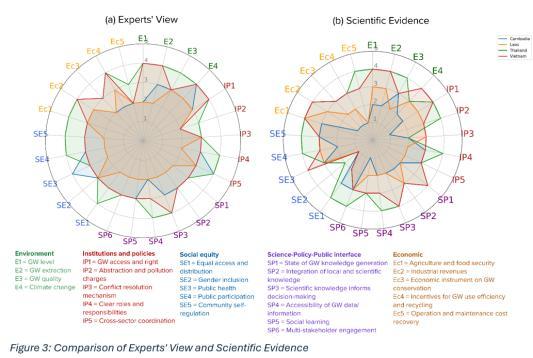
The project examined how water governance, social knowledge, and power relations shape environmental inequalities and influence access, use, and sustainability of water resources in agricultural socio-ecological systems.
SpecificObjectives
► Assess water governance structures and institutional arrangements and their influence on water access and management.
► Examine the role of social knowledge, perceptions, and epistemologies in shaping water use, decisionmaking, and adaptation practices.
► Analyze environmental inequalities in water access, distribution, and impacts among different social groups.
► Identify pathways to strengthen inclusive, equitable, and sustainablewater governance.
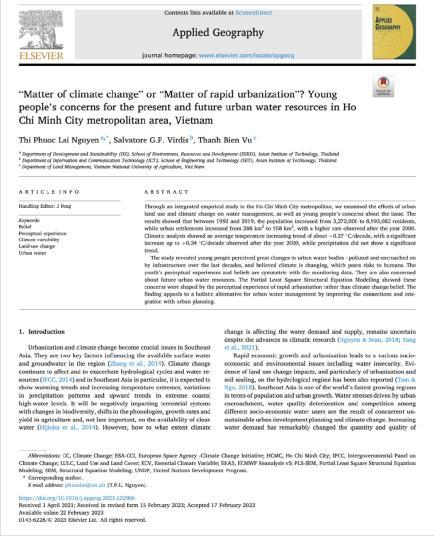



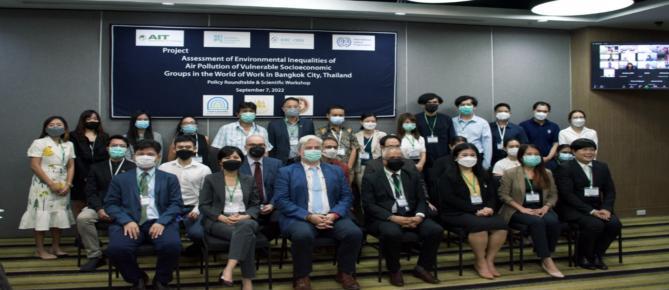
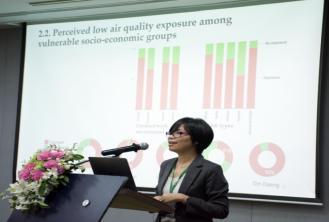
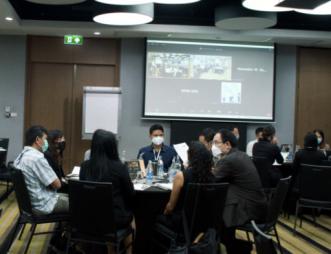
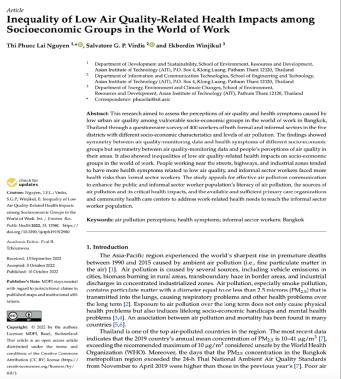
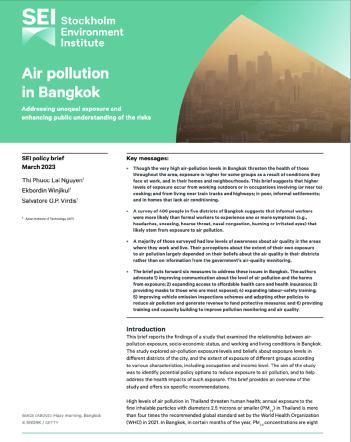
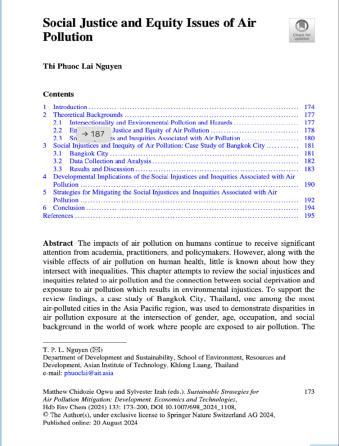
Project: Environmental Inequalities of Air Pollution among Vulnerable Socioeconomic Groups in Bangkok, Thailand
The project assess environmental inequalities in air pollution exposure by developing an Environmental Justice Index of Air Quality and identifying vulnerable socioeconomic groups disproportionately affected in the Bangkok Metropolitan Area.
SpecificObjectives
► To map air pollution hotspots and examine their impacts on health and well-being of different socioeconomic groups.
► To develop an Environmental Justice Index of Air Quality integrating air quality and socioeconomic indicators.
► To identify environmental injustice hotspots and assess disparities among vulnerable and informal groups.
► To propose strategies to reduce air pollution burdens and strengthen social and health protection for vulnerable populations.



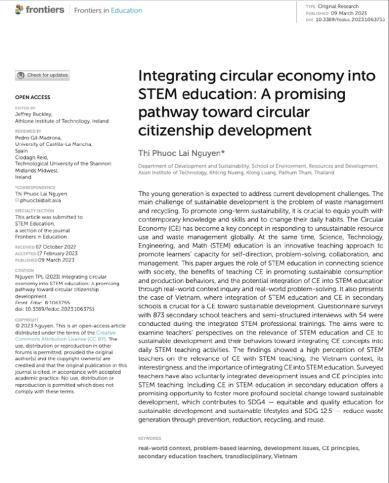
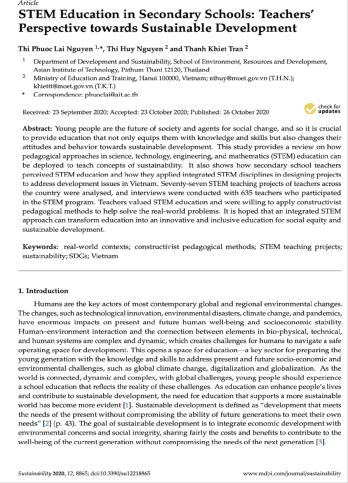
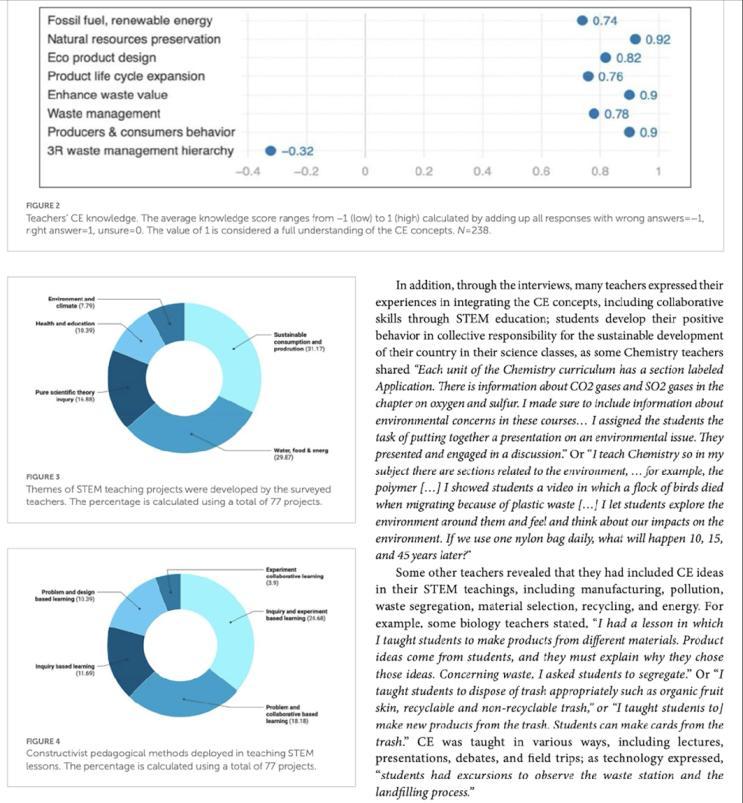
The project funded by Asian Development Bank and Vietnam Ministry of Education. Its aims were to advance sustainable development by integrating circular economy and sustainability principles into STEM education, strengthening learners’ competencies, innovation, and behaviors to address environmental and societal challenges.
SpecificObjectives:
► Integrate circular economy and sustainability concepts into STEM curriculaand learningactivities.
► Strengthen learners’ competencies in critical thinking, problemsolving,and sustainability.
► Promote real-world, interdisciplinary, and problem-based learningapproaches.
► Build educators’ capacity to deliver sustainability-oriented STEM education.
► Foster sustainable behaviors and innovation contributing to circularand sustainablesocieties.


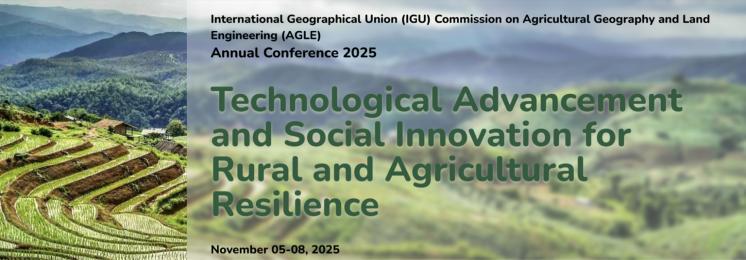
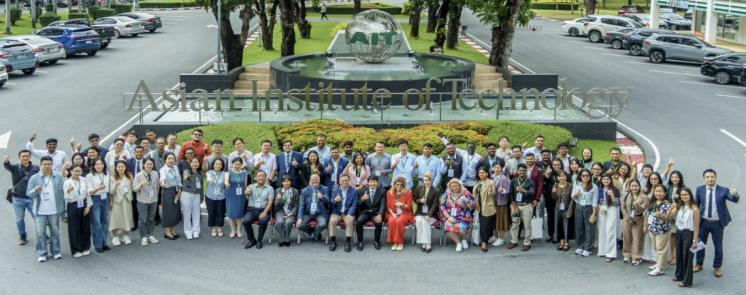
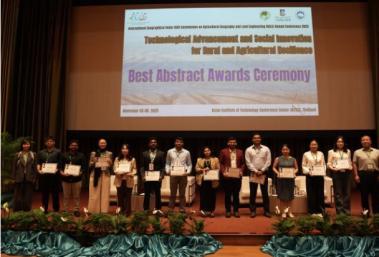
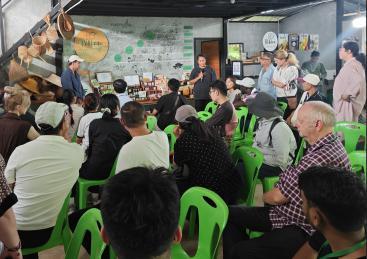
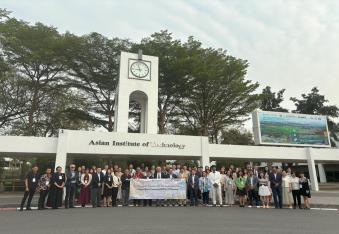
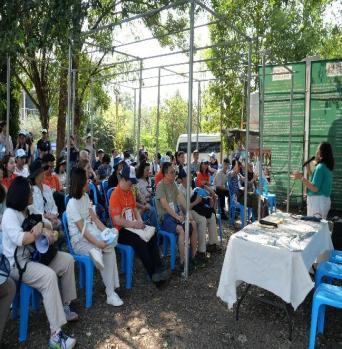
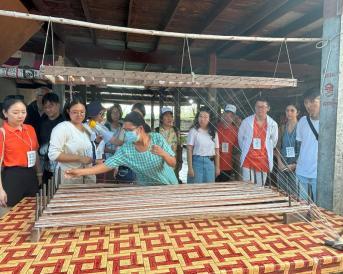
The 2025 AGLE Conference on Rural Innovation and Technological Advance for Sustainable and Resilient Development held on 5–8 November 2025 in Bangkok, Thailand. The event includes presentations, poster sessions, and field trips, providing a platform for researchers and practitioners to exchange knowledge, foster collaboration, and advance innovation for rural sustainability and the SDGs. Conference themes
1. Innovative Food Systems and Smart Agriculture
2. Land use and land management for Sustainable Development (i.e., land engineering, )
3. Sustainable Rural Environment and Natural Resources
4. Rural community resilience to the complex environmental changes
5. Rural and agricultural heritage, socio-cultural conservation in the changing world
6. Education, Technological and Social Innovation, Infrastructure for Rural Transformation
7. Governance and Policy for Rural Inclusion and Sustainability
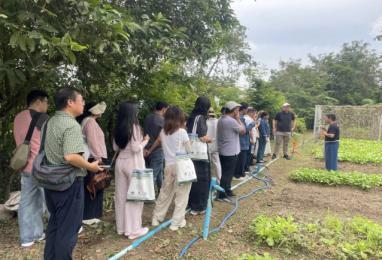
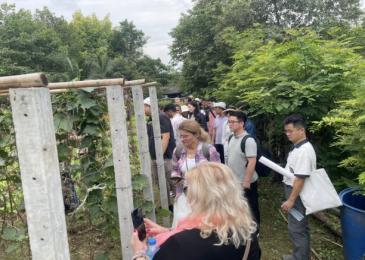
This symposium addresses persistent rural poverty and food insecurity in the Asia-Pacific amid climate change, environmental degradation, and growing inequalities. It brings together researchers and practitioners to discuss governance, innovation, and policy solutions to strengthen rural socioecological resilience, improve livelihoods, and promote sustainableand inclusiverural development.
Symposium themes
1. Food systemsand Agriculturalsustainability
2. RuralEconomicDevelopment
3. Ruralenvironment and natural resource conservation
4. Climatechange and rural communityresilience.
5. Ruralheritage, socio-culturalconservation
6. Eco-Tourism and RuralTourism
7. RuralGovernance and Policy
8. Social Inclusionand Equity
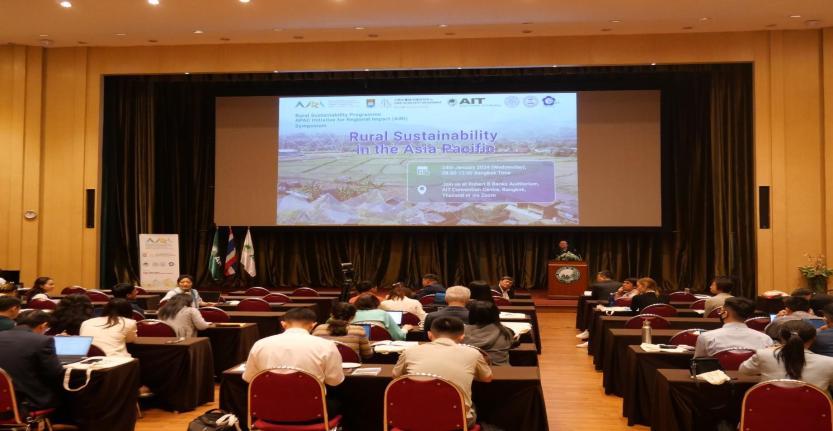
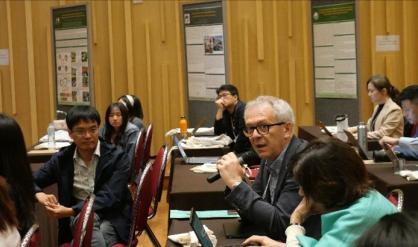
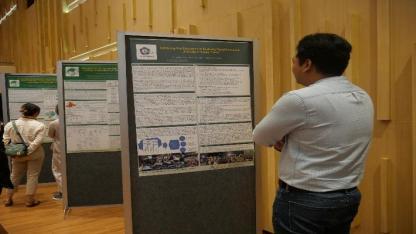
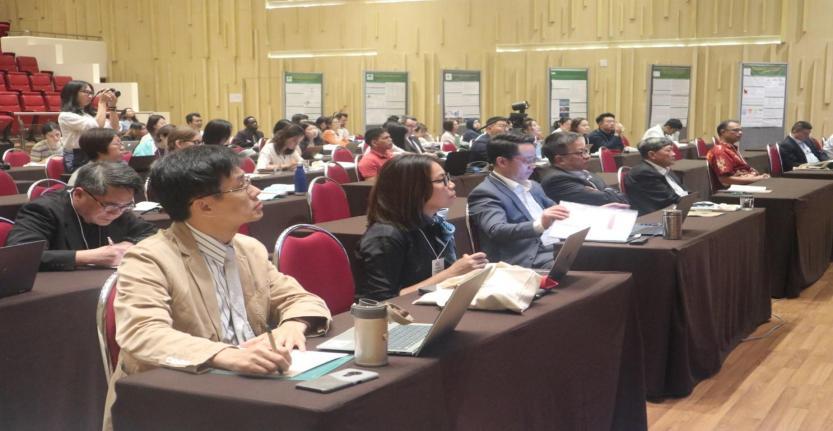
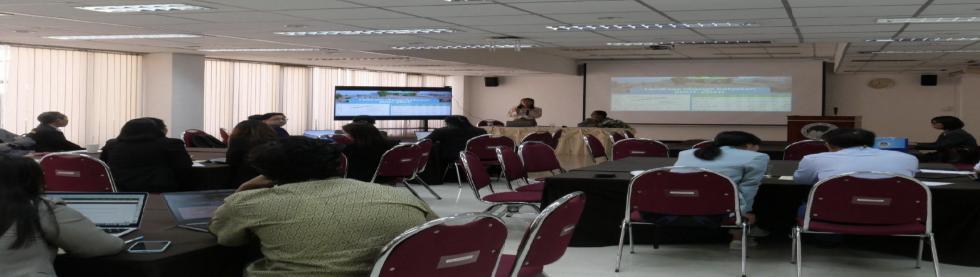
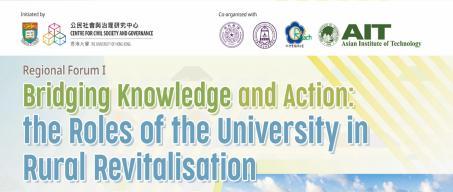
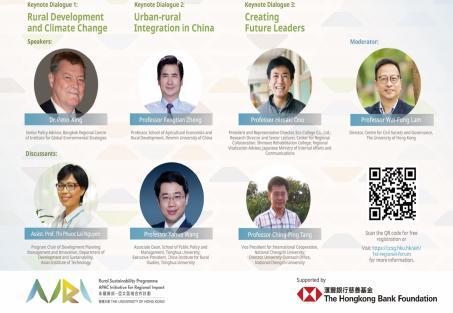
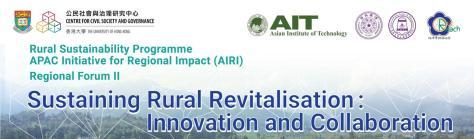
► The Regional Forum on Innovation and Collaboration for Rural Revitalization, held on 24 January 2024 at the Asian Institute of Technology and online, brought together academics, practitioners, policymakers, and industry leadersfrom across theAsia-Pacific region.
► The forum discussed how technological, social, and governance innovations can strengthen the resilience and sustainability of rural communities in addressing challenges such as climate change, resource degradation, and ruralurban disparities.
► Keynote speakers from academia and industry shared experiences on food system transformation, conservationlivelihood balance, and inclusive business models, while panel discussions explored collaboration, governance, and social innovation for rural revitalization.
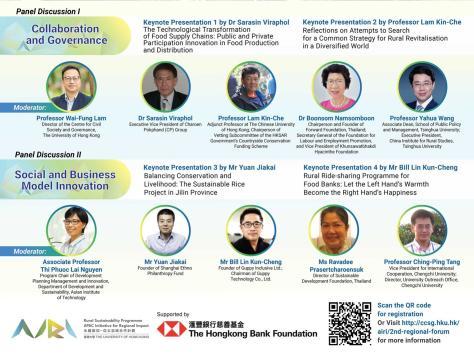
► Moderated by Professor Wai-Fung Lam (HKU) and Assistant Professor Thi Phuoc LaiNguyen (AIT)

⮚ Pioneered SES governance frameworks to strengthen institutional innovation and adaptive governance for sustainable socio-ecological systems.
⮚ Advanced environmental sociology and social epistemologies, redefining how knowledge, perception, and social processes shape environmental and climate governance.
⮚ Led pioneering research on rural resilience and adaptation, developing perception–adaptation and hybrid knowledge frameworks as well as rural institutional innovation to support climate-resilient communities.
⮚ Addressed environmental inequalities, providing evidence to support more inclusive and equitable environmental governance.
⮚ Advanced sustainability education and institutional innovation, integrating circular economy and sustainability into transformative STEM education.
⮚ Advance next-generation SES governance frameworks by integrating social knowledge systems and innovative institutional arrangements.
⮚ Continue examining the roles of third actors as sources of institutional innovation, enabling knowledge co-production and adaptive governance.
⮚ Lead transdisciplinary research on climate-resilient rural SES, using living labs to develop participatory solutions.
⮚ Advance environmental justice research, addressing inequalities in vulnerability, environmental impacts, resource access, and adaptive capacity.
⮚ Drive institutional innovation through sustainability education, positioning universities as catalysts for transformation.
⮚ Build regional and global collaborative research, strengthening leadership in SES governance and sustainable development.