Giraffe on the Move! Sketching wildlife from the vehicle
Hooked on the Nile Fishing, Family Time and Life at Murchison River Lodge
Naboisho Conservancy Standing Guard The Guardians Protecting East Africa’s Wildlife

Giraffe on the Move! Sketching wildlife from the vehicle
Hooked on the Nile Fishing, Family Time and Life at Murchison River Lodge
Naboisho Conservancy Standing Guard The Guardians Protecting East Africa’s Wildlife
You can save lion populations in Meru National Park with Born Free today!
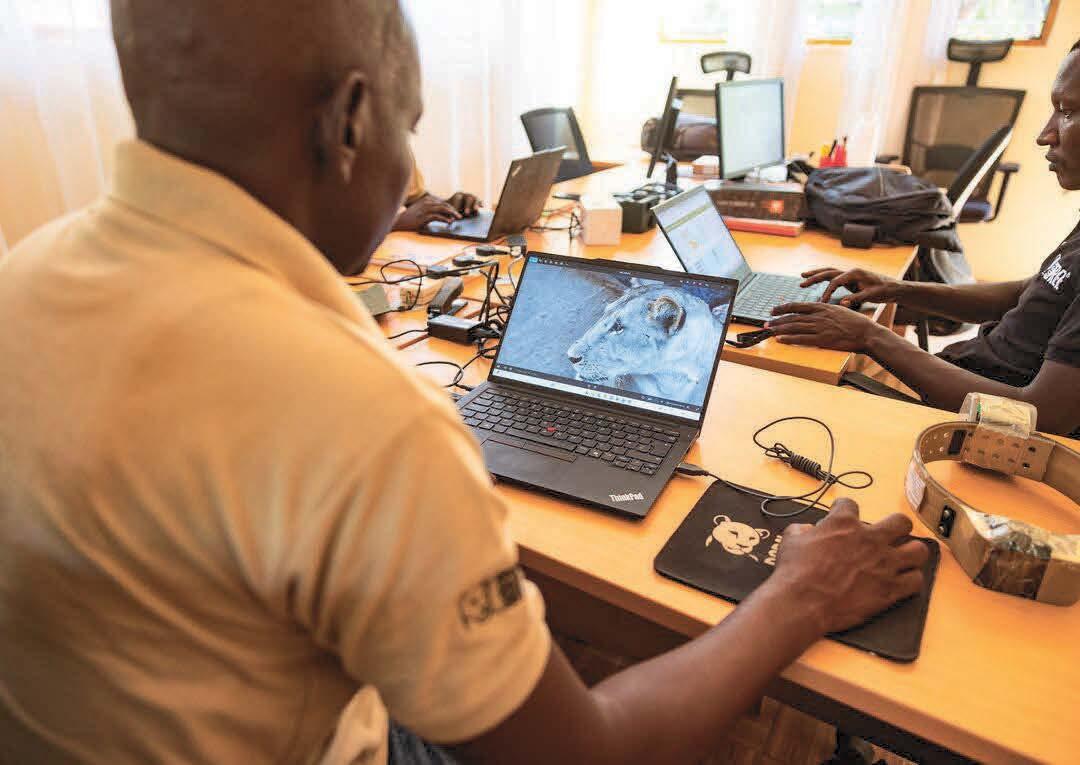



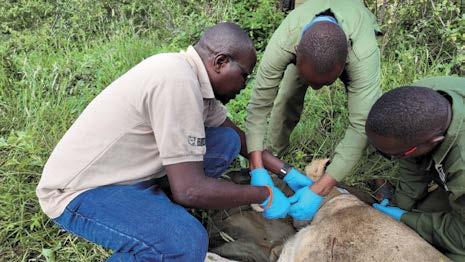
"Using the EarthRanger app, our team monitors lion movements daily. This real-time data allows us to make smarter, faster decisions to protect not only lions, but also their habitats and the communities keeping livestock. Satellite collaring helps us understand where lions go, what they need, and how to prevent conflict with people —but we can’t do it alone.”
Jeremy Kimathi
Project Officer, Born Free Kenya
Find out more & get involved: bornfree.org.uk/airkenya/

In Kenya, we have monitored five prides in Meru National Park for more than a decade, gaining an intimate view of their lives and watching individuals grow. Each lion is recorded in our database, with detailed IDs and life histories built over time. With your support, Born Free is implementing initiatives to safeguard this key population in our homeland of Meru. Today, around 50 adult lions roam the park, and one by one, we are getting to know them all!
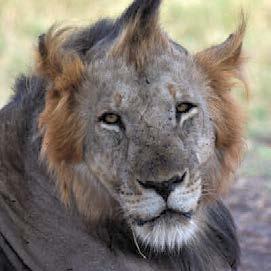
Kimeu inherited the dark and large mane characteristic of his father, Mfalme. His great mane is unique, as most of the males have shorter manes. After six years of not being seen, Kimeu recently made an appearance and he wasted no time making his presence known upon his return as he was immediately observed mating with Liz from Elsa’s Pride.
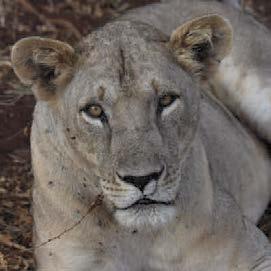
Liz is easily recognisable by a scar below her left nostril. At 11 years old, she’s the most experienced mother in this pride. She has perfected her skills in hunting, roaming the landscape, raising cubs and teaching new generations. Liz is a symbol of resilience, having been through seasons of plenty and scarcity, always emerging stronger.
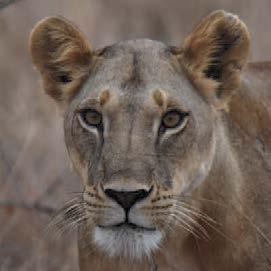
Sahara a living testament of resilience and strength. Once struck with a poisoned arrow, she defied the odds and survived, becoming a symbol of courage and hope and helping to guide the Mulika Pride. Her triumph shaped her into a devoted mother of three cubs, symbolising fierce protectiveness and the grace born of hardship.
Visit bornfree.org.uk/airkenya/ to donate
Wildlife
&
Voice in the Community




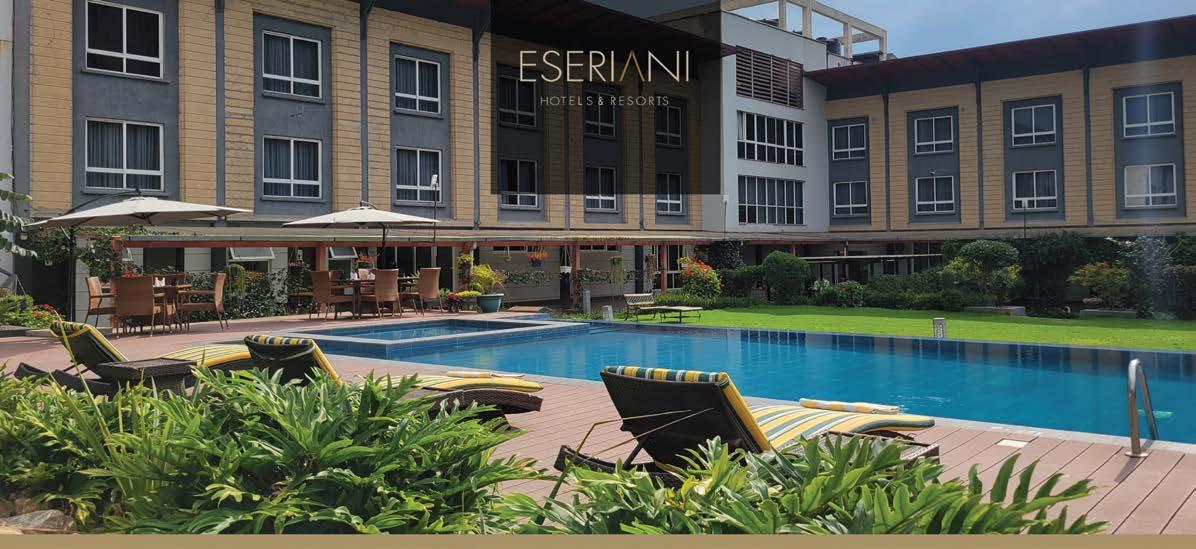
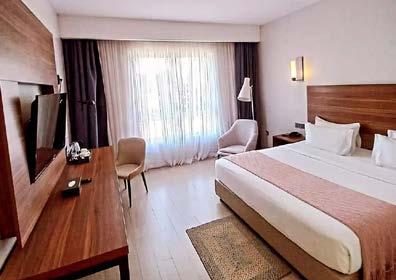
Located in Naivasha, along Moi South Lake Road, Eseriani Resort has 56 well designed and tastefully furnished superior rooms and family suites, 8 meeting rooms, 2 boardrooms, and one main hall, providing exceptional services whether for business or pleasure.







22 Giraffe on the Move!: Sketching wildlife from the vehicle… A Creative Conservationist’s Journey
25 Naboisho Conservancy
28 Chameleon Hill Forest Lodge, Lake Mutanda, Uganda
31 Hooked on the Nile Fishing, Family Time and Life at Murchison River Lodge
34 Standing Guard: The Guardians Protecting East Africa’s Wildlife
38 Pure Magic: Serengeti Balloon Safaris
of Field
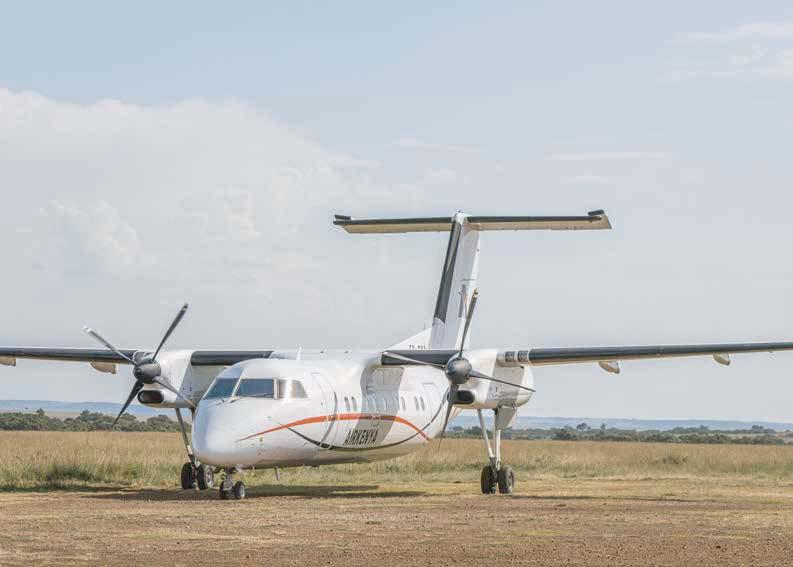
There is a question that every airline must answer, not once, but every single day. It is not a question about routes or revenue or market share. It is a simpler, more fundamental question: are our passengers safe?
At AirKenya, our answer to that question is not a policy document or a press release. It is a culture, one that has been built deliberately, sustained consistently, and measured in the most meaningful way possible. For decades, AirKenya has upheld a world-class safety record, a benchmark we honor daily. This achievement is not merely a number; it represents years of intentional choices that have forged a lasting culture of excellence and safety.
The foundation of that record is our people, and the investment we make in them. Our pilots undergo rigorous training both internally, under the guidance of our highly skilled in-house instructors, and externally with FlightSafety International, one of the world’s most respected aviation training organisations, with over 75 years of experience in flight simulator training. This combination of institutional knowledge and worldclass external expertise ensures that every AirKenya pilot is not merely
qualified, but genuinely prepared for the full range of situations that aviation demands.
Our cabin crew are held to the same standard of excellence. Our trainers have received their initial training from the Global Flight Training institution in the United Kingdom - bringing international best practice directly into our operations and ensuring that the experience our passengers receive in the cabin reflects the same commitment to safety and professionalism that governs everything we do in the cockpit.
But we have also learned, over the years, that safety is not only about technical proficiency. It is about the human being behind the controls and in the aisle. A pilot who is physically well, mentally sharp, and properly supported is a safer pilot. That is why AirKenya invests in the health and wellbeing of our flight crew, including gym memberships, because we understand that the performance of our people in the air begins with how we look after them on the ground.
As we start the high season, our commitment remains unchanged. We will continue to invest in training,
in people, and in the systems and standards that have kept our passengers safe for more than twenty years. A strong safety record is not a finish line, it is an ongoing responsibility, one that everyone at AirKenya carries with pride.
On behalf of our entire operations team, thank you for choosing to fly with us. We are genuinely excited to be part of your journey and hope the experiences that await you on the other side of AirKenya flights are everything you have dreamed of, and then some.

Captain James Mureithi Head of Operations
Welcome to the June issue of Ndege News!
Our stories come to us from far and wide, and if you take a moment to read the brief bios of our contributing writers at the end of each of their stories, you’ll find that their personal histories are possibly even more adventurous than the stories they tell. Coming to us from Germany, Kenya, Tanzania, South Africa and the US, our freelancers all have a love of East Africa and the cultures and wildlife it offers.
To quote Hollie M’gog, a contributing writer and our editor for the previous two years, ‘Africa runs in her blood. Although she has lived on three different continents and travelled to many more, she will never leave Africa, its colourful people, aggravating bureaucracy, intense wilderness, and its freedom from the ‘general rules of society’.
I think those of us who have contributed to this issue can all say the same thing–we love sharing our experiences with others. Whether out in the bush, time spent hearing stories from local citizens, or learning about the challenges that conservationists encounter, these moments add great depth to our lives and become the foundation of our stories.
For this issue, we bring you ‘A Change in Perspective’—from the air, from the ground, from behind the lens and along the road less travelled.
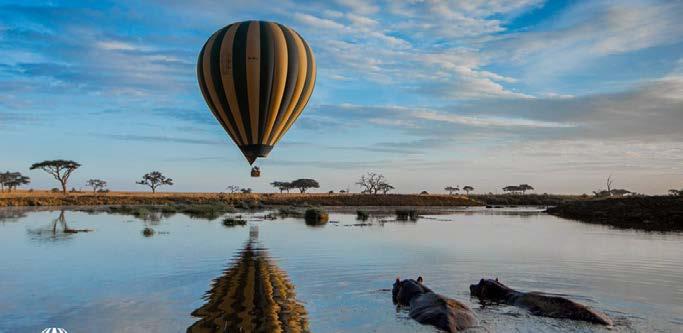
From above, quietly drifting over the Serengeti in a hot air balloon at several thousand feet with no engine – just silence and wind as the pilot adjusts for air currents.The view of the open savannah will become one of your fondest memories.
From the ground, the slowing down in the safari vehicle, then with the engine off, sitting in stillness. To observe and sketch, taking in the sights, sounds and smells of the bush which might otherwise be missed while driving along—
these quiet moments might end up being what speaks most loudly to you when you reflect back upon your travels.
From behind the lens, a Tanzanian woman drawing from her life experiences and shaping how her country is seen through her photography and film.
From the road less travelled, deep in Uganda’s forests, the remote bush of a Kenyan conservancy, or short journeys off the beaten track—observations are translated into stories meant to engage our readers and treat them to glimpses of life in these countries, beyond what you’ll see on your safari.
From the frontlines – organisations like David Shepherd Wildlife Foundation that fund training, salaries, welfare programmes, accommodation and essential equipment to help combat poaching, and disrupt wildlife tracking networks while also supporting communities and enabling human-wildlife coexistence.
Travel isn’t just about where we go, but rather how we see. We bring our perspectives with us based on our own lives and find after being in this inspiring land that we are no longer the same.
This issue isn’t about seeing more—it’s about seeing differently.
Cynthia Adams Editor
Editor Cynthia Adams
Publisher
The Business Platform Ltd
P. O. Box 103364-00101, Nairobi Tel: +254 741 0700001
Email: businessplatformkenya@ gmail.com
Advertising
Peter Ondabu
Tel: +254 722 770 367 ondabupeter@gmail.com
Design and Layout
Digital Colour Business Ltd info@digitalcolourbiz.com
NDEGE which means aeroplane in Kiswahili is a quarterly Magazine publication of AIRKENYA Express Limited
Wilson Airport P.O. Box 30357 - 00100 Nairobi, Kenya
Reservations
Tel: +254 20 391 6000
Email: resvns@airkenya.com
The magazine focuses on tourism, hospitality, travel, leisure, conservation and aviation related news in the East African region and beyond. The views expressed in NDEGE NEWS Magazine do not necessarily reflect those of either AIRKENYA EXPRESS, REGIONAL AIR SERVICES and / or AEROLINK UGANDA

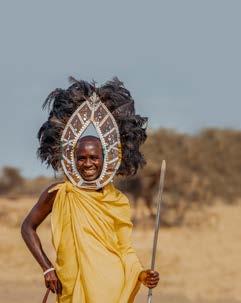
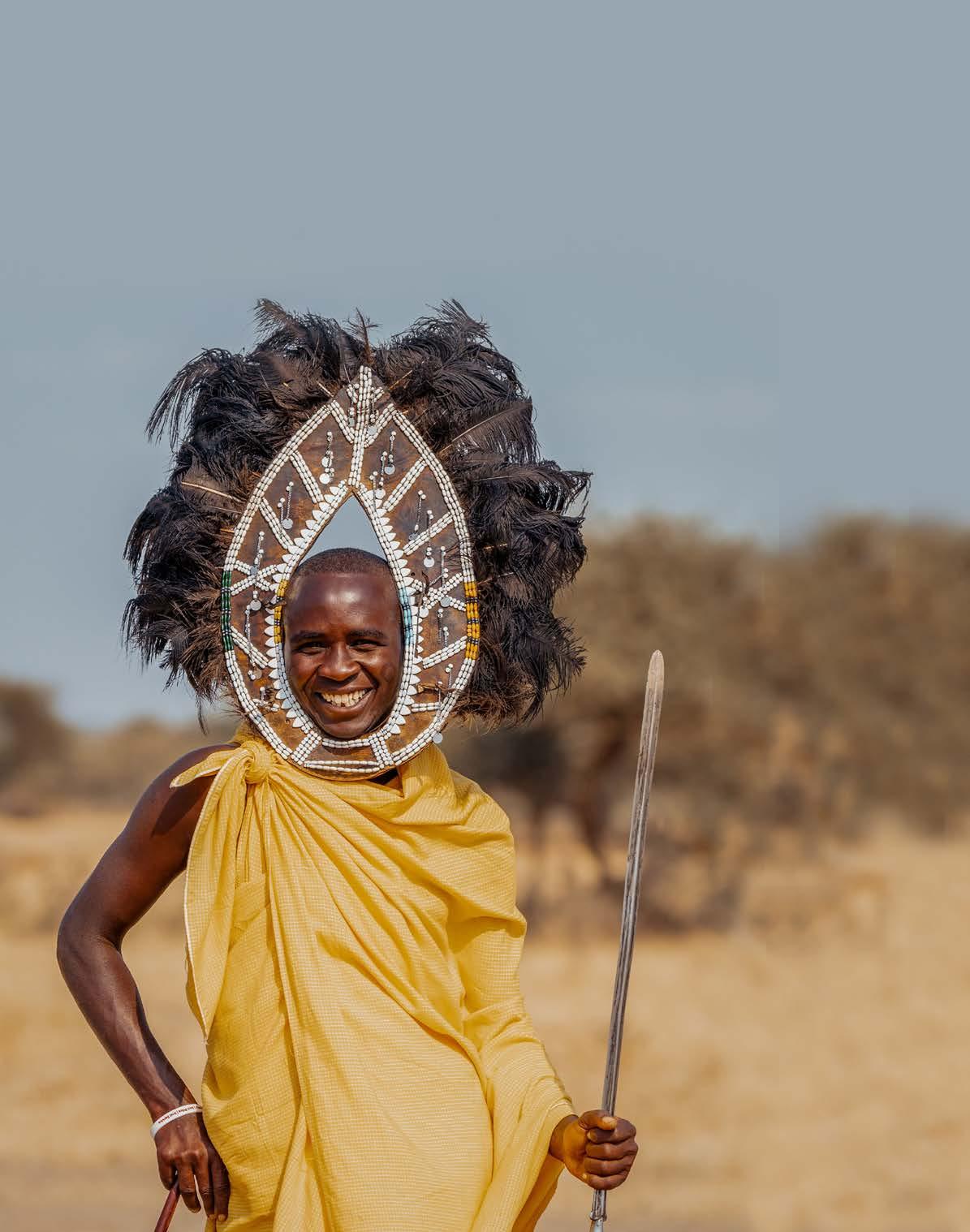
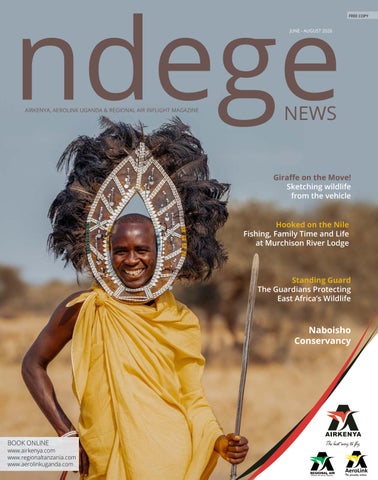
Our cover photographer, Lilian Anold, was interviewed by writer, Kim Bell, for the piece titled ‘Depth of Field’ on page 41 about Lilian’s journey to becoming an accomplished storyteller and filmmaker working in the conservation and wildlife space across East Africa. The two women first met last year when Kim commissioned Lilian to help produce some marketing material for the Lodge where she works. ‘There was an instant synergy between us, and, after an exhausting yet successful shoot that went into the night, we somehow felt we’d meet up and work together again,’ says Kim. ‘It has been such an inspirational experience hearing all about Lilian’s early years, how she first became captivated by the natural world – and how she travels across countries fulfilling her creative destiny. I have come away from our discussions determined to keep learning and growing – and pulling myself up and out of my comfort zone, just as Lilian does time after time.’
Here, Lilian talks to us about the photograph that graces our cover this month:
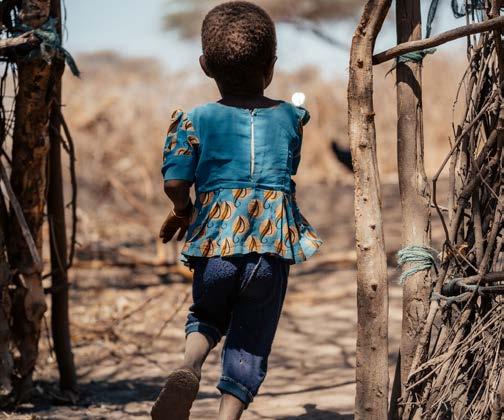
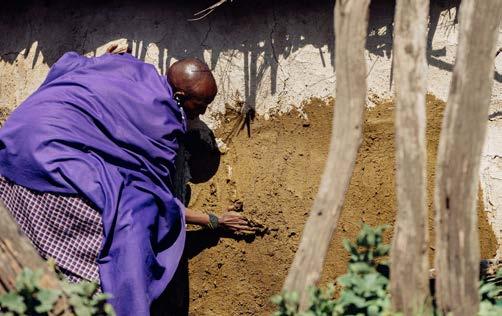

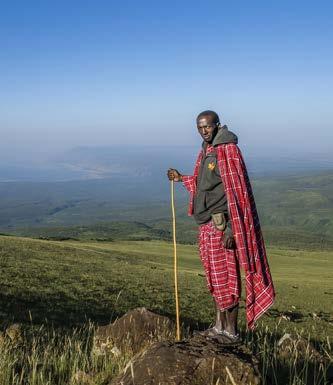
“Moringe, the young man in my photograph, ‘Smile of the Savannah’, is a proud husband and member of the Moran—the traditional Maasai warrior class. I met him in August last year at his boma in Mto Wa Mbu in the Manyara region during a traditional Maasai dance ceremony and I really liked how he dressed, and his personality in general. What I learnt from taking his picture is that the most powerful photographs are earned, not made. I believe that it is a gift, when someone trusts you enough to be truly seen by you.
Initially, photographing wildlife was my first love, I felt safe in this space - until I worked alongside my mentor, director of photography and documentary filmmaker, Stuart Dunn, as a camera assistant intern on BBC Studios Natural History Unit on a National Geographics Home series in Mara, Kenya, and Bwindi, Uganda. Watching him move between capturing a gorilla in the wild and then turning his lens, with the same care and intention, onto the people protecting the gorilla, sparked something inside me. His advice to me was not to limit myself in my work, and that pushed me out of my comfort zone. Here I am today documenting people’s stories. I am currently developing a project about East Africa’s most iconic tribes.
Every person I meet carries a whole journey within them. Photography gives me the gift of being able to step into their journey and experience their story in real life. It is only when there is trust that a stranger will decide to let you in and share their story with you through allowing you to capture their image.”
On Tuesday, 3 March 2026, AirKenya Group CEO John Kimondo and Marketing Manager Jean Uku had the pleasure of hosting a delegation from the Born Free Foundation (BFF), led by its CEO, Will Travers OBE. The meeting provided an opportunity to reflect on the
partnership between AirKenya and BFF and to explore ways of further strengthening this collaboration. AirKenya continues to support the Foundation’s conservation efforts in Amboseli and Meru by providing logistical assistance in the form of air travel.
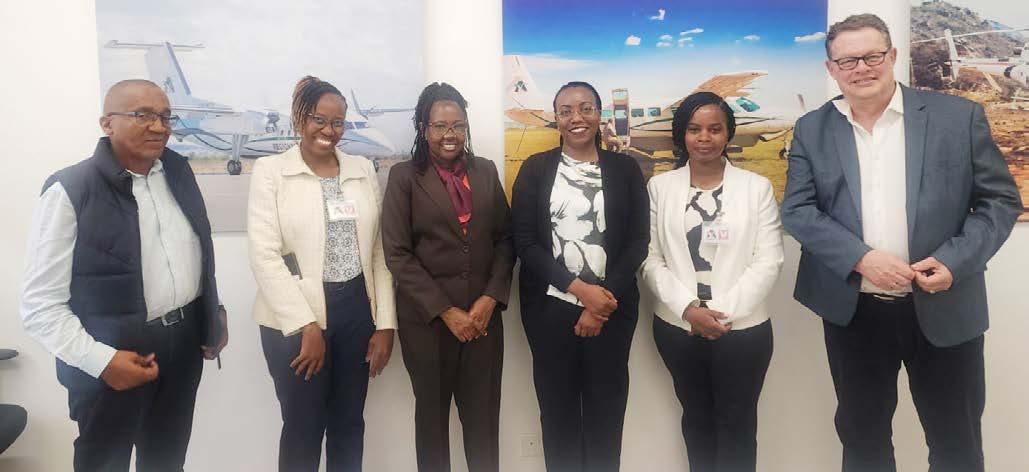

Arusha radiates refined elegance as the crown jewel of Northern Tanzania’s safari circuit, where manicured coffee estates, exquisite lodges, and sweeping views of Mount Meru create an indulgent gateway to some of Africa’s most iconic wilderness experiences.
AirKenya operates a daily direct flight between Wilson Airport, Nairobi and Arusha, making it a practical and time-efficient connection for both leisure and business travellers.
From Arusha, travellers can now connect directly onward with Regional Air into Tanzania’s destinations including the Serengeti, Lake Manyara and more on a single booking. This through-ticketing option simplifies travel planning and ensures a coordinated journey from Nairobi all the way to some of Tanzania’s most celebrated wilderness destinations. East Africa has always been one of the world’s great travel stories and now it’s just getting easier to live it.
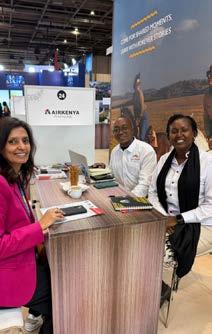
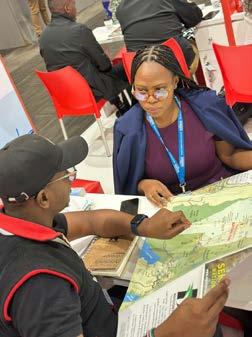
AirKenya, Regional Air, and AeroLink were proud to participate in the recently concluded Africa’s Travel Indaba in Durban, Africa’s premier tourism trade platform, joining over 9,990 travel industry professionals from across the continent under this year’s inspiring theme, Unlimited Africa.
Our teams had productive meetings with key tour operators, travel buyers, and industry partners, with conversations centred around strengthening regional connectivity, expanding our safari circuit partnerships across East and Southern Africa, and creating more seamless travel experiences for guests flying between Kenya, Tanzania, and Uganda.
The energy at Indaba reaffirmed what we believe deeply; that Africa’s tourism potential is boundless, and that col-

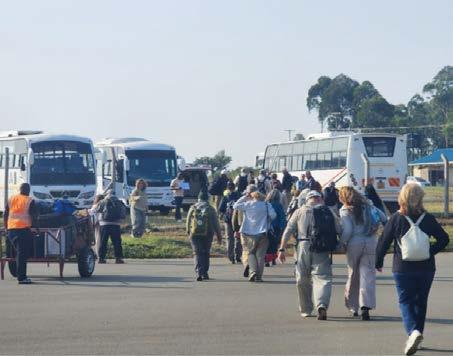
Crossing borders should be the least of your worries when adventure is waiting on the other side. That’s why AirKenya has invested in three of our very own buses, purpose-built to deliver a smooth, reliable, and comfortable cross-border transfer experience between the Maasai Mara in Kenya and the Serengeti in Tanzania.
No scrambling for transport, no uncertainty, just a seamless continuation of your journey from the moment you land in Migori.
With the high season upon us, our team is fully prepared and our buses are ready to roll , ensuring every guest moves between borders with the ease and confidence that AirKenya is known for. From the Mara to the wild heart of the Serengeti, we ensure your journey is seamless and comfortable.

laboration is the engine that drives it forward. We left Durban with new partnerships, renewed purpose, and inspired by the possibilities that lie ahead for our network and the travelers we serve.
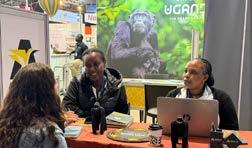
Earlier this year, from 3rd to 6th March, AirKenya and AeroLink returned to ITB Berlin.
It was a fantastic opportunity to reconnect face to face with our long-standing partners and DMCs, while forging strategic new alliances.
The biggest takeaway this year was the overwhelming demand for East African bush safaris.
Travelers are particularly loving our Mara-Serengeti connection, which effortlessly moves them from Kenya’s iconic plains of the Mara to the heart of Tanzania just in time for lunch.
Backed by new insights, we remain committed to leading premium safari aviation across Kenya, Uganda, and Tanzania.

We are proud to welcome Rose Munene as the new Group Chief Financial Officer with effect from February 2026. With a sharp financial mind and a bold vision for sustainable growth, Rose Munene is a senior finance executive with over 20 years of international experience in corporate finance, strategy, governance, audit, and risk management. Her role as CFO involves overseeing financial strategy and capital management across East Africa. She began at Ernst & Young in Washington, DC, rising to Senior Audit Manager, and later held leadership roles at Airtel Africa and British American Tobacco. She previously led finance at Van Woustraat Trust and serves on the board of KenSAP. She holds an MSc (Virginia), BBA (Bowie State), and is a CPA (Virginia).


We are excited to announce Catherine Kimwele as our new Country Manager for Uganda. A dynamic leader with deep roots in the East African travel landscape, Catherine Kimwele has had a distinguished career spanning more than 25 years. Her extensive expertise is built on a foundation of high-impact leadership roles within Airkenya at Wilson Airport, where she has consistently driven operational excellence.
Catherine’s professional journey includes tenures as Reservations Manager and Operations Manager, culminating in her most recent success as Charters Manager. As Country Manager, Catherine leverages her decades of experience to oversee comprehensive growth and deliver world-class service standards and will be the driving force behind our growth and guest experience in the Pearl of Africa.
We are delighted to welcome Captain Catherine Mugo as the new Country Manager at Regional Air, Tanzania. Passionate about connecting communities and unlocking Tanzania’s incredible tourism potential, Capt Catherine has more than 10,000 flight hours and over 18 years of aviation experience in the region.
She has built her career on professionalism, safety, and leadership. Trained at the Kenya School of Flying, she holds an Airline Transport Pilot License (ATPL) and has served in key roles within the AirKenya Group of Airlines including Head of Safety, Head of Operations, Chief Pilot and until recently Country Manager at AeroLink Uganda. Her leadership philosophy centers on empowering teams to excel and harnessing their skills to drive organizational growth.
As the former Country Manager of AeroLink, Catherine’s contribution to the growth of the airline has been well realized and her track record speaks for itself. She steps into this role ready to lead, inspire, and deliver








































Celebrating Moments from the Sky & the Ground Below
Ndege Magazine invites our safari guests and readers to share their favourite moments from East Africa through photography and story. This contest is simply our way of celebrating the remarkable experiences our travellers witness and carry home with them.
How to Enter
Submit up to two (2) photographs taken during your travels in East Africa.
Email submissions to: TRAVELS2AFRICA@GMAIL.COM
Your email must include:
• Full name
• Contact phone number
• City and country of residence
• Photo category (Wildlife, Birds, or Community/ People)
• A short write-up (150–200 words), included in the email or attached as a PDF
There is no entry fee. Please submit all materials in one email.
Photo Categories
Participants may submit images to one of the following categories:
1. East African Wildlife
2. East African Birds
3. East African Community & People
All submitted images must fall within one category only
Image Requirements
• Maximum of two (2) images total
• JPEG (.jpg) files only
• Each image must not exceed 5 MB at submission
• File names must include your name and category (example: Adams_Wildlife_Serengeti.jpg)
Finalists may be asked to provide higher-resolution files for print.
Entry Period
• Entries open: March 1, 2026
• Entries close: September 15, 2026
• Winners announced: November 15, 2026
Late or incomplete submissions will not be considered.
Winners & Recognition
• One Grand Prize Winner
o Cover feature on Ndege News Magazine in one of the quarterly issues in 2027
o Featured story of approximately 300 words
• Category Winners (one per category)
o Featured inside the magazine alongside their image and story
There is no monetary prize — recognition in print is the reward.
Photo Guidelines
• Photos must be original and taken by the entrant
• Minimal editing is acceptable
• Heavy manipulation or AI-generated images are not permitted
• Images must not have been previously published in other magazines or commercial outlets
Rights & Usage
By entering, you confirm that:
• You are the sole creator and copyright holder of the image(s)
• Any identifiable people in the photo have given consent
Ndege News Magazine is granted one-time, nonexclusive rights to publish winning images in a 2027 issue (print and related digital editions). Images will not be used beyond this publication, and full credit will always be given to the photographer.
Judging
Entries will be judged by the Air Kenya Ndege News Magazine editorial team based on visual impact, storytelling, relevance to category, and overall sense of place. Judges’ decisions are final. Due to the volume of submissions, individual feedback cannot be provided.
The name alone tells you everything you need to know… although most people only truly understand it when they find themselves mid-stride on a guided bush walk—suddenly attached to a plant they didn’t see coming.
The Vachellia mellifera—one of the most common in the “wait-a-bit” family—is shrub-like in its growth pattern and found throughout East Africa.
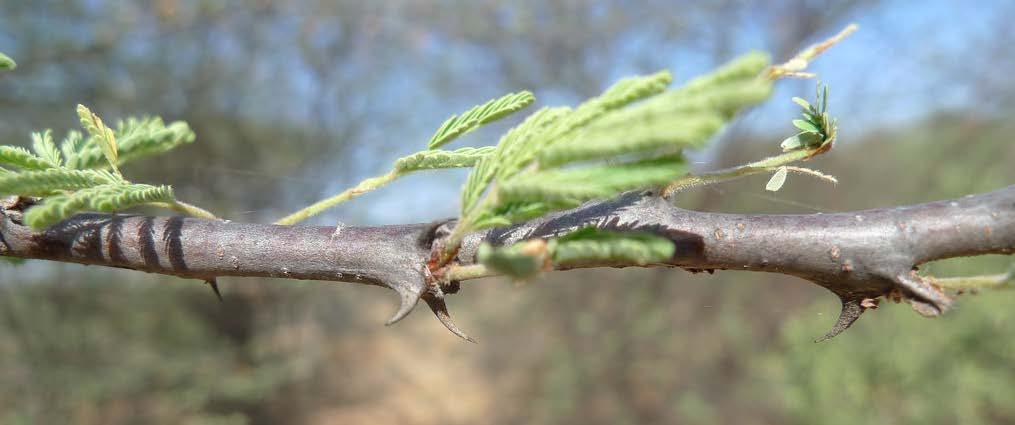
Wait-a-minute tree, wait-a-bit tree, or wait-a-bit plant are common names for a variety of prickly plants that catch onto passers-by. These names come from the fact that the stems or other parts of the plant have numerous hooked thorns that tend to grab onto anything brushing by; the hooked person must stop (“wait a minute”) to remove the thorns carefully to avoid getting scraped or ending up with torn clothing!
Small, sharp, hooked prickles resembling cat claws are scattered along the branches. They are recurved, pointing backward to catch onto passing objects, making it difficult to go forward or backward and get out from under their clutches. The foliage is feathery, giving a soft and gentle appearance from afar—which is wildly misleading! Cream-coloured, small clusters of flowers give off a lovely fragrance that will lodge in your travel memories of East Africa. These little flowers are also a favourite for attracting resident pollinators.
In the African savannah, dense thickets formed by the Wait-a-bit thorn can act as a “nursery” for biodiversity.
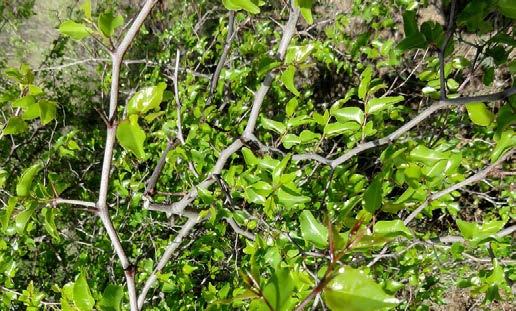
Small mammals and young antelopes often hide deep within their branches, using the plant’s piercing thorns as a defense against predators, particularly lions and leopards.
For the birders in the crowd, this thorny bush provides essential habitat and acts as a protective sanctuary for small nesting birds – a great stopping point for watching your feathered friends.
So next time you encounter a wait-a-bit bush, it might be worth doing exactly that—pausing for a moment. Take some time to sit and observe as there is often more happening behind that thorny screen than first meets the eye.
It turns out this bush isn’t out to get you after all… it’s just very good at making sure you pay attention.
Why safari stories grow bigger at sunset — and what the wildlife is really doing…
Safari stories get bigger and better with every retelling!
When you’re back at your camp and sitting around bush TV at dusk, the day’s sightings are often magnified under the influence of an African sunset and the excitement of a thrilling game drive. And perhaps that gin and tonic is contributing just a little, too. Often it’s the large
mammals that have the most stories surrounding them. But the birds have their own tales to tell, and they’re not always true, either.
Here’s how to stay ahead of those storytellers or at least make sure that yours are solid!
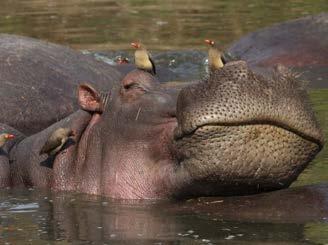
Tall Tale: Oxpecker birds help by feasting on ticks
Fact: Yes, it’s true, but they also feed on blood and open sores and will keep wounds open to continue feeding. So, on the one hand they’re helpful, but really they’re just opportunistic hitchhikers looking for a free meal.
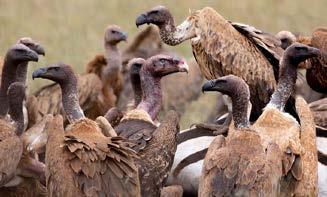
Tall Tale: Vultures carry diseases from eating all of the carnage
Fact: Vultures have incredibly strong stomach acid that destroys dangerous bacteria like anthrax and rabies. They’re one of the environment’s most effective sanitation systems and provide an essential clean-up service in the bush.

Tall Tale: Termites are highly destructive to the environment
Fact: Termites break down dead plant material and recycle nutrients back into the soil, often making the environment around them much more fertile. Their mounds, sometimes soaring to 9 meters, are often used as lookout points, burrows and shelters for mongoose, warthogs and birds. They contribute greatly to the environment and are also architects of the classic safari landscape.
Image ©Jane Rix/Shutterstock.com
Tall Tale: Egyptian Plover – a crocodile’s dentist?
Fact: This small bird is sometimes called the “crocodile bird.” Although this centuries old tale of it being in charge of keeping the crocodiles’ teeth clean, research over the years has never confirmed this… the myth lives on!
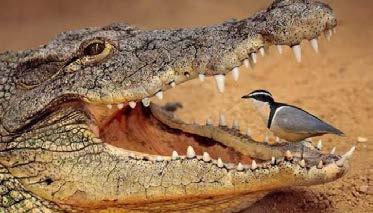
The most important thing to remember is that wildlife can be unpredictable. Quietly observing from the safety of your vehicle or at your lodge is the best way to find out what’s really true!
By Cynthia Adams
Among the smallest of African carnivores, the dwarf mongoose is considered highly organized in its approach to communal living, while the banded mongoose is known for creating chaos wherever it goes!
Found throughout East Africa — and quite possibly having set up shop in your safari camp — they often live in groups of 10–50 individuals.
Living in tight-knit family groups with a dominant breeding pair, the rest of the group act as babysitters, helping raise the pups. Termite mounds provide communal living space, and they typically rotate between several burrows, with one individual standing guard as a sentinel on the lookout for threats.
Mongooses have different alarm calls depending on the predator — aerial versus ground threats. For example, they have specific screams for “martial eagle” versus “snake.”
• Extremely social and noisy — constant chatter and squeaks.
• Females often give birth on the same day in communal dens.
• Pups nurse from any lactating female — they don’t discriminate.
• They’re famous for mobbing snakes as a team.
Despite the myth, they don’t have magical immunity to venom. Mongooses can fight venomous snakes thanks to speed and agility. Their thick, dense fur helps deflect bites, and they have
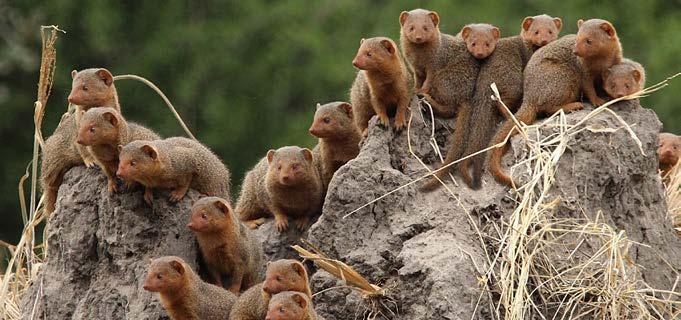
a degree of resistance to certain neurotoxins, which aids in their survival. A cobra encounter is more skill than superpower.
But they absolutely can be killed if they misjudge.
All East African mongooses are opportunistic carnivores. They eat insects (such as beetles and termites), rodents, small lizards, bird eggs, and snakes.
They are fearless but not reckless. You’ll often see coordinated movements when hunting — one distracts while another strikes.
Yes, mongoose turf wars happen! Real estate in the bush comes at a price, and mongooses will sometimes evict pregnant subordinates, kidnap pups from rival groups, and even go to war with neighbouring clans.
Because banded mongooses adapt well to human presence, they are known to take up residence in safari
camps. They might raid the kitchen after hours, investigate tents, or flip over baskets or shoes left lying around in search of hidden insects.
In spite of their mischief, they often become camp mascots due to their cuteness, curiosity — and their willingness to help out on bug patrol.
Make sure seeing mongoose is on your wildlife checklist while on safari. They are highly entertaining to watch: darting between termite mounds, chattering conspiratorially, often moving as one synchronized unit — proving that even the smallest creatures live lives full of strategy, drama, and community.
• A group of mongoose is called a mob.
• Some species use over 20 distinct vocal calls.
• Banded mongooses can live up to 12 years in the wild.
• They rotate sleeping burrows every few days.
• Sentinels take turns standing guard — and even get relieved like clockwork.
By Ree Pashley
If you find yourself with some extra time while visiting the Karatu, Tanzania area, a side excursion ‘off the beaten track’ may be a great way to spend a few hours exploring. Take in some fresh air and a nice walk after days riding in your safari vehicle and learn a little about local Tanzanian life…
It’s an easy 8-minute walk from the end of the drivable road to Mzee Paulo’s bee farm. The air hums with the sound of bees and tingles with just a little tension, being so close to the edge of the Ngorongoro Conservation Area (NCA).
Mzee Paulo points out a native tree that’s especially favored by the bees, and describes a time, a year before, when he saw a buffalo resting there.
“Will we see any buffalo today?”
“Probably not.” He waves a hand, unconcerned.
This bee farm covers approximately one and a half acres in a lush, forested area, adjacent to the NCA. Within that small section of land, Mzee Paulo has set up close to 200 hives, with different designs to attract small, stingless bees and another for the larger African honeybee.
When he first started out, Mzee Paulo opted for traditional, hollowed-out logs for the hives, but quickly faced issues from the government related to felling trees. Forced to adapt, he began experimenting with different designs and in time found a perfect, economical and eco-friendly solutionusing recycled tires!
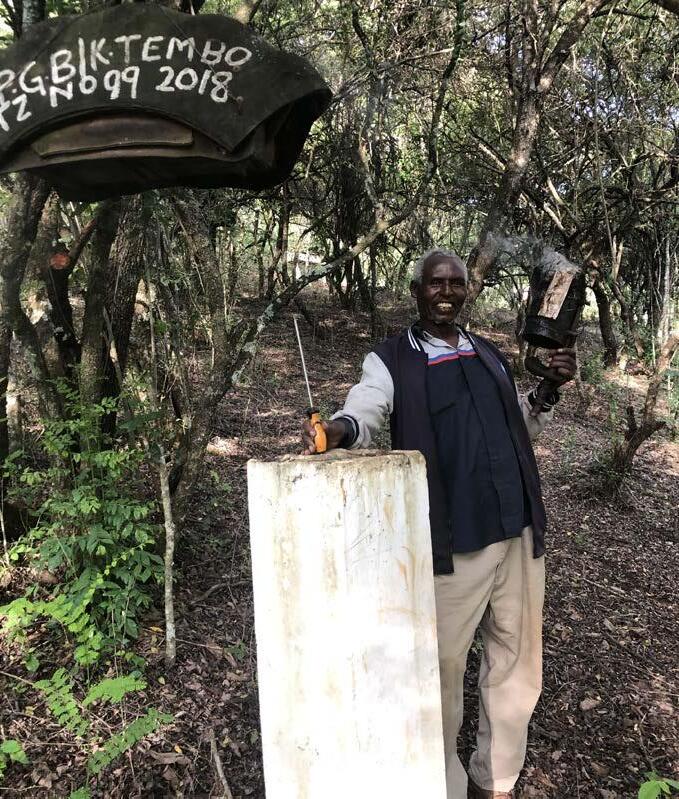
Not only do these innovative ‘tire hives’ allow for a more natural shape that bees prefer (as evidenced by flourishing honey harvests: up to 1000 litres each year), but it also makes them ‘Badger-Proof’.
Being so close to the Ngorongoro forest means the area is teeming with wildlife. Honey badgers are one of
the biggest threats to bees and bee hives. Mzee Paulo intentionally paints the more vulnerable box hives bright white so that he can see when a honey badger, with typical muddy paws, has attempted to break in. He doesn’t need to take this precaution with the recycled tire hives, as the claws of honey badgers can’t seem to get a grip around the rubber texture and rounded shape.
Repurposing tires for bee hives is a creative way Mzee Paulo is approaching beekeeping in the Ngorongoro area. Apart from the unique hive design, he practices traditional methods to attract wild bees and has developed a unique smoke recipe so that he can harvest the honey without harming his beloved bees.
Mzee Paulo isn’t just a beekeeper; he is a bee enthusiast. His passion for these small but mighty insects gives a new perspective on wildlife in the Ngorongoro area. While many visitors come to see lions and rhinos in the Crater, they might consider a onehour stop to learn about the wild African honeybee at his farm, just thirty minutes from Ngorongoro Gate.
Visitors get a chance to look right inside a stingless beehive, and of course - taste the golden treasure!
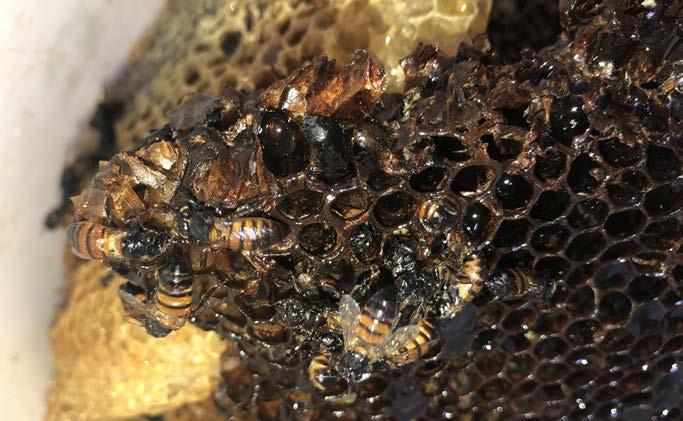
Mzee Paulo is open to tours, which are currently arranged by Gilala Hilltop Lodge. A tour costs 20,000-30,000 shillings, depending on the size of the group (and includes free honey tasting!). Visits should be arranged in ad-
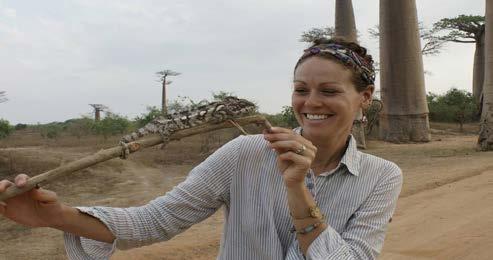
Ree Pashley has a background in criminal justice and social work. She has over a decade of experience working with adult and young offenders in various cities across Canada. But Canada was far too cold for her liking, so she moved to East Africa and began dabbling in jobs that don’t require high security. Ree has worked at an art gallery in Stonetown, Zanzibar, volunteered with a library project in Arua, Uganda, and, more recently is a freelance writer who splits her time between Arusha and Karatu, Tanzania.
vance (a few hours or a day before is sufficient). Guests can bring their own jars and collect stingless honey as part of the tour. Edible bee pollen and filtered/processed (regular) honey are also available for purchase.

By Laura Kyle
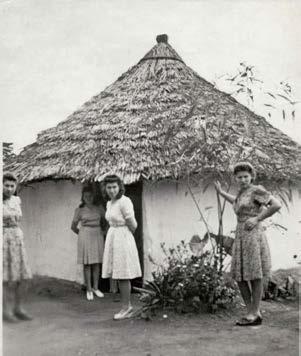
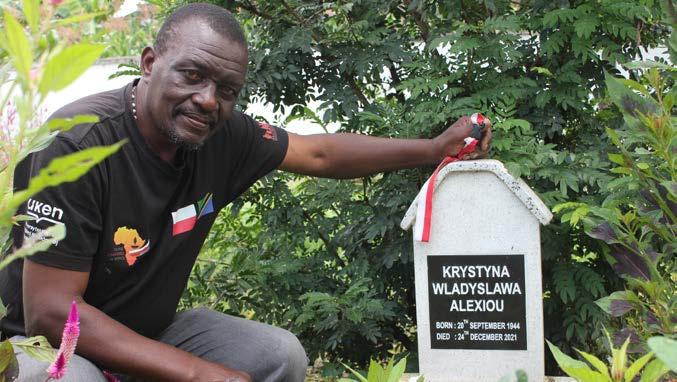
For 25 years, Simon Joseph has kept the cemetery in Tengeru in immaculate condition. 149 graves of Polish refugees who lived in Northern Tanzania in the 1940s lie under the fragrant blooms of frangipanis.
“Dzień dobry!” he shouts when groups of visitors arrive at the front gate. “They’re so happy to see I’m speaking a few words of Polish!” he says proudly.
Around 1,400 people last year braved the bumpy track through the trees to the site of the refugee camp. Today it is an agricultural college, the traditional round huts which housed 5,000 women and children, replaced with concrete structures. Joseph expects similar numbers of visitors this year. “I get lots of calls from people wanting to come and visit. I’m very happy because we are remembering what happened during World War Two.”
Between 1940-41, after the Soviets invaded eastern Poland, they deported around a million Poles. They were loaded onto cattle trains and sent to gulags in Siberia. 120,000 were able to leave in 1942 when the Soviets allied with Poland.
The men joined a Polish army known as Anders’ Army. They travelled with the women and children from Siberia to transit camps in Uzbekistan and were evacuated to Iran. Malnourished, exhausted and traumatised, many did not survive the journey.
The British agreed to resettle the women and children in camps in India, Mexico, the Middle East, New Zealand and colonial Africa.
Joseph says his father remembers the refugees arriving in Tengeru. “The local people worried about them,” he says.
“They could see their babies died one after another every month. My father told me they kept their distance.”
Diseases such as malaria, dysentery and influenza were rife among the new arrivals, whose weakened immune systems struggled to fight them off. The cemetery has many tiny graves of babies who did not survive more than a few days.
But for Jonathan Kołodziej Durand, the
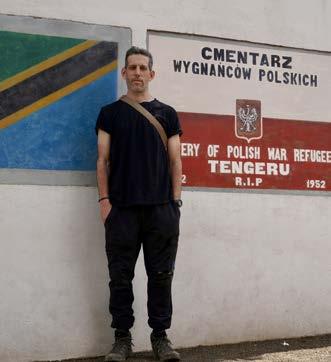
Tengeru graveyard is not a place of death, it’s proof of life.
He grew up hearing his Polish grandmother, Kazia Gerech, tell stories of her childhood odyssey. But he could not find her experience recorded in history books.
“The cemetery was the place that proved how far the Poles had made it, even if they had died in Tanzania,” Durand says. “Given the history and journey of the Poles was erased, this proof of their lives is very important.”
Durand has made a documentary about the Polish refugees’ journey to Africa and it includes long-lost footage found buried in British archives, of his grandmother in Tengeru camp - a glimpse into a world few knew existed.
The Polish embassy supports the upkeep of the cemetery and a small museum next to it, which in Polish, English and Swahili, records the resilience and heroism of the women in the camp. The refugees understood how important it was to instill in the children a sense of identity, when many of them had never set foot in their homeland.
“It’s the Polish women who lived in Tanzania who passed their history along and helped keep it alive,” says Durand. “The philosophy behind the education of the children and how to help them recover from trauma was very ahead of its time.”
The community quickly established a nursery, as well as primary, secondary and vocational schools. They ran successful farms, set up a dairy and a butchery. They built a hospital, as well as places of worship for their three different religions - Catholic, Orthodox and Jewish.
For Gerech, who spent her teenage years in Tengeru, and for many of the children in the camp, it was to be the biggest Polish community they would ever live in.
“I had the sense in Tanzania,” says Durand, “of it being a place where my family tree was able to take root again.”
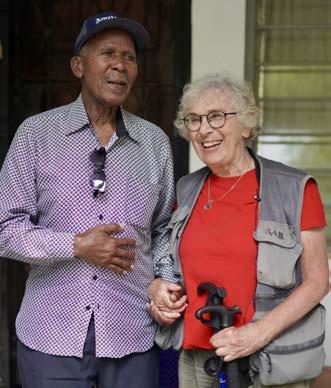
He returned to Tengeru in February 2026, making a second documentary with another survivor, historian Irene Tomaszewski, who’d been born in Siberia and spent her early childhood in the camp.
“Irene was most moved when interacting with the Tanzanian students at the agricultural college,” says Durand. “What she described as the joyful discipline of these young students reminded her of the same joyful discipline that the Polish students had for learning in order to help build their country up.”
The college retains strong connections to Poland and Durand found the Tanzanians had fond memories of the Poles, even if they’d harboured suspicions at first. He says living in the colonial era gave the two communities a shared experience.
Dr Moses Ndozi who grew up next to the refugee camp, told Durand how the Polish refugees were the first Europeans and the first white people to invite them into their homes.
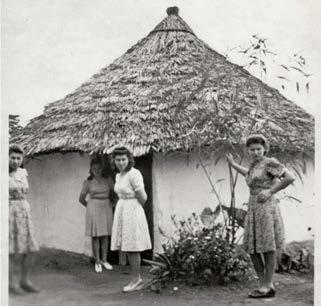
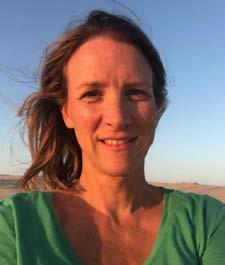
“The Tanzanians, who were experiencing colonial pressure and subjugation, sat side-by-side with the Poles who’d escaped colonial exploitation and subjugation by the Soviet Union. They really saw one another.”
In 1952, the British closed Tengeru, one of the last camps in Africa to close. But few of the refugees wanted to return to a Poland still occupied by the Soviets. They were given the option to stay in Africa, or go to England, the US, Canada or Australia. Gerech, who’d come close to dying in the camp with cerebral malaria, was ready to leave.
Others stayed. Joseph walks down a line of gravestones which are bigger, more modern than the others. He reads out the names of people he knew, refugees who’d been children in the camp, lived their lives in Arusha and had chosen to be buried in Tengeru as recently as 2021.
It may be a cemetery in a place of exile but here, perhaps, is where many felt closest to their Polish roots.
Jonathan Durand’s 2018 documentary Memory Is Our Homeland is available at https://memoryisourhomeland.com
Laura Kyle is an international journalist whose career has unfolded across continents and conflict zones.
During 20 years with Al Jazeera English, she reported from around the world, covering stories across Asia and Africa — from tribal violence in Papua New Guinea and Pol Pot–era trials in Cambodia, to the fallout from the Fukushima disaster in Japan and devastating drought in Burkina Faso.
She has lived in China, Nepal, Australia, Malaysia and Qatar, eventually settling in Doha, where she swapped hiking boots for heels and anchored major international news for the next 15 years.
It was a time of tumultuous upheaval in the region with the Arab Spring, the war in Gaza, and Iran’s attack on a U.S. airbase in Qatar, when she remained on air as the newsroom shook from missiles being intercepted overhead.
Today, Laura has swapped her heels for bare feet and has settled on the slopes of Mount Meru, where she lives with her husband, three young children and an ever-growing menagerie of rescued animals.
By Anne Thomsen
Not a wink was slept. I didn’t want to miss a sound or even the faintest of earthy smells from the bush, carried on the light breeze of this beautiful African night. Was that a hyena, or perhaps a lion padding around outside the tent? Or maybe a tree hyrax rustling in the branches above? I drank in every moment, so happy to be back in my favourite place.
As morning approached, the bird chatter gently told me to get out of bed and join them as they greeted the dawn. I did not even have to open my eyes to know I was back in Africa.
Grabbing my paints and brushes, I had a quick breakfast and then met up with my guide. My goal for the day: to sketch and paint whatever came my way and live
in the moment of this primal connection with nature. No chasing the ‘perfect’ subject. No waiting for ideal conditions. Just pencils, watercolors, paper, and whatever the landscape decided to offer.
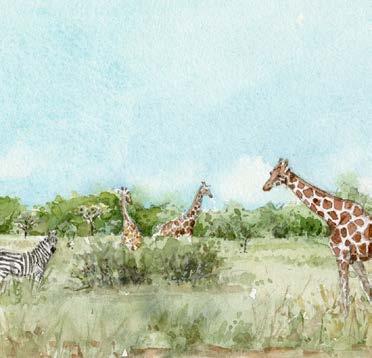
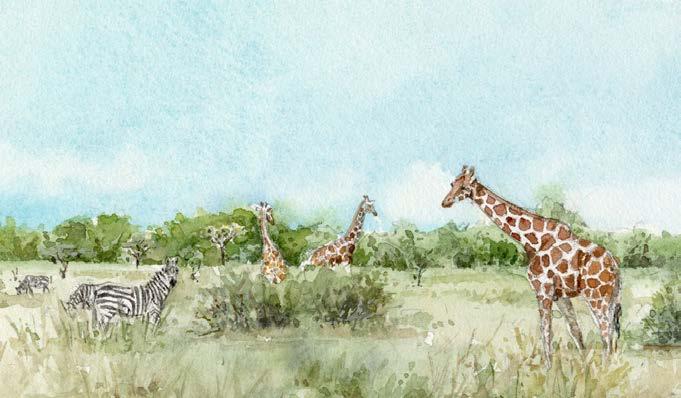
As it turned out, what it offered was giraffe—they were everywhere! Not one or two, but large groups grazing and walking through the bush. Appearing from a thicket of trees and then silently disappearing in a moment, they browsed in loose formation like they had all the time in the world. Perched in my seat, my pencil started sketch-
ing, not waiting for my mind to catch up—I was captivated by the beauty of this moment.
The giraffe did what giraffe do best: never quite the same thing twice. I chose one, tall and elegant, and began sketching broad, round, flowing marks. The head, neck, torso…so far, so good. Then I moved to the spots, fully aware that this is where confidence often goes to die.
“You sit, observe, and wait. And in waiting, something settles. Your breath, your expectations, your sense of urgency.”
The giraffe shifted. Not dramatically, but enough. The pencil followed the spots faster than my eyes could process. I tried keeping up, but then glancing at my sketch I realized I had unintentionally abandoned the angular shapes of the giraffe’s markings. In my haste to capture, I was now looking at clusters of small spots, as if a cheetah had quietly snuck into the scene.
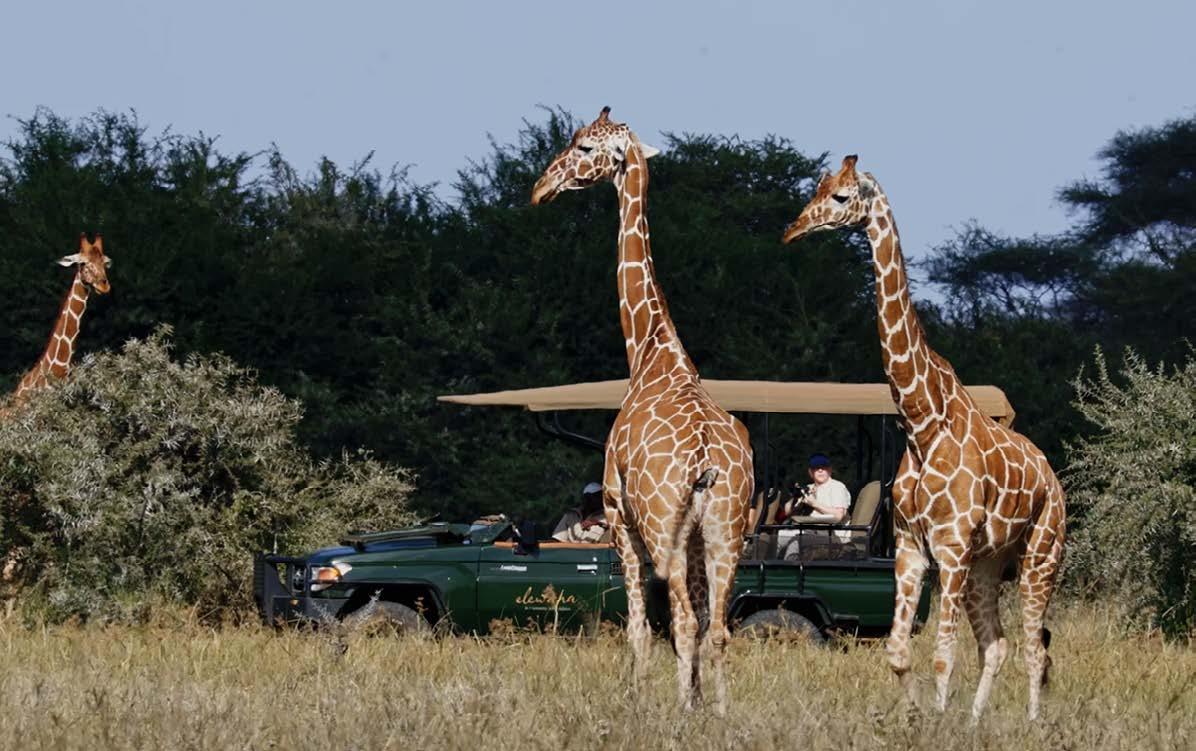
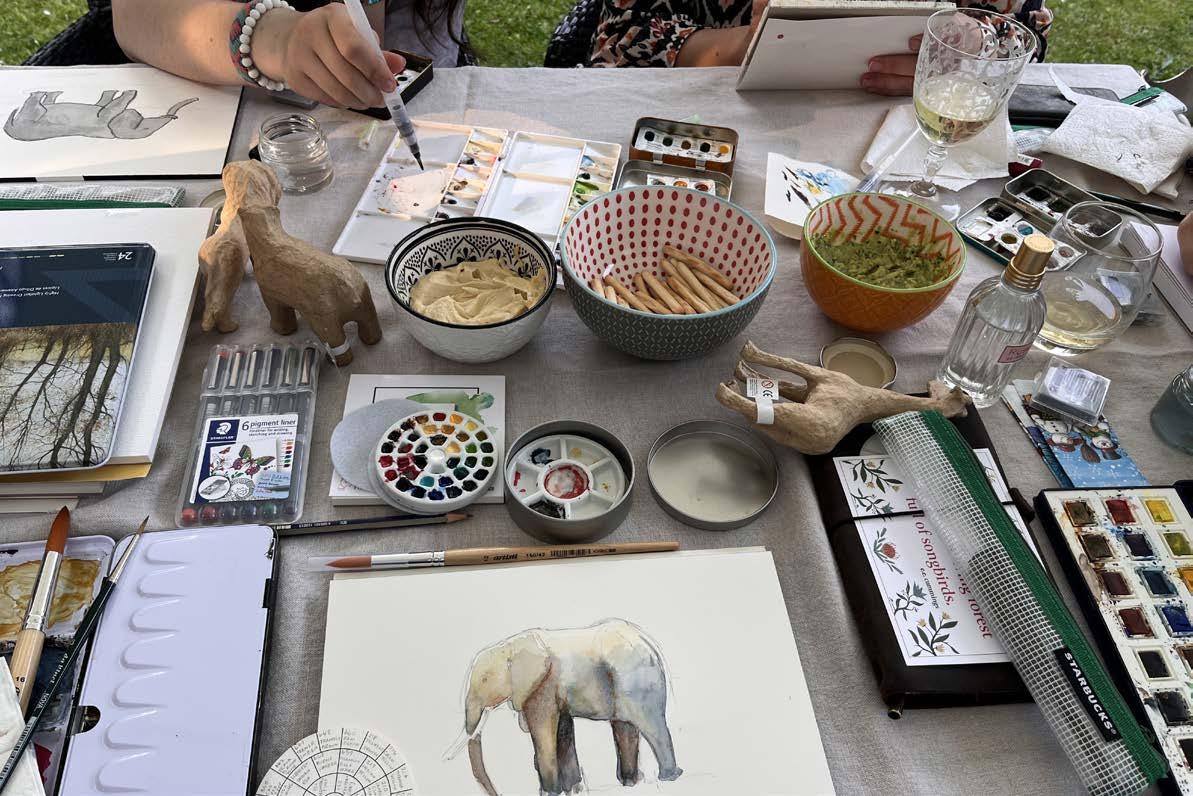
This made me laugh—that knowing laugh that comes when you realise the gentle absurdity of trying to capture a moving animal with a moving hand from a moving vehicle. This wasn’t about my artistic mishap, but rather an admission that wildlife has its own agenda. And respecting that as part of the experience.
I didn’t erase. Instead, I waited. As the giraffe wandered off, another took his place in a similar stance. Different markings, but with a familiar angle of the neck. Close enough.
That’s one of the quiet gifts of sketching wildlife this way. You don’t need the giraffe to return; you only need one willing to pause roughly in the same posture long enough for your eye and hand to agree on something. And eventually, one always does.
The drawing loosened up and the
“The giraffe never stood still. But in learning to wait for the next one, I found exactly what I had come for.”
self-imposed pressure to be accurate disappeared. The spots became impressions rather than declarations— although some still leaned toward cheetah rather than giraffe. I let them.
My day in Meru National Park unfolded in its own time. The light shifted. Birds flitted through the edges of my scenes, buffalo and elephant wandered nearby. The vehicle rumbled quietly while nature carried on, unbothered by our small human attempt to understand it through lines, shapes and color. This is why quick sketching feels so deeply calming to me. It asks for attention but not control. It invites patience without demanding stillness. You sit, observe,
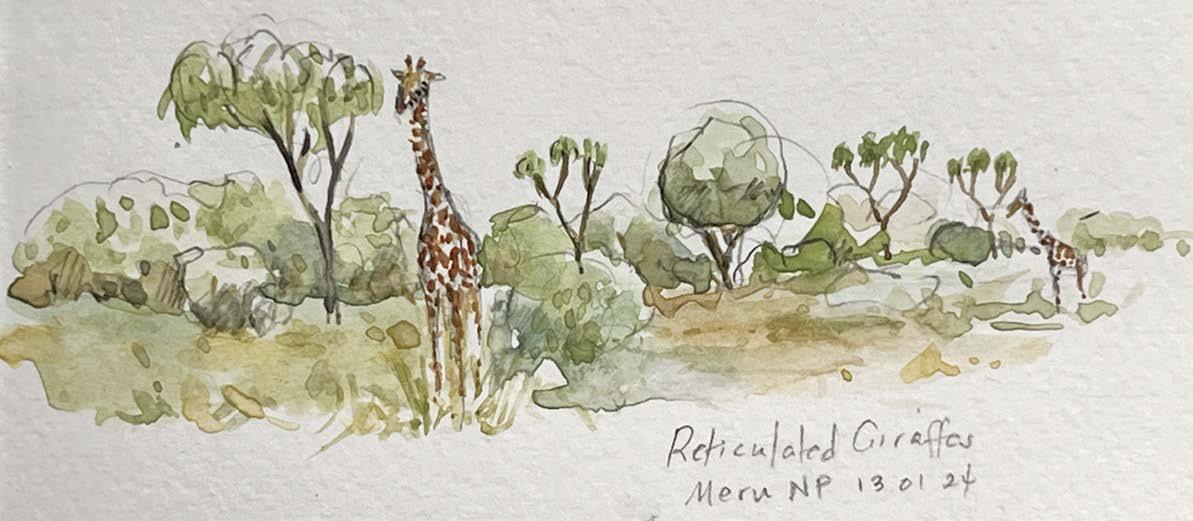
and wait. And in waiting, something settles. Your breath, your expectations, your sense of urgency. By the end of the drive, my sketchbook was full of animals and wonderful impressions of fleeting encounters.
The January air, Meru terrain, and gentle rhythm of the day reminded me

Anne Thomsen is an award-winning artist and creative conservationist whose work focuses on wildlife and community. After living and working across Hong Kong, Singapore, Italy, the United States, and Belgium, her studio is currently based in Germany.
For more than 30 years, Anne has returned to Kenya and Tanzania, where the landscapes, wildlife, and people
again why art belongs so naturally in conservation spaces. This quiet contemplation was conservation in prac-
“Art doesn’t just document wildlife—it nurtures respect, patience and wonder.”
continue to inspire her vision. Her passion for conservation and sustainability is at the heart of her business, Studio Ngong, where a percentage of profits supports wildlife conservation and community projects.
Through immersive Art Safaris and Artist-in-Residence programs in Africa, Anne encourages others to connect deeply with nature through sketching, painting, and mindful observation. The core values of her practice: patience, presence, and protection—are qualities that are vital in wild landscapes.
Anne is partnered with numerous organisations including the Grévy’s Zebra Trust, Elewana Collection, and the African Fund for Endangered Animals, serves on the board of the Loisaba Community Conservation Foundation, and is a proud ambassador for Game Rangers International.
tice: appreciating wildlife on their own terms, without interference, without stress. Sketching encourages careful observation and empathy. It helps us notice details we might otherwise miss, fostering deeper connections with the animals and their habitat.
Connection is the seed of care. Art doesn’t just document wildlife, it nurtures respect, patience and wonder, qualities that every conservationist hopes to inspire in others who share our planet with these incredible creatures.
The giraffe never stood still. But in learning to wait for the next one, I found exactly what I had come for: a sense of calm, a deeper way of seeing, and pages that would remind me of these moments and how deeply they touched my soul.
My giraffe-related art can be found at The Giraffe Center gift shop in Karen, Nairobi. A percentage of the proceeds go to support the African Fund for Endangered Wildlife – art and conservation working together!
www.studiongong.com
Kenya’s wildlife conservancies are quietly reshaping the future of safari travel. Built on partnerships between local Maasai landowners and responsible tourism operators, they offer a model where conservation, community, and carefully managed visitor experiences reinforce one another rather than compete.
One of the finest examples is Naboisho Conservancy, a 60,000-acre expanse of rolling savanna that borders the iconic Maasai Mara National Reserve. Though it shares the same broader ecosystem as the Mara, and by extension the vast Serengeti National Park, Naboisho feels markedly different from the moment you enter.
Each conservancy has its own character - some known for rare species, others for dramatic landscapes or exceptional predator sightings. What they all share is a commitment to low-impact tourism, wildlife protection, and direct benefits for local communities.
Naboisho Conservancy - whose name means “coming together” in the Maa language of the Maasai people - is a 60,000-acre community-led conservancy located just northeast of the world-famous Maasai Mara National Reserve. It forms
By Jim Walker
an important part of the larger Mara-Serengeti ecosystem, one of the most significant wildlife regions on the planet.
Naboisho represents a conservation success story built on cooperation. Local Maasai landowners partnered with conservation organizations and responsible safari operators to set aside their land for wildlife while still maintaining traditional pastoral livelihoods. Instead of subdividing the land for farming or development, families lease their land to the conservancy, receiving reliable income while protecting the wildlife that has shared these plains for centuries. The result is a landscape where people, wildlife, and sustainable tourism truly come together, living up to the meaning of its name.
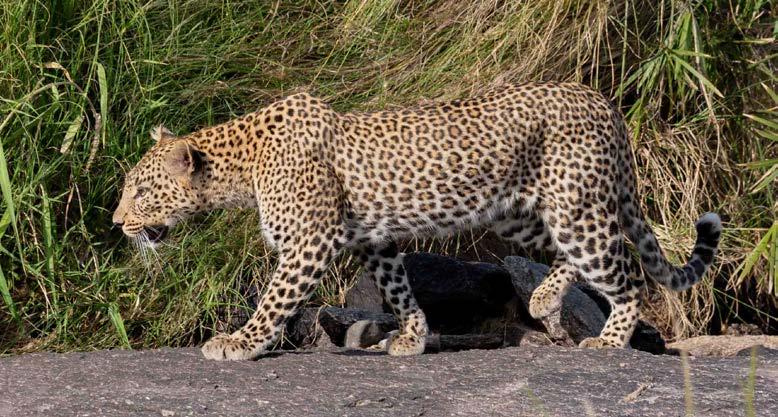
The conservancy’s open savannahs, scattered acacia trees, and seasonal streams create an ideal habitat for wildlife. Over the years, Naboisho has developed one of the highest predator densities in the Mara region, making it a remarkable destination for anyone hoping to see Africa’s iconic carnivores. Lions roam the grasslands in impressive numbers, while cheetahs patrol the open plains in search of gazelle and impala. Leopards, always elusive and mysterious, can sometimes be found resting in the branches of acacia trees or moving quietly along the riverine thickets.
But predators are only part of the story.
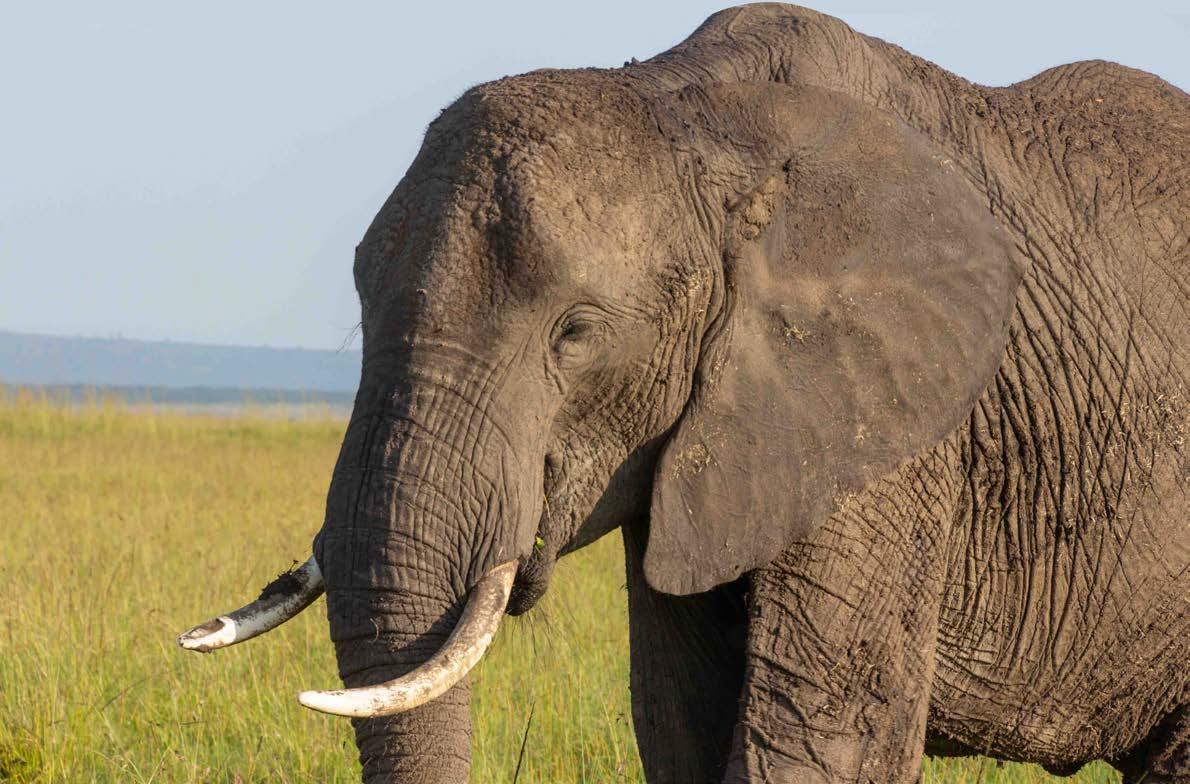
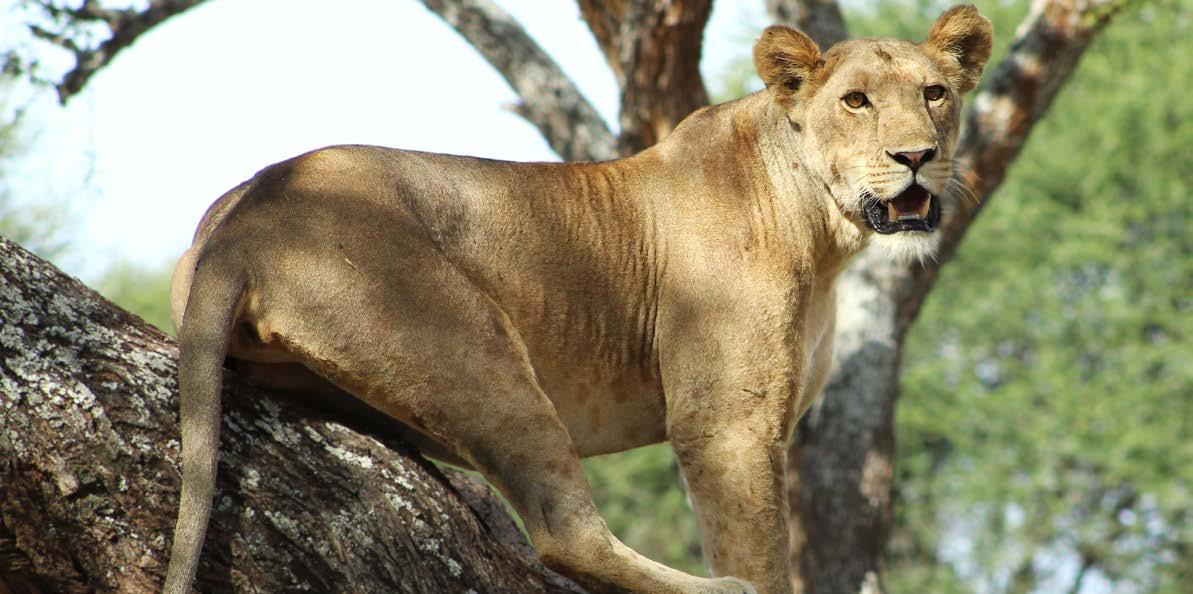
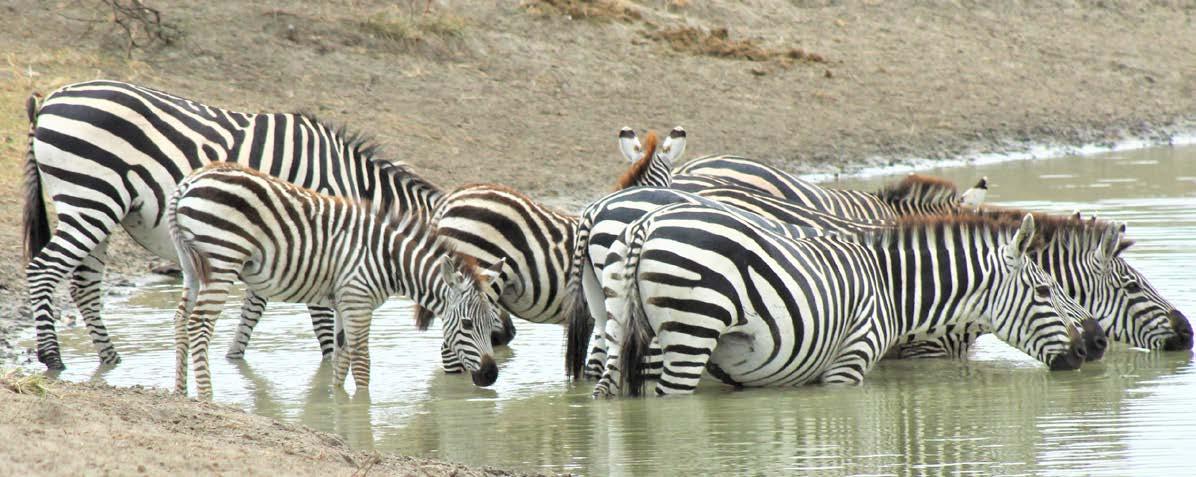
Herds of plains game are abundant here, including zebra, wildebeest, giraffe, eland, topi, and hartebeest. During certain times of the year, the conservancy also receives visitors from the massive migration that moves between Kenya and Tanzania. The surrounding habitat supports hundreds of bird species as well, making Naboisho a rewarding location for birdwatchers and photographers alike.
One of the defining features of Naboisho Conservancy is its low visitor density. Unlike the nearby national reserve, where vehicle numbers can sometimes build up around major wildlife sightings, conservancy rules limit the number of camps and vehicles operating in the area. This creates a much quieter and more personal safari experience. Game drives often feel private, allowing guests to observe wildlife behavior without the distraction of crowds.
Naboisho Conservancy operates on a high-value, low-impact tourism model designed to protect both wildlife and the wilderness experience. Within its 60,000 acres there are only eight safari camps, with a strict limit of no more than 150 beds across the entire conservancy.
This carefully managed approach ensures that tourism never overwhelms the landscape. By limiting the number of camps and guests, Naboisho avoids the heavy vehicle traffic that can sometimes occur in more crowded safari areas. Instead, visitors experience the bush in a quieter, more natural setting where wildlife behavior remains largely undisturbed.
For guests, this means more intimate game drives, fewer vehicles at sightings, and a deeper connection with the environment. Guides have greater freedom to position vehicles thought-
fully, allowing photographers and wildlife enthusiasts time and space to observe animals behaving naturally rather than reacting to crowds.
The model also reinforces the conservancy’s core philosophy - responsible tourism that benefits both wildlife and the local Maasai community. Revenue generated from these carefully managed camps helps support land lease payments to Maasai landowners, conservation programs, and employment opportunities within the conservancy.
The result is a safari experience that feels both exclusive and authentic - a place where the wild still feels truly wild, and where every visit contributes to protecting the land for future generations.
Another advantage is the flexibility of wildlife viewing. In many conservancies, including Naboisho, off-road driving is permitted in certain situations, allowing guides to position vehicles more effectively for viewing and photography. Night drives are also allowed - something not permitted inside the national reserves. These evening excursions reveal a completely different side of the African bush, where nocturnal animals such as aardwolves, bush babies, and civets become active under the starlit sky.
For photographers, Naboisho offers an incredible combination of wildlife density, open landscapes, and controlled tourism pressure. Early morning light over the savannah, predators moving through the grass, and dramatic sunsets silhouetting acacia trees all combine to create unforgettable photographic opportunities.
Perhaps most importantly, Naboisho demonstrates what modern conservation can achieve when local communities are true partners. Revenue from tourism helps support education, healthcare, and employment opportunities for Maasai families who own the land. At the same time, wildlife popu-
lations continue to thrive across an interconnected landscape that remains open and protected.
For travelers exploring the Mara region, Naboisho Conservancy offers something special: the feeling of being immersed in the wild without the crowds, while knowing that your visit directly supports the people and wildlife that call this land home.
In future articles, I will highlight other conservancies across Kenya that offer
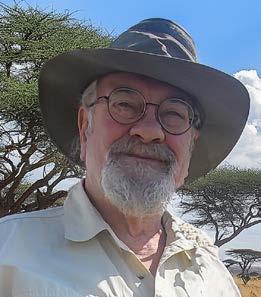
Jim Walker is an award-winning photographer based in Maine, USA. He has traveled extensively throughout the United States, Europe, Saudi Arabia, and Kenya. With more than 50 years of experience in travel photography and over 40 years
their own unique wildlife experiences and conservation stories. Each one plays a vital role in protecting the remarkable biodiversity that makes Kenya one of the greatest safari destinations in the world.
https://jimwalkerphotography.smugmug.com/ - travel and wildlife photography
https://kenyasafariadventure.com/ my books
dedicated to wildlife and bird photography, Jim brings a seasoned eye and deep appreciation for the natural world to every image he captures. Jim has published several books on his travels, and wildlife. He has also published several books on Genealogy research of his family, and others. He is a member of the Professional Photographers of America (PPA) and the Maine Professional Photographers Association (MPPA). His photographs have appeared in numerous magazines, newspapers, and textbooks.
During his first Safari to Kenya in 2022, Jim fell in love with the country and the people, which brought him back to Kenya in 2025. He is in the midst of planning his next trip to Kenya in 2027. Remember, you are never too old to learn from new experiences.
As the sun sets and the fire is lit, and the pastel hues of the lodge begin to glow in the twilight, you will find that the tagline is not a mere suggestion, but a promise: you must indeed be prepared to fall in love.
By Hollie M’gog
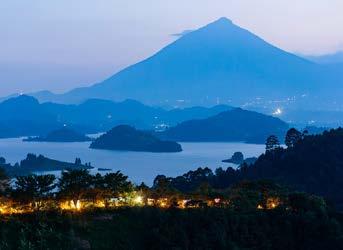
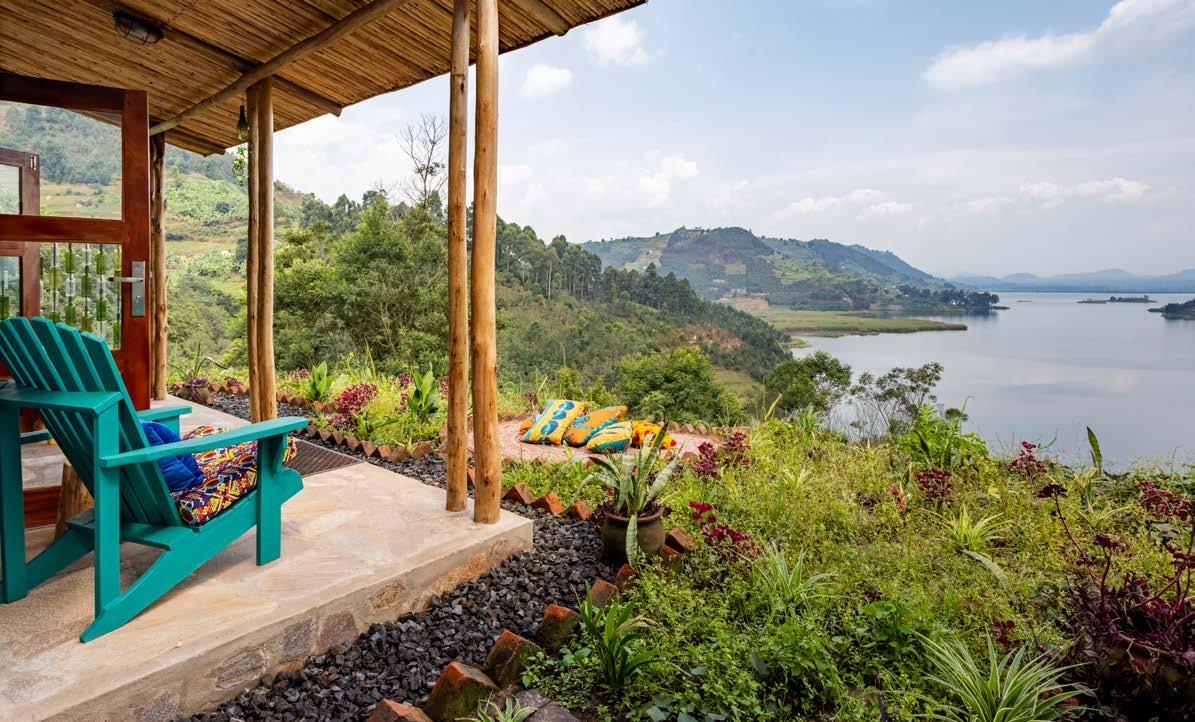
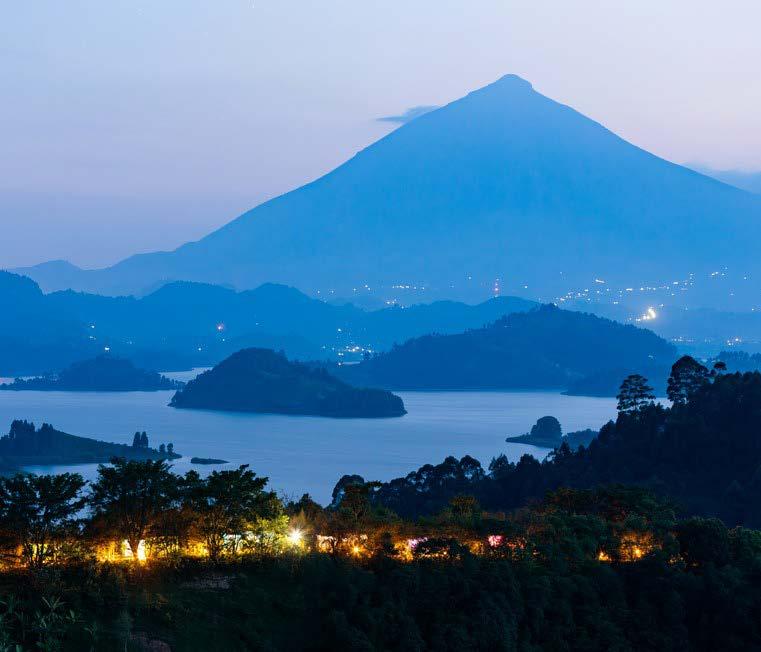
Arriving at Chameleon Hill Forest Lodge is like stepping out of the rugged, dusty reality of travel and into a living, breathing colour kaleidoscope. Stand on the rim of the hill, look down at the island-studded expanse of Lake Mutanda far below, lift your gaze to the silhouetted peaks of the Virunga Volcanoes — Mount Muhabura, Gahinga and Sabinyo among them — and the word that comes to mind is bewitching. It really is. I’d describe it as a sanctuary born from a “true vision”, a place where a once-deforested hill has been coaxed back into a lush, vibrant forest through a deep “care for creation”.
I think the story here is one of remarkable environmental restoration – still
happening. Through a slow and dedicated process of acquiring land and reforesting, these hillsides are being transformed from monoculture, biodiversity poor hilltops and slopes into the charm and allure of Chameleon Hill Forest Lodge. This return of the wild is not just aesthetic; it is tumbling and chaotic. Today, the forest is alive once more. Vibrant Turacos flit between the branches and the lodge recently celebrated the arrival of its first Sykes monkey — a significant milestone for a lakeside area that had long been denuded. It is a place where nature has been invited back to the table, and the result is nothing short of magnificent.
Visually, the lodge is a startling and
joyful departure from the muted khakis and earth tones of the safari world. Instead, guests are greeted by a phenomenal palette of pastel colours, a riot of pinks, greens, reds and yellows that mirror the flowers of the Ugandan plants that thrive here. It is said that in Uganda, if you put a stick into the ground, it grows; at Mutanda, this seems especially true. The fourteen rooms that line the rim of the hill are not just a bed for the night; they are private galleries of local craftsmanship. Inside, the walls are adorned with the work of local artists, most notably, in the dining area, a truly spectacular mural of a silverback gorilla with a butterfly perched delicately on his finger, painted by the well-known artist ‘Alex from Jinja.’ This whimsical, modern

touch to traditional themes continues throughout the lodge, with pastel-filtered prints of white rhinos, giraffes and more adding to the dreamlike atmosphere.
The rooms themselves are designed to be sanctuaries of both comfort and character. Intimate spaces scattered with cushions made from local kitenge fabrics, sewn in a “quilt style” that vibrates with local colour but is framed by clean, dark-edged borders. Perhaps the most iconic feature of the guest rooms is the Adirondack chairs with exceptionally wide armrests which, as it turns out, are perfectly suited for resting a gin and tonic while you lose yourself in the view of
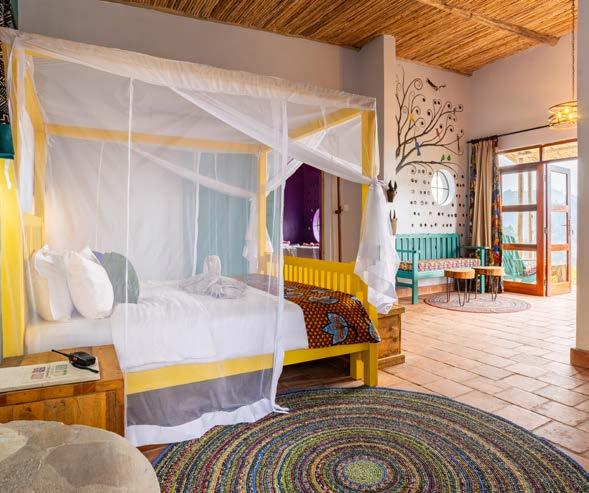
the lake. Every detail has been considered, from the power showers to the spacious mosquito nets that provide a sense of openness rather than enclosure, ensuring that even as you are immersed in the wild, you are never far from luxury.
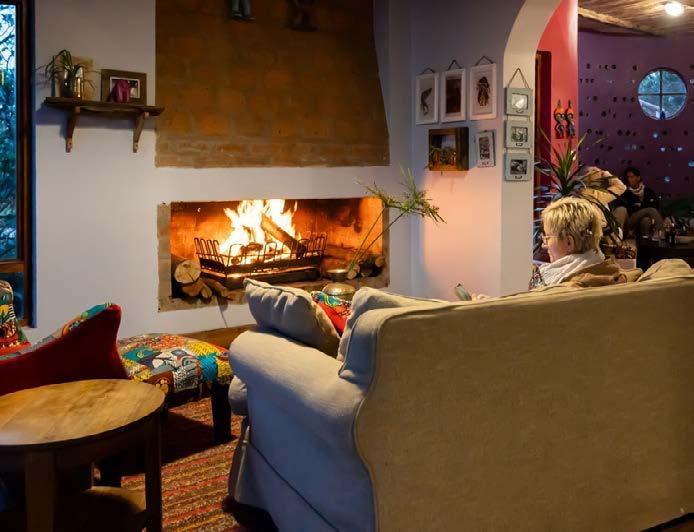
Stepping out of the private rooms onto an avenue of crazy paving lined with colourful flowers you meander up the hill to the main lodge area, past rabbits and tortoises. Here the atmosphere shifts from personal retreat to social heart with Tommy the cat presiding. Overstuffed armchairs are gathered around a fireplace that is lit every evening, creating a fantastic
ambiance. It is a space where guests from across the globe gather to share the mountain gorilla trekking story of their day, as the lodge is conveniently located just a one-hour drive from the starting point.
The staff really were beyond helpful, ensuring that the Chameleon experience is as seamless as it is beautiful. For those who wish to take a piece of this magic home, the on-site gift shop stocks the very same decor and fabrics that make up the lodge’s unique aesthetic. One of the most popular activities, particularly for visiting families, is the mask-painting workshop, where guests can paint local Ugandan masks using the lodge’s signature pastel hues — a perfect modern touch to the traditional.
Beyond the walls of the lodge, the landscape offers a playground for the soul. For those seeking wellness, the yoga room is just phenomenal, with its panoramic view making it an ideal setting for breathing retreats or meditation. The lodge also caters to the whimsical; for the brave younger guests or honeymooning couples looking for something unique, there is a stationary VW Combi set up with a double bed, its own verandah and a shower, offering a quirky alternative to the colourful blend of rooms with the same breathtaking view down the lake.
Adventure at Chameleon Hill inevitably leads down to the water and through a storm. While the trek down the hill is steep (the climb back up provides a fun challenge for those looking to push their fitness), the rewards of Lake Mutanda are manifold. The lodge operates a beautiful barge with a central table, allowing for meals to be served as you drift across the water. You can even take bikes onto the barge, cycle along the shores of the lake, and be ferried back across. The lake is renowned for its beauty and is a wonderful place for a swim, though local lore mentions the pythons that inhabit the far ends of the water. For those who prefer to stay on the surface, there are traditional dugout canoes to master — though they are famously very hard to manoeuvre.
Novice birdwatchers will find themselves in a paradise of their own. While it might be tricky for a professional birder to find every rare species, the sheer abundance of life is captivating. African fish eagles are all over the place, their iconic calls echoing over the water, joined by kingfishers, ibises, herons and egrets. The culinary experience at the lodge is equally tied to the lake, with super healthy proportions of tasty food often featuring fish caught directly from the waters of Mutanda.
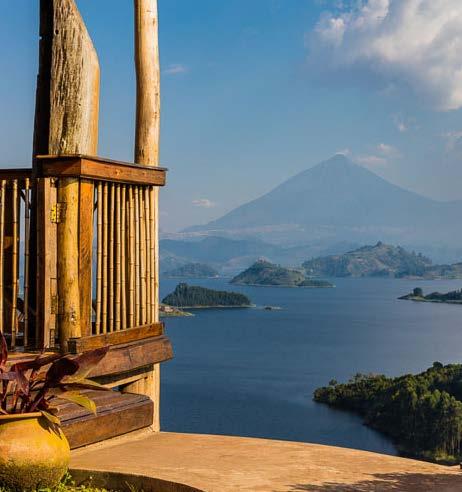
Whether you are there to find your zen in the yoga room, to trek the great silverbacks in the nearby forest, or simply to sit in an Adirondack chair and watch the moon rise over the volcanoes, Chameleon Hill Forest Lodge
offers an experience that is deeply restorative. It is a place that has been “bewitched” into a magnificent getaway, a testament to what happens when a true vision is brought to fruition.
Hollie M’gog, was born in Nakuru, Kenya in 1984 and although Kenyan, has lost her heart to Uganda.
Lucky enough to have been schooled on three continents (Africa, Australia and Europe) she has led a wanderlust life and has had many an exciting adventure herself, including being pushed sideways by a mountain gorilla in Uganda, having her hat lifted off her head by a charging wild elephant in Botswana and slipping into a crocodile feeding pond in Australia when the embankment collapsed!
Africa runs in her bloodstream. Although she enjoys travelling by way of kayaking, hiking and hitch-hiking through Central and South East Asia, Australia, the West Indies and Canada, she will never leave Africa, its colourful people, its aggravating bureaucracy, its intense wilderness and its freedom from the ‘general rules of society’.
As an author she has written a non-fiction book about the Zambezi River: Where Crocodiles Roam as well as two children’s book series: The Oceans Learning and Wild Africa series.
By Hollie M’gog
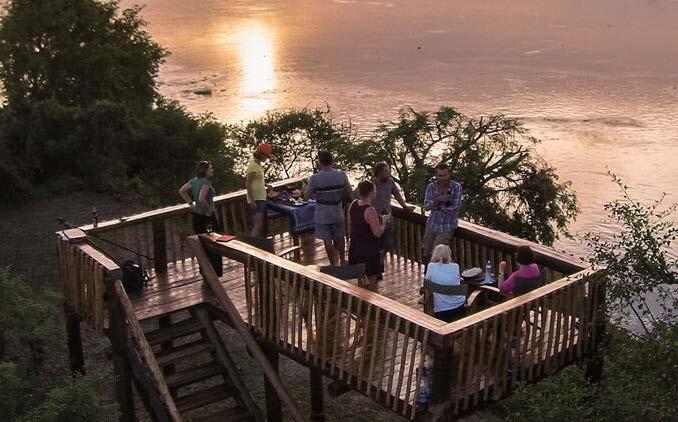
I’m high up on a viewing deck as the last light lingers over the White Nile, stretching west towards Lake Albert, as if the day isn’t quite ready to give itself up. The river holds that fading glow; bronze, then ash, then something softer that slips quietly into darkness.
Somewhere below, keeping my dusk musings to a beat, music is being performed. It carries across the open restaurant and down towards the boat ramp. I can see firelight flickering and figures move in and out of shadow. Sparks lift and vanish into the dark, brief and weightless.
Between the last of the sky and the pull of the fire, the space folds in on
itself. The height of the deck gives way to the ground, the distance to something closer, more human.
For a while, nothing asks for attention. And then, gradually, the spell loosens, there is the quiet pull of a meal waiting up above me, the low glow of the dining room, the sense that the night is only just beginning.
As I stepped onto the grounds of Murchison River Lodge, the first thing that struck me wasn’t just the heat — though at a sweltering 40 degrees, the sun is a physical presence here — but the profound sense of care and intentionality that permeates every corner of this place of peace. This isn’t a corporate, cookie-cutter safari retreat; it is a lodge for families, built by a family
with the love of a family, and you can feel that heartbeat in every detail.
Standing on the banks of the Nile, the view is nothing short of incredible. The river flows with a quiet, ancient power and the lodge takes full advantage of this prime real estate. I found myself drawn to the thatched, open restaurant, which boasts a glorious atmosphere that captures the breeze and the spirit of the river. Every evening, a fire is lit just meters from the water’s edge; it was here that a local musical group played a hauntingly beautiful soundtrack on traditional instruments around the fire on my first evening.
The accommodation reflects this same marriage of practical family needs and
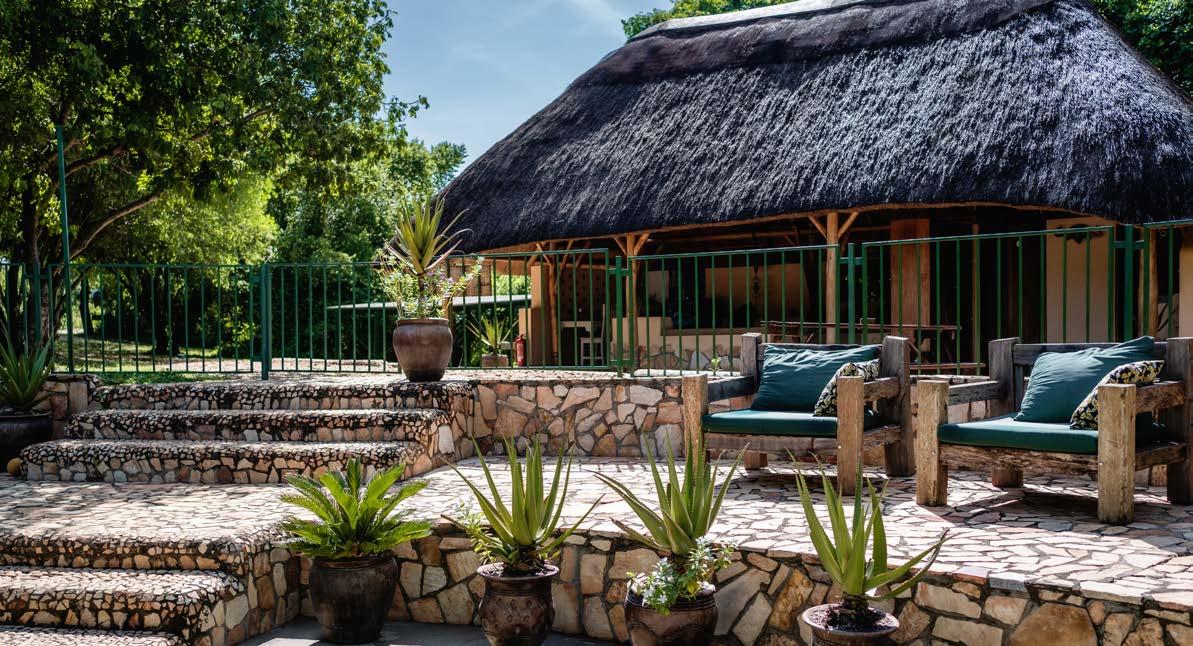
aesthetic beauty. For larger groups, there are four villas (or cottages) that sleep four people comfortably, with space for two extra beds without feeling squeezed. While these don’t overlook the Nile directly, they are nestled deep in the bush, offering a private balcony experience where you feel completely immersed in the wild.
However, it was the safari tents that truly stole my heart. They are an architectural marvel of “bush-chic” functionality. Each tent is an A-frame structure with solid wooden doors and a great big thatched roof that provides a much-needed buffer against the intense heat. The real genius lies in the stone bathrooms built onto the back. Constructed with beautifully rounded river stones, the walls only reach about three-quarters of the way up. This design allows the air to circulate, which is a godsend when the temperature spikes. They’ve even thought of the small things that usually go ignored in the wilderness; a little stone prop in the shower specifically for women to shave their legs. It’s a detail I’ve rarely seen anywhere else, and it speaks volumes about the thoughtfulness of the owners.
The interior of the tents is equally well-considered. The wooden A-frame structure has been fitted with integrated shelving that holds the form of the tent perfectly. Even the mosquito nets are a work of art; intricately designed on wires that run across the room like curtains. You aren’t fumbling with tangled mesh or stumbling over nets in the dark; they simply draw back behind the bed and are secured with hand-carved wooden hooks. In a region where malaria is a reality, having such a functional, elegant net is more than a luxury; it’s peace of mind. Even the canvas window flaps have been reinforced with firm, stick-like structures, making it easy for one per-
son to roll them up or down without the usual safari-camp struggle.
One of my absolute favourite features of the lodge is the dawn chorus. I don’t know what it is about this specific location, but I have never heard anything like it. The tents are tucked into little alcoves where the bush has been allowed to grow thick and wild between the units. This provides total privacy — I couldn’t see the lights from the neighbouring tent only fifteen meters away — and creates a sanctuary for songbirds. Waking up to the symphonic layers of the white-browed robin-chat, various thrushes and the deep call of the coucals is something quite incredible.
Of course, the birds aren’t the only residents. There is a resident hippo who wanders the grounds at night. The staff beautifully describe the sound of his footsteps as “somebody wandering around in gumboots outside your tent.” It’s a charming image, though the advice remains firm: if you hear the gumboots, stay in your tent!
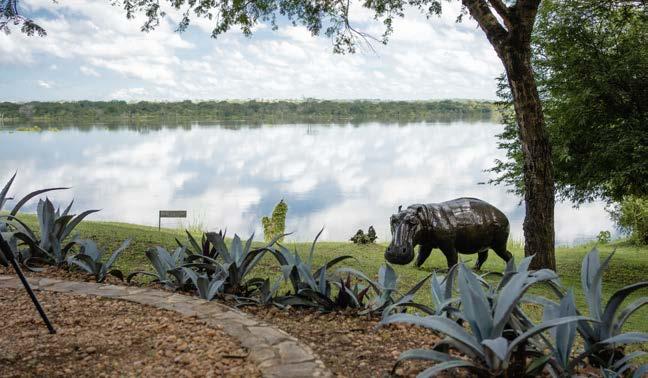
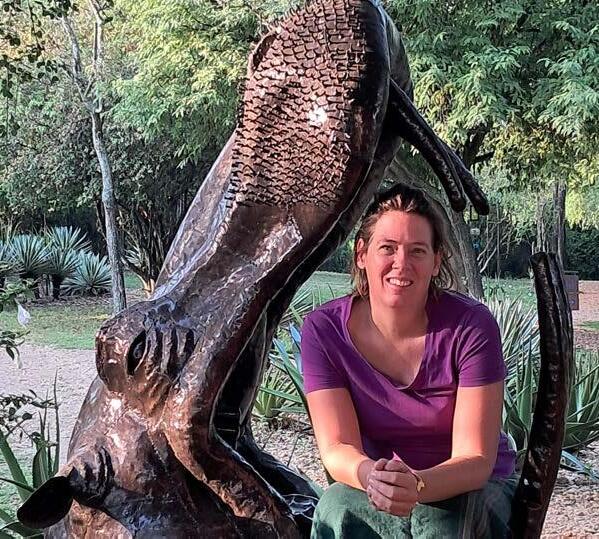
The grounds are further brought to life by stunning metal sculptures. These welded animal structures — a huge giraffe, two elegant cranes, and several hippos — are the work of talented artisans. My favourite was the hippo with its mouth wide open, stationed right next to the bar, and the hippo heads “swimming” in the pool.
When it comes to dining, the lodge prioritises hearty, solid and delicious meals over “posh” pretension. It’s food that satisfies the soul after a long day of exploring. I feasted on pan-fried fish that was simply divine, and for those traveling with children (or just a craving for comfort), the burgers, chips and chicken nuggets are top-tier. The portions are generous — perhaps a
little large for some, but perfect for a safari appetite. Lunch usually ends with a fresh fruit salad, showcasing Uganda’s incredible produce, while dinner is a full three-course affair featuring starters like soup and indulgent desserts like Banoffee pie, rocky road, or lemon slices.
As the day ends, there is no better place to be than the viewing deck. Elevated about four meters high, it offers a panoramic vantage point to watch the sun dip below the horizon over Lake Albert. Looking down the Nile towards the lake, you can see the distant silhouette of the Nile Safari Lodge, but your own perch feels like a secret sanctuary.
In a country where high-end lodges can often feel out of reach, Murchison River Lodge offers incredible value. I cannot think of another place in Uganda that provides this level of care, decor, and atmosphere at such reasonable prices. It is a place that celebrates the best of Uganda, from the woven basket decor to the courteous staff, all while making you feel like part of the family.
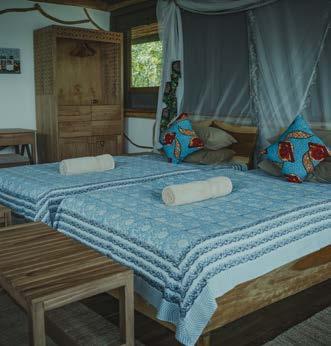
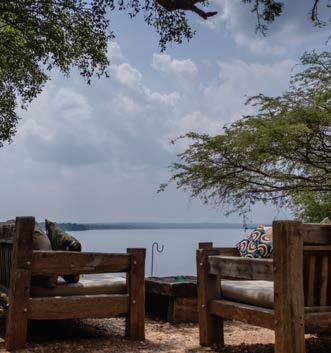
• Accommodation Types:
- Cottages/Villas: Sleep up to 6 people (4 in beds, 2 extra). Features private balconies in the bush.
- Safari Tents: A-frame tents with thatched roofs, wooden doors, and unique openair stone bathrooms.
- Basic Tents: A more budget-friendly option for those seeking a simpler stay.
• Pricing: Approximately $160 per person, per night, on a full-board basis for the cottages.
• Amenities:
- Fenced swimming pool (with a Nile view).
- Family-friendly features: Sandpit, swing, toy boxes, and children’s books.
- 4m high sunset viewing deck.
• Atmosphere: Open-air thatched restaurant with nightly fireside music by local performers.
By Lawrence Avery
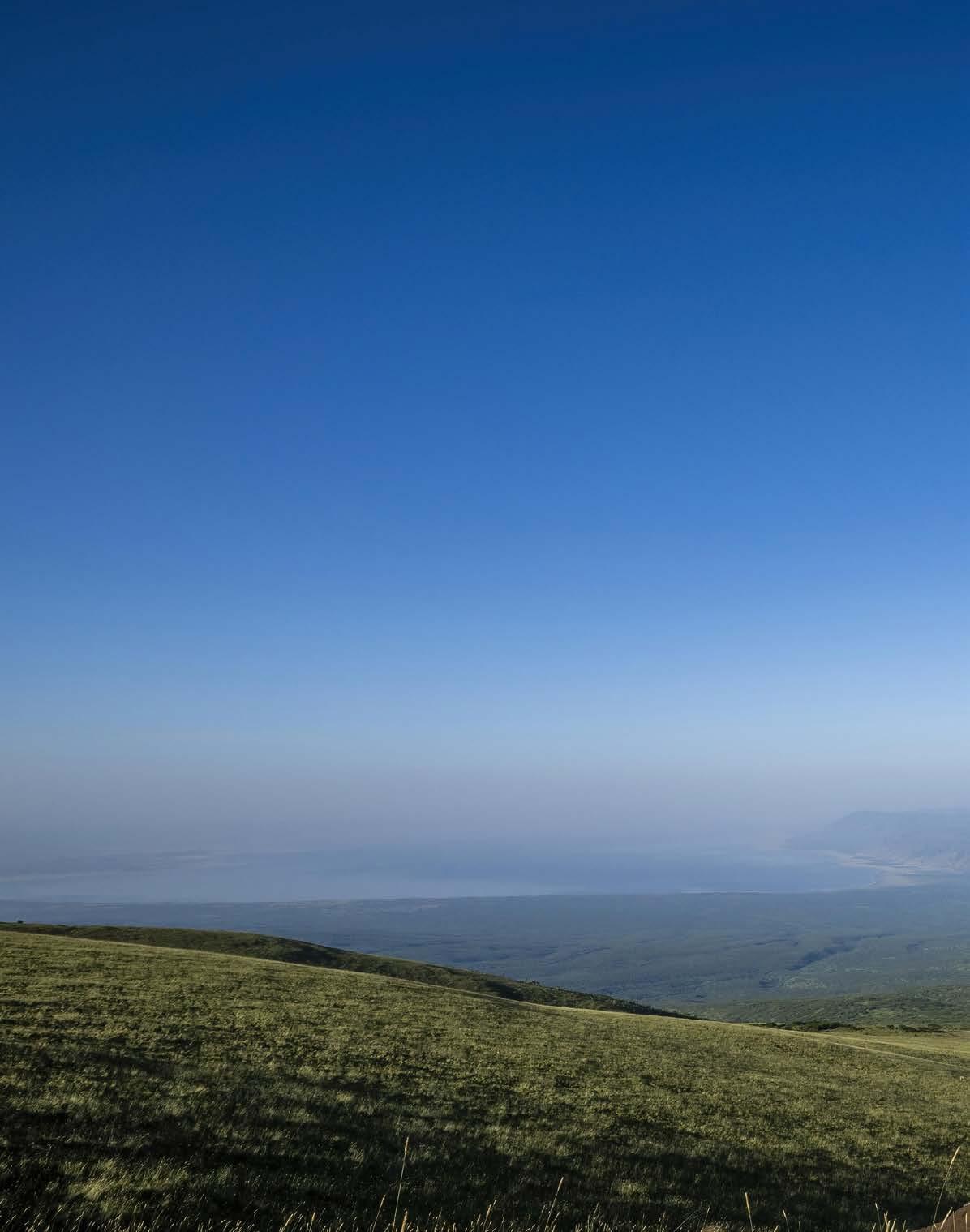
At first light in the Ngorongoro Conservation Area in northern Tanzania, the day begins quietly. Here, in one of Africa’s most important wildlife landscapes, part of the greater Serengeti ecosystem and a UNESCO World Heritage Site, people and lions have shared the same land for generations.
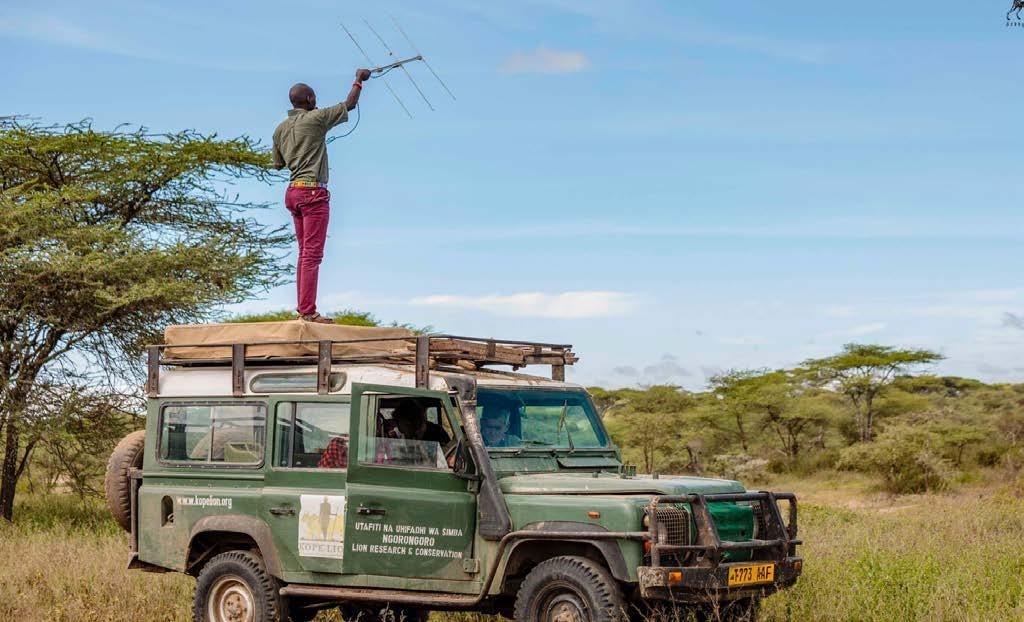
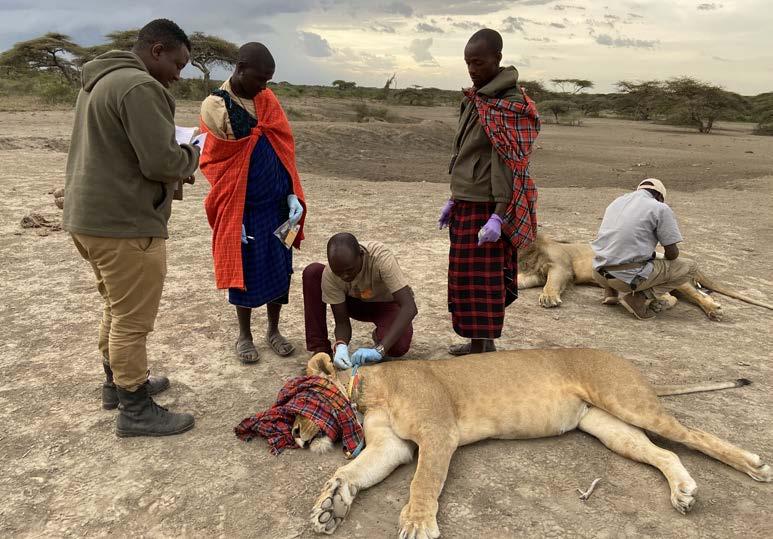
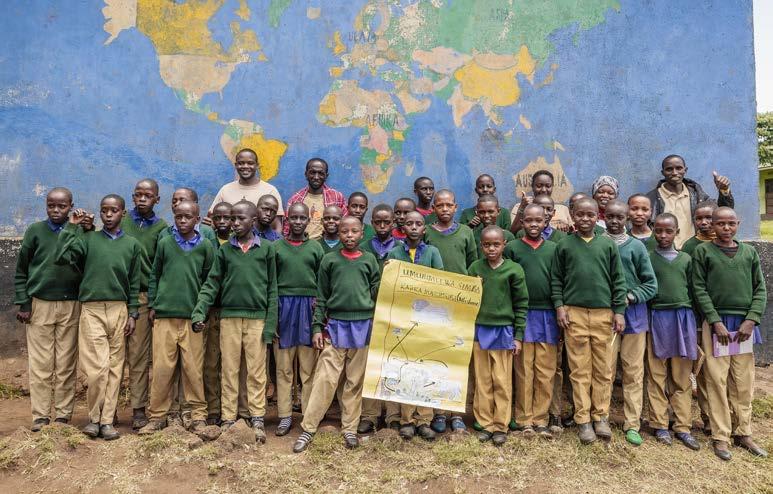
Across the open grasslands, rangers set out on patrol. Known as Ilchokuti, these community rangers are part of KopeLion, a conservation initiative working to protect lions while supporting the people who live alongside them.
Drawn from traditional pastoralist Maasai and Datoga communities, their role is as much about prevention as it is protection. Days can begin before sunrise and stretch long into the heat of the afternoon, monitoring both collared and uncollared lions to provide early warning and prevent conflict. They track footprints across dry ground, respond to reports of lions moving close to livestock, and help recover lost animals or strengthen enclosures. When incidents occur, they document predation and work closely with communities to prevent retaliation. The work demands deep knowledge of the land, and trust with-
in the communities they serve.
For many, this is not just a job, but a responsibility, safeguarding both wildlife and livelihoods in a landscape where the two are closely intertwined. With lion populations in decline across much of Africa, protecting these landscapes, and the communities that live alongside them, has never been more important.
Supporting this work is the David Shepherd Wildlife Foundation (DSWF), which partners with field-based conservation organisations like KopeLion
to strengthen conservation efforts across East Africa.
Through these partnerships, DSWF provides comprehensive support— funding training, salaries, welfare programmes, accommodation and essential equipment— strengthening
frontline protection with a clear focus on combating poaching, disrupting wildlife tracking networks, supporting communities and enabling human–wildlife coexistence.
“Rangers are fundamental to effective conservation. Investing in their skills, security and long-term support is one of the most direct ways to protect wildlife and the ecosystems it depends on.” — Georgina Lamb, CEO, David Shepherd Wildlife Foundation
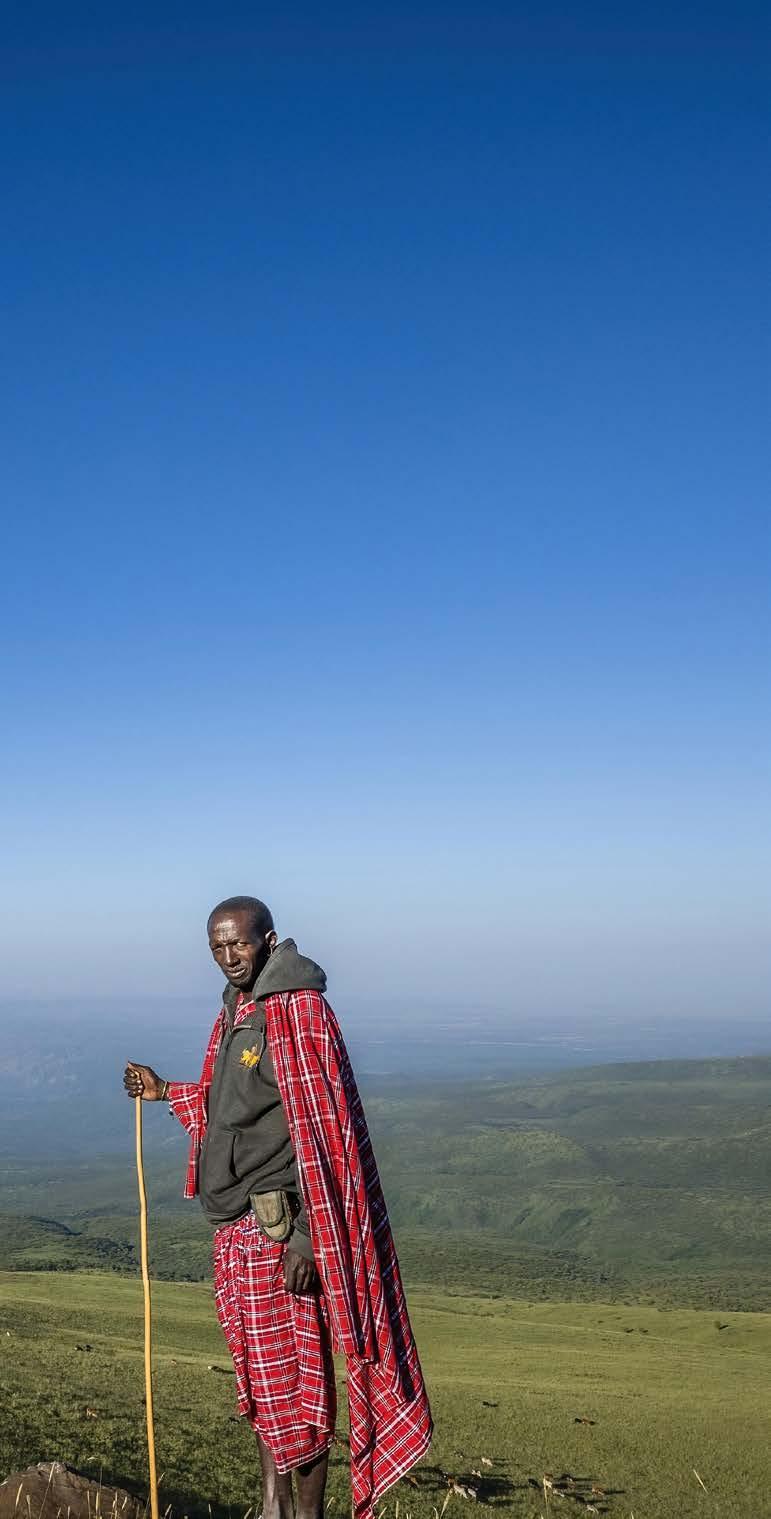
For the Ilchokuti, that support is tangible. It means having the tools and training needed to respond effectively, the security of stable employment, and the backing of a wider network committed to their work.
Across East Africa, wildlife protectors like these are the backbone of conservation. They protect endangered species, deter illegal activity, support communities and respond quickly when threats emerge.
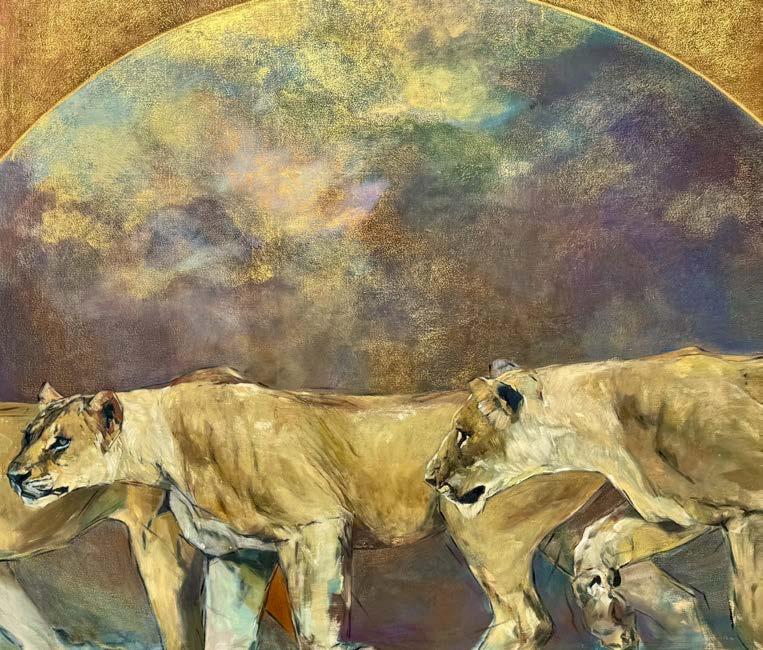
Each year, the David Shepherd Wildlife Foundation’s Wildlife Artist of the Year exhibition brings together artists from around the world, united by a shared commitment to the natural world. Held at the Mall Galleries in London, it is one of the world’s leading wildlife art exhibitions, showcasing over 150 artworks alongside specially invited guest artists, with works available to acquire both at the exhibition and online at davidshepherd.org. The 2026 exhibition runs from 8–12 September.
Proceeds from Wildlife Artist of the Year directly support DSWF’s fieldbased conservation partners, including ranger initiatives across Africa and Asia. Every artwork entered contributes to ensuring that rangers have the resources they need to continue their work on the front line.
It is a powerful connection, linking artists, audiences and conservationists in a shared effort to protect the natural world.
Beyond supporting ranger programmes, DSWF works across the region and beyond to protect habitats, tackle wildlife crime and support communities living alongside wildlife. In Kenya, it supports pangolin conservation on the border of the Maasai Mara, protecting habitats through conservation leases, ranger support, crucial research and community engagement.
For the Ilchokuti in the Ngorongoro Conservation Area, the impact of that support is felt every day.
It is there in the equipment they carry, the training they rely on, and the relationships they build within their communities. It is there in the quiet moments of a patrol, and in the urgent response when wildlife is under threat.
Because when nature fights to survive, it is these individuals, often unseen, often unsung, who stand guard.
And through the collective efforts of partners and supporters around the world, DSWF and its field-based partners like KopeLion are not standing alone.
The David Shepherd Wildlife Foundation (DSWF) fights extinction by confronting wildlife crime and protecting endangered species across Africa and Asia in collaboration with international, national and locally led conservation partners. For more than four decades, it has worked to challenge and disrupt the illegal wildlife trade, strengthening protections through intelligence-led investigations, enforcement partnerships and policy reform. By backing frontline conservation and supporting long-term, locally led solutions, DSWF places people and communities at the centre of lasting conservation success - today and for the future.
Learn more at davidshepherd.org
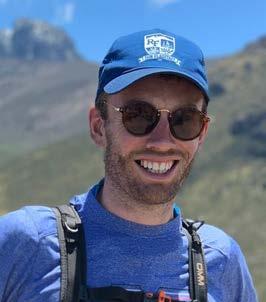
Lawrence Avery is a conservationist based in the UK who has been Head of Programmes and Policy at the David Shepherd Wildlife Foundation (DSWF) since 2022. He works closely with DSWF funded field partners on the ground, allocating funding, and ensuring that funding is used most impactfully. Previously based in Kenya for several years, Lawrence has travelled extensively throughout the region and has worked with conservation projects in East, West and Southern Africa, and across Asia, focusing on species protection, habitat restoration, human-wildlife co-existence, and ensuring local communities benefit from conservation efforts. In addition to his work with conservation projects on the ground, he heads DSWF’s work on international conservation policy, in particular at the Convention on International Trade in Endangered Species (CITES). He is a keen wildlife photographer and birdwatcher and continues to be a regular visitor to Kenya for both personal and professional reasons.
































By Cynthia Adams
Often tied to sweet, personal stories – a significant birthday, an anniversary, a family reunion, or a special shared experience with friends, a hot air balloon ride becomes a treasured memory that you carry with you for life.
The silence, the smell of the air, the warmth of the day as the African sun starts radiating her energy, cloaking everyone in her warm embrace… drifting over the Serengeti in a balloon adds another level of magic and mystery to your time in Tanzania.
It’s 4 a.m. and the alarm goes off in your tent. In that moment you wrestle with the thought of going back to bed, but in your heart, you know an otherworldly adventure is just on the horizon. Throwing on clothes and grabbing a quick cup of coffee, you take in the lingering night sky, still dark and filled with millions of stars.
Getting up before dawn, you get to tap into a few hours that are often missed by many travellers. The air is cool and fresh, carrying the smells of dust, grass, and damp earth in the overnight dew, with traces of animal scents adding an element of mystery in the stillness. A hyena whoops in the
distance and a few unknown sounds rustle in the grasses, briefly breaking the silence.
The sound of an engine hums softly as it approaches camp, and shortly your driver arrives to collect you and your companions. Animals are still on the hunt before first light as you head to the launch site. Wrapped in a Maasai shuka to help ward off the morning chill, you’re also treated to a special ‘after-hours’ game drive and the chance to spot a few of the nocturnal critters like the porcupine, aardwolf, honey badger or perhaps an aardvark—usually hidden during the day and rarely seen on safari.
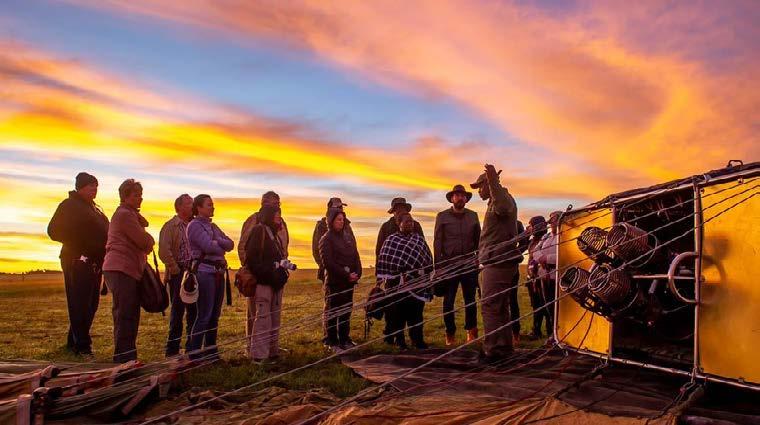
Arriving under the last of the night sky – a ghostly vision unfolds as the balloons lie on their sides, indiscernible in the remaining darkness and silence before daybreak. Bodies are moving about in the shadows, the pilots conducting safety checks and preparing their briefings for the guests.
After meeting your pilot and going over protocol and safety requirements for your flight, liftoff draws near and it’s time to climb into the baskets and buckle up. Daybreak is just around the corner.
Precisely timed every day to coordinate with sunrise, excitement builds
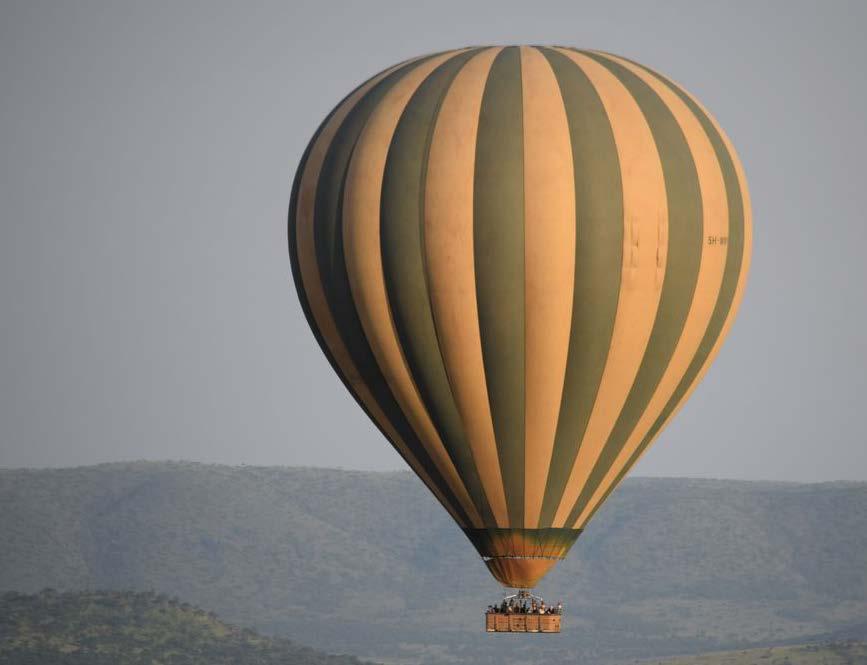
as the whoosh of the burners comes to life and lift off happens. The basket has righted itself, and in a brief moment you are soaring. Soft light breaks the horizon, as deep indigo edged with a faint strip of electric orange, like the embers from a smoldering fire, begins to recede. As if on cue, the African sun begins its ascent, and the Serengeti slowly awakens beneath you.
There is a strange and profound sense of perspective that comes from floating silently above the earth, a different kind of magic that can’t be experienced from the ground. Traversing over the open savannah, the balloons sail along. Your pilot adjusts for the winds as you rise and drift, or dip down for a more intimate view above a grazing herd of zebras and buffalo, hippos wallowing in the river, or perhaps even catching a pride of lions finishing a nighttime kill. And when the balloon rises again and the burner flame is off, you might just hear thousands of wildebeest hooves as they thunder across the plains, or the morning chatter of a hundred birds. This experience is as much about sound as it is about sight.
As you continue to soar, you may spot a herd of elephants as they forage for
food. Or a journey of giraffe ambling along, elegant and gangly at the same time. Time is different up here, and you relish every moment.
As the balloon glides silently over the seemingly infinite Serengeti, for the next hour you experience an almost dreamlike state — weightless, untethered, and completely content to remain between heaven and earth for as long as possible.
Like most guests, you wish you could continue soaring for hours. Lingering in the back of your mind, though, is the knowledge that a champagne
brunch awaits, under the shade of a baobab or acacia tree, a glass of bubbles at the ready — a rather wonderful consolation for eventually returning to earth.
A flash of iridescent purple and blue catches your eye. The Superb Starlings have arrived, along with the Buffalo Weavers, ever hopeful for a few leftover crumbs from your brunch. A hornbill kak-kak-kaks from the branches above, and you couldn’t be happier.
The chef is set up and ready for you! Having consulted with one of the top
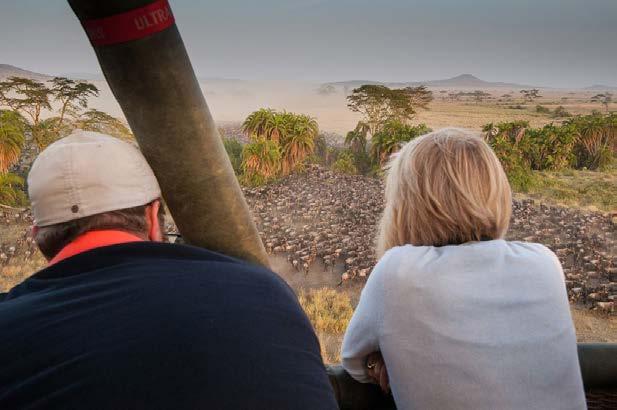
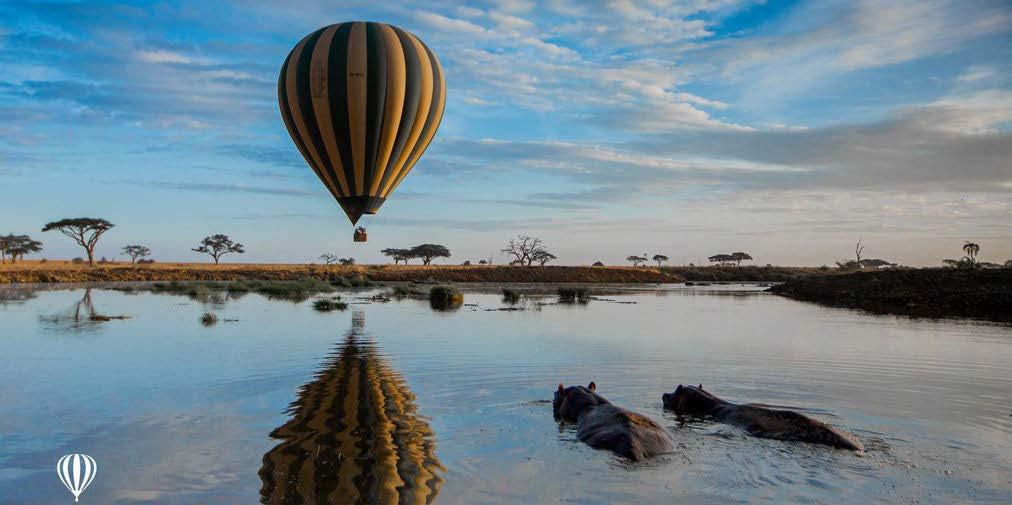
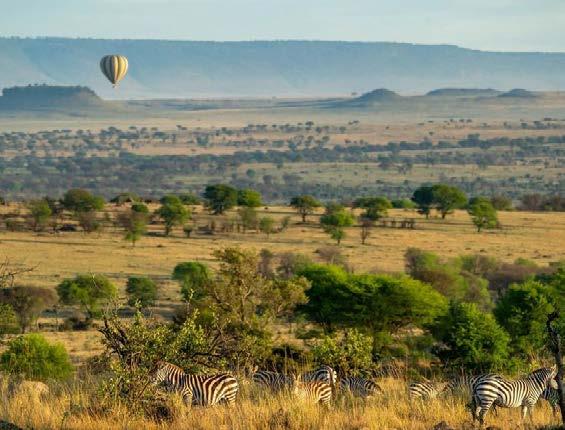
culinary experts in Tanzania to design their gourmet menu, you now must choose among the full English breakfast, a delicious vegetarian option of fresh avocado on toast with additional “Swahili with a spin” side dishes, or a sweet mascarpone French toast infused with exotic Zanzibari spices. What a dilemma!
As your leisurely champagne brunch winds down and the starlings are now at work as part of the clean-up crew, all guests receive a flight certificate and are transported to a pick-up point where you meet up again with your personal guide. Another game drive begins as you head out for the rest of the day, but now you see things differently as your memory is filled with this amazing experience.
Some experiences stay with you long after the journey ends.
This is one of them.
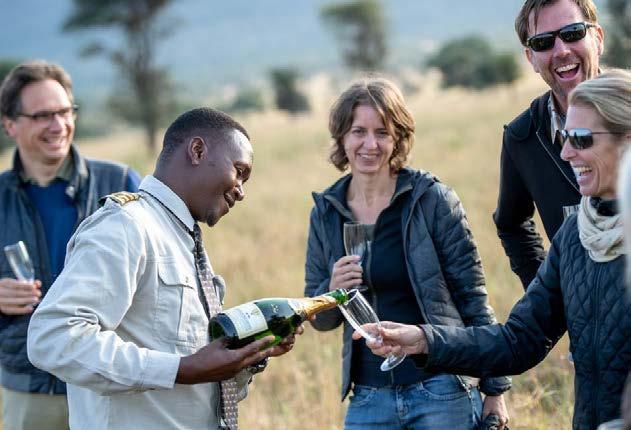
Behind the magic of the experience is a company deeply rooted in Tanzania, conservation, and community.
Founded 36 years ago, Serengeti Balloon Safaris was the first hot air balloon experience to be established in Tanzania. They have maintained their status as number one in the industry, not only for the service and experience they provide, but also their dedication to training and providing opportunities for growth within the company.
Serengeti Balloon Safaris has recently won the World Travel Awards ‘World’s Leading Balloon Ride Operator’ for the last two years—a prestigious global recognition, encompassing not only the guest experience, but also the training of the pilots, their safety features and record, and their community involvement.
Cynthia’s career in the creative arts spans more than thirty years in the United States, where she has worked with private clients, commercial builders, and interior designers. Her artistic journey has included mural commissions, contemporary abstract painting, and decorative arts such as gold leaf, Italian plasters, hand-painted fabrics and furniture, and handmade wallpapers. Even while immersed in paints and plasters, she always found time to write, contributing to numerous magazines and newspapers over the years.
In addition to their dedication to employees and community, they pride themselves on their high level of ethical standards and minimizing their ecological footprint. Every aspect of their set-up is removed each day so that the site is back to nature and no trace is left behind. Actively committed to recycling, all materials that can be reused, recycled or repurposed are delivered to Okota Waste Management where they are also a Zero Waste Partner. They also offset all of their carbon consumption and donate to an organization called Carbon TZ. In addition to following a strict ecological ethos, they also work with Franklin Zoological Society on a de-snaring project that incredibly manages to dismantle and remove over 3000 snares per year.
After coming on safari in 2019, Cynthia and her husband felt the calling to relocate to East Africa. They sold their business and the majority of their belongs, packed their bags (including their cat!) and made the move to Tanzania. Five years later they feel completely immersed in their lives here and love being part of this vibrant community.
As a long-time professional artist, Cynthia has always been aware of how the environment influences her creative endeavours. Combining her passions for photography, painting, and writing, she continues to explore and share the stories and beauty that shape her daily life.
Meet Lilian Anold, a trailblazing Tanzanian filmmaker and photographer.
A passionate advocate for women and conservation in her home country of Tanzania, this, and her love for capturing imagery – both moving and stills – have given her life a deep sense of purpose and a tangible joy and fulfilment.
Her most recent foray took her and her team to the East Usambara Mountains in the Tanga region of Tanzania to produce a documentary on the work of a young owl researcher working on two rare species - the endangered Sokoke Scops owl and the vulnerable Usambara eagle-owl, both of which are highly range-restricted and poorly studied. She has also followed a woman herpetologist working on protecting the critically endangered Nguru pygmy chameleon in the Mkingu Forest in Morogoro. ‘Being able to tell these young scientists’ stories in order to spread awareness about conservation… that is my goal,’ says Lilian.
It was as a young child watching National Geographic documentaries with her father that her fascination with wildlife was first ignited. Also, as a little girl, she and her parents once traversed an open area of veld near their home in Lolkisale, Arusha, on foot at night under the light of a full moon, when they happened upon a lion. A terrifying moment that has lived on in her memory, but one that kickstarted a deep and abiding interest in the natural world, and the symbiosis of man and animal in shared habitats.
Growing up she was playfully teased by her siblings about her fanatical practice of taking photographs with an old Kodak camera of her father’s. She began fostering a love for solo
By Kim Bell
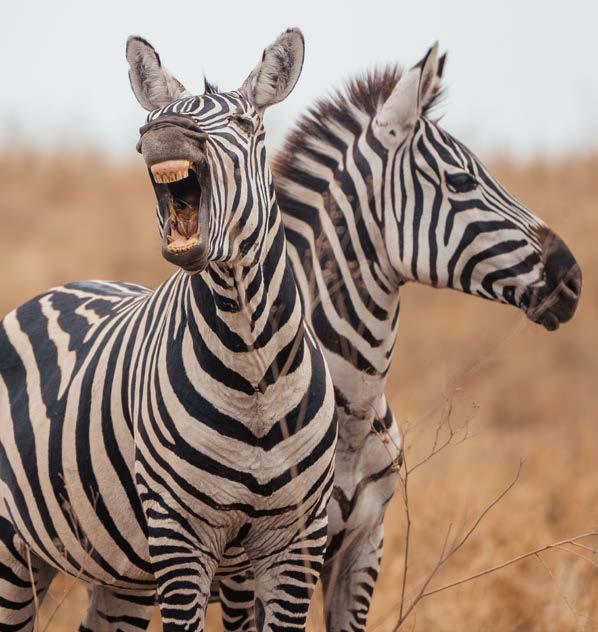
‘I took this photo in the central Serengeti. As we drove up to the zebra herd, I noticed their playful behaviour and their high-pitched barks. My gut told me to anticipate, to position myself with my gear at the ready and my finger on the shutter so as not to miss a priceless moment. Lilian’s top tip: It is important to eliminate distraction and pay attention to the backdrop. Here, I applied the rule of thirds in assigning proportion to the scene in my frame.’
travel, exploring her world and documenting every experience on camera.
Thanks to a photography mentorship offered by Afrisos in partnership with Serengeti Balloon Safaris, her breakthrough came. She entered the competition… and won, and with that she was off to the Serengeti for over a month of immersive photographic
experience with a renowned mentor (award-winning Tanzanian filmmaker and director, Jigar Gonatra) as her prize. She was taken on game drives and escorted across the skies in a balloon, camera perennially in hand. ‘It was a life-changing experience to learn in the real world,’ she reminisces.
After that, photographic assignments came calling. It was while in South Africa on a job for a Spanish travel agent that she was contacted by the BBC, supported by Project Songbird, to work as a camera assistant intern in Mara, Kenya and Bwindi, Uganda for National Geographic’s ambitious new series ‘Home’. She thus cut her teeth in the film industry, working with a professional crew who taught her how filmmaking works, to handle the heavy gear, to compose meaningful
stories. This, for Lilian, was community in action – a practice she aspires to replicate in her work by empowering the youth and women. ‘I am always on the lookout for ways to bless my community with the storytelling skills I have acquired,’ she says. ‘Hopefully, awareness of our natural heritage and conservation issues will be made possible through my photos and videos. After all, you cannot protect what you do not know.’
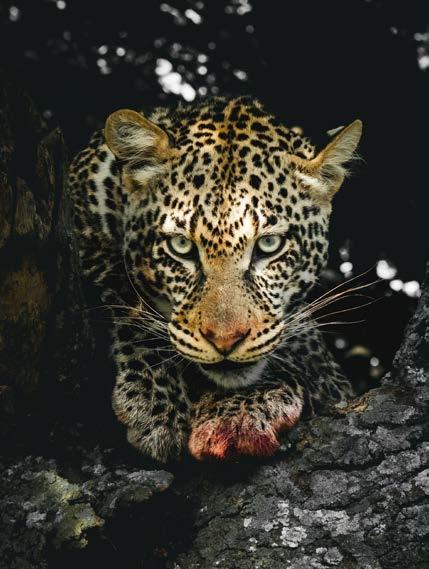
‘The leopard is my favourite of all the wild animals. We were a group of four wildlife photographers and I had the impression the others had captured way better shots than me. It would have been easy to give up. The light was fading fast, but I persevered and waited patiently for the leopard to make eye contact. When it came time to edit, I was blown away by the result. Lilian’s top tip: Be prepared to wait for as long as it takes. Here I used a 400mm lens and I really pushed up the ISO (light sensitivity) to make the image brighter in low light.’
Her experience is that there are detractors of women in the photographic and filmmaking industry, but she is determined to help change the narrative. When you meet Lilian and see her joyful resolve and quiet strength, you’ll agree there is no way these narrow mindsets will ever hold her back.
Allow moments to unfold naturally and, above all, remember you are the artist, the frame is yours, own it.
‘African sunrises and sunsets are iconic, although it’s difficult to capture the majesty in a photograph. We were in the Serengeti looking for an open landscape with trees without a lot of visual ‘noise’ around. Lilian’s top tip: Let nature surprise you and be flexible; try different angles - eye level, high, low, tilted. Isolate your subject and pay attention to composition, which can really make an impact.’
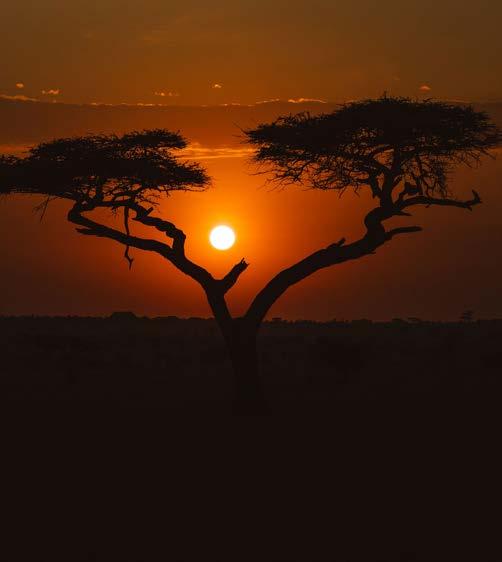
‘You cannot protect what you do not know.’ AND ‘Remember, you are the artist, the frame is yours, own it!’
Lillian Arnold
‘I photographed the Maasai warrior in August 2025 and the women in May 2024 – all in the Manyara region in Tanzania. Lilian’s top tip: When photographing people, be respectful, know your gears, chase natural light - it is the most powerful and honest tool.
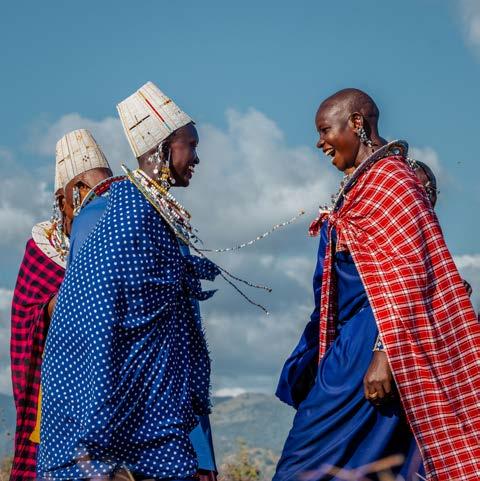

Your dream piece of photographic equipment?
Sony A9 III for photography & Sony fx6 for filming.
Your most memorable read?
The Book of Hope by Jane Goodall; and Douglas Abrams’ A Survival Guide for Trying Times.
On your bedside table? My bible.
Your life motto?
We have a light that shines brightly and it’s time we shone it outwards for the world to see.
Ultimate assignment? Conservation stories.
Favourite pastime? Hiking.
Your favourite quality in a person? Kindness.
Kim’s awareness of journalism as a potential career was first ignited by a primary school teacher who once stated emphatically to Kim’s parents, ‘This child is going to be a writer!’ Born and raised in Cape Town, South Africa, she came of age just as Nelson Mandela ushered in the Rainbow Nation. After studying communications and English she jumped headlong into her first publishing job as an assistant copy editor at Conde Nast House & Garden SA. She subsequently immersed herself in magazine editing, features writing, women’s storytelling projects and Africa travel, until motherhood pulled her in a new direction. With small children she dabbled in floristry, including the minimalist Japanese art of Ikebana. At the onset of Covid, she and her husband started to consider making a dramatic change, and this September marks five years since they uprooted from Cape Town and resettled in Arusha, Tanzania, as hoteliers. Looking back, Kim has relished the opportunity to explore new horizons. She enthusiastically took on a writing assignment for us.
Few places on earth tell the story of elephants as intimately as Amboseli. For more than five decades, the Amboseli Trust for Elephants (ATE) has been getting to know them as individualseach with a name, a personality, and a place within an extraordinarily complex social world. As the world’s longest-running continuous study of wild elephants, ATE has built an astonishing archive of knowledge about how these animals live, move, and communicate across one of East Africa’s most iconic landscapes.
That knowledge has never been more urgently needed. Amboseli has changed profoundly since the project began in 1972. The Maasai communities who have long called this region home have largely transitioned from nomadic pastoralism to settled life, and with that shift has come a significant move towards agriculture and a growing human population. As land use changes and habitats shrink, elephants and people increasingly share the same spaces, with consequences that can be devastating on both sides. Human injuries and deaths from elephant encounters remain a tragic reality for communities living around Amboseli. And yet, for many of these communities, elephants are also a source of cultural significance and
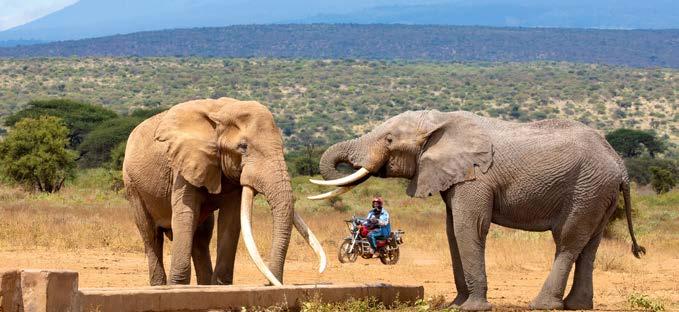
economic value. The challenge is not to separate people and elephants, but to help them coexist safely.
To understand how best to address this tension, ATE turned to its scientific roots. In 2024, the team conducted an extensive survey across the Amboseli ecosystem, interviewing more than 3,000 community members. The findings were insightful, people felt they simply did not know what to do when they encountered an elephant.
The response was the Be Elephant Aware campaign - a practical, community-led education programme developed alongside Maasai elder knowledge. Its aim is straightforward: to equip both children and adults with the ability to read elephant behaviour
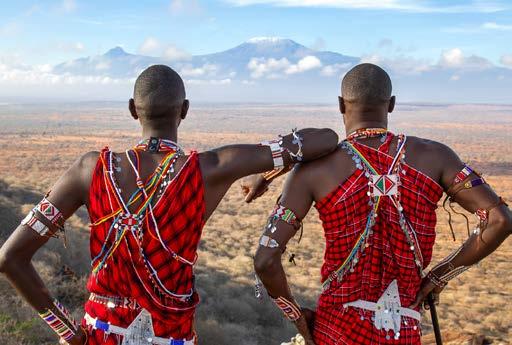
and to take the right steps to avoid dangerous encounters.
A rich suite of materials has been developed to support the campaign, including school lesson plans, a short animation, elephant safety posters, and a short film that weaves together Maasai traditional knowledge with conservation science.
ATE is now working to establish mobile education teams capable of reaching the most remote and high-risk communities across the ecosystem - ensuring that the next generation grows up not in fear of elephants, but in understanding of them. After all, it is that understanding which has been at the heart of ATE’s mission from the very beginning.
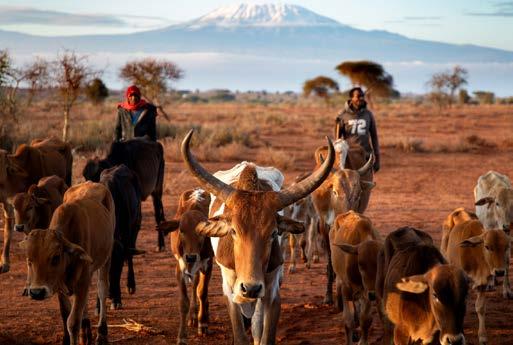
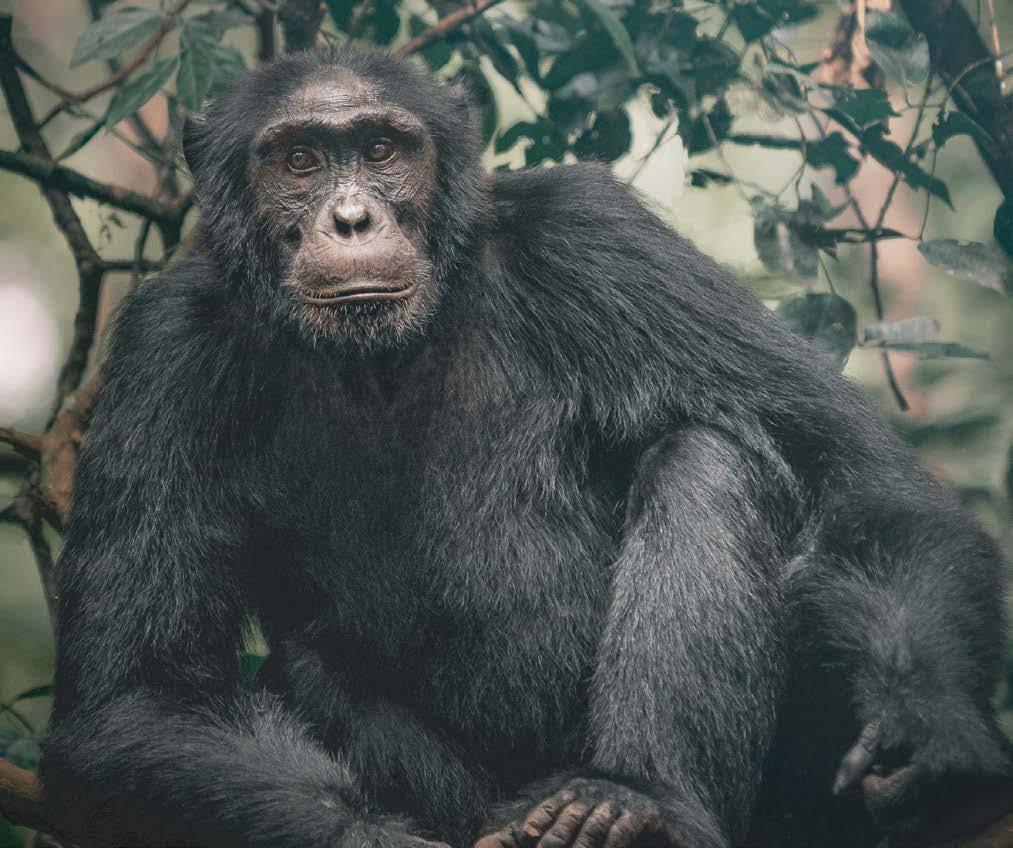
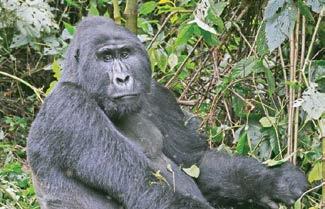
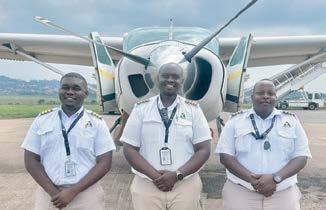
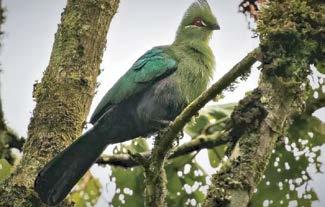
For years, AKTF has walked side by side with school going girls and women in the Maasai , quietly, steadily and with a purpose. One girl, one school, one community at a time. In the region where menstruation is too often wrapped in silence, stigma and shame, AKF has chosen to speak through action, creating change where it matters most.
Through the Esidai Women Group, supported by AKTF, a powerful idea took root eight years ago: dignity should never be a barrier to education. Washable sanitary kits are locally produced and distributed alongside culturally sensitive Menstrual health and hygiene training in schools and manyattas. Last year alone 1,389 girls received MHM education, 1412 washable kits-each including two pairs of underwear were distributed, and 522 boys benefited from the workshop.
“These kits are more than hygiene products, “one parent shared. “They are a lifeline for our girls, keeping them in school and restoring their confidence, dignity and dreams”
But the impact does not stop there…. Beyond menstrual hygiene, the project has become a cornerstone of women’s empowerment and sustainable livelihoods. The Esidai Women’s Group is no longer just a group of beneficiaries, they are innovators and
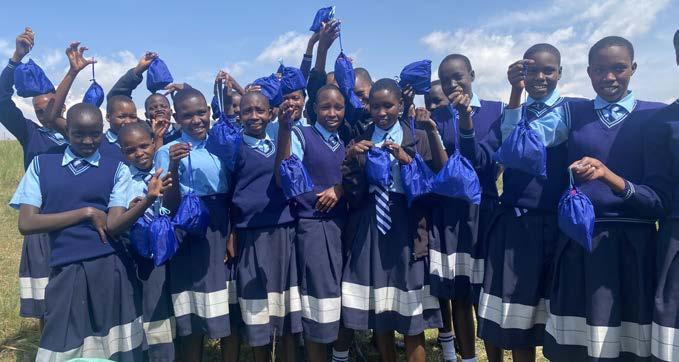
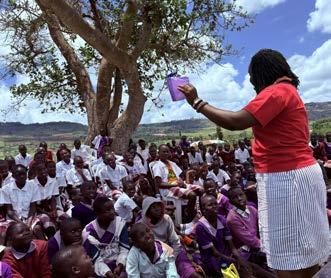
leaders shaping the future of their communities.
What began as a basic tailoring training has evolved into a thriving social enterprise producing high-quality reusable sanitary pads and underwear that use locally available raw materials.
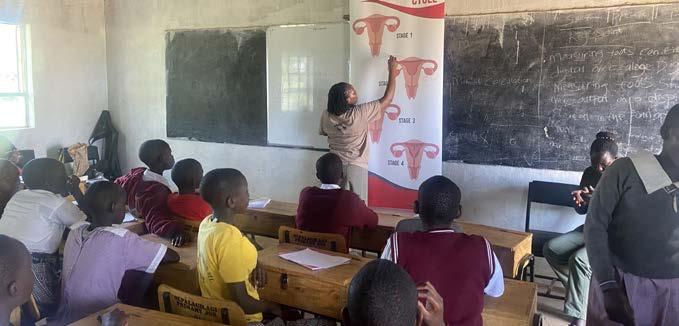
The AKTF Esidai Women Group is a powerful example of what happens when determination meets opportunity.
In the Maasai Mara, AKTF’S Menstrual health project is proving a powerful truth: when girls are supported, women are empowered and communities are equipped. Transformation is not just possible, it is inevitable.
At AKTF, breaking the cycle and putting menstrual hygiene at the centre of environment and health is a cornerstone of our work. This year’s theme may feel familiar, yet the reality remains unchanged for many.
Across schools, communities, and homes, challenges related to menstrual health continue to surface. This highlights the urgent need to break the silence, address stigma, and promote open, informed conversations.
On Menstrual Hygiene Day celebrated each year on the 28th May, we reaffirm our commitment to a world where menstrual health is prioritized, and every girl and woman can manage her period with confidence and dignity. Together, we can foster inclusive, supportive, and period-friendly environments for all.
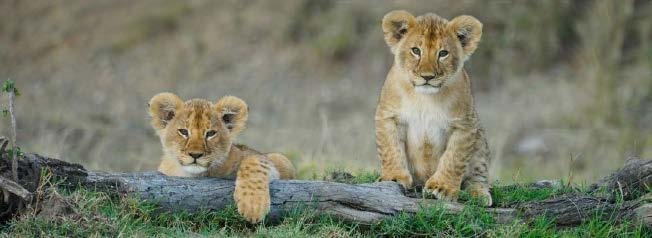
• Daily service; minimum of 2 pax to operate.
• Flight from Amboseli to Wilson connects to Nanyuki, Lewa Downs, Samburu, Meru, and Loisaba at 09:45; Maasai Mara at 10:30 and Arusha at 13:30.
•
• Arusha service is non-operational 1st April - 20th May and 1st Nov - 15th Dec
• This airport is your gateway to a safari between Kenya and Tanzania as it easily connects to Manyara, Seronera and Lobo with Regional Air Services at 15:30
• Daily Service; minimum of 2 pax per strip to operate.
• The inbound flight Masai Mara to Wilson arriving at 09:35 connects to our Wilson - Northern Kenya Services i.e. Lewa, Loisaba, Meru, Nanyuki and Samburu at 09:45 and to Arusha at 13:30
• Masai Mara services operates into multiple airstrips, therefore timings may vary depending on aircraft routing.
• The arrival and departure times depict the first stop.
• Call Airkenya operations on departure date to confirm arrival and pick up times for various airstrips
• Daily service; minimum of 2 pax to operate.
pending on aircraft routing over multiple airstrips.
• Flight from Masai Mara connects to Lewa via Wilson at 09:45.
• Flight from Lewa to Wilson connects to Arusha at 13:30 and to Masai Mara at 14:15. airstrips.
• Daily service; minimum of 2 pax to operate.
aircraft routing over multiple airstrips.
• Flight from Masai Mara connects to Meru via Wilson at 09:45.
• Flight from Meru to Wilson connects to Arusha at 13:30 and to Masai Mara at 14:15.
• Flights from Meru to Samburu is a one-direction service.
airstrips.
/ KAMOK
• Daily service to Nanyuki Civil and Kamok airstrips; minimum of 2 pax per strip to operate.
pending on aircraft routing over multiple airstrips.
• Flight from Masai Mara connects to Nanyuki Civil/Kamok via Wilson at 09:45.
• Flight from Nanyuki Civil/Kamok to Wilson connects to Arusha at 13:30 and to Masai Mara at 14:15.
• Flight from Nanyuki Civil/Kamok to Masai Mara may route via Wilson in low season to connect on airstrips.
FLT NO FROM TO DEPART ARRIVE
P2 871 WILSON SAMBURU 09:45 10:45
P2 872 SAMBURU WILSON 11:00 13:10
P2 862 SAMBURU MASAI MARA 11:00 13:00
• Daily service to Samburu Buffalo and Kalama airstrips; minimum of 2 pax per strip to operate.
pending on aircraft routing over multiple airstrips.
• Flight from Masai Mara connects to Samburu Buffalo and Kalama via Wilson at 09:45.
• Flight from Samburu Buffalo and Kalama to Wilson connects to Arusha at 13:30 and to Masai Mara at 14:15.
• Flight from Samburu Buffalo and Kalama to Masai Mara may route via Wilson in low season to con-
FLT
P2 453 MASAI MARA MIGORI 08:05 08:50
P2 453 MASAI MARA TARIME
P2 454
P2 454 MIGORI
• Daily service; minimum of 2 pax per strip to operate, except 1st April - 20th May when its non-operational.
• 1st Nov - 15th Dec requires minimum 4 pax.
• Tarime to Migori arrive at 1045hrs.
• Service operates into multiple airstrips therefore timings may vary depending on aircraft routing.
• AirKenya provides road transfer and ground handling between Migori and Tarime.
• The service connects Airkenya Masai Mara services with Regional Air/Auric Air/Coastal Aviation Serengeti services.
• Arrival and departure time to/from Migori may vary significantly by up to 45 minutes depending on aircraft routing over multiple airstrips.
Valid from 21st December 2025 to 31st December 2026
MASAI MARA - SERENGETI VV (VIA MIGORI/TARIME)
FLT NO FROM TO DEPART ARRIVE
P2/8N 453/424 MASAI MARA SERONERA 08:05 12:30
8N/P2 423/454 SERONERA MASAI MARA 08:00 11:45
P2/8N 453/424 MASAI MARA KOGATENDE 08:05 12:30
8N/P2 423/454 KOGATENDE MASAI MARA 08:00 11:45
P2/8N 453/002 MASAI MARA MANYARA 08:00 12:45
8N/P2 423/454 MANYARA MASAI MARA 08:05 11:45
P2/8N 453/424 MASAI MARA FORT IKOMA 08:05 12:30
8N/P2 423/454 FORT IKOMA MASAI MARA 08:00 11:45
P2/8N 453/424 MASAI MARA NDUTU 08:05 12:45
8N/P2 423/454 NDUTU MASAI MARA 08:00 11:45
P2/8N 453/424 MASAI MARA LOBO 08:05 12:30
8N/P2 423/454 LOBO MASAI MARA 08:00 11:45
P2/8N 453/424 MASAI MARA SERENGETI SOUTH 08:05 12:30
8N/P2 423/454 SERENGETI SOUTH MASAI MARA 08:00 11:45
P2/8N 453/424 MASAI MARA SASAKWA 08:05 12:30
8N/P2 423/454 SASAKWA MASAI MARA 09:00 11:45
P2/8N 453/424 MASAI MARA GRUMETI 08:05 12:30
8N/P2 423/454 GRUMETI MASAI MARA 08:00 11:45
• Daily service; minimum of 2 pax per strip to operate, except 1st April - 20th May when its non-operational.
• 1st Nov - 15th Dec requires minimum 4 pax.
• Flight services route via Migori and Tarime
• AirKenya provides road transfer and ground handling between Migori and Tarime.
• Service operates into multiple airstrips therefore pick up and drop off tmings may vary depending on aircraft routing.
• Service operates into multiple airstrips therefore pick up and drop off timings may vary depending on aircraft routing.
• The service connects Airkenya Masai Mara services with Regional Air/Auric Air/Coastal Aviation Serengeti services.
• CHECK IN is done 60 minutes to departure time in Nairobi (Wilson)and Arusha Airports. Passengers will not be allowed to check in 30 minutes to departure time on the mentioned airports
• Check in time for all bush airstrips is 30 minutes before flight departure time
• Contact Airkenya Operations department on the morning of the scheduled flight to get approximate arrival and departure times for various bush airstrips
• Airkenya guarantees all its connecting flights within Kenya and across Tanzania in conjunction with its subsidiary; Regional Air Services.
• Contact the Charter department for tailor-made services or if the scheduled service does not meet your requirements: charters@airkenya.com
• Airkenya reserves the right to change departure times or carrier when so required for operational, weather or safety reasons.
Email resvns@airkenya.com or call +254 (0)20 391 6000 for further clarification.
Contact the Charter department for tailor-made services or if the scheduled service does not meet your requirements: charters@airkenya.com
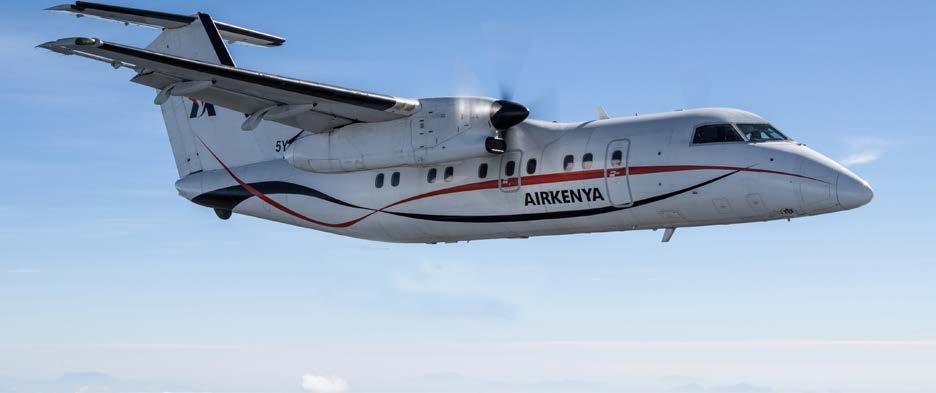
BOMBARDIER DHC 8-202 (DASH 8)
Manufacturer: Bombardier
Crew: 5 (2 pilots, 1 flight attendant, 1 engineer, 1 baggage Master
Passengers: Maximum 37
Description: Pressurised aircraft ideal for both African bush and city flying No in Fleet: 3
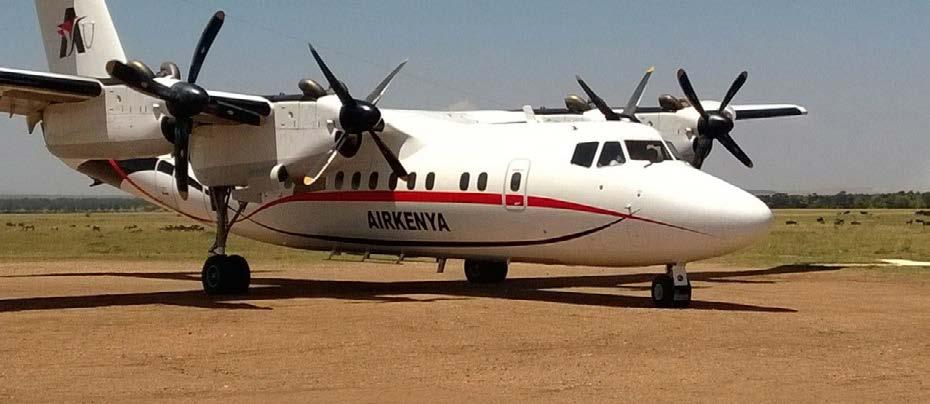
DHC 7-100 (DASH 7)
Manufacturer: Dehavilland Canada
Crew: 5 (2 Pilots, 2 Flight attendants, 1 Engineer and 1 Baggage Master)
Passengers: Maximum 49
Description: Pressurised STOL (short take-off and landing) aircraft ideal for African bush flying No in Fleet: 1
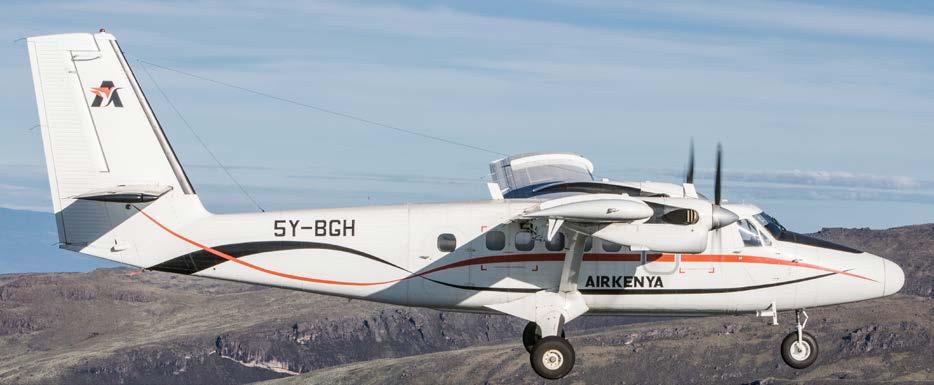
DHC 6-300 (TWIN OTTER)
Manufacturer: Dehavilland Canada Crew: 2 pilots
Passengers: Maximum 18
Description: STOL (short take-off & landing) aircraft with fixed landing gear ideal for African bush flying No in Fleet: 3
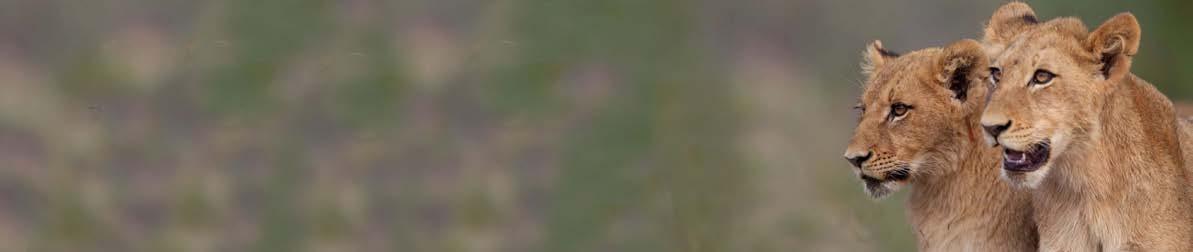
FROM TO ETD ETA COMMENTS
Arusha AM Kogatende 08:30 10:30
Lobo 08:30 10:30
Manyara 08:30 08:55
Ndutu*** 08:30 10:30
Seronera 08:30 10:30
Grumeti 08:30 10:30
Lamai 08:30 10:30
Fort ikoma 08:30 10:30
Sasakwa 08:30 10:30
SGS*** 08:30 10:30
Timings above are estimates and will vary depending on aircraft routing
Arusha PM**
Kilimanjaro 13:00 13:15
Manyara 15:30 15:55
Kogatende 15:30 17:30
Seronera 15:30 17:30
Lobo 15:30 17:30
Lamai 15:30 17:30
Sasakwa 15:30 17:30
Grumeti 15:30 17:30
Fort ikoma 15:30 17:30
SGS*** 15:30 16:30
Ndutu*** 15:30 16:30
Wilson 14:40 15:35
Timings above are estimates and will vary depending on aircraft routing
Arusha Zanzibar 13:00 14:35
Zanzibar Arusha 15:30 16:35
Timings above are estimates and will vary depending on aircraft routing
FROM TO ETD ETA COMMENTS
Manyara AM Arusha 11:50 12:15
Kilimanjaro 11:50 13:15
Kogatende 08:40 09:25
Lobo 08:40 10:20
Lobo 10:50 11:15
Ndutu*** 08:40 09:05
Seronera 08:40 10:30
Lamai 08:40 10:20
Lamai 10:50 11:15
Grumeti 08:40 09:05
Sasakwa 08:40 10:30
Zanzibar 11:50 14:35
Timings above are estimates and will vary depending on aircraft routing
Ndutu*** Arusha *** 11:35 12:15
Kilimanjaro *** 11:35 13:10
Kogatende *** 09:20 10:00
Lobo *** 09:20 09:50
Manyara *** 11:35 12:00
Seronera *** 09:20 10:30
Tarime *** 09:00 09:30
Zanzibar *** 11:35 14:35
FROM TO ETD ETA COMMENTS
Grumeti** Arusha 11:00 12:15
Kilimanjaro 11:00 13:15
Kogatende 09:45 09:55
Lobo 09:45 10:00
Manyara 11:00 11:35
Ndutu*** 11:00 TBA
Tarime 09:00 09:30
Zanzibar 11:00 14:35
Masai Mara 08:00 11:45 Connects with Airkenya at Migori including the road transfer
Timings above are estimates and will vary depending on aircraft routing
Sasakwa** Arusha 11:00 12:15
Kilimanjaro 09:45 13:15
Kogatende 09:45 09:55
Manyara 09:45 11:35
Ndutu*** 09:45 10:15
Seronera 09:45 10:30
Tarime 09:00 09:30
Zanzibar 09:45 14:35
Masai Mara 08:00 11:45 Connects with Airkenya at Migori including the road transfer
Timings above are estimates and will vary depending on aircraft routing
SGS*** Arusha*** 09:45 12:15
Manyara 15:00 15:55
Kilimanjaro PM** Arusha 15:00 15:15
Seronera 15:00 17:30
Kogatende 15:00 17:30
Lobo 15:00 17:30
Lamai 15:00 17:30
Sasakwa 15:00 17:30
Grumeti 15:00 17:30
Fort ikoma 15:00 17:30
SGS*** 15:00 16:30
Ndutu*** 15:00 16:30
Timings above are estimates and will vary depending on aircraft routing Kogatende AM Arusha 10:00 12:15
Kilimanjaro 10:00 13:15
Lobo 10:00 TBA
Ndutu*** 10:00 TBA
Manyara 10:00 11.35
Seronera 10:00 10:30
Tarime 09:00 09:30
Zanzibar 10:00 14:35
Masai Mara 08:00 11:45 Connects with Airkenya at Migori including the road transfer
Timings above are estimates and will vary depending on aircraft routing
Seronera AM Arusha 11:00 12:15
Kilimanjaro 11:00 13:15
Lobo 09:30 09:50
Manyara 11:00 11:35
Tarime 09:00 09:30
Zanzibar 11:00 14:35
Masai Mara 08:00 11:45 Connects with Airkenya at Migori including the road transfer
Timings above are estimates and will vary depending on aircraft routing Lobo AM Arusha 09:45 12:15
Kilimanjaro 09:45 13:15
Kogatende 09:45 09:55
Manyara 09:45 11:35
Ndutu*** 9:45 10:15
Seronera 09:45 10:30
Tarime 09:00 09:30
Zanzibar 09:45 14:35
Masai Mara 08:00 11:45 Connects with Airkenya at Migori including the road transfer
Timings above are estimates and will vary depending on aircraft routing
Masai Mara*** 08:00 11:45 Connects with Airkenya at Migori including the road transfer
Timings above are estimates and will vary depending on aircraft routing
Masai Mara Seronera 08:05 12:30 Connects with RAS at Tarime including the road transfer
Kogatende 08:05 11:15 Connects with RAS at Tarime including the road transfer
Lamai 08:05 11:15 Connects with RAS at Tarime including the road transfer
Ndutu*** 08:05 12:45 Connects with RAS at Tarime including the road transfer
Lobo 08:05 12:30 Connects with RAS at Tarime including the road transfer
Sasakwa 08:05 12:30 Connects with RAS at Tarime including the road transfer
Grumeti 08:05 12:30 Connects with RAS at Tarime including the road transfer
Fort ikoma 08:05 12:30 Connects with RAS at Tarime including the road transfer
SGS*** 08:05 12:30 Connects with RAS at Tarime including the road transfer
Migori 08:05 8:50 Operated by Airkenya Express
Tarime 08:05 10:50 Connects with RAS at Tarime including the road transfer
Tarime Seronera 11:00 12:30
Kogatende 11:00 11:15
Lamai 11:00 11:15
Ndutu*** 11:00 12:45
Lobo 11:00 12:30
Sasakwa 11:00 12:30
Grumeti 11:00 12:30 Fort ikoma 11:00 12:30
SGS*** 11:00 12:10
Timings above are estimates and will vary depending on aircraft routing
Kilimanjaro 09:45 13:15
Lobo*** 09:45 13:15
Manyara*** 09:45 11:35
Seronera*** 09:45 10:35
Tarime*** 09:00 09:30
Zanzibar*** 09:45 14:35
Masai Mara*** 08:00 11:45 Connects with Airkenya at Migori including the road transfer
Timings above are estimates and will vary depending on aircraft routing
Fort Ikoma** Arusha 11:00 12:15
Kilimanjaro 11:00 13:15
Lobo 09:45 10:35
Kogatende 09:45 10:35
Manyara 09:45 11:35
Tarime 09:00 09:30
Zanzibar 11:00 15:05
Zanzibar 9:45 14:35
Kilimanjaro - Wilson Sector Operated by AirKenya Express
Timings above are estimates and will vary depending on aircraft routing
Timings above are estimates and will vary depending on aircraft routing
Nairobi, Wilson Arusha 13:30 14:25
Manyara 13:30 15:55
Seronera 13:30 17:30
Lobo 13:30 17:30
Kogatende 13:30 17:30
Wilson - Arusha Sector Operated by Airkenya Express
Timings above are estimates and will vary depending on aircraft routing
NOTES
• *ON REQUEST means we will only operate where there is sufficient traffic to justify the operation and timing or when extra cost is covered
• ON INDUCEMENT means flights which we will operate at scheduled rates for 4 passengers or more
• ****TBA means time to be advised depending on flight plan that day
• A minimum of 2 pax is required for RAS to operate into any airstrip that's not on inducement or request.
Manufacturer: Cessna Aircraft Company, USA
Crew: 2 pilots
Passengers: Maximum 12
No in Fleet: 3
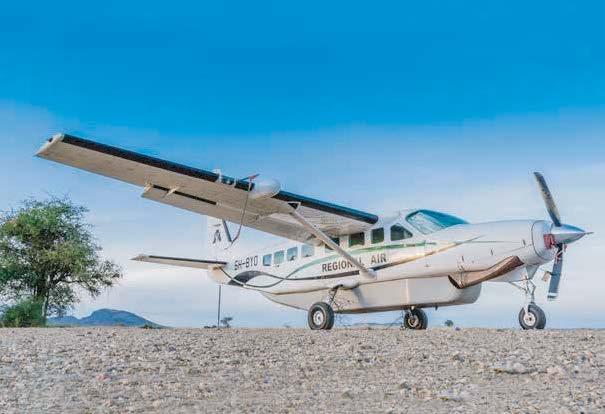
BOMBARDIER DHC 8-202 (DASH 8)
Manufacturer: Bombardier
engineer)
Passengers: Maximum 37
Description: Pressurized cummuter aircraft
No in Fleet: 1

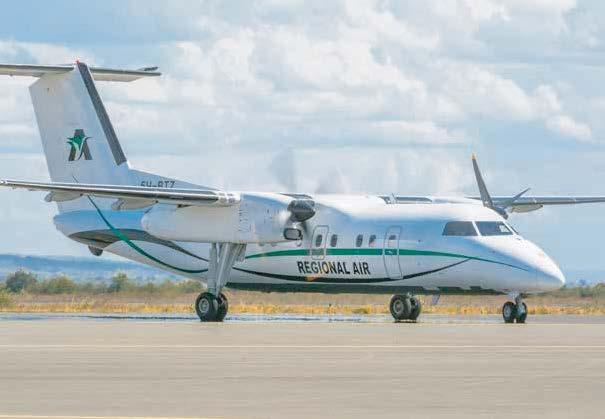
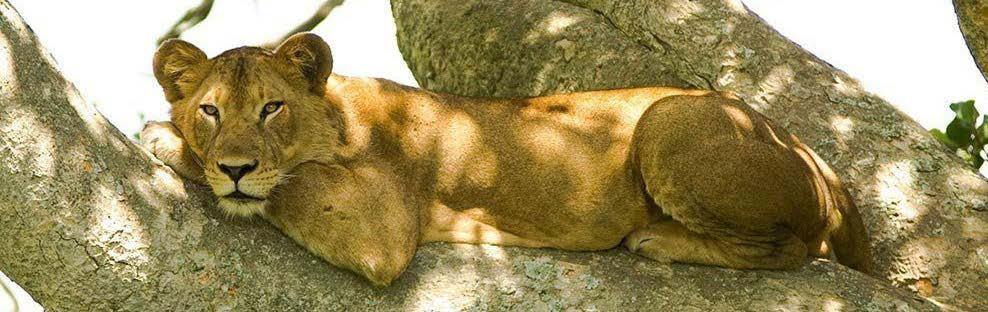
KIBALE FOREST NATIONAL PARK AND QUEEN ELIZABETH NATIONAL PARK
DAILY SERVICE: Flight to/from Kasese will operate with a minimum of 2 passengers
• Flight A8 121/122 will operate all year except March, April, May and November
• Flight 121 may route via Murchison Falls National Park subject to loads
• The arrival and departure times depict the first stop.
• Timings may vary depending on aircraft routing.
• Due to the prevailing weather conditions, Kisoro will operate in the early morning and midmorning
• Kisoro has a surcharge of USD 70 per person
• From Kisoro airstrip passengers can connect to:- Kihihi and Kasese airstrips on request at seat rate
• Flight A8 117/118 will operate all year except March, April, May and November
• The arrival and departure times depict the first stop.
• Flight A8 131/132 will operate all year except March, April, May and November
• The arrival and departure times depict the first stop.
• Timings may vary depending on aircraft routing.
• Flight to/from Murchison will operate with a minimum of 4 passengers per airstrip
• Flight A8 121/122 will operate all year except March, April, May and November whereby the service will be non-operational.
• From Murchison, passengers can connect to:- Kasese and Kihihi airstrips
• The arrival and departure times depict the first stop.
Murchison Falls National Park – KFNP, QENP & BINP
• Timings may vary depending on aircraft routing.
• Flight A8 117/118 will operate all year except March, April, May and November
• From Kihihi Airstrip passengers can connect to: - Kisoro and Kasese airstrips on request at seat rate.
• The arrival and departure times depict the first stop.
• Flight A 121/122 will operate all year except March, April, May and November
• Flight A8 121 may route via Murchinson Falls National Park subject to loads
• The arrival and departure times depict the first stop.
• Flight A8 131/132 will operate all year except March, April, May and November
• The arrival and departure times depict the first stop.
• Timings may vary depending on aircraft routing.
• Flight A8 117/118 will operate all year except March, April, May and November
• From Kasese Airstrip passengers can connect to: - Kihihi and Kisoro airstrips on request at seat rate.
• The arrival and departure times depict the first stop.
• Timings may vary depending on aircraft routing.
• Flight from Murchison to Kasese/Kihihi will operate with a minimum of 4 passengers per airstrip
• Flight A8 121will operate all year except March, April, May and November whereby the service will be non-operational.
KFNP- Kibale Forest National Park (Kasese airstrip)
QENP - Queen Elizabeth National Park (Kasese airstrip)
BINP - Bwindi Impenetrable Forest National Park (Kihihi airstrip)
• The arrival and departure times depict the first stop.
Notes
• CHECK IN TIME is 60 minutes to departure time at Entebbe International Airport
• Check in time for all bush airstrips is 30 minutes
• Contact AeroLink Operations department on the morning of the airstrips.
• AeroLink ONLY guarantees connections within its route network.
• Flight to/from Jinja to Kisoro/Kihihi/Kasese/ Murchison Falls on request at a surcharge of USD 1000
• AeroLink reserves the right to change departure times or carrier when so required for operational, weather or safety reasons.
• Contact the Charter department for tailor-made services or if the scheduled service does not meet your requirements:
No in Fleet: 4

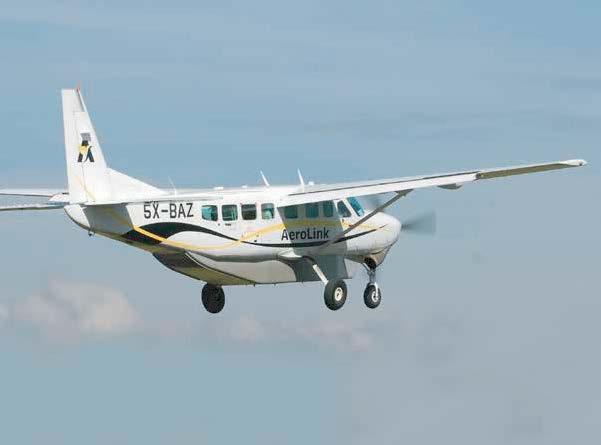
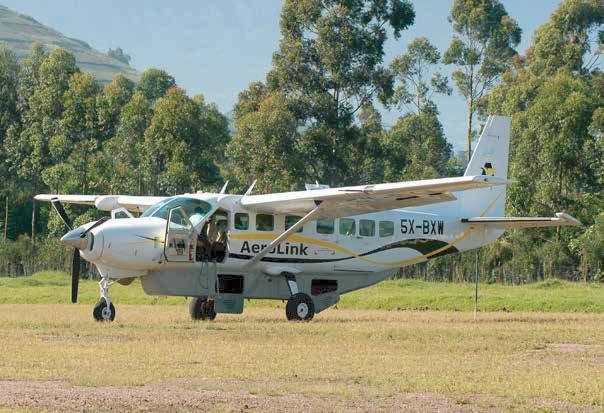












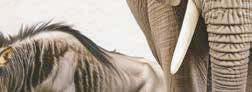


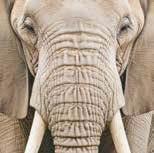










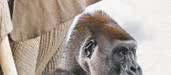












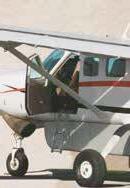


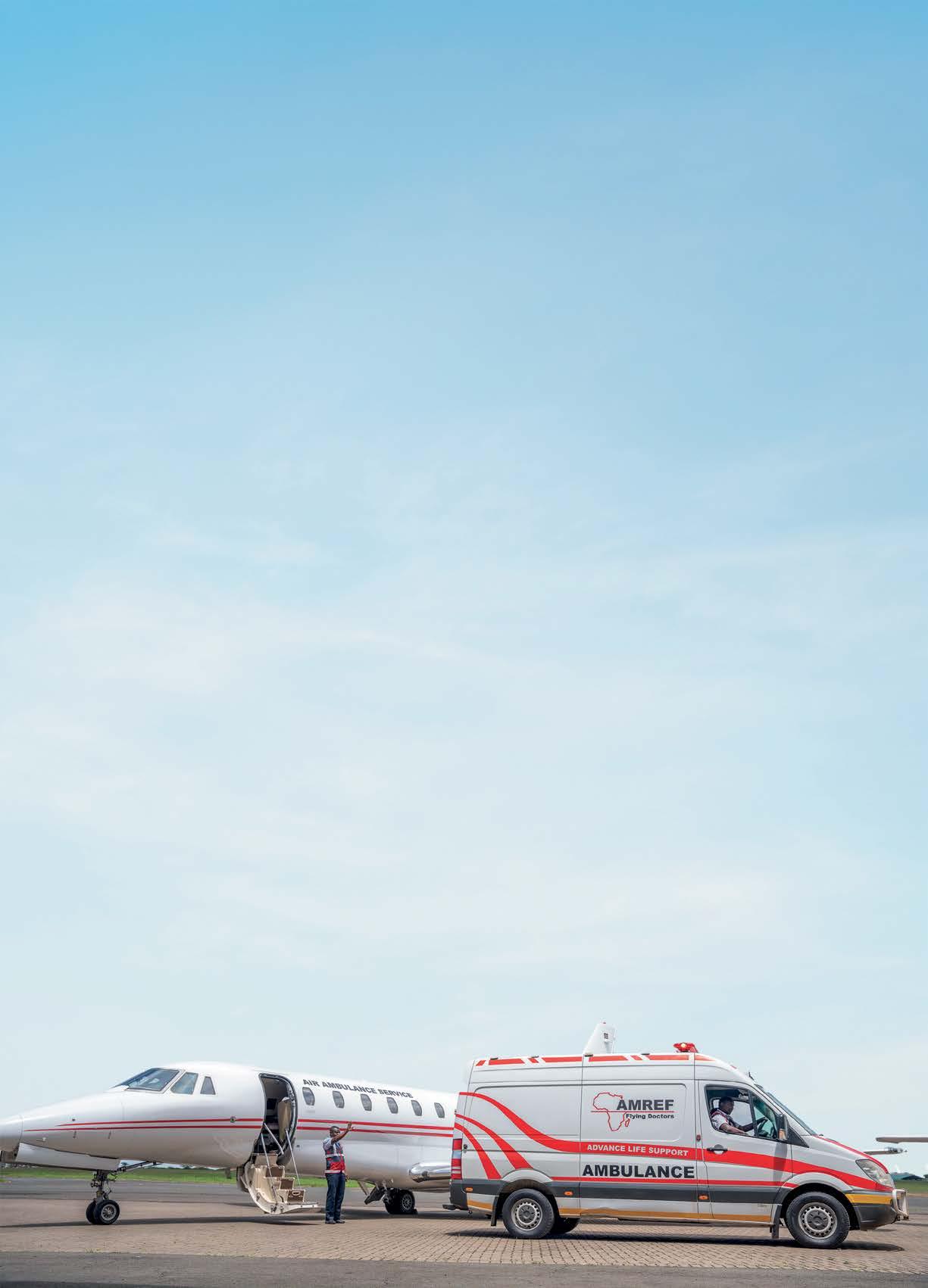

24/7 Medical Helpline – anytime, anywhere
Unlimited emergency air evacuations to Nairobi
Unlimited ground ambulance transfers within Kenya
Direct access to AMREF Flying Doctors – no third party
From remote locations to Nairobi’s leading hospitals, Maisha ensures you and your loved ones receive rapid, coordinated medical evacuation.