Creating world class, sustainable accountants

Creating world class, sustainable accountants

Commonwealth accreditation reaffirmed
Chief Executive recognised in Top 100 membership influencers
Award-winning innovation and member excellence
Expanded education partnerships across key markets
New international collaborations and study pathways
Stronger global presence and engagement
Strengthened AML supervision and public interest role
Updated disciplinary and sanctions framework
Policy leadership on SMEs, sustainability and digital transformation
Fully funded scholarships improving accessibility to the profession
Advancing diversity, equity and inclusion
Future-ready learning with AI, sustainability and ethics
Council strengthened with global and lay expertise
Transparent governance and effective oversight
Commitment to accountability and public interest
Advancing sustainability and Net Zero transition
Investing in AI and digital capability
Embedding ethics, integrity and responsible practice
The Association of International Accountants (AIA) is a leading professional body for accountants and finance professionals with a longstanding reputation for excellence in professional education and a dynamic global membership.
AIA is a membership organisation delivering world - class qualifications, training and support. We equip accountants with the skills, knowledge and expertise required to meet evolving professional expectations. We act in the public interest and support the development of a strong, ethical and globally relevant profession.
AIA is a leading force in the accountancy profession, providing a strong voice, superior qualifications and unrivalled support for accountants worldwide.
Integrity – we are transparent, honest, and ethical, holding ourselves and our members to the highest standards of accountability. We act in the public interest, always striving to do the right thing, in the right way, for the right reasons.
Customer first – our customers are at the heart of everything we do. We are committed to understanding their needs, delivering exceptional service, and building lasting relationships based on trust and satisfaction.
Quality – we are dedicated to delivering excellence in everything we do. We set high standards for our products and services ensuring they embody professionalism, reliability, and innovation.
Collaboration – together, we achieve more. We foster a culture of collaboration, valuing diverse perspectives, and working as a unified team to accomplish our goals.
Socially responsible – we recognise our responsibility to the community and the environment. We actively seek ways to make a positive impact, striving to contribute to a sustainable and better world through our actions and decisions.
“AIA has made strong progress in a year of change by focusing on members and students, strengthening our organisation, and investing in the future. Through clear strategy, disciplined finances and digital investment, we are building a more agile and resilient organisation, ensuring AIA remains relevant and well positioned to create lasting value globally.”

We have continued to deliver against our strategy in a fast-changing global environment. The profession continues to evolve, shaped by economic uncertainty, technological change, and rising expectations in sustainability, transparency and ethics. Against this backdrop, AIA has remained focused on supporting our members and students while strengthening our organisational capability for the future.
Our strategy continues to provide a clear and relevant framework for action, ensuring that we deliver value where it matters most. During the year, we have made strong progress across our strategic outcomes, strengthening our global reach, deepening engagement with members and students, and continuing to invest in the systems and infrastructure that underpin an efficient and effective organisation. This includes continued investment in digital capability and improved use of data to support decision-making and oversight.
We have also maintained a disciplined focus on performance, sustainability and long-term resilience. Careful financial stewardship, alongside targeted and prudent investment, ensures that we remain resilient and well-positioned to reinvest in our priorities. At the same time, we have continued to strengthen our people, processes and governance arrangements, recognising that organisational effectiveness, agility and accountability are fundamental to delivering consistent, long-term impact.
Engagement with our stakeholders remains central to our approach. Through our partnerships, qualifications and thought leadership activity, we continue to champion the role of the profession and support the development of future-ready accountants. The strength, diversity and commitment of our global community of members, students, partners and volunteers remains critical to our continued success and growing influence.
Looking ahead, we remain confident in our direction and ambition. We will continue to build on our strengths, respond proactively to external change, and invest in the capabilities that will enable AIA to deliver sustainable value for our members, students and wider stakeholders over the long-term. This includes continued focus on ethics, inclusion and technological change across the profession.
“Council is confident in AIA’s direction and the strength of its foundations. We continue to demonstrate strong governance, financial resilience and a clear commitment to long-term sustainability. Council remains committed to acting in the public interest and upholding high standards of ethics, transparency and accountability.”
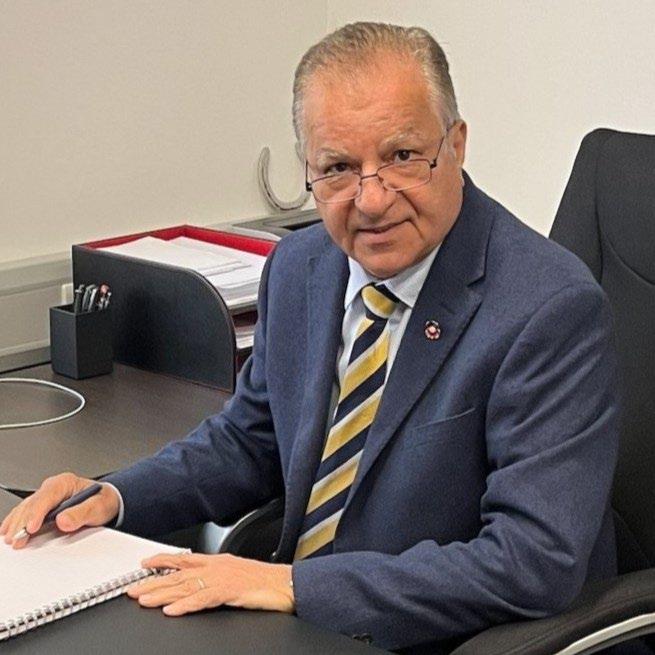
On behalf of Council, I am pleased to present this year’s Annual Report and Accounts, reflecting a period of continued progress for AIA in a changing and often uncertain global environment. Throughout the year, Council has remained focused on ensuring that the organisation operates in the public interest, delivers value to members and students, and is well positioned for the future.
In fulfilling our responsibilities, Council has provided oversight of the strategy, governance and performance, working closely with the executive team to ensure that AIA remains resilient, effective and aligned to its long-term objectives. We have been encouraged by the progress made across the strategic priorities, particularly in strengthening organisational effectiveness, enhancing systems and processes, and maintaining a strong and sustainable financial position.
The engagement of Council members with AIA’s global community has provided valuable insight into the evolving needs of the profession. These interactions, alongside contributions from volunteers, partners and stakeholders, continue to play an important role in shaping the direction of the organisation and ensuring that it remains relevant and responsive.
Council recognises its responsibility for the preparation of the Annual Report and Accounts. In doing so, we have ensured that appropriate processes, controls and assurances are in place to support their integrity. Council considers that the Annual Report and Financial Statements, taken as a whole, are fair, balanced and understandable, and provide the information necessary for members and stakeholders to assess AIA’s position, performance, business model and strategy.
Looking ahead, while the external environment continues to present both challenges and opportunities, Council is confident that AIA is well placed to build on its progress. With a clear strategy, a committed membership and strong organisational foundations, AIA will continue to support the profession and contribute to sustainable economic and societal outcomes.
On behalf of Council, I would like to thank members, students, partners and staff for their continued support and contribution over the past year.
2024/2025 marked a pivotal year for AIA as we continued to deliver on our vision of creating world-class accountants and strengthening our position as an internationally recognised professional body. Guided by our mission to support SME accountants globally, we focused on enhancing member and student experiences, expanding our international reach, and embedding sustainability, digital capability and innovation across all operations. This Annual Report reflects our progress against these priorities and demonstrates how we are building a resilient, agile organisation that acts in the public interest and champions professional excellence.
Our strategy is built around five strategic outcomes that define what AIA will look like and underpin every aspect of our work:
Empowered and exceptional people nurtured to achieve shared goals. Thought leadership driving excellence in all AIA’s activities
Outstanding Student and Member outcomes through a customercentric approach.
Strong global reputation and market position, supported by diversified revenue streams.
Organisational sustainability, efficiency, and effectiveness, enabled by integrated systems and agile operations.
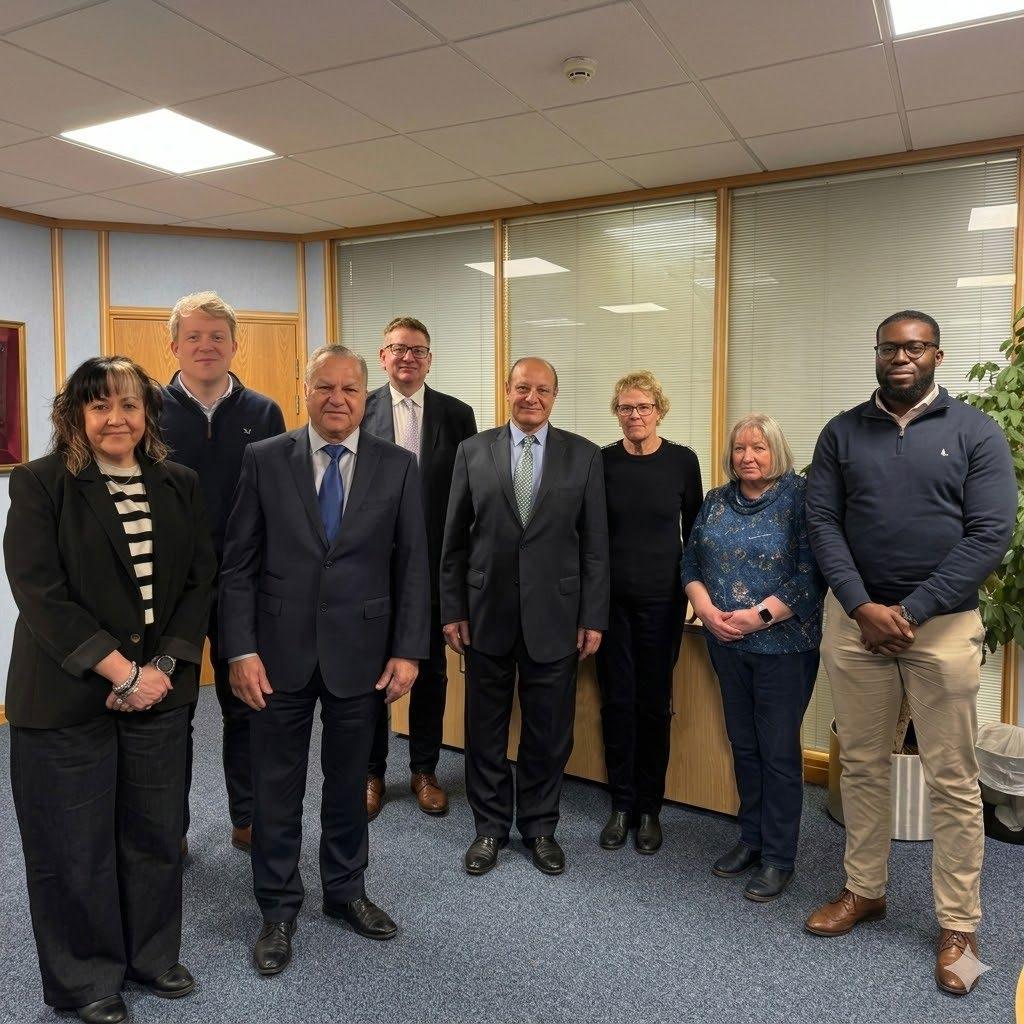
Empowered and exceptional people nurtured to achieve shared goals.
Our strength lies in the collective leadership, expertise and dedication of the AIA Council, its committees and the Head Office team. Together, they shape an environment where diversity, equity and inclusion are embedded in how we lead, decide and deliver. This shared commitment enables individuals to contribute with confidence, brings broader perspectives into decision-making and supports better outcomes for the profession and the public.
We continue to strengthen inclusive governance and leadership across Council and committees, ensuring balanced, informed decision - making. A culture rooted in integrity, respect and accountability underpins this, enabling effective collaboration. The Head Office team supports this work through consistent delivery, operational excellence and high - quality member services, creating a strong link between strategy and execution.
In 2024 to 2025, we enhanced governance effectiveness, leadership capability and team performance. This included enhancing inclusive leadership at Council level, improving committee engagement and investing in the Head Office team. These efforts have reinforced the foundations of competence, trust and professional credibility, as highlighted in the following section.
AIA’s strength lies in the quality, diversity and commitment of its people. Council, committees and the Head Office team work together to deliver inclusive, transparent and effective governance, underpinned by strong ethical standards and a focus on the public interest. In 2024/2025, we strengthened leadership capability, broadened perspectives and enhanced accountability across the organisation.
The re-election of Shahram Moallemi as President provided continuity, supported by Vice Presidents Linda Richards and Phillip Ford. Their expertise across business, taxation and regulation continues to guide strategic direction and robust oversight. Council remains central to setting priorities, monitoring performance and ensuring delivery against constitutional and regulatory responsibilities.
The appointment of lay members Tobi Oladipo and Eleni Giannopoulou further strengthened Council’s diversity and independence. Their backgrounds in leadership, law and public policy bring valuable external insight, enhancing governance, risk oversight and stakeholder engagement. Together with members from across global jurisdictions, Council reflects AIA’s commitment to inclusive and effective decisionmaking.
AIA continues to build collaborative, high performing teams delivering impact across education, regulation and member support. Committees play a key role in maintaining standards across finance, applications, technical oversight and regulatory compliance.
Through leadership from members such as George Josephakis, Chair of the Greece Branch and the Regulatory Oversight Committee, AIA continues to strengthen its regulatory and professional framework. This work highlights the importance of CPD, ethical standards and international collaboration in addressing challenges such as sustainability reporting, technological change and artificial intelligence. Branch activity also supports member engagement, CPD delivery and the profession’s voice at a local level.
Council activity during the year included a strong focus on education and professional development. The expansion of AIA’s global education network, with new partnerships in the United Kingdom and India, reflects our commitment to accessible, high-quality learning and the continued relevance of AIA qualifications.


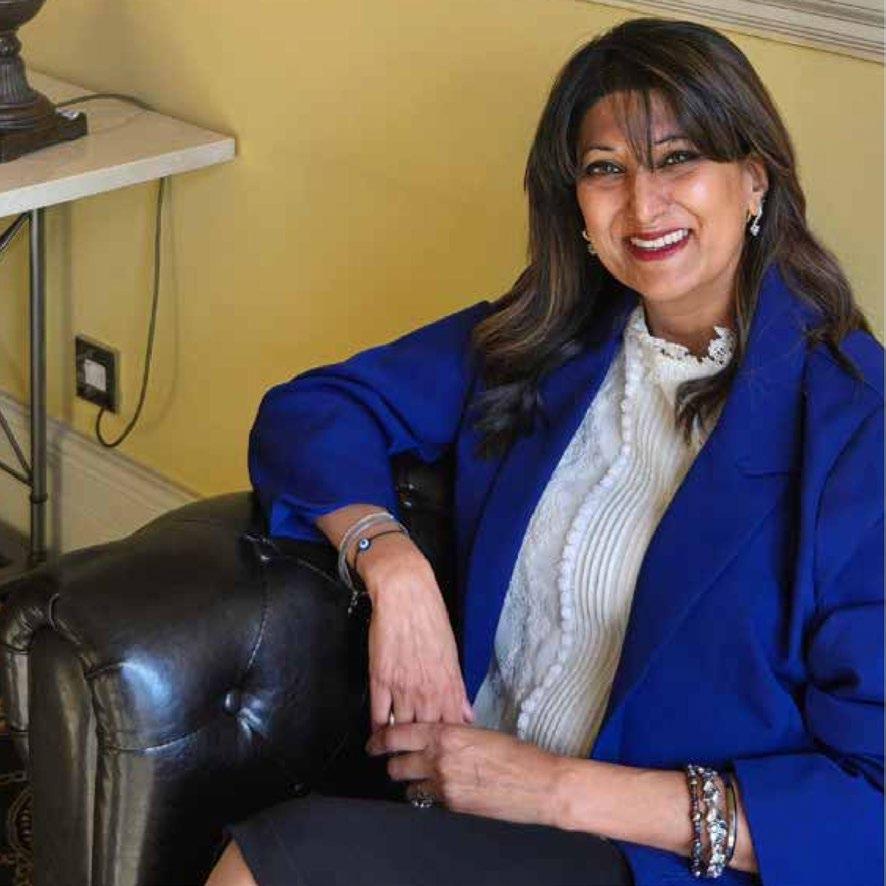
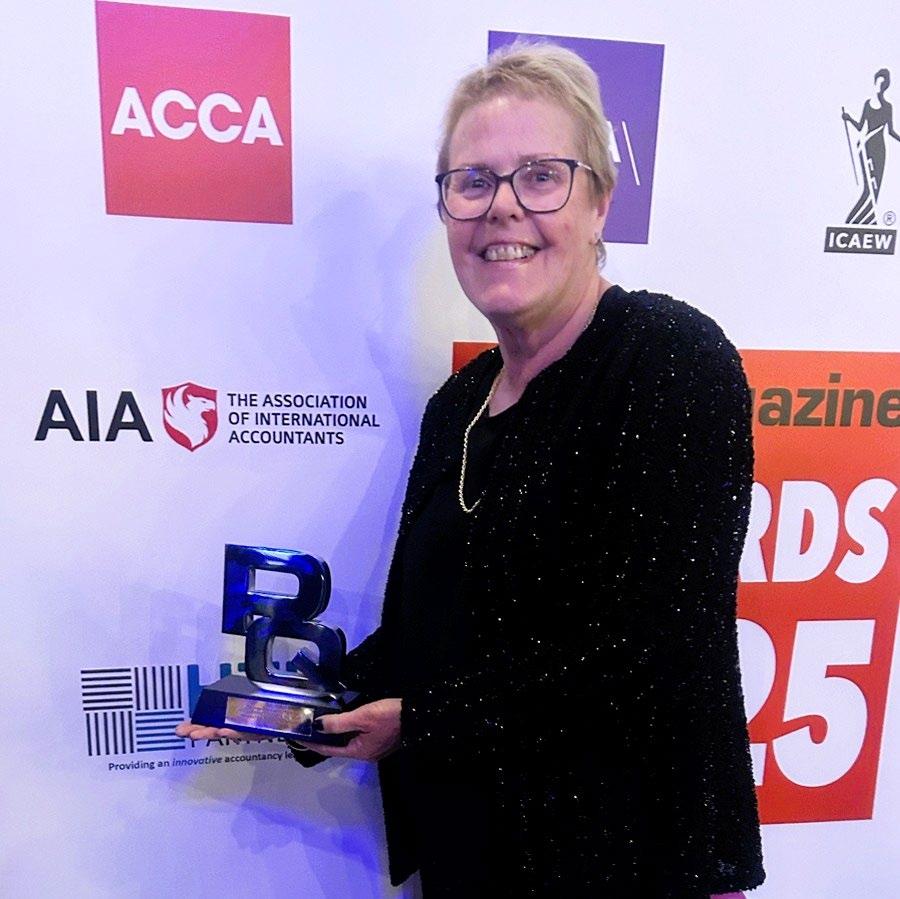
AIA is committed to fostering a culture where diversity, equity and inclusion are actively promoted and where individuals are recognised for their contribution and achievement. This is demonstrated through the achievements of Council members and the wider AIA community.
Sharon Jandu OBE, AIA Council Member, was recognised on the cover of Yorkshire Businesswoman magazine, highlighting her leadership, entrepreneurial success and commitment to lifelong learning. Her achievements, alongside her work with business and policy organisations, illustrate the value of diverse perspectives in strengthening governance and shaping the future direction of the profession.
The success of AIA Vice President, Linda Richards, whose team at Wildstar Films was awarded Accountancy Team of the Year at the PQ Awards 2025, demonstrates the impact of strong leadership, collaboration and innovation. The awards also recognised the wider contribution of AIA members, examiners and partners, reinforcing the strength and influence of AIA’s global network and its commitment to excellence in education and professional standards.
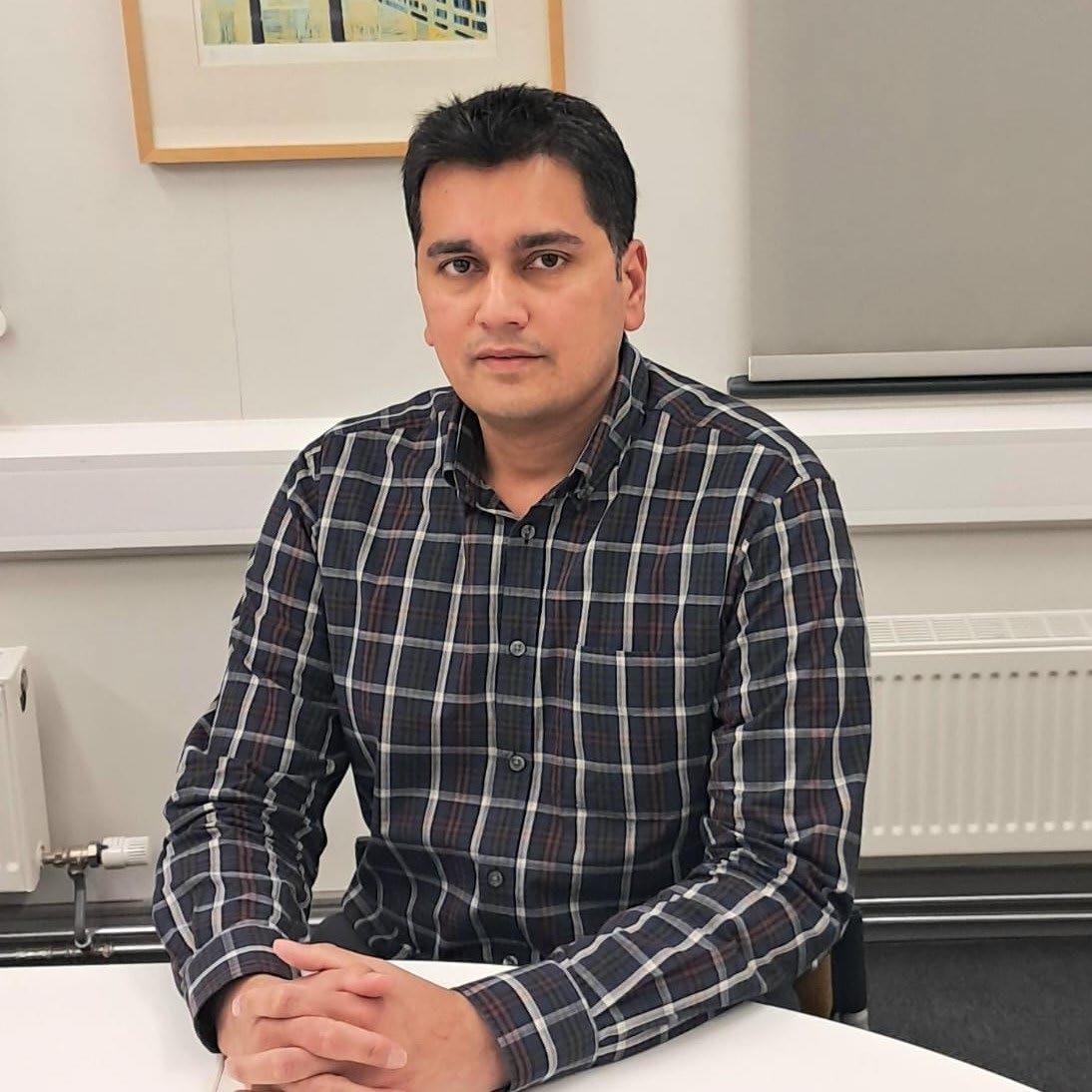
Beyond governance and professional achievement, AIA continues to empower members to make a positive impact in their communities. The story of Muhammad Bilal, an AIA Fellow and long-standing volunteer, exemplifies the role of accountants as responsible leaders and active citizens. His 18 years of charitable service, mentoring and community engagement demonstrate the profession’s broader contribution to society.
Bilal’s recognition through national awards and his invitation to a Royal Garden Party reflect both personal dedication and the values that AIA promotes, including integrity, inclusion and public service. His work supporting trainees and newly qualified accountants also highlights the importance of knowledge sharing and professional development in sustaining a strong and ethical profession.
Across all these areas, AIA remains focused on creating an environment where people are supported to develop, lead and contribute with confidence. By strengthening governance, investing in capability and championing inclusive leadership, we continue to build a resilient and forward-looking professional community.
Muhammad Bilal, an AIA Fellow, has dedicated many years to voluntary service alongside his professional work as an accountant. His support for charitable organisations includes fundraising, retail assistance and the provision of expert bookkeeping. This long-standing commitment to his community has been recognised through several honours, including the Flame of Hope Award and the Shipley Community Award. Bilal views volunteering as both a personal commitment and a responsibility to society. His actions reflect the values of integrity, service and social responsibility that underpin the accountancy profession. He also contributes to the development of future professionals by mentoring trainee and newly qualified accountants. By sharing guidance, encouragement and technical insight, he helps others build confidence and progress in their careers.
His invitation to the Royal Garden Party acknowledged the positive influence of his contribution to public life. Bilal described the occasion as a reminder of the importance of equality, compassion and inclusive leadership in strengthening communities.
AIA celebrates his achievements as an example of how professional expertise, when combined with generosity and a commitment to the public interest, can create meaningful and lasting impact. His service reflects the strength of AIA’s global membership and the values that guide the profession.
Supporting strong governance through active participation, professional expertise and global collaboration.
Council attendance Finance Committee attendance meetings held during the year volunteer leaders contributing expertise
Governance effectiveness is supported through periodic quality assurance review.
High levels of attendance across Council and committees
Consistent participation supporting effective decisionmaking
Council members actively contributing to strategic direction
Strong individual attendance across the year
Finance, Qualifications and Applications committees operating with high engagement Supporting scrutiny, standards and sound decision-making
Practice, Investigations and Disciplinary panels actively convened
Ensuring oversight, consistency and public confidence
Multiple jurisdictions and disciplines Lay members and specialists Bringing diverse perspectives to governance and decisionmaking
Thought leadership driving excellence in all AIA’s activities.
AIA plays an active role in shaping the profession and protecting the public interest by ensuring our voice is present and influential in key discussions. In 2024/2025, we contributed to policy, regulatory and professional debates affecting SMEs, SMPs and the wider accountancy landscape, using our expertise and global reach to promote practical, proportionate and forward-looking solutions.
Our focus has been on the issues that matter most to trust and professional capability, including financial reporting, sustainability, digital transformation and the prevention of economic crime. Through engagement with regulators, policymakers and international partners, alongside our own publications and guidance, we have supported members to navigate change while maintaining high standards of ethics, competence and accountability.
We have also strengthened our international presence, ensuring that AIA is actively engaged in the forums and partnerships shaping the future of the profession. The following section highlights how these activities have translated into tangible impact, demonstrating AIA’s role in driving excellence and supporting a strong, trusted and globally relevant profession.
AIA continued to play an active role in shaping policy and advocating for the needs of SMEs and SMPs, recognising their importance to economic growth and public trust. Through our membership of the European Federation of Accountants and Auditors for SMEs (EFAA), we supported key recommendations promoting proportionate financial reporting, SMEfocused sustainability standards, digital transformation and tailored audit and assurance services. These priorities help ensure transparency, accessibility to finance and high-quality professional services for smaller businesses.
At a national level, AIA engaged with UK policy developments, urging the Government to prioritise SMEs and SMPs in the Autumn Budget. This advocacy reflects AIA’s commitment to enabling a resilient, competitive business environment while reinforcing the role of professional accountants in maintaining trust and integrity in financial systems.
We also supported the Financial Reporting Council’s SME Growth Initiative, contributing to discussions on improving access to audit services and ensuring reporting requirements are proportionate. This work strengthens the ability of SMEs to scale, while
ensuring that standards remain robust and aligned with the public interest.
AIA continued to demonstrate leadership in regulatory oversight and the fight against economic crime. Our Professional Body Supervisor report on anti-money laundering (AML) activity outlined a risk-based approach to supervision, supported by targeted monitoring, education and guidance for members. This work ensures compliance with UK and Republic of Ireland regulations and reinforces confidence in the profession.
Building on this, our 2024/2025 Suspicious Activity Reporting (SAR) analysis highlighted increased reporting by members, reflecting heightened awareness and vigilance. The report identified key risk areas, including tax compliance issues, fraud and unusual transactions, and underscored the critical role accountants play in identifying and preventing financial crime.
Further strengthening our regulatory framework, we published an updated Sanctions Handbook, ensuring greater consistency, transparency and fairness. Together, these actions demonstrate AIA’s commitment to maintaining high ethical standards, supporting member compliance and protecting the public interest.
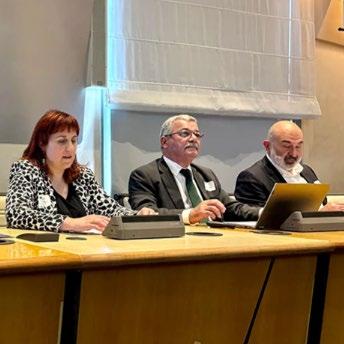
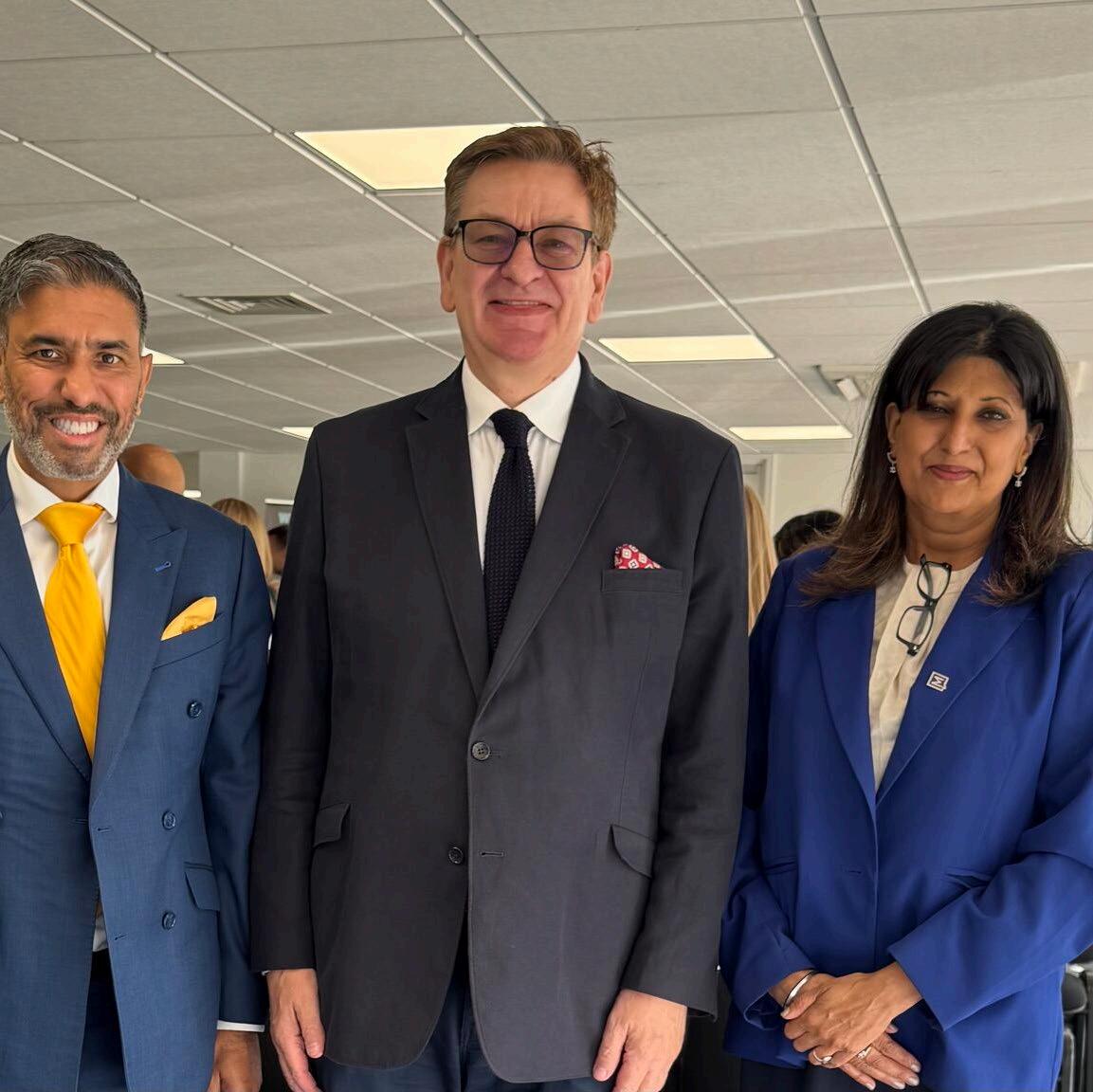
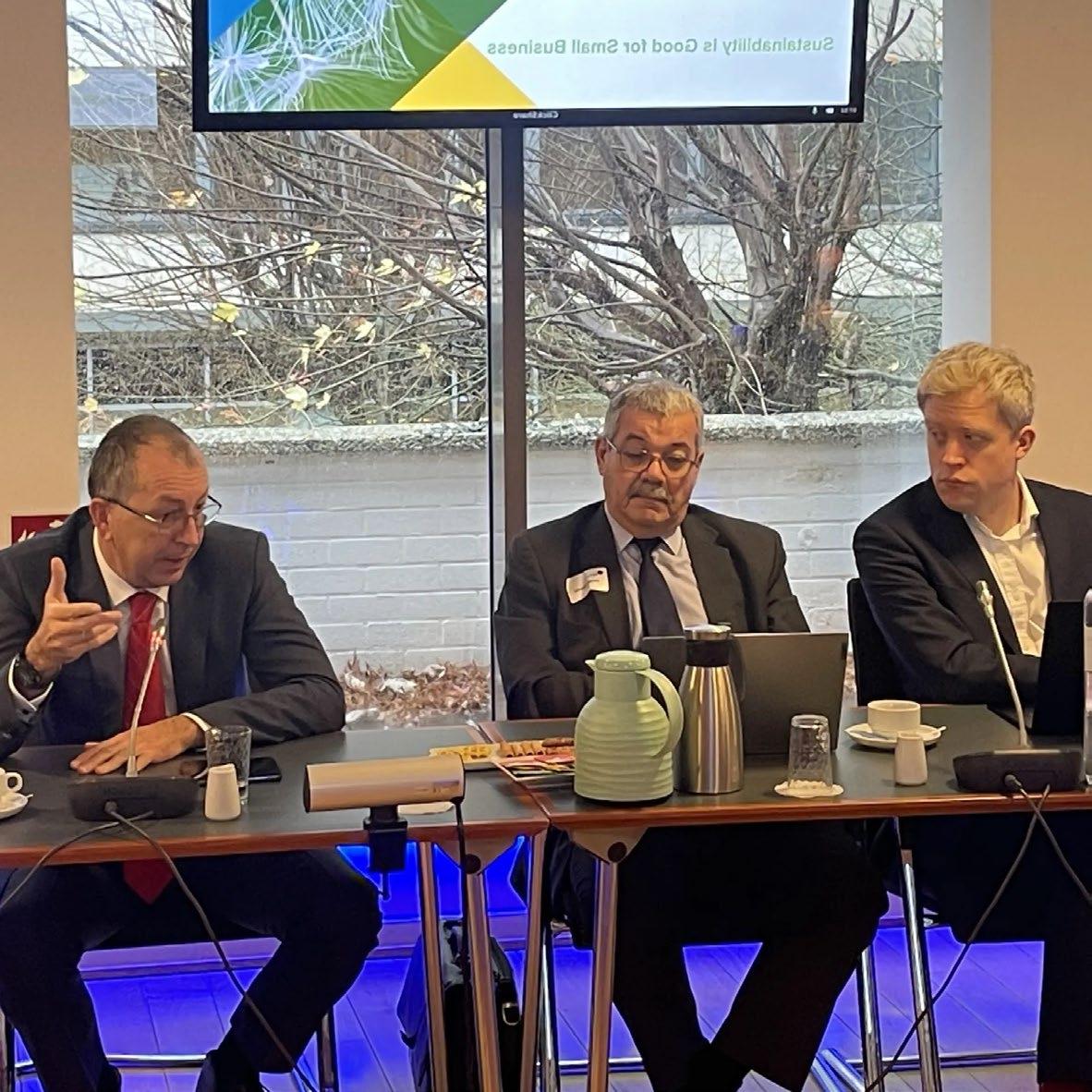
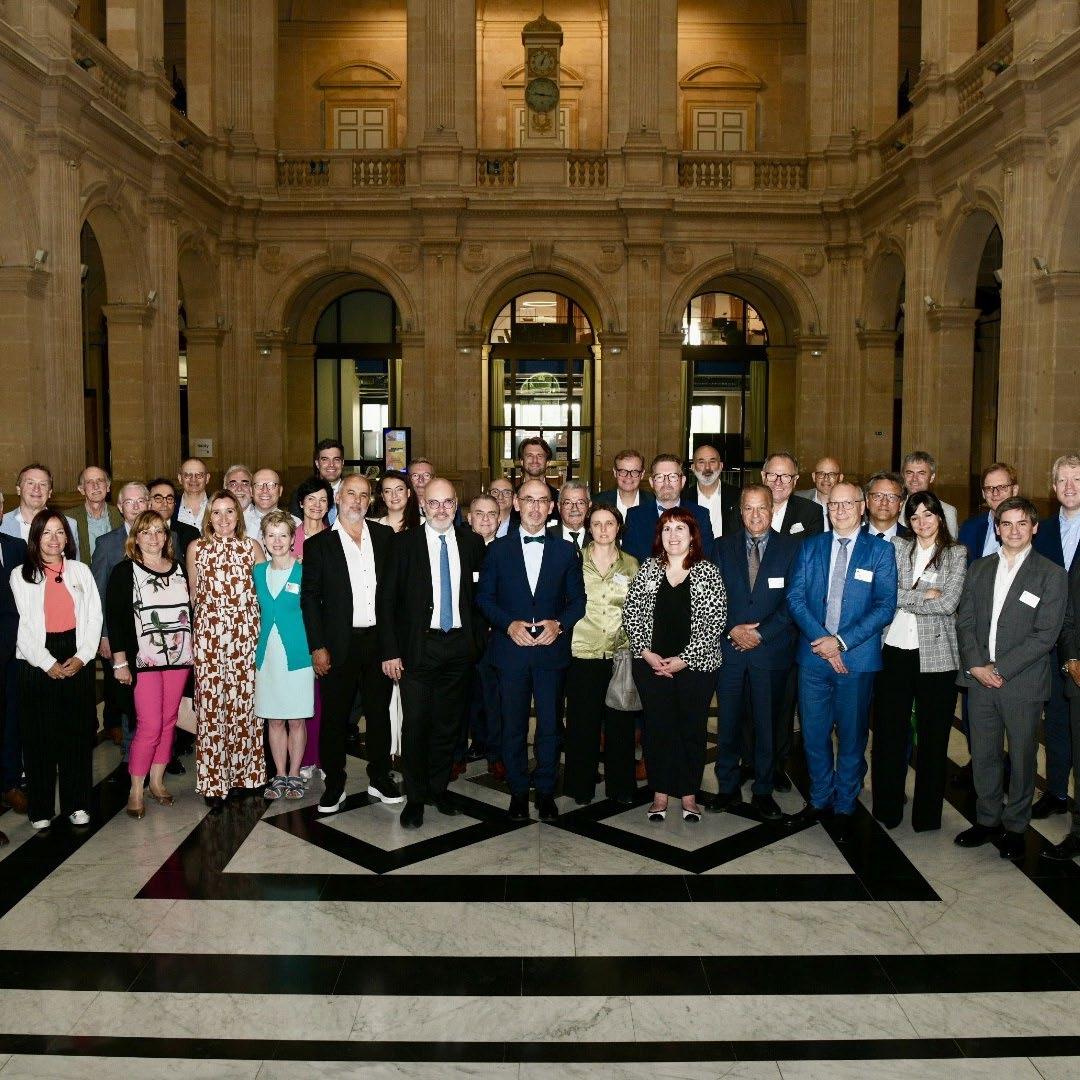
AIA strengthened its international presence through active participation in global forums and partnerships. At the EFAA International Conference in Marseille, AIA contributed to discussions on the evolving role of SMPs in supporting economic competitiveness, with a focus on sustainability, digital transformation and expanding service offerings. Our representatives shared practical insights from members, ensuring that real-world experience informs policy and professional development.
We also supported SME growth and internationalisation through engagement with initiatives such as ISS Airview, highlighting the role of accountants in helping businesses navigate global markets, regulatory requirements and sustainable development. The continued relevance of the AIA qualification ensures members are equipped with the skills needed to support these ambitions.
In parallel, AIA strengthened international collaboration through partnerships with organisations including FinProv and the Northern Powerhouse, supporting knowledge exchange and the development of professional pathways across the UK and India.
These initiatives enhance global connectivity and ensure that AIA remains at the forefront of professional development in an increasingly interconnected world.
Across all these activities, AIA’s thought leadership is grounded in practical insight, professional standards and a clear focus on the public interest. By influencing policy, strengthening regulation and fostering international collaboration, we continue to support members in delivering high quality services and adapting to a changing environment.
This work ensures that AIA remains a trusted voice in the profession, driving excellence in education, practice and governance, and reinforcing the role of professional accountants in supporting sustainable economic growth and public confidence.
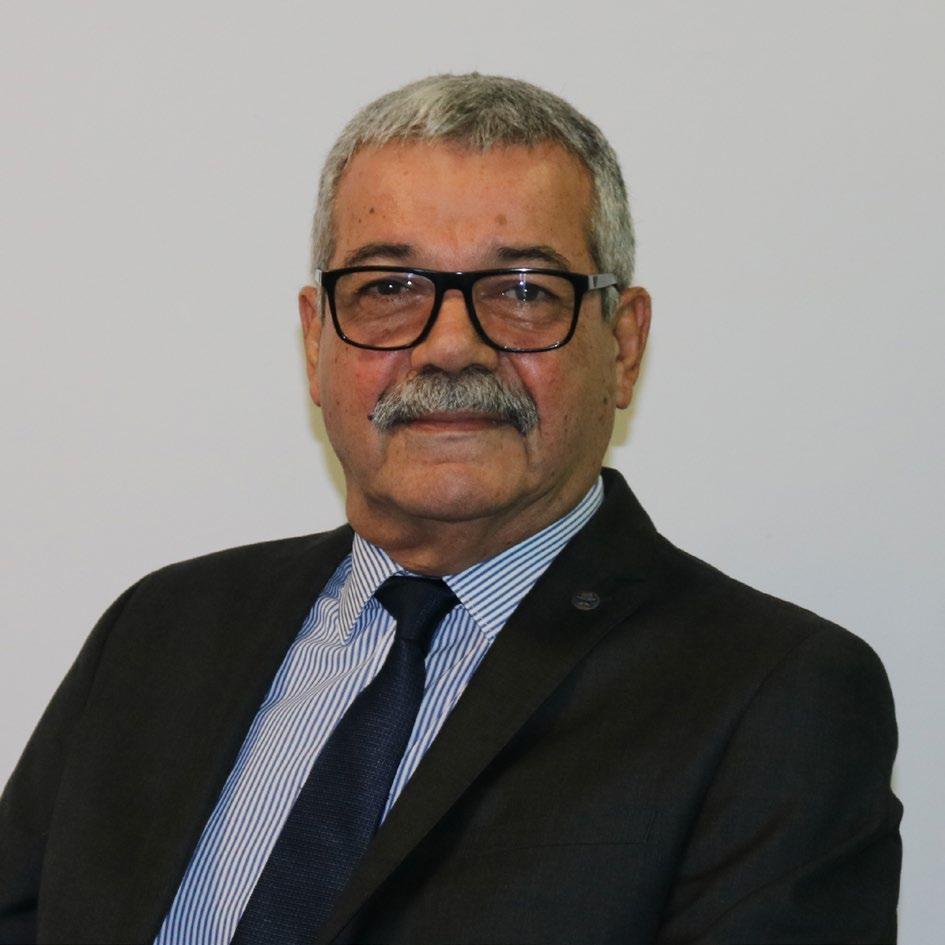
George Josephakis has played a significant role in strengthening professional standards, regulatory oversight and member confidence across AIA’s global community. As Chair of AIA’s Regulatory Oversight Committee and President of the AIA Greece Management Committee, he combines strategic leadership with practical insight drawn from professional practice.
During 2024/2025, George supported the effective supervision of professional and ethical standards, with a particular focus on anti-money laundering compliance. His contribution to regulatory oversight activity, policy discussion and member guidance helped ensure a proportionate, risk-based approach that protects the public interest while supporting members in meeting complex regulatory obligations.
Beyond his regulatory work, George has been a strong advocate for professional development and engagement in Greece.
As Branch Chair, he helped expand CPD opportunities, promote professional recognition and strengthen member participation. He also actively mentors students and early-career accountants, sharing experience and guidance to support the development of future professionals.
George’s leadership reflects AIA’s values of integrity, accountability and service, demonstrating how experienced professionals can make a lasting impact through governance, advocacy and community engagement.
Delivering expert insight, technical guidance and forward-looking analysis to support members in a changing profession.
global issues published technical articles, insights and updates expert contributors across practice, academia and industry
priority topics shaping the profession
SUSTAINABILITY AND ESG DIGITAL AND AI PRACTICE AND ADVISORY RISK AND RESILIENCE GLOBAL PROFESSION
ESG reporting and assurance
Climate disclosures and Net
Zero
AI in audit and finance
Data and automation
Digital tax transformation
Growth beyond compliance
Strategic advisory role
SME support
Financial crime and fraud
Insolvency and restructuring
Business risk management
Cross-border practice
International standards Global careers
Outstanding member outcomes through a customer-centric approach.
Our focus is on delivering real value for students and members at every stage of their professional journey. This section highlights how AIA supports strong outcomes through high-quality education, flexible assessment, continual development and a connected global network, enabling members to build successful and rewarding careers.
We continue to invest in a learning and assessment framework that is relevant, rigorous and accessible. Our qualifications, exams and CPD programme equip students and members with the technical knowledge, professional skills and ethical grounding required in a changing environment, supported by flexible digital learning and delivery.
Alongside this, we support wider career development through our global network and member services. By embedding ethics, sustainability and technological awareness across education and development, we ensure members are equipped to meet evolving expectations and contribute to the public interest.
AIA continued to place accessibility and inclusion at the centre of its approach to education and professional development. The reopening of the AIA Scholarship Programmes for 2025 marked a significant step in widening participation, with fully funded opportunities available through both the UK and Commonwealth schemes. These awards remove financial barriers and support talented individuals from underrepresented backgrounds in achieving the AIA Professional Qualification.
In July 2025, AIA announced the latest scholarship recipients, recognising three outstanding individuals whose ambition to use accountancy to drive economic development and community impact reflects both the values of the profession and AIA’s commitment to nurturing future leaders. By investing in diverse talent and creating pathways into the profession, AIA continues to strengthen the global pipeline of skilled, ethical accountants.
AIA maintained a strong focus on ensuring that its qualification and learning framework remains rigorous, relevant and forward looking. In 2024/2025, a
comprehensive review of the Professional Qualification syllabus and learning materials was undertaken, embedding sustainability, ethics, and digital and technological capability, including artificial intelligence, throughout all levels of the qualification. This ensures that students develop not only technical expertise but also the professional judgement and future-ready skills required in a rapidly evolving environment.
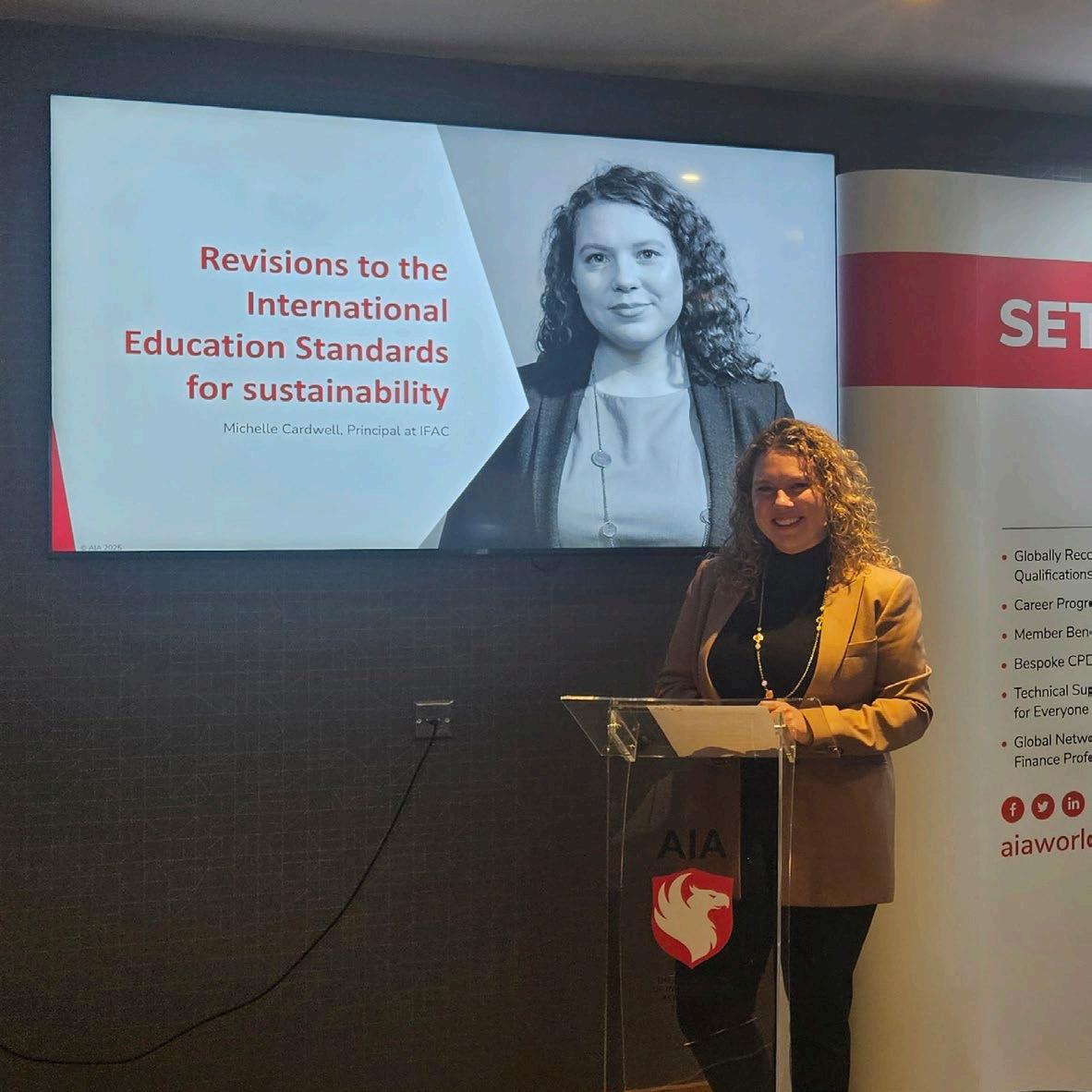
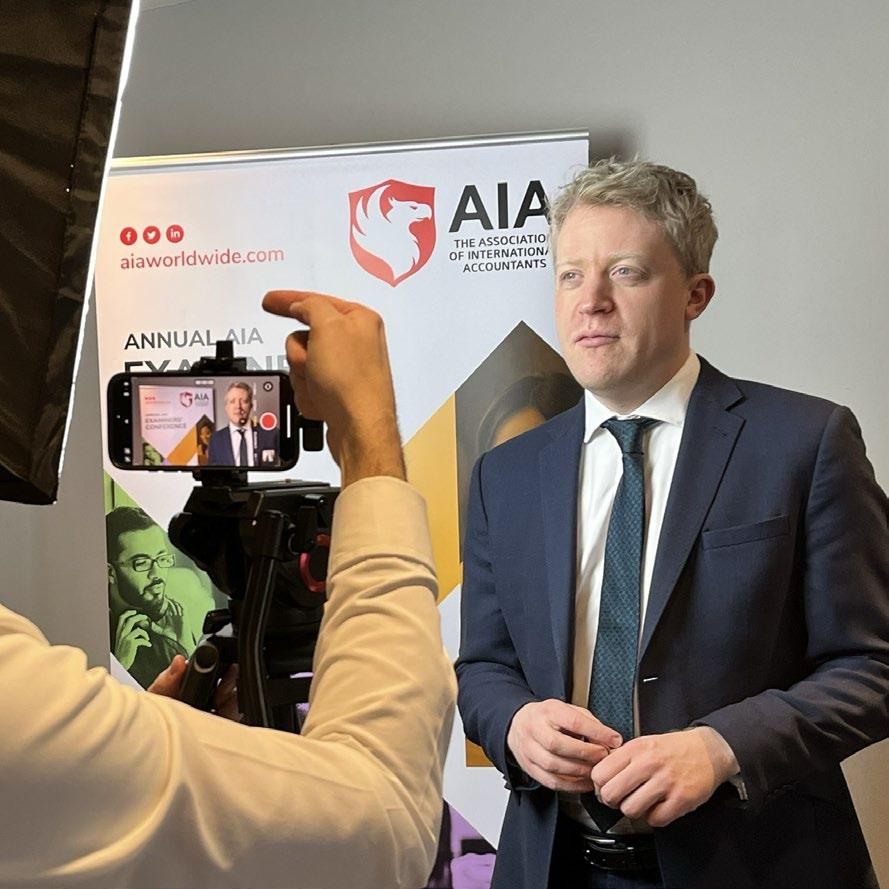
The 2025 Examiners’ Conference reinforced this approach, bringing together education leaders to explore futureproofing accountancy education. Discussions highlighted developments in international education standards, financial reporting and sustainability, alongside the importance of inclusive assessment design. Together, these initiatives ensure that AIA’s qualifications equip students with the technical knowledge, professional skills and ethical foundation needed to succeed.
Our secure and flexible digital model enables greater accessibility for students worldwide, ensuring consistent standards while supporting participation across diverse locations and circumstances. Supporting this learning journey, Achieve Academy continues to provide a flexible, digital learning environment, offering on-demand study materials and resources that allow students to progress at their own pace, regardless of location.
AIA’s commitment to lifelong learning is reflected in its CPD programme, which continues to deliver highquality, relevant and accessible professional development for members at all stages of their careers. During the year, over 3,600 attendees participated in CPD activities, covering a broad range of topics aligned to the evolving needs of the profession.
The programme addressed key areas including financial reporting, taxation, sustainability, AML and financial crime, digital transformation and artificial intelligence, alongside professional skills and practice development. Delivered through a blend of live webinars, supported by expert speakers and strategic partners, and on-demand resources, the programme provides flexible learning opportunities that support members globally.
This approach ensures that members can maintain competence, respond to regulatory change and develop the skills needed to deliver high-quality, forward-looking services in practice.
Celebrating achievement remains an important part of delivering meaningful outcomes for members. In 2025,
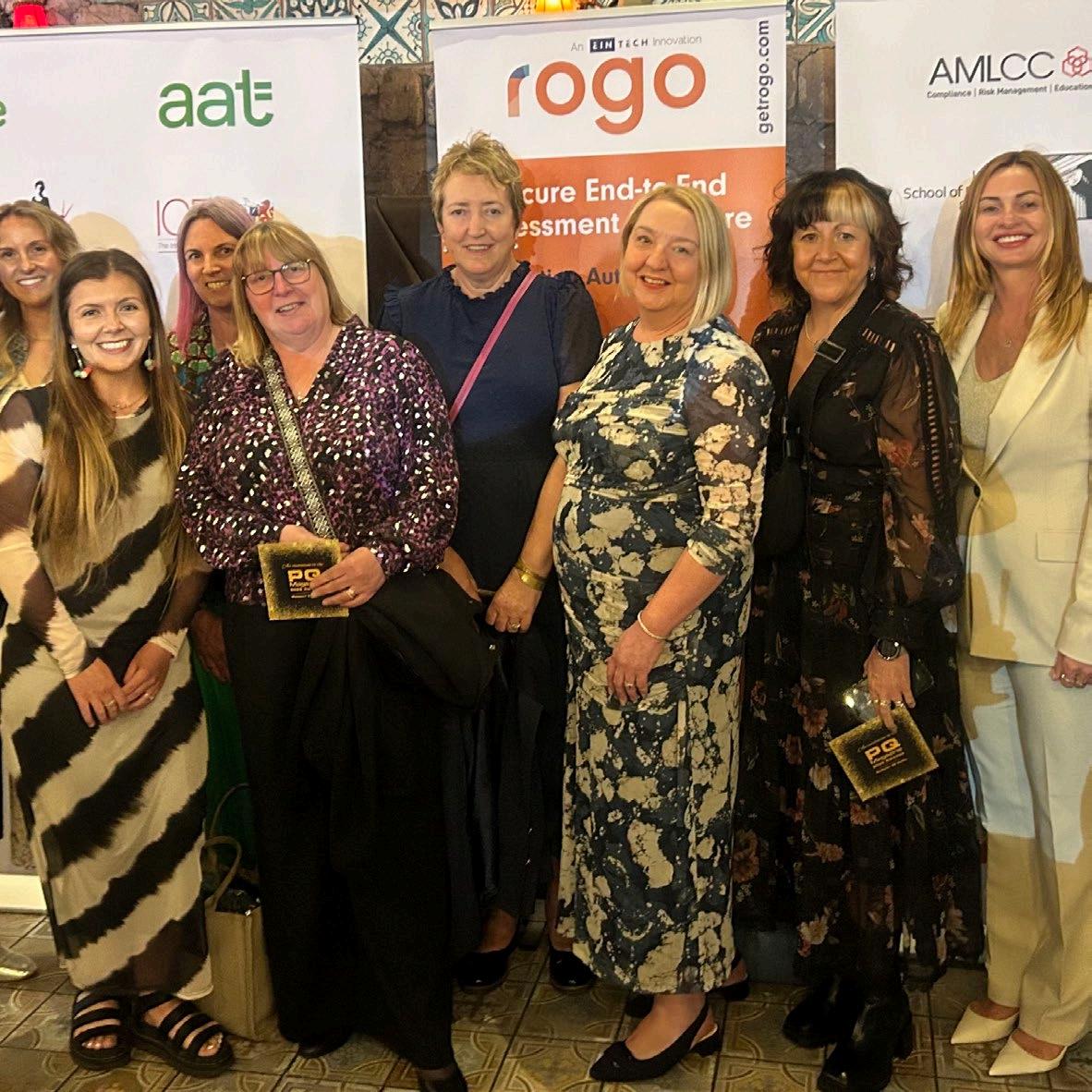
AIA supported both the PQ Magazine Awards and the Accounting Excellence Awards, recognising the innovation, professionalism and impact of individuals, firms and educators across the profession.
AIA members, examiners and affiliated organisations were shortlisted across multiple categories, including Accountancy Team of the Year and Public Sector Lecturer of the Year. The Association also sponsored the Innovation in Accountancy Award, highlighting the increasing importance of technology, data and sustainability in shaping the future of accountancy.
Recognition extended to member firms, including Euro Accounting, whose success at the Accounting Excellence Awards reflects the strength, global outlook and high standards of AIA’s membership. These achievements reinforce a culture of excellence, continuous improvement and forward-thinking practice.
AIA continued to strengthen its support for Members in Practice, recognising their central role in delivering services to SMEs and the wider economy. The launch of the Members in Practice Advisory Panel provided a new platform for practitioners to share insight, influence strategy and shape the development of member services.
Designed to reflect the diversity of practice across global markets, the panel ensures that AIA remains responsive to the needs of its members while embedding real world experience into policy, advocacy and professional development. This customer-centric approach enables AIA to continuously refine its support and deliver practical, relevant solutions.
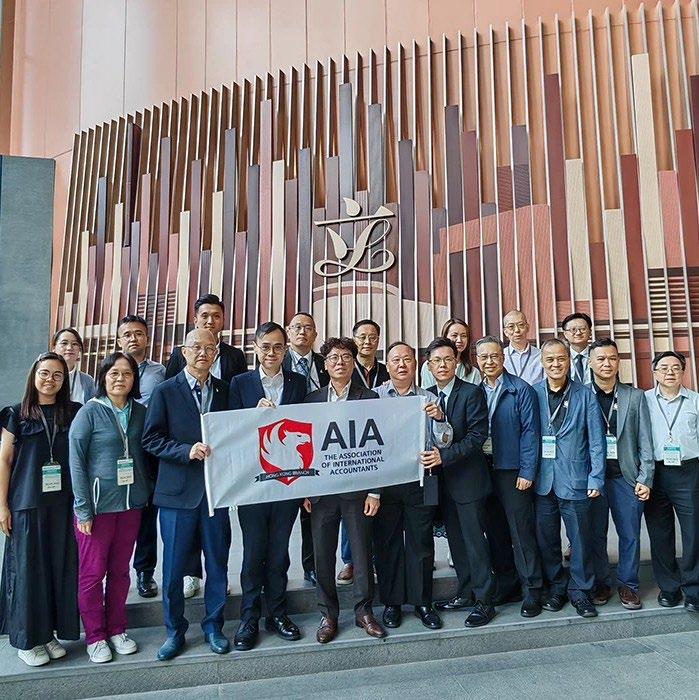
Beyond formal education and professional support, AIA continued to invest in member engagement and community building. Events such as the Hong Kong Branch workshop created opportunities for members to connect, learn and develop skills beyond technical accountancy.
These initiatives combine professional insight with broader development, including engagement with civic institutions and practical learning opportunities. They reflect AIA’s commitment to supporting the whole professional, fostering wellbeing, networks and a strong sense of community across its global membership.
Across all these initiatives, AIA’s focus remains on delivering meaningful outcomes for students and members. By widening access to education, investing in future-ready and professionally relevant qualifications, strengthening CPD provision and recognising excellence, AIA continues to place its members at the centre of its work.
This approach ensures that AIA members are equipped with the skills, knowledge and ethical foundation to build successful careers, deliver high-quality services and contribute to the wider public interest in an increasingly complex and global profession.


Shabir Djakiodine, an AIA Member in Practice, leads Euro Accounting, an international advisory and accountancy firm recognised as a double finalist at the Accounting Excellence Awards. The firm’s shortlistings for Tax Team of the Year and International Firm of the Year highlight its strong technical capability and global perspective.
Shabir has established Euro Accounting as a trusted partner for clients working across borders. The firm provides a wide range of services including accounting, cross-border taxation, company formation, and payroll. The firm is known for delivering tailored, practical solutions to the complex challenges faced by international businesses and entrepreneurs.
Their multilingual team is central to their success. The team collectively works in 12 languages, strengthening client relationships, supporting international expansion and ensuring the firm can meet diverse regulatory and cultural needs in global markets.
Shabir’s leadership reflects the professionalism, innovation and forward-thinking mindset that AIA encourages within our membership. The recognition they received demonstrates his commitment to high standards, responsible practice and continuous improvement and showcases how AIA practitioners contribute to international business success and support the advancement of the profession worldwide.

Delivering high-quality assessment and future-focused learning, equipping students with the technical, ethical and professional skills required in a rapidly evolving global profession.
global exam sessions delivered online exams delivered academic experts global digital learning platform
Structured exam sittings
Clear progression across levels
Consistent, high standards
Flexible, global access
Secure digital platform
Designed for accessibility
Global network of experts
Strong technical insight
Ensuring rigour and relevance
Ethics embedded throughout ESG fully integrated
Digital, data and AI built in
Online learning platform
On-demand resources
Flexible, self-paced access
Delivering high-quality, accessible and relevant professional development supporting ongoing professional competence and ethical standards.
free CPD events delivered
expert speakers attendees core topic areas
TECHNICAL AND REGULATORY ETHICS, AML AND GOVERNANCE
Tax, compliance and reporting
IFRS and financial reporting
Evolving regulatory requirements
Anti-money laundering compliance
Financial crime awareness
Professional ethics and integrity
DIGITAL AND AI SUSTAINABILITY AND ESG PRACTICE GROWTH AND PROFESSIONAL SKILLS
AI in accountancy
Data, automation and digital tools
Digital transformation
Sustainability reporting frameworks
ESG developments and assurance
Climate and Net Zero
Advisory and business development
Leadership and communication
Enhancing client relationships

Strong global reputation and market position, supported by diversified revenue streams
AIA continues to strengthen its global reputation through strategic partnerships, international engagement and visible leadership across the profession. This section highlights how our work with global networks, academic communities and industry bodies reinforces confidence in AIA’s qualifications, standards and governance, while supporting sustainable growth.
We have focused on expanding our global reach and influence through collaboration and knowledge sharing. From strengthening relationships within the Commonwealth and academic community to growing access to AIA qualifications in key markets such as India, our activity ensures that AIA remains relevant, connected and responsive to global developments shaping the profession.
At the same time, we have strengthened our market position through regional engagement and recognised leadership. Our international management committees, partnerships and networks extend our presence in key jurisdictions, while external recognition reflects AIA’s growing influence as a forward - thinking, globally connected professional body.
AIA has built on its global reputation through meaningful engagement, strategic partnerships and recognition by key international bodies. As a Commonwealth Accredited Organisation, AIA plays an active role in promoting inclusive education and professional excellence across a diverse global network. Commonwealth Day 2025 provided an important opportunity to reinforce this role, bringing together leaders from business, finance, education and regulation to celebrate collaboration and shared values.
The award of a new Commonwealth accreditation badge further reinforced AIA’s standing as a trusted and credible professional body. This recognition reflects the strength of AIA’s governance, integrity and impact, and its ongoing commitment to supporting transparency, economic development and financial integrity worldwide. Through these relationships and formal recognitions, AIA builds confidence in its qualifications and professional standards at an international level.
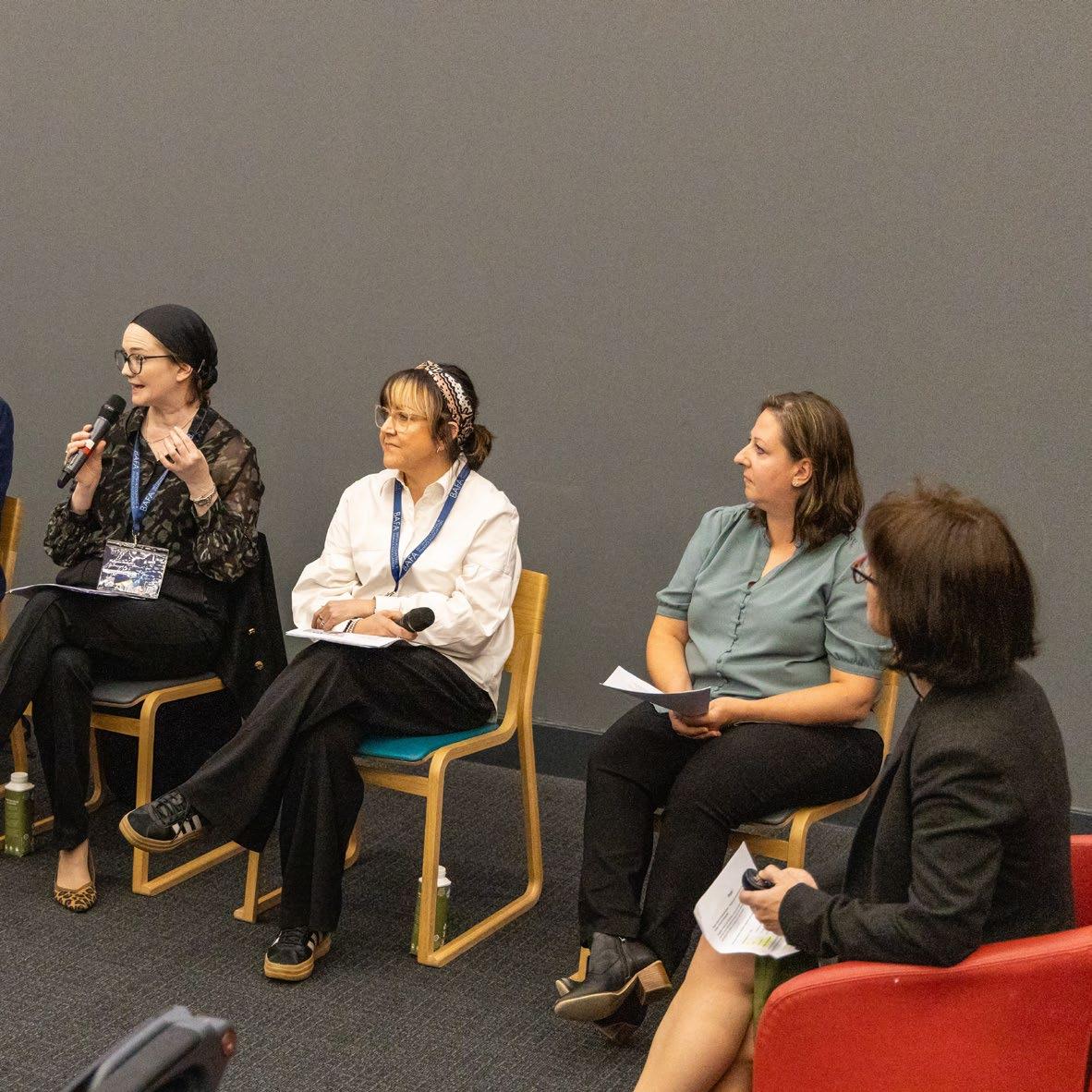
AIA’s reputation is supported by its active contribution to academic research, education and professional development. Sponsorship of and participation in the British Accounting and Finance Association (BAFA) Annual Conference 2025 demonstrated this commitment, providing a platform to engage with leading academics, practitioners and researchers.
Through panel discussions, networking and knowledge sharing, AIA contributed to conversations on key issues shaping the profession, including sustainability, regulatory change and the role of technology. These engagements ensure that AIA remains connected to emerging research and evolving professional frameworks, strengthening the relevance and quality of its qualification and learning offer.
By supporting academic excellence and fostering collaboration between academia and practice, AIA enhances its influence in shaping the future direction of the profession.


AIA made significant progress during the year in expanding access to its globally recognised qualifications through strategic international partnerships. Engagement with Finprov Learning in India, including participation in a UK trade mission and subsequent agreement to appoint Finprov as an approved study provider, represents a key milestone in strengthening AIA’s presence in a priority growth market.
This partnership reflects AIA’s commitment to making high-quality accountancy education accessible to a wider audience, supported by local expertise and aligned to global standards. By working with trusted partners, AIA can extend its reach, support students more effectively and create new pathways into the profession across emerging markets.
These initiatives contribute to a more diversified and resilient model for growth, underpinned by strong relationships and a shared commitment to professional excellence.
AIA’s international management committees and global network play a crucial role in strengthening the Association’s reputation at a regional level. The Hong Kong Branch, for example, remains a strong and wellestablished presence, providing leadership, advocacy and member support while maintaining relationships with regulators, government bodies and other professional organisations.
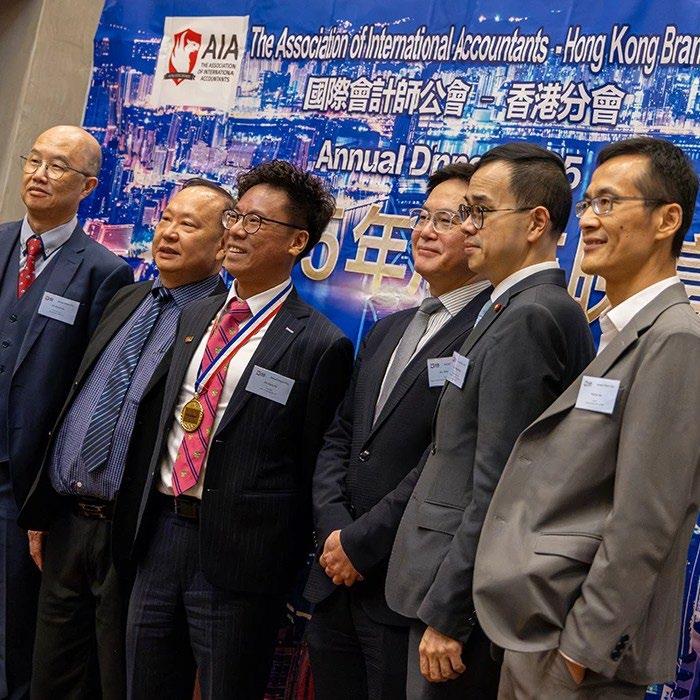
Events such as the Hong Kong Annual Dinner highlight the strength of AIA’s community and the importance of local engagement in building reputation and influence. Through these activities, AIA ensures that member perspectives are represented, while also reinforcing the visibility and recognition of the AIA qualification in key markets.
More broadly, international committees contribute to CPD delivery, member services and engagement with local stakeholders, supporting both professional development and the continued growth of AIA’s global footprint.
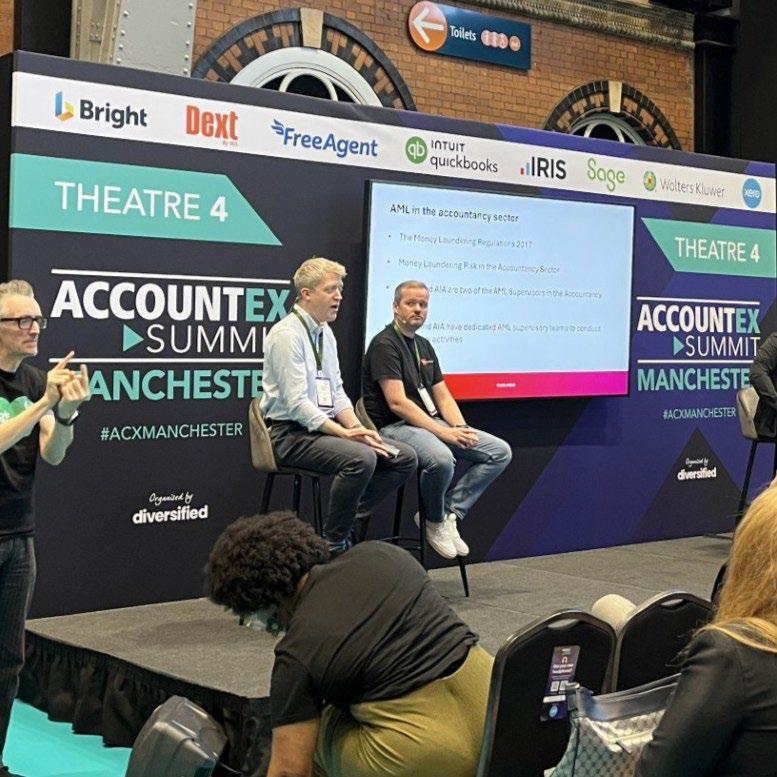
AIA increased its visibility and influence through active participation in key industry events and collaboration with professional partners. Engagement at Accountex 2025 provided a valuable platform to connect with members, prospective members and stakeholders, while contributing to discussions on critical issues including anti-money laundering, regulatory compliance and the application of artificial intelligence in accountancy.
Through panel participation and knowledge sharing, AIA reinforced its role as a thought leader, demonstrating its commitment to supporting members with practical guidance and forward-looking insight. Collaboration with other professional bodies in these forums also highlighted the importance of collective action in maintaining high standards and supporting the continued evolution of the profession.
This outward-facing engagement was complemented by significant progress in strengthening AIA’s global standing. In December 2025, AIA formally submitted its application for membership of the International Federation of Accountants (IFAC), reflecting extensive preparatory work undertaken across 2024 and 2025. The application represents an important step in further
aligning with IFAC standards and international best practice, deepening collaboration across the global accountancy community, and creating further opportunities for members to engage internationally and contribute to the profession.
Building strong international relationships remains central to AIA’s long-term growth and reputation. Engagement with organisations such as the Kurdistan Association of Accountants and Auditors (KAAS) demonstrates AIA’s commitment to knowledge sharing and collaboration across jurisdictions.
These interactions create opportunities to exchange insights, explore partnerships and support the development of the profession in different regions. By fostering these connections, AIA continues to expand its global reach while contributing to the advancement of professional standards and best practice internationally.
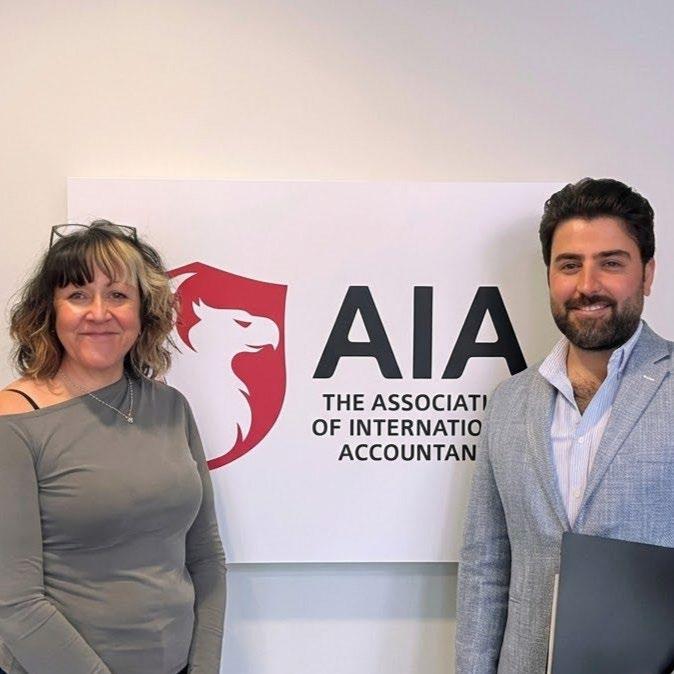
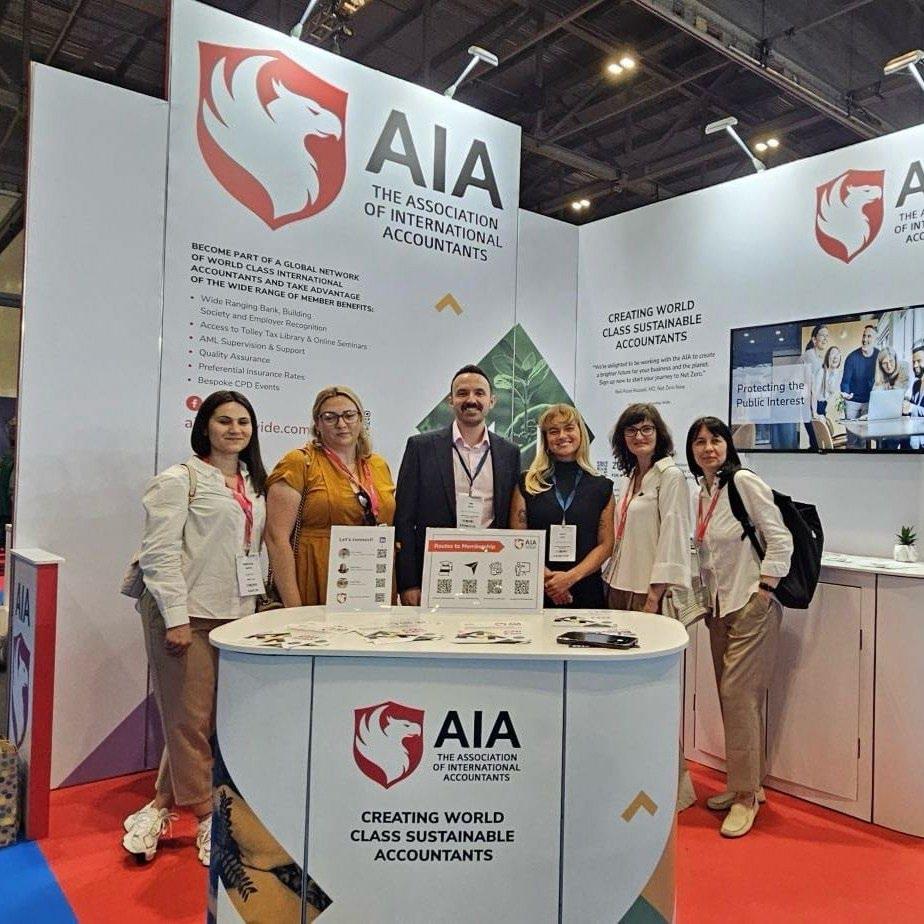

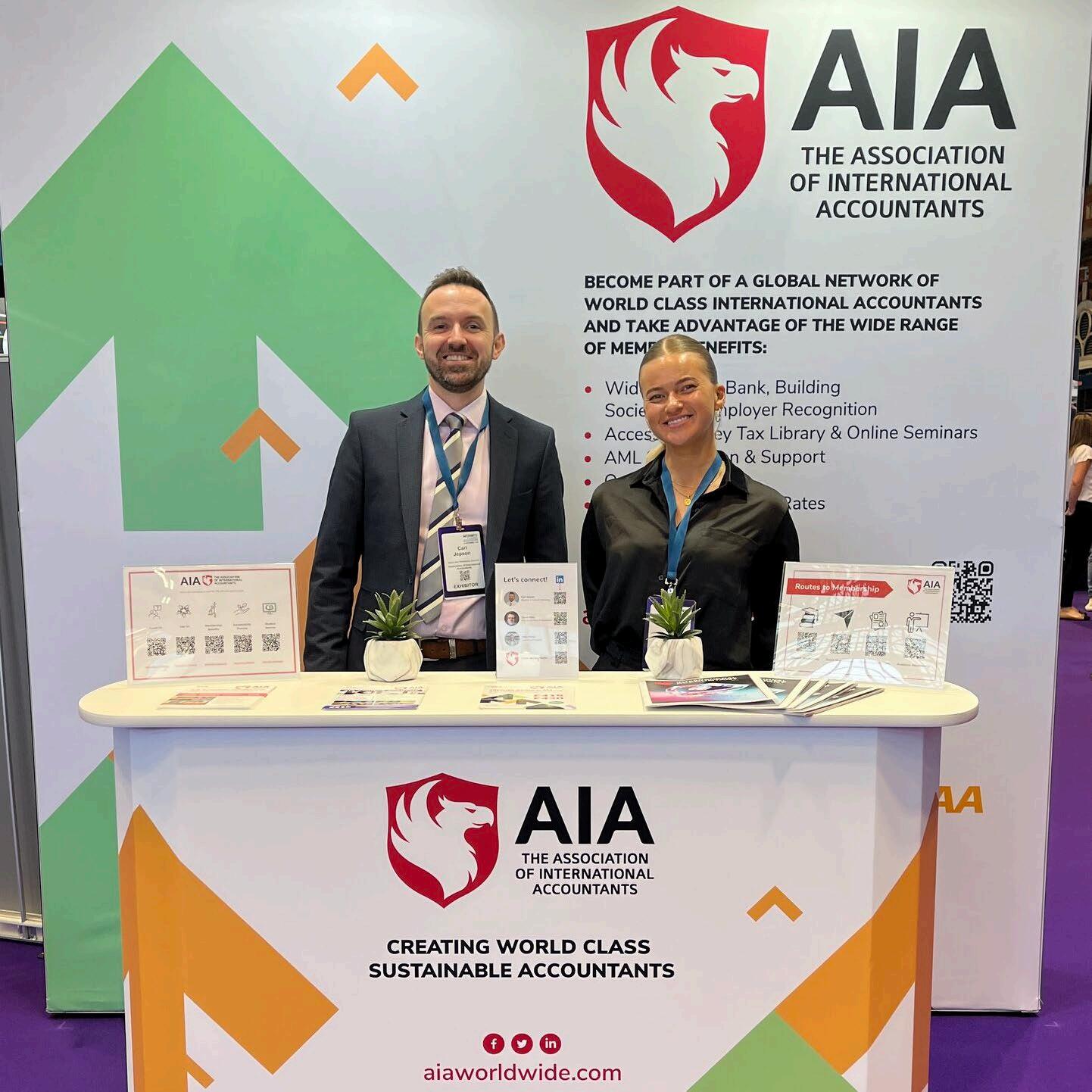
The recognition of AIA’s Chief Executive among the Top 100 Most Influential Membership Professionals in 2025 highlights the Association’s growing influence beyond the accountancy profession. This acknowledgement reflects the progress made in strengthening AIA’s global community, enhancing member engagement and positioning the organisation as a forward-thinking, internationally focused professional body.
This recognition not only reinforces AIA’s reputation externally but also demonstrates the value and relevance of its approach to membership, education and professional development. It underscores the organisation’s ability to innovate, adapt and lead in a changing environment.
Across all these activities, AIA continues to strengthen its global reputation and market position through collaboration, innovation and a clear focus on delivering value. By expanding its international partnerships, engaging with key stakeholders and contributing to the development of the profession, AIA is building a strong and sustainable platform for future growth.
This approach supports diversified revenue streams, enhances the accessibility of its qualifications and reinforces confidence in the AIA brand. Together, these achievements demonstrate AIA’s continued commitment to excellence and its role as a trusted and globally recognised professional body.
Philip’s path into accountancy was far from conventional. After initially studying medicine, he made the bold decision to change direction and pursue accountancy in the United States. On returning to the UK, he faced the challenge of having to requalify, ultimately completing qualifications with both AIA and ACCA. This experience, which he credits with building resilience and determination, continues to shape his perspective on lifelong learning and professional adaptability. Throughout his career, Philip has emphasised that modern accountants must be much more than technical specialists. He views accountants as trusted advisers who combine professional judgement with empathy, integrity and strong communication skills. This belief underpins
his advocacy for well-rounded professionals capable of supporting clients through complex commercial and personal challenges.
As a taxation specialist who regularly represents clients at tax tribunals, he applies this experience in his role representing AIA on the HMRC Joint VAT Consultative Committee, contributing practical insight to policy discussion and engagement with regulators.
His leadership reflects AIA’s values of integrity, competence and service. By combining professional insight with personal experience, Philip helps ensure that AIA supports accountants who are ethical, adaptable and equipped to lead in a changing global profession.
Strengthening AIA’s global presence through partnerships, influence and recognition.
Commonwealth nations connected Commonwealth accredited organisations key global regions global partners, stakeholders and collaborators
GLOBAL RECOGNITION STRATEGIC PARTNERSHIPS
UK Recognised Qualifying Body
Prescribed body in Ireland
Commonwealth accredited organisation
EFAA, TheCityUK and AIMS
FSB and YABA
Expanding global education links
ACADEMIC AND POLICY INFLUENCE
Supporting BAFA and research
Shaping policy and debate
Driving thought leadership
REGIONAL NETWORKS VISIBILITY AND INDUSTRY VOICE
Active international committees
Northern Powerhouse collaboration
Strong regional and government links
Presence at major industry events
Cross-body collaboration
Recognised leadership
Organisational sustainability, efficiency, and effectiveness, enabled by integrated systems and agile operations
AIA continues to strengthen its organisational sustainability by ensuring that its operations, systems and resources are aligned to deliver value effectively and support long-term resilience. This strategic outcome focuses on creating an organisation that is efficient, well-governed and financially sustainable, with the capability to adapt to change and meet the evolving needs of members, students and stakeholders.
AIA has made progress in enhancing the integration of its systems and processes, enabling more effective management information and better - informed decisionmaking. Investment in digital capability and infrastructure supports a more connected and agile organisation, improving coordination across functions and strengthening the foundation for future growth.
This is supported by a continued focus on operational effectiveness and financial stewardship. Strong governance, risk management and business continuity arrangements underpin resilience, while a disciplined approach to financial management ensures resources are used efficiently and sustainably.
AIA continues to embed sustainability across its operations, partnerships and professional activities, recognising its importance to long-term organisational resilience and public trust. During 2024/2025, sustainability remained a core priority, with a clear focus on aligning organisational practices with broader environmental and societal goals.
A key milestone in this journey was AIA achieving ‘On the Road to Net Zero’ certification, marking the beginning of its transition to a Net Zero organisation. By measuring its greenhouse gas emissions and committing to transparent annual reporting, AIA has established a robust foundation for reducing its environmental impact. Clear reduction targets and the use of verified offsetting mechanisms will support long-term progress while demonstrating accountability and leadership.
This commitment is further strengthened through AIA’s partnership with Ecologi (formerly Net Zero Now), providing members with practical tools and guidance to begin or accelerate their own sustainability journeys. By combining organisational action with member support, AIA is helping to embed responsible practices across the wider profession.
Strategic partnerships continue to play a central role in advancing AIA’s sustainability objectives. The acquisition of Net Zero Now by Ecologi represents a significant step forward, bringing together sector-specific carbon measurement with global climate initiatives to create a comprehensive, accessible solution for organisations seeking to achieve net zero.
This enhanced offering provides AIA members with a streamlined approach to carbon reporting, emissions reduction and compliance with evolving frameworks. By integrating practical tools, expert guidance and verified climate projects, the partnership simplifies what can often be a complex and resource-intensive process, particularly for SMEs and small practices.
These developments ensure that AIA remains responsive to regulatory change and stakeholder expectations, while supporting members to operate more sustainably and efficiently in a rapidly evolving environment.



AIA’s commitment to organisational sustainability is closely linked to its role in preparing professionals for the future. As a signatory to the Sustainable Finance Education Charter, AIA has continued to integrate sustainability into both its qualifications and continuing professional development.
During the year, AIA delivered a range of learning activities focused on green finance, climate risk and sustainability reporting, ensuring that members are equipped with the knowledge and skills required to respond to emerging challenges. These themes are now embedded throughout learning pathways, alongside ethics and technological capability, supporting a more holistic and forward-looking approach to professional competence.
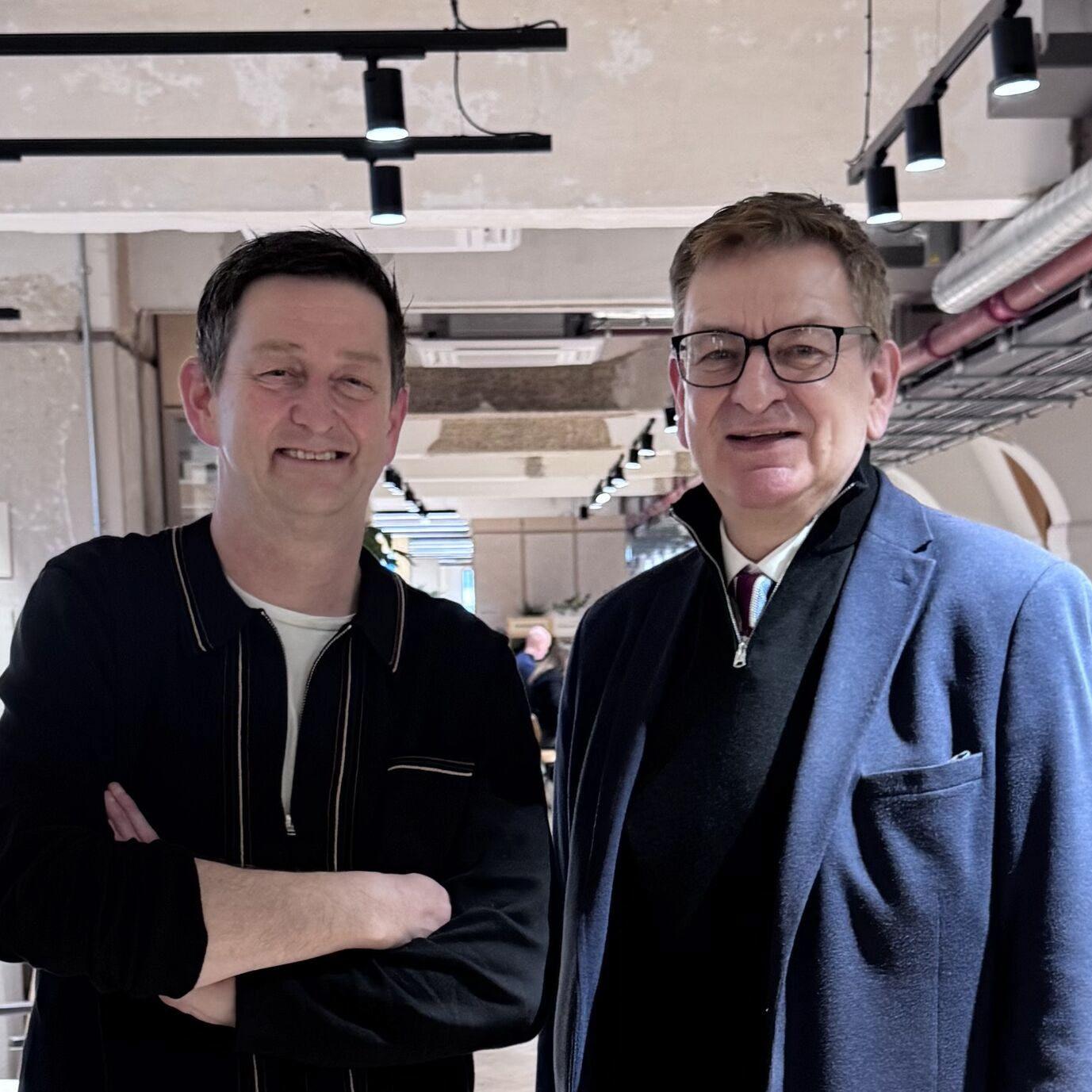
This approach is reinforced through the leadership and expertise within AIA’s community. Council Member Peter Ellington, CEO and Founder of Triple Bottom Line Accounting, exemplifies the integration of sustainability into practice and education. Through his work in ESG strategy, academic research and national curriculum development, he is helping to shape how sustainability is embedded in both professional learning and real-world application.
Through collaboration with international partners and fellow signatories, AIA is also contributing to the development of consistent, high-quality sustainability education across the profession, strengthening both capability and public confidence.
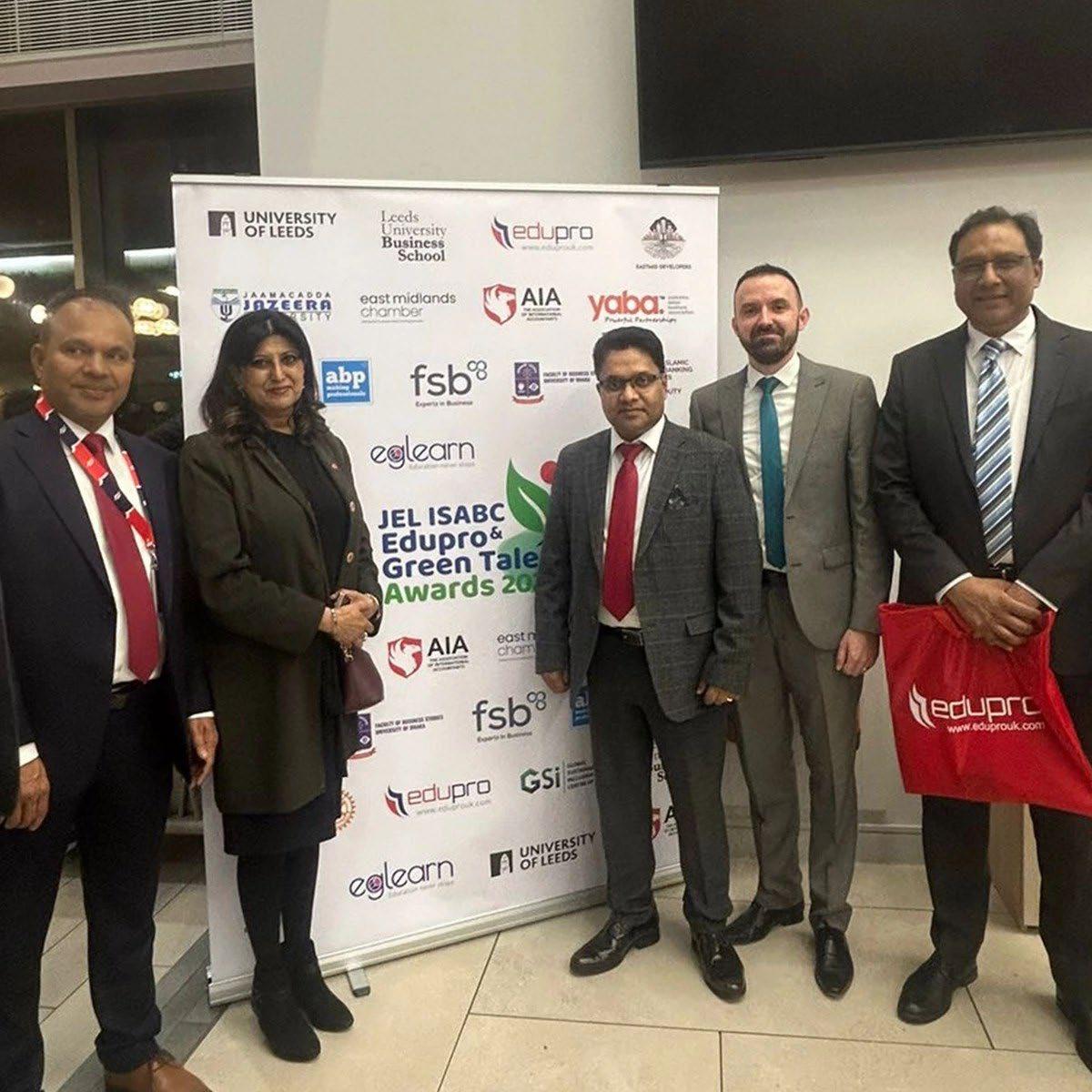
AIA continues to support innovation and future leadership as part of its sustainability agenda. Its role as Green Ambassador for the Edupro Green Talent Awards 2025 reflects a commitment to fostering the next generation of professionals who are actively shaping environmental and social outcomes.
Through this initiative, AIA is helping to promote responsible business practices, support youth-led innovation and encourage forward-thinking approaches to sustainability. Participation at both ambassadorial and judging levels demonstrates AIA’s commitment to recognising emerging talent and amplifying the impact of individuals working to address global challenges.
By investing in skills, leadership and innovation, AIA is helping to build a more resilient, adaptable and futureready profession.
During the period, AIA continued to strengthen the foundations that support its day-to-day activities and long-term objectives. This included ongoing investment in systems, processes and ways of working that enable the organisation to operate effectively, respond to change and deliver consistent value for members.
A structured approach to technology and device management was progressed, including the timely refresh of hardware and upgrades to operating systems. While largely behind the scenes, these improvements are essential to maintaining performance, reliability and continuity across the organisation, while also supporting future digital development.
Safeguarding systems, data and member information remained a core priority throughout the year. AIA continued to strengthen its approach to cybersecurity through enhanced controls, active monitoring and the consistent application of recognised best practice. This work is supported by ongoing awareness and
accountability across the organisation, helping to maintain a strong and vigilant security culture.
Alongside this, continued focus on financial management has strengthened transparency, control and operational efficiency. Enhancements to financial processes and reporting support effective oversight and informed decision-making, ensuring that resources are managed responsibly in line with organisational priorities.
Behind AIA’s strategic progress sits a broad range of operational activity that enables the organisation to function effectively and consistently. This includes governance processes, risk management, business continuity planning and the coordination of core organisational functions.
While much of this work takes place out of view, it is fundamental to maintaining resilience, supporting colleagues and ensuring that AIA can deliver on its commitments. Through ongoing focus on effectiveness and continuous improvement, the organisation remains well positioned to respond to emerging challenges while sustaining high standards of service and performance.


Peter is the founder and Chief Executive Officer of Triple Bottom Line Accounting (TBLA), a purpose-driven accountancy practice. Under his leadership, the firm has delivered strong growth while embedding a distinctive operating model built around People, Planet and Prosperity.
Peter has led the development of a technology-enabled and sustainable practice model, combining real-time management information, digital capability and the development of its proprietary Zebra data and AI platform. This approach has strengthened both operational efficiency and decision-making, enabling the firm to scale while maintaining high standards of client service and technical delivery.
He has ensured that sustainability and responsible business practices are central
to the organisation’s strategy. As a certified B Corp, TBLA is advancing its environmental and social impact alongside continued investment in its people, systems and community commitments. The firm’s deliberate reinvestment in capability, including technology development and team growth, reflects a long-term approach to organisational sustainability
Peter contributes widely to the profession, including through his roles as an AIA Council Member, ICAEW ethics advisor and ACCA Assistant Principal Examiner. He is also a Visiting Fellow at the University of East Anglia and holds a Doctorate in Accounting Education.
Through his leadership, Peter exemplifies how strong governance, innovation and values-led decision-making can support a resilient and sustainable organisation.

Supporting responsible operations and reducing environmental impact across AIA’s activities.
total carbon footprint for 2022–2023
Scope 3 emissions transport-related emissions IT-related emissions
TRANSPORT DIGITAL AND IT GOODS AND SERVICES OPERATIONS CONTINUOUS
Business travel and commuting are the largest contributors
Focus on encouraging lowerimpact travel and virtual engagement
A significant and growing source of emissions
Opportunities to improve efficiency through technology choices and usage
Supply chain and procurementrelated emissions
Embedding sustainability considerations into purchasing decisions
Energy use and home working
Ongoing focus on efficiency and responsible consumption
Evaluating processes, technologies and behaviours to reduce emissions over time
Supporting the transition to a more sustainable operating model
For the year ended 30 September 2025
The directors present their annual report and financial statements for the year ended 30 September 2025.
The principal activity of the company continued to be that of an accountancy
Recognised Qualifying Body (RQB).
The directors who held office during the year and up to the date of signature of the financial statements were as follows:
• H G McCormack
• P M Ford
• S Moallemi
• V C Carpenter (Resigned 26 June 2025)
• M Chow (Resigned 26 June 2025)
• G A Josephakis
• S E K Ganu
• G R Murray
• L M F Richards
• L D Bradley (Resigned 8 January 2025)
• R Hossain
• Dr D Shah
• J D Froggett (Resigned 6 December 2024)
• Dr P Ellington
• S Jandu
• R Bell
• K S Jong (Resigned 8 January 2025)
• K S Robinson
• E Giannopoulou (Appointed 26 June 2025)
• J Oladipo (Appointed 26 June 2025)
The company has a bank loan which is interest bearing and which is secured on the company's freehold property. The applicable loan interest rates are linked to movements in the bank base rates. Interest rate risk with regard to unfavourable interest rate movements is not considered to be material to the financial statements due to the arrangements in place.
In accordance with the company's articles, a resolution proposing that Robson Laidler Accountants Limited be reappointed as auditor of the company will be put at a General Meeting.
The directors are responsible for preparing the annual report and the financial statements in accordance with applicable law and regulations.
Company law requires the directors to prepare financial statements for each financial year. Under that law the directors have elected to prepare the financial statements in accordance with United Kingdom Generally Accepted Accounting Practice (United Kingdom Accounting Standards and applicable law). Under company law, the directors must not approve the financial statements unless they are satisfied that they give a true and fair view of the state of affairs of the company and of the surplus or deficit of the company for that period.
In preparing these financial statements, the directors are required to:
• select suitable accounting policies and then apply them consistently;
• make judgements and accounting estimates that are reasonable and prudent;
• prepare the financial statements on the going concern basis unless it is inappropriate to presume that the company will continue in business.
The directors are responsible for keeping adequate accounting records that are sufficient to show and explain the company’s transactions and disclose with reasonable accuracy at any time the financial position of the company and enable them to ensure that the financial statements comply with the Companies Act 2006. They are also responsible for safeguarding the assets of the company and hence for taking reasonable steps for the prevention and detection of fraud and other irregularities.
The directors are responsible for the maintenance and integrity of the company website. Legislation in the United Kingdom governing the preparation and dissemination of financial statements may differ from legislation in other jurisdictions.
So far as each person who was a director at the date of approving this report is aware, there is no relevant audit information of which the company’s auditor is unaware. Additionally, the directors individually have taken all the necessary steps that they ought to have taken as directors in order to make themselves aware of all relevant audit information and to establish that the company’s auditor is aware of that information.
This report has been prepared in accordance with the provisions applicable to companies entitled to the small companies exemption.
On behalf of the board

S Moallemi Director
Date: 27 May 2026
We have audited the financial statements of The Association of International Accountants (the 'company') for the year ended 30 September 2025 which comprise the income and expenditure account, the balance sheet, the statement of changes in equity and notes to the financial statements, including significant accounting policies. The financial reporting framework that has been applied in their preparation is applicable law and United Kingdom Accounting Standards, including Financial Reporting Standard 102 The Financial Reporting Standard applicable in the UK and Republic of Ireland (United Kingdom Generally Accepted Accounting Practice).
In our opinion the financial statements:
• give a true and fair view of the state of the company's affairs as at 30 September 2025 and of its surplus for the year then ended;
• have been properly prepared in accordance with United Kingdom Generally Accepted Accounting Practice; and
• have been prepared in accordance with the requirements of the Companies Act 2006.
We conducted our audit in accordance with International Standards on Auditing (UK) (ISAs (UK)) and applicable law. Our responsibilities under those standards are further
described in the Auditor's responsibilities for the audit of the financial statements section of our report. We are independent of the company in accordance with the ethical requirements that are relevant to our audit of the financial statements in the UK, including the FRC’s Ethical Standard, and we have fulfilled our other ethical responsibilities in accordance with these requirements. We believe that the audit evidence we have obtained is sufficient and appropriate to provide a basis for our opinion.
In auditing the financial statements, we have concluded that the directors' use of the going concern basis of accounting in the preparation of the financial statements is appropriate.
Based on the work we have performed, we have not identified any material uncertainties relating to events or conditions that, individually or collectively, may cast significant doubt on the company's ability to continue as a going concern for a period of at least twelve months from when the financial statements are authorised for issue.
Our responsibilities and the responsibilities of the directors with respect to going concern are described in the relevant sections of this report.
The other information comprises the information included in the annual report other than the financial statements and our auditor's report thereon. The directors are responsible for the other information contained within the annual report. Our opinion on the financial statements does not cover the other information and, except to the extent otherwise explicitly stated in our report, we do not express any form of assurance conclusion thereon. Our responsibility is to read the other information and, in doing so, consider whether the other information is materially inconsistent with the financial statements or our knowledge obtained in the course of the audit, or otherwise appears to be materially misstated. If we identify such material inconsistencies or apparent material misstatements, we are required to determine whether this gives rise to a material misstatement in the financial statements themselves. If, based on the work we have performed, we conclude that there is a material misstatement of this other information, we are required to report that fact.
We have nothing to report in this regard.
In our opinion, based on the work undertaken in the course of our audit:
• the information given in the directors' report for the financial year for which the financial statements are prepared is consistent with the financial statements; and
• the directors' report has been prepared in accordance with applicable legal requirements.
In the light of the knowledge and understanding of the company and its environment obtained in the course of the audit, we have not identified material misstatements in the directors' report. We have nothing to report in respect of the following matters in relation to which the Companies Act 2006 requires us to report to you if, in our opinion:
• adequate accounting records have not been kept, or returns adequate for our audit have not been received from branches not visited by us; or
• the financial statements are not in agreement with the accounting records and returns; or
• certain disclosures of directors' remuneration specified by law are not made; or
• we have not received all the information and explanations we require for our audit; or
• the directors were not entitled to prepare the financial statements in accordance with the small companies regime and take advantage of the small companies' exemption in preparing the directors' report and from the requirement to prepare a strategic report.
As explained more fully in the directors' responsibilities statement, the directors are responsible for the preparation of the financial statements and for being satisfied that they give a true and fair view, and for such internal control as the directors determine is necessary to enable the preparation of financial statements that are free from material misstatement, whether due to fraud or error. In preparing the financial statements, the directors are responsible for assessing the company's ability to continue as a going concern, disclosing, as applicable, matters related to going concern and using the going concern basis of accounting unless the directors either intend to liquidate the company or to cease operations, or have no realistic alternative but to do so.
Our objectives are to obtain reasonable assurance about whether the financial statements as a whole are free from material misstatement, whether due to fraud or error, and to issue an auditor's report that includes our opinion. Reasonable assurance is a high level of assurance but is not a guarantee that an audit conducted in accordance with ISAs (UK) will always detect a material misstatement when it exists. Misstatements can arise from fraud or error and are considered material if, individually or in the aggregate, they could reasonably be expected to influence the economic decisions of users taken on the basis of these financial statements.
Irregularities, including fraud, are instances of non-compliance with laws and regulations. We design procedures in line with our responsibilities, outlined above, to detect material misstatements in respect of irregularities, including fraud. The extent to which our procedures are capable of detecting irregularities, including fraud, is
detailed below.
Based on our understanding of the company, we identified that there were principal risks of non-compliance with laws and regulations central to the company's operations due to the oversight of the Financial Reporting Council (FRC) with regard to the company's status as a Recognised Qualifying Body for audit in the UK. We also considered those laws and regulations that have a direct impact on the financial statements of the company such as the Companies Act 2006 and UK tax legislation.
Audit procedures performed by the engagement team included:
• Review of the FRC review reports;
• Discussions with UK directors and key management including consideration of known or suspected instances of non-compliance with laws and regulations and fraud;
• Evaluation and testing of the operating effectiveness of management's controls designed to prevent and detect irregularities;
• Reviewing relevant meeting minutes;
• Identifying and testing journal entries based on risk criteria;
• Testing transactions entered into outside of the company's normal course of business.
There are inherent limitations in the audit procedures described above and, the further removed non-compliance with laws and regulations is from events and transactions reflected in the financial statements, the less likely we would become aware of it. Also the risk of not detecting a material misstatement due to fraud is
higher than the risk of not detecting one resulting from error, as fraud may involve deliberate concealment or collusion.
A further description of our responsibilities is available on the Financial Reporting Council’s website at: https://www.frc.org.uk/auditorsresponsibilities. This description forms part of our auditor's report.
This report is made solely to the company's members, as a body, in accordance with Chapter 3 of Part 16 of the Companies Act 2006. Our audit work has been undertaken so that we might state to the company's members those matters we are required to state to them in an auditor's report and for no other purpose. To the fullest extent permitted by law, we do not accept or assume responsibility to anyone other than the company and the company's members as a body, for our audit work, for this report, or for the opinions we have formed.

Peter Charles BSc FCA (Senior Statutory Auditor)
Date:
28 May 2026
For and on behalf of Robson Laidler Accountants Limited
Statutory Auditor
Fernwood House
Fernwood Road
Jesmond
Newcastle upon Tyne NE2 1TJ
United Kingdom
AT 30 SEPTEMBER 2025
These financial statements have been prepared in accordance with the provisions applicable to companies subject to the small companies regime.
The financial statements were approved by the board of directors and authorised for issue on 27 May 2026 and are signed on its behalf by:
S Moallemi Director
Company Registration No. 00264086 (England and Wales)
Balance at 1 October 2023 1,573,144
Year ended 30 September 2024:
Surplus and total comprehensive income for the year (74,280)
Balance at 30 September 2024 1,498,864
Year ended 30 September 2025:
Surplus and total comprehensive income for the year 17,007
Balance at 30 September 2025 1,515,871
The Association of International Accountants is a private company limited by guarantee incorporated in England and Wales. The registered office is Staithes 3, The Watermark, Metro Riverside, Newcastle upon Tyne, Tyne and Wear, NE11 9SN.
These financial statements have been prepared in accordance with FRS 102 “The Financial Reporting Standard applicable in the UK and Republic of Ireland” (“FRS 102”) and the requirements of the Companies Act 2006 as applicable to companies subject to the small companies regime. The disclosure requirements of section 1A of FRS 102 have been applied other than where additional disclosure is required to show a true and fair view.
The financial statements are prepared in UK sterling which is the functional currency of the company. Monetary amounts in these financial statements are rounded to the nearest £1.
The financial statements have been prepared under the historical cost convention modified to include the revaluation of certain financial instruments at fair value. The principal accounting policies adopted are set out below.
Turnover is recognised at the fair value of the consideration received or receivable.
The policies adopted for the recognition of turnover are as follows;
(i) The subscription year commences on 1 October in each financial year when the annual subscription is due for the year ending 30 September of the following year.
(ii) Subscription income is recognised on a straight line basis over the term of the subscription period. Subscription income not recognised in the income and expenditure account under this policy is carried forward as deferred income in the balance sheet.
Turnover from the sale of merchandise is recognised when the significant risks and rewards of ownership of the goods have transferred to the buyer, the amount of turnover can be measured reliably, it is probable that the economic benefits associated with the transaction will flow to the company and the costs incurred in respect of the transaction can be measured reliably. This is usually on despatch of the products.
When the outcome of a transaction can be estimated reliably, turnover from the supply of examinations, courses and certificates is recognised by reference to the stage of completion at the balance sheet date. Stage of completion is measured by reference to the date of examination, the date of the course and the date of award of certificate. Where the outcome cannot be measured reliably, turnover is recognised only to the extent of the amount recognised that is recoverable.
Tangible fixed assets are initially measured at cost and subsequently measured at cost or valuation, net of depreciation and any impairment losses.
Depreciation is recognised so as to write off the cost or valuation of assets less their residual values over their useful lives on the following bases:
Freehold property
Office equipment
Computer software
Computer equipment
E-books
Freehold land is not depreciated.
Not provided
Straight line over 5 years
Straight line over 5 years
Straight line over 5 years
Straight line over 4 years
In the opinion of the directors, the estimated residual value of the freehold building at the end of its useful economic life is expected to be greater than its current carrying value in the accounts and so no depreciation has been charged.
Investments in equities are shown at fair (market) value.
The investments are valued by an investment manager, having due regard to latest dealings, professional valuation, asset values and other appropriate financial information.
The fair value movement credited/(debited) to the profit and loss for the year is £4,396 (2024 £22,114).
Assets not measured at fair value are reviewed for any indication that the asset may be impaired at each balance sheet date. If such indication exists, the recoverable amount of the asset, or the asset's cash generating unit, is estimated and compared to the carrying amount. Where the carrying amount exceeds its recoverable amount, an impairment loss is recognised in profit or loss.
Stock consists of membership certificates, promotional material and goods for resale, namely study manuals and medallions valued at the lower of cost and net realisable value. Provision is made for obsolete stock as appropriate.
Loans and borrowings are initially recognised at the transaction price including transaction costs. Subsequently, they are measured at amortised cost using the effective interest rate method, less impairment. If an arrangement constitutes a finance transaction it is measured at present value.
Taxation for the year comprises current and deferred tax. Tax is recognised in the income and expenditure account, except to the extent that it relates to items recognised in other comprehensive income or directly in equity.
Current and deferred taxation assets and liabilities are not discounted.
Current tax
Current tax is recognised at the amount of tax payable using the tax rates and laws that have been enacted or substantively enacted by the balance sheet date.
Deferred tax
Deferred tax is recognised in respect of all timing differences that have originated but not reversed at the balance sheet date.
Timing differences arise from the inclusion of income and expenses in tax assessments in periods different from those in which they are recognised in financial statements. Deferred tax is measured using tax rates and laws that have been enacted or substantively enacted by the year end and that are expected to apply to the reversal of timing differences.
Unrelieved tax losses and other deferred tax assets are recognised only to the extent that it is probable that they will be recovered against the reversal of deferred tax liabilities or other future taxable profits.
Provisions are recognised when the company has a legal or constructive present obligation as a result of a past event, it is probable that the company will be required to settle that obligation and a reliable estimate can be made of the amount of the obligation.
The amount recognised as a provision is the best estimate of the consideration required to settle the present obligation at the reporting end date, taking into account the risks and uncertainties surrounding the obligation. Where the effect of the time value of money is material, the amount expected to be required to settle the obligation is recognised at present value. When a provision is measured at present value, the unwinding of the discount is recognised as a finance cost in surplus or deficit in the period in which it arises.
The costs of short-term employee benefits are recognised as a liability and an expense.
The cost of any unused holiday entitlement is recognised in the period in which the employee’s services are received.
Termination benefits are recognised immediately as an expense when the company is demonstrably committed to terminate the employment of an employee or to provide termination benefits.
Payments to defined contribution retirement benefit schemes are charged as an expense as they fall due.
Transactions in currencies other than pounds sterling are recorded at the rates of exchange prevailing at the dates of the transactions. At each reporting end date, monetary assets and liabilities that are denominated in foreign currencies are retranslated at the rates prevailing on the reporting end date. Gains and losses arising on translation in the period are included in profit or loss.
Debtors and creditors with no stated interest rate and receivable or payable within one year are recorded at transaction price. Any losses arising from impairment are recognised in the profit and loss account in other administrative expenses.
It should be noted that the funds of the branches in Hong Kong, Singapore and Malaysia are not included in these financial statements. The branches are separately constituted and act independently in the day to day management of their affairs. Only in the unlikely event of a dissolution of a branch would its remaining accumulated funds be returned to AIA and be brought to account in its financial statements.
The preparation of the financial statements requires management to make estimates and assumptions that affect the reported amounts of revenues, expenses, assets and liabilities and the disclosure of contingent liabilities at the date of the financial statements. If, in the future, such estimates and assumptions, which are based on management's best judgement at the date of the financial statements, deviate from the actual circumstances, the original estimates and judgements will be modified as appropriate in the year in which the circumstances change.
The key assumptions concerning the future and other key sources of estimation uncertainty at the reporting date that have a significant risk of causing a material adjustment to the carrying amounts of assets and liabilities within the next financial year include:
The estimated useful lives of tangible fixed assets
The estimated residual value of the freehold property at the end of its useful economic life
The above item includes non-recurring expenditure on professional fees relating to the AIA's dealings with various regulatory authorities in the UK and other parts of the world.
The average monthly number of persons (including directors) employed by the company during the year was:
Included in the cost of freehold property is land of £215,021 (2024 £215,021) which is not depreciated.
10.
AMOUNTS FALLING DUE AFTER MORE THAN ONE YEAR
Bank loans secured on the company's freehold property are £180,481 (2024 £206,381).
The company is limited by guarantee, not having a share capital and consequently the liability of members is limited, subject to an undertaking by each member to contribute to the net assets or liabilities of the company on winding up such amounts as may be required not exceeding £1.
As lessee
At the reporting end date the company had outstanding commitments for future minimum lease payments under non-cancellable operating leases, as follows:
Remuneration of key management personnel
Transactions with related parties
During the year the company entered into the following transactions with related parties:
During the period the company charged a fee of £5,000 (2024 £5,000) to the AIA Benevolent and Educational Trust for administrative costs. At the year end an amount of £59,837 (2024 £54,837) was owed to the company by the trust and an amount of £13,586 (2024 £13,142) was owed by the company to the trust.
Amounts contracted for but not provided in the financial statements:
THE YEAR ENDED 30 SEPTEMBER 2025
THE YEAR ENDED 30 SEPTEMBER 2025
Philip JJ Turnbull
EXECUTIVE TEAM
Nicola Perry, Chief Operating Officer
David Potts, Director of Policy and Regulation
Carl Jepson, Director of Sales and Marketing
Doreen Bland, Secretary to the Council
Barclays Bank plc
1 Churchill Place, London, E14 5HP, United Kingdom
Lee Bolton Monier-Williams
1 The Sanctuary, Westminster, London, SW1P 3JT, United Kingdom
AUDITORS
Robson Laidler Accountants Ltd Fernwood House, Fernwood Road, Jesmond, Newcastle upon Tyne, NE2 1TJ, United Kingdom
AIA HEAD OFFICE
Staithes 3, The Watermark, Metro Riverside, Newcastle upon Tyne, NE11 9SN, United Kingdom
Registered number: 00264086 (England and Wales)
AIA UK Beijing Representative Office
Beijing | China
Cyprus Branch
Limassol | Cyprus
Ghana Branch
Accra | Ghana
Greece Branch
Athens | Greece
Hong Kong SAR Branch
Kowloon | Hong Kong SAR
Ireland Branch
Dublin | Ireland
Malaysia Branch
Seremban | Malaysia
Singapore Branch
Toa Payoh | Singapore
