AIA College of Fellows
Founded in 1952, the College of Fellows is composed of members of the Institute who are elevated to Fellowship by a jury of their peers. Fellowship is one of the highest honors the AIA can bestow upon a member. Elevation to Fellowship not only recognizes the achievement of the architect as an individual, but also elevates before the public and the profession those architects who have made significant contributions to architecture and to society.
On
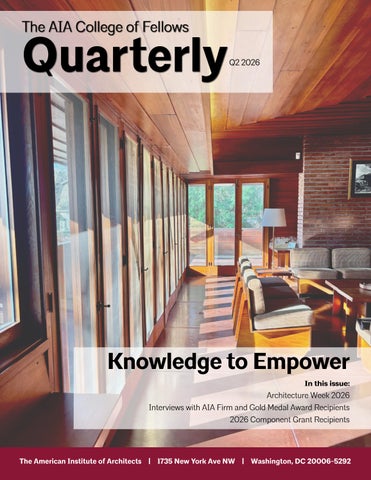
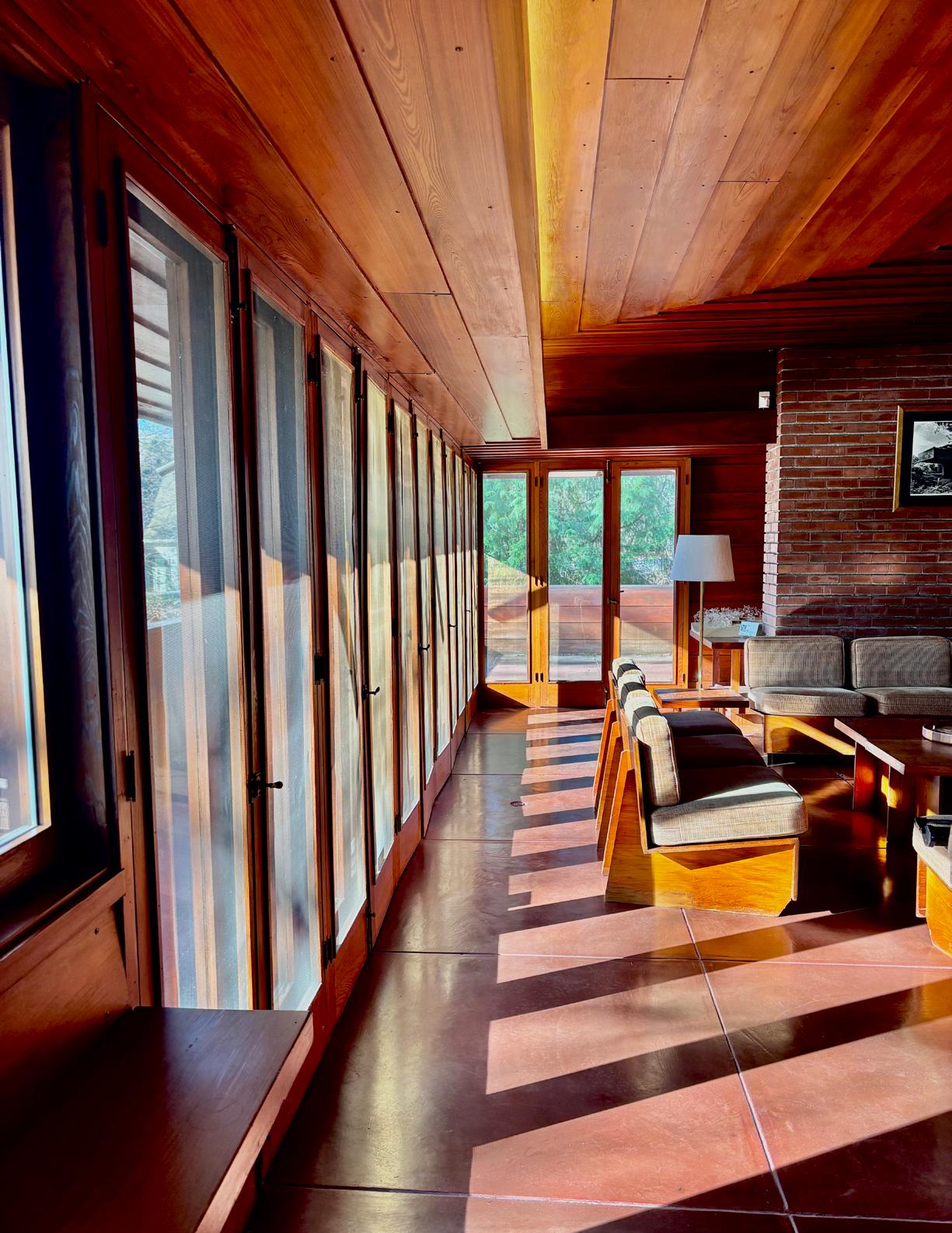
cover: The Affleck House WLR. Image courtesy of Muza Conforti.
In this Issue | Q2 2026
Message from the Chancellor Announcements & Updates
Message from the AIA President: Sharing Lessons from the Field
Message from the AIA EVP/CEO: The Past Secures our Future Fellows Remembered
Message from the COF Executive Director: Fellows Exhibition at GACD
Spring COF Executive Committee Meeting Updates
New Fellow Spotlight: Melissa Cohen, FAIA: Reviving a Historic Landmark
Interview with Duvall Decker: Design of Practice 2026 AIA Firm Award Recipient
2025 COF Component Grant Recipient: AIA Marianas
Bridging Generations: COF and the National Associates Committee
AIA International: Shaping Place, Global Insights, Local Impact
Interview with Shigeru Ban: 2026 AIA Gold Medal Recipient
2026 Component Grant Recipients
Regional Representative's Message
New Fellow Spotlight: Meryati Blackwell, FAIA: Architecture Rooted in Dignity, Delight, and Place
AIA Strategic Council Update: Opportunities for Fellows to Engage Architecture Week 2026
Redesigning Wellness Policies - Creating a Healthier Workplace for Young Architects: YAF Connection Article - Q1 2026
AIA Trust: A Resource for the Decisions that Matter Most
Fellow Spotlight: Where Does Your Medal Live?
Fellows Leading at the Summit Chancellors Cup Tournament Update
Immigrant Architects Coalition: Empowering with Visibility, Access and Community
Mid-Century Modernism: A Desert Reunion of Leadership and a Legacy Preserved
2025 COF Component Grant Recipient: Boston Society of Architects
Contributors to the COF Fund - 2026 Donors
Vice Chancellor Bursar
Secretary
Jeanne Jackson, FAIA
Steven Spurlock, FAIA
William Hercules, FAIA
Lisa Lamkin, FAIA
Editor-In-Chief
Associate Editor
Chair, Regional Representatives
Exec. Director, College of Fellows
Jessica O'Donnell, FAIA
John J. Clark, AIA
Jon Penndorf, FAIA
Muza Conforti
COF RESOURCE GUIDE
THE PATH TO FELLOWSHIP
COLLEGE OF FELLOWS QUARTERLY &
COLLEGE OF FELLOWS REGIONAL REPRESENTATIVE WELCOME PACKET
AIA FELLOWSHIP PREP CHECKLIST
AIA FELLOWSHIP STORY PLANNING GUIDE
Message from the Chancellor
A Season of Gathering and Looking Ahead
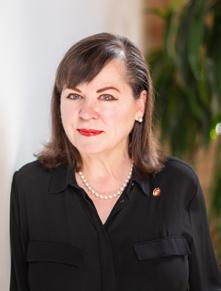
Hello Friends! A lot has happened since our last regular edition of the Quarterly. We welcomed our newest class of Fellows and Honorary Fellows to the College— hooray! The College’s Executive Committee had a productive and delightful Spring meeting in beautiful Detroit, Michigan, and we also tried something new: a virtual gathering where Fellows could connect, chat about what’s on our minds, and just enjoy some Fellowship together. Thanks to all of you who joined us.
The photo on the cover of this edition was taken at a wonderful Frank Lloyd Wright house in Bloomfield Hills, Michigan, commissioned by the Afflecks in 1940. It’s a great example of Wright’s Usonian style. The house uses red brick and cypress wood to really blend into its surroundings, and it features an L-shaped layout with dramatic cantilevered terraces and a “floor lantern” that lets you look down below. In 1978, the Affleck family donated the home to Lawrence Technological University. It’s now on the National Register of Historic Places and serves as a teaching resource—and honestly, it’s just a wonderful place to gather.
I chose Detroit for our Spring meeting for a few reasons. It’s centrally located and easy to get to, there’s a strong group of Fellows in the area (including three brand-new Fellows!), and the architecture is amazing. Also, former Chancellor John Castellana, FAIA and his wonderful wife Barbara live nearby in Birmingham, which made it even more special. John and
Barb were incredible hosts! We had two full days of great meetings, a very well-attended Fellows reception hosted by our friends at Rosetti, and some fantastic tours—think the Guardian Building (1929), the newly restored Michigan Central Station, the Fisher Building (1928), and the incredible Saarinen Cranbrook campus. If you haven’t been to Detroit lately-or ever-you really should. You would love it.
In this issue of the Quarterly, be sure to check out the Announcements and Updates page, and take a moment to view the Fellows Remembered page to pause and acknowledge the giants we’ve lost. We’ve also added a new feature—an update from the College’s fabulous Executive Director, Muza Conforti. And don’t miss the preview of AIA26, our Conference on Architecture in San Diego this June. There’s a lot to look forward to at the conference, beginning with our golf tournament on Wednesday (one of the College’s big fundraisers). Thursday events include the Fellows/New Fellows Luncheon, a fully accessible Investiture at the Jacobs Music Center, and a return to tradition with the Convocation Dinner. On Friday, you can enjoy a spectacular Celebration with the Fellows party, hosted by our friends at Carrier Johnson. And more!The 2+2 session at the conference, facilitated by former Chancellor Kate Schwennsen, FAIA, is always a treat to attend.
Let’s be honest—the Quarterly is packed with great articles, and we’re continuing to work on making it more accessible to all AIA members. AIA President, Illya Azaroff, FAIA, and AIA EVP/CEO, Carole Wedge, FAIA, both contributed terrific pieces, along with all of our other contributors. I also want to point out that our Editor-in-Chief, Jessica O’Donnell, is a newly minted Fellow—how great is that?
Be sure to take a look at the summary of this year’s Component Grants. We’ve put your money to work, and the College—and the profession—will benefit. The same goes for the Upjohn Research Initiative (more on that in this issue as well). Hooray for advancing our profession! I had the honor of chairing the jury this year, and I can honestly say these are meaningful investments. Another fun addition in this issue is a page featuring books by our fellow Fellows.
And so much more. Enjoy! See you in San Diego!
Jeanne Jackson, FAIA 2026 Chancellor
Jeanne Jackson, FAIA

Announcements & Updates
The American Institute of Architects College of Fellows Path to Fellowship 2019
MENTORSHIP HIGHLIGHTS
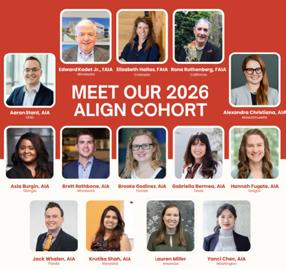
Congratulations to Edward Kodet, Jr, FAIA, Elizabeth Hallas FAIA, and Rona Rothenberg, FAIA as the newest Fellows to join the 2026 ALIGN Mentorship cohort along with 11 young architects. This program is an ongoing collaboration between the Young Architects Forum (YAF) and the college, that pairs participants in small cohorts to foster meaningful, long-term relationships and shared learning.
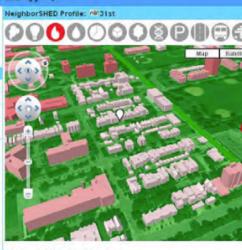
ADVANCING RESEARCH
Did you know our 2009 Latrobe Prize team built a metricbased predictive model to provide validated information, to transform the public-way infrastructural grid from a thin, grey surface into a thick, three-dimensional, green-blue architectural matrix?
Snapshots of all 12 Latrobe Prizes can be found in our Special Edition from 2025: Latrobe Prize Retrospective, Advancing Change Through Research
JOIN THE COF EXECUTIVE COMMITTEE
WAYS TO ENGAGE
The AIA College of Fellows is seeking nominations for the position of Bursar. The Bursar serves a two-year term, 2027-2028, and is one of four members of the Executive Committee governing the College of Fellows, along with the Chancellor, Vice Chancellor, and Secretary.
See the full call for nominations and submit your application by July 31, 2026 at 5:00pm ET.
WAYS TO ENGAGE
The AIA Jury of Fellows and Honorary Fellows seeks applicants for a three year commitment.
Diverse backgrounds and perspectives play a significant role in the jury’s ability to assess the wide range of accomplishments presented for their review. The goal is to achieve an equitable distribution of members by geographic region and fellowship object, as well as gender, age, and ethnicity. Submit your interest by May 27, 2026 at 5:00pm ET.
FELLOW FACTS...DID YOU KNOW?
As Secretary of the Institute in 1993, Betsey Olenick Dougherty, FAIA launched the “Demystifying Fellowship” program at the convention. She then took it on the road to challenge the perception that Fellowship was an inside job or an exclusive insiders’ network.
Reference the 2025 Path to Fellowship slide deck.
SERVE ON THE JURY OF FELLOWS
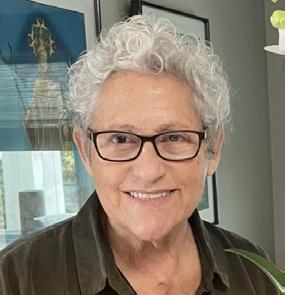

REGIONAL UPDATES
Our Q1.75 special edition, The College of Fellows by Region, captures snapshots of each region including the number of Fellows, the Regional Representative(s), and program spotlights. Check it out on our Issue page!
Several regional rep positions will be open for the 2027-2029 term. Reach out to your COF Regional Rep to learn more email COF Executire Director Muza Conforti.
CALL FOR CONTRIBUTORS
The COF Executive Committee and editorial team invite you to contribute to the 2026 editions of the Quarterly. We welcome the submissions of relevant content that aligns with our theme for each issue (Q3 | Fellowship & Mentorship; Q4 | Service to Society).
If you are interested, please fill out this form
Message from the AIA President
Sharing Knowledge: Lessons from the Field
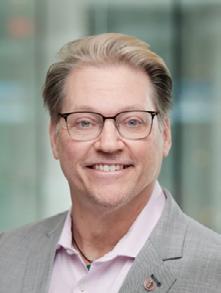
Over the course of my career, I have had the privilege of learning from Indigenous cultures in many parts of the world—often as an outsider, always as a student.
From southern Turkey to the steppes of Kyrgyzstan, from Native Hawaiian communities to Indigenous leaders in Dominica (Waitukubuli), Alaska, and among the Māori, I have encountered a common thread: a willingness to share. Not just stories or customs, but ways of seeing. Ways of understanding place, community, resilience, and responsibility.
One lesson in particular has stayed with me.
Among the Kalinago people of Dominica, there is the concept of Kudma—a cultural practice grounded in the idea that we all pull together. It reflects shared responsibility, mutual aid, and the understanding that a community’s strength comes from collective effort. It is not simply a phrase. It is a value system. A lived ethic.
That idea remains with me because it speaks to something larger than any one place or people. It speaks to how knowledge is held, how wisdom is exchanged, and how communities endure.
What has always struck me in these experiences is the movement beyond trepidation and into trust. There is often a genuine desire to share local knowledge, cultural memory, and the power of place—if we are humble enough to listen. That has made me think deeply about our own culture as architects.
As a profession, we have an extraordinary amount to share. Every day, architects generate knowledge through practice, research, teaching, engagement, and design itself. In our offices, our schools, and on our project sites, there exists a living body of intelligence that is constantly evolving. We study systems, solve problems, and work at the intersection of environment, society, economics, and culture. We are, whether we always name it or not, producers of knowledge.
But an important question remains: How do we share what we know? And perhaps even more importantly, do we share it in a way that ensures we all rise together?
Because if we are honest, our profession has not always treated knowledge as a collective asset. Too often, insight is siloed, research is inaccessible, and lessons learned remain inside firms, institutions, or project teams. Innovation is celebrated, but not always translated. Expertise is accumulated, but not always distributed.
Illya Azaroff, FAIA
That is a missed opportunity—not only for architects, but for the communities we serve.
At a time when expertise is increasingly questioned and higher education is under pressure, architecture cannot afford to be passive about what it knows. We must become more intentional in how we gather, share, and amplify the value of our work.
This is not just about academic research alone. It is also about field knowledge, lived knowledge, practice-based knowledge, and community knowledge. It is the kind of insight that comes from designing through complexity, responding to climate, listening to stakeholders, and learning directly from the people and places we engage.
"To fully realize the strength of our profession, we need a stronger culture of exchange. We need to see knowledge not as a competitive advantage to be protected, but as a collective resource to be cultivated."
To fully realize the strength of our profession, we need a stronger culture of exchange. We need to see knowledge not as a competitive advantage to be protected, but as a collective resource to be cultivated.
That means building stronger pathways between practice and academia, elevating the voices closest to communities, and creating living repositories of design intelligence, research, and practical wisdom. It means pairing technical excellence with humility, empathy, and a willingness to learn from others.
In other words, we need a culture of Kudma—a culture where we all pull together. A culture where shared responsibility extends to what we know and how we share it.
A culture where architecture recognizes that its greatest strength may not simply be in the brilliance of individual projects, but in the collective wisdom of the profession itself.
We need an AIA research agenda.
Because the future of architecture will not be defined only by what we know.
It will be defined by what we are willing to share.
Message from the AIA EVP/CEO
The Past Secures Our Future
Carole Wedge, FAIA, NOMA, LEED AP
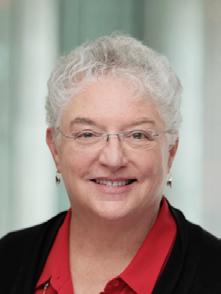
It is my honor to congratulate the 78 architects recently elevated to the College of Fellows. You represent the very best of our profession, and your dedication continues to shape the communities we serve.
I became a Fellow in 2008. I was so honored to be elevated in Boston at the Old South Church. I fondly remember many members of my Fellows class and have continued to see and connect with them over the years. The remarks of thenChancellor Carole Olshavsky inspired me. She encouraged us to think of elevation as a call to leadership and service to the profession and the communities we serve.
As Fellows, this perspective underlines our appreciation for the immense value of our architectural heritage. AIA recently joined a coalition of cultural and architectural organizations seeking to compel the federal government to follow established processes for any major alterations of the John F. Kennedy Center for the Performing Arts in Washington, D.C.
This action reaffirms our long-standing commitment to historic preservation. The last time we joined a suit like this was in 1978 to protect New York's Grand Central Station—a landmark case that went to the U.S. Supreme Court, resulting in a victory for preservationists nationwide. We are also honoring this preservation legacy at our Global Campus for Architecture & Design® with the recent renewal of our 1970 Brutalist headquarters building and upcoming renovations to The Octagon, a National Historic Landmark built in 1799.
Protecting our past is essential to securing our future. AIA continues to advocate for the next generation of design professionals. Working alongside the Association of Collegiate Schools of Architecture (ACSA), we submitted a letter to the Department of Education to support federal loan access for architecture students. We continue to coordinate with our alliance organizations to align our response by framing the impact of these loan changes on architecture students and architecture programs.
Nurturing future architects also requires your personal dedication. As Fellows meet, we need to continue to explore how we might connect with our next generation of leaders and designers. I encourage each of you to invite newer colleagues to engage with AIA. Invite them to an event, introduce them to our remarkable community. Our colleagues submitting their applications for Fellowship also need your support as they navigate the process.
Please learn more about our new AIA mentoring hub that consolidates opportunities across the entire AIA ecosystem, including COF’s Align Mentoring Program with the Young Architects Forum.
I look forward to connecting with our AIA community in San Diego at AIA26, and in particular, celebrating our new Fellows at the June 11th Investiture in the historic Jacobs Music Theater and the Convocation Gala that evening.
2026
Fellows Remembered
Wayne Drummond, FAIA
Laurin B. "Monk" Askew, FAIA
Leon Bridges, FAIA
I.S.K. Reeves, FAIA
Joe Jordan, FAIA
Norman Strong, FAIA
Donald B. Goodhue, FAIA
Larry Enyart, FAIA
Todd Lee, FAIA
William Ralph Dutcher, FAIA
Hobart D. Wagener, FAIA
Francis S. Oda, FAIA
Leonard Volk, II, FAIA
John H. Beyer, FAIA
David Kahler, FAIA
2025
Phillip Markwood, FAIA
John Rogers, FAIA
Frank Gehry, FAIA
Charles Clarence Barlow, FAIA
Robert A.M. Stern, FAIA
Adolfo Miralles, FAIA
Fleming Wood Smith, Jr., FAIA
David G. Jepson, FAIA
Terry Farrell, FAIA
Nicholas T. Grimshaw, FAIA
Michael B. Burch, FAIA
Joseph John Wisnewski, FAIA
Robert Odermatt, FAIA
Paula Burns McEvoy, FAIA
Franklin T. Ferguson, FAIA
Harry Granville Robinson III, FAIA
Graham Gund, FAIA
Robert Franklin Brown, FAIA
Hugh Clark Miller, FAIA
Jodi dan der Wiel, FAIA
Charles M. Davis, FAIA
David M. Childs, FAIA
Barbara (Bobbie) Goldberg Neski, FAIA
John Edward Mahlum, FAIA
Raymond ("Skipper") George Post, Jr. FAIA
Danie Johnson, FAIA
Ronald Gene Brown, FAIA
David E. Sellers, FAIA
James R. Grieves, FAIA
Dean Bahr, FAIA
Robert Stanley George, FAIA
Gretchen K. Pfaehler, FAIA
James D. "Jimmy" Tittle, FAIA
Message from the AIA College of Fellows Executive Director
Fellows Exhibition at GCAD
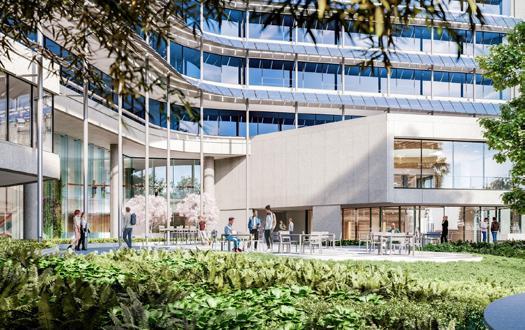
As your Executive Director, I am excited to share that AIA College of Fellows and the Architects Foundation are teaming up to present a special Fellows Exhibition coming to AIA Headquarters in Q4 this year. This first-ofits-kind exhibition will celebrate the Fellowship program in a powerful way, offering the public a unique look at its history, its lasting impact, and the extraordinary contributions of AIA Fellows.
I am thrilled to help bring this vision to life and keep you updated as the project unfolds. In the meantime, I need your help gathering books written by AIA Fellows to feature in the exhibition.
I would love to hear from you and showcase your book or a book by a Fellow that inspired you. Please take a moment to complete this form and mail your book by September 15, 2026.
I will be sharing quarterly updates along the way, so there will be plenty more to come as the exhibition develops. Fellowship is one of the highest honors in the profession, and it represents leadership, excellence, and a deep commitment to architecture and service. As Fellows, you have an incredible story to tell and a meaningful impact to share.
If you have any questions, feel free to reach out to me at muzaconforti@aia.org
Showcase your book or a book by a Fellow that inspired you.
CLICK HERE TO COMPLETE THE FORM BY SEPTEMBER 15, 2026.
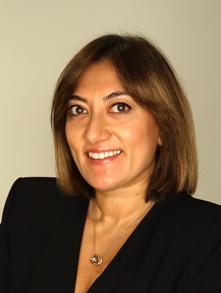
Muza Conforti
Photo above courtesy of LightFiction: AIA GCAD Commons Rendering.
Spring Executive Committee Meeting: Updates and Recap `
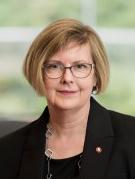
Lisa Lamkin, FAIA
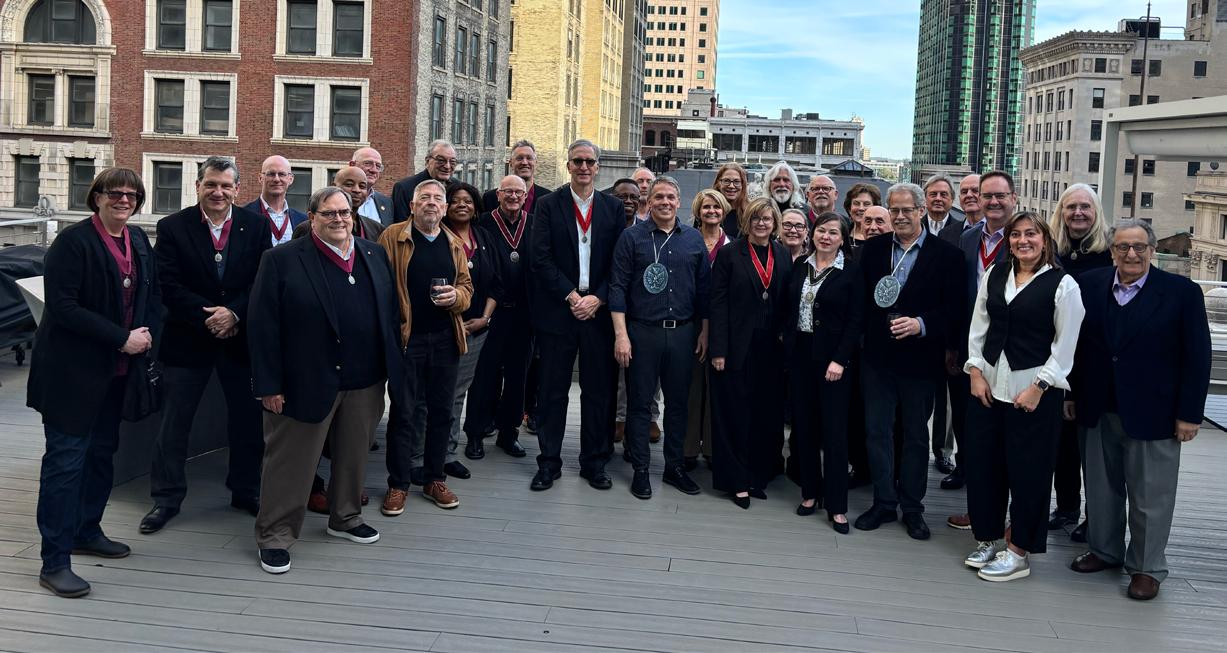
The Executive Committee gathered on April 20 and 21 in the Detroit area for our annual spring meeting. Detroit provides magnificent opportunities to appreciate its history as a thriving metropolis a century ago and its resurgence as a success story today. Before launching into two productive days of meetings, we gathered at the beautiful home of former Chancellor, John Castellana, FAIA, and his wonderful wife, Barbara. As chairman emeritus of the locally based TMP Architecture, John provided a front row seat for our visit, guiding us to understand and appreciate the significant results of investment in the area over the last few years.
On Monday morning, we gathered at what appeared to be the original dining table in Frank Lloyd Wright’s beautifully preserved Affleck House. As anyone who has experienced Wright furniture in person knows, the chairs are made for upright focus—not lounging! Reporting on the COF Fund, Bursar, Bill Hercules, FAIA, shared that although the fund has experienced some market volatility, the fund balance has recovered fully. Our new advisor (as of January of this year), Wilmington Trust, is performing well; additionally, they offer tax-planning resources that could benefit COF members. Plans are underway to provide a seminar on this topic for the College.
We then met via Zoom with our appointed member to the AIA Honors and Awards Task Force, Bruce Race, FAIA, to discuss
progress and next steps. Chancellor Jeanne Jackson, FAIA, discussed ongoing initiatives to expand understanding of the College and its mission among AIA members, including increased presence at the upcoming conference. Networking events at the chapter and regional levels are also important opportunities—for example, the recent reception in New
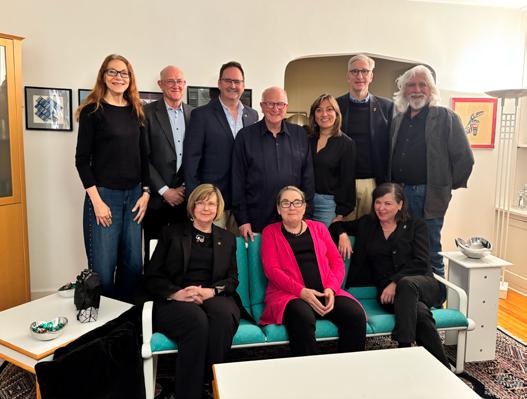
Photo Above Courtesy of AIA: Executive Committee with former Chancellor, John Castellana, FAIA, and his wife Barbara.
York City, which had broad attendance. Several mentoring opportunities are on the schedule, including the recent Small Firm Exchange presentation and Next to Lead, scheduled for May 21. The Regional Representative Chair is also compiling details on regional and state conference presentations.
Next, we joined Regional Representative Chair, Jon Penndorf, FAIA, on Zoom to discuss successes and opportunities within the regional representative network. As the College approaches its 75th anniversary in 2027, an upcoming exhibition at the Octagon will provide an opportunity to showcase multigenerational stories, highlights by decade, and the evolution of submissions. Look in this issue for a more detailed introduction to the exhibit from our Executive Director, Muza Conforti, along with ways to engage. We also discussed the development of a communications collateral toolkit for the College, including email, social media, continued evolution of the Quarterly, and the establishment of a communications committee. Connect with your Regional College Representative if you are interested, and we will keep you in the loop as the committee is formed. Be sure to check out the recent expanded special Quarterly issue highlighting our Regional Representative network if you are not already familiar with them.
Vice Chancellor, Steven Spurlock, FAIA, provided an update on the Fellowship Pilot Program—an initiative designed to strengthen and expand resources for fellowship candidates, particularly in under-resourced areas. With the primary mission of growing the College, the pilot will develop a pool of fellows who can serve as virtual coaches, recruit and resource potential sponsors, and pursue other strategies to support AIA members in small states and non-urban areas.
Traveling to the Fisher Building, completed in 1928—a masterpiece designed by 1938 AIA Gold Medal winner Albert Kahn, FAIA—we were treated to a tour led by Alan Cobb, FAIA, chairman emeritus of Albert Kahn Associates, along with two of his colleagues. A quick stop at Michigan Central Station followed, guided by Angela Wyremelski, AIA, with Quinn Evans. The acclaimed Beaux-Arts station, designed by the team responsible for Grand Central Terminal in New York, opened in 1913 to much acclaim, then remained vacant for nearly 30 years after the last train departed in 1988. Today, it stands as a beacon of achievement, lighting the way for what is possible through vision and perseverance.
We were then honored to have Jeff Hausman, FAIA, Cindy Pozolo, FAIA, and Andrew Dunlap of SmithGroup guide us through SmithGroup’s home, the Guardian Building—an Art Deco gem from 1929. We capped the day in fellowship with our Detroit colleagues at Rosetti’s office hosted by Matt Rossetti, FAIA, and David Richards, FAIA, celebrating Detroit’s new Fellows and marveling at the emerging renaissance of the Motor City.
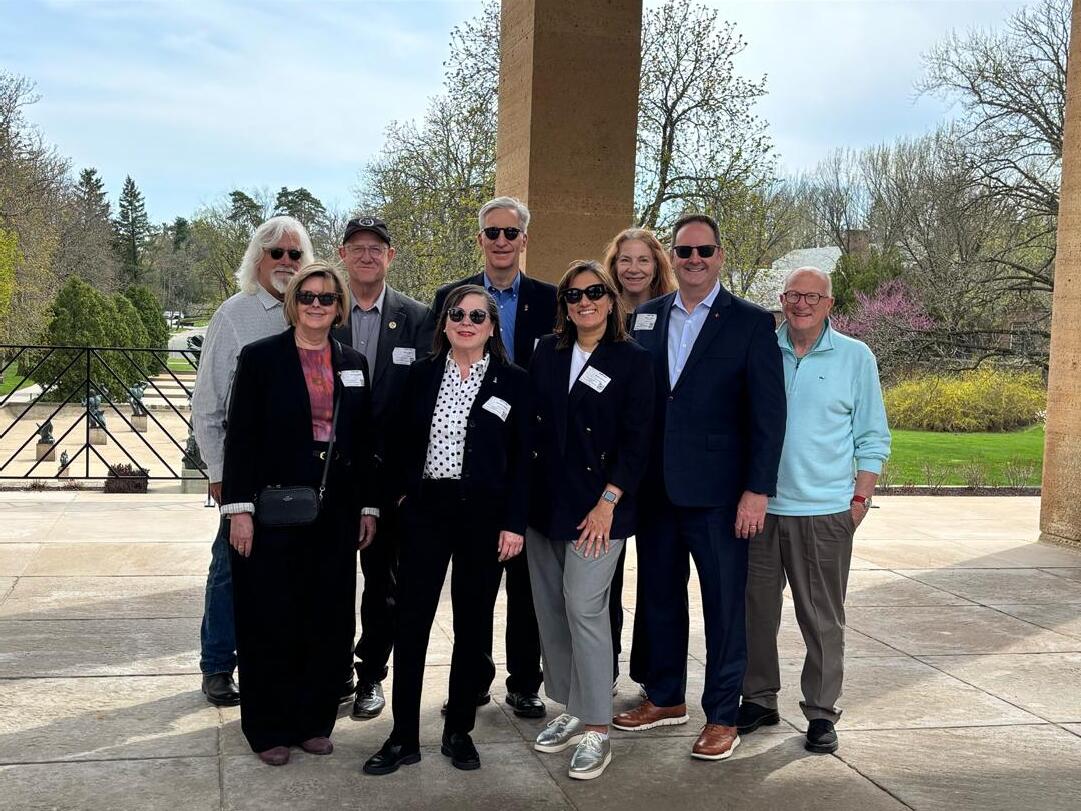
Resuming for our second day of meetings, we traveled to the 300 -plus-acre Cranbrook Academy campus, designed by AIA Gold Medal winner Eliel Saarinen, FAIA, with the initial core completed in 1928. We met at Cranbrook House, the 1908 Arts and Crafts–style masterpiece designed by Albert Kahn, FAIA for the founders of the Cranbrook Educational Community. Once at risk of demolition in 1966, the house stands today as a preservation success story.
Bursar Bill Hercules, FAIA, shared an update on the newly initiated liaison relationship with the National Associates
Photo above: Capping a day at Rosetti’s office hosted by Matt Rossetti, FAIA, and David Richards, FAIA, celebrating Detroit’s new Fellows.
Committee (NAC). Look for an article co-authored with the NAC chair on page 29 in this issue for more details. In addition, as liaison for the Regional Representatives, he is overseeing the development of messaging resources for representatives to share with college members.
By Zoom, we discussed opportunities for the continued evolution of the Quarterly with outgoing Editor Jessica O’Donnell, FAIA. Building on the success of recent issues guided by a detailed editorial calendar, we are developing strategies to reach members where they are through multiple channels, including LinkedIn and other social media, in the spirit of continuous improvement and expanded member involvement.
Our San Diego events are coming up quickly! More details on opportunities to connect at Fellows events can be found in this issue.
Below: Executive Committee at Cranbrook Academy campus..
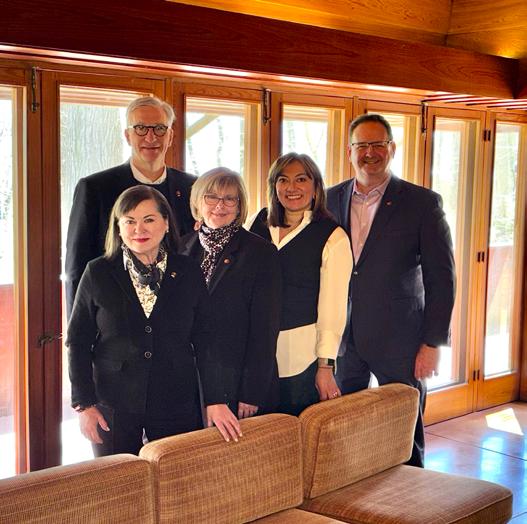
Right: Executive Committee at Frank Llyod Wright's Affleck House. Left to right: Chancellor Jackson, FAIA, Vice Chancellor Spurlock, FAIA, Secretary Lamkin, FAIA Executive Director Muza Conforti, Brusar Hercules, FAIA.
New Fellow Spotlight | Melissa Cohen, FAIA
Reviving a National Historic Landmark
Melissa Cohen, FAIA
As a preservation architect in our nation’s capital, I have led the revitalization of iconic structures by integrating preservation and modernization, setting a standard for safeguarding the country’s architectural heritage. I protect and preserve these buildings by maintaining historically significant features, such as windows and interior trim, while ensuring compliance with today’s standards for security, technology, accessibility, sustainability, building systems, and life safety.
One of my most challenging and rewarding experiences was the preservation and adaptive reuse of the National Historic Landmark, St. Elizabeths West Campus in Washington, D.C. St. Elizabeths was the first federally funded mental health hospital in the country. Designed in 1852 by Thomas U. Walter, the fourth Architect of the Capitol, it was an international model for psychiatric design and a prominent center for mental health research. For four years, I served as the General Services Administration’s on-site preservation and technical representative for Phase 1B: Adaptive Reuse and Security Upgrades; and for the following four years, I was the design team’s lead preservation architect for Phase 2: Restoration and Adaptive Reuse of the Center Building, the original 19th-century hospital.
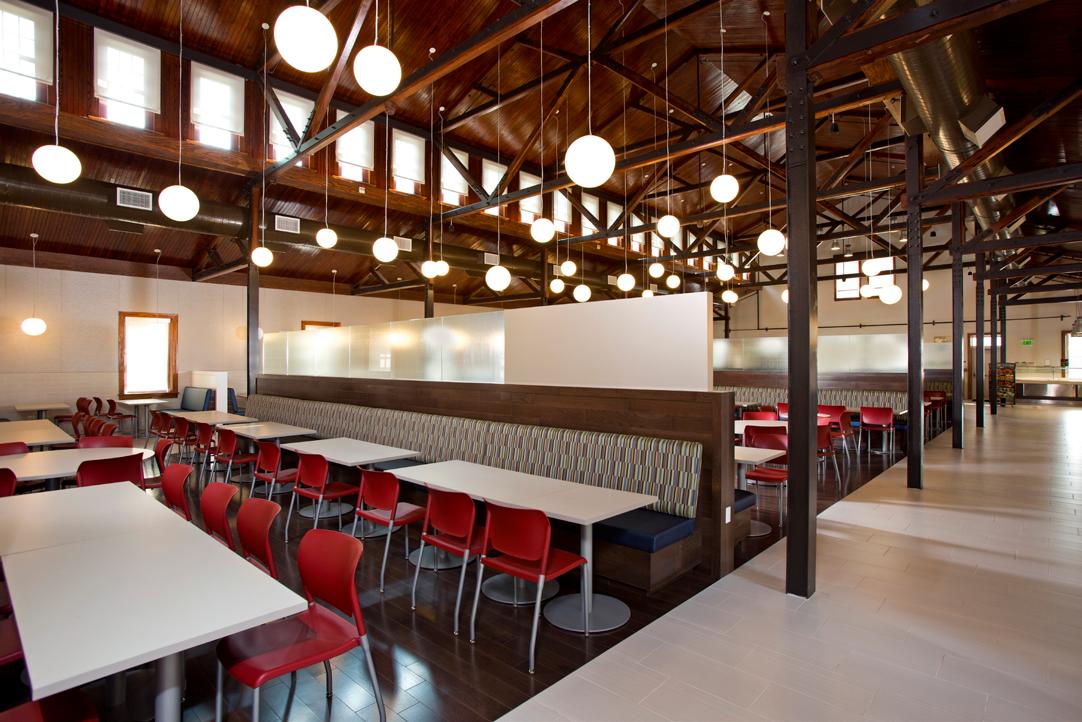
Phase 1B, included the adaptive reuse and historic restoration of the dining hall, kitchen, construction shops, theater, patient ward, and gatehouse. The goal was to keep as much
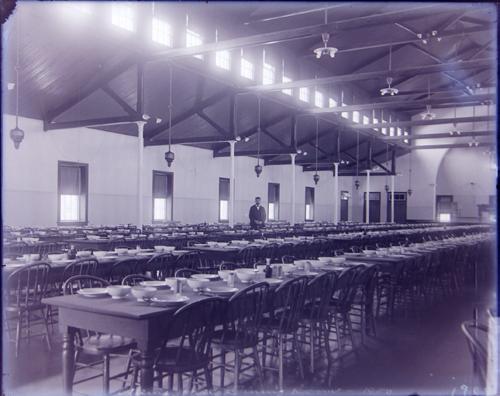
of the original character defining elements as possible, while modernizing the buildings for today’s use. I reviewed the design and construction activities to ensure compliance with the Secretary of the Interior’s Standards for the Treatment of Historic Properties and advised the design-build team on best practices and technical solutions to retain or recreate significant elements of the buildings. My technical expertise and advocacy for the dining hall (1885) and kitchen (1900), whose functions remain unchanged from their historic use, resulted in the reinforcement of the original wood truss system; the removal, refinishing, and reinstallation of the beadboard ceiling; and the restoration of the true divided lite, double-hung windows. Interior storm windows, insulation, and new mechanical systems were incorporated to meet sustainability and security standards. Other historically significant elements such as porches, railings, and decorative trim, were restored or replicated. This project demonstrates how historic structures can be fully upgraded and revitalized while celebrating their 19th-century character, and once again supporting thousands of staff and visitors on the historic campus.
The challenge of Phase 2 was to establish a consolidated highsecurity headquarters for the U.S. Department of Homeland Security (DHS) in a severely deteriorated and long-vacant asylum. The program requirements for the preservation and
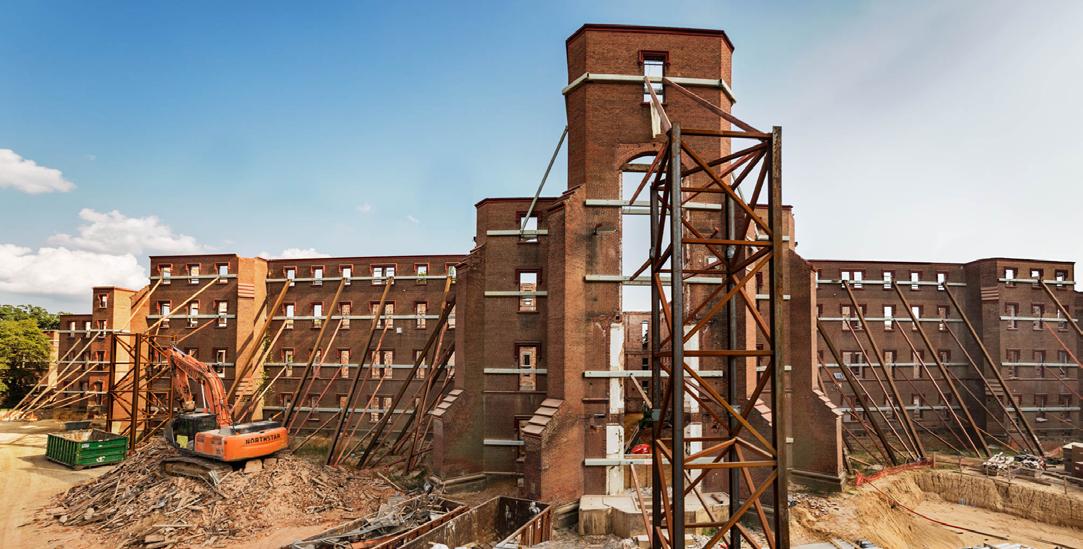
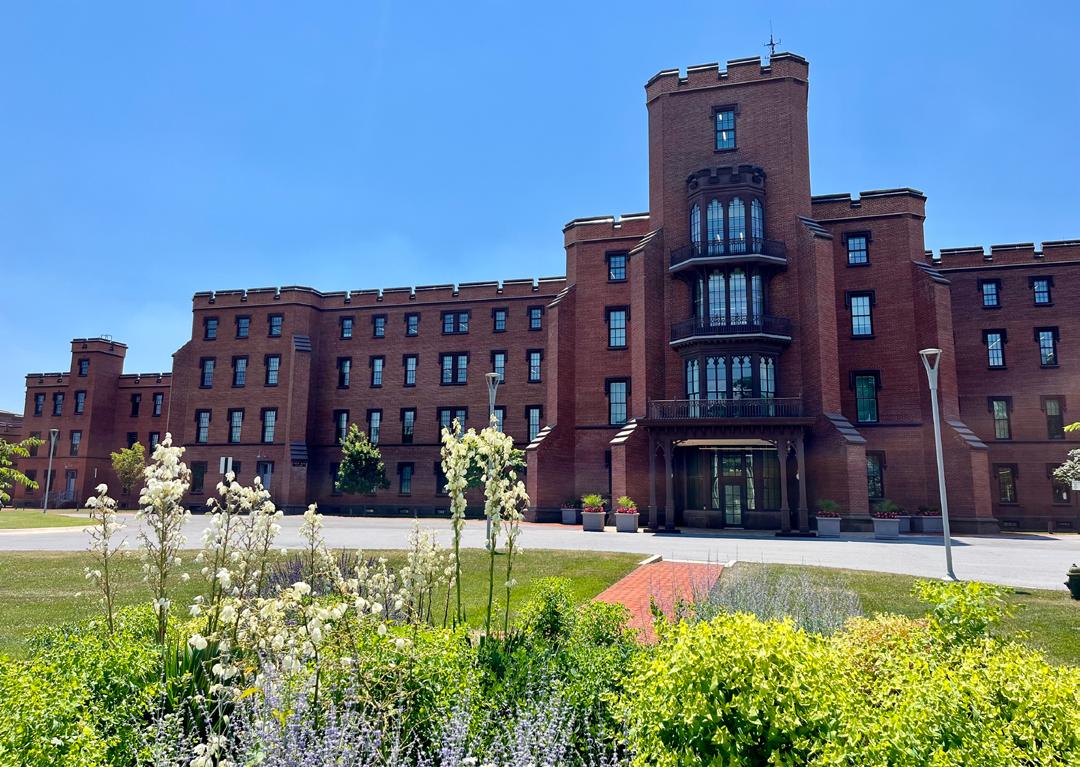
Photo above: Exterior envelope bracing during construction. Photograph Copyright Colin Winterbottom. All rights reserved.
Photo below courtesy of DC Preservation League Archives: St. Elizabeths Center Building.
adaptive reuse of the building included meeting progressive collapse, integrating advanced energy-efficient building system technologies, and providing a flexible workspace for 1,000 staff.
I guided the regulatory preservation consultation process for the architectural team, which included securing approvals from the Advisory Council for Historic Preservation and the D.C. State Historic Preservation Office. I also led efforts for the adaptive reuse of the structure, supervising the evaluation and repair/replacement of masonry and cast-iron; coordinating salvage efforts, paint analysis, and decorative painting; and implementing a modern, durable, and breathable coating to replicate the original sanded paint finish on the masonry.
This project transformed the hospital into a modern 270,000-square-foot, LEED Gold, high-profile government facility designed to accommodate future programmatic requirements. The construction of a new structural system within the restored masonry perimeter and the meticulous recreation of the interiors were an innovative solution to balance preservation goals with satisfying current building codes and the agency’s structural requirements. Due to my advocacy for preservation and sustainability, 20% of the 1,250 windows were restored and installed at the most historically significant and architecturally prominent portion
of the building while the remaining windows were replaced. The use of interior storm windows at the true divided lite single-pane windows not only enhanced energy efficiency, but also addressed the agency’s security requirements - an exemplary preservation achievement. At the most historically significant areas (the “Restoration Zone”) of the recreated building interior, salvaged and restored doors, wood trim, decorative metal ventilation grilles, fireplace surrounds, and woodwork were installed, as were replicated plaster moldings and stenciling.
The preservation and modernization of these projects set a national benchmark for bringing significant 19thcentury historic structures into the 21st century, meeting contemporary security and life-safety standards, while honoring each building’s character defining features.
Photo above courtesy of Greg Hadley Photography: Dining Hall interior after restoration, 2014.
Photo above courtesy of Courtesy of the General Services Administration: Dining Hall interior, circa 1905
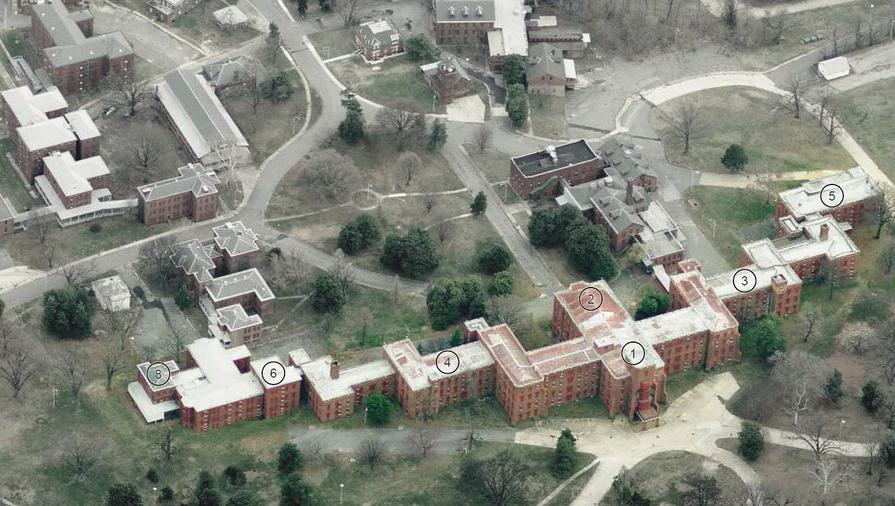
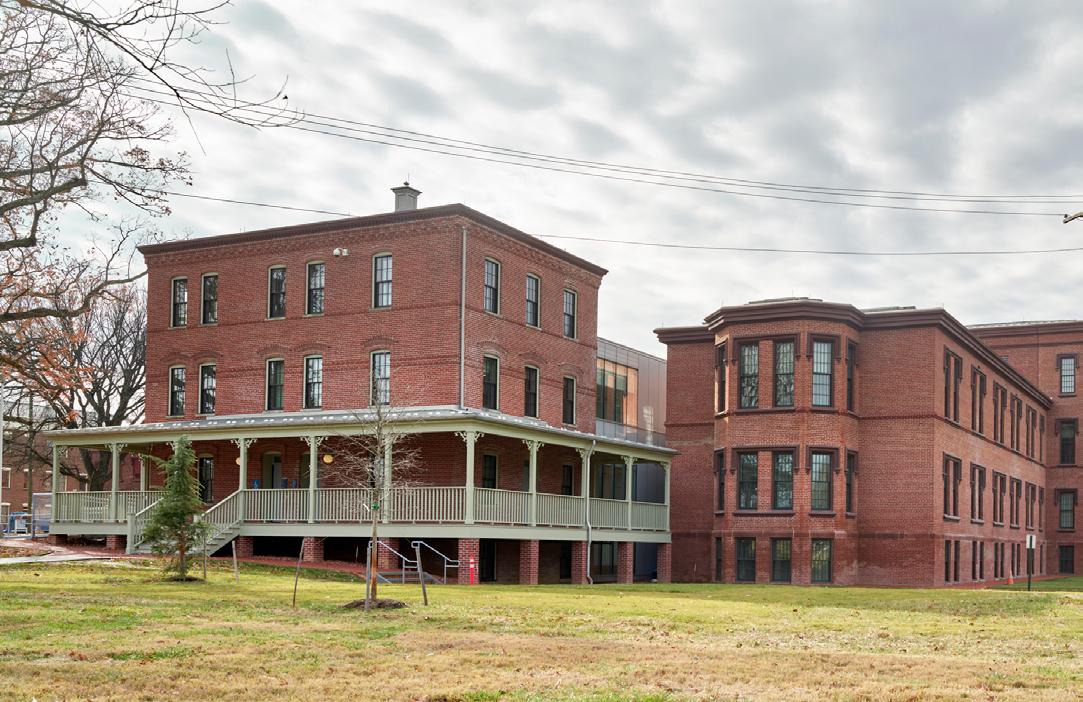
Photo below courtesy of Carol M. Highsmith Photography: Buildings 6 & 8 after restoration, 2019
Photo above courtesy of Courtesy of the General Services Administration: Aerial view of Center Building, circa 2000.
Interview | 2026 AIA Firm Award
Design of a Practice: Duvall Decker
Interview by Jeff Seabold, FAIA
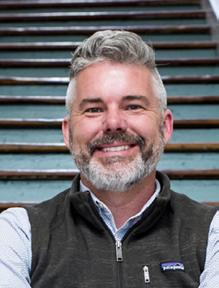
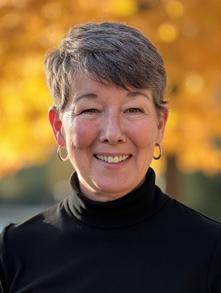
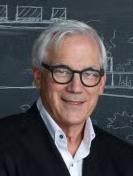

Roy Decker, FAIA and Anne Marie Duvall Decker, FAIA built a practice in a place other architects left. Twentyeight years later, it earned the highest honor their profession gives.
I have a confession to make before this interview begins. I am not a neutral party.
Roy Decker was my professor in fifth-year studio at Mississippi State. For years after, our offices sat two doors apart in Jackson's Fondren neighborhood. We have both worked in Midtown Jackson. We have both built practices that go considerably further than what most people mean when they say the word architect. When the College of Fellows asked me to conduct this interview, I understood the assignment to be something more than journalism.
Roy Decker, FAIA, and Anne Marie Duvall Decker, FAIA, founded their firm in Jackson in 1998. Twenty-eight years later, their 22-person studio has completed federal courthouses, civil rights research centers, affordable housing master plans, and academic buildings across the region. They also employ custodians, a maintenance director, and a maintenance specialist, because they decided early that an architect's responsibility does not end at substantial completion.
You can find the full interview on aia.org
THE LIGHTNING ROUND
We opened, as I do with every interview, with a few fast questions meant to reveal character before the conversation turns serious.
Jeff Seabold, FAIA (JS): Where did you go to school?
Anne Marie Duvall Decker, FAIA (AMD): Mississippi State University
Roy Decker, FAIA (RD): Master's degree from Kent State in Ohio.
JS: What are you currently reading?
AMD: Eric Larsen's The Demon of Unrest.
RD: Re-reading Dewey's Experience in Nature and anything by Richard Sennett. They are bibles for me.
JS: A podcast?
AMD: Criminal and This is Love.
RD: I am not a podcaster.
JS: A building you didn't design that you genuinely envy:
AMD: Ronchamp, and Carol Ross Barney's Chicago Riverwalk, I visit every time I'm in the city.
RD: Alvar Aalto. Almost anything. Our next trip is Finland.
JS: Hobbies?
AMD: Pianist and composer. I just had my childhood piano rebuilt. I’m reinvigorated.
RD: I paint Mississippi landscapes, no people or buildings, trees, ground, sky. Therapy and research. I never sell them
JS: Anne Marie, what did you say to Roy in 1997 that became the bedrock for the firm? Additionally, what is the actual difference between building a practice in a place and just opening a firm anywhere?
RD: In 1997, Anne said to me, 'If you want to teach in a different way, why don't we make a firm as an example of what an architect could be in a place like Mississippi?' We did not know what it meant at the time. But it challenged us from day one.
AMD: Opening a firm is a business activity. Building a practice in a place is about using what you have learned to contribute back. It is not just a capitalist enterprise.
RD: History is not a sweet memory of a past that never existed. Remembering is a tool to do better in the future. We had a progressive ambition: to make a better Mississippi, not someone's idea of what old Mississippi was.
JS: You have always had a crowded office that, by any definition, would be a tight space to work in. Has the crowding in your office been the secret sauce?
AMD: No partitions, no oversized space. People learn by listening to each other. Soft lessons happen all day that would not happen with walls between them.
RD: Our team members are actual friends. They bowl together, play pickleball in the backyard. Everyone has roaming rights; anyone can weigh in on any project. It is allowing us to do the best work we have ever done.
JS: You're building your new mass-timber office with more room next door. How do you make sure it doesn't slow the firm down?
RD: Twenty-five is our sweet spot. Anne and I can still work on every single project. We want to be architects in a firm. Not managers of one.
'Why don't we make a firm as an example of what an architect could be in a place like Mississippi.' We did not know what it meant at the time. But it challenged us from day one."
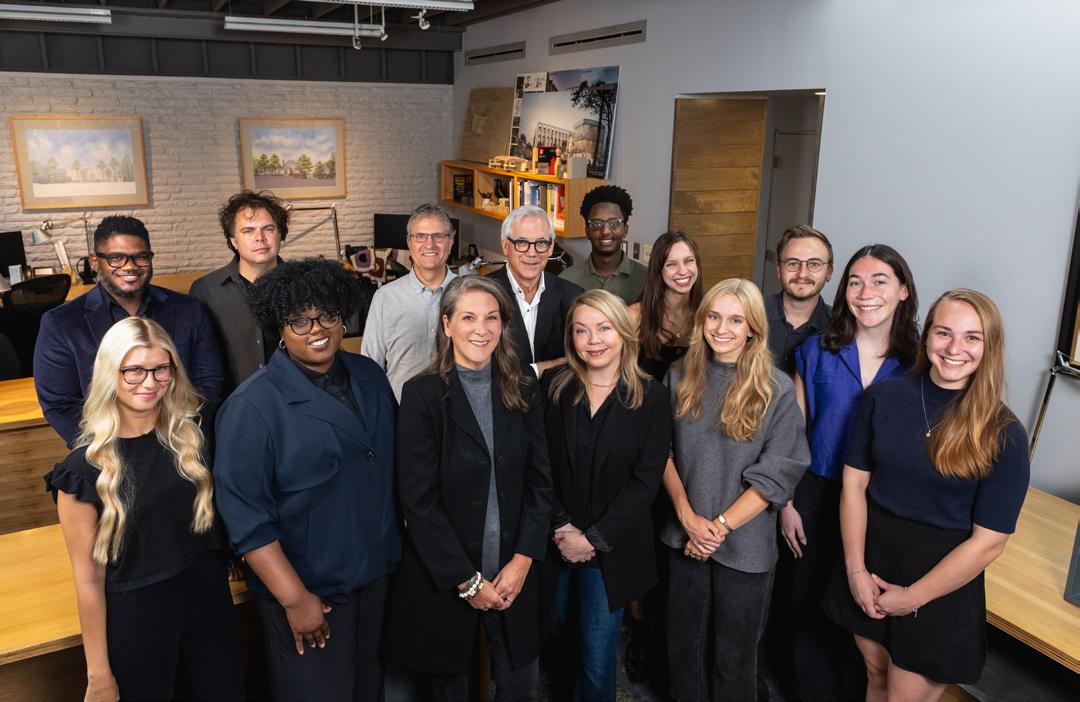
Photo above courtesy of Sully Clemmer: Duvall Decker Studio.
RD: We set up the building care and maintenance business. We did it as a studio, not as a fully separate entity. That was intentional. Because all the employees, all the knowledge, comes from the studio. The idea was that we were starting before projects existed, through planning work, and continuing after projects were complete, through maintenance. We were expanding the time we were involved in a building's life. That became the origin of what we call the design of a practice.
JS: You have expanded what the word “practice” means and now have a maintenance company. Where did the maintenance model come from?
AMD: A superintendent in Newton, Dr. Mina Bryan, kept calling us after projects were done. “Can I turn off these air quality units? Can you help me interview janitors?” One day, I thought, "Why don't architects provide maintenance services?” We know how to care for the buildings we design. Why are we not supporting our clients after the ribboncutting?
RD: We realized we were starting before projects existed, through planning, and continuing after completion, through maintenance. Expanding the time we were involved in a building's life. That became what we call the “design of a practice.”
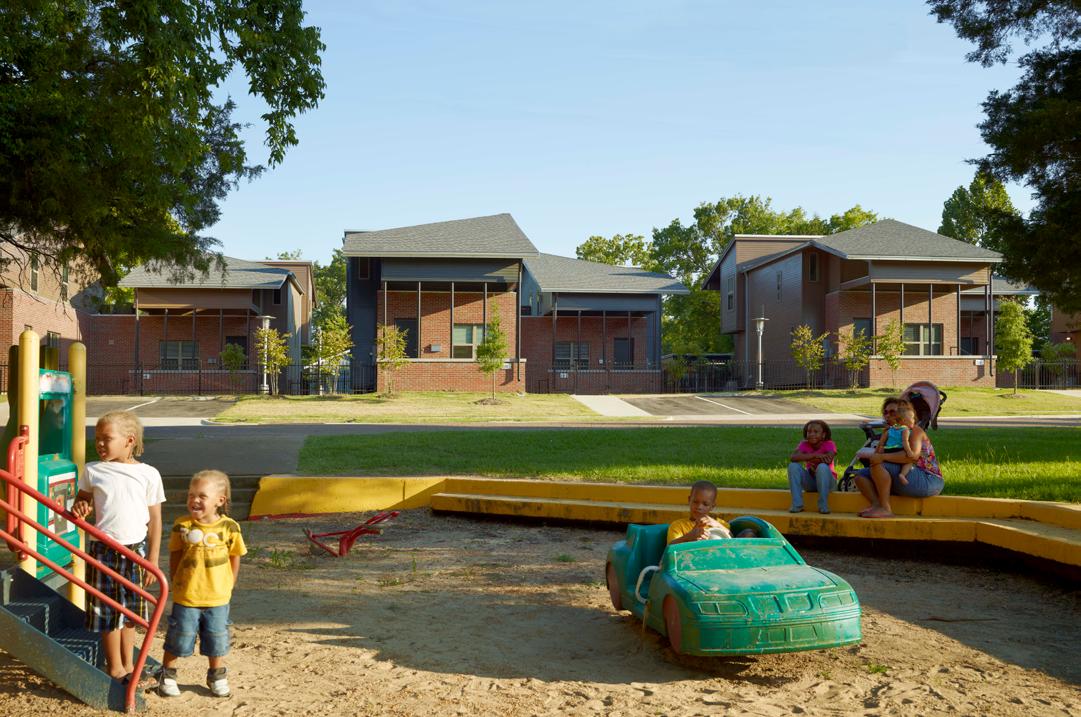
Duvall Decker's Midtown work spans sixteen years: sixty-plus affordable homes, a converted liquor store now a health clinic
and barbershop, Millsap College’s business school incubator, and ongoing redevelopment of two closed public schools. Jeff Seabold built the digital model for the Midtown Master Plan in 2009 for the Deckers as he set out to start his firm. It is still in Duvall Decker's files.
JS: What is the actual difference between what happened in Midtown and gentrification?
RD: If you instigate small developments that appraisers can use as comparables, you elevate everyone's property value. The people that are already there gain value. We were manufacturing money for existing residents. Not pricing them out. Building them up. Pair that with affordable housing, and you protect existing opportunities even as values rise.
JS: What is the project that changed you the most?
RD: The Library Commission set a question still working through our work today: could we design a state institution that shifted authority from the institution to the individual? Could every person who walks in feel like it is their building, their choices? Could it be an analog clock, not a digital one, alive with the sun and weather?
AMD: Everything about the project attempts to bring forward a quality, without being decorative or nameable; the warmth of the wood, the movement of natural light. Unnameable and alive. Those strategies have been running through our work for twenty-eight years.
Photo above courtesy of Tim Hursley: Midtown Housing Phase I.
JS: I’m not talking about the credential, but what is the actual meaning of being elevated to be an AIA Fellow to you?
AMD: It gives me faith in culture. You know, when you are young and think you are going to keep meeting more amazing people? Then you realize everybody went to the same high school. It is just the same group. Meeting the Fellows is like finally meeting all the people you always wanted to meet.
RD: I grew up in a very poor family. First to go to college. My parents did not know what an architect was. Becoming a Fellow was an acknowledgement of value I had never had. The profession is saying: you have value, at an elite level. I still tear up about it.
Their name is about to be etched on the wall at the AIA Global Campus for Architecture & Design® alongside the most transformative firms in the history of the profession. I asked what they wanted it to say, and whether that answer was the same as it would have been last November.
JS: Your name is about to be etched on that wall. What do you want it to say about who you are?
AMD: We are such unlikely people on that wall. And it is all about the fact that we chose to practice here, in Mississippi, in Jackson. I am particularly moved that this honor came to a smaller city surrounded by rural land. I love that this firm is going to be carved on that wall.
RD: This award belongs to every small-town, small-city architect who cares more about their community than the transaction. My father told me early: "Do good work and the money will always be there.” We never gave up on that. We still do not.
JS: Is your answer the same today as it was last November, before you got the call?
AMD: I won't believe it until I can actually touch it on the wall. You can send me all the photos you want. Until I run my hand across it, it will not feel real. And I always run my hand across that stone when I am at headquarters. That is what architects do.
RD: I know those firms. I have studied those firms. To be on that wall is humbling in a way I did not expect. I think we are both full of imposter syndrome. But I am proud of the fact that we put ourselves out there to rethink what a practice could be. And now, to be on that wall, with those names? That is something I could not have said in November, because I had not felt it yet. Now I feel it. To be on that wall…Holy shit!
(WhatweheardintheroomfilledwiththeStrategicCouncilors and Board Members after voting when AIA President, Evelyn Lee, called Anne Marie and Roy to tell them they had won the 2026 Firm Award. I couldn’t have planned a better ending for this interview, if I had tried.)
"This award belongs to every small-town architect who cares more about community than the transaction. Do good work and the money will always be there. We never gave up on that."
Want to learn more about Duvall Decker? Check out a longer interview on aia.org
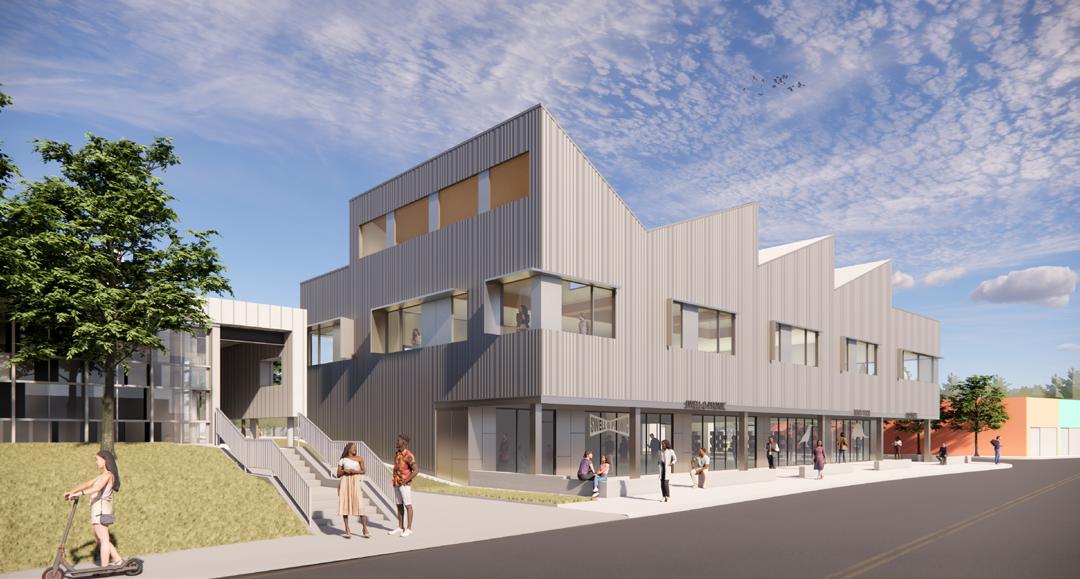
Image above courtesy of Duvall Decker: The Foundren.
A Fellows Guide to:
Our June Conference on Architecture and Design is packed with learning opportunities for architects in all stages of their career, including a number of events sponsored by the College of Fellows. We look forward to catching up with each of you at our various events and welcoming in the new class of Fellows. We'll see you in San Diego!
Wednesday, June 10, 2026
8:00am - 4:00pm | Maderas Golf Club
27th College of Fellows Chancellor's Cup Golf Tournament Fundraiser - EV336
Proceeds benefit the AIA College of Fellows Latrobe Prize for architectural research, Component Grants, K-12 events, and much more. This event is open to all AIA26 attendees!
Can't participate at Maderas this year? Register to be a sponsor!
CLICK HERE FOR SPONSORSHIP OPPORTUNITIES.
1:30pm - 3:30pm | San Diego Convention Center AIA Annual Business Meeting - EV101
Be present for the conversation shaping the future of The American Institute of Architects. This critical annual meeting is your opportunity to hear about AIA programs and updates, observe delegate voting on amendments to AIA bylaws and resolutions, and hear information about candidates for national leadership positions.
4:00pm - 5:00pm | San Diego Convention Center Candidate Caucus - EV101 (a, b, c)
How well do you know the candidates running for elected AIA board positions? Join peers and colleagues to assess AIA's future leadership as candidates present their platforms and goals for service. Note: rooms vary by state/territory
Thursday, June 11, 2026
11:00am -5:00pm | San Diego Convention Center Future by Design: High School Charrette - EV315B
Local high school students will immerse themselves in the world of architecture through firm visits, studentled presentations, and networking at the AIA26 Expo. Hosted in partnership with AIA San Diego, the San Diego
Architectural Foundation, and ACE Mentor San Diego— and proudly sponsored by the AIA College of Fellows— this program offers a meaningful opportunity to inspire the next generation of architects.
You can support these emerging designers as they showcase their semester-long design work in the NextGen Theater from 11:30 AM–12:30 PM and engage with them throughout the afternoon on the Expo Floor.
11:00am - 1:00pm | University Club San Diego Honoring Excellence: Fellows Luncheon - EV314
The New Fellows Lunch celebrates the induction of AIA’s newest Fellows while providing a welcoming setting to connect, network, and share conversation with colleagues across the profession. This event includes new Fellows, current Fellows, Former Chancellors and Former Presidents.
1:00pm - 1:30pm |The Jacobs Music Center Fellows Investiture Rehearsal (by invitation only)
New Fellows and the COF Executive Committee will take part in a rehearsal. 2026 Fellows will take a class photo at this time.
2:00pm - 4:00pm | The Jacobs Music Center (Doors at 1:45pm) Fellows Investiture Ceremony and Recognition Celebration - EV310 (No registration needed)
Fellowship is AIA's highest membership honor— recognizing the exceptional work and contributions of AIA members. This memorable, free event gives you a front row seat as the newly elevated Fellows are inducted into the AIA College of Fellows. In addition to recognizing the Fellows, we’ll also celebrate the Leslie N. Boney Spirit of Fellowship Award, AIA Associates Award winners, Honorary AIA Membership recipients, Topaz Award honoree, Award for Excellence in Public Architecture winner, and the Young Architect Award recipients.
Transportation from and to the convention center will be provided.
6:30pm - 10:00pm | Hilton San Diego Bayfront Convocation Celebration: Reception & Dinner - EV312 (*Black tie optional)
The AIA College of Fellows is delighted to bring its signature Convocation Reception & Dinner back to AIA26. This cherished event will shine a spotlight on an extraordinary group of leaders —the newest members of the AIA College of Fellows, whose dedication and contributions have elevated the profession. The 2026 College of Fellows Executive Committee is genuinely excited to welcome you, share in this memorable celebration, and honor the inspiring work and impact of our newest Fellows together.
Friday, June 12, 2026
9:00am - 4:00pm | San Diego Convention Center Future by Design: Middle Schoolers experience AIA26EV315a
Join local middle school students at AIA26 as they step into the conference experience and explore the world of architecture firsthand. Presented in partnership with AIA San Diego, the San Diego Architectural Foundation, and ACE Mentor San Diego—and proudly sponsored by the AIA College of Fellows—this initiative offers a powerful opportunity for the profession to spark curiosity and inspire the next generation of architects.
12:00pm - 2:00pm (by invitation only) COF Regional Representatives Lunch Meeting
Regional Representatives are invited for a lunch meeting. For more information, contact Muza Conforti.
2:30pm - 4:00pm | San Diego Convention Center 2 + 2: Achieving Outstanding Design - WK106
At this session, two of the speakers from the AIA College of Fellows and two recent recipients of the AIA Young Architects Award share their work and their unique perspectives on achieving outstanding design.
Join us to learn how to advance design innovation along with building and environmental performance. You'll also gain insights on furthering the interests of clients, occupants, and communities; elevating the human experience through thoughtful design excellence; positively addressing climate change through design excellence; and thriving and succeeding as a practitioner.
5:30pm - 7:00pm | West SD Apartments 1011 union Street Cheers! Celebration With the Fellows - EV313
Join us to toast new AIA Fellows and enjoy the company of colleagues and friends from near and far. All proceeds from the event will benefit the AIA College of Fellows Fund in support of the Latrobe Prize, Upjohn Research Initiative, Component Grants, K-12 Grants, and more.
Saturday, June 13, 2026
11:00am - 12:30pm | San Diego Convention Center Bridging Generations: Young Architects Forum - EV356
Emerging professionals, mid-career architects, and AIA Fellows are all invited to join the Young Architects Forum for a public discussion of topics germane to architects of all ages looking to build the future of our profession.
Learn how your personal challenges relate to those of others around the nation, connect across shared perceptions or discover new ones, and reconsider your assumptions about one another in an effort to create a better future for the next generation.
Bridging the Gap: Mentorship for Emerging Professionals
2025 COF Component Grant Recipient AIA Marianas (Guam and Saipan)
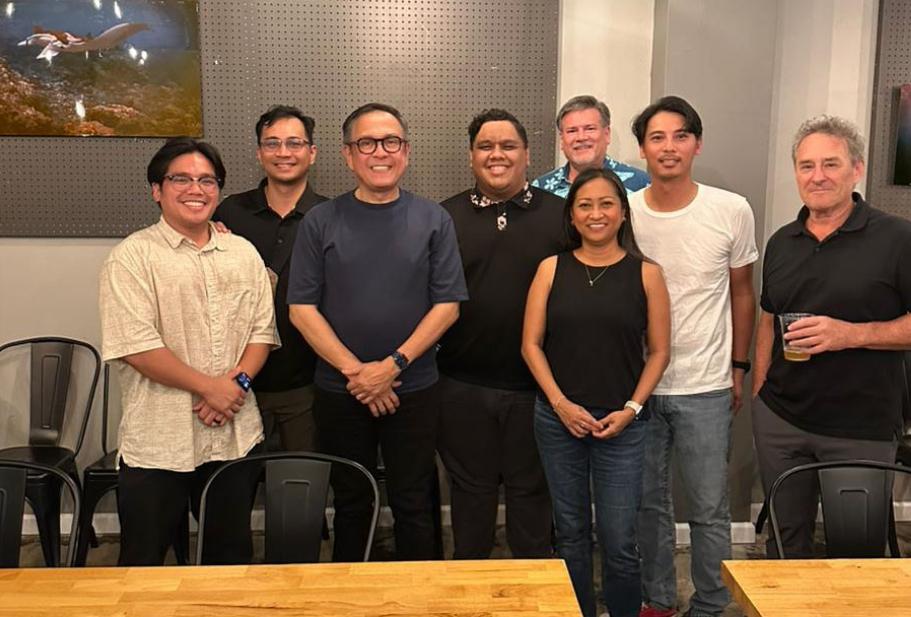
The “Bridging the Gap: Mentorship for Emerging Professionals” program, funded by the 2025 AIA College of Fellows Grant, aimed to support the development of emerging professionals (EPs) within the Marianas. With the architectural profession in the region facing significant challenges – namely a low number of registered architects and the imminent retirement of many licensed professionals – the program was designed to engage both underrepresented K-12 students through public outreach activities and EPs by creating mentorship opportunities and professional development initiatives.
Key activities include one-on-one mentorship, professional workshops, school presentations, and community outreach efforts. This initiative strives to foster a more inclusive and dynamic pipeline into the profession while empowering future architects and community leaders.
GRANT OBJECTIVES
• Objective 1: Engage K-12 students in the community by raising awareness of the architecture profession through public outreach activities, such as school presentations, design competitions, and career exposure activities.
• Objective 2: Increase the diversity of the profession by reaching underrepresented groups and encouraging
Help make programs like this possible by donating or honoring someone with a gift to the College of Fellows Fund today!

greater participation from these communities in architecture.
• Objective 3: Connect emerging professionals and experienced professionals through mentoring partnerships, workshops, and networking opportunities.
• Objective 4: Strengthen the connections between licensed professionals and emerging architects to enhance professional growth, leadership skills, and mentorship networks.
USE OF FUNDS
The requested $8,000 grant was allocated across several key areas to ensure the success of the program:
• Mentorship Materials ($750): For resources and reference materials used during the mentorship program, including an information booklet/ reference materials, portfolios, and materials to use for the program such as notebooks, pens, etc.
• Venue Rental for Mentorship Pairing ($2,000): Covers the costs associated with hosting in-person events such as mentorship speed pairing and program wrap up/ graduation ceremony.
• Emerging Professional Workshop Materials ($1,990): Funds for the purchase of reference materials for
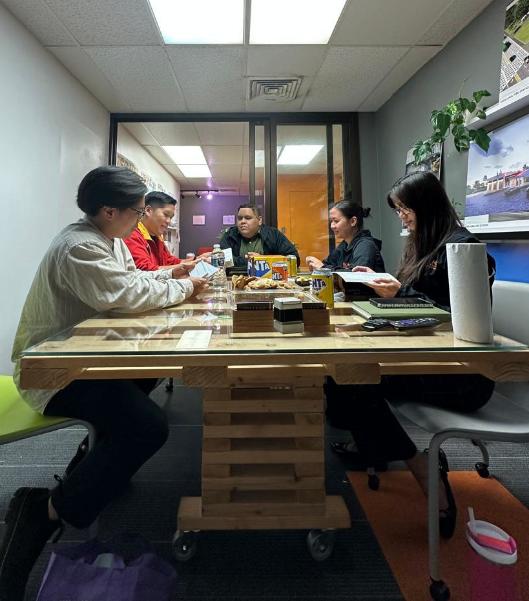
emerging professionals are able to borrow for studying for each division of ARE 5.0 as well as for guided discussions in the quarterly emerging professionals meeting focused on professional licensure.
• Community Outreach School Presentations ($750): Funding for the supplies and materials needed for presentations to K-12 students.
• Community Outreach Design Competition ($1,500): Funding venue costs, materials for the competition, and prizes for winders of the K-12 design competition.
• Miscellaneous expenses ($950): Reserved for unexpected costs, ensuring the program remains on track despite potential budget adjustments.
• Marketing & Publicity ($60): For website hosting to maintain a dynamic online platform for community engagement and information sharing.
PROGRAM ACTIVITIES
Activity 1: Mentorship Program Launch (March 28, 2025)
The mentorship program kicked off with a comprehensive orientation session, where the goals, responsibilities, and expectations of both mentors and mentees were explained. Mentors and mentees received initial mentorship resources and engaged in a speed-pairing exercise that allowed mentors and mentees to engage in meaningful and direct
discussions. Initial feedback from participants was positive, with mentors expressing eagerness to guide their mentees towards licensure and professional growth, and mentees expressing their eagerness to learn, grow, and be able to gain invaluable insight from licensed professionals.
Activity 2: One-on-One Mentorship Meetings (Monthly) Monthly meetings have successfully established meaningful connections between licensed professionals, emerging professionals, and students.
Activity 3: K-12 School Presentations (April
14-18, 2025)
A week-long series of school presentations were established and aimed to take place during National Architecture Week. Typically, we are able to reach over 500 students across all local and private elementary, middle, and high schools; however, this week was unfortunately aligned with the schools’ spring break. The presentations were allowed to extend to the following week, with little results. AIA Marianas was able to attend and participate in several career day presentations at local elementary and middle schools.
Activity 4: K-12 Design Competition (Oct. 6 – Nov. 12, 2025)
The design competition was launched on World Architecture Day, receiving submissions from nearly 100 students, encouraging creative thinking and exposure to architecture. The event provided an opportunity for students to experience a progressional design challenge while fostering excitement about architecture. Prizes were awarded, and the competition highlighted the importance of architecture in solving community challenges.
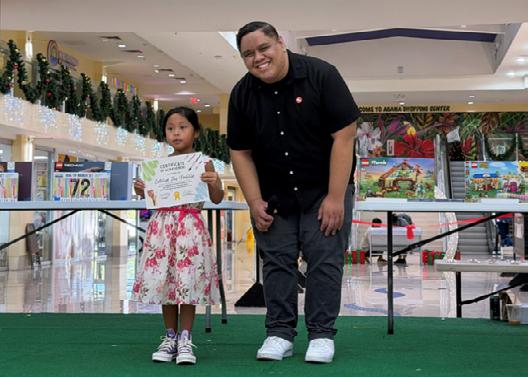
Activity 5: Mentorship Program Wrap-Up & Final Review (December 2025 )
The final session, which took place early December, included progress reflections and review of challenges and achievements. The event also served as a graduation ceremony, celebrating mentors and mentees for their commitment and journey to professional development and licensure goals.
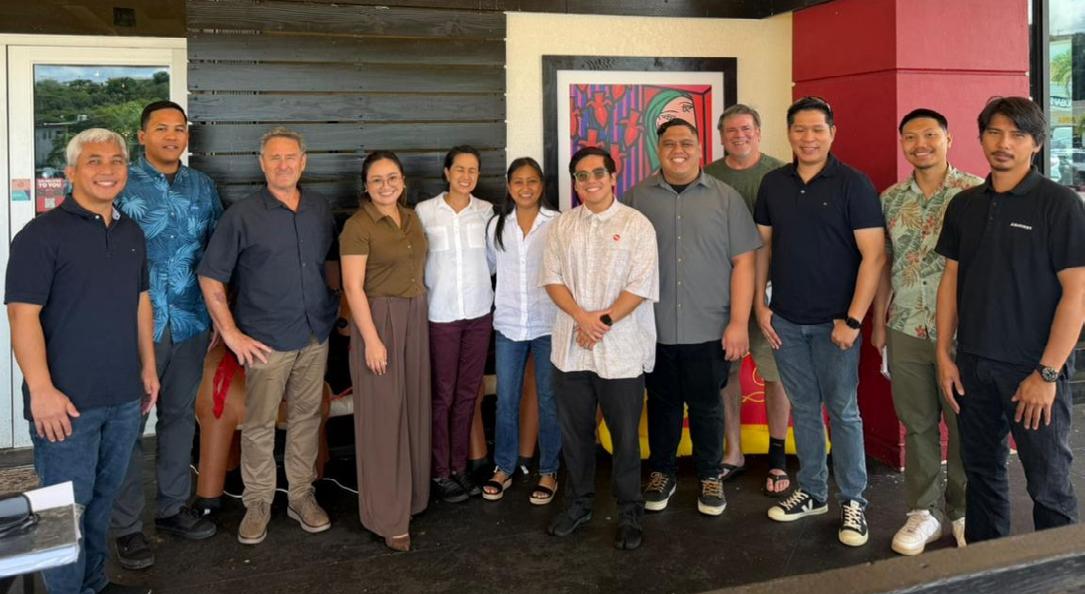
Photo above: AIA Marianas K-12 Design Competion
Photo at left: AIA Marianas Mentorship Program speed pairing event.
Photo above: AIA Marianas ARE workshop and huddle meeting
OUTCOMES AND IMPACT: BENEFICIARIES
• Over 1,000 K-12 students have been directly impacted through presentations and the design competition.
• Nearly half of local Emerging Professionals participated in mentorship activities, workshops, and study sessions.
• Nearly half of local licensed professionals volunteered as mentors, fostering a culture of professional development and leadership.
KEY ACHIEVEMENTS
• The mentorship program successfully paired 8 mentors with emerging professionals and students guiding them through licensure process and career challenges.
• The K-12 design competition reached new students, many from underserved communities, and inspired several to pursue architecture as a career path.
• The revitalization of the Emerging Professionals Committee has led to increased engagement in the profession, heightened involvement in AIA Marianas events, and a surge of motivation for our emerging professionals to push forward with their licensure exams.
• Due to previous outreach, several students expressed interest and were given summer internships with local firms that actively support AIA Marianas.
LONG-TERM IMPACT
• The program broadened the community’s views towards the need for mentorship outside of the standard firm structures.
• The program will create a sustained network of mentorships that will last beyond the grant period, helping emerging professionals navigate their career paths and licensure challenges.
• The increased visibility of architecture in local schools will provide a pipeline for future professionals and encourage a more diverse workforce.
• The leadership development within the EP Committee will help ensure that AIA Marianas continues to thrive and support emerging professionals for years to come.
CHALLENGES AND LESSONS LEARNED Challenges:
• One challenge faced with the coordination of mentormentee pairs was due to varying availability.
• Another challenge faced was lack of man power. Two of our key project participants had stepped away from the organization, due to personal reasons and relocation.
Lessons Learned:
• Offer flexible meeting times or schedule and confirm attendance in advance for speed pairing.
• Early engagement with local schools is critical for effective outreach and gauge interest.
• Expand mentorship beyond one-on-one sessions to include group mentorship opportunities, allowing mentees and mentors to learn from each other.
• Strengthen partnerships with local schools to provide more frequent interactions with students or potentially through an annual architecture community event
Photo above: AIA Marianas Mentorship Program Graduation
Spotlight | National Associates Committee
Bridging Generations: COF and the NAC
Bill Hercules, FAIA and Brett Wedding, AIA

For many emerging professionals, there is a missing and essential link between education and practice related to building professional community, finding mentorship, or navigating the pathway to licensure outside of one’s immediate and new firm relationships.
Some may be fortunate to intern at a firm that is heavily involved with the AIA, getting early career access to study materials, invitations to networking events, and even funds to attend state and national conferences on architecture and design. For these, the pipeline from education to the profession feels clear and direct.
However, for the others in nontraditional or adjacent roles or those who put their careers on hold due to life events, the pathway forward is less clear and unsupported, leading to early career professional isolation.
The National Associates Committee (NAC) exists to fill this gap, supporting professionals across both traditional and nontraditional pathways into the field. The NAC uses its platform representing 21% of AIA Membership to expand the AIA’s outreach, provide a place for anyone (both in the profession and adjacent) to find their network, and give access and insight into the future of the profession, particularly through the lens of career advancement.
This perspective is especially critical to the work of the NAC’s Advisory Committee and its network of State & Territory Representatives (STARs). Associate Members are largely early-career professionals who represent the future perspectives of our profession.
CROSSING GENERATIONS THROUGH INTENTIONAL PARTNERSHIPS
The AIA benefits greatly from collaboration across generations, which has been a long-standing pillar of the College of Fellows – especially those in formative career stages. The College has developed a longstanding formal liaison relationship with the Young Architects Forum (YAF). This year, Secretary Lisa Lamkin, FAIA, is our official representative on the YAF Advisory Committee, and she participated in their annual meeting.
But this year, in an effort to extend the College’s influence even more, the Executive Committee has extended a new liaison relationship with the NAC. Bursar, Bill Hercules, FAIA, is our official representative on the NAC Advisory Committee, and he participated in the NAC’s annual meeting in February 2026 as an ambassador of the College.
These intra-organizational links represent more than 40% of
the AIA’s total membership and focus on career development for emerging professionals and young architects. And this representation is bi-directional; the liaisons have identified key issues plaguing subsequent generations, giving the College clarity in its efforts to support them, especially through its Component Grants and other funding mechanisms.
HIGHLIGHTS FROM NAC 2026 ANNUAL MEETING
The NAC Annual meeting was held in February at the Global Campus for Architecture and Design in Washington DC, convening representatives from all US states and territories. The NAC organized itself into five workgroups, which explored value for the Associates, such as:
•Advocacy: recognizing varying agendas related to licensure and practice across the U.S. in a politically neutral posture, and EDI-sensitive.
•Value: Associates want voices across meaningful
professional forums. 28 states have voting rights for Associates per their bylaws. Although some Associates remain resistant to licensure.
•Climate Action: There are multiple certifications related to environmental design.
•Strategic Partnerships: How can the National Associates Award generate greater impact?
•Outreach/Research: Low compensation remains a concern, as does the very present issue of student debt, and how to discuss one’s firm contributions holistically.
Additionally, the NAC has bi-directional liaison relationships with the AIA national Board of Directors, the national Strategic Council, the Council of Associate Component Executives, and recently, the College of Fellows. AIA CEO/ EVP, Carole Wedge, FAIA, also joined the meeting to offer her inspirational, broad, and personal perspectives on the future of the profession and the role of the NAC in the AIA.
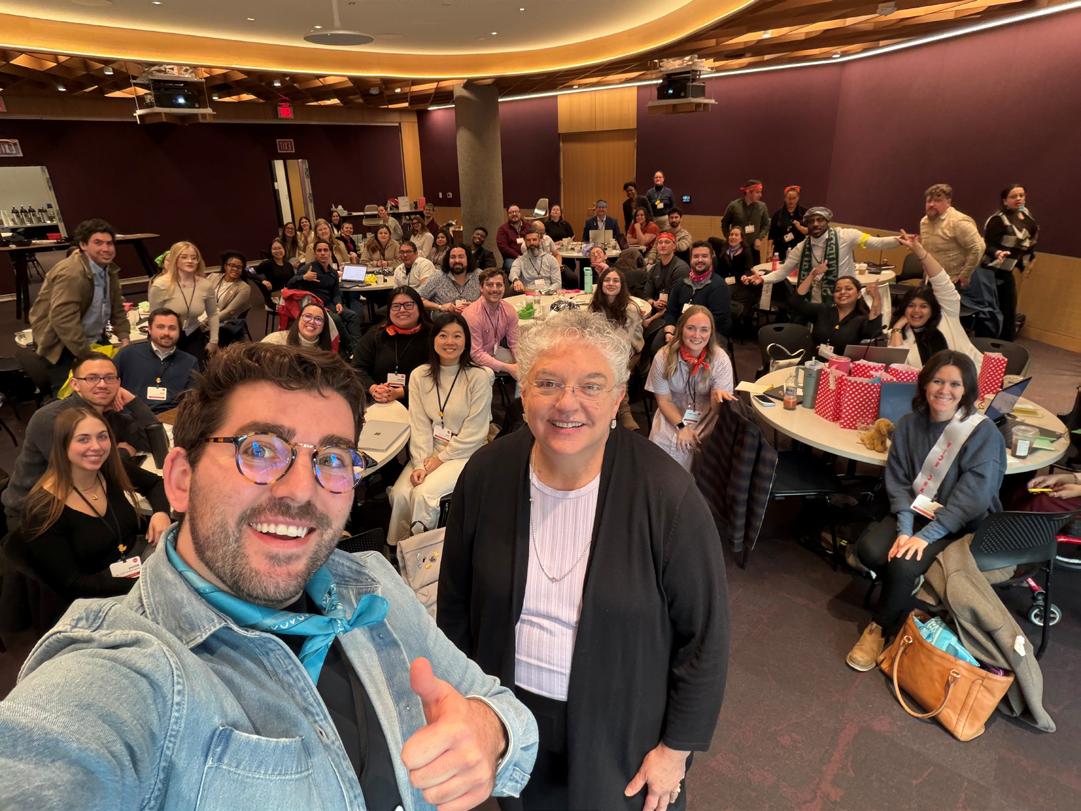
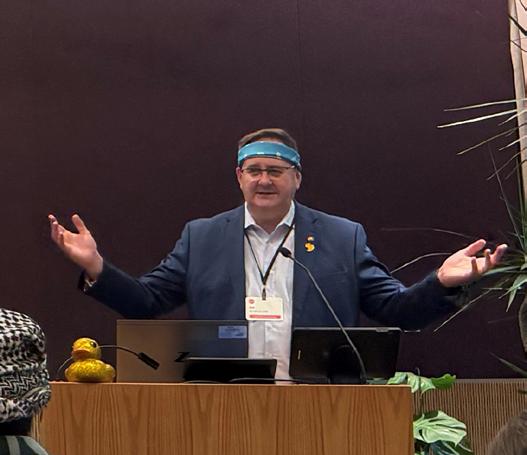
Photo above courtesy of the NAC: Carole Wedge, FAIA delivers an inspirational message at the 2026 NAC annual meeting with Brett Wedding, AIA, NAC Chair as selfie photographer.
DESIGNING A STRONG BRIDGE FOR OUR FUTURE PROFESSION
The College’s Executive Committee remains committed to the NAC’s success. Their perceived needs and desires may resonate or rhyme with ours forty years ago: expanded access to licensure resources in underfunded components, programs to support career-oriented mothers, support Associate representation on state boards and places of professional influence, and advice to develop their influence.
The next generation needs insight from the current and former leaders, so that they can leave the profession better than when they entered it.
Nobel Peace Prize laureate, Elizer Weisel once opined, “Without memory, there is no culture. Without memory, there would be no civilization, no society, no future.” The College represents a rich memory to pass to its successors.
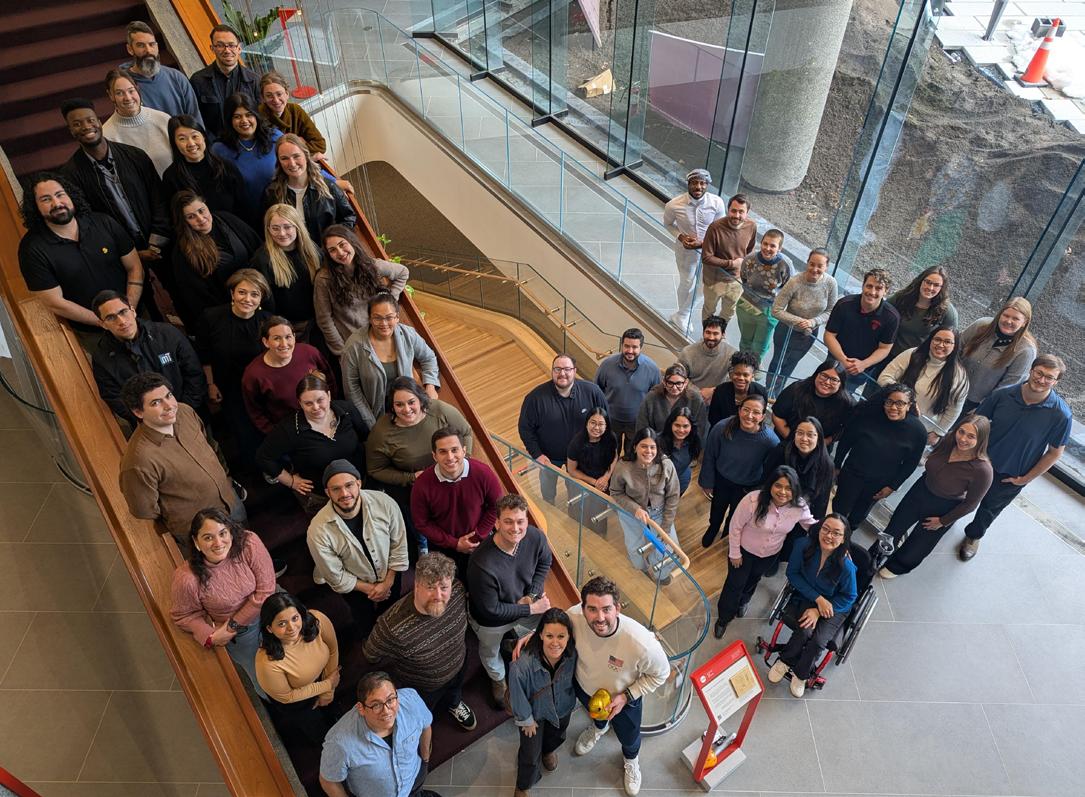
Photo above courtesy of the NAC: Members of the NAC at AIA GCAD during their 2026 Annual Meeting.
Photo above courtesy of the NAC: Bill Hercules, FAIA, introducing the College of Fellows and their interest in supporting the NAC.
Guest Contributor | AIA
Shaping Place: Global Insights, Local Impact
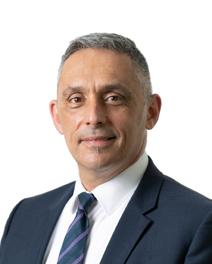
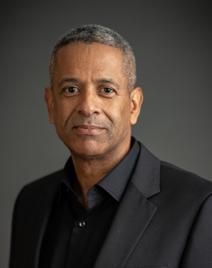
Sherif Anis, FAIA, NCARB, RIBA | College of Fellows Representative for AIA International
Thierry Paret, FAIA, NCARB, MRIAI, ARB, LEED AP | AIA Strategic Councilor for AIA International
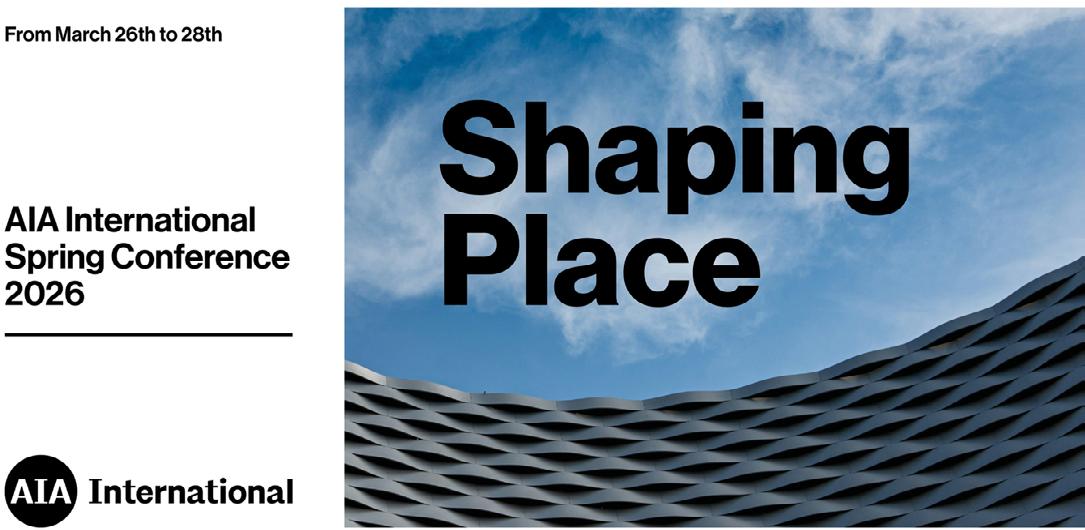
AIA International’s sixth Spring Conference brought together architects and allied professionals from across regions and time zones for three days of engaging discussion centered on this year’s theme, Shaping Place. The conference explored how architects translate global ideas into designs that are locally grounded, culturally responsive, and environmentally responsible.
Across the program, speakers and panelists examined the growing responsibility of architects to respond thoughtfully to climate pressures, housing needs, healthcare demands, and the broader civic and social challenges facing communities today. What emerged was a shared commitment to design as both a cultural act and a practical discipline, one that must balance beauty, performance, resilience, and human wellbeing.
A recurring theme throughout the conference was the importance of integrating nature-based and regenerative strategies into everyday practice. Rather than treating sustainability as an abstract ambition, presenters emphasized it as a core professional responsibility. Through case studies, research, and practice-based insights, attendees were invited to consider how passive design, landscape-driven systems, material stewardship, and long-term environmental performance can shape more meaningful and enduring places.
The conference also highlighted the distinct value of AIA International’s global perspective. Members practicing across diverse geographies regularly work at the intersection of cultures, climates, regulatory systems, and construction realities. That breadth of experience enriches the profession and reinforces the idea that while architecture is always local in its final expression, it benefits enormously from international dialogue and shared learning.
"The Spring Conference reflected the strength of AIA International’s community: globally connected, professionally generous, and deeply engaged in shaping places that are responsive to people, culture, and environment. It was a timely and meaningful gathering, and one that unerscored the important role architects continue to play in advancing a more resilient and humane built environment."
Equally important was the focus on measurable outcomes and lived experience. Sessions moved beyond theory to address how architecture performs over time, how it supports users, and how it responds to context in tangible ways. This grounded approach made the conference especially relevant to practitioners seeking not only inspiration, but actionable insight.
With 18 continuing education credits offered through the conference, the event also delivered significant professional value to participants. In addition, all conference presentation content remains available online through the AIA International website, allowing members to revisit the sessions and access them for AIA CEU learning units. This extended access adds lasting value to the conference and broadens its impact beyond the live event itself.
More than that, the conference reaffirmed AIA International’s role as a platform for thoughtful exchange among architects working across borders and at the forefront of many of the profession’s most urgent conversations.
With a growing number of virtual attendees joining from around the world, we hope these insightful lectures and panels will inspire U.S. based architects and firms to cross borders and oceans, gaining first-hand experience international practice. For those who were not able to catch the conference live, we encourage you to watch it at your leisure by going to the site: Program — AIA INTERNATIONAL
AIA International also organizes its flagship three-day inperson conferences each fall in exciting cities worldwide. Past venues have included Kyoto, Toronto, Prague, Singapore, London, Shanghai, Mexico City, and Dubai. Don’t miss the announcement, check the AIA International website soon for this year’s location!
Interview with Shigeru Ban
By Illya Azaroff, FAIA
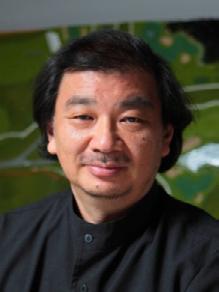
It was a profound honor to engage in conversation with Shigeru Ban, recipient of the AIA Gold Medal and the Pritzker Prize, to discuss his remarkable career, humanitarian work, and enduring contributions to architecture in times of crisis. Our dialogue explored not only his approach to design and materiality, but also his philosophy on disaster response, resilience, and the ethical responsibilities of architects in service to society. Throughout the exchange, Ban’s humility, clarity, and conviction were as striking as the work itself. His insights offer powerful lessons for the profession and meaningful guidance for the next generation of architects.
As architects, we must recognize that leadership cannot wait until after disaster strikes—it must begin long before crisis emerges. Having served in disaster response through my own architectural work, I understand firsthand that our profession holds a unique responsibility not only to help communities recover, but to prepare, protect, and reduce risk before lives and livelihoods are threatened. The architect’s role extends beyond designing buildings; it includes shaping resilient systems, safeguarding communities, and leading with foresight in moments when service matters most. #LeadershipCantWait Illya Azaroff (IA): Your work has consistently challenged architecture’s assumptions about permanence, value, and material hierarchy. What do you think the profession still
misunderstands about “good architecture”?
Shigeru Ban (SB): I believe that architects must know what is "good architecture", but the general public does not. The challenge of architecture's assumptions has nothing to do with making "good architecture." The challenge of architecture's assumptions is to find my own characteristic architecture instead of one influenced by a fashionable style of the time.
IA: You have shown that materials often considered ordinary—or even disposable—can become dignified, beautiful, and structurally meaningful. What has your work taught you about the relationship between scarcity, ingenuity, and design excellence?
SB: The ingenuity and excellence of architecture do not depend on using expensive materials. They are made of the quality of spaces with light and shadow. The strength of structural materials also has nothing to do with durability of buildings.
IA: Across your career, there seems to be a quiet resistance to spectacle for spectacle’s sake. In an era when architecture is often consumed as image first, how do you protect the human purpose of a building?
SB: I think all the fancy commercial buildings [built] to make money are temporary, but many of my temporary disaster relief buildings made by students with paper tube have become permanent.
IA: Your projects often balance lightness with rigor—both structurally and emotionally. How do you know when a design has reached that point where it feels inevitable rather than merely inventive?
SB: I’ve never done it consciously.
IA: Shifting to your notable work when responding to a crisis. Your work has fundamentally expanded the role of the architect in times of crisis. In your view, where should the profession’s responsibility begin: after disaster strikes, or much earlier in reducing risk before communities are ever harmed?
SB: I do not think that I am expanding the role of the architect. When I see people suffering with poor living conditions, it is a natural act to improve it, just like doctors treating patients.
IA: Following the great eastern earthquake. I visited your office in Tokyo and had the privilege of touring your work in Onagawa. What struck me is that much of your humanitarian work demonstrates that dignity is not a luxury in emergency shelter or post-disaster housing. What do architects too often overlook about the emotional, cultural, and civic dimensions of recovery?
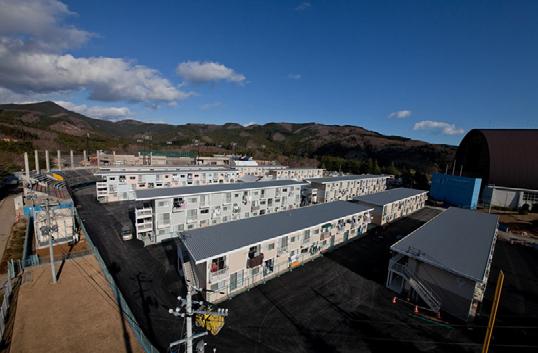
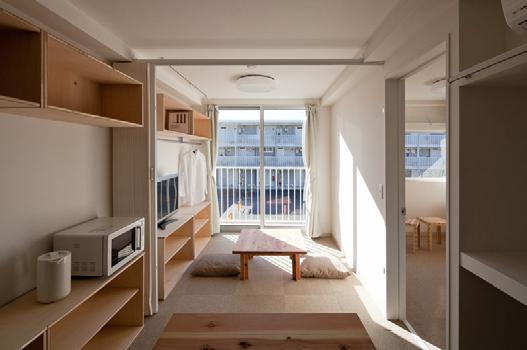
SB: There is a misunderstanding you have about Onagawa housing. It is temporary emergency housing. It is not the housing of recovery. I only (mostly) work in emergency situations before the recovery phase as a pro bono activity. Recovery housing and building should be done by local architects as commissioned works with design fees. Famous architects from outside of disaster area too often overlook the emotional and cultural dimensions.
IA: As climate-driven disasters become more frequent and severe, how should architects rethink resilience— not simply as hardening buildings, but as strengthening communities, systems, and long-term adaptability?
SB: We have to reduce the demolition of buildings and minimize the construction demolition waste. Since most commercial buildings are temporary, the way to demolish and minimize waste have to be part of the design criteria.
IA: Your post-disaster work often moves faster and more effectively than conventional systems of delivery. What lessons should the profession, governments, and institutions learn from that about speed, bureaucracy, and design leadership in emergencies?
SB: Regarding temporary housing after disasters I have been proposing that the Japanese government stop building prefab housing, which is uncomfortable and has to be demolished in several years, creating a lot of waste. Instead, they should build wooden temporary housing, like the one I built after the Noto Peninsula Earthquake, which is comfortable and can be used as permanent housing and at the same cost as prefab temporary housing.
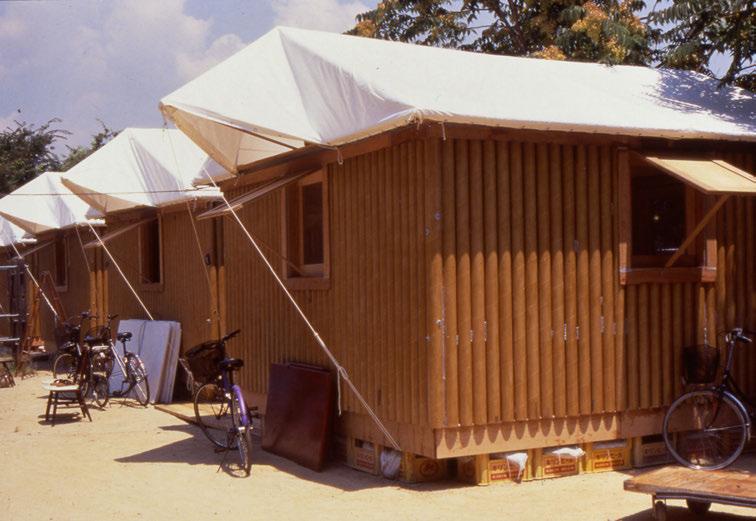
log house in Kobe
6_Container Temporary Housing in Onagawa_exterior.jpg
Container temporary housing in Onagawa
6_Container Temporary Housing in Onagawa_Interior.jpg
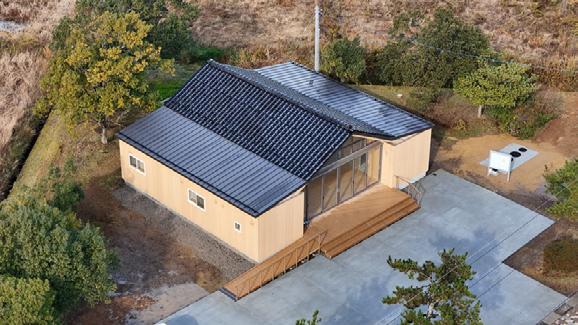
9_Aerial view of the Community Center in Suzu.JPG
6_Container Temporary Housing in Onagawa_Interior2.jpg
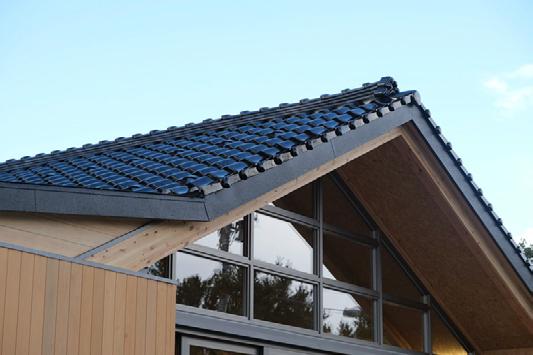
9_Community Center in Suzu, using the Noto roof tiles collected after the...
Interior of container temporary housing in Onagawa
IA: Leaning into culture. In many disaster contexts, rebuilding is treated as a technical or logistical problem. Yet your work suggests it is also a cultural act. How can architects help communities recover identity and agency— not just infrastructure—after loss?
SB: Let me write of the example of what I did after Noto Peninsula Earthquake in Suzu City and Wajima city. I have been building temporary housing and recovery housing using local materials, woods and roof tiles, which were collected from collapsed houses by the earthquake.
IA: Following the UN-Sendai agreement for disaster risk reduction. What should every architect understand about disaster risk reduction today, even if they never expect to work in an active disaster zone or humanitarian response setting?
SB: Except from the damage by unexpected size of tsunami, like the one that happened after the Great Eastern Earthquake, Japanese buildings built under the current structural regulations are safe for earthquakes. We have to design so called “off-grid” buildings.
IA: Thinking broadly about your career. As you reflect on your body of work and your influence on the profession, what do you most hope architects carry forward: not as a style, but as an ethic of service to society?
SB: I see the movement and style called "greenwashing" in architecture. Many architects use wood superficially without understanding characteristics of the material. They must understand the ethical side of the movement, not just as a fashionable style.
IA: Receiving the AIA Gold Medal places your work in a long arc of architectural influence. When you think about legacy, what do you most hope the next generation carries forward—not stylistically, but ethically?
SB: In most other fields, the advance of technologies progresses the field (i.e. medicine, finance, banking, industry and so on). However, only in the field of architecture, the
advance of technologies does not make better architecture. When we did not have computers, the quality of architecture was much better hundreds of years ago. We need to spend more time designing and building to make good architecture. I hope the next generation understands that fact.
IA: Aside from the next generation of architects and your influence on them, what is next for you? Given the achievements that you’ve had throughout your career it often begs a question what is the next horizon that you’ll strive to achieve?
SB: Maintaining humility.
SHIGERU BAN BIO
Born in Tokyo in 1957. After studying at the Southern California Institute of Architecture (SCI-Arc) in 1978–1980, Ban graduated from the Cooper Union with a Bachelor of Architecture in 1984. In 1982–1983, he worked at Arata Isozaki Atelier. In 1985, he established Shigeru Ban Architects. In 1995, he began serving as a consultant for the United Nations High Commissioner for Refugees (UNHCR). In the same year, he founded a non-profit organization named Voluntary Architects’ Network (VAN). In 2001–2008 and 2015–2023, he served as Professor at the Faculty of Environment and Information Studies, Keio University.
His major works include Centre Pompidou-Metz (France, 2010), Cardboard Cathedral (New Zealand, 2013), Aspen Art Museum (United States, 2014), La Seine Musicale (France, 2017), Swatch Omega (Switzerland, 2019), and SIMOSE (Japan, 2023). He is the recipient of the Pritzker Architecture Prize (2014) and the American Institute of Architects Gold Medal (2026). He is recognized as a member of The Japan Art Academy and Person of Cultural Merit by the Ministry of Education, Culture, Sports, Science and Technology in Japan (2025).
Currently, he serves as a High-Level Roundtable member for the New European Bauhaus and Special Guest Professor at Shibaura Institute of Technology in Tokyo, Japan.
6_Container
9_Aerial view of the Community Center in Suzu.JPG
9_Community Center in Suzu, using the Noto roof tiles collected after the...
Aerial view of the community center in Suzu
9_Aerial view of the Community Center in Suzu.JPG
9_Community Center in Suzu, using the Noto roof tiles collected after the...
Noto roof tiles collected for community center in Suzu after an earthquake
| Why We Give
2026 COF Component Grants Recipients `
Help make programs like this possible by donating or honoring someone with a gift to the College of Fellows Fund today!
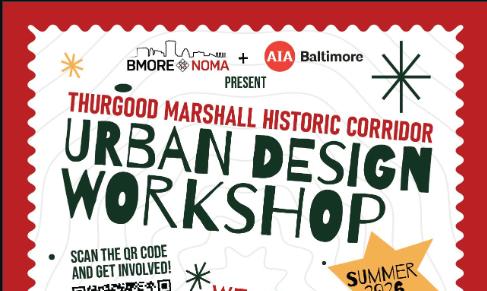
AIA Baltimore
Through interdisciplinary collaboration between AIA Baltimore, Bmore NOMA and Beloved Community Services Corporation, participants will explore design strategies that promote mental, physical, and community wellness while advancing inclusion, affordability, and cultural continuity. By linking academic research with professional mentorship and civic participation, the workshop prepares emerging designers to lead with empathy and equity, building capacity within the profession to create healthy, resilient, and just communities.
Intergenerational Mentorship and Wellness in Architectural Practice
AIA Cleveland Young Architects and Associate Members [YAAM] Committee
This initiative integrates community wellness and career sustainability by bringing together students, emerging professionals, mid-career architects, and AIA Fellows to deliver coordinated wellness-focused programming. Through experiential engagement, open dialogue, and practical career support, these programs normalize conversations around professional stressors and promote more resilient pathways through practice.
Thurgood Marshall Historic Corridor Urban Design Workshop

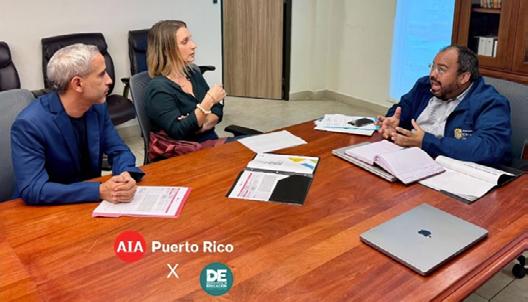
AIA LI WIA Summit 2026 - Designing Futures: Technology, Regeneration, and Leadership for a Thriving Profession
AIA Long Island
This full-day regional professional forum dedicated to advancing leadership, mentorship, and innovation within the architectural profession. The Summit will convene architects, students, emerging professionals, firm leaders, AIA Fellows, and allied industry partners from Long Island and the greater New York region to engage in forward-looking dialogue focused on technology, regenerative design, and evolving leadership models.of color and those from underrepresented backgrounds.
Transform LA: Mentorship & Youth Sustainability Charrette
AIA Los Angeles
This event empowers high school students to harness architecture and design as tools for environmental justice, community health, and neighborhood resilience in Los Angeles. Through hands-on sustainability charrettes led by AIA members and Fellows alongside allied professionals and engineers, students address urgent, real-world challenges, including postfire recovery, climate adaptation, heat mitigation, air quality, and equitable access to safe public space.
Stories and Design Across Pennsylvania - Pennsylvania Architecture Week K-12 Initiative
AIA Pennsylvania
This statewide initiative brings architecture, literacy, and design thinking to children in all 67 Pennsylvania counties across the Commonwealth through interactive programs hosted at public libraries. Volunteer AIA PA members lead story hour sessions featuring architecture themed children’s books (that will each be donated to the participating library) immediately followed by hands-on design activities that spark creativity and critical thinking.
Design Pathways: Mentorship, Education, and the Next Generation
AIA Puerto Rico
This educational outreach initiative introduces architecture as a creative, civic, and attainable profession while advancing access, confidence, and long-term aspiration among public school students. Structured as two tailored workshops—one for elementary schools and one for high schools—and an additional professional development workshop for teachers, the program uses mentorship as a unifying framework, engaging AIA members and invited professional mentors as guides and role models.
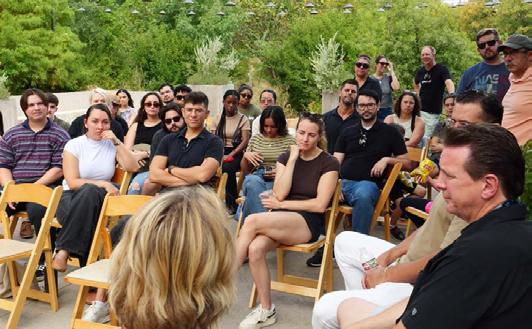

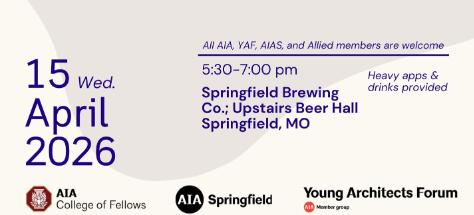
Walk with a Fellow
AIA San Antonio
The program pairs members of the AIA College of Fellows with emerging professionals and early- to mid-career architects in a facilitated mentorship journey centered on authentic relationshipbuilding, practice storytelling, career navigation, and a renewed sense of professional belonging.
Through curated conversations, guided reflection, and experiential tours, Walk With A Fellow re-frames mentorship from a forced or inconsistent obligation into an intentional and impactful relationship.
AIASF Professional Pathways Mentorship Program
AIA San Francisco
This year-long, cohort-based mentorship initiative is designed to strengthen professional resilience, leadership development, and community connection across career stages. In 2026, amid ongoing economic uncertainty, this program supports students, emerging professionals, and mid-career architects through structured peer cohorts, quarterly group engagements, and AIA Fellow–led learning conversations that emphasize professional excellence, service, and sustained engagement with the Institute.
2026 Mentorship Panel Series
AIA Springfield
The series is intentionally structured to provide accessible, high-quality mentorship and knowledge sharing across multiple career stages. Through moderated panel discussions addressing a broad range of topics relevant to the profession at each stage of an individual’s career, the series promotes meaningful dialogue and shared learning. These panels complement the committee’s established one-on-one mentorship program serving students from the Hammons School of Architecture and members of the Young Architects Forum, together forming a comprehensive and scalable mentorship framework.
Reintroducing the AIAWHV K–12 Architecture Mentorship and Design Club Program
AIA Westchester + Hudson Valley
With schools once again open to external partners after the Covid-19 pandemic and the recent reactivation of the our Mentorship Committee, AIAWHV is prepared to relaunch this initiative for the Fall 2026 and Spring 2027 semesters. The program will serve two cohorts of 25 students through handson, architect-led design education that promotes creativity, confidence, problem-solving, and community engagement. The initiative aligns with the College of Fellows’ mission by fostering mentorship, advancing the profession, and serving the broader community.

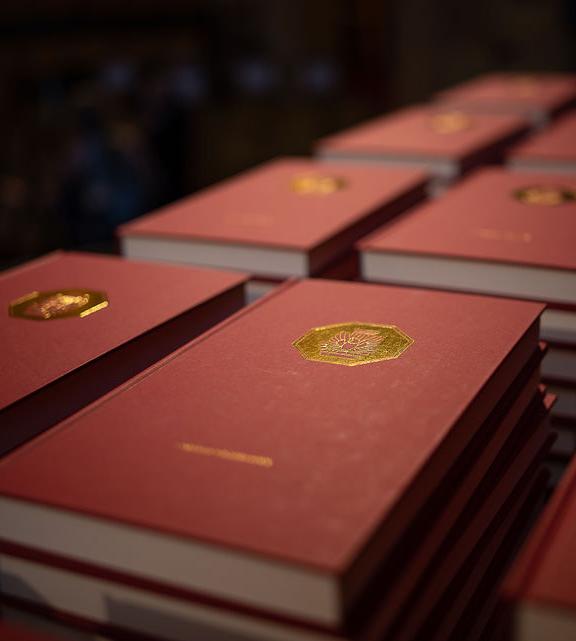
Regional Representative Message
See you in San Diego!
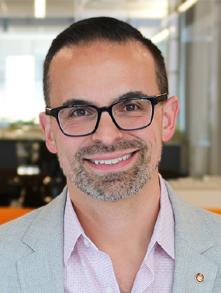
Spring is always an exciting season for the AIA and the College of Fellows. We welcome the latest class of Fellows being elevated, and look with anticipation toward the AIA Conference on Architecture. There are so many opportunities for Fellows to connect at the Conference, and for the COF Regional Reps it is our one face-to-face meeting annually. Transitioning from little digital boxes on computer screens to real life is always a memorable and bonding experience for the group. I am looking forward to connecting with the group, seeing old friends, and meeting new ones. If you are attending the Conference, please reach out to your COF leaders to say hello.
If you are not sure who your Regional Representatives are, please mark your page in this issue of the Quarterly and flip back one issue to Q1.75. That issue focused specifically on the COF Regional Reps and included short bios and contact information for each individual who has volunteered to represent YOU to the greater College. This group of individuals are here to raise your concerns and suggested solutions to the greater group, and to share information about programs and events as they occur with the chapters within each region. We are constantly looking for ways to improve that two-way communication, and hope to enhance it in the coming months.
Jon Penndorf, FAIA
New Fellow Spotlight | Meryati Blackwell, FAIA
Architecture Rooted in Dignity, Delight, and Place
Meryati Blackwell, FAIA
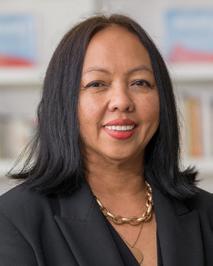
We design for people and for place. That is where we begin, and it is where we continue to return as complexity and competing interests build. We work with intensity on form, material, light, proportion, site, and detail because we believe that how a building is made determines how it makes people feel. And making people feel good, truly good, is the goal.
But feeling good is not a singular thing. It can have many facets. It can mean feeling welcomed, received at a threshold with generosity rather than processed through an entry. It can mean dignity, the recognition that beauty, craft, and care are not luxuries reserved for the privileged few, but something every person deserves in the places where they live, learn, heal, and gather. It can mean delight, the small, unexpected pleasures of light on a surface, a material underfoot, a view that opens where you did not expect it. It can mean belonging, the sense that a place was made with you in mind, that it reflects something true about who you are and where you come from. And it can mean pride in a neighborhood, an institution, a community, a building that says: this matters, and so do you.
A great building across all typologies reaches for all of these qualities. The work to achieve them is never solitary. It depends on trust, exchange, and sustained collaboration among design leaders, staff, clients, consultants,
craftspeople, and communities. The specifics of a program, community, or place will always call certain qualities forward more strongly than others, and it takes that full collaboration to listen carefully enough to know which ones, and then to build toward them with everything you have.
The Shaw Residence offered one of the most personal versions of that challenge: a home designed for active entertaining today and planning for long term aging in place, where the building’s primary task was to infuse vitality and connection to place through all seasons. The couple asked for a life on one floor, with no level changes and no barriers, and for spaces that would sustain their individual passions: a painting studio for him, and a sewing and office room for her. What emerged around those requirements was a house organized around a courtyard filled with plants, trees, and a koi pond, opening to a terrace with long views to the hills beyond. Light, living things, and landscape are present from every room, in every season. Through careful choreography of section, spatial sequence, and material detail, the house holds its owners close to the things that give them pleasure and sustains their sense of independence, dignity, and delight in daily life.
At Marygrove Early Education Center in Detroit, those same convictions found expression at a community scale. The primary design move was to fit as many courtyards into
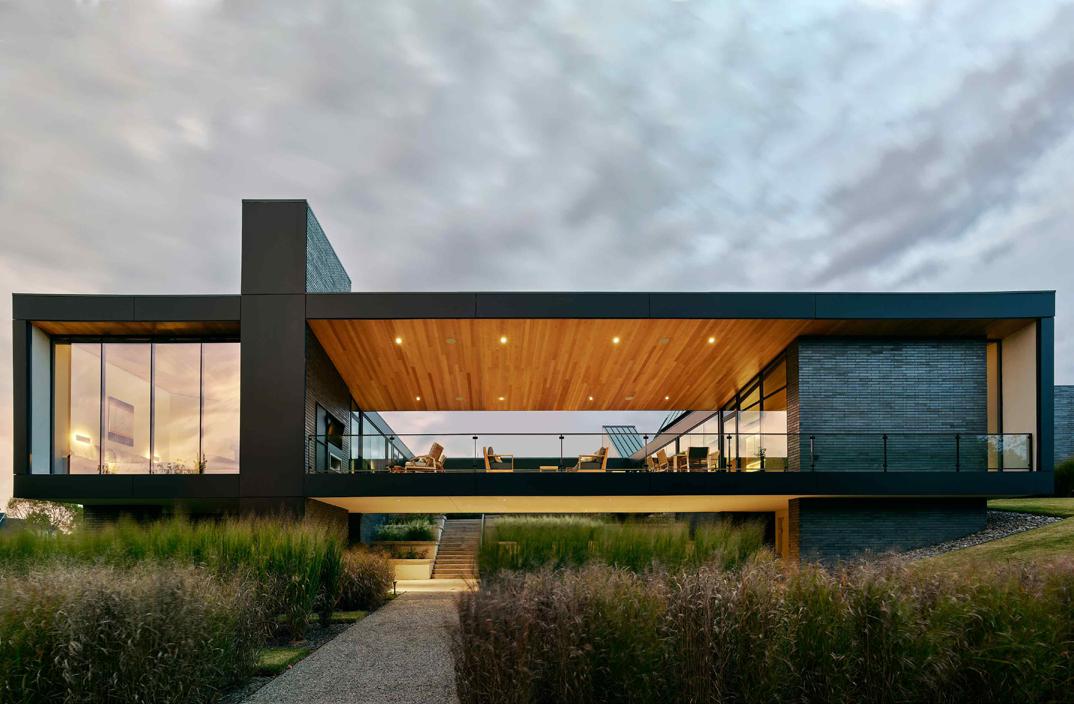
the building as the budget would allow, not as amenity, but as infrastructure. Courtyards keep children secure while allowing childcare providers to circulate efficiently between spaces. They give every classroom and support room direct access to the outside. In Detroit, where winters are long and outdoor time is limited, that access matters enormously. Even when children cannot go outside, having light and views from their classrooms, real sky, changing weather, growing things, makes a measurable difference in their mental and intellectual development. The building’s polychromatic cladding forms a coat of many colors, reflecting the vibrancy of its young users and the diverse community around them, while creating a dialogue with the masonry traditions of the historic campus and the city beyond. The result is an environment that feels at once secure and expansive, a place children and families can be proud to call their own.
At Heartland Whole Health Institute in Bentonville, the argument for light, nature, and human movement became the organizing principle of the entire building. Orientation was determined first by the landscape, the forested bluffs, the karst topography, the quality of light across the Ozarks, because we believe that access to natural light and views does more for the people who work and heal in a building than artificial lighting ever can. The building is designed to
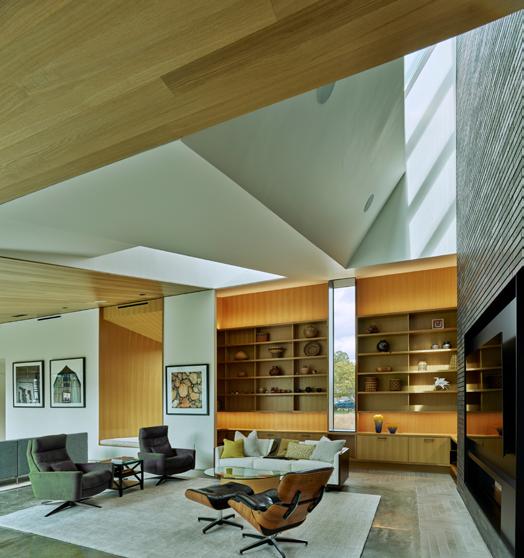
Photo above courtesy of Timothy Hursley: Shaw Residence South Elevation, Fayetteville, AR.
Photo above courtesy of Timothy Hursley: Shaw Residence living room, Fayetteville, AR.
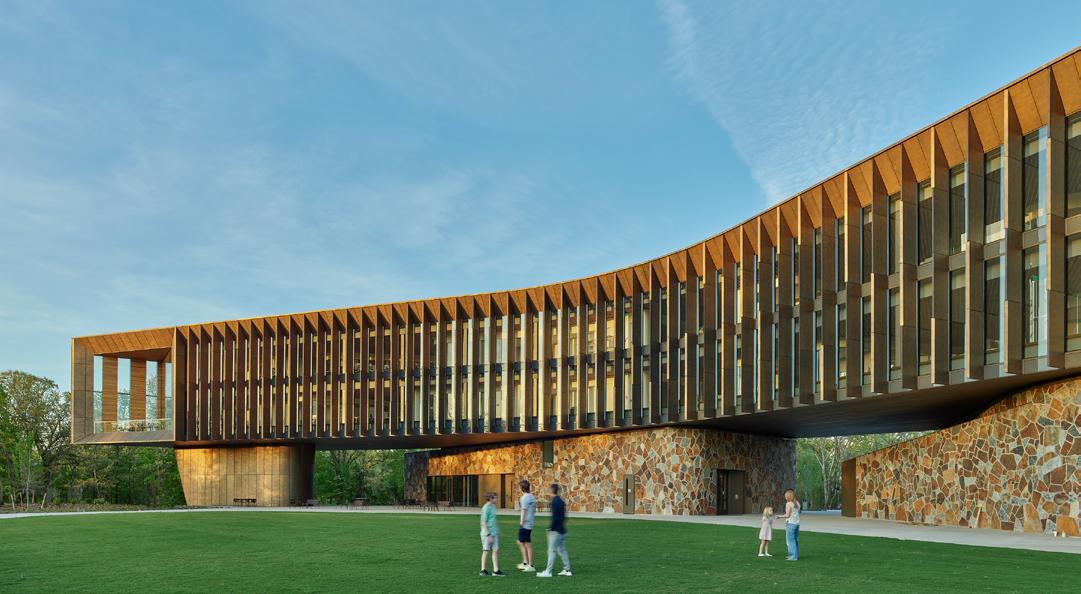
bring nature inside and to draw people outside, offering a variety of spaces that support different moods and ways of working throughout the day. The curving forms, weathered brass, and native stone extend that landscape logic into the architecture itself. Visitors arrive through a generous dogtrot that opens to the lawn and woods beyond, making threshold part of the experience from the first step. Inside, the atmosphere takes its cues from a walk in the woods: mossy outcroppings, tree canopy, dappled light, a broad ceiling of pecan slats overhead. The building does not illustrate wellness from a distance. It gives it architectural presence, and in doing so, it treats every visitor as someone worthy of that care.
What connects these three projects is a belief we bring to every building: that great architecture, for all its formal and material ambition, must foster a sense of wellness and wellbeing. Form, space, light, material, proportion, these are not ends in themselves. They are the means by which a building can give the people who live, work, learn, heal, and age within it a greater sense of dignity, belonging, and delight. That is the measure we return to. Our architecture is for people and for place, and when it works, you can feel it.
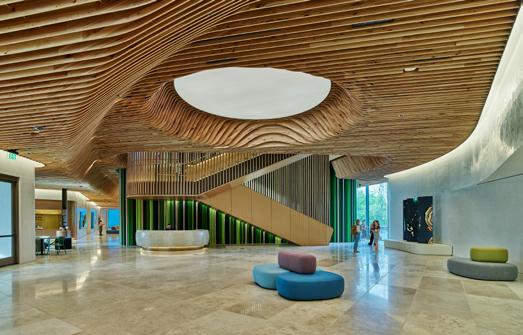
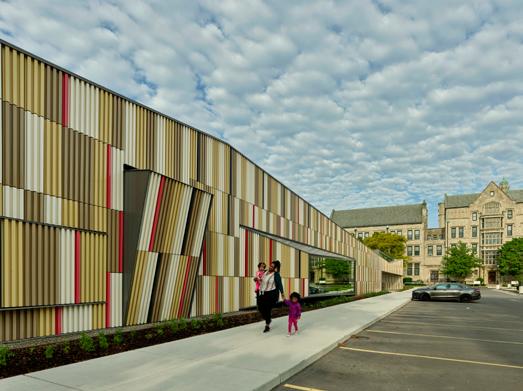
Photo at top of page: Heartland Whole Health Institute event lawn, Bentonville, AR.
Photo right middle: Heartland Whole Health Institute lobby, Bentonville, AR.
Photo right bottom: Marygrove Early Education Center entry, Detroit, MI
All three photos courtesy of Timothy Hursley.
Opportunities for Fellows to Engage
Thomas Hysell, FAIA
The AIA Strategic Council continues to advance its mission of informing the Institute’s leadership on critical issues shaping the future of the profession. Current efforts are focused on early-stage study work, with strong coordination across AIA Knowledge Communities, member groups, and senior leadership to identify actionable insights and long-term opportunities.
The Council’s 2026 areas of study—Housing, Neuroarchitecture, Practice (with a focus on business models and career development), Regenerative Design, and Value— are gaining momentum. Notably, member engagement data indicates strong interest in Practice, particularly around evolving business models, signaling a need for continued exploration of how firms can adapt to changing economic, technological, and societal conditions.
Several of these themes will be featured at the AIA Conference on Architecture & Design 2026, where Council-led sessions will address climate-responsive design, the role of research in practice, and the implications of AI and digital tools. These sessions highlight the Council’s role in translating research and dialogue into practical knowledge for the profession. Looking ahead, the recently adopted AIA Strategic Plan 2026–2030—organized around Practice, Advocacy, Climate, and Equity (PACE)—provides a clear framework for aligning
Council work with Institute priorities. A new $2 million Strategic Plan Activation Fund will support components in implementing these goals at the local level.
For the College of Fellows, this work presents a meaningful opportunity for engagement. Fellows bring a depth of experience that is critical to shaping the profession’s future—whether through mentoring emerging professionals, contributing perspective to ongoing study efforts, or helping translate strategic insights into practice. Continued dialogue between the Strategic Council and the College of Fellows will strengthen the Institute’s ability to respond to an increasingly complex and rapidly evolving landscape.
Share your insights on how architectural practice must evolve by completing this 4-question survey.
Your input will help shape the work of this year’s Practice study group.

Feature | Why We Give
Architecture Week 2026
Devon Davis
Architecture Week celebrates the profession of architecture and invites everyone—especially K-12 students—to explore architecture and design. We all play key roles in educating and inspiring the next generation of architects. Let's build the pipeline together.
Over 29,815 studens participated in this year's activities with 2700 of those as listeners in our virtual read-alouds. Thank you to the authors for their participation! Come back next year for more read-aloud experiences.
Thank you to our 2026 Architecture Week sponsors, The AIA College of Fellows and Committee on Architecture for Education.
Check out the recap video by clicking here.
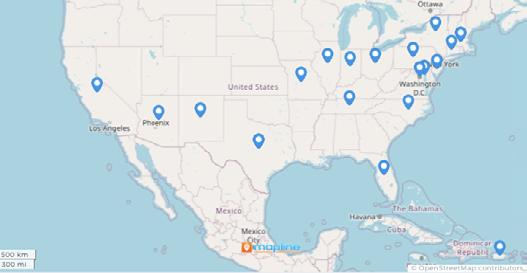
Help make programs like this possible by donating or honoring someone with a gift to the College of Fellows Fund today!
Above: Virtual read-aloud participation map.
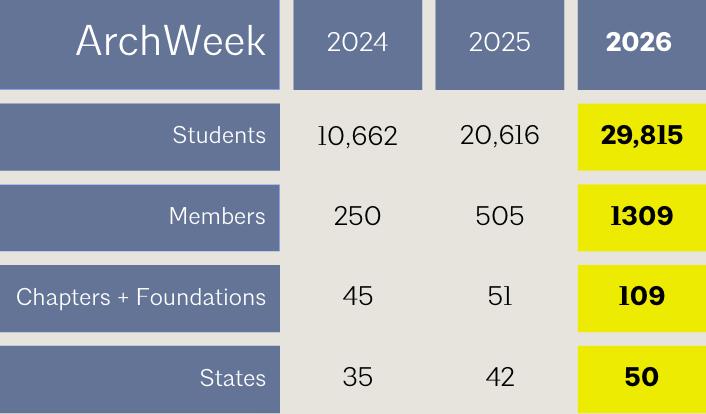
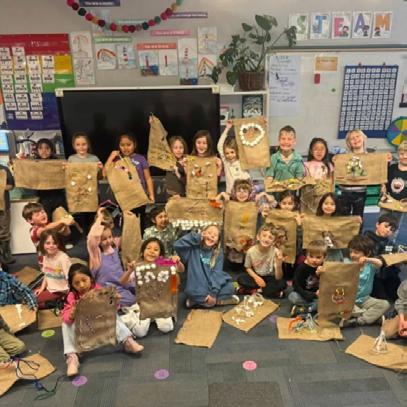
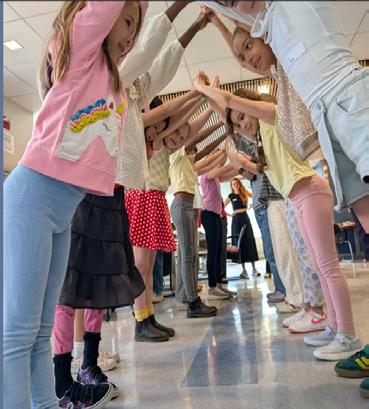
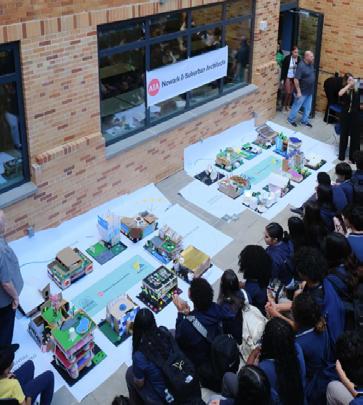
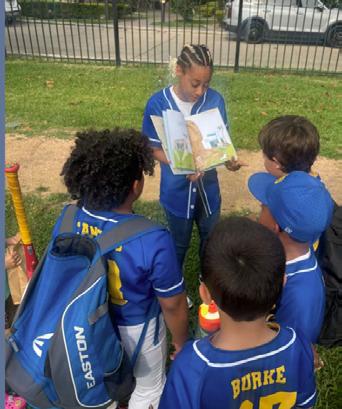
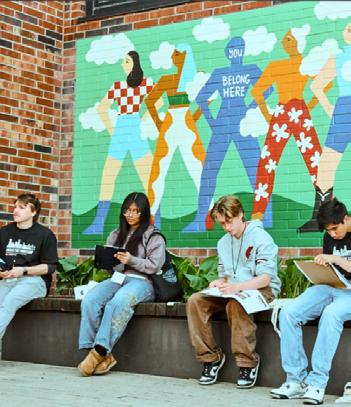
Above: Architecture week growth over the past three years thanks to AIA Chapter engagement and sponsors like the AIA College of Fellows.
Above: AIA Idaho Mountain.
Above: AIA Brooklyn.
Above: AIA Newark & Suburban Architects
Above: AIA Oregon.
Above: Texas Society of Architects.
Redesigning Wellness Policies Creating a Healthier Workplace for Young Architects
Arti Verma, AIA, NCARB, LEED AP BD+C, ALA
Originally published in YAF Connection - Q1 2026
The first decade of an architecture professional’s career is a period of immense and intense growth. Young professionals are often under pressure to learn fast, perform well and “establish themselves” in the office. In addition, this demographic faces juggling their transition from an academic environment, navigating the challenging journey of licensure, and often the lack of mentorship in their career trajectory. Oftentimes, people don't realize that they are on the burnout trajectory until it's too late. It is essential to self analyze and look for KPIs - Key “Pressure” Indicators to evaluate if your workplace systemically prioritizes your physical and mental wellbeing.
A 2024 survey by Monograph1 revealed that young professionals often report long work hours and blurred worklife boundaries. They also hesitate to use benefits such as PTO for fear it may reflect poorly on their performance. The result is a culture where exhaustion is normalized, and health and well being feels secondary to deadlines.
In today’s overall professional environment across various fields, wellness is no longer a perk - it has become a part of workplace policy and infrastructure. But, architecture as a profession has a lot of catching up to do in this realm. Archinect's 2023 Mental Health Survey Results2 shows that 70.9% of individuals noted that they do not have access to Institutional Mental Health Support provided by their firms. And, only 10.9% of that same group feel very comfortable
discussing mental health concerns with peers and superiors. When firms lack wellness initiatives, it leads to faster burnout, high turnover, reduction in creativity affecting the overall firm growth, and employee retention. While other sectors are using a more formal approach to wellness, architecture often relies on an individual’s resilience - which is an outdated model.
Evaluating the architecture profession against what’s working in other professions and analyzing those against The Centers for Disease Control and Prevention's (CDC) Workplace Health Manual3 and CDC’s Workplace Health Model4, what companies most commonly provide today as resources for wellness generally fall under 4 buckets - Policy, Benefits, Physical Environment and Workplace Culture.
Unfortunately, changing the culture of the profession isn't just evaluating the benefits your company provides on paper, it is a systemic shift in the mindset of both young and seasoned professionals. While late night and last minute “heroic” design efforts provide us with the short term boost of adrenalin, we need to realize that this is often detrimental in the long run and we should not promote this occurrence frequently to prevent it from becoming a norm. As young architects, we need to consciously start conversations in the workplace to create an awareness regarding the need for focus on well being, so that firm management can identify the need to update firm policies. Focusing on culture and mindset5 is the key to drive successful and meaningful change in this realm.
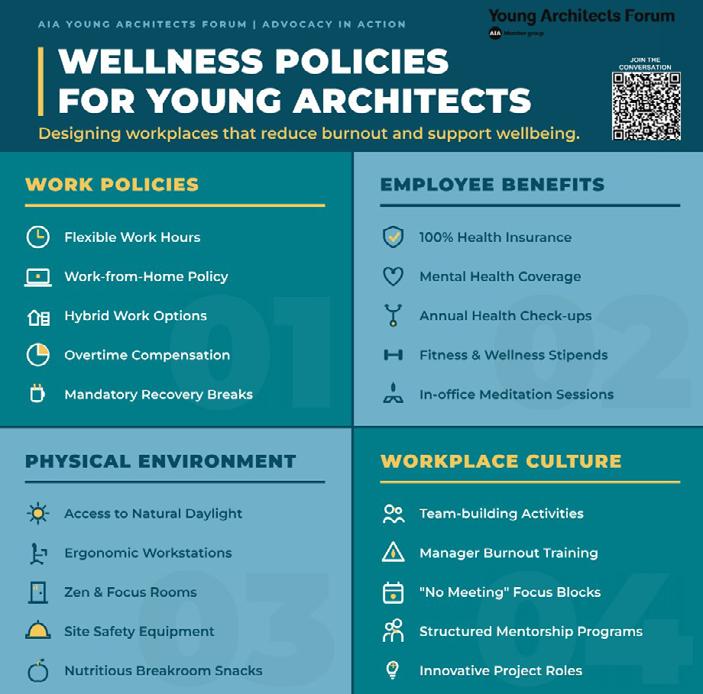
Image Left: A workplace policy framework to reduce burnout and support wellbeing.
Author Bio: Arti Verma, AIA, NCARB, LEED AP BD+C, ALA is a Project Manager at Dynamik Design in Atlanta, GA. Verma is a licensed Architect and is also a certified breathwork and meditation instructor.
Article Footnotes
1 The State of Burnout in Architecture, by Rebecca Hey, Monograph Editorial - April 2024
2 Archinect's 2023 Mental Health Survey Results, Oct 2023
3 CDC Worksite Health ScoreCard Manual, Feb 2025
4 CDC Workplace Health Model, July 2024
5 AIA - Experts weigh in on tackling mental health in architecture, Dec 2023
Image Below: A self evaluation checklist to identify if your firm supports health and wellbeing.
Use this to assess where you stand and identify any Key “Pressure” Indicators. Rate each item 1 (not at all) to 5 (fully in place).
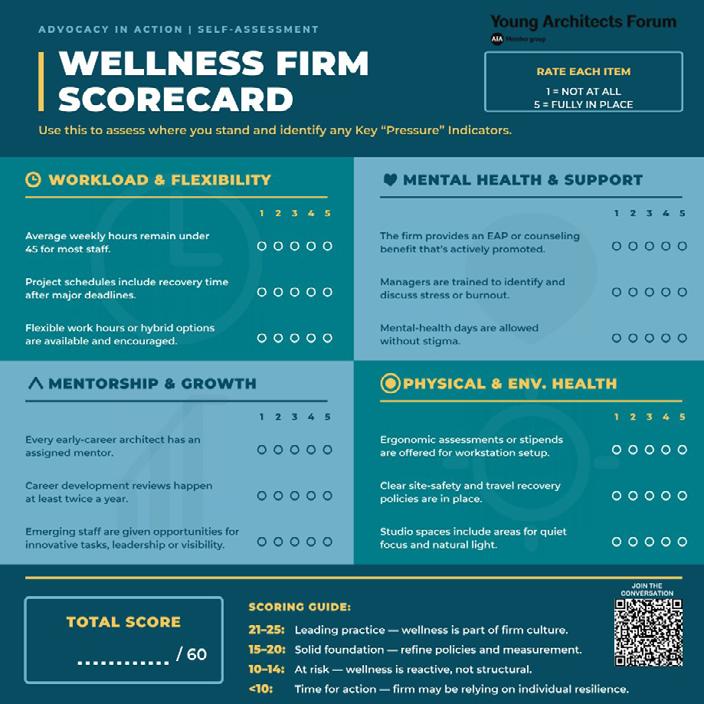
AIA Trust: A Resource for the Decisions that Matter Most.
As a member of the College of Fellows, you are likely familiar with the AIA Trust and its commitment to offering insurance and benefit programs as well as serving as a risk management resource.
What may be less evident is the extent to which the Trust supports the complex decisions shaping practice today.
Practice has grown more complex—liability is more nuanced, climate considerations are becoming embedded in project expectations, and leadership increasingly includes not just running a firm, but positioning it for what comes next.
The AIA Trust operates in that space—offering practical, architect-informed support where decisions carry real consequence. In 2025 alone, more than 63,000 architects engaged with Trust resources, reflecting a growing reliance on tools designed specifically for the profession.
A QUICK CALL BEFORE A BIGGER ONE: LEGALINE®
Most experienced practitioners have had the same instinct: something doesn’t sit quite right, but it’s not yet clear if it warrants a call to legal counsel.
LegaLine® is designed for that moment.
It connects you with attorneys who understand design and construction, offering a way to talk through an issue before it escalates. Whether reviewing a contract provision or thinking through a potential risk, it provides a quick, informed perspective, confidential and objective input, and a more intentional approach to engaging formal counsel. For many firm leaders, it becomes a steady, behind-the-scenes tool for managing risk with greater clarity.
Explore LegaLine
"Small firms and sole proprietors with many questions but limited resources often wish for a convenient and cost-effective way to get the risk management assistance that they need to make important decisions."
CLIMATE
RISK: STRUCTURING THE CONVERSATION
Climate risk is no longer theoretical—it is shaping client expectations, project requirements, and, increasingly, professional exposure.
The Climate Risk Factsheet helps bring structure to those conversations. It provides a framework to assess and document climate-related risk at the project level—supporting clearer communication with clients and a more thoughtful record of how decisions are made. As interest in resilience continues to grow, the Trust is expanding tools like this to help architects respond with both confidence and clarity.
Explore the Climate Risk Factsheet

LEADING A FIRM—AND PLANNING WHAT COMES NEXT
At this stage in practice, the questions tend to shift. It’s not only about running a firm well, but sustaining it, evolving it, and ultimately transitioning it with intention.
The AIA Trust offers resources aligned with those realities, including guidance on running a resilient, well-managed practice, tools to support ownership transition and succession planning, and resources that connect financial, operational, and risk decisions over time. In the past year, the Trust supported more than 3,200 continuing education credits, reflecting a continued focus on practical learning tied directly to firm leadership and risk management.
Explore Firm Lifecycle Guides
AIA TRUST: LEADERSHIP
A SHARED COMMITMENT TO THE PROFESSION
The AIA Trust was established by AIA with a clear purpose: to support architects with resources grounded in the realities of practice.
In that way, it shares a natural alignment with the College of Fellows—a focus on stewardship, leadership, and strengthening the profession for those who follow.
If it has been some time since you’ve engaged with the AIA Trust, this may be a meaningful moment to do so.
For these resources—and others designed to support you at every stage of practice—visit theaiatrust.com
The AIA Trust is governed by Trustees comprised of six AIA members and one AIA component executive. The Trustees are appointed by the AIA President.
The trustees aim to achieve a balanced representation on the board, reflecting the diversity of AIA membership including factors such as geography, demographics, and firm size.
The AIA Trust receives no dues dollars and is not a source of revenue for AIA.
Qualified and interested candidates can complete the current call for nominations questionnaire by June 12, 2026.
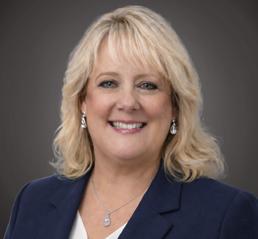
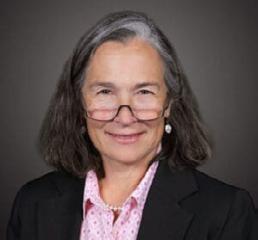
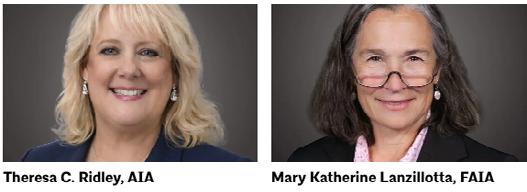

The Fellows Collection
The College is pleased to offer the following items for purchase through the AIA Design Shop!

A B
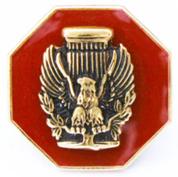
A. SMALL FAIA PIN
The small COF lapel pin measures 1/2 inch in diameter and contains 1/10 10K yellow gold.
B. LARGE FAIA PIN
Same material as the small pin, but this large lapel pin measures 5/8 inch in diameter.
Purchase these lapel pins

2-BALL SLEEVE WITH POKER CHIP
Perfect for gifting, each clear tube contains 2 COF Titlest TruFeel balls, and 1 COF single side resin domed Poker chip.
Purchase these golf balls
TRI-FOLD GOLF TOWEL
This tri-fold golf towel with our COF embroidered logo features 100% Turkish ultra-soft cotton velour.
Dimensions: 16" x 24"
Purchase this towel
COF CUFFLINKS
The FAIA Cufflinks each measure 5/8 inch in diameter and contain 1/10 10K Yellow Gold.
Purchase these cufflinks

COF POLO SHIRT
These soft, durable polo shirts are made to handle any job with the professionalism you expect.
65/35 Polyester/Cotton Pique, moisture-wicking, Wrinkle, Shrink & Fade Resistant
Sizing: Men’s & Women’s, XS-3XL
Purchase this polo shirt

COF NOTEBOOK
Smooth, vinyl like material and perfect-bound spine, with flexible wraparound cover, and 100 sheets of ruled paper.
Dimensions: 5.5" x 8.5"
Purchase this notebook
COF PENDANT NECKLACE
The FAIA Pendant Necklace measures 1/2 inch in diameter and contains 1/10 10K Yellow Gold.
Purchase this necklace

COF BASEBALL CAP


Represent the College of Fellows in style with this fine twill hat from Port Authority.
Now available in: Putty, Burgundy & Black.
65/35 poly/cotton twill fabric with selffabric slide closure with buckle & grommet.
Purchase this cap

COF MUG
12oz mug has natural clay variations in the base to give each piece unique artisanal character. Mug is hand-wash only and microwave safe.
Purchase this mug

FAIA DRESS
SOCKS
AIA + Sockrates premium dress socks are the ideal choice for both everyday wear and formal occasions. Fabric: 80% Mercerized Cotton, 17% Polyamide, 3% Elastane; One unisex size
Purchase these socks

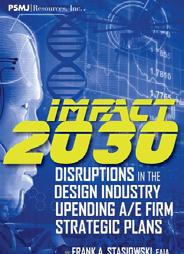
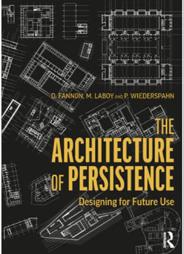

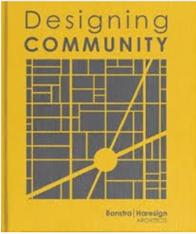
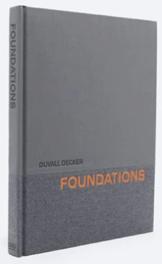

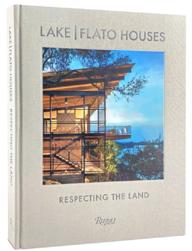
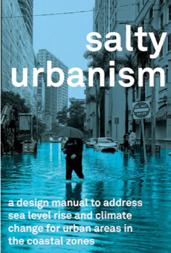
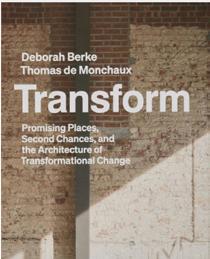
Fellow Spotlight Series
Where does your medal live?
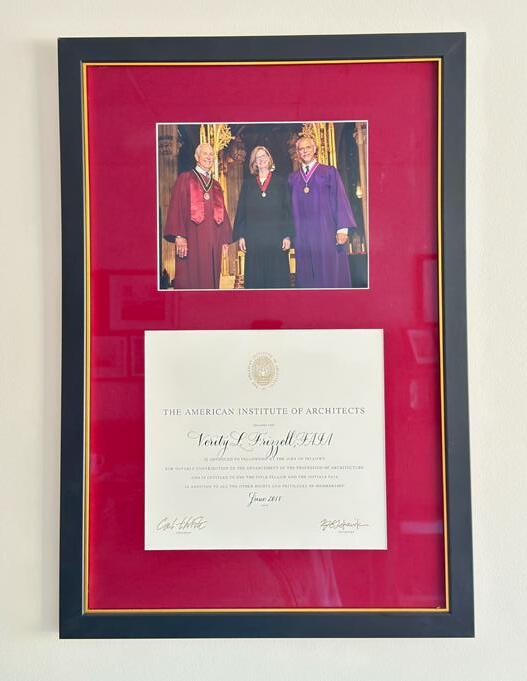
Being elevated at St. Patrick’s Cathedral in New York City was one of my fondest moments in my AIA involvement. I was escorted by my good friend Tom Voiner and then Carl Elefante, whom I admire greatly and have the pleasure of knowing very well, bestowed my medal. My family was there to see it, which was special.
My certificate and commemorative photo hand proudly in my office. I keep my medal on a string of pearls so I can wear it with any color when I go to events. I am more comfortable with pearls than the ribbon – less showy and they don’t itch my neck!
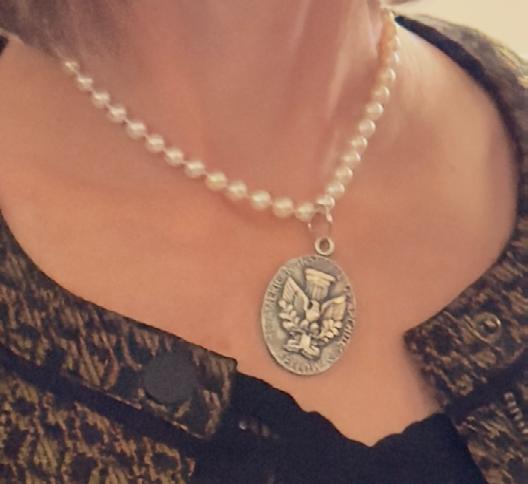
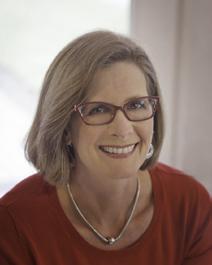
Do you have a story to share about where your medal lives? Contact the College's Executive Director at COF@ aia.org with your written description and photos for consideration in
Photo Above: Courtesy of Verity Frizell, FAIA
Photo Above: Courtesy of Verity Frizell, FAIA
Summit Recap
Fellows Leading at the Summit

From February 11-14, 2026 over 700 AIA component leaders from across the US and International regions gathered in Washington DC for the premier advocacy and leadership training event.
Wednesday kicked off with tours of the AIA’s Global Campus for Architecture & Design® followed by Hill Day Issue Briefing and optional dine-arounds.
Thursday was filled with Capitol Hill visits with members of Congress advocating for issues relating to housing legislation, design freedom, professional designation and student loan caps, and high performance building innovation credits. Friday began with inspiring keynotes followed by engaging sessions included topics like financial stewardship for strong and sustainable chapters, building a diverse design pipeline and supporting mid-career professionals. From 'Advancing Fellowship through Chapter Leadership' to 'The Architecture of Influence: Turning Political Giving into Policy Wins' and 'Shaping the Future through AIA Leadership' at the 2026 AIA Leadership Summit in Washington DC, Fellows continue to pay it forward. A short recap of those sessions follows on the next few pages.

Photos left courtesy of Jessica O'Donnell, FAIA: Valentines treats from the AIA team.
Advancing Fellowship Forward Through Chapter Leadership
Leadership Summit presention by Jeanne Jackson, FAIA, Jon Pennforf, FAIA, and Abi Brown, FAIA
Many AIA members are deserving of Fellowship but are unsure how to begin the process. To equip members with greater clarity, confidence, and practical tools, the College of Fellows hosted a panel discussion at the AIA Leadership Summit on February 13, 2026.
COF Chancellor Jeanne Jackson, FAIA, began by outlining the building blocks of a successful Fellowship submission. Panelists Jon Penndorf, FAIA, and Abigail Brown, FAIA, shared insights about how they determined their readiness to apply, selected their Object of Nomination, and crafted compelling narratives of their contributions to the profession. The importance of support emerged as a central theme. Both panelists emphasized the critical role AIA chapters and Fellows play in supporting candidates. Jon and Abi each participated in AIA DC’s Fellows Committee program, which pairs candidates with recently elevated Fellows for six months of coaching. They encouraged members to seek out similar programs locally or build their own support networks with mentors and peers.
Audience questions highlighted a common challenge: AIA members in smaller chapters or states with fewer Fellows often lack access to structured guidance. In response, the College of Fellows has developed two new downloadable toolkits to help bridge this gap.
The AIA Fellowship Prep Checklist helps candidates break the Fellowship process into manageable steps, making it less overwhelming. By following the checklist's three phases, members systematically move from exploration to organization and ultimately to taking concrete action toward their application.
The AIA Fellowship Story Planning Guide enables candidates to clarify and organize their key contributions, group them thematically, define their Object of Nomination, and shape a persuasive story. Designed as an iterative tool, this guide can be revisited as candidates organize and refine their story. Both toolkits are available on the College of Fellows website We encourage you to share these resources with colleagues at any stage of their Fellowship journey, whether they are ready to apply this year or are considering it for the future.
We also encourage members who are considering applying for Fellowship to reach out to their College of Fellows Regional Representatives for additional guidance, resources, and introductions to other candidates. Regional Representatives can be found in this online directory
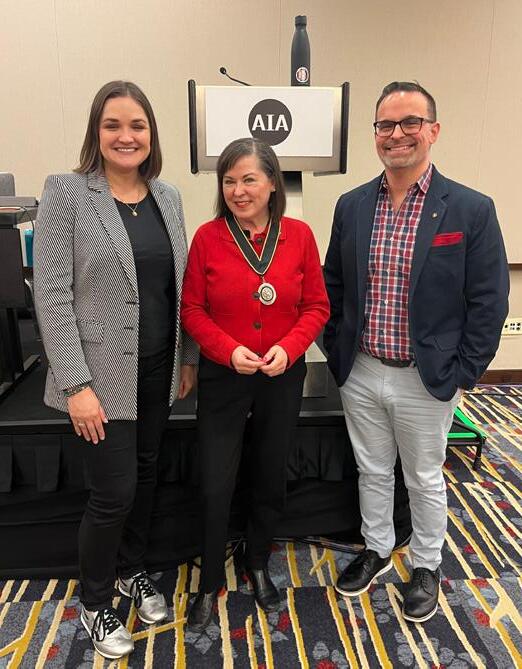
Photo above courtesy of Jessica O'Donnell, FAIA: From left to right: Chancellor Jeanne Jackson, FAIA, Regional Representative Chair Jon Pennforf, FAIA, and Strategic Councilor Abi Brown, FAIA
The Architecture of Influence: Turning Political Giving into Policy Wins
Leadership
Summit presention by
Jane Frederick, FAIA, Bruce Sekanick, FAIA, and Drew White, FAIA
The role of an architect is often framed around building design, yet professionals in the field understand their influence reaches far beyond drawings and details. From building codes and environmental stewardship to materials and constructability, architecture touches nearly every aspect of the built environment. This breadth of responsibility naturally extends into advocacy -an essential but often overlooked dimension of practice.
Advocacy is embedded in the daily work of architects. Whether championing sustainable design, client interests, or preserving community character, architects constantly shape outcomes through influence and engagement. At a broader level, this advocacy becomes more structured through organizations like the American Institute of Architects (AIA), which amplifies the profession’s voice in public policy.
Leaders such as Jane Frederick, FAIA, Bruce Sekanick, FAIA, and Drew White, FAIA, have demonstrated the power of organized advocacy through their service with ArchiPAC, the AIA’s national political action committee. Their work highlights how strategic political engagement translates professional priorities into legislative outcomes.
The initiative “Architecture of Influence: Turning Political Giving into Policy Wins” underscores a key reality: effective advocacy requires coordinated action at both the state and federal levels. National issues—such as tax policy, infrastructure investment, and federal procurement standards—are addressed through ArchiPAC. At the same time, critical matters like licensure requirements, building codes, and zoning regulations are largely determined at the state or local level.
This layered system mirrors the structure of government itself, making dual investment in advocacy essential. According to research from organizations like the National Conference of State Legislatures, state governments wield significant authority over professional regulation and construction standards, meaning that state-level advocacy can directly affect day-to-day practice. Meanwhile, federal
advocacy shapes the economic and regulatory environment in which the profession operates.
Political action committees (PACs) provide a structured, transparent way for professionals to support candidates and policies aligned with their interests. Contributions to both state and national PACs enable a comprehensive strategy—ensuring that architects have a voice wherever decisions are made. This dual approach strengthens relationships with policymakers, increases visibility for key issues, and ultimately leads to more favorable policy outcomes.
Success stories from AIA chapters across the country demonstrate that when members understand the distinct yet complementary roles of state and national PACs, participation increases—and so does impact. Clear communication, targeted education, and leadership engagement help connect the act of giving with tangible advocacy results.
In a profession defined by shaping the future, advocacy is not optional—it is imperative. Supporting both state and federal PACs ensures that architects remain influential stewards of the built environment at every level of decision-making.
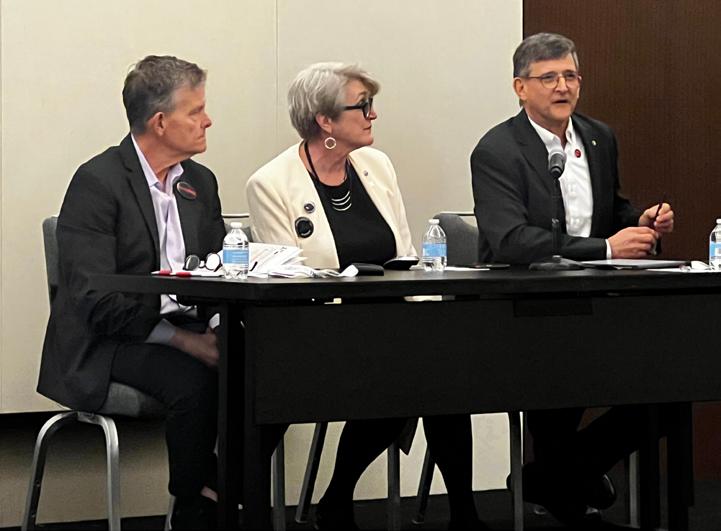
Photo above from left to right: Drew White, FAIA, Jane Frederick, FAIA, and Bruce Sekanick, FAIA.
Shaping the Future through AIA Leadership
Leadership Summit presention by Josh Flowers, FAIA, Jessica O'Donnell, FAIA, Rubem Ramales, Assoc. AIA, and Caitlin Couture.
Volunteer leadership can impactfully shape the future of an individual’s professional trajectories and personal experiences while transforming the future direction of the Institute and our profession. Panelists in this session shared their personal journeys to AIA leadership from the perspective of an AIA Board member, AIA Component Engagement team, AIA the AIA Senior Leadership Team, and the AIA Strategic Council. The panelists kicked off the session with some mentimeter polls to gauge the audience’s current leadership stage within AIA and their goals for attending this session. This was followed by an overview of each panelists journey to their current position and how their roles have shaped their pathways with the last portion of the session filled with robust Q&A from the audience.
Josh Flowers, FAIA noted his experience with AIA started locally in AIA Memphis and shared how his engagement has evolved over the past 17 years to include the Young Architects Forum, AIA Contract Documents Committee, Strategic Council and now the AIA Board. Key takeaways from his experience were to understand your personal goals, find mentors while also being a mentor, and align your passions with opportunities.
shared the importance of showing up and being visible, while prioritizing self-care and boundaries to avoid burnout.
Caitlin Couture helped demystify the AIA governance structure with an overview of the AIA ecosystem, identifying
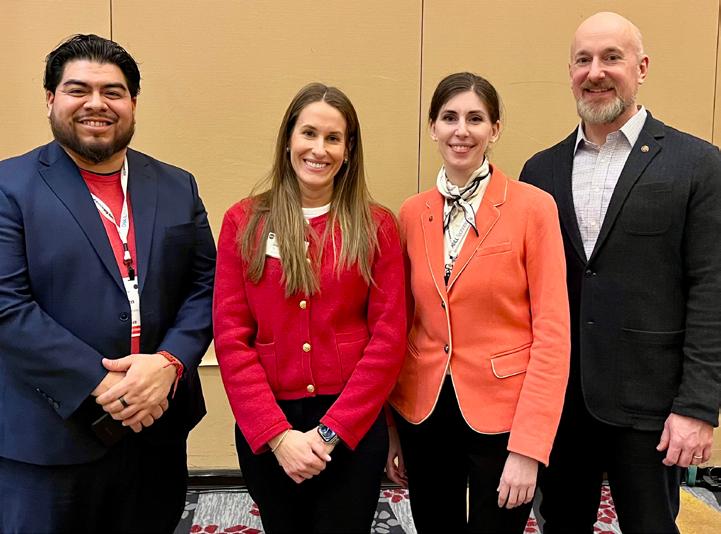
Jessica O’Donnell, FAIA shared a similar pathway to AIA, beginning her involvement with the AIA Newark and Suburban chapter within AIA New Jersey. Over the past 11 years, she has served on the Young Architects Forum and AIA Strategic Council while shaping the industry with additional volunteer roles with NCARB and NAAB. Jessica noted volunteering can help build essential, transferrable skills to practice and that clear communication with your firms is critical to gaining firm support for this time investment.
Ruben Ramales, Assoc. AIA, discussed his pathway from AIA member to executive director and now AIA National team member helping support the volunteer led components. His pathway to National is rooted in his passion for service and fostering community through shared experience. His
ways members can engage, and reviewing how work in different committees and groups gets done. She noted the upcoming AIA Call for Volunteers is a great way for members to explore different opportunities to engage through a variety of different time commitment options.
The session rounded out with audience Q&A, highlighting the strong desire from AIA members to find their pathway to volunteer leadership and shining a spotlight on pain points navigating through the process. Panelists shared personal experiences with similar circumstances to offer potential solutions and committed to following up with any attendee who wanted to connect offline to discuss things further.
Photo above from left to right: Rubem Ramales, Assoc. AIA, Caitlin Couture, Jessica O'Donnell, FAIA and Josh Flowers, FAIA.
Legacy Donors of the
AIA College of Fellows
LEGACY DONORS
($10,000 and above cumulative donations)
New 2025 Legacy Members shown in Bold Face
LEGACY 50
($50,000 and above)
Edward J. Kodet Jr., FAIA
S. A. Klatskin, FAIA
Frank E. Lucas, FAIA*
LEGACY 40
($40,000-$49,999)
L. Jane Hastings, FAIA*
Jeanne Jackson, FAIA
Victor A. Regnier, FAIA
Roger Schluntz, FAIA
Steven L. Spurlock, FAIA
LEGACY 30
($30,000-$39,999)
Harold L. Adams, FAIA
John R. Klai II, FAIA*
Peter P. Marino, FAIA
Donald E. Neptune, FAIA
Robert L. Ooley, FAIA
Ronald L. Skaggs, FAIA
Joseph G. Sprague, FAIA
John Sorrenti, FAIA
LEGACY 20
($20,000-$29,999)
Betsey Olenick Dougherty, FAIA
Brian P. Dougherty, FAIA
Donald J. Hackl, FAIA
Ivenue Love-Stanley, FAIA
Lenore M. Lucey, FAIA
George H. Miller, FAIA
Robert A. Odermatt, FAIA
Ted P. Pappas, FAIA
William J. Stanley, FAIA
RK Stewart, FAIA
William F. Vosbeck, FAIA
LEGACY 10
($10,000-$19,999)
Ronald A. Altoon, FAIA
Louis D. Astorino, FAIA
Paul H. Barkley, FAIA
Sigmund F. Blum, FAIA*
Joseph Boggs, FAIA
Ronald Blitch, FAIA
Ellis W. Bullock, FAIA
John A. Busby Jr., FAIA
Donald W. Caskey, FAIA
John J. Castellana, FAIA
William D. Chilton, FAIA
Gary B. Coursey, FAIA
Sylvester Damianos, FAIA
Helene Dreiling, FAIA
William A. Edgerton, FAIA
Michael Enomoto, FAIA
Thomas B. Gerfen, FAIA
Debra Gerod, FAIA
Manuel G. Gonzalez, FAIA
Graham Gund, FAIA*
Daniel Hart, FAIA
David Haresign, FAIA
John F. Hartray Jr., FAIA
Russell V. Keune, FAIA
Stephen J. Kieran, FAIA
Peter G. Kuttner, FAIA
Norman L. Koonce, FAIA
Lisa Lamkin, FAIA
Carroll J. Lawler, FAIA
Lawrence J. Leis, FAIA
Rev. Howarth L. Lewis, FAIA
Paula J. Loomis, FAIA
Steven Loomis, FAIA
William Mahan, FAIA
Marvin J. Malecha, FAIA
Clark D. Manus, FAIA
Judsen R. Marquardt, FAIA
David Metzger, FAIA
Amy Miller Dowell, FAIA
John Pearce, FAIA
Thompson E. Penney, FAIA
Raymond G. Post Jr., FAIA*
William A. Rose Jr., FAIA*
Burton Roslyn, FAIA
Albert W. Rubeling Jr., FAIA
Harry Rutledge, FAIA
John A. Ruffo, FAIA
Jeffrey A. Scherer, FAIA
Bruce Sekanick, FAIA
Robert I. Selby, FAIA
Jim M. Singleton IV, FAIA
Kalavati Somvanshi, FAIA
Jonathan Sparer, FAIA
Douglas L. Steidl, FAIA
Kim M. Tanzer, FAIA
James D. Tittle, FAIA
Edward T. M. Tsoi, FAIA
Edward A. Vance, FAIA
R. Randall Vosbeck, FAIA
Chester A. Widom, FAIA
Douglas Wignall, FAIA
Joseph J. Wisnewski, FAIA
F.M. Wong, FAIA
Enrique A. Woodroffe, FAIA
Hofu Wu, FAIA
Raymond Ziegler, FAIA
*Denotes a deceased member.
27th Annual Chancellor's Cup Golf Open
RK Stewart, FAIA
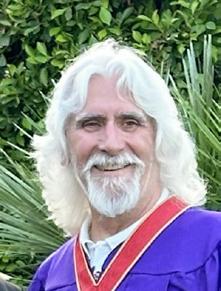
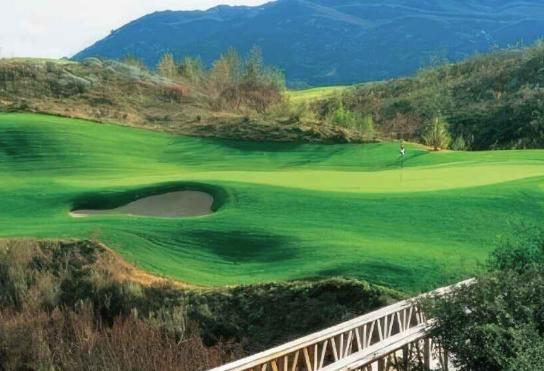
Now that most of the country has switched to Daylight Saving Time (looking at you Arizona!) its officially golf season! While the Golf Committee is hitting our local courses tuning up for the 27th College of Fellows Chancellor's Cup Golf Open we're also putting the final touches on the tournament's planning.
We are planning a full day of fellowship and fun with golf as our cover story. The day will begin with buses from the host hotel to Maderas Golf Club, about a 45-minute trip. After signing in on site, we're planning breakfast for all golfers and little time on the driving range to loosen up.
Following our shotgun start we'll be testing our skills this magnificent Johnny Miller / Robert Muir Graves course managed by the Troon organization. For you data people, it plays to 72 par at 6,400 yards. Having completed your round and tallied your scores I'm sure the friendly banter will fly as seat down to lunch. Once all the scores are in, we'll celebrate the low scores and present the awards. After congratulating the winners we'll reboard the buses and return after what should be a fantastic day.
PLAYER REGISTRATION IS OPEN
Everyone is welcome to join us at the Chancellor's Cup. It’s not just new or more "senior" Fellows who participate
in the tournament. All AIA members, or anyone who loves architects, golf, and fun in the sun, should join us at Maderas on June 10. Signing up is easy. Visit our website to secure your spot at one of the highlights of AIA26.
SPONSORSHIP OPPORTUNITIES
There is stil time to secure a sponsorship opportunities for the Cup. As a reminder, funds raised by the tournament support the College's mission including the Latrobe Prize, Upjohn Research Grants, mentorship, the Young Architects Forum and Component Grants.
Becoming a Chancellor's Cup Sponsor is an easy way help advance the profession to better serve society in the future. If you have any questions about Sponsorship and its benefits, please contact Muza Conforti, MuzaConforti@aia.org.
ONLY A FEW WEEKS UNTIL JUNE
Don't wait to sign up for all the fun at the Chancellor's Cup in San Diego.
Not sure about you, but I know I need all that time to get my game in shape for Maderas. Hope to see you on the course soon!
THE HERITAGE SOCIETY OF THE AIA COLLEGE OF FELLOWS
What will your Legacy be?
The primary purpose of the Society is to formally recognize those individuals who have demonstrated a life-long commitment to the mission and programs of the AIA College of Fellows with a revocable estate bequest.
By virtue of having included a commitment in their estate plan of a bequest for the future benefit of the College and its programs, the following distinguished individuals are the Members of the Heritage Society of the AIA College of Fellows:
Membership in the Society is conferred upon formal notification to the College of a planned estate gift with a minimum value of $10,000.
Joseph A. Boggs, FAIA
Ellis W. Bullock, FAIA
John A. Busby, Jr., FAIA
Donald Wesley Caskey, FAIA
John Castellana, FAIA
William David Chilton, FAIA
Betsey Olenick Dougherty, FAIA
Brian Paul Dougherty, FAIA
Harry M. Falconer, Jr., FAIA
Dr. Robert Allen Findlay, FAIA
L. Jane Hastings, FAIA*
Russell V. Keune, FAIA
Ed Kodet, FAIA
Lisa Lamkin, FAIA
Howarth L. Lewis, Jr., FAIA
Ivenue Love-Stanley, FAIA
Frank Lucas, FAIA*
Robert Ooley, FAIA
Burton L. Roslyn, FAIA
Jeffrey Scherer, FAIA
Roger L. Schluntz, FAIA
John Sorrenti, FAIA
Steven Spurlock, FAIA
William J. Stanley, III, FAIA
Ed Vance, FAIA
William F. Vosbeck, FAIA
Carl D'Silva, FAIA
We cordially invite you to undertake a similar, revocable, commitment in your estate plan, and thereby becoming a member of the Heritage Society. It’s simple to accomplish.
With additional Members the future support of our programs and long-term viability of the College will be substantially enhanced and extended well into the future. For additional information and application, please contact Muza Conforti, cof@aia.org.
*Denotes a deceased member.
Guest Contributor: Immigrant Architects Coalition
Empowering with Access, Visibility, and Community.
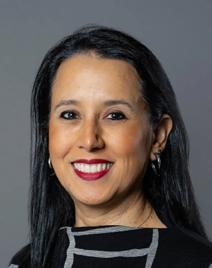
The work of the Immigrant Architects Coalition (IAC) is grounded in a simple but powerful premise: knowledge is one of the most effective tools for empowerment, particularly in a profession where the contributions of immigrant architects have historically been underrepresented, underrecognized, and lacking visibility.
For immigrant architects and designers navigating new cultural, professional, and regulatory landscapes, access to shared experiences, practical guidance, and visible role models can fundamentally shape career trajectories. Through a growing ecosystem of initiatives, including published books, podcasts, editorials, and the forthcoming IAC Journal: Insight, IAC has positioned knowledge-sharing as a central pillar of its mission to advance equity in the profession.
BOOKS AS COLLECTIVE KNOWLEDGE PLATFORMS
One of IAC’s most impactful knowledge-sharing initiatives is its book series, beginning with City Shapers: Stories of Immigrant Designers and continuing with the recently released City Shapers: Stories of Immigrant Designers Vol. II
These publications function as structured repositories of lived experience and professional insights, offering first-person perspectives on navigating the architecture profession in the U.S. Both publications reflect a growing and increasingly
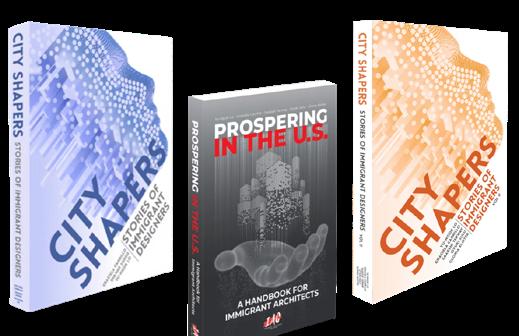
visible community of immigrant designers who are not only contributing to the profession, but actively shaping it through leadership, innovation, and advocacy.
The IAC's second book, Prospering in the U.S.: A Guideline for Immigrant Architects, moves beyond storytelling into actionable guidance across a range of critical topics, including cultural adaptation, educational pathways, licensure strategies, community engagement, and entrepreneurship. The result is a comprehensive, practice-oriented resource that equips immigrant architects with tools to navigate
Graciela Carrillo, FAIA
Books Published by IAC
both professional systems and cultural contexts. While City Shapers captures lived experiences, Prospering in the U.S. translates those experiences into structured knowledge, bridging inspiration with implementation.
Collectively, these publications serve multiple functions:
• Representation: They make visible the breadth of immigrant contributions to the built environment.
• Guidance: They provide practical insights for emerging professionals navigating similar paths.
• Validation: They affirm that non-linear, international, and non-traditional career trajectories are integral to the profession.
In doing so, IAC’s publications challenge dominant narratives about architectural success and reframe them through a global, inclusive lens.
PODCASTS AS ACCESSIBLE KNOWLEDGE EXCHANGE
The podcast platform functions as a dynamic and accessible medium for knowledge exchange. The IAC Podcast, particularly its Licensing Series, captures real-time conversations with immigrant architects who have successfully navigated the path to licensure in the United States.
Unlike traditional educational formats, the podcast emphasizes candid dialogue. Guests share not only strategies for passing the Architect Registration Examination (ARE), but also the emotional and logistical realities of balancing work, family, immigration processes, and professional development. This format makes knowledge both relatable and immediately applicable.
Importantly, the podcast format increases accessibility across continents, time constraints to engage with content on their own terms, reinforcing IAC’s commitment to equitable access to information.
BLOGS AND THOUGHT LEADERSHIP
IAC has cultivated editorial platforms that provide timely, reflective, and research-informed content. Through blog posts, a newsletter and editorial contributions, the organization addresses topics at the intersection of practice, policy, and lived experience.
These editorials explore issues such as barriers to licensure and employment, immigration policy impacts on the profession, equity within firms and institutions, and the influence of cultural perspectives on design.
Engaging with these topics contributes to a broader dialogue within the profession, one that aligns with the framework established by the American Institute of Architects and its emphasis on advancing equity, diversity, and inclusion, while also leveraging the agility of editorial platforms. Unlike books, which require longer production cycles, blogs enable IAC to respond to emerging issues in real time, ensuring continued relevance and responsiveness to the evolving needs of the community.
INSIGHT - THE IAC JOURNAL
The forthcoming journal represents a significant expansion of IAC’s knowledge-sharing infrastructure, serving as a dedicated publishing platform to formalize and scale editorial efforts while maintaining a strong focus on immigrant voices.
This publication will integrate storytelling, professional guidance and critical discourse across topics including licensure strategies, career development and cross-border practice insights.
By fostering shared narratives and diverse perspectives, Insight will strengthen community connections and cultivate a collective voice within the immigrant design community. The journal will also act as a platform for advocacy and equity by centering on immigrant perspectives. It will contribute in advancing critical conversations around access and systemic barriers while reinforcing IAC’s role as both a knowledge hub and a catalyst for a more inclusive profession.
BUILDING AN INCLUSIVE KNOWLEDGE ECOSYSTEM
Collectively, IAC’s initiatives, books, podcasts, editorials, and the Insight journal, form an integrated infrastructure. Each platform serves a distinct function, yet all are interconnected through a shared goal: empowering immigrant architects and designers through access, visibility, and community.
The launch of IAC Journal: Insight marks the next phase of this evolution. As a sustainable and respected publication, it will further amplify voices, support professional growth, and contribute meaningfully to a more equitable and globally informed design profession.
For IAC, sharing knowledge is a strategic driver of equity, a catalyst for empowerment, and a critical foundation for lasting impact.
Image Above: Podcast produced by IAC
Feature: Reflections from Palm Springs
Mid-Century Modernism: A Desert Reunion of Leadership and a Legacy
Preserved
Edward Vance, FAIA
Each February, the desert city of Palm Springs, California becomes a living classroom for architects drawn to the enduring influence of mid-century modernism. During Modernism Week, the region’s iconic houses, civic structures, and neighborhoods open their doors to thousands who share a fascination with one of the most optimistic chapters in American architectural history.
For members of the AIA College of Fellows, the experience carries a deeper meaning. Modernism Week is more than a celebration of a style, it is an opportunity to study the enduring lessons of climate-responsive design, material honesty, and the social aspirations embedded in the architecture of the postwar American West.
Against the dramatic backdrop of the San Jacinto Mountains and crystalline desert skies, a small gathering of Fellows spent several days exploring the built legacy that transformed Palm Springs into an international capital of modern architecture.
A GATHERING OF LEADERSHIP
The spirit of fellowship was palpable as four former Chancellors of the College, Betsey Olenick Dougherty, FAIA (accompanied by Brian Dougherty, FAIA), Al Rubeling, FAIA (and his wife Dee), John Sorrenti, FAIA (and his partner Jack Miller), and Edward Vance, FAIA (and his wife Ruby), reunited alongside former AIA President, Ron Altoon, FAIA.
Their presence underscored a profound truth: stewardship of our built legacy is inseparable from the leadership of our profession.
The centerpiece of the social gathering was a reception hosted at the meticulously remodeled residence of John Sorrenti and Jack Miller. The home, at once reverent and forwardlooking, provided the ideal backdrop for spirited discourse on how historic modernist structures can be adapted for contemporary living without sacrificing their original soul. Conversations flowed as easily as the desert breeze, weaving together anecdotes of past practice with pressing questions about preservation, performance upgrades, and design integrity.
ICONS IN THE LANDSCAPE
Leadership extended their study beyond Palm Springs proper, touring the storied estate of Sunnylands Center & Gardens in nearby Rancho Mirage. Designed by A. Quincy Jones, Sunnylands stands as a monumental essay in horizontal elegance, its sweeping rooflines and rhythmic colonnades anchoring a vast desert garden. As a diplomatic retreat and architectural landmark, it embodies the intersection of design, power, and cultural stewardship. Experiencing the estate firsthand reaffirmed how modernism, at its highest expression, merges structural clarity with civic presence.
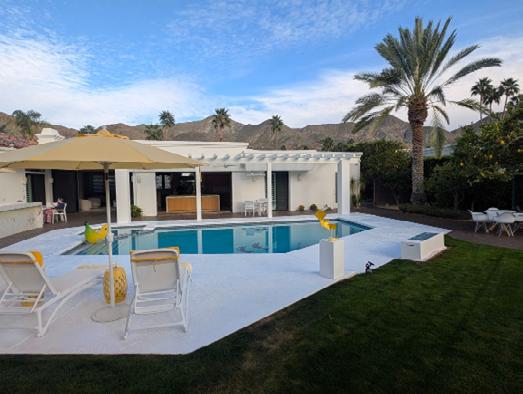
Equally compelling was the Sandpiper Circle 10 Neighborhood Tour in Palm Desert, a residential enclave that captures the refined intimacy of desert modernism at the neighborhood scale. Designed by William Krisel, the Sandpiper development demonstrates how repetition and variation can coexist harmoniously, low-slung rooflines, modular planning, and shared landscape elements fostering both privacy and community. Here, modernism reveals its democratic soul: thoughtfully designed housing that elevates everyday living through proportion, light, and landscape integration.
THE FREY LEGACY AND MODERNISM’S DEMOCRATIC PROMISE
The assembled Fellows traced the movement’s lineage to the architects who transformed an arid resort town into an international design capital. The radical transparency of Richard Neutra dissolved boundaries between interior and exterior with a precision both clinical and humane. Albert Frey embedded structures into rocky outcroppings as geological continuations of the landscape, advancing an ethic of material honesty and climatic intelligence. Donald Wexler explored prefabricated steel systems, envisioning modern living as democratic, efficient, and elegant.
Modernism in the United States was never simply about an aesthetic; it was a radical experiment in materials, light, and the democratization of good design. Palm Springs became the testing ground for a new domestic ideal: informal yet refined, technologically progressive yet intimately scaled. The house became a pavilion. The living room extended to the pool terrace. The horizon line became an active design element.
THE HOMECOMING OF THE ALUMINAIRE HOUSE
The highlight of the week was the long-awaited homecoming of the Aluminaire House, now permanently installed on the south side of the Palm Springs Art Museum campus. Originally designed in 1931 by Albert Frey and A. Lawrence Kocher, the all-metal prototype has endured a nomadic existence spanning more than seven decades.
Its return to the desert represents more than relocation; it is a reclamation of modernist ambition. The Aluminaire House distilled the movement’s core ideals, industrial materials deployed with precision, lightweight construction, efficiency without austerity, and forward-thinking shelter conceived for a modern society.
PRESERVATION AS STEWARDSHIP
Yet this gathering was not solely retrospective. For the College of Fellows, Modernism Week is neither nostalgia nor pageantry; it is a study in contextualism and innovation. Climate change, material scarcity, and shifting cultural values have reframed the movement’s lessons as urgently contemporary. Passive cooling strategies, cross-ventilation, shading devices, and seamless indoor-outdoor flow, once hallmarks of a design language, now stand as environmental imperatives.
Walking tours and symposia revealed how adaptive reuse projects are recalibrating these structures for the 21st century. High-performance glazing replaces original single panes. Mechanical systems are discreetly modernized. Detailing is painstakingly restored. The objective is not to fossilize these buildings but to keep them alive—to allow them to evolve while retaining the clarity of their original intent.
As twilight settled over Palm Springs and the desert air cooled, butterfly roofs etched themselves against a fading sky. The week affirmed that mid-century modernism, born of sun, steel, and imagination, remains far more than an aesthetic chapter in history. It is an enduring framework for resilience, innovation, and grace.
In the desert, modernism still breathes, and under the stewardship of its leaders, its legacy is not only preserved, but propelled forward.
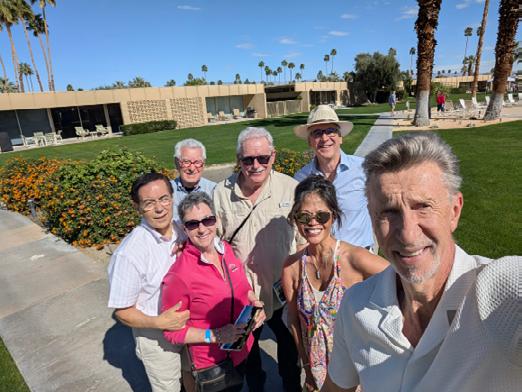
Above: At the Sandpiper Circle 10 Neighborhood. L to R (front) John Sorrenti, FAIA; Dee Stahl, Ruby Vance, De Vance, FAIA (Back) Ron Altoon, FAIA; Al Rubeling, FAIA and Jack Miller.
Top left: The newly remodeled home of Former Chancellor John Sorrenti, FAIA and Jack Miller.
Feature | Why We Give
Inspiring the Next Generation of Architects
2025 COF Component Grant Recipient
Boston Society of Architects
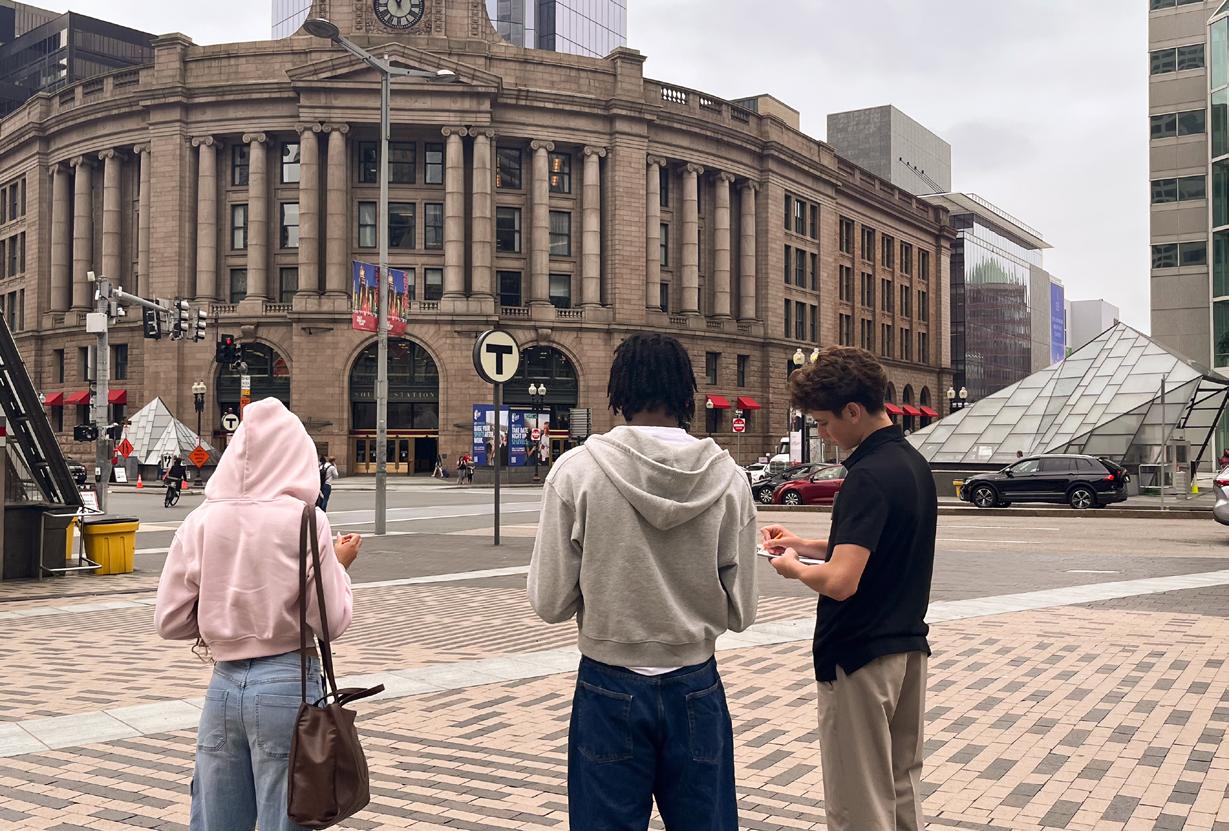
During summer of 2025, with generous funding from the AIA College of Fellows Component Grant Program, the Boston Society of Architects (BSA) hosted the fifth cohort of its Architecture/Design High School Internship Program, serving fifteen Boston public high school students alongside seven participating architecture firms. The internship program offers students a six-week immersion into architecture, equipping them with design foundations, professional skill-building, and exposure to new career pathways. Each week, interns spend 3-4 days at a host firm and gather together for BSA’s Summer Fridays series.
Overall, this year’s internship program provided high-quality, accessible career training and exposure to students from some of Boston’s most diverse, high-needs public high schools, where a majority of students identify as Black or Latino, over 40% are multilingual learners and over 60% are low-income. This is a central objective of our program: increasing visibility and access to a profession that is largely unfamiliar and feels inaccessible to many of Boston’s youth.
Funding from the AIA College of Fellows provided the foundational support we needed to achieve the objectives outlined below. We are grateful for your partnership in this work.
Help make programs like this possible by donating or honoring someone with a gift to the College of Fellows Fund today!
GRANT OBJECTIVES
The AIA College of Fellows Component Grant supported the Boston Society of Architects in advancing four core objectives for the 2024–2025 program year:
• Objective 1: Expand and strengthen early career pathways for Boston youth through paid, six-week, architectural internships hosted by local firms.
• Objective 2: Engage emerging professionals and local AIA Fellows in meaningful mentorship that supports their leadership development and strengthens firm culture.
• Objective 3: Increase visibility and replicability of BSA’s high school internship model across the architecture sector and AIA components nationally.
• Objective 4: Build long-term sustainability of the program by supporting firms to scale their intern placement numbers and developing our outreach to recruit additional firms to participate.
USE OF FUNDS
Funding from the AIA College of Fellows grant directly supported the infrastructure required to coordinate, document, promote, and expand our High School Internship program. Funds supported:
• Staff time to communicate and schedule with firms,
student interns, and collaborate with core partner, the Boston Private Industry Council (PIC), in firm recruitment and student matching.
• Event and workshop development to support students throughout the internship process, including hosting a 4-day design workshop, an internship fair to facilitate student/firm connections, and 6 custom experiences during the internship.
• Firm documentation through a series of interviews and web profiles that captured each host firm’s experience, internship model, curriculum, and staff structure.
• Student experience and outcome tracking.
• National visibility efforts, including spotlighting current host firms as case studies for the AIA K-12 High School Internship guide and sharing our internship model during presentations.
• Strategic development for firm recruitment including website content, testimonial documentation and packaging, and resource building to support host firms.
PROGRAM ACTIVITIES
Activity 1: Partner Firm Outreach (February 2025): BSA conducted relationship-building outreach to current partner firms and targeted development outreach to potential new partner firms. Seven host firms joined the program, with four firms increasing their placement capacity by one intern each, contributing to program growth and sustainability. Firms received individualized onboarding support and planning, as well as facilitated connections between firms to share best practices.
Activity 2: Student Outreach and Workshops (June 2025): Student outreach was conducted by the BSA’s partner, the Boston Private Industry Council, with BSA x PIC’s workshops coinciding with the internship’s application period. BSA hosted Architecture/Design Thinking Week, a 4-day introductory workshop, featuring a new curriculum and 3 host firms, as a design primer for interested students. During the application period, BSA collaborated with AIA K-12 to offer another opportunity to explore interests through the two-part Boston High School Design Challenge. The BSA then brought firm representatives and students together for an afterschool marketplace to facilitate interviews.
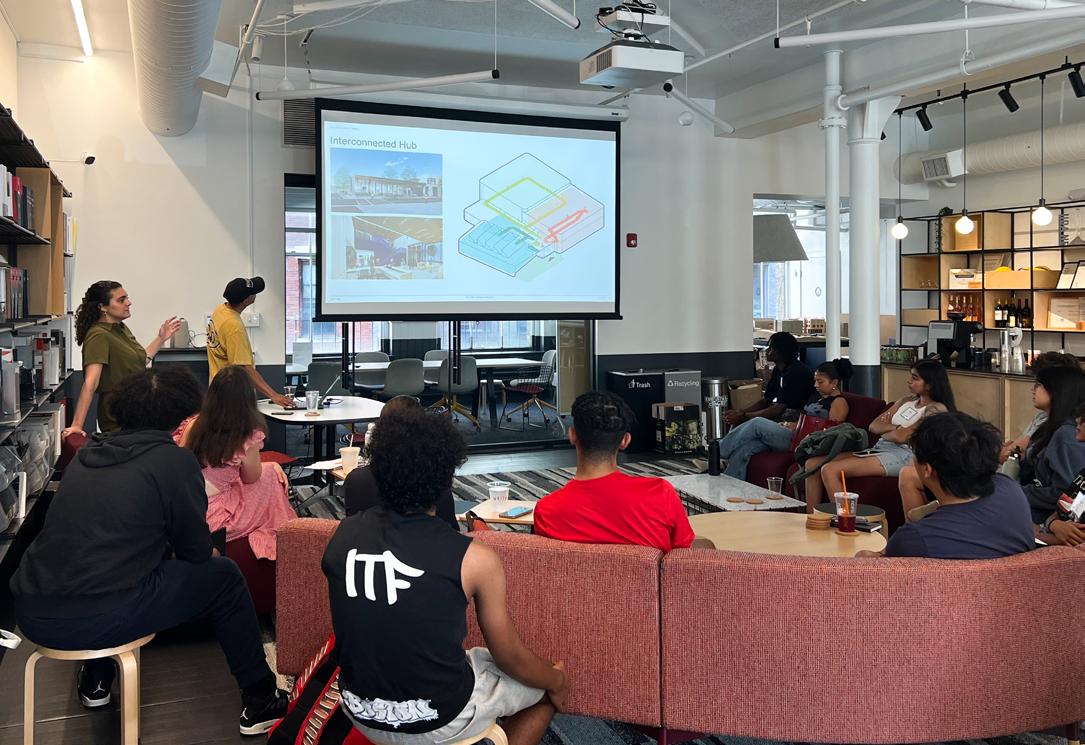
Photo above: Boston Society of Architects Architecture/Design High School Internship Program gathering
Activity 3: Partner Outreach & Capacity Building Event (June 2025):
During AIA25 in Boston, BSA collaborated with AIA K-12 to showcase high school internship models and their implementation at various sized firms. The conference session featured 2 current host firms and aimed to increase program visibility, share resources, and discuss best practices with interested firms. The event strengthened recognition of the BSA’s Boston-based approach as a national model for building equitable early-career pathways.
Activity 4: Six-Week Internship Program (August 2025): Students participated in six weeks of firm-based learning, supplemented by BSA-led programming every Friday, and culminated with a BSA-hosted student presentation and celebration event.
Activity
5: Summer Fridays Cohort Gatherings and Neighborhood Tours (August 2025):
BSA conducted a series of six “Summer Fridays” sessions from July - August. Each Friday, the full cohort of high school interns came together for workshops and guided neighborhood architectural tours that highlighted the diverse history of Boston’s architecture and urban development.
OUTCOMES AND IMPACT: BENEFICIARIES
The program engaged 55 firm professionals (architects, designers, and administrators) across 7 architecture firms. 15 Boston-area public high school students (grades 10-12) were placed in internships. Student interns represented 9 schools, all which serve high percentages of multilingual learners, students of color and students from low-income families.
Interns reported developing professional skills including concise communication, confidence, critical thinking, collaboration in professional settings, design skills (hand drawing, digital model-making, physical model-making), public speaking, teamwork, time management, and willingness to ask for help. When asked how the internship impacted their career interests, interns shared that it solidified their career interests, inspired them, and made them excited to pursue their interest area in the future.
KEY ACHIEVEMENTS
• Expanded offerings: This year, we offered additional workshops ahead of the internship process for students to explore their interests in architecture/design before applying. 86% of interns participated in one or more workshop offerings. This marked a 77% increase from the previous year.
• Intern engagement: 100% program completion rate with all 15 interns successfully finishing the six-week program
• Expanded capacity among current host firms: four returning firms each added one additional intern to their program, contributing to our long term goal to grow the program.
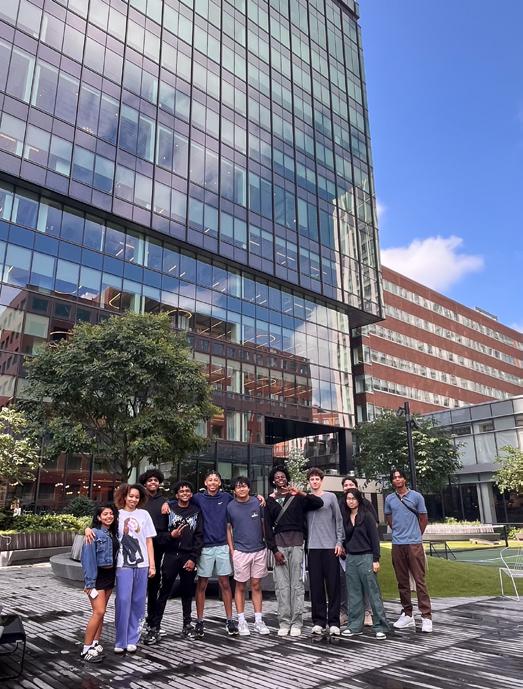
CHALLENGES AND LESSONS LEARNED
Although we made significant strides with the program and the collaborative network of current host firms this year, the biggest challenge was bringing on new firms. Amidst a challenging year for many architectural sectors, our returning firms came back with deepened investments, but new firms had trepidation due to financial and/or capacity concerns.
Learning from this, we are planning out many ways to share more about the internship through new offerings. This includes collaborating with two host firms to develop methods for sharing their internship models and curriculum with prospective firms.
To gain early support of the internship, the BSA will also take a two-part communication approach. At the grass-roots level, host firms have elected to share their experience in an email to colleagues at other firms who have expressed interest in working with youth. At the top-level, the BSA will share more extensively with the larger member network in the months leading up to the firm sign-on process.
This was a year for deepening investments with current partners, while laying the necessary foundations for steady, long-term growth. For future projects, we will continue to guide growth and change alongside our partners, leverage resource-sharing across partners, and explore new opportunities to invest in them along the way.
Photo above: Boston Society of Architects 2025 Architecture/Design High School Internship Program participants
Contributors to the College of Fellows Fund
2026 Donors
(Contributions of $500 or more shown in BOLD FACE)
Every organization draws its strength from the dedication and vision of those who invest in its future, and the AIA College of Fellows truly exemplifies this commitment. The remarkable generosity shown by our Fellows enables meaningful progress, fostering new discoveries, supporting rising talent, and advancing our profession. With each contribution, you directly help shape the future of our field and make a real difference in the lives touched by our work.
To celebrate and sustain this powerful momentum, the Executive Committee now highlights individual Fellow’s generosity in every issue of the Quarterly. The impact of your investment inspires others to join in and amplifies our collective achievements—giving together helps us accomplish even more.
Our Executive Director maintains records of lifetime investments, allowing Fellows to measure their journey toward Legacy status, a distinction that honors lasting commitment. If you would like to learn how close you are to reaching this special milestone, please do not hesitate to contact Muza Conforti at cof@aia.org
Let us continue to invest with generosity and purpose, confident that every contribution fortifies our community and unlocks new opportunities for mentorship, innovation, and the advancement of leadership in our field. By supporting these initiatives, we help inspire future generations and amplify the collective voice of the profession. The more we give—and encourage others to give—the greater our shared impact becomes, empowering us all to achieve and sustain excellence for years to come.
Invest Today
CALIFORNIA
Gordon Chong
Paul Menard
Francis Zwart
FLORIDA
Nathan Butler
Ignacio Reyes
ILLINOIS
Carl D'Silva
IOWA
Tim Schroeder
Kate Schwennsen
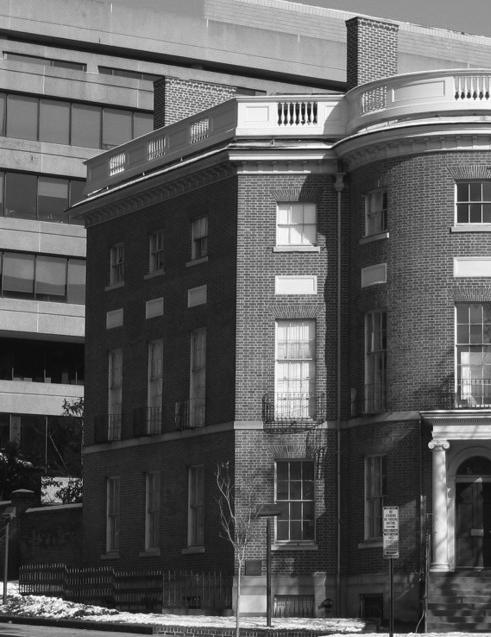
LOUISIANA
Ronald Blitch
MASSACHUSETTS
Britt Lindberg
Emily Grandstaff-Rice
MARYLAND
John Mott
Karl Stumpf
NEW MEXICO
Tina Reames
Roger Schluntz
NEW JERSEY
Jessica O'Donnell
NEW YORK
Joyce Hwang
OHIO
Greg Mare
Bruce Sekanick
John Senhauser
PENNSYLVANIA
Christine Mondor
TEXAS
Fernando Brave
Paul Dennehy
Lisa Lamkin
UTAH
RK Stewart
VIRGINIA
Muza Conforti
WASHINGTON
Anne Schopf
J Todd Scott