AIA College of Fellows
Founded in 1952, the College of Fellows is composed of members of the Institute who are elevated to Fellowship by a jury of their peers. Fellowship is one of the highest honors the AIA can bestow upon a member. Elevation to Fellowship not only recognizes the achievement of the architect as an individual, but also elevates before the public and the profession those architects who have made significant contributions to architecture and to society.
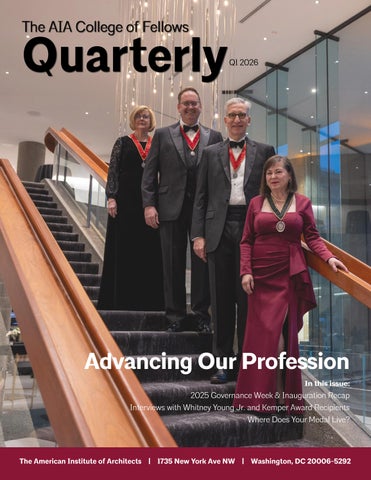
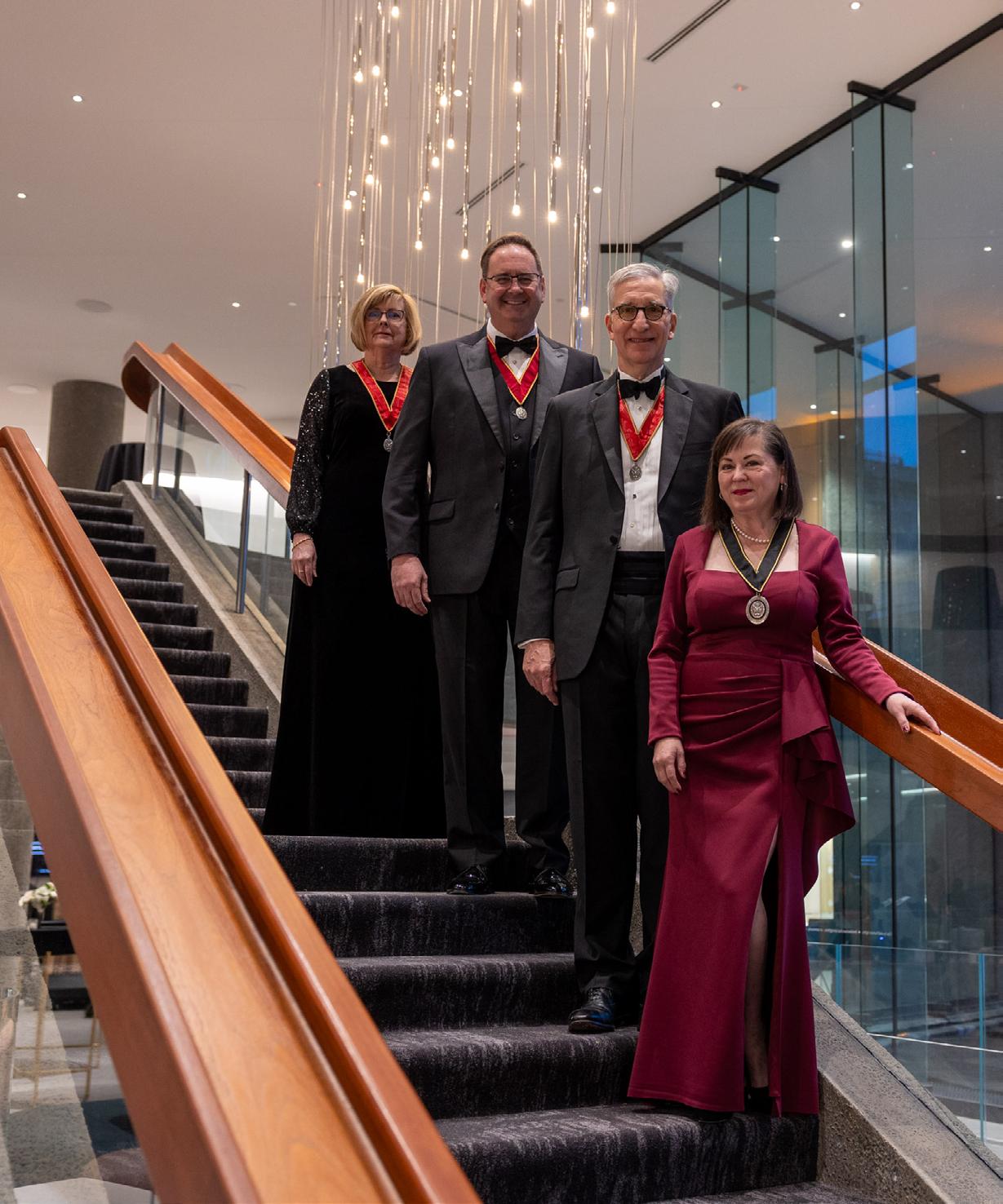
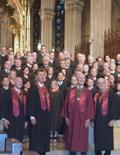
On the cover: The 2026 AIA College of Fellows Executive Committee (from bottom to top): Jeanne Jackson, FAIA (Chancellor); Steven Spurlock, FAIA (Vice Chancellor); Bill Hercules, FAIA (Bursar); Lisa Lamkin, FAIA (Secretary). Image courtesy of AIA.
In this Issue | Q1 2026
Message from the Chancellor
Announcements & Updates
Message from the AIA President
Message from the AIA EVP/ECO
2025 Governance Week & Investiture Recaps
Fellows Remembered
Interview with Michael Ford, FAIA
2026 Whitney M. Young Jr. Award Recipient
From Moments to Movements: YAF Connection Article - Q4 2025
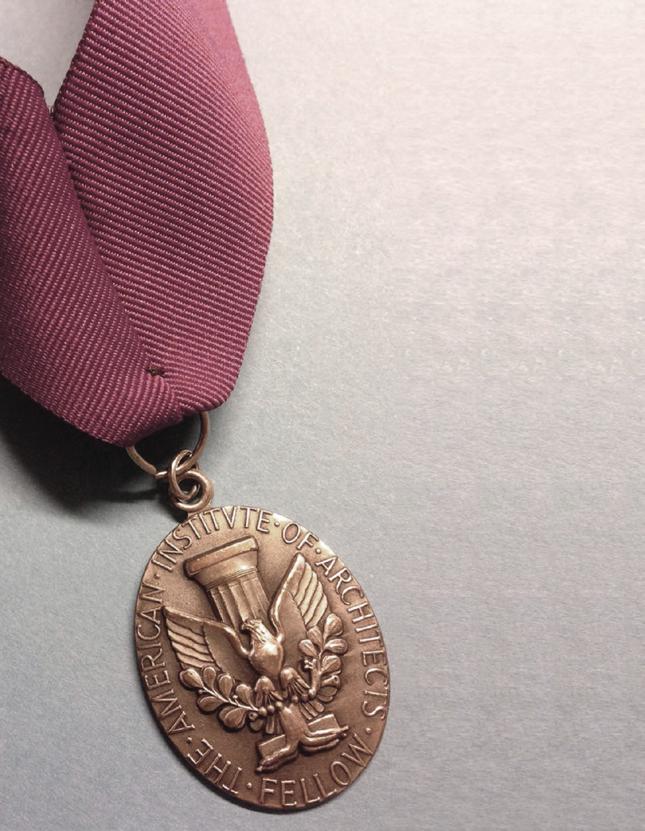
Fellow Spotlight: Where Does Your Medal Live?
2025 COF Component Grant Recipient: AIA East Bay
Interview with Carole Wedge, FAIA
2026 Call for Leslie Boney Award Submissions
Interview with Lisa Lamkin, FAIA
2025 Leslie Boney Award Recipient
Moving Policy Forward: AIA Government Advocacy Committee
2025 COF Component Grant Recipient: AIA Honolulu
Chancellors Cup Tournament Updates
Advancing the Profession Through Scholarships
Regional Representative's Message
The Fellows Collection
Driving Change in 2026: Fellows & the AIA Strategic Council
Interview with Vivian Lee, FAIA
2026 Edward C. Kemper Recipient
Updates from the YAF Annual Meeting
AIA Governance Task Force: Updates & Recommendations
The Heritage Society
Vice Chancellor Bursar
Secretary
Jeanne Jackson, FAIA
Steven Spurlock, FAIA
William Hercules, FAIA
Lisa Lamkin, FAIA
Editor-In-Chief
Associate Editor
Chair, Regional Representatives
Exec. Director, College of Fellows
Jessica O'Donnell, FAIA
John J. Clark, AIA
Jon Penndorf, FAIA
Muza Conforti
COF RESOURCE GUIDE
THE PATH TO FELLOWSHIP
COLLEGE OF FELLOWS QUARTERLY &
COLLEGE OF FELLOWS REGIONAL REPRESENTATIVE WELCOME PACKET
AIA FELLOWSHIP PREP CHECKLIST
AIA FELLOWSHIP STORY PLANNING GUIDE
Message from the Chancellor
A New Year, Let's Build it Together!
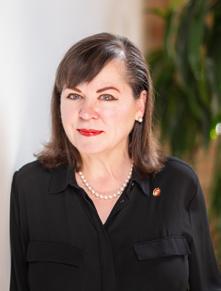
Hello, College of Fellows! If you’re reading this, then you’re reading my first Chancellor’s note - thanks! This feels a little like stepping up to the microphone at a big family reunion. I’m excited. I’m honored.
Honestly, I’m deeply grateful to serve as your Chancellor — and I’m energized by what this year holds for the College. The College of Fellows has always stood for something bigger than recognition. We stand for leadership, legacy, and the responsibility to lift the profession. In 2026, I want us to keep doing that with even greater clarity, impact, and joy. Yes — joy. We’ve earned it, and it’s a big part of what I hope increases for us all this year.
2026: LET’S INVEST IN WHAT MATTERS
One of my biggest aspirations for the College this year is straightforward: fund great programs that have long-term value for the profession — programs that create opportunities for architects, elevate design excellence, broaden Fellows’ participation in the College, support impactful research, and mentor the next generation of architects.
Or, said differently: let’s keep doing the work that makes people say, “Wait — the College of Fellows funds that? That’s amazing!” This year, we’ll continue to strengthen and celebrate major initiatives, including:
The Latrobe Prize
We’re excited to distribute the first payment toward the recently announced Latrobe Prize winners — one of the most ambitious and inspiring investments we make in the future of architecture. Awarded every other year, the Latrobe Prize supports and encourages research and innovation that can transform the way the profession operates and how the built environment serves people. The first payment is more than a budget line — it’s a statement that the College is serious about the future.
The Upjohn Research Grants
We recently completed jury deliberations for this year’s Upjohn Grant recipients. I can tell you there’s incredible work being proposed. The Upjohn Grants continue to represent the best of what the College and the AIA can do together: fostering inquiry, supporting evidence-based design, and helping architects expand the reach of their ideas beyond immediate projects. The grants also set the stage for recipients to pursue larger grants from other sources.
Congratulations to this year’s recipients — we can’t wait to share and support their work ahead. I encourage everyone to keep an eye on these projects, because they have a way of becoming tomorrow’s “why didn’t we do that sooner?” ideas.
Jeanne Jackson, FAIA
Support for Connection (YAF Publication)
Our commitment to the Young Architects Forum publication, Connection, continues as well. Connection is more than a simple newsletter — it’s a platform for emerging voices and leadership to shape the future. It helps cultivate the next generation of Fellows and, frankly, keeps all of us connected to the energy shaping the profession right now. It’s also a great reminder that the future is already here — and it brings with it excellent ideas and strong opinions, as it should.
MENTORSHIP & COMPONENT GRANTS: SUPPORTING HEALTH AND WELL-BEING
Mentorship is one of the most powerful tools we have — because it’s how the profession actually grows. This year, we will continue to support grants to components for mentoring programs, with an upcoming jury to review proposals.
In 2026, I’m especially excited that the focus of our component grants will be on programs that advance health and wellbeing and help people thrive — within the AIA community and in the communities we serve.
We welcome initiatives — new or expanded — that support mental, physical, or community wellness and benefit participants of all ages, from K–12 students to emerging professionals, mid-career architects, and those pursuing Fellowship.
And here’s my personal belief, stated plainly: We can’t sustain excellence in architecture without sustaining the people who practice it. When we invest in well-being, we aren’t stepping away from leadership — we’re strengthening it. Also, I would like fewer of us to be held together by caffeine and deadline adrenaline alone. (You know who you are.)
FELLOWSHIP: A MOMENT OF REFLECTION — AND MOMENTUM
Each year, the AIA undertakes one of the most meaningful responsibilities in our profession: reviewing Fellowship submissions and recognizing those whose work has elevated architecture, advanced our profession, and served the public good through the “ripple effect” of the candidates. The AIA convenes the Fellowship jury process, not the College. The process is both rigorous and deeply consequential — a reminder of what excellence looks like and how profoundly architects can shape lives and communities.
This year, I’m grateful for the depth of leadership supporting this work of the Fellowship jury to expand and renew the broader Fellows community each year. Steven Spurlock, FAIA, our current Vice Chancellor, and Lisa Lamkin, FAIA our new Secretary — both former chairs of the Fellowship jury — are examples of that leadership. Their experience brings invaluable perspective and continuity as we support and celebrate the next class of Fellows.
To this year’s candidates: we see you.
To those serving as AIA jury members: thank you.
To the College: let’s keep doing what we do best — promoting excellence, strengthening leadership, and cultivating the future of the profession.
And to everyone else: take a moment to appreciate the fact that our profession can produce people who are both brilliant and generous — and then let’s go produce more of them.
WHAT I HOPE FOR US THIS YEAR
In 2026, I want the College to continue to be:
• Bold in the programs we fund
• Transparent in how we communicate impact
• Generous in how we mentor and support others
• Curious about the future of architecture
• Joyful in the community we build together
I want Fellows to feel proud not only of their achievement, but of what the College makes possible because of their engagement. Inclusion in the College is not just a title; it’s a platform to create the future we prefer.
AN INVITATION
So here’s my ask: lean in with us this year. Support the programs that matter to you. Encourage emerging leaders. Mentor someone who reminds you of your younger self. Share opportunities with your chapter or component. And when the time comes, help shine a light on those who are ready to become Fellows.
Because the College is not only a recognition of past achievement — it’s an engine for the future. And in 2026, we’re building that future together as architects do: with optimism, persistence, and probably a few spreadsheets — especially in my case. I can’t even go on vacation without a spreadsheet, as those who know me well would happily report.
With excitement for what’s ahead — and appreciation for those who make it possible.
Jeanne Jackson, FAIA 64th Chancellor AIA College of
Fellows
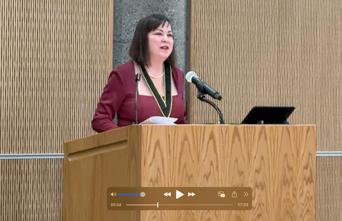
Click to watch Chancellor Jackson's inauguration speech from Governance Week.
AIA College of Fellows
Class of 2026
Congratulations, new
Fellows!
Ann H Adams
Gary L. Armbruster
Chris Baribeau
Paul Bauer
Herwig Baumgartner
Meryati Blackwell
Jack G Bullo
Hafsa Burt
Jill S Cavanaugh
E. Han-Mei Chiang
Curtis F Clay
John H. Cluver
Melissa R. Cohen
Sara Djazayeri
Christopher T. Doktor
Efrie Escott
Marcia F Feuerstein
Dennis M. Findley
Michael L. Ford
Whitney Fuessel
Joel M. Fuoss
Daimian S Hines
Mimi Hoang
Keith Hui
John R Johnston IV
Paul G. Klee
Jennifer C Kretschmer
Kevin Kudo-King
Joseph Lauro
Cory C Lavigne
Thomas V. Lawrence
Minh T Le
Amanda Loper
Marc Manack
Arjun H. Mande
Jun Mitsui
Marc J Mondor
John Mark Neary
Brad Nile
Jessica M O'Donnell
Lance C O'Donnell
Etty Padmodipoetro
Michael L Perry
Gianna Lisa Pigford
Charles Portelli
Thomas A Powell
Connie G. Rivera
Jordan Rogove
Richard L. Rundell
Mary E. Ruppenthal
Oonagh Ryan
Bea Sennewald
Sven B Shockey
Madlen Simon
Lissa So
John H. Starr
Douglas R. Stieve
Jeffrey C Stivers
Lora Teagarden
Max Underwood
Amy Upton
Kirsten Waltz
Greg Warner
Robert B. Winstead
Angela Wolf Scott
Robert H. Young
Bryan N Young
Honorary Fellows
Fernanda Canales
Minsuk Cho
Alex Ely
Frida Escobedo
Lina Ghotmeh
Rossana Ju-Shan Hu
Yansong Ma
Dorte Mandrup
Carlo Ratti
Dan Stubbergaard
Takaharu Tezuka
Announcements & Updates
The American Institute of Architects College of Fellows Path to Fellowship 2019
MENTORSHIP HIGHLIGHTS
In 2025, an AIA mentorship workgroup conducted a Mentorship Inventory and analysis that informed the development of new, practical resources for chapters, committees and members interested in engaging in mentorship.
Connect with AIA's mentorship programs to find out more.
COLLEGE OF FELLOWS MEETINGS
A virtual townhall will be held the week of April 20, 2026. Look for a zoom appointment as the schedule is finalized in the coming weeks.
The 2026 College of Fellows Business Meeting is scheduled for October 22, 2026. Look for a zoom appointment in early fall and plan to join.
ARCHITECTURE WEEK: APRIL 12-18
Celebrate the profession of architecture and invite everyone— especially K-12 students—to explore architecture and design. We all play key roles in educating and inspiring the next generation of architects. Let's build the pipeline together.
AIA has organized Virtual read-alouds by architecture and design children's book authors throughout Architecture Week Register here for your favorite session(s). Groups are welcome.
FELLOW SPOTLIGHTS
From 'Advancing Fellowship through Chapter Leadership' to 'The Architecture of Influence: Turning Political Giving into Policy Wins' and 'Shaping the Future through AIA Leadership' at the 2026 AIA Leadership Summit in Washington DC, Fellows continue to pay it forward.
Look for session recaps in our Q2 edition of COF Quarterly.

CHECK IT OUT
AIA International Spring Conference: Shaping Place Thursday, 26 March - Saturday 28 March, 2026
This virtual architecture conference looks at how architects translate global insights into locally grounded, culturally responsive, and environmentally responsible design. Visit the AIA International website for more information.
REGIONAL UPDATES
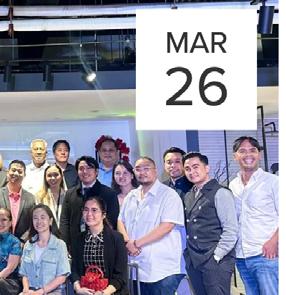
With episodes featuring Angel Saqui FAIA, Nathan Butler FAIA, Lourdes Solera FAIA, Mickey Jacobs FAIA, Joyce Owens FAIA, Bill Hercules, FAIA, and Jeffrey Huber FAIA, the Voice of Florida Architecture is well represented.
Check out episodes from the AIA Florida Podcast: The Voice of Florida Architecture

CALL FOR CONTRIBUTORS
The COF Executive Committee and editorial team invite you to contribute to the 2026 editions of the Quarterly. We welcome the submissions of relevant content that aligns with our theme for each issue (Q2 | Sharing Knowledge; Q3 | Fellowship & Mentorship; Q4 | Service to Society).
If you are interested, please fill out this form
Message from the AIA President
Leadership Can't Wait
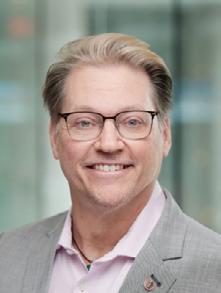
Architecture in the 21st century is evolving, and so must the standards that define design excellence. Over the past several years, the AIA has engaged in a thoughtful theory of change exercise to better align our profession with the realities shaping our world. What is emerging is a clearer AIA framework for design excellence—one that recognizes adaptation, resilience, and regeneration as central to our future.
A key milestone in this evolution is our development of a Disaster Risk Reduction (DRR) pledge through partnerships with the UN ARISE network. This commitment will respond to global trends that elevate resilience as a keystone for thriving projects and communities. Global finance is shifting to meet DRR needs, and architects are uniquely positioned to lead. By reducing risk across hazards, we strengthen communities and help secure a vibrant, resilient future.
We are also seeing a worldwide embrace of regenerative design. The Royal Architectural Institute of Canada (RAIC) has named it a core pillar of its 2025-30 strategic plan, and engineering societies are rapidly integrating it into professional practice. The AIA is advancing regenerative design by leveraging member expertise to elevate standards and expand resources. In 2025, our Strategic Council studied the state of regenerative design in architecture, and those findings are now guiding action.
These shifts are not only ethical imperatives—they are market realities. Financial institutions are beginning to assess projects through the lens of Gross Ecosystem Product (GEP), introduced into finance following COP15 in Montreal (2023). This means development that incorporates regenerative and ecosystem value is increasingly favored in the marketplace.
Answering the call and meeting the moment requires leadership. The 2026 Board priorities—advocacy, prosperity, and action—reflect our commitment to advance member success while examining the Institute’s own operations through the same forward-looking lens.
"Our communities need us. The world needs us. Together, we will lead."
#LeadershipCantWait
2026 AIA BOARD PRIORITIES
ADVOCACY
Strengthen and support AIA's advocacy leadership at the international, federal, state, and local levels by empowering members, components, and partners to advance policies that elevate the practice of architecture and strengthen resilient, equitable communities.
CLIMATE RESILIENCE & SUSTAINABILITY THROUGH RISK REDUCTION
Position AIA and its members as a leader in disaster risk reduction by advancing cross-sector partnerships, convening influential leaders, and aligning around the Industry Commitments to accelerate measurable climate action
PROSPERITY & EQUITY ACROSS AIA MEMBERSHIP
Foster and maintain a thriving, inclusive membership community by advancing equitable pathways, prosperity in practice, sustainable membership models, and broad access to value, opportunity, and professional growth across AIA.
Illya Azaroff, FAIA
Message from the AIA EVP/CEO
Onward!
Carole Wedge, FAIA, NOMA, LEED AP
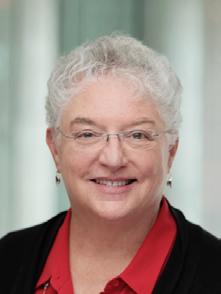
Stepping into my new role as EVP/CEO has been all about learning and listening. In the past six weeks I engaged with member groups including: student leaders (at the AIAS Forum in Denver), our volunteer leaders at chapters and their firms, our component leaders, and many other leadership groups in our remarkable organization. Now I am honored to share a few thoughts with our Fellows, who have received the highest honor AIA bestows upon its members and who are seen and respected as remarkable leaders in our profession and in our communities.
When I became a Fellow in 2008, I was most struck by the words of then Chancellor Carole Olshavsky, who framed that Fellowship was not just an honor – but a responsibility to lead and support others in both our profession and our communities. As I recall, she challenged our class to think about where we could lean in to make a difference in our world. That is one of the reasons I am now AIA’s EVP/CEO, working to better connect our community of members, advocate for our members and profession and pave the way for the leaders of the future in architecture.
With pathways into the profession becoming more complex, faced with rapidly changing political and technological landscapes, the challenges are significant, and the pace of change is remarkable. As we work to help our future leaders find their way, our AIA community and professional networks
are more important than ever. At the AIAS Forum, I had the privilege of meeting with our leaders of tomorrow, who told me about the challenges they face and shared their vision for the future. Supporting their transition from an academic career to a professional one is increasingly important in today’s uncertain economic climate. It is a place where our member network is incredibly valuable and important. We must lean in to help this generation of leaders as they seek job opportunities.
To inspire and empower both current and future architects to improve society and transform the world, AIA must continue to advocate for the profession. Our Government Affairs & Public Policy team plays a pivotal role in this effort, mobilizing our 101,000+ members to shape policies that strengthen our members, their firms and our communities. Additionally, we are collaborating with our Alliance Partners to craft a response to the Professional Degree Access Restoration Act and the Loan Equity for Advanced Professionals Act, recognizing the power of our collective voices as we speak to legislators. As Fellows, we can further demonstrate our leadership as we engage in and support these efforts. You can learn more at our Government Affairs and Public Policy page
The College’s commitment to research and grants is invaluable. We applaud the recent increase in the Latrobe Prize to $150,000, a significant award that provides awardees with a vital opportunity to invest in research that benefits architecture, communities and all of society. I urge the College to continue to find ways to encourage and expand this transformative research in the profession.
We are close to rolling out AIA’s new Strategic Plan for 20262030. The plan outlines ambitious goals to:
• Activate Practice Success.
• Strengthen Our Voice.
• Elevate Community Resilience.
• Advance an accessible profession.
Ongoing collaboration with the College will be more crucial than ever to help achieve these important goals. We can work together to move the profession forward in 2026—and beyond.
I look forward to seeing you in my travels as we reach out to connect with our members and I hope you may be able to join us June 10 to 13 at the AIA Conference on Architecture & Design® in San Diego this year; to engage, learn and celebrate our new fellows, award winners and our remarkable community.
2025 Governance Week & Inauguration Recap
Lisa Lamkin, FAIA
UNVEILING THE AIA GLOBAL CAMPUS FOR ARCHITECTURE AND DESIGN
After undergoing extensive renovations, AIA headquarters building reopened in celebration as the AIA Global Campus for Architecture and Design (GCAD) to host the meetings and events for Governance Week 2025 in December.
The AIA College of Fellows Executive committee held governance meetings, working sessions, met with the Council of Former Chancellors chaired by John Castellana, FAIA, provided an end of year report to the AIA Board of Directors, and celebrated the inauguration of our new Chancellor joined by a host of honored guests including several former Chancellors of the College.
The renovations significantly updated the plans of each floor, providing a gracious mix of static office space for AIA team members, a variety of coworking collaboration nooks, and plenty of flexible breakout space. Each floor was put to full use across the variety of small and large meetings, cocktail hours, dinner buffets, and dancing!
Take a look inside the GCAD in this press release from AIA or check out the new home page for more information.
"As
an AIA member, the new AIA Global Campus is your home. It’s a space to meet colleagues, draw inspiration, and strengthen your connection to the profession and the AIA network."
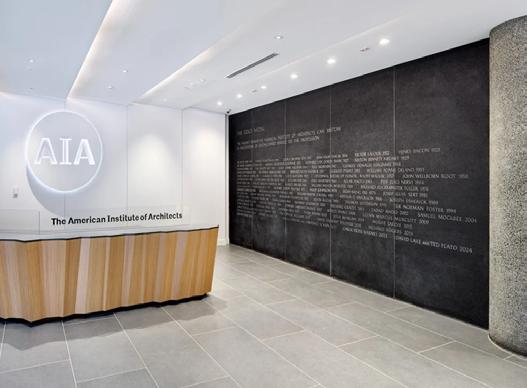
Photo Above Courtesy of AIA: Main lobby of the renovated GCAD.
UPDATES TO THE AIA BOARD
The COF Executive Committee was invited to provide an update to the AIA Board during their meeting on December 5, 2025
2025 Chancellor Schwennsen, FAIA delivered a detailed report of College activities and applauded the positive changes to the Rules of the Board regarding the Jury of Fellows and the recent bylaws amendment 2.41, which extended qualifications for Fellowship to members who apply but become deceased during the jurying period.
Highlights for the College in 2025 include:
• $50,000 of component grants were awarded to 10 AIA chapters out of 25 proposals submitted, all in support of mentoring the next generation of Architects.
• $15,000 of financial support was provided to AIA’s K12 programming at the conference and to the 20 AIA Architecture Week grants.
• The special relationship with the YAF continues with financial support for their newsletter and a liason to their advisory group
• $25,000 of support was provided to the Upjohn Research Initiative
The $150,000 COF Latrobe Prize was the largest in its 25 year history. The recipient team led by Doris Sung, AIA from USC is developing “Facades for Public Health: Smog Eating Panels”. Since the inception of the Latrobe Prize over $1 Million has been invested in practice focused research. For additional insights on this Prize along with a recap of all Prizes to date, check out the Latrobe Prize Retrospective
83 new Fellows along with 10 Honorary Fellows, the largest number of Honorary Fellows ever, were invested during AIA25 at the extraordinary Trinity Church.
The Path to Fellowship guide was updated with a corresponding AIAu course to provide additional tools for members considering the application process.
COLLEGE OF FELLOWS FUND
The fund is in great shape with the continued stewardship of Bursar, Bill Hercules, FAIA. After careful review and selection, the fund has been transferred to a new advisor, Wilmington Trust. The Finance Committee will continue to work with the Bursar to guide investment decisions in stewardship of the fund’s stability and long term growth strategies.
A working draft of the 2026 budget was presented for discussion and review. This will be finalized early in 2026.
The Upjohn Research Initiative received a strong number of proposals which were juried in late December. Look for an announcement in an upcoming Quarterly for the 2025 recipients.
Final reports for the 2025 Component Grants were due December 10. These success stories highlight the benefits of reaching architects across the country to further our mission.
A FELLOWS GUIDE TO AIA26
Plans for the 2026 Investiture and Gala Dinner in San Diego are well underway.
To begin the week, join us at the Chancellors Golf Tournament and bring friends and colleagues! Players do not need to be Fellows to participate. In addition to being an exceptional round of golf this is an important source of income for the College Fund – with more we can do more!
Mark your calendars for Thursday, June 11: this will be a wonderful and busy day with the New Fellows Luncheon at the University Club followed by the Investiture at the Jacobs Music Center, and Convocation at the Hilton Bayfront Indigo Ballroom.
More details will be provided in the Fellows Guide to AIA26 in the forthcoming Q2 issue of Quarterly.
UPCOMING MEETINGS
As the Executive Committee gathers in Detroit for in-person meetings the week of April 20, we will also host a virtual townhall for the College, look for a zoom appointment as the schedule is finalized.
The 2026 College of Fellows Business Meeting is scheduled for October 22, 2026. Look for a Zoom appointment in early fall and plan to join!
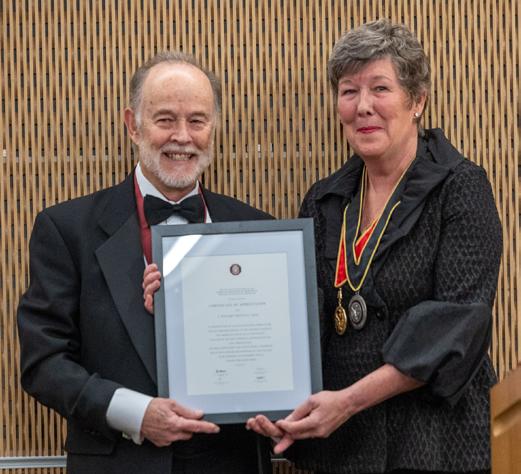
Photo Above Courtesy of AIA: Stuart Petitt, FAIA receiving a certificate of Appreciation from Chancellor Schwennsen, FAIA for his service as Chair of the Regional Representatives.
QUARTERLY PUBLICATION & REGIONAL REPS
We are delighted that Jessica O’Donnell, FAIA will continue as Editor of the Quarterly in 2026 as we welcome the new Associate Editor John J. Clark, AIA. In addition to our four Quarterly issues, plans are in place for special issues; coming soon is Q1.25 celebrating the Class of 2026.
We congratulated outgoing Regional Representative Chair Stu Petitt, FAIA on his fruitful years of service and welcomed new incoming Chair Jon Penndorf, FAIA. The upcoming special Quarterly 1.75 will highlight your new and returning regional representatives and the new Chair. Bursar Hercules, FAIA will serve as the 2026 ExCom liaison for this group.
Initiatives to share the content of the Quarterly more broadly were discussed. In addition to email and ISSUE, the editorial team will explore sharing stories on social media including Linked-In and using the Regional Representative network to amplify content strategically. Please follow us on Linked in and connect!
THE 2026 INAUGURATIONS
The highlight of Governance Week was the inauguration of 2026 Chancellor Jeanne Jackson, FAIA the 64th Chancellor of the College Chancellor Jackson’s inspiring remarks encouraged us to meet this moment with Joy
"... To this year’s [Fellowship] candidates: we see you. To those serving as AIA jury members: thank you. To the College: let’s keep doing what we do best — promoting excellence, strengthening leadership, and cultivating the future of the profession....
So here’s my ask: lean in with us this year. Support the programs that matter to you. Encourage emerging leaders.
Mentor someone who reminds you of your younger self. Share opportunities with your chapter or component. And when the time comes, help shine a light on those who are ready to become Fellows."
A new tradition was initiated by conferring to former Chancellor Kate Schwennsen, FAIA the original artwork for the 2025 investiture sketch.
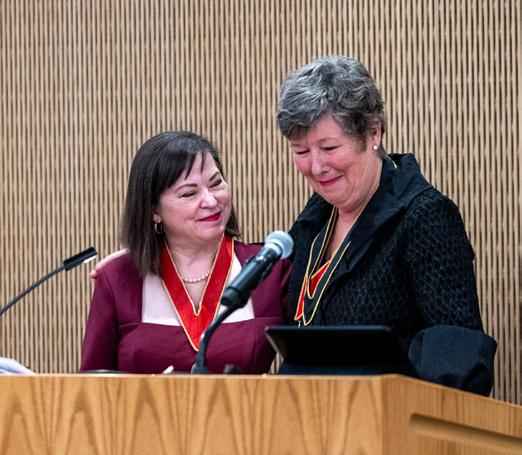
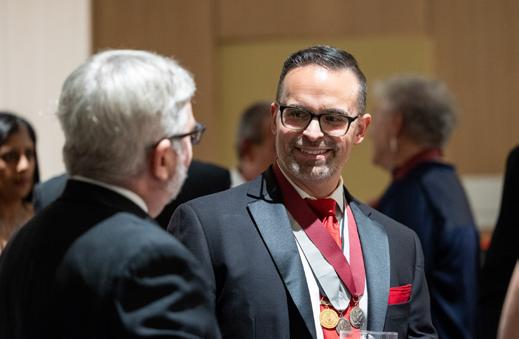
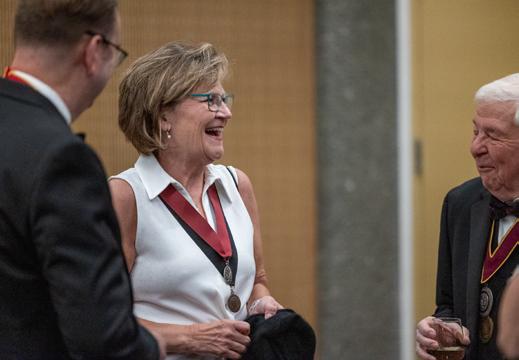
Photo Above Courtesy of AIA: Chancellor Jackson, FAIA (left) and Former Chancellor Schwennsen, FAIA (right).
Photo Above Courtesy of AIA: Regional Rep. Chair Jon Penndorf, FAIA and Inaguration guests.
Photo Above Courtesy of AIA:(left to right) Bill Hercules, FAIA, Lisa Kennedy, FAIA and Former Chancellor Ed Kodet, Jr FAIA.
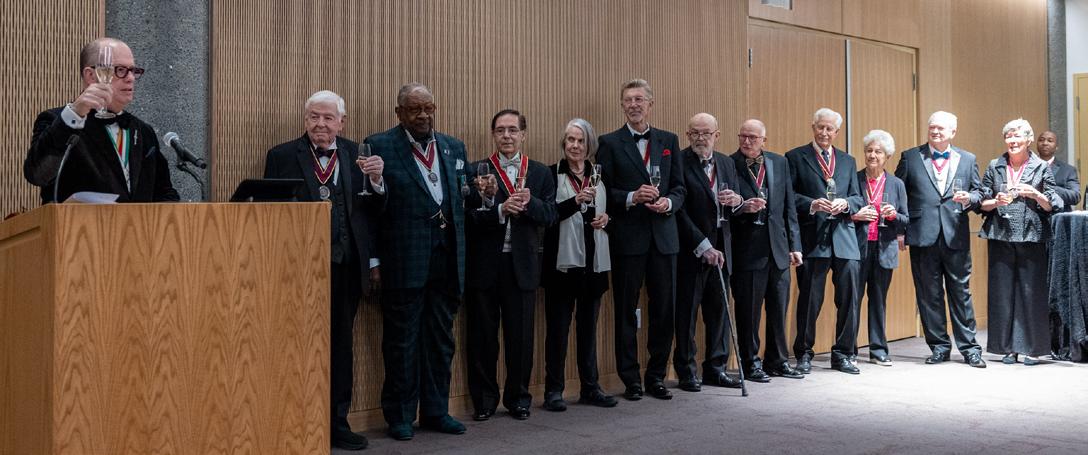
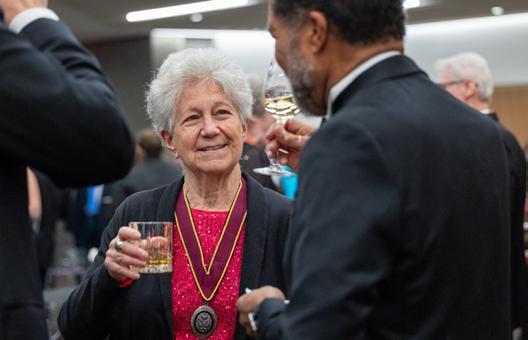
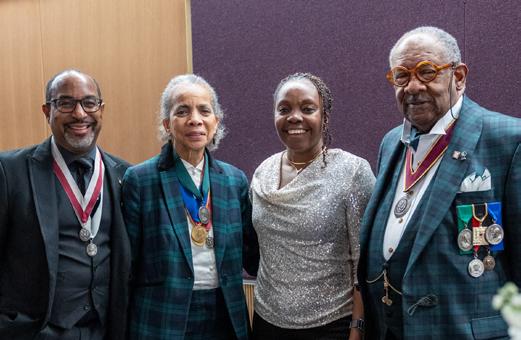
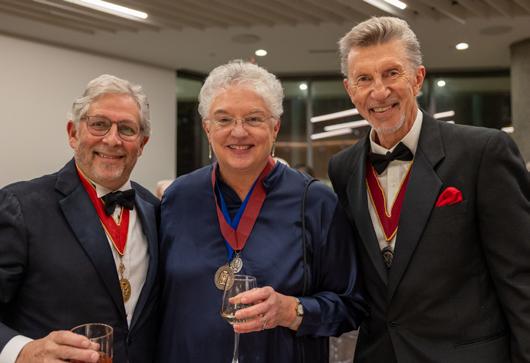
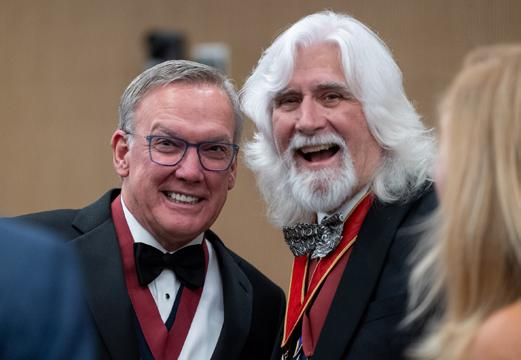
Photo Above Courtesy of AIA: A toast to Chancellor Jackson, FAIA led by Michael Armstrong, CEO of NCARB, and accompanied by the Former Chancellors of the College. From left to right: Michael Armstrong, Edward Kodet, Jr. FAIA, William J. Stanley, III FAIA, John Sorrenti FAIA, Lenore Lucey FAIA, Edward Vance, FAIA, Peter Kuttner FAIA, John Castellana FAIA, Roger Schluntz FAIA, Frances Halsband FAIA, Ron Blitch FAIA, and Kate Schwennsen FAIA.
Photo Above Courtesy of AIA: (left to right) Former President Klark Manus, FAIA, Carole Wedge, FAIA, and Ed Vance, FAIA.
Photo Above Courtesy of AIA: Former Chancellor Frances Halsband, FAIA and Former President Bates, William FAIA.
Photo Above Courtesy of AIA: Stephen Ayers, FAIA and Former President RK Stewart, FAIA.
Photo Above Courtesy of AIA: Garfield Peart, FAIA, Ivenue Love-Stanley, FAIA, Tulia Scott, AIA and Former Chancellor William J. Stanley III, FAIA.
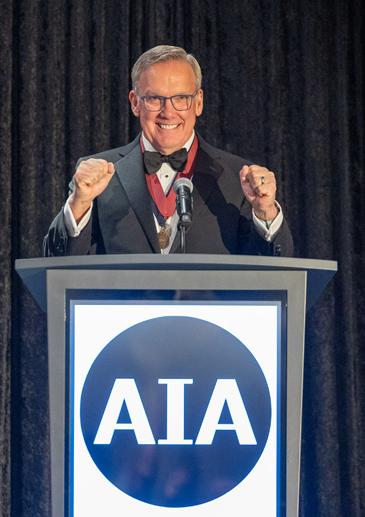
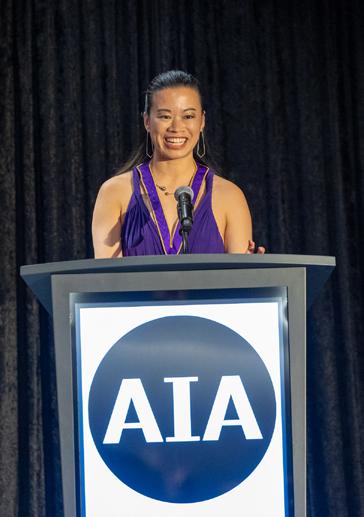
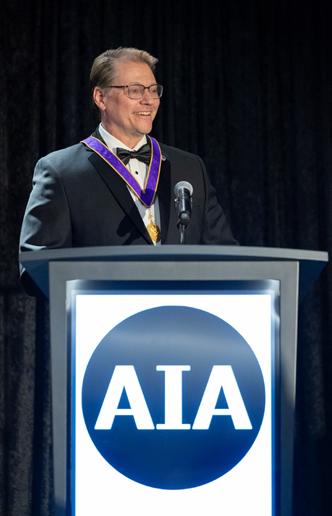
The glamorous evening continued with remarks from our interim AIA EVP/CEO Stephen Ayers, FAIA and 2025 AIA President Evelyn Lee, FAIA before the inauguration of 2026 AIA President Illya Azaroff, FAIA as the 102nd president of the institute. In his opening remarks, President Azaroff reminded us that:
“Changing the world is the loftiest of goals, but it is within our reach because we’re architects, uniquely skilled and positioned to unite people and rally forces as no other profession can.”
With the inauguration complete, the social events of the evening kicked off with dinner and dancing. We look forward to an inspiring year ahead under the stewardship of President Azaroff, FAIA and Chancellor Jackson, FAIA and we extend a special note to Mr. Ayers and Former President Lee: the college salutes your leadership and deeply thanks you for your service to our Institute.
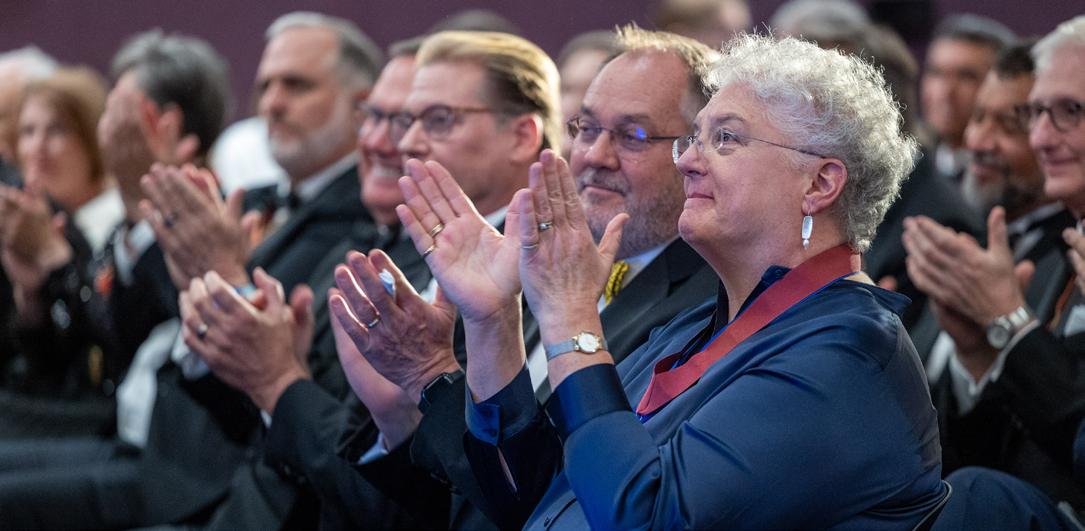
Photo above: Carole Wedge, FAIA and audience applauding the remarks of 2025 President Lee, FAIA.
Above: 2025 Interim EVP/CEO Stephen T. Ayers, FAIA (courtesy of AIA)
Above: 2025 AIA President Evelyn Lee, FAIA (courtesy of AIA)
Above: 2026 AIA President Illya Azaroff, FAIA (courtesy of AIA)
Fellows Remembered
John H. Beyer, FAIA 2025
Phillip Markwood, FAIA
John Rogers, FAIA
Frank Gehry, FAIA
Charles Clarence Barlow, FAIA
Robert A.M. Stern, FAIA
Adolfo Miralles, FAIA
Fleming Wood Smith, Jr., FAIA
David G. Jepson, FAIA
Terry Farrell, FAIA
Nicholas T. Grimshaw, FAIA
Michael B. Burch, FAIA
Robert Odermatt, FAIA
Paula Burns McEvoy, FAIA
Franklin T. Ferguson, FAIA
Harry Granville Robinson III, FAIA
Graham Gund, FAIA
Robert Franklin Brown, FAIA
Hugh Clark Miller, FAIA
Jodi dan der Wiel, FAIA
Charles M. Davis, FAIA
David M. Childs, FAIA
Barbara (Bobbie) Goldberg Neski, FAIA
John Edward Mahlum, FAIA 2026
Raymond ("Skipper") George Post, Jr. FAIA
Danie Johnson, FAIA
Ronald Gene Brown, FAIA
David E. Sellers, FAIA
James R. Grieves, FAIA
Dean Bahr, FAIA
Robert Stanley George, FAIA
Gretchen K. Pfaehler, FAIA
James D. "Jimmy" Tittle, FAIA
Joseph John Wisnewski, FAIA
Interview | 2026 AIA Whitney M. Young Jr Award Recipient
Fellow Fellows
A Conversation with Michael Ford, FAIA
Bryan Lee Jr, FAIA,
NOMA
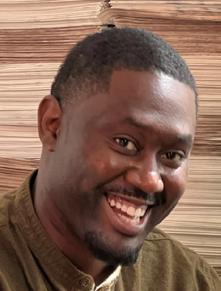
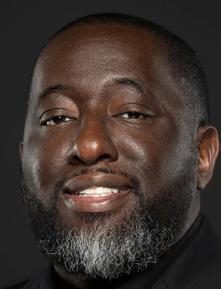
Credit: Q11 Photography.
Iremember getting the call. Kim (Dowdell) had a full room of folks from the AIA Strategic Council there in the room. Everyone gathered, that collective celebration before you even process what is happening. Hearing about my friend deservedly receiving this honor brought everything back. I kind of froze when I got my call. I knew what it was, but emotionally I wasn't sure how I was feeling. It wasn't a shock, but somehow it still felt shocking. Michael Ford said he was on pins and needles waiting that whole day. There's something about this recognition that hits different, no matter how prepared you think you are.
I keep thinking about this picture of us from 2016 South by Southwest, Michael and I wearing "Everybody Versus Injustice" t-shirts, capturing something real about who we are and what we've been building toward, separately and together, for years.
I sat down with Michael to talk about what this means, what's coming, and the work that brought us both here.
THE LONG ROAD
What struck me in our conversation was learning about Michael's persistence. This was his fourth attempt at the application, missed requirements, forgotten attachments,
wrong dates. That kind of perseverance matters. It speaks to who Michael is.
Bryan Lee, FAIA (BL): Congrats, again! It is well deserved. I think we've been doing this for a long time, and the amount of impact you've had on the field has been incredible. The whole team is proud of you, man.
Michael Ford, FAIA (MF): I think it happened at the right time. I gave it ten years doing a camp and then let some other things transpire between the times I was thinking about applying to actually getting the application in.
WHAT'S COMING IN SAN DIEGO
Michael gets to go to San Diego for his ceremony. I was in Boston for mine, I was teaching at the time and had some students come celebrate. I tried to give him a sense of what to expect for the day, for the speech, for the entire experience. What Michael is most excited about isn't the stage or the screens. It's who he's bringing with him.
BL: It's an interesting time to get the award. There's a lot of stuff to be discussed in front of a captive audience.
MF: The thing I'm most excited about is allowing some

students to come and join me. Over these past years being able to have young people come through architecture camp, discover architecture through their program, now they're college students, even some young graduates now. I've given them scholarships and even internships. To have them come and see this moment happen is going to be powerful.
BL: That was one of the best things, having Project Pipeline students in the crowd, those that have graduated, whether they're licensed or not. They were there.
KEEPING CULTURE AT THE CENTER
For both of us, Fellowship carries meaning beyond personal achievement. Michael articulated what he hopes the recognition conveys to young people watching.
MF: The biggest thing is for the young folks and the people we're talking to. You didn't have to check the culture at the door. You keep it going no matter what space that you're in. It doesn't have to be just the culture vultures who benefit from the culture. The innovators, the people who create the culture ,can benefit from it, too.
BL: It's been a crazy year. I'm super excited for you to have this experience. It's a really brilliant experience. And it's weird to start seeing "Fellow" and putting the FAIA, it's strange. But we've earned it. The hope is that it's a leverage point for you to be able to do more of what we're doing well.
MF: That's what this is about. We're old(er) now, and we've been in this for a minute. We've earned it. It's not like someone's handing stuff out. We've put in a lot of work to get where we are. But Fellowship is a starting point, a leverage point to do more of what we're already doing well.
EXPANDING THE IMPACT
I'm trying to leverage my own presidency and fellowship to get in front of larger civil rights and social justice organizations so we can extend and expand the impact. Michael has his museum work, his camps, and his memorials. We've got to figure out how to work together more, we've been circling something for a while now.
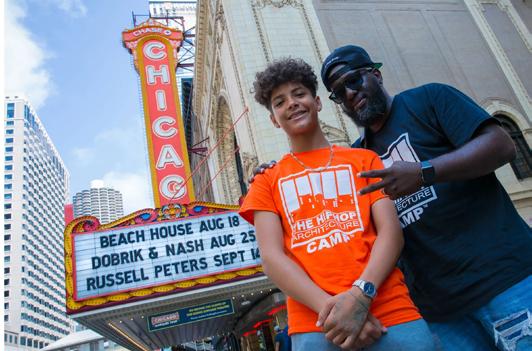
Photo Above: Hip Hop Architecture Camp participant in Chicago. Photo Credit M.O.D. Media Productions.
Above: Hip Hop Architecture Camp participant. Photo Credit: M.O.D. Media Productions
From Movements to Moments `
Gabriella Bermea, AIA, NOMA
Originally published in YAF Connection - Q4 2025
Architecture is often seen as a profession of permanence - concrete, steel, and glass. But for many designers, the foundation is built far earlier: in classrooms where their names were mispronounced, among neighborhoods no one cared to map, or within family histories etched in resilience.
In this feature, four architects reflect on the moments that lit the fuse: Brien, Shadia, Richie, and Samantha. Before the board appointments and keynote stages, and before the awards and the advocacy, there were pivotal memories that sparked something deeper. This is where their movements began.
This is how their sparks ignited.
ARCHITECTURE SHOULD ALWAYS BE ABOUT PEOPLE
Brien Graham, AIA, NOMA, NCARB
“The combination of architecture and advocacy has been a culmination of pivotal moments throughout my career,” says Brien Graham. But two memories stand out.
The first: being a young boy, living in a neighborhood where voices weren’t invited, only impacted. “[I realized] the lack of residents' input in my neighborhood to voice concerns or
desires about the spaces we wanted to inhabit.”
The second: realizing the immense power of architecture to shape people’s daily lives.
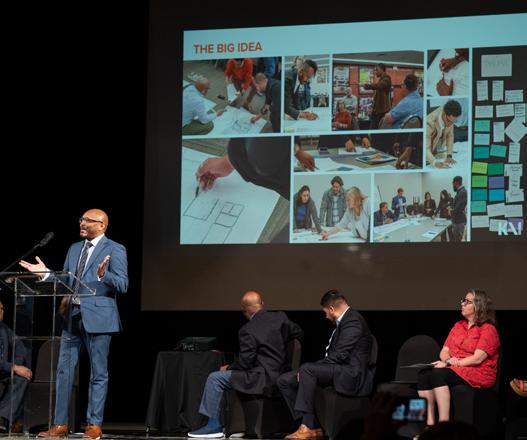
Image above: Brien Graham presenting at a conference.
That contrast, between disempowerment and potential, sparked something that would define Brien’s path forward. Growing up in public housing, he recalls the coldness not just in concrete walls and tile floors, but in the environment itself. “It didn’t exude joy,” he says. “It fostered symptoms of hopelessness.” That’s when he began to understand the power of place.
And it’s what anchors his work today, as the Civic, Municipal, and Cultural Market Leader for KAI Design, as Texas’ representative on the AIA Strategic Council, and as the South Region VP for the National Organization of Minority Architects.
"Every
project is guided by one clear belief: Architecture
should always be of, for, and about the people."
“I’ve made it my personal mission to use joy as a motivator and hope as an aspiration,” he says. “To provide spaces where people can enjoy, grow, thrive and spark the next changemaker.” Because the truth is, design doesn’t reflect value, it sets it. And Brien’s work makes it clear: communities deserve to be at the center of the process. Not afterthoughts. Not outsiders. Authors.
IT’S NOT JUST ABOUT THE BUILDING
Shadia Jaramillo AIA,
WELL AP
The lesson was deceptively simple. “If an architect designs even one stair rise at a different height, it could affect someone physically for life.” It’s a line Shadia Jaramillo, AIA, WELL AP, will never forget, spoken by a professor in a prospective class back in Panama. This lesson was beyond technical instruction. It was the first moment she truly understood the weight of the architect’s responsibility, that design decisions ripple far beyond the drawing set. “That moment defined my purpose,” she reflects. “That lesson
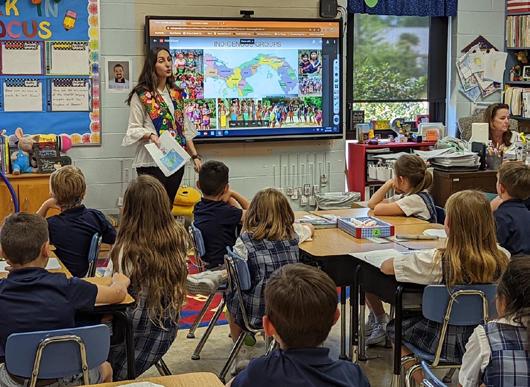
a classroom.
revealed how deeply our decisions shape human experience.” For Shadia, architecture is not simply about completing buildings. It’s about crafting experiences, and ensuring that clients, users, and communities feel acknowledged, supported, and connected. That awareness has been the foundation of her leadership ever since.
Today, Shadia is based in Pensacola, Florida, with a diverse portfolio spanning residential, commercial, healthcare, higher ed, and civic design. But just as powerful as her built work is her commitment to the people behind it: empowering professionals, mentoring emerging leaders, and serving as a passionate advocate for volunteer leadership.
“The value of our work extends far beyond what we can fully grasp,” she says. “my purpose has centered on more than tangible outcomes; it’s about the people behind them and the awareness that every choice I make carries the power to influence and impact someone’s life.” That, for Shadia, is what gives architecture meaning.
"It’s not just about shaping space, it’s about shaping meaning across generations."
MENTORSHIP WAS THE DOOR THAT OPENED EVERYTHING
Richie Hands, AIA, NOMA, NCARB,
LEED AP BD+C
In the early years of Richie Hands’ career, it wasn’t a title or a project that changed everything, it was two people. Jason Pugh and Oz Ortega saw something in him, and more importantly, they made sure he saw it too.
“They didn’t just mentor me,” Richie says. “They looped me in. Pulled up a chair. Made sure I had a seat at the table—and the confidence to speak up once I was there.” That quiet act of inclusion unlocked something. Because once you’ve felt the impact of being seen, you start to see others differently too. “It helped expand my career,” he says, “but it also helped form the foundation of what I find to be incredibly rewarding and engaging: mentoring the next generation.”
That calling led him to Project Pipeline and ACE Chicago, where he worked with students who looked like him, came from where he came from, and who might not have otherwise known that architecture was for them. “It afforded me the opportunity to offer advice to students from communities that are still largely underrepresented in the profession,” Richie shares.
“I know how much representation matters. It’s not just about access, it’s about belief.”
Image above: Shadia Jaramillo in
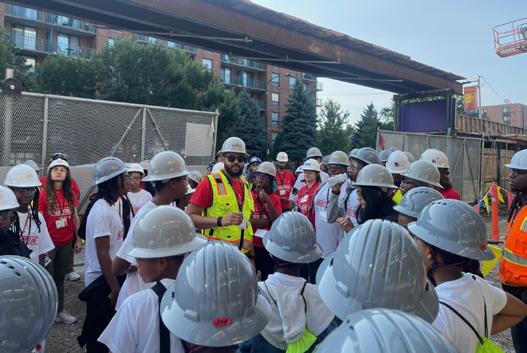
Now, Richie serves as National Chair of Project Pipeline, shaping programming and outreach for future architects across the country. He’s also a Director on the ACE Chicago Executive Board, and the acting VP of Membership and Secretary for AIA Chicago. The same tables he was once invited into, he’s now building for others.
“These opportunities only happened,” he reflects, “because I was surrounded by exceptional NOMA mentors and heavily involved in those communities.” What started with one door opening has turned into Richie holding space open for hundreds more. And the movement? It’s growing.
DESIGNING SPACES THAT SHAPE BELONGING
Samantha Markham, AIA
“The moment that first sparked my purpose happened during the community opening of a junior high we had fully renovated,” says Samantha Markham. It wasn’t the construction milestones or the polished finishes that stayed with her. It was the people.
She remembers standing in the hallway, watching students, parents, and teachers step into their transformed spaces for the first time. “Their reactions shifted from surprise, to pride, to pure joy,” she says. In that instant, Samantha understood that:
"Architecture isn’t only about buildings, it’s about daily lives. It’s about crafting environments where people feel seen, supported, and valued.
That realization became the throughline of her work. As the North Texas K–12 Market Leader at Stantec, Samantha leads with that same clarity of purpose, balancing technical expertise with a deep commitment to community. Her leadership extends far beyond the firm: through the ACE Mentor Program, AIA, and A4LE, she’s helped hundreds of
students step into their own confidence and potential.
“As my career grew, that same spark pushed me toward mentorship,” she reflects. Investing in high school students, sharing the possibilities of the profession, and helping them find their voice became as essential as any design project. Years later, watching those students enter the industry, mentor others, and give back to their communities, Samantha experienced a full-circle moment that reaffirmed everything she believed. “The impact becomes exponential,” she says, “when we help the next generation realize their potential.” Those early experiences moved her from simply practicing architecture to shaping movements around design, equity, and leadership. They taught her that this work extends beyond a single school or program. It’s about building systems, opportunities, and spaces where people can thrive.
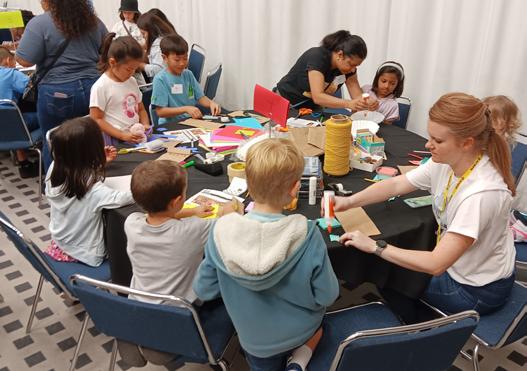
“That purpose has guided every step of my journey,” Samantha says, “and it continues to drive the work I hope to elevate across our profession.”
These aren’t just stories of architects. They’re stories of sparked purpose turned into lasting impact. Each of these leaders, Brien, Shadia, Richie, Samantha, chose to answer the call not just to build, but to build differently. To shape spaces with empathy. To mentor with intention. To center people in every elevation.
If you’re reading this and feeling a pull, don’t ignore it. Start with your moment. Trace it back. What ignited your passion? What change are you uniquely positioned to lead? Because movements don’t start with titles. They start with you.
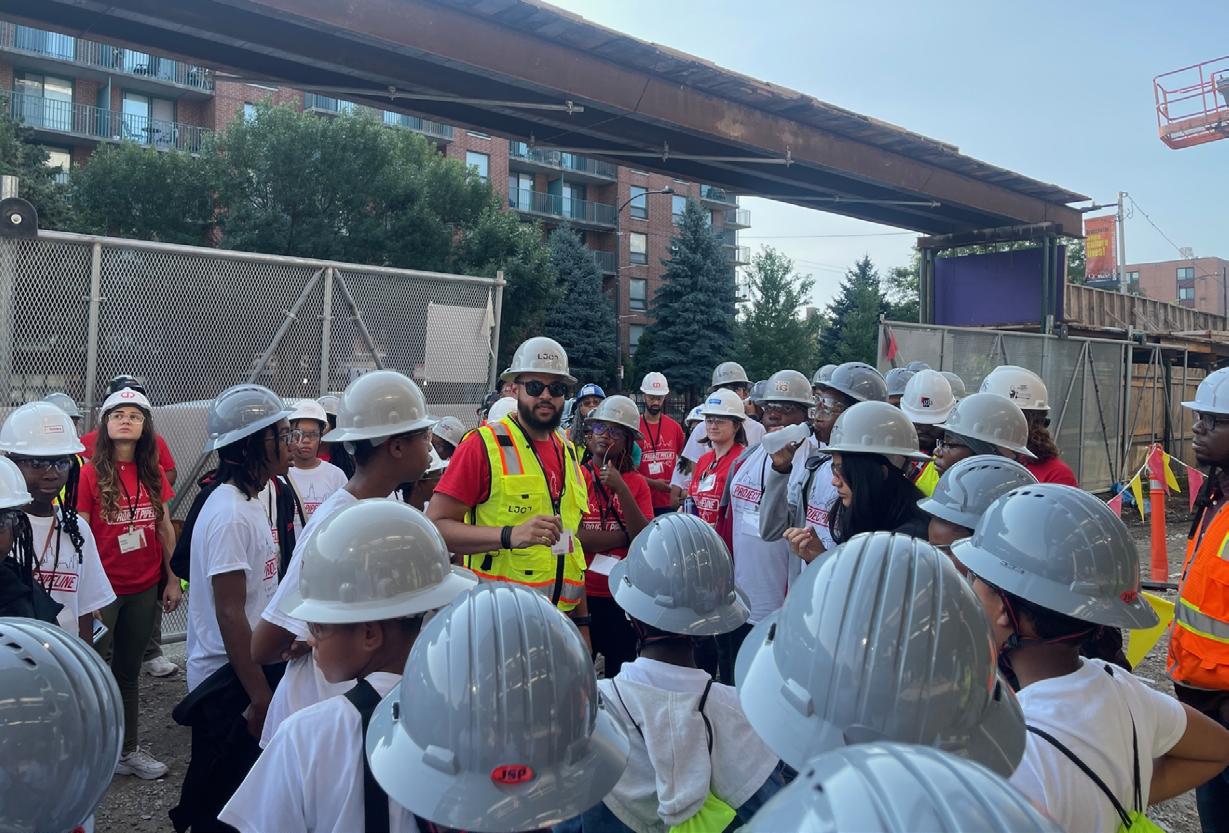
Image above: Richie Hands on site with Project Pipeline students.
Image above: Samantha Markham at Design Dash 2024.
Fellow Spotlight Series
Where does your medal live?
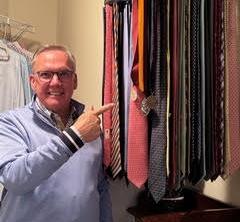
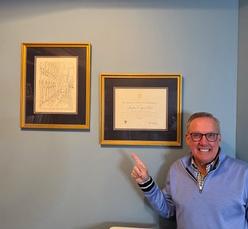
I truly enjoy the new series in the Quarterly “Where Does Your Medal Live”. My own certificate hangs on the wall directly behind my desk, in the most prominent place I could find, signed by my friends Jeff Potter, FAIA and Lenore Lucey, FAIA (who were President and Chancellor the year I was elevated in 2013), alongside a cherished sketch of the National Cathedral by the late Eugeny J. Mackey II, FAIA.
As for my medals, they live on my battery powered tie rack. For 30 years, I wore a tie to work every day, and each morning when I pressed the button to start the carousel, I would hear the medal gently “clink” together as the rack turned. It became a small daily ritual; that familiar sound was often the first thing I heard at the start of the day, and it never failed to bring a smile to my face.
Do you have a story to share about where your medal lives? Contact the College's Executive Director at COF@ aia.org with your written description and photos for consideration in an upcoming spotlight!
Photo Above: Courtesy of Stephen Ayers, FAIA
Photo Above: Courtesy of Stephen Ayers, FAIA
New World Architects
2025 COF Component Grant Recipient
AIA East Bay

The AIA College of Fellows grant supported the 2025 New World Architects Summer Camp, a one-week immersive architecture program serving 21 youth scholars ages 10 to 14 from underserved Bay Area communities.
With mentoring from 30 volunteer architects and designers, students engaged in drawing, model building, digital design, and field visits, and completed a collaborative design project presented to families and community members.
A last-minute venue change was required when the UC Berkeley School of Architecture could not host the program due to insurance concerns. The camp was relocated to the School of Engineering, which also provided an impromptu tour of the Engineering Testing Laboratory.
The grant enabled AIA East Bay to deliver all promised activities and more, raise visibility for the program through media coverage, and advance the College of Fellows’ mission around mentorship, diversity, and service to society.
GRANT OBJECTIVES
Objective 1: Introduce underrepresented youth to architecture, design thinking, and the built environment through a structured, immersive program.
Help make programs like this possible by donating or honoring someone with a gift to the College of Fellows Fund today!

Objective 2: Provide direct mentorship from practicing architects and emerging professionals who reflect the diversity of the communities served.
Objective 3: Offer both hands-on and digital design experiences that culminate in student presentations to families and community members.
Objective 4: Support program cohesion, safety, and identity through approved educational materials, branded attire, and media documentation.
Objective 5: Strengthen outreach to underserved schools and community organizations in the Bay Area.
USE OF FUNDS
Grant funds were used only for eligible purposes, consistent with the approved proposal budget. Supported costs included:
• Educational and design supplies and materials for studio work and model building
• Branded attire for students and volunteers to aid safety, cohesion, and visibility during field activities
• Media services, including photography, videography, and editing, to document and share the program
• Administrative support for registration, outreach, reporting, background checks, and related tasks
Meals and transportation were not paid for with COF grant funds.
PROGRAM ACTIVITIES
Activity 1: Hands-on Architectural Instruction
Completion Date: July 2025
Results and Outcomes: Students learned introductory architectural concepts, including basic terminology, drawing conventions, two-dimensional representation, and physical model building. This established a shared vocabulary and confidence in thinking like designers.
Activity 2: Digital Modeling Sessions
Completion Date: July 2025
Results and Outcomes: Students were introduced to computer-based design tools and translated their physical and sketched ideas into simple digital models. This experience provided a first look at technology used in professional practice.
Activity 3: Field Visits and Experiential Learning
Completion Date: July 2025
Results and Outcomes: Students visited an architecture firm and an active construction site, and received an impromptu tour of the Engineering Testing Laboratory at UC Berkeley. The laboratory tour, which replaced the original library visit, allowed students to see structural and materials testing in person and connect architecture with engineering and construction.
Activity 4: Collaborative Design Project
Completion Date: July 2025
Results and Outcomes: Working in small teams, students analyzed a site, developed program ideas, created conceptual designs, and produced models and drawings that brought their ideas to life.
Activity 5: Final Presentations and Community Celebration
Completion Date: July 2025
Results and Outcomes: Students presented their projects to families, volunteers, and invited guests. The event reinforced public-speaking skills, pride in accomplishment, and community engagement.
Activity 6: Post-Program Evaluation and Debrief
Completion Date: August to September 2025
Results and Outcomes: Program managers collected feedback from volunteers, parents, and students, and documented successes and improvement ideas for future camps.
OUTCOMES AND IMPACT: BENEFICIARIES
• 21 youth scholars ages 10 to 14 from underserved Bay Area communities
• 30 volunteer architects and emerging professionals, many of whom are AIA members
• Families and community members who attended the final presentations
• More than 9,000 individuals reached through the AIA East Bay website, newsletter, and email list
KEY ACHIEVEMENTS
• All core instructional objectives and promised activities were completed.
• The program successfully navigated an unexpected venue change and secured a new academic home in the School of Engineering.
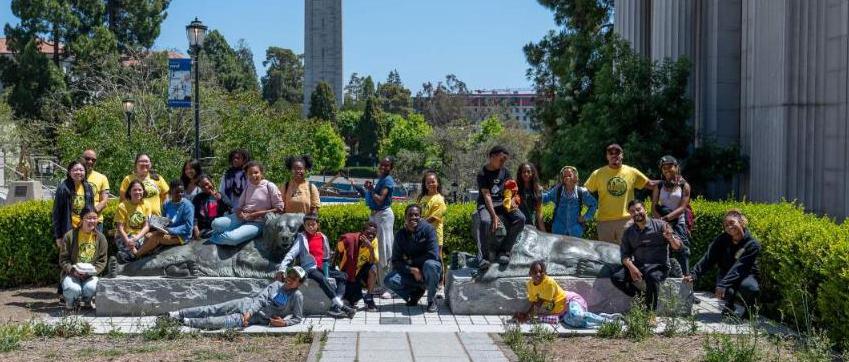
Photo Above: AIA East Bay - New World Architects.
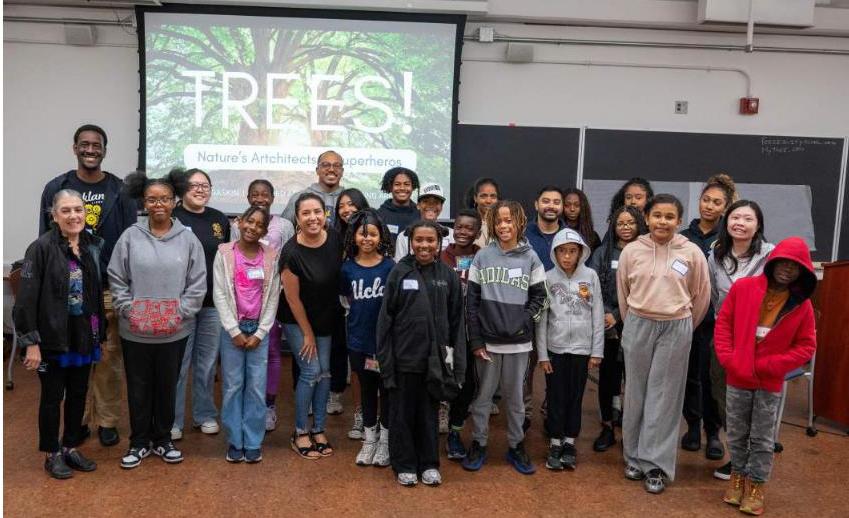
• The Engineering Testing Laboratory visit provided an additional real-world STEM experience that enriched the original curriculum.
• Volunteer interest exceeded available slots, strengthening the mentor pipeline.
• Media outreach through EIN Presswire and related outlets increased visibility of the program and the COF grant, highlighting the New World Architects Summer Camp as a model for mentorship and diversity.
LONG-TERM IMPACT
The camp continues a multiyear effort to create a pathway from early exposure to architecture toward future study and careers in the field. Many students express interest in returning or pursuing additional architecture-related opportunities. Volunteers deepen their skills as mentors and community leaders. The program reinforces the College of Fellows’ mission by advancing the profession, mentoring future architects, and serving society through outreach and education.
CHALLENGES AND LESSONS LEARNED
The primary challenge emerged when the UC Berkeley School of Architecture could not host the camp because of insurance concerns. This decision was communicated close to the program dates.
The team responded by working with partners at the UC Berkeley School of Engineering, which agreed to host the
camp and provided classroom space and access to the Engineering Testing Laboratory. The move required rapid logistical adjustments, but all program activities proceeded as planned.
KEY LESSONS
• Securing support from more than one academic department improves resilience.
• Maintaining a strong volunteer base allows for flexibility when schedules or spaces change.
• Clear communication with campus partners about risk and insurance early in the planning cycle will remain a priority.
FUTURE PLANS
AIA East Bay plans to continue the New World Architects Summer Camp at a similar scale, focusing on quality and depth of experience rather than growth in numbers unless additional resources become available. Future plans include:
• Refining the curriculum based on participant feedback
• Strengthening collaboration with the School of Engineering as the primary campus partner
• Continuing to recruit a diverse group of volunteers and mentors
• Sustaining media and outreach efforts to highlight the program’s impact and the support of the College of Fellows
Photo Above: AIA East Bay - New World Architects.
Interview | AIA EVP / Chief Executive Officer
Get to Know AIA EVP/CEO
Carole Wedge, FAIA
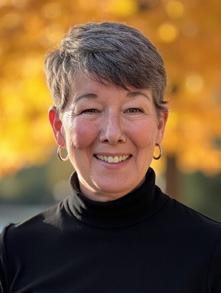
Ihave had the privilege of knowing Carole Wedge, FAIA, for almost 20 years, and have known for all that time that she is a gifted leader. We chatted on 1/26/26. She was in Boston with 18 inches of snow. I was at home in frigid West Des Moines, Iowa.
She started the conversation by stating that she has been “on the road” quite a bit, including attending the AIAS Forum the first week of January, about which she said, “I looked at the audience and thought, you know, the future is in good hands. They’re optimistic and energized, especially the AIAS leaders. Our job is to help them find jobs. They need to know that the AIA network is here to help them. If they can get inside a firm, they are going to be OK.”
After some friendly updating, we then went on to questions and answers.
Kate Schwennsen (KA): First, an easy topic: Why did you seek Fellowship? In what Object? When and where did you become a Fellow? Why should AIA members consider applying for Fellowship?
Carole Wedge (CW): The story of my career at AIA and Boston Society of Architects (BSA) is that someone tapped
me on my shoulder. And when I’ve asked members how they got involved they say, “well, so and so tapped me on the shoulder.” The BSA nominated me for Fellowship before I really knew what Fellowship was. The first woman principal at Shepley Bulfinch, Elizabeth Ericson, received her Fellowship when I was an associate, and she was just over the moon with having received her Fellowship, so I thought this must be a really big deal.
The BSA nominated me for Fellowship, I think for a couple of reasons, including Richard Fitzgerald, former EVP/CEO of the BSA, had asked me to chair our annual conference and it had been successful. My team had raised a lot of money.
I was sort of thrown into the deep end of “you should do this.” I called a few people and asked them why should I do this. Jane Weinzapfel, FAIA, said, “It’s hard to brag about yourself, but it’s a really important time to reflect on what you’ve done so far, and where you think you want to go.” And she said what she found most valuable about the process was to deeply reflect on the impact you’ve had and how to plan for your future. That resonated with me. I also trusted other advisors such as Peter Kuttner, FAIA and Ed Tsoi, FAIA and my local chapter’s leadership. I think for a lot of years in my early career I just followed Richard Fitzgerald’s advice.
Kate Schwennsen, FAIA
When people ask me for advice about applying for Fellowship, I ask if they have enough content yet. Sometimes people get too excited and get encouraged to do it too soon. It’s not for the faint-hearted. Look at the application process. Think about if this is the year for you. Sometimes people get encouraged to do it too soon. If people aim too high too soon, it can be demoralizing. Look critically at it before applying. Reference the resources that are available, including local chapter resources, including local Fellows groups.
There’s an opportunity for the College of Fellows and AIA to work with the chapters in particular. How do we help people more and help set them up to succeed? I’ve heard people say that applying for the Young Architects Award is a great foundation for applying to Fellowship. Remember to keep track of all that you are doing along the way.
“Service to the Profession” was the Object in which I was elevated. My role at Shepley Bulfinch was broad, and about leading a design firm. I was invested in Boston in 2008. Carole Olshevsky, FAIA, was Chancellor. I sort of felt like I was graduating from college again. Carole spoke about how this is a great accomplishment, and you should be very proud, but this is an inflection point about you thinking about where you want to go and how you will give back. It is a call for responsibility to the profession as a leader. She was very reflective that this is an important fulcrum in your career, really a call to having an impact. This responsibility is not optional. Her words really stuck with me.
KS: One of the objectives of the College of Fellows is to mentor young architects. You are considered a mentor by many. Why is mentoring important, and how do we best learn to be effective mentors?
CW: I had so many mentors at Shepley Bulfinch. It was just the culture of the firm to care about the next generation. It wasn’t until later in my career someone said, “We always grow our own.” But at one point I thought, “We are not growing them fast enough.” I think my generation was part of a culture shift in how we grow the next generation, and thinking we need some new people. I had many clients who were mentors to me, including a library client at Cornell University. They decided they were going to make me into a great library architect. They took the time to explain things to me.
So many of my mentors had daughters about my age. I was a Title IX baby. So my generation, no one told us we couldn’t do anything we wanted. People forgot to mention that. When we got out into the job world, we knew our employers couldn’t limit us. So I think I had that experience of very generous mentors. I felt like I was expected to give back, but also be with a group of colleagues who helped each other. Others at the BSA were watching out for us, or tapping us on the shoulder.
I think about the people who have told me that their experiences were not like that. Sometimes I think we assume our firms are all the same. There were those of us who found our voice in firms and spoke up, especially as people started to have families. I felt like I was the person that was always willing to speak up. If we don’t think that’s fair, we should tell them. I think my family taught me that. Don’t just observe the problem, speak up to make it better. We were the ones that went to the president and said, “We think we need to change the rules about what working means.” I remember saying to him, “Tell me what your daughters are doing”, and they were doing ambitious things. So that would open up a conversation. The more we made it human, the more they were open to hearing from us.
We then had to prove to them that we were committed to our careers. We had to build trust. Having lived through it, I felt like I had to be an advocate for people coming up, to pay it forward. It wasn’t just moms who wanted flexibility. Dads also want work/life balance. When I would be asked to be a speaker about work/life balance I would ask if I could bring some fathers with me. Being a little bit of a smart aleck served me well in some situations.
The biggest mentoring thing for me was the Women’s Leadership Summit (WLS) and BSA Women Principals group. It was with Sho-Ping and that group of women, that we got really close, and really started to share how we were running our businesses and what we wanted to advocate for, and the BSA was super supportive. Sho-Ping was on the national board, and the AIA took a chance on us. The first Women’s Leadership Summit, the AIA said not that many people are going to come. To us, those were fighting words, so we called all our friends to come, everyone we knew. It was kind of old-home week. It snowballed. When people were in a room with 150 women leaders they said, “Wow, we didn’t know there were so many of us.” It was very timely. I have more women that say, “You’re a mentor to me through the WLS”. That was our network. We realized that the men in our firms had different networks. That WLS network has encouraged attendees to start their own firms and lead in other ways.
Also, I love students and love talking to people about their careers, and just seeing how helpful I can be. Half the time it’s telling people to trust their instincts.
Without WLS and Large Firm Roundtable (LFRT), I don’t know if I ever would have joined the Board. I think the other thing I do is I just keep in touch with people, with my network. Over the years I’ve gotten better at making sure that I reconnect with people I meet along the way.
KS: Quite a few years ago I visited you in your Boston office and you were starting to think about transitioning out of your Shepley Bulfinch leadership role. You talked about needing to learn to lead from the back of the bus. Can you talk about what that means, and how you see your new leadership position with the AIA?
CW: There was a phase in my Shepley evolution I started reading leadership books. My husband Jerry and I would be in a bookstore and he’d be looking at the architecture books and I’d drift over to the leadership books, and he would ask, “What are you doing over there?” I read this book, Servant Leadership. And the concept was, if someone faints in a group of people who are the leaders who naturally help, the leaders that don’t need to be asked? Also, some leaders let others lead, and don’t have to always be out in front. That was very much a Shepley thing. If you can let others lead, you can be the safety net for them. If you lead from the front all the time you won’t develop the next generation of leadership. You will always be necessary. We seductively think that we should always be in the front of the room, and don’t learn to step back and let others speak first, step up and lead. I remember one of the principals I worked for said, “Oh, I can’t make that meeting”, and I had to lead it. He asked afterwards how it went, and I said fine, and he said, “Well, I think it’s yours”. And then he never came to another meeting. So over time I got better at saying to the client, “These are the people that are really doing the work.”
So that metaphor, learn to lead from the back of the bus, stuck with me. And if the bus starts fishtailing, you’re sort of the ballast in the back. But it’s also about organizational behavior. If you want an organization to grow beyond you, you have to make space for others to lead. Thru LFRT I saw some firms that were losing people because they weren’t making space for them.
The last nugget of this is wanting to step away early enough that I could do something else, and they weren’t tapping their foot waiting for me to leave. And I’ve seen that. Some people stay way too long, and they are in the way. And it’s hard to tell someone they’re in the way. But I’m seeing more firm leaders realizing that they can invent a whole other chapter. Ages 65-100, possible for many, is a very long time.
My job at AIA is to make members successful. And to make the relationship between national and the chapters feel like, “We’re better together”. I was quoted as saying, “We relish our autonomy, and then we bemoan that we’re not great collaborators.” Autonomy and collaboration strategy must be aligned. Sometimes national comes across as telling people what to do, and the chapters do the same thing. It’s mostly easy to solve through better communication and thinking to ask each other.
It’s also helping the AIA team to not be so afraid of the architects, because sometimes they come on strong. But also for members to appreciate that the AIA team cannot be expected to be perfect. Architects are kind of perfectionists, with high expectations. Innovation and perfection do not live very happily together. If we want to be creative and change for the better, we have to understand that sometimes things won’t be perfect.
At my first all-hands staff meeting I told the staff that architects are professional critics. We’re really good at it. But our staff needs to know that criticism is the outside crust layer of an idea. It felt true to the staff.
KS: During that same visit you showed me Shepley’s new VR equipment, and you shared how VR presentations with clients allowed them a better understanding of design proposals. As technology and design tools continue to advance, it’s AI now and will be something else later, what is the AIA’s role in advancing the technology and its use, in service to the profession and society?
CW: I had this experience with a law professor. I worked with a lot of law schools. We were doing a presentation and had about 20 different drawings taped up on the walls. And after we got to know each he said, “I don’t know what all these pictures are for. If you could just write down what you are trying to tell me. I do better with words than drawings.” Lawyers are text-based people, and here we were using our tools to try to explain ideas to them. That was the most honest client critique.
But I also remember it walking through a construction site and the client saying, “Oh, so this is what it looks like”.
The firms that work in all different types of technology are the ones that discern which tools are best at communicating with clients. Sometimes it’s a small little physical model. Sometimes it’s a VR fly-through. It was true that when our clients, especially healthcare, could put on the goggles and walk around they would see things that they knew weren’t going to work for their operations. It was a better tool for them to look at the design critically.
Some people are a little freaked out about AI. And maybe we should be a little nervous. But, it’s just another tool. It’s scary powerful, but it’s not inherently creative. It’s just like VR, which has morphed and developed into a better tool we can use on our phone of laptop. Experimenting is a natural part of the process of technology development. Only through experimenting are we going to figure them out.
One of the things we are talking about is an AI bootcamp, so people can come experiment and learn. And maybe we
should do an AI bootcamp for inside AIA staff so we too can experiment with it. What we need to do is expose people to it, let them play with it, let them learn from the firms that are experimenting with it, stay close to LFRT because they have more resources. We need to build up those tools that help members figure it out. It’s all about AIA as a learning organization, a place to go learn, and learn what other firms are doing. If AI could make specifications easier for all the people on the AEC team, wouldn’t that be good? I think we can use AI as a tool to be more profitable.
I keep coming back to AI is not inherently creative, and humans are.
KS: As you know, elevation to Fellowship is not a lifetime achievement award, but rather peer recognition for professional accomplishments already achieved, in expectation of greater accomplishments and advancement of the profession to come. With this expectation, how can individual members of the College of Fellows best contribute to the advancement of the profession of architecture? How can the College best support the mission of the AIA?
CW: Becoming a Fellow is an invitation to give back and pay it forward. It’s cool to get to know your peers, but it’s important that you need to be paying it forward to the next generation. You are considered a leader of your current generation. What is your favorite thing to do? Different people have different things to give. There isn’t one thing all Fellows should do. You are a leader in your field. The legacy each of us should leave is paying it forward for the next generation, and that can look like any of 10,000 things. But it’s also getting out of the bubble of architecture and the bubble of just talking to other Fellows. Maybe you’re talking to the next generation, other AEC leaders, the head of planning in your town, or the sustainability leader in your city. We show our value better than telling people about our value. For me it’s about where do I need to put some effort where I really enjoy. What is the thing you want to do?
It is sort of a legacy fulcrum. There are a few awards after Fellowship, but not many. It’s about giving back, participating in this profession that you love. Those are the connections that bring people back to why AIA is valuable.
What I’m doing with Boston where I’ve been in the Fellows group for a long time is I’m bringing in a couple of guest speakers, some next generation and others to mix up the conversation, and stir it up a little. We should be using our legacy to expose others to whatever we can share. Many Fellows have so much creative juice to share.
If everybody just told their stories, that would be powerful. The Quarterly is doing this, telling stories. The College can support the mission of the AIA through uncovering the stories of fellowship, including the firms that really supported those Fellows. I hope that the College really enjoys inviting and encouraging others to pursue Fellowship, and share their stories.
KS: Finally, how will you measure your success as the EVP/CEO of the AIA?
CW: We’ll be activating the Strategic Plan and making it real for our members and chapters, and keeping it vibrant. This is first and foremost. And then it’s really about culture, the culture of connection and collaboration, and leveraging that network. And this is directly related to communication. People don’t have the capacity to keep track of everything that AIA is doing. We need to try to think about different ways to communicate, especially to capture the next generation.
Culture and communication are the crux of it. For instance, we are doing so much advocacy at the Federal level, but members including those in the Fellowship chat don’t know about it, or it falls quickly to the bottom of the chat. How do we think about getting good information into all our communities that are communicating with each other?
Strategy, culture, advocacy, communication are at the top of the heap. Who has responsibility for different kinds of communication isn’t clear. We see some low-hanging fruit for just being better together that can help us get better aligned. We’ll know we’re communicating well when people tell us back what we are doing.
KS: Is there anything else you’d like to discuss?
CW: Members can reach out to me, invite us to participate. If you feel like national, the president or president-elect or someone from the board would be welcome in your area, invite us to come talk about what’s going on. Sometimes I think people absorb more in person. It’s lovely that we’re sending so much email, but I don’t think it’s landing as richly as we would like it to.
Call For Proposals
2026 Leslie N. Boney Jr. Spirit of Fellowship Award
The College of Fellows Executive Committee is soliciting candidates for the Leslie N. Boney Jr. Spirit of Fellowship Award. Nomination of interested members should include:
• A one-page nomination letter with bullets outlining qualifications;
• May be self-nominated or nominated by others;
• Include three letters of support;
• All information shall be submitted in a single pdf
The Jury is composed of a former Chancellor of the AIA College of Fellows, who serves as Chair, the sitting Chair of the COF Regional Representatives, and one of the most recent recipients of the Boney Award. The Jury will review the qualifications of all candidates and recommend a nominee to the Executive Committee. The recipient will be awarded at the AIA26 Investiture Ceremony.
FORMER RECIPIENTS
2000 Leslie N. Boney Jr., FAIA, Wilmington, NC
2001 Ernest H. Hara, FAIA, Honolulu, HI
2002 Raymond P. Rhinehart, Hon. AIA, Washington, DC
2003 L. Jane Hastings, FAIA & Norman Johnston, FAIA, Seattle, WA
2004 Norman L. Koonce, FAIA, Washington, DC
2005 Paul Barkley, FAIA, Falls Church, VA
2006 Robert A. Odermatt, FAIA, Berkeley, CA
2007 Albert W. Rubeling, FAIA, Baltimore, MD
2008 Eugene J. Mackey, III, FAIA, St. Louis, MO
2009 Pauline Porter, Alexandria, VA
2010 Robin Lee, Hon. AIA, Washington, DC
2011 Paul Welch, Hon., AIA, Sacramento, CA
2012 Gretchen Penney, AIA, Charleston, SC
2013 Robert I. Selby, FAIA, Champaign, IL
2014 Harold L. Adams, FAIA, Baltimore, MD
2015 James D. Tittle, FAIA, Abilene, TX
2016 Terri Stewart, Hon. AIA, Arlington, VA
2017 Frank E. Lucas, FAIA, Charleston, SC
2018 Barry Johns, FRAIC, FAIA, Edmonton, AB Canada
2019 Rebecca Edmunds, AIA, Roanoke, VA
2020 John R. Sorrenti, FAIA, New York, NY
2021 Edward J. Kodet, FAIA, Minneapolis, MN
2022 Edward A. Vance, FAIA, Las Vegas, NV
2025 Lisa W. Lamkin, FAIA, Dallas, TX
HISTORY
In 2000, then Chancellor of the College of Fellows, Robert A. Odermatt, FAIA, presented the first Spirit of Fellowship award to Leslie N. Boney Jr., FAIA, for his outstanding service and commitment to the College. Later that same year, the Executive Committee (ExCom) of the College voted to name the award after the first recipient, and thus it became known as the Leslie N. Boney Spirit of Fellowship Award.
PURPOSE
The award recognizes continuous, exceptional service and dedication to the College.
APPLICATIONS DUE APRIL 17, 2026 at 5:00pm ET
SUBMIT HERE
https://aia.secure-platform.com/a/solicitations/453/home
Questions should be referred to the attention of Muza Conforti muzaconforti@aia.org
Interview | 2025 Leslie Boney Sprit of Fellowship Recipient
Get to Know Lisa Lamkin, FAIA
By RK Stewart, FAIA
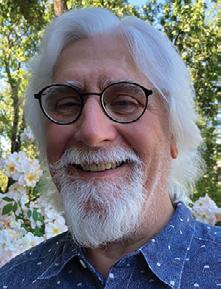
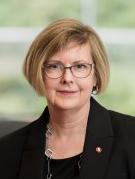
RK Stewart (RKS): You wrapped up 2025 in spectacular fashion, Lisa. Not only did you join the College of Fellows Executive Committee as secretary, but you you received the 2025 Leslie Boney Sprit of Fellowship Award in recognition of your contributions to the College. What was your initial reaction when you learned you were named the award winner?
Lisa Lamkin (LL): Wow, surprise! I cannot think of another recognition that I did not put intentional effort into accomplishing. The Boney Award was not even on my radar. I was honored to be included on the list of recipients and receive personal congratulations afterwards at Governance Week in December from those who supported the application.
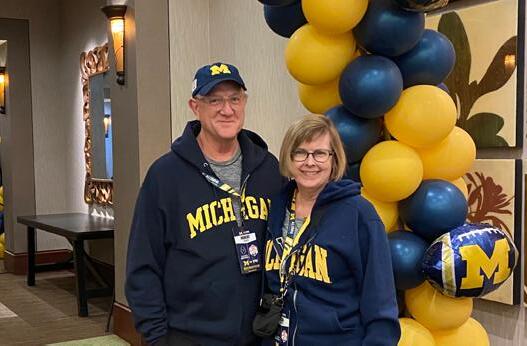
RKS: I'm always pleased to see another graduate of the University of Michigan's architecture program have career success while contributing to the profession's future. As you entered that first job in a practice after graduation, what were your expectations?
LL: I certainly expected that I had a lot to learn about Architecture and how relationships work in an office culture. I was definitely surprised that I had so much to learn culturally as a transplant from Michigan who was “not from around here,” even though I had visited grandparents in Dallas yearly throughout my childhood.
The economy was not great in 1983 and particularly not great in Michigan, so after my husband, Bob, and I received our M.Arch degrees we considered where to move as we prepared to look for jobs. Dallas had the appeal of warm winters (I didn’t really think about the blazing summers!) and some family in the area. After we decided to move to Dallas, Bob and I divided up the phone book (yes, the paper one) and we job hunted remotely since the cost of moving could be a deductible expense if one of us had a job. The second half of the alphabet yielded a job offer from a small firm called Schematics and we hired a mover!
RKS: In the early years of one's career there is often someone who influences us as a mentor or an inspirational figure. Who was that person for you?
LL: I was very lucky to not just have one but many influences. Those who lit the way for me with their accomplishments include: Jane Landry, FAIA (our first local woman Fellow), Marcel Quimby, FAIA (our first female Dallas chapter president), and Betsy delMonte, FAIA.
Also those who gave me wise and unvarnished feedback on “being an architect” with technical expertise were David K. Williams, AIA, Mark Watford, FAIA. There were also those who tapped me for AIA leadership including Dennis Stacy, FAIA, and those who modeled the importance of relationship skills including Jeffrey Brown, AIA.
RKS: An issue that has challenged the profession for many years has been achieving gender equity in opportunities for project and practice leadership roles. What was your experience in school and the evolution in practice over the course of your career relative to gender equity?
LL: As an academically successful student at the University of Michigan at a time when progressive attitudes about gender and its correlation with competence were becoming the norm in architecture, I was aware of, but somewhat sheltered from, open hostility. Michigan presented a range of opportunities in the graduate studio sections, some presented the more traditionally anticipated display of skepticism about the qualifications of women. I joined the community design studio, led by Professor Chaffers, which was a very diverse group where excellence was the criteria that mattered most. That made my transition to the reality of practice even more jarring, moving from a progressive climate in university to the still conservative southern city of Dallas.
I did and still do struggle with versions of the negative narrative “yes, you are very competent but my client won't be convinced of your approach because you are – insert excuse here (too young, too old, or too female, too Yankee or too soft-spoken) –to make a strong presentation.” Ironically, some of my favorite success stories include client decision-makers who are tired of “conservative guys stuck in their ways without fresh ideas” so the tables can be flipped if you have put in the work to be prepared when opportunity knocks.
Early on as with many of my generation I was often the only woman in the room, so I was much more vulnerable to being “culled from the herd” as different. A noticeable shift happened when male architects and contractors began to take on family responsibilities, especially the afternoon school pick up. Suddenly, meetings ended on time and grabbing dinner at the office and pushing through by working late into the evening became less of the norm. Now it is well within bounds to talk about work-life balance – a topic that would get surlish pushback not that long ago.
RKS: While it may seem obvious, "fellowship" is an important element of AIA membership as organization and not just in the College of Fellows. Once you became an AIA member when and how did you come to understand "fellowship" within the AIA? How did that understanding change when you advanced to Fellowship in the College?
LL: I was a beneficiary early on of the instant professional camaraderie available at AIA Dallas chapter meetings and events. This was especially meaningful to me as I worked only for small firms until BRW started to grow in my midcareer. Early involvement in committee and chapter leadership developed meaningful relationships that still resonate today. As the founding chair of the chapter’s Women in Architecture committee, I was often the woman architect representative to seemingly every committee, task force or working group. As a result, I had opportunities to engage with many of the firm leaders of the day. In 1996, I began the second decade of AIA membership taking on the role of Vice President / Secretary for the Dallas chapter.
I was very fortunate to have many Fellows as friends and mentors throughout my career including our two other Fellows at BRW, Mark and Craig. With advancement to Fellowship, the circle of relationships expanded exponentially. The shared experience of the process and the amplified perspective on the broad and diverse talents in the profession that our success has provided creates a unique bond that we can lean into.
Our mission demands that we as Fellows “be of everincreasing service to society.” I looked for opportunities to meet that challenge and found incredible rewards when serving the Dallas chapter on our publications editorial team and its Fellowship committee, the Institute as a Fellows juror and jury chair, and now leaning into the future with my role as the College secretary.
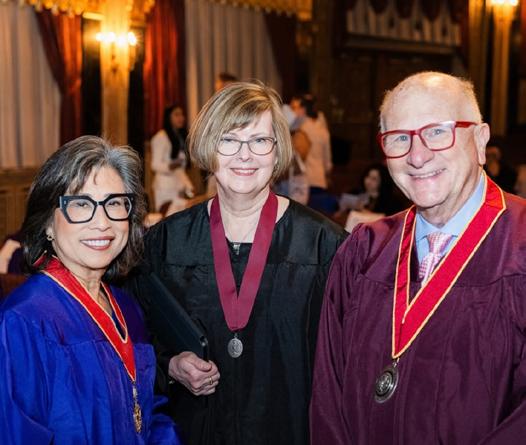
Photo above courtesy of Lisa Lamkin, FAIA (Left to Right): Elizabeth Chu-Richter, FAIA, Lisa Lamkin, FAIA, John Castellana, FAIA
Photo above Courtesy of Lisa Lamkin, FAIA: Bob and Lisa at the Fiesta Bowl.
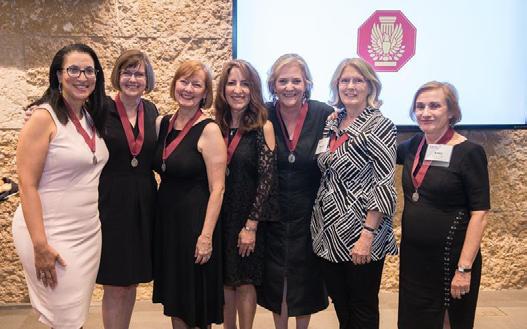
One of the opportunities for the newest incoming Executive Committee member is to serve as the College liaison to the Young Architects Forum. I am already enjoying immensely the opportunity to connect with this energetic and talented group at the beginning of their pathway to success.
RKS: Soon after you became a Fellow you joined AIA Dallas' Fellowship committee, advising and supporting candidates in Dallas on the path to Fellowship. What were some of the insights you gained in the role that candidates often misunderstand as they start down the path?
LL: The number one misconception of Fellowship is that being a highly accomplished and financially successful architect is enough. Another misunderstanding is that Fellowship is a lifetime achievement award where a long resume of recognition and successful projects will get you to the finish line. Lastly, too often discounted is the importance of crafting a clear and compelling case with a story connecting the dots that is backed up by specific, tangible, measurable evidence. Strategic, meaningful illustrations are important, but they cannot save a disorganized and/or incomplete case. You must be organized and structured to allow the juror presenting a candidate’s portfolio to the full jury to learn who you are and why your story matters quicky so that they can be a compelling champion for you during jury proceedings.
RKS: We share the experience of serving on the Fellowship jury as well as being its chair. The defining factor is the Jury's deliberation of every candidate is their "ripple effect." How would you define "ripple effect" and why it often the critical factor for the Jury?
LL: For starters, I agree wholeheartedly with the language of the sample application that stresses “the significant impact the candidate’s work has made on the field of architecture and on society.”
Ripple effect is the “So what?” of your story. What is your impact and why does it matter?
Without the “ripple effect” your portfolio is a long resume of positions occupied and work executed, not a case for
advancement to Fellowship. Being “in the room where it happened” is not enough. What did you do, how did you make it happen, and why does it matter?
RKS: You have also served as a College of Fellows regional representative, organizing and leading the Fellows in Texas. What is key to the regional representative role? What do you learn about Fellowship in that role?
LL: The regional representatives are critical in amplifying the voice of the College. It is said often “with more we can do more;” that is not just talking about money but the engagement of members. We are recognized as Fellows for exceptional work and contributions to architecture and society and are expected to be of ever-increasing service to society. Harnessing the talents and expertise of the College’s members depends on the representatives’ communication network building relationships at the component and state level.
Connecting with Fellows across the state, regionally and nationally, I gained a deeper understanding of the range of places Fellows reside and the varied experiences represented. We need to find ways to connect with future Fellows as well in support of their path to Fellowship, especially those who are members of small local components.
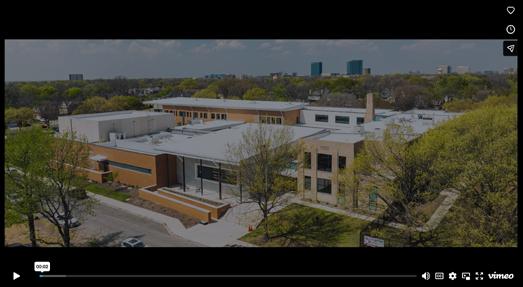
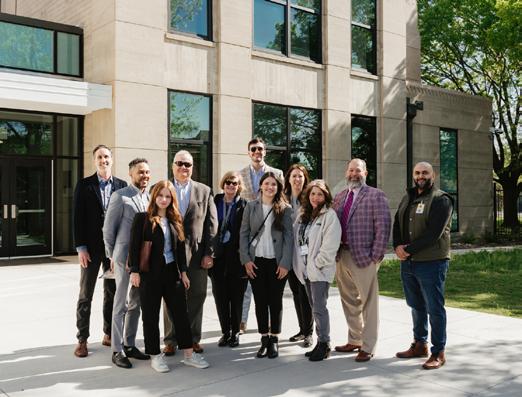
Click the image above to view a project video of Geneva Heights Elemetary.
Photo above courtesy of Lisa Lamkin, FAIA: Dallas-based women members of the College of Fellows.
Photo Above Courtesy of BRW Arch: Geneva Heights Elementary School project team.
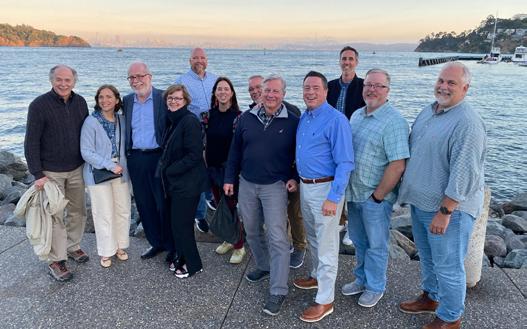
RKS: Each year the class of new Fellows is cautioned at their investiture that their membership in the College is NOT the capstone of the career but a steppingstone to their career's next chapter. How does that resonate with you? How has Fellowship enabled your career and your work?
LL: Fellowship expanded connections creating a bigger “adjacent possible” – the fuel for innovation and idea generation. Having climbed the “first mountain” as my career developed, I gained access to a broader view of what I can and should do next to continue contributing to the profession and society.
RKS: In closing, when asked what do you tell someone who is considering applying for Fellowship?
LL: Get feedback from those you trust on whether you are ready. Applying too early or too late makes the process more difficult and less likely to be successful. Consider your schedule. It takes significant effort to pull together a successful portfolio. You will likely be working many weekend afternoons to craft your presentation. Choose your sponsor with care, you will need to rely on their advice and critique while developing your portfolio.
Develop a detailed resume including all topics referenced in the sample application (projects, honors and awards, speaking engagements, publications about you and by you, positions held etc.) Separate accomplishments by geography (local, state, regional, national, international) and organize consistently by year. Put everything you can think of down –there is plenty of time for making it concise later.
Now that you have some facts at hand, start considering your “so what” story. What did you accomplish that is impactful beyond your local community? Make a few notes on your early thoughts.
Look at the resources provided at AIA.org and review them thoroughly, including:
• The sample application
• Best of examples
• Pathway to Fellowship powerpoint
Consider carefully the objects of elevation as described in the sample application. Do you fit in more than one? If so, it is very important to identify which object and sub-object has the strongest story of ripple effect. You cannot apply in more than one object and need to also select one sub-object.
Connect with your circle of resources early – are there Fellows in your network you could ask for advice? Who knows you well and has knowledge of your career? Who are your colleagues in your area of specialization? Who can you depend on to give you honest, unsparing feedback? Who can be a reference that knows you and appreciates the impact you have made?
Don't leave opportunities on the table – use the page limit to its fullest, include important items that directly relate to your object of elevation first but don't leave out other impacts. Consider what might need additional explanation – avoid making the jury Google search terms, organization names, etc.
Become a brutal editor, if something doesn’t fully support your “so what” story about your ripple effect you need to cut it out of the portfolio.
Frame accomplishments in the context of your selected object and sub-object. Cross reference elements throughout to emphasize the merits of your impact; for example – in “part two projects”, also note awards and publications, and note if a project is an exhibit.
It is critical to highlight your impact throughout the portfolio. For exhibits, clearly explain the problem, your role, and what the results of your work were.
Lastly, don't be afraid to put your work aside and wait a year if it is not coming together. Have faith that you will get there soon enough if your story is strong.
RKS: Thanks, Lisa for sharing some of your story of becoming a leader of our profession. We look forward to your leadership on the College’s executive committee to take the College to every greater success.
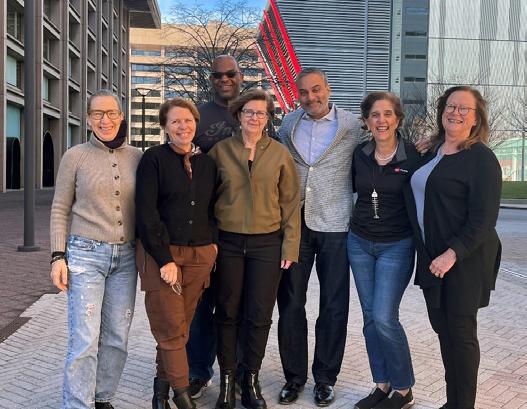
Photo above courtesy of Lisa Lamkin, FAIA: Lisa Lamkin, FAIA with BRW Principals
Photo Above Courtesy of Lisa Lamkin, FAIA: 2024 Fellows Jury.
Feature | Advocacy
Moving Policy Forward: AIA Government Adcovacy Committee
Matthew Toddy, AIA and Julia Fiedler

As 2026 gets underway, AIA’s Government Affairs Committee (GAC) and Government Affairs and Public Policy team (GAPP) are already working with legislators on federal issues that matter to architects. Policy keeps moving whether it’s in the spotlight or not, and our focus remains on what moves the profession forward.
KEY PRIORITIES
Protecting Our Architectural Heritage
Changes to historic buildings deserve serious review. We are supporting a bill introduced by Rep. Jamie Raskin that would require congressional oversight for any White House renovation plans altering or demolishing historic structures, like the East Wing. This effort ensures that design review, transparency, and professional expertise are not optional for our nation’s most significant buildings.
Ensuring a Strong Future for the Profession
Architecture is a profession, and federal policy should treat it like one. We are working with lawmakers on legislation, including the Professional Degree Access Restoration Act and the Professional Student Degree Act, to fix policies that have made it harder for the next generation to enter our field. These efforts are only possible because of our
members’ engagement. Last year, architects sent over 12,000 messages to Congress on these issues alone, and lawmakers noticed.
Working Towards a More Robust Housing Future
The ROAD to Housing Act passed the Senate last year, but was ultimately taken out of the final National Defense Authorization Act. In response, House leaders have now introduced the new “21st Century Housing Act,” a comprehensive package aimed at boosting supply and improving affordability, which is moving through the House Financial Services Committee. Our team is working closely with House offices and partner organizations to refine the bill’s provisions and build the support needed to move this legislation forward.
WHAT’S AHEAD THIS SPRING
Policy work continues to move quickly, and several federal issues relevant to the profession are approaching key moments. Here’s an update on what we’re tracking and where member engagement will soon matter most.
Student
Loan
Policy:
Comment
Period Expected Soon
Tomorrow (1/30), the federal rule regarding the designation of architecture as a professional graduate program is expected
to be published. We are anticipating a 30-day comment period during which AIA members will have the opportunity to provide feedback. AIA will be submitting official comments and coordinating with partner organizations to ensure a broad set of perspectives is represented. We encourage members to stay engaged and share their insights as this important policy moves forward.
White House & Federal Planning Review
GAPP staff have attended meetings of both the National Capital Planning Commission (NCPC) and the Commission of Fine Arts (CFA) regarding matters related to the White House ballroom project. Based on these discussions, we expect an NCPC comment period to open in the near future. We will continue monitoring this process closely and will share opportunities for engagement as they arise.
Federal Procurement & the 6% Fee Limitation
On January 15, AIA submitted formal comments as part of the Administration’s “Revolutionary Federal Acquisition Regulation (FAR) Overhaul.” Our comments addressed proposed FAR updates affecting federal architect-engineer services, including concerns about the misapplication of the 6% fee limitation and potential revisions to QualificationsBased Selection (QBS). This submission followed a meeting with White House officials leading the FAR overhaul, whose mandate includes making federal procurement more business-friendly—particularly for small businesses.
Hill Day Is Approaching
AIA members will soon be meeting with their Members of Congress to discuss these issues and more. These conversations are a critical part of ensuring policymakers understand the value architects bring to federal projects, communities, and the built environment.
This is just the tip of the iceberg in terms of what GAC and GAPP are working on. We are working with the Fellows on the GAC to provide the Fellows Community Hub regular updates and AIA is reworking the AIA Government Affairs pages to make it easier to find updates in this dynamic political landscape.
We will continue sharing regular updates as these processes move forward and appreciate your engagement and leadership as we advance policies that strengthen the profession.
Please reach out to Matt Toddy or the Fellows on this committee with any questions.
FELLOWS ON THE AIA GOVERNMENT ADVOCACY COMMITTEE
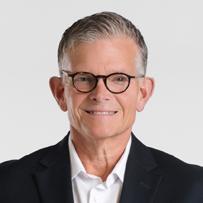

Arathi Gowda, FAIA
Drew White, FAIA
Michelle Mongeon Allen, FAIA
Blueprints for Leadership
2025 COF Component Grant Recipient
AIA Honolulu
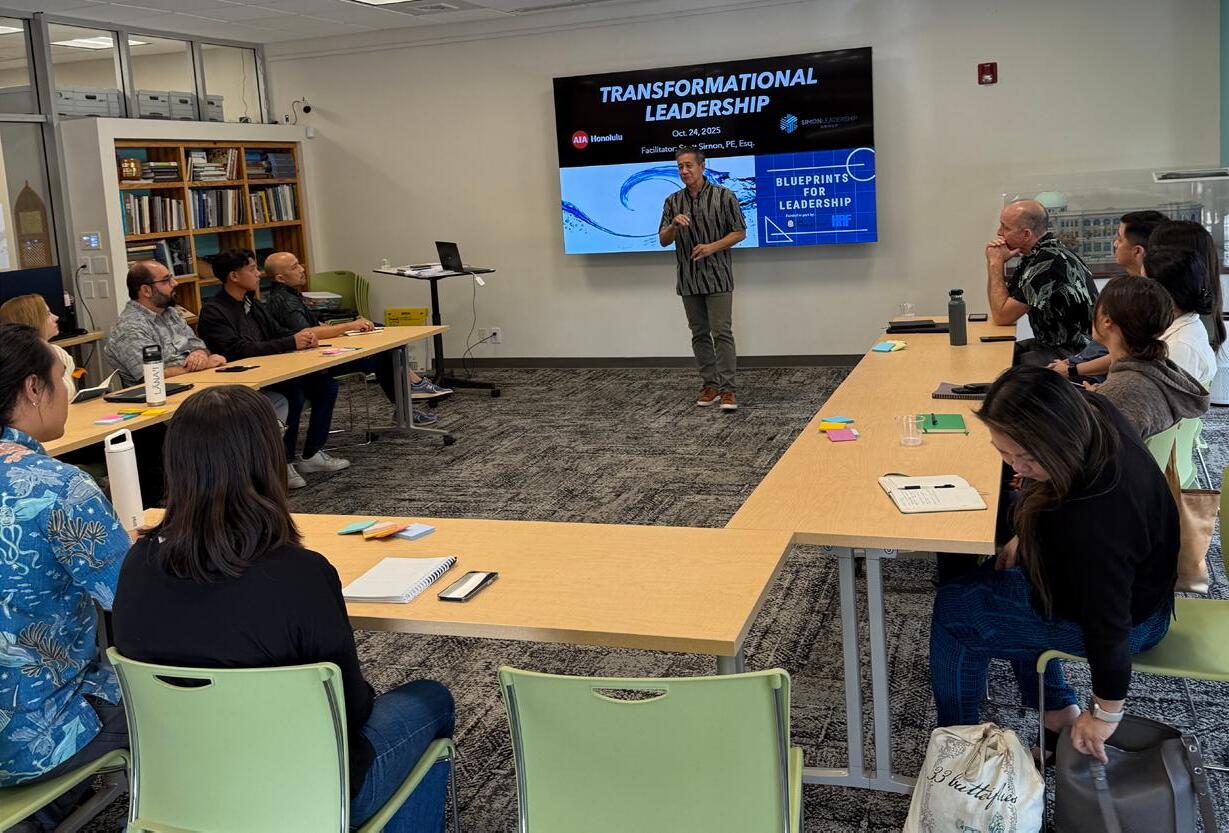
In 2025, AIA Hawai‘i launched the Blueprints for Leadership program—an evolution of the originally proposed Executive Leadership Program—designed to strengthen leadership capacity among emerging and mid-career professionals in Hawai‘i’s design and construction industry.
While the initial cohort-based model did not generate sufficient registrations, AIA Honolulu successfully pivoted to a more flexible à la carte workshop series that has proven more accessible and responsive to member needs. The program now delivers targeted, high-value leadership training sessions led by respected local experts, aligning with AIA’s mission to advance the profession through knowledge, equity, and service to society.
To date, two sessions have been held, with six additional sessions planned through 2026. Early workshops have received highly positive participant feedback and strong engagement from both members and allied professionals.
GRANT OBJECTIVES
The original goals of this grant remain central to the program:
• Develop leadership skills among Hawai‘i’s next generation of design-industry professionals.
Help make programs like this possible by donating or honoring someone with a gift to the College of Fellows Fund today!
• Provide access to practical business and management training not traditionally included in architectural education.
• Strengthen the capacity of local firms by cultivating confident, collaborative, and forward-thinking leaders.
• Support AIA’s broader strategic priorities in climate action and equity, diversity, and inclusion (EDI) through integrated leadership discussions and topics.
Although the structure shifted from a cohort model to a workshop series, these objectives continue to guide all sessions and content development.
USE OF FUNDS
The $4,500 grant supported the launch and implementation of the Blueprints for Leadership program, including:
• Program design and curriculum revision — adapting content from a cohort-based model into modular, stand-alone sessions.
• Facilitator honoraria and speaker stipends for the first two workshops.
• Venue and materials for in-person learning sessions at the Center for Architecture.
Remaining funds will support the 2026 sessions, including speaker fees, materials, and event logistics.
PROGRAM ACTIVITIES
Since adopting the revised model, AIA Honolulu has hosted two sessions:
• Blueprints for Public Speaking (August 29, 2025): A hands-on workshop helping architects and designers build confidence and clarity in client presentations and public testimony.
• Blueprints for Transformational Leadership (October 24, 2025): A session focused on cultivating client relationships, proposal strategy, and leadership presence in firm growth.
Upcoming sessions in 2026 will explore themes such as project management, emotional intelligence, communication and influence, and ethics. Each workshop blends presentation, interactive discussion, and reflection, enabling attendees to apply insights immediately in their professional roles.
OUTCOMES AND IMPACT: BENEFICIARIES
The Blueprints for Leadership program has directly benefited 36 participants across its first two sessions, including emerging professionals, mid-level practitioners, and firm leaders from architecture, engineering, and construction disciplines. Participants represented 18 firms statewide, ranging from small locally owned practices to larger
multidisciplinary organizations.
Indirectly, the program supports the broader design community by strengthening leadership capacity, communication skills, and firm culture as participants bring lessons back to their workplaces.
KEY ACHIEVEMENTS
• Successfully restructured and relaunched the leadership program under the Blueprints for Leadership brand, increasing flexibility and accessibility.
• Hosted two well-attended sessions — Blueprints for Public Speaking and Blueprints for Transformational Leadership — led by respected industry professionals.
• Received positive post-session survey feedback, with participants reporting increased confidence in presenting ideas, managing client relationships, and identifying leadership opportunities within their firms.
• Strengthened inter-firm networking and mentorship, fostering new professional connections between earlycareer associates and senior firm leaders.
• Established a replicable model for future sessions.
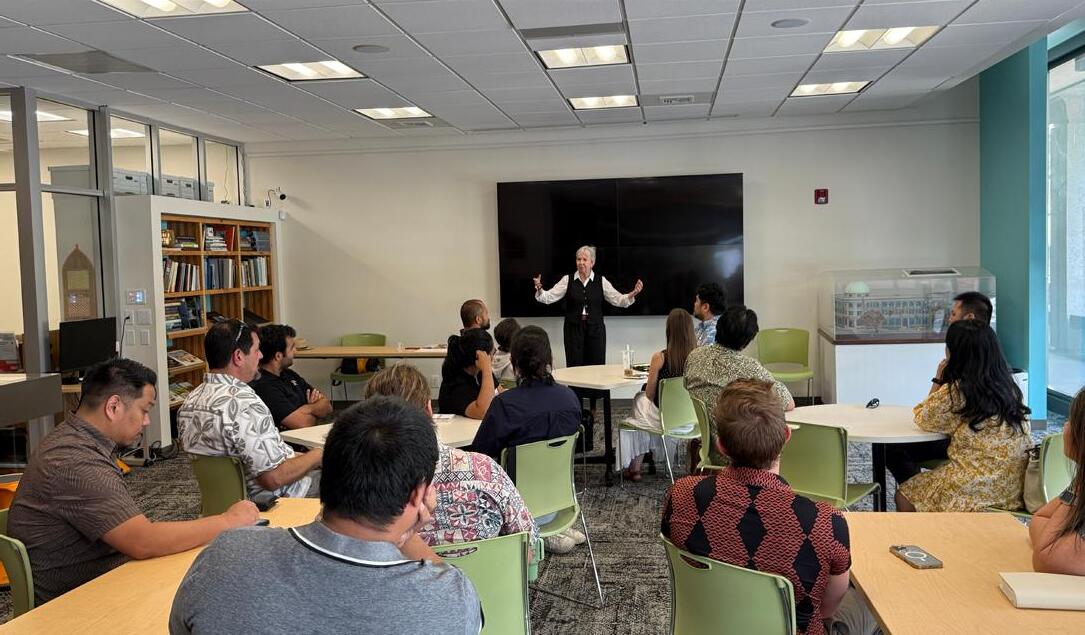
Photo above: AIA Honolulu Executive Leadership Program session.
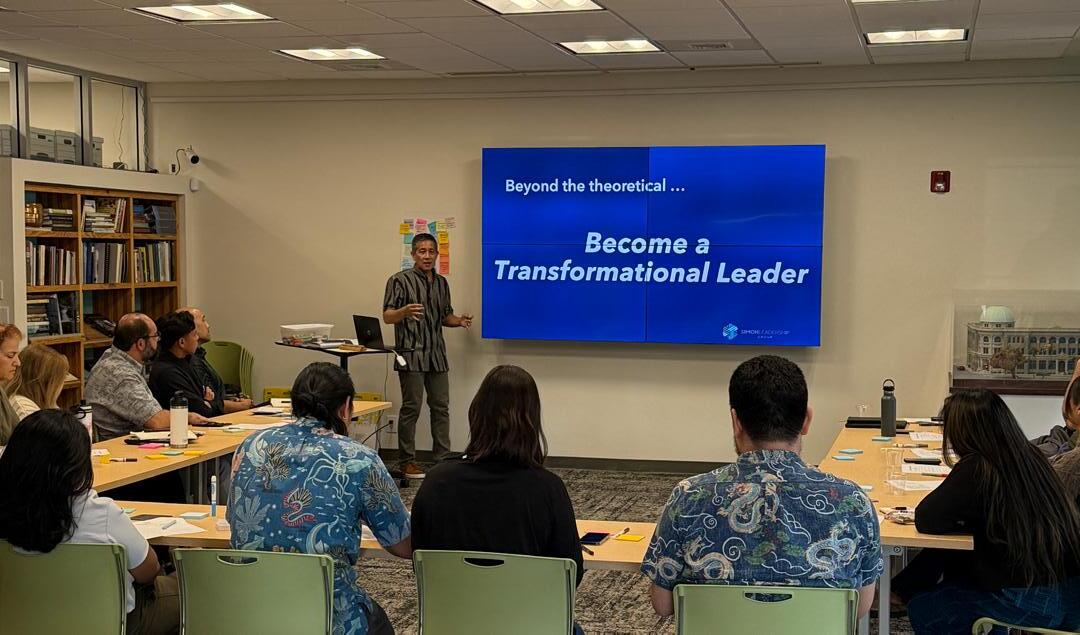
LONG-TERM IMPACT
Although the program is still in progress, early results indicate several lasting benefits:
• Leadership readiness: Participants are demonstrating increased interest in firm management and communityengagement roles, strengthening the leadership pipeline within Hawai‘i’s design industry.
• Professional retention: Providing clear pathways for leadership growth supports talent retention within the islands.
• Sustained engagement: The modular format encourages ongoing participation, fostering a culture of continuous learning and cross-firm connection.
As the remaining six workshops roll out through 2026, AIA Honolulu will continue collecting feedback, tracking participant advancement, and measuring the program’s cumulative impact on professional leadership capacity statewide.
CHALLENGES AND LESSONS LEARNED
The program’s primary early challenge was lower-thanexpected registration for the intensive cohort model, prompting a thoughtful reassessment of member needs and capacity. The pivot to a modular structure yielded several key insights:
• Flexibility drives engagement. Members value the ability to select sessions that fit their schedules and professional goals.
• Targeted topics increase relevance. Narrower focus areas—such as communication and leadership presence—generate stronger interest and impact.
• Community outreach is essential. The transition period reinforced the importance of clear communication, strong branding, and consistent promotion.
These lessons have informed a more sustainable program structure moving forward.
FUTURE PLANS
AIA Honolulu will continue expanding the Blueprints for Leadership program into a signature professionaldevelopment series through 2026. Future goals include:
• Hosting six additional monthly workshops.
• Expanding partnerships with local leadership consultants and business educators.
• Pursuing additional funding to underwrite participant scholarships and resource materials.
• Measuring long-term impact on participant leadership advancement and firm engagement.
By continuing to evolve, Blueprints for Leadership will help ensure that Hawai‘i’s design professionals are equipped not only to manage projects, but to lead teams, firms, and communities into the next century of design excellence.
Photo above: AIA Honolulu Executive Leadership Program session.
Chancellor's Cup Tournament Update
RK Stewart, FAIA
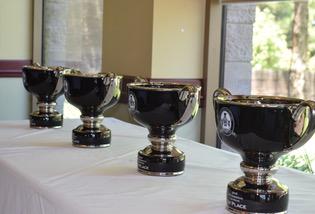
Happy New Year, Golfers! Welcome to 2026 everyone! I hope everyone one had a wonderful holiday season and is looking forward to the new year ahead. With the holidays behind, the golf committee will be accelerating our preparations for the 27th College of Fellows Chancellor's Cup Golf Open. The Chancellors’ Cup will take place on June 10, 2026, preceding the AIA Conference on Architecture and Design (AIA26).
We can now "officially" announce our venue for this year's Chancellor's Cup: the Maderas Golf Club in Poway, California. As we teased in the last issue of the Quarterly, the course was designed by Hall of Fame golfer Johnny Miller in collaboration with Robert Muir Graves and is managed by the Troon organization. It plays to 72 par at 6,400 yards across open fairways, wooded areas, strategic bunkers and dramatic elevations changes.
The Club opened in 1999 featuring a clubhouse designed by Douglas Fredrikson Architects, of Phoenix, Arizona, who have more than 40 golf clubhouses to their credit across the country. The clubhouse provides expansive views of the course while blending Mediterranean influences with contemporary design. Sounds like a fun day of golf does it not?
All AIA members are welcome to join us to play in the Chancellor's Cup. You don't have to be Fellow to play. Anyone
who is looking for fun day of golf on a challenging course and the camaraderie of other architects is welcome at this event. The Chancellor's Cup has raised more than $600,000 in support of the College's missions. That support advances architectural research through the Latrobe Prize and Upjohn Research Grants, mentorship in the collaboration with the Young Architects Forum and fellowship through Component Grants. If you do not play golf, you can support the College's mission by becoming a Chancellor's Cup sponsor.
Your participation in the Chancellor's Cup as a player or a sponsor will help advance the profession to better serve society in the future. It is never too early start talking to colleagues and partners to organize your foursome for the Cup. June will be here before we know it. You'll be able to reserve you place in the Cup when registration opens in early February.
While the rain and snow fly around the country and we're hitting off the mats at Top Golf or our local indoor simulator, we can dream of June and teeing up at the Maderas Golf Club. I know I need the practice time!
Guest Contributor
Advancing the Profession Through Scholarships `
Yu-Ngok Lo, FAIA & Saakshi Terway, Associate AIA
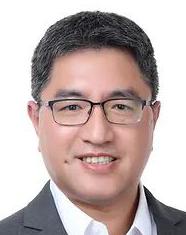
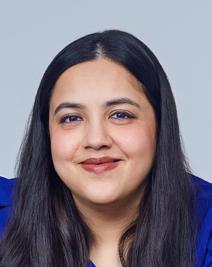
Advancing the profession is a collective responsibility, one that sits squarely within the culture of leadership, governance, and mentorship stewarded by the AIA College of Fellows.
The IAC Architecture Excellence for Students & IAC Path to Licensure Scholarships represent a commitment to removing barriers that limit participation and leadership while reinforcing continuity from education through licensure. For Fellows who have long shaped standards of practice and professional values, efforts such as these underscore the opportunity to ensure that future leadership reflects the full breadth of talent within the field. Within the long arc of the profession, such investments continue architecture’s enduring commitment to public good, professional rigor, and generational stewardship. As architecture evolves in response to societal and environmental challenges, its future will depend not only on the quality of the buildings it produces, but on who is empowered to design, lead, and shape the profession itself.
Advancing the profession of architecture requires more than innovation in technology or excellence in design. It requires sustained investment in people and a commitment to ensuring that talent is not lost to systemic barriers unrelated to ability or ambition. As the cost of an architecture education increases, the financial burden of education and licensure has grown,
shifting more cost and risk onto individuals and narrowing who can realistically enter and remain in the profession.
As the profession continues to grapple with questions of equity, workforce sustainability, and leadership succession, it has become increasingly clear that the ability to obtain an architectural degree is determined by financial privilege rather than talent, commitment, or leadership potential. In this context, gentrification is reflected not only in rising costs but in whose voices, backgrounds, and leadership pathways are most readily sustained over time. Scholarships, therefore, play a critical role not as supplemental aid, but as structural tools to counterbalance this shift and ensure that the architectural pipeline remains accessible, diverse, and resilient.
The Immigrant Architects Coalition (IAC) was established in response to this reality, focusing on the structural challenges faced by international students and immigrant professionals navigating architectural education, practice, and licensure in the United States. As a national organization working across education, practice, and licensure, IAC has seen firsthand how targeted interventions can meaningfully reduce attrition and expand access to professional advancement. Through scholarships intentionally aligned with critical transition points, IAC advances the profession by strengthening continuity across the architectural pipeline.
International students contribute significantly to architectural education, bringing global perspectives, cultural fluency, and intellectual rigor to studios and classrooms across the country. Yet these students often face financial and institutional constraints that their domestic peers do not. Many are ineligible for federal financial aid and have limited access to scholarships, while visa restrictions can constrain work opportunities during and after school. These challenges can limit participation in internships, research opportunities, and professional development experiences that are foundational to long-term success in the field. While many individuals begin as international students, they often continue into practice as immigrant professionals, carrying forward many of the same structural constraints into licensure and leadership stages. Without intervention, the profession risks losing highly trained talent at scale, not because of a lack of ability or commitment, but because the system was not designed to support sustained participation.
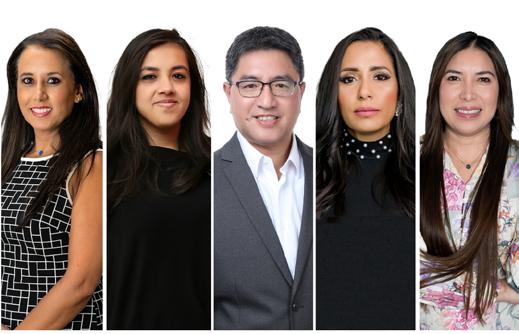
These challenges frequently intensify after graduation, particularly at the licensure stage. The path to becoming a licensed architect requires navigating the Architect Registration Examination, a process that carries a high financial cost and time commitment. For immigrant professionals, this process often unfolds alongside immigration timelines, employment constraints, and uncertainty about long-term residency. Exam fees, preparation resources, and the psychological pressure can become barriers that delay or derail licensure entirely. When licensure is out of reach, so too are opportunities for leadership, firm ownership, mentorship, and full participation in professional governance. Addressing licensure access is therefore not only an equity concern, but a workforce imperative, particularly given the role licensed architects and Fellows play in shaping standards of practice, mentorship pathways, and leadership culture across the profession.
IAC approaches scholarships not as isolated acts of assistance, but as strategic investments in the profession’s future. Its scholarship initiatives are designed to support individuals at moments when targeted intervention can have an outsized impact on persistence, confidence, and
professional trajectory. By focusing on both students and licensure candidates, IAC seeks to reduce attrition, reinforce professional confidence, and foster long-term engagement with architecture. Scholarships also send a powerful signal about who the profession values and chooses to invest in, shaping expectations of belonging and leadership from the earliest stages of a career. In this way, scholarships function not only as support mechanisms but as tools for advancing the profession itself by strengthening continuity, leadership readiness, and licensure access. At the same time, IAC recognizes that scholarships alone are not sufficient; they are most effective when paired with mentorship, institutional commitment, and broader professional reform.
When IAC formalized as a nonprofit, its leadership intentionally built on prior, proven models of scholarship development and administration. Drawing from earlier scholarship initiatives that supported immigrant architecture students at a smaller scale, IAC ensured that its programs were grounded in tested frameworks rather than created in isolation. This continuity of knowledge has allowed the organization to scale its efforts responsibly while remaining focused on long-term professional impact.
The IAC Architecture Excellence for Students Scholarship reflects this philosophy by supporting immigrant and international students enrolled in architecture programs who demonstrate academic achievement, leadership potential, and a commitment to the profession. At a time when financial pressures often force students to compromise opportunities or reconsider their career path, early support can be transformative. Beyond easing financial burden, the scholarship provides recognition and visibility, affirming that immigrant students belong in architecture and that their contributions are valued. For many recipients, this acknowledgment strengthens persistence, supports continued engagement in architectural education, and reinforces confidence in pursuing long-term professional goals rooted in design excellence and public impact.
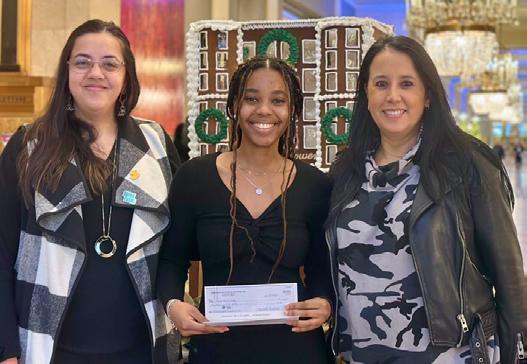
Photo Above: 2025 Scholarship Awarding Ceremony
Left to Right: Saakshi Terway, Assoc. AIA (IAC Secretary), Dana Goodridge (2025 IAC Architecture Excellence Scholarship Recipient), Graciela Carrillo, FAIA (IAC Vice-President & Treasurer)
Photo Above: IAC Board of Directors. Left to Right: Graciela Carrillo, FAIA, Saakshi Terway, Assoc. AIA, Yu-Ngok Lo, FAIA, Gloria Kloter, AIA,and Oyuki Sulu, Assoc. AIA.
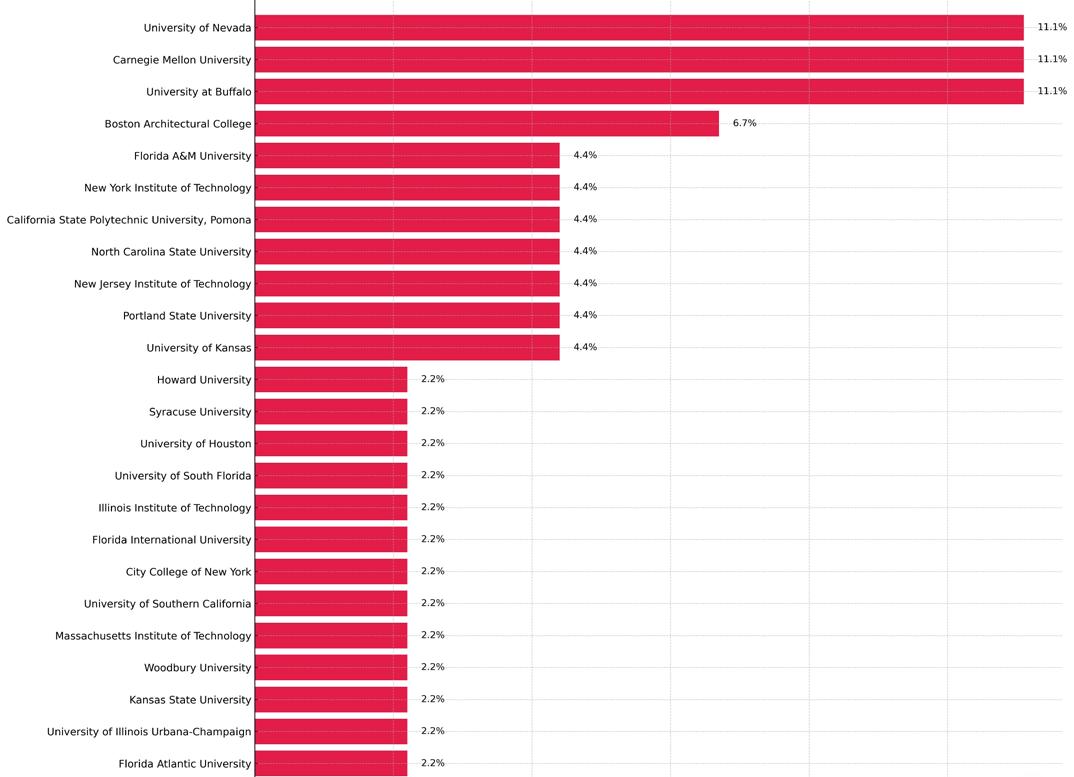
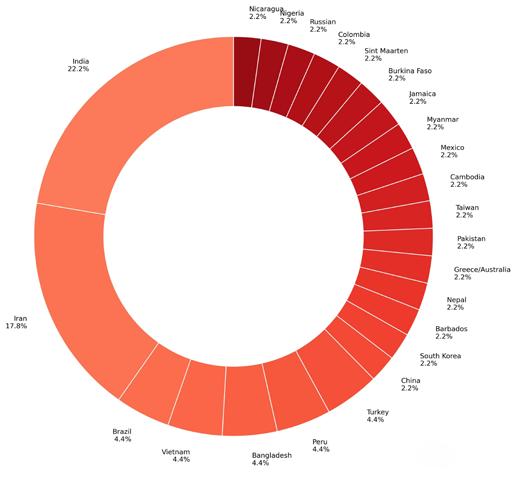
Since its launch, the Architecture Excellence for Students Scholarship has completed two national award cycles, reflecting both demand and geographic reach. In 2024, IAC received 39 applications from students across 23 architecture schools in 16 states, including 28 graduate and 11 undergraduate students representing 17 countries. In 2025, applications increased to 45 submissions from 24 schools across 13 states, with 36 graduate and 9 undergraduate students representing 24 countries. Together, these cycles underscore the breadth of interest, the scale of unmet need within architectural education, and the role scholarships can play in sustaining diverse participation across the pipeline.
Equally critical is the IAC Path to Licensure Scholarship, which addresses one of the most consequential transition points in architectural careers. Licensure is a defining milestone that enables architects to assume greater responsibility, shape practice culture, and contribute fully to professional leadership and governance. Launching in 2026, the IAC Path to Licensure Scholarship will enter its first award cycle,
responding to recurring patterns IAC has observed among licensure-eligible candidates who face delays or attrition at this stage. By providing targeted support for ARE candidates, IAC aims to reduce financial strain, alleviate timing pressures, and improve access to resources that support exam success. As this inaugural cycle begins, IAC looks forward to supporting candidates at a moment when licensure momentum is most vulnerable and professional impact is most imminent.
The impact of these scholarships extends beyond individual recipients. By supporting access to education and licensure, IAC contributes to a more diverse, resilient, and innovative profession, one that benefits from a wider range of perspectives and experiences. These initiatives also offer a replicable model for firms, AIA components, and institutions seeking to strengthen workforce development, leadership continuity, and professional rigor. When access is broadened thoughtfully, design excellence and innovation are strengthened rather than diminished.
Images Above & Right:
Demographic Representation by country of applicants for the 2025 Architecture Excellence for Students Scholarship cycle.
Regional Representative Message
New Beginnings with Your Regional Reps
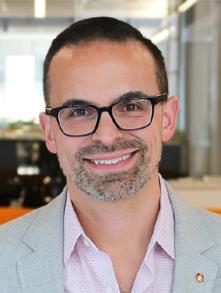
The start of a new year always brings with it the promise of something new – new beginnings, new leadership, recommitting to goals, and perhaps signaling life events. For me, I am navigating the college decision process for the first time as a parent. It is also my first quarter as chair of the College of Fellows regional representatives.
I am looking forward to working with the amazing group of regional reps we have kicking off this year, enhancing communication, and looking for new ways to engage with more Fellows across the globe. We continue to have amazing executive committee leadership in the College, and I am excited for what’s to come working with Jeanne, Steven, Bill, and Lisa.
For many of our regional reps, 2026 is also a new beginning – they are at the start of their three-year term representing many of you. It might take a little time to get fully engaged and up-to-speed, but no doubt they have risen to the challenge of being an integral part of the College of Fellows network and will make themselves available to you in the coming months. There will be a special issue of the Quarterly coming soon that spotlights the regional reps, and I urge you to get to know your representatives and contact them with ideas or your
willingness to get more involved in the work of the College. We are always looking for events, milestones, and stories from Fellows to celebrate in the Quarterly. If you have something you’d like to share, please channel it to your regional rep(s) for consideration in upcoming issues. I would especially like to highlight programs and events that showcase the core mission of the College in action. Images, short narratives, and web links are welcome.
I would also like to take a moment to thank my predecessor, past chair of the regional representatives, Stu Pettit, FAIA, for his dedication over the past several years. Stu worked hard to ensure all regions were represented going into 2026, so all of you would have a conduit to leadership. I am sure his dedication to the College will continue in other ways, but I am very grateful for all he has done in this role.
Jon Penndorf, FAIA

The Fellows Collection
The College is pleased to offer the following items for purchase through the AIA Design Shop!

A B

A. SMALL FAIA PIN
The small COF lapel pin measures 1/2 inch in diameter and contains 1/10 10K yellow gold.
B.
LARGE FAIA PIN
The large COF lapel pin measures 5/8 inch in diameter and contains 1/10 10K yellow gold.
Purchase this at the AIA Design Shop

2-BALL SLEEVE WITH POKER CHIP
Perfect for gifting, each clear tube contains 2 COF Titlest TruFeel balls, and 1 COF single side resin domed Poker chip.
Purchase this at the AIA Design Shop

COF MOLENA FLEX NOTEBOOK
The Molena is a smooth, vinyl like material and the books feature a perfect-bound spine, flexible wraparound cover, and 100 sheets of ruled paper.
Dimensions: 5.5" x 8.5"
Purchase this at the AIA Design Shop
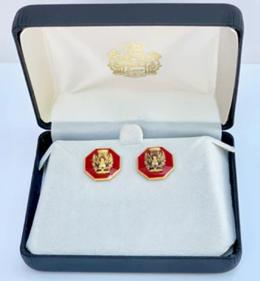
COLLEGE OF FELLOWS EARRINGS
The earrings measure 1/2 inch in diameter and contain 1/10 10K yellow gold.
Purchase this at the AIA Design Shop
TRI-FOLD GOLF TOWEL
This tri-fold golf towel with our COF embroidered logo features 100% Turkish ultra-soft cotton velour.
Dimensions: 16" x 24"
Purchase this at the AIA Design Shop

AIA COLLEGE OF FELLOWS MUG
12oz mug has natural clay variations in the base to give each piece unique artisanal character. Mug is hand-wash only and microwave safe.
Purchase this at the AIA Design Shop

COF FINE TWILL CAP
Represent the College of Fellows in style with this fine twill hat from Port Authority.
Fabric: 65/35 poly/cotton twill
Closure: Self-fabric slide closure with buckle and grommet
Purchase this at the AIA Design Shop
FAIA DRESS SOCKS
AIA + Sockrates premium dress socks are the ideal choice for both everyday wear and formal occasions.
Fabric: 80% Mercerized Cotton, 17% Polyamide, 3% Elastane; One unisex size
Purchase this at the AIA Design Shop
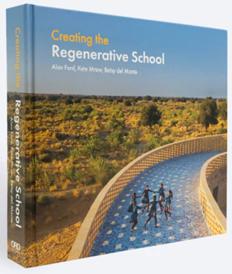


Driving Change in 2026: Fellows & the AIA Strategic Council
Jessica O'Donnell, FAIA
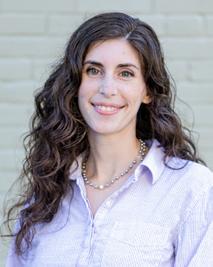
The 72 members of the 2026 AIA Strategic Council officially kicked off the year during a fun and productive Governance Week in early December 2025. Leading up to these in-person meetings, members of both the 2025 and 2026 Council along with members of the AIA Board and AIA’s Senior Leadership team discussed and refined potential areas of focus for 2026.
Earlier this month, the co-chairs of each study group along with the Moderator submitted memos to the AIA Board of Directors to provide a detailed overview of each area of focus and received additional insights from the Board during their January retreat.
We are excited about our five areas of study, our continued partnership with the Board, our ongoing collaborations with advocates from AIAS, NAC, & YAF, and the forthcoming AIA Strategic Plan. Each 2026 Strategic Council study group effort aims to advance the architectural profession's impact, equity, and relevance by focusing on actionable, memberdriven initiatives to ensure impactful outcomes.
• HOUSING will explore ways to build or reinforce a coalition to advance actionable solutions to the broken housing system in America.
• NEUROARCHITECTURE will investigate ways to translate insights from experts into practical strategies Guest Contributor
architects can integrate into design to support human well-being.
• PRACTICE will look at ways architectural practice can transform by responding to emerging technologies and evolving models to grow healthier businesses.
• REGENERATIVE DESIGN will define this term for AIA with long-term measurable outcomes and accelerating current initiatives, like the Framework for Design Excellence.
• VALUE will explore a multi-year effort to proactively protect the profession and build upon existing pay equity and public messaging efforts.
In 2026 we are expanding our connections within the AIA ecosystem by solidifying more formal communication channels with the College and several other key groups.
Tom Hysell, FAIA is the inaugural liaison from the Council to the College. He will be sharing our monthly reports on the College's Community Hub in addition to sharing them directly with the COF ExCom.
We look forward to input from AIA members on these topics and encourage everyone to reach out to their state representative on the Council or any of the Councilors with questions, insights, or comments.
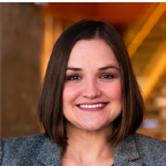
Abigail Brown, FAIA Washington DC Representative 2024-2026
Council Study Group: Practice

Shannon Christensen, FAIA Montana Representative 2024-2026
Council Study Group: Practice
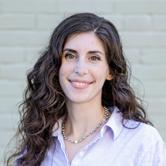
Jessica O'Donnell, FAIA
At-Large Representative 2024-2026 2026 Council Moderator

Angela Brooks, FAIA
At-Large Representative 2025-2027
Council Study Group: Value
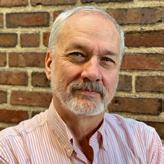
Thomas Hysell, FAIA Minnestoa Representative 2025-2027
Council Study Group: Practice
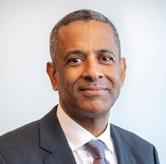
Tierry Paret, FAIA
International Representative 2025-2027
Council Study Group: Housing

Sarah Broughton, FAIA Colorado Representative 2024-2026
Council Study Group: Practice
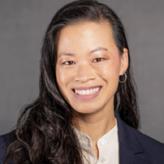
Lee, FAIA Immediate Past AIA President 2026
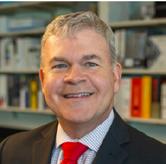
Ignacio Reyes, FAIA At-Large Representative 2024-2026
Council Study Group: Practice
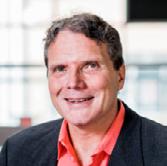
Marc Mondor, FAIA Pennsylvania Representative 2024-2026
Council Study Group: Regenerative Design
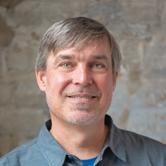
Trey Wheeler, FAIA Tennessee Representative 2025-2027
Council Study Group: Value
"As the liaison from the AIA Strategic Council to the College of Fellows, I am excited to help strengthen the connection between the council and the college. During my first year on the Strategic Council, I saw the value that the Fellows on the council bring through their extraordinary depth of experience, insight, and commitment to advancing the profession. Their engagement will continue to be essential to the Council’s work in 2026. The perspectives of the college can help shape actionable outcomes across our study areas—from housing and practice transformation to regenerative design and value. I look forward to sharing the Council’s progress through monthly updates on the Community Hub and encourage ongoing dialogue and collaboration between the Fellows and the Strategic Council."
- Tom Hysell, FAIA 2026 Strategic Council Liaison to the College of Fellows
Jessica M. O'Donnell, FAIA is the 2026 Moderator of the AIA Strategic Council.
For more information about the AIA Strategic Council, visit the Council's landing page on aia.org
Additional insights about the recent work of the 2025 AIA Strategic Council can be found in the 2025 Year in Review Journal
Evelyn

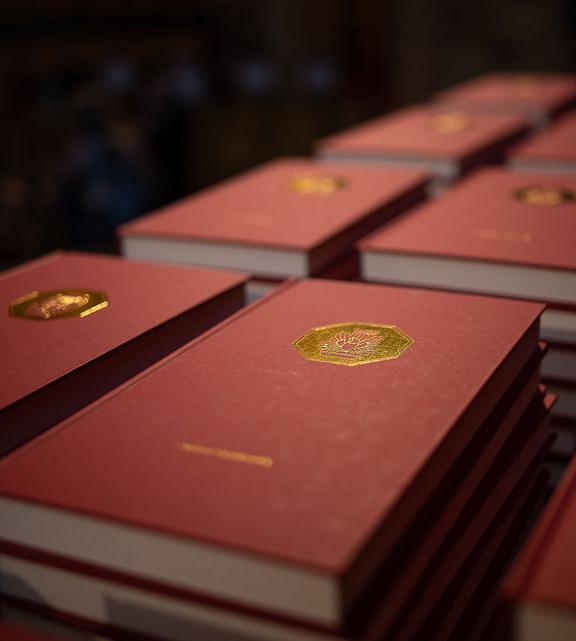
Interview | 2026 AIA Edward C. Kemper Award Recipient
Practice Service: Vivian Lee, FAIA
Georgeen Theodore, FAIA
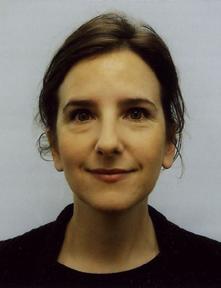
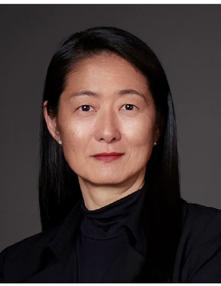
Credit: Aydin Arjomand.
AIA has bestowed its highest service honor, the Edward C. Kemper Award, upon Vivian Lee, FAIA, a design principal at Gensler. This award recognizes a member who has had a significant impact on the profession through service to AIA or an architecture-related organization. The award is the highest service award AIA can confer upon a member. It is named in honor of Edward C. Kemper, who led AIA as executive director from 1914 to 1948. Lee’s profound influence as a mentor and her tireless advocacy for equity, diversity, and inclusion have reshaped the architectural landscape for the better.
Georgeen Theodore, FAIA is an architect, urban designer, and Professor at New Jersey Institute of Technology’s College of Architecture and Design, where she coordinates the school’s Master of Urban Design Program. She received a Bachelor of Architecture from Rice University and a Master of Architecture in Urban Design from Harvard University’s Graduate School of Design. Theodore is founding partner and principal of Interboro, a New York City-based architecture, urban design, and planning office. She is an expert in coordinating complex urban projects that involve many diverse stakeholders, infrastructures and ecosystems.
Georgeen Theodore, FAIA (GT): Hi Vivian, thank you for taking the time to do this interview. First, let me congratulate you again on this important honor. The Edward C. Kemper
Award is the AIA’s highest service honor and recognizes significant and impactful service to the profession and to the AIA. One of your most profound service contributions is in mentorship. Could you tell us about your work as a mentor and why mentorship is important in the field of architecture?
Vivian Lee, FAIA (VL): When I graduated in the early 90’s, there were very few women architects as role models whom I aspired to be. At the time, Zaha Hadid was still practicing paper architecture, and Julia Morgan had passed away 30 years earlier. After moving to New York in the late 90’s, I signed up for a mentorship program at the AIA New York Chapter and hoped to be paired with Billie Tsien. But of course, there was a line of women who also wanted that. I was assigned another male mentor, but the connection and chemistry were missing. Eventually, I gave up. There was definitely a lack of female representation then.
When I became the only senior woman architect at Richard Meier & Partners, I felt I needed to support my younger female colleagues and be the mentor that I did not have. So I organized after-work events to connect with them and guide them in their career paths. I also started a “Firm Exchange,” in which a group of women architects at Richard Meier & Partners would visit another firm and meet with their women architects. We would share our firm’s culture and professional
development initiatives, followed by a design presentation from an emerging female designer, and end with an office tour. Around the same time, I met Julia Gamolina at an Architexx event, an organization dedicated to advancing gender equity in architecture. We instantly clicked, and she asked me to be her mentor. We would meet after work at my office to discuss topics related to her career growth and aspirations. She then had an idea of interviewing me, similar to this interview, for a piece in Architexx. That interview eventually became the catalyst for her incredibly popular and resourceful online publication, Madam Architect. To date, Julia has published over 400 interviews with inspiring women in architecture and allied industries! I have been mentoring for over a decade, primarily female architectural students, recent grads, architects, and designers at all career stages. It is important.
Since 2020, when I was elevated to the AIA College of Fellows, I have participated in the AIA Emerging New York Architects TORCH Mentorship Program, in which a Fellow mentor is paired with an emerging architect for a year. I’m also a mentor for the Architectural League’s mentorship program, guiding and advising students from public architectural schools in the New York area. In addition, I regularly mentor my younger colleagues at Gensler, AIA New York Women in Architecture members, and college students.
Mentorship in the field of architecture is important because it helps promote, elevate, and advance more women architects. As an Asian female architect, representation matters, but I’m also committed to supporting the next generation of architects.
GT: This award is so well deserved. When I think of architects who have really pushed for and advocated for elevating women in architecture, I see you as a groundbreaker. What I’m talking about is not just your exemplary leadership in design, and the ceilings you broke as a designer, notably in becoming the first and only woman principal at Richard Meier & Partners… but as an
advocate, really working from the ground up to lift other women and other underrepresented people in architecture. What made you decide to dedicate your time to lifting others in the field?
VL: As I mentioned in the last question, representation matters. Fewer than 1% of women AIA members are AIA Fellows. That number is even lower for women elevated under Object One - Design, and less than 30% of women are in leadership in architectural firms. When we submitted for the AIA Fellowship, we needed to demonstrate our “ripple effect.” It is not just about our work, but how our work can improve our built environment and lift others. It is also about diversity and inclusion. When we have different voices and perspectives in the room, the outcome is more impactful. My passion for lifting others will hopefully help empower more women to take on design and leadership roles.
GT: I wanted to look back, go back in time, and ask you about your experiences early in your career as an architect. Were you mentored as a young architect, and if so, who were some of your mentors? How did your own experiences shape how you think of mentorship, and how you mentor others yourself?
VL: I was very fortunate to have met John Schiff early in my career. He was a principal at EYP, where I worked in my early thirties. He gave me an opportunity to do my first ground-up building. Even though I had no experience working on a new building at the time, John was my advocate and sponsored me to lead the design. But most importantly, he trusted me and believed that I could deliver the project. That experience instilled in me a passion for mentoring and sponsoring others, with the conviction that we can all do our best when there is support and trust. Another person who shaped me into the mentor I am today is Sylvia Smith, FAIA, Partner Emerita at FXCollaborative. She was my FAIA sponsor and dedicated so much time in her busy schedule to guide and advise me in my submission. Her wisdom, generosity, and empathy inspire me to be not just a better mentor but a better person.
GT: Do you have an ask, or a suggestion, something that the College could do to strengthen, to concretize, and expand mentorship?
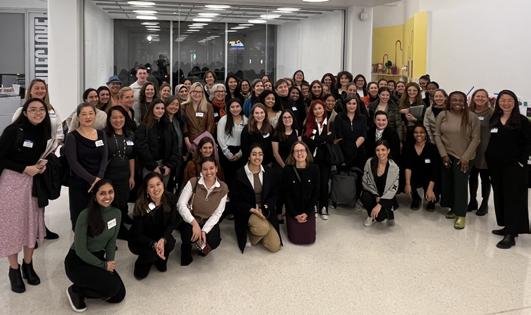
Photo Above: 2018 League Mentorship Program.
Photo Above: 2023 AIANY WIA Practitioner and Student Mentoring.
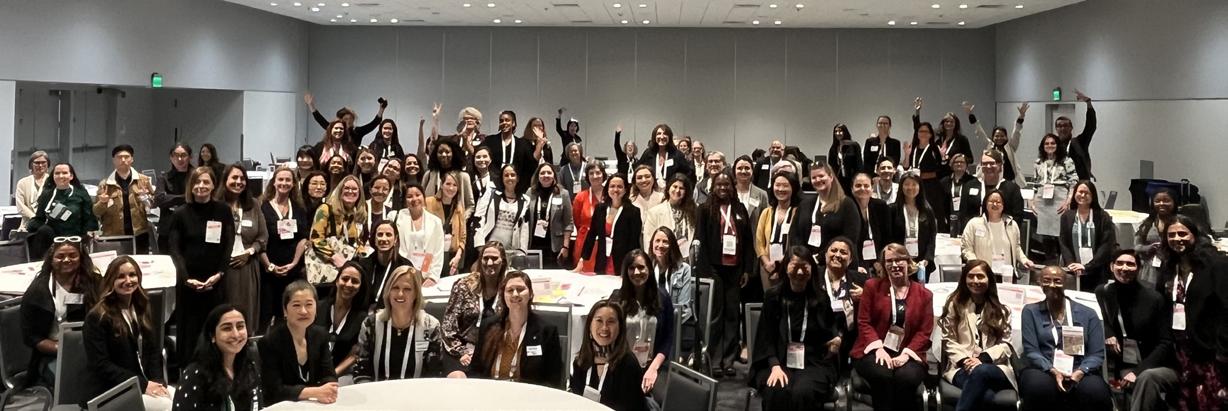
VL: Absolutely! I encourage the Fellows to participate in mentorship programs offered by their local chapters, such as the TORCH Mentorship from the AIA Emerging New York Architects Committee, as well as other mentoring programs from professional institutions, schools, or their alma mater. I think it is extremely important for us Fellows to be actively engaged in supporting emerging architects and invest the time to foster the next generation.
GT: Now I’m going flip that last question on its head… when people think about mentorship, what often comes to mind is a much more experience, senior person helping the most junior. However, mentorship doesn’t have to be that way. I’m thinking about… for example… the FAIA process. My sponsor was and continues to be an incredible mentor. Should we be thinking of mentorship in different ways, where someone is just one step above... Should there be more models of mentorship? Should we be rethinking it?
VL: When I was the Executive Director for the Woods Bagot New York office, the firm introduced to the leadership group Patrice Gordon, who is an executive coach specializing in reverse mentoring. She shared with us that a fresh voice from a junior team member can influence leaders to explore new perspectives and bridge the generational gap. Mentoring is not just about having someone with more experience guiding and advising the mentee; it should be about a mutual exchange of views that can lead to professional growth for both sides.
During my mentorship sessions, I’m always invigorated by the energy of younger designers and architects. They have bold ideas, are not afraid to try new things, and often help me think about things differently than I would based on my experiences. As an example, when I review portfolios or attend design crits, I’m often impressed by what some students present.
I remember years ago, a student designed a museum by using AI to generate initial ideas and then applying her own design process to craft culturally thoughtful spatial experiences. First, I was disappointed that she was relying on AI to do her design, but then I realized how she simply employed technology to enable her to deliver a design with greater impact. She was already ahead of what the industry is doing now. I often have interesting takeaways from my mentees as they learn from me.
So mentoring doesn't always have to be top down, right? It can be bottom-up, and it can be lateral. It should be in all directions
GT: Do you have any projects and/or initiatives connected to mentorship that you are developing, or dreaming about?
VL: I think AI will have an impact on our industry, and it is something that we should be working on with the next generation of architects. Gensler has a wonderful firmwide initiative to encourage all team members to submit ideas for the “Innovation Challenge,” and this year’s theme will be around Artificial Intelligence. I have volunteered to be an “advisor” or mentor to a few of my younger colleagues to explore how AI can affect or contribute to our knowledge workforce, our design process, our environment, and the human connection. I can’t wait to see what they come up with as their initial ideas. I think it would also be interesting to establish a mentoring program that engages individuals from allied industries with whom architects often collaborate, such as lawyers, business entrepreneurs, consultants, client reps, GCs, folks in the building department, the landmarks commission, educators, etc. It would be amazing to have these dialogues and collectively find ways to improve our built environment to elevate and enhance people’s lives!
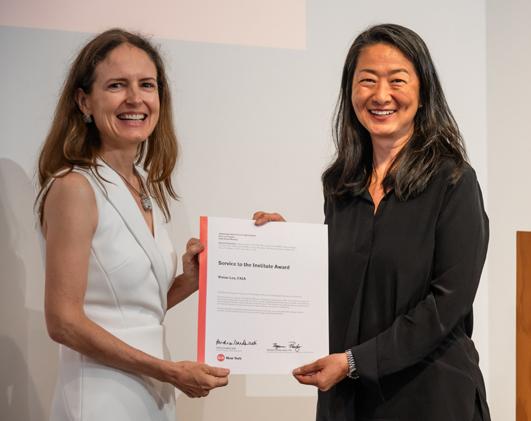
Photo Above Courtesy of AIANY WIA: Architecture Coast to Coast session at the AIA23 Conference on Architecture and Design.
Photo Above Courtesy of AIANY: 2022 AIANY Service to the Institute Award.
YAF Annual Meeting Recap Spotlight | Young Architects Forum
The exceptional members of the AIA Young Architects Forum (YAF) committee represent the future of our profession, contribute momentum for the continued relevance of the Institute and bring energy, talent and authenticity to the work of evolving our profession to meet the demands of the next 100 years. As you may know, “young” may not be so young – YAF members are about 20% of the Institute’s architects, those who are in their first 10 years postlicensure whenever that occurred.
The YAF leadership gathered at the newly opened Global Campus for their annual meeting, as a prequel to Leadership Summit, February 9-11. The committee is represented by 8 advisory committee members, 3 liaisons (the COF executive committee, CACE and Strategic Council), one staff advocate and 53 representatives from all 50 states, D.C., Puerto Rico, and AIA International (with this year’s representative located in Dubai).
To kick off the 2026 YAF Annual Meeting, Smith Group hosted a happy hour where attendees could connect and get the conversations started followed by dinner at the Global Campus across the street. The next day and a half, sponsored by Sherwin Williams, was hosted at the Global Campus and was jam-packed with work sessions and breakouts. The schedule
launched with an inspiring keynote from Carole Wedge, FAIA EVP/CEO of the Institute and closed with energizing remarks from Illya Azaroff, FAIA, 2026 AIA President and former YAF leader. The group moved into a deeper dive of Young Architect Representative (YAR) introductions before launching into the work revealed the breadth and depth of talent in the group and their authentic passion for our profession and the impact they can have.
EVP Wedge, FAIA, championed the current Strategic Plan work - AIA Setting the Pace. She touched on the importance of empathetic and supportive communities before sharing her inspiring journey of leadership growth. She offered practical and authentic advice noting “winning work is why the firm exists – not all firms are that direct about it” and reminding the audience that there is no perfect career path and that everyone is in charge of their own journey. “Be a person who is involved with people and the rest follows.”
Driven by the Strategic Initiative of their 5 year plan"Architects in Action, Catalyzing for Change" the YAF Advisory Committee members jumped into action. Planning for 2026 centered around priority areas,"Navigating Career Evolution, Shaping the Future and Cultivating Well-Being" and was structured into focus groups led by the seasoned directors
Lisa Lamkin, FAIA
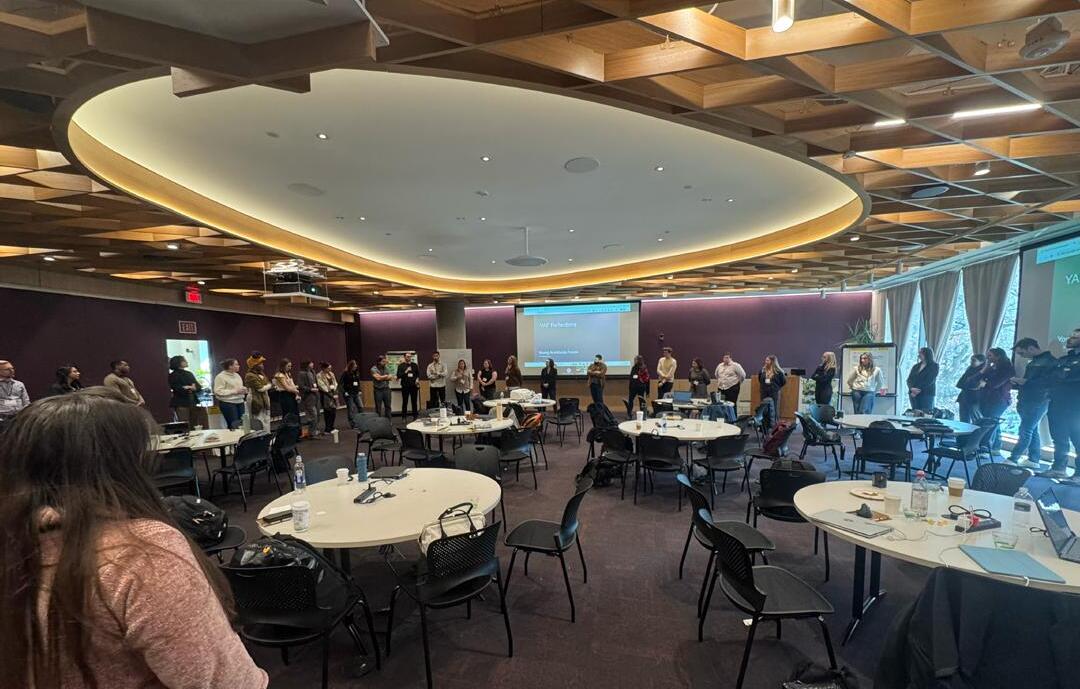
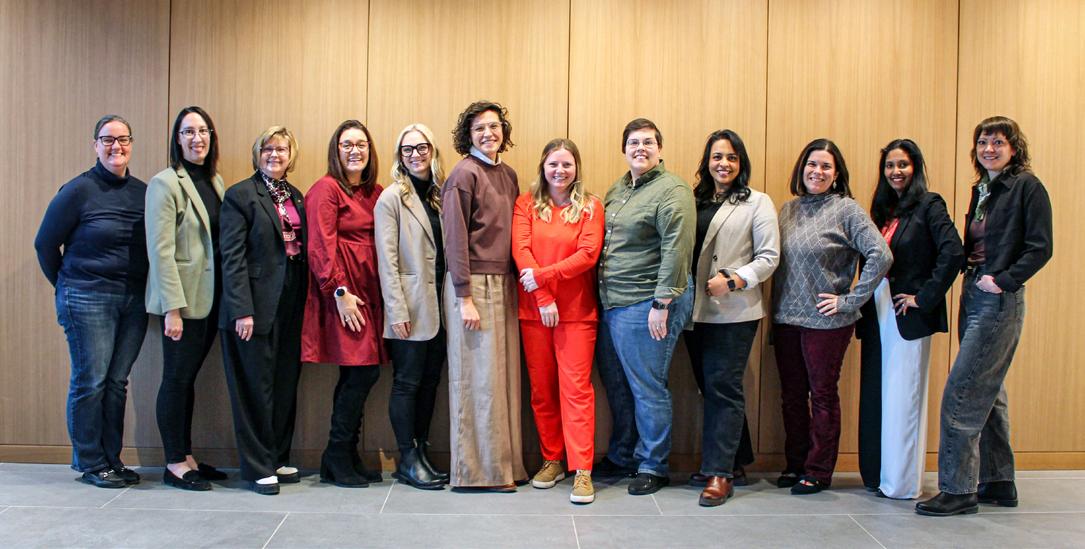
Photo above courtesy of YAF: Young Architect Forum state representatives and advisory committee members gathered at AIA Global Campus in February 2026.
Photo above courtesy of YAF: 2026 YAF Advisory Committee. From left to right: Kathleen McCormick (AIA Team), Ashley Thornberry, AIA (Strategic Council Liaison), Lisa Lamkin, FAIA (College of Fellows Liaison), Hilary Cole (CACE Liaison), Nicole Becker, AIA (Communications Director), Sarah Woynicz, AIA(2026 Past Chair), Kiara Gilmore, AIA (2026 Chair), Anastasia Markiw, AIA (2026 Vice Chair), Tanya Kataria, AIA(Advocacy Director), Arlenne Gil, AIA (Knowledge Director), Kumi Wickramanayaka, AIA(Community Director), and Kaylyn Kirby, AIA(Strategy Director)
for Communications, Community, Advocacy, Knowledge, Strategy, and Special Projects. As the COF liaison, it was a joyful honor to engage with each of the groups and learn details of their amazing plans for the year.
In the closing keynote President Azaroff, FAIA, challenged the audience that “leadership can’t wait, don’t let AIA NOT change,” leaning into the YAF tradition of respectful disruption. He noted that “we have greater agency than we believe we do” and that we must not just “describe problems but engage with them” and reminded everyone that:
“anything you do in leadership you don’t do alone… surround yourself with people who are positive and challenging – avoid negative energy”.
And now for something completely different. You may have heard about their penguin mascot in past years – but due to a mishap in packing the penguin suit was a no-show, so with a quick creative flex – the honorary event mascot was the ducks braving the cold outside celebrated with the serendipity of loaner duck suits and duck lapel pins!
The final day closed with a heartfelt and inspirational passing of the gavel from out-going YAF Chair Sarah Woynicz, AIA, to 2026 YAF Chair Kiara Gilmore, AIA.
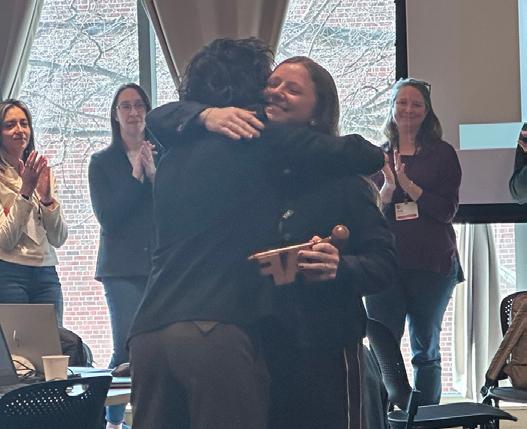
Our collaborative engagement of the YAF will continue throughout the year as we share content for each of the publications COF Quarterly and YAF Connection – the tip of the iceberg in their ambitious plans for 2026.
To learn more about YAF check out their 2025 annual report outlining the incredible work done over the last year.
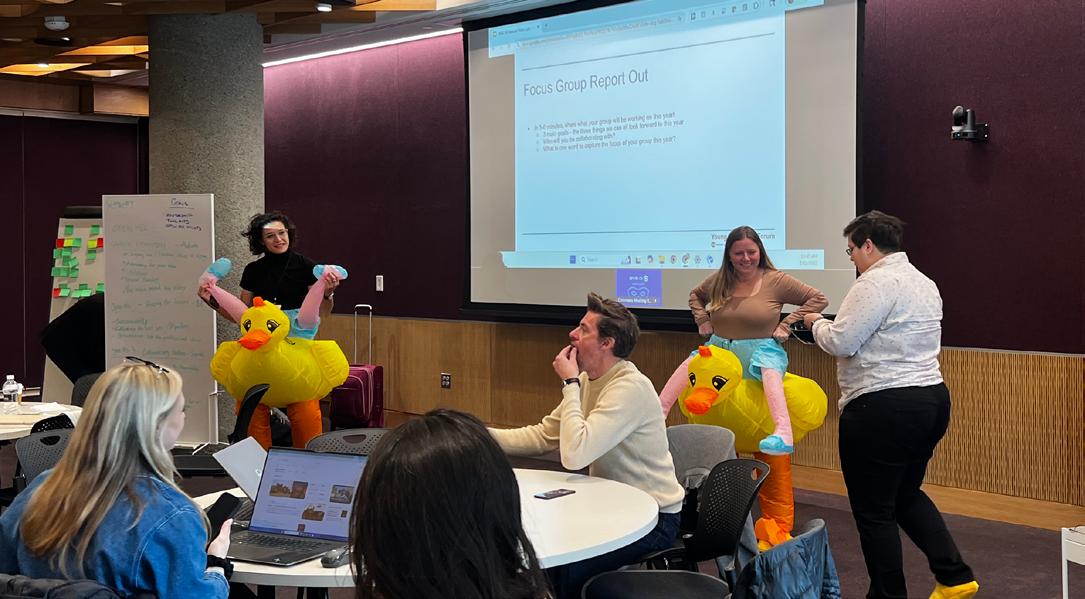
Photo above: Group session at the Young Architects Forum annual meeting at AIA Global Campus in February 2026.
Photo above courtesy of YAF: Sarah Woynicz, AIA, passes the chair's gavel to 2026 YAF chair, Kiara Gilmore, AIA
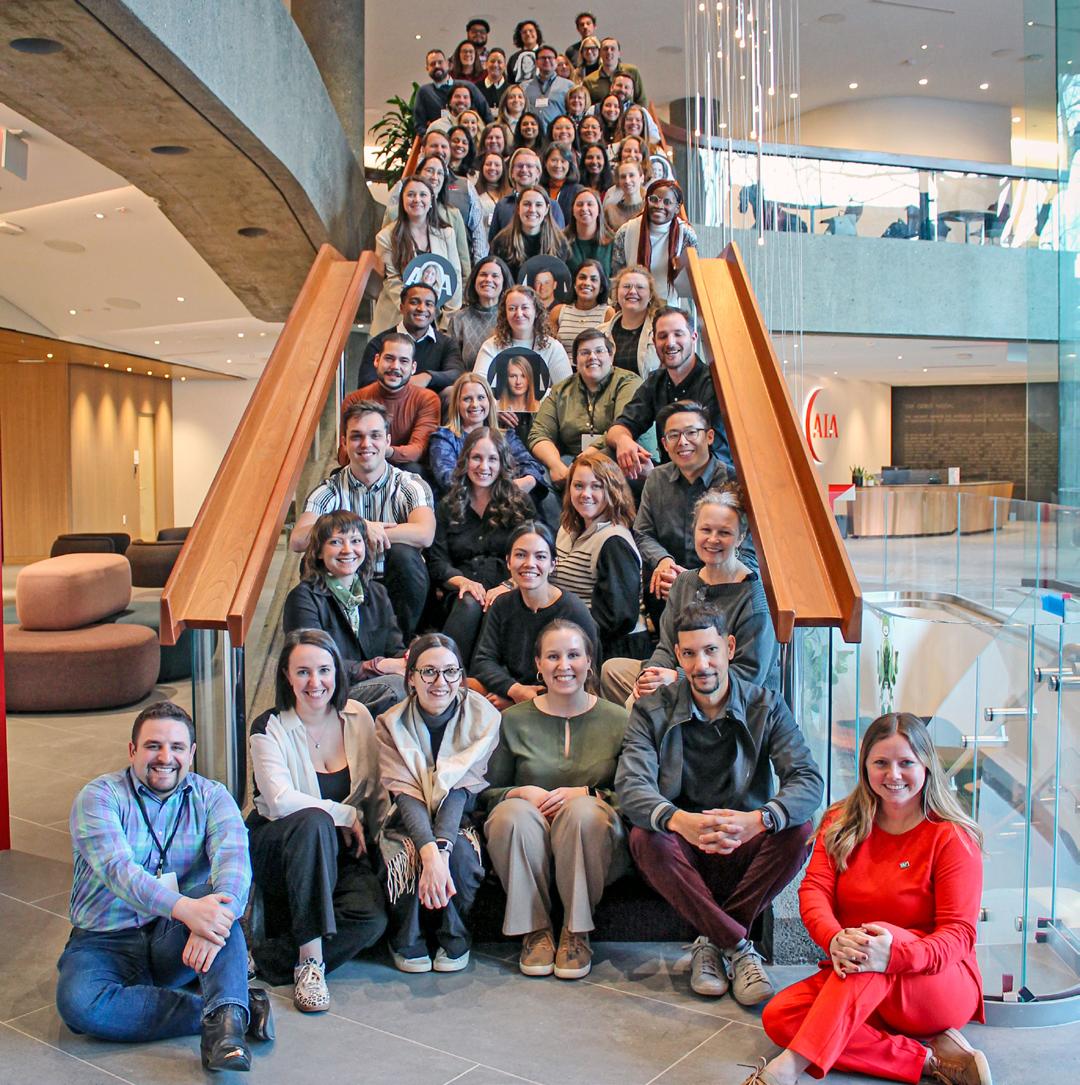
As Fellows we have a special perspective on the challenges and opportunities younger architects face and opportunity to engage in impactful mentoring relationships. Among the many opportunities to engage please consider: Align, Connect, Attend and Share as part of your impact on the next generation in 2026.
Align Mentor Program: look for interest call next fall for the class of ’27 – this is a formal mentorship program with the COF which pairs young architects with fellows in annual cohorts with continued impact beyond the initial year.
Reach out to your COF Regional Represenative for information on ways to connect with your state YAR (Young Architect Representative) representative and the “Young” Architects in your local chapter for mentoring and program opportunities.
Share the resources they create with the younger architects at your firm including Connections – issued quarterly with COF support for its presence on Issuu.
Photo above courtesy of YAF: 2026 Young Architects Forum members gathered at AIA Global Campus in February 2026.
Governance Task Force: Updates & Recommendations
Governance Recommendations
Executive Summary
The Governance Task Force (GTF) was established by the AIA Board of Directors to evaluate and strengthen the Institute’s governance framework, ensuring it is effective, transparent, and representative of the membership it serves. Building on the work of the 2023Members’ VoiceTaskForce(MVTF) , the Governance Task Force was charged with determining whether AIA’s structure continues to support agile, accountable, and inclusive leadership across the organization.
Over the past year, the Task Force has engaged stakeholders, including, but not limited to, current and former Board members, Strategic Councilors, former Presidents, representatives from the Knowledge Communities, and component executives, to assess AIA’s governance model through the lenses of clarity, communication, and accountability. The review confirmed that while AIA’s existing structure provides a solid foundation, there are significant opportunities to strengthen the alignment between volunteer leadership, organizational priorities, and member engagement.
Four consistent themes emerged across the Institute:
• Communication: Information flow among governance bodies is inconsistent, limiting understanding and engagement.
• Trust and Transparency: Members and leaders seek greater insight into decision-making and rationale.
• Role Clarity: Overlapping responsibilities among the Board, Strategic Council, and staff create inefficiencies.
• Representation: The member voice must be actively and authentically connected to AIA’s leadership processes.
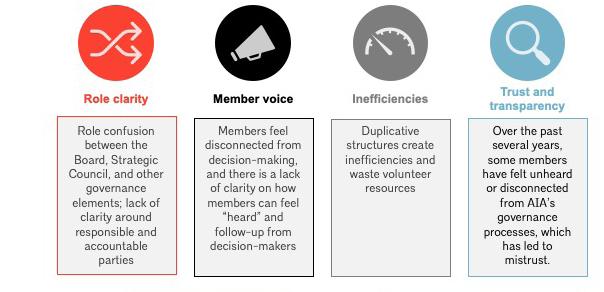
Guided by these findings, the refine AIA’s governance As a result, t
Serves as AIA’s fiduciary and strategic steward, focused , including statedriven insight to the
and rationale.
• Role Clarity: Overlapping responsibilities among the Board, Strategic Council, and staff create inefficiencies.
• Representation: The member voice must be actively and authentically connected to AIA’s leadership processes.
Governance Task Force: Updates & Recommendations
Guided by these findings, the Task Force has developed preliminary recommendations to refine AIA’s governance structure, ensuring it remains responsive, efficient, and inclusive. As a result, the proposed governance structure includes four interdependent bodies:
1. Board of Directors – Serves as AIA’s fiduciary and strategic steward, focused on organizational health, accountability, and alignment with the Institute’s mission and strategic plan.
2. Council – Reconstitutes the Council as a representative body, including statebased and constituency-based individuals, charged with strengthening the conduit between members, components, and national leadership.
3. Knowledge Advisory Forum (KAF) – Provides expert, data-driven insight to the Board and Council on practice, policy, and emerging issues.
4. Board-level Committees - SupporttheBoardwithfiduciaryexpertiseand supportleadershipdevelopment.
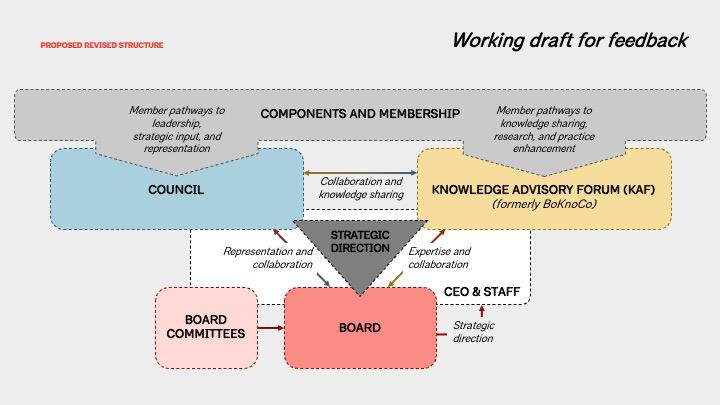
Proposed Governance Structure

The proposed governance structure for the American Institute of Architects (AIA) aims to modernize the governance structure, organized around five key principles: clear authority, direct member voice, strengthened leadership pathways, improved transparency, and nonduplicative, efficient processes. The proposed model comprises four interdependent governance bodies: the Board of Directors, the Council, the Knowledge Advisory Forum (KAF), and Board-level Committees. These structural changes are accompanied by enhancements to decision-making processes, strategic planning, communication, and accountability. Collectively, the recommendations position AIA for a more strategic, cohesive, and member-responsive future.
Stakeholder Engagement and Communication
The Governance Task Force recommends the following phased approach to finalize, approve, and implement the updated governance structure. These steps ensure broad engagement,
the governance structure, organized around
governance bodies: the Board of Directors, the Council, the Knowledge Advisory Forum (KAF), and Board-level Committees. These structural changes are accompanied by enhancements to decision-making processes, strategic planning, communication, and accountability. Collectively, the recommendations position AIA for a more strategic, cohesive, and member-responsive future.
Governance Task Force: Updates & Recommendations
governance bodies: the Board of Directors, the Council, the Knowledge Advisory Forum (KAF), and Board-level Committees. These structural changes are accompanied by enhancements to decision-making processes, strategic planning, communication, and accountability. Collectively, the recommendations position AIA for a more strategic, cohesive, and member-responsive future.
Stakeholder Engagement and Communication
principles: clear authority, direct member voice, strengthened leadership pathways, improved transparency, and nonduplicative, efficient processes. The proposed model comprises four interdependent governance bodies: the Board of Directors, the Council, the Knowledge Advisory Forum (KAF), and Board-level Committees. These structural changes are accompanied by enhancements to decision-making processes, strategic planning, communication, and accountability. Collectively, the recommendations position AIA for a more strategic, cohesive, and member-responsive future.
Stakeholder Engagement and Communication
The Governance Task Force recommends the following phased approach to finalize, approve, and implement the updated governance structure. These steps ensure broad engagement, transparent communication, and coordinated change management across the Institute.
Stakeholder Engagement and Communication
The Governance Task Force recommends the following phased approach to finalize, approve, and implement the updated governance structure. These steps ensure broad engagement, transparent communication, and coordinated change management across the Institute.
The Governance Task Force recommends the following phased approach to finalize, approve, and implement the updated governance structure. These steps ensure broad engagement, transparent communication, and coordinated change management across the Institute.
1. Stakeholder Engagement and Refinement Winter to Spring 2026
1. Stakeholder Engagement and Refinement Winter to Spring 2026
1. Stakeholder Engagement and Refinement Winter to Spring 2026
§ Continue targeted outreach to components, Knowledge Communities, past leaders, member groups, and staff.
§ Continue targeted outreach to components, Knowledge Communities, past leaders, member groups, and staff.
§ Host structured listening sessions and town halls to gather input on proposed changes.
§ Continue targeted outreach to components, Knowledge Communities, past leaders, member groups, and staff.
§ Host structured listening sessions and town halls to gather input on proposed changes.
§ Provide opportunities for written comments through AIA.org and component networks.
§ Host structured listening sessions and town halls to gather input on proposed changes.
§ Provide opportunities for written comments through AIA.org and component networks.
§ Incorporate feedback into refined recommendations for Board review.
§ Maintain a visible feedback log summarizing themes and adjustments made.
§ Provide opportunities for written comments through AIA.org and component networks.
§ Incorporate feedback into refined recommendations for Board review.
§ Maintain a visible feedback log summarizing themes and adjustments made.
§ Incorporate feedback into refined recommendations for Board review.
2. Board Review and Refinement Spring 2026
2. Board Review and Refinement Spring 2026
§ Maintain a visible feedback log summarizing themes and adjustments made.
§ Present updated recommendations to the Board for discussion and refinement.
§ Present updated recommendations to the Board for discussion and refinement.
2. Board Review and Refinement Spring 2026
§ Conduct detailed briefings with Officers and committee chairs.
§ Conduct detailed briefings with Officers and committee chairs.
§ Confirm decision-making thresholds, implementation phasing, and interim processes.
§ Present updated recommendations to the Board for discussion and refinement.
§ Conduct detailed briefings with Officers and committee chairs.
§ Confirm decision-making thresholds, implementation phasing, and interim processes.
§ Finalize the governance model and transition framework for delegate consideration.
§ Confirm decision-making thresholds, implementation phasing, and interim processes.
§ Finalize the governance model and transition framework for delegate consideration.
3. Delegate Engagement and Preparation Summer 2026
§ Finalize the governance model and transition framework for delegate consideration.
3. Delegate Engagement and Preparation Summer 2026
3. Delegate Engagement and Preparation Summer 2026
§ Communicate proposed changes to delegates in advance of the Annual Business Meeting.
§ Communicate proposed changes to delegates in advance of the Annual Business Meeting.
§ Provide briefing materials, FAQs, governance diagrams, and before/after comparisons.
§ Communicate proposed changes to delegates in advance of the Annual Business Meeting.
§ Provide briefing materials, FAQs, governance diagrams, and before/after comparisons.
§ Hold dedicated delegate briefings and open Q&A forums.
§ Hold dedicated delegate briefings and open Q&A forums.
§ Collect and address questions to support informed decision-making.
§ Provide briefing materials, FAQs, governance diagrams, and before/after comparisons.
§ Collect and address questions to support informed decision-making.
§ Hold dedicated delegate briefings and open Q&A forums.
4. Presentation to Delegates and Decision Annual Business Meeting, June 2026
§ Collect and address questions to support informed decision-making.
4. Presentation to Delegates and Decision Annual Business Meeting, June 2026
§ Present final recommendations to the Delegate Assembly.
§ Present final recommendations to the Delegate Assembly.
§ Share clear rationale, expected benefits, and transition plans.
4. Presentation to Delegates and Decision Annual Business Meeting, June 2026
§ Present final recommendations to the Delegate Assembly.
§ Immediately publish outcomes and next steps following the vote.
5. Phased Implementation
Implementation of the governance recommendations will follow a multi-year, phased approach informed by Board guidance and stakeholder feedback gathered through member and leadership engagement. This approach is intentional allowing AIA to strengthen governance structures while maintaining organizational stability, supporting leadership transitions, and incorporating input before action.
Early phases focus on establishing foundational structures and clarifying roles and authority. Subsequent phases activate improved planning, decision-making, communication, and leadership development processes. Later phases reinforce a culture of accountability, transparency, and continuous improvement.
Beginning in 2027, AIA will monitor implementation progress through annual governance reviews, regular feedback loops with components and advisory bodies, and a yearly report to the Board of Directors that assesses outcomes and recommends adjustments. This iterative, multi-year approach ensures the
Early phases focus on establishing foundational structures and clarifying roles and authority. Subsequent phases activate improved planning, decision-making, communication, and leadership development processes. Later phases reinforce a culture of accountability, transparency, and continuous improvement.
Governance Task Force: Updates & Recommendations
Beginning in 2027, AIA will monitor implementation progress through annual governance reviews, regular feedback loops with components and advisory bodies, and a yearly report to the Board of Directors that assesses outcomes and recommends adjustments. This iterative, multi-year approach ensures the governance model remains responsive, inclusive, and aligned with the evolving needs of AIA members and the profession.
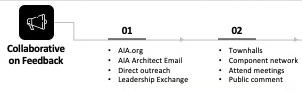
Draft for public review and comment: AIA Governance Recommendations
§ Share clear rationale, expected benefits, and transition plans.
§ Immediately publish outcomes and next steps following the vote.
January 2025 © 2025 The American Institute of Architects. All rights reserved.
5. Phased Implementation Implementation of the governance recommendations will follow a multi-year, phased approach informed by Board guidance and stakeholder feedback gathered through member and leadership engagement. This approach is intentional allowing AIA to strengthen governance structures while maintaining organizational stability, supporting leadership transitions, and incorporating input before action.
Early phases focus on establishing foundational structures and clarifying roles and authority. Subsequent phases activate improved planning, decision-making, communication, and leadership development processes. Later phases reinforce a
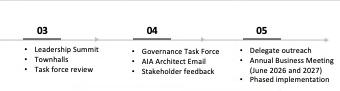
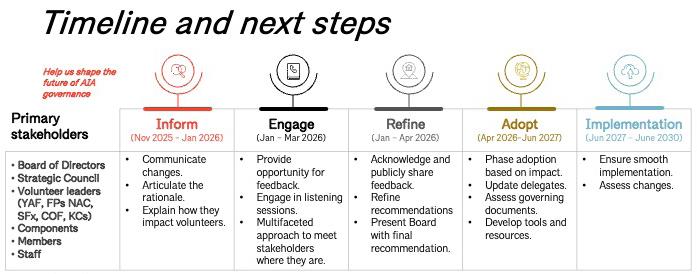
Draft for public review and comment: AIA Governance Recommendations
January 2025 © 2025 The American Institute of Architects. All rights reserved.
THE HERITAGE SOCIETY OF THE AIA COLLEGE OF FELLOWS
What will your Legacy be?
The primary purpose of the Society is to formally recognize those individuals who have demonstrated a life-long commitment to the mission and programs of the AIA College of Fellows with a revocable estate bequest.
By virtue of having included a commitment in their estate plan of a bequest for the future benefit of the College and its programs, the following distinguished individuals are the Members of the Heritage Society of the AIA College of Fellows:
Membership in the Society is conferred upon formal notification to the College of a planned estate gift with a minimum value of $10,000.
Joseph A. Boggs, FAIA
Ellis W. Bullock, FAIA
John A. Busby, Jr., FAIA
Donald Wesley Caskey, FAIA
John Castellana, FAIA
William David Chilton, FAIA
Betsey Olenick Dougherty, FAIA
Brian Paul Dougherty, FAIA
Harry M. Falconer, Jr., FAIA
Dr. Robert Allen Findlay, FAIA
L. Jane Hastings, FAIA*
Russell V. Keune, FAIA
Ed Kodet, FAIA
Lisa Lamkin, FAIA
Howarth L. Lewis, Jr., FAIA
Ivenue Love-Stanley, FAIA
Frank Lucas, FAIA*
Robert Ooley, FAIA
Burton L. Roslyn, FAIA
Jeffrey Scherer, FAIA
Roger L. Schluntz, FAIA
John Sorrenti, FAIA
Steven Spurlock, FAIA
William J. Stanley, III, FAIA
Ed Vance, RA
William F. Vosbeck, FAIA
We cordially invite you to undertake a similar, revocable, commitment in your estate plan, and thereby becoming a member of the Heritage Society. It’s simple to accomplish and it costs nothing! With additional Members the future support of our programs and long-term viability of the College will be substantially enhanced and extended well into the future. For additional information and application, please contact Muza Conforti, cof@aia.org.
*Denotes a deceased member.
Contributors to the College of Fellows Fund
2025 Donors
(Contributions of $500 or more shown in BOLD FACE)
Every organization draws its strength from the dedication and vision of those who invest in its future, and the AIA College of Fellows truly exemplifies this commitment. The remarkable generosity shown by our Fellows enables meaningful progress, fostering new discoveries, supporting rising talent, and advancing our profession. With each contribution, you directly help shape the future of our field and make a real difference in the lives touched by our work.
To celebrate and sustain this powerful momentum, the Executive Committee now highlights individual Fellow’s generosity in every issue of the Quarterly. The impact of your investment inspires others to join in and amplifies our collective achievements—giving together helps us accomplish even more.
Our Executive Director maintains records of lifetime investments, allowing Fellows to measure their journey toward Legacy status, a distinction that honors lasting commitment. If you would like to learn how close you are to reaching this special milestone, please do not hesitate to contact Muza Conforti at cof@aia.org
Let us continue to invest with generosity and purpose, confident that every contribution fortifies our community and unlocks new opportunities for mentorship, innovation, and the advancement of leadership in our field. By supporting these initiatives, we help inspire future generations and amplify the collective voice of the profession. The more we give—and encourage others to give—the greater our shared impact becomes, empowering us all to achieve and sustain excellence for years to come.
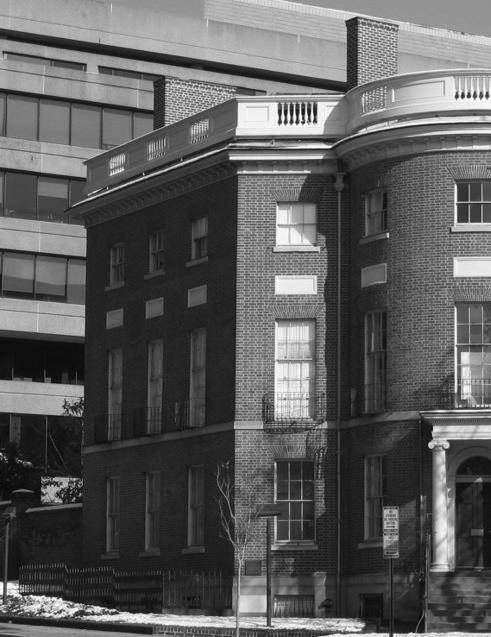
ALASKA
Thomas Livingston
ARIZONA
Edward Marley
Henry Tom
ARKANSAS
Reese Rowland
CALIFORNIA
Glenn Bauer
Gordon Chong
Ida Clair
Laura DuCharme Conboy
Andrew Cupples
Samuel D'Amico
Betsey Olenick Dougherty
Brian Dougherty
Michael Enomoto
Mary Follenweider
Debra Gerod
Craig Hamilton
Robert Herman
Mark Hornberger
Aaron Hyland
Carolyn Kiernat
Julia Laue
Frederick Marks
Paul Menard
Robert Ooley
Dennis Paoletti
Victor Regnier
Zigmund Rubel
Lee Salin
William Schmalz
Gene Schnair
Michael Stanton
Joel Tomei
Moses Vaughan
Ingalill Wahlroos-Ritter
Steven Winkel
Paul Woolford
Francis Zwart
COLORADO
Sarah Broughton
Gary Desmond
Gregory Friesen
Alan G. Gass
Elizabeth Hallas
R Randall Vosbeck
CONNECTICUT
Giancarlo Alhadeff
F. Michael Ayles
Philip Bernstein
Jay Brotman
Gina Calabro
Jonathan Humble
Jim Lawler
Contributors to the College of Fellows Fund
2025 Donors
(Contributions of $500 or more shown in BOLD FACE)
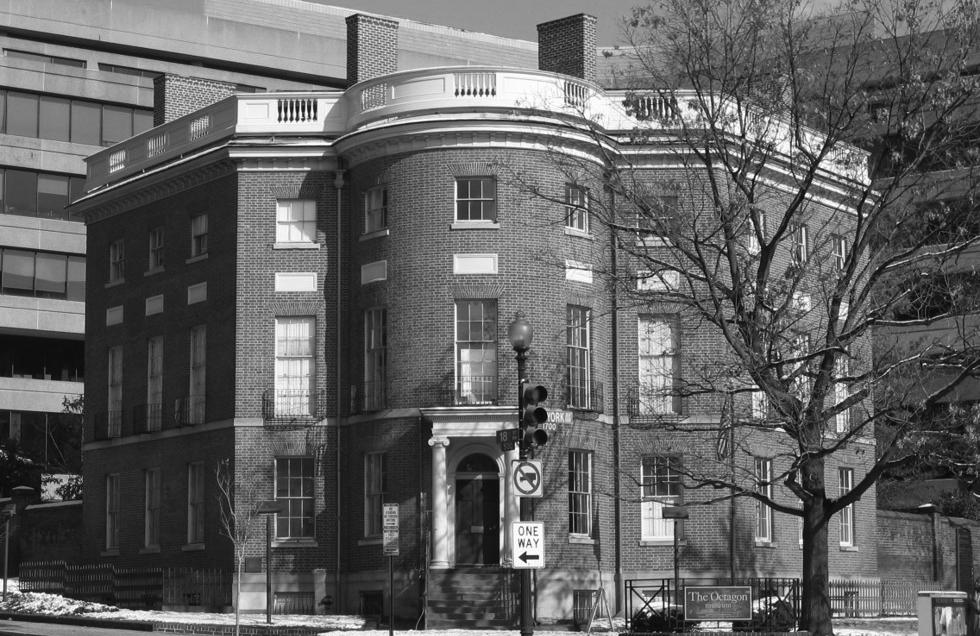
DISTRICT OF COLUMBIA
Abigail Brown
David Haresign
Jonathan Herz
Benjamin Kasdan
Constance Lai
Anne Lewis
Lenore Lucey
John Pearce
Jonathan Penndorf
Andrew Pressman
Brenda Sanchez
Steven Spurlock
Ron Tomasso
James Voelzke
FLORIDA
Randall Atlas
Stephen Ayers
Richard Bacon
Gregory Burke
Nathan Butler
Robert E. Chisholm
Charles Clary
Charles Cole
Martin Diaz-Yabor
William Dugger
John Ehrig
Jacquelyn Hale
Michael Halflants
Bill Hercules
Jeffrey Huber
Daniel Kirby
Keith Lashley
David Metzger
Marilys Nepomechie
Joyce Owens
Ted Pappas
Ignacio Reyes
John Rogers
Clemens Schaub
Lourdes Solera
Natividad Soto
Mark Trier
GEORGIA
Antonin Aeck
Lily Berrios
Helen Hatch
Melody Harclerode
Mark Levine
Garfield Peart
Howard S. Wertheimer
HAWAII
Carol Sakata
ILLINOIS
Martha Bell
Jonathan Boyer
Drew Deering
Carl D'Silva
Walter Eckenhoff
Dave Eckmann
Donald Hacki
Walter Hainsfurther
Helen Kessler
John Syvertsen
INDIANA
Steve Alspaugh
Joseph Bilello
William Browne
Sanford Garner
Lisa Gomperts
John Hawkins
Deam Illingworth
Drew White
IOWA
Michael Broshar
Rod Kruse
Kate Schwennsen
KANSAS
Robert Condia
Wendy Ornelas
KENTUCKY
Colin Drake
Randall Vaughn
Stephen Wiser
LOUISIANA
Ronald Blitch
MASSACHUSETTS
Sherif Anis
Janette Blackburn
Philip Chen
Emily Grandstaff-Rice
Thomas Hartman
Thomas Kearns
Peter Kuttner
Britt Lindberg
John Miller
William Rhul
David Silverman
Louis Sirianni
Carole Wedge
Stephen D. Schreiber
Peter Vieira
MARYLAND
Daniel Cinelli
Lance Davis
Carl Elefante
Michelle Honey
Edward Hord
Janet McLaurin
Kathleen Lechleiter
Thomal Liebel
Phillip Neuberg
Stephen Parker
Albert Rubeling
Joseph P. Ruocco
Walter Schamu
Randy Sovich
Randy Steiner
Karl Stumpf
Bryce Turner
MAINE
Gianne Conard
MICHIGAN
John Allegretti
Tamara Burns
Timothy Casai
John Castellana
James Chaffers
Laura Clary
Alan Cobb
Brian Craig
Jan Culbertson
Paul Dannels
Michael Guthrie
Sharon Haar
Douglas Hanna
William Hartman
Rainy Hamilton
Jeffrey Hausman
Eugene Hopkins
Brian Hurttienne
Paul Johnson
Dennis King
Elisabeth Knibbe
Sandy Laux
Bryan Lijewski
*Denotes a deceased member.
Contributors to the College of Fellows Fund
2025 Donors
(Contributions of $500 or more shown in BOLD FACE)
Saundra Little
Thomas Mathison
Arnold Mikon
Dorian Moore
Kimberly Montague
Michael Neville
Mark Nickita
Constantine Pappas
J. Stuart Pettitt
Cynthia Pozolo
David Richards
Victor Saroki
Gary Skog
Tod Stevens
Benedetto Tiseo
Paul Urbanek
Ekaterina Velikov
Robert Ziegelman
Dawn Zuber
MISSOURI
David Greusel
Karl Frice
Mary Ann Lazarus
Nicholas Peckham
MISSISSIPPI
Anne Decker
Roy Decker
MINNESOTA
Thomas Cox
Stephen Fiskum
Tom Hysell
Edward Kodet
Karen Lu
Rosemary McMonigal
Julia Robinson
MONTANA
Lawrence Schnuck
NEBRASKA
Don Horn
Dan Worth
James Walbridge
NORTH CAROLINA
J. Richard Alsop, Jr.
Charles Boney
Chris Braiser
Heister Caese, Jr.
Kristen Hess
Jeanne Huntsman
Donald Kranbuehl
Renny Logan
Wesley McClure
Alan McGuinn
Catherline Morrison
Irvin Pearce
Dennis Stallings
Michael Stevenson
Walton Teague
Cheryl Walker
NORTH DAKOTA
Susan Schaefer Kliman
NEW JERSEY
Robert Cozzarelli
Michael Farewell
Gerard Geier
Glenn Goldman
Anne Hicks Harney
Michael Hanrahan
S.A. Klatskin
Robin Murray
NEW MEXICO
Roger Schluntz
Glenn Fellows
NEVADA
Joan Blumenfeld
Gregory Erny
Craig Galati
J. Windom Kimsey
Charles Kubat
Thomas Schoeman
Jonathan Sparer
Brandon Sprague
Edward Vance
NEW YORK
Dennis Andrejko
Raymond Beeler
Donald Blair
Margaret Carney
Graciela Carrillo Cifuentes
Brendan Coburn
Todd Dalland
Howard Decker
Joann Gonchar
Frances Halsband
Richard Hayes
Laura Heim
Frances Huppert
Joyce Hwang
George Miller
Deborah Moelis
Michael Plottel
Jeremy Shannon
John Sorrenti
Barbara Spandorf
OHIO
Jack Bialosky
Yanitza Brongers-Marrero
Douglas Gallow, Jr.
Michael Schuster
Charles Schreckenberger
Bruce Sekanick
Stephen Sharp
Christopher Widener
OKLAHOMA
Ellis McIntosh
Jack Morgan
Fred Schmidt
OREGON
Roderick Ashley
Timothy Eddy
Alison Kwok
Kay Raskin
PENNSYLVANIA
Stuart Coppedge
Sylvester Daminaos
Muareen Guttman
Nan Gutterman
Don Jones
Susan Maxman
Christine Mondor
Paul Ostergaard
Jeff Pastva
Michael Prifti
RHODE ISLAND
Kenneth Filarski
Erik L'Heureux
Martha Werenfels
*Denotes a deceased member.
Contributors to the College of Fellows Fund
2025 Donors
(Contributions of $500 or more shown in BOLD FACE)
SOUTH CAROLINA
David Moore
Thompson Penney
Barbara Milan Price
James Stevens
TENNESSEE
David Powell
Mark Weaver
Barry Alan Yoakum
TEXAS
Norman Alston
Craig Beale
Robert Clough
Elizabeth Chu Richter
Paul Dennehy
Debra Dockery
Daniel Hart
Julie Hiromoto
Gregory Ibanez
Lisa Lamkin
Gregory Luhan
Jay Macaulay
Jeffrey Potter
April Pottorff
Ronald Skaggs
Cynthia Walston
Mark Wellen
Alfred Vidaurri
UTAH
Edward Smith
RK Stewart
Jeanne Jackson
VIRGINIA
Corey Clayborne
Muza Conforti
Harold Davis
Helene Dreiling
Robert Dunay
Harry Falconer
Brian Frickie
Lori Garrett
W Gilpin
Robert Holzbach
David Keith
Suzanne Klein
Mary Katherine Lanzillotta
M. Celeste Novak
Donna Phaneuf
Mel Price
Kathryn Prigmore
Joanna Schmickel
Robert Steele
Terri Stewart
Nicholas E. Vlattas
Bruce Wardell
WASHINGTON
Amy Miller Dowell
Robert Findlay
Jim Hanford
Douglas Ito
Mary Johnston
Raymond Johnston
Lorne McConachie
Burcin Moehring
Anne Schopf
J Todd Scott
James Suehiro
Bruce Williams
Scott Wolf
WISCONSIN
John Horky
Lisa Kennedy
Kenneth Schwartz
WYOMING
John Carney
Eric Logan
FIRMS & COMPANIES
AIA International
Architecture Joyce Owens LLC
Calder Richards Structural Engineers
Evoke Studio Architecture
Jensen Architects
Mithun
Redstone Architects Inc
Urban LLC
*Denotes a deceased member.
Legacy Donors of the
AIA College of Fellows
LEGACY DONORS
($10,000 and above cumulative donations)
New 2025 Legacy Members shown in Bold Face
LEGACY 50
($50,000 and above)
Edward J. Kodet Jr., FAIA
S. A. Klatskin, FAIA
Frank E. Lucas, FAIA*
LEGACY 40
($40,000-$49,999)
L. Jane Hastings, FAIA*
Jeanne Jackson, FAIA
Victor A. Regnier, FAIA
Roger Schluntz, FAIA
Steven L. Spurlock, FAIA
LEGACY 30
($30,000-$39,999)
Harold L. Adams, FAIA
John R. Klai II, FAIA*
Peter P. Marino, FAIA
Donald E. Neptune, FAIA
Robert L. Ooley, FAIA
Ronald L. Skaggs, FAIA
Joseph G. Sprague, FAIA
John Sorrenti, FAIA
LEGACY 20
($20,000-$29,999)
Betsey Olenick Dougherty, FAIA
Brian P. Dougherty, FAIA
Donald J. Hackl, FAIA
Ivenue Love-Stanley, FAIA
Lenore M. Lucey, FAIA
George H. Miller, FAIA
Robert A. Odermatt, FAIA
Ted P. Pappas, FAIA
William J. Stanley, FAIA
RK Stewart, FAIA
William F. Vosbeck, FAIA
LEGACY 10
($10,000-$19,999)
Ronald A. Altoon, FAIA
Louis D. Astorino, FAIA
Paul H. Barkley, FAIA
Sigmund F. Blum, FAIA*
Joseph Boggs, FAIA
Ronald Blitch, FAIA
Ellis W. Bullock, FAIA
John A. Busby Jr., FAIA
Donald W. Caskey, FAIA
John J. Castellana, FAIA
William D. Chilton, FAIA
Gary B. Coursey, FAIA
Sylvester Damianos, FAIA
Helene Dreiling, FAIA
William A. Edgerton, FAIA
Michael Enomoto, FAIA
Thomas B. Gerfen, FAIA
Debra Gerod, FAIA
Manuel G. Gonzalez, FAIA
Graham Gund, FAIA*
Daniel Hart, FAIA
David Haresign, FAIA
John F. Hartray Jr., FAIA
Russell V. Keune, FAIA
Stephen J. Kieran, FAIA
Peter G. Kuttner, FAIA
Norman L. Koonce, FAIA
Lisa Lamkin, FAIA
Carroll J. Lawler, FAIA
Lawrence J. Leis, FAIA
Rev. Howarth L. Lewis, FAIA
Paula J. Loomis, FAIA
Steven Loomis, FAIA
William Mahan, FAIA
Marvin J. Malecha, FAIA
Clark D. Manus, FAIA
Judsen R. Marquardt, FAIA
David Metzger, FAIA
Amy Miller Dowell, FAIA
John Pearce, FAIA
Thompson E. Penney, FAIA
Raymond G. Post Jr., FAIA*
William A. Rose Jr., FAIA*
Burton Roslyn, FAIA
Albert W. Rubeling Jr., FAIA
Harry Rutledge, FAIA
John A. Ruffo, FAIA
Jeffrey A. Scherer, FAIA
Bruce Sekanick, FAIA
Robert I. Selby, FAIA
Jim M. Singleton IV, FAIA
Kalavati Somvanshi, FAIA
Jonathan Sparer, FAIA
Douglas L. Steidl, FAIA
Kim M. Tanzer, FAIA
James D. Tittle, FAIA
Edward T. M. Tsoi, FAIA
Edward A. Vance, RA
R. Randall Vosbeck, FAIA
Chester A. Widom, FAIA
Douglas Wignall, FAIA
Joseph J. Wisnewski, FAIA
F.M. Wong, FAIA
Enrique A. Woodroffe, FAIA
Hofu Wu, FAIA
Raymond Ziegler, FAIA
*Denotes a deceased member.