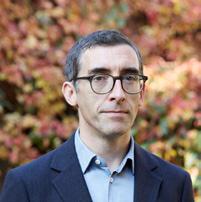
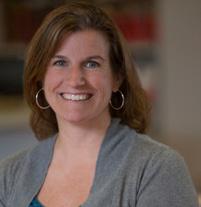
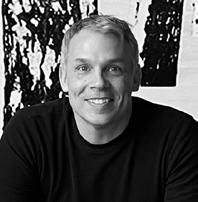
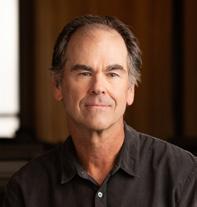

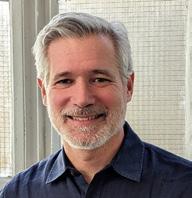
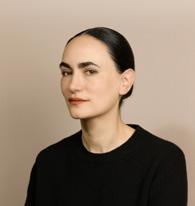

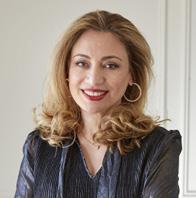
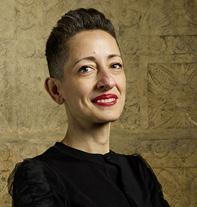
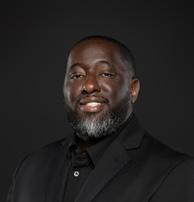
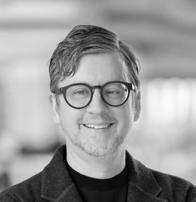
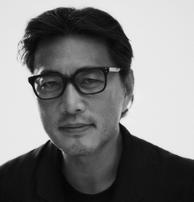
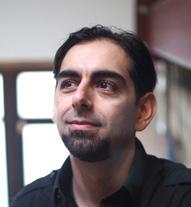

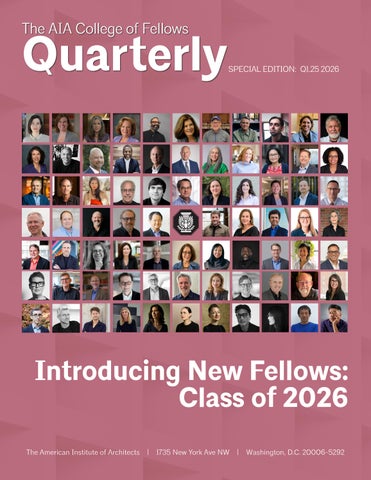
Founded in 1952, the College of Fellows is composed of members of the Institute who are elevated to Fellowship by a jury of their peers. Fellowship is one of the highest honors the AIA can bestow upon a member. Elevation to Fellowship not only recognizes the achievement of the architect as an individual, but also elevates before the public and the profession those architects who have made significant contributions to architecture and to society.
Vice Chancellor Bursar
Secretary
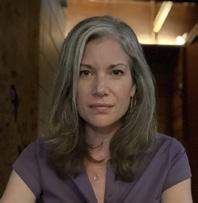
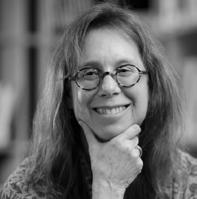
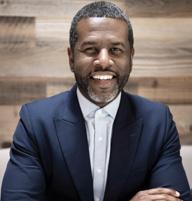
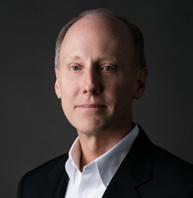
Jeanne Jackson, FAIA
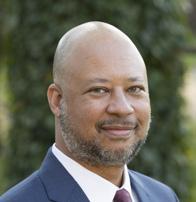
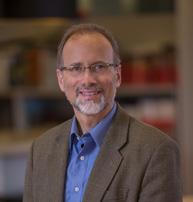
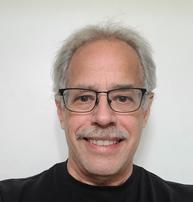
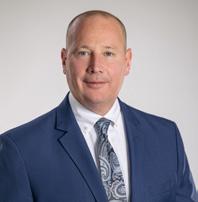
Steven Spurlock, FAIA
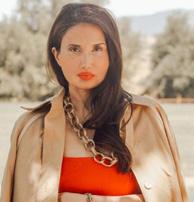
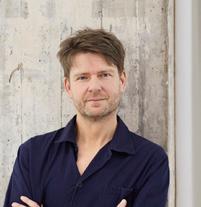
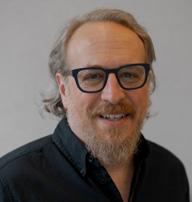
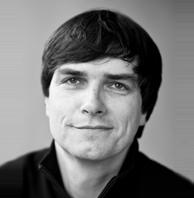
William Hercules, FAIA
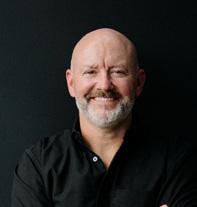
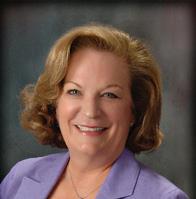
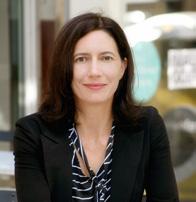
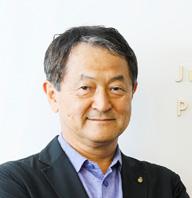
Lisa Lamkin, FAIA
THE PATH TO FELLOWSHIP
COLLEGE OF FELLOWS QUARTERLY & NEWSLETTER ARCHIVE
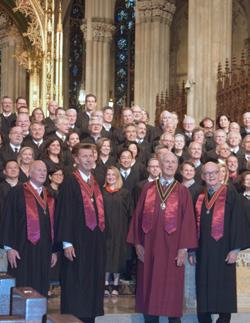
Editor-In-Chief
Associate Editor
Chair, Regional Representatives
Executive Director, College of Fellows
Jessica O'Donnell, FAIA
John Clark, AIA
Jon Penndorf, FAIA
Muza Conforti
COLLEGE OF FELLOWS REGIONAL REPRESENTATIVE
WELCOME PACKET AIA FELLOWSHIP PREP CHECKLIST
AIA FELLOWSHIP STORY PLANNING GUIDE
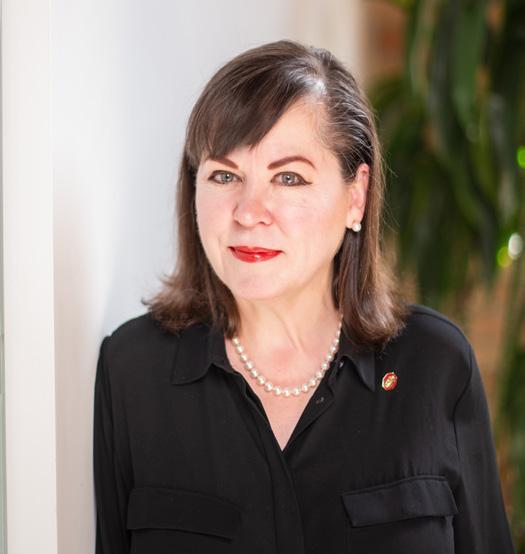
Jeanne Jackson, FAIA
What a pleasure, and what a proud moment it is, to welcome the Class of 2026 to the AIA College of Fellows!
Your advancement to Fellowship represents one of the highest honors the AIA can bestow on an individual member. It is recognition by your peers of your leadership, your impact on the built environment, and your meaningful contributions to society. Each of you has demonstrated excellence in your work and generosity in your service.
We extend our sincere gratitude to the 2026 AIA Jury of Fellows. Their thoughtful and rigorous review of the submissions ensures that Fellowship remains a distinction of the highest integrity. The care, time, and discernment they bring to this process upholds the standards and legacy of the College; and for that, we are deeply grateful.
We are especially excited to celebrate with you this June at your San Diego Investiture. The Conference will be filled with meaningful Fellows events: opportunities to connect, reconnect, welcome new Fellows, and uphold the traditions that bind this remarkable community together. There is nothing quite like standing amongst your colleagues and feeling the full weight, and joy, of this accomplishment.
But with this honor comes expectation.
As Fellows, you are now called to advance the purpose of the College: to mentor others, to deepen your service to society, to strengthen Fellowship amongst colleagues, and to advance both our profession and the Institute. You are stewards of our profession's accumulated wisdom and advocates for the future of architecture.
Remember, Fellowship is not a finish line. It is a beginning. Welcome to the College. We are delighted to recognize your achievements and we are eager to see where your continued leadership will take the profession.
With joy and anticipation,
Jeanne Jaskcon, FAIA 2026 Chancellor
AIA Fellows are recognized for their exceptional work and contributions to architecture and society. Founded in 1952, the AIA College of Fellows seeks to stimulate a sharing of interests among Fellows, promote the purposes of AIA, advance the profession of architecture, mentor young architects, and be of ever-increasing service to society.
Fellowship is AIA’s highest membership honor. Architects who have made significant contributions to the profession and society and who exemplify architectural excellence can become a member of the College of Fellows. Only 3% of AIA members have this distinction.
Candidates for Fellowship must:
• Be an AIA architect member in good standing. This also applies to Architect Emeritus members.
• Have at least 10 cumulative years of Architect membership prior to the submission deadline.
• You can verify your membership tenure with your local chapter or by emailing our Archivist at aiamembershiphistory@aia.org.
Architect members may be nominated either by:
• The governing board of any chapter (state or local)
• A minimum of five (5) Fellows or ten (10) Architect members residing anywhere.
The jury considers how candidates have shown distinction in the context of their object, in relation to AIA's values, and whether their work has had a ripple effect.
Demonstrating Impact: The "ripple effect": Candidates for Fellowship in the AIA are required to submit an application that includes documentation of work that demonstrates the "ripple effect" they have had on the profession. This term is essentially shorthand for the significant impact candidate's work has made on the field of architecture and on society, extending beyond their daily practice or their immediate geographic area. For example, ripple effect should be demonstrated by public speaking, contributions to national and regional publications, mentoring, teaching, service to the profession, broad geographic influence, or legacy through others.
AIA Values: candidates are encouraged to highlight any aspects of their work as an architect or life experience that has reflected contributions to or influence of areas of special interest to AIA, its members, and the architecture profession
AIA Framework for Design Excellence: submissions are not required to fit comprehensively within the Framework principles, but candidates are strongly encouraged to consider their submission in this context.
The six objects of nomination are essentially the award categories under which candidates apply and each object has specific criteria and requirements associated with it. The Objects of Nomination can be thought of as categories of achievement. Candidates apply under one of these categories to organize their submission. Each Object has specific criteria and requirements associated with it. The Objects are identified in the AIA Rules of the Board (see: Section 2.5)
Candidates are required to select an Object and one of that Object's related Sub-Objects, to best highlight how their achievements have benefited and impacted the profession beyond their own firm, community, or region. It is important to select an Object that is a good fit for the candidate's achievements, because the Jury will be using that criteria to review the candidate's submission.
Objects are the reference frames through which the candidate's achievements are reviewed, and candidates may need to consider multiple relevant Objects. If the candidate is having difficulty deciding amongst different Objects, it is recommended they weigh the options with their Sponsor or another trusted advisor. Selection of a chosen Object does not preclude the candidate from including career achievements that may be better aligned with other Objects. However, those achievements should be presented, where relevant, for how they support the candidate's themes in the selected Object.
Note: Candidates must select one of their chosen objects related sub-objects and cannot mix and match.
Visit aia.org/design-excellence/awards/fellowship for:
• More information
• Sample application PDF & DQ checklist
• Previous examples of successful submissions
• Application deadlines
The 2027 Fellowship cycle is slated to open in June with submissions closing in October. More information will be available shortly on the website link noted above.
1 2
Object 1: To promote the aesthetic, scientific, and practical ef ficiency of the profession.
Sub-objects: Design, Urban Design and Planning, Preservation
Fellowship in this Object is granted to architects who have produced an extensive body of distinguished work that has been broadly recognized for its design excellence by their peers, the media, and/or through publications that have had a significant effect on the trajectory of architectural design. Work should exhibit excellence through a holistic approach that integrates creativity, functionality, sustainability, human experience, context sensitivity, and cultural relevance to create meaningful and impactful built environments that enrich the lives of people and communities. Works submitted may be of any size, for any client, of any scope, and reflecting any type of architectural design service. This may be accomplished through individual or collaborative effort with the applicant playing a significant role in the design. Demonstrating application of the AIA Framework for Design Excellence and resulting impacts should be part of the submission.
• Design may include design of a building or project.
• Urban Design and Planning may include work related to a city, district, or campus.
• Preservation may include design related to the restoration, conservation, and/or the rehabilitation of a culturally significant work (this differs from the Sub-object of Technical Advancement in Preservation of Object 2).
Object 2: To advance the science and art of planning and building by advancing the standards of practice.
Sub-objects: Practice management, Practice Technical Advancement
Fellowship in this Object is granted to architects who have made notable contributions to the profession through their work and how it has broadly impacted/ is impacting others’ practice of architecture.
• Practice Management may include firm leadership, management, administration, or project management if the candidate can demonstrate their impact on others’ practices, preferably with a broad ripple effect.
• Practice Technical Advancement may include sharing widely specific building type innovations and best practices such as Education, Healthcare, etc., and/or technical expertise such as building performance, envelope design, etc. (For example, practice technical advancement of preservation projects might be based on the architect’s strong commitment to historical research, implementation of unique preservation techniques, and coupled with their strong focus on the actual construction implementation to enhance our physical heritage.)
3
Object 3: To coordinate the building industry, and the profession of architecture.
Sub-objects: Led the Institute, Led a Related Organization
Fellowship in this Object is granted to architects who have actively, efficiently, and cooperatively led the Institute or a related professional organization over a sustained period of time and have gained widespread recognition for the results of their work. Architects applying in this Object should include information to show how they:
• Elevated the role of the profession and the Institute (or related organization) in the eyes of the community.
• Enhanced the visibility of the Institute (or related organization).
• Directly impacted members’ engagement with the Institute (or related organization), that through their actions members are more invested/engaged with the Institute (or related organization) and its mission; make note if the value of the Institute (or related organization) to members has been improved, and how.
• Created or enhanced initiatives that empower members to be more active in the Institute (or related organization) and/or their community; how members have been affected by these initiatives. Show if these initiatives have been replicated or have inspired others to create new initiatives in their regions, and can initiatives sustain themselves once candidate is no longer involved.
• Show impact beyond their chapter’s geographic location, i.e., your “ripple effect” on the profession or society.
4 5 6
Object 4: To ensure the advancement of the living standards of people through their improved environment.
Sub-objects: Public service, Government, Industry Organizations
Fellowship in this Object is granted to architects who have made notable contributions in public service, government, or industry organizations by providing transformative leadership in architecture, planning, and design of an organization’s unique built environment. Architects applying in this Object will have clearly raised the standards of professional practice within organizations they are part of by leading positive change that advances the mission, impact, visibility, and effectiveness of organizations. Significant improvements can include such elements as conservation, beautification, and expansion of buildings, landscape, infrastructure, land-use regulation, transportation infrastructure, removal or transformation of blighted areas. Demonstrating a correlation to the AIA Framework for Design Excellence should be part of the submission.
Public Service may include providing leadership as an architect within the public service sector including areas such as transportation infrastructure, energy and environmental industry, public libraries, public art, public foundations. Government may include providing leadership as an architect within the military, regional, national, or international government service areas such as embassies, government funded programs such the Peace Corps or Army Corp of Engineers. Industry Organizations may include providing leadership as an architect within areas such as healthcare, education, higher education, community foundations, and cultural institutions or systems.
Object 5: To make the profession of ever-increasing service to society.
Sub-objects: Alternative career, Service to Society, Volunteer work with organizations not directly connected with the built environment.
Fellowship in this Object is granted to architects who have made notable contributions that have benefited and impacted the profession beyond their own practice, community, or region through one of the following: Alternative Career may include a career related to architecture that illustrates outstanding achievements that support the architectural profession. Service to Society may include extensive volunteer work related to architecture with organizations not directly connected with the built environment. Work with Organizations not directly connected with the Built Environment may include service that transcends the customary architectural practice that have wide reaching impacts that serve as a national model.
Object 6: To advance the science and art of planning and building by advancing the standards of architectural education and training.
Sub-objects: Education, Research, Literature
Fellowship in this Object is granted to architects who have made notable contributions to one of the following: Work in Education may include teaching, research, administration, or writing and should have a lasting impact, be widely recognized, and provide meaningful contributions to academic thought and scholarship including a commitment to intellectual curiosity, rigor, integrity, and the pursuit of knowledge for the betterment of society. Work in Research may include building codes and standards, specifications, new material applications, or inventions. Research should include work that has advanced the profession, informed design practice, or has addressed pressing global issues related to sustainability, urbanization, health, and social justice. Work in Literature may include writings that have inspired critical thinking, fostered innovation, and contributed to the ongoing dialogue about the role of architecture in shaping the world we inhabit.
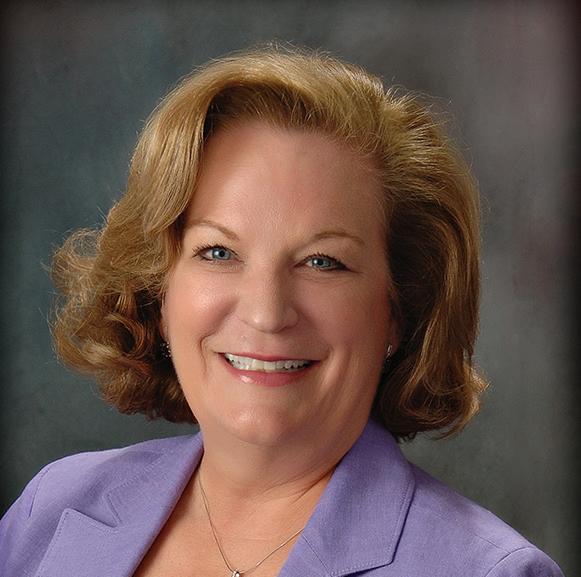
Ann H. Adams, FAIA
AIA Colorado
Object 2 | Practice (Management)
For nearly 40 years, Ann Adams' unique healthcare experience has raised the quality of practice through leadership in the American College of Healthcare Architects, project design innovation, and a legacy of owner's representation nationwide.
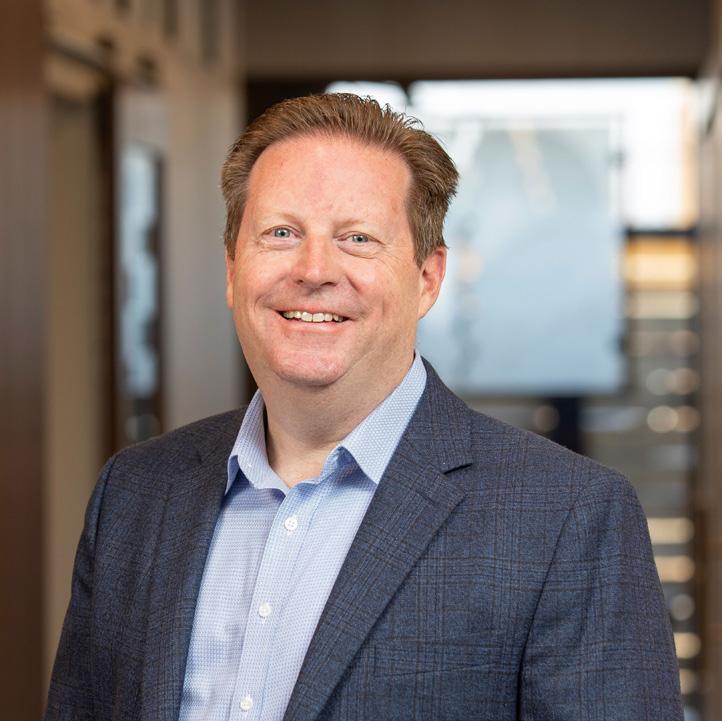
Gary L. Armbruster, FAIA
AIA Oklahoma
Object 2 | Practice (Technical Advancement)
Gary Armbruster advances the standards of architectural practice by redefining educational facility design and school safety, pioneering trauma-informed approaches, influencing statewide policy, and mobilizing architects to serve and strengthen communities across Oklahoma and beyond.

Chris Baribeau, FAIA
AIA Arkansas
Object 1 | Urban Design
Chris Baribeau transforms his deep connection to the Ozarks into nationally recognized architecture. His work bridges design and fabrication at the threshold between natural and manmade, transforming local resources into inspirational spaces that strengthen community.
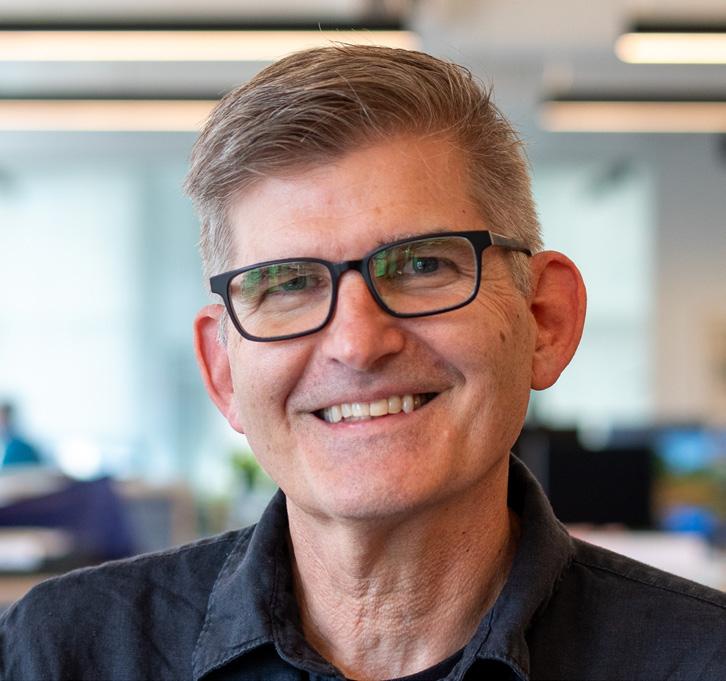
Paul Bauer, FAIA
AIA New York State
Object 2 | Practice (Technical Advancement)
Paul Bauer has transformed the reputation of public infrastructure by making utilitarian buildings into sustainable and beautiful architectural landmarks that dignify the daily jobs of essential workers and elevate neighborhoods and cities.
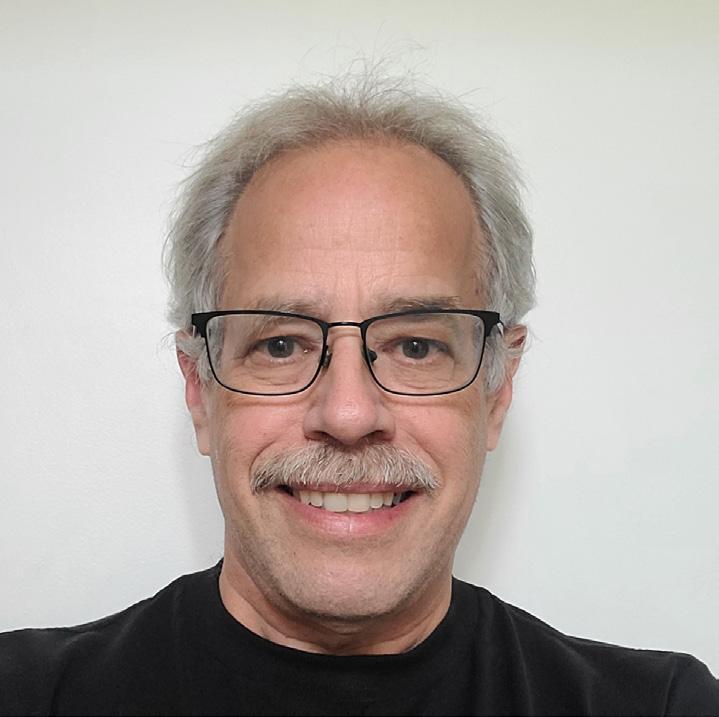
Jack G. Bullo, FAIA
AIA Michigan
Object 2 | Practice (Technical Advancement)
Jack Bullo advances the technical demands of STEM and research facilities into inclusive, adaptable environments instilled with a social energy that fosters connections, accelerates invention and redefines the role of architecture in the discovery process.
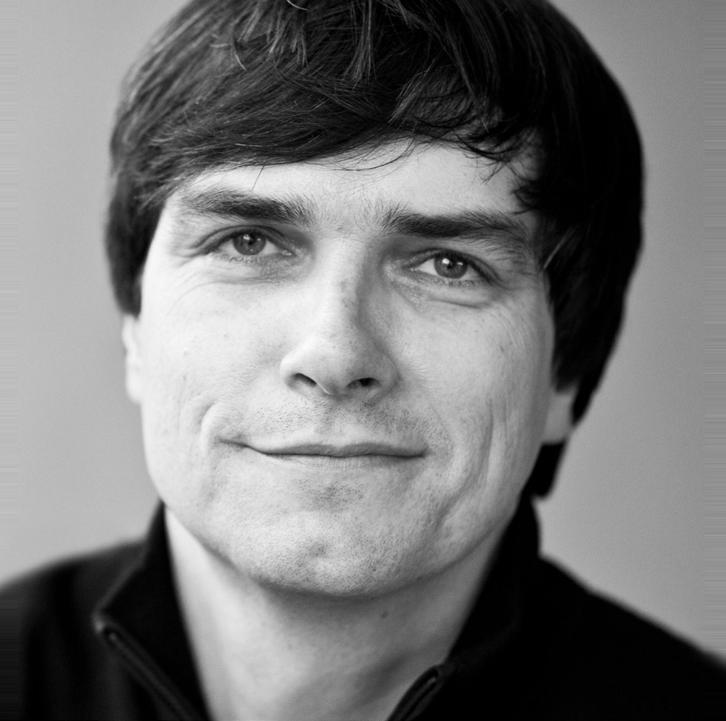
Herwig Baumgartner, FAIA
AIA California
Object 2 | Practice (Technical Advancement)
Herwig Baumgartner redefines global architecture by pioneering design innovations through Design Technologies including advanced materials, and robotics—while inspiring generations of professionals worldwide through his leadership in design excellence and transformative architectural education.
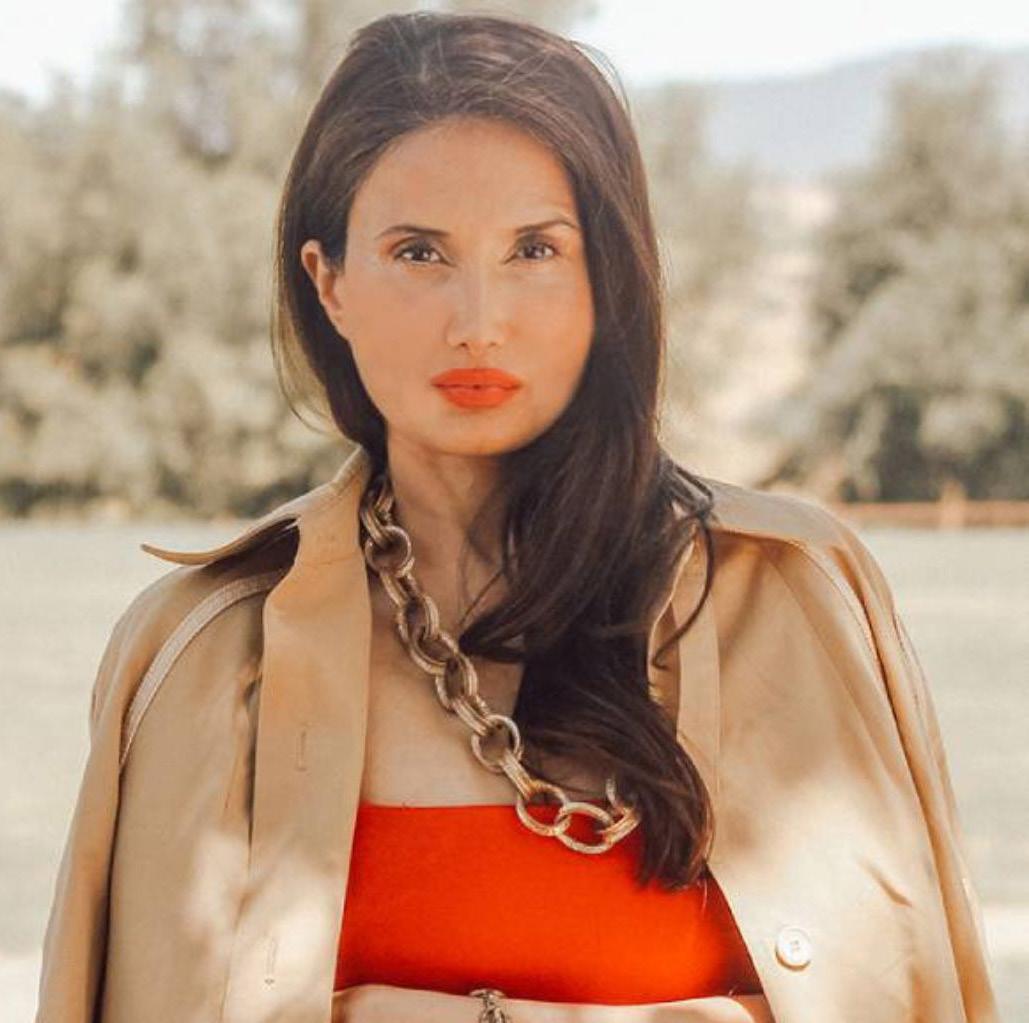
Hafsa Burt, FAIA
AIA California
Object 2 | Practice (Technical Advancement)
Hafsa's long-term advocacy and innovation-focused career translates practice into environmental policy and education to advance the profession of architecture as a catalyst for ecological resilience.

Meryati Blackwell, FAIA
AIA Arkansas
Object 1 | Urban Design
Ati Blackwell leverages architecture to elevate experiences and workspace performance, ennobling the overlooked through immersive, dignified spaces shaped from the inside out, where material richness and sensory experience become acts of cultural and civic transformation.
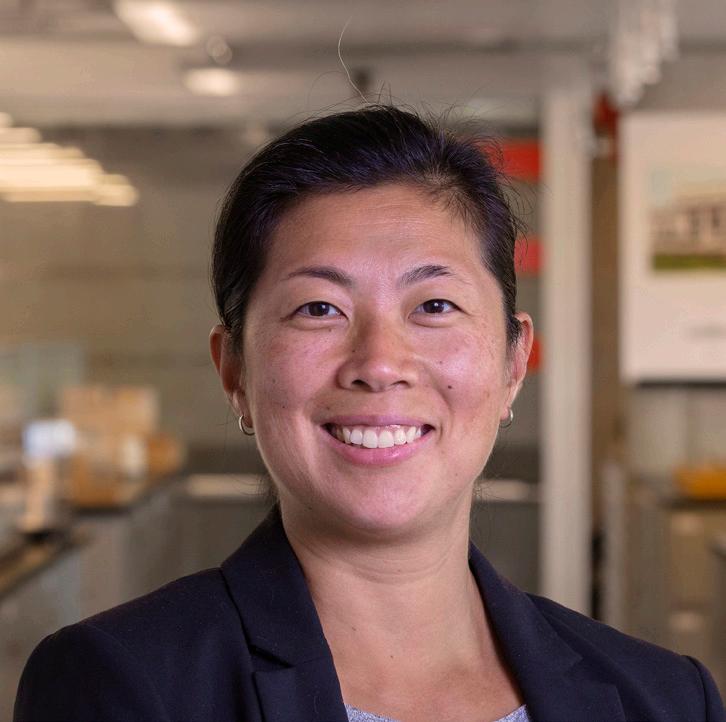
Jill Cavanaugh, FAIA
AIA Washington D.C.
Object 1 | Preservation
Jill Cavanaugh leads the preservation of preeminent historic landmarks, invigorating America’s unique story. Her design, planning, and advocacy enable new generations to experience familiar places in unexpected ways and benefit from these transformative civic rehabilitations.
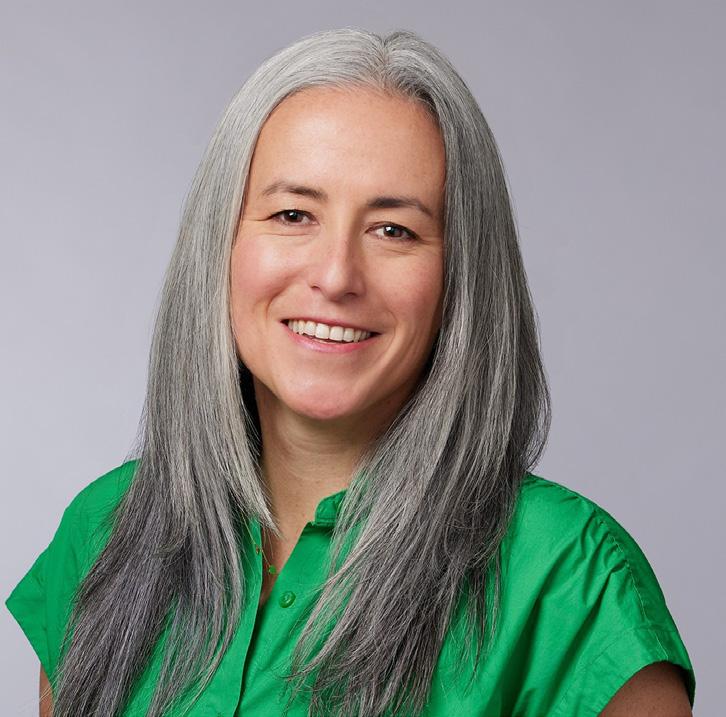
E. Han-Mei Chiang, FAIA
AIA Oregon
Object 5 | Alternative Career
Han-Mei Chiang, a minority woman architect in construction, is redefining the future of our industry — driving meaningful change across the built environment through bold programs that uplift equity, inclusion, and innovation at every intersection.
AIA Washington D.C.
Object 2 | Practice (Technical Advancement)
Melissa Cohen revitalizes our nation’s iconic structures through seamless integration of preservation and modernization, setting a standard for safeguarding our country’s architectural heritage. Her advocacy protects the past while shaping a resilient future.
AIA Washington D.C.
Object 4 | Government
Curtis Clay elevates public architecture worldwide, promotes excellence in diplomatic architecture and advances innovative government programs. Shaping national policy, creating opportunities for small firms, and inspiring students, his leadership enriches the global build environment.
AIA Massachusetts
Object 5 | Volunteer Work with Organizations Not Directly Connected with the Built Environment
Christopher Doktor uses collaborative inquiry to synthesize diverse perspectives and help communities, stakeholders, and future leaders understand their needs and challenges, uncover alternative approaches, and create meaningful and lasting outcomes that embody a shared purpose.

John H. Cluver, FAIA
AIA Pennsylvania
Object 2 | Practice (Technical Advancement)
John Cluver has developed and advances an approach to preservation architecture that demonstrates through built work and thought leadership how to balance design, performance, and history, with a focus on context-specific design, sustainability, and equity.
AIA Pennsylvania
Object 2 | Practice (Technical Advancement)
Efrie Escott empowers people to confidently decarbonize buildings. She advances pathways for climate action by creating and implementing new knowledge, solving gaps in standards and policies, and promoting design skills and strategies for collective impact.
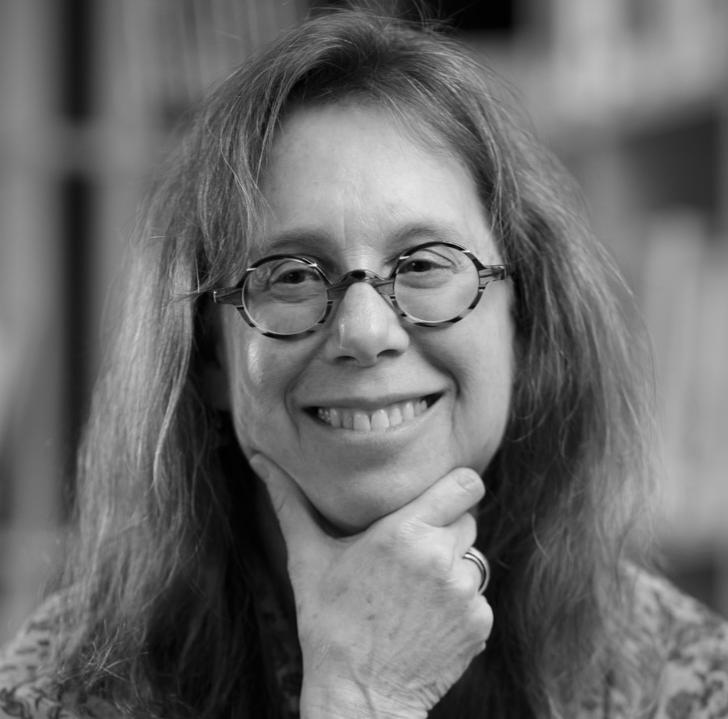
Marcia F. Feuerstein, FAIA
AIA Washington D.C.
Object 6 | Education
Marcia Feuerstein integrates interdisciplinary scholarship, teaching, and research, while globally advancing women's legacies in architecture. She reshapes and expands applied theory and history, transforming education by grounding architecture to people and their experiences.
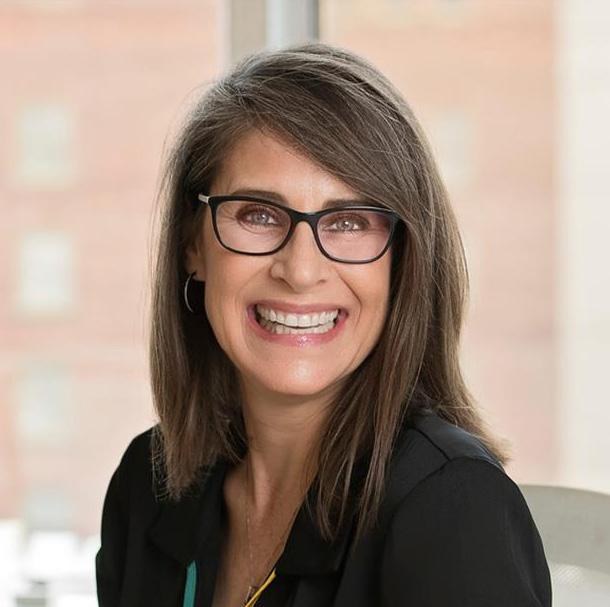
Whitney K. Fuessel, FAIA
AIA Texas Society of Architects
Object 2 | Practice (Technical Advancement)
As a healthcare architect, Whitney Fuessel leads with empathy. She creates deeply intentional and compassionate buildings, empowers peers and future leaders, and embraces every opportunity to employ supportive architecture to uplift and transform vulnerable communities.
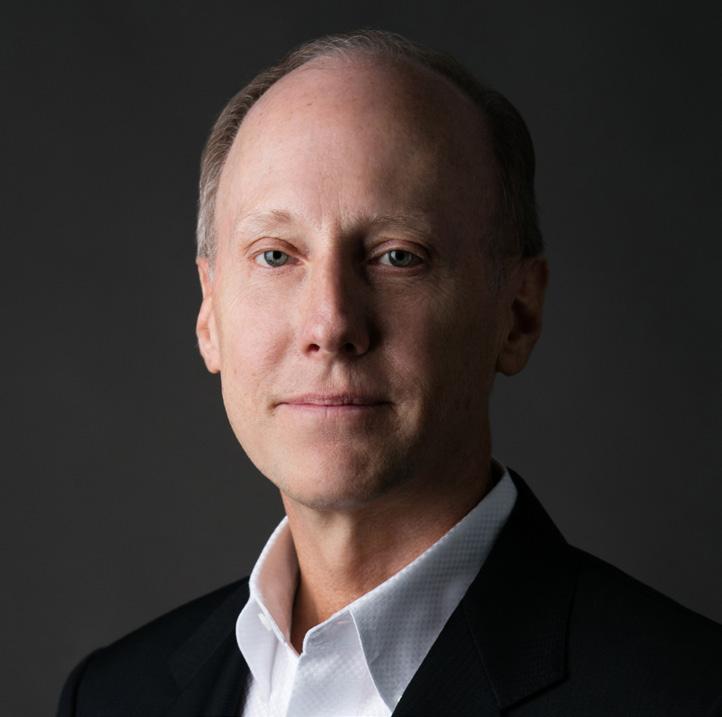
Dennis M. Findley, FAIA
AIA Virginia
Object 5 | Service to Society
Dennis Findley is an impactful civic leader and disability advocate. In volunteer, appointed, and elected positions, his inventive societal solutions and empathic spirit elevate individual well-being, benefit humankind broadly, and achieve legislative change.

Joel M. Fuoss, FAIA
AIA Missouri
Object 1 | Design
Encompassing diverse typologies of new and adaptive reuse work, Joel Fuoss weaves narratives of people and place into context-informed, community-centric design. His work exemplifies design as a catalyst for positive change for organizations and communities.
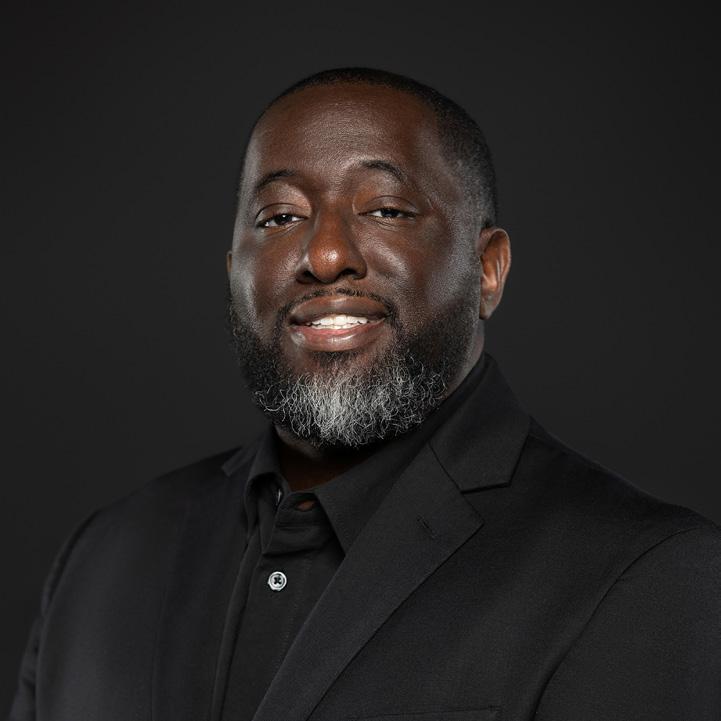
Michael I. Ford, FAIA
AIA Texas Society of Architects
Whitney M. Young Jr. Award Recipient
Michael Ford merges architecture and hip hop to elevate underrepresented voices, expand access to the profession, and challenge systemic barriers, using design as a tool for justice, cultural expression, and long term community impact.
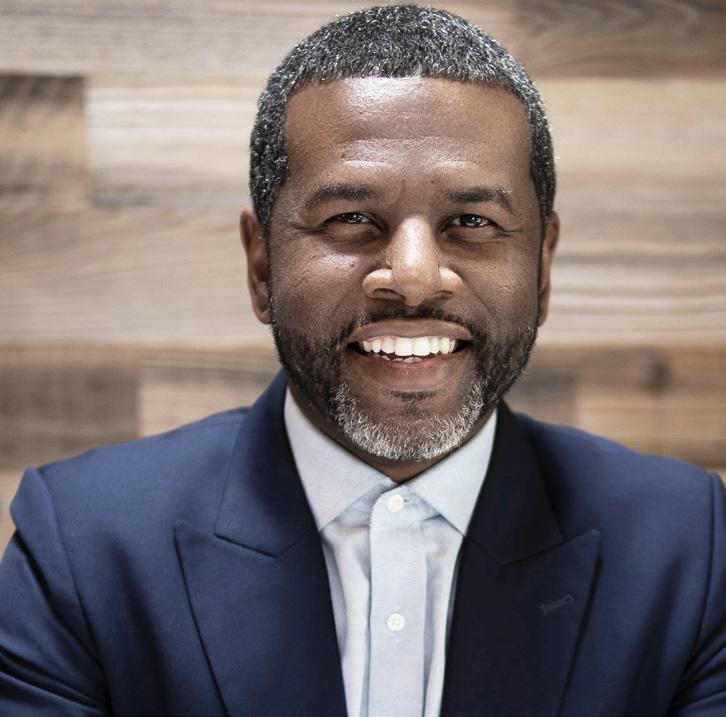
Daimian S. Hines, FAIA
AIA Texas Society of Architects
Object 1 | Design
Daimian Hines pursues design excellence as professional practice and civic responsibility, creating architecture that achieves its highest potential by uniting technical rigor and cultural meaning, and expanding representation in the profession and its work.
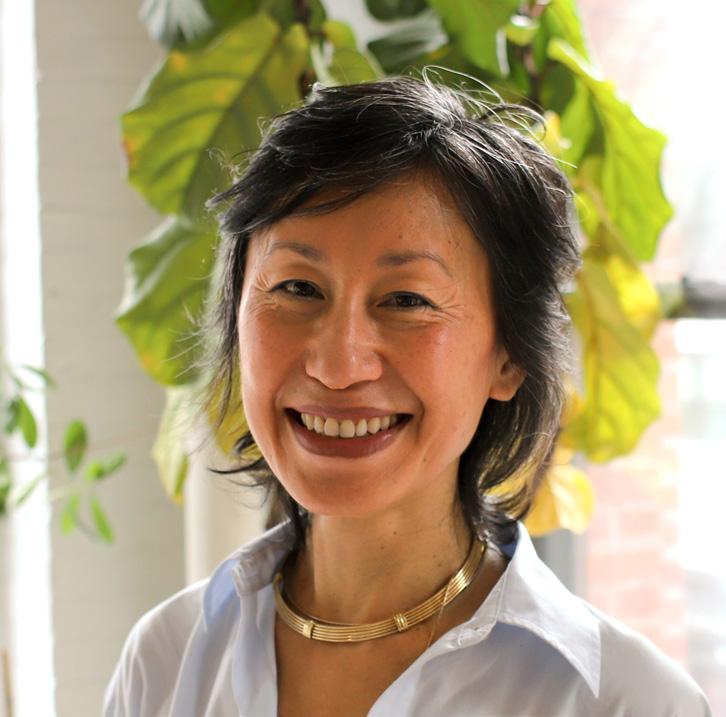
Mimi Hoang, FAIA
AIA New York State
Object 1 | Design
Mimi Hoang emphasizes humane connections among people, buildings, and their environment through work that reframes its context in unexpected ways. By correlating architecture with nature and material invention, she invites the engagement of diverse communities.
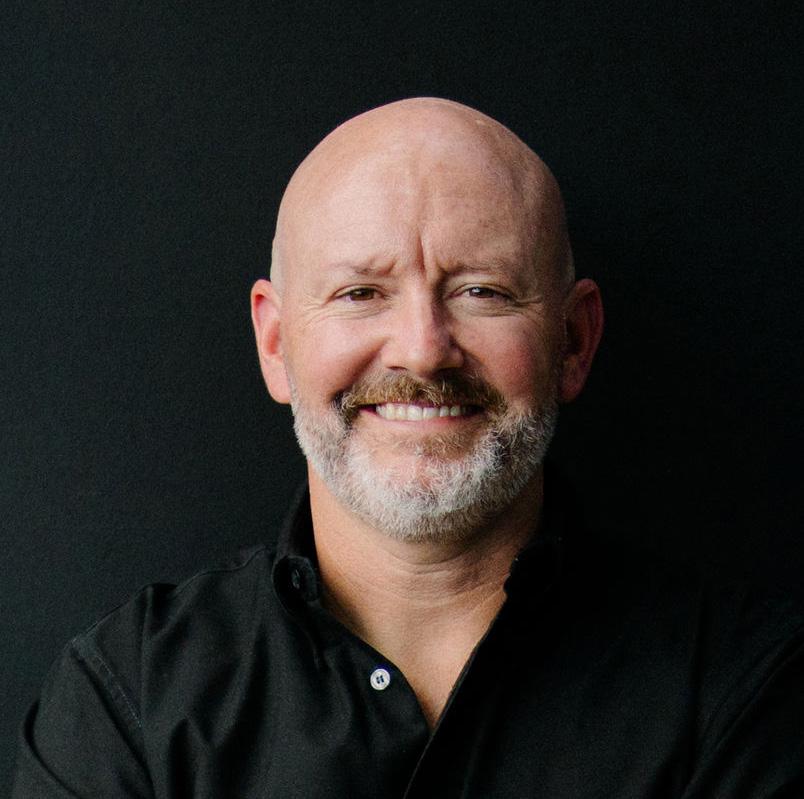
AIA North Carolina
Object 1 | Design
By uniting design, craft, and building, Robby Johnston creates an architecture of exceptional resolution and purpose. He transforms overlooked sites into vital urban anchors, proving design’s power to strengthen a city’s urban fabric.
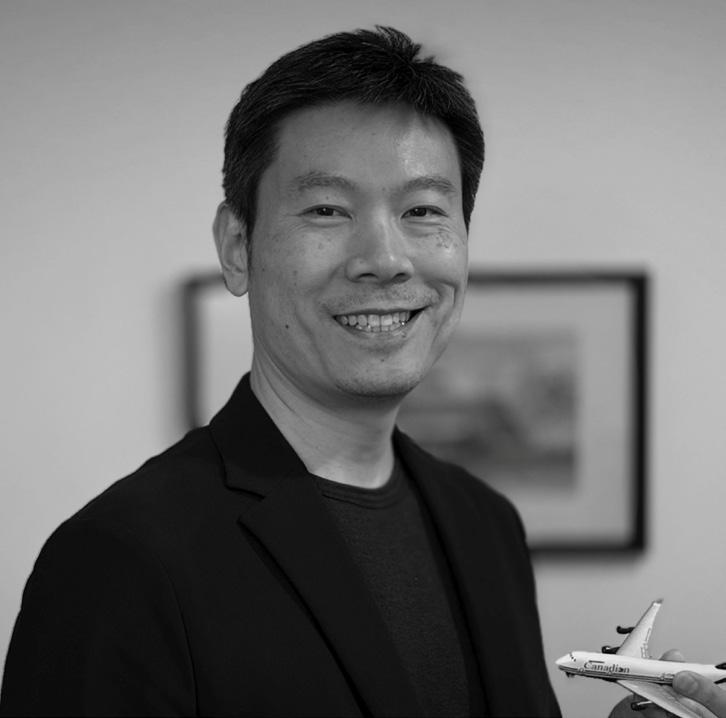
AIA Washington
Object 2 | Practice (Technical Advancement)
Keith Hui’s deep understanding of airport programming and planning drives global aviation projects and clients to respond to ongoing and complex evolutionary changes while improving operations, enhancing the passenger experience, and creating inspiring, leading-edge architecture.
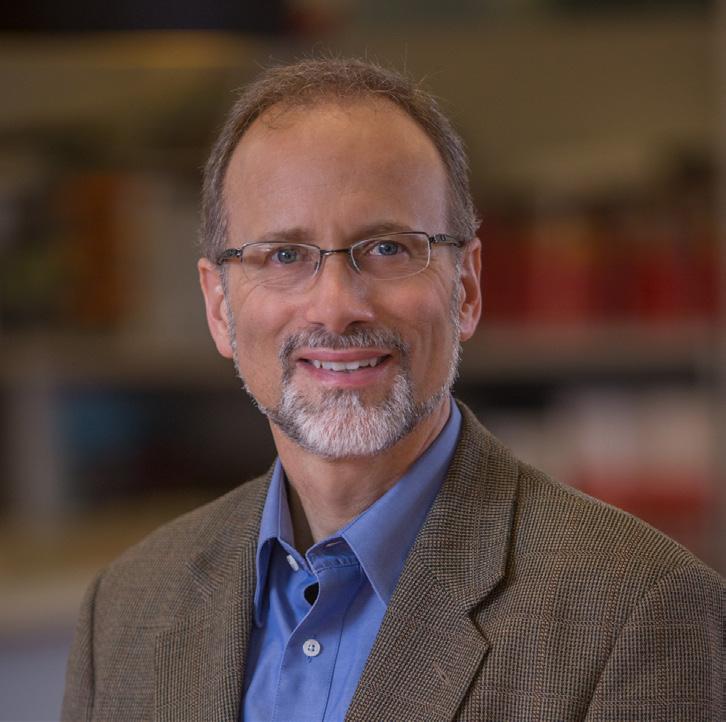
Paul G. Klee, FAIA
AIA Maryland
Object 2 | Practice (Technical Advancement)
Through decades of school design innovation and sharing his expertise across the profession, Paul Klee built a new framework of 21st century design principles and space types that redefine the standards for K-12 schools.
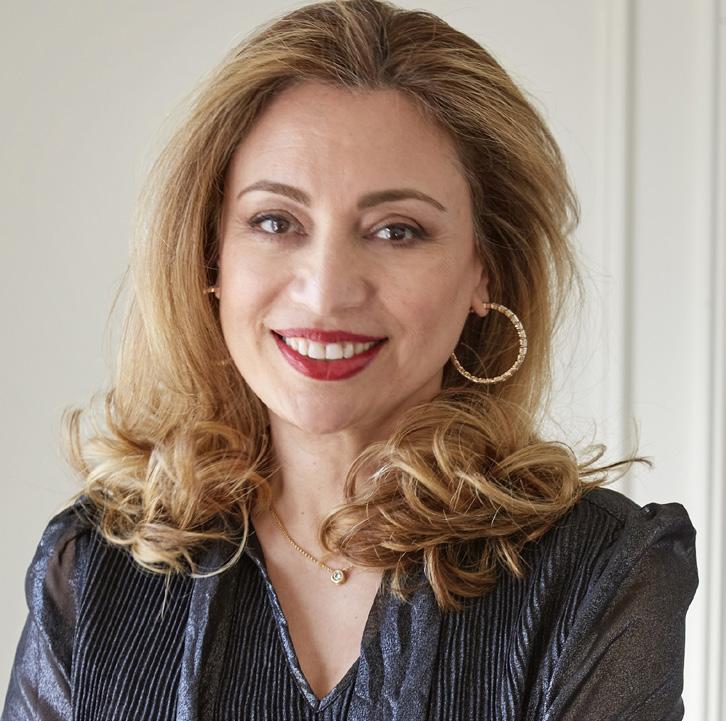
Sara D. Jazayeri, FAIA
AIA New York State
Object 5 | Service to Society
Sara Jazayeri redefines leadership in the profession, champions equity for women and immigrants, and pioneers health-conscious design—transforming communities, elevating underrepresented voices, and demonstrating architecture’s highest purpose: dignity, belonging, and service to society.
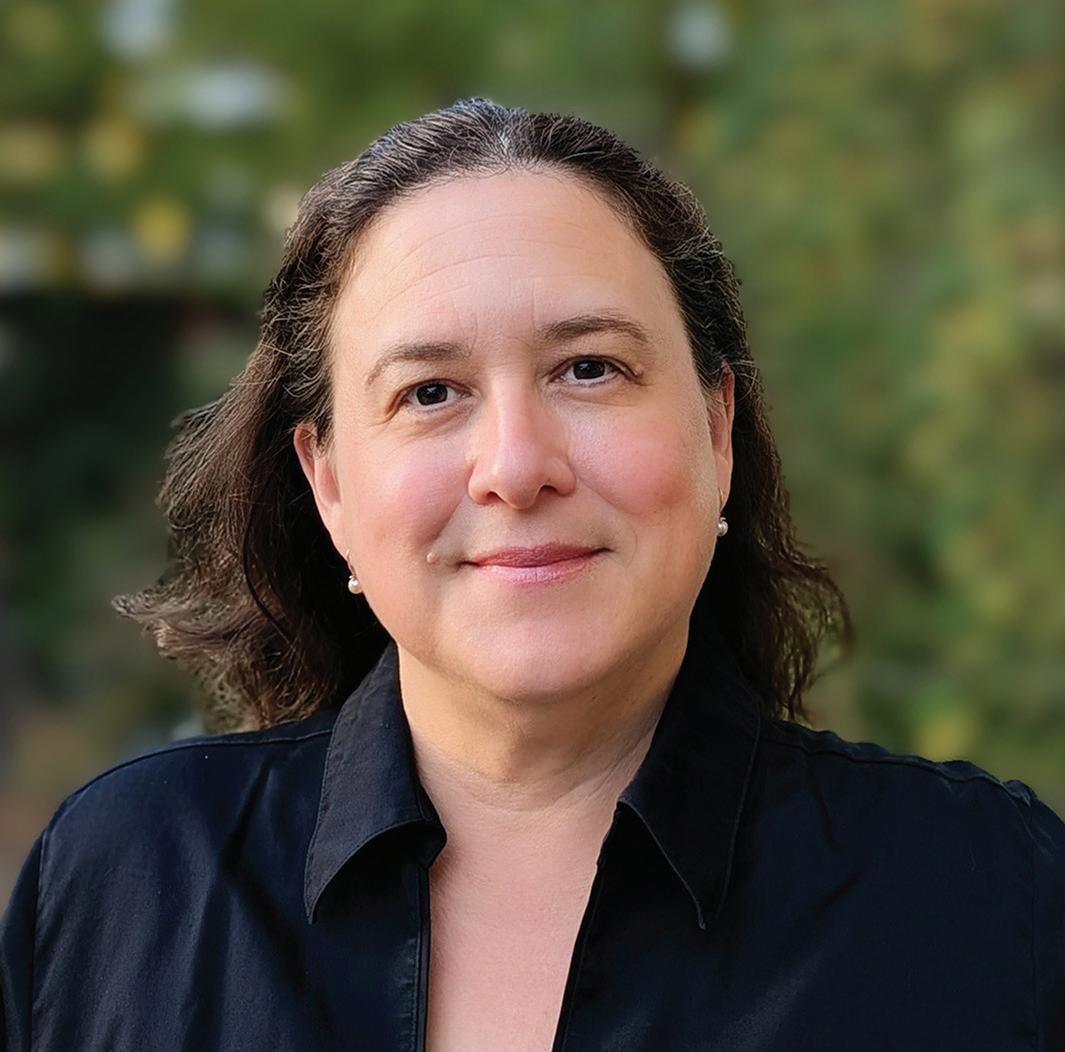
Jennifer C. Kretschmer, FAIA
AIA California
Object 2 | Practice (Management)
Jennifer Kretschmer’s innovative virtual practice model and promotion of equitable, accommodating ways to work set new industry standards; her AIA leadership significantly elevated the profession and her ADU advocacy delivered solutions to the housing crisis.

Kevin Kudo-King, FAIA
AIA Washington Council
Object 1 | Design
Kevin Kudo-King integrates elements of the site, culture, and local building traditions to create contextual architecture that is restorative and transformative to its users.
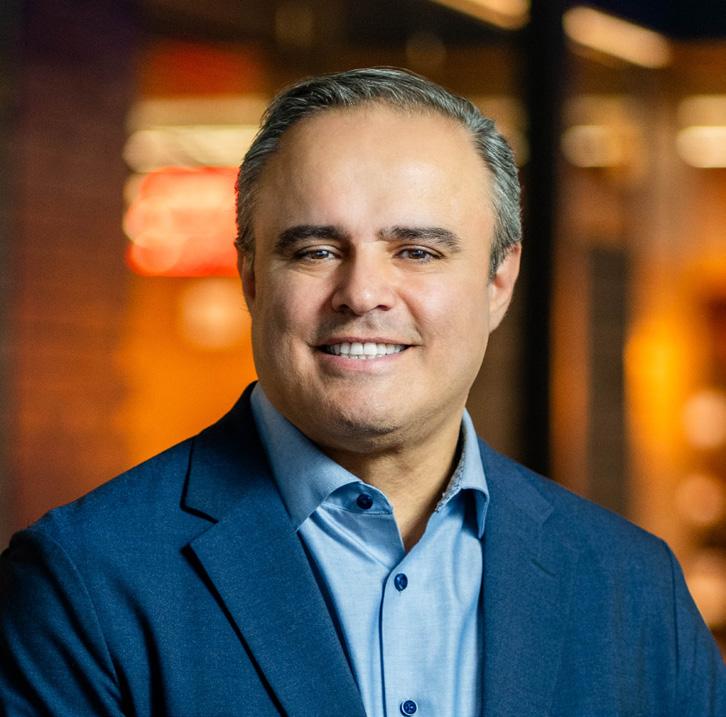
Joseph Lauro, FAIA
AIA New York State
Object 2 | Practice (Management)
Joe's practice and sustainability initiatives position architects as drivers of global shifts toward decarbonization and expanded design and development strategies, while his comprehensive mentoring programs empower diverse perspectives to shape a more resilient, inclusive profession.
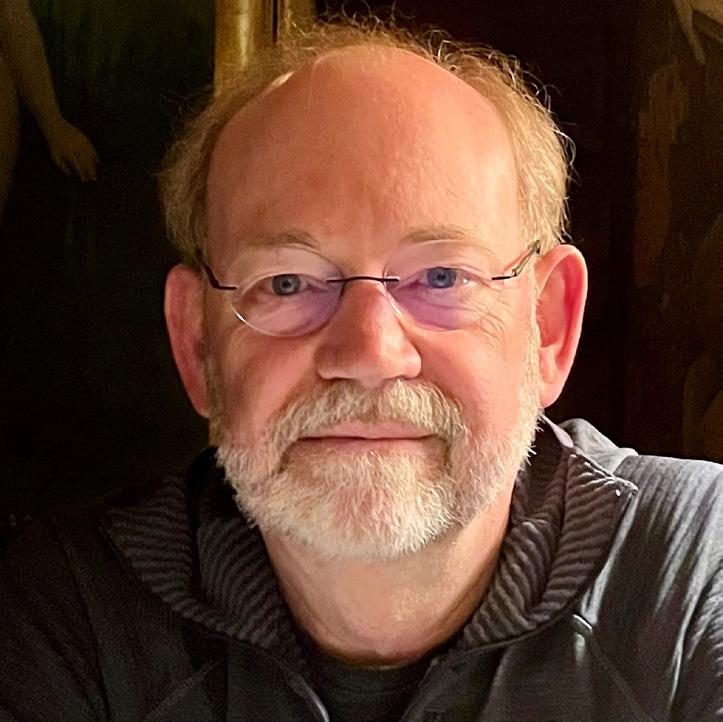
Thomas V. Lawrence, FAIA
AIA Washington Council
Object 3 | Led the Institute
Thomas V. Lawrence fosters community, mentorship, and professional development for small firms while providing a road map for design quality through educational and design excellence programs. His small practice complements and informs these activities.
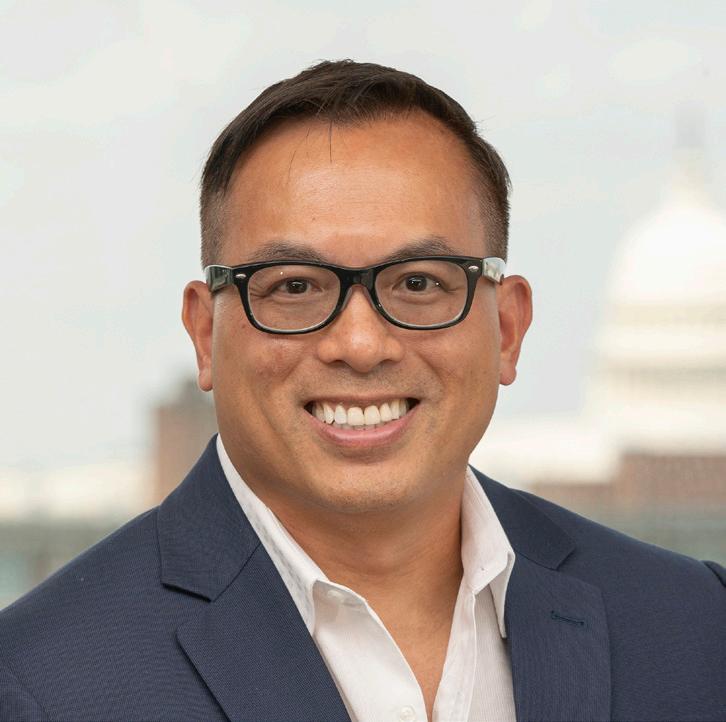
Minh T. Le, FAIA
AIA Washington D.C.
Object 4 | Government
Minh Le empowers architects to design innovative and visionary U.S. diplomatic facilities. He drives forward-thinking standards and criteria that architects implement to create buildings that amplify America’s cultural impact and strengthen its presence worldwide.
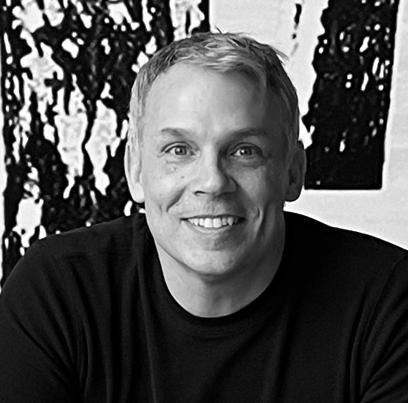
Cory C. Lavigne, FAIA
AIA Michigan
Object 1 | Design
Cory Lavigne advances design as a catalyst for connection, shaping public space into experiential destinations that restore community, inspire people, and leave lasting cultural impact.
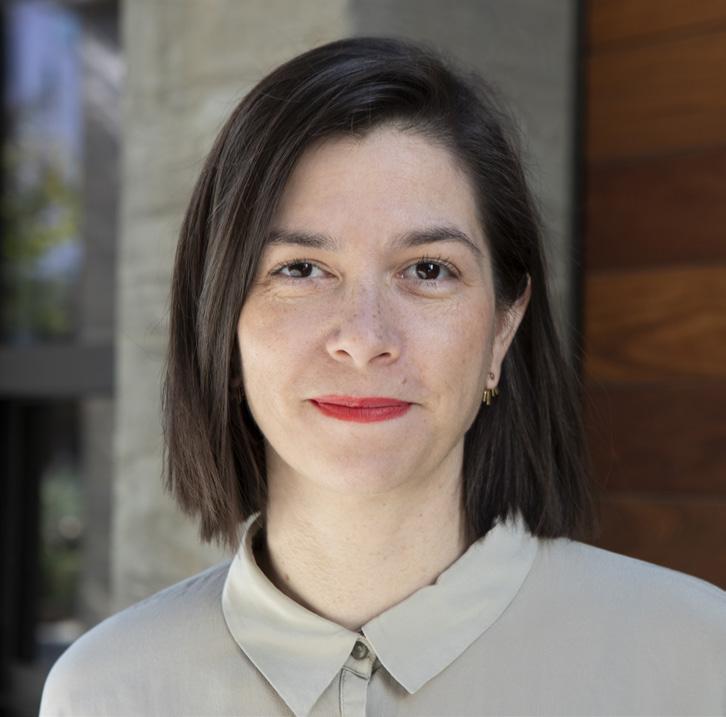
Amanda Loper, FAIA
AIA Alabama
Object 1 | Design
Amanda Loper advances architecture and urban design with originality, pragmatism, and joy. As a tenacious design leader and advocate, she champions the human experience and connection to place while empowering collaborators and communities.
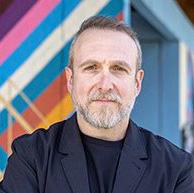
Marc Manack, FAIA
AIA North Carolina
Object 1 | Design
Marc Manack expands the social reach and aesthetic impact of the profession. His resourceful approach transforms ordinary projects into bold architecture—empowering communities, students, and architects to engage design as an expressive, accessible act.
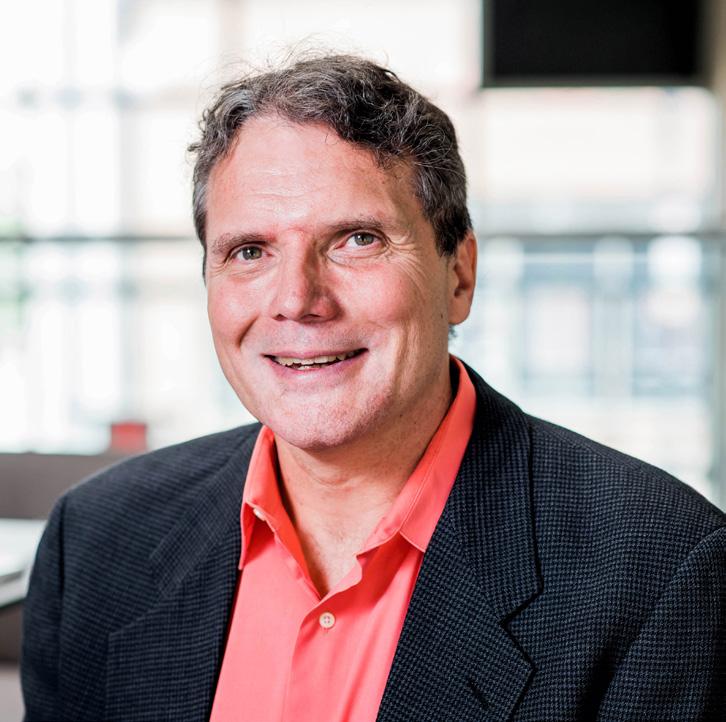
Marc J. Mondor, FAIA
AIA Pennsylvania
Object 3 | Led the Institute
Marc Mondor’s visionary leadership expands the architect’s role into sustainability, equity, and climate expertise. Through decades of professional practice, Institute leadership, and policy influence, Marc has advanced architects and architecture as forces for positive change.
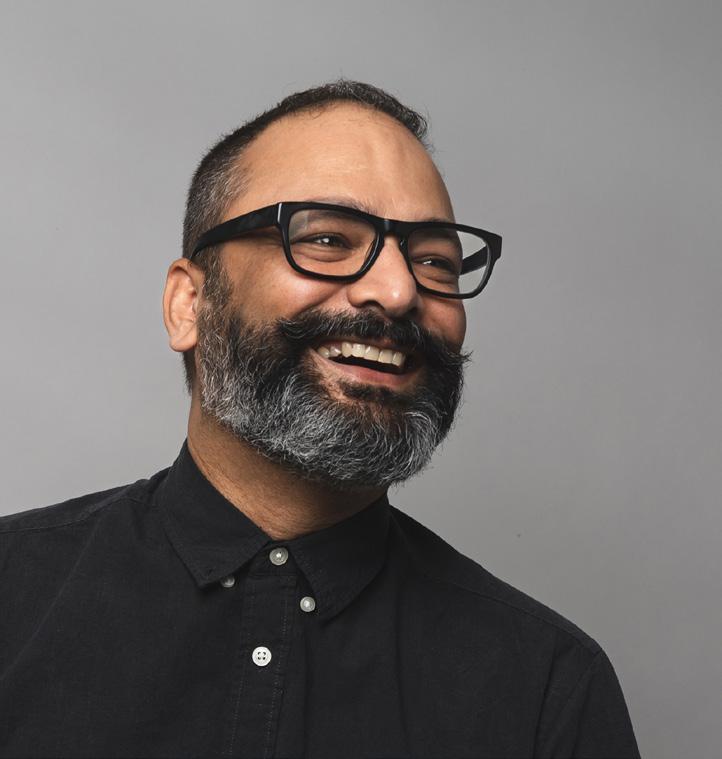
AIA Massachusetts
Object 1 | Design
Education Empowers. For Arjun, architecture is a lifelong calling— crafting learning environments where creativity, purpose, and performance converge to elevate student success, advance sustainability, and strengthen communities through transformative design.
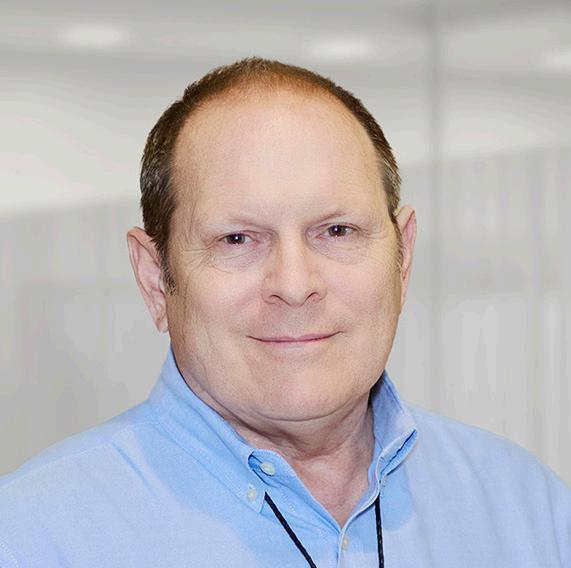
AIA Connecticut
Object 2 | Practice (Technical Advancement)
John Neary designs groundbreaking structures and enclosures, setting influential precedents. His practice, research and teaching fuse structure and architecture, integrating construction technology and aesthetics, catalyzing new sustainable, expressive, collaborative engineering and architectural design solutions.
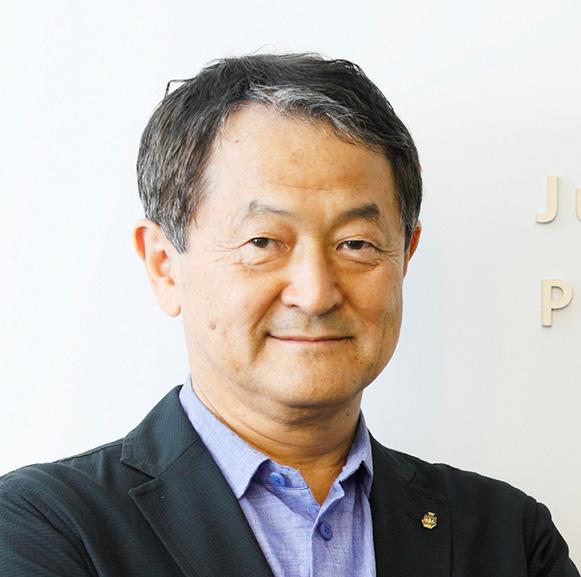
Jun Mitsui, FAIA
AIA Japan
Object 2 | Practice (Management)
Jun Mitsui pioneers an integrated, collaborative approach to project delivery and urban planning that fundamentally elevates the architect’s role, ensuring design integrity, fostering community engagement, and advancing sustainable and culturallysensitive global partnerships.

AIA Oregon
Object 5 | Alternative Career
As an innovator, collaborator and educator, Brad Nile is pioneering the use of mass timber in architecture, advancing the industry nationally while helping designers create award-winning buildings that are resilient, adaptable and highly sustainable.
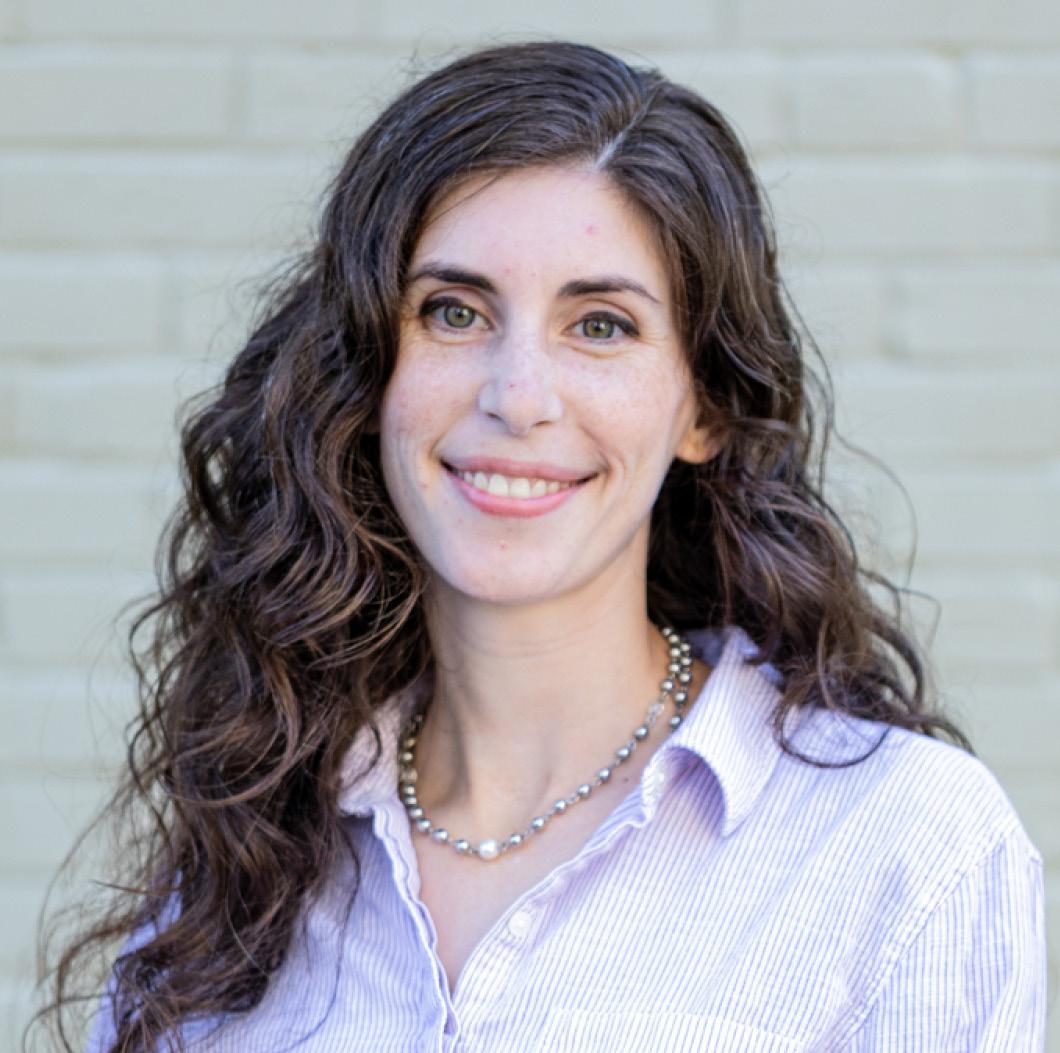
Jessica M. O'Donnell, FAIA
AIA New Jersey
Object 3 | Led the Institute
Jessica M. O’Donnell strengthens the Institute’s connective fabric by developing and advancing pathways throughout the AIA and AEC industry. Her leadership catalyzes AIA engagement, mobilizes the next generation, and shapes the profession.
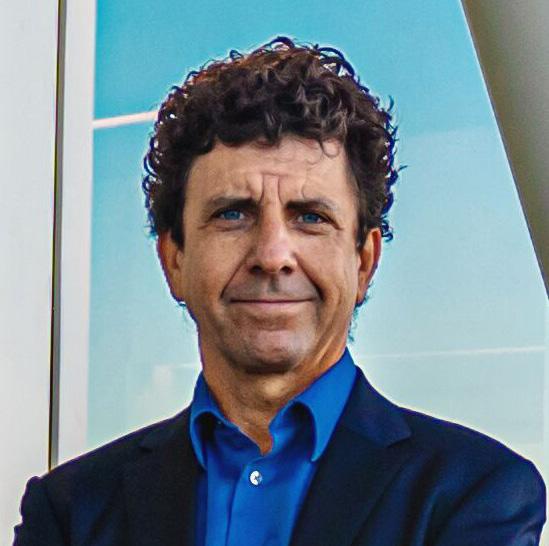
AIA California
Object 1 | Design
Lance O’Donnell’s career in sustainable desert modernism reflects a deep search for the essence of place -designs where ecology, wisdom, and the senses converge in poetic dialogue between earth and horizon.
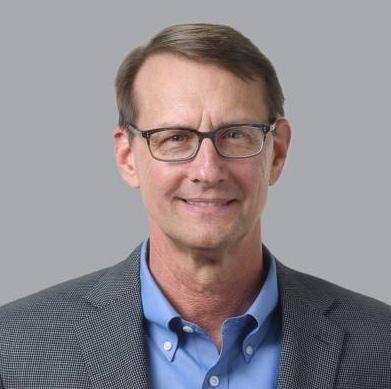
Michael L. Perry, FAIA
AIA Michigan
Object 2 | Practice (Management)
Michael Perry, an internationally recognized leader in Universal Design, pioneered the world's first project accredited by the Global Universal Design Commission-advancing global standards and transforming accessibility and inclusion for people of all abilities.
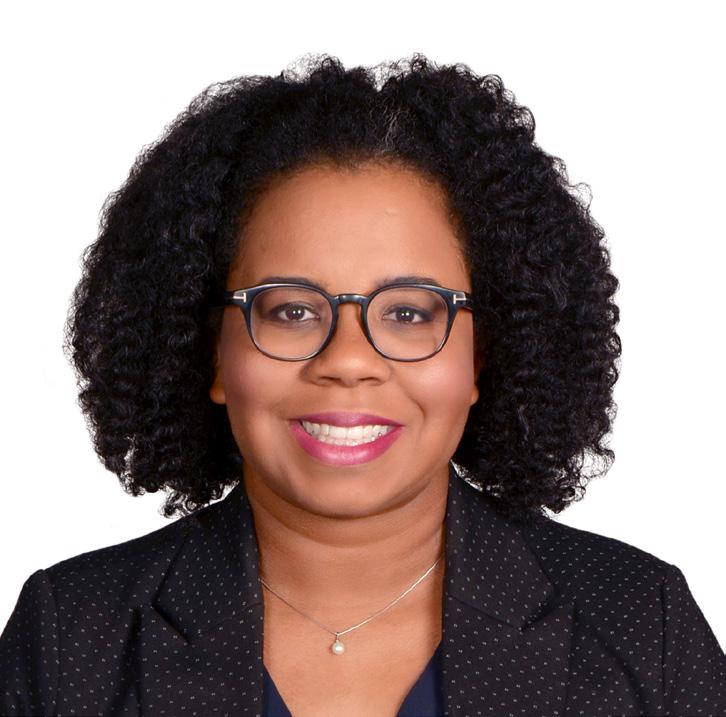
AIA Texas Society of Architects
Object 5 | Service to Society
Gianna Pigford changes the face of architecture by founding enduring mentorship pipelines, advancing equity policy, building thriving organizations, and inspiring underrepresented youth and professionals - leaving a measurable, sustainable legacy of inclusion, leadership, and community transformation.
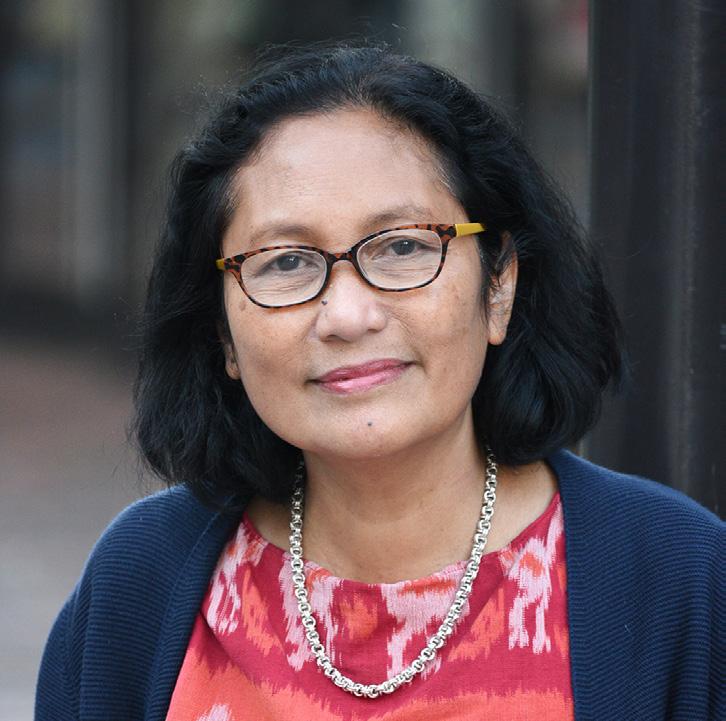
AIA Massachusetts
Object 4 | Public Service
Etty Padmodipoetro advances transportation infrastructure design standards by centering people. Working across disciplines, she engages public officials, professionals, and citizens in reimagining multimillion-dollar engineering projects to achieve more accessible, equitable, and human-scaled communities.
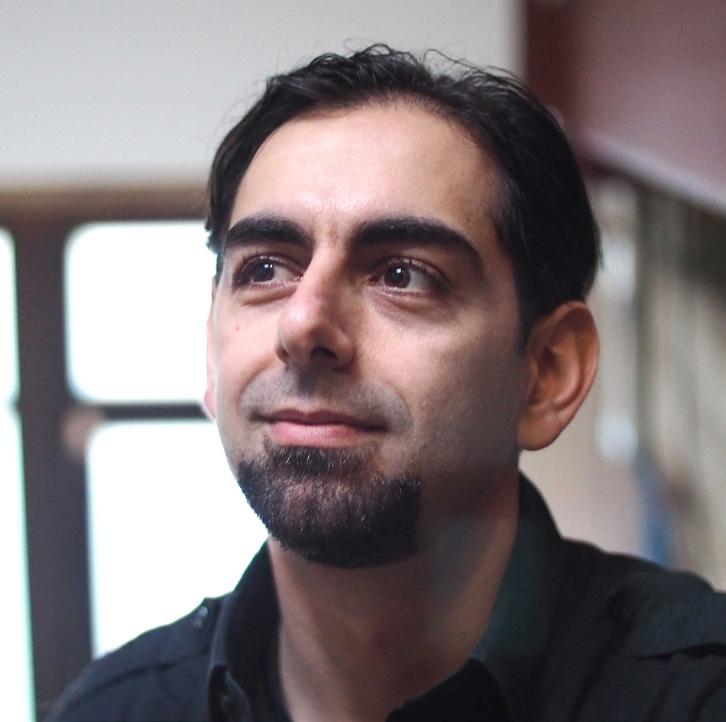
AIA New York State
Object 2 | Practice (Management)
Charles Portelli advances computational design as a craft, transforming complexity into clarity through process and innovation. His impact extends globally through education and mentorship, bridging practice and academia to inspire the next generation.
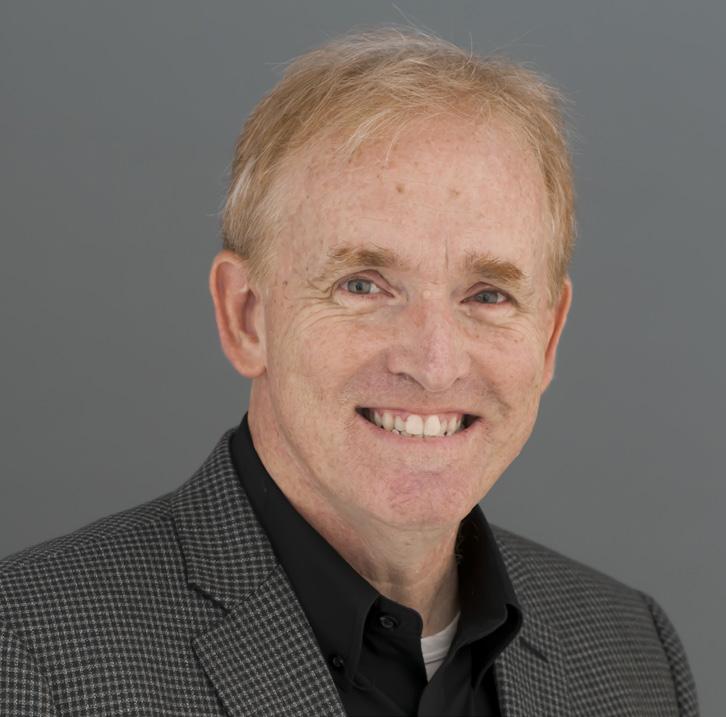
Thomas A. Powell, FAIA
AIA Texas Society of Architects
Object 2 | Practice (Management)
A pioneer in sustainable design, Thom Powell elevates architectural practice, integrating cutting edge sustainable technical excellence with relentless innovation, empowering teams and transforming communities by making sustainable design the standard, not the exception
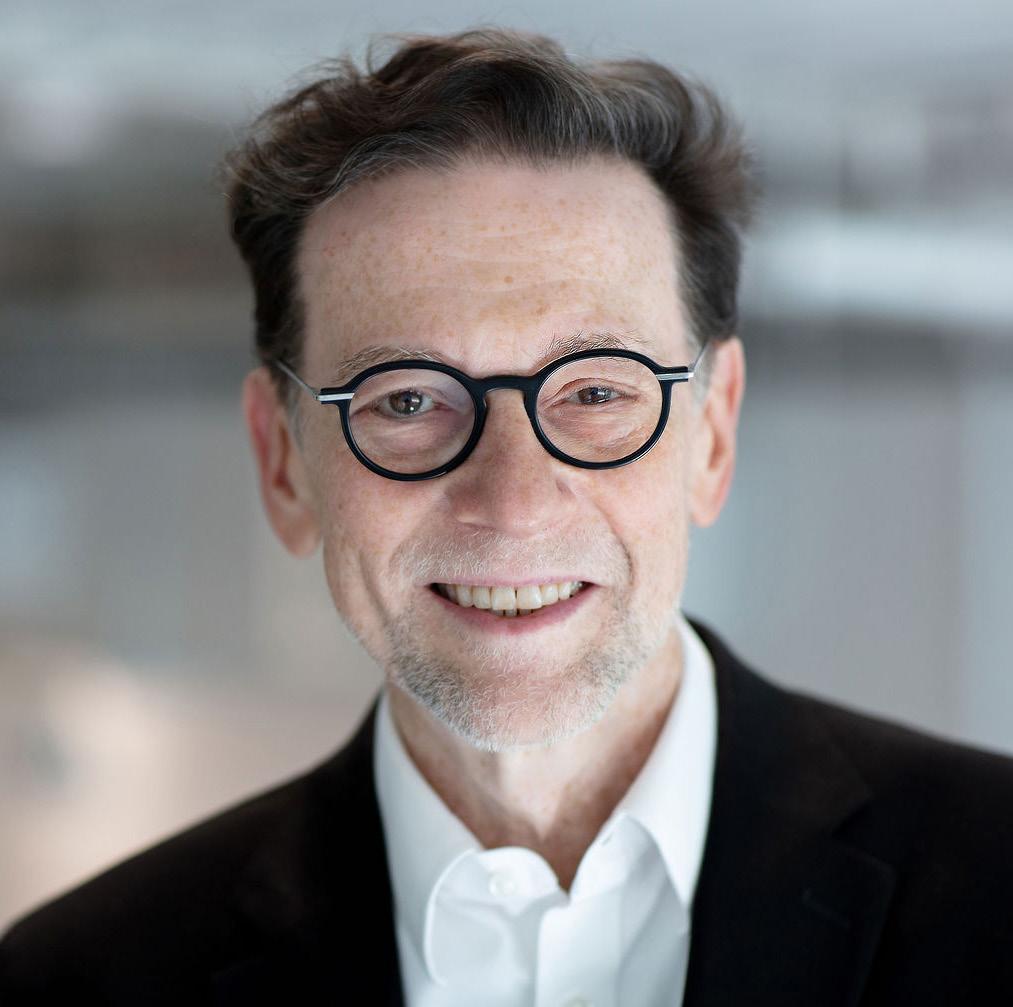
Richard L. Rundell, FAIA
AIA Massachusetts
Object 2 | Practice (Technical Advancement)
Rick Rundell drove innovation across the building industry by empowering entrepreneurs, academics, and pioneering thinkers in design and construction with ground-breaking platforms for fabrication and research.
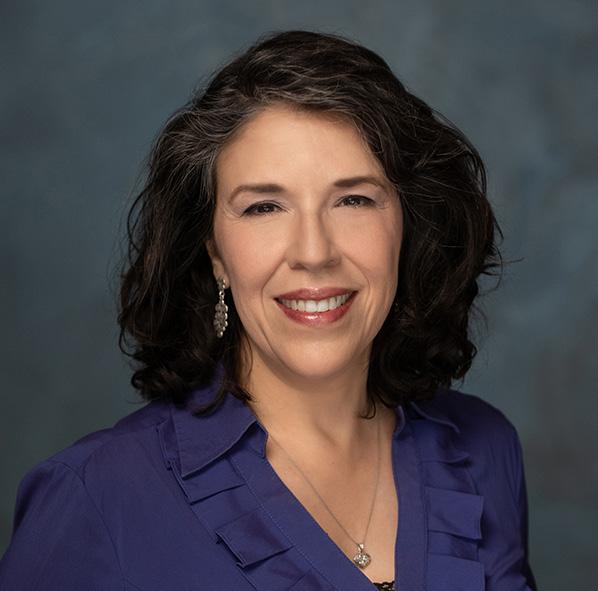
AIA Texas Society of Architects
Object 3 | Led the Institute
Connie Rivera’s commitment to AIA has fostered equitable service for members, acted as a catalyst for advancement in the face of disruption, and expanded engagement and inclusion, both within the Institute and the broader community.
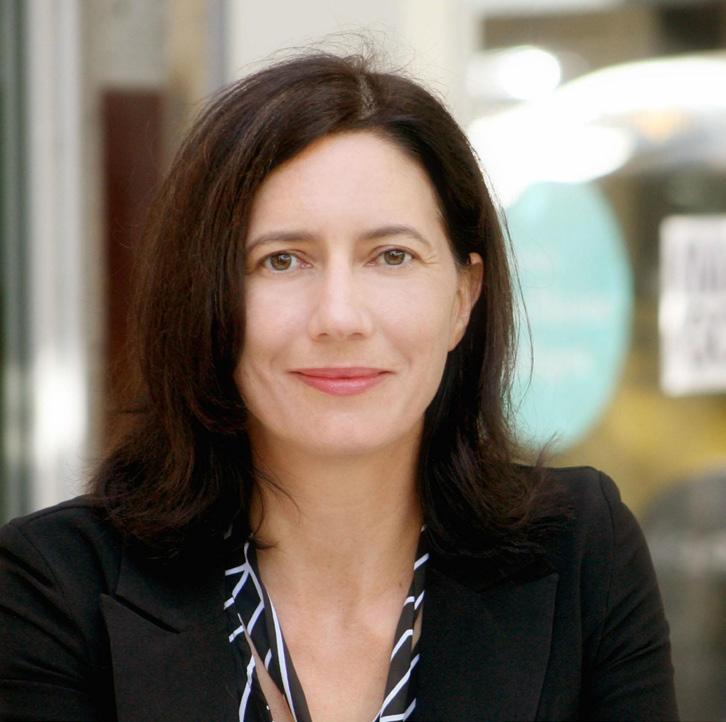
E. Ruppenthal, FAIA
AIA California
Object 2 | Practice (Technical Advancement)
Mary Ruppenthal reshapes architecture’s future by delivering transformative high-impact educational environments, leading inclusive design processes, and advancing national advocacy that empowers professionals, uplifts communities, and establishes enduring standards for equity and excellence.
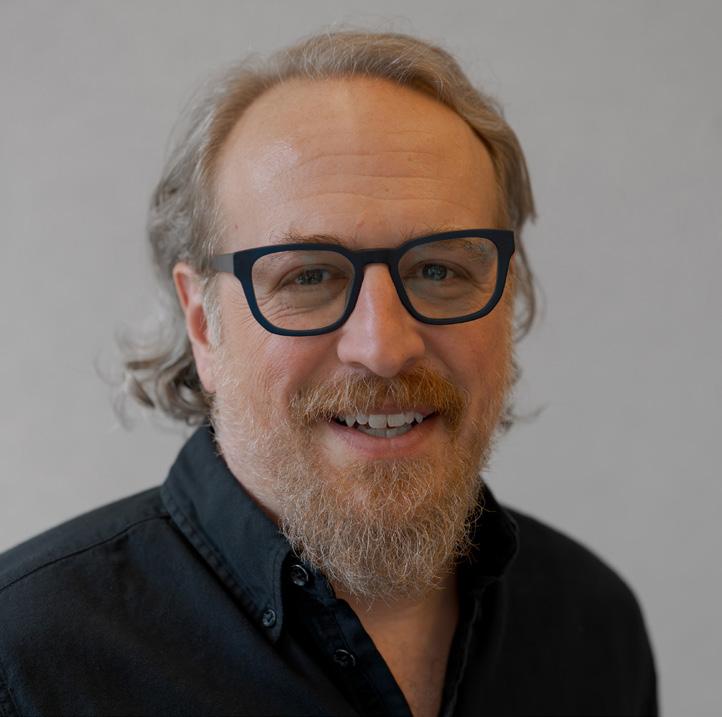
Jordan Rogove, FAIA
AIA New York State
Object 2 | Practice (Technical Advancement)
Drawing on experience as an architect, educator, and entrepreneur, Jordan Rogove has advanced new housing standards that strengthen environmental and social resilience through his enterprising design innovations, global humanitarian initiatives, and national policy leadership.
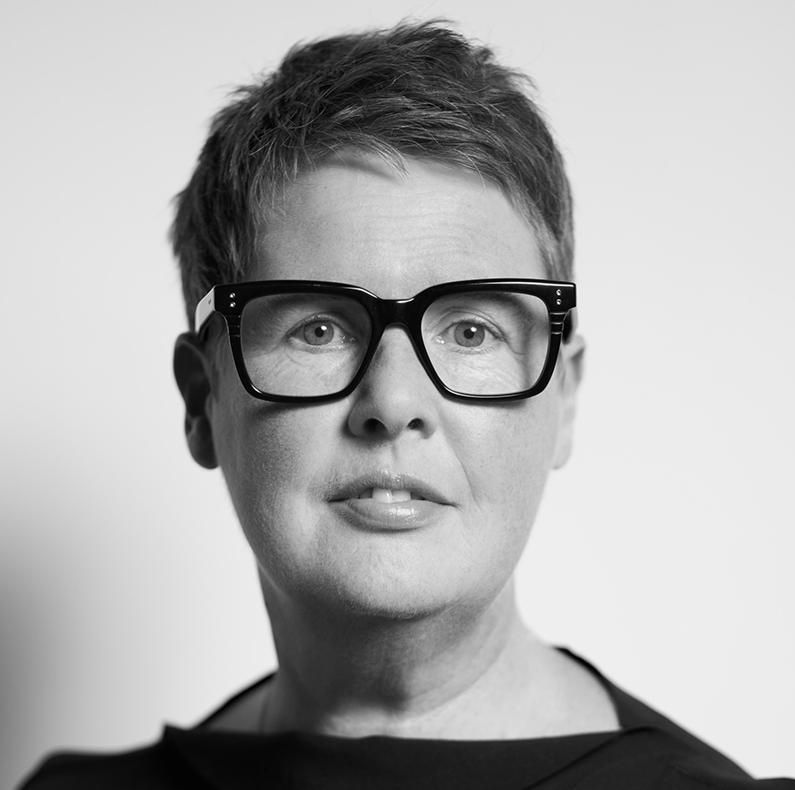
AIA California
Object 1 | Design
Oonagh Ryan designs well-crafted places rooted in their environment. Through precision and care, her architecture enriches daily life, strengthens communities, and advances small-firm excellence by elevating design, impact, and process.
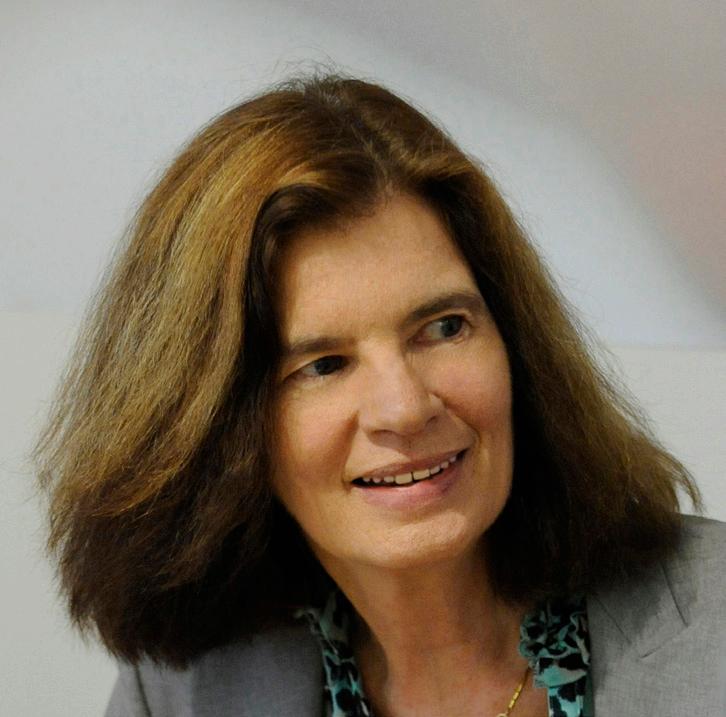
Bea Sennewald, FAIA
AIA International Chapters and US Territories
Object 2 | Practice (Management)
After a distinguished career designing world-class science buildings, Bea Sennewald has transformed the charity Article 25 into a pioneering practice where architecture directly improves the lives of disadvantaged communities worldwide.
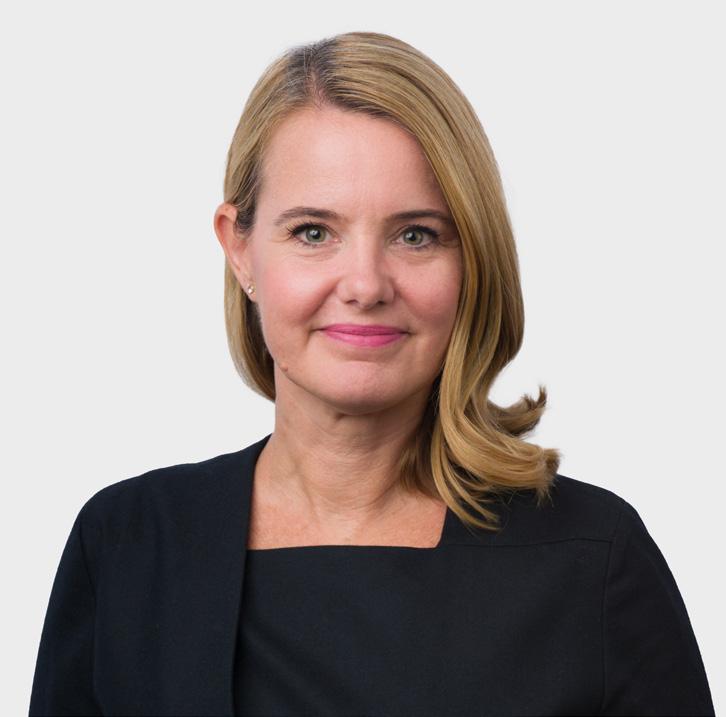
AIA New York State
Object 1 | Design
Lissa So creates authentic and sustainable architecture that drives forward a vision for design excellence. Her projects foster a strong sense of place and identity demonstrating the transformative impact of designing with and for communities.
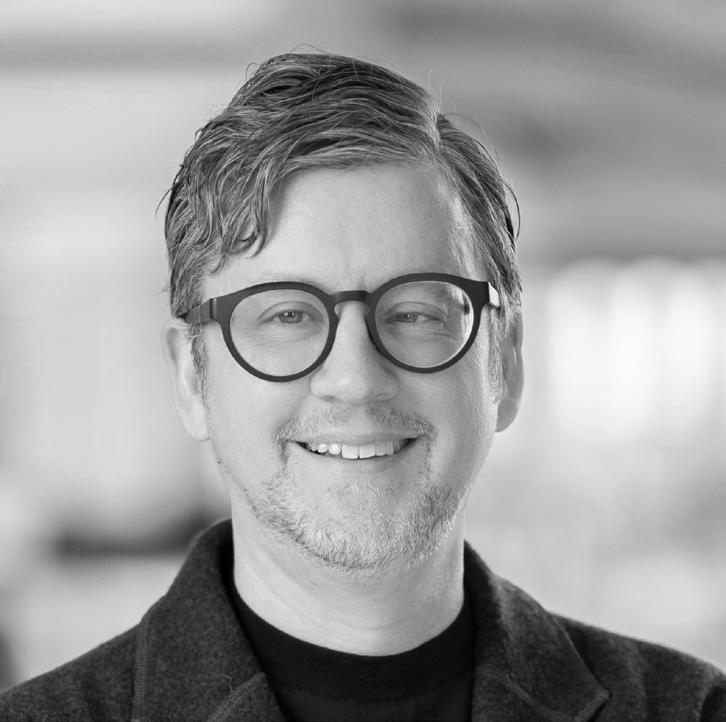
AIA Washington D.C.
Object 1 | Design
Sven Shockey redefines institutional identity through design that harmonizes building performance with human experience. His workplaces, campuses, and civic landmarks integrate advanced technologies with tectonic artistry, yielding climate responsive environments elevated by enduring architectural excellence.

John H. Starr, FAIA
AIA Georgia
Object 2 | Practice (Technical Advancement)
John Starr merges art, science, sustainability, and architecture in Buildings That Teach. Leading expertisebased collaborations, he achieves design excellence in lifelong learning and research environments that inspire millions of intergenerational visitors, students, and design professionals.
Madlen Simon, FAIA
AIA Washington D.C.
Object 6 | Education
Madlen Simon bridges continents and cultures with a new model for international design education. Through her teaching and advocacy, she develops diverse architect-leaders while amplifying the value of architecture to community and profession.
Douglas R. Stieve, FAIA
AIA New York State
Object 2 | Practice (Technical Advancement)
Douglas Stieve utilizes his experience from national forensic investigations to design complex waterproofing systems to protect buildings structures and aesthetics. Practicing globally, his work ranges from historic to contemporary with every stop in between.
Jeffrey C. Stivers, FAIA
AIA Kentucky
Object 3 | Led the Institute
Jeffrey Stivers creates pathways for future designers to discover architecture and emerging professionals to grow as leaders. His service ensures the selection of future Institute leadership is equitable and inclusive, while he elevates organizational efficiency.
Amy Upton, FAIA
AIA Washington D.C.
Object 2 | Practice (Technical Advancement)
Amy Upton transforms communities through sustainable design: mainstreaming Zero Energy buildings, pioneering industry change, and mentoring future professionals. Her leadership drives profoundly resilient, climate-responsive, and equitable environments for all.
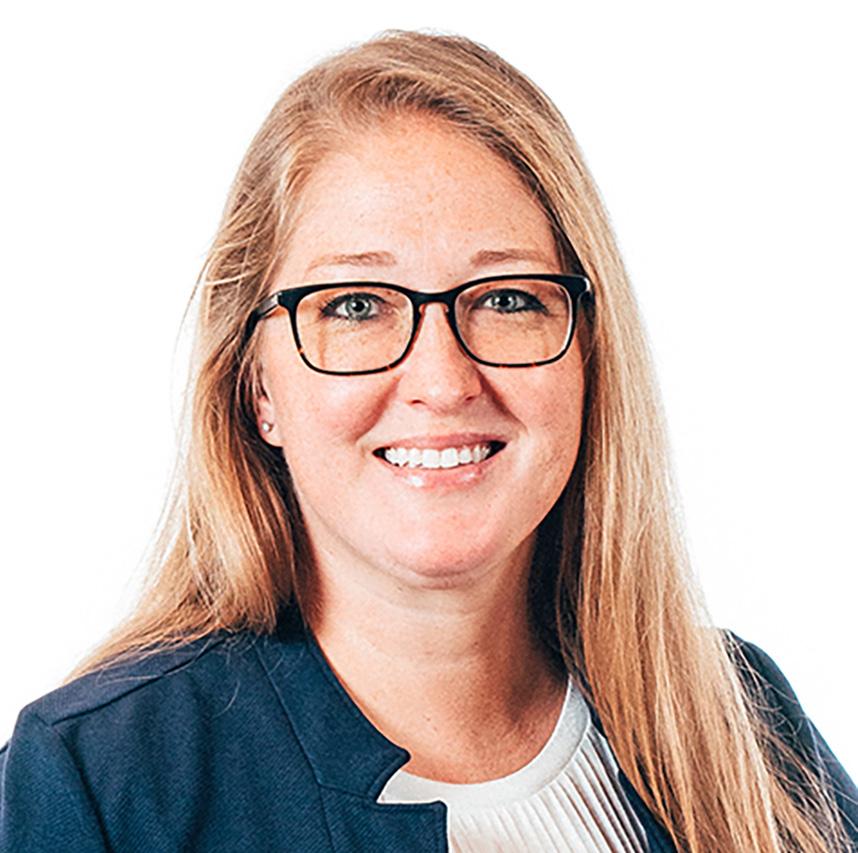
AIA Indiana
Object 3 | Led the Institute
Lora Teagarden, AIA, guides architects and the profession to an innovative, inclusive future. Her tenacious, equityfocused leadership spreads Institutewide. Through multifaceted knowledgesharing, she fearlessly cultivates future leaders locally and globally.

Kirsten Waltz, FAIA
AIA Maryland
Object 2 | Practice (Technical Advancement)
Kirsten Waltz advances healthcare architecture through research-based design, national code development, leadership in AIA’s Academy of Architecture for Health, and as the Owner’s Architect for groundbreaking medical and research facilities with lasting impacts.
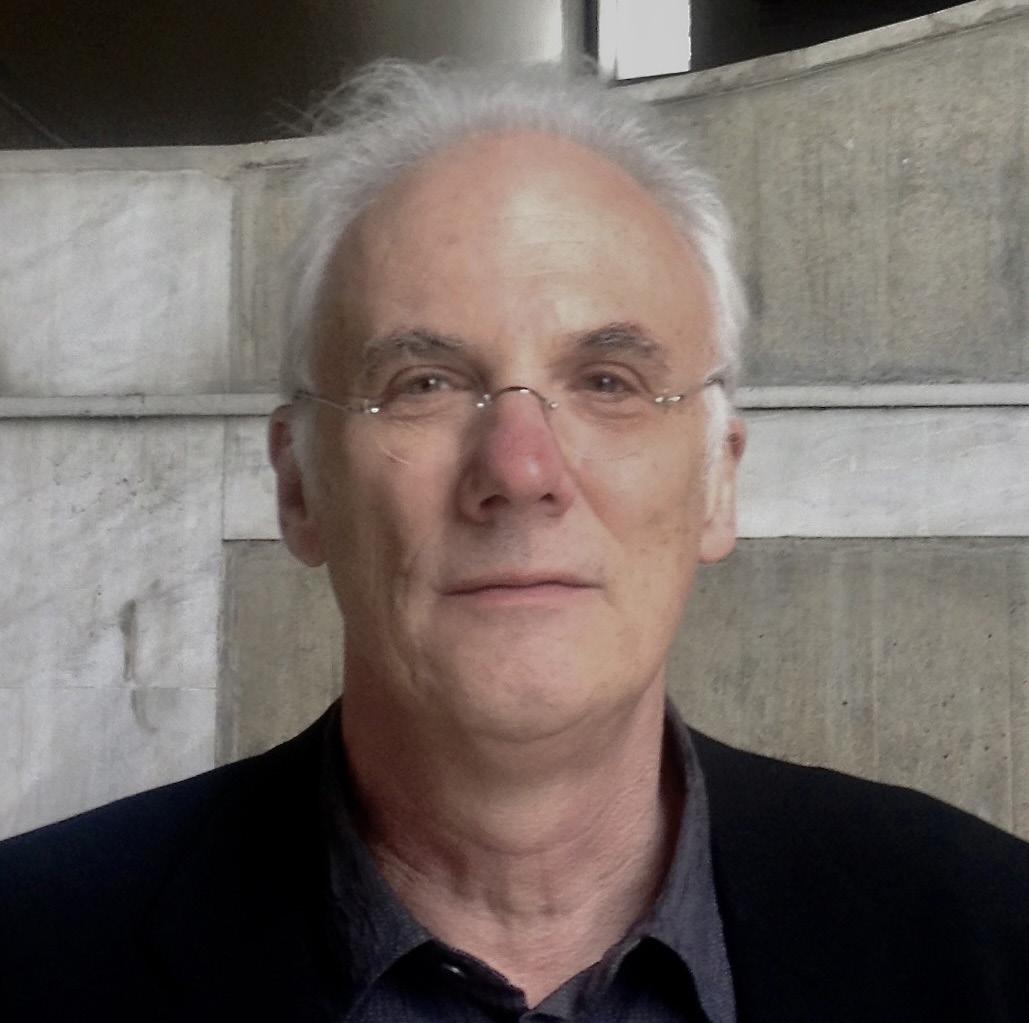
Max Underwood, FAIA
AIA Arizona
Object 6 | Education
Max Underwood’s community-based teaching philosophy and scholarship emphasize collaborative investigation and empower architects and the public to engage in their communities, embedding practices of innovation, collaboration, and agency in the next generation of professionals.
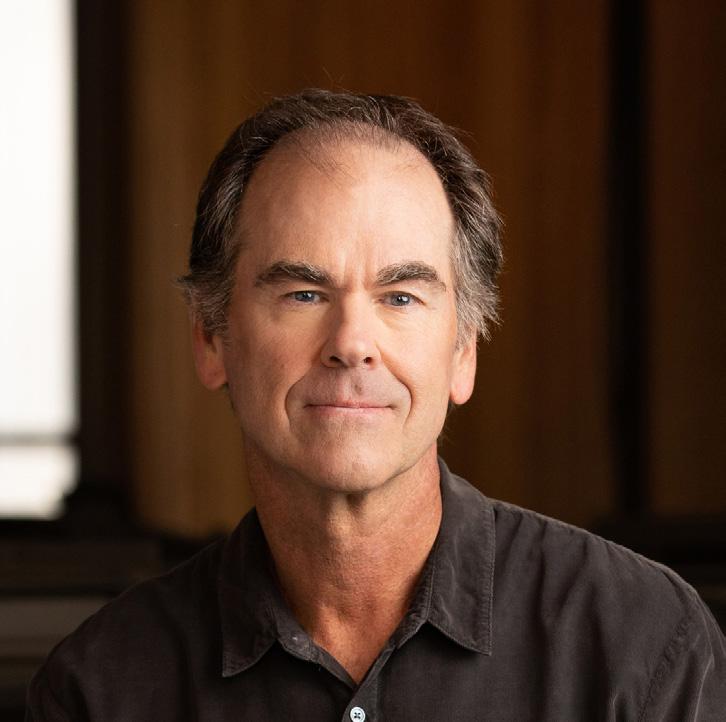
Greg Warner, FAIA
AIA California
Object 1 | Design
Guided by the Hawaiian principle of kuleana, Greg shapes architecture as dialogue between past and future, drawing on traditions, culture, and craft to root work in history and forge enduring connections with land and community.
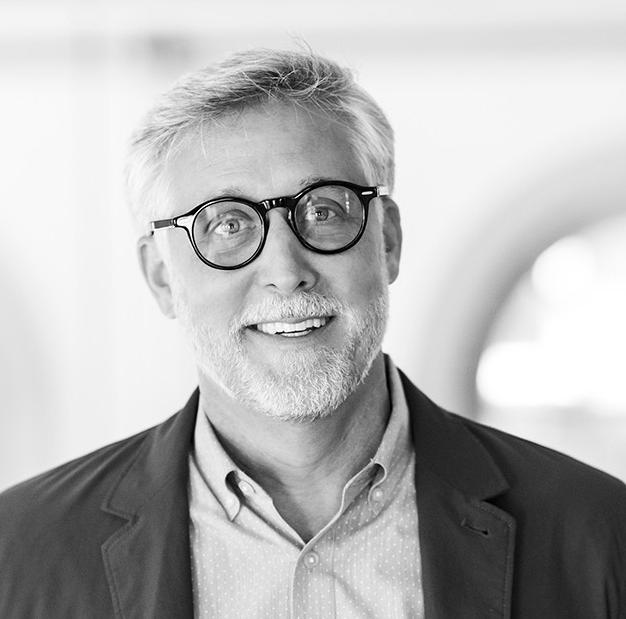
Robert B. Winstead FAIA
AIA Virginia
Object 2 | Practice (Technical Advancement)
Through service, change leadership, and break-through projects, Rob Winstead explores the intersection of design, learning, and sustainability – accelerating the Green Schools movement and advancing a more resilient future.
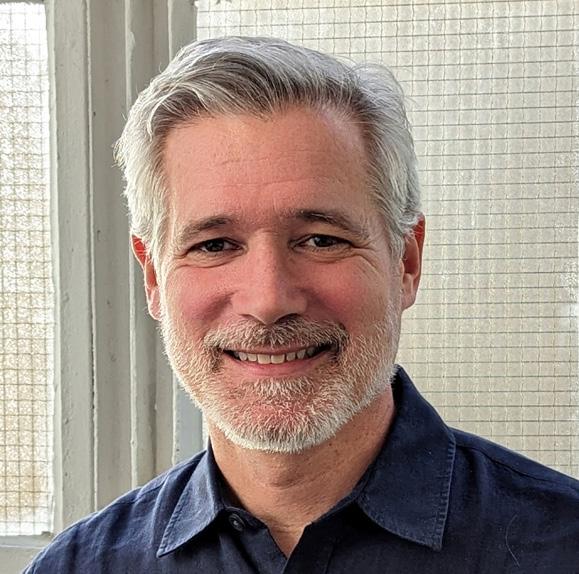
Robert H. Young, FAIA
AIA New York State
Object 1 | Design
Robert Young advocates for an architecture of lasting human value. His work is rooted in place, shaped by empathy, and crafted with integrity, enriching daily life through contextual and tectonic clarity.
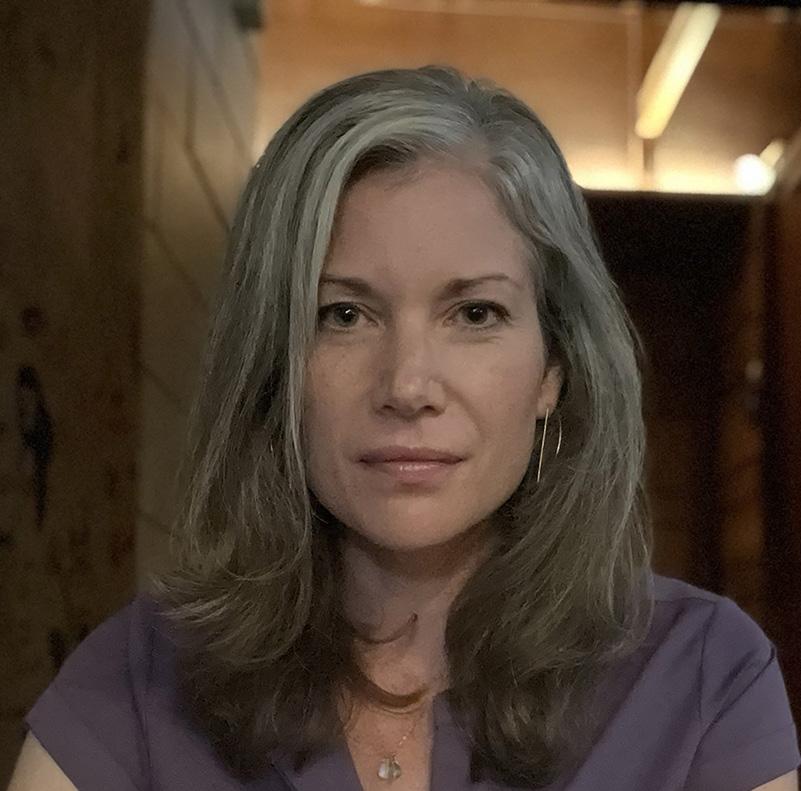
AIA Minnesota
Object 2 | Practice (Technical Advancement)
Angela Wolf Scott combines deep technical expertise with strategic client education to advance preservation practice while empowering the next generation to steward our built heritage for climate resilience and community vitality.
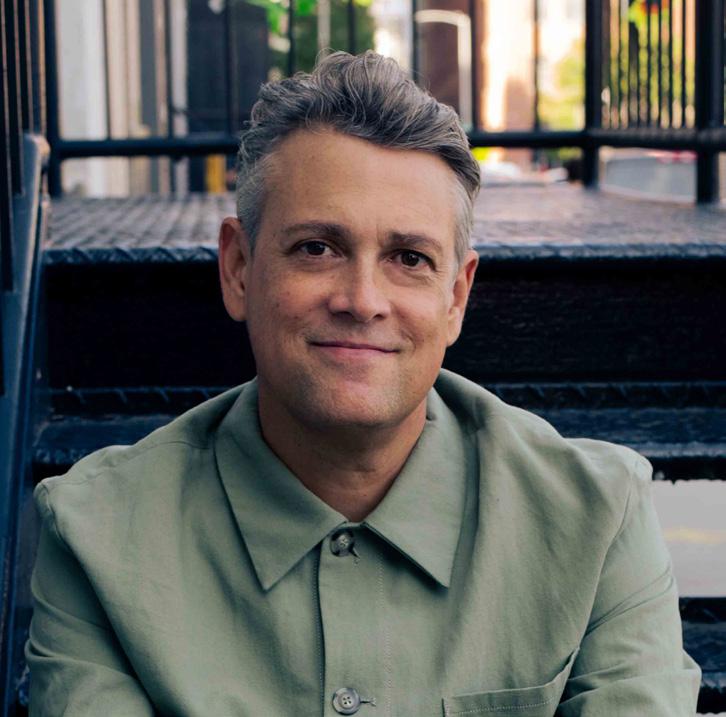
Bryan
AIA New York State
Object 1 | Design
Bryan Young leads his awardwinning office Young Projects with a collaborative, process-driven spirit of making. Meticulously executed projects at all scales–from experimental material prototypes to spatially complex buildings–generate dynamic experiences of architecture.
"Your advancement to Fellowship represents one of the highest honors the AIA can bestow on an individual member. It is recognition by your peers of your leadership, your impact on the built environment, and your meaningful contributions to society. Each of you has demonstrated excellence in your work and generosity in your service. Well Done!"
Jeanne Jackson, FAIA 2026 Chancellor, AIA College of Fellows
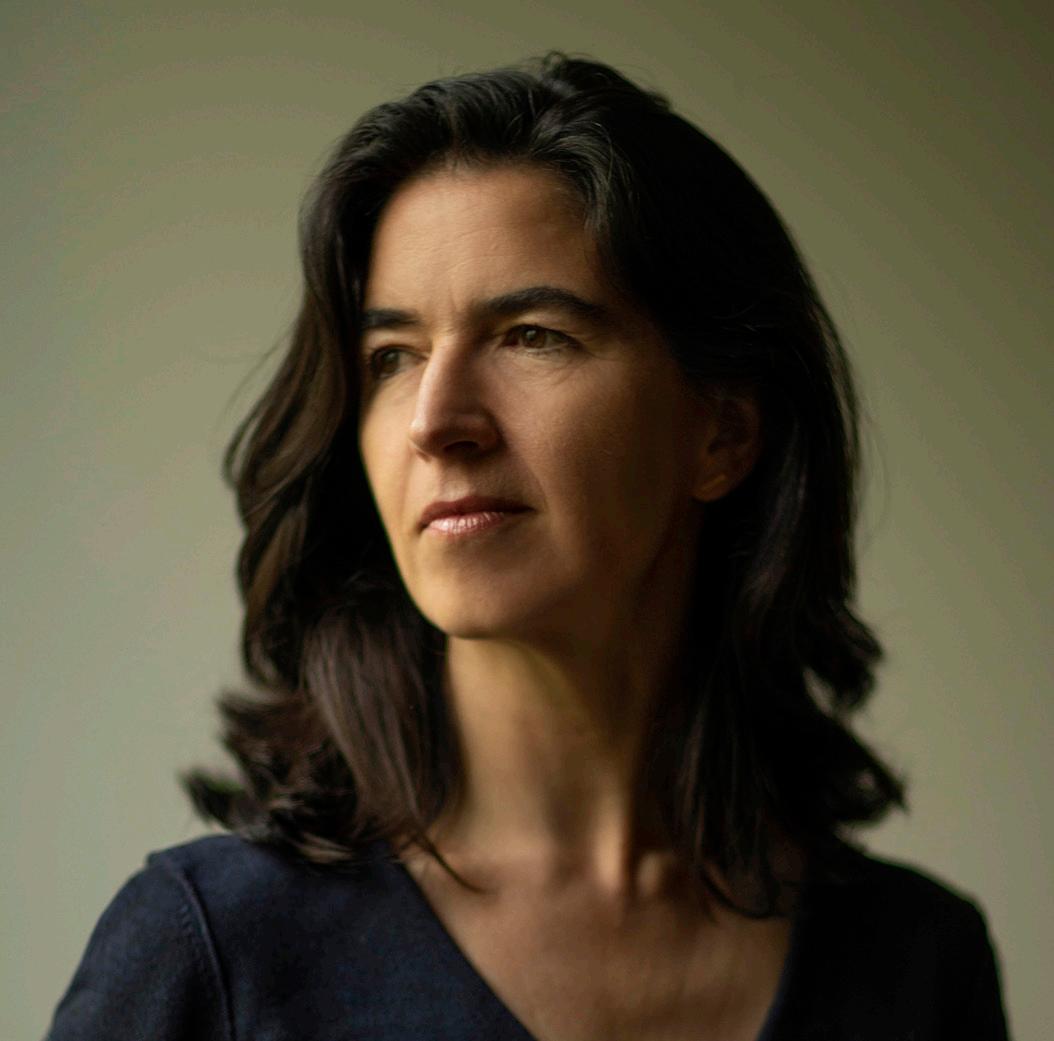
Mexico City, Mexico
Object 1 | Design
Fernanda Canales redefines architecture by combining design and research to dissolve the boundaries between rich and poor, private and public, and resources and waste. Her buildings are places to foster wellbeing and collective life.
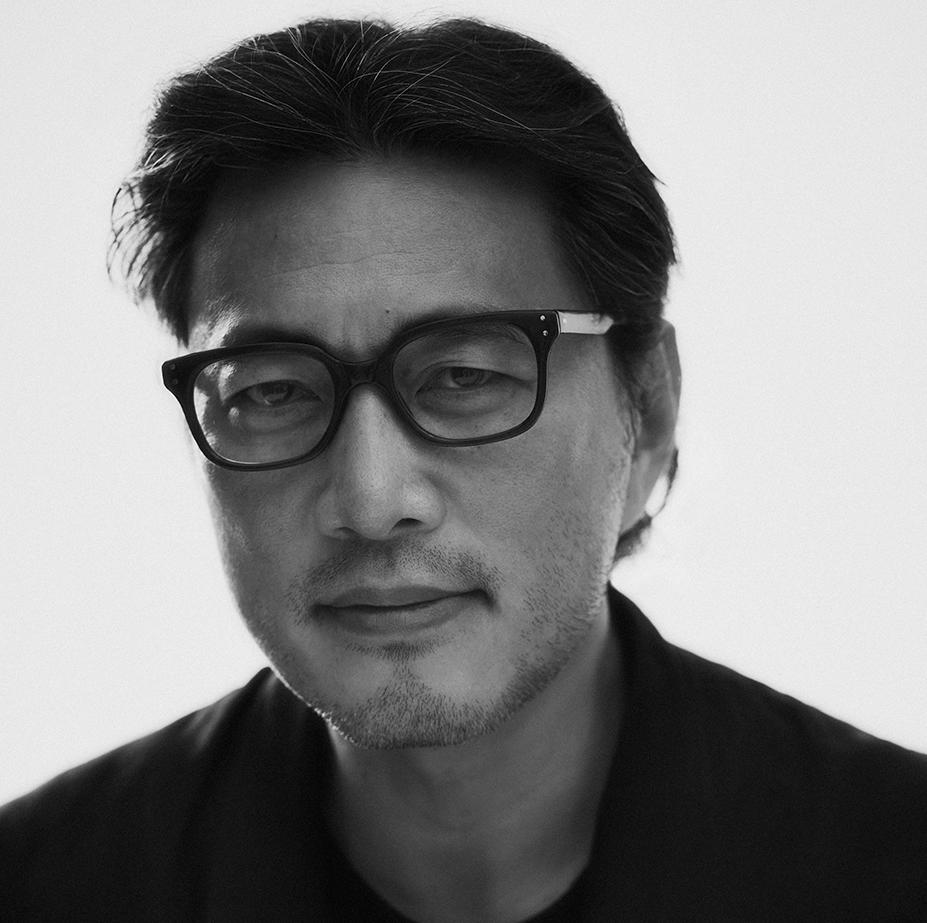
Seoul, South Korea
Object 1 | Design
Minsuk Cho’s architecture emerges through strategic awareness of interconnected urban and nonurban conditions, building a growing constellation of interventions that nurture and confront the complexities discovered within the ever-evolving ecologies of culture and nature.
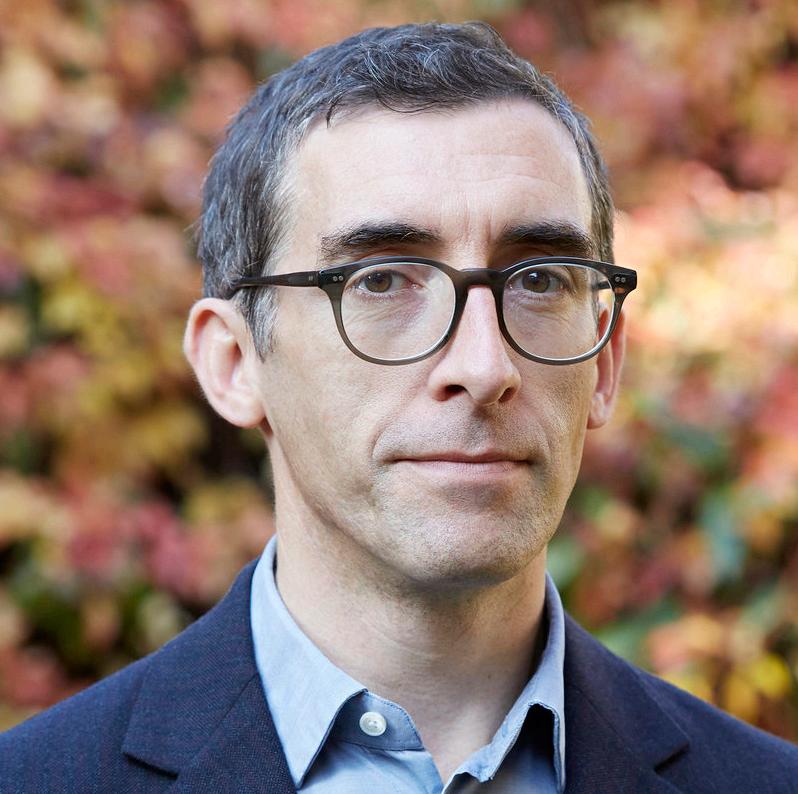
Alex Ely, Hon. FAIA
London, England
Object 1 | Design
Alex Ely founded and has led Mæ to become a renowned, globally recognised studio delivering award-winning pioneering, sustainable architecture, transformative housing policy, and international mentorship, creating measurable impact across four continents and generations of practitioners.
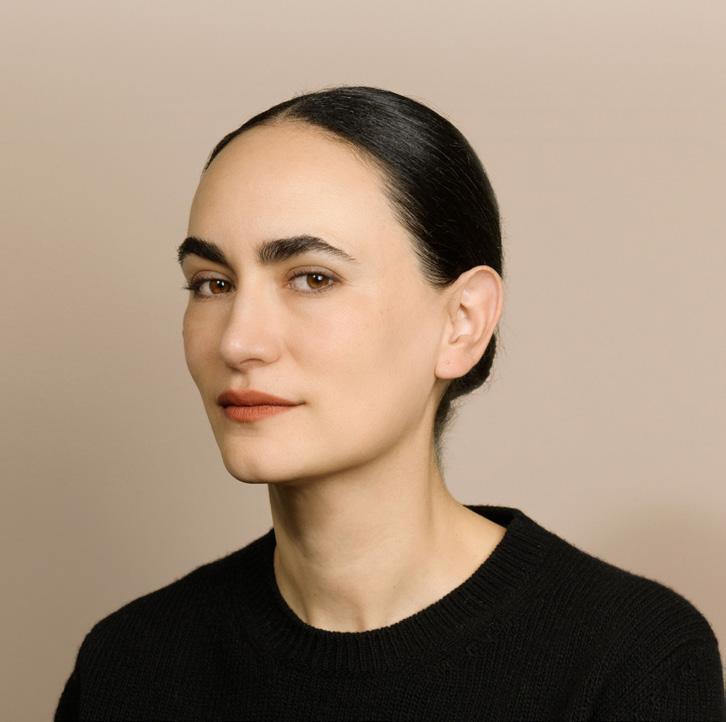
Mexico City, Mexico
Object 1 | Design
Frida Escobedo designs towards material and human assembly, creating buildings that summon civic engagement and expand architecture as a vital art form that appeals to sensitivity to enable its preservation across different time scales.

Beijing, China
Object 1 | Design
Ma Yansong is redefining the future of architecture through emotionally resonant, civic-minded design that merges nature and humanity. His global work promotes beauty, cultural memory, and public imagination across borders and generations.
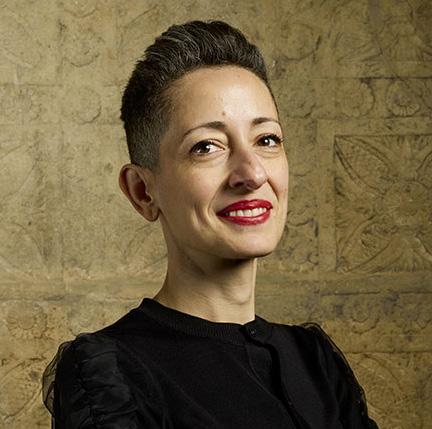
Paris, France
Object 1 | Design
Through her philosophy of “Archaeology of the Future,” Lina Ghotmeh redefines architecture as a humanist, sustainable practice—blending history, ecology, and craft into award-winning works of global impact that advance design excellence across cultures.
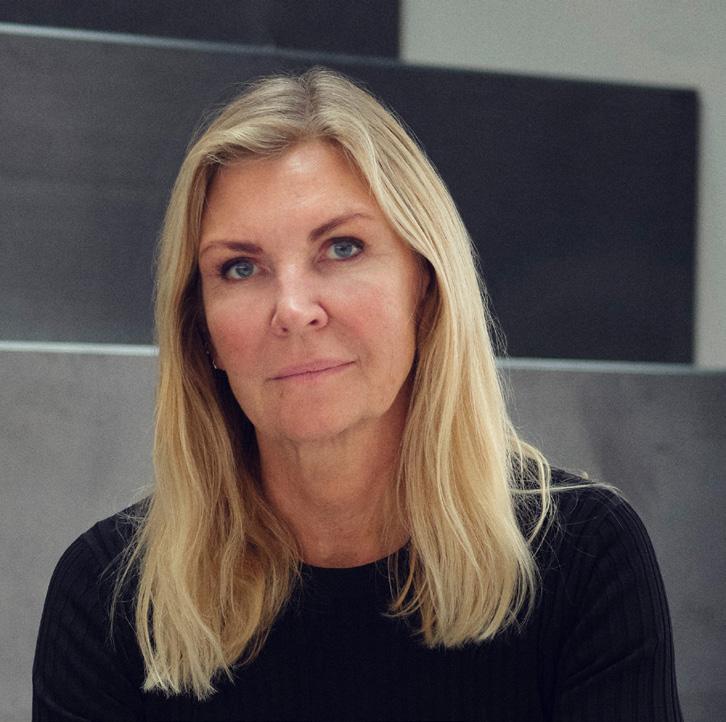
Copenhagen, Denmark
Object 1 | Design
Dorte Mandrup’s designs respond to our shared human conditions. Her work transforms fragile landscapes, layered histories, and diverse communities into spaces of dialogue, understanding, and resilience - uniting artistic perception with profound human sensibility.
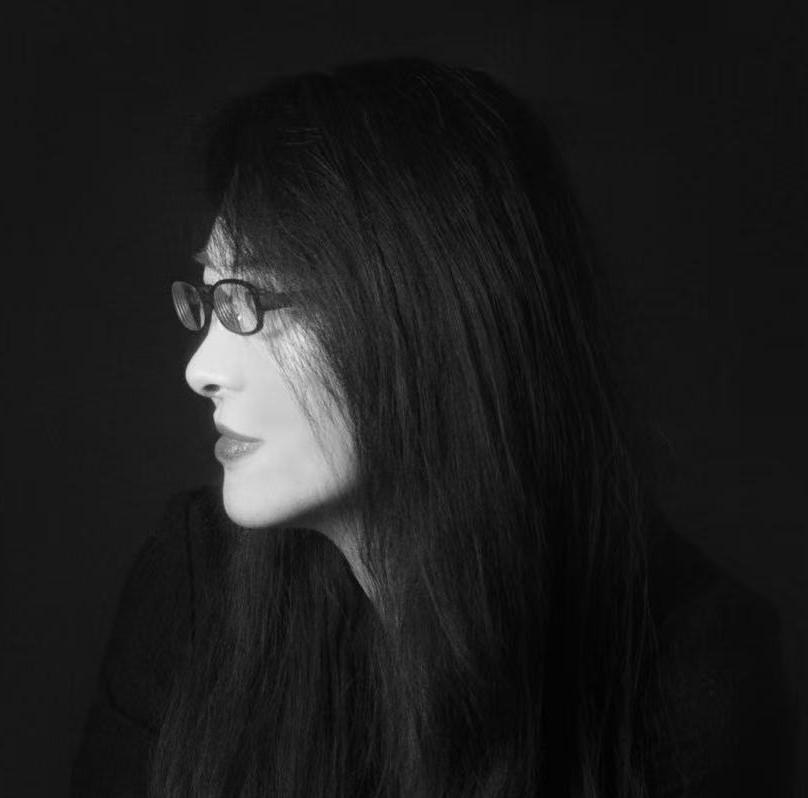
Shanghai, China
Object 1 | Design
Through interdisciplinary urban transformations, culturally restorative activism reclaiming erased heritage, and radical pedagogy, Hu emerges as a triple force: a practitioner designing resilient identities, an activist spatializing equity, and an educator shaping architecture's future thinkers.
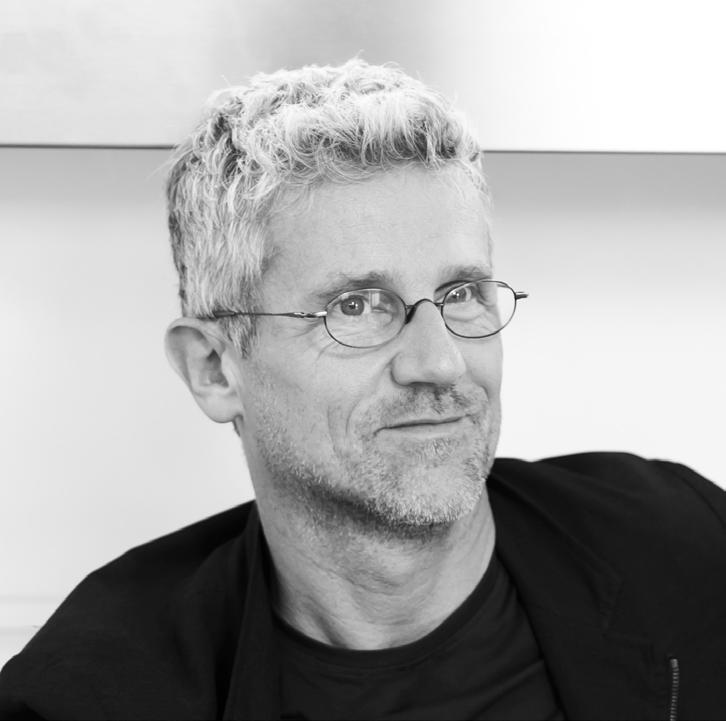
Turin, Italy
Object 6 | Research
Carlo Ratti is an architect, educator, and urban designer. His strong commitment to sustainability, creation of dynamic hybrid systems, and fostering of community all contribute to defining the future of architecture and cities.
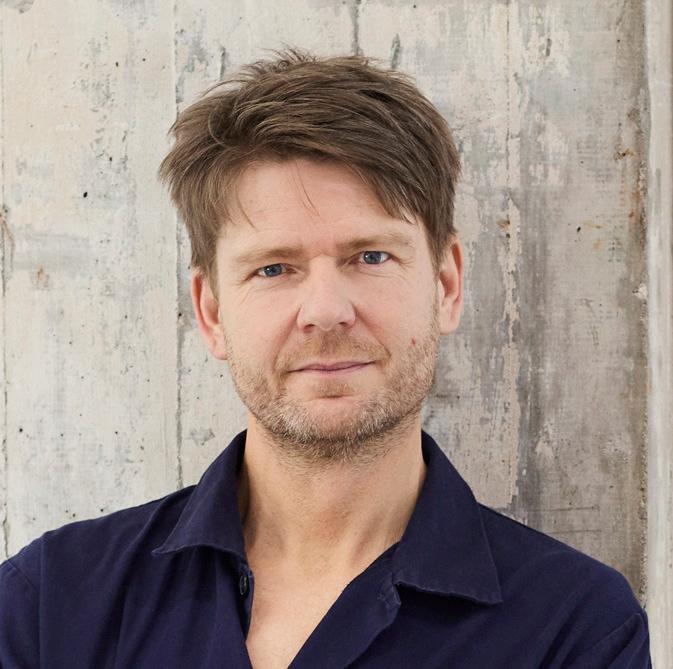
Dan Stubbergaard, Hon. FAIA
Frederiksberg, Denmark
Object 1 | Design
Dan Stubbergaard transforms cities with human-centered architecture that blurs boundaries between nature and urban life. From Copenhagen’s public spaces to global research, he pioneers future-proof, inclusive spaces that redefine how communities live, gather, and thrive.
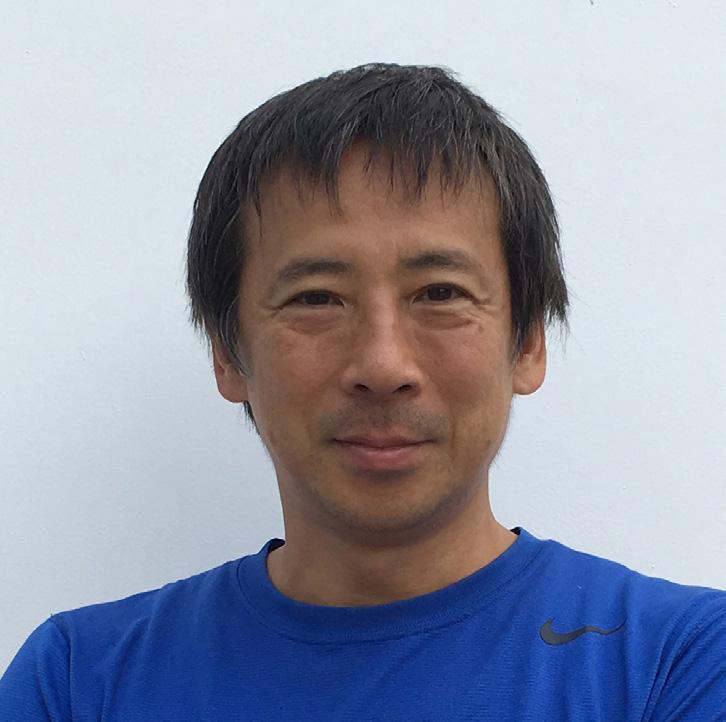
Setagaya, Japan
Object 1 | Design
Takaharu Tezuka creates imaginative and versatile spaces that elevate the human experience. His works and teachings redefine educational and public architecture through openness, play, and deep sensitivity to environment and community.
"As Honorary Fellows, you are now called to advance the purpose of the College: to mentor others, to deepen your service to society, to strengthen Fellowship among colleagues, and to advance both our profession and the Institute. You are stewards of our profession's accumulated wisdom and advocates for the future of architecture."
Jeanne Jackson, FAIA 2026 Chancellor, AIA College of Fellows
• Fellow's pin should be worn on a less formal basis for either AIA or other occasions such as speaking engagements or industry networking events;
• If you are wearing a pin, you should not wear your Fellows medal.
• Fellow's medal is customarily reserved for more formal professional events:
• College of Fellows Convocation Celebration, AIA President & COF Chancellor Inauguration, AIA Awards Gala, State and Local recognition events, etc;
• Worn individually or in combination with other AIA recognition medals, for example:
• Gold Medal, AIA President, COF Chancellor, Whitney M. Young Jr, Upjohn, Bethune, local and state component medals, etc;
• Double colored “New Fellow” ribbon should be worn until a new class is invested to differentiate;
• If wearing your Fellows medal, you should not wear a Fellows pin.
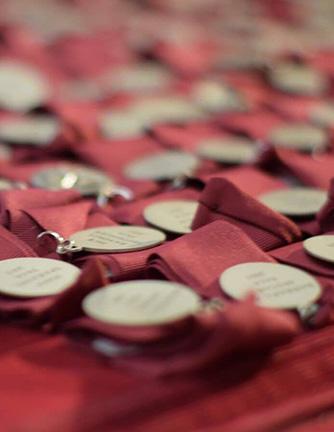
• New Fellows Class gets a double colored ribbon of burgundy and gray to differentiate from all other Fellows;
• All Fellows receive a burgundy ribbon along with their medal;
• Current Chancellor receives a black and gold ribbon upon Inauguration;
• Current College of Fellows Executive Committee receives a red and gold ribbon;
• Former Chancellors receive a burgundy and gold ribbon.
189
Candidates
140 1st Year Submission
Candidates
41 2nd Year Submission
Candidates
8 3rd Year Submission Candidates
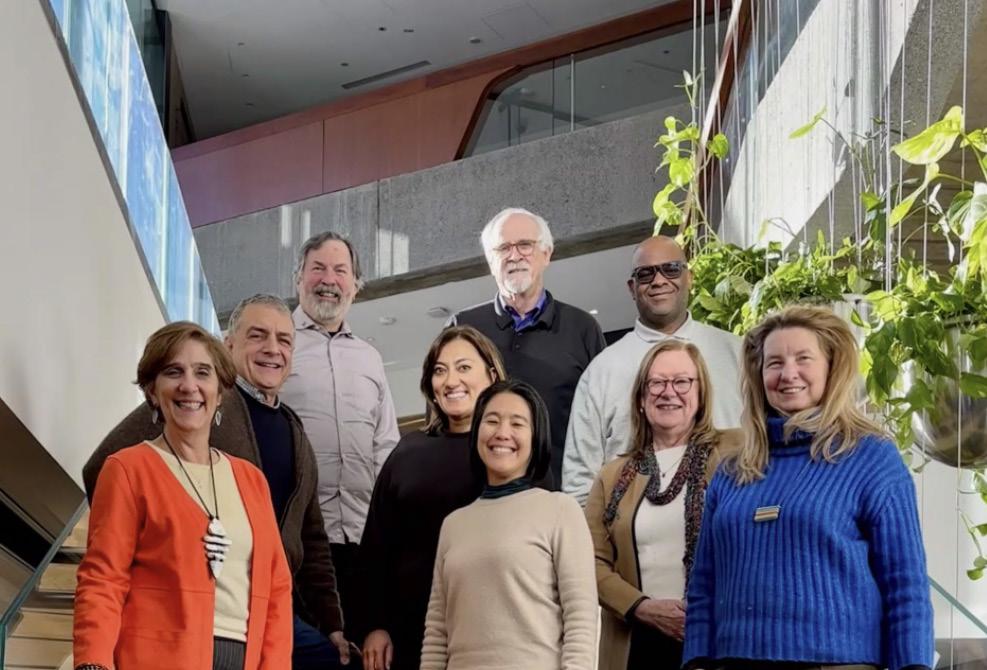
The College of Fellows Executive Committee extends a sincere Thank You to the 2026 Fellowship jurors and AIA team for the significant time they spent during the deliberation process over the last four months.
The jury members represent a diverse mix of geographical and Fellowship Object mix. Each juror reviews 1/9 of the total submissions prior to the in-person jury deliberation and is responsible for presenting their assigned candidates to the whole jury.
At the deliberation meeting, each juror reviews the summary section for each and every candidate. As a rule, no juror may review candidates from their own firm or state, or if they served together on a national board or committee.
Candidates are introduced, and the presenting juror highlights the aspects of the submission that either support or do not support the claims. The jury then deliberates on the merits of each candidate. During the voting process, one juror abstains (either the juror from the candidate's state or firm, or the next presenter). A majority vote from eligible jurors is required for an individual to be elevated to Fellowship or Honorary Fellowship.
Any tied votes are deferred until the end of the deliberation and are then revisited. There are no quotas on the number of candidates elevated, number of candidates per category, or number of categories per AIA component or state.
• Sanford Garner, FAIA, Chair
• Roderick Ashley, FAIA,
• Margaret Carney, FAIA,
• Julie Hiromoto, FAIA,
• John Horky, FAIA
• Mitra Kanaani, FAIA,
• Christina Mondor, FAIA
• Jose Javier Toro, FAIA
• Lourdes Solera, FAIA
• Joseph Rucco, FAIA (Honorary Fellows Jury)
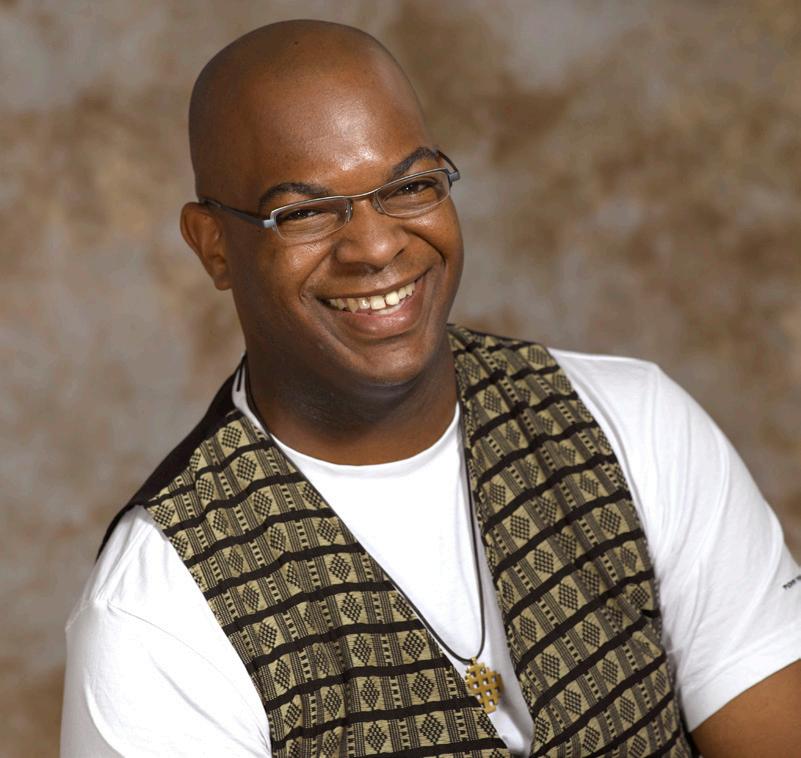
Garner, FAIA
RG Collaborative, Indianapolis, IN
Through his role as founding partner at RG Collaborative, Sanford Garner has focused on historic preservation, master planning, project assessment, and urban design. His experiences and interests in these areas were developed through his architectural studies at Howard University, in Washington D.C., Helsinki, Finland and at University of California, Los Angeles, and through his work with D.C. Preservation League and HABS/HAER.
What did you take away from this jury experience?
I absolutely loved my jury experience! Participating is exhilarating, exciting, and engaging. It will drain you both mentally and physically, but it is so very worth all the time and effort participating in the jury process.
What advice would you offer to those looking to apply for Fellowship?
Please read the submission guidelines. Also, chose a sponsor who knows you and will challenge you to submit a good packet.
What qualities make a great jury of Fellows member?
Fair, dedicated, and open to others opinions. You need to be willing and able to review each candidate individually based on their submission. You do not compare and contrast candidates as each individual is unique and separate.
Please see our interview with Sanford on page 36 of this issue!
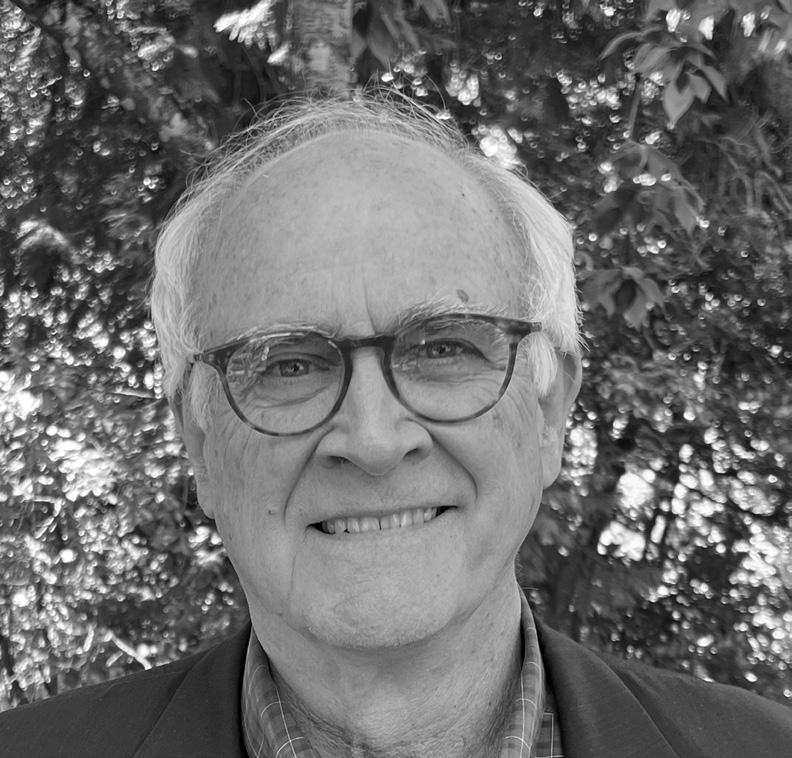
Roderick Ashley Architect, Portland, OR
Roderick Ashley, FAIA, is a sole-practitioner working in Portland, Oregon. Rod’s work has taken him throughout the western US and spans from Portland to New York and from Alaska to Hawaii and American Samoa. His work has received numerous awards and projects have been showcased in national and international publications, including Architectural Digest, Custom Home and Fine Homebuilding, and has also been featured on Home and Garden TV.
What did you take away from this jury experience?
Having sponsored, written reference letters and letters of privilege for numerous members, it is humbling and a large responsibility to sit on the other side of the table. The quality of the work for all the applicants was very high and inspiring. I was pleased to be part of a jury who was well prepared, wanted everyone to have an equal chance at elevation, and treated all submissions with equal respect and were not afraid to express their opinions.
What advice would you offer to those looking to apply for Fellowship?
Look at the application process as a journey and a time for reflection. For members who have applied for Fellowship, the act of preparing the submission is worth the effort itself when looking at and recording a career. For those beginning to think about Fellowship, archiving and collecting information are tasks that can become daunting, and it is to your advantage to begin preparing early.
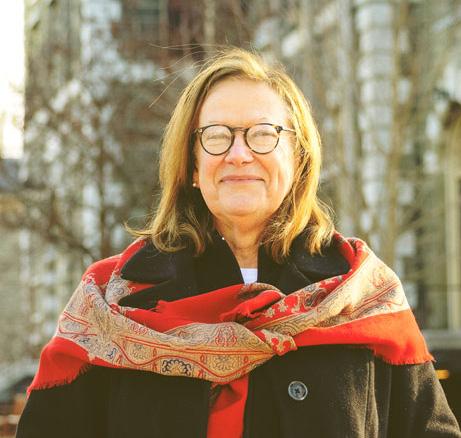
Cornell University, Ithaca, NY
Margaret M. Carney, FAIA is the University Architect for Cornell University, her alma mater, where she leads she planning and design of Cornell’s built environment. Margaret previously served as Associate VP, University Architect and Planner for 14 years on three other campuses in D.C., Philadelphia and Cleveland. Earlier in her career, Margaret worked with a number of leading Architects firms including TAC, SOM, Sasaki, and Ben Thompson Associates.
What did you take away from this jury experience?
It was a privilege to be among such thoughtful, dedicated, articulate architects in this high pressure environment and process. I learned so much about so many outstanding human beings serving society as architects… making life better on so many levels. I hope to stay connected on a personal and professional level with my fellow jurors from all three years …forever! I am grateful for them and for having been part of this important process.
What advice would you offer to those looking to apply for Fellowship?
Start early. Find a sponsor who is going to work with you as your advocate, who is going to review and advise on your early drafts to help you succeed. The sponsor should get letter writers to coordinate their messages so they demonstrate alignment with the object and summary statement. Read the guidelines ten times before you start writing.
What qualities make a great jury of Fellows member? Sense of humor! Diligence! Attention to detail and appreciation for the uniqueness of each architect.
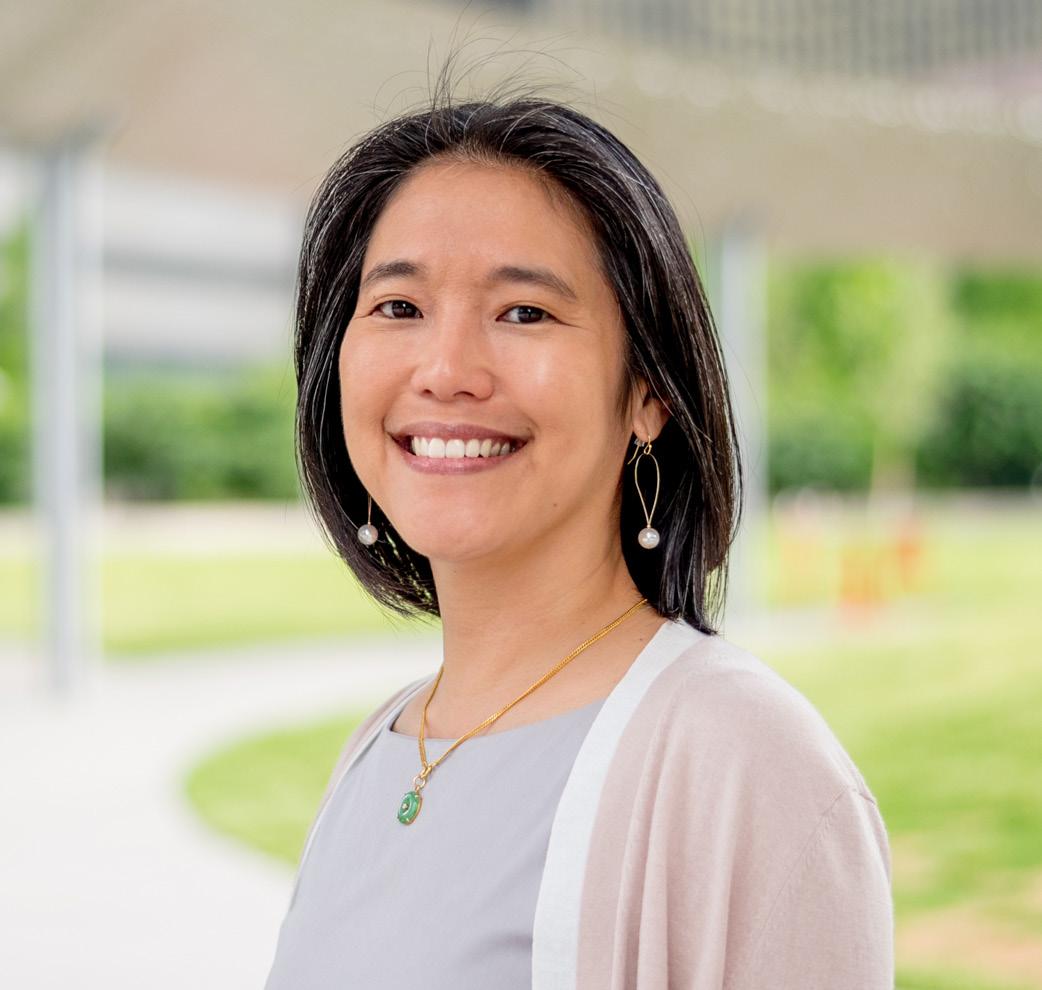
HKS, Dallas, TX
Julie Hiromoto, FAIA harnesses the built environment’s power as a positive force to heal seemingly intractable social challenges. She transforms architectural practice to embrace a regenerative and evidence-based future, while fostering equity and human health as an HKS Partner and firmwide director of integration.
Whatdidyoutakeawayfromthisjuryexperience?
The Fellowship rubric recognizes a diversity of excellence in our profession, and it is inspiring to learn from those whose work is so different from my professional contributions. A diversity of SME, region, and object of elevation is critical for a jury to confidently review the candidates and collectively award Fellowship.
Whatadvicewouldyouoffertothoselookingtoapplyfor Fellowship?
Read the application and object descriptions carefully and critically. Identify the object under which the story arc of the contributions you’d like to share best aligns. Prioritize content and edit to make it easy for the jury to clearly understand the signal. Remove distractions so that the jury can focus on and understand your impact that best supports the selected object.
WhatqualitiesmakeagreatjuryofFellowsmember?
Dedicated and open-minded volunteers who are collaborative and prioritize the group’s experience. Jury members who are prepared and respectful of others enhance the process and experience for all of us.
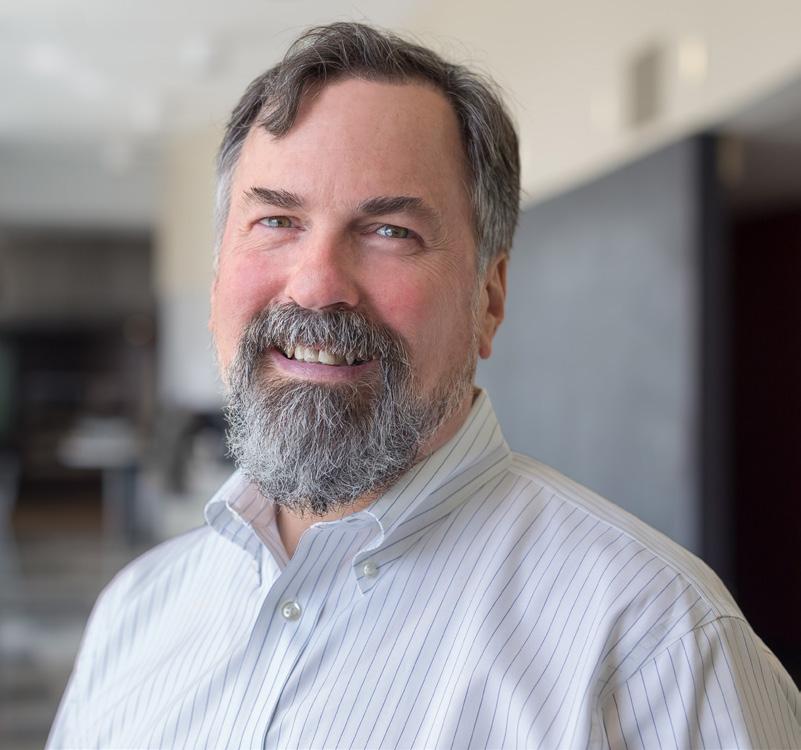
Ripples, by design, Milwaukee, WI
John’s passion is aligning design professionals with opportunities and resources for them to excel. This led to John becoming a Principal at Kahler Slater, and his 23-year role leading their HR team. During John’s stewardship, the firm was recognized 15 straight years by the Great Place to Work Institute as a “Best Small Company to Work for in America.” His passion is also evidenced through his careerlong service to the AIA.
What did you take away from this jury experience?
For two years in a row, the common spirit and purpose of the jury has been tremendously uplifting. This espirit de corps was MASTERFULLY established in 2024-25 and I believe that gave us great confidence to continue to do right by AIA members, the AIA, the COF, and ourselves.
What advice would you offer to those looking to apply for Fellowship?
READ and follow the Application Guidelines. This is the rubric the Jury follows. DO NOT cede control to the persuasions of personal experiences, opinions and advice of those previously elevated, even from few years ago, as the expectations of the submittals have continued to evolve. DO NOT defer to firm marketing staff to simply repackage firm marketing materials.
What qualities make a great jury of Fellows member?
Open heart and open mind; No ego or over-reliance upon one's own elevation journey. Prepare early in the process; invest the time to learn the Application Guidelines; and take the full opportunity to learn from the returning jurors.
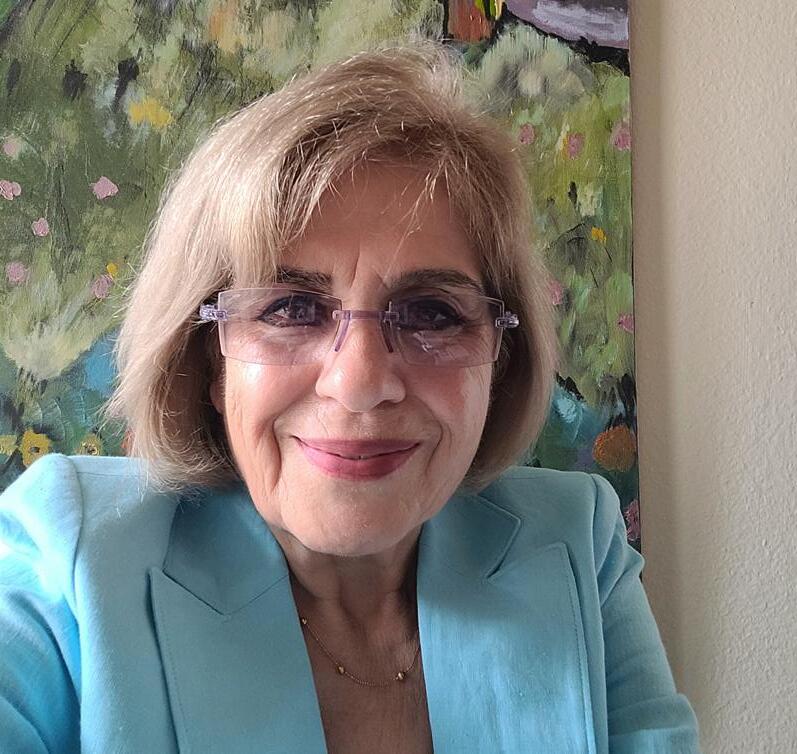
NewSchool of Architecture & Design, San Diego, CA
For nearly three decades, Mitra Kanaani, FAIA has been active and instrumental in academia and practice of architecture as a relentless visionary educator, leader, administrator, designer, artist, mentor, editor, author, researcher, practitioner and an activist at the national and international levels. Her teaching accomplishments and achievements reflect as a positive role model with stimulating and nurturing influence upon students, faculty and practitioners.
What did you take away from this jury experience?
It was an amazing experience, exceeding far beyond all my previous voluntary services.This specific assignment broaden my scope of perception and understanding about the current evolving role of the architects - what is viewed and expected from them as well as their position and dominion within the society.
What advice would you offer to those looking to apply for Fellowship?
Be clear and concise about your ripple effect and how you introduce yourself with respect to your positive impacts within the field and beyond.
What qualities make a great jury of Fellows member? Having understanding and some prior exposure of the process of the jury members' presentation, maintaining the consistency of the thought process, staying open-minded and unbiased.
Evolve LLC, Pittsburgh, PA
An eternal optimist regarding the power of design in shaping an inspiring and sustainable environment, Christina Mondor, FAIA has been active in shaping places, processes and organizations through her work as an architect, educator, and activist. Christine also teaches architecture, urban design, and ecology at Carnegie Mellon University and has been an invited lecturer and guest critic at many institutions. She supports organizations that promote design and the environment.
What did you take away from this jury experience?
It was inspiring to see the many submissions and the impressive contributions people have made to and for the profession. Jurors presented candidates’ cases with passion, and the robust discussion allowed us to understand multiple dimensions of each nomination, even when we were not the primary reviewer.
What advice would you offer to those looking to apply for Fellowship?
Candidates are already doing meaningful work. The question is: did doing your job well advance the profession and our collective community? Think about how your work shapes how the public understands architecture and its role in creating a better world. Distillation takes time so expect many drafts. Treat the application like a design problem—test a few narrative structures before filling in the details.
What qualities make a great jury of Fellows member? They must be well organized, a good communicator, and patient with the length of the process. A willingness to be elastic in their views, but also persistent in pushing their perspective
Toro
Arquitectos, San Juan, PR
Born and raised in San Juan, Puerto Rico, José pursued his architectural studies in Washington, D.C., and Philadelphia. After working in New York City for several years, he returned to Puerto Rico in 1989 and founded Toro Ferrer Arquitectos in 1993. In 2010, he established Toro Arquitectos. From 1998 to 2018, he served as an adjunct design professor at the University of Puerto Rico and the Polytechnic University of Puerto Rico.
What did you take away from this jury experience?
This year was especially fulfilling. I think the jury developed a great amount of camaraderie that made the long days fun. As in my first year, I feel I learned a whole lot from this experience, and look forward to one more year.
What advice would you offer to those looking to apply for Fellowship?
Read instructions very carefully, look at good examples, talk to recent fellows about their process and be prepared to work very hard to put your portfolio together. Oh, and for those who work in large firms, make sure you are very closely involved, don't rely too much on your marketing people.
What qualities make a great jury of Fellows member?
A jury needs the best people in their objects, with keen eyes but objective enough to see beyond the surface. Diversity is of great importance. A juror has to be willing to defend his choices solidly and at the same time be able to rely on the judgement of others, especially when elevation is borderline.
M.C. Harry
&Associates,
Miami, FL
Lourdes Solera, FAIA, NOMA, RID is a third-generation owner of the 65 + year old architectural firm that specializes in public sector work. Lourdes is highly regarded as an architect committed to both public service and advancing the cause of architecture. Her experience in both the private and public sector has given her a clear understanding of the intricate relationships and coordination needed to successfully deliver projects that fulfill the client’s needs and budget.
What did you take away from this jury experience?
AIA has many members doing great work out there. Different perspectives help look at the package as a whole, which makes the review very comprehensive. We do need to help people understand that they have to extend their impact beyond their area. This can be done via articles or presentations.
What advice would you offer to those looking to apply for Fellowship?
Look at your story, programs, successes and see how you are spreading/sharing what you are doing on a national level. Publications, awards and speaking engagements is a great way to fill in the gaps and to share with others outside their region.
What qualities make a great jury of Fellows member?
Be objective in the review. Be willing to listen to all the jurors to make sure we have a comprehensive analysis of the person's story. Be committed on the decision to elevate or not while also using the other jurors comments to inform whether the person is worthy or not. Good attitude and commitment to the process. It is time consuming and intense but worthy.
SOM, Washington, D.C. Honorary Jury of Fellows
Joseph Ruocco, FAIA leads SOM’s civic and government practice from the Washington, D.C. office, managing complex design programs within the public realm with federal, state, county and international clients. With deep expertise in government projects, he specializes in domestic and international projects, delivering integrated planning, architectural design, interior design, structural and sustainability engineering and branding services.
What did you take away from this jury experience?
It was inspirational to absorb the work of the newly elevated Honorary Fellows, which demonstrated an abundance of exploration, community engagement, intellectual rigor, and commitment to excellence. The quality of work positively impacts society and is a reminder of our mission as Fellows.
What qualities make a great jury of Fellows member?
Understand this is a journey, requiring reflection, selfcriticism and personal commitment. Speak with several other Fellows and listen to their experience with the submission process.Be honest with yourself and confirm your work merits this recognition. If elevated, are you committed to mentoring others to advance their opportunities within the profession and paying forward what others provided you?
What advice would you offer to those looking to apply for Fellowship?
Deep humility, the ability to listen as much as debate, and a keen eye for distinguishing between a polished marketing package and truly transformative professional impact.
Lisa Lamkin, FAIA
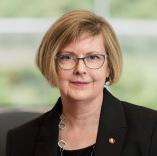
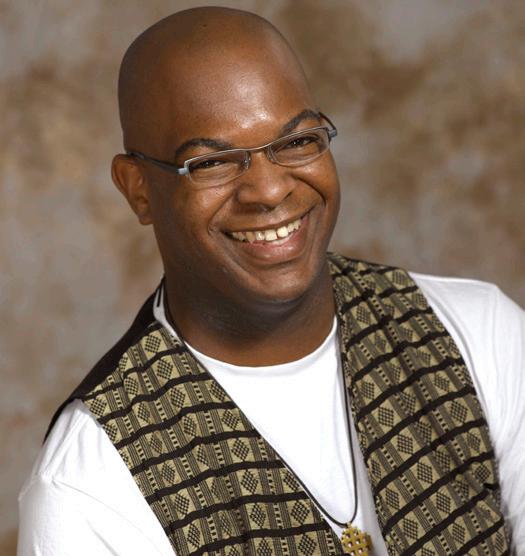
Lisa Lamkin, FAIA, 2026-2027 Secretary of the AIA College of Fellows and former Chair of the AIA Jury of Fellows, virtually sat down with 2026 Jury of Fellows Chair Sanford Garner, FAIA to capture his thoughts on a wide range of topics including: discipline, mentoring, representation and “firsts”, his choice of Howard University, his firm, strengthening the pipeline and supporting mid-career architects.
My first introduction to Sanford Garner, FAIA, founding partner and president at RG Collaborative, Indianapolis, IN, was the review of his portfolio and his elevation to the College of Fellows in 2023 during my second year of Jury service. Sanford wasted no time responding to the College's mission of service by joining the AIA Jury of Fellows in 2024. His first year as a juror was concurrent with my term as Chair and Sanford's service has continued, culminating in his role as Jury Chair for the class of 2026.
Sanford brings intentionality, joy, humility, and thoughtful dedication to his presence. An excerpt from an interview in Building Excellence on the occasion of his elevation speaks to his generous spirit
"So many people congratulated me when I was named to the AIA College of Fellows. I kept saying thank you, but I
didn’t want to let all the back effort slide that it takes to do this. I made a post on Facebook to emphasize that there was a whole village of people behind making this whole thing possible. I had reference writers, photographers, exhibit writers, etc., and all these folks helped. I ended my post by saying, ‘Thank you, because we did it.’ "
Lisa Lamkin, FAIA (LL): One of the things that struck me right away when we first met was your dedication to a structured program of fasting. Does your practice go deeper than the obvious health benefits and weight maintenance? Does it benefit your work as an architect in other ways as well?
Sanford Garner, FAIA (SG): Fasting has become so integrated into my life that I rarely stop to examine it. But when someone asks, it reminds me how much discipline it takes—sixty hours a week for more than a year isn’t something most people commit to. A recent Bible study on perseverance helped me see how fasting has shaped my work: how I approach clients, collaborate, and make decisions. Architecture requires discernment, including knowing which projects align with your values. Early in my career, I took work that challenged my ethics; those experiences taught me the importance of saying no. As a firm owner, I protect
that ability. Fasting reinforces that clarity by reminding me to focus on what’s important. I don’t have to justify what doesn’t feel right. I encourage people to start small—whether fasting from food or anything they rely on too heavily. Intentional abstinence takes many forms.
(LL): Mentorship of the next generation is an important part of our mission as Fellows. Tell us about the mentors who made a difference for you and how you chose architecture as a career path. Was there a particular teacher? Family member? Church member?
(SG): I’ve been fortunate to have mentors at every stage of my life, so the honest answer to who influenced me is: all of the above. My high school art teacher set me on the path to architecture when he suggested I consider it and connected me with a former student at a local firm. My church community, where two Black architects were members, planted an early seed. My parents supported me with the belief: Do whatever you want—just do it well. At Howard University, professors became lifelong mentors, and my first firm introduced me to colleagues who shaped how I navigate practice. I’ve tried to pay that forward—especially to young architects and firm owners who need guidance on contracts, fees, and business decisions. We don’t talk enough about these fundamentals. I regularly ask young owners: Are you making money? Are you turning down work you shouldn’t? These questions are essential for long-term success.
(LL): As a Black man of a certain age (56) you must have a few “firsts” (in the room, on the team, to win this or that award etc.) under your belt. How has your experience of representation in practice changed over the years? Has our profession and/or our clients perspective shifted? How much work do we still have to do to get past “firsts”?
(SG): Progress in representation is real but fragile. Just when I feel encouraged, something happens that shows how far we still have to go. Even colleagues with similar backgrounds can have blind spots about how Eurocentric our curriculum is. Some things have improved; others haven’t moved enough, and some feel like they’re sliding backward. A recent incident at an architecture school—where a student presented a model including a noose directed at a Black professor—illustrated the ongoing challenges. People of color need and want safe places to learn and to work. We are often forced to devote considerable time and energy combating behaviors and actions when we could otherwise be focused on our professional practice and quality of life. Incidents like this highlight the difference between ignorance and arrogance: ignorance can be taught; arrogance resists learning. We’re also seeing pushback against DEI and selective preservation of history. So yes, I’ve been a “first” many times. Representation has improved, but until firsts are unremarkable, there is work left to do.
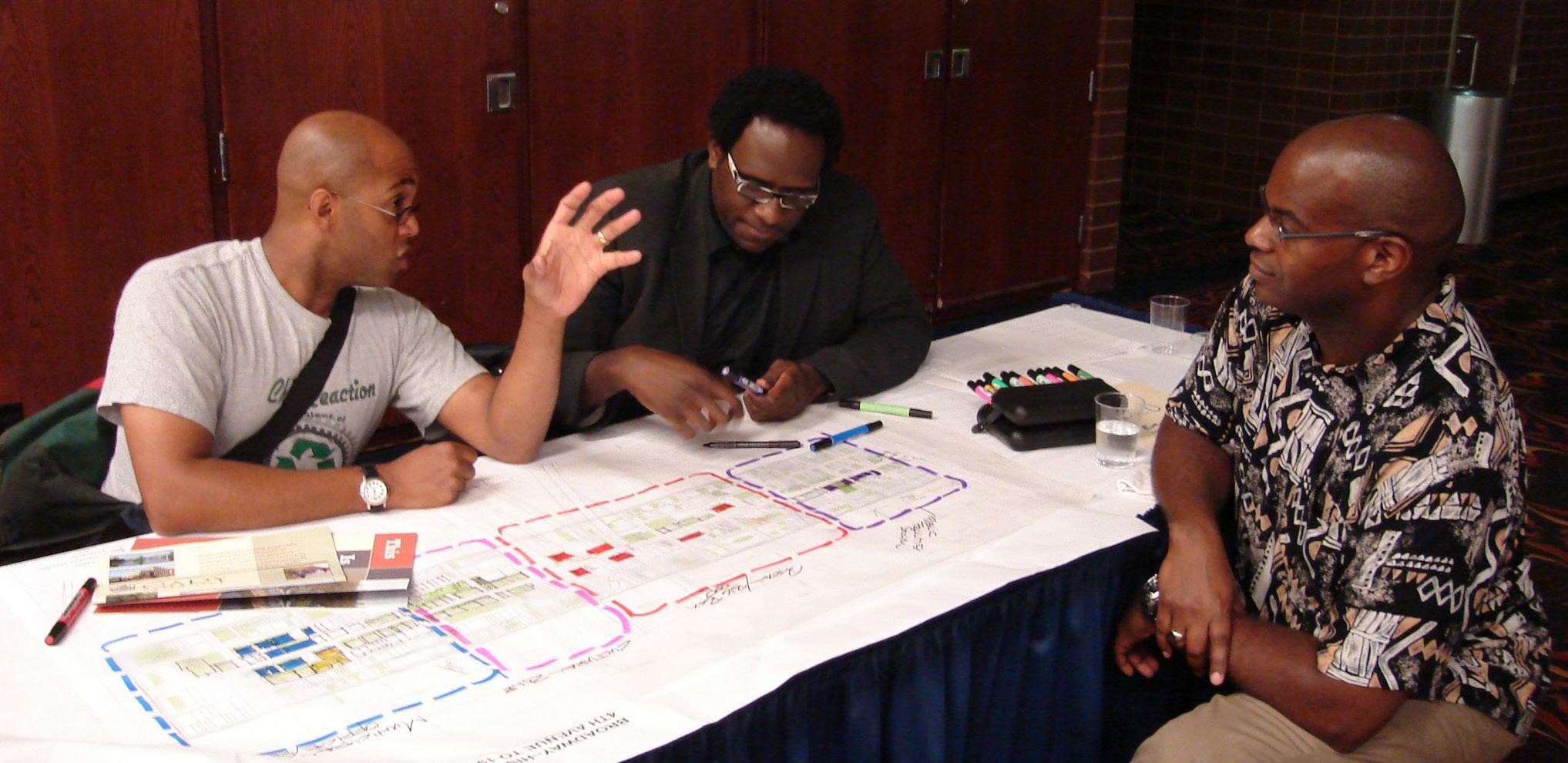
(LL): You have spoken of early experiences at an elite majority white private high school preparing you for the all too unfortunately real world. Tell us more about your choice to attend Howard University (a historically black university in Washington D.C.) and the momentum it brought to the launching of your career as an architect .
(SG): I chose an HBCU because I wanted to learn without constantly being questioned—about belonging, intellect, or finances. At my prep school, those questions were always there. At Howard, that weight lifted. It was freeing to simply learn. My professors pushed me hard but with care, expecting me to rise to a higher standard. Howard helped me grow not only academically but in identity and confidence as a Black man. Park Tudor taught me how to achieve; Howard taught me how to move through the world as a person of color. That foundation launched my architectural career.
(LL): Especially with the polarizing challenges of politics today public discourse often lacks nuance, with arrogance sometimes amplified by ignorance. Do you have any success stories as a practitioner you can share to inspire us?
(SG): One early, meaningful experience came when I was an intern on a low-income housing redevelopment. The team wanted to remove old metal clotheslines behind the units, seeing them as outdated. For me, they were familiar—part of cultural tradition and practicality within African American families. I explained their value to residents in that many of the residents were southern transplants and that there was a strong preference to hang their clothes and let them air dry compared to utilizing dryers. The team listened, and we repaired and kept them. It was a small change, but meaningful. It taught me that good design is about respect and lived experience. In community development, I advocate for dignity and quality—sometimes that means pushing back, even on something as simple as clotheslines.
(LL): You discovered through conversations with family that in addition to African American roots you also have Cherokee and Choctaw ancestry giving you a unique perspective on the American experience. Tell us about your approach to architecture as “the renewal and regeneration of the love and practice of architecture and design”
(SG): Learning about my African American, Cherokee, and Choctaw heritage deepened my belief that land holds story and architecture must honor that. Renewal guides my work and leadership. Early in my career, I learned the value of mentors who tell you the truth in time to change course. My practice is built on sharing experience openly and offering
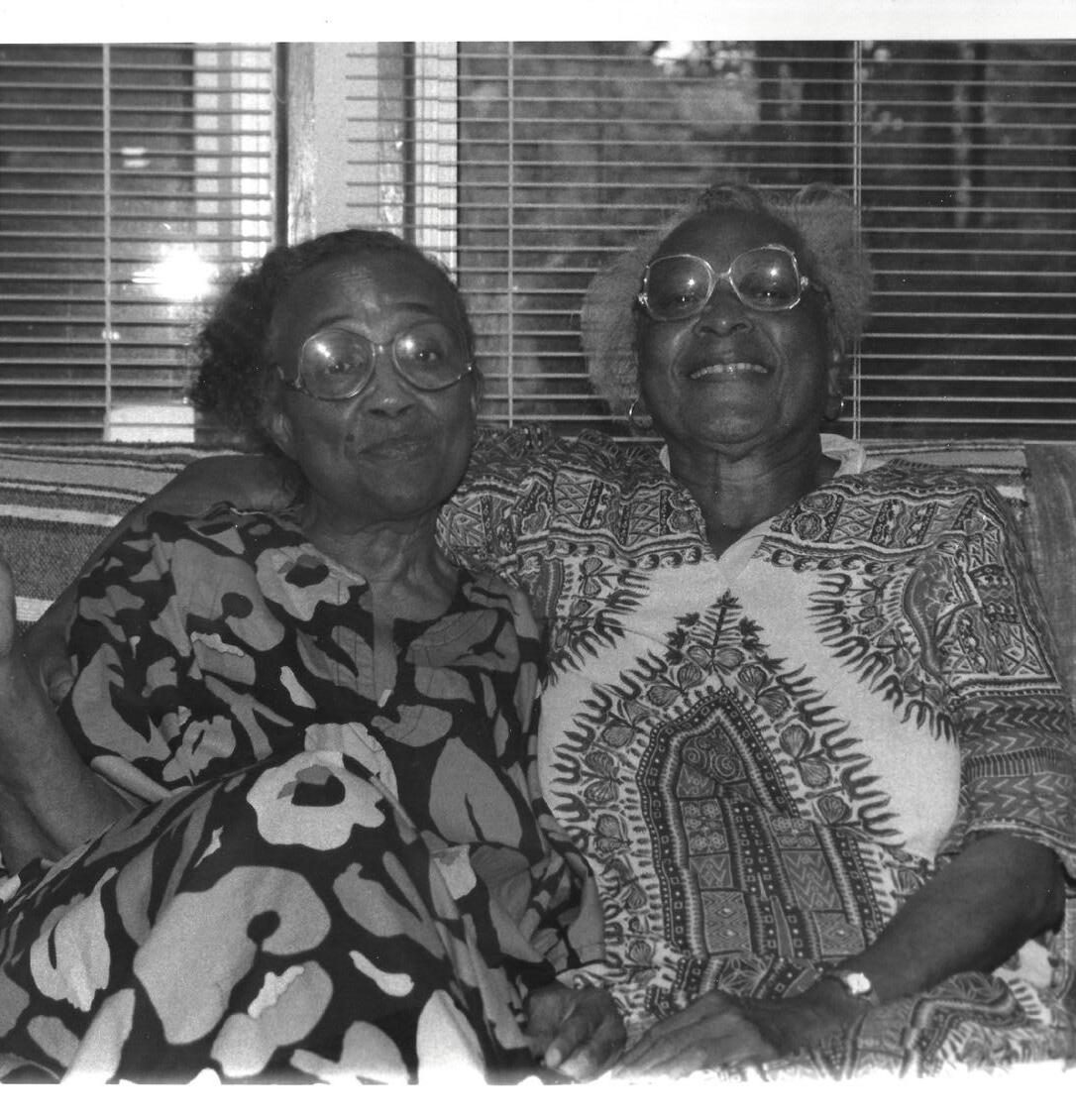
real support. Life shaped this philosophy too. I wound down a 30 plus person practice to care for my parents, which taught me that architecture must make room for care, grief, and resilience. When I re-formed my practice, it was with intention—a phoenix mindset. In design, we prioritize stewardship, adaptive reuse, and community repair. Beauty is a civic responsibility. Renewal defines how we treat people and shape places.
(LL): How has your jury service expanded this vision?
(SG): Jury service has deepened my appreciation for the profession’s breadth and impact. Each cycle reveals extraordinary talent and contributions. It reinforced the importance of the sponsor; someone who truly knows you and can articulate your strengths clearly. The sponsor letter sets the tone, much like a receptionist shapes the first impression of a firm. When the sponsor, references, and portfolio tell a consistent story, the application resonates. Serving as a juror is one of the most meaningful and joyful professional experiences I’ve had.
(LL): In your 2023 Interview you shared your passion for the foundation you founded at NOMA called “Project Pipeline”. How has your recent service on the AIA Fellows Jury impacted your thoughts on what AIA members can do to strengthen the pipeline to education, practice, career success and recognition as a Fellow?
(SG): The foundation I started is the NOMA Charitable and Education Foundation (NOMA CEF), which served as fiduciary agent for Project Pipeline, one of NOMA’s signature programs. Project Pipeline and the path to Fellowship are part of the same pipeline—from early exposure to recognition. Broader forces, like possible reclassification of the architecture degree, could affect student funding, making early pipeline programs even more crucial. Programs like Project Pipeline help young people—especially women and people of color—understand that architecture is a viable career. Visibility creates a ripple effect, reaching families and communities. Jury service reinforced that we must support the entire continuum: youth outreach, mentorship, advocacy, and new technologies. Strengthening the pipeline keeps the profession relevant and diverse.
(LL): Thoughts also on how the college can expand outreach to mid career architects getting them ready to apply?
(SG): The college has an opportunity to support architects in the “messy middle”—talented professionals who lack exposure to contracts, fees, proposals, or business development. Programming that fills these gaps helps them grow. Supporting mid-career architects strengthens the whole profession. Pursuing Fellowship is optional; people should choose it because it aligns with who they are. The college’s role is to provide clarity and mentorship. Many midcareer architects simply need guidance and exposure.
(LL): Closing Thoughts?
(SG): I’m excited about the profession’s future. Our members and students bring enormous potential. External pressures— political shifts, industry changes, technology—are real but also create opportunity. Embracing technology expands our impact. Architects also influence policy and public service. More architects are entering real estate development, shaping outcomes directly. All of this gives me hope for what lies ahead.