



Welcome to the 2026 Sprys Newsletter which will keep you informed about the progress at Sprys Shorthorns & Angus.
Despite 2025 & early 2026 being well below average rainfall, our sales have been strong with paddock sales as breeders continue to invest in their breeding programs for the future.
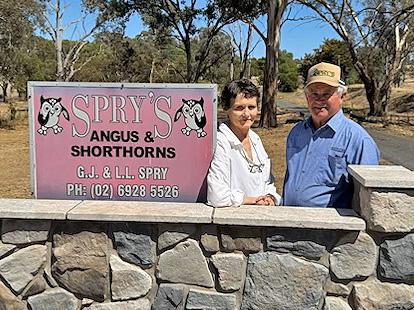
At Spry’s we are dedicated to genetic progress of both breeds thus having a positive impact on our clients profitability. We are continuing to apply selection pressure to our herd to ensure we deliver the best quality sires for our clients’ herds. Fertility is still a key platform, and our females must perform through tight joining periods with a no exception rule for any female that fails to conceive.
Feet, calving ease and overall structure, docility & maturity pattern with longevity are key culling strategies. Another key strategy is coat type in both breeds. We have identified several lines who produce a slick, fine hair type. This is really showing through in this years’ sale bulls to be offered on the 22nd April, 2026.
At Sprys, we continue to test our sires in the commercial sector to ensure they will contribute to your bottom line. Our 2026 sale bulls are a very exciting, even group of bulls who have a balanced combination of traits suited to a vast group of markets and environments. We have bulls working in tough, harsh environments of Western NSW & Qld through to kinder environments of Tasmania, Coastal NSW and King Island.
We are holding an Open Day on Friday the 27th March, on property with Guest speakers giving Sprys Clients opportunities to extra markets and also early weaning of calves.
We have some new, commercially tested sires progeny in this year’s sale which will not disappoint. As always, the success of many Clients who are receiving premiums for Sprys genetics is both humbling and gratifying particularly breeders who have consistently made astute selections of bulls & genetics.
For those that are seeking new genetics, semen, females, bulls or embryo’s do not hesitate to give us a call anytime. We invite interested breeders to view our outcross genetics plus our tried and proven genetics by appointment by calling Gerald, Matt or Lynden.
All our females are run under commercial conditions. Our stud & commercial females all run together under high stocking rates.
For those who would like help with improving their beef operations do not hesitate to reach out to us at Sprys. If you have any questions do not hesitate to make contact.
Best wishes for good health, happiness and a rewarding 2026, Gerald, Lynden & Matt


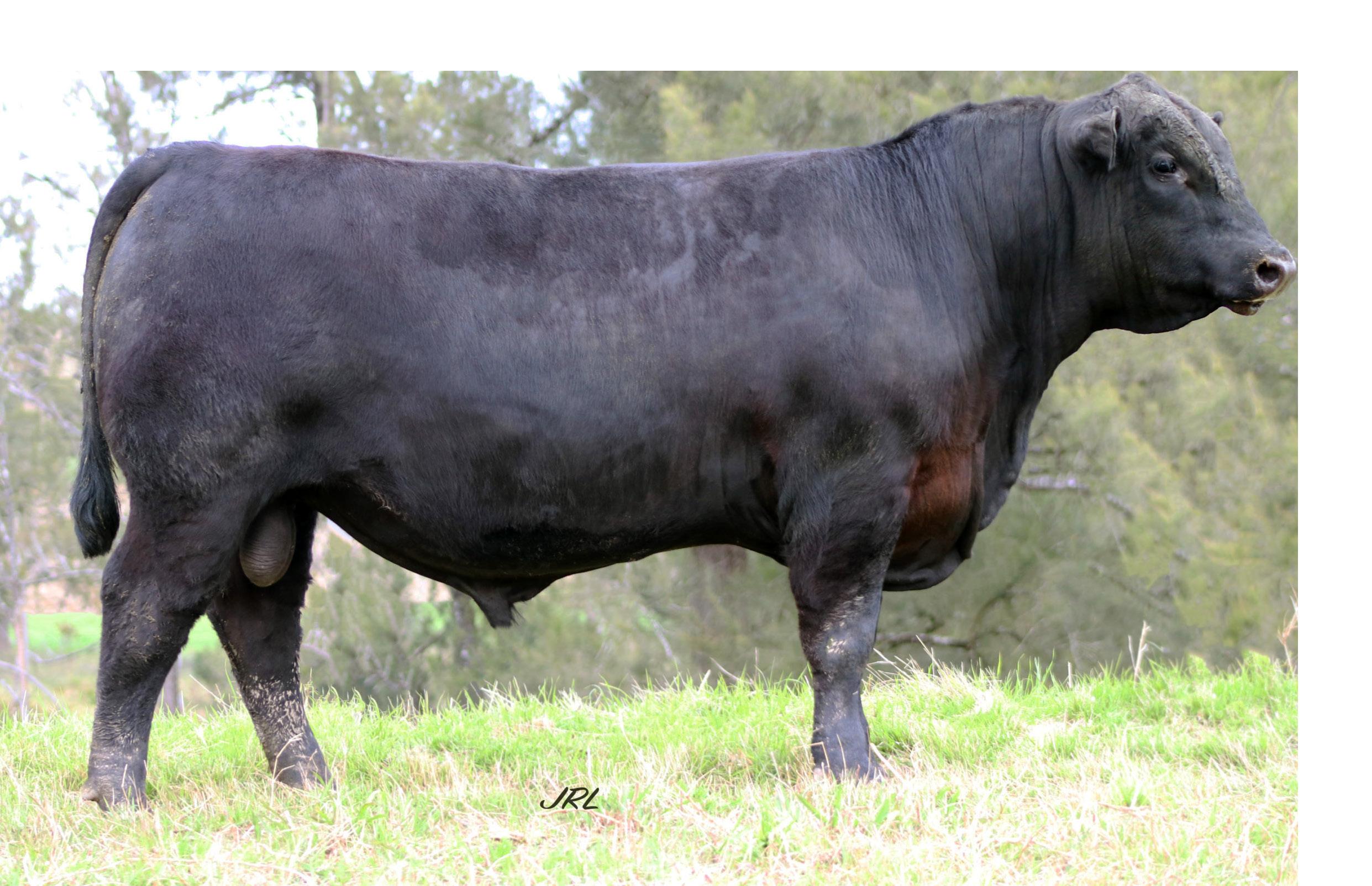
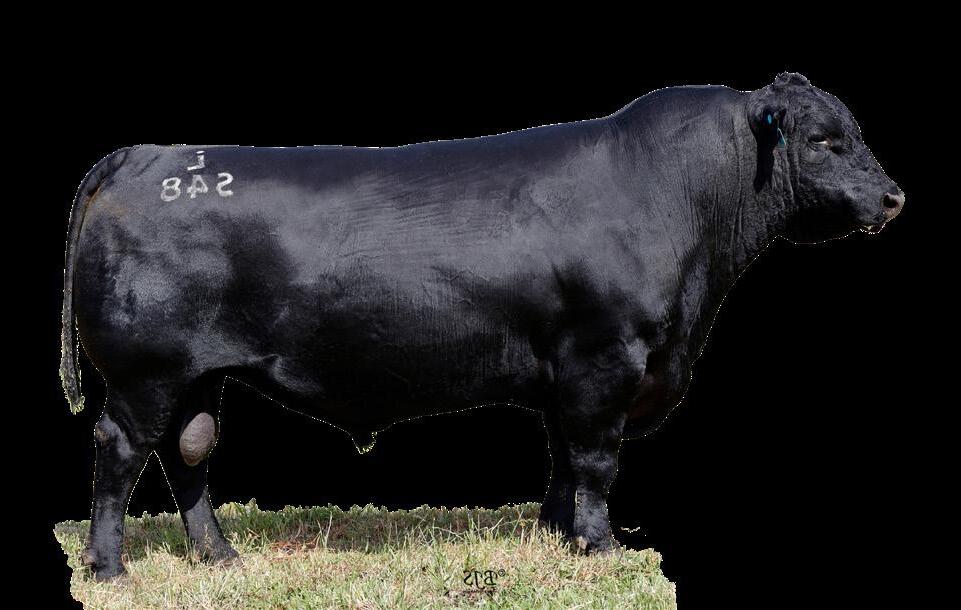
• Outstanding maternal depth
• Balanced phenotype, fluid movement, soft and slick
• Breed leading and elite carcase quality
• Tremendous temperament
• Balanced performance across so many traits
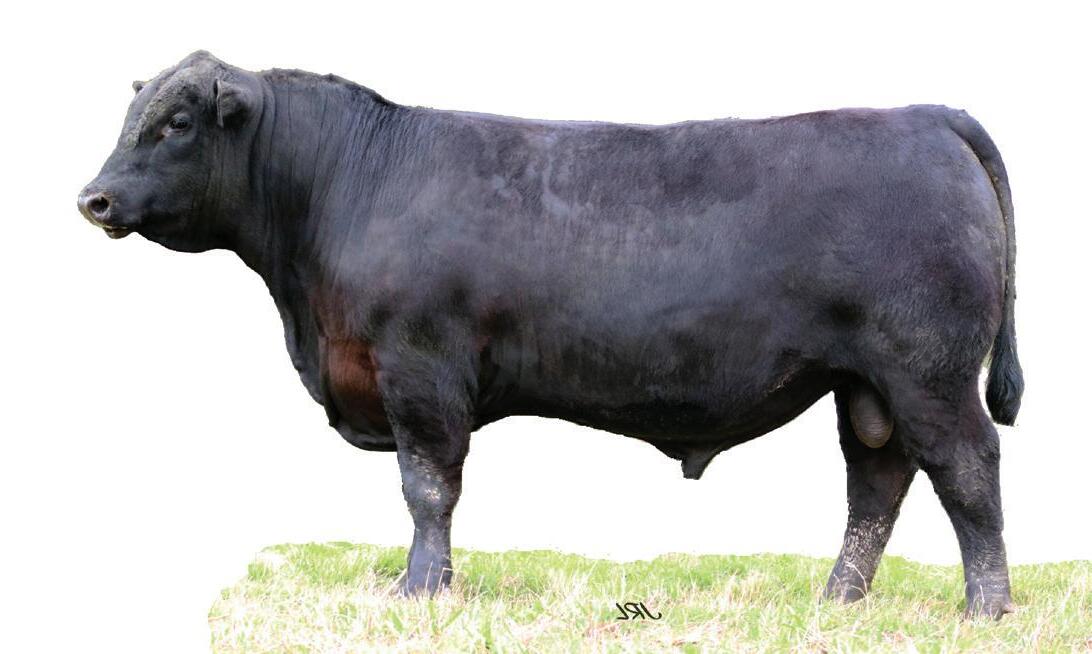
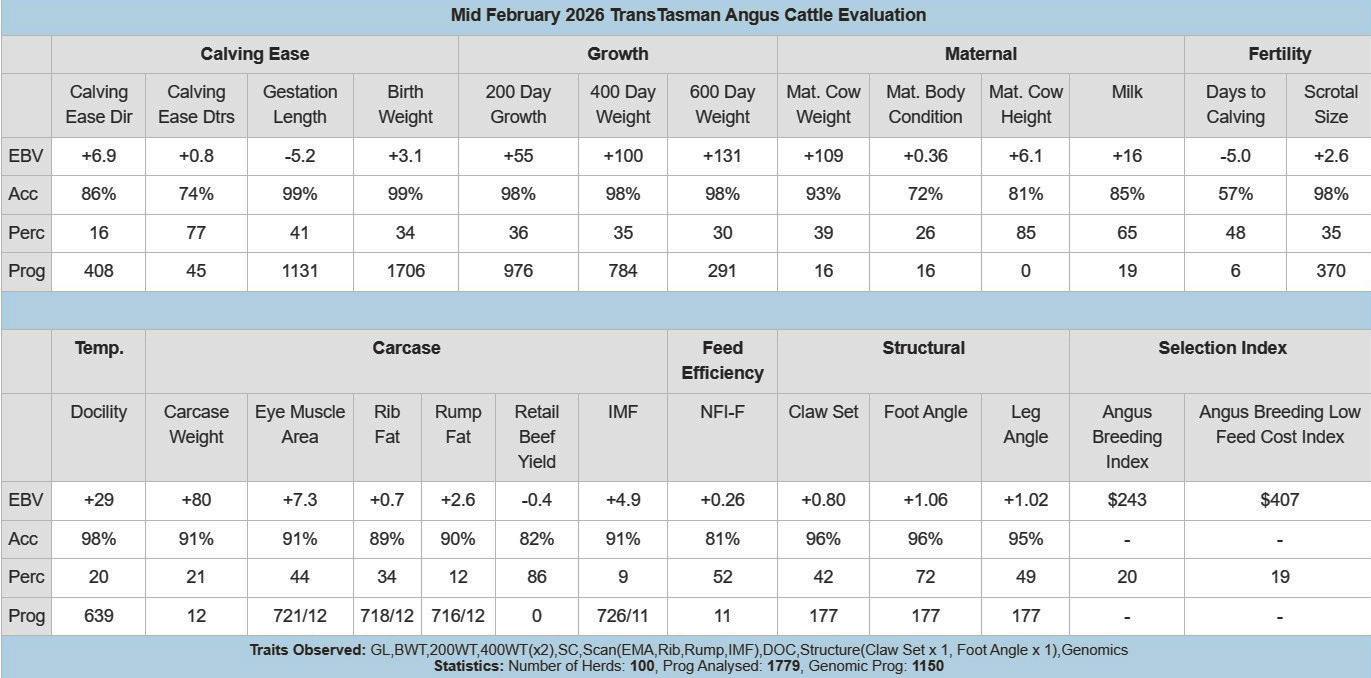
• Progeny reports have been excellent, cohort data including claw set delivers on the So Right S48 $190,000 promise.


PROGENY AVE. RANKING - KNOWLA SO RIGHT S48
Jeogla & Wallamumbi Stations, Armidale, NSW have been synonymous with quality beef production for generations, not least of all the famous annual on-property Jeogla production sales that dominated Northern NSW sale calendars annually in February and March.
The rural division of the Roche Group, the Jeogla Wallamumbi aggregation now consists of approximately 50,000 acres predominantly running a 9,000 head self-replacing herd east of Armidale NSW in 800-925 mm rainfall. The herd is the same Angus Shorthorn cross, however these days the annual on- property sales have been replaced by an internal feedlot that allows turnoff from the breeding herd to be finished and sold as slaughter cattle. The last on-property sales were held in 2016.
Richard Braham, long term manager of the aggregation said “We were having two big sales a year, then apart from a few dry cows, that’s the bulk of the income. It’s easier to do budgets with the feedlot now than it was before.”
The theme that resonates for Jeogla is straight forward; it is about doing the simple things but doing them really well. The aggregation has 5 centre pivots which can be used for hay production but also underpin the backgrounding of weaners from the breeding herd. Weaners are normally put out onto grass at around 250-260 kgs where they are grown out to feedlot entry weights and then spend at least 70 days on feed. Finished cattle are then sent the 2-hour journey to Tamworth to be processed for the Woolworths trade.
“We contract about 3 months out with Woolworths” Richard said, “And we try to lock away most of our commodities around Christmas time each year. It lets us know the price at the start of the year, not just income but costs as well.”
“Each week, either one or two loads are sent to Tamworth for processing. While it is 7 days a week work, we know the plan we are working too. It’s just a great management tool.”
MSA and grid compliance is a feature of the Jeogla program, with exceptionally good rates of compliance for both. It also has a very low carbon footprint. Cattle are born, raised and finished on the property at a young age, with only a 2-hour road trip to processing, significantly reducing the food miles and the amount of CO2 each animal can contribute.
“We are also the only feedlot supplier for Woolworths in NSW where all the cattle supplied are vendor bred.”
Still, as important a tool as the feedlot is for Jeogla, with 9,000 breeding cows, the self-replacing herd is still the biggest enterprise. The herd runs a simple two cross rotation using both Angus and Shorthorn genetics. Selection is simple Richard said. “If she looks Angus, she gets a Shorthorn bull, if she looks Shorthorn she gets an Angus bull. The key is to keep it simple and it’s working for us.” Heifer selection isn’t based around breed type either, each year the best heifers are selected and retained based upon performance, not coat colour. Heifers are joined to high calving ease Angus bulls, calved down and then rejoined based upon breed type.
But with big numbers of cows comes big demand for bulls, with approximately 35-40 replacement bulls needed each year. Again, the Jeogla system has a simple but very effective solution. Approximately 160 elite purebred Angus females and 130 elite purebred Shorthorn females are used to breed the required number of bull replacements each year. Suitable heifers from the elite herds are selected and retained as replacements for the elite herds next year.
The team uses artificial insemination across the elite herds, using high accuracy sires. Genetic progress is dependent on the new sires introduced through AI and to assist with this, Richard seeks the advice of Gerald Spry.
“We’ve been sourcing genetics from Sprys since 1998. Gerald is a no-nonsense stud guy, he knows what we need and I trust him.”
AI sires aren’t necessarily just from the Sprys program, with Gerald sourcing the most suitable sires for the Jeogla herd based on their specific criteria.
“We never want to source unproven sires. We prefer them to have progeny on the ground elsewhere that can be assessed.”
The game changer for the Jeogla program has been the development of genomics. The progeny from the elite herds are genomically tested, with EBVs returned on each animal. EBVs give the Jeogla team the ability to select beyond the pedigree and visual indicators and understand more about the unique genetic combination in each animal.

“The EBVs indicate that our program matches it with stud programs. We can also use it to select for specific traits, like selecting high calving ease sires for heifers.”
Bull calves are weaned and grown out to about 310 – 320 kgs on grass then spend around 50 days in the feedlot to ensure they are grown out properly.
“Once they are big and strong, they seem to handle yearling joining better.” Richard said.
The young bulls are assessed for conformation and fertility and genomically tested to identify replacement sires for the Jeogla herd. They are then freeze branded and returned to the property waiting for joining. With both an Autumn and Spring joining program, bulls work twice a year until around 4-5 years of age, when they are replaced to avoid inbreeding their heifers.
“We’ve been breeding herd bulls for about 5 years now. So far, the progeny are more even, performance hasn’t dropped at all, we aren’t seeing any problems.”
Which is where the cycle comes full circle. Given the progeny are all fed and finished on property, any changes in performance would be easily picked up through feedlot and MSA data. Changes in the conception rates, weaning weights and weaning percentages from replacements females would also be observed by the Jeogla crew.
“So far, it’s working well. But we are using good bulls, plus genomics plus good cows, it’s hard to go wrong.” Richard said.
Underpinning it all is the use of two very complementary maternal and carcase breeds that generate hybrid vigour, with each breed also balancing out the strengths and the weaknesses of the other. When the on-property sales were conducted, the Angus Shorthorn cross calves were always in high demand, even setting record prices. The same performance that drove that demand is now underpinning the Jeogla operation through their feedlot.
“Our on-property sales were a bit of a challenge, trying to keep everyone happy and then trying to budget on two big sales. The feedlot gives us versatility and in the end, it makes life easier.”
And while Richard said that the cattle are treated on performance, not breed type, perhaps a quick point for those who haven’t fully considered using cross breeding in their program.
“The Shorthorn looking ones usually seem heavier types, they’re normally the first in the feedlot and the first out.” Richard said.
The 2025 Sprys annual bull sale certainly got away with a bang with lot 1, Sprys Phantom U74 setting a hot pace before being knocked down for $40,000.
When lot 3 came up though, no one was quite expecting the result. Sprys Outback Foreman U218 sent bids flying around the shed on his way to being sold for a new Australian Shorthorn record price of $120,000.
Sired by the Canadian sire Bell M Foreman 30A and from the ever reliable donor Outback Ann P108, who had four sons sell on the day for an average of $42,500, Sprys Outback Foreman was purchased by Dougal Armstrong, who described him as the best Shorthorn bull he had ever seen.
“It’s an outcross for me and being a bit bigger bull with the carcase, all the figures he had, and the way he just moved, I’ve never seen a Shorthorn bull walk like that, with the figures and weight behind him,” he said. “I just think he’s going to breed the most outstanding females.”
A Sprys Goldenrod R33 son, again from the Outback Ann P108 donor, Lot 69, Outback Sprys Goldenrod U216 also sold for $24,000.
In the Angus section, Sprys Nobleman U576 was the highlight selling for $30,000 to the Gilmandyke Angus Stud, Orange.
Peter McNamara, Gilmandyke Angus, said he was a bull that the stud could add to their sire battery, which was really well balanced. “His overall style, balance and performance attracted us to him,” he said.
Mr McNamara said the program concentrated on docility and trying to improve carcase attributes and Nobleman U516 ‘has that in spades’.
He said the pedigree of the bull, who was out of a heifer Sprys-W Nightingale S588, would match with what the stud aims to breed.
Buyers from four states secured bulls with Appleton Cattle Company, Naryilco, Thargomindah, Qld, taking home eight bulls for a top price of $10,000 to average $7500.
The organic operation runs 7000 composite breeders over 728,434 hectares, with the aim to change the herd over to Angus. The progeny are finished within the operation for a carcase weight of 320 to 340kg.
The operation also aimed for marbling, eating quality, quick growth rates and fertility, with self-replacing females.
The cattle company’s Naryilco operation manager, Stewart Morton, said the bulls were a good-framed article for the program’s breeding direction.
Overall, 41 of 44 Shorthorn bulls sold to a top of $120,000 for an average of $13,170, while 21 of the 29 Angus bulls sold to $30,000 and averaged $10,380.
On Property “Ardlui” Wagga Wagga Friday 27th March commencing 10.30am
• Early weaning of calves
Opportunities with the Ravensworth Feedlot expansion, Hay Sprys Shorthorn & Angus Breeding Program
All Sale bulls will be on display from 10am to 4pm
Please register by 20th March with Sprys for catering purposes – lunch provided.
PH: 02 6928 5526 0428 285 526
E: glspry@sprys.com.au
Top 10% IMF, Top 20% CED, DOC, CWT.
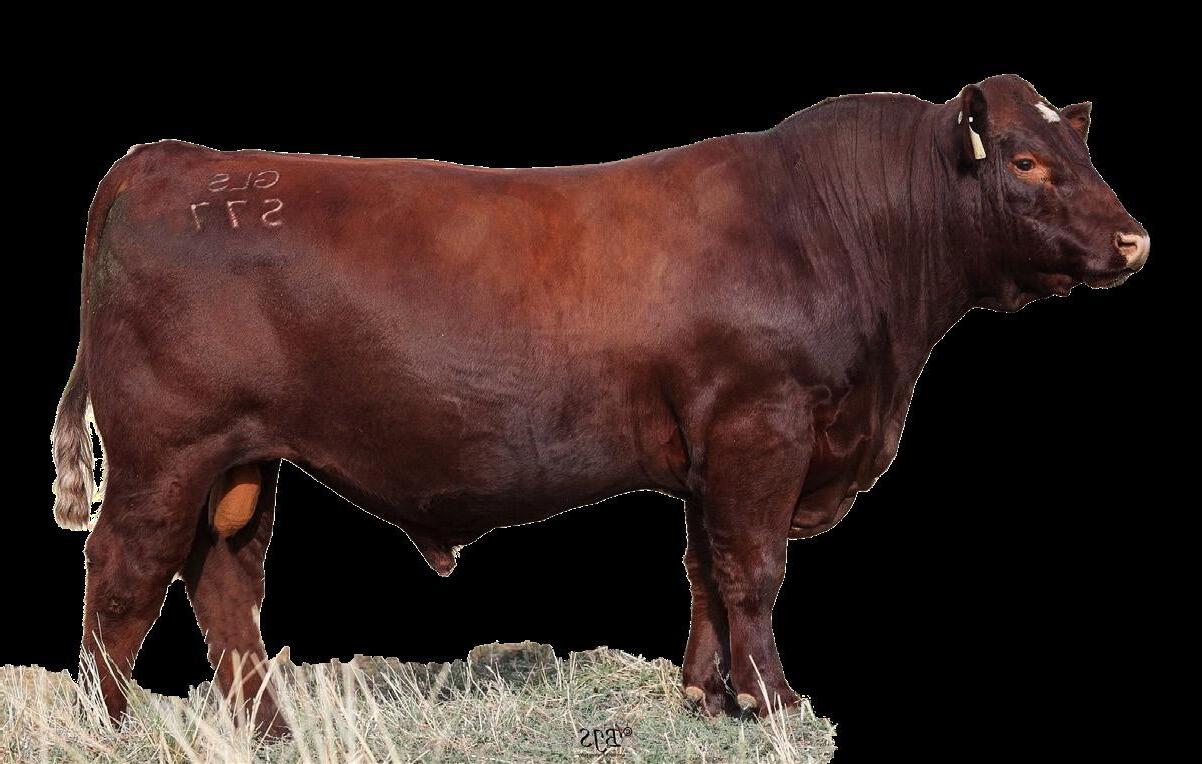
Knowla So Right S48 was our $190,000 selection at the 2023 Knowla sale. He is easy fleshing and soft, with natural carcase shape, tremendous spring of rib and structurally still very sound at 5 years of age. His temperament is bomb proof, his maternal depth is unsurpassed and progeny carcase data is elite.
4 sons sell in 2026. Lot 21 is just so well balanced.
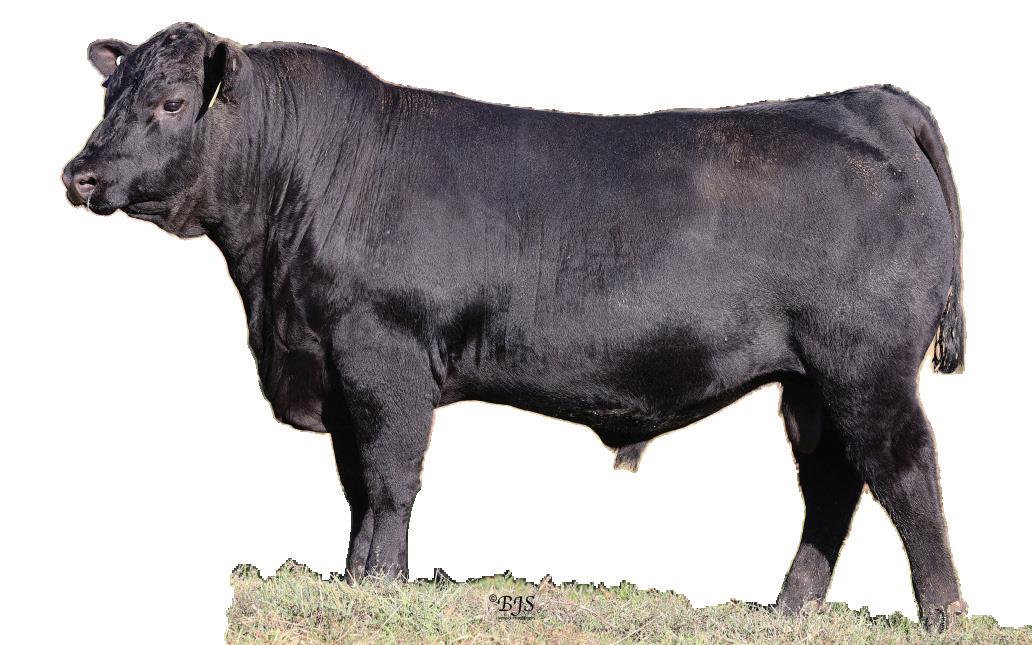
Top 5% MBC, DtC, RIB, RUMP, Top 10% DOC, Top 15% 200D, Top 20% IMF.
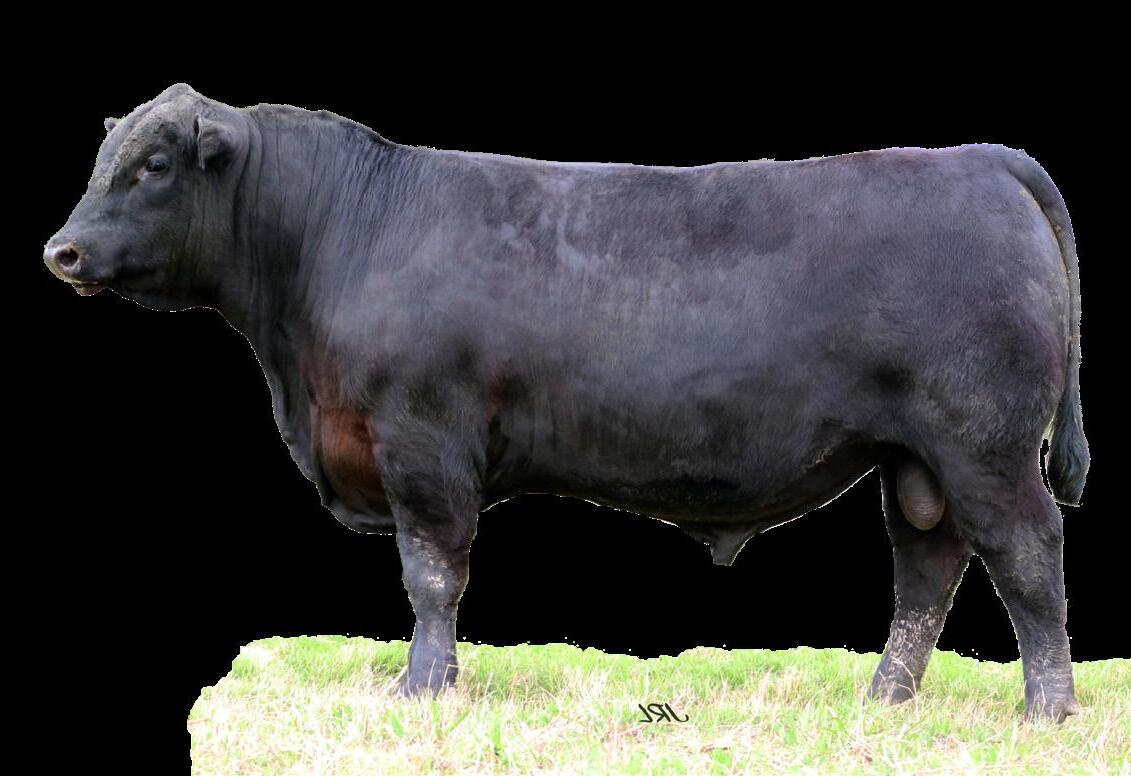
Prime Pure Gold T29 was purchased for $86,000 as a 14 month old yearling, based on his temperament and exceptional carcase shape. Pure Gold T29 offers a curve bending genetic profile with the added benefit of ideal docility, positive fat and excellent marbling.
5 sons sell in 2026 including Lot 23 who is special.
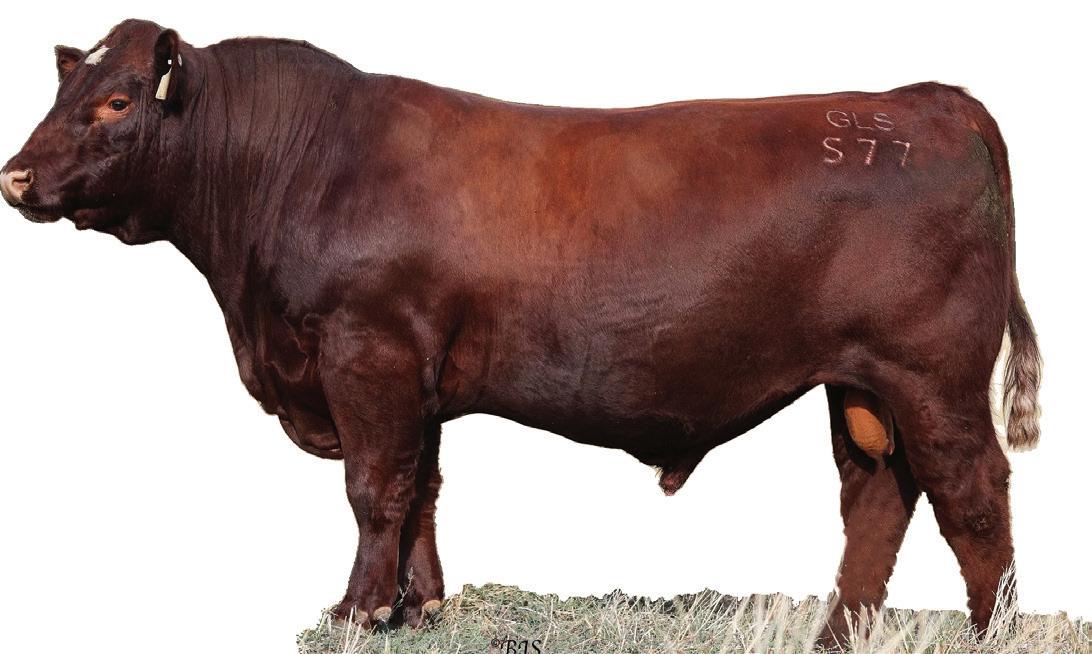
Top 1% DOC, Top 5% WWT, Top 10% YWT, FAT, Top 15% MWWT, REA.
Sprys Down Under was offered as lot 3 in the 2023 Sprys sale and considered the most complete Shorthorn sire bred at Sprys in 59 years of breeding. Possibly the best son offered by the highly proven and elite Thermal Energy 15A.
6 sons sell in 2026 with Lot 6 a real standout.
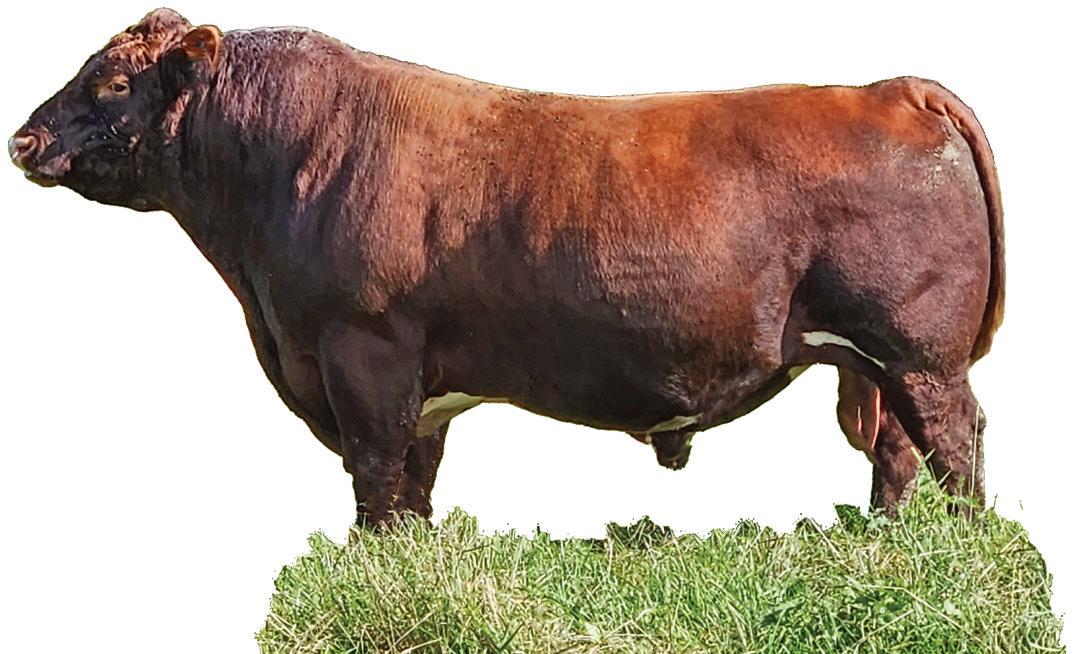
Top 1% STAY, Top 5% CED, BWT, $API, Top 10% MILK, Top 15% MCE.
Bell M Guinness 17G is an outcross Shorthorn sire with exceptional calving ease that does not sacrifice style. He is docile, super sound, long and deep sided with an impressive muscle pattern, backed by generations of maternal excellence.
4 sons sell in 2026; Lot 16 is really special.