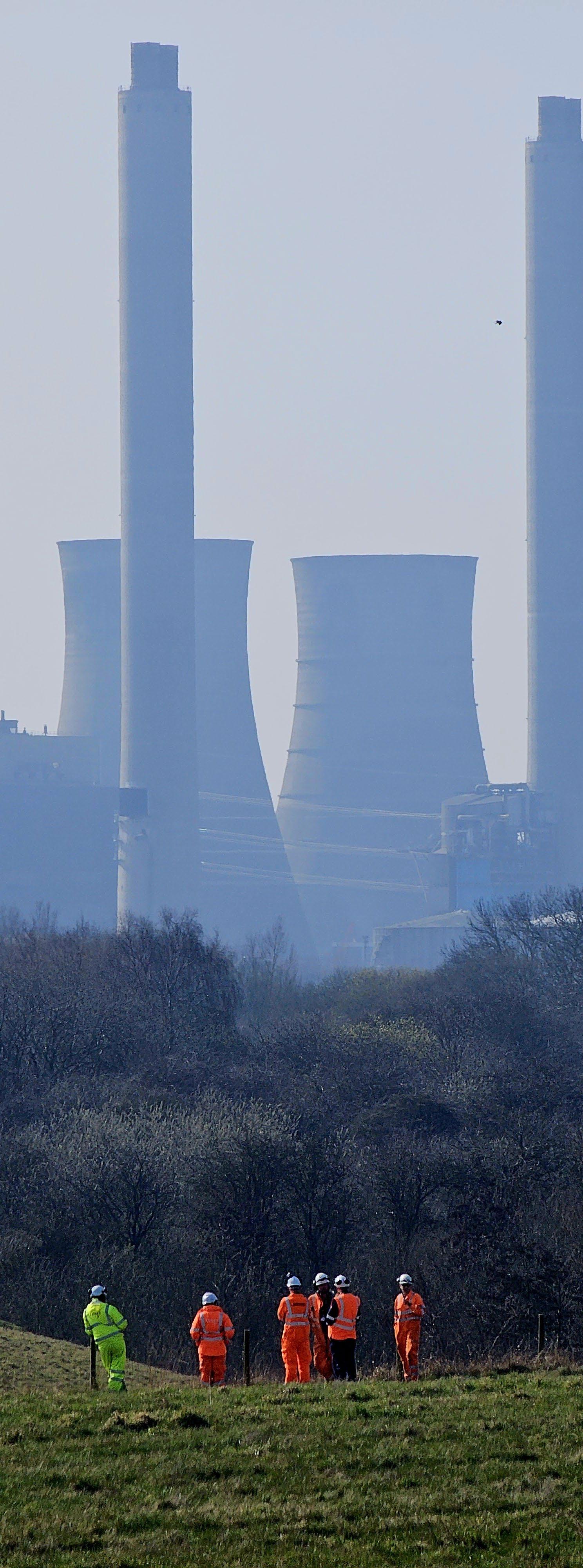
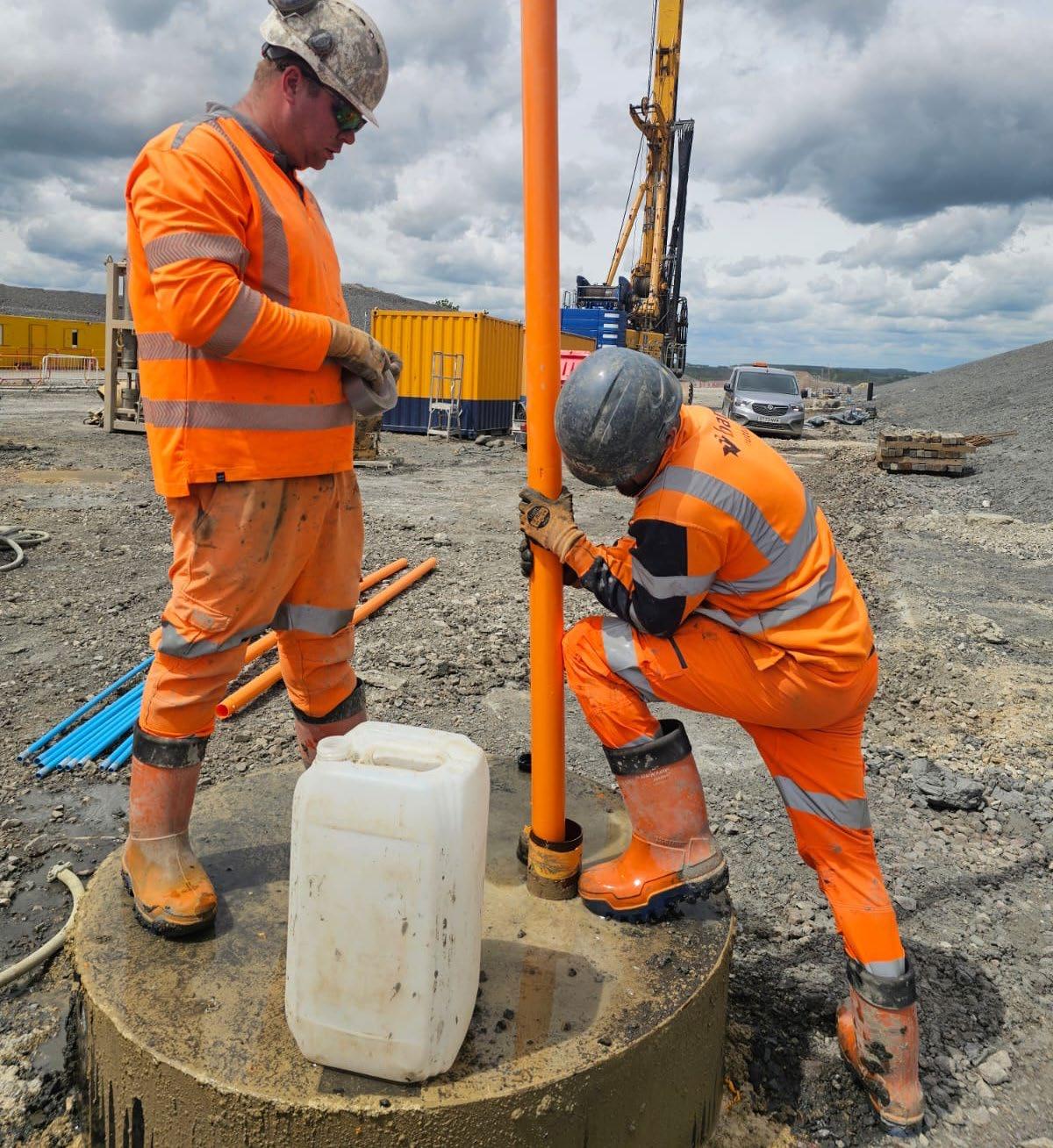
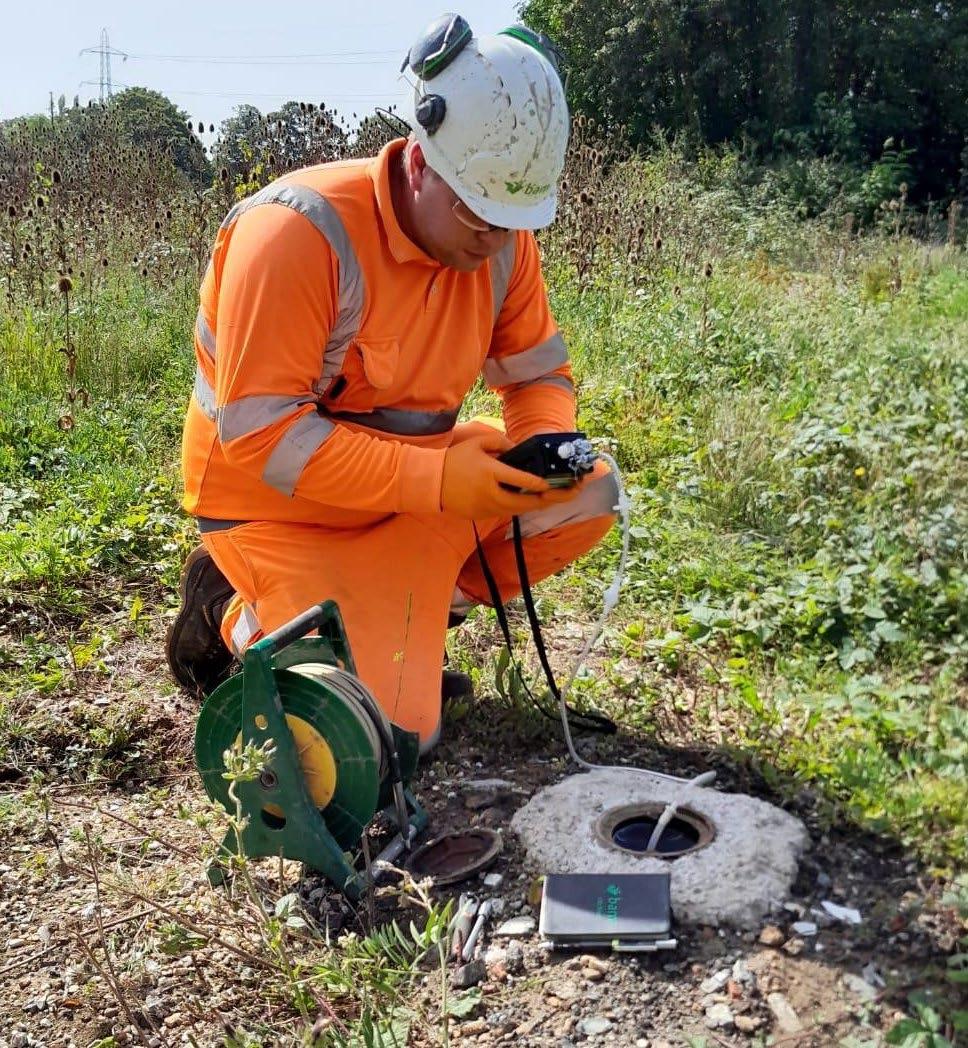
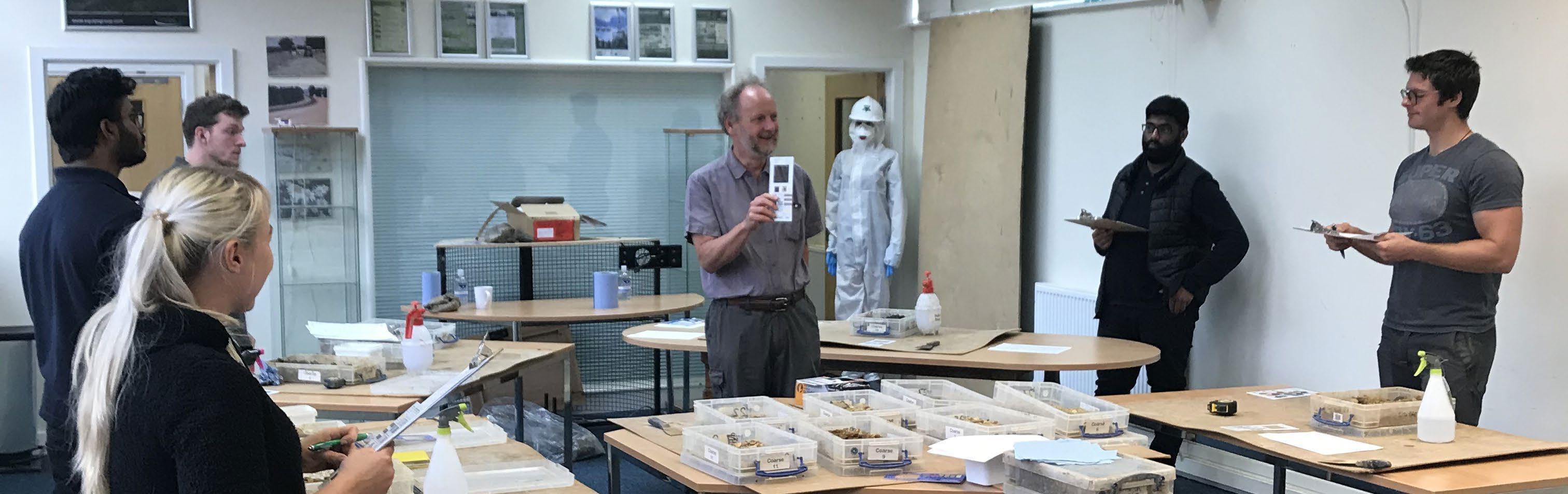
Ecotoxicology and Regulation in the US, UK, and EU
EUROCODE 7: DONE AND DUSTED? YES, BUT…
Matthew Baldwin provides a review of a recent Eurocode meeting in Brussels
March 2026
EMBRACING AI IN GEOENGINEERING- THE BENEFITS AND PITFALLS
A look at the impact that AI is already having
Chair’s Foreword
Welcome to the March edition of AGS Magazine. This issue pairs practical guidance with insight. None of this happens without volunteers: our Working Groups, authors and reviewers who give their time to raise the bar. We look forward to thanking many of you at AGS Annual Conference, 19th March 2026, One Great George Street, London
Our cover feature demystifies palm oil free HVO versus synthetic paraffinic fuels— what they deliver today, how to procure responsibly, and when certification matters. Safety stays central through the BDA/AGS update, translating rig, vibration and occupational health learnings into action. We recap February’s “Instrumentation & Monitoring—Data Driven Actions” webinar, stressing disciplined specifications, smart procurement and robust data review. On standards, we unpack Eurocode 7 implementation via National Annexes, and highlight BS 10175:2026 updates—plus the importance of precise terminology and living CSMs. Our long form review of 6PPD quinone separates
headline risk from evidence across analytics, ecology and regulation. We also explore the promise—and limits—of AI in geo engineering: efficiency counts only when paired with due care, diligence and confidentiality.
We hope you enjoy this issue, and we encourage you to share it with your teams, get involved in our Working Groups and events, and help us make a positive difference across the ground engineering community.
We are always on the lookout for additional, informative content for the magazine, so if you have an opinion piece, a case study, a technical article or a wider issue that you think the geotechnical and geoenvironmental public would find beneficial, please do get in touch.
We would be interested in your feedback on the magazine and our future plans. Please contact ags@ags.org.uk if you have any comments.
ABOUT THE AGS
The Association of Geotechnical and Geoenvironmental Specialists (AGS) is a not-for-profit trade association established to improve the profile and quality of geotechnical and geoenvironmental engineering. The membership comprises UK organisations and individuals having a common interest in the business of ground investigation, geotechnics, geoenvironmental engineering, engineering geology, geochemistry, hydrogeology, and other related disciplines.
EDITORIAL BOARD
Alex Lee, AGS Chair
Caroline Kratz, Forum Court Associates (FCA)
Katie Kennedy, FCA
Julian Lovell, Equipe Group
Calum Spires, Equipe Group
Adam Latimer, Ian Farmer Associates
Dimitris Xirouchakis, Structural Soils
Caroline Martin, Haskoning
Christos Botsialas, TRC Companies
Alison Nicholson, Buro Happold
EDITORIAL STORY
To submit an article for inclusion in the AGS Magazine, please contact the AGS on 020 8658 8212 or ags@ags.org.uk. Please note that articles should act as opinion pieces and not directly advertise a company. The AGS is under no obligation to feature articles or events received.
CONTACT US
Association of Geotechnical & Geoenvironmental Specialists Forum Court, The Alexander Centre, 15-17 Preston Street, Faversham, Kent, ME13 8NZ
ags@ags.org.uk 020 8658 8212
Alex Lee AGS Chair
Association of Geotechnical & Geoenvironmental Specialists www.ags.org.uk
Inside this month’s issue
FEATURE
PAGE 18
COVER STORY
PAGE 14
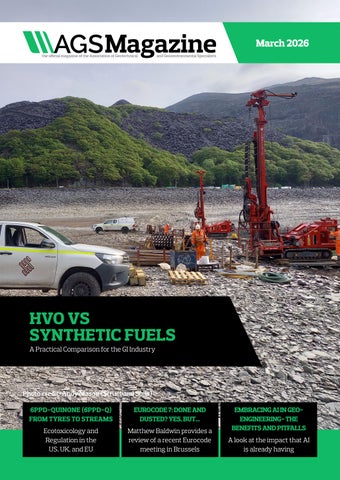
HVO vs Synthetic Fuels: A Practical Comparison for the GI Industry
6PPD-Quinone (6PPD-q) From Tyres to Streams: Ecotoxicology and Regulation in the United States, United Kingdom, and European Union
A technical perspective offered by Ken Scally of Normec DETS.
COLLATERAL WARRANTIES AND THIRD PARTY RELIANCE ON REPORTS
PAGE 8
Analysing the AGS Loss Prevention Working Group survey.
EUROCODE 7: DONE AND DUSTED? YES, BUT…
PAGE 26
Matthew Baldwin provides a review of a recent Eurocode meeting in Brussels.
EMBRACING AI IN GEO-ENGINEERING- THE BENEFITS AND PITFALLS
PAGE 32
A look at the impact that AI will have and is already having.
MORE INSIDE
PAGE 4
News in Short: Incl. Publication Updates
PAGE 34
Q&A with Sandra Carvalho BAM's I&M Contracts Manager
PAGE 36
BS10175:2026
Code of Practice
News and Events
Collaboration between the AGS Safety Working Group and the
BDA
Health & Safety (H&S) Sub-Committee
The AGS Safety Working Group provides a platform where industry safety guidance and developments can be shared and promoted to the industry. Paul Breslin, Chair of the BDA Health & Safety Sub-Committee, regularly attends the AGS meetings and delivers a summary of BDA safety developments. Using the AGS platform, there is now an opportunity to share these BDA safety developments to everyone working within the site investigation industry.
Liz Withington, Chair of the AGS Safety Working Group commented that this BDA/AGS collaboration will now become a regular feature in the AGS magazine, reporting on recent developments every quarter.
The BDA Health & Safety (H&S) Sub-Committee met mid-November. The attendees shared updates around hydraulic hose safety, CP rig wind loadings, whole body vibration monitoring, transport compliance, occupational health, and audit administration.
The precis from the November 2025 BDA meeting is presented here:
Summary of discussions:
Î Hydraulic Hoses Position Paper Final Review
- The committee confirmed that the updated Hydraulic Hose Position Paper is ready for publication. A short, practical visual inspection will be incorporated into preoperational checks, supported in future by a training video (to complement, not replace, hands-on instruction).
Î Cable Percussion Drilling Wind Loadings
- A contractor query led to discussion on appropriate operating limits for CP rigs in high winds. Manufacturers’ guidance and crane industry recommendations (BS7121 inspired) will be adapted into a BDA advisory document for wider member awareness, and a safety alert will also be issued.
Î Rotary Drilling Non-Compliant Set-up on Social Media - An instance of non-compliant rotary rig presentation on a social media platform was reported. This will be reviewed offline, with follow-up advice to be provided.
Î Whole Body Vibration Testing for Sonic and Vibratory Activities - Initial whole body vibration results were presented and found to be well within exposure limits. Further assessment across full rig fleets will continue, with findings to be shared at future meetings.
Î Towing & O-Licence Requirements – BDA Auditors have reported ambiguity regarding trailers over 3.5 tonnes and the requirement for a restricted O-licence. Further regulatory clarity will be sought to inform a consistent industry position and ensure members understand compliance expectations.
Î Mental Health Communications - A seasonal mental health blog focused on isolation during the Christmas period was prepared and promoted to BDA members, as part of the committee’s wider occupational health focus.
Î BDA Audit Administration - 22 audits have been completed this month, with activity easing towards year-end. To improve
State of the Industry –Ground Investigation Survey 2026
Where is the UK ground investigation industry now, and where is it heading next?
Ten years on from the original Spotlight on the Industry survey, we’re inviting the industry to help shape an up-to-date picture.
This important survey is a joint initiative from Association of Geotechnical and Geoenvironmental Specialists, British Drilling Association, Federation of Piling Specialists, British Geotechnical Association and
AGS Shortlisted for Ground Engineering Awards 2026
We’re delighted to share that AGS has been shortlisted in the Equality, Diversity and Inclusion Champion category at the Ground Engineering Magazine Awards 2026 for our AGS EDI Roadmap.
This recognition reflects the ongoing commitment across our community to build a more inclusive, diverse, and equitable
the flow of H&S-related information, the BDA membership application form will be updated to capture the designated H&S contact for each member company.
Î Safety Guidance Review - Committee members will review the latest Safety Guidance Status Report ahead of the next sub-committee meeting.
Next meeting is taking place on 5th March 2026.
Engineering Group of the Geological Society. The survey explores:
Î Understanding and compliance with technical, health, safety and environmental standards
Î Current and future challenges, including staffing, contracts and competence
It takes 15–20 minutes, all responses are confidential, and findings will be shared later this year. We welcome responses from across the industry. The more voices we hear, the stronger the insight.
The survey will close on Tuesday 31st March 2026.
Take part here: https://www.surveymonkey. com/r/G9SRQZP
ground engineering profession. A huge thank you to everyone who has contributed their time, insight, and passion to developing and delivering this roadmap.
We’re proud to see this work recognised and look forward to continuing our efforts to help make our industry stronger and more inclusive.
Congratulations to all the other finalists.
The full shortlist can be found here.
Gender Specific Welfare & PPEDoes it matter? News and Events
Article contributed by Jo Strange (Honorary Member, AGS)
Welfare and PPE provision on engineering sites has been recognised as historically poor in general and often, specifically for women, non-existent. In recent times this has certainly improved but is enough being done? Indeed, what is ‘enough’?
Laws such as the Personal Protective Equipment at Work Regulations 1992 and its 2022 amendment place a duty on every employer in Great Britain to ensure that suitable PPE is provided to employees who may be exposed to a risk to their health or safety while at work. (See AGS Safety Guidance – Personal Protective Equipment (PPE) for more information on the types and use of PPE relating to the activities of AGS members.)
In addition, employers should be aware that they may be subject to contractual requirements relating to welfare of employees and site visitors. There may also be nonspecific requirements relating to welfare of female workers, which fall under contractual obligations to demonstrate compliance with published company statements or policies. These policies may be documents published by the client and deemed to have been read and accepted, or policies submitted by contractors as part of pre-qualification or tender processes.
Examples of these are Equality, Diversity and Inclusivity (EDI) type policies. It is important that the implications and requirements of such policies are identified and implemented, as noncompliance could be viewed as being in breach of contract and possibly leave contractors open to claims.
Traditional ‘one size fits all’ approaches are no longer likely to meet the legal and contractual requirements of projects. It is no longer acceptable to provide women with PPE designed for men. PPE designed to accommodate the specific shape of women is now readily available, which is much safer and comfortable for long term wear. The provision of correctly sized PPE also promotes equality, inclusivity, and demonstrates respect and appreciation of female workers.
Provision of separate gender specific hygiene facilities, especially where the workforce is diverse and has a mix of ethnicities and cultures, is essential if equality and inclusivity objectives are to be met. In some cases, EDI policies require provision of female hygiene products, which can remove significant anxieties and lost work time for some women working on site. The details of such provisions need to be considered based on specific workforce needs, but it is recognised that a valued and supported workforce is also likely to be more content and productive as a result.
It is clear that welfare ‘equality and inclusivity’ done properly no longer simply consists of provision of a ladies’ toilet, and that there can be significant contractual and ethical drivers, as well as appreciable benefits to be had from a more robust consideration of gender specific welfare.
Geotechnica 2026: Sponsors, Exhibitors and Conference Programme Update
Planning continues at pace for Geotechnica 2026, taking place on 8th & 9th July 2026 at the Warwickshire Event Centre.
Event organisers Equipe are pleased to confirm Borehole Solutions as a new Silver Sponsor for 2026, further strengthening contractor representation at the event.
For AGS members, Geotechnica offers a focused opportunity to meet the ground engineering supply chain in one dedicated setting. Consultants, contractors, laboratories, equipment manufacturers and specialist service providers come together for practical technical and commercial discussions in an environment designed specifically for our sector. AGS members continue to benefit from a 10% discount on all sponsorship and exhibition packages.
The 2026 conference programme, titled the Ground Investigation Summit, will explore several challenging industry themes, including:
Are current ground investigation techniques still fit for purpose?
Panel Chair: Liz Withington, CC Ground Investigations and Chair of the AGS Safety Working Group
What is the point of British Standards?
Panel Chair: Stuart Hardy, Arup and Chair B/526/1
Can we still trust the good old SPT?
Panel Chair: Hilary Shields, Tony Gee and Partners
Can ground engineering data be leveraged to benefit all stakeholders?
Panel Chairs: Vicky Corcoran, Discipline Lead for Digital Transformation and Sustainability
Ground Engineering, AtkinsRéalis, and Holger Kessler, Senior Stakeholder Manager, AtkinsRéalis
Each session will combine a technical presentation with an open panel discussion encouraging audience participation and frank debate.
A limited number of exhibition spaces remain available for 2026. Equipe look forward to welcoming AGS members to teh WEC in July.
Further information about Geotechnica 2026 is available at www.geotechnica.co.uk
News
and Events
Collateral Warranties and Third Party Reliance on Reports
Article contributed by David Hutchinson (Honorary Member, AGS)
The AGS Loss Prevention Working Group undertook a survey of members in 2024 requesting comments on their recent and current commercial, contractual and legal issues which have affected their organisations in the previous 12 months. 17 comments were received which covered a variety of topics. One of the most significant areas of concern for responding members related to third party reliance on reports and collateral warranties. The main concerns were regarding the requests for rights to unlimited reliance letters or collateral warranties, the ability to charge for reliance letters and collateral warranties, and the lack of understanding clients have about what they are asking for and why it might not be acceptable.
Over the years the AGS has published a number of documents which are relevant to this issue, namely
Î Loss Prevention Guidance 011 - The Contract (Rights of Third Parties) Act (updated 2022),
Î Loss Prevention Guidance 024 - Collateral
warranties (updated 2022),
Î Loss Prevention Alert 11 - Confusion about Assignments (2000) (updated 2026),
Î Loss Prevention Alert 45 – Assignment of Reports (2011) (updated 2026),
Î Loss Prevention Alert 68 – Duty of Care arising from Third Party Reliance on a geotechnical report (2018), and
Î Loss Prevention Alert 76 - Reliance on another company’s Report (2023).
The information in these documents can help AGS members navigate their way through the issues around collateral warranties and third party reliance, and to help them inform their clients about these issues. This article summarises the main points in relation to AGS members’ concerns, but it is strongly recommended that members review the guidance mentioned above produced by the AGS LPWG.
How third parties can be given rights in a contract
1. Under the Contract (Rights of Third Parties) Act 1999 any third party may enforce a contractual term in a contract if that contract expressly gives them the right to do so, or if the contractual term purports to confer a benefit on the third party. Further information on the Act is given in LPG 011.
2. Another way rights (for example the benefit of a report, ie the right to rely on it) can be assigned to a third party is by formal
assignment. Depending on the terms of the report author’s appointment, this assignment may, or may not, be subject to notification to the report author. See LPA 11 and LPA 45.
3. A third way is by way of a letter of reliance. Reliance letters typically relate to named report(s) that the third party can rely on. See LPA 68 and LPA 76.
4. A fourth way is by using collateral warranties, or duty of care agreements, which are contracts ancillary to an appointment or building contract. Collateral warranties relate to all the professional services and advice provided under the appointment, not only the formal reports issued as part of the services. LPG 024 explains collateral warranties.
Formal assignments, reliance letters and collateral warranties create direct contractual links between third parties (such as future occupiers of buildings and funders of projects) and the consultants or contractors with whom such third parties would ordinarily have no contractual link.
Considerations associated with giving third party rights
One should avoid providing third party rights without carefully considering the business risks and the commercial implications. There is a multiplication of these risks to the warrantor if numerous warranties (or ‘letters of reliance’) are given. There is also a considerable burden of administration in providing and keeping track of the warranties, and dealing with insurance. The period of risk could be extended by the warranty. The beneficiary of the warranty or reliance letter, or assignee under an assignment contract, may not be a party to the primary works contract, and indeed may have requirements and business attitudes different to the original client. Attention should be paid to the proposed development and any changes
that may have occurred to plans since your work.
The level of professional indemnity cover should be considered. Losses suffered by the third party may be of a type and extent that the original client may not have suffered and may include substantial consequential losses, such as business interruption losses and so forth. The rights acquired by the third party are valuable and include the right to sue if the report contains errors which cause him to suffer loss. With multiple collateral warranties or third party reliance letters there could be multiple actions, cumulatively exceeding the level of professional indemnity insurance cover, and hence exposing the insured’s own financial resources.
As well as the level of PI cover, insurance policy wording may include specific conditions relating to third party reliance. Members should ensure they carefully review any obligations to provide these prior to signing a contract, with careful consideration of how those obligations might interact with their insurance policy exclusions.
The AGS member should consider giving the third party a copy of the AGS Client Guide to Professional Indemnity Insurance which aims to assist clients to better understand PI insurance issues and the need for agreement with their advisors and designers on the most sensible allocation of financial risk.
The contract of assignment, reliance letter or collateral warranty must have more than a nominal value to those requesting them, as otherwise why would it be required? AGS members should consider all aspects relating to the increase in risk associated with entering in to an assignment or warranty or issuing a letter of reliance, and look to making a realistic charge for doing so, particularly if requested after the primary contract has been signed. LPA 45 gives some guidance on matters to consider when determining what to charge.
News and Events
A reminder to all AGS members: The AGS Code of Business Conduct
The AGS would like to remind its members of the AGS Code of Business Conduct. A Code of Business Conduct is provided to define, both for its members and for the general public, the ethical standards to which the AGS requires its members shall adhere and uphold.
Applicants to all grades of membership commit to the Code of Business Conduct when they submit their application form and are admitted as members. Thus, the code shall apply to all members, irrespective of their activities (in both a professional and a personal capacity)
AGS Publication Updates
and the countries in which they practise.
The Association expects and requires all of its members to uphold the reputation of the AGS as well as the reputation of the profession. Positive behaviours should always govern the way in which members act, both within and outside of the workplace, so that acting professionally and ethically is the bare minimum requirement of anyone working within the geotechnical and geoenvironmental sector. Actions by members, including posts on social, business or other media in the public domain, that are abusive, discriminatory or defamatory, may be perceived as bringing the Association into disrepute and will not be tolerated. There are disciplinary procedures in place to maintain the Association’s high professional standards.
The full AGS Code of Business Conduct can be downloaded from the AGS website.
The top three downloaded AGS publications in last month:
1. AGS Guide to Planning Data Management for a Programme of Geotechnical Instrumentation and Monitoring
2. AGS Guide: The Selection of Geotechnical Soil Laboratory Testing
Recent AGS publications available on the AGS website:
• AGS Glossary of ‘Need to Know’ Intellectual Property Terms
Safety Guidance – Personal Protective Equipment (PPE)
• Safety Guidance – Control of Substances Hazardous to Health (COSHH)
Safety Guidance – Driving
• Safety Guidance – Off Road Driving
• Safety Guidance – Overwater Working
• LPA 11 – Confusion about Assignment
• LPA 45 – Assignment of Reports
To download the publications for free; click here.
Book Your Place at the SiLC Annual Forum 2026Exploring Air, Land and Water
The SiLC Annual Forum 2026 will take place virtually on Thursday 26th March, 9:30am–1:30pm, bringing together leading experts from across the contaminated land and brownfield sector for a focused morning of technical insight, cross-disciplinary discussion, and practical learning.
Designed for consultants, regulators, contractors, analysts and specialists working in land condition and environmental risk, the Annual Forum continues to be one of the sector’s most valuable knowledge-sharing events.
Chaired by Louise Beale (Chair of the SiLC PTP) of SLR Consulting, the 2026 forum will guide attendees through a structured programme built around three core themes: Air, Land and Water.
Under each theme, the programme will:
Î Examine a practical case study
Î Review recent technical guidance or regulatory approaches
Î Look ahead to future developments and innovation, highlighting what practitioners should be watching for next
This structure ensures that each topic moves from real-world application, through current best practice, and into forward-looking sector intelligence. This year’s speaker panel reflects the breadth of expertise needed to address today’s land condition challenges. (Speaker details found on the SiLC Website).
Regulator Panel Discussion
A featured panel on “The Value of Multiple Disciplines Working Together” will explore how collaboration improves brownfield regulation and delivery. The session is chaired by David Carr of Dacorum Borough Council, with regulator representatives from across England, Scotland and Wales. The panel will discuss recurring site challenges, current initiatives, and how multidisciplinary working strengthens outcomes, followed by audience Q&A.
Booking & Cost
If you want practical case studies, current regulatory thinking, and forward-looking insight across Air, Land and Water, this is the event to attend.
Î £78 for SiLC Members.
Î £120 for Non SiLCs.
Local Authority & Other Public Sectors, Jobseeking/Graduates and Students welcome to register free of charge. All prices include VAT.
Bookings close Friday 20th March.
For more information and to secure your place at the SiLC Annual Forum 2026 please visit www.silc.org.uk
NEWS, REPLAYS & UPCOMING EVENTS AGS WEBINARS
On Thursday 19th February 2026, the AGS hosted a webinar titled Instrumentation and Monitoring – Data Driven Actions.
The event was chaired by Tim Clegg (Managing Director of Geosense and Leader of the AGS Instrumentation & Monitoring Working Group). Tim also presented alongside Phil Child (Senior Technical Solutions Specialist at Seequent), Alice Shrubshall (Associate Director at BuroHappold) and Steve Walthall (Retired Engineering Geologist).
Phil Child presented on ‘The AGS Guide to Planning Data Management for a Programme of Geotechnical Instrument and Monitoring’ giving an overview of the document to help identify key questions to apply to your projects to ensure success.
Alice Shrubshall’s first presentation highlighted that the specification for instrumentation and monitoring is a critical document. She discussed the importance of ensuring roles and responsibilities are appropriately assigned and how to use a methodology to get the best value from the data obtained.
Tim Clegg looked at how to translate a monitoring plan into a procurement strategy to ensure the correct sensors are selected, the right partner is chosen, and the system overall delivers good actionable data. Tim explained that how spending time effectively
SPONSORED BY
procuring your monitoring services before attending site is a great investment.
Steve Walthall provided a pre-recorded presentation, which explained the similarities which are common to each project, which form the basis of implementing a successful operation, including a clear and well defined objective, the selection of appropriate instruments and a comprehensive management system.
Alice’s final presentation offered insights regarding Data Review from a Consultant’s Perspective and how a structured approach is required to be able to interpret its implications.
The webinar concluded with an engaging Q&A session, where Tim, Phil and Alice addressed a range of questions submitted by attendees.
Thank you to BAM Ritchies for sponsoring the webinar.
The replay of this webinar is available free of charge to AGS members and £50 + VAT for nonmembers. To access the recording and view presentation synopsises, please click here
Van Walt Ltd
Soil - Water - Groundwater
Loggers - Augers - Window Sampling - Gas - Remediation - Water Quality - Rentals
HVO vs Synthetic Fuels: A Practical Comparison for the GI Industry
Eric Downey (Associate Director, Structural Soils Ltd)
The ground investigation (GI) sector is under mounting pressure to decarbonise. Clients, regulators, and the public expect visible progress, and the industry is responding with a mix of innovation and pragmatism. Two alternative fuels, palm oil free Hydrotreated Vegetable Oil (HVO) and synthetic fuels (such as Gas-
to-Liquid (GTL)) are now widely discussed as practical options for reducing emissions from plant and transport. But how do they really compare in terms of sustainability, performance, risk, and procurement for GI projects?
This article aims to provide a clear, evidencebased comparison, drawing on the latest industry guidance, certification schemes and feedback from across the sector. The goal is to help GI professionals make informed decisions that balance environmental responsibility, operational reliability and commercial reality.
Article contributed by
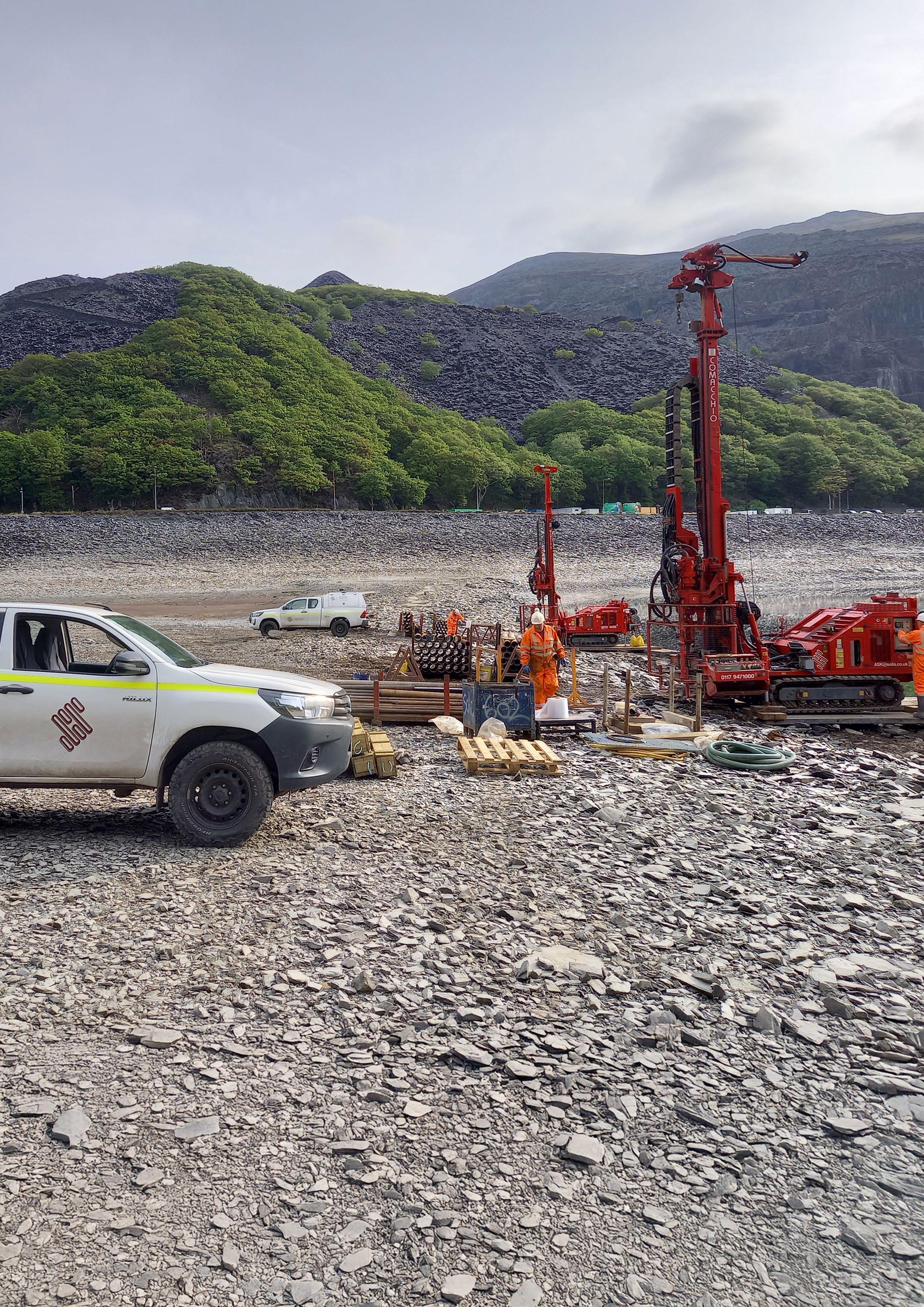
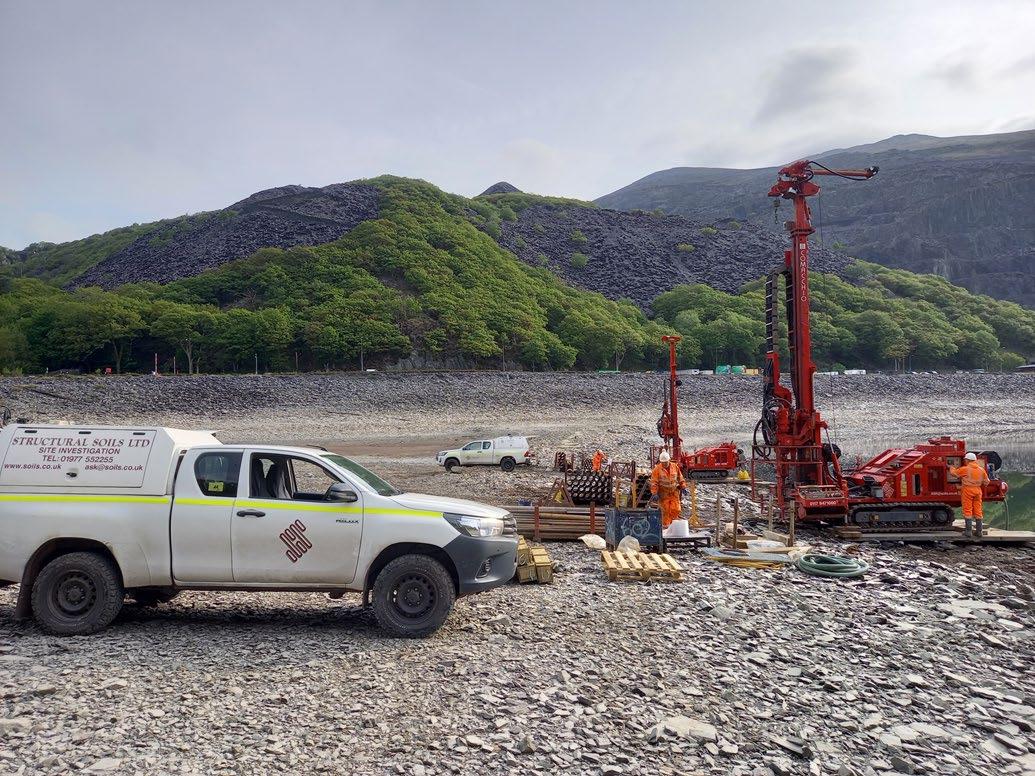
Photo credit: Andy Mason (Structural Soils)
What is Palm Oil Free HVO?
Palm oil free HVO is a second-generation biofuel made from 100% renewable and wastederived feedstocks, such as used cooking oils and animal fats. All UK HVO is imported from Europe, Asia and the USA. Unlike firstgeneration biodiesels (Fatty Acid Methyl Ester (FAME)), HVO is chemically stable, resistant to water ingress, and free from sulphur and aromatics.
Once processed into HVO, it’s impossible to distinguish sustainable palm oil waste from virgin palm oil, the latter which may carry links to unethical practices including potential modern slavery. This lack of transparency is a key reason why some clients have chosen to ban HVO on their sites. Therefore, to ensure sustainable HVO is being used, it requires certification before use of each batch.
To ensure traceability and sustainability, HVO can be certified under schemes such as the International Sustainability and Carbon Certification (ISCC) and the UK’s Renewable Fuels Assurance Scheme (RFAS), and are now widely available from suppliers such as Certas and Speedy.
oxide, nitrogen dioxide, particulates, and CO2 emissions than standard diesel, but real-world benefits depend on engine type, after-treatment, and maintenance.
Î Storage: HVO has a long shelf life (up to 10 years), is less prone to microbial growth (“diesel bug”) than FAME biodiesel, and is more stable in storage than standard diesel.
Î Original Equipment Manufacture (OEM) approvals: HVO is approved by a wide range of plant and vehicle manufacturers including JCB, Caterpillar, Volvo and Komatsu.
“ Once processed into HVO, it’s impossible to distinguish sustainable palm oil waste from virgin palm oil, the latter which may carry links to unethical practices including potential modern slavery.
Surprisingly prices in mid2025 for HVO are slightly lower (~£1.37 - £1.40 per litre) than fossil diesel (~£1.44 - £1.47 per litre). Beyond cost, the environmental benefits, improved reputation, and long-term savings make HVO a strong choice for use on your sites.
HVO has many benefits, including:
Î Drop-in fuel: HVO is a direct replacement for diesel, requiring no engine modifications and it meets the EN15940 standard for paraffinic fuels.
Î Green House Gas (GHG) savings: When made from genuine waste feedstocks, HVO can deliver up to 90% lifecycle greenhouse gas (GHG) reduction compared to fossil diesel.
Î Air quality: HVO produces lower nitric
HVO is already in use across several RSK businesses, including Structural Soils and RSK Habitat Management, with successful trials at sites like Avonmouth and Lichfield. However, as discussed above, not all HVO is created equal. Sustainability depends heavily on feedstock sourcing, and some suppliers still rely on virgin crops or palm oil derivatives. Furthermore, demand for used cooking oil (UCO) is rising and there is a risk of supply interruptions. Therefore, controls and supplier audits are essential to ensure genuine environmental benefit.
What are Synthetic Fuels?
Synthetic fuels in the context of the GI industry usually refers to Gas-to-Liquid (GTL) diesel, produced from natural gas via chemical conversion (Fischer-Tropsch process). GTL is
also paraffinic, FAME-free, and meets EN15940, but is fossil-derived.
There are some benefits of Synthetics, including:
Î Drop-in fuel: GTL is a direct replacement for diesel, requiring no modifications.
Î Air quality: GTL offers reductions in particulates and NOx, but does not deliver significant lifecycle GHG savings compared to fossil diesel.
Î Sustainability: GTL is not renewable; its main benefit is improved local air quality, not carbon reduction.
However, there are challenges, including:
Î Energy-intensive production
Î Limited commercial availability
Î Slightly cheaper than HVO; however, 10% more expensive than diesel.
Therefore, synthetic fuels are promising but not yet practical for widespread use in GI applications. Their deployment is constrained by cost and scale, and production volumes remain low.
Looking Ahead
For the GI industry, HVO represents a viable interim solution and is now widely available in the UK. However, supply is still limited by the availability of genuine waste feedstocks and the UK is reliant on imports from Europe, Asia and the USA. Reflecting the cost of both certification and the limited supply of waste feedstocks, HVO carries a cost premium over standard diesel and GTL. As demand for UCO is rising, there is a risk of supply interruptions; therefore, long-term agreements with reputable, RFAS approved suppliers are recommended for critical operations.
“ Increasingly, Tier 1 contractor clients are mandating HVO or equivalent for site operations and some require evidence of RFAS certification and batchspecific Renewal Fuel Declaration (RFD’s).
Certas Energy and Speedy have confirmed that their HVO is derived from waste-based feedstocks and meets stringent sustainability criteria. They have also highlighted the importance of transparency in sourcing and carbon accounting.
Increasingly, Tier 1 contractor clients are mandating HVO or equivalent for site operations and some require evidence of RFAS certification and batchspecific Renewal Fuel Declaration (RFD’s).
Synthetic fuels may play a role in the future, but for now, their deployment is constrained by availability and scale.
As we move towards net zero, it is essential to balance ambition with pragmatism and HVO, when responsibly sourced, offers a meaningful step forward. Therefore, continued investment in hydrogen and synthetic fuel technologies will be key to achieving longterm sustainability.
Geotechnical training, whenever, wherever.
Save time. Cut costs. Train better.
Tailored geotechnical courses delivered on your schedule. Designed to keep your team sharp while minimizing downtime and expenses. Regular open courses delivered from our dedicated training facility, or bespoke courses delivered at your site or offices. Whenever, wherever - Equipe can fulfill your training needs.
Health and Safety Courses
Delivered in partnership with RPA Safety Services
IOSH Safe Supervision of Geotechnical Sites (3 Days)
Learn in detail how to keep yourself and your on-site operatives safe in the fieldthe geotechnical industry’s SSSTS equivalent
IOSH Avoiding Danger from Underground Services
In accordance with the requirements and guidance set out within HSG47
Safe Working on Geotechnical Sites
The ultimate one-day introduction to safety on geotechnical projects
Geotechnical
Courses
Prof. David Norbury’s Soil Description Workshop
Providing a detailed approach to soil description practices and techniques
Prof. David Norbury’s Rock Description Workshop
Providing a detailed approach to rock description practices and techniques
Prof. David Norbury’s Chalk Description Workshop
Providing a detailed approach to chalk description practices and techniques
Detailed overview of processes involved in efficiently scheduling Geotechnical Laboratory Testing
Mastering the AGS Data Format
Get to grips with common and complex data issues
Earthworks Design and Construction
Slope
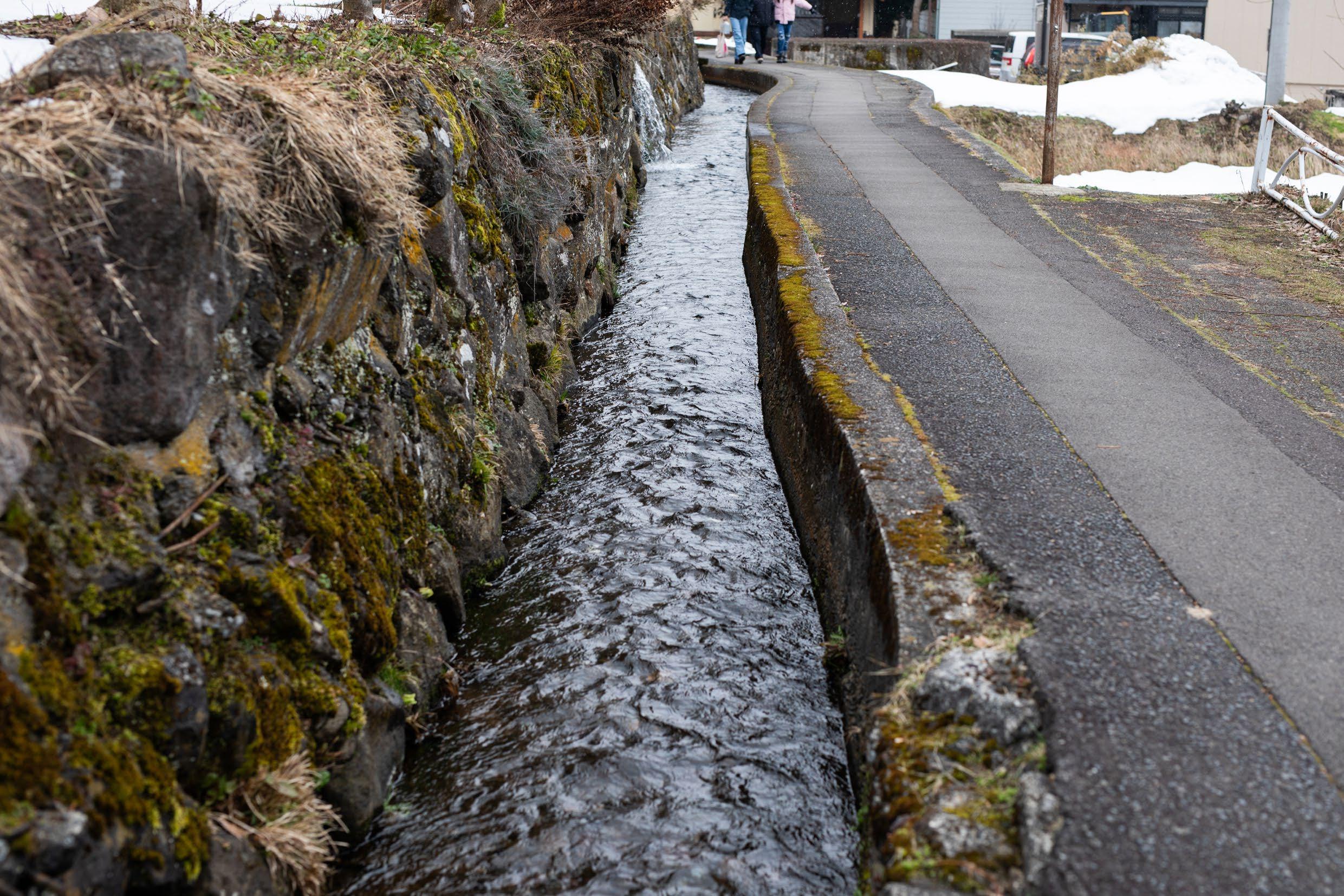
Stormwater from roads alongside streams and rivers needs monitoring.
6PPD-Quinone (6PPD-q) From Tyres to Streams: Ecotoxicology and Regulation in the United States, United Kingdom, and
European Union
Article contributed by Ken Scally (Normec DETS and Latis Scientific Laboratories, UK, & Mount Royal University, Calgary, Canada)
6PPD-quinone (6PPD-q) is a transformation product of the tyre antiozonant 6PPD and has been identified as the primary cause of acute coho salmon mortality in urban streams, creating significant ecological and regulatory concern (Tian et al., 2020; Peter et al., 2021). Due to its higher polarity and mobility, 6PPD-q readily leaches from tyre wear particles (TWPs) into stormwater, producing episodic contamination pulses that are acutely toxic to sensitive salmonids and potentially harmful to other aquatic organisms (Brase et al., 2023; Kolodziej et al., 2023). Concentrations in urban runoff and receiving waters are typically reported from low to tens of ng/L, with first-flush storm events generating short-duration
peaks (Rossi et al., 2022; Kolodziej et al., 2023). Reliable detection is achieved using LC-MS/ MS methods supported by rigorous QA/QC procedures, including isotope-labelled internal standards and inter-laboratory comparisons (Seiwert et al., 2022; Peter et al., 2021).
Regulatory responses are developing internationally. In the United States, preliminary aquatic benchmarks and assessments under the Toxic Substances Control Act (TSCA) are guiding monitoring and risk management (US EPA, 2023; USGS, 2024). In the United Kingdom, 6PPD-q has been prioritised within national hazard screening and catchment-based water quality programmes (Environment Agency Chief Scientists Group, 2025), while within the European Union REACH Annex XV restriction dossiers are evaluating hazards, exposure, and alternatives, potentially leading to restrictions on 6PPD use in tyres (Seiwert et al., 2022; Rossi et al., 2022).
Mitigation approaches focus on both source control and environmental management, including chemical substitution of 6PPD, tyre reformulation to reduce additive release, and stormwater treatment systems designed to capture TWPs before discharge to surface waters (Wagner et al., 2018; Kolodziej et al., 2023). Although human exposure is currently considered lower than ecological exposure, occupational and environmental pathways remain plausible, and the reactive quinone structure suggests mechanisms involving oxidative stress and immunotoxin effects that require further investigation (Zhang et al., 2024; US EPA, 2023).
Key messages for regulators and industry
Î 6PPD-quinone is a mobile and acutely toxic transformation product strongly associated with stormwater-driven salmonid mortality and should be prioritised in environmental monitoring programmes.
Î Effective risk management requires harmonised LC-MS/MS monitoring methods and targeted sampling of firstflush runoff events to capture peak exposures.
Î Regulatory strategies should integrate precautionary source control, evaluation of safer alternatives, and stormwater mitigation while maintaining tyre performance and road safety.
1. Introduction
6PPD is a critical antiozonant in tyres, preventing oxidative degradation and thereby supporting tyre longevity and road safety (Kolodziej et al., 2023). However, tyre wear particles (TWPs) represent a significant diffuse source of chemical contamination in urban environments. During storage, on-road use, and following deposition,
Figure 1: 6PPD reacts with ozone to form 6PPDquinone (Image with permission from Zhenyu Tian, Barnett Institute, Northeastern University, USA)
6PPD reacts with ozone to form 6PPD-quinone (6PPD-q) (Figure 1), a reactive and bioactive quinone that is readily transported in aquatic systems (Kolodziej et al., 2023; Seiwert et al., 2022
“ 6PPD is a critical antiozonant in tyres, preventing oxidative degradation and thereby supporting tyre longevity...
Acute ecological effects were first documented in the Pacific Northwest, where episodic coho salmon mortality events were linked to stormwater exposures at concentrations as low as 40 ng/L (Tian et al., 2020). Subsequent studies have demonstrated broader risks, including sublethal physiological and behavioural effects in multiple salmonid species and potential
impacts on benthic invertebrates (Brase et al., 2023; Peter et al., 2021). Continuous TWP deposition onto road surfaces and into drainage networks creates pseudo-persistence in urban watersheds, even when individual storm events are transient, underscoring the need for routine monitoring and proactive risk management (Rossi et al., 2022).
Globally, regulatory frameworks are evolving in response to this emerging evidence. In the United States, 6PPD and 6PPD-q are being evaluated under toxic substances control act (TSCA) and state-level programmes; in the United Kingdom, they are being integrated into catchment-based water quality and chemical management initiatives; and in the European Union, several Member States are preparing REACH Annex XV restriction dossiers (Seiwert et al., 2022). This review provides an integrated assessment of 6PPD-q’s environmental occurrence, fate, toxicology, regulatory context, and risk management options, with the aim of informing aligned strategies for researchers, regulators, and industry stakeholders.
and input create pseudo-persistence at the catchment scale despite attenuation through photolysis, microbial degradation, and chemical transformation processes (Wagner et al., 2018). However, environmental halflives remain poorly constrained and are likely to vary with light, temperature, and redox conditions.
“ Continuous TWP deposition onto road surfaces and into drainage networks creates pseudopersistence in urban watersheds...
2. Chemical Properties, Environmental Fate, and Toxicology
6PPD-q is a quinone derivative with higher polarity and water solubility than 6PPD, enhancing its mobility in aquatic systems and facilitating leaching from tyre wear particles (TWPs) (Kolodziej et al., 2023). Laboratory studies demonstrate rapid 6PPD transformation under environmentally relevant ozone concentrations (Seiwert et al., 2022), and field investigations detect 6PPD-q in urban stormwater, runoff, and surface waters at low to tens of ng/L, with pronounced peaks during first-flush events (Rossi et al., 2022; Kolodziej et al., 2023). Continuous formation
6PPD-q is highly toxic to salmonids. Coho salmon exhibit acute mortality at 40–90 ng/L, while rainbow trout mortality occurs at 200–300 ng/L (Tian et al., 2020; USGS, 2024). Sublethal effects include behavioural alterations, oxidative stress, and impaired disease resistance (Brase et al., 2023; Peter et al., 2021). Laboratory assays further report cardiotoxicity, gill damage, and endocrine disruption at environmentally relevant concentrations, underscoring episodic runoff as a serious ecological threat (Wagner et al., 2018). Emerging evidence also suggests potential impacts on benthic invertebrates and broader food webs, although effect thresholds and community-level consequences remain uncertain (Kolodziej et al., 2023; Seiwert et al., 2022).
Human exposure, while lower than aquatic exposure, may occur via dermal contact, inhalation of airborne TWPs, or ingestion of contaminated drinking water, with occupational exposure in tyre manufacturing, maintenance, and recycling settings considered the most significant (Zhang et al., 2024). The electrophilic nature of quinone compounds implies plausible mechanisms for oxidative stress, immunotoxicity, and genotoxicity, but chronic, human-specific toxicological data are limited (Zhang et al., 2024; US EPA, 2023).
Overall, convergence of laboratory evidence,
Salmonid mortality rates are increasing due to 6PPD-q.
field observations of episodic salmonid mortality, and emerging data on ecological and potential human health impacts supports designation of 6PPD-q as a priority environmental contaminant (Tian et al., 2020; Brase et al., 2023; Peter et al., 2021; USGS, 2024).
3. Regulatory Status:
United States, United Kingdom, and European Union
“ 6PPD-q has gained regulatory attention due to its acute aquatic toxicity, environmental occurrence, and linkage to high-profile salmon mortality events.
6PPD-q has gained regulatory attention due to its acute aquatic toxicity, environmental occurrence, and linkage to high-profile salmon mortality events.
United States: The US EPA has initiated processes under TSCA, including an Advance Notice of Proposed Rulemaking to collect additional data on 6PPD and 6PPD-q (US EPA,
2023). Preliminary aquatic life benchmarks, such as an 11 ng/L screening value for coho salmon, are being used to inform state monitoring and risk screening (Tian et al., 2020; US EPA, 2023). California has designated 6PPD a Priority Product under the Safer Consumer Products programme, triggering alternatives assessment requirements. Washington and Oregon have implemented stream monitoring to characterise episodic mortality and evaluate management interventions (Brase et al., 2023; USGS, 2024). Standardised LC-MS/MS methods, robust QA/QC, and inter-laboratory comparisons underpin TSCA Section 6 evaluations and local mitigation strategies (Kolodziej et al., 2023; Peter et al., 2021).
United Kingdom: 6PPD is registered under UK REACH without specific 6PPD-q restrictions,
Stormwater from roads alongside streams and rivers needs monitoring.
but TWPs are prioritised under the Chemical Strategy and Plan for Water. The 2025 Environment Agency Chief Scientists Group report identified 6PPD-q as a high-priority substance based on its acute aquatic toxicity and prevalence in stormwater (Environment Agency Chief Scientists Group, 2025). UK monitoring and risk prioritisation emphasise a systems-based, catchment-level approach that integrates 6PPD-q with other stressors, focusing on hazard screening and risk reduction rather than immediate substance bans (Wagner et al., 2018; Peter et al., 2021).
“ These REACH processes involve multi-year scientific review and stakeholder consultation and may ultimately result in use restrictions, substitution requirements, or product-specific risk management measures for 6PPD in tyres.
European Union: 6PPD is registered under REACH, and several Member States are
preparing Annex XV restriction dossiers that evaluate hazard, exposure, socio-economic impacts, and technically feasible alternatives (Seiwert et al., 2022; Rossi et al., 2022). These REACH processes involve multiyear scientific review and stakeholder consultation and may ultimately result in use restrictions, substitution requirements, or product-specific risk management measures for 6PPD in tyres.
Across all jurisdictions, common regulatory principles include reliance on empirical toxicity data, standardised monitoring, and harmonised LC-MS/MS methods to support evidence-based action (Kolodziej et al., 2023; Peter et al., 2021). Key distinctions are
that the United States emphasises federal–state coordination and provisional screening values, the United Kingdom focuses on catchment-based integration within broader water management, and the European Union relies on multi-stage REACH restriction processes with strong socio-economic analysis components.
4. Analytical Methods, Human Health Risk, Regulatory Outlook, and Mitigation Strategies
Accurate detection of 6PPD and its transformation product 6PPD-quinone (6PPD-q) is essential for environmental risk assessment and evaluation of mitigation measures. Monitoring must account for the episodic nature of contamination associated with urban stormwater runoff, particularly firstflush events. Accordingly, both grab sampling during storm peaks and time-weighted composite sampling are used to capture maximum concentrations and integrated exposure profiles (Kolodziej et al., 2023; Peter et al., 2021). Samples are typically collected in amber glass or polypropylene containers to minimise photodegradation and sorptive losses and stored at low temperatures to prevent artefactual oxidation during transport and storage (Seiwert et al., 2022).
extraction methods such as ultrasonic or accelerated solvent extraction. Reversedphase separation with electrospray ionisation and multiple-reaction monitoring enables detection at low nanogram-per-litre levels, with isotope-labelled internal standards used to correct for matrix effects and extraction losses (Peter et al., 2021; Seiwert et al., 2022).
Robust QA/QC procedures, including blanks, matrix spikes, duplicates, and inter-laboratory comparisons—are necessary to ensure reliable data (Wagner et al., 2018). In the UK, the Environment Agency has emphasised the need for harmonised analytical methods for tyre-derived contaminants to support regulatory prioritisation (Environment Agency Chief Scientists Group, 2025).
“ Analytical determination of 6PPD-q relies predominantly on liquid chromatography coupled with tandem mass spectrometry (LC-MS/MS) due to its sensitivity...
Analytical determination of 6PPD-q is predominantly performed using liquid chromatography–tandem mass spectrometry (LC-MS/MS), which provides the sensitivity and selectivity required for complex environmental matrices. Water samples are generally filtered and concentrated using solid-phase extraction, while sediments and tyre wear particles require solvent-based
Although ecological toxicity currently dominates concern, potential human exposure pathways include inhalation of airborne tyre wear particles, dermal contact with tyre dust, and ingestion of contaminated drinking water, with occupational exposure representing the highest risk (Zhang et al., 2024; US EPA, 2023). Toxicological data remain limited, but the redox-active properties of quinones indicate potential mechanisms involving oxidative stress and protein adduct formation. This lack of chronic toxicity data introduces uncertainty in human health risk assessment and highlights the need for further targeted studies (Peter et al., 2021; Kolodziej et al., 2023).
Regulatory attention to 6PPD-q is increasing internationally. In the United States, ongoing TSCA evaluations may lead to reporting requirements or use restrictions (US EPA, 2023; USGS, 2024). In the United Kingdom, the Environment Agency’s Chief Scientists Group has prioritised 6PPD-q for monitoring
Drainage: Water run-off from urban roads is causing an issue.
and integration into catchment-based management frameworks (Environment Agency Chief Scientists Group, 2025). Within the European Union, potential REACH Annex XV restriction dossiers may result in use limitations or substitution requirements following regulatory review (Seiwert et al., 2022).
“ Mitigation strategies focus on both source control and environmental interception.
Mitigation strategies focus on both source control and environmental interception. Source-based measures include substitution of 6PPD with less hazardous antiozonants and tyre reformulation to reduce additive release (Kolodziej et al., 2023; Wagner et al., 2018).
Downstream controls aim to capture tyre wear particles before they enter surface waters through stormwater management systems such as bioretention, sedimentation basins, constructed wetlands, and advanced filtration
(Rossi et al., 2022; Seiwert et al., 2022). In the UK, catchment-scale approaches, including targeted road sweeping, green infrastructure, and runoff attenuation, are increasingly considered practical methods for reducing contaminant pulses during rainfall events (Environment Agency Chief Scientists Group, 2025).
5. Conclusions
6PPD-q is an emerging contaminant of ecological concern due to its acute toxicity to salmonids and pseudo-persistence in urban stormwater systems (Tian et al., 2020; Brase et al., 2023; Kolodziej et al., 2023). Standardised analytical methods, particularly LC-MS/MS with rigorous QA/QC, are critical for reliable monitoring and risk assessment (Seiwert et al., 2022).
Regulatory frameworks are diverging yet convergent in principle: the United States is advancing TSCA evaluations and state-level screening benchmarks; the United Kingdom is prioritising catchment-based monitoring and systems-level integration; and the European Union is progressing via REACH Annex XV restriction dossiers (US EPA, 2023; Environment Agency Chief Scientists Group, 2025; Seiwert et al., 2022). Human exposure, while currently considered limited relative to ecological exposure, warrants precautionary management given mechanistic concerns and data gaps (Zhang et al., 2024).
Mitigation requires integrated strategies combining chemical substitution, tyre reformulation, stormwater treatment, and catchmentscale management. Coordinated international efforts that align monitoring, research, and regulatory action will be essential to safeguard aquatic ecosystems while maintaining tyre performance and the resilience of urban infrastructure.
References
Environment, 872, p.162021.
Peter, K.T., Kolodziej, E.P., Brase, L. and Seiwert, B., 2021. Analytical and toxicological assessment of 6PPD-quinone in aquatic systems. Environmental Science & Technology, 55(14), pp.9823–9836.
Rossi, L., Wagner, S. and Kolodziej, E.P., 2022. Tyre wear particles as sources of 6PPDquinone in urban watersheds. Water Research, 224, p.118781.
Seiwert, B., Kolodziej, E.P. and Peter, K.T., 2022. Analytical methods for 6PPD and 6PPD-quinone detection in environmental matrices. Journal of Chromatography A, 1672, p.462975.
“ Mitigation requires integrated strategies combining chemical substitution, tyre reformulation, stormwater treatment, and catchment-scale management.
Tian, Z., Bruijns, R., Peter, K.T. et al., 2020. A ubiquitous tire rubberderived chemical induces acute mortality in coho salmon. Science, 371(6525), pp.185–189.
US Environmental Protection Agency (US EPA), 2023. Advance Notice of Proposed Rulemaking for 6PPD and Transformation Products under TSCA. US EPA, Washington, DC.
Brase, L., Kolodziej, E.P., Wagner, S., Peter, K.T. and Rossi, L., 2023. Ecotoxicological impacts of 6PPD-quinone on salmonids and aquatic ecosystems. Environmental Toxicology and Chemistry, 42(7), pp.1560–1574.
Environment Agency Chief Scientists Group, 2025. Hazard Screening and UK Risk Prioritisation for Tyre Additives. Environment Agency, UK.
Kolodziej, E.P., Seiwert, B., Peter, K.T. and Wagner, S., 2023. Environmental fate, transformation, and monitoring of 6PPDquinone in urban runoff. Science of the Total
US Geological Survey (USGS), 2024. Monitoring and assessment of 6PPD-quinone in urban streams. USGS Scientific Investigations Report 2024–5074.
Wagner, S., Rossi, L. and Kolodziej, E.P., 2018. Mitigation strategies for tyre-derived contaminants in stormwater and receiving waters. Environmental Pollution, 241, pp.1138–1149.
Zhang, Y., Peter, K.T. and Kolodziej, E.P., 2024. Human exposure pathways and preliminary risk assessment of 6PPD-quinone. Journal of Exposure Science & Environmental Epidemiology, 34, pp.221–233.
Eurocode 7: Done and dusted? Yes, but…
Article contributed by M. J. Baldwin
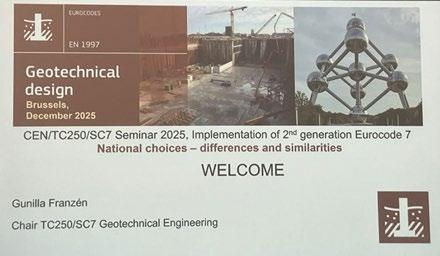
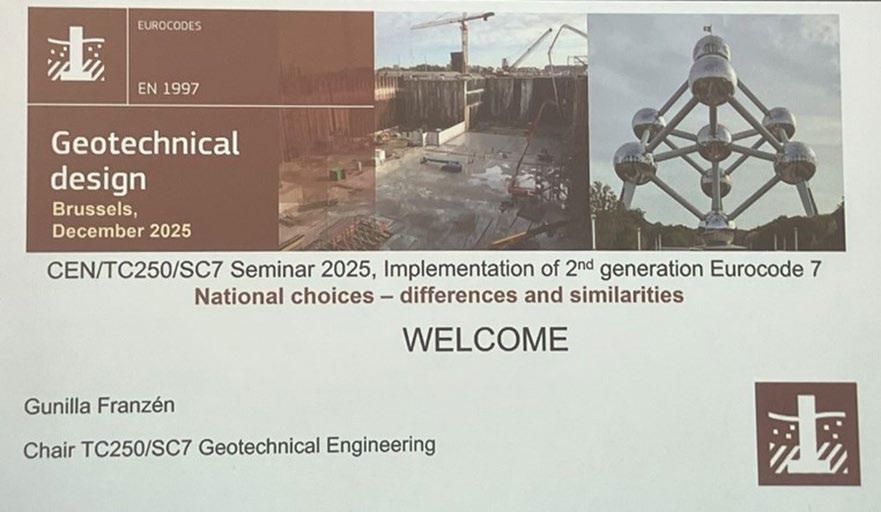
At a CEN/TC250/SC7 meeting in Brussels in mid-December 2025, the implementation of the second generation of Eurocode 7 was discussed. During the opening of the meeting the chair of SC7 congratulated all the countries in Europe that have made the second generation of Eurocode 7 a reality. However, the main reason for the meeting was to discuss the differences (and similarities), between countries in Europe with respect to the implementation of the new code, and to look at what national choices would be made to facilitate the implementation of Eurocode 7 on a country-by-country basis.
In practice this implementation will be achieved using National Annexes that each country will write and use in conjunction with Eurocode 7.
What is a National Annex or NA?
European Normative Eurocodes allow National Standards Bodies (NSBs), to produce a standalone National Annex (or annexes), (NA) which contain national choices and application of informative annexes.
National Annexes are the original national standardization documents that contain information on parameters which are left open in Eurocodes for national choice and known as Nationally Determined Parameters (NDP).
In the UK the British Standards Institution
(BSI), is responsible for the publication of standards as well as the UK national annexes. In reality of course the preparation and writing of these documents is done by technical committees under the BSI umbrella.
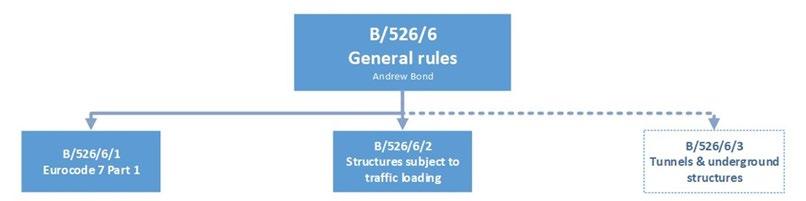
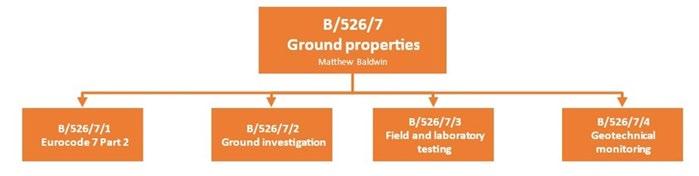
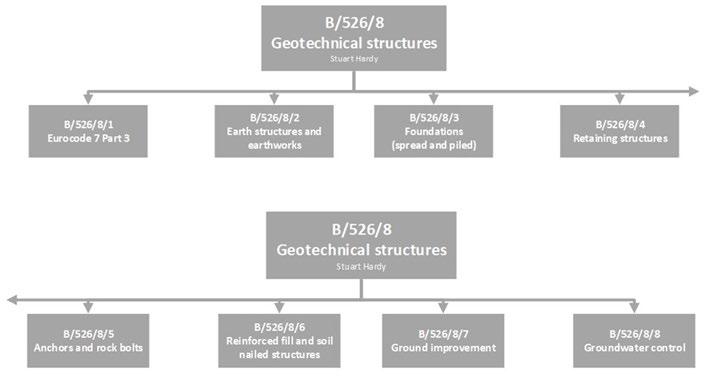
B/526 is the committee responsible for geotechnics in the UK. This committee which is made up of technical experts drawn from UK contractors, consultants and clients, is split into three sub-committees, with each sub-
committee responsible for one of three parts of Eurocode 7. The coverage or remit of these subcommittees is shown in Figure 2.
Within the committee structure shown in Figure 2, there exists the technical expertise to help draft the national annexes, that the UK geotechnical industry will use when implementing the second generation of Eurocode 7. These committees and subcommittees circulate their work to industry for
Figure 2: Technical coverage of the BSI B/526 sub-committees
Figure 3: Summary of the sections within Parts 1, 2 and 3 of EC7 requiring discussion
public comment and then eventually following industry agreement, the national annexes are finalised and published.
National (Country) differences
The geotechnical design experiences of countries in Europe differ considerably. The mere fact that so many countries were able to agree on a Europe wide geotechnical document in the form of Eurocode 7, is in itself remarkable.
However, each country has different technical, legal and legislative practices when it comes to construction projects. For those countries where the use of documents such as Eurocode 7 are enshrined in law, there needs to be some ‘wriggle room’ to make sure that a single unified document such as EC7, can be made to work in practice. This is where the national annexes fit in.
national annex, that allows them to make use of historic practices that are unique to that country.
Over the last few months, the management committee for Eurocode 7, has been drafting questions on key areas of the code. These questions relate to key aspects of each of the three parts, for which it was anticipated that individual countries would want to establish NA’s to accommodate their national practices. Much of the seminar in Brussels was taken up with a review of the national responses to these questions.
“ The geotechnical design experiences of countries in Europe differ considerably. The mere fact that so many countries were able to agree on a Europe wide geotechnical document in the form of Eurocode 7, is in itself remarkable.
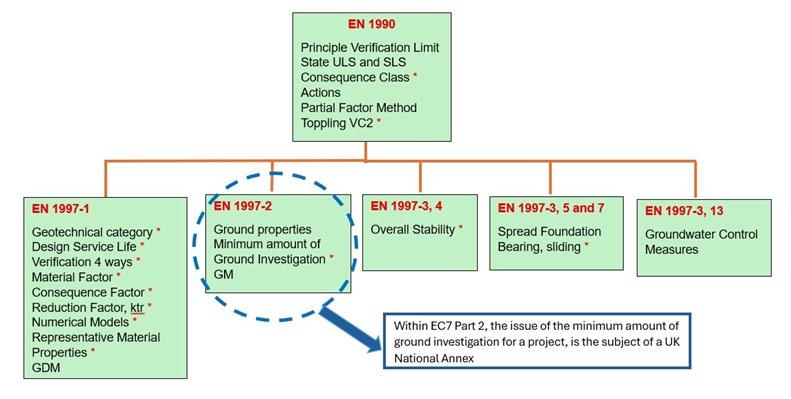
The sections within the three parts of Eurocode 7 that required analysis and discussion during the seminar are shown in Figure 3 above.
Without changing the principles or main design equations etc that are laid down in Eurocode 7, individual countries can write a
In Figure 3, everything marked with an asterix, needed to be discussed. The discussions ranged from relatively simple topics such as the minimum amount of ground investigation required for a particular design case, to
detailed design cases on for example the sliding of spread foundations. Presentations were made by different countries relating to how these different aspects of the code would be dealt with by their country’s geotechnical community.
Whilst it was clear from the presentations that there were distinct differences in approach to the use of the new threepart Eurocode, it was also encouraging to learn that countries were confident that the code could be made to work via the use of national annexes or in some cases via the use of handbooks or guides. The latter two were particularly favoured by those countries in which there was no well-established
procedure for making use of a single unique point of reference such as Eurocode 7.
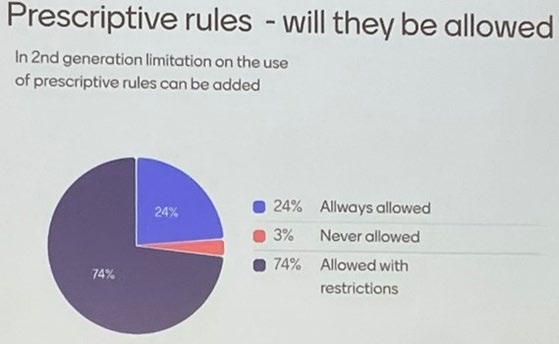
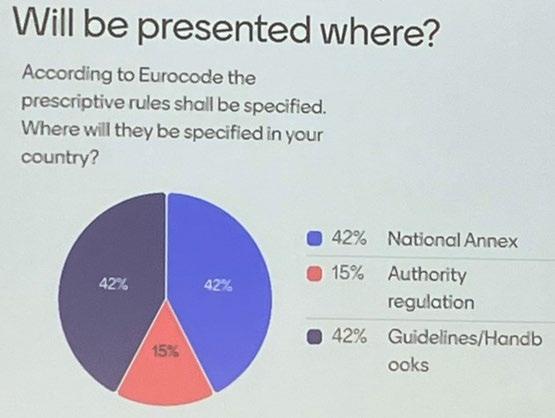
Via a live poll carried out during the discussions, questions were raised about how countries would go about dealing with the prescriptive rules that arise within Eurocode 7. The results of these surveys are shown in Figures 4 and 5.
“ The discussions ranged from relatively simple topics such as the minimum amount of ground investigation required for a particular design case, to detailed design cases on for example the sliding of spread foundations.
As can be seen from Figure 4, 98% of those countries that responded said that prescriptive rules would be allowed, albeit in some cases with restrictions. As to where the prescriptive rules would be presented on a national basis, Figure 5 shows an even spilt between those countries like the UK that will use national annexes, and those countries that will make use of more detailed guidelines or
Figure 4: Question on the allowance of Prescriptive Rules on a National Basis
handbooks.
Conclusions
Overall, the meeting in Brussels was very positive and national delegates were generally optimistic about making the second generation of Eurocode 7 work for their geotechnical communities.
As noted earlier in this article, it is no mean feat that the European geotechnical community has been able to produce such a comprehensive, but at the same time useable code for use across Europe. The author has been working on the new code for some fifteen years now and will via his role within the geotechnical committee of BSI (B/526), help to ensure ease of use for the new code.
Within the UK, it is anticipated that there will
be increased publicity and presentations on the new code to help the UK geotechnical community become fully aware of both the code’s content, but also more importantly how the implementation of the code can be successfully managed and incorporated into the geotechnical design of new structures. Unlike the first generation of Eurocodes in which the UK was very ‘late to the party’, the second generation has had significant UK technical input form the outset. This has helped to ensure that what we do in the UK in terms of geotechnical design is reflected in the new code.
Figure 5: Question on the location of specification of Eurocodes.
Embracing AI in geo-engineeringthe benefits and pitfalls
It is safe to say that the age of Artificial Intelligence (AI) has arrived, whether wanted or not. It is probably unreasonable to avoid using AI as we look to the future. To many younger and upcoming professionals, AI is a ‘go to’ tool in the way a slide rule or log tables were to historical engineering pioneers. There are many opportunities to be had in the use of AI, but this is tempered by risks which need to be recognised and managed appropriately.
Within the geo-engineering industry, it is typically text based Large Language Models (LLMs) such as ChatGPT, or CoPilot that are most familiar. These are generative models and can be fine-tuned for specific tasks. They also acquire predictive power based on the data they are trained on. This data may or may not by accurate! There are other forms of AI being used in the industry, but with same pro' s and con's.
It is recognised that AI has the potential to be used to enable efficiencies in day-to-day
Article contributed by Jo Strange (Honorary Member, AGS)
Photo credit: Jack Franklin
processes. In simple terms, the ideal being that routine processes can be streamlined, freeing up time for innovative thinking and developing solutions. Such efficiencies may be achieved in, for example:
Î Reporting
Î Specifications
Î Meeting minutes
Î Correspondence
Î Presentations
Î Diagrams/ Drawings
Î Document management
Î Information searches
Î Data management/ analysis
As a result there has been an increase in reliance on AI in creating/ undertaking the above. However, such benefits come with a ‘warning’. All of the above still require ‘due care and diligence’ in the production process, without which Professional Indemnity insurance will likely be invalid….but what does reasonable ‘due care and diligence’ look like? It also raises the question …At what point does the use of AI become a requirement of meeting the ‘due care and diligence’ obligation?
When a process relies on AI, it becomes even more essential that the appropriate due care and diligence is applied, as the liability for AI derived deliverables likely does not sit with the software or its originator, but more likely with the human individual/ organisation that adopts the AI output (although subject to testing through the Courts)…There is a significant risk in accepting AI generated output at face value, so what might appear to be a quick and simple solution could be a recipe for disaster if not properly managed and controlled.
If AI is to be adopted safely, as with all other processes, a quality system of checks and balances has to be in place in terms of accuracy
and validity of the questions asked and the information retrieved. The more AI is relied upon, the more robust such quality checks have to be. As with all computer models... garbage in = garbage out.
Consideration is required of accuracy of the data used by the AI model, how that model has been trained and whether and how relevant are the data sources accessed, along with qualitative testing, repeat questioning and validation of results. The question must be asked… ‘Is this the right tool for the job?’
A possible solution may be amendment of standard forms of appointment to include specific clauses relating to the use of AI, by defining which AI tools are permitted for use and how their outputs must be verified. Furthermore, a clear allocation of liability is recommended for failures attributable to the AI tool, apportioning risk between the relevant project team parties and the Client.
There are also risks associated with confidentiality of data, both as a source and an output. What data is permitted to be input into models? Are there licensing and Intellectual Property issues associated with sharing of data? These must be considered.
A further consideration is that whilst there may be efficiencies in time/ resources, there is also an environmental impact from the use of AI models. The huge computing capacity required to power the AI models has a significant carbon footprint. For projects where carbon management and/or measurement is required, and may be a contractual requirement, the scope and scale of use of AI will need to be considered and included in carbon calculations.
(This article is based on the presentation given by Ben Gilson of Arup at the AGS Annual Conference 1/5/25 and “A Brave New Blueprint: The Legal and Contractual Quagmire” by Craig Roberts, Griffiths and Armour, 7/11/25).
Sandra Carvalho
A Day in the Life
Job Title:
Instrumentation and Monitoring (I&M) Contracts Manager
Company: BAM
What company do you work for, and what do they specialise in?
Our Ground Engineering capability at BAM has evolved from the foundation established under the BAM Ritchies name. Historically delivering specialist ground engineering solutions — including soil nailing, piling, ground anchors, and ground investigation — we have continued to expand and innovate. Over the last three to four years we have been also developing our Instrumentation and Monitoring department, which I was hired to manage.
How long have you worked in the industry for and what inspired you to join?
I’ve worked in the
Instrumentation & Monitoring industry for 23 years. My interest in the ground engineering world started in high school, where a geology module sparked my curiosity about how the earth behaves. That led me to pursue a degree in Geological Engineering at university. My entry into the I&M field was somewhat unexpected — the Foundations and Geotechnics company where I began as a trainee needed support in their monitoring department. After stepping into the role I quickly found that I loved the mix of data, engineering, and problem-solving, and my career has grown from there.
What does a typical day look like?
As an Instrumentation & Monitoring Contracts Manager, my typical day balances technical oversight, client engagement, and commercial management. I start by coordinating with engineers and subcontractors to ensure safe and efficient site activity. I spend part of the day meeting with clients to discuss progress, resolve issues, and provide clarity on monitoring results. I also
manage contract deliverables, track costs, and address any scope changes. Throughout the day, I’m problem-solving, making data-driven decisions, and ensuring our monitoring systems provide reliable information for asset safety and project delivery.
What is your favourite thing about your role?
My favourite part of the role is being at the intersection of technical insight, problem solving, and client engagement. I enjoy turning complex monitoring data into clear, practical decisions that keep assets safe and projects moving. I like the pace and variety — no two days are the same — and I take pride in coordinating teams, resolving issues quickly, and building strong relationships with clients. The role allows me to have a real impact by ensuring monitoring is reliable, risks are managed, and the work we deliver genuinely supports safe and efficient infrastructure delivery.
What lessons have you learnt throughout your career?
Throughout my career, I’ve learnt several key lessons. First, the importance of accuracy and attention to detail — in I&M even small data errors can lead to major consequences, so robust processes and quality control are essential. I’ve also learnt that effective communication is just as important as technical expertise; translating complex data into clear, practical messages builds trust with clients and improves decision-making. Another lesson is adaptability — technology, client expectations, and site conditions change constantly, so staying flexible is crucial. Finally, I’ve learnt that strong relationships, whether with engineers, suppliers, or
clients, are the foundation of successful project delivery.
Who or what inspires you?
I’m inspired by people who stay calm under pressure and lead with integrity. Colleagues who combine technical expertise with clear communication motivate me. I’m also driven by the impact our work has on infrastructure safety and by the constant innovation in I&M, which pushes me to keep learning and improving.
What can the industry do to entice more young people to join?
The industry needs to increase visibility and show young people how exciting and meaningful this work is. More outreach in schools, clearer career pathways, and hands-on opportunities like
apprenticeships can make a huge difference. Showcasing new technology, innovation, and the real impact of monitoring on safety will hopefully attract more young talent.
What advice would you give someone who is considering entering the industry?
My advice is to stay curious and learn as much as you can early on. The industry is evolving quickly, so embrace new technology and hands-on experience — it’s the best way to build confidence. Don’t be afraid to ask questions; people are always willing to help. Finally, be patient — expertise in monitoring develops over time, but it’s a rewarding field with huge opportunities for growth.
BS10175:2026 Investigation of potentially contaminated sites - Code of practice
Article contributed by Mike Smith (Chair Technical Committee
EH/4 Soil quality)
BS10175 provides key guidance for the investigation of potentially contaminated land and land with naturally elevated concentrations of potentially harmful substances.
It has been fully revised. However, it is inevitable when a document that has undergone several revisions since it first appeared in 2001 (it has deeper roots going back to guidance produced by the GLC Scientific Branch in 19761) that the changes are incremental consisting mainly in changes of emphasis, technical clarifications, and regulatory alignment, rather than major technical innovations.
In summary, the changes are:
Î Amendments 1 and 2 have been consolidated into the core text and external references updated to reflect the latest UK and international guidance.
Î New technical content, including an informative annex on leaching tests and expanded sections on bioavailability, bio-accessibility and the use of on-site measurement methods.
Î Attention to broader issues that have grown in relevance over the past decade, including climate change, sustainability of site investigation activities, and worker wellbeing.
BS 10175:2026 is intended for use by those with an understanding of the risk-based
approach to the assessment of sites (as described in the Environment Agency’s guidance on land contamination risk management (LCRM) (available at https:// www.gov.uk/government/ publications/landcontamination-risk-management. lcrm)).
Investigation and assessment of potentially contaminated sites will almost always require involvement of people with differing professional and technical backgrounds. The subject is so multi-faceted that an individual is unlikely to have all the skills and expertise required to deal with complex sites. However, each specialist involved in a project usually needs to have an awareness of knowledge outside of their own discipline, especially as they become more involved in the design of investigations and the assessment of the results. This creates the need for the extensive informative text and annexes to aid the understanding of technical aspects that might be outside of a user’s direct training and experience.
Given the diverse usage and application of the code of practice, it is essential that consistent terminology is used in BS 10175:2026 and, as far as practical, related standards, to avoid serious misunderstandings between those with differing backgrounds. This includes the meaning attached to “contamination” and exactly what do we mean by “soil”. Terms need to be defined in reports to avoid unwitting ambiguity.
BS 10175 is a Code of Practice. It provides recommendations and guidance. It is not to be quoted as if it were a specification. Users may substitute any of the recommendations with practices of equivalent or better outcome. However, any user claiming compliance with
this British Standard is expected to be able to justify any course of action that deviates from its recommendations.
The requirement for users to apply judgement in this way is important because BS 10175 relies on many other standards (e.g. members of the BS ISO 18400 series) for additional guidance and information, which will often themselves need some updating. A case where this has been important in the revision is the guidance provided on purging of groundwater monitoring installations which is now “stand alone” in BS10175 rather than relying on other published standards and guidance documents.
The development of a Conceptual Site Model (CSM) at an early stage is vital step on the way to a successful investigation. BS 10175:2026 employs the definition in BS EN ISO 21365 Soil quality – Conceptual site models for potentially contaminated sites. BS EN ISO 21365 emphasises that CSMs are “of the mind”, their dynamic nature including the need to continuously revise them as new information becomes available, and the need to produce different CSMs for different purposes as projects progress. It also emphasises the need to have regard to models developed for other purposes including the geotechnical ground model and the ecological and archaeological aspects of the site.
Further discursive accounts of BS 10175:2026 can be found at:
https://bit.ly/4qWRQJ8 and BS 10175Executive Briefing
Finally, thanks to all those who contributed to the revision BS10175. It would not have come to fruition without the efforts of BSI staff, the members of the drafting panel, and all those who found the time to comment on the Draft for Public Comment (DPC). The public comment stage is vital for the technically sound development of all British, European and International Standards.
References
1. Greater London Council (GLC) – Materials Information Group, Development and Materials Bulletin (2nd series) No. 98, Aug/Sept 1976“Some guidelines for the re use of industrially contaminated land.”
or see:
Chapman W B, Baker P and Burns D, Some guidelines on the re-sue of industrially contaminated land, Journ. Assoc. Public Analysts, 1977, Vol 15, pp 1-25. [Paper to Symposium on Toxic Waste and Environmental Pollution, London, March1976].
Key definitions in BS10175:2026
Conceptual site modelB is defined as: “synthesis of all information about a potentially contaminated site relevant to the task in hand with interpretation as necessary and recognition of uncertainties.”
ContaminationA is defined as:
“presence of a substance or agent, as a result of human activity, in, on or under land, which has the potential to cause harm or to cause pollution.”
Note that no judgement is made as to whether the presence of the contamination matters. This will depend upon the context, including what is present, how much is present and what are the actual or potential receptors (e.g. humans, groundwater, etc.).
SoilA is defined as: “topsoil and subsoils; deposits such as clays, silt, sand, gravel, cobbles, boulders and organic matter and deposits such as peat; material of human origin such as wastes; ground gas and moisture; and living organisms.”
Sources: A – BS10175:2011, B – BS EN ISO 21365:2020
Training Courses
Specialist Geotechnical Courses
Equipe Training's specialist geotechnical training courses are delivered both in person at our dedicated training facility just outside of Banbury, Oxfordshire, and also online via Zoom!
Available upcoming dates are provided below:
Î 8th April 2026 - Professor David Norbury’s Rock Description Workshop
Î 6th May 2026 - Foundation Design - Part 1 (Basic)
Î 12th May 2026 - Professor David Norbury’s Soil Description Workshop
Î 13th May 2026 - Professor David Norbury’s Chalk Description Workshop
Î 27th May 2026 - Earthworks Design & Construction (ONLINE)
Î 28th May 2026 - Slope Stability Design (ONLINE)
Î 4th June 2026 - Mastering the AGS Data Format
Î 25th June 2026 - Foundation Design - Part 2 (Further)
Places on these courses can be booked online here, or via contacting Equipe on +44 (0)1295 670990 or info@equipegroup.com
Specialist Geotechnical Heath and Safety Courses
Equipe Training and their health and safety training partners RPA Safety Services and EB Safety
Solutions are delighted to announce their collection of specialist health and safety courses for the geotechnical market have resumed being delivered in person, as well as being delivered online where required.
These courses are approved and certified by the Institution of Occupational Safety and Health (IOSH) and meet the requirements of UK Health and Safety regulations for working on geotechnical and land drilling sites. Upcoming dates include:
Î 8th April 2026 - Safe Working on Geotechnical Sites (ONLINE ONLY)
Î 9th April 2026 - IOSH Avoiding Danger from Underground Services
Î 14th – 16th April 2026 - IOSH Safe Supervision of Geotechnical Sites
Î 22nd April 2026 - Managing & working with Asbestos Risk in Ground Investigation
Places on these courses can be booked online here, or via contacting Equipe on +44 (0)1295 670990 or info@equipegroup.com
How to become a Member of the AGS
AGS Members all share a commitment to quality in the geotechnical and geoenvironmental industry. This has become widely recognised by clients, governmental bodies and other associations that touch issues to do with the ground.
We welcome both companies and individuals who want to be recognised for their quality of practice to join our growing membership of over 130 Members. We shape our industry, continually improve practice and collaborate on issues that affect us all; from clients, all the way through to the people who use the land and the buildings we help develop.
To become a Member of the AGS, please visit http://www.ags.org.uk/about/become-a-member and submit your application online. Please note that all membership applications are reviewed by the Membership Committee 6 weeks in advance of each quarterly Executive meeting. The deadline for the next round of completed applications is Tuesday 28th April 2026.
AGS Legal Helpline
All Members of the AGS are entitled to free introductory advice on legal/contractual matters from AGS Loss Prevention Group member, Beale & Co.
If you’re an AGS Member and are looking for legal advice, please contact Beale & Co and quote ‘AGS Helpline’ where the first 15 minutes of legal advice will be free of charge.
(Please quote ‘AGS Helpline’)
LEGAL HELPLINE
Beale & Co
Tel: +44 (0) 20 7469 0400 www.beale-law.com
Advertising and Rates
An online advertising campaign within the AGS Magazine will help to build and increase industry awareness of your company’s profile, initiatives and offerings.
The AGS can help build a package to suit your needs and budget; whether it’s a series of adverts across multiple issues, a combination of event sponsorship and advertising, or a single advertorial.
How to Advertise in the AGS Magazine
The AGS Magazine is a free email publication that looks at a range of topical issues, insights and concerns, whilst publishing new guidance notes, working group activities and information on upcoming industry seminars.
With 6 issues each year, our subscribers include industry professionals such as practitioners, chartered specialists, senior decision makers and managing directors
To receive a media pack or to discuss advertising rates, please contact Caroline Kratz on 0208 658 8212 or email ags@ags.org.uk
Advert Sizes and Rates
W: 210mm
H: 297mm
RATE: £424
W: 105mm
H: 145mm
RATE: £170
Company name, address, contact number, email and one logo.
RATE: £50
Advertising Requirements
All adverts should be sent in a PDF, PNG, JPEG, TIFF, PSD (Photoshop) or EPS (Illustrator) format.
All advertising artwork must be supplied in 114 dpi resolution.
Artwork must be delivered to the AGS using the agreed artwork specification size listed left.
Artwork should be emailed to ags@ags.org. uk no later than 10 days prior to publication.
Directory
ADVERTISE HERE FOR JUST £50
Member Reporting Service for Industry Issues
If you have any queries regarding AGS Data Format, there is a discussion forum on the AGS Data Format website, where queries can be posted and answered by the Data Format team.
If a Member has any issues with regard to Safety, Contaminated Land, Geotechnical, Instrumentation & Monitoring or Laboratories which you think the industry should be aware of please email ags@ags.org.uk, we will then forward your email to the relevant AGS Working Group.
Disclaimer
All articles in the AGS Magazine are the opinions of the authors and are not intended to be a complete or comprehensive statement of the law, nor do they constitute legal or specialist advice. They are intended only to highlight current issues from date of publication that may be of interest. Neither the writer(s), nor the AGS, assumes any responsibility for any loss that may arise from accessing, or reliance on the material and all liability is disclaimed accordingly. Professional advice should be taken before applying the content of the articles to particular circumstances.