Citrus Fruits Prospects for the 2026 Season
Italy & Egypt

Prospect for the 2026 Season
By Felice Chirico, CEO Agrumaria Reggina
Prospect for the 2026 Season
By Felice Chirico, CEO Agrumaria Reggina
Citrus Report 2026
Dear Partners,
We are proud to present the 6th edition of Agrumaria ʼs Citrus Report for the 2025/2026 season. This publication reflects our commitment to providing a clear, data-driven perspective on the evolving global citrus landscape. This year, for the first time, we are speaking of a single, large Mediterranean supply chain that brings together Italy and Egypt.
In recent years, the citrus sector has entered a phase of structural transformation. Climate variability, rising temperatures, and extreme weather events are no longer episodic disruptions, but defining variables of the industry. These dynamics affect volumes, quality, and long-term planning across all major producing regions. In this evolving landscape, the Mediterranean confirms its role as the primary citrus resource of the Northern Hemisphere - a strategic ecosystem built on agronomic expertise, environmental diversity, and an integrated value chain.
Rooted in this region, Agrumaria operates at the center of a system that connects Italy and Egypt, two complementary pillars of Mediterranean production. Italy remains a benchmark of Mediterranean citrus excellence, and this report provides an in-depth analysis of the Italian season, with a particular focus on production volumes and key performance drivers. Alongside this, we offer a forward-looking forecast designed to support strategic planning in an increasingly volatile environment.
In this edition, you will find a structured assessment of Egyptʼs citrus campaign. Having consolidated its role as a decisive Mediterranean origin, and through its continuous growth, Egypt is progressively reshaping international supply dynamics.
Today, the Mediterranean must be viewed as a system - interconnected, complementary, and strategically central to the balance of the Northern Hemisphere, within which it holds the position of undisputed leader.
Enriched by field insights and the agronomic expertise of Dr. Salvatore Lauria, the report aims to provide clarity in a complex scenario and to support informed decision-making across the industry.
We trust this edition will serve as a reliable strategic reference for understanding the current landscape and preparing for the challenges ahead.
CEO
Citrus Report 2026
The first section provides a detailed statistical overview of the Italian citrus sector, based on official data sourced from ISTAT (Italian National Institute of Statistics). Specifically, the figures are drawn from the “Woody Fruit Cropsˮ database, which offers a reliable and consistent reference framework for assessing recent performance and future expectations in citrus production.
The analysis examines the most recent seasons available, highlighting key variations and trends in Italian citrus production. Alongside a detailed review of the latest confirmed data, the section also includes a forward-looking forecast for the 2025/2026 season, supporting stakeholders in anticipating potential developments and planning accordingly.
Key indicators explored include changes in cultivated area, production volumes, and the share of citrus fruit allocated to industrial processing. By focusing on these core metrics, the report aims to provide a clear and comprehensive understanding of the structural factors influencing the citrus supply chain and the processing sector.
(ton)
Overall citrus production in Italy shows a mixed but broadly resilient pattern across the 2022/2023, 2023/2024, and 2024/2025 seasons, reflecting the combined influence of climatic conditions, agronomic factors, and structural dynamics within the sector.
While some categories experienced slight contractions in the intermediate season, the most recent figures point to a general recovery and stabilization in total output.
Despite challenges encountered in the previous seasons, the 2024/2025 season suggests an overall
1,297,091 545,297
1,315,604 711,311 154,178 675,357 507,416 620 5,520 27,000 1,090 54 6,404
Source: ISTAT, Woody Fruit Crops
improvement in production compared to the previous year, driven by stronger performance in several key citrus groups and relatively stable volumes across smaller segments. Taken together, these figures underline a sector characterized by both vulnerability and adaptability
The data confirm the sectorʼs sensitivity to external pressures, particularly climate-related factors, while also highlighting its capacity for adaptation and recovery, especially among the most strategic citrus crops.
Blond orange production shows a broadly stable trend over the last three seasons, with only limited year-to-year variability. After a slight decline (−0.99% compared to 2022/2023), volumes recovered in 2024/2025, reaching 1,315,604 tons, corresponding to a +1.43% increase compared to 2023/2024 Notably, production in the current season represents the highest level recorded over the last three citrus seasons. Overall, the data suggest a resilient performance, with production remaining consistently close to the 1.3 million ton threshold across the observed period. This stability confirms the important role blond oranges play within the Italian citrus sector.
Blood orange production displays a more pronounced variability across the last three seasons. Following a slight contraction (−0.83% year-on-year), volumes increase sharply in 2024/2025, reaching 711,311 tons, which corresponds to a +30.44% rise compared to 2023/2024. This significant rebound marks a clear shift in the production trend, highlighting a strong recovery after a period of relative stability and confirming the sensitivity of blood orange output to seasonal and climatic conditions.

+1.43%
2024 / 2025 1,315,604 tons +30.44%
2024 / 2025 711,311 tons

Mandarin production shows moderate fluctuations over the observed period. After a noticeable decline in 2023/2024 (−4.25% compared to the previous season), production partially recovers, reaching a +0.80% increase compared to 2023/2024. Despite this slight rebound, volumes remain below the levels recorded in 2022/2023, indicating a generally stable but cautious outlook for the mandarin segment.

2024 / 2025 154,178 tons
+0.80%
Clementine production remains largely stable across the last three seasons, showing only marginal year-to-year changes. After a slight decrease (−0.53%), volumes stabilize in 2024/2025, reaching 675,357 tons, corresponding to a +0.12% increase compared to 2023/2024. Overall, the data confirm a consistent production pattern, highlighting clementines as one of the most stable segments within the Italian citrus sector over the period analyzed.
Lemon production shows a higher degree of variability compared to other key citrus categories over the last three seasons. Following a significant decline, volumes rebound strongly in 2024/2025, reaching 507,416 tons, which corresponds to a +13.58% increase compared to 2023/2024. This recovery brings production back above the levels recorded in 2022/2023, highlighting a strong rebound for lemon production.

+0.12%
2024 / 2025 675,357 tons +13.58%
2024 / 2025 507,416 tons

The dataset confirms a combination of stability and volatility across the main citrus categories. While overall production remains broadly resilient, several varieties experienced more pronounced contractions in 2023/2024, highlighting the sectorʼs continued exposure to climatic variability, agronomic pressures, and evolving market conditions. The most recent season (2024/2025) shows a more positive direction for several key citrus segments, suggesting a partial recovery in output and reinforcing the importance of continuous adaptation and strategic planning across the supply chain.
At the same time, the production of niche citrus fruits, including lime, grapefruit, bergamot, cedrat, chinotto, and other citrus varieties, remains largely stable across the three seasons,
Grapefruit production maintained its gradual upward trend, while bergamot volumes remained constant at 27,000 tons, confirming its steady role as a niche but strategically relevant crop. Similarly, cedrat and chinotto production remained unchanged, underlining the stability of these specialty products within the Italian citrus landscape.
A small adjustment is observed in other citrus fruits, which declined from 6,740 tons in 2023/2024 to 6,404 tons in 2024/2025, representing a −4.98% decrease. Despite these minor shifts, niche citrus varieties continue to play an important role in diversifying the citrus supply chain, supporting product specialization and providing additional opportunities within the broader citrus sector.
Citrus Report 2026
(From 2022/2023 to 2024/2025)
2022/2023 3,216,666
2023/2024 3,157,652 - 1.84%
2024/2025
3,404,555 +7.82% as compared to 2023/2024 +5.84% as compared to 2022/2023
Total citrus production in Italy shows a pattern of moderate fluctuation over the last three seasons, reflecting the sectorʼs sensitivity to climatic variability and broader operational and market dynamics. In 2022/2023, total production reached 3,216,666 tons, establishing a solid baseline for the period analyzed. This was followed by a slight contraction in 2023/2024, when volumes declined to 3,157,652 tons, representing a −1.84% decrease compared to the previous season.
However, the most recent season (2024/2025) marks a clear recovery, with total citrus production rising to 3,404,555 tons. This corresponds to a +7.82% increase compared to 2023/2024 and a +5.84%
Source: ISTAT, Woody Fruit Crops
increase compared to 2022/2023, indicating a stronger performance and improved output across the sector.
These movements underline how citrus production remains exposed to external pressures, particularly weather-related conditions that influence yield and fruit quality, while also demonstrating the industryʼs capacity to rebound following less favorable seasons. The observed recovery reinforces the importance of continued investment in sustainable agricultural practices, innovation, and strategic planning, both to mitigate year-to-year variability and to support the long-term resilience of the citrus supply chain.
(From 2022/2023 to 2024/2025)
Cultivated area (hectares)
Orange
Change in cultivated area (%)
2025 vs 2024
The analysis of cultivated area over the 2022/2023 –2024/2025 period confirms a general contraction in citrus surface, with reductions observed across most categories. The year-on-year comparison shows that the decline is not uniform but rather reflects differentiated adjustments depending on crop type and production structure. In many cases, the cultivated area decreased both in 2024 as compared to 2023 and more markedly in 2025 as compared to 2023, indicating a progressive trend of surface reduction across the sector.
A particularly relevant pattern emerges in the orange cultivated areas. Both blond and blood oranges record continued decreases in cultivated hectares, with a cumulative contraction between 2023 and 2025. Despite this, production data show an increase in output in 2024/2025, suggesting higher yields and improved productivity per hectare.
A similar downward trend is also observed across other key citrus categories. Mandarin and lemon cultivated areas continue to decline, with lemon showing one of the most significant contractions over the period.
Source: ISTAT, Woody Fruit Crops
Clementines present a more balanced pattern: despite a slight reduction compared to 2023, they record a modest increase between 2024 and 2025 (+1.62%), suggesting signs of stabilization. Among smaller citrus crops, cultivated areas remain largely stable overall. Bergamot and chinotto show no changes, while other citrus (satsumas, hybrids and other citrus fruits), shows a significant decrease in cultivated area, indicating a more structural contraction in this category.
Overall, the cultivated area data highlight an increasingly important trend in the Italian citrus sector: while surface area is declining in several segments, production does not necessarily follow the same trajectory.
This divergence suggests a growing emphasis on yield efficiency, groves management, and structural optimization, reinforcing the role of agronomic innovation and sustainable practices in maintaining competitiveness and resilience in the coming seasons.






2024 / 2025 54,527 ha
2024 / 2025
28,654 ha
Mandarin
2024 / 2025 8,808 ha
Clementine
2024 / 2025
26,576 ha
Lemon
2024 / 2025
24,832 ha
vs 2022/2023
vs 2023/2024
vs 2022/2023
vs 2023/2024
vs 2022/2023 -0.77%vs 2023/2024
vs 2022/2023 +1.62%vs 2023/2024
vs 2022/2023
vs 2023/2024
(From 2022/2023 to 2024/2025)
Citrus processing represents a key component of the citrus value chain, enabling the transformation of fresh fruit into a broad range of value-added applications. Processed citrus is destined for multiple downstream industries, including beverages, flavor and fragrance, pharmaceuticals, and cosmetics, contributing significantly to the overall economic relevance of the sector.
The share of citrus fruit allocated to processing is influenced by several factors, such as overall production volumes, fresh market demand, and the industrial suitability of specific varieties. Blond and blood oranges are predominantly directed toward juice production, while more specialized citrus fruits, including bergamot and chinotto, are particularly valued for the extraction of essential oils and for use as flavoring ingredients.
2024/2025 526,241.60 284,524.40 38,544.50 135,071.40 177,595.60
The processing data highlights a combination of stability and variability across citrus categories over the three seasons analyzed. Several specialty citrus fruits show consistent processing volumes over time, largely due to their niche and highly standardized uses. Bergamot and chinotto remain stable as they are primarily processed for essential oils and flavoring ingredients. A similar stability is observed in cedrat, where processing volumes remain unchanged between the last two seasons. For major citrus
Source: ISTAT
varieties, the pattern is more dynamic. While some categories recorded a reduction in 2023/2024, the 2024/2025 season shows signs of recovery
These trends confirm that maintaining an effective balance between fresh consumption and industrial transformation requires ongoing adaptability. Strategic planning, alongside sustainable agricultural practices, will remain essential to support continuity across the processing supply chain.
The statistical analysis of the citrus sector over the 2022/2023 - 2024/2025 period highlights a combination of structural stability, short-term volatility, and signs of recovery across production, cultivated area, and processing volumes. Total citrus production shows moderate fluctuations, declining slightly in 2023/2024 before rebounding strongly in 2024/2025, when output exceeds both previous seasons. This evolution reflects the sectorʼs ongoing exposure to climatic variability and external pressures, while also demonstrating its capacity to recover under more favorable conditions.
Cultivated area data point to a gradual contraction across most citrus categories, confirming a longer-term structural adjustment within the sector. Reductions are particularly evident in key citrus such as blond and blood oranges, as well as mandarins and lemons. However, the divergence observed between declining surface area and increasing production in the most recent season suggests improvements in productivity and groves efficiency. Niche crops, including bergamot and chinotto, remain stable in terms of cultivated areas, reinforcing their resilience within specialized and high-value markets.
Processing volumes further underline the strategic importance of industrial transformation within the citrus supply chain. While some categories experienced temporary reductions in 2023/2024, processing activity in 2024/2025 reflects a more balanced scenario, supported by the recovery in production. Core citrus varieties such as blond orange and clementine maintain stable processing levels, confirming their central role in juice and flavour industries. At the same time, specialty fruits, including bergamot, cedrat, and chinotto, continue to display consistent processing patterns, highlighting their relevance for essential oils and niche applications.
Overall, the data portray a sector characterized by both resilience and adaptation. While climatic challenges, market dynamics, and structural changes continue to influence production decisions, the latest trends underline the importance of strategic planning, sustainable agricultural practices, and efficiency-driven approaches. Strengthening productivity, optimizing the balance between fresh consumption and processing, and supporting innovation across the supply chain will be essential to ensuring long-term stability and competitiveness in the citrus sector.
Building on the analysis of the most recent production and structural data, this section shifts the focus to the forecast outlook for the upcoming citrus season. Citrus production remains highly sensitive to external variables, particularly climate variability and extreme weather patterns, while also being shaped by market evolution, supply
2024/2025
chain dynamics, and ongoing improvements in agronomic practices. The 2025/2026 forecast offers an indicative view of expected production trends and potential areas of stability, helping stakeholders assess likely developments and prepare for emerging risks and opportunities.
Source: Agrumaria Analysis Forecast Production (ton) 2025/2026
Source: ISTAT
1,295,870 604,614 151,470 672,905 461,055 27,000
Source: Agrumaria Reggina Forecast on 2025/2026 season
The forecast for the 2025/2026 season suggests a broad downward adjustment in citrus production compared to 2024/2025. Across the main categories, projected volumes indicate a general contraction, with the most pronounced decreases expected in both blond and blood oranges and lemons.
Among the key citrus, blood orange is expected to undergo a sharp decline of approximately 15%. Blond orange, while remaining the largest category, is also projected to decline slightly of about 1.5%. A trend similar to blood orange is expected for lemon, which is forecasted to decrease of −9.1%.
Other categories are expected to remain relatively stable, with only marginal reductions. Clementines are forecasted to decrease, while mandarins are projected to decline of −1.8%. On the other side, bergamot production is expected to remain unchanged at 27,000 tons, confirming its structural stability as a niche but strategic crop.
Overall,
the forecast points to a season characterized by lower production volumes, particularly in the most sensitive categories, reinforcing the importance of proactive planning and supply chain flexibility. These projections support the need for continued attention to grove management, climatic risk mitigation, and market strategy, especially in segments where output volatility is more pronounced.
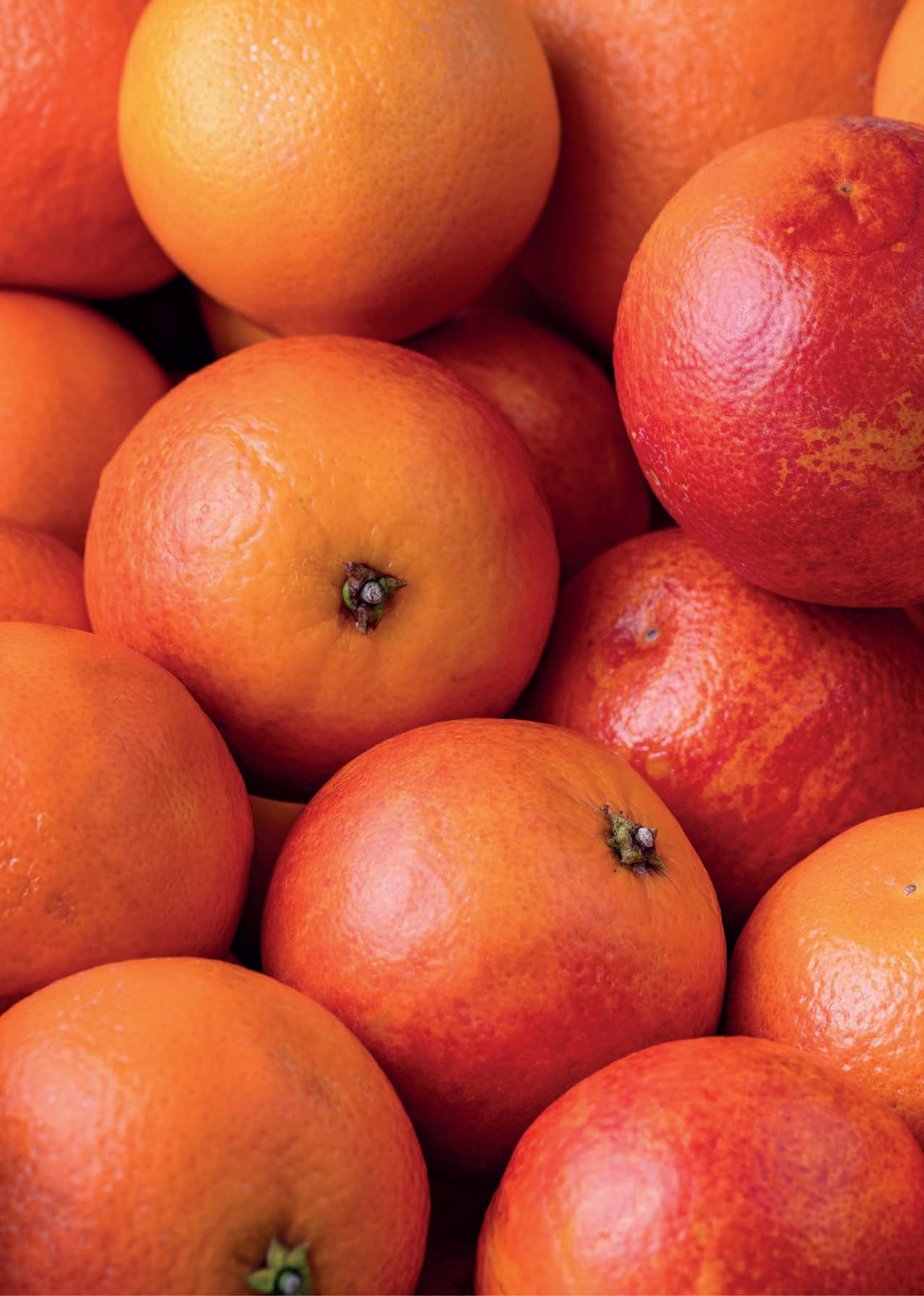
Egypt continues to play a central role in the global citrus market, with oranges representing the backbone of the countryʼs citrus production and export activity. According to the latest available data and USDA projections, citrus production in Egypt reflects a combination of structural stability, short-term adjustments, and a growing strategic focus on industrial processing and export-oriented supply chains.
Source: USDA Official - Egypt
Over the last three marketing years, orange cultivation in Egypt has remained broadly stable in terms of planted area, while harvested area shows a gradual increase as younger groves reach full productivity. For MY 2025/2026, the total planted area is expected to remain steady at approximately 170,000 hectares as in 2024/2025, while the harvested area is projected to rise to 160,000 hectares, supporting a recovery in overall output.
After peaking at 4.2 million metric tons in 2023/2024, orange production declined in 2024/2025, reflecting adverse weather conditions during critical fruit-setting phases. However, the latest forecast points to a renewed increase in 2025/2026, with total orange production expected to reach approximately 4 million metric tons, driven by improved yields, favorable flowering conditions, and the maturation of new groves. 2025/2026
170,000 160,000 4,000,000 1,900,000 1,200,000 900,000 Forecast
Source: USDA Official - Egypt
Beyond volumes, a significant redistribution of production is evident. While fresh domestic consumption is declining, to an estimated 1.1 million tons in 2024/2025, the share of fruit allocated to processing is expanding, even if the percentage of this allocation still remains the lowest one. Processing volumes rose to 550,000 tons, supported by new industrial capacity and strong demand for juice and concentrates.
Exports, while declining from 2.3 million tons in 2023/2024 to 1.8 million tons in 2024/2025, continue to represent the largest share of Egyptʼs orange supply chain. In fact, exports still account for approximately 51.4% of total production, confirming Egyptʼs strong export-oriented structure and its leading role in international fresh orange markets.
Source: USDA Official - Egypt
Lemon and lime production represents an increasingly relevant component of Egyptʼs citrus sector. For the 2024/2025 season, total lemon and lime production is estimated at approximately 1 million tons. Of this volume, around 25% is allocated to export, while the remaining 75% is destined for local consumption and processing, highlighting the importance of these crops for both domestic markets and regional trade.
Although smaller in scale compared to oranges, lemons and limes contribute to the diversification of Egyptʼs citrus offering and support downstream industries, particularly in food processing and beverages. Their role is expected to remain stable in the short term, complementing the dominant orange segment and reinforcing Egyptʼs position within the broader Mediterranean citrus landscape.
Egyptʼs citrus sector confirms its strategic relevance within the global market, combining strong export capacity with a rapidly evolving internal structure. Orange production remains the core driver of the industry, supported by stable planted areas and a growing harvested surface as younger orchards reach maturity.
Although the 2024/2025 season recorded a contraction in total output compared to the previous year, exports continue to represent the dominant channel, accounting for over half of total production. At the same time, a clear structural shift is emerging, with an increasing share of fruit being redirected toward industrial processing, driven by expanding capacity and strong demand for juice and concentrates.
Even lemon and lime production further highlights the progressive diversification of the Egyptian citrus landscape, reinforcing its role not only as a leading exporter but also as an increasingly dynamic and integrated citrus hub within the Mediterranean region.
Continued investment in traceability, quality control, and farm monitoring is expected to further consolidate Egyptʼs position in international markets while supporting the expansion of value-added processing.
Looking ahead, the 2025/2026 forecast suggests a positive outlook for the sector, supported by improved yields, favorable flowering conditions, and strengthened market access.
Citrus Report 2026
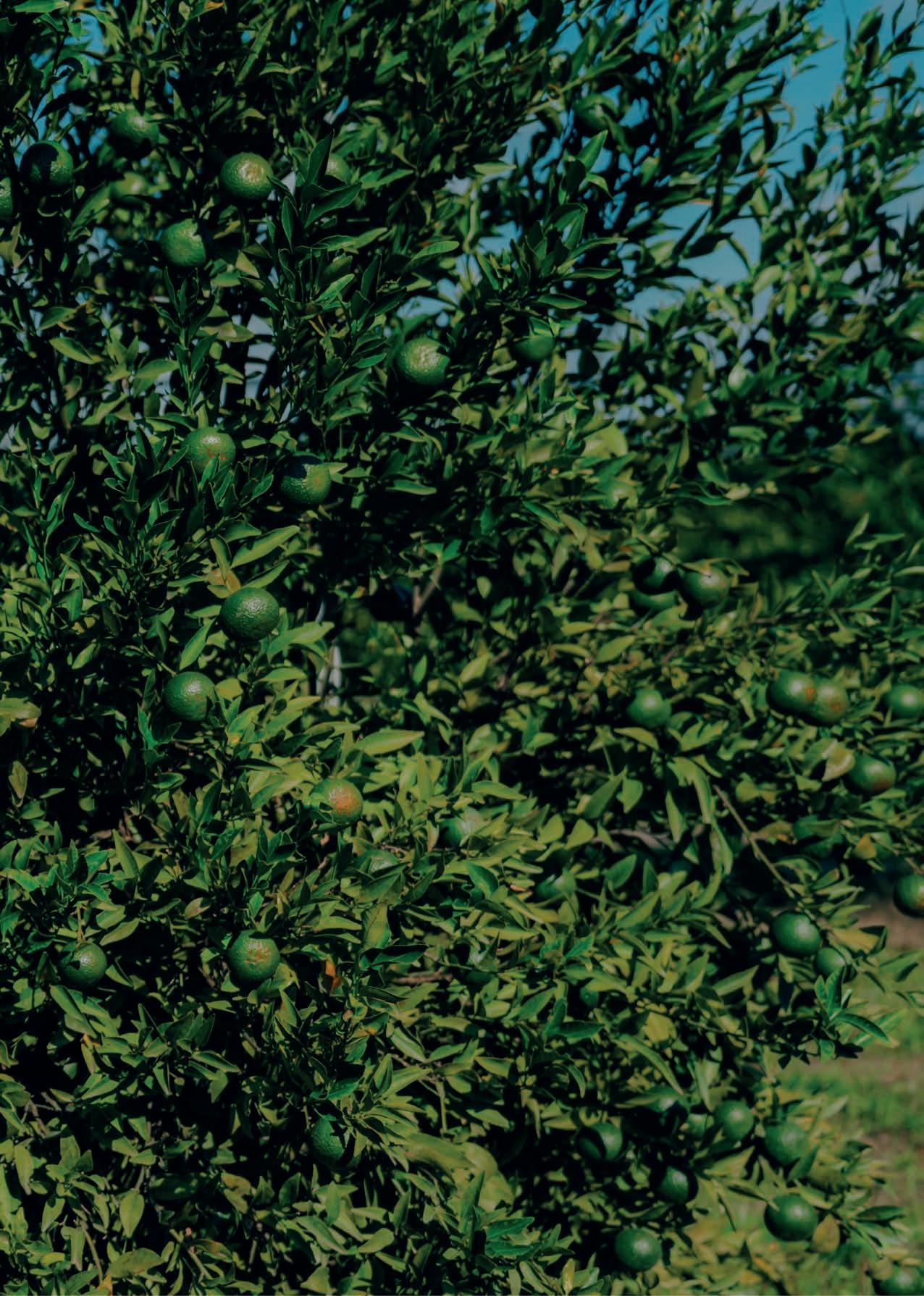
My name is Salvatore Lauria, I am an agronomist, and I would like to renew my welcome to readers of the previous edition and extend a warm welcome to new readers.
The objective remains to support the development of Italian citrus farms by addressing the most urgent
issues and outlining future perspectives for the protection and enhancement of our production. While challenges linked to farm fragmentation and international competition persist, signs of recovery are emerging alongside a strong drive toward innovation and sustainability, both of which are crucial for safeguarding plant health.

Italian citrus farming continues to be a strategic sector, although it is facing a slight contraction in productive surfaces, with an estimated 3% reduction over the past year. Despite the decline in production, the industry is repositioning itself by placing a strong emphasis on intrinsic quality and certifications
The most recent season showed an increase in farm-gate prices compared to previous campaigns, generating cautious optimism, particularly thanks to solid export performance, driven by premium products and derivates. The harvest was characterized by a prevalence
of medium to small fruit sizes, a factor that highlights how sensitive production remains to climatic patterns.
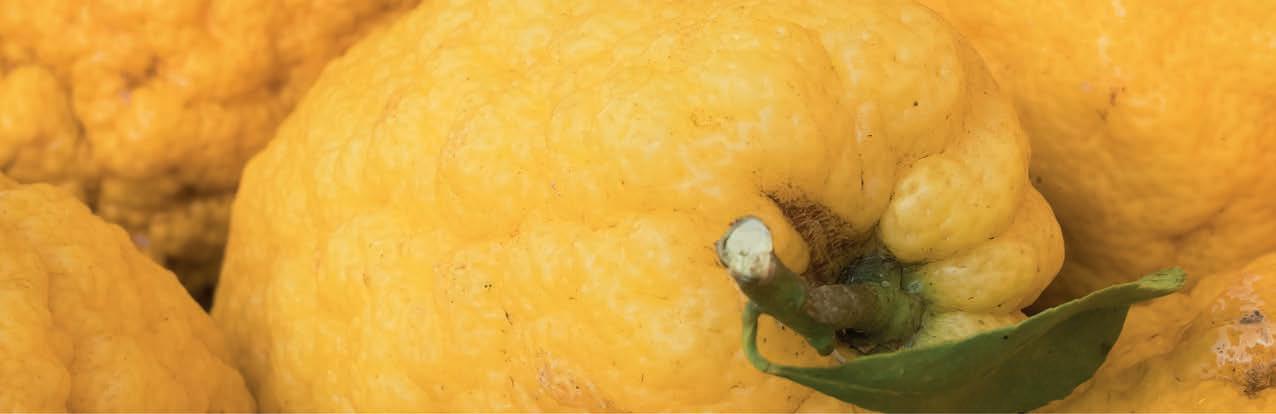
In Calabria, the season presented a two-sided picture. In the Sibari Plain, clementines suffered from unusually high autumn temperatures, resulting in delayed pigmentation. In Reggio Calabria area, however, Bergamot of Reggio Calabria continues its rise as “green gold,ˮ supported by strong demand from the essential oil and pharmaceutical industries. Nonetheless, drought conditions reduced overall volumes by 20–25% compared to the historical average, while ensuring excellent organoleptic quality (high Brix levels).
Citrus farms must face a complex set of challenges that threaten profitability and long-term stability:
• Climate-related pressures: The extreme unpredictability of weather conditions - prolonged droughts, off-season heat waves, and extreme events - is the primary challenge, directly affecting yields and fruit quality.
• Foreign competition: Market competition, particularly from emerging countries or those with lower production costs, combined with higher energy and logistics costs, continues to compress margins. The recurring lack of large fruit sizes further complicates commercial performance.
• Farm structure: The traditional fragmentation of Italian farms and the need for stronger aggregation remain key obstacles to achieving economies of scale and greater bargaining power in global markets.
For companies in Calabria, the primary challenge is water management. Severe drought across the Ionian area and the Reggio Calabria area has put irrigation infrastructure, often outdated, under intense strain. This is compounded by chronic land fragmentation and the need to improve logistics to reach Northern European markets rapidly, competing with Spain.
In response to these challenges, citrus growing is accelerating toward an Agriculture 4.0 model, characterized by varietal innovation, improved water efficiency, and the integration of digital technologies:
• Precision agriculture and remote sensing: The introduction of sensors, drones, and satellite platforms (such as Sentinel-2) is transforming citrus grove management. Remote sensing allows real-time monitoring of plant health and water status through spectral indices (e.g., NDVI or NDRE). This enables farmers to generate thematic maps of vigor and stress, which are essential for applying treatments, fertilizers, and – most importantly –water only where and when needed, maximizing effectiveness and reducing costs.
• Agronomic innovation: Investments are being made in varietal innovation to introduce cultivars more resilient to pathogens and climate change, as well as in new planting systems such as the “wall systemˮ (high-density planting) to enable harvesting mechanization.
• Decision Support Systems (DSS): Data-based systems are being developed using remote sensing inputs to provide farmers with targeted prescriptions, improving logistics and reducing the carbon footprint.
In Calabria, pilot projects in Gioia Tauro and Sibari plains are using remote sensing precisely to tackle water scarcity. Thanks to satellite mapping, land reclamation consortia and large farms can manage irrigation schedules more efficiently. Furthermore, an important varietal renewal process is underway to replace older orange groves affected by viral diseases with more resistant rootstocks that are also tolerant to coastal soil salinity.
The phytosanitary situation during 2024/2025 has required an attentive and integrated management approach. While historic pathogens such as Mal secco in lemon are managed through specific agronomic practices (pruning and the use of tolerant clones), attention remains extremely high toward new threats.
The latest Phytosanitary Assessment confirmed the importance of integrated pest management and research in developing effective prevention and control methods. In some southern citrus areas, the main recent development regarding quarantine insects has been the spread of citrus spiny whitefly (Aleurocanthus spiniferus), which requires strict containment measures such as a ban on fruit with leaves attached. However, the highest
level of vigilance remains focused on preventing the entry of the highly dangerous HLB (Huanglongbing)
Calabria is currently on the frontline in the fight against Aleurocanthus spiniferus. Detected in several areas, including Lamezia and Reggio Calabria areas, this pest has required targeted interventions coordinated by the Regional Phytosanitary Service, including treatments with essential oils and severe pruning to improve orchard ventilation. High alert levels also remain for the cottony mealybug (Planococcus citri) which, favored by mild winters, is becoming increasingly aggressive and requires targeted releases of beneficial insects (Cryptolaemus montrouzieri)
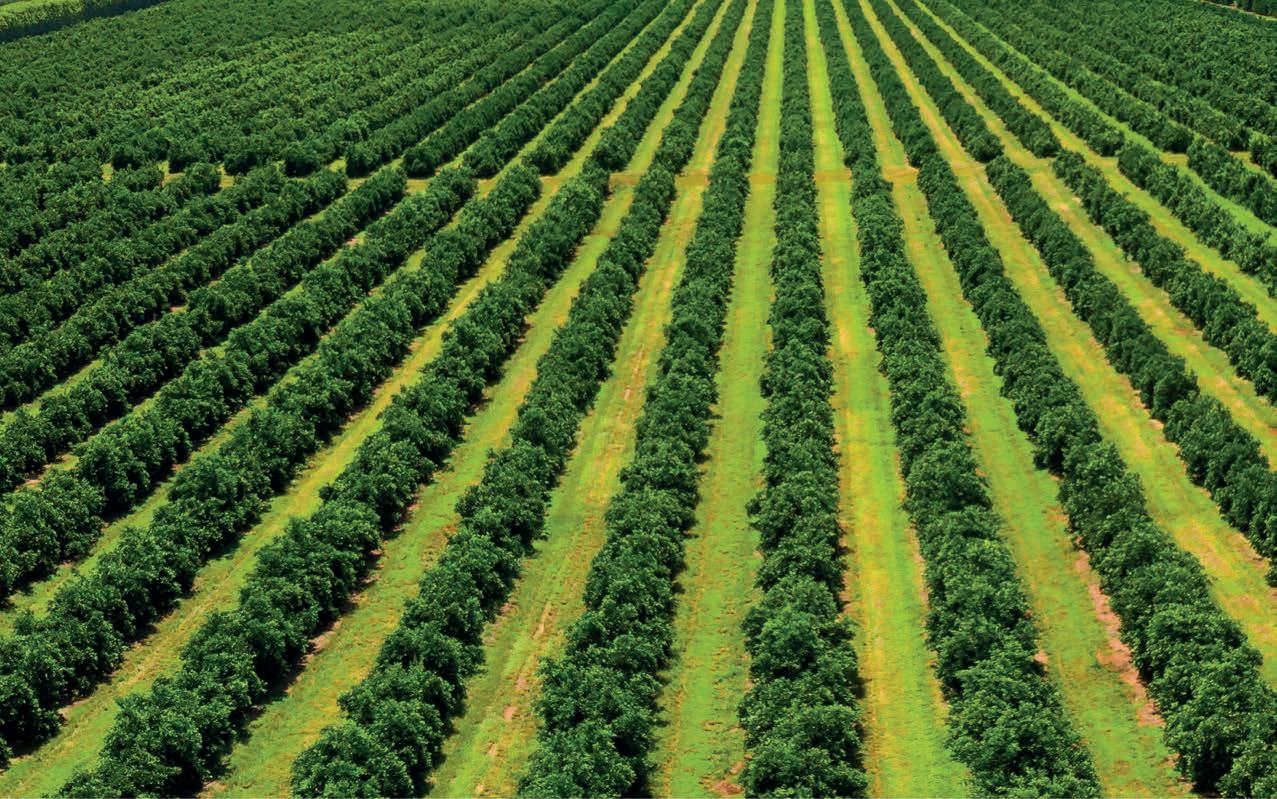
Sustainability has become the new economic and environmental imperative for citrus growing, in line with European targets calling for a significant reduction in pesticide and fertilizer use by 2030:
• Investments in efficiency: farms are investing in advanced resource management systems such as precision irrigation to optimize water use and reduce nutrient losses.
• Transition to organic and low-impact farming: many farms are strengthening organic or integrated farming systems, adopting best practices to reduce environmental impact, including the use of low-impact products.
• Research and new varieties: sustainability also relies on the development of new varieties naturally more resistant to climate change and plant diseases, reducing dependence on external inputs.
• Traceability and supply chain strengthening: there is growing focus on social and economic sustainability through supply chain reinforcement, traceability certifications, and the enhancement of local production, ensuring fair value for growers.
In Calabria, citrus growing stands out as one of the “greenestˮ areas in Europe, with an organic cultivated area well above the national average. Farms are investing strongly in certifications and circular economy models, for example by valorizing “pastazzoˮ (citrus processing by-product) to produce biogas or natural soil amendments, thereby closing the production cycle within the region.
Dr. Agronomist Salvatore Lauria
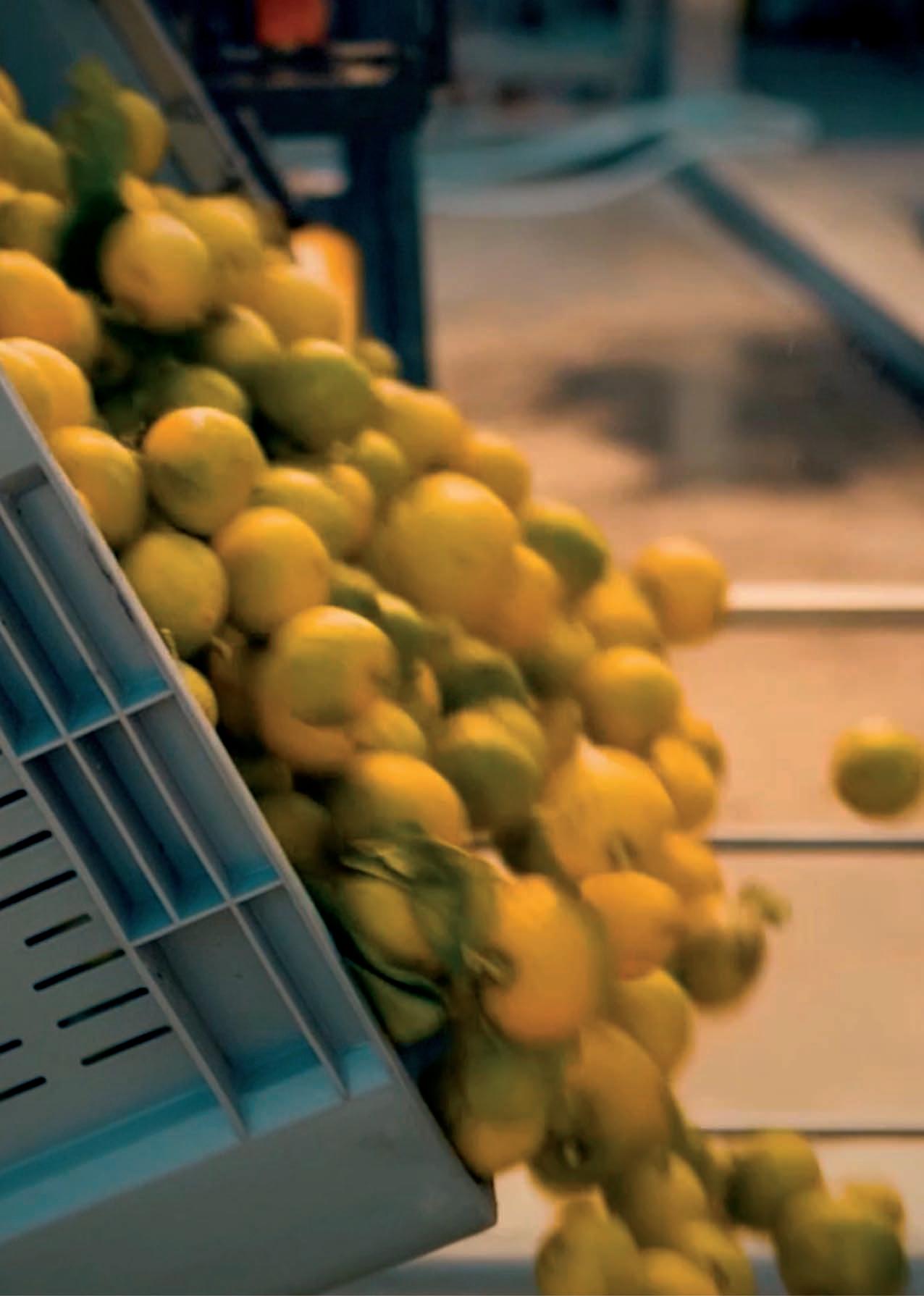
This section highlights the experiences of farms that reflect different paths within contemporary citrus growing. Azienda Agricola Albanese Vincenzo, based in the Gioia Tauro Plain, combines generational knowledge with varietal innovation, focusing on high-quality orange production and future-oriented projects such as agrivoltaic systems. Azienda Agricola Folino Gallo Giuseppe, located in Maida, represents a diversified agricultural model rooted in local tradition, with a strong commitment to low-impact agronomic practices and continuous technical improvement.
Alongside these realities, Azienda Agricola Giordano Domenico offers the perspective of a newer agricultural enterprise navigating the challenges of production choices and market access, while Azienda Agricola Mazzitelli, with over a century of history in the Reggio Calabria area, illustrates a strategic return to bergamot
cultivation and a growing focus on organic production and sustainability certifications. Lastly, the Cooperativa S. Bartolo comprehends several citrus growers, with the aim of improving the competitiveness of local citrus farming.
Together,
these stories provide a direct insight into the human and agronomic dimensions of citrus farming, highlighting how farms of different sizes, histories, and production models are responding to shared challenges.

C/so Italia, 35 89029 - Amato di Taurianova (RC)
Description of the Company
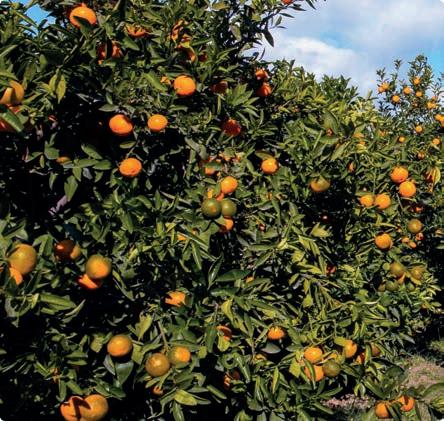
The company is a family-run agricultural enterprise, focused on the cultivation of high-quality citrus fruits destined both for the fresh market and for local processing industries. Production is oriented toward supplying premium raw materials for candied fruit, juices, and beverages.
Company History
With more than 40 years of activity, the farm has been passed down from father to son over two generations. Over time, the company has consolidated its presence in the citrus sector by continuously improving fruit quality and adapting production to market requirements.
Future Projects
Future plans include the installation of an agrivoltaic system with adjustable solar panels, capable of producing renewable energy without compromising tree growth or yields. Additional initiatives focus on biodiversity protection, including collaborations with beekeeping companies to support pollination and produce orange blossom honey.
Sustainable actions
Although operating under conventional production, the farm complies with biological standards and places strong emphasis on responsible water management. A key sustainability objective is the development of an agrivoltaic system, designed to produce clean energy while protecting orchards from extreme weather events and reducing water consumption through shading.
Citrus Fruits Produced • Navel Orange • Valencia Orange • Cara Cara Orange
Next season
The upcoming season is expected to deliver good quality fruit, although overall volumes are forecast to remain at medium levels. The main concern relates to the risk of off-season frost, which could negatively affect flowering and fruit set.
Total Production
Approximately 225,520 kg
Contrada Balzano 88025 - Maida (CZ)
Description of the Company
The company is a diversified agricultural operation producing citrus fruits, strawberries, and peaches. Citrus production includes several varieties destined primarily for the domestic market.
Rather than expansion, the companyʼs primary objective is achieving fair economic recognition for its production. Ensuring sustainable market prices is considered essential to maintaining operations and preserving production standards in the face of rising costs and increasing pest pressure.
Company History
The farmʼs origins date back to 1992, with a phase of growth and development beginning in 2001–2002 under current management. Since then, the company has focused on consolidating production quality while maintaining strong ties to local agricultural practices.
Citrus Fruits Produced
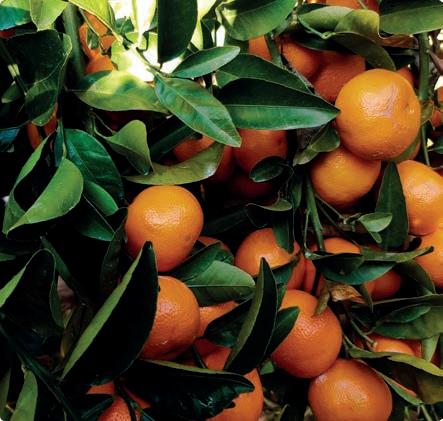
• Caffin Clementine
• Tardivo di Ciaculli Mandarin
• Mandalate Mandarin
• Navel Orange
Sustainable actions
Although not certified organic, the company prioritizes biological farming techniques and low-impact synthetic products. Continuous technical updates on agronomic practices, fertilizers, and phytosanitary products aim to reduce environmental impact.
The upcoming citrus season is expected to be particularly challenging due to strong biotic pressure. The main threats include uncontrolled proliferation of pests, especially mites and harmful insects, combined with a limited availability of effective control tools.
Total Production
Approximately 20.000 – 26.000 kg
Via Modena Boschicello 89133 - Reggio Calabria (RC)
Description of the Company
The company is a newly established agricultural enterprise engaged in the production of vegetables, citrus fruits, and olives.
Company History
As a relatively recent operation, the farm is still defining its long-term production strategy, balancing citrus cultivation with other agricultural activities.
Future Projects
Future plans focus on identifying new market outlets to expand the sale of vegetable products, potentially reshaping the farmʼs production profile.
Sustainable Actions
While holding no formal certifications, the company focuses on water-saving practices, including drip irrigation, and on targeted containment of plant diseases and pests using both biological and conventional methods.
Citrus Fruits Produced
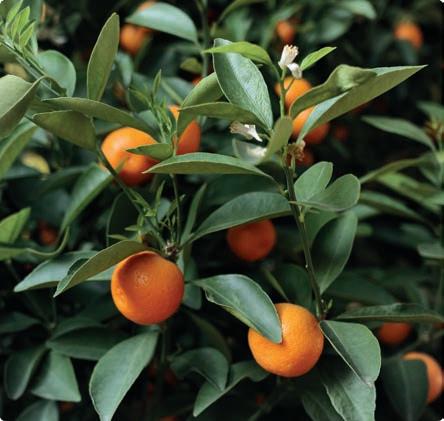
• Tarocco Orange
• Nocellaro Orange
• Mandarin
• Clementine
Next season
The outlook for the upcoming season is uncertain, with the owner considering a partial or full conversion of citrus groves to vegetable crops, depending on market opportunities and agronomic conditions.
Total Production
Approximately 60.000 kg
Headquarter: Via Argine DX Annunziata, 13 89122 - Reggio Calabria
Facility: Via Vincenzo Bellini, 13 89135 - Gallico Reggio Calabria
Description of the Company
The company specializes in citrus production, with a strong focus on bergamot, alongside mandarin cultivation. It has historically been involved in essential oil extraction.
Projects
Short-term objectives focus on consolidating citrus production. Long-term plans include the recovery and reconversion of abandoned farmland, bringing neglected plots back into production and developing complementary agricultural and commercial activities.
Citrus Fruits Produced
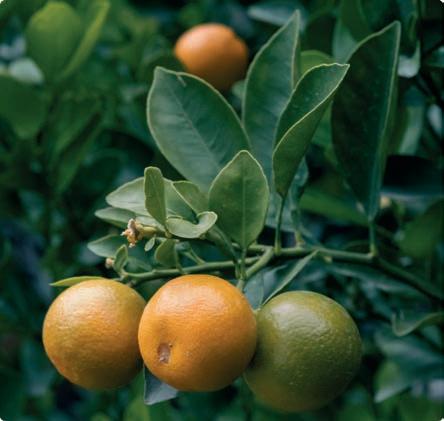
• Fantastico Bergamot
• Marzolo Mandarin
Company History
With over 150 years of presence in the Gallico area, the farm has undergone several production transitions. Bergamot cultivation was replaced by oranges and mandarins in the late 1980s, before being reintroduced in 2019. In 2025, the company began the transition toward organic production.
Sustainable Actions
The company complies with sustainability criteria related to environmental protection, worker health and safety, product quality, and social responsibility. In 2025, it initiated the organic certification process.
Season
Climate change and increasingly high summer temperatures represent major threats, particularly for bergamot production. High investment costs for risk mitigation systems and rising energy prices further impact production sustainability. Labor shortages also remain a structural challenge. However, higher temperatures and new market demand suggest the diversification towards new varieties of exotic fruit.
Total Production
Approximately 29.5 tons
C\da S.Bartolo snc
89029 - Taurianova (RC)
Description of the Company
Cooperativa San Bartolo is a growersʼ cooperative bringing together a large number of citrus producers. Its members are predominantly citrus growers, with an average farm size of approximately three hectares of citrus groves per producer.
Company History
The cooperative began operations in 2016, initially bringing together 55 producers and expanding to 130 members by 2025. In 2018, it joined the Producer Organization OP Orizzonte (Melicucco, RC), strengthening its commitment to a structured supply chain and supporting members through groves renewal and reconversion initiatives, including new citrus plantings and updated rootstocks.
Sustainable Actions
The cooperative holds:
• Organic certification
A core priority is expanding organic farming within its membership base: organic citrus area increased from around 10 hectares in 2018 to approximately 70 hectares today.
• Global G.A.P. certification
The cooperative promotes low-impact agronomic practices and responsible use of technical equipment and phytosanitary inputs, aiming to reduce environmental impact while ensuring safe, high-quality citrus production.
Next Season
Cooperativa S. Bartolo expects the next citrus season to deliver excellent quality, although overall production is forecast to be around 30% lower than the previous campaign. This reduction may be further influenced by increasingly unpredictable and damaging weather events
Future Projects
In the short and long term, the cooperative considers it essential to strengthen the promotion and recognition of domestic citrus products. A key priority is encouraging policies and initiatives that support local production, increase visibility, and reduce reliance on imports by prioritizing national supply.
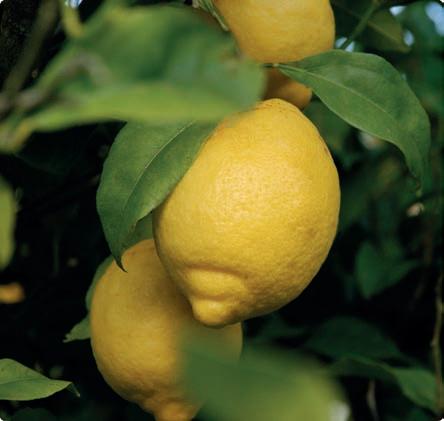
Lemon
Total Production
Approximately 6,120 tons