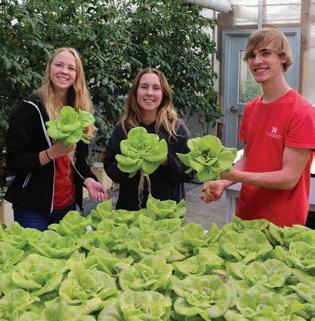
STUDENT CLUBS AND ORGANIZATIONS EXPLORING NEW OPTIONS WITH DIVERSE SPECIALTY CROPS
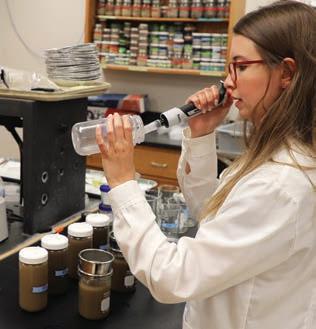
COAL ASH: REPURPOSING A COSTLY BYPRODUCT AS A COST-EFFECTIVE SOIL AMENDMENT
STUDENT CLUBS AND ORGANIZATIONS EXPLORING NEW OPTIONS WITH DIVERSE SPECIALTY CROPS
COAL ASH: REPURPOSING A COSTLY BYPRODUCT AS A COST-EFFECTIVE SOIL AMENDMENT
UNDERGRADUATE go.unl.edu/learnplants
GRADUATE agronomy.unl.edu/graduate-programs
GRADUATE ONLINE agronomy.unl.edu/online

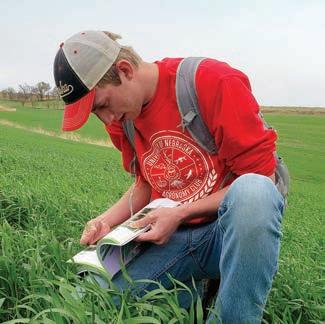


We put in the hard work at the University of Nebraska–Lincoln — the grit behind the glory.
In the Department of Agronomy and Horticulture we empower students to connect with people, cultivate ideas, discover new opportunities and acquire the skills necessary to feed and enrich the lives of a growing global population. Contact us today to learn more about unlocking your potential at Nebraska.
402-472-2811 | @UNLAgroHort



Department of Agronomy and Horticulture 2024 Institute of Agriculture and Natural Resources University of Nebraska–Lincoln
MANAGING EDITOR
Fran tenBensel Benne
EDITORS
Lana Koepke Johnson
Martha Mamo
COPY EDITOR
Chantel Koerwitz
DESIGNER
Fran tenBensel Benne
PHOTOGRAPHERS
Craig Chandler
Lana Koepke Johnson
ADVERTISING SALES
Lana Koepke Johnson
CONTACT
402-472-2811 agrohort@unl.edu agronomy.unl.edu 202 Keim Hall Lincoln, NE 68583–0915
SOCIAL MEDIA @UNLAgroHort
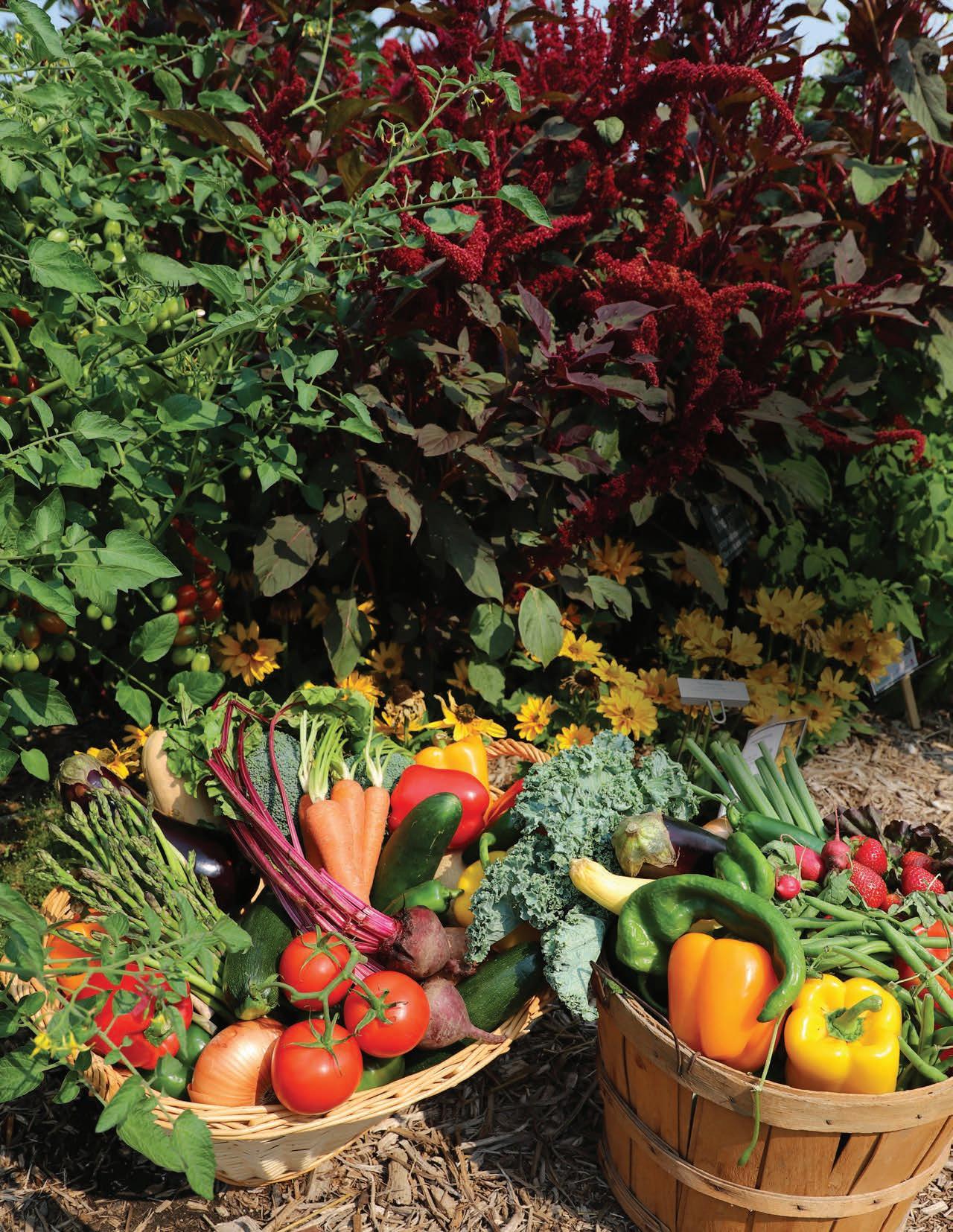
COVER PHOTO: Lana Koepke Johnson: Backyard Farmer Garden on the University of Nebraska–Lincoln East Campus
POTS PLOTS and PLANTS can be found online at agronomy.unl.edu/newsletter.
For monthly news updates, sign up for the
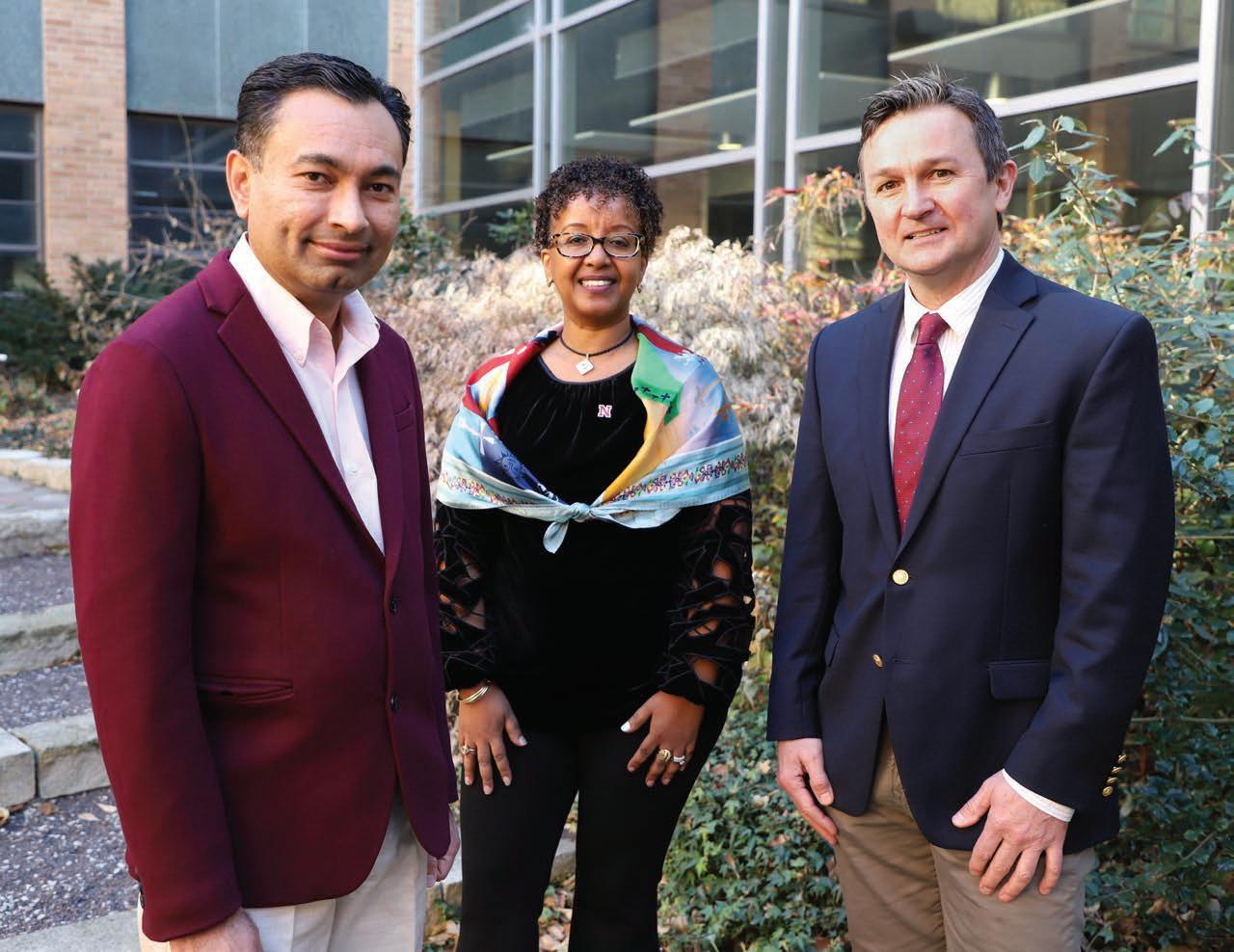

Martha Mamo Department Head
I AM WRITING THIS LETTER AS MY JOURNEY TRAVELING TO RWANDA WITH OUR CASNR STUDENTS IS COMING TO A BITTERSWEET END. Every part of the student experience underscores the importance of immersive experiential learning for these future professionals. This is exactly the kind of on-campus and off-campus experiences we will continue to promote and make accessible to all students in the department.
A lot has happened since I last wrote an update in our 2020 newsletter. Despite the post-pandemic effect and budget reduction, the department has continued to fulfill its mission in all areas. As you read the following pages, you will see evidence of that good work. In addition, I want to highlight a few items here:
• We have several new faculty members with expertise in soil health, water quality, small grains breeding, horticulture, turf extension, cropping systems and grazing land ecology.
• Nearly 300 students are enrolled in our undergraduate and graduate programs. Across our three degree programs — agronomy, plant and landscape systems, and plant biology — 155 students graduated in calendar years 2021, 2022 and 2023.
• Our online program continues to grow with the master’s in agronomy and certificate programs.
• The department’s research expenditure is steady at about $13M, expanding purposeful research in stress biology, crop quality and value, nutrient management and use efficiency, specialty crop production, integrated weed management, cropping systems, digital agriculture and precision management.
• The department has formed collaborative teams with outstate Research and Extension Centers, Plant Science Innovation, Nebraska Food for Health, the Center for Grassland Studies, USDA-ARS, other academic units and external partners.
• Our faculty are receiving competitive federal grants and continue to strengthen their partnerships with commodity boards, state and federal agencies, professional and international organizations, and private industry.
• We maintain signature extension programs such as Crop Production Clinic, Pesticide Safety Education, Soil School, Weed Science School and 4R nutrient stewardship. Additionally, we now have a growing statewide role in soil health initiative and TAPS (Testing Ag Performance Solutions).
Finally, the department’s Academic Program Review was held in the fall of 2023 after yearlong preparation. The department will use its self-study document as well as the review outcomes to develop priorities and action items for the future. A strategic approach to student recruitment, retention and success; staff development and support; and capacity building in existing and emerging areas are top priorities. We will need to urgently build strong partnerships with high schools as well as rely on our faculty, staff and alums to inspire and attract the next generation into the exciting and relevant career pathway of plant and soil systems.
It has been a privilege to serve as the department head the past five years. I am honored to have worked alongside faculty, staff, students and partners. In the midst of challenges, we have found opportunities and have risen above these challenges. While we will not be free of challenges, I firmly believe that we have a collective group of talented faculty, staff, students and committed partners to sustain our program and create new opportunities and solutions. I remain optimistic that the Department of Agronomy and Horticulture will continue its excellent leadership in research, teaching and extension to serve the people of Nebraska and beyond.
Sincerely,
Martha Mamo Professor and Department Head
Heather Byers – Great Plains Nursery
Matt Giese – Syngenta
Jeremy Groeteke – Syngenta
Corey Brabec – Kinghorn Gardens
Mark Kottmeyer – Central States Agronomics, Inc.
David Meyer – Corteva, retired
Alex Renaud – Bayer
Bart Ruth – Ruth Farm
David Vetter – Grain Place Foods
Ray Ward – Ward Labs
David Holding Associate Department Head
AS I COMPLETE A SECOND FULL YEAR OF SERVING AS AN ASSOCIATE DEPARTMENT HEAD, I REFLECT ON OUR COLLECTIVE PROGRESS AS WE ADDRESS THE OPPORTUNITIES AND CHALLENGES THAT EXIST WITHIN OUR BROAD AND DYNAMIC DEPARTMENT. I am proud of how we pulled together to present our past successes and future plans in our Academic Program Review. We identified several critical areas we must work on going forward, and some of these were expounded upon by the APR team.
Although I sometimes feel like a full-time administrator, especially in this APR year, I endeavor to keep my research and teaching as productive and impactful as possible. This year, we had breakthrough articles in gene editing for improved protein quality in both sorghum and maize. We have exciting new popcorn and sweet corn varieties in the pipeline, including some candidates for Big Red sweet corn!
I am proud of the experiential learning we have developed in plant science in which students test the effects of environmental variables, such as increased carbon dioxide
and high nighttime temperature, on the whole plant life cycle in a semester-long experiment.
In September, John Lindquist and I traveled to Northwest Agriculture and Forestry University in Yangling, China, to represent the department at the opening of the inaugural 3+1 degree in plant protection and plant biology. It was amazing to make connections with our colleagues and, in November, to welcome them to the University of Nebraska–Lincoln.
Despite only visiting for a week — with all the jet lag and culture shock that entails — I thoroughly enjoyed the campus and the College of Plant Protection, the flora, the students and the culture. We managed to visit the terra cotta warriors, which was breathtaking. I am fortunate to have made the connection with NWAFU administrators, faculty and students, and I look forward to serving as a linchpin as the program gathers steam.
Sincerely,

David Holding Professor and Associate Department Head
Amit Jhala Associate Department Head
I AM HONORED TO SERVE AS AN ASSOCIATE DEPARTMENT HEAD SINCE JANUARY 2023. I continue to provide weed management extension responsibilities in agronomic crops to teach management of herbicide-resistant weeds to Nebraska stakeholders. After joining UNL in 2012, I have been conducting research on reproductive biology and management of herbicide-resistant weeds and multiple herbicide-resistant crop volunteers. We have made great progress on Nebraska Extension activities and priorities. A new webpage of the department’s extension activities was developed in 2023. To improve communication/collaboration between extension specialists and educators in the state, the Extension Coordinating Committee, in collaboration with the Department of Biological Systems Engineering and Plant Pathology, organized a webinar about an extension affiliate program, which was attended by 33 extension educators. The Extension Coordinating Committee approved the application of five extension educators to be affiliated with our department.
The Department of Agronomy and Horticulture Academic Program Review was accomplished in October 2023. I am grateful to the extension writing team, review team and faculty for active participation in the APR process. A few extension specialists and educators in the department are a part of the USDA-NIFA’s Extension Implementation Program grant proposal to be submitted in early spring 2024.
Starting in 2024, Nebraska Extension is moving forward with the Program Evaluation and Reporting System. Several PEARS training sessions were organized in the fall of 2023 to help with login and program planning using the new system. We are currently in the process of developing a spring 2024 meeting to further enhance extension specialist and educator relationships.
I look forward to continuing work with the administrative team to further the mission of the department.
Sincerely,
Amit Jhala Professor and Associate Department Head
Coordinator
I WAS BORN AND RAISED IN LINCOLN, NEBRASKA.
After I earned a bachelor’s degree from the University of Nebraska–Lincoln, I lived in Phoenix, Arizona, for five years. It was a great experience, but I missed the smaller community and change of seasons that Lincoln offers and moved back.
I have been employed by the university for 31 years and served in many capacities on East Campus and at the Eastern Nebraska Research, Extension and Education Center. As the events coordinator for the Department of Agronomy and Horticulture, I never experience a dull day at work. Not only is each day unique, but I get to work and interact with so many talented and creative people. My position is very fulfilling as I organize events, meetings, retreats, and field days on and off campus and across the state.
What I enjoy most about working at Nebraska is providing campus, community and academic activities for youth, students, faculty and staff, emeriti and the public. I’m currently planning and organizing a variety of outreach
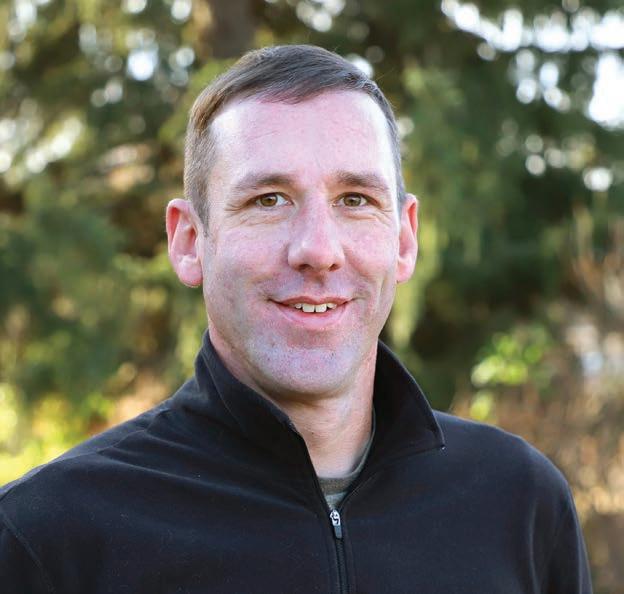
Aaron Hoagland Research Manager II – Plant Science

events and field days for our extension faculty well into the next year!
Outside of work I enjoy traveling — especially internationally, getting together with family and friends, attending music events, going for walks, dancing and gardening.
SPENDING TIME AT MY GRANDPARENTS’ FARM WHILE GROWING UP IN GRAND ISLAND, NEBRASKA, SPARKED MY INTEREST IN AGRICULTURE. After working several seasons on a large alfalfa farm operation my father managed, I moved to Lincoln to attend the University of Nebraska.
I received a Bachelor of Science in horticulture production, but after I worked on Stephen Baenziger’s wheat breeding project as an undergraduate student, I decided agricultural research was a better fit.
In the fall of 2007, I joined the department as a research technologist for Jim Specht working on various soybean physiology and genomics projects. After Specht retired in 2014, I joined George Graef’s soybean breeding program. I currently coordinate and manage projects involving multiple universities, the USDA, industry companies and other researchers at the University of Nebraska. We develop new soybean varieties aimed at improved yields, seed composition, and disease and insect resistance.
The work can sometimes be challenging, but having a great group of coworkers and graduate students makes my job easier. And I appreciate splitting my time between field work and the office. Working on such excellent research projects during my time at the university has been a valuable experience.
In my free time, I enjoy working on landscaping and other home improvement projects, doing outdoor activities and spending time with family and friends.
Susan Thomas
Finance Associate – HAPPI Business Center
THIRTY-FIVE YEARS AND COUNTING — TIME FLIES WHEN YOU’RE HAVING FUN! My journey at the University of Nebraska–Lincoln started when Roger Uhlinger, chairman of the Department of Horticulture, hired me in 1986. We then merged with Agronomy and I became part of the HAPPI Business Center, serving Horticulture, Agronomy, Plant Pathology, Plant Health and the Center for Grasslands Studies.
I’ve had an opportunity to work with wonderful professors, staff and graduate students through the years. Currently, I’m working part-time at the Mead Agronomy Farm, handling the ledgers, invoices, and all other charges for the farm accounts and reconciling the purchasing cards for the Plant Pathology and Agronomy departments. I serve on our department Staff Advisory Committee, the Social Committee and the ENREEC Social Committee.
I’ve lived my entire life in Ashland, Nebraska, and grew up on a farm that raised crops and cattle. My husband of 48 years, Dennis, and I raise alfalfa as well as develop and dredge lakes.
The university has had a positive effect on our entire family. Dennis and I both graduated from UNL, and our daughters worked at the Mead Turfgrass Research Center
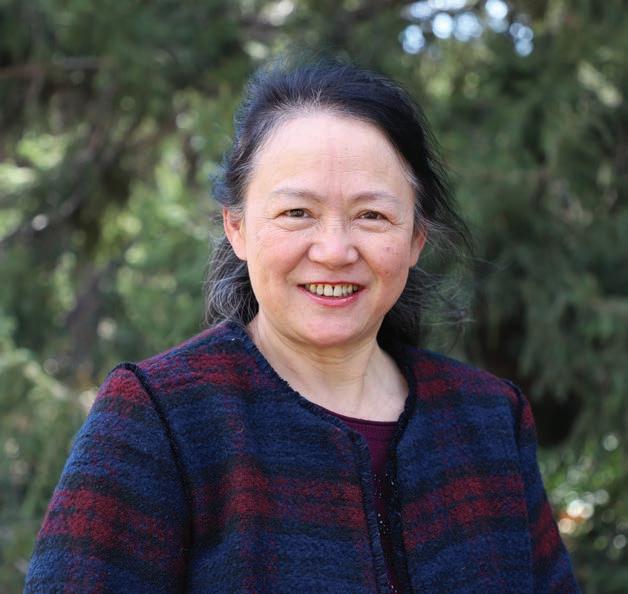
Lan Xu Research Manager Lab I
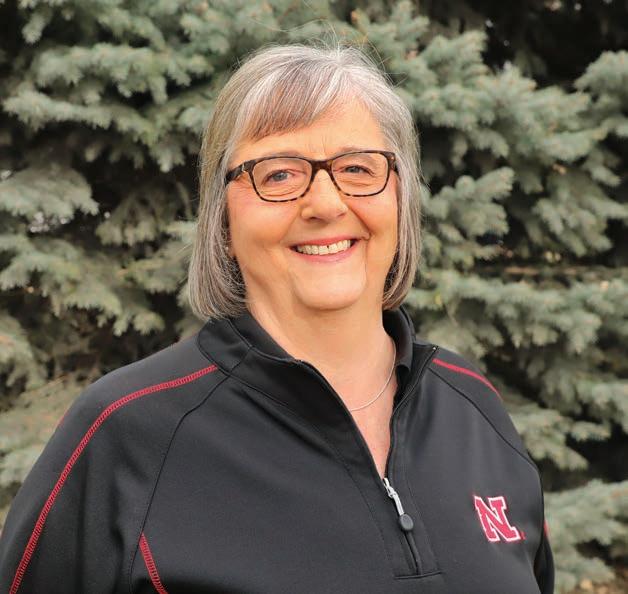
during the summers in high school. Our son raises livestock and crops and has utilized the information he’s received from Nebraska Extension educators.
I’m a big fan of high school and college sports! I enjoy volunteering on committees and foundations in my community and county. With a big garden, I do a lot of canning and freezing of vegetables in the summer. I also love to fish — especially at our cabin. I’m still waiting to catch the BIG ONE!
I ORIGINALLY CAME FROM SHANGHAI, CHINA, WHERE I RECEIVED BACHELOR’S AND MASTER’S DEGREES IN CHEMICAL ENGINEERING. I also earned a Master of Science from the University of Georgia.
Before my service at the University of Nebraska–Lincoln, I worked at Novartis Consumer Health, Inc. and Teledyne ISCO, Inc. as a research and development scientist.
Since September 2006, I have served as the manager of the Grain Quality Laboratory in the Department of Agronomy and Horticulture. I supervise a lab technician and manage lab operations and service for end-use quality analysis for releasing high-quality wheat varieties from the Nebraska wheat breeding program.
I worked with Emeritus Professor Stephen Baenziger and now Assistant Professor Katherine Fels in the small grains breeding and genetics program as well as Professor Devin Rose in food science to study whole grain for health and nutrition. I also collaborate with professors in biological systems engineering to develop biobased materials.
In my free time, I enjoy traveling, planting and baking.
Extension Associate
Pesticide
Program
THE SECOND OF THREE KIDS BORN TO KANSAN PARENTS, I’VE BEEN A LINCOLNITE SINCE I WAS ABOUT SIX YEARS OLD. I earned a bachelor’s degree in journalism and history from Hastings College in central Nebraska, but my heart never left the Star City. For that reason, I was elated at the opportunity in 2016 to come work for the University of Nebraska–Lincoln.
I work for the state Pesticide Safety Education Program as an extension associate. The program is responsible for training and certifying private, commercial and noncommercial pesticide applicators to handle restricteduse pesticides safely and effectively in Nebraska. My work primarily consists of creating and revising training materials, producing multimedia pieces, managing the program website and keeping up with the latest pesticide regulatory actions.
I’m grateful to have a job in which I get to use creativity to convey legal, environmental and health information to Nebraskans everywhere. I’m even more grateful for the people I’ve met along the way: applicators from all walks of

Kaye Wolfe
Office Professionals Team Lead Digital Support Associate

life, colleagues on campus and throughout the state, and fellow pesticide safety educators all over the country.
Outside of work, I enjoy reading, building audio circuit doodads and playing in a rock band with friends. We’ve garnered a few noise complaints, for which I’m honored and humbled.
I WAS RAISED ON A FARM SOUTH OF CLAY CENTER, NEBRASKA. We grew corn, wheat and sorghum and raised cattle and hogs. As a kid, I spent my summers helping with the sows and piglets, irrigating corn and mowing around the farm.
After I got married, I moved off the farm and became a town girl. My husband Kent and I moved around the Midwest until we landed in Lincoln, where we have lived most of our lives.
After raising three sons, I went back to college and earned a bachelor’s degree in animal science from the University of Nebraska–Lincoln. I worked temporarily for the animal science department and then started a permanent position as a digital support associate with the Department of Agronomy and Horticulture.
As the team lead for the Office Professionals, I coordinate the work we do with department administration, faculty and students. Every day is different, but mostly I help with Canvas and Concur. I am also project assistant for the “Guide for Weed, Disease, and Insect Management in Nebraska,” an annual extension publication.
I love that I get to interact with such a diverse group of students, staff and faculty. Working on East Campus is like living in a small farming community, reminiscent of my childhood.
These days, Kent and I enjoy being with family, going camping and cheering on Husker athletic teams.
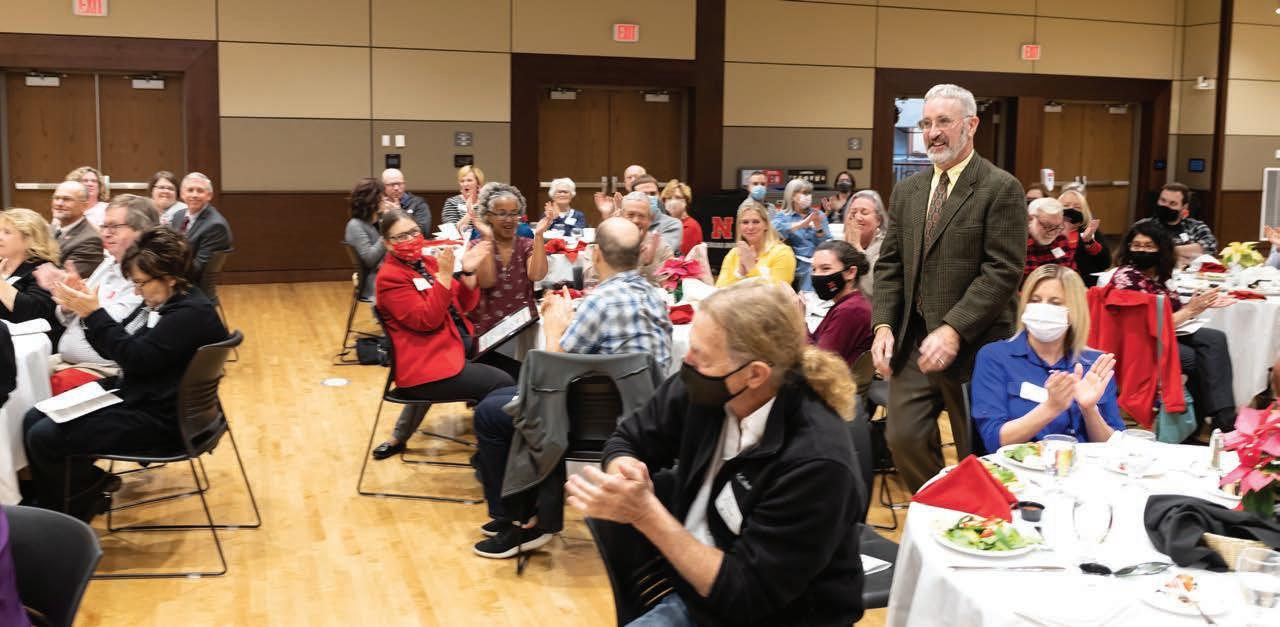
by IANR and the Department of Agronomy and Horticulture
STAFF FROM THE INSTITUTE OF AGRICULTURE AND NATURAL RESOURCES AT THE UNIVERSITY OF NEBRASKA-LINCOLN WERE HONORED AT AN AWARDS LUNCHEON DEC. 1, 2021, AT THE NEBRASKA EAST UNION. NU Vice President and Harlan Vice Chancellor for IANR Mike Boehm gave the welcome followed by lunch and the awards ceremony.
Three Department of Agronomy and Horticulture staff members were among the winners in their category with a total of 10 department employees nominated.
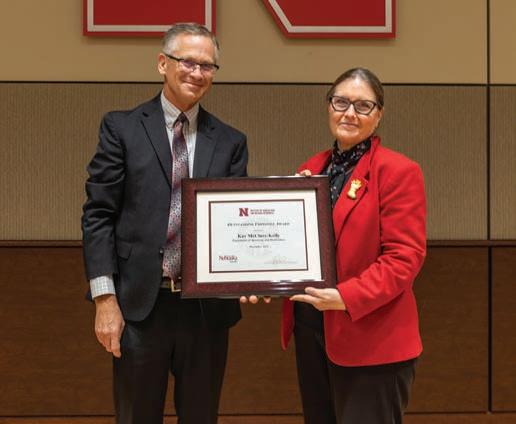
Kay McClure, an administrative coordinator, won the Outstanding Employee Award. This award recognizes employees who go above and beyond their job responsibilities. Each of the recipients received $750.
McClure has been with the Department of Agronomy and Horticulture for eight years providing administrative support for the department head and associate department head(s) as well as overseeing operations for the department administrative office.
McClure said she enjoys being in an academic environment and feels fortunate to have worked in several units within the university in Lincoln, as well as outstate since her first position in 1998. From learning about faculty research, interacting with students, and being near the greenhouses and gardens, she said she experiences and appreciates the agricultural research and services extension provides to Nebraska and the world.
When not working, McClure enjoys spending time with family, gardening, preserving the harvest in summer, and reading, quilting and baking during the winter months.
Michael Livingston, laboratory operations manager, won the Exemplary Service Award. This award recognizes employees who have made significant and sustained contributions to the university during their career and who maintain a high level of exemplary service to the university. The recipient received $1,000.
Livingston began his career at the university in 1993 as a research technologist for James “Jim” Specht. In this role, he honed his skills as a geneticist and a plant physiologist. Livingston said Specht was a great role model and outstanding scientist allowing him, as a research manager, to form alliances with other research leaders from the University of Nebraska–Lincoln, other universities and industry.
When Spect retired, Livingston was given the opportunity by Roch Gaussoin to become the department’s laboratory operations manager. Livingston’s familiarity with the extensive instrumentation housed within the department was value added as he consistently promoted safety as a high priority in both laboratory and field operations.
Although his current position has presented challenges, he said he is thankful for the novel research and technologies that constantly emerge in his field of study and in the department.
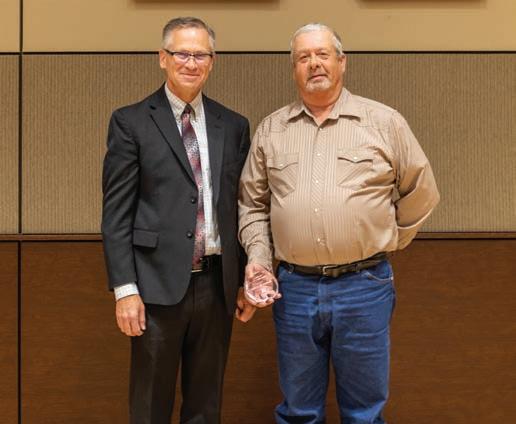
Thomas “T.J.” McAndrew, a research facility coordinator, won the Omtvedt Servant Leader Award. This award recognizes outstanding employees who demonstrate servant leadership in a way that inspires collaboration and excellence, and elevates the performance of others. This award is made possible through the generosity of Lee Harlan and her late husband, Neal, in honor of Irv Omtvedt and his distinguished career at the university. The recipient received $1,000.
Originally from Alliance, Nebraska, McAndrew received his bachelor’s and master’s degrees from the University of Nebraska–Lincoln. He started with the Department of Agronomy and Horticulture in 1998 as the research farm manager at Mead and Havelock where he learned the other side of farming.
He said being able to give hands-on assistance with the research projects was extremely rewarding.
In 2009, his supervisor retired and he was brought to campus to take over as the facilities and research coordinator. McAndrew said he has a great team to work with, making this job rewarding and enjoyable.
Fran Benne: Agronomy and Horticulture Graduate Student Association Staff Appreciation Award 2022
Lisa Hilfiker: AHGSA Staff Appreciation Award 2023
Dani Jones: AHGSA Staff Appreciation Award 2022
Michael Livingston: IANR Exemplary Service Award 2021, AHGSA Staff Appreciation Award 2022
Andrew Loseke: Staff Advisory Committee Special Contributions Award 2023
Casey Lundberg: SAC Special Contributions Award 2021
Cheryl Dunn: UNL Family & Friends Recognition Award 2022, SAC Special Contributions Award 2023
T.J. McAndrew: IANR
Omtvedt Servant Leader Award 2021
Kay McClure: IANR Outstanding Employee Award 2021
Mitch Montgomery: SAC Special Contributions Award 2021
Svetlana Chistopolskaya: SAC Special Contributions Award 2022
Kaye Wolfe: AHGSA Staff Appreciation Award 2022, SAC Special Contributions Award 2022
A list of staff awards can be found online at agronomy.unl.edu/staffand-faculty-awards.
Franklin Bright
Cheryl Dunn
Collin Eaton
Steve Gamet
Heidi Hillhouse (2021-23)
Jean Hinton
Elizabeth Jeske
Michael Livingston
Theresa Loseke
Ann Powers (2021-23)
Gregory Puckett (2021-23)
Daniel Simon, Jr. (2021-23)
Susan Thomas
Kaye Wolfe (2021-23)
Matthew Sousek
John Lindquist (2021-23)
Matha Mamo
Cheryl Dunn
Ann Powers (2021-23)
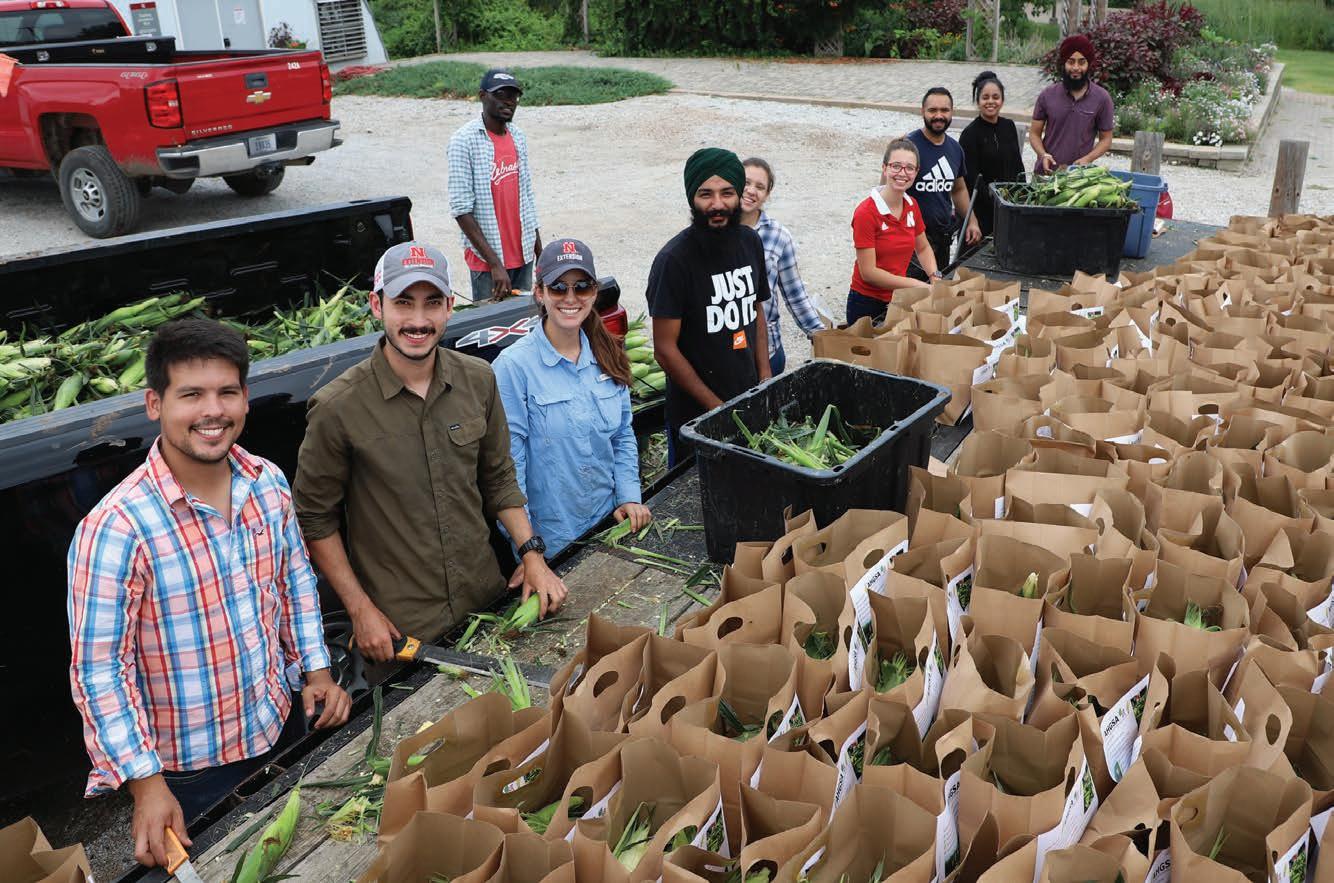
by Michael Carlson, AHGSA president, and Fernanda Krupek, AHGSA treasurer
THE AGRONOMY AND HORTICULTURE GRADUATE STUDENT ASSOCIATION CONTINUED TO ENSURE THAT EVERY PERSON AND INTERACTION MATTERS CONSISTENT WITH CASNR’S THEME FOR THE CURRENT ACADEMIC YEAR, “GROWING AN INCLUSIVE CASNR: LISTENING, LEARNING AND DOING TOGETHER.”
During the 2021 spring and fall semesters, AHGSA provided teamwork opportunities for listening, learning and doing including monthly meetings, in-person events, the annual sweet corn giveaway, the Elevator Speech Contest and an industry tour.
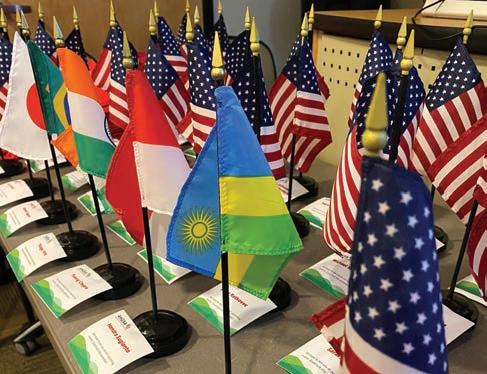
It’s a team effort by AHGSA members to pack and distribute two truckloads of sweet corn across East Campus. BELOW: AHGSA welcomes incoming international and domestic students in August with home country flags.
Virtual monthly meetings continued and covered topics like work-life balance, precision agriculture, careers in academia and team management. Meeting invitations were extended to graduate students in the entomology, plant pathology, and biological systems engineering departments to expand AHGSA’s presence on East Campus. These meetings provided topical information for over 40 graduate students to further enrich their academic careers and improve their soft skills.
AHGSA hosted its first in-person event since March 2020 at the Nebraska East Union bowling alley in March of 2021. This social event provided an informal setting for over 20 agronomy and horticulture graduate students to interact with other graduate students outside of a work setting.
This year AHGSA again collaborated with T.J. McAndrew and the agronomy farms at both the Eastern Nebraska Research and Extension Center and Havelock to plant sweet corn for two summer harvests. Sweet corn was harvested, packaged and distributed to the East Campus community on a first-come, first-served basis in July and August. Freewill donations by community members for the 500-plus packages of sweet corn make this AHGSA’s largest fundraising event to support the activities of the association.
AHGSA welcomed new and returning students in August with information about the association and Lincoln. Invited speakers Associate Professor Keenan Amundsen and Danielle Lopez provided students with information about
how the department’s graduate programs work and whom to contact for questions. New students received a gift package from AHGSA that included a flag from their home country and fliers with program resources.
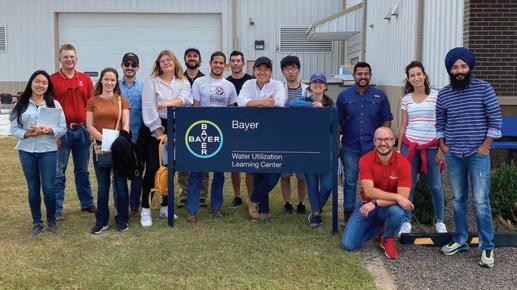
The association sponsored a tour to the Bayer Crop Science Learning Center in Gothenburg, Nebraska, in September. A group of 14 students toured the center and learned about Bayer Crop Science, current and future career opportunities, current research including corn and soybean traits, cover cropping systems, pest management technologies, and future agricultural challenges. Alex Rosa, former AHGSA president (2019–2020), hosted the group with the informative tour.
The Elevator Speech Contest, a cross-department collaboration with the Department of Plant Pathology and Entomology Bruner Club, was conducted as a hybrid event in October. Additional social events in the fall included a wine tasting and a potluck.
AHGSA continued to support the out-of-classroom experiences for graduate students throughout 2021 by fostering interactions to build relationships among graduate students, faculty and staff. As a result, AHGSA was successfully nominated as the 2021 Outstanding Student Organization from the UNL Student Affairs office, a testament to members’ teamwork, discipline, efforts and the continuous support received from the department. AHGSA hopes that this award will allow the officer team and chairs opportunities for professional growth while benefiting the community for the continued involvement and support of the association.
AHGSA would like to thank all who provided their continued support, especially the advisers (Professor Paul Read, Professor Sam Wortman and Professor and Department Head Martha Mamo), Graduate Committee Chair Amundsen, Casey Lundberg, Lana Johnson, Lopez and McAndrew. AHGSA would not have had another successful year without the support of the department and these individuals.
Club officers are Michael Carlson, president; Alyssa Kuhn, vice president; Fernanda Krupek, treasurer; and Deepak Ghimire, secretary.
Follow AHGSA on Twitter (@ahgsa_unl) and Facebook (UNL AHGSA).
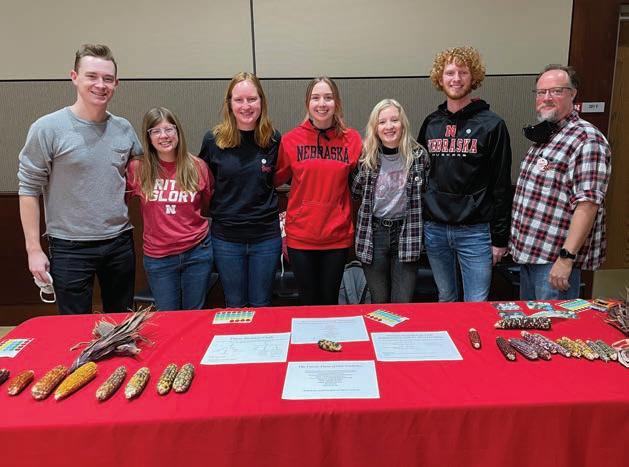
Plant Biology Club members Tyler Ferris (from left), Lizzie Schousek, Sara Adam, Jamie Fuqua, Katie Bathke, Talon Mues and club adviser Christian Elowsky participated in the 2021 IANR tailgate co-hosted by Animal Science and Agronomy and Horticulture Oct. 30 on East Campus.
by
Jamie Fuqua, Plant Biology Club president
THE PLANT BIOLOGY CLUB’S PURPOSE IS TO PROVIDE MENTORSHIP AND IDENTITY FOR STUDENTS IN THE PLANT BIOLOGY MAJOR AND MINOR.
Mentorship involves discussions around courses and providing information about resources and opportunities unique to the club. The club’s identity starts with involvement in supporting fellow students and leads to opportunities for members to create change for the plant biology major.
All the club’s activities and interactions are social events to help unify the small student numbers — fewer than 25 current members. Mentorship extends through those connections. The club is a very close-knit group focused on achieving individual and group goals and creating a positive environment for each member to grow and thrive.
“We learn from our own in-depth experiences and share those with others to create an impact that lasts,” Jamie Fuqua, club president, said.
The Plant Biology Club is a diverse group of leaders with the same goals of inclusion and collaboration to create opportunities to build a better future for its members.
Club officers are Fuqua, president; Cleopatra Babor, treasurer; and Elizabeth “Lizzie” Schousek, primary programmer. The club’s adviser is Christian Elowsky.
by Sarina Janssen, Agronomy Club president, and Katie Steffen, Agronomy Club secretary
AGRONOMY CLUB BEGAN THE YEAR WITH THE THIRD ANNUAL EXPERIENCE AGRONOMY DAY IN FEBRUARY. In an effort to keep everyone safe while following COVID-19 restrictions, this event was hosted over Zoom with various FFA chapters in attendance. Club members prepared presentations to teach the high school students about crop, weed, disease and insect identification.
Throughout the remainder of the spring semester, Agronomy Club hosted various speakers in person or over Zoom. Unfortunately, the Spring Regional SASES meeting was cancelled because of challenges with the pandemic. Typically, this meeting provides students with the opportunity to travel to another state and learn about agriculture across the country as well as meet other students with similar interests.
By the fall semester, Agronomy Club activities had mostly returned to normal. The school year kicked off with the traditional Welcome Back Barbecue. Students participated in the annual roundtable event in person. Several agronomic companies attended to speak with students about their company and various internships available for summer 2022. The meeting allowed for more in-depth interaction between club members and potential employers than is usually attainable at the Career Fair.
Another fall event was internship presentations from the club officers. They informed the club about the company that they interned for along with their duties and the projects they completed. As the fall semester closed, Agronomy Club kept busy with regular meetings, campus events, and launching a fall apparel link.
The 2021 club officers were Sarina Janssen, president; Korbin Kudera, vice president; Nathan Donoghue, treasurer; Katie Steffen, secretary; Noah Stone, assistant treasurer; and
Landon Cuba, historian. Meghan Sindelar, assistant professor of practice, and Chris Proctor, assistant extension educator, are the club advisers.
The promise of a better tomorrow begins with the knowledge of today. Soil and Soil
With over 50 years of experience providing agricultural laboratory analysis, we are your committed partner.
by Stacy Adams, Horticulture Club co-adviser
CLUB MEMBERS JUMPED INTO THE NEW YEAR WITH THE THIRD ANNUAL VALENTINE’S DAY SUCCULENT SALE, AFFECTIONATELY KNOWN AS THE “TELL YOUR SWEETHEART YOU DON’T SUC SALE,” HELD AT THE CATHER DINING HALL AND NEBRASKA EAST UNION. This 400-pot sellout happened in less than an hour!
Industry guests this year included University of Nebraska–Lincoln horticulture alumna Luann Finke, of Finke Gardens, who shared her life experiences in the green industry and inspired students to direct their own success. Industry professional Ed Curry, of Curry Seed and Chile Company, Zoomed in from Pearce, Arizona, to share his experience in farming chile peppers, including breeding, development and workforce challenges experienced with this labor-intensive crop.
The Spring Plant Sale returned during the pandemic with online pre-sales and scheduled pickups. “It was definitely different than all other activities and plant sales, and Horticulture Club showed resiliency in order to remain vibrant,” club co-adviser Stacy Adams said.
Students returned to school for the fall semester in August and immediately began planting for the Poinsettia Sale in December. New for the club this fall was a Welcome Back to Campus Fall Foliage Sale for dorm residents.
The club traveled during fall break to western Nebraska with stops at the North Platte NRD geothermal greenhouse and the Charles E. Bessey Tree Nursery in Halsey, where the club met with Nebraska horticulture alumnus Richard Gilbert, a USDA Forest Service nursery manager.
Horticulture Club officers for 2021 were Sarah Wulf, president; Deanna Montanez-Mendoza, vice president; Sarah Adam, treasurer/secretary; Paige Miller, media/promotion; and Nathan Starr, head grower. The club is co-advised by Stacy Adams and Terri James.
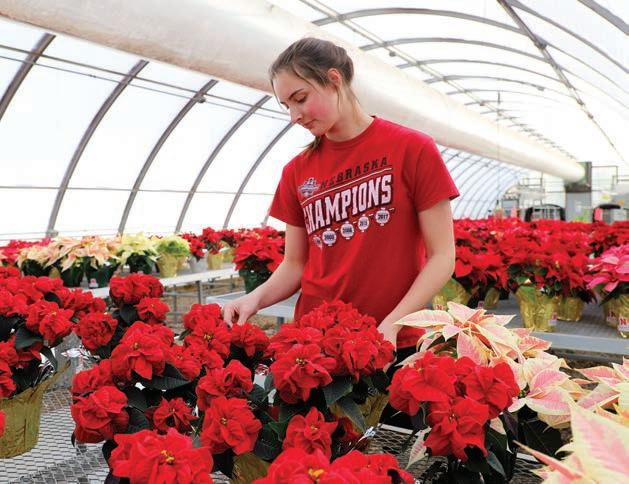
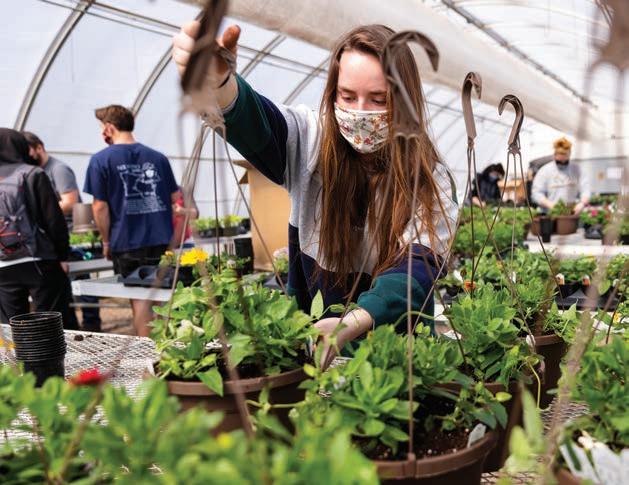
The
held online and in-person sales and again provided poinsettias for the university’s December graduation ceremonies. ABOVE: Taylor Cammack, a junior horticulture major, moves a finished hanging basket onto the rack so it can be watered during a club work session. The plants were sold online and picked up during the annual Spring Plant Sale on April 1.
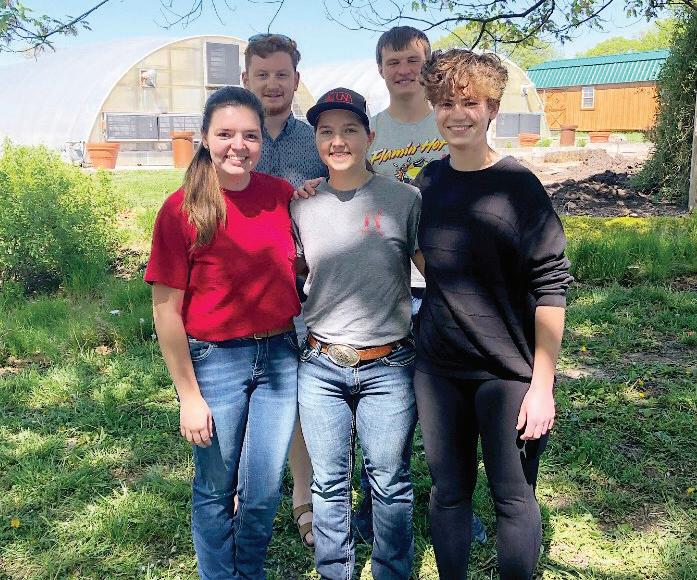
by Benjamin Janssen, Range Management Club public relations and social media
CALENDAR YEAR 2021 WAS A STRANGE ONE FOR COLLEGE STUDENTS AROUND THE UNITED STATES. The raging pandemic, the polarized politics and online classes all combined to make the spring and fall semesters unforgettable. In spite of the outside factors, Range Management Club continued to advance the science and art of range management, connect students to leaders in range management, and prepare for range management competitions.
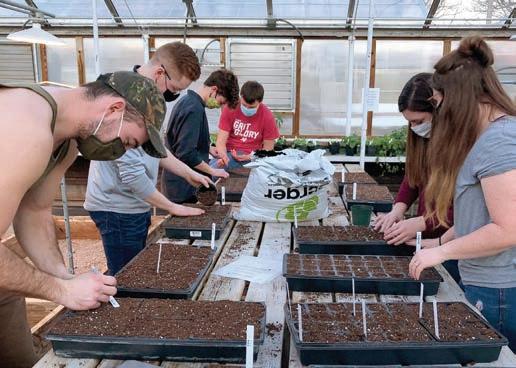
In February, club members started native prairie plants from seed to prepare for the upcoming Native Plant Sale. After planting, members took time outside of club to visit the greenhouse, check on the seedlings, and water. Sadly, due to COVID-19 the normal Native Plant Sale could not take place, so it was turned into the Native Plant Giveaway. Patrons came to the Nebraska East Union to pick out their plants of choice, and with ample interest in free plants, most of the native plants were given away by the end of the event.
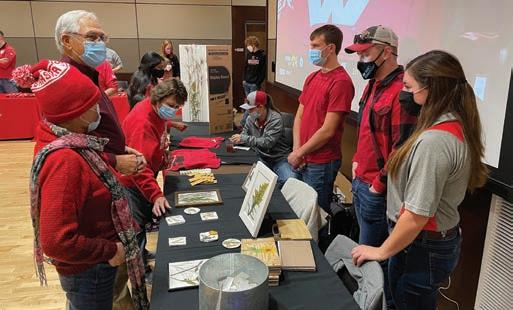
COVID-19 changed how Range Management Club conducted meetings. During the spring semester, to keep safety as a high priority, Zoom was used to facilitate club meetings every other week, and safety protocols were followed when there were in-person meetings.
Normally, members would attend the International Meeting of the Society for Range Management. In 2021, the society meeting was held virtually Feb. 15–18 and the team competed in three competitions.
Members competed online in the Undergraduate Range Management Exam, Range Plant Identification test, and speech. Kaitlyn Dozler, a junior fisheries and wildlife major, placed first in extemporaneous speech.
Summer and fall provided the opportunity for school and community involvement. Several Range Management Club officers had the privilege to interact with the candidate for the director of the Center for Grassland Studies. Members also traveled to Ruth Hill Elementary on the south side of Lincoln to help clean up its outdoor classroom. Cleanup went well as beautiful weather in the evening facilitated weeding and debris removal.
During the fall semester, the club was able to finally meet regularly in person, and this opportunity was met with gusto by hosting the first meeting with Grazing Livestock Systems Club. The club also took a trip with Wildlife Club out to Nine Mile Prairie to explore the land and experience firsthand what range management looks like.
The club continued to foster learning and growth by preparing for the International Meeting of the Society for Range Management. Each week students met to work on their plant identification and range management knowledge. Students traveled to Albuquerque, New Mexico, in midFebruary to compete.
2021 officers were Asha Scheideler, president; Brandon Jelinek, vice president; Lydia Regier, treasurer; Dozler, secretary; and Benjamin Janssen, public relations and social media. Mitchell Stephenson was the club adviser.
by Elizabeth Cunningham, Pi Alpha Xi–Alpha Gamma Chapter president
PI ALPHA XI IS A NATIONAL HONOR SOCIETY THAT RECOGNIZES AND HONORS STUDENTS WITH HIGH SCHOLASTIC ACHIEVEMENT AND DEEP INTEREST IN HORTICULTURE. The University of Nebraska–Lincoln is home to the Alpha Gamma Chapter of this organization with 39 members, including both students and faculty. New members are selected based on criteria involving a high GPA and a minimum number of credit hours in horticulture.
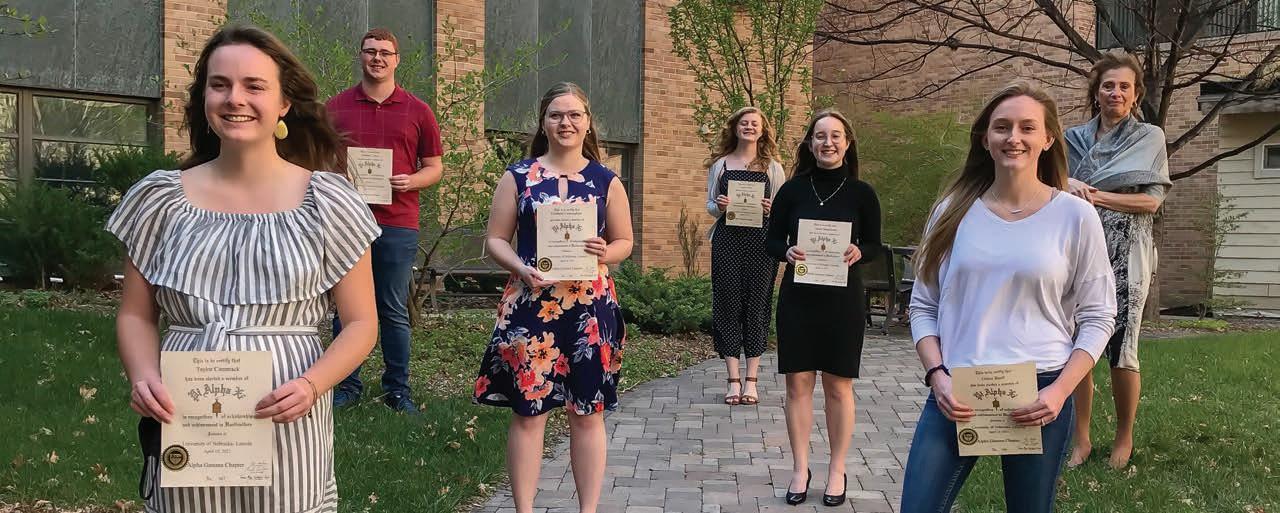
Just as spring is marked by the renewal of foliage, it wouldn’t be spring without a new group of members. Six students were welcomed into Pi Alpha Xi during the annual initiation ceremony at the Nebraska East Union. Friends, family and loved ones were in attendance to celebrate the occasion. At this time, other honors were also awarded. Seniors were presented with their graduation cords. Caleb Wehrbein was awarded the Alpha Gamma Chapter scholarship for his active participation in the organization. Associate Professor Sam Wortman was awarded the President’s Citation, presented each year to a professional in the horticultural industry who supports learning and progressive practices.
Every December, Pi Alpha Xi hosts a wreath-making workshop that is open to the public. This event creates an opportunity for members to develop their leadership skills as they teach others how to construct a wreath. Participants are always excited to join in the festivities at Prairie Pines, and this year was no different.
The society was directed in 2021–22 by faculty advisers Ellen Paparozzi, Dave Lambe and Luqi Li and was managed by society officers Elizabeth Cunningham, president; Jamie Dasenbrock, vice president; and Brandon Mars, secretary-treasurer.

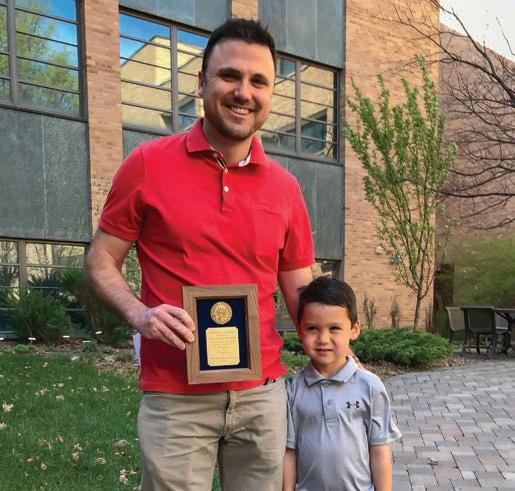
Taylor
Brandon Mars, Elizabeth Cunningham, Sarah Wulf, Jamie Dasenbrock and Grace Buell with adviser Professor Ellen Paparozzi. MIDDLE: Professor Ellen Paparozzi (right) demonstrates to participants how to properly construct a wreath during the chapter’s wreath-making workshop. ABOVE: Associate Professor Sam Wortman poses with the President’s Citation award and his son.
Sarah Adam: Milton E. Mohr Scholarship
Cleopatra Babor: American Society of Agronomy-Crop Science Society of America-Soil Science Society of America Annual Meeting Golden Opportunity Scholar Award
Katie Bathke: Milton E. Mohr Scholarship, Robert B. Daugherty Water for Food Global Institute Undergraduate Student Support, University Honors Program Interdisciplinary Undergraduate Honors Award, University Honors Program Agricultural Sciences and Natural Resources Undergraduate Research Poster
Ryan Beck: Milton E. Mohr Scholarship
Charlotte Brockman: ASA-CSSASSSA International Annual Meeting Golden Opportunity Scholar Award, First-place Team Jumble Judging 2022 Region 5 Collegiate Soil Judging Contest, Sixth-place Individual Region 5 Collegiate Soil Judging Contest, Fourthplace Team Overall 2023 National Collegiate Soil Judging Contest
Taylor Cammack: 2023 Martin A. Massengale Outstanding Senior Award
Rachel Clarkson: Undergraduate Creative Activities and Research Experience Award, Fourth-place Team Overall 2023 National Collegiate Soil Judging Contest
Elizabeth Cunningham: Pi Alpha Xi–Alpha Gamma Chapter Scholarship
Nathan Donoghue: Milton E. Mohr Scholarship, 2022 Agronomy Club Outstanding Senior, Thirdplace Team 2022 West Texas A&M University Collegiate Crops Contest – Crops Judging, Third-place Team 2022 Kansas State University Crops Judging Contest – Crops Judging
Marissa Fouraker: First-place Student of Agronomy, Soils, & Environmental Sciences Undergraduate Oral Presentation Research Symposium Session II, UCARE Award
Daniel Frey: Fourth-place Team Overall 2023 Iowa State University
Contest – Crops Judging, Seventh-place Team Overall 2023 North American Colleges and Teachers of Agriculture National Judging Conference
Jamie Fuqua: Milton E. Mohr Scholarship
Cole Hammett: UCARE Award, ASACSSA-SSSA International Annual Meeting Golden Opportunity Scholar Award, First-place ASACSSA-SSSA International Annual Meeting Golden Opportunity Scholars Poster Competition
Sarina Janssen: Third-place Team 2021 Hutchinson Community College Collegiate Crops Contest –Crops Judging; Third-place Team Overall 2021 Nebraska College of Technical Agriculture Collegiate Crops Contest – Crops Judging, Thirdplace Team 2022 WTAMU Collegiate Crops Contest – Crops Judging, Third-place Team 2022 KSU Crops Judging Contest – Crops Judging Korbin Kudera: Third-place Team 2021 Hutchinson CC Collegiate Crops Contest – Crops Judging; Fifth-place Overall Individual 2021 Hutchinson CC Collegiate Crops Contest – Crops Judging; Third-place Team Overall 2021 NCTA Collegiate Crops Contest –Crops Judging, Third-place Team 2022 KSU Crops Judging Contest – Crops Judging, First-place Overall Individual 2022 KSU Crops Judging Contest –Crops Judging, Third-place Team 2022 WTAMU Collegiate Crops Contest –Crops Judging, Best Individual Score 2022 WTAMU Collegiate Crops Judging, First-place 2022 WTAMU Collegiate Crops Contest – Math Exam, Firstplace 2022 WTAMU Collegiate Crops Contest – Lab Practical, Second-place 2022 WTAMU Collegiate Crops Contest
– Agronomic Exam, Third-place 2022 WTAMU Collegiate Crops Contest –Plant and Seed Identification, Thirdplace Team 2022 NACTA Judging Contest
– Crops Judging, Third-place Team 2022 NACTA Judging Contest – Precision Agriculture, First-place Overall Individual NACTA Judging Contest –Crops Judging, Individual Champion
2022 NACTA Judging Contest – Crops Contest Agronomic Knowledge Exam, Individual Champion 2022 NACTA Judging Contest – Crops Contest Lab Practical, First-place Overall Individual 2022 NACTA Judging Contest – Precision Agriculture Contest, Individual Champion 2022 NACTA Judging Contest – Precision Agriculture Contest Knowledge Exam, Individual Champion 2022 NACTA Judging Contest – Precision Agriculture Contest Lab Practical
Cole McClurg: Fourth-place Golf Course
Superintendents Association of America
27th Annual Collegiate Turf Bowl
Alessandra Meza: UCARE Award
Logan Nelson: Third-place Team
Overall 2023 WTAMU Collegiate Crops Contest, Fourth-place Team Overall 2023 ISU Contest – Crops Judging, Seventh-place Team Overall 2023 NACTA National Judging Conference
Zach Nienhueser: Third-place Team Overall 2023 WTAMU Collegiate Crops Contest, Fourth-place Team Overall 2023 ISU Contest – Crops Judging, Seventh-place Team Overall 2023 NACTA National Judging Conference
Jacob Ocholik: Fourth-place GCSA 27th Annual Collegiate Turf Bowl
Sam Polk: 2021 Chancellor’s Scholar
Lydia Regier: 2023 Chancellor’s Scholar, Range Management Club Trail Boss Award, UCARE Award
Abigail Ridder: 2023
Chancellor’s Scholar
Mason Rutgers: CASNR Holling Family Award for Undergraduate Teaching and Learning Assistant, Fourth-place
Individual 2022 Region 5 Collegiate Soil Judging Contest, First-place Team
Jumble Judging 2022 Region 5 Collegiate Soil Judging Contest, Sixth-place
Individual 2023 National Collegiate Soil Judging Contest, Third-place tie 2023
ASA-CSSA-SSSA International Annual Meeting SSSA Pedology Contest, Fourthplace Team Overall 2023 National Collegiate Soil Judging Contest
Elizabeth “Lizzie” Schousek: UCARE Award
Kyle Schumacher: 2021 Mid America Croplife Association Young Leader Scholarship, 2022 Chancellor’s Scholar
Will Stalder: Third-place Overall Team 2023 WTAMU Collegiate Crops Contest, Fourth-place Team Overall 2023 ISU Contest – Crops Judging, Seventh-place Team Overall 2023 NACTA National Judging Conference
Jared Stander: Third-place Team 2021 Hutchinson CC Collegiate Crops Contest – Crops Judging; Third-place Team Overall 2021 NCTA Collegiate Crops Contest – Crops Judging
Nathan Starr: Pi Alpha Xi–Alpha Gamma Chapter Scholarship
Katie Jo Steffen: Third-place Team 2021 Hutchinson CC Collegiate Crops Contest – Crops Judging; Third-place Team Overall 2021 NCTA Collegiate Crops Contest – Crops Judging, 2022 Martin A. Massengale Outstanding Senior Award, Third-place Team 2022 WTAMU Collegiate Crops Contest –Crops Judging, Third-place Team 2022 KSU Crops Judging Contest – Crops Judging
Maggie Walker: Third-place Team Overall 2023 WTAMU Collegiate Crops Contest, Fourthplace Team Overall 2023 ISU Contest – Crops Judging, Seventhplace Team Overall 2023 NACTA National Judging Conference
Caleb Wehrbein: 2021 Martin A. Massengale Outstanding Senior Award
Kailey Ziegler: Third-place Team Overall 2023 WTAMU Collegiate Crops Contest, Fourth-place Team Overall 2023 ISU Contest – Crops Judging, Seventh-place Team Overall 2023 NACTA
National Judging Conference
A list of all student awards can be found online at agronomy.unl.edu/ undergraduate-student-awards.

by Kyle Schumacher, 2022 agronomy graduate
AGRICULTURE HAS BEEN A PART OF MY LIFE SINCE THE DAY I WAS BORN. Growing up on my family farm near Petersburg, Nebraska, I got my start riding in the “buddy seat” and handing my dad tools. I’ve come a long way since then and my contributions have evolved into making seed, fertility, chemical and irrigation recommendations. With that being said, none of this would have been possible without the people I’ve met, the opportunities I’ve been given, and the knowledge I’ve gained by attending the University of Nebraska–Lincoln. Coming in as a freshman, I truly had no idea what major to pursue. Today, I couldn’t imagine myself being in any degree program other than agronomy. My journey from being uncertain on a major to falling in love with agronomy is a testament to the Department of Agronomy and Horticulture as well as CASNR itself. I am proud to call East Campus my home.
Throughout my time at UNL, I’ve had a couple different internships. The summer after my freshman year, I interned with Central Valley Ag as a WinField intern. The next summer, I interned with Pioneer as a seed sales/scouting intern, and this year I will be returning to Pioneer in the same position. After graduation in December 2022, I plan to take a full-time position with Pioneer!
One of the most important things I’ve learned is to be open to new things and new people, but never lose track of who you are and who you want to be. Looking back on my years at Nebraska, the first word that comes to my mind is thankful. I am beyond thankful for the people in the Department of Agronomy and Horticulture who have made this journey so enjoyable and for my family and friends who supported me every step of the way.
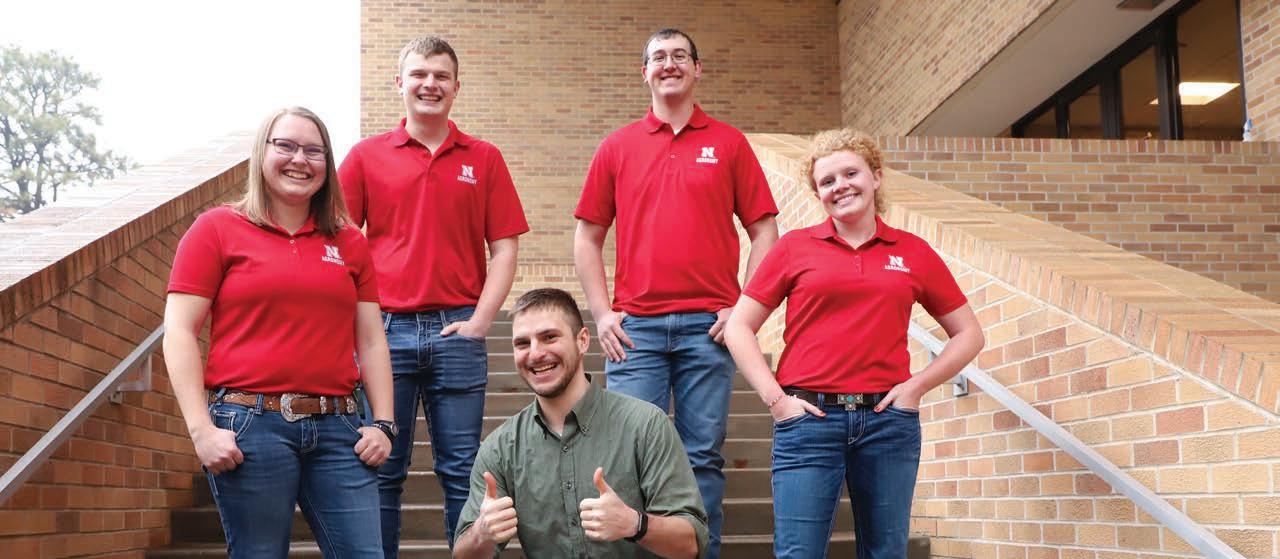
THE UNIVERSITY OF NEBRASKA–LINCOLN CROPS JUDGING TEAM COMPETED IN THE NEBRASKA COLLEGE OF TECHNICAL AGRICULTURE COLLEGIATE CROPS CONTEST
MARCH 6, 2021, IN CURTIS, NEBRASKA. As a team, the Huskers placed third overall in the four-year division with a score of 1,601 points. Nebraska students who participated included agronomy majors Jared Stander, Katie Steffen, Korbin Kudera and Jacob Vallery. Kudera placed eighth overall, individually, with a score of 467 points out of the possible 600.
The team competed in the Blue Dragon Classic crops judging contest at Hutchinson Community College in Hutchinson, Kansas, April 16, 2021. The team placed third overall in the four-year division and Kudera placed fifth overall in the individual crops judging. Nebraska’s winning team included agronomy majors Stander, Steffen, Kudera and Sarina Janssen.
The team was coached by Adam Striegel, who graduated in May 2021 from the Doctor of Plant Health Program.
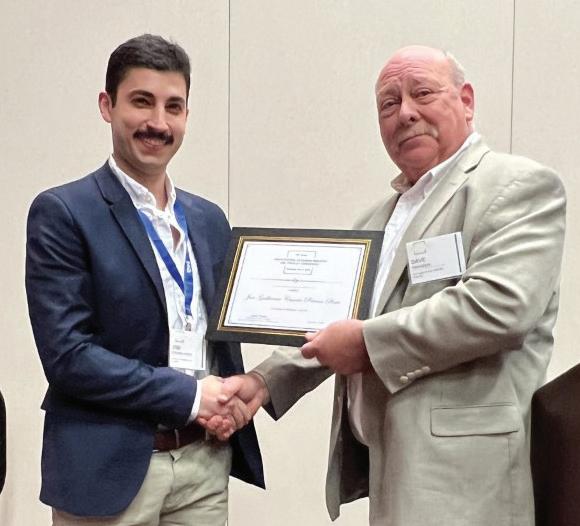
JOSE PINTO RECEIVED THE GRADUATE STUDENT AWARD AT THE 2022 NORTH CENTRAL EXTENSIONINDUSTRY SOIL FERTILITY CONFERENCE IN DES MOINES ON NOV. 16. Pinto is an agronomy doctoral student focusing on nitrogen management.
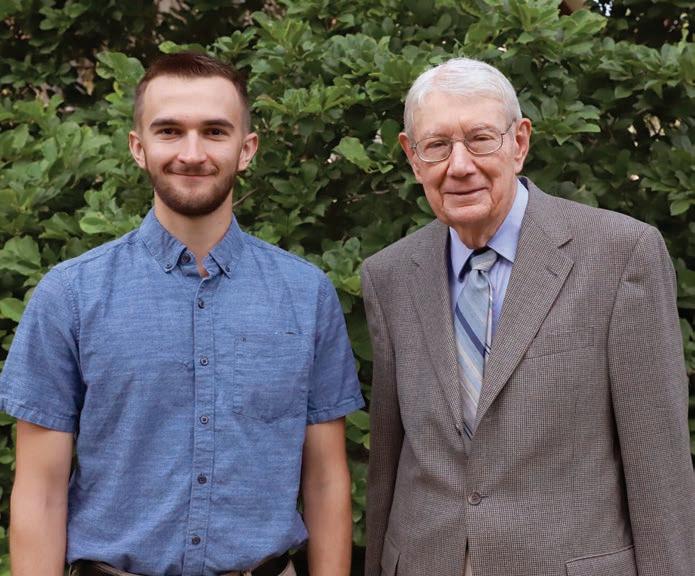
CALEB WEHRBEIN WAS AWARDED THE MARTIN A. MASSENGALE OUTSTANDING SENIOR AWARD FOR 2021. Wehrbein graduated in May of 2021 with a degree in plant biology and is working on a doctorate in horticulture. Students receiving this award are chosen by the faculty and have shown exemplary character, high achievement in their classes and involvement on campus.
The award honors Massengale, the president, chancellor and Foundation Distinguished Professor emeritus and founding director of the Center for Grassland Studies.
THE 2021 INTERNATIONAL MEETING OF THE SOCIETY FOR RANGE MANAGEMENT WAS HELD VIRTUALLY FEB. 15–18. University of Nebraska–Lincoln Range Management Club members Asha Scheideler, Nick Sanders, Lydia Regier, Kaitlyn Dozler, Brandon Jelinek and Cole Laible took sixth place in the Undergraduate Range Management Exam. Dozler took home first place in Extemporaneous Speaking.
In 2022, club members traveled to Albuquerque, New Mexico, to attend the annual meeting. Scheideler, Dozler, Sadie Ference and Treaven Scheideler placed second in the Rangeland Cup competition. Dozler placed first in Extemporaneous Speaking.
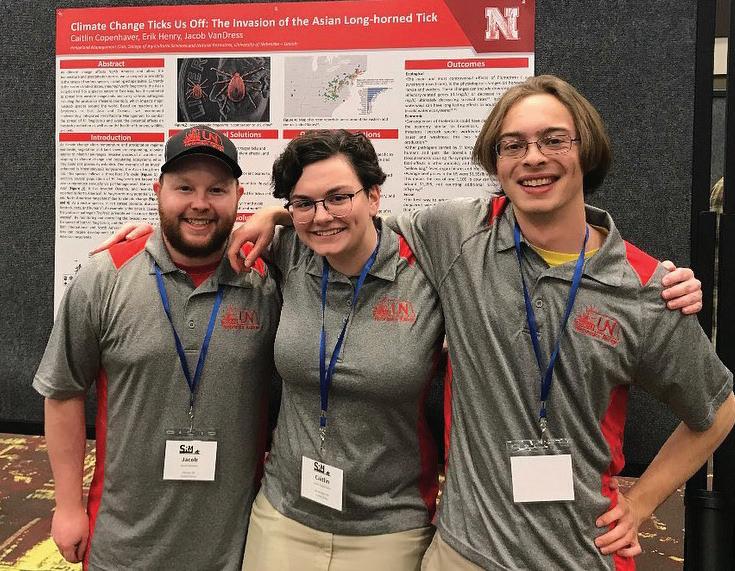
In Boise, Idaho, the 2023 Rangeland Cup Team of Jacob VanDress, Caitlin Copenhaver and Erik Henry took first place, while the Plant Team took sixth.
Cheryl Dunn, Jessica Windh, John Guretzky and Nic McMillan have advised the team.
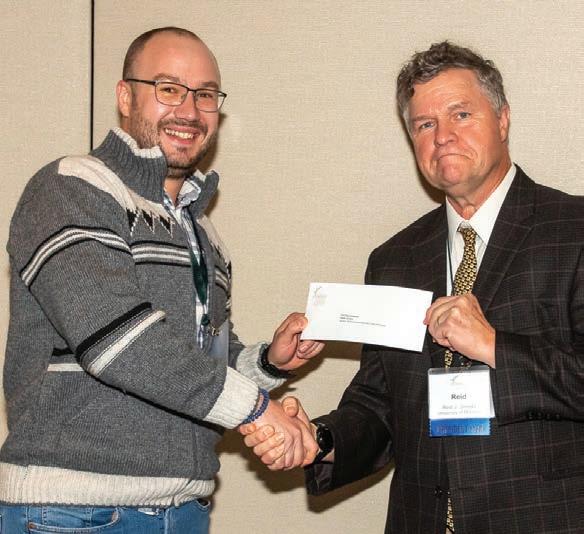
MILOS ZARIC, AN AGRONOMY DOCTORAL STUDENT, RECEIVED THE AGRONOMY AND HORTICULTURE GRADUATE STUDENT ASSOCIATION OUTSTANDING MEMBER AWARD IN 2021. He was also awarded first place in the Graduate Student Poster Contest at the North Central Weed Science Society Meeting in St. Louis in December 2022.
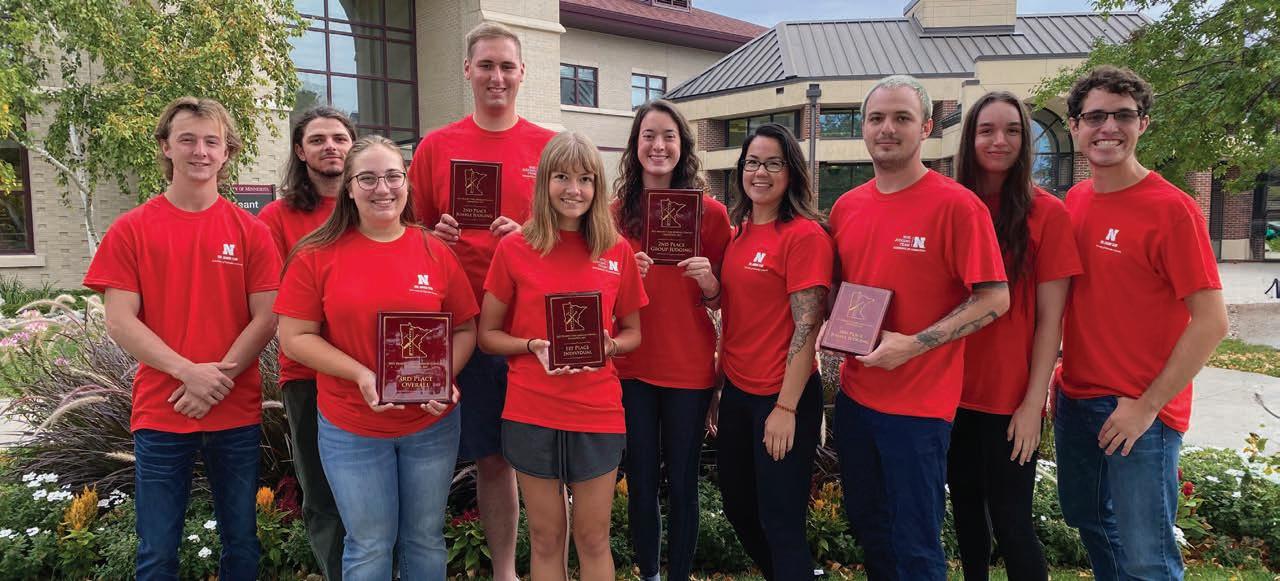
THE UNIVERSITY OF NEBRASKA–LINCOLN SOIL JUDGING TEAM BROUGHT HOME A LOT OF HARDWARE FROM THE 2021 REGION 5 SOIL JUDGING CONTEST. The competition was held Oct. 1 near Crookston, Minnesota, and hosted by the University of Minnesota. In the new Jumble Judging component (mixed groups of students from different schools — Nebraska was paired with Iowa State) the students placed second and third. The team placed third in the group judging event and Will Hernandez placed first individually. The team placed third overall, which qualified them for nationals in the spring.
Becky Young, an assistant professor of practice in agronomy and horticulture, and Judith Turk, a pedologist in natural resources, coached the team.
by Osler Ortez, Ph.D., agronomy and horticulture alumnus
MY PASSION FOR AGRICULTURE BEGAN AT A VERY YOUNG AGE IN NORTHERN NICARAGUA, WHERE I WAS BORN AND RAISED ON A SMALL COFFEE FARM. Growing up helping at the farm, I knew improvements could be made, so I pursued an education in science that would help identify solutions. In 2014, I received my Bachelor of Science in agriculture from Zamorano Pan-American Agricultural School in Honduras. In 2018, I completed my master’s degree in agronomy at Kansas State University and started my doctorate in agronomy and crop production at the University of Nebraska–Lincoln under the supervision of Emeritus Professor Roger Elmore and Justin McMechan, assistant professor of entomology.
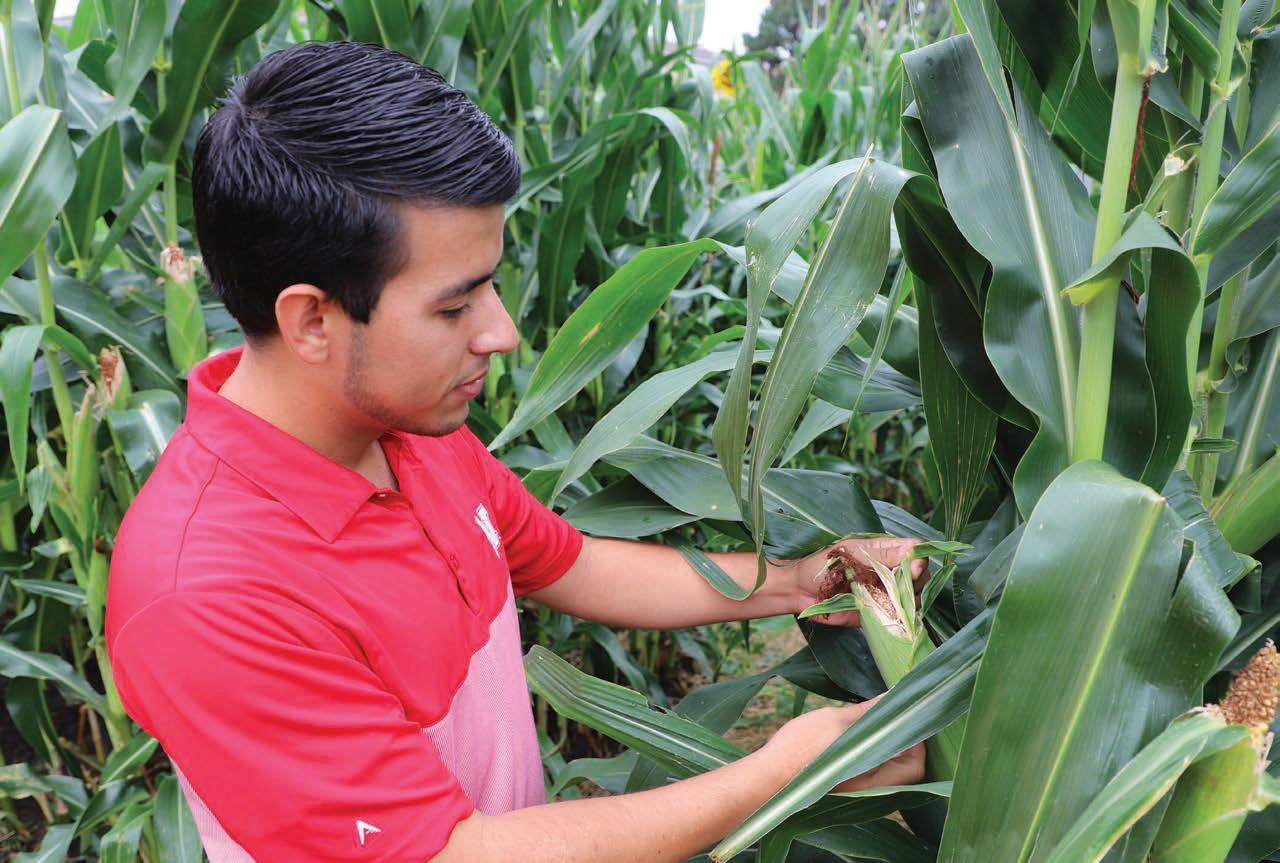
I feel fortunate to have landed at Nebraska. It was a supportive environment with caring advisers, and I had the opportunity to contribute in full to the three landgrant missions of research, extension and teaching. At the university, I led multidisciplinary research projects in response to widespread corn ear abnormalities and lower
yields. Our main goals were to identify and isolate factors responsible for abnormal ears and lower yields and to provide information to potentially manage and mitigate the issues. I am grateful for three consecutive years of funding support from the Daugherty Water for Food Global Institute.
Extension is the pipeline that takes research findings to practitioners and stakeholders, and I was part of several extension programs at Nebraska. On the teaching side, for two years I helped Meghan Sindelar teach soil and nutrient relationships, a course of vital importance for any ag system.
I strongly believe that research, extension, teaching, leadership and service efforts create a big impact in our circles, communities and society. I also believe that leadership, work excellence and communication skills are as important as technical ones. My recommendation for current and future graduate students is to broaden the scope of programs and seek opportunities outside of research.
To gain managerial and out-of-syllabus experiences, I immersed myself in various leadership roles at the university,
in the community, and within the Agronomy-Crop-Soil Science Societies of America. Highlights include serving as a volunteer, treasurer and president of the Agronomy and Horticulture Graduate Student Association; organizing the first inter-departmental Elevator Speech Contest in 2019; being vice chair for the Nebraska Plant Sciences Symposium in 2020; and serving on the ACS Graduate Student Committee from 2018 through 2020.
Maintaining a work-life balance is always one of my goals. To that end, I enjoyed cultivating my spiritual values at the university’s Newman Center, going for bike rides on Lincoln trails and around lakes, learning how to play the guitar, and grilling out and fellowshipping with friends. I also enjoy helping others in any capacity in my free time.
Recently, I was honored to accept a faculty position in corn and emerging crops at The Ohio State University, another public land-grant institution, where I will fulfill the missions of extension, research and teaching as an assistant professor. I plan to foster collaborative creativity and innovation for the advancement of agriculture and establish both national and international partnerships. I am thankful for all the opportunities I’ve had in my career, and I will work to continue igniting hope, positivism and optimism among my peers and the communities I am part of.
As an early-career faculty member at Ohio State, I will keep my eyes open for engagement opportunities with Nebraska in the years to come. In the meantime, Go Big Red!
Each July, up to 10 young leaders join corn growers from across the nation and Congressional leaders during NCGA’s annual Corn Congress in Washington D.C.
This is an opportunity for participants to improve their personal and professional leadership development and agricultural policy knowledge.
visit nebraskacorn.gov/internships
Nebraska Corn provides experiences that are tailored to specific areas of interest, including agricultural policy, international trade, market development and communication.
Internships Available:
- U.S. Grains Council
- National Corn Growers Association
- U.S. Meat Export Federation
- Nebraska Corn Board

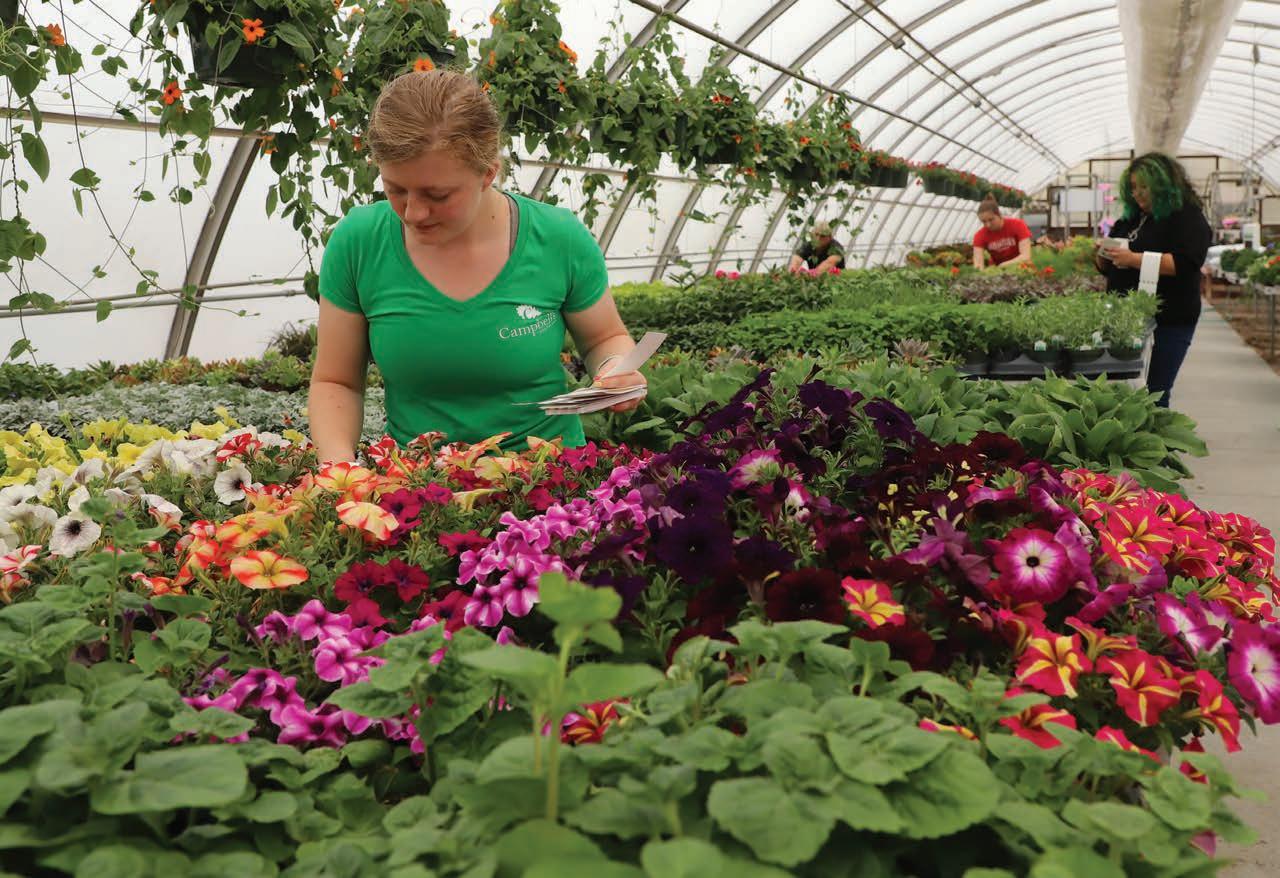
by Stacy Adams, Horticulture Club co-adviser
THIS YEAR STARTED OUT WITH THE VALENTINE’S DAY SUCCULENT SALE, POPULAR AMONG STUDENTS AND STAFF CAMPUSWIDE FOR GIFT-GIVING AND PERSONAL INDULGENCE. Immediately following, students began bedding plant production for the Spring Plant Sale the first week of May.
A group of students traveled during spring break to Colorado and met with Jan Gulley of Gulley Greenhouse Inc., a 45-acre perennial and seasonal plant grower in Fort Collins. More stops were made at Fantasy Orchids in Louisville, Denver Botanical Gardens, and City Floral in Denver. And a bit of fun was had at Denver’s Mile High Top Golf as well as Ole’s Big Game Steakhouse in Paxton, Nebraska.
Fall semester kicked off with the famous Study Buddy Plant Sale — foliage plants grown specifically to adorn the dorm. The semester was filled with various activities that
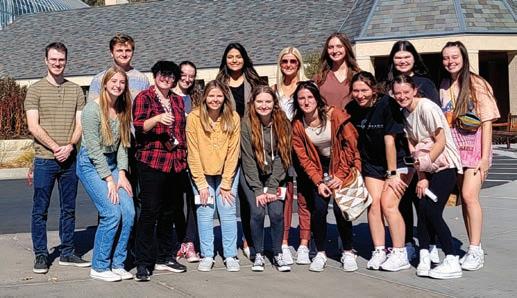
Sarah Wulf and other club members tag plants in the greenhouse in preparation for the club’s Spring Plant Sale. BELOW: A group of club members traveled to the Denver Botanical Gardens in Colorado during spring break. BOTTOM: The
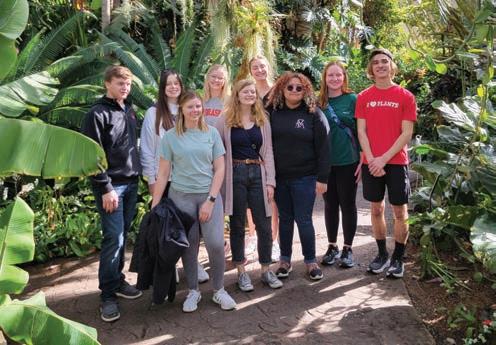
included a plant and seed exchange, a Sunken Gardens tour, a personal finances guest speaker, a Lauritzen Gardens tour, pumpkin painting, and a succulent garden planting activity. Appropriately, the club wrapped up with its Poinsettia Sale for the holidays.
Current club officers are Elaina Madison, president; Keeley Conrad, vice president/programmer; Sidney Vincent, treasurer/secretary; and Paige Miller, social media/ publications. Lead growers are William Anderson and Nathan Starr. Terri James and Stacy Adams are co-advisers.
by Landon Cuba, Agronomy Club president
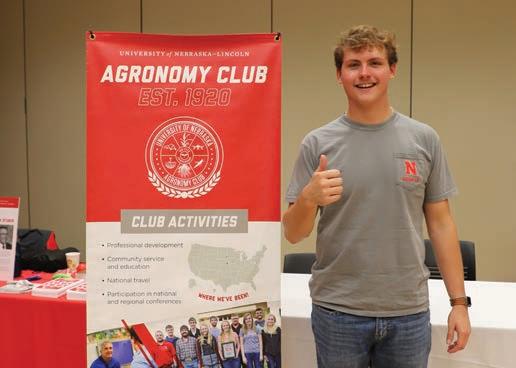
AGRONOMY CLUB BEGAN 2022 WITH PREPARATIONS FOR THE ANNUAL EXPERIENCE AGRONOMY DAY IN MARCH. This event was held online, and the club invited Nebraska FFA chapters to learn more about crop, weed, disease and insect identification. Club members created presentations and taught the high school students how to better identify plants and pests and showed them how a field agronomist would perform these tasks on the job.
Throughout the rest of the spring semester, Agronomy Club hosted various speakers presenting on different agronomic topics. The club’s officers also developed goals to increase club membership for the fall semester.
The fall semester seemed to come quickly. The school year kicked off with the Welcome Back Barbecue.
The club’s annual Roundtable event hosted employers from the agronomy industry to help expose students to agronomic companies in a one-on-one environment. Students learned about internship opportunities and how to match jobs to their interests. This event allowed for more in-depth interaction between club members and potential employers than is usually attainable at a career fair.
Another event that helped students learn more about internship opportunities was the club officers’ internship presentations. Club officers talked about their duties and projects as well as what they enjoyed about their internship experience.
As the semester wound down, the club continued to hold regular business meetings and social events, both of which encouraged peer networking within and outside of the club.
The 2022 club officers were Landon Cuba, president; Nolan Weber, vice president; Jacob Wendell, treasurer; and Daniel Frey, secretary. Meghan Sindelar, associate professor of practice, and Chris Proctor, associate extension educator, are the club advisers.
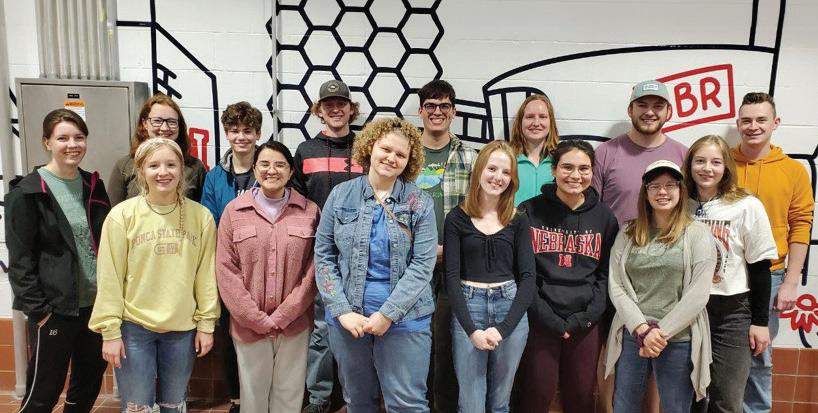
by Cleopatra Babor, Plant Biology Club secretary
IT IS THE PLANT BIOLOGY CLUB’S SECOND YEAR AS A RECOGNIZED STUDENT ORGANIZATION HERE AT THE UNIVERSITY OF NEBRASKA–LINCOLN. This club was created to develop a supportive and collaborative community for students with a plant biology major or minor. Its meetings focus on professional development, social events and student support for members.
During the spring semester, the club participated in Glow Big Red, talked about classes and said farewell to the May 2022 graduates.
In the summer, club members planted heirloom corn varieties, managed the plot, participated in different research opportunities, and offered their time volunteering.
The club provides support and mentoring for those looking to participate in undergraduate research or who are already conducting research. Many members are selffunded and participate in research at Nebraska and other institutions. They are engaged in research studying a range of topics including molecular genetics, plant ecology, plant conservation and nutrient management. This is an important part of the club’s identity because many members attend graduate school. The club also offers support for students with post-bachelor degree plans outside of academia.
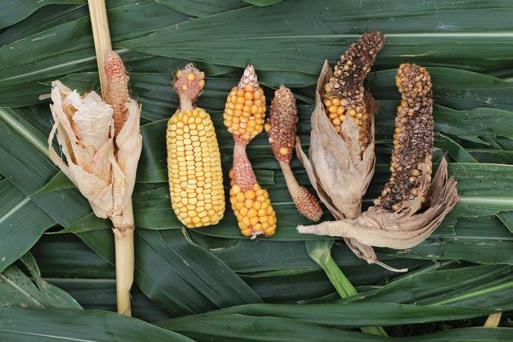
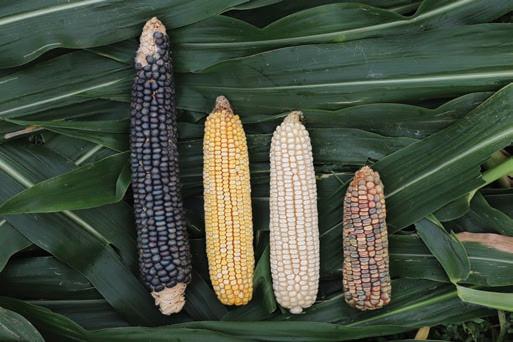
The club is working on integrating the diversity found in heirloom and Native American Maize varieties into an educational and creative project. The project aims to bring colorful varieties to Nebraska in an informative, aesthetic and collaborative way. Materials from the plot have been donated to the local Indigenous Food Sovereignty Program for their educational and creative uses, and the club will use materials for future creative projects.
During the fall semester, club members talked about classes, harvested the corn plot, organized the corn, attended the IANR tailgate hosted by the Department of Agronomy and Horticulture, attended the 2022 Emeriti Banquet and toured the Freight Farm hydroponics operation.
For the rest of the semester, the club focused on developing and submitting graduate applications, preparing for a merchandise sale, preparing for club elections and helping its members end their semester strong. The club’s last meeting involved creating corn art with local artists and celebrating the graduating seniors’ accomplishments.
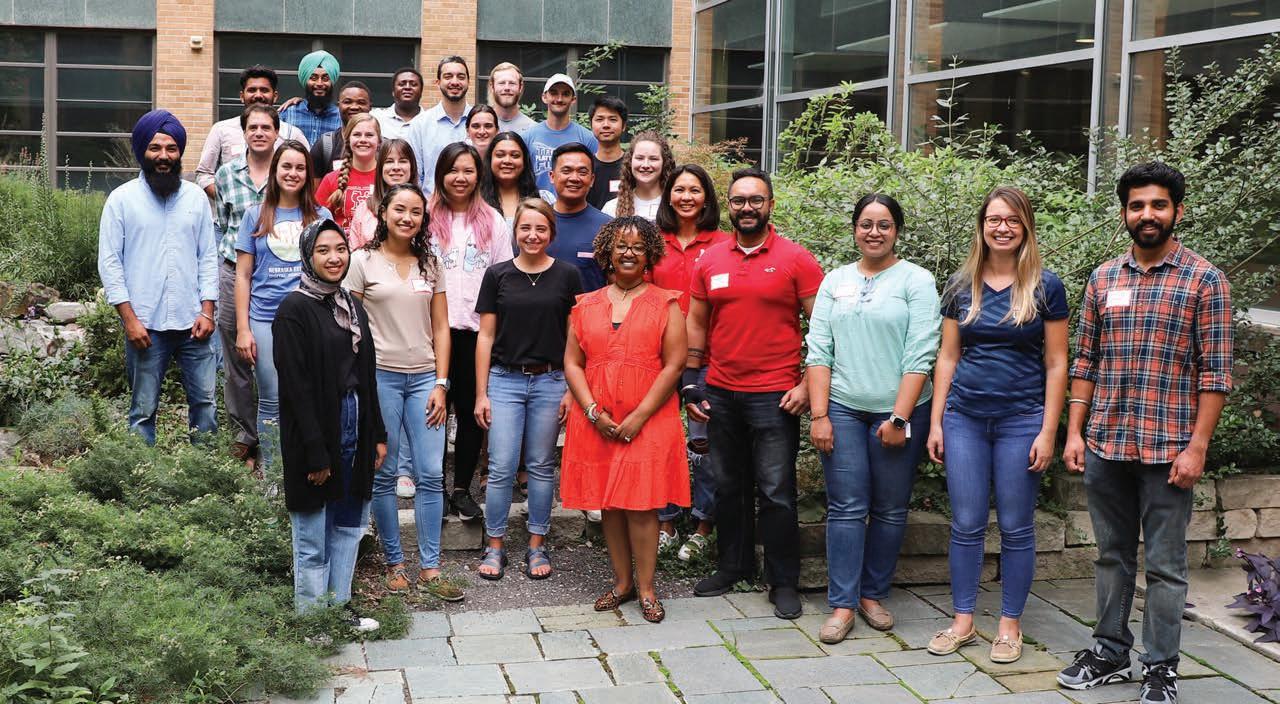
by Alyssa Hall, AHGSA president, and Mandeep Singh, AHGSA vice president
DURING THE 2022 SPRING AND FALL SEMESTERS, AHGSA PROVIDED OPPORTUNITIES TO DEVELOP TEAMWORK AND PERSONAL AND PROFESSIONAL SKILLS THROUGH EVENTS INCLUDING EXPERIENTIAL LEARNING, THE ELEVATOR SPEECH CONTEST, THE ANNUAL SWEET CORN GIVEAWAYS, AND RESEARCH CENTER AND INDUSTRY TOURS. Monthly meetings available to all graduate students in CASNR covered topics such as time management, science communication, agricultural technologies and comprehensive exam preparation.
AHGSA again collaborated with T.J. McAndrew and Jenny Stebbing to plant sweet corn. Sweet corn was harvested and distributed to the East Campus community on a first-come, first-served basis in July and August. Freewill donations by community members for the 500-plus packages of sweet corn made this AHGSA’s largest fundraising event to support the activities of the association.
AHGSA welcomed new and returning students in August with an orientation lunch. Faculty and staff provided information about how the department’s graduate programs work and whom to contact for questions. New students received a gift package from AHGSA that included a T-shirt and other items bearing the Nebraska emblem.
This fall, graduate students visited the UNL Pesticide Application and Technology (PAT) Lab in North Platte, Nebraska, with the support from a CHS Stewardship College Club Mini-Grant. With this visit, they were able to better understand pesticide application practices for maximizing efficacy while minimizing environmental contamination.
The Elevator Speech Contest, in collaboration with the Plant Pathology Department and Entomology Bruner Club, was conducted in October. Twelve students participated by preparing 3-minute presentations to communicate their science to the public. Participants competed for prizes, which were awarded by judges and audience members who ranked participants. Congratulations to Luka Milosevic, of the agronomy and horticulture department, for receiving the Audience Choice Award.
This year, association members used their knowledge and experience to help educate the local community by participating in the East Campus Discovery Days and Farmers Market. During this event, they arranged a seed planting activity, where children and adults were encouraged to plant seeds in cups to take home, care for, and watch grow. They also shared agronomic knowledge on common crops in Nebraska and their uses.
AHGSA had another successful year because of support of the department and many individuals. The club would especially like to thank the advisers — Professor Paul Read, Associate Professor Sam Wortman, and Professor and Department Head Martha Mamo, Professor Keenan Amundsen, Kaye Wolfe, Mamie Boerner, Lana Johnson, Lisa Hilfiker and McAndrew. Club officers were Alyssa Hall, president; Mandeep Singh, vice president; Felipe Krause, treasurer; and Tauana Ferreira de Almeida, secretary.
By Lydia Regier, Range Management Club president
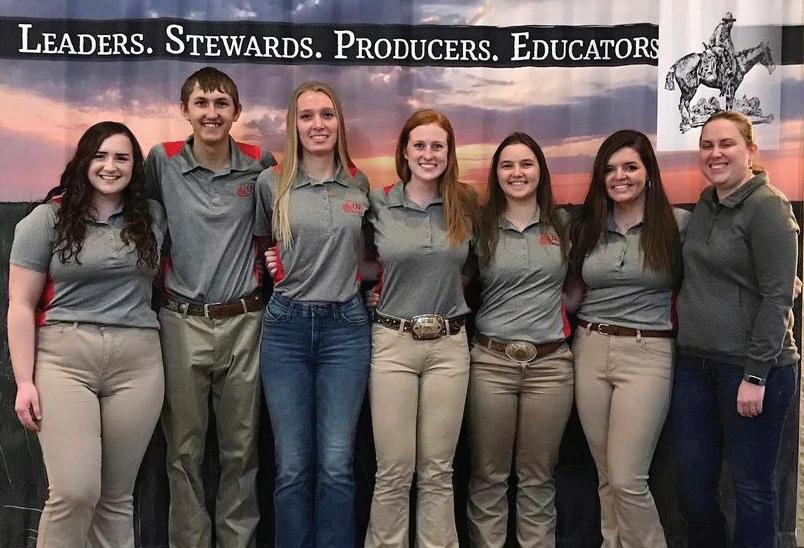
THE RANGE MANAGEMENT CLUB PROVIDES STUDENTS INTERESTED IN ECOLOGY AND MANAGEMENT OF RANGELANDS THE OPPORTUNITY TO EXPAND THEIR UNDERSTANDING OF AND PASSION FOR THE FIELD. Over this last year, club officers and members accomplished this goal through both career-oriented and social events.
In February, club members Sadie Ference, Treaven Scheideler, Abby Stalder, Sheridan Wilson, Asha Scheideler and Kaitlyn Dozler traveled to Albuquerque, New Mexico, to attend the Society for Range Management Annual Meeting and participate in a variety of competitions. Dozler placed first in the Extemporaneous Speaking contest, and the Rangeland Cup team (Scheideler, Dozler, Ference and Scheideler) placed second in the Rangeland Cup competition.
In May, the club held a joint spring banquet with the Grazing Livestock Systems Club to recognize members and celebrate the end to a successful
academic year. During the banquet, Range Management Club members Brandon Jelinek and Wilson received the Trail Boss and Trailblazer awards, respectively, to acknowledge their contributions to the club.
When students returned to campus for the fall semester, the club continued to hold bimonthly meetings and reach out to potential members. In preparation for the 2023 Society for Range Management Annual Meeting in February, members began practicing for the various competitions.
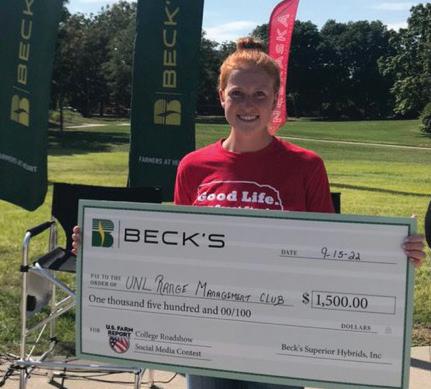
In September, the club won $1,500 through a social media contest sponsored by Beck’s held in conjunction with the live taping of the U.S. Farm Report College Roadshow on East Campus. Members involved in this accomplishment included Wilson, Ference, Jacob VanDress and Lydia Regier. The club also hosted a tour of Nine-Mile Prairie with the university’s Wildlife Club led by Dave Wedin, an ecosystem ecologist in the School of
Natural Resources. This gave members the opportunity to enjoy some fresh air and the beauty of the Nebraska prairie in the fall.
In October, club members Janssen, VanDress, Wilson, Stalder and Regier traveled to O’Neill, Nebraska, to participate in the Nebraska Section Society for Range Management meeting. At the meeting, members listened to a variety of talks from industry professionals and networked with employers. The club participated in the Crazy Auction with memberdonated auction items and raised a total of $1,050. Regier and Janssen also presented their senior research to meeting attendees.
2022 Range Management Club officers included Regier, Wilson, Ference, Stalder and Scheideler. The club would like to recognize mentors and advisers Cheryl Dunn, Jessica Windh and John Guretzky for their unwavering support and guidance.
by Lana Koepke Johnson and Fran tenBensel Benne, design and communications specialists
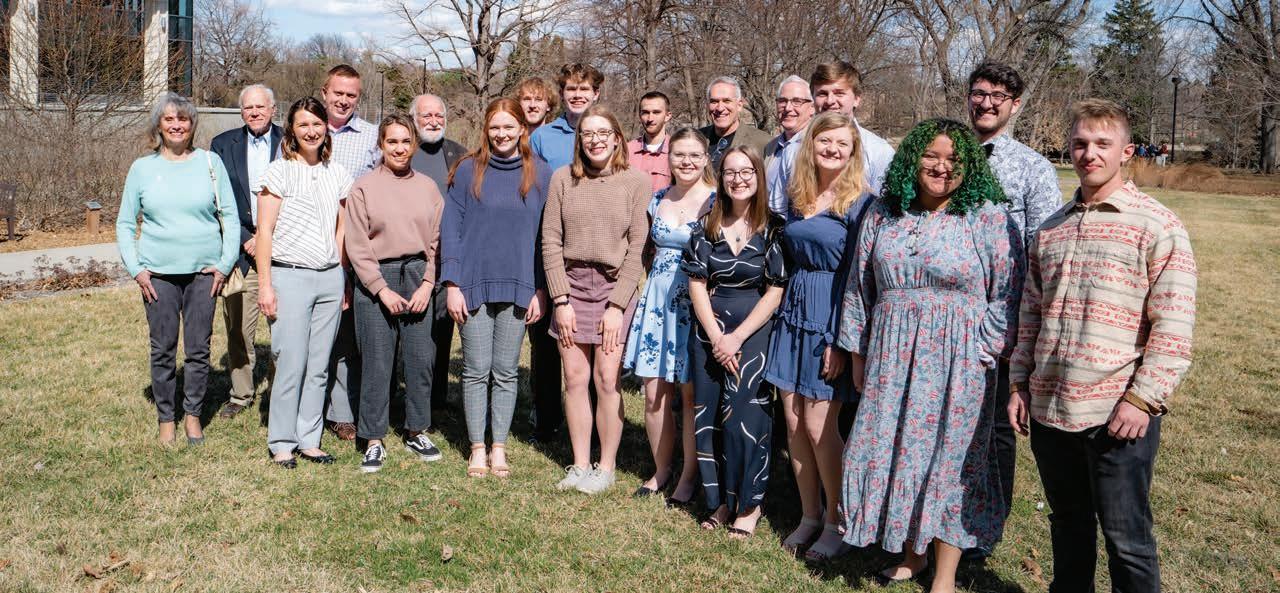
PI ALPHA XI WAS FOUNDED AT CORNELL UNIVERSITY IN 1923. Nationally, there are 40 chapters with over 14,000 members. The purpose of the group is to promote high scholarship, fellowship, professional leadership and the enrichment of human life through plants.
The University of Nebraska–Lincoln Alpha Gamma Chapter of Pi Alpha Xi inducted new members and elected officers April 2, 2022, in the Dinsdale Family Learning Commons on East Campus. New inductees were Tori Boden, Sage Eckard, Cole Hammett, Jacob Hillis, Benjamin Knudsen, Eric Kovarik, Deanna Montanez Mendoza, Jacob Nichols, Nathan Starr, Sidney Thimgan, Drew Wessel and Macey Wooldrik.
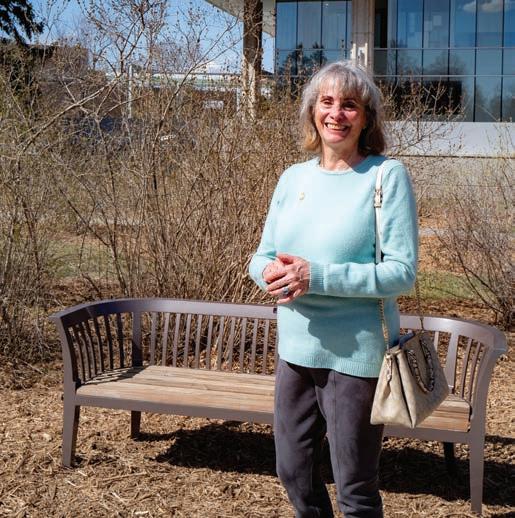
The chapter also honored Ellen Paparozzi, professor of agronomy and horticulture, and celebrated its 40th anniversary.
Paparozzi founded the university chapter in 1982 and served as an adviser for 40 years. She established an annual scholarship award for members and a President’s Citation award given in recognition of outstanding service in the field of horticulture. She also worked with the University of Nebraska Commencement and Honor Convocations Committee to allow Pi Alpha Xi members to wear honor cords at graduation to distinguish their academic accomplishments.
She served as national vice president of Pi Alpha Xi from 2004 to 2006 and as national president from 2006 to 2008. Paparozzi was awarded Pi Alpha Xi fellow in 2019.
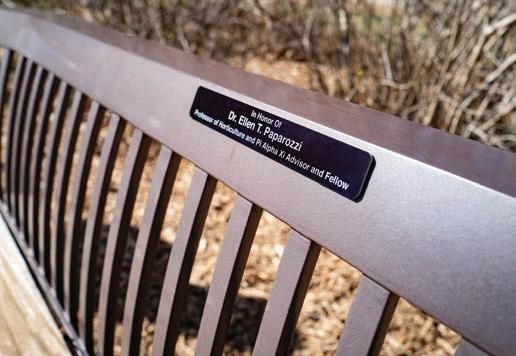
Paparozzi was honored for her commitment to horticulture and science with a permanent bench dedicated to her. It is located in the Yeutter Garden on Nebraska’s East Campus.
Recognized as a gifted educator by her peers and students, Paparozzi’s teaching style was characterized by creativity, leadership, professionalism and devoted mentoring.
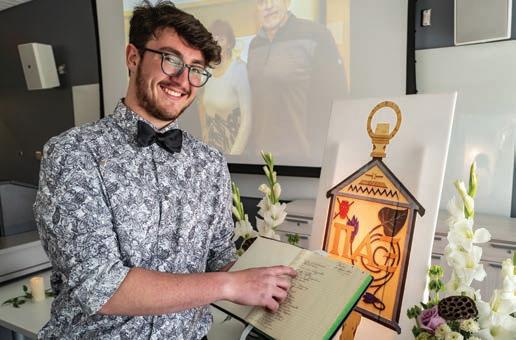
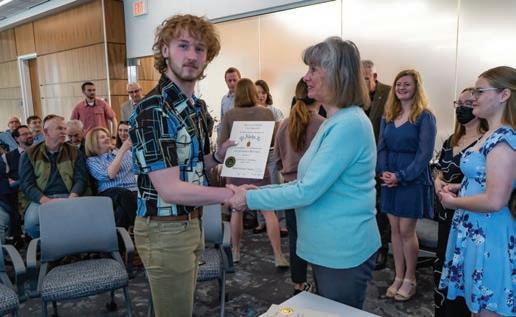
TOP: Jacob Hillis, a new member of the Pi Alpha Xi–Alpha Gamma Chapter and 2022-23 president, shows his uncle Mike Hillis’ entry in the membership book. Mike Hillis, an alumnus and part of the chapter’s first class, owns Hillis and Co., a high-end floral design firm in Lincoln. ABOVE: Professor Ellen Paparozzi inducts Cole Hammett into the university’s Alpha Gamma Chapter as family and friends celebrate.
According to Liz Conley, her research technologist for more than 30 years, Paparozzi worked constantly to update class content to keep it relevant.
At the 2022 Agronomy and Horticulture Spring Banquet, the chapter awarded Elizabeth Cunningham, 2021–22 chapter president, a scholarship which annually recognizes one outstanding student who is an active participating member. Dan Moore, horticulture alumnus and executive vice president of Kinghorn Gardens in Omaha, was awarded the President’s Citation in recognition of outstanding service in the field of horticulture.
The Alpha Gamma Chapter hosted its annual wreathmaking workshop for the public in December.
The chapter was directed in 2022–23 by faculty advisers Paparozzi, Dave Lambe and Luqi Li. Officers were Hillis, president; Nichols, vice president; Wooldrik, secretary; and Starr, treasurer.
by Scout Allen, Turf Club president
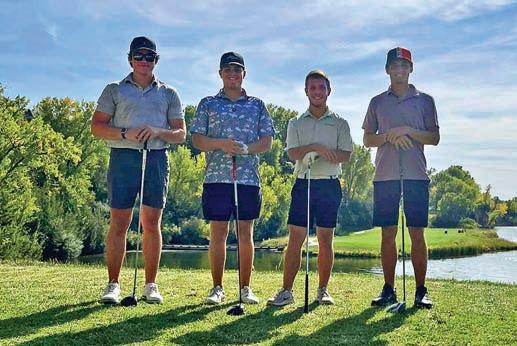
THE TURF CLUB BRINGS TOGETHER UNIVERSITY OF NEBRASKA–LINCOLN STUDENTS WHO ARE INTERESTED IN GOLF COURSE, SPORTS TURF AND LAWN CARE MANAGEMENT PROFESSIONS. Not only are plant and landscape systems majors in turfgrass science and management involved in the club, but so are landscape architecture, PGA golf management and business majors.
The club provides networking opportunities with industry professionals and alumni by bringing guest speakers to campus, taking site visits to local turf facilities, and participating in state and national conferences.
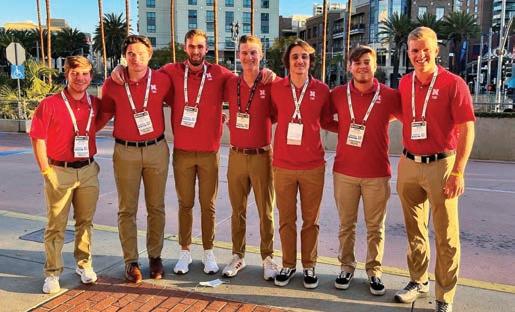
Students compete at national turf competitions associated with the Golf Course Superintendents Association of America and Sports Field Managers Association. In 2022, club members traveled to San Diego to compete in the Turf Bowl at the GCSAA conference.
After being slowed by the pandemic the last two years, the Turf Club is starting to rebuild and is hoping to grow interest in club membership.
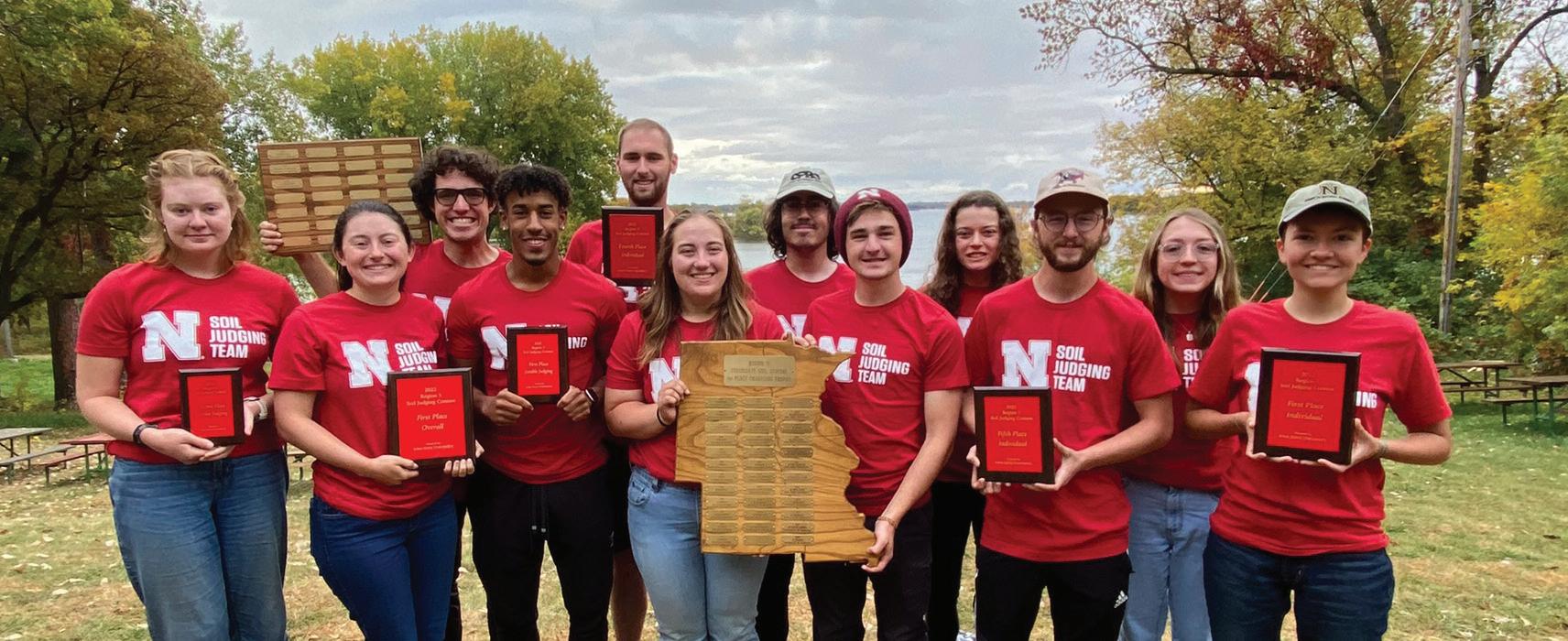
UNIVERSITY OF NEBRASKA–LINCOLN STUDENT WILL HERNANDEZ EARNED A SPOT ON TEAM USA BY PLACING FOURTH INDIVIDUALLY IN THE 2022 NATIONAL COLLEGIATE SOILS CONTEST HOSTED BY THE OHIO STATE UNIVERSITY APRIL 18–23, NEAR COLUMBUS. The national contest included 84 individual students from 21 colleges and universities. Other Nebraska Soil Judging Team members included Charlotte Brockman, Johnathan Kelly, Mason Rutgers and Mason Schumacher.
The USA team took first place at the International Soil Judging Competition in Stirling, Scotland, in July 2022.
The Nebraska team won first-place overall at the Region 5 Soil Judging Contest Oct. 2–7, 2022, hosted by Iowa State University near Lake Okoboji. Six Nebraska students placed in the top 10 individually. First place went to Hernandez. Rutgers earned fourth place and Schumacher was fifth. Rachel Clarkson and Brockman earned sixth and ninth place, respectively. Jack Krebs was 10th. The team’s first-place overall win qualified them for the National Collegiate Soils Contest hosted by Oklahoma State University March 26–30, 2023.
Becky Young and Judith Turk coached the team.
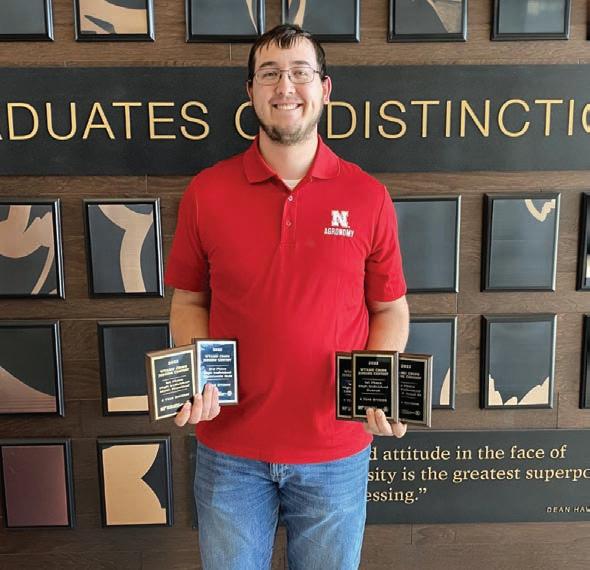
AT THE NACTA CROPS JUDGING CONTEST, KORBIN KUDERA CAME HOME WITH FIVE PLAQUES — AN INDIVIDUAL RECORD FOR NEBRASKA. He earned high score and was an individual champion in the agronomic knowledge exam and lab practical in the Crops Contest and for the knowledge exam and lab practical in the Precision Agriculture Contest. He received best individual score at the contest, first in math, first in lab practical, third in the agronomic exam, and third in plant and seed identification.
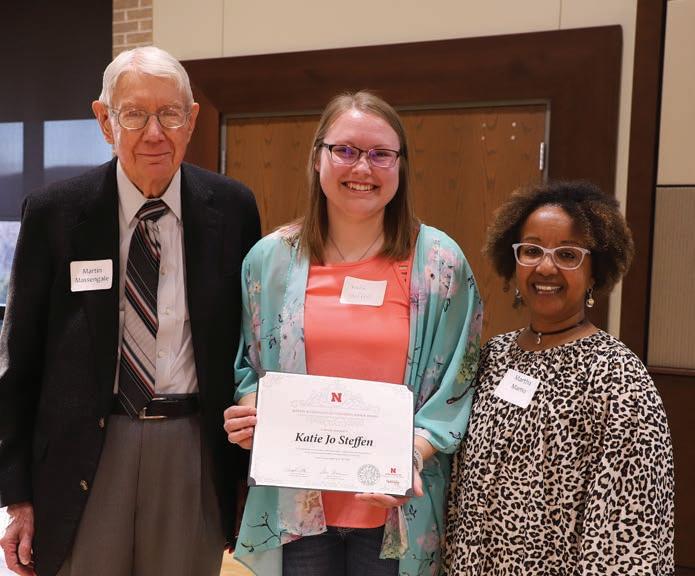
KATIE JO STEFFEN WAS AWARDED THE MARTIN A. MASSENGALE OUTSTANDING SENIOR AWARD FOR 2022. Steffen graduated in May with a Bachelor of Science degree in agronomy and was hired by Miles Cattle & Feedlot as a ranch hand.
The award honors Massengale, the president, chancellor and Foundation Distinguished Professor emeritus and founding director of the Center for Grassland Studies.
THE UNIVERSITY OF NEBRASKA–LINCOLN
TURFGRASS COMPETITION TEAM EARNED FOURTH PLACE AT THE ANNUAL COLLEGIATE TURF BOWL FEB. 4, 2021. Nebraska’s team included Benjamin Toalson, Eric Kovarik and Jacob Ocholik.
The team earned 14th place Feb. 10, 2022, at the Turf Bowl held at the Golf Course Superintendents Association of America Conference and Trade Show in San Diego.
On Feb. 9, 2023, the team placed 19th in the GCSAA Turf Bowl in Orlando.
Anne Streich, professor of practice in agronomy and horticulture, coaches the team.
NATHAN DONOGHUE WAS HONORED BY THE AGRONOMY CLUB WITH THE 2022 OUTSTANDING SENIOR AWARD. Donoghue graduated in May 2022 with a bachelor’s degree in agronomy, and he is now an agronomist for CCS Farms in California.
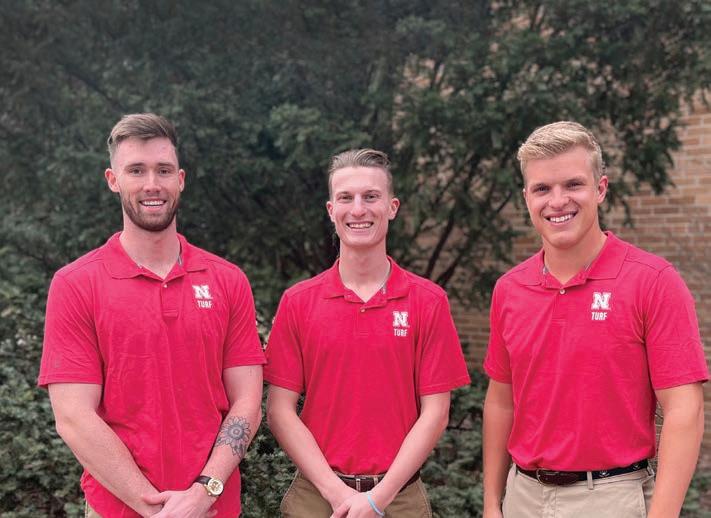
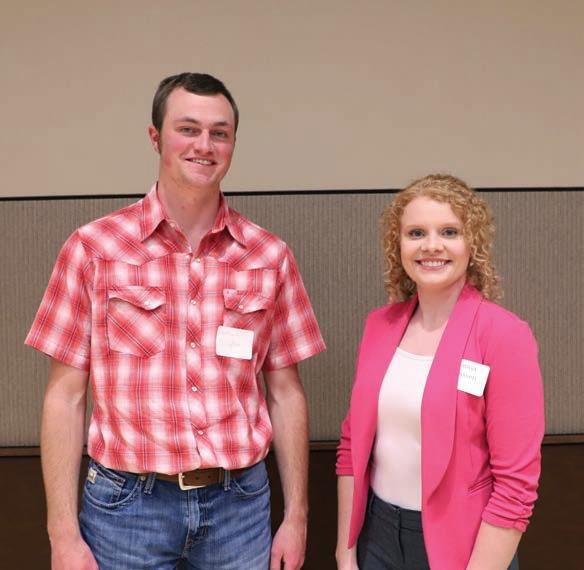
THE UNIVERSITY OF NEBRASKA–LINCOLN CROPS
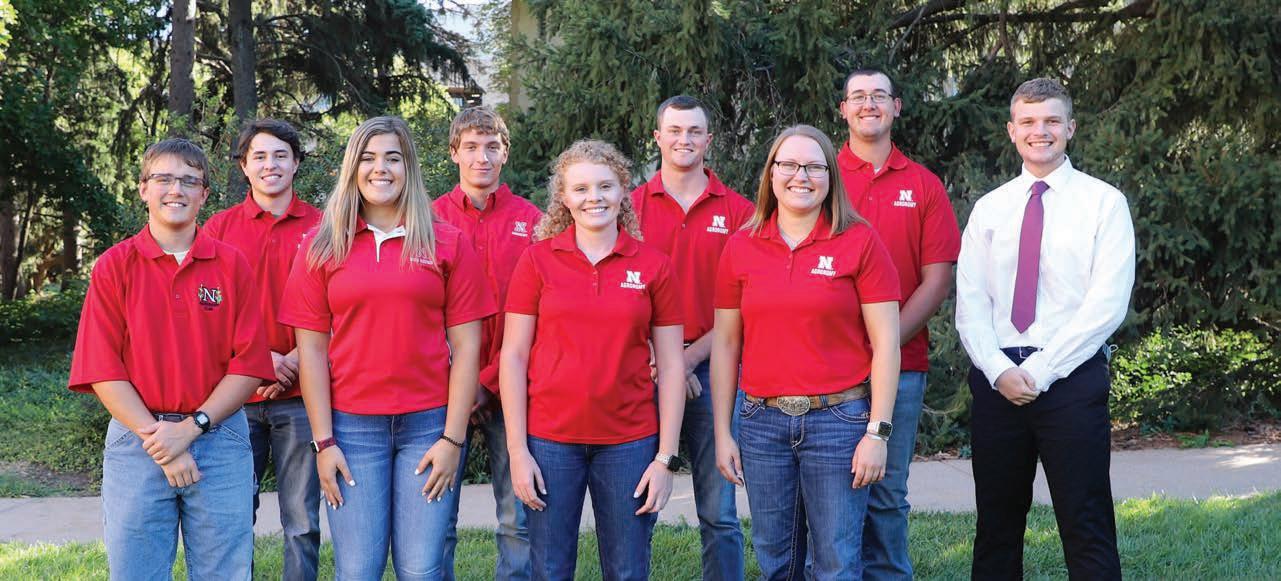
JUDGING TEAM COMPETED IN THE WEST TEXAS A&M UNIVERSITY COLLEGIATE CROPS CONTEST IN CANYON, TEXAS, FEB. 19, 2022. Nebraska’s team included senior agronomy majors Nathan Donoghue, Katie Steffen, Korbin Kudera and Sarina Janssen.
The team earned a third-place overall award in the fouryear division on March 5 at the Kansas State University Crop Judging Contest. Kudera placed first overall individually with a score 26 points higher than any other team contestant.
The team competed in the North American Colleges and Teachers of Agriculture Crops Judging Contest March 31–April 2 in North Platte, Nebraska. The Husker team placed third overall in the four-year college division in both the Crops Contest and the Precision Agriculture Contest. Nebraska’s team included Donoghue, Steffen, Janssen and Kudera.
Kudera made Husker history and became the first Nebraska agronomy student to earn first place individually in both the Crops Contest and the Precision Agriculture Contest.
Graduate student Jared Stander was the team coach.
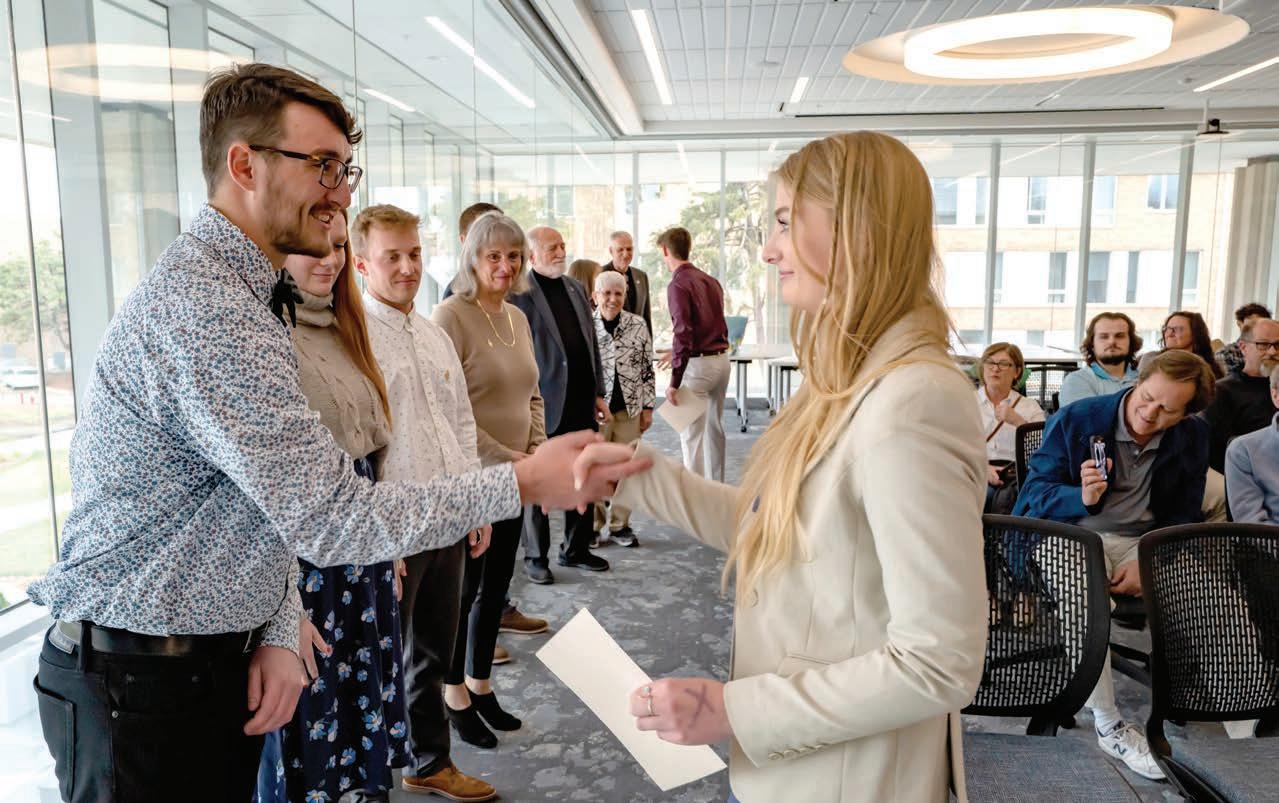
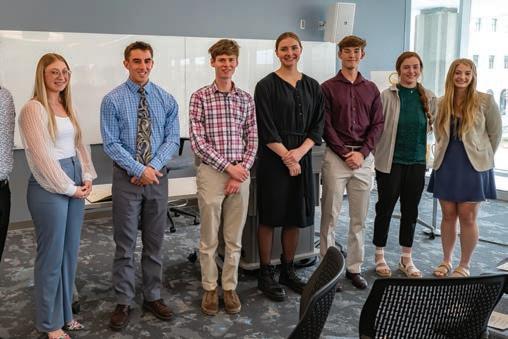
Thomas Henry, Willis Hanneman, Elaina Madison, Ridge Gersberger, Katrina Webster and Emma Kuss are initiated into the Pi Alpha Xi–Alpha Gamma Chapter.
by Elaina Madison, Pi Alpha Xi–Alpha Gamma Chapter president
2023 WAS THE 100-YEAR ANNIVERSARY OF PI ALPHA XI NATIONAL. The organization was founded at Cornell University in 1923, and now there are 40 chapters with over 14,000 members nationwide. The mission of Pi Alpha Xi is to promote high scholarship; fellowship among students, educators and professional horticulturists; professional leadership; and the enrichment of human life through plants.
The University of Nebraska–Lincoln Alpha Gamma Chapter of Pi Alpha Xi initiated new members and elected officers for the following year in April 2023. New initiates were Sam Berghuis, Ridge Gerstberger, Willis Hanneman, Thomas Henry, Emma Kuss, Elaina Madison, Katrina Webster and Eamon Sughroue.
At the 2023 Agronomy and Horticulture Spring Banquet, the chapter awarded Nathan Starr the Pi Alpha Xi scholarship
that recognizes one outstanding, active member that makes significant contributions to the organization each year.
Mark Canney was awarded the President’s Citation in recognition of outstanding service in the field of horticulture. The University of Nebraska–Lincoln alumnus has been a landscape designer with the Lincoln Parks and Recreation Department for 19 years, working on iconic projects like the Sunken Gardens, the Hamann Rose Garden and the Rotary Strolling Garden. Currently, Canney instructs Introduction to Graphics and Introduction to Landscape Design at the university.
The chapter is directed by faculty advisers Luqi Li and Anne Streich. Dave Lambe has stepped down from the adviser role. Officers for 2023–24 are Madison, president; Kuss, vice president; Hanneman, treasure; and Gerstberger, secretary.
by Nolan Weber, Agronomy Club president
THE AGRONOMY CLUB HAS EXPERIENCED A REVIVAL IN ENTHUSIASM AFTER THE PANDEMIC. Today, the club focuses on providing career path information so its members have every opportunity to find an agronomy career they are passionate about. Additionally, the club offers learning opportunities from industry professionals.
The Agronomy Club began 2023 with a bang as part of the podcast “Kick’N Dirt with Mike and Adam.” Mike Wardyn and Adam Banks work at Pioneer and host this agronomic deep-diving podcast. Ecstatic to be joined by the hosts as they recorded the episode titled “UNL Agronomy Club” in the Goodding Learning Center, club members picked the experts’ brains about the state of the industry today and steps students should take in their career search after college.
The in-person Experience Agronomy Day was Feb. 25 and the club provided a learning opportunity for 35 students from five high schools. The club invited all Nebraska FFA chapters to learn about crop, weed, disease and insect identification. Engagement and understanding of the material provided were assessed with a mock exam at the end, similar to that in the agronomy competition at State FFA. The club expects attendance to double in 2024 as it received positive feedback from those who participated.
Club officers also traveled to the spring Students of Agronomy, Soils & Environmental Sciences meeting hosted by the K-State Agronomy Club. They toured the agronomy facilities at Kansas State University and learned about the process of certified seed production with the Kansas Crop Improvement Association. After networking with other clubs from around the country, officers came back to Lincoln reinvigorated with new ideas.
The club kicked off the fall semester with the annual Welcome Back Barbecue on East Campus. This event allowed new students to meet their peers in the Department of Agronomy and Horticulture and gauge their interest in the Agronomy Club.
The first official semester meeting featured the Agronomy Club’s Adam Whitacre and Ben Weinandt. They helped students prepare resumes and sharpen their conversation skills with potential employers. The following week was the club’s Career Roundtable, which featured five industry employers. This event provided a more personal setting for businesses to explain their internships and full-time roles. It preceded the university’s East Campus Career Fair by one day so that students and employers could follow up the next day.
During the rest of the fall semester, the club held several meetings with industry professionals and toured the Corteva Agriscience Research and Development facilities west of York, Nebraska.
Club officers are Nolan Weber, president; Logan Nelson, vice president; Jacob Wells, treasurer; Whitacre, historian; Zach Nienhueser, Experience Agronomy chair; and Maggie Walker, assistant treasurer. Meghan Sindelar, associate professor of practice and agronomy student adviser, and Chris Proctor, associate extension educator, serve as the club advisers.
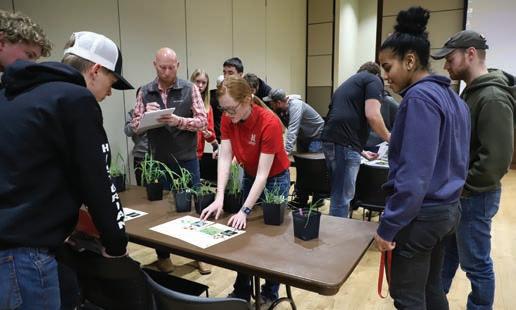
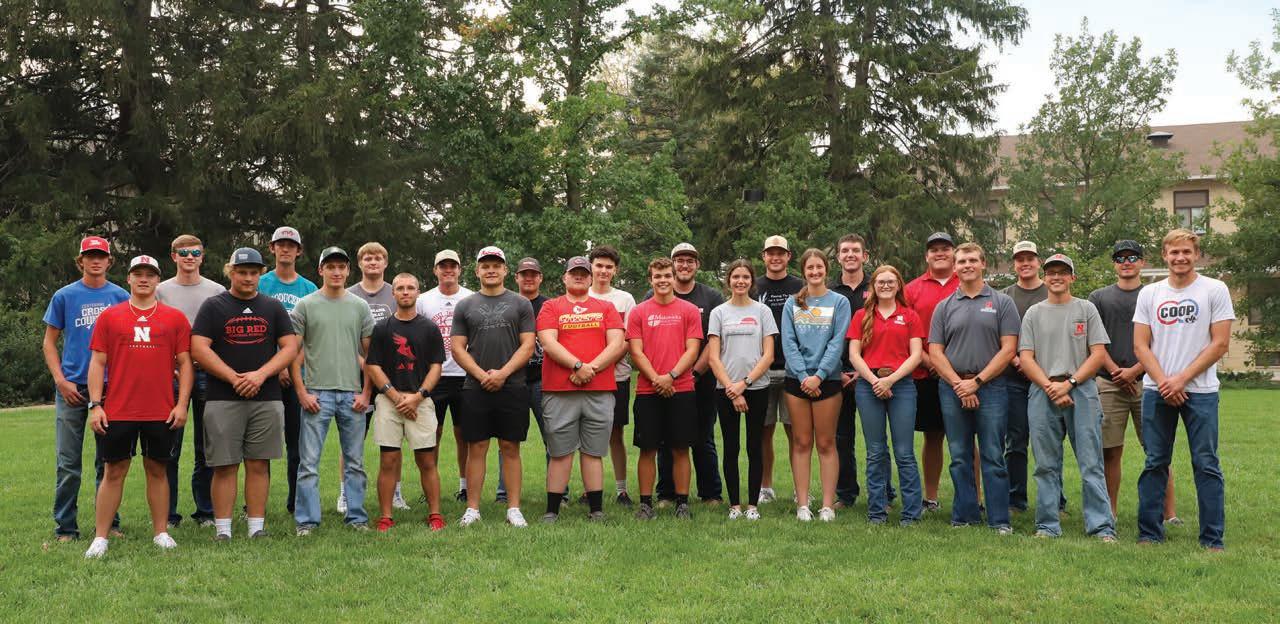
by Scout Allen, Turf Club president
THE TURF CLUB BRINGS TOGETHER UNIVERSITY OF NEBRASKA-LINCOLN STUDENTS WHO ARE INTERESTED IN GOLF COURSE, SPORTS TURF, LAWN CARE MANAGEMENT AND OTHER TURFGRASS PROFESSIONS. Not only are plant and landscape systems majors in turfgrass science and management involved in the club, but so are landscape architecture, PGA golf management and business majors. The club provides networking opportunities with industry professionals and alumni by bringing guest speakers to campus, taking site visits to local turf facilities, and participating in state and national conferences. Students compete at national turf competitions associated with the Golf Course Superintendents Association of America and Sports Field Managers Association.
In 2023, the club started the year by traveling to Orlando, Florida, to compete in the National Collegiate Turf Bowl at the annual Golf Course Superintendents Association of America conference. This trip also involved students connecting with national industry professionals and future and past employers. The club also had some fun at the Nebraska and Iowa Chapter GCSAA event at Top Golf Orlando.
In the spring, the club hosted guest speaker Adam Boston from Midwest Turf & Irrigation. The club also participated in the CASNR Community Night and the annual Agronomy and Horticulture Spring Banquet where club president Scout Allen spoke.
The Turf Club had a team participate in the Nebraska Chapter GCSAA annual Hadwick golf tournament. The club ended the semester by restoring the annual Battle of Border golf match against the Kansas State Turf Club, where Nebraska took home the traveling trophy.
Fall semester kicked off with a club social meeting with pizza for program professors and students. In addition, the semester was filled with student intern presentations,
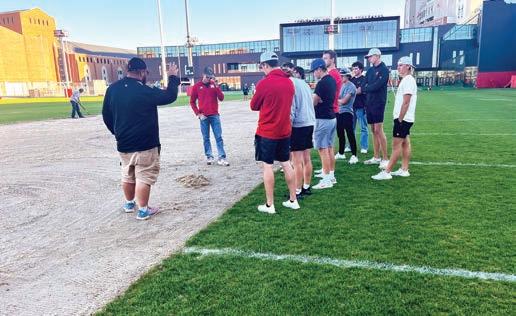
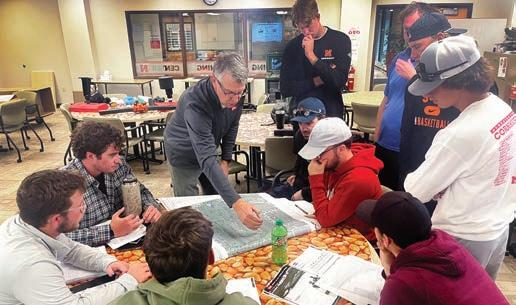
the Nebraska Turfgrass Association golf tournament, a site tour of the University of Nebraska–Lincoln football facility, guest speakers from the Nebraska Sports Field Management Association and prepping for next year’s Turf Bowl.
Club officers are Allen, president; Ridge Gerstberger, vice president; Walker Petersen, treasurer; and Alex Uram, primary programmer. Anne Streich, professor of practice in agronomy and horticulture, is the club adviser.
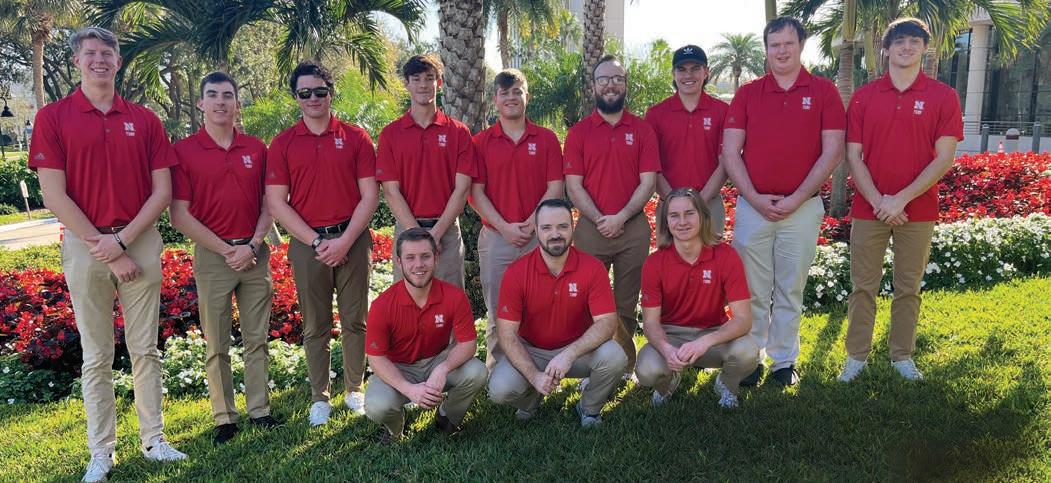
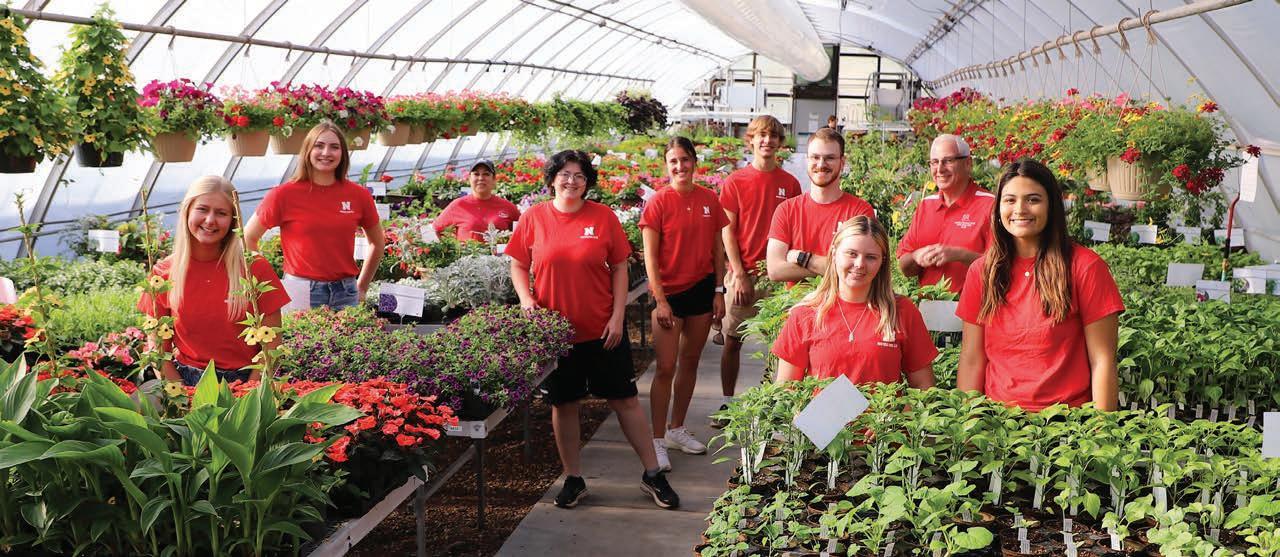
by Elaina Madison, Horticulture Club president
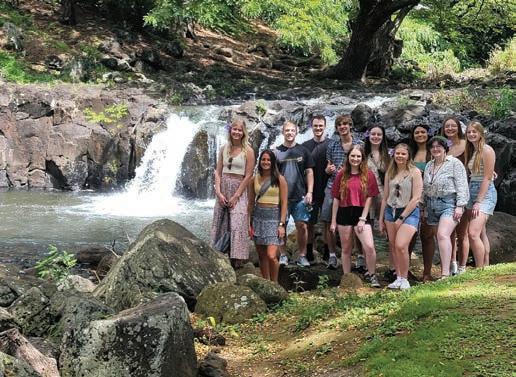
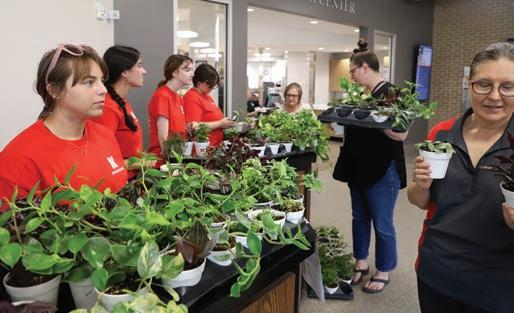
HORTICULTURE CLUB STARTED THE YEAR WITH ITS ANNUAL VALENTINE’S DAY SUCCULENT SALE, A POPULAR WAY FOR STUDENTS AND STAFF TO TREAT A LOVED ONE OR THEMSELVES ON THE SPECIAL DAY. Immediately following, students began preparing for the Spring Plant Sale for the first week of May. The sale was a huge success, supplying various ornamental and vegetable plants to the local community. The club donated leftover plants to Community Crops.
During spring break, 12 club members visited Honolulu, Hawaii. They met with University of Hawaii Extension to learn about local plants, hydroponics and plumeria propagation. They visited the Waimanalo Research Station to learn about local agriculture and aquaponics and toured Tradition Coffee Roasters, Kawamoto Orchid Nursery and various botanical gardens. Students had some fun at the Polynesian Cultural Center and famous Hawaiian beaches.
The club started the fall semester with the Study Buddy Plant Sale, featuring foliage plants that thrive in dorm room conditions. The club held a variety of educational and social activities, including a pizza meet and greet, a guest speaker from Kinghorn Gardens in Omaha, and pumpkin painting around Halloween. Members also visited Sunken Gardens in Lincoln and Vala’s Pumpkin Patch in Gretna, Nebraska. In December, the Horticulture Club wrapped up with its annual Poinsettia Sale.
Club officers are Elaina Madison, president; Keeley Conrad, vice president/programmer; Sidney Vincent, treasurer/secretary; and Briezy Kroeger and Paige Miller, cosocial media/advertising. William Anderson and Seff Cleaver are the co-head growers. Terri James and Stacy Adams advise the club.
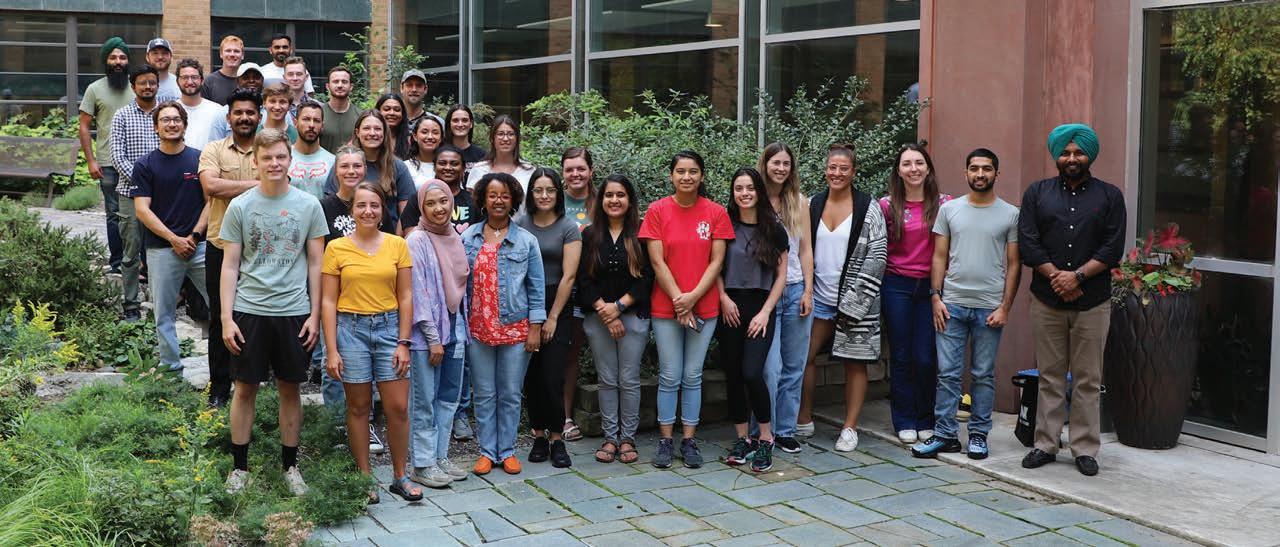
by Luka Milosevic, AHGSA president; Mandeep Singh, AHGSA vice president
THE AGRONOMY AND HORTICULTURE GRADUATE STUDENT ASSOCIATION HAS BEEN ACTIVELY ENGAGED IN A DIVERSE ARRAY OF ACTIVITIES THAT HAVE MADE A POSITIVE IMPACT ACROSS VARIOUS DOMAINS. These endeavors range from organizing seed-planting activities that brought joy to children to hosting a three-minute Elevator Speech Contest that both challenged and inspired participants. Moreover, AHGSA has taken strides in empowering students to embark on successful job searches, thereby laying the foundation for their future careers. The association is unwavering in its commitment to fostering community as well as personal and professional growth.
AHGSA actively took part in the East Campus Discovery Days and Farmers Market during the months of July and August. One of the highlights for the association was the organization of a hands-on seed-planting activity designed for both children and adults. During this educational experience, AHGSA members assisted the children as they independently planted seeds. Participants had the freedom to select from among five local Nebraska crops to plant in small cups and take those cups home to nurture and observe as they flourished. This engaging activity fostered a deeper appreciation for agriculture and the plant growth process among the participants.
In the month of August, the organization orchestrated its most extensive fundraising endeavor, the Sweet Corn Giveaway, aimed at supporting its diverse range of activities and events. In collaboration with T.J. McAndrew and Jenny Stebbing, AHGSA embarked on a collective effort to give away sweet corn. The dedication of our association’s volunteers
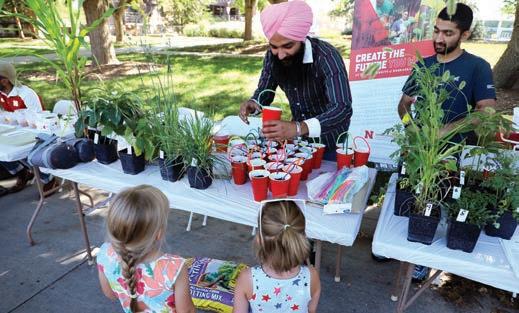
bore fruit as they harvested an impressive two truckloads of sweet corn, which were generously distributed to members of the East Campus community on a first-come, first-served basis. AHGSA accepted freewill donations from community members in exchange for the 300-plus packages of sweet corn, all of which contributed to the success of our fundraiser.
AHGSA welcomed new and returning students with a welcome and orientation lunch event in August. Faculty and staff provided information on important milestones of the department’s graduate degree programs, resources available for students, and whom to contact for the questions. A package including cups with the Nebraska emblem and other items was gifted to the new students.
In November, the association took the initiative to host a workshop focused on the art of conducting a fruitful job search. Our distinguished guest speaker, Kadina Koonce, from the university’s Business Career Center, expertly delved into a wide spectrum of pivotal topics. These encompassed the intricacies of crafting compelling resumes and CVs, the art of composing effective cover letters, the nuances of conducting job market research, strategies for impactful networking, navigating job application processes, adept interview preparation and enhancing one’s social media presence in the professional arena. The primary goal of this workshop was to empower graduate students by equipping them with the knowledge and skills needed to navigate the job search process with confidence and success.
Moreover, in November, AHGSA joined forces with the plant pathology department and the Entomology Bruner
Club to co-host the Elevator Speech Contest. This event saw enthusiastic participation from students representing all three departments, each tasked with the challenge of conveying their scientific work to the general public in a succinct three-minute presentation using plain language. Distinguished judges, as well as the engaged audience, evaluated and ranked the participants, leading to the awarding of various prizes to the competition’s standout performers. This collaborative effort aimed to promote effective science communication and foster a deeper connection between academia and the wider community. AHGSA wants to give a shout-out to the association’s dedicated member Yuvraj Chopra for his outstanding efforts in bringing this event to life.
The steadfast support from our department head and several individuals has paved the way for AHGSA to embark
on another fruitful year. The association extends its heartfelt gratitude to its esteemed advisers Professor Paul Read, Professor Sam Wortman, and Professor and Department Head Martha Mamo. Additionally, the association would like to express its appreciation for the invaluable contributions of Professor David Hyten, Lisa Hilfiker, Kaye Wolfe, Mamie Boerner, Lana Johnson, Connie Hansen, Tracy Pickering and McAndrew.
Recognizing the exceptional dedication of our club officers, we acknowledge the pivotal roles played by Luka Milosevic, president; Mandeep Singh, vice president; Adam Leise, treasurer; Vipin Kumar, secretary; and Alyssa Hall, past president. Their commitment and leadership have been instrumental in shaping the success of AHGSA.
by Sheridan Wilson, Range Management Club president
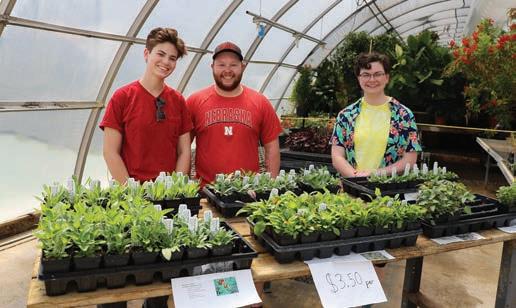
STUDENTS IN RANGE MANAGEMENT CLUB HAVE A PASSION FOR BETTER UNDERSTANDING AND SHARING THE ART AND SCIENCE OF RANGE MANAGEMENT. The club provides a space where students can network, learn more about native rangelands and the species that inhabit them, and engage in conversation about such topics as plant identification, range ecology, conservation and stewardship of working lands. This past year provided many opportunities for club members to grow in each of these areas.
In January, the club took its annual trip to attend the Society for Range Management annual meeting in Boise, Idaho. While there, students networked with professionals, listened to session and keynote speakers, and competed in a variety of contests with students across North America. The students competed well, taking first place in the Rangeland Cup competition. Rangeland Cup team members Jacob VanDress, Caitlyn Copenhaver and Eric Henry brought home the traveling trophy.
The club finished the spring semester with the annual Native Plant Sale and Agronomy and Horticulture banquet. At the banquet, club members enjoyed a silent auction, meal, updates and end of year award presentations. Lydia Regier
received the Range Club Trail Boss Award, and VanDress was honored with the Trailblazer Award.
In the fall, the Range Management Club kicked off the start of the semester with a welcome back meeting and pizza party. Students attended biweekly meetings and started preparing for the Plant ID, Undergraduate Range Management Exam and Rangeland Cup contests at the SRM annual meeting in January 2024. The club won $1,500, for the second year in a row, from a video contest sponsored by Beck’s held in conjunction with the live taping of the U.S. Farm Report College Roadshow on East Campus. The money will go to covering the cost of attending the SRM meeting in Reno, Nevada. Club members attended the Nebraska Section SRM Meeting in Central City, Nebraska, on Oct. 19.
Throughout the fall semester members also listened to presentations about internships, participated in an outdoor classroom cleanup and had a craft night.
Range Management Club officers include Sheridan Wilson, president; Abby Stalder, vice president; Copenhaver, treasurer; and VanDress, secretary. The club would like to thank mentors and advisers Nic McMillan and Cheryl Dunn for their support and guidance throughout the year.
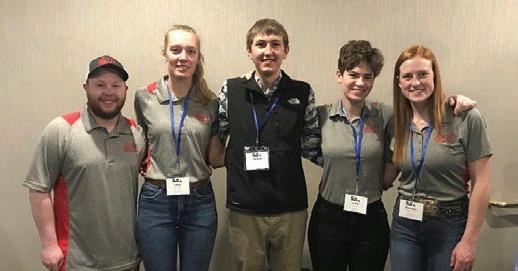
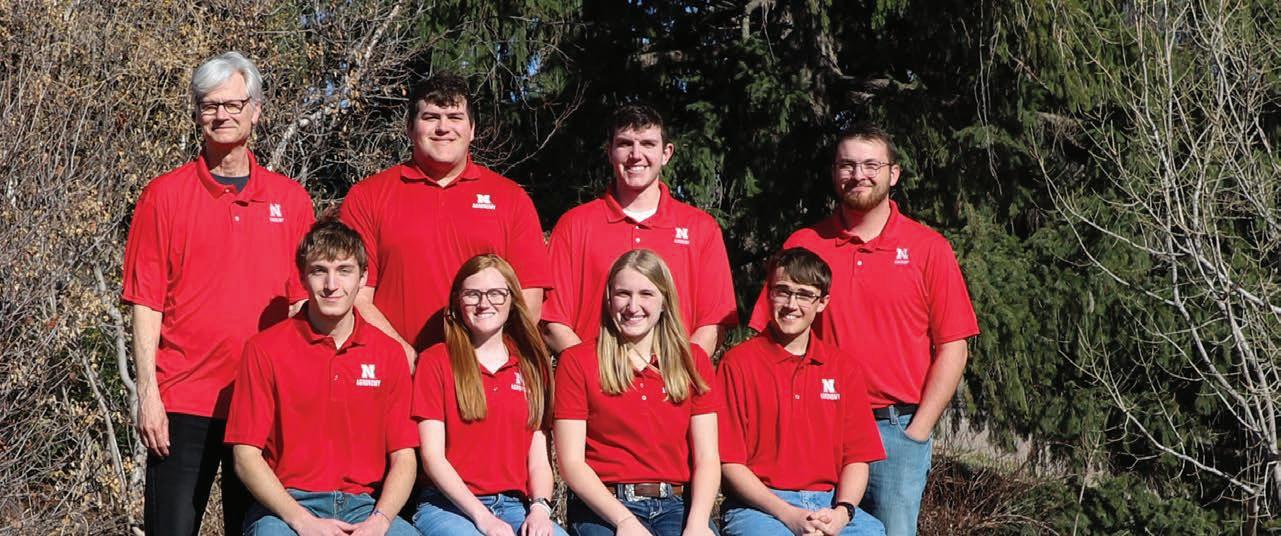
THE UNIVERSITY OF NEBRASKA–LINCOLN CROPS JUDGING TEAM PLACED FOURTH AT THE IOWA STATE UNIVERSITY CROPS JUDGING CONTEST ON MARCH 4, 2023, IN AMES, IOWA. Team members include junior plant and landscape systems majors Daniel Frey, Logan Nelson, Kailey Ziegler, Zach Nienhueser and Will Stalder, and sophomore Maggie Walker.
The team placed third overall in the four-year college division at the West Texas A&M University Collegiate Crops Contest on March 25 in Canyon, Texas.
The team also had an opportunity to host the Agronomy Career Development Event at this year’s Nebraska State FFA Convention on March 30 in the Nebraska East Union.
The team tied for seventh-place overall for the four-year university division at the North American Colleges and Teachers of Agriculture National Judging Conference hosted by Modesto Junior College in Modesto, California, April 12-15. Thirteen teams from across the country competed.
Garrett Kuss, a Doctor of Plant Health graduate student, and Don Lee, professor of agronomy and horticulture, coach the team.
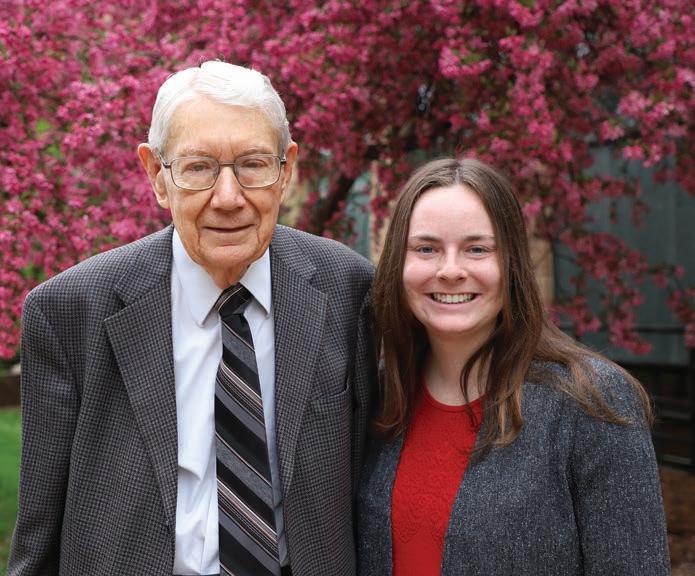
A. Massengale
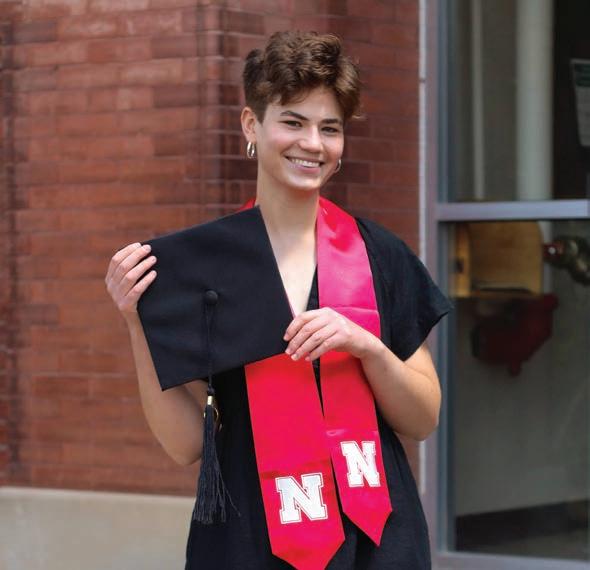
LYDIA REGIER, A 2023 CHANCELLOR’S SCHOLAR AND UCARE RECIPIENT, ALSO RECEIVED THE RANGE MANAGEMENT CLUB’S TRAIL BOSS AWARD. She graduated with a Bachelor of Science degree in plant biology in May 2023 and is pursuing a doctorate in ecology and evolutionary biology at the University of Kansas in Lawrence.
TAYLOR CAMMACK WAS AWARDED THE MARTIN A. MASSENGALE OUTSTANDING SENIOR AWARD FOR 2023. Taylor graduated in May with a Bachelor of Science degree in plant and landscape systems and is on an extended internship with the National Arboretum in Washington, D.C.
The award honors Massengale, the president, chancellor and Foundation Distinguished Professor emeritus and founding director of the Center for Grassland Studies.
THE UNIVERSITY OF NEBRASKA–LINCOLN
SOIL JUDGING TEAM TOOK FOURTH PLACE
OVERALL AT THE 2023 NATIONAL COLLEGIATE
SOIL JUDGING CONTEST MARCH 26–31 NEAR WOODWARD, OKLAHOMA. Team members included Stephanie Kluthe, Sean Glasshoff, Mason Rutgers, Johnathan Kelly, Jack Krebs, Will Hernandez, Mason Schumacher, Charlotte Brockman, Julianna Cañedo and Rachel Clarkson. Rutgers, a plant and landscape systems major, placed sixth individually.
For the second year, the team won first place overall at the 2023 Region 5 Collegiate Soil Judging Contest Oct. 1–6 near Sturgis, South Dakota. Nebraska’s winning team included Brockman, Rutgers, Cañedo and Krebs. The team also earned second place in team judging where all 14 Nebraska students worked together to judge three soil pits.
Becky Young and Judith Turk coach the team.
Alyssa Hall, AHGSA president (left), recognizes Mandeep Singh at the Spring Banquet as the 2023 AHGSA Outstanding Member. He was also chosen as the North Central Weed Science Outstanding Graduate Student during the 2023 society meeting.
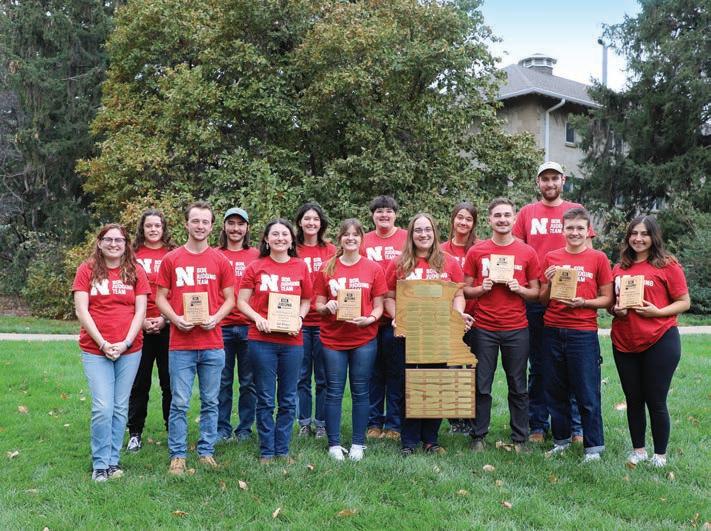
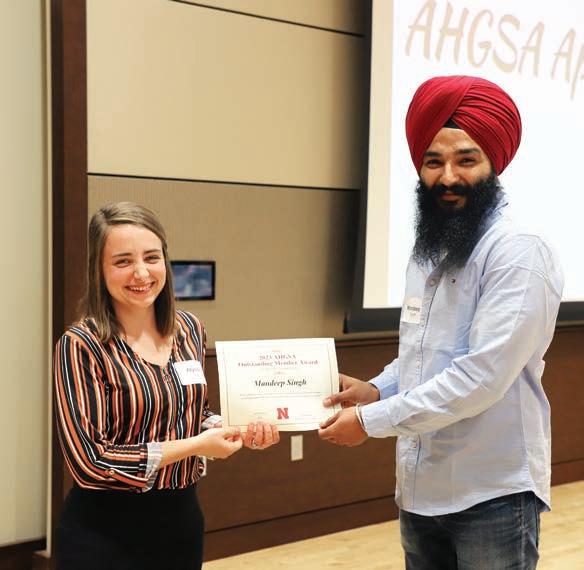
THREE UNIVERSITY OF NEBRASKA–LINCOLN AGRONOMY GRADUATE STUDENTS AND SIX UNDERGRADUATE VISITING RESEARCH SCHOLARS TOOK TOP HONORS AT THE 2023 WEED SCIENCE SOCIETY OF AMERICA NATIONAL WEED SCIENCE CONTEST HELD JULY 26 IN UNION CITY, TENNESSEE.
The National Weed Science Contest is a joint activity between the Northeastern, North Central, Southern and Western Weed Science Societies. More than 200 students, including 153 graduate students, from 27 universities in the United States and Canada participated.
The Nebraska graduate student team of Vipin Kumar, Mandeep Singh and Thiago Vitti competed in the Western Society of Weed Science division. The team won first place for Graduate Student Team and first place for the Graduate Student Team Sprayer Calibration event. Vitti won first place in the Graduate Individual Herbicide Identification event. Kumar won first place for Overall Graduate Individual and Singh was the third Overall Graduate Individual. Singh was a finalist for the National Division Farmer Problem Solving and Recommendation in which more than 200 students participated.
Chris Proctor, associate extension educator in agronomy and horticulture, is the team coach.
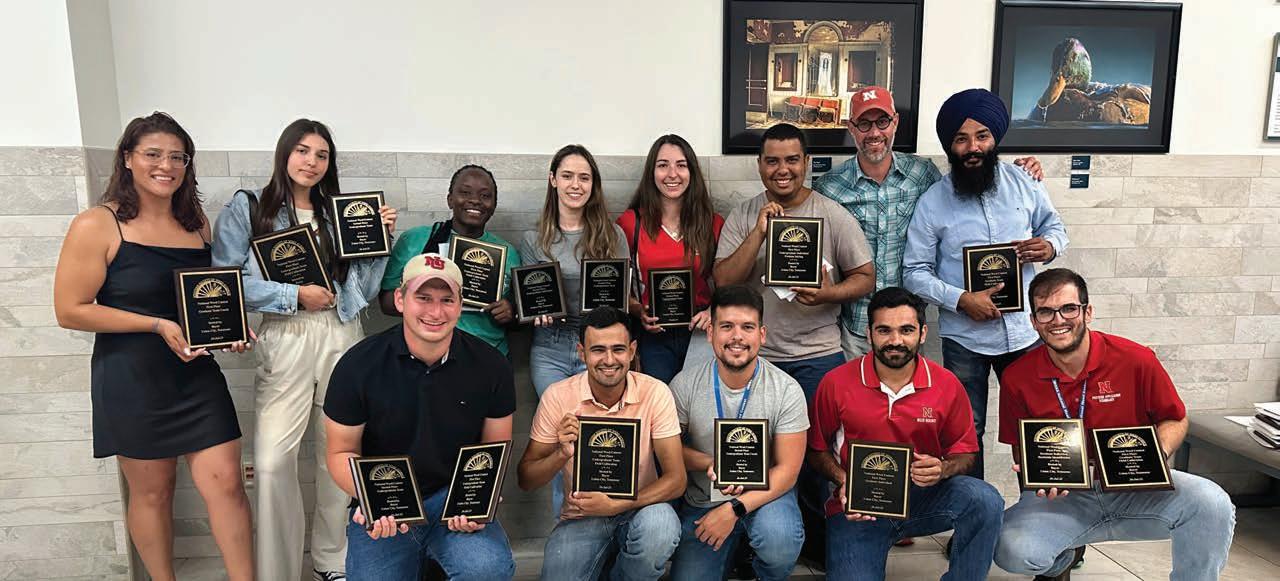
Agronomy and Horticulture Graduate Student Association: 2021 UNL Student Impact Award Outstanding Student Organization
Anthony Akpofure Amori: John and Louise Skala Distinguished Graduate Fellowship Award, Daugherty Water for Food Global Institute Graduate Student Support, Irrigation Association Irrigation E3 Program Scholarship
Kristina Alas: Graduate Studies AmeriCorps Alumni Fellowship, North American Colleges and Teachers of Agriculture Graduate Student Teaching Award
Christopher Anuo: John and Louise Skala Distinguished Graduate Fellowship
Pratiksha Baishya: Farmers National Fellowship
Marina M.D. Betta: First-place American Society of Agronomy Graduate Student Poster –Precision Agriculture Systems
Roberta Bianchin Rebesquini: John and Louise Skala Distinguished Graduate Fellowship Award, SSSA Soil and Water Conservation Scholarship
Lucia Bonfanti: First-place ASA Applied Soybean Research Community M.S. Student Paper Contest – Oral
Yuvraj Chopra: Hardin Distinguished Graduate Fellowship
Sujani De Silva: North Central Extension-Industry Soil Fertility Conference Graduate Student Award 2023, Third-place USDA Natural Resources Conservation Service 2023 Nebraska Soil Health School Research Poster Contest
Victor de Sousa Ferreira: Bayer Crop Science Encompass Scholar Program, Second-place ASA Graduate Student Oral Presentation – Cover Crop Management
Rana Farrasati: Widaman Distinguished Graduate Fellowship Award, People’s Choice Award – Water for
Food Global Conference Poster Competition People’s Choice Award
Tauana Ferreira de Almeida: Milton E. Mohr Fellowship, Shear-Miles Fellowship, First-place 2023 Soil Science Society of America Cover Crop Community Oral Presentation, Third-place Water for Food Global Conference Poster Presentation
Hafith Furqoni: John and Louise Skala Distinguished Graduate Fellowship Award
Deepak Ghimire: Widaman Distinguished Graduate Fellowship Award, DWFI Graduate Student Support, Bayer Crop Science Encompass Scholar Program, Third-place Nitrogen Use Efficiency Workshop 2022 Corteva Data Hack-A-Thon Competition, Second-place 2022 ASA-Crop Science Society of America-SSSA Annual Meeting Graduate Student Poster Competition – Sensor-Based Nutrient Management Community, Fifthplace 4th Annual UNL Agricultural Research Elevator Speech Contest
Jesaelen Gizotti de Moraes: Thirdplace 2021 Weed Science Society of America Ph.D. Poster Contest Section 3
Estefania Gomiero Polli: First-place 2021 WSSA M.S. Poster Contest Section 1
Marcos Gonclaves de Souza: Bayer Mentoring Program
Sydney Graham: CSSA Crop Science Turfgrass Science Outstanding Paper Award
Juan David Jimenez Pardo: National Association of Plant Breeders Diversity Enhancement Award
Lithma Kariyawasam: Second-place USDA Natural Resources Conservation Service 2023 Nebraska Soil Health School Research Poster Contest
Balpreet Kaur Dhatt: Widaman Distinguished Graduate Fellowship Award, Milton E. Mohr Fellowship
Ramandeep Kaur: John and Louise Skala Distinguished Graduate Fellowship Award
Rituraj Khound: Hardin
Distinguished Graduate Fellowship, Life Sciences Fellowship
Fernanda Krupek: UNL Student Leadership, Involvement & Community Engagement Student Leadership Award, Heuermann Plant Science Fellowship, ASA Gerald O. Mott Award, Milton E. Mohr Fellowship, Bayer Crop Science Encompass Scholar Program, DWFI Graduate Student Support, Dr. Ron Johnson and Dr. Mary Beck Graduate Student Fellowship for Nature Conservation
Vipin Kumar: First-place 2023 Western Society of Weed Science WSSA National Weed Science Contest Graduate Student Team, First-place WSWS WSSA National Weed Science Contest Graduate Student Team Sprayer Calibration, First-place Overall 2023 WSWS WSSA National Weed Science Contest Graduate Individual
Ishani Lal: Widaman Distinguished Graduate Fellowship Award, University of Nebraska–Lincoln Office of Graduate Studies Dean’s Fellowship
Stephanie Lugo: Chancellor’s Fellowship
Jasmine Mausbach: Second-place 2021 WSSA Three-Minute M.S. Thesis Research Communication Competition Section 2
Bridget McKinley: First-place SSSA Soil Health Community Poster Session
Morgan McPherson: Bayer Crop Science Encompass Scholar Program
Joshua Miranda: WSWS Elena Sanchez Outstanding Student Award, Firstplace 2021 WSWS Weeds of Agronomic
Crops M.S. Poster Contest, First-place 2021 WSSA Weeds of Agronomic Crops M.S. Poster Contest Section 4
William Hans Neels: North Central Extension-Industry Soil Fertility Conference Graduate Student Award 2021
Shohei Oguro: Hardin Distinguished Graduate Fellowship
Osler Ortez: Honorable Mention for University of Nebraska–Lincoln Student Affairs 2021 Student Luminary Awards
Grace Pacheco: Second-place 2022 SSSA Soil Health Community Poster Session, First-place USDA Natural Resources Conservation Service 2023 Nebraska Soil Health School Research Poster Contest
Jose Pinto: North Central Extension Industry Soil Fertility Conference Graduate Student Award 2022
Lauren M. Quackenbush: Department of Agronomy and Horticulture Agronomy Distance Education Fellowship
Roberta Bianchin Rebesquini: John and Louise Skala Distinguished Graduate Fellowship Award, SSSA Soil and Water Conservation Scholarship
Gonzalo Rizzo: DWFGI Graduate Student Support, Graduate Studies Outstanding Research & Creative Activities Award, Widaman Distinguished Graduate Fellowship Award, ASA Gerald O. Mott Award
Jose Scarparo de Sanctis: Second-place WSSA Ph.D. Poster Contest Section 3
Luzviminda Sazon: Widaman Distinguished Graduate Fellowship Award, Second-place ASA Applied Soybean Research Community Ph.D. Student Paper Contest – Oral
Sheryl N. Sierra: Second-place 2023 Nebraska Plant Science Symposium Poster Presentation
Arshdeep Singh: DWFI Graduate Student Support, Bayer Crop Science Encompass Scholar, SSSA 2021 Future Leaders in Science Award, National Ecological Observatory Network Soil Sensor Working Group Member
Jaspinder Singh: Milton E. Mohr Fellowship
Mandeep Singh: Honorable mention 10th International Integrated Pest Management Symposium Poster Presentation, IPM Inspiration Award, First-place 2023 WSWS WSSA National Weed Science Contest Graduate Student Team, First-place 2023 WSWS WSSA National Weed Science Contest
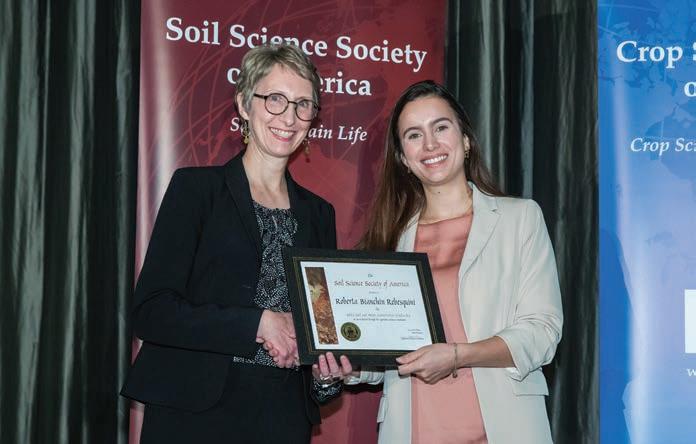
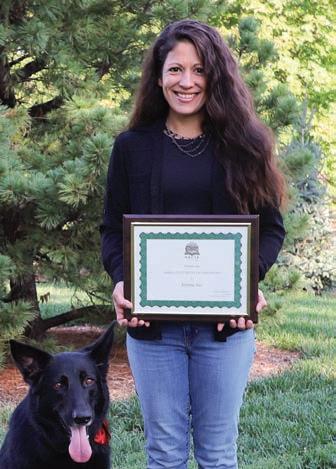
Graduate Student Team Sprayer Calibration, Third-place Overall 2023 WSWS WSSA National Weed Science Contest Graduate Individual, Finalist for the 2023 WSWS WSSA National Weed Science Contest National Division Farmer Problem Solving and Recommendation, 2023 AHGSA Outstanding Member, Milton E. Mohr Fellowship, 2023 North Central Weed Science Outstanding Graduate Student Award
Laura Thompson: First-place 2021 ASA Nutrient Management Graduate Student Oral Presentation, Margrave Agricultural Fellowship Fund, Bayer Mentoring Program
Thiago Vitti: First-place 2023WSWS WSSA National Weed Science Contest Graduate Student Team, First-place 2023 WSWS WSSA National Weed Science Contest Graduate Student Team Sprayer Calibration, First-place
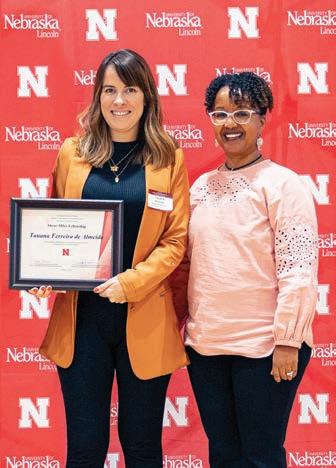
2023 WSWS WSSA National Weed Science Contest Graduate Student Individual Herbicide Identification
Caleb Wehrbein: The Mary and Charles C. Cooper/Emma I. Sharpless Fellowship
Zhikai Yang: Milton E. Mohr Fellowship
Milos Zaric: Srdjan Cirovic’s Memorial Scholarship Award, Second-place 2022 WSWS Annual Meeting Agronomic Crops Poster Presentations, 2022 AHGSA Outstanding Member Award, Milton E. Mohr Fellowship, First-place 2022 NCWSS Meeting Graduate Student Poster
Vinicius Zuppa: North Central Region Sustainable Agriculture Research and Education Graduate Student Grant
A list of all student awards can be found online at agronomy.unl. edu/graduate-student-awards
“My advice to anyone considering graduate school is to work with a professor in a lab doing research that interests you and aligns with your passions and goals.”
Alyssa Hall

by Alyssa Hall, doctoral student in agronomy
FOR AS LONG AS I CAN REMEMBER, I HAVE HAD A DESIRE TO LEARN. Some of my favorite methods of learning are asking questions, reading books, and sitting back and observing my surroundings.
Life on our family farm and participation in organizations like 4-H and FFA led to much of my early learning. Immersed in agriculture, I developed a passion for the industry, which made pursuing a bachelor’s degree in agronomy from Purdue University an easy decision.
As I gained experience and learned even more, I began to understand the importance of educating others. I came to the University of Nebraska–Lincoln to get a master’s degree in agronomy. This experience allowed me to continue to learn, participate in research relevant to producers, and better prepare myself to guide and educate producers to make the best decisions for themselves and their operations.
After completing my master’s degree, I was given the opportunity to continue at Nebraska and work on a Ph.D. in agronomy. My doctoral research is about utilizing integrated crop and livestock systems. For example, I’m evaluating how using cattle to graze different crop residues and cover crops affects the production systems.
The three pillars of the Department of Agronomy and Horticulture — research, teaching and extension — have
shaped my experiences thus far. I have been able to participate in collaborative and interdisciplinary research projects, be a teaching assistant for multiple undergraduate courses, and give presentations about my research across the United States. In addition, I have had the chance to lead with and learn from other graduate students as a member of the Agronomy and Horticulture Graduate Student Association, as well as interact with and learn from extension educators across the state.
Graduate school opened a world of opportunities and adventures for me. My advice to anyone considering graduate school is to work with a professor in a lab doing research that interests you and aligns with your passions and goals. This collaboration can allow you to learn the most and make a significant impact.
Outside of school and academic responsibilities, I have enjoyed exploring the wide variety of restaurants and activities in Lincoln and camping and hiking in the state parks of Nebraska. I have also been blessed to find a great church community where I have gained friends, grown spiritually, and had occasions to volunteer and serve others throughout Lincoln.
The university has provided me with experiences, friendships, networks and learning opportunities that will allow me to be successful in the field of agronomy for the rest of my life.
by John Tines, plant and landscape systems – turfgrass management major
I HAVE NEVER BEEN A BIG FAN OF SCHOOL, NOT BECAUSE I STRUGGLED WITH IT, BUT BECAUSE I’VE BEEN HAPPIER WORKING. When I was 13, I began doing lawn care for neighbors, and when I was old enough to drive, I started picking up more clients. I enjoyed this more than school, so I didn’t see myself pursuing a four-year degree until I discovered the University of Nebraska–Lincoln offers a degree in plant and landscape systems in turfgrass and landscape management.
I began studying turfgrass in the fall of 2020 with the intention of remaining in the home lawn care sector of the turfgrass industry. However, throughout college and internships, my focus has shifted toward golf course management.
The summer following my first year, I interned at the Country Club of Lincoln, where I worked on a golf course for the first time, and I have continued working there since.
The following summer, in 2022, I went to the Atlanta Athletic Club in Johns Creek, Georgia. This facility has two 18-hole courses — Highlands and Riverside. There, I learned the basics of maintaining warm-season turfgrasses on the Highlands course and experienced a complete grow-in on the Riverside course, which was undergoing a redesign and renovation.
When I arrived, almost the entire Riverside course was bare dirt. By the end of the summer when I left, only three holes remained. The tees, fairways, green surrounds and any heavily sloping rough were all sodded, while the bulk of the rough and the greens were sprigged.
The dirt work, irrigation and sodding were all done by Landscapes Unlimited or contracted out by them. I spent a large portion of my time putting pre-plant fertilizers down ahead of sprigs and sod. Maintaining adequate moisture levels was very important with the new turfgrass. I ran irrigation programs on rough, fairways and greens as needed. I directed the crew and set up hoses for them to hand water the freshly laid sod as well as any hot spots that would pop up. Lastly, I spent hours setting the sprinkler heads.
This past summer, I went west into the sandhills of Nebraska where Dormie Network is building a brand-new course — Gray Bull Golf Club near Maxwell, Nebraska. The entire course was hydroseeded, except for the dropseeded greens, and then hydromulch was sprayed on top. I spent a lot of my time fertilizing, topdressing and fixing washouts. Everything was bare sand with a thin layer of hydromulch/hydroseed on top. It was an unseasonably wet year near Maxwell, so every week I assisted in fixing washouts along bunker edges up to 31/2 feet deep and 15 feet long. We tried a whole host of erosion control methods along with fertility management. Lastly, I worked on topdressing on greens to smooth out any imperfections during the growin process.
I am grateful for my time at the university as it taught me more about turfgrass and the plants and landscapes surrounding it than I could have imagined. Lastly, it provided me with a plethora of opportunities and opened my eyes to aspects of the turf industry I never knew about.
“I am grateful for my time at the university as it taught me more about turfgrass and the plants and landscapes surrounding it than I could have ever imagined.”
John Tines
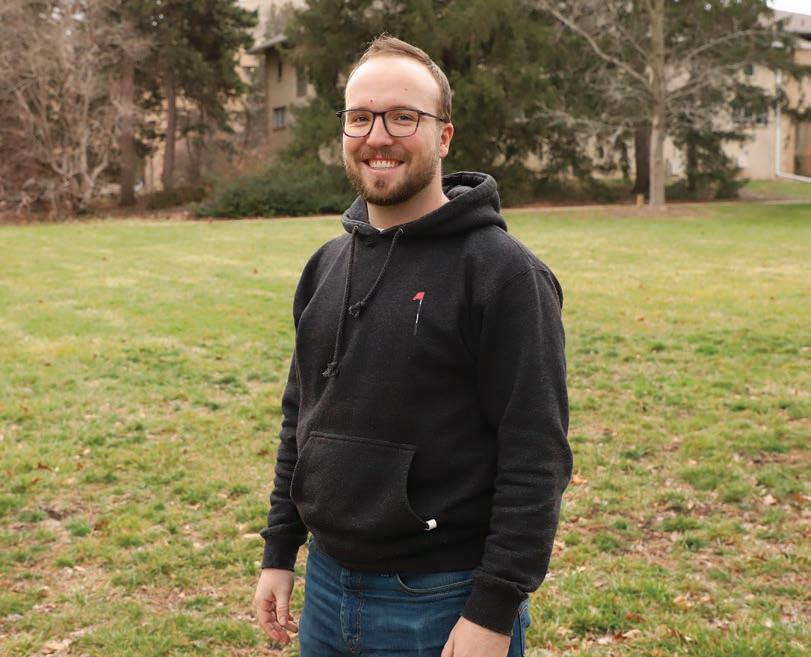

by David Holding, professor and associate department head
BEGINNING WITH THE 2017 ACADEMIC PROGRAM REVIEW AND THROUGH THE RECENTLY COMPLETED 2023 APR, THE DEPARTMENT OF AGRONOMY AND HORTICULTURE INVESTED CONSIDERABLE TIME TO EVALUATING THE GRADUATE PROGRAM AS A WHOLE AND, MORE SPECIFICALLY, CURRICULUM OF THE VARIOUS GRADUATE SPECIALIZATIONS. Curricula evaluation started in 2019 and 2020 with general brainstorming by a small ad hoc working group led by David Hyten, Haskins Professor in Plant Genetics and associate professor.
In 2021, the leadership team appointed the Graduate Curriculum Review Committee. The GCRC, chaired by Professor David Holding, consisted of faculty representatives from each specialization: Plant Breeding and Genetics; Crop Physiology, Production and Horticulture; Soil and Water Sciences; Range, Forage and Turfgrass; and Weed Science. Implementing a web template solution to define and differentiate specializations
The GCRC identified a conspicuous lack of defining features for all specializations. Many courses lacked welldefined learning objectives, and many specializations failed to require, or even suggest, core courses supporting their learning objectives. To alleviate this deficiency, a webpage template showing required, suggested and elective courses was designed to provide a standard format across specializations.
The main webpage at agronomy.unl.edu/graduate-programspecializations has links to the five graduate program areas of specialization. Specialization-specific webpages provide an overview of learning outcomes and core courses with hyperlinks to specific courses. Webpages for specific courses include the instructor, learning objectives, prerequisites and other relevant information, providing easily accessible information to students and advisers preparing Memorandums of Courses.
In addition, the webpages allow for tracking and prioritization of improvements and changes over time with student and faculty guidance. Specialization representatives, as well as the broader graduate faculty, share responsibility for keeping course offerings current in terms of faculty retirements, course rotation, etc. The online text and hyperlinks are continually updated as courses are revised and additional information becomes available.
While much work remains on improving the graduate curriculum, the efforts described above have already precipitated several concrete actions:
• The Plant Breeding and Genetics specialization conducted an external review by a team of industry scientists. That review, suggested as a model for similar external reviews for other specializations, identified numerous strengths and weaknesses in PBG curriculum, some of which are being addressed.
• Following the retirement of Paul Staswick, Jeffrey Mower undertook revision of Plant Molecular Biology (AGRO 810).
• After the retirement of Stephen Baenziger, three 1-credit AGRO 815 modules were consolidated into a single Introductory Breeding course targeting the 400/800 level. The new 3-credit course is taught by Katherine Frels.
• An additional 1-credit course, Introduction to Plant Breeding, is taught by Blaine Johnson.
• A new 200-level introductory plant breeding course by George Graef and Don Lee attracted both undergraduate and graduate students. With a heavy field and seed industry focus, the popular course offered several visits to companies and university breeding programs including wheat, soybean, popcorn and sweet corn.
• Since the retirement of Tom Hoegemeyer, the 816 advanced breeding 1-credit modules had not been taught. Blaine Johnson developed a 3-credit advanced breeding course loosely based upon consolidated content from AGRO 816 series, which covers genetic theory specifically pertaining to plant breeding, advanced breeding methodologies and hybrid breeding. The old 816 module (G x E) was resurrected as a standalone course, also taught by Blaine Johnson.
• A new course on design of field experiments, data management and analysis, which complements existing statistics courses offered in the Statistics Department, specifically provides student exposure to concepts and methods of applied statistics. This is taught by Amanda Easterly and Blaine Johnson.
• Recent discussions among PBG instructors revealed a common lack of basic understanding of population and quantitative genetics. Thus, a combined introductory
course is under development (AGRO 831) and will be taught by incoming theoretical quantitative geneticist Brian Rice.
The absence of a graduate level whole plant physiology course within the department was identified as a weakness across the whole graduate program. A significant barrier to solving this deficiency is lack of teaching FTE. The problem has been exacerbated by retirement of two faculty who taught related graduate courses, water management and nutrient management. Thus, a major goal is to find faculty who would develop and deliver one or more courses covering these three critical subjects. Our recent APR has also identified several distinct physiology needs: molecular stress physiology, whole plant physiology and weed molecular physiology. The department will brainstorm priorities and areas of overlap in these areas.
Recent faculty changes and upcoming retirements, as well as changes in courses offered by other departments, resulted in a gap in our plant biotechnology instruction. The department is in the process of considering ways to address this gap.
In line with our combined agronomy and horticulture doctoral program, the department is in the process of combining the agronomy and horticulture master’s programs. This will necessitate modifications to the graduate specializations web page to ensure that they accurately portray the courses and structure of master’s students with the horticulture specialization.
The APR self-study and external review identified many priorities for the graduate program and the curriculum. Department faculty are excited to be making improvements and implementing changes in the coming years.
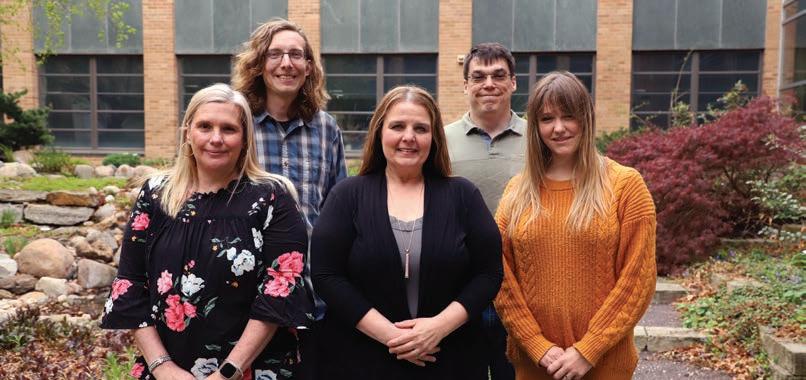
by Jennifer Weisbrod, PSEP coordinator
THE PESTICIDE SAFETY EDUCATION PROGRAM, ORIGINALLY THE PESTICIDE APPLICATOR TRAINING — A 2002 CHANGE FROM THE FEDERAL INSECTICIDE, FUNGICIDE, AND RODENTICIDE ACT — IMPLEMENTS REGULATIONS IN TRAINING AS PART OF THE PROGRAM’S PARTNERSHIP WITH THE NEBRASKA DEPARTMENT OF AGRICULTURE AND THE NEBRASKA DEPARTMENT OF ENVIRONMENT AND ENERGY.
The Nebraska PSEP came into existence in 1975 because of an update to FIFRA that required the EPA to use State Extension Services to train on environmental protection and pesticide safety.
Led by Jennifer Weisbrod, PSEP coordinator, the PSEP team works closely with NDA and NDEE to provide federal and state-mandated programs for commercial/non-commercial applicators, private applicators and chemigation and develops materials for training. The rest of the team includes Frank Bright, Greg Puckett, Julie Jacobs and Vicki Schroeder. Weisbrod said a key component of the program is the mission of PSEP — “to reduce the quantity and toxicity of pesticides used and promote safer applications of pesticides to: protect human health, protect the environment, and save applicators money and time through Integrated Pest Management (IPM).”
In 2021, PSEP trained 1,222 individuals in chemigation, 3,281 individuals in private, and 3,085 in commercial/non-commercial. Of the individuals who underwent training, 20% chose to utilize the new online self-paced training. Based on surveys, most individuals prefer the online training option to the in-person one. As a new part of her program, Weisbrod is working to provide pesticide safety and awareness to the public. “Safe use of pesticides applies to everyone, and the more people we can help to make informed decisions, the better we protect ourselves, the environment and the crop protection tools we have available,” she said.
In addition to providing the public with information regarding safety, PSEP and NDA are working to provide training and licensing to students at the University of Nebraska who may come into contact with pesticides.
“As future scientists and stewards of the land, students are the leaders in teaching and advocating for integrated pest management and pesticide safety and awareness,” Weisbrod said. “Their education and knowledge are integral in ag and sustainable food security.”
Though the training program is federally mandated and must meet a set of requirements to allow for the licensing of pesticide applicators, the PSEP team is developing more interactive online training with a better learning environment for applicators.
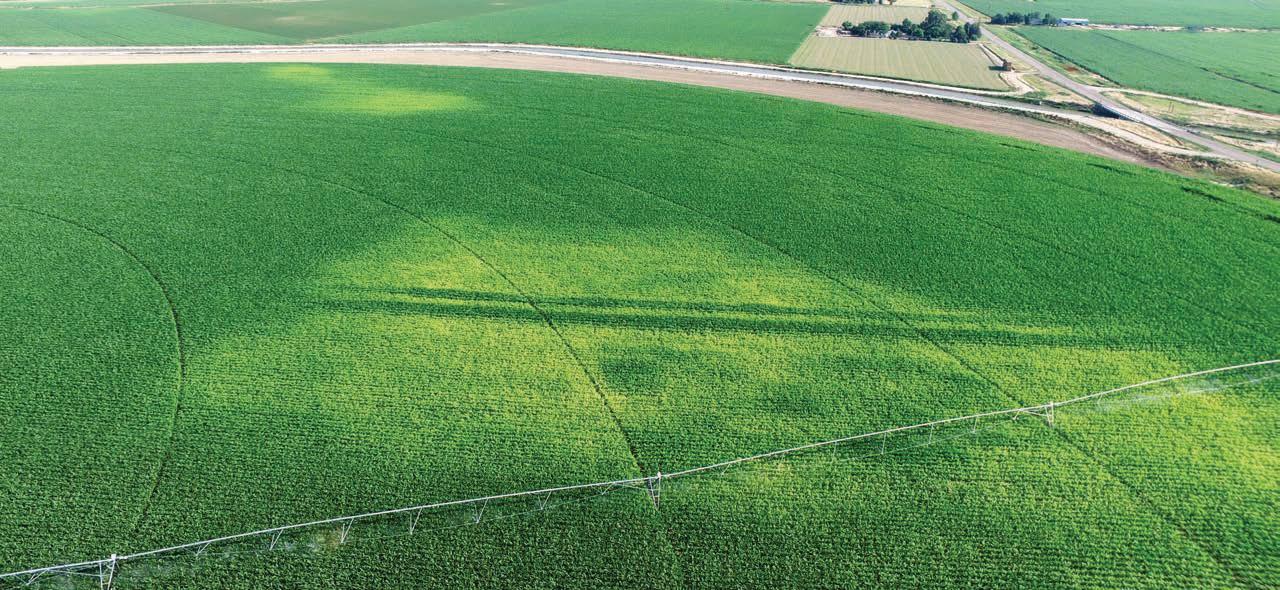
yellow patch
a field in Scottsbluff, Nebraska,
by Fran tenBensel Benne, design and communications specialist
SUGAR BEETS ARE A MAJOR CROP WITH GREAT SIGNIFICANCE TO THE NEBRASKA ECONOMY. MOST OF THE SUGAR BEETS GROWN IN THE STATE ARE PRODUCED IN THE PANHANDLE. With sugar beet crops comes the need for processing the beets into sugar.
Founded in the early 20th century, Western Sugar pioneered the sugar beet industry in Northern Colorado. It later expanded, became a cooperative and now operates sugar processing facilities in Nebraska, Wyoming, Montana and Colorado. Western Sugar Cooperative has over 850 grower/owners, plants roughly 112,000 acres of sugar beets and is allocated over 10 million hundredweights of locally grown sugar per year. This represents roughly 10% of the domestic beet sugar market.
Western Sugar’s Scottsbluff, Nebraska, factory used to rely on coal-fired boilers to process sugar beets into sugar. Over the years, that process yielded a significant amount of coal ash as a byproduct.
Coal combustion residue, referred to as coal ash, “is not to be mistaken with fly ash, which is fundamentally different,” said Rebecca Larson, vice president and chief scientist for Western Sugar.
Fly ash is the byproduct of using coal for power generation. That process involves double crushing and burning. The coal is initially burned, then the
residue is extracted, crushed once more, and burned again. What remains is largely depleted of carbon, containing perhaps only a fraction of a percent.
Western Sugar, however, only burns coal once. And the byproduct is between 20% and 30% carbon with an insignificant concentration of heavy metals.
There are two potential destinies for coal ash. One involves transporting it to a landfill for containment, while the other entails discovering a beneficial application for it.
Simply depositing it in a landfill is undesirable for several reasons.
“Obviously, we don’t want to just throw it in a landfill,” Larson said. “If you put it in a landfill and introduce all that carbon material, there’s going to be a significant amount of microbial activity and the release of methane gas due to the organic content. This will result in a negative greenhouse gas emission consequence.”
Moreover, landfill disposal is costly. Having to hire trucks to transport the material and paying impoundment fees render the landfill option an impractical one for Western Sugar, according to Larson.
What about finding a beneficial use for coal ash?
It isn’t a new idea in terms of technology. Though not widely used
in the United States, applying coal derivatives and other high-carbon products to soil has been around for hundreds of years in certain regions of the world for improving soil productivity. Notably, it wasn’t until 2020 that the U.S. Department of Agriculture’s Natural Resources Conservation Service recognized high-carbon soil amendment as a conservation practice standard.
Bijesh Maharjan, an associate professor in agronomy and horticulture at the University of Nebraska–Lincoln’s Panhandle Research, Extension and Education Center, has been researching the benefits of coal ash as a soil amendment. He’s looked at how coal ash affects the soil and how it eventually benefits crop production.
“I was thrilled to work on coal ash as one of my first projects when I started in this role in 2016,” said Maharjan. “Coincidently, then, I had just completed my postdoc training under Professor Richard Ferguson, which involved field research on another coal byproduct, flue gas desulfurization gypsum.”
According to Maharjan, many fields in the Nebraska Panhandle have been
leveled for irrigation, intensively farmed, or affected by wind and water erosion, all of which can decrease soil organic matter. Low SOM is a significant indicator of degraded soil.
Plants grown on degraded soil are prone to less vigorous foliar growth, chlorosis, poor root development, and poor emergence due to soil crusting. Furthermore, lighter colored soils low in SOM warm up more slowly and have less potential to produce nutrients from mineralization. Many intensively cultivated soils in the Great Plains have lost 30% to 50% of the original SOM level.
Proper soil management is necessary to sustain long-term agricultural productivity. Soil loss through erosion or runoff hurts agricultural production and has environmental implications.
“What’s typical in precision agriculture is to look at your field and understand where the productive and unproductive regions are. And you avoid the unproductive regions and minimize the inputs there because you’re expecting minimal outputs from it,” Larson said.
Applying coal ash to the field has flipped precision agriculture in the area on its head. Instead of ignoring unproductive regions, Maharjan helped develop best management practices using coal ash to regenerate the soil and crop productivity. This imparts significant environmental and economic benefits, justifying the beneficial use for this climate-smart practice.
“We demonstrated a lot of benefit in terms of production, especially in shallow-rooted cropping systems like beans and peas,” Maharjan said. “It showed good results.”
Western Sugar found that directing this coal ash application to the underperforming areas of a field significantly enhanced productivity.
“We saw very good trends for corn production depending on how healthy or unhealthy your production acres were,” Maharjan said. “If your soil was unhealthy, the benefits were immediate — very tangible and considerable.”
One of the producers in Maharjan’s trial acknowledged that in his 30–40 years of farming, he had not seen such an immediate effect on the soil, especially from a free product.
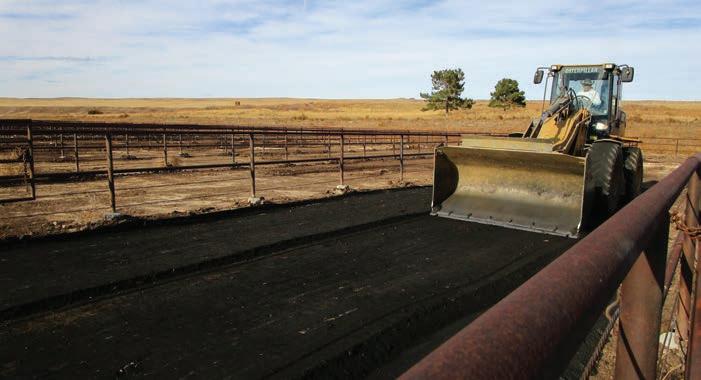
ABOVE: Coal ash is applied to a cattle pen for research. After a snowfall, coal ash-applied pens dried quicker than the control pens, which was beneficial for cattle health. RIGHT: Dinesh Panday, a University of Nebraska–Lincoln agronomy doctoral candidate, sets solar-powered moisture sensors in the pens.
“It’s a form of regenerative ag practice in action,” Larson said. “Instead of neglecting these less productive regions, we aim to optimize their output.”
In environmental terms, this translates to maximizing agricultural productivity from land already designated for agriculture without the need to convert native habitats such as grasslands and forests into farmland to grow food.
In the lab, Maharjan did some environmental work and found that this carbon product could tie up chemical nitrogen and work as a slow release, thereby minimizing some of the losses. Another benefit, besides the price, was that it was better than biochar in terms of chemical properties such as surface area which resembles a microscopic sponge. Coal ash shares chemical similarities with biochar, albeit with lower carbon concentration.
There is no negative outcome of coal ash use in terms of heavy metals. Maharjan analyzed the material to show the percentages of heavy metals. He also collected corn and soybean samples and sent them for testing. The results detected a below critical level heavy metal concentration in the coal ash. It wasn’t detrimental to the environment nor was it taken up by the plant, so there is no chance of human or animal consumption of heavy metals.
Larson worked with the NRCS in 2021 to get Nebraska added to the list of states included in this Interim Conservation Practice Standard — ICPS 808 High
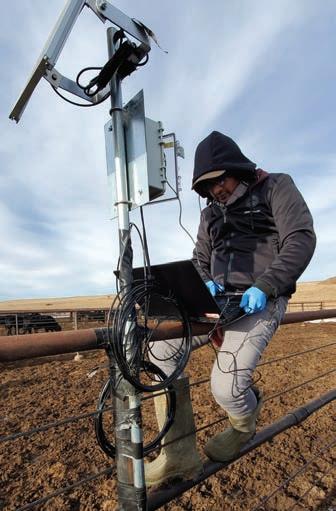
Carbon Soil Amendment. She then collaborated with the NRCS national staff to get coal ash specifically added to that CPS. Using Maharjan’s research, they were able to lobby the NRCS to add coal ash to its list of examples of other carbon amendments.
The state of Nebraska was so impressed with the results of Maharjan’s work, along with on-farm observations, that the state created a Targeted Investment Plan. It provided direct funding through ICPS 808 to 17 farmers in 2021, which gave them up to $125 per acre amended with coal ash. Since then, the interim conservation practice has become permanent. It is now identified as CPS 336, Carbon Soil Amendment.
The ingenuity applied to develop beneficial uses for coal ash took a product that would have cost Western Sugar money to put in a landfill with negative environmental outcomes, into a program that benefits the grower and
Coal Ash, continued on page 46.
the environment. With NRCS incentives, implementing the practice became more affordable since mobilization and application costs were partially covered through EQIP.
Larson said the growers have been overwhelmingly pleased with this process. Other products, like biochar, can be applied to soil to get similar outcomes, but it’s expensive.
When calculating the amount required to achieve the equivalent carbon delivery into the soil as achieved with coal ash, growers using biochar would cost a minimum of $5,000 per acre which prices it out of commercial ag applications.
“Currently, biochar is not as commercially viable like coal ash is,” Larson said.
With coal ash, producers must pay for the freight. Farmers can bring a truck to Western Sugar, load it with coal ash, transport it back to their farms and spread it on their fields. The expense varies based on their proximity to the coal ash source, but averages $200 per acre.
With the returns farmers are seeing in terms of increased productivity, coal ash pays for itself quickly. It’s a one and done application process.
At the Western Sugar processing factory in Fort Morgan, Colorado, a heap of coal ash had accumulated over 50–75 years. Now that heap has essentially disappeared.
Producers have moved almost 70,000 tons of coal ash from Western Sugar out to farms, and they are repeat customers. Growers with lower productivity soils or sandy soils have had great results.
“Even the former Colorado Commissioner of Agriculture has seen on average 60-bushel corn improve to 200-bushel corn on his irrigated land,” Larson said.
Until recently, farmers were only able to get incentives for CPS 336 through EQIP. That program is still available, but beginning in May of 2023 farmers can receive incentives directly through Western Sugar Cooperative as part of their participation in the USDA’s Partnership for Climate-Smart Commodities program. The farmers need to complete all of the same obligations as defined by NRCS for CPS 336, but incentives are paid directly after implementation.
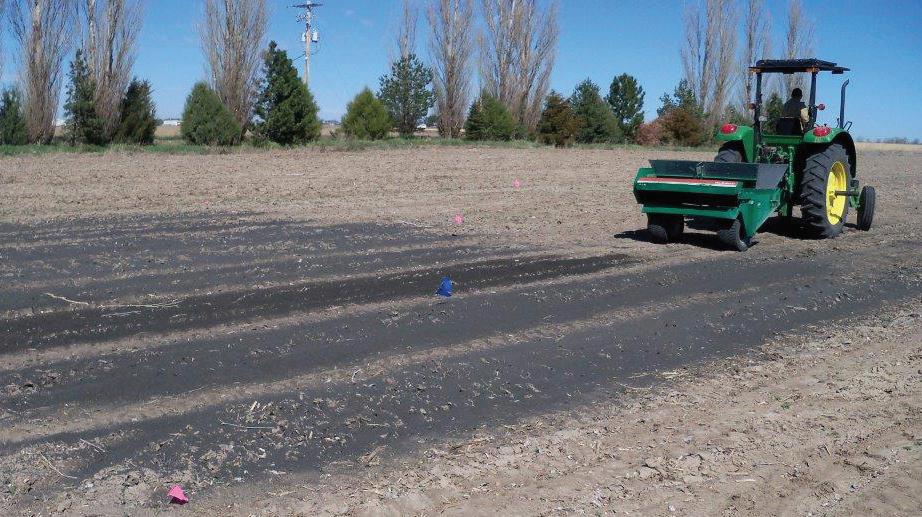
“If Bijesh had not done the field research to show there was no harm, first and foremost, but potential beneficial outcomes, and reached out to our growers, we never would have had adoption and usage of this product,” Larson said.
Coal ash was first used in 2018 in all states and field applications were done in 2019. In 2021, 40,000 tons of coal ash was used in Nebraska. These early adopters (56 farmers with over 6,000 acres) of the conservation practice also received incentives through the USDA grant awarded Western Sugar Cooperative. Since then, nearly 4,000 new acres of implementation have occurred across three states by 36 additional farmers.
In terms of long-term benefits, Maharjan has been studying these sites where coal ash has been applied. He and his team of researchers know what the physical properties were before the application to the land and immediately after the application. Now, they can go back after several years and see the stability of the carbon and its long-term benefits.
Every soil has a varying capacity to sequester carbon. Maharjan and Larson believe there is an opportunity within the Rocky Mountain West to increase what’s called the soil organic carbon equilibrium.
“If we can inject carbon in the soil and farmers practice conservation tillage which prevents erosion of the introduced carbon, then we’ve vastly increased the carbon sequestration potential of the environment, not just through increased biomass from better crop growth but also from this stored stable form of carbon,” Larson said. “It’s very different than applying manure or
compost — organic matter. This is carbon you’re putting into the soil which is fundamentally different.”
The CPS requires all producers to sample soil before application and after application to get funding. Farmers are testing this on different soils and sharing this information with one another so the ecosystem services benefits can ultimately be calculated.
Maharjan has a variety of soils they are testing with coal ash application. They must remain practical as farmers can only haul around 100 miles from the coal ash source. Otherwise, it would not be economically viable.
The eastern part of Nebraska is too far for hauling the coal ash, but Maharjan does have collaborators at the Department of Agronomy and Horticulture in Lincoln who are also assessing different aspects of this coal ash and other biochar products.
During the research, Maharjan advised Dinesh Panday, an agronomy doctoral candidate. Panday finished his doctorate in agronomy specializing in soil and water sciences by writing his thesis on coal ash research. Panday is now a research scientist at the Rodale Institute in Pennsylvania.
“It’s really been a win-win for everyone,” Maharjan said.
Maharjan, is a subawardee through Western Sugar’s Partnership for ClimateSmart Commodities grant. He will assist Western Sugar in measuring greenhouse gas emissions from coal ash-applied versus the control farms. The USDA will be visiting Scottsbluff this June to observe progress on this grant.
To learn more about the program, visit go.unl.edu/ws-climatesmartcom.
by Blaine Johnson, adjunct professor and lecturer
BLAINE JOHNSON JOINED THE DEPARTMENT OF AGRONOMY AND HORTICULTURE IN AUGUST OF 2019 AS AN ADJUNCT PROFESSOR AND LECTURER; HOWEVER, THIS APPOINTMENT WAS NOT HIS FIRST ASSOCIATION WITH THE DEPARTMENT. Johnson received a Bachelor of Science in range management and ruminant nutrition from Nebraska in the early 1970s before completing a Master of Science from Oregon State’s Department of Crop and Soil Science. He then returned to the Department of Agronomy to complete a doctorate in quantitative and statistical genetics. Through the mid-1980s until the late 1990s, Johnson was a faculty member of the department, teaching population genetics, biometrical genetics and plant breeding while conducting research on introgression of exotic maize germplasm into temperately adapted elite maize germplasm, primarily for purposes of improving quality of food-grade dent maize.
In the late 1990s Johnson chose to leave the university and join private industry. Over the years he had a number of assignments, but they all centered around breeding hybrid crops, principally corn and wheat, and developing and deploying statistical and data management tools useful for plant breeders. After over 20 years of service to the industry, Johnson “retired” and renewed his ties with academia on a part-time basis, receiving adjunct appointments within the Department of Crop Science at North Dakota State University and the Department of Agronomy and Horticulture at Nebraska. Johnson readily acknowledges the impact of his industry experiences on his philosophical approach to teaching and mentoring in academia.
Johnson’s current appointment with the department is 50% teaching. The initial assignment was to teach an 800-level plant breeding course, offered with options for resident degree students as well as for distant-ed, certificate-seeking students. Shortly thereafter, Johnson also developed an independent study course on applied field statistics and data management, first offered as a one-credit course and expanded to a two-credit course in the spring of 2022, with Amanda Easterly, research assistant professor, added as a co-instructor. In addition, Johnson is developing a new threecredit course, Hybrid Crop Breeding: Theory, Design, and Decisions, scheduled to be offered in the fall of 2022.
Johnson is committed to both resident and online teaching. Because of his industry experience teaching new breeding methodologies to a global, remote audience, he is fully aware of the needs of a global — and frequently remote — audience. That experience minimized difficulties in moving to remote-only teaching in academia during the pandemic.
He is actively involved in the current departmental review and revision of graduate curriculum, principally for the plant breeding and genetics specialization. In support of the departmental review, Johnson initiated an external review of plant breeding curriculum conducted by industry plant breeders/administrators. Recommendations from the review team are currently under consideration, but of immediate significance was the strong endorsement by the team for the new Hybrid Crop Breeding course.
In addition to his teaching and curriculum responsibilities, Johnson, together with Keith Boldman, a former Pioneer colleague and University of Nebraska–Lincoln postdoc, has conducted workshops and short courses on plant breeding and data analysis for both Nebraska and North Dakota State as well as the ASA/CSSA Societies during the 2021 Annual Meeting. Finally, Johnson assists with revision of the department’s variety release process and serves on search committees. His role is essentially that of departmental consultant on all things plant breeding, especially when an industry perspective is needed.
Johnson’s number one satisfaction has always stemmed from mentoring graduate students and early-career scientists, helping them learn and understand plant breeding from a practical industry perspective where the breeding goal is releasing or commercializing a genetically improved cultivar. A self-proclaimed “professionally mature” plant breeder, Johnson thoroughly enjoys passing on his years of experience to those who are less “professionally mature” through workshops, courses or simple (but sometimes long) discussions.
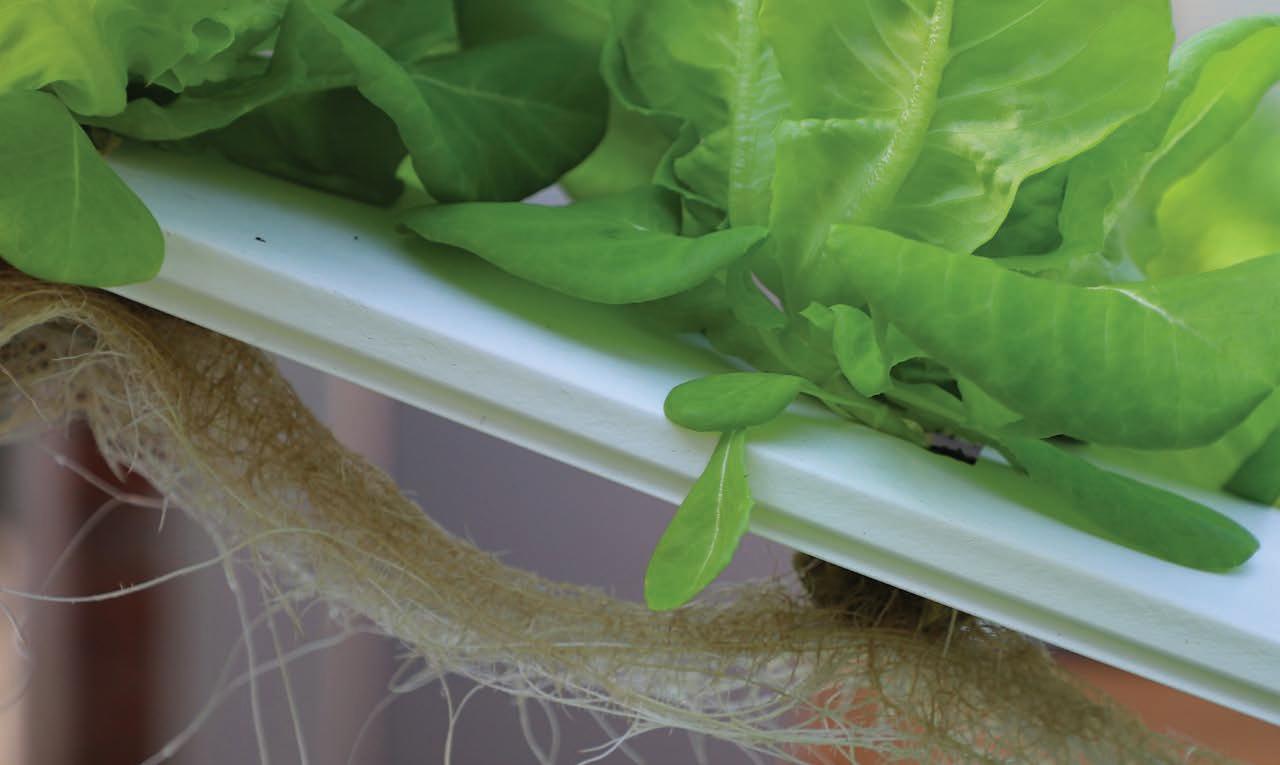
by Fran tenBensel Benne, design and communications specialist
YELLOW FIELD PEAS, GRAPES, STRAWBERRIES, HYDROPONIC LETTUCE — THESE AND OTHER DIVERSE SPECIALTY CROPS IN NEBRASKA ARE AN ESSENTIAL PART OF THE STATE’S AGRICULTURE INDUSTRY. The U.S. Department of Agriculture defines specialty crops as fruits, vegetables, tree nuts, horticulture and nursery crops. In 2023, the USDA Agricultural Marketing Service awarded Nebraska over $823,000 in Specialty Crop Block Grant Program funding.
Among the Nebraska Department of Agriculture projects is funding for the University of Nebraska–Lincoln to partner with local farmers markets and specialty crop producers to host Local Food Showcases across the state to increase consumers’ knowledge and consumption of specialty crops.
According to Sam Wortman, associate professor in agronomy and horticulture who teaches Plant and Landscape Systems 454: Specialty Crop Innovations, the overall number of farms in the United States has been decreasing while the size of those farms has been increasing for several decades. However, between 2012 and 2017, there was a 17.3% increase in small farms with 1 to 9 acres. Many small-scale farms are growing specialty crops and marketing products locally or directly to consumers. This trend is in response to increasing consumer demand for fresh and local fruits, vegetables, flowers and other specialty products.
The USDA’s Agricultural Marketing Resource Center estimates there are now approximately 8,720 farmers markets in the United States, an increase of about 7.07% from 2013, generating nearly $1 billion. According to Rural Prosperity Nebraska, the farmers markets in Nebraska more than doubled between 2000 and 2020.
Some larger farming operations are turning to specialty crops as a way of diversifying their crop portfolios. Some producers have farms focused on more traditional agricultural endeavors but they also have a passion for a certain specialty crop.
Eight rural Nebraska schools receive firsthand training in specialty crop production courtesy of a two-year USDA grant awarded to the Center for Rural Affairs. This initiative is a collaborative effort with the Nebraska Department of Education’s Farm to School program.
Another collaboration, the Nebraska Local Food and Healthy Farms Conference, took place for the third year. It is a partnership between Nebraska Extension and Nebraska Specialty Crop Growers to provide the most dynamic and comprehensive farming and local food systems conference in the state.
In the Department of Agronomy and Horticulture, faculty in research, teaching and extension continue to explore new options with diverse specialty crops or related projects. Within the last three years, there have been several different research projects, including hydroponic vegetables, winter and spring/summer strawberries, organic fruit and vegetable
Hydroponic lettuce grows in a greenhouse on the University of Nebraska–Lincoln’s East Campus. ABOVE: Freshly picked strawberries sit in a bucket harvested from research plots on East Campus. BELOW (left to right): Yellow field peas, harvested from a western Nebraska research field plot, sit in the palm of a hand. Frontenac Gris grape clusters grow on the vine at Homestead Prairie Vineyards near Crete.
production, bio-based mulch for improved sustainability of specialty crop farms, hops, grapes for wine, dry beans and yellow field peas.
Some of these agronomy and horticulture research initiatives receive funding from the USDA National Institute of Food and Agriculture and the NDA. Each of these projects engages either students or the wider public, embodying extension, outreach, and educational frameworks. These models are crafted to impart knowledge about specialty crops and their benefits as well as showcase their potential integration within rural and farming communities. They also provide guidance on the establishment, cultivation and production of these specialty crops, along with strategies for utilizing associated products to enhance sustainability practices.
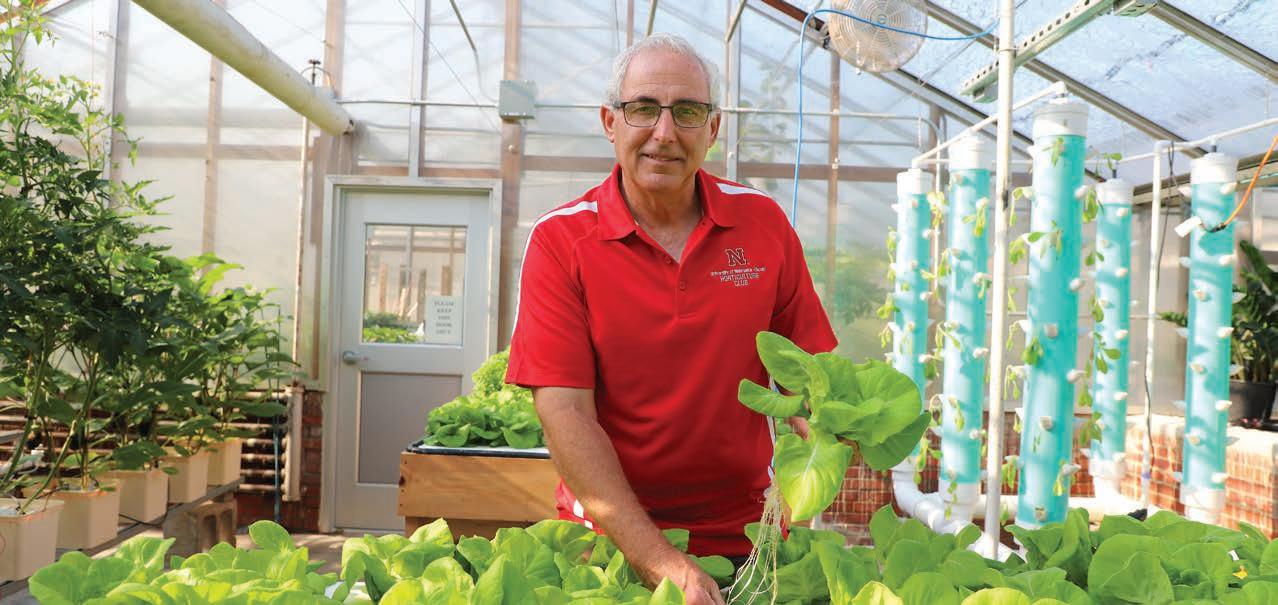
by Stacy Adams, professor of practice
FRUIT AND VEGETABLE PRODUCTION CENTERS
EMERGED WHERE ENVIRONMENTAL CONDITIONS
GENERATED LARGE AMOUNTS OF HIGH-QUALITY PRODUCE THROUGHOUT THE YEAR, AND HARVESTS COULD THEN BE TRANSPORTED TO GROCERS
NATIONALLY. Transportation logistics often affect the quality, availability and price of produce as well as reduce retailer profit margins that often contribute to “food deserts” in both urban and rural proximities. In addition, urbanization of agricultural land has put a strain on agricultural water availability, giving priority to domestic and industrial uses when droughts occur.
Growers have found produce can be grown year-round near where it is sold and consumed using hydroponics in controlled environment production facilities, thus meeting demand with higher quality product that is more environmentally sustainable. In 2020, more than $929 million was invested in the United States for indoor production systems using hydroponics approaches in controlled environments (New York Times, July 6, 2021), such as greenhouses and lighted plant factories in converted warehouses.
Hydroponic production systems utilize 95% less water than field production and are 100 times more productive per acre than traditional farming systems. Produce no longer sits in trucks or warehouses before being sold and can be on the market shelves within hours of harvest.
University of Nebraska students in the course Hydroponics for Growing Populations are exploring different water culture
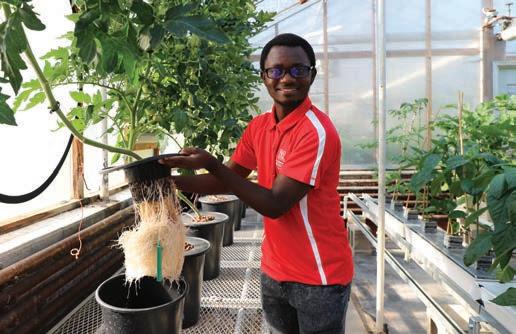
approaches to plant production, specifically food crops.
“Plants grown in hydroponics do not have soil as the source of nutrients, but the irrigation water is enriched with targeted amounts of minerals for each plant type to maximize plant productivity,” said instructor Stacy Adams, professor of practice.
Students are introduced to many aspects of hydroponic plant culture and actively produce crops using nutrient film technique and deep-water solution culture systems and substrate systems using Bato bucket, bag culture and rockwool slabs. The course is designed to expose students to alternative plant production systems as a way to meet the demands for more food to meet a growing population in an efficient and environmentally conscious approach.
by Ellen Paparozzi, professor emerita
STRAWBERRIES ARE READILY AVAILABLE IN GROCERY STORES YEAR-ROUND . . . IF YOU ARE WILLING TO PAY THE PRICE. While production costs of strawberries have not changed much, shipping costs continue to increase. Thus, research was conducted to test the concept that strawberries could be grown profitably during the winter when farmers weren’t working in fields. Details of that research can be found at agronomy.unl.edu/cea-grant
Based on the winter-growing strawberry research, the question arose about spring/summer growing. Thanks to a grant from the Nebraska Department of Agriculture, Alan Weiss, owner of Papio Valley Nursery, and Professor Ellen Paparozzi are investigating additional uses for strawberries — specifically, whether the crop can be propagated for local sales to u-pick farms and homeowners.
Research started in fall 2019 by purchasing crowns of three varieties. Honeoye, often grown in Nebraska for u-pick, and Evie-2 and Seascape, best performers for a winter growing schedule, were purchased and potted. In early June 2020, plants were lined out at Papio Valley Nursery, irrigated by an automatic drip system and fertilized with an organic fertilizer. During the heat of summer, the plants sometimes had to be irrigated every other day. In August, plants started to produce
runners (stolons). By September, the stolons had between one and eight plantlets maturing on each one. These plantlets were propagated in small containers and put in the greenhouse to root, which took one month. Remaining plants were lifted in early December and graded for cold storage as dormant crowns. Rooted plantlets were also moved into cold storage.
In May 2021 dormant crowns and young plantlets were lined out in the field. Follow the progress from this research at agronomy.unl.edu/year-round-strawberry-production. The goal is to add strawberry propagation into a nursery perennial production schedule and bring fruiting strawberry plants to a garden center near you!
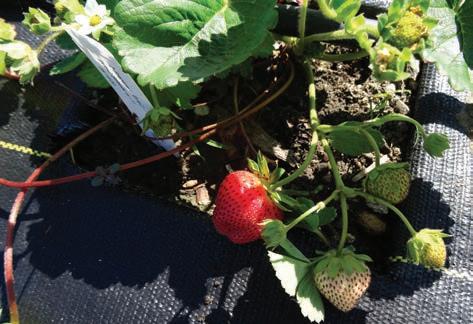
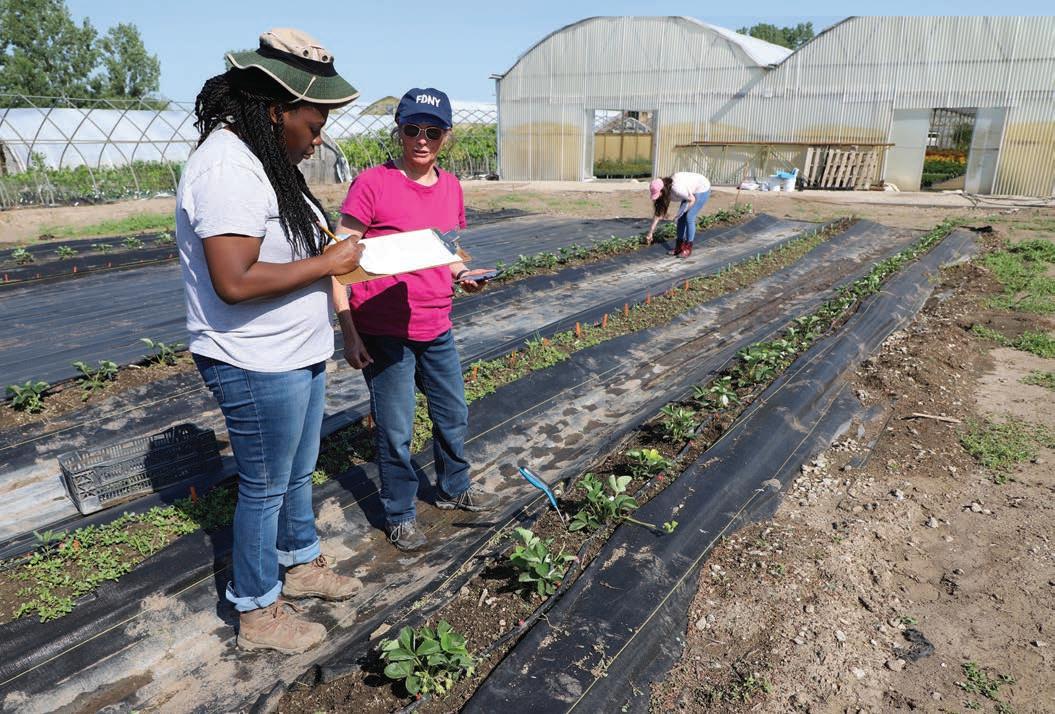
determine if there are adequate nutrient salts in the soil by measuring the electrical conductivity of the soil using a BlueLab Pulse meter and a cell phone. The research plots are
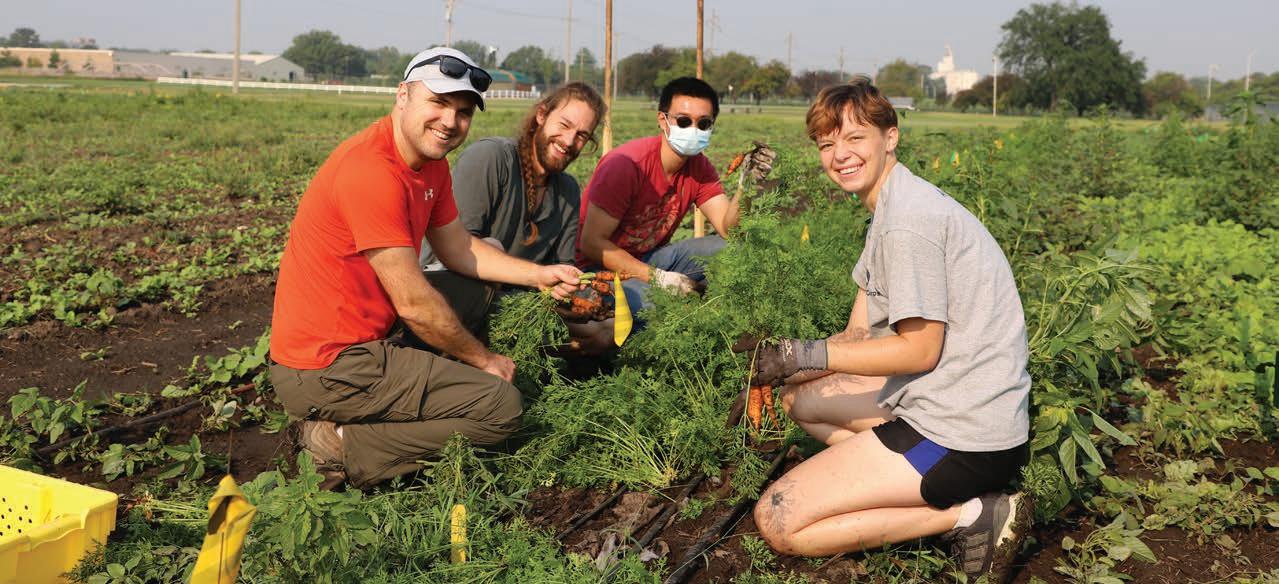
by Sam Wortman, associate professor
VEGETABLE CROPS ARE GROWN ON OVER 400 FARMS IN NEBRASKA, AND THE MOST COMMON PRODUCTION SCALE IS BETWEEN ONE AND 10 ACRES. Growers at this scale typically market their vegetables directly to consumers through farmer’s markets, roadside stands, communitysupported agriculture shares or agritourism attractions like u-pick pumpkins. Direct-to-consumer marketing can increase profit margins for Nebraska growers because shoppers usually spend more and buy more when sourcing their fruits and vegetables directly. Many shoppers cite the freshness of local vegetables and a desire to support their local economy as selling points for local food. In addition, a growing segment of these consumers is motivated to spend more on local foods grown according to sustainability standards like the USDA Certified Organic program. The most popular vegetables grown in Nebraska and found at most DTC markets include tomatoes, pumpkins, sweet corn, peppers, cucumbers, potatoes, squash, onions, leafy greens, carrots and green beans.
Sam Wortman and his research team in the Department of Agronomy and Horticulture aim to develop management solutions for local fruit and vegetable growers that increase crop yield and quality, reduce labor, and maintain environmental quality. One ongoing research project funded by the USDA National Institute of Food and Agriculture is focused on developing bio-based mulches for use in carrots and leafy greens. Vegetable growers often use plastic mulch film to control weeds, moderate soil temperature, and conserve soil moisture in crops like tomato and pepper. However, crops planted at higher-density populations are not
compatible with plastic mulch because the number of holes in the film for each plant would compromise the function of the mulch. Weeds are difficult to control without mulch film (or herbicides in the case of organic growers), and many growers hire help to hand weed these crops.
Wortman is collaborating with scientists at 3M Company to develop bio-based mulch membranes — composites of polylactic acid fibers and organic fertilizer particles — that allow for crop root growth from above while still inhibiting weed germination and growth from below. In this system, seeds are planted directly onto the mulch surface and covered with a thin layer of weed-free compost for germination. Also important to growers, these mulch products can be tilled into the soil to decompose or removed and composted at the end of the season. Wortman believes that this bio-based management solution will help to address the global plastic waste pollution crisis and labor shortages in the agricultural sector.
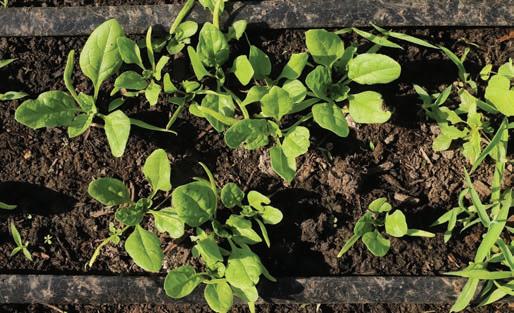
by Keenan Amundsen, professor
MANY IN THE TURF INDUSTRY WONDER WHY PROFESSOR KEENAN AMUNDSEN, A TURFGRASS GENETICIST, WORKS ON HOPS. His primary research is directed toward developing turf-type buffalograss to address turfgrass industry needs through genetics and plant breeding research. Buffalograss is a dioecious species, having separate male and female plants. The dioecious nature of buffalograss and its relatively long breeding cycle slow cultivar development. Hops, another dioecious species, have a comparatively short breeding cycle.
Hops are important to the brewing industry because they provide antimicrobial properties, stability, aroma and flavor to beer. The local craft beer and hops production industries have had consistent growth for more than a decade, and there is demand by craft brewers for locally sourced hops.
In 2015, Amundsen was drawn to hops breeding to use hops as a model system to test different breeding schemes that could be applied to buffalograss as well as to address the industry need for regionally adapted hop cultivars.
Most hops are produced in the Pacific Northwest and are developed for that environment, but the Pacific Northwest differs substantially from Nebraska, which experiences different pest pressures and more severe and extreme
weather events. Wild hops found throughout Nebraska are believed to have developed natural adaptation to their environment, but those wild hops have not been selected for their brewing qualities.
Amundsen’s hop breeding program goal is to develop hop cultivars with combined brewing qualities from elite hops germplasm and adaptation traits from locally collected wild hops. In support of these new hops breeding efforts, local hops producers donated a commercial scale trellis system, which is used to evaluate cultivars, germplasm, and progeny for brewing qualities and production traits. Because of the generosity of hops producers, craft brewers, and the Nebraska Department of Agriculture, the university has established a lasting and impactful regional hops breeding program.
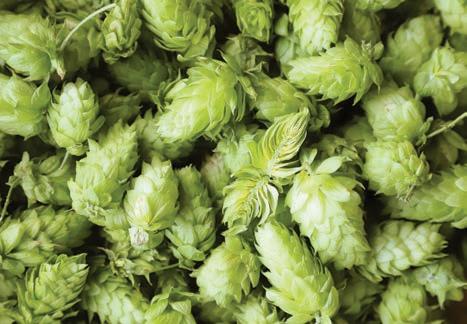
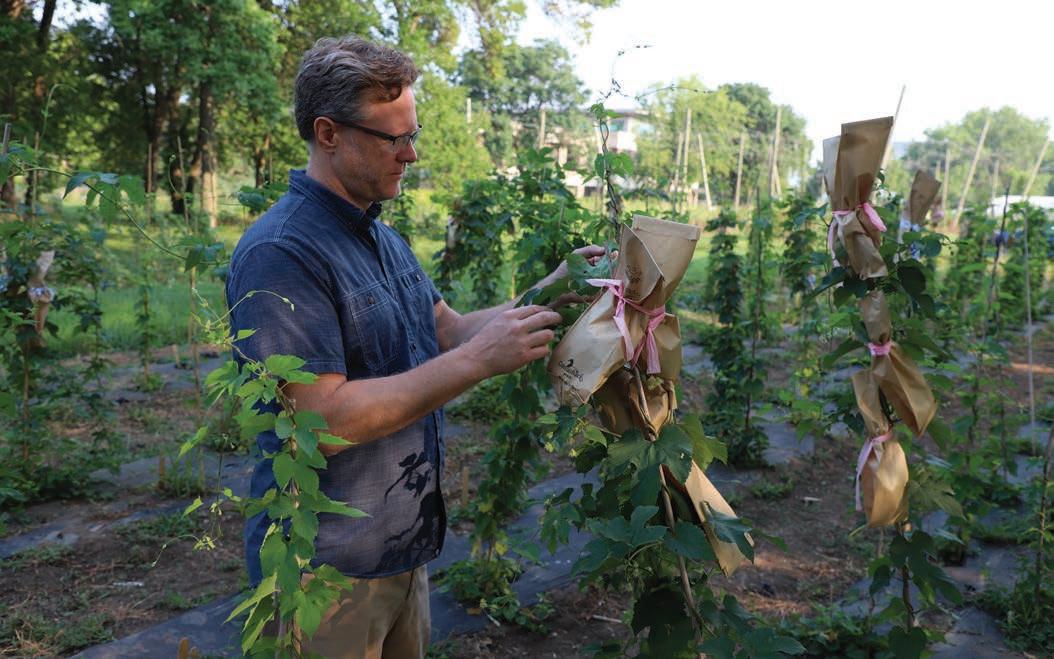
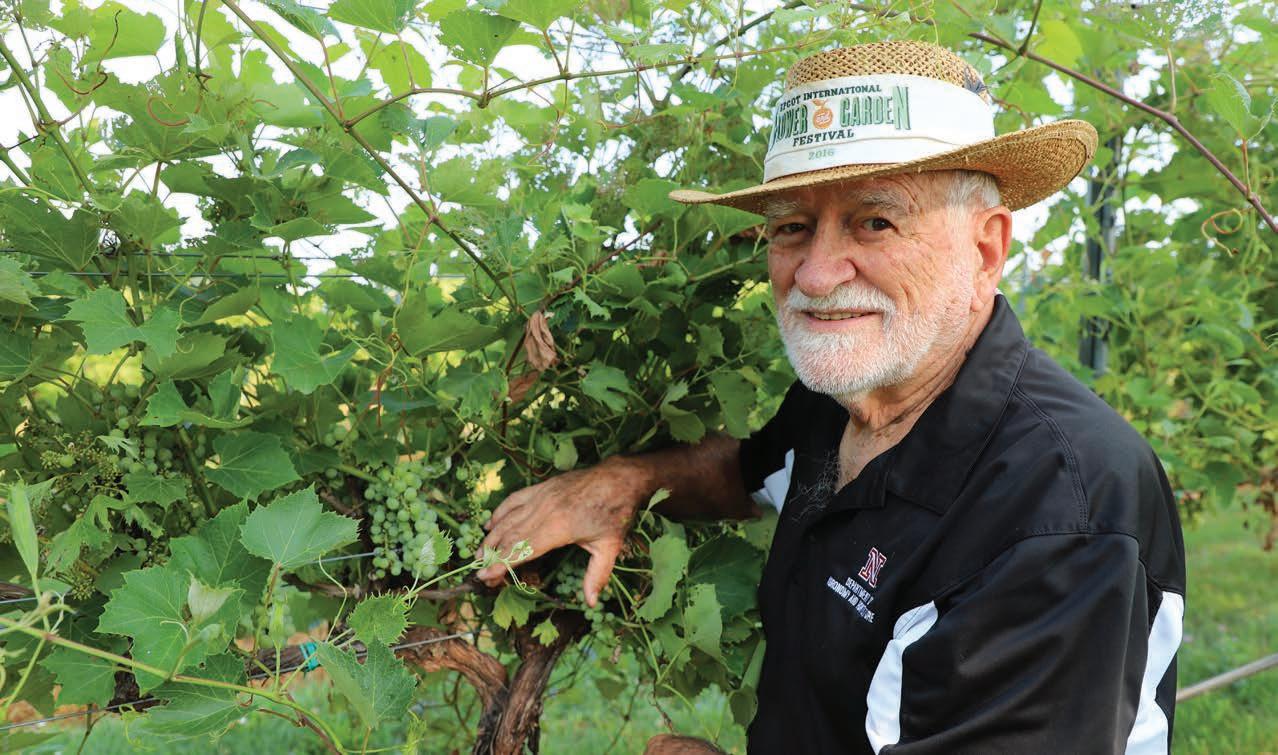
by Paul Read, professor
IN THE 1800S, SETTLERS COMING TO NEBRASKA BROUGHT WITH THEM THE THINGS THAT THEY LIKED TO GROW, INCLUDING GRAPES. There were a large number of small farms shortly after the turn of the century, and 1910 USDA Census of Agriculture statistics indicated that there were over 20,000 grapevines on eastern Nebraska farms, roughly equivalent to 5,000 acres of grapes. However, the institution of the 18th Amendment to the U.S. Constitution known as Prohibition, the great worldwide economic depression and the Dust Bowl years of the 1930s led to a drastic reduction in vineyards and essentially eliminated new plantings of grapevines. It wasn’t until the passage of the Nebraska Farm Wineries Act in the mid-1980s that conditions were favorable for the establishment of a grape and wine industry in Nebraska.
Nebraska’s first post-Prohibition winery was established by Ed and Holly Swanson near Pierce, Nebraska, in December 1994. At that time there were estimated to be about 15 to 20 acres of commercial grapes in Nebraska, but a gradual increase soon followed as this emerging industry began to take root.
Paul Read, professor of horticulture, initiated the University of Nebraska Viticulture Program in the summer
of 1997 to provide science-based information to assist the developing grape and wine industry. In September of 1997 James Arthur Vineyard became Nebraska’s second bonded winery, and additional vineyards were established in subsequent years.
Initially, the UNVP focused on testing grape cultivars (varieties) to determine which ones would be adapted to Nebraska’s environmental conditions and produce fruit possessing the necessary characteristics to make high-quality wine. Further research explored topics important to the industry, including disease and pest management, trellis and training systems, cold hardiness, vineyard floor management including cover crops, understanding dormancy and bud break timing and many more areas of importance to this fledgling industry.
To provide cutting-edge research results to the industry, conferences, workshops, seminars and field days were conducted, and the Nebraska VineLines — an industry newsletter (now digital)— was published. A website at viticulture.unl.edu was also established to provide further insights supportive of a quality grape and wine industry for Nebraska.
Today, more than 35 Nebraska wineries produce awardwinning wines to enrich consumers’ wine menus.
A UNVP grape research planting is established at the Panhandle Research and Extension Center near Scottsblu . Extension Educator James Schild is instrumental in development and management. This planting provides valuable information for western Nebraska grape growers before budgetary constraints necessitate elimination of this research.
Nebraska’s grape and wine industry successfully lobbies the University of Nebraska’s ARD to provide support. Professor Paul Read is assigned to serve as a resource. James Arthur Vineyards opens in September and becomes Nebraska’s second winery, and ultimately the largest.
Cuthills Vineyards, Nebraska’s first post-Prohibition winery, opens near Pierce, Nebraska, paving the way for the early development of Nebraska’s grape and wine industry. Ed Swanson becomes Nebraska’s Pioneer Winemaker.
1940–1970
Inexpensive aluminum resulting from the war e ort to produce airplanes led to the development of cheap and e cient irrigation systems such as center pivots. This made production of the still price-supported crops more attractive than pursuit of more risky crops such as grapes.
The 18th Amendment to the U.S. Constitution (“Prohibition”) goes into e ect. It prohibits the manufacture, sale and transportation of alcoholic beverages in the USA. This leads to the closing of wineries, breweries and distilleries, along with the drastic reduction of vineyard acreage.
Immigrants from Europe brought with them to eastern United States the plants they liked to cultivate, including orchard crops and grapes.
A gradual and sustainable growth of Nebraska’s grape and wine industry continues to develop. There are approximately 150 growers and 32 wineries in Nebraska — estimated to provide an economic impact of over $1.28 billion. With continued growth that number will increase.
Additional research plantings take place on the Kimmel Orchard property near Nebraska City. The success of this planting leads Kimmel Orchard to establish a commercial acreage of grapes to complement its orchard business.
The University of Nebraska Viticulture Program establishes three research plantings near Nemaha, Peru and Pawnee City. Establishment of these plantings, which include primarily grapevines but also other fruit crops, is accomplished through the support of the Richard and Lurline Kimmel Charitable Foundation.
In 1985, the Nebraska State Legislature passes the Nebraska Farm Wineries Act. This act goes into e ect in 1986 and requires wineries to make wines from at least 75% Nebraska-grown produce if they want to qualify for farm winery status. It also places a ceiling on the size of a farm winery, limiting production to 50,000 gallons.
Prohibition is no longer the law of the land. However, the great worldwide economic depression and subsequent war-time conditions are not conducive to the reestablishment of wineries. F.D.R.’s New Deal politics include price supports for commodity crops, but not for fruit crops. So, few farmers pursue risky ventures such as growing fruit crops.
United States Census of Agriculture determines that there are the equivalent of 5,000 acres of grapevines in the eastern part of Nebraska (11 counties). This estimate is based upon the number of vines reported and converting to acres using vine spacing typically recommended today.
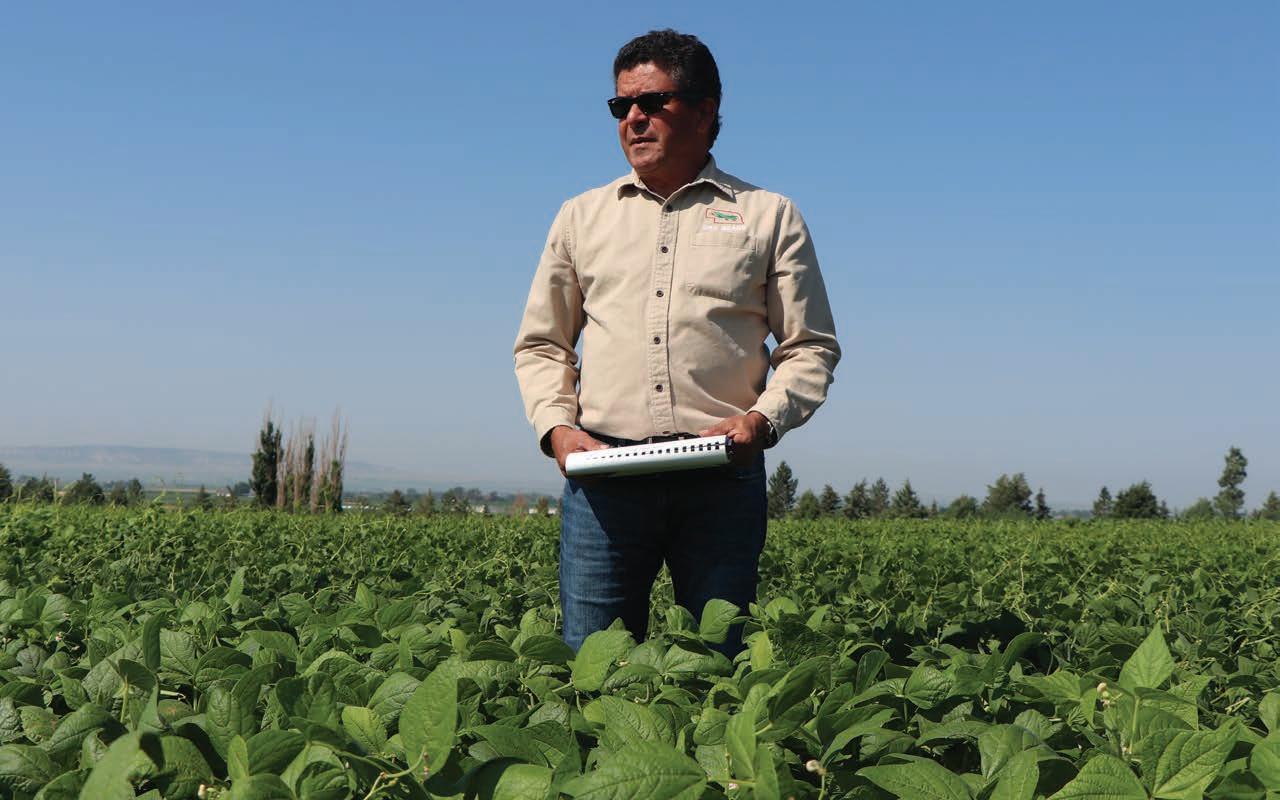
by Carlos A. Urrea, professor
NEBRASKA WAS FIRST IN GREAT NORTHERN, SECOND IN PINTO AND LIGHT RED KIDNEY, AND FOURTH IN BLACK BEAN PRODUCTION IN THE UNITED STATES IN 2020.
Approximately 165,000 acres were planted in 2020, with an average yield of 2,268 lb acre-1 and a production value of $108 million (NASS, 2021). The University of Nebraska’s dry bean breeding program develops improved dry bean varieties with high yield potential, resistance to multiple diseases, greater water use efficiency and better seed quality to maintain market competitiveness for the Nebraska bean industry.
The release of bean cultivars with multiple disease resistance and drought tolerance will reduce pesticide use and dependence on irrigation water respectively, thus lowering production costs and increasing profit margins for dry bean growers in western Nebraska. The program has recently released three great northern (Coyne, Panhandle Pride and White Pearl), one light red kidney (Panhandle Red) and one slow-dakening (Wildcat). These releases address bean industry demands for upright plant architecture and slow-darkening pinto beans and provide new opportunities for the Nebraska dry bean industry.
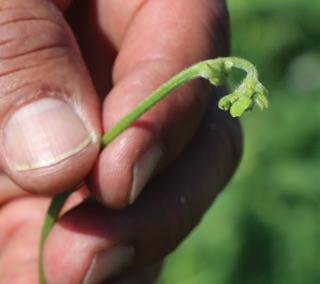
Indeterminate growth habit of a dry bean
Wildcat is a remarkable new slow-darkening pinto common bean cultivar that combines multiple valuable attributes, including high yield, the slow-darkening trait, and a larger seed size than current conventional and slowdarkening pintos. Most slow-darkening pinto beans tend to have smaller seed sizes. Therefore, increasing seed size is crucial because international bean trade markets prefer larger seed sizes.
Internationally, a pinto cultivar developed by the dry bean breeding program at the University of Nebraska, Agricultural Research Division, was co-released with Sokoine University of Agriculture in Morogoro [Kikatiti, NE2-09-3]. This upright indeterminate pinto bean has high yield potential and multiple disease resistance across Tanzanian production environments.
The dry bean breeding program coordinates the Multistate Cooperative Dry Bean Nursery and the Dry Bean Drought Nursery. Responsibilities include assembling trials, distributing seeds and compiling the final report. Financial support is endorsed by the Nebraska Dry Bean Commission and several federal and private grants.
by Cody Creech, associate professor, Fenster Professor of Dryland Agriculture
YELLOW FIELD PEAS DID NOT GAIN MUCH OF A FOOTHOLD IN DRYLAND CROP ROTATIONS IN NEBRASKA UNTIL 2013. According to the 2012 Census of Agriculture, just under 4,000 acres of peas were grown in the region during previous years. Since then, access to markets has increased and acreage has climbed to an estimated 50,000 acres a year, which would rank Nebraska No. 4 among all states in production of peas.
As with any new crop, many issues had to be overcome and management strategies developed to maximize production. Dryland Cropping Systems Specialist Cody Creech and Research Assistant Professor Amanda Easterly have developed recommendations on planting dates, seeding rates and herbicide options. By seeding peas earlier in the year and using effective pre-emergence herbicides, many of the issues that plagued early growers of peas have been overcome and yields have become more consistent.
Peas are a good fit for dryland acres in the Panhandle because they are a short-season crop and can tolerate cold weather. They are also one of the few crops that can be grown under dryland conditions, and they add nitrogen to the soil that can be used by subsequent crops. Moreover, most farmers already have access to the equipment needed to plant and harvest peas because it is the same that is used for wheat.
With pea protein markets available in eastern Nebraska and into Iowa, pea production was also explored as a possible
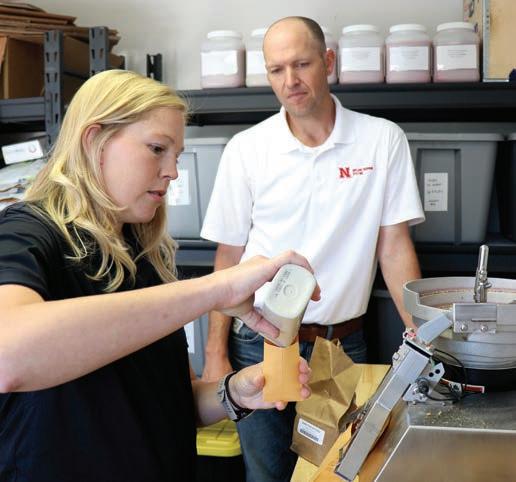
crop to be used in a double crop scenario. Research showed high pea yields were possible under rainfed conditions near Mead, and the subsequent forage crops or grain sorghum crops were highly successful when double-cropped behind peas. Yields of corn and soybean double-cropped behind peas, however, were highly variable and may be too risky for most producers.
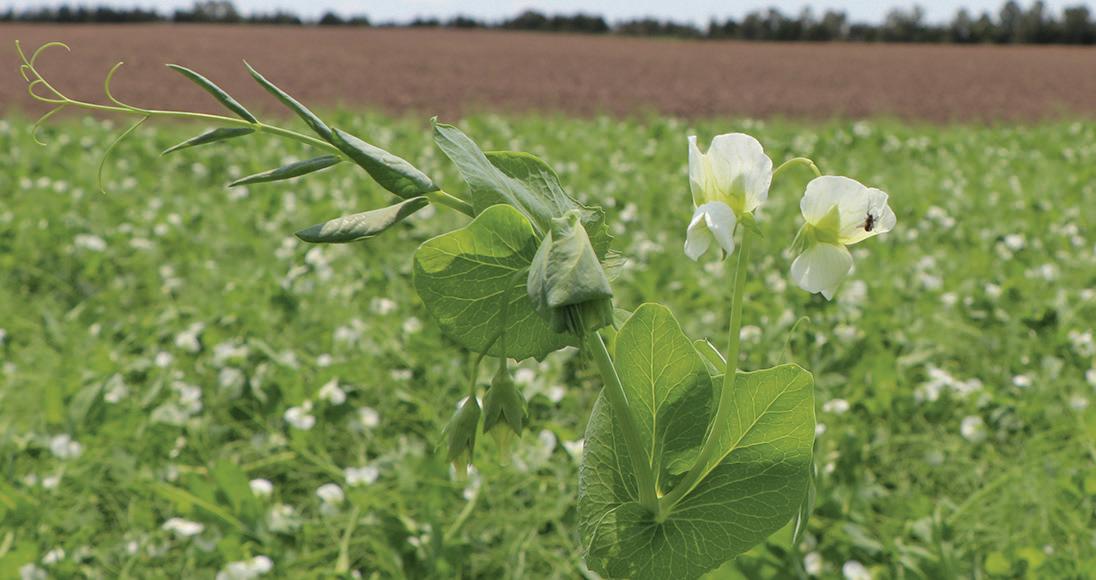
by Jinliang Yang, associate professor
MAIZE IS AN ESSENTIAL CROP SPECIES THAT NOT ONLY FEEDS THE WORLD’S GROWING POPULATION BUT ALSO REPRESENTS A PROMISING SYSTEM FOR STUDIES OF POPULATION AND QUANTITATIVE GENETICS. Maize was domesticated from its wild ancestor teosinte (meaning “the grain of the gods”) about 9,000 years ago. Researchers believe that ancient farmers took about 5,000 years to convert the bushy grass producing hundreds of thumb-length ears to the plant recognized as modern corn that adapted to wide environmental conditions. This domestication process involves various major- and minor-effect genes.
Until now, only a few domestication genes have been well-characterized, including the teosinte branched 1 (tb1) gene. Increased expression of tb1 significantly reduces the axillary branching in maize compared with that of teosinte. Starting from the early 19th century, modern breeding has dramatically reshaped plant morphology, especially with the broad application of inorganic nitrogen fertilizer in maize production since the 1960s. Therefore, the ancient domestication and recent improvement processes can be considered as case studies for understanding plant adaptation. In the face of climate change and the urgent need to cut ammonia emissions, exploring the naturally-occurring and climate-adaptive alleles becomes particularly important.
Research in Jinliang Yang’s lab focuses on understanding the inheritance of domestication and improvement
genes at both genetic and epigenetic levels. The J. Yang lab is particularly interested in identifying untapped and underutilized genetic materials and studying their molecular mechanisms underlying phenotypic variation. The ultimate goal is to bring the lost or underutilized beneficial alleles back to the modern elite genetic pool.
A recent study from the J. Yang lab investigated the epigenetic patterns — changes in phenotype without alterations in the DNA sequence. They demonstrated that the maize-specific methylation reshaped the neighboring DNA regions that regulate gene activity, causing them to form loops associated with gene activation. In this study, the DNA methylation and physical loops were characterized using the next-generation sequencing methods.
In another study, the group profiled the root-associated microbiomes for 230 diverse maize inbred lines under low-nitrogen and high-nitrogen conditions. Researchers identified a number of beneficial microbes that are likely under selection by the host genome. They have developed a microbiome-enabled genomic selection protocol to facilitate maize breeding and are in the process of elucidating the phenotypic effects of the beneficial microbes. Importantly, students in the group have the opportunity to address biological questions regarding plant adaptation and integrate multi-omics data to enhance maize performance.
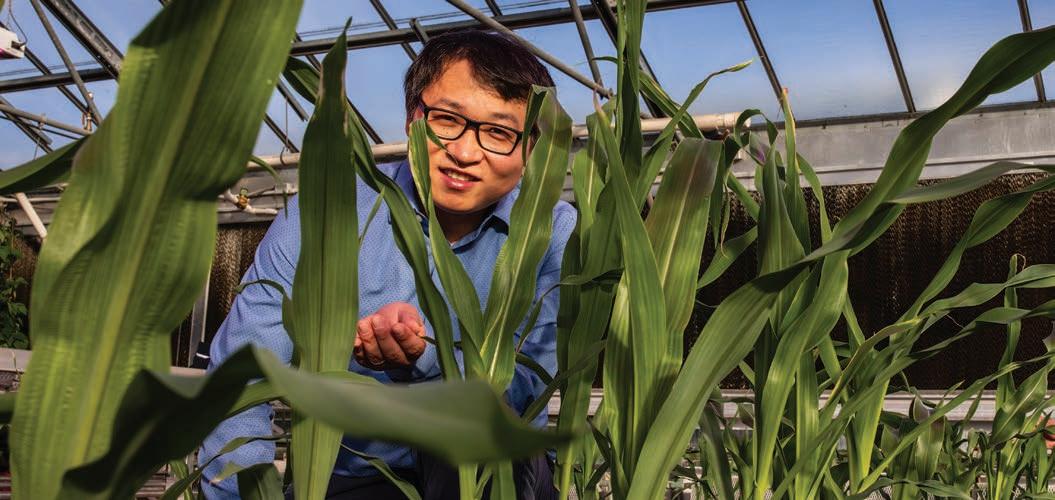
Keenan Amundsen: Agronomy and Horticulture Graduate Student Association Faculty Appreciation Award
P. Stephen Baenziger: Nebraska Crop Improvement Association Presidential Award of Excellence
Andrea Basche: Dinsdale Family Faculty Award, American Society of Agronomy Early Career Award, Environmental Quality Community of the American Society of Agronomy Inspiring Early Career Scientist Award, UNL Family & Friends Recognition Award
Humberto Blanco: Soil Science Society of America Fellow, Shirley H. Phillips Distinguished Lecture in No-Till Agriculture Award, ASA Fellow
Mark Canney: Alpha Gamma Chapter of Pi Alpha Xi President’s Citation
Tom Clemente: NUtech Ventures Prem S. Paul Innovator of Year Award
Caro Cordova: Long-term Agroecosystems Research Network Early Career Award
Cody Creech: Fenster Professor of Dryland Agriculture
Christian Elowsky: Native American Coalition Indigenous Youth Food Sovereignty Program Recognition
Charles Francis: Excellence in Extension Team Award for Innovation
Katherine Frels: Foundation for Innovation in Healthy Food Heroes Award
Roch Gaussoin: United States Golf Association Green Section Award
Patricio Grassini: IANR Omtvedt Innovation Award in Research, Gamma Sigma Delta Research Nebraska Chapter Award, NUtech Ventures Creative Work Award for Global Yield Gap Atlas
John Guretzky: Crop, Forage & Turfgrass Management Outstanding Paper Award
Terri James: American Society for Horticultural Science Extension Division Education Materials Award for Outstanding Fact Sheet, National Excellence in Extension Team Award
Amit Jhala: Indian Society of Weed Science Fellow, American Society of Agricultural and Biological Engineers Superior Paper Award in Information Technology, Sensors, & Control System, Weed Science Society of America U.S. Herbicide-Resistance Action Committee
Herbicide-Resistant Weed Management Award, Nebraska Cooperative Extension Association Outstanding Mid-Career Extension Award
Michael Kaiser: UNL Family & Friends Recognition Award
Stevan Knezevic: North Central Weed Science Society Fellow
David Lambe: CASNR Holling Family Sustained Excellence in Teaching and Learning Faculty Award
Nevin Lawrence: Western Society of Weed Science Outstanding Weed Scientist – Early Career
Marc Libault: Plant Cell Atlas Service and Leadership Award
John Lindquist: WSSA Outstanding Research Award
Martha Mamo: Crop, Forage & Turfgrass Management Outstanding Paper Award, ASA Fellow
Laila Puntel: International Conference on Farmer-centric On-Farm Experimentation Best e-Presentation (Session 1b), ASA Early Career Award
Paul Read: President of the Nebraska Chapter Honor Society of Agriculture (Gamma Sigma Delta)
Leah Sandall: Omtvedt Innovation Team Award for Cultivate ACCESS
Walt Schacht: Crop, Forage & Turfgrass Management Outstanding Paper Award
James Schnable: German PhenoRob Cluster of Excellence Fellow
Christian Stephenson: Native American Coalition Indigenous Youth Food Sovereignty Program Recognition
Mitchell Stephenson: Nebraska Cattlemen Foundation Nebraska Range and Conservation Endowment Award
Anne Streich: Lawrence K. Crowe Undergraduate Advisor Award
Kim Todd: UNL Family & Friends Recognition Award 2021, 2022
Dirac Twidwell: Nebraska Cattlemen Foundation Nebraska Range and Conservation Endowment Award, U.S. Forest Service Grassland Education Award, Nebraska Prescribed Fire Council Fire Ignitor Award, Texas Section of the Society for Range Management Best Technical Science Publication Award
Jerry Volesky: Crop, Forage & Turfgrass Management Outstanding Paper Award
Sam Wortman: AHGSA Faculty Appreciation Award, CASNR College Distinguished Teaching Award
Haishun Yang: NUtech Ventures Creative Work Award for Global Yield Gap Atlas
Becky Young: Holling Family Teaching Excellence Award for Early Achievement Faculty Emeriti
Kenneth Cassman: NUtech Ventures Creative Work Award for Global Yield Gap Atlas
Jim Specht: Nebraska Soybean Board Larry Tonniges Research Achievement Award
A list of faculty awards can be found online at agronomy.unl.edu/staff-andfaculty-awards.
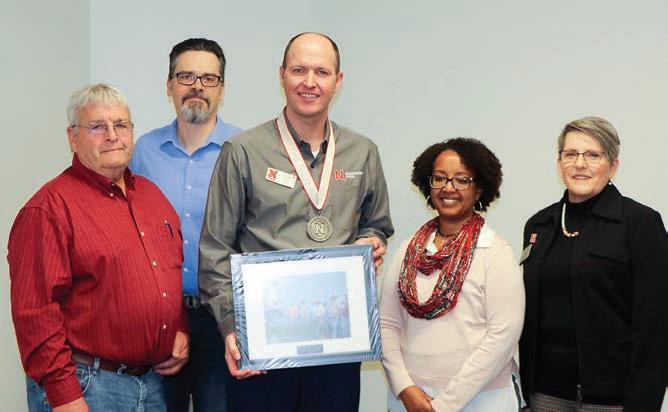
ANNE STREICH, PROFESSOR OF PRACTICE IN AGRONOMY AND HORTICULTURE, WAS HONORED WITH THE 2023 LAWRENCE K. CROWE UNDERGRADUATE ADVISOR AWARD
MAY 12. This award recognizes a faculty member who has made outstanding contributions in undergraduate advising.
Streich has advised more than 200 agronomy and horticulture students. She looks for those unique connections between the interests of a student and the opportunities they encounter everyday in the classrooms, labs, gardens and greenhouses. She also teaches career and internship, turfgrass, and study tour courses while advising the Turf Club and Pi Alpha Xi–Alpha Gamma Chapter. go.unl.edu/crowe-streich
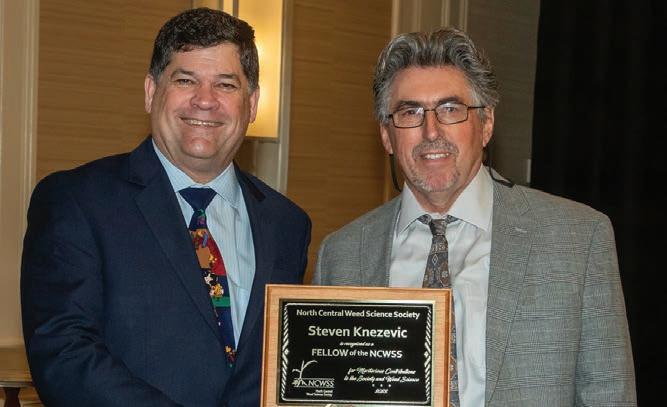
BECKY YOUNG, ASSISTANT PROFESSOR OF PRACTICE IN AGRONOMY AND HORTICULTURE, WAS HONORED WITH A HOLLING FAMILY EARLY ACHIEVEMENT FACULTY AWARD MAY 6, 2022. This award recognizes exceptional teaching by earlycareer faculty.
With a 100% teaching appointment, Young teaches resident and online soil courses. She has also trained and mentored over 20 graduate and undergraduate teaching assistants. She led efforts to update and publish new versions of the lab manual for Soil Resources and shared her teaching success through the publication of pedagogical research. Young has also coached the NU’s Soil Judging Team since 2014. go.unl.edu/hollingaward-young
CODY CREECH, ASSOCIATE PROFESSOR OF AGRONOMY AND HORTICULTURE AND NEBRASKA EXTENSION DRYLAND CROPPING SYSTEMS SPECIALIST AT THE PANHANDLE RESEARCH, EXTENSION AND EDUCATION CENTER IN SCOTTSBLUFF, WAS NAMED THE FENSTER PROFESSOR OF DRYLAND AGRICULTURE. Charlie Fenster was a dryland cropping specialist at PREEC for several decades. The Fenster Professorship supports research and extension programs that enhance the profitability and sustainability of dryland agriculture in the Panhandle. go.unl.edu/fenster-creech
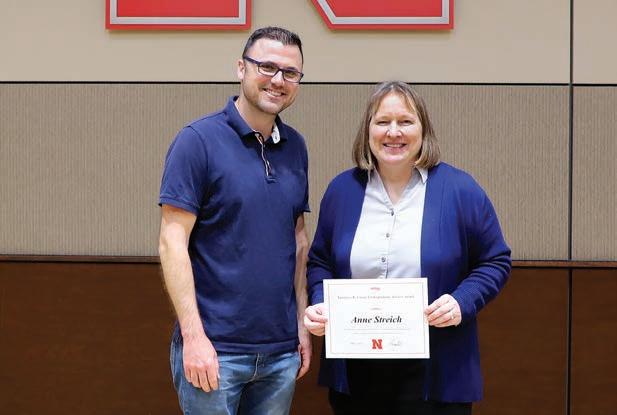
THE NORTH CENTRAL WEED SCIENCE SOCIETY AWARDED ITS HIGHEST HONOR TO STEVAN Z. KNEZEVIC, PROFESSOR OF INTEGRATED WEED MANAGEMENT IN AGRONOMY AND HORTICULTURE, NAMING HIM A 2022 FELLOW OF THE NCWSS ON DEC. 7. Knezevic’s areas of research include developing weed control strategies based on a multidisciplinary approach that builds bridges among scientific disciplines — especially between weed/crop ecology and herbicide technology. He teaches and supervises graduate and undergraduate students and has supervised postdoctoral fellows. go.unl.edu/ncwssa-knezevic
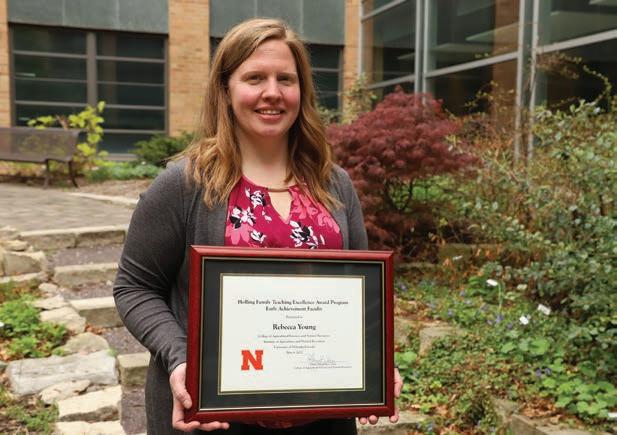
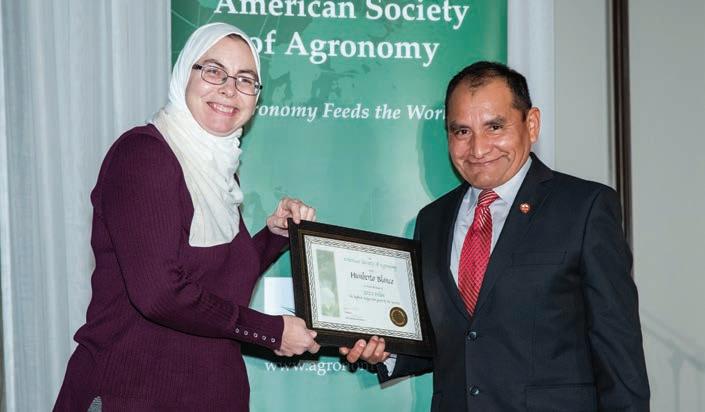
THE AMERICAN SOCIETY OF AGRONOMY AWARDED ITS HIGHEST HONOR TO MARTHA MAMO, THE JOHN E. WEAVER PROFESSOR OF AGRONOMY AND HORTICULTURE AT IANR AND HEAD OF THE DEPARTMENT OF AGRONOMY AND HORTICULTURE, NAMING HER A 2022 ASA FELLOW. Mamo’s areas of academic focus are soil chemistry/ biochemistry; mob grazing research; and international agriculture. She has written extensively on science pedagogy and student learning outcomes. Her research efforts integrate soil processes, water conservation and food security. Mamo participates as a fellow in research for NU’s Robert B. Daugherty Global Water for Food as well as for the African Scientific Institute. go.unl.edu/asa-mamo
ANDREA BASCHE, AN ASSISTANT PROFESSOR IN AGRONOMY AND HORTICULTURE, WAS PRESENTED NOV. 8, 2022, WITH THE AMERICAN SOCIETY OF AGRONOMY EARLY CAREER AWARD. She was also awarded the 2023 Inspiring Early Career Scientist Award by the ASA Environmental Quality Section on Oct. 30.
Basche has a primary teaching appointment. In her courses, she includes multi-dimensional elements of modern agriculture, with an emphasis on topics such as soil conservation and profitability, through engaging teaching strategies such as outside of the classroom activities and interactions with various stakeholders. go.unl.edu/asa-basche
HUMBERTO BLANCO, PROFESSOR OF AGRONOMY AND HORTICULTURE, WAS NAMED A FELLOW OF THE AMERICAN SOCIETY OF AGRONOMY, THE SOCIETY’S HIGHEST HONOR, ON OCT. 30, 2023. Blanco is nationally and internationally recognized for his research on soil ecosystem services of conservation agriculture, cover crops, biochar, crop residue management and energy crops. He teaches classes in soil management and applied soil physics to undergraduate and graduate students. go.unl.edu/asa-blanco
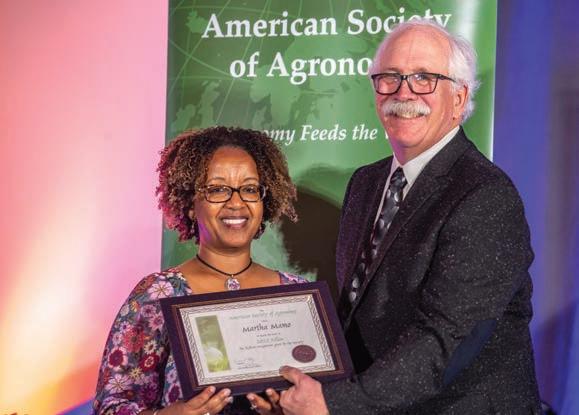
TOM ELMO CLEMENTE, EUGENE W. PRICE DISTINGUISHED PROFESSOR OF BIOTECHNOLOGY IN AGRONOMY AND HORTICULTURE, WAS PRESENTED NOV. 6 WITH THE NUTECH VENTURES 2023 PREM S. PAUL INNOVATOR OF THE YEAR AWARD. This award recognizes an individual who exemplifies innovation and entrepreneurship by advancing novel research toward significant commercial utilization and is named for the late chancellor for research and economic development. Clemente is the director of the state-of-the art Plant Transformation Core Research facility at the Center for Plant Science Innovation. go.unl.edu/paul-clemente
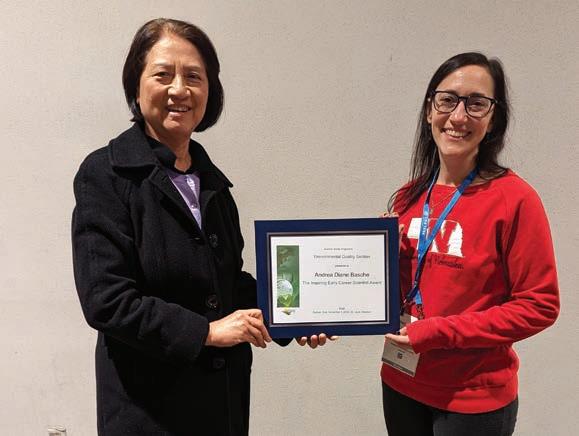
Promoted to associate professor and granted tenure
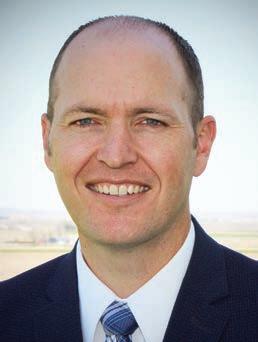
HIRED: 2015, PH.D. 2015 FROM THE UNIVERSITY OF NEBRASKA–LINCOLN.
Creech is an associate professor and dryland cropping systems specialist at the Panhandle Research, Extension and Education Center. He was named the Fenster Professor of Dryland Agriculture in 2022. He leads a research and extension program addressing wheat production, alternative cropping systems, soil/resource conservation, and crop/ livestock integration in dryland cropping systems in western Nebraska. In addition, he is the faculty supervisor for the High Plains Agricultural Laboratory near Sidney, Nebraska, and leads the state variety testing program jointly with Amanda Easterly, research assistant professor in agronomy and horticulture.
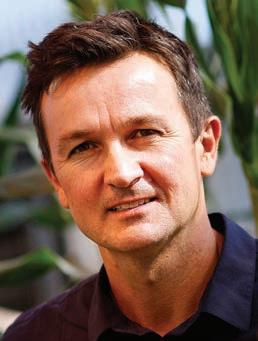
HIRED: 2009, PH.D. 1997 FROM KINGS COLLEGE LONDON, UK.
Holding is a professor of plant molecular genetics and was granted tenure in 2015. His research centers around understanding the molecular genetic and biochemical control of seed development in maize and sorghum and applying this knowledge to improving the nutritional quality. Recent notable successes include pioneering the use of gene editing strategies to improve sorghum grain digestibility and development of high yielding, high protein quality popcorn hybrids. He has developed a suite of maize breeding projects for student training that are producing novel colored and high nutritional value popcorn and sweet corn varieties. He brings his broad biology background to the classroom where he teaches Plant Science and he is heavily involved in efforts to review and improve the graduate curriculum.
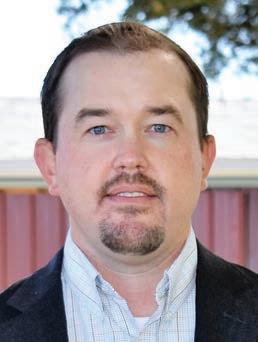
HIRED: 2015, PH.D. 2014 FROM NEW MEXICO STATE UNIVERSITY. Stephenson is an associate professor and range and forage management specialist at the Panhandle Research, Extension and Education Center. His research is focused on better understanding spatial and temporal variability for plant production in the Nebraska Sandhills and how this may influence grazing management decisions. He has also evaluated cattle grazing behavior decisions with GPS technology and how behaviors may be manipulated for specific management objectives with targeted grazing. He is currently working to better understand how precision livestock management tools, such as virtual fencing systems, may be used to inform management at the University of Nebraska–Lincoln Gudmundsen Sandhills Lab.
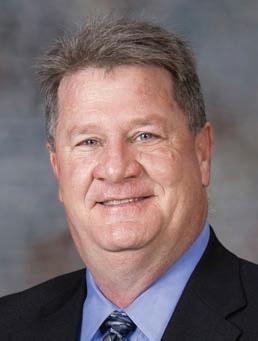
HIRED: 2014, PH.D. 1995 FROM THE UNIVERSITY OF NEBRASKA–LINCOLN. Redfearn is a professor and extension forage and crop residue management specialist. He is a member of a multidisciplinary team focused on enhancing and developing forage-based beef production systems. His research and extension program emphasize annual and perennial grass management, converting cropland to forage production, and grazing of forages that can be integrated into economical and resilient crop-foragebioenergy agricultural production systems. He also serves as coordinator for the Water and Integrated Cropping Systems Hub co-leading a group of technical area experts in water and cropping systems.
Promoted to professor
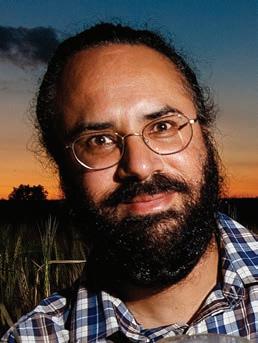
HIRED: 2010, PH.D. 2005 FROM THE UNIVERSITY OF CALIFORNIA RIVERSIDE.
Walia is a professor and plant molecular physiologist. He was granted tenure in 2015 and awarded the Heuermann Chair of Agronomy and Horticulture in 2019. Research in the Walia lab is focused on physiological and genetic mechanism related to improving climate resilience in crops. Specifically, research on impact of high temperature stress and drought stress on crop productivity and quality in major cereal crops is ongoing. This research uses whole plant physiology, phenomics, genetics and genomics approaches. In 2020, he led the discovery of a novel gene that improves drought adaptation in wheat — a breakthrough that could contribute to increased world food security.
Promoted to professor of practice
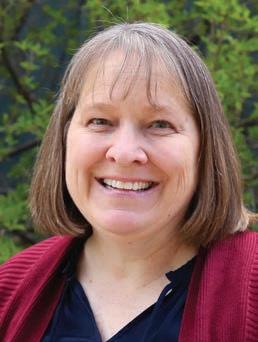
HIRED: 2003, MCRP 2009 FROM THE UNIVERSITY OF NEBRASKA–LINCOLN.
Streich was as an assistant extension educator in the department for eight years. She is currently a professor of practice and advises undergraduate students. Her primary interest is to connect students to academic resources to help them adjust to and succeed in college. She encourages student participation in experiential learning opportunities such as internships, clubs, courses, and research and teaching experiences that help them develop skills, knowledge and relationships in their professional discipline. Streich currently teaches the Plant and Landscape Systems Seminar, internship courses, Introductory Turfgrass Management, Special Topics in Turfgrass Science and Management and co-leads Study Tours in U.S. Agriculture. She advises the Turf Club and coaches the Turf Bowl team.
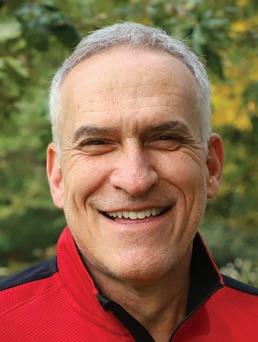
HIRED: 2005, MBA 2004 FROM THE UNIVERSITY OF NEBRASKA–LINCOLN.
Lambe is a professor of practice. He helps students discover alternative career paths through entrepreneurship and free enterprise. He is actively seeking new resources and programs to assist and ensure student success. He teaches business finance, customer discovery, marketing, communication and branding for business startups through online, resident and 1-credit module courses. He engages with students who are interested in launching businesses through one-on-one coaching. As part of the Engler Agribusiness Entrepreneurship Program, he assists in developing successful student businesses adding value to the economic viability of the state and the Midwest.
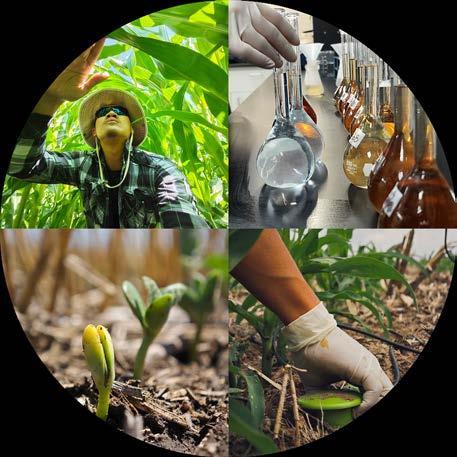
Promoted to associate professor and granted tenure
HIRED: 2016, PH.D. 2015 FROM WASHINGTON STATE UNIVERSITY.
Lawrence is an associate professor and a weed management specialist at the Panhandle Research, Extension and Education Center in Scottsbluff. His research and extension focus is the development of weed management programs that leverage crop rotations and other cultural practices to supplement the sometimes-limited weed control options available in western Nebraska. Specific projects include controlling herbicide-resistant kochia and pigweed species using multi-year integrated management plans, integrating cover crops into crop rotations where establishment opportunities are limited, and developing tools to assist stakeholders with modeling the economic costs of using diversified herbicide-based weed management plans.
Promoted to professor
HIRED: 2011, PH.D. 2010 FROM GEORGE MASON UNIVERSITY.
Amundsen is a professor in turfgrass genetics and was granted tenure in 2017. He coordinates research to understand how turfgrasses sense and respond to their environment. His group develops genetic tools based on those conditional responses useful for germplasm and cultivar development. Amundsen is an industry leader in dioecious plant breeding, polyploid genetics and computational biology methodology used to study minor species. He has an active teaching program at the undergraduate and graduate levels and contributes courses in turfgrass management, plant breeding and genetics, and technical communication. He has served on student supervisory and department curriculum committees, and as a Faculty Fellow with CASNR.
HIRED: 2016, PH.D. 2013 FROM THE UNIVERSITY OF MINNESOTA. Maharjan is an associate professor and a soil and nutrient management specialist at the Panhandle Research, Extension and Education Center in Scottsbluff. Maharjan leads research and extension programs focused on improved soil productivity and precision nutrient management in irrigated, limited irrigation, and dryland crop and forage production systems in the Nebraska Panhandle. His significant research and extension efforts include developing and revising soil and nutrient management for several Nebraska Panhandle crops, soil health, soil health gap, and climate-smart agriculture.
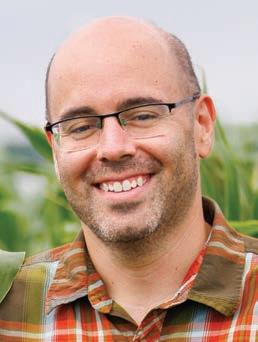
HIRED: 2014, PH.D. 2012 FROM THE UNIVERSITY OF CALIFORNIABERKELEY. Schnable is a professor. He was granted tenure and appointed to the Charles O. Gardner Professor of Agronomy endowed professorship in 2019. He leads and mentors a team of postdocs, graduate students, technicians, and undergraduate researchers across the department, the Center for Plant Science Innovation, and the Nebraska Food for Health, working on topics including plant genetics, genomics and breeding, high throughput phenotyping and artificial intelligence. His team conducts corn field trials, proof of concept studies, and engineering demonstrations from Scottsbluff to Wahoo, Nebraska. Schnable has founded three companies working in the bioinformatics, climateresilient agriculture, and precision agronomy spaces giving him firsthand knowledge of the importance of and barriers to translating academic research into real-world impacts.
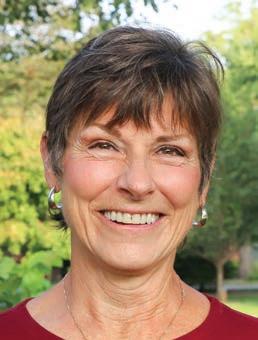
HIRED: 2002, M.A. 1983 FROM THE UNIVERSITY OF NEBRASKA–LINCOLN.
Todd is a professor, extension horticulture specialist and a licensed landscape architect. She was granted tenure in 2008. Her significant work is guiding undergraduate and graduate student learning, from many majors, about the significance of the landscape as a system focused on plant knowledge, landscape design, implementation and sustainable management. Engaged, hands-on student learning takes place in many outdoor spaces envisioned and designed by Todd, including the Backyard Farmer Gardens and Keim Courtyard, and in various places in communities. She is the host and primary content team faculty for Backyard Farmer, linking a broad audience to focused segments on topics of interest and critical issues. Her teaching and extension work are inextricably intertwined.
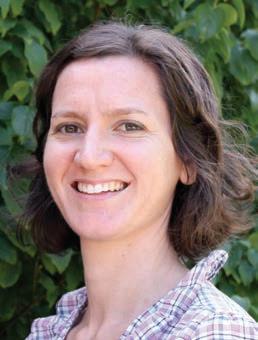
HIRED: 2015, PH.D. 2008 FROM KANSAS STATE UNIVERSITY.
Sindelar is an associate professor of practice and advises undergraduate agronomy students. She is a leader in the agronomy curriculum and instructor for core courses such as Soil Resources, Soil Nutrient Relationships, and Agronomic Plant Science, where students learn and practice field skills for today while discussing adaptions for the future. She is also the adviser of the Agronomy Club, which provides undergraduate students the opportunity to network with industry agronomists and serve their community through agronomy outreach. Sindelar’s research centers on innovative classroom methods to increase student engagement and learning in agronomy courses.

HIRED: 2008, M.S. 2007 FROM THE UNIVERSITY OF NEBRASKA–LINCOLN. Sandall is an associate professor of practice. She joined the department as an extension assistant with the Pesticide Safety Education Program in 2008. In 2010, she was hired as a lecturer and instructional designer. She became an assistant professor of practice and distance education coordinator for the online and distance education program in 2015. Her focus is to provide quality online learning opportunities for students and the public. She directs the online Master of Science in agronomy and graduate certificate programs as well as PASSeL, the Plant and Soil Sciences eLibrary. She teaches online, engaging undergraduate and graduate students. Sandall collaborates with students, staff and faculty to support the delivery of online extension and teaching materials, providing flexibility for learners.


Promoted to research professor
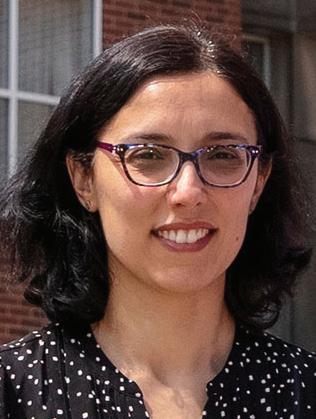
HIRED: 2015, PH.D.
2004 FROM THE UNIVERSITY OF LILLE 1, FRANCE. Alvarez is a research professor and the director of the Proteomics and Metabolomics facility for the Center for Biotechnology. Her research interest lies in developing and applying new proteomics and metabolomics methods using liquidchromatography mass spectrometry to study a broad range of fields and applications, including crop breeding, plant biotechnology, food processing, biomarker discovery, toxicology and pharmacology. She runs a successful internationally reaching core facility that serves the scientific community in providing tools and expertise in the fields of proteomics and metabolomics, and establishing specialized methods for the analysis of proteins and a wide range of metabolites.
Promoted to associate professor and granted tenure
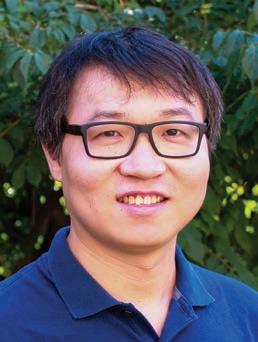
HIRED: 2017, PH.D. 2014 FROM IOWA STATE UNIVERSITY. Yang is an associate professor. His research and teaching focus on quantitative genetics and bridging the gap between genotypes and phenotypes. His lab integrates various genetic approaches, including conventional breeding, genomic selection and gene editing techniques, to enhance nitrogen use efficiency in crops like maize and sorghum. By identifying key plant genes or QTLs involved in nitrogen assimilation, transport and signaling, his lab aims to develop more sustainable agriculture systems with low nitrogen input. His research also involves the integration of high-throughput phenotyping technologies and remote-sensing data to monitor crop responses under high nitrogen and low nitrogen field conditions for different maize and sorghum genotypes.
Promoted to associate professor and granted tenure
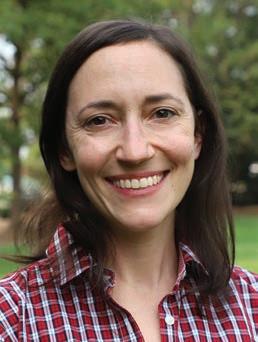
HIRED: 2017, PH.D.
2015 FROM IOWA STATE UNIVERSITY. Basche is an associate professor and has a primary teaching appointment. She includes multidimensional elements of modern agriculture, with an emphasis on topics such as soil conservation and profitability, through engaging teaching strategies such as outside of the classroom activities and interactions with various stakeholders. Her research team studies several aspects of diversified cropping systems including carbon and nitrogen cycling, water and weed dynamics, as well as policy and human decision-making. She is a nationally recognized leader on cover crops, soil health and climate change, and has delivered over 65 invited presentations and interviews to a range of audiences.
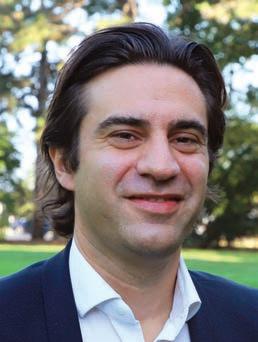
HIRED: 2011, PH.D. 2010 FROM THE UNIVERSITY OF NEBRASKA–LINCOLN. Grassini is a professor and was granted tenure in 2018. He was appointed the Sunkist Fiesta Bowl Distinguished Professorship in Agronomy in 2022. His research and extension programs focus on narrowing the existing yield gap between potential yields and current farm yields, while improving resource-use efficiency and producer profit and minimizing the environmental footprint. His applied research covers a diverse range of cropping systems, including rainfed and irrigated grain crops in South America, the U.S. Corn Belt, and Asia, and oil palm in Southeast Asia. Grassini has authored over 100 articles published in international peer-review journals and he has been listed within the top 1% Most Highly Cited Researchers in the discipline in the world.
Promoted to professor
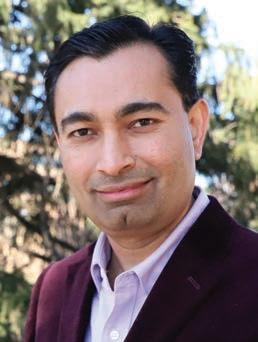
HIRED: 2012, PH.D. 2009 FROM UNIVERSITY OF ALBERTA, CANADA. Jhala is known worldwide for his research on pollenmediated gene flow from herbicide resistant crops and weeds. His research focuses on the biology, pollen-mediated gene flow and management of herbicide-resistant weeds. This research is extremely important as six broadleaf weeds have evolved resistance to glyphosate — the most commonly used herbicide in Nebraska corn and soybean production. Jhala’s weed science extension program reaches several thousand clientele in Nebraska each year and beyond to solve weedrelated problems in corn, soybean, sorghum and popcorn. His team demonstrates trials of new herbicides, multiple herbicide-resistant crops and how to manage herbicideresistant weeds.
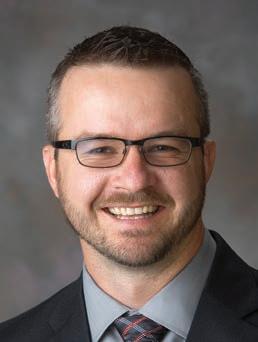
HIRED: 2013, PH.D. 2012 FROM TEXAS A&M UNIVERSITY. Twidwell is an ecologist focused on the sustainability of rangeland, forest and agricultural systems. His program has brought to light new changes occurring in Great Plains systems that impact the quality of life of current and future generations. This has led to a creative and innovative program on large-scale resilience science and planning, which has sparked diverse partnerships spanning university, agency and landowner experts that work together to re-evaluate existing policies and programs and halt key sources of environmental degradation. He has spent years researching and combating the decline of grasslands, especially the Nebraska Sandhills. Twidwell and his colleague, Dillon Fogarty, published a guidebook for managing woody invasions and sustaining the iconic grassland regions of the Great Plains.
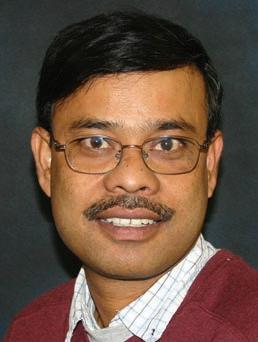
HIRED: 2008, PH.D. 1999 UNIVERSITY OF PUNE, INDIA, AND WASHINGTON STATE UNIVERSITY. Santra’s research focus is development and enhancement of varieties of new and existing alternative crops (proso millet, field pea, canola) for sustainable production under dryland farming conditions in the northern high plains of the United States. His extension work supports Nebraska dryland crop producers with multiple choices of alternative crops to diversify crop rotation. Extension program deliverables are field days, extension meeting and extension publications focusing on cultivars and production technology of alternative crops.
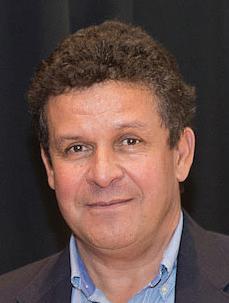
HIRED: 2005, PH.D. 2000 FROM NORTH DAKOTA STATE UNIVERSITY. Urrea is a professor. His program’s primary goal is breeding better bean varieties for Nebraska, one of the nation’s leading bean-producing states. Urrea’s research focuses on developing well-adapted dry bean and chickpea cultivars/ germplasm with high yield potential, multiple disease resistance, water use efficiency and desirable agronomic characteristics to enhance the sustainability and competitiveness of the Nebraska dry bean industry. These breeding efforts are ongoing and involve six different market classes. He has been working for the University of Nebraska–Lincoln for 18 years and his publication credits include more than 60 papers published in peer-reviewed journals and two book chapters. He has released five and one dry bean and chickpea cultivars; and five and one dry bean and chickpea germplasm lines.
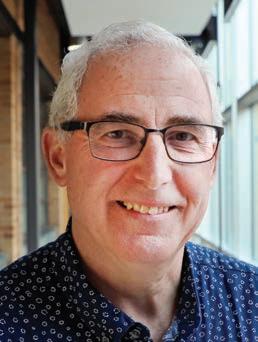
HIRED: 2009, M.S. 1996 FROM KANSAS STATE UNIVERSITY. Adams is a professor of practice. His focus is teaching, instructing Horticulture Plant Science Labs, courses in Floral Design I and II, Greenhouse Management, Hydroponics for Growing Populations, Ornamental Plant Production and Seasonal Plant Production. He provides extension programs in hydroponics, greenhouse operation, protected plant production tools, floral design and youth agricultural programs. He is the floriculture superintendent for the Nebraska State FFA Career Leadership and Development Events and assists Nebraska middle and high school educators in planning and using greenhouses to support STEM education.

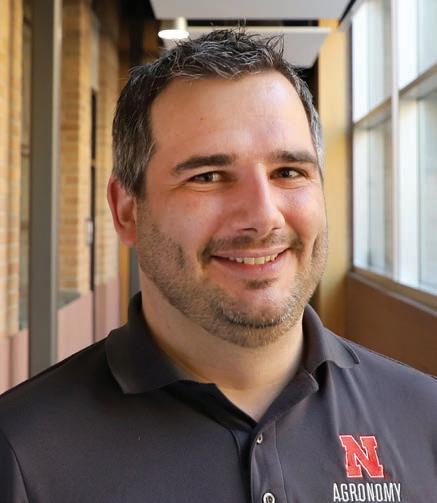
GUILLERMO RAUL BALBOA JOINED
THE DEPARTMENT OF AGRONOMY AND HORTICULTURE SEPT. 7, 2021, AS A RESEARCH ASSISTANT PROFESSOR IN NUTRIENT MANAGEMENT.
Balboa’s research interests include site-specific crop management, crop simulation models and crop ecophysiology. He is currently working on a large multistate project with the Dashboard for Agricultural Water Use and Nutrient Management. The DAWN project is supported by a NIFA grant where the goal is to develop decision support tools for farmers.
He also works on crop modeling where he takes collected crop data across seasons and calibrates models to simulate different scenarios.
Balboa is originally from Cordoba, Argentina. He finished a master’s degree in crop production at Rio Cuarto National University and was awarded a Fulbright Scholarship to pursue a doctorate at Kansas State University working on management practices to close yield gaps in corn and soybean. After earning a doctorate in agronomy, he moved to Australia for a postdoctoral opportunity at the Commonwealth Scientific and Industrial Research Organisation.
Before coming to Nebraska, he served as assistant professor in cropping systems and digital agriculture at Rio Cuarto National University where he led a project to launch the first university digital ag farm in Argentina.

KATHERINE FRELS JOINED THE DEPARTMENT OF AGRONOMY AND HORTICULTURE MARCH 1, 2021, AS AN ASSISTANT PROFESSOR AND TO HEAD THE SMALL GRAINS BREEDING AND GENETICS PROGRAM. She has a 75% research and 25% teaching appointment.
Frels is currently working on a project to increase genetic resistance to wheat stem sawfly while maintaining high yield in Nebraska wheat. She and her research team have been testing highthroughput phenotyping methods to see if it helps them select resistant wheat lines more efficiently and investigate non-solid stem types of resistance such as non-preference.
Originally from Guthrie Center, Iowa, Frels earned a Bachelor of Science in agronomy and plant breeding from Iowa State University in 2011. She received a doctorate in agronomy specializing in plant breeding and genetics from the University of Nebraska–Lincoln in 2015. Before coming back to Nebraska, she was a research assistant professor at the University of Minnesota.
Her goal for winter small grains is to develop high yielding, excellent quality, winter annual crops that provide sustainable solutions to cropping systems, soil health and producer profitability.
Frels said it feels good to be back home in Nebraska working with old and new friends and colleagues. She and her husband Brian Joyce are enjoying Lincoln. When not working, they love to cook and try new foods together.
JENNIFER WEISBROD JOINED THE DEPARTMENT OF AGRONOMY AND HORTICULTURE JAN. 19, 2021, AS AN ASSISTANT EXTENSION EDUCATOR AND PESTICIDE SAFETY EDUCATION PROGRAM COORDINATOR.
The PSEP team at the University of Nebraska–Lincoln provides educational and training programs that address health, the environment, economic well-being and pesticide safety across the state.
Weisbrod’s primary responsibilities include maintaining the online and in-person pesticide applicator training, and developing and maintaining a strong relationship with the Nebraska Department of Agriculture and the Nebraska Department of Environment and Energy.
Weisbrod grew up in Salina, Kansas. She earned a Bachelor’s of Science from Kansas State University in 2013 with a degree in natural resource, parks, and conservation management. She received a Master of Science in entomology in May 2020 from Nebraska.
Prior to Nebraska, Weisbrod worked at a zoo and nature center. After completing her master’s, she taught physiology at Southeast Community College and worked in a lab processing DNA.
She and her husband Matt keep busy with a menagerie of pets. She’s teaching her husband beekeeping as well. Her favorite activities involve the outdoors — hiking, camping and fishing.
NICOLAS CAFARO LA MENZA BEGAN MAY 1, 2022, AS AN ASSISTANT PROFESSOR AND CROPPING SYSTEMS SPECIALIST IN AGRONOMY AND HORTICULTURE AT THE WEST CENTRAL RESEARCH, EXTENSION AND EDUCATION CENTER IN NORTH PLATTE. He has a 50% research and a 50% extension appointment.
Cafaro La Menza studies crop nutrient dynamics and resource use efficiency of sunlight, water and nitrogen to integrate into cropping systems. His long-term research goal is to develop agronomic tools and strategies to improve agroecosystems management productively and sustainably.
He earned a Bachelor of Science in engineering from the University of Mar del Plata, Buenos Aires province, Argentina, in 2014. In 2015, he came to the University of Nebraska–Lincoln as a research scholar. He continued at Nebraska as a doctoral student earning a Ph.D. in agronomy, specializing in crop physiology and production in 2019.
His adviser was Patricio Grassini who he worked with as a postdoc in the department until moving to North Platte, Nebraska.
As a cropping systems specialist at the WCREEC, Cafaro La Menza provides research-based information to growers to help them make their daily agronomic decisions.
Outside work, he likes to organize road trips with his family and friends. A self-described outdoors person, he enjoys camping and hiking and plays soccer, bikes and runs.
S. CAROLINA CÓRDOVA JOINED THE DEPARTMENT OF AGRONOMY AND HORTICULTURE ON AUG. 15, 2022, AS AN ASSISTANT PROFESSOR AND STATEWIDE SOIL HEALTH SPECIALIST. Her position is 60% extension and 40% teaching, both in the department and in the School of Natural Resources.
Córdova is building the University of Nebraska–Lincoln Soil Health Program to support collaborative efforts on soil health science research, extension, and teaching across the state.
Her research aims to unite soil health and the sustainable intensification of agriculture while studying mechanisms to increase carbon sequestration and reduce farmer reliance on synthetic fertilizers. Additionally, her research and teaching programs strive to integrate agroecological principles.
Córdova earned a Bachelor of Engineering in agroindustry from Tecnica del Norte University, Ecuador, and a doctorate in soil science from Iowa State University.
Before coming to Nebraska, she worked as a project coordinator and postdoctoral research scientist with the Great Lakes Bioenergy Research Center at Michigan State University.
She and her husband plan to bike, kayak, hike or drive through the state and visit the beautiful prairies of the Great Plains, the towering dunes of the Sandhills, the fascinating rock formations of the Panhandle, and witness the crane migration.

SAURAV DAS STARTED SEPT. 6, 2022, AS A RESEARCH ASSISTANT PROFESSOR IN THE DEPARTMENT OF AGRONOMY AND HORTICULTURE AT THE PANHANDLE RESEARCH, EXTENSION AND EDUCATION CENTER IN SCOTTSBLUFF.
Das mainly works on soil health, biogeochemistry of carbon and nitrogen in different land-use and management systems, and climate-plant-soil-microbe interactions. His primary focus is benchmarking soil health measurement and management by accounting for regional soil and climatic variability. He also investigates the interaction of plant microbes, especially the molecular mechanisms of symbiotic association for rhizospheric and endophytic microorganisms.
Das earned a doctorate in microbiology (soil and water science) in 2017 from Assam Agricultural University, India. He worked as an adjunct faculty in the Department of Microbiology at Sikkim University, Gangtok, India.
He came to Nebraska to work toward understanding and improving the current production system into a more sustainable and soil-smart approach.
Initially, he joined the PHREEC in the summer of 2018 as a visiting scientist. Starting in January 2020, he worked as a postdoc research associate in the Soil Science Program.
Das said he likes to fish or hike on trails outside of work.
AARON LEE M. DAIGH JOINED THE DEPARTMENT OF AGRONOMY AND HORTICULTURE AUG. 15, 2022, AS ASSOCIATE PROFESSOR OF VADOSE ZONE SCIENCE. His position is 60% research and 40% teaching in the department and in Biological Systems Engineering.
Daigh teaches Modeling Vadose Zone Hydrology, with additional courses related to water quality and vadose zone hydrology.
He directs research on vadose zone hydrology — the zone between the soil surface and the groundwater table, water quality, and the fate and transport of nutrients and chemicals of agricultural landscapes overlying major aquifers. The overall aim is to provide knowledge for protecting water quality of major aquifers and remediating vadose zones that already pose a risk to those aquifers.
Daigh’s diverse interests include topics involving water, agriculture, the environment and porous media physics.
He earned a Bachelor of Science in soil, water and environmental science and Master of Science in crop, soil and environmental sciences from the University of Arkansas. In 2013 he completed a doctoral degree in soil science and environmental science from Iowa State University.
Prior to Nebraska, Daigh was an associate professor of soil physics and hydrology at North Dakota State University.
Daigh’s spouse, Jill Motschenbacher, also joined the university as an associate professor of practice in CASNR.

JINGJIE HAO JOINED THE DEPARTMENT OF AGRONOMY AND HORTICULTURE AUG. 15, 2022, AS A RESEARCH ASSISTANT PROFESSOR IN DANIEL SCHACHTMAN’S LAB AT THE BEADLE CENTER.
Prior to starting her current position, she was a postdoc already at the University of Nebraska–Lincoln in the department working on microbiome analysis investigating the functions and changes in bacterial and fungal communities in diverse environments across different crop species.
Hao’s current research mainly focuses on plant root-associated microbiome studies to understand the molecular interactions between plant roots and soil microbes through transcriptome, root exudate metabolite profiling and the assembly of microbe metagenomes.
Her long-term goals are to discover microbes or genes that will allow farmers to use less fertilizer while improving crop yields.
Originally from Hohhot, provincial capital of Inner Mongolia, China, Hao earned a bachelor’s degree in horticulture from the China Agricultural University. She earned a doctorate in genetics from Iowa State University in 2014. She then took a position as a research associate in the Department of Plant Sciences at the University of California, Davis.
Outside of work, Hao said she enjoys spending time with her family which includes two kids, Olivia and Easton. She also loves to cook, swim, read and travel.
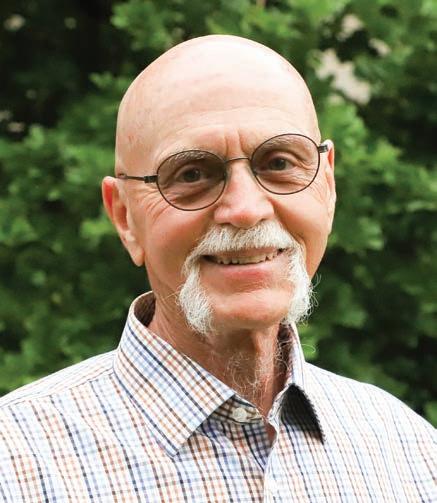
BLAINE JOHNSON RETURNED TO SERVE THE DEPARTMENT OF AGRONOMY AND HORTICULTURE, FIRST AS A LECTURER IN 2019 AND AS A PROFESSOR OF PRACTICE AS OF AUG. 15, 2022. Johnson has a 50% appointment with all his time dedicated to teaching.
He started his career as a University of Nebraska–Lincoln Department of Agronomy faculty member in the mid-1980s. After 10 years at the university, he moved to a career in the private seed business, first working for Monsanto and then moving to Pioneer Hi-Bred International.
He officially retired after 20 years of working for private seed companies, primarily as a plant breeder and an in-house statistical consultant. However, he came back to the university on a part-time basis when asked to help teach courses in plant breeding.
He said he enjoys working with graduate students and helping update and improve courses and curricula, especially in plant breeding, genetics, and applied statistics.
Johnson grew up on an irrigated farm/ranch near Ainsworth, Nebraska. He earned a Bachelor of Science in range management and ruminant nutrition and a doctorate in quantitative genetics and biometry from UNL. He received a master’s degree in plant breeding and statistics from Oregon State University.
Upon retiring, Johnson embarked on studying jazz, emphasizing piano and organ. He enjoys devoting time to honing his new craft.
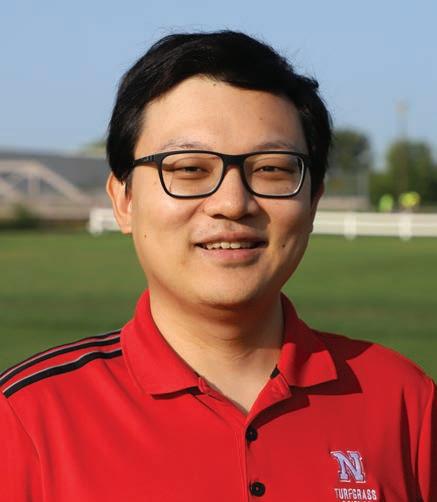
LUQI LI JOINED THE DEPARTMENT OF AGRONOMY AND HORTICULTURE JAN. 10, 2022, AS A LECTURER FOR THE AGRONOMY AND HORTICULTURE ONLINE PROGRAM.
Li has been with the University of Nebraska–Lincoln as an undergraduate and graduate student, research assistant and postdoctoral research associate.
Originally from Beijing, China, Li earned a Bachelor of Science in turfgrass and landscape management from Nebraska in 2013. Li continued his education at the university and earned a master’s degree in 2015. He worked with Zac Reicher, adjunct professor of agronomy and horticulture, and Keenan Amundsen, professor of agronomy and horticulture, on improving the establishment of seeded buffalograss.
In 2019, Li received his doctoral degree from Nebraska. His research focused on the management, ecology and genetics of yellow nutsedge and on sustainable approaches in turfgrass management. Roch Gaussoin, professor of agronomy and horticulture, served as Li’s adviser.
Li works with Leah Sandall, associate professor of practice and coordinator of the Agronomy and Horticulture Online Program. His new responsibilities include teaching online courses, providing consultations for online course delivery, developing non-academic online resources such as turf certificate programs, seeking grant opportunities in distant education, and evaluating online material effectiveness.
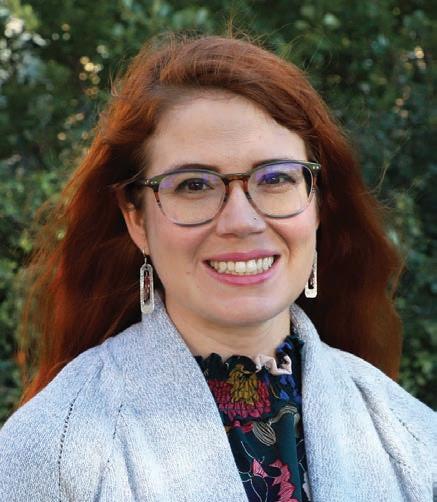
GWENDŴR MEREDITH JOINED THE DEPARTMENT OF AGRONOMY AND HORTICULTURE, AUG. 16, 2022, AS A SOCIALECOLOGICAL RANGELAND SCIENTIST AND ASSISTANT PROFESSOR WITHIN THE CENTER FOR RESILIENCE IN AGRICULTURAL WORKING LANDSCAPES. She has a 60% research and a 40% teaching appointment, jointly with the department and the School of Natural Resources.
Meredith co-teaches Grassland Ecology and Management. Her research focuses on information diffusion and collaboration among land managers in rangelands. Her aim is to bring together multistakeholder perspectives that manage grazing lands for all types of ecosystem services, thereby increasing trust amongst stakeholders while promoting the resilience of grazing lands.
Originally from Denton, Texas, Meredith earned a bachelor’s degree in animal behavior, ecology and conservation from Indiana University. She spent more than five years studying crossjurisdictional collaboration on public lands and received a doctorate in human dimensions of ecosystem science and management from Utah State University.
Before coming to the University of Nebraska–Lincoln, Meredith was a postdoctoral fellow at the University of Idaho and worked with the USDA-ARS Long-term Agroecosystem Research Network.
In her spare time, Meredith likes to combine dog walks with learning the names of grassland plants and insects that are new to her.
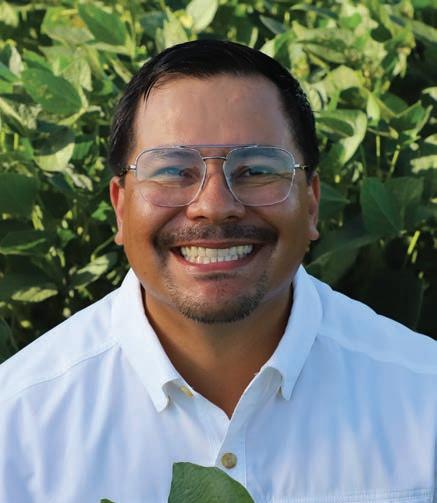
LUIS GERARDO ALEJANDRO POSADAS
MARTINEZ JOINED THE DEPARTMENT OF AGRONOMY AND HORTICULTURE JUNE 1, 2022, AS A RESEARCH ASSISTANT PROFESSOR.
Posadas Martinez is developing genetic tools to measure the impact of biological nitrogen fixation in soybeans. He works in Nebraska’s soybean breeding program with George Graef, professor and presidential chair in soybean breeding.
Originally from Nezahualcóyotl, Mexico, Posadas Martinez received a Bachelor of Science in biotechnology from William Paterson University in New Jersey in 2005. He earned a doctorate in agronomy with a specialization in plant breeding and a minor in statistics in 2013.
After graduation, Posadas Martinez became a postdoc in the department. He then took a job with Bayer as the Corn Breeding Pipeline Coordinator for one and a half years. He returned to the university for more postdoc work with Graef and soybean research in 2016.
As a research assistant professor, Posadas Martinez supports the program in molecular genetics, trait introgression, early generation and bioinformatics. He’s also involved in more specific projects like increasing the genetic pool of U.S. commercial soybeans, developing high-protein germplasm and studying the different routes of nitrogen uptake in soybean.
Outside of work, Posadas Martinez enjoys taking long walks with his wife at Pioneers Park and spending time at Pawnee Lake with his family.
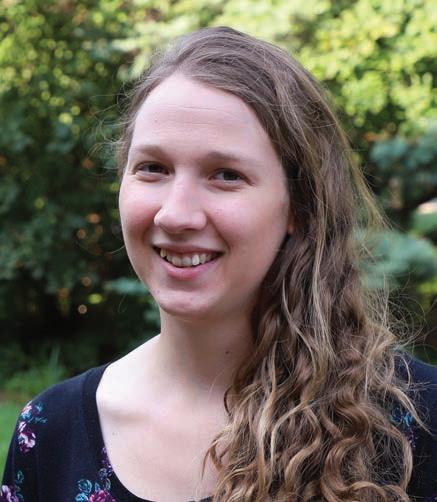
MCKINZIE SUTTER JOINED THE DEPARTMENT OF AGRONOMY AND HORTICULTURE JAN. 3, 2022, AS A LECTURER FOR THE AGRONOMY AND HORTICULTURE ONLINE PROGRAM.
Sutter has been with the University of Nebraska–Lincoln as a student employee and a staff member since 2010. Originally from Omaha, she earned a Bachelor of Science in fisheries and wildlife in 2014 with an ecology emphasis and a master’s degree in natural resources in 2017, both from Nebraska.
From 2018 to 2020 Sutter worked as a distance education specialist in agronomy and horticulture. She then worked for the Center for Transformative Teaching as an instructional designer for STEM departments in the College of Arts and Sciences.
Sutter spends half her time teaching and the other half devoted to maintenance and/or development of online resources that support the online program. She teaches with the online genetics teaching team that offers synchronous online labs and the online Plants, Landscapes and the Environment course.
She is also collaborating with the CTT, Services for Students with Disabilities, Institutional Equity and Compliance, and university libraries to offer accessibility training to university content creators through the NU Bridge learning portal.
Sutter enjoys cycling short distances (1-3 miles) to and from work and the community of friendly people on the trails.
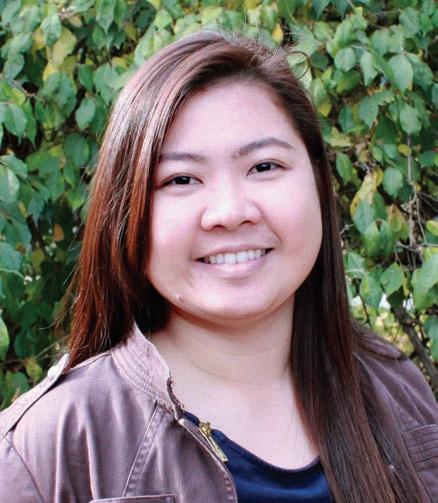
FATIMA AMOR TENORIO JOINED THE DEPARTMENT OF AGRONOMY AND HORTICULTURE ON JAN. 1, 2022, AS A RESEARCH ASSISTANT PROFESSOR.
Tenorio is working on the Global Yield Gap Atlas project (yieldgap.org) that estimates yield gap for major food crops across 75 countries globally. She’s also involved in a joint project recently funded by National Science Foundation/National Natural Science Foundation of China with the goal of identifying pathways to mitigate the negative impact of urbanization. She and other Nebraska scientists are collaborating with researchers from Aerospace Information Research Institute under Chinese Academy of Sciences, and also from Huazhong Agricultural University.
Born and raised in Batangas, Philippines, Tenorio majored in plant breeding and received a Bachelor of Science in agriculture from the University of the Philippines, Los Baños. She became a researcher at the International Rice Research Institute in the Philippines before coming to Nebraska as a graduate student. She earned a Master of Science and a doctorate in agronomy from the University of Nebraska–Lincoln.
Tenorio feels Lincoln is a peaceful and friendly place to live. To disconnect and recharge, she enjoys planning and taking short trips with her husband — exploring different cultures, food and people.
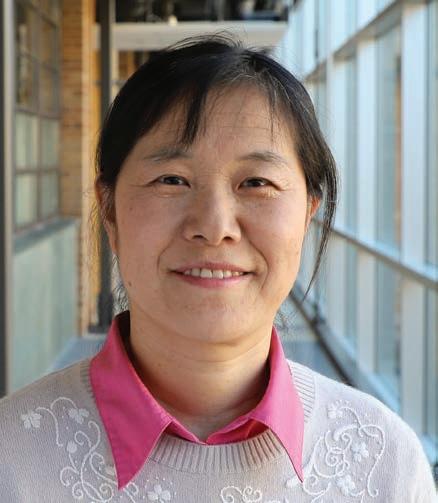
ZHEN WANG JOINED THE DEPARTMENT OF AGRONOMY AND HORTICULTURE ON DEC. 1, 2022, AS A RESEARCH ASSISTANT PROFESSOR.
Aiming to improve crop nitrogen use efficiency, she is currently working on the functional analysis of genes potentially involved in sorghum/maize nitrogen uptake and utilization with Jinliang Yang, assistant professor of agronomy and horticulture.
No stranger to Nebraska, Wang worked as a postdoc and research assistant professor at the university from 2008 to 2016 in the School of Biological Sciences and the department, respectively. She focused on the mechanism of model plants’ — Arabidopsis and rice — response to abiotic stress. This experience is what brought her back to the state.
Wang was born and raised in Inner Mongolia, China. She earned a Master of Science in plant physiology from Jilin Agricultural University in Changchun, China, in 2000 and a doctorate in plant biology from the Institute of Botany, Chinese Academy of Sciences in Beijing, China, in 2005.
Before returning to Nebraska in 2022, Wang researched alfalfa — genetics and breeding — to help improve the resistance to abiotic stress at the Institute of Animal Science at the Chinese Academy of Agricultural Sciences in Beijing.
Wang said she and her family like living in Lincoln and they enjoy the natural beauty of the Midwest.

AMANDA FOLCK JOINED THE DEPARTMENT OF AGRONOMY AND HORTICULTURE ON JAN. 1, 2023, AS AN ASSISTANT EXTENSION EDUCATOR.
Born in Wisconsin, Folck grew up on her family farm in Mechanicsburg, Ohio. Folck earned an Associate of Science in general science from Clark State Community College in Springfield, Ohio. In addition, she received a Bachelor of Science in sustainable plant systems in turfgrass science with a minor in plant pathology from The Ohio State University in 2017 and a Master of Science in horticulture from Purdue University in 2022.
Before coming to Nebraska, Folck worked full time in NCAA Division I Collegiate Athletics. After graduating from Ohio State, she accepted a job at Texas A&M as the second assistant athletics field manager. In 2019, she accepted a job as assistant athletics field manager at Purdue Athletics in West Lafayette, Indiana. She worked daily at the football facilities, including Ross-Ade Stadium.
While working full time for Purdue Athletics, Folck earned a Master of Science with her thesis research in Kentucky Bluegrass Germination.
Now, Folck says, she’s excited to be part of the turfgrass team at Nebraska and give back, based on her experiences in the turfgrass industry, and help provide outreach to assist turfgrass stakeholders in the state. In addition to her extension role, she is teaching the Plant and Landscape Systems 427 Turfgrass System Management capstone course to turfgrass science and management undergraduates.
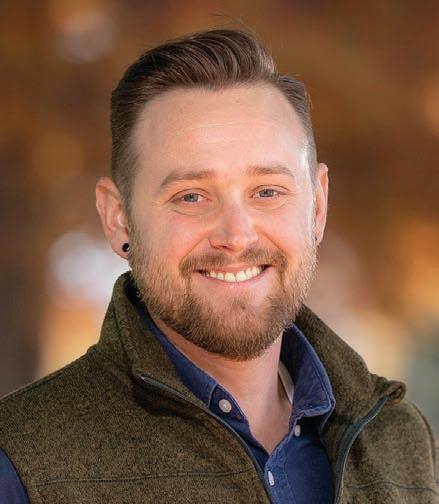
NICHOLAS MCMILLAN JOINED THE DEPARTMENT OF AGRONOMY AND HORTICULTURE ON JAN. 1, 2023, AS AN ASSISTANT PROFESSOR OF GRAZING LANDS ECOLOGY.
His research centers on how to simultaneously meet the increased societal demand for livestock production and biodiversity conservation in a changing world. McMillan said he’s focused on getting students excited about grassland ecology and preparing them for careers in grassland conservation and management.
Originally from Anderson, South Carolina, McMillan said the potential to live out a dream he set as a kid brought him to Nebraska.
His interest in rangelands and ecology began with his father, Patrick McMillan, host of “Expeditions With Patrick McMillan,” a national television program. While visiting Sioux County in western Nebraska with his dad and the camera crew to film two shows, McMillan made up his mind that all he wanted to do was live and work in the Great Plains. Since then, he has fostered an interest in grassland and rangeland ecology, working to understand how those important systems function.
McMillan holds a Bachelor of Science in environmental and natural resources and a Master of Science in wildlife and fisheries biology from Clemson University. He earned a doctorate in natural resource ecology and management from Oklahoma State University in Stillwater. Before coming to Nebraska, he was a postdoctoral research fellow at OSU.

CHRISTIAN STEPHENSON JOINED THE DEPARTMENT OF AGRONOMY AND HORTICULTURE ON JAN. 3, 2023, AS AN ASSISTANT PROFESSOR OF PRACTICE.
On the academic side, Stephenson has developed a course called Introduction to Plant Diagnostics for undergraduate and graduate students. He teaches the Plant and Landscape Systems 133 Horticulture Plant Sciences Lab, PLAS 439/839 Organic Farming and Food Systems, and co-teaches PLAS 319 Edible Landscapes with Kim Todd.
His research focuses on the sustainable production of specialty crops and connects with his interest in integrating diversified specialty crop production into urban environments.
Born and raised in Macon, Mississippi, Stephenson’s first interaction with horticulture was in his grandmother’s large garden.
Stephenson holds a Bachelor of Science in biological sciences from the University of Southern Mississippi. In addition, he earned dual master’s degrees in entomology in 2005 and plant pathology in 2011 and a doctorate in horticulture in 2019, all from Mississippi State University.
Before moving to Lincoln, Stephenson lived and worked on the Mississippi Gulf Coast as an extension agent in Hancock County.
He came to Nebraska for the opportunity to teach horticulture and to pursue research interests in support of sustainable regional food systems.
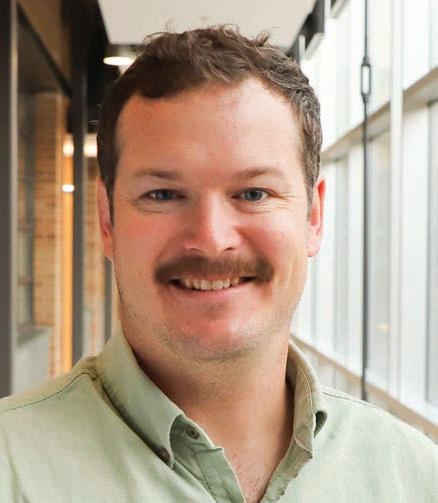
DILLON FOGARTY JOINED THE DEPARTMENT OF AGRONOMY AND HORTICULTURE ON JUNE 1, 2023, AS A RESEARCH ASSISTANT PROFESSOR OF WOODY INVASION ECOLOGY.
Fogarty is working as part of a team of rangeland ecologists and managers across the Great Plains to scale up new management strategies for tackling woody plant encroachment. He conducts research to better inform about grassland conservation strategies, and his extension work focuses on delivering this information to stakeholders through various avenues.
Growing up in Belle Plaine, Minnesota, Fogarty became interested in ecology and conservation at a young age. He knew early on that he wanted a career in conservation.
Fogarty earned a Bachelor of Science in biology from Bemidji State University and a Master of Science in natural resource ecology and management from Oklahoma State University. He received a doctorate in agronomy and horticulture from the University of Nebraska–Lincoln, specializing in applied ecology.
Fogarty initially came to Nebraska to pursue a doctorate. During this time, other faculty were starting a project on eastern redcedar invasion in grasslands and had openings for doctoral students, so he joined the group.
It became increasingly clear to him, he said, that more approaches to conservation were needed that worked for both people and wildlife.

GEN XU BEGAN AUG. 1, 2023, AS A RESEARCH ASSISTANT PROFESSOR IN THE DEPARTMENT OF AGRONOMY AND HORTICULTURE. He is currently studying the mechanism of heterosis in maize using transcriptomic data.
Xu was born and raised in China. He majored in agriculture during his undergraduate studies and earned a bachelor’s degree in agronomy and a doctorate in crop genetics and breeding from the China Agricultural University in Beijing.
He met Jinliang Yang, University of Nebraska–Lincoln associate professor of agronomy and horticulture, at the China Agricultural University in 2017 while Yang gave an academic talk. Afterward, Yang was recruiting postdocs, so Xu applied, got the job and moved to Nebraska. He’s been working with Yang ever since.
Xu said he enjoys this field of research and gets excited about interesting and amazing scientific results.
He has worked in maize genetics and genomics for over 10 years. His research integrates different omics data, such as phenomics, genomics, transcriptomics, and methylomics datasets, to dissect the genetic mechanisms of quantitative traits.
Xu said he has a lot of wonderful memories living in Lincoln and loves the city because it’s mediumsized, the cost of living is relatively low, and the shopping and transportation are very convenient.
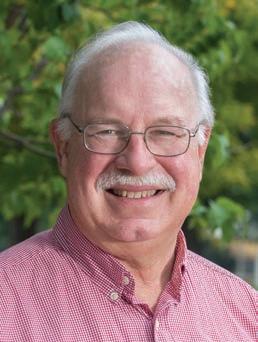
P. STEPHEN BAENZIGER, PROFESSOR
AND SMALL GRAINS BREEDER IN THE DEPARTMENT OF AGRONOMY AND HORTICULTURE, RETIRED MAY 3, 2021, AFTER 35 YEARS OF SERVICE TO THE UNIVERSITY OF NEBRASKA–LINCOLN.
The Wheat Growers Presidential Chair and a Daugherty Water for Food Global Institute Faculty Fellow started at the university in 1986. He began his career at the USDA-ARS in 1976 after he received his doctorate in 1975 at the age of 24. After working there for almost eight years, he joined Monsanto where he worked for almost three years and was first introduced to hybrid wheat before coming to Nebraska.
Baenziger’s program at Nebraska had three goals — keep the Nebraska small grains producer profitable through enhanced productivity (hence the cultivar releases), create new breeding methods to enhance the science of plant breeding and educate the next generation of scientist plant breeders.
During his tenure, he has released, co-released or is in the process of releasing 44 winter wheat, seven winter barley and 13 winter triticale cultivars. The wheat and barley cultivars are grown mainly in Nebraska and adjacent states, while the triticale cultivars are grown nationally (from New York to New Mexico). One wheat and one triticale cultivar have been licensed for sale in Turkey, the original homeland for the hard winter wheats of the Great Plains.
Giving back and looking for opportunities have always been part of the Nebraska small grains program. His cultivars have been grown on as much as 80% of Nebraska’s wheat acreage and are probably grown on about 50% of the wheat acreage today.
When it comes to science, Baenziger was an early proponent of doubled haploids to speed up breeding and now heavily uses genomic selection and molecular markers to link breeding generations and environments. He and his team also lead the largest public collaboration on hybrid wheat in the United States. In the future, high-throughput phenotyping and the needed information technology will be added to drive the small grains improvement program. In addition to his 64 cultivars, he has published 294 peer-reviewed publications, 32 proceedings and symposia papers, and 16 book chapters.
Baenziger said that while it is critical to release cultivars, a scientist should never lose sight of also leaving the plans (publications) of how the work was done for the next generation.
He is proud of the cultivars and the impact on Nebraska agriculture, but he said his legacy will be the students he helped educate and the collaborations he fostered during his career. He said programs are never bricks and mortar, but rather are always people.
He taught graduate students introductory plant breeding every year, has been the major adviser to over 60 master’s and doctoral students, and served on the supervisory committees of many others. He has also been able to work with technologists who are the boots-on-the-ground ambassadors for the program as well as numerous post docs and visiting scientists.
As for his collaborations, there have been many. Every cultivar he released was improved by the Foundation Seed Division and by seed growers/dealers of the Nebraska Crop Improvement Association. His friends in the milling and baking industry helped identify lines that the market wanted to buy.
The program has germplasm exchange agreements with every major plant breeding company and universities globally, was involved in a major sharing of germplasm with Bayer Crop Science when they entered the wheat market, and has collaborations with the great international centers of CIMMYT and ICARDA.
Baenziger received numerous awards including the National Association of Plant Breeders Lifetime Achievement Award; National Council of Commercial Plant Breeders Genetics and Plant Breeding Award; Fellow, Great Plains Center; Wheat Quality Council “Best of Show;” USDA Secretary’s Honor Award for Excellence; Nebraska Wheat Growers Association Person of the Year Award; UNL Outstanding Research and Creativity Award; UNL Innovator of the Year; Nebraska Agri-business Club’s Public Service Award; Darrell W. Nelson Excellence in Graduate Student Advising Award; Omtvedt Innovation Award; Honoree, Nebraska Hall of Agricultural Achievement; Distinguished Agriculture Alumnus Award, Purdue University; Crop Science Research Award, Crop Science Society of America; Distinguished Service Award, Nebraska Crop Improvement Association; Agronomic Achievement Award-Crops, American Society of Agronomy; Elected Member, Nebraska Hall of Agricultural Achievement; Outstanding Scientist, Sigma Xi, Nebraska Chapter; Research Award of Merit, Gamma Sigma Delta; Nebraska Wheat Growers Association Achievement Award; Eugene W. Price Distinguished Professor in Biotechnology; Fellow, American Association for the Advancement of Science; Fellow, ASA; and Fellow, CSSA.
As his career winds down, Baenziger said he is extraordinarily grateful to the University of Nebraska for allowing him the freedom to be the kind of scientist he wanted to become and to the Nebraska Wheat Board for its continuous support of the small grains project. He also is grateful that the university, in the midst of a pandemic with all the economic consequences, hired Katherine Frels, an alumna and former graduate student of the project, to be his successor.
Read more at go.unl.edu/baenziger-retire.
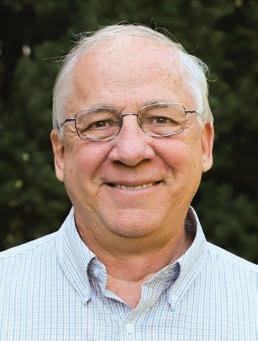
CHARLES WORTMANN, PROFESSOR AND NEBRASKA EXTENSION
SOIL AND NUTRIENT MANAGEMENT SPECIALIST IN THE DEPARTMENT OF AGRONOMY AND HORTICULTURE, RETIRED MAY 31, 2021, AFTER A 20-YEAR CAREER AT THE UNIVERSITY OF NEBRASKA–LINCOLN.
A native of Hartington, Nebraska, Wortmann’s prestigious career has focused on improving nutrient management, soil conservation and the environmental integrity of crop production systems in sub-Saharan Africa and Nebraska.
Human and institutional enhancement for research and extension on smallholder agriculture in Africa has been Wortmann’s career priority. He spent over 35 years working on improving soil fertility and soil conservation in Sub-Saharan Africa. His collaborative work with researchers, extension specialists, multi-national research networks and farm advisors in planning, designing and implementing information exchange has strengthened the expertise needed for leadership in providing sustainable solutions for African farmers.
Wortmann graduated from Nebraska in 1972 with a bachelor’s degree in agronomy. He then moved to Tanzania when he received a three-year contract to work as an agriculturist to help improve crop production and upgrade dairy production. With no previous experience in tropical agriculture, Wortmann said he had a lot to learn about the many nutritional, disease and insect pests challenges of tropical agriculture.
He spent the first months in Africa in language school learning Swahili, in which he is fluent.
Because of the many issues with the soil in Africa, Wortmann returned to Nebraska to complete a master’s degree in soil science and he was advised by the late Robert Olson, professor of agronomy and soil fertility specialist. After finishing a master’s degree in 1979, Wortmann worked as an independent crop consultant, walking in corn and soybean fields every day. His next position was working on a World Bank funded project for two years as an advisor with the Agricultural Extension service in Tanzania.
He returned to Nebraska to obtain a doctoral degree in crop science working on sorghum breeding with professors emeritus of agronomy David Andrews and Jerry Eastin. Wortmann completed his degree in 1987.
Next he returned to Africa to work for CIAT, the International Center for Tropical Agriculture, in cropping systems agronomy and soil management. Based in Uganda and focusing mostly on dry bean production systems, Wortmann worked with national research and extension programs in 11 countries with very different environments that required unique cropping systems to grow the many different crops.
In 2001, Wortmann was hired by the University of Nebraska–Lincoln for a position in soil fertility management research and extension after the family returned to Nebraska so their kids could attend high school in the United States.
While his primary responsibility was to work for the improvement of Nebraska crop production, he was soon able to get funding to continue with collaborative work in Africa. Wortmann and Martha Mamo, department head and John E. Weaver Professor of Agronomy and Horticulture, received a grant in 2002 with USAID International Sorghum and Millet Collaborative Research Support Program to support a five-country sorghum research network in eastern Africa. This collaboration continued until 2012 and resulted in improved crop and soil management practices on sorghum production in Ethiopia, Tanzania and Uganda.
Wortmann was instrumental in developing and implementing the 13-nation network, later extended to 15 countries, for Optimized Fertilizer Recommendations in Africa for 14 food crops. OFRA provided a scientific basis for nutrient management in Africa to target smallscale farmer’s use of precious fertilizer to get the highest profits possible. This research network of about 50 research teams resulted in numerous publications and resources including a book in multiple languages.
Wortmann’s research and extension contributions in Nebraska in advanced crop-soil management and natural resource protection are also numerous. His efforts to improve nutrient recommendations and management for Nebraska crops, including efficient utilization of manure resources, has led to the adoption of improved practices in fertilizer use recommendations including crop reside nutrient value and reducing nitrogen leaching into ground water.
But the defining feature of Wortmann’s contributions to agricultural development in sub-Saharan Africa is that so many of his ex-students and collaborators are currently active and at the forefront of integrated nutrient management in Africa. Many of his Nebraska graduate students were international students who returned to their home country better equipped to solve important challenges.
Wortmann has received numerous awards throughout his career. He is most proud of receiving the American Society of Agronomy International Agronomy Award in 2018 and Fellow of the American Society of Agronomy in 2011. He has also been nominated for Soil Science Society Fellow and the International Soil Science Society Award.
Wortmann’s passion for agriculture and Africa will keep him busy post-retirement. He plans to volunteer in Africa, working for the sake of agriculture and continue collaborating in research, advising graduate students and writing.
Read more at go.unl.edu/wortmann-retire

ELLEN PAPAROZZI, PROFESSOR IN THE DEPARTMENT
OF
AGRONOMY
AND
HORTICULTURE,
RETIRED DEC. 31, 2021, AFTER A 40-YEAR CAREER AT THE UNIVERSITY OF NEBRASKA–LINCOLN.
Paparozzi focused on horticultural science research and teaching the next generation of horticulture business leaders.
A native of Ho-Ho-Kus, New Jersey, Paparozzi became interested in plants working at a local floral shop throughout high school and college. She had plans to become a florist and open her own shop, but being in the top 10% of her class at Rutgers University, she was chosen for a scholarship research project. Afterward, she decided research was OK after all and added more statistics and science courses, receiving her bachelor’s degree in plant science in 1976.
She went on to earn a master’s degree and doctoral degree in floriculture and ornamental horticulture from Cornell University. After receiving her doctorate in 1980, Paparozzi was offered a position at the University of Nebraska–Lincoln she couldn’t turn down — to help build a horticulture program. She headed to Nebraska to begin her career in academia and eventually met her husband here, a faculty member in biometry.
Paparozzi said she really appreciates the agricultural knowledge held by the general public in the state.
She said her research goal was a simple one — link basic science with applied science by capitalizing on her experience in plant nutrition, plant anatomy and electron microscopy.
The most significant research contribution of her career was on sulfur deficiency and nitrogen sulfur balance in crops. Her plant nutrition research changed the fertilizer industry and prompted commercial producers to start including quantifiable amounts of sulfur in both granular and slow-release formulations such as Fison’s Champion series.
Her research in controlled-environment agriculture explored alternative high-value crops — fruit and medicinal — for winter growing. She led a project to develop and compare a real-time, commercial strawberry production system in a heated high tunnel with the university’s scientifically monitored prototype greenhouse production system. Controlled-environment agriculture research provided producers and farmers the opportunity to grow strawberries and basil for essential oil using a low-cost greenhouse or heated high tunnel.
Being a plant nutritionist and plant anatomist, Paparozzi’s whole-plant physiology and anatomy lab was used by a diverse group of colleagues at Nebraska on various projects across disciplines.
Paparozzi was instrumental in building a nationally recognized — top 15 in the United States — undergraduate program in the science and art of horticulture at Nebraska in the 1990s. She has taught 13 different courses at the undergraduate and graduate levels including floral design, applied physiology, floriculture and nursery crop production, and Cannabis.
She has advised over 200 undergraduate students and served as the adviser for the University of Nebraska–Lincoln Alpha Gamma Chapter of Pi Alpha Xi, the national horticulture honor society. Currently, the Alpha Gamma Chapter is 372 members strong. She established the chapter in 1982 and served as national vice president of Pi Alpha Xi from 2004 to 2006 and as national president from 2006 to 2008.
Over 95 undergraduate and graduate students across the Institute of Agriculture and Natural Resources have received hands-on experience manipulating plant growth, participating in plant nutrition experiments and analysis, and learning plant anatomy techniques taught by Paparozzi and Liz Conley. Of the undergraduates that worked in Paparozzi’s lab, 95% have gone on to graduate school. She has guided 30 master’s and doctoral students and served on over 50 graduate committees.
Paparozzi has published in both teaching and research. Her teaching record includes 20 journal articles and book reviews, four abstracts, two copyrights as well as department/miscellaneous publications. Her research record includes 58 research articles; 15 book chapters and proceedings (refereed) articles; 92 abstracts; one plant patent — the Concetta rose; and 28 trade magazine, department/ miscellaneous publications and creative works.
Paparozzi is a fellow and an active member of the American Society for Horticultural Science and Pi Alpha Xi. She is a member of the American Association for the Advancement of Science, American Society of Plant Biologists, Botanical Society of America, Sigma Xi, Gamma Sigma Delta, North America Colleges and Teachers of Agriculture, Graduate Women in Science and the Society of American Florists.
She has also received numerous other awards including an ASHS Outstanding Education Publication Award and is a Teacher Fellow of North American Colleges and Teachers of Agriculture. At Nebraska, Paparozzi has received the Nebraska Chapter Gamma Sigma Delta Outstanding Teacher Award, the Holling Family Award for Teaching Excellence and the President’s Citation.
Paparozzi looks forward to spending time with her husband, son, daughter-in-law and granddaughter. She and her husband plan to travel, take bike tours, volunteer and participate in the Osher Lifelong Learning Institute at the university.
Read more at go.unl.edu/paparozzi-retire.
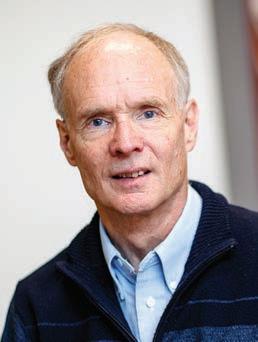
PAUL STASWICK, PROFESSOR IN THE DEPARTMENT OF AGRONOMY AND HORTICULTURE, RETIRED
JAN. 3, 2022, AFTER 36 YEARS OF SERVICE TO THE UNIVERSITY OF NEBRASKA–LINCOLN.
A native of Washington state, Staswick’s career focused on the fundamental aspects of plant biology related to plant productivity, crop plant quality and disease resistance mechanisms. Early in his career, he worked on soybean protein biochemistry.
Gradually he shifted to studying the plant hormone jasmonic acid, which at the time was not even considered a true hormone. His team discovered the gene family that encodes the enzymes that link amino acids — building blocks of proteins — to the hormones auxin and jasmonic acid. These are important hormones because they help to control plant growth and signal resistance to diseases and pests. Much of this research involved a small flowering plant called Arabidopsis, which is widely used as a model organism in plant research.
Staswick’s most significant contribution to plant biology was the discovery that jasmonic acid must be biochemically linked to the amino acid isoleucine for it to become an active hormone. This was a paradigm shift because all other plant hormones, including auxin, are inactivated when linked to another molecule.
Similar genes are found in numerous other plant species, where they have been shown to have the same role as in Arabidopsis. His discoveries about how hormone activity is controlled in plants may be used to further protect plants from insects and disease or to regulate their growth.
The significance of this research is evidenced by Staswick’s paper in The Plant Cell being cited more than 1,000 times by other authors. Two additional papers, published in The Plant Cell and in Proceedings of the National Academy of Sciences, have nearly that many citations as well.
Growing up on a dairy farm north of Seattle, Staswick said he didn’t care to work with the cows but enjoyed being in the fields planting and harvesting.
While in high school, he built 1,000 square feet of greenhouses and raised ornamental plants to sell. After graduating, Staswick worked at a large commercial greenhouse before deciding to complete an undergraduate degree at Washington State University in Pullman.
Staswick started in the business option, thinking he wasn’t smart enough to succeed in difficult science courses. While taking a biochemistry class he became so fascinated by the subject that he switched to the research option in agronomy and found he could do well if he worked hard at it.
He completed a Bachelor of Science degree in agronomy in 1978.
Realizing he really liked the sciences, Staswick attended Purdue University where he earned a doctoral degree in soybean protein biochemistry in 1982. This was followed by a two-year post-doctoral position at University of California, San Diego, where he learned the very new methodology of gene cloning and analysis.
Staswick remembers in junior high wanting to be a research botanist because it sounded impressive, and he had an interest in plants by then. Little did he know then that it really would become his lifetime career.
In 1985, Staswick began his career at Nebraska. His education in plant biochemistry and molecular biology turned out to be well suited for the new, and at the time unusual, plant geneticist/molecular biologist assistant professor position.
In addition to research, Staswick developed and taught Agronomy 810 Plant Molecular Biology course for 34 years. The course covers the molecular genetic basis of biological function in higher plants, genome organization, gene structure and function, regulation of gene expression, recombinant DNA and genetic engineering principles.
Staswick said he’s grateful for the opportunity he had to develop his scientific career at Nebraska, and is most thankful for all of those, going all the way back to his parents, who helped and guided him along his life journey.
In retirement, Staswick plans to continue to work on writing research papers and to collaborate with others. He also plans to camp in National Parks and other interesting places around this great country, hike in the mountains whenever possible and spend time with family near and far.
Read more at go.unl.edu/staswick-retire.

TIMOTHY ARKEBAUER, PROFESSOR IN THE DEPARTMENT
AGRONOMY AND HORTICULTURE, RETIRED
JUNE 30, 2022, AFTER 33 YEARS OF SERVICE TO THE UNIVERSITY OF NEBRASKA–LINCOLN.
A native of Milwaukee, Wisconsin, Arkebauer became interested in botany in second grade when he grew his first bean plant from seed.
He earned a Bachelor of Science Honours degree in botany from Michigan State University in 1979, a Master of Science in horticulture in 1981 from the University of Florida in Gainesville, and a doctoral degree in agronomy from Nebraska in 1986.
After completing his doctoral degree, Arkebauer worked as a postdoctoral research associate in agronomy at Nebraska for one year and at San Diego State University in the systems ecology research group for two years.
In 1989, Arkebauer began his career at the University of Nebraska–Lincoln as an assistant professor of agronomy with research and teaching responsibilities. In 1995 he was promoted to associate professor of agronomy and in 2004 to professor of agronomy and horticulture.
Arkebauer’s career focused on soil-plant-atmosphere relationships, gas exchange properties of leaves and canopies, plant water relations, modeling plant growth and development, and water and radiation use efficiencies. He also worked on leaf and canopy optical properties and their relationships with plant traits including chlorophyll contents and gross primary production.
He was involved in many cooperative research projects, most of which were field projects with colleagues in the School of Natural Resources in agricultural meteorology and remote sensing.
Arkebauer is most proud of the funding he and his team have obtained from the United States Department of Energy since 2001 for establishing and maintaining three Ameriflux sites at Eastern Nebraska Research, Extension and Education Center near Mead.
Nebraska’s sites and scientists are part of a worldwide network that is quantifying the exchange of water and carbon between the earth’s surface and the atmosphere continuously. Using the data, the researchers are investigating factors that control these exchanges to understand terrestrial ecosystems in our changing world.
Every fall for 32 years, Arkebauer taught Agronomy 807 Plant Water Relations. This course is a quantitative study of water relations in the soil-plant-atmosphere system and include basic physical processes, which describe the movement of water in the soil and the atmosphere, and the physiological processes, which describe water movement inside of the plant. Results from integrative models are used to study the relative importance of environmental versus physiological factors for several plant-environment systems.
Arkebauer also taught Agronomy 131 Introduction to Plant Science for four years. He taught Agronomy 327 Plant Physiology lectures and coordinated and supervised postdoctoral researchers in teaching the labs for one year.
He served as the major professor in advising 11 master’s and doctoral students and was on 51 master’s and doctoral supervisory committees.
Arkebauer serves as a committee member of SpecNet and on the Li-Cor Bioscience advisory committee. He is a member of the American Society of Agronomy and the American Society of Plant Physiologists.
In retirement, he plans to travel to new places.
Read more at go.unl.edu/arkebaur-retire.
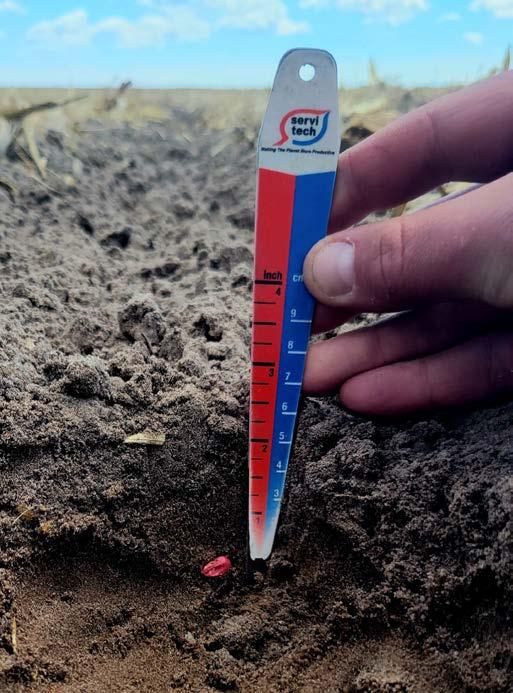
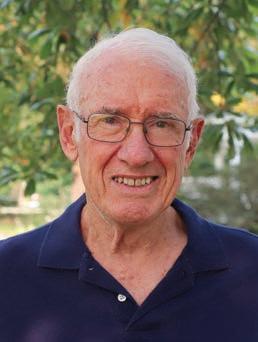
CHARLES “CHUCK” FRANCIS, PROFESSOR
IN THE
OF AGRONOMY AND HORTICULTURE, RETIRED JUNE 30, 2022, AFTER 45 YEARS OF SERVICE TO THE UNIVERSITY OF NEBRASKA–LINCOLN.
A native of Modesto in the San Joaquin Valley, California, Francis grew up in a family of educators before attending the University of California, Davis, and spending two years in the U.S. Army Chemical Corps in Maryland.
Following this, Francis’ prestigious career was focused on crop production and farming systems methods, and demonstrating these to farmers. Over the years, his interests broadened to include local and global food systems, as well as equity and access to quality food by all people, and the land available to grow crops by all interested rural and urban populations.
Francis started at the University of Nebraska–Lincoln as a full-time researcher in sorghum breeding in 1977. He soon added a teaching role in an introductory plant breeding course, and after returning from a brief time at the Rodale Institute in Pennsylvania, he became a specialist in cropping systems for Nebraska Extension. That broadened into working with the sustainable agriculture system program and over the past 20 years into teaching and research in farming systems.
He has been an agronomist and plant breeder in research, extension and teaching with interests in efficient cropping systems, cover crops, rotations, spatially diverse field designs and integrated crop/animal systems. In agroecology and sustainable food systems, his interests have expanded to whole-farm planning, sustainable practices and farming systems in watershed design, on-farm and participatory research and educational activities, and collaborative research design.
Interested in participatory and experiential education, Francis taught several courses at Nebraska; in a Midwest consortium with Iowa State University, Dordt University, and the University of Minnesota; and at the Norwegian University of Life Sciences and the Swedish University of Agricultural Sciences.
He has been vitally concerned about future farming systems, the role of diversity and integrated resource management, value-added enterprises and products, and
relationships of small and moderate-scale family farms to viable rural communities. In 2014, he initiated a course called Land Grabs in the Global South. He also taught courses in agroecology, organic farming, agroecosystems analysis, and urbanization of rural landscapes — land loss in the U.S.
When asked about his career, Francis said he’s most proud of two areas that reflect the value of relevant education and the application to society’s challenges.
First, is the number of undergraduate and graduate students who were part of several learning communities in classes at Nebraska and the Norwegian University of Life Sciences, and how they worked together on course projects and took ideas from the classroom to the larger community. He had over 150 advised graduate students who completed degrees in Nebraska and Norway and went on to careers in teaching, research and other directions in the private and public sectors in their careers.
Second, is the success of the agroecology program in Norway and eight new programs that were initiated in agroecology because of Francis and his colleagues’ teaching, demonstrations and publications on learning methods and course content. With support from SIDA, the Swedish International Development Cooperation Agency, Francis and colleagues were instrumental in starting similar Master of Science programs in agroecology at Mekelle University in northern Ethiopia, at Uganda Martyrs University in Kampala and at SLU, the Swedish University of Agricultural Sciences in Ultuna. Additional programs were established at the University of Calcutta and the University of Kerala in India, the University of Gastronomic Sciences in Pollenzo, Italy, and the University of Santiago, Chile.
Francis has a bachelor’s degree in agronomy from the University of California, Davis, and a master’s degree and a doctoral degree from Cornell University in plant breeding. His graduate research was in the Philippines and in Colombia, each time with the national maize research programs and involving farmers.
He was director of three programs at the International Center for Tropical Agriculture in Colombia and director of the Center for Sustainable Agricultural Systems at the University of Nebraska–Lincoln.
Francis has published in teaching, research and extension including 253 reviewed journal articles and book reviews, 77 book chapters, 27 workshop proceedings, 123 symposium and workshop papers, 209 published abstracts, 514 other publications and he authored or edited 23 books.
He is a Fellow of the American Association for the Advancement of Science, American Society of Agronomy, and Crop Science Society of America. He also has received numerous other awards.
After retirement, Francis plans to continue advising students at Nebraska and the Norwegian University of Life Sciences and collaborate with the NMBU Agroecology Teaching Program each year during the fall semester. He looks forward to traveling in the United States, Europe, Latin America, and elsewhere to observe farming and food systems, meet new people and learn about other cultures.
Read more at go.unl.edu/francis-retire
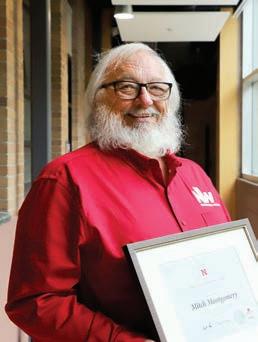
MITCH MONTGOMERY, A RESEARCH TECHNOLOGIST, RETIRED
JUNE 2, 2021, AFTER 23 YEARS WITH THE DEPARTMENT OF AGRONOMY AND HORTICULTURE. He managed the small grains — winter wheat, winter barley and winter triticale — breeding greenhouses and field operations where he nurtured seeds to mature plants for plant crossing purposes. This process required planting the greenhouse fall and spring pots, pollinating, harvesting and cleaning the seed. This new seed was then planted in plots across Nebraska and harvested.
Montgomery received a bachelor’s degree in plant science with an emphasis on production from North Dakota State University in 1992. He moved to Nebraska in 1998 to work for P. Stephen Baenziger, professor emeritus of agronomy and horticulture and Wheat Growers Presidential Chair.
According to Baenziger, Montgomery was a tireless worker who was invaluable to the small grain project. Montgomery and his crew were responsible for the propagation and care of 800 to 1,000 crosses each year — most of which eventually made it to the test plots. During the year, Montgomery also helped with the field crops. You could also find him riding on the planter or driving the combine during summer harvest.
Many improvements were made to the greenhouse under Montgomery’s management. Setting up an automated watering system to reduce manual water times was an example. He trained and worked with many greenhouse employees and graduate students.
Montgomery was also host to numerous groups touring the small grains breeding greenhouses including the Nebraska Wheat Board, Nebraska Wheat Growers Association, Bayer Crop Science, agronomy classes, potential graduate and undergraduate students and Nebraska FFA students from across the state.
In 2018, he received the Nebraska Crop Improvement Association Presidential Award of Excellence at the NCIA conference. In 2021, he received the Staff Advisory Committee Special Contributions Award from the department.
In retirement, Montgomery enjoys a good book, craft beer, traveling with his wife to visit their grandchildren, fishing and relaxing on a beach somewhere.
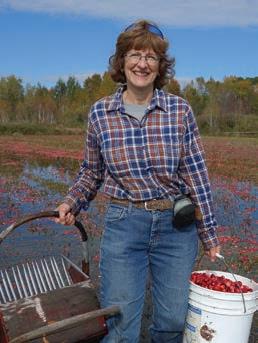
JAN HYGNSTROM, AN EXTENSION PROJECT MANAGER FOR THE PESTICIDE SAFETY EDUCATION PROGRAM, RETIRED JUNE 4, 2021, AFTER 11 YEARS WITH THE DEPARTMENT OF AGRONOMY AND HORTICULTURE AND 28 YEARS TOTAL AT THE UNIVERSITY OF NEBRASKA–LINCOLN. She served Nebraska Extension from 1993 to 2011 for Biological Systems Engineering in Pollution Prevention, then Onsite Wastewater Treatment, and overlapping in 2010 with PSEP in the department until 2021.
She said she always had an interest in plants, especially the interaction and connection between plants, diseases and pests.
Hygnstrom holds a bachelor’s degree in plant science (horticulture) from the University of Wisconsin–River Falls and a Master of Science in Agricultural Leadership, Education and Communication with an emphasis in distance education from Nebraska.
Prior to working at Nebraska, Hygnstrom worked for the University of Wisconsin as a research technician with extension and for the plant pathology department. She also started a crop consulting business.
She and her husband, Scott, landed at UNL in 1988. They settled in Lincoln and Hygnstrom took Nebraska Extension Master Gardener training and volunteered at Lancaster County. That led to contract work, writing the Waste Stream and Garbology Programs for 4-H School Enrichment.
She presented the Garbology program to Lincoln students for a few years, and added in work at Nebraska Game and Parks in the Natural Heritage Program. She also worked as a naturalist at Pioneers Park.
Her work with recycling and waste reduction education led to a full-time position with extension in BSE helping with an internship program for engineering students to learn about pollution prevention, and writing extension circulars on P2. She transitioned to Onsite Wastewater Treatment where she developed training materials and conducted training. A meeting with Clyde Ogg landed her in agronomy and horticulture back with pesticide safety and IPM.
In retirement, Hygnstrom and her husband enjoy living on 40 acres with ponds, a hay meadow, forest and an apple orchard. They also have 190 acres of land about 30 minutes from their home with a few acres of cranberries, a lake and flowages, a log cabin and some ag land that keeps them busy.
PAMELA SUTTON, A RESEARCH TECHNOLOGIST, RETIRED
JULY 1, 2021, AFTER 10 YEARS WITH THE DEPARTMENT OF AGRONOMY AND HORTICULTURE.
Sutton worked and supported Dennis McCallister and Martha Mamo. She supported field and lab research, processed and analyzed samples on analytical equipment, and managed data. In addition, she managed the resources, supported graduate students, and supervised undergraduate students working in the lab.
JUDY FREDRICK, OFFICE ASSOCIATE, RETIRED
MAY 16, 2022, AFTER EIGHT YEARS IN THE DEPARTMENT OF AGRONOMY AND HORTICULTURE.
As an office professional, Fredrick supported faculty, staff and students. She moderated and initiated live streaming of the weekly seminar series and graduate student defenses; edited seminar, defense, workshop and training videos; created, supported and moderated online courses; served on the seminar committee for four years; created surveys and reports; provided technical troubleshooting in classrooms, conference rooms and computer applications; and assisted with the planning, developing and updating of the class schedule and room assignments.
In 2015, she received the Staff Advisory Committee Special Contributions Award from the department.
Fredrick grew up on a small family farm that produced corn, soybeans, and alfalfa and raised cattle, hogs, chickens and Angora goats. She inherited this farm and has learned the challenges of being a farm operations manager.
She earned a Bachelor of Business Administration in management information systems from The University of Memphis in Tennessee.
Fredrick worked as a user experience designer designing software, websites and web applications for 20-plus years. She gained experience working in university settings while employed at the University of Houston and The University of Memphis. Before working at the University of Nebraska–Lincoln, Fredrick was employed at Cabela’s corporate office in Sidney, Nebraska, for 7 1/2 years.
Fredrick said she enjoys retirement. With 10 great nieces and nephews who are very active in activities, Fredrick attends games, concerts and recitals all year round. She is involved in two card clubs and a craft club and is a member of two Red Hat Societies. She chairs two committees for her HOA. She started a wellness journey at the YMCA with four other retired women and stays active with pickleball classes, golf lessons and daily walks. Travel has included participation in adventure retreats and visiting family and friends. Fredrick is an avid Husker volleyball fan and can’t wait to see the team back in action.
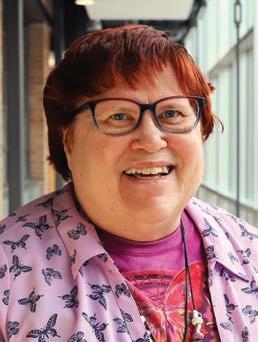
CAROL SPETH, AN EDUCATION ASSESSMENT
SPECIALIST, RETIRED JAN. 3, 2022, AFTER 22 YEARS WITH THE DEPARTMENT OF AGRONOMY AND HORTICULTURE.
Speth evaluated distance learning projects, developed surveys for the plant biology major, analyzed data from summer internship programs, and generally supported the department’s teaching program.
She grew up in Lincoln but spent weekends in Burr, Nebraska. Though she wanted to be a history teacher, she eventually completed a doctorate in educational psychology at the University of Nebraska–Lincoln. Then she was a postdoc at the University of Kansas, where she worked as a researcher and evaluator on a federal project to bring courses by satellite to rural schools in five states.
As a research fellow at the University of Edinburgh, Scotland, she helped develop a computer-based system to identify and help at-risk college students. When that grant ended, she returned to Nebraska to help her elderly parents.
She joined the Department of Agronomy and Horticulture in 2000 as a secretary. In 2010, she accepted a new position as education assessment specialist with Professor Don Lee, who recognized her skills and sought to put them to work as he was developing online resources to teach crop technology and genetics.
Much of her work was based on the theory of approaches to studying developed by Noel Entwistle in Scotland, and Speth wrote or contributed to about a dozen research articles.
Speth loves Scottish and Irish music and history, so much of her activities and travel in retirement relate to that interest.
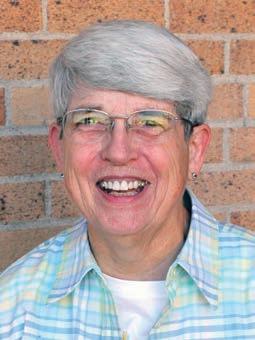
LIZ CONLEY, RESEARCH TECHNOLOGIST,
RETIRED
DEC. 31, 2022, AFTER 32 YEARS IN THE DEPARTMENT OF AGRONOMY AND HORTICULTURE.
Conley was born in Lincoln, Nebraska, and attended Lincoln Southeast High School. She continued to be a lifelong learner, earning bachelor’s degrees in history (1966), geology (1977), horticulture (1988) and a master’s degree in horticulture (1997), all from the University of Nebraska–Lincoln.
As an undergraduate, Conley took independent study classes in the summers and worked for several professors in the Department of Horticulture, including Don Steinegger, the late professor emeritus of horticulture, and Ellen Paparozzi, professor emeritus of agronomy and horticulture.
Her love of plants began as a graduate student in the geology department. When people were away, she cared for everyone’s plants in the offices. Caring for the plants and past experience working for horticulture professors as an undergraduate sparked a decision to take her first plant class — Interior Plant Scaping, taught by Jay Fitzgerald, the late professor emeritus of horticulture. She liked it so much she took more classes and ended up with bachelor’s and master’s degrees in horticulture.
Conley was a member of Pi Alpha Xi–Alpha Gamma and served as president. She also participated on the first and only UNL Flower Judging team, which Fitzgerald and Paparozzi tutored.
She interned at the Chicago Botanic Garden and learned she wanted to be in the lab, not toting water hoses around gardens. So Conley took a job with Paparozzi in 1990 and continued as her technologist for 32 years until retirement.
Starting as a research technician, Conley was promoted to research technologist and was responsible for managing Paparozzi’s lab. In addition, she assisted in the greenhouse with hands-on research, growing plants. She also proofed some of Paparozzi’s publications and co-authored several more.
According to Conley, working for Paparozzi was a gift because she was such a talented scientist. Conley was still learning from Paparozzi up to retirement. She had fun working with her on the 2023 published book “From Seed to Seed, A Pictorial Story Showing How a Bean Plant Grows” found at go.unl.edu/seedtoseed.
Conley said her favorite part about working in the department was growing plants and discovering new things.
In retirement, Conley has enjoyed working in her garden, traveling, caring for her cat and spending time with family and friends.
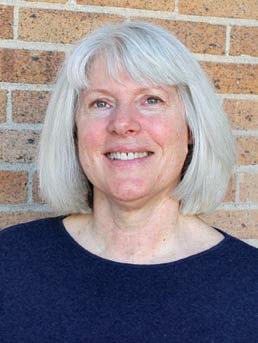
MARTHA ROWE, RESEARCH TECHNOLOGIST, RETIRED AUG. 31, 2023, AFTER 33 YEARS IN THE DEPARTMENT OF AGRONOMY AND HORTICULTURE.
Rowe grew up in the college town of Davidson, North Carolina, with a botany and entomology professor as a neighbor, grandparents who were gardeners, and many woodsy areas where she could roam.
Rowe said both plants and animals interested her. As a prospective graduate student interested in physiology, she decided she would rather not spend time killing little animals. So she chose plants, and she felt they didn’t disappoint.
Rowe earned a bachelor’s degree in biology from Dickinson College in Carlisle, Pennsylvania, and a doctorate from The University of Tennessee, Knoxville.
She did not grow up with a farming background, so agronomy was something new when she started her career at the University of Nebraska–Lincoln as a research technologist.
Rowe spent her first month at the university in the plant pathology department, wrangling viruses, then switched to a position in weed science for several years, working on leafy spurge.
The rest of the time, Rowe worked mostly with Paul Staswick’s molecular biology lab, and eventually, that segued into working with Harkamal Walia’s stress physiology and genetics lab.
According to Rowe, all the research was interesting, and she worked with many bright, kind and interesting people from many places worldwide. For her, it was an excellent continuing education career.
Now, she says, she will clean out her house, tame the yard, get to know some newer neighbors and visit her grandchildren. There will be more to do in retirement, she says, but Rowe plans to let other opportunities develop gradually.

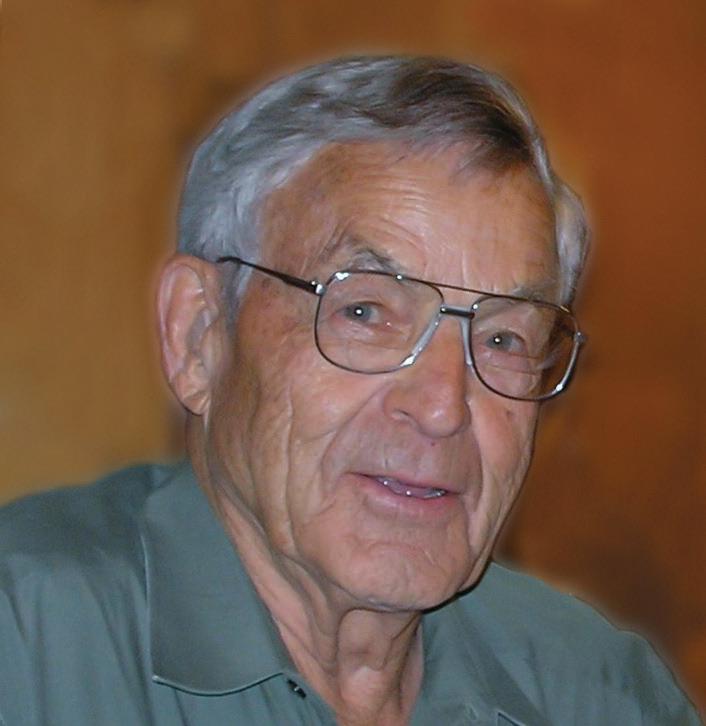
GROWING UP ON A FARM NEAR KIMBALL, NEBRASKA, DURING THE DUST BOWL AND THE GREAT DEPRESSION, ARDEN ALBERT BALTENSPERGER CREDITED THE MANY LESSONS FROM THAT CHILDHOOD WITH SPURRING AN INTEREST IN PLANT SCIENCE.
He attended District 22, a one-room grade school, and graduated from Kimball County High School in 1940. Baltensperger’s older brother, Dwight, encouraged him to go to the University of Nebraska–Lincoln and provided just enough money for the bus ticket to Sidney, Nebraska. From there Arden hitchhiked to Lincoln and spent the next three years at the university. World War II interrupted his education in 1943.
Baltensperger served in the U.S. Army as an officer in the Field Artillery in the Pacific Theater for the next three years. He returned to Nebraska in 1946 and received a Bachelor of Science degree in technical science in 1947. In 1949, he received a Master of Science degree in plant breeding, also from Nebraska.
From 1949 to 1954, Baltensperger operated a stock farm for his father-in-law near Denton, Texas, and conducted soil fertility research at the Texas A&M Denton Branch Station.
He earned a Ph.D. from Iowa State University in 1958. Part of his doctoral research resulted in the isolation of seed shattering resistance which was subsequently used in cultivar development.
Baltensperger joined the faculty at the University of Arizona in 1958 where he conducted research on grain sorghum and turfgrass. He helped determine control for the bermudagrass eriophyid mite and helped develop standards which led to the first certification of seeded bermudagrass. He was also active in teaching both undergraduate and graduate instruction and initiated a plant breeding course.
In 1963, he accepted the position as chairman of the Agronomy Department at New Mexico State University, which he held for 12 years. In 1975 he returned to a professor of agronomy position until his retirement from NMSU in 1988.
During this time a Ph.D. program was initiated, and student enrollment increased substantially. In addition, physical improvements, mainly the Leyendecker Plant Science Research Center, were planned and completed, and the Soil and Water Testing Laboratory was reorganized to better serve the farm, ranch and research needs of the state. As chair of the Western Soil and Water Research Committee, he initiated a review and appraisal of all soil and water research in the western states and helped start a research program in turfgrass irrigation conservation at NMSU.
He was especially proud of the development of the graduate student program in the department and trained several graduate students including Roch Gaussoin, professor of agronomy and horticulture at Nebraska.
Baltensperger’s academic achievements have been recognized worldwide through his breeding of turf-type and forage bermudagrasses. His efforts led to the release of NuMex Sahara, the first improved seed-propagated turf-type bermudagrass along with six additional seeded varieties, including Princess 77, used as the foundation of the playing surface in the NFL’s Super Bowl 2004 and 2005.
Baltensperger received recognitions for his work including the ASA Fellow, CSSA Fellow and the Fred Grau Turfgrass Science Award in recognition of significant career contributions to turfgrass science.

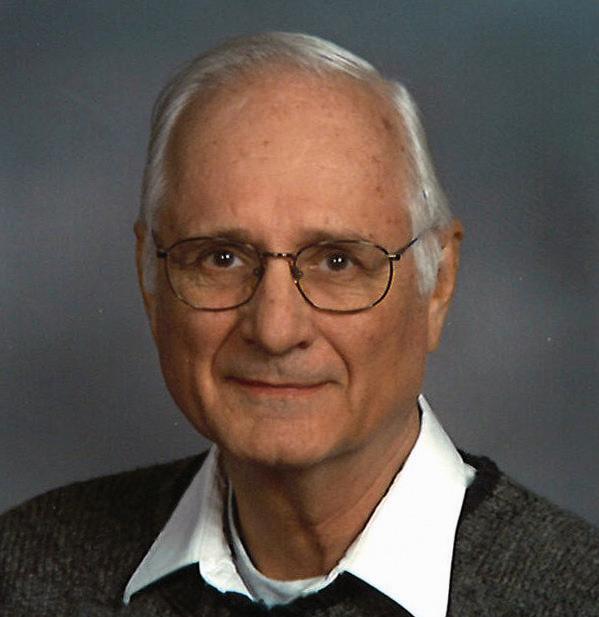
ROBERT “BOB” SORENSEN’S PROFESSIONAL LIFE AS A PROFESSOR OF AGRONOMY AT THE UNIVERSITY OF NEBRASKA–LINCOLN REVOLVED AROUND TEACHING FOR STUDENT LEARNING AND STUDENT WELFARE.
Born and raised on farms near Gretna and Papillion, Sorensen earned a Bachelor of Science degree in technical science in agriculture from Nebraska in 1955. While an undergraduate, he enrolled in the ROTC program as required for young men at the time. He then completed an advanced course which earned him commission as a Second Lieutenant in the U.S. Army Reserve upon graduation.
Sorensen went on to earn a Master of Science in agronomy in 1957 from Nebraska before serving six months of active duty. He also spent eight years in the U.S. Army Reserve. In 1964, Sorensen earned a doctorate in soil chemistry from Iowa State University.
Sorensen was hired at Nebraska as an assistant professor of agronomy with a 75% teaching and 25% research assignment in 1964. He went on to focus solely on teaching and achieved ranks of associate professor and professor of agronomy in 1971 and 1975, respectively.
Students were always the center of his work. He taught over 6,000 students over 35 years at Nebraska. He was consistently among the highest-ranked teaching faculty in student evaluations.
According to colleagues, Sorensen was a creative instructor who cared about his students and wanted to educate the whole person, not just impart knowledge. He believed each student was an individual and based his teaching on meeting individual needs rather than on meeting generalized class needs. Students appreciated his dedication to their well-being, along with his concern regarding learning. His sincere interest in students, combined with his subtle sense of humor, led to student enjoyment of the learning process.
Sorensen taught many classes including Agronomy 153 Introduction to Soil Science. In 1988 he developed a new design for the course where students learned in cooperative small groups. He also developed and implemented computer programs for teaching as the technology developed.
He was a dedicated supporter of the University Foundations Program for freshmen and served on the University Teaching Council and as the Department of Agronomy teaching coordinator. In 1978 he served as Acting Assistant Dean to the College of Agriculture for two months.
Sorensen was very active with the Nebraska Future Farmers of America Association and directed the FFA Agronomy contests from 1971 until his retirement in 1999. He was awarded the Honorary State FFA Degree from Nebraska FFA Association in 1993 and the Nebraska Department of Education FFA Distinguished Service Award in 1996.
In addition, Sorensen published 31 research articles, wrote 11 educational publications and wrote two books.
He received many awards during his career from Nebraska and North American Colleges and Teachers of Agriculture in recognition of his outstanding teaching.
From NACTA he received the Distinguished Service Award, Distinguished Educator Award, Teaching Award of Merit and the E.B. Knight Journal Award, the Teacher Fellow and the Outstanding Teacher Fellow. He also was awarded the Soil Science Society of America Soil Science Education Award.

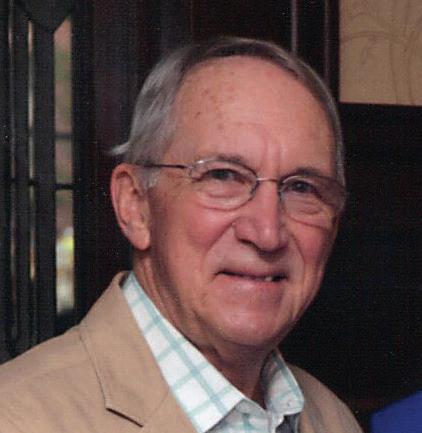
FREDRICK A. BLISS WAS BORN IN 1938 AND RAISED ON A FARM NEAR RED CLOUD, NEBRASKA. In 1956, he entered the University of Nebraska–Lincoln as an undergraduate in engineering but soon changed his major to agronomy.
He received his Bachelor of Science degree with distinction in 1960. That same year he began graduate school at the University of Wisconsin–Madison Department of Horticulture studying under Warren H. Gabelman, one of the leading horticultural plant breeders of the time.
Bliss completed his Ph.D. in 1965 with a specialization in horticulture genetics. His research focused on cytoplasmicgenic male sterility in table beets, a trait still used today for development of commercial F1 hybrids.
He was awarded a National Institutes of Health Postdoctoral Fellowship to study at the University of Minnesota Twin Cities campus, where he spent a year working on computer simulation of selection in selfpollinated crops.
In 1966, he joined the Department of Horticulture faculty at UW–Madison. In addition to teaching, public service and breeding self-pollinated vegetables, he worked as part of a UW U.S. Agency for International Development team building the then new University of Ife in Nigeria. He also
worked in research and development projects globally, including consulting work in Nigeria, Somalia, Honduras and Brazil.
From 1988 to 1998, Bliss was a professor and the first Will W. Lester Endowed Chair in the Pomology Department at the University of California, Davis. He taught and mentored graduate students, and researched the genetic improvement of fruit crops, including kiwifruit, apricot and the rootstocks of plants from the genus Prunus (e.g., stone fruits such plums, cherries and almonds). He served as department chair for three years and chair of the Plant Biology Graduate Group for two years.
Bliss joined Seminis Vegetable Seeds, later Monsanto, as director of Worldwide Breeding in 1998 and was responsible for leading 115 vegetable breeders. He held senior director positions before retiring in 2010.
He released cultivars and genetics stocks, including tomato, cowpea, common bean, peach, and apricot, and his cowpea and tomato cultivars from the 1970s are still being grown in Nigeria today.
Bliss was a member of the Scientific Advisory Panel for BeanCAP, RosBREED2 and the Integrated Breeding Platform Generation Challenge Program. BeanCAP and RosBREED2 are multi-university, cross-industry programs bringing the latest knowledge in genomics to commercial bean and fruit breeding.
He was a consultant with the Food and Agriculture Organization of the United Nations on the Global Initiative for Plant Breeding and a consultant to the Washington Tree Fruit Research Commission.
Through his work with FAO and the Bill & Melinda Gates Foundation, Bliss has been particularly passionate about developing talent in plant breeding. He worked on a study at UC Davis to survey information about the education and preparation of future plant breeders.
Bliss received many recognitions for his work including the National Association of Plant Breeders Lifetime Achievement Award, the ASSINSEL Award from the International Association of Plant Breeders for the Protection of Plant Varieties and International Horticulture Congress Honor Horticulturist.
He was a member and Fellow of the Crop Science Society of America, American Association Advancement of Science and American Society for Horticultural Science. He also served as president of ASHS in 1998.


CHARLES WILLIAM STUBER, BORN IN 1931 AND RAISED NEAR RAVENNA, NEBRASKA, IS CONSIDERED A PIONEER OF QUANTITATIVE GENETIC MAPPING AND MARKERASSISTED SELECTION IN MAIZE. His achievements include the development of genetic marker systems used in maize and adapted in numerous other crops, the first methods to identify quantitative trait loci and the creation of new breeding methods that integrated molecular markers into applied breeding. His work was instrumental in creating the foundation for modern plant breeding that relies heavily on combining genetic marker information with field evaluations of quantitative traits.
Stuber received his Bachelor of Science degree with distinction in technical science in agriculture from the University of Nebraska–Lincoln in 1952. After college, he served as a lieutenant in the United States Navy until 1956. While in the Navy, Stuber married Marilyn Cook. After finishing his Navy service, he and Marilyn farmed for three years near Shelton, Nebraska. During this time, he also worked as vocational agricultural instructor at Broken Bow High School in Broken Bow, Nebraska.
In 1959, he returned to the University of Nebraska–Lincoln as a graduate student and worked in wheat breeding with
John Schmidt in the Department of Agronomy. Their son, Charles, Jr., was born in 1960 and in 1961 Stuber received his master’s degree in plant breeding and genetics.
Stuber then enrolled at North Carolina State University and completed his Ph.D. in genetics and experimental statistics in 1965.
In 1962, and before he finished his doctoral degree, Stuber was hired as a research geneticist with the U.S. Department of Agriculture Agricultural Research Service in Raleigh, North Carolina, to conduct statistical genetics experiments in corn with the long-term goal of improving breeding methods for quantitative traits. He remained with the USDA-ARS for his entire career until his retirement in 1998.
Stuber also held a joint appointment as a professor in NC State Department of Genetics.
Stuber returned to a faculty position at NC State on a parttime basis in 2006 to develop the Center for Plant Breeding and Applied Plant Genomics in the College of Agriculture and Life Sciences. He retired again in 2019.
Stuber was active in several professional societies and received numerous awards. He was named USDA-ARS Outstanding Scientist of the Year in 1989 and was inducted into the USDA-ARS Science Hall of Fame in 1999.
He was named a Fellow and served as president of both the American Society of Agronomy and Crop Science Society of America. He received the Crop Science Research Award and the Dekalb Genetics Crop Science Distinguished Career Award from the Crop Science Society, the CSSA Presidential Award and the National Association of Plant Breeders Lifetime Achievement Award.
He was also honored with the National Council of Commercial Plant Breeders Genetics and Plant Breeding Award, Award of Merit from the University of Nebraska College of Agricultural Sciences and Natural Resources Alumni Association, NC State College of Agriculture and Life Sciences Outstanding Alumnus Award, NC State College of Agriculture and Life Sciences Distinguished Alumnus Award.
Marilyn also received a Ph.D. at NC State in occupational education and had a 30-year career as a professor and department chair in home economics at Meredith College in Raleigh. Charles Jr. served as an FBI agent for almost 30 years and worked on numerous high-profile political corruption cases in North Carolina. | Go to agronomy.unl.edu/alumni.
David T. Lewis
September 27, 1935 – April 21, 2021
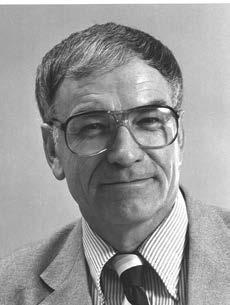
PROFESSOR EMERITUS
DAVID T. LEWIS, AGE 85, DIED
APRIL 21, 2021. Lewis was born in Downing, Missouri, on Sept. 27, 1935, and grew up in Rutland, Iowa, where he enjoyed hunting, fishing, playing along the river with his siblings and working on a farm.
He served three years in the Marine Corps during the Korean War before earning his Bachelor of Science degree in agronomy from the University of Maine. While an undergraduate, he was an instructor for agronomy classes.
Lewis completed his Master of Science degree in agronomy from the University of Maine in 1962. He then worked for the USDA Soil Conservation Service as a soil scientist mapping the soils of Maine and Alabama for the next five years. In 1967, he moved to Nebraska to begin work on a doctoral degree in agronomy at the University of Nebraska.
Soon after arriving in Nebraska, Lewis met kindergarten teacher Judy Besecker. They married on July 20, 1968, and spent most of their married life in Lincoln, where they touched countless lives both in public schools and at the university.
Lewis joined Nebraska’s faculty as an assistant professor in 1971. He earned full professor rank in 1980. During his career he also served as vice chairman for research in the Department of Agronomy and as head of the Department of Horticulture, helping to create a vision for the future for the agronomy and horticulture departments.
His specialties included soil genesis, classification, morphology, survey and land use. He served on the USDA Natural Resources Conservation Service National Committee to Revise Soil Taxonomy in 1981–1982.
One of the roles Lewis most enjoyed was that of educator and mentor. He taught courses in agronomy, university foundations and Great Plains studies. He served as coach for the UNL Soil Judging team, adviser for the Agronomy Club, and he helped organize FFA and 4-H land judging contests.
Lewis had an outstanding reputation as a stimulating and effective teacher in areas of general soils, soil survey, soil classification and soil judging. He willingly committed his time to students and club activities and motivated students by his example of sincerity and enthusiasm.
He continued to stay in touch with many of his students throughout their careers and enjoyed that very much.
Lewis received many honors and awards in teaching and research including UNL Distinguished Teaching Award, Gamma Sigma Delta Teaching Award, Nebraska Legislative Award for Teaching, Soil and Water Conservation
Society National/International Commendation Award, SWCS Outstanding Chapter Award, SWCS Nebraska Chapter Commendation Award, SWCS Lincoln Chapter Commendation Award, Nebraska Society Professional Soil Scientist Achievement Award, Agronomy Club Honorary Membership Award, National Association of Colleges and Teachers of Agriculture Teacher Fellow Award, Nebraska Society of Professors Soil Scientist Achievement Award, IANR Recognition Award for Contributions to Students, Graduate Faculty Fellow and Center for Great Plains Studies Emeritus Fellow.
He was active in professional organizations including the American Society of Agronomy, SWCS, Nebraska Academy of Sciences, and the Nebraska Society of Professional Soil Sciences, which he helped to build with his colleagues.
In his retirement, Lewis was a living historian at the Pea Ridge Battlefield in Pea Ridge, Arkansas, teaching and telling the stories of the Civil War and the geology of the Ozarks. He was active with the Benton County Historical Society and was his daughter’s substitute teacher at Washington Junior High School in Bentonville, Arkansas. He also enjoyed chopping wood, walking his dogs, feeding the birds, taking care of the yard, telling stories, writing and being with his family.
Sponsored by Lewis and his wife Judy, the David T. Lewis Scholarship Fund at the University of Nebraska Foundation helps students pay their tuition.
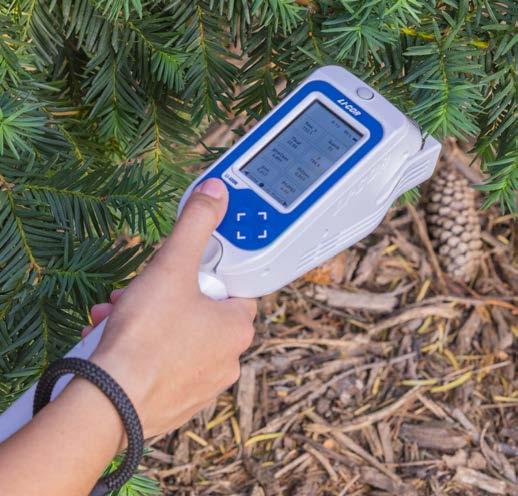
August 20, 1922 – April 20, 2021
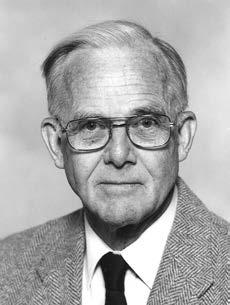
PROFESSOR EMERITUS
FRANCIS ARTHUR HASKINS,
AGE 98, DIED APRIL 20, 2021. Haskins was born in Omaha and grew up on a farm near Republican City, Nebraska, during the Dust Bowl and the Great Depression. He graduated from Republican City High School in 1939. Serving two and half years in the 99th Infantry Division of the U.S. Army during WWII, Haskins drove an ammunition truck in the Battle of the Bulge.
In 1943 he received a Bachelor of Science in technical science from the University of Nebraska College of Agriculture, and in 1948 he received a master’s degree in agronomy from Nebraska. Haskins went on to earn a doctoral degree from California Institute of Technology in Pasadena, California, in 1951 in biochemical genetics and plant physiology and then worked as a research fellow for a year at Caltech.
While at Caltech he met physical therapist Dorothy Masters, a native of Indianapolis, and the two were married on December 3, 1951. They were married almost 70 years. Prior to their move to Nebraska, Haskins completed postdoctoral research at the University of Texas at Austin.
Haskins joined the University of Nebraska–Lincoln faculty as an assistant professor in 1953 to help establish the foundation for agronomy teaching and research programs in cytogenetics and quantitative and biochemical genetics. In subsequent years he was promoted to the rank of professor and was awarded the George Holmes Professor of Agronomy in 1967.
Haskins served as interim acting chair of the Department of Agronomy from 1965 to 1967 and from 1976 to 1977, which, he said, confirmed that research, not administration, was his love.
Throughout his career, Haskins taught advanced genetics, including physiological genetics. He trained many students who are now respected scientists with the USDA, in the agriculture industry and at universities across the country. Haskins’ major contributions to agriculture were through the application of the principles of genetics, biochemistry, plant breeding and entomology to improve the quality and yield of several crop species. His early work focused on sweet clover in which his team identified genetically controlled steps in the biosynthesis and content of coumarin, an undesirable product that makes the leaves bitter and unsuitable for grazing. This was a classic example of the blending of genetics and biochemistry in the solution of
plant breeding problems. Techniques developed in that research along with other innovations were then applied in his research with genetics, biochemistry and breeding of forage sorghum, sudangrass, red clover, sweet clover and perennial grasses used for forage and to the nature of plant resistance to certain insects.
He retired in 1988 after 35 years on the faculty and was awarded emeritus status.
Haskins was an American Association for the Advancement of Science Fellow, American Society of Agronomy Fellow, Crop Science of America Fellow, Center for Great Plains Studies Emeritus Fellow and past president of Nebraska Academy of Sciences. He received the Outstanding Scientist Award from University of Nebraska Chapter of Sigma Xi, Gamma Sigma Delta Award of Merit for Distinguished Service to Agriculture, and Distinguished Grasslander Award from the American Forage and Grassland Council.
Following retirement, he continued to work actively for many years as a volunteer. He was a member of the Eastridge Presbyterian Church, Friends of the Maxwell Arboretum and an avid fan of Nebraska football.
Haskins and his wife Dorothy established the Haskins Professorship in Plant Genetics, a permanently endowed professorship fund at the University of Nebraska Foundation. The fund generates an annual stipend for research and program support and is intended to further research in plant genetics.

• Native Prairie
• Wildflowers
• Sundancer Buffalograss
• Pasture and Forage
• CRP Seed
• Turf Seed and Fertilizer
• Cover Crops
• Pollinator Habitat
Visit www.stockseed.com to view our entire product line, request a free catalog, or place an order!
Email: prairie@stockseed.com
Phone: 800-759-1520
28008 Mill Road Murdock, NE 68407
Larry D. Schulze
October 8, 1945 – October 22, 2022
PROFESSOR EMERITUS AND EXTENSION PESTICIDE EDUCATION SPECIALIST
LARRY D. SCHULZE, AGE 77,
DIED OCTOBER 22, 2022.
Schulze grew up on a dryland farm in Tilden, Nebraska, and graduated from Tilden High School in 1963. He spent the summers of 1964 and 1965 as an assistant field research geneticist working on corn and sorghum breeding for Northrup-King and Co. in Norfolk.
Schulze entered the University of Nebraska–Lincoln, double majored in agronomy and agricultural economics and earned a bachelor’s degree in 1968. As an undergraduate, he assisted in sorghum field and lab research as an assistant laboratory research technician in the Department of Agronomy. He was active in the Agronomy Club and the university chorus. He completed the ROTC program and was commissioned as a Second Lieutenant in the United States Army Medical Field Corp. In 1972, he completed officer basic training in San Antonio, Texas. He was in the U.S. Army Reserves for 10 years and received an honorary discharge as captain.
Schulze continued his education at Nebraska, earning a master’s degree in agronomy and crop production in 1971 while working as a research assistant.
After earning his master’s degree, he went to work as an instructor, agronomist and photo interpreter detecting corn blight over five Midwest states via color infrared film taken by the Air Force. This position was at the Agricultural Experiment Station, Purdue University in West Lafayette, Indiana, during the 1971 Corn Blight Watch Experiment.
Schulze then spent more than a year as an agronomist and photo interpreter at Lockheed Electronics Company at Johnson Space Center in Houston, Texas. He developed a stage-of-growth crop calendar to aid in crop remote sensing. He provided photography support of aircraft and satellite crop identification to Johnson Space Center’s Mission Control Center on photographic missions of Apollo 16 and 17 spaceflights.
Returning to Nebraska in 1973, Schulze began working for the University of Nebraska Cooperative Extension Services as an agricultural extension agent in Hall and Sarpy counties. From 1976 to 1980, he served as county agent chairman in Hall County.
In 1980, Schulze moved to Lincoln when he accepted the Department of Agronomy assistant project coordinator position with the MidAmerica International Agriculture Consortium Morocco Dryland Farming Applied Research Aid Project. He provided academic program assistance in
agronomy extension and research in crop production. He achieved the Foreign Service Institute Language in Frenchspeaking capabilities and spent time in Morocco writing project reports.
He was accepted into Nebraska’s doctoral program in crop production in 1980 with Professor Emeriti Dale Flowerday and Don Hanway as co-advisors. He was awarded his doctoral degree in 1986.
Schulze’s prestigious career as Nebraska’s Extension Specialist for pesticide education began in 1987 when he accepted the tenure-leading assistant professor position in the Department of Agronomy.
In coordination with the Nebraska Department of Agriculture and other relevant federal, state and local agencies and organizations, Schulze was responsible for planning, organizing, developing and implementing the comprehensive statewide non-credit educational Nebraska Extension Pesticide Safety Education Program. This program provided educational materials on applying agricultural chemicals, particularly on pesticides and environmental protection.
Schulze also created the Nebraska Pesticide Container recycling program and helped establish regulations for aerial applicators regarding towers to protect from accidental crashes.
In 1993, he was promoted to associate professor, received tenure in 1994 and was promoted to professor in 2001.
Schulze was active in many professional, state and campus organizations. A few of his many contributions included being a National Extension Pesticide Education Association charter member; Nebraska Pesticide Board chair; IANR Pesticide Advisory Committee chair; U.S. liaison to Canadian Working Group on Pesticide Education, Training and Certification; IANR Husker Harvest Days Show Coordinator; Global Competitiveness Task Force; and faculty adviser to the UNL Agronomy Club. He also consulted with the Poison Control Center at Children’s Hospital in Omaha.
Schulze received numerous awards, including the National Association of County Agricultural Agents Achievement Award, Distinguished Service Award and Communication Award; American Society of Agricultural Engineers Blue Ribbon Award Educational Aids; Nebraska Cooperative Extension Association Chester I. Walters Extra Mile Award; NCEA Specialists’ Section Outstanding New Specialist Award; American Society of Agronomy Certificate of Excellence for Development of Agronomic Education Material; Nebraska Aviation Trades Association Service to Industry Award; and American Association of Pesticide Safety Educators Distinguished Achievement in Education Award.
In 2007, Schulze retired from Nebraska after 34 years and stayed busy in retirement. He was active at Eastridge Presbyterian Church, served as a Master Gardener instructor, taught fifth graders in the Wild World of Pest Management, served as an agricultural consultant and tended to his large garden.
January 1, 1936 – March 15, 2023
PROFESSOR EMERITUS AND EXTENSION
HORTICULTURE SPECIALIST
DONALD H. STEINEGGER, AGE
87, DIED MARCH 15, 2023.
Steinegger was born and raised in Milwaukee, Wisconsin. He earned a Bachelor of Science in horticulture from the University of Wisconsin–Madison in 1958, a Master of Science and doctoral degree in plant science and genetics from University of California, Los Angeles in 1960 and 1965, respectively.
Prior to coming to Nebraska, he was an associate professor at the University of Wisconsin, River Falls, for eight years and was an extension specialist at the University of Montana for four years. He joined the University of Nebraska–Lincoln Department of Horticulture in 1975 as an associate professor and extension horticulturalist. He was promoted to professor in 1980.
Steinegger touched many lives in his tenure at Nebraska. His extension and research appointments were heavily focused on the commercial horticulture industry in the state. Because of these responsibilities, he developed a statewide vegetable and fruit conference that ultimately led to the establishment of a permanent extension vegetable specialist position within the department. He was responsible for establishing the strong system of farmer’s markets that exist today in eastern Nebraska.
He created and strengthened extension outreach efforts through extension educator in-service training as a resource specialist in the industry, and through his personal attention to the needs of extension educators and the public. He would go the extra mile to answer a client’s question. He focused on in-service and master gardener training, field demonstration plots and applied research on sustainable landscape maintenance. He showed special dedication to the statewide Nebraska Extension Master Gardener program and to the nursery industry with his involvement in Garden Store Update — a video series for nursery employee training.
As Steinegger’s urban horticulture program continued to grow, he saw the need for a multi-disciplinary event where many private and state organizations could interact with the public and address environmental issues in the landscape. These organizations included local government agencies, water task forces, Natural Resource Districts and university staff. He envisioned this event as a year’s culmination of programs on best landscape management practices designed
to reduce environmental pollution. This event, Festival of Color, was first implemented in September 1993 with about 500 participants. In 1997 over 9,000 attended. The Festival of Color yard and garden demonstration show was an exciting approach for educating the urban public. Field tours and displays, demonstrations and tent talks given by county educators, state specialists, master gardeners, industry representatives and university specialists provided timely and relevant information on low input landscape design and maintenance designed to reduce non-point pollution in the landscape.
Steinegger was a key contributor and panelist on the popular, long-running “Backyard Farmer” television program from 1976 to 2000. He was an integral part of the program and viewers trusted and had confidence in his judgments and recommendations.
He was an active and recognized member of the university Turfgrass Science Team and the Urban Pest Management Team. His efforts contributed to both teams being named recipients of the Institute of Agriculture and Natural Resources Team Excellence Award.
Steinegger received numerous other awards, including the Distinguished Extension Specialist Award, Gamma Sigma Delta Extension Award, the Chester I. Walters Extra Mile Award, Nebraska Cooperative Extension Association, Extra Mile Award, President’s Citation for Outstanding Service in the Field of Horticulture, Nebraska Ground Water Foundation Mayor’s Water Conservation Task Force, Backyard Farmer Tree Planters Award from the Nebraska Statewide Arboretum, Nebraska Golf Hall of Fame Herbert M. Davis Special Recognition Award, Festival of Color IANR Team Award, Distinguished Extension Specialist Award, Excellence in Team Programming Award for NuFacts, and Certificate of Excellence from the American Society of Agronomy for extension publications.
He was a member of the American Society for Horticultural Science, Sigma Xi, American Horticulture Society, NSA Brooklyn Botanic Garden Society, Minnesota Arboretum Society, Nebraska Horticulture Society and served as an officer, Pi Alpha Xi, Gamma Sigma Delta, Nebraska Arborist Association, NCEA, Nebraska Nursery Association, Nebraska Nut Growers Association, Nebraska Turfgrass Foundation, North Central Regional Horticulture Society, North American Strawberry Growers Association, American Wine Society, and the California Turf Association.
Steinegger retired from Nebraska on June 30, 2001. He was known as an amateur chef, baker and lover of fine wine. He devoted himself to the cultivation of orchids and served as an officer for the Greater Omaha Orchid Society. He was a member of St. Mark’s on the Campus Episcopal Church in Lincoln. In addition to being a devoted husband and father, he loved tending to his garden and numerous pets.
M. Rosalind Morris
May 8, 1920 – March 26, 2022
M. ROSALIND MORRIS, AGE 101, DIED MARCH 26, 2022.
Morris’ career at Nebraska spanned from 1947 to 1990. She is internationally recognized for her pioneering work in wheat cytogenetics and in showing the effects of irradiation on corn.
For more than 30 years, Morris’ research focus was to locate important characteristics in wheat genes that would be useful in breeding wheat varieties. She and her team developed chromosome substitution lines where they would take a chromosome pair from one wheat variety and substitute it into the background of another variety. The varieties had to differ somewhat in some of their characteristics. By putting one chromosome pair into another variety, they could then find out what characteristics that pair was contributing. These substitution lines became very useful worldwide and formed the basis for current research done by P. Stephen Baenziger, professor and Wheat Growers Presidential Chair in Nebraska’s Department of Agronomy and Horticulture.
Morris was born on May 8, 1920, in Ruthin, North Wales, to schoolteacher parents. The family immigrated to Canada in 1925 and bought a 50-acre fruit farm in southwestern Ontario. In 1942, she earned a Bachelor of Science and Arts in horticulture at Ontario Agriculture College, now part of the University of Guelph, near Toronto.
She was accepted into the plant breeding graduate program at Cornell University in Ithaca, New York, and offered a teaching assistantship. At a time when women rarely pursued graduate work in science, Morris was afforded this unique opportunity because most college-age men were involved in World War II. Out of 150 students in her class, five were women. Only she and Leona Schnell received doctorates in plant breeding and genetics from Cornell, the first women to do so.
As a graduate student, Morris initially studied fruit plant breeding but transitioned to the study of crop plants. She assisted her adviser with small-grains research and conducted her own research on buckwheat. However, seeing chromosomes under a microscope in a cytology course captivated her interest and changed her career path. In 1947, Morris accepted an assistant professor position at the University of Nebraska–Lincoln, becoming the first woman faculty member hired by the Department of Agronomy and Horticulture.
Her career at Nebraska began with the support of the late Robert Cushing, then an assistant professor of plant breeding
at Cornell, whom she had assisted in teaching genetics courses. When he learned that his alma mater, the University of Nebraska–Lincoln, was searching for an assistant professor to work with the late Elvin Frolik on an Atomic Energy Commission grant in a newly created plant cytogenetics program, he enthusiastically recommended Morris.
With Frolik, she studied the cytogenetic effects of atomic irradiation on corn out of concern over the effects of atomic bombs dropped on Hiroshima and Nagasaki during World War II. Morris was left in charge of the program soon after arriving in Nebraska when Frolik went to Minnesota to obtain his doctoral degree.
When Frolik became head of the department in 1952, Morris, Francis Haskins and Charlie Gardner took over his teaching duties which included statistical genetics, chemical genetics, cytogenetics and plant genetics for graduate students. Morris enjoyed teaching and working with students on writing papers, especially those students from other countries with English as a second language.
Morris was promoted to an associate professor in 1953 and professor in 1958.
In 1956, Morris received the John Simon Guggenheim Foundation Fellowship and traveled to Sweden and England to continue irradiation studies on crop plants.
Upon returning to Nebraska, Morris changed her research focus to the cytogenetics of bread wheat and continued to teach until her retirement in 1990. Her research led to the development of new wheat varieties and provided a premier resource base for the emerging field of functional genomics.
Morris co-authored the book Chromosome Biology, a comprehensive and practical textbook, in 1990.
In 1979, she became the first woman honored as a Fellow of the American Society of Agronomy. Morris also received fellowships to the Crop Science Society of America and the American Association for the Advancement of Science. She served as president of the Nebraska Academy of Sciences in 1980, the first woman in over 50 years.
In addition, she was awarded the Noteworthy Cytogeneticist by Marquis Who’s Who; Distinguished Service to Agriculture Award, Gamma Sigma DeltaNebraska Chapter; Distinguished Scientist Award, Sigma XI Nebraska Chapter; Women of Distinction award, Soroptimist International of Lincoln, Nebraska; President’s Club, University of Nebraska Foundation; Friend of Science Award, Nebraska Academy of Sciences; and Service to Mankind Award, University Sertoma Club.
When asked what career accomplishments gave her the most satisfaction, Morris responded that contact with and imparting knowledge to her students and helping them with writing papers were her teaching successes. In research, it was to have demonstrated the value of combining genetics and cytology.
Read more about Morris’ life and contributions at go.unl.edu/misbehaving-chromosomes
Trust the experts at Ward Laboratories for accurate and swift soil, plant tissue, water, and ammendment results. Visit wardlab.com.




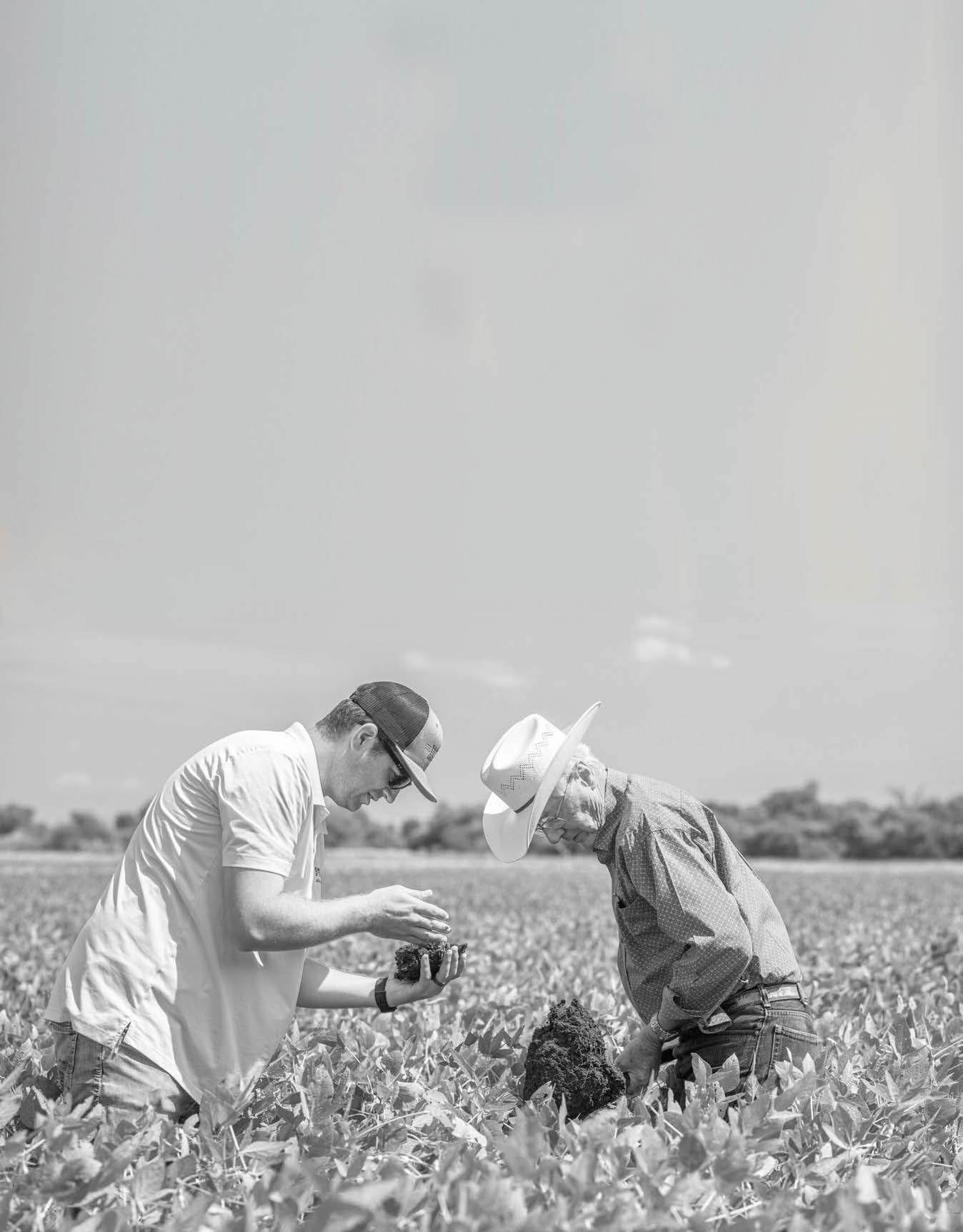

University of Nebraska–Lincoln Agronomy and Horticulture
P.O. Box 830915
Lincoln, NE 68583-0915
Four years of scholarships. A lifetime dedicated to paradise.
Brandon Mars didn’t grow up in an agricultural family, so how did he end up as a decorated undergraduate in the College of Agricultural Sciences and Natural Resources?
“My entire life, I’ve loved the outdoors.” Brandon explains, “I’ve always been more comfortable in nature, as opposed to inside. It was a natural stepping stone to go to UNL for its horticulture program.”
The four-time recipient of both the Ruth Leverton Scholarship and the Clara S. Tillotson Memorial Scholarship, Brandon is now turning his focus to the future. “After graduation, I plan to run my own landscaping company that allows people to have their own piece of paradise right in their backyards.”
Helping students like Brandon is easy. And by helping students grow, you help grow our state for decades to come. To make a gift, visit nufoundation.org/agronomyandhorticulture.