A
A

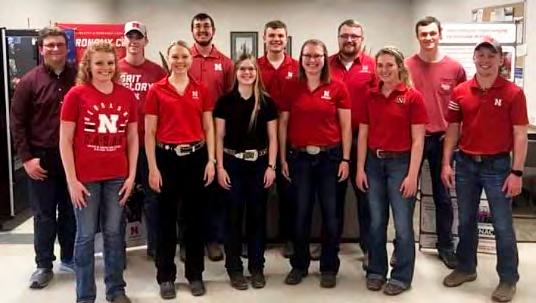
We put in the hard work at the University of Nebraska–Lincoln — the grit behind the glory.

UNDERGRADUATE go.unl.edu/learnplants
GRADUATE go.unl.edu/agrohortgrad
GRADUATE ONLINE agronomy.unl.edu/online
In the Department of Agronomy and Horticulture we empower students to connect with people, cultivate ideas, discover new opportunities and acquire the skills necessary to feed and enrich the lives of a growing global population.
Contact us today to learn more about unlocking your potential at Nebraska.
402-472-2811 | @UNLAgroHort

Department of Agronomy and Horticulture Annual Newsletter 2020
Institute of Agriculture and Natural Resources University of Nebraska–Lincoln
MANAGING EDITOR
Fran tenBensel Benne
EDITORS
David Hyten
Lana Koepke Johnson
John Lindquist
Martha Mamo
COPY EDITOR
Chantel Koerwitz
DESIGNER
Fran tenBensel Benne
PHOTOGRAPHERS
Craig Chandler
Lana Koepke Johnson
Greg Nathan
ADVERTISING SALES
Lana Koepke Johnson
CONTACT
402-472-2811 agrohort@unl.edu agronomy.unl.edu
202 Keim Hall
Lincoln, NE 68583–0915
SOCIAL MEDIA @UNLAgroHort
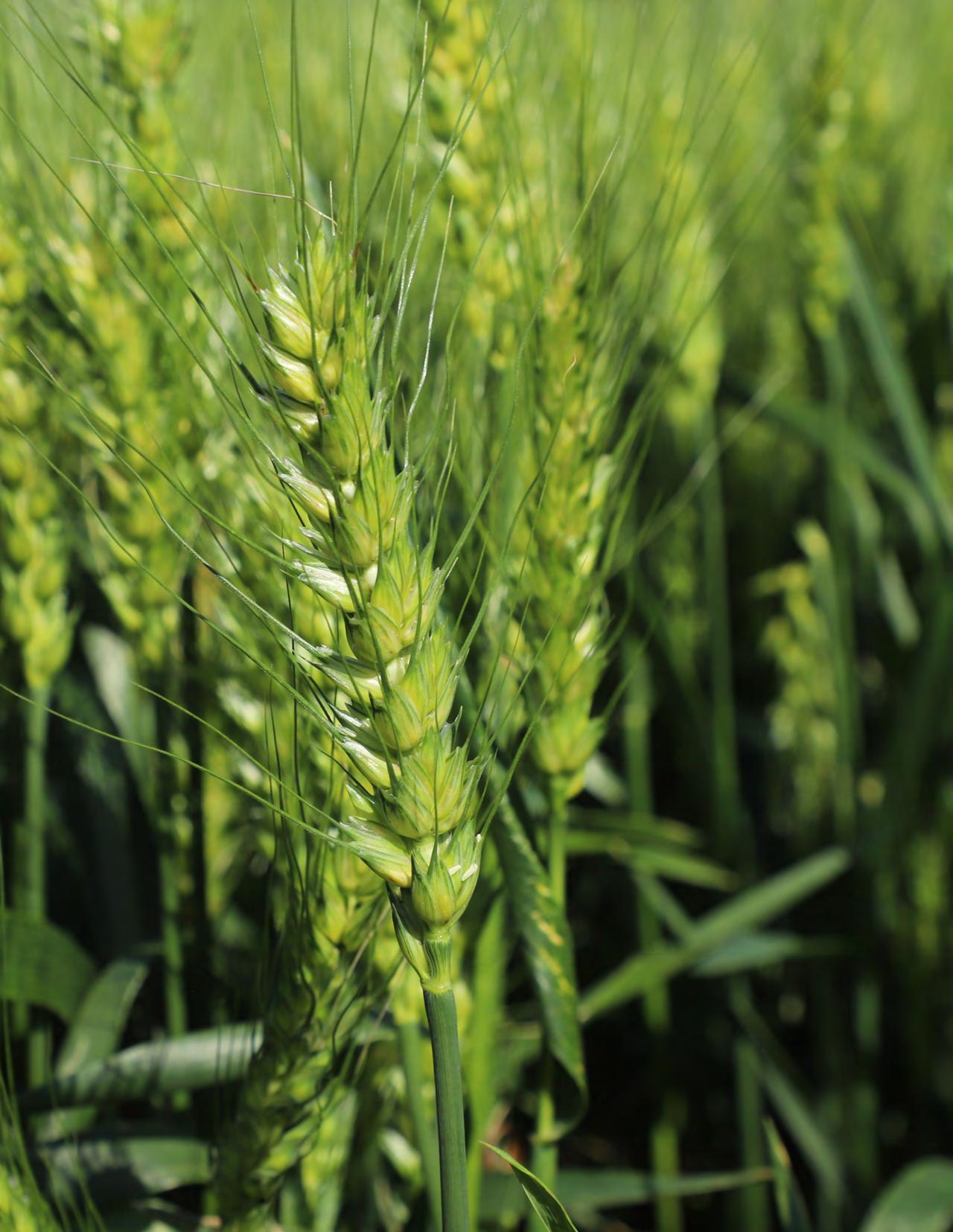
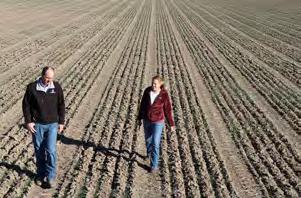
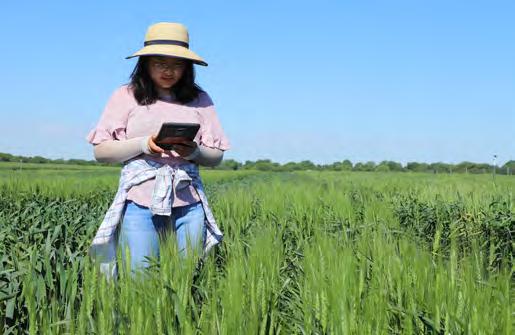
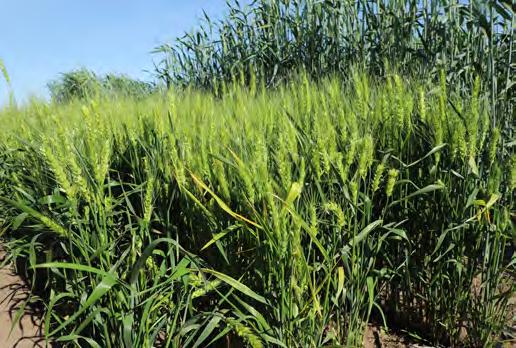
COVER PHOTO Lana Koepke Johnson: Winter wheat cultivar at Havelock Farm.
Fran tenBensel Benne: Staff Advisory Committee Special Contributions Award
Tommy Galusha: SAC Special Contributions Award
Julie Jacobs: American Association of Pesticide Safety Educators North Central Region Professional Recognition Award
Vicki Schroeder: AAPSE North Central Region Professional Recognition Award
A list of staff awards can be found online at agronomy.unl.edu/staff-and-faculty-awards.
Michael Carlson
Katelyn Rife
Kaye Wolfe
Samantha Isaacson
Susan Thomas
Gregory Puckett
Franklin Bright
Daniel Simon, Jr.
John Lindquist (Faculty Representative)
Ann Powers
Casey Lundberg
Tai Pleasant
REMOTE WORK, PIVOT, ZOOM, MUTED, DEDENSIFY, ESSENTIAL PERSONNEL AND FLEXIBLE BECAME THE COMMON WORDS AND EXPRESSIONS OF 2020. The Department of Agronomy and Horticulture endured this new season but was not swept and burned. We held strong as a department. Our team aimed at facilitating mission-driven activities while placing safety and health measures at the highest priority in labs, classrooms, offices and fields. Instructors responded and created alternative learning environments, new and creative ways of delivery to our students — every course retooled and rearranged. Our extension team modified to virtual field days attracting more and new audiences near and far, and many of our faculty-led programs, such as “Backyard Farmer,” experienced increased email interactions and video views. Research was delayed for a bit and then operated with adjustment.
In spite of all the challenges, we pushed forward with our tripartite mission — delivering courses while advising, supporting and mentoring students; serving our clienteles; and engaging in research and creative work. Ninety students (57 B.Sc. and 33 M.S./ Ph.D.) completed their degrees from our programs. We maintained our research expenditures and increased the number of grant submissions over those of 2019. Faculty, staff and students received numerous recognitions including Professional Society Fellows, Early Career Awards and Keynotes.
It was inspiring to see the esprit de corps in support of each other and our students. Our staff went above and beyond assisting in research, teaching and maintaining our facilities. There were those that stayed on as essential personnel — the unsung champions. This new season has been a long journey. There were long hours and personal and professional sacrifices. These experiences, however, will guide and equip us to overcome future challenges.
It continues to be an honor and privilege to serve and work with each member of this department. As I said in my closing remark in last year’s newsletter, I remain even more optimistic that the Department of Agronomy and Horticulture will continue in its excellence of research, teaching and extension and, most importantly, serving the people of Nebraska and beyond even through this new season.
Sincerely,

Martha Mamo Professor and Department Head
WE STARTED 2020 WITH A LOT OF OPTIMISM FOR THE PROGRESS WE HAD PLANNED TO MAKE, BUT WE HAD NO IDEA HOW MUCH WE WOULD BE TESTED AS A DEPARTMENT. I want to personally thank everyone for helping us make it through this past year. This was truly a team effort that saw us make great progress in the department despite the challenges we faced. We had planned to schedule our first graduate teaching retreat, but like everything else, it was changed to our first virtual graduate teaching retreat. During the virtual retreat, the graduate working team presented its recommendations and obtained faculty feedback for strengthening the graduate program. The recommendations included graduate students developing individual development plans, the department developing a career planning/orientation course, drafting mentoring guidelines for graduate students, increasing graduate recruitment efforts, forming a graduate curriculum committee, updating our online profile, and creating better integration between our online and resident students. Currently, the department has already acted on forming the graduate curriculum committee, and I look forward to seeing the department act on the other recommendations as the year progresses.
While I am stepping down as associate head, it has been an honor to serve the department and learn more about the great work that our faculty, staff and students are doing across the state of Nebraska.
David Hyten Associate Professor and Associate Department Head
I AM HONORED TO SERVE AS THE ASSOCIATE DEPARTMENT HEAD SINCE JANUARY 2019. I continue to teach the undergraduate Invasive Plants course every spring and the graduate course Interplant Competition in even-numbered years. Since 1997 I have been conducting research on the ecology of weedy and invasive plants.
The role of administrators, I believe, should be to make the working lives of faculty, staff and students easier, or at least less constrained. I look forward to continuing work with this administrative team to fulfill that role.
Covid has been a major disrupting factor for the past year. Nevertheless, we have made great progress on our departmental priorities. For example, we initiated an extension coordinating committee to help improve communication/collaboration between extension specialists and educators in the state. The committee met twice prior to our collective isolation and organized two webinars to support extension faculty in quantifying impact of their work. We are currently in the process of developing an extension affiliate program to further enhance specialist-educator relationships, and we hope that our original plan to hold an extension forum will be realized in 2022.
We will continue working with faculty to assess our graduate student curriculum in 2021.
Sincerely,
John Lindquist Professor and Associate Department Head
Tatyana “Tanya” Gulchuk Finance Associate – HAPPI Business Center
I WAS BORN AND RAISED IN UKRAINE, WHERE I SPENT A LOT OF TIME WITH MY GRANDPARENTS WHO WERE FARMERS. I grew up around fields full of wheat, potatoes and sugar beets. The time came and my family obtained the opportunity to immigrate to the United States when I was 10. We lived in Bismarck, North Dakota, for four years before we moved to Lincoln, Nebraska.
I received a bachelor’s degree in business administration from the University of Nebraska–Lincoln and was the first one in my family to graduate from college. This gave me a great opportunity to join the Department of Agronomy and Horticulture, and working in the department brings me wonderful memories from my childhood.
Today I work with the HAPPI Business Center as a finance associate and am thrilled that I still get to work with everyone in the department.
My husband Stan also graduated from Nebraska and works as a production engineer at the local Kawasaki plant. We’ve been married six years and enjoy spending time with
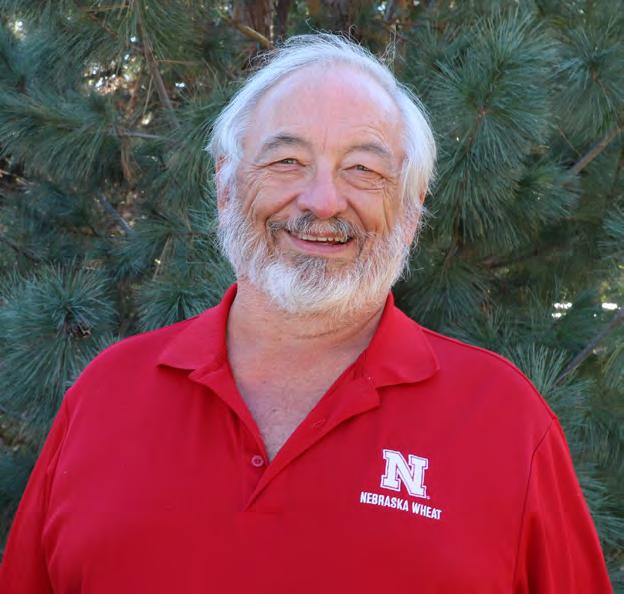
Mitch Montgomery Research Technologist II

family and friends. Among our favorite activities are traveling and hiking the beautiful national parks in the West.
BEFORE EARNING MY BACHELOR’S DEGREE FROM NORTH DAKOTA STATE UNIVERSITY, I GREW UP ON A FARM IN CENTRAL NORTH DAKOTA. One of six children, we grew wheat, barley, oats, flax and sunflowers as well as our own vegetables in our three-fourths-acre garden. We also had beef cattle, dairy cows and chickens. I guess I have been a part of agriculture most of my life. After the farm, I worked at a lumber yard; I was a lumberjack for a summer; and I worked at a grain elevator, buying and selling grain.
I work for Professor Stephen Baenziger on the small grains breeding project. I have been with the small grains breeding project for 23 years, with my main focus on the planting and care of the greenhouses used by the project team. I also assist the field technologist with planting, notetaking and harvesting of the research plots across the state.
What I most enjoy about work are the students — both graduate students on our project and summer employees — with whom I get to interact. I think that I will miss this interaction the most when I retire.
When I am not at work, I like to travel with my wife to visit our grandchildren and to relax on the beach at various resorts. I also enjoy a good book, craft beer and fishing.
Krisayla “Kris”
I AM A NEBRASKA NATIVE WHO WAS BORN AND RAISED IN NORTHEAST NEBRASKA. After high school, I earned an associate degree in business administration from Northeast Community College in Norfolk (my hometown). I then moved to Lincoln and transferred to the University of Nebraska–Lincoln, where I earned a bachelor’s degree in marketing. With generous support from the UNL Employee Scholarship, I am currently pursuing my MBA online on a part-time basis from the University of Nebraska at Omaha.
Some of my favorite memories from my time as an undergrad include studying abroad in Spain and Costa Rica as well as meeting my boyfriend, John. John and I bonded over our mutual love of video games, and we currently live together with my cat, Dexter. When we aren’t working, we enjoy engaging in several hobbies including gaming, cooking and biking.
I joined the Department of Agronomy and Horticulture in December of 2019. I work primarily with the distance education side of things doing a variety of tasks such as managing the department’s distance education social media
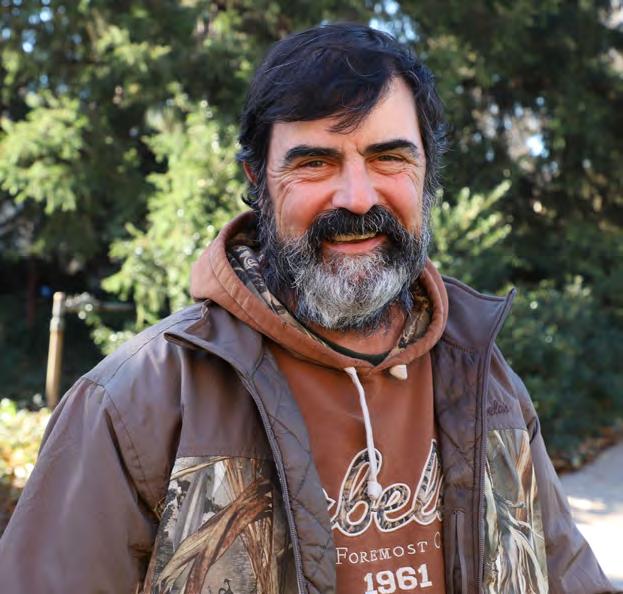
Marc Walter Research Technician I
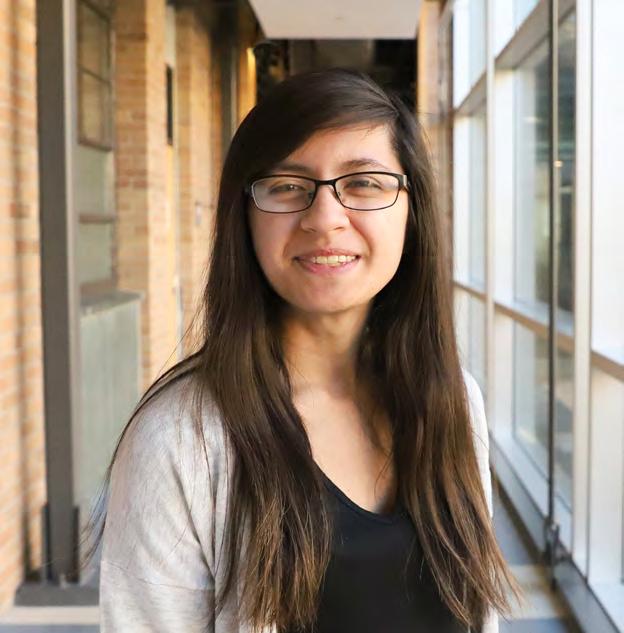
pages and assisting online graduate students with course registration. As an online graduate student myself, I am in a unique position to help online graduate students since I have walked a mile in their shoes!
HAVING BEEN RAISED AND EDUCATED IN THE CORNHUSKER STATE, I AM A TRUE NEBRASKA
HUSKER. Heck, one time someone called me a hayseed. Knowing all the good things about the middle part of this great country, I considered that a compliment. I received a Bachelor of Science in biology from the University of Nebraska at Omaha. When I got out of college, I started working in food laboratories. I thought about advancing my studies in food science, but paying off my bills sounded even better.
I raced bicycles for 35 years, but that finally caught up with me about six years ago. After numerous injuries, along with being hit by cars, I figured I did not have many chances left. Now I have taken up hunting and fishing. Much safer, I think. I have two Small Munsterlander Pointers that I train and hunt with. They are very entertaining.
Working at the University of Nebraska–Lincoln and for the Nebraska Wheat Board for the last 13 years has been extremely gratifying. The wheat team is great to work with, and helping graduate students in both the wheat field and food sciences is rewarding. (Just don’t blow up an instrument.) Working in a research field that helps feed the world is very motivating.
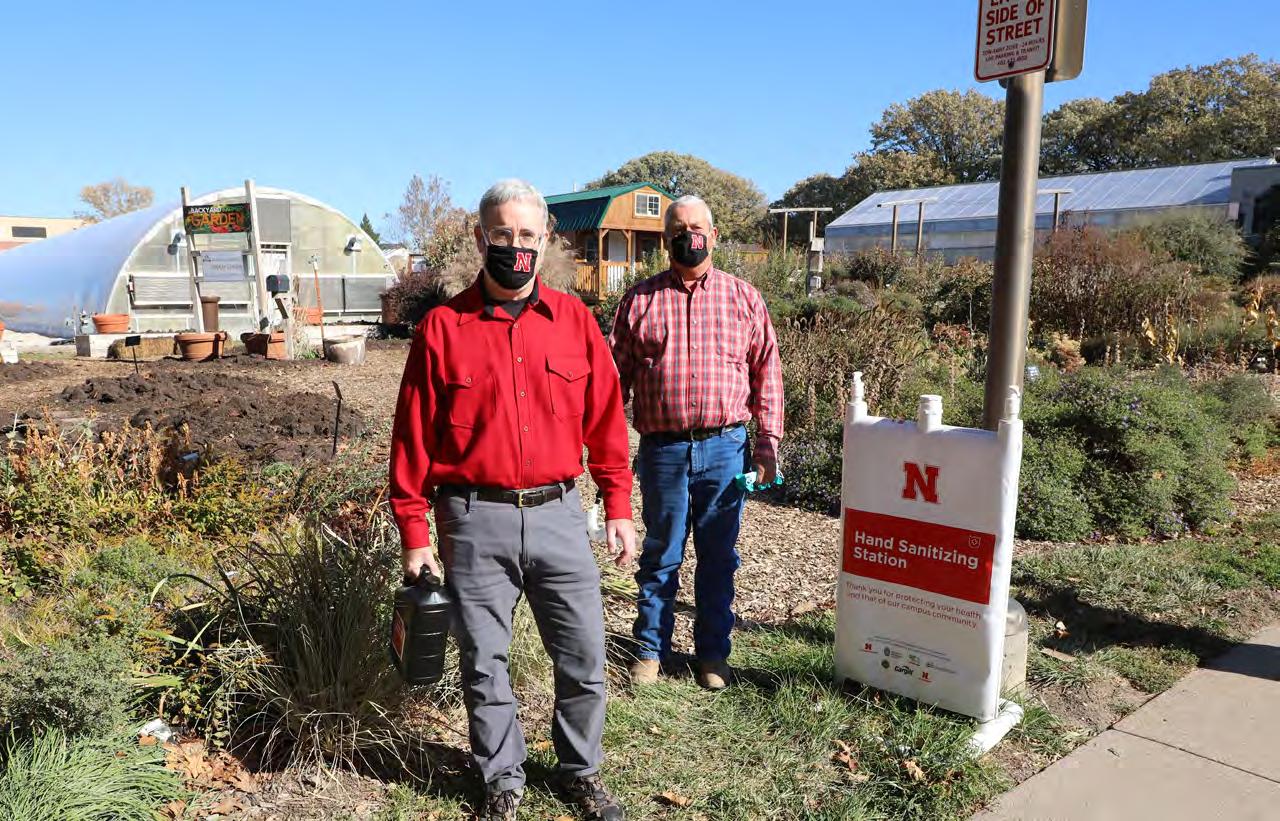
by Fran tenBensel Benne | Design and Communication Specialist
MANY IN OUR CAMPUS COMMUNITY HAVE HELPED SAFEGUARD OUR UNIVERSITY WHILE CONTINUING NEBRASKA’S EDUCATIONAL MISSION DURING THE UNCERTAINTY OF THE PANDEMIC.
In the Department of Agronomy and Horticulture, Mike Livingston, laboratory operations manager, and TJ McAndrew, research facility coordinator, have kept their cool and carried on amid COVID-19. They have worked long hours, carried out new duties and protocols, and kept departmental research, teaching and extension functioning on campus with grit and determination.
It all began Jan. 31, 2020, when a letter from University of Nebraska–Lincoln Chancellor Ronnie Green announced to the university community that the novel coronavirus
in China had spread to other parts of the world. By midFebruary, the virus had spread in the United States. On March 10, Martha Mamo, head of the department, emailed McAndrew and Livingston and asked them to help develop a contingency plan for teaching and research.
“I knew it was coming, and other universities had closed. The other Big 10 schools had closed,” Livingston said. “I remember hearing the phrase ‘social distancing’ for the first time.”
On March 12, Green announced that the university had canceled classes March 16–20 and that after spring break, beginning March 30, all spring semester classes would be taught remotely and not in-person.
At that time, the department had only one classroom set up for online teaching. “The faculty worked with us to teach from home or to record their lectures for online,” McAndrew said.
One positive that came out of this transition is that all of the classrooms were retrofitted with the technology to do online classes.
Hand sanitizer dispensers were installed at every entrance once sanitizer was available for purchase.
On March 18, the chancellor asked that all university employees who could work from home should do so, beginning March 23. Livingston recalls the eeriness he felt that Monday. He said Lincoln was like a ghost town and he and McAndrew, at one point, were the only people in Keim and Plant Sciences Halls on East Campus.
By early April, the world was changing. The hospitals in Italy and New York were becoming overwhelmed and the news was frightening.
“I woke up thinking about work and I went to bed thinking about work, and in the interim, I worried,” Livingston said.
The amount of information being passed along from different university entities was enormous and seemed to change daily. Numerous COVID-19 committees were put in place to advise on policy. Livingston and McAndrew agreed, this was their biggest challenge.
“There were different reports from many sources, so it was understandable that we received mixed information,” McAndrew said. “It made it extremely difficult to relay policy to the department.”
University buildings were locked down, and only essential personnel, like Livingston and McAndrew, were granted access. They had to work with faculty and staff to get work-related items from their offices and areas, as many employees thought they would be gone for only a few weeks. A year later, many employees are still working from home, but the university is committed to and working toward being as close to pre-pandemic activities as can safely be done by fall 2021.
“I think working from home part of the week could be implemented permanently throughout the entire university,” McAndrew said. “While I think it’s important we have people here in the building a percentage of the time, we have shown that working from home can still be accomplished. It gives people more flexibility, and it could help us to hire and retain employees.”
One issue the duo had to contend with was the mail. Packages were received in a central location on City Campus, so McAndrew was required to pick up all the department’s packages. That may not sound like a big deal, but McAndrew said it was customary to get 20 to 30 packages a day they had to deliver.
When the university started producing hand sanitizer, Livingston said it seemed like a miracle. They finally had a good amount of hand sanitizer to disperse to those going to the field. The problem was acquiring containers to distribute the sanitizer from the 4-gallon jugs it was supplied in.
Livingston used make-shift, 25 ml. centrifuges and labeled them with the EPA N-list number and the ingredients. They distributed hundreds of masks to personnel here in Lincoln and across the state to the research centers.
“As case counts increased in the community everyone got a little tighter with their protocols and few people came into the buildings,” Livingston said. “The angst within the community was real.”
Travel authorization was only given to those mandated to work in the fields with no out-of-state travel granted. The one-person-per-vehicle policy required Livingston and McAndrew to brainstorm with researchers to acquire enough vehicles to get their crews to the fields and keep their research on track. With the planting season in full swing, Mamo was dealing with this issue daily.
Even the research work in the fields was affected by masks and social distancing.
Acquiring disinfecting wipes and spray became a challenge too. They ordered online, with it usually backordered. They stopped at area retailers daily as there was a limit per customer each day so they could stock the common areas and offices used.
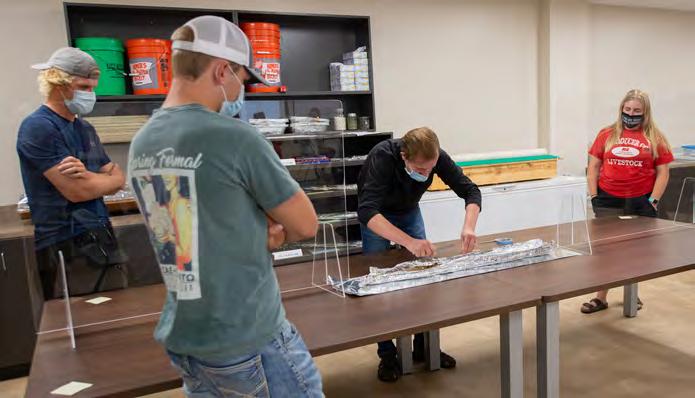
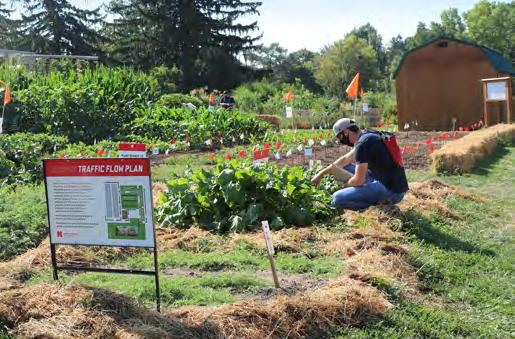
Numerous signs were required to be displayed in all the buildings before in-person classes were to begin in fall 2020. The signage promoted wearing a mask, identified doors that were open, stated what the classroom capacities should be, showed directional routes in the hallways and stairs, and explained how to social distance.
“We set up our classrooms for the fall semester with social distancing guidelines, and this allowed us to get as many students as possible in person,” McAndrew said.
“I woke up thinking about work and I went to bed thinking about work, and in the interim, I worried.” Mike Livingston
McAndrew, Livingston and Josh Reznicek, a research technician, reconfigured how tables and chairs were set up, had Plexiglas dividers made to allow more students in the room and removed extra chairs to give as much room as possible.
The custodians played a pivotal role in keeping the buildings clean and sanitized. “When there were few folks left — Jerry [Martin], Zach [Stansocheck], Amanda [Dix] and Rodorph [Tapimo] continued on their mission, and then some,” Livingston said.
Not seeing their fellow employees and missing out on coworkers’ milestones during this time was difficult. “Longtime employees retired, people got married, babies were born, people passed away and people moved on to other opportunities,” Livingston said.
Despite the many problems and limitations Livingston and McAndrew encountered, they were resilient in their efforts, worked diligently to implement all the new protocols and safety guidelines, and came up with solutions.
Now, the university’s commitment to an in-person campus experience continues, and everyone expects to be operating their classrooms at total capacity this fall 2021.
“I’m looking forward to getting all the students back in the classroom. I miss seeing them in the hallways, common areas, and labs and hearing them laughing and joking and even sometimes studying,” McAndrew said.
by Lana Koepke Johnson, design and communications specialist

JULIE JACOBS AND VICKI SCHROEDER WERE SELECTED AS THE NORTH CENTRAL REGION RECIPIENTS OF THE AMERICAN ASSOCIATION OF PESTICIDE SAFETY EDUCATORS 2020 PROFESSIONAL RECOGNITION AWARD FOR THEIR WORK ON THE CHEMIGATION EDUCATION PROGRAM. It is given to members who have enhanced public health and the environment through their efforts in pesticide safety education or application certification.
Jacobs, office associate, and Schroeder, program associate, work in the Department of Agronomy and Horticulture Pesticide Safety Education Program.
“This award is normally awarded to faculty. Julie and Vicki receiving this recognition is the first of its type awarded to staff,” said Clyde Ogg, Extension educator and PSEP program coordinator.
AAPSE president Kim Brown added that “this award is truly an honor and they exemplify superior service in pesticide safety education.”
Chemigation is the practice of applying agrichemicals through an irrigation distribution system. The Chemigation certification program is responsible for training Nebraska producers about the Nebraska Chemigation Act and the Rules and Regulations as developed by the Nebraska Department of Environment and Energy. Applicants for the program are required to attend a training program and pass an exam.
Starting in 2019, NDEE contracted with PSEP to coordinate the statewide program and deliver the training for five years. Since the beginning, Schroeder and Jacobs have accepted the new responsibilities and used their skills to have the program up and running and to provide substantial support to chemigators and those Extension educators who teach the program.
The Chemigation program requires a high level of attention to detail. Jacobs works with a team to coordinate the revision, distribution and program improvement recommendations of all Chemigation program educational
materials. She also coordinates the scheduling of multiple locations and dates for training sessions, the licensing testing and application processing and the calculation and distribution of grant money designated for Extension Educators who provide the training sessions. She interacts with Extension educators, county Extension staff, PSEP team members, the NDEE Program Manager and Natural Resource District representatives.
Schroeder, as Julie’s supervisor, has similar responsibilities with regard to Chemigation. In addition, she is involved with more in-depth advising and guiding educators, PSEP staff and NDEE.
“Extension Educators have commented that they were surprised at and appreciated the rapid turnaround of Chemigation exams after submission to PSEP. It is unusual for the first year of transition to any new program to go smoothly. Thanks to Julie’s work, the Nebraska Chemigation program has done just that,” Ogg said.
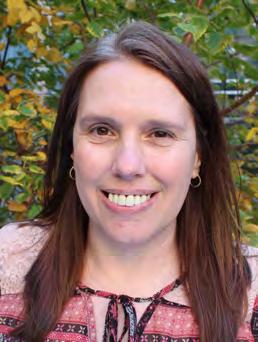
NDEE representatives stated that Jacobs and Schroeder also provide exemplary customer support, patience and empathy for the online Chemigation program especially during the cancelling of the in-person training sessions caused by COVID-19.
“The online training can be intimidating for someone not used to using a computer. I try to be the friendly voice on the other end of the phone guiding them through this process,” said Jacobs.
“Without Julie and Vicki’s work, chemigators in Nebraska would not have the training and certification program required to protect the waters of Nebraska and the health of the public. Their teamwork is what has contributed to the success of the program,” said Ogg.
Schroeder has been at Nebraska for 20 years, 15 with PSEP. Jacobs has been with PSEP for four years.
PSEP at the University of Nebraska–Lincoln, in concert with extension specialists, educators and assistants, provides educational and training programs that address health, the environment, economic well-being and pesticide safety.
by Stacy Adams, co-adviser
2020 BEGAN AS A YEAR OF EXCITEMENT WITH THE GROUP PREPARING FOR ITS TRIP TO FLORIDA TO VISIT EPCOT, BOK TOWER GARDENS, LEU GARDENS AND THE UNIVERSITY OF FLORIDA HORTICULTURE PROGRAMS.
In March, the Nebraska Nursery and Landscape Association provided pizza at a green industry networking event with students. Nebraska alumnus and founding Horticulture Club president Mike Hillis, who owns Hillis Events, spoke to over 28 club members and guests about his career emergence and insight on how to direct personal success.
Plant liners and seeds were planted for the annual spring plant sale, but soon after, the global pandemic halted all plans. Students turned to remote meetings to wrap up the spring semester but could no longer tend to and sell the spring bedding plants.
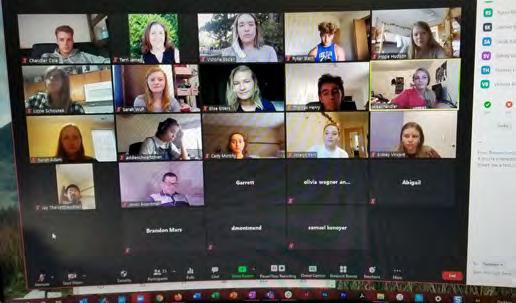
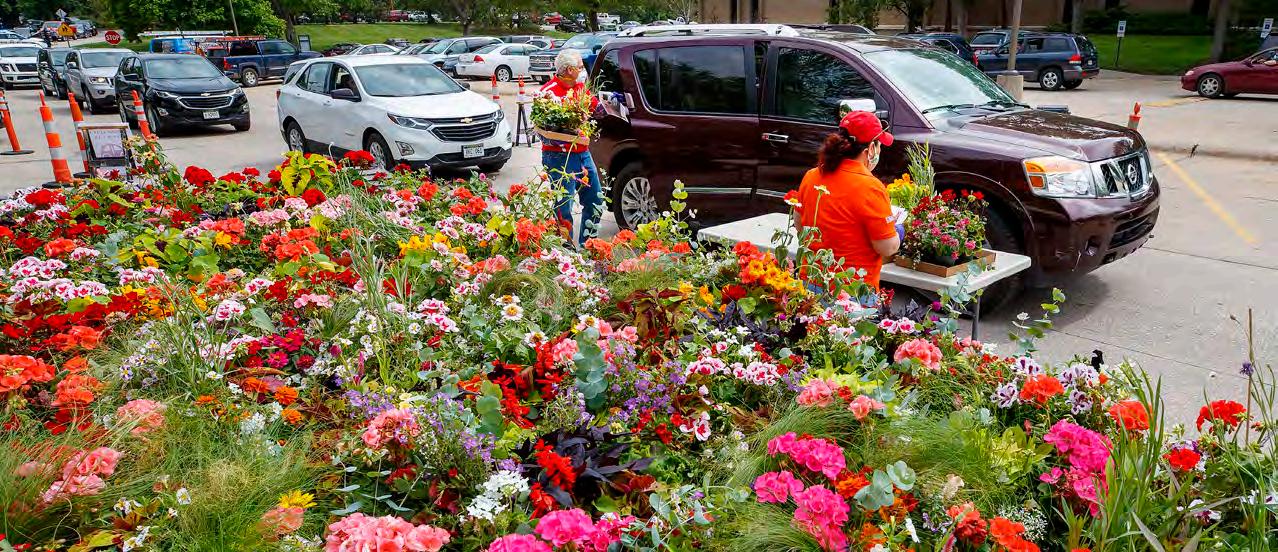
Club advisers Stacy Adams and Terri James continued to care for the plants as students shifted plans from a plant sale to a free distribution event, the first ever Plant Mental Wellness Care Package given to the community. More than 200 boxes of plants were distributed in less than 45 minutes, bringing activity and beauty during a challenging time.
Fall semester brought new ideas to connecting with one another. Regular meetings happened virtually, and three in-person activities included a plant and seed swap in the Backyard Farmer Garden, a pumpkin painting and movie night, and a study session at the Nebraska East Union.
Poinsettias grown by club members were offered for sale using a new approach on UNL Marketplace. Though poinsettias were no longer needed for graduation and office events, they went to a good cause — distributed to hospital workers and those in assisted living communities.
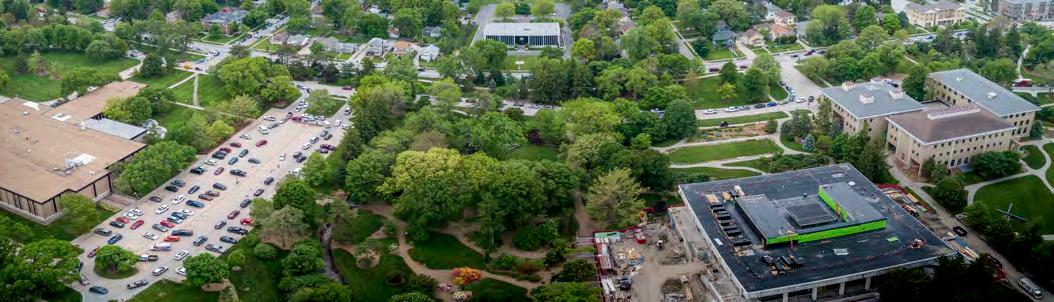
Vehicles wait on Holdrege Street and wind around East Campus hoping for a chance to receive free plants from the Horticulture Club plant giveaway.
by Asha Scheideler, Range Management Club president
THE RANGE MANAGEMENT CLUB CONTINUES TO PREPARE STUDENTS FOR CAREERS IN RANGE MANAGEMENT BY CONNECTING STUDENTS WITH PROFESSIONALS WITHIN THE INDUSTRY DESPITE CHALLENGES FROM COVID-19. The club helps to broaden students’ interests and expose them to rangeland ecosystems throughout the United States.
Each year, students attend the International Meeting of the Society for Range Management to practice their skills by participating in the plant identification contest, undergraduate range management exam, extemporaneous speaking, and Rangeland Cup poster contest. Students can also present their own research and participate in other competitions as well as attend seminars and network with professionals.
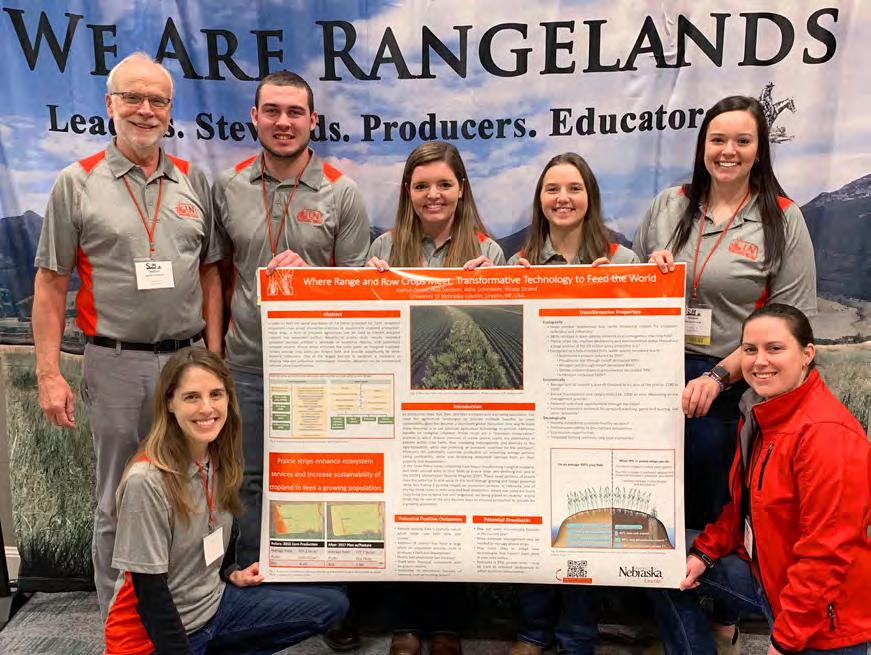
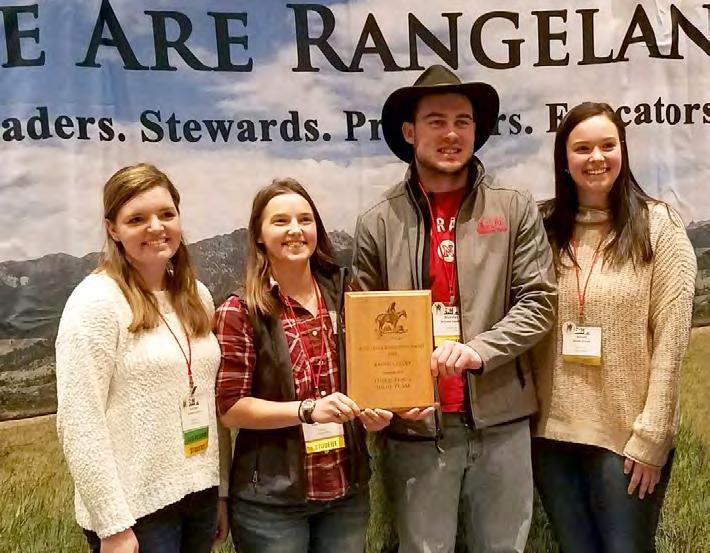
In February, six members of the club traveled to Denver, Colorado, to attend the international meeting. They had a very successful trip and brought home some hardware. The Rangeland Cup team of Nicole Strand, Asha Scheideler, Kaitlyn Dozler and Nick Sanders placed third with their poster titled “Where Range and Row Crops Meet: Transformative Technology to Feed the World.” Dozler also had success in extemporaneous speaking with fifth place. Five University of Nebraska–Lincoln students competed in the Undergraduate Range Management Examination, and Strand finished sixth in the competition. Other members who went to Denver include Grant Carstens and Patrick Murphy. Cheryl Dunn, research manager and herbarium curator, coaches the plant identification team, and
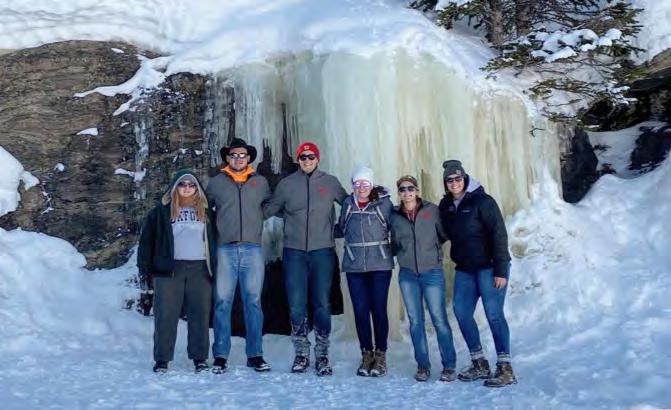
LEFT: Club advisers Cheryl Dunn (front row, from left) and Jessica Windh, pose with Professor Walter Schacht (back row, from left), club members Nick Sanders, Kaitlyn Dozler, Asha Scheideler and Nicole Strand as they display their research poster. The team earned third place in the Rangeland Cup at the annual International Meeting of the Society for Range Management. BELOW: Club members enjoy a hike together after the conclusion of the International Society of Range Management meeting in Denver.
Professor Walter Schacht with help from graduate student Jessica Windh coaches the URME team. URME and plant identification teams meet every week until the international meeting in February.
The club was also busy in February planting wildflowers from seed for the annual native plant sale that’s normally at the end of April. Club members spent many hours in the greenhouses during the spring watering and tending to the plants; however, because of the campus closure due to COVID-19, the club was unable to have its plant sale. Members hope to resume the plant sale when it is safe.
In November, the club virtually attended the Nebraska Section Meeting of the Society for Range Management. Even with the online format, members found the event to be valuable. They were able to network and listen to presenters on various range topics. The club usually has a fundraising auction at this event, but this year members adapted and had an online clothing sale instead.
The club continues to work hard to recruit new members, develop members’ skills for the next international meeting, and come up with new and fun events for the club to participate in. The Range Management Club has regular club meetings every other week via Zoom and has teamed up with the Grazing Livestock Systems Club to collaborate at meetings and bring a larger audience to hear the clubs’ various speakers. Current officers of Range Management Club are Scheideler, president; Sanders, vice president; Lydia Rieger, treasurer; and Dozler, secretary. Windh and Dunn are the club advisers.
by Caleb Wehrbein, Pi Alpha Xi–Alpha-Gamma president
FOUNDED AT CORNELL UNIVERSITY, PI ALPHA XI IS A NATIONALLY RENOWNED HONOR SOCIETY THAT PROUDLY RECOGNIZES STUDENTS OF JUNIOR OR SENIOR STANDING FOR HIGH ACADEMIC ACHIEVEMENT WITHIN THE HORTICULTURE DISCIPLINE. Nebraska’s Pi Alpha Xi chapter, the AlphaGamma chapter, typically holds new member initiation and officer elections annually every April. This year, however, new member initiation as well as officer elections were postponed until the fall due to safety concerns. At the combined ceremony, seven new members were initiated into Nebraska’s Alpha-Gamma chapter on Aug. 28.
Aside from recognizing outstanding student achievement, members of the Alpha-Gamma chapter are proud to host an annual holiday wreath-making session. The wreathmaking session provides Pi Alpha Xi members the unique opportunity to assist workshop participants in creating a decorative Christmas wreath for the holiday season using quality materials, including fresh evergreens, ribbons and more. Hosted on Dec. 5 at Prairie Pines, both sessions of the annual wreath-making workshop were modified to prioritize safety for all event attendees and staff.
In recognizing achievement within horticulture and the broader industry, Nebraska’s Alpha-Gamma chapter distributes awards to both students and individuals involved with horticulture. Using funds raised from the holiday wreath-making session, the honor society presents an annual scholarship to a student member who best represents the moral principles of Pi Alpha Xi. The society’s President’s Citation acknowledges an individual who has significantly contributed to the horticulture field.
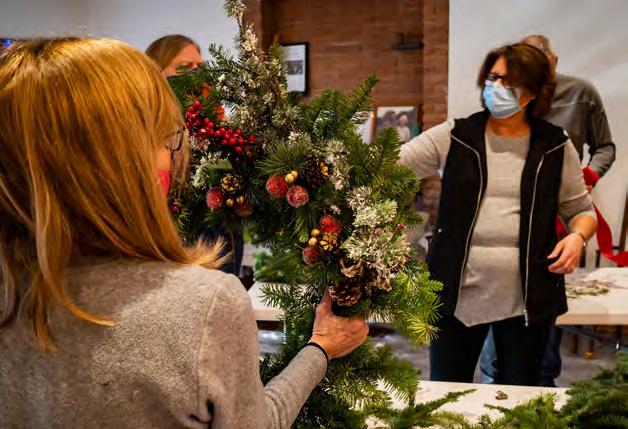
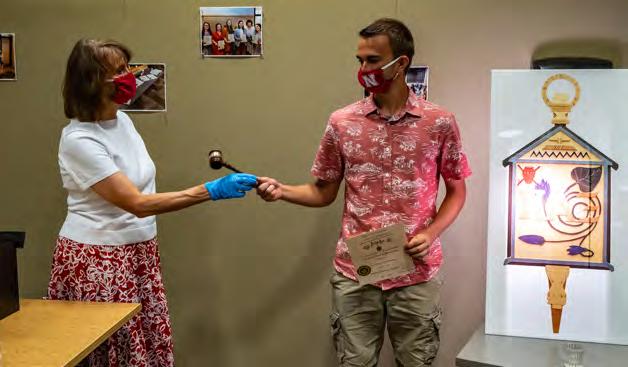
TOP: Participants create wreaths during the society’s annual holiday wreath-making session held at Prairie Pines. ABOVE: During member initiation, adviser Ellen Paparozzi hands the society’s gavel to newly-elected president Caleb Wehrbein.
The society is chiefly directed by faculty advisers Ellen Paparozzi and Dave Lambe and is managed by society officers Caleb Wehrbein, president; Christine Barta, vice president; and Luqi Li, secretary and treasurer.
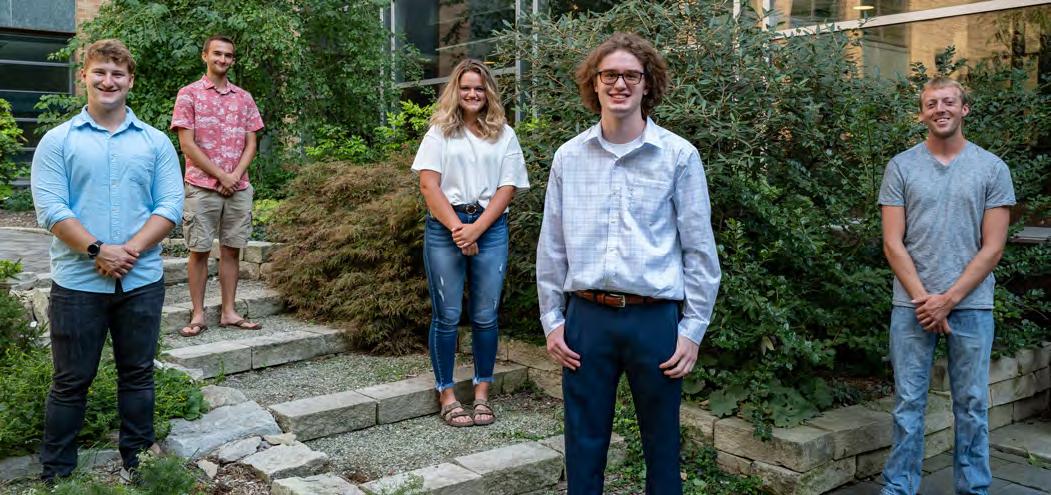
Despite pandemic, AHGSA remains active as students find ways to foster engagement, career development and community spirit
by Osler Ortez, AHGSA president, and Fernanda Krupek, AHGSA vice president
“Every adversity carries with it the seed of an equivalent or greater benefit.” —Napoleon Hill
THERE IS NO PLAYBOOK FOR THIS UNPRECEDENTED TIME, AND THE CLUB IS SO PROUD OF STUDENTS AND LEADERS WHO HAVE STEPPED UP TO PROVIDE SOME NORMALCY WITH THE AGRONOMY AND HORTICULTURE GRADUATE STUDENT ASSOCIATION BY CONTINUING TO SUPPORT THE OUT-OF-CLASSROOM EXPERIENCE. The following bullet points highlight the 2020 events organized throughout the year to foster student interactions and closer relationships within and beyond the department:
• Social game (January): A group of graduate students received free passes to watch the Lincoln Stars hockey game in town. It was a great opportunity to gather socially and get to know colleagues better.
• Mental health workshop (February): Mental Health First Aid experts presented an overview of MHFA. Learning more about this important and timely subject could help everyone’s success.
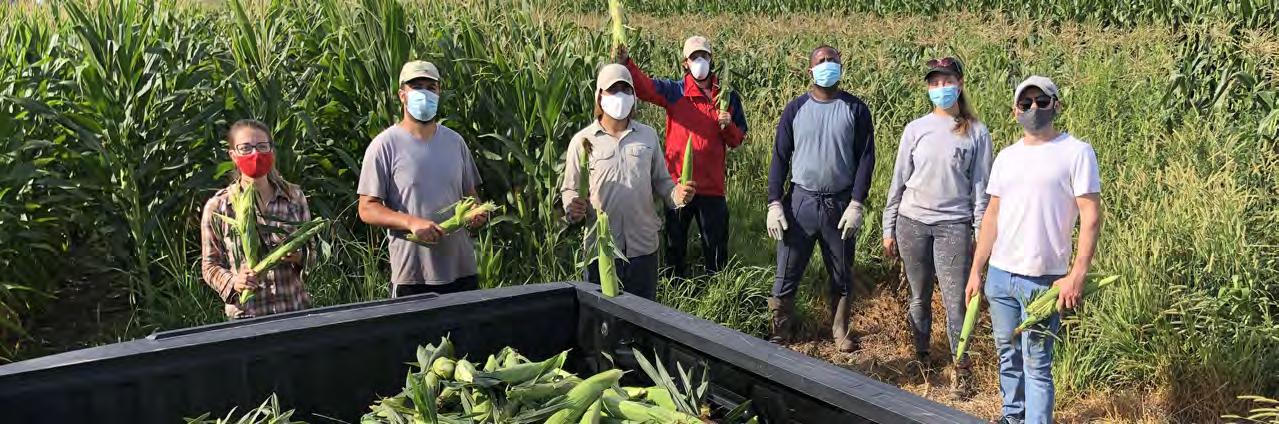
• Pre-packaged sweet corn giveaway (August): Sweet corn plots were harvested, ears were pre-packed, and the sweet corn was distributed by students to the East Campus community on a first-come, first-served basis. Great turnout this year with all packages distributed in record time (less than two hours). This is the club’s biggest fundraising event, and the free-will donations help to keep the association functioning. The club thanks TJ McAndrew and the Agronomy Farms at Havelock and ENREC for all of their continued support.
• Welcoming and orientation meeting (September): Invited speaker and Department Head Martha Mamo introduced
new students to the state of Nebraska and explained the department structure. Introductions of officers, chairs, and current and new students followed. The meeting wrapped up with the 2020/2021 strategic plan.
• Elevator Speech Contest (October): In partnership with Plant Pathology Department and the Entomology Bruner Club, the Elevator Speech Contest was hosted virtually for the first time ever. This year, winners were selected not only by invited judges but also by the audience. The 15 finalists submitted their 3-minute videos, and over 115 students, staff and faculty members from different departments watched and ranked the videos. The contest was co-sponsored by participating departments, IANR and industry partners. Congratulations to Michael Meier, UNL Agronomy and Horticulture graduate student, for receiving third place.
• Monthly meetings (October to December): Club members met once per month to learn from experts in different areas. Highlighted topics included mental health and coping strategies for graduate students, building a network and career opportunities at Corteva, and packaging information/research on social media.
The club activities may have functioned differently this year, but they still served to maintain connections and engage students. AHGSA members excelled at the local, regional, national and international levels in 2020. Their participation included but is not limited to research presentations, awards selection, scholarships, fellowships, scientific societies and conferences.
All of this has been possible because of collaborations and partnerships with, and support from, others. AHGSA would like to thank all those who provided their continued support, especially its advisers (Professors Paul Read, Sam Wortman and Mamo), Tanya Gulchuk, Casey Lundberg,
Lana Johnson, Danielle Lopez, Associate Professor Keenan Amundsen and McAndrew. The current 2020/2021 officers are Osler Ortez, president; Fernanda Krupek, vice president; Santos Barrera, treasurer; and Alyssa Kuhn, secretary. The club’s success would not be possible without the leadership and participation of 10 committee chairs and the protagonists of all — the graduate students. Follow AHGSA on Twitter (@ahgsa_unl) and Facebook (UNL AHGSA).
The promise of a better tomorrow begins with the knowledge of today.
With over 50 years of experience providing agricultural laboratory analysis, we are your committed partner.

by Katie Steffen, Agronomy Club president, and Sarina Janssen, Agronomy Club historian
AGRONOMY CLUB BEGAN ITS 100TH YEAR AS A CLUB BY HOSTING THE SECOND ANNUAL EXPERIENCE AGRONOMY DAY IN FEBRUARY. FFA chapters from across the state attended this event to prepare for the state agronomy contest. Club members taught high school students about crop, weed, insect and disease identification. This year the club implemented a pre- and posttest, and the posttest scores showed an improvement of 75% over the pretest scores. Because of the success of this event, Agronomy Club was honored to receive a 2019-2020 EustisFarnam FFA Honorary Chapter Degree.
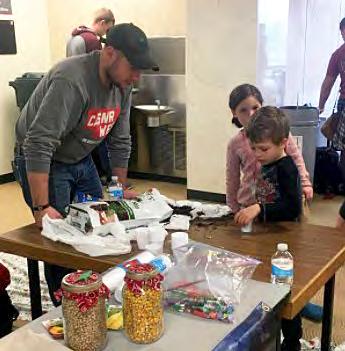
Agronomy Club’s last event of the spring semester was CASNR Community Night in March. This event allows parents from the Lincoln community to bring their children to East Campus to learn more about agriculture. Children who visited the Agronomy Club table got their hands dirty and planted some seeds. The children were very excited to grow a plant of their own.
Meetings during the spring semester followed the tradition of inviting industry professionals to speak to students. When members returned to campus in the fall, however, the annual Welcome Back BBQ was replaced with an East Campus scavenger hunt because of COVID-19 restrictions. Also, the club’s traditional career fair prep event was converted to a Zoom event in which several agronomic employers had the opportunity to meet students in small groups.
To help members stay engaged in meetings and events, Agronomy Club increased its social media presence over the summer, and new meeting topics and formats were explored during the fall semester. Students attended meetings over Zoom or in person while following appropriate safety guidelines. Enhancing the club’s social media presence has provided the opportunity to connect with future students and agronomic professionals as well as showcase what the club is all about.
The 2020 club officers were Katie Steffen, president; Jared Stander, vice president; Alex Baumert, treasurer; Elizabeth Cunningham, secretary; Nathan Donoghue, assistant treasurer; Sarina Janssen, historian; and Korbin Kudera, committee chair. Meghan Sindelar, assistant professor of practice, and Chris Proctor, assistant extension educator, are the club advisers.
Christine Barta: Martin Massengale Outstanding Senior Award
Ryan Beck: Milton E. Mohr Scholarship
Nathan Donoghue: Milton E. Mohr Scholarship
Sarina Janssen: Third-place Team
Overall Nebraska College of Technical Agriculture Collegiate Crops Contest – Crops Judging, Fourth-place Team
Overall Southern Plains Regional Crops Contest – Crops Judging
Korbin Kudera: Third-place Team
Overall NCTA Crops Contest – Crops Judging, Fourth-place Team Overall Southern Plains Regional Crops Contest – Crops Judging, Fifth-place
Overall Individual NCTA Collegiate Crops Contest – Crops Judging
Anthony Akpofure Amori: M. Rosalind Morris Fellowship, Widaman Distinguished Graduate Fellowship Award
Christopher Anuo: Widaman Distinguished Graduate Fellowship Award
Balpreet Kaur Dhatt: Hardin Distinguished Graduate Fellowship
Dillon Fogarty: Arthur W. Sampson Fellowship
Jesaelen Gizotti de Moraes: Third-place Collective Research Organization of Plant Scientists Webinar Series Graduate Student Presentation, Second-place North Central Weed Science Society Graduate Oral Presentation - Equipment and Application Methods, Secondplace NCWSS Graduate PosterAgronomic Crops II - Soybeans
Rituraj Khound: Widaman
Distinguished Graduate Assistant Award
Samuel Polk: Milton E. Mohr Scholarship
Elizabeth Schousek: Milton E. Mohr Scholarship
Jared Stander: Third-place Team
Overall NCTA Collegiate Crops Contest – Crops Judging, Fourth-place Team Overall Southern Plains Regional Crops Contest – Crops Judging
Katie Steffen: Third-place Team
Overall NCTA Collegiate Crops Contest – Crops Judging, Fourth-place Team Overall Southern Plains Regional Crops Contest – Crops Judging
Jacob Vallery: Third-place Team
Overall NCTA Collegiate Crops Contest – Crops Judging, Fourth-place Team Overall Southern Plains Regional Crops Contest – Crops Judging
Caleb Wehrbein: Milton E. Mohr Scholarship
Justin Zoucha: Karl E. Peters Memorial Scholarship, Third-place Team Overall NCTA Collegiate Crops Contest - Crops Judging, Fourth-place Team Overall Southern Plains Regional Crops Contest – Crops Judging
A list of all student awards can be found online at agronomy.unl.edu/ student-awards#undergrad.
Fernanda Souza Krupek: Agronomy and Horticulture Graduate Student Association (AHGSA) Outstanding Member Award, First-place SciComm Conference Graduate Student
Lightning Video Award, Daugherty Water for Food Global Institute Graduate Student Funding Support
Alison Ludwig: Arthur W. Sampson Fellowship
Chenyong Miao: Widaman Distinguished Graduate Assistant Award
Travis Millikan: Arthur W. Sampson Fellowship
Osler Ortez: Daugherty Water for Food Global Institute Graduate Student Funding Support, Gerald O. Mott
Meritorious Graduate Student Award in Crop Science, Gamma Sigma Delta Member, Association for International Agriculture and Rural Development Futures Leaders Fellowship, Agricultural Research Division Hardin
Distinguished Graduate Fellowship, Crop Science Society of America Crop Science Graduate Student Scholarship
Estefania Gomiero Polli: First-place NCWSS Graduate Oral Paper Contest
Manny Saluja: Widaman Distinguished Graduate Assistant Award
Salvador Ramirez: Holling Family Teaching Assistant Teaching Excellence Award
Joshua Miranda Teo: Milton E. Mohr Fellowship
Fang Wang: Chi Omega Fellowship
Milos Zaric: Farmers National Company Fellowship, First-Place NCWSS Graduate Oral Presentation – Agronomic and Specialty Crops
A list of all student awards can be found online at agronomy. unl.edu/student-awards.
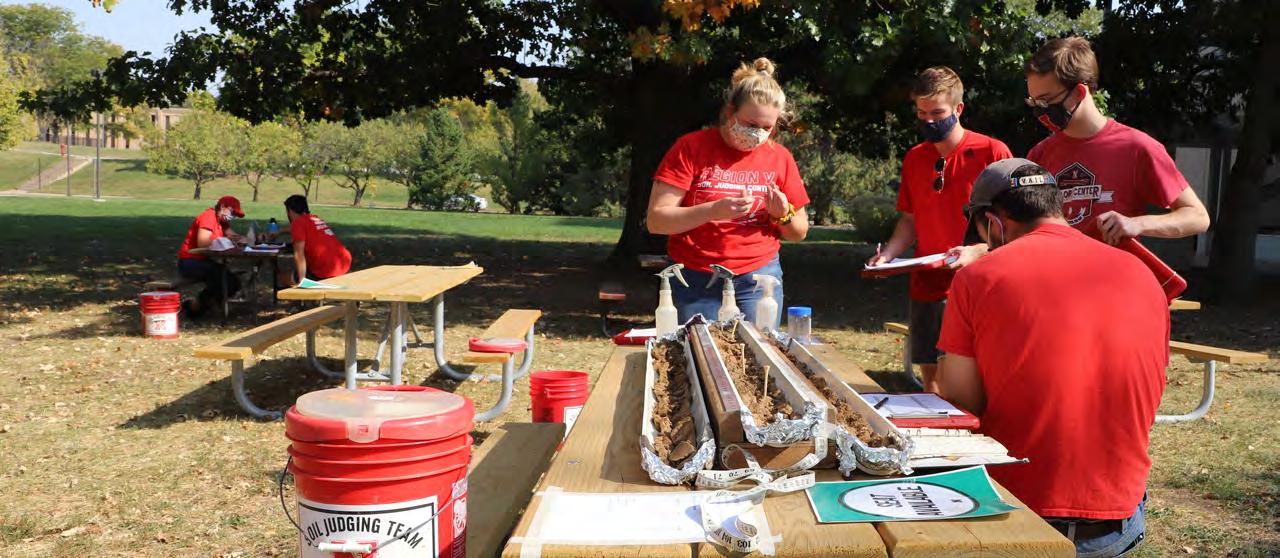
ON OCT. 1, A MINIVAN ARRIVED AT HARDIN HALL ON NEBRASKA EAST CAMPUS, WHERE THE DRIVER DROPPED OFF 30 CORES OF MISSOURI SOIL, EACH CONTAINED IN A TUBE MEASURING ABOUT SIX FEET. NORMALLY, THE UNIVERSITY OF NEBRASKA-LINCOLN SOIL JUDGING TEAM WOULD HAVE TRAVELED TO THE SOIL, BUT THIS YEAR IT CAME TO THEM.
In an effort to reduce the spread of the coronavirus, the 2020 Region 5 Soil Judging Competition, which was going to be hosted by the University of Missouri-Columbia, was instead held virtually. The week of Oct. 5, students at UNL, University of Nebraska Omaha, Iowa State University, Kansas State University, University of Minnesota, South Dakota State University and the University of Missouri began thorough, hour-long examinations of five competition soils.
Nebraska ended up fourth overall. Among the 49 students who participated, Nebraska’s Katie Boden placed ninth and Clare Wilton was 12th. The team is coached by Rebecca Young and Judith Turk.
Fernanda Krupek

FERNANDA KRUPEK WAS HONORED AS THE 2020 AGRONOMY AND HORTICULTURE GRADUATE STUDENT ASSOCIATION OUTSTANDING MEMBER.
Krupek, an agronomy doctoral student specializing in crop physiology and production, was given the award for her significant involvement and contributions to the success of AHGSA and the department.
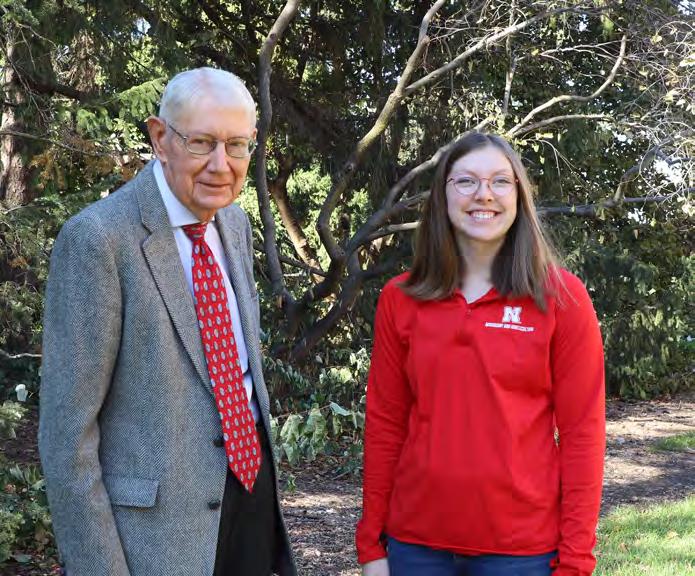
CHRISTINE BARTA WAS AWARDED THE MARTIN MASSENGALE OUTSTANDING SENIOR AWARD FOR 2020. Barta graduated in December with a horticulture degree and was hired by Balcones Distilling in Waco, Texas, to be a production assistant. The award honors Massengale, the president, chancellor and Foundation Distinguished Professor emeritus and founding director of the Center for Grassland Studies.
THE UNIVERSITY OF NEBRASKA–LINCOLN RANGELAND CUP TEAM WAS AWARDED THIRD PLACE AT THE INTERNATIONAL MEETING OF THE SOCIETY FOR RANGE MANAGEMENT IN FEBRUARY 2020. The Rangeland Cup team members included Kaitlyn Dozler (from left), Asha Scheideler, Nick Sanders and Nicole Strand.
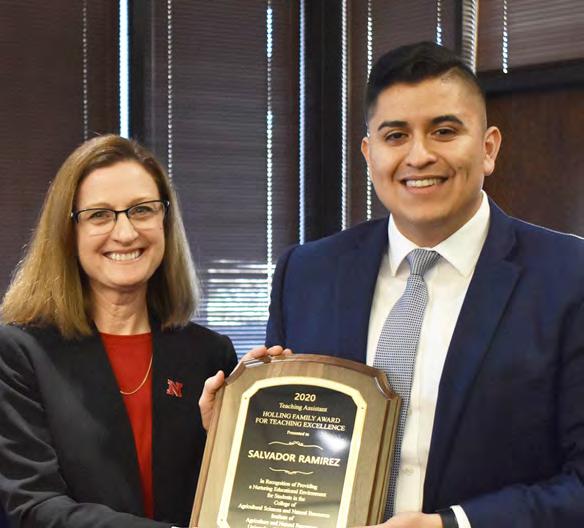
SALVADOR RAMIREZ, AN AGRONOMY DOCTORAL CANDIDATE, WAS HONORED WITH THE HOLLING FAMILY TEACHING ASSISTANT TEACHING EXCELLENCE AWARD
MARCH 11, 2020. Ramirez was a TA for five years and he led recitation or lab sections with enthusiasm, successfully guiding students through creative thinking and problem-solving exercises. He is now a postdoc in the department.
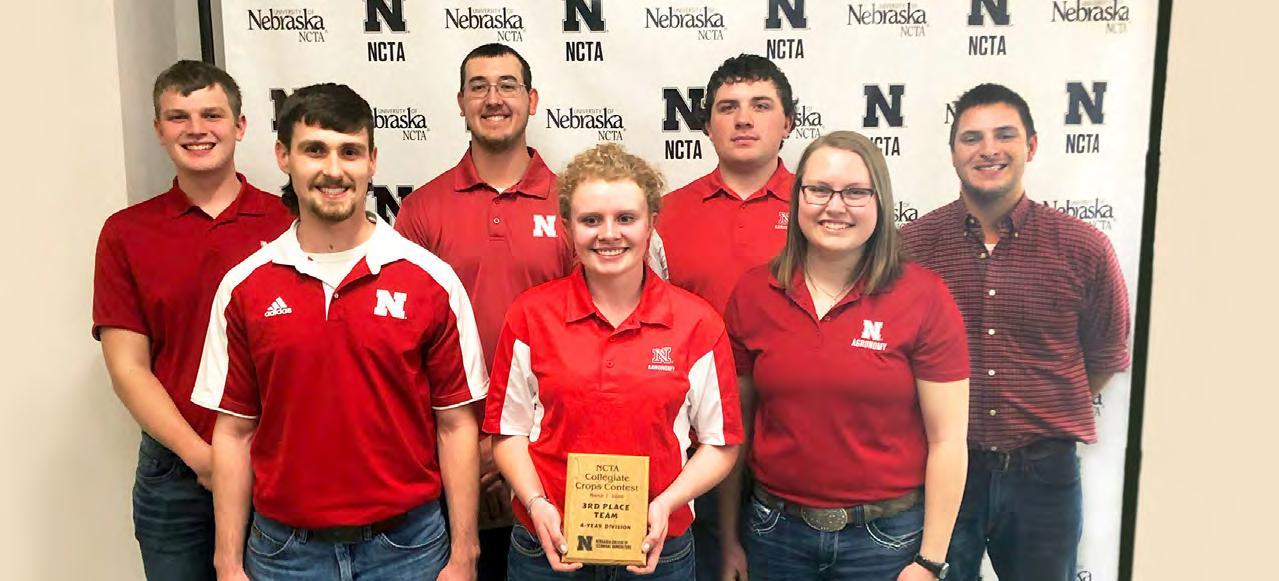
THE UNIVERSITY OF NEBRASKA–LINCOLN CROPS JUDGING TEAM FINISHED THE 2020 SPRING SEASON OF COMPETITION ON TOP AND THAT WAS HELPING THEM PREPARE FOR THE NORTH AMERICAN COLLEGES AND TEACHERS OF AGRICULTURE JUDGING CONFERENCE. Due to the COVID-19 outbreak, the conference was canceled. The intercollegiate team placed fourth overall in the fouryear university division at the Southern Plains Regional crops contest Feb. 14 at Oklahoma Panhandle State University. Nebraska’s team included agronomy majors Jared Stander, Justin Zoucha, Katie Jo Steffen, Jacob Vallery and Korbin Kudera. Zoucha also tied for second overall, individually.
On March 7, the team competed in the Nebraska College of Technical Agriculture Collegiate Crops Contest in Curtis, Nebraska. Students competing included Stander (below, from left), Zoucha, Kudera, Sarina Janssen, Jacob Vallery and Katie Jo Steffen. The team is coached by Adam Striegel (below, right). The Huskers placed third overall in the four-year division and Kudera placed fifth overall, individually.
“ One of the most important things I have learned throughout my time as a student at Nebraska is that it is a blessing to be able to pursue multiple interests in a field I love.”
Christine Barta
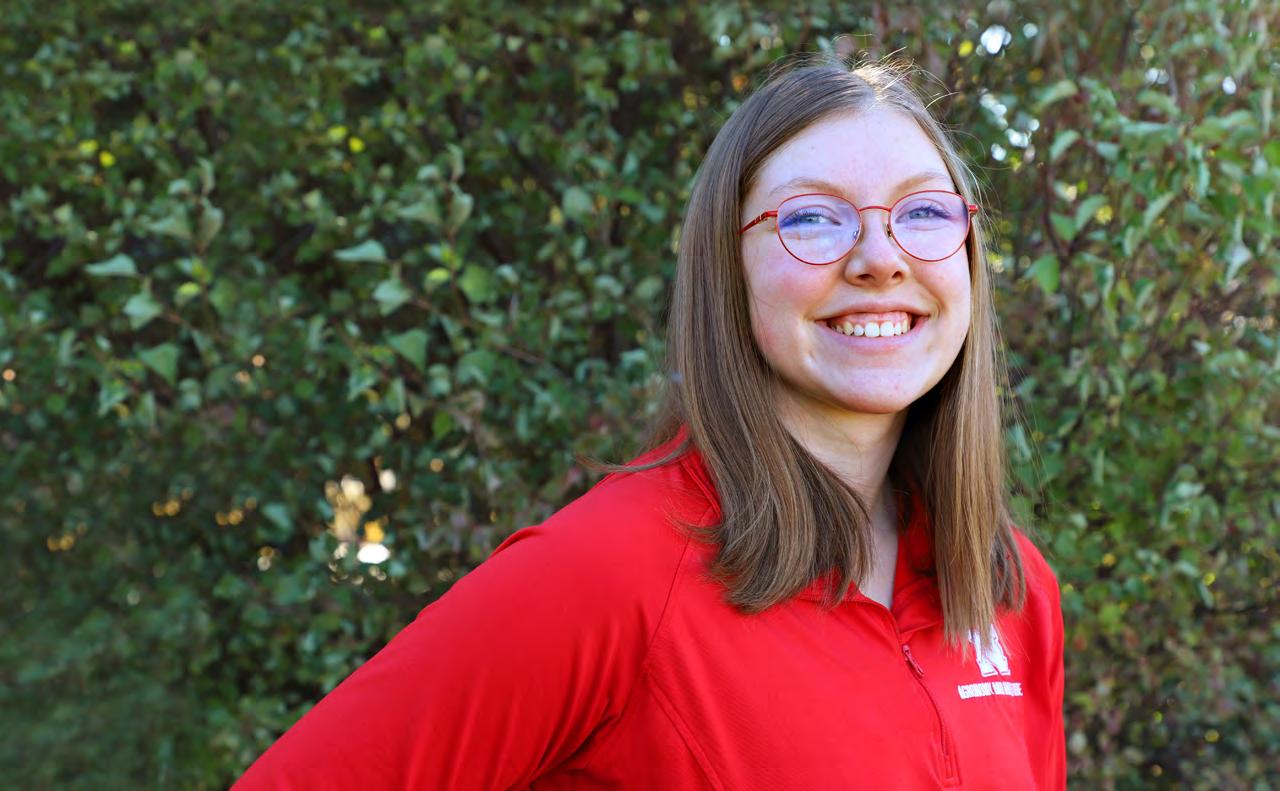
by Christine Barta, 2020 horticulture graduate
GROWING UP IN NEWTON, WISCONSIN, I WAS EXPOSED TO DAIRY FARMS, CRANBERRIES, CORN AND SOYBEANS. Every summer I eagerly helped in our family garden growing tomatoes, kohlrabi, peas and peppers. There was even a year I convinced my parents to let me grow sunflowers on my own. Having encouragement from my family, a love of gardening and the luck of growing up in rural Wisconsin led me to pursue horticulture.
When I first heard about the University of Nebraska–Lincoln horticulture program, I was excited about the chance to major in horticulture while attending a Big 10 university. As a bright-eyed
freshman, I was a bit overwhelmed by all the choices a horticulturist has. One of the most important things I have learned throughout my time as a student at Nebraska is that it is a blessing to be able to pursue multiple interests in a field I love. Not only did I get the opportunity to build relationships with my professors and develop my knowledge and skills in horticulture, I was also lucky enough to be voted president of Horticulture Club for the 2019–2020 academic year. There, I further developed my skills, explored my interests and expanded my horticultural network. I was also fortunate to be the undergraduate student representative of the
Curriculum Coordinating Committee and the recipient of the Martin Massengale Outstanding Senior Award. In addition, I have received multiple scholarships that I am beyond grateful for.
After graduation, I was hired by Balcones Distilling in Waco, Texas, to be a production assistant. I have been taking my horticultural knowledge and integrating it into wine and spirit production along with innovative melon-growing techniques. None of this would have been possible without the support of my family, my friends and the phenomenal faculty in the Department of Agronomy and Horticulture.
by the Department of Agrononmy and Horticulture
THE UNIVERSITY OF NEBRASKA–LINCOLN’S THE BIGGEST GROWER COMPETITION BROUGHT NEBRASKA HIGH SCHOOL STUDENTS TOGETHER VIRTUALLY WITH A NEW, EXPERIENTIAL LEARNING GARDENING OPPORTUNITY AMID A SUMMER OF COVID-19 SHUTDOWNS.
The Department of Agronomy and Horticulture and Nebraska Extension, with support from the Nebraska Department of Agriculture’s Specialty Crop Block Grant Program, successfully concluded The Biggest Grower Competition Aug. 7.
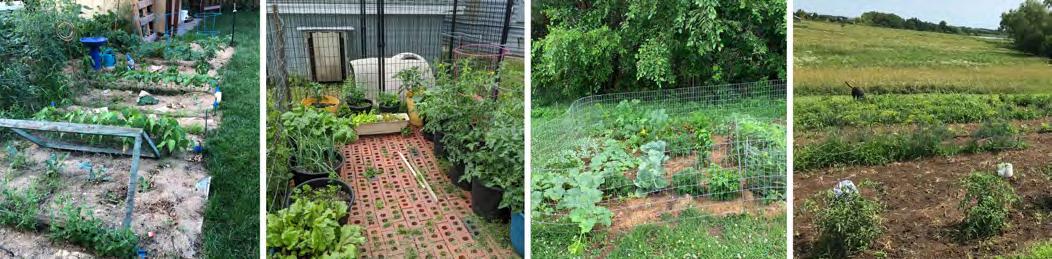
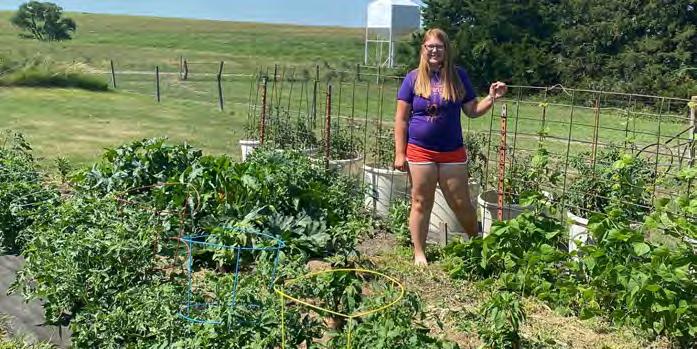
Forty-four students representing 37 Nebraska high schools were organized into 11 virtual gardening teams. Each student was given a combination hoe-cultivator and a t-shirt. Those who needed seeds and plants received them upon request. Participants chose their own combination of vegetables, herbs and cut flowers, and planted and cultivated their 8-by-10 garden or container garden, through harvest.
Garden mentor Christine Barta, a horticulture major, met weekly with participants and virtual teams. Students received educational content and participated in discussions about garden activities, challenges and ideas over the 10-week, summer competition.
Topics included how to prepare the garden, soil quality and improvement, irrigation, plant nutrition, environmental stress, insects and diseases, and distribution channels and marketing of fresh food products. A highlight each week was Christine’s Cool Concept in which the students had an opportunity to try something
new or unusual they could incorporate into their garden. A few examples of concepts students said they enjoyed the most, were companion planting, soil improvement with bio-char and cooking a new recipe with their recent harvest.
According to the final student surveys, the program was a success. Participants reported they had fun, learned a great deal about growing and caring for their own garden and enjoyed being a part of a like-minded community. They also appreciated their garden mentor—particularly Barta’s patience and instruction.
“I really enjoyed being able to have a mini-community to encourage me to put in the time to make use of the resources I have in my own backyard,” Lillianna Hollister of Norris said.
The results of the 2020 competition were announced Aug. 10. Team Broccoli with 493.68 pounds of produce was The Biggest Grower and included Whitney Schmidt, Twin River; Lacy Williams, Lakeview; Erin Oldemeyer, Norris; and Emma Codr,
Lincoln Southeast. Each winning team member was awarded a $50 Amazon gift card. Team Tomatillo took runnerup with 342.76 pounds of produce and included Westin Adams, Norris; Emily Kleinschmit, Wausa; Julia Clausen, Millard North; and JingMing Yu, Lincoln East. The top three individual winners were Schmidt with 459.65 pounds of produce; Raeana Spech, Omaha Burke, with 221.53 pounds of produce; and Kleinschmit with 139.435 pounds of produce.
The competition was based on participation in weekly activities, productivity data recorded in the Growers’ Leaderboard, amount of harvest consumed and the amount distributed.
“The program will be offered again starting April 1, 2021 and is sure to be even more exciting as more content will be added,” said program coordinator Stacy Adams, associate professor of practice in agronomy and horticulture at Nebraska.
Go to agronomy.unl.edu/the-biggestgrower for more information.
by Fernanda Krupek, doctoral student in crop physiology and production
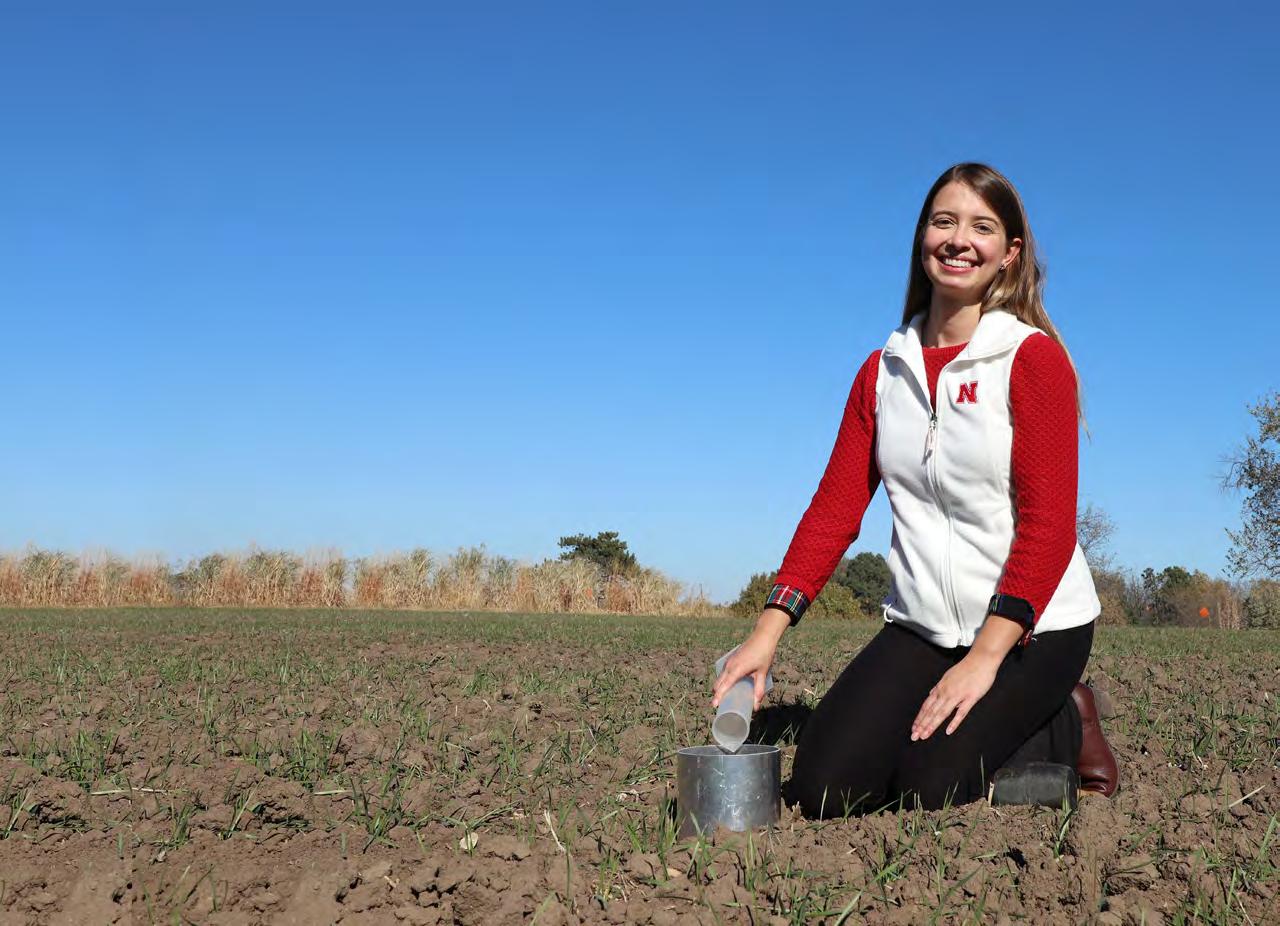
I STILL REMEMBER WHEN I FIRST MOVED TO THE UNITED STATES TO START MY MASTER’S DEGREE AT THE UNIVERSITY OF FLORIDA. I had just finished college in Brazil and was moving away from my home, family, culture and friends all at the same time. My program in Florida was completed in spring 2019, and right after, I started my doctorate at the University of Nebraska–Lincoln, where I am grateful to have joined the Resilient Cropping Systems Lab. This represented my second major career move, and it signaled the next step toward my educational and career goals.
What brought me to the university? The institution’s goal of graduating students who understand the power of inclusiveness confirmed my desire to come to Nebraska. Since my arrival, I have been delighted to participate in many diversity and inclusion initiatives promoted both university-wide and within our college and department. The International Student Fellowship, for example, is an organization committed to helping international students and scholars transitioning to the United States.
The university also has strong women leaders in STEM; inspirational examples include Tiffany Heng-Moss, Martha Mamo and my adviser, Andrea Basche. Their contributions to agriculture and advocating for underrepresented people’s visibility have inspired me and have motivated others to pursue STEM careers. It is well known that Nebraska faculty members have fostered collaborative working environments between the United States, Brazil and other regions around the globe. Such collaborations have allowed progress toward increased research, transfer of agricultural technology, and information exchange that benefit agricultural systems on local, regional and global scales. There are many reasons for me to be a proud Husker: the research team to which I belong; the project I am leading, which includes not only research but also a strong extension component; participation in various leadership and service roles; and more recently, opportunities to serve as a teaching assistant. While conducting research during a pandemic is strange and challenging, I am very excited about my project and all the positive implications and improvements that it can present for Nebraska growers. The project’s outcomes will help better understand the
biological and ecological processes that govern soil healthrelated management practices and the human dimensions of conservation practices adoption. I see academia as a way to work alongside farmers, industry and the public sector to improve integrated farming systems; this contributes to the conservation and diversity of land-based natural resources. The experience of collaborating with different groups has shaped me as a researcher and affirmed my ideal to promote equitable, healthy, profitable and resilient farming systems. I have been attending virtual events, panel discussions and conferences, which have been a fantastic way to remain engaged with the scientific and general communities. My recent involvement in activities and virtual network events promoted by the Agronomy and Horticulture Graduate Student Association and the Agronomy, Crop and Soils Graduate Student Committee has solidified my goal in advocating for increased leadership and opportunities for gaining “employability skills” in grad school. If there is one opportunity in this pandemic, it is to reflect on our behavior, choices and responsibility to live in harmony with nature and bring each other along. I am surprised at how personally and professionally fulfilling one and a half years of Ph.D. experience has been. My advice to other students would be to seek out research groups that are a good fit for your growth, establish criteria on why you would like to pursue a graduate school career, prioritize the skills you need to gain postdoctoral jobs, plan strategically and timely, develop strong relationships and, above all, strive for your best.

by Michael Kaiser, assistant professor in applied soil chemistry
MICHAEL KAISER JOINED THE DEPARTMENT OF AGRONOMY AND HORTICULTURE IN JANUARY 2018 AS AN ASSISTANT PROFESSOR FOR APPLIED SOIL CHEMISTRY WITH A 75% TEACHING AND 25% RESEARCH APPOINTMENT. Before he moved to Lincoln, he was working in Germany for the University of Kassel and the Centre of Agricultural Landscape Research near Berlin as well as for the University of California, Merced.
At the University of NebraskaLincoln, Kaiser teaches 100- to 800-level classes covering introductory soil science, urban soil science, soil chemistry and mineralogy as well as soil carbon and nitrogen dynamics. Kaiser enjoys the diversity in teaching at Nebraska including co-taught classes and in-person, online and hybrid classes. To teach the ecological, economic and social importance of
soils are the keystones in Kaiser’s teaching efforts to students from freshmen to doctorates.
His research group was joined by Jennifer Cooper, a postdoctoral scholar, in October 2018 and by Christopher Anuo, a Ph.D. student, in January 2020. In collaboration with other faculty members of the department, the group is focusing on the development of soil management strategies that improve soil carbon storage in addition to nutrient and water retention, which are key drivers for sustainable soil productivity. Such strategies encompass the application of biochar and coal char as well as cover cropping. For this research, high resolution spectroscopic and microscopic technologies are used to identify underlying mechanisms that control the nitrate and phosphate retention by biochar or coal char, for example.
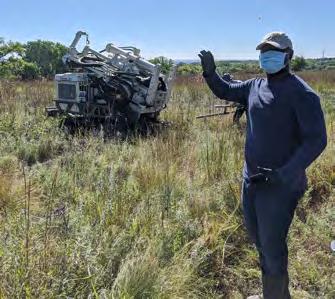
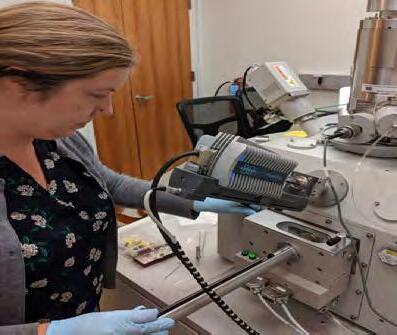
Kaiser and his group also received seed grant funding from the university and recently a USDA NRCS award for their proposed work on elucidating deep soil organic carbon dynamics under long-term agricultural and native prairie land use. Such knowledge is critical to assess the carbon storage potential in Nebraska soils by taking into account differences in site-specific conditions such as climate and soil type.
A further collaborative effort, which is led by researchers from the School of Natural Resources Water Science Lab, aims to clarify the impact of iron-redox cycles on the bioavailability and the plant uptake of soil-derived contaminants such as arsenic. Kaiser greatly appreciates the synergistic effects of teaching and research especially when students come up with ideas or questions that translate into projects.
P. Stephen Baenziger Professor and Wheat Growers Presidential Chair Small Grains Breeding Program

by P. Stephen
P. STEPHEN BAENZIGER HAS BEEN THE SMALL GRAINS BREEDER AT THE UNIVERSITY OF NEBRASKA
SINCE JUNE 1986. He began his career at the USDA-ARS in 1976 after he received his doctorate (1975) when he was 24 years old. After working there for almost eight years, he joined Monsanto, where he worked for almost three years and was first introduced to hybrid wheat, before coming to the University of Nebraska, where he spent the rest of his career. He has often said if he could have held a job, he might have amounted to something. He also advised that if you cannot be good, at least be lucky. And he feels he is one of the luckiest people who has ever lived.
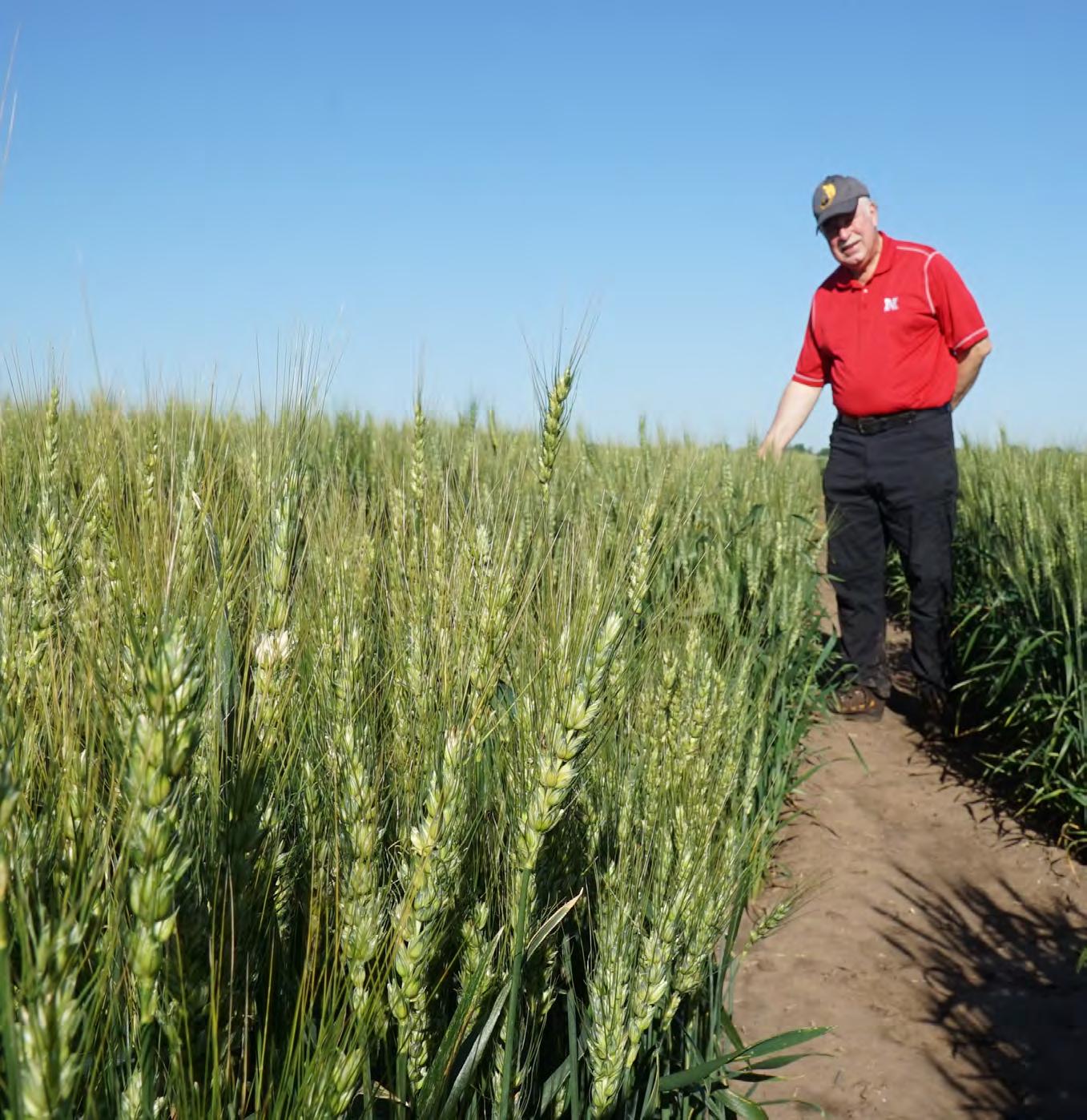
His program had three goals: (1) Keep the Nebraska small grains producer profitable through enhanced productivity (hence the cultivar releases), (2) Create new breeding methods to enhance the science of plant breeding and (3) Educate the next generation of scientist plant breeders. During his tenure he has released, co-released or is in the process of releasing 44 winter wheat, seven winter barley and 13 winter triticale cultivars. The wheat and barley cultivars are grown mainly in Nebraska and adjacent states (regionally), while the triticale cultivars are grown nationally (from New York to New Mexico). One wheat and one triticale cultivar have been licensed for sale in Turkey, the original homeland for the hard winter wheats of the Great Plains. Giving back and looking for opportunities have always been part of the Nebraska small grains program. His
cultivars have been grown on as much as 80% of Nebraska’s wheat acreage and are probably grown on about 50% of the wheat acreage today.
When it comes to science, Baenziger was an early proponent of doubled haploids to speed up breeding and now heavily uses genomic selection and molecular markers to link breeding generations and environments. He and his team also lead the largest public collaboration on hybrid wheat in the United States. In the future, high-throughput phenotyping and the needed information technology will be added to drive the small grains improvement program. In addition to his 64 cultivars, he has published 294 peerreviewed publications, 32 proceedings and symposia papers, and 16 book chapters. While it is critical to release cultivars, a scientist should never lose sight of also leaving the plans (publications) of how the work was done for the next generation.
While he is very proud of the cultivars and their impact on Nebraska agriculture, Baenziger’s legacy will be the students he helped educate and the collaborations he fostered during his career.
“Programs are never bricks and mortar, but rather are always people,” Baenziger said.
He taught graduate students introductory plant breeding every year, has been the major adviser to over 60 master’s and doctoral students, and served on the supervisory committees of many others. His goal has always been to
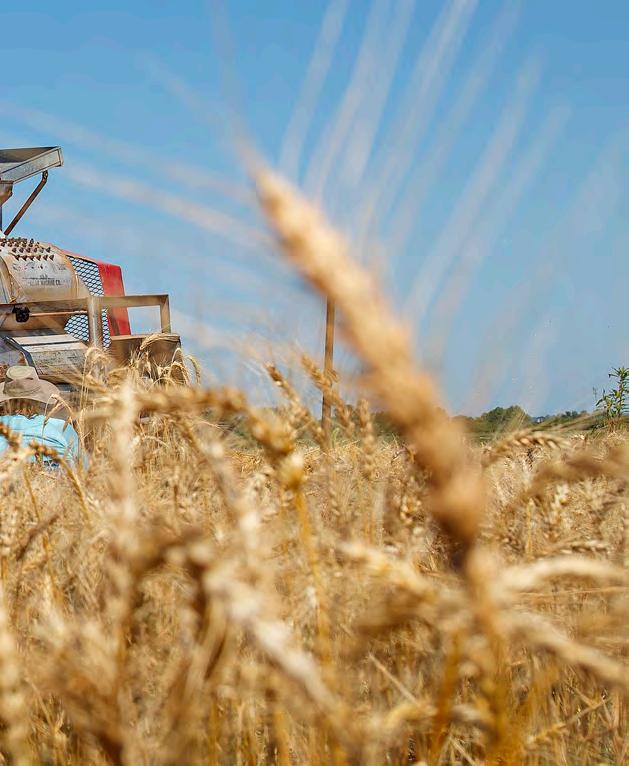
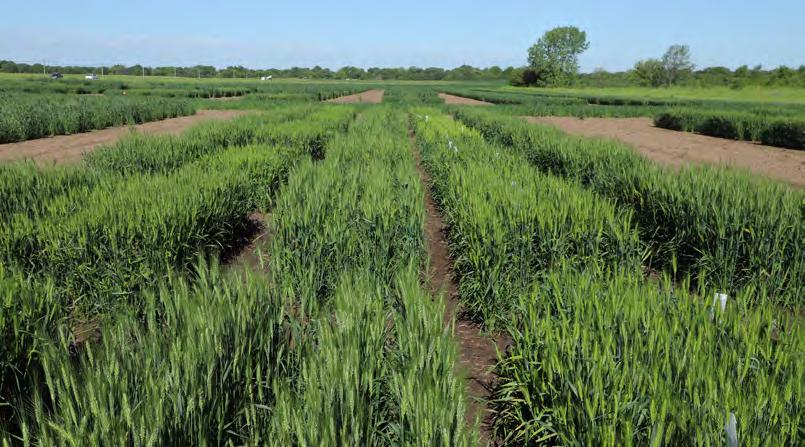
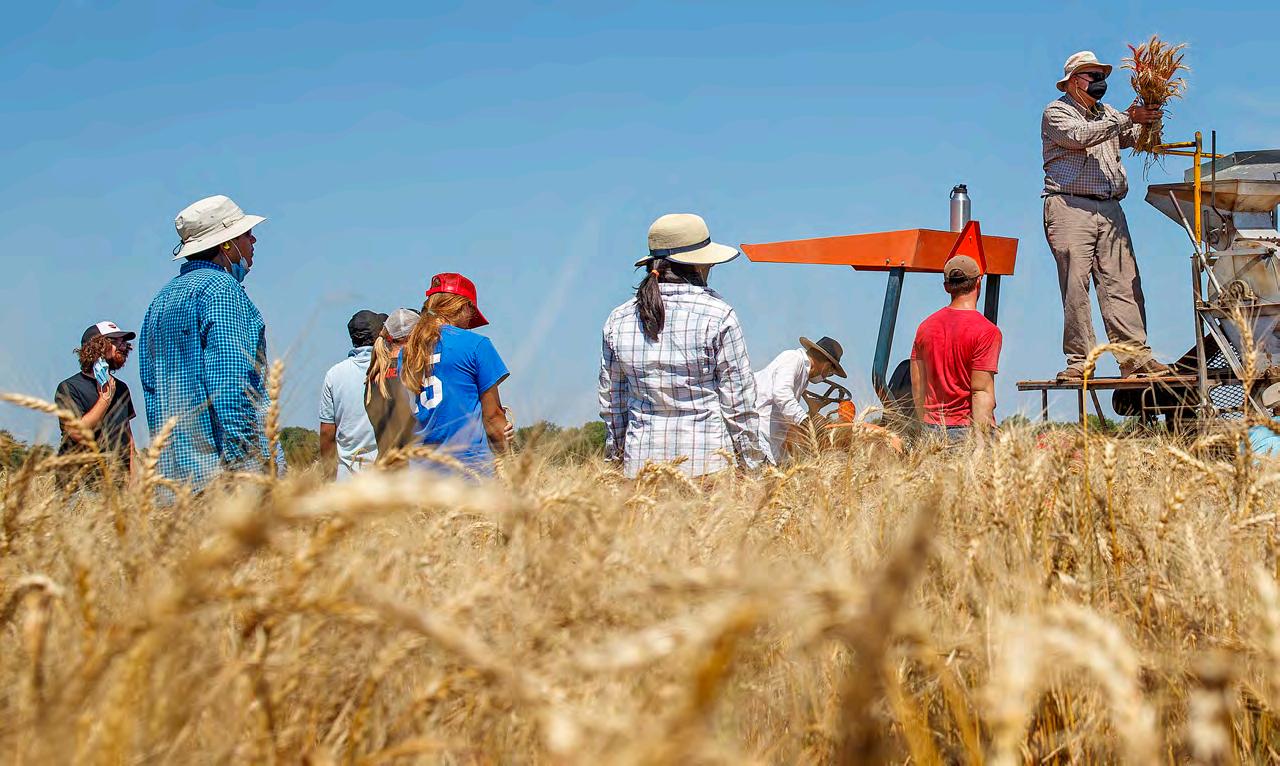
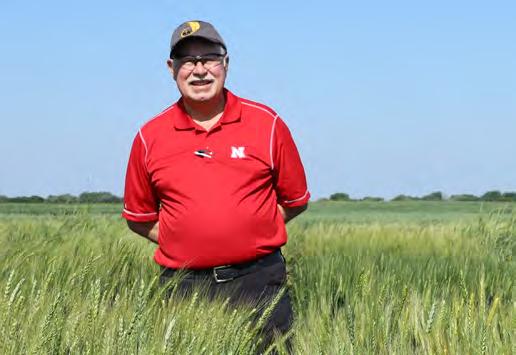
LEFT: P. Stephen Baenziger and his crew of graduate students, summer workers and technologists harvest small, wheat research plots at Havelock Farm at 84th and Havelock Avenue in Lincoln on July 8, 2020. ABOVE: A hybrid crossing block with female plots surrounded by male pollinators. BELOW: Baenziger stands in the wheat State Variety Trial at Havelock Farm on June 8. BOTTOM: Gaping heads of the female plants in the hybrid crossing block. The heads gape after being sprayed with a chemical hybridizing agent that makes the plants male sterile.
attract graduate students who are brighter than he is, and over his career, he discovered that was a pretty low bar. He has also been able to work with wonderful technologists who are the “boots on the ground” ambassadors for the program as well as great post docs and visiting scientists.
As for his collaborations, there have been many. Every cultivar he released was improved by the Foundation Seed Division and by seed growers/dealers of the Nebraska Crop Improvement Association. His friends in the milling and baking industry helped identify lines that the market wanted to buy. A land grant university is the People’s University and that means being very inclusive. The program has germplasm exchange agreements with every major plant breeding company and universities globally, was involved in a major sharing of germplasm with Bayer Crop Science when they entered the wheat market, and has collaborations with the great international centers of CIMMYT and ICARDA.
As his career winds down, Baenziger is extraordinarily grateful to the University of Nebraska for allowing him the freedom to be the kind of scientist he wanted to become and to the Nebraska Wheat Board for its continuous support of the small grains project. He also is grateful that the University of Nebraska, in the midst of a pandemic with all the economic consequences, hired Katherine Frels to be his successor.
“She is a former graduate student of the project, knows Nebraska well, and will take the program to new heights,” Baenziger said. “The future is bright.”
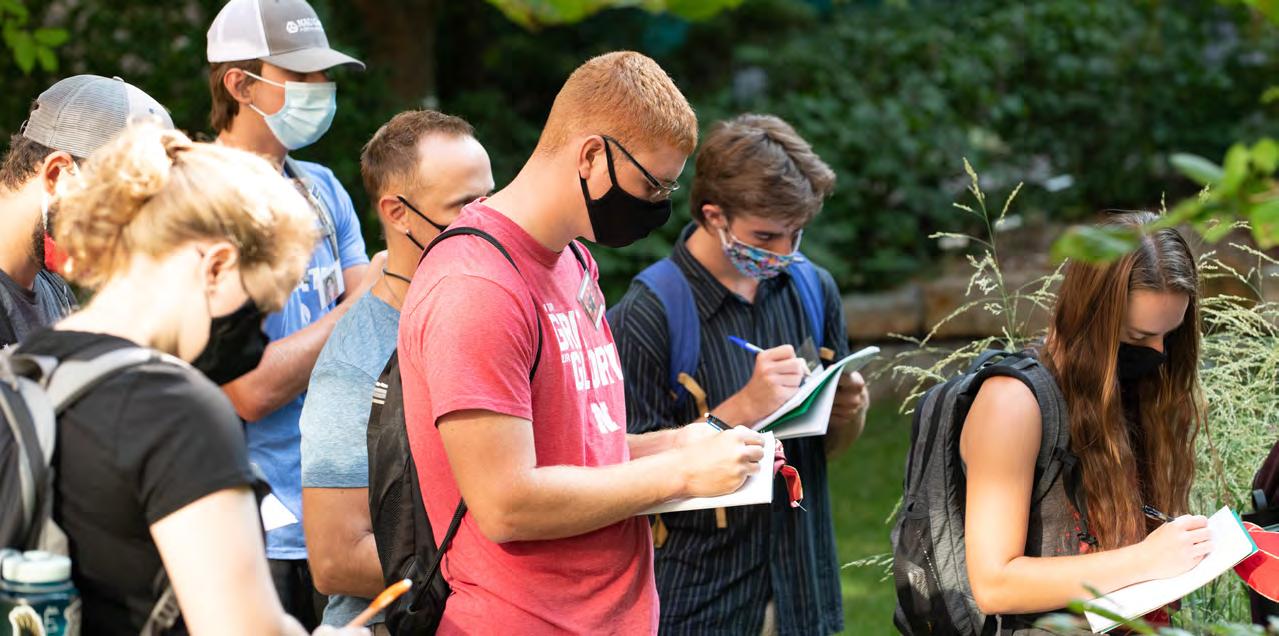
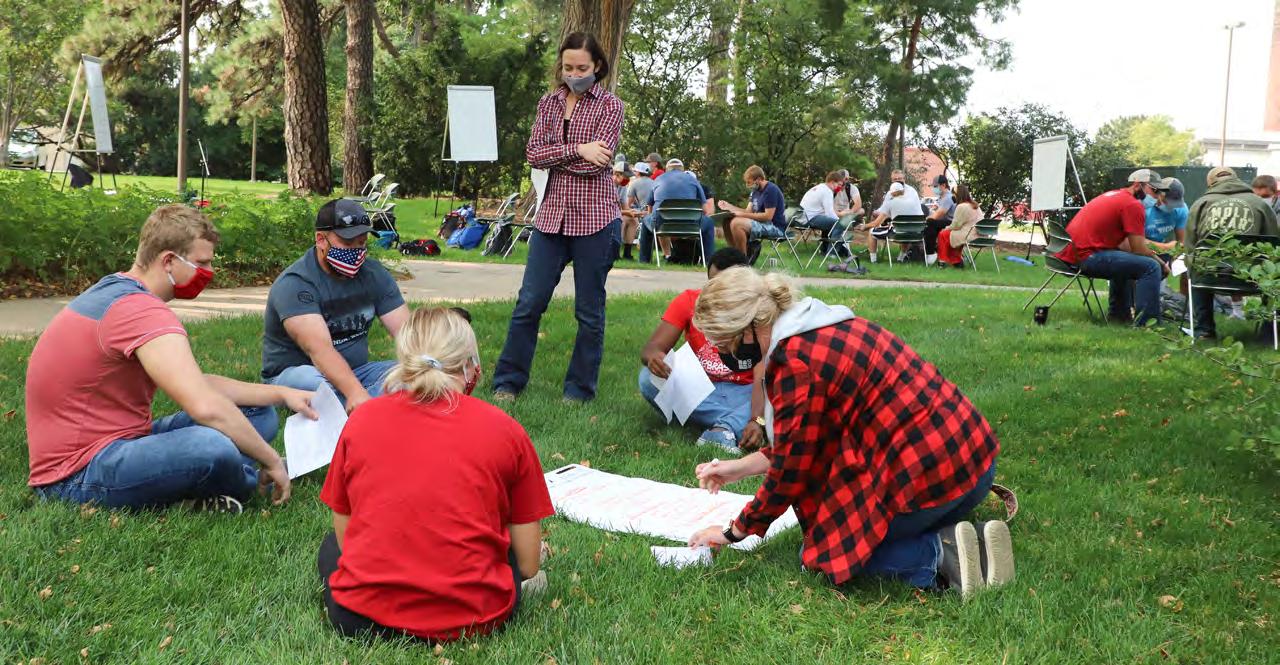
Students listen in Kim Todd’s Horticulture 214 Herbaceous Landscape Plants course in Keim Hall courtyard. This was during the first day of in-person learning for the fall semester Aug. 24, 2020.
by the Department of Agrononmy and Horticulture
CHERYL DUNN HAD TO COMPLETELY RETHINK HOW SHE WAS GOING TO TEACH AGRONOMY 442/842 WILDLAND PLANTS WHEN THE FALL 2020 COURSE SHIFTED ONLINE DUE TO COVID-19.
She wasn’t alone, as many department faculty had to rethink and reconstruct their classes, research and extension field days to be online-ready, socially distanced or outside during 2020.
To prepare for the shift to fully online instruction after Spring Break 2020, the department teaching team collaborated on ideas of how to adjust hands-on activities and lab assignments, and course TAs helped convert paper resources into digital formats. Faculty also developed a very detailed modified course agenda, with assignments and activities noted day-by-day through the end of the semester, and a thorough guide of expectations for completing the semester successfully. Agendas and plans were in place to make sure lab sections were covering the same content in their virtual meetings and that teaching faculty were actively communicating with and supporting their students. Dunn, a research manager and herbarium curator in agronomy and horticulture, was in her 11th year teaching three plant classes in the fall of 2020, both in person and
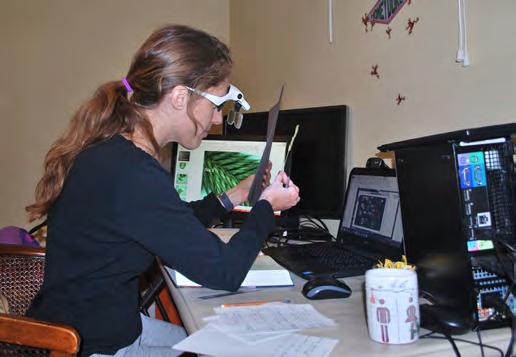
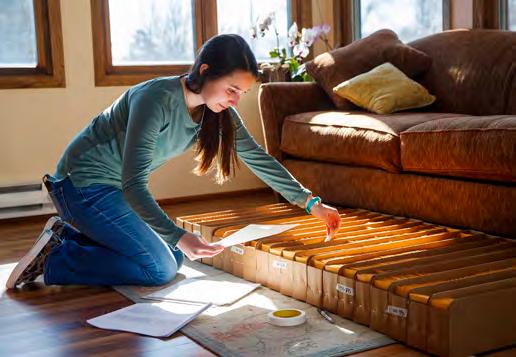
TOP: Cheryl Dunn, a research manager and herbarium curator, explains the structures of crested wheatgrass to her Wildland Plants students during class on Zoom. ABOVE: Mackenzie Zwiener, a graduate student in agronomy, works with sorghum seeds in her family home in Lincoln. Zwiener was designating random plot labels to the varieties for the spring planting. Research continued as the work moved off campus in spring 2020.
online, and wasn’t a newbie with remote delivery. However, this was her first time teaching Wildland Plants online — and she hadn’t planned on breaking new ground.
She collected grass specimens for packets that were sent to each student to provide the hands-on experience of learning to identify a plant species using a dichotomous key. This key is a tool that allows the user to determine plant identity through a series of choices that result in the correct name of the specimen.
Along with the usual book requirement, students had to purchase a magnification instrument to substitute for a microscope, the usual piece of equipment used to see a specimen’s details. Fortunately, tools like this are readily available. Students chose either a macro lens adapted for their phones or an optivisor, a head-mounted magnifier.
Each week Dunn held class using Zoom. Students worked at home on the same assignments given in previous years as if they were in the classroom. When they had questions, Dunn was available to help and guide them.
Becky Young, assistant professor of practice in agronomy and horticulture, felt she was in a much better position to transition into the spring online format since much of her course content and many of the course assessments were already online. Her face-to-face course Soil Resources, which she taught along with Assistant Professor Michael Kaiser, Assistant Professor of Practice Meghan Sindelar, Postdoctoral Research Associate Jennifer Cooper and Postdoctoral Research Associate Salvador Ramirez, was an active-learning, hands-on lab class, so converting some assignments to digital formats and figuring out ways to still “do” her remaining hands-on activities was an overall challenge.
Fortunately, one of the remaining activities was easily converted as students could collect and observe soil samples from wherever they were located. She also had a decomposition experiment the class was about to start after
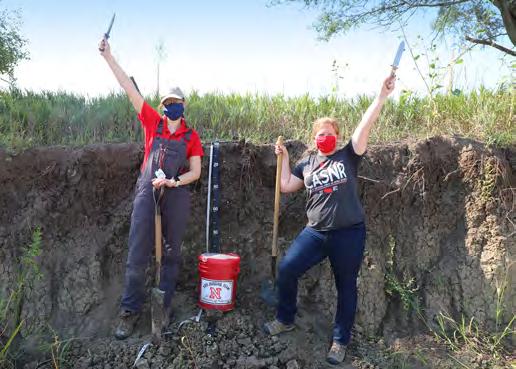
Soil judging coaches Judy Turk, assistant professor in natural resources
and Becky Young, assistant professor of practice in agronomy and horticulture, record instructional videos at Parker Pit in southwest Lincoln for their Soil 279 Soil Evaluation class. Students study soils through direct experience in the field as part of their preparation to be on the University Soil Judging Team.
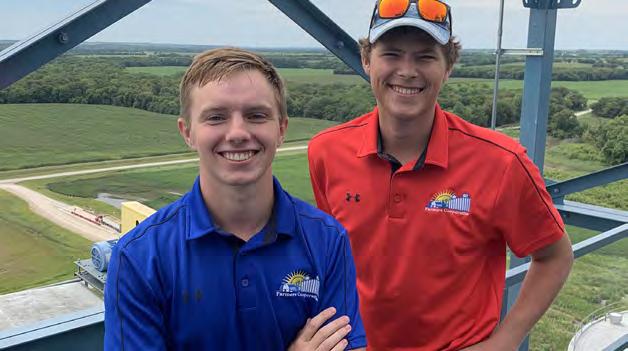
by Anne Streich, associate professor of practice
INTERNSHIPS ARE KEY COMPONENTS OF A STUDENT’S ACADEMIC EXPERIENCE. They allow students to explore different areas within their major, make connections with future employers, connect academic coursework to real situations, and experience a professional work environment before graduating.
In 2020, 80 students completed internships as part of their academic program. Many of these students had different experiences due to COVID-19 restrictions, but they still gained valuable knowledge, experience and skills. In some cases, students were able to begin their internship in April, which allowed them to be part of different aspects of the business and industry that they normally do not experience since they usually arrive at their internships in mid-May.
Students in agronomy worked in seed sales, research, crop production, crop scouting, digital and precision agriculture, and inventory management for independent crop consulting businesses; co-ops; federal agencies; regional, national, and multi-national seed and chemical companies; and university research programs. Visit go.unl.edu/agrointern for a list of specific internships. Horticulture interns worked in landscape management, landscape design and installation, hardscape installation, floral design, teaching, greenhouse and nursery production, and inventory management and logistics in garden centers, botanical gardens, nurseries, and university research programs located in Nebraska, Colorado, Maryland, Michigan and Mexico. Visit go.unl.edu/ hortintern for a list of specific internships. Students in the turfgrass and landscape management major interned on public and private golf courses in Nebraska, California and Kansas. Visit go.unl.edu/ tlmtintern for a list of specific internships.
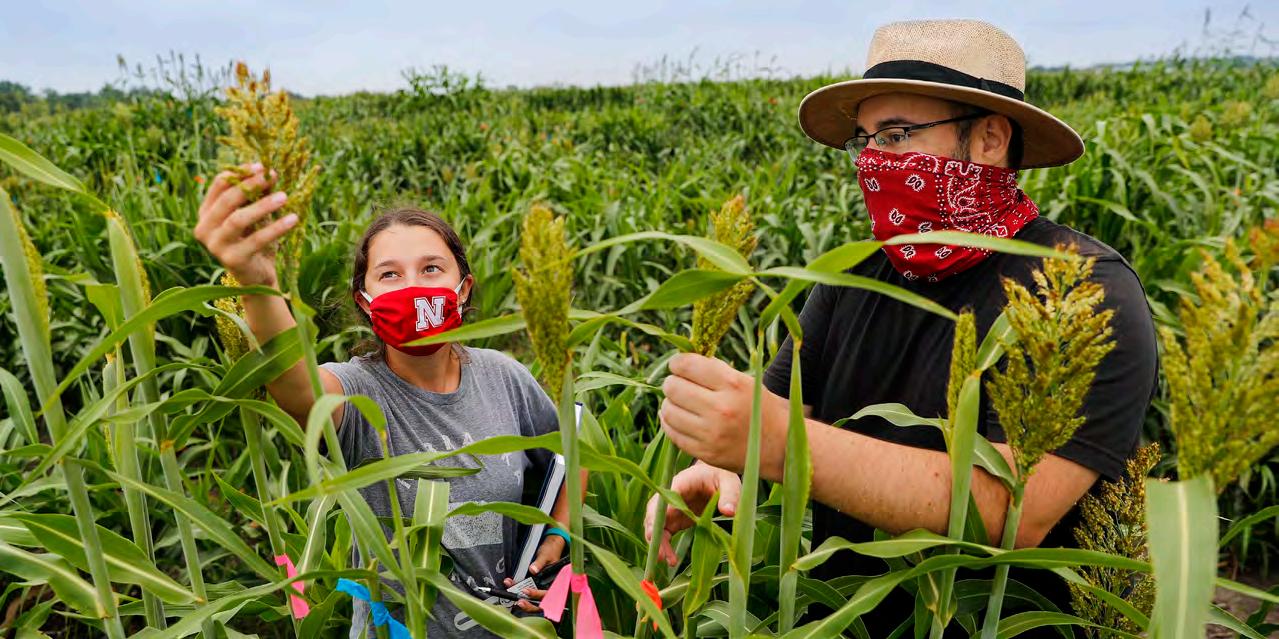
Spring Break, to see how different organic materials and incorporation methods affected the rate of carbon dioxide production, an indicator of the rate of decomposition. Since the setup for the experiment was fairly simple, Young modified the number of samples/replicates that were going to be used, and she set up the experiment at her house. She conducted the experiment, collected the data, and provided a little video and photo updates as the class went through the soil biology unit. At the end of the unit, students analyzed the data that was collected and summarized their findings just as they would have done, normally, in person.
A positive Young experienced in this situation was the mutual support and encouragement she observed studentto-student, instructor-to-student, and student-to-instructor.
“I saw a growth in confidence and dexterity in using some unfamiliar technology and tools,” she said. “Not only were the students learning how to be more adaptable to changing learning environments and developing new skills, but as instructors, we learned how to be more creative and were forced to really think about how we present our course content so that it is widely and easily accessible, but still able to meet the high-quality standards of our university.”
Andrea Basche’s Agronomy 204 Resource Efficient Crop Management course serves a large number of students across CASNR. For the last five weeks of the spring 2020 semester, she implemented a combination of screencast videos, homework assignments via Canvas that required students to synthesize data and other information, as well as synchronous review sessions via Zoom.
Given the tremendous impact that COVID-19 had on agriculture, Basche created a new theme/topic for one week’s content titled “Managing for disruptions to the
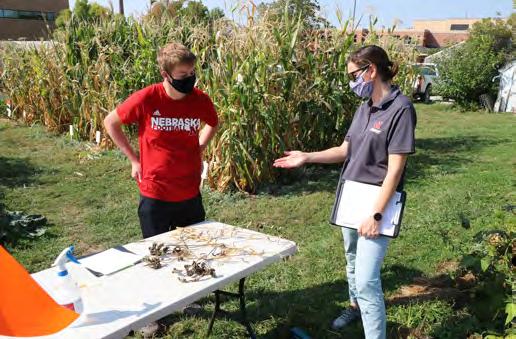
food system.” She already had planned presentations and activities related to climate change, but this was an opportunity to encourage students to reflect more broadly on unexpected events they may need to manage in their futures as agronomists.
“I was very pleased with their responses in recognizing that the future will not always look like the past, but we can prepare and adapt for floods, droughts, plant pest outbreaks or other unforeseen circumstances,” Basche said.
2020 was particularly challenging for the Nebraska Extension specialists who organize extension field days to demonstrate research results to Nebraska clientele.
“While face-to-face field days and meetings were not possible, virtual field days was the only option” said Amit Jhala, associate professor and extension weed management specialist.
Crop planting and pre-emergence herbicide application in 80+ projects was challenging because graduate students were not authorized to work or travel until June 1, 2020, so there was minimum help available early in the season.
Jhala spent a lot of time in the field with technicians to make sure research and extension projects were ready to demonstrate. The projects were video recorded, edited and made available for free at agronomy.unl.edu/news/2020weed-management-field-days-available-online.
The response was overwhelming as more than 1,200 people viewed the videos online including out-of-state and international viewers. “The take-home message is that more people can gain knowledge when videos are made available online,” Jhala said.
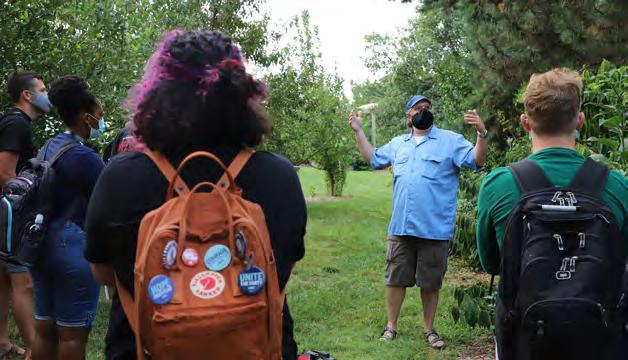
Christian Elowsky, assistant professor of practice, teaches Horticulture 200 Landscape and Environmental Appreciation class in the gardens east of Keim Hall.
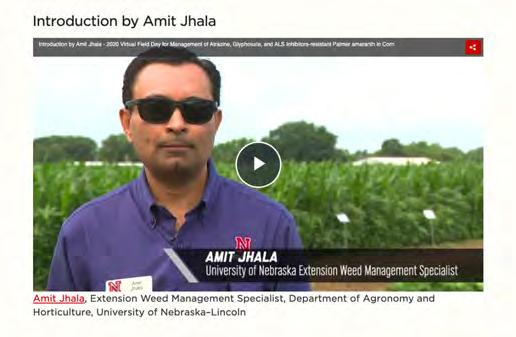
Amit Jhala worked with technicians and video producers to create 13 videos for the Weed Management and Palmer Amaranth field days.
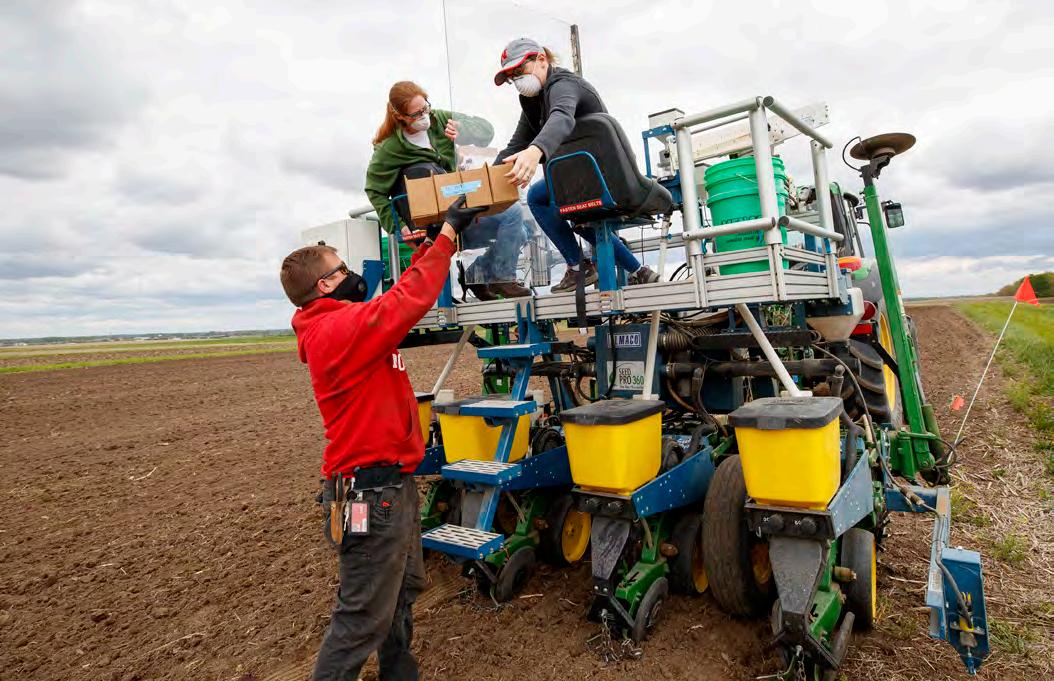
James Schnable’s crew was able to plant corn at Havelock Farm following rain in spring 2020. Tractor driver Josh Reznicek, agronomy and horticulture ag research technician (left), hands seed to Christine Smith, research manager (middle), and Brandi Sigmon, assistant professor of practice in plant pathology.
by Andrea Basche, assistant professor in soil science
OVERCOMING CHALLENGES AND TAKING ADVANTAGE OF NEW OPPORTUNITIES WAS A RESONANT THEME FOR ANDREA BASCHE’S WORK IN 2020. Amidst the ongoing global pandemic, Basche, an assistant professor in her third year with the Department of Agronomy and Horticulture, had to pivot with her teaching and research responsibilities.
Adaptive capacity can be understood as the ability of a system to adjust to change: to moderate potential damages, to take advantage of opportunities or to cope with the consequences. While Basche is working to identify and understand the ability of cropping systems to do just that — to help reduce negative risks (such as floods or pests) and take advantage of unforeseen changes (such as a global pandemic) — she realized the current situation required her to expand her own adaptive capacity.
Her group’s research aims to quantify the benefits that diversified cropping systems, such as those incorporating cover crops, perennial crops or integrating livestock, offer and uncover how they can be further expanded. A general hypothesis of their work is that this increased diversity can improve the soil as well as, potentially, farmers’ bottom lines with soil and water conservation benefit for broader communities. Here are some of the highlights of their work released in 2020:
• A synthesis of Corn Belt experiments found that cover crops significantly reduce weed biomass in corn-soybean crop rotations
• Expanding fall planting or spring termination timing for cover crops could increase biomass by four times with limited impact on crop yields
• Nebraska watersheds with greater perennial land cover maintain lower levels of water pollution in both flood and drought conditions, compared to those with more annual crops
In terms of her own adaptation to change, Basche managed a number of elements. Spring teaching shifted to an emergency remote online format. Her first graduate student, Brittany Kirsch, now with the USDA-NRCS in Iowa, defended her thesis online in May. It was a challenging year to complete even seemingly simple field research tasks, and Basche is grateful for the support of the Departmental team — in particular, research technician Tom Galusha as well as the facilities staff who help set up her outdoor classroom.
The shift in fall semester schedule created an opportunity to develop a three-week mini-session course. Basche’s new course, Exploring the Culture of Agriculture, explores a brief history of U.S. agriculture and discusses issues of diversity, equity and inclusion. It is critical to support diverse people and ideas in order to solve the immense food system challenges facing our rural and urban communities, and she hopes that this course will be one small step to creating a seat at the table for more voices.
“In 2019, Nebraska producers and communities were hit with a catastrophic flood event, and 2020 brought the uncertainties associated with COVID-19,” Basche said.
“These back-to-back events serve as a reminder that we all must be ready to adapt to change. Change is hard, but we have to be prepared to adapt when new challenges and opportunities inevitably come our way.”
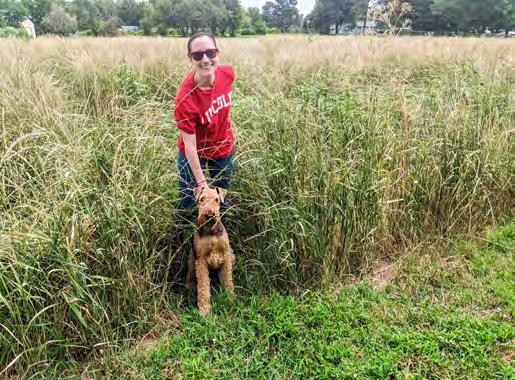
Basche and her dog Quincy stand at the border of her Kernza® variety trial experiment on East Campus a few weeks before crop harvest in early July 2020. Kernza® is a perennial grain crop developed by The Land Institute in Salina, Kansas, that has potential as a dual grain and forage crop in Nebraska. Basche, along with a team of collaborators, is part of a recent $10 million U.S. Department of Agriculture award to scale the research, production, awareness and commercialization of Kernza®.
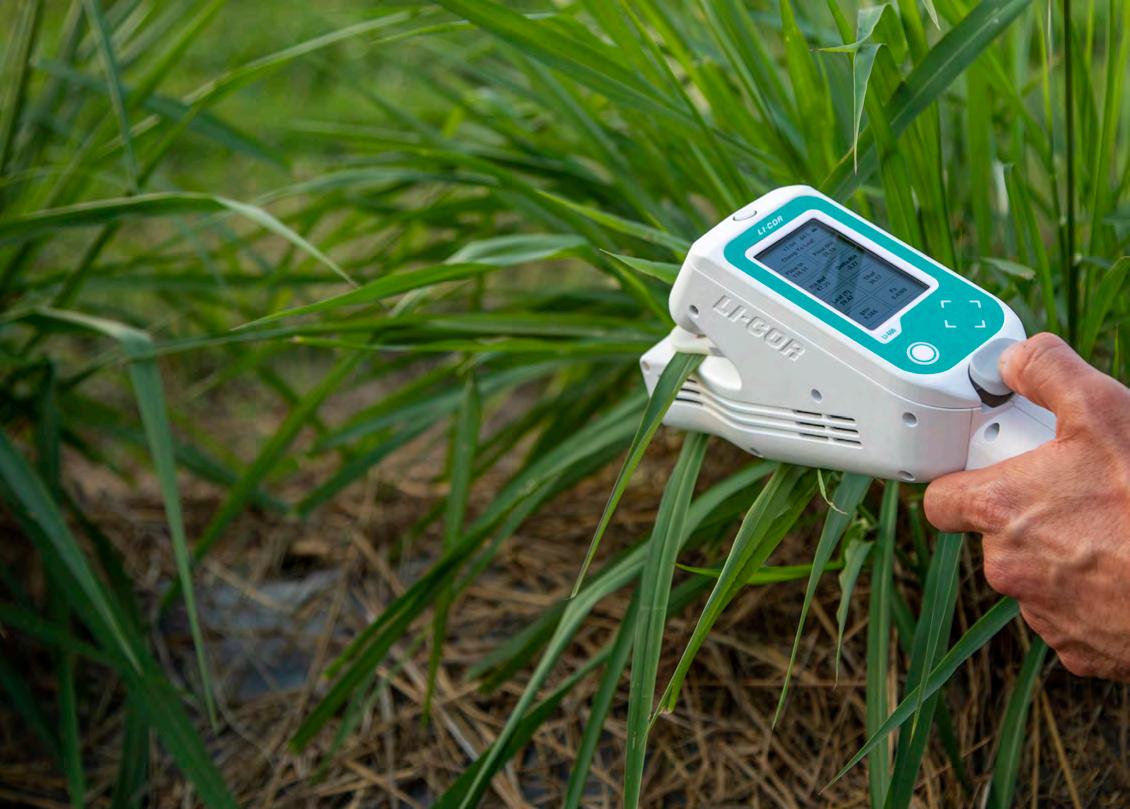
throughput stomatal conductance and chlorophyll a fluorescence measurements in seconds
• Onboard barcode scanner for easy data organization
• Lightweight, compact design for easy one-handed measurements
• Application software for configurations and data streaming Visit licor.com/600 to learn more.
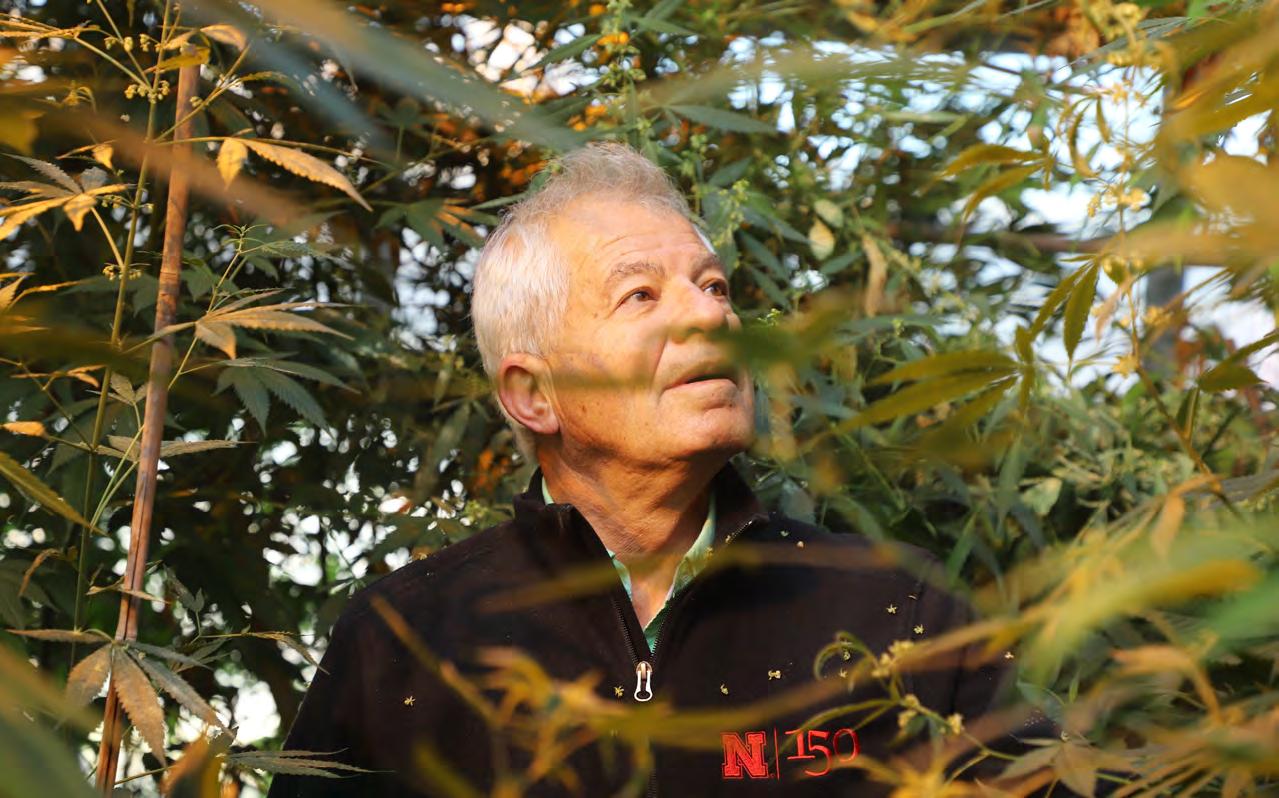
by Ismail Dweikat, professor of plant breeding and genetics
HEMP (CANNABIS SATIVA L.) IS AN ANNUAL, DIOECIOUS SPECIES THAT COMMENCES ITS REPRODUCTIVE CYCLE WHEN PHOTOPERIODS ARE SHORTER THAN A CRITICAL LENGTH, SUCH THAT DAY LENGTH AND TEMPERATURE MAY DETERMINE THE FLORAL TRANSITION AND FLOWERING TIMES. It is a diploid with 2n=20.
One of the very first cultivated crops, hemp has played an important role in human history for thousands of years. Hemp’s valuable seeds contain about 35% oil, 25% protein and all the essential amino acids; its flowers and leaves provide medicine; and its stalk produces fiber for paper. All those attributes have made hemp a powerhouse.
Cultivated in Fremont, Nebraska, back in 1861, hemp was promoted as an ideal alternative to corn and wheat. Used as a rotation crop, hemp provides not only the potential for additional income for farmers but also the possibility of improved soil for future crops. Farmers can benefit from the bioremediation that occurs naturally. Bioremediation is the
process where hemp extracts toxins and pollutants from the soil and groundwater, thus helping clean up soil. Using hemp as a rotation crop not only benefits the soil but also helps break insect cycles. Further, farmers who choose hemp over other rotation crops can benefit from the multifaceted plant by branching out to wider markets. In doing so, farmers can adjust more easily to fluctuations in various markets.
Usually planted between March and May in the northern hemisphere and between September and November in the southern hemisphere, hemp matures in about three to four months. Millennia of selective breeding have resulted in varieties that display a wide range of traits, e.g., suited for particular environments/latitudes, producing different ratios and compositions of terpenoids and cannabinoids (CBD, THC, CBG, CBC, CBN, etc.), fiber quality and oil/seed yield. Hemp grown for fiber is planted closely, resulting in tall, slender plants with long fibers.
The hemp plant has the potential to change the landscape of Nebraska’s current crop production and act as a driving
force for the state’s economy. However, misconceptions about hemp may inhibit its success in Nebraska. The hemp plant is the same plant as marijuana, but the uses and restrictions of each are quite different. Education on hemp and its potential benefits can help the public overcome misconceptions. In turn, support for a hemp market in Nebraska might begin to emerge. The main risk for farmers growing hemp is keeping the THC level less than 0.3%. If the plant is stressed during growing, THC levels will increase. Excess heat and insect attack are two examples of stress that impact the crop. Unfortunately, crops that reach levels above 0.3% cannot be sold and will be destroyed. Research on industrial hemp at the University of Nebraska–Lincoln began in 2016 after the passage of the 2014 Farm Bill. The goal of the research from the standpoint of breeding is to assess the genetic diversity among the wild hemp in Nebraska. The outcome of these experiments is important for the development of a drug-free and distinctive hemp variety to meet the needs of Nebraska growers. In addition, efforts have been made to evaluate industrial hemp varieties for biomass, fiber and seed production, and fiber quality under dry and irrigated conditions.
Kenaf (Hibiscus cannabis) is an annual or biennial herbaceous plant (rarely, a short-lived perennial) growing to be 1.5–3.5 m tall with a woody base. The stems are 1–2 cm in diameter and are often, but not always, branched. The leaves, 10–15 cm long, are variable in shape, with leaves near the base of the stems being deeply lobed with 3 to 7 lobes and leaves near the top of the stem being shallowly lobed or unlobed lanceolate. The flowers are 8–15 cm in diameter and may be white, yellow or purple; when white or yellow, the flower has a dark purple center. The fruit, a capsule 2 cm in diameter, contains several seeds. Kenaf seed oil is 20.4% of the total seed weight, similar to that of cotton seed. Kenaf is cultivated for its fiber, which is superior to that produced by hemp. Its flowers have been used to make medicine.
This beautiful plant is considered by some to be an alternative to hemp because of the similarities between the two plants. Agriculturally, the plants have the same basic requirements and can be grown in a broad geographical range. Both can be planted once the soil temperature reaches 55 degrees F; however, unlike kenaf, hemp can withstand frost, which means planting can begin as early as March in some areas.
The plants mature in just 120 to 150 days, with hemp on the lower end of that time frame. Kenaf yields six to ten tons per acre annually, while hemp fiber production is considerably less. A four-ton yield is considered good for hemp.
The main differences between the plants are the appearance. The kenaf plant has cone-shaped seeds that resemble tiny shark teeth and round stalks with many thorns. Some varieties have solid leaves, while others resemble hemp leaves. The hemp plant has round seeds, and the stalks are four-sided with no thorns.
Both plants contain fiber, but they have different ratios between the bast and the core. Kenaf stalks consist of 40% bast fiber and 60% core fiber. The bast fiber can be compared to softwood, which is a high-quality fiber typically used for commercial paper production. The core is used for absorbent materials, such as lost-circulation material and oil spill cleanup material. On the other hand, hemp stalks consist of 25% bast, or long fiber, and 75% core fiber. The bast fiber is longer and stronger than that of its legal cousin and is typically used for textiles and rope making. The core is also one of the most absorbent materials on the planet.
The leaves on kenaf more than resemble hemp when it’s not blooming, and on many occasions, police have confused it with hemp. For example, a couple from Buffalo Township, Pennsylvania, is suing the township police and Nationwide Insurance Co. after hibiscus plants growing in their backyard were mistaken for marijuana plants.
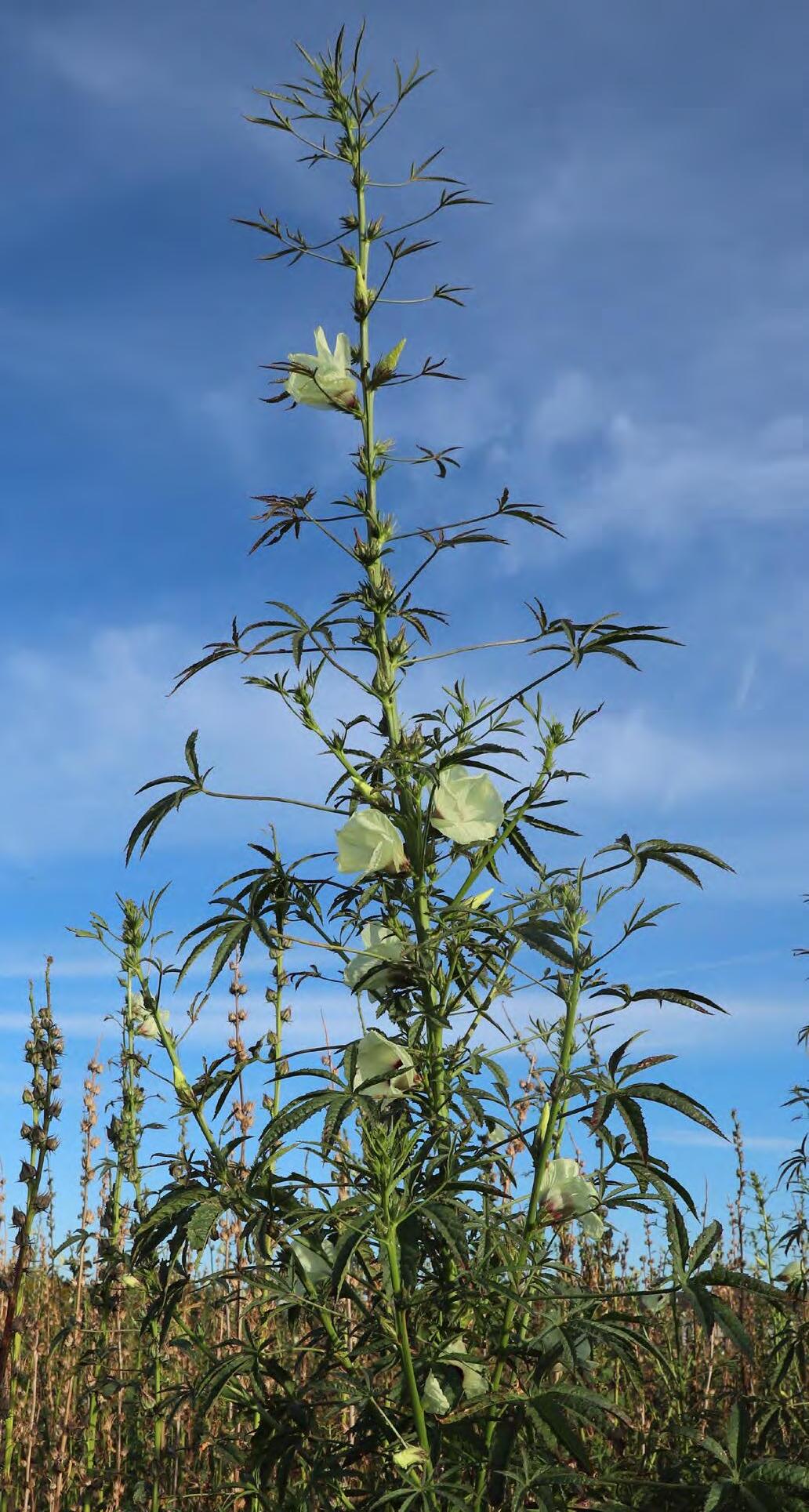
by Patricio Grassini, associate professor in cropping systems
THE CASE OF OIL PALM IN INDONESIA ILLUSTRATES THE INTENSE PRESSURE TO CONVERT NATURAL ECOSYSTEMS TO AGRICULTURAL PRODUCTION. Oil palm, a perennial crop grown in tropical environments, is the largest source of vegetable oil in the world. The oil is used for cooking and in processed food, cosmetics, cleaning products and biodiesel. Indonesia is the main producer of oil palm in the world, and the crop is a key driver of its economy.
Associate Professor Patricio Grassini is leading a project to increase oil palm yield of smallholders’ plantations in Indonesia. With support from the Norwegian Ministry of Foreign Affairs and funded at approximately $4 million, the project started on June 1, 2019, and utilizes agricultural intensification research and methods to improve oil palm productivity. By promoting intensification on existing plantations, the project can help prevent the loss of fragile landscapes such as forests and peatlands.
“Through this project, we look forward to furthering efforts to increase productivity and protect the environment. It is exciting to work in Indonesia, a country with strong commitments to reduce poverty and protect forests. Our work has delivered essential information to help conciliate these two goals by orienting programs and policy towards meeting productivity goals while
ensuring protection of natural resources,” said Grassini.
“We are confident that with the support of our Indonesian colleagues in the research, business and governmental sectors, the project can help put together a solutions agenda to close the oil palm yield gap in ways that benefit smallholders, the environment and Indonesia’s economy,” he said.
The project in Indonesia is an extension of the Global Yield Gap Atlas (yieldgap.org), a collaborative research and solutions effort initiated and led by the University of Nebraska–Lincoln in partnership with scientists at Wageningen University in the Netherlands.
“With this project we see good science serving the truly compatible objectives of economic development and environmental protection,” Grassini said. “It also demonstrates the extraordinary benefit of international cooperation. Individual institutions or single nations alone cannot overcome global challenges.”
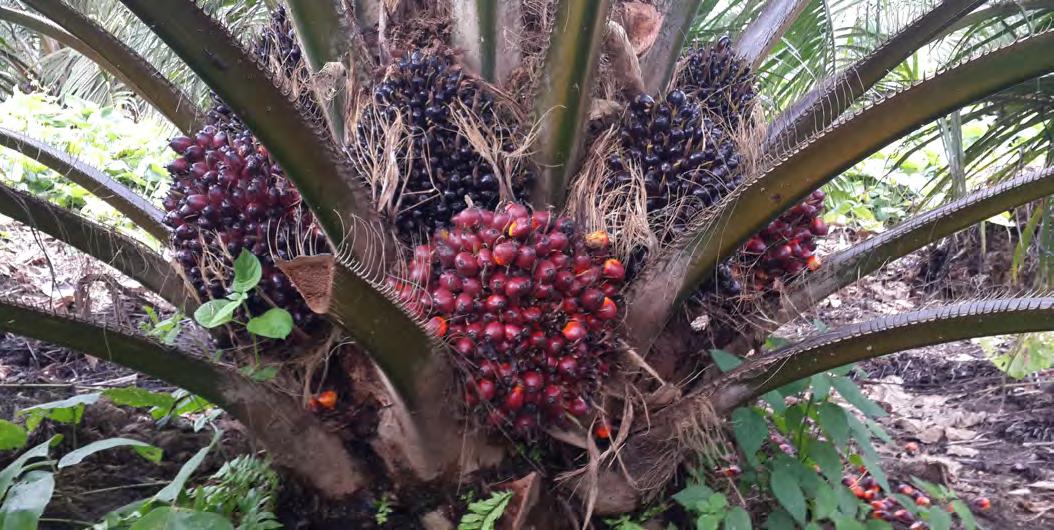
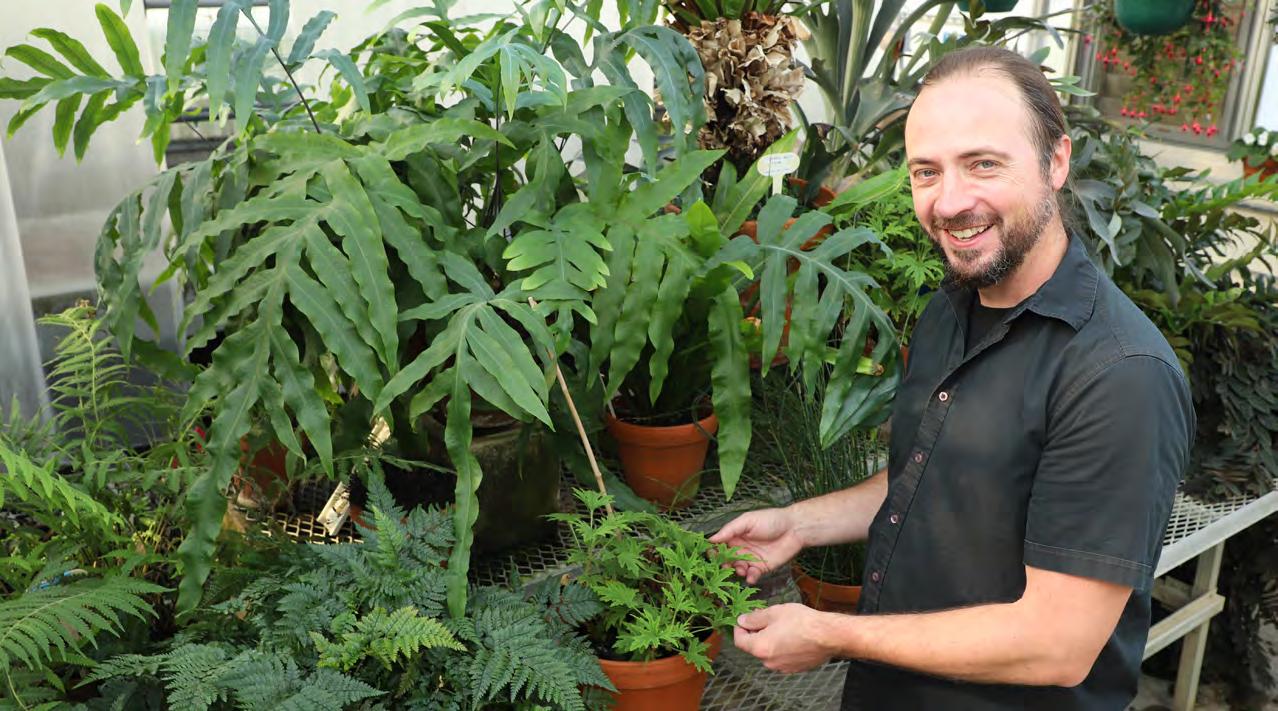
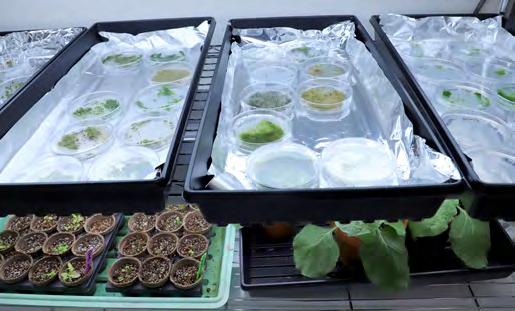
by Jeff Mower, associate professor in genomics
THE PLANT WORLD IS AMAZINGLY DIVERSE. IT INCLUDES GREEN ALGAE, DOMESTICATED CROPS, AND ALL THE WILDFLOWERS AND NONFLOWERING PLANTS IN BETWEEN. Importantly, our favorite crops and model plants represent a very small cross-section of the world’s plant diversity. Although the majority of plant species require a combination of soil, water and sun to produce the flowers, leaves and seeds that can be harnessed for human needs, many plants can achieve their fundamental goals of growth and reproduction in other ways: most nonflowering plants propagate via spores instead of seeds, nonvascular plants grow without true roots or vasculature, and some plants and algae can grow without leaves or even sunlight.
Variation in genes and molecular pathways underlies this plant diversity, and the Mower lab explores plant molecular genetic variation to understand the myriad ways in which diverse plants are able to survive and thrive across the world. Plants contain three distinct but functionally integrated genomes located in the nucleus, chloroplasts and mitochondria. Comparative analyses of plant genomes demonstrate a dynamic evolutionary history involving gains and losses of genes and entire pathways as well as larger scale structural changes. To understand how this genomic variation defines functional diversity, the Mower lab mines
TOP: In a Beadle Center Greenhouse, Jeff Mower uses geraniums (Pelargonium citronellum) and ferns to mine genomes to identify potential switches in the functional usage of genes and pathways during plant evolution. LEFT: In Mower’s lab at the George W. Beadle Center, trays of transgenic ferns (Ceratopteris richardii) are being cultured on petri dishes, and transgenic ferns and tobacco plants have been planted in soil for research.
genomes to identify potential switches in the functional usage of genes and pathways during plant evolution and uses transgenic approaches to evaluate the functional conservation of these genes and pathways in model systems ranging from flowering plants to ferns to green algae. Ultimately, the Mower lab seeks to answer the question “how labile is gene function across plants?” using a multispecies strategy that examines the evolution of gene function over a billion years of plant and green algal evolution. Genes with highly conserved functions, such as members of the anthocyanin biosynthesis pathway, can be easily interchanged between plants to alter characteristics such as flower color. By contrast, genes with more variable functions tend to be more sporadically distributed. For example, genes that induce cytoplasmic male sterility are often unique to a species; nevertheless, they can often disrupt pollen production when transformed into other species, providing tools for hybrid breeding. Functions for members of large gene families are often highly labile due to varying degrees of functional overlap and to frequent duplication and loss of members. Importantly, an understanding of the relative conservation or lability of gene function is essential when extrapolating gene function from model plants to newly sequenced genomes of nonmodel species.
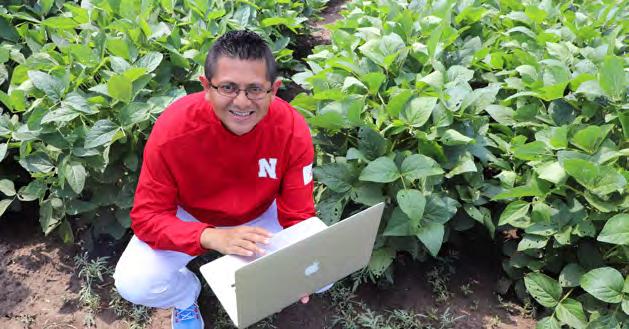
Diego Jarquin
by Diego Jarquin, research assistant professor
RESEARCH ASSISTANT PROFESSOR DIEGO
JARQUIN IS A STATISTICIAN WHO MERGES STATISTICAL METHODOLOGY, COMPUTER ALGORITHM DEVELOPMENT, DATA SCIENCE AND COLLABORATIVE WORK WITH PLANT SCIENCES (PLANT BREEDING, BIOMETRICS, BIOSTATISTICS, QUANTITATIVE GENETICS, ETC.). His research agenda is advancing prediction models for forecasting performance of plant genotype by taking into account several sources of information, including genomic, environmental stressors, biotic factors and management, and their interactions. His work is contributing to a better understanding of how biological/genetic mechanisms affect plant performance. Plant breeders are interested in developing stable cultivars that outperform current elite varieties in a wide range of environmental stimuli. Genes and environmental factors interact in many complex ways, complicating the breeder’s task. Some genotypes might perform very well in some environments and poorly in others or show local adaptation only. Thus, the accurate prediction of these genotypes in various environment combinations is important for plant breeders. Jarquin’s developments have improved the predictive ability of conventional models between 30% and 70%. Currently, Jarquin is developing novel prediction models that permit an accurate prediction of newly developed genotypes under extreme environmental conditions. It is expected that an increase of 1 degree Celsius in the historical patterns will reduce the productivity of current elite genotypes around 6%. Thus, the development of a tool that helps breeders select genotypes for challenging environmental conditions is critical.
Jarquin is actively collaborating on several projects where he provides his expertise for understanding crop performance via high dimensional interactions between genotypes and biotic and abiotic factors. For example, the Genomes to Fields and the Soybean Nested Association Mapping projects involve a direct collaboration with more than 30 states and two Canadian provinces. In both projects, environmental and soil information are available for analysis.
by Laila Puntel, assistant professor in soil fertility and precision ag
LAILA PUNTEL JOINED THE DEPARTMENT OF AGRONOMY AND HORTICULTURE IN 2019 AS AN ASSISTANT PROFESSOR WORKING ON RESEARCH, EXTENSION AND TEACHING IN SOIL FERTILITY AND PRECISION AG.
Puntel and her lab worked with seven winter wheat producers on the eastern part of the state to learn their economic optimal nitrogen rate and study crop canopy sensing technologies.
In 2020, Puntel started to collaborate on the Precision Nitrogen Management On-Farm Research Project. Currently around 30 trials are lined up for the 2021 planting season. Producers will get hands-on experience with new technologies that manage nitrogen more efficiently and evaluate how these technologies work in their operation. Growers will be using crop-model based tools, crop canopy sensing, inhibitors and split applications.
This project was made possible with a $1.2 million OnFarm Conservation Innovation grant from the USDA –Natural Resource Conservation Service. When the project is complete, producers from all parts of Nebraska will have tools to aid them in the transition to new technologies and more efficient nitrogen use.
Puntel actively participates in extension meetings including the soil school, crop production clinics and field days. She enjoys sharing results from her current and past research projects with growers and stakeholders. Puntel always looks forward to traveling across the state and meeting producers in their fields to learn firsthand how they manage their crops and how the department can support their work.
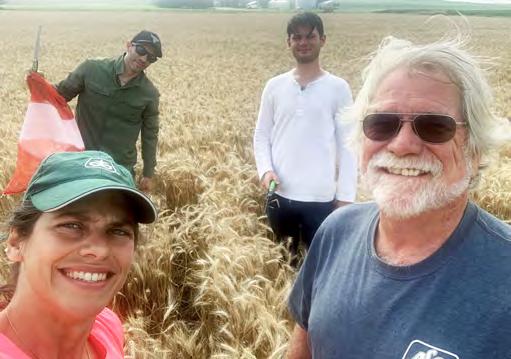
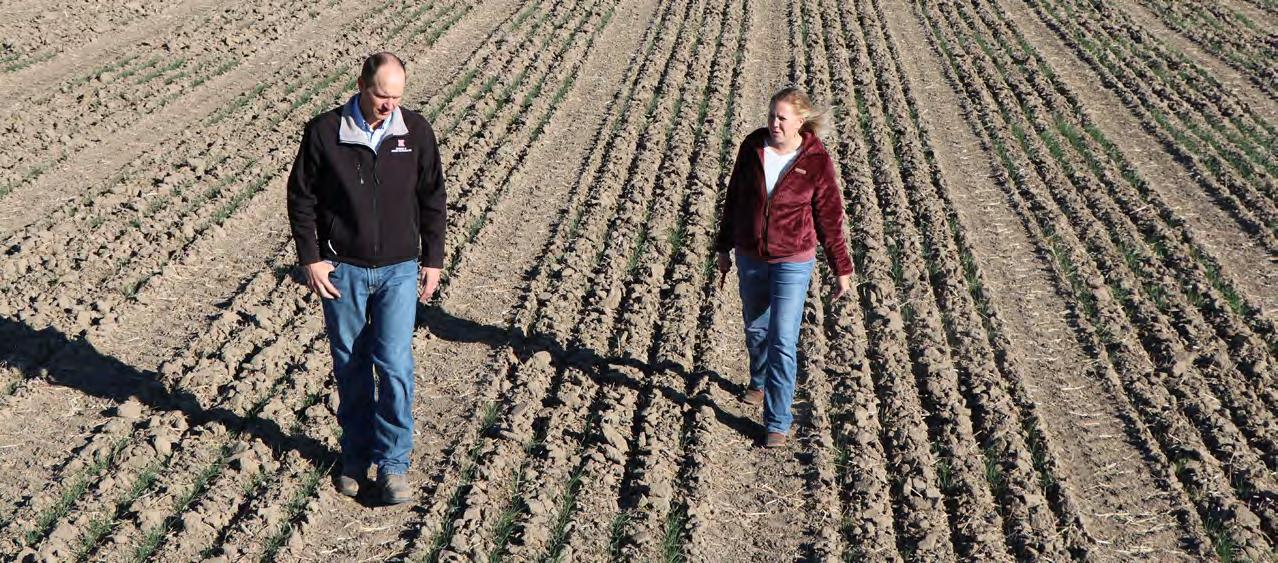
by Cody Creech, assistant professor and dryland cropping systems specialist
WITH A NEW HOME IN WESTERN NEBRASKA, THE UNIVERSITY OF NEBRASKA VARIETY TESTING PROGRAM IS LOOKING TOWARD A FUTURE OF GROWTH, NEW AND ENHANCED PARTNERSHIPS, AND ADDITIONAL OPPORTUNITIES TO CONDUCT RESEARCH THAT IS RELEVANT TO NEBRASKA CROP PRODUCERS AND FOOD PROCESSORS.
Led by Cody Creech, dryland cropping systems specialist, and Amanda Easterly, research assistant professor, the program is in its second year at its new location, the High Plains Agricultural Laboratory near Sidney, Nebraska.
The move into the Dryland Cropping Systems Program was a natural fit because of the program’s recent equipment upgrades and the support personnel located in Sidney and Lincoln. The primary goals of Creech and Easterly are to develop the program into a leader regionally and to leverage new research opportunities.
“The most critical component of the Variety Testing Program is getting the data to farmers in a timely fashion and in a format they can use,” Creech said. Accordingly, he and Easterly teamed up with faculty and staff in UNL’s Quantitative Life Sciences Initiative and IANR Communications to develop a new data-management process and a web-based decision-support tool. Initially available for winter wheat, the tool will be expanded to include other crops.
Before the Variety Testing Program transitioned, only winter wheat was being tested. Beginning in 2020, spring wheat, corn and grain sorghum were also evaluated across the state, and additional crops will follow in 2021.
Creech stressed that the success of the Variety Testing Program lies with the support of industry partners, onfarm collaborators who host sites, and Nebraska Extension. Creech said, “When this move was being considered, one question that was continually raised was how a statewide testing network could be leveraged for new research opportunities. We have already seen success in this endeavor. In winter wheat, we added intensive management trials in Mead and Sidney. In spring wheat, we partnered with Ardent Mills to explore baking and milling qualities. Lastly, in grain sorghum, we teamed up with the Nebraska Sorghum Board and a few seed companies to explore foodgrade sorghum and how growing environments across the state might alter certain sought-after characteristics.”
Looking ahead, new opportunities are being pursued through grant funding to help ensure the success of the Variety Testing Program.
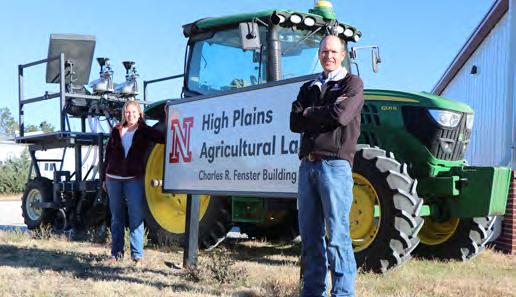
P. Stephen Baenziger: Nebraska Wheat Growers Association Outstanding Achievement Award
Mark Canney: UNL Teaching Council and Parents Association Certificate of Recognition for Contribution to Students
Humberto Blanco: Soil Science Society of America Fellow
Christian Elowsky: UNL Teaching Council and Parents Association Certificate of Recognition for Contribution to Students
Roch Gaussoin: American Association for the Advancement of Science Fellow
George Graef: NUtech Ventures Prem S. Paul Innovator of the Year award
Patricio Grassini: Agronomy Society of America W.L. Nelson Award for Diagnosing Yield-Limiting Factors, Clarivate™ Web of Science Highly Cited Researcher
David Holding: UNL Teaching Council and Parents Association Certificate of Recognition for Contribution to Students
Javed Iqbal: University of Nebraska–Lincoln 2020-21 Research Development Fellow
Terri James: Excellence in Extension Team Award – Engagement for the program Growing Together Nebraska
Diego Jarquin: National Association of Plant Breeders Early Career Scientist Award
Amit Jhala: Nebraska’s Alpha Upsilon Chapter of Epsilon Sigma Phi Early Career Outstanding Extension Leadership Award
Stevan Knezevic: NUtech Ventures Startup Company of the Year award
David Lambe: UNL Teaching Council and Parents Association Certificate of Recognition for Contribution to Students
Donald Lee: UNL Teaching Council and Parents Association Certificate of Recognition for Contribution to Students
Clyde Ogg: American Association of Pesticide Safety Educators Life Membership
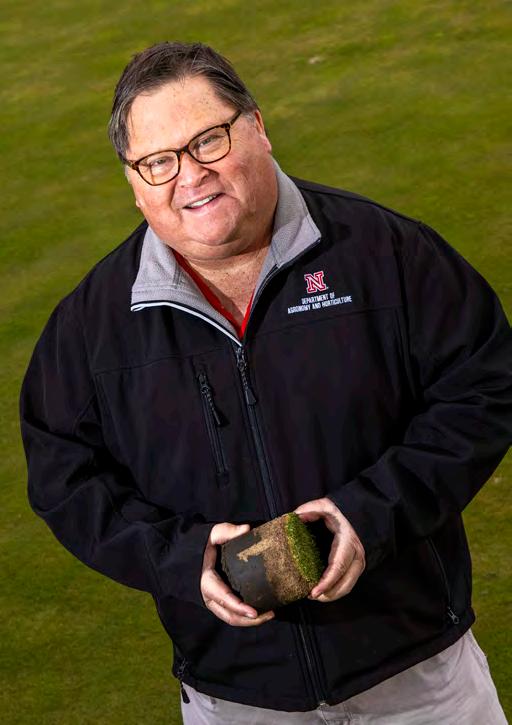
Daren Redfearn: Omtvedt Innovation Award – Extension Team Award
Walter Schacht: UNL Teaching Council and Parents Association Certificate of Recognition for Contribution to Students
Daniel Schachtman: George Holmes University Professor of Agronomy
James Schnable: The Plant Phenome Journal 2020 Outstanding Paper
Anne Streich: Executive Vice Chancellor’s Office Faculty Fellows for Student Success
Kim Todd: UNL Teaching Council and Parents Association Certificate of Recognition for Contribution of Students
Sam Wortman: ARD Junior Faculty Excellence in Research Award
A list of faculty awards can be found online at agronomy.unl.edu/staff-andfaculty-awards.
PROFESSOR ROCH GAUSSOIN WAS NAMED A FELLOW OF THE AMERICAN ASSOCIATION FOR THE ADVANCEMENT OF SCIENCE, THE WORLD’S LARGEST GENERAL SCIENTIFIC SOCIETY. Fellows are selected by their peers for scientifically or socially distinguished achievements that advance science or its application.
Since 1991, Gaussoin has been helping people in Nebraska and beyond understand how plant physiology concepts can help them take better care of their turf.
Gaussoin is an expert science communicator, having delivered more than 350 presentations and 100 publications to the turfgrass and golf course industry during his career. He’s a key contributor to “Backyard Farmer,” an educational TV program produced by NET and Nebraska Extension.
He’s also reached the highest levels of administration and professional service. From 2011 to 2017, he led Nebraska’s Department of Agronomy and Horticulture, the university’s largest department. He hired 21 faculty members, launching the unit to a top-three ranking for departmental funding and expenditures between 2014 and 2016, including a first-place rank in 2015.
Gaussoin was elected president of the Crop Science Society of America in 2015 and appointed to the National Agricultural Research, Extension, Education and Economics Advisory Board by the U.S. secretary of agriculture in 2016.
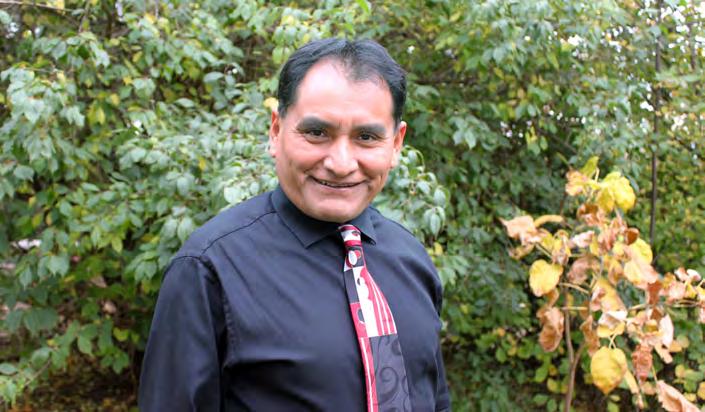
DANIEL SCHACHTMAN WAS NAMED A GEORGE HOLMES PROFESSOR OF AGRONOMY AND HORTICULTURE BY THE UNIVERSITY OF NEBRASKA–LINCOLN OFFICE OF THE EXECUTIVE VICE CHANCELLOR.
Schachtman is internationally renowned for his research in plant mineral transport, nutrient signaling, abiotic stress tolerance and crop root-soil microbiome interactions. Since arriving at the university, he has developed research projects on soil microbial interactions with plant roots. Schachtman studies how microbiomes change due to environmental stresses and he uses the data to identify microbes that might help crop plants grow better in stressful environments.
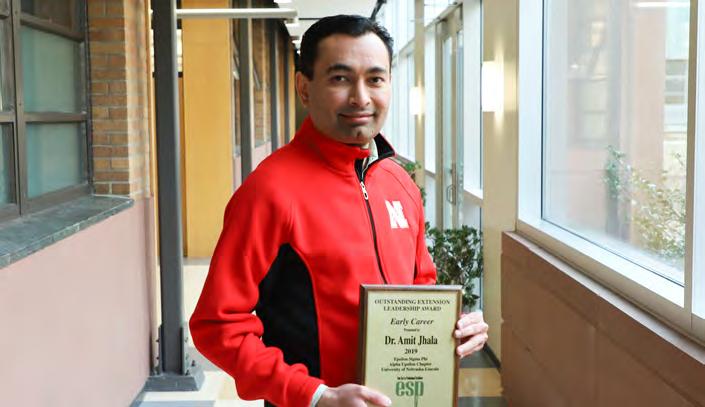
GEORGE GRAEF, PROFESSOR OF AGRONOMY AND HORTICULTURE, WAS AWARDED THE PREM S. PAUL INNOVATOR OF THE YEAR AWARD. The award recognizes an individual who exemplifies innovation and entrepreneurship by advancing novel research into significant commercial use. Graef is a world-class soybean breeder who has developed conventional varieties, glyphosate-tolerant varieties, LL55tolerant varieties and food-grade varieties, used to make tofu. He works closely with academic and industry collaborators. The award recognizes university personnel and companies who are developing and commercializing cutting-edge research.
HUMBERTO BLANCO, PROFESSOR OF AGRONOMY AND HORTICULTURE, HAS BEEN SELECTED AS A SOIL SCIENCE SOCIETY OF AMERICA FELLOW. THE SSSA RECOGNIZED BLANCO’S CONTRIBUTIONS AND ACHIEVEMENTS DURING THE SOCIETY’S VIRTUAL ANNUAL MEETING NOV. 11.
The fellow designation is the highest recognition bestowed by the SSSA. Members nominate worthy colleagues based on their professional achievement and meritorious service.
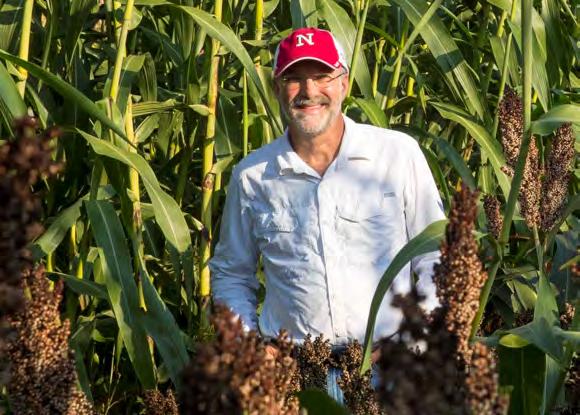
AMIT JHALA, ASSOCIATE PROFESSOR OF AGRONOMY AND HORTICULTURE AND NEBRASKA EXTENSION WEED MANAGEMENT SPECIALIST, WAS HONORED WITH THE EARLY CAREER OUTSTANDING EXTENSION LEADERSHIP AWARD FROM NEBRASKA’S ALPHA UPSILON CHAPTER OF EPSILON SIGMA PHI.
Jhala has been at Nebraska since 2012. He continues to provide cutting-edge information at extension field days by demonstrating trials of new herbicides, multiple herbicide-resistant crops and how to manage herbicide-resistant weeds.
“I am thankful for the state of the art research facilities at Nebraska, which have allowed me to contribute my part in providing necessary components to finding a solution to climate change.”
by Puneet Paul, postdoctoral research associate
SURROUNDED BY RICE/WHEAT FIELDS, I GREW
UP IN A VILLAGE 100 MILES NORTH OF THE CAPITAL OF INDIA, NEW DELHI. After my schooling, I enrolled at the University of Delhi to pursue a bachelor of science in botany. I got acquainted with the basics of plant science and graduated with honors.
I was selected for the prestigious master’s program in plant molecular biology and biotechnology in the Department of Plant Molecular Biology, University of Delhi. There, I completed my first hands-on research analyzing microRNA mediated regulation of circadian clock genes in rice as my master’s thesis project.
Thereafter, I joined Professor Grover’s lab as project associate in the same department, and I further enhanced my wet-lab skillset working on deciphering interactome of heat shock proteins in rice. This project focused on establishing a high-throughput assay to screen proteinprotein interactions in context of HSPs.
I next moved to Germany, where I joined a European Union-funded Marie Curie Program (Solanaceae Pollen
Thermotolerance-Initial Training Network, SPOTITN; www.spot-itn) to pursue a doctorate in the lab of Professor Enrico Schleiff at Goethe University. The project was established as a multi-site network of early career researchers at nine partner institutions in four European member countries and Israel to investigate fundamental and applied aspects of thermotolerance mechanisms contributing to the protection of pollen development at increased ambient temperatures.
In mid-2016, I joined the University of Nebraska–Lincoln and the lab of Harkamal Walia as a postdoc. Here, I am leading studies that aim at understanding the impact of high temperature stress on rice seed development, from the physiological and molecular perspectives, under the advisement of Professor Walia. I am thankful for the state of the art research facilities at Nebraska, which have allowed me to contribute my part in providing necessary components to finding a solution to climate change.
I would like to acknowledge all my mentors for excellent guidance throughout my career.
Promoted to associate extension educator

HIRED: 2016, M.S. 2016 FROM THE UNIVERSITY OF NEBRASKA–LINCOLN.
James is an associate extension educator for community environment and urban gardening. She helps improve consumers’ knowledge about landscapes and gardening by providing sciencebased resources. Through Nebraska Extension programs she is able to dispense this information through television, social media, online classes and handson training. She coordinates the Nebraska Extension Master Gardener program and works with Backyard Farmer. Her goal is to increase participation in and awareness of these programs in the state and region.
Promoted to associate professor and granted tenure

HIRED: 2016, PH.D. 2012 FROM THE UNIVERSITY OF NEBRASKA–LINCOLN.
Wortman is an associate professor in environmental horticulture. He aims to leverage Nebraska’s wealth of natural resources to develop biobased inputs and management tactics for specialty crop systems. Currently, his projects include research on biobased fabric mulches for leafy greens, carrots and strawberries; off-target herbicide injury in lettuce and pumpkin; grafted tomatoes for improved input use efficiency; and on-farm vegetable variety trials. He has published 16 refereed papers since joining IANR. His research has been funded through many multi-institution, team-based projects and external awards totaling more than $13 million.
HIRED: 2015, PH.D. 2013 FROM THE UNIVERSITY OF NEBRASKA-LINCOLN.
Proctor is an associate extension educator in weed science. He is working to develop IPM tools for managing Nebraska’s weeds and helping farmers to implement these tools effectively. He is working to help producers better understand how to integrate cover crops into their cropping systems and the role they may play in weed management. He also coordinates the Crop Production Clinics and Nebraska Crop Management Conference and is working toward innovative strategies that improve adult learner engagement through experiential learning.
MARIBETH MILNER, GEOGRAPHICAL INFORMATION SYSTEM SPECIALIST, RETIRED JULY 1 AFTER 22 YEARS WITH THE DEPARTMENT OF AGRONOMY AND HORTICULTURE.
Milner received a Master of Science (soil classification and genesis) and doctorate (applied soil physics) from the University of Wisconsin–Madison. She developed an interest in using GIS for spatial modeling with a focus on landscape dynamics. Prior to coming to the University of Nebraska–Lincoln in 1998, she worked with a precision agriculture start up company.
In retirement, Milner is postponing several decisions until the pandemic is over. In the mean time, she’s focused on a personal research project and hopes to complete an unfinished university project with colleagues.
CHERYL BOGENRIEF
RETIRED JULY 16 AFTER ALMOST 12 YEARS WITH THE DEPARTMENT OF AGRONOMY AND HORTICULTURE.
Bogenrief came to the University of Nebraska–Lincoln in the fall of 2008 after having worked for a propane service and an interior design firm. Her work experiences as an office manager and bookkeeper prepared her for a position in the HAPPI Business Center, where she was an account associate.
Originally from Brunswick, Nebraska, Bogenrief graduated from Plainview High School and came to Lincoln to go to school and never left.
Bogenrief said she enjoyed working with the great staff and students from Agronomy and Horticulture, Plant Pathology, Doctor of Plant Health and Center for Grassland Studies, and other university staff members. Her primary accounting duties involved general customer service, revolving accounts, purchasing cards, deposits, and travel and expense reimbursements. She was awarded the department’s Staff Advisory Committee Special Contributions award in 2015 and was a member of the SAC Special Contributions team award in 2019.
She volunteers with the Lancaster County Election Commission and likes antiquing — visiting consignment stores and flea markets — and collecting cookbooks. Bogenrief plans to sew, craft and travel more in retirement. She said she has spent more time gardening and doing yard work than ever before. She enjoys spending time with her new grandson and 10-year-old granddaughter, and she’s looking forward to her 50year high school class reunion this summer 2021.

BRUCE ANDERSON, PROFESSOR AND EXTENSION FORAGE SPECIALIST IN THE DEPARTMENT OF AGRONOMY AND HORTICULTURE, RETIRED JUNE 30 AFTER MORE THAN 40 YEARS OF SERVICE TO THE UNIVERSITY OF NEBRASKA–LINCOLN. Anderson grew up on a small dairy farm in south-central Minnesota.
He received a Bachelor of Science in agronomy from the University of Minnesota and a master’s and doctorate in agronomy from the University of Missouri.
He started his first job out of college at the University of Nebraska–Lincoln on Sept. 7, 1979, and he never left.
Anderson led forage extension with an emphasis on alfalfa production and marketing, and on pasture utilization. He founded the Nebraska Alfalfa Marketing Association and introduced near infra-red reflectance spectroscopy forage and feed testing in Nebraska, which resulted in more than a 10-fold increase in forage testing statewide. He coordinated the alfalfa variety testing within the state and was the program coordinator for 16 years for the annual Nebraska Grazing Conference.
Anderson’s Hay and Forage Minute radio program, which aired on radio stations across Nebraska, started in February 1991. Over nearly 30 years, Anderson wrote and recorded more than 3,000 radio shows warm-season grasses, forage quality for hay and pasture systems, alfalfa production, cover crops, and forage-livestock systems. In its second year, the program expanded from the KRVN station in Lexington to stations in West Point and Grand Island. Since then, as many as 50 Nebraska radio stations have picked up the program.
The foundation and following Anderson built has continued in a slightly modified program called the Pasture and Forage Minute, a Nebraska Extension production.
Through his research, Anderson developed improved grazing strategies for use of warm-season native grasses. He participated in the evaluation and release of seven grass varieties and showed that inclusion of legumes in pastures could improve animal weight gain and reduce production costs.
Anderson crossed disciplines easily, delivering invited symposium presentations at the annual meetings of the American Society of Agronomy, American Forage and Grassland Council, Society for Range Management and American Society of Animal Science.
Anderson was a Fellow of the American Society of Agronomy. He served as Extension Coordinator for the Department of Agronomy and Horticulture for 10 years and he was the chairman of the education committee of the Nebraska Certified Crop Advisor Board of Directors for 19 years. His many awards included the American Forage and Grassland Council Merit Certificate, Extension Team Programming Award for Using NIRS in Quality Feeds for Quality Feeding Programs, Extension Team Programming Award for New Tools for Pasture Production, and the Nebraska Agri-Business Association’s Education & Research Person of the Year Award. He held numerous leadership positions in state and national forage and agronomy organizations. He was nationally recognized as an authority on native warm-season grasses, forage-livestock systems, alfalfa production techniques, and hay quality management. He was a highly sought speaker and adviser for his practical approach to forage management.
Post-retirement, Anderson is custom grazing cow-calf pairs on his farm and gardening.
CLYDE OGG, EXTENSION EDUCATOR IN THE DEPARTMENT OF AGRONOMY AND HORTICULTURE, RETIRED DEC. 4 AFTER 34 YEARS OF SERVICE TO THE UNIVERSITY OF NEBRASKA–LINCOLN. Earning both his undergraduate and graduate degrees in entomology at Nebraska, Ogg promoted Integrated Pest Management and was actively involved with the Entomological Society of America for more than 25 years.
Pesticide safety was the focus of Ogg’s entire career. He joined the University of Nebraska–Lincoln in 1986 as an entomology research technician. In 1993 he joined the Pesticide Safety Education Program and was named coordinator in 2007. He led a six-member team that develops and delivers educational materials to enable nearly 20,500 pesticide applicators and farmers and 11,000 commercial and noncommercial applicators to purchase and use restricted-use pesticides.
Ogg is a charter member of American Association of Pesticide Safety Educators and has been active in the organization since 1993. Since 2014, he has been the chair of the Articles of Incorporation and By-laws Committee and a member since 2008. In 2010 he led PSEP in hosting the North Central Regional Pesticide Education and Certification Workshop in Nebraska. He secured grant funds from the PSEP Improvement and Modernization Initiative and AAPSE to host the National Manual
Development Workshop in Nebraska in 2014. He was a North Central Regional Representative from 2007 to 2009. Ogg has also served on planning committees for many conferences and workshops throughout the United States.
Ogg has been a member of the Environmental Protection Agency’s Exam and Manual Development Committee, Pesticide Certification and Training Assessment, EPA’s National IPM in Schools Working Group, North Central Region IPM in Schools Working Group, IPM Institute of North America and EPA’s Region VII Manuals Workgroup. Each year Ogg has provided radio interviews, news releases and articles to alert the public, producers and crop consultants of educational opportunities and information on pesticide issues. He has shared his knowledge and expertise on eXtension’s “Ask the Expert” web site. He has also provided training, workshops, audits and resources to sensitive and underserved populations such as Tribal Nations, schools and childcare centers in Nebraska, Iowa and South Dakota.
Ogg has authored, co-authored and directed more than 100 Extension NebGuides, Extension Circulars, Z-Mags, training manuals and other curricular materials on pesticide safety. He was instrumental in developing and presenting hands-on termite control in schools for pest management professionals in Nebraska and nearby states. His team also converted Nebraska’s certification and training materials for 19 commercial categories and private applicator recordkeeping forms to digital format.
In 2008, Ogg received the Association for Communication Excellence in Agriculture’s Gold Award for Best Innovative use of Communication Technology, the ACE Outstanding Professional Skill Award for Information Technology and the Entomology Educational Project Award, Board Certified Entomologists of Mid-America. In 2012, the EPA presented him with the PestWise IPM Innovator Award.
Ogg was honored with two awards in 2018. He received the Nebraska State Pest Control Association’s Distinguished Service award in recognition of his contributions and leadership. AAPSE also honored him with the AAPSE Fellow Award, the highest recognition honoring superior service to AAPSE and achievement in education, certification, public service, research, personal achievement and recognition.
Ogg is credited for making Nebraska’s PSEP program one of the best in the nation. He is highly respected for his collaborations with the Nebraska Department of Agriculture and other state and federal agencies and entities with regard to pesticide safety, laws and regulations and his willingness to share his extensive expertise, experience and materials with others, both within and outside Nebraska.
In September 2020, he received a Life Membership in the AAPSE in recognition of dedicating his professional career to pesticide safety education.
Spending more time with his wife and grandkids is at the top of Ogg’s long list of post-retirement activities. He said boating, fishing, hiking and rock picking at their Michigan lake house, making travel plans and working on many house projects will keep him busy in this next phase of life.
by Lana Koepke Johnson | Design and Communication Specialist
M. ROSALIND MORRIS, UNIVERSITY OF NEBRASKA–LINCOLN EMERITUS PROFESSOR OF PLANT CYTOGENETICS, IS INTERNATIONALLY RECOGNIZED FOR HER PIONEERING WORK IN WHEAT CYTOGENETICS AND IN SHOWING THE EFFECTS OF IRRADIATION ON CORN. HER CAREER AT NEBRASKA SPANNED FROM 1947 TO 1990.
For more than 30 years, Morris’s research focus was to locate important characteristics in wheat genes that would be useful in breeding wheat varieties. She and her team developed chromosome substitution lines where they would take a chromosome pair from one wheat variety and substitute it into the background of another variety. The varieties had to differ somewhat in some of their characteristics. By putting one chromosome pair into another variety, they could then find out what characteristics that pair was contributing. These substitution lines became very useful worldwide and formed the basis for current research done by P. Stephen Baenziger, professor and Wheat Growers Presidential Chair in Nebraska’s Department of Agronomy and Horticulture.
“She was a gentle scientist who worked tirelessly to create a set of lines that were second to none for studying the agronomic and end-use quality performance of hard winter wheat,” Baenziger said.
Morris was born on May 8, 1920, in Ruthin, North Wales, to schoolteacher parents. Her father survived the 1918 influenza outbreak, but it left him in poor health. At the recommendation of his doctor to seek an outdoor life, the family immigrated to Canada in 1925 and bought a 50-acre fruit farm in southwestern Ontario. Her father’s health quickly improved, and they adapted to the more rustic lifestyle.
Morris attended a one-room country schoolhouse for elementary education. She helped her parents in harvesting fruits and vegetables and with other farm chores. In her teens, she became increasingly interested in agriculture and more involved in the farm operations.
In high school, literature was Morris’s favorite subject, and she considered a career in journalism. She graduated from high school in 1938.
Because of her interest in agriculture and with little money to send her to a prestigious university following the Great Depression, her parents decided she would go to Ontario Agriculture College, now part of the University of
Guelph, near Toronto. In 1942, Morris earned a Bachelor of Science and Arts in horticulture at OAC.
She was accepted into the plant breeding graduate program at Cornell University in Ithaca, New York, and offered a teaching assistantship. At a time when women rarely pursued graduate work in science, Morris was afforded this unique opportunity because most college-age men were involved in World War II. Out of 150 students in her class, five were women. Only she and Leona Schnell received Ph.D.s in plant breeding and genetics from Cornell, the first women to do so.
As a graduate student, Morris initially studied fruit plant breeding but transitioned to the study of crop plants. She assisted her adviser with small-grains research and conducted her own research on buckwheat. However, seeing chromosomes under a microscope in a cytology course captivated her interest and changed her career path. In 1947, Morris accepted an assistant professor position at the University of Nebraska–Lincoln, becoming the first woman faculty member hired by the Department of Agronomy and Horticulture.
Her career at Nebraska began with the support of the late Robert Cushing, then an assistant professor of plant breeding at Cornell, whom she had assisted in teaching genetics courses. When he learned that his alma mater, the University of Nebraska–Lincoln, was searching for an assistant professor to work with the late Elvin Frolik on an Atomic Energy Commission grant in a newly
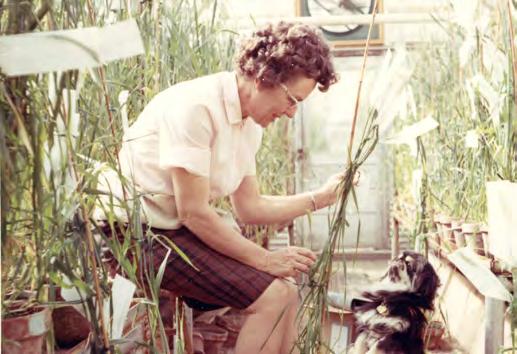
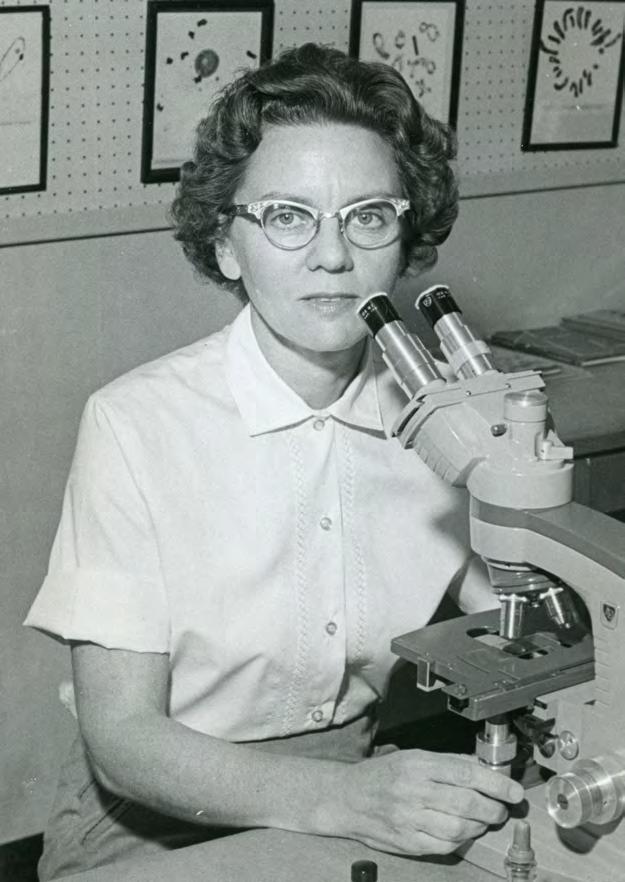
created plant cytogenetics program, he enthusiastically recommended Morris.
At first, Nebraska couldn’t hire her because she was not a U.S. citizen and couldn’t be paid by state funds. Through the efforts of Frolik and Franklin Keim, department head at the time, non-state funds were secured to hire her.
Eventually Keim and Frolik worked with the legislature to pass a resolution that if they could not find anyone with the same training in this country, then they could go outside the country. Thus, Morris was able to stay.
Still a Canadian citizen, Morris thought she would eventually go back to Canada to be closer to her parents. “But as time went on, I found I was going to settle here,” Morris said. She became a naturalized citizen in 1954.
With Frolik, she studied the cytogenetic effects of atomic irradiation on corn out of concern over the effects of atomic bombs dropped on Hiroshima and Nagasaki during World War II. She harvested corn tassels and shipped them in dry ice by air to the Argonne Laboratory near Chicago, where they were exposed to radiation and returned to her for study. They tested different doses and types of radiation and looked for chromosome abnormalities as a result of these radiations. Results showed radiation could break or rearrange chromosomes depending on the dose. It could also reduce corn fertility and seed amounts.
Morris was left in charge of the program soon after
arriving in Nebraska when Frolik went to Minnesota to obtain his doctoral degree.
In 1949, Morris took a one-year postdoctoral position at California Institute of Technology in Pasadena to further her technical skills in microscopy work and to learn to identify radiation-induced chromosome abnormalities in maize.
When Frolik became head of the department in 1952, Morris, Francis Haskins and Charlie Gardner took over his teaching duties which included statistical genetics, chemical genetics, cytogenetics and plant genetics for graduate students. Morris enjoyed teaching and working with students on writing papers, especially those students from other countries with English as a second language.
Morris was promoted to an associate professor in 1953 and professor in 1958.
In 1956, Morris received the John Simon Guggenheim Foundation Fellowship and traveled to Sweden and England to continue irradiation studies on crop plants.
“It was a joy for me to sit at the microscope and look for those beautiful chromosome spreads,” Morris said. “My research was based on the misbehavior of chromosomes and it took a lot of patience and persistence. Those studies were a forerunner for molecular research on wheat chromosomes and genes.”
Upon returning to Nebraska, Morris changed her research focus to the cytogenetics of bread wheat and continued to teach until her retirement in 1990. Her research led to the development of new wheat varieties and provided a premier resource base for the emerging field of functional genomics.
Morris co-authored the book Chromosome Biology, a comprehensive and practical textbook, in 1990.
In 1979, Morris became the first woman honored as a Fellow of the American Society of Agronomy. “I always wonder what it must be like to be honored as the first woman Fellow of the American Society of Agronomy. With her understanding of the English language, I bet it made her smile,” Baenziger said.
Morris also received fellowships to the Crop Science Society of America and the American Association for the Advancement of Science.
She served as president of the Nebraska Academy of Sciences in 1980, the first woman in over 50 years.
In addition, she was awarded the following: Noteworthy Cytogeneticist by Marquis Who’s Who; Distinguished Service to Agriculture Award, Gamma Sigma DeltaNebraska Chapter; Distinguished Scientist Award, Sigma XI Nebraska Chapter; Women of Distinction award, Soroptimist International of Lincoln, Nebraska; President’s Club, University of Nebraska Foundation; Friend of Science Award, Nebraska Academy of Sciences; and Service to Mankind Award, University Sertoma Club.
When asked what career accomplishments gave her the most satisfaction, Morris responded that contact with and imparting knowledge to her students and helping them with writing papers were her teaching successes. In research, it was to have demonstrated the value of combining genetics and cytology.

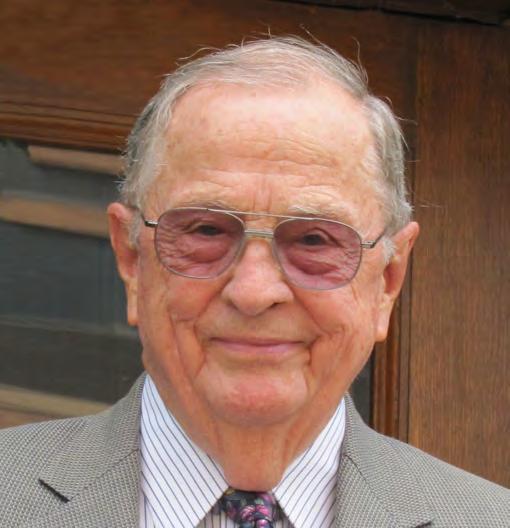
WARREN “BUCK” GABELMAN SPENT HIS 42-YEAR CAREER AS AN EDUCATOR, RESEARCH SCIENTIST AND INTERNATIONALLY RESPECTED PLANT BREEDER IN THE DEPARTMENT OF HORTICULTURE AT THE UNIVERSITY OF WISCONSIN–MADISON.
Gabelman grew up on a farm near Tilden, Nebraska, and graduated in 1942 from the University of Nebraska–Lincoln with a Bachelor of Science degree in plant science. He spent his freshman and sophomore years in the Army Reserve Officer Training Corps, a requirement at Nebraska at that time. He also played varsity baseball for Nebraska for three years.
Gabelman enlisted in Midshipmen’s School at Notre Dame University after the attack on Pearl Harbor. He was assigned to the USS Nicholas and served as a communications assistant, then officer, in the Pacific Ocean Theater during World War II.
After the war, Gabelman returned to Nebraska as a student for one semester. He then joined the staff at the Connecticut Experiment Station in New Haven with the expectation he would work on his doctoral degree in botany and microbiology at Yale University.
In 1949 he completed his Ph.D. and began his career at UW–Madison where he became a noted professor, vegetable breeder and administrator.
An innovator in modern plant breeding, Gabelman founded the College of Agricultural and Life Sciences Department of Horticulture’s hybrid vegetable breeding program. His research involved the development of hybrid germplasm in beets, carrots and onions, and the role of irrigation in the production of snap beans. During his career, he developed and released over 75 vegetable inbreds, hybrids and cultivars. Virtually every consumer of beets, carrots and onions has benefited from his breeding program.
Gabelman served as chairman of the Department of Horticulture from 1965 to 1973. The Plant Breeding and Plant Genetics graduate training program was started in 1968 because of his vision for a science-based program in plant breeding. He served as chairman of this program from 1976 to 1978.
Gabelman’s extensive travels provided him with insights into similar horticultural problems worldwide. He served on a National Academy of Sciences panel that studied issues of genetic diversity for crop plants and provided recommendations for the improvements in germplasm conservation.
He retired from UW–Madison in 1991.
Throughout his career, Gabelman received many awards and honors in recognition of his national and international work as a vegetable breeder and as a prolific teacher.
Nebraska’s College of Agricultural Sciences and Natural Resources Alumni Association honored him with the Henry Beachell Distinguished Alumni Award.
For his achievements in plant breeding research he was awarded honorary doctoral degrees from Nebraska and from the University of Agriculture in Krakow, Poland. Gabelman also received the Genetics and Plant Breeding Award from the National Council of Commercial Plant Breeders and the Award of Honor for Outstanding Achievement in Horticulture from the All American Selections.
Gabelman received the Wisconsin College of Agricultural and Life Sciences Distinguished Service Award. Two Wisconsin Distinguished Graduate Fellowships were created in his honor.
Gabelman was named a Fellow of the American Society of Horticulture Science and inducted into the Hall of Fame.

May 14, 1923 – February 11, 2020
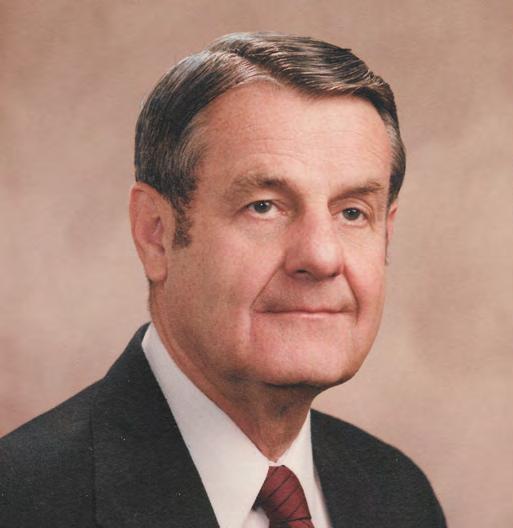
WAYNE F. KEIM GRADUATED FROM THE UNIVERSITY OF NEBRASKA IN 1947 WITH BACHELOR OF SCIENCE DEGREES IN AGRONOMY AND MATHEMATICS. A basic genetics course taught by his father, Franklin D. Keim, chairman of Nebraska’s Department of Agronomy from 1932 to 1952 and a 2019 Alumni Lifetime Achievement Award recipient, led him into a long career devoted to inspiring students in genetics and pursuing research in plant breeding and genetics.
After just three semesters at Nebraska, Keim was drafted into the United States Army during World War II in 1943. After three years of military service, he returned to Nebraska to complete his undergraduate degree.
He went on to earn a Master of Science degree in 1949 and a Ph.D. in 1952 in plant breeding and genetics, both from Cornell University.
Keim’s first job after graduating from Cornell was as an assistant professor of botany teaching undergraduate botany classes at Iowa State University in Ames.
In 1956, he took a position at Purdue as an assistant professor of agronomy and genetics in the Department of Agronomy. For 20 years, his primary responsibility was to
teach undergraduate courses in genetics and plant breeding. He also worked on plant breeding research in forage legumes.
While working at Purdue, Keim taught summer classes at Colorado State University in Fort Collins and at the University of Hawaii in Honolulu. He also spent a sabbatical year at CSU teaching genetics and another year at the University of Lund in Lund, Sweden, doing research.
In 1975, he left Purdue to become head of the Department of Agronomy at CSU, a position he held until 1985. When he arrived at CSU only three departments existed in the School of Agriculture. He began retooling the department to become an international leader in soil and plant science teaching and research. With his great people skills, he also made it a place where faculty, staff and students became a cohesive team
During his tenure, undergraduate and graduate enrollments and faculty member numbers reached all-time highs. He encouraged faculty to excel in their professions and to become active in professional scientific societies. He also embraced new ways of working and purchased modern copying equipment and the first computers for the department.
Although Keim’s accomplishments are evident in the development of CSU’s agricultural department, he was especially proud of the successes of his students. He was considered a master of education and a champion of students, and motivated many to pursue careers in agriculture and genetics. Over 100 of his students majored in plant breeding and genetics, and nearly all of his 20 graduate students were published.
“The primary responsibility, in my eyes, is educating students,” said Keim, reflecting on his years as a professor.
He retired from CSU in 1992.
Keim made many outstanding contributions at Cornell, Iowa State, Purdue and CSU in his 45 years of teaching, research and administration and received many honors and accolades. His teaching awards were numerous. The American Society Agronomy awarded Keim the Agronomic Education Award. Purdue students recognized him as “Best Teacher” in 1965 and 1968. He received the Purdue’s Harbison-Danforth Teaching Award in 1970 and is listed in Purdue’s initial Book of Great Teachers. He received Legend of Agronomy Awards from Purdue in 2007 and from CSU in 2009. | Go to agronomy.unl.edu/alumni.
September 21, 1940 – July 7, 2020
JERRY MARANVILLE, AGE
79, DIED JULY 7, 2020.
Maranville spent the first few years of his life on a farm in Reno County, Kansas, with his parents. In 1945, his family moved to Matheson, Colorado. His early childhood was spent helping on the farm, raising chickens and cattle. He graduated from Simla High School, Colorado, in 1958. He entered Colorado State University in the fall of that year, majored in soil conservation, and earned a bachelor’s degree in 1962.
Although his initial plan was to return to the farm, Maranville decided to continue his education at CSU and was accepted into graduate school to study for a master’s in crop science. His research was on the study of wheat variety variations in their ability to germinate under the drought stresses found in the Great Plains. He received a master’s degree in 1964.
In the summer of 1964, he accompanied a friend to visit Kansas State University. He was later invited to study at KSU in the area of crop physiology and biochemistry. He accepted and received a doctorate in the spring of 1967 at the age of 26.
Maranville accepted a position as an assistant professor and sorghum physiologist in the Department of Agronomy at the University of Nebraska–Lincoln in 1967. He served as a faculty member and a crop physiologist for 33 years. His research was focused on crop and sorghum. He was promoted to the rank of professor July 1, 1980.
Throughout his career, Maranville played an active role in international agricultural development. In 1979, he joined a team funded by USAID to provide assistance to agricultural programs in less developed countries. His first trip abroad was to Sudan in Africa, where he and four other individuals started a collaborative effort in agriculture with the Sudanese government.
In 1982, the Maranville family moved to the Philippines, where he worked for one year on sabbatical leave with the International Rice Research Institute and the University of the Philippines.
Upon returning to Nebraska, he continued his research on nitrogen use efficiency of sorghum and participation in international work for the rest of his career. During that time, he gave collaborative assistance to researchers in Africa including Mali, Niger, Ghana and Egypt.
He served as Associate Coordinator for the MidAmerica Agricultural Consortium Morocco Project from 1987 to 1990
and was principal investigator on a series of projects funded by the International Sorghum and Millet Project.
In addition to his research, Maranville taught two graduate courses: one on analytical methods used in crop physiology research and another on plant mineral nutrition. During his career, he served as major adviser to a large number of graduate students from developing countries and was especially active in graduate training of students from African countries who were supported by the INTSORMIL project.
He was hired by the University of Wyoming in 1988 to perform a special assignment in Somalia and spent significant time as a collaborator in India throughout his career.
In 2000, right before retirement, he was asked by the Chinese government to visit for a brief period in an agricultural advisory role.
Maranville was very active in the American Society of Agronomy, and in 1997 he was presented with the society’s highest award of Fellow. He was Chair of INTSORMIL Technical Committee, Coordinator of INTSORMIL Agronomy/Physiology collaboration, President of the Society for International Development – Nebraska Chapter, and Chair of the International Workshop on Genetic Improvement for Soil Stresses.

Trust the experts at Ward Laboratories for accurate and swift soil, plant tissue, water, and ammendment results. Visit wardlab.com.