
News from the Department of Agronomy & Horticulture
To subscribe, unsubscribe, or change your address, please contact us with your name and details of your request
202 Keim Hall
Lincoln, NE
Phone: (402) 472–2811
Email: agrohort@unl .edu
68583–0915 Web: agronomy unl edu, hort unl edu
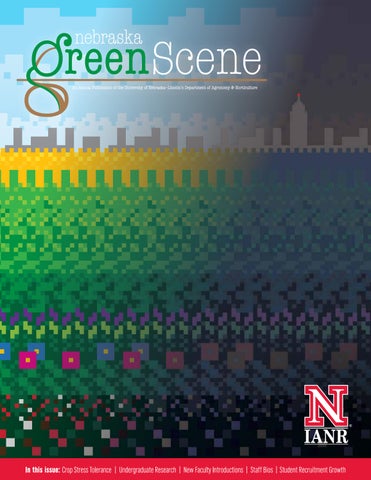
On the cover Last year, the department rolled out a new “pixel art” visual motif for its communications . The illustration on the cover is one piece of this theme, including stylized representations of faculty members’ various areas of expertise
Editing, layout/design, advertising Fran Benne, Bekka Erks, Richard Ferguson, Aaron Franco, Roch Gaussoin, Kathy Schindler, Charlene Wendt
©2012 Department of Agronomy & Horticulture University of Nebraska–Lincoln Institute of Agriculture and Natural Resources
Find our PDF newsletter online at agronomy .unl .edu/alumni .
Table of Contents
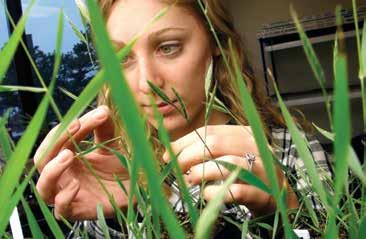
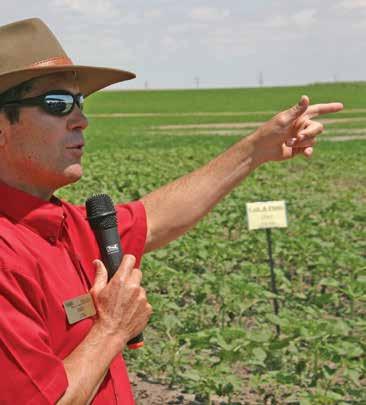
Grace Troupe’s research in iron has taken her all over the world.
Letters from the Head and Associate Head
Roch Gaussoin, Department Head
This time last year the department was in transition I was serving as the Interim Head and we were anticipating a national search for a department head sometime in 2013 Like many plans in the dynamic world we live in, things didn’t quite work out as planned
The IANR administration and I discussed the possibility of me assuming the department head role in a more permanent capacity and the idea was shared with faculty and staff via an on-line survey
The survey came back relatively positive and the interim was removed from my title on July 1, 2012 I sincerely appreciate the confidence and support expressed in the survey by the faculty and staff and look forward to the future . Our department has experienced amazing growth since the last annual newsletter Chancellor Perlman, in his University address more than a year ago, recognized the critical need for UNL to increase enrollment and grant acquisition, and provided specific metrics in each category . The Department of Agronomy and Horticulture has risen to the task . Our enrollment increases in undergraduate and graduate students put us close to the Chancellor’s enrollment goals as a department nearly four years earlier than the target date Equally important is that graduating students are being actively pursued by employers Our faculty have been very successful obtaining grants, with Agronomy and Horticulture representing one of the more successful departments for grant achievement at UNL . Another indicator of growth is new faculty hires . Many of our peer institutions have either been static or actually declining in faculty numbers, but IANR, and in turn Agronomy and Horticulture, continues to grow We were able to hire three new faculty last year Be sure to read their profiles elsewhere in this newsletter In 2013 the department will hire seven additional faculty, five on campus and two that will be located at the Panhandle Research & Extension Center in Scottsbluff . The only negative in growth is the unfortunate loss of one of our productive senior faculty, Drew Lyon, Dryland Cropping Specialist at Scottsbluff, when he took an Endowed Professor position at Washington State University The department will miss Drew and we wish him all the best in his new appointment
IANR Administration also approved the appointment of an Associate Head of Agronomy and Horticulture . In a department the size of ours this was a critical and much needed position I asked Richard Ferguson to serve in this position and he thankfully agreed I genuinely appreciate all Richard does for the department, especially when he is willing to take on some of the less glamorous tasks of department management
It is an exciting time for agriculture and a very exciting time for our department . It reminds me of an infectious radio tune
from 1986 from a group that went by the name of Timbuk3, “The Future’s So Bright, I Gotta Wear Shades.” Change the “I” to “We” in the song title and that’s how I feel when I talk to faculty, watch students in the classroom, hear the whirr of a centrifuge or the roar of a combine, smell fresh cut grass, admire the beauty of a well pruned tree, attend a field day or talk to a stakeholder and realize how many Nebraska citizens as well as the world are touched by what we do . It’s a privilege to be a part of this amazing department at this critical juncture in agriculture history .
As always, feel free to contact me with questions, comments, concerns, clarification or compliments I welcome and encourage the opportunity ■
Richard Ferguson, Associate Department Head
In my tenure with the department (now 27 years), I have observed that our support staff are key to whatever success we might have, either as individual faculty or as a department . I have been privileged to work with creative, hard-working, dedicated staff over the years in my research, extension and teaching efforts I have very much appreciated their commitment to excellence and willingness to go the extra mile on occasion, such as planting or harvest of a study on a weekend before the weather changes
We have 65 campus-based support staff in our department, in addition to numerous staff at Research & Extension Centers and Laboratories associated with departmental faculty based at those facilities One of the recommendations resulting from the Academic Program Review held last fall for our department was to re-institute a process for staff to be more engaged in departmental activities, and in helping to set departmental goals Consequently, the Staff Advisory Committee was re-established this year, with goals of facilitating information exchange among staff and faculty, helping to foster a vision for our department, providing an attractive working environment, and allowing opportunity for suggestions on maintenance, facilities, and overall departmental direction The committee is comprised of nine members elected by their peers Some of the early activities on which I’ve worked with the committee have focused on reviewing the annual evaluation process for staff, and fine-tuning the process of recognizing and awarding staff accomplishments by the department .
One other observation from our review process over the past year was that an associate head would be helpful in administering a department as large and diverse as Agronomy and Horticulture has become It has been my privilege to work with Roch since July in the role of Associate Head, and to serve the department during an exciting time of the department’s history . ■
Photo
Photo courtesy of University Communications, UNL
meet the staff
A word from Natalya Nersesian
Iarrived in the United States from Ukraine in 1992 In Ukraine, I attended Lvov State University and received a Masters of Science in Biology and Chemistry, specializing in the area of Plant Physiology .
In 1994, I joined UNL where I began working in the laboratory of Dr Thomas Elthon While in the laboratory my research focused around the question: “The role of mitochondria in the response of plants to environmental stress ” Later I transferred into the Flow Cytometry Core Research Facility under the direction of Dr . K . Arumuganathan, where I learned how to do immunofluorescence and DNA analyses, along with cell-cycle monitoring and chromosome sorting from cells . During this time, I also gained experience in the Protein Sequencing/Peptide Synthesis Core Research Facility with Dr Gautam Sarath Here I gained hands-on training in general technologies of protein sequencing and manual peptide synthesis, western blot analysis, and antibody purification
In May 2001, I joined the Department of Agronomy and Horticulture and began working in the laboratory of Dr . Sally Mackenzie My work concentrated on investigating the role of nuclear genes in maintenance and transmission of mitochondrial and chloroplast DNA, implementing the tools of In situ-hybridization techniques and microscopy analyses
For more than eight years, I have been working in the Plant
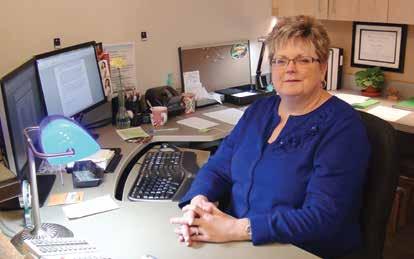
A word from Brenda Gibson
You could say I am the face of the Department . As receptionist in the administrative office of Agronomy and Horticulture, I am the first person people see or talk to when they come in or call
I have worked at UNL for 18 years; all of them in Agronomy and Horticulture And every position I have had in the Department was the right one at the time . I began as a Staff Secretary for the soils faculty in 1986 when my husband and I moved to Lincoln . Most of those soils faculty were young and they welcomed us into their group Soon, my husband and I started a family and in 1991 I left to be a stay-at-home mom to our then two-and-ahalf year-old son and newborn twin daughters
In January 1999 when I was ready to return to work, there was an academic-year opening in the Goodding Learning Center . The position worked well for me as a mom of school-age children . And I really enjoyed working with students in the computer lab
About the time I was looking for a full-time, year-round position, there was an opening in the Department for receptionist in 2005 I enjoyed working with many different people and the fast pace of the job
Three years later when there was an opportunity to move up, I took a secretary position with a group of Weed Science, Turfgrass, and Landscape faculty I enjoyed being assigned to a smaller group of
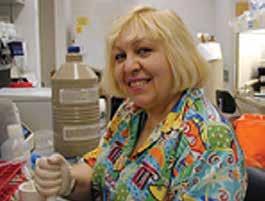
Transformation Core Research Facility with Dr . Thomas E . Clemente . In the Plant Transformation Facility I am working with various cultures such as wheat and sorghum where I focus on transformation using Agrobacterium-mediated protocols My other responsibilities revolve around molecular analyses of transgenic plants One of the projects I am working on involves the designing strategies to improve upon the photosynthetic capacity of crop plants . During my years at UNL, I’ve gained a lot of knowledge in the area of plant biology . The United States has given me so many opportunities and freedom that never would have been possible in the country where I was born It was very symbolic when I became a U S citizen on July 4th, 2000 All of this would never have been realized without the help and support of my colleagues and friends to whom I will be forever grateful . ■
faculty. And I got a chance to work with several Extension programs .
In late 2009 when the Keim Hall renovation was nearing completion, my supervisor approached me about returning to the position of Department receptionist I knew the position was a perfect fit for me My knowledge and experience in the Department made the transition easy I enjoy working with the diverse group of faculty, staff and students . I can honestly say that no two days are alike for me, but I wouldn’t want it any other way . ■

A word from Jeff Witkowski
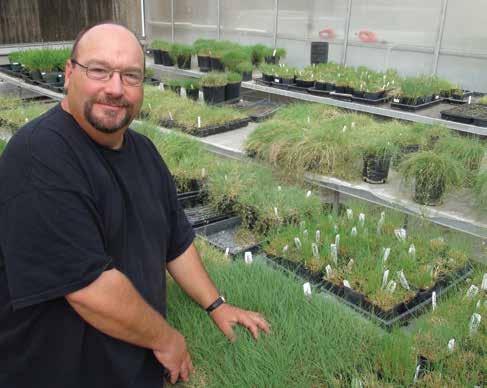
My name is Jeff Witkowski and I’m an Ag Research Tech II here at UNL My wife’s name is Karen and my son Ryan is a senior at Northeast High School
I started working full time with the department in 1990, but actually began working part-time during the summer months while I was still in high school, a long time ago
My immediate supervisor is Lannie Wit, who has been a great mentor over the years .
Working with a diverse group of graduate students from all over the world is very rewarding It is interesting learning about different cultures and making new friends
I work with several different departments that conduct
A word from Ben Lennander
During the summer of 2008 my life changed After graduating from Iowa State University in 2001, I moved to Lincoln, started a small business and worked part time for a church I got married and within a couple of years God blessed us with a growing family . By the end of 2007 the country and world were experiencing the economic hard times now known as The Great Recession . I lost my business and times were tough for me and my young family It was during July of 2008 that I got a job as an accountant serving the Agronomy and Horticulture department It was a breath of fresh air and a life-changing opportunity for me . I do not know much about horticulture and even less about agriculture but I do know the financial world One of the things I enjoy most is being able to serve the faculty and staff in their financial needs It allows them to focus their time on the teaching, research, and public service mission of the University and not as much time on finances In this position, I have been able to meet many wonderful people from all over the world and to serve those who are having an impact on feeding the world . It is an exciting time in the world of agriculture with the advances in technology
research trials at the John Seaton Anderson Turfgrass Research Facility at Mead, NE These include Plant Pathology, Weed Science, Biological Systems Engineering and Entomology
Some of my job responsibilities include pesticide applications, irrigation installation and repairs, equipment maintenance, and field trial plot establishment and treatments according to a wide range of protocols .
I have been involved in the Buffalo grass research projects over the last several years During the fall and winter months I work on propagating selected plants that show promising traits These plants are then planted out to field trials in the spring Some of these are set to be released for commercial distribution in the next year ■
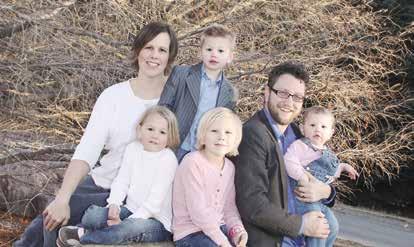
and I am thankful to play a small role in the big picture .
Our family has continued to grow and we now have four children, Abrianna (age 7), Gabrielle (age 5) Jeremiah (age 3) and Norah (age 1) In my spare time, of which there is only a little, I like to play guitar and harmonica, woodwork, and do house projects with my amazing wife We also enjoy having friends over for meals and being a host family for International Students at UNL . Life is full and going by fast but we are making the most of every opportunity . ■
“...I began to realize that scientists in a specialized field are more like a community than independent researchers.”
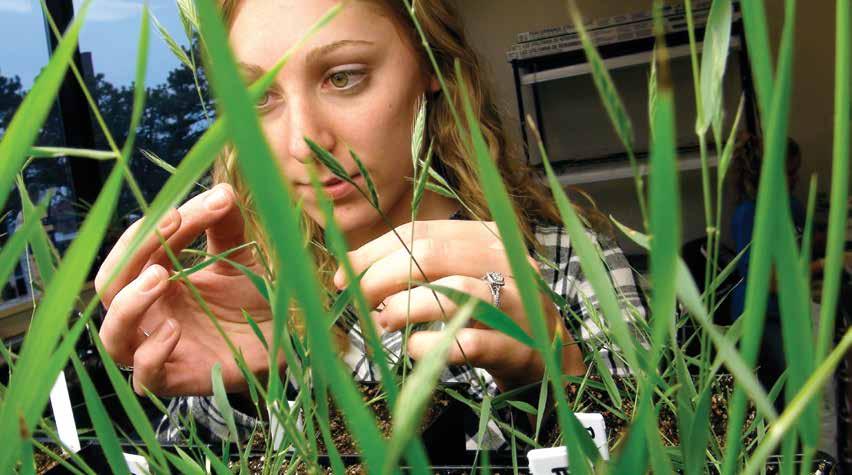
Troupe’s Journey with Iron
When I was little, I wouldn’t have claimed that I was looking forward to a career with iron . I couldn’t even have described what it was Now, though, I can relate how iron has taken me on incredible journeys to the coast, and even across the ocean
When the busyness of my senior year of high school faded away, I found myself exploring the newness of my life in the lab . I started working for Dr . Brian Waters, my patient mentor who has helped me grow from not even knowing how to dilute a solution to understanding the intricacies of our research projects As I began to learn, I was able to take on more responsibility in the lab and work on my own projects . Every project involved plant-iron interactions and I began to appreciate the complexities of the yet unknown pathways As I looked around the lab, I saw people from many nations all united by the quest to unravel the secrets of this pathway . They all ultimately have a heart for the people this research will affect by improving nutrition As I grew closer to colleagues from abroad, I saw my desire grow to experience an-
by Grace Troupe, senior undergraduate, Plant Biology
other place and how science works there Through Brian’s contacts, I was able to find a summer position in Cordoba, Spain researching iron . As I delved into the lab in Spain, I found that peoples’ hearts were the same for their science Amidst days of running PCR reactions and measuring iron reductase activity I found time to try eating snails, navigate a Spanish Feria, and explore ancient buildings that are the pride of the Spanish townspeople . It was beautiful to see how science and the inquiring mind are as universal as a smile I may have stood out with my blonde curly hair, but in the lab I found that I could blend in .
Iron didn’t leave me in Spain for the whole summer, it took me on yet another adventure to visit a former UNL colleague in his new lab in Germany Although many people tour Europe for its beauty, I found myself on a tour for beauty of a different kind: plants that could restore beauty via bioremediation . I was able to travel with my friend and his crew to search Germany for metal accumulating Arabadopsis halleri
After an exciting summer of sci-
ence abroad, I thought it couldn’t get any cooler until the next summer I was supported by the department to attend the International Symposium for Iron Nutrition and Interactions in Plants in Amherst, Mass In my opinion, nothing gives more insight into the heart of how science works than an international conference Here people from around the world discuss, debate and collaborate on their latest findings . United by a common goal, they all listen to talks about each other’s research for hours and make meaningful connections I began to realize that the scientists in a specialized field are more like a community than independent researchers . I received valuable insight into the part of a research professor’s job that, to many undergraduates, is usually an ambiguous week marked off the calendar
My journey with iron started four years ago It drew me into the lab then propelled me across the country and across the ocean . I have learned how science is conducted at the individual, lab and international level . Needless to say, I have an afFection for this element and the people and places I’ve been introduced to because of it ■
Undergraduate Student Recruitment
In his fall 2011 State of the University address, Chancellor Harvey Perlman outlined an aggressive student recruitment goal in response to joining the Big Ten Conference; grow from just more than 24,000 students to 30,000 students by 2017 For the Department of Agronomy and Horticulture this means growing by about 30 percent from our 2011 undergraduate enrollment numbers We have conducted formal and informal surveys over the last five years to better understand how prospective students get information about potential degree programs and schools . We also wanted to know more about who influences students’ decisions to select UNL and a degree program in our department With this information, our recruitment strategy has been refined to:
• Provide program specific student examples of internships, scholarships, careers, club activities, and other experiences available to students. This information is collected twice a year and developed into newsletters which are then sent electronically to high school teachers, UNL Extension offices, community college advisors, and students who have previously indicated an interest in one of our degree programs.
• Improve our Departmental website for prospective students. Often the first source of information prospective students will have about our degree programs is through our website. This fall, the prospective student pages of our Department website will undergo major renovations. These webpages will give prospective students a glimpse of the opportunities available in our Department and career opportunities available to them after graduation. In addition to highlighting student activities, course requirements for graduation, transfer course equivalences, admission requirements, and other relevant information directly related to incoming students will be available.
• Encourage more students to make a campus visit with a parent. This is the single most effective recruitment method. About 65 percent of the students who make a campus visit to learn more about one of our degree programs and are accepted to UNL, become undergraduate students in our Department. During visits we discuss career goals, classes required for the degree, scholarship oppor-
by Anne Streich, Assistant Professor of Practice
tunities with the department, clubs, employment opportunities, internships and international travel opportunities. Students will also see our classrooms, labs, teaching gardens, and greenhouses. Newsletters, websites, and campus visits are critical information delivery methods for students who already are aware of our degree programs But reaching students who are not aware of our degree programs is another important aspect of student recruitment Several years of data have been analyzed to better understand where we have historically drawn students from for each of our majors These sources include urban versus rural areas, specific high schools, initial entrance periods (freshman and internal or external transfer), previous majors of internal transfers, and previous institutions of external transfers While our four degree programs have a common thread of plant and soil management, the locations for finding and reaching prospective students with specific interests in each of our degree programs is significantly different
Nebraska students will always be the main focus of our student recruitment activities, but with the increased student enrollment goal and with fewer Nebraska high school graduates,we will be expanding our pool of prospective students Currently our out-of-state students represent less than 5 percent of the total enrollment in the Department In the upcoming years, increased emphasis will be placed on recruiting students from other Big Ten and neighboring states than has been previously done .
As we go about increasing student numbers in our degree programs, monitoring career placement of our graduates will continue Not only is it important that our graduates are placed, but that they are placed in quality positions within their discipline At this time, our graduates are being sought by many employers and placement is very good
If you have any questions about the undergraduate degree programs in the Department of Agronomy and Horticulture or have a high school or community college student who has questions or would like to schedule a campus visit, I can be reached at (402) 472-1640 or astreich2@unl edu I would also enjoy hearing from graduates of our undergraduate degree programs to hear where your careers have taken you . ■
Changes in undergraduate enrollment in the Agronomy, Horticulture, Plant Biology, and Turfgrass & Landscape Management degree programs over the last five years. *In
Promotions & Tenure December 2012
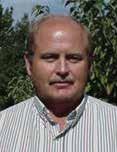
Stacy Adams Promoted to Associate Professor of Practice
Hired: 1985 M S University of Nebraska–Lincoln, 1995; B S , Kansas State University, 1984 Area of Focus: Instructor of agronomic and horticulture crops laboratories, greenhouse management and involved in extension and research of sustainable greenhouse production methods Recent major accomplishments: Created horticulture laboratory curriculum and course materials to complement learning objectives of the ACE 4 plant science course
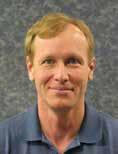
Dr. Gary Varvel Promoted to Adjunct Full Professor
Hired: 1983 Ph D ., University of Nebraska–Lincoln, 1977; B .A ., Chadron State College, 1971 . Area of Focus: Research on the effects of soil and crop management systems to improve productivity while maintaining the soil resource Recent major accomplishments: Demonstrated the effects of corn stover removal on soil organic matter in rainfed and irrigated systems .
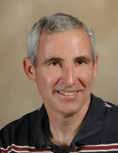
David Lambe Promoted to Associate Professor of Practice
Hired: 1999 M B A , 2007, B S 2004, University of Nebraska–Lincoln Area of Focus: Entrepreneurship education with emphasis in agriculture . Recent major accomplishments: Teaching courses to agriculture students through the Engler Agribusiness Entrepreneurship Program at the University of Nebraska–Lincoln
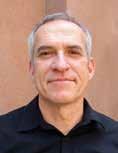
Dr. Brian Wienhold Promoted to Adjunct Full Professor
Hired: 1997 Ph D , University of Arizona, 1989; M S , North Dakota State University, 1985; B A , Minnesota State University-Moorhead, 1982 Area of focus: Development of practices for managing nutrients and water in spatially variable landscapes Recent major accomplishments: Quantified changes in runoff, sediment, and nutrient loss following removal of crop residue components and determined nutrient availability to subsequent crops for residue component
meet the faculty
Introducing Humberto Blanco

My name is Humberto Blanco, and I am a new Assistant Professor of Soil Management in the Department of Agronomy and Horticulture at the University of Nebraska–Lincoln
I was born and raised on a farm in the highlands of Bolivia, approximately 12,000 feet above sea level . During my childhood I spent much of my time on the family farm, taking care of sheep and llamas and growing crops including a number of varieties of potatoes and quinoa (Chenopodium quinoa Willd .) Working with my parents, plowing, planting and harvesting crops developed my interest in soil science early on I received my B S degree in Soil Science from the Technical University of Oruro, Bolivia
I arrived in the United States in 1993 to obtain my M S in Soil Science from the University of Missouri, Columbia with the support of the Fulbright Program . I went back to my native Bolivia and worked there as an assistant professor at the Technical University of Oruro for four years before returning to the University of Missouri in 2000 to obtain my doctorate in Soil Conservation and Applied Soil Physics I left Bolivia, encouraged by what I describe as a constant inner drive to better myself
After completing my doctorate degree, I moved to The Ohio State University where I worked as a Research Scientist at the Carbon Management and Sequestration Center in the School of Environment and Natural Resources between 2004 and 2007 . In 2008, I accepted a faculty position at Kansas State University and was based in the Agricultural Research Center in Hays, Kan for four years My research work at Ohio State and K-State included the assessment of soil physical quality, soil carbon pools, water erosion, and crop production under different scenarios of crop residue management, no-till farming, intensive cropping systems, cover crops, conservation buffers, and dedicated bioenergy crops
In early summer 2012, I moved north to Nebraska, the land of “The Good Life,” after I found this great faculty position for research and teaching at UNL It is an honor and privilege for me to be part of this organization . This is a wonderful place to work, where I am constantly reminded by many that we are all a family, working together for a greater UNL . I will be involved in both research and teaching Each fall, I will teach Soil Management (AGRO 269), a sophomore level course I am also planning to develop new on-campus and distance education courses Some of the potential courses include applied soil physics and soils and climate/bioenergy .
My overall goal at UNL is to identify and develop management practices, which protect soil, water, and air resources, increase agronomic production, and maintain environmental quality To achieve this goal, my research program will strongly rely on basic and applied research principles My research approach is based on the concept of multi-functionality in which soils are managed to provide a number of ecosystem services: 1) conserve and store water, 2) meet the increasing demands for food and fiber production, 3) filter and purify air and water, 4) store urban and industrial wastes, 5) sequester carbon (C) to offset the anthropogenic emissions of greenhouse gases (CO2, CH4, and NO2) that contribute to projected global climate change, and 6) sustain wildlife habitat .
My research work will specifically emphasize on applied soil physics, C and nutrient cycling, water use and efficiency, soil productivity, and water quality with a perspective of increased climate variability Basic and applied research in soils will be conducted for a better understanding of effects of different scenarios of tillage, crop, and residue management systems . I am particularly interested in research about soil C dynamics in relation to soil productivity and related soil ecosystem functions . I will be using existing long-term experiments and establishing new experiments to accomplish my research goals Currently, I am getting involved in three regional projects that deal with contemporary issues including: 1) harvesting of crop residues for off-farm uses, 2) dedicated bioenergy crops (e .g ., warm-season grasses), and 3) long-term tillage systems Research work will be conducted on a regional scale across a precipitation gradient and under contrasting soils in Nebraska To achieve the objectives of my research, I will closely work and collaborate with colleagues who may have similar research interests My research plan will be based on teamwork and interdisciplinary collaboration .
Last but not the least, I want to say that I am married to my wife, Vilma, and we have two boys (8 and 14 years old) . Over the past few months, we have been busy getting settled in Lincoln, meeting new people, and making new friends ■
Introducing Amit Jhala
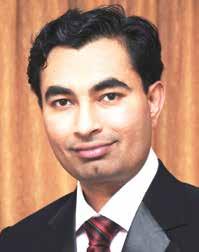
Amit Jhala obtained his B .S . with Distinction in Agronomy from the Gujarat Agricultural University, India, and M S with Distinction in Weed Science from Anand Agricultural University, India . In 2005, he was honored with an ambassadorial fellowship sponsored by the Belgium Government to conduct research at the Ghent University, Belgium Amit obtained his Ph .D . in Plant Science/Weed Science in 2009 from the University of Alberta, Canada . His doctoral dissertation was to evaluate pollen mediated gene flow from transgenic flax to conventional flax and evaluating hybridization of transgenic
flax with wild and weedy species; and weed control in flax, wheat and canola . His research work on gene flow is published in Heredity and recognized internationally . A special commentary has been published in Heredity recognizing sampling strategy he developed to determine minimum number of seeds require to evaluate pollen mediated gene flow from transgenic crops His paper published in Crop Science detailing inter-specific hybridization of transgenic flax with wild and weedy species was selected as a quality paper by the Crop Science Society of America and he was invited to write a press note that was published in the CSA News .
Prior to joining the University of Nebraska–Lincoln, he was a postdoctoral fellow at the University of California-Davis and the University of Florida in weed science programs Thus, Amit has outstanding weed science research experience in three continents . UNL has one of the best weed science teaching, research and extension programs in the nation and Amit feels fortunate to be a part of that .
“For me, UNL represents the culmination of Louis-Pasteurtype research, where you work on basic theory questions but with
(Re-)Introducing Haishun I
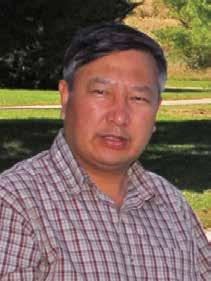
re-joined UNL faculty on July 1, 2012, as associate professor of crop simulation modeler in the Department of Agronomy and Horticulture . My position is one the five cluster openings of the Robert Daugherty Water for Food Institute of UNL My focus is on the goal of increasing water use efficiency of corn and soybean systems through development of user-friendly, scientifically robust crop simulation models to improve crop management . I will achieve the goal by 1) developing better understanding of crop response to limited irrigation, 2) optimizing irrigation practices for a given crop, location, and irrigation system, and 3) developing model and decision support toolkits for selection of varieties appropriate for water-limited systems My appointment includes research, teaching and extension . I plan to teach one course at graduate level in the area of quantitative crop ecology and crop simulation modeling I was previously with the department from 2001 to 2008, first as post-doc associate and later research assistant professor For the past three and half years, I worked as a crop simulation scientist in Monsanto Co in St Louis, Mo Before coming to the U S ,
a view to applying these to societal problems,” Amit says from his office in Keim Hall .“UNL, its College of Agricultural and Natural Resources and its Department of Agronomy and Horticulture have a tradition of this type of research—one I feel honored to join It is rare to be at an institution where you can meet with academics with whom you share subject matter and I feel UNL really has that critical mass that allows us to collaborate effectively to solve new challenges in weed science ”
Amit’s research areas include risk assessment of herbicide resistant crops, gene flow from glyphosate resistant weeds, leaching of soil-applied herbicides, and herbicide tank mixtures for control of herbicide-resistant and susceptible weeds Amit says his training and expertise will be a good match to work on many burning issues of herbicide resistance weeds in soybean and corn in Nebraska, and he is looking forward to collaborating with other outstanding weed scientists at UNL .
Amit’s wife Rachana recently joined the Department of Plant Pathology as a Research Technologist They feel very fortunate to be at UNL and are adjusting to their new life in Lincoln ■
Haishun Yang
I worked for four years, from 1997 to 2001, as research scientist in the IACR-Rothamsted in the United Kingdom and was seconded to the International Rice Research Institute (IRRI) in the Philippines During 1984–1991, I worked as research assistant in the Soil and Fertilizer Institute, Chinese Academy of Agricultural Sciences in Beijing
“ … I am passionate in developing decision support computer software for a wide range of applications.
”
I grew up in Tianjin in North China, a coastal city about 80 miles from Beijing I obtained my B S in soil science and plant nutrition from China Agricultural University (formerly Beijing Agricultural University) in 1984 In 1991, I was awarded the Netherlands Government Fellowship for pursuing graduate studies in the Wageningen University in the Netherlands . I obtained my M .S . in soil and water sciences in 1993 and Ph .D . in soil science in 1996 . Since my Ph D study, my research interest has been around computer simulation modeling, including soil organic matter decomposition and carbon sequestration, crop development, growth and yield prediction, life cycle analysis of bio-energy systems, crop fertilizer recommendation, and environment footprint analysis for crop breeding . Besides using simulation modeling as a research approach, I am also passionate in developing decision support computer software for a wide range of applications I strive to design and develop such computer programs that are intuitive to use, have user-friendly graphic interfaces, and are enjoyed by users
ranging from researchers, industry professionals, educators, as well as crop consultants and producers I have developed several such software programs, including the Hybrid-Maize model (for corn growth and yield), the DK-C&N model (for soil carbon and nitrogen decomposition),the Maize-N model (for nitrogen fertilizer recommendation for corn), the BESS model (Bio-Energy Systems Simulator for life cycle analysis), Weather-Aid (for weather data management for simulation use), TFU (Testing Field Update system for global crop breeding in Monsanto), TFA (Testing Footprint Analysis for crop breeding in Monsanto), and GLOBEC (Global Environment Correlation for optimal selection of breeding locations in Monsanto) .
Lincoln is where we (my wife, Lancy, my son, Luye, and I) first landed in the U S in April 2001, and we simply like the place To us, Lincoln is the right size—not crowded and not small either We also like the natural environment of this region: four distinct seasons, nice spring, not humid summer with few mosquitoes, beautiful fall, and good amount of snowfall in winter . And last but not the least is Lincoln’s friendly folks .
I am not a sports man by any means in my spare time, but I have never felt bored either, as I have developed many hobbies since childhood: electronics, mechanics, RC modeling, handyman work, photography, fishing, gardening, and cooking I appreciate well-thought product designs and enjoy high quality craftsmanship I am always curious about “why” and “how,” and fixing broken or non-working items is my cup of tea . Each time we move into a new home, I always first build a good workshop in the garage or basement And my workshop keeps growing in functionality, capability and efficiency ■
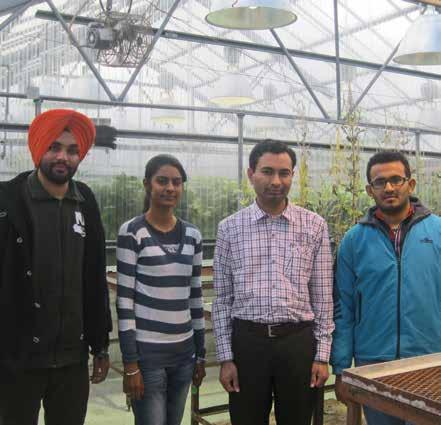
Dr. Jhala in the greenhouse with his graduate students. From left to right: Parminder Chahal, Simran Kaur, Amit Jhala, Debalin Sarangi.
student club updates
Agronomy and Horticulture Graduate Student Association News
by Katherine Frels, AHGSA President
The mission of the Agronomy and Horticulture Graduate Student Association is to serve as a representative body for graduate students in the Department of Agronomy and Horticulture while promoting student and faculty

relations and investigating issues unique to graduate students President Katherine Frels, Vice President Juthamas Fakthonphan, and Secretary/Treasurer Blythe McAfee make up the executive committee for this school year . Our goals for the 2012-2013 school year include establishing regular business meetings along with social events for students in the department to get to know one another better
The first business meeting of the year usually occurs during the second week of school, during which regular meeting times are determined, along with ideas for social events Business meetings are scheduled at least once a month, and we hope to have a social event every one to two months .
Our first social event of the year was a Welcome Back potluck that took place the Sunday night before the start of classes About 15 people attended the event, and we hope to see participation increase as the school year begins As in the past, AHGSA will host a fall cookout and baked goods contest for the department during
Horticulture Club ‘12
News
UNL Horticulture Club is an organization of students passionate about the art and production of plants . The club includes many horticulture majors as well as students majoring in a variety of other areas Each year, the club holds three to four plant sales as fundraisers Sales for the 2011-2012 school year included the Fall Foliage and Pumpkin sale, which featured house plants as well as many decorated pumpkins and gourds; the Poinsettia Sale, held the last week of fall semester classes; and the Spring Sale, which consisted of numerous annual bedding plants and vegetable seedlings A number of plants from the 2012 Spring Sale were donated to a family challenged with medical expenses who then sold the plants as part of a benefit Horticulture Club grows all of their plants from seeds and plugs . Members are responsible for the care and maintenance of these plants throughout the semester until sale time The club uses the funds from the sales to go on an annual trip to out-of-state horticulture-related production facilities and gardens The 2011 trip took dedicated members to Minnesota and included tours of Bailey Nursery and Minnesota Landscape Arboretum Horticulture Club also educates its members by bringing in guest speakers
the fall semester Other options for social events include tours, football tailgating, and additional potlucks
In order to increase our visibility in the department, the executive committee is looking into apparel options for AHGSA
We feel that having a logo and apparel will increase both interest and pride in the association Apparel design and options were discussed during the beginning of the fall semester with the goal of having apparel to wear by the end of the semester . All in the department are welcome to join in the fun!
As the 2012–2013 President, I sincerely hope that both faculty and students look at AHGSA as an opportunity to supplement graduate education . I want to build a community of support and inspiration for Agronomy and Horticulture graduate students I encourage all students to visit us at our meetings The meeting schedule is published at the AHGSA website, http://agronomy unl edu/ahgsa For more information, contact me at katherine .frels@gmail com . ■
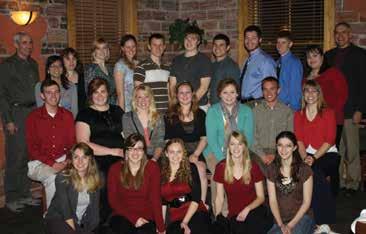
2012–2013 UNL Horticulture Club members with club advisors Stacy Adams and David Lambe at their annual banquet in March.
to club meetings . Guest speakers this past year included Clyde Ogg, an Associate Extension Educator on pesticide safety, and Ryan Pekarek, the owner of Pekarek Produce . This year, Horticulture Club members enjoyed going to Colorado for their annual trip, selling new succulent planters at the Fall Foliage Sale, and adding a philanthropy to the Poinsettia Sale by selling pink poinsettias to support breast cancer research . ■
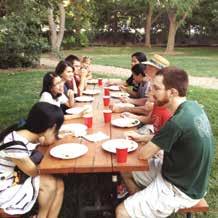
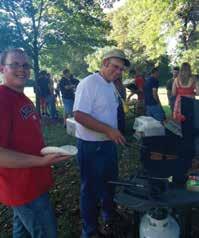
AHGSA celebrated the start of the semester with a potluck, the first of many social events hosted by the club.
Range Club Activities ‘11–‘12
The UNL Range Management Club had enjoyable adventures this year attending annual meetings and incorporating fundraising and social activities in the mix . The Range Club began the year participating in the Nebraska Section of the Society of Range Management meeting held in Sidney, Neb in October 2011 Students participated in presentations and a crazy auction which is the clubs main fundraising event for students to attend the national meeting . Other fundraising events included members working on range and forage research projects, selling coupons at Younkers and working at Noodles & Company for an evening Range Club has become active in managing the restored prairie at UNL’s Prairie Pines northeast of Lincoln The club is developing a management plan for the prairie with the vision of creating a diverse tallgrass prairie ideal for educational and recreational purposes . The club has initiated a monitoring program at the prairie involving grassland production and botanical composition
Agronomy
Club
Tby Jared Aden, Club President
he UNL Agronomy Club is growing each year as the club makes strides to become more involved with East Campus We had representatives from several companies come in to visit with us, including Helena, Ag Valley Coop, Farm Credit Services and Servi-Tech . Last spring the club took members to the Students in Agronomy and Soils Educational Society (SASES) regional conference in Ames, Iowa, where we were given tours featuring different areas of agriculture in Iowa Within UNL, the club holds a chili cook-off and just introduced a sand volleyball tournament this year . At the start of the school year, we have an annual grill out with the Range Club The club also has aspirations of sending members to the national SASES conference to compete in the quiz bowl . This year looks to be an exciting one as we continue to grow and become a larger presence in the university ■
by Chelsea Luthy, Range Club President
Eight undergraduate students belonging to the Range Management Club and eight range graduate students actively participated in the student contests, sessions, and meetings at the Annual Meeting of the Society for Range Management at Spokane, Wash in February 2012 Among other accomplishments, the Club’s Undergraduate Range Management Exam team placed 11th out of 24 teams and team member Joe Schumacher finished in 9th place out of 204 students . Students also participated in the International Student Conclave (ISC) . Club member Jeanna Jenkins was elected the 2012/13 Reporter of the ISC . The UNL graduate students made oral and poster presentations in technical sessions on their graduate research
On the social side of things, the club participated in the fall semester picnic with the Agronomy Club, organized an intramural broomball and volleyball team, ice skated in Spokane, Wash ., and also held a board game night to get to know other Range Club members ■
Olsen’s Agricultural Laboratory, Inc.
210 East 1st Street / PO Box 370 McCook, NE 69001
308.345.3670
www.olsenlab.com
Providing 36 years of analytical services to the agricultural community and industry
We are dedicated to the highest quality of analytical services keeping the clients economical and environmental interests in mind. Sugar Beet Nematodes

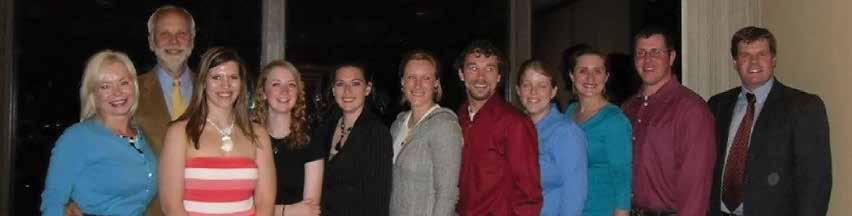
Range Club Members & Advisors at Agronomy and Horticulture Banquet 2012: Carol & Walt Schacht (co-advisor), Chelsea Luthy, Kyra Baldwin, Jeanna Jenkins, Ellen Miller, Lars Anderson, Jess Milby, Laura Snell, Ben Beckman, John Guretzky (co-advisor)
Developing Stress Tolerant Cropping Systems

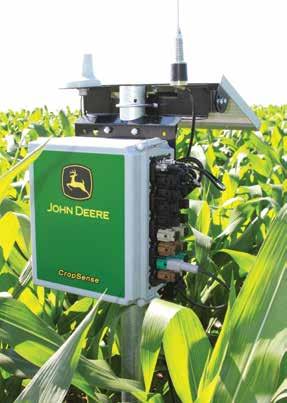
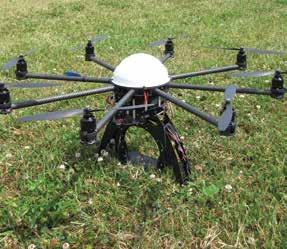
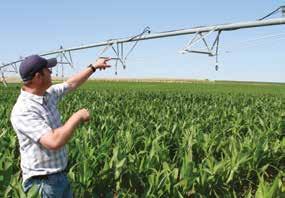
Significant research efforts are focused in the department on cropping systems which can tolerate increasing variation in nutrient supply, disease, insect and weed pressure, and especially water availability The drought of 2012 reemphasized the importance of water to crop production in Nebraska, and the need to develop resilient cropping systems that can deal with increasing variability in weather .
One of the strengths of a diverse department such as Agronomy and Horticulture is the ability to engage many faculty resources on an important topic such as stress tolerance These efforts run the range from very basic, detailed laboratory research efforts, to greenhouse trials, small plot field studies, and large field studies evaluating variation in crop response to stress across variable landscapes Faculty and research facilities across the state are engaged in these efforts
Aaron Lorenz is a plant quantitative geneticist working on breeding aspects of maize stress tolerance . Genomic information on maize genetic stocks is being generated at an exponential rate, with entire germplasm collections being genotyped with high-density markers The ultimate goal of these activities is to fish out alleles (versions of genes) contained in these collections that confer some sort of phenotypic advantage to currently grown cultivars
A very important phenotype, of course, is tolerance to water deficit, or effective use of water, which is known to be highly complex in terms of genetic control . Grain yield with a particular water regime is essentially the manifestation of how a hybrid responds to environmental conditions throughout the growing season Aaron is working on evaluating effects of genetic variation on plant growth and development parameters on a routine basis through the season . This information can be combined with weather and soil moisture data to better understand how different hybrids respond to weather events
In 2012, Aaron teamed with Greg Kruger, Cropping Systems Specialist located at the West Central Research and Extension Center, and Liakat Ali, post-doctoral research associate, to evaluate a wide range of cultivars for tolerance to water stress at the Brule Water Resources Laboratory One tool currently being used is remote sensing via unmanned aerial vehicles (UAVs) . Instruments carried by UAVs scan crop canopies at specific wavelengths for information on plant response to water or nitrogen deficit The ability of UAVs to rapidly scan a large number of cultivars in the field multiple times throughout the growing season is part of the process of rapid throughput phenotyping, allowing researchers to more easily identify physiological mechanisms and ultimately genes conferring advantageous water stress response
Harkamal Walia is a plant molecular physiologist studying plant response and adaption to various abiotic stresses at physiological and molecular levels, specifically drought, heat and flooding stress responses in cereals such as rice, wheat and maize He has identified several genes (especially transcription factors) and pathways that are associated with tolerance response in rice during drought and flooding events .
Harkamal has been instrumental in planning for an Automated Plant Phenotyping Laboratory (APPL), which will be one of the first research facilities built on Innovation Campus The APPL will consist of a state-of-the-art greenhouse facility using an imaging system capable of phenotyping hundreds of plants over a long period of time in a controlled environment . Plants will be taken daily by a conveying system through a scanner which will collect reflectance data at multiple wavelengths This information will provide a dynamic evaluation of plant response to abiotic and biotic stresses The APPL will enable researchers to perform sophisticated, large-scale experiments with multiple levels of water and/or
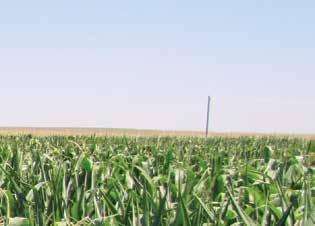
Photos from top: Various maize cultivars with differential response (leaf rolling) to drought stress, Brule Water Resources Laboratory. Wireless soil moisture monitoring system, South Central Agricultural Laboratory. Multirotor, autonomous remote-sensing aerial vehicle. Tim Shaver points out components of the variable rate irrigation system at the Brule Water Resources Laboratory.
by Richard Ferguson, Soil Fertility Specialist
nutrient stresses that are relevant to challenges faced by plants in the field This facility will serve as a primary interface between lab and field investigations of crop stress
Tim Shaver and Richard Ferguson are soil fertility scientists working with an interdisciplinary group of scientists (including USDA-ARS scientists, and faculty from the Department of Biological Systems Engineering) to better understand landscape influences on interactions of water and N supply . The drought of 2012 reinforced the need for better information on how to provide water and nutrient inputs at the right rate, time and location to optimize yield and input efficiencies . The emerging availability of variable rate irrigation systems now provides irrigated corn growers the opportunity to control irrigation spatially and temporally across fields, according to landscape variation
Growers for some time have also had the ability to vary the rate of fertilizer across fields as well . However, there has been little research on the interactions of landscape position, and the ability to supply water and nitrogen in space and time Their research includes a mix of field studies on University facilities (Brule Water Resources Laboratory, South Central Agricultural Laboratory) and irrigated grower fields from the Panhandle to central Nebraska . They are using a range of sensors in fields to monitor crop water status throughout the growing season They also are using a range of sensors (optical, thermal, acoustic) to monitor crop growth and nitrogen status at pre-tassel, vegetative stages critical to determining economic optimum rates for nitrogen fertilization . Also included in this research is how corn hybrids vary in their response to water and nitrogen stress, and how sensitive various crop sensors are to growth differences among cultivars
These projects are part of the broad efforts within Agronomy and Horticulture, and the Institute of Agriculture and Natural Resources, to develop cropping systems which are more tolerant of stress ■
Alternative Crops Breeding Program
by Dipak K. Santra, Alternative Crops Breeding Specialist
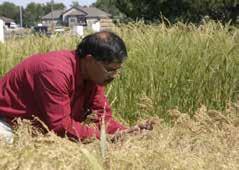
Dr . Dipak Santra, the Alternative Crops Breeding specialist at the UNL Panhandle Research and Extension Center, Scottsbluff, Neb develops and promotes new alternative crops for western Nebraska and the neighboring High Plains region . The crops of major focus are proso millet, a well-established alternative crop and fenugreek, a new alternative crop
Proso millet (Panicum miliaceum), a small grain and one of the of the oldest (~10,000 years) cereals, was introduced to the central High Plains in the late 1800s by German immigrants from Russia where proso (Russian word) millet was commonly grown for human food . Today proso millet is mostly used as bird seed in the U .S . It is an excellent alternative crop in the wheat-based dryland farming system in much of the High Plains It provides crop diversity, which is critical for sustainable farming in the region Dr Santra’s proso millet breeding and genetics research program is the only one in the U S As standard practice in any conventional breeding program, Dr Santra makes new crosses of proso millet every year and develops early generation breeding material for testing in the field with the goal of finding better cultivars . He is continuously evaluating world germplasm for new sources of desirable agronomic traits (early flowering, tolerance to lodging and seed shattering; and uniform maturity for direct combining)
There is very limited research on genomic resources (DNA markers, genetic linkage map, etc ) in proso millet; however, Dr Santra and his graduate student Santosh Rajput have been successful in developing hundreds of DNA markers utilizing cross-genomic information within a short time . As part of his Ph D . research project, Mr . Rajput’s goal is to map the gene(s)/ QTLs of important desirable traits in proso millet and identify the DNA markers, which are closely linked with the ‘difficult-to-assay’ traits for Marker-Assisted-Selection (MAS) To identify new uses of proso millet, Dr Santra and Dr Devin Rose from the UNL Food Science and Technology, recently published (Industrial Crops and Products. 43:602-605) that proso millet can be used as feedstock for ethanol production, which is primarily from maize This research is relevant for western Nebraska since proso millet can be used as feedstock (at least partially) in regional ethanol plants . Dr . Santra’s vision is to utilize newly developed genomic tools in conventional breeding for efficient genetic improvement of proso millet so producers in the region have better cultivars for making this crop more attractive and profitable Fenugreek (Trigonella foenum-graceum) is a new alternative crop that may fit this area It is an annual legume plant unfamiliar to Americans Fenugreek (also known as ‘Methi’ in India) is grown almost exclusively in India for spice and medicinal uses mainly for type 2 diabetes . The foliage has been used as an herbal medicine . The leaves and seeds also have been used to brew tea . Santra focuses on evaluating various genetic materials for identifying suitable varieties adapted to the High Plains . He is collaborating with other UNL faculty (Dr . Alexander Pavlista at the Panhandle Research and Extension Center, Dr Devin Rose and Dr Vicki Schlegel in the Food Science and Technology Department) He aims to develop well adapted fenugreek cultivars, and best management practices for high seed yield with high levels of active biochemical ingredients of medicinal value Santra and Pavlista envision working with the University of Nebraska Medical Center to integrate fenugreek into clinical trials . This project may be at the infancy of what could develop into a vertically integrated center in Nebraska to study the production of biomedical or neutriceuticals, beginning with farming practices and extending through to the development of pharmaceuticals
Dr Santra also works in collaboration with other regional institutions (KSU, CSU, USDA-ARS, Akron) on various oil seed crops with the aim of identifying suitable oil-seed crops (winter canola, sunflower, and camelina), which can be incorporated in existing cropping systems in the region ■
Visiting Scholars Make Most of Time in Nebraska
by
Xianlong (Michael) Peng – Associate Professor, Northeast Agricultural University, Harbin, China; and Cailian Yu – Associate Professor, Harbin University of Science and Technology, Harbin, China
Many Chinese scientists dream of studying differences in corn production between China and the U S , since corn yields are much higher in the U S We have enjoyed the opportunity Richard Ferguson gave us to explore these differences as visiting scholars to the University of Nebraska .
Over the last year, we collaborated with Dr . Ferguson on his ongoing studies evaluating nitrogen loss processes with irrigated corn We conducted a series of lab studies which replicated field conditions, allowing us to evaluate loss processes in more detail Loss of nitrogen to ammonia volatilization or nitrate leaching was substantially influenced by weather conditions and the use of
enhanced efficiency fertilizers
We found things far from simple when we arrived in Lincoln—in many ways a strange place and language . We knew nothing about American agriculture, especially corn production which relies on large scale equipment We gained an understanding of agriculture in Nebraska through reading references, sitting in on classes, attending departmental seminars, participating in regular
lab meetings with Dr . Ferguson, attending extension field days, and so on . Irrigation is probably the main difference between corn production in China and Nebraska . Also, we’ve observed that good yield potential is dependent on good planting conditions, nutrient management, and general access to agronomic and equipment management
We have sincerely enjoyed our stay in Lincoln, Neb . ■
INNOVATIVE SCIENCE
ADVANCING FERTILIZER TECHNOLOGY
Koch Agronomic Services, LLC is committed to scientific integrity for improved crop production efficiency and technologies. As a global leader in enhanced efficiency fertilizers, the company supports a diverse selection of research programs such as Dr. Richard Ferguson’s soil fertility studies at the University of Nebraska.
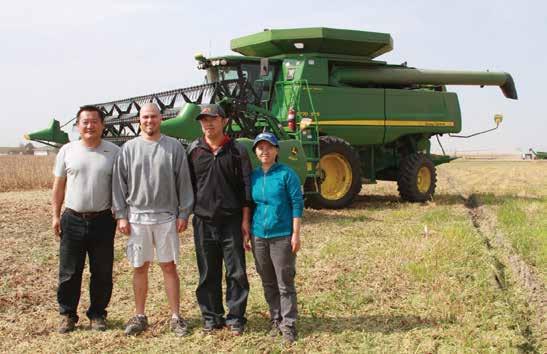
From left: Dr. Anyu Su (also a Chinese visiting scholar), Brandon Hunnicutt (farmer near Giltner), Dr. Xianlong Peng, and Dr. Cailian Yu
Hand Cleaners
Surfactants and Emulsifiers
Agricultural Adjuvants




Lyon Leaves Legacy in Panhandle
by David Ostdiek, Communications Associate
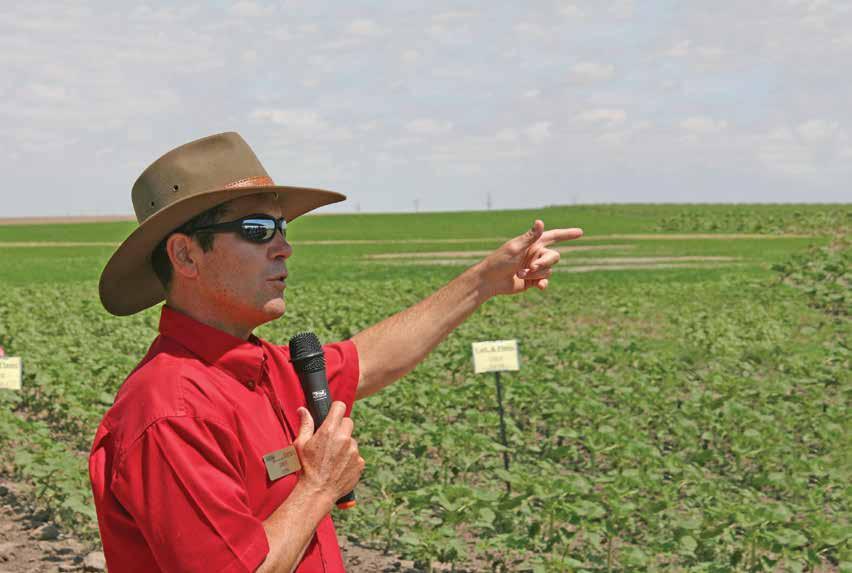
“Drew’s work has been most exemplary and valuable to the growers in this region.”
Linda Boeckner Director, Panhandle Research and Extension Center
We Make A Difference ... All Across the World
With more than 41 years’ experience in the design and manufacture of instrument systems, LI-COR Biosciences is a leader in the development of research tools for plant biology, biotechnology, and environmental research.
LI-COR instruments for photosynthesis, carbon dioxide analysis and light measurement are recognized worldwide for standard-setting innovation in plant science research and environmental monitoring. LI-COR also pioneered the



development of infrared fluorescence labeling and detection systems for proteomic and genomic research.
LI-COR Biosciences is headquartered in Lincoln, with sales and technical representatives located throughout the United States, Germany, and the United Kingdom.
Career opportunities in science, engineering, sales, and marketing.






Drew Lyon, dryland cropping systems specialist at the University of Nebraska–Lincoln Panhandle Research and Extension Center, has seen—and played a part in—some major changes in farming practices in the Great Plains in the last two decades .
Lyon left at the end of July for a position at Washington State University in Pullman as an endowed chair in small grains Extension, after working at the Panhandle Research and Extension Center since May 1990 He also worked in the area in the 1980s as a graduate student, studying for a master’s degree and then a Ph .D . under Robert Wilson, longtime weed specialist at the Panhandle Center . Between receiving his doctorate and coming to the Panhandle Center, he worked for a year at American Cyanamid
Lyon also was the faculty supervisor for UNL’s High Plains Agricultural Laboratory north of Sidney, whose facilities include both crop research plots and pasture land where research is conducted into livestock grazing .
“Drew’s work at the Panhandle Research and Extension Center, High Plains Ag Lab has been most exemplary and valuable to the growers in this region,” said Linda Boeckner, director of the Panhandle Research and Extension Center “He has been a key member of our faculty as well as providing service to our communities through his work on the Gering School Board and the Farm And Ranch Museum Board . There is no doubt that we miss the expertise that he has brought to this unit . ”
In his two decades-plus in the Panhandle, Lyon has researched a number of key areas related to the production of dryland crops
He studied winter annual grass control in winter wheat involving crop rotations and other management practices, and later Clearfield wheat systems . He also was involved in finding new weed control options for no-till sunflower and proso millet production, which resulted in several federal labels for pesticides used in those crops
His research into dryland corn planting populations and row spacing filled a gap in knowledge about dryland corn for the
High Plains region Working with John Smith (retired machinery systems engineer at the Panhandle Center) he also explored the feasibility of raising sugarbeets as a dryland crop . Currently, beets are grown under irrigation in western Nebraska .
In recent years Lyon has worked with Karla Jenkins, range management and cow-calf specialist at the Panhandle Center, on integrated crop and livestock systems at the High Plains Ag Lab
Lyon was the first recipient of the Fenster professorship, endowed by Charlie and Eunice Fenster for dryland studies in the Panhandle
On the Extension side, Lyon pioneered the way in UNL Extension in using the World Wide Web to provide information to agricultural producers . He initiated the Wheat Book and Virtual Wheat Variety Tour websites He first pulled together a variety of on-line material related to winter wheat production, organized by topic (weed control, tillage, etc ) The virtual variety tour recommended best varieties for different regions of Nebraska based on average yields from variety trials around the state . It also featured profile pages for each wheat variety with plant characteristics, disease and pest resistance and susceptibility, and lists of dealers who sell seed for each variety Lyon’s wheat websites served as part of the organizational model when UNL Extension unveiled its Cropwatch websites several years ago for all of Nebraska’s major crops
“When I came it was almost entirely winter wheat-fallow, almost all tilled fallow,” he observed . Today, traditional tillage methods are used less, and there are more alternative crops (especially proso millet and sunflowers) and longer-duration rotations Changes in the federal farm bill allowed farmers to consider other crops, and UNL was able to share information with farmers about how these other crops could be incorporated into wheat systems .
“I was fortunate to have great colleagues and farmer cooperators to work with and learn from,” he said . In addition to two terms on the Gering School Board, Lyon served on the Scottsbluff County Health Board, Leadership Scottsbluff Board, and was active in First Presbyterian Church for years ■



Agronomy and Horticulture students aren’t afraid to dig in and get their hands dirty. But right now they need your help.
Scholarship funds have been created to attract the most outstanding undergraduates to the program. And several funds exist to support graduate students as they travel to important and informative professional meetings and seminars. And more.
For a complete list of funds, to learn more, or to give, contact Ann Bruntz, Director of Development IANR, University of Nebraska Foundation at abruntz@nufoundation.org, 402-458-1176.