Department of Agronomy & Horticulture University of Nebraska–Lincoln Institute of Agriculture and Natural Resources
To subscribe, unsubscribe, or change your address, please send your name, request, and complete new address to:
agrohort@unl.edu
agronomy.unl.edu horticulture.unl.edu
Promotions & Tenure August 2011
Letters from the Heads: Passing the Baton
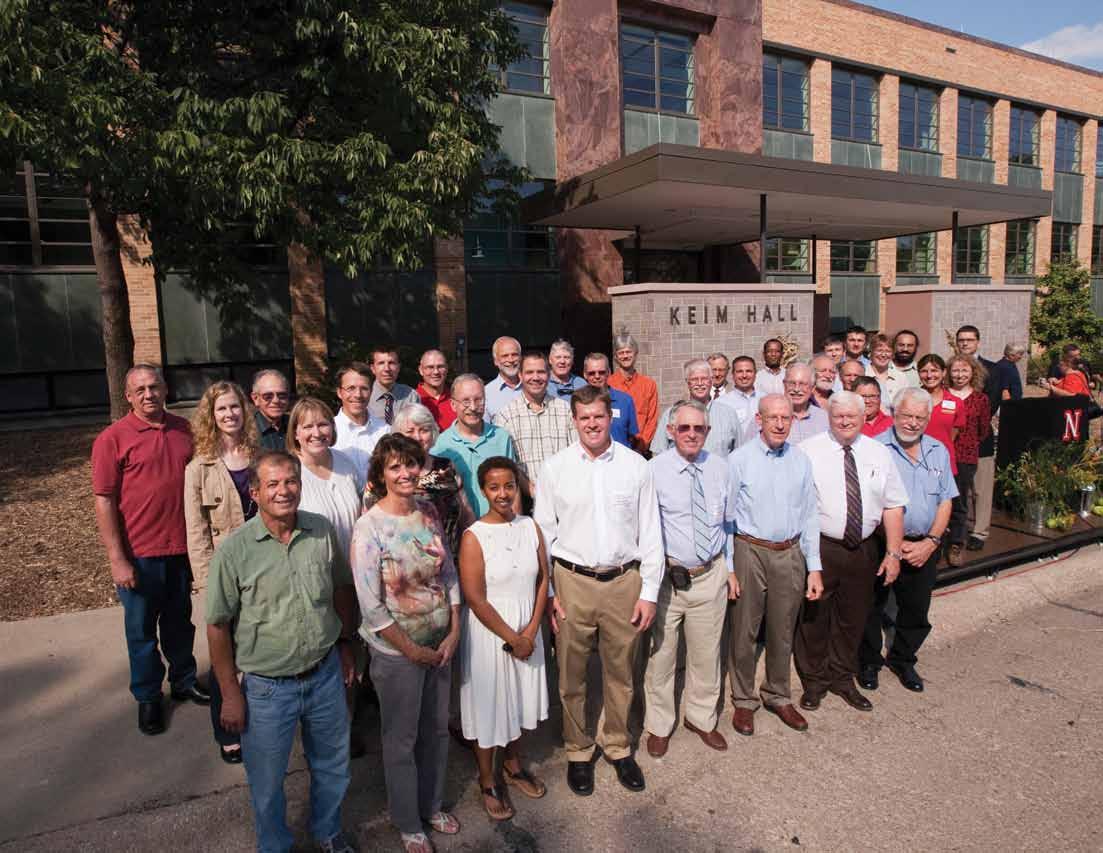
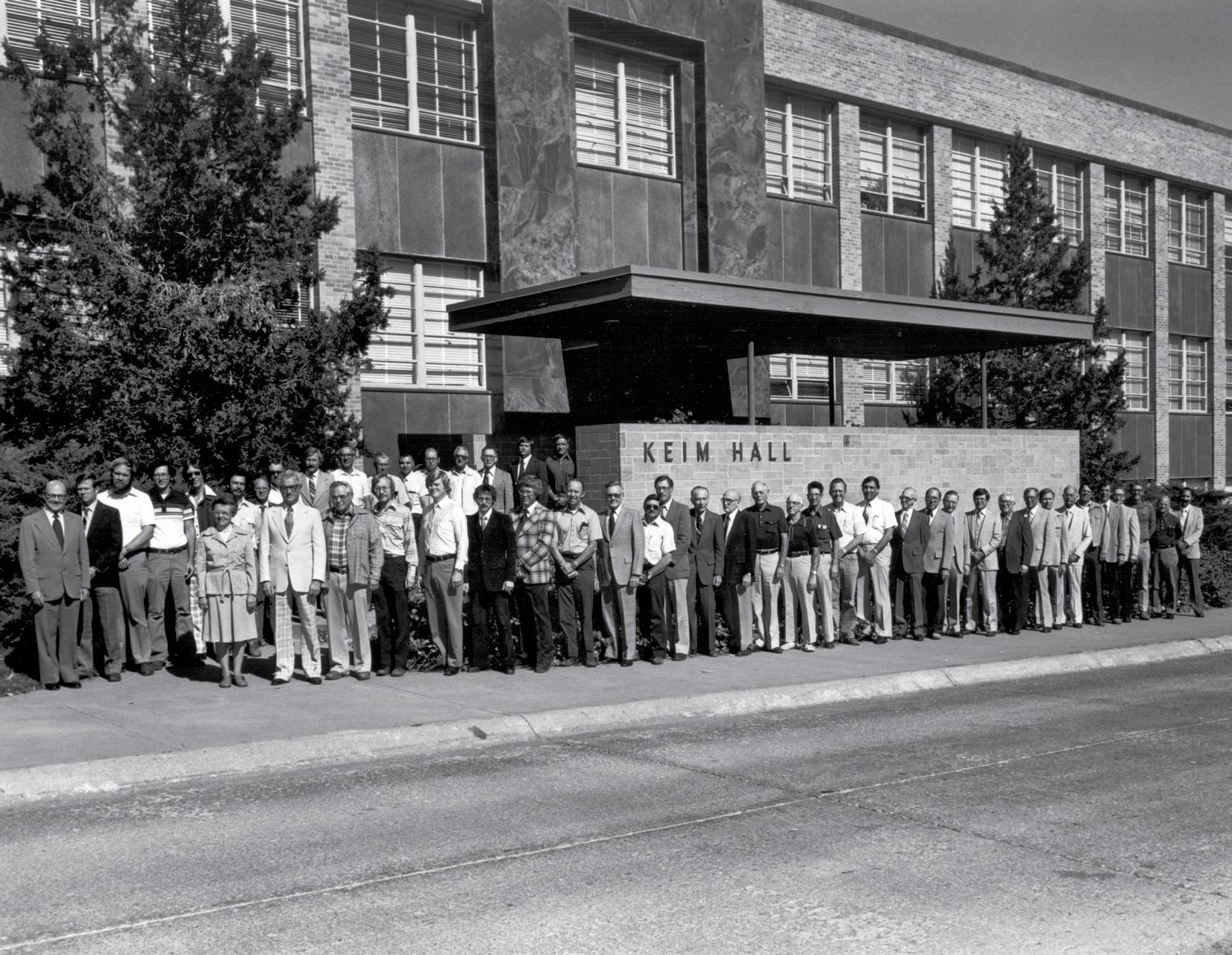
The Department of Agronomy & Horticulture has completed yet another exciting year of growth and renewal. Last year at this time we celebrated the department’s centennial and rededication of the renovated Keim Hall. We appreciate those who were able to attend the festivities, and we are excited about the future and the next 100 years. Since we visited last year there have been many new developments at the university and within the department.
The University of Nebraska system has reaffirmed its recognition of the importance of agriculture and natural resources in the mission of the university.
The NU Robert B. Daugherty Water for Food Institute has formed a focal point for transdisciplinary research, teaching, and outreach.
The expansion of the UNL campus into the state fair park and the creation of Innovation Campus have created an opportunity for partnerships between small and large businesses to collaborate with
Greetings and welcome to the annual department update. I will be serving as the Interim Department Head with Dr. Mark Lagrimini’s return to the faculty ranks after six years as Department Head. The department wishes him well in his teaching and research duties as a “new” faculty member.
university researchers to create new agricultural technologies to benefit Nebraska’s economy. Plans are already in place for a new USDA-ARS building and a Life Sciences Research laboratory. This past year the department has received funding to install a state-of-the-art wind tunnel to develop models of pesticide drift and technologies to minimize drift, and install a state-of-theart plant scanner to model plant growth, response to environmental stimuli, and identify genes involved in all aspects of plant growth, reproduction, and response to environmental stress. Both of these are the first of its kind in a U.S. university and will give UNL an opportunity to strengthen its leadership position in pioneering new agricultural technologies.
Additionally, the department is pleased by the continued growth of undergraduate and graduate enrollment, and student credit hours taught by our faculty.
On a final note, after six years as department head I have decided to return to the faculty and pursue my passion for research and teaching. I have learned much during the past years, and have appreciated meeting and interacting with the numerous academics, professionals, and citizens. I look forward to continuing these interactions through my new role as professor. The department has been left in the capable hands of Dr. Roch Gaussoin. Dr. Gaussoin is a turfgrass extension specialist and will serve as Interim Department Head for two years.
interview, a very positive impression of our department, IANR and UNL. We will work to implement their suggestions and continue to do what we do best: research, teaching and extension in a wide array of disciplines.
I have been with the University of Nebraska for more than 20 years, starting as the
Specialist in the Horticulture Department in 1991. I have had the opportunity and privilege to work with many of the
faculty in Agronomy & Horticulture and from firsthand experience I can say it is one of the most dynamic, progressive and productive departments in the UNL system. Perhaps my impression is a bit biased but I think the record speaks for itself.
Affirmation of the strength of the diverse efforts of the department was evident during our recent external review. An external review is conducted on academic departments roughly every five years. Our department was reviewed in early October by a distinguished and representative team of educators and research scientists. The review team provided constructive advice for ways to fine-tune our efforts and left Lincoln with, as indicated by their exit
During this past year the department hired Dr. Keenan Amundsen, a turfgrass geneticist. We are also in the process of advertising for a Systems Agronomist and a Crop Simulation Modeler, with a focus on interacting with the Water for Food Institute. This past year the university had an early retirement incentive program. Dr. James Stubbendieck retired in June. Dr. Mark Bernards, extension weed specialist, left the University of Nebraska to take a position at Western Illinois University and Dr. Dan Walters, soil scientist, passed away this past year after a courageous battle against cancer, leaving a legacy of outstanding student mentorship and teaching. We are currently in the process of arranging interviews for replacements for the extension weed specialist and soil scientist. The addition of two new faculty positions and filling the remaining two will result in the department of Agronomy & Horticulture having 70 faculty, making it one of the largest academic departments in the UNL system. An engaged and capable faculty composed of young progressive scientists and educators mentored by established and distinguished senior faculty, record enrollment in the undergraduate and graduate programs and established, positive relationships with stakeholders points towards a great future for the department. I look forward to being a part of it. Please enjoy this year’s report and feel free to contact me with questions, comments or suggestions for improvement by phone (402-472-1555) or email (rgaussoin1@unl.edu).
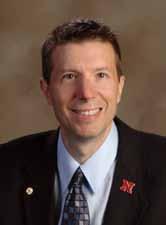
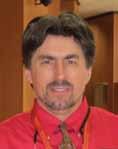
Dr. Ismail Dweikat Promoted to Full Professor Hired: 1999. Ph.D. 1988, M.S. 1983, B.S. 1981, University of Florida.
Area of focus: Plant genetics and graduate seminars; application of DNA based markers to optimize sorghum and pearl millet for bioenergy use.
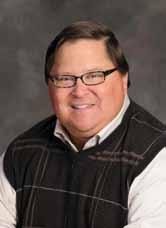
Dr. Carlos Urrea Florez Promoted to Associate Professor
Granted Tenure. Hired: 2005. Ph.D., North Dakota State University, 2000; M.S. University of Puerto Rico, 1996; B.S. Universidad Nacional de Colombia, 1984. Area of focus: Genetics, variety development and evaluation of dry edible beans adapted to western Nebraska.
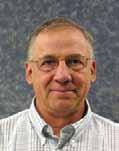
Dr. Stevan knezevic Promoted to Full Professor
Hired: 1998. Ph.D. Kansas State University, 1997; M.S. University of Guelph, 1993; B.S. University of Belgrade, 1987. Area of focus: Integrated weed management class; weed ecology, crop-weed interactions as affected by cropping practices and nutrient management, herbicide technology, non-chemical control methods with emphasis on flame weeding simulation; develop biologically based integrated weed control that builds bridges among scientific disciplines, especially between weed/crop ecology and herbicide technology.
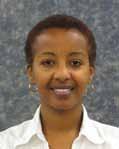
Dr. martha mamo Promoted to Full Professor
Hired 2000. Ph.D. University of Minnesota-St. Paul, 1997; M.S. 1992, B.S. 1989, Alabama A&M University-Normal. Area of focus: Soil as a natural resource and ways to help students become expert learners; soil conservation, soil quality, water quality, and food security in east Africa.
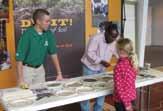
Dig It! at the Durham Museum
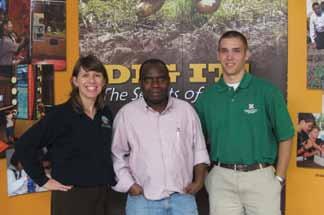
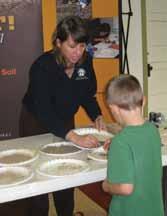
The Dig It! exhibit at the Durham Museum educates visitors about the many different kinds of soils, what minerals and organisms they contain, and how they are used in everyday life. David Glett and Ricardo Maria (graduate students of Charles Wortmann), and Sara Uttech (with the Soil Sciences Society of America) help visitors understand more about soils.
Daniel T. Walters March 21, 1951– August 17, 2010
Dr. Charles Wortmann Promoted to Full Professor
Hired: 2001. Ph.D. 1987, M.S. 1978, B.S. 1972, University of Nebraska.
Area of focus: Soil fertility specialist; improvement of no-till systems, nitrogen and phosphorus management for improved nutrient use efficiency, water quality protection, and profitable sustainability with a climate change perspective; reduction of nitrous oxide emissions through nitrogen management; and crop management for energy-efficient biofuel production.
Daniel T. Walters, 59, professor of agronomy, died Aug. 17, 2010. His academic career spanned 37 years—from the time he began graduate studies in the Department of Soil Science at the University of Minnesota through his years with the Department of Agronomy & Horticulture at the University of Nebraska–Lincoln.
In addition to his research, which focused on enhancing basic understanding of nutrient transformations and cycling in soils and using that knowledge to improve nutrient management of major field crops, Dan maintained vigorous teaching and extension education programs. At UNL, he taught more than 800 students, advised more than 20 graduate students who received Ph.D. and M.S. degrees, and served as advisor to the undergraduate Agronomy Club for 10 years. There was a special place in his heart for his students, their families, and their growth as scientists. – by Ken Cassman
by Dr. Roch Gaussoin
by Dr. Mark Lagrimini
In the Graef Lab : Soybean Research
by Tom O’Brien
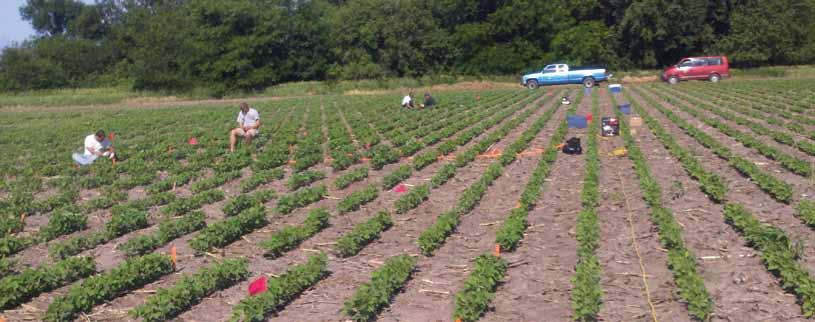
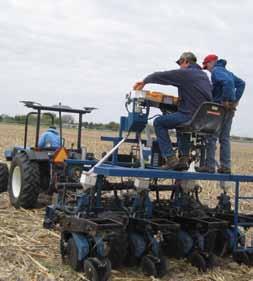
My work with the soybean group, under the supervision of Dr. George Graef, involves the development of resistance to the Bean Pod Mottle Virus in soybeans. Our current work is an extension of previous work done by Dr. Graef and prior graduate students, in which we are working with a population of recombinant inbred lines made from a bi-parental cross between highly susceptible and relatively tolerant soybean lines. Phenotyping and genotyping work was done on this population to identify QTL that were associated with lower levels of virus in plant leaf tissue known as relative viral antigen or RVA levels. Using this data, lines were selected from the tails of this population to evaluate the yield effects and differences between infected and non-infected plots. This work involves the inoculation of multiple reps of plots at three separate locations in Nebraska across two years. Currently this project is in the first summer of field trials. In addition to thesis projects, all of Dr. Graef’s grad students are very involved in all aspects of the maintenance of his breeding program, everything from planting, harvesting, and field designs to seed packaging, tissue sampling and data analysis.
Seeds Since 1956 A Leader in Native Grass and Wildflower Production
“Lab Family” Provides Valuable Research Experience
by Laura Hock
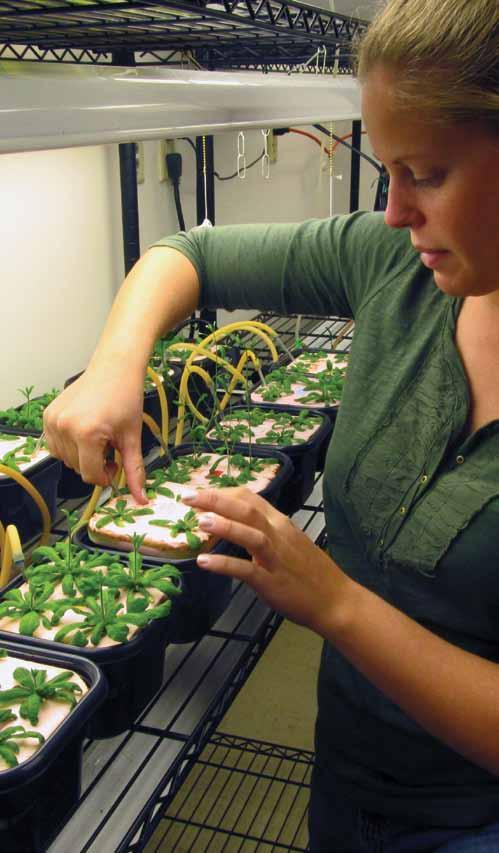
If, four years ago, someone had told me that I would be spending this summer working full-time in a molecular genetics lab, I would have laughed in his face. I thought I was going to major in music… But, here I am today, studying ferric reductase activity in several mutants and ecotypes of Arabidopsis thaliana and Cucumis sativus! My journey began when I decided to major in Horticulture. After just my first semester, I was surprised when a professor encouraged me to look into part-time research work. With the help of my advisor, Anne Streich, I was able to get a position working in the lab of Dr. Brian Waters. Shortly thereafter, I applied for UCARE, a program that encourages undergrads to get experience doing research in their field of interest. Currently, I’m working full-time over the summer between my two years of UCARE.
I began my laboratory experience working with post-doc Ricardo Stein. He helped me learn the basic skills that I still use today; how to hydroponically grow the plants we work with, how to clean glassware and other materials properly in order to minimize contamination, and how to use the intimidating new lab equipment. After proving my proficiency and dependability, I was introduced to more complicated procedures.
In just over one year’s time, I can now carry out every procedure from seed to measurement – an extremely rewarding accomplishment. More gratifying than anything else, however, is seeing the results from my work contribute to a publishable paper.
Our research measures the effects of varying concentrations of iron and copper solutions on mineral content and ferric reductase activity. (Ferric reductase is an enzyme present in roots that is able to convert Fe III to Fe II.) We seek to determine the molecular pathways of these two metals in the plant and uncover the genes that are involved at each step.
An important skill I learned in doing research, especially in the biological sciences, is that consistency will
save you both time and materials. Being able to conduct each repetition of an experiment exactly the same way (unless, of course, it is not working and the procedures must be changed!) gives confidence that any variance in data is a result of the biological system’s nature and not human error. Between the indispensable lab notebook and keeping consistent practices, you always know exactly what you did. I must be doing something right, as Dr. Waters often refers to me as “the machine” because of my ability to do the same thing over and over efficiently and with almost no error.
Up to this point, I have been working more on the macroscopic level, but Dr. Waters is currently teaching me to isolate RNA in order to measure gene expression. The results from these (somewhat complicated) procedures will answer many of the questions that previous results cannot. We need both kinds of data to see the entire picture. As a result of helping with research like this, I believe I have learned just as much about plants from working in the lab as I have in the classroom.
The atmosphere in our lab is not one of competition. We help each other with experiments and would never consider sabotaging a coworker’s research. If something damages one member’s data, the entire lab is affected; just as one member’s success boosts the success of the lab, one member’s failure increases the chances of the failure of the lab.
Through my shared experiences with them, I’ve become friends with all of my coworkers—many of them from diverse cultures. In only a year, I have had the privilege of knowing a grad student from China, a post-doc from Brazil and a Ph.D. student from India. Even the rest of us Americans in the lab come from very different backgrounds!
At the head of this lab, of course, is Dr. Waters. He does not consider himself our “boss,” but rather he positions himself as our supervisor, our mentor, our leader.
He calls us the “lab family,” and we have become just that—a family.
Horticulture Club Activities ‘10--‘11
by Jenny Freed
The University of Nebraska–Lincoln Horticulture Club experienced an exciting year of growth, sales, and activities. Beginning the fall of 2010 officers were as follows: president Calla Jarboe, vice president Jenny Freed, secretary Katie Wiepen, treasurer Molly Trausch, social chairs Laura Houfek and Zach Rystrom, web coordinators Ivy Hoppes and Ryan Armbrust, and historian Scott Dvorak. Horticulture Club started out the year with welcome back bowling and pizza. At the end of September, the club put on its annual Fall Foliage Sale in both the City and East Campus unions. Fall break took club members to the east coast, traveling to New York and Connecticut. The opportu-
nity began in Dodgeville, NY and included visits to Lyndon Lyons, an African violet producer, White Flower Farms, Lyman Orchards, a walk through Yale University, Sunrise Marketing and Gouveia Vineyards in Wallingford, Conn. The annual Poinsettia Sale was held in both the City and East campus unions during the 15th week.
Spring’s focus was on the annual Spring Sale. Beginning in January, the club seeded, transplanted, watered, and cared for a variety of garden plants and vegetables. A couple of investments were made to this year’s Spring Sale including heating mats and directional signs. The club members finished off the year with the two-day Spring Sale and the addition of a VIP night the evening before the sale. The final activity of the year was an end-of-the-year BBQ.
Research & Charity in Namibia
During the month of May, Jessica Milby and Laura Snell traveled to Windhoek, Namibia, to assist in Dr. Walter Schacht’s research, aid in several missions, and travel the country.
Dr. Schacht is currently spending the year in Windhoek at Polytechnic University under the Fulbright program. His research mainly focuses on water use of two acacia varieties and two grass species. Jess and Laura woke up early to perform pre-dawn water potential measurements and collected nearly 100 soil samples for a variety of analysis.
Jess and Laura also worked with the International Women’s Association of Namibia (IWAN) and Middlecross Church of
Range Club Activities Fall 2010–Spring 2011
by John Guretzky
The UNL Range Management Club
had a busy and exciting year attending annual meetings and participating in social and fundraising activities.
The Range Club started off the year participating in the Nebraska Section of the Society of Range Management meet-
ing held in Halsey, Neb. in October, 2010.
Along with attending the meeting, several students presented papers and a crazy auction fundraiser was held to raise funds for students to attend the national meeting.
Other fundraising events included one where members sold coupons at Younkers and another where members assisted in the management of Prairie Pines, a univer-
sity property located outside of Lincoln.
Several Range Club members attended the Society of Range Management Annual Meetings in Billings, Mont. in February. The University of Nebraska received many awards at the national meeting for outstanding faculty and students.
In March, the club held a bowling night at the East Campus Union and orga-
Lincoln to help several charities. Donations of children’s clothing and toiletries were given to the Megameno Orphanage, Home of Good Hope children’s soup kitchen and to some of the thousands of people who have been displaced by flooding this year in Northern Namibia. Blankets were also bought and donated to the Lutheran Church hostel ministries which house school students while they attend school in communities far from their home towns.
“It was an exhilarating experience that really opened up my eyes to a different part of the world,” commented Snell after returning. “It was wonderful to help others while conducting research and visiting a new place.”
nized several Valentino’s Pizza nights for members. Several Range Club members also assisted with and taught at the Nebraska Youth Range Camp held at Halsey in June including Jess Milby, Ben Beckman, Jordan Johnson, and Robert Vavala. Our senior club advisor, Dr. Walter Schacht and his wife Carol, have been on sabbatical this past year in Namibia. Dr. Schacht has enjoyed teaching students in Namibia natural resource management and research methodology courses. He also has been conducting rangeland ecology research. Carol and Walter are enjoying everything about Namibia, including frequent trips to stay in resorts, seeing the different landscapes from the Atlantic coast to sand dunes, deserts, mountains, and the Kalahari, observing wildlife, and visiting villages.
A few students had the pleasure of visiting Walt and Carol during June including Laura
Snell, Jess Milby, and Ben Schiltz.
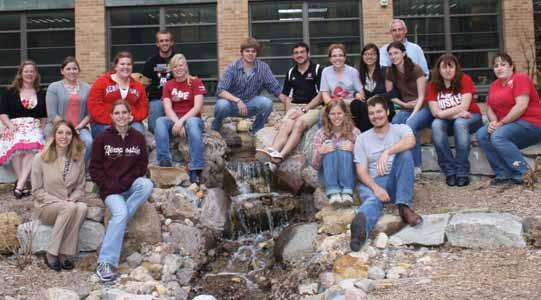
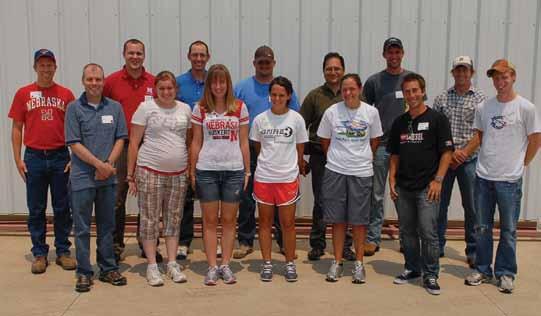
Horticulture Club members
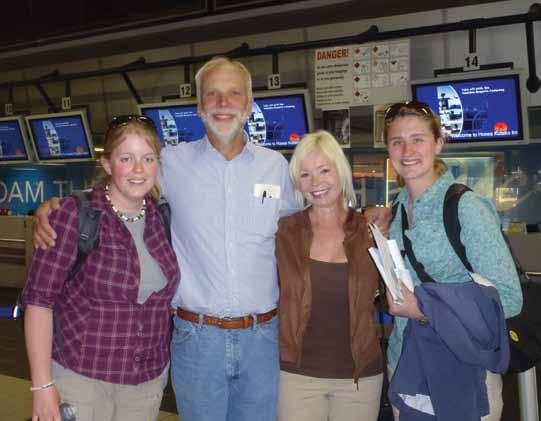
Jessica Milby, Walt and Carol Schacht, and Laura Snell.
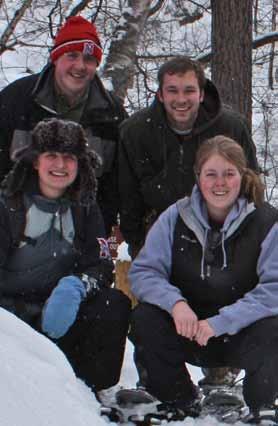
From left: Laura Snell, Ben Beckman, Lars Anderson, Jessica Milby
Agronomy Club
by Blythe McAfee
and our trips to the Students of Agronomy, Soils, and Environmental Sciences (SASES) regional meeting.
Each December the club hosts a chili cook-off competition where UNL students and staff can enter their traditional and exotic recipes for a chance to claim the title of Best Chili. With the arrival of spring, we invite UNL employees and community
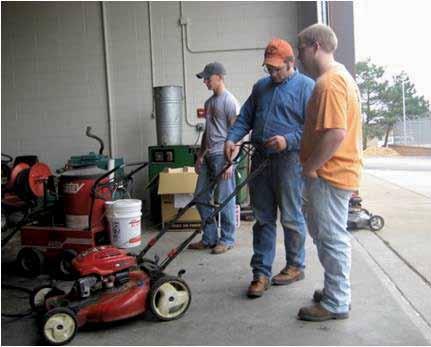
members to bring in their push lawnmowers. For a small fee we change oil and spark plugs, sharpen blades, and power wash the mowers so they’re ready for the long summer ahead. Some of the money we raise helps pay for our trip to the regional SASES meeting. This spring, we traveled to the University of Wisconsin–River Falls where we toured numerous places including: Chippewa Valley Bean Company, Leinenkugel’s Brewery, dairies, a cranberry farm, and an ethanol plant. The SASES meeting also provided club members with the opportunity to meet with agricultural companies and other agronomy clubs from universities across the country.
The winds
It took me a few months after leaving Nebraska in 1988 and adjusting to the sights, sounds, flavors and habits of a new culture in Mexico, to realize that the presence of wind was missing in my surroundings. Those of you who are now in Nebraska—where I’d been born, spent more than 25 years, and never imagined that I’d leave—if you were to fly with the Canadian geese each autumn, directly southward, you’d eventually reach Mexico City, the place I’ve called “home” for more than a decade. Mexico City sits at an elevation higher than Denver, and is ringed by volcanic mountains that temper the climate resulting in daily temperatures reaching the 70s F throughout the year. What an odd place to associate with wheat, my life’s work, but since the Spanish arrived here 492 years ago, wheat has been a central commodity produced throughout the country. Eventually, for an old world crop in the New World, productivity gains lagged those that were seen elsewhere, and that discrepancy, recognized by Henry Wallace, brought Norman Borlaug to Mexico in 1946… but I’m getting ahead of myself.
As a boy, my grandmother gave me David Fairchild’s “The World is My Garden,” a book that combined my fascination of plants and horticulture, with the spirit of travel and adventure.
While in high school in Lincoln, I was exposed to that wider world by working on the UNL winter wheat improvement summer crews of Virgil Johnson and John Schmidt. At that time, they were pioneering détente between the USA, the (then) Soviet Union, Eastern Europe, China and the rest of the world through wheat varietal evaluation, information exchange and international meetings, and the training of graduate students from around the globe. Food—bread specifically—brought the world together at that time of Cold War.
Oddly, it is those same paths that I have followed, working since leaving Nebraska for the International Maize and Wheat Improvement Center (CIMMYT) with postings in Mexico, Yugoslavia, Turkey, Syria, Zimbabwe and Ethiopia. Not only do I now manage the world’s largest current distribution and evaluation network of improved wheat germplasm, but I’m also curating the world’s largest wheat gene bank. Curiously, I now realize that the strong weather fronts that pass through the Great Plains often affect the weather as far south as Mexico City. Perhaps I am now more sensitive toward cultural nuances and more aware of how the entire world is ever more connected, and with sentimentality now I do occasionally feel those same winds that blow through the prairies of Nebraska.
by Tom Payne
By Erin Bauer
Familiar Faces Around the Department
Erin Bauer works as the Extension Associate in the Pesticide Education Office at the University of Nebraska–Lincoln. Born in Ames, Iowa, she’s lived in South Carolina, Minnesota, Wyoming, Illinois, and Nebraska.
Erin’s educational background includes earning her bachelor’s degree in education from the University of Nebraska at Omaha in 1995 and her MLIS (masters of library and information science) from Rosary College (now Dominican University) in River Forest, Ill., in 1996. She is currently pursuing a Masters in Entomology at UNL.
Erin joined the Pesticide Education Office staff in 2004 and has been involved in Integrated Pest Management (IPM) and the Pesticide Safety Education Program (PSEP) since that time. Her job has included revising PSEP training manuals and videos, creating dramatization videos, developing web-based IPM learning modules, visiting IPM pilot schools, and developing youth programs such as “Pest Private Eye,” a video game that teaches children about IPM. To read more about Erin’s IPM efforts, see her blog at http://nebraskaschoolipm.blogspot.com.
Two weeks after receiving my undergraduate degree in Biology, I began working in the UNL Agronomy Department. Although it was a temporary summer job doing mainly field work for Dr. Charles Sullivan in the USDA Sorghum Physiology program, I was grateful to be employed.
The temporary job developed into a technician position where I worked with Dr. Sullivan for nearly eight years conducting field and greenhouse research on heat and drought tolerance in grain sorghum. Working full time allowed me the opportunity to use the tuition remission program to take graduate courses.
In 1984, I began working with Dr. Francis Haskins and Dr. Herman Gorz where the research focus was on genetic improvement of forage sorghums. Not only was Dr. Haskins my job supervisor, he quickly became my major advisor while I completed my Masters Degree in plant breeding and genetics.
As I finished my degree, Dr. Haskins and Dr. Gorz were making plans to retire so I transitioned into yet another position as a research technologist for the then, newly-hired Dr. Don Lee. For the past 22 years, Dr. Lee and I have been focused on using molecular genetics to assess genetic variation in a wide variety of plant species including blowout penstemon (an endangered species), leafy spurge (a noxious weed), soybeans, switchgrass, buffalograss and clematis. Recently, a new dimension to my work schedule has come in the form of helping Dr. Lee teach the Introduction to Plant Sciences recitations.
Little did I realize in 1976 that my temporary job would develop into a 35-year career within the UNL Department of Agronomy and Horticulture. There has been great satisfaction for me working in agriculture through research and teaching at UNL. Not only is the work rewarding but the opportunity to meet and collaborate with people from all over the world is a tremendous experience.
Erin currently serves as Co-Wellness Ambassador and Co-Chair for the Agronomy/Horticulture Activities and Entertainment Committee.
Erin has welcomed the opportunity to work with many Agronomy & Horticulture colleagues (as content specialists or actors) on PSEP manuals and videos, and in programs such as Crop Production Clinics. Erin was also involved in developing two Agronomy & Horticulture recruitment videos that spoofed the popular show “CSI.”
Erin currently serves as Co-Wellness Ambassador and Co-Chair for the Agronomy & Horticulture Activities and Entertainment Committee.
Erin enjoys reading, with favorite authors including Arthur Conan Doyle, JK Rowling, and Lisa Lutz. She also loves animals and volunteers at the Lincoln Children’s Zoo.
By Carol Caha
Little did I realize in 1976 that my temporary job would develop into a 35-year career within the UNL Department of Agronomy and Horticulture.
By Kayse Onweller
In March 2008 I first visited the University of Nebraska–Lincoln as a prospective Agronomy and Horticulture graduate student. At the time I was a senior plant biology major at Michigan State University interested in plant breeding. I was keen on using wild progenitors and remember Dr. P.S. Baenziger explaining a collaborative project on synthetic wheats that would be an excellent Master’s project.
In January 2009, I learned the drive from southeast Michigan to Lincoln, Neb., was not as enjoyable as I’d hoped. But that’s okay, because spring semester soon began, and I was officially working under the direction of Dr. Baenziger as a Master’s student.
Starting on the project we discussed nearly a year ago, my thesis was built around six synthetic wheats.
‘Synthetic’ wheats are so called because researchers hybridized the two species, Triticum turgidum (a tetraploid) with Triticum tauschii (a diploid) to simulate the
I was keen on using wild progenitors and remember Dr. Baenziger explaining a collaborative project on synthetic wheats that would be an excellent Master’s project.
same hybridization that occurred naturally ~8000 BC. The hybridization creates T. aestivum, or common wheat. The synthetic wheats for my project were originally chosen because they exhibited drought tolerance in previous studies. Consequently, little was known about the disease and insect resistance genes they possessed. With the help of many collaborators, we tested these six synthetic wheats for their resistance response to a variety of diseases (stem rust, leaf rust, stripe rust, and powdery mildew) and insects (Russian wheat aphid, greenbug, and Hessian fly) that affect Great Plains wheats. Results indicated that one or more of the synthetic lines possessed resistance to stem rust, stripe rust, and the greenbug aphid. The remaining diseases and insects studied were virulent toward these synthetic lines. Having originally been selected for drought tolerance, these lines are a promising example of the many potential benefits of synthetic wheats.
Familiar Faces… (cont.)
Istarted working for the department of Agronomy in March of 1994 for Len Nelson and the variety testing program. We tested corn, soybeans, sorghum, wheat and a few specialty crops from public universities and private companies. With the data that was collected we would produce a spring and fall seed guide that would help farmers with their planting decisions.
Alumni Spotlight: David Hoffman
I really enjoy working with all of the people that it takes to run a successful breed-
ing program.
In May of 2005 I moved to Steve Baenziger’s small grains breeding program where I am in charge of our seven field locations across the state. We normally plant about 1000 lines of our F2 and F3 populations at our Mead site to check for winter survival and stem rust susceptibility. Our F4 and F5 lines are planted at Lincoln where we have more fungal and viral diseases to select from. The F6 to F8 generations are planted
The Agronomy Department at University of Nebraska–Lincoln (UNL) provided me with foundations that I still live by today. My plant breeding experience was built with Dr. George Graef. I started off by jumping on a soybean research planter moving at a speedy 0.5 mph on East Campus in 1993, yes I said 0.5 mph! Little did I know this experience would bring me to several degrees and locations working on soybean and corn breeding.
By Greg Dorn
across the state and are screened for agronomics, disease resistance and baking qualities. On average, over 100,000 lines will be looked at to find one cultivar and it will be tested in over 100 locations. It will be years before we know enough about it to release it. It takes a minimum of 12 years to create a new wheat cultivar.
I really enjoy working with all of the people that is takes to run a successful breeding program. From the graduate students, our summer help and all of the university employees, it really makes this job enjoyable when you have good people to work with.
Away from work I enjoy hunting, fishing and spending time with my family and friends.
I worked for George and to some extent Dr. James Specht for the remaining 3 years of my undergraduate education. I received hands-on field, greenhouse and laboratory experience working on projects such as the molecular mapping of genes that control male sterility, protein/ oil, white mold, and drought tolerance in soybean. I knew the Stewart Seed Lab and Keim Hall by the back of my hand, and through those years of evaluating, discovering, failing, and accomplishments with undergraduate and graduate students in breeding and genetics, I discovered that I needed another view of plant breeding and genetics.
Diversity in education was one of the instrumental foundations to my success and led me to explore plant breeding and genetics at the University of Illinois at Urbana-Champaign (UIUC). My wife and I moved from Big XII country to Big Ten country in the spring of 1996 and had our first boy of three in 1999. I received my Masters (’98) and Ph.D. (’01)
in Crop Sciences in soybean breeding and genetics working on white mold, the same disease I worked on in Lincoln with Dr. Graef. Through these five years in flat Champaign County, Ill., kept in close contact with George and several of his former graduate students. The education and training by the best universities and professors (Graef, Nickell, and Diers) in breeding and genetics was the best move I did in 18+ years ago.
Since graduating from UIUC in 2001, my family and I moved to South Dakota for 10 years working on soybean and corn breeding with Monsanto (current) and Syngenta Seeds, Inc. We added two more boys to the family in ’02 and ’05. One thing that was very apparent at this time was that the educational foundation from UNL drove the success I had in the Dakotas. Not only did George’s team teach me about the basics of breeding and genetics, but they taught me how important people are in your program’s success in breeding or any organization. My career while in SD allowed me to travel world wide observing and analyzing corn and soybean in different environments. Diversity in environments plays an important role in how breeders view the germplasm they use in creating high yielding, adapted soybean varieties and corn hybrids across the U.S. and world.
In the last 18 years since I first stepped foot on that research planter on East Campus, technologies have changed rapidly, but one thing that has remained
constant was that foundation of breeding and genetics that I learned at UNL. Technologies such as genomics, proteomics, information technology, bioinformatics, high-throughput robotics for data collection, computers, field research equipment, etc. are tools plant breeders use to speed up their breeding cycles and increase their genetic gain. It is amazing to compare communication and technologies back then to now. Back then communication was by phone or letter. Now it is with a
...the
educational foundation from UNL drove the success I had in the Dakotas.
er everyday. I am positive we have not seen anything yet and changes will continue to evolve at a rapid pace. Hold on!
few key strokes or words into an iPhone. Back then, data collected from harvest on October 5 was not analyzed for a few months. Now, that data would be analyzed that night. It was phenomenal to know a RAPD molecular marker was linked to a gene for a trait then compared to now knowing the exact genetic sequence for the gene that codes for protein. These are all examples of changes I have seen in my years of breeding and genetics. Time and technology seems to move faster and fast-
Over the last year, I took a step closer to the producer and moved into a product management position where I fully utilize my breeding foundation I built over the last year 18 years to assist in the positioning and education of soybean products for a portion of our U.S. business. This has been an exciting time for my family and me, and we are onto another path of diversity. I sincerely thank Dr. George Graef, his soybean team, and the Agronomy and Horticulture Department at UNL for providing me with a strong breeding and genetics foundation that I consistently pull from every day. GO BIG RED!
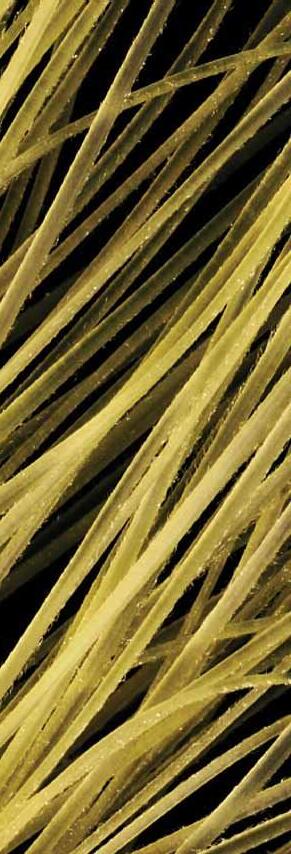
corn silk, magnified
Working with Bayer Crop Science
In December, 2010, NUtech Ventures, the nonprofit corporation responsible for bringing technology to market by building partnerships between University of Nebraska–Lincoln (UNL) researchers and the private sector, and Bayer Crop Science, an innovative crop science company in crop protection, non-agricultural pest control, seeds and traits, signed a licensing agreement to improve wheat breeding and wheat varieties that will be grown by American wheat producers.
The key parts of the agreement were that Bayer Crop Science would have non-exclusive access to UNL’s wheat germplasm, the genetic and breeding stocks used to develop new varieties. The agreement is in accordance with principles for collaboration approved by the National Association of Wheat Growers and U.S. Wheat Associates Joint Biotechnology Committee. The University of Nebraska continues to own its germplasm and will release new varieties as it always has. In return for this access to our germplasm, Bayer Crop Science funded the first Presidential Chair at the University of Nebraska, named in honor of our Nebraska wheat growers; and agreed to support UNL research and education programs. Furthermore,
it will establish its first North American wheat breeding station near Lincoln, Neb. The breeding station will be a major benefit in numerous ways—high quality jobs, internships for students, a major breeding effort in Nebraska to increase progress in creating new varieties, and access to technology.
The agreement is the newest part of a strategy that UNL has had to foster economic development, research, education, and outreach that would lead to a more profitable and competitive wheat industry. The University of Nebraska–Lincoln has had a long standing arrangement with BASF, providing access to the Clearfield® technology which has led to the release of two popular cultivars, Infinity CL and Settler CL. In 2009, UNL began a collaboration with ConAgra that allowed us to return to testing wheat cultivars in McCook, Neb. and collaborate on improving wheat quality. In the future, we hope to work with other companies and stakeholders (our largest grant to breed wheat is to develop varieties for the organic market) as an integral part of the “People’s University.”
Why did we develop and support this strategy? Currently, about 65% of the wheat grown in Nebraska has been developed by the University of Nebraska in cooperation with the USDA-ARS. Clearly we have been successful in meeting our objectives of providing superior varieties with excellent field performance and end-use quality to help make the wheat industry more competitive. However, looking forward, it is clear that more investment in wheat is needed and the investment will most likely and sustainably come from the private sector. For example, there are 7-8 times more corn breeders than wheat breeders and the technology and progress in corn is higher than in wheat. In addition, in corn over 90% (probably closer to 95%+) of those corn breeders work in private industry. With this in mind, we embrace and support the new commercial interest in wheat genetics and improvement. We embrace healthy competition to make our industry better. Basically, our philosophy is that if you work on wheat, we will work with you. We also believe that as a public university, we create
by P. Stephen Baenziger
public knowledge, goods, and the human resources to build a more prosperous America and world. Between three-fifths and three-fourths of all the breeders we educate will work in private industry, so providing them access to closer collaborations in the private sector is critical to their education. A rebirth in private sector wheat breeding is currently underway. Bayer Crop Science, a world leader in cotton, canola, rice, and vegetable seeds, has purchased or formed collaborations with wheat seed and biotechnology companies globally. Monsanto recently purchased Westbred and formed partnerships with Kansas State University and Virginia Tech. Limagrain has developed a North American headquarters in Fort Collins, Colo. KWS has entered the U.S. market also. More private seed companies are coming. These companies are in addition to the long standing wheat breeding programs of Pioneer, Syngenta/AgriPro, and numerous smaller companies.
...as a public university, we create public knowledge, goods, and the human resources to build a more prosperous America and world.
What are our expectations from these collaborations? Simply, we expect better varieties and technology, and more choices. All business, public and private, is based upon value returned for the cost of their goods. It would be foolish to say that growers may not pay more for seed from some suppliers, but as long as they have choice, they can determine if they get more value from the added cost. The popularity of our Clearfield® wheat varieties with a higher cost, but greater value, is an example of paying for technology that many growers think is well worth the additional cost. The University of Nebraska remains committed to providing new varieties (in fact the Presidential Chair assures that as long as there are amber waves of grain,
wheat breeding and genetics will continue at the University of Nebraska), especially for those markets where industry may not see sufficient economic returns for their considerable investment.
A few words about the process. Clearly negotiations of this nature require a high level of confidentiality. The University of Nebraska–Lincoln’s strategy of fostering economic development, research, education, and outreach is well known. When companies began approaching UNL, we had previously developed a set of core principles and discussed them publicly and openly to ensure our stakeholders understood and had an opportunity to provide excellent input, which they did. Once the negotiations began, we signed confidentiality agreements and negotiated using our public principles. Frankly, this was one of the hardest parts for those of us who believe in the “People’s University” and the land-grant mission. However, it was completely necessary. Once the negotiations were completed and the results made public, the outcome was re-
viewed by our stake-holders and compared to our public principles. We stayed true to our principles.
Finally, a note of thanks to all involved. I breed wheat and that is what I love. The strategy and collaborations could not have been possible without the support of NUtech Ventures (specifically David Conrad and Emily Hatas), who are superb at building public-private partnerships, the support of the University of Nebraska from the President’s and Chancellor’s offices to the Vice Chancellor and Deans within the Institute of Agriculture and Natural Resources and their staff (specifically Dr. Susan Fritz, Dan Duncan, and Jeff Noel). Similarly, we greatly appreciate working with the excellent team from Bayer Crop Science who helped explain their aspirations and what was needed for the private sector to prosper, and persevered as this agreement was put together.
The Nebraska Wheat Board, Wheat Growers Association, and Crop Improvement Association provided excellent input as we developed our principles for collaboration and trusted us during these negotiations.
Now, it is back to work, breeding new varieties worthy of Nebraska.
Opposite page:
Dr. P. Stephen Baenziger works on wheat crosses in a greenhouse. Below: Drs. Baenziger and Thomas Hoegemeyer teach and conduct research as part of the University of Nebraska–Lincoln wheat-breeding team.
Cropping Systems Specialist: At Home in the West
by Greg Kruger
My name is Greg Kruger, and I was hired in January 2010 to fill Robert Klein’s role as Cropping Systems Specialist at the West Central Research and Extension Center at North Platte. Much like Professor Klein, I am a “jack-of-all-trades” and enjoy working on many different things related to crop production. I enjoy my work, like to joke and have fun, and always love a challenge.
I grew up in central Ohio and knew early on in life (mostly from my love of growing up on a farm) that I had a passion for agriculture and that I would someday become a Buckeye. Both dreams became a reality in 2000 when I went to The Ohio State University to pursue a BS in Agribusiness, followed by Purdue where I completed an MS in Plant Pathology and a PhD in Weed Science. My parents and loving wife love to call me Doctor, but I have never felt, even af-
ter graduating, that my education was what really defined me as a person. Rather, it has been a key to unlock doors of opportunity.
At UNL, I started to position myself to bring knowledge, and potentially profits, to the producers of the state and region. My research has expanded in many different directions and I have been fortunate to have many good mentors and supporters of my program. I have embraced becoming ingrained in the heart of Nebraska and am certain this is where I am meant to be!
We have started to focus much of our research and extension efforts in the area of pesticide application technology. Since 2002, this program has been using a laser diffraction analyzer to measure the spray droplet size produced by various agricultural pesticide application nozzles and operating conditions. This data is then used in drift models to determine the potential of the spray to drift under the conditions tested.
Recently we developed the opportunity
to take this testing to the extreme! We have started construction of two wind tunnels to explore the relationship of pesticides, pesticide application nozzles and equipment, adjuvants and spray additives and drift potential under controlled wind speeds. One of the wind tunnels will be designed to simulate ground applications and the other aerial applications. The two wind tunnels in conjunction with the existing application technology testing resources will make UNL and The West Central Research and Extension Center one of the premier facilities in the world for exploring the balance between drift potential and pesticide efficacy. The wind tunnels will be one of a few such pieces of equipment found anywhere in the world. The wind tunnels will complement the current work we are doing looking at particle size in the laboratory and the field work that we are conducting on particle size, coverage of the intended target, and penetration of the pesticides into the crop canopy. With the field equipment we have available, the expertise of our group and the great support of the administration, we will have clearly be one of the most unique institutions in the world investigating pesticide applications. Wilbur-Ellis, Winfield Solutions, LLC and BASF in addition to IANR administration have graciously helped support building these facilities. This summer, in addition to trying to keep the wind tunnel project moving forward, I have been scrambling to try to keep up with a great group of technicians, graduate students, undergraduate students, Doctor of Plant Health students and a visiting scholar from France. My three technicians, Jeff Golus, Turner Dorr and Annah Masten
really deserve the credit for the success of the program. They have worked hard and been patient with me since I started, and they have helped keep the research flowing smoothly even in the face of challenges. I enjoy traveling the state as well as working with farmers as I am biased and feel they are a key to our future. I have traveled extensively throughout Nebraska in my first 18 months and hope to continue to do so in the future. The real expertise in agriculture lies within and I feel that the one-on-one, small group and large group interactions that I have had with many farmers, crop consultants, and agricultural professionals since becoming a Husker have greatly enhanced my understanding of both the cropping systems in Nebraska as well as the research and extension needs.
I have found no place better than Nebraska to call home. UNL has proven to be the perfect location to express my passion for agriculture. I have never experienced kinder and more inviting people than the Nebraskans I have met so far. It is truly because of the Husker Nation that UNL is among the greatest institutions in the world. I wish you all the best and please don’t be a stranger when passing through traveling west!
Novelties in a sorghum hybrid system
by Roberto De la Rosa Santamaria
For nearly a century, hybrid vigor or heterosis in crop plants has been exploited although not very well understood. The phenomenon is accepted as the superior performance of the offspring compared to either of the parents, and the more divergent the parents, in general, the higher the hybrid vigor expressed in the progeny. In contrast, self-pollination is related to inbreeding depression in cross-pollinated species, with no hybrid vigor reported from crosses between closely related individuals.
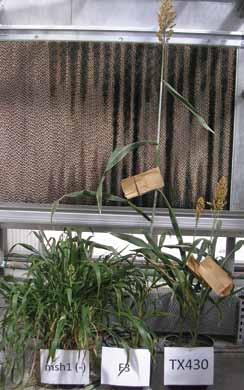
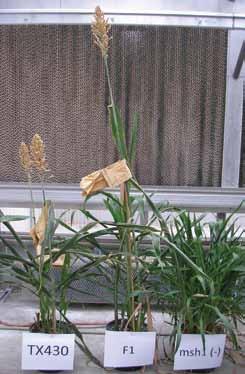
My research involves the MSH1 gene, whose product regulates mitochondrial genome recombination in plants and plays an important role in stabilizing the plastid genome as well. Through a transgenic RNAi approach to down-regulate MSH1 expression in sorghum and other plants species, different phenotypic changes have been generated, including dwarfing, male sterility, altered leaf morphology, delayed flowering and leaf variegation. At the biochemical level, these changes have been associated with increased ROS synthesis, decreased ATP production, and lower levels of gibberellins as well. We have found that the
cross between dwarf MSH1-knockdown lines of sorghum with the original cultivar exerts a significant heterotic effect that surpasses by 50 percent to 70 percent the performance of the best parent in traits like plant height, grain yield and biomass yield. In these studies, the parental plants used in crossing display their altered phenotype but no longer contain the RNAi transgene. Since the genetic background is the same in both parents, these results suggest the influence of epigenetic factors that influence the observed phenotypic response. Performance of the derived F2 and F3 generations also surpasses wild type response, suggesting the traits under evaluation are highly heritable and respond to selection. Finally, while the altered growth phenotype is stable through generations of selfing, even in the absence of the transgene, both the direct and reciprocal crosses yield the hybrid vigor mentioned. These results refute the generally held notion that genetic divergence is the most important component for hybrid vigor; our data provide evidence from genetically homogeneous germplasm of heritable phenotypic variation, likely derived from changes in the epigenome. While I enrolled in graduate studies at UNL as a Ph. D. Fulbright scholar in Crop Breeding and Genetics, I have received further support from the UNL Agronomy & Horticulture Department through the research program of my academic adviser, Dr. Sally A. Mackenzie, whose mentorship and guidance have allowed me to integrate molecular and quantitative breeding to my training. This opportunity has made my experience at UNL one of the most important steps in my life, as well as in my professional career, which I expect to pursue as a faculty member of the Colegio de Postgraduados in Mexico, following my graduation.
Greg Kruger (third from left) with technicians, students at the West Central Research and Extension Center.
Sorghum crosses and their offspring.
Waters Lab: Studying Nutrient movement, Storage in plants
by Brian Waters
Ijoined the faculty of the Department of Agronomy and Horticulture in November, 2008. It was a great match, and I’m really enjoying being a part of the University of Nebraska team of researchers and teachers.
I grew up in northeast Missouri before moving to the southwest part of the state to earn my BS in Agronomy from Missouri State University. I then moved to Columbia to study for my MS in Agronomy with an emphasis in plant physiology and plant mineral nutrition at the University of Missouri. During this time I began to be interested in the improvement of plants as a source of human nutrition. I decided to stay at Mizzou for my Ph.D. in the Agronomy Department, with a co-advisor in Nutritional Sciences. My research focused on the plant molecular biology of iron uptake. I then taught for two years in the Biology Department at McMurry University in Abilene, Texas, while also conducting a research program with several talented
undergraduate students. Before coming to UNL I worked as a postdoctoral researcher at UMass in Amherst, Mass. and for three years at the Children’s Nutrition Research Center in Houston, Texas. Being one of a handful of plant scientists surrounded by thousands of medical researchers was an interesting and worthwhile experience, and drove home the fact that high quality and nutritious crop plants are crucial to human and animal health.
My research program in the UNL Department of Agronomy and Horticulture builds from and expands on these previous experiences. Our primary long-term goal is to understand how plants transport mineral nutrients into and through roots and other plant tissues, and how they accumulate these nutrients in the edible parts of the plant. To do this, we study plants at all stages of their life cycle. Much of our work is done on seedlings that are rapidly growing and taking up minerals. For many plant species the edible parts are seeds, so seed composition is an important component of our work. We can try to work from the end of the life cycle backwards, using the seed composition to identify genes that influenced upstream processes. At in-between stages, we study what is happening during leaf senescence, which is when the leaves yellow before dying. During this stage, several mineral elements can be recycled and remobilized out of leaves
and into other tissues, such as seeds. We are working to identify not only the physiological processes involved in mineral nutrient transport, but also to identify specific genes that are required to carry out these processes. With this information, we can then have targets for developing improved varieties of crops.
Our primary long-term goal is to understand how plants transport mineral nutrients into and through roots and other plant tissues, and how they accumulate these nutrients in the edible parts of the plant.
The minerals we study include micronutrients and macronutrients. Iron, zinc, and copper are the primary micronutrients of interest. Iron and zinc deficiencies affect an estimated one-third to one-half of the world population, and improving the density of these elements in staple crops will help alleviate this widespread malnutrition. Copper deficiency is less of a problem for humans, but in plants, copper interacts with iron and zinc to influence uptake, transport, and accumulation of the other minerals. On the macronutrient side, we are interested in understanding the genetic components of nitrogen use efficiency.
My lab studies a number of different plant species, depending on which piece of the puzzle we are working. Wheat, sorghum, soybean, cucurbits, and non-crop model species all have their places. We study wheat because it is a major Nebraska crop and human food. As a research plant, wheat has a well-defined life cycle and a simple structure, making it easy to break the plant into smaller components. We are using wheat to study the interactions between senescence and heat, water, and nitrogen stress on grain nutritional composition. I’m also involved with a multi-institutional nitrogen use efficiency proj-
ect in wheat. We can use wheat for molecular plant nutrition studies to a certain extent, but for better genomic resources, we are transferring some of the research from wheat into sorghum. We are studying the mineral composition of soybean seeds to identify markers that breeding programs can use to improve soybean varieties. Cucurbits are also useful subjects. We study cucumber and melon seedlings as models for iron and copper uptake, and to understand how plants regulate uptake processes. We are studying an iron uptake mutant in melon, and as an offshoot of this project, we are identifying markers associated with melon fruit yield and quality characteristics, such as sweetness and beta-carotene levels. We also utilize the model species Arabidopsis thaliana for iron, zinc, and copper uptake and molecular genetic studies.
My classroom teaching role so far has been in Genetics, which I have team-taught with Don Lee for three semesters. I have been teaching the ‘molecular genetics’ portion of the course, which has been enjoyable, rewarding, and challenging. A typical class has 80–100 students from 20 different majors. In my teaching, I try to connect complex concepts involving the replication, synthesis, structure, and function of DNA and protein molecules to laboratory practice, and to the bigger picture of why these concepts matter to genetics in general and every day life. Some examples that can be used include the technology behind cloning genes to make transgenic herbicide or insect resistant crops, then expanding the discussion as to why
leaving a refuge for weeds and insects is crucial for the continuing success of these genetics-based technologies. We also discuss examples of using DNA tests or markers to identify specific genotypes of plants, humans, or animals. This information can be used to understand the relationships between genes and traits, and to make decisions for personal health or for breeding crops or livestock.
Another aspect of my teaching role is mentorship of graduate and undergraduate students in the lab. The
Ad_MeasChnge09:Layout 1 8/5/09 8:49 AM Page 1
Nebraska undergraduate students in my lab have all proven to be very conscientious, and earnest about learning how science is conducted, and may very well be the state’s most valuable natural resource. My students move into their own research projects as quickly as possible, because I believe it is the best way to reinforce and solidify classroom knowledge and create a deeper understanding. The undergraduate researchers are crucial team members, helping in both the lab and field to advance our projects.
Measuring Change In A Changing World
With more than 38 years’ experience in the design and manufacture of instrument systems, LI-COR Biosciences is a leader in the development of research tools for plant biology, biotechnology, and environmental research.
LI-COR instruments for photosynthesis, carbon dioxide analysis and light measurement are recognized worldwide for standard-setting innovation in plant science research and environmental monitoring. LI-COR also pioneered the development of infrared fluorescence labeling and detection systems for proteomic and genomic research.
LI-COR Biosciences is headquartered in Lincoln, with sales and technical representatives located throughout the United States, Germany and the United Kingdom.
“Our instruments are at the forefront of helping scientists solve the challenges that face humanity and our planet.”
Bill Biggs, LI-COR Co-Founder, Chairman and President
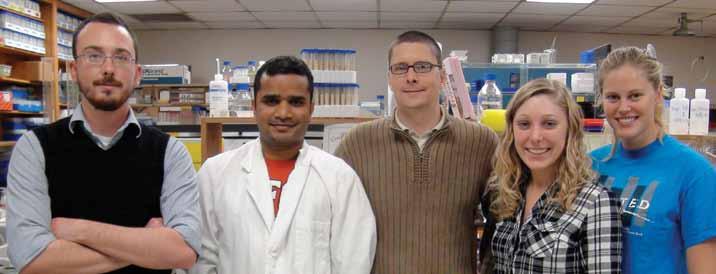
from left to right: Colin Nogowski, Raghuprakash Kastoori Ramamurthy, Dr. Brian Waters, Grace Troupe, Laura Hock
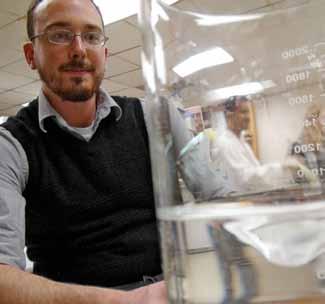
Colin Nogowski in the Waters Laboratory.
Drought Tolerance Research in Walia Laboratory
by Harkamal Walia
Research in Walia laboratory is focused on elucidating and improving drought, heat and flooding tolerance in cereal crops.
Dr. Harkamal Walia joined the Department of Agronomy and Horticulture at UNL in May 2010 as a Plant Molecular Physiologist. His research focuses on understanding how plants adapt to unfavorable environments. Unfavorable environmental conditions such as drought, heat stress, salinity, and flooding result in heavy crop yield losses in the U.S. and worldwide. These stressful conditions are increasingly associated with a shift in agriculture to marginal lands and erratic weather patterns.
In this context, research in the Walia laboratory is focused on elucidating and improving drought, heat and flooding tolerance in cereal crops such as wheat, maize and rice. A large part of our food supply is provided by irrigated agriculture that uses freshwater and intensive fertilizer applications. Because freshwater is becoming increasingly scarce, new strategies are needed to produce “more crop per drop.” One critical component to meet this challenge is to increase the inherent ability of crop varieties to sustain yield under water-limiting conditions. Significant gaps exist in our understanding of how plants adapt to water limitations. This knowledge is needed for developing crops in the future.
Research in the Walia laboratory aims to improve our understanding of how plants adapt to water-related stresses that affect yields. The laboratory combines whole plant physiology with genetics, functional genomics and biochemical methodologies to elucidate mechanisms involved in abiotic stress adaptation in plants. An important project in the laboratory is focused on improving the water use efficiency in wheat in collaboration with Professor P. Stephen Baenziger. The group is focusing on root physiology and genetics as a means to improve the wheat plant’s ability to extract water from soil under limited precipitation. Working with diverse wheat germplasm, graduate student (Dante Placido) has developed methodologies that will facilitate identification of the genes that can increase root biomass when plants experience a drought stress. A functional genomics approach is currently underway to find the gene(s) conferring increased water use efficiency. The work is supported by the Water for Food Institute at the University of Nebraska (http://waterforfood.nebraska.edu/).
Other projects in the Walia laboratory are geared towards understanding how seed development in cereals is affected by drought and heat stress. The approach for these projects is to use rice as a model systems for discovery of molecular mechanisms that are affected during stress that lead to decrease in yield and grain quality. Rice is
Cassman: Helping guide Network of Int’l Ag Research Centers
by Ashley Washburn
very similar to other cereals such as wheat at the genetic level (DNA sequence) but is a much more tractable system for molecular studies due to smaller genome size. Importantly, rice has a completed genome sequence available. The Walia laboratory is taking a translational approach by leveraging rice for gaining molecular understanding of seed development under stress and applying that knowledge for wheat improvement. These research projects are funded by the Nebraska Wheat Board, the National Science Foundation, and the University of Nebraska Foundation.
Rising food and energy prices, possible water shortages and changing climate have led many scientists to predict a global food crisis by 2050. Despite dire predictions, agronomist Ken Cassman is optimistic that a resurging interest in agricultural research will help both small farmers in developing countries and larger producers in developed countries grow more food.
Yet such research investments will be effective only if scientists address the most critical issues and find practical solutions, especially in places with the greatest need for more food—parts of Asia, Sub-Saharan Africa and South America, Cassman said.
Cassman is thinking a lot about global food security these days. He recently was named to head the council responsible for advising a major network of international ag research centers. As the first chair of the new Independent Science and Partnership Council, Cassman will provide critical advice and expertise about the scientific merit and feasibility of global agricultural research projects to the Consultative Group on International Agricultural Research, known as CGIAR.
ternational Crop Research Institute for the Semi-Arid Tropics.
The CGIAR fund appointed Cassman in January to lead the seven-member council, which includes leading researchers in agriculture, environmental sciences, rural affairs and economics. Cassman is an internationally recognized expert in local and global food security, crop yield potential and biofuels.
The council’s job is to help CGIAR funders identify agriculture development projects with the highest scientific quality and the greatest potential to increase farmers’ incomes in poor, rural areas.
“To increase investment in agricultural research, we have to know our research priorities are correct and the science is being done well,” Cassman said. Despite the billions of dollars invested in agriculture worldwide, he said Sub-Saharan Africa faces food shortages because crop yields haven’t kept pace with rapidly growing populations. Getting new technologies from the laboratory to the field, and educating farmers about how to use them, is another challenge.
CGIAR is a consortium of 15 international research centers funded by governments, foundations, and international and regional organizations. The CGIAR research centers work to improve agricultural productivity, conserve natural resources and promote policies that stimulate agricultural growth in developing nations. The research centers include organizations such as the International Rice Research Institute, the International Water Management Institute and the In-
A similar scenario existed in the 1950s and 1960s, he said. International agricultural research centers responded by developing new “miracle crop” varieties and expanded irrigation infrastructure and use of fertilizers. Together they sustained a green revolution that rapidly improved agriculture production throughout the world. By the late 20th century, food was plentiful and inexpensive partly because of scientific advancements made decades earlier, Cassman said.
During his three-year term as chair, Cassman is helping the CGIAR Centers establish a portfolio of proven research projects that leverage various organizations’ capabilities. For example, he said, a CGIAR research center may have expertise in improving rice varieties in Southeast Asia, but that expertise is also needed in Africa and even Latin America. The issue is how to establish global research partnerships with institutions around the world to get the job done.
“Now we have a new set of challenges, and business as usual won’t result in enough food supply to feed an incredibly dynamic world population,” said Cassman, UNL’s Heuermann Professor of Agronomy and Horticulture.
The council also is identifying emerging issues that need further research. For example, scientists need to develop ways to measure the environmental performance of cropping systems that address both the need to increase productivity and to reduce agriculture’s environmental impact. Cassman said that addressing this challenge will shape his research priorities at UNL. It also will complement the work of the university’s new global Water for Food Institute, a research, education and policy institute that focuses on the efficient use of water for agriculture.
“This is a huge opportunity for UNL to be at the forefront of emerging issues and it could expand our opportunities for international partnerships,” he said.
Even with increased international concern for food security, he said, “this momentum will be a flash in the pan if we can’t show that these projects address hunger and protect the world’s environmental resources.”
Agronomy and Horticulture students aren’t afraid to dig in and get their hands dirty. But right now they need your help.
Scholarship funds have been created to attract the most outstanding undergraduates to the program. And several funds exist to support graduate students as they travel to important and informative professional meetings and seminars. And more. For a complete list of funds, to learn more, or to give, contact Ann Bruntz, Director of Development IANR, University of Nebraska Foundation at abruntz@nufoundation.org, 402-458-1176.