News from the Department of Agronomy & Horticulture
Department History
Special
Table of Contents
Lincoln, NE 68583- 0915
Phone: (402) 472–2811
FAX: (402) 472–7904
E-mail: agrohort@unl.edu
Web sites: www.agronomy.unl.edu www.horticulture.unl.edu
On the Cover:
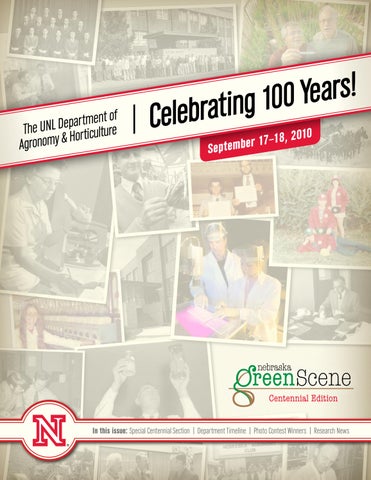
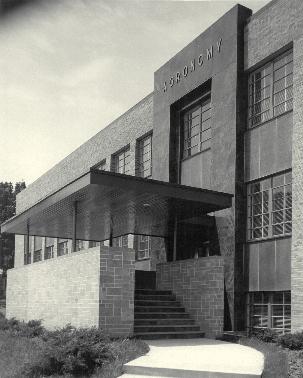
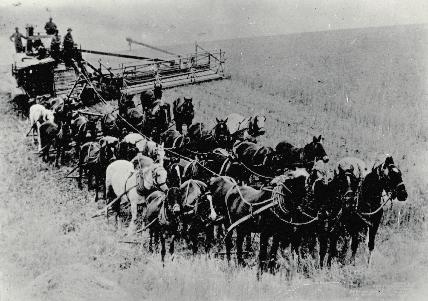
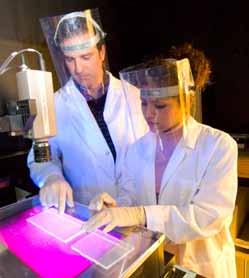
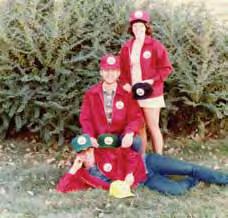
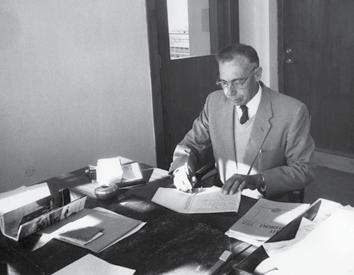
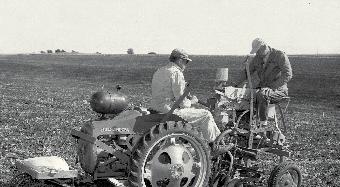
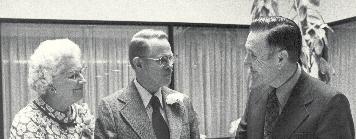
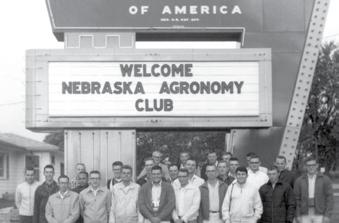
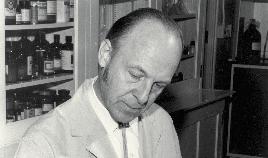
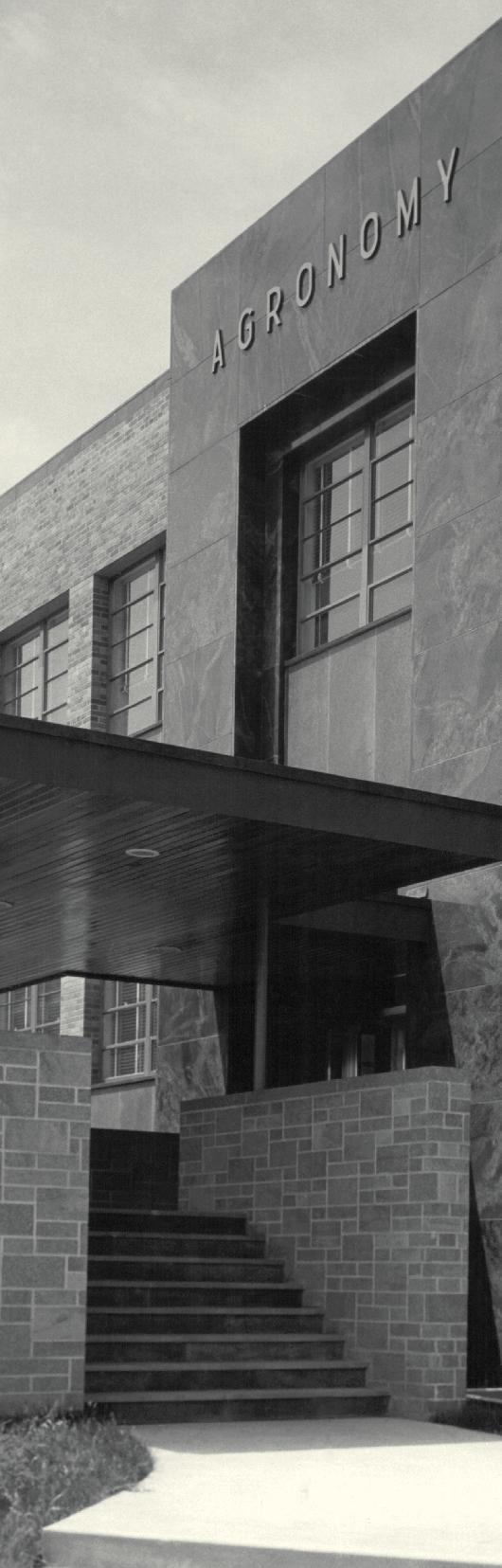
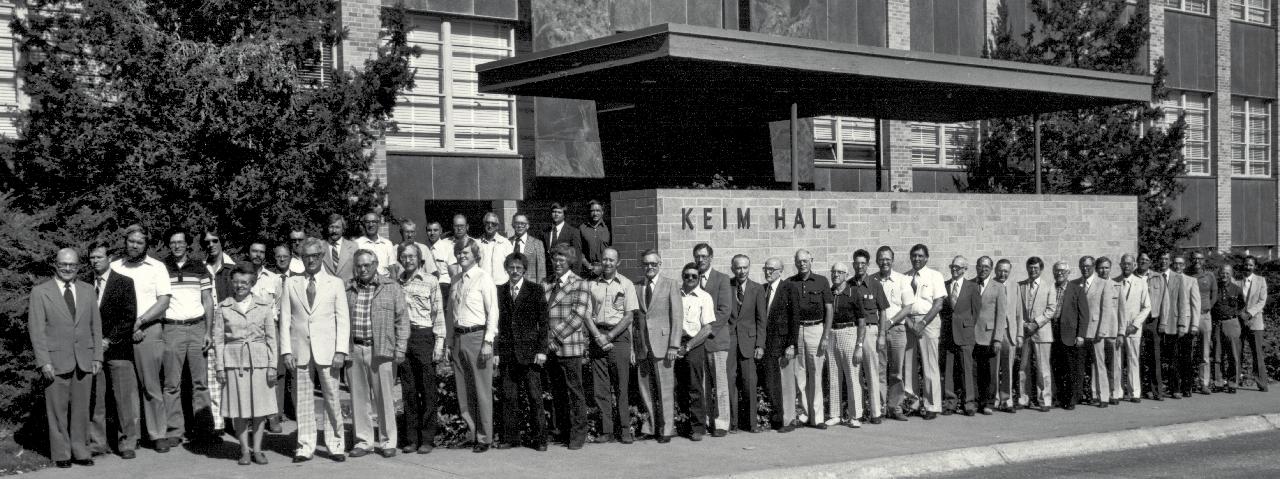
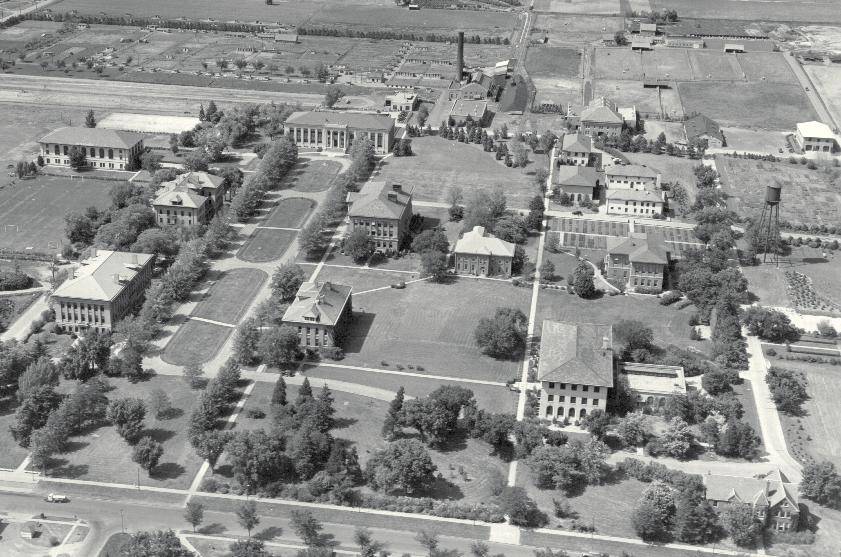
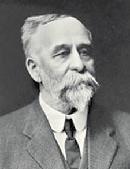
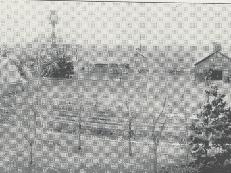
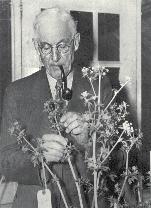
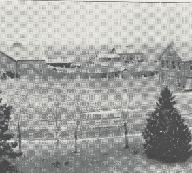
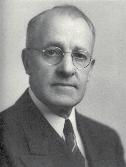
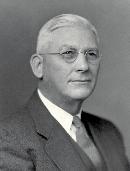
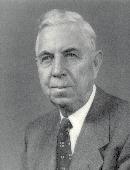
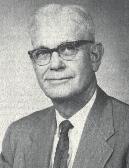
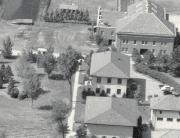
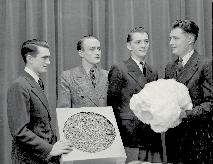
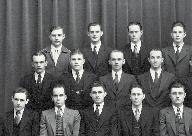
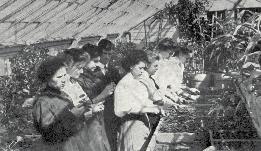
This special edition of Green Scene includes all the normal pieces of the annual newsletter, but has been expanded to include information on the department’s history, including a timeline and information on the Centennial Celebration to be held this fall, September 17–18, 2010. The faded-out photos on the cover also appear in full brightness on the page to the left, and include names, years, places and descriptions where applicable. In addition, after the Centennial Celebration, you may visit our website to view these historical photos and many others.
Department of Agronomy & Horticulture University of Nebraska–Lincoln Institute of Agriculture and Natural Resources
To subscribe, unsubscribe, or change your address, please send your name, request, and complete new address to:
of Agronomy & Horticulture
830915
NE 68583–0915
or via email: agrohort@unl.edu
Find our PDF newsletter on the Web at www.agronomy.unl.edu/newoutreach/alumni.html
The University of Nebraska–Lincoln does not discriminate based on gender, age, disability, race, color, religion, marital status, veteran’s status, national or ethnic origin, or sexual orientation.
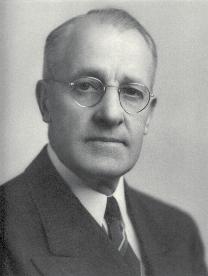
F. D. Keim
Letter from the Head
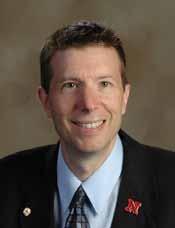
by Dr. Mark Lagrimini
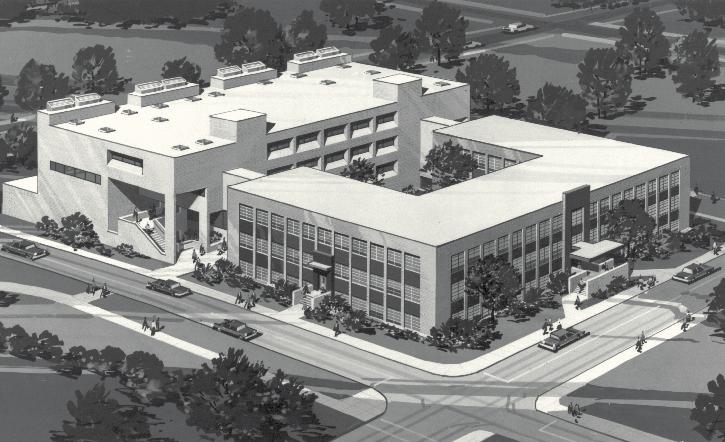
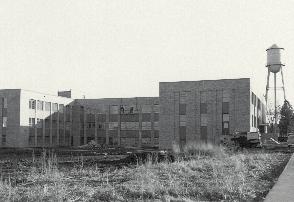
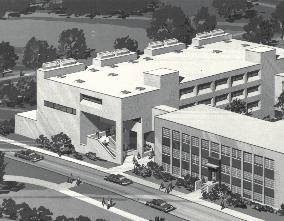
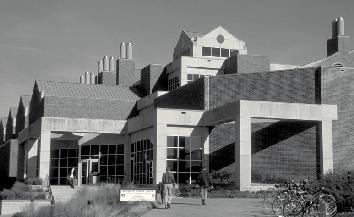
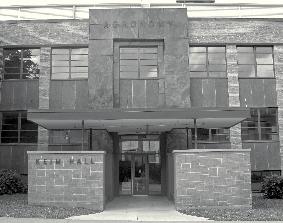
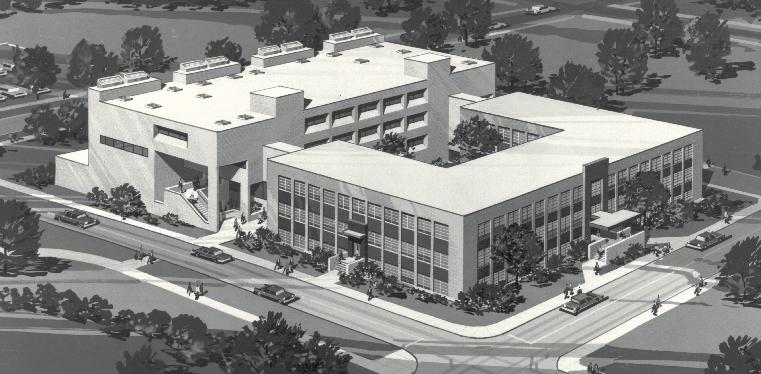
Can you believe it’s been 100 years? It seems like it was just yesterday when the voices of Homer Goodding, H.O. Warner, Charles Bessey, F.D. Keim, T.A. Kiesselbach, and George Beadle were heard on the new East Campus of the University of Nebraska–Lincoln. 2010 will be remembered as an exciting year for the Department of Agronomy & Horticulture. The renovations on Keim Hall were completed in July, reuniting faculty and staff who have been spread across the campus for two years; the department celebrates its centennial in September; and we will complete a three-year hiring cycle resulting in the addition of 16 new faculty. The rededication of Keim Hall will be on September 17, 2010, completing a renovation project started in 2006 with $13.5 million in state legislative funding (LB605). The building houses the Department of Agronomy & Horticulture, the Nebraska Statewide Arboretum, the Agricultural Research Service, the PGA Golf Management program, and the Center for Grassland Studies.
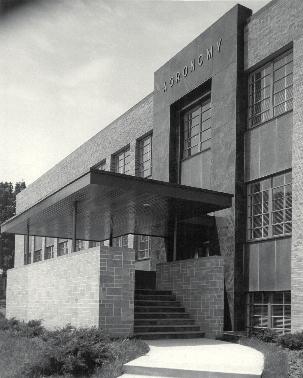
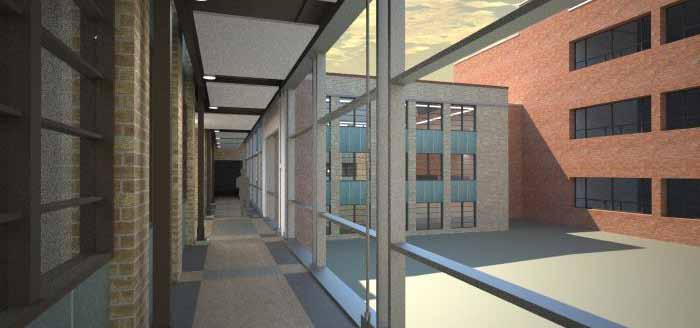
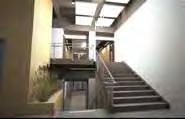
The demolition and construction were done using sustainable practices earning the building a LEED “gold” certification. For those of you with fond memories of Keim Hall, the architects have retained the classical style of the exterior façade. Even the new energy-efficient windows retain the look of the original windows. The south entrance has been lowered to street level with large glass windows to entice visitors and permit easier access from the street. Hanging from the ceiling of the two-story vestibule is a mobile composed of reflective aluminum panels, commissioned from the artist Tim Prentice. As you enter the building from the south, your eyes will be drawn to the interior courtyard. The Keim Hall courtyard is a key feature of the building, with a pond, waterfalls, planting beds, turfgrass, walking paths, and
sitting areas. A glass curtain has extended Keim’s north wall, adding more usable space and a breathtaking view of the courtyard. The second floor houses the department’s administrative offices, the Center for Grassland Studies, the PGA Golf Management program, four modern classrooms, and a student commons area. The third floor accommodates the research laboratories, graduate student offices, and faculty offices. The first floor houses the landscape design classroom, Nebraska Statewide Arboretum, the Agricultural Research Service, the Donald Hanway conference room, and faculty offices.
“
” 2010 will be remembered as an exciting year for the Department of Agronomy & Horticulture.
The newly renovated Keim Hall also symbolizes a shift in priorities for the department. We live in a very different world than our parents and grandparents. In their time, the agriculture enterprise was all about increasing production to feed a growing nation and world. The amazing increase in productivity was realized through the efforts of faculty and staff at the University of Nebraska–Lincoln, and Nebraska’s innovative and hard-working farmers. There appeared to be no limit to the amount of food we could produce, and all of us share the credit in this amazing feat.
A new millennium has now come, along with it new dreams of flying cars, men walking on Mars, and robots that do everything from cooking our dinner to plowing our fields. However, with this new millennium, there is a new realization that our resources are not limitless, and all of man’s achievements are not without consequences. In this millennium we need to produce more food on less land, with less water, all while using fewer fossil fuels and reducing greenhouse gas emissions. This will not only require the development of new technologies—it will require a change in our behavior. With its focus on teaching, research and extension, there is no land grant university better prepared to tackle these energy, greenhouse gases, and productivity concerns than the University of Nebraska–Lincoln.
Photo by Greg Nathan, UNL Photography
South stairs entry
Class staging area
Promotions & Tenure August 2010
Dr. John L. Lindquist
Promoted to Full Professor. Hired: 1997. Ph.D., University of Nebraska–Lincoln, 1997; M.S., University of Minnesota, 1994; B.S. Montana State University, 1988. Area of focus: The mechanisms of interplant competition, plant population biology, and ecological weed management.
Dr. Robert A. mitchell
Promoted to Adjunct Professor. Hired: 2002. Ph.D., University of Nebraska–Lincoln, 1995; M.S., University of Nebraska–Lincoln, 1992; B.S. University of Nebraska–Lincoln, 1989. Area of focus: Perennial grassland establishment and management for bioenergy, forage and conservation; bioenergy, prescribed fire, forages, and perennial grass management.
New Hires & Appointments
Faculty
Dr. greg kruger
Weed Ecologist
WCREC
January 2010
Dr. Aaron Lorenz
Plant Quantitative
Genetics/Statistical Genomics
July 2010
Dr. Zac Reicher
Integrated Turfgrass
Management Specialist
March 2010
Staff
Theresa James
Extension Assistant
September 2009
emliy Levine
Extension Technologist
November 2009
Dr. Harkamal Walia
Plant Molecular Physiologist
May 2010
Dr. Stephen Young
Weed Ecologist
WCREC
January 2010
k at hy Schindler
Office Associate
April 2010
Rachael Wells
Research Technician
June 2010
‘09 Photo Contest Winners
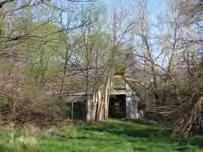
“Abandoned But Not Forgotten” by Sue Walker
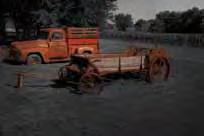
“The Past Remembered” by Myron Coleman
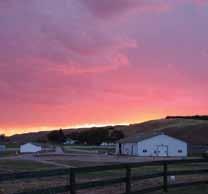
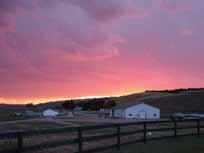
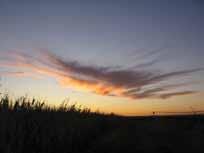
“Nebraska Sunset” by Eric Barnes
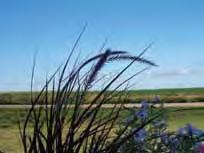
“Blowing Grass” by John Dillingham
“Sandhills Ranch Sunset” by Roch Gaussoin
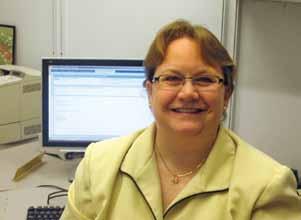
a word with Kathy Schindler
While deciding what to write for this article, I looked at last year’s publication and decided to continue the theme started by Karen Kreider: “Bloom Where You’re Planted.” Just like Karen’s life has been nomadic, so has my life (four states and one foreign country). We might not know where life will take us or what changes will occur, but it’s important to keep a positive outlook and “bloom” wherever we are planted.
The Department of Agronomy & Horticulture is a good fit for me because
my family has been interested in gardening and farming for many years. My Dad always had a large vegetable garden wherever we lived and my two brothers and I were expected to help plant, weed, water, and harvest the vegetables. My Dad’s specialty was growing potatoes. Both my grandfathers were farmers and my Wisconsin grandfather even took a turn at growing tobacco, a very laborintensive product at the time.
My first day as an office associate in the department was April 5. I’ve been assisting with a range short course, the department’s centennial celebration, a faculty retreat, travel arrangements and expenses, a grant, and other miscellaneous projects. My duties will include being the lead secretary for the office, assisting with teaching and curriculum, and helping students. I like to think I’m a “people person” because I enjoy working with and learning from individuals of all ages, cultures, and educational backgrounds.
My professional interests include writing, editing, and working on the web. To facilitate these interests, I earned a master’s degree in Journalism and Mass Communications with a minor in Teaching, Learning & Teacher Education in May. My thesis studied how Nebraska newspapers are dealing with the advent of new technologies, such as web pages, blogs, digital cameras and digital printing presses. This process is called convergence.
At home, I have two teenage boys, Steven and Mike, and an energetic Border Collie named Hailey. Steven just graduated from Lincoln Southeast and will start classes at the University of Nebraska–Lincoln this fall. Mike will be an eighth grader at Pound Middle School in Lincoln this fall. I also enjoy reconnecting with old friends and keeping up with new ones through email, Facebook, and annual camping trips and reunions.
The UNL Department of Agronomy & Horticulture has many people who strive to do their best in every aspect of their positions. It’s easy to work with people who have such a positive outlook on life and “Bloom Where They’re Planted.” I look forward to working with everyone in the future.
a word with T.J. McAndrew
Ijoined the department in April of 1998 and as I look back, I find it hard to believe that it has been that long. Every day brings a new challenge or accomplishment, or even a disappointment, but it makes it a learning experience and makes me look forward to coming to work every day.
I manage the Agronomy research farms at the Agricultural Research & Development Center, 84th & Havelock, and the land on the north edge of East Campus. The farm crew and I perform the field work in the spring for several researchers from disking, field cultivating, fertilizing, and pre-plant herbicide applications. Although we do plant some larger research plots, our primary focus shifts to the “production” areas of the farm which is the rotational land for the researchers. In most years we have approximately half of our acres in research and half in production, and as budget restrictions increase it requires better planning of labor, equipment, and marketing to ensure that we have the latest equipment to further research.
In my position I get the opportunity to work with researchers not only from Agronomy but also Plant Pathology, USDA, Horticulture, Calmit, Biosystems, and others along with assisting graduate students and technicians. I get to see the research being conducted by this broad spectrum of individuals that runs from organic plots that have been here for more than 25 years to a new GMO area that we began two years ago with specialized irrigation and the ability to have a mile isolation from any other crops. My responsibilities include assigning land, ordering
herbicides, pesticides, and fertilizers, scheduling equipment use, scheduling irrigation on our lateral move and pivot land, and the day-to-day operations. I am fortunate to have an excellent farm crew who understands that our main goal is to further research and that we are in the “service business” and are willing to assist researchers in any way that they can. The professors and technicians also have no problem helping out when things are busy to make our job easier and I feel that we have achieved a team concept where we share common goals and accomplishments.
As we look forward to the future and the changes that will happen in agriculture and research, I feel confident that the Agronomy & Horticulture Department can meet new challenges just as we have in the past.
We Make A Difference
We Make A Difference
... All Over the World
... All Over the World
We Make A Difference
... All Over the World
LI-COR® instruments play a key role in research the world over. Whether in the frozen Antarctic, steamy South American rain forests, or in cutting-edge research centers, LI-COR instruments are helping to answer researchers’ questions.
LI-COR® instruments play a key role in research the world over. Whether in the frozen Antarctic, steamy South American rain forests, or in cutting-edge research centers, LI-COR instruments are helping to answer researchers’ questions.
We Make A Difference
... All Over the World
LI-COR® instruments play a key role in research the world over. Whether in the frozen Antarctic, steamy South American rain forests, or in cutting-edge research centers, LI-COR instruments are helping to answer researchers’ questions.
LI-COR Biosciences is headquartered in Lincoln, with sales and technical representatives located throughout the United States, Germany and the United Kingdom.
LI-COR Biosciences is headquartered in Lincoln, with sales and technical representatives located throughout the United States, Germany and the United Kingdom.
LI-COR® instruments play a key role in research the world over. Whether in the frozen Antarctic, steamy South American rain forests, or in cutting-edge research centers, LI-COR instruments are helping to answer researchers’ questions.
LI-COR Biosciences is headquartered in Lincoln, with sales and technical representatives located throughout the United States, Germany and the United Kingdom.
LI-COR employees share a passion for scientific research and take great pride in the role the company’s instruments play in helping make new breakthroughs in research. Global warming, drug discovery, crop science, deciphering the genetic code – these are just a few of the areas where LI-COR instruments are helping scientists explore.
LI-COR employees share a passion for scientific research and take great pride in the role the company’s instruments play in helping make new breakthroughs in research. Global warming, drug discovery, crop science, deciphering the genetic code – these are just a few of the areas where LI-COR instruments are helping scientists explore.
LI-COR Biosciences is headquartered in Lincoln, with sales and technical representatives located throughout the United States, Germany and the United Kingdom.
LI-COR employees share a passion for scientific research and take great pride in the role the company’s instruments play in helping make new breakthroughs in research. Global warming, drug discovery, crop science, deciphering the genetic code – these are just a few of the areas where LI-COR instruments are helping scientists explore.
“Our instruments are at the forefront of helping scientists solve the challenges that face humanity and our planet.”
“Our instruments are at the forefront of helping scientists solve the challenges that face humanity and our planet.”
LI-COR employees share a passion for scientific research and take great pride in the role the company’s instruments play in helping make new breakthroughs in research. Global warming, drug discovery, crop science, deciphering the genetic code – these are just a few of the areas where LI-COR instruments are helping scientists explore.
“Our instruments are at the forefront of helping scientists solve the challenges that face humanity and our planet.”
Bill Biggs
“Our instruments are at the forefront of helping scientists solve the challenges that face humanity and our planet.”
LI-COR Co-Founder, Chairman and President
Bill Biggs
LI-COR Co-Founder, Chairman and President
Bill Biggs LI-COR Co-Founder, Chairman and President
Bill Biggs
LI-COR Co-Founder, Chairman and President
®
4647 Superior Street
®
4647 Superior Street
Lincoln, Nebraska 68504
Phone 402-467-0700
Lincoln, Nebraska 68504
®
Phone 402-467-0700
®
www.licor.com
www.licor.com
4647 Superior Street Lincoln, Nebraska 68504 Phone 402-467-0700
www.licor.com
www.licor.com 4647 Superior Street Lincoln, Nebraska 68504 Phone 402-467-0700
This special center pull-out section includes historical stories about keim Hall and the Department, a timeline of notable events/achievements and a schedule of events for the Department Centennial Celebration, to be held September 17–18, 2010.
Department History
Keim Hall Remembrances
By Robert C. Sorensen
Ifirst came to Ag College as a new freshman in September, 1951. At that time, there was no Keim Hall, or as it was called for many years, Agronomy Building. In my first semester, I took Agronomy 1, which was offered in the “Crops Lab”, more recently called Kiesselbach Crops Lab. Dr. Homer Goodding taught the class. I met my permanent advisor, Prof. R. A. Olson, in the Agricultural Chemistry Building, now called Ag Communications, since that was the location of the Soil Science faculty.
The stairway in the east wing had a banister that was great for sliding down.
To place this time period in perspective, Holdrege Street past campus was a brick street. Vine Street beyond 48th Street was not paved. Holdrege Street from about 54th Street to Bethany was also not paved. Large orchards were present east of the campus proper. However, the campus ice cream store and the Tastee Inn (with carhops) were already in business. A grocery market was located at the present site of Valentinos. I believe it was operated by Val who originated Valentinos.
I met Prof. Olson the second time in the new Agronomy Building (later called Keim Hall). Since he offered me part-time employment, I spent a lot of time around the building. I took introductory soils (Agronomy 53) and the remainder of my agronomy courses in the new building.
At the time of the completion of the Agronomy Building, located to the east was the Dairy Barn. To the north was a large graveled parking lot, which was never completely full. To the northeast, were the greenhouses. To the south was a cultivated area where trees, bushes, and shrubs for the campus were propagated. There was also an elevated water tower here. Further south there was a beautifully landscaped area containing an astronomical observatory.
Dr. F. D. Keim was the department chairman
“Remembrances” continued on next page...
Keim Hall South Entry
“Remembrances” continued from previous page
at that time. He was also my genetics instructor. He was very energetic and supportive of students. When one needed a recommendation, he or she went to Dr. Keim. He had a very large Sunday school class of college-age students at Warren Methodist Church southeast of campus. I have heard that he was in the Agronomy Building every Saturday morning and went around to all the offices to see if everyone was present and to make sure that no one was smoking. On a personal note, I was told he was an important force in getting me into Iowa State College for my Ph.D. program, since my grades where not as high as they might have been.
At the time of its completion, the Agronomy Building had the finest array of classrooms on the campus. This became apparent to me when I returned to campus in September, 1964, as a Professor of Soil Science. Many departments used those classrooms. They were all light and cheery and were fitted with everything the instructor of that time needed. Room 244 (I believe this is the right number), later 210, was the best large classroom on campus. It remained so for many years until it was damaged by a hall that was put through it to access the new Plant Science building. The final chapter in its use as a fine general classroom was written when it was turned into a techie toy room, forcing large classes into the Plant Science lecture hall, a poor substitute, in my opinion.
Many excellent undergraduate teachers spent a good deal of their career in this building. I mention only a few old-timers: Homer Goodding, Donald Hanway, Franklin Keim, William Colville, Robert Olson, and Don Burzlaff. A little later were David McGill, Orvin Burnside and Dale Flowerday. I’m sure I have missed some. Then there are those of my own generation. We were a proud lot and I believe we did good work. Keim Hall was instrumental in helping us do our job in a fine fashion.
Thousands of students
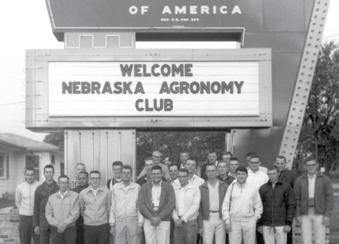
spent their time in one way or another in Keim Hall. It was the home of the Agronomy Club for many years. I’m sure many of those students have fond recollections of Keim Hall and some have stories to tell.
Keim Hall had several notable features. It was not air-conditioned for many years. It had a perfectly flat roof which never leaked. The one elevator was often out of order. The plant and soil grinding room were a constant source of dust on the lower floor. The building was very quiet since most walls were made of hollow tile. The rain shaft, passing through all three floors, allowed Dr. Mazurak to measure the effects of rainfall on soil. We did thousands of plant material digestions with perchloric acid which was hazardous at best. The Auto-tutorial method of instruction was instituted in Agronomy 1. The stairway in the east wing had a banister that was great for sliding down.
Some claims and facts given here may not be totally correct. Memories sometimes are not precise after fifty or sixty years and sometimes the stories get enriched; but for better or worse, these are some of my thoughts.
East Campus Aerial View, 1947
University of Nebraska–Lincoln
Department of Agronomy & Horticulture
Compiled by Lowell Moser & Paul Read
Designed by Aaron Franco
June, 1872
Agricultural College established
January, 1871
University Hall constructed
February 15, 1869
University of Nebraska established
September, 1871
Samuel Thompson, first Professor of Agriculture
1884
1881
Horticulture established as an identifiable area
Harvey Culbertson, first Professor of Horticulture
1873
First experimental farm established at today’s Innovation Park location
Sugarbeet experiments started
1873–74
First Farmers’ Institute held
1877
Industrial College formed, includes agriculture
1874
Small grains experiments started
Moses Culver farm purchased (East Campus) 1874-75
Experiments in small grains, variety testing, cultivation of grasses, corn began
Experiments conducted with fruits and vegetables
Charles E. Bessey joins University of Nebraska as chair of Botany & Horticulture and Dean of the Industrial College
1887
Nebraska Agricultural Experiment Station developed
1889
B.S. in Agriculture offered in the Industrial College 1891
T.L. Lyon joins University of Nebraska as instructor of agricultural chemistry and later as the first agronomist and soil scientist
1895
R.A. Emerson joins Horticulture faculty
1892
1895
Fred Card first comprehensive work in 1899
Experiment Station Hall erected (currentlyAgriculture Communications Building)
Horticulture Dept. formed
F.W. Taylor, first separate professor of Horticulture
1913
Agriculture Practice Group established (2-yr. course)
Plant Industry Building erected
1900
The term “Agronomy” is beginning to be used
1912
First County Agent, Merrick County
First Grain Trains promote good seed corn selection
1903
North Platte Station established
1904
Old Horticulture Building and greenhouses constructed
USDA association with University of Nebraska begins
1905-06 Agronomy first appears in departmental names
1908-09
T.A. Kiesselbach hired as an assistant in Agronomy (Crops)
Card initiates comprehensive vegetables
formed separate
1914
F.D. Keim joins Univ. of Nebraska
1915
Cooperative Extension Service started
1916
W.W. Burr becomes Head of a single Agronomy Department
1917
Homer Goodding joins Agronomy Department
Fruit Farm established at Union
1922
New Agronomy Club formed; M.D. Weldon, President; George Beadle, Vice President; F.D. Keim, Secretary-Treasurer
Northwest Agricultural laboratory established at Alliance
1911
Agronomy Department and Department of Experimental Agronomy
(High) School of Agriculture formed at Curtis
1909
Agricultural College re-established
Scottsbluff and Valentine Stations established
1920
First Agronomy Club formed
1919
T.A. Kiesselbach receives first Ph.D. identified with Agronomy
1918
Agronomy Farm at Lincoln established
Nebraska 60: first wheat variety released
1932
F.D. Keim becomes Department Chairman Agronomy Club reorganizes become a student chapter
1942-1945
WWII – College has few male students
Back Yard Farmer program begins
becomes Agronomy Chairman reorganizes to chapter of ASA
High Plains Agricultural Lab established
Valentine Station closed 1952
Agronomy Hall opens
1951
Foundation Seed Division established 1950
Hornung State Farm acquired (Forestry)
Outstate Testing program greatly expanded 1949
Ataturk University program began (Turkey)
University Soil Testing Laboratory established
Nebraska Mission in Colombia begins
Turfgrass Research initiated 1966
Title to Mead Ordnance Plant obtained by the University (ARDC)
Agricultural Climatology Teaching Program started
Nebraska students compete in first regional soils judging contest
Union Fruit Farm closed
Name changed to Department of Horticulture and Forestry
Wheat quality laboratory established
Ornamental Horticulture research initiated Agronomy Hall renamed as Keim Hall
Northeast Station established
Nebraska redistricted and outstate stations referred to as Research and Extension Centers
South Central Research and Extension Center established at Clay Center
Southeast Extension Headquarters established at Lincoln
Plant Sciences Hall and greenhouses open0
High Plains Ag Lab established
Name changed back to Department of Horticulture
Institute of Agriculture and Natural Resources formed
Horticulture Club started
Barta Brothers Ranch established
Beadle Center opens
Center for Grassland Studies established
University of Nebraska support of MIAC/Morocco Project begins
Research programs begin at Gudmundsen Sandhills Laboratory at Whitman
Range Science major initiated
Center for Agricultural Meteorology and Climatology formed
University of Nebraska chosen as lead management institution for INTSORMIL program
Plant Science Initiative began 1999 Grazing Livestock Systems major initiated
Plant Biology major and Doctor of Plant Health program initiated 2008
University Soil Testing Service closed 2009 Brule Water Lab formed
Department of Agronomy and Department of Horticulture merge forming the Department of Agronomy & Horticulture
Center for Energy Science Research formed UNL Chapter of National Honor Society of Horticulture, Pi Alpha Xi, started
South Central Research and Extension Center closed
Innovation Park established at former State Fairgrounds (site of first University farm) 2010
Renovated Keim Hall rededicated and occupied
Professional Golf Management major initiated
Dr. David P. McGill: Teaching v isionar y
By Don Lee
When I walked into the office of Dr. David McGill, in April of 1989, I did not realize that this would be the most important hour of my job interview. I certainly did not recognize that the warm smile and measured but enthusiastic conversation style were already legendary throughout Nebraska. It would take me several years to appreciate the wisdom in Dr. McGill’s answer to my question about the students who would be taking the Agronomy 315 Genetics course. “The students are not perfect genetics students, but you will like them.” Dr. David McGill had an enduring impact as a teacher because he focused on his students and had a strong desire to see them succeed in learning. This impact is evident in the stories his former students tell about his teaching style and in the current teaching program in Agronomy & Horticulture.
Thinking on your Feet: The oral Quiz
When I have the chance to meet former students of David McGill, they almost always share a story about his oral quizzes. Invariably, it is a war story of their struggles to think on their feet. McGill would put on his poker player face and lead about ten students at a time through a conversation about genetics principles and their application to genetics problems. The oral quizzes were intense and they were not necessarily about getting the right answer. “Do you agree with that answer?” was a common question McGill would direct at a student. As a result, the oral quiz was a learning experience. Students learned the status of their own understanding and benefitted from hearing their classmate’s explanations. Along the way, they gained experience and confidence in their ability to think and communicate on the spot.
Oral questions are still an integral part of student learning in both the Genetics and Plant Science classes in Agronomy &
Horticulture. While no one on staff has the ability to conduct bona fide, McGill style oral quizzes, we appreciate the learning impact of asking oral questions as a part of the weekly work for our students. Traces of the McGill legend persist in our teaching program with these oral questions.
Learning by Problem Solving
One of the changes David McGill implemented into the genetics course that he inherited from Franklin Keim was the implementation of a weekly lab. This lab featured genetics problem solving and genetics experiments. We continue to use the albino corn seedling and yellow soybean seedling mutants in the class along with new molecular genetics labs in DNA analysis and genetic engineering. These experiments provide the students with the chance to work and think like a geneticist. Dr. James Specht, professor in Agronomy & Horticulture, shares a story of remembering how he proceeded to conduct the corn experiment as one of McGill’s students. He recognized that he was not paying enough attention to detail at that stage of his career and the experience helped set the stage for his future success as a research geneticist. Students tell us in course evaluations that the genetics problem solving they were able to do in the labs with the help from peers and from undergraduate teaching assistants, is the single biggest factor that helps them learn. We now have a similar problem-solving based lab in our 131 Plant Science course. Learning life science through application of principles to problem solving is strongly advocated in educational research today. This approach to teaching has a long history in the department and David McGill was instrumental in establishing this approach in our foundational science courses.
“McGill” continued on next page...
Dr. David McGill
Dr. David McGill congratulates Rodney Tietz
“McGill” continued from previous page
You Are a Professional
A final contribution David McGill made to the department’s teaching program was the recognition that our undergraduates were important contributors when they were given the opportunity to be teaching assistants in our classes. Dr. Deon Stuthman, who had a career as a Plant Breeding faculty at the University of Minnesota, remembers how Dr. McGill treated him as a professional when he became a an undergraduate genetics TA. One of the biggest favors David McGill did for me was to select and hire the first undergraduate TAs I would have a chance to work with. They included Dr. Justin Derner, now a faculty member at Oklahoma State University, and Dr. Deana Namuth-Covert, who currently leads our online genetics and plant genetic engineering teaching programs in Agronomy & Horticulture. As undergrad TAs, they not only helped me improve my own genetics problem solving skills, they made creative suggestions about trying new teaching approaches to improve student learning. Today, as many as twenty undergraduates work in the department to serve important roles in teaching our students in courses such as plant science, horticulture, genetics and soils. David McGill’s confidence in the capacity of our undergraduates to work like professionals continues to be a key feature of our teaching program.
making a Difference
One of my colleagues once asked me how I knew that the work I put into teaching made a difference. My answer was simple and confident. I get to meet Dr. McGill’s former students. If I can work like McGill worked, I will have a chance to make the impact he made. The teaching culture of Dr. David McGill and his contemporaries in the department was to keep their focus on the students. They were not always perfect students, but the learning they experienced in their four short years of undergraduate work established lifelong growth in their professional careers. This student-focused approach continues today in Agronomy & Horticulture. Our students are still not perfect, but we like them.
Centennial Celebration
17–18,
After a century...
After a century of academic accomplishment, world-changing research, and teaching excellence, a proper celebration is in order. This fall, the Department of Agronomy & Horticulture of the University of Nebraska–Lincoln invites you to celebrate the past, embrace the present, and look to the future as the department turns 100.
Schedule of events
Friday, September 17
3 p.m. Keim Hall Rededication, reception, tours
6:30 p.m. Heritage Banquet, East Campus Union (cost $20/person)
Saturday, September 18
9 a.m. Coffee & Rolls, East Campus Union
10 a.m. Panel Discussion, East Campus Union
11:30 a.m. Western Barbecue, East Campus Union
1:30 p.m. Continued tours of Keim Hall & East Campus
Register now!
You are cordially invited to attend the Department of Agronomy & Horticulture Centennial Celebration and Keim Hall Rededication September 17–18, 2010 at the University of Nebraska–Lincoln East Campus. Visit go.unl.edu/centennial for our online registration (via CARI Registration Services). Please register by September 10, 2010.
Note: If you have already sent your RSVP (notice sent out this past Spring), thank you. But we ask that you still register at the above web address to let us know which events you plan to attend.
Lowery, Sheffield, Drier, Peterson
Virgil Johnson and Mac McCarty
DaleandFlowerday student
meet Zac Reicher
By Zac Reicher
As the latest faculty hire in the Turf Program at the University of Nebraska–Lincoln, I can’t say enough how happy I am to join the program. The UNL Turf Program is recognized as one of the best in the country and I look forward to building on the already strong foundation.
I grew up the youngest of eight kids in the small eastern Iowa town of Dyersville where my parents introduced me to golf when I was old enough to walk and at 15, I realized that I would likely not make a living playing golf. Coincidently, the Pro/Superintendent of our course was fired shortly thereafter and I took my first job at Dyersville Golf and Country Club in June of 1979. I was the so-called skilled labor and the new “superintendent” was the local veterinarian who was on the Board of Directors, played golf, and was mechanically inclined (what other qualifications are needed?). Big surprise, but it took less than two weeks for us to kill all ten greens and thus forged my curiosity in turf (and some would say why I teach it and not grow it). I went to Iowa State and received a B.S. in Horticulture specializing in turf and then a M.S. working with Nick Christians.
“
My best career decision came after graduation when I went to Purdue to work full-time as a research technician with the then brand new professor Clark Throssell. At the time, the Purdue Program had about nine undergraduate students and very little activity in research and Extension. Through a little hard work (Clark and I were both young, naive, and single), a lot of luck, and great staff around us, we rebuilt the Purdue Turf Program to encompass 70+ undergraduate and graduate students, a brand new 26-acre research facility on the edge of campus and a very active Extension program. Despite the auspicious start at 15, red-green color blindness, and grass allergies, I graduated with a Ph.D. in 1992 from Purdue. I held a number of non-faculty and faculty positions at Purdue in the last 20 years, the last of which was Professor, Extension Specialist, and Lead of the Turf Program.
” ...it took less than two weeks for us to kill all ten greens, and thus forged my curiosity in turf.
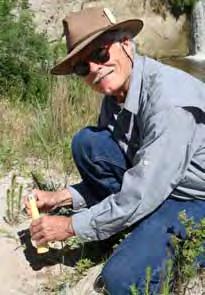
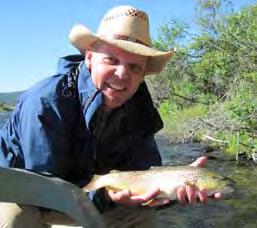
In his spare time, Zac Reicher enjoys outdoor activities, including trout fishing. This is one of his catches while on the Madison River in Montana this past summer.
Somewhere in there, I met my best friend and eventual wife, Kim Wilson; acquired two dogs; renovated a 115-year-old farmstead; and took up (but not honed) deer and turkey hunting, flyfishing, and finally bowhunting. As of March 1, I have made hopefully my newest best career decision to join the faculty at UNL.
I will be the principal teaching faculty for the turfgrass science students teaching the introductory turfgrass management course and then the senior capstone turf course. My primary focus, though, will be Extension, working primarily with the professional golf, sports, or lawn turf managers as well as the county Extension educators. Though we will continue to offer the traditional Extension events like the Turf Research Field Day (Aug. 11, 2010) and the Nebraska Green Expo, we will put most of our time and effort into expanding electronic outreach. Though electronic information will never replace personal communication, the cost, ease, and immediacy of electronic delivery is a “no-brainer”. The most recent addition to our web page is called “Turf iNfo” where we regularly release one-paragraph to two-page summaries on current turf is-
sues. Automatic delivery via email is available by accessing our web page at http://turf.unl.edu. During the first half of June only, we already had close to 2,000 accesses to our 30 or so articles at Turf iNfo. However, the secondary distribution of information like this can be remarkable as readers are free to redistribute these where necessary and can even “cut-and-paste” information into their own newsletter (a 2003 survey we did at Purdue on a similar strategy revealed that secondary distribution was over 350,000 readers!).
Other additions to the web page will include reports on our current research, an expanded list of practical guides on all areas of turf management, and expanded pest control recommendations. Additionally, my turf research program will focus primarily on the practical aspects of weed and general turf management for the professionals and I currently have research on five golf courses in Lincoln and Omaha. I feel strongly that active turfgrass research from all facets of the Turf Program, constant communication with turf managers via email and other methods, and producing quality graduates are the keys to a successful turf program. Our goal for the UNL Turf Program is to expand our circle of influence and become the ultimate “go-to” program in the North Central US and beyond.
Please let me know if we can help or have suggestions for turfgrass research, teaching or Extension. I can be reached at zreicher2@unl.edu or (402) 472–2834.
NuPride
Genetics Network,
LLC “A Nebraska Grower Marketing Group”
Marketing: Elite Certified Wheat Varieties, Select NuPride Brand Conventional, Liberty Link7 and Roundup Ready7 Soybean Lines
Partners of the NuPride Genetics Network are on-farm seed professionals. We are dedicated to providing superior service and high quality seed of adapted varieties with superior genetics and proven performance to meet your specific crop production needs.
For more information or to locate an Affiliate in your area, please contact us at: (402)472-1444
P.O. Box 830911
Lincoln, NE 68583-0911
NuPride
Turner Foundation and blowout Penstemon Recovery
By Aaron Franco
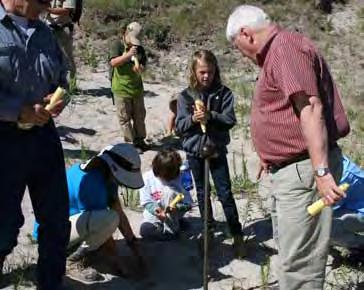
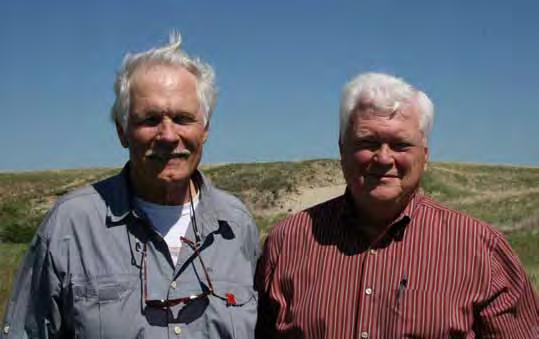
Media magnate Ted Turner brought his extended family to Nebraska in July to learn about recovery work for the only federally endangered plant species in Nebraska, the blowout penstemon. Since 1996, grassland ecology professor Jim Stubbendieck and his graduate students have planted and studied the ecology of penstemon in blowouts on Turner’s Spike Box Ranch 50 miles northwest of Mullen. UNL receives funding support for the research from the Turner Endangered Species Fund.
Turner and his children are trustees of his environmental philanthropy foundation, the Turner Foundation. Each year the family travels together to learn about the ecology and natural resources in different parts of the world. This year, the family decided to explore the Great Plains. As part of the 2010 tour, Stubbendieck and research technologist Cheryl Dunn gave presentations on July 1 about the ecology and local plant life of the Sandhills, with emphasis on blowout penstemon. Afterward, the family members, including several of Mr. Turner’s grandchildren, planted penstemon seedlings.
“They were all very interested – not many people get to plant an endangered species,” Stubbendieck said.
Blowout penstemon was once common in the Sandhills but by the 1940s was largely considered to be extinct. In 1981 when Stubbendieck began working with the species, the number of plants was estimated at 600. Today, after nearly 30 years of recovery work, it numbers more than 40,000, and about 15,000 grow on the Spike Box ranch. Although it continues to be listed as endangered, Stub-
bendieck said the future of the species is very bright.
Of the 300 penstemon species in the world, only two have a fragrance; blowout penstemon is one of those two. “It’s a beautiful plant, helps to stabilize blowouts, and well worth saving,”
Stubbendieck said.
Stubbendieck gave Mr. Turner’s grandchildren University of Nebraska t-shirts and presented the adults with red ‘N’ pins. “Ted immediately put his pin on and smiled,” Stubbendieck said.
Far left: Jim Stubbendieck instructs Ted Turner and family members in blowout penstemon planting methods.
Above left: Jim Stubbendieck, right, poses for a photo with Ted Turner.
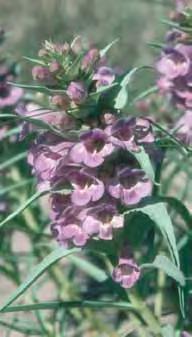
Above right: Blowout Penstemon
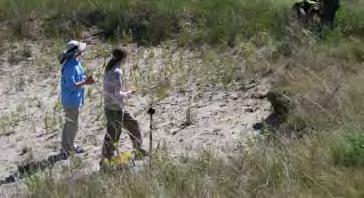
Left: Research Technologist Cheryl Dunn talks about blowouts in the Sandhills.
Grassland Systems Ecologist Studies Nutrient Cycling in Pastures
By Kathy Schindler
John Guretzky joined the Department of Agronomy & Horticulture as a Grassland Systems Ecologist in September 2009. His long-term goal is to serve the state of Nebraska through development of an internationally-recognized research program that models the variables and dynamics vital to ecosystem function, including energy flow, nutrient cycling, and water relations of managed grasslands. Along with his research appointment, John is developing a teaching program that emphasizes ecology and management of grasslands for ecosystem services including sustainable livestock production, climate change mitigation, and conservation of natural resources. John will be teaching Agronomy/Range 240: Forage Crop and Range Management and Agronomy/Horticulture 441/841 Perennial Plant Growth, Function, and Development.
John was born and raised in West Point, Neb., and attended the University of Nebraska–Lincoln as an undergraduate. During these years, John grew interested in environmental issues and natural resources. His reading of Aldo Leopold’s A Sand County Almanac and works by Wes Jackson at the Land Institute in Kansas inspired John to study grasslands ecology. After completing his bachelor of science degree in Natural Resources at UNL in 1996, John worked in grasslands in Minnesota and Kansas before enrolling in a graduate studies program in Agronomy at Iowa State University. It was here John studied under Dr. Kenneth Moore and researched how landscape positions and grazing management affected plant species diversity in pastures. John completed his doctoral degree in Crop Production and Physiology at Iowa State University in 2002.
After graduation, John sought a university position, but the academic job market was limited. In the meantime, he worked for a U.S. Army Corps of Engineers research laboratory in Illinois that focused on ecological and natural resource management issues related to military lands. In 2006, John accepted a Research Agronomist position with the Samuel Roberts Noble Foundation in Ardmore, Oklahoma. It was here John strengthened his skills and experience as a scientist in forage agronomy and grasslands ecology. Despite success in his position and having made many good friends in Oklahoma, John longed for a research and teaching career at a
land-grant university. Timing could not have been better when the position of the retired, Dr. Lowell Moser, opened at UNL during the spring of 2009. This was a dream opportunity for John to get back closer to his roots and pursue the academic position he long sought.
In his current position, John is collaborating with Dr. Terry Klopfenstein, Animal Science, and Dr. Walter Schacht, Agronomy and Horticulture, to evaluate how ethanol co-product supplementation of beef cattle affects nitrogen (N) losses and greenhouse gas emissions from pastures. Previous research by Drs. Klopfenstein and Schacht has found that feeding of ethanol co-products on pastures improves beef cattle gains and is economically competitive relative to beef cattle grazing pastures managed conventionally with N fertilizer inputs. However, evaluation of the sustainability of feeding ethanol co-products and fertilizing pastures requires improved understanding of effects of these management practices on the environment. Up to this date, research has not addressed how supplementation of ethanol co-products to cattle affects pasture carbon and nitrogen processes. Increased sequestration of carbon and reduced losses of nitrogen are keys to sustaining pasture productivity, mitigating climate change and protecting environmental quality. These concerns are being addressed in smooth bromegrass pastures at the Agri-
cultural Research and Development Center near Mead. John’s objectives are to quantify dynamics of carbon and nitrogen among pasture vegetation and soil pools. It is hypothesized that the more nitrogen supplied in fertilizer or with supplements to animals, the greater potential for improved pasture productivity and ecosystem carbon storage. This also means greater risks of nutrient losses to the environment. Unfertilized pastures are expected to have the lowest rates of nitrogen losses but also the lowest animal productivity. Outcomes of this research will impact beef cattle producers in Nebraska by demonstrating how pasture management practices impact not only production but environmental quality. The research also will provide information to policymakers to help them make better decisions necessary to ensuring the nation can meet growing food and energy demands without constraining the ability of agricultural ecosystems to meet these needs through degradation of natural resources and adverse climatic impacts.
Above: John Guretzky at pastures at the ARDC near Mead. Below: John prepares to measure greenhouse gas emissions from pasture.
Being an Agronomy Grad Student: A Pleasure
By Ana Wingeyer
Iremember six years ago talking to my professors, Dr. Liliana Picone and Dr. Fernando Garcia in Argentina, about my plans to pursue a Master of Science degree at a US university. I explained to them that I wanted my research to be related to soil fertility, with an emphasis in soil organic matter studies. They commented on the different research options they knew at that time in Colorado, Kansas, Illinois, Nebraska and Iowa. The research project at UNL with Professor Dan Walters, which focused on understanding the effect of agricultural ecological intensification on the soil nitrogen supply capacity and soil organic matter dynamics, was the best project I could have dreamed of, and I am so grateful he agreed to have me as a master’s student working in that project.
Study of soil organic matter dynamics was new to me. It was a big challenge to understand the concepts and the methodologies and to be able to carry out these by myself. I had a lot of encouragement and help from faculty, staff and fellow students to develop the skills needed for the project and to carry out the activities. Courses and facilities in the Agronomy and Horticulture Department were key aspects to the success of my project. The independent study on soil organic matter that Dr. Rhae Drijber taught back in 2005 helped (and challenged) me to put together concepts, ideas and hypotheses for my research project.
During my master’s program I contributed to the Ecological Intensification Study by evaluating the nitrogen (N) supply capacity of soils under continuous corn and corn-soybean rotations. I carried out longterm soil incubation and measured the amount of nitrogen mineralized from these soils. The most significant result was the almost twice nitrogen supply from the continuous corn rotation compared to the cornsoybean rotation. For this study, I also analyzed short-, middle- and long-term storage pools of soil organic matter before and after incubation, and I had the privilege to use isotopes (15N and 13C) to complement the analysis of the nature of the pools responsible for soil N supply. In the process of analyzing the data, I reformulated the working hypothesis of the research group regarding the nature of the active Soil Organic Matter (SOM) fraction and the C and N flow. Being supported by the research group, I used radiocarbon (14C) measurements to prove that chemically protected and recalcitrant SOM fractions (middle to-long term storage pool) can constitute a source of C and N under conditions of high N demand. This finding carries an enormous significance to the understanding of why high N immobilization pressure under maize-soybean rotation leads to depletion of soil C and N.
After finishing my master’s of science studies in 2007, I started
my doctoral program. I am working with the UNL Carbon Sequestration Program (CSP) at Mead under the advice of Professor Dan Walters. Currently, the UNL Carbon Sequestration Pro-gram measures the flux of C between crop-soil and atmosphere in three agricultural management scenarios at Mead, Neb. My Ph.D. adds to this program by examining C and N dynamics in soil over time as these contribute in C and N soil sequestration.
In order to study the different C sequestration mechanisms that occur in soil, I have reviewed and tested several soil organic matter fractionation procedures involving innovative adaptation of isotopic 13C and 14C aging techniques to monitor changes in C and N status in physical and chemical soil C pools over time. I am currently analyzing four years (2005–2008) of soil samples from two irrigated field sites of the CSP study. In the first field I am assessing the effect of changing from no till to conservation plow with the addition of nitrogen fertilizer to corn residues to enhance C stabilization. In the second field I am assessing the effect of no till corn and soybean rotation on the soil’s C storage pools. In addition to the extraction of the different C storage pools, I am analyzing the C and N composition of these pools and I will be using isotopes (14C and 13C) as tracers for C dynamics. These analyses will allow me to evaluate the changes in the characteristics of these fractions and assess where the new C inputs are being stored.
The preliminary results of my analysis indicate a potential to increase middle- and long-term soil C storage pools size under continuous corn rotation by modifying the placement of crop residues and timing of N input to cropping system. Our results also suggest a close relationship between soil C and N storage mechanisms (and thus management) and will likely provide a key insight for developing potential soil C sequestration strategies for mitigating global warming potential. I am confident that during my studies at UNL, the integration of diverse soil areas as ecology, microbiology, physics, chemistry and fertility in understanding soil organic matter dynamics has established a solid foundation for my career in academic research. As a future soil scientist, I intend to pursue a thorough understanding of the protection mechanisms of C resident on soil storage pools and the transfer of energy and material among these pools over time. The gaps in our understanding of C stabilization dynamics make this topic an exciting frontier, rich in opportunities for scientific impact and practical benefits to agriculture. Inspired by the model of my academic mentors, I plan to engage undergraduate and graduate students in the passion for this knowledge.
FROMTHE FARMERS’ HANDSTO YOURS
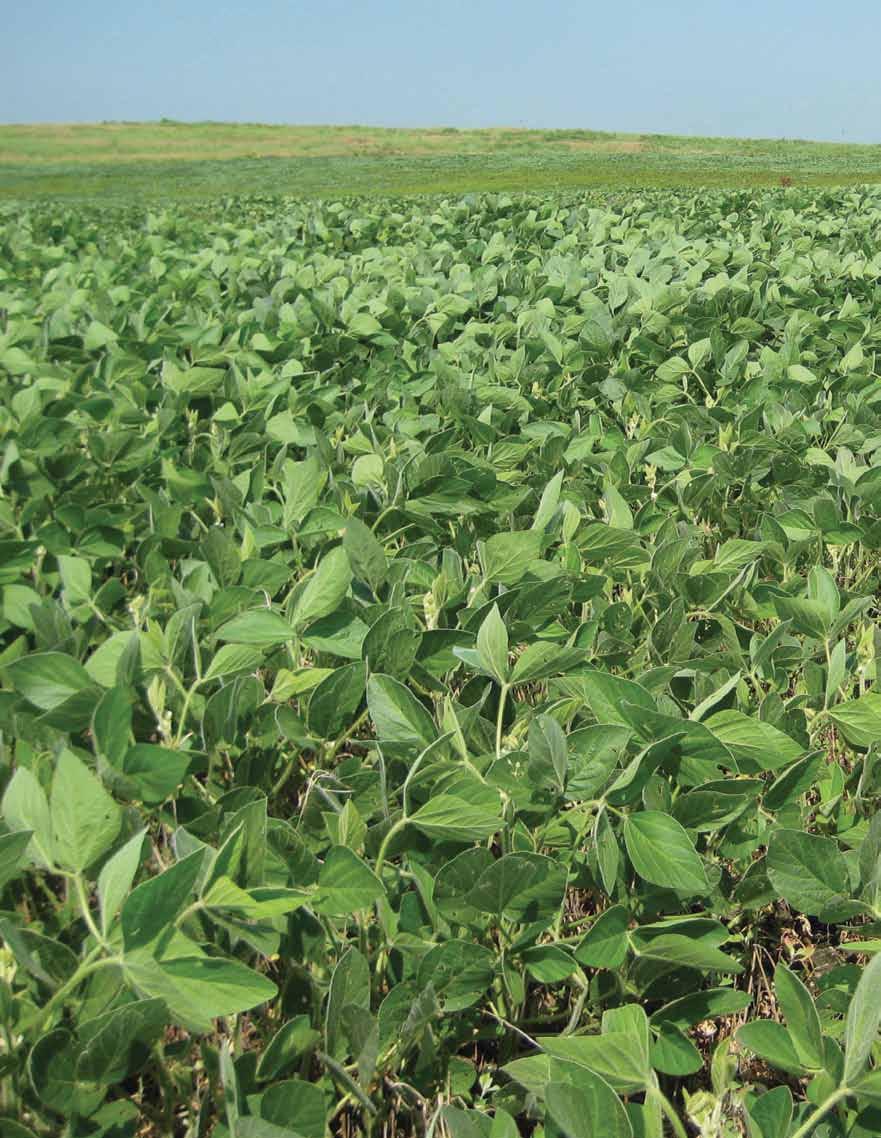
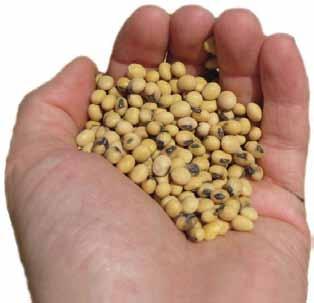
Soybeans in Nebraska
The first mention of soybeans in Nebraska was in 1902 when they were first being tested by the Nebraska Agricultural Experiment Station to see if they could be grown in Nebraska soil and weather conditions. Soybeans were not taken seriously in Nebraska until 1939 when it was discovered that other Corn Belt states were profiting from soybeans as not just livestock feed and human food but for numerous industrial products. Farmers’ interest and production continued to grow and in...
1969
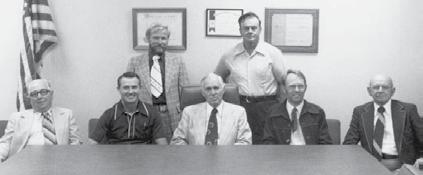
Articles of Incorporation of the Nebraska Soybean Association were filed in Lincoln, Nebraska on March 14, 1969 –the Board of Directors consisted of seven members.
1975
Nebraska Soybean Development, Utilization and Marketing Board formed and administered by the Nebraska Department of Agriculture.
Nebraska Legislature passes LB 74 creating a half cent per bushel assessment on all soybeans sold in Nebraska.
1979
Nebraska farmers are harvesting soybeans from 1.6 million acres, up 350,000 from 1978.
1980
China’s soybean purchases jumped from 5 million bushels in 1978-79 to 30 million bushels in 19791980.
1987
Nebraska SOYnews – Winter Quarter Issue was printed with soy ink for the first time. Soy Ink was developed in 1985 by the American Newspaper Publishers’ Association.
1990
The National Soybean Checkoff was created as part of the 1990 farm bill. This replaced LB 74 from 1975 creating a national checkoff where 50% of the funds were used by the national organization or United Soybean Board and the other 50% would be utilized by the Nebraska Soybean Development, Utilization and Marketing Board.
1991
Legislative bill 367 would increase the number of districts to eight with the at-large position making nine seats on the checkoff board.
1992
Renowned artist, James Gurney’s, paints “60 Uses of the Magical Soybean” which was used in advertising to make people aware of the many uses of the soybean.
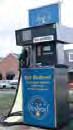
Soy Biodiesel introduced to Nebraska and marketing promotions begin.
1995
In the process of becoming a private, nonprofit corporation, Nebraska Soybean Board (NSB) adopts its Article of Incorporation at an open meeting on June 19, 1995.
2007
The Soy Transportation Coalition was established to promote a cost effective, reliable, and competitive transportation system for the soybean industry.
2009
In continuing efforts to publicize the use of soybeans in our everyday life, NSB has sponsored soybean buses since 1994 working with Star Tran of Lincoln – the buses run on an B-20 blend of soy biodiesel.
Today
The uses for soybeans continues to grow, improving existing products and creating new ones that improve the quality of our lives.
Agronomy and Horticulture students aren’t afraid to dig in and get their hands dirty. But right now they need your help.
Scholarship funds have been created to attract the most outstanding undergraduates to the program. And several funds exist to support graduate students as they travel to important and informative professional meetings and seminars. And more.
For a complete list of funds, to learn more, or to give, contact Ann Bruntz, Director of Development IANR, University of Nebraska Foundation at abruntz@nufoundation.org, 402-458-1176.