Printed by Blueprint 2022 Limited03 348 0538 michael@blueprintmedia.co.nz
No part of this publication may be reproduced in any form without the prior written permission of the publisher. Opinions expressed in this publication are not necessarily that of the publisher and suggest independent advice be sought before acting on information or suggestions contained herein.
CONTRIBUTIONS
Editorial and photographic contributions are welcomed and should be sent directly to the editor, Kathy Davis. Editing of submissions is at the sole discretion of the editor and will accept no responsibility for unsolicited material. AgriMedia Ltd PO Box 36753, Merivale, Christchurch 8146 agrimedia.co.nz | novachem.co.nz
Hi everyone.
Welcome back to Agribusiness for March April.
First up, may I please say – if there’s been anything like a ‘summer’ where you are this year, congratulations!
Here in Marlborough summer popped in for a couple of hours then shot straight through to some other mysterious destination, leaving nothing but pure autumn.
That’s irritating, but not nearly as irritating as the tendency among people who should know better to immediately blame the man-made climate change/ crisis/catastrophe as the sole cause of such anomalies.
Just over four years ago, the Hunga volcano in Tonga injected an unprecedented amount of water vapour into the stratosphere – approximately 150
million tonnes, or roughly 10 per cent of the layer’s normal total content.
As recently as last year, Auckland University scientists said this: “The eruption has been shown by several recently published studies to have cooled the Southern Hemisphere and cause a range of other atmospheric and climate impacts that we are still discovering.”
Underline the ‘still discovering’ piece. I am not downplaying in any way the disruption and distress caused by recent heavy rainfall events in this country. But hijacking such things in the name of political and ideological convenience, is of no use whatsoever.
Happily, you’ll find plenty of other more grounded and hopefully more
positive stories in this issue!
It includes our annual special focus on Innovation, which always brings novel and interesting enterprises to light, and it also includes a timely animal advisor section on dairy cows as the end of another lactation draws near.
There is a heap of activity and news on the people front, too, as well as helpful and topical updates and advice in our product section.
Enjoy, and make the most of what will hopefully be a long, golden autumn. We’ll be back in May.
• Over 110 new listings
• 70 discontinued products
• Numerous product label updates (new weed, pest & disease claims)
• All product labels reviewed for regulatory content and updated to GSH terminology.
Big changes ahead for high country icon
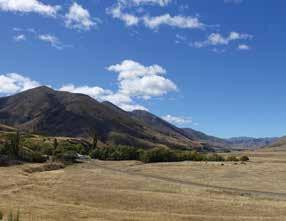
Tenders are due to close soon for those wanting to farm Molesworth commercially for up to 30 years, and one thing is certain –proposals involving exotic forestry, deer farming, safari parks and water abstraction will not be considered.
That’s the word from Department of Conservation, which says it expects farming ‘to be the primary activity’ occurring on the massive, iconic high country station.
It also says proposals must not only maintain existing public access, but allow greater opportunities for public recreation.
Long-time former manager Jim Ward has proposed that it be run as a not-for-profit operation, with heritage protection, in effect a ‘station for the nation’.
As well as approximately 5000 cattle currently run there, Molesworth is a muchloved outdoor recreational area for people from all over NZ.
DOC says there is ‘considerable demand’ for enhanced access to Molesworth, including year-round road access, from hunting, fishing and recreational communities as well as from individuals.
Twenty-six concessions are currently granted for guided recreational activities such as walking, cycling/mountain biking, horse riding, 4WD, fishing and nonmotorised boating activities on the
Clarence and Acheron Rivers.
Other concessions include four research and collection permits, three for telecommunications and earthquake monitoring, two line easements (including a national grid power line) and three aircraft landing permits.
“We’re looking for an experienced high country stock farm operator to take on the day-to-day running of Molesworth Recreation Reserve,” says DOC South Marlborough operations manager Stacey Wrenn.
“We’ll be assessing proposals across a range of criteria, including the operator’s experience, skills and resources, how biodiversity and heritage values will be protected, and how public access will be improved and facilitated.”
Commercially-focussed tourism opportunities like guiding or use of existing buildings for short-stay accommodation to run alongside the farming operation will also be considered, as long as they align with the purpose of the reserve.
Global seeds to futureproof Kiwi pastures
As New Zealand summers get hotter and drier, the Bioeconomy Science Institute is backing research into climate-resilient pastures by sourcing seeds worldwide.
Seed hunter Zane Webber recently gathered more than 300 seed samples from 45 sites across Albania and Serbia. Among the new species are ryegrass, clover, fescue, cocksfoot and herbs like chicory.
The seeds will join the Margot Forde Genebank in Palmerston North.
It’s the first time seeds from these regions have been added to the collection.
Securing them took years of building trust and international agreements.
The genebank holds over 175,000 seed samples from more than 100 countries.
It is the largest forage genebank in the world and a key resource for food
security and sustainable farming.
Webber says the newly-collected seeds, which will arrive here in a couple of months, are valuable because they come from drought-hit regions.
“Plants that survive harsh conditions offer genetic traits we need to breed pastures that can handle climate change.”
He says expanding the genebank is vital for NZ’s primary industries.
“Nearly all our forage species originate overseas, so we must keep finding new genetics to stay ahead of climate and pest challenges.”
The seeds will be available to researchers, breeders and farmers
At 180,787 ha, Molesworth is slightly larger than Stewart Island and larger than 10 of NZ’s 13 national parks.
The station has been leased by Landcorp since the 1980s, but the current agreement expires 30 June 2026.
Tenders close 20 March.
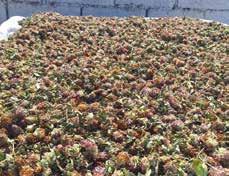
Red clover collected during the mission.
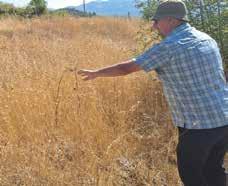
Zane Webber in Albania.
Wilding spread threatens NZ power and tourism
New Zealand faces a rapidly escalating wilding pine problem Wakatipu business leader Grant Hensman says is undermining power generation, water security and tourism.
He is calling for an immediate return to sustained national control funding at a consistent level to maintain gains made to date.
Hensman is a long serving director of Skyline Enterprises and has worked for decades in civil engineering contracting and land development, bringing a commercial lens to environmental issues in the Queenstown region.
He also chairs the local wilding control group and has lived in the district for 65 years, moving from awareness to active leadership as the scale of the challenge became clear.
Hensman argues that wilding pine control is a textbook business case with overwhelming returns.
He argues that government funding cuts below required maintenance levels and is squandering prior gains and compounding future costs.
“Control is a simple business case without the emotion associated with some other competing causes for national funding.
“Successive governments have ignored basic business principles.”
Independent economic analyses commissioned by government have reported very high benefit to cost ratios for national wilding control.
One study cited by Hensman described savings in the billions, yet he says action has moved in the opposite direction.
He points to an Otago analysis indicating a benefit to cost ratio far beyond typical infrastructure thresholds and asks why similar or better public investments routinely proceed while wilding funding stalls.
The urgency is driven by spread dynamics that Hensman describes as compounding at around 30 per cent a year when control lapses, turning containment into an endless
looking to diversify pastures.
Webber says the mission meant long hours collecting seeds from roadsides where diversity thrives.
Each site was logged and processed in real time, and seeds were cleaned to meet strict biosecurity rules.
and ultimately losing ‘bail the boat’ exercise. “Why keep bailing the boat for a hundred years when the smart move is to fix the leak?”
Consequences are already visible in the Mackenzie Basin and Waitaki catchment.
The economic stakes for hydropower are substantial because closed canopy wilding forests reduce water yield compared with native or open ecosystems.
Across various science and industry studies the range of potential yield loss is reported from the mid-teens to more than 80 per cent depending on site conditions.
Using a conservative 20 per cent yield reduction applied to the Waitaki scheme’s output, Hensman states a loss equivalent to hundreds of millions of dollars per year in foregone electricity generation, dwarfing the cost of robust wilding eradication.
He notes NZ taxpayers will ultimately fund replacement generation if water yields fall, either through higher power bills or new capital builds, even though prevention is cheaper and faster.
“Government can borrow at low bond rates while the problem grows at thirty per cent a year. Every year of delay raises the final bill,” he says.
Hensman also connects the spread to reputational and direct costs for tourism, a sector he knows from inside the boardroom of a major tourism company.
He warns a fire prone landscape dominated by closed canopy wildings is the opposite of the brand visitors expect.
He argues that NZ’s celebrated open vistas, accessible biodiversity and seasonal colour are progressively replaced under wilding canopies, diminishing the visitor experience, increasing fire risk, and deterring repeat travel.
“The 100% Pure story collapses if iconic
He credits success to support from local genebanks and international experts.
Webber has led seed missions for 20 years across Europe and Asia.
He says the work is rewarding but tough.
“It’s not glamorous, but these trips let you connect with people committed to
landscapes are overrun and summer skies fill with smoke. Tourism does not thrive in a fire prone forest.”
He cites historical assurances that wilding spread from earlier state plantings would be contained and says communities downstream of those decisions, including vineyards that rely on irrigation in the Branch and Leatham areas, now face mounting water security risks.
Hensman frames the issue as a choice between smart early investment and unavoidable, larger costs later.
And he challenges decision makers to measure wilding control against the same thresholds applied to roads and other infrastructure that advance when benefit to cost ratios barely exceed one.
He contends that the power sector and central government should co-fund an intensified, sustained programme in high priority catchments to protect hydropower yields, reduce firefighting and suppression costs, and safeguard tourism’s long term value.
First steps are restoring national funding to at least maintenance level, re-establishing coordinated multi-year operations in hotspots, and aligning incentives so that agencies which benefit from water security and brand protection help pay for control.
• The NZ Wilding Pine Network annual conference will be held in Invercargill 10-14 August.
conserving plant genetics,” says Webber. Seeds in the genebank can be requested by researchers worldwide.
“They’re a gift to humanity because no country can rely only on its own genetic resources,” says Webber.
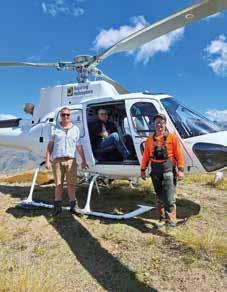
From left, Aspiring Helicopters pilot James Ford; Grant Hensman and Aaron Ford, Central Wilding Tree Control and Landcare Services.
Powerful pre-emergence grass weed control in wheat (not durum wheat) that protects yield potential.
• For use in wheat (not durum wheat) and triticale
• Controls a range of grass weeds including annual and perennial ryegrass
• Sakura followed by Othello® OD provides effective season-long control of grass weeds* and can delay the development of grass weed herbicide resistance
Insist on Sakura from Bayer.
Countdown begins for long-running innovation awards
Entrants have until April 24 to put their names forward for the 2026 Fieldays Innovation Awards.
Fieldays is calling for entries ahead of the event at Mystery Creek from June 10 to 13.
It says the awards, now in their 58th year, recognise ideas, products and services that lift performance and sustainability across the primary sector. It expects strong interest from innovators looking to move their concepts toward commercial impact.
Entries are open to all parts of the primary sector, including dairy, meat, wool, forestry, horticulture, seafood, arable farming, agritech, foodtech, greentech and manufacturing. Technologies, machinery and systems that support those industries are also welcome.
Fieldays and its sponsors are offering more than $75,000 in cash, services and products to support entrants.
Applicants gain access to expert guidance, national and international exposure, and
links to investors and advisors.
Long term sponsor AgriTech New Zealand has increased its involvement in the 2026 awards.
Chief executive Brendan O’Connell, who also sits on the judging panel, says the alignment with the awards was an easy decision.
The awards attract exceptional entries that shape the future of agriculture and food production, he says.
He says AgriTech NZ is using its global connections to draw international innovators to the event.
Accepted entries will be shown on the Fieldays Innovation Trail and inside the Fieldays Innovation Hub.
Fieldays says this space allows innovators to connect with visitors, industry leaders and potential partners over four days.
There are three award
categories: the Prototype Award supported by Sprout Agritech and Blender Design, the Early Stage Award supported by Map of Ag, and the Growth and Scale Award supported by King St. Additional recognition includes the Fieldays Young Innovator of the Year and the People’s Choice Award.
International entries are accepted for the Early Stage and Growth and Scale categories. Programme manager Steve Chappell says the awards regularly highlight practical problem solving from people who understand the pressures facing the primary industries. Chappell says the awards connect innovators with the people and opportunities that can take ideas further in NZ and overseas.
Previous winners have included WoolAid in 2024 (Growth and Scale), Waikato Milking Systems in 2023
(Prototype), and Cropsy Technologies in 2021 (Early Stage, Young Innovator of the Year).
WoolAid has since continued to grow and target global leadership in merino-wool medical products, which now include bandages, nasal strips, and mouth tape, all promoted for sustainability.
Waikato Milking System’s winning EroPOD prototype, a semi robotic rotary milking unit, has advanced through production and farm testing, and is set for commercial release later this year.
Since 2021, Cropsy Technology has now scaled globally, deploying AI-powered vineyard scanners in NZ, the United States and France; improving disease detection, yield forecasting, and labour efficiency, and become recognised as a global agtech leader in vineyard intelligence.
WoolAid won the growth and scale category in 2024.
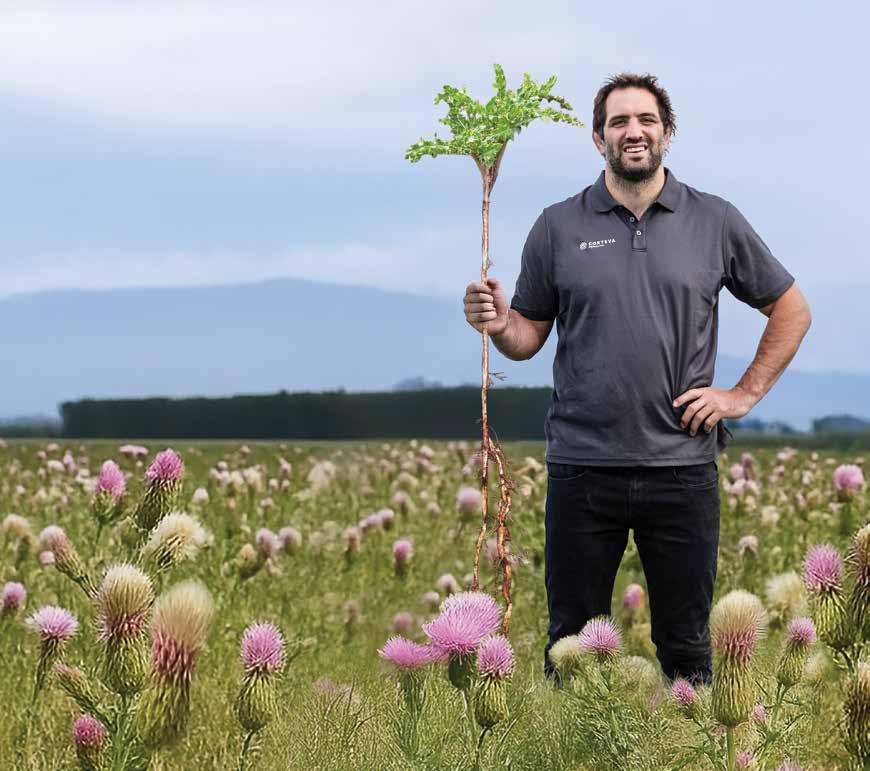
How big is the Cali Thistle problem? This big.
Samuel Whitelock Plant Science Graduate, Lincoln University.
As farmers know, Californian Thistle is incredibly difficult to eradicate. That’s due to its unusually extensive root system, which can grow as much as 2.4 meters – that’s taller than Samuel Whitelock.
Not only that, left unchecked, one Californian thistle will produce enough new growth that could eventually cover a footy field. And the fact that they are perennials, unlike their annual thistle cousins, means they just keep coming back (as you know too well!).
But you can tackle the problem once and for all, with Tordon PastureBoss.
We recommend following a three-spray programme, with Tordon Pastureboss as the anchor product, followed by a second application of phenoxy (MCPA) and then spot sprays of Tordon PastureBoss, for lasting results.
And of course Tordon PastureBoss can be used on a wide range of other hard-to-kill pasture weeds. See our website for details.
this month we look at...
INNOVATION
NZ-based innovation, product development and manufacturing
Words: Arxada NZ.
Delivering local crop protection solutions to New Zealand farmers and horticulturalists is at the core of Arxada NZ.
Collaboration across research and development, manufacturing, and the commercial team at a local level allows us to focus on what is important to the local farmer or grower, providing practical solutions specific to all crop types.
Being innovative and collaborative, delivering crop protection solutions, stems back to 1988 for Arxada NZ.
Originally, Arxada was a local, Taranaki based crop protection business specialising in turf management and protection.
Since then, the portfolio has dramatically diversified into broad acre cropping and high value horticulture.
Arxada may not be a company that is well recognised, however its brands such as Headstart, Axcela, Vixen, Esteem and Tag G2 are becoming household names when it comes to tried and proven crop protection products across agriculture and horticulture.
Arxada has significant resources here in NZ, unlike any other crop protection business.
The majority of Arxada’s product range, of over seventy products, is developed and manufactured right here in NZ.
With a base in New Plymouth, these resources include manufacturing sites, state of the art formulation and analytical laboratories, and a dedicated field science site in Hawke’s Bay conducting screening and efficacy trials, alongside other national sites.
The Arxada NZ team is focused on making farming and growing more sustainable and cost effective.
Our dedicated formulation team can enhance an existing product or active ingredient by co-formulating the actives
into the same container, designing a built-in adjuvant system including oils, surfactants and safeners, or creating newer methods in manufacturing to optimise performance in the field.
A good example of this is Headstart, where an existing active ingredient exists on the market in granular form, which requires other adjuvants and oils to be added.
Arxada took this active, formulated it into a liquid product, incorporating the complete oil and adjuvant system, and created a robust new product which is simpler to use, crop safe at any stage, and proven to be more effective in-field, with its additional crop and weed claims versus other products based on the same active.
In addition to this, the local Arxada team has other global relationships, enabling access to newer proprietary molecules.
These innovative new molecules, offering new resistance management solutions, are rigorously tested locally to demonstrate
their efficacy versus market standards. Once proven, the registration process begins, which is managed completely in-house.
Arxada’s product Esteem is a good example of this.
Esteem is now widely used in high value horticulture. It is unique chemistry to NZ, known for its efficacy and crop safety, with an IPM fit and BioGro certification.
Arxada’s crop protection identity exists because of its passionate and local people. The entire team has an affiliation with growing food, knowing where it comes from, and understanding where and how the products they are formulating, testing, manufacturing and recommending all fit into the production of food.
Next time you need a crop protection product, Arxada may have your solution. It’s local people designing and developing specialised products for NZ farmers and growers.
Did you know?
Our INNOVATIVE Products are Designed in NZ Formulated in NZ Made in NZ made here
Arxada’s products are made here in New Zealand, specifically for our farmers and growers. We have local intelligence on a global scale. To find out more about how our technology can benefit you, contact your local Arxada Territory Manager
INNOVATION
New biorefinery will create global impact using seaweed
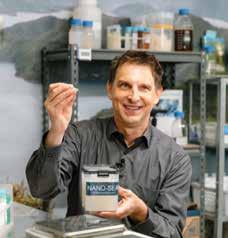
The world’s first commercial seaweed nanocellulose biorefinery, which opened in Paeroa in October, will positively impact a range of industries while minimising waste.
The biorefinery, owned by family company AgriSea, will convert seaweed left over from the biostimulant production process into nanocellulose hydrogel that can be used for medical, agricultural, manufacturing and cosmetic purposes.
Nanocellulose is a highly versatile material with exceptional properties, making it valuable in various applications.
Most of the world’s nanocellulose is produced using chemically treated wood pulp. AgriSea and the Bioeconomy Science Institute have collaborated to create this material from seaweed.
AgriSea chief executive Clare Bradley says seaweed offers a surprising advantage over traditional wood-pulp sources.
“Its cellulose chains are up to four times wider and longer, giving the resulting hydrogel twice the thermal conductivity of plant-based equivalents.
“The extraction process uses nonaggressive chemicals compared to those usually used to produce nanocellulose, making it significantly more workplace
and environmentally friendly.
“The finished material, an opaque gel, is stronger than steel and can absorb greater than 100 times its mass in water.”
The biorefinery can produce up to 1600 kg of eco-friendly nanocellulose hydrogel a week.
This hydrogel can be used for advanced wound dressings and drug delivery, in agriculture to improve seedling survival thanks to its water-retentive properties, and as a potential biodegradable performance material for adhesives, batteries and electronics manufacturers. Cosmetics companies also see it as a renewable cream base.
The new plant can process a wide range of local seaweeds and has already trialled species from around the world – opening the door for NZ to take a leading role in global markets.
The technology also creates multiple pathways for growth: the ability to contract-manufacture nanocellulose for other industry players, sell its own high-
value materials into global markets or license the process to seaweed farmers in other countries.
This flexibility strengthens NZ’s position as a leader in sustainable ocean-based innovation.
Florian Graichen, Bioeconomy Science Institute general manager for forests to biobased products, says the biorefinery is a textbook example of NZ’s circular bioeconomy in action.
“This partnership has led to a blueprint for ocean-based green technologies that could help global industry transition from fossil-derived materials, while minimising waste and revitalising local economies.
“The potential market is enormous. The global seaweed cultivation industry is projected to reach US$69.5 billion by 2034. The broader biorefinery market is forecast to expand at nearly eight percent annually, topping US$392 billion in the next 10 years,” he says.
“This shows what can be achieved through collaborative research.”
Smart sensors give real-time water insights
Farmers in Mid Canterbury are embracing technology to tackle one of agriculture’s biggest environmental challenges - nitrate in waterways.
Instead of relying on monthly lab tests, they now use real-time sensors that deliver instant readings from streams, drains, and springs.
The shift is driven by the Mid Canterbury Catchment Collective, a network of 10 volunteer groups and funders committed to improving water quality.
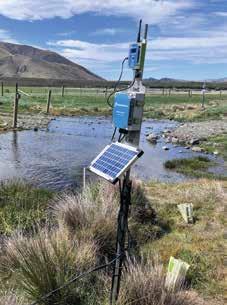
Since 2022, the collective has deployed
portable and installed nitrate meters across the region, some providing weekly data and others continuous monitoring.
The technology, developed by Lincoln Agritech and its spin-out company HydroMetrics, uses an optical technique to measure nitrate levels directly in the water.
This approach replaces traditional grab
Florian Graichen.
INNOVATION
Barking up the right tree
Born out of a backyard moment in Northland, Bonno Dog Chews creates natural, ecofriendly dog chews made from waste manuka wood.
What started as a curious accident turned into a purpose-driven business committed to sustainability, quality, and innovationwith a little help from Northland Inc along the way.
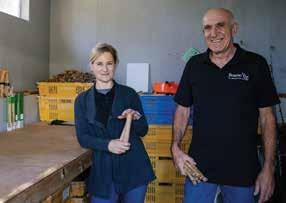
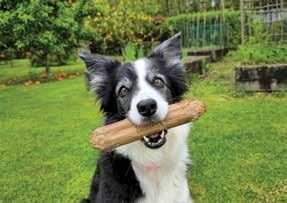
While smoking fish one day, Northland fisherman and co-founder Tony Egerton noticed his dog Rosie chewing happily on a piece of manuka.
Unlike other woods, it didn’t splinter, and that sparked an idea.
Could this uniquely tough, naturally shed timber be transformed into a safe, longlasting dog chew?
Together with his partner Stefanie, the pair began testing and experimenting. Their journey took time, with pauses and restarts, but eventually the idea took shape: Bonno Dog Chews, a sustainable treat for dogs and their humans alike.
Bonno chews are made from discarded manuka, gathered from forestry access tracks and property developments where the wood would otherwise be burned or left to rot.
It’s a zero-waste approach that gives new life to one of New Zealand’s most iconic native species.
“Manuka is one of the hardest, fastestgrowing, and most sustainable woods in the world. It’s rare and completely unique to this part of the world,” says Tony Egerton.
“The fact it doesn’t splinter makes it perfect for dogs.”
Strong and handcrafted to last, but softer and kinder to teeth than bone or antler, Bonno chews come in five different sizes to cater for all dog sizes and breeds; contain no plastic or nylon, and are free of animal products, artificial ingredients and additives.
Each chew is finished with NZ flaxseed oil, comes in recyclable packaging and can be discarded in the garden or the paddock to decompose naturally when it’s reached the end of its life.
All dogs are different but have the common natural instinct to chew, the Egertons say.
Chewing keeps their jaws strong, helps dental and oral hygiene, and is naturally calming and stress relieving.
The Egertons connected with Northland Inc to advance their business idea early on, first through a workshop in Kerikeri, then more formally through a Northland Inc Growth Advisor.
The support they received ranged from product development advice to funding guidance and referrals to key contacts and training opportunities.
“The advice, the contacts, the follow-ups - it was just amazing. I kept thinking, ‘What do I have to lose?’ So, we followed the suggestions and picked what worked for us” says Stef Egerton.
They also completed the NZ Entrepreneur course, earning a scholarship and building valuable knowledge around marketing, IP, and business strategy.
Bonno had a soft launch in late 2024, followed by organic growth through word of mouth and small local stockists.
One retailer’s post on social media sparked wider interest, and soon other pet stores came knocking.
Now, Bonno is stocked in multiple stores, is in talks with a national distributor, and has secured approval to use the NZ FernMark on its packaging - an important step for exports.
“It’s pretty special,” says Stef Egerton. “We’re proud to have built something
from scratch, and to do it properly, with sustainability and quality at the heart of it.
“If there’s one thing we’ve learned, it’s this: think big. You won’t grow big unless you think big. Northland Inc helped us think that way - and gave us the tools to act on it.”
With strong foundations in place, Bonno is now preparing for the next stage of growth. Exporting is firmly on the horizon, alongside expanding its local retail network and continuing to educate consumers about the value of sustainable pet products.
“Northland Inc has been our go-to. We can call for advice, get contacts, and receive encouragement every step of the way. Without them, we wouldn’t be here.”
samples with in situ monitoring, giving farmers a dynamic picture of what’s happening beneath the surface.
Lincoln Agritech’s green futures group manager Dave Rankin says the old system offered just one data point a month, far too little to understand trends.
Real-time monitoring means farmers can respond quickly to changes, whether caused by rainfall, irrigation, or seasonal shifts.
The sensors are already helping establish nitrate baselines and track the impact of mitigation measures such as riparian planting and wetland development. For farmers, the benefits go beyond compliance.
They gain confidence that their efforts to protect waterways are making a measurable difference.
Lincoln Agritech sees this as part of its mission to turn complex land and
water challenges into practical tools for rural communities.
By combining science with on-farm action, the initiative shows how innovation can support both environmental stewardship and farm productivity.
As pressure mounts to meet water quality targets, technology like this could become a standard tool across NZ’s farming landscape.
Rosie – concept creator.
Stefanie and Tony Egerton.
Unlocking the hidden value of grape marc
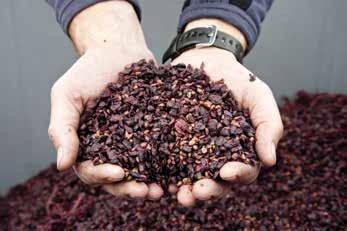
A New Zealand research collaboration is exploring a wide range of high value uses for grape marc, the material left over after winemaking.
The five year, $9.8 million dollar MBIE funded programme, Waste to Treasure, is working to convert this rural waste product into ingredients and materials that could support new industries across food production, pharmaceuticals, building materials, and specialty chemicals.
Grape marc is currently regarded by most winegrowers as a disposal challenge, but researchers say it contains valuable compounds that can be extracted and put to work.
The team is focusing on unlocking the potential of protein, phosphorus, lignin, cellulose, anthocyanins and tannins found within grape marc.
These compounds open doors to a variety of new products, ranging from natural colourants and antioxidants to high performance papers, feed ingredients, and fine chemical additives.
Specialty chemicals are one area of rapid development, with researchers exploring options for natural fire retardants, biobased coatings, and high purity extracts for commercial manufacturing.
Polyphenol based products are another key target, drawing on the strong antioxidant properties
of grape skins and seeds to create food grade ingredients and health related formulations. Further opportunities exist in functionalised papers made from grape marc cellulose, which could become compostable packaging, antimicrobial wraps, or environmentally friendly construction materials.
These end uses are of particular interest to rural industries looking for sustainable alternatives to existing imported products.
The Waste to Treasure team believes grape marc is a significantly underused resource with untapped value for regional economies. By converting this abundant by product into marketable products, the programme aims to reduce waste, create new business opportunities, and support a circular bioeconomy.
Researchers see the potential for NZ to become a leader in high value biobased products built from the country’s existing agricultural industries.
The long term vision is to develop processes that can be expanded beyond grape marc to other horticultural residues.
If successful, these technologies could help rural producers reduce waste disposal
costs while opening up revenue opportunities from materials once considered a burden.
The programme brings together experts from the University of Auckland, Bioeconomy Science Institute, Auckland University of Technology, and the University of Canterbury to carry out the research.
Two Research Fellows, Dr Ralph Gonzales and Dr Billy Yang, have joined the team alongside nine PhD students across the partner institutions.
Additional masters and doctoral students are contributing through associated projects, ensuring a wide base of scientific capability.
The research group is also drawing on expertise from local and international collaborators to accelerate testing and development.
The Bragato Research Institute is providing links into the NZ wine sector and supporting the technical direction of the work.
Beyond these partners, the researchers are in regular communication with wine producers, biowaste operators, manufacturers, and investors who may ultimately use or commercialise the resulting products.
Industry interest has grown
as companies look for ways to increase sustainability while creating value from materials previously treated as waste.
Over the first two years of the programme, a major focus has been developing extraction technologies suited to New Zealand grape marc.
Researchers have trialled and refined a range of extraction methods guided by compound yield, energy requirements, and cost efficiency.
This work has been supported by detailed characterisation of grape marc from vineyards around the country, drawing on both established analytical techniques and newer international methods.
Techno economic assessments are underway to evaluate which processing pathways hold the strongest commercial promise.
Life Cycle Analysis is also being used to understand environmental impacts and to ensure that any proposed solutions deliver real sustainability gains for rural regions.
The Waste to Treasure programme runs through to 2028 and continues to build momentum as product prototypes are developed and tested.
The team behind Waste to Treasure.
What are weeds costing farmers?
Maximise their home grown feed with Nufarm’s phenoxies range to control weeds.
Eat more of what you grow. Calculate what their returns might be at Grassmanship.nz
SCAN ME
Introducing AR128 endophyte
Words: PGG Wrightson Seeds
Endophytes are naturally occurring fungi found inside many grass species, including ryegrass.
They form a mutually beneficial relationship with the plant. Endophyte helps protect grass from damaging insects, while grass gives endophyte a place to live and reproduce.
This partnership plays an important role in ryegrass persistence and productivity on farms New Zealand-wide.
Endophytes produce a range of chemical compounds known as alkaloids. Different endophyte strains produce different types and amounts of these compounds. Some alkaloids act as insect deterrents or are toxic to specific pests, helping protect the grass.
Others can affect animal health depending on the levels present and amount consumed.
Over the past 25 years, plant breeders have focused on selecting ‘novel’ endophytes that
retain strong insect protection while reducing negative effects on grazing livestock.
Endophytes cannot move from one living plant to another within a pasture and are transferred only via seed.
So, for a pasture to benefit from an endophyte, farmers must sow seed that already contains live, healthy endophyte. AR128 is the newest endophyte developed through research by AgResearch (now part of the Bioeconomy Science Institute), Grasslanz Technology and PGG Wrightson Seeds Ltd*. It belongs to the Epichloë genus and originated from Italy, with a profile very similar to AR37.
It builds on earlier work done with AR37an endophyte that offers outstanding pest protection, delivered $3.6 billion to the national economy and earned the Prime
Minister’s Science prize in 2025, making it the most widely used, successful endophyte in NZ.
In almost every practical way, AR128 performs the same as AR37 once it is in the pasture.
It delivers epoxy janthitrem alkaloids, which provide strong protection against key pasture insects.
As a result, AR128 offers a similar high level of pest control and the same level of risk regarding ryegrass staggers as AR37. Where AR128 differs, and where a key advantage lies, is in how efficiently it is carried and maintained in seed.
For an endophyte to be effective on-farm, at least 70 per cent of the sown seed must contain a live endophyte and all PBRA member companies have formally adopted
Wetlands, rivers and streams provide essential water supplies for stock and farm operations — and support our native wildlife. However, these habitats are also havens for introduced predators. And their impact on native species can be devastating. Our toolbox will guide you through how to manage pests in these unique spaces.
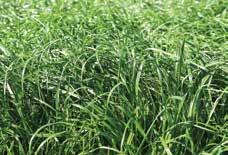
Ryegrass with AR128 endophyte.
Data tech transforms decisions in North Otago
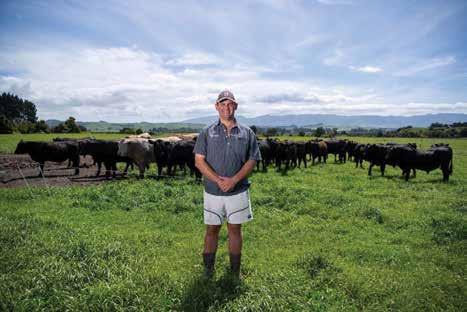
With 14 staff and 32,000 stock units, Carey Pawson-Edwards doesn’t have time for clunky admin.
He needs his data in the right place at the right time to make fast, informed decisions.
That’s why the FarmIQ integration with his Gallagher weighing system works so well, giving him the confidence and control to manage his animals with greater insights than ever before.
Pawson-Edwards is stock manager for the 6,000 hectare Caberfeidh Station, part of Lone Star Farms in North Otago.
The operation winters a mix of sheep and beef, finishing up to 31,000 lambs and 1000 cattle a year.
It’s a huge responsibility but he thrives on it.
“Farming wasn’t where I started, but once I got the bug, I never looked back,” he says. “Now I’ve got a great team around me, and we’re focused on making the best possible decisions for production and profitability.”
Lone Star Farms has set itself an ambitious goal: 70 per cent of its production going into premium, value-added markets like Lumina Lamb, Handpicked Cattle, and Angus Pure. Achieving this requires more than just good stockmanship.
It relies on traceability, accurate data, and the ability to demonstrate performance from paddock to plate.
“It’s not just about turning out an animal, you’ve got to have the data to back it up. EID tags, liveweights, condition scores - all of that information proves the integrity of our product and unlocks extra value.”
Before Gallagher’s FarmIQ integration,
at least 70 per cent of the sown seed must contain a live endophyte and all PBRA member companies have formally adopted this as the minimum industry standard. If endophyte levels fall below this threshold, parts of the pasture may become vulnerable to insect attack, reducing persistence and productivity.
AR128 has been shown to consistently achieve endophyte infection levels greater than historic averages for AR37.
This improved reliability comes from two key features.
First, AR128 passes more successfully from one seed generation to the next during commercial seed multiplication.
Second, it survives better during seed
managing data across Caberfeidh Station was complex. Multiple systems meant duplication of effort and a lot of manual work.
“Now it couldn’t be easier,” PawsonEdwards says. “You log in, connect, and the integration is live. From that point, you don’t touch it again. Every weighing session uploads to Gallagher’s cloud-based Animal Performance software, and within five to ten minutes, it’s in FarmIQ. It all happens in the background.”
With data flowing automatically into FarmIQ, Pawson-Edwards and his team can make faster, sharper decisions. Daily gains, average liveweights, condition scores, and treatment records are all at their fingertips.
“Timing is everything,” he says. “If we weren’t forecasting and monitoring, we’d miss opportunities. This way, we know exactly when lambs need to go, or when cattle are ready to move. That has a massive impact on production and profitability.”
The integration also supports on-farm management. If weight gains stall, PawsonEdwards can quickly identify the cause –from illness to lack feed - and act.
“It backs up what we see in the paddock. If something doesn’t look right, the data helps us confirm it and take action straight away.”
The Gallagher–FarmIQ integration is just the beginning.
Pawson-Edwards sees potential for even more connectedness across systems.
“We’re already talking about what comes next, whether it’s data flowing back into Gallagher Animal Performance, or linking in with other platforms. Every step that reduces duplication and brings data together adds value for us as farmers.”
For now, he’s simply pleased with how seamless the integration has been. “From setup to daily use, it’s simple and it works. You can’t ask for more than that.”
storage, especially under challenging conditions that may occur in relation to temperature and humidity.
Companies like Agricom and PGG Wrightson Seeds have been aware of the role that seed storage has on endophyte viability and transmission thanks to research undertaken by AgResearch and have stored AR37 seed in temperature controlled environments for well over 15 years to ensure delivery of highquality seed.
It is this focus, together with AR128’s traits, that ensures retailers and farmers will receive seed with effective endophyte levels at the time required for sowing.
For farmers aiming to improve pasture persistence, production and overall farm
performance, especially in regions where damaging pasture pests are common, AR128 offers a reliable and effective endophyte option.
Its improved transmission and storage characteristics help ensure that the benefits seen in research carry through to deliver on NZ farms.
*AR128 endophyte became available in a limited range of cultivars from autumn 2026 and this will expand over the next three years. As a result, most varieties of seed available from Agricom and PGG Wrightson Seeds will continue to be offered with AR37 endophyte.
Carey Pawson-Edwards.
Taking local feed to a new level
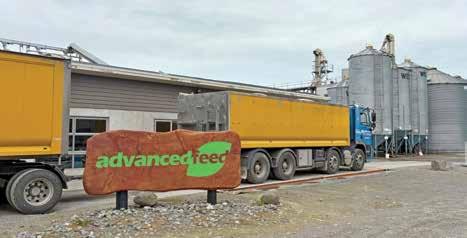
A Canterbury livestock feed manufacturing mill has been one of the first to get behind a New Zealand-grown grains initiative.
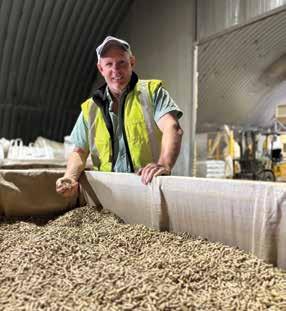
Neville Prendergast.
While food-based businesses producing bread, breakfast cereal, plant-based milk and edible oils might be more obvious candidates for the branding, Advanced Feed general manager Neville Prendergast was quick to sign up.
However, it’s not really surprising, with the business based near Methven, in the centre of Canterbury Plains’ arable country.
By launching the NZ Grown Grains logo, arable growers hope to tap into a strengthening desire by consumers for locally-sourced food as well as reduce reliance on imported product.
In the 2025 harvest, arable farmers grew almost 315,000 tonnes of feed wheat and just under 300,000 tonnes of feed barley.
Prendergast says the mill only uses NZgrown grains, with about 95 per cent of its output destined for the dairy industry.
Feed wheat is the primary rolled grain used because of its high starch, low fibre and strong performance in the mill.
Products using the NZ Grown Grains brand may contain up to 20 per cent of imported ingredients, to allow for components that are not available domestically.
Prendergast says the business was eager to support the initiative because keeping grain production local benefits both arable growers and dairy farmers.
“Domestic grain is not only better nutritionally but keeps more money circulating within the local community instead of overseas markets.
“We want an equal balance of arable and dairy in Canterbury, so there needs to be value in grain. Otherwise we will all be milking cows.”
Fewer arable farmers will mean higher feed and grazing costs for dairy farmers.
Alongside locally-grown wheat and barley, Advanced Feed also sources NZ rapeseed meal and peas as part of its feed formulations.
NZ imports around 2 million tonnes of Palm Kernel Expeller (PKE) annually, primarily for dairy cattle feed, making it the world’s largest importer of this palm oil by-product from countries like Indonesia and Malaysia. More farmer education is needed around the benefits of grain feeding in pastoral dairy systems, says Prendergast.
“Farmers see the cost of the grain bill as being large and look for cheaper options, but they don’t see the missed opportunity for milk production.”
Grain should complement a strong pasture base and not replace grass or act as a quick fix for feed deficits.
Earlier advice to feed ‘a kilo for a kilo’ left some farmers disappointed, as grain’s lower fibre content could not fully replace the structural role of grass in the rumen.
A trial at the Lincoln University Dairy Farm in 2012-13, in conjunction with Dairy Business Centre, showed production benefits from grain-based pellets.
On average, cows produced 0.115 kg of milksolids for every kg of grain-based pellets fed over the full lactation.
In the first 90 days post-calving, the response was even higher at 140 g MS per kg drymatter fed.
Advanced Feed uses a hammer mill which produces a finer product than rolling,
improving starch availability for the cow. On-farm rolling can leave grains uncracked, reducing their nutritional value.
The mill has recently invested in upgrades that have increased its production capacity three-fold.
By feeding grain in a pelleted form, minerals and trace elements can be incorporated into the diet on a daily basis.
Prendergast says that farmers often underestimate the role of calcium in a dairy cow, traditionally only dusting it on paddocks until the end of mating.
There is a huge daily pull of calcium on the dairy cow during the milking season and daily supplementation helps the cow meet this demand.
For arable growers, Prendergast says that new wheat cultivars are performing better in the mill and delivering more consistent results. While high protein levels are desirable, consistently achieving 12-13 per cent protein is challenging.
“We would rather that farmers grow good feed varieties than get hung up on protein levels.”
Barley, although slower to mill, remains a valuable feed, particularly during mating and for building condition later in autumn.
Palm kernel can be useful during feed shortages to replace missing grass dry matter, but it does not provide the same energy as grain.
Advanced Feed mills 15,000 tonnes of domestic grain a year and has an ambitious target to get to 60,000 tonnes in the next five years.
“More education and understanding on how grain helps milk yield and profitability will allow dairy farmers to realise the true value of locally-grown grain,” Prendergast says.
Trusted favourite now delivers more
Are your farmers anxious about pasture persistence? Here’s some news that make them smile - the Hilux of perennial ryegrasses has just had a major upgrade, so it lasts even longer.
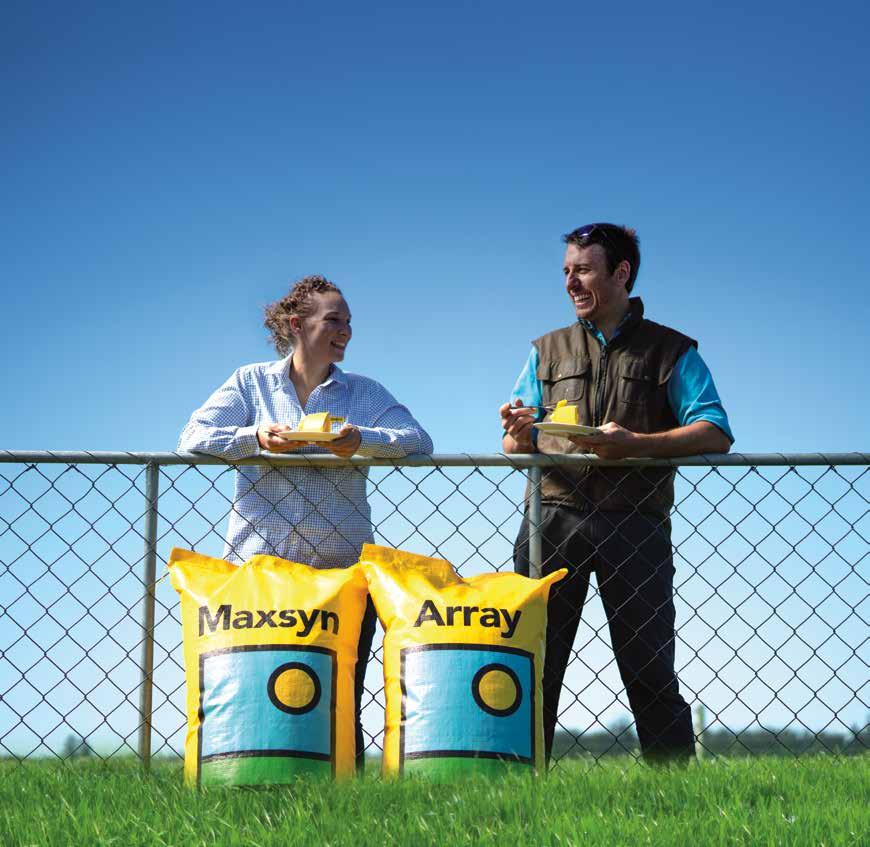
New Zealand’s top-selling perennial1 for the past four years, and the highest yielding perennial your customers can buy2, Maxsyn is already an icon, thanks to its performance across more than 200,000 ha since its debut in 2020.
Combining it with the new NEA12 endophyte raises the bar further, strengthening the features farmers love with yet more yield, summer growth, and staying power.
“Pasture persistence is a huge priority for most farmers,” says Barenbrug pasture specialist Graham Kerr.
“That has made it a key ryegrass breeding objective for us. Maxsyn’s persistence has stood out since day one, and we know farmers will be excited to hear it’s now even better.”
Likewise, lifting what was high yield to begin with is another win for farmers, Kerr says, especially as most of the gain comes during a critical time of the season.
“Maxsyn has always shone in summer. With NEA12, it produces 4 per cent more dry matter during both summer and autumn than the original cultivar.
“Given the average rate of genetic gain in ryegrass breeding is about 1 per cent a year, 4 per cent is pretty significant!”
Stronger persistence comes in part from NEA12’s extra insect control, particularly valuable in areas of the country where industry research has noted falling pasture performance in a changing climate.
DairyNZ last year began investigating the issue3, prompted by DairyBase data showing a greater trend of declining pasture harvest, by about 1 tonne dry matter per ha in Northland, and 500 kg dry matter per ha in Waikato.
Grass that lasts saves money, time, diesel, supplements, and disappointment, Kerr says.
“We’re chasing resilient,
reliable and highly profitable pasture, which pumps tonnes of home grown feed into your farm system year after year.”
While cultivar choice helps persistence, it is not a silver bullet.
“Many things help pastures last longer, including careful establishment, correct soil fertility and avoiding overgrazing.
“But picking a tough, densely tillered ryegrass - like Maxsyn - is an important part of the process,” he says.
The real proof of its value comes from farmers themselves.
Industry sales data show more Maxsyn seed is sold every year than any other perennial ryegrass.
That’s why it has become the standard against which all other diploid perennials are measured each year in the independent National Forage Variety Trials.
“Several new perennials have entered the market since
Maxsyn made its debut in 2020, so we are very proud that Maxsyn NEA12 has topped the latest industry yield trial ratings.
“It’s a credit to our research team, who work so hard to deliver the pastures farmers need for now and in the future,” Kerr says.
It’s a time-consuming process – Barenbrug researchers have been testing Maxsyn with a range of different endophytes for the past 11 years.
“Maxsyn with NEA12 simply grows better, has more tillers and is even slightly darker green.”
Seed for Maxsyn with the new NEA12 endophyte is available now.
1 PBRA seed industry data, confidential.
2 Perennial ryegrass, total yield, National Forage Variety Trials, National Summary 2025-26.
the damage from these three vile vermin in your forage brassica and fodder beet crops with SIVANTO prime. SIVANTO prime contains flupyradifurone, a powerful new insecticide providing rapid control of Nysius, green peach aphid and springtails.
• Rapid and effective control of key establishment pests in forage brassicas and fodder beet
• Can be effectively integrated into IPM programmes
• Innovative, odourless, liquid formulation that penetrates the plant quickly
• Can be applied by helicopter
on SIVANTO prime from Bayer.
Virtual grazing equals profit for NZ farmers
An independent evaluation of the return on investment of Halter’s virtual fencing technology has confirmed measurable productivity, financial, environmental and lifestyle improvements on Kiwi dairy farms.
The study, conducted by farm management consultants AgFirst and Transform Agri, analysed ten highperforming farms across the North and South Islands.
Results show that, when combined with strong farm management, Halter enables significant gains in pasture utilisation, labour efficiency, animal performance, and environmental outcomes.
On average these gains resulted in an increase in farm profit before tax of more than 13 per cent.
Key Findings:
• Profitability: Farms recorded an average
13.2% increase in profit before tax (EBIT). Most farms saw double-digit gains, with one achieving an increase of 37%.
• Pasture & Production: On average, farms harvested 8.9% more pasture and produced 9.5% more milk solids per hectare.
• Reproductive Performance: Six-week incalf rates improved by 4.7%, while empty rates reduced by 2.1%.
• Labour Efficiency: Several farms reduced staffing needs or hours worked, freeing time for higher-value tasks. Staff reported less fatigue, shorter workdays, and improved job satisfaction.
• Animal Health & Welfare: Farmers reported earlier detection of health issues and smoother calving management. Reduced stress on animals contributed to better recovery post-calving.
• Environmental Benefits: Farms reduced nitrogen use, improved crop utilisation, and were able to exclude environmentally sensitive areas from grazing during adverse conditions.
Staff across all farms also highlighted improved work-life balance, with more predictable rosters and less repetitive manual work.
Freed-up time allowed teams to focus on monitoring, planning, and animal care. From a recruitment perspective, several farms noted that Halter has made farming roles more attractive to new, tech-savvy employees.
Ag First CEO James Allen says the impact of Halter largely depends on the ability of a farm to utilise the information and technology into decision-making and management.
“What these farms show is that Halter can enable significant gains to be made by effectively optimising the farm’s resources. Halter helps build more sustainable, resilient, and productive dairy businesses.’’
Halter’s head of corporate accounts and partnerships Steve Crowhurst says the results of the study align with feedback Halter receives from farmers.
“The findings reflect what farmers tell us. When paired with good management and a willingness to change how they farm, Halter increases profitability. Our technology helps farmers be more efficient with their pasture, make more informed decisions, and create more balanced, sustainable rosters.’’
Crowhurst says he’s pleased to see the higher returns even on farms that were already performing above regional averages.
“We chose these farms because they’re high-performing, and we wanted to capture this new level of farm performance that could be achieved with Halter and share those learnings with the industry.
“We’re keen to extend these studies and get an even longer-term view of the positive impacts Halter can have on dairy and beef systems.’’
Be a good neighbour — keep your farm predator free
Keeping farms, feed, equipment, and livestock safe requires a community
Join your neighbours in taking care of your local landscape through predator control. Our toolbox will guide you through the secrets to being successful and keeping costs down.
Next gen nutrient tech set to unlock big farm savings
The wait is almost over for dairy farmers ready to get more precise, productive, and efficient with their fertiliser application.
Ravensdown’s next evolution in smart farming technology, HawkEye Pro, will be available to dairy farmers across New Zealand from late February.
The technology, designed specifically for New Zealand farming systems, has been available for sheep and beef farmers in a limited release since September 2025.
For dairy farmers, HawkEye Pro introduces new functionality that predicts capital phosphate requirements using whole-farm soil tests and incorporates pasture information.
In addition to producing fertiliser maintenance recommendations currently available to sheep/beef farmers, new features include the ability to factor in effluent application for dairy farms, apply fertiliser by paddock or block, and align plans seamlessly with grazing rotations.
Ravensdown chief science officer Mike White says farmer input has been critical to the successful delivery of this release.
“We have been developing this technology alongside dairy farmers over the last two years which included their involvement in the pilot in early 2025.
“We talk with farmers every day and get a lot of feedback that dairy farmers can’t wait to use this technology.
“They can see the real value in HawkEye Pro for their operations.
“Our team is also engaging with aerial and ground spreaders across the country to ensure the benefits are not just theoretical – the practical application of the technology on-farm is there too.”
HawkEye Pro helps optimise pasture production, balance feed supply and demand, and improve profitability.
Mike White.
Precision fertiliser plans can deliver savings of $50–$150 per hectare through efficient placement and rate selection, reducing waste and boosting productivity.
Fully integrated with the existing HawkEye platform, the patent-pending software uses previous soil data to generate variable rate fertiliser maps with 10x10 metre precision
Superphosphate-based products, based on their physical characteristics, are naturally well suited for carrying out variable rate plans, working with HawkEye Pro to ensure fertiliser goes where it creates the most value.
Ravensdown’s investment in HawkEye Pro reflects its commitment to nutrient use efficiency and shareholder benefit.
“Regardless of fertiliser costs, we’re leveraging digital capability and spreader technology to maximise returns,” says White.
“This is about smarter farming - delivering accuracy, efficiency, and sustainability.”
Five years on, cap brings mixed results
It’s been five years since the 190 kg nitrogen fertiliser cap was written into law for dairy farms. Four years have passed since the cap took effect, and farmers have been reporting for three years.
So, has it made a difference?
Analysis suggests the cap has helped cut nitrogen fertiliser use by about 20 per cent.
“Some of that drop is due to high nitrogen prices and lower commodity returns during the same period,” says the Fertiliser Association of New Zealand.
Regional council rules have also played a role in changing fertiliser practices.
“The cap has pushed farmers to focus on efficiency, with more urease inhibitors and better clover management,” says the Fertiliser Association.
Many farms have turned to cropping or supplementary feed to maintain production.
As a result, it is estimated that nitrogen loss to water has only been slightly reduced despite the overall drop in nitrogen fertiliser use.
“Our view is that the design of the cap paid little attention to the extensive reporting requirement it created and did not consider how implementation would be supported.”
Limited publicity added to the challenge.
Even so, compliance has been strong.
“Nearly 6000 reports were filed in 2025, and almost all farms are meeting the cap,” the association says.
It knows of no other reporting regime established under the Resource
Management Act that has seen such rapid uptake of compliance requirements
This success is thanks to fertiliser cooperatives and councils working together on reporting systems.
“Our members have invested heavily in IT tools to help farmers comply,” says the Fertiliser Association.
The cap incentivised most dairy farms to move to digitally mapped farm systems, which record the precise application of nutrients, enabling an enhanced strategic use of nutrients, leading to better outcomes for both farm performance and environmental protection.
A smarter approach to insect control in winter feed
Effective, efficient insect pest control in winter brassica crops is money well spent when it’s needed, but how might your farmers protect their dry matter yields without taking out their beneficial insects as well?
One new product from a leading supplier holds the answer, controlling both caterpillars and aphids in an IPM-compatible formulation.
That’s according to Corteva Agriscience, which launched TwinGuard to the New Zealand market late last year.
Marketing manager Nicole Morris says caterpillars of white butterfly and diamond back moth, plus the grey cabbage aphid, can all put an unwelcome dent in the likes of winter kale and swede yields at this time of the year if pest populations reach damaging thresholds.
Because TwinGuard combines Corteva’s two proprietary active ingredients – Jemvelva (Group 5) and Isoclast (Group 4C) – it is effectively a one-stop shop solution for all
three pests, eliminating any need to buy, store and mix two different chemicals for the same job.
“If your farmers’ crops are nice and clean at this stage, that’s great,” Morris says.
“But if they do need to take action to protect yields, and they’re keen to move to newer generation insecticides that have less impact on beneficials than the old organophosphates, TwinGuard can be very useful.”
In either case, the essential first step is monitoring insect pest populations, to avoid unpleasant and potentially costly surprises.
“We are seeing a move away from spraying every time a pest is spotted, in favour of monitoring not only what pest species are present in forage brassica crops, but also
The wrong kind of grazing!
their population numbers and the level of damage caused as well as what beneficials might be present.”
TwinGuard is approved for both ground and aerial application, with the latter a helpful option at this stage of crop maturity and canopy closure, Morris says.
It offers the additional benefit of a relatively wide application window, covering both early establishment and post-canopy closure, depending on the target pests.
The grazing withholding period for meat is 14 days, and 28 days for milk, meaning it can be used for both summer and winter forage brassicas.
Product arrived on retailers’ shelves in November, and early feedback from both the trade and end users has been positive.
Clear guidance on grass grub control options this season
Leading crop protection supplier Nufarm is reminding farmers and rural retailers that key organophosphate options for grass grub control remain available under current rules and timelines.
According to Nufarm portfolio solutions lead Duncan Ibbotson, recent comments suggesting widely used OP insecticides are no long available risk leaving end users and suppliers with an incomplete understanding of what tools are still legally on the table.
“We’re concerned that growers and agronomists could be under the impression they can no longer use diazinon or chlorpyrifos products for grass grub control, and biological control is their only remaining viable option.”
Ibbotson says liquid chlorpyrifos may no longer be manufactured or imported after 8 January 2026, but farmers and contractors can still continue using
existing product until 8 July 2026.
Granular chlorpyrifos products such as SuSCon Green remain available even longer, with use permitted until 8 July 2027.
Diazinon products such as Diazinon 20G and Dew also remain legal for on-farm use, with approvals not due to be revoked until 1 July 2028.
“These dates mean growers still have robust tools to manage grass grub while longer term replacements are assessed and adopted, something that we’re continually assessing for new options to control NZ’s most damaging insect pest,” Ibbotson says.
He notes that biological options can play a role, but their efficacy may be more variable
Unique herbicide breaks new ground
Adama New Zealand is starting 2026 with a re-energised focus on investing in research and development, and bringing new actives to the market, across agriculture and horticulture.
The company has recently announced the launch of Tower herbicide.
This unique pre-emergent herbicide for autumn and spring-sown wheat and barley is now available for the autumn season.
Adama NZ portfolio manager Hamish Mulcock says pre-emergent herbicides are vital to the success of a crop.
“Pre-emergent herbicides ensure weeds are controlled as they germinate, giving crops the best start and contributing to an overall herbicide programme.”
Tower contains three complementary actives (chlorotoluron, pendimethalin and diflufenican) in a unique suspension concentrate (SC) formulation.
For the first time, growers have access to chlorotoluron and pendimethalin in wheat and barley, expanding chemical rotation options and improving resistance management.
Chlorotoluron is a new Group 5 herbicide registered for the first time in NZ as part of Tower’s formulation.
Absorbed through roots and leaves, it provides valuable control of chamomiles, chickweed (including SU-resistant biotypes) and annual poa.
Pendimethalin, a Group 3 herbicide widely used in other crops, is now registered for the first time in wheat and barley through Tower. It delivers effective control of nightshade, chickweed, fathen, field pansy, speedwell, wireweed, and annual poa.
Mulcock says Tower offers medium term residual activity providing weed control through crop establishment.
“In addition to its wide weed spectrum and efficacy, it provides arable farmers with another option to rotate herbicide modes of action, slowing the development of herbicide resistance and protecting existing herbicides.”
He adds that while Tower is new to NZ, it’s a well-proven and trusted formulation in UK and Europe and has undergone extensive testing here since 2016.
NZ trials show Tower controls 16 broadleaf and grass weeds, including chickweed, field pansy, speedwell, fathen, wireweed, shepherds’ purse, black nightshade, parsley piert and annual poa.
Beyond this it also provides useful suppression of cleavers, groundsel, Italian ryegrass and perennial ryegrass contributing to overall weed control programmes.
It works by being absorbed through the roots and shoots of germinating weeds.
Weeds will die shortly after germination or following emergence from the soil.
Mulcock says the unique combination of actives has the advantage of providing reliability in a range of environmental conditions, while the fact that Tower is approved for both autumn and spring sowing is an advantage for growers.
Weeds compete with crops for nutrients, moisture and sunlight through the critical germination and establishment phase.
While Mulcock says most growers are savvy, and have robust spray programmes, changes in conditions or sudden weed pressures can negatively impact even the best-laid plans.
“It’s important to consider chemical rotations and be prepared to be flexible.”
With Tower herbicide, Adama NZ is delivering more than just a new product, it’s providing growers with confidence, flexibility, and proven performance.
As weed pressures evolve and resistance management becomes increasingly critical, Tower offers a robust solution backed by global success and local trial data, the company says.
than organophosphate standards, so decisions should be based on pest pressure, timing, and product performance data.
As regulations continue to tighten, Ibbotson believes it is even more important that farmers understand precisely which tools remain viable during the transition, and make the most of being able to use them
while they still can, and potentially avoid costs of disposal after the phase out periods are completed.
He says clarity is essential in an industry where regulatory shifts are slow, technical, and highly consequential for farm performance.
Ensuring accuracy, he says, helps farmers
make informed decisions while the sector continues its search for robust long term replacements.
He emphasises that growers need confidence, not confusion, as they navigate one of New Zealand’s most stubborn pasture pests.
Order Now Keep up-to-date
• Over 110 new listings
• 70 discontinued products
• Numerous product label updates (new weed, pest & disease claims)
• All product labels reviewed for regulatory content and updated to GSH terminology.
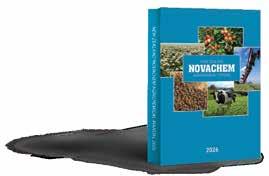
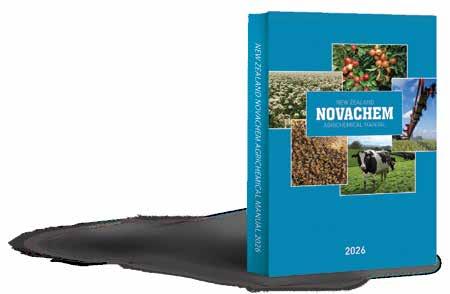
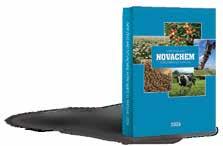
The definitive guide to agrichemicals registered for use in New Zealand.
A comprehensive alphabetical listing of products, active ingredients, crop & weed tables, weed & pest identification and much, much more all in one single publication. It really is the definitive agrichemical guide and the only one you’ll ever need.
Purchase a manual to receive a FREE 12-month subscription to our subscriber only website.
The website is continually updated and contains product listings, a fully searchable online product manual, a powerful search engine of weeds, diseases & pests, including photo galleries with all the agrichemical options to use on individual crops as well as up-to-date SDS’s, Haznotes and product labels, plus posts about industry news and information.
Order Now to receive your FREE pair of SureShield Coveralls
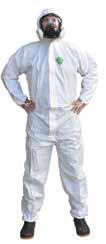
SureShield Coveralls supplied by pH7, provides both protection and comfort with exceptional liquid and particulate protection.
Category III, Type 5, Type 6 certified coveralls.
Ideal for asbestos removal, spray painting, low hazard pesticide spraying, boat building, dusty areas and general light industry.
These are best suited to spraying diluted chemicals such as round up for the fence lines, general maintenances on farm, or when spraying from a airconditioned cab.
One size fits all. Supplied by pH7.
* Available to those who order directly from www.novachem.co.nz - while stocks last.
Storing Chemicals?
Print up-to-date SDS’s & Haznotes from novachem.co.nz to ensure you are compliant.
Banish slugs, even in optimal pest conditions
Around 2020 mm of rain per year and a temperate climate create an ideal environment for slugs to flourish.
And, at the Hatfield family’s Murchison property, they have exactly that.
Chris and Stacey Hatfield have a 100 ha dairy farm, milking 180 cows.
Their system is mostly grass, although they’ve recently introduced maize.
Chris Hatfield has a long-term vision for their business and is focussed on setting up a foundation for whatever the next generation of his family wants to achieve. He also believes in an investment and result, rather than just a cost approach. It’s paying off.
“The more yield and quality you produce, the cheaper the crop becomes. Every mouthful the cows take, you see the benefit in the vat. When you’re spending money, you want to see the best return.”
He says that also shows in cow health and welfare.
However, new, high density, high performing pastures give slugs more places to hide and more enticing feed.
Hatfield’s approach is to go in hard with a 7 kg/ha application of Ironmax Pro to take out not only the adults existing in the pasture but also the next generation.
“It catches all the waves of populations. Otherwise, it’s the equivalent of slugs going from one McDonalds to the next!”
2026 Is Out NowDON’T MISS OUT!
With pets and kids on the farm, Hatfield says the safety aspect of low toxicity Ironmax Pro is also important.
Alex Easton, UPL NZ regional manager upper South Island, agrees.
He says he’s so confident in Ironmax Pro’s performance and safety he has no hesitation in using it in his home garden, even though there are small, hands-on children around.
He says slug pressure is particularly high because of the crops in surrounding paddocks. “There’s nothing slugs like better than brassicas in nice, straight rows!”
Easton says Ironmax Pro has significant advantages over old-school coated baits.
“Coated baits only have a lick of the active on the outside. Ironmax Pro is manufactured with the finest durum wheat using a unique wet manufacturing process ensuring the active ingredient is mixed all the way through. Not a bite is wasted.
“Looking for dead slugs is not the best way to access a bait’s efficacy. Instead check for crop damage. No damage indicates an effective bait programme.”
His colleague, Pieter Van Der Westhuizen, UPL NZ regional manager upper North Island, says slugs will always ingest a
lethal dose of Ironmax Pro, even juveniles. “I had a field representative say to me that they’d seen slugs still in the field after Ironmax Pro had been applied. I suggested a simple test: Squeeze the slug. If there’s visible blue residue, it means they’ve eaten the bait and won’t be eating anything else, they’ll be dead.”
Novachem
Chris Hatfield.
Heat stress research gains momentum
New Zealand dairy herds are already feeling the pressure of hotter summers, and DairyNZ researchers are driving a multi year programme to understand and manage heat stress before it becomes a major constraint on pasture based farming systems.
Regions across the country are experiencing more frequent high temperature days.
The 2020s shows averages ranging from 37 days in Otago and Southland to 69 days in Waikato and Bay of Plenty and 80 days in Canterbury, placing outdoor grazing cows at increased risk of heat load.
Cows begin to experience heat stress at temperatures above 20°C, a threshold well below what most humans would consider uncomfortable, meaning rising summer temperatures directly affect cow comfort, behaviour and productivity.
DairyNZ researchers have already completed several key milestones, beginning with mapping the regions most at risk and confirming that heat stress is now a routine on-farm challenge rather than an emerging one.
A major early achievement has been the development of the Grazing Heat Load Index, a model tailored specifically to NZ grazing systems that incorporates solar radiation, temperature and wind to more accurately predict when cows struggle to shed heat.
This model replaces traditional indoor focused indices such as THI and represents one of the first tools built with NZ outdoor farming in mind.
Researchers have also completed extensive farmer engagement work, including surveys and workshops, capturing farmers’ views on
how heat stress presents in their herds and what support they need to adapt effectively.
These discussions revealed that farmers want clarity on whether cumulative heat over the day or short, intense bursts cause the greatest impact on milk production, and they want practical management options confirmed through real world evidence. Another milestone achieved is the expansion of digital capabilities, with wearable sensors, rumen temperature boluses and milk vat monitoring providing near real time data that far surpasses what manual observation could offer even a decade ago, researchers say.
This rapidly growing dataset allows them to pinpoint the onset and severity of heat stress more precisely and test how cows respond to different interventions under varied climatic conditions.
Despite this progress, several important research questions remain, and these form the next stage of DairyNZ’s work.
Researchers are preparing a new study that pairs sensor derived cow data with milk yield records and on-farm weather information to quantify exactly how heat stress affects milk production and composition.
This work aims to close the long standing knowledge gap around how much milk loss results directly from heat rather than from other confounding factors such as feed
variation or herd management changes.
The design of new farmlet trials is also underway, with farmers helping shape scenarios that reflect common NZ system changes, such as altering milking frequency, shifting afternoon milking times, or combining several mitigation methods for cumulative effect.
Survey data shows that 65 per cent of Waikato and Bay of Plenty farmers and 40 per cent of Canterbury farmers already use sprinklers or misting systems in the yard, and researchers plan to test how these and other options perform in controlled trial environments.
Further work will investigate individual cow variation, recognising that not all animals respond to heat in the same way and that better identification of susceptible cows may allow for more targeted interventions.
Another future milestone will be defining the most reliable wearable indicators of heat stress for NZ grazing conditions, a crucial step in developing automated early warning systems that farmers can rely on.
As expectations around ethical and sustainable food production grow, DairyNZ’s research aims to give farmers the tools and evidence they need to protect cow wellbeing, improve resilience during hot periods and maintain productivity within a changing climate.
This work forms a central pillar of DairyNZ’s Enhanced Animal Care Programme and continues to evolve as more data becomes available and farmer insights shape the direction of the research effort.
Multispecies grazing shifts milk chemistry in Canterbury
Milk and yoghurt from cows fed diverse regenerative pastures showed a distinctly lower omega 6 to omega 3 ratio than products from conventionally fed cows, a change linked with heart and brain health benefits for consumers.
The same regenerative dairy products carried higher levels of the friendly culture Streptococcus thermophilus, which can help lactose intolerant people digest dairy more comfortably and support gut motility while reducing inflammatory bowel symptoms.
Researchers also measured greater concentrations of bioactive compounds—including hydroxytyrosol, schaftoside, salicylic acid, and luteoloside—in regenerative milk and yoghurt, all associated in scientific literature with antioxidant, anti
inflammatory, antiviral, anti diabetic, and neuroprotective properties.
These differences were measured in a side-by-side comparison on two adjacent Canterbury farm platforms, allowing the team to test real world feeding systems while keeping climate and
Tackling the late season spike in worm larvae
Words: Zoetis
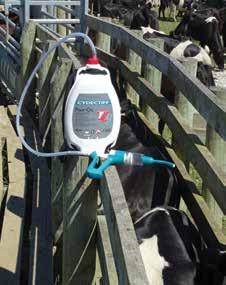
As autumn rolls in and pastures in New Zealand become increasingly worm-laden, effective parasite control is top-of-mind for dairy farmers preparing cows for dry-off.
Cydectin Pour-On for cattle stands out as a trusted, convenient, and highly effective tool for managing worm burdens at this critical stage.
Drying off marks a pivotal moment in the dairy season, setting cows up for a healthy calving and productive lactation ahead.
However, autumn pastures are notorious for harbouring worm larvae, making the impact of late-season parasite challenges in cows economically challenging.
Treating in autumn with a broad-spectrum anthelmintic like Cydectin Pour-On helps reduce the parasite load, boosts cow condition, and supports optimal production in the following season.
NZ trial work demonstrates the advantages of using Cydectin Pour-On at dry-off.
Studies conducted at dry-off, calving and late lactation have shown that cows treated with Cydectin Pour-On produced, on average, over four kilograms milk solids per cow more than their untreated herdmates1.
This highlights that even adult cattle can
management context consistent. On the conventional platform, cows grazed mainly perennial ryegrass based swards, whereas on the regenerative platform they grazed a diverse range of plants including plantain, chicory, clovers, cocksfoot and other species.
be affected by parasites, especially if feed quantity or quality (protein and energy) is limiting.
The effective removal of parasites is only part of the reason why there is this response to Cydectin Pour-On.
Due to its long-lasting effectiveness, this drench keeps cows protected from key parasites—Ostertagia for up to 35 days and Trichostrongylus for up to 28 days.
With ongoing defence against these infective larvae, cattle stay healthier and more productive, enjoying the benefits of improved efficiency throughout the duration of coverage.
One of Cydectin Pour-On’s standout features is its nil milk, meat and bobby calf withholdings. For farmers, this means total peace of mind. Cows can be treated before dry-off and still be milked, calves can still be bobbied, and cull cows can go to slaughter. There’s no need for restrictive management or worrying about residue issues. It’s a straightforward, no-fuss solution that fits
The diversity in cow diets shifted the chemical fingerprint of the pasture and flowed through into the metabolomic and microbiome profiles of the milk and yoghurt, which is where the measurable nutrition gains appeared.
The work was led by Lincoln University’s Centre of Excellence Designing Future Productive Landscapes with collaborators from Utah State University and Lincoln Agritech, and the comparison was carried out at Align Clearview farm.
The study examined not only what was in the milk and yoghurt but also how the farm system influenced soil, plant, and animal health.
Sampling and analyses covered chemical composition, gas chromatography fatty acid profiles, LC MS/MS metabolomics and amplicon sequencing of soil, milk and yoghurt, providing a measured basis for the product and soil differences reported. Herbage chemical composition varied mainly with season rather than system, but regenerative pastures carried the
seamlessly into any end-of-season routine. Cydectin Pour-On’s easy-to-use application, reliable efficacy, and long-acting protection make it the pour-on of choice before or at dry-off.
Farmers can be confident their cows are better protected from parasites during the risky autumn and winter months, setting up the herd for a productive new season. When talking to your farming customers, remind farmers that:
• Cydectin Pour-On delivers powerful worm control during the autumn worm challenge.
• It’s backed by NZ-specific research.
• Nil withholding periods maximise farmer flexibility and peace of mind.
• Healthy, well-conditioned cows at calving means a better start for the next season.
1 Murphy, A. The effect of treatment with moxidectin, a long acting endectocide, on milk production in lactating dairy cows. Buiatrics World Congress, 1998 2 CEESA data Q3 2025.
greater phytochemical diversity that flowed through to milk and yoghurt metabolite profiles.
Lower milk urea nitrogen in regenerative milk indicates potential for reduced urinary nitrogen excretion at similar milk yields, which the authors discuss as a pathway to lower nitrogen losses from pastoral systems.
While farmers rightly focus on total feed, energy, and protein, researchers say, the study showed that offering biochemically rich mixed pastures rather than monocultures can let cows choose healthier diets when they need them most. Below ground, regenerative paddocks supported a greater abundance of some soil organisms than the conventional paddocks, indicating improved soil microbiome diversity.
This soil biology lift occurred with only about five units of nitrogen applied per hectare annually on the regenerative farm, compared with an average of 190 units per hectare on conventional farms.
Credit: Photo DairyNZ
Pablo Gregorini.
Clarity, trusted information, tangible rewards key to emissions progress
New research funded by the Agricultural Emissions Centre shows reducing emissions from pastoral farming is possible but will require on-farm innovation and strong support to remain economically viable.
The Future Farm Systems programme, led by Lee Matheson of Perrin Ag and Erica van Reenen of AgFirst, examined how New Zealand’s pastoral sector could transition to lower emissions systems through management change, land use diversification, and collaboration.
The three year programme explored what reductions are already happening on farms, the barriers that remain, and how rural communities may adapt as the sector evolves.
The programme also found that there is a limit to how far emissions can be reduced without significantly affecting profitability, and that this threshold varies by farm. Farmers are more likely to act when clear policy or market signals exist and when they can collaborate with others.
Van Reenen says farmers want to contribute to solutions but need clarity, trusted information, and tangible rewards for leadership.
She notes that working through community groups or collectives can build confidence, spread risk, and accelerate change or at least the appetite for it.
Matheson says change is underway but is complex, incremental, and closely linked to the people and capability within each farm business.
He notes that there is no single solution and that success rests on strong fundamentals such as profitability, people, and confidence.
Case study farms in the research achieved biological emissions reductions of between two and 16 per cent, largely through improvements in efficiency, adjustments to stocking rates, and better land management.
The research suggests while technology will play a growing role, system change
The researchers note that such low synthetic nitrogen use suggests regenerative systems can maintain soil health and plant growth while reducing nitrogen pollution and its ecological impacts.
“This is a really powerful outcome,” says research team leader Professor
and collaboration are currently the most realistic pathways for near term progress. Despite promising results, the study highlights several ongoing challenges including policy uncertainty, market volatility, and limited farmer confidence in unproven mitigation technologies.
Farmers are more likely to act when clear policy or market signals exist and when they can collaborate with others.
Future scenario testing with rural communities in Northland and Southland showed lower emissions systems could reshape regional economies in ways that also raise challenges around labour, water, energy, biosecurity, and infrastructure. These findings underline the need for coordinated planning between government, industry, and communities. Although NZ has recently scaled back its methane reduction target to 14–24 percent by 2050, the research indicates that the transition will still involve fewer ruminants, new supply chains, and significant capital investment across the primary sector.
Analysis of alternative land uses such as milling wheat, hemp, tōtara, and blueberries found potential but also financial and infrastructure constraints.
The study concludes, without coordinated investment and scale, most alternative land uses can only make modest contributions to national emissions goals.
The research emphasises that a sustainable transition will require integrated policy, shared investment, and continued science-based innovation.
Matheson says NZ’s standard of living depends on producing food and fibre from natural resources, and that the challenge is not to stop farming but to evolve farming systems quickly to meet environmental and economic expectations.
Pablo Gregorini.
And that applies not just to farmers and industry but also for consumers who want to consume healthier dairy products. While price matters, many will choose products from systems that positively impact the environment, animals and human health, he says.
“This research is a part of the growing body of evidence that shows a farming system that is focused on increased biodiversity, reducing synthetic inputs and delivering healthier outcomes across soil, animals and humans can deliver results while maintaining similar yields to those on a conventional farm.”
Lee Matheson.
Erika van Reenen.
Backing young farmers for safer careers
Safer Farms chair Lindy Nelson says too many farmers and their families are still being hurt or killed while producing food and fibre, and she believes the sector must stop accepting preventable harm as a normal part of work.
Nelson says the Farm Without Harm plan offers practical, farmer led solutions that improve how work is designed, reduce risks before they build up and help people fail safely so they still make it home at the end of the day.
Safer Farms is bringing its expertise to the design of the FMG Young Farmer of the Year programme module.
Her comments come as NZ Young Farmers (NZYF) and the Accident Compensation Corporation (ACC) launch a new partnership centred on the FMG Young Farmer of the Year contest series.
The new partnership aims to strengthen safety, wellbeing and long term capability across the next generation of rural leaders.
“Farming is one of NZ’s most demanding and rewarding industries, requiring skill, resilience and constant decision-making in often unpredictable conditions”, says Young Farmers chief executive Cheyne Gillooly.
“The contest showcases the real pressures and realities of farming life, and we’re proud to welcome ACC as a partner who shares our commitment to keeping people safe and ensuring young farmers are supported to build long, successful careers on the land.”
ACC deputy chief executive service delivery Michael Frampton says the partnership offers a unique opportunity to support the next generation of farmers to stay safe and well.
“We are really excited to be partnering with the New Zealand Young Farmers
for the first time this year.
“This collaboration is especially important to us because it allows us to connect with the wider agricultural community and encourage farmers to take practical steps to keep themselves safe and, if an injury does happen, take part in an active recovery so they can get back to what matters, sooner.”
Agriculture remains one of NZ’s highest risk industries, and in 2024 ACC received more than 23,000 on-farm injury claims at a cost of around $120 million.
The average work related agricultural injury resulted in 36 days away from work, highlighting the toll that injuries take on farmers, families and rural businesses. ACC is placing greater emphasis on helping injured farmers stay active and connected to their work during recovery so they can return sooner and with greater confidence.
The partnership with NZYF complements ACC’s wider work with the rural sector, including its collaboration with Safer Farms. Frampton says ACC wants contestants to build strong knowledge of risk management and develop habits they will use throughout their working lives.
Lindy Nelson says the Young Farmer of the Year contest is the perfect place to reinforce safety as a core farming skill because it mirrors the pressures and realities farmers face every day.
She says safety and wellbeing should sit alongside productivity, leadership and innovation, not beneath them.
New partnership in action at the Aorangi regional final.
Nelson says the focus is on creating a culture of care rather than ticking boxes, because well designed work and strong systems lead to safer, more productive farms.
A boost for South Island trade
Lower South Island exporters and importers have a new weekly shipping option to and from Australia, Asia, the Middle East and Africa.
From early February, Port Otago has welcomed MSC’s Wallaby service into Port Chalmers.
Port Otago GM customer Craig Usher says the addition of Port Chalmers to MSC’s Asia-Oceania network, the Wallaby service, represents new export and import capacity for Otago and Southland.
New directors for FAR Board
Three new grower directors have been appointed to the Foundation for Arable Research Board. They are Edward White of Central Hawke’s Bay, Michael Tayler of South Canterbury and Hamish Irwin of Mid Canterbury.
Current grower director, Val McMillan, has been re-elected and two appointed FAR Board positions, held by Dr Mike Hedley and Dr John Caradus, have been reconfirmed.
Edward White and his family run a largescale arable, sheep, beef, and dairy farm at Takapau, with White responsible for the arable, grain drying and handling operations.
He has also farmed in the United Kingdom.
White chairs FAR’s eastern North Island Arable Research Group and has considerable experience with boards and governance structures.
Hamish Irwin is a fifth-generation mixed cropping farmer near Rakaia.
A chartered accountant, he has practised in the UK and New Zealand with international firms. Irwin is active in the operational and finance side of his arable farm and is involved in governance roles.
Based near Temuka, Michael Tayler farms a range of arable and horticultural crops over multiple properties.
Taylor was awarded a Nuffield scholarship in 2012. He has held various roles across the arable farming sector and is currently chair of United Wheat Growers.
The new appointments follow the retirement of two long-serving directors,
Steve Wilkins of Southland (12 years) and Guy Wigley of South Canterbury (six years). While directors normally serve a maximum of three terms (nine years), Steve Wilkins served an extra term to provide continuity during the Covid-19 pandemic.
FAR Board chair Steven Bierema thanked the retiring directors for their service.
“They have been very thoughtful and insightful, with a massive amount of knowledge of arable farming, so we owe them a lot.”
An additional director has been appointed following a new requirement for the board to have at least seven farmer members.
“This is good news for our region. It provides another service option for our customers, particularly those with products going into and coming from North Asia.”
MSC is the world’s largest shipping line. For the past two years, it has serviced Port Chalmers via a transship service to Tauranga, utilising the Oceania 2 loop service.
Now, Wellington’s port will act as a hub for MSC, with containers transferring onto MSC’s new Eagle services to the Americas and Europe.
Edward White.
Michael Taylor.
Hamish Irwin.
Passion for supporting Kiwi dairy farmers
It was love that first led DairyNZ senior area manager Leah Prankerd to dairying - but decades later, it’s her passion for the industry that keeps her there, supporting and inspiring farmers across the region.
Prankerd and her husband have been sharemilkers for more than 13 years and currently have a 700-cow herd.
Alongside their dairy operation, they also run beef stock and graze heifers for other local farmers.
“I would never have thought growing up I would end up dairy farming but there is no better feeling than seeing cows graze a fresh paddock or watching the steam come off their back while they stand in the yard and the sun is rising in the background,” she says.
As a senior area manager, she works directly with farmers listening to their concerns and making sure they are supported with the right tools and resources for their farm.
“I love hearing from farmers about their operation and the journey they have been on – no two farms are the same,” she says.
“The key to helping is not to tell farmers
what to do because they’re already great at what they do. It’s around providing tools, research, and sharing an anecdote or two to help them make sound decisions within their business.”
Over the past 14 years she has seen attitudes change and women given more opportunities.
“Being in the sector has been a great experience, though not without challenges,” she says.
“The key to success is being able to push and back yourself, know your worth, and give things a go.”
Giving things a go is something she encourages other young women starting out in dairying.
“Be curious and pick the brains of others and learn from your mistakes because we all make them,” she says.
“Most of all, have fun!”
She hopes to continue giving back
to her local community.
“It would be great to one day own a farm and be able to offer a young couple the same opportunity we were given,” she says.
“Personally, industry good is where my heart lies and I want to expand my farming knowledge as much as I can, go deeper with information and understanding, and give back more.”
Grant win propels rising horticulture researcher forward
Ellie Brock has been awarded the 2026 Edward Turner Horticulture Futures Grant, and she says the recognition has not only boosted her confidence but affirmed the growing importance of plant pathology in the future of food production.
“I am immensely grateful and proud to be named this year’s recipient,” Brock says, adding that the grant will broaden her research and strengthen her connection with T&G, an organisation she sees as central to New Zealand’s horticulture sector.
“Earlier in my studies, I didn’t feel confident applying for grants because I didn’t believe my work was significant enough.
“As I progressed into plant pathology and began researching integrated pest management, I realised how essential this field is for the future of horticulture.” That helped her back herself, and trust that her work deserved support.
Brock holds a Bachelor of Science and is currently completing a Master of Horticulture Science at Lincoln University. Her research focuses on Spongospora subterranea, the soil-borne pathogen
Leah Prankerd.
Ellie Brock.
New role underscores commitment to biologicals
Corteva Agriscience has taken a major step to advance its move into biologicals, appointing Canterbury’s Jess Ross to a brand new role that signals confidence and momentum ahead of its first launch in this new category.
“We’re really excited about Jess joining us,” says general manager Glen Surgenor.
“She’s a perfect fit for the position, and this is great news for both our channel partners, and the market as a whole.”
Surgenor says the company’s planned first biological product launch this year required early and deliberate investment in technical capability, and Ross’s appointment shows a clear commitment to supporting internal teams and the trade as the bio portfolio ramps up.
While the crop protection industry has weathered some doom and gloom recently in New Zealand, expanding the team and creating a new role ahead of saleable product demonstrates Corteva’s support and trust in the local market and belief in strong potential for biologicals in local farming systems, he says.
Ross became Corteva’s biological technical specialist and territory manager for the upper South Island, covering Tasman and Marlborough, in January.
She says joining Corteva is something of a homecoming, as she’s spent more than five years working closely with the company through Field-Tek, a Canterbury based research contractor known for its work in crop protection.
That long standing partnership gave her insight not just into Corteva’s culture but also its research pipeline, which she describes as collaborative, forward looking, and grounded in genuine care for the industry.
“I had done quite a lot of work with
responsible for powdery scab in potatoes, a disease that continues to impact crop quality and yields.
Her work explores integrated pest management approaches to support more resilient potato production.
By combining controlled trials with onfarm field studies, she aims to develop practical, economically viable and environmentally sustainable disease
members of the team like Nicole Morris (now marketing manager) and Matt Denton-Giles (country field scientist), so I was drawn to the people as much as the science.”
Her professional path has taken several turns, beginning in ecology and marine science before an unexpected pull toward food production systems during university summer jobs.
Ross grew up in Canada on a buffalo farm in an oil and gas region, and although she once imagined she would steer clear of farming, the primary sector found its way back into her life.
Before joining Field-Tek, she worked in horticultural supplies with Fruitfed Supplies in Timaru and earlier spent time at Brownrigg Agriculture.
COVID altered her plans for overseas travel, but the disruption opened a pivotal door when Field-Tek took her on part time and allowed her to complete her postgraduate Masters study at Lincoln University.
The role exposed her to a wide range of multinational development work and helped build familiarity with emerging technologies, trial design, and product development across a broad spectrum of crops.
“I could see that biologicals were the next step in farming, especially as resistance challenges increase pressure on conventional chemistry.”
She sees biologicals not as a silver bullet but as tools that must be integrated
thoughtfully and gradually into existing programmes to build trust and ensure realistic expectations are set.
Some growers, she notes, have tried biologicals without the right background knowledge, leading to disappointment and hesitancy, and part of her mission is to rebuild confidence through clear, consistent guidance.
Last year she completed the Kellogg Rural Leadership Programme, focusing her project on the integration of biologicals into the NZ market.
“That gave me a really good insight of both their potential in NZ systems, and the growing pains the sector must work through before these tools achieve mainstream adoption.”
Creating uniform expectations across the industry will be essential, she says, along with adjusting programmes to accept that a small increase in disease or insect pressure may sometimes be part of a sustainable long term strategy.
Surgenor says Corteva had been working toward this role for 18 months, waiting until the company had clarity on what biological products were coming and when, and ensuring the business case stacked up.
Jess Ross can be reached at 027 354 4169.
management solutions for the potato industry.
T&G Global has named Brock, a Master of Horticulture Science student at Lincoln University, as the recipient of the 2026 Edward Turner Horticulture Futures Grant valued at $10,000.
The grant supports emerging leaders whose work has the potential to strengthen NZ’s horticulture sector.
T&G head of corporate affairs Adrienne Sharp says the calibre of applicants made selection particularly competitive this year. Brock’s work stood out for its practical focus on sustainable disease management and its direct relevance to growers.
Sharp says continued investment in applied research like Brock’s is vital for building capability and helping the horticulture sector thrive.
Jess Ross.
Celebrating primary sector leadership
Words: APHANZ
Every year, the Animal and Plant Health NZ awards spotlight people whose leadership, innovation, and commitment strengthen New Zealand’s primary sector.
Looking ahead to our annual conference in July in Wellington, we reflect on how these awards not only recognise excellence but also light the path for emerging leaders shaping the future of animal and plant health.
The theme of this year’s conference is ‘Grass roots, green shoots: Building growth and sustainability from the ground up’.
The Emerging Leader and Outstanding Contribution awards recognise members who have positively contributed to the association and wider industry.
The President’s Award is open to nonmembers in the primary sector, for leaders who have supported APHANZ and promoted members’ contribution to the economy and environment.
The trajectory of past recipients of these awards show how powerful visibility through recognition can be.
Among the most influential is the Emerging Leader Award, which recognises rising talent within the group’s emerging leadership programme and professionals
who have been in the industry for three to seven years making an impact.
Nicole Morris and Lisa Lunn were jointly awarded the Emerging Leader award in 2024.
They exemplify the purpose of this award, which recognises potential early and supports the development of people who go on to have a meaningful impact and influence on the primary sector.
Morris, recently appointed marketing manager at Corteva, is a strong voice for sustainable crop protection and the importance of regulatory systems that enable access to new technologies.
Lunn is also making a valued contribution as a thought leader through her work as chair of the APHANZ gene technology subcommittee and in wider rural leadership programmes.
The awards also honour people who shape the sector’s strength and sustainability.
EpiVets director Julia McNab was the recipient of the 2025 Outstanding Contribution Award.
Her steady leadership has role modelled and shaped solutions-focused engagement with regulators to improve the approval pathway, so it is fit for purpose, operates effectively, and delivers better outcomes for everyone.
2024 President’s Award recipient, PacficVet director and co-founder Kent Deitemeyer, is a standout.
His ongoing contribution to animal welfare and conservation is exceptional and was further recognised in the 2025 Primary Industry NZ awards.
This year’s conference theme reflects the idea that sustainable growth begins with strong foundations - people, relationships, and shared purpose.
Celebrating people who contribute to those foundations is an investment in the future, propagating green shoots and building growth and sustainability from grass roots.
LET’S TALK PROMO
BLUE PRINT
Kent Deitemeyer.
BEE RESPONSIBLE
Farmers and beekeepers can work together for the coexistence of agriculture and bees.
Improve pollinator habits by planting flower boarders and maintaining hedgerows and unsprayed headlands.
Implement an integrated pest management plan to apply pesticides only when necessary.
Coordinate in advance with local beekeepers before spraying so nearby hives can be moved or otherwise protected.
Use genuine products only and alert authorities of counterfeit or illegal pesticides that have unknown impacts on wildlife.
Follow the instructions on the label to ensure you use the recommended dose. Avoid spraying in windy conditions to prevent spray drift.
Use drift-reduction application equipment that is well maintained and calibrated.
Avoid contamination from spray liquids when mixing, and properly dispose of waste and other used materials.
Avoid spraying pesticides when bees are foraging and plants are flowering.
Minimise dust from treated seed by carefully pouring it out of bags. Use seed planting machinery that eliminates the production of dust, and clean seed equipment regurally.
Lobby group names new leader
Mike Siermans is the new chief executive of Federated Farmers, formally succeeding Terry Copeland who left the role last spring.
President Wayne Langford says Siermans brings extensive senior leadership and commercial experience that set him apart from other candidates.
“This is a significant appointment for Federated Farmers. We conducted a significant search for the right person, with many strong candidates having the experience and qualities we are looking for in a CEO,” Langford says.
Before joining Federated Farmers, Siermans built a commercial career across fast-moving consumer goods, pharmaceuticals, and technology.
He held senior sales and marketing roles at Douglas Pharmaceuticals, Pfizer Animal Health, and most recently at Taura Natural Ingredients.
He sees this broad commercial experience as central to his role at Federated Farmers.
“Federated Farmers is a very special organisation that’s played a major role in New Zealand’s history over the last 125 years,” Siermans says.
“My job as CEO is to make sure we’ve got the right strategy, team and culture that’s going to set us up to succeed for the next 125 years.
“That means we’ll continue to modernise the organisation, with a real focus on creating sustainable revenue streams and finding new ways to grow our products and services.
“I want to make sure Federated Farmers has the resources to keep employing the best advocates, communicators and policy experts, so we can deliver real results for Kiwi farmers.”
Siermans has been acting as interim CEO since September.
Trustee brings global agribusiness perspective
Lisa Portas has been appointed as associate trustee for Agmardt, bringing extensive hands-on experience from across NZ’s agricultural and rural business sectors.
Portas draws on more than a decade working in farming, supply chains, and international agribusiness environments. She is a Kellogg Rural Leadership Programme graduate and a 2025 Nuffield Scholar focused on global value chain models.
Portas researches how transparency, trust, and tighter links between producers and markets can strengthen long term farm gate outcomes.
Her background includes developing wool value streams, marketing fibre offshore, shaping brands, and diversifying farm enterprises into honey and agritourism.
Portas and her husband Kurt led the Palliser Ridge executive team until June 2025, giving her grounded experience in day to day rural business operations.
She says the Agmardt role offers an opportunity to support the sector during a period of tightening
Langford says Siermans experience in sales, marketing and corporate management will be a huge asset for the organisation.
“He understands that strong advocacy needs to be backed by sharp commercial nous.”
He’s looking forward to working with Siermans and his team to make sure Federated Farmers is a well-oiled, modern machine set up to deliver outcomes for farmers.
“Federated Farmers is sitting in a really strong position. We’ve got a clear vision, a strong strategy, and an exceptionally talented team helping to deliver it.
“The organisation’s results speak for themselves, with clear messaging, a long list of major policy wins, and a membership base growing for the first time in a generation.”
funding and rapid change.
Portas notes that she has previously received project funding and is eager to understand how investment decisions are made from the governance side.
“This is a pivotal time for the sector, with more limited funding options, and I’m keen to help ensure Agmardt grants and food and fibre investments effectively support different parts of the primary industry.”
After completing international Nuffield travel in 2025, Portas brings a global lens to discussions about farmer market alignment.
She’s keen to contribute insights from overseas producers who are grappling with similar pressures and opportunities.
The role offers a valuable chance to grow governance capability while contributing to decision making that shapes sector direction.
Portas serves on the Wairarapa Economic
Mike Siermans.
Driving positive change for red meat
Six Rural Advancement Scholarships have been granted by Beef + Lamb New Zealand for 2025, covering everything from research into triple lamb rearing to youth mentorship.
“Investing in people is investing in the future of our sector,” says Dan Brier, B+LNZ’s GM farming excellence.
“These scholarships empower farmers to step into leadership roles, tackle critical challenges, and drive positive change for NZ’s sheep and beef industry.”
Each recipient receives a cash contribution between $1500 and $4000 towards a place on any Rural Leaders programme starting in 2026, supporting them to make a lasting impact on rural communities and farms.
Julia Hardwick Smith, Rawhitiroa, is a highly motivated farmer preparing to take over her family’s sheep and beef operation.
She plans to join the Kellogg Programme to research alternative ways to rear triplet lambs to improve survivability and reduce
wastage, while exploring barriers to wider farmer adoption.
Dianne Roadley, Wairoa, is an established community leader and regional councillor, whose leadership was forged through years of community work and responding to adverse weather events.
Her Kellogg project will investigate how the industry can better communicate with farmers and bridge the urban-rural divide.
Jeremy Leigh, Glen Murray, brings a unique dual perspective as both a vet and farmer.
His Kellogg project will focus on dairy-beef integration and parasite management, aiming to optimise profit through smarter farming systems.
Nic Ruddenklau, Oamaru, is passionate about sustainability and the wool sector.
Her Kellogg project will explore ways
to improve traceability and ensure fairer returns for fine wool growers, strengthening farmer-stakeholder relationships.
Tessa Miller, Otama, aims to connect on-farm environmental improvements with global market value.
Her Value Chain Innovation Programme project will examine how value is created and communicated along the supply chain, translating market signals into practical insights for farmers.
Sam Mann, Dannevirke, is committed to agricultural education and youth mentorship.
His Value Chain Innovation Programme will focus on expanding the Pukemiro Station cadetship programme and exploring charitable growth opportunities.
Development Strategy Steering Group; sits on the Destination Wairarapa regional tourism board and coordinates the Greater Wellington Ballance Farm Environment Awards.
Her cross sector involvement strengthens her understanding of environmental stewardship, rural tourism, fibre marketing, and regional development. Her appointment follows the departure of
previous associate trustee Phil Weir, who became a farmer-elected director at Beef + Lamb NZ during his 18-month term with Agmardt.
“I see the Agmardt mindset as being one of challenging norms, striving for continuous improvement, and driving change. This is something I will carry forward,” he says.
Lisa Portas.
Tessa Miller.
Sam Mann.
Strong future ahead for passionate young farmer
After starting as a tool-grabber for his dad at just five years old, budding young farmer James Clark, now 18, has been awarded the 2026 Ravensdown Hugh Williams Memorial Scholarship.
Born and bred on a farm near Methven, Clark gradually took on increasing responsibilities helping to run daily operations of the farm, where he is now a junior staff member.
“I really love the practical side of farming, and I’ll always get stuck in. Managing crops and animals, machinery operations and maintenance, I’m up for all of it.”
About to begin his second year of a Commerce degree in Agriculture at Lincoln University, he didn’t always see himself studying but couldn’t pass up the opportunity to bring a fresh perspective to his work.
“These days, having a degree
behind you is important. It will allow me to look at my work with a broader view of the world and use new ideas; there’s always things that can be done better.”
Through the Ravensdown Hugh Williams Memorial Scholarship, Clark will receive a $5000 cash grant each year for the remainder of his studies.
“Winning this scholarship eases the financial pressure for me. I’m grateful to Ravensdown, and to the panel for selecting me. It’s a real privilege.”
Amongst study, Clark regularly travels back to Methven to help out on the farm and earn some extra money.
US vet to head HSNO
“Like many students, I’m paying for my study out of my own pocket, so every weekend I go home and work on the farm to help fund my study. It’s more than that though, being on the farm helps me unwind, it’s my happy place.”
The panel were impressed with his farming accomplishments, noting Clark has competed in Young Farmers for three years, reaching grand finals twice (second and third place). Looking ahead, he is considering a fourth year of study, to add Agricultural Science.
“At the moment I’m getting a feel for what I’m good at and what I might see some
Dr Fernando Torres-Vélez is the new general manager, Hazardous Substances and New Organisms at the Environmental Protection Authority.
He replaces Dr Chris Hill who stepped down in October, and comes to the role from American Centre for Disease Control and Prevention (CDC) where he was director of the division of highconsequence pathogens and pathology at the national centre for emerging and zoonotic infectious diseases. There, he provided executive oversight of diagnostics, medical countermeasures research, and emergency response to the most lethal viruses, bacteria, and prion diseases known.
Before joining the CDC, he led the World Health Organization (WHO) Guinea Worm eradication research agenda at The Carter Center.
This roadmap accelerated research to stop Guinea Worm transmission in humans and animals in sub-Saharan Africa.
Torres-Vélez holds a Bachelor of Science in zoology from Colorado State University, a Doctor of Veterinary Medicine from Tuskegee University, and a Doctor of Philosophy in Veterinary Pathology from the University of Georgia, where he also completed his residency training in veterinary anatomic pathology.
EPA chief executive Dr Allan Freeth, who himself is stepping down at the end of June, says he’s delighted about the appointment.
“Dr Torres-Vélez has extensive experience and comes to the EPA with a long and
potential in. I’m really just getting a taste of everything and trying to learn as much as I can.”
Ravensdown CEO Garry Diack says the panel was highly impressed with James’ application.
“James is exactly the kind of young farmer this scholarship was designed to encourage. We recognise the passion he has for agriculture and the longterm success of the industry.
“The country relies on agriculture, and the next generation of farmers will help shape the future of the industry. The sector needs young farmers like James.”
distinguished career in infectious disease research and the management of scientific programmes.”
James Clark.
Dr Fernando Torres-Vélez.
Many happy returns
When you invest in pasture, you’re investing in your future. Nothing delivers returns like proven, persistent Maxsyn and Array.
Maxsyn, New Zealand’s top-selling perennial ryegrass, just got even better –now supercharged with NEA12 endophyte for increased resilience and productivity. Don’t forget Array, the environmental all-rounder delivering high yield plus nitrogen efficiency. It’s the complete package! Learn more at barenbrug.co.nz
Grow with Confidence
The biggest job requires the best solutions
To love and succeed at farming, you have to enjoy solving problems. The next potential setback is never far away. The entire farming community must work together to hit new heights in order to overcome the biggest challenge of all: feeding a growing population with reduced access to farmland.
Fortunately, we now have better solutions than ever before to help you to continue to make great decisions, while doing what you love. The challenge is big, but so too is the appetite for success.