
12-13
12-13

“Every challenge a dairy animal faces creates a new demand on its nutrient budget, shifting resources away from production and toward survival.”
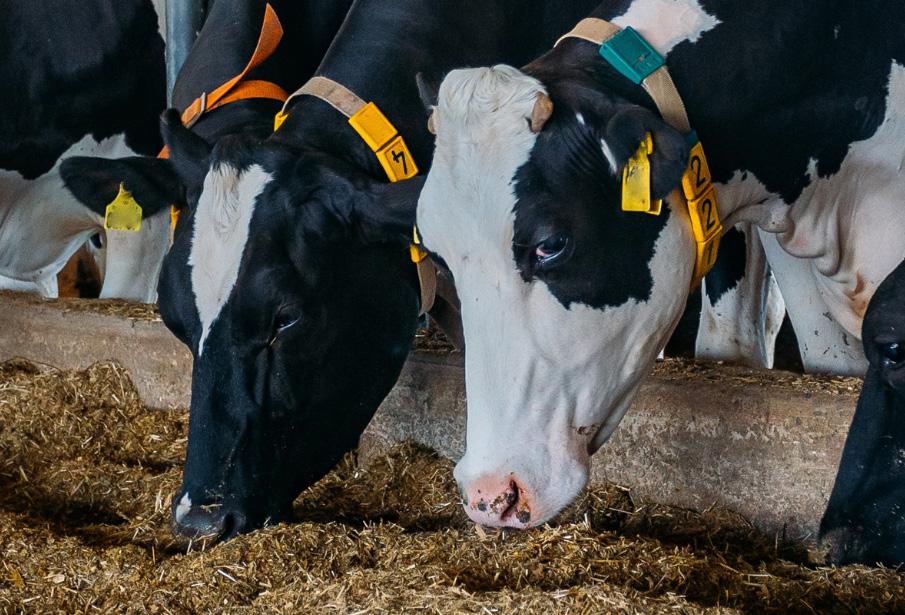
An economist might define a “budget” as the allocation of limited resources (money, time, physical assets) to competing needs or demands. Balancing dairy diets and feeding dairy animals is a budget process: determining what levels of nutrients (of varying costs) to provide to a specific class or type of an animal to meet competing needs or demands. Simple enough, until an unexpected need or demand arises or is unresolved. Heat stress, mycotoxins, leaky guts, uterine involution, mastitis or other infections are among the lengthy list of unexpected needs or demands which cause the reallocation of nutrients from productive purposes (growth, milk production or reproduction) to merely staying alive when faced with the laundry list of stressors and challenges.
The Spring 2026 RISE Nutritionist Newsletter features articles on a variety of factors that alter the dairy animal’s nutrient budget and cause a reallocation of budget nutrient resources. The Defend & Protect™ philosophy at Agrarian Solutions is borne out in our range of research-verified and time-proven products for resolving inflammation to enable an economic budgeting or allocation of nutrient resources.
An interesting observation in the mycotoxin summary (pages 5-9) is the increased number of TMR and corn silage assays detecting multiple mycotoxins, even up to four mycotoxins. Each mycotoxin imposes unique challenges on the dairy animal and imposes additional nutrient demands for further reallocation of nutrient resources.
Agrarian Solutions trusts that the 2026 Spring RISE Nutritionist Newsletter is helpful as you work alongside your consulting clients and we always welcome your input as to future research areas and newsletter topics.
Larry Roth, Ph.D., PAS Vice-president of
Nutrition
Stay up-to-date with the latest research, technical resources, podcast discussions, and field-proven nutritional strategies from Agrarian Solutions.
















Dr. Barry Bradford HOST

Dr. Larry Roth GUEST
LISTEN NOW


“The digestive tract functions as a protective barrier, and when mycotoxins damage intestinal cells, harmful substances can enter the body and trigger systemic health challenges.”
“Testing feed ingredients and total mixed rations regularly provides critical insight into mycotoxin exposure and allows more informed decisions in dairy nutrition management.”


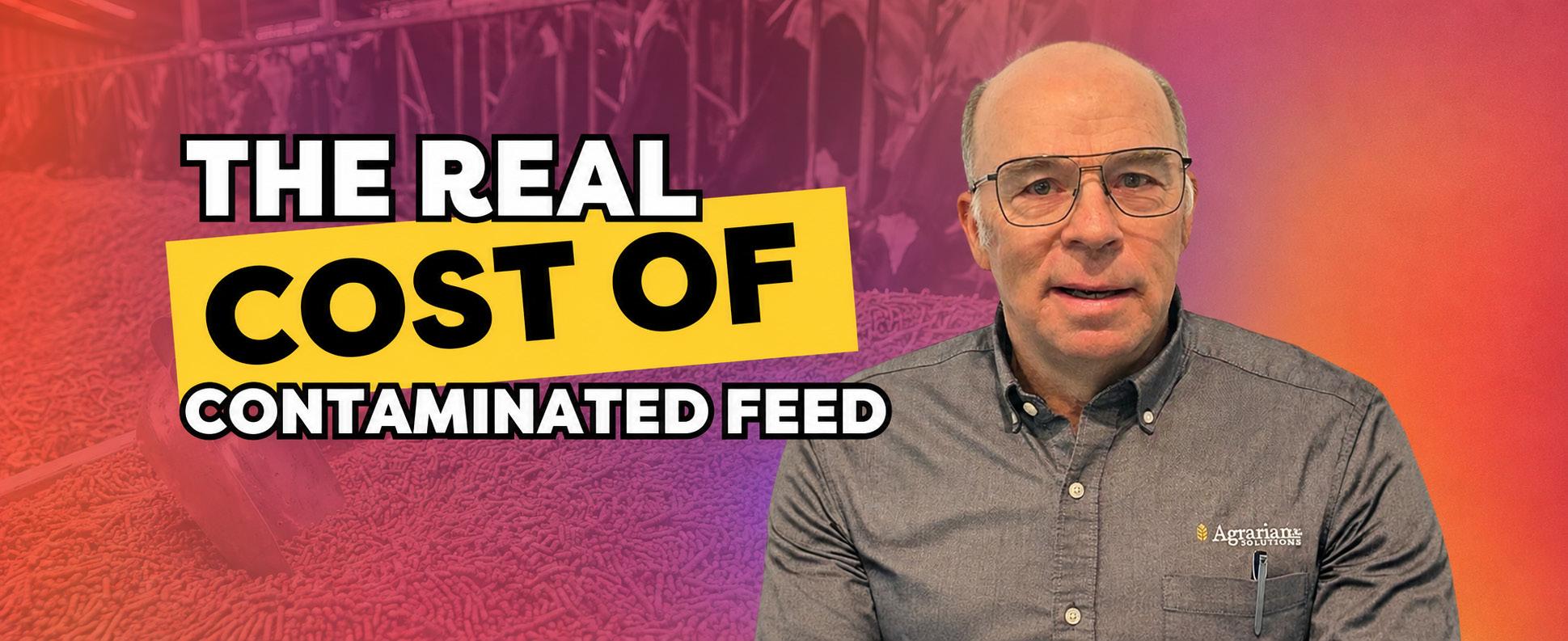
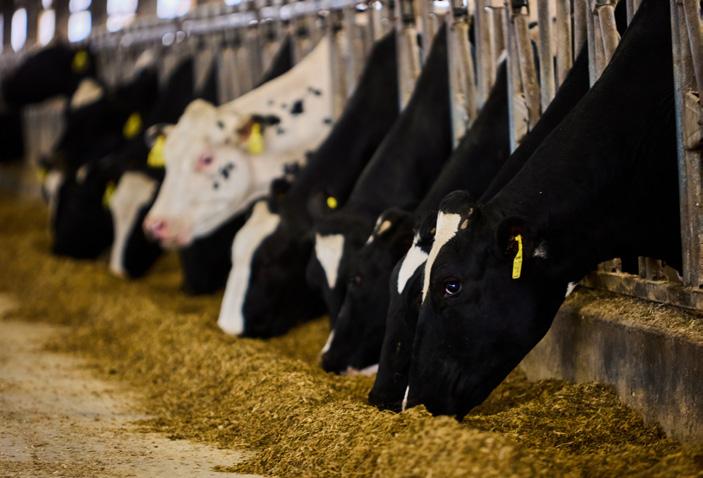
The Real Cost of Contaminated Feed
Explore how mycotoxin risks, testing strategies, and gut support technologies help protect cow health and improve dairy herd resilience. Are Mycotoxins Hurting Herd Performance
MYCOTOXIN IMPACTS
Reduced feed intake
Gut inflammation and damage
Lower milk production
Increased health challenges
Nutrient reallocation from production to survival

Mycotoxin Effects on Dairy Production

Nutrition
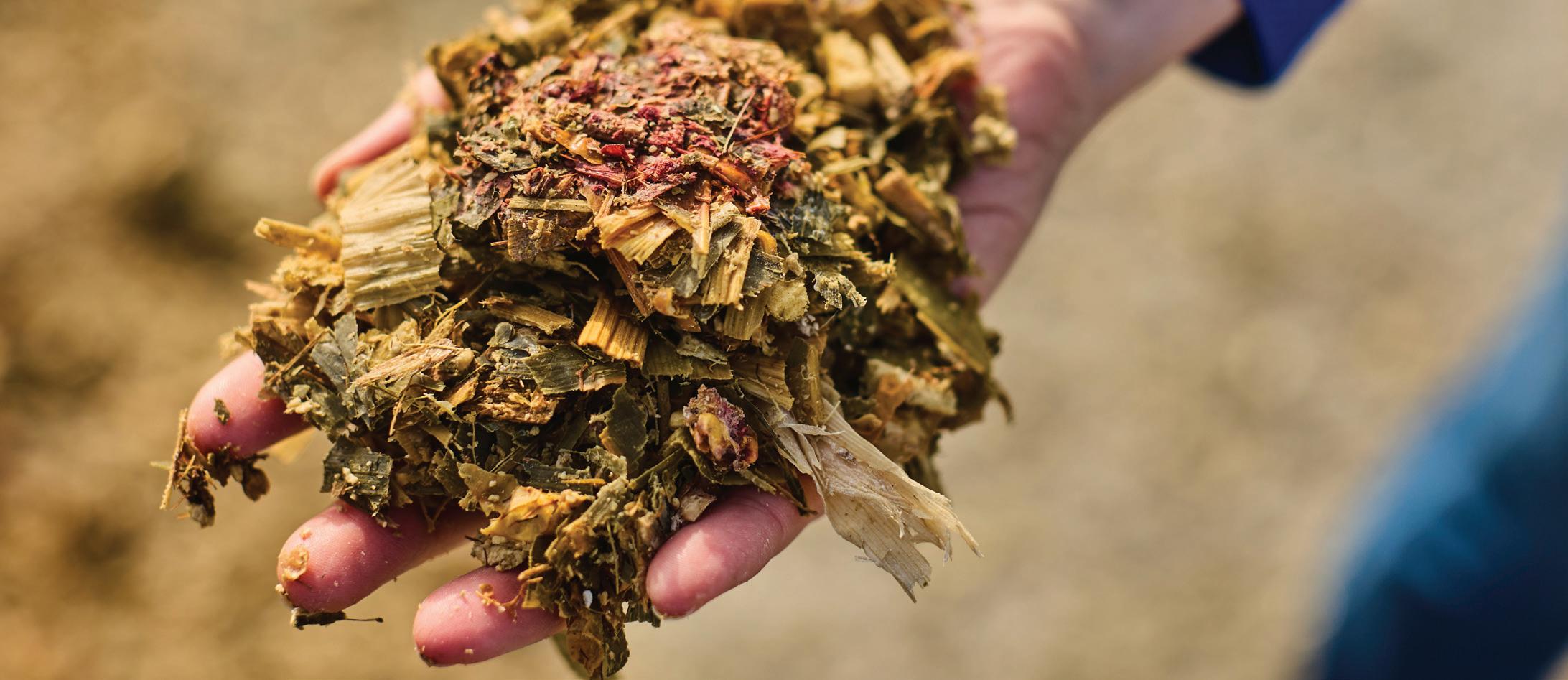
The mycotoxin assay summaries presented in Table 1 and 2 and Figures 1 and 2 for the 517 corn silage and 558 TMR samples collected between October 1, 2025 and April 30, 2026 indicate a high number of samples contaminated by two to four mycotoxins. The frequency of multiple mycotoxin-contaminated samples and the compounding effects supports the regular sampling of feed ingredients and diets, as well as the adaption of time-proven and researchverified mycotoxin mitigation protection.
Corn silage samples continue exhibiting the familiar pattern of high-risk DON contamination and medium-risk zearalenone (ZEA) levels observed in recent years. However, elevated fumonisin (FUM) levels are being detected. Samples from Maryland, North Carolina, Pennsylvania, and Virginia exhibited high-risk levels of FUM, while an additional five Midwestern states reported medium-risk FUM contamination.
The TMR contamination levels of DON were in the high-risk category for eight states and 11 states were at a high- or medium-risk level of ZEA. As expected from the corn silage FUM results, 14 states assayed low- and medium-risk levels of FUM in the TMR. More importantly than evaluating individual mycotoxin levels is to note that 11 states submitted TMR samples testing at medium- or high-risk levels for two or three mycotoxins, and Pennsylvania and Virginia assayed medium- or high-risk contamination levels for four mycotoxins.
The presence of multiple mycotoxins exacerbates the digestive, immune, and reproductive insults of the individual mycotoxins and necessitates a proven mycotoxin mitigation program. For example, DON disrupts digestive function, ZEA reduces reproductive success by imitating estrogen, FUM accelerates leaky gut and reduces liver function, and finally T-2 earns the “assassin” nickname by killing high-turnover gut and immune cells.
The production response observed in high-producing dairy cows supplemented with DTX™ in Roth et al. (2024a,b) occurred when diets tested at high-risk DON levels and medium-risk ZEA levels. Dairy nutritionists and producers are observing very good milk production and reproductive success outcomes when feeding DTX consuming diets with multiple mycotoxins at medium- and high-risk levels. Contact your Agrarian Solutions representative for advice on developing a mycotoxin testing program and utilizing DTX in your clients’ herds.
ppb (parts per billion)
ppb (parts per billion)
ppm (parts per million)

June 3 – 4 2026
For dairy nutritionists and advisors focused on transition cow success. Join Agrarian’s sponsored Thursday breakfast to hear Simon Guillaume of Phytosynthese share ideas to improve intake, health, and performance in early lactation.
Sept. 29 – Oct. 2 2026
Oct. 20 – 22 2026
For anyone in the dairy industry who is looking to connect and learn what’s working on dairies. Agrarian team members will be on-site. Connect with us to talk through solutions that support herd performance and profitability.
La Crosse, WI Larry
Cornell Nutrition Conference
For nutritionists and industry leaders focused on advancing dairy nutrition. Meet with Agrarian on-site to explore practical approaches to today’s feeding and management challenges.

Ph.D., PAS, Vice President of Nutrition
Madison, WI Chad Christensen Dan Hoying




Over the past several months on Ruminate This, a pattern has continued to show, one that’s worth paying attention to: most performance issues in dairies don’t come from the big, obvious problems. They’re coming from the things that are easy to overlook… or easy to tolerate. That might sound simple, but it challenges a generally common instinct in our industry, to look for the one major lever, the silver bullet, the big fix that moves everything at once. In reality, that’s rarely where the opportunity is.
Take forage quality.
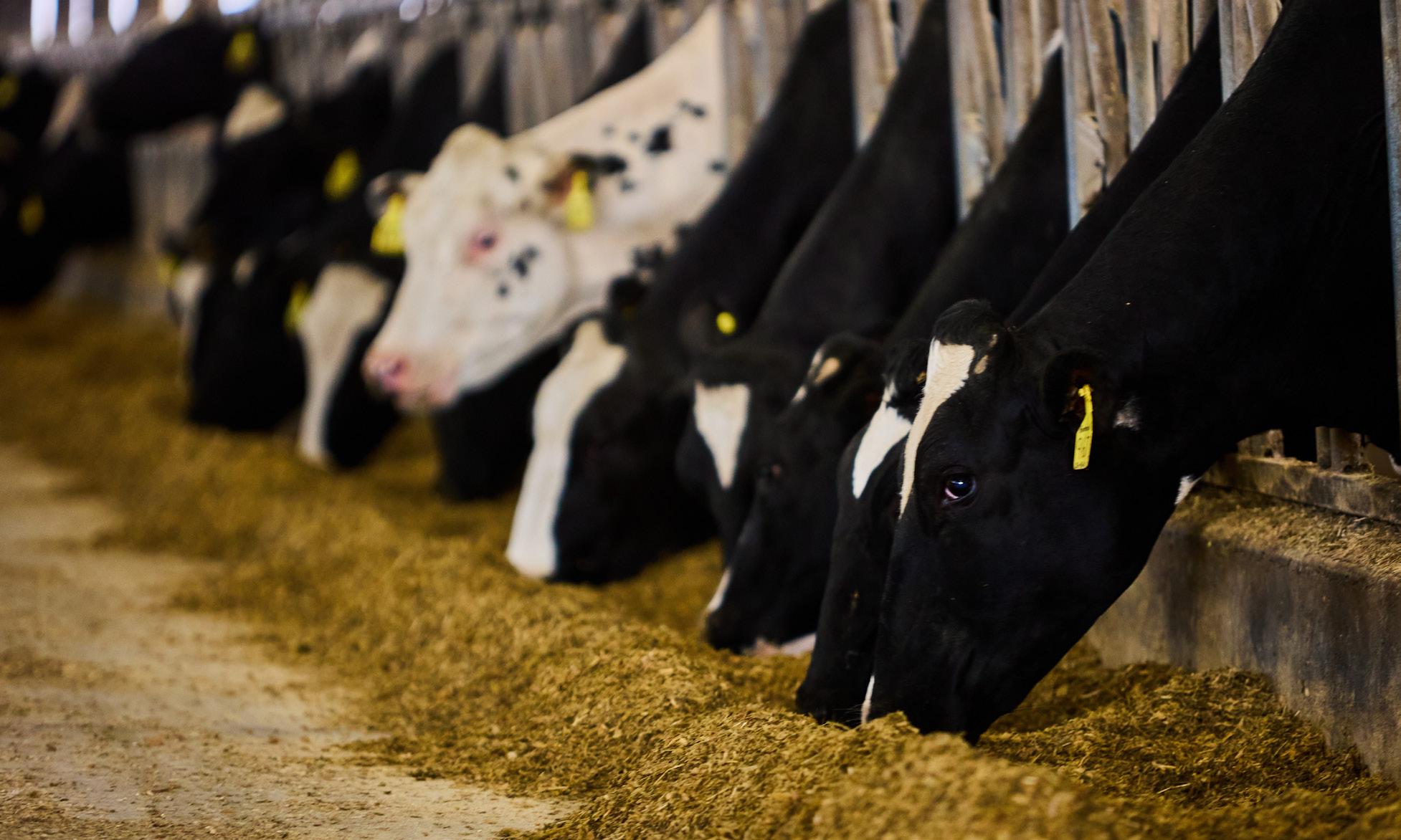
Everyone knows it matters. But knowing it matters and managing it with precision are two vastly different things. Small swings in dry matter, digestibility, or feed out consistency don’t always feel urgent in the moment. Cows don’t crash. The tank doesn’t suddenly drop off a cliff. But those small inconsistencies show up somewhere, usually in intakes, efficiency, and cost per hundredweight. And over time, that’s where real money is made or lost.
Dive deeper in episodes 70 & 71.
Mycotoxins follow a similar pattern, just harder to see.
In many herds, there’s no obvious red flag. Cows look fine. Nothing jumps out as “broken.” But performance starts to soften, maybe intakes aren’t quite where they should be, maybe reproduction isn’t as tight, maybe health issues creep in just enough to be frustrating but not enough to trigger a full investigation. And when multiple mycotoxins are present, those effects don’t just stack; they interact. Which makes the situation even harder to diagnose if you’re only reacting to what’s visible.
Listen to episodes 64 - 68 to learn more.
Then there’s reproduction.
We’ve seen real progress in cow fertility across the industry. But when heifers aren’t keeping pace, it raises a different kind of question. Not “what’s wrong?” but “what are we missing?” Because gaps like that usually aren’t random. They’re a signal that something in development, nutrition, or management consistency isn’t lining up the way it needs to. And that word, “consistency”, might be the thread that ties all this together. Most dairies don’t fail because they don’t know what to do. They struggle because what should
be happening isn’t happening the same way every day –protocols drift, details are missed, and communication breaks down just enough to create variation. That variation, over time, becomes performance drag. None of this is dramatic. That’s the point. It’s subtle. It’s steady. And it’s expensive.
Hear more on episode 69.
Performance drag is rarely dramatic. It’s subtle, steady, expensive.
If there’s one takeaway from these recent conversations, it’s this:
The biggest opportunities in dairy right now aren’t always about doing something new. They’re about tightening up what’s already in place. Because in most cases, the difference between average and highperforming herds isn’t one big decision. It’s how well the small ones are managed every single day.
Catch all episodes of Ruminate This on your favorite podcast platform.
Have a question, comment, or topic you’d like us to cover?
Reach out anytime at podcast@agrsol.com





Larry Roth, Ph.D., PAS, Vice President of Nutrition

Caroline Knoblock, MSc, Director of Nutrition

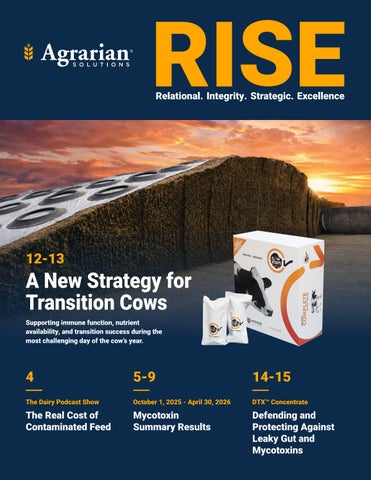
Supporting immune function, nutrient availability, and transition success during the most challenging day of the cow’s year.
Agrarian Solutions’ philosophy is to design products to defend and protect the animal against disease and inflammation, hence our tagline of “Defend and Protect for a Lifetime”. The day the cow calves is the most challenging day of her year due to the extreme physiological and psychological challenges experienced. The cow transitions from a pregnant, non-lactating state to a not-pregnant, lactating status coping with the inherent inflammation. The healing process, or resolving inflammation, is a normal part of the calving and healing process, can be exacerbated by many different environmental factors.
The mammary gland starts producing milk, opening the teat ends to potential pathogen exposure several times a day. The diet changes from a high-forage diet to a low-forage ration altering gut bacteria and pH. Heat stress or feed hygiene issues like mycotoxins can add additional stress to the gut. And importantly, but often overlooked, the
uterus must heal itself from calving and defend against pathogen infiltration to prevent infection.
The immune system oversees all these events. The good news is the immune system is effective at protecting itself and resolving inflammation quickly, but it also has a high nutrient requirement. Research indicates that a cow’s dry matter intake can decrease 30% in the week before calving, consequently, the immune system may not have the needed nutrient resources to resolve inflammation quickly and prevent infection. There are a few things we can do to support cows during this time: 1) support feed intake and 2) provide key micro-nutrients that she may not be eating. A combination of management and key product usage will help dairy cows calve successfully, resolve inflammation quickly, and become productive cows increasing intake quickly, making milk, and getting and staying pregnant.
“
The immune system may not have the needed nutrient resources to resolve inflammation quickly and prevent infection.”
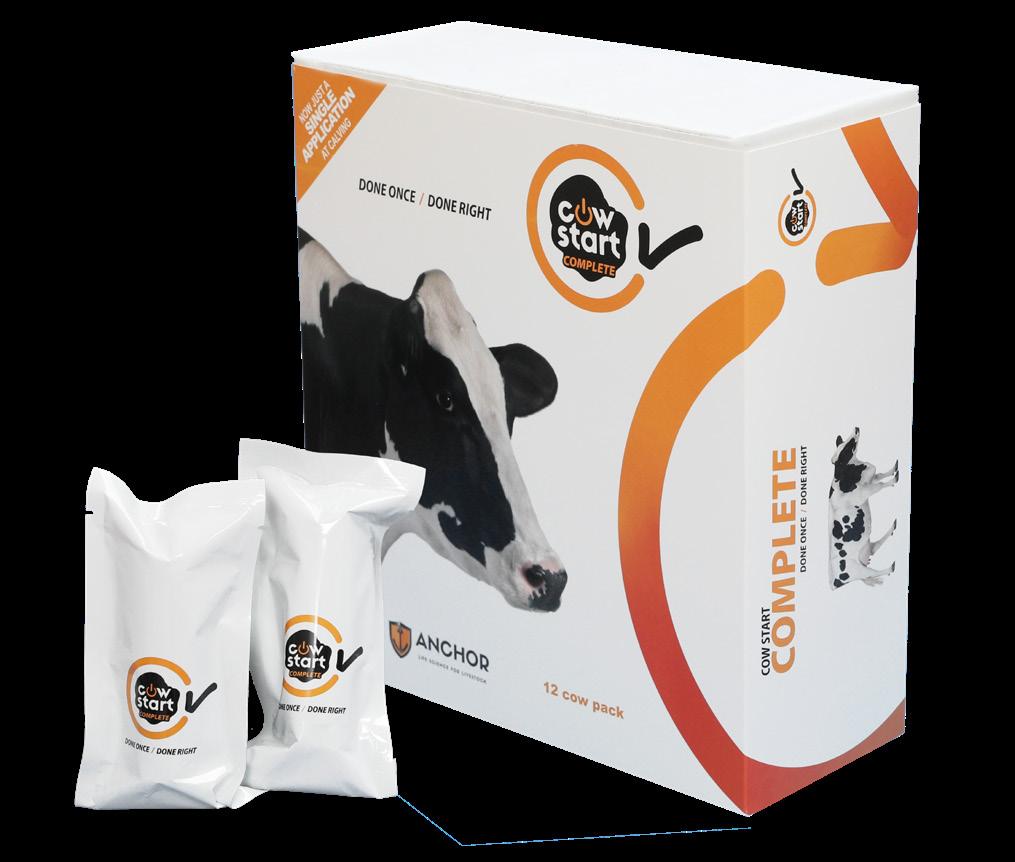
The newest product at Agrarian Solutions is the Cow Start™ Complete transition cow bolus. Given immediately after calving, this bolus provides the calcium, magnesium, antioxidants, and other microminerals the immune system needs to work efficiently and effectively. The well-supplied immune system quickly responds to resolve inflammation and protect the cow. This transition bolus replaces traditional calcium boluses by going beyond being simply a calcium source. Due to the unique formulation and physical form, the two Cow Start Complete boluses, given at calving, dissolve slowly over 48 hours to release key nutrients into the rumen. The rapidly released calcium from traditional calcium boluses passes from the digestive tract when it cannot be absorbed.
Depending on the traditional calcium bolus a farm uses, pre-fresh diet strategies need to be adjusted to prevent issues from physiological overacidification. Cow Start Complete complements any pre-fresh dietary strategy, allowing the nutritionist to formulate the optimal diet for that operation. When using a zeolite or phosphorus binder before calving farms may see additional benefits from Cow Start Complete. The mineral binders used in the pre-fresh ration may bind some beneficial nutrients as well, especially magnesium. Cow Start Complete contains a large of amount of rumen absorbable magnesium.
Cow Start Complete is verified by five peerreviewed research studies, almost a year’s worth of US experience, and US on-farm demonstration data. Dairy farms that switch to Cow Start Complete overwhelmingly stay on the product and report healthier cows after calving, less labor needed than with traditional calcium products or to treat cows and improved first service reproduction due to a healthier calving transition.
If you notice Cow Start Complete on the shelves at the farms you work with, be assured it is a wellresearched product that will complement your nutrition program to accomplish transition cow program goals: 1) maintain feed intake and 2) provide the nutrition the cow needs in the critical first week. Contact your Agrarian representative with any questions about the product and how it can complement your nutrition on the farms you work with.
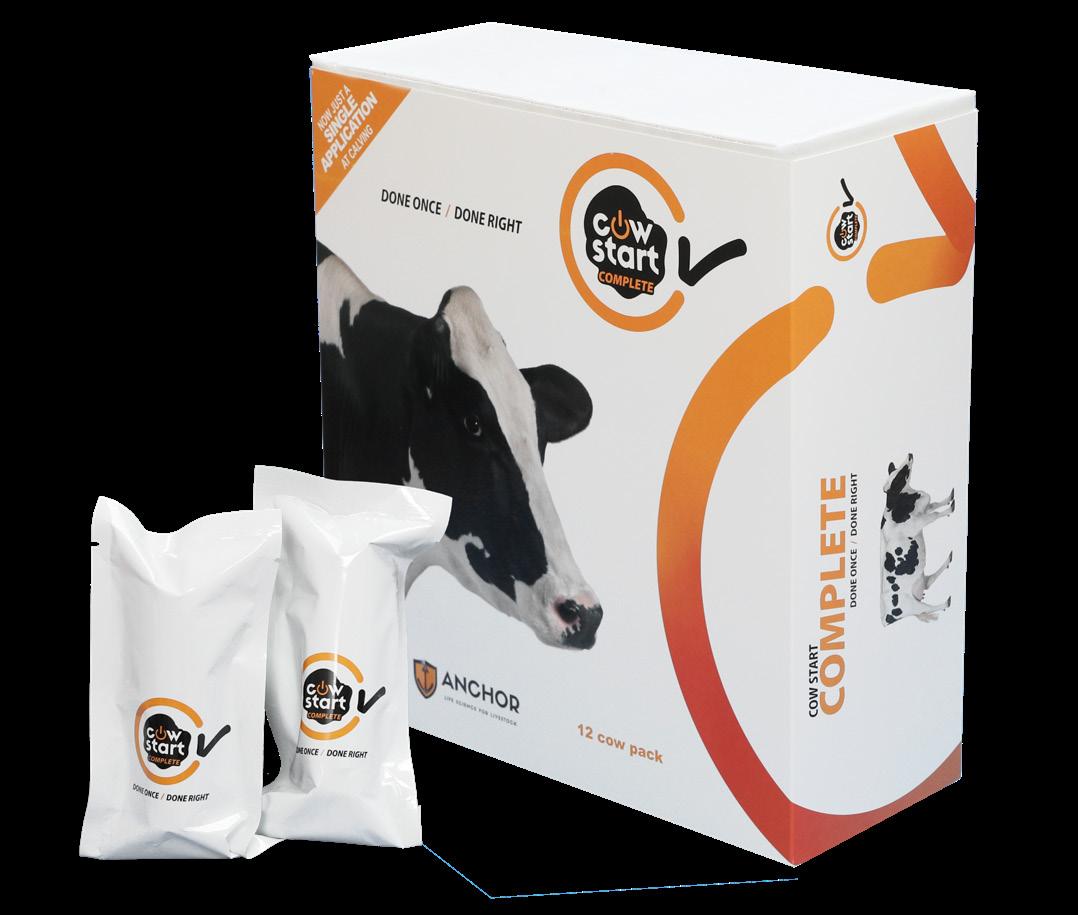
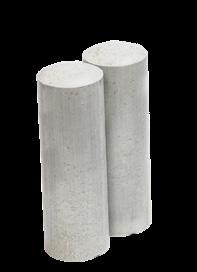
Two boluses deliver steady nutrition when cows need it most.
Slow, steady release over 48 hours optimizes absorption and supports immune function during the critical transition period.


Less labor needed compared to traditional calcium products or treating cows

Improved first service reproduction due to a healthier transition

Faster intake recovery and improved overall productivity
Larry Roth, Ph.D., PAS, Vice President of Nutrition
Caroline Knoblock, MSc, Director of Nutrition
The digestive tract lining can be likened to a castle wall serving as the first line of defense between the outside world’s pathogens, mycotoxins, and digesta and the animal’s body (Figure 1) Several key components make up the gut lining to keep the digestive tract healthy; however, this article’s focus is on the lining’s epithelial cells and the tight junction proteins holding the cells closely together.
The small and large intestine linings are singular cell layers separating the digesta contents and the bloodstream. The epithelial cell layer is responsible for absorbing nutrients and keeping pathogens in the digestive tract and out of the body. The intestinal mucous layer is a chemical barrier protecting against pathogens. The physical barrier at the intestinal lining consists primarily of two parts: the digestive tract lining cells themselves and the tight junction proteins tightly holding the cells together.
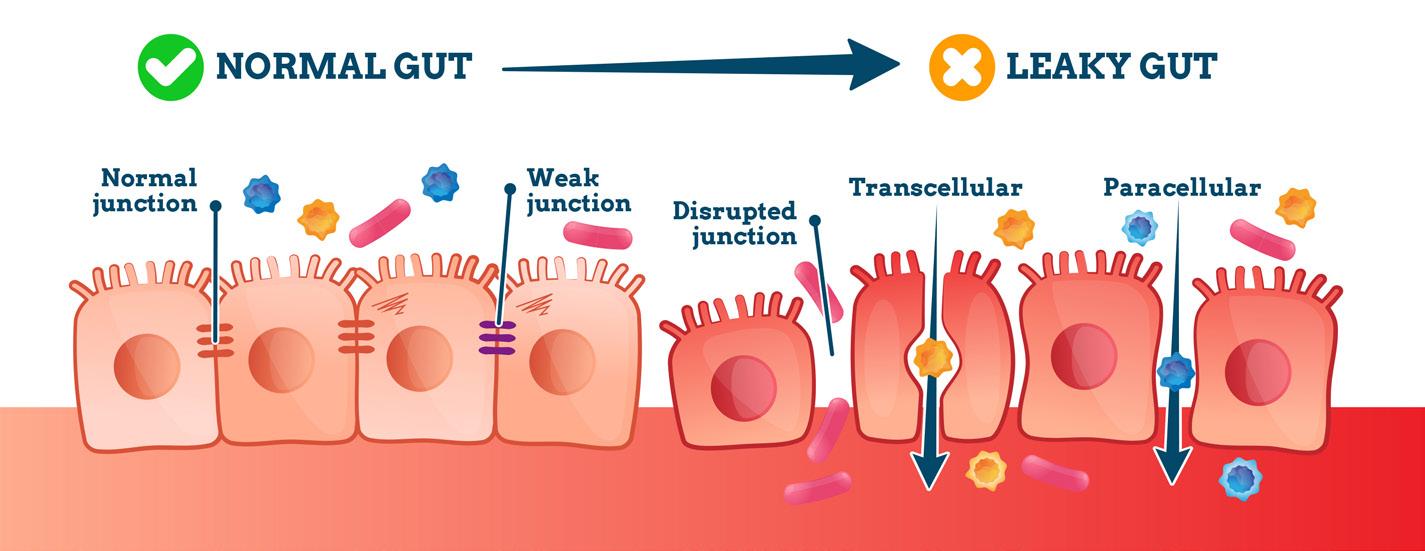
Unfortunately, destruction of the individual digestive tract lining cells creates holes in the castle wall. Tight junctions may fail to renew themselves, thereby creating a gap between digestive tract lining cells. Either failure of the physical barrier leaves a way for mycotoxins, pathogens, and digesta to enter the bloodstream for distribution throughout the body.
• Decreased feed intake
• Reduced water intake
• Decreased blood flow to digestive tract
• Shrinkage of gut cells
• Tight junction stretch and fail
The digestive tract lining can be likened to a castle wall serving as the first line of defense.”
During heat stress, high-producing dairy cows naturally reduce feed intake which reduces the heat load of digestion. Increasing the blood flow to the skin dissipates heat, which decreases blood flow to the digestive tract and reproductive system. Reducing water intake and decreasing blood flow to the digestive tract results in the shrinking of the cells lining the gut, thereby stretching the tight junctions attempting to connect the gut lining cells. Consequently, the physical barrier created by the linked tight junctions fails. The shrunken cells are also weaker and more susceptible to damage and cell death.
• DON and T2/HT2 are potent cell killers
• Disrupt protein synthesis
• Prevent renewal of tight junction proteins
• Lead to cell death and holes in the gut wall
• Leaky gut allows toxins, pathogens & digesta into bloodstream
• Inflammation increases nutrient demands
• Fewer nutrients available for production & reproduction
Mycotoxins, especially DON and T2/HT2, are specialists at disrupting the castle wall of the digestive tract. They are potent digestive tract cell killers and tight junction disruptors. Their main action is to turn off protein synthesis, stopping the renewal of tight junction proteins and leading to broken junctions between cells. Within the cell, shutting down protein synthesis quickly leads to cell death and a loss of the digestive tract cell, thus creating a hole in the castle wall.
The simultaneous occurrence of heat stress and mycotoxins creates a cascade of havoc for animals by decreasing feed intake, leaving fewer nutrients available for normal functions, and resolving the inflammation associated with digestive tract damage, which eventually results in fewer nutrients available for milk production and reproduction. During hot weather, this challenge may intensify because poorly and improperly stored feeds are at risk of mold growth, increasing the risk of mycotoxin production in storage.
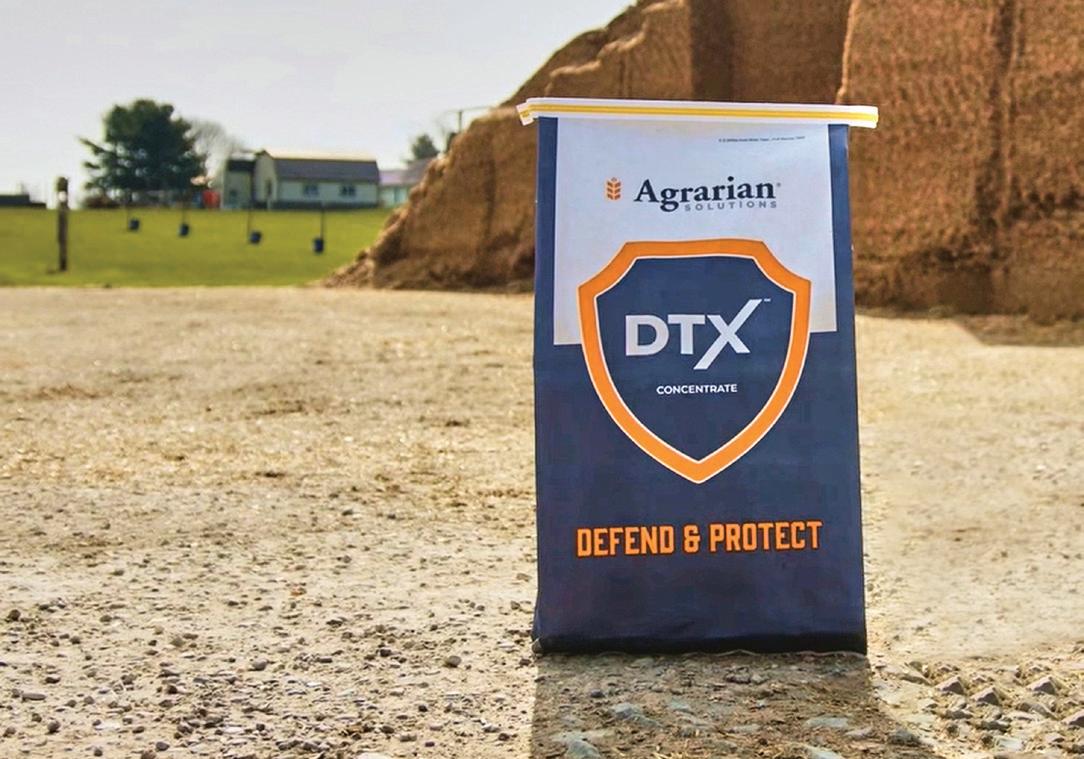
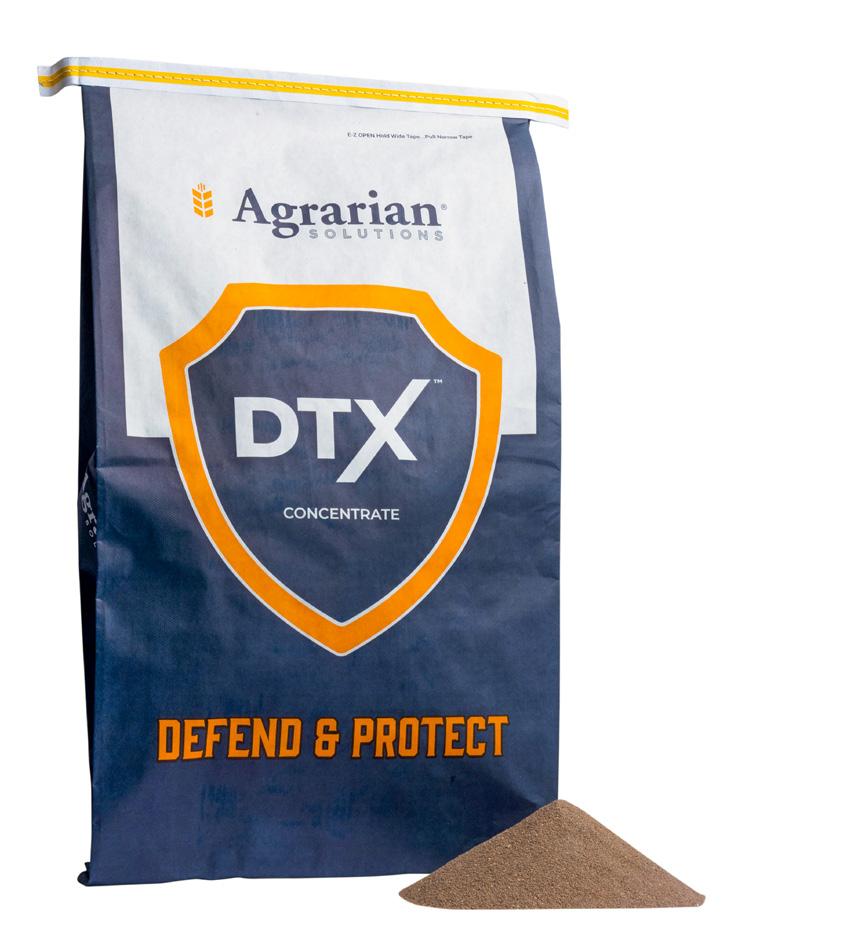
DTX™ Concentrate is specifically designed to protect the digestive tract during stressful situations such as summer heat stress and mycotoxin contamination. Agrarian’s proprietary bacteria technology upregulates the natural defenses of the digestive tract cells, enabling the protection from damage. The plant phytogenics curcumin and naringin work together to support tight junction protein renewal for protecting the tight junctions from damage. The combination of microbial and phytogenic technologies protects cows from digestive tract disruption, thus reducing inflammation and the associated nutrient costs. Consequently, nutrients can be allocated to productive purposes making milk, getting, and staying pregnant.
There are many factors contributing to poor summer performance in dairy cows. Supplementing DTX Concentrate removes mycotoxins from the list of challenges and better enables cows to achieve their genetic potential.
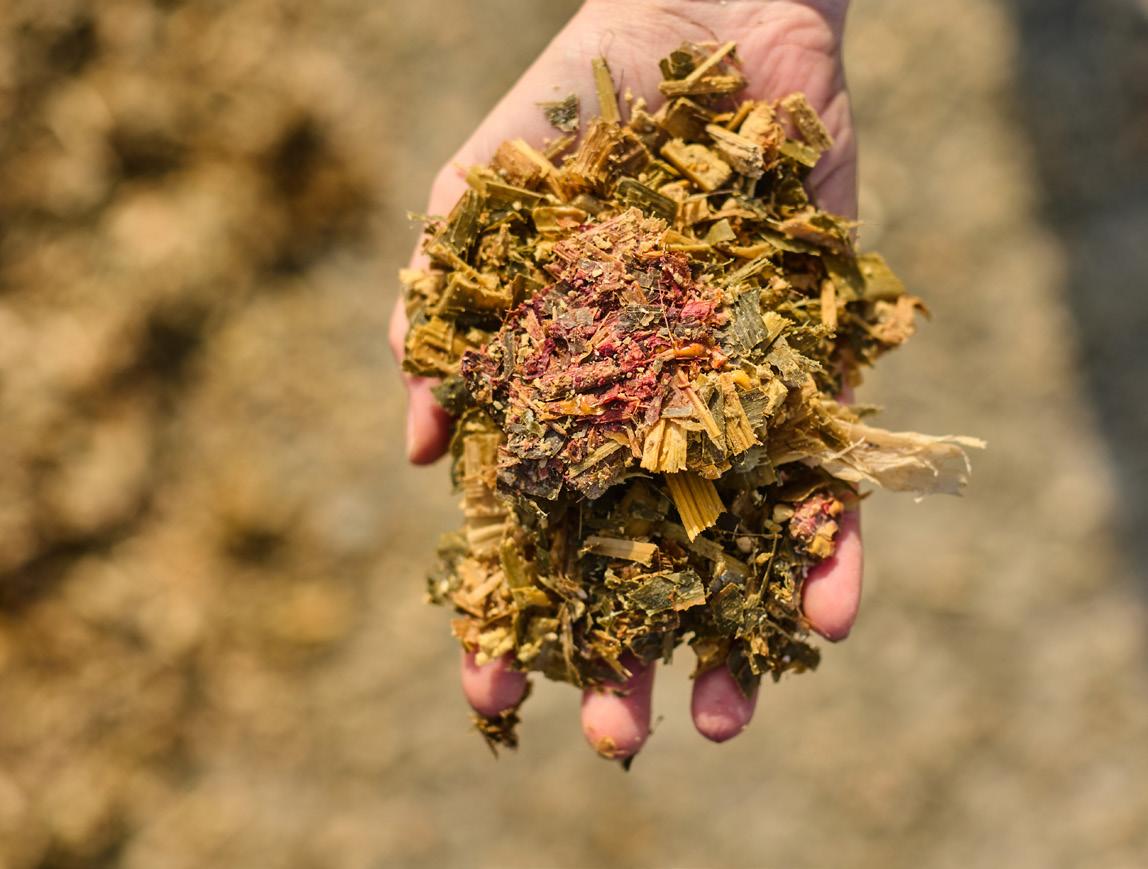
Improperly stored feeds are at risk of mold growth and mycotoxin production.
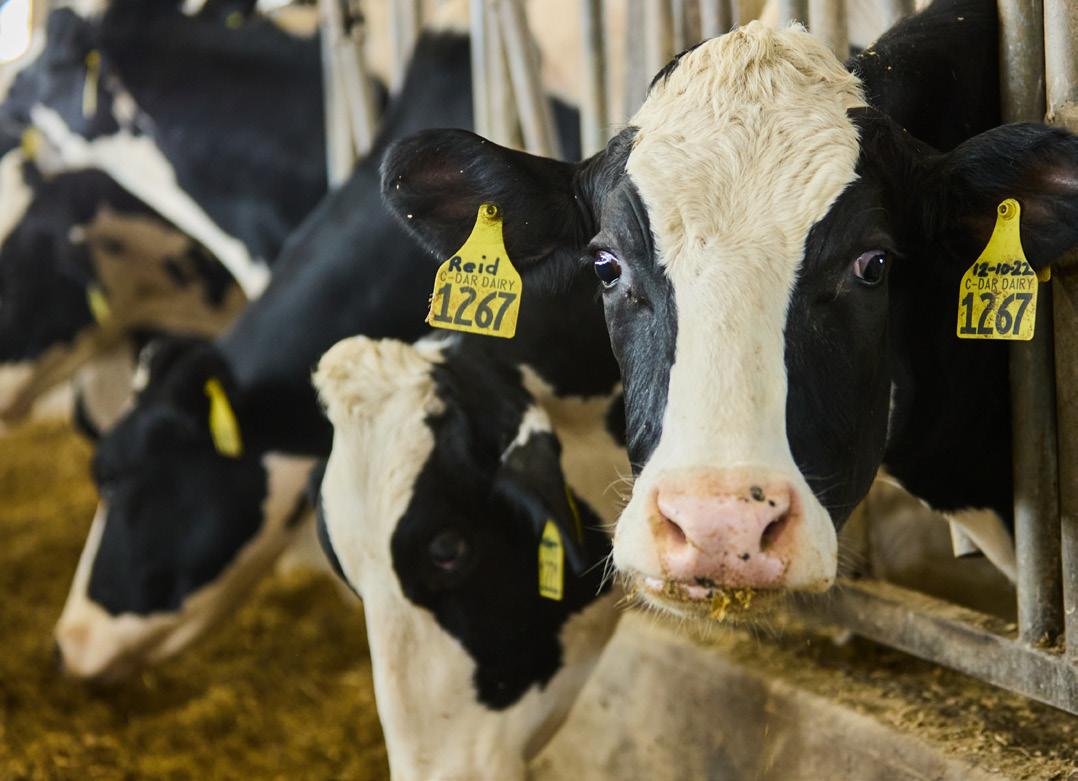
Protecting gut integrity helps cows stay productive even when challenges stack up.
DTX™ Concentrate is specifically designed to protect the digestive tract during stressful situations such as summer heat stress and mycotoxin contamination.
Fewer challenges. Stronger Defenses. Better performance. DTX Concentrate helps cows achieve their genetic potential.
Scan to learn more about DTX Concentrate