
Care Home Guide: Living in
a Care Home
Who we are
Age Scotland is the Scottish charity for older people. We work to improve the lives of everyone over the age of 50 and promote their rights and interests.
Our vision is a Scotland which is the best place in the world to grow older.
Our mission is to inspire, involve and empower older people in Scotland, and influence others, so that people enjoy better later lives.
We have three strategic aims:
We help older people to be as well as they can be
We promote a positive view of ageing and later life
We tackle loneliness and isolation
How we can help
We know that growing older doesn’t come with a manual. Later life can bring changes and opportunities to your life and you may need to know about rights, organisations and services which are unfamiliar to you.
That’s why we provide free information and advice to help you on a range of topics including benefits and entitlements, social care, legal issues such as Power of Attorney, housing and much more. All of our guides are available to download for free from our website, or you can contact our helpline team to have copies posted to you for free.
Our helpline is a free, confidential phone service for older people, their carers and families in Scotland looking for information and advice.
Later life can bring times when you just need someone to talk to. Our friendship line is part of our wider helpline and older people can call us for a chat. We’re here to listen, provide friendship and offer support.
Introduction
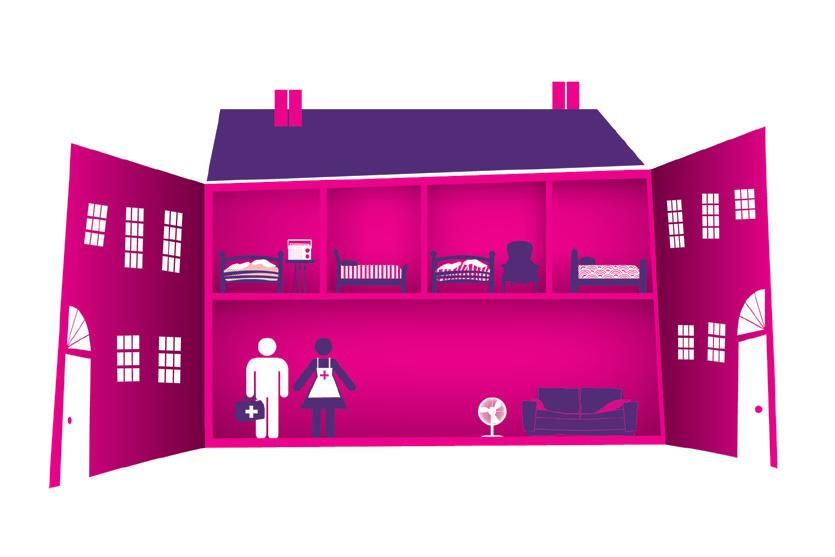
This guide is for anyone considering moving into a care home, or already living in one. Moving to a care home is an option some of us may need or want to consider as we get older. Your move may be carefully planned, or it might happen more quickly due to an accident or illness causing you to need more support. In either case, it is important you know what to expect, and have the information you need to play a full and active role in making decisions about your care.
Moving to a care home can bring with it a number of considerations, from how to pay for care to choosing which care home you want to live in. It is also important to think about your health and wellbeing once you move and what life will be like when you are there.
This guide aims to provide information on living in a care home and your rights as a care home resident. Although each care home is different, it outlines what you can generally expect from a good care home, and what to do if there is a problem.
The information in this guide may not apply to everyone. For example, it may not be relevant if the person moving into a care home lacks the mental capacity to make certain decisions. If you would like advice about your particular situation, call the Age Scotland helpline on 0800 12 44 222.
Age Scotland produces a separate guide specifically for relatives and friends of people moving into residential care: Care Home Guide: Friends and Family.


Care Home Guide: Friends and Family
Types of care home
A care home is a place where people can live in a homely setting and have their needs met by trained staff. All care homes can offer help with personal care, such as washing, dressing and managing medication. Some have trained nurses on duty 24 hours a day, and specialist equipment for people with ongoing medical needs. Others provide specialist care and support for a specific care need, such as dementia.
Care home staff are trained to care for people in accordance with the Health and Social Care Standards – a set of delivery guidelines that care providers in Scotland are expected to achieve. Care homes can be owned and run by local councils, private companies or voluntary organisations. In Scotland, all care homes are required by law to register with the Care Inspectorate.
The Care Inspectorate
The Care Inspectorate is an independent body responsible for ensuring that people receive high-quality care, and that services promote and protect their users’ rights. It regulates and inspects care homes to make sure they meet the correct standards. Where necessary, it can make and enforce recommendations for improvements.
The Care Inspectorate grades the quality of care homes during its inspections and produces reports that are available for the public to view at www.careinspectorate.scot. It can also investigate complaints it receives about care services. For more information about this see page 30.
move Preparing for the
Help and advice from the council
If you think you would like to move into a care home, the first step is to contact your council’s social work department. They can:
• carry out a care needs assessment to see if a care home is the best option for you - this is the first step to seeing if you are entitled to financial help
• carry out a financial assessment - in Scotland, personal care and nursing care are free if you have been assessed as needing them, but you may also be entitled to means-tested help with your other care costs, either in a care home or your own home
• help you find a suitable care home if needed - the local council has a responsibility to find a suitable place for anyone it has assessed as needing care in a care home
Having a care needs assessment is important even if you will be paying for your own care to begin with. If your circumstances change, you can only receive financial help if a care needs assessment has shown that you need care. For more information, see Age Scotland’s Care Home Guide: Funding.
Making a decision
If you do need support to live safely and comfortably, you have the right to decide how you receive this support, as long as you have the mental capacity to do so. You cannot be forced to move into residential care if you choose not to.
If you do wish to remain in your own home, your council should consider all options to support this. However, if following a full assessment the council believes it can only reasonably meet your needs in residential care, it may not cover the full cost of your care if you choose to remain in your home.
It is a good idea to discuss your options with the social work team and trusted family and friends. It is also a good idea to visit any care homes you are considering. Visiting will allow you to look at the accommodation, meet the staff and other residents, and generally get a feel for the place.
It can be useful to take a friend or family member along with you to help you reach a decision. Age Scotland’s Care Home Checklist provides questions you may like to ask when you visit a care home, with space for your comments. It may be useful to go through these questions before any visits so you can pick out the ones that are most important to you.
You do not need to let a care home know you are coming to visit. However, you may prefer to make an appointment so staff can be available to show you around and answer questions.
You can visit a care home more than once if you feel this will give you a better impression of what it is like, or if you have more questions to ask. You may also be able to pay for a short stay at the care home as a trial period. Some homes require you to have a trial period before you move in.
Gathering information
Any care home you are thinking of moving to should provide you with an introductory pack. It should be up to date and in a format that you can easily understand. It should tell you about:
• the care home’s charges and the services that are included, for example, personal care, accommodation, food and nursing care
• extras such as hairdressing and trips out, and how much these will cost
• the moving-in process
• the number of rooms in the care home
• the rules about visiting times
• the complaints procedure
• the most recent inspection report from the Care Inspectorate
• the rights and responsibilities of residents
• policies for managing risk and procedures for dealing with, recording and reporting accidents and incidents.
If you will be paying for your own care
You should be told what will happen in the future if your savings run out. Council funding will only cover care home fees up to the standard rate. If you choose a care home that charges more than the standard rate, you may need to move to a less expensive room or even a different care home if nobody can help you pay the extra.
Easing the transition
If you are unfamiliar with care homes, it can be difficult to decide whether moving to a care home is the right decision for you.
Care homes are often portrayed in the media as negative places to live, which can lead to concerns. However, it is important to remember that there are many excellent care homes. They can be a positive option, providing compassionate care from trained staff, companionship, activities, and relief from the worries of day-today life. Moving home can of course be stressful, but with the right planning and support, a move to a care home can help to maintain or even improve your quality of life.
Settling in
It can take time to adapt to the new environment and living with new people. The staff should support you closely as you settle in and should try and make you feel as comfortable as possible.
There should be a named member of staff, sometimes called your key worker, to be your first point of contact for any worries you may have. You should feel able to raise any concerns you have in confidence and should not be judged or treated any differently for doing so.
Your personal plan
When you first arrive, you will be asked about your needs and preferences. This information will be used to create your personal plan, or care plan. This will be made available to all members of staff, so they know how to meet your needs.
Your plan should cover your health and care needs, any communication needs, what you like to be called, your dietary needs and preferences, and your social, cultural and spiritual interests. It should be reviewed and updated any time your health or care needs change, and at least once every 6 months. The home should give you a copy of your personal plan if you would like one.
The care home environment
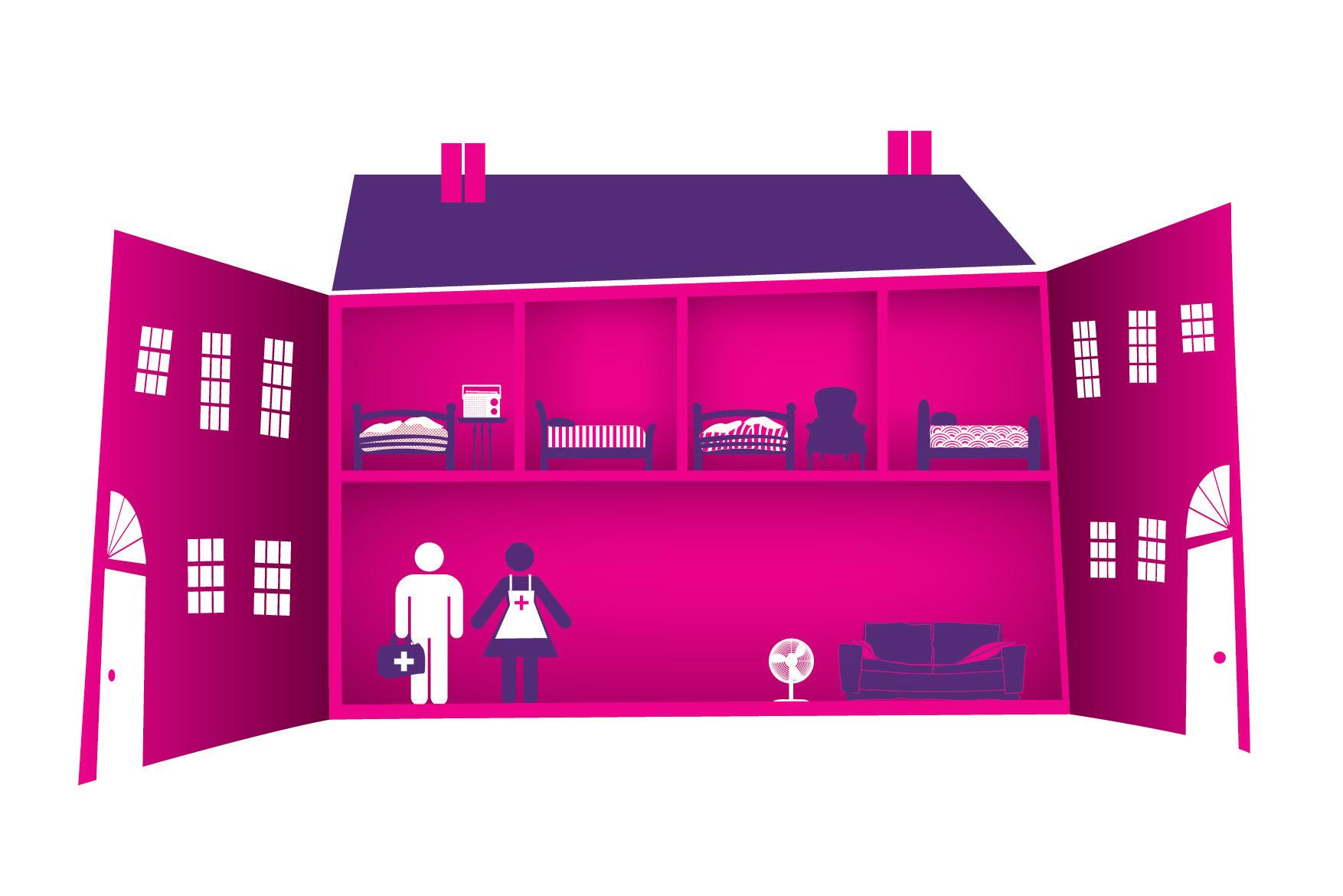
Sometimes it is forgotten that care homes are people’s homes and not hospitals or hotels. You should feel comfortable and free to exercise choice in your day-to-day life, just as you would in your own home.
There should be a warm and welcoming atmosphere and you should feel safe and well respected. There are rules and guidelines set by the Health and Social Care Standards and the Care Inspectorate that should ensure this is the case.
Rooms
Bedrooms in care homes will vary in size but there must be at least 10.25 square metres of usable floor space, or 12.5 for new build care homes. You should be able to control the heating, lighting and ventilation of your room.
The Health and Social Care Standards say that you should be able to have your own private bedroom in a care home. This means you should not be made to share a room, unless you and the other occupant have specifically asked to.
Staff should always knock or announce themselves if they are coming into your room. You should be able to lock your bedroom door and any toilet doors, although staff will need to be able to unlock them in case of an emergency.
Some care homes attach front door knockers to residents’ doors. This reminds staff and visitors that this is the resident’s home, and it is polite to wait to be invited in. Different arrangements may be agreed if you have a hearing impairment, or if you have a health condition that means you are at risk of falling.
Communal spaces
The design and layout of the care home is important, particularly for people with sight loss or dementia. The home and all its furnishings should be well-maintained and in good decorative order, with clear signs for toilets and other facilities.
You should be able to move around easily in the home, and the grounds or outside space. The home should be well-lit and free from any tripping hazards. There should be places in addition to your own room where you can relax and look out of the window. If there is a TV in the communal lounge, there should also be a space away from it where you can sit in peace.
Care homes often have locks on the external doors for the safety of residents. There may sometimes be legal or safety reasons that you will need to stay inside. Your care plan may also say that you need someone to go with you if you want to go out, to make sure you stay safe. Otherwise, you should be able to come and go from the care home as you please.
Staff
Care homes must always have the right number of trained staff on duty. They should have the right combination of skills to meet the care and support needs of you and the other residents. Staff should always treat you with dignity and respect and communicate with you in ways you can clearly understand. They should explain any personal or medical care they are providing before starting it.
The atmosphere of a care home should be one of support and enablement. The staff should take the time to get to know you and build up a picture of your life. They should see you as an individual and focus on what you can do, not what you can’t do. You should be encouraged to do anything you are safe and happy to do on your own, even if it takes much longer than it would for a carer to do it for you.
Keeping in touch
If you live in a care home, you should be supported to stay in touch with the people you are close to. This is according to Anne’s law, proposed Scottish legislation to ensure that people who live in care homes have the right to spend time with those who are important to them.
Visitors, including children, should always be made to feel welcome. There should be a private space where you can host them if you would like. Visitors are sometimes allowed to come in and find you themselves. If you prefer, you can ask staff to come and tell you a visitor has arrived.
Some care homes encourage visitors to join in with meals or activities. This can be a great way to spend time with the people you are close to.
If you do not have a phone line in your room, the care home should make sure you can make and receive phone calls in privacy and comfort. Some care homes have a main phone line with a portable handset that you can take with you into your room.
For many people, the internet is an important tool for staying connected with the world. Not all care homes offer internet access. Check this before you move if it is important to you. You may want access to emails, social networking sites or be able to make video calls. Video calls can be particularly important for people who use sign language.
Any letters or parcels you receive should be given to you unopened. You should also be able to send post when you want to.
Privacy and dignity
Your privacy and dignity should be respected at all times, particularly when personal and medical care is being carried out. Staff should never discuss confidential information in public places, and your personal records should be kept safe, away from public view. This information should only be shared with with your consent. You should be allowed to see your GP, or any other healthcare professional, in private. You should also have the choice of bringing along a friend, family member or carer if you would like to.
The same goes for any legal or financial advisors that you may be meeting. Unless you have been assessed as not having capacity to manage your own financial affairs, you should have full control of your money and belongings.
Staff should get your consent before going into your room or moving your possessions. You should have a lockable space in your room for your personal belongings and valuables.
Independence, personal routine and identity
Many people fear losing their independence when they move into a care home, but everyone in a care home should be treated as an individual. You should be given choice and control over how you live and the care you receive. Residents and their families must have the opportunity to be as involved in the decisions that affect them as they wish.
Maintaining your personal identity in a care home is important for your quality of life. Throughout your life you gain a wealth of skills and knowledge, and contributing these to care home life can benefit you, the staff and other residents. Whatever your interests, you should be supported to maintain them. This can help you to stay motivated and happy, and to retain your sense of identity.
Keeping up simple habits, maintaining routines and having choice about how you live can contribute to good mental well-being. You should have the freedom to decide when you get up and go to bed, when to have a shower or a bath, and when and where to eat.
You should be able to choose how you spend your days and whether you join in any events, social activities or entertainment offered by the care home. You can ask staff for support if you would like to take part but need help to do so.
Care home staff should ask how you prefer your personal care to be carried out. An example of this is shaving: if you have always had a wet shave, let the staff know that this is what you would like. They should do their best to help you maintain your usual routine.
Clothing can be an important part of our identity. Some care homes may ask you to wear clothes that are simple to take on and off. This often means jogging bottoms and t-shirts. However, you should not have to wear these if this goes against your usual style.
It is a good idea to label all your clothes to help prevent losses or mix-ups in the laundry.
Social, cultural and religious beliefs and ways of life
It is against your human rights to be discriminated against in any way because of your age, gender, gender reassignment, race, religion, disability or sexual orientation. This means you should be able to live the way you want to, without fear of being treated differently to others. This is true wherever you live.
In a care home you should be given the support you need to practise any beliefs you have and to keep in touch with your community. This includes supporting you to attend places of worship or religious events outside the care home, where possible. Staff should also respect and recognise any religious or personal holidays and support you to continue observing them.
Food and diet
Eating well is one of the best ways to remain in good health. Eating a good diet can provide enjoyment, satisfaction and structure to your day. Your diet does not need to change when you move into a care home. However, staff may check you are getting the balance of vitamins and nutrients you need to stay as healthy as you can be.
The meals you get should be varied, nutritious and appetising. You should be offered a selection of choices each mealtime, and the menu should change regularly. Options should always include fresh fruit and vegetables, and snacks and drinks should be available when you want them.
You should be offered help to eat if you need it. If you develop new problems, staff should recognise this and help to resolve the issue. Not eating enough can lead to malnutrition or dehydration, which can have serious consequences. Eating well can also be key in helping us feel comfortable and happy, so supporting you to do this is vital.
Special diets
Staff must cater for any dietary requirements and should get to know your likes and dislikes. Any special diet (such as vegetarian or coeliac) should be recorded in your personal plan, and your meals should reflect this.
If care homes state they can cater for special diets, such as kosher, halal and vegetarian, they must observe all the requirements associated with these diets. This includes the purchase, storage, preparation and cooking of the food.
Although all care homes in Scotland should cater for a range of dietary requirements, Vegetarian for Life has a directory of care homes and other organisations that specifically follow their Code of Good Practice and provide vegetarian or vegan catering. You can search the list by visiting www.vegetarianforlife.org.uk/uk-list.
Balancing risk and choice
To provide good care, staff must prioritise vital tasks, such as providing food, medication and help with personal care. However, it is important they also make time to enable you to do the things you enjoy. This may include activities that involve an element of risk.
Day-to-day life is full of risks, and you should have the freedom to choose to take some risks if you want to. Care home staff may be concerned about health and safety regulations. However, they should take a person-centred approach by assessing risk and safety on an individual basis.
Not everyone will face the same risks from a particular activity. Risk should also be balanced against the benefits to the individual. For example, perhaps you have always gone for a daily walk, and this is beneficial to your mental and physical well-being. It is important you are supported to continue this, even if there is an element of risk. There will be some limits on what care home staff are able to facilitate. They must balance the wishes of one individual with the rights and wishes of other residents. They also face the challenge of having limited capacity. However, you should feel generally supported to make choices about how you spend your time.
Keeping active
Keeping active does not just mean physical exercise. Spending time doing things that are meaningful to you is important for your overall well-being. It is never too late to reap the benefits of an active lifestyle, and age and medical conditions should not be a barrier to this.
Care homes should offer regular activities that anyone can get involved with if they would like to. This could include music, baking or art. You should also be encouraged to keep up or develop other hobbies, like reading or doing crosswords. These types of activity help to keep our minds active, which is important for quality of life.
Regular physical activity should also be built into care home life. People often wrongly assume that older people should not exercise, but it has been proven to be beneficial regardless of age, for both mental and physical health. It can help in the prevention and management of many long-term conditions such as heart disease, stroke, type 2 diabetes, cancer and obesity.
Although many people in care homes have health conditions that make it challenging to remain active, staff should support you to take part in physical activities you enjoy. This could be gardening or going for walks. Care homes should also offer some structured physical activity, such as chair-based exercises or dancing. Not everyone wants to join in with such activities, so you should be able to choose whether or not to take part.
Health and care
Care home staff should not discuss your health with anyone without your consent. You will need to ask staff if you would like a specific person to be kept informed about changes to your health. You may also like someone to be told about medical appointments you have, in case you would like them to come with you for support. You have the right to be involved in discussions and decisions about your health and care. Anyone who provides you with unpaid care should also be involved. This includes decisions about end-of-life care. Our Planning for your future healthcare guide may help with these discussions. Call the Age Scotland helpline on 0800 12 44 222 or visit www.age.scot/information.
Physical health
Most people who move into a care home have some degree of physical ill health. When you first move, you should receive a full assessment of your health and care needs. This should be reviewed at least once every 6 months.
Staff may want to speak to the people closest to you, who know what is normal for you. This will help staff to identify if you develop any new symptoms.
Physical health problems can have a big impact on your quality of life. It is important to speak up about them if you are able, so they can be treated. Staff should also be trained to make their own observations and be alert to any changes in your condition. They should closely monitor any medicines you take and any medical conditions you have.
If you become ill or begin to have new problems with your physical or mental health, staff should contact an appropriate health professional, with your agreement. Good care should also include prevention of ill health. You should be offered regular check-ups, advice on healthcare and the opportunity to discuss health concerns with your GP.
Mental health and wellbeing
Looking after your mental health is just as important as looking after your physical health. This is true wherever you live.
Mental health conditions can be common in older people who live in a care home. Staff should be trained to recognise symptoms, talk to you about them and refer you for specialist help if needed.
Early recognition, diagnosis and treatment can help prevent more serious and long-term mental health problems from developing. If you are feeling low in mood, it is important you try to talk to someone and don’t just put up with it. This could be a family member, friend, your GP or a member of the care home staff.
Having an enjoyable and fulfilling life is important for maintaining good mental health. To help protect your mental health, it is good to:
• talk to people - chatting with friends, family and staff can contribute to a feeling of connectedness. Strong personal relationships have also been shown to be important for good mental well-being.
• get out and about - fresh air and a change of scenery can benefit your mood
• do things you enjoy - maintaining skills and developing new hobbies can give you a sense of achievement and purpose
• rest and relax - getting enough sleep is important for your mental health. If you are having difficulty sleeping, talk to the care home staff. They may suggest adjustments to your routine to help you sleep, or contact your GP for advice.
For more information about mental health, see Age Scotland’s Keeping well and who can help guide.
NHS services in care homes
The NHS is responsible for providing health services to care home residents, just the same as for people living in their own homes. This is regardless of whether you are self-funding or if the local council is funding your care.
Care homes should do all they can to ensure residents have access to the health services they need, including nursing services, continence advice and aids, physiotherapy, speech and language therapy, podiatry services and health screening. If you have been receiving community healthcare services in your own home and still require them, you should be able to continue receiving these in the care home.
If you feel you are not getting enough help from NHS services or are unhappy with any services you have, the Patient Advice and Support Service offers free, accessible and confidential information and advice about NHS healthcare. You can call them on 0800 917 2127 or visit www.pass-scotland.org.uk.
GP
When you move into a care home, you should be involved in any decision about whether to remain registered with your current GP, or to transfer to a GP practice linked to the home.
If the care home you move to is outside the practice boundaries of your current GP, you may not be able to remain on their patient list. However, some GPs may be happy to continue providing medical care to a patient they know well, despite their change of location. If this is not the case, care home staff should help you to register with a new GP as quickly as possible.
Vaccinations
Seasonal flu vaccine
The flu vaccine is offered each year between October and March to people considered most vulnerable from becoming seriously ill from flu. This includes people aged 65 or over, and those of any age who have certain health conditions. Anyone living in a care home is also eligible. Your care home manager should arrange for a GP or health visitor to visit the home so everyone who wants the vaccination can receive it.
Visit www.nhsinform.scot/flu-vaccine.
Immunisation against pneumonia
If you are 65 or over, or have certain medical conditions, you are eligible for a pneumococcal vaccination. This protects against pneumonia and against meningitis caused by pneumococcal bacteria. People who are eligible may be invited to have this vaccine at any time during the year.
Visit www.nhsinform.scot/pneumococcalvaccine.
Coronavirus vaccine
All residents of adult care homes will be periodically offered the coronavirus vaccine.
Visit www.nhsinform.scot/covid-19-vaccine.
For more information on vaccines, call NHS Inform on 0800 22 44 88.
Podiatry
Podiatry (also known as chiropody) treats problems with the feet. Personal foot care, such as toenail cutting, may be provided by staff in the care home. However, if you start to have foot pain, difficulty walking or problems with your shoes, you should ask to see a podiatrist.
The care home is likely to have an arrangement with a podiatry service that can assess you. The way podiatry services are provided varies depending on where you live. In some areas you may have to pay for treatment. This might also depend on whether you are referred by a health professional, how serious your condition is and how quickly it needs to be treated.
Screening
The NHS in Scotland offers opportunities for health screening. Care home staff should support you if you want to take part in any of the screening programmes.
Breast cancer screening
Breast cancer screening is offered to women aged between 50 and 70. You will be invited for screening every 3 years. Screening is also available for women aged 71 or over by contacting your local breast screening centre. You can find yours at www.nhsinform.scot/ breastscreeningcentres or call NHS Inform on 0800 22 44 88 if you do not have access to the internet.
Cervical cancer screening
Screening for cervical cancer is a service offered to all women in Scotland from the age of 25 to 64, every 5 years. You may be invited more frequently or until the age of 70 if you have had an abnormal result in the past. Visit www.nhsinform.scot/cervicalscreening for more information. For more information, call NHS Inform on 0800 22 44 88 or visit www.nhsinform.scot/cervicalscreening.
Bowel cancer screening
Between the ages of 50 and 74 you will receive a bowel cancer screening home test kit in the post every 2 years. Visit www.nhsinform.scot/bowelscreening for more information. If you are 75 or over and would like to be tested, you can request a bowel screening test every 2 years. Call the Bowel Screening Centre Helpline on 0800 0121 833.
NHS eye tests
A free NHS eye test doesn’t just test your sight. The optometrist also checks the health of your eyes and looks for early signs of problems that could become more serious.
The NHS provides a free eye test every year for people who are 60 or over. You may need more frequent eye tests if you have a family history of eye problems such as glaucoma or ocular hypertension.
Care homes often have arrangements with an optometrist who will provide eye tests in the care home. If they are not an NHS optometrist, you should not be made to pay without also being given the option of a free NHS test instead.
If you need glasses, you will need to pay for frames and lenses, unless you get help with health costs (see page 27). Care homes should have procedures in place so that glasses do not go missing and are cleaned regularly.
The RNIB can provide more information about problems with your vision. Visit www.rnib.org.uk/scotland or call 0303 123 9999.
Hearing tests
Problems with hearing can be hard to notice yourself. Often the people around you pick up on them first. For example, you may be listening to the radio at a louder volume than normal or having difficulties following conversation.
If you or the care home staff are concerned about your hearing, your GP is the first person to speak to. They can refer you for a free hearing test at an audiology department in a local NHS hospital.
An NHS hearing aid is free and can be repaired free of charge. You can also buy hearing aids privately if you are happy to pay for these and any repairs yourself. Care home staff should arrange for regular maintenance of your hearing aids, keep an eye out for any damage and take care of getting them fixed if they break.
The RNID can provide more information about help with hearing problems. Visit www.rnid.org.uk, call 0808 808 0123 or text 07360 268 988. Other ways to get in touch are listed on their website.
Dental care
In Scotland, NHS dental check-ups are free for everyone. Most adults have to pay for dental treatments but you may be entitled to help. See the next page for details.
It is best to go to a dental clinic for check-ups and treatment. However, visits to care homes can be arranged from NHS Public Dental Services, previously called NHS Community Dental Services. This service is for people who are especially frail or have physical or mental health problems that would make it difficult for them to attend a clinic.
It may be possible to remain on the patient list of your current dentist if you want to. You would need to discuss this with both your dentist and the care home. This is because the home may be required to organise transport for you to attend appointments.
Care home staff should check your oral health regularly and support you to follow advice given by dental professionals. They should help you to clean your teeth if you have difficulties with this. They should also make sure you have regular access to dental care and appointments.
Help with health costs
The NHS Low Income Scheme can help people cover the costs of NHS services including NHS dental treatment, glasses and contact lenses, and travel to NHS hospital appointments.
You will need to fill in the HC1 form to apply for help with health costs. People who live permanently in a care home and receive local council support can fill in a short version called the HC1 (SC) form. Call the customer enquiry line on 0300 330 1343 for more information.
HC1 forms should be available at any Job Centre Plus office, NHS hospital, GP practice or community pharmacy, or by calling 0131 275 6386. You will be sent an HC2 certificate if you qualify for full help with health costs, or an HC3 certificate if you qualify for partial help.
You cannot get help with health costs if you or your partner (together or separately) have more than £16,000 in savings, investments or property (not counting the place where you live) or more than £23,250 in savings, investments, or property if you live permanently in a care home.
For more information about all NHS charges and exemptions, visit www.gov.scot/collections/help-with-health-costs or call 0300 330 1343.
Medication
If you are able to manage your medication independently, you should be allowed to continue this when you move into a care home. If you prefer to have help, staff can give your medications at the right times and monitor for any side-effects.
Palliative and end-of-life care
End-of-life care can be a difficult topic to think about. However, it is an important aspect of the care provided by a care home.
You should be able to say what you would like to happen at the end of your life, who should be informed and how your physical, personal and spiritual care should be managed. You should feel confident that your wishes will be carried out.
The care you receive at the end of your life should aim to keep you as comfortable and reassured as possible. You should be able to choose who will be with you and where you would like to be. There should be somewhere for people to stay, so they can remain with you during your last hours or days if you would like them to. Staff must allow your bereaved family, friends and carers to spend as much time with you after your death as they need.
Staff should treat any death in a care home with dignity, sensitivity and discretion. It is important that staff, family and other residents receive support following a death. There should be opportunities to discuss feelings and say goodbye, and support should be given to attend funerals, memorial services and remembrance events.
Complaints concerns and
Although most care homes provide high-quality, person-centred care, you may sometimes come across problems. It is important to know what you can do if you are concerned about your treatment or care, or about the care home as a whole.
There are a number of ways you can make a complaint about a problem in a care home.
• Speak to a staff member or the manager informally. If the care home was simply unaware of the problem, they may be able to correct it straight away.
• Use the care home’s formal complaints procedure, which should be available to all residents. You should not be treated differently because you have made a complaint.
• Make a complaint to the Care Inspectorate, the organisation in Scotland that regulates care providers. You can make a complaint to them if you prefer not to complain to the care home directly, or if you have complained to the care home and haven’t seen changes. See the next page for more information.
Keep an incident log
Write down the details of anything you see or hear that causes you concern. This could be someone’s behaviour, unexplained injuries or signs of neglect, such as poor cleanliness. Note the time, date and place and if anyone specific was involved. You could take a picture if this feels appropriate.
You can find a template incident log on our website at www.age.scot/incident-record. To request a paper copy, call the Age Scotland helpline on 0800 12 44 222.
The Care Inspectorate
The Care Inspectorate is the independent organisation that regulates care services in Scotland. They can investigate complaints about standards of safety and care, staff or staffing issues and the rights of service users, family members and carers. If your complaint is about a vulnerable adult or is a criminal offence, they will make referrals to the social work department or police as appropriate.
You will need to raise your complaint within 6 months of the issue arising, unless there are exceptional circumstances. The Care Inspectorate will acknowledge your complaint within three working days. If they carry out an investigation, they aim to complete this within 40 working days. They will let you know if they think it will take longer and will explain why.
To raise a concern with the Care Inspectorate you can:
• fill in their online complaints form at www.careinspectorate.scot
• call 0345 600 9527
• email concerns@careinspectorate.gov.scot
• write to: Care Inspectorate Head Office
Compass House 11 Riverside Drive Dundee DD1 4NY
The Care Inspectorate guide Unhappy with a care service? explains the complaints process in full. You can find this on their website or call 0345 600 9527 to request a paper copy. You can also visit www.careinspectorate.scot for more information.
Concerns about social care workers
If you have concerns about the behaviour of a care home worker, you should let someone know. If you are not happy with the care they are providing, tell the care home or contact the Care Inspectorate. If you feel an individual care worker has behaved inappropriately, contact the Scottish Social Services Council (SSSC) or ask the care home manager to do this for you.
The SSSC is the regulatory body for social care workers in Scotland. It aims to protect those who use care services and to raise the standards of care in various care settings. The SSSC can investigate concerns about social care workers and take action if necessary. Your complaint can be anonymous if you prefer.
To raise a concern with the SSSC you can:
• write to: Scottish Social Services Council Compass House 11 Riverside Drive Dundee DD1 4NY
• go to the SSSC website – www.sssc.uk.com
• phone 0345 60 30 891
If you are not clear who to call, contact the Care Inspectorate for advice.
Concerns about healthcare workers
If you have a concern or complaint about an NHS healthcare worker, you can contact the Patient Advice and Support Service on 0800 917 2127 or see their website www.pass-scotland.org.uk.
Concerns about harmful behaviour or abuse
If you are worried about the way someone is treating either you or someone else, it is very important to speak up. You may be worried about the behaviour of a staff member, another resident or a visiting family member or friend.
Whoever you are concerned about, there are laws in Scotland to protect you and anyone else at risk. You can contact the Care Inspectorate (see page 30) or Hourglass for advice about your rights and the support available.
Hourglass has a confidential helpline providing information and support to anyone concerned about the harm, abuse or exploitation of an older person. This might include physical, financial, psychological or sexual abuse, or neglect. Visit wearehourglass.scot for more information or call them on 0808 808 8141. Their telephone number will not appear on your phone bill.
For copies of our guides Staying safe from abuse or Worried an older person is being abused, call the Age Scotland helpline on 0800 12 44 222 or visit www.age.scot/information.



Worried an older person is being abused?
Staying Safe from Abuse
Useful contacts
Age Scotland helpline 0800 12 44 222
The Age Scotland helpline provides information, friendship and advice, to older people and their relatives and carers.
If you need an interpreter, simply call the helpline and state the language you need, e.g. Polish or Urdu. Stay on the line for a few minutes and we will do the rest.
You can also call the helpline for a copy of our publications list or any of our guides. To read, download or order guides online, visit www.age.scot/information.
Alzheimer Scotland
Alzheimer Scotland campaigns for the rights of people with dementia and their families and provides an extensive range of innovative and personalised support services.
0808 808 3000 (24 hours)
www.alzscot.org
Care Information Scotland
Provides information about care services and support groups and how to access them.
0800 011 3200
www.careinfoscotland.scot
Hourglass
Provides information and support to older people who may be experiencing abuse, and to anyone concerned about the abuse of an older person. Their number will not appear on your telephone bill.
0808 808 8141 (24 hours)
www.wearehourglass.org
Elderly Accommodation Counsel
The Elderly Accommodation Counsel HousingCare website provides lists of care homes in different areas of the country.
www.housingcare.org
Patient Advice and Support Service
Provides information, advice and support to those wishing to give feedback, raise concerns or make complaints about care delivered by the NHS in Scotland.
0800 917 2127
www.pass-scotland.org.uk
Thanks and Acknowledgements
Age Scotland Helpline Advisers
Age Scotland Allied Health Professionals
Age Scotland Community Development Officers
Clackmannanshire Older Adults Forum
Highland Senior Citizens Network
Age Scotland Network Meeting Groups
PASS
Carers Scotland
Care Inspectorate
Hourglass
Scottish Government
Justine Robertson
Lesley Anne Thorpe
Cascade4Change
This information guide has been prepared by Age Scotland and contains general advice only. It should not be relied upon as a basis for any decision or action, nor used as a substitute for professional advice. Neither Age Scotland nor any of its subsidiary companies or charities accepts any liability arising from its use and it is the reader’s sole responsibility to ensure any information is up to date and accurate.
Please note that the inclusion of named agencies, websites, companies, products, services or publications in this information guide does not constitute a recommendation or endorsement by Age Scotland or any of its subsidiary companies or charities.
How you can help
Our vision is a Scotland which is the best place in the world to grow older.
All the information we provide is free and impartial. It helps older people access their rights and entitlements and can be life changing.
We are also a lifeline for older people who are feeling lonely and isolated. You can help us to support older people who need us most. Together, we can make a difference.
Make a donation
No matter how small or large, donations make a massive difference and help us continue our important work.
Call 03330 15 14 60
Visit age.scot/donate
Complete the donation form and return by Freepost

Fundraise
Whether it’s having a bake sale or running a marathon, there are so many ways to raise vital funds to support our work. To find out more, call 0333 323 2400 or visit age.scot/fundraise.
Leave us a gift in your Will
By choosing to leave us a gift in your Will, your legacy will help us to continue being there for older people for generations to come. To find out more, call 0333 323 2400 or visit age.scot/legacy.
Please donate today

Complete the form and return by Freepost to RSBS-KEHC-GBBC, Age Scotland, Edinburgh, EH9 1PR
Your details
Title: Forename:
Address:
Postcode:
Surname:
City:
Date of birth:
By providing us with your telephone number and email address you are consenting to us contacting you via phone, text and email
Email:
Home tel:
I WOULD LIKE TO DONATE
£75 £50 £25 Other (£) I wish to pay by (please tick):
MasterCard Visa CAF
CharityCard Cheque
Name on Card
Card No.
Expiry date
Security code (payable to Age Scotland)
Signature Date
I prefer not to receive a thank you acknowledgement for this donation
I would like information about leaving a gift in my Will
I WOULD LIKE TO MAKE MY DONATION WORTH 25% MORE
I want Age Scotland** and its partner charities to treat all donations I have made for the four years prior to this year, and all donations I make from the date of this declaration until I notify you otherwise, as Gift Aid donations.

I am a UK tax payer and understand that if I pay less income tax and/or capital gains tax than the amount of Gift Aid claimed on all my donations in that tax year it is my responsibility to pay any difference.
Yes, I want Age Scotland** to claim Gift Aid on my donations I do not wish you to claim Gift Aid on my donations
Keeping in touch
Date
You can read Age Scotland’s privacy policy at We will stay in contact by post unless you ask us not to. We will never sell your data and we promise to keep your details safe and secure You can change your mind at any time by emailing us on contact@agescotland org uk or calling us on 0333 323 2400
Age Scotland is the Scottish charity for older people. We work to improve the lives of everyone over the age of 50 so that they can love later life.
Our vision is
a Scotland which is the best place in the world to grow older.
Let’s
keep in touch
Contact us:
Head office
0333 323 2400
Age Scotland helpline 0800 12 44 222
Email info@agescotland.org.uk
Visit our website www.agescotland.org.uk
Sign up to our newsletter
Our regular newsletters by email contain details of our campaigns, services and how you can support our work.
Sign up today at age.scot/roundup
Follow us on social media
Our social media channels are a great way to keep up to date with our work and issues that affect older people.
Age Scotland, part of the Age Network, is an independent charity dedicated to improving the later lives of everyone on the ageing journey, within a charitable company limited by guarantee and registered in Scotland. Registration Number: SC153343. Charity Number: SC010100. Registered Office: Causewayside House, 160 Causewayside, Edinburgh, EH9 1PR
We are grateful to the Scottish Government for part-funding this publication