
Department
Local

Social Democrats

Department
Local
Social Democrats
Friday 9 October Radisson Blu Royal Hotel, Dublin
Key issues to be examined:

Now in its fifth year, Digital Marketing Dublin will bring together leading experts from across the digital marketing landscape to explore the strategies, technologies and trends shaping the future of the industry. Featuring expert speakers across SEO, paid search, email marketing, social media, analytics, content strategy and AI-driven marketing, the conference will focus on how organisations can better reach and engage increasingly targeted audiences.
Speakers confirmed




Alan Henley Director of Digital Marketing Granite Digital
Timi Ogunyemi Global Communications Manager William Grant and Sons
Orla O'Keeffe Head of Industry Digitalisation Fáilte Ireland
Sinéad McNamee SEO Strategist Sprout Social



Early bird registration open until 30 July!

• Digital marketing strategy and planning
• AI and new technologies for digital marketing
• Influencer marketing
• Content marketing
• SEO
• Paid search advertising
• Data and analytics
• Social media
• Video
• UX
Desmond O'Mahony Scientific Officer, Behavioural Insights Team EPA
Laura Lynch CMO Bank of Ireland
Graham Doyle Head of Corporate Affairs, Media and Communications Data Protection Commission Ireland
Jamie Malone Communications and Fundraising Coordinator Parkinsons Ireland



Mike Hogan-Gilmartin Communications Manager An Garda Síochána
Kate Cafferky Group Head, Ireland Ladbible Group
Darragh Doyle Head of Communications, Marketing and Audience Development
Dublin City Council Culture Company

There is an 86 per cent chance that at least one year between 2026 and 2030 will surpass 2024 as the hottest year ever recorded, according to the United Nations.
Furthermore, there is a 91 per cent chance that global temperatures will temporarily exceed 1.5 degrees Celsius above pre-industrial levels during at least one of the next five years, a key benchmark set under the Paris Agreement. Exceeding the 1.5 degrees Celsius mark for prolonged periods significantly increases the likelihood of extreme weather, ecosystem collapse, food insecurity, and displacement.
This is the latest in a long line of climate reality checks for governments across the world. Despite the continuing acceleration of climate change, climate goals have fallen down most governments’ priority lists in recent years. Climate change deniers are now in power in some countries and populists around the European continent seem intent on serving the fossil fuel lobby while pretending to care about affordability for consumers.
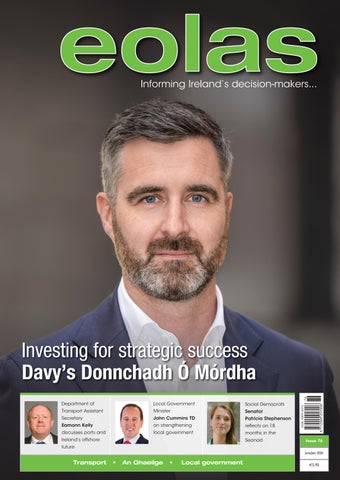
Amidst this, issue 76 of eolas Magazine seeks to outline challenges facing the State and explore potential solutions. Our cover story features Davy’s Donnchadh Ó Mórdha, who talks about investing for strategic success, while our round table discussion, hosted by ESB, explores innovating for a secure, sustainable, and affordable energy system.
In our local government report, we hear from Minister of State with responsibility for local government and planning John Cummins TD on how local government can be strengthened.
This issue also features our first ever Irish language report, sponsored by Údarás na Gaeltachta. Written entirely as Gaeilge, it explores the efforts to make an Ghaeilge the first language of the State as it is designated by Bunreacht na hÉireann.
In our transport report, sponsored by Jacobs, we hear from Minister for Transport Darragh O’Brien TD on delivering a modern, sustainable, and integrated transport network.
Our Europe section is a special edition looking ahead to Ireland’s upcoming presidency of the Council of the EU, while our public affairs section features an interview with Social Democrats Senator Patricia Stephenson, and analysis of the Fianna Fáil ard fheis and the two recent byelections.
I wish all of our readers a pleasant summer ahead and hope you find this 76th edition of eolas Magazine an informative and entertaining read.
Ciaran Brennan, Deputy Editor
Editorial
Owen McQuade, Managing Editor owen.mcquade@eolasmagazine.ie
Ciaran Brennan, Deputy Editor ciaran.brennan@eolasmagazine.ie
Joshua Murray joshua.murray@eolasmagazine.ie
Gareth Hamill gareth.hamill@eolasmagazine.ie
Harry McGoldrick harry.mcgoldrick@eolasmagazine.ie
Advertising Sam Tobin sam.tobin@eolasmagazine.ie
Design
Gareth Duffy, Head of Design gareth.duffy@eolasmagazine.ie
Jamie Hogan jamie.hogan@eolasmagazine.ie
Events
Lynda Millar lynda.millar@eolasmagazine.ie
Become a subscriber!
Annual subscriptions:
€30.00 + €5.00 P&P
Contact: Sharon Morrison
Email: subscriptions@eolasmagazine.ie Online: www.eolasmagazine.ie/subscribe
eolas Magazine
bmf Business Services
Clifton House
Lower Fitzwilliam Street
Dublin, D02 XT91
Tel: 01 661 3755
Web: www.eolasmagazine.ie
Printed by: GPS Colour Graphics
The FSC® system provides an assurance that products such as wood and paper have been harvested in a socially and environmentally responsible manner.
• This product is made of material from well-managed FSC®certified forests, recycled materials, and other controlled sources.

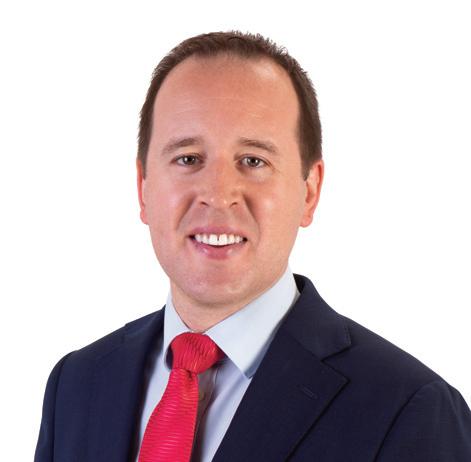

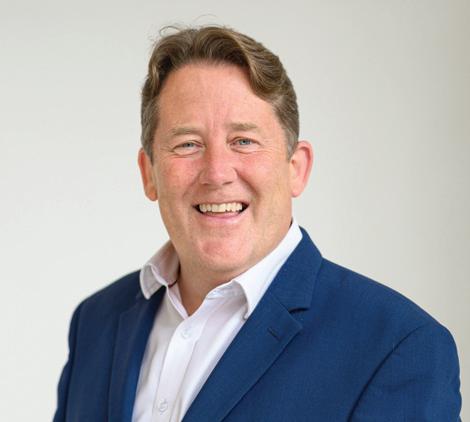


50 Anailís: Cur i bhfeidhm an Straitéis 20 Bliain don Ghaeilge
54 Agallamh: An Coimisinéir Gaeilge do Thuaisceart Éireann Pól Deeds ar úsaid an Ghaeilge sna húdaráis phoiblí


60 Anailís: Cur i bhFeidhm Achtanna na dTeangacha Oifigiúla 2003 go 2021
Sponsored by Urraithe ag 68
64 I bhfócas: Coiste na Gaeilge, na Gaeltachta agus Phobal Labhartha na Gaeilge
68 Minister for Transport Darragh O’Brien TD on delivering a modern, sustainable, and integrated transport network
80 Senior transport decision-makers look ahead to Ireland’s upcoming presidency of the Council of the European Union
90 Dean Phelan from UCD on advancing the design of sustainable mobility solutions through co-creation with communities
104 Ports Assistant Secretary Eamonn Kelly on why ports are at the centre of Ireland’s offshore energy future
108 Analysis: The Electric Vehicle Charging Infrastructure Strategy 2022-2025
122 Billy Kelleher MEP on the EU-India trade agreement
126 The key events during Ireland’s presidency of the Council of the European Union
128 Mol an Óige: Senator Patricia Stephenson
138 Timpeall an bhoird: Committee on Parliamentary Privileges and Oversight
142 Political platform: Marie Sherlock TD
144 Back page: Edward Timmins TD on how Ireland’s planning system could be powered by AI


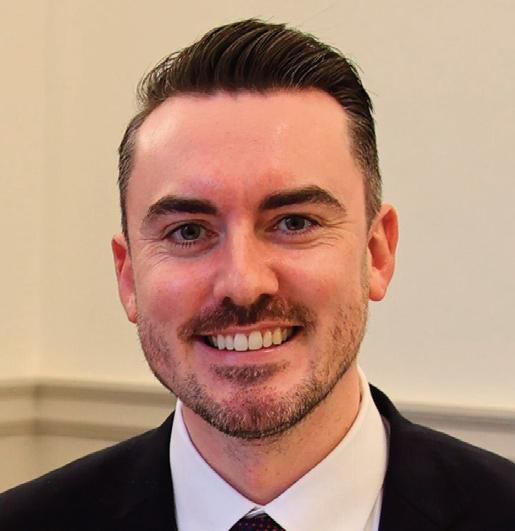
Louise McKeever has been appointed as the new Government Chief Information Officer (CIO).
Appointed in May 2026, McKeever was previously CIO of the Department of Agriculture, Food and the Marine (DAFM) from January 2021. Before joining DAFM, she was head of software engineering in the Department of Social Protection (DSP).
McKeever started in DSP as an executive officer in the Information Systems Division of DSP and progressed through various roles to become the head of software engineering before moving to DAFM as CIO in January of 2021.
PUBLIC AFFAIRS
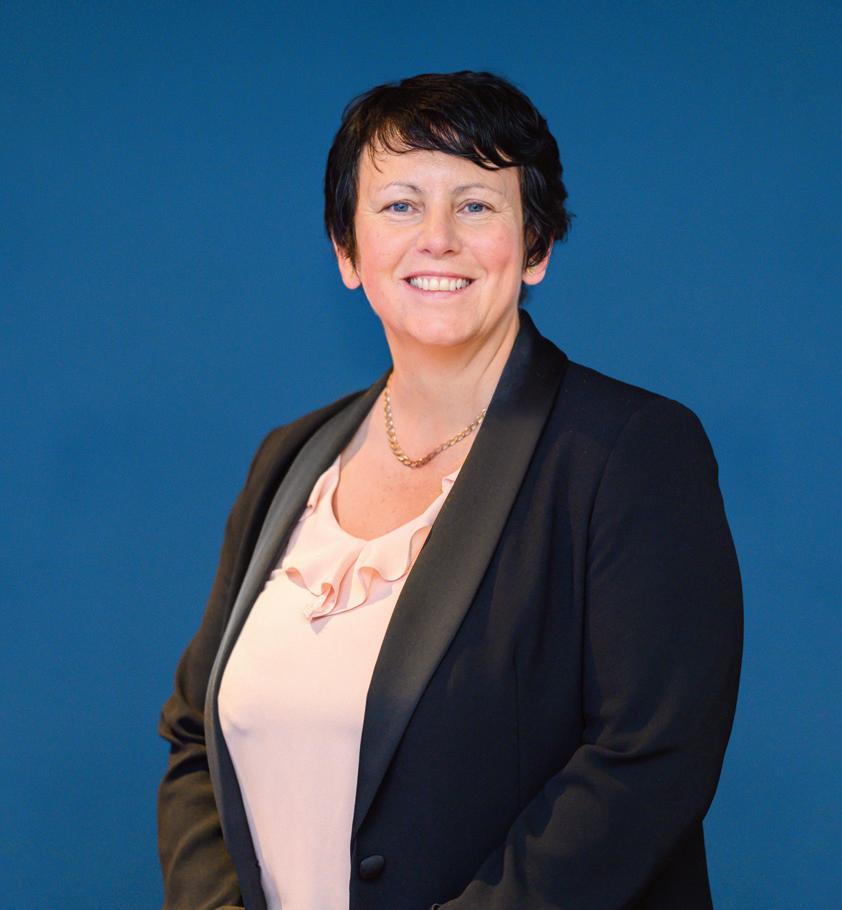
Speaking to eolas Magazine in November 2022, McKeever said that “digital by default” was her priority in digitalising DAFM, and oversaw a period of rapid innovation and progress on the operational side of the Department.
She succeeds Barry Lowry as Government CIO, who served the role for a decade between April 2016 and April 2026.
Fianna Fáil TDs Shane Moynihan and Naoise Ó Cearúil were appointed cathaoirligh of the Committee for the Irish language, Gaeltacht and the Irish-speaking community and the AI Committee respectively in June 2026.
Ó Cearúil takes the role of Cathaoirleach of the AI Committee following a two-week stint as Cathaoirleach of the Committee for the Irish language. He took the.position after it had been vacant since the former Cathaoirleach, Catherine Connolly, was elected as President of Ireland.
By convention, since Connolly was an independent, her successor as Cathaoirleach would have been an independent. However, since none of the independents or small parties remaining on the committee speak sufficient Irish for the role, it was given to Fianna Fáil in exchange for a small party being granted their chair’s role for the next committee to be established.
Ó Cearúil assumed the role of Cathaoirleach of the AI committee following Malcolm Byrne TD’s resignation from the role after he was arrested on suspicion of drink driving. Byrne, who has since said “drink driving is wrong, full stop”, said he was resigning as Cathaoirleach “totally without prejudice to the ongoing legal process arising from my arrest on suspicion of drink driving”.
Byrne says he will “face up to whatever happens” and explained the circumstances. “I was stopped at a garda checkpoint. At the garda checkpoint, I was asked to do a breathalyser test, and then from that breathalyser test, I was then taken to nearby Pearse Street Garda Station, where I was asked to provide a urine sample.”
After being released by the gardaí, Byrne informed Micheál Martin and subsequently resigned as the committee chair. Byrne says he will not comment on whether he would step down from any of his other positions if he was found to be over the legal limit for drink driving.

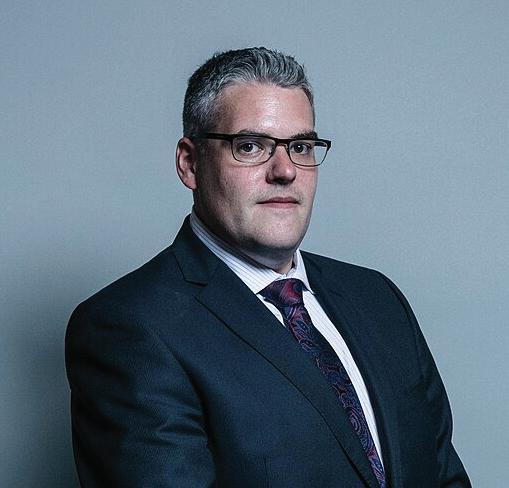
The leader of the DUP, Gavin Robinson MP, has called for the closure of the border on the island of Ireland.
Speaking in the British Parliament on 10 June 2026, Robinson urged UK Prime Minister Keir Starmer MP to “protect and close the open, porous border between our country and the Irish republic” [sic].
In response, Starmer condemned the violence in Belfast that took place the previous night but did not address the comments regarding the border.
The comments follow an attack in north Belfast, for which a Sudanese man, Hadi Alodid, has been remanded in custody after being charged with attempted murder of Stephen Ogilvy in a nationalist area of the city. The UK Home Office has stated that Alodid had been granted leave to remain in the UK in
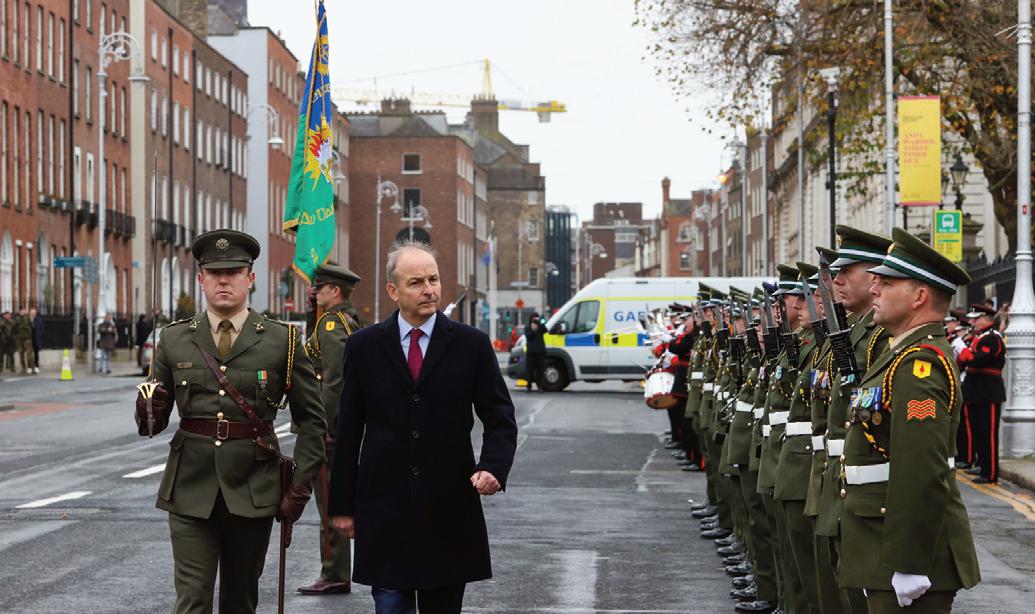
Legislation ending the ‘triple lock’ on deployment of the Defence Forces overseas is expected to be passed by the Government before the end of 2026.
September 2023, after travelling from Dublin to Belfast. A video of the attack was widely circulated on social media.
Riots subsequently broke out in Belfast, with immigrants’ homes being burnt and attacked, as well as damage to public property. These incidents took place in mostly loyalist areas of the city. Two men have been charged at the time of writing.
Leader of the TUV, Jim Allister MP, who represents a more staunch strain of unionism, has also called for the border to be “addressed”.
The open border from the island of Ireland is a key component of the Good Friday Agreement, and was subject to extensive negotiations during Brexit.
eolas Magazine has reached out to the Government and parties in the North for comment.
The new legislation would remove the requirement for UN approval for the deployment of Irish troops. The Government has argued that the reforms are designed to ensure that Irish foreign affairs and peacekeeping are not subject to Russian veto at the UN Security Council.
Opposition parties and President Catherine Connolly have argued that the triple lock is “at the core” of the State’s military neutrality. President Connolly has called for the matter to be put to a referendum. Speaking during the
presidential election campaign, she said: “My role as president would be to look at every piece of legislation that comes before me for one specific purpose to see is it in compliance with the constitution.
“I would look at that and take the expert advice from the Council of State and make up my mind about that and the only option open to me would be to refer the matter to the Supreme Court for their decision.”
Former Defence Minister Willie O’Dea TD has also called for the matter to be put to a referendum.
Ireland will be forced to defend itself at the Court of Justice of the European Union after being accused by the European Commission of failing to comply with the Environmental Impact Assessment (EIA) rules on peat cutting projects.
The Commission alleges that Ireland failed to comply with an Environmental Impact Assessment (EIA) Directive from 2011, which requires member states to carry out an assessment of the environmental impacts of projects “likely to have a significant negative impact on the environment”, of which peat extraction can be categorised.
According to the Commission, these assessments “ensure public participation in the decision-making process of
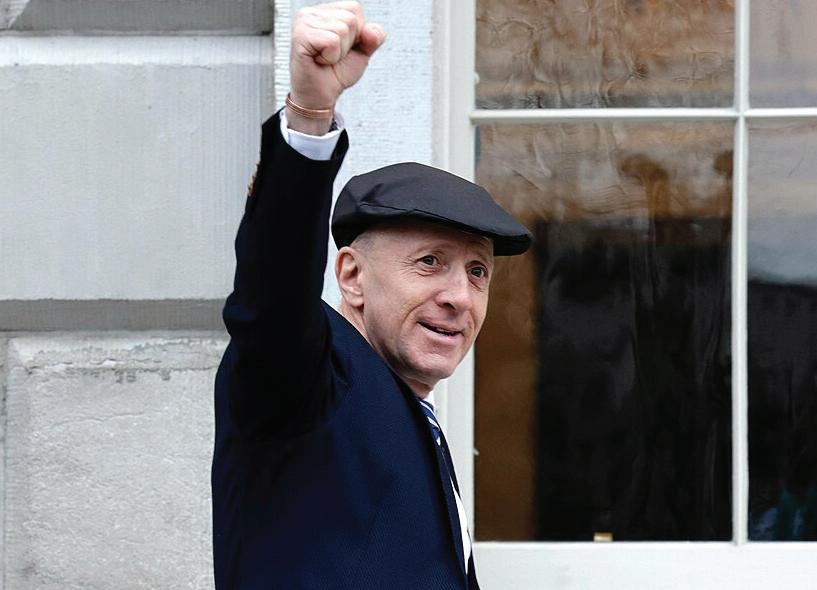
Fianna Fáil has gained a minister of state role following Michael Healy-Rae’s acrimonious departure as a junior minister at the Department of Agriculture, Food and the Marine (DAFM).
Replacing Healy-Rae is Niall Collins TD, who has been reshuffled from the Department of Justice, Home Affairs and Migration and becomes Minister of State for Forestry at DAFM. Following Collins’ appointment, former backbencher Catherine Ardagh TD was appointed to replace him as Minister of State for International Law, Law Reform and Youth Justice.
Ardagh is a TD in Dublin South-Central who led Fianna Fáil in the Seanad from 2016 to 2020.
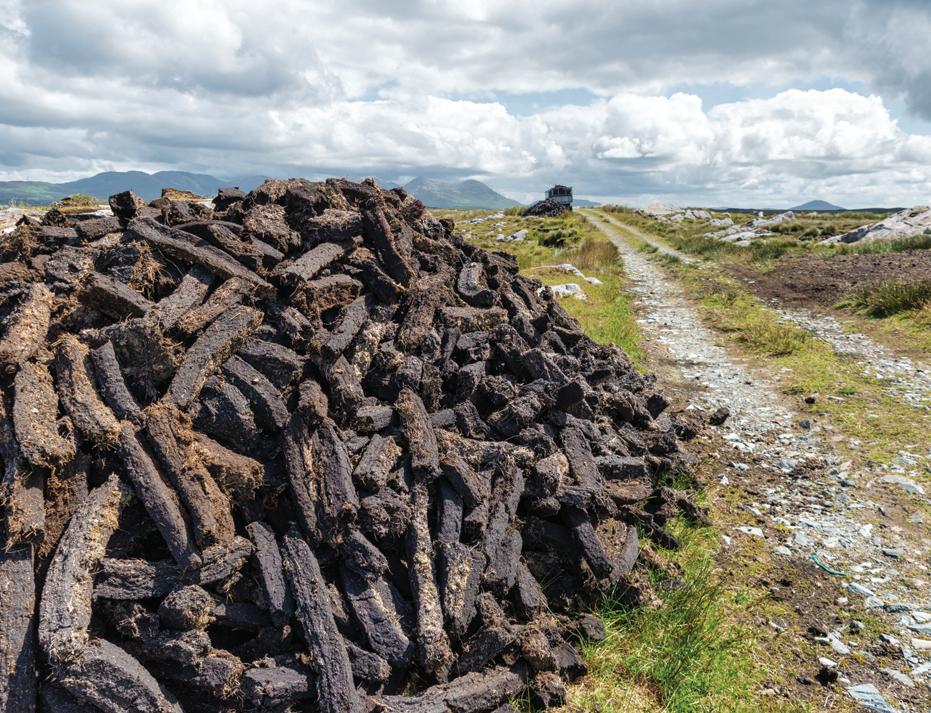
projects”, and “guarantee the preservation of peatlands”.
Although Ireland introduced legislation in 1999 to implement an EU court ruling under an earlier version of the EIA directive, the Commission has stated this legislation was not followed up by enforcement action, and that, “in practice”, Ireland has not ensured that all peat cutting projects are regulated and subject to an environmental impact assessment.
The Commission states: “The Commission considers that efforts by the Irish authorities have been insufficient and is therefore referring Ireland to the Court of Justice of the European Union.”
AGRICULTURE
Healy-Rae departed the Government following the April 2026 fuel protests, saying in his resignation statement that the Government has “let the people of Ireland down”. However, it has since become unclear whether Healy-Rae resigned or was indeed removed by the coalition, as the Kerry TD has since accused his brother and fellow independent Kerry TD, Danny Healy-Rae, of prompting his departure.
Speaking on Radio Kerry in June 2026, Michael accused his brother Danny of causing him to be “pulled overboard” from the Government, adding: “In calling for the Taoiseach and the Tánaiste to go, it did not make sense.”
The fallout has led to reports that Michael may not endorse a potential re-election bid by Danny, and that Michael’s son, Jackie Healy-Rae Jr, may be his running mate at the next general election.
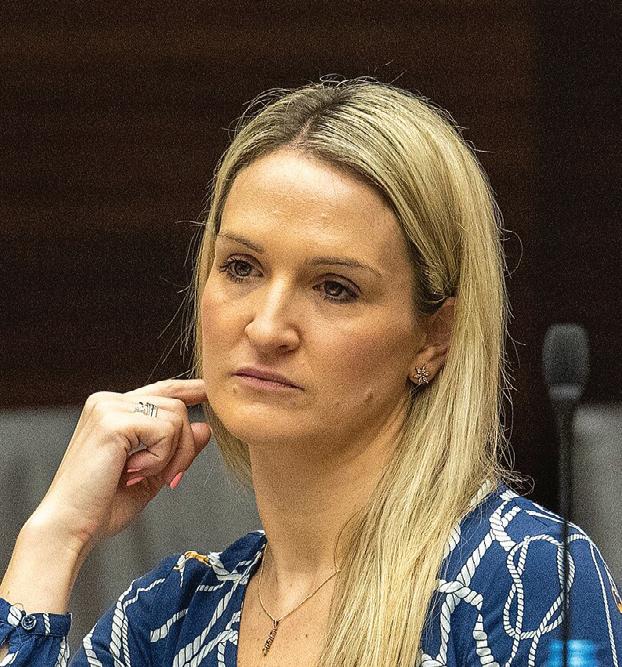
“We will leverage the presidency as an opportunity to enhance the involvement of Ireland’s youth, and rural and regional communities, in EU affairs.”
“A slíbhín is a slíbhín, a rose by any other name and a slíbhín by any other name.”
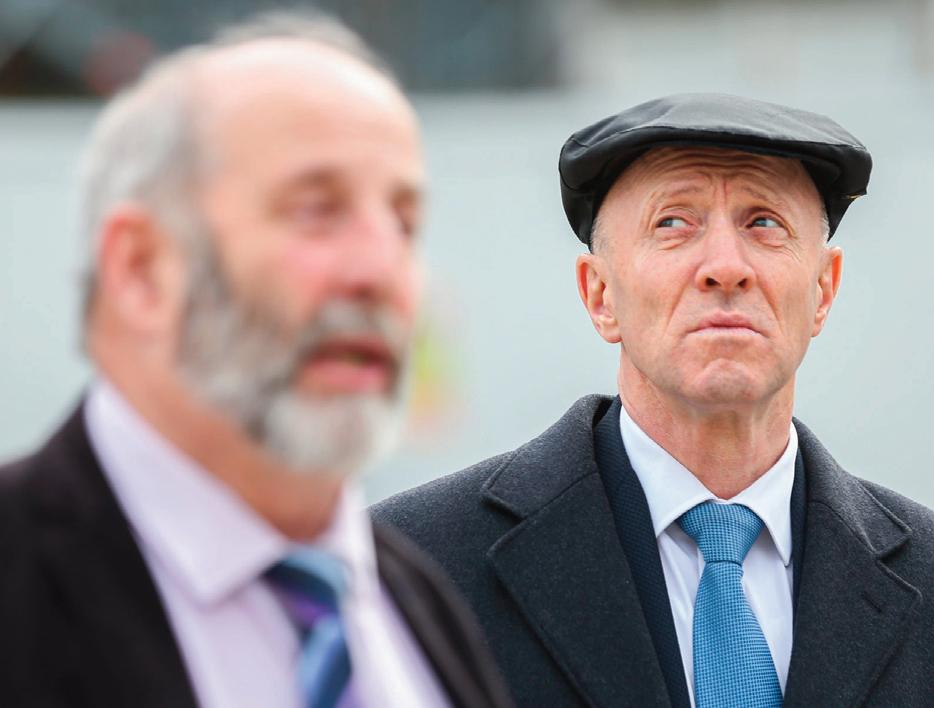
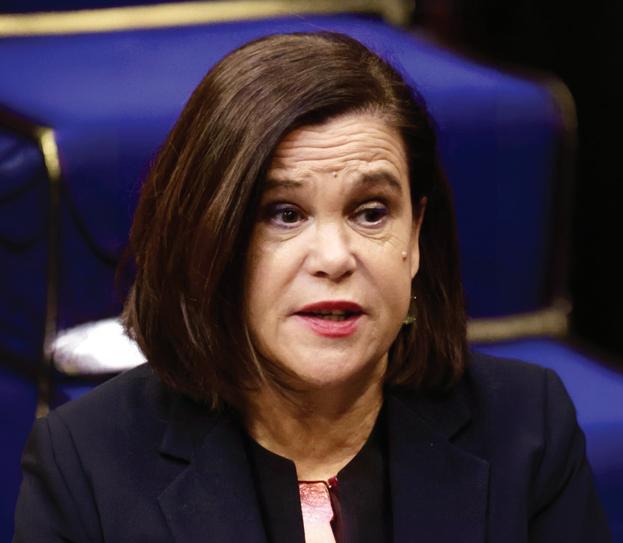
“When those words were issued that is what cost Kerry a ministry for agriculture, that is a fact.”

“But the ones I worry about are the Africans. I agree with you on the Africans. We can’t be taking in people from the Congo and all these places. I think there’s too many from those places.”
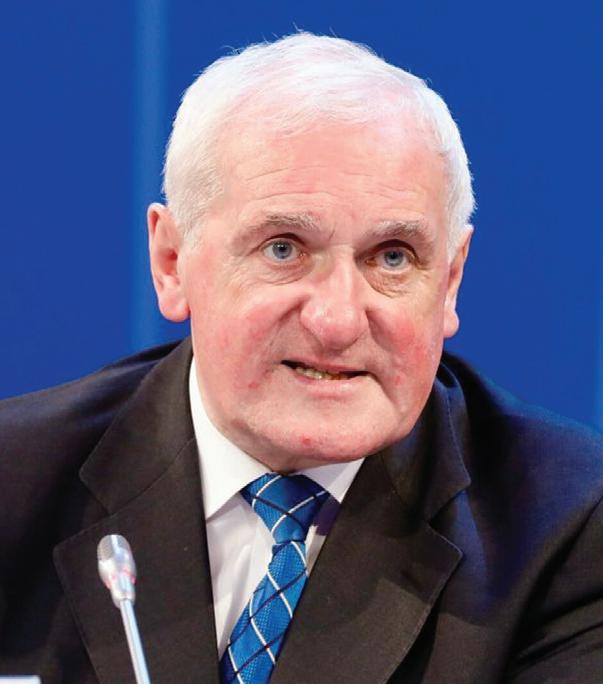
Former Taoiseach Bertie Ahern’s conversation with a voter during Fianna Fáil’s Dublin Central byelection campaign


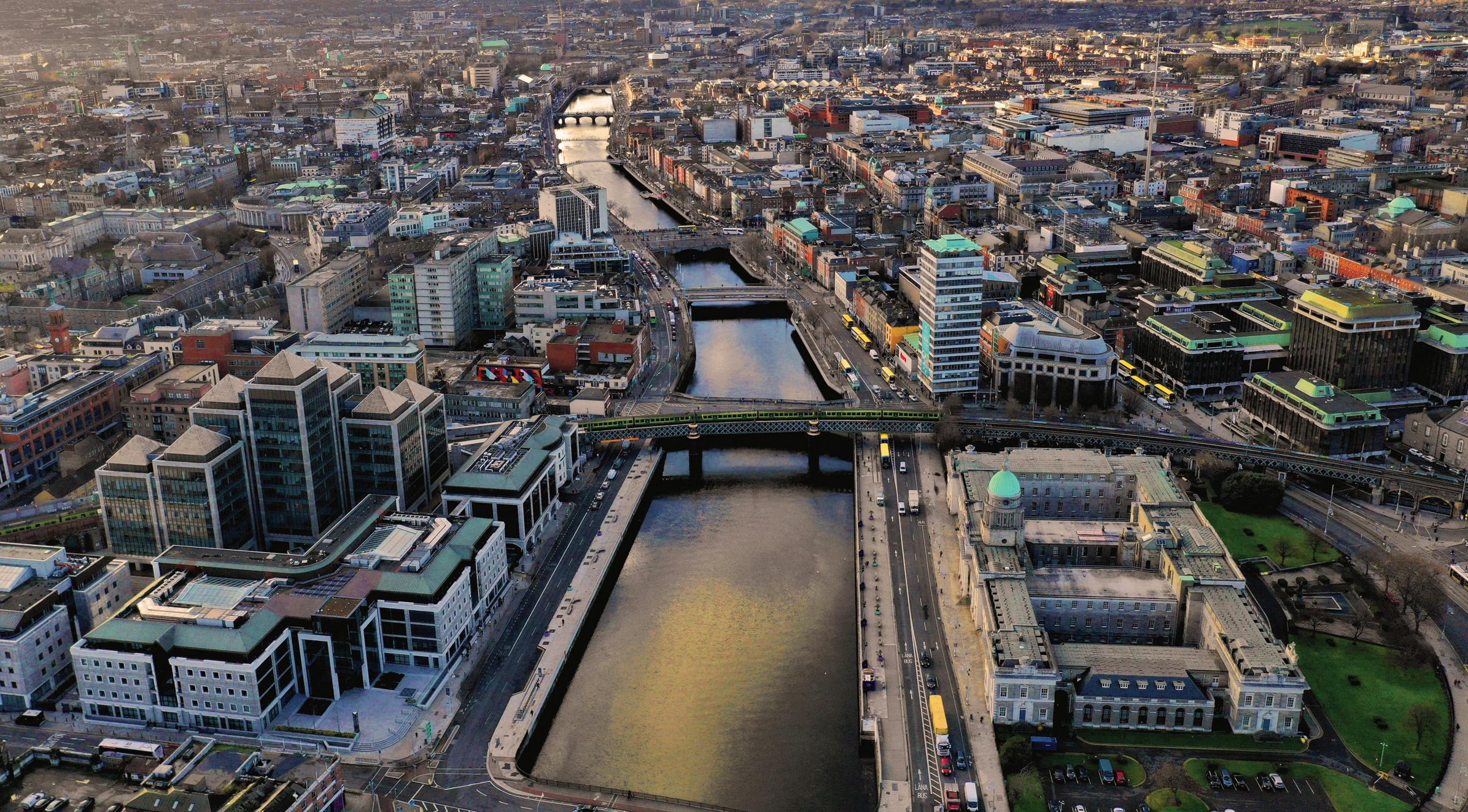
There is a theory that the Irish are at their most grumpy after foreign holidays when they face the return to long commutes and inadequate public services, writes journalist Eamon Quinn.

Fast trains, free-flowing motorways, and well-built municipal cultural amenities of the sunny continental spots are still fresh in the mind.
The contrast between the Republic’s exchequer, one of Europe’s richest, and the missing physical and social infrastructure in the State is growing starker.
A mainline rail network changed little since the 1960s, a shameful private rental housing stock, or challenging ways to access basic GP services, are only some of the items on a long list of complaints.
And now Irish economist Sinéad O’Sullivan has made something of a splash trying to make sense of it all.
Over recent newspaper articles and media panel shows, O’Sullivan has reached new audiences explaining that housing shortages, poor quality public services, and long commutes have a lot in common.
The Armagh City native has studied and worked for many years in the US, including as an economist at Harvard Business School and stints as an aerospace engineer and a human spaceflight designer at NASA and at the Jet Propulsion Laboratory. Her views therefore have clout.
Outings over the spring months included the Saturday weekend shows on RTÉ Radio and on The Pat Kenny Show at Newstalk.
Along the way there has been a bit of social media jousting with former Taoiseach Leo Varadkar, as well as the ruffling of the feathers of at least one outspoken analyst. She has attracted criticism from serving Fianna Fáil Minister of State with responsibility for mental health Mary Butler TD.
On the Free State podcast hosted by Joe Brolly and Dion Fanning, O’Sullivan wondered whether Simon Harris TD had taken on too much in triple-jobbing as Minister for Finance, along with his responsibilities as Tánaiste and party leader of Fine Gael.
An episode of a podcast by The Irish Times, she is a regular contributor to that paper, was neatly called: ‘What’s wrong with Ireland? Sinéad O’Sullivan has an answer’.



Listeners heard her analysis which was described as “the State’s failure to deliver things that are taken for granted in other similarly wealthy countries”.
The Irish economist “argues that Ireland lacks strong institutions capable of separating long-term delivery from electoral politics, resulting in costly, short-term fixes”.
In an earlier interview with The Irish News, O’Sullivan characterised public policy as serving foreign-owned multinational companies. Structural failings over delivering housing, transport, and other public services needed to be explained, she said.
The quarterly national accounts tell an accurate story of an expanding economy; even though its size is a matter of dispute depending on the GDP measure employed.
And the monthly Exchequer returns regularly tell a similar and more timely story of huge revenues collected in corporation tax receipts, and the still officially undisclosed role of Apple, Meta, and Eli Lilly as the three largest corporate contributors to the coffers.
But the State is failing to deliver on the things that make citizens truly well off, O’Sullivan said.
“We are extremely rich, but we do not translate that into outcomes that make us wealthy,” O’Sullivan told The Irish News.
The economist described the Irish State, which, unlike France and Spain, had never promoted institutions whose job it was to think long term about housing, maternity hospitals, primary schools, and public transport.
With lots of cash in the system, TDs throw money at failing projects.
Government politicians are then bewildered when short-term fixes make “long-term planning more difficult”.
Without the institutions, government officials and public planners spend their time chasing their tails trying to put out fires. Managing the delivery of everything from delayed hospitals and new trains to segregated cycle lanes is not easy without the proper institutions.
Most commentators know that many European countries encounter their own problems with infrastructure. The
“The contrast between the Republic’s exchequer, one of Europe’s richest, and the missing physical and social infrastructure in the State is growing starker.”
indebted British Government possibly faces a showdown with its international bond creditors.
It has acknowledged that the muchcurtailed HS2 train route from London Euston to Birmingham, will not be fully complete before 2040 at the earliest. At £100 billion (€116 billion), the cost is also huge.
However, O’Sullivan’s remarks appear to be addressing a sense of growing bewilderment here. Unlike straitened Britain, the Republic has no lack of public money.
There is also €20 billion in combined resources already set aside in the Future Ireland Fund and in the Infrastructure, Climate and Nature Fund.
Following the O’Sullivan interviews, eolas Magazine canvassed the views of a number of journalists and economists over the delivery of public services.
Most mentioned the escalating cost and inadequate explanations for the delays in opening the €2.2 billion-plus National Children’s Hospital at St James’s in Dublin.
There were some surprising insights too: the shock of outsiders seeing the desolate lanes stretching from Croke Park to the Liffey quays sparked a discussion about public and private dereliction that few other European capitals would tolerate.
Others cited that most daily Dublin to Limerick train services are not direct services. They require a trek over a foot bridge at Limerick Junction.
Then there is the new rolling stock on the Belfast to Dublin route that will not be available for some time, despite the launch of hourly services two years ago between our two largest cities.
On social media, the temporary reopening of Adare Station in County Limerick, closed to passengers since 1963, only for its planned closure at the end of next year’s Ryder Cup has prompted wry observations.
Trainless Tyrone and Donegal should enter a bid to host the next golf tournament, say the wags. There remains plenty of material for O’Sullivan to critique if she chooses to return to her theory of how a rich state can do so badly providing public services.
Eamon Quinn is an all-Ireland freelance writer who has served as business editor at the Sunday Business Post and the Irish Examiner, and as associate business editor at the old Sunday Tribune. E: eamon.quinnbiz@gmail.com
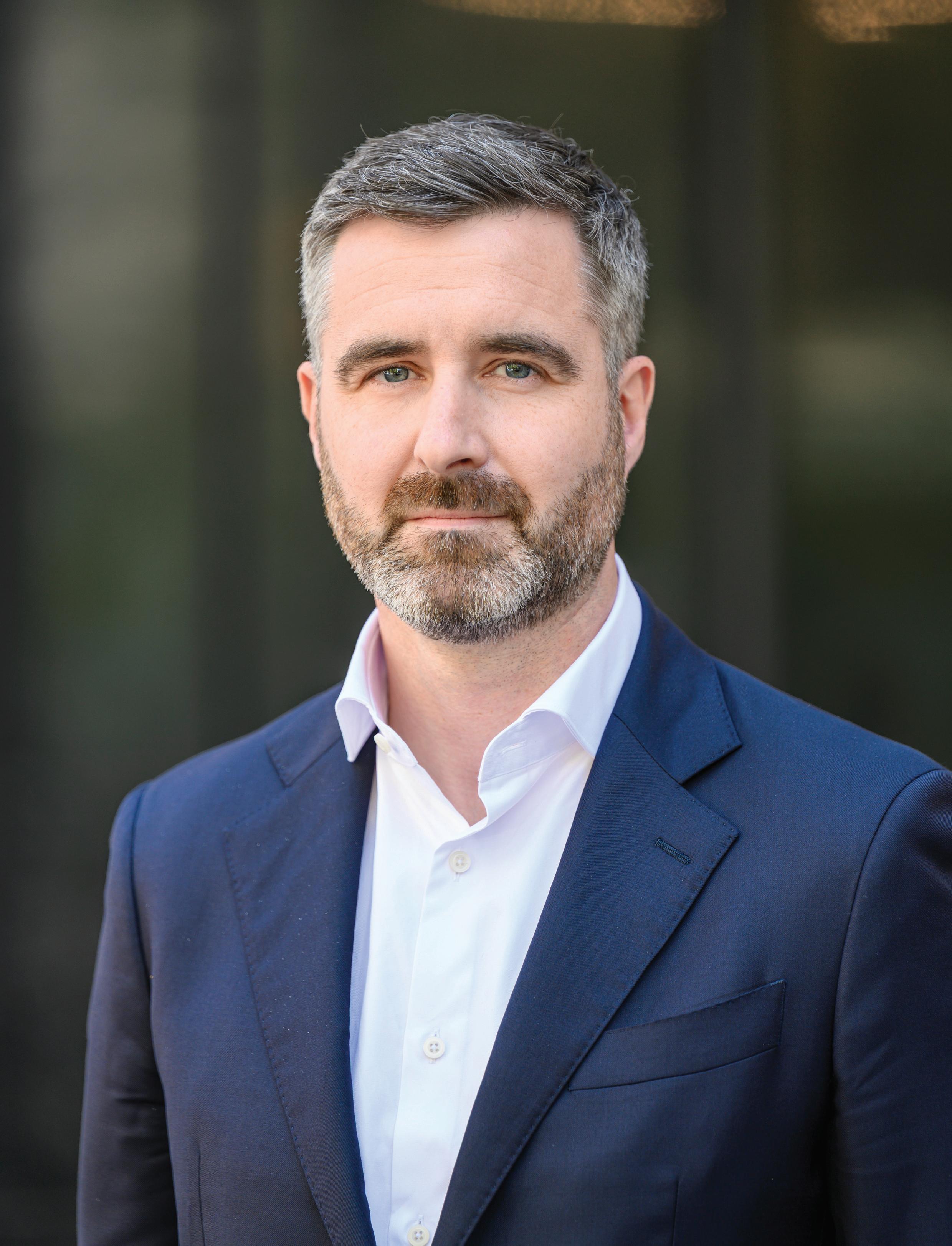
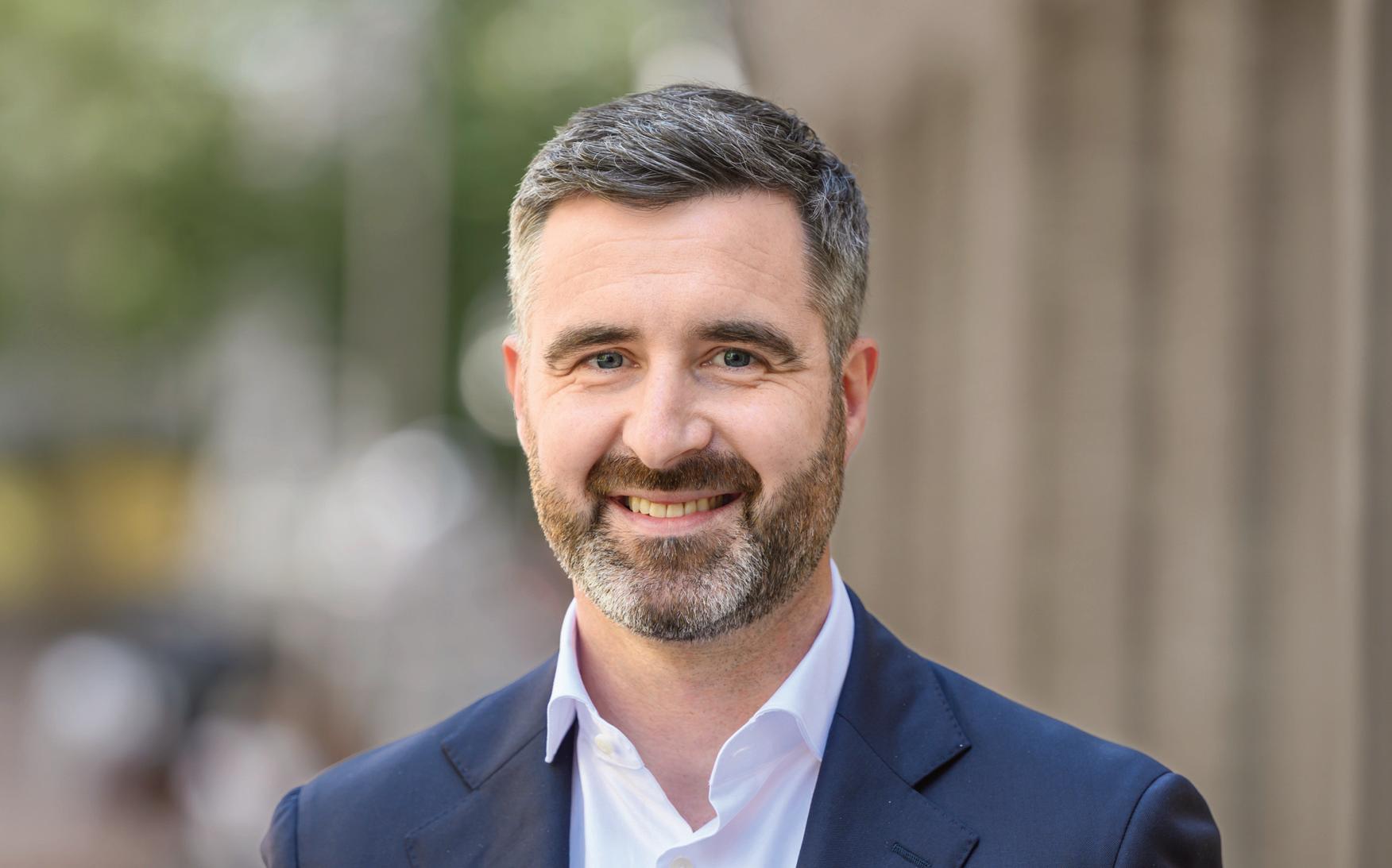
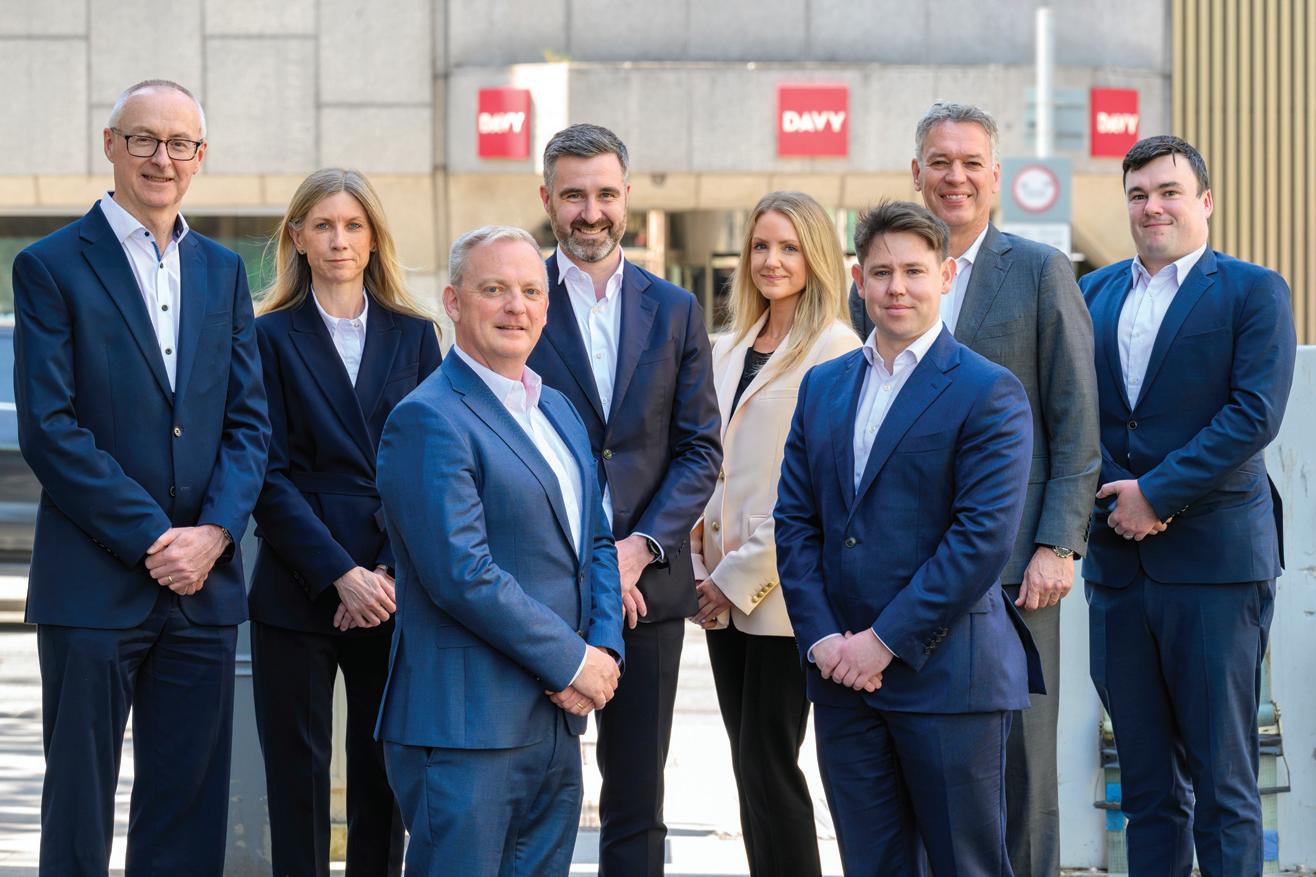
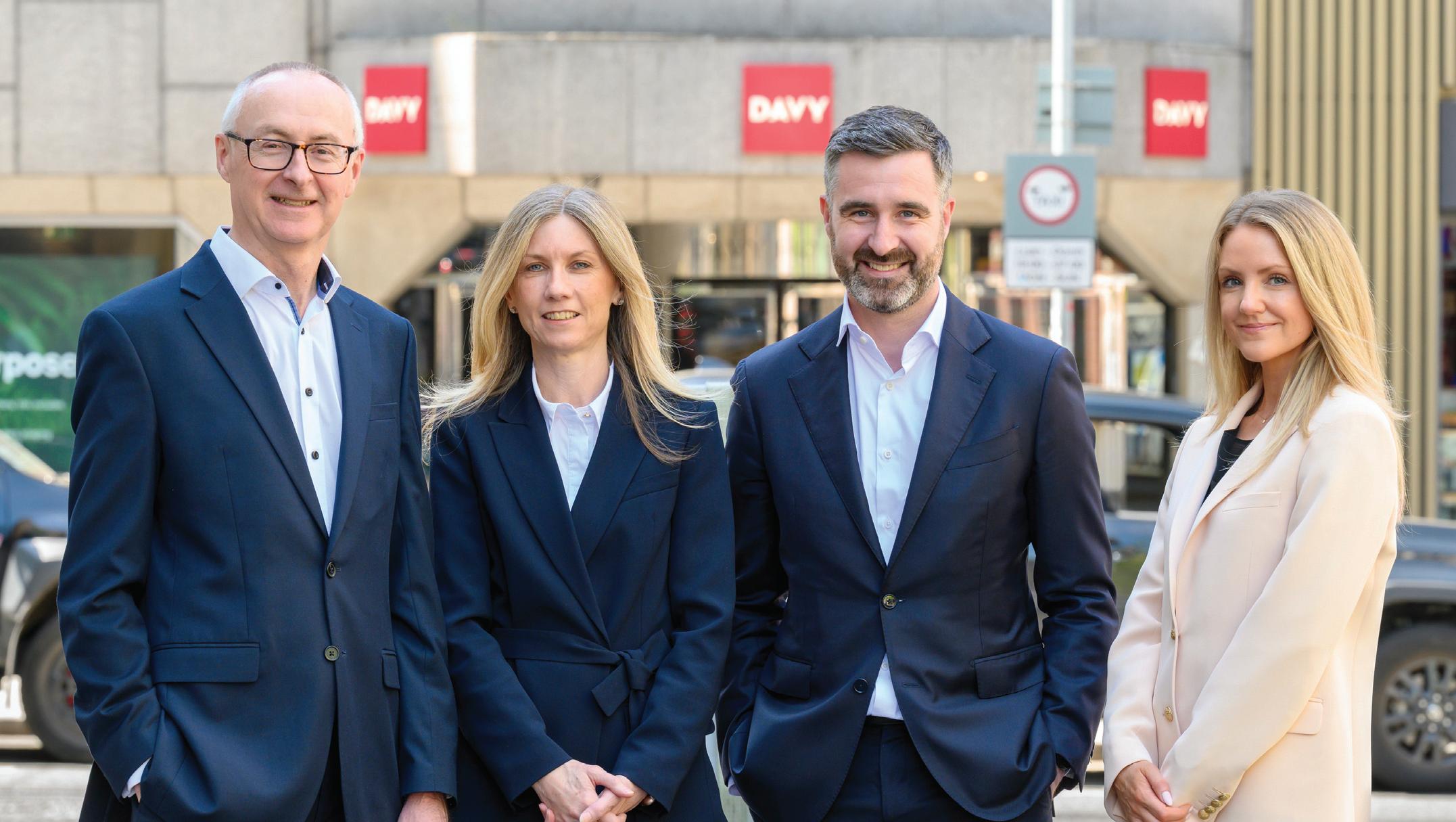
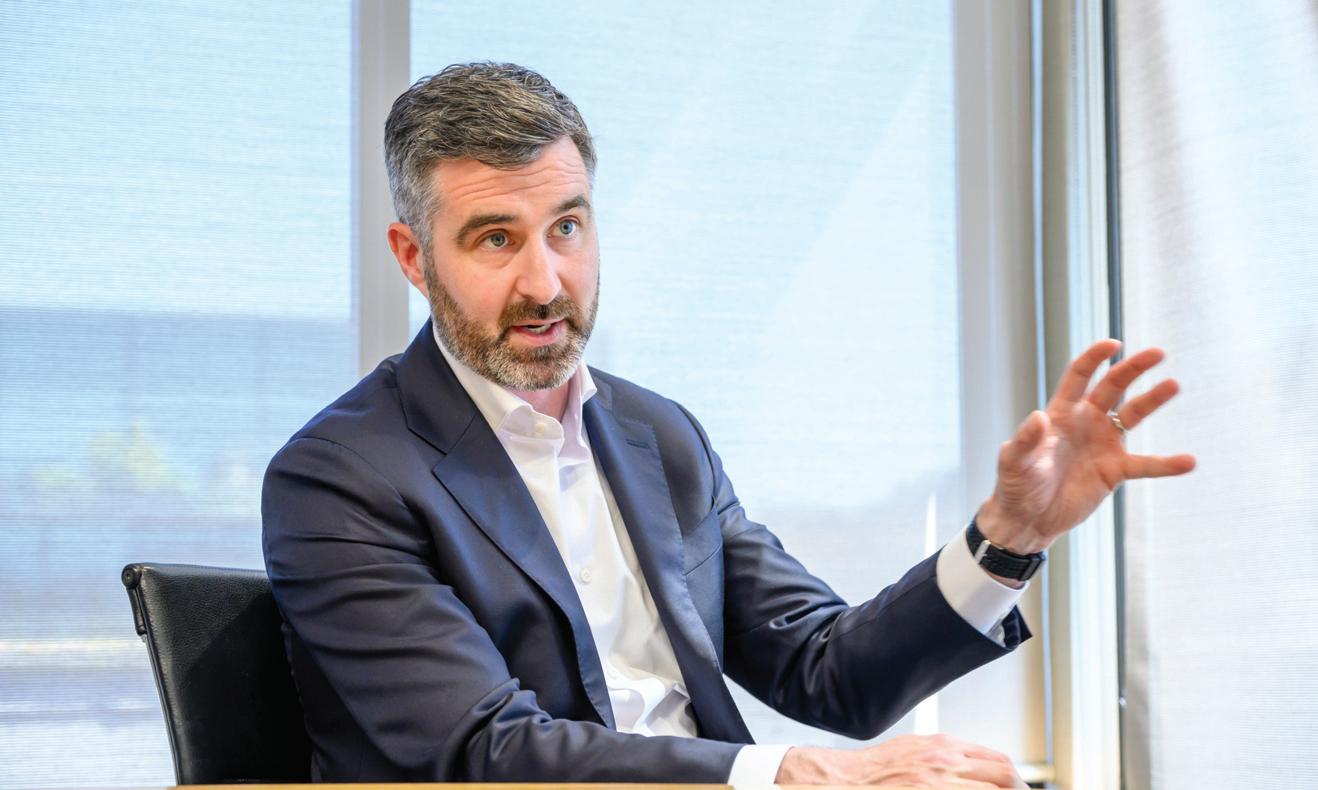
Donnchadh Ó Mórdha, Head of Institutional Consulting at Davy, talks to Ciaran Brennan about how Davy’s governance-led investment approach supports the strategic objectives and operational needs of Irish institutions, including semi-states, statutory bodies, local authorities, charities, credit unions and corporates.
Davy’s institutional consulting team works with clients to steward cash and reserves to which they hold a “significant fiduciary responsibility”, explains Donnchadh Ó Mórdha who leads the team of 19 which works with approximately 300 clients, managing €5 billion worth of assets on their behalf.
“Our traditional client base was charities. We have also worked with credit unions for well over 25 years. That base has expanded significantly over the past decade to include public bodies, semistates, local authorities, statutory bodies, and other parts of the Irish institutional landscape.”
Ó Mórdha says the team takes a “governance-led approach”, adding: “We work with clients to align their assets with their strategic objectives, mission, and the stakeholders they serve.”
The Head of Institutional Consulting says strong governance is central to how Irish institutions’ approach the investment of reserves. He says: “They tend to have high levels of turnover, are often publicly funded, and have significant operational and capital needs. Prudent financial management is essential.”
Ó Mórdha explains that institutional investors’ “natural risk aversion” differentiates them from other investor types. He continues: “The capital they are stewarding and the financial reserves they hold are not their own.
“This capital, whether generated internally or externally, is often required to meet substantial demands, including operational needs, capital projects, and long-term liabilities.
“Most Irish institutions have traditionally dealt with a small number of deposit or investment counterparties. We endeavour to provide our clients with a broader opportunity set regarding the counterparties they can allocate to.
“This is typically within lower-risk investments such as deposits, government bonds, and money market funds, helping to mitigate concentration risk within the portfolio. At the outset, strong policy development is essential, establishing clear controls around permitted counterparties and
“More recently, interest rates have normalised and that pressure has eased, but inflation has emerged as a key concern.”
instruments, minimum credit ratings, maximum exposure limits, and maturity profiles.
“Looking beyond the short term is important. If you have visibility on your capital needs over several years, you can build a laddered portfolio with staggered maturities, so you have liquidity when you need it and can lock in yields today. That gives you greater certainty.”
The institutional consulting team works with clients to ensure they are aware of the risks arising from their investments to understand what their exposures are.
“Typically, public bodies and semi-states holding cash reserves for a period would benefit from specialist treasury and cash management advice. The key risks they
face are counterparty risk, inflation, interest rates, as well as liquidity and reinvestment risk,” says Ó Mórdha.
“When we formulate an investment or cash management policy, we aim to articulate the risks clients are exposed to and how to mitigate them. The benefit of taking a governance-led approach is that implementation becomes much more straightforward.”
Ó Mórdha says Davy works “hand-inhand” with clients to ensure their investment policies remain up to date. He says: “It is critical that we stay attuned to their evolving needs to ensure policies remain fit-for-purpose. Nothing is ever set in stone; policies and portfolios need to be reviewed and remain flexible to adapt to changing requirements within organisations.”
Discussing challenges arising from investment decisions, Ó Mórdha identifies inflation as “a constant underlying risk”. Regarding the management of financial reserves, he says there is a need to retain value and protect the purchasing power of the organisation into the future. He adds that these reserves should be structured appropriately, with a clear distinction between short-term needs and longerterm allocations.
“We work with them to apportion reserves across short-term liquidity, looking at operational requirements, contingency reserves for unforeseen events, and their strategic requirements the coming years.
“Beyond that, it is about ensuring that where an institution has longer-term reserves, they are positioned to support its strategic plan; whether that is funding capital expenditure, meeting future liabilities, or delivering on longer-term objectives. It is critical that capital is invested in a way that retains real value over time.”
When discussing how institutions can navigate periods of higher inflation, Ó Mórdha says: “During periods of high inflation, it is going to be very hard for a cash or a cash alternative to deliver a level of return over and above that.
“Unless an institution can invest for more than five years, it may not be appropriate or possible for them to fully mitigate that risk. Where they do have a longer-term horizon, they can look beyond lower risk liquidity and bond investment to risk assets such as equities.”
Ó Mórdha explains that Davy’s clients have traditionally invested in equities within a diversified portfolio, underpinned by a strong investment policy.
He says: “Where there is an appropriate policy and the board understands the risk and return profile, allocating a portion of the portfolio to global equities can make a significant difference to meeting long term strategic objectives and obligations.”
Tracing investment challenges facing Irish institutions in recent years, Ó Mórdha says: “For several years, the challenge was that Europe had zero to negative interest rates and it was nigh impossible to deliver any kind of return on financial reserves. More recently, interest rates
have normalised and that pressure has eased, but inflation has emerged as a key concern.
“We have seen a real erosion of capital for Irish institutions. Thankfully, there are ways to alleviate that. Investing reserves appropriately can help protect real value over time.
“The other challenge has been confidence around investing. Ireland naturally bears the scars of the global financial crisis and the post-Celtic Tiger downturn. There has been a journey for Irish investors, including institutions, in becoming more comfortable with investing capital outside of bank deposits.”
Ó Mórdha explains that Davy’s clients aim to invest responsibly, underpinned by “strong values and the stakeholders they represent”. He continues: “The investments we make for them must respect and reflect those values. We must also ensure their reserves are not deployed in any way which could cause reputational damage or conflict with their ethos.”
The Head of Institutional Consulting says the area of responsible investing “has evolved massively over the last 20 years”. Previously, investors focused on which areas of the market they should avoid.
Now, investors are striving to invest in companies that reflect their values and lead the way on ESG. Ó Mórdha says there are increasing opportunities to “invest for social impact”, adding that it “does not mean that you are sacrificing return”. He also notes that shareholder engagement is another area of greater focus.
“Responsible investing is ultimately a decision for a client to make. We incepted our responsibly invested multiasset portfolios back in 2014. Those portfolios have performed in line with those without a responsible overlay.
“For long-term investors, adopting a responsible investment approach does not need to come at the expense of returns. Our clients are typically very comfortable with that and understand that there can be some short-term divergence, which tends to wash out over time.”
With Davy celebrating its centenary this year, Ó Mórdha reflects on the company’s legacy: “I was very fortunate that, early in my career, I became an assistant to Joseph Davy, who is the son of one of the co-founders, Eugene Davy.
“Because of that, I have always had a deep appreciation of the firm’s heritage and its ethos. We have had considerable continuity with our client base, with some charities having been clients of the firm since its foundation.
“As part of the Bank of Ireland Group, we have a supportive owner that shares our view of Davy as a people-orientated, client-focused business and continues to invest in the business.”
Although advising institutional clients has always been part of Davy’s offering, this aspect of the business “has evolved materially”, explains Ó Mórdha. Stating that Davy was founded as a “small, private client orientated broker”, he says the firm has always advised Irish charities.
He adds that the company “expanded into corporate Ireland” during the 1960s and 1970s. Continuing, he says: “We are
“For long-term investors, adopting a responsible investment approach does not need to come at the expense of returns.”
privileged to work with many Irish organisations that deliver significant social and public value.
“The reality is that for the organisations that work with us, investment is not their focus; providing services or public benefit is. Investment is a necessity in terms of their ability to do that. We must constantly ensure our clients can continue to fulfil the mission, strategy, and vision they have.”
Concluding, Ó Mórdha says: “An institution’s investments should be a conduit to its strategic and operational success. It should never be a distraction.
“Our whole premise is about putting a governance framework in place that allows clients to position their reserves appropriately, while ensuring they maintain suitable liquidity and diversification, and earn a rate of return that is commensurate with their time horizon and risk profile.”
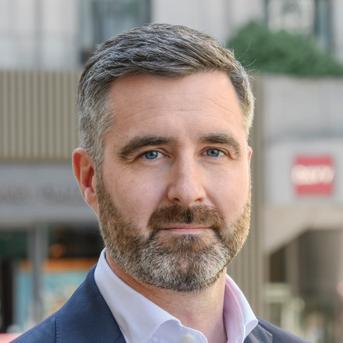
Donnchadh Ó Mórdha is Head of Institutional Consulting at Davy. He leads a team delivering tailored investment solutions to public bodies, including statutory bodies, local authorities, semi-states, charities, credit unions, corporates, and other institutional clients. Ó Mórdha helps clients design investment policies and allocate capital to meet their strategic objectives, funding requirements and long-term obligations. He has worked at Davy since 2005.

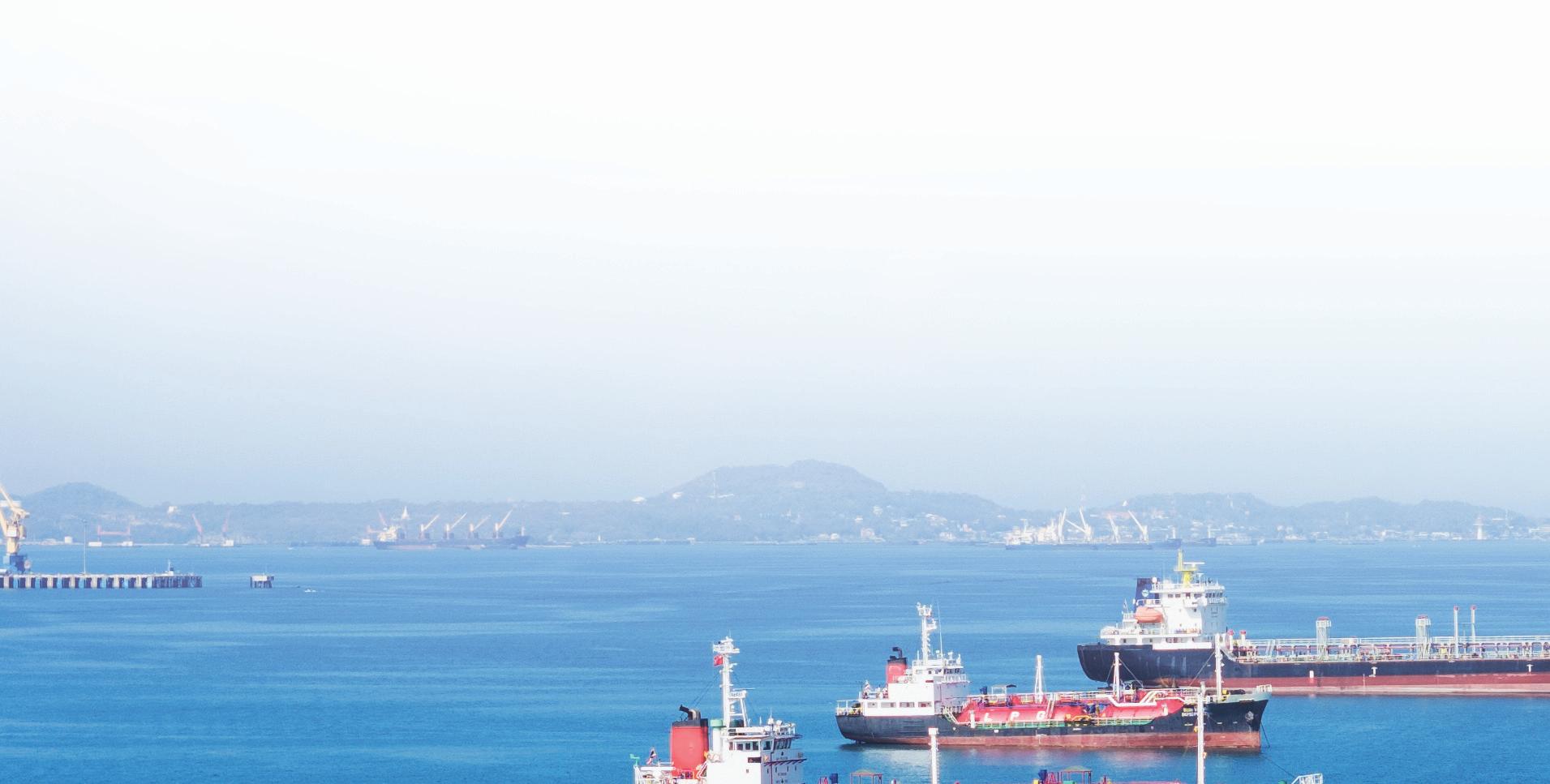
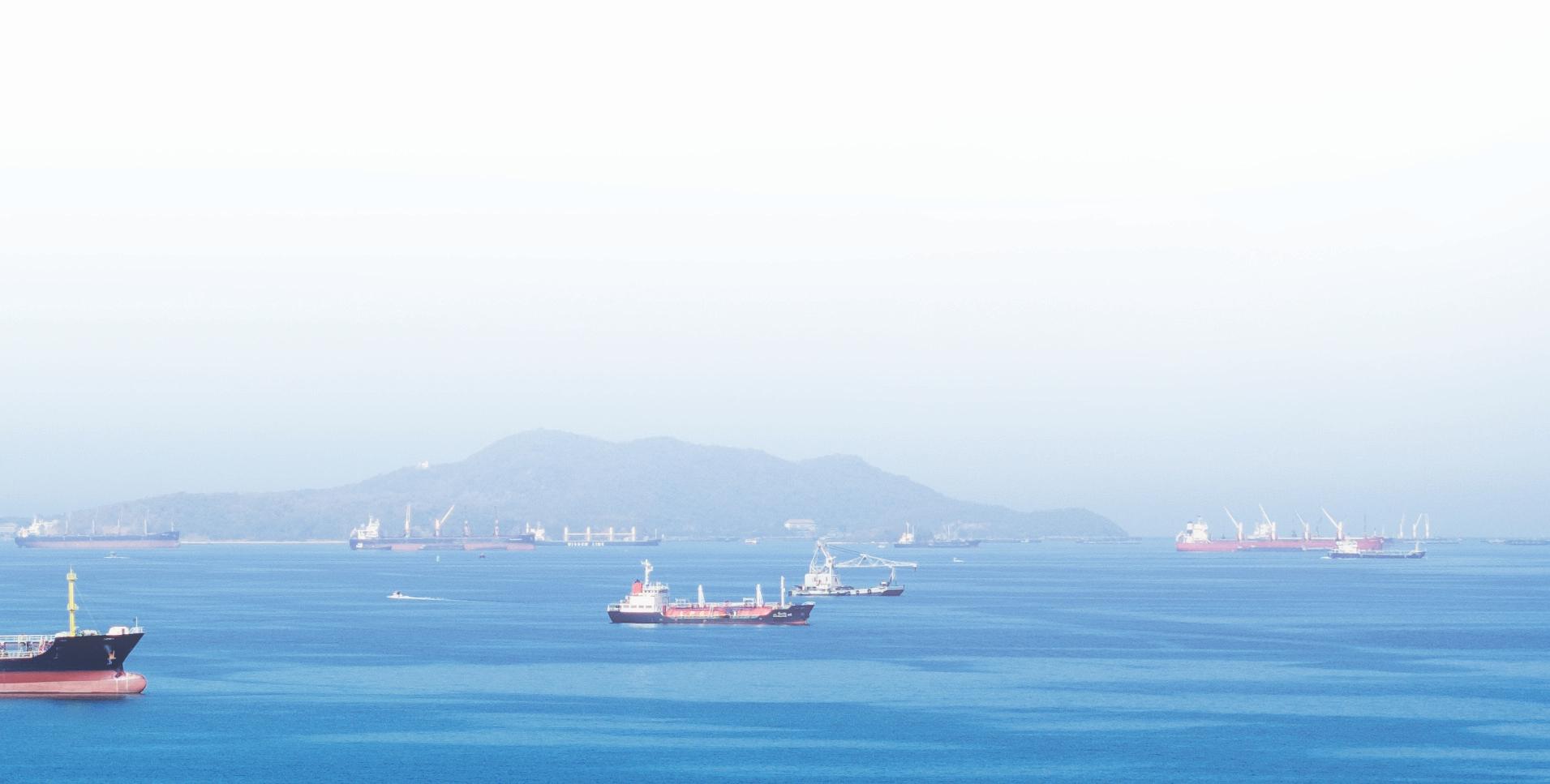
The current oil shock stemming from the closure of the Strait of Hormuz “constitutes the most severe flows and supply disruption in the history of oil markets”, according to a report from the Oxford Institute for Energy Studies. Gareth Hamill writes.
The Anatomy of the Strait of Hormuz Oil Shock explains that what sets the current global oil shock apart from previous crises is its sheer magnitude.
The Strait of Hormuz has been largely blocked by Iran since 28 February 2026, following US and Israeli airstrikes on Iran and the assassination of their Supreme Leader, Ali Khamenei.
In 2025, an average of 20 million barrels per day (mb/d) passed through the strait, which represents about 25 per cent of global oil exports.
The continued closure of the strait alongside Iranian attacks on critical oil infrastructure in Saudi Arabia, Qatar, and the UAE, some of the largest oil exporters in the world, transformed what was initially a flow shock into a production shock.
Crude oil production from the Middle East’s six biggest oil producers fell from 26 mb/d in February 2026 to 15 mb/d in March 2026. This is a 42 per cent
decrease, which is the largest month-onmonth supply disruption in the history of the global oil market.
In addition to creating an oil shock, the disruption to the Strait of Hormuz has also eroded the effectiveness of a key mitigation mechanism available for oil markets, spare capacity.
This is the maximum volume of production that can be brought online within 30 days and sustained for at least 90, and it is one of the market’s most effective adjustment tools to shocks. However, countries in the Middle East hold the majority of the world’s spare oil production capacity and are therefore constrained by the blockade of the strait.
The report also highlights that another buffer against shocks, strategic oil stocks, is extremely limited and can only act as short-term relief.
Member countries from the International Energy Agency (IEA) agreed to release 398 million barrels of their total 1.8 billion supply from their strategic petroleum reserves in March 2026 to mitigate production shock.
However, cumulative output losses are projected to have reached around 790 million barrels, almost twice the release of the IEA, by the end of April 2026, only two months after the start of the war.
Due to the magnitude of the production loss and the unavailability of spare capacity, the existing buffers are insufficient to replace the volumes of lost barrels, and if the blockade persists, these buffers will become even less effective.
A large demand reduction is needed to accompany the global supply issues, and this is already occurring with the IEA now projecting a small demand contraction of 80 thousand barrels a day for 2026.
However, a large reduction in demand for oil is complicated by two issues.
Firstly, given the magnitude of the supply shock and because short-run oil demand is relatively price inelastic, the price would need to move incredibly sharply in order to generate the necessary demand response.
To match the global supply loss estimated to have occurred in March 2026, the report calculates that a price increase of 115 per cent would be necessary. Brent prices, the primary benchmark for international oil trading, rose by 46 per cent in March 2026 compared to February.
Second, the size of the current supply shock would require a demand response of comparable magnitude, which has rarely been seen in modern oil market history.
The report also forecasts that recovery from this crisis will “take months and is unlikely to be uniform across countries”.
Saudi Arabia is best placed to achieve the fastest and most complete recovery to pre-war output levels because of its large amount of technical and financial resources as well as its access to the East-West pipeline which bypasses the Strait of Hormuz.
Due to its lack of bypass options combined with infrastructure and export bottlenecks, the report highlights that Iraq is in the weakest position for recovery of all major oil producers.
The current shock is occurring in the context of “highly financialised and futurised oil markets”, as traders take speculative positions on the price of oil.
Financial trading on the market is larger than the underlying production and consumption of oil and plays a key role in price discovery, meaning prices rise higher than the physical shortage alone would imply.
The shock massively increased price volatility and uncertainty, which meant

that the markets attracted a new set of financial players into the options markets.
Demand for call options surged. These benefit from an increase in the underlying asset’s price, as the supply shock increased the demand for insurance against higher prices.
The ability of option dealers to meet this demand was limited, and as insurance against further price increases, many of them bought futures, contracts to buy oil at a set price at a future date, meaning they would profit if oil prices continued to rise.
This increased demand for futures means that their prices also rose, and because futures markets are the main benchmark used to price physical oil this also rose to align with the future valuation.
This increase in oil prices created further demand for call options, creating a feedback loop which results in sustained increases in oil prices that will only be rectified by external actions which stop the supply shock, in this case the reopening of the Strait of Hormuz.
The impact of this current shock and the resulting market trading on oil prices has been enormous.
On 27 February 2026, the day before the war began, the Brent crude oil price per barrel was $73 and reached a peak of $114 on 4 May 2026.
This price has been incredibly volatile, with intermittent ceasefires and pauses in the blockade of the strait resulting in minor decreases.
However, these measures have not lasted long enough to have a prolonged effect on oil prices, which are still significantly higher than they were pre-war and sit at $95 a barrel on 8 June 2026.
This has largely been the result of mixed signals from the US and its President, Donald Trump, who has repeatedly threatened Iran with destruction only days before committing to negotiations.
There appears to be a pattern of Trump making threats while the markets are closed on Fridays and Saturdays before announcing progress in negotiations as markets open on Sunday night or Monday morning.
On Saturday 21 March 2026, Trump wrote on Truth Social that if Iran did not “FULLY OPEN, WITHOUT THREAT, the Strait of Hormuz, within 48 HOURS”, the US would “obliterate” its power plants.
Then, on 23 March 2026, two hours before US stock markets open, Trump wrote that the US and Iran held “VERY GOOD AND PRODUCTIVE CONVERSATIONS REGARDING A COMPLETE AND TOTAL RESOLUTION” to hostilities.
At the same time, he also announced a five-day pause in strikes on Iran which 4
Average price of 500 litres of home heating oil (£), February 2026-June 2026
£300.00
£200.00
£100.00
£0.00
19-Feb-2626-Feb-2605-Mar-2612-Mar-2619-Mar-2626-Mar-2602-Apr-2609-Apr-2616-Apr-2623-Apr-2630-Apr-2607-May-2614-May-2621-May-2628-May-2604-Jun-26
Sources: Consumer Council NI, oilprices.ie, and BoilerJuice
coincided exactly with the opening times of the markets.
On 8 April 2026, the US, Israel, and Iran agreed to a two-week ceasefire, which despite having been violated numerous times by all parties, is still in effect in June 2026.
However, the ceasefire has had little effect on reversing the crisis. On 17 April 2026, Iran announced that the strait was open to all shipping but they closed the following day in response to the US refusing to lift its naval blockade of Iran.
The crisis does not appear to be close to resolving, as on June 7 2026, in response to Israeli attacks on Lebanon, Iran launched missile strikes on Israel in the first direct attacks between the two since April.
The following day, Iran announced that it is ceasing all strikes on Israel as long as attacks on Lebanon cease. Trump has reportedly pressured Israel not to retaliate, and according to Axios, the US President said to Netanyahu in June 2026: “You’re f***ing crazy. You’d be in prison if it weren’t for me. I’m saving your a**. Everybody hates you now. Everybody hates Israel because of this.”
Ireland has been particularly affected by the price rises because of the high proportion of households that rely on oil to heat their homes.
In the State, 26 per cent of households use oil for their heating. While this is significantly less than the 62.5 per cent in the North, it is much greater than the 5 per cent in Britain and the EU average of 10.3 per cent.
The price of home heating oil rose by 67.5 per cent in March 2026 when compared with February 2026, the largest ever month-on-month increase, according to figures from the Central Statistics Office (CSO).
Fuel prices have also been significantly affected by the oil shocks. Between February 2026 and April 2026, the average price of diesel rose by 25 per cent to €2.17 per litre, a 35 cents increase, although this has begun to reduce and in May 2026, the price was €1.99 per litre.
Petrol prices also rose significantly in the same period, jumping 16 cents to an average price of €1.91 per litre, a 9 per cent increase, before falling slightly to €1.87 per litre in May 2026.
Frustration at rising prices resulted in a series of protests in April 2026 when convoys of tractors, trucks, and other vehicles created blockades on major roads across the country, with protestors calling for a reduction in fuel taxes.
In response to the protests, the Government introduced €505 million in fuel-cost reliefs, including 10 cents cut in excise on both petrol and diesel to the end of July 2026, a reduction of 2.4 cents on green diesel, and delaying carbon tax increases until the budget in October 2026.

While these measures will offer some relief, the continued uncertainty surrounding the war between Iran and the US means that the oil markets will remain volatile, and it will be some time before a return to pre-war oil prices.
Environment Ireland® is Ireland’s major environmental policy and management conference. Now in its 22nd year, this important event features a range of focused sessions highlighting the pressing issues facing the environment in Ireland and further afield.
2026 speaker line-up includes…

Jessica Roswell European Commissioner for Environment, Water Resilience and a Competitive Circular Economy

Ian Marnane Head of Unit, Environment and Health European Environment Agency, Copenhagen

Martina Hennessy Assistant Secretary, Circular Economy and Resource Efficiency Department of Climate, Energy and the Environment



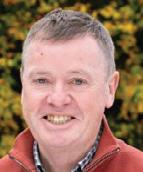
Timmy Dooley TD Minister of State Department of Climate, Energy and the Environment
Alex White Chairperson Climate Change Advisory Council
Eva Maria Bille Head of Circular Economy European Environmental Bureau
Liam Lysaght Chief Executive Officer National Biodiversity Data Centre

Eimear Cotter Director General Environmental Protection Agency

Janet Lynch Sustainability CoOrdinator Luas

Anne Goggin Project Manager Waters of LIFE

Lisa McNamee Planetary Health and Sustainability Lead Irish College of GPs

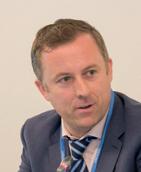


Tom Pickerell Global Director, Ocean Program World Resources Institute
Colin O’Hehir Head of Climate Change Unit Department of Health
Jacinta Conway Partner Arthur Cox
Lizzy Pinkerton Chief Executive Officer
Belfast Hills Partnership

Sponsorship and exhibition opportunities: Limited sponsorship opportunities remaining
For further information on how to feature your organisation at the conference, contact Fiona McCarthy on +353 (0)1 661 3755 or email fiona.mccarthy@environmentireland.ie


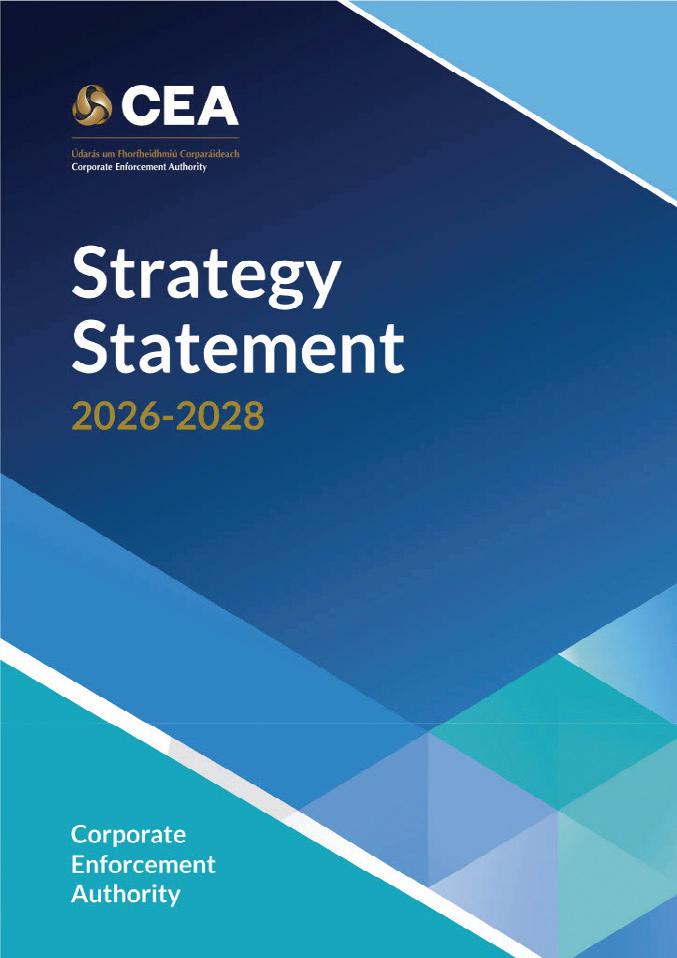
The Corporate Enforcement Authority (CEA) is pleased to have launched its Strategy Statement for the period 2026-2028.
Against a backdrop of there now being in excess of 324,000 companies on the register, this strategy, which was developed following a substantial stakeholder consultation exercise, is rooted in the Companies Act 2014.
For the period 2026-2028, the CEA has set itself the overarching strategic objective of increasing impact and providing further value to stakeholders. The CEA will achieve that objective by pursuing three strategic goals over the period.
The White Paper on Enterprise 20222030 sets out the context within which the CEA operates in the following terms:
“A well-functioning regulatory environment is an essential condition, underpinning a competitive and productive economy. Ireland has long been considered a conducive environment for enterprise to develop and grow and we continue to perform well across a range of indicators for the business and regulatory environment.”
The Programme for Government includes a commitment to publish a new enterprise strategy, Enterprise 2035, which will detail a long-term ambition for enterprise growth and job creation over the coming decade.
This strategy will supersede the White Paper, maintaining a focus on building on Ireland’s strengths as an open economy
with strong trade and foreign direct investment, a vibrant innovation ecosystem, and a resilient labour market, while also adapting to new challenges in an increasingly uncertain world. That document strategy is expected to be published in the first half of 2026.
These documents serve to underscore the importance of the CEA’s role in contributing to the provision of a robust and effective model of corporate enforcement, which is supportive of enterprise and competitiveness while safeguarding the interests of stakeholders and the public.
Distilling the foregoing, the CEA has set itself the mission of promoting and serving the public interest by ensuring high levels of compliance with company law through effective advocacy and proportionate, robust, and dissuasive enforcement.
The CEA’s vision for the future is to be an enforcement agency, that is trusted by the public and highly regarded by its stakeholders and counterparts, whose work contributes to public protection and to Ireland being regarded as a safe and well-regulated economy in which to invest and create employment.
Strategy 2026-2028 is the means by which the CEA proposes to move towards that vision. In pursuing that vision, the core values to which the CEA subscribes are professionalism, integrity, and independence.
The overarching focus of this, the CEA’s second strategy, is on increased impact and added value. The CEA proposes to achieve this overarching objective through three principal strategies, namely by:
1. Optimising delivery of effective enforcement: The CEA will continue to develop its operational effectiveness and resilience through a commitment to quality and continuous improvement, by continuing to leverage technology, and through the provision of highquality advice and feedback to the Minister for Enterprise, Tourism and Employment and his department on company law matters.
2. Empowering stakeholders: The CEA will achieve this by enhancing its position as a trusted source of high-quality and impartial information on company law and related matters, by continuing to build and develop relationships with domestic and international peers and counterparts, by advancing its standing as a recognised and respected voice on the regulatory and enforcement landscape, and by continuing to enhance the impact of its communications with stakeholders.
3. Investing in people: The CEA will achieve this through continuing to enhance its standing as an employer of choice, by nurturing diversity, equity, and inclusion, and advancing its value proposition to prospective staff through a longstanding and deeply-held belief in, and commitment to, lifelong training, development, and education.


Further information about the CEA, including its functions, guidance material for company directors and secretaries, and how to make a complaint, can be obtained on the CEA’s website, outlined below.
In this regard the CEA has published its latest information note providing practical guidance for companies and their directors, and members on the lawful and effective conduct of virtual general meetings under the Companies Act 2014.
The aim of this note is to support companies in meeting governance requirements while promoting transparency, fairness, and ease of understanding in how meetings should be conducted.
The recent amendments to the Companies Act 2014 enable more flexible and technology-enhanced general meetings. However, compliance depends on deliberate planning, clear communication, and a strong commitment to fair and inclusive participation. Companies that embrace these principles will be better positioned to strengthen governance, transparency, and member engagement.
Companies are reminded to:
• ensure members have the same rights whether attending in person or online;
• provide extra assistance for less digitally literate members if a company is aware of such assistance being required to ensure a reasonable opportunity to participate;
• use secure platforms that meet requirements under section 176A (5);
• issue notices in compliance with section 181, including clear online access instructions;
• regularly review the company’s constitution and update meeting rules for virtual or hybrid formats;
• if necessary, consider investing in user-friendly platforms and offer training or guidance for participants;
• remedy any technical issues as soon as possible once meetings commence;
• attendees must be able to hear the chairperson and any person introduced by the chairperson; and
• attendees must be able to speak and submit questions or comments during the meeting (as permitted by the company’s constitution).
W: www.cea.gov.ie
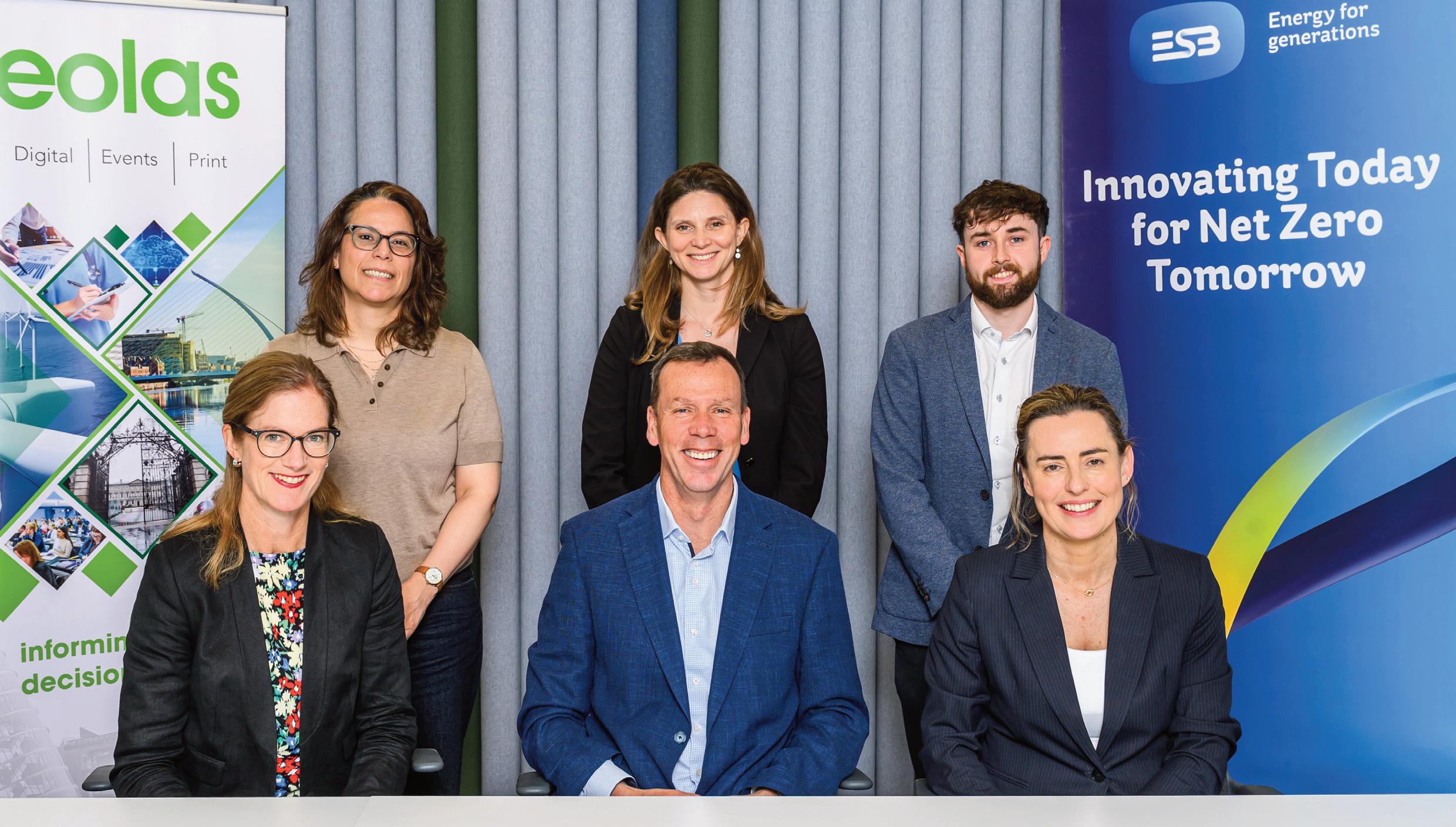
ESB hosted experts from across the energy sector for a discussion on innovating for a secure, sustainable, and affordable energy system.
What one current innovation shows particular promise in making energy cleaner, more secure, and more affordable?
John Walsh
The current combination of solar PV and batteries will be fundamental in transitioning to an affordable, secure, and sustainable energy system. We have seen the price dropping for both technologies really quickly and the combination of the two means we can start to not just produce solar electricity when it is bright and sunny, but also store it and make it available 24 hours per day.
Anna Kennedy
I am particularly interested in dynamic tariffs and the potential they have to support a cleaner, more flexible energy system. I am also paying close attention to the development of smart energy management systems behind the meter. Companies such as 1KOMMA5° in Germany are already demonstrating how
homes can automatically optimise energy use in response to price and grid signals. Dynamic tariffs have many benefits, but they can also place a lot of responsibility on consumers, many of whom may not fully understand how their meter or tariff works to optimise its use.
Anne-Lise Laurain
AI is the innovation with the most promising future, but not everyone is sufficiently equipped to apply it in the correct way yet. Many are currently using it for basic tasks. The technology exists; we now must go about enabling the efficient use of AI; especially for utilities with critical applications. However, I do not think conditions are quite right yet for everyone to use AI safely and securely.
Lisa Ryan
No one technology will achieve the energy transition. On the supply side, offshore wind is key for Ireland. We have an amazing resource that we must exploit, but we have been slow to do so and this must be accelerated. Flexibility
Round table discussion hosted by
and storage are required to exploit high shares of renewables. Dynamic pricing and smart controls would help with flexibility and this, of course, links with AI. Vehicle-togrid (V2G) will be a key technology when a large number of EVs are operational in the system. Each produces between 40KWh and 100KWh of electricity which is enough to power a household for two to seven days. That will be critical during droughts and ‘dunkelflaute’.
Maria Keany
The combination of offshore wind and solar, and its integration on to the grid, is going to be key. We must assess how this can be done safely while limiting curtailment. At present, we have short- and medium-term storage, and long-term storage is going to be critical. On the customer side, automation is essential. We can only rely on customers to turn appliances on or off so much, so I think it is crucial that this is automated to take the pressure off customers.
What are Ireland’s strengths and challenges regarding the emergence of innovation and its adoption in real-world applications?
Anne-Lise Laurain
Ireland being an island makes it unique in dealing with the high penetration of renewables, especially wind. Ireland also has an innovation mindset which you do not
see everywhere in Europe. I believe that the development of flexibility that can be achieved with real-time tariffs is going to be very important. The Free Electrons programme started by ESB is very interesting as it demonstrates utilities collaborating in an international programme to ensure that critical innovation technologies are tested and shared.
John Walsh
As a nation, we are natural entrepreneurs, that is part of the Irish DNA. In terms of the challenges, sometimes it can be hard to get things done in Ireland. We can put roadblocks and obstacles in the way, particularly for demonstrating and piloting new technologies; so we need to make it easier to trial new things. I have been really impressed by the rate of change in Spain since the electricity outage last year. I think it shows what a crisis can do to unlock some of the inertia that is there in systems.
Maria Keany
Ireland is small and, within that, the energy community is very small which makes it much easier to collaborate. There are really strong links between industry, academia, and policymakers. We have really strong research capabilities amongst the universities and they are good at working together. I would echo what John said. Sometimes turning research into deployment can be a lot slower than we would want it to be.
Lisa Ryan
I think the fact that we are relatively small, which Maria mentioned, benefits trialling things. The size of the island of Ireland makes it a perfect place to run EVs. Most people drive a relatively small number of kilometres per day and we have a dispersed population. This can work against us in relation to the grid, but regarding EV use, it means many people have driveways where they can charge them. Our fabulous wind resource is another big strength. We should be leading rather than following in that regard at this stage. In terms of the challenges, we are missing some key infrastructure and we have not been effective in implementing and building infrastructure. From a regulatory perspective, we try to do things properly but we sometimes overcompensate which makes it difficult to get things done.
Anne-Lise Laurain
I believe every country is facing those same issues. Creating long-term policies is very difficult and it is needed for innovation. That is because innovation requires investment and people may not invest if there is not long-term security. Many countries face difficulties at the implementation phase because the energy industry can be very political and there are many things that are out of the control of the engineers developing those new technologies.
Anna Kennedy
Although we are good at rolling out pilots, we are very weak at following through and deploying them at large scale. One of the biggest barriers is capital and accessibility. At EnergyCloud, we work with many households experiencing energy poverty, with an energy budget of €1 per night. For those, 4

Maria Keany is Business Development Manager with the NexSys Research Programme hosted by the UCD Energy Institute where she works with academic leaders, industry partners, and policymakers to support Ireland’s transition to a net-zero energy system. She has over 20 years’ experience across, research, executive education, and the private sector, specialising in strategic partnerships, stakeholder engagement, and programme development. Keany previously held senior marketing and business development roles in engineering, property development, and professional education.


Anna Kennedy brings over 20 years of business leadership to her role as Director of Operations at EnergyCloud Ireland. With a background in founding and scaling purpose-driven organisations, she now supports the development of operational frameworks and strategic partnerships that enable EnergyCloud’s mission to end energy poverty through the innovative use of surplus renewable energy.
Anne-Lise Laurain is a Senior Technical Leader at the Electric Power Research Institute (EPRI) Europe, where she leads the European Energy Innovation Interest Group and plays a central role in building collaborative innovation ecosystems across the European energy sector, including coordination of the OPAI (Open Power AI) consortium and strategic partnerships with utilities, technology companies, and research institutions. She brings over a decade of experience spanning multinational corporations, electric utilities, cleantech startups, and accelerator programmes.

Lisa Ryan is a professor of energy economics in UCD School of Economics and the Energy Institute. She leads a research team that focuses on the economics of clean energy technology adoption, energy markets, and climate change and related policy. Ryan was previously a board member of the Sustainable Energy Authority of Ireland and senior energy economist in the Energy Efficiency Unit at the International Energy Agency (IEA) in Paris.

John Walsh is the Emerging Technology and R&D Manager at ESB, collaborating with a diverse array of companies, NGOs, start-ups, and research groups. With a strong passion for leveraging technology in social enterprise, he has extensive experience in the energy sector, having held various operational, engineering, commercial, and management roles. His expertise spans retail electricity supply, energy services, electric mobility, sustainability, health, safety, wellbeing, and innovation.
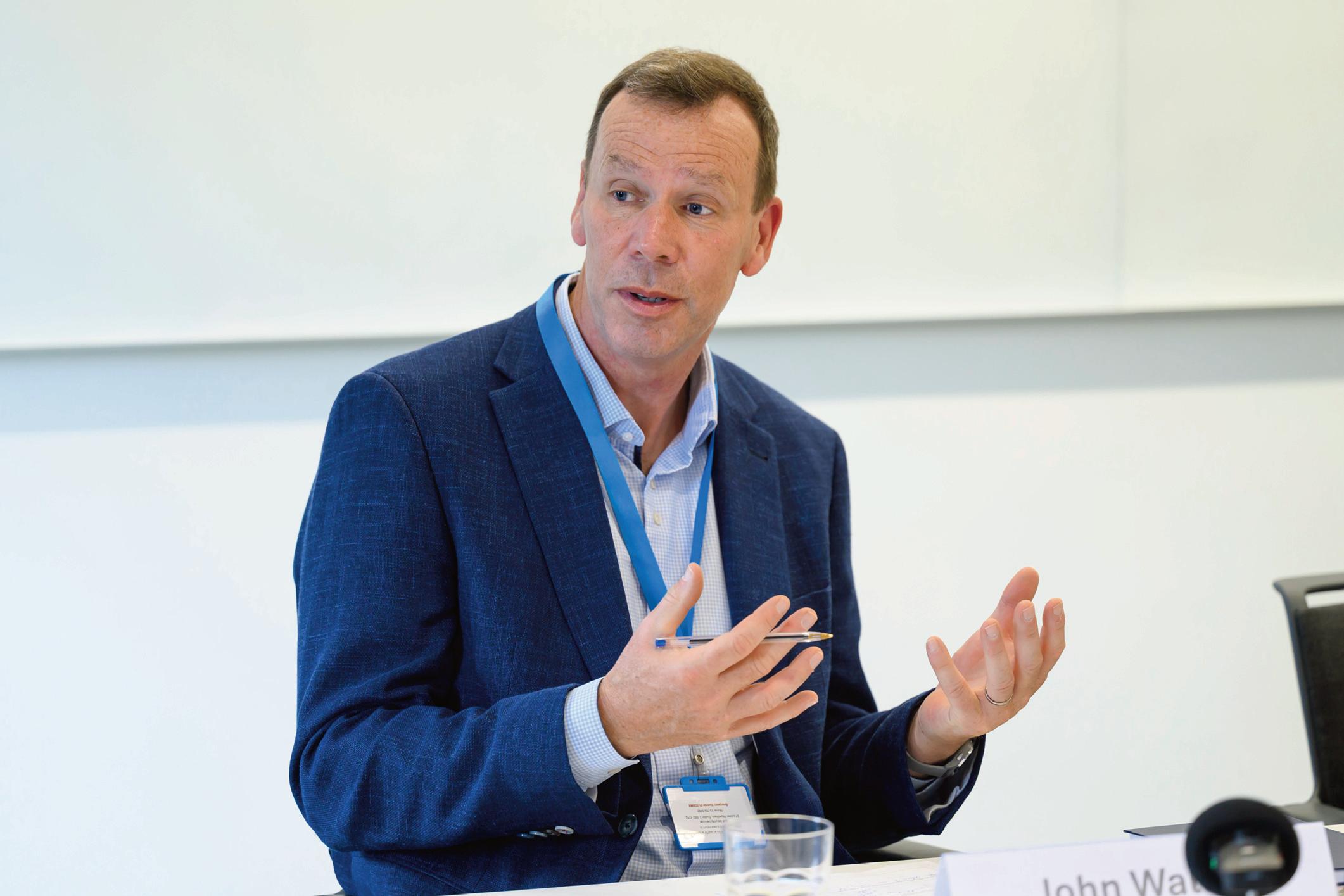
“The current combination of solar PV and batteries will be fundamental in transitioning to an affordable, secure, and sustainable energy system.” John Walsh
night-time use of the energy from their pre-paid meter for technologies such as heat pumps or batteries may mean they do not have credits left to cook the next day. It is a two-tier energy system: on one side are households that can afford smart technologies and benefit from lower costs and flexibility. On the other are people struggling to afford even the most basic energy needs.
What role does collaboration play in finding innovative ideas and turning them into realworld solutions for the energy sector?
Lisa Ryan
No single discipline or organisation can solve the challenges of the energy transition alone. Within academia, economists, engineers, and technical experts must work together to ensure solutions are practical and accurately modelled. Beyond academia, collaboration with industry, policymakers, and communities is critical to implementing technologies and gaining societal support. Increasingly, the challenge is less about technical
solutions and more about public engagement, policy, and social acceptance. Ireland’s new National Energy Research Centre reflects this approach by bringing together multiple disciplines, industry partners, policymakers, and society to work collectively on energy transition challenges.
Maria Keany
Effective progress requires academia, industry, regulators, government, and communities working together. Research programmes such as the NexSys Research Programme demonstrated the importance of multidisciplinary collaboration by combining engineering with social policy, economics,
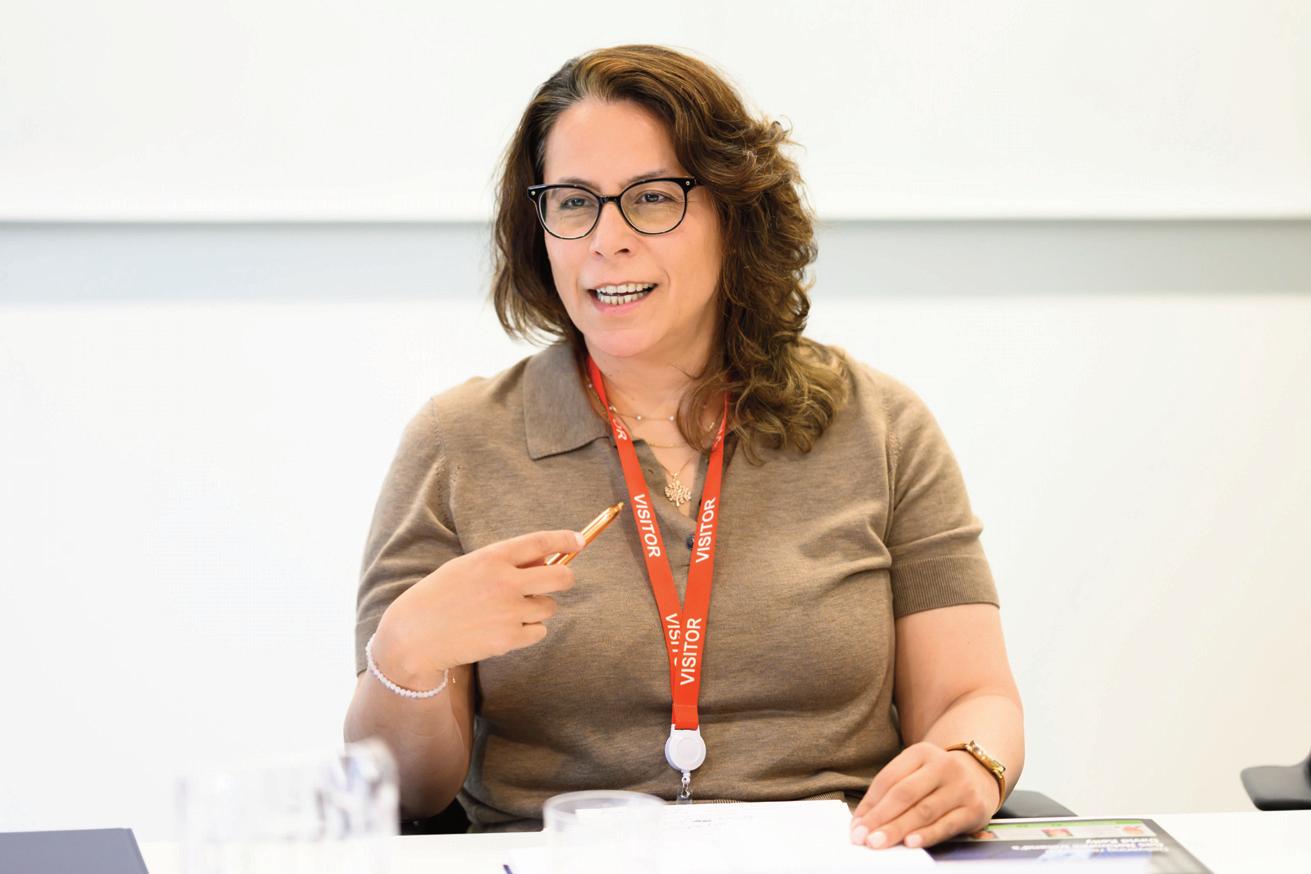
“Although we are good at rolling out pilots, we are very weak at following through and deploying them at large scale.” Anna Kennedy
mathematics, and climate science to address energy challenges more holistically. This collaborative model will continue through Ireland’s new National Energy Research Centre. From an academic perspective, industry partnerships are especially important because they provide the practical, realworld context needed to ensure research can be applied effectively and deployed at scale in the energy system.
John Walsh
We need collaboration right across communities, industries, governments, and international partners. Locally, it is important to understand the perspectives and needs of households, businesses, energy users, and sectors such as data centres, all of which use energy differently. National collaboration is equally important for managing infrastructure and policy, while international collaboration allows countries to learn from one another’s experiences and innovations. Because the energy transition is part of a global system, sharing knowledge and perspectives internationally is essential to ensuring that solutions are scalable, coordinated, and capable of supporting long-term transition goals.
Anna Kennedy
Collaboration is often described as difficult, but it is essential if we are serious about delivering the energy transition at the speed required. Complexity is frequently used as a reason for slow progress, particularly when multiple stakeholders are involved, but successful examples already exist. Projects such as EnergyCloud demonstrate that collaboration between housing bodies, energy companies, retailers, grid operators, and communities can deliver tangible results. Thousands of households in Ireland have already benefited from free energy initiatives through these partnerships. Bringing together multiple organisations with different priorities, systems, and objectives is not easy, but it is possible. In fact, without that level of cooperation, innovation will remain stuck at pilot stage and large-scale implementation simply will not happen quickly enough. The energy transition cannot be delivered by any one sector acting alone.
Anne-Lise Laurain
Collaboration in the energy sector must operate globally because many countries are facing similar transition challenges. International cooperation prevents duplication of effort and allows organisations to learn from both successes and failures elsewhere.
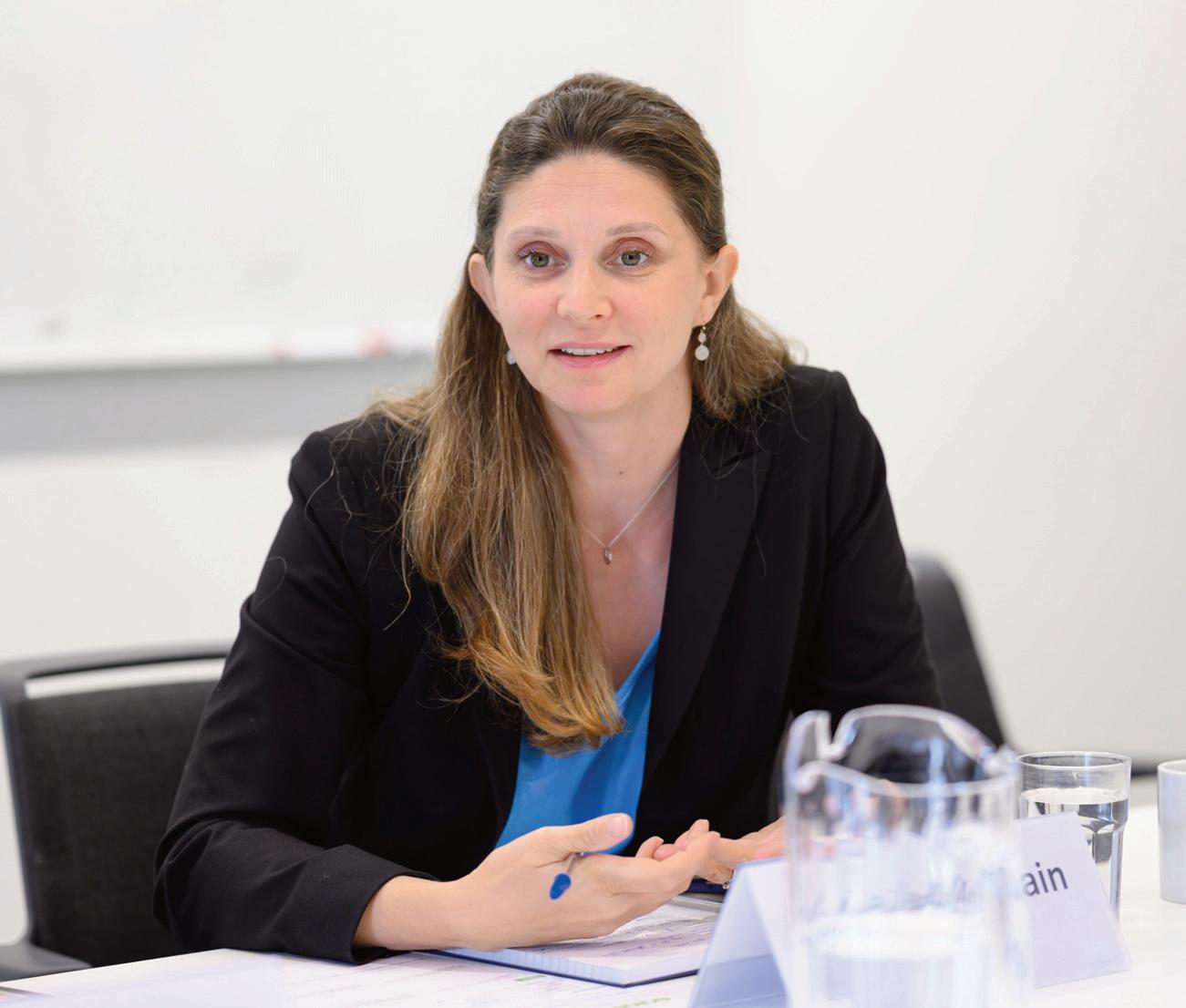
“International cooperation prevents duplication of effort and allows organisations to learn from both successes and failures elsewhere.” Anne-Lise Laurain
Through global utility networks and collaborative research initiatives, energy providers can share experiences, innovation strategies, and lessons from real-world implementation. Creating safe environments for honest exchange is particularly important, as organisations often learn more from failures than successes. International collaboration also helps countries respond more proactively to emerging risks and system challenges, rather than waiting until problems occur locally. This shared learning approach is essential for accelerating innovation and strengthening resilience across the global energy system.
How will industry collaboration and innovation support consumers by helping make energy more affordable and resilient to external events?
Maria Keany
We must reduce dependence on fossil fuels through greater renewable energy deployment and improved grid infrastructure. On the consumer side, automation will be increasingly important. Smart systems can help manage energy use and provide flexibility to the grid without relying on consumers constantly changing their behaviour or manually controlling appliances. This can lower
bills while improving system efficiency and resilience. Collaboration between industry, researchers, and policymakers is essential to ensure these technologies are practical, scalable, and accessible for consumers as part of the wider energy transition.
Anne-Lise Laurain
Collaboration helps reduce the risks associated with adopting new technologies because solutions can be tested, shared, and improved across different organisations and countries. This avoids duplication of effort, reduces costs and risk, and allows technologies to be implemented more quickly and confidently. In that sense, collaboration directly supports affordability by making innovation more efficient and lowering barriers to deployment. Shared learning and coordinated implementation are therefore critical to accelerating the transition while ensuring consumers benefit from safer, more reliable, and more cost-effective energy systems.
Lisa Ryan
Technologies such as offshore wind, smart controls, and vehicle-to-grid
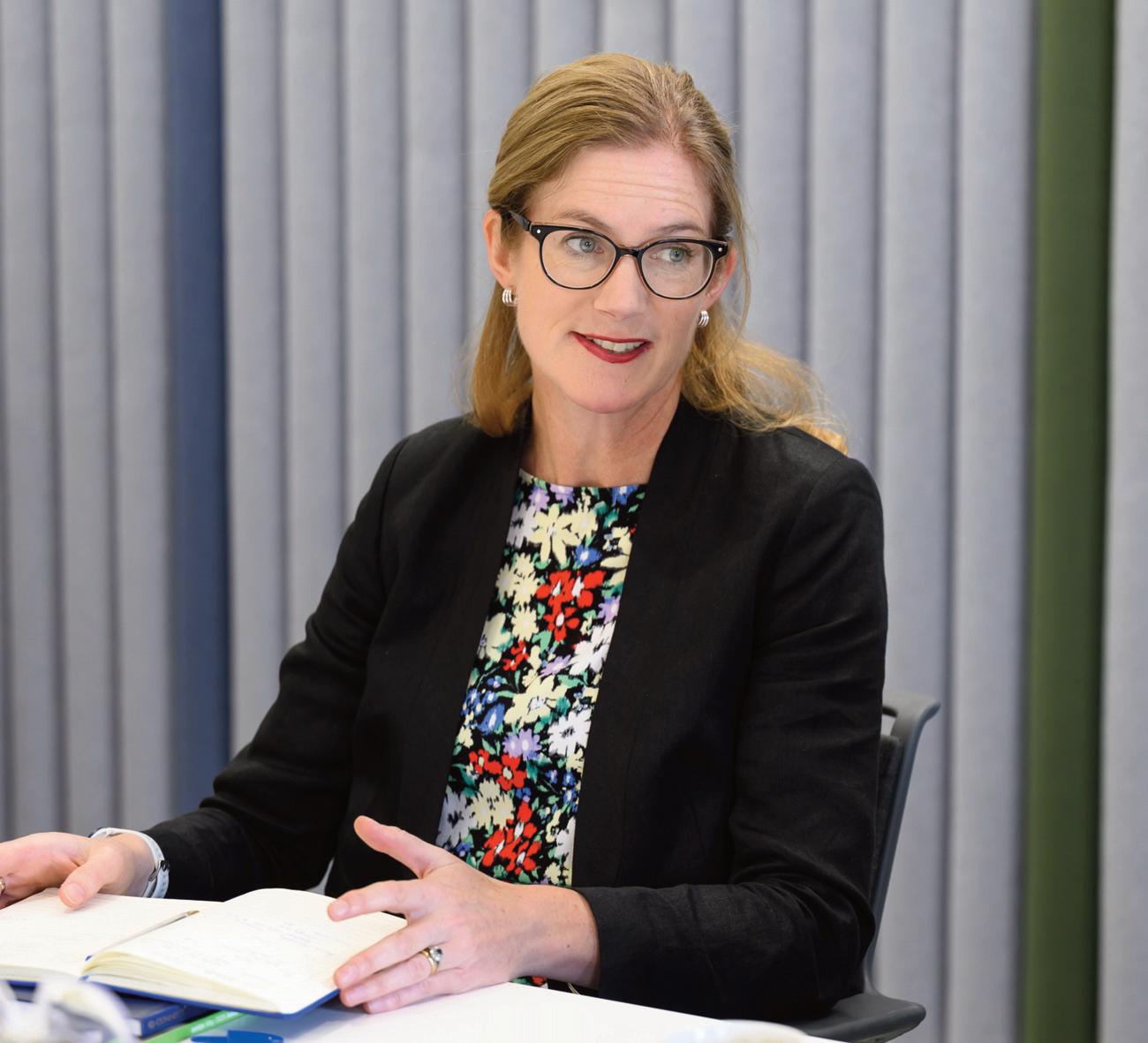
“Greater collaboration and policy support can help accelerate the rollout of proven technologies.” Lisa Ryan
systems require both capital investment and supportive regulation. Collaboration between industry, academics, policymakers, and regulators can help de-risk these investments and create incentives for innovation that benefit consumers rather than simply increasing profits. Ireland can also learn from countries such as Denmark, where many energy innovations are already commonplace. Greater collaboration and policy support can help accelerate the rollout of proven technologies, making the energy system more flexible, affordable, and capable of responding to future challenges.
Anna Kennedy
Consumers should not be expected to constantly change their behaviour to manage energy demand. Much of that complexity should be handled through software, automation, and AI working in the background to optimise energy use automatically. Technologies such as small-scale solar panels, heat pumps, and smart controls can help reduce costs and improve resilience if supported
by the right policies and incentives. Other countries, including Germany, Sweden, and regions in the southern hemisphere, have already implemented practical solutions that could be adapted locally.
Collaboration is therefore not only about working across sectors domestically, but also about learning from successful examples elsewhere and applying them more quickly and effectively in Ireland.
John Walsh
Collaboration will be critical both in how energy is produced and moved, and in how it is used. Expanding low-cost renewable energy can reduce dependence on expensive fossil fuels, but delivering this requires much broader collaboration than in the past. The energy sector now needs to work closely with industries such as automotive, telecommunications, and finance to enable technologies like vehicle-to-grid systems. Collaboration must also extend beyond industry to include communities and NGOs in projects such as community solar initiatives. By involving a wider range of stakeholders, the energy transition can become more affordable, sustainable, and resilient while delivering benefits more directly to consumers and local communities.
Maria Keany
Future energy systems also need to focus much more on demand, not just supply and transmission. The demand side can become an active part of the solution by providing flexibility and helping balance the grid. This includes bringing sectors such as data centres into the conversation, despite some of the criticism they currently face. With the right collaboration and technologies, large energy users can contribute positively to system resilience and
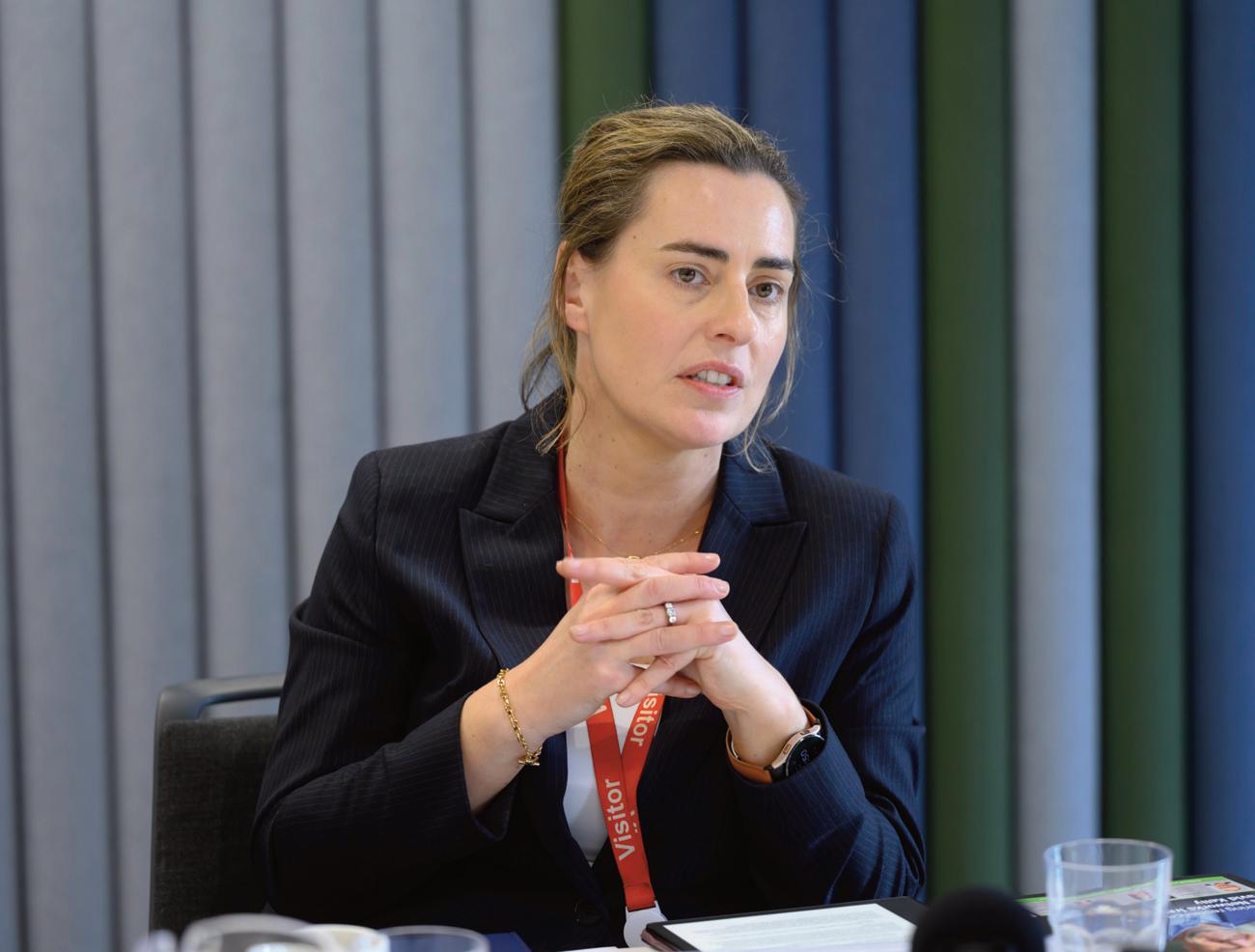
“It is important to provide long-term certainty and clearer pathways for industry in the policy and regulatory environment where possible.” Maria Keany
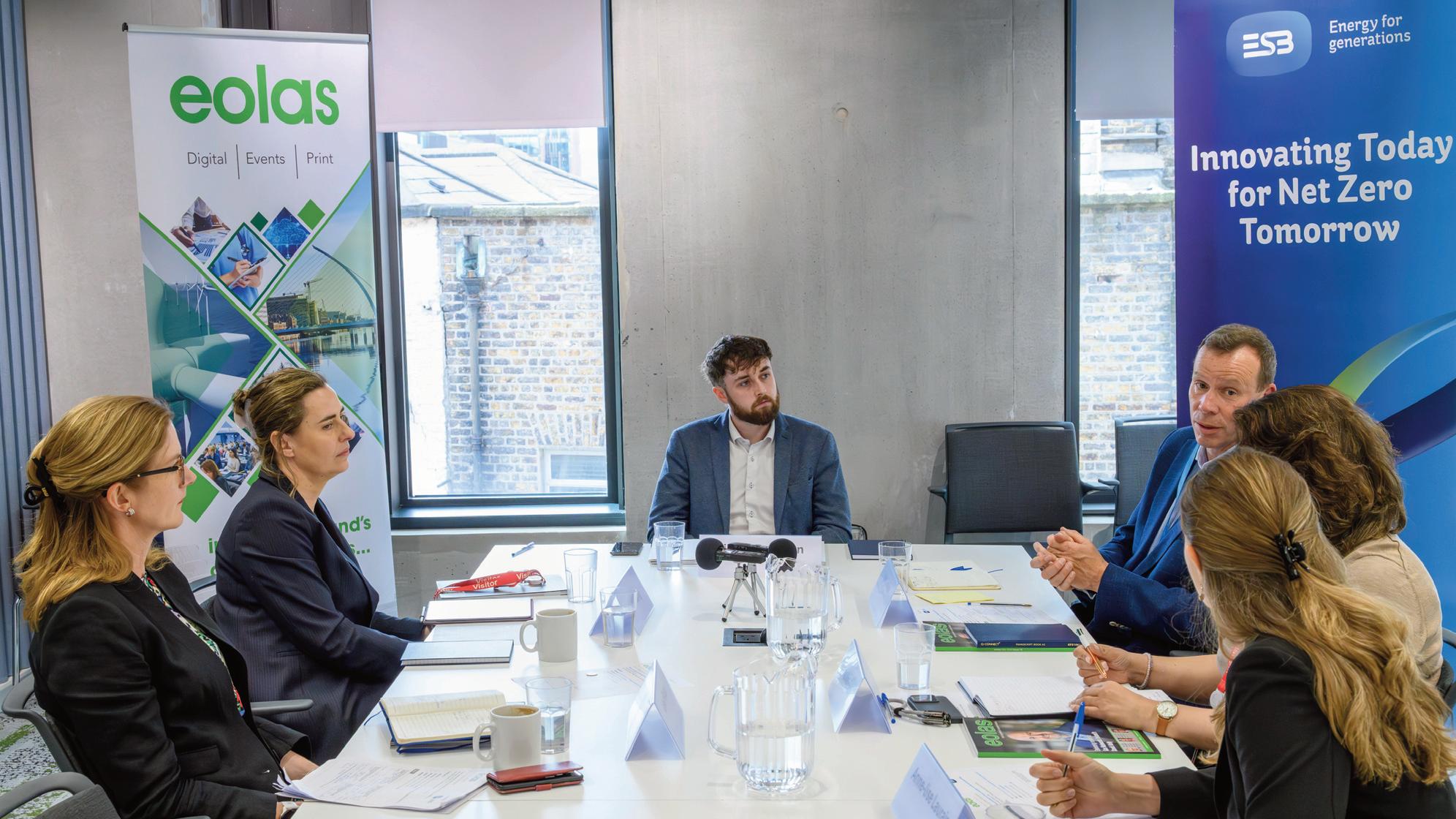
flexibility. Achieving this will require looking beyond the traditional energy sector and involving a broader range of industries and stakeholders in energy planning and innovation.
How can the policy and regulatory environment best support energy innovation in Ireland?
Anna Kennedy
What EnergyCloud would like to see addressed is the continued level of energy poverty in Ireland and the need to make energy-saving measures more accessible to everyone. We would like to see the process of introducing single retrofitting measures simplified, and that renters would be able to avail of these. At the same time, there should be stronger recognition within policy of the levels of renewable energy currently being wasted or curtailed, while many households continue to struggle with high energy costs and inadequate heating. Ireland has an opportunity to better connect surplus renewable generation with those experiencing energy poverty through innovative, socially focused energy initiatives.
John Walsh
Policy, regulatory frameworks, and innovation are not natural bedfellows. Innovation is about trying new ideas and evolving, and includes failing, failing again, and failing better. In a highly regulated environment, that can be a challenge. I have two asks, the first of which would be to reduce the regulatory requirements for testing pilots and
demonstration projects with academic institutes and research centres. We should be sandboxing pilot and demonstration projects. Secondly, we have a relatively high cost of electricity relative to natural gas in Ireland. Our spark gap spread is relatively high compared to other European countries. We should rebalance some of the policy burdens on electricity and redistribute them to enable a more favourable spark gap spread in Ireland. This would greatly accelerate the adoption of electrification.
Lisa Ryan
Achieving an energy transition requires incentives which must be facilitated by the regulatory environment. Our ambition is for a large renewable electricity generation system, but this must be facilitated on the demand side. EnergyCloud provides a good example of excess electricity being made available to lower income households. However, there is not really an incentive for organisations to do that. It requires policymakers to enable this. Similarly for innovation, if incentives are not in place for organisations to trial new things, it is difficult for them to do that. A regulatory environment that facilitates the trial of different technologies and systems, perhaps through sandboxing, is required. The establishment of the Offshore Wind Energy Clearing House demonstrates a recognition of the need to bring people together. However, more will be required as we cannot expect industry to invest if there are no requirements or incentives.
Maria Keany
It is important to provide long-term certainty and clearer pathways for
industry in the policy and regulatory environment where possible. On infrastructure deployment, offshore wind has been identified as an enabler of the energy transition but there is a lot of infrastructure that is not in place. There needs to be more joined-up thinking on policies to provide industries considering investing in offshore wind in Ireland the ability to invest. Why would they invest if the necessary infrastructure is not in place? Policies in Ireland, particularly around the energy transition and climate, can compete with each other which causes problems for infrastructure development.
Anne-Lise Laurain
Long-term policy is critical to enable innovation and the energy transition. As John was saying, trialling things, failing, and learning from those failures is not always facilitated by a regulatory environment. The US has an impressive culture for allowing the termination of publicly funded programmes when they are not working. The UK has a good system where there are multiple rounds for trials to be stopped if they are not working. It is important to have a safe environment to be able to fail and it is critical to make adoption of innovation safe. This is where regulatory sandboxes are key as you do not want to implement something that may not be safe.
A notably higher proportion of people experience severe disabilities in the North compared to the Republic, according to research by the Economic and Social Research Institute (ESRI).
The report, How do disability rates differ across the island of Ireland?, published in April 2026, outlines that overall disability rates among 20-69-year-olds are very similar in both regions, at 23 per cent in the North and 22 per cent in the State, based on their respective census questions.
However, the severity of disability differs significantly, with the North recording a notably higher share of people experiencing more severe disabilities, 11 per cent compared to 6 per cent in the State. Disability rates rise with age in both jurisdictions, but the age gradient is much steeper in the North.

Among its findings, the ESRI states that higher educational attainment is strongly associated with lower disability rates, particularly in the North, and unpaid caring roles are linked to a higher likelihood of reporting a disability, especially in the State.
Interestingly, the report says that while local labour market conditions exert some influence, the effects are relatively minimal in both regions. The ESRI asserts: “This is considerably different to what is found in the international literature on disability but is in line with previous findings for Northern Ireland.”

Expanding on disability and severe disability rates, the ESRI says that the increase rates of disability in the North are consistent with its weaker economic performance, higher levels of deprivation, and the lasting effects of the conflict.
“In all of our models, we find that the probability of disability increases with age and declines with educational attainment. However, we find substantial differences in the influences of these variables between regions across the island and according to the severity of disability.
“Significant differences also occur with respect to religious background, ethnicity, and local labour market characteristics across both jurisdictions on the island. This may be reflective of a range of differences across the island; migration in particular differs considerably north and south.
“While health care, social care, social security systems, and the local labour market all differ across the island, these are likely to interact in context-specific ways and impact how disability manifests.”
The report also finds that holding a thirdlevel qualification reduces the probability of disability by around 7 per cent in the Republic, compared with a 15 per cent reduction in the North relative to the reference category.
Similarly, although the likelihood of disability increases with age in both regions, the effect is far stronger in the North: being aged between 60 and 69 raises the probability of disability by 38 per cent, compared with 16 per cent in the State relative to those who are 20-29 years of age.
Unpaid caregiving also shows contrasting impacts, increasing the likelihood of disability by 7 per cent in the South but only 1 per cent in the North. This is particularly important as the relationship between social security and disability does not account for those with disabilities also being carers and vice versa.
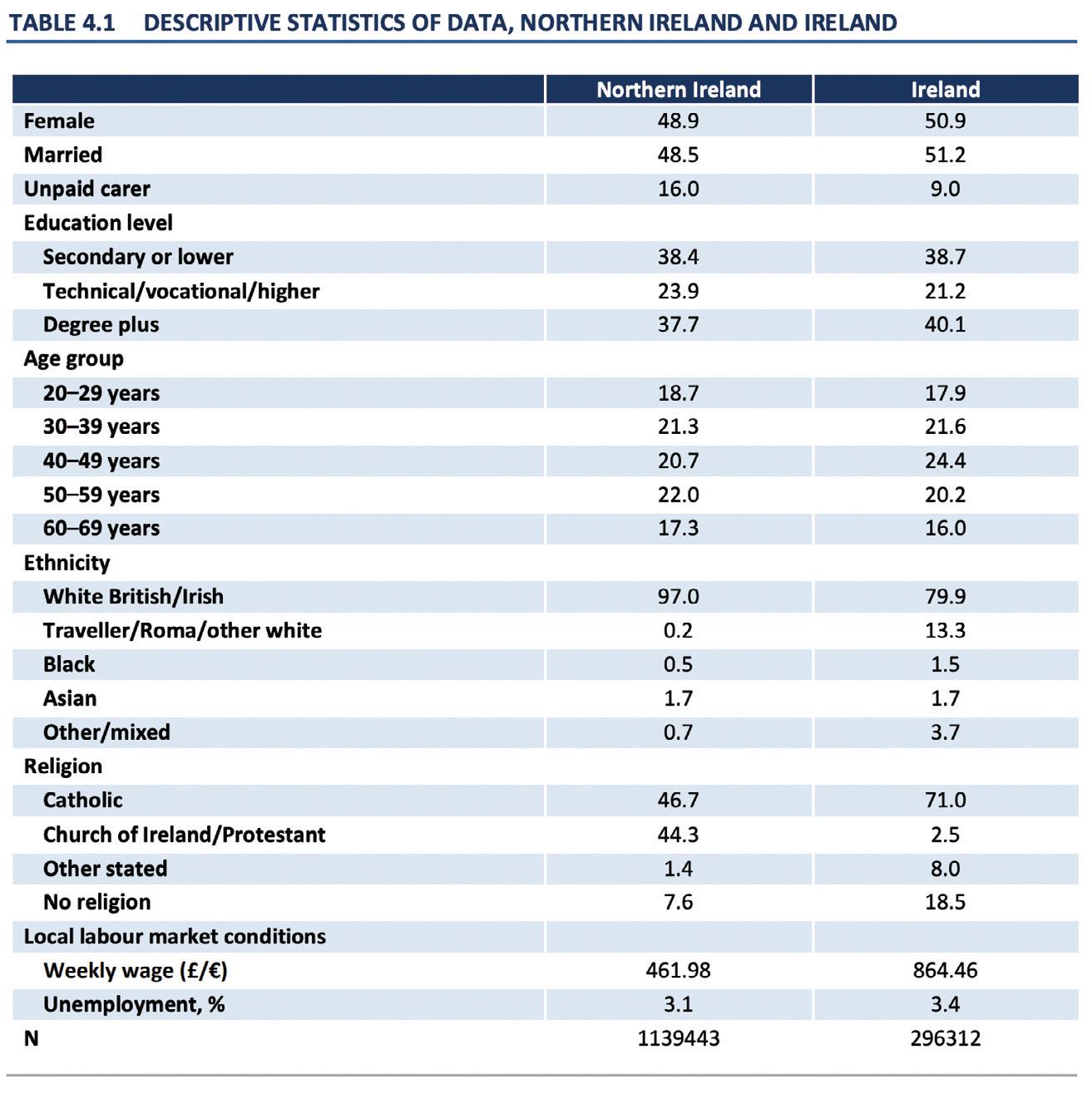
Source: Disability rates in Northern Ireland and the Republic of Ireland, ESRI.
Gender differences are apparent between the jurisdictions. Women are 2 per cent more likely to report disability in the Republic compared to men, whereas in the North they are slightly less likely to do so. The ESRI states that this may be due to differences in how gender interacts with the labour market or other relevant policies, or the conflict effect in the North may lead to higher rates of disability amongst men.
While disability prevalence is broadly similar across the State and the North, the severity and underlying factors associated with disability differ substantially. Observable characteristics explain much of the variation in the North, whereas unobserved factors play a larger role in the State, complicating policy design.
In this context, the ESRI asserts: “Conflict-proofing policy and considering the Northern Ireland-specific context is
crucial in relevant policymaking. It is also possible there is a spillover from the conflict to Ireland and while this is an area for further research, it may also be prudent to consider a conflict impact in Ireland, given the levels of mobility across the border.”
Commenting on the findings, author of the ESRI report, Anne Devlin says: “We find rates of overall disability are similar across the jurisdictions, but if we focus on more severe disabilities, the rate is much higher in Northern Ireland. Disability rates also show a mirrored pattern along the border, with high rate counties in Ireland aligning with neighbouring high rate counties in Northern Ireland, and the same for areas with lower rates.”



Only 10 per cent of drug-related intimidation cases were reported to An Garda Síochána for the period 2024-2025, a report has found.
The report, Drug-related intimidation in Ireland: the first data report from the national DRIVE Project, published in May 2026, finds 1,027 cases of drug-related intimidation (DRI) were reported to the National Drug Treatment Reporting System (NDTRS) in 2024-2025.
The DRIVE (Drug Related Intimidation and Violence Engagement) project is funded by the Department of Health with the objective of supporting those experiencing drug-related intimidation. The project is designed to aid users to receive non-judgemental, confidential support and access to services.
The report highlights that cases of DRI were reported across all Health Service Executive (HSE) areas, with the most prevalent area being HSE Dublin and North East, accounting for 29.4 per cent of reports.
The main reason given for referral and treatment was drug use, equating to 71 per cent. The most common drug
reported was cocaine (29.9 per cent), with cannabis being the second most prevalent (11.0 per cent), and opioids (10.3 per cent) being third.
Cases involving individuals living in stable accommodation equated to 74.6 per cent of reports. 62.7 per cent of cases reporting DRI stated they were currently living with family members, including children, which indicating “potential hidden harm within households”, according to the report.
The report discusses the wide range of intimidation factors reported, with ‘threats to the individual’ accounting for over two-thirds (64.2 per cent) of intimidation used.
‘Threats to family’ was the second largest intimidation factor used (25.1 per cent), with ‘violence to the individual’ the third most common intimidation factor, accounting for 19.7 per cent.
The report makes four main recommendations intended to strengthen the project, improve data coverage and quality, and enhance safety for individuals and families experiencing DRI.
Recommendations include the need to strengthen supports for individuals and families experiencing DRI. This would include the continued expansion of nationwide access to evidence-based drug and alcohol supports, ensuring services have safety protocols and referral pathways.
The enhancement of prevention and community-level interventions is the second recommendation. This would include the development of targeted prevention initiatives focused on groups most at risk of becoming perpetrators of DRI, alongside the promotion of the DRIVE project nationally through public services.
The third recommendation includes the strengthening of interagency collaboration and policy development. For this to be achieved, the report recommends the use of emerging DRI data to aid in informing policy and legislative reform which would strengthen protections and reduce impact and incidence of DRI, along with enhancing information-sharing systems between organisations such as An Garda Síochána and relevant stakeholders.
The final recommendation is using the National Drug Treatment Reporting System (NDTRS) as a model for DRI monitoring. This will include the rollout of training to support data collection to improve data coverage and quality, and support for continued development and implementation of the DRIVE model as a national framework
Minister of State with responsibility for Public Health, Wellbeing and the National Drugs Strategy, Jennifer Murnane O’Connor TD says: “We want people who are affected by this to know that they are not alone. As this report demonstrates, this is an issue affecting every community and people from all walks of life.”




When I was appointed Minister of State with responsibility for Local Government and Planning, I took on the role with a very clear understanding of both the importance of local government and the challenges and opportunities it presents, writes John Cummins TD.
That understanding did not come from a briefing document or policy paper; it came from experience.
Before entering national politics, I spent 11 years serving as a councillor and had the honour of serving as Mayor of Waterford on two occasions. Those years gave me a firsthand appreciation of the central role local government plays in communities right across Ireland. They also showed me the dedication of councillors and local authority staff who work every day to improve the places people call home.
Local government is the level of government closest to the people. It is where issues that matter most to communities are dealt with directly, such as housing, roads, public spaces, planning, regeneration, and local
economic development. Councillors are often the first point of contact when people need help, and local authorities deliver vital services day in and day out. And that work should never be underestimated.
But while I know the strengths and opportunities that exist within local government, I am also acutely aware that our system is not operating at full capacity and in a way it can and should.
Over many years, an imbalance has developed between elected representatives and executive management. Too often, councillors, the people directly elected by the public, do not have sufficient powers, access to information, or influence within the system. That has to change.
One of my major priorities as minister is to strengthen local democracy and rebalance power within local government. That is precisely why I established the Local Democracy Taskforce.
The purpose of the taskforce was simple, to take a serious and honest look at how local government needs to evolve in Ireland. Its work examined the powers available to councillors, governance structures, accountability mechanisms, finance, access to information, and the relationship between elected members and executive management.
The report produced by the taskforce is extensive and will require legislative change. I am currently working with my officials on an implementation plan that will be brought to cabinet shortly.
I believe very strongly that councillors need greater powers and a stronger role in shaping decisions within their local authorities. They are elected by the people they represent, and they must be properly empowered to carry out that mandate.
Councillors also need timely and meaningful access to information. They cannot effectively represent their communities if they are excluded from key information or decisions. Equally, executive management within local authorities must be accountable for delivery and performance.
This is not about creating conflict between councillors and officials. In my experience, the best outcomes are achieved when both work together; constructively and with mutual respect.
But there must be a proper democratic balance, and in many cases that balance has shifted too far away from elected representatives. Strengthening local democracy is one side of the equation. The other is ensuring local authorities are delivering consistently and effectively for the public.
People may have noticed a particular focus from me in recent months on the performance of local authorities across the country. That focus is intentional. Whether it is the delivery of social housing, tackling vacancy and dereliction, or ensuring regeneration funding is fully utilised, there should never be huge discrepancies between local authorities.
“I firmly believe local government has the potential to play an even greater role in shaping Ireland’s future.”
Minister of
with
Communities rightly expect the same level of ambition and delivery regardless of where they live. Since becoming minister, I have travelled to almost every local authority in the country. I have met councillors, chief executives, housing teams, and officials to discuss targets, progress, and challenge under performance where it exists.
Those meetings have been extremely valuable because they have highlighted both the excellent work happening in many counties and the areas where improvements are urgently needed.
The reality is that the majority of local authorities are doing very good work under significant pressure. There are committed teams delivering housing, revitalising towns and villages, and improving local services every day. They deserve recognition for that work.
However, there are also local authorities that are lagging behind in critical areas. Underperformance, delays, and failure to utilise available funding cannot simply be accepted.
One area where this is particularly important is vacancy and dereliction. Across Ireland, communities are frustrated by the number of vacant and derelict properties sitting idle while there is strong demand for housing and town centre regeneration. Significant government funding is available to tackle these issues, and I expect local authorities to use those resources effectively and with urgency.
Equally, on housing delivery, every target matters because behind every number is a person or family waiting for a home. Local authorities have a critical role to play in addressing our housing challenges and there must be accountability around delivery.
Despite the challenges, I remain optimistic about the future of local government in Ireland because I know the calibre of people working within it. During times of crisis and challenge, we have repeatedly seen the professionalism, commitment, and resilience of those working across our councils.
As minister, my priority is to ensure local government is empowered, accountable, and delivering to the highest possible standard.
I want a system where councillors have a stronger voice, where local authorities perform consistently, and where communities can have confidence that local democracy is working for them.
I firmly believe local government has the potential to play an even greater role in shaping Ireland’s future. My focus now is on delivering the reforms and standards needed to make that happen.
John Cummins TD is the Minister of State for Local Government and Planning. The Fine Gael TD was elected to Dáil Éireann in November 2024 representing Waterford.
Once defined by its peat-fired power stations, Offaly has reimagined its energy future and has now emerged as Ireland’s leading hub for renewable energy generation.
“Today, Offaly is not just participating in the energy transition, it is shaping it and gathering pace,” says Eoghan Ryan, chief executive of Offaly County Council. With current renewable energy operations providing 1GW, another 1.5GW granted planning and another 0.5GW in the pipeline, the county has positioned itself as a national leader and a compelling destination for investment, innovation, and forward-thinking enterprise.
Offaly’s rise as a renewable energy powerhouse is both remarkable and strategic, in that it was plan-led. Its
County Development Plan 2019-2015 identified two strategic areas of the county, east and west, in its Wind Energy Strategy at a time when the national focus was on the western seaboard.
Despite representing just 2.3 per cent of Ireland’s landmass, the county is delivering a disproportionately large share of the State’s renewable capacity, being consistently and firmly in the top three renewable energy producers by county.
Its wind energy pipeline alone accounts for approximately 11 per cent of Ireland’s Climate Action Plan (CAP) 9,000MW onshore wind target, while its solar
pipeline represents 14 per cent of the national CAP’s 8,000MW ambition.
The county has become a testbed for energy innovation with synchronous compensators, plans for hydrogen production at Mount Lucas and an energy dome in Rhode which manipulates CO2 between its gaseous and liquid phase to store and then generate electricity.
Energy leadership alone is not enough for Offaly; it must be supported by robust infrastructure. Here, Offaly holds a unique advantage as it is centrally located and situated between the M6 and M7 motorways, has strong rail links, and unrivalled key national energy grid infrastructure.
In addition, the Shannon Regional Water Supply Scheme will provide an enhanced potable water supply to the county. This combination makes Offaly a natural hub for large scale energyintensive industries seeking reliable, secure, sustainable power, and water.
In another example of a plan-led approach, the council adopted the concept of a green energy park into its County Development Plan 2021-2027. At the heart of the county’s strategy is a clear focus on converting its energy advantage into real, lasting socioeconomic benefits, transforming ‘green energy’ into jobs and employment opportunities.
Offaly is uniquely positioned to attract a range of energy-intensive industries including data centres and ICT infrastructure seeking low-carbon power solutions. By co-locating close to the source of generation, businesses can not only reduce operational costs but also strengthen their sustainability credentials.
Projects such as the Rhode Green Energy Park demonstrate how former industrial sites can be successfully reimagined as hubs of innovation, aligning energy generation – wind, solar, and battery storage – with enterprise and large energy users.
The area has now become a centrepiece of BnM’s investment offering and a large multinational has signalled its intentions to advance the first enterprise of scale at BnM’s proposed energy park at Derrygreenagh.
At the centre of Offaly’s climate ambition is the Tullamore decarbonising zone (DZ). Working with GSI and others, Offaly County Council has completed a pre-feasibility study with a 1km geothermal borehole and has signed a contract with COWI for a full feasibility study for district heating. The Tullamore DZ is part of a national push to test where geothermal might work commercially, not just technically.
Several funding applications have been submitted to support the implementation of the DZ, including, for example, a mobility hub at the railway station, urban centre regeneration projects, sustainable travel initiatives, energy upgrades to the council’s large energy use buildings, and a wetland extension and biodiversity initiative.
Offaly was the second county to work with EnergyCloud – a pilot social energy programme launched in late 2024 in partnership with EnergyCloud Ireland, AWS, and national grid actors like ESB and EirGrid where excess renewable electricity is converted into free hot water to those on low incomes in social housing in the Tullamore DZ – in order to tackle energy poverty. This is a flagship just transition and climate innovation project for the midlands.
The county town of Tullamore has retained a lot of its inherent character with attractive streetscapes. There has been significant investment with urban design enhancements to its main thoroughfare and the traditional O’Connor Square. With a solid urban framework plan for the town, the council is focused on tackling dereliction and vacancy; progressing further street enhancement works and working with
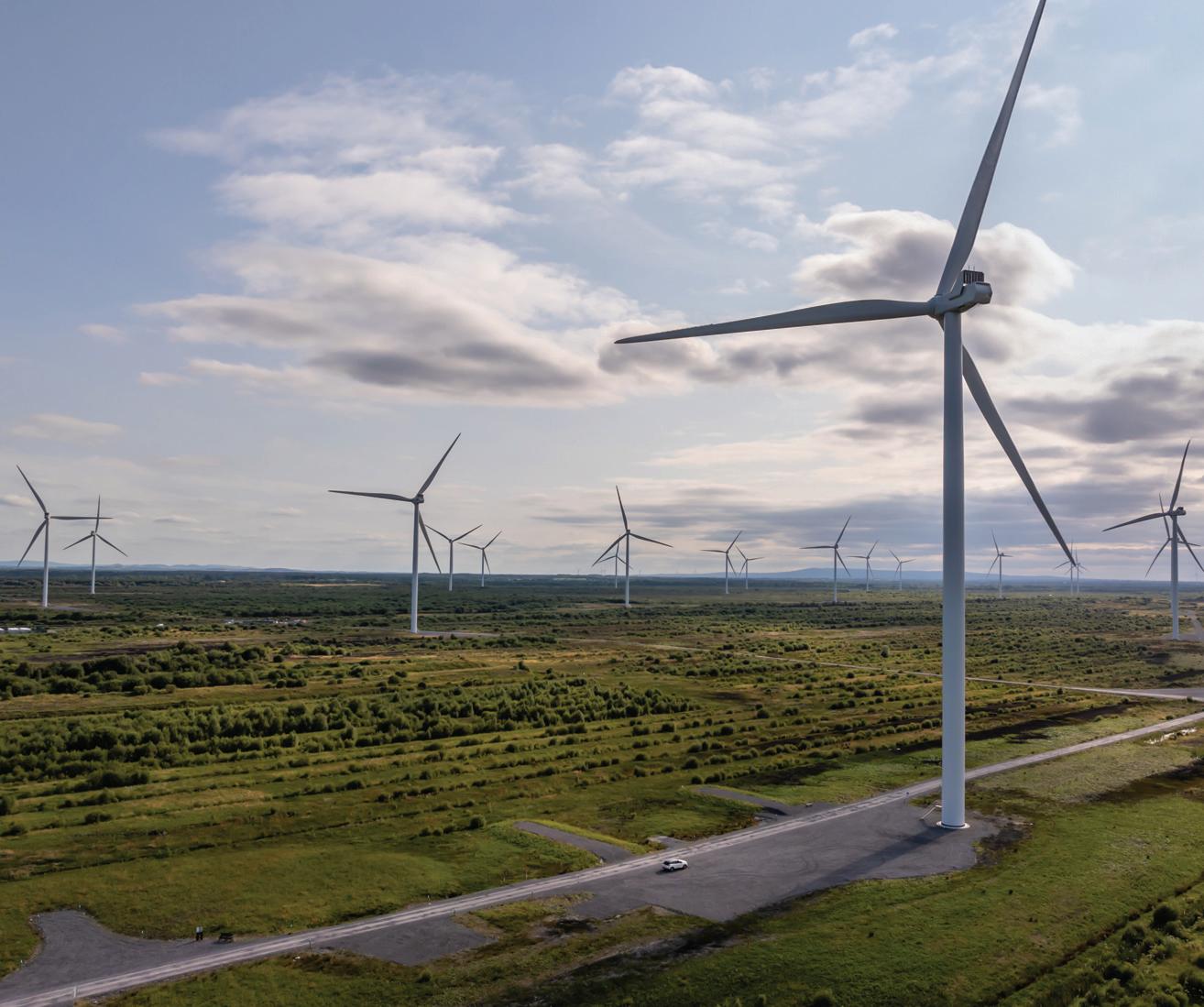
“Offaly’s rise as a renewable energy powerhouse is both remarkable and strategic.”
private and semi-state landowners to secure the redevelopment of strategic sites, such as the Canal Harbour.
While the town has been the administrative centre for the county with Midland Regional Hospital Tullamore and the council’s offices, the town and its environs has also emerged as a hub for med-tech/bio-tech, advanced manufacturing, and engineering companies.
The agri-food sector is also prominent with Tullamore Dew Distillery and Glenisk being notable in this regard. The IDA has recently purchased a significant landbank; a unique selling point of the town is that it is less than 1.5 hours away from other key urban centres in the region, such as Dublin, Galway, and Limerick.
While there is relatively good access to the M6 via the N52, the chief executive notes that further improvements to the national and regional road network would really enhance the strategic position and
offer of the town, while also enhancing the connectivity of other midland towns to strategic ports and airports such as Rosslare and Shannon Airport. The town offers businesses cost advantages associated cheaper property prices and more affordable home ownership.
The council, through its STEM officer and in partnership with the midlands counties, led out in fostering a culture of innovation through initiatives that connect young people with real-world science, technology, engineering, and mathematics applications.
The programme facilitated collaboration, from schools participating in programmes such as hydrogen-powered STEM projects, to collaborations with industry leaders in renewable energy, engineering, and advanced manufacturing.
This growing ecosystem is enabling Offaly to nurture talent locally by
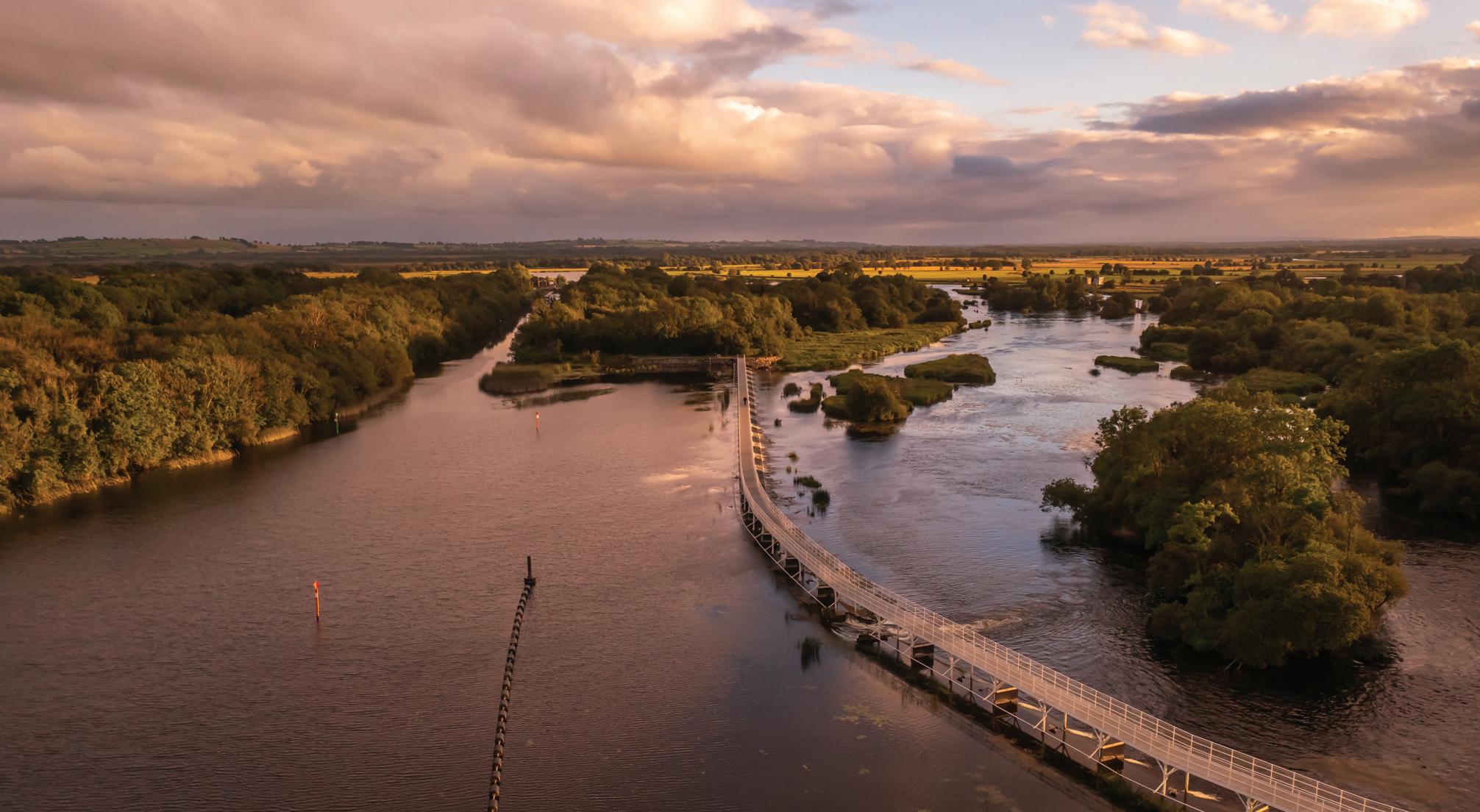
providing a future-ready workforce while attracting cutting-edge companies to the region. The impact of the programme is demonstrated in the significant increase of secondary schools that now offer computer science as a Leaving Certificate subject (significantly higher than the national average) and the success of Offaly schools competing at national and international level (US and China).
Two Offaly schools, Coláiste Choilm and the Sacred Heart, represented Ireland at the World VEX IQ Robotics Finals in the
USA in May 2025. Sacred Heart School Tullamore won the Judges Award out of hundreds of teams worldwide.
Through the Renewable Electricity Support Scheme (RESS), large-scale renewable energy projects are required to contribute to community benefit funds, creating a direct and ongoing link between energy generation and community-led initiatives, local infrastructure, and social projects.
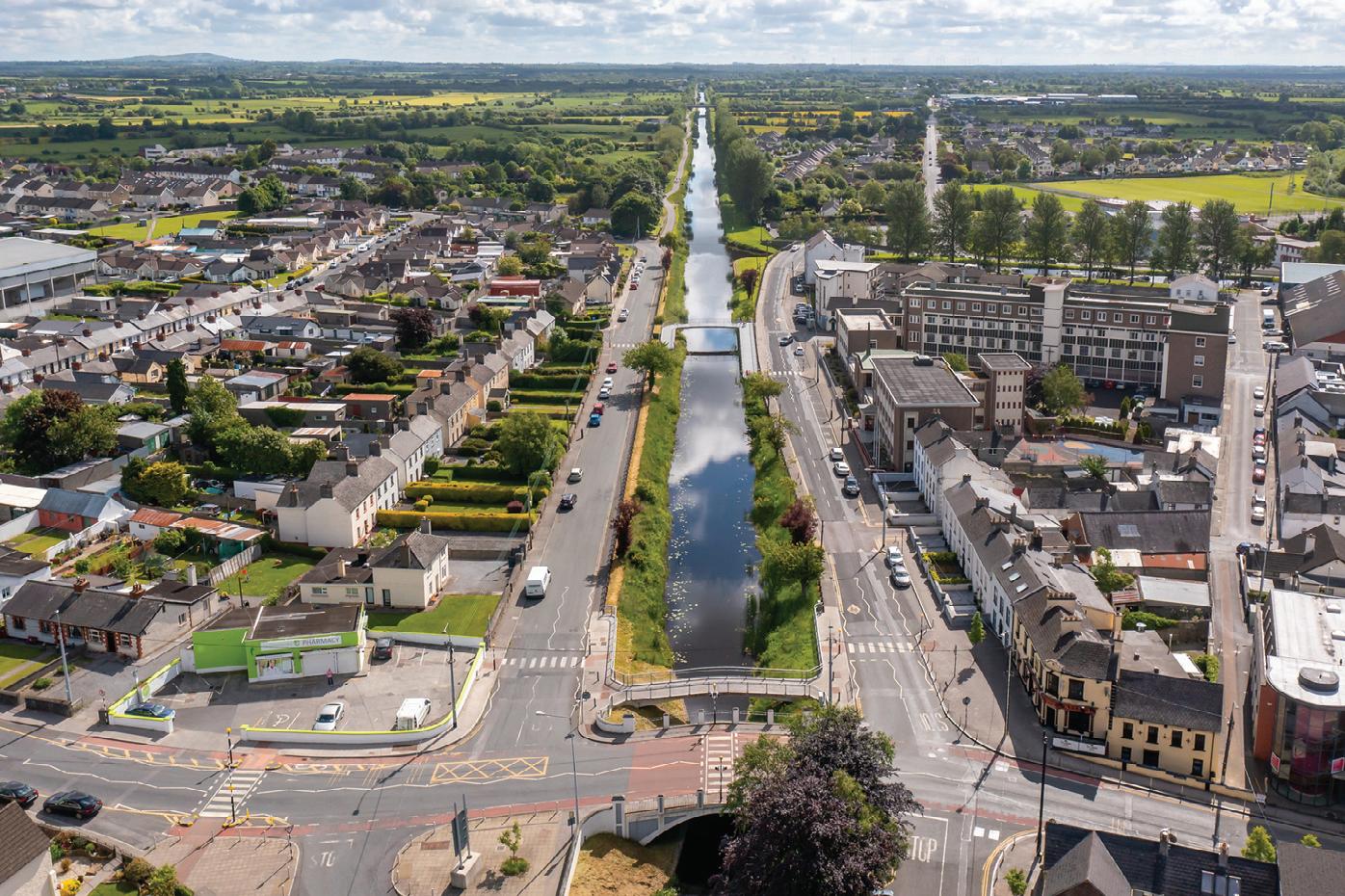
They also deliver direct annual payments to households located in close proximity to windfarms. This ensures that those most directly impacted by renewable projects receive a fair and visible return.
With more than 20 large-scale renewable energy projects expected to come on stream across Offaly in the coming years, it is estimated that in excess of €40 million could be generated for communities over the next 15 years.
Looking beyond individual projects, Offaly is adopting an ambitious, forwardthinking approach by exploring the potential to pool community benefit funds into a coordinated and unified investment vehicle that could combine resources and allow for the delivery of legacy/capital projects of scale with longer-term economic and community benefits.
Offaly has a varied and unique tourism offering including the Grand Canal Greenway; the River Shannon; the riverside towns of Shannonbridge and Banagher; the heritage offering of Clonmacnoise and Birr castle with its telescope and gardens; the Slieve Bloom Mountains with its extensive mountain bike and hiking trails and large mountain top nature reserve; and peatlands of note at Clara Bog and Lough Boora. Offaly County Council is working with Fáilte Ireland to promote the county through the Destination Experience
Development Plan for Ireland’s Hidden Heartlands, and the promotion of ‘unrushed’ and slow tourism offers, building on recent just transition funding of tourism SMEs.
Through the Midlands Cycling Destination, Offaly seeks to connect a network of greenways, walking trails, and blueways across the county with links into neighbouring counties.
This initiative is creating a cohesive and attractive tourism experience that blends outdoor recreation with heritage, biodiversity, and sustainable infrastructure. Ryan believes that Offaly must be positioned as a leading destination for active tourism, build on its facilities, and further the accommodation offerings and new hotels to attract more overnight stays.
Offaly is committed to ensuring that growth in renewable energy is balanced with strong environmental stewardship. Protecting habitats and enhancing biodiversity are central to this strategy. Offaly County Council welcomes BnM’s ambitious peatland restoration initiatives, recognising the critical role these landscapes play in carbon storage, climate regulation, and ecological resilience.
The council is acutely aware of the EU Biodiversity Strategy for 2030 and the EU Nature Restoration Regulation (2024) which introduces binding restoration targets and active repair of ecosystems.
In support of these, the council has recently proposed, through an amendment to its county development plan that peatland and nature corridors –two strategic corridors east and west in the county – will work as a counterbalance to the extremely successful renewable energy pipeline in these areas.
They also offer to enhance the visitor experience along proposed peatway routes, as identified in the Midlands Cycling Destination: Offaly, the national cycle network and BnM/Fáilte Ireland’s strategic trails network. These corridors will be an exemplar in balancing renewable energy success with landscape protection/restoration, biodiversity, amenity, and community development.
The council continues to invest in significant urban and village renewal projects across the three municipal
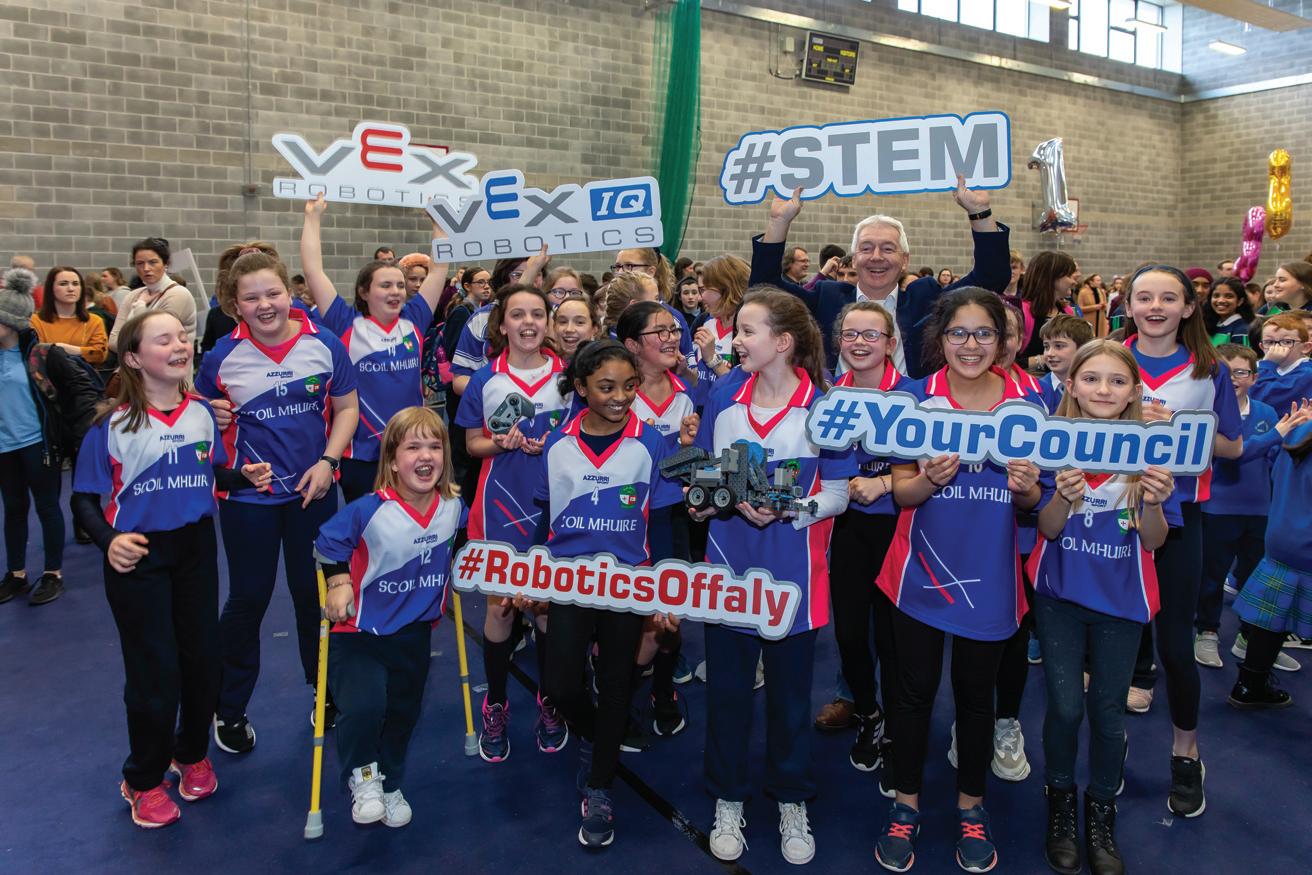
“Energy leadership alone is not enough for Offaly; it must be supported by robust infrastructure.”
districts of Birr, Tullamore, and Edenderry. Construction will commence on Edenderry Swimming Pool and Edenderry Library and Arts Centre very shortly. Edenderry has seen significant growth over the past 20 years. The council is committed to developing the social infrastructure provision across the county.
“With a relatively young and dynamic management team, an agile workforce and extremely positive and forwardlooking elected members, I am confident that we can position Offaly on a strong path to success,” says Ryan.
“Offaly presents strong energy and environmental credentials and offers a compelling proposition in terms of connectivity and quality of life. Its central location provides excellent access to Ireland’s major urban centres, including
Dublin, Galway, and Limerick, supported by strong road and rail infrastructure. This strategic positioning allows businesses to operate efficiently while benefiting from the cost advantages associated with the midlands.”
W: www.offaly.ie
Eoghan Ryan joined Offaly County Council in February 2026. Prior to this, he was a director of services with Kildare County Council. He has previously worked at the Department of Housing, Local Government and Heritage, the Department of Social Protection, and the National Building Agency Ltd.
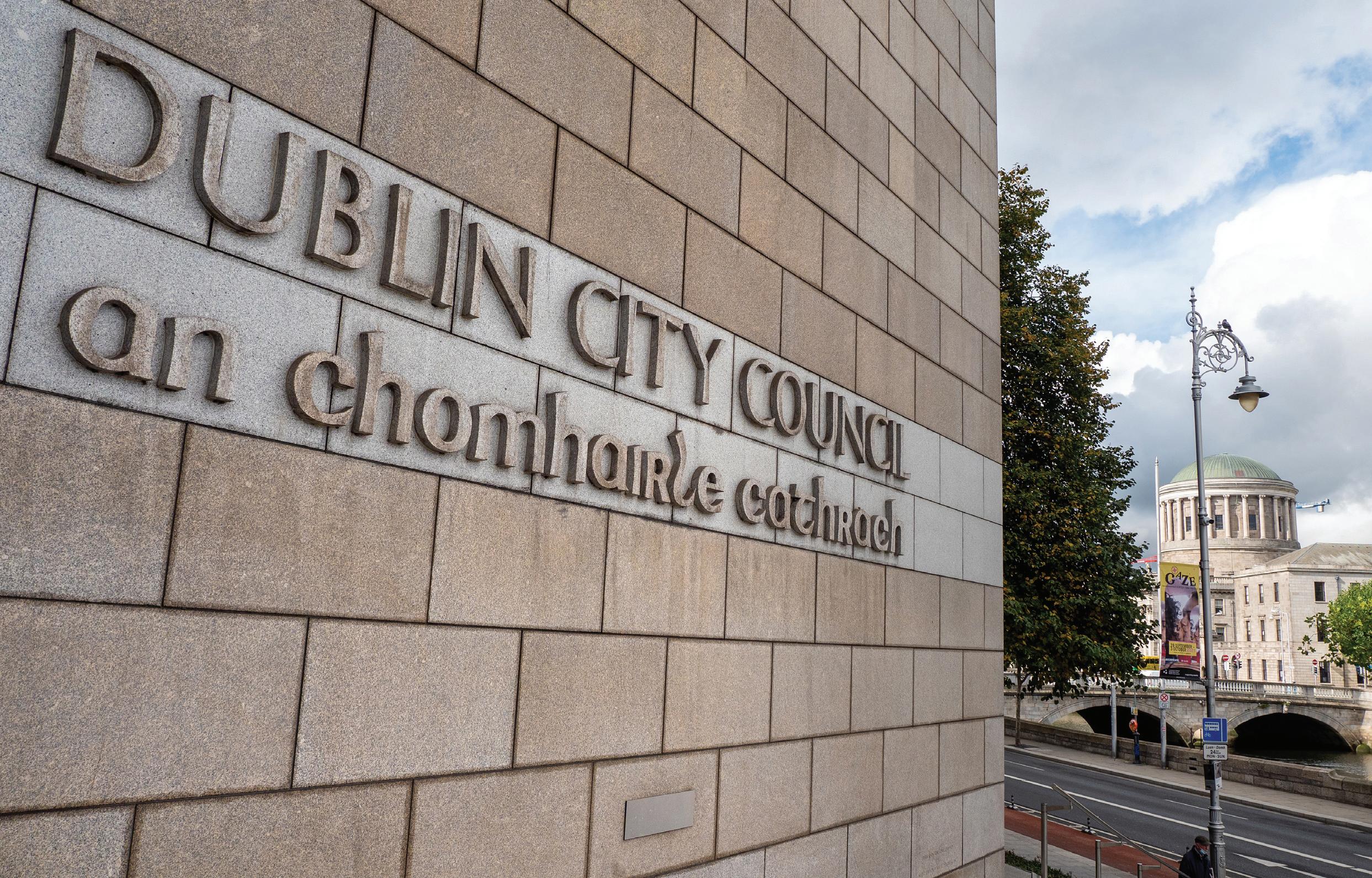
The 31 local authorities in the State reported a combined surplus of €94,410,528, a slight decrease from €94,895,728 in 2023 and a significant increase from €29,240,149 in 2016.
The Local Authority Performance Indicator Report 2024, published by the National Oversight and Audit Commission (NOAC) in September 2025, finds there were five local authorities with budget deficits in 2024.
The report states that current housing numbers “fail to adequately address the existing level of housing need”. It illustrates that local authorities fall short of new-build social housing provision targets in Housing for All Under Housing for All, 9,500 new-build social homes were to be provided over the five years to 2026, a total of 47,500. The NOAC report shows that 28,605 new-build social homes were delivered between 2021 and 2024.
Social housing vacancy rates fell from 2.81 per cent in 2023 to 2.75 per cent in

2024 and have markedly improved from 3.5 per cent in 2019. There were 4,251 local authority housing units vacant at the end of 2024.
Re-letting times in 2024 were the longest recorded since 2014 when reporting began, at an average of 35.55 weeks. Costs also rose to their highest level at €31,129 per unit. Local authorities spent approximately €105 million re-letting 3,375 units in 2024. Rental inspections have increased significantly from 22,445 in 2020 to 62,085 in 2024.
The commercial rates collection rate stood at 92 per cent as the housing loans collection rates stood at 88 per cent. The collection rate for rents and annuities stood at 88 per cent, down from 91 per cent in 2021. However, the report says some local authorities have “unacceptably low” rates of collection and calls for “a more targeted approach”.
The report states that the Climate Action Plan target to retrofit 36,500 local authority properties to a B2 building energy rating (BER) or cost optimal equivalent by 2030 is unlikely to be met. There were 2,634 units retrofitted under the Social Housing Retrofit programme in 2024.
The report finds that private water inspections have experienced “a gradual improvement over the past two years” and have returned closer to 2019 levels “after a significant decline in 2021. Regarding waste and the environment, the report finds that 76,190 pollution complaints were made to local authorities in 2024.

Source: Department of Housing, Local Government and Heritage
*Voids no longer count towards build totals since 2020
It states that “the need for climate action initiatives has never been more pressing”. The report asserts that improvements must be made in the conversion of public lighting to LEDs and the number of households with access to a three-bin service. It also welcomes that each local authority in the State now has climate action teams and climate action coordinators in place.
In 2024, 2,258 planning decisions by local authorities were appealed to An Coimisiún Pleanála, then An Bord Pleanála. There were 7,396 enforcement cases referred to or initiated by local authorities. Both appeals and planning enforcement cases increased in 2024. The cost per capita of the planning service has increased to €38.06 in 2024, a 45 per cent (€11.83) rise since 2014.
In 2024, buildings inspected as a percentage of new buildings notified to local authorities stood at 16.76 per cent. This was down considerably from 25.87 per cent in 2023. The report asserts that the Government’s introduction of a temporary waiver for development contributions, which ended in December 2024, led to more commencement notices than usual. Many of these were received at the end of the year, which meant inspections in some cases could not be conducted.
The cost per capita of providing the fire service has risen to €74.85, a 35.62 per cent increase since 2014. In 2024, full-time stations recorded the fastest recorded time for mobilisation in respect of fires since reporting began in 2014 at 1.23 minutes. For part-time stations, this time rose sharply to 5.47 minutes.
The report notes the 2023 Workplace Relations Commission agreement for retained fire services that led to pay increases, increased staffing numbers, and increased training costs in both
2024 and 2025 as recruitment continues. It indicates that numerous elements of this agreement will influence local authorities.
A total of 2,459 jobs were created in the State in 2024 with assistance from local enterprise offices (LEOs) when job losses were accounted for. This is an increase of 15.4 per cent (328 jobs) from 2023. The report states that LEOs “have been at the frontline in supporting small business to take on the challenges of decarbonisation and digitalisation”.
It also outlines that all local authorities spent more on economic development in 2024 compared to 2023, partly attributing this to the inclusion of the increased cost of business and power up grants.
A total of 32,273.76 whole-time equivalent staff were employed by the local authority sector at the end of 2024, an increase of 568.82 from 2023. The report says staffing levels have recovered to where they were pre-2009. However, it states:
“Recruitment and staff retention, particularly in the context of an ageing workforce, remain significant challenges for many councils.”
There were 271,785.61 days lost to certified sick leave in local authorities during 2024. This equates to 8.42 days lost to certified sick leave per wholetime equivalent staff.
Michael McCarthy, chair of NOAC, says: “We particularly welcome the reduction in the average housing vacancy rate from 2.81 per cent to 2.75 per cent.
“While the average re-letting time of 35 weeks remains too long, it is encouraging to see increased investment in housing maintenance and the determination of many local authorities to reduce vacancy rates further. Continued focus in this area will be essential to delivering the homes our communities need.”



Ireland is ranked 22nd out of the EU 27 member states for the number of women in local government, with 259 councillors (27.3 per cent), and 99th in the world regarding the number of women in national parliaments.
In the 2024 local elections, an all-time high of 681 women ran for local government, 31 per cent of all candidates with 245 being elected. This is an increase of 46 candidates, from the 2019 high of 562.
While women being put forward as candidates in elections and being elected are at all-time highs, there is still a large disproportion of women in government, with 44 women being elected in the 2024 general election, equating to 25 per cent of all TDs elected, despite women exceeding over 50 per cent of the population.
Across the main political parties in the 2024 local elections, Sinn Féin ran the most female candidates, running 148 female candidates out of a total 335, 44.2 per cent of all candidates in the party. Followed behind them was Fine Gael with 97 candidates (28.7 per cent), and in third Fianna Fáil with 90 candidates (24.6 per cent).
To balance the divide, and to get more women into politics, Minister of State for Planning and Local Government, John Cummins TD in November 2025 announced €174,517 in funding for See Her Elected (SHE).
SHE was founded in 2019 under an ethos of women having the skills, knowledge, and confidence to participate in local government. As of 2026, SHE has expanded to reach all constituencies in rural parts of the State, with its main aim being the retention of existing female councillors.
While efforts to increase female participation in politics continue, so does the continued offence of bullying and misogyny against female representatives.
The Hope and Courage Collective report, Dublin Central and Galway West byelection 2026: smears, harassment and threats to election integrity, published in May 2026, highlights that Sinn Féin’s Dublin Central candidate, Janice Boylan, and the Labour Party’s Galway West candidate Helen Ogbu, were both subjected to online harassment and intimidation during their campaigns.
In Galway West, Ogbu, who was the first Black woman to be elected to Galway City Council in 2024, was repeatedly targeted online which included “dehumanising racial slurs and repeated questioning of her legal right
to be in Ireland,” while she was also the target of xenophobic abuse. The report says that while some content was framed as political criticism, much of the attacks were “intended to generate reputational pressure, fear, and social hostility”.
The report continues, commenting on the misogynistic comments and attacks made about Boylan, immediately after she announced her candidacy. Attacks against Boylan included “personal attacks and gendered slurs aimed at undermining her credibility,” with “integrity-based attacks with broader smear tactics”.
Executive Director of the Hope and Courage Collective, Edel McGinley says: “What we are seeing is not simply robust political debate or criticism of candidates. These are coordinated and harmful narratives designed to intimidate individuals, spread fear and undermine confidence in democratic participation.”
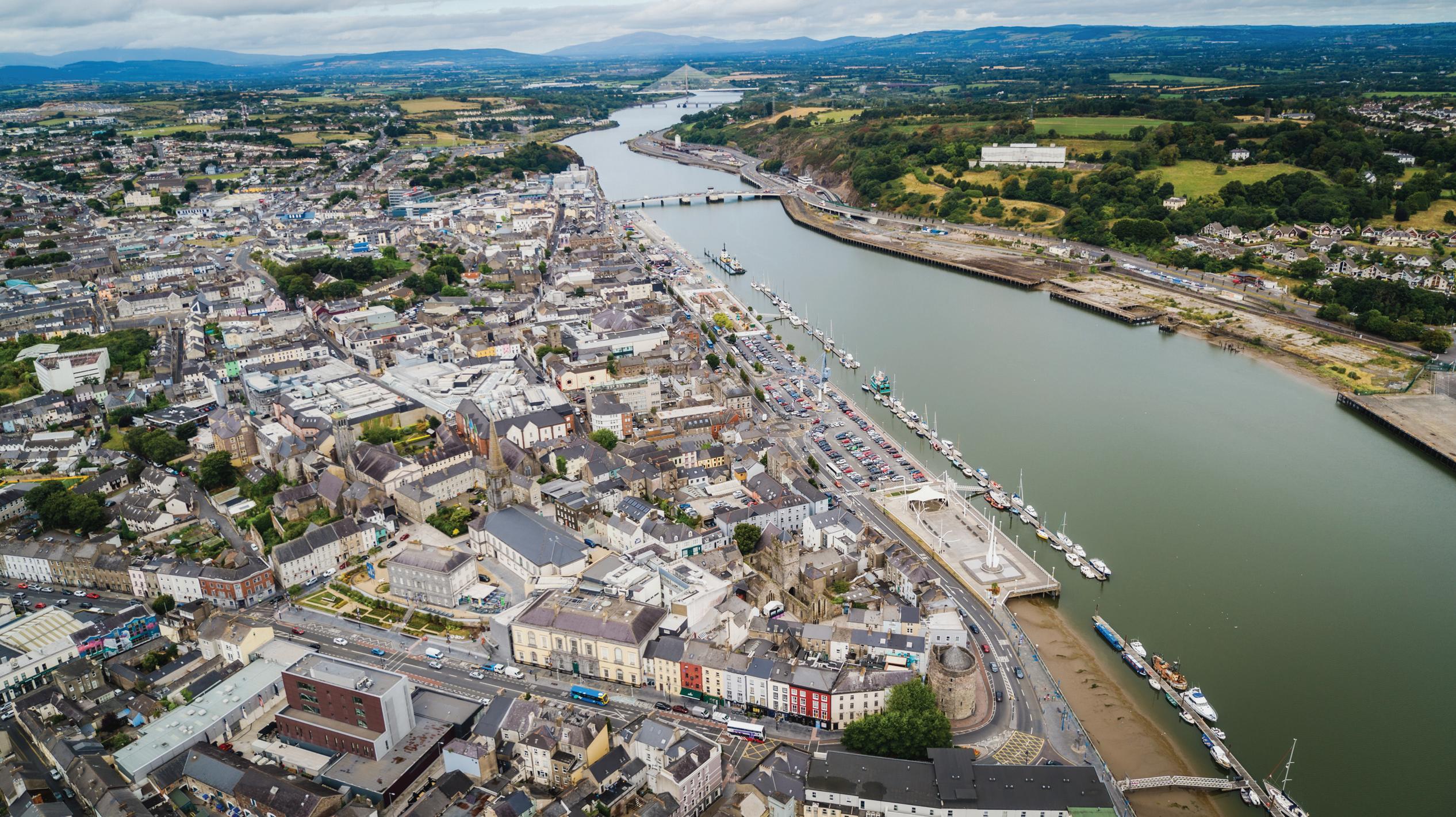
The Southern Regional Assembly is currently reviewing the Regional Spatial and Economic Strategy for The Southern Region (RSES), which is the primary statutory mechanism for delivering national planning policy at regional level.
It places balanced regional development at the centre of its vision, highlighting that long-standing disparities in infrastructure, housing, and economic opportunity must be urgently addressed if the region is to reach its full potential.
The Southern Region accounts for 42 per cent of the State’s land area, 33 per cent of its population (approximately 1.8 million people) and 35 per cent of national GDP. It consistently ranks in the upper tier of economic performance in Europe and is targeted for significant growth under the National Planning Framework (NPF).
However, despite its economic strengths, the region faces persistent structural challenges, with investment in infrastructure having been weighted disproportionately against the Southern Region, contributing to weaker competitiveness.
This imbalance is reflected in European benchmarking where the Southern Region ranks among the bottom 15 per cent of EU regions for infrastructure provision, highlighting a critical barrier to growth. Such deficits are not just economic, they also affect quality of life, access to services, and attractiveness of towns and rural areas. Without targeted investment and better spatial planning, these disparities will continue to widen.
A key strength of the Southern Region are its cities of Cork, Limerick, and Waterford which have significant potential individually and collectively to anchor regional development objectives and to reduce pressure and reliance on the Greater Dublin Area.
However, a key concern is that the region’s cities are not growing as expected. Census data shows that population growth has fallen short of national targets, undermining efforts to build strong urban centres that can drive wider regional development. At the same time, many towns and villages across the region are facing ongoing decline, with dispersed housing patterns and insufficient development in central locations limiting their vitality.
Therefore, balanced regional development requires a renewed focus on strengthening both urban and rural communities. This includes investing in key towns to act as regional hubs, improving access to housing and services, and promoting more compact, sustainable settlement patterns.
Housing delivery is one of the most significant barriers to balanced growth, with a mismatch between where homes are being built and where they are needed, and the Southern Region lagging Dublin and the mid-east in housing supply.
There is a particular challenge in our region in delivering higher density, compact growth on brownfield land within our existing urban areas, which is a critical part of ensuring sustainable growth and reducing car dependency.
The failure to deliver sufficient housing in the right locations is constraining economic expansion and population growth. It also risks deepening inequalities between regions as workers and businesses gravitate towards areas with better availability of homes and infrastructure.
While the Southern Region hosts a strong and diverse economy, particularly in high-value sectors such as pharmaceuticals, technology and agrifood, the benefits are not evenly distributed. Employment and earnings remain higher in and around the main cities, while more peripheral areas struggle to attract investment and retain skilled workers.
Balanced regional development means ensuring that economic opportunity is spread more evenly across cities, towns, and rural communities. This includes strengthening indigenous enterprise, investing in skills, opportunities, and innovation including reducing brain drain of talent, and improving connectivity across the region.
Transport and connectivity are key enablers of balanced growth. Better links between cities, towns, and rural areas are essential to unlocking economic potential and ensuring equitable access to jobs, education, and services. Currently, issues such as car dependency, uneven investment, and limited public transport options are hindering regional mobility. Addressing these weaknesses is vital to reducing regional disparities and supporting more sustainable development.
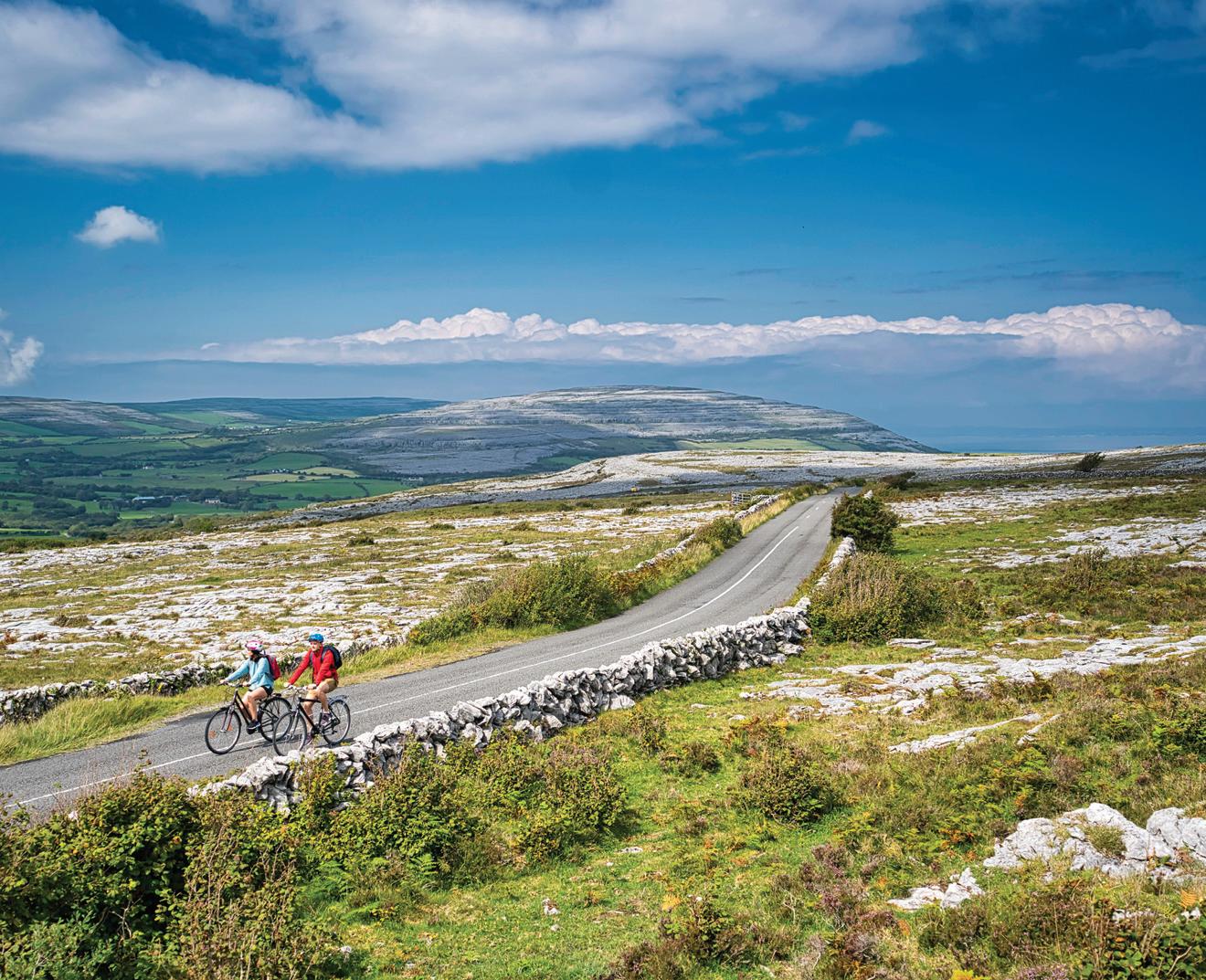
Renewable energy is also a critical pillar of balanced regional development with significant natural resources, including offshore wind potential, solar capacity and opportunities in green hydrogen; the region is uniquely positioned to lead Ireland’s transition to a low-carbon economy.
Strategic investment in renewable energy infrastructure can drive economic growth in coastal and rural areas, create high-quality jobs, and enhance energy security. However, this potential must be carefully planned to balance environmental protection, community benefits, and long-term sustainability, ensuring that the transition delivers inclusive gains across all parts of the region.
Balanced growth cannot be achieved through a one-size-fits-all model. Instead, development must reflect the unique characteristics, assets, and challenges of each locality, while ensuring that all parts of the region share in future prosperity.
A place-based approach, tailoring policies and investment to specific needs of different areas, from metropolitan centres to rural communities, can be central to this.
The review of the RSES comes at a pivotal moment, with the Southern Region expected to grow by at least 330,000 people by 2040. This growth presents both a challenge and an opportunity. If managed effectively, it could help rebalance development across Ireland, strengthen the region’s role as a counterweight to the capital and help deliver key national objectives. If not, existing inequalities may deepen.
Achieving balanced regional development is not just a planning objective, it is essential to ensuring sustainable economic growth, vibrant communities, and a high quality of life across the Southern Region.

Christopher Hammond, chief executive of UK100, outlines why local government is central to delivering climate action and argues that councils must be empowered with the resources, powers, and public support needed to accelerate the transition to net zero.
Hammond emphasises that while national and international climate frameworks are important, success ultimately depends on local delivery. “Local government is absolutely crucial in the delivery of our climate work,” he says.
UK100, a network of 123 local authorities from across the UK, was founded following the Paris climate accords when local leaders recognised that councils would be essential to delivering climate commitments.
Hammond explains that the organisation initially focused on a commitment to 100 per cent clean energy before expanding its ambitions through a net zero pledge.
The network brings together urban and rural authorities from all parts of the UK, providing what Hammond describes as a valuable perspective on both the opportunities and barriers associated with climate delivery.
Hammond argues that local authorities remain constrained by a governance system that is too heavily centralised. “We are still too highly centralised in Westminster and Whitehall, and there is not enough power and resources in your local town halls, which are the places that can deliver,” he says.
According to Hammond, local authorities are uniquely positioned to translate national climate ambitions into practical outcomes for communities. UK100 was established not only to support councils in delivering climate action, but also to advocate for the powers and funding required to achieve it.
The organisation works closely with members to identify barriers to implementation and develop practical solutions. Hammond points to work undertaken with councils and energy providers to examine obstacles to heat pump deployment.
While national targets for the electrification of heat are clear, he says delivery can become “gummed up” by procurement processes, legal requirements, and organisational challenges within local government structures.
To address these issues, UK100 develops guidance, training, and best practice resources for councils.
Hammond highlights Powers in Place, a UK100 initiative that examines the powers available to local authorities and how they can be used to accelerate climate action.
“A lot of our politicians are self-taught,” he says. “They come into these roles, they might have no background whatsoever in delivering.”
For that reason, he says leadership development, coaching, and training are essential to accelerating delivery across the sector.
Hammond argues that councils are often underestimated in climate discussions because their influence extends far beyond their direct emissions.
“They are not the biggest polluters, but they are the biggest enablers,” he says.
Local authorities influence a broad range of sectors including transport, buildings, energy, waste, and nature. Alongside their statutory responsibilities, they also possess important relationships with businesses, public bodies, and communities.
The effective use of these formal and informal powers is critical, Hammond argues.
“If we can manage to utilise all of these levers across all of the sectors that we need to do, we can deliver a transition that is cheaper, faster, and better compared to national approaches.”
He identifies the electrification of transport and heating as particularly important elements of the net zero transition. However, he stresses that climate policy must also improve affordability and quality of life for residents.
Hammond highlights disparities in electric vehicle charging infrastructure across the UK, noting substantial differences between regions. “There are 58 charge points per 100,000 people in Northern Ireland, and there are 338 in London,” he says.
Using Westminster as an example, he states that one London borough has more charging points than several major UK cities combined. “That has to change. We have to look at better locally designed systems, and we have to make sure the Government is providing the money.”
He also advocates for greater use of local area energy planning to support the decarbonisation of the energy system and create opportunities for community energy projects.
“It cannot just be the case that we are going to drop a load of infrastructure on communities and tell them just to lump it,” he says. Instead, Hammond argues that communities must be involved in decision-making processes and share
“We need to go further and faster, and that is only going to be achieved if that is done locally.”
in the benefits generated by infrastructure investments.
A recurring theme throughout Hammond’s presentation is the importance of public engagement and communication.
While Hammond says that climate action continues to enjoy broad public support, he believes there is still considerable confusion about what climate policies mean for individuals and communities. “We need to be better storytellers in the industry,” he says.
Citing Bradford’s Clean Air Zone as an example, Hammond argues that climate action should be communicated through its practical benefits rather than solely through emissions targets or technical policy discussions. Although the policy faced significant opposition, subsequent research indicated that improved air quality had reduced respiratory and cardiovascular illness.
“That means this clean air zone is not just an imposition on people,” Hammond says. “It means you are able to get a GP appointment quicker.”
For Hammond, demonstrating these tangible benefits is essential to maintaining public confidence and building support for future climate measures.
Among UK100’s priorities are a statutory climate duty for councils in
England, stronger reporting requirements, greater investment certainty, and expanded support for local energy planning.
Funding remains one of the most significant challenges facing local authorities. Hammond notes that 94 per cent of councils identify limited funding and resources as a major barrier to climate action.
Beyond restricting investment, he argues that financial pressures also reduce councils’ ability to engage with communities and co-design projects effectively.
Despite these challenges, Hammond remains optimistic about progress, saying “we have got the momentum on our side”. He points to continued growth in renewable energy generation and electric vehicle adoption as evidence that the transition is gathering pace.
However, he concludes that future success depends on empowering local government and ensuring communities remain engaged throughout the transition. “Empowering councils, they are going to deliver. We need to go further and faster, and that is only going to be achieved if that is done locally.”
Christopher Hammond is the chief executive of UK100, a cross-party network of UK local leaders and councils committed to climate action. Hammond served as a councillor at Southampton City Council between 2013 and 2022 and as leader of the council between 2018 and 2021.
The Department of Housing, Local Government and Heritage is considering a report by the Local Democracy Taskforce before developing an implementation plan for government approval.
In March 2026, Minister for Housing, Local Government and Heritage, James Browne TD and Minister of State at the Department of Housing, Local Government and Heritage with special responsibility for Local Government and Planning, John Cummins TD, received the final report of the Local Democracy Taskforce.
Established in June 2025, the taskforce was aimed at finalising a programme of reform and strengthening of local government in Ireland.
The terms of reference for the taskforce, agreed by the Government in June 2025, set out a detailed work programme intended to give rise to a series of reforms in the local government sector.
The taskforce met on nine occasions over the previous eight months and was supported in its efforts by pillar groups that provided subject matter and technical expertise to the taskforce throughout the process.
The members of the Local Democracy Taskforce are:
• Jim Breslin, Chair;
• Councillor Kieran O’Hanlon, (Limerick City and County Council) (President AILG);
• Councillor Jimmy McClearn, (Galway County Council) (Vice President AILG);
• Councillor Anne Colgan, (AILG) (Dún Laoghaire-Rathdown County Council);
• Councillor Damien Ryan (LAMA Chairperson) (Mayo County Council);
• Councillor Brian Lawlor (LAMA General Secretary) (South Dublin County Council);
• Niamh Larkin and Daragh McMahon, Local Government Audit Service;
• Fiona Quinn, Assistant Secretary, Department of Housing, Local Government and Heritage;
• Michael McCarthy, National Oversight and Audit Commission Chairperson (NOAC);
• Paddy Mahon, Chief Executive, Longford County Council, (County and City Management Association);
• AnnMarie Farrelly, Chief Executive, Fingal County Council, (County and City Management Association);
• Pauline Mulligan, Chief Executive, LGMA;
• Bríd Quinn, Ireland’s representative on the Council of Europe’s CLRAE Group of Independent Experts and ex-University of Limerick Department of Politics and Public Administration;
• Philip Byrne, ex-Institute of Public Administration, Chair of Cork County Council and Wicklow County Council Audit Committees
Minister Browne says: “The establishment of the Local Democracy taskforce was a key priority in the Programme for Government and the pace at which the Taskforce completed their task is to be commended. I have no doubt that this work will pave the way for the next generation of local government reform.”
Minister of State Cummins says: “I will now consider the recommendations presented in the report along with the actions identified to deliver on these. I am keen to see the momentum for implementing reform maintained, and so it is my intention to prepare an implementation plan for consideration by government over the coming weeks.”
When asked by eolas Magazine for a delivery timeline, a Department of Housing, Local Government and Heritage spokesperson said: “The taskforce submitted its final report to Ministers Browne and Cummins recently. An implementation plan is currently being drafted for consideration by government in the coming weeks. Following this, the report and implementation plan will be published and the process of implementing the reform policy ultimately agreed by government will commence.”
Tacú Chun Tairbhe
Please scan the QR code for English language versions of the articles in this report.

ag
Tacú Chun Tairbhe Strategic Investment. Lasting Impact.

“The quiet recovery of Ireland’s Ancient Tongue.” Sin mar a chuir an iris The Economist síos ar an bhfás suntasach atá tagtha ar an spéis sa Ghaeilge i mí Aibreán 2026, scríobhann Tomás Ó Síocháin, Príomhfheidhmeannach Údarás na Gaeltachta.
Agus an fás sin ag teacht le breis agus 40 bhliain d’obair Údarás na Gaeltachta, tá deis ar leith ann anois don teanga agus do phobail na Gaeltachta i réimsí éagsúla.
1,873,997: sin an líon daoine in Éirinn a dúirt i nDaonáireamh 2022 go raibh ar a gcumas Gaeilge a labhairt. Le foilsiú Phlean Gníomhaíochta an Rialtais do Sheirbhísí Poiblí Gaeilge 2026-2028 i mí Eanáir 2026, tá bunús láidir ann anois chun freastal ar riachtanais na gcainteoirí sin, agus tá réigiúin na Gaeltachta ar na háiteanna is fearr chun é sin a dhéanamh.
Den dara bhliain as a chéile, tá díolacháin na gcliantchomhlachtaí a
fhaigheann tacaíocht ó Údarás na Gaeltachta i ndiaidh an marc €1 billiún a shárú. B’ionann a gcaiteachas i ngeilleagar na hÉireann agus €570 milliún, tairbhe shuntasach don gheilleagar náisiúnta.
Cruthaíodh 681 post nua sna comhlachtaí sin in 2025, rud a d’fhág go raibh 9,716 duine fostaithe ar fud na Gaeltachta i seacht gcontae; figiúr cobhsaí ón mbliain roimhe. Is é an bonn seo a ligeann do theaghlaigh socrú síos agus an chéad ghlúin eile a thógáil sa Ghaeltacht, áit a bhfuil tacaíochtaí ar fáil dóibh siúd a úsáideann an Ghaeilge mar theanga phobail.
Lean an obair tacaíochta ar aghaidh i rith na bliana faoin gCiste Forbartha Pobail agus Teanga agus faoin gCiste Eagraíochtaí Forbartha Pobail in 2025 (€7.8 milliún). Trí Údarás na Gaeltachta, cuirfidh maoiniú ó Roinn na Gaeltachta na 28 bPlean Teanga agus na 33 Oifigeach Pleanála Teanga ar a gcumas a gcuid oibre a dhéanamh, le buiséad €3.9 milliún curtha ar fáil don obair i mbliana.
Tá 436 duine ag obair laistigh den líonra gteic, atá comhdhéanta de 29 mol digiteach ar fud na Gaeltachta, agus gteic@Toraigh, agus gteic@Baile na Finne le hoscailt go luath. Seoladh an Scéim Forbartha Gaeilge do chliantchomhlachtaí le linn 2025, agus tá 15 chomhlacht cláraithe sa scéim, le 1,139 fostaí eatarthu.
Is sampla maith é forbairt uirlisí Gaeilge trí intleacht shaorga (AI) den áit a dtagann na cuspóirí seo le chéile. Ag comhdháil le déanaí ar an AI agus ar theangacha neamhfhorleathana a d’eagraigh Údarás na Gaeltachta agus Consalacht na hÉireann in San Francisco, ba léir teachtaireacht amháin thar aon ní eile: tá AI ag cinneadh cheana féin cé na teangacha a bheidh faoi bhláth sa ré dhigiteach agus cé na cinn a fhágfar ar gcúl. Tá an Ghaeilge, mar theanga oifigiúil an Stáit agus an Aontais Eorpaigh araon, i suíomh maith chun a bheith ar na teangacha a éireoidh leo.
Chun an t-éileamh sin a shásamh, tá Údarás na Gaeltachta ag obair le Coláiste na Tríonóide, Baile Átha Cliath; Coláiste na hOllscoile, Corcaigh; Ollscoil na Gaillimhe; agus Ollscoil Chathair Bhaile Átha Cliath chun uirlisí agus modhanna a fhorbairt le AI agus le teicneolaíochtaí eile chun seachadadh seirbhísí poiblí a fheabhsú agus chun acmhainneacht a mhéadú chuige sin. Léiríonn taighde a rinne Údarás na Gaeltachta gur mian le hoibrithe óga oilte fanacht sna ceantair Ghaeltachta nó bogadh chucu ar fud na seacht gcontae Gaeltachta: Gaillimh, Dún na nGall, Ciarraí, Maigh Eo, Corcaigh, Port Láirge, agus an Mhí.
Tacú

“Tá AI ag cinneadh cheana féin cé na teangacha a bheidh faoi bhláth sa ré dhigiteach agus cé na cinn a fhágfar ar gcúl.”
Cosúil le háiteanna eile, is dúshlán é an tithíocht, le cúig oiread an mheáin náisiúnta de thithe saoire i gceantair Ghaeltachta. Tá Údarás na Gaeltachta, tríd an CCMA, ag obair i gcomhar le húdaráis áitiúla chun soláthar tithíochta a fheabhsú trí chomhúsáid talún agus bonneagar uisce, chomh maith le maoiniú a chur ar fáil do chomhordaitheoir ar thithe folmha sa Ghaeltacht i gComhairle Contae Mhaigh Eo chun idirchaidreamh agus comhordú a dhéanamh le gach údarás áitiúil.
Caitheadh os cionn €18 milliún ar oibreacha riachtanacha agus forbartha ar phunann maoine an Údaráis. Bhí tograí mórscála san áireamh, ar nós uasghrádú Pháirc Ghnó Ghaoth Dobhair i gContae Dhún na nGall, Ionad Pobail Mhaigh Cuilinn i gContae na Gaillimhe, agus Campas Íosagáin i gContae Chorcaí.
Rinneadh obair mhór deartha agus pleanála ar thograí eile le linn 2025 fosta: Ionad Fiontraíochta na nDéise, Ionad Oideachais agus Óige in Indreabhán, agus an Lárionad Mara nua i gCarna. Fógraíodh infheistíocht €4 milliún d’ionaid chuairteoirí ar Oileáin Árann agus ar Oileán Chléire.
Bronnadh stádas Geopháirc Domhanda UNESCO ar Gheopháirc Dúiche Sheoigheach agus Lochanna an Iarthair, an chéad ainmniúchán dá leithéid in Éirinn a chuimsíonn ceantar Gaeltachta.
Tá earnáil na léiriúcháin closamhairc thar a bheith tábhachtach sa chomhthéacs
seo, mar go n-ardaíonn sí próifíl phobal na Gaeltachta go náisiúnta agus go hidirnáisiúnta. Le linn 2025, cruthaíodh 460 post breise san earnáil seo (100 lánaimseartha, 360 páirtaimseartha); ranníocaíocht ar fiú €4 milliún do cheantair Ghaeltachta í i mbliana, agus de réir thaighde an Údaráis, is í an earnáil is mó ina n-úsáidtear an Ghaeilge mar theanga oibre.
Idir theicneolaíocht, oideachas, tithíocht, agus fiontar, tá an fhianaise go léir ag díriú sa treo céanna. Leis na cinntí agus na tacaíochtaí cearta, is féidir leis an nGaeilge bláthú ar ardáin dhigiteacha, i seomraí ranga, i moil chomhoibre, agus thar aon áit eile, sa Ghaeltacht, áit a bhfuil glúin nua i ndiaidh cinneadh a dhéanamh go mbeidh an Ghaeilge beo bríomhar agus go bhfanfaidh an nasc gan bhriseadh atá ag dul siar na mílte bliain.
Tá an fuinneamh fíor. Tapaigh an deis anois.
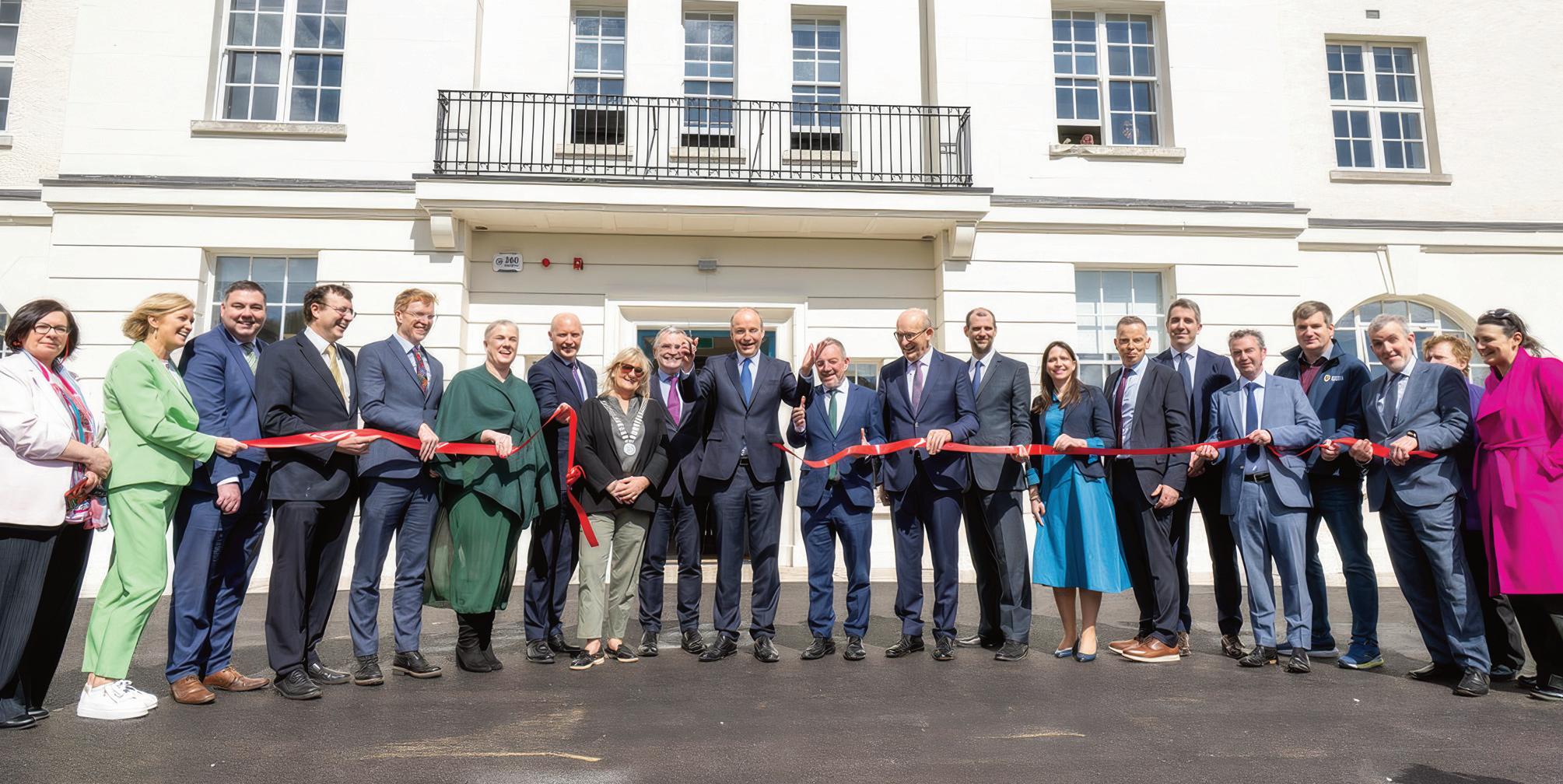
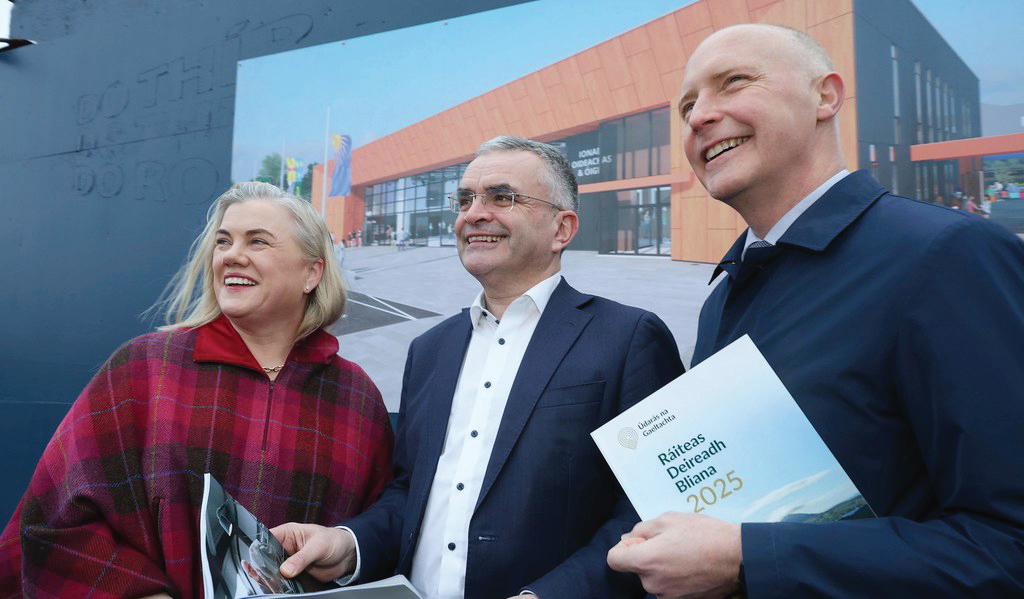
Líonra digiteach gteic na Gaeltachta
Is líonra straitéiseach mol digiteach é líonra gteic, a d’fhorbair Údarás na Gaeltachta, a thacaíonn leis an earnáil phoiblí agus phríobháideach araon.
Le 30 mol comhoibre ar fud réigiúin na Gaeltachta, cuireann sé spás oibre solúbtha ar fáil do chianoibrithe, d’fhiontraithe, do ghnólachtaí, agus d’eagraíochtaí poiblí atá ag lorg bealaí oibre níos inbhuanaithe agus níos réigiúnaí.
Trí áiseanna ar nós gteic@Campas Íosagáin i mBaile Bhuirne, Contae Chorcaí agus gteic@Gaoth Dobhair i nGaeltacht Dhún na nGall, is féidir le fostaithe obair gar dá bpobail féin agus rochtain a fháil ar bhonneagar digiteach den scoth ag an am céanna.
Ach ní spásanna oibre amháin atá iontu. Feidhmíonn na moil mar thimpeallachtaí dinimiciúla comhoibrithe fosta. Tá siad oiriúnach go háirithe do chruinnithe foirne, laethanta straitéise, ceardlanna, agus imeachtaí gairmiúla corparáideacha.
Ag gteic@Campas Íosagáin, leagtar béim ar leith ar oiliúint, oideachas, agus líonrú, rud a chiallaíonn gur ionad rannpháirtíochta é don earnáil phoiblí, phríobháideach, agus oideachais i réimsí ar nós AI, cibearshlándáil, agus na Gaeilge.
Tá i bhfad níos mó i gceist le líonra gteic ná spásanna oibre a chur ar fáil. Is éiceachóras náisiúnta é a nascann pobail le chéile, a thacaíonn le hinbhuanaitheacht, agus a chuireann bonn faoi thodhchaí na hoibre sa Ghaeltacht.
Trí dheis a thabhairt do ghairmithe, do chéimithe, agus d’eagraíochtaí lonnú i gceantair Ghaeilge, cinntíonn sé go mbeidh an Ghaeltacht lárnach i dtírdhreach digiteach agus earnála poiblí na hÉireann.
Léiríonn mórstaidéar náisiúnta a rinne Amárach Research i gcomhpháirtíocht le hÚdarás na Gaeltachta agus le Gaelchultúr i mí na Nollag 2025 go ndeir 68 faoin gcéad de dhaoine fásta gur mhaith leo feabhas a chur ar a gcuid Gaeilge. I measc daoine faoi 35 bliain d’aois, ardaíonn an figiúr sin go 73 faoin gcéad.
Ní mianta teibí iad seo. Nuair a sheol an tÚdarás sraith cúrsaí Gaeilge 12 sheachtain le creidiúnú QQI le déanaí, i gcomhar le MSLETB agus arna seachadadh ag Gaelchultúr, dírithe go sonrach ar dhaoine atá ag obair, léirigh beagnach 700 duine spéis agus chláraigh 60 díobh.
Tá rath scannáin ar nós An Cailín Ciúin agus ceoltóirí ar nós Kneecap tar éis an Ghaeilge a chur os comhair lucht féachana nua, ag cothú bróid nach bhfacthas le glúnta. Tá gaelscoileanna ag saothrú cainteoirí líofa óga a bhfuil sé de cheart acu, dar leo féin, an Ghaeilge a úsáid ina saol laethúil.
Tá ardáin dhigiteacha tar éis doirse a oscailt d’fhoghlaimeoirí nach raibh aon bhealach isteach acu roimhe seo, daoine nua go hÉirinn san áireamh.
Agus tá Acht na dTeangacha Oifigiúla (Leasú), 2021 ag normalú na Gaeilge i gcumarsáid na hearnála poiblí de réir a chéile.
Sin sa bhreis ar na Limistéir Pleanála Teanga agus ar líonra na nOifigeach Pleanála Teanga ar fud na Gaeltachta atá ag tacú le húsáid na Gaeilge mar theanga bheo i dtithe, i bpobail, agus i ngnólachtaí.
Tá daoine óga fásta i gcroílár an scéil seo. Tá os cionn leath na ndaoine faoi 35 bliain d’aois ag úsáid na Gaeilge cheana féin i suíomh amháin ar a laghad, agus ba mhaith le 73 faoin gcéad de dhaoine idir 18 agus 24 bliain d’aois an Ghaeilge a fheiceáil á húsáid níos minice ag gnólachtaí agus eagraíochtaí poiblí. Méadú ar an 48 faoin gcéad a tuairiscíodh don aoisghrúpa céanna in 2024.
Aontaíonn 93 faoin gcéad de dhaoine faoi 25 bliain d’aois go mbíonn tionchar dearfach ag ealaíontóirí agus pearsana poiblí a úsáideann an Ghaeilge ar dhearcadh an phobail i leith na teanga.
Tá an cohórt céanna ag smaoineamh ar an gcéad ghlúin eile fosta. Deir 45 faoin gcéad de dhaoine fásta faoi 44 bliain d’aois go roghnódh siad oideachas trí mheán na Gaeilge dá gcuid páistí dá mbeadh sé ar fáil go háitiúil.
Tá an t-éileamh ann. Is é an tosaíocht anois ná a chinntiú go bhfuil na deiseanna agus na tacaíochtaí i bhfeidhm chun freastal air. Cláraigh do spéis i ranganna Gaeilge nó cuir in iúl cé na seirbhísí Gaeilge atá de dhíth ort ag udaras.ie.
Tá an intleacht shaorga (AI) ag athrú na dóighe a n-oibríonn daoine, a fhoghlaimíonn siad, agus a ndéanann siad cumarsáid, agus tá uirlisí AI don Ghaeilge go mór chun tosaigh i bplean an Rialtais chun seirbhísí Gaeilge don phobal a neartú, d’fhonn a chinntiú go mbeidh an teanga lárnach agus feidhmiúil sa ré theicneolaíoch atá romhainn.
Is togra é IS na Gaeilge, faoi stiúir Údarás na Gaeltachta, a bhfuil sé mar aidhm aige a chinntiú go gcoinníonn an Ghaeilge céim le teangacha eile sa ré dhigiteach, agus freastal ar an éileamh méadaitheach ar sheirbhísí agus ar uirlisí Gaeilge.
Le blianta beaga anuas, tá comhpháirtíochtaí dlútha tógtha ag an Údarás le comhoibrithe acadúla agus tionsclaíocha, ABAIR i gColáiste na Tríonóide, Ollscoil na Gaillimhe, agus
Tacú Chun Tairbhe

Ionad ADAPT in Ollscoil Chathair Bhaile Átha Cliath ina measc.
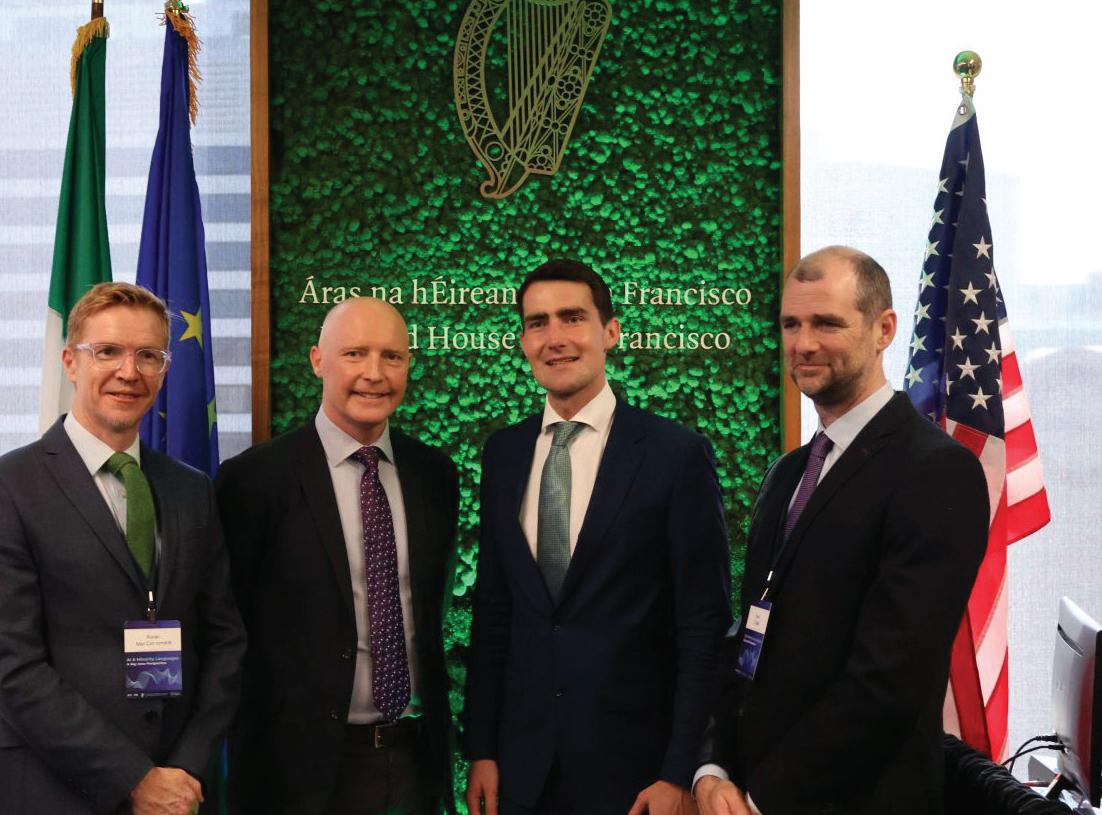
“Leis na cinntí agus na tacaíochtaí cearta, is féidir leis an nGaeilge bláthú.”
Le tacaíocht ó Roinn na Gaeltachta, cumhdaíonn an obair seo sintéis chainte, forbairt corpas, agus fréamhshamhlú uirlisí nua. Ligeann na huirlisí seo do bhotaí comhrá Gaeilge a bheith ag feidhmiú ar bhunachair sonraí atá ann cheana, aipeanna léitheoireachta gréasáin as Gaeilge, fotheidealú beo, agus treochlár bainistíochta sonraí chun AI a úsáid ar bhealach sábháilte struchtúrtha.
I mí Aibreáin 2026, d’fhoilsigh an tÚdarás agus EY tuarascáil cheannródaíoch, IS na Gaeilge: Tuarascáil ar Anailís Bearnaí agus ar Léargas ó Pháirtithe Leasmhara, a d’aithin na bearnaí is práinní atá ag cur isteach ar an nGaeilge san earnáil phoiblí agus a leag amach treochlár praiticiúil chun dul i ngleic leo.
Ach ní leor forbairtí teicneolaíochta leo féin. Tá an tÚdarás dírithe ar scileanna AI a fhorbairt laistigh de phobail Ghaeilge agus Ghaeltachta fosta, agus ar dheiseanna fiontraíochta a chothú,
ionas go mbeidh na pobail seo ina rannpháirtithe iomlána san athrú atá le teacht. Ní mar úsáideoirí deiridh amháin, ach mar nuálaithe agus ceannairí.
Tá an teachtaireacht atá ag croílár an togra seo simplí: is teanga bheo nuaaimseartha í an Ghaeilge, le breis agus 1.8 milliún cainteoir mar a aithníodh i nDaonáireamh 2022, agus tá gach cúis ann a chreidiúint go mbeidh sí faoi bhláth i dtodhchaí dhigiteach na hÉireann. Tá an obair ar siúl cheana féin. An rud atá tábhachtach anois ná an bonneagar a dhaingniú agus a chinntiú nach gcailltear an deis atá os ár gcomhair.
www.udaras.ie

Tá roinnt forbairtí Gaeilge bainte amach faoin Straitéis
20 Bliain don Ghaeilge, a foilsíodh i mí na Nollag 2010, ach ní dóigh go mbainfear a príomhspriocanna amach chun an méid daoine ag labhairt na Gaeilge go laethúil a ardú go 250,000, nó an méid daoine ag labhairt na Gaeilge sa Ghaeltacht go laethúil a mhéadú faoi 25 faoin gcéad.
Deir Daonáireamh 2022 go bhfuil 71,698 duine ag labhairt na Gaeilge go laethúil, laghdú ón 77,185 a taifeadeadh i nDaonáireamh 2011. Thit an méid daoine ag labhairt na Gaeilge i gceantair Ghaeltachta ó 68.5 faoin gcéad i nDaonáireamh 2011 go 66 faoin gcéad in 2022. Mar aon leis sin, léiríonn Daonáireamh 2022 go bhfuil 65,156 duine ina gcónaí sa Ghaeltacht agus an Ghaeilge acu, síos ón 66,238 i nDaonáireamh 2011.
Tá sprioc chun an méid daoine a mbeidh eolas acu ar an nGaeilge a mhéadú go 2 milliún leagtha amach sa straitéis. Deir Daonáireamh 2022 go bhfuil 1.87 milliún duine a bhfuil eolas acu ar an nGaeilge, suas ó 1.77 milliún duine taifeadta i nDaonáireamh 2011. Is í fís na straitéise ná sochaí dhátheangach a bhaint amach agus féiniúlacht teanga na bpobal Gaeltachta a chosaint. Sin é an tiomantas atá leagtha amach sa Ráiteas i leith na
Gaeilge 2006 a chur leis an Straitéis 20 Bliain don Ghaeilge
Tá oideachas aitheanta mar “cheann de na hinnill an-tabháchtach” chun spriocanna na straitéise a bhaint amach. Cuireadh an Polasaí don Oideachas Gaeltachta 2017-2022 i bhfeidhm faoin straitéis. Bhí sé mar aidhm ag an bpolasaí “beogacht na limistéar Gaeltachta a choinneáil agus a dhaingniú mar cheantair dhúchais na bpobal le Gaeilge”.
Leagtha amach sa straitéis, tá spriocanna le cinntiú go mbeadh an Ghaeilge mar ábhar éigeantach ón oideachas bunscoile go dtí an Ardteistiméireacht, agus go ndéanfaí soláthar ar ard-chaighdeán den Ghaeloideachas.
Bhí forbairt ar chóras pleanála teanga lárnach i gcuspóir an straitéise ar mhaithe le beogacht na limistéar Gaeltachta a chosaint. Déantar foráil air sin in Acht na Gaeltachta 2012.
Tacú Chun Tairbhe Strategic Investment. Lasting Impact.

Ó a actaíodh an tAcht, roinneadh an Ghaeltacht ina 26 réimse a dtugtar Limistéar Pleanála Teanga (LPT) orthu. Mar aon leis sin, aimsítear 16 Bailte Seirbhíse Gaeltachta, bailte atá suite in LPT nó taobh leo agus a bhfuil ról maidir le seirbhísí a sholáthar dóibh. Faoin Acht, caithfidh gach LPT plean teanga a ullmhú le bheith aitheanta mar cheantar Gaeltachta.
Foilsíodh plean gníomhaíochta i mí Meitheamh 2018 don tréimhse 2018-2022 chun tacaíocht a thabhairt don straitéis. De bharr phaindéim Covid-19, leathnaíodh an plean go dtí 2023. Faoin bplean, i dtacaíocht le seachadadh na Gaeilge, méadaíodh an leibhéal uasta maoinithe caipitil atá le soláthar faoin gClár Tacaíochtaí Pobail agus Teanga ó 80 faoin gcéad go 95 faoin gcéad.
De réir sprioc sa phlean gníomhaíochta, actaíodh Acht na dTeangacha Oifigiúla (Leasú), 2021 i mí na Nollag 2021. Is iad ceann de phríomhaidhmeanna an actha ná go mbeadh 20 faoin gcéad d’earcaigh san earnáil phoiblí inniúil i nGaeilge faoi dheireadh 2030.
Maidir leis na meáin agus an teicneolaíocht, tá tiomantas leagtha amach sa straitéis chun seirbhísí craolacháin trí mheán na Gaeilge a sholáthar ar ardchaighdeán. I mí na Nollag 2022, foilsíodh an Plean Digiteach don Ghaeilge 2023-2027. Is é aidhm an plean ná an Ghaeilge a thabhairt isteach sa ré dhigiteach.
Faoin straitéis, foilsíodh foclóir nua Gaeilge-Gaeilge agus cuireadh tús le hobair ar thionscadal foclóir Gaeilge-Béarla. Chomh maith leis sin, tá Acadamh Ríoga na hÉireann ag ullmhú Foclóir Stairiúil na hÉireann atá le hullmhú roimh 2027.
I dtaca leis an saol eacnamaíochta, deir an plean gníomhaíochta go bhfuil Údarás na Gaeltachta ag soláthar fostaíochta, go bhfuil Foras na Gaeilge ag tabhairt tacaíochta don earnáil foilsitheoireachta, agus go bhfuil Glór na nGael ag tabhairt tacaíochta do
“Is í fís na straitéise ná sochaí dhátheangach a bhaint amach agus féiniúlacht teanga na bpobal Gaeltachta a chosaint.”
thionscnaimh eacnamaíochta.
Leagtha amach sa phlean, tá sprioc ann leanúint leis an tacaíocht a thugtar d’Údarás na Gaeltachta na 8,500 post a sholáthraíonn sé i gcomhlachtaí Gaeltachta a chóiméad. Deir tuarascáil bhliantúil 2025 Údarás na Gaeltachta go bhfuil 9,716 duine fostaithe i gcliantchomhlachtaí an Údaráis.
In ainneoin na bhforbairtí sin, ní dóigh go mbainfear amach príomhspriocanna na straitéise i dtaca leis an méid daoine ag labhairt na Gaeilge go laethúil, nó an méid daoine ag labhairt na Gaeilge sa Ghaeltacht go laethúil.
Mar aon leis sin, leagadh 185 cuspóir amach sa phlean gníomhaíochta agus léiríonn tuairisc ar dhul chun cinn an plean in 2022 gur cuireadh 43 i bhfeidhm, 138 idir lámha, agus cuireadh moill ar cheithre cinn acu. Tá tuairisc ar dhul chun cinn an plean gníomhaíochta in 2023 fós le foilsiú ag an Roinn agus níor foilsíodh plean gníomhaíochta nua go fóill.
“Is léir ag an bpointe seo nach mbainfear amach an sprioc a bhí leagtha síos sa straitéis; go mbeadh 250,000 cainteoir laethúil Gaeilge sa tír faoin mbliain 2030,” arsa iar-chomhordaitheoir acadúil Acadamh na hOllscolaíochta Gaeilge Seosamh Mac Donnacha go Tuairisc i mí Eanáir 2024.
“Ach is dóigh gurb é an díomá mhór atá ann i ndáiríre, ní hamháin nach mbainfidh muid amach an sprioc sin ach go bhfuil líon na gcainteoirí laethúla Gaeilge ar fud na tíre ag titim de réir a chéile seachas a bheith ag dul ag ardú.”
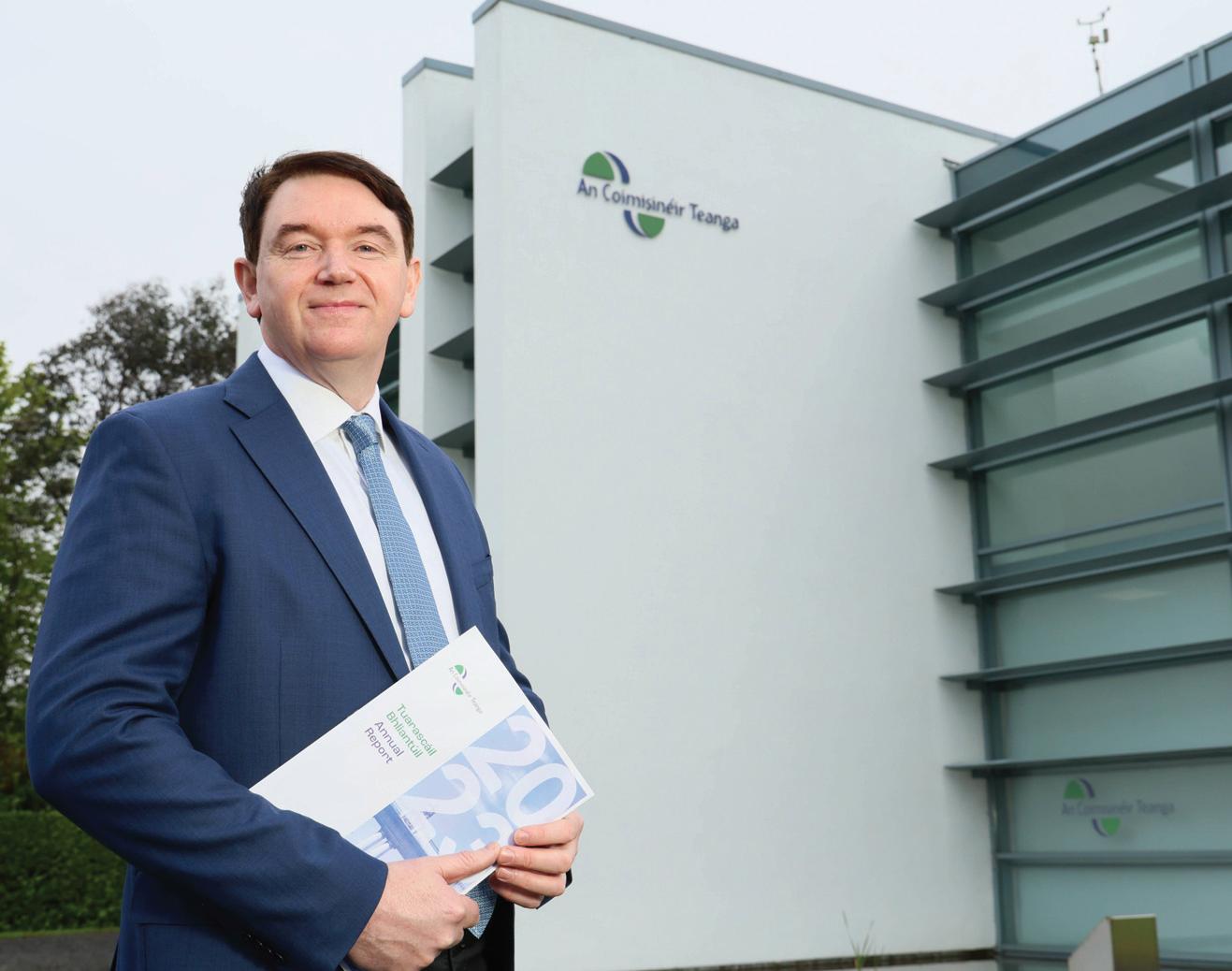
Toradh an-dearfach ar reachtaíocht teanga nua is ea an méadú suntasach atá tagtha ar an bhfógraíocht a dhéanann comhlachtaí poiblí i nGaeilge. In achar gearr ama, tá an méadú ollmhór ar fhógraíocht i nGaeilge tar éis cur go mór mór le hinfheictheacht na teanga ar fud na meán éagsúil, rud atá ag cur go mór lena bisiúlacht agus lena húsáid laethúil.
Tugtar stádas speisialta don Ghaeilge faoi Bhunreacht na hÉireann 1937 ina luaitear: “Ós í an Ghaeilge an teanga náisiúnta is í an phríomhtheanga oifigiúil í.”
Bronnann an Bunreacht ceart ar shaoránaigh caidreamh a dhéanamh leis an Stát i nGaeilge amháin más é sin is áil leo.
Ba mhinic, áfach, a theip ar an Stát go praiticiúil soláthar leordhóthanach a

dhéanamh chun seirbhísí poiblí a chur ar fáil i nGaeilge, agus i gcásanna áirithe, ba bheag rogha a bhí ag baill an phobail ach dul i muinín na gcúirteanna chun a gceart bunreachtúil i ndáil le teacht ar sheirbhísí poiblí i nGaeilge a fhíorú. Thuig Rialtais na hÉireann i ndiaidh a chéile an gá a bhí le creat reachtúil uileghabhálach a mhéadódh an teacht ar sheirbhísí poiblí i nGaeilge agus a d’fheabhsódh caighdeán na seirbhísí sin ar bhealach córasach. Ba é Acht na
dTeangacha Oifigiúla 2003 a chur an creat sin ar fáil, ach ar leagadh dualgas ar chomhlachtaí poiblí seirbhísí poiblí áirithe a sholáthar i nGaeilge.
Bunaíodh róil an Choimisinéara Teanga agus Oifig an Choimisinéara Teanga faoin Acht 2003 freisin. Is comhlacht reachtúil neamhspleách í an oifig, a bhfuil dhá ról aici, is iad sin ról ombudsman agus ról gníomhaireachta monatóireachta comhlíontachta araon.
Ar cheann de phríomhchúraim m’oifige, tá an pobal a chur ar an eolas faoina gcearta teanga agus treoir a thabhairt don 500 comhlacht poiblí a chuimsítear sa reachtaíocht maidir lena ndualgais faoin Acht.
Leasaíodh Acht 2003 le hAcht na dTeangacha Oifigiúla (Leasú), 2021 agus treisíodh cearta teanga phobal na Gaeilge a thuilleadh ach dualgas a leagan ar chomhlachtaí poiblí níos mó seirbhísí poiblí a sholáthar i nGaeilge. Toradh an-dearfach ar reachtaíocht leasaithe na gceart teanga 2021 is ea an méadú suntasach a tháining ar an bhfógraíocht a dhéanann comhlachtaí poiblí i nGaeilge mar thoradh ar fhoráil an Achta leasaithe. Tugann torthaí iniúchta na tuarascála a d’fhoilsigh m’oifig le déanaí le fios gur chaith comhlachtaí poiblí €19 milliún ar fhógraíocht i nGaeilge in 2024.
Chuir foráil na fógraíochta, in achar réasúnta gearr ama, go mór le hinfheictheacht na Gaeilge ar fud na meán éagsúil, rud atá ag cur go mór le bisiúlacht agus le húsáid laethúil na teanga.
Cur chuige náisiúnta
Sheol an Rialtas an chéad Phlean Náisiúnta um Sheirbhísí Poiblí Gaeilge i stair an Stáit i mí Dheireadh Fómhair 2024. Cloch mhíle an-tábhachtach ba ea í atá le moladh. Is é príomhaidhm an phlean conair shoiléir a leagan amach don earnáil phoiblí in Éirinn d’fhonn
acmhainn a thógáil chun feabhas suntasach a chur ar sheirbhísí poiblí i nGaeilge.
Is beart ríthábhachtach é an mhaoirseacht, an mhonatóireacht, agus an tuairisciú leanúnach atá an coiste comhairleach a bhunaigh an rialtas a dhéanamh ar fheidhmiú an Phlean Náisiúnta, arb é is cúram don choiste sin an plean sin a chur le chéile agus a chur i bhfeidhm.
Beidh dhá bhunchloch ina mbonn agus ina dtacaí leis an bPlean Náisiúnta. Ar an gcéad dul síos, tá an fhoráil reachtúil go mbeidh 20 faoin gcéad den fhoireann a earcófar chuig an tseirbhís phoiblí inniúil i nGaeilge.
Is í an dara bunchloch acu córas na gcaighdeán teanga, a leagfaidh amach na seirbhísí a bheidh ar chomhlachtaí poiblí a sholáthar i nGaeilge, agus an leibhéal inniúlachta i nGaeilge a chaithfidh a bheith ag an bhfoireann a bheidh ag soláthar na seirbhísí sin.
Mór-easnaimh reatha
Léiríonn líon agus cineál na ngearán a fhaigheann m’oifig bliain i ndiaidh bliana gurb é tuairim phobal na Gaeilge nach bhfuil an Stáit ag cur seirbhísí poiblí ar fáil i nGaeilge atá comhionann leis na seirbhísí sin i mBéarla.
Baineann líon suntasach de na gearáin a fhaigheann m’oifig gach bliain leis an easpa bunseirbhísí poiblí i nGaeilge, amhail tacaíocht do chustaiméirí agus seirbhísí ar líne, agus tá sé ríthábhachtach aghaidh a thabhairt air seo chun feabhas a chur ar sholáthar Gaeilge na hearnála poiblí.
Cé go bhfuil níos mó seirbhísí poiblí le fáil ar líne agus an líon sin ag dul i méad go gasta, tá caighdeán na seirbhísí i nGaeilge go mór chun deiridh ar chaighdeán na seirbhísí i mBéarla. Sin gan trácht ar an ngá atá le dóthain foirne atá inniúil i nGaeilge a bheith ag obair sa tseirbhís phoiblí, cuir i gcás in earnálacha an oideachais, an rialtais áitiúil, na sláinte, agus na póilíneachta, d’fhonn seirbhísí a chur ar fáil sa teanga is rogha le muintir na Gaeltachta agus le pobal na Gaeilge go náisiúnta.
Léiríonn na heasnaimh sna seirbhísí poiblí reatha an géarghá atá ann córas nua na gcaighdeán teanga a leagtar amach in Acht na dTeangacha Oifigiúla (Leasú), 2021 a chur i bhfeidhm.
Leagann Creat Claochlaithe na Seirbhíse Poiblí 2023-2030 de chuid Rialtas na hÉireann béim ar phrionsabail na macántachta, na cothroime, na hoscailteachta, na freagrachta, agus na hiontaofachta maidir le seirbhísí poiblí a fheabhsú.
Aithníonn an Eagraíocht um Chomhar agus Forbairt Eacnamaíochta na prionsabail seo ina bprionsabail atá ríthábhachtach chun muinín a chothú, foghlaim ó dhea-chleachtais idirnáisiúnta, agus tagarmharcáil a dhéanamh i gcoinne caighdeán domhanda i ndáil le seirbhísí poiblí a fheabhsú.
Is den tábhacht iad na prionsabail seo freisin chun feabhas a chur ar sheirbhísí poiblí i nGaeilge agus caithfear iad a neadú i bpleanáil seirbhísí poiblí lena chinntiú go bhfreastalófar ar riachtanais reatha na gcainteoirí Gaeilge.
De bharr scála agus ilghnéitheacht na seirbhíse poiblí, beidh gá le tionscnamh náisiúnta in earnáil na hollscolaíochta chun dóthain céimithe atá inniúil i nGaeilge a sholáthar ar fud disciplíní

éagsúla, rud a chinnteoidh go n-éireoidh leis an soláthar 20 faoin gcéad d’earcaithe atá inniúil i nGaeilge faoi dheireadh 2030.
Beidh géarghá le sruth leanúnach céimithe sna hearnálacha seo a leanas: riarachán agus beartas poiblí; rialachas corparáideach; bainistíocht eagraíochtúil; pleanáil teanga; pleanáil straitéiseach; oiliúint múinteoirí bunscoile agus Iarbhunscoile; agus oideachas do ghairmithe cúraim shláinte.
Is gné bhunúsach de chearta an duine ar fud an domhain iad cearta teanga, rud a chuireann ar chumas pobal teanga cumarsáid a dhéanamh leis an Stát ina rogha teanga.
Measaim go bhfuil cearta teanga riachtanach dár n-iarrachtaí chun an Ghaeilge a chothú ina teanga nuaaimseartha, bhríomhar, chuimsitheach a thaispeánann éagsúlacht agus saibhreas shochaí, fhéiniúlacht agus chultúr na hÉireann.
Mar fhocal scoir, tugaim cuireadh ó chroí d’aon léitheoir ar dóigh leis nó léi gur féidir le m’oifig cuidiú leis nó léi teagmháil a dhéanamh linn.
Ní neart go cur le chéile.
SG: www.coimisineir.ie
Thosaigh Pól Deeds ag obair mar an Coimisinéir Gaeilge i mí na Samhna 2025. Mairfidh a thréimhse oifige cúig bliana. Roimhe seo, d’oibrigh sé mar phríomhfheidhmeanach An Droichead, eagraíocht Ghaeilge i ndeisceart Bhéal Feirste agus mar leasphríomhfheidhmeanach Fhoras na Gaeilge, comhlacht trasteorann atá freagrach chun Ghaeilge a chur chun cinn ar fud oileán na hÉireann.
Faoin Acht, tugadh aitheantas oifigiúil don Ghaeilge. Chomh maith leis sin, rinne sé foráil ar bhunaíocht Oifig an Choimisinéara Gaeilge agus ceapadh an

Ceapadh Pól Deeds mar an chéad Coimisinéir Gaeilge i dTuaisceart
Éireann i mí Dheireadh Fómhair 2025 faoin Acht Féiniúlachta agus Teanga (Tuaisceart Éireann) 2022.
Suíonn sé síos le Ciaran Ó
Braonáin chun úsáid na Gaeilge sna húdaráis poiblí, na deiseanna ag éirí ón reachtaíocht, agus a ról i gcothú an athmhuintearas a phlé.
coimisinéir. Is é príomhaidhm an coimisinéir ná chun úsáid na Gaeilge sna húdaráis phoiblí a chosaint agus a fheabhsú nuair a chuirtear seirbhísí ar fáil don phobail nó sciar den phobail.
“Táim ann chun aitheantas oifigiúil a thabhairt don Ghaeilge sa saol poiblí agus chun a éileamh ar na húdaráis phoiblí seirbhisí níos fearr ar thaobh na Gaeilge de a chur ar fáil do úsáideoirí sa tsochaí,” arsa Deeds.
Déanann an tAcht foráil ar fhorbairt caighdeáin dea-chleachtas ar son úsáid na Gaeilge sna húdaráis poiblí. Déanfaidh
Oifig an Choimisinéara Teanga forbairt ar na gcaighdeáin seo. Bheadh sé riachtanach do na húdaráis phoiblí deacuí a thabhairt ar na gcaighdeáin nuair atá siad foilsithe. Tar éis foilsiú na caighdeáin, beidh ar Deeds iad a chur chun cinn agus monatóireacht leanúnach a dhéanamh orthu.
Tá Deeds agus a fhoireann ag déanamh taighde faoi láthair ag tacú le forbairt na caighdeáin. Rachaidh siad faoi chomhairliúcháin nuair atá an taighde déanta. Roimh a fhoilsíodh na caighdeáin, caithfidh siad a bheith ceadaithe ag an Chéad Aire, Michelle O’Neill MLA, agus an
Tacú
“Táim ann chun aitheantas oifigiúil a thabhairt don Ghaeilge sa saol poiblí agus chun a éileamh ar na húdaráis phoiblí seirbhísí níos fearr ar thaobh na Gaeilge de a chur ar fáil.”
leas-Chéad Aire, Emma Little-Pengelly MLA. Tá sé mar mhian ag Deeds chun na caighdeáin a chur os a gcomhair roimh deireadh 2026.
Má foilsíodh na caighdeáin, beidh nós imeachta gearrán le hullmhú ag an oifig. Má mhothaíonn duine ón bpobal gur theip ar údarás phoiblí dea-cuí a thabhairt ar na gcaighdeáin, beidh siad in ann gearrán a dhéanamh chuig Oifig an Choimisinéara Teanga agus beidh ar an gcoimisinéir an ghearrán sin a fhiosrú.
Mar aon leis sin, aithníonn an tAcht bealaí eile a thugtar aitheantas oifigiúil don Ghaeilge trí ghealltanas Fheidhmeannas Thuaisceart Éireann chun straitéis d’fhorbairt na Gailege a ghlacadh, trí obair Foras na Gaeilge, agus trí sholáthar a bhaineann leis an Ghaeloideachas san áireamh.
“Chomh maith leis na dualgais reachtúla atá agam, ba mhaith liom cuir le chur chun cinn an athmhuintearas agus chur chun cinn na síochána,” arsa Deeds.
Deir Deeds go bhfuil seans aige chun cinntiú “go mbeidh todhcaí níos gile ag na glúinte atá ag teacht” i gcomhoibriú le Katy Radford, stiúrthóir an Oifig um Fhéiniúlacht agus Léiriú Cultúrtha, agus Lee Reynolds, an Coimisinéir Albanach Ultach.
“Agus muid ag déanamh ár gcuid oibre, caithfidh muidne a bheith airdeallach ar na bpíosaí sin den Acht a labhraíonn faoi athmhuintearas, síochán, agus meas a léiriú do dhaoine; gur féidir le daoine a bhféiniúlacht a roghnú, a fhorbairt, agus a cheiliúradh.”
Ceachtanna ó dlínsí eile
I mí Feabhra 2026, bhuail Deeds agus a fhoireann leis an gcoimisinéir Ghaeilge ó Dheas agus an coimisinéir Bhreatanais. Deir Deeds go raibh aithne aige ar an slí a oibríonn rudaí ó thaobh na Gaeilge de sa Deisceart óna thaithí le Foras na Gaeilge, ach chonaic sé córas “iomlán úr” sa Bhreatain Bheag.
“Aithnítear luach na mionteanga áitiúil ar fud na háite sa saol poiblí. Ba léir go raibh meas ag gach duine sna heagraíochtaí ar a dteanga,” arsa Deeds.
Deir sé go raibh seo soléir in Ollscoil Caerdydd go háirithe, ina bhfuil tacaíocht tugtha do na mic léinn le Breatnais agus ina bhfuil siad spreagtha ó cheannasaíocht na hollscoile chun a gcuid Breatnais a úsáid. Chomh maith leis sin, bhí Breatnais le feiceáil i ngach áit ar chomarthaí dhátheangach.
“Ba mhisneach ollmhór é sin dom agus do m’fhoireann a tháinig liom,” arsa Deeds.
Maíonn Deeds go bhfuil feiceálacht mionteanga mar bhunchloch in a gcosaint agus go mbeidh feiceálacht na Gaeilge lárnach sna gcaighdeáin.
Chuaigh ionadaithe ó Ollscoil Uladh agus ó Ollscoil na Banríona ar an turas leis. Deir Deeds go bhfuil cúrsaí dhátheangacha á phlé ag an dá ollscoil faoi láthair chun na mionteangacha a chur chun cinn. Tá comhairle do chomharthaí dhátheangach dréachtaithe ag Deeds don dá ollscoil.
“Beidh mé ag iarraidh é sin a phlé leis an dá ollscoil agus beidh mé á thabhairt dóibh go luath chun comharthaí dhátheangach a cur chun cinn ar a gcampais,” arsa Deeds.
‘Deachracht pholaitiúil’
Léiríonn Deeds “cúpla fadhb” leis an reachtaíocht, easpa forála ar cearta teanga san áireamh. Chomh maith leis sin, deir Deeds go bhfuil “deachracht pholaitiúil” bainteach leis na gcaighdeáin a bheith aontaithe idir an gCéad Aire agus an leas-Chéad Aire.
Tacú Chun Tairbhe
“Is féidir leis an nGaeilge a bheith lárnach i do shaol agus is féidir leat sult a bhaint as labhairt agus foghlaim na Gaeilge.”
Deir Deeds gurb an naimhdeas polaitiúil i dtaca leis an nGaeilge ná an dúshlán is mó os a chomhair. Maíonn sé go bhfuil daoine sa saol polaitiúil atá “ag obair go gníomhach in aghaidh m’oifig, in aghaidh chur chun cinn na Gaeilge”. Deir Deeds nach gcuidíonn polaitíocht na teanga leis an sochaí agus “spreagann sé daoine le bheith nimhneach don teanga”.
“Tá na daoine seo glórach agus tugtar ardán dóibh ar aon dochar. Sin an dúshlán is mó atá romhaim mar coimisinéir,” arsa Deeds. “Ní dhéanfaidh siad dochar don obair fhéin, ní dóigh liom, mar tá sin sonraithe sa dlí. Tá na húdaráis phoiblí réidh, measaim, chun glacadh le mo chuid comhairle.
“Ach déanfaidh na hionsaithe sin dochar do na hiarrachtaí eile a táim ag iarraidh a dhéanamh: chun an saol a dhéanamh níos síochánta anseo, agus chun athmhuintearas a chur chun cinn.
“Má tá bealach ar bith gur féidir linn bogadh amach as an réimse polaitiúil sin leis an teanga, ba mhaith liom sin a dhéanamh.”
Measann Deeds go gcuireann na gnéithe seo teorainn ar an méad is féidir a bhaint amach mar coimisinéir. Deir sé, áfach: “Táim sásta leis na dualgais atá agam agus leis na cumhachtaí atá agam go mbeidh mé in ann an Ghaeilge a chur in áit i bhfad níos fearr ná atá sé anois sa réimse poiblí.”
‘Tréimhse corraitheach’
Tá go leor aithrithe ag tarlú sa tsochaí i dtaca leis an nGaeilge le feiceáil i dTuaisceart Éireann, tógáil na comharthaí sráide dhátheangach san áireamh.
Síleann Deeds go bhfuil sciar den phobal “imníoch faoin todhcaí” de bharr na aithrithe seo, agus maíonn sé go bhfuil sé ag iarraidh a bheith “mothálach do na daoine sin ar fad” sa ról.
Ní hé sin an taon athrú. Tá déimeagrafach an phobal Gaeilge ag athrú freisin. Roimhe seo, deir Deeds go raibh an Ghaeilge nascaithe leis an bhféiniúlacht náisiúnach, ach go bhfuil cuid mhór aontachtóirí ag foghlaim an teanga ar na saolta seo.
Tá Deeds ag tagairt go háirithe leis na daoine ag foghlaim an teanga i dtionschamh Ghaeilge Turas ar Bhóthair Baile Nua na hArda in Oirthear Bhéal Feirste, ceantar dílseach. Deir sé: “Más féidir leo é sin a sháramh, sílim go bhfuil níos mó daoine in ann an fhadhb sin a réiteach agus a shárú.
“Má chreideann tú gur duine atá céad faoin gcéad Éireannach thú, nó céad faoin gcéad Briotanach, nó áit éigin sa lár, is féidir leis an nGaeilge a bheith lárnach i do shaol agus is féidir leat sult a bhaint as labhairt agus foghlaim na Gaeilge,” arsa Deeds.
Ag críochnú, deir Deeds: “Má oibríonn na polaiteoirí linn, is féidir linn aithrithe móra a dhéanamh sa saol poiblí anseo a aithnóidh, don chéad uair, luach na Gaeilge, a athnóidh don chéad uair féiniúlachta pobal na Gaeilge, agus a chruthóidh spás neodrach d’fheiceáileacht na Gaeilge, agus tá sin ríthábhachtach.”
Bunaíodh Coimisiún na Meán in 2023 agus is é an ghníomhaireacht a rialálann agus a fhorbraíonn earnáil na meán in Éirinn, scríobhann Rónán Ó Domhnaill, Coimisinéir Forbartha na Meán i gCoimisiún na Meán.
Tá foireann an eagrais méadaithe ó 40 ball foirne nuair a bunaíodh é go breis is 300 duine agus táimid tar éis cur lenár nacmhainní chun feidhmeanna uile na heagraíochta a chomhlíonadh, lena náirítear forbairt na meán, polasaí, agus ceadúnú agus rialú craolacháin agus físeáin ar éileamh.
Ceann dár gcuid príomhfhreagrachtaí ná tacú le hearnáil na meán in Éirinn, agus cabhrú léi ábhar a fhorbairt a léiríonn agus a mhúnlaíonn sochaí na hÉireann.
Tá an Coimisiún tiomanta do chur chun cinn na Gaeilge agus do thacú le soláthar ábhar Gaeilge i ngach réimse de
na meáin. Trí cheadúnú, maoiniú spriocdhírithe, agus tionscadail forbartha do na meáin, cabhraímid le cruthaitheoirí agus le heagrais i réimsí agus ar ardáin éagsúla – teilifís, raidió, lucht déanta scannáin, agus podchraoltaí ina measc –chun ábhar nuálach Gaeilge a fhorbairt. Bímid ag plé le páirtithe leasmhara sna meáin Ghaeilge ar bhonn leanúnach tríd an gCoiste Comhairleach Gaeilge; a bunaíodh i gcomhar le agus atá faoi chomhchathaoirleacht Fhoras na Gaeilge. Trí obair an choiste, spreagtar comhoibriú idir craoltóirí, déantóirí ábhair, agus lucht déanta beartas chun
an Ghaeilge a chur chun cinn agus chun deiseanna nua forbartha a aithint.
Tá Plean Gníomhaíochta Gaeilge á ullmhú ag an gCoimisiún faoi láthair a mbeidh sé mar chuspóir aige cur chuige comhtháite a chinntiú le go mbeifear in ann leanúint leis an dea-obair atá deánta go dtí seo agus go dtacófar leis an nuálaíocht, an comhoibriú, agus soláthar acmhainní riachtanacha chun go néireoidh leis an earnáil bláthú i dtionscal dúshlánach atá ag síorathrú.
Chun an obair seo a stiúradh, tá aonad nua Gaeilge bunaithe againn laistigh de rannán thírdhreach na meán, agus i mí Feabhra 2026, ceapadh Muiris Ó Fiannachta mar an chéad Cheannasaí Gaeilge sa Choimisiún.
Glacfar toscaí éagsúla san áireamh sa Phlean Gníomhaíochta. Inár gcéad ráiteas straitéise a foilsíodh anuraidh, leagtar amach sé thoradh straitéiseacha: leanaí, daonlathas, muinín, cultúr na hÉireann agus na meáin, éagsúlacht agus cuimsiú, agus sábháilteacht phoiblí.
Leagtar béim ar leith ar ár bhfreagrachtaí maidir le tacú le hábhar Gaeilge, agus cuirimid in iúl go bhfuil sé de rún againn tograí nua a fhorbairt a spreagfaidh ábhar ardchaighdeáin i nGaeilge agus i mBéarla, atá éagsúil, inrochtana, agus iomchuimsitheach, lena n-áireofar iriseoireacht, nuacht agus cúrsaí reatha, drámaíocht, cláir faisnéise, beochan, agus siamsaíocht. Dá réir, tá an Plean Gníomhaíochta ag teacht le cuid mhaith den obair atá idir lámha againn cheana i gcomhréir lenár ráiteas straitéise.
Beidh an plean ag teacht freisin lenár sainréimse rialála faoin Acht Craolacháin 2009; ár ndualgais reachtúla faoi Achtanna na dTeangacha Oifigiúla 2003 agus 2021; moltaí thuarascáil an Choimisiúin um Thodhchaí na Meán maidir leis an nGaeilge; agus tuarascálacha taighde a rinne Coimisiún
na Meán le dhá bhliain anuas lena náirítear suirbhé ar rannpháirteachas an phobail trí chéile leis na meáin Ghaeilge, staidéar féidearthachta ar bhunú stáisiún raidió lán-Ghaeilge dírithe ar an aos óg, agus Athbhreithniú Cuimsitheach ar na Meáin Ghaeilge a ndearnamar coimisiúnú air agus a chuir foireann taighde faoi stiúir Regina Uí Chollatáin i gColáiste na nEalaíon agus na nDaonnachtaí sa Choláiste Ollscoile, Baile Átha Cliath, i gcrích.
Tugann an t-athbhreithniú seo léargas luachmhar, bunaithe ar thaighde suntasach na foirne, ar bhail reatha na hearnála. Tá 31 moladh ann, cuid mhaith acu atá ag teacht lenár dtorthaí straitéiseacha, agus beimid in ann iad a chur i bhfeidhm ag baint leas as struchtúir reatha an Choimisiúin.
Leanfar ag tacú le hábhar Gaeilge trí scéim Fuaim & Fís, a bhfuil cáil bainte amach aici le 20 bliain anuas as cabhrú le scéalta na hÉireann a thabhairt go barr uisce ar an scáileán agus ar na haerthonnta, agus go háirithe mar fhoinse ríthábhachtach mhaoinithe do léiriúcháin Ghaeilge agus dhátheangacha, le breis is 800 tionscadal acu seo maoinithe againn ó bunaíodh an scéim.
Oibreoidh Fuaim & Fís i dteannta lenár scéimeanna iriseoireachta nua –Tuairisciú Nuachta, Tuairisciú Daonlathais Áitiúil, agus Tuairisciú na gCúirteanna. Bunaíodh iad seo le 18 mí anuas agus, sa bhreis ar bheith ag tacú leis na meáin Ghaeilge, chuir siad go mór le hinfheictheacht na Gaeilge sna meáin Bhéarla, mar shampla an chéad bheirt chomhfhreagraithe Gaeltachta de chuid The Journal in 2025.
Cuireadh tús le Scéim nua um Chlaochlú Digiteach anuraidh freisin chun maoiniú a chur ar fáil do chomhlachtaí meán chun bonneagar, uirlisí, agus teicneolaíocht dhigiteach a nuachóiriú, agus d’éirigh le tionscnaimh de chuid Tuairisc.ie agus Raidió na Life maoiniú a fháil sa chéad bhabhta den scéim. Tacóidh agus spreagfaidh an scéim seo, mar aon le Clár Oiliúna agus Forbartha na Meán s’againn, forbairt ghairmiúil leanúnach le cinntiú go mbeidh oibrithe meán in ann tabhairt faoin uasoiliúint agus athoiliúint a éascóidh an nuálaíocht atá riachtanach chun an earnáil a
Ceanncheathrú Choimisiún na Meán, Baile Átha Cliath.
“Tá an Coimisiún tiomanta do chur chun cinn na Gaeilge agus do thacú le soláthar ábhar Gaeilge i ngach réimse de na meáin.”
chumasú le dul i dtaithí ar an teicneolaíocht atá ag teacht chun cinn agus chun freastal ar riachtanais an lucht éisteachta agus féachana.
Sa bhabhta is deireanaí den chlár seo, fuair Learning Waves maoiniú chun cuid den chéad ghlúin eile d’iriseoirí a oiliúint, agus béim ar leith acu ar chéimithe le Gaeilge.
Leanfaidh ár Scéim Urraíochta ag tacú le himeachtaí tábhachtacha do na meáin Ghaeilge, Gradaim Chumarsáide an Oireachtais agus Féile na Meán Ceilteach ina measc, agus cuirfidh an Plean Gníomhaíochta béim ar thábhacht chórais oiriúnacha a bheith againn le cinntiú go mbeidh foinsí eolais inrochtana, suas chun dáta, ag muintir na Gaeltachta agus na Gaeilge maidir leis na deiseanna agus acmhainní oiliúna agus tacaíochtaí eile atá ar fáil do na meáin Ghaeilge.
Is éard atá sa Phlean Gníomhaíochta seo ná an chéad chéim eile i bpróiseas leanúnach a fhágfaidh go mbeidh níos mó ábhar Gaeilge le feiceáil is le cloisteáil ar fud na meáin, agus go mbeidh níos mó deiseanna oiliúna agus fostaíochta á gcruthú do dhaoine le Gaeilge agus i gceantair Ghaeltachta. Táimid á ullmhú bunaithe ar an taighde is deireanaí agus i gcomhar le páirtithe leasmhara san earnáil agus tá sé ar an bpríomhthosaíocht atá ag foireann úrnua aonad Gaeilge nuabhunaithe na heagraíochta. Tá ról Choimisiún na Meán mar rialtóir ag fairsingiú, agus tá ár dtiomantas don Ghaeilge ag dul i neart.
F: +353 1 9637755
SG: www.cnam.ie
Tacú Chun Tairbhe Strategic Investment.

Mar a léiríonn tuarascáil nua, bunaíodh Coiste
Comhairleach um Sheirbhísí Gaeilge i mí
Mheitheamh 2022 agus foilsíodh An Plean
Náisiúnta um Sheirbhísí Poiblí Gaeilge 2024-2030 i mí na Nollag 2024 faoi Acht na dTeangacha
Oifigiúla idir 2022 agus 2024.
Deir Cur i bhFeidhm Achtanna na dTeangacha Oifigiúla 2003 go 2021, a d’fhoilsigh an Roinn Forbartha Tuaithe agus Pobail agus Gaeltachta (RFTPG) i mí Dheireadh Fómhair 2025, go dtugann an Plean Náisiúnta “treochlár ar fáil do chomhlachtaí poiblí chun cuspóirí Acht na dTeangacha Oifigiúla a bhaint amach”.
Is iad na cuspóirí atá ann ná a chinntiú go mbeidh dóthain foirne le hinniúlacht i nGaeilge i gcomhlachtaí poiblí, agus
seirbhísí poiblí Gaeilge a fheabhsú agus a mhéadú; go háirithe i gceantair Ghaeltachta. Is iad seo a leanas príomhchuspóirí an Achta:
• go mbeidh ar a laghad 20 faoin gcéad d’earcaigh i gcomhlachtaí poiblí inniúil sa Ghaeilge faoi dheireadh 2030;
• go mbeidh seirbhísí poiblí sa Ghaeltacht agus don Ghaeltacht ar fáil trí Ghaeilge;
• go mbeidh gach oifig phoiblí sa Ghaeltacht ag feidhmiú trí mheán na Gaeilge;
• go mbunófaí Coiste Comhairleach um Sheirbhísí Gaeilge agus go bhforbrófar Plean Náisúnta do Sheirbhísí Poiblí Gaeilge; agus
• go dtabharfaí isteach córas caighdeán teanga in áit chóras na scéimeanna teanga.
Cuireann an Plean Náisiúnta béim ar uasoiliúint teanga fhoireann reatha na gcomhlachtaí poiblí agus ar earcaíocht de chainteoirí Gaeilge ón taobh amuigh. Tacaíonn sin leis an sprioc earcaíochta 20 faoin gcéad. Deir an tuarascáil: “Tá méadú suntasach tagtha ar líon na ndaoine atá ag glacadh páirte i gcúrsaí oiliúna Gaeilge san earnáil phoiblí le blianta beaga anuas.”
Tá dhá phlean gníomhaíochta le foilsiú i dtacaíocht leis an bPlean Náisiúnta. Bhí sé mar aidhm an chéad phlean gníomhaíochta a fhoilsiú in 2025 le
Tacú Chun
“Cinnteoidh an obair seo ar fad atá déanta go bhfuil bunús láidir anois faoin éiceachóras atá muid ag iarraidh a fhorbairt faoin Acht.”
An tAire
agus
haghaidh na tréimhse ó 2025 go 2027. Foilsíodh an Plean Gníomhaíochta um Sheirbhísí Poiblí Gaeilge do thréimhse 2026-2028 i mí Eanáir 2026, áfach.
Chomh maith lena bheith freagrach as foilsiú an Plean Náisiúnta, tugann an coiste comhairle do chomhlachtaí poiblí i dtaca leis an gcaoi a bhféadfar seirbhísí nach soláthraíonn siad trí Ghaeilge a sholáthar amhlaidh. Tá sé mar dhualgas ar an gcoiste suirbhé a ullmhú gach cúig bliana maidir leis an leibhéal inniúlachta Gaeilge atá ag foireann comhlachtaí poiblí.
An fhoráil fógraíochta agus cúrsaí
Gaeilge
Faoin Acht, seoladh foráil fógraíochta i mí Dheireadh Fómhair 2022. Bronnann sí dualgas ar chomhlachtaí poiblí ar a laghad 20 faoin gcéad dá bhfógraíocht bhliantiúil a dhéanamh i nGaeilge agus ar a laghad 5 faoin gcéad dá mbuiséad fógraíochta a chaitheamh ar fhógraíocht trí Ghaeilge sna meáin Ghaeilge.
Deir an tuarascáil: “Is foráil thar a bheith dearfach é a mhéadaigh infheictheacht na teanga ar fud na n-ardán meán ar fad a úsáideann comhlachtaí poiblí.”
Tá foráil ar chúrsaí Gaeilge ceangailte leis an sprioc earcaíochta 20 faoin gcéad. Bunaíodh Gréasán Gaeilge i mí Iúil 2024 chun deiseanna a chur ar fáil do dhaoine san earnáil phoiblí a nGaeilge a úsáid.
Tá comhaontú seirbhíse i bhfeidhm ag an RFTPG agus an Roinn Caiteachais Phoiblí, Bonneagair, Athchóirithe agus Digitithe na Seirbhíse Poiblí oiliúint Ghaeilge agus tástáil inniúlachta a sholáthar don státseirbhís. Cuirtear an tseirbhís ar fáil trí OneLearning, an t-aonad foghlama agus forbartha don státseirbhís.
Córas caighdeán teanga
Faoin Acht, tá sé mar chuspóir córas caighdeán teanga a thabhairt isteach in áit chóras na scéimeanna teanga.
Sin chun soláthar a dhéanamh ar chaighdeán níos airde in earnálacha a bhfuil níos mó idirghníomhaíochta acu leis an bpobal; go háirithe sna Limistéir Phleanála Teanga, i mBailte Seirbhíse Gaeltachta, agus i Líonraí Gaeilge.
Tá an sprioc seo a leanas leagtha amach sa tuarascáil: “Socróidh an tAire dátaí faoina bhfeidhmeoidh oifigí poiblí i Limistéir Pleanála Teanga Ghaeltachta (LPTG) trí Ghaeilge, agus faoina gcuirfear seirbhísí poiblí in LPTanna agus do LPTanna ar fáil trí Ghaeilge.”
Deir an tuarascáil go bhfuil an córas caighdeán teanga “riachtanach chun seirbhísí Gaeilge ar ard-chaighdeán a chur ar fáil”, agus go bhfuil “obair ar na caighdeáin seo a fhorbairt á tabhairt chun críche”.
Bhí sé mar aidhm an chéad chomhairliúchan ar na caighdeáin teanga a dhéanamh go luath in 2025, agus deir an tuarascáil go ndearnadh an comhairliúchán in Earrach 2025, ach ní dhearnadh go fóill é.
Deir an tAire Dara Calleary TD: “Tá roinnt struchtúir nua bunaithe agus caidrimh nua cothaithe trasna na hearnála poiblí; rud atá le léiriú tríd an tuarascáil. Cinnteoidh an obair seo ar fad atá déanta go bhfuil bunús láidir anois faoin éiceachóras atá muid ag iarraidh a fhorbairt faoin Acht.”
I rith díospóireachta Dála i mí Bealtaine 2026, dúirt
Aengus Ó Snodaigh TD, urlabhraí don Ghaeilge le Sinn Féin: “Tá 23 bliain imithe ó ritheadh Acht na dTeangacha Oifigiúla 2003 ar dtús. Tá muid anois cúig bliana ó ritheadh Acht na dTeangacha Oifigiúla (Leasú), 2021.
“Tá muid anois ag fanacht leis na caighdeáin. Is é sin atá an tAire tar éis a rá. Tá an plean gníomhaíochta ann, ach níl aon spriocanna ann. Cén uair go díreach a bheidh pobal na Gaeltachta in ann na seirbhísí sin a fháil trí Ghaeilge?”
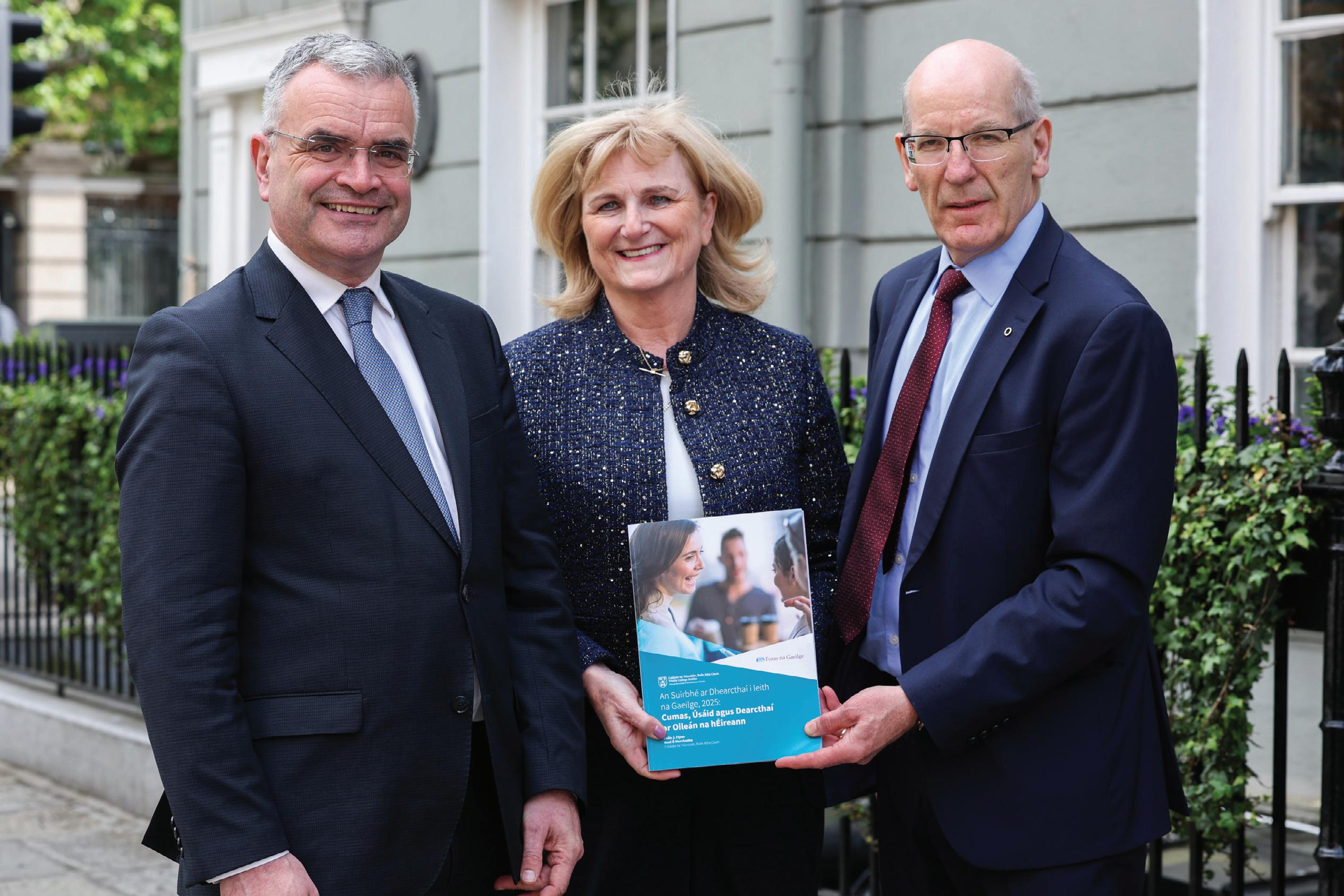
An tAire Dara Calleary TD, Regina Uí Chollatáin, Cathaoirleach Fhoras na Gaeilge agus Sean Ó Coinn, Príomhfheidhmeannach Fhoras na Gaeilge.
Ag ócáid in Óstán Buswell’s ar an 19 Bealtaine 2026 sheol an tAire Forbartha Tuaithe agus Pobail agus Gaeltachta, Dara Calleary TD, An Suirbhé ar Dhearcthaí i leith na Gaeilge, 2025: Cumas, Úsáid agus Dearcthaí ar Oileán na hÉireann.
Sa tuarascáil seo, déantar anailís ar dhearcthaí comhaimseartha i leith na Gaeilge ar fud oileán na hÉireann bunaithe ar shonraí ó shuirbhé ionadaíoch ar an mórscála a rinneadh i bPoblacht na hÉireann agus i dTuaisceart Éireann i samhradh na bliana 2025.
Tugadh faoin tuarascáil seo d’fhonn cur lenár dtuiscint ar dhinimic shochtheangeolaíoch na Gaeilge sa dá dhlínse tráth a bhfuil forbairtí suntasacha beartais ag teacht chun cinn agus plé ag leanúint ar aghaidh ar a bhfuil i ndán don teanga.
Ipsos B&A agus Coláiste na Tríonóide, Baile Átha Cliath a stiúraigh An Suirbhé ar Dhearcthaí i leith na Gaeilge 2025 d’Fhoras na Gaeilge le maoiniú ón Roinn Forbartha Tuaithe agus Pobail agus Gaeltachta.
Tá an taighde seo bunaithe ar agallaimh aghaidh ar aghaidh le 1,498 duine fásta (1,000 i bPoblacht na hÉireann agus 498 i dTuaisceart Éireann). Forbraíodh agus bunaíodh an ceistneoir ar cheistneoir a
bhí ann cheana atá in úsáid ó na 1970idí i leith, agus a oiriúnaíodh chun Tuaisceart Éireann a chur san áireamh agus chun comhthéacs beartais agus sochaí an lae inniu a léiriú.
Tógtar sa tuarascáil seo ar thraidisiún seanbhunaithe taighde ar dhearcthaí i leith na Gaeilge. Is thiar sna 1970idí a tosaíodh ag déanamh mórthaighde suirbhé bunaithe ar dhearcthaí i leith na Gaeilge agus, i gcás Phoblacht na hÉireann (PÉ), tá leaganacha den suirbhé céanna á ndéanamh thart ar gach 10 mbliana ó shin i leith.
Rinneadh an suirbhé i dTuaisceart Éireann (TÉ) den chéad uair sa bhliain 2001, mar chuid de shuirbhé uile-oileáin maoinithe ag Foras na Gaeilge, agus tá an dlínse sin san áireamh i ngach suirbhé atá déanta ó shin.
San iomlán, is léiriú é an bailiúchán saothar seo ar an dearcadh atá agus a bhí ag an bpobal i gcoitinne i leith na Gaeilge, agus ar an dearcadh atá acu i leith bheartas an rialtais i ndáil leis an teanga.
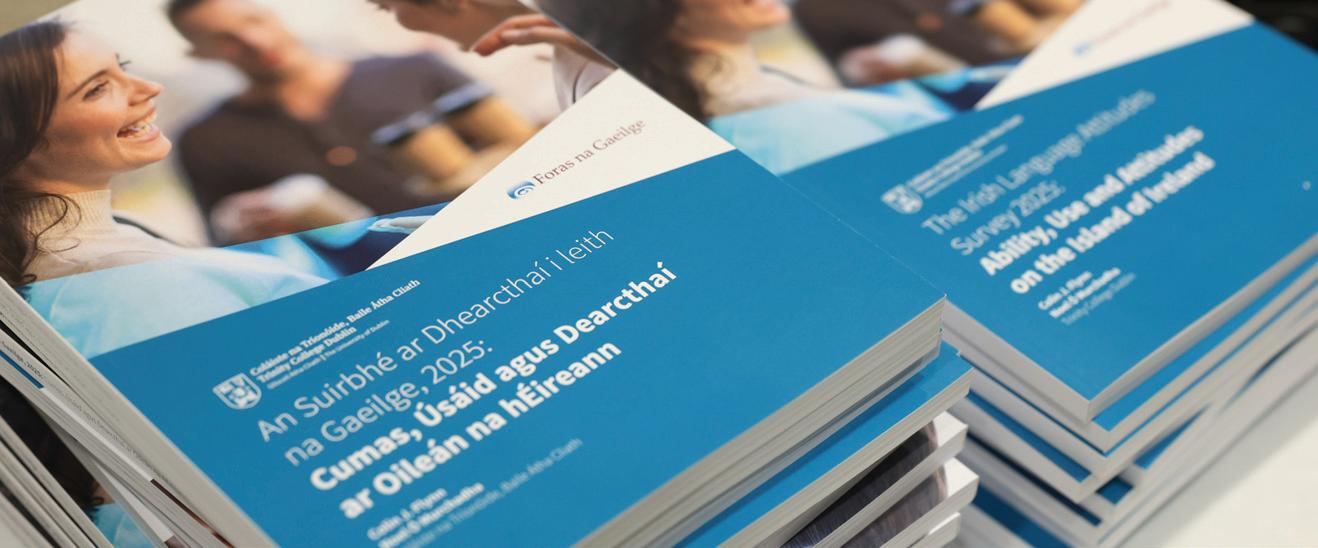
Tá an foilseachán seo ar an tuarascáil is déanaí sa tsraith taighde is seanbhunaithe ar dhearcthaí an phobail ar oileán na hÉireann i leith na Gaeilge agus cuireann sé léargas uathúil agus mionsonraithe ar fáil ar dhearcthaí reatha an phobail agus ar chumas teanga ar oileán na hÉireann, rud a fhágann gur féidir staitisticí a bailíodh tuairim is gach 10 mbliana le 50 bliain anuas maidir le dearchtaí agus cumas an phobail i leith na Gaeilge, chomh maith leis an úsáid a bhaineann siad aisti, a chur i gcomparáid le chéile.
Colin J. Flynn agus Noel Ó Murchadha ó Choláiste na Tríonóide, Baile Átha Cliath, a rinne an staidéar i gcomhar le Ipsos B&A. Ba é Flynn céad údar na tuarascála seo. Is ollamh cúnta sa teangeolaíocht fheidhmeach é i Scoil na nEolaíochtaí Teangeolaíochta, Urlabhra agus Cumarsáide i gColáiste na Tríonóide, Baile Átha Cliath. Ba é Ó Murchadha an príomhthaighdeoir sa tionscadal seo. Is ollamh comhlach é san oideachas teanga i Scoil an Oideachais, Coláiste na Tríonóide, Baile Átha Cliath.
I measc na bpríomhthorthaí:
• tá móramh soiléir sa dá dhlínse anois i bhfabhar na Gaeilge (78 faoin gcéad PÉ agus 55 faoin gcéad TÉ);
• tá úsáid laethúil na Gaeilge níos airde ná mar a tuairiscíodh in 2013: (ardú de 3 faoin gcéad in PÉ agus de 6 faoin gcéad in TÉ) agus tá an Ghaeilge á labhairt níos minice i gCúige Mumhan, i gCúige Chonnacht, agus i gCúige Uladh, ná in áiteanna eile sa tír;
• is iad daoine idir 18 agus 24 bliain d’aois an t-aoisghrúpa is mó i measc cainteoirí rialta sa dá dhlínse;
• todhchaí dhátheangach is ea an
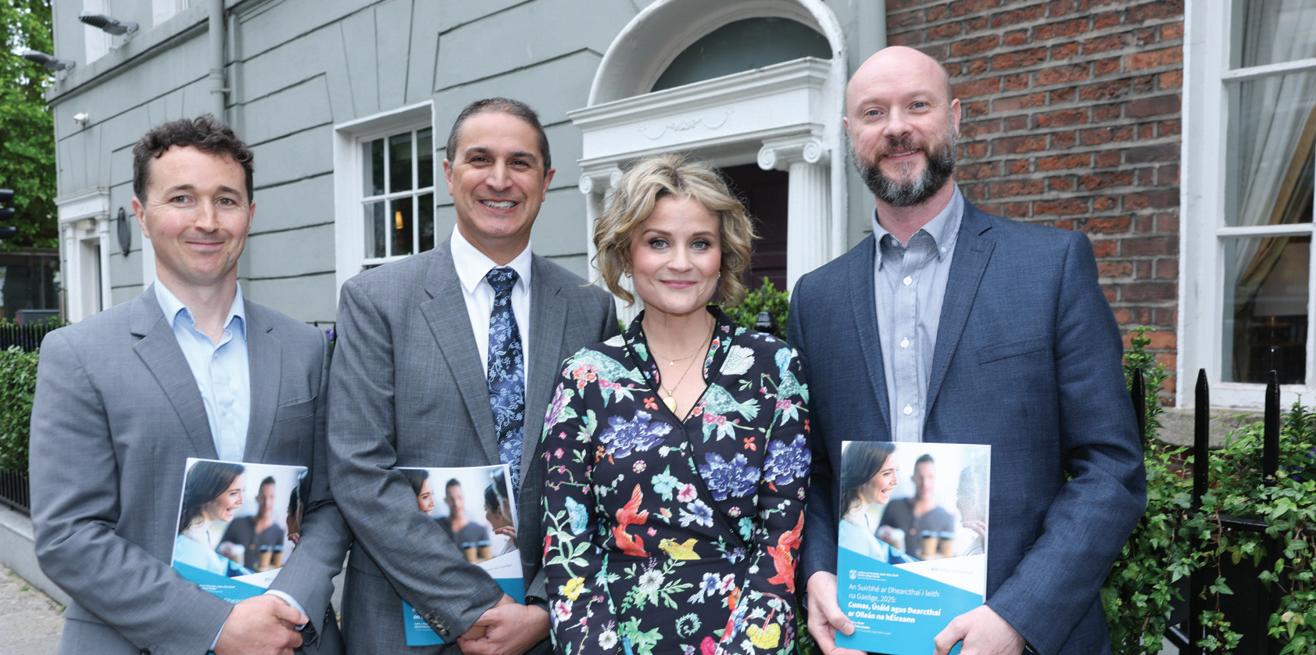
rogha is coitianta a roghnaigh freagróirí: le Béarla mar phríomhtheanga, agus tacaíocht do níos mó béime ar an nGaeilge (55 faoin gcéad in PÉ agus 44 faoin gcéad in TÉ);
• tá an tacaíocht don Ghaelscolaíocht agus do mhúineadh na Gaeilge níos airde ná mar a tuairiscíodh sna suirbhéanna roimhe seo; agus
• tá freasúra don Ghaeilge níos ísle sa dá chuid den oileán i gcomparáid le torthaí a tuairiscíodh i suirbhéanna roimhe. Ba é tuairim an tromlaigh (60 faoin gcéad) i measc freagróirí i dTuaisceart Éireann a bhfuil féiniúlacht Bhriotanach acu, agus ar bhonn ginearálta, a bhfuil féiniúlacht Phrotastúnach acu, nach bhfuil “tuairim faoi leith ar bith” acu faoin nGaeilge.
Arsa Príomhfheidhmeannach Fhoras na Gaeilge, Seán Ó Coinn: “Ar an iomlán, léiríonn an taighde seo bonn láidir tacaíochta don Ghaeilge ar fud an oileáin, agus beidh Foras na Gaeilge ag
obair go dlúth lenár gcomhpháirtithe sa dá rialtas agus leis na Ceanneagraíochtaí Gaeilge leis an phróiseas seo a neartú, agus le leathnú a dhéanamh ar úsáid laethúil na teanga, agus ar dheiseanna le Gaeilge a fhoghlaim agus a fheabhsú. “Tugann an taighde léargas dearfach ar thuairimí an phobail i leith na Gaeilge ó dheas agus i measc freagróirí a bhfuil féiniúlacht Bhriotanach acu sa Tuaisceart; grúpa go ginearálta a bhfuil féiniúlacht Phrotastúnach, aontachtach, agus dhílseach acu. Toradh dearfach a bhfuil feabhas mór air ó shuirbhé 2013.
“Mar sin féin, tá dúshláin romhainn ó dheas. Thug 50 faoin gcéad de fhreagróirí ó dheas, agus iad ag meas a gcuid Gaeilge féin, le fios gur beag a gcumas nó go bhfuil siad gan chumas sa Ghaeilge, toradh atá ina ábhar imní agus atá 7 faoin gcéad níos airde ná mar a tuairiscíodh in 2013. Léiríonn sé seo gá práinneach leis na torthaí foghlama don Ghaeilge inár scoileanna a fheabhsú.”

Léigh an tuarscáil iomlán ar shuíomh gréasáin Fhoras na Gaeilge
Tacú Chun Tairbhe

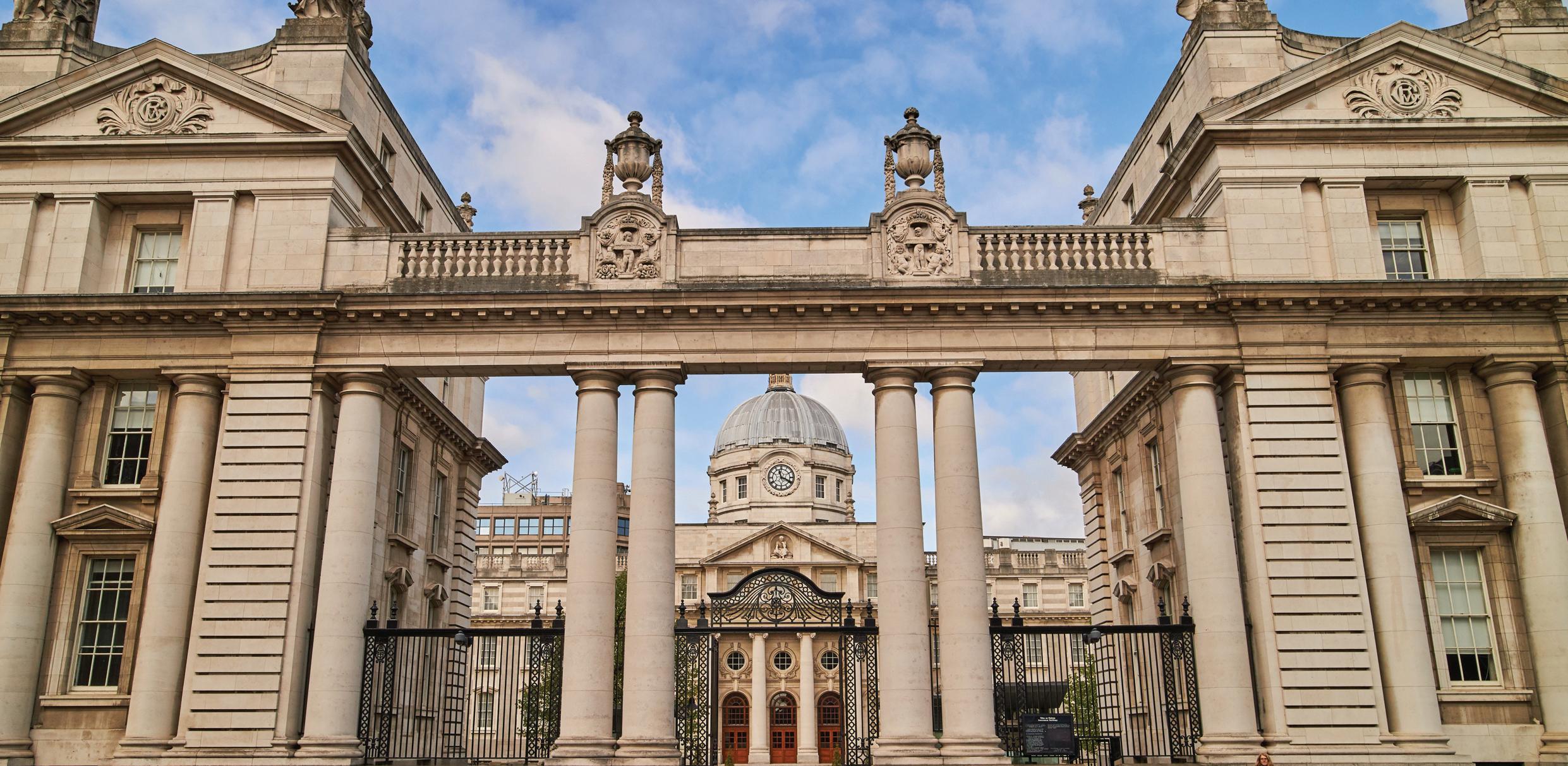
Is roghchoiste agus comhchoiste araon é Coiste na
Gaeilge, na Gaeltachta agus Phobal Labhartha na
Gaeilge i nDáil Éireann atá ag obair chun stádas na Gaeilge mar chéad teanga oifigiúil na hÉireann a chomhlíonadh.
Leanann an coiste an Roinn Forbartha Tuaithe agus Pobail agus Gaeltachta. Déanann an roghchoiste athbhreithniú ar bhillí, meastacháin, agus cúrsaí eile a chuireann Dáil Éireann faoina bhráid a bhaineann leis an Roinn.
Is féidir leis an gcomhchoiste athbhreithniú a dheánamh ar chúrsaí an Aontais Eorpaigh agus dul i dteagmháil le hAirí agus comhlachtaí Eorpacha. Is féidir leis athbhreithniú a dhéanamh ar an scéim ghinearálta nó dréachtcheannteidil de bhillí, agus ar aon tuarascáil iar-achtaithe ar aon bhille i leith na Roinne. Mar aon leis sin, is féidir leis an gcomhchoiste dul i dteagmháil le cathaoirligh ainmnithe comhlactaí nó gníomhaireachtaí faoi choimirce na Roinne.
Is iad seo a leanas na príomhcheisteanna beartais a ndéannan an coiste iniúchadh orthu:
• soláthar tithíochta agus fostaíochta i gceantair Ghaeltachta;
• an bonneagar i gceantair Ghaeltachta;
• go mbeidh ar a laghad 20 faoin gcéad d’earcaigh i gcomhlachtaí poiblí inniúil sa Ghaeilge faoi dheireadh 2030;
• úsáid na fógraíochta dátheangaí ag comhlachtaí poiblí;
• deacrachtaí maoinithe Fhoras na Gaeilge;
• athbhreithniú a dhéanamh ar thuarascáil bhliantúil Oifig an Choimisinéara Teanga;
• imscrúdú a dhéanamh ar chlár oibre agus tosaíochta Údarás na Gaeltachta;
• dul chun cinn an tionscadail Ghaeilge365 a fhiosrú;
• cúrsaí oideachais ón luathoideachas go dtí an tríú leibhéal;
• eagrais spóirt, cúrsaí óige, agus cur chun cinn na Gaeilge;
• an earnáil chraolacháin agus léiriúcháin i nGaeilge;
• úsáid na Gaeilge sna hearnálacha ealaíne;
• daoine atá faoi míchumas agus rochtain acu ar an nGaeilge;
• an phleanáil teanga; agus
• cur chun cinn na Gaeilge ar fud oileán na hÉireann.

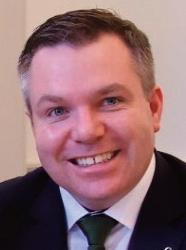
Shane Moynihan TD, Fianna Fáil (Cathaoirleach)
Faoi: TD ar son Bhaile Átha Cliath Thiar Meán. Thug sé seirbhís ar Chomhairle Contae Átha Cliath Theas idir 2019 agus 2024. Ceapadh mar Chathaoirleach ar an gcoiste i mí Meitheamh 2026 é. Bhí sé ceaptha in áit Naoise Ó Cearúil nuair a cheapadh mar Cathaoirleach ar an gCoiste um Intleacht Shaorga é.

John Connolly TD, Fianna Fáil
Faoi: TD ar son Ghaillimh Thiar ó 2024. Toghadh ar Chomhairle Contae na Gaillimhe in 2004 é ach chaill sé a áit ar an gcomhairle in 2009. Toghadh ar an gcomhairle arís in 2019 é agus choinnigh sé a chathaoir in 2024.
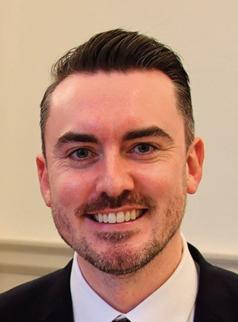
Naoise Ó Cearúil TD, Fianna Fáil
Faoi: TD ar son Chill Dara Thuaidh ó 2024. Toghadh ar Chomhairle Contae Chill Dara é in 2014, agus bhí sé mar mhéara ar Chill Dara idir 2021 agus 2022. Ceapadh mar Chathaoirleach ar an gcoiste ar feadh tamall gearr i mí Bealtaine 2026 é sular éirigh sé as an gcoiste i mí Meitheamh 2026. Ceapadh mar Chathaoirleach ar an gCoiste um Intleacht Shaorga i mí Meitheamh 2026 ansin é.

Shónagh Ní Raghallaigh TD, Sinn Féin
Fúithi: TD ar son Chill Dara Theas ó mhí na Samhna 2024. D’oibrigh sí mar mhúinteoir sular thoghadh ar Chomhairle Contae Chill Dara i mí Meitheamh 2024 í. Tá baint aici le cumann Chill Dara den Ireland-Palestine Solidarity Campaign.

Peadar Tóibín TD, Aontú
Faoi: TD ar son na Mí Thiar ó 2011. TD Shinn Féin ab a é cheana, ach d’fhág sé an pairtí in 2018 agus bhunaigh sé Aontú in 2019 mar agóid i gcoinne sheasamh an phairtí i leith an reifrinn ar an nginmhilleadh. Roimh an bpolaitíocht, bhí sé mar chomhairleoir bainistíochta féinfhostaithe ag obair san earnáil fiontair in Éirinn agus san Albain.

Faoi: TD ar son Dhún Laoghaire ó 2024. Toghadh ar Sheanad Éireann in 2020 ar an bpainéal tionscalaíochta agus trácthála é. Is abhcóide é agus d’oibrigh sé mar urlabhraí thar ceann dlí agus cirt do Sheanad Éireann.
D’oibrigh sé mar chomhairleoir dlíthiúil don IarThaoiseach Enda Kenny idir 2005 agus 2007.
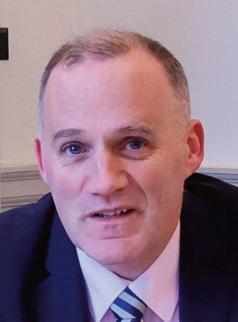
Naoise Ó Muirí TD, Fine Gael
Faoi: TD ar son Átha Cliath Thuaidh ó 2024. D’oibrigh sé ar Chomairle Cathrach Bhaile Átha Cliath ó 2004 go 2024 agus is iar-ardmhéara ar Bhaile Átha Cliath é. Tagann sé ó chúlra innealtóireacht agus chomhbhunaigh sé Zing Technology, comhlacht teicneolaíochta faisnéise.
Aengus Ó Snodaigh TD, Sinn Féin
Faoi: TD ar son Baile Átha Cliath Theas-Lár ó 2002. Is urlabhraí ar an nGaeilge, an Ghaeltacht, agus na healíona de chuid Shinn Féin é. D’oibrigh sé mar aoire an phairtí cheana. D’oibrigh sé ar son Bhord na Gaeilge roimh an bpolaitíocht.
Seanadóir Joe Conway, Neamhspleách
Faoi: Seanadóir ar an bpainéal cultúrtha agus oideachais ó 2025. D’oibrigh sé ar Chomhairle Contae Phort Láirge idir 2009 agus 2014, agus ar Chomairle Cathrach agus Contae Phort Láirge ó 2014 go 2025.
D’oibrigh sé le hÚdarás na Gaeltachta roimhe sin ar fad agus is iadsan a d’ainmnigh don Seanad é.

Seanadóir Shane Curley, Fianna Fáil
Faoi: Seanadóir ar an bpainéal cultúrtha agus oideachais ó 2025. Is urlabhraí ar an oideachas agus an Ghaeilge de chuid an tSeanaid é. D’oibrigh sé ar Chomhairle Contae na Gaillimhe idir 2019 agus 2025. D’oibrigh sé mar múinteoir agus comhairleoir airgeadais roimhe sin ar fad.

Seanadóir Evanne Ní Chuilinn, Fine Gael
Fúithi: Seanadóir ó 2025, ainmnithe ag an Taoiseach. Is urlabhraí ar na healaíona, ar na meáin, ar an spórt agus ar an gcumarsáid de chuid an tSeanaid í. Is iarchraoltóir spóirt agus iar-iriseoir le RTÉ í.

Seanadóir Nicole Ryan, Sinn Féin
Fúithi: Seanadóir ar an bpainéal riaracháin ó 2025. Bhunaigh sí Alex’s Story, fiontar sóisialta a thugann oideachas do dhaltaí iar-bhunscoile ar dhrugaí, tar éis bás a dearthár in 2016. Is guth mór le rá ar chúrsaí sláintiúla í.
Tá “éigeandáil teanga sa Ghaeltacht” agus is cóir dul i ngleic léi sin sula gcaillfear an Ghaeilge “mar theanga labhartha pobail”, a léiríonn athbhreithniú ar an gcéad 10 bplean teanga, a d’fhoilsigh an Roinn Forbartha Tuaithe agus Pobail agus Gaeltachta i mí Eanáir 2026.
D’fhoilsigh an Roinn an t-athbhreithniú faoi Acht na Gaeltachta 2012. Maíonn an t-athbhreithniú gurb iad titim sa daonra, ceannas an Bhéarla, laghdú na Gaeilge, bochtaineacht, agus easpa acmhainní agus infheistíochta i measc na bhfadhbanna sna Limistéir Phleanála Teanga.
Cé go bhfuil “obair mhór á déanamah i gcuid mhaith de na réimsí sin”, deir an t-athbhreithniú go mairfidh na deacrachtaí seo “gan tacaíocht spriocdhírithe láithreach do thionscnaimh teanga agus d’oiliúint sa phleanáil teanga”.
Tá moltaí san athbhreithniú dírithe ar fheasacht a leathnú, bearta reachtacha a achtú, leithdháileadh acmhainní mar is ceart a chinntiú, agus córas mhonatóireachta agus mheastóireachta a dhéanamh.
Molann an t-athbhreithniú oiliúint éigeantach phleanála teanga d’oifigigh phoiblí a thabhairt isteach. I bhfreagra ón Roinn de réir na moltaí san athbhreithniú, aontaítear “go mbeadh fiúntas lena leithéid”.
Chun úsáid na Gaeilge sa saol laethúil a mhéadú, molann an t-athbhreithniú an phleanáil teanga a dhíriú ar mhinicíocht agus rialtacht. Deir an Roinn go mbeadh leasú ar na treoirlínte pleanála teanga mar chuid don dara timthriall de na pleananna teanga.
Baineann roinnt moltaí le pá, conarthaí, oiliúint, agus struchtúir foirne d’oifigigh phleanála teanga (OPT) “a chaighdeánú agus a fheabhsú”. Deir an Roinn go ndearnadh iarracht conarthaí fostaíochta a chaighdeánú cheana féin, go bhfuil sé i gceist ag Údarás na Gaeltachta athbhreithniú a dhéanamh ar ról an OPT, agus go gcuirfear níos mó acmhainní ar fáil.
Molann an t-athbhreithniú tosaíocht a thabhairt d’iarratasóirí tithíochta a labhraíonn an Ghaeilge, agus go gcuirtear deontais tithíochta oiriúnaithe ar fáil do theaghlaigh “atá tiomanta d’úsáid na Gaeilge sa Ghaeltacht”. Deir an Roinn go bhfuil tiomantas i bplean tithíochta an Rialtais go bhfoilseofaí Ráiteas Náisiúnta Pleanála don Ghaeltacht i 2027.
Deir bainisteoir abhcóideachta Chonradh na Gaeilge, John Prendergast: “Nílimid pioc níos gaire do chóras monatóireachta a bheith i bhfearas don bpróiseas pleanála teanga, rud a chuireann díoma agus lagmhisneach ar go leor oifigigh phleanála teanga agus pobail Ghaeltachta.”
“Caithfear gníomhú ar son na Gaeltachta, agus fís straistéiseach a chur le chéile don bpróiseas seo, an t-athbhreithniú san áireamh.”
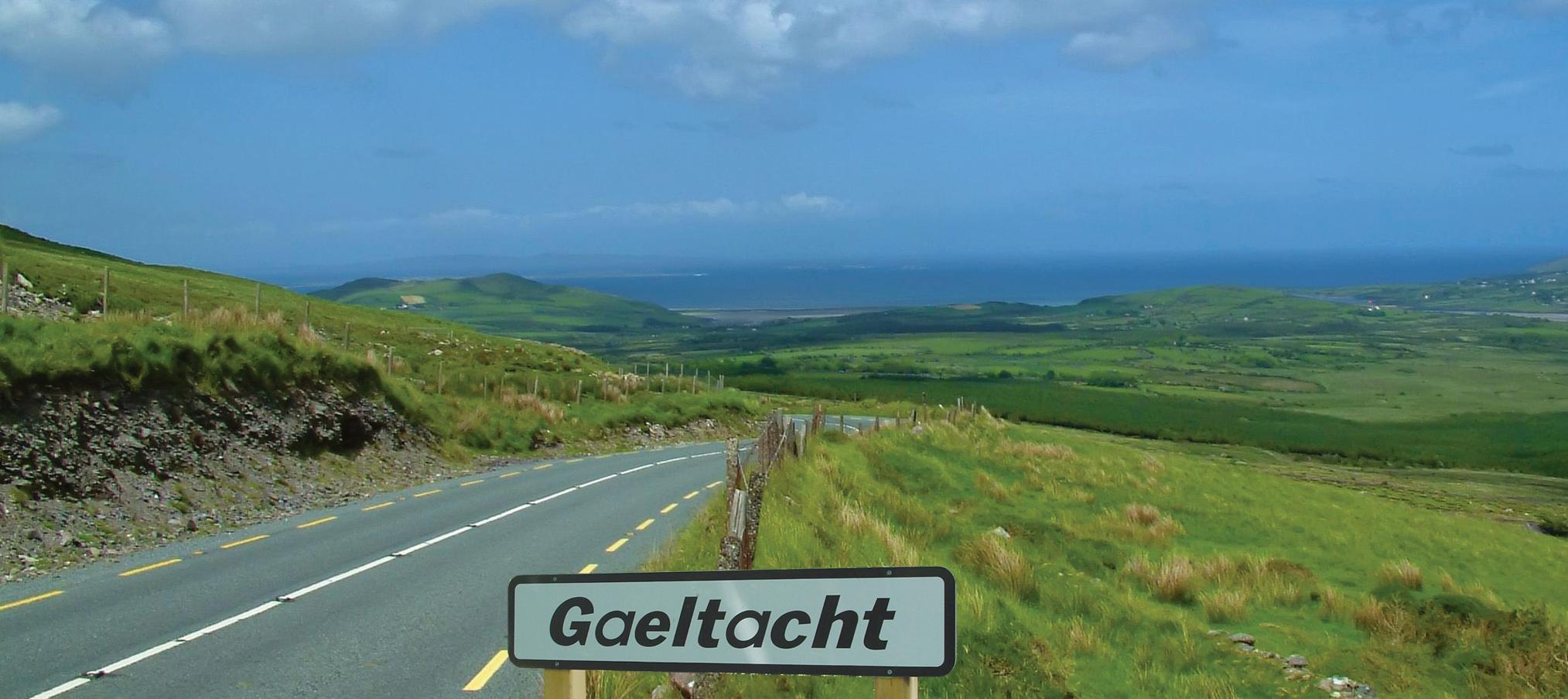
Sponsored by
I remain committed to delivering a modern, sustainable and integrated transport network that supports economic growth, regional connectivity, and climate action, writes Minister for Transport Darragh O’Brien TD.
Continued investment in transport infrastructure and services is essential to meeting the needs of our growing population and ensuring that people and businesses can travel safely, efficiently, and reliably across the country.
The National Development Plan for Transport, which was published in 2025, outlines the pathway for the most ambitious and transformative investment in transport projects in the history of the State.
It commits €24.3 billion to a diverse range of transport options, including public transport, active travel, roads, maritime, and aviation over the next five years.
Some of the key transport priorities in the NDP include the development of MetroLink in Dublin, the expansion of the DART+ network, and the rollout of BusConnects across Dublin, Cork, Galway, Limerick, and Waterford.
The plan also places a strong emphasis on active travel infrastructure such as cycling and walking facilities, upgrades to national and regional roads, continued investment in rail services and fleet electrification, and the expansion of electric vehicle infrastructure to support decarbonisation and more sustainable and accessible transport across Ireland.
MetroLink is now finally becoming a reality, marking the beginning of the delivery of one of the most significant public transport projects in the history of the State with €2 billion invested in the project for the first time.
This transformative project will be a gamechanger for North County Dublin, the wider region and the country, unlocking greater access to housing, jobs, and education, while also reducing congestion and emissions. It is happening. Groundworks are already underway in several areas, with major construction due to commence in August or September 2027.
The rollout of contactless fare payments across all public transport, while also keeping fares low and affordable remains a key priority in delivering a more modern, accessible, and userfriendly public transport system. Contactless fare payments, or next-generation ticketing, will initially be introduced as part of BusConnects Dublin before being delivered nationwide, including on Bus Éireann services. I want public transport to be reliable, accessible, and modern.
My department and the National Transport Authority are making, and will continue to make, significant efforts to implement next-generation ticketing across the country over the coming years.
I have met with the National Transport Authority and Spanish technology company Indra Sistemas on a number of occasions and emphasised the importance of this project and the desire of both government and public transport users to see it implemented without delay.
It will replace the Leap Card system, which has served more than 9 million users since its launch in 2011. The initial focus of this project is on the Greater Dublin Area. It will be rolled out across four phases, with phase one due to launch in summer 2027.
In 2025 alone, public transport journeys across the country exceeded 360 million and, to keep pace with growing demand, we have an ambitious programme of delivery underway, as outlined.
But we also need to sure a safe public transport experience for passengers and staff. I am continuing to progress the establishment of a transport security force as a key priority.
Substantial progress has been made in recent months, with extensive engagement underway involving the NTA, operators, trade unions, passenger groups, An Garda Síochána, and the Department of Justice.
A proposed model for the force is currently under detailed consideration and further stakeholder meetings are scheduled to discuss a finalised proposal and seek agreement on the preferred approach. Following this process, I intend to bring a memo to government outlining the agreed model, key decisions, and next steps.
In parallel, my department and the NTA are advancing the legislative proposals required to establish the force with a view to progressing the foundations of the force during 2026.
Our aviation sector is one of the strongest and most strategically important sectors of the Irish economy. And critically important for our country, in terms of connectivity and economic growth, is the removal of the Dublin Airport passenger cap.
It was a key commitment in the Programme for Government, and we have acted swiftly and decisively on that commitment. We are now in the final stages of bringing the relevant legislation to government to empower me to remove the passenger cap, which will drive further connectivity and growth, with Dublin airport now established as one of the strongest and most significant airports in Europe.
Regional connectivity is also vitally important in supporting balanced economic growth across the country. There is continued significant investment in our regional airports –Cork, Shannon, Donegal, Kerry and Ireland West – which play a key role in strengthening tourism, trade, and business links, ensuring that all parts of Ireland remain well connected to key domestic and international markets.
We have record investment of €1.5 billion in 2026 in our road network across the State, supporting both new projects and road renewal. We now finally have the green light for the Galway Ring Road, with planning approval from An Coimisiún Pleanála following decades of delays.
The Adare bypass is progressing towards completion, while the N5 Ballaghaderreen-Scramoge scheme forms part of a major west of Ireland route upgrade. In Cork, the M28 Cork to Ringaskiddy project will unlock key access to Cork Harbour.
This government is committed to unlocking potential and removing barriers to key projects across the country. I am confident that, during the lifetime of this government, we will deliver a transformative impact on Ireland’s future in how we live, how we travel, how we build homes around our transport network, and how we grow our economy in a sustainable way.
That means delivering critical infrastructure more quickly, advancing transport corridors that unlock housing, strengthening our energy system to support growth, and ensuring that every region of the country benefits from investment and opportunity.
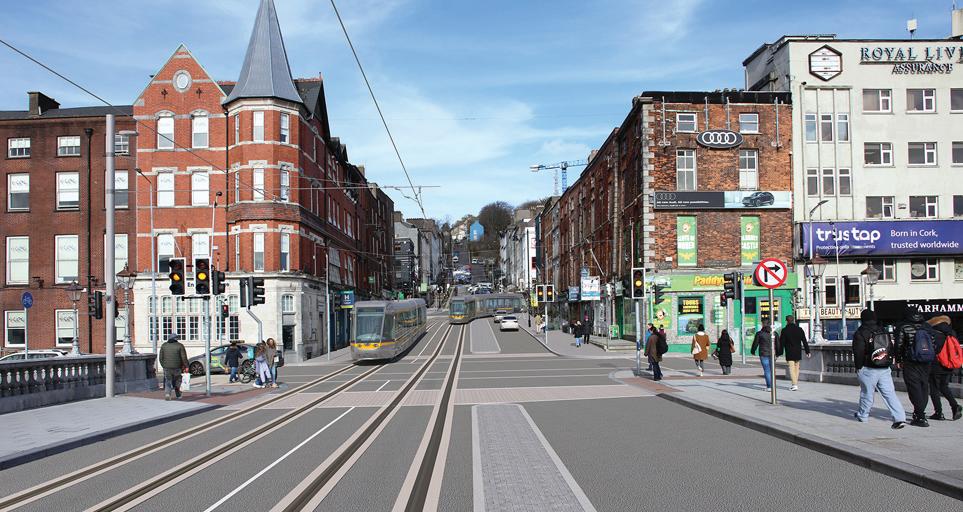
Cities today face a convergence of pressures: growing populations, constrained road space, climate commitments, and the need for reliable access to jobs and services. Against this backdrop, light rail has reemerged as a critical component of modern urban transport systems, writes Dave King, Jacobs Regional Director – Ireland and Northern Ireland.
It is a high capacity, high quality transport mode well suited to dense urban corridors, where dependence on private cars is neither sustainable nor efficient. Light rail’s benefits extend well beyond moving people from A to B. It provides fast, reliable, and accessible public transport that can attract users away from private vehicles, helping reduce congestion, emissions, and noise.
Its permanence gives certainty to residents, businesses, and investors, supporting compact growth, regeneration, and creating walkable, transit oriented communities. By combining efficiency, environmental performance, and placemaking benefits, light rail is vital in creating more liveable, competitive and resilient cities.
The Cork Metropolitan Area (CMA) is in an exciting phase of its development. It is envisaged that Cork will become the fastest-growing city region in Ireland with a projected 50-60 per cent population increase in the period to 2040. This projected population and associated economic growth will result in significantly increasing travel demand.
This demand needs careful management to safeguard and enhance Cork’s attractiveness to live, work, visit and invest in. There is limited capacity within the existing CMA transport network to cater for additional private car traffic, and this remaining capacity requires more efficient allocation.
Cork’s main approach corridors are congested, inefficient, and dominated by low occupancy private car traffic, resulting in unreliable bus services, suppressed public transport usage, poor active travel conditions, and an inability to accommodate future growth within the existing street space due to physical constraints.
These corridors need to reallocate priority to high capacity, low carbon modes to maximise person throughout, improve reliability, and support sustainable urban development. Cork’s geography does not make it easy. The river Lee, the historic street pattern, and the city’s tight urban core limits how many cars and buses can be pushed through the centre.
Continuing to funnel more vehicles into the same constrained space is not a strategy. Light rail offers something fundamentally different: a high capacity, reliable system that moves large numbers of people efficiently without competing endlessly for road space.
Light rail is not just about transport, but its transformative impact on cities.
Fixed rail urban schemes create certainty. They reshape travel behaviour, support development where needed most, and signal that a city is ready to prioritise people over traffic.
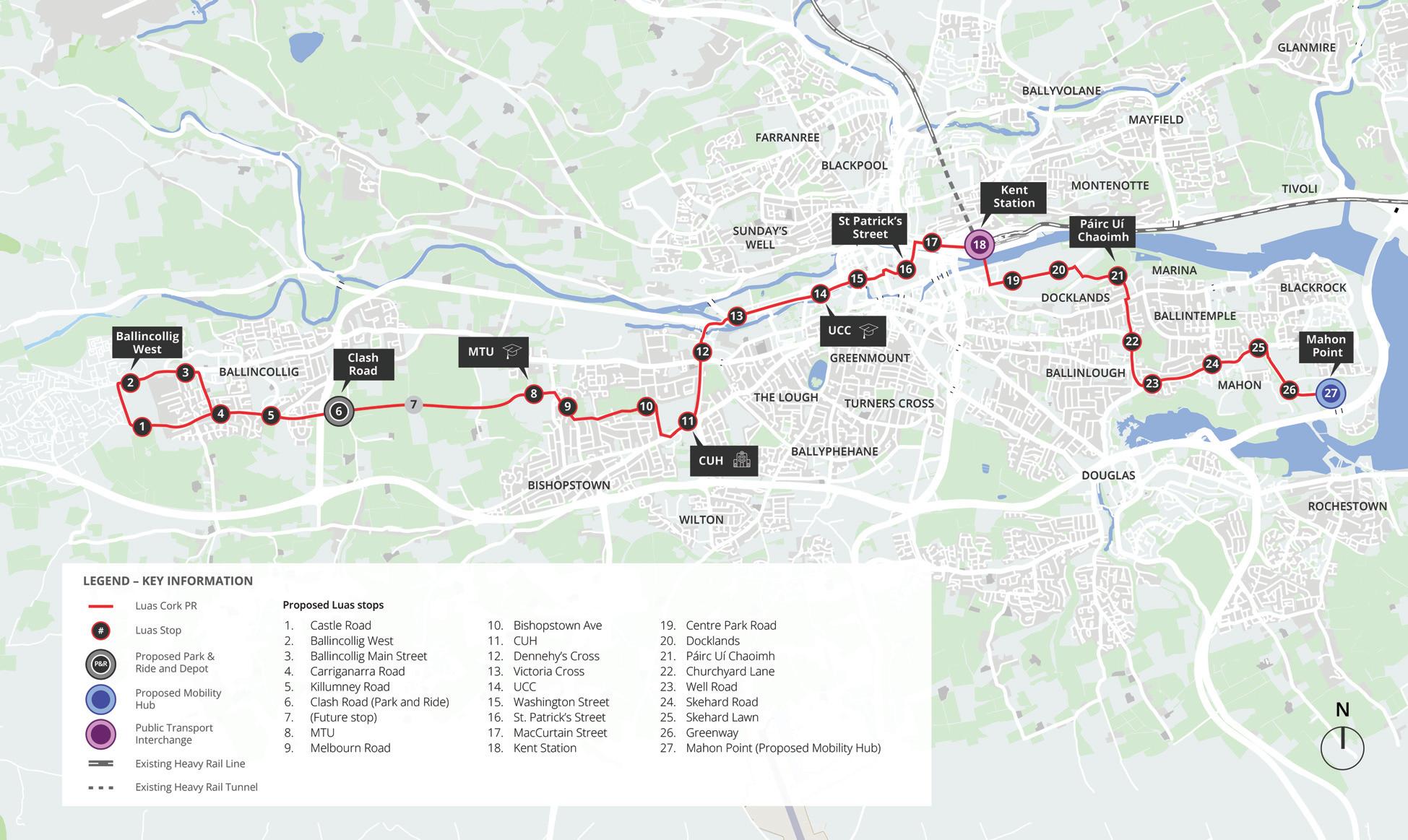
When delivered, a light rail system in Cork would enable continuous and sustainable city growth.
Light rail will not solve every problem that Cork faces, but it can be the backbone of an integrated urban transportation network within Cork working seamlessly with BusConnects, heavy rail services, and active travel networks.
Light rail has an anchoring effect that other modes rarely achieve. Around stops, higher density housing becomes viable. Offices and shops gain confidence and cluster together. Streets are redesigned not just to carry vehicles, but to invite people to linger. In Cork, that could mean suburbs and growth areas becoming more selfcontained, less car dependent, and more connected to city life.
Transport is one of the largest sources of emissions in Ireland’s cities, and Cork is no exception. Climate action plans are focused on percentages and targets, but in simple terms, if most trips are made by car, emissions will not fall at the pace required.
That leaves Cork with an unavoidable task of large scale modal shift by making sustainable travel the most practical choice for everyday journeys. Walking and cycling are critical, but they cannot carry peak hour demand across longer corridors. Buses are
essential, but in constrained city centres they can struggle to deliver reliability at scale. Cork needs public transport to carry lots of people, all day, every day, and to do so competitively with the car.
This is where light rail can be the workhorse. With its high capacity, it can shift significant numbers of people out of private cars and onto a cleaner, shared system that competes on speed, reliability, and certainty.
Luas Cork is the proposed light rail line for Cork running from Ballincollig to Mahon Point, connecting key destinations such as MTU, Cork University Hospital, UCC, Cork city centre, Kent Station, Cork Docklands, Páirc Uí Chaoimh, Blackrock, and Mahon.
It is a central part of the Cork Metropolitan Area Transport Strategy (CMATS) that will deliver an integrated public transport network including BusConnects, heavy rail improvements, and enhanced cycling and walking infrastructure. When implemented it is expected to:
• reduce traffic and carbon emissions, unlock housing and jobs growth, creating a liveable, walkable, and vibrant city;
• bring people to work, education, healthcare, sport, and cultural events efficiently and comfortably;
• offer more reliable journey times than other travel forms, and encourage people to leave their cars behind, reducing city congestion;
• create interchange opportunities with regional and intercity bus services from various locations, including Cork City Bus Station at Parnell Place, and with intercity and commuter rail services at Kent Station, while the ongoing rollout of BusConnects Cork has also been considered in tandem with Luas Cork;
• provide opportunities to widen the catchment via a 1,000-space park and ride to enable commuters from the N40 and N22 switch from car or bus to Luas, and a smaller mobility hub at the terminus in Mahon Point. At both locations, there will be car and taxi set-down, secure bike parking and bike-share stands;
• be safe and accessible to all; and
• transport an estimated 18 million passengers in the opening year.
“Stay back, stay high, stay dry.” The Irish Coast Guard’s 2025/2026 winter warning has become more than a public safety message. Along Ireland’s east coast, it now reads like an instruction for national planning. The winter of 2025/26 exposed how accelerating climate impacts are outpacing the design tolerances of our critical infrastructure, writes Damien Keneghan, Jacobs Senior Associate Director.
This year’s data leaves little room for argument. January 2026 delivered more than double the long-term average rainfall at Dublin Airport, followed by another month of exceptional downpours. Valentia Observatory recorded rainfall every day for the first 46 days of the year, a sequence that signals systemic saturation rather than isolated weather events.
When Storm Chandra arrived, cumulative wetness amplified its effects. Wave overtopping and coastal flooding inundated the DART at Blackrock, Seapoint, and Salthill, forcing prolonged service suspensions. Inland, swollen rivers burst their banks in Enniscorthy for example, flooding homes and commercial centres, closing roads and rail lines, and placing communities under stress.
These events are not anomalies. They are signals of a new climatic pattern: heavier rainfall, higher tides,
stronger storms, and accelerating coastal erosion. Nowhere is this more evident than along the east coast, where land, infrastructure, and communities are squeezed between a dynamic Irish Sea and an increasingly volatile atmosphere.
Across Dublin, Wicklow, and Wexford, the coastline is moving landward every season. Communities in Portrane, Kilcoole, Arklow, and Wicklow see the sea not only advancing, but accelerating.
The Dublin-Wicklow rail line, often referred to as ‘Brunel’s Folly’, is emblematic of this challenge. Its exposed alignment has required repeated realignments for more than a century due to cliff collapses, embankment failures, and persistent erosion. In the past
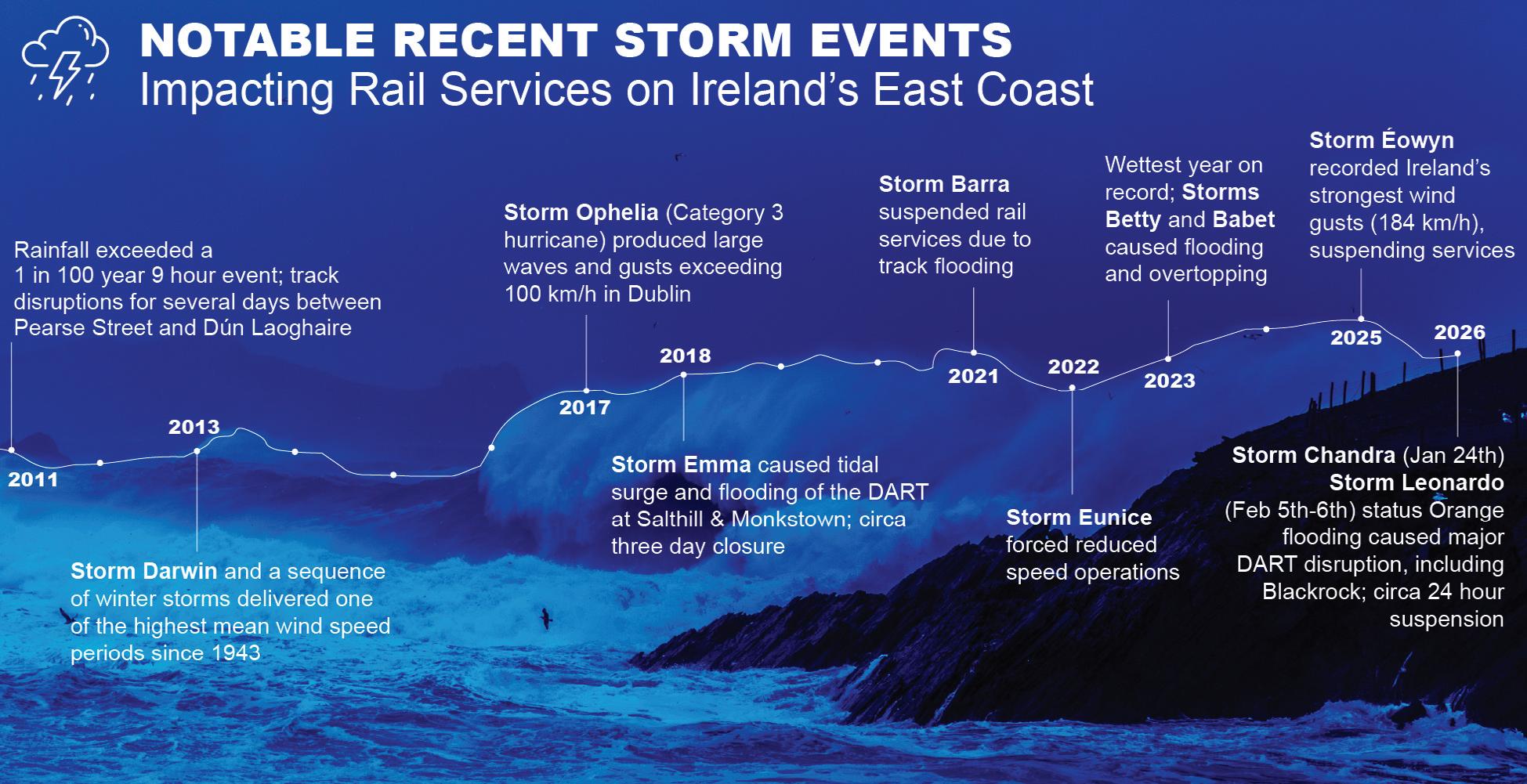
decade alone, some sections have lost up to 20 metres of coastline.
Closures due to overtopping, undermining, and storm debris have shifted from occasional disruptions to persistent risks on a corridor that tens of thousands of people rely on daily.
Ireland’s policy framework is evolving in the right direction with the National Adaptation Framework and the Transport Sectoral Adaptation Plan recognising the need to build resilience, integrate climate science into design, reduce exposure, and improve preparedness across transport networks.
However, policy does not solely deliver resilience. Outcomes are determined by implementation and by how infrastructure is funded, monitored, and adapted over time. Climate impacts are accelerating faster than adaptation on the ground. The challenge Ireland now faces is not whether to adapt, but whether adaptation can be delivered at the pace, scale, and duration required.
Across Ireland, Jacobs is partnering with national infrastructure operators – including Iarnród Éireann/Irish Rail, local authorities, and the Office of Public Works (OPW) – to translate policy into engineered resilience; planning for today’s conditions and those projected for future.
• Protecting Dublin’s coastal transport corridor: Through Irish Rail’s East Coast Railway Infrastructure Protection Projects (ECRIPP), Jacobs is designing interventions to safeguard the DART and the DublinWicklow rail line. ECRIPP follows adaptive planning principles that address the highest risk locations now while sequencing longer term interventions as sea levels rise.
• Strengthening Dublin’s urban coastal defences: In Dublin City, Jacobs is supporting flood protection along vulnerable waterfronts, integrating projected changes in tides, storm surge, and compound flooding. The objective is to protect critical transport, utility, commercial, and housing assets while sustaining urban life and economic activity along increasingly exposed coastal margins.
• Understanding coastal change nationwide: Working with the OPW, Jacobs has advanced predictive coastal erosion hazard mapping studies to help the OPW develop a robust national methodology that integrates geomorphology, engineering, and climate science. This work provides an evidence base, capable of informing decisions for generations.
Delivering climate resilience requires a fundamental shift in how adaptation is funded. One year spending cycles are poorly suited to long-term climate risk. Resilience
demands multi-year commitments that support not only capital works, but ongoing monitoring, maintenance, and future adaptation as conditions evolve.
Nature-based solutions also have a critical role to play. Beaches, dunes, wetlands, and natural buffers can work alongside green, blue, and grey infrastructure to reduce wave energy, manage flood risk, and deliver environmental benefits. However, when protecting nationally significant infrastructure – railways, strategic roads, and urban defences – a degree of certainty is essential. These assets must remain open, safe, and operational during and post extreme weather events.
Hybrid solutions that combine engineered defences with nature-based measures offer significant potential, but they must be underpinned by robust data. In Ireland, we need multi-year surveys, monitoring programmes, and post event assessments that are essential to understand how climate change is already affecting infrastructure and to validate how these blended approaches behave over time.
Ireland now sits firmly on the frontline of climate change. Each winter underscores the risks: flooded rail lines, submerged roads, overtopped defences, and destabilised cliffs. The consequences extend far beyond coastal communities, affecting national mobility, economic resilience, and public safety.
Protecting what we have built will require difficult decisions, trade-offs, and, in some cases, allowing space for infrastructure to adapt, transform, or retreat. The decisions made now will determine whether Ireland’s coastal towns, transport networks, and infrastructure remain viable in the decades ahead.
W: www.jacobs.com
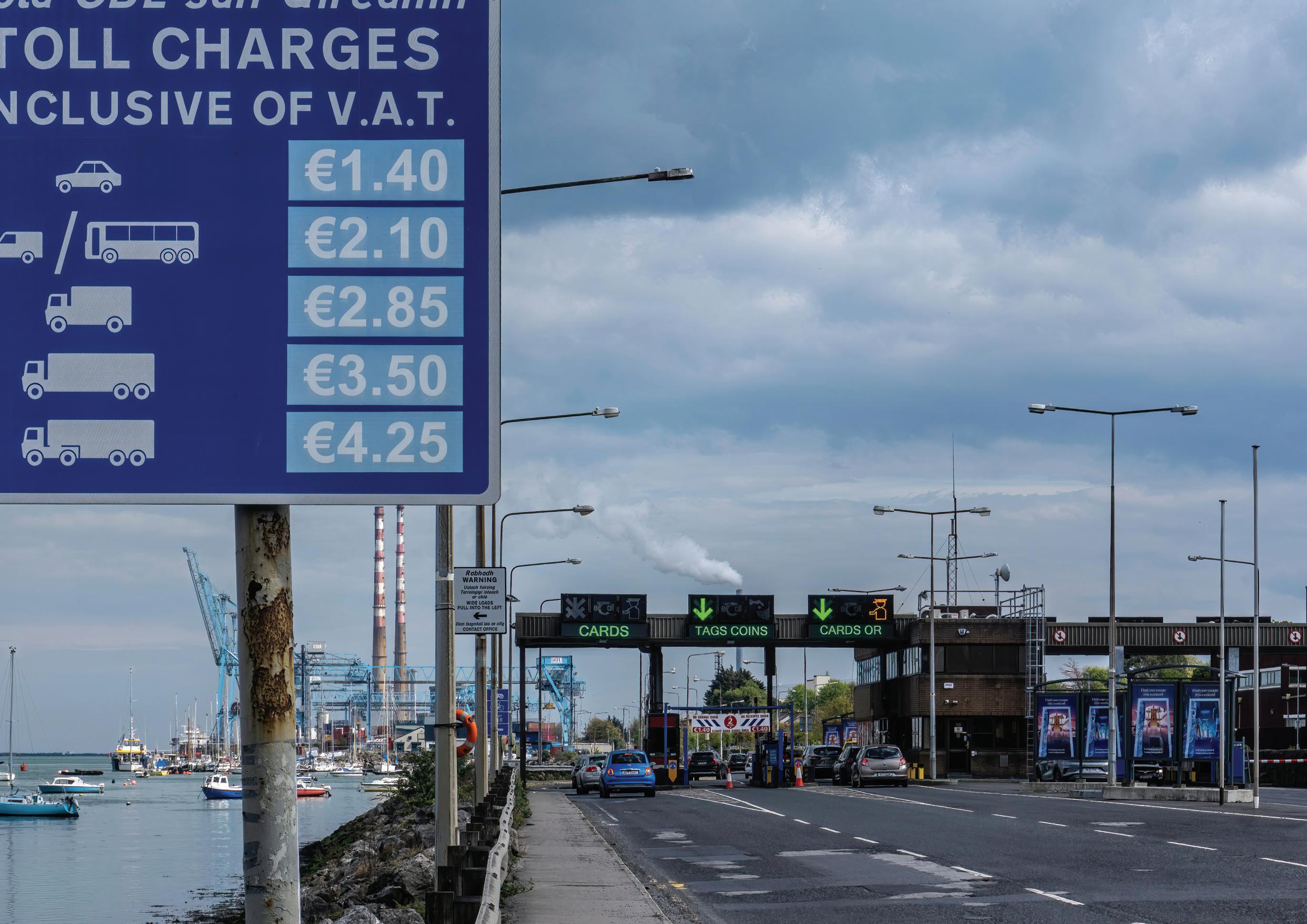
A carrot and stick approach on fiscal measures has emerged as one of the most significant components of the Government’s new transport demand management strategy, Moving Together: A Collaborative Approach to Systems Change in Transport 2026-2030.
At the heart of the Government’s approach is the belief that transport demand cannot be managed through infrastructure investment alone. While expanding public transport capacity and improving active travel infrastructure remain important objectives, the strategy acknowledges that continued growth in travel demand risks outpacing available capacity.
Against this backdrop, fiscal measures are increasingly viewed as a means of influencing behaviour, encouraging
more sustainable travel choices, and ensuring that the costs associated with transport are distributed more effectively.
The strategy is underpinned by the principles of ‘user pays’ and ‘polluter pays’. The rationale is that transport users do not always bear the full costs associated with their travel choices, particularly where congestion, emissions, air pollution, and wider societal impacts are concerned.
By contrast, modes such as walking and cycling generate broader societal benefits, particularly in relation to public health and environmental outcomes. Fiscal policy is therefore increasingly viewed as a mechanism through which these differing impacts can be reflected more accurately.
One of the most significant themes emerging from the strategy is the growing focus on road user charging.
While Ireland’s transport taxation system has traditionally relied on mechanisms such as fuel excise duties, motor tax, vehicle registration tax, and tolling, the aimed transition towards electric vehicles is expected to fundamentally alter this model. As fuel consumption declines, the revenue base that has historically funded transport infrastructure will come under increasing pressure.
In response, the strategy points towards a future examination of
distance-based road user charging. Rather than taxing vehicle ownership, such an approach would place greater emphasis on how much, when, and where vehicles are used.
Although no firm commitment is made, the strategy reflects an emerging consensus that alternative charging mechanisms will be required if transport revenues are to remain sustainable in an increasingly electrified transport system.
The proposal builds on recommendations previously advanced by the Commission on Taxation and Welfare and the Better Road User Charging Evaluation project, both of which identified road user charging as a potential long-term solution to declining fuel tax revenues.
Alongside road user charging, the strategy identifies congestion charging as a potential policy option.
International experience demonstrates that congestion charges can reduce traffic volumes, improve journey reliability, and encourage greater use of public transport. While the strategy stops short of recommending implementation, it acknowledges that such measures are likely to form part of future policy discussions, particularly in urban areas experiencing significant congestion pressures.
Parking policy is also highlighted as an important demand management tool.
The availability of free or heavily subsidised parking has long been recognised as a factor influencing travel behaviour. As a result, the strategy explores the potential role of a workplace parking levy, a measure designed to reduce reliance on private car commuting while generating funding for sustainable transport initiatives.
Such proposals are likely to prove politically sensitive. However, the strategy argues that parking policy has often been overlooked despite its capacity to shape transport choices on a daily basis.
While much attention is likely to focus on new charges and levies, the strategy also places considerable emphasis on positive incentives.
Existing supports for cycling and e-bikes are viewed as important mechanisms for encouraging modal shift and are expected
to remain an important part of the policy mix. Similarly, the Government intends to examine how schemes such as TaxSaver can be adapted to reflect changing commuting patterns.
The growth of hybrid and remote working has altered traditional assumptions around daily travel. Many existing incentives were designed around five-day commuting patterns, raising questions about whether current supports remain aligned with contemporary working arrangements.
Employers are also expected to play a greater role in transport demand management. The strategy suggests that fiscal measures could be used to encourage organisations to reduce car dependency among employees and support the development of workplace travel plans.
A notable feature of the strategy is its willingness to consider measures beyond traditional taxation. Vehicle insurance is identified as an area where behavioural incentives could be strengthened.
Proposals include allowing drivers to retain no-claims bonuses even when they cease owning a private vehicle and exploring insurance models that reward lower annual mileage.
Historically, transport debates have been focussed on infrastructure provision and network expansion. The new strategy suggests that greater attention must now be paid to how existing infrastructure is used and how travel behaviour can be influenced through economic incentives.
The challenge for government will be balancing effectiveness with public acceptance. Measures such as road user charging, congestion charging, and workplace parking levies have the potential to deliver meaningful behavioural change, but they also carry political and distributional implications, especially given cost-of-living challenges.
Recognising this, the strategy places considerable emphasis on the concept of a just transition, and any future reforms will require careful assessment of their impact on households, businesses, and rural communities, particularly where alternatives to private car travel remain limited.
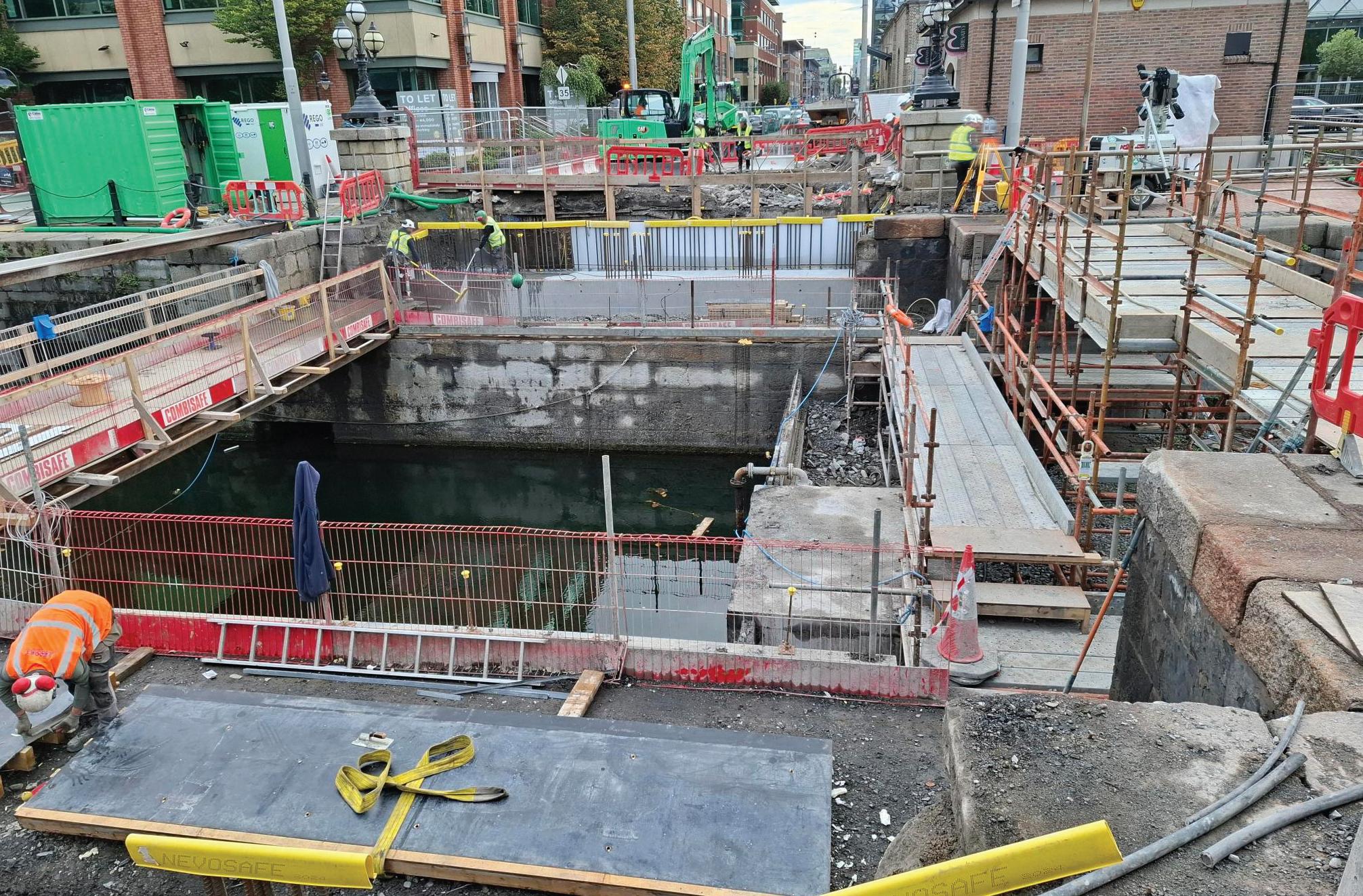
As Ireland prepares to invest unprecedented levels of capital under the National Development Plan between 2025 and 2035, the question is no longer just what we build, but how well we manage the public infrastructure we already have, writes Cathal Masterson, TII Director of Commercial Operations.
One suspects that the Public Accounts Committee (PAC) of the State of South Australia did not realise that it would help kick-start a new philosophy and discipline for better management of public infrastructure when it commissioned a series of reports about 40 years ago to understand potential costs and timescales for renewing the State’s stock of public infrastructure.
These PAC reports highlighted that infrastructure agencies in South Australia responsible for managing water and waste, public housing, public works, transport, health, and educational infrastructure, did not have policies or tools for managing vital public infrastructure over its expected life.
The PAC reports labelled this problem a “policy vacuum”. However, it was the consequences of this vacuum that made politicians, civil servants, and
infrastructure managers sit up and take heed.
The State was sleepwalking towards a future reality in which its entire capital budget for public infrastructure would eventually be consumed by the needs of existing assets, with little left for new infrastructure, unless action was taken.
The solution proposed was simple but it was also revolutionary for its time. The State needed to radically change its approach and focus on managing infrastructure assets over their full life cycle rather than just for the construction phase.
Perhaps not everyone appreciated that the solution being tabled was not the normal bid to be allocated more money given that long-term funding projections for asset renewals and funding shortfalls were central in the analysis and explanation of the problem.
Rather, the discussions centred around changing management practices and improving decision-making to reduce future financial challenges for the State, whilst preserving performance and reliability of the assets as efficiently as possible. Thus, the seeds were planted for the modern discipline of infrastructure management, or strategic asset management, as it came to be known.
One of the most influential and impressive people involved in this work for the PAC was Penny Burns, an experimental economist who cut her teeth working in the public water sector in South Australia.
Burns has written about this time in her captivating book titled The Story of Asset Management: Infrastructure. We can afford to buy it. Can we afford to keep it?, published in 2023, where she describes her work in identifying the
assets of the major infrastructure agencies, and modelling the age distributions and future renewal costs.
Burns now refers to this period as the first asset management revolution, in which the work gained widespread attention across the rest of Australia and internationally.
Her mantra: strategic asset management is not about engineering it is about making better long-term decisions on public spending, is one which still holds water today.
So that is the end of the story right? Not quite. The discipline of asset management has certainly matured and there are significant resources available for all asset managers and strategists across all sectors. This includes specific international standards combined with asset management associations promoting best practice and educating policymakers and practitioners.
It is now commonly understood that operations and maintenance costs will greatly exceed construction costs over the life cycle of public infrastructure, and it is also generally accepted that deferral of asset renewal activity will result in increasing backlogs and higher costs ultimately.
However, the full life cycle costs for asset renewal are still not necessarily being factored into longer-term infrastructure plans being prepared by governments today. In many developed economies, public assets are not routinely being managed effectively over their full life cycle to maximise the full value of the original investment.
The OECD’s Government at a Glance 2025 report assesses over 30 OECD countries, including Ireland, on their approach to governance of infrastructure and asset performance management.
This OECD report highlights various systemic weaknesses across most of the countries in the planning, strategic management, and approach to decision-making for public assets. The OECD assessment concludes that the majority of countries assessed:
• do not require asset management plans under law;
• do not have fixed asset registers covering all government assets; and
• do not conduct ex-post evaluations of major investment programmes.
“The challenge is not just how much we invest, but how well we manage the existing public infrastructure.”
The OECD report also assesses each country’s approach towards ensuring the resilience of critical infrastructure and delivering climate-resilient infrastructure, highlighting the importance of national governance in this area, if national infrastructure is to be adapted to limit service disruptions and improve its capacity to recover from shocks.
On the face of it, it would seem that the key lessons emerging from the Australian work in the 1980s have yet to be fully absorbed by many.
International examples underline the urgency and many readers will be aware of the poor state of Germany’s motorway bridges. What might be less well understood is the poor state of Germany’s broader stock of public infrastructure.

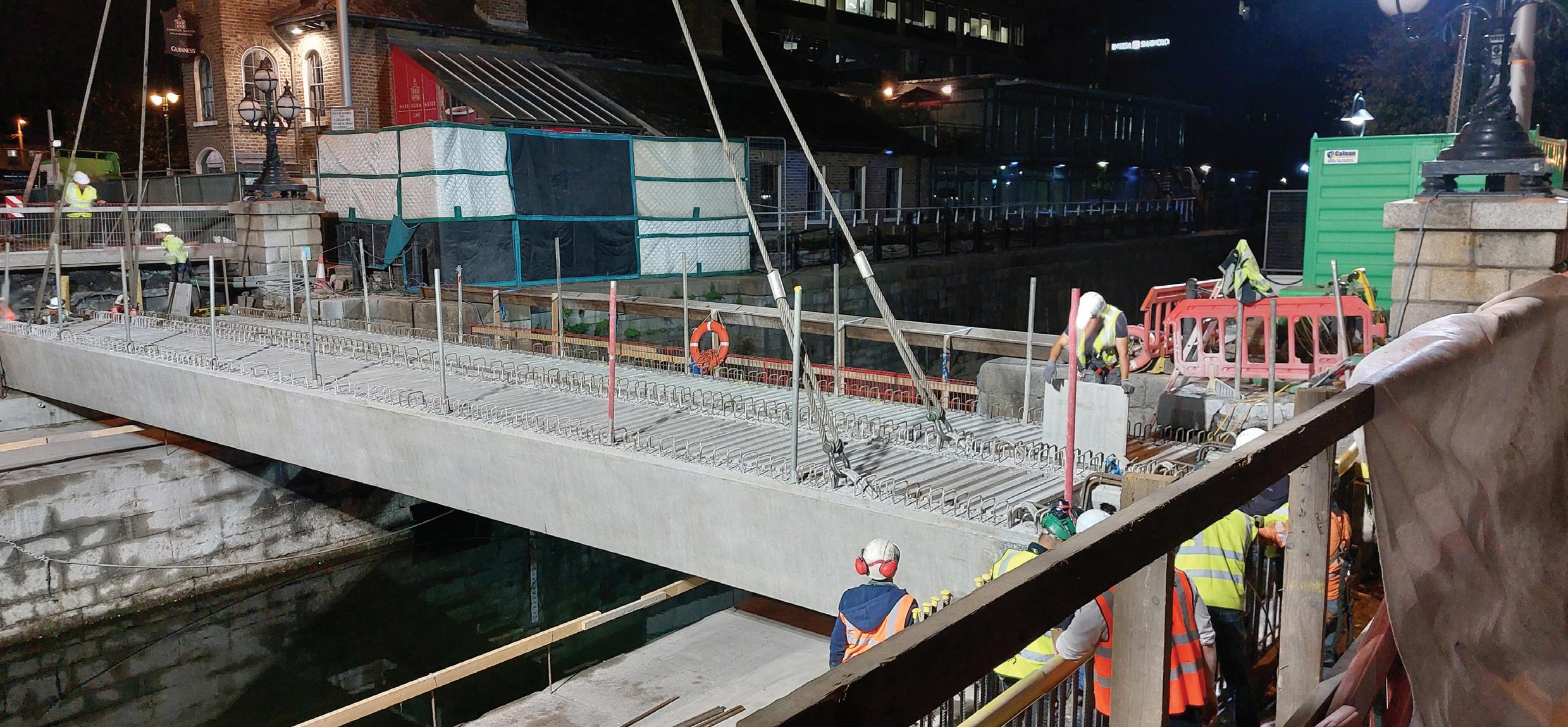
The German Economic Institute, which surveyed companies in Germany to determine whether they are regularly affected by infrastructure deficiencies in their business activities, reported that “over 84 per cent of the companies surveyed reported being regularly affected… in 2025”.
How much does the State of Transport Infrastructure Affect Businesses in Germany? highlights that “roads and railways caused the most significant problems” with almost 80 per cent of companies reporting impacts from road deficiencies, and 60 per cent noting impacts from underperforming rail infrastructure.
Approximately half of the rail network requires repair or renewal, contributing to congestion and reduced reliability. Passenger rail punctuality is reported at around 56 per cent, while freight rail performance is even lower, in some cases below 50 per cent.
The state of the infrastructure is now considered by many commentators to be a competitive issue and the German Government has introduced a €500 billion infrastructure and climate fund to tackle the problems.
In other jurisdictions, the risk which exercised the South Australian PAC of the majority of a state’s longer-term capital investment programme being consumed by a backlog of infrastructure renewals works is starting to become more evident.
The Québec Infrastructure Plan 2025-2035, which outlines an impressive funding package of $164CAD billion over a 10-year period, is allocating 65 per cent of planned infrastructure investments to “the long-term viability of existing infrastructures”.
For the sub-category relating to road network, almost 85 per cent of roads funding is being allocated to existing road infrastructure, due to its age and condition. Figure 1.1 below, from section A of the Infrastructure Plan showing the proposed investments in public transport and the road network for the period 2025-2035, clearly shows the difference in profile for the ageing road network infrastructure when compared against the more modern public transport infrastructure.

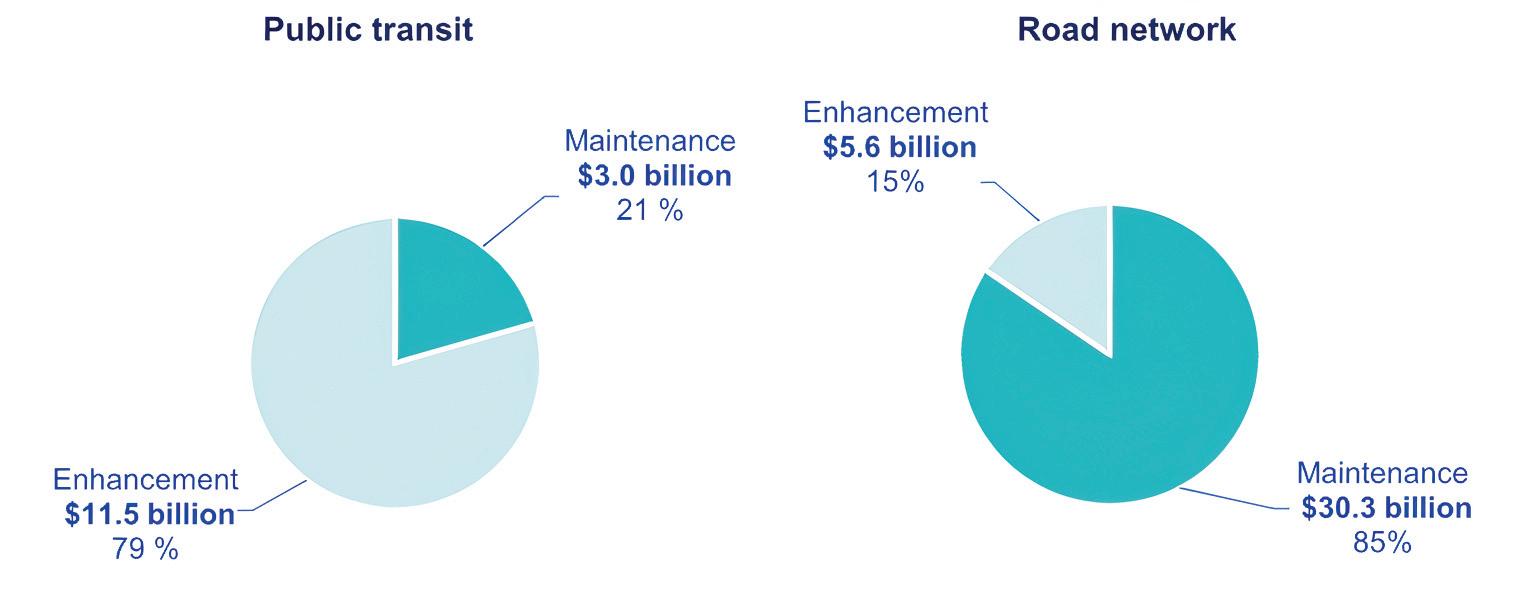
The issue of strategically managing existing infrastructure is central to New Zealand’s ambitious new National Infrastructure Plan, prepared by the Infrastructure Commission and published in March 2026. Not only is this a 30-year plan, yes you read that right, it signals a dramatic change of approach towards its public infrastructure.
For instance, the Infrastructure Commission states in the plan that solving New Zealand’s infrastructure crisis requires shifting focus from “new, flashy projects to maintaining existing assets”, and highlights that much of the infrastructure needed “over the next 30 years already exists”.
The plan also notes that “infrastructure delivery becomes harder without sufficient planning” and the “biggest investment driver over the next 30 years is the need to replace or rebuild the infrastructure New Zealand already has, potentially taking up 60 cents in every dollar of capital spending”.
The fact that this is a 30-year plan should gain significant international attention and, combined with the clear signal towards maintaining existing assets, the plan also calls for legislation to require “capitalintensive central government agencies to prepare and publish longterm investment and asset management plans” as well as extending “the horizon over which government plans its infrastructure funding intentions and communicates these intentions to agencies and the public”.
There are plenty of other interesting recommendations made by the Infrastructure Commission including for the introduction of multi-year budgeting to “reinforce high-quality infrastructure planning, delivery, and asset management practices”.
Additionally, the New Zealand Government has been actively strengthening its Investment Management System which includes improving asset management practices across public agencies to develop better longer-term investment plans.
It has also established National Infrastructure and Financing to attract private finance to public infrastructure, as well as focusing on usercharging to help reduce the funding burden for public infrastructure on tax-payers.
So why should this be a topic of debate in Ireland now?
In the context of the ambition set out in Ireland’s National Development Plan to tackle Ireland’s infrastructure deficit and maintain economic competitiveness, it is important that Ireland embraces the learnings of other countries with older public infrastructure.
Without a stronger focus on life cycle management, there is a real risk that an increasing share of Ireland’s future capital budgets will be absorbed by maintaining existing infrastructure; limiting the State’s ability to invest in new capacity.
The lesson from other countries is clear: the challenge is not just how much we invest, but how well we manage the existing public infrastructure. Strategic asset management provides a pathway to protect public investment, improve service performance, and safeguard public finances. That was the rationale behind the emergence of strategic asset management 40 years ago and it is still valid today.
TII attended the eolas Transport Ireland Conference on 4 June 2026 in Croke Park to talk about strategic asset management and the work TII is doing to help tackle Ireland’s infrastructure deficit. TII would welcome further engagement on these topics with interested parties.
T: 01 646 36000
W: www.tii.ie

Access the full conference presentation at www.tii.ie
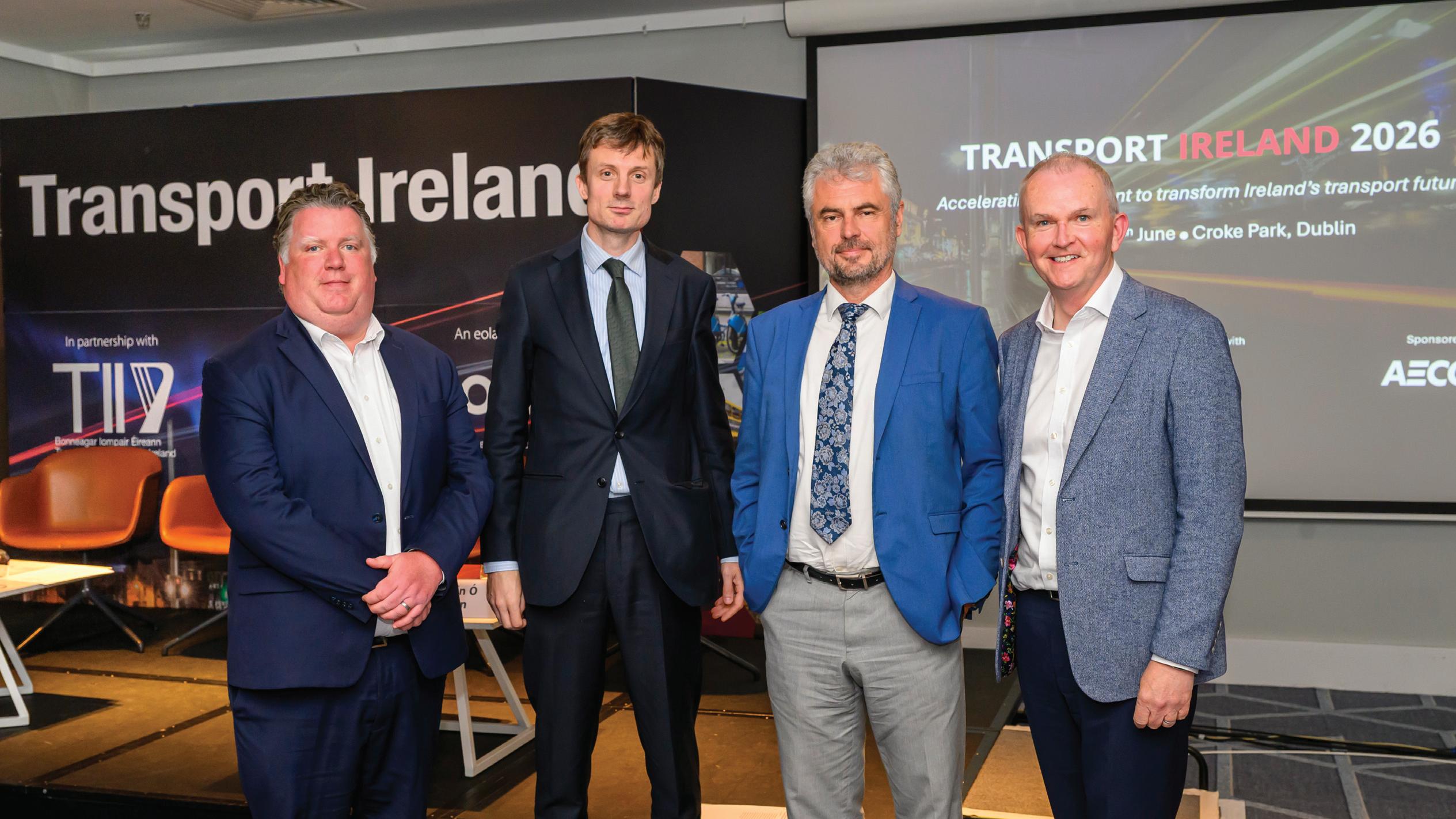
At eolas Magazine’s annual Transport Ireland conference, Department of Transport Assistant Secretary Caoimhín Ó Ciaruáin chaired a discussion with senior transport decision-makers looking ahead to Ireland’s upcoming presidency of the Council of the European Union.
What are the key priorities and themes for Ireland’s upcoming Presidency of the Council of the European Union?
Martin Hehir
The transport agenda centres on four themes: competitiveness, decarbonisation, delivering for citizens, and resilience. Transport is increasingly viewed as an enabler of growth, trade and the Single Market. While Green Deal ambitions remain, the focus is shifting from target-setting to delivery, investment and practical implementation. Passenger rights, ticketing and multimodal travel will remain important for citizens, while security, preparedness and resilience have become central as transport
policy increasingly intersects with climate, energy and geopolitical concerns.
Kevin Cullinane
Aviation is critical to Ireland’s connectivity and competitiveness. Airports support trade, tourism and investment, and continued infrastructure investment is essential for a small, open island economy. The Presidency gives Ireland an opportunity to contribute to policy discussions on connectivity, climate action, and economic growth while ensuring aviation remains central to Europe’s competitiveness agenda.
Aidan Sweeney
Competitiveness and resilience should be at the core of the agenda. Transport
is vital for peripheral and island economies, and Ireland should use the Presidency to build alliances around shared priorities in aviation, maritime transport and connectivity. Funding discussions, including the next Multiannual Financial Framework (MFF), will be critical, but so too will ensuring that policies are implemented effectively through faster permitting, licensing and infrastructure delivery.
What are the prospects for the Connecting Europe Facility (CEF) during the Presidency?
Martin Hehir
The proposed expansion of the Connecting Europe Facility is positive for transport investment. While negotiations may extend beyond
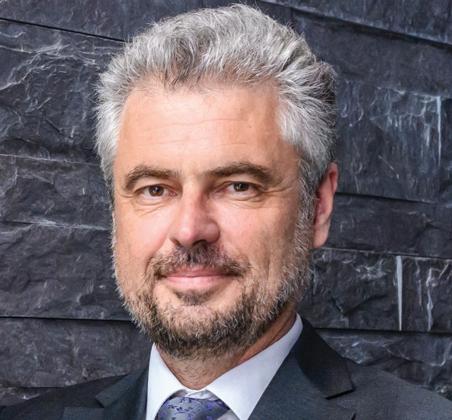
Ó Ciaruáin (chair), Assistant Secretary, Climate Action and EU/International Affairs, Department of Transport
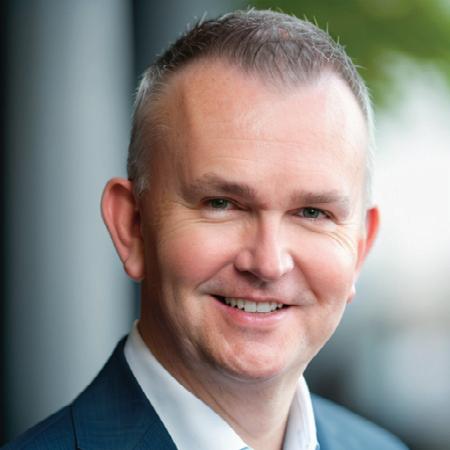
Kevin Cullinane, Deputy Director of Communications, Acting Policy and Public Affairs Lead, daa
Ireland’s Presidency, the programme provides significant opportunities for Irish transport stakeholders. Ports, their hinterlands and strategic rail links are increasingly recognised as crossborder infrastructure, strengthening Ireland’s case for future funding.
What progress would you like to see on sustainable aviation and decarbonisation?
Kevin Cullinane
Reform of the Single European Sky remains important, improving efficiency and reducing emissions. Sustainable aviation fuels (SAF) will be part of the solution, but production capacity remains limited. Ireland has opportunities through assets such as Whitegate and through its strong aviation ecosystem. Airlines are already investing in newer, more efficient fleets, while airports continue reducing their own emissions. The challenge is achieving significant emissions reductions across the wider aviation system.
Aidan Sweeney
Europe needs a more strategic approach to SAF and alternative fuels. Decarbonisation, resilience, and energy security should be considered together. The focus should be on creating the regulatory certainty and investment environment needed to scale infrastructure, whether for SAF, electrification, hydrogen or maritime fuels. Grid capacity, permitting, and private-sector investment will all be critical to delivery.
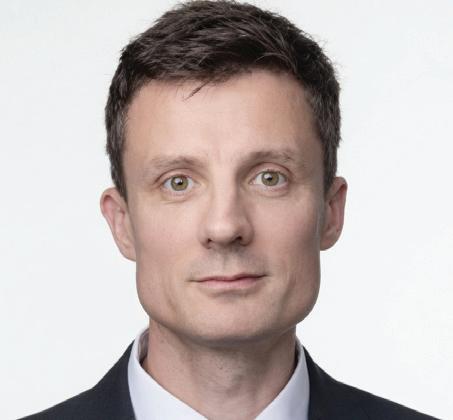
Martin Hehir, Principal Officer, EU and Central Policy, Department of Transport
What transport files are likely to be priorities during the Presidency and how do we balance competitiveness, resilience, and decarbonisation?
Martin Hehir
Key files include the Connecting Europe Facility, aviation strategy, and air services regulation. Decarbonisation work will focus on vehicle emissions standards, clean fleets, and emissions trading in aviation and maritime. Passenger-focused measures include digital ticketing, multimodal travel, and rail passenger rights. Road safety, military mobility, and wider resilience measures will also feature prominently.
Aidan Sweeney
There is a risk that resilience becomes synonymous with protectionism. Europe must ensure policies support decarbonisation while remaining practical for smaller economies. Access to technology, equipment, and investment is essential. At the same time, resilience must include protecting critical infrastructure and ensuring Europe remains competitive while achieving climate goals.
The energy crisis will be a topic during the informal ministerial discussions. What lessons should be taken from it?
Aidan Sweeney
Energy policy must remain a priority beyond any immediate crisis. Europe needs faster infrastructure delivery,
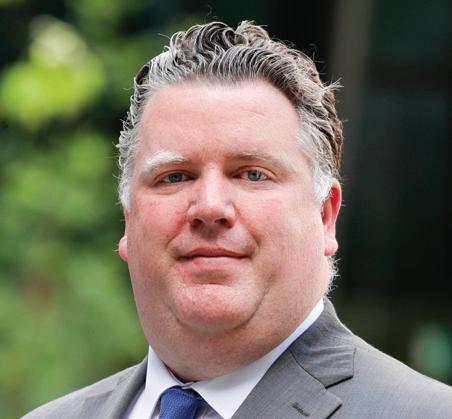
Head of Infrastructure and Environmental Sustainability, Ibec
stronger grids and greater regulatory certainty. Policymakers should also consider how to respond more flexibly during crises, drawing on lessons from Brexit, Covid-19, and recent supplychain disruptions.
Kevin Cullinane
The crisis has highlighted the risks of dependence on volatile energy sources and infrastructure bottlenecks. Resilience requires diversification, stronger networks, better preparedness and investment in renewables, alternative fuels, strategic infrastructure, and supply-chain security.
Looking back at the end of the Presidency, what would success look like?
Martin Hehir
Progress on the road safety package would be a significant achievement. More broadly, success would mean advancing discussions on resilience and decarbonisation while helping transport sectors adapt to changing geopolitical and energy realities. The Presidency provides an opportunity to maintain momentum on climate action while supporting competitiveness and long-term resilience.
Aidan Sweeney
Ireland should also highlight its strategic role in aircraft leasing, where it manages the majority of leased aircraft globally. This is a major European asset and should be recognised as part of future discussions on aviation, sustainability, and competitiveness.
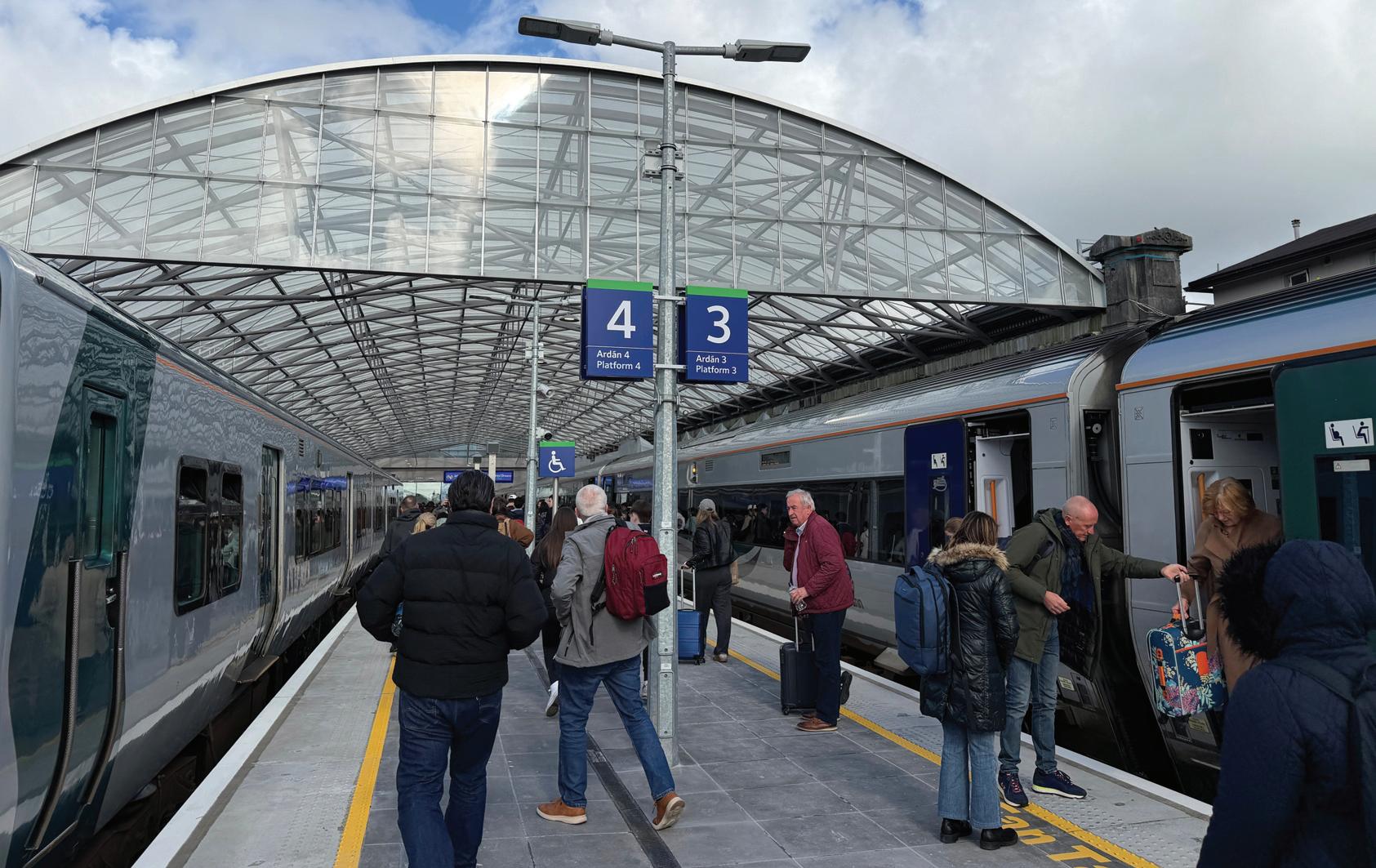
As passenger demand for our rail services soar, and freight and Rosslare Europort growth continues, the year ahead is set to see tangible delivery across a range of projects to enable service expansion.
The year 2025 again saw a new record achieved in passenger numbers on the Iarnród Éireann network, with just over 55 million journeys made, an increase of 9 per cent. This year is once again set to see record demand, bringing with it capacity pressure on a number of key routes at the busiest times.
Matching record demand is a record investment programme and it will, within the coming 12 months, see a number of projects come to fruition. This will begin the expansion of service and network capacity to enable Iarnród Éireann to deliver on our vision to be the backbone of Ireland’s sustainable transport network.
Perhaps the most tangible aspect will be the introduction of our new DART fleet, with battery-electric trains currently in testing for deployment in the first half of 2027.
A total of 285 DART carriages are currently on order, of which 185 will represent new capacity on the network, including the first carriages being introduced next year.
The remaining 100 will ultimately serve to replace the original DART fleet, in service since 1984, themselves an indication of the return on investment for railway assets. With the first trains to be deployed on the Drogheda route,
their introduction will also free up commuter and intercity trains currently operating there for use elsewhere on the network.
The DART+ Programme itself is progressing, with DART+West to Maynooth/M3 Parkway, South West to Hazelhatch, and Coastal North to Drogheda all in receipt of railway orders. Works on DART+ West will begin in 2027, and a further application for a new location for the DART+ depot in Kilcock was placed in March 2026. This will also serve to extend electrification and double-tracking to Kilcock, transforming rail services to the growing County Kildare commuter town.
Nationally, the development of Ceannt Station in Galway this year, will deliver an expanded station which will cater for expansion to and from the city for decades to come; facilitating more services on existing routes, and the development of new routes such as the next phase of the Western Rail Corridor from Athenry to Claremorris. Ongoing works at Oranmore Station will also see capacity grow from 2027, through a second platform and passing section of track.
The new Foynes freight line will also be completed in 2026, also enabling a temporary passenger service to Adare for the Ryder Cup in 2027, for which platform works have commenced.
Iarnród Éireann has completed both a new through platform at Kent Station, Cork and twin-tracking of the Midleton line as part of the first phase of the Cork Area Commuter Rail (CACR) programme, with the resignalling of the Cork commuter network to deliver the capacity for trains every 10 minutes each way between Cork and each of Cobh, Midleton, and Mallow to be completed in 2027.
The next building blocks for that highfrequency commuter service in Cork are also being advanced, as public consultation has taken place for the next phase of CACR, for a new Cork fleet depot, electrification and six new stations. Two other stations, Blackpool and Dunkettle, are being accelerated under separate planning applications.
As part of Waterford City and County Council’s North Quays development, a new Plunkett Station is set to open by Easter 2027, providing major improvements in integration with other public transport modes and active travel.
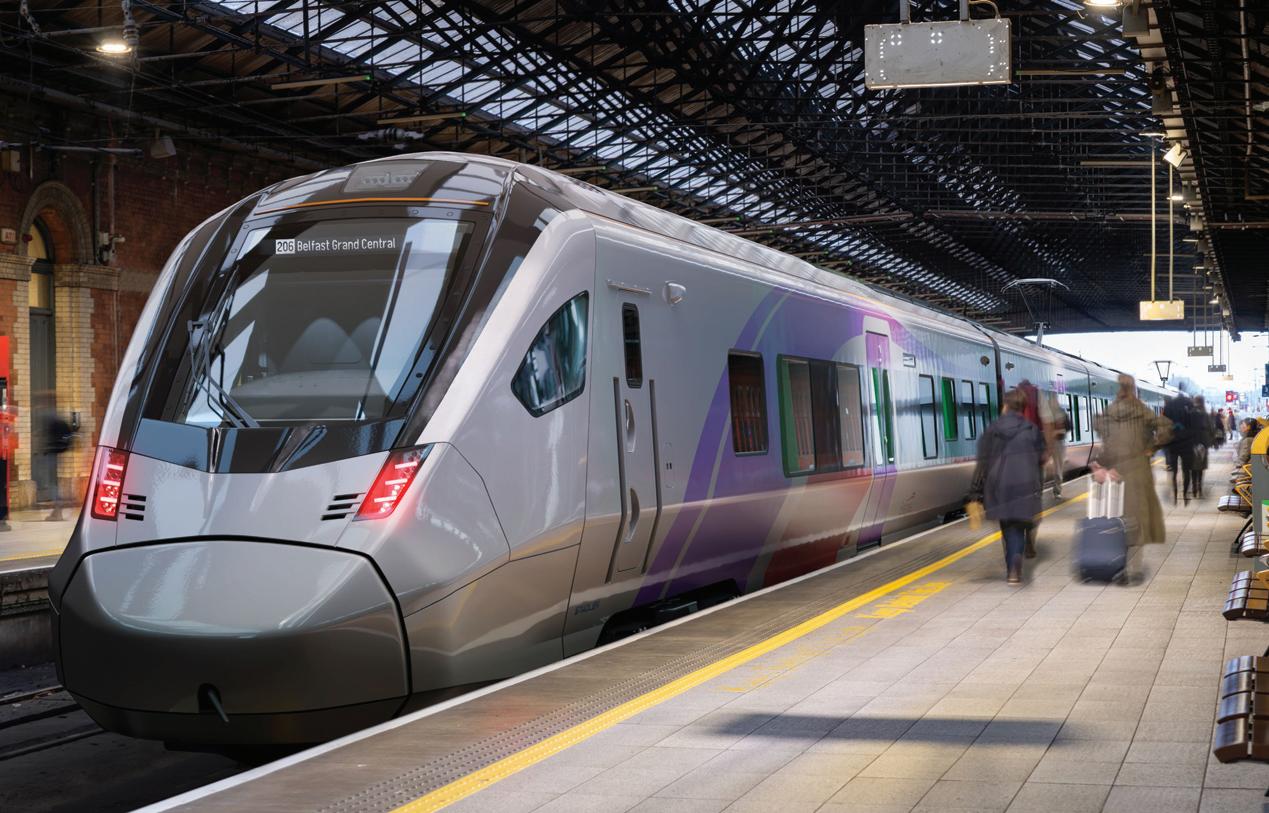
Iarnród
“This year is once again set to see record demand, with a matching investment programme to boost capacity.”
Jointly with Translink, Iarnród Éireann has placed an order for the next generation of Enterprise trains from Swiss manufacturer Stadler, which will further enhance a service that has seen huge growth in demand since the move to an hourly service in October 2024, with the surge in demand of over 45 per cent perhaps the most significant public transport success story on this island of the past few years.
Iarnród Éireann has commenced planning processes for a range of projects including the Navan railway, bringing rail services back to the largest town in Ireland not currently on the passenger rail network; Four North to boost capacity of the Connolly to Malahide corridor; and capacity enhancement feasibilities on routes including Dublin to Galway, Galway to Limerick, and Limerick to Limerick Junction.
Preparatory work for the second phase of the Western Rail Corridor, from Athenry to Claremorris, is also underway.
Longer term, the All-Island Strategic Rail Review sets the strategic direction for the development of the rail network, and the publication of early intervention projects and a priority programme by
the Department of Transport in Ireland and Northern Ireland’s Department for Infrastructure give the momentum to bring the vision to reality.
In freight, new wagons on order, and developments at Foynes and Dublin Port will allow Iarnród Éireann to play a far greater role in the country’s movement of goods, with opportunities for new inland ports are being actively explored.
In Rosslare Europort, service expansion to and from mainland Europe is being complemented by investment in the port masterplan and its development as the offshore renewable energy (ORE) hub for the Celtic and Irish Seas. The recently completed T7 permanent border control post and associated facilities, and the N11/N25 Oilgate to Rosslare Europort project by TII and Wexford County Council, facilitate further growth.
The journey of Iarnród Éireann, set to mark its 40th anniversary in 2027, is accelerating, and the destination is a more sustainable future for all.
W: www.irishrail.ie
X: @IrishRail
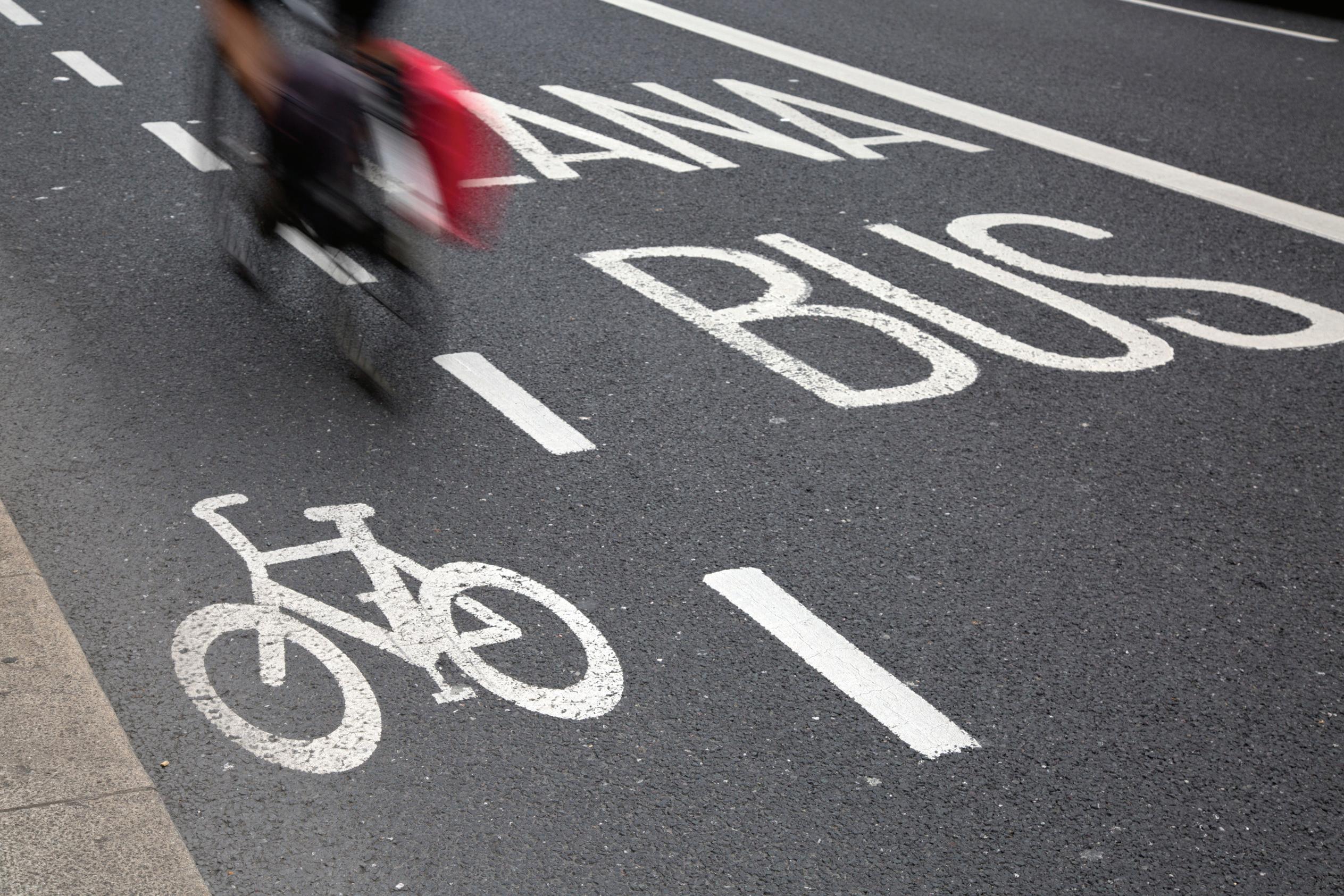
The Government’s Moving Together: A Collaborative
Change in Transport 2026-2030 strategy outlines plans to shift away from the prioritisation of cars through more efficient urban planning and the reallocation of road space in favour of alternative modes of transport.
The strategy, published in March 2026, sets out the Government’s aim to “encourage collaboration across the public, private, and community sectors and to find innovative ways for supporting more efficiency and less congestion across the transport system”.
One of the key areas of focus in the strategy is integrated land use and transport planning, with the overall aim of ensuring that the built environment is connected in a way that reduces travel demand by car sustainably.
The strategy notes that this “requires a rethinking and reversal of decades of development patterns driven by the
prioritisation of the private car as the primary form of transport”.
This involves the planning of homes, workplaces, education facilities, and other services being complementary to the planning of alternative transport infrastructure, resulting in a significant reduction in transport-related emissions.
The prioritisation of car travel has meant that congestion historically was viewed as the primary transport challenge, with road capacity expansion seen as the solution, but this compounded the increasing problem of underutilising space for other functions.
This resulted in the responsibilities of transport and planning being segmented, therefore minimising the role that land

use and housing decisions play in the performance of transport systems.
The strategy highlights several challenges which will slow and potentially halt the move away from car dependency.
Retrofitting existing spaces can face pushback from residents due to fears around how they or their community may be negatively affected.
Planning new roads to allow all forms of transport modes to cut through spaces can negatively affect the environment for non-car users, which risks discouraging a shift to sustainable transport modes but also does little to reduce the demand for car use.
“Moving Together is about supporting the development of better and more liveable towns and cities, cleaner air, efficient public transport, safer spaces for walking and cycling, and an end to the inefficiency and pollution of carclogged streets.”
Minister

To avoid this, the strategy notes that communications and engagement with the local community are vital to the delivery of any proposed measure.
The main way of improving the integration of land use and transport planning will involve new developments rather than retrofitting established ones. Therefore, this may result in limited effects of reducing emissions on an absolute basis due to construction.
To deliver reduced car usage, the strategy recommends strengthening policy alignment, governance, and funding mechanisms to deliver the compact growth priorities detailed in the National Planning Framework.
The strategy also recommends for analysis to be completed on the effectiveness of reducing car parking as a demand management measure.
This would involve the collating and analysing of data on parking at a national level and the preparation of guidelines to better inform behaviour and activities to support the development of targeted measures aimed at demand reduction.
This analysis would also quantify the potential undesirable impact and costs to society of expensive urban centre car parking and free peripheral car parking.
An inventory would gather data on how much of the space is being dedicated to different modes of transport and compare whether that is consistent with climate and wellbeing goals.
The strategy also identifies the optimal use of space as another key area of focus for improving transport across the State.
This would involve the reallocation of road space in favour of pedestrians, cyclists, and public transport.
The reallocation of road space would involve the repurposing of space previously dedicated to on-street parking or reducing the number or size of car lanes.
The strategy identifies several considerations essential to the success of this reallocation, such as communication and engagement, equity and inclusion, planning legislation, and ‘tactical urbanism’ which involves smallscale, low-cost pilot interventions.
Reallocating road space is a significant project and will present several challenges, including divergences in the views of businesses and communities, negative media coverage, concerns over traffic flow, and legal and regulatory processes and requirements.
The intersection of cycle lanes with pedestrian paths or footpaths can also cause issues for disabled people and those with physical or sensory issues.
Additionally, reallocating road space to facilitate a move away from the dependence on cars requires suitable and sustainable transport alternatives.
Delivery of a robust public transport network can be a lengthy and expensive process which could deter many local authorities from the reallocation of road space.
To achieve this reallocation of road space, the strategy recommends providing communications and engagement support, updating national guidelines in support of demand management, and providing guidance support for local authorities on the development of tailored strategies.
Recognising the potential huge costs for local authorities of reallocating road space, the strategy recommends the creation of mechanisms to financially support demand management pilot measures.
Minister for Transport Darragh O’Brien TD says: “Moving Together is about supporting the development of better and more liveable towns and cities, cleaner air, efficient public transport, safer spaces for walking and cycling, and an end to the inefficiency and pollution of carclogged streets.”

The transport sector does not need more data, it needs better decisions, writes
Annette Donnelly, Strategic Growth Manager, Fexco Managed Services.
Across a system shaped by congestion, emissions pressure, safety challenges, infrastructure constraints, and rising passenger expectations, the real differentiator is not how much information is collected but how effectively it is used. Data is what turns broad ambition into targeted, measurable action.
That shift is already visible across other sectors. In aviation, energy, logistics, and financial services, the gap between strategy and execution is increasingly

closed by decision-grade intelligence: information that is timely, precise, and genuinely actionable.
Ireland today has stronger digital policy frameworks, richer public datasets, and more sophisticated operational reporting than at any previous point. The question is no longer whether the data exists. It is whether it is being used to direct investment, manage demand, improve reliability, and accelerate sustainability outcomes.
In transport, that gap between insight and action remains persistent. The sector is often strong at collecting information and reporting performance, but slower at turning insight into meaningful intervention.
If Ireland is serious about a transport system that is more sustainable, more reliable, and safer for communities, the priority is not more dashboards or additional data points, it is faster decision-making, stronger system integration, and a clear shift towards treating data as a strategic operational asset.
At Fexco, we see this challenge firsthand. Over four decades, we have developed expertise in turning complex data into actionable intelligence across payments, energy, sustainability, and aviation. That experience gives us a clear perspective on what is possible when data is applied with discipline, and what is lost when it is not.
The Government’s updated Digital Ireland strategy reflects an important shift in thinking. Digital transformation and artificial intelligence are no longer standalone technology priorities; they are recognised as core enablers of competitiveness, public service delivery, and inclusion. For transport, this matters enormously.
Transport is one of the clearest examples of where digital ambition must translate into operational precision. Every journey generates data, from timetables and ticketing to traffic flow, collision records, emissions profiles, and customer feedback.
When those signals are connected, analysed, and acted upon quickly, they become a practical tool for making transport more efficient, more reliable, and more sustainable. The challenge is not a lack of information; it is the delay between measurement and intervention.
A congested corridor identified in quarterly reporting is useful, but not transformative. A reliability issue identified in near real time – quickly enough to alter scheduling, reroute services, or redesign traffic priority before the problem compounds – is where real value lies.
This is why the sector needs to move from collecting data to reducing decision
latency. The most valuable information is not what is stored for future reporting; it is what changes an operational decision today.
The National Transport Authority’s most recent customer satisfaction findings offer an encouraging baseline. Overall satisfaction stands at 81 per cent, with 91 per cent of passengers satisfied with their most recent journey. Those are strong results, reflecting genuine public trust in the core proposition of public transport
Yet reliability remains the persistent pressure point, with satisfaction in that area at 73 per cent. The NTA links this to congestion, limited bus priority in

towns and cities, and recruitment pressures.
Customers do not experience transport through strategy documents; they experience it through the predictability of the service in front of them. Improving that experience requires data that can isolate where delays are happening, why they are happening, and which interventions will have the fastest impact.
The NTA recorded 363.5 million passenger journeys across the public transport network in 2025. Growth is welcome, but it also raises the performance threshold. The challenge is no longer simply carrying more passengers; it is maintaining reliability and trust as pressure intensifies across the network. 4
The environmental case for data-led transport policy is equally compelling. Environmental Protection Agency reporting shows that transport emissions increased slightly in 2023 to 11.8 MtCO2eq, representing 21.5 per cent of national emissions and making transport Ireland’s largest single emissions sector.
Decarbonisation is both urgent and complex, because demand continues to rise while accessibility and economic connectivity must be maintained.
The EPA outlines a pathway in which transport emissions could fall to 9.7 MtCO2eq by 2030 under its ‘with additional measures’ scenario, supported by electric vehicle adoption, stronger biofuel blends, and reductions in vehicle kilometres travelled. Delivering those reductions will depend not only on policy ambition, but on the quality of the underlying measurement used to guide decisions.
This is where precision matters most. Broad estimates and inconsistent methodologies make it difficult to assess which interventions are genuinely reducing emissions.
Fexco’s PACE platform in aviation was built specifically to address this challenge, improving the accuracy and consistency of emissions reporting using real operational data rather than broad assumptions. The lesson for transport is direct: better measurement leads to better decisions and faster, more confident action on decarbonisation.
Of all the areas where data can change outcomes in transport, road safety may be the most consequential. The 190 fatalities recorded on Irish roads and public places in 2025 represent not a statistic but a failure of a system that can and should do better.
Behind every figure is a family, a community, and, in most cases, a preventable event. The ambition to eliminate road deaths entirely is the right one. Achieving it requires a level of
analytical precision that Ireland’s transport system has not yet fully applied.
The Road Safety Authority has been clear and consistent in its calls for a whole-of-system response; one that combines infrastructure investment, enforcement, education, and behavioural change.
What connects all of those levers is data. Collision records, location data, speed profiles, near-miss incidents, weather conditions, road geometry, and enforcement activity, when linked and interrogated effectively, reveal patterns that are not visible in any single dataset alone. They show not just where incidents have occurred, but where they are most likely to occur next.
This is the shift that modern safety analysis makes possible: moving from reactive reporting to predictive intervention. A road safety system built on decision-grade data does not wait for a fatality to identify a dangerous junction.
It identifies the conditions the combination of road geometry, speed, traffic volume, and road user behaviour, that consistently precede serious collisions, and it acts before the next one happens.
In practice, this means moving beyond annual collision statistics toward continuous, granular monitoring of risk
across the network. It means integrating data from multiple sources, An Garda Síochána enforcement records, local authority infrastructure data, RSA collision databases, telematics from commercial fleets and connected vehicles, into a single, coherent analytical picture.
It also means giving decision makers at national and local level the tools to direct limited resources to the locations and user groups where the risk is highest and the intervention potential is greatest.
Vulnerable road users – pedestrians, cyclists, and motorcyclists – consistently account for a disproportionate share of serious and fatal collisions. Addressing that imbalance requires understanding, not just collision frequency, but the specific environmental and behavioural factors present at each location.
Data-led analysis can distinguish between a junction that is dangerous because of design, one that is dangerous because of speed, and one that is dangerous because of visibility, and that distinction determines which intervention will be most effective.
Fexco’s experience across aviation safety reporting, emissions measurement, and energy analytics has demonstrated that the same analytical discipline applies regardless of the domain.
The ability to move from broad trend data to precise, location-level insight, and to translate that insight into operational decisions, is not sectorspecific. It is a capability that can be applied wherever complex datasets need to drive real-world outcomes. Road safety is precisely that kind of challenge.
The goal is a safety system in which every intervention can be evaluated, every investment can be justified by evidence, and every improvement in outcomes can be attributed to a specific action. That is not an aspirational standard, it is an achievable one, if the underlying data infrastructure is designed with that purpose in mind.
Fexco’s work with the Sustainable Energy Authority of Ireland illustrates the broader principle. The Smart Energy Tool combines smart-meter data with Fexco’s SmartAssist AI capability to provide homeowners with clear, actionable guidance on reducing energy
“Data is what turns broad ambition into targeted, measurable action.”
usage and shifting demand to off-peak periods.
Critically, the platform converts complex datasets into practical recommendations aligned with real-world decisions, it does not overwhelm users with technical detail.
That principle applies directly to transport. Whether the audience is passengers, operators, policymakers, or safety agencies, the value of data lies not in technical sophistication alone but in accessibility and usability.
Operators need insight that drives efficiency and fleet performance. Policymakers need evidence capable of directing investment and evaluating outcomes. Safety bodies need analytical tools that connect the right datasets to the right decisions at the right time. The common requirement across all of these is actionable intelligence.
Imagine a transport system in 2030 where safety interventions are targeted to the specific junctions, routes, and user groups that data identifies as highest risk before the next serious collision occurs.
Where every bus operator, local authority, and freight company can see in near real time the emissions impact of every route decision. Where passengers trust the timetable because reliability data drives rostering, bus priority, and operational planning.
That is the system data can help deliver. One where congestion is treated as a measurable network challenge, emissions are tracked at decision-grade precision, road safety is managed predictively rather than retrospectively, and service reliability is continuously
improved rather than periodically reviewed. Public investment would be judged not by how much data is collected, but by how quickly that data changes outcomes.
The next step is not more reporting, it is better integration between transport systems, shared data standards, and faster translation of insight into operational action. Establishing a clear national framework for transport-data compatibility would enable congestion, safety, service-performance, and emissions data to operate within a connected, coherent decision-making system.
That would allow transport agencies, safety bodies and operators to identify emerging risks earlier, target investment more precisely, improve reliability faster, and measure the real-world impact of interventions with greater confidence. In an increasingly constrained fiscal and climate environment, that level of operational precision is becoming essential rather than aspirational.
Fexco is already applying precision measurement and decision-intelligence approaches in aviation, energy, and sustainability. The same discipline connecting complex data to clear, actionable outcomes is directly transferable to transport, and to the challenge of making Irish roads safer for every user.
The case for action is already in the data. The question is no longer what to do, but how quickly it can be done.
W: www.fexco.com

“There is a need to enhance the skillset, capabilities, and capacity for both public and private service tasked with transport and mobility planning, and climate action, with a focus on how we engage communities in planning processes,” says Dean Phelan, a research fellow
at the School of Geography at University College Dublin
The CONUNDRUM project, of which Dean Phelan is co-investigator, aims to reimagine how transport outside of major cities is examined. The project is led by Niamh Moore-Cherry from UCD in partnership with Brian Caulfield and researchers at Trinity College Dublin, and TASC, the think tank for action on social change.
Phelan says: “We need to think about our transport systems as larger, integrated pieces of infrastructure and governance processes, and in countries like Ireland, where two-thirds of our populations do not live in our cities, this is particularly important.”

(UCD).
The CONUNDRUM approach involves co-creating community-led mobility strategies with diverse stakeholders. As of June 2026, the project has engaged with over 570 diverse stakeholders, all with lived experiences of challenges affecting local communities across Ireland.
Stakeholders include people within the case study towns, such as residents, community groups and business leaders, as well as service providers and members of local, regional and national governance.
Phelan says that traditional approaches to planning in Ireland are imperfect as they often fail to capture the complexity of local challenges, with traditional top-down approaches excluding the expertise of local communities and businesses which can result in “solutions being implemented that are controversial, poorly understood by residents, and do not enable behavioural change”.
However, he explains that people need to be central in planning sustainable mobility and transportation futures so as to not further marginalise or distance communities in efforts to achieve decarbonisation.

“The need for just transitions is not just about the need to decarbonise for the sake of the environment, but we also need to think about people as being at the forefront of this because we know that moves to decarbonise transportation can, and very often do, further marginalise already vulnerable communities,” Phelan says.
CONUNDRUM aims, as Phelan describes it, is to “democratise planning and democratise governance through co-creation”. Phelan describes the project’s approach as “rooted in participatory action research and community engaged geographies”.
The project’s first case study was in the town of Enniscorthy, County Wexford, which was the focus of the research project during its first two phases of funding under Research Ireland’s Sustainable Communities Challenge. Since then, the project has replicated its approach and validated it in additional towns including Tramore, County Waterford and Youghal, County Cork.
“Throughout those first three phases, we engaged more than 570 diverse stakeholders, from communities and business owners to local and national governance. Our approach is iterative, so while some of these 570 stakeholders engaged with us just once, most of these people were engaged on multiple occasions throughout the process.”
The case studies included conducting interviews with stakeholders and running community mapping workshops which Phelan describes as “key” in identifying the place-specific challenges facing local communities, and for enabling local authorities, with limited capacity and resources, to better direct their resources.
“Importantly, throughout the process, a large number of opportunities were identified, which we then condensed into solutions. We then invited stakeholders, including people from the community, to rank these possible solutions based on what they think is most important for their town. At all stages the community and local stakeholders are at the very forefront of shaping the change that they think needs to happen,” Phelan says.
At the end of the mobility strategy, Phelan describes how the project team suggest nine actions which they believe could be implemented to improve issues raised by the communities. Phelan reveals that in Enniscorthy, within three months, all nine of the actions suggested were in the process of being implemented or under consideration by local stakeholders.
Phelan acknowledges that all three case studies to date have taken place in the Southern Regional Assembly area, however, he notes that work is commencing on the replication of the process in additional case studies across Ireland.
Phelan explains: “In this next phase of funding, we are going to begin replication over the summer in two new case study towns; one in the Northern and Western region and one in the Eastern and Midlands region.”
Looking forward, Phelan talks of the continued development of the project, with the main aim being to scale the project nationally, and the continued testing and validating of the process through replication in additional case study towns. Additionally, the team are developing a digital tool (www.TownsMatter.ie) for supporting planners to replicate this process themselves.
“Ultimately what we are developing here is a process that we hope will help to enable upskilling and capacity building for public and private sector actors who are involved in the planning process for transportation and mobility in Ireland, or indeed cross-sectorally,” Phelan says.
Concluding, Phelan talks about the frustration felt by communities, local businesses and local authorities in Ireland in regard to traditional government mechanisms.
Speaking about transport mobility planning, he says: “We are really fantastic at a national level for coming up with new frameworks and policies, but we lack supports at the local authority level for enabling integrated and inclusive planning, or for linking local actions with national level ambition. This is something that the CONUNDRUM process can help to address.”
“At all stages the community and local stakeholders are at the very forefront of shaping the change that they think needs to happen.”
Ireland’s rail ambition is accelerating. From major network upgrades to future capacity expansion, investment is being made at a scale not seen for decades, writes Matt Gibson, Technical Director, Amey.
As the pace, scale and complexity of that investment increase, the strain on the existing railway to accommodate the change multiplies, raising the risk that programmes are not operationally ready on time.
This risk is where a programme’s success comes into focus – with operational readiness being the measure by which success is judged by passengers, operators and policymakers alike. Success is not measured by how much infrastructure is delivered, but by how that infrastructure performs once passengers and freight depend on it.

So, if a rail programme is not delivered when construction is complete, when is it delivered?
A railway is delivered when it enters operational service. This can only happen when construction is complete and the whole railway system is operationally ready.
Too often, operational readiness is treated as a late stage activity, being addressed once the bulk of the engineering is complete. For complex rail programmes, this pushes risk to the very end of the programme, when decisions made during design and delivery can constrain operational readiness.
Being ready to bring new capability into service requires more than technical completion; it demands strong stakeholder management, integrated decision making, effective assurance, and the alignment of people, processes, data and assets across the operational and maintenance organisations.
If operational readiness is the true indicator of successful rail delivery, an obvious question follows: why do so many programmes struggle to achieve it?
Part of the answer lies in how delivery is structured. Procurement and programme are organised around assets and disciplines; civils, power, rolling stock and so on, with work broken into packages that are designed, delivered and contracted separately.
This approach is effective for managing these segregated scopes. But viewed through the lens of operational readiness, its limitations become clear. Integration risk remains with the client, allowing design decisions to be locked in before their operational implications are understood.
Without clear accountability for ensuring the whole railway system is operationally ready, the programme’s ultimate success is left to chance. This is not a failure of engineering capability. It is a structural consequence of how rail programmes are commissioned, packaged and governed.
‘Systems integration’ is frequently cited as the answer, however, this is often not effectively delivered. Whilst an integrated design is critical, it cannot be successfully implemented unless its integration into the whole railway system is achieved.
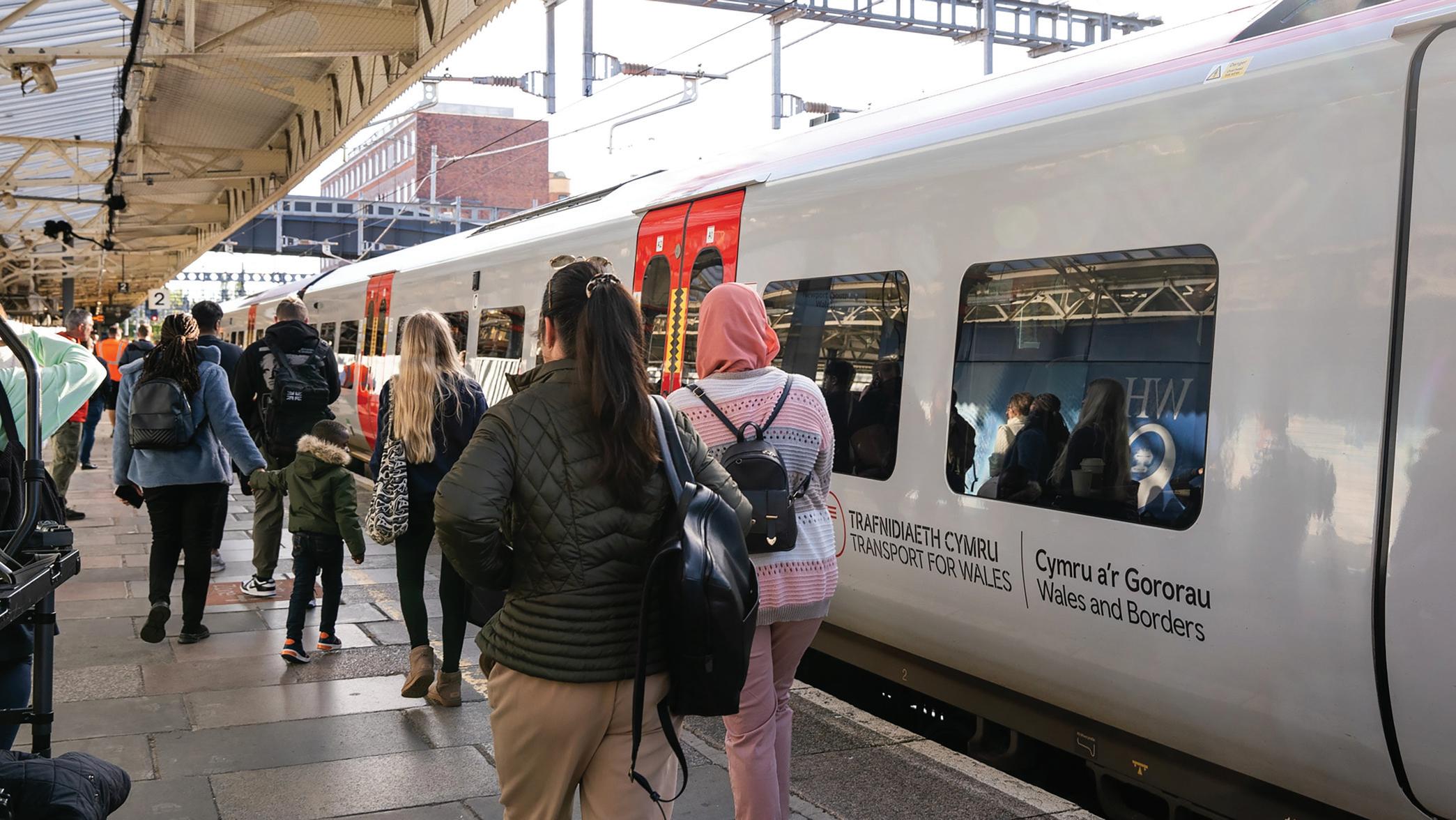
On the projects Amey supports, this gap is addressed by placing operational readiness at the centre of delivery. Integration, assurance and the transition into service are treated as programme outcomes, not activities to be absorbed at the end of a programme.
Truly managing risk to operational readiness demands more than simply investing in systems integration; it calls for procurement and delivery models that are aligned to programme outcomes rather than individual stages or assets. Traditional approaches of procuring fragmented scope stage by stage leave the client ultimately accountable for achieving operational readiness as an integrated outcome.
Partnering models offer an alternative. By structuring procurement around shared outcomes for the programme, risk is managed collectively. This incentivises focus on railway system outcomes, encouraging integrated, bestfor-railway decision-making, and reduces the likelihood that operational readiness risks will impact late in the programme.
Where delivery partners are jointly accountable for achieving railway outcomes, operational readiness becomes a core focus throughout delivery, not a problem to be solved at the end.
If operational readiness depends on delivery being organised around outcomes rather than assets, what does that look like in practice?
The Core Valley Lines (CVL) transformation in Wales, delivered by Amey in partnership with Transport for Wales, provides a clear illustration. From the outset, the programme was shaped around a defined set of operational and passenger-oriented outcomes, rather than the delivery of individual assets in isolation. These outcomes focused on increasing network capacity, reducing journey times, decarbonisation, and improved accessibility.
Every aspect of delivery was aligned to achieving these outcomes. The assets brought into use – and the integration, assurance, and readiness activity that sat alongside them – were treated as the means to deliver operational performance, not ends in themselves.
Stakeholder management, design choices, construction sequencing, testing strategies, operational development, and assurance and approvals were all managed against their contribution to delivering service outcomes.
The lesson here is not that the CVL model should be replicated wholesale. It is that programmes designed around clearly defined outcomes and supported
by delivery partners prepared to take end-to-end accountability for operational readiness are better placed to manage complex operational readiness challenges and support a smoother transition into service.
Ireland’s momentum is clear, and with it comes a simple expectation: the on-time delivery of a railway system that people and businesses can rely on.
As investment scales, what matters most is who is prepared to take responsibility for the moment a railway enters service, and for the performance that follows. That is the real operational readiness challenge.
Amey is excited to bring our experience in operational readiness and systems integration to Ireland, working and partnering with clients to turn complex programmes into operationally ready railways; strengthening connectivity and driving up productivity at a national scale.
W: www.ameygroup.ie

Accelera琀ng Infrastructure Report and Ac琀on Plan

Accelera琀ng Infrastructure Report and Ac琀on Plan
states that reforming planning, consenting, and coordination systems are essential to accelerating transport infrastructure delivery in Ireland.
The report, published in December 2025, states that the current transport development cycle is “linear and siloed”, with statutory bodies and regulators frequently engaging only after major design decisions have already been made. This often results in redesigns, delays, and repeated assessments throughout the lifecycle of projects.
Transport projects are also subject to multiple layers of approvals and regulatory processes. Depending on the scale and nature of a project, approvals may involve local authorities, An Coimisiún Pleanála (ACP), the Environmental Protection Agency (EPA), the Maritime Area Regulatory Authority (MARA), Inland Fisheries Ireland, and several other statutory bodies.
According to the report, these approvals are often sequential, meaning
that one consent process cannot begin until another has concluded. This creates uncertainty around project timelines and increases delivery risk.
The report identifies transport infrastructure projects as particularly vulnerable to these delays because of the scale and complexity of road, rail, and active travel schemes.
A significant part of the action plan relates to the impact of judicial reviews on infrastructure delivery. The Government argues that increasing legal challenges are contributing to longer timelines, rising costs, and greater risk aversion across the planning system.
The report states that even relatively minor procedural errors can result in projects being delayed for several years. This has led to what the Government describes as a “defensive” planning culture, with increasing levels of documentation and assessment intended primarily to reduce legal exposure.
The report also highlights inconsistency in planning decisions and timelines across different consenting authorities. Competing policy priorities and varying interpretations of planning guidance are identified as key drivers of uncertainty for transport agencies and developers.
To address these challenges, the Government proposes a series of legal and regulatory reforms intended to streamline approvals and improve certainty for nationally significant infrastructure projects.
The report identifies insufficient coordination between agencies as another significant barrier to transport delivery. Utility diversions, environmental licensing, and overlapping consent requirements are highlighted as recurring causes of delays on transport projects.
To improve coordination, the Government proposes the establishment of a joint utilities and transport clearing house (JUTCH). This structure is intended to improve engagement between transport bodies, utilities, and local authorities, while allowing approvals and project sequencing to be managed more effectively.
In parallel, the Government intends to strengthen central oversight of infrastructure delivery through an enhanced coordination role within the Department of Public Expenditure, Infrastructure, Public Service Reform and Digitalisation.
The report states that clearer prioritisation of transport infrastructure within future revisions of the NDP will also provide greater certainty for industry and support long-term investment planning.
Procurement reform forms another key element of the Action Plan. Current procurement systems are described as overly rigid and compliance-driven, discouraging participation and reducing competition in public infrastructure projects.
The Government argues that lengthy tendering processes and excessive risk transfer have reduced incentives for investment in skills, productivity, and innovation across the construction sector.
To address this, the action plan proposes reforms to public procurement processes alongside measures aimed at improving standardisation, professionalisation, and training within infrastructure delivery.
The report also highlights construction sector capacity as a major challenge for transport delivery. Ireland’s construction workforce remains below pre-financial crisis levels despite significant increases in infrastructure and housing demand.
The Government estimates that up to 80,000 additional construction workers may be required if productivity levels remain unchanged. However, this requirement could be significantly reduced through efficiency improvements, digitalisation, and greater use of modern methods of construction.
The report identifies public acceptance as a critical factor affecting transport infrastructure delivery. While the benefits of projects such as road upgrades, public transport expansion, and active travel infrastructure are widely dispersed, local impacts are often concentrated within affected communities.
According to the report, this imbalance contributes to opposition, delays, and legal challenges throughout the planning process.
To address this challenge, the Government proposes enhanced communication around the societal and economic value of infrastructure investment. The development of a benefits realisation framework is intended to improve public understanding of how transport infrastructure supports housing, economic growth, and climate objectives.
The action plan also proposes stronger leadership and engagement at both national and local government level to build support for critical infrastructure projects.

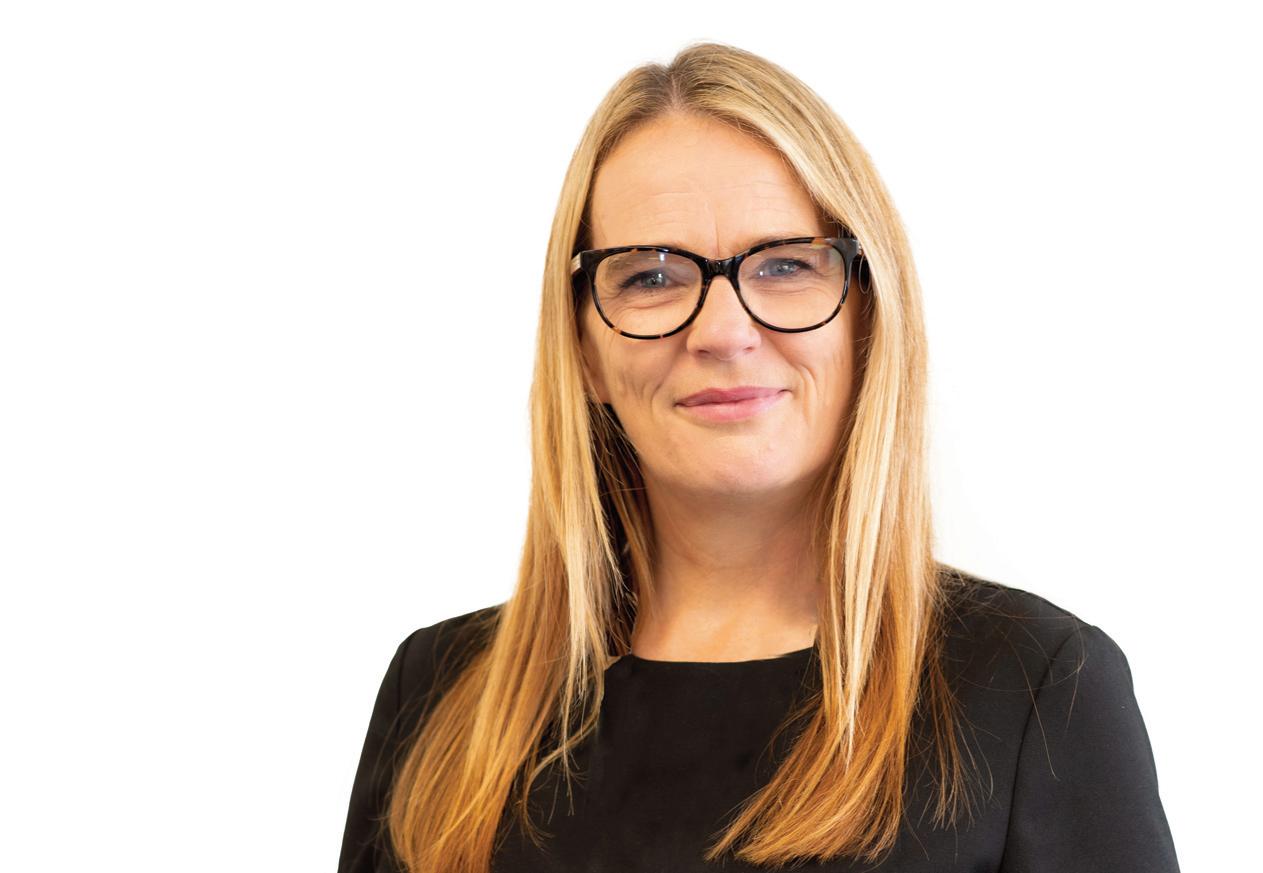
Earlier this year, we published the National Transport Authority’s (NTA) Statement of Strategy 2026-2030, writes Anne Shaw, Chief Executive Officer, NTA.
This document sets out our ambitions for the next five years and reaffirms our commitment to delivering high-quality, sustainable transport for communities across Ireland. As CEO, I am proud to lead the organisation at what is a pivotal moment for transport in this country; one defined by opportunity, investment, and the need to deliver real change.
Reflecting on our previous strategy, we have made significant progress in both services and infrastructure. That progress gives me great confidence that we can not only maintain momentum, but accelerate the pace of delivery in the years ahead.
Across the State, we are already seeing tangible results including the continued rollout of the BusConnects Dublin network redesign as well as breaking ground on the construction of our BusConnects core bus corridors, along with the development of redesigned bus networks for Cork, Galway, Limerick, and Waterford.
We have also expanded transport options for rural communities through the Connecting Ireland Rural Mobility Plan, introducing and enhancing hundreds of routes to better connect towns and villages. This work is critical in ensuring that
people, regardless of where they live, have access to reliable public transport.
At the same time, investment in active travel has increased at an unprecedented scale. Across Ireland, new walking and cycling routes are transforming communities; improving safety, supporting healthier lifestyles, and providing viable alternatives to car travel. From safer routes to schools to expanded greenways, these investments are reshaping how people move through their environments.
We are also making substantial progress on rail, particularly through the DART+ Programme, which will bring electrified rail services to communities in Kildare, Meath, Louth, and north Dublin. These projects are essential in building a modern, integrated transport system capable of meeting future demand.
Looking ahead, our new strategy sets out a clear mission: to connect Ireland’s people and places by providing accessible, high-quality, sustainable transport infrastructure and services. In doing so, we aim to support vibrant, climate-resilient communities, a healthy environment, balanced regional development, and a strong economy.
Our Statement of Strategy reflects a deep commitment, not only to infrastructure delivery, but to inclusion, innovation, and organisational excellence.
Over the next five years, our focus will centre on improving the customer experience, advancing our climate and environmental goals, expanding public transport capacity, strengthening regulation and safety, and continuing to
“Over the next five years, our focus will centre on improving the customer experience.”
deliver critical infrastructure projects.
We are equally committed to deeper engagement with communities and stakeholders, supported by evidencebased decision-making and a highperforming workforce.
As CEO, it is a privilege to lead the NTA in delivering on this mission. Transport is not just about moving people, it is about connecting individuals to

opportunity, enabling businesses to thrive, and shaping how communities grow. A well-functioning transport system underpins economic development, enhances social inclusion, and improves overall quality of life.
We know that accessibility is central to this. For many people, public transport is the only option available. That is why we are focused not only on expanding services, but also on improving their quality; making them more reliable, more integrated, and more attractive to a broader range of users. Reliability, punctuality, and seamless connections are key priorities.
Accessibility also means ensuring that our system works for everyone. We are embedding universal design principles across our infrastructure and services, removing physical, sensory, and digital barriers wherever possible.
We are working closely with disability advocacy groups, investing in staff training, and adopting inclusive technologies to ensure that transport is safe, equitable, and welcoming for people of all ages and abilities.
Sustainability lies at the heart of everything we do. As we deliver our
“The NTA has grown significantly in recent years, and as we continue to expand our remit, it is vital that we maintain a culture grounded in inclusivity, collaboration, and public service.”
mandate, we are balancing environmental, economic, and social considerations to ensure that progress is both meaningful and responsible. The transport sector has a critical role to play in reducing carbon emissions, and we are fully committed to supporting Ireland’s climate targets.
Under national policy, we aim to halve transport emissions by 2030. Achieving this will require a significant shift towards sustainable modes of transport; walking, cycling, and public transport. Our goal is for these modes to account for 50 per cent of all journeys by the end of the decade, and we are making steady progress toward that target.
We are already investing approximately €1 million per day in active travel infrastructure, supporting strategic pedestrian and cycling routes across the country. These investments not only
reduce emissions, but also improve public health and enhance the liveability of our towns and cities.
At the same time, we are working to decarbonise public transport through fleet electrification. By 2035, we aim to transition the urban bus fleet to zeroemission vehicles, while also introducing new electric train fleets as part of the DART+ programme. These changes will deliver cleaner air, quieter streets, and a more sustainable transport network overall.
However, addressing climate change is not just about mitigation, it is also about resilience. We are actively working to ensure that our infrastructure can withstand the impacts of climate change, protecting our investment and maintaining service reliability into the future.
In collaboration with colleagues across the public, private and community sectors under the Department of Transport’s Moving Together strategy, we will work to find innovative ways of supporting more efficiency and less congestion across the transport system.
That strategy has been developed to support, guide, and enable all stakeholders to contribute to systems change in a coherent, evidence-based manner. Its objective is not only to reduce carbon emissions from transport over the medium to long term, but to help alleviate the more immediate issues of congestion, road safety, and air quality.
Innovation will also be critical in the years ahead. We are exploring the potential of emerging technologies, including artificial intelligence, to enhance productivity, improve service delivery, and support better decisionmaking. While the opportunities are significant, we are equally mindful of the need for responsible use, strong data protection, and robust ethical standards.
The NTA has grown significantly in recent years, and as we continue to expand our remit, it is vital that we maintain a culture grounded in inclusivity, collaboration, and public service. Our people are at the heart of our success. They are ambitious for
public transport, ambitious for Ireland, and passionate about delivering outcomes that benefit communities.
The scale of ambition is reflected in the National Development Plan for 20262035, which commits unprecedented funding to infrastructure, including more than €12 billion for public transport and €1.8 billion for active travel. This level of investment provides a unique opportunity to deliver meaningful, longlasting change. That change is badly needed.
In 2025 alone, demand for public transport reached record levels, with more than 364 million passenger journeys taken on public service obligation services. On average, one million journeys were made each day, a clear sign that people are increasingly choosing sustainable transport.
This growth has been supported by both service improvements and fare initiatives, including the continuation of reduced fares and the introduction of expanded free travel for children. These measures have made public transport more accessible and affordable, helping to ease the cost of living for many households.
We have also made significant progress on major infrastructure projects. Planning approvals for MetroLink, DART+ Coastal North, Luas Finglas, and all core bus corridors represent important milestones, bringing us closer
to delivery. While challenges remain, including the complexity of planning processes, we are working proactively with government and stakeholders to accelerate progress.
Ultimately, our success will depend on collaboration. We work closely with partners across the public and private sectors, including Transport Infrastructure Ireland, local authorities, transport operators, and community organisations. Together, we are building a transport system that meets the
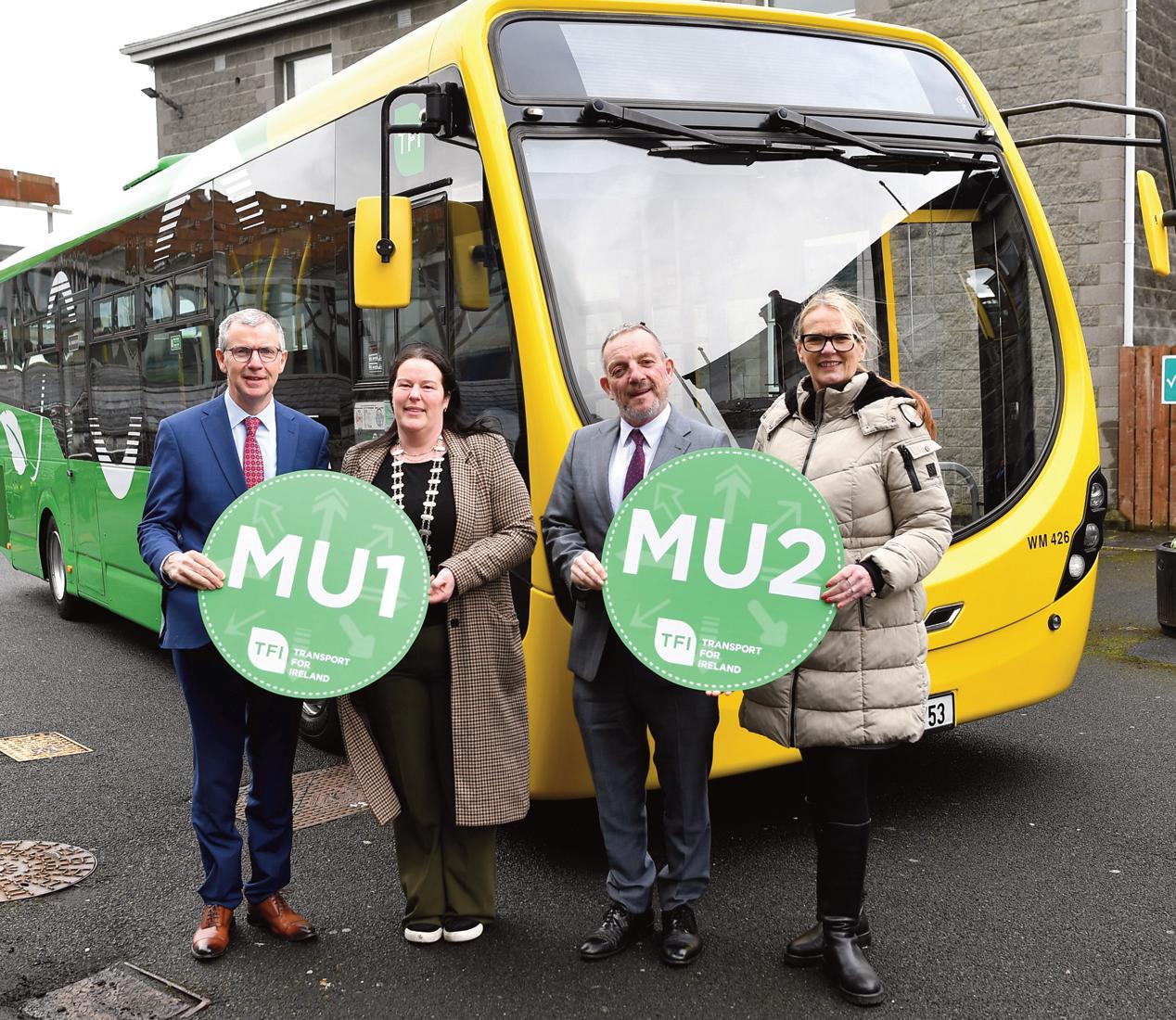
needs of a growing and evolving population.
As CEO, I am continually inspired by the dedication of our staff and partners. Their work makes a real difference; helping people access jobs, education, healthcare, along with social and cultural opportunities.
The years ahead will be exciting and challenging and full of promise. With sustained investment, clear policy direction, and a shared commitment to delivery, we have the opportunity to transform how people travel in Ireland, leading to better outcomes for people across the country.
I am excited to lead the NTA through this next phase and to work with colleagues, stakeholders, and communities across the country to deliver a transport system that truly connects Ireland; sustainably, efficiently, and inclusively and to each other.
W: www.nationaltransport.ie
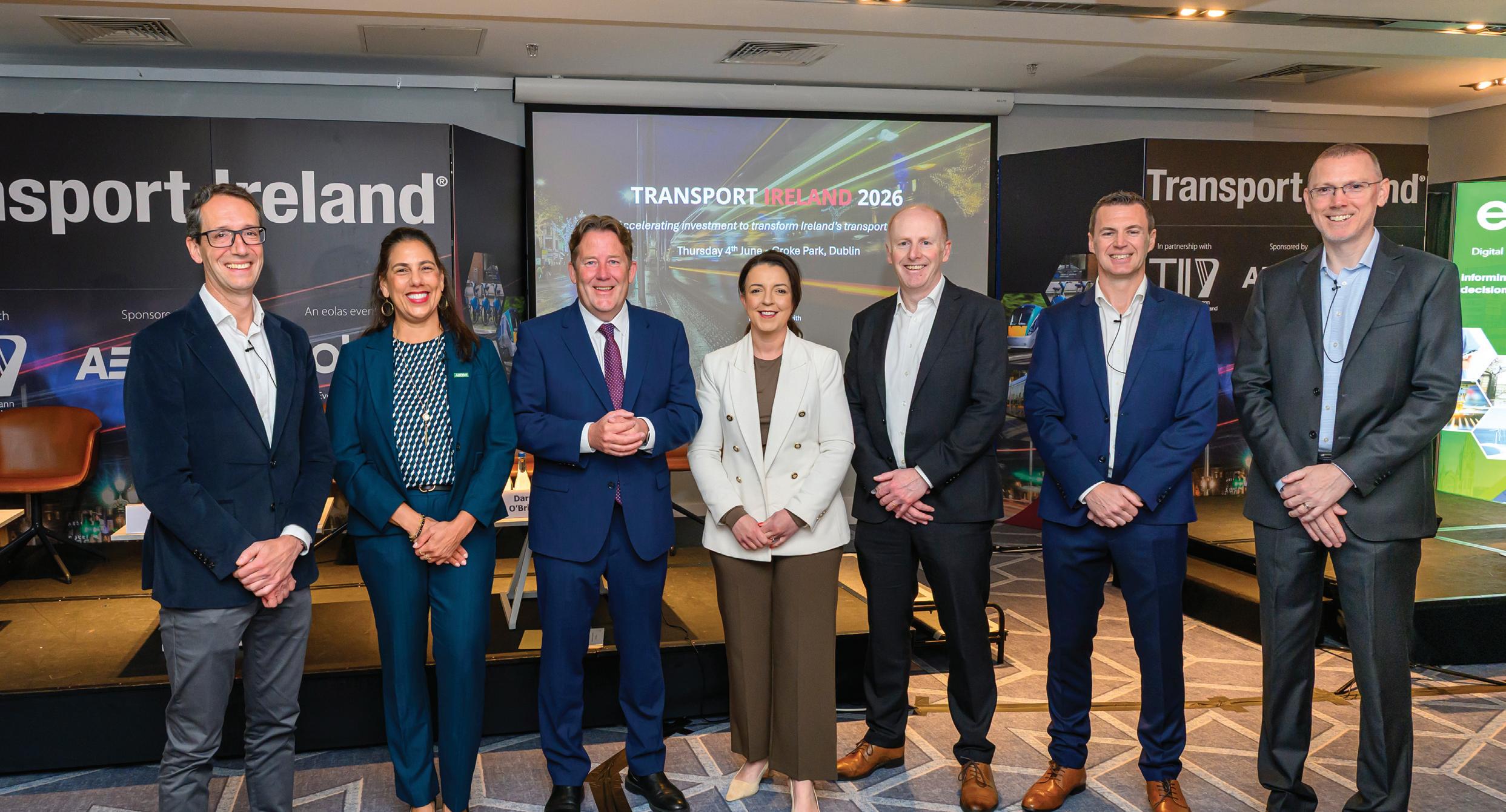

Transport Ireland 2026, in partnership with Transport Infrastructure Ireland and sponsored by AECOM, took place in June at Croke Park, Dublin. The conference brought together over 250 key stakeholders for a day of discussion and networking. This year’s event hosted a variety of expert domestic and international speakers who comprehensively explored the latest ambitions, challenges, and tangible opportunities for decision-makers and practitioners across the transport sector to accelerate the delivery of sustainable transport infrastructure.
Delegates heard from speakers, both visiting and local including Darragh O’Brien TD, Minister for Transport; Liz Kimmins MLA, Minister for Infrastructure in the North; Cathal Masterson, Transport Infrastructure Ireland; Veronica Vanterpool, AECOM; Willem-Frederik Metzelaar, EIT Urban Mobility; Anne Shaw, National Transport Authority; and Michael Power, Iarnród Éireann.
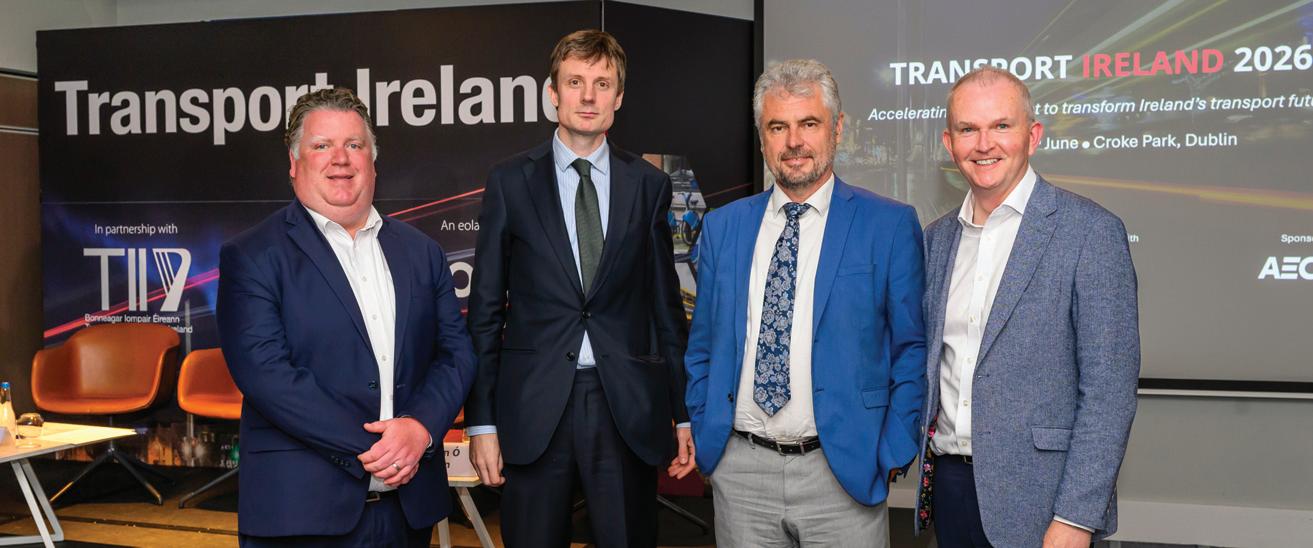
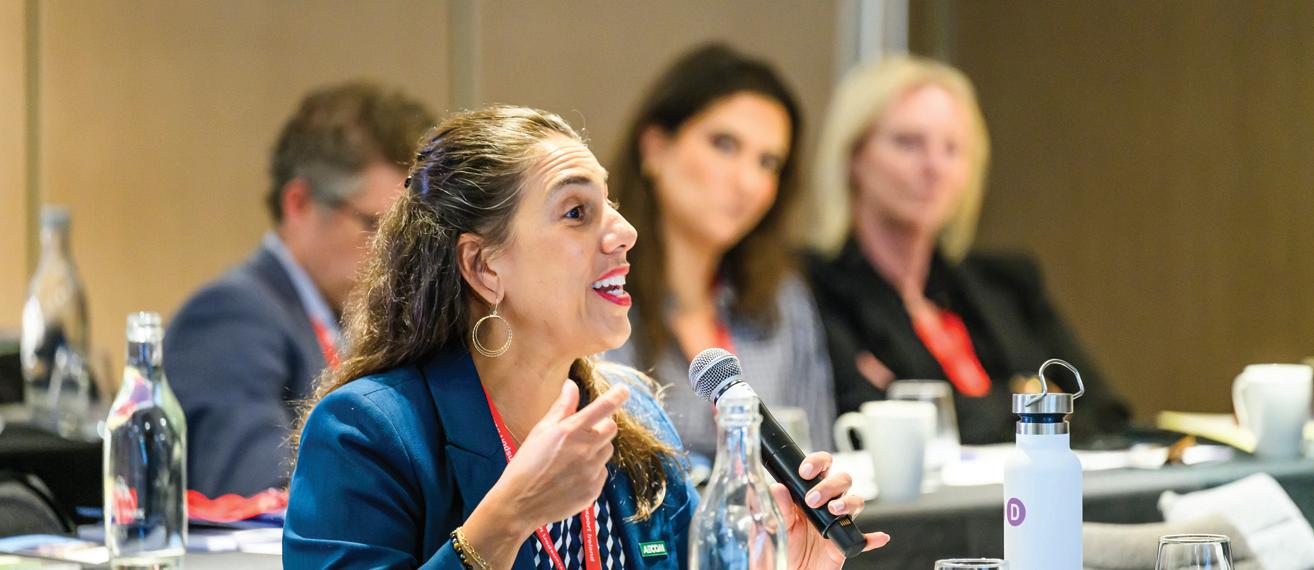

Most road traffic collisions stem from human behaviour: including errors, dangerous driving due to intoxication, fatigue, speeding, and mobile phone use. Traditional countermeasures – education and training, enforcement, fines, and penalty points –remain essential. But autonomous vehicle technology presents a more fundamental proposition: what if we could remove these behaviours from the driving equation altogether?
At the core of autonomous driving is perception, the ability of a vehicle to interpret its surroundings in real time. This is achieved through pre-trained neural networks that process sensor data and classify objects such as pedestrians, vehicles, and traffic signals, while simultaneously predicting their likely movements.
These systems rely on high-performance graphical processing units, enabling thousands of objects to be analysed in parallel. The environment is scanned continuously, typically at around 30 frames per second, across multiple sensors. For example, leading autonomous systems deploy a combination of cameras, radar, and lidar to create a detailed view of the road. Unlike the human eye, the sensor has
no single point of focus but scans the entire field at once. The results from the different sensor types are then fused together to produce an estimate of the safest pathways ahead for the vehicle and other road users.
The progression toward full automation is defined by a framework developed by the Society of Automotive Engineers, which categorises vehicles from level zero, no automation, to level five, full automation.
Levels one and two are already being used by many drivers in Ireland. These include advanced driver assistance systems (ADAS) such as lane-keeping assistance and adaptive cruise control. While helpful, these systems still require the driver to remain fully engaged and responsible at all times.
Level three marks a significant shift. Under specific conditions, such as motorway driving, the vehicle can operate independently, allowing the driver to disengage temporarily, though they must remain available to take control when prompted. This technology is already in limited deployment in parts of Europe.
Level four goes further still. Vehicles at this level can operate without a driver in defined environments, such as urban robotaxi services or dedicated freight routes. These systems are being advanced largely by major technology firms, with applications ranging from passenger transport to 24-hour logistics operations.
Evidence from large-scale deployments is beginning to emerge. After tens of millions of miles driven, some operators report substantial reductions in insurance claims compared to humandriven vehicles. While incidents still occur, early data suggests that autonomous systems may significantly reduce the types of collisions most commonly caused by human behaviour.
Level five, the ultimate goal, envisions vehicles capable of operating anywhere, under all conditions, with no human
intervention. While this remains some years away, Level five functionality is likely to evolve organically as the number of level four operating regions grows to include new cities, specific road links, and regions around Europe.
Despite technological advances, public confidence remains a critical factor. Survey research of more than 900 adults, which included more than 700 motorists, conducted by the Road Safety Authority in August 2024 highlights a cautious Irish perspective:
• awareness of autonomous vehicles is high, with 86 per cent of adults familiar with the concept, but only a minority express strong interest in owning one;
• nearly half (49 per cent) of motorists already have some form of driver assistance technology in their car, while 52 per cent of adults agreed that ADAS improves road safety;
• only one in five adults (21 per cent) said they would trust a self-driving car to bring them safely to their destination; and
• concerns include the reliability of the technology, the potential for collisions, cost, cybersecurity risks, and unclear liability in the event of a collision.
In essence, Irish attitudes are measured and pragmatic, with a clear demand for evidence, transparency, and robust safeguards.
Ireland must now position itself to secure advantage in this evolving landscape. Notably, there is emerging industrial capability in autonomous technologies, particularly in regions west of the Shannon.
Leading companies in Ireland such as Jaguar Land Rover, Analogue Devices, Valeo, and Provisio are creating high value engineering positions and products at the leading edge of this technology field.
Research institutions such as Future Mobility Campus Ireland and national colleges are supporting the needs of these companies. They are also collaborating with European colleagues and pioneering related research topics

which supports the vital supply of talent to the field.
At the same time, regulatory and legal frameworks must evolve. The traditional definitions of ‘driver’ and ‘driving’ will need to be reconsidered. Clarity is essential, not only for consumers, but also for enforcement authorities and insurers.
Testing is another key consideration. Many EU countries already permit controlled on-road testing of autonomous vehicles. Facilitating similar opportunities in Ireland, under strict safety oversight, will be crucial to ensuring that these systems are trained effectively in local conditions and can deliver their full safety benefits.
Autonomous vehicles are not a distant concept, they are an emerging reality. However, their integration into Irish society will not happen overnight. It will require a phased approach, balancing
innovation with safety, and technological capability with public trust.
Ireland has committed to achieving a 50 per cent reduction in road deaths and serious injuries by 2030 and achieving Vision Zero, zero road deaths and serious injuries, by 2050.
If implemented correctly, autonomous systems have the potential to significantly reduce road trauma. The success of these systems depends not only on the technology itself, however, but on how well we prepare, legally, socially, and operationally for its arrival.
The opportunity is substantial. The responsibility to manage it carefully is even greater.
W: www.rsa.ie
Assistant Secretary for Maritime Transport at the Department of Transport, Eamonn Kelly, outlines how Ireland’s ports are more than just trade gateways, and are also critical enablers of the State’s offshore renewable energy ambitions.
Contextualising that approximately 90 per cent of all trade entering and leaving Ireland passes through the State’s ports, Kelly argues that the infrastructure underpinning Ireland’s maritime economy will also be central in delivering the State’s energy transition.
While ports have traditionally been viewed as gateways for imports and exports, Kelly stresses that they are increasingly being recognised as strategic national assets capable of supporting wider policy objectives.
“While the primary function of our ports is to facilitate maritime transport, they can do an awful lot more than that. They are not just gateways to the world of trade; they can enable other activities.”
That broader role is becoming particularly important as Ireland seeks to develop offshore renewable energy at scale.
Kelly says the development of offshore wind cannot happen without the necessary port infrastructure. “Ports are probably first up. We need ports to be in existence and able to facilitate offshore renewable energy before we can actually build the offshore renewable energy projects.”
Kelly states that offshore wind development is a natural extension of Ireland’s geographical advantages. “We are an island nation. We do not have
significant fuel resources and we are very heavily dependent on importing fuel from abroad,” he says.
Pointing to Ireland’s extensive maritime area and strong wind resources, he adds: “We have a lot of sea, we have a lot of wind. It is a logical choice that we should be looking to leverage these sustainable natural resources for the benefit of our country.”
Under the Climate Action Plan, the Government is targeting 5GW of installed offshore wind capacity by 2030, rising to 20GW by 2040 and 37GW by 2050.
While acknowledging the scale of the challenge, Kelly says that significant progress already underway. “There are five planning applications for offshore wind farms currently before An Coimisiún
“The Government has recognised that we need a multi-port strategy. No one port is going to solve the problem in terms of building offshore renewable energy.”
Eamonn Kelly, Assistant Secretary for Maritime Transport, Department of Transport
Pleanála which will equate to about 3.8GW of renewable generation capacity,” he says.
Central to government policy is the recognition that no single port can deliver Ireland’s offshore wind ambitions.
“The Government has recognised that we need a multi-port strategy. No one port is going to solve the problem in terms of building offshore renewable energy,” Kelly states.
Kelly adds that the build-out of offshore wind infrastructure is likely to drive investment in Irish ports for decades. “We will probably need offshore renewable energy infrastructure being built in Irish ports for the next 25 to 30 years,” he says.
However, he cautions that significant upgrades are required before many ports can support offshore wind activity. “Because the offshore wind turbines elements are so heavy, the ports we have are not physically strong enough to facilitate their assembly. The quays needs to be strengthened to take the weight of the giant wind turbine elements, and the berths need to be deepened to allow the massive ORE construction vessels to operate,” he adds.
On investment and coordination, Kelly outlines that Ireland’s inclusion in the EU’s TransEuropean Transport Network (TEN-T) has enabled ports to secure European funding, including support through the Connecting Europe Facility.
Highlighting the experience of the Port of Cork, Kelly says European support has provided confidence to investors and demonstrated the viability of major infrastructure projects.
On the challenges facing ports and offshore wind developers, he says: “Offshore wind farms need ports, but ports need a pipeline of offshore wind farms to give financial certainty to investors in ports. For ports to build and grow, they need certainty that offshore wind projects are coming.”
That interdependence, he says, has reinforced the need for collaboration across government. “It really is an allof-government challenge. We are all working together towards an all-of-government solution.”
In this regard, the Department of Transport contributes Ireland’s multi-departmental Offshore Wind Delivery Taskforce through its dedicated offshore renewable energy workstream, working with commercial ports, European institutions, and other government departments to ensure infrastructure is ready to support future development.
The Port of Cork has emerged as Ireland’s most advanced offshore renewable energy port, with major infrastructure works nearing completion. “It is the first offshore wind deployment port in the State,” Kelly says.
Rosslare Europort, the Port of Waterford, and Shannon Foynes Port are also advancing plans to support the sector, while Belfast Harbour remains an important potential partner.
Concluding, Kelly argues that facilitating Ireland’s offshore wind ambitions will depend on sustained cooperation between the government, ports, investors, and developers.
“While we have great vision, this is not something that one individual actor, one department, or one minister can deal with,” he says.
However, he adds: “We have concrete results already with the near completion of Port of Cork’s ORE facility at Ringaskiddy. We will continue to work to ensure that Ireland is ready and able to secure its energy future.”
Ireland’s public transport network is in a period of transformation. Across regional cities, towns, and rural communities, new services, cleaner fleet, better infrastructure, and stronger connections will shape how people access work, education, healthcare, and opportunity.
For that transformation to deliver for the entire state, investment in public transport must support balanced regional growth as well as capacity in our largest urban centres.
As this expansion takes shape, demand will continue to grow, and passenger expectations will keep rising. Therefore, a balanced approach to public transport development will be all the more important.
In 2025, Bus Éireann delivered 116.5 million passenger journeys throughout the country reflecting sustained growth across our services and continued public confidence in bus transport with our customer satisfaction scores achieving 93 per cent.
These results matter because they show that public transport investment delivers measurable returns for regional communities and for local economies,
while also enabling national climate objectives.
As Ireland’s national bus company, Bus Éireann operates 216 public transport routes on behalf of the National Transport Authority, connecting communities across the country every day. Crucially, many of these services operate in areas where alternative transport options are limited or unavailable.
This makes Bus Éireann a vital part of Ireland’s regional infrastructure, supporting access to jobs, education, healthcare, services, and social connection in communities that might otherwise be left behind.
The importance of that regional reach cannot be overstated.
Balanced regional development cannot happen without strong and reliable public transport links. If Ireland is to
achieve sustainable growth beyond the Greater Dublin Area, then investment in regional connectivity must accelerate.
Regional public transport infrastructure is not simply an enabler of growth; it is a prerequisite for it. This aligns directly with the National Planning Framework’s ambition for more balanced growth across Ireland’s regions. Bus Éireann sits at the centre of this regional and rural transport ecosystem.
Regional cities and towns need transport systems that allow people to access employment, education, healthcare, and social opportunities efficiently and affordably. Regional and rural businesses need reliable transport links on par with the reliability now being delivered for the greater Dublin area to attract workers and investment.
Our Expressway network illustrates this particularly clearly. Operating commercially in a competitive market, Expressway connects more than 200 communities nationwide and plays a vital role in linking regional Ireland with key economic centres, airports, universities, and healthcare services.
The network supports tourism, regional enterprise, and labour mobility while also contributing to the overall sustainability of the organisation. Our regional and rural network must also be resourced to help people travel independently and confidently and reflect the wider responsibility public transport operators have in creating services that are accessible to all, inclusive, and practical for daily life.
As demand for public transport continues to increase, however, the need for supporting infrastructure becomes more urgent.
Fleet investment alone is not enough. Delivering a modern and sustainable public transport system requires accelerated investment in depots, charging infrastructure, and, most especially, bus priority measures across Ireland’s regional cities and towns. Without that supporting infrastructure, it becomes increasingly difficult to expand services at the pace our regional economy requires.
This is particularly important in the context of decarbonisation. Bus Éireann continues to make significant progress in transitioning towards a lower-carbon fleet. During 2025, we operated 2.3 million electric vehicle kilometres and completed the transition of our Roxboro
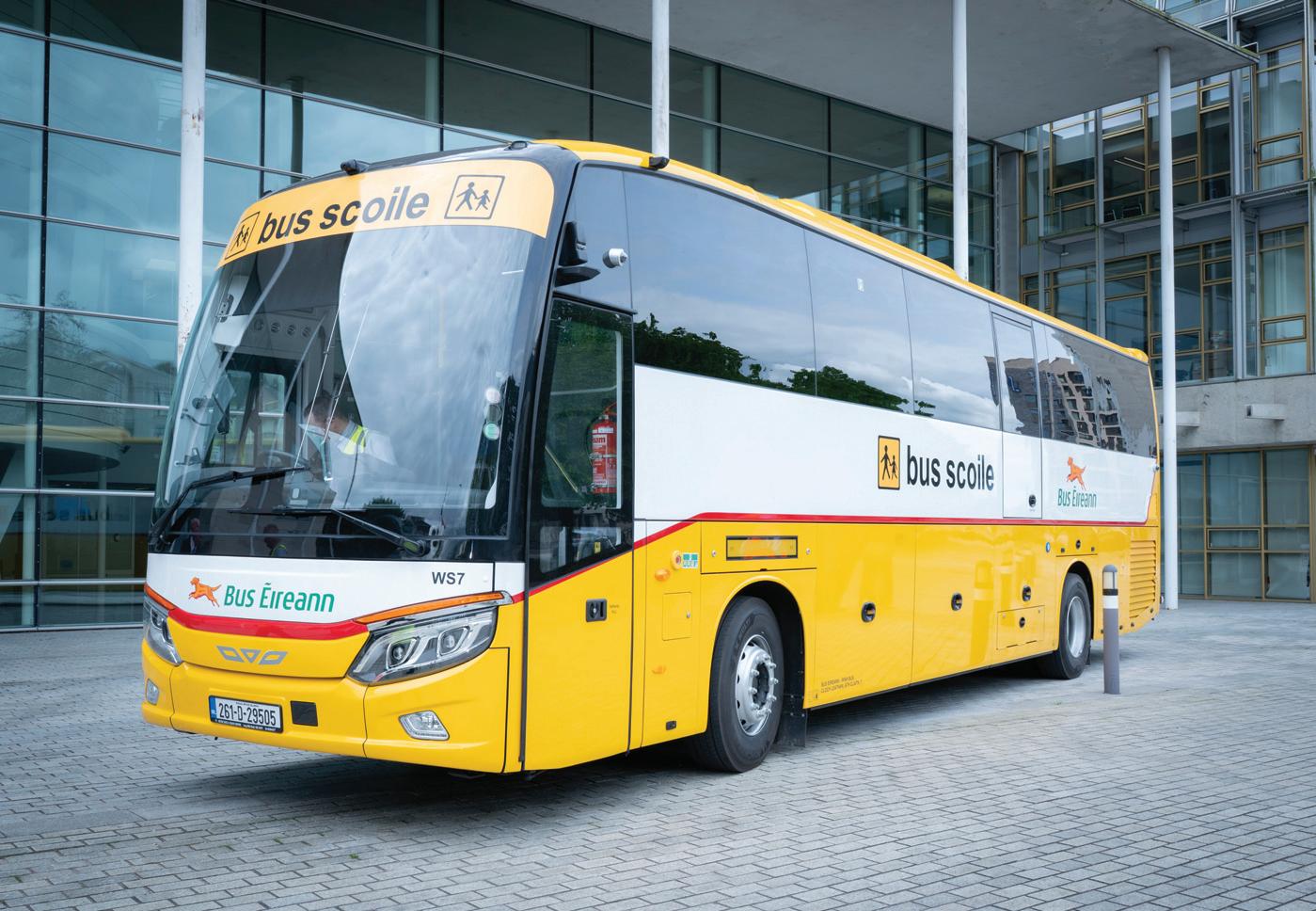
depot in Limerick to support Ireland’s first fully electric city bus service. This has resulted in an 88 per cent reduction in diesel use compared to 2021 levels.
Plans are advancing to expand electric operations in Cork, Galway, and Sligo, but achieving national climate ambitions will require faster delivery of regional public transport infrastructure.
The transition to sustainable transport cannot be over-concentrated in Dublin; regional Ireland must be enabled to participate fully in this moment of public transport transformation.
The scale of Bus Éireann’s wider operations also continues to grow. The School Transport Scheme, operated on behalf of the Department of Education and Youth, saw passenger numbers increase by almost 5 per cent in 2025, with more than 181,000 tickets issued. Every day, almost 8,750 vehicles operated across more than 11,000 routes nationwide.
Behind those figures is a nationwide logistics network that connects communities across Ireland on a daily basis.
For many households, school transport is not a convenience; it is an essential service that enables access to education and supports participation in community life and the wider economy. This is especially so for regional and rural Ireland. It provides certainty for families, reduces transport pressures on local communities, and ensures students can access education safely and reliably regardless of geography.
The scheme also continues to play an increasingly important role in supporting students with additional needs. Demand for Special Educational Needs (SEN) transport grew strongly in 2025, with more than 24,400 pupils availing of SEN transport services, representing growth of over 12 per cent year-on-year.
These services provide tailored transport solutions that are essential for many families and are a critical part of ensuring equitable access to education. The scale of this growth also underlines the importance of continued investment in systems, fleet, technology, and operational capacity to ensure services can continue to meet demand effectively.
Taken together, our public service routes, commercial Expressway network, school transport operations and depot footprint give the country a national delivery platform for regional connectivity, decarbonisation, and inclusive growth.
With the right investment and coordinated delivery, public transport can support stronger regional economies, more connected local communities, reduced emissions, and a better quality of life for people across all the regions of Ireland. Bus Éireann’s role is to make that connection real every day, using our national footprint to link people, places, and opportunity across all the regions we serve.
W: www.buseireann.ie
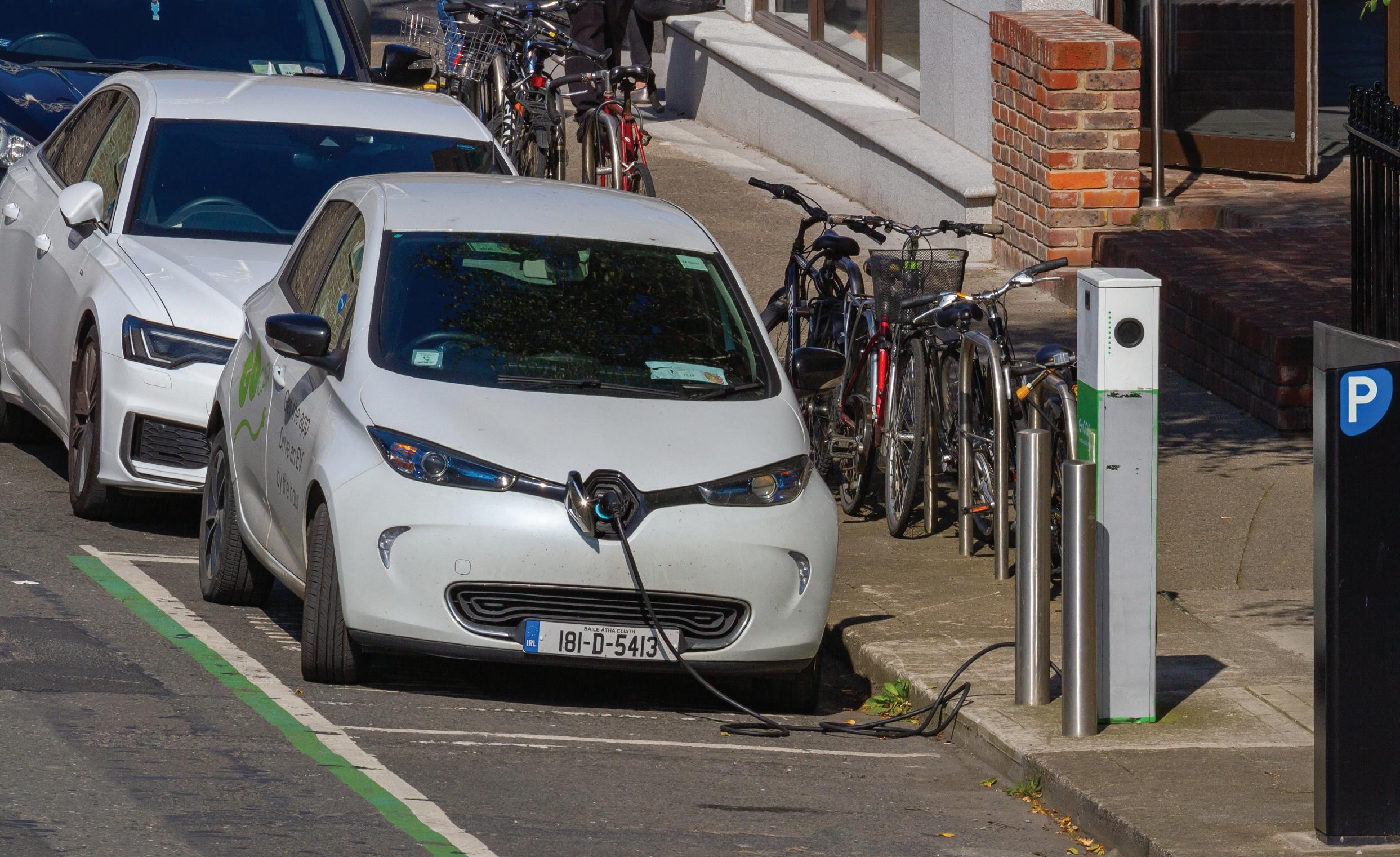
Harry McGoldrick analyses the Electric Vehicle Charging Infrastructure Strategy 2022-2025 ahead of the publication of the 2026-2028 strategy.
The forthcoming strategy, which underwent public consultation between February and April 2026, aims to contribute to the Climate Action Plan target of 30 per cent of all private cars in Ireland being electric by 2030.
The draft National EV Charging Infrastructure Strategy 2026-2028 outlines the Government’s ambition to stay ahead of demand and maintain delivery of EV infrastructure, while meeting the requirements of the Alternative Fuels Infrastructure Regulation (AFIR).
The Government established the Zero Emission Vehicles Ireland (ZEVI) office in July 2022 as its hub for the delivery of policy to support zero-emission vehicles in Ireland. The office has assisted the Government to surpass its Climate Action Plan targets for 2025, with over 204,000 EVs registered in Ireland, 9,000 vehicles over the initial target of 195,000.
When the 2022-2025 strategy was initially released, former Transport Minister Eamon Ryan called the project in 2022 “a roadmap for creating an entirely new infrastructure across the country”.
One of the main aims of the 20222025 strategy was the delivery of a supply plan for en-route charging and residential and destination charging. The National Road Network EV Charging Plan 20242030 includes plans to have highpowered chargers being located every 60km on the core TEN-T network.
There are now 131 high-powered charge points across 17 locations in counties Louth, Laois, Tipperary, Kildare, Westmeath, Wicklow, Clare, Limerick, Galway, Kilkenny, and Meath. The average distance between recharging pools is 45km,
15km below the minimum as set out within the strategy of 60km.
However while the total amount of electric cars are being sold is increasing at a rapid rate (204,000), the same cannot be said about increasing EV charging points, with 3,237 publicly accessible chargers nationwide, which equates to one charger for every 63 EVs, and while an increase of 43 per cent in the number of operational high power CCS connectors according to the Irish Electric Vehicle Association (IEVA) sounds like success, EV supply is outproducing the supporting infrastructure.
Ongoing work continues on light duty vehicle (LDV) charging programmes, with over 3,000 kilometres of national road being targeted. The work aims to add 162 additional charging hubs, and 516 high-powered and fast charge points. To date, €11 million has been committed for LDV1 (motorways) and LDV2 (national primary roads), with €8.8 million expected for LDV3 (national secondary roads) in 2026.
The strategy also availed of 10 schemes of work to break down aims into localised targets. One of the main schemes was the shared island sports club scheme.
The all-island scheme, aimed to install EV charging infrastructure at sport clubs across Ireland, was established in January 2023 and accepted expressions of interest until February 2023.
As of 2024, 227 sports clubs were eligible for charging points, as of June 2026, no clubs that availed from the scheme has been announced.
Although demand for passengersized EVs is strong, demand for other vehicle types is weaker, in part due to vehicle models and numbers available, with lacking charging infrastructure being another drawback.
Nearly 99 per cent of all heavyduty vehicles (HDVs) in Ireland are still diesel-powered and are


responsible for 20 per cent of total emissions in Ireland, making the transport sector hard to decarbonise.
The electrification of HDVs in Ireland has also proven quite difficult. As of Q3 2025, only 370 eHDVs have been registered in Ireland; 300 eBuses and 70 electric heavy-good vehicles (eHGVs). This figure is well under the CAP target of 700, however it is on track with the CAP levels for 300 EV buses.
In March 2026, 132 electric buses, with a combined cost of €66 million, were not being used as there was a lack of facilities to charge HDVs, with Sinn Féin’s John Brady TD, chair of the Public Accounts Committee, calling it a “systemic failure”.
“At a time when people are crying out for reliable public transport, this level of waste and incompetence is simply unacceptable. It is yet another example of a do-nothing
government failing to plan and failing to deliver,” Brady said.
Transport represents the secondlargest source of greenhouse gas (GHG) emissions in Ireland, with over 11.6 million tonnes of GHG being emitted in 2024, equating to 21.7 per cent of total emissions, an increase of 113.7 per cent since 1990, according to the Environmental Protection Agency (EPA).
Minister for Transport, Darragh O’Brien TD says: “This strategy builds on the successful foundations laid by the Department’s 2022-2025 strategy and reflects the Government’s continued ambition to stay ahead of demand, meet the requirements of the Alternative Fuels Infrastructure Regulation (AFIR) and deliver infrastructure that meets the evolving needs of EV users.”

Ask any business bidding for a contract across the world and you will hear a version of the same line: that they will combine their global scale with deep local knowledge. It is, by now, almost a corporate cliché. It is also true of our plans for how we will operate the Luas. The difference is in what comes next; in how you apply it day to day, on Abbey Street and St Stephen’s Green, and out to Tallaght and Sandyford.
Keolis is the world’s leading operator of trams and automated metros. We run networks across more than a dozen countries on four continents. In Manchester, we operate Metrolink, the UK’s largest tram network. We are also present in Boston, Hyderabad, Bordeaux, Australia’s Gold Coast, and London, operating a range of trams, trains, and metros.
That matters particularly when introducing and evolving complex urban transport systems. Keolis has extensive experience not only operating metros and trams, but launching them: helping cities establish operating models, undertake testing and commissioning, train workforces, and bring entirely new fleets and networks into passenger service.
We are doing that today on major metro projects in Paris and have supported similar programmes in places including Dubai and Hyderabad. The value of that experience is not confined to metros themselves.
Some of the most useful operational lessons come from moving between different environments. The point is not to make Dublin look like another city, but
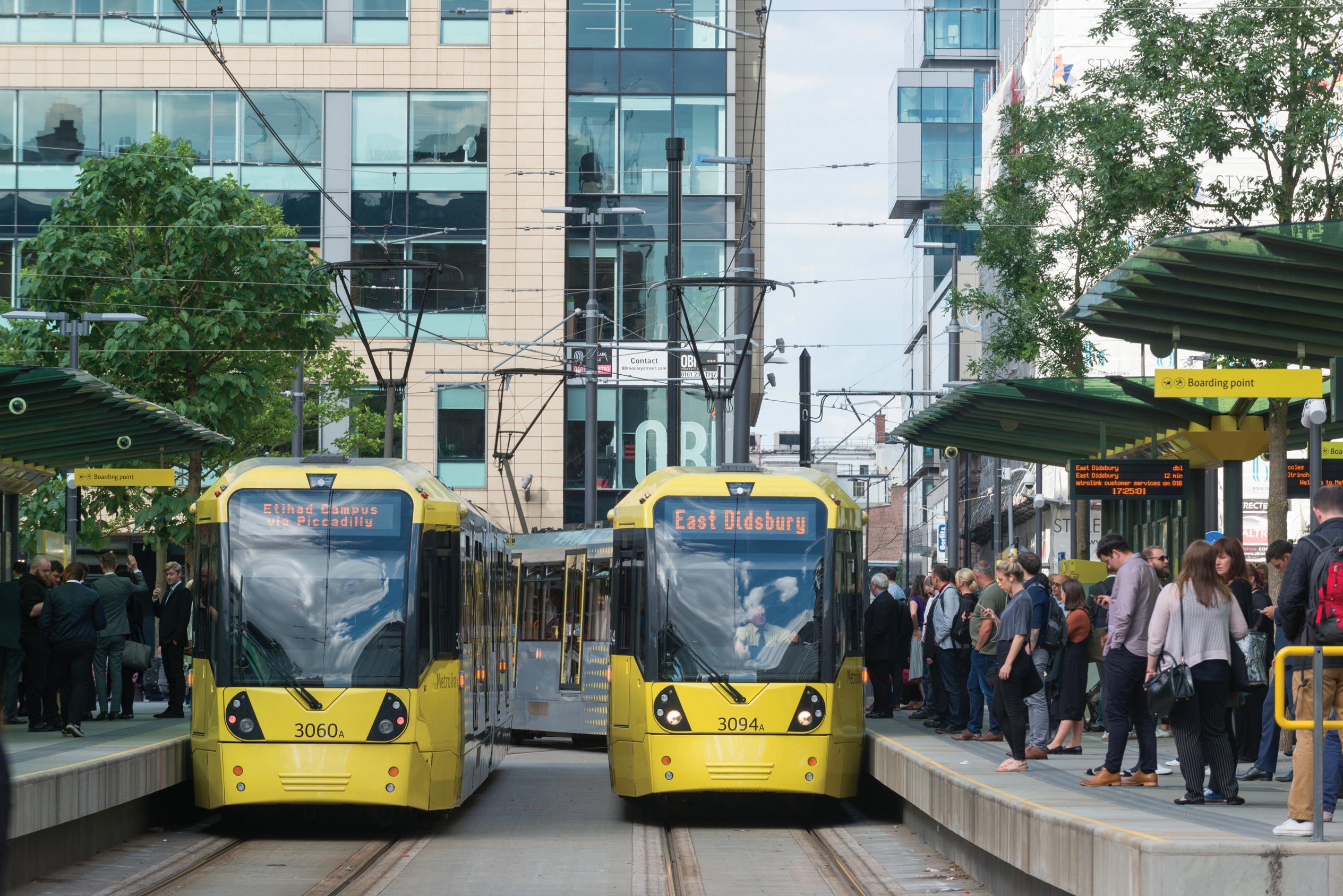
to ensure Luas benefits from a much wider pool of operational learning and problem-solving experience.
One of the clearest expressions of how this works in practice is something we call our ‘Signature Service’. It is a method, not a manual, and is the structured way we develop the everyday signals that frame a passenger’s experience: the way staff greet riders boarding at the start of a route or handle a service disruption, the gestures and language that, taken together, make a journey feel cared for rather than simply processed.
Our Signature Service is not a script imported from another network. It begins by listening.
The first phase is co-construction: structured interviews with frontline staff, focus groups that bring drivers and customer-facing teams together with passengers themselves, and workshops with the transport authority. The point is to surface what a network already knows about itself: where the friction sits on the customer journey, what staff already do well, where small adjustments would make the biggest difference.
This sounds intangible. It is not. The discipline of doing it methodically produces measurable results, and those results travel. After work in Manchester, customer attitude scores rose by eight points on the tram network. In Adelaide, Net Promoter Scores rose by 11 points where staff greeted passengers, and the network won the Australian Service Excellence Award. In Hyderabad, customer complaints relating to staff attitudes fell by 60 per cent in the months following implementation.
What this means for Dublin is straightforward. The people who operate Luas today will still run Luas tomorrow. They are the network’s deepest asset: drivers, controllers, maintenance, and operations staff who know the system, the route, the regulars.
What we bring is not a replacement for their knowledge but a structured way to surface it, codify it, and connect it to what is being learned in 24 other Keolis tram subsidiaries by more than 12,000 customer-facing staff around the world.
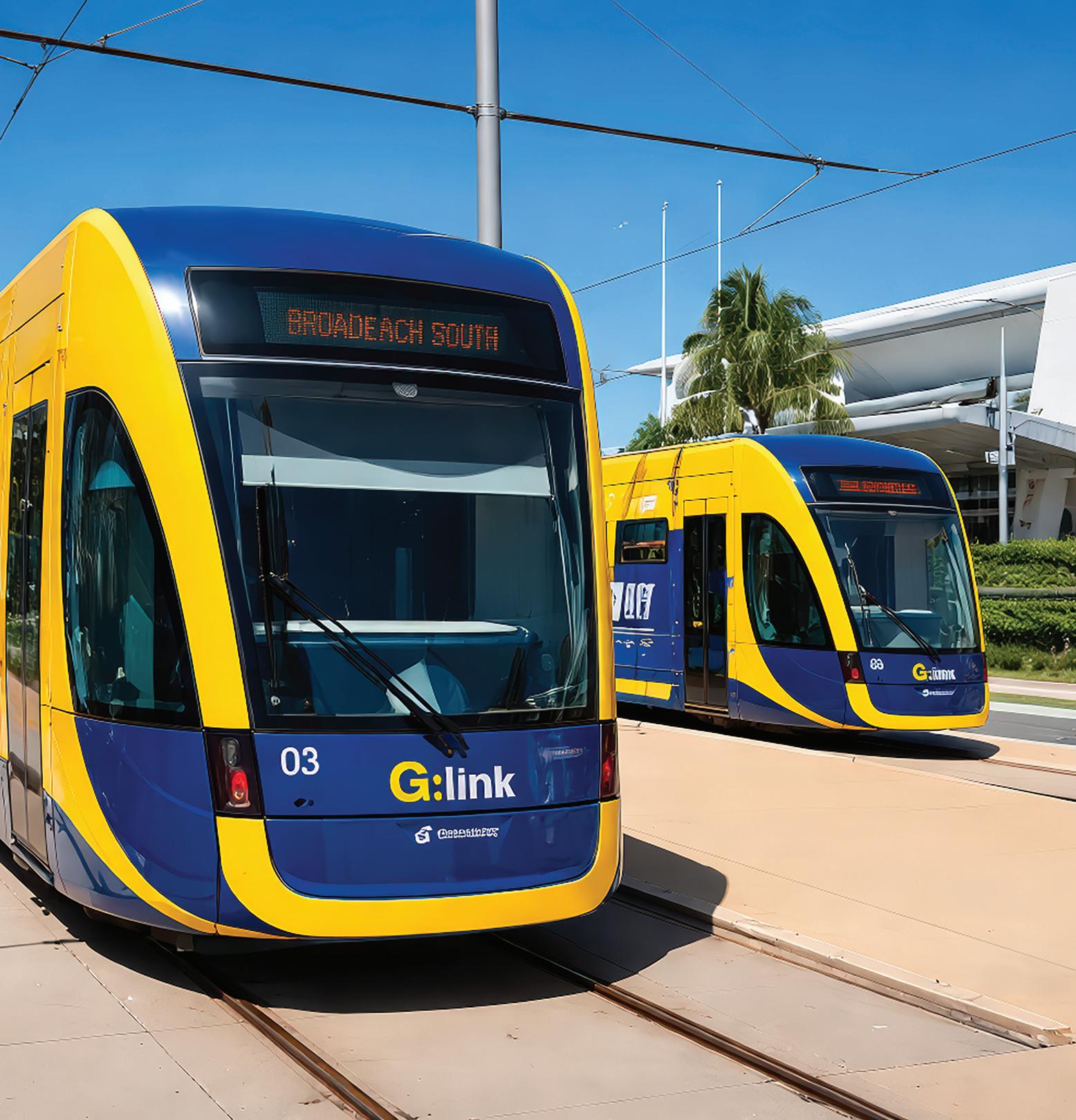
That cross-network connection is the part of “global expertise” that is hardest to see and easiest to undersell. When a Manchester, Boston, or Bordeaux team finds a better way to communicate with passengers during a power outage, it is shared via our Centre of Excellence for Metro and Tram in Lyon, so our team on the ground can draw on it.
The service handles the customer-facing dimension. Alongside it, we run parallel programmes to industrialise and harmonise operations and maintenance practices across the group. The aim is the same in each case: take the best of what one network has worked out, and make it available to the others while leaving the frontline decisions where they belong, with the people on the ground.
A principle runs through all of this. The quality of the experience a passenger has is closely linked to the quality of the experience staff have. A driver who feels listened to and well-supported becomes a different presence on the platform.
So, what does global expertise applied locally mean for Luas?
It means that the Dublin tram service of the next decade will not look like Manchester’s, Gold Coast’s, or Dijon’s. It will look like Dublin’s; developed using a method refined across 24 networks and four continents, with the benefit of a peer group of operators sharing what works in real time. It means investment in the people who already make Luas what it is. It means a structured commitment to the customer experience, with measurable outcomes tracked over the long term.
And it means that when an operational challenge arises in Dublin, and they will arise, we will not be solving it alone. We will be solving it with the experience of every Keolis network behind us, applied to the realities of this city, this network, and these passengers.
That is the work that begins now.
E: comms@keolis.co.uk
W: www.keolis.co.uk

Against a backdrop of population growth, infrastructure deficits, and increasing pressure on national productivity, transport emerged as one of the most significant beneficiaries of the revised capital investment framework in the 2025 revision of the National Development Plan (NDP).
The review commits €22.33 billion in exchequer capital funding to the transport sector between 2026 and 2030, representing the second-largest departmental allocation in the NDP after housing. Annual transport capital

expenditure is to increase from €3.43 billion in 2026 to €5.13 billion by 2030.
The Government’s wider transport investment commitment extends beyond voted expenditure. The review
confirms that €2 billion from the Infrastructure, Climate and Nature Fund (ICNF) will be allocated to support lowcarbon transport infrastructure, most notably MetroLink.
Transport investment is closely linked to the NDP’s overarching objective of enabling the delivery of 300,000 additional homes by 2030. The review identifies transport, alongside water and energy infrastructure, as critical enabling infrastructure necessary to unlock housing development and support future economic growth. In this context, transport funding has been prioritised according to its contribution to housing delivery, regional development, and competitiveness.
The review also highlights the importance of transport in achieving Ireland’s climate commitments. Under the Climate Action Plan, the transport sector is required to achieve a 50 per cent reduction in emissions by 2030 compared with 2018 levels. Capital investment in public transport, active travel infrastructure, and low-carbon mobility projects is a key mechanism for delivering national decarbonisation targets.
Significantly, the review points to a strong record of delivery under the previous NDP period. Since 2021, Ireland has delivered approximately 170km of new roads, including major projects such as the New Ross Bypass, Dunkettle Interchange, N22 Macroom scheme, and the N5 Westport-Turlough project.
In parallel, approximately 660km of new walking infrastructure, 400km of cycling infrastructure, and 220km of greenways have been completed.
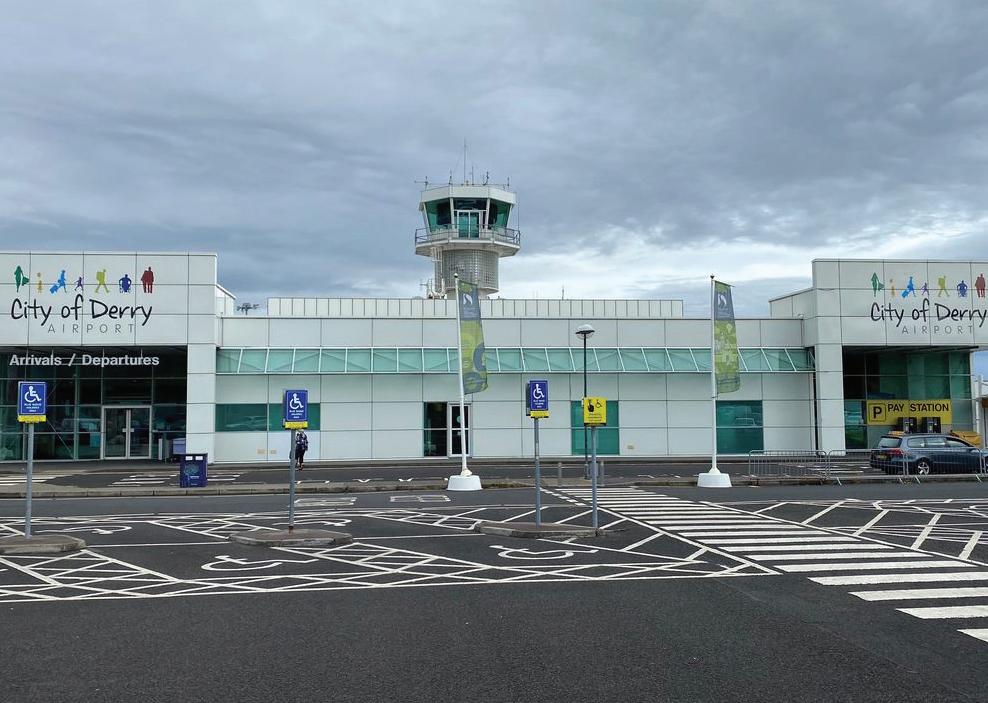
At the North-South Ministerial Council in May 2026, it emerged that the Government is to fund a new air route linking Dublin Airport with the City of Derry Airport.
The North-South Ministerial Council (NSMC) published the communiqué of its plenary meeting on 11 May 2026, confirming support for a Public Service Obligation (PSO) air service between Dublin Airport and City of Derry Airport. The Irish Government announced funding for the route in November 2025. The NSMC statement re-affirms the joint commitment and sets a launch target of late 2026.
The service is expected to run at least twice daily and is to be tendered under EU PSO rules, with subsidy designed to guarantee frequency on route which may not be commercially profitable.
For business travellers, the 45-minute flight will cut journey times compared with a three-hour road trip and provide a same-day return option that rail cannot yet match.
The connection is also seen as an important symbol of the Shared Island agenda, enhancing economic ties and labour mobility between the North and the Republic.
If confirmed, the route will mark the third domestic route on this island, with Dublin Airport already offering flights to Kerry and Donegal. However, the Dublin-Kerry route is no longer run under the aegis of the PSO scheme, with Ryanair operating the route on a for-profit basis.
The PSO scheme once funded regional routes connecting Dublin to Cork, Waterford, Derry, Donegal, Galway, Sligo, and Kerry, but post-Great Recession austerity measures prompted the governments of Brian Cowen and Enda Kenny to significantly reduce spending on the scheme.
The cuts in funding were also enabled by a significant increase in the State’s road infrastructure capacity throughout the mid-2000s, which made Cork, Waterford, and Galway in particular more accessible from Dublin via road.
It is not yet clear which airline will operate the route.
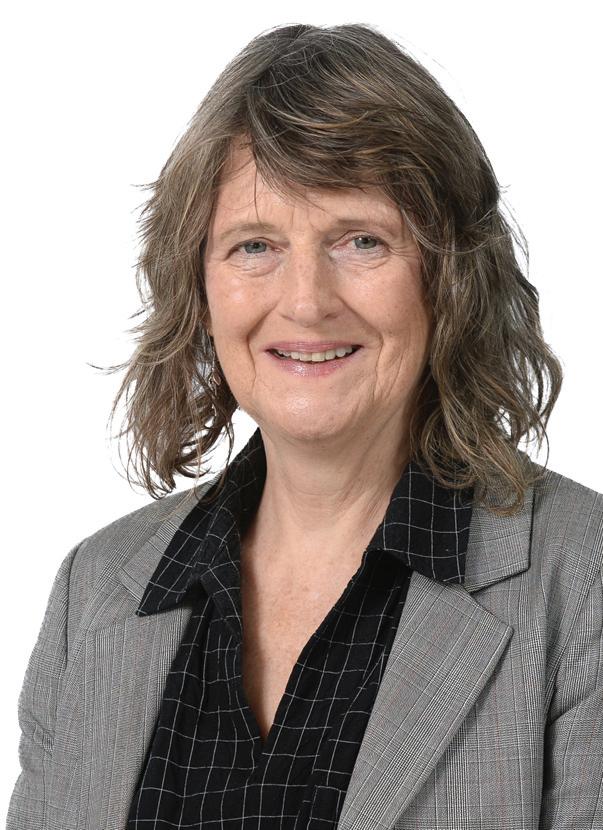
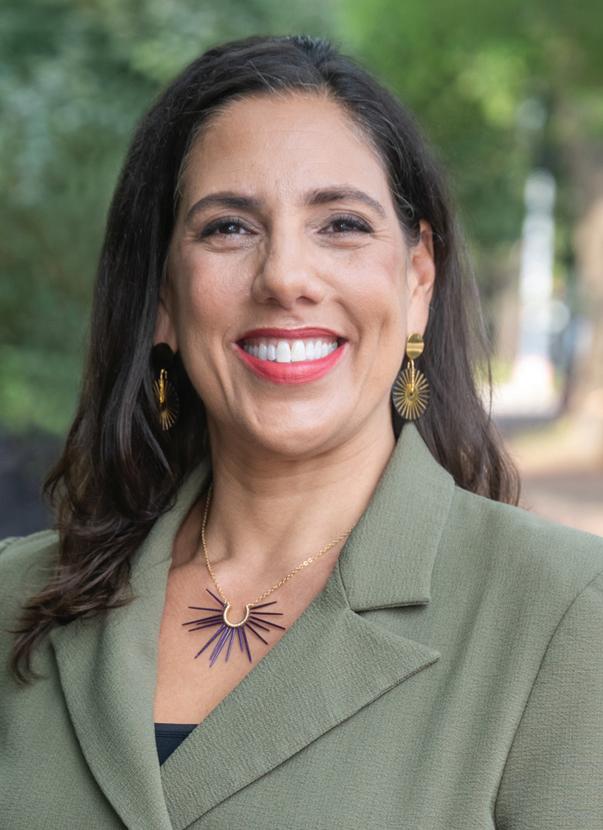
AECOM’s Veronica Vanterpool, Americas Transit Lead, and Derval Cummins, Transportation Director for Ireland, explore how to accelerate the delivery of public transport infrastructure, drawing on North American experience and reflecting on how global lessons can be applied in Ireland.
Ireland is under increasing pressure to deliver better public transport. Why has accelerating infrastructure delivery become such a critical issue?
Veronica Vanterpool (VV): These projects deliver a public good, connecting people to resources and opportunities, but delays can increase costs and erode confidence. Early risk

mitigation, stronger coordination, and meaningful stakeholder engagement are critical to delivering value earlier. This will help build public confidence in Ireland’s ability to deliver projects, ensuring the support is cultivated to build and invest in infrastructure.
This is not a unique pressure in Ireland; it is experienced throughout the industry at large. There are many challenges associated with project delay in North America as well, and we want to ensure
we are delivering on the benefits of these projects sooner rather than later.
Derval Cummins (DC): Ireland’s population growth has been extremely rapid. There are over 750,000 more people here than there were a decade ago, and that is on today’s population of 5.5 million. We hit our 2040 employment forecast in 2022, and it is the people in that demographic who do the most travelling for the purposes that are most essential for social and economic wellbeing. At the same time, ESRI research shows Ireland significantly lagging European peers in infrastructure per capita.
The urgency we are now facing is from this new phrase that we are hearing quite a lot: “The cheapest time to build is now.”
That is new thinking in Ireland; since the financial crisis, our focus has been on not spending money. Now, we are seeing the risks that come from not investing; not only that we will miss out on the benefits from these projects, but that delays will see construction costs continuing to rise due to inflation and the inevitable changes in scope that come with the passage of time.
Before major rail and transit programmes move into delivery, where do organisations most often misjudge what is needed to accelerate successfully?
VV: Projects often misjudge the importance of early prioritisation towards coordination, outreach, permitting, and communication. Identifying a project’s complexities and risks at the very beginning is shown to reduce costs and time.
Early and substantive community engagement supports project acceleration. Community members should be treated as project partners, not just a stakeholder constituency to inform. When engagement is substantive, it can then be incorporated early on, reducing risks and delays.
DC: It is important to avoid treating the project lifecycle purely as a simple sequence of approval ‘gates’. This overlooks the real complexity of the synergies between projects; the need for a programmatic approach to manage risks and opportunities, market readiness, and public engagement.
There is a pre-delivery challenge too, here in Ireland, which is that we have built very few major projects in a long time. Given the scale and complexity of the current pipeline of works, industry will need to partner with international contractors. This has been a challenge because projects only become real to contractors when they see tenders coming to market. It is worrying that the Construction Industry Federation Q1 2026 outlook survey “reveals a deepening ‘wait-and-see’ approach to public projects”, despite government initiatives and visible progress of projects.
As organisations look to accelerate delivery, what are the most important enablers for programmes to move forward with confidence?
VV: There are three key enablers of acceleration. First is leadership. Having a clear project champion is incredibly important for building public acceptance and confidence, as well as for governance and ownership of project milestones, challenges, and successes.
Secondly, teams need structures and tools that enable constant coordination, visibility, and rapid problem-solving. This can involve increasing communication and the visibility of the work being done or having a strategy in place that allows teams to engage regularly to problem solve and troubleshoot.
“Community members should be treated as project partners, not just a stakeholder constituency to inform.”
Finally, technology. Digital tools and AI can safely and confidently accelerate delivery by improving decision-making and freeing up time and resources.
DC: In Ireland, the Accelerating Infrastructure Taskforce already reflects these priorities, with four pillars: legal reform, regulatory simplification, delivery coordination, and public acceptance. Of these, coordination will be critical, supported by a central unit that will make necessary project prioritisation decisions.
Bringing this into the Irish context, where do you see the strongest opportunity to apply these acceleration approaches as investment programmes scale up?
VV: Ireland’s challenges are not unique and there is an opportunity to adopt proven international delivery models. The biggest shift will be embedding earlier alignment on risk, opportunity, and stakeholder engagement.
It is important that public acceptance is identified as a pillar of reform. The public can be a powerful voice in supporting or halting a project, as is also the case in North America, and working with the public early on can lead to project acceleration.
DC: We are taking many positive steps in terms of community engagement, and public acceptance has greatly improved. BusConnects Dublin Infrastructure Works shows what is possible: strong early engagement helped schemes gain consent without oral hearings.

MetroLink and DART+ West and South West have also gained their planning approvals.
We will need to overcome the aversion to risk that has crept into the system in Ireland, which is outlined in the Accelerating Infrastructure Taskforce report, if we are to expedite decisionmaking. The real risk is the cost of delay: lost benefits, rising construction costs, and missed climate targets. We cannot meet our climate goals without investment in public transport infrastructure. Despite an increasingly electrified car fleet, transportation remains one of the biggest contributors to Ireland’s carbon emissions.
Major programmes often accelerate when there is a clear national catalyst, like an Olympic Games or another major event, that brings people together and drives things forward. While the 2027 Ryder Cup has influenced the accelerated construction of the Adare Bypass through multi-agency collaboration and decisive decisionmaking, Ireland has yet to find that catalyst despite our burgeoning population, infrastructure deficit, and the climate crisis. In its absence, it falls on both government and industry to work together to build public buy-in and maintain momentum.
W: www.aecom.com/en-ie/

Ireland’s public transport system is entering a period of profound transformation, writes Stephen Kent, CEO of CIÉ.
In 2025, the CIÉ Group recorded a landmark year, with passenger numbers reaching new highs and investment accelerating across infrastructure, technology, and sustainability. This momentum reflects not only growing demand, but a decisive shift in how people across the country are choosing to travel.
Public transport is no longer simply a service; it is a central pillar of Ireland’s response to climate change, housing pressures, and economic growth. At CIÉ, our role is to ensure that this system remains resilient, accessible, and capable of meeting the needs of a rapidly changing society.
The scale of growth in 2025 is clear. Across the CIÉ Group, passenger journeys exceeded 336 million. This growth has been supported by improvements in service delivery, increased investment from the State, and collaboration with our stakeholders, including the National Transport Authority (NTA) and the Department of Transport.
However, growth of this scale also brings challenges. Meeting rising demand requires sustained investment in infrastructure, fleet capacity, and workforce development. It also requires continued focus on reliability, accessibility, and customer experience.
Ensuring that public transport remains a convenient, reliable, and attractive option for passengers will be key to maintaining this growth trajectory.
Ireland’s public transport network is undergoing its most significant transformation in decades. Programmes such as DART+, BusConnects, and Connecting Ireland are reshaping how people move within and between our cities, towns, and rural communities. These programmes are not standalone projects. They form part of a coordinated national strategy to enable modal shift, reduce congestion, and support more sustainable patterns of development. For CIÉ, our role is to support these ambitions through investment, delivery, and collaboration, ensuring that outcomes are delivered efficiently.
At the same time, we are increasingly focused in CIÉ on transit-oriented development, using our property portfolio not only to support public
transport, but also to support housing and urban regeneration. This represents a significant opportunity to align transport and land-use planning in a more coherent way. By locating homes, jobs, and services close to high-quality public transport, we can reduce car dependency, support compact urban growth, and deliver more efficient and liveable communities.
Sustainability is central to CIÉ’s strategy. Every additional passenger choosing bus or rail contributes to a cleaner, lowercarbon Ireland. In line with national climate targets, we are progressing a transition to low- and zero-emission fleets, with the support of the NTA. This includes electrification of bus and rail services, alongside investment in charging infrastructure in our depots, increased use of biofuels, and renewable energy.
We are also taking steps to improve the environmental performance of our operations, from energy efficiency across our buildings to improved waste management and biodiversity programmes.
The scale of this transition should not be underestimated. Expanding services while reducing emissions presents a complex challenge, requiring coordinated investment, innovation, and partnership across government and industry. It also requires careful planning to ensure that sustainability measures are delivered in a way that supports operational resilience and value for money.
A public transport system is only as strong as the people who deliver it. Across CIÉ, more than 13,000 employees play a vital role in ensuring that services operate safely, reliably, and efficiently. In 2025, we continued to invest in our workforce, supporting recruitment, training, and development to meet growing demand for services. This includes initiatives to enhance skills in critical areas such as engineering, operations, and digital systems.
At the same time, we strengthened our focus on accessibility and inclusion, ensuring that our services are open to all passengers and reflective of the communities we serve. This includes ongoing improvements in infrastructure,
“We can ensure that public transport plays a central role in shaping Ireland’s future; connected, inclusive, and resilient.”
customer communications, and service design to better meet the needs of people with disabilities, older passengers, and those travelling in more remote areas.
In the last year we have made significant progress on the long-standing pension challenges that have been a shadow over the group for many years.
Agreement with staff on pension reform provides greater certainty and reduces risk for the future, enabling us to better manage long-term liabilities while supporting our employees and pensioners.
In parallel, we continue to enhance our resilience in areas such as cybersecurity, recognising the importance of protecting critical infrastructure and data in an increasingly digital environment.
The outlook for public transport in Ireland is one of opportunity and responsibility. Demand is growing, expectations are rising, and the broader national agenda, from climate action to housing, depends increasingly on a strong and integrated transport system. CIÉ enters this period with a clear strategy.
In the years ahead, we will continue to work closely with government, agencies, and local authorities to deliver the infrastructure and services required to support Ireland’s future.
This includes expanding capacity across key corridors, accelerating decarbonisation, and unlocking the potential of our assets to support wider
societal goals. It also means continuing to place the citizen at the centre of our decision-making, ensuring that services are designed around evolving needs and expectations.
The ambition is clear: a modern, integrated public transport system that serves the needs of citizens, supports economic growth, and contributes to a more sustainable Ireland.
Achieving this ambition will require sustained commitment, but the progress made to date demonstrates what is possible. By building on this momentum, we can ensure that public transport plays a central role in shaping Ireland’s future; connected, inclusive, and resilient.
T: 01 677 1871
E: info@cie.ie
W: www.cie.ie
• Review is estimated to be in the realm of €32 billion
• Annual costs for operating and maintaining a larger rail network on the island are estimated to be approximately €600 million
• Investment would take the best part of 25 years to deliver, which suggests an annual capital spend of the order of €1.3 billion
• Island’s rail network reached its peak around 1920, with approximately 5,540km of network
• At that time, Ireland had one of the densest railway networks in the world
• The island of Ireland currently has around 2,300km of public rail lines
• Iarnród Éireann, the State-owned railway company in Ireland, operates 1,944km (1,215 miles)
• Translink, the State-owned transport company in Northern Ireland, operates another 357km
Source: Department of Transport
• Galway Line: Line speed improvements, capacity and frequency enhancements, and electrification of the rail
• Belfast to Derry Line: Capacity/frequency enhancements, and line speed improvements
• Belfast Line: Line speed improvements and electrification of the rail
• North of Connolly: Line speed improvements, line capacity improvements, electrification of the rail
• Hazelhatch to Portarlington line: Line speed improvements, new line capacity and frequency enhancements, and electrification of the rail
• Limerick to Limerick Junction phase two: Line speed improvements, line capacity improvements, electrification of the rail, and reconfiguration of Limerick Junction
• Waterford Line: Line speed improvements, enhancements to capacity and frequency, electrification of the rail, and to start serving Kilkenny and Carlow
• Cork Line: Line speed improvements and electrification of the rail
Source: Department of Transport
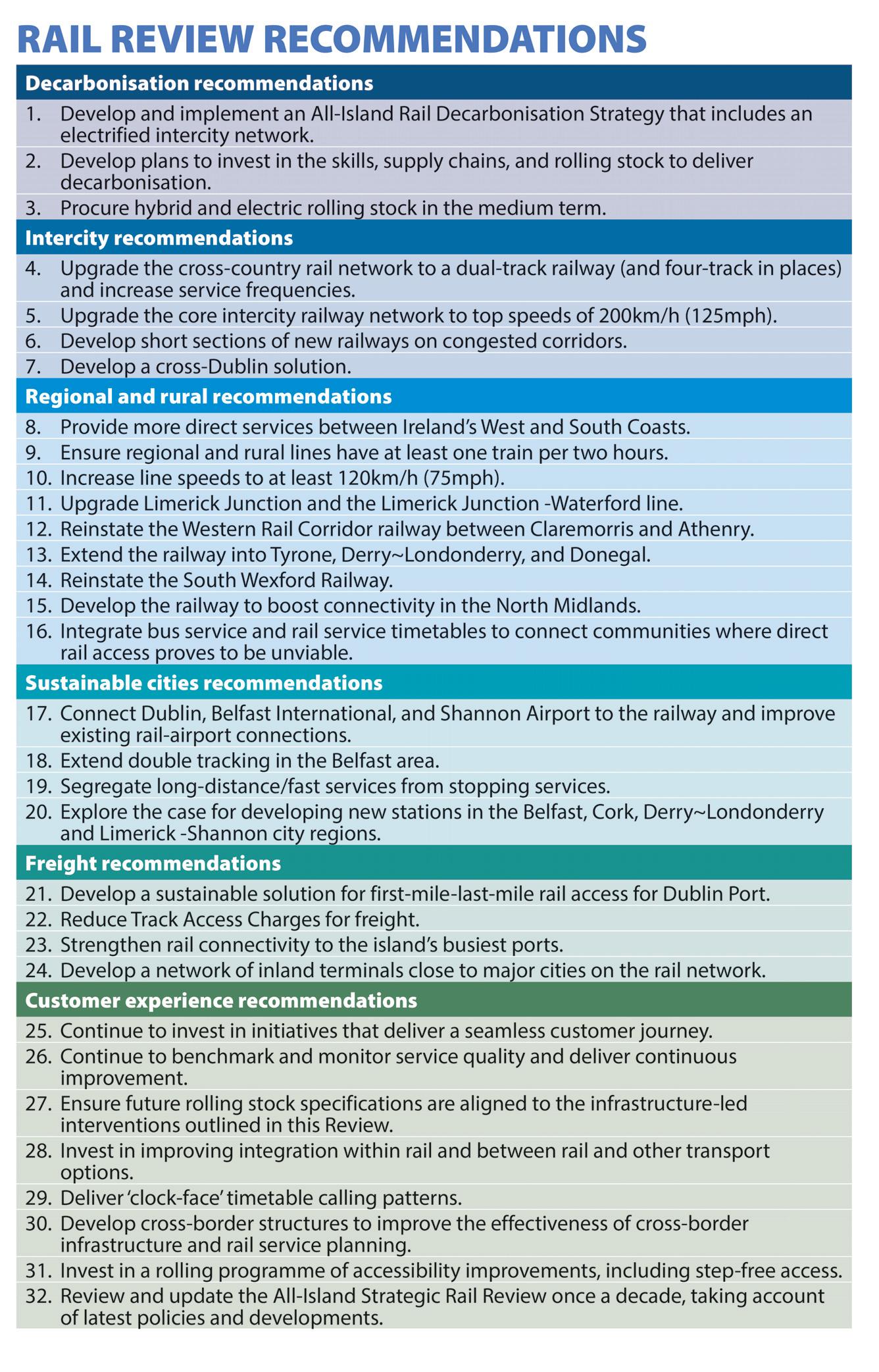
Source: Department of Transport
• Rail decarbonisation: 750km of the rail network to be electrified with overhead cables capable of powering fast intercity trains, which will avoid 60,000 tonnes of CO2 annually and approximately 55 per cent reduction on CO2 emissions across intercity regional services;
• Rail connectivity: 250km of additional rail, opening opportunities for economic development and freight;
• Stronger public transport system: Strengthening the EU TEN-T core rail network, making cities, towns, ports, and airports better linked through public transport;
• Regional and rural connectivity: Enhancing frequency of rail services will support balanced growth for regional areas of the country; and
• Address bottlenecks: Removal of bottlenecks will add capacity or growth and will enable faster, more reliable services.
Source: Department of Transport

The 2026 eolas Public Services Conference, sponsored by Deloitte and OpenSky, took place in May at the Radisson Blu Royal Dublin. Over 150 delegates attended the event, which featured speakers from across Ireland’s public services, and focused on key issues within the public sector both locally and globally.
Delegates in attendance heard from both local and visiting speakers from organisations including the Department of Public Expenditure, Infrastructure, Public Service Reform and Digitalisation; Health
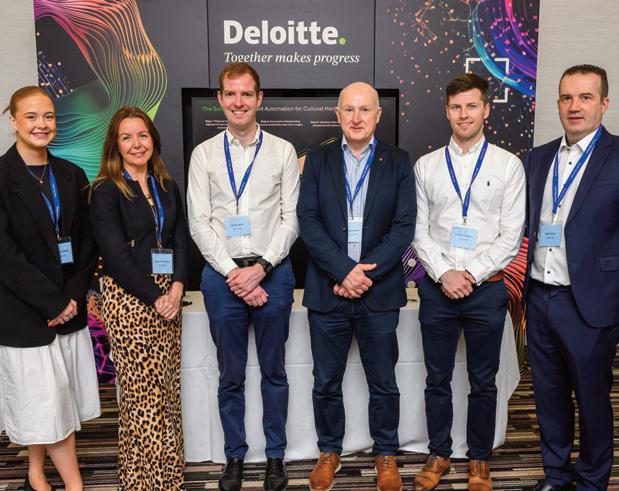

A special preview of Ireland’s upcoming Presidency of the Council of the European Union


Ireland’s economic success has long depended on free trade. Since former Taoiseach Seán Lemass and civil servant TK Whitaker began opening the Irish economy to international markets in the late 1950s and early 1960s, Ireland has prospered by exporting goods and services across the world, writes Billy Kelleher MEP.
Our ability to trade freely, or at least with reduced tariffs and barriers, transformed Ireland from a protected, largely agricultural economy into one of the world’s most open and export-driven economies.
Initially, our growth was driven by access to European markets through the European Union. Today, as global trade continues to evolve, Ireland must continue seeking new and diversified markets.
That is why the proposed trade agreement between the EU and India is such a significant development. India, with a population of more than one billion
people and a rapidly expanding middle class, represents one of the most important emerging markets in the world.
Together, the EU and India would form a trading partnership approaching two billion people; one of the largest economic blocs globally. For Irish exporters in sectors ranging from food and drink to pharmaceuticals, financial services, and advanced manufacturing, the opportunities are substantial.
Historically, India maintained a relatively closed market with high tariffs and significant barriers for European exporters. Once this agreement is fully
implemented, those barriers will be significantly reduced across a broad range of sectors.
The deal is expected to eliminate or reduce tariffs on most EU exports to India, with particularly important gains for industries such as whiskey, machinery, pharmaceuticals, agri-food, and financial services. Tariffs on products such as wines and spirits are expected to fall dramatically, while sensitive European agricultural sectors will continue to receive protections.
More than 93 per cent of tariffs on goods are expected to be abolished, potentially doubling EU exports to India over time.
At a time when both the EU and India have faced increasing protectionism and tariffs from the United States, this agreement also carries important strategic value. It will help both economies reduce exposure to external trade shocks and support long-term economic growth and stability.
For Ireland in particular, this matters enormously. Our economy depends on openness, competitiveness, and access to international markets. We produce far more food and drink than our domestic market can consume, and our prosperity relies on our ability to sell internationally.
The benefits for Ireland’s whiskey sector alone could be transformative. Tariffs are expected to fall from 150 per cent to 33 per cent, creating major opportunities for Irish distilleries and the wider tillage sector that supports them. This is especially important at a time when uncertainty in the US market has increased significantly in recent years.
The agreement also has an important geopolitical dimension. Europe cannot afford to become overly dependent on any single trading partner. If Brexit demonstrated anything, it is the importance of diversifying export markets and strengthening economic resilience.
“Ireland is simply too small and too exportdependent to turn inward.”
However, modern trade agreements are not solely about economics. They also establish obligations and standards for all participants.
The EU-India agreement is expected to include commitments on workers’ rights, sustainability, and gender equality. These provisions have the potential to improve protections for vulnerable and marginalised groups while encouraging higher labour and environmental standards.
Ireland’s own experience demonstrates how economic integration can support social progress. Membership of the thenEuropean Economic Community in 1973 helped drive major advances in workers’ rights, equality protections, and living standards across Irish society. Free and fair trade, when accompanied by strong rules and standards, can expand opportunity and improve quality of life.
Environmental protections are also central to the agreement. Both the EU and India would commit to implementing the Paris Climate Agreement and supporting the transition towards netzero economies. Embedding climate obligations within international trade agreements is essential if economic growth is to remain sustainable.
Another often overlooked aspect of trade
agreements is consumer protection and product safety. Concerns about unsafe toys, cosmetics, and low-quality imports entering the European market have grown in recent years, particularly through online platforms.
This agreement should strengthen regulatory cooperation between the EU and Indian authorities, improving standards enforcement and helping ensure better compliance with European safety rules.
The debate around the EU-India agreement also inevitably recalls Ireland’s opposition to the EU-Mercosur trade agreement. In my view, that should remain the exception rather than the norm for a state that has consistently benefited from free trade.
The India agreement appears to strike a stronger balance between market access and sustainability commitments.
I have long supported ambitious and balanced trade agreements, including the Comprehensive Economic and Trade Agreement (CETA) between the EU and Canada. More recently, the EU also concluded a further trade agreement with Australia.
Ireland is simply too small and too export-dependent to turn inward. Expanding access to profitable international markets is essential to sustaining jobs, investment, and economic growth.
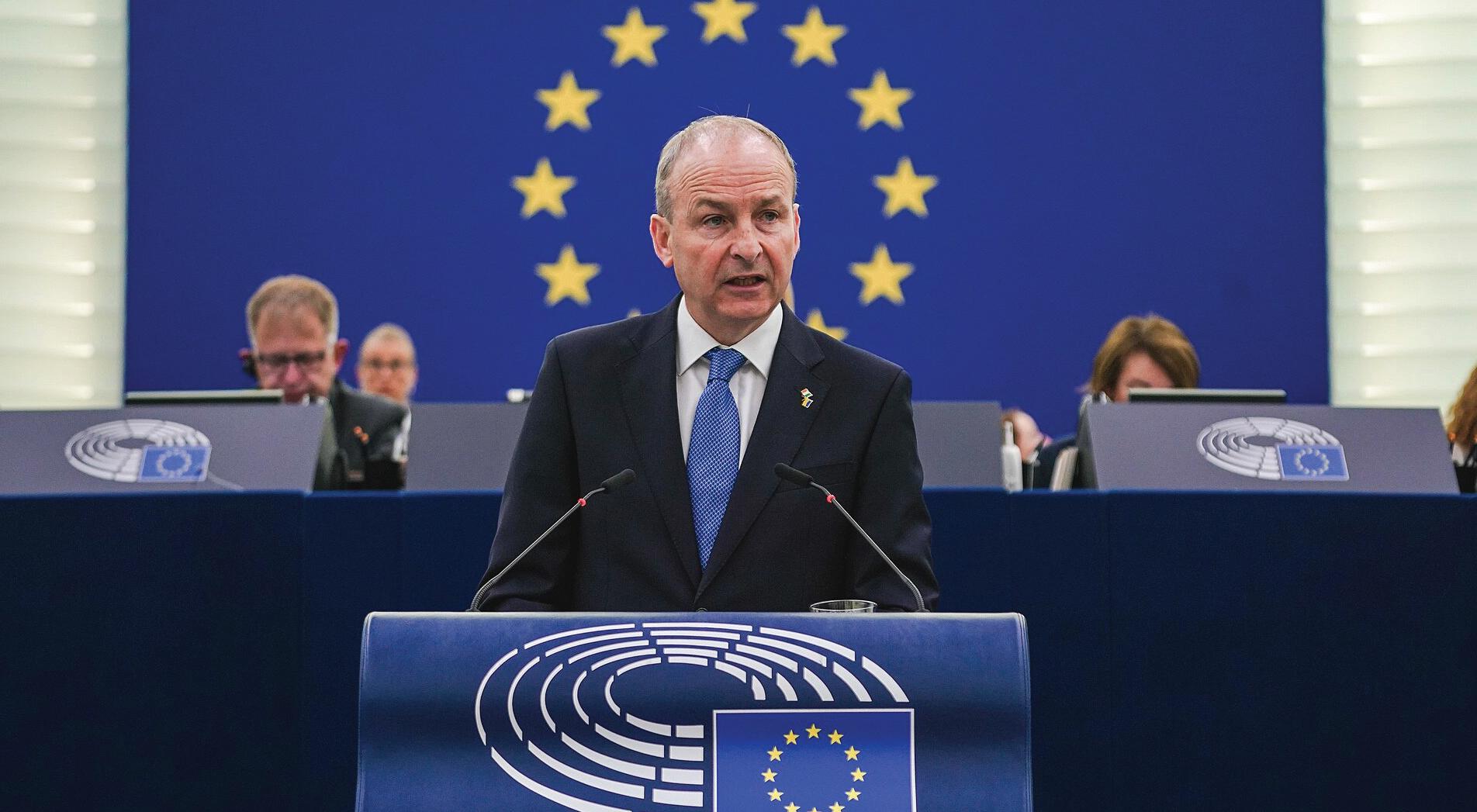
eolas Magazine looks ahead to Ireland’s imminent Presidency of the Council of the European Union, which will give the State a significant opportunity to shape the European agenda at a time of geopolitical and economic uncertainty.
2026 marks the eighth time that Ireland will have the Presidency of the Council of the European Union, with the State having previously held the role in 2013, 2004, 1996, 1990, 1984, 1979, and 1975.
Describing the presidency as a “generational moment”, Minister of State for European Affairs and Defence Thomas Byrne TD has outlined an ambitious programme focused on competitiveness, security, enlargement, and democratic resilience.
Taoiseach Micheál Martin TD has emphasised the practical economic dimensions of the presidency, including trade, entrepreneurship, the EU budget, and efforts to reduce the cost of doing business.
The Presidency will place Ireland at the centre of EU decision-making from 1 July 2026 until 31 December 2026. In Brussels and Luxembourg, Irish ministers and officials will chair around 180 Council preparatory bodies and lead negotiations with the European Parliament across a broad range of legislative files.
Ireland will also inherit ongoing policy discussions and legislative negotiations from the soon-to-end Cypriot presidency, while responding to any emerging challenges during its six-month term.
The Government’s priorities align closely with the EU
Strategic Agenda 2024-2029, which is framed around the themes of values, security, and competitiveness. Among the most significant issues expected to dominate the Irish Presidency are EU enlargement, economic competitiveness, security and defence cooperation, and negotiations on the next Multiannual Financial Framework (MFF).
As was the case in Ireland’s 2004 presidency, the enlargement agenda is likely to feature prominently. Against the backdrop of Russia’s invasion of Ukraine, Ireland has consistently supported membership applications for candidate countries including Ukraine and Moldova. Although Ukraine’s accession is unlikely to occur through the term of Ireland’s presidency, its accession is likely to be progressed.
Competitiveness represents another central pillar of Ireland’s agenda, as recent concerns regarding Europe’s productivity and innovation performance have intensified at an EU level following former President of the European Central Bank and Italian Prime Minister Mario Draghi’s report on the future of European competitiveness.
Security and defence are also expected to receive considerable attention. While Ireland continues to maintain its longstanding policy of military neutrality, it is prioritising the removal of the ‘triple lock’ on Defence Forces engagement, which would give the State a peacekeeping role independent of Russia’s veto in the UN however has been criticised by opposition Dáil parties as a slippery slope towards military alignment. Continued EU support for Ukraine is expected to remain a consistent feature of discussions throughout the Presidency, especially given the lack of enthusiasm for Ukraine’s defence from the Trump administration in the US.
Perhaps the most politically sensitive challenge facing Ireland will be advancing negotiations on the EU’s long-term budget for 2028-2034. Minister of State Byrne has identified the MFF as a priority for the General Affairs Council, arguing
that decisions taken during the negotiations will shape the future direction and ambitions of the Union.
Alongside these policy objectives, the Government has placed considerable emphasis on democratic resilience. Byrne has highlighted concerns regarding disinformation, foreign interference, and threats to democratic institutions, signalling support for advancing the European Democracy Shield initiative in cooperation with Ireland’s European Commissioner Michael McGrath.
The logistical scale of the Presidency will be significant, as Ireland is expected to host more than 270 presidency-related events, including 22 informal meetings of EU ministers. Dublin will welcome leaders from up to 47 countries for a summit of the European Political Community, alongside an informal meeting of the European Council. These events will constitute one of the largest programmes of international diplomacy ever hosted by the State.
Beyond formal policymaking, the Presidency will also be used to showcase Ireland internationally. Government plans include cultural initiatives, youth engagement programmes, and partnerships linking Irish counties with EU member states. Ambassadors will participate in community outreach activities across the country, while universities, businesses, and civil society organisations are expected to host hundreds of associated events.
However, the Government’s proposed priorities have been criticised by some, as Sinn Féin has called for Irish unity to become a central political objective of the Presidency. In its submission to the Government consultation process, the party argues that the EU Presidency presents an opportunity to advance discussion on constitutional change on the island of Ireland.
Senator Conor Murphy has pointed to polling suggesting support for Irish unity within the European Union and argues that Brexit has strengthened the case for constitutional change. The party contends that preparations for a future border poll and potential reunification should begin now, with the Presidency providing a platform for wider European engagement on the issue.
Ireland’s 1990 presidency was dominated by German reunification following the fall of communist regimes in much of Eastern Europe and was shortly followed by the collapse of the Soviet Union. Ireland is in a different place
Ireland’s Presidency of the Council of the European Union will see the State host over 270 events, including the largest gathering of international leaders ever held in Ireland.
The State will chair around 180 council preparatory bodies, such as working parties and committees, in Brussels and Luxembourg during the Presidency. Most events held in Ireland will be hosted in Dublin at venues including Dublin Castle, Farmleigh House, and government buildings. Some events will also take place in Cork, Kerry, Limerick, Mayo, and Wicklow.
The most high-profile event of the Presidency will be Ireland’s hosting of the European Political Community summit. Forty-seven heads of state and government will attend the event which will be the largest gathering of international leaders ever held in Ireland.
The European Political Community aims
to facilitate coordination between European heads of state and government of EU and non-EU countries on matters of shared strategic importance. The summit takes place around every six months and is generally hosted by the member state holding the rotating Presidency of the council.
The eighth summit of the European Political Community was held in Yerevan, Armenia in May 2026 under the theme ‘Building the future: Unity and stability in Europe’. Leaders discussed how they could coordinate action to strengthen democratic resilience, advance connectivity, and reinforce economic and energy security.
Ireland will host the ninth meeting of the summit in November 2026. When attending the summit in Yerevan,
Taoiseach Micheál Martin TD said: “Responding to Europe’s competitiveness challenges and to the changed security landscape will be an important focus for our EU Presidency, which begins in July.
“I look forward to welcoming members of the European Political Community to Dublin for its next summit meeting in November.”
The State will also host an informal meeting of the European Council. It is an opportunity for the leaders of the 27 member states to discuss current political developments and strategically important matters.
Cyprus held the last such meeting in April
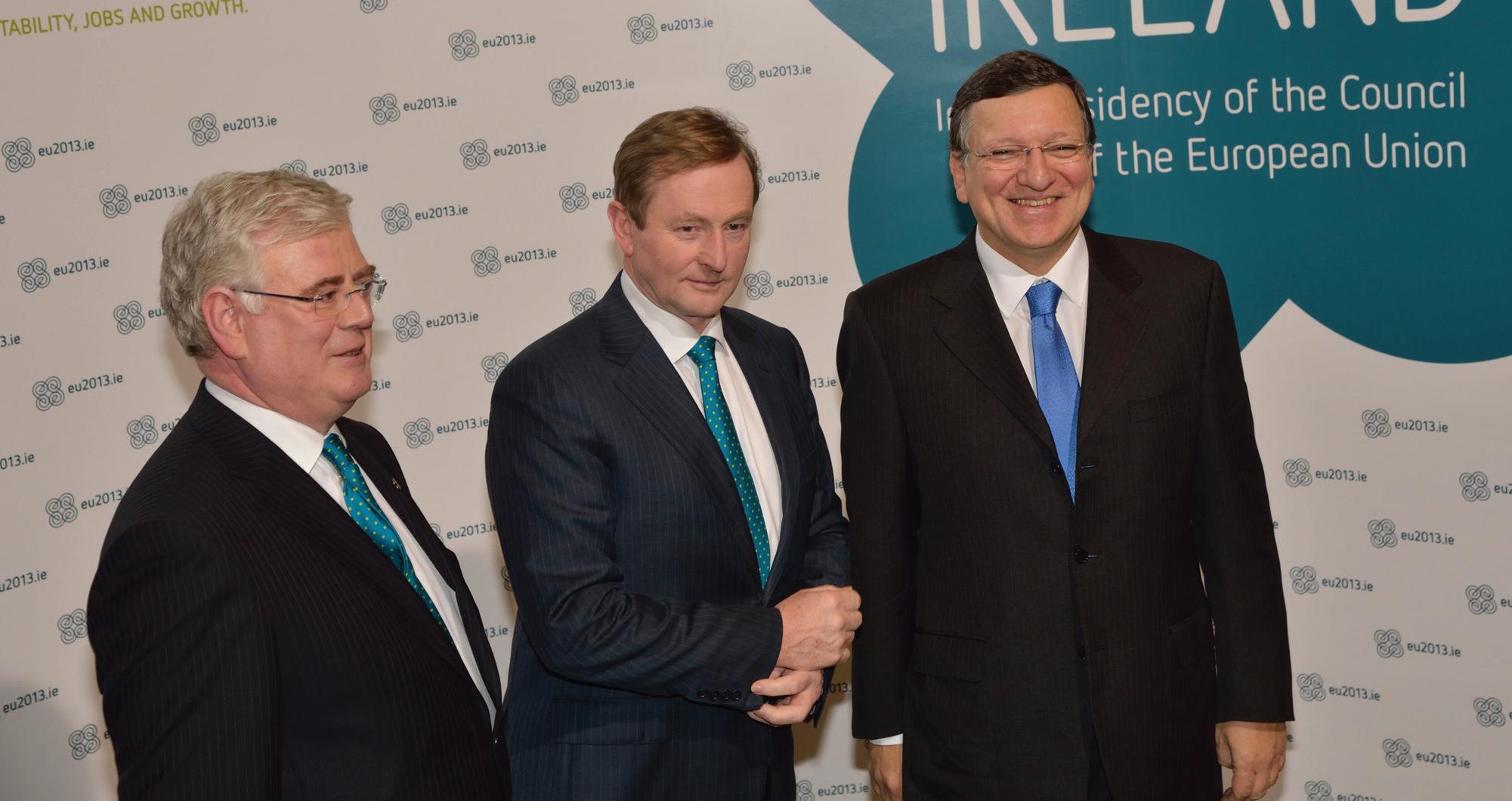
2026 during its presidency. The meeting focused on Russia’s invasion of Ukraine and the conflict in the Middle East, and the multiannual financial framework for the period 2028 to 2034.
Additionally, Ireland will host 22 informal ministerial meetings of the Council of the EU. This will include meetings of housing and consumer policy ministers of member states.
The EU Council meets regularly to discuss 10 different policy areas known as ‘council configurations’. Meetings see national ministers for the configuration up for discussion convene to discuss policies and adopt legislation. The council Presidency sets the overall work programme for the configurations and organises informal meetings for ministers. The 10 configurations are as follows:
• Agriculture and Fisheries Council (AGRIFISH);
• Competitiveness Council (COMPET);
• Economic and Financial Affairs Council (ECOFIN);
• Education, Youth, Culture, and Sport Council (EYCS);
“We will leverage the Presidency as an opportunity to enhance the involvement of Ireland’s youth, and rural and regional communities, in EU affairs.”
• Employment, Social Policy, Health, and Consumer Affairs Council (EPSCO);
• Environment Council (ENVI);
• Foreign Affairs Council (FAC);
• General Affairs Council (GAC);
• Justice and Home Affairs Council (JHA); and
• Transport, Telecommunications, and Energy Council (TTE).
Each Irish government minister will chair a meeting of the council during the
Presidency, with Dublin Castle set to host 16 of these meetings. The remaining six will take place in Cork, Kerry, Limerick, Mayo, and Wicklow.
The State will also host around 250 conferences, political events, and stakeholder engagements, and additional events organised by universities, cultural


Patricia Stephenson is a 33-year-old Social Democrats Senator on the Labour Panel. She sits down with Ciaran Brennan to discuss the realities of drafting legislation, measures needed to tackle domestic, gender-based, and sexual violence, and her future ambitions.
Despite growing up in a highly politically engaged household on the Lisburn Road in south Belfast, entering politics was “never” on Senator Patricia Stephenson’s agenda.
Her late father, Jonathan, was a trade unionist and former Belfast City councillor who was the first ever press officer of the SDLP and served as chairperson of the party at the time of the Good Friday Agreement. Stephenson’s mother, Marga Foley, was also heavily
involved in the party and previously ran in local elections in Belfast, albeit unsuccessfully.
The Senator asserts that, because she carries the Stephenson name, her mother’s influence on her political career is often “erased” from the story. She comes from a long line of British diplomats on her father’s side, but Stephenson asserts that this family connection to diplomacy has not influenced her politics.
‘‘
“I would say that there is a lot of ‘othering’ of communities across the island because they do not know each other and they have not had the chance to speak to each other.”
Her grandfather, Hugh, was a diplomat who served as British ambassador to Vietnam, consul general in New York City, and British High Commissioner in both South Africa and Swaziland. Her great-grandfather, also

named Hugh, was one of the last heads of the Indian Civil Service during the British colonial administration.
“My mother’s family have had a major bearing on who I am,” says Stephenson. “Whilst there was this kind of highfalutin family on my dad’s side, I did not really know them.”
She identifies Nobel laureate John Hume as a political idol, stating that she admires the pro-European stance he took. She identifies civil rights activist and former MP Bernadette McAliskey as another political idol.
Asserting that what McAliskey did in the North was “really incredible”, Stephenson indicates that what made her particularly impressive were her efforts to progress civil rights beyond Ireland.
Prior to entering politics, Stephenson earned an undergraduate degree in history from Oxford and a postgraduate degree in the political economy of violence, conflict, and development from the SOAS University of London. Following this, she was employed as an aid worker, working in multiple countries including South Sudan, Somalia, and Uganda.
After returning to Dublin after working in Africa, she joined the Social Democrats. While in Dublin, she leafletted for Social Democrats TD for Dublin Central Gary Gannon before moving to the Carlow-Kilkenny border. She paused her activity in the party at this time as she focused on renovating an old parish hall and
converting it into a house.
After the 2024 local elections, Stephenson decided to reengage with Social Democrats and ran unsuccessfully in the 2024 general election: “You meet a lot of people who share the same vision and ideals as you and I thought it would be a good way to make friends effectively and the branch were looking for someone to run and I said I would do it if they needed someone on the paper.”
When asked what drew her to the Social Democrats, Stephenson points to the party’s “clear messaging about public services”. When moving from the North to the South, Stephenson says she saw “how ineffective a lot of the systems were”.
Stephenson says her dissatisfaction with public services influenced her decision to run for the Social Democrats. She adds: “You can complain and complain but it is about putting your money where your mouth is.”
Stephenson emphasises her ambition to “pursue good, decent legislation” as a Senator. In October 2025 she introduced the Domestic Violence (Free Travel Scheme) Bill 2025. It was aimed at establishing a scheme for domestic violence survivors which would provide them and their dependents with a free travel pass which would be accepted across the State’s transport bodies.
On foot of this, the Department of Social Protection announced the introduction of the Domestic Violence Travel Supplement, which came into effect in May 2026. Under the measure, applicants can avail of a travel supplement without the need for a means test during the first three months. After this has passed, a person may be provided with an extension, subject to a means assessment and a review of their eligibility.
“We are not stamping out those cultures and those norms which precipitate and lead to domestic, sexual, and genderbased violence.”
“It is quite an unusual thing to happen for a government to take an opposition idea and implement and give them credit so fair dues to [Minister for Social Protection] Dara Calleary, he was under no obligation to do that and he did,” says Stephenson.
She is speaking prior to introducing the Air Navigation and Transport (Amendment) Bill 2026. It is aimed at providing greater powers to prevent munitions being flown through Shannon Airport and Irish airspace, and other measures which seek to prevent ICE deportation flights stopping in Ireland. Stephenson explains that the bill is designed to provide the Government with the ability “to conduct on-spot inspections of flights”.
However, she states that the reality of introducing legislation to government as an opposition Senator can be frustrating. Stephenson says “there is a feeling that they are not really interested in what you have to say sometimes”, adding that she feels her contributions are “falling on deaf ears”.
“It does not really feel like we are having a discussion. It just feels like they have their idea, I have got my idea, and we are not meeting in the middle.”
Stephenson indicates that she felt this frustration most acutely during the development of the Occupied Territories Bill, aimed at prohibiting the import of
goods from Israeli settlements in the occupied Palestinian territories. The text of the legislation was passed by the Cabinet in May 2026 but does not include a ban on services.
Taoiseach Michéal Martin TD says a ban on services is “not implementable”, a statement Stephenson claims has “no basis on facts”. She explains that this is because the Irish Government implemented a ban on services in Crimea in 2014 when Russia invaded the area. She says this indicates “there is no practical reason” as to why it cannot be done in the occupied Palestinian territories.
When demonstrating the need for services to be included in the Occupied Territories Bill, Stephenson recounts testimony from a foreign affairs committee meeting in 2025: “The Department of Foreign Affairs’ legal adviser has said on record that if we do not include services, we are not fully compliant with international law.”
Stephenson says this poses a broader question for the Government’s relationship with Oireachtas committees: “It kind of comes down to, what is the point in parliamentary committees? Are we just producing these reports just to sit on a shelf? We did that scrutiny. The Government asked us to do that scrutiny. We did that scrutiny and that was the outcome and it
feels like it has not been taken into account at all.”
The world of traditional music, song, and dance will converge on Belfast, Ireland’s only UNESCO city of music from 2 August to 9 August 2026 in what is shaping up to be the party of the year for the city and the province, writes Attracta Ní Bhrádaigh, President of Comhaltas.
This will be the first time ever that Belfast has hosted Comhaltas Fleadh Cheoil na hÉireann and only the second time that the Fleadh has come to the North. Derry hosted the Fleadh when it made history as the inaugural UK city of culture in 2013.
What is the fleadh and what is Comhaltas?
The Fleadh is an Irish word meaning festival. Comhaltas is the organisation dedicated to the preservation and promotion of Irish traditional music, song, dance, and the Irish language.
Comhaltas organises and runs thousands of events including the Fleadhanna. There are 43 Fleadhanna organised on a county/regional basis providing qualifiers to
provincial finals which in turn provide the competitors for Comhaltas Fleadh Cheoil na hÉireann which is the All-Ireland final.
This Fleadh is the largest of all the Fleadhanna and is organised by the Fleadh Executive Committee, a collaboration between Belfast City Council, Ards Comhaltas, Ulster Comhaltas, and National Comhaltas. Comhaltas celebrates its 75th anniversary this year with many events planned for Belfast.
Belfast and its environs are leaving no stone unturned to make certain that every visitor will experience the city as the vibrant, modern metropolis that it is along with a music culture that is the envy of many.
The location of the city will provide people with an opportunity to experience traditional Irish music, song, and dance on their doorstep who otherwise would never have been able to travel to a Fleadh venue. The Fleadh was held in Wexford in 2024 and 2025, a four-hour drive of over 200 miles.
In economic terms, Belfast and its surrounding areas are set to benefit from a projected influx of over 900,000 visitors over the course of 10 days with estimates in the region of an £80 million boost to the local economy. Most of this income will be generated in the hospitality sector with accommodation, food, and drink being the greatest beneficiaries.
Belfast will benefit also from a cultural boost in the shape of thousands of musicians, singers, and dancers gracing the streets and the establishments with their crafts. The Fleadh is a renowned meeting place for traditional performers to connect with old friends, establish new friendships, and sing, dance, and play music until the wee hours of the morning.
These traditional artists are, in the main, amateur musicians. But, be under no illusion, these artists take their craft very seriously indeed with many having spent years, if not decades, practising for hours per week if not per day.
The most obvious part of the Fleadh will be the informal sessions that will pop up in pubs, shops, restaurants, hotels, under arches, in the streets; in fact, anywhere there is a free space and perhaps a ledge to sit on. Busking has become a feature of the Fleadh in recent years with many children taking their instruments out on to the streets to entertain the passing crowds. There will also be hundreds of free events around the city and many subscribed concerts, gigs and recitals.
The Fleadh will include a week long list of activities to suit all ages and levels of musical ability and fitness. The official opening of the Fleadh will take place on 2 August 2026 on the main gig rig at City Hall.
The gig rig will continue for the duration of the Fleadh with a full schedule of acts each day. Expect lively entertainment, performances, and contemporary collaborations including cross community and multi-cultural performances.
Scoil Éigse is a five-day music school offering masterclasses in all traditional instruments, song, dance, and the Irish language. Classes are available from Monday 3 August to 7 August in adult mixed instruments, amhránaíocht, banjo, bodhrán, button accordion, comhrá, concertina, fiddle, flute, harp, piano accompaniment, piano accordion, rince ar an sean nós, traditional singing, uilleann pipes, and whistle. Pre-registration is required with details available on scoileigse.ie.
The MAC will operate as the Irish language hub, offering a week of language learning, music, art, storytelling, and workshops, all delivered in Irish. The Corn Market will host a programme of events promoting Ulster Scots language and traditions.
During the week, there will be several major events in various venues, including the Gradam inclusion awards for artists with additional needs; Ards Comhaltas 50th anniversary concert, bardic awards for individuals who have made exceptional contributions to traditional music, song, and dance; Ómós na nUltach, a specially commissioned suite of music performed by the Ulster Youth Folk Orchestra; Flanagan Award; Ard Ollamh award; Ceol na Cruinne, the international showcase; Comhaltas National Folk Orchestra of
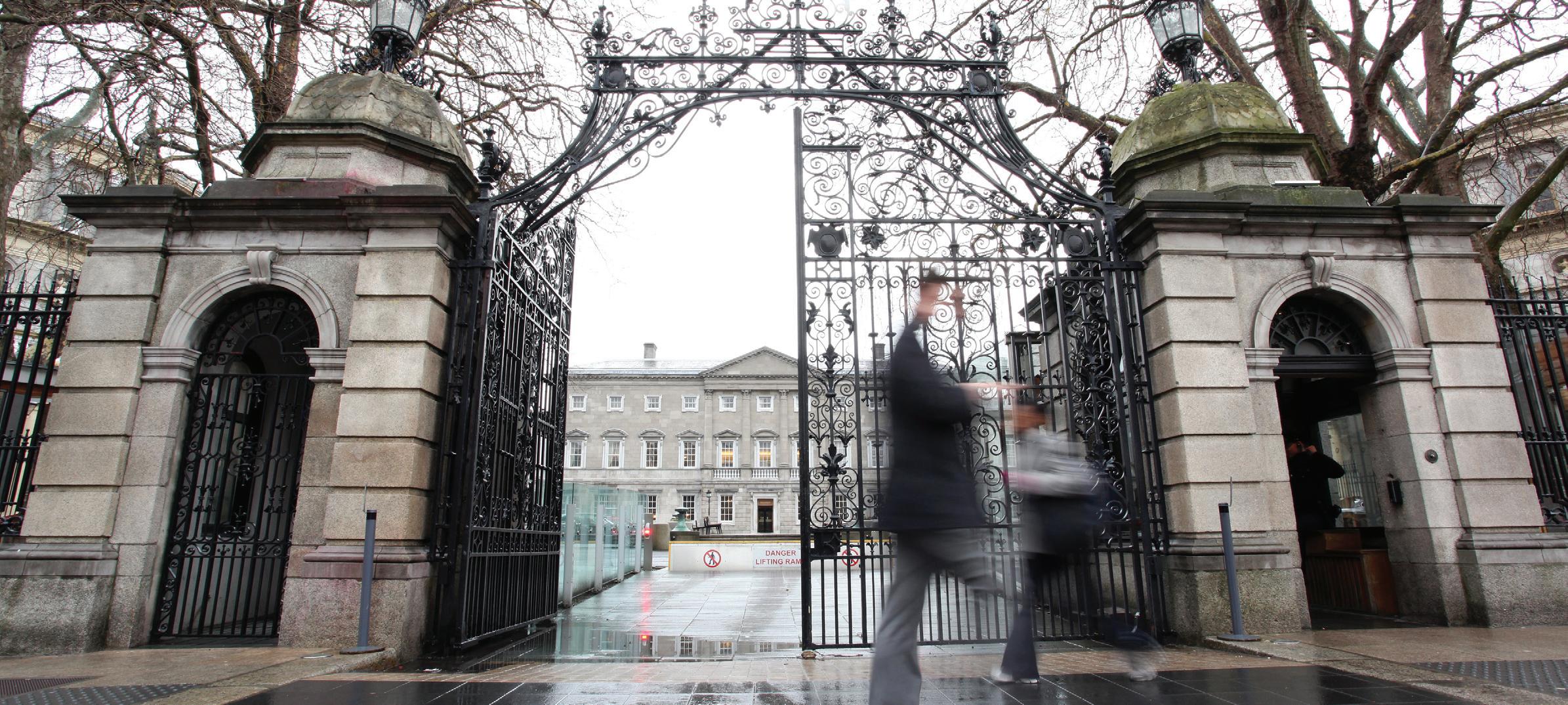

Published by Government Chief Whip Mary Butler TD in mid-April 2026, the Summer 2026
Legislation Programme contains 38 bills for prioritisation by government ministers.
The legislation programme contains the following:
• legislation for priority publication this session 2026 (38);
• legislation for priority drafting this session 2026 (26);
• all other legislation (73);
• bills currently on the Dáil and Seanad Order Paper (25);
Children, disability and equality
Disability (Assessment of Need) Bill
Climate, energy and the environment
Renewable Heat Obligation Bill
Strategic Gas Emergency Reserve (Amendment) Bill
Private Wires Bill
Culture, communications and sport
Broadcasting (Amendment) Bill
Communications Regulation (Postal Services) (Amendment) Bill
Postal and Telecommunications Services (Amendment) Bill
Defence
Defence (Amendment) Bill
Defence (Amendment) (No. 2) Bill
Enterprise, tourism and employment
Short Term Letting and Tourism Bill
Industrial Development (Miscellaneous Provisions) Bill
Regulation of Artificial Intelligence and Non-Personal Data Bill
Heads of bill approved December 2025
Heads of bill approved July 2025
Heads of bill approved December 2025
Heads of bill approved December 2025
Heads of bill approved April 2025
Heads of bill approved December 2025
Heads of bill approved December 2025
Heads of bill approved March 2025
Heads of bill approved March 2026
Heads of bill approved Aril 2025
Heads of bill approved February 2026
Heads of bill approved December 2025 and January 2026
National Asset Management Agency (Dissolution), Irish Bank Resolution Corporation
Limited (Provisions in Respect of Winding Up) and National Treasury Management Agency (Amendment) Bill Work underway
Finance (International Financial Institutions) Bill
Heads of bill approved July 2025
Taxation and Certain Other Matters (International Mutual Assistance) Bill Work underway
Finance (Alleviation of Fuel Price Increases) Bill
Foreign affairs
Heads in preparation
Israeli Settlements in the Occupied Palestinian Territory (Prohibition of Importation of Goods) Bill Work underway
Health
Health (Enabling Pharmacist Prescribing within the Free Contraception Scheme) Bill
Health (Assisted Human Reproduction) (Amendment) Bill
Housing, local government and heritage
Apartment and Duplex Defects Remediation Bill
Heads of bill approved March 2026
Heads of bill approved September 2024
Housing (Miscellaneous Provisions) Bill
Work underway Planning and Development (Amendment) Bill
home affairs and migration
Criminal Justice (International Cooperation Office) Bill
Criminal Justice (Protection Preservation of and Access to Data on Information Systems) Bill
Criminal Justice (Violation of Restrictive Measures) Bill
Guardianship of Infants (Amendment) Bill
Heads of bill approved June 2025
Heads of bill approved February 2024
Heads of bill approved March 2025
Heads of bill approved April 2025
Inspection of Places of Detention Bill Work underway
National Cyber Security Work underway
Strategic Lawsuits Against Public Participation
Criminal Justice (Domestic Violence Register) Bill
Certain State Development Bill
Heads of bill approved December 2025
Heads of bill approved October 2025
Heads of bill approved July 2025; work underway
Public expenditure, infrastructure, public service reform and digitalisation
Civil Service Regulation and Public Service Management (Amendment) and Miscellaneous Provisions Bill Work underway
Data Sharing and Governance (Single Public Service Pension Scheme) Bill
Social protection
Social Welfare and Other Matters Bill
Transport
Dublin Airport (Passenger Capacity) Bill
Heads in preparation
Heads of bill approved December 2025
Heads of bill approved February 2026
Railway Safety Bill Work underway
Dublin Transport Authority (Amendment) Bill
National Vehicle Driver File and Road Traffic and Roads Bill
*Progress
Heads of bill approved September 2026
Work underway
A day of relative jubilation at Fianna Fáil’s centenary ard fheis ended on a dull note when party leader and Taoiseach Micheál Martin TD delivered an underwhelming speech to party members. Joshua Murray writes.
The Fianna Fáil ard fheis, which took place at the Royal Convention Centre in Dublin in May 2026, was preceded by a week in which former party leader and Taoiseach Bertie Ahern was embroiled in a racism scandal.
A recording of Ahern on the doorsteps with a voter during the Dublin Central byelection featured him saying: “The ones I worry about are the Africans. I agree with you on the Africans. We can’t be taking in people from the Congo and all these places. I think there’s too many from those places.”
Ahern subsequently apologised for the remarks and defended his record, telling The Indo Daily podcast he rejects racism in all his forms, and claimed that he had defended “the Muslims” during his 11year spell as Taoiseach.
Ahern’s absence at the ard fheis was notable, although his successor, Brian Cowen, was present, marking his first appearance at a Fianna Fáil ard fheis since his illness. Cowen was warmly received by delegates when his presence was announced prior to Martin’s speech.
As usual for Fianna Fáil, there was alcohol in vast supply at the convention centre, a notable cultural difference
compared to ard fheiseanna and conferences of other parties.
The day was also mired by a small but vocal protest by pro-Palestine protesters which saw a security guard working at the ard fheis covered in paint. It was not clear what group organised the protest, but one protester speaking to eolas Magazine said that the group wished to put pressure on Fianna Fáil to pass the Occupied Territories Bill.
Before Micheál Martin took the stage, Fianna Fáil delegates in the main hall were treated to a trip down memory lane, with a lengthy presentation playing archive footage of key moments in the party’s history, as well as a sing-song to ‘Legion of the Rearguard’ and ‘Arise and Follow Charlie’. Delegates also vocally cheered at the images of Éamon de Valera, Charles Haughey, and Bertie Ahern.
When the Taoiseach took the stage, however, the carnival atmosphere dissipated. Martin is widely viewed as a figure distant from the party’s radical republican roots, but whose relative personal popularity and been helpful in winning power back from its nadir in 2011.
In his speech, Martin set out to take what
he described as “a different approach”, stating: “I’m not going to go through a long list of actions from the last year or try to win a few extra headlines with promises for the next Budget. I’m not going to waste time attacking other parties.”
Instead, the Taoiseach sought to set out the main challenges facing Ireland, which he asserted are:
• securing our economic future;
• reducing cost of living pressures on people;
• delivering housing and services which people can access and afford;
• empowering people with the skills and support to thrive in the face of rapid change; and
• building a shared future on this island and standing up for our values abroad.
Martin went through these seriatim in different levels of detail, to sporadic applause but notably no standing ovation at any stage.
He then concluded his speech by saying: “Moving Ireland forward. That is our work. That is our commitment.” This was followed by a bizarre techno remix of an old Fianna Fáil election song and unenthusiastic applause, with a backbench TD reported as saying: “Lots of grassroots were looking for a bit more passion.”
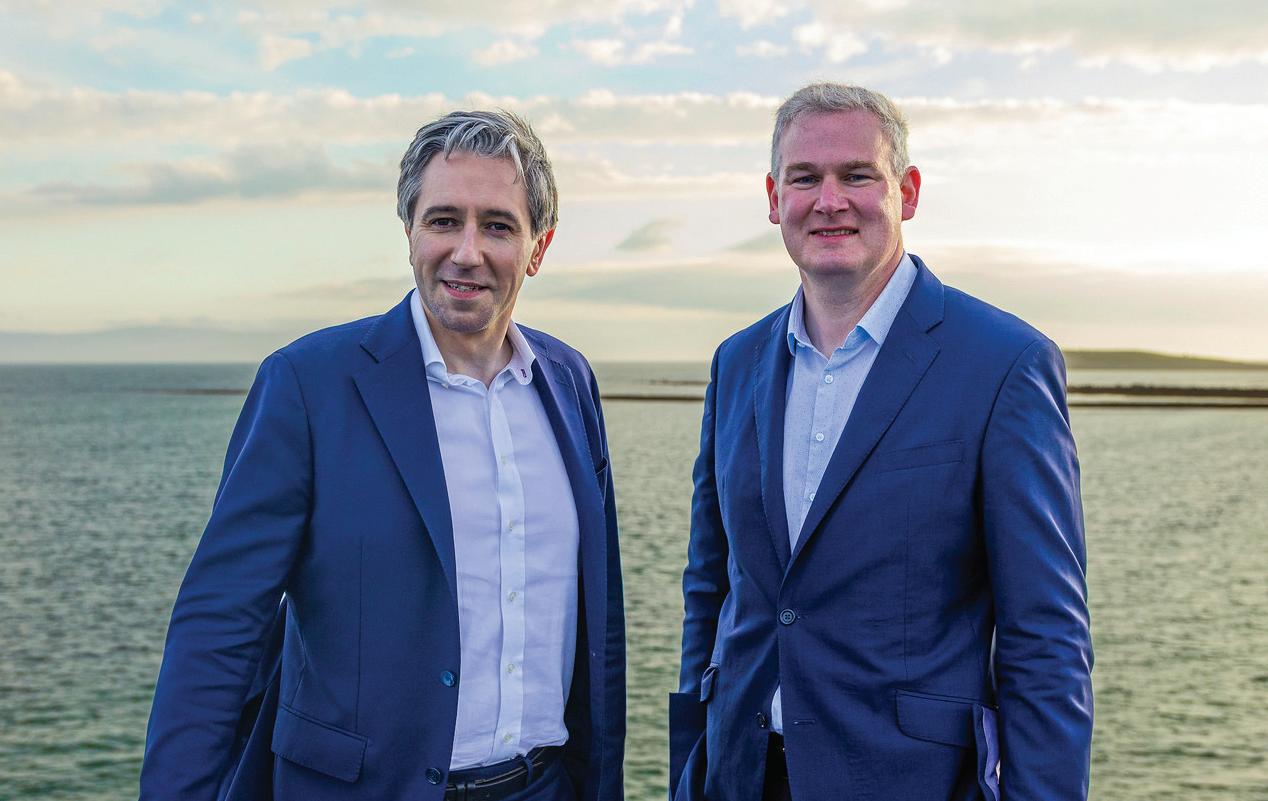
The results of the May 2026 byelections in Galway West and Dublin central raise some questions for Sinn Féin, and spell disaster for Fianna Fáil.
The broad peculiarity of byelections was demonstrated in both results. Galway West, formerly the seat of one of the most left-wing TDs in the State in president Catherine Connolly, was picked up by Fine Gael. Meanwhile Dublin Central, a seat formerly held by Paschal Donohoe, one of the most fiscally conservative TDs in the State, was picked up by the Social Democrats.
Although Fine Gael made no net gain through these results, the fact that, through Seán Kyne’s victory in Galway West, the party won a byelection in government for the first time since 1973 is a significant boost for party leader and Tánaiste Simon Harris, who has had a tempestuous time leading Fine Gael.
Daniel Ennis’ victory in Dublin Central is a significant boost for the Social Democrats’ quiet revolution, as the party aims to become the kingmakers and has significantly set itself out from Labour and the Green Party as the new centre-
left alternative to Sinn Féin.
18 months on from the last general election, Sinn Féin is in a prime position to be riding high leading the opposition, with the Government not enjoying any boost in popularity and a broad left coalition having swept Catherine Connolly into Áras an Uachtaráin in 2025.
The two seats up for election, one in a Gaeltacht and urban area and another in a mostly working class constituency in the Dublin inner city, should have been rich pickings for Mary Lou McDonald’s party. The party did not poll disastrously in Dublin Central, but the results there show that the party is significantly less transfer friendly to Fine Gael, Fianna Fáil, and Labour voters than its new centreleft rival, the Social Democrats, are.
In Galway West, where Sinn Féin won nearly 14 per cent of the vote in the general election, the party’s vote fell significantly to under 7 per cent. Taken
together, the two results suggest that much of the electorate continues to have serious misgivings about the party and there is a lack of enthusiasm among the electorate about Sinn Féin being an alternative to the two legacy parties.
Galway West: Fine Gael gain from independent



The Committee on Parliamentary Privileges and Oversight is a standing Dáil committee responsible for examining matters relating to the parliamentary privileges and overseeing the rules and procedures of the Dáil.
The committee focuses on the oversight of parliamentary procedure generally, including practices governing debates, conduct, and the use of privilege. Primarily, the committee’s role is to safeguard the integrity of parliamentary privilege which protects TDs from legal action such as defamation, for statements made during official parliamentary business.


This involves examining submissions from individuals who believe they have been adversely affected by an utterance made during parliamentary business and determining whether a TD abused their privilege or acted appropriately. If the report by the committee determines that a member has abused privilege, they will be named by the Ceann Comhairle for
Verona Murphy TD, Independent (Cathaoirleach)
About: TD representing Wexford since 2020. Murphy became Ceann Comhairle in 2025. Before politics, Murphy ran a haulage firm and served as president of
Brian Brennan TD, Fine Gael
About: TD for Wicklow-Wexford since 2024. Previously ran a restaurant in Gorey, before going on to run the Arklow Bay Hotel and the Brennan Hotel Group for over 20 years.
About: TD for Offaly since 2024. Clendennen was a councillor on Offaly County Council for 10 years. He is the president of the ‘Vintners’ Federation of Ireland.

suspension from the Dáil, subject to a vote by TDs.
Overseeing procedure in standing, select, and special committees is also part of the committee’s remit, including examining potential abuses of parliamentary privilege and adopting and publishing a protocol for persons giving evidence to committees. Additionally, the committee
Mary Butler TD, Fianna Fáil
About: Currently serving as Government Chief Whip, Butler has been a Waterford TD since 2016. Butler is also a junior minister at the Department of Health.
Paula Butterly TD, Fine Gael
About: Butterly became a TD for Louth in 2024. She was previously a councillor on Louth County Council. She is a barrister by profession.
Joanna Byrne TD, Sinn Féin
About: Louth TD since 2024. Byrne was previously a councillor on Louth County Council representing Drogheda and is the former chairperson of Drogheda United Football Club.


About: First elected as a TD for Dublin West in 2014. She held the seat until her defeat in 2020 before reelection in 2024. She founded ROSA, an organisation
Cummins
About: TD for Dublin South-Central since 2024. Cummins’ background is in youth and educational services, and she lectured in ethics on the Bachelor of Education course at DCU.

Emer Currie TD, Fine Gael
About: Became a TD in 2024, having been a Senator since 2020. Her father was former Fine Gael minister and SDLP founder, Austin Currie.
Pádraig Mac Lochlainn TD, Sinn Féin
About: One of Sinn Féin’s most experienced parliamentarians, having been in the Oireachtas since 2011, including a stint in the Seanad between 2016 and 2020.

Ged Nash TD, Labour Party
About: Louth TD and former Minister of State for Business and Employment. A long-time Labour figure, Nash has been active on workers’ rights, enterprise, and economic policy.
McAuliffe
About: TD in Dublin North-West since 2020 and was previously Lord Mator of Dublin. Having joined Fianna Fáil in the mid-2000s, McAuliffe once stood as a candidate for the Progressive Democrats.

About: TD for Dublin Bay North since 2016. She has a background in community activism and was a trade union shop steward in a local knitwear factory.
About: Tipperary TD since 2007, initially elected for Fianna Fáil before becoming an independent. Known for his outspoken style and strong focus on rural and agricultural issues.


John McGuinness TD, Fianna Fáil
About: One of the longest-serving members of the Dáil, McGuinness has been TD for Carlow-Kilkenny since 1997. He previously served as Minister of State for Trade and Commerce. McGuinness became Leas-Cheann
Ken O’Flynn TD, Independent Ireland
About: TD for Cork North-Central since 2024. Previously a Fianna Fáil councillor on Cork City Council but left after they did not select him as a candidate in the 2020 general election.

About: Cork North-Central TD since winning a byelection in 2019. Before politics, O’Sullivan worked as a secondary school Irish and history teacher.
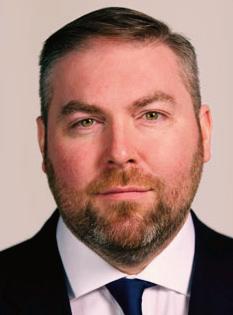


Barry Ward TD, Fine Gael
About: Ward was elected as a TD for the Dún Laoghaire constituency in 2024. He previously served as a Senator and is Cathaoirleach of the Committee on European Union Affairs.
About: TD for Kildare North since 2024. He was previously a councillor on Kildare County Council for the Maynooth area and served as Mayor of Kildare.
About: Aengus Ó Snodaigh is Sinn Féin’s longestserving TD, having been first elected to the Dáil for Dublin South-Central in 2002. He joined Sinn Féin in 1983 and worked for republican publications including
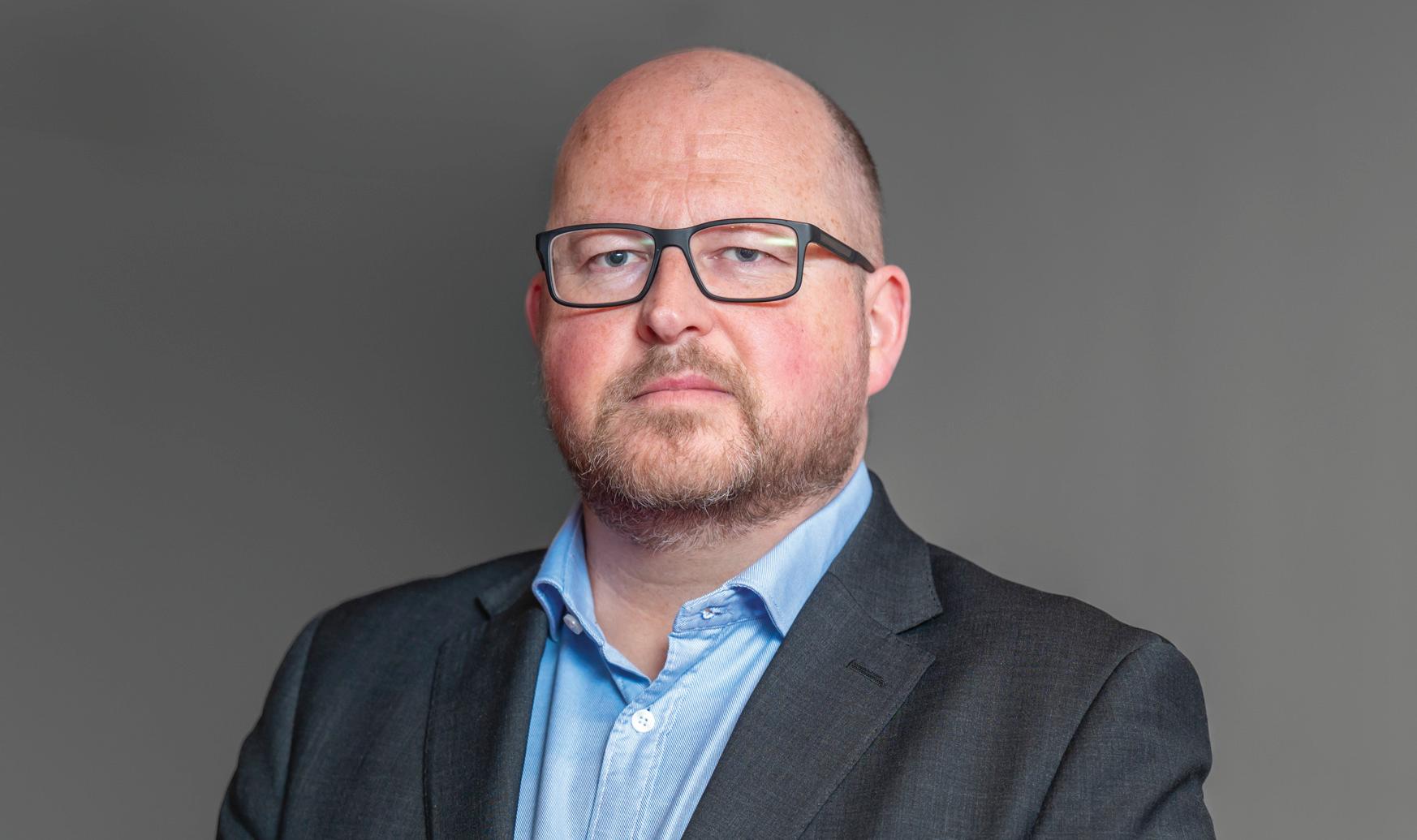
The last six weeks have been a clarifying moment for many in the trade union movement, writes Irish Congress of Trade Unions (ICTU) General Secretary Owen Reidy.
As the tractors and trucks rolled onto O’Connell Street in mid-April 2026, parked up, and remained there, many of us with experience of disputes and industrial action watched on with interest to see how the Government would react. As hours turned into days, and blockades emerged on motorways and oil refineries, it became clear that this was to be a clarifying moment.
Consider a counterfactual: that a trade union in Dublin Airport has a dispute with the management there. Frustrated by the slow progress of industrial relations structures, they decide to block the airport and all motorways leading to it. Flights are cancelled. Passengers coming to and from the airport are forced to walk for miles with their luggage.
Would that blockade be allowed to remain for a week? Would it end with a €500 million handout for the workers

“Workers cannot be expected to absorb rising prices while the Government writes cheques to sectors that shout the loudest.”
who staged it?
The reality is that those workers would be arrested in the first hour, and by the second hour, unions would be threatened with legal proceedings and their funds being sequestered.
Workers who withdraw their labour must follow detailed procedures, give notice, and risk injunctions at every stage. When they do take action, they are told they are damaging the economy and inconveniencing the public. Yet when employers and business interests cause comparable or greater disruption, the response is indulgence and taxpayers’ money. The contrast could not be starker.
The Government’s response to the fuel protests was the latest iteration of a double standard in Ireland. Government is quick to pander to businesses and employers, while workers watch on. Over the summer, the VAT cut for the hospitality industry, announced in October 2025 Budget, will come into effect. Costing taxpayers €750 million a year to support the likes of McDonald’s, Starbucks, and Caffè Nero, the policy was based on nothing more than anecdote and slick PR.
At the same time that VAT cut was announced, the Government was announcing that there would be no indexation of tax bands in Budget 2026, effectively eroding workers’ pay.
We are living in a time of full employment and budget surpluses, yet many workers – even those on decent pay – are struggling when it comes to the fourth week of the month, anxiously waiting for that next pay slip. Almost everyone is feeling the cost of living,
but time and again, it is businesses and employers who are receiving handouts from the Government.
In laying bare that double standard, the Government’s response to the fuel protests has sent a clear message: might is right and disruption wins. The trade union movement has made note of this and will respond accordingly.
Good advocacy, good campaigning, and good research will be for nothing if we as unions do not recognise and use our economic power. We are economic actors, whether that is in the public, private, or semistate sectors, and we will never be afraid to take action when it is strategic, appropriate, and necessary. That action is what the movement is based on.
The best response to a cost-of-living crisis is better pay, and our aspirations will not be modest. Before the war in Iran and the present spike in inflation, Congress was calling for pay increases in the private sector of between 4.7 and 6 per cent, where appropriate. Workers cannot be expected to absorb rising prices while the Government writes cheques to sectors that shout the loudest.
We will make sure that living standards are not eroded over time, and we will use every tool available to us to achieve that. In addition to pay bargaining, we will push the Government to use Budget 2027 to support the 2.4 million PAYE workers in Ireland. At a minimum, that means double tax indexation to make up for last year, and reductions in the cost of public transport.
Trade unions represent 800,000 workers

Marie Sherlock is a Labour Party TD first elected in the Dublin Central constituency in 2024. She was elected to Dublin City Council in 2019 before entering the Seanad in 2020 where she served on the Labour Panel until 2024. Prior to becoming a Senator, she was head of policy and equality for SIPTU.
What inspired you to get into politics?
Battling against inequality and for greater fairness has been a huge part of my teenage and adult life.
After years of working as SIPTU’s
economic adviser and talking about the biggest issues confronting our country such as the lack of housing, the inequality in our health system, the huge impact for women from a lack of affordable childcare, and the low-paid trap for many workers, I felt I needed to stop talking and start acting. For me, politics has always been about deeds not just words.
The wonderful community of Phibsborough in Dublin Central has been my home for 20 years and has major comfort and deprivation living cheek by jowl, so I put myself forward for the local elections in 2019.
I am a great believer that success in politics is a mix of a lot of hard work and a bit of luck, and circumstances played out that I was elected on my first try to Dublin City Council, then to the Seanad in 2020 (by the skin of my teeth!) and to Dáil Éireann in 2024.
What has been your proudest achievement in politics?
Three break-throughs stand out for me.
“The values of justice and fairness were a huge part of my upbringing and are core to the Labour party.”
Firstly, saving vital therapies for four special schools who were about to lose out under the new disability strategy, PDS. There is so much that needs to happen in disability services and this was a classic, hugely frustrating, case of a new strategy trying to end something that was actually working. We had a brilliant campaign with the School for the Deaf in Cabra and three other schools and I will be always grateful to then-Minister of State for Disabilities Anne Rabbitte for finally listening to me and forcing the change on the HSE.
Secondly, changing the National Childcare Scheme to ensure that some of the most disadvantaged children could access the scheme. We organised a great campaign with local early years services.
Finally, Repeal the 8th campaign in 2018. Here in Dublin Central we had a brilliant cross party campaign. I was one of eight leaders of the campaign locally, and the way we worked together was something that I will forever cherish. I passionately believe that when people have a common purpose, very special things can happen.
Mary Robinson’s election in 1990 was an enormous inspiration. It was the first time in my classroom, fourth class, where I was on the winning side, most of my community then would have been supporters of Fianna Fáil and Fine Gael. As a young girl, to see a woman come through against the odds, was enormously exciting.
Crucially though, it is those ordinary people, growing up with very little who go on to do great things, are the people who have inspired me the most. My uncle Joe was a huge inspiration. He was a TD in Cork East and literally worked day and night for his constituents. Former Labour TD Kathleen Lynch was another childhood inspiration; coming from such serious illness and adversity to go onto win a Dáil seat.
drew you to the Labour Party?
The values of justice and fairness were a huge part of my upbringing and are core to the Labour Party so when I came to Dublin in 2000, I formally joined the party. My uncle had been a TD for Sinn Féin –The Workers’ Party, progressing onto Democratic Left, and then the Labour Party.
What are your key priorities for Dublin Central?
Changing course on housing in our city and ending the soul destroying. The LDA has identified over 33 acres of land as suitable for housing but so far, there is little or no government push on this. Introduce compulsory sale orders to overhaul how the city deals with the social scourge of dereliction and push DCC to develop what it owns and a special school for Dublin 1.
More GPs! The national average is one GP to just over 1,500 people. In Cabra, it is one over 3,000 people. In the North inner city it is one over 3,500.
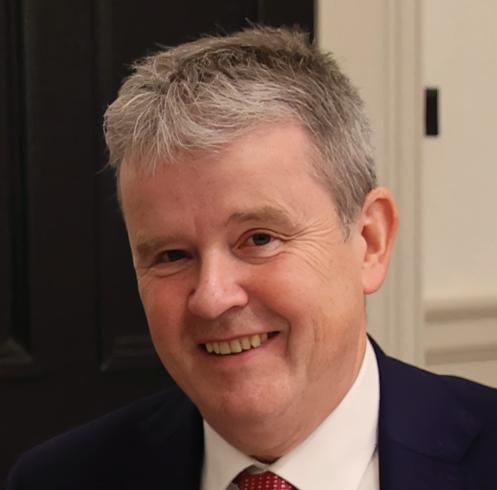
‘Ireland’s planning system could be powered by AI’
Artificial intelligence is transforming industries worldwide, from healthcare and transport to finance and manufacturing, writes Edward Timmins TD.
“AI is the most transformative technology since the invention of electricity,” is what Andrew Ng, British-American computer scientist said.
Ireland must now ask whether AI can help solve one of our biggest national challenges: improve the planning system and accelerate housing delivery? I firmly believe the answer is yes.
Ireland’s planning system is under growing pressure. Delays, backlogs, staffing shortages, and rising costs are slowing the delivery of homes and infrastructure. According to The Housing Commission, Ireland needs more than 50,000 new homes annually to meet demand.
Planning applications could become faster, more efficient, and more costeffective through AI-powered digital tools.
Ireland’s Guidelines for the Responsible Use of AI in the Public Service already requires seven-pillar safeguards, including human oversight, transparency, and privacy protections. At the European
level, the EU AI Act establishes strict standards for high-risk AI systems, including ongoing monitoring for accuracy and reliability.
This gives Ireland an opportunity to embrace innovation responsibly while protecting public trust.
The UK has already begun moving in this direction. A recently unveiled system known as Extract, developed with Google DeepMind using its Gemini AI model, has demonstrated major efficiency gains. Trials showed planning records and maps could be digitised in under three minutes, compared to one or two hours manually.
AI is already improving efficiency in countries such as Singapore and Australia, where industries use intelligent systems to process data and speed up decision-making.
Introducing a similar system in Ireland could free up planning staff, reduce administrative burdens, and accelerate housing delivery.
A blog by the property agent Savills explains how planners could use AI tools to compare local development plan policies against national planning frameworks to identify conflicts early. It notes how AI systems could also crossreference applications against previous appeal decisions, helping planners identify issues faster and make more informed decisions.
According to CSO Information Society Statistics: Enterprises (2024), more than 15 per cent of enterprises used artificial intelligence.