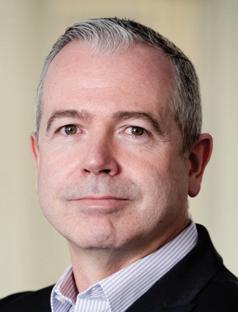
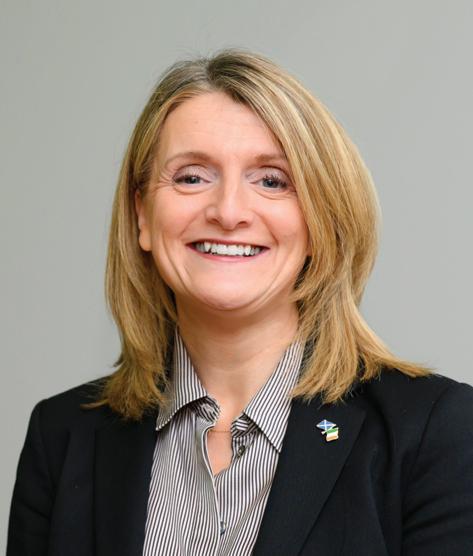
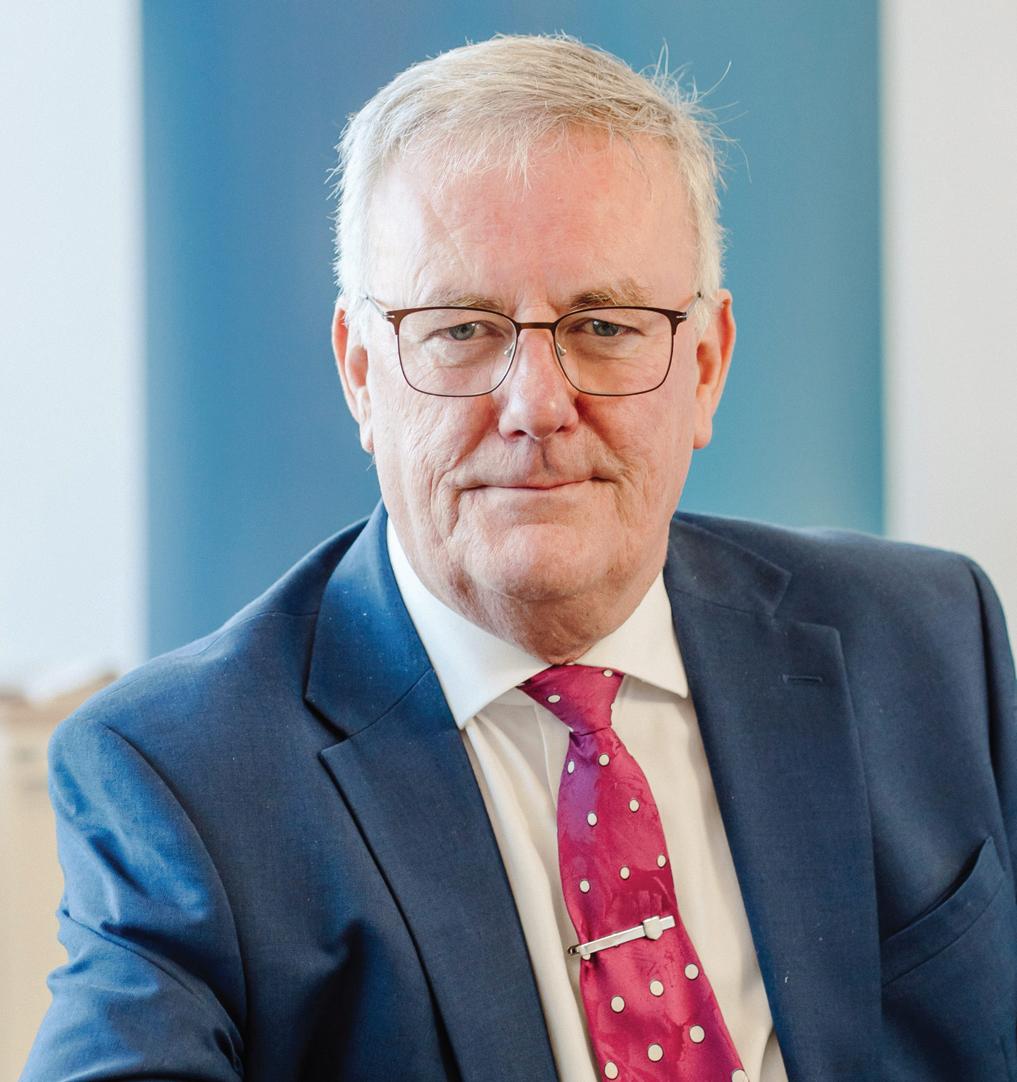
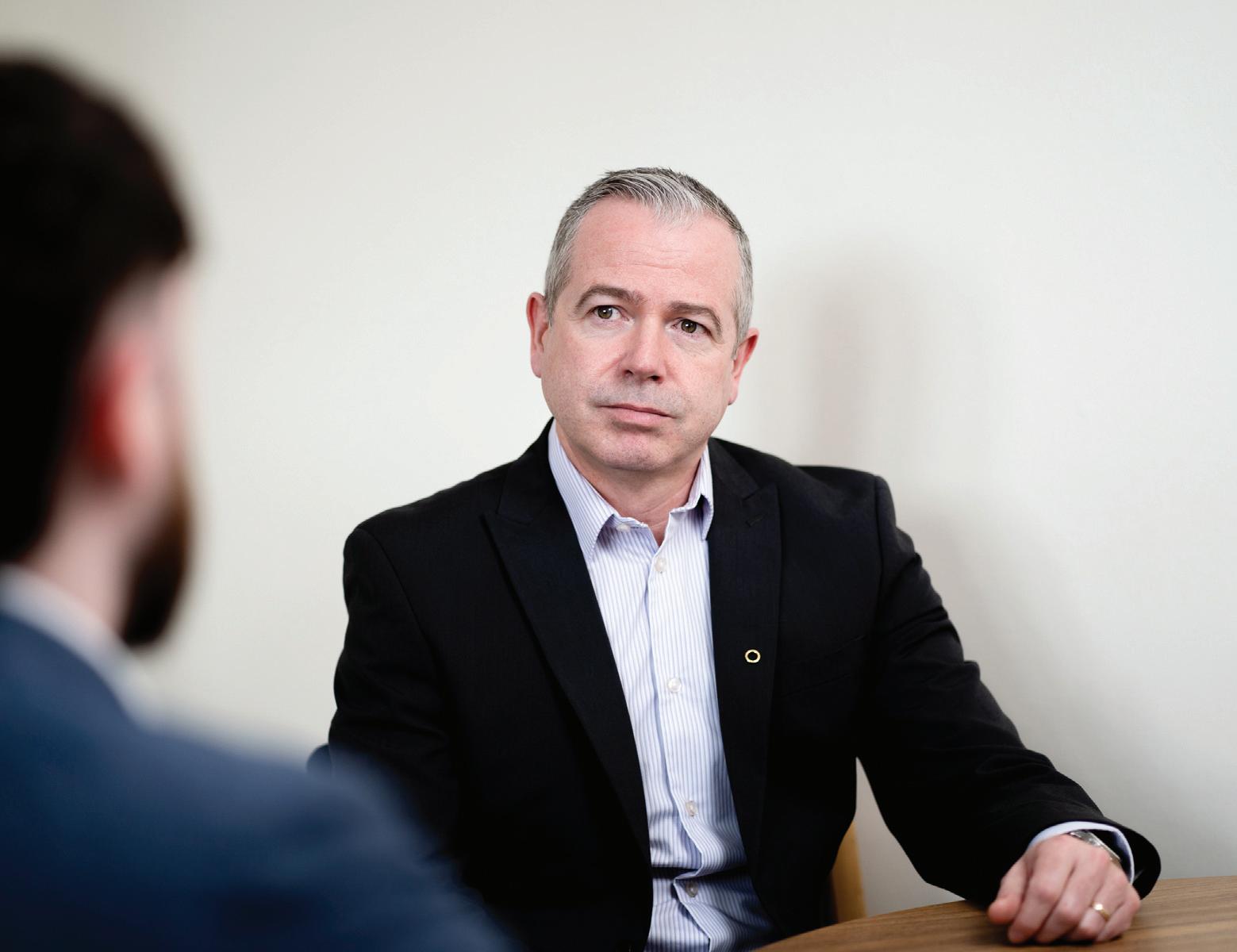
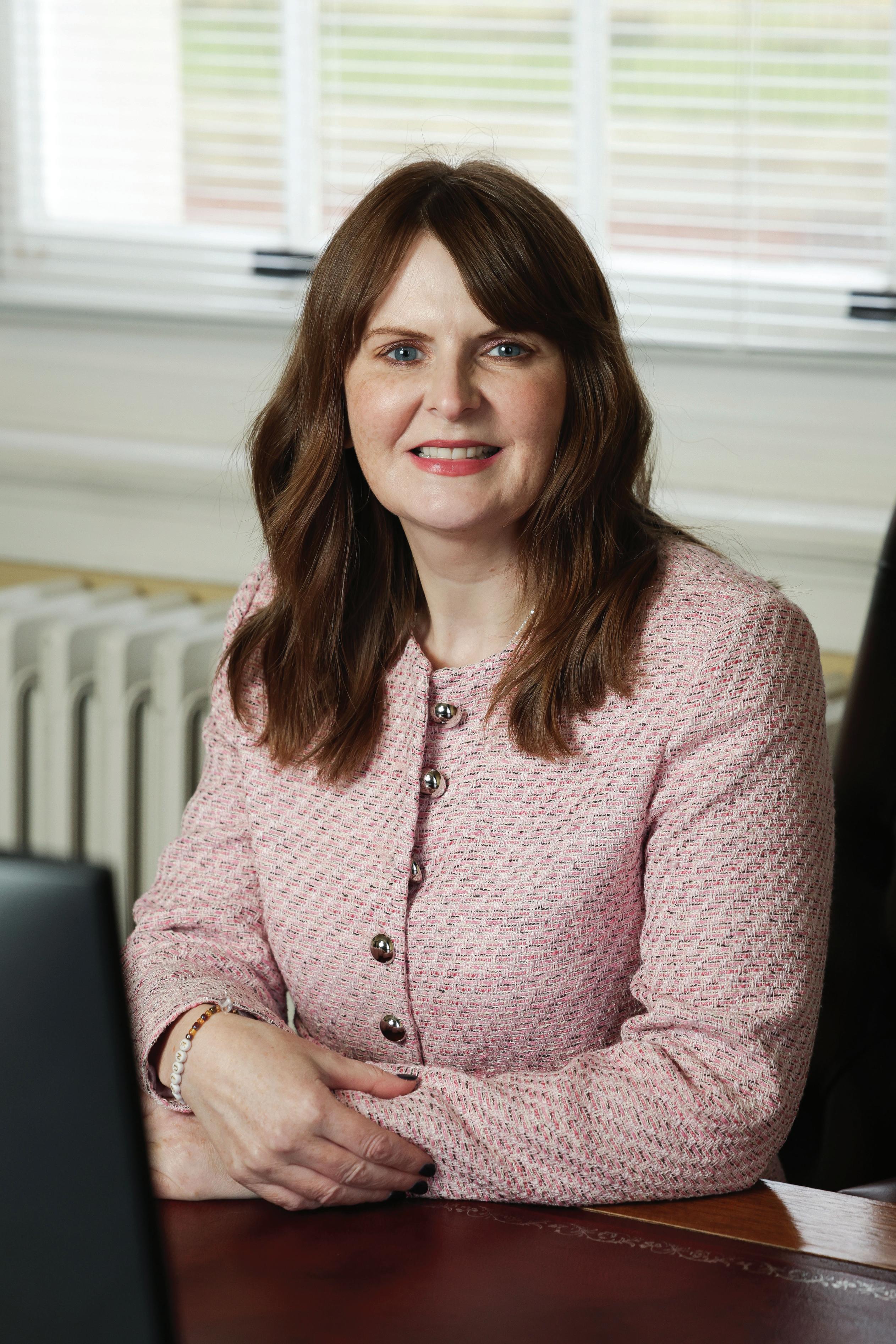
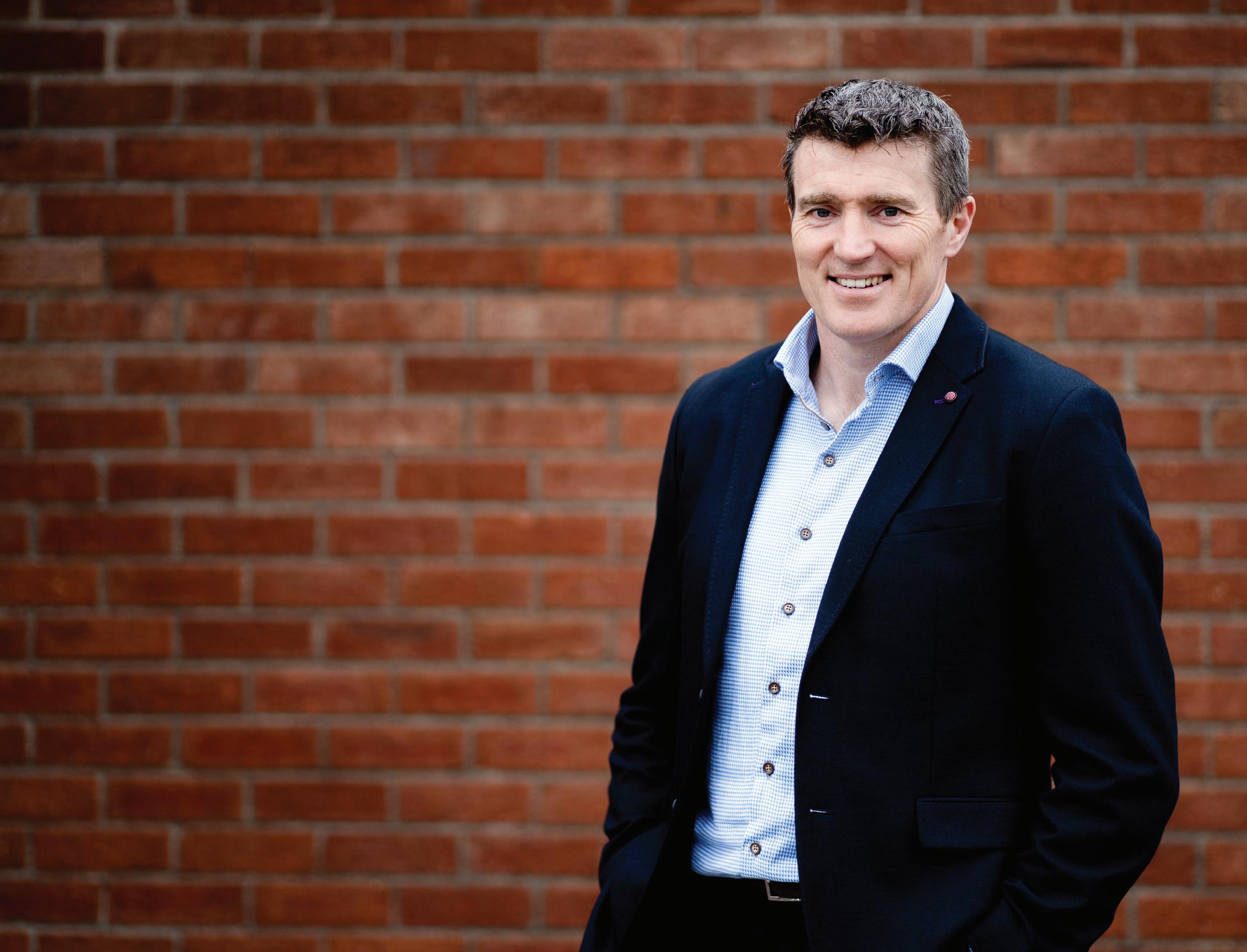
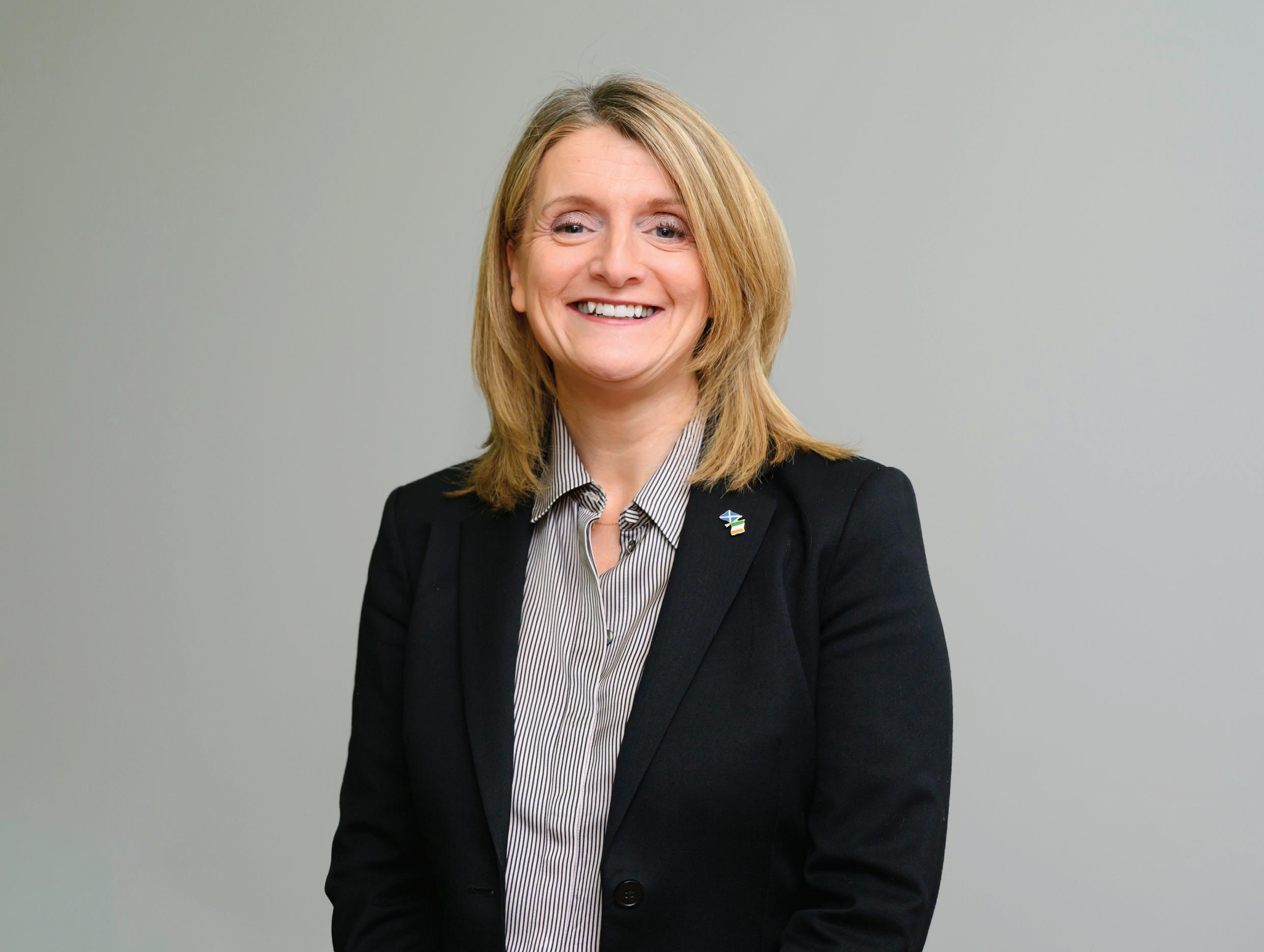
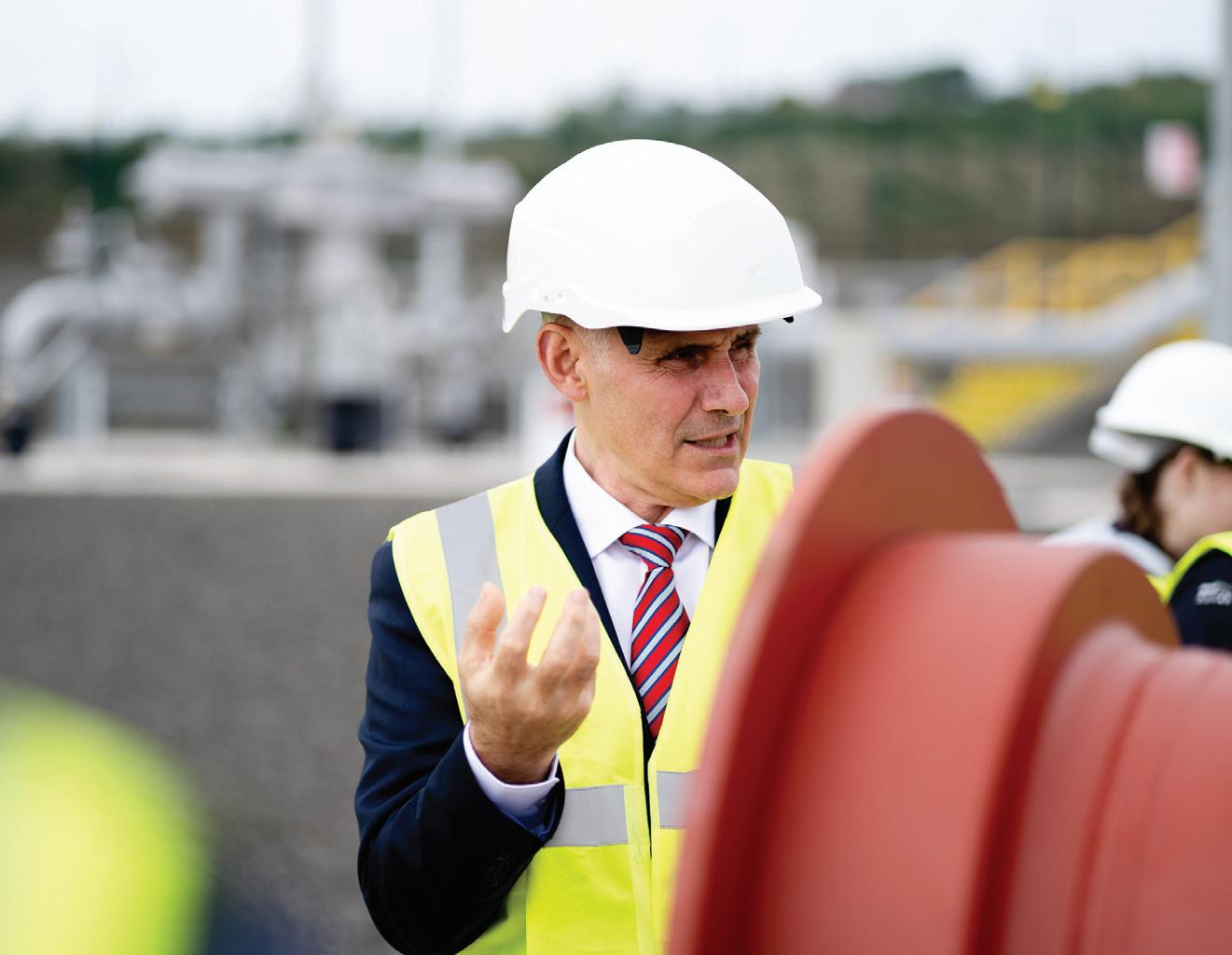
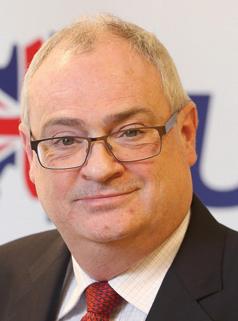
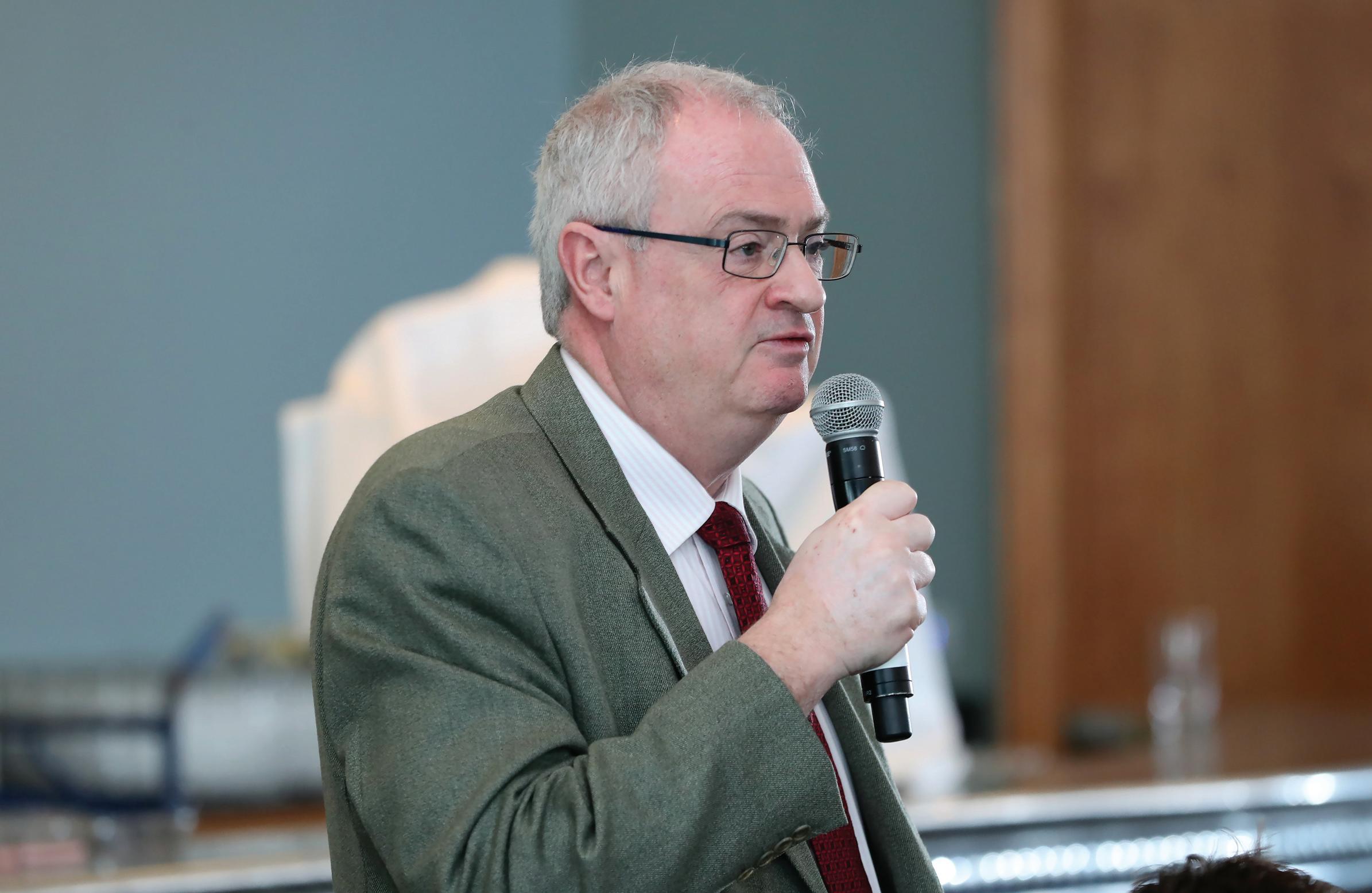
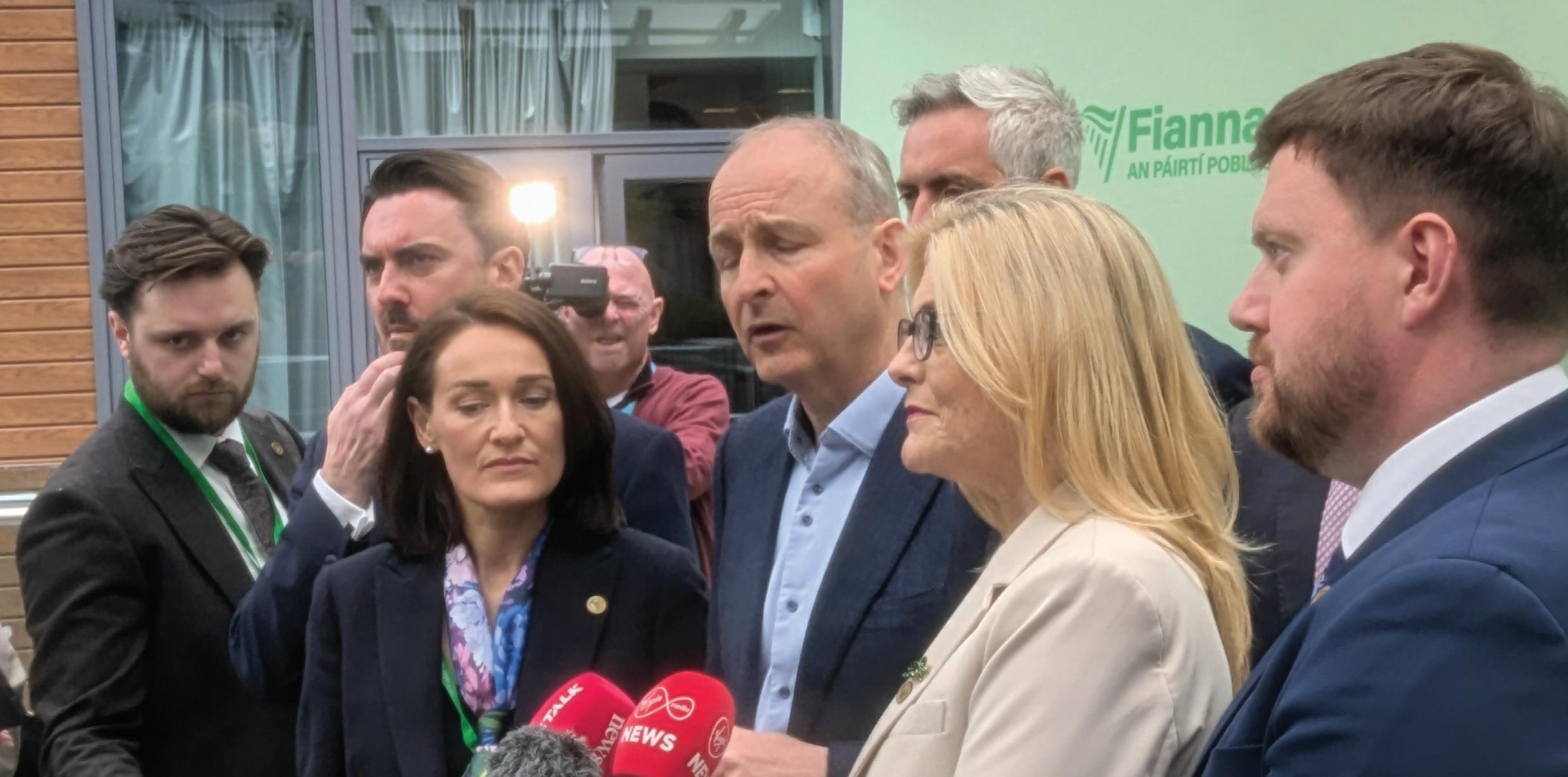
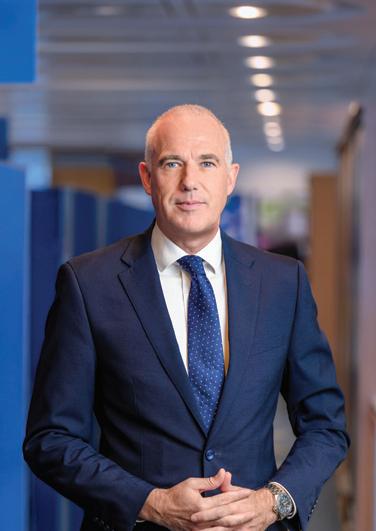
Commissioner Pól Deeds discusses his plans for the Irish language
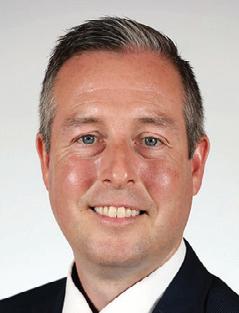
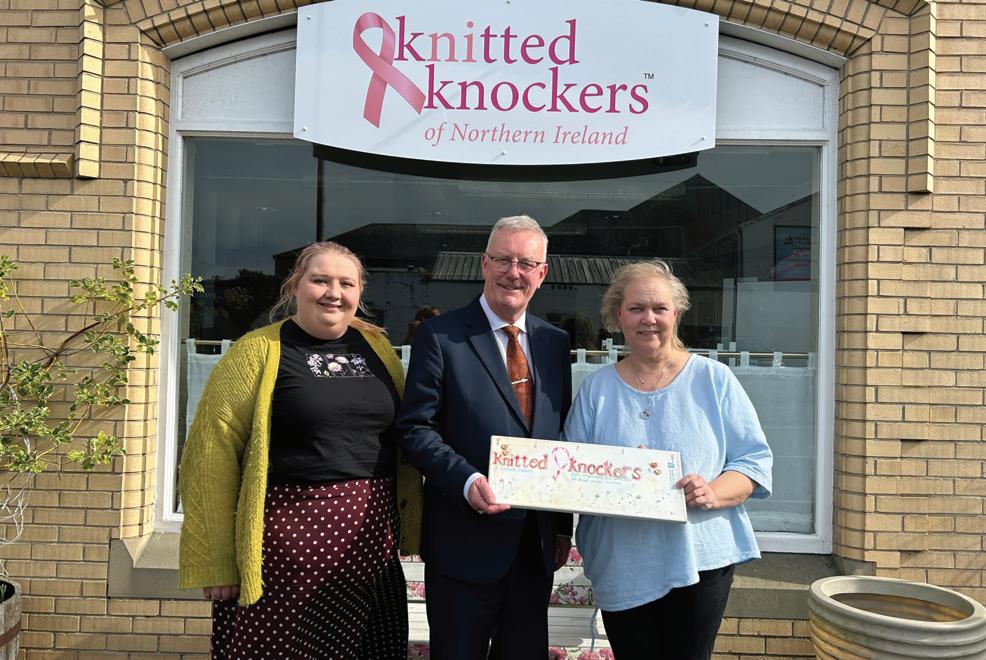
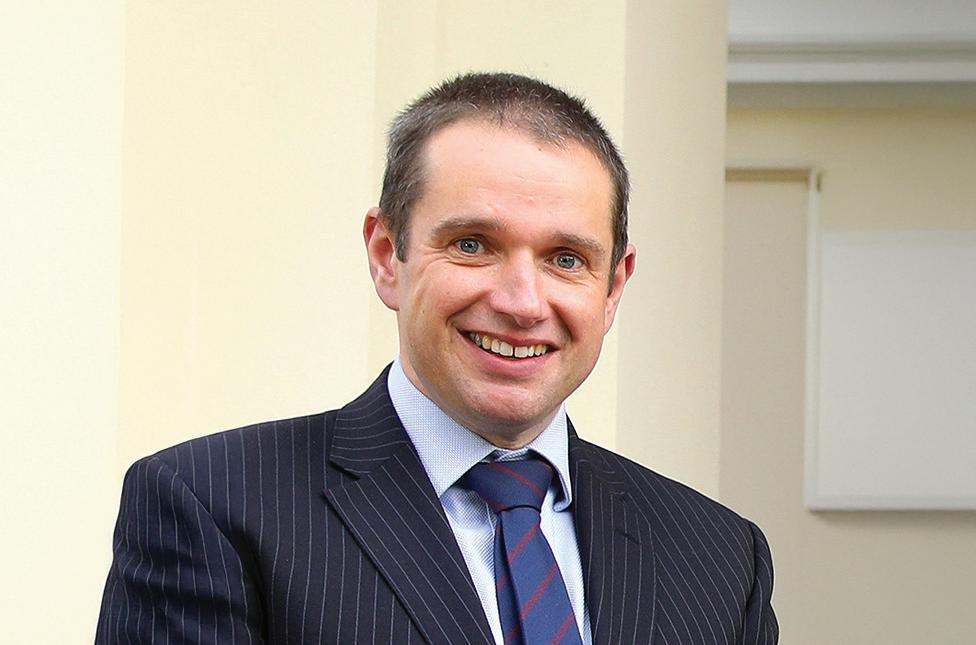
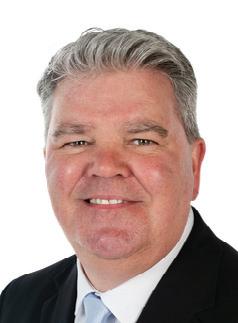
Paul Givan MLA discusses TransformED implementation
Speakers include…
Chiara Pullo
Cara Jackson
Marketing Lead Bored of Lunch
Gavin McKenna Head ofMarketing,Digitaland Communications Visit Belfast
Amy Lynch O’Connor
Digitaland& Content Manager AldiIreland
Eleshea Williams
SocialMedia Specialist Amnesty International
Emma Hassard Communications Manager Integrated Education Fund
#SMBelfast is back for 2026!
Now in its 12th year,the SocialMedia Belfast Conference is firmly established as Northern Ireland’s leading socialmedia event. Bringing together over 200 attendees,the event willtake a deep dive into what socialmedia willlook like for 2026 and onwards.A highlight of#SMBelfast is showcasing successfulsocialmedia campaigns from Northern Ireland and beyond.
Creator Marketing and Campaign Manager TikTok
Chloë Henning Director and Talent Manager VAVA Influence
Danyele Higgins SocialMedia Manager NationalTrust
Roseanna Johnston DigitalCommunications and Events Officer Belfast City Marathon
PaulMcGarrity Managing Director Octave Digital
Limited sponsorship and exhibition opportunities available!
There are only a smallnumber ofopportunities remaining to get involved with the 2026 SocialMedia Belfast Conference as a sponsor or exhibitor.Contact Sophie Adair on 028 9261 9933 or emailSophie.Adair@agendani.com for further information on how to feature your organisation at
Cracks in the wall…
In early May 2026, nationalism surged throughout Britain, with radicalright British nationalists Reform UK sweeping local government elections in England, becoming the lead opposition party in the Welsh Senedd, and making significant advances in the Scottish Parliament.
Meanwhile, Plaid Cymru is to govern Wales for the first time after condemning Labour to its first defeat in the country since 1922, while the Scottish National Party has won an unprecedented fifth term governing Scotland.
The results mean that all three first ministers in the UK are members of parties which support independence for their respective countries and regions.
These results do not mean that there is an impending break-up of the UK incoming, but it does show the deepening fractures of relations between its constituent parts, and the fact that the SNP, Plaid Cymru, and Sinn Féin are formally co-operating in this context is a new development.
Currently, the focus is on the melodrama of the British Labour Party’s leadership, and whether Andy Burnham or Wes Streeting can successfully defenestrate Keir Starmer. A Labour government, however unpopular it may be, is unlikely to accelerate the break-up of the UK. However, the prospect of Nigel Farage residing in Downing Street may just do that.
While these existential questions abound, the task of delivery at home remains paramount. In our cover story, we hear from Kinecx Energy Chief Executive Niall Martindale and his ambitions to aid development of a biomethane economy, while our round table discussion hosted by the Geological Survey of Northern Ireland (GSNI), examines the underpinning framework for decision-making in infrastructure.
Our energy report, sponsored by NIE Networks, features numerous sectoral experts, as well as an update on delivery by Minister for the Economy Caoimhe Archibald MLA, while our education report, sponsored by eir business, is focused on the development of an education system fit for the future and features Education Minister Paul Givan MLA. We also hear from Alliance Leader Naomi Long MLA who details her party’s proposals for Stormont reform.
This 129th issue of agendaNi also features a landmark interview, conducted in Irish, with Irish Language Commissioner Pól Deeds as well as reports from Sinn Féin’s and Fianna Fáil’s ard fheiseanna.
I hope all our readers enjoy this exciting issue, and wish all of you a pleasant summer holiday period to come.
Gareth Duffy, Head of Design gareth.duffy@agendani.com
Jamie Hogan jamie.hogan@agendani.com
Subscriptions
Sharon Morrison
Email: subscriptions@agendani.com
Online: www.agendani.com/subscribe agendaNi
Owen McQuade, Publisher owen.mcquade@agendani.com
bmf Business Services
19a Maghaberry Road
Maghaberry, Co Antrim, BT67 0JE
Tel: +44 (0) 28 9261 9933
Web: www.agendani.com
Printed by: GPS Colour Graphics
84
Nutrient Action Programme ‘must be strengthened’
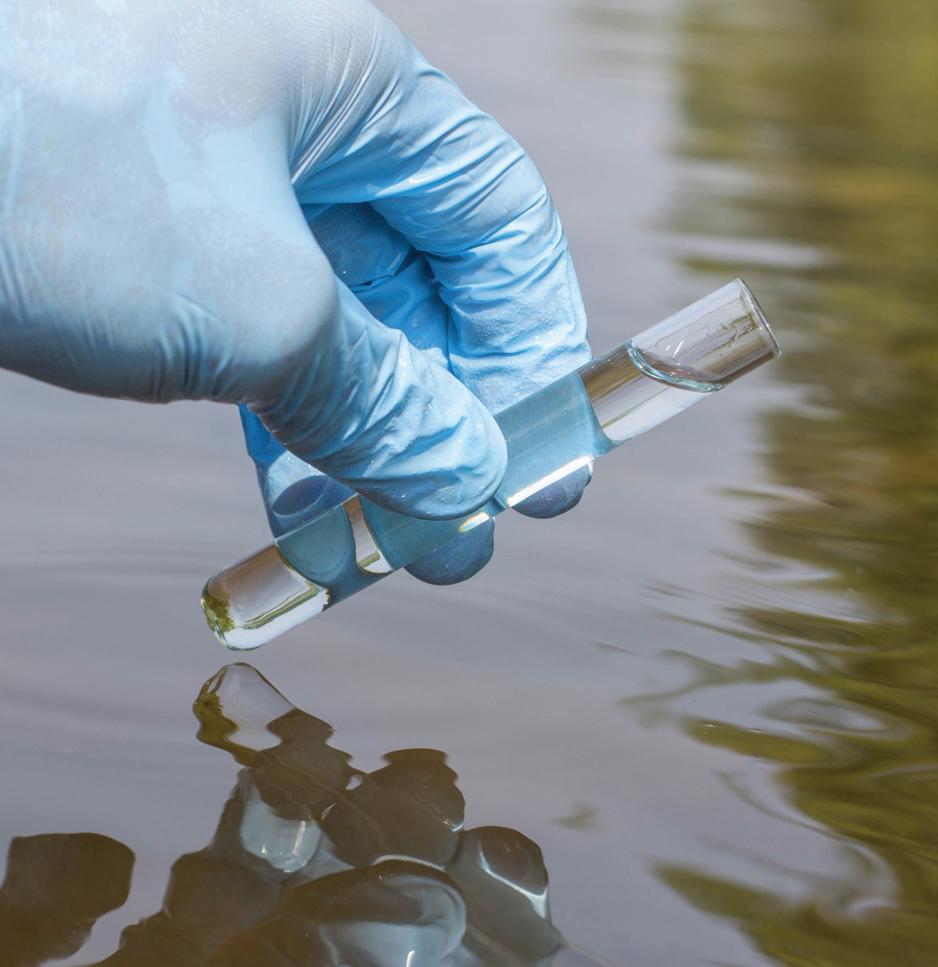
The Nutrient Action Programme (NAP) Regulations must be strengthened and better implemented to deliver on their aim of improving water quality, a new report by the Office for Environmental Protection (OEP) finds.
Review of implementation of the Nutrient Action Programme Regulations (2019) in Northern Ireland, published in April 2026, finds the regulations are not sufficient to deliver the legally binding target of good ecological status for lakes, rivers, and coastal waters, or to deliver Northern Ireland’s first Environmental Improvement Plan.
The report contains 12 recommendations for strengthening the regulations and their implementation. This includes limiting
UK Government crisis
The UK is in a government crisis following the resignation of five ministers and over 90 Labour MPs calling for Prime Minister Keir Starmer MP to step down.
To trigger a leadership contest, 81 of Labour’s 403 MPs must back a replacement candidate. Starmer says: “I am not going to walk away. I feel very strongly that I must serve the people who voted me into office.”
In May 2026, the party lost almost 1,500 councillors in local elections across England, was voted out of power in Wales for the first time in its history, and won only 17 seats in the Scottish Parliament, its worst ever result.
the provision of extra nutrients, improved enforcement, improved supports for nutrient management, and calculating the reductions in nutrient pollution necessary to achieve clean water.
The Department of Agriculture, Environment and Rural Affairs (DAERA) must review the regulations every four years. Robbie McDonald, OEP chief scientist, says: “The revision of the NAP offers the key opportunity for the Executive to help deliver on water quality as well as better protecting and improving the environment in Northern Ireland, which is under unsustainable pressure.”
Greater Manchester Mayor Andy Burnham and former Health Secretary Wes Streeting MP have both announced that they intend to run should there be a leadership contest. Burnham must be elected as Labour’s MP at the Makerfield byelection, set to take place in June 2026, to challenge Starmer.
Burnham says: “A vote for me will be a vote to change Labour, because Labour needs to change if we are to regain people’s trust.”
If Burnham is not elected in Makerfield, British media reports suggest that former Deputy Prime Minister Angela Rayner MP or Energy Secretary Ed Milliband MP are prepared to challenge Streeting if Starmer resigns.
Credit: Lauren Hurley / No 10 Downing Street.
Moira Doherty was appointed permanent secretary of The Executive Office in April 2026.
Doherty has been leading the Department on an interim basis since February 2026. She has also joined the Northern Ireland Civil Service (NICS) board. The new permanent secretary joined the NICS in 1999 and has served in multiple senior leadership roles in various departments.
Prior to joining The Executive Office, Doherty served as deputy secretary at the Department for the Economy between August 2023 and February 2026. She also served as deputy secretary of the engaged communities group at the Department of Communities, and director of the public transport division of the Department for Infrastructure.
Executive Office Permanent Secretary appointed
Doherty’s appointment was one of a number in a civil service reshuffle in April 2026. Former Northern Ireland Housing Executive chief executive Grainia Long was made permanent secretary in the Department for Communities.
David Malcolm, who had been interim permanent secretary of The Executive Office, was made permanent secretary in the Department of Education. Emer Morelli, who had served as deputy secretary of the engaged communities group in the Department for Communities, was made permanent secretary in the Department for Infrastructure.
Health Minister refuses cervical screening inquiry
Health Minister Mike Nesbitt MLA has ruled out a public inquiry into failings surrounding Northern Ireland cervical screening services.
The Summary Report on Issues Related to Northern Ireland Cervical Screening Programme (NICSP), published by the Department of Health in May 2026, finds “significant underperformance” of screeners over several years. It also found significant failures in both management and governance of the programme.
The review states that a public consultation it is “highly unlikely” that a statutory inquiry “would be able to make further progress on unravelling the technical aspects of the programme failure” outlined in the report.
It is believed that 17,500 women had to have their smear test results rechecked, with eight developing cancer. The tests were carried out in the Southern Trust between January 2008 and October 2021.
Explaining why he is refusing an inquiry, Minister Nesbitt says the review answered the questions a public inquiry would ask.
Nesbitt says: “I have listened to many of their personal stories and am deeply sorry to hear that for some women, mistakes were made during the cervical screening pathway and programme.”
‘Significant’ problems at senior level of ICRIR
Problems with financial management and governance, and conflict among senior leaders abound at the Independent Commission for Reconciliation and Information Recovery (ICRIR), finds a Northern Ireland Civil Service (NICS) report.
The Corporate Effectiveness and Cultural Health Review of the ICRIR, published in May 2026, asserts that senior ICRIR leaders must work to address the organisation’s cultural challenges.
On foot of recommendations outlined in the review, regular meetings on implementation of current and planned legislation are now taking place, as outlined in an action plan published in May 2026.
A plan to ensure effective functioning of finances has been put in place and implementation is underway. The ICRIR
The First and deputy First Minister launched the second Ending Violence Against Women and Girls (EVAWG) delivery plan in April 2026.
The delivery plan for 2026-2028 will focus on 15 key objectives including the commissioning of Northern Irelandspecific reports to fill evidence gaps from research, developed in the first delivery plan, and the development and rollout of a major media campaign focusing on violence against women and girls.
Other objectives include working with the Department of Education, Education Authority, and youth services to
and NIO have also established an oversight mechanism to oversee implementation of the report’s recommendations.
The ICRIR is due to be reformed under the Northern Ireland Troubles Bill which is currently being progressed through Parliament. A framework reforming the ICRIR, published in September 2025, is to end the controversial immunity scheme for alleged perpetrators of ‘Troubles’-related offences who co-operate with the commission.
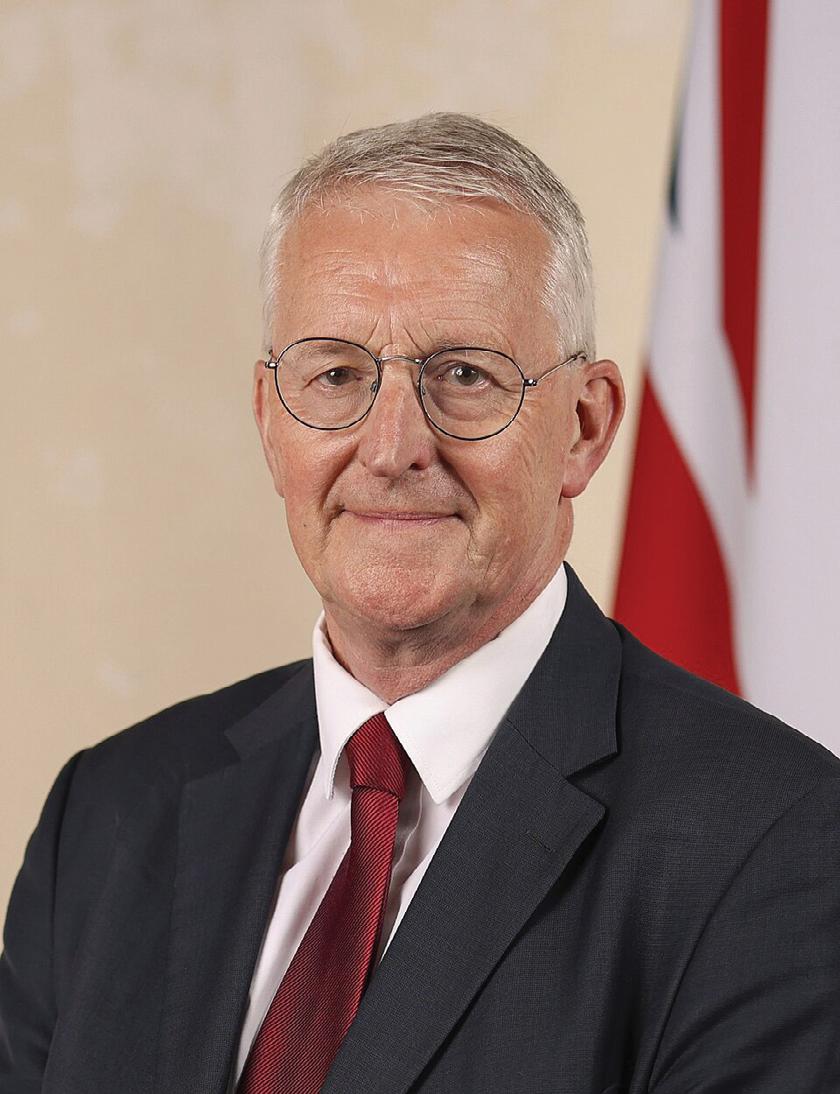
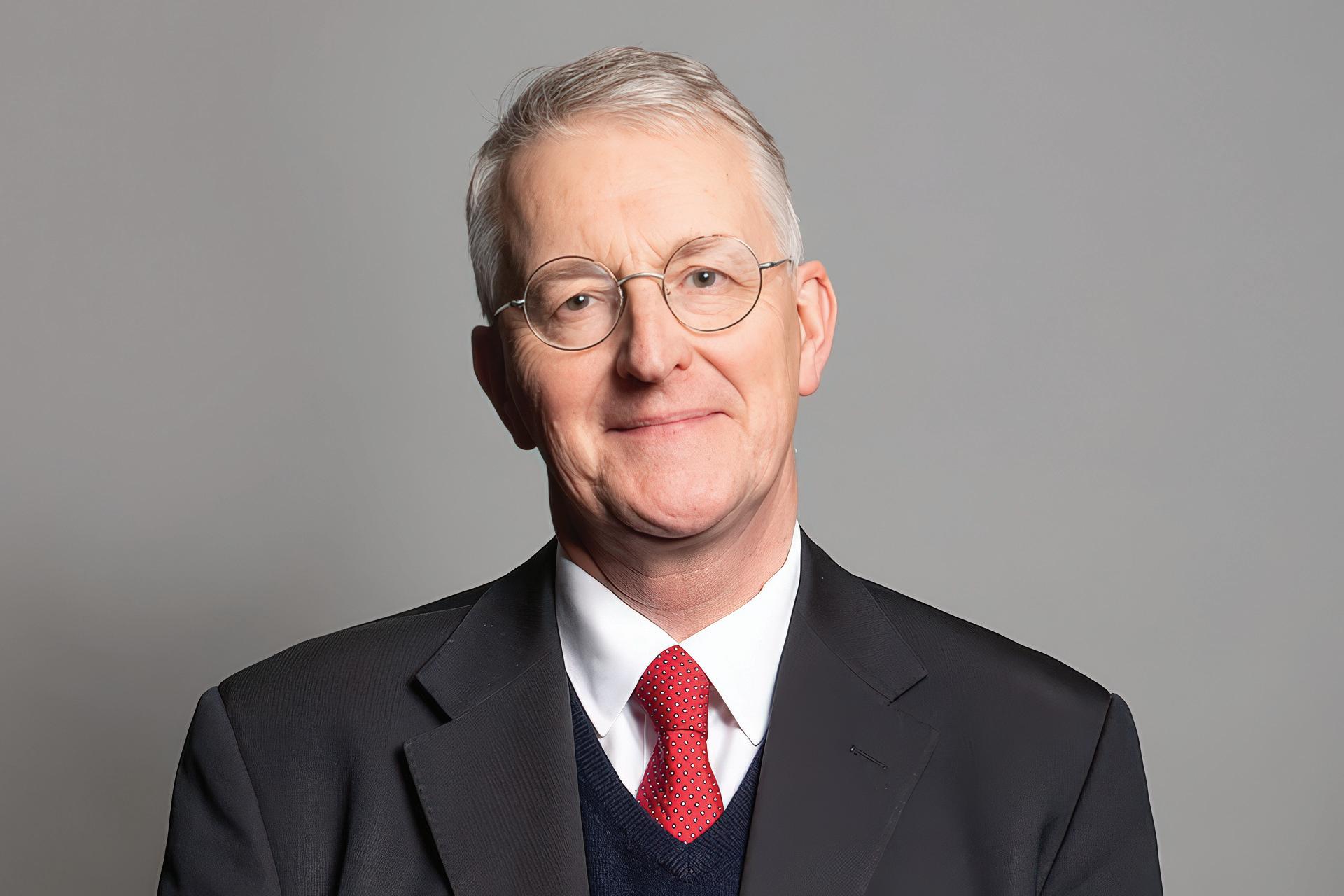
Hilary Benn MP, Secretary of State for Northern Ireland, says: “What has been identified is unacceptable and falls below the standards expected. It is for ICRIR board to take whatever steps are necessary and appropriate to address this.”
JUSTICE
Ending violence against women and girls
integrate EVAWG into the curriculum, and the development of an EVAWG online hub to improve accessibility.
In Northern Ireland, 33 women and girls have been murdered by men since 2020.
First Minister Michelle O’Neill MLA says: “Since we launched our strategic framework in 2024, we have seen greater awareness and more openness, and a growing recognition that this is something we can change together.”
Deputy First Minister Emma Little-Pengelly MLA says: “It is vital we all continue to work together, and we would encourage everyone to play their part to help make that transformative change we need to ensure women and girls across Northern Ireland can feel safe and be safe.”
The Department of Infrastructure has returned £25.6 million to the Executive from funding allocated for six major transport projects for “consideration and potential re-allocation” during the financial year 2025-26.
A total of £16.3 million allocated for the A4 Enniskillen bypass was returned, the largest amount from any one project. Other projects which saw funds reallocated include the A6 Derry to Dungiven road, Belfast Rapid Transit Two (the North-South glider), the Lagan Pedestrian and Cycle Bridge, and the A5 bypass which has been delayed due to ongoing legal challenges.
matters arising
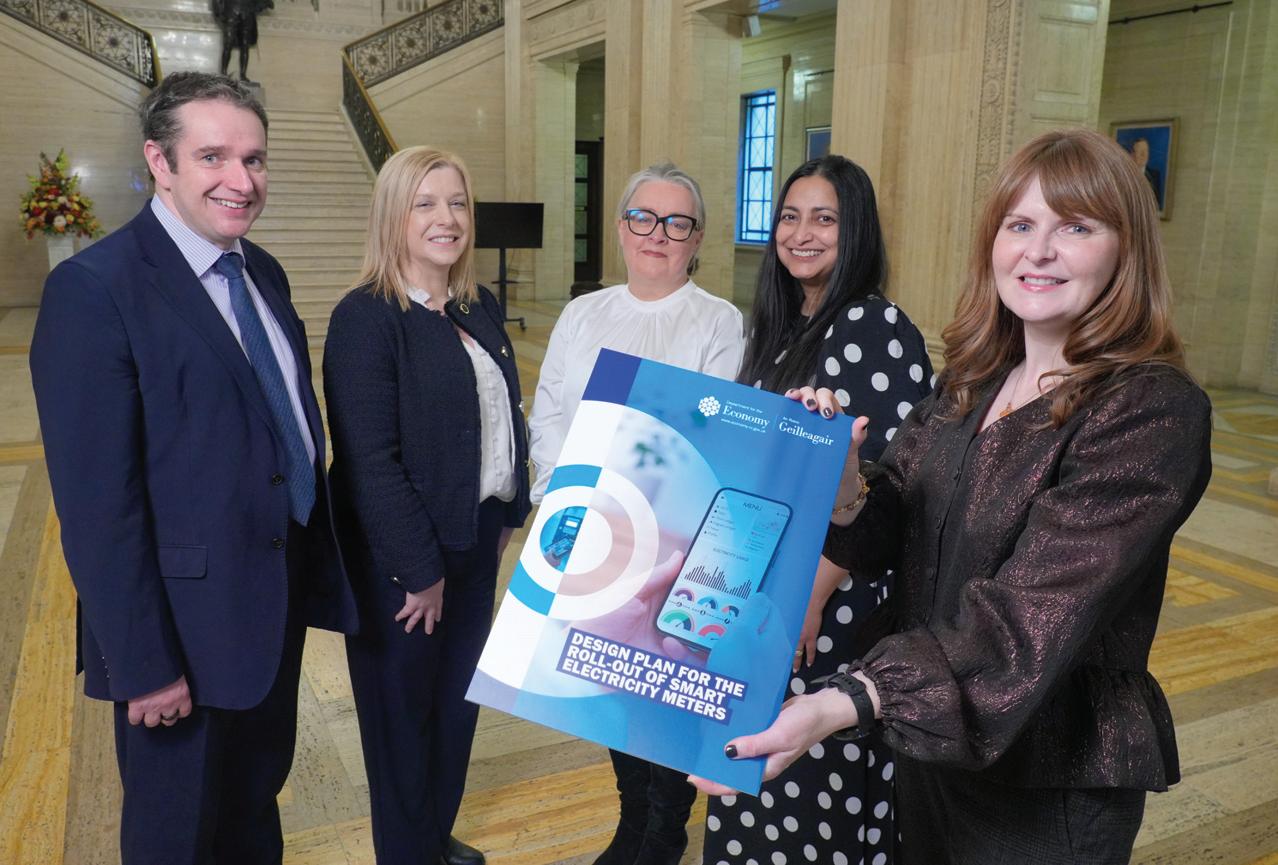
£500 million for smart meters
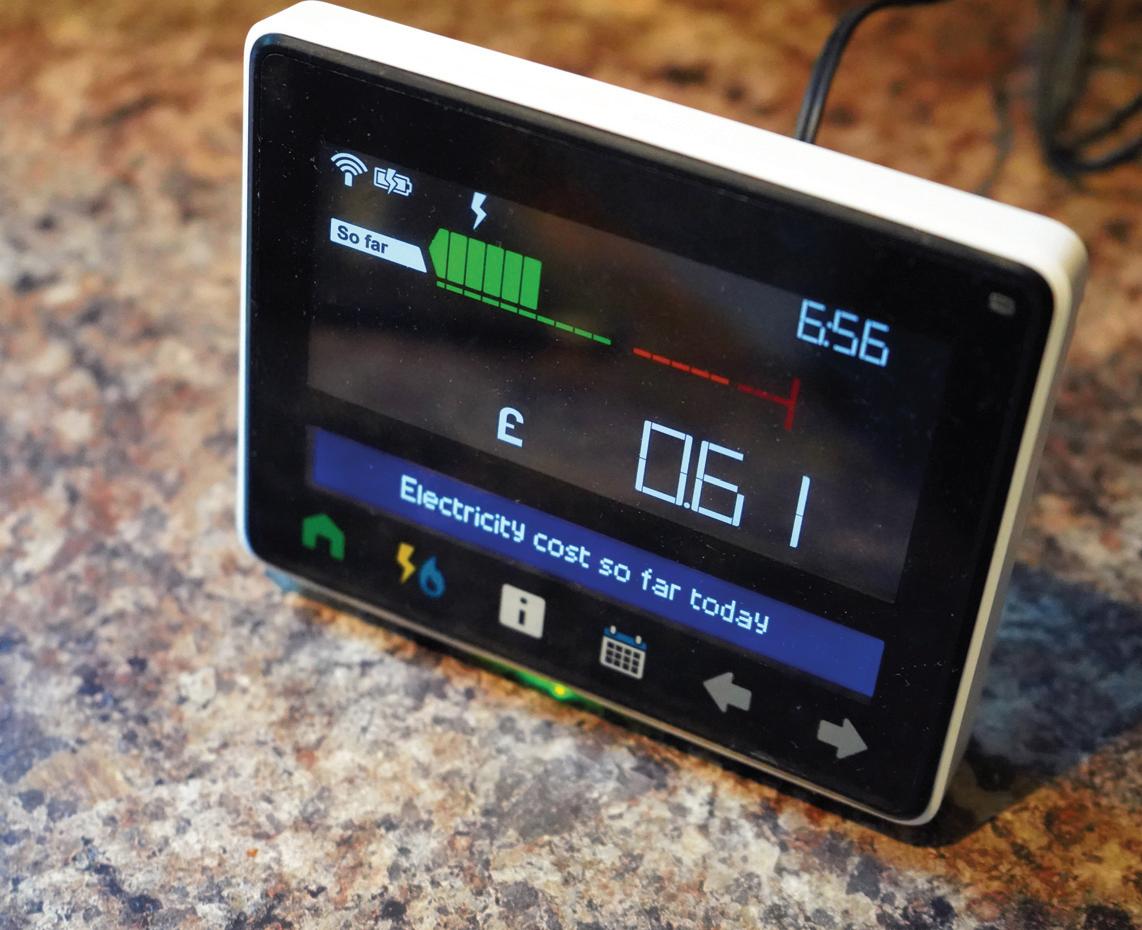
The Department for the Economy has announced a £500 million fund for the rollout of smart meters in Northern Ireland.
The fund aims to make smart meters commonplace in homes throughout the region. In the Republic of Ireland, around two million homes are equipped with the devices, while around 22 million in Britain are equipped.
The Department states that there are 932,000 homes in Northern Ireland, and that the rollout should take around three years through to mid-2028.
£25.6 million from major transport projects returned to Executive
The information was revealed in response to DUP MLA Deborah Erskine during Assembly questions. On the A4 Enniskillen bypass, Erskine says: “Communities in Fermanagh have waited years for progress on this strategic scheme and they will rightly question why such a significant sum was not utilised.”
Infrastructure Minister Liz Kimmins MLA says she remains “fully committed” to completing all projects and says they will “receive ring-fenced funding in future years”.
Minister for the Economy Caoimhe Archibald MLA says that the use of smart meters will bring an end to estimated bills, giving people clear, real-time information about how much electricity they use and when they use it.
Minister Archibald adds: “The cost of energy here, driven by volatile fossil fuel prices, is not fair and not sustainable for homes and businesses, as we have seen in the months following the war on Iran.”
issues agenda
Ag úsaid an Ghaeilge sna húdaráis phoiblí
Ceapadh Pól Deeds mar an chéad Coimisinéir Gaeilge i dTuaisceart
Éireann i mí Dheireadh Fómhair 2025 faoin Acht Féiniúlachta agus Teanga (Tuaisceart Éireann) 2022.
Suíonn sé síos le Ciaran Ó
Braonáin chun úsáid na Gaeilge sna húdaráis poiblí, na deiseanna ag éirí ón reachtaíocht, agus a ról i gcothú an athmhuintearas a phlé.
Thosaigh Pól Deeds ag obair mar an Coimisinéir Gaeilge i mí na Samhna 2025. Mairfidh a thréimhse oifige cúig bliana. Roimhe seo, d’oibrigh sé mar phríomhfheidhmeanach An Droichead, eagraíocht Ghaeilge i ndeisceart Béal Feirste agus mar leasphríomhfheidhmeanach Foras na Gaeilge, comhlacht trasteorann atá freagrach chun Ghaeilge a chur chun cinn ar fud oileán na hÉireann.
Faoin Acht, tugadh aitheantas oifigiúil don Ghaeilge. Chomh maith leis sin, rinne sé foráil ar bhunaíocht Oifig an Choimisinéara Gaeilge agus ceapadh an coimisinéir. Is é
príomhaidhm an coimisinéir ná chun úsáid na Gaeilge sna húdaráis phoiblí a chosaint agus a fheabhsú nuair a chuirtear seirbhisí ar fáil don phobail nó sciar den phobail.
“Táim ann chun aitheantas oifigiúil a thabhairt don Ghaeilge sa saol poiblí agus chun a éileamh ar na húdaráis phoiblí seirbhisí níos fearr ar thaobh na Gaeilge de a chur ar fáil do úsáideoirí sa tsochaí,” arsa Deeds.
Déanann an tAcht foráil ar fhorbairt caighdeáin dea-chleachtas ar son úsáid na Gaeilge sna húdaráis poiblí. Déanfaidh Oifig an Choimisinéara Teanga forbairt ar
na gcaighdeáin seo. Bheadh sé riachtanach do na húdaráis phoiblí dea-cuí a thabhairt ar na gcaighdeáin nuair atá siad foilsithe. Tar éis foilsiú na caighdeáin, beidh ar Deeds iad a chur chun cinn agus monatóireacht leanúnach a dhéanamh orthu.
Tá Deeds agus a fhoireann ag déanamh taighde faoi láthair ag tacú le forbairt na caighdeáin. Rachaidh siad faoi chomhairliúcháin nuair atá an taighde déanta. Roimh a fhoilsíodh na caighdeáin, caithfidh siad a bheith ceadaithe ag an Chéad Aire, Michelle O’Neill MLA, agus an leas-Chéad Aire, Emma Little-Pengelly
“Táim ann chun aitheantas oifigiúil a thabhairt don Ghaeilge sa saol poiblí agus chun a éileamh ar na húdaráis phoiblí seirbhisí níos fearr ar thaobh na Gaeilge de a chur ar fáil do úsáideoirí sa tsochaí.”
MLA. Tá sé mar mhian ag Deeds chun na caighdeáin a chur os a gcomhair roimh deireadh 2026.
Má foilsíodh na caighdeáin, beidh nós imeachta gearrán le hullmhú ag an oifig. Má mhothaíonn duine ón bpobal gur theip ar údarás phoiblí dea-cuí a thabhairt ar na gcaighdeáin, beidh siad in ann gearrán a dhéanamh chuig Oifig an Choimisinéara Teanga agus beidh ar an gcoimisinéir an ghearrán sin a fhiosrú.
Mar aon leis sin, aithníonn an tAcht bealaí eile a thugtar aitheantas oifigiúil don Ghaeilge trí ghealltanas Fheidhmeannas Thuaisceart Éireann chun straitéis d’fhorbairt na Gailege a ghlacadh, trí obair Foras na Gaeilge, agus trí sholáthar a bhaineann leis an Ghaeloideachas san áireamh.
“Chomh maith leis na dualgais reachtúla atá agam, ba mhaith liom cuir le chur chun cinn an athmhuintearas agus chur chun cinn na síochána,” arsa Deeds.
Deir Deeds go bhfuil seans aige chun cinntiú “go mbeidh todhcaí níos gile ag na glúinte atá ag teacht” i gcomhoibriú le Katy Radford, stiúrthóir an Oifig um Fhéiniúlacht agus Léiriú Cultúrtha, agus Lee Reynolds, an Coimisinéir Albanach Ultach.
“Agus muid ag déanamh ár gcuid oibre, caithfidh muidne a bheith airdeallach ar na bpíosaí sin den Acht a labhraíonn faoi athmhuintearas, síochán, agus meas a léiriú do dhaoine; gur féidir le daoine a bhféiniúlacht a roghnú, a fhorbairt, agus a cheiliúradh.”
Ceachtanna ó dlínsí eile
I mí Feabhra 2026, bhuail Deeds agus a fhoireann leis an gcoimisinéir Ghaeilge ó Dheas agus an coimisinéir Bhreatanais. Deir Deeds go raibh aithne aige ar an slí a oibríonn rudaí ó thaobh na Gaeilge de sa Deisceart óna thaithí le Foras na Gaeilge, ach chonaic sé córas “iomlán úr” sa Bhreatain Bheag.
“Aithnítear luach na mionteanga áitiúil ar fud na háite sa saol poiblí. Ba léir go raibh meas ag gach duine sna heagraíochtaí ar a dteanga,” arsa Deeds.
Deir sé go raibh seo soléir in Ollscoil Caerdydd go háirithe, ina bhfuil tacaíocht tugtha do na mic léinn le Breatnais agus ina bhfuil siad spreagtha ó cheannasaíócht na hollscoile chun a gcuid Breatnais a úsáid. Chomh maith leis sin, bhí Breatnais le feiceáil i ngach áit ar chomarthaí dhá-theangach.
“Ba mhisneach ollmhór é sin dom agus do m’fhoireann a tháinig liom,” arsa Deeds.
Maíonn Deeds go bhfuil feiceálacht mionteanga mar bhunchloch in a gcosaint agus go mbeidh feiceálacht na Gaeilge lárnach sna gcaighdeáin.
Chuaigh ionadaithe ó Ollscoil Uladh agus ó Ollscoil na Banríona ar an turas leis. Deir Deeds go bhfuil cúrsaí dhá-theangacha á phlé ag an dá ollscoil faoi láthair chun na mionteangacha a chur chun cinn. Tá comhairle do chomharthaí dhá-theangach dréachtaithe ag Deeds don dá ollscoil.
“Beidh mé ag iarraidh é sin a phlé leis an dá ollscoil agus beidh mé á thabhairt dóibh go luath chun comharthaí dhá-theangach a cur chun cinn ar a gcampais,” arsa Deeds.
‘Deachracht pholaitiúil’
Léiríonn Deeds “cúpla fadhb” leis an reachtaíocht, easpa forála ar cearta teanga san áireamh. Chomh maith leis sin, deir Deeds go bhfuil “deachracht pholaitiúil” bainteach leis na gcaighdeáin a bheith aontaithe idir an gCéad Aire agus an leas-Chéad Aire.
“Is féidir leis an nGaeilge a bheith lárnach i do shaol agus is féidir leat sult a bhaint as labhairt agus foghlaim na Gaeilge.”
Deir Deeds gurb an naimhdeas polaitiúil i dtaca leis an nGaeilge ná an dúshlán is mó os a chomhair. Maíonn sé go bhfuil daoine sa saol polaitiúil atá “ag obair go gníomhach in aghaidh m’oifig, in aghaidh chur chun cinn na Gaeilge”. Deir Deeds nach gcuidíonn polaitíocht na teanga leis an sochaí agus “spreagann sé daoine le bheith nimhneach don teanga”.
“Tá na daoine seo glórach agus tugtar ardán dóibh ar aon dochar. Sin an dúshlán is mó atá romhaim mar coimisinéir,” arsa Deeds. “Ní dhéanfaidh siad dochar don obair fhéin, ní dóigh liom, mar tá sin sonraithe sa dlí. Tá na húdaráis phoiblí réidh, measaim, chun glacadh le mo chuid comhairle.
“Ach déanfaidh na hionsaithe sin dochar do na hiarrachtaí eile a táim ag iarraidh a dhéanamh: chun an saol a dhéanamh níos síochánta anseo, agus chun athmhuintearas a chur chun cinn.
“Má tá bealach ar bith gur féidir linn bogadh amach as an réimse polaitiúil sin leis an teanga, ba mhaith liom sin a dhéanamh.”
Measann Deeds go gcuireann na gnéithe seo teorainn ar an méad is féidir a bhaint amach mar coimisinéir. Áfach, deir sé: “Táim sásta leis na dualgais atá agam agus leis na cumhachtaí atá agam go mbeidh mé in ann an Ghaeilge a chur in áit i bhfad níos fearr ná atá sé anois sa réimse poiblí.”
‘Tréimhse corraitheach’
Ag déanamh cur síos ar staid reatha na Gaeilge, deir Deeds gur “tréimhse corraitheach” í agus gur “gné stairiúil don timpeallacht sin” é bunaíocht a oifig.
Tá go leor aithrithe ag tarlú sa tsochaí i dtaca leis an nGaeilge le feiceáil, tógáil na comharthaí sráide dhá-theangach san áireamh. Síleann Deeds go bhfuil sciar den phobal “imníoch faoin todhcaí” de bharr na aithrithe seo, agus maíonn sé go bhfuil sé ag iarraidh a bheith “mothálach do na daoine sin ar fad” sa ról.
Ní hé sin an taon athrú. Tá déimeagrafach an phobal Gaeilge ag athrú freisin. Roimhe seo, deir Deeds go raibh an Ghaeilge nascaithe leis an bhféiniúlacht náisiúnach, ach go bhfuil cuid mhór aontachtóirí ag foghlaim an teanga ar na saolta seo.
Tá Deeds ag tagairt go háirithe leis na daoine ag foghlaim an teanga i dtionschamh Ghaeilge Turas ar Bhóthair Baile Nua na hArda in Oirthear Bhéal Feirste, ceantar dílseach. Deir sé: “Más féidir leo é sin a sháramh, sílim go bhfuil níos mó daoine in ann an fhadhb sin a réiteach agus a shárú.”
“Má chreideann tú gur duine atá céad faoin gcéad Éireannach thú, nó céad faoin gcéad Briotanach, nó áit éigin sa lár, is féidir leis an nGaeilge a bheith lárnach i do shaol agus is féidir leat sult a bhaint as labhairt agus foghlaim na Gaeilge,” arsa Deeds.
Ag críochnú, deir Deeds: “Má oibríonn na polaiteoirí linn, is féidir linn aithrithe móra a dhéanamh sa saol poiblí anseo a aithnóidh, don chéad uair, luach na Gaeilge, a athnóidh don chéad uair féiniúlachta pobal na Gaeilge, agus a chruthóidh spás neodrach d’fheiceáileacht na Gaeilge, agus tá sin ríthábhachtach.”
An English-language version of this article is available to read at www.agendani.com
‘Clear evidence’ of misogyny in the PSNI
There is “clear evidence of sexism and misogyny within the PSNI”, according to an independent review.
The Langdale Review, published in April 2026, was commissioned in 2025 by Chief Constable Jon Boutcher and states that it is not possible to detail exactly how widespread sexism and misogyny is in the PSNI, but that the misconduct process for offending staff members is “flawed”.
The 10-page review calls on senior leaders across all areas of the PSNI to “create and foster a culture of psychological safety, enabling the prompt reporting of sexism and misogyny”.
It also states that there is a need for a communications campaign to encourage
PSNI staff and officers to report predatory and abusive behaviour, and that sergeants and inspectors should be properly trained to identify and act upon sexist or predatory behaviour.
The review calls on the PSNI to instruct an independent consultant to conduct a targeted survey to identify the extent of sexism and misogyny within the PSNI, any discernible trends over time, and barriers to reporting it.
The review states: “This survey should be simple to complete; include questions about predatory behaviour, sexual harassment, and sexual misconduct
(both recent and non-recent experiences); and invite responses towards reporting and actions taken.”
On disciplinary proceedings, the review calls on the PSNI to address delays in disciplinary proceedings “as a matter of urgency” and to “pursue disciplinary proceedings irrespective of criminal proceedings”.
The review follows a March 2026 report by the Police Ombudsman, which found that 60 cases of abuse of position for sexual purposes (APSP) have been reported to the Police Ombudsman of Northern Ireland (PONI) since 2018, with each alleged victim classified as a “vulnerable” individual.
The PONI report states that between 2018 and 2024, six officers have been sacked or convicted for abusing their role following investigation, and that the officers were all male and mostly constables aged between 30 and 50. The majority of these officers worked in local policing teams.
The report identifies two types of offenders. ‘Sharks’, which were younger officers who tended to make “rapid” contact, and ‘fishermen’, those who were more “tentative” in their approach. APSP complaints made up almost 30 per cent (nine) of all serious Category A cases (30) investigated by PONI in 2024.
PSNI Chief Constable Jon Boutcher says any abuse of position for sexual purposes is “wholly unacceptable”, adding: “It represents a serious breach of trust and a violation of the standards rightly expected of police officers.”
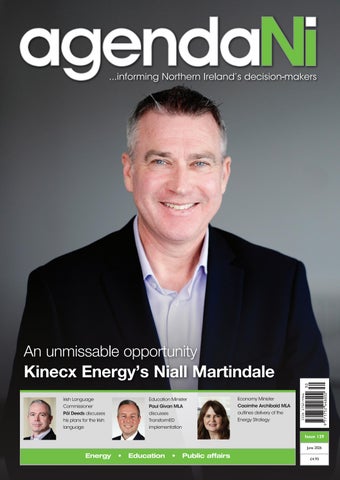
An unmissable opportunity
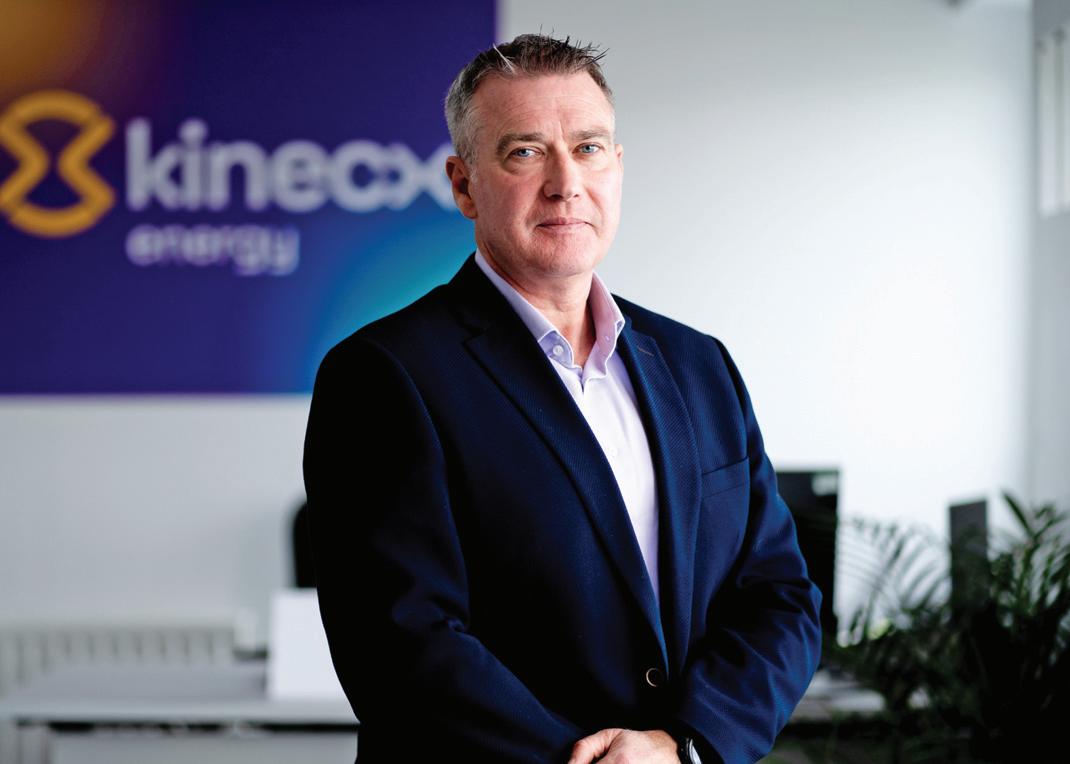
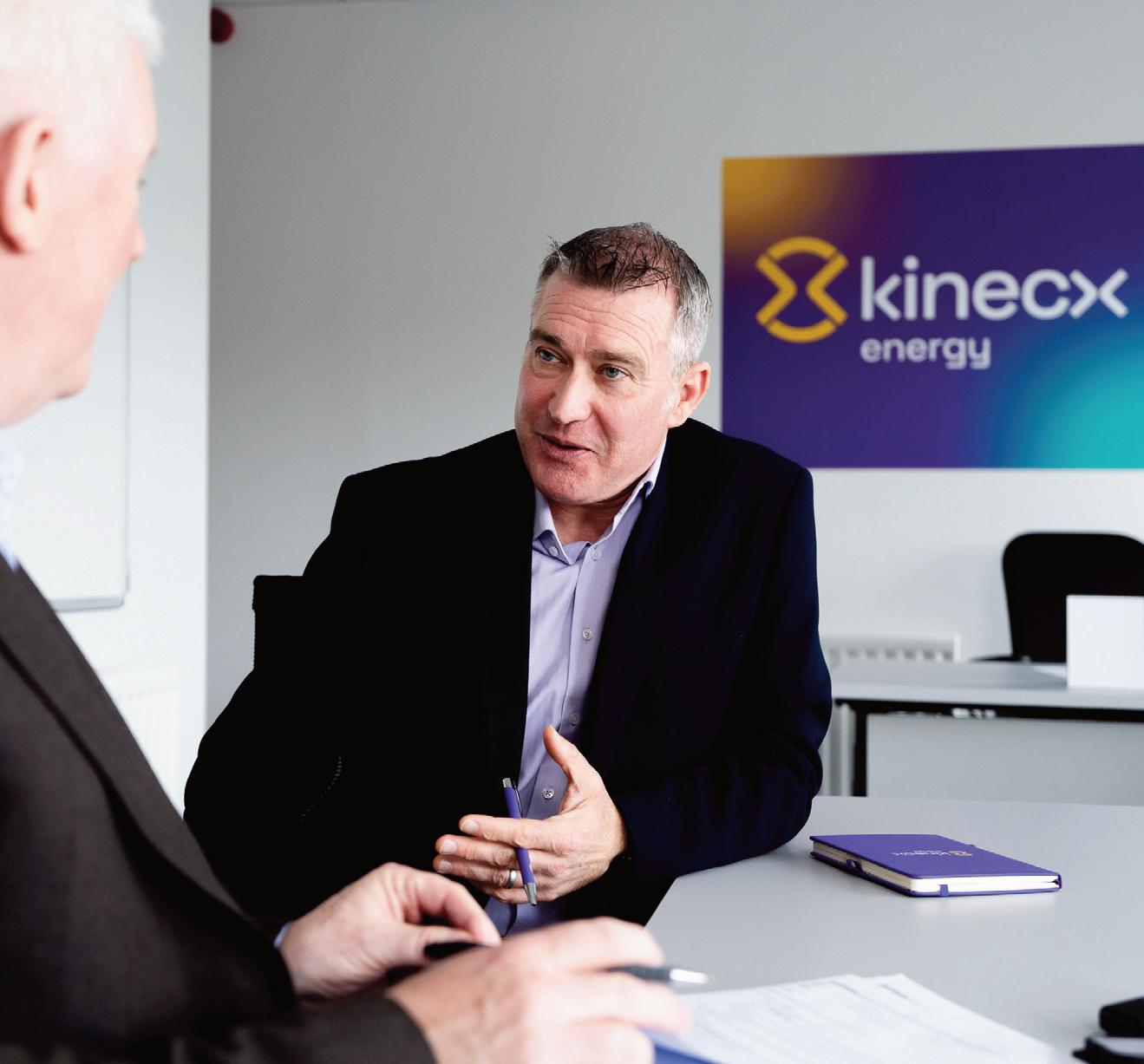
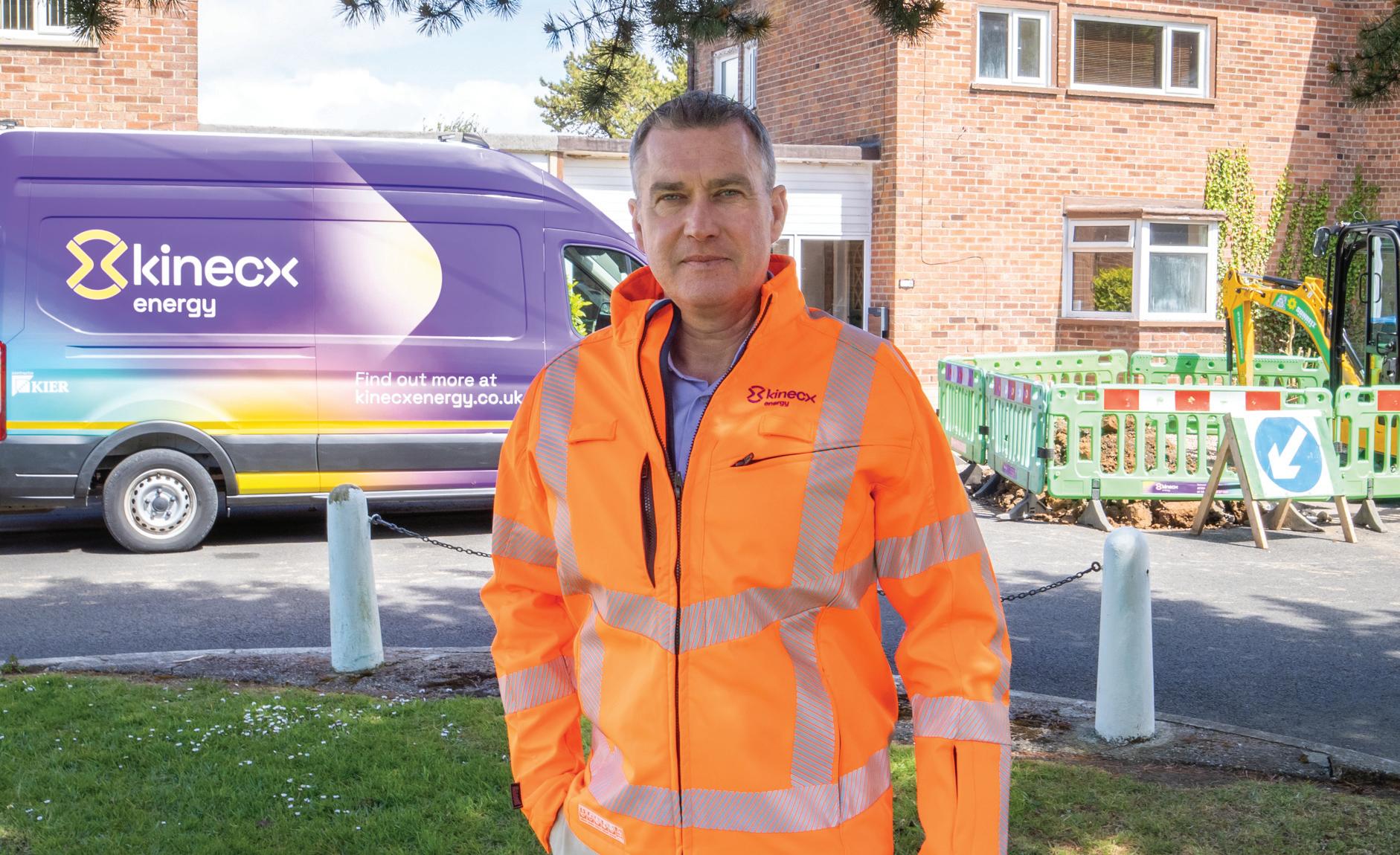
Kinecx Energy Chief Executive Officer Niall Martindale talks to Owen McQuade about the potential of renewable gas to secure Northern Ireland’s future energy supply, create jobs, and make a real impact on the region’s nutrient challenge.
“Although anaerobic digestion may not be the silver bullet for Lough Neagh, it would make an enormous contribution to solving the nutrients challenge.”
Niall Martindale, Kinecx Energy
Kinecx Energy is a gas distribution business that has been operating since 2005. The company, formerly known as firmus energy networks, has a gas network which stretches from Newry in the southeast to Derry in the northwest.
The company has built out its network over the last 21 years and it is now accessible to around 200,000 homes and businesses, of which 78,000 have already been connected. Kinecx Energy is headquartered in Antrim, which is geographically in the centre of its network and employs 66 people.
When asked to outline Kinecx Energy’s main strategic priorities, Niall Martindale says: “Mission number one is to connect and bring the benefits of gas, initially natural gas and ultimately renewable gas, to those remaining 122,000 homes and businesses that are not yet connected to our network.
“The second mission, equally important, is to decarbonise the gases within our network by displacing the fossil fuel natural gas with renewable gas, which will be predominantly biomethane.”
Since the start of the development of Kinecx Energy’s network in 2005, the company has contributed to the decarbonisation of Northern Ireland’s energy mix. Gas has up to 50 per cent less CO2 emissions than home heating oil, which is still the predominant source of heating in Northern Ireland.
“Gas is very much a transition fuel and we believe that the gas network will remain the back bone of the Northern Ireland energy system security. As more renewables come onto the electricity system, natural gas is required to support that increase.
“When the wind does not blow and the sun does not shine, the gas network is critical for energy security. It is a £1.2 billion asset that does not get the attention that perhaps it deserves, as it is all at least one metre below ground,” Martindale explains.
Biomethane
Although Kinecx Energy has been contributing to the decarbonisation of the Northern Ireland economy, Martindale says that there is now a huge opportunity to go further by developing a biomethane economy.
“The development of a biomethane economy is an unmissable opportunity for Northern Ireland.”
The potential for biomethane development in Northern Ireland is well documented. A study in 2022 by Centre for Advanced Sustainable Energy Research (CASE), a partnership between Queen’s University Belfast, University of Ulster, and the AgriFood and Biosciences Institute, found that there is enough feedstock in Northern Ireland to support 6TWh of biomethane, which is equivalent to 80 per cent of current gas demand.
Additionally, the gas network operators undertook a request for information (RFI) process that identified 3.5TWh of biomethane available in a relatively short time frame from plants that were either in operation or in planning. That equates to 45 per cent of all network demand, or 90 per cent of industrial and commercial demand.
Indigenous renewable sources of energy have become more important in recent years with energy security moving up the political agenda. In addition to the many environmental, economic, and societal benefits, there is also a benefit in the price stability with biomethane production.
A report by the European Biogas Association in 2023 quantified the ‘external value’ of biomethane; that is all the value outside the energy value and includes things such as job creation, environmental benefits, and energy security amongst others. These benefits were determined to be between £70 and £150 per MWh. This external value, which is additional to the actual energy value of biomethane, is potentially greater than the cost of production.
“That is very much a flashing neon light in terms of the attractiveness of biomethane and in a Northern Ireland context, the arguments become much more compelling. We are heavily reliant on agriculture which is also the sector with the highest CO2 emissions. Biomethane offers a solution to address this,” says Martindale.
“There is increasing geopolitical volatility and indigenous biomethane production offers an unmissable opportunity for Northern Ireland to mitigate this volatility as it directly impacts on gas prices. Although customers are focused on price, price volatility comes a close second in terms of concern, especially for businesses. A biomethane economy with locally produced, renewable methane would significantly address this energy price volatility.”
Environmental benefits
The RFI by the gas network operators in 2024 had 86 responses from interested operators who were either operating or planning biomethane plants. This
identified a potential availability of 3.6TWh in the short to medium term and 44 per cent of the total potential from the 86 responses was located within the Lough Neagh catchment area. The anaerobic digestion (AD) process used to produce biomethane provides an opportunity to manage nutrients, which includes slurry from housed livestock. A byproduct of the AD process is digestate, which is nutrient rich and can be used locally or exported to provide a revenue stream. “Although anaerobic digestion may not be the silver bullet for Lough Neagh, it would make an enormous contribution to solving the nutrients challenge.”
Economy
An important aspect of the wider value of the biomethane economy is job creation. Creating a biomethane economy in Northern Ireland offers the opportunity to create jobs outside Belfast and west of the Bann. In 2022, a KPMG report determined that for every TWh of biomethane produced in Northern Ireland, there could be 1,000 jobs created.
Although there is no policy target yet set in Northern Ireland, the gas industry has set itself a target of 1.5TWh of biomethane by 2030. The CASE report in 2022 supported the 1.5TWh target by identifying that there is enough feedstock available to achieve that target by 2030. That equates to potentially 1,500 jobs, mostly west of the Bann, by 2030.
An often overlooked benefit of biomethane is that it offers large energy users access to a renewable gas supply. This is now a requirement for many companies to remain in key supply chains. Any inability to have access to a renewable gas sources, or at least progressing towards a source, by 2030 could result in those companies dropping out of supply chains. “That is a real economic risk that can be mitigated by the introduction of biomethane supply in Northern Ireland,” Martindale says.
Challenges
Having highlighted the clear and wideranging benefits of a biomethane economy, Martindale discusses the next steps for biomethane development.
“Kinecx Energy along with the rest of the gas industry are hoping to share what we believe to be a huge opportunity, not just to decarbonise the gas network, but to inject significant economic, environmental, and societal benefits in Northern Ireland.”
A key building block is the need for a biomethane policy and CASE has been appointed by Department for the Economy (DfE) to develop such a policy, with the first draft expected in June 2026. “CASE has already outlined the policy framework of three pillars, which dovetail with the Executive’s Climate Action Plan.
The first pillar addresses cost allocation. The second is the certification of green gases, including biomethane. The third pillar is a support mechanism that will be required as in other jurisdictions that are already well into developing a biomethane economy.
2030. Northern Ireland should be nimble enough to be a fast follower in developing a biomethane economy as Denmark has succeeded in doing in a relatively short time period.
“In addition to a biomethane policy, we need a target resulting from that policy. That policy and target should become a key part of the next programme for government.”
Martindale highlights one risk that threatens Northern Ireland’s efforts to mitigate its greenhouse gas emissions.
“A lot of the focus, and resources, are on the target of 80 per cent of electricity to be from renewable sources by 2030. Whilst this is important and we fully support those efforts, there is a risk that other opportunities to decarbonise the economy are neglected. Electricity accounts for around 20 per cent of energy use, whereas heating and transport account for 40 per cent each. The decarbonisation of heating will be key to decarbonising the Northern Ireland economy.”
the significant benefits of natural gas to the 122,000 people that our network is available to but still have to be connected.
“Secondly, to continue to work to establish a framework and mechanisms required to deliver a biomethane economy in Northern Ireland, including informing those on the network and those who could be connected of the benefits of biomethane,” he concludes.
Niall Martindale
Niall Martindale is Chief Executive Officer of Kinecx Energy. He is a graduate of University Ulster, Coleraine in science with business. After graduation, he worked in London in the semi-conductor manufacturing sector, before moving to Dublin in the early 2000s to work in logistics and business planning. He joined the Northern Ireland gas industry in 2007.
Interests outside work include music and sports, particularly tennis. Married to Ciara with two children, he lives on the shores of Carlingford Lough.
issues agenda
Comparing disability rates north and south
A notably higher proportion of people experience severe disabilities in Northern Ireland compared to the Republic, according to research by the Economic and Social Research Institute (ESRI).
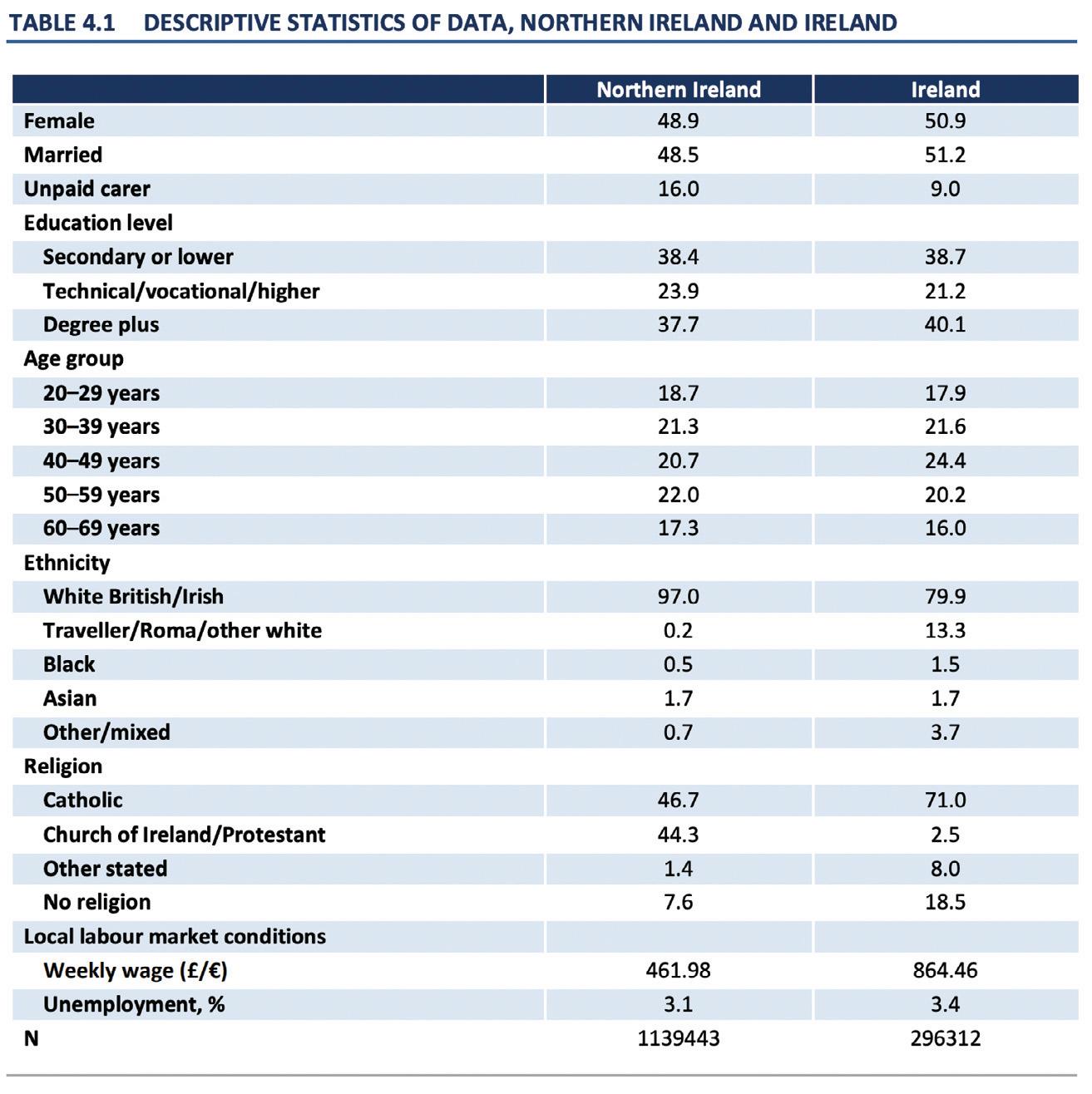
The report, How do disability rates differ across the island of Ireland?, published in April 2026, outlines that overall disability rates among 20-69-year-olds are very similar in both states, at 23 per cent in Northern Ireland and 22 per cent in Ireland, based on their respective census questions.
However, the severity of disability differs significantly, with Northern Ireland recording a notably higher share of people experiencing more severe disabilities, 11 per cent compared to 6 per cent in Ireland. Disability rates rise with age in both jurisdictions, but the age gradient is much steeper in Northern Ireland.
Among its findings, the ESRI states that higher educational attainment is strongly associated with lower disability rates, particularly in Northern Ireland, and unpaid caring roles are linked to a higher likelihood of reporting a disability, especially in Ireland.
Interestingly, the report says that while local labour market conditions exert some influence, the effects are relatively minimal in both states. The ESRI states: “This is considerably different to what is found in the international literature on disability but is in line with previous findings for Northern Ireland.”
Disability rates
Expanding on disability and severe disability rates, the ESRI says that the increase rates of disability in Northern Ireland are consistent with its weaker economic performance, higher levels of deprivation, and the lasting effects of the conflict.
“In all of our models, we find that the probability of disability increases with age and declines with educational attainment. However, we find substantial differences in the influences of these variables between regions across the island and according to the severity of disability.
“Significant differences also occur with respect to religious background, ethnicity, and local labour market characteristics across both jurisdictions on the island. This may be reflective of a range of differences across the island; migration in particular differs considerably north and south.
“While health care, social care, social security systems, and the local labour market all differ across the island, these are likely to interact in context-specific ways and impact how disability manifests.”
The report also finds that holding a thirdlevel qualification reduces the probability of disability by around 7 per cent in the Republic, compared with a 15 per cent reduction in Northern Ireland relative to the reference category.
Similarly, although the likelihood of disability increases with age in both regions, the effect is far stronger in Northern Ireland: being aged between 60 and 69 raises the probability of disability by 38 per cent, compared with 16 per cent in Ireland relative to those who are 20-29 years of age.
Unpaid caregiving also shows contrasting impacts, increasing the likelihood of disability by 7 per cent the South but only 1 per cent in Northern Ireland. This is particularly important as the relationship between social security and disability does not account for those with disabilities also being carers and vice versa.
Gender differences are apparent between the jurisdictions. Women are 2 per cent more likely to report disability in the Republic compared to men, whereas in Northern Ireland they are slightly less likely to do so. The ESRI states that this may be due to differences in how gender interacts with the labour market or other relevant policies, or the conflict effect in Northern Ireland may lead to higher rates of disability amongst men.
While disability prevalence is broadly similar across Ireland and Northern Ireland, the severity and underlying factors associated with disability differ substantially. Observable characteristics explain much of the variation in Northern Ireland, whereas unobserved factors play a larger role in Ireland, complicating policy design.
In this context, the ESRI states: “Conflictproofing policy and considering the Northern Ireland-specific context is
crucial in relevant policymaking. It is also possible there is a spillover from the conflict to Ireland and while this is an area for further research, it may also be prudent to consider a conflict impact in Ireland, given the levels of mobility across the border.”
Commenting on the findings, author of the ESRI report, Anne Devlin says: “We find rates of overall disability are similar across the jurisdictions, but if we focus on more severe disabilities, the rate is much higher in Northern Ireland.
Disability rates also show a mirrored pattern along the border, with high rate counties in Ireland aligning with neighbouring high rate counties in Northern Ireland, and the same for areas with lower rates.”
Source: Disability rates in Northern Ireland and the Republic of Ireland, ESRI.
Landmark deal for new Belfast-Dublin Enterprise fleet
A £548 million cross-border investment has been announced by Translink and Iarnród Éireann for a new fleet of Intercity trains, which will increase the frequency of rail journeys between Belfast and Dublin.
The landmark contract with leading Swiss manufacturer Stadler is for a new fleet of eight state-of-the-art Intercity trains for the Belfast-Dublin Enterprise service.
This major £548 million/€698 million cross border investment for new fleet and associated infrastructure, is jointly funded by the Northern Ireland Executive, Department for Infrastructure and the Government of Ireland, Department of Transport, and supported with €165 million through PEACEPLUS, a programme managed by the Special EU Programmes Body (SEUPB).
PEACEPLUS is co-funded by the UK Government, the European Union, the Government of Ireland, and the Northern Ireland Executive.
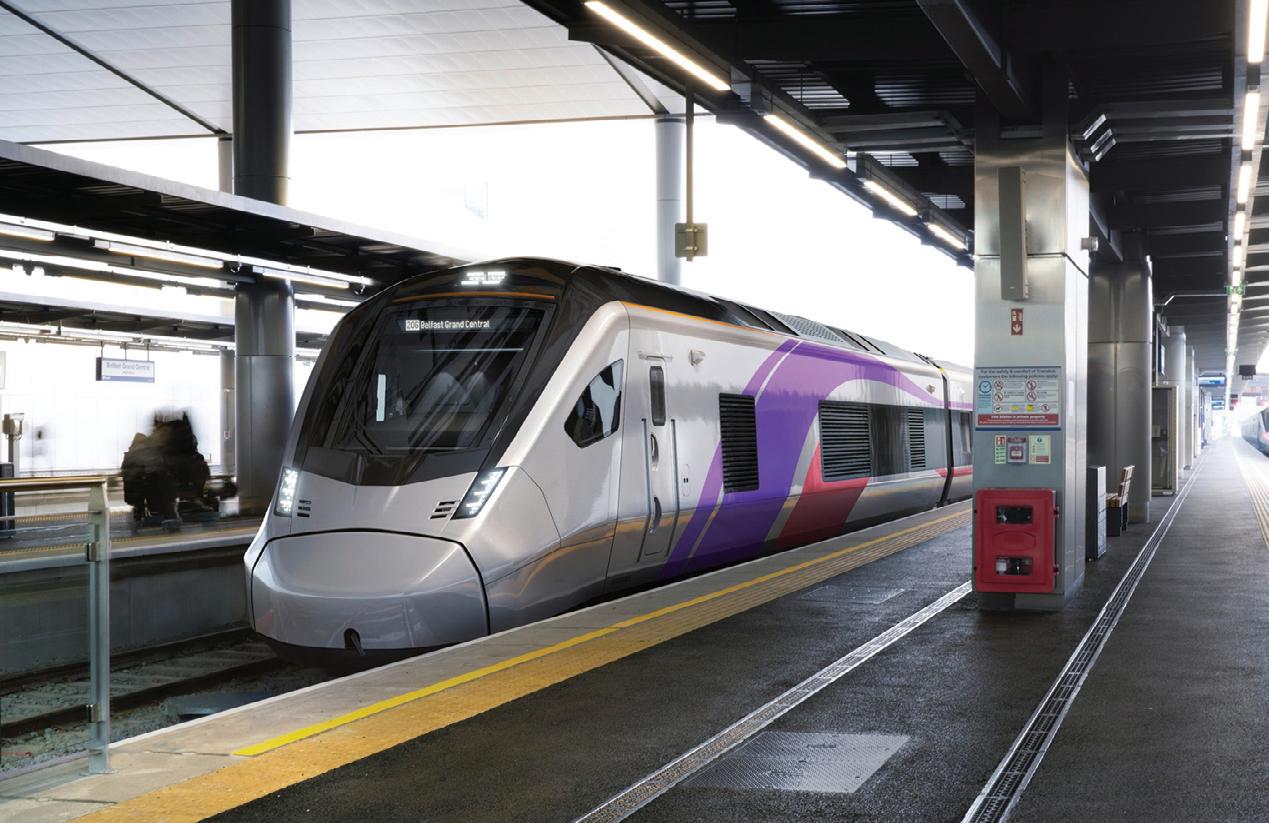
Due for delivery late 2028, the new Intercity trains have been purpose designed for the Enterprise route and will deliver a major step change in comfort and customer experience. With around 400 seats, the fleet features include:
• prioritised accessibility via step-free interiors and 100 per cent unaided boarding at every exterior door;
• enhanced customer facilities, including modern digital information systems, power sockets and USB charging points, improved storage; and
• a premium Enterprise Plus section, and a spacious dining/bar area.
The new Enterprise fleet will also be Ireland’s first tri mode trains, capable of operating on electric, diesel, and battery power. This will reduce emissions, enable quieter journeys, and ensure seamless operation as the line transitions toward full electrification.
With improved acceleration and performance of the fleet and associated infrastructure development, this project will support a target express journey time of under two hours.
The trains will also support expansion to up to 16 services per direction daily, strengthening long-term cross-border economic, cultural, and social connectivity.
First Minister Michelle O’Neill MLA says: “This is a hugely welcome investment and a significant moment for one of our island’s most important transport links. We are already seeing more people choosing the Belfast to Dublin rail service, helping to grow our thriving allisland economy, and strengthen connections between communities. This new fleet will improve services, enhance the passenger experience, and deliver benefits for people and places right across the island.”
Deputy First Minister Emma LittlePengelly MLA says: “It is vital that our public transport infrastructure meets the modern needs of people and businesses in both Northern Ireland and the Republic, so this investment is an extremely positive development. The introduction of these new trains with a range of modern customer facilities will be welcomed by businesses, commuters, and visitors alike. This significant investment will bring a range of benefits by connecting people to jobs, education and our fantastic tourism offering in Northern Ireland.”
Taoiseach Micheál Martin TD says: “Acquisition of a new fleet of trains for the Enterprise Service heralds a significant new chapter for cross-border rail connectivity on the island of Ireland.
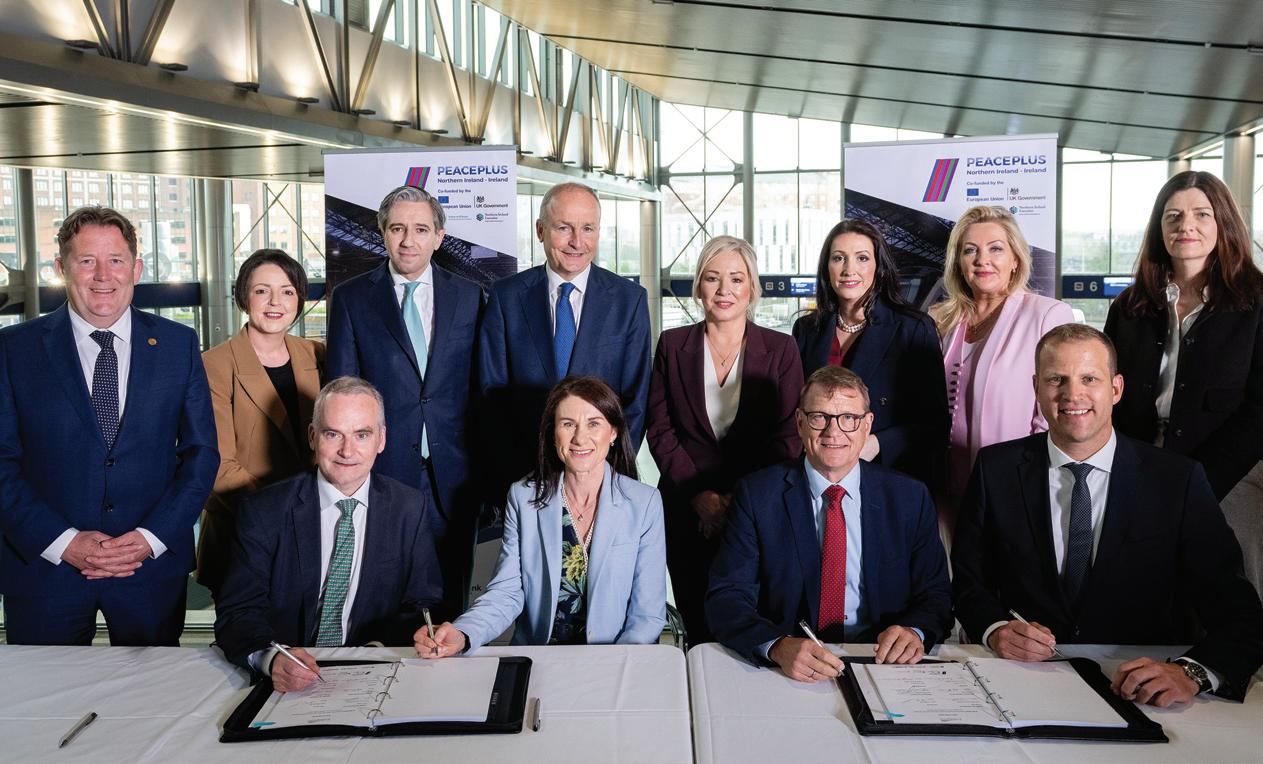
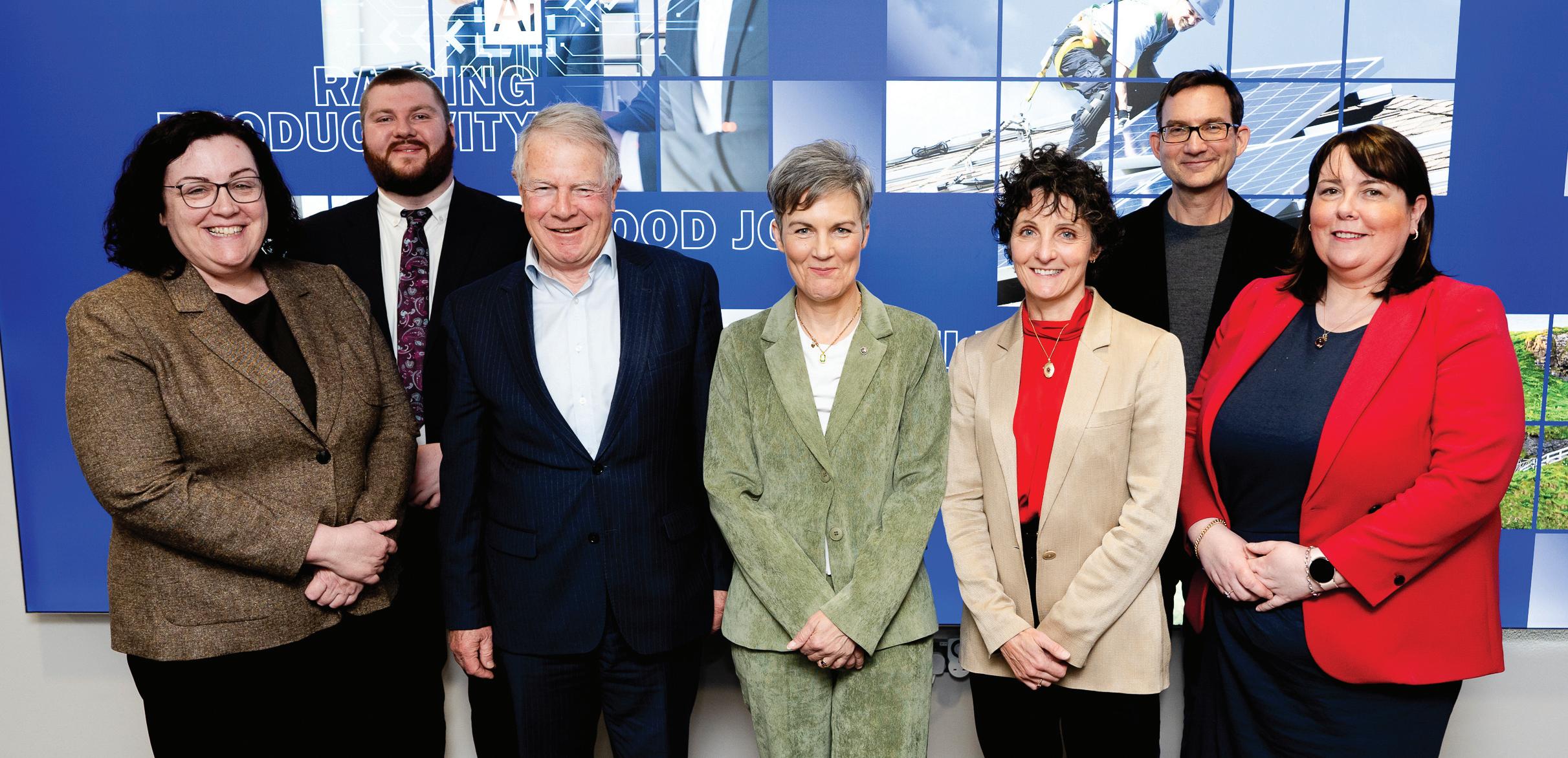
Back L-R: Darragh O’Brien TD, Minister for Transport; Liz Kimmins MLA, Infrastructure Minister; Simon Harris TD, Tánaiste; Micheál Martin TD, Taoiseach; Michelle O’Neill MLA, First Minister; Emma Little-Pengelly MLA, deputy First Minister; Gina McIntyre, SEUPB Chief Executive; and Gillian Morton, NIO. Front L-R: Chris Conway, Translink Group Chief Executive; Mary Considine, CEO, Iarnród Éireann; and Ralf Warwel and Daniel Baer, Stadler.
The Dublin-Belfast Economic Corridor is already home to over two million people and the new Enterprise fleet will support the Corridor to become even more connected, prosperous, and sustainable in the years ahead.”
Secretary of State for Northern Ireland Hilary Benn MP says: “The UK Government is proud to be providing more than £730 million to the current six-year PEACEPLUS programme, and I welcome the significant contribution that PEACEPLUS has chosen to make towards a new fleet of trains for the Belfast-Dublin rail service.”
Tánaiste Simon Harris TD said: “The Dublin to Belfast corridor is the largest economic area on the island, home to over 2.2 million people and linking the two largest cities and several of the largest towns on the island. The Government is committed to supporting and developing the economic potential of the corridor. Delivery of this project will allow for the sustainable growth of cities and towns along the corridor by providing ease of access and thereby increasing attractiveness for residency and work.”
Welcoming this milestone for the Enterprise Fleet, Infrastructure Minister Liz Kimmins said: “I am delighted to be part of this momentous occasion to celebrate the overall investment of £548 million, of which over £200 million is being provided by my Department. This represents investing with confidence in a modern, sustainable, and connected transport future. It demonstrates our intent on delivery and our commitment to connecting communities, supporting the economy, developing tourism and most importantly of all modernising and improving services for the travelling public.”
Irish Minister for Transport Darragh O’Brien TD says: “This rail investment reflects Ireland’s commitment to investing in public transport. The new Enterprise fleet will set a new benchmark for intercity accessibility and comfort, ensuring that passengers with all sorts of mobility needs can travel with confidence and ease. By modernising this vital cross border link, we are improving the everyday experience of public transport users and strengthening sustainable connectivity across the island.”
SEUPB Chief Executive Gina McIntyre says: “PEACEPLUS is proud to contribute €165 million to shaping strategic systems that will serve people, communities, and economies across this island for generations to come, clearly demonstrating that peace is no
longer treated as distinct from opportunity. This cross-border project reflects collaboration at its best. Governments, agencies, and delivery partners north and south have aligned around a common purpose.”
Chris Conway, Group Chief Executive, Translink, says: “Today is about turning long term ambition into delivery. We would like to thank our funders for this investment which will transform the Enterprise experience, delivering a modern, high quality journey that puts accessibility, comfort and passengers at the heart of this vital cross border service.”
Iarnród Éireann Chief Executive Mary Considine says: “Iarnród Éireann has a strong and longstanding partnership with Translink in delivering the crossborder Enterprise service, and we are excited to begin this new chapter for Enterprise. Supported by our funders, the new Stadler Enterprise fleet will allow ourselves and Translink to deliver
a true flagship service for current and future customers, a seamless crossborder operation delivering the highest standards of customer service, and a new era in accessibility and sustainability for the Dublin-Belfast rail line.”
Daniel Baer, Executive Vice President, Service Division, Stadler, says: “With this order, Stadler trains will be operating on the island of Ireland for the first time. The Enterprise connection is a symbol of close co-operation. We are proud to contribute to the modernisation and increased reliability of rail transport on this iconic route with our FLIRT trains and comprehensive service packages.”
For more information visit:
W: www.translink.co.uk/newenterprisetrains
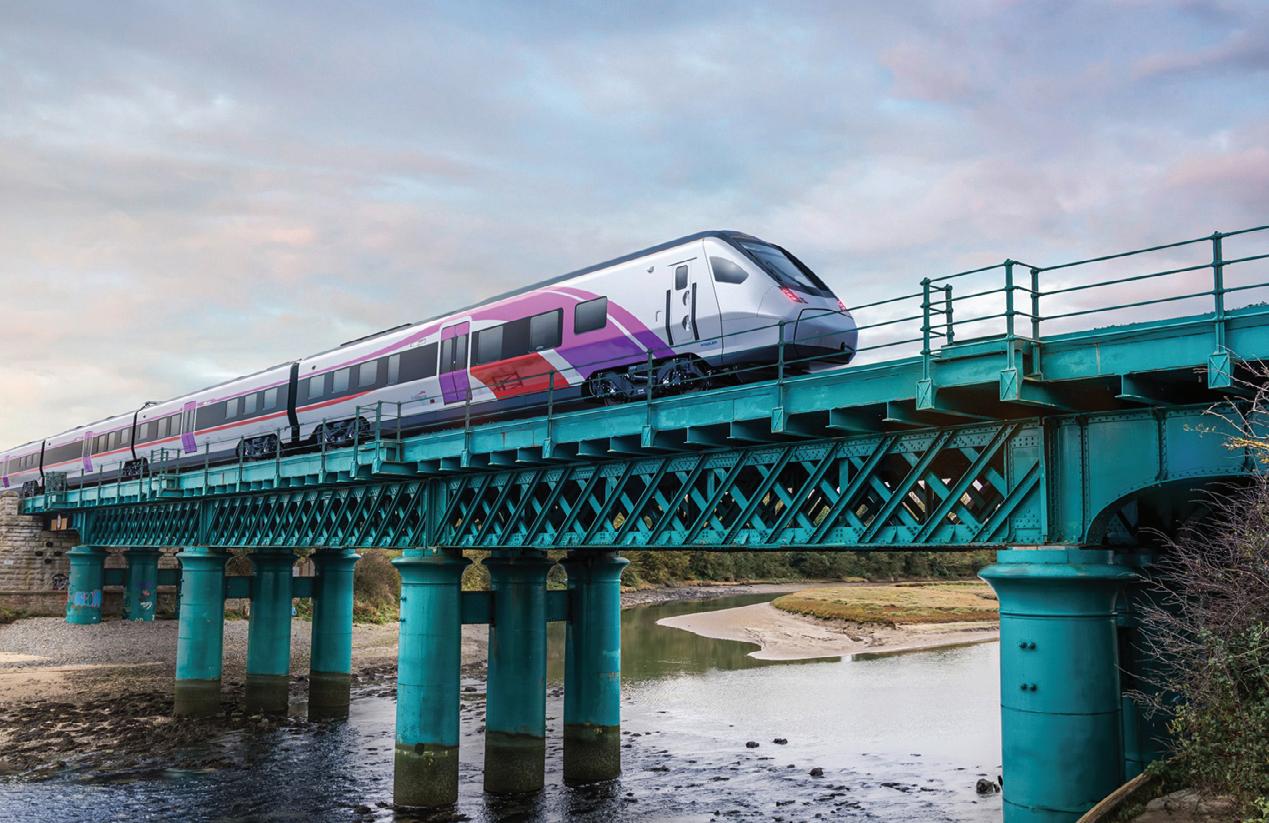
Artist’s impression of the new Enterprise train at Grand Central Station.
Artist’s impression of the new Enterprise on the Laytown Viaduct.
issues agenda
Resourcing the Civil Service
The Northern Ireland Civil Service (NICS) has “not delivered the scale and pace of reform necessary to demonstrate value for money in its workforce and people management”, according to the Northern Ireland Audit Office (NIAO).
Leading and Resourcing the Northern Ireland Civil Service, published by the Audit Office in January 2026, states that, among other challenges, there has been a notable increase in sickness absence rates, with an average of 13.4 days per year lost per staff member in 2024/25. This compares with an average of 12.6 days per staff member in 2018/19 recorded in a preceding Audit Office report in 2020.
Over the same time period, costs associated with sickness absence have increased from £32.9 million to £48.8 million.
The Northern Ireland Civil Service has a total workforce of roughly 24,500. For context, there are around 50,000 employees of the Irish Civil Service, servicing a state which has almost three-times the population.
Despite this, the Audit Office report states that there were nearly 5,500 vacant post declared by the Civil Service on 31 March 2025, and that the inefficiency of the organisation has resulted in a greater reliance on temporary staffing solutions.
Nearly 5,000 agency workers were employed by the Civil Service as of 1 April 2025, which is more than double the number recorded in April 2019.
In addition, more than 3,000 Civil Service staff were temporarily promoted, which represents 13 per cent of the workforce.
The report finds there has been a lack of progress in key strategic areas, such as workforce planning and recruitment. It also outlined concerns over both the reliability of workforce data used to identify resource requirements and the affordability of filling the high volume of posts currently declared as vacant.
In addition, the Audit Office highlights that many previous recommendations on workforce reform are yet to be implemented over five years after the
issues agenda
2020 report, Capacity and Capability in the NICS, as well as a follow-up report by the Assembly’s Public Accounts Committee (PAC). Only five of the 23 recommendations made by the NIAO in 2020 have been fully achieved. Similarly, of the 12 recommendations made by the PAC, just five have been delivered.
The report does identify some improvements, including enhanced governance arrangements with the establishment of a People Committee, a new People Strategy for 2025-30, and the launch of new apprenticeship, student, and work placement programmes.
However, it concludes that without sustained, collective leadership and urgent delivery, the NICS is at continued risk of failing to demonstrate value for money for its pay bill, which exceeded £1.27 billion in 2024/25 (before 2024 and 2025 pay awards).
Recommendations
The Audit Office acknowledges that all outstanding recommendations from the 2020 NIAO report and the 2021 PAC report have been integrated into the Civil Service’s People Strategy 2025-2030. The report calls on Civil Service leadership to deliver all nine key initiatives by 2030, with the roadmap of actions planned within the next two years delivered on schedule.
The report also says that the Civil Service has “a unique opportunity, with the introduction of new technology, to support the reform of its workforce management as set out in its People Strategy”.
“The NICS must ensure that it can demonstrate how it has optimised this significant investment to transform how it manages the capacity and capability of its workforce, delivering value for money across all NICS departments.”
To effectively develop a NICS-wide Strategic Workforce Plan, the report states that each department must commit “sufficient resources and expertise” and deliver the required outputs in time to meet the Integr8 detailed design timeframe.
“In establishing workforce baselines, departments must take this opportunity to improve efficiency and effectiveness by identifying cost inefficiencies, removing redundant activities, and redirecting resources towards improving outcomes and fostering innovation.”
Contextualising that the Civil Service can measure the efficiency and effectiveness of its workforce, the report says: “To maintain public confidence and deliver on government priorities, a highly skilled workforce must be able to demonstrate value for money in its implementation of policies and statutory services.
“Following the development of a strategic workforce plan, we recommend that the NICS establishes data-driven metrics to evaluate performance and outcomes in alignment with its strategic objectives.
“These measures should include clear key performance indicators, benchmarking against best practice, and regular reporting to senior leadership. This monitoring and reporting mechanism should enable the NICS to identify underutilised capacity, optimise resource allocation, and ensure that staff are skilled and performing to maximum strategic effect.”
Comptroller and Auditor General Dorinnia Carville says it is “very disappointing that progress on implementing such reforms has fallen short of expectations arising from previous commitments, and that sickness absence rates remain high”.
“The NICS is such an important workforce for Northern Ireland’s public services and therefore publication of a five-year People
£48.8 million
Estimated salary cost as a result of sickness absence
81.7%
Proportion of days lost as a result of long-term absence
Source: NIAO
Strategy in April 2025 is welcome. Strong, collective leadership and urgent action from the NICS board and senior civil servants will be key in delivering it.
“There is an opportunity now to utilise new technologies to accelerate the scale of transformation needed to improve efficiency and effectiveness and maximise the value for money of the NICS.”
Foundations for critical infrastructure decisions
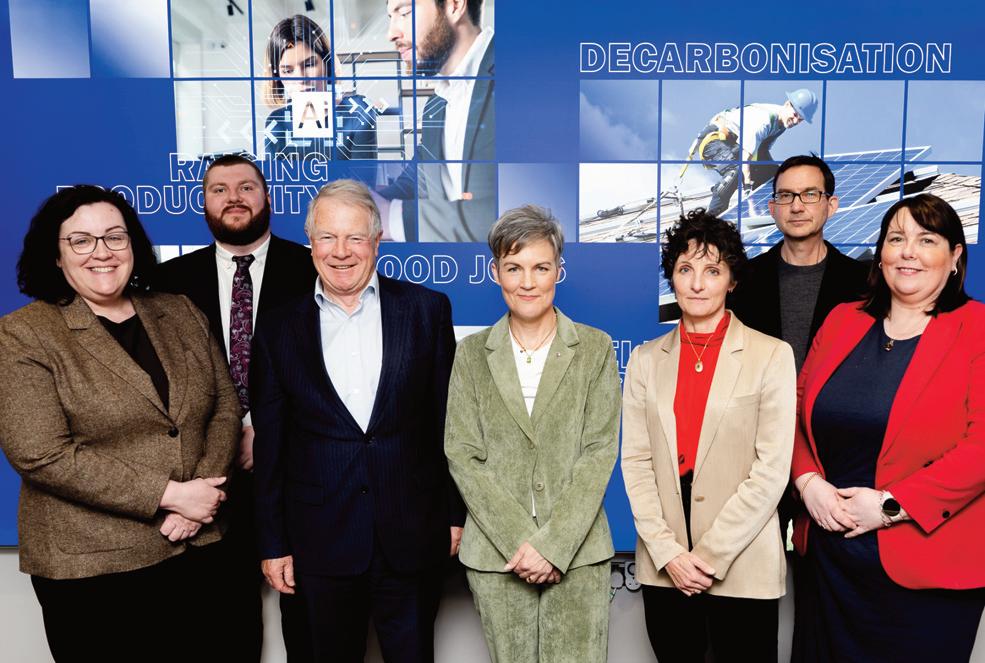
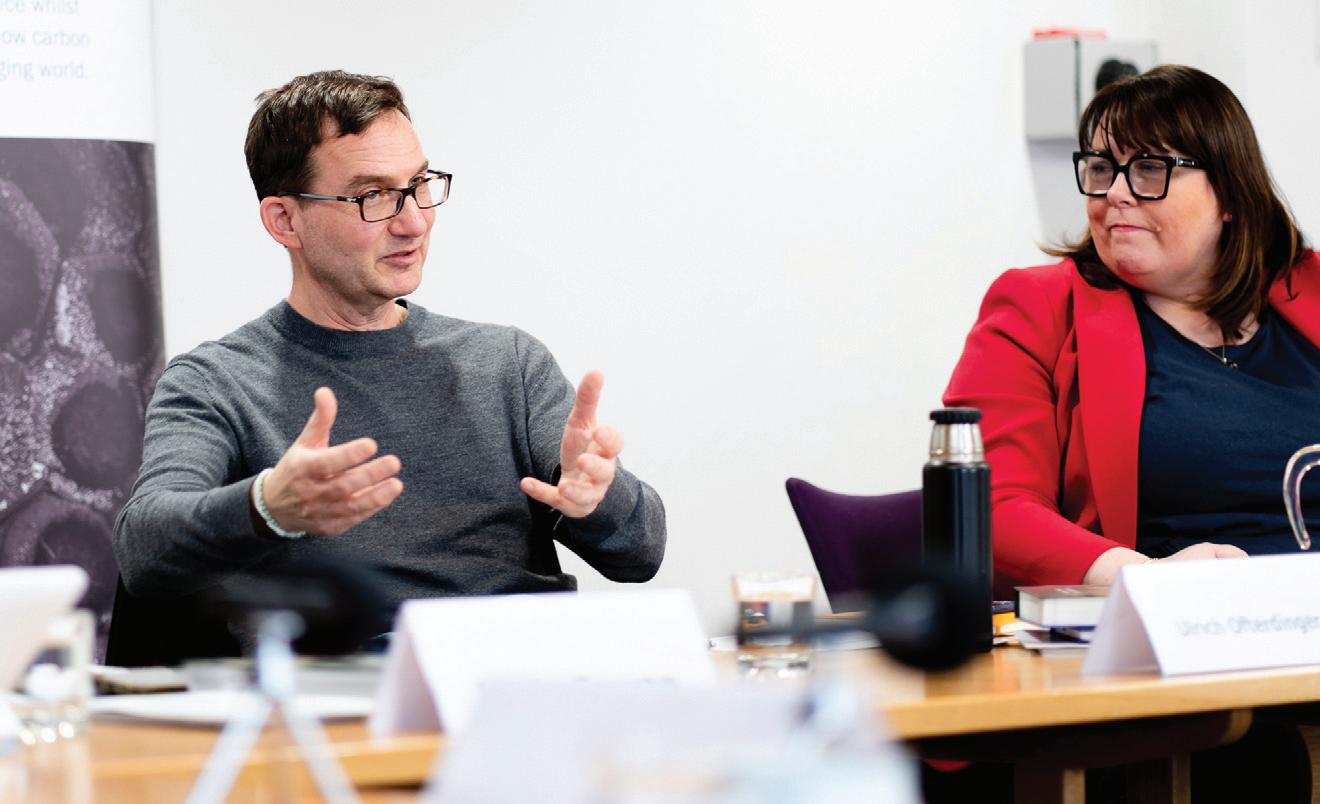
The Geological Survey of Northern Ireland (GSNI) hosts experts from across the planning, geoscience, and environmental sectors for a round table discussion on the foundations for critical infrastructure decisions.
Where do infrastructure policy and investment ambitions diverge from subsurface realities, and what are the impacts on cost, consent, delivery, and public confidence?
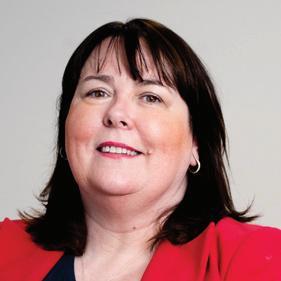
Marie Cowan
Delivering major projects has become increasingly complex due to population growth, technological change, and climate pressures. Across the UK, major infrastructure schemes have faced challenges around value for money, uncertainty, governance, and cost overruns, with delays in Northern Ireland alone estimated to cost between £700 million and £1.94 billion. These issues compound over time and undermine confidence in delivery. A key factor is the lack of robust evidence at the earliest stages of project planning. Subsurface understanding is not a luxury but an essential part of good public decisionmaking. Northern Ireland already holds valuable datasets, but the challenge is adopting a more systematic and integrated approach so that this information consistently de-risks future infrastructure delivery.
Ulrich Ofterdinger
In Northern Ireland, geology is highly varied, with complex rock formations and overburden deposits that create additional risks for development. Without adequate baseline data, projects are more vulnerable to delays, redesigns, and escalating costs. These overruns reinforce public perceptions that infrastructure projects are poorly planned and badly managed. Providing consistent and accessible subsurface data at an early stage would allow developers to anticipate challenges, design projects more effectively, and reduce uncertainty, ultimately improving delivery.
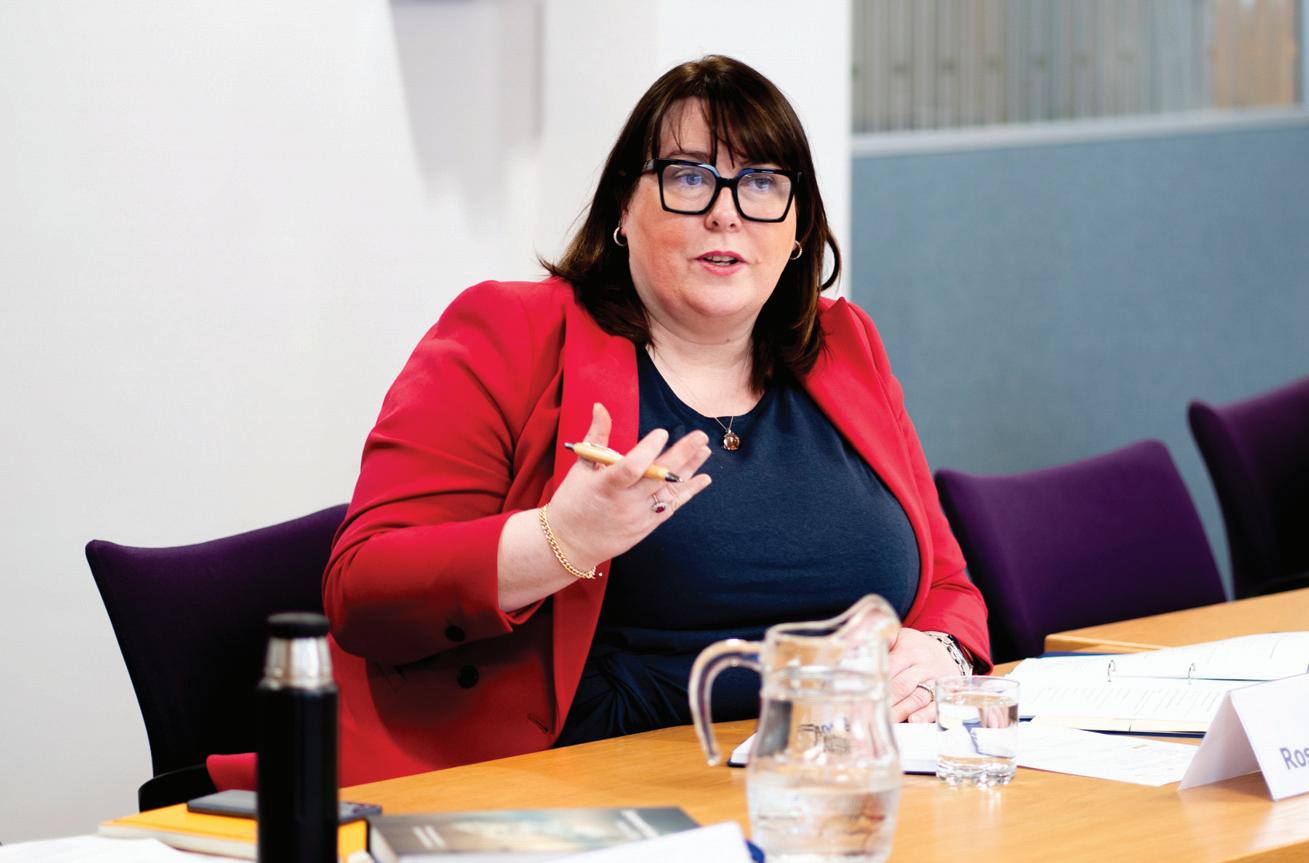
Rosemary
Daly
The planning system in Northern Ireland is under growing pressure to support infrastructure delivery, decarbonisation, and climate adaptation while also rebuilding public confidence through greater certainty and faster decisionmaking. Reliable subsurface knowledge is therefore extremely valuable because it strengthens the evidence base underpinning development plans and infrastructure proposals. Better information at the outset reduces uncertainty, improves project phasing,
Round table discussion hosted by
and supports higher-quality design outcomes from the start. For investors, understanding the physical constraints and opportunities of a site allows developers and infrastructure providers to anticipate challenges before committing resources.
Sean Finlay
Infrastructure policy and investment decisions must incorporate subsurface information because, without it, project delivery is inevitably compromised. Poor or incomplete subsurface data increases the likelihood of delays, overspending, and underperformance. A significant issue is that many enterprise and economic development agencies do not fully appreciate the importance of geoscience and subsurface evidence. If infrastructure projects are weakened by inadequate data, the wider economic development those agencies seek to promote is also undermined.
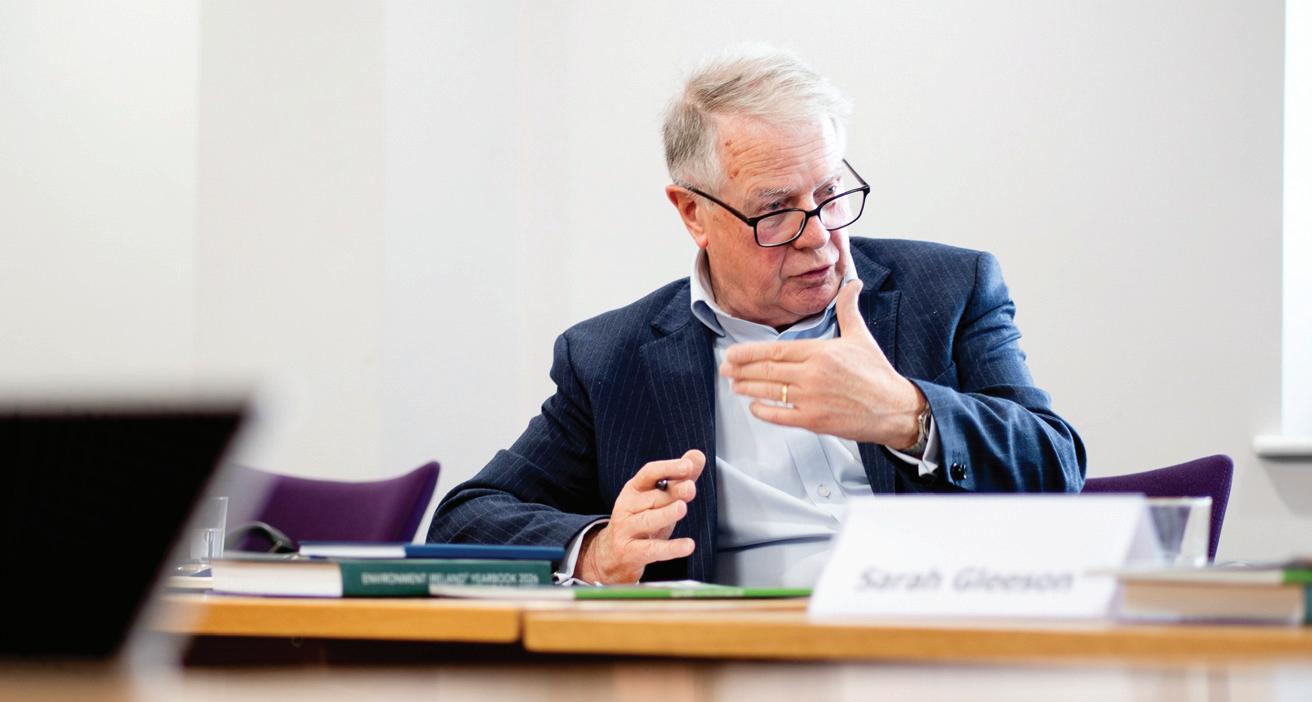
Sarah Gleeson
Infrastructure planning and climate resilience strategies should begin with an understanding of the subsurface. Applied geoscience provides essential evidence for making better long-term decisions on infrastructure, climate adaptation, and mitigation. Many projects experience delays because subsurface conditions are considered too late in the process. Addressing these issues earlier reduces uncertainty, improves confidence among contractors and investors, and lowers overall project risk.
Additionally, expanding critical infrastructure such as housing depends on raw materials such as aggregates and cement, which ultimately come from the subsurface. These resource demands are often overlooked in planning and there are also social acceptance and environmental challenges associated with extracting them.
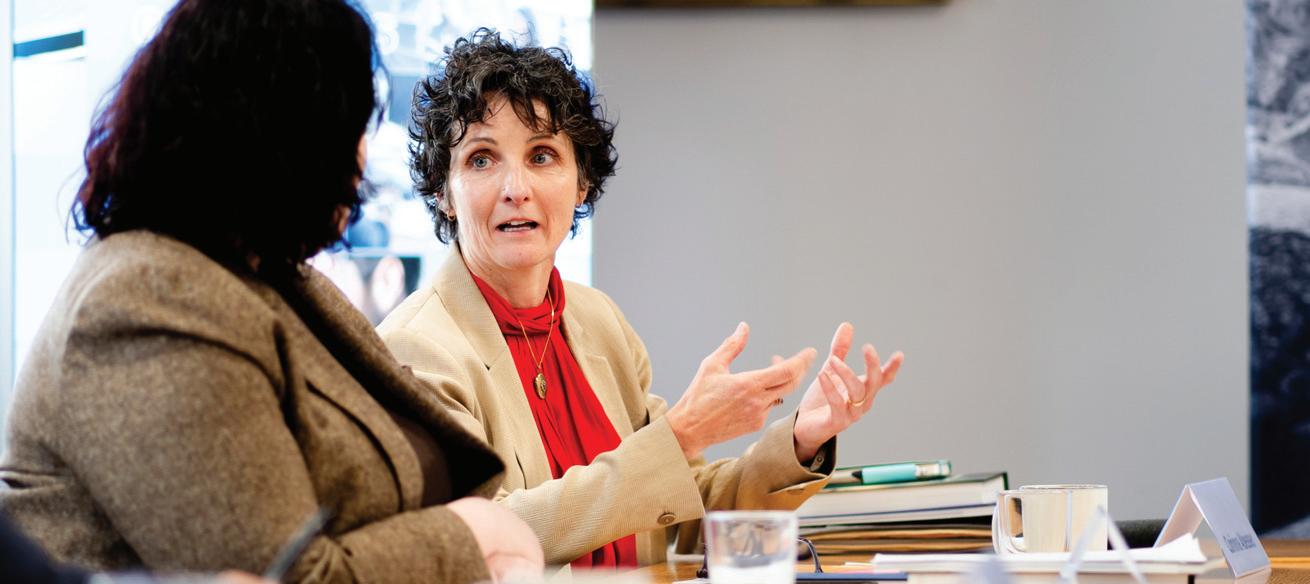
Corinna Abesser
UK infrastructure ambitions increasingly depend on the subsurface, requiring an evidence base that reflects geological variability and uncertainty. Yet valuable geological and ground investigation data collected through infrastructure projects are frequently used only once before being archived or lost, even when publicly funded. This creates inefficiencies, duplicated costs, and missed opportunities to build a shared evidence base. As a result, projects more frequently encounter unexpected ground conditions that drive overruns and weaken public confidence. Countries such as Germany and the Netherlands require geological data sharing, demonstrating that accessible subsurface information can reduce project failures and deliver significant national savings.
How well is shallow subsurface evidence integrated into early infrastructure design, and how could this improve delivery certainty, environmental performance and community outcomes?
Sean Finlay
Any well-designed infrastructure project should include a substantial subsurface component from the outset, and there is a strong argument that this should become mandatory. The financial implications of failing to do so are significant. The scale of costs associated with inadequate subsurface information is striking, and regardless of what proportion of total infrastructure spending it represents, it is still money that could be far better spent elsewhere through more informed planning and early-stage investigation.
Sarah Gleeson
Subsurface evidence should be embedded much earlier in planning and design processes, particularly where there are opportunities to connect infrastructure delivery with climate resilience and energy innovation. For example, excess heat generated by data centres could potentially be stored in the subsurface and linked to district heating systems in urban areas, creating more sustainable infrastructure outcomes. However, these kinds of projects often struggle to gain market confidence because investors want proof that the technology works at scale. Demonstrator projects, such as some of the geothermal initiatives already underway in Ireland and Europe, are therefore critical to building confidence.
Corinna Abesser
Every year, around £1.3 billion is spent in the UK on ground investigations for infrastructure projects, yet much of this data is never deposited or shared. As a result, investigations are repeatedly duplicated, increasing costs and inefficiencies, while limiting wider benefits such as improving national
Round table participants
Corinna Abesser is Policy Director at the British Geological Survey, where she is responsible for science communication, government engagement, and coordinating research evidence to inform policy, regulation and planning. She has over 25 years’ experience in environmental and energy related research, with a strong focus on subsurface resources, regulatory frameworks, and sustainable use. Abesser has worked closely with UK Government, parliament and regulators through advisory roles, commissioned work and academic secondments, and has also served on Northern Ireland’s Geothermal Advisory Committee.
Marie Cowan is Director of the Geological Survey of Northern Ireland and a senior leader within the British Geological Survey, where she advises across the UK, chaired its People, Culture and Skills Working Group, and serves on its Research Ethics Committee. She is Vice-President of the Royal Irish Academy for Membership and Sustainability, and an elected member of its council. Cowan chairs Northern Ireland’s Geothermal Advisory Committee and co-established the £17 million PEACEPLUS GEMINI geothermal partnership advancing low-carbon heat on the island of Ireland.
Rosemary Daly is Chief Planner and Director for Regional Planning Governance and Legislation at the Department for Infrastructure. She is a member of the Royal Town Planning Institute and a senior planning professional with nearly 30 years of experience across the public and private sectors in Northern Ireland and beyond. Her previous roles include a substantial period as a Commissioner with the Planning Appeals Commission, where she issued appeal decisions and reports and oversaw independent examinations of Local Development Plan documents. She was recently named by the RTPI as one of The Planner’s Women of Influence 2026.
Sarah Gleeson is the Professor in Sustainability Geoscience at the School of Earth Sciences in UCD, holds a Research Ireland research professorship and is the Director of the Research Ireland Centre for Applied Geosciences (iCRAG). She received a BA in Geology from Trinity College Dublin and a PhD in geochemistry from Imperial College London. Subsequently, she held academic positions in the UK, Canada and Germany and returned to Ireland in March 2025. She serves on several advisory boards to scientific institutions and on international grant funding panels. Gleeson was elected to the membership of Academia Europaea in 2023 and was recently appointed to the Ireland’s National Science Advice Forum.
Sean Finlay is President of the Irish Academy of Engineering (IAE). He is a Professional Geologist and Chartered Engineer with experience in mining projects in Ireland, Ghana, Mali and the Former Soviet Union with Tara Mines Ltd, Glencar Mining plc and Celtic Resources Holdings plc; engineering consultancy for infrastructure delivery in Ireland and Poland with Tobin Consulting Engineers. He is a director of Geoscience Ireland, an industry cluster active in over 50 countries.
Ulrich Ofterdinger is Professor of Applied Geosciences at the School of Natural and Built Environment (NBE) at Queen’s University Belfast and Director of Education for postgraduate studies at NBE. A qualified Hydrogeologist with a first degree in applied geology, Ofterdinger’s main areas of expertise include hydrogeology, hydrogeophysics, and numerical modelling as well as geothermal energy and aquifer thermal energy storage (ATES). Ofterdinger is a member of the Groundwater Resources Working Group for the Department of the Economy (DfE) and member of the Geothermal Advisory Committee for DfE.
“Subsurface understanding is not a luxury but an essential part of good public decision-making.” Marie Cowan
geological models. The British Geological Survey already provides mechanisms for data submission and sharing, but returns in Britain remain low even from large, publicly-funded infrastructure projects. The problem is therefore not technical but systemic. Reusing existing data could deliver considerable efficiency savings but will require stronger incentives or requirements to share data.
Marie Cowan
Northern Ireland already possesses an exceptional range of subsurface and surface datasets, including LiDAR, digital terrain models, flood risk, coastal and peatland data. The challenge is integrating these more strategically
across government. Initiatives such as the TELLUS and GeoEnergy NI projects plus new groundwater, engineering geology, and peat slide susceptibility maps already demonstrate the value of accessible evidence for infrastructure delivery and climate resilience. Importantly, the Department for Finance has piloted contract clauses requiring geotechnical data generated through public-procured projects to be shared, resulting in thousands of additional borehole data to captured. There is the opportunity to scale this into a fully coordinated, pan-government system where data from all sectors can be shared, integrated, and enhanced through technologies such as AI to
“Excess heat generated by data centres could potentially be stored in the subsurface and linked to district heating systems in urban areas, creating more sustainable infrastructure outcomes.”
Sarah
Gleeson
improve long-term planning and delivery certainty.
Ulrich Ofterdinger
Specialists working on infrastructure projects may know how to access the specific datasets relevant to their discipline, but integrating those datasets into a coherent and shared interpretation remains difficult. Different agencies collect and manage information in different ways, meaning valuable evidence is often inaccessible to those outside specialist networks. While there are strong examples of integrated platforms, such as the TELLUS dataset and the Northern Ireland Coastal Observatory, these remain exceptions rather than the norm. For technologies such as AI and machine learning to support infrastructure planning effectively, data must be easier to find, compatible across systems, and openly accessible.
Rosemary Daly
Having access to high-quality existing data allows planners and developers and infrastructure investors to identify whether projects are viable before major costs are incurred. Better evidence leads to more realistic programmes, improved environmental performance, and infrastructure that is better suited to the communities it serves. The subsurface shapes landscapes, ecosystems, settlements, and even patterns of drainage and development, providing meaningful local environmental information and understanding which is critical. Communities themselves often hold valuable knowledge about how landscapes behave, where flooding occurs, or which areas are unsuitable for development. Respecting that knowledge, alongside scientific evidence, helps ensure infrastructure is delivered more sensitively, sustainably, and in ways that protect the character and environmental value of local areas.
What role should deep subsurface knowledge play in long-term infrastructure and energy decisions, and what evidence and governance are needed to support responsible investment?
Sarah Gleeson
Since subsurface systems do not follow political boundaries, an all-island approach to data and planning, such as that demonstrated through the TELLUS
programme, is especially valuable. However, two key challenges remain. First, communicating deep subsurface issues to communities is difficult because people cannot easily visualise what exists underground and technical scientific explanations often fail to engage the public effectively. Second, there are increasingly complex questions around competing uses of the subsurface, including geothermal development, drinking water protection, and major infrastructure projects. Longterm planning therefore requires governance frameworks capable of balancing multiple interests while ensuring communities are meaningfully involved in decision-making.
Rosemary Daly
Better understanding of groundwater, drainage systems, habitats, and wider ecological relationships beneath the surface supports faster and more informed decision-making. Increasing the quality and amount of information submitted early in the planning process helps avoid situations where problems only emerge halfway through development or planning cycle. The more knowledge available at the beginning of a project, the more effectively infrastructure and development can be planned in a way that balances development needs with environmental protection and longterm sustainability for communities and natural systems alike.
Marie Cowan
Across Northern Ireland, large volumes of geoscience, planning, and environmental data already exist. If these datasets were systematically extracted, integrated, and shared, they could significantly improve future decision-making and investment certainty. An all-island approach is especially important because geology, water catchments, and environmental pathways do not stop at borders. Historical datasets also gain new relevance as priorities change. Demonstrator projects, combined with integrated governance and shared data systems, can help communities better understand emerging technologies and enable long-term infrastructure delivery.
Sean Finlay
A key requirement is the creation of coordinated, centrally curated datasets that combine information from both public and private sources, and make it readily accessible for future use. Many European countries already require
“For technologies such as AI and machine learning to support infrastructure planning effectively, data must be easier to find, compatible across systems, and openly accessible.” Ulrich Ofterdinger
developers to submit subsurface data to state or regional authorities, and similar approaches should be considered more widely. Importantly, subsurface systems do not stop at political borders or coastlines, so governance frameworks need to reflect the interconnected nature of geological and environmental systems through greater collaboration across jurisdictions.
Ulrich Ofterdinger
Subsurface spaces are being considered for multiple purposes, including geothermal energy, groundwater storage, flood mitigation, carbon storage, and seasonal heat storage. This creates competing demands that require careful long-term management, monitoring, and oversight. Governance therefore needs to ensure that decisions made today do not unintentionally sterilise the subsurface for future uses that may become essential for climate adaptation or mitigation. At the same time, there are significant investment opportunities emerging through sustainable finance mechanisms such as green bonds. Responsible investment will therefore depend on balancing innovation, environmental stewardship, and long-term strategic planning.
Corinna Abesser
Instead of allocating on a first come, first served basis, governance frameworks also need to look at subsurface use over time, considering 30- to 50-year planning
horizons, to ensure current activities do not sterilise the subsurface for future needs or deplete resources. Geothermal energy is an important example. Many cities are expected to use the subsurface for heat extraction, storage, and balancing energy demand, yet heat is not recognised as a natural resource within existing legislation. This raises important questions about whether governance and licensing frameworks need to evolve so geothermal resources can be managed, regulated, and integrated into long-term infrastructure planning.
How should surface, shallow, and deep subsurface systems be integrated into climate resilience planning to 2050 and beyond, in a way that strengthens environmental resilience, economic outcomes, and social capital?
Rosemary Daly
Better subsurface understanding allows planners to allocate land more effectively, identify development limits, and phase infrastructure in ways that reflect real environmental constraints. This leads to more environmentally responsible outcomes and strengthens confidence in planning processes such as the local development plan delivery. As more robust subsurface information is embedded into local development plans, certainty for investors increases and 4
“Any well-designed infrastructure project should include a substantial subsurface component from the outset, and there is a strong argument that this should become mandatory.” Sean Finlay
planning decisions become more transparent and trusted. This also supports a shift towards more integrated design approaches that account for environmental systems beneath the surface, ensuring infrastructure is better aligned with both ecological conditions and long-term resilience objectives.
Ulrich Ofterdinger
Geothermal energy provides an indigenous, low-carbon source for heating and cooling, helping decarbonise one of the largest sources of emissions and reducing reliance on external energy systems. The subsurface also supports climate adaptation through groundwater management and the storage of excess water during wetter periods for
subsequent use during droughts. In addition, identifying subsurface energy ‘hotspots’ can help guide the location of industries that are energy-intensive, improving efficiency and reducing environmental impact.
Marie Cowan
A systems-based approach, similar to an integrated energy or climate dashboard, could bring together real-time data on water levels, temperature, chemistry, subsidence, and other environmental indicators to support dynamic decisionmaking. This could evolve into digital twins of local council areas, allowing planners to test scenarios in advance and prepare for events such as landslides, floods, or coastal risks. Such systems
“Accessible subsurface information can reduce project failures and deliver significant national savings.” Corinna Abesser
would support proactive risk management rather than reactive responses, improving resilience in the face of increasing climate emergencies. Given the exposure of critical infrastructure to climate risk and environmental change, integrating subsurface intelligence would strengthen economic stability and public safety.
Corinna Abesser
Success of climate adaptation depends on subsurface processes: flood risk is linked to infiltration and groundwater levels, drought resilience depends on groundwater storage, and nature-based solutions are closely linked to soil systems. A whole-system view is therefore required, recognising subsurface processes as equally important as surface conditions. Recent engagement with planning professionals also highlights the need for better data availability, improved visibility of subsurface use, and stronger data stewardship. Better alignment between planning, regulation, and subsurface knowledge can deliver more coordinated and effective climate adaptation outcomes.
Sarah Gleeson
Climate resilience planning must include the concept of the subsurface as system, as all surface, shallow, and deep subsurface processes are interconnected such as flooding, biodiversity, groundwater, geology, and coastal change, and all impact infrastructure resilience. The subsurface also contains valuable records of past climate and environmental change, providing an important archive for understanding longterm Earth systems. Advances in technology now allow much more sophisticated monitoring and modelling of subsurface and infrastructure health. These tools can be used to track embankment stability, peatland conditions, and other critical systems in real time, improving early warning and risk management.
Sean Finlay
Climate resilience planning should prioritise the subsurface as a key component of national infrastructure strategy, particularly through geothermal energy development, subsurface storage, and resource security. In addition, ensuring access to critical raw materials is essential for long-term resilience and aligns with broader UK and European policy goals around reducing external dependencies. These uses highlight the
strategic importance of the subsurface not only for environmental resilience but also for energy security and economic stability. A coordinated focus on these areas will be essential for building a resilient infrastructure system capable of supporting future climate and resource challenges.
How can subsurface data from infrastructure projects be better shared and re-used to build a national evidence base, and what governance is needed to manage it in the public interest?
Corinna Abesser
Geological surveys see part of their role as collecting, curating, and facilitating access to this information, but the main challenge is that much of the data never becomes accessible in the first place. Voluntary approaches and contractual arrangements have had limited success in Britain, so stronger mandates may now be necessary, particularly for publicly funded projects. Data generated using public money should be returned to a public body, such as a geological survey, where it can be made available for wider use. Evidence from the Netherlands and Germany shows that mandatory data sharing improves planning, project delivery, cost control, and long-term infrastructure outcomes.
Sean Finlay
Mandatory reporting of subsurface data to a central agency, most likely a national geological survey, is the most effective long-term solution for building a coherent and reusable national evidence base.
Sarah Gleeson
Subsurface data should be treated as a strategic national resource, requiring long-term investment in curation, archiving, protection, and accessibility to all stakeholders. The ambition for subsurface data sharing should extend beyond geosciences alone. Germany’s National Research Data Infrastructure provides a strong example, with data repositories covering earth sciences, chemistry, health, and other disciplines linked to the European Open Science Cloud. This enables large-scale data science and AI applications across sectors. There is also a significant opportunity for stronger all-island collaboration around geothermal energy,
groundwater, and climate resilience planning for infrastructure.
Ulrich Ofterdinger
Large, accessible datasets can become powerful national assets when they are collected and managed in a standardised and interoperable way. Comparable examples already exist in sectors such as healthcare, where shared NHS data has helped drive innovation and new forms of analysis. In the same way, initiatives such as the TELLUS dataset demonstrate the value of making high-quality environmental and subsurface information openly available for industry, research, and applications that may not even yet be anticipated. Standardised data systems would also support the development of new analytical tools, including AI-based approaches, while making information easier for nonspecialists to access and interpret.
Rosemary Daly
At present, often approaches can be fragmented. A more joined-up system would improve understanding and increase the value of the information already being collected. Responsibility should not rest solely with public bodies; investors and developers also have an important role to play. Better accessibility and standardisation would support public decision-making and private investment,
helping ensure that everyone involved knows what information exists, how it can be used, and how it can contribute to more efficient and informed infrastructure delivery.
Marie Cowan
The future of subsurface data sharing lies in creating a much broader and more integrated ecosystem that extends beyond geoscience alone. Environmental science, engineering, planning, communication, and social science all need to interact if infrastructure and environmental challenges are to be addressed effectively. Models such as the Dutch ‘diamond approach,’ which brings together government, industry, researchers, and the public, offer a useful framework for collaboration. There is currently strong momentum for UKIreland cooperation, supported by shared geology, common climate and infrastructure challenges, and growing research collaboration. This creates an opportunity for a cross-border centre of excellence focused on the future of the subsurface, combining interdisciplinary research, shared learning, governance innovation, and public engagement to support economic development, environmental stewardship, and longterm strategic planning.
“Increasing the quality and amount of information submitted early in the planning process helps avoid situations where problems only emerge halfway through development.” Rosemary Daly
issues agenda
Proposals to significantly raise household charges
The Executive could unlock more than £3 billion in additional annual spending power through a combination of higher household charges, public sector reform, and changes to longstanding pay arrangements, according to a review of Northern Ireland’s finances by the British Treasury.
The ‘open book review’, commissioned following a £400 million overspend by the Executive in 2024/25, examines options to improve the sustainability of Northern Ireland’s budget amid mounting pressure across health, education and infrastructure, and consistent overspends.
In a document reported by the Press Association, the Treasury states that Northern Ireland raises comparatively little revenue domestically while maintaining a proportionally larger public sector than other parts of the UK.
Among the most politically sensitive proposals is a significant increase in domestic rates. The review estimates that aligning Northern Ireland’s rates system more closely with council tax levels in
England could generate more than £400 million annually.
Such a move would see the average household bill rise from approximately £1,200 to almost £1,800 per year. The report does not, however, acknowledge that average median earnings in Northern Ireland are just over £31,000 per year, significantly below the UK average of just over £39,000 per year.
The report also revisits the long-running debate of domestic water charges, which remain absent in Northern Ireland despite being paid separately elsewhere in the UK.
Treasury officials estimate that introducing a household water charge of
around £465 annually per property could generate a further £357 million each year for public services.
Taken together, the proposed rates increases and water charges would represent the most significant expansions of new charges for Northern Ireland households’ spending since devolution was restored.
Public sector restructuring
The review suggests the largest potential savings lie not in additional taxation, but within the structure and size of Northern Ireland’s public sector.
Drawing on analysis from the Northern Ireland Fiscal Council, the report argues
issues agenda
that Northern Ireland employs proportionally more public sector workers than England, reflecting both historical policy choices and the region’s economic dependence on state employment.
According to the Treasury assessment, reducing the civil service to the equivalent relative size of the English system could deliver savings approaching £400 million annually.
The report stresses that the figure is “illustrative” and acknowledges that direct comparisons with England fail to fully account for Northern Ireland’s distinct social and economic circumstances, including higher levels of deprivation, rural service delivery, and the legacy costs associated with policing and community division.
Despite this, the review presents public sector reform as central to addressing the Executive’s recurring budget overruns.
The document also scrutinises the principle of pay parity, which is a convention under which public sector workers in Northern Ireland receive broadly equivalent salaries to counterparts elsewhere in the UK.
Treasury officials estimate that ending or significantly reducing pay parity arrangements could theoretically save up to £2.5 billion annually.
Such a proposal would mark a significant shift in how public sector pay is determined in Northern Ireland and would almost certainly provoke fierce opposition from trade unions and frontline workers.
Previous attempts to diverge from UKwide pay settlements have already resulted in widespread industrial action involving teachers, nurses, and other public sector employees.
More broadly, the review reflects dissatisfaction within the British Government at the cost of subvention for Northern Ireland. In December 2025, Secretary of State Hilary Benn MP said that the Executive “must now make the difficult decisions needed to live within its means and deliver a balanced budget”.
While Northern Ireland receives a substantial fiscal transfer from
Westminster, with public spending per head remaining higher than in England. However, local politicians across all parties have consistently argued that existing funding arrangements fail to properly account for the region’s higher levels of need.
‘Absolutely preposterous’
While the review was initially intended to be conducted jointly between the Treasury and Northern Ireland’s Department of Finance. In practice, however, it became a Treasury-only exercise.
A senior departmental official told Assembly members that Stormont officials had effectively withdrawn from the process because they were not given sufficient time to assess the Treasury’s assumptions and calculations in detail.
Political leaders across the Executive have since challenged the practicality of several proposals, particularly suggestions that billions of pounds could realistically be generated from a population of fewer than two million people without placing unsustainable pressure on households and public services.
Deputy First Minister Emma Little-Pengelly MLA has described elements of the review as “absolutely preposterous”, arguing that some assumptions did not withstand “the most basic of scrutiny”.
First Minister Michelle O’Neill MLA has similarly rejected what she described as the report’s “starting point”, insisting Northern Ireland has been systematically underfunded for years relative to assessed need.
Leader of the Opposition Matthew O’Toole MLA says: “We are now in the farcical situation of an open book exercise, heralded by the Finance Minister as a means to improve the Executive’s fiscal settlement, being buried by the Executive until it was leaked. While some of the assumptions can be questioned, it appears to point to a structurally chaotic situation.”
Although controversial, the review has sharpened an increasingly unavoidable debate at the heart of Northern Ireland’s politics as to whether the region can continue to sustain current levels of public spending without either raising significantly more revenue domestically or securing a fundamentally different financial settlement from Westminster.
Furthermore, it leaves question marks over the UK Government’s long-term commitment to Northern Ireland, with the Labour government facing growing dissatisfaction among its British-based constituents.
Driving tourism growth and economic impact in Northern Ireland
With Summer 2026 approaching, Tourism Northern Ireland is sharply focused on one priority: maximising tourism’s contribution to the economy by driving demand, increasing visitor spend, and strengthening the competitiveness of local businesses, writes David Roberts, Director of Strategic Development at Tourism Northern Ireland.
Tourism is a cornerstone of the Northern Ireland economy, built on world-class landscapes, a deep history, a rich culture, excellent food and drink, and brilliant people.
A key economic driver across the region, tourism supports 70,000 jobs, 6,000 businesses and strengthens communities, all while showcasing our unique offering on a global stage.
Recent performance underlines that strength, with 3.9 million overnight visitors and £918 million in spend recorded in the first nine months of 2025, continuing a clear upward trajectory.
Above this positive foundation, however, the current geopolitical situation is creating headwinds as visitor confidence is lessened and some plans are being changed or reconsidered.
Add the cost of living and the cost of doing business into this mix and the operational environment for the tourism industry is especially challenging.
Converting opportunity into revenue
Keeping close to the changing context and adopting a flexible response is a key focus at Tourism NI.
Recent research revealed that international travel is being reconsidered by some consumers, with one fifth cancelling or less likely to take a long-haul trip in the next six months.
Tourism NI hosted its biggest ever Meet the Buyer event in March at the ICC Belfast.
Other research shows that 50 per cent of those surveyed in the Republic of Ireland say they are now more inclined to consider Northern Ireland as a holiday destination, while 61 per cent of respondents living in Northern Ireland also favour staying close to home this year.
This has created a clear opportunity to drive further growth in tourism from both Northern Ireland and Republic of Ireland consumers.
With competition from other markets intensifying, it is ultimately destination differentiation, which is what makes Northern Ireland different and memorable, that drives demand.
We need to be truly unique and compelling to win that additional tourism business, and that starts with our industry.
Strengthening industry capability
During the past 12 months, we delivered an extensive tourism business support and learning programme, which saw more than 30 events attended by almost 1,800 business representatives.
These supports ranged from the power of AI and marketing to delivering a luxury tourism experience, all of which provided our local industry with expert knowledge and advice about how to enhance their product and visitor experience.
Our dedicated e-learning platform, ‘MyTourismNI’, continues to grow, with almost 600 users. Tailored for Northern Ireland's tourism and hospitality sector, the platform offers almost 50 free courses designed to enhance marketing, digital operations, and sustainability skills.
Securing future business through global trade
This support was boosted in March by the delivery of our largest ever ‘Meet the Buyer’ travel trade event.
Celebrating its 35th year, over the twoday workshop more than 6,000 sales appointments took place between 225 representatives from the region’s tourism businesses and 180 international tour operators, who are responsible for designing future itineraries for their clients who are keen to visit the island of Ireland.
Local industry took the opportunity to pitch their diverse range of products and experiences to the international buyers
from 16 key global markets including North America, Australia, Canada, New Zealand, and Europe.
Following the workshop, many of the international buyers took part in a series of familiarisation trips, which allowed them to sample at first hand a host of tourist attractions, accommodation and experiences across the region.
Such trips play an essential role in raising awareness of what Northern Ireland has to offer and securing business in future years.
Feedback from the event has been extremely strong, with 98 per cent of industry rating it as either good or excellent.
In addition, over 95 per cent of participants said they achieved or exceeded their objectives at the event while more than 90 per cent said they had strengthened existing relationships.
Investing in quality, people and sustainability
In recent months, we also delivered a new series of Regional Innovate Tourism Roadshows, which supported the industry to strengthen their business offering by refreshing their visitor experience, increasing visitor value and strengthening sustainability and resilience.
Jacqueline McCann, Founder of Roll Innovation, facilitated an Innovate Tourism workshop on behalf of Tourism NI.
Attendees also had the opportunity to have direct one-to-one appointments with Tourism NI teams to get advice and support in diverse areas including marketing, events, e-learning, and accommodation certification and grading, during dedicated business clinics.
Our Sustainable Tourism Business Programme also continues to drive positive change and good practice across the sector. To date, 84 tourism businesses have completed the programme.
Offering structured mentoring and training, the programme enables businesses across Northern Ireland to develop sustainable tourism offerings.
It emphasises the importance of sustainability storytelling and explores broader themes such as accessibility, biodiversity and community.
Facilitated by The Tourism Space, in partnership with Ulster University, businesses which complete the programme gain a Level 4 Certificate of Achievement in Sustainable Tourism Practice in Destinations.
Driving demand
In the first quarter of 2026, we delivered three significant marketing campaigns to drive demand to Northern Ireland. Our broad-based Spring campaign was
underpinned by Tourism NI’s ‘Embrace A Giant Spirit’ brand.
It encouraged potential visitors to ‘take a small step to a giant adventure’ providing inspiration on things to do, places to visit and where to stay.
A tailored ‘Legenderry’ visitor campaign focused on celebrating the energy, culture and unforgettable experiences that make the City stand out.
An additional campaign focused on promoting Fermanagh as a destination where giant adventures flow, inspiring visitors to take a short break to enjoy stunning lakes, ancient landscapes, quality accommodation and giant tastes.
This campaign followed the announcement of a new licensing agreement between Tourism NI and Fáilte Ireland on the use of the ‘Ireland’s Hidden Heartlands’ brand. Eligible tourism businesses in Fermanagh can now utilise the brand and its assets, boosting their reach and generating increased interest.
Collectively, these three campaigns delivered a combined 325 million impacts across the island of Ireland, prompting 1.6 million visits to discovernorthernireland.com
A total of 300 tourism businesses featured as part of the campaigns with £6 million worth of PR value generated. And there is more to come.
In May 2026, Tourism NI launched an additional programme of summer marketing activity.
Running until June 30, the activity will drive demand for short breaks and days out this summer, showing how you do not have to go away to ‘get away’, whilst highlighting the convenience, ease, flexibility and value for money of a short break or day out in Northern Ireland.
The activity will be underpinned by industry offers and value-added events and experiences with options to suit every interest, pace and budget.
On completion, the activity will have generated 15 million advertising impacts and resulted in seven million clicks.
Support for our industry will be further boosted with the launch of a new Workplace Excellence Programme.
Designed to assist tourism and hospitality businesses across Northern Ireland improve their people management practices, the Programme has been developed at a time when the industry continues to face workforce related challenges.
Whilst there have been improvements in many people-related aspects of the tourism sector in recent years, some businesses experience skills shortages
Tourism NI hosted a bespoke Luxury Experience Workshop in Belfast, which was designed to enhance offerings for the high-end market.
and recruitment difficulties, labour market competition, and management and leadership gaps. AI challenges are increasingly evident too.
The Workplace Excellence Programme will address these challenges, promote best practice and support broader efforts to enhance the desirability of the industry as a place to work.
It aims to do this through fostering a culture of excellence in the workplace through employee engagement and development, meeting the demands of a changing labour market by supporting the attraction and retention of talent, as well as continuously enhancing the appeal of the workplace.
In addition, by helping businesses enhance their employee practices, the programme will support inclusive and sustainable talent attraction and retention across the sector.
The Programme forms part of a first ever Skills Plan for the sector, one of the key priorities in Economy Minister Caoimhe Archibald MLA’s 10-Year Vision and Action Plan for Tourism.
Tourism NI is also preparing to launch a Business Resilience Programme which is aimed at providing direct access to a financial expert to identify and remedy cost concerns as we seek to provide extra support to the industry to maximise their competitiveness.
The businesses taking part will receive a ‘Financial Health Check’ – a bespoke action plan – and three hours of individual mentoring. Outcomes are focused on increased business resilience and financial capability.
Events as economic catalysts
In a dedicated effort to continue to grow our visitor numbers and support our industry, over the next 12 months, Tourism NI will fund 16 events through our International Tourism Events Fund (ITEF).
From the arts to music, sport and science, a broad spectrum of events will be supported across the region.
The ITEF supports events that attract significantly high levels of visitors to Northern Ireland while also generating international media coverage, which helps to showcase the region as a must see travel destination.
Tourism NI hosted an Inclusive and Accessible Tourism event at the Dunadry Hotel and Gardens in Antrim which was aimed at supporting the industry with improving their visitor experience.
It is projected that the events will collectively generate over £34 million for the Northern Ireland economy by attracting just over one million visitors, 24 per cent of whom will be from out-ofstate.
The visitors will result in just over 185,000 commercial bed nights – including hotels, B&Bs, guesthouses, and self-catering –being booked across the region.
And our industry has much to look forward to this summer.
Around 700,000 visitors are expected to descend on Northern Ireland in August for Fleadh Cheoil na hÉireann, the world’s largest annual festival of Irish music, song, dance, and competitions.
It is estimated that the Fleadh, which will also return to Belfast in 2027, will generate millions of pounds for the local economy with the benefits of the weeklong celebration set to be felt across the region.
Tourism NI is currently working closely with the tourism industry and key partners to ensure a high-quality experience for all attendees.
Looking ahead
There is no doubt that 2026 is shaping up to be a busy and productive year for tourism in Northern Ireland.
While challenges remain, the focus is firmly on converting opportunity into economic value.
We will continue to drive demand through high-impact marketing, connect local businesses to international revenue streams, invest in skills, quality, and sustainability and position Northern Ireland as a distinctive, must-visit destination
Tourism is not just about movement – it is about economic return. And with the right strategy, partnerships, and industry capability, Northern Ireland is well placed to further grow its share of global tourism and maximise its value to the economy in the years ahead.
Armagh cancer charity celebrates 10 years of service
Knitted Knockers of Northern Ireland (KKNI) Director Hope Graham speaks to Harry McGoldrick on the difference the charity has made in the local community.
Knitted Knockers of Northern Ireland (KKNI), supports women who are living with breast cancer throughout Northern Ireland, using mediums such as artbased therapy, counselling, and wellness sessions, while creating a sense of community.
Founded in 2016 by Joanne Harris, the charity has gone on to deliver approximately 5,000 breast prosthetics per annum to women who have undergone mastectomy surgeries across Northern Ireland.
Hope Graham explains: “Losing a breast is such an intimate and personal thing which requires compassion and a personal solution. Our free hand-knit prostheses restore comfort, dignity, and confidence after surgery.”
The charities work mainly focuses on improving patient experience; supporting people to live well with and beyond cancer; reduce health inequalities
through free, accessible services; and collaboration with the community and voluntary sector.
In April 2026, Health Minister Mike Nesbitt MLA visited the charity, which he called “a wonderful example of volunteers coming together to provide support for those living with breast cancer”.
Graham says that the visit allowed the organisation to voice concerns on behalf of people living with cancer in the Southern Trust and gave them the opportunity to hear how the Department was improving services and waiting times in Northern Ireland.
“We were able to use the meeting to voice our concerns regarding current waiting times for breast diagnostic appointments and surgeries, along with sharing concerns voiced during the Reshaping Breast Assessment Services consultation in 2019,” Graham says.
As of April 2026, breast assessment service waiting times have dropped to five weeks and two days, a reduction from 12 weeks in September 2025.
Minister Nesbitt says: “In addition to medical intervention, the compassionate support from charities like Knitted Knockers is vital, creating a social environment through the Breast Friends Clubhouse, as well as providing mental health and wellbeing assistance.”
As the charity celebrates its 10-year anniversary in 2026, Graham says the work would be impossible if not for the volunteers.
Graham says: “What began as a simple act of care has grown into a powerful community built on friendship, compassion, and hope. None of this would have been possible without the dedication of our incredible volunteers, whose generosity continues to change lives every single day.”
Hope Graham, Knitted Knockers of Northern Ireland; Mike Nesbitt MLA, Minister of Health; and Joanne Harris, Knitted Knockers of Northen Ireland.
Sponsored by
Building a resilient, affordable energy system
Writing in agendaNi, Economy Minister Caoimhe Archibald MLA outlines the importance of delivery of the Energy Strategy to lower energy costs, and protect homes and businesses from price shocks.
Recent energy price spikes serve as a reminder of how exposed the homes and businesses of this region are to global events that lie completely outside of their control. This was evident after the Russian invasion of Ukraine and is again clear following the US-Israeli attacks on Iran. These global events triggered sharp fuel price increases around the world and hit local households.
With two-thirds of our households using home heating oil, the impact was particularly severe here.
I quickly engaged with my counterparts in the Executive, as well as the British Government, to seek support for homes and businesses facing these unfair costs, and with the Irish Government to share information as the situation developed.
The Executive has agreed to provide an additional £19.2 million in addition to the £17 million announced by the Treasury to support consumers of home heating oil in the North who are most in need and that is being delivered through the Department for Communities.
Separate to that, and before the current energy crisis, officials from my department and the Department of Finance had secured a commitment from the Treasury to cover 75 per cent of the NIRO cost to domestic electricity consumers.
Subject to the necessary legislation and approvals being in place, the agreed approach is for suppliers to apply a credit of around £30 per year for three years, directly to domestic electricity bills.
The conflict continues to have a financial impact on local businesses and households which are already struggling with the cost-of-living crisis, and I continue to press for financial support, highlighting the North’s unique exposure.
The need to transition to renewable energy
Fundamental to breaking the existing link to volatile global commodity prices, and importantly, delivering energy at stable, lower cost to homes and businesses, is the delivery of the Energy Strategy.
Over the next couple of decades, we will import less fossil fuel and we will pay a
fair price for the energy we produce locally. We will become a price-maker rather than a price-taker.
Progress
At the end of last year, I published the Mid-Term Review of the Energy Strategy 2030, which outlined that we are firmly on the pathway to delivering our ambition of self-sufficiency in affordable renewable energy by 2050.
The strategy’s 2030 targets provide focus for us, our partners, and the stakeholders whose contributions are vital to keep us moving towards the goal of self-sufficiency in affordable renewable energy. As we achieve our objectives on the pathway to this goal, we will increasingly deliver the benefits to people, society, the economy, and the environment.
Progress on delivering the Energy Strategy has already produced economic opportunities for the North. Recent figures put our green economy at close to £1.5 billion turnover each year, up over 50 per cent since 2020, and the Energy Strategy ambition is to grow that to £2 billion by the end of the decade.
Today, almost half of the electricity generated in this region is renewable, and consumption figures are trending upwards once again, with the latest official figures showing 47 per cent.
And we have a clear line of policy sight, outlined for the draft Climate Action
Plan, on how to meet the energy savings target by 2030.
Setting ambitious targets, annual action plans and long-term goals encourages innovation and investment in our local economy, creating skilled jobs and enhancing the region’s competitiveness.
Consumer benefit
Consumers are at the heart of the Energy Strategy, and I want to accelerate delivery through collaboration across government, industry, and communities so that consumers can see and feel the benefits of the changes we are all making together.
The rollout of smart electricity meters is a good example of how consumers will feel the benefit of a smarter, more flexible, and cleaner electricity grid.
Smart meters are already saving engaged consumers in the South and Britain hundreds of pounds through innovative and smarter tariffs from suppliers.
At the end of April 2026, I published the Design Plan for Smart Electricity Meters, setting out how smart meters will be introduced in a carefully planned, consumer-focused way here in the North.
Delivered by NIE Networks, smart meters will support consumers to better manage their electricity usage, helping to reduce electricity bills, as well as creating greater resilience in our local grid.
John French, Chief Executive, Utility Regulator; Gemma McHale, Head of Smart Metering, NIE Networks; Pat Austin, Director, National Energy Action Northern Ireland; and Noyona Chundur, Chief Executive of the Consumer Council, join Economy Minister Caoimhe Archibald MLA at the launch of the Smart Electricity Meters Design Plan.
Futureproofing the electricity system, by increasing its capacity, is a key enabler of a decarbonised energy system and underpins our wider net zero ambitions.
NIE Networks’ ‘Big Network Rebuild’, being delivered through the Utility Regulator approved £2.3 billion investment, is a significant development to enable the renewables that will deliver a lower and more stable cost for consumers.
We need a strong, smart, flexible, modern grid with sufficient storage and to meet as much of the demand for electricity from our own local resources.
My department established and chairs the Grid Development Monitoring Group, which is driving progress on key transmission and distribution projects, providing a focus on the needed new infrastructure and stretching the operating envelope to enable more renewable capacity onto the system.
We are also supporting SONI in the delivery of its dispatch down reduction plan, which is reducing costs for electricity consumers by utilising more of our available renewable electricity capacity.
This is a critical part of my plan to secure more locally produced renewable energy at a stable energy price, insulating households and businesses from global energy cost shocks.
The Renewable Electricity Price Guarantee (REPG) scheme will position our region as a competitive and attractive destination for renewables investment. Having published the Final Scheme Design in 2025, I am progressing the Primary Bill, and once in law, it will be used over the next 25 years to underpin stable renewable energy prices for consumers.
It will enable auctions to take place at the right time, securing the best technologies and capacity at a fair price for consumers.
In addition, grid-scale battery energy storage is an important piece of the jigsaw for cost-effective security of electricity supply, and I intend to outline energy storage policy by the end of this year.
Engagement
Crucially, the transition to a decarbonised energy system must be fair, and we must ensure consumers are engaged and protected throughout the journey.
Delivering a vibrant, healthy, green economy is a moral obligation, but it is also one of the greatest economic opportunities of many generations. I want people to see and feel the benefits of change, and to have confidence that the transition will be fair, properly supported, and focused on lowering bills over the long term.
Conclusion
Taken together, this work represents just some of the multi-layered and complex jigsaw of energy policy that my department is developing and bringing forward with our partners across the Executive.
I will continue to bring people together to remove barriers, make decisions at pace, and keep a relentless focus on benefits for consumers.
My goal for the rest of this mandate is to accelerate progress on laying the foundations for lasting price stability, sustainable investment, and an economy powered by reliable, and affordable clean energy.
That is the prize, and it is within our reach.
Minister Archibald pictured at the GeoEnergy Discovery Centre at the 2026 Balmoral Show, with Sharon Clements from the Department for the Economy and Paul Wilson from Geological Survey of Northern Ireland.
Delivering
Barriers to renewable energy
Planning delays, grid connectivity, and flexibility are the key barriers to renewable energy development in Northern Ireland, according to a report from the Committee for the Economy.
Renewable Electricity: progress, barriers and policy in the United Kingdom and the European Union, published in September 2025, says that Northern Ireland’s 27 per cent difference between its target of 80 per cent for renewable energy usage and current usage ranks it 11th out of the 19 countries examined.
However, most countries that rank above Northern Ireland in this metric have less ambitious targets.
Planning delays are recognised as a key barrier to renewable energy development, with knowledge gaps across departments, the length of time taken for decisions, and lack of resources in planning departments highlighted as core issues.
The average processing time for renewable energy applications in 2024/25 across Northern Ireland was 45.6 weeks, according to the Department for Infrastructure.
Grid connectivity
Common complaints regarding grid connectivity from relevant stakeholders include the length of time it takes to first receive an offer and then connect to the grid, and that the first come, first served approach to the connection queue was flawed.
This contrasts with the Republic, where the 25 renewable projects with the potential to deliver the most energy annually are prioritised on the grid connection list.
Another challenge for Northern Ireland related to the electricity grid is flexibility.
The key flexibility challenge is known as ‘dispatch down’, which refers to situations where system operators are required to reduce the output of renewable generation below its maximum level to effectively manage the grid.
Northern Ireland has consistently had a higher dispatch down rate for wind than the Republic since 2016.
In 2024, the System Operator for Northern Ireland (SONI) said the high level is due to a range of factors, including demand, the amount of wind and solar installed on the system, and the capacity factor of renewable generation.
To address Northern Ireland’s grid connectivity challenge, the Department for the Economy conducted a consultation on a Smart Systems Flexibility Plan in April 2024, but the plan itself has not yet been published.
The report highlights policies being considered in Britain which could be implemented in Northern Ireland to address grid-related challenges.
These include offering reduced-cost electricity to new sources of demand to locate locations of constraint, as well as ‘transfer boosters’ which use battery storage to import energy during times of high wind and export it during times of low wind.
The report concludes that while Northern Ireland’s distance to its renewable energy target is not insurmountable and it is facing similar barriers as Britain and many EU member states, there is more that can be done to increase the use of renewable energy.
Beyond 2030: A plan-led approach
Northern Ireland is now more than halfway through the Energy Strategy timeframe with the Mid-Year Review published by the Department for Economy in December 2025.
Along with the Climate Change Act, the Energy Strategy established the strategic direction Northern Ireland would take until 2030 and set associated ambitious targets for statutory bodies and industry stakeholders.
Approximately 47 per cent of electricity consumption comes from renewable sources, the green economy is estimated to have £1.41 billion turnover and we have seen developments in the
Renewable Energy Price Guarantee (REPG), smart metering and green skills.
The Mid-Year Review re-emphasises that delivering net zero in Northern Ireland has a critical dependency on accelerating electricity network investment, unlocking renewable connections and enabling electrification at pace, while protecting consumers.
It is appropriate that attention also turns to what comes post 2030.
“Northern Ireland has strong statutory climate targets, an Energy Strategy in place and active stakeholders. I think it would be helpful to look beyond the horizon of 2030 to a shared, plan-led framework,” says Ciarán McManus, Managing Director, NIE Networks.
McManus is the newly appointed Managing Director of NIE Networks. Having joined NIE Networks in April, McManus brings a unique perspective having worked in the energy industry across Ireland, UK, and America. He previously held a number of positions within the ESB Group in thermal generation, large-scale capital infrastructure delivery and major projects, helping to secure the first offshore wind auction (Tonn Nua) in a joint venture with offshore wind developer Orsted. Working with
Delivering a sustainable energy system for all
renewable energy developers and network operators in America also provided additional perspective on how things could be done.
“The pace of delivery in America is the single biggest difference. Their systems, planning and environmental protections are materially different than here but their focus on delivery is relentless and everything is geared around that delivery at a local level.”
A perspective worth noting as Northern Ireland is currently working to streamline its own planning and decision-making processes for critical infrastructure.
It therefore makes sense that any future plans should be as integrated as possible.
McManus continues: “There is a large degree of consensus across the sector in terms of the role electricity and renewable generation can deliver for the homes and businesses of Northern Ireland but that collaboration has to move beyond alignment of thought. There remain some important policy, affordability and delivery questions to be addressed so working together on a coordinated, plan-led approach for the next decade would maintain that strong alignment as we progress towards our collective goals.”
An Energy Consensus: Developing a Regional Integrated Energy System references that alignment. The KPMG Report published in November 2025 was commissioned by the Northern Ireland gas network operators and presented a collaborative approach from Phoenix Energy, NIE Networks, SONI, and Mutual Energy. It was presented as a starting point for further cross-sectoral policy development, investment planning, and public engagement. It argues that Northern Ireland can only achieve a secure, affordable and socially acceptable transition through a wholesystem, integrated approach in which renewable electricity leads decarbonisation, supported by storage, flexible generation and better use of existing infrastructure.
It is something that McManus is eager to expand upon: “That collaboration must include energy infrastructure, transport, housing, water and wider economic planning under a shared long-term framework. Starting to work together on a combined plan that aligns our planning, economic and energy aspirations will maximise the potential across all three areas.”
NIE Networks’ strategy
McManus has joined NIE Networks one year into its ambitious RP7 price control period. Allowing for £2.23 billion of expenditure, RP7 is a step change in investment for the company and includes a £250 million refurbishment programme known publicly as “The Big Network Rebuild”.
A doubling of capital construction from their previous price control, over the six-year period they will rebuild and refurb approximately 14,000km of the electricity distribution network to ensure a more reliable and resilient network with quicker access and more capacity for current and future customers.
The company is also conscious that the network needs to work differently in future, using new tools to flexibly match supply with demand and to shift load to times when more capacity is available at off-peak periods.
With the rise in operational data and AI technologies, it is hoped that technological advice will play an increasing role in informing that flexibility and other network operational decisions.
McManus says: “We have an abundance of operational data so we are working to integrate IT and operational technologies and to harness AI-generated insights to improve network visibility, enhance safety, and optimise performance. We are also focused on ensuring fewer outages to deliver improved resilience and a better customer experience.
“The future will be increasingly decentralised with thousands of small producers using rooftop solar and other low-carbon technologies. As we continue to connect more low carbon technologies, particularly behind the meter technologies, we need to evolve our way of managing the overall system through data and IT.
“In markets like California and parts of Australia, distributed energy systems featuring solar PV, wind turbines, and EVs are already widespread with households feeding surplus energy back to the grid and becoming ‘prosumers’. Enabling these multi-directional flows while maintaining network stability requires decision-making which is based upon vast amounts of data, operational insight and technologies so the future distribution system operator will be as much about data as it is about overhead lines and cables.”
Linked closely to that is the company’s innovation programme with several projects underway to release capacity or
Delivering a sustainable energy system for all
provide flexible demand connections so that more use can be made of the network without additional network investment.
A just transition
The Climate Change Act included the principle of a Just Transition which focuses on achieving net zero fairly and in a way that ensures no one is left behind.
In May 2026, the Utility Regulator published its report Protecting consumers on the way to net zero: deliberative research on the Just Transition which found that the benefits of the transition were not always clear. Without such clarity and with cost of living consistently being of top concern in the Consumer Council’s latest Pulse Surveys, the challenge to empower the transition from fossil fuels to clean energy is evident.
McManus says: “Protecting the most vulnerable is fundamental. So when we are planning for a just transition we need to avoid disproportionate financial and practical burdens on those least able to cope. There is also an onus on us to deliver a future system that can provide more predictable energy costs for homes and businesses.
“There are important aspects of the Energy Strategy that must be delivered to enable an affordable and just transition. There has been movement in some areas but appropriate market incentives would strengthen this
momentum so that the benefits become clearer and more accessible to all.
“An example of this can be seen in Spain where its large and rapidly growing renewable energy mix has substantially reduced its exposure to volatile fossil fuel prices and protected it from the worst electricity cost escalations seen elsewhere in Europe –particularly when combined with supportive market interventions such as the Iberian price mechanism. Their market has some differences from our own but it is an example of how welldesigned interventions can have a positive impact for customers.
“Tariff reform, which is a key part of the Utility Regulator’s Forward Work Programme for this year, will be a fundamental enabler in this space but any investment decisions must continue to balance decarbonisation, resilience and affordability. A key part of that process is ensuring that communities and consumers have visibility and input to those plans.”
Electricity network as a key economic driver
The electricity network is a key economic driver and the evidence worldwide is that those countries who have closely aligned their net zero approach to economic delivery are the ones who are meeting or exceeding their climate change targets.
To meet Climate Change Act targets and ESG credentials, which are increasingly important to investors, businesses are working to decarbonise their operations. In such a volatile
Delivering
global market they also need to remain highly competitive and reduce their energy costs. It can become something of a conundrum as companies try to work out how to electrify operations yet remain competitive.
“A key component for businesses, in particular, is certainty. They need to know that the investments they make are based on solid foundations. Another area of focus for us is how easy and transparent the connection process is so we are working to make sure that businesses know upfront what opportunities are available, how they can make an application and that the connection process is smooth and swift,” says McManus, who adds: “We are certainly aware that our RP7 programme is central to delivery.”
It is illustrative of the pivotal role NIE Networks plays as an enabler of this integrated energy system: investing in a resilient, capacity-rich and easily accessible electricity network and coordinating closely with energy system operators. By avoiding over-optimisation of a single pathway McManus is confident that electrification can scale at pace while maintaining security of supply, affordability and consumer choice during an uncertain and highly variable transition.
The implications of the decisions they take are not lost on the managing director: “The electricity
network plays a crucial role beyond its core function of delivering a safe and reliable energy supply. Its capability and performance are closely aligned to economic growth and social development so we are conscious that the decisions we make today will have lasting implications, not just for Northern Ireland, but for all of us who require a reliable electricity supply.”
The exact path that Northern Ireland will take over the coming years is uncertain; however, he is clear that the energy and ambition exists to co-ordinate a plan for the next decade and ensure that the key bodies have a seat at the table.
“That is one benefit of having compact geography; it is much easier to collaborate when you are so closely connected like we are in Northern Ireland. The KPMG report was a very helpful baseline and it is now about bringing together our expertise and data to produce a combined framework that exploits our current resources and opportunities and ensures the best route to net zero for everyone in Northern Ireland,” McManus concludes.
www.nienetworks.co.uk
AI and global structural demand
Electricity is entering a new phase of structural demand growth, driven by electrification, digitalisation, and artificial intelligence, according to Thomas Spencer, senior analyst at the International Energy Agency (IEA).
Thomas Spencer, a senior analyst at the International Energy Agency, asserts that electricity is becoming the defining aspect of global energy infrastructure. He says that modern economies are increasingly “electricity intensive”, particularly in high-value sectors such as financial services, advanced manufacturing, and digital industries.
He explains that this shift is structural and tied to both economic development and decarbonisation.
“If we are to decarbonise our energy systems, electrification will be a key route. Electricity demand is not only growing because economies are expanding, but because they are actively switching away from fossil fuels.”
Spencer highlights that this transition is already visible in the data. Global electricity demand grew by 4.5 per cent in 2024 and a further 3 per cent in 2025. While these figures may appear incremental, he emphasises their significance at system level.
“The 2025 increase alone represents around 1,000 TWh of additional consumption, roughly equivalent to adding the entire electricity demand of Japan in a single year.”
Between now and 2035, global electricity consumption is expected to increase by around 10,000 TWh. Spencer says this shift is comparable to the combined electricity consumption of all advanced economies today.
Delivering a sustainable energy system for all
Advanced economies
One of the most notable changes, Spencer argues, is the return of electricity demand growth in advanced economies.
“For roughly two decades, consumption in these regions was largely flat, driven by efficiency gains and structural changes in industry, but that pattern is now breaking.”
He explains that electrification is a key driver, particularly through electric vehicles and heating systems. However, he also identifies artificial intelligence and data infrastructure as increasingly important factors.
Spencer states that data centres and AI are expected to account for around 10 per cent of global electricity demand growth to 2030. While significant, he stresses that most demand growth is still coming from broader forces, particularly industrialisation in emerging markets.
In regions such as India and southeast Asia, he explains that electricity demand is being driven by “cooling, appliance growth, and industrialisation”, and in these contexts, AI plays “a relatively minor role”.
Data centres and AI
Spencer points to rapid expansion in global data centre electricity use, which reached around 415 TWh in 2024, comparable to the electricity consumption of France. Despite this scale, he emphasises that it still represents only around 1.5 per cent of global electricity demand.
However, data centre demand has been growing at around 12 per cent annually over the past five years, roughly four times faster than overall electricity consumption. He links this directly to AI, as new AI-optimised servers are significantly more energyintensive than conventional computing infrastructure.
Regional divergence
Spencer states that the contribution to electricity growth by emerging economies is relatively small. In contrast, in advanced economies they are becoming a key driver of renewed demand growth.
The most pronounced case is the United States, where data centres are projected to account for around half of electricity demand growth out to 2035. He attributes this to the US position as the dominant global data centre hub, hosting around 45 per cent of installed capacity.
The People’s Republic of China follows with approximately 25 per cent, while Europe accounts for around 15 per cent. Spencer outlines that Europe’s share has declined significantly over the past decade, largely due to slower deployment and regulatory and infrastructure constraints. This has prompted policy concern at EU level, with efforts now underway to accelerate data centre development and strengthen digital sovereignty.
System challenges
Spencer identifies data centres as a new category of energy infrastructure that does not fit neatly into existing planning frameworks.
“First, they can be built extremely quickly, often within 18 to 24 months, compared to several years for transmission infrastructure. Second, they are becoming extremely large, reaching gigawatt-scale consumption. Third, they tend to cluster geographically, creating concentrated pressure on local grids.”
He points to rapid growth in project pipelines, outlining a 70 per cent increase in proposed data centre capacity in the first three quarters of 2025 alone. While not all of these projects will proceed, he warns that speculative applications already create significant strain on grid connection processes.
Spencer describes this as a coordination challenge between infrastructure planning and private sector development timelines. In his view, existing systems are struggling to manage the speed and volume of applications.
Flexibility
The response, he argues, will require greater flexibility in how data centres interact with electricity systems.
He suggests that even small levels of operational flexibility could have significant system benefits. For example, allowing data centres to shift consumption for just 1 per cent of hours in a year could, in theory, enable three times more capacity to be integrated in the EU than currently projected.
However, he acknowledges that this is not straightforward as data centres rely on highly expensive IT infrastructure, meaning that reducing utilisation carries real economic costs.
As a result, he outlines a hierarchy of potential solutions. The most challenging to deliver is direct flexibility in computing workloads. More feasible options include flexibility in supporting systems such as cooling, including thermal storage technologies.
He concludes by highlighting the potential for more flexible power arrangements, including hybrid and off-grid solutions, and requirements to contract dispatchable generation.
Building a resilient energy future for Northern Ireland
With geopolitical uncertainty escalating and global energy prices continuing to impact families, communities and businesses, energy is dominating the headlines and government agendas, writes Alan Campbell, Chief Executive of the System Operator of Northern Ireland (SONI).
Across the world, governments are grappling with how to secure energy supplies, protect consumers from volatility and accelerate the transition to cleaner, more sustainable independent system, all at the same time.
Energy policy now intersects directly with industrial strategy, cost of living pressures, climate commitments and national security considerations. For citizens and businesses alike, the consequences of inaction or delayed or constrained investment are increasingly tangible.
Northern Ireland is not immune from these global pressures. As a relatively small island power system, with limited local fossil fuel resources, our exposure to global volatility is significant.
At the same time, the transition to a low carbon energy system presents a strategic opportunity if it is planned and
delivered in a coordinated, timely and system wide manner.
At SONI, as the independent electricity System Operator for Northern Ireland, our responsibility is twofold: to keep Northern Ireland powered today while planning and building a power system that is fit for the future. That task has never been more important, or more complex.
What the global context means locally
Recent energy price shocks have reinforced the importance of energy security and affordability to economic stability and public confidence. For households, electricity is an essential service. For businesses, it underpins productivity, competitiveness and investment decisions. For government, the electricity system is foundational infrastructure that enables wider policy and societal outcomes.
The energy transition brings many opportunities: cleaner air, green jobs, inward investment, reduced reliance on imported fossil fuels and greater protection against volatile global energy prices. But it also presents practical challenges.
We are moving from a system dominated by a small number of large, predictable power stations to one with high volumes of variable renewable generation, such as wind and solar.
Managing that transition safely and cost effectively requires new infrastructure, new technologies and new ways of planning and operating the system.
SONI’s role in delivering public outcomes
SONI plays a central role in maintaining system reliability while enabling change. As System Operator, we balance electricity supply and demand in real time, manage system risks and plan future network requirements based on robust analysis and long-term forecasting.
Our priorities are firmly aligned with outcomes that matter:
• System security and resilience: Ensuring a reliable electricity supply in the face of growing complexity, climate impacts and changing usage patterns.
• Supporting cleaner energy: Enabling the safe integration of higher volumes of renewable generation while maintaining system stability.
• Value for consumers: Ensuring that investment decisions are efficient, evidence based and deliver long term benefits, minimising avoidable costs and reducing consumers bills over time.
Importantly, efficient system operation and timely infrastructure investment are not competing objectives; they are interdependent. Where strategic investment is delayed, operational costs increase and consumers are exposed to greater long-term risk.
Alan Campbell, Chief Executive, System Operator of Northern Ireland (SONI).
Building momentum with common purpose
At SONI, we recognise that delivering a secure, affordable and sustainable energy system depends on collaboration and shared leadership. That is why we work closely with trusted partners such as the Northern Ireland Chamber of Commerce and the Institute of Directors (IoD) to convene businesses from across different sectors and build momentum around common priorities.
In partnership with the IoD, SONI supported the establishment of an Infrastructure and Investment Forum, providing a platform for business leaders to engage on the barriers to infrastructure delivery and the actions required to unlock long-term investment.
Similarly, working with NI Chamber, SONI helped convene an Energy Taskforce bringing together representatives from a wide range of sectors across Northern Ireland.
The Taskforce recently published a position paper titled Building Momentum with Common Purpose, setting out a series of recommendations, including the need for a long term economic strategy to guide investment and policy prioritisation, and the establishment of an all party working group to build shared political leadership for the energy transition.
These themes closely align with the IoD’s report, Getting Infrastructure Back on Track, which examined the challenges facing infrastructure delivery. The overlap between these recommendations underlines the strength of the consensus across industry and the clear need for coordinated, collective action.
The importance of sustained investment
Much of Northern Ireland’s electricity infrastructure was developed to serve a very different generation mix and demand profile. Meeting future needs, will require significant modernisation and targeted expansion of the grid.
Infrastructure investment decisions made this decade will shape costs, security of supply and emissions outcomes well into the 2040s and beyond. Without appropriate investment today, higher costs and reduced policy optionality risk emerging in the future.
A plan led, whole system approach
Looking ahead, it is increasingly clear that a more plan led approach is essential. This means aligning energy infrastructure planning with wider economic and climate plans under a clear Spatial Plan for Northern Ireland that takes a whole system perspective rather than addressing these critical independent issues in isolation.
Electricity does not operate independently of gas networks, transport systems, digital infrastructure or land use planning. Nor can delivery be achieved by any single organisation acting alone. A whole society approach – involving government, regulators, industry, communities and consumers – is essential.
Crucially, pace matters. Prolonged timescales in decision making, consenting or coordination increase delivery risk and cost. Accelerated, but well governed, action will be necessary to realise the benefits of the energy transition while maintaining public confidence.
Delivering outcomes through collaboration
Northern Ireland has a real opportunity to build a more secure, cleaner and affordable energy system, one that underpins economic growth and supports our climate ambitions.
Achieving this will demand leadership, partnership and a willingness to invest for the long term.
At SONI, we are committed to playing our part: providing independent, trusted advice; operating the power system safely and reliably; and working collaboratively to deliver the best outcomes for consumers.
We also recognise that local communities and landowners are central to delivering the energy transition. They already shoulder much of the responsibility for hosting the critical infrastructure needed. At the same time, the wider public through everyday choices and behaviours, have an important role to play.
The choices we make now, matter. Investing in infrastructure, embracing a whole system, whole society approach and acting decisively will help ensure that Northern Ireland’s energy system is an asset, not a constraint, on our future.
Building understanding, trust and momentum will require collaboration across industry, government and society, and a shared commitment to bringing people with us on the journey.
For more information on SONI’s role and our plans for the electricity system, visit:
W: www.soni.ltd.uk
Delivering a sustainable energy system for all
Developing offshore wind in Scotland
Michelle Quinn, director of offshore wind at the Scottish Government, talks to Ciaran Brennan about how Scotland has been successful in delivering offshore wind, its aims for the future, and what can be learned from its success.
Ciaran Brennan (CB): How does the Scottish Government approach offshore wind development?
Michelle Quinn (MQ): We are taking a very targeted approach to offshore wind. Two years ago, our First Minister announced that we would allocate £500 million towards the development of offshore wind infrastructure and supply chain. Since then, we have invested around £150 million in a range of interventions from ports to supply chain opportunities. We have allocated £12 million for skills over the next three years, and we have improved the clarity and speed of our planning approach. We have given much greater transparency to planning and the guidance around planning so that we get good planning applications that we can get through the system quickly. The £150 million that we have already invested has been a catalyst for further investment including £70 million from the UK
“The thing that has been absolutely essential for us has been commitment to improving the planning system, the flow through the planning system, and the transparency around that.”
Government institutions and £670 million from the private sector, bringing it up to a total of about £900 million. We believe that this investment will support in the region of 5,000 jobs. For us, that is just very much the beginning.
CB: What opportunities are you aiming to exploit in the short term?
MQ: We are hoping now to continue to build on the early successes of the programme so that it becomes self-sustaining. We are particularly interested in the economic opportunities that will potentially create up to 49,000 jobs, and we are keen to map out what that means for our supply chain companies including securing the long-term sustainability of those companies. It is key for us to look at other markets so that Scotland can build on its strengths but also encourage suppliers from other countries to work in the Scottish market and help to support our ambition of about 40GW of offshore wind deployed in Scottish waters as set out in our offshore wind policy ambition statement. That is a massive ambition for us. We are trying to put all our enabling infrastructure in place to be able to develop our ambition. Not only does that mean investment in supply chain and ports infrastructure, we are also looking at the regulatory changes that we need to be able to support that.
CB: What challenges have you encountered?
MQ: The key challenge we have at the moment is global market conditions and increasing interest rates. The cost of capital also poses a real challenge. Neither of these policy areas are devolved to the Scottish Government so, unfortunately, we do not have control of those levers. However, we are working hard to influence others. Transmission charging is a system which was developed many decades ago, before we had renewable sources in mind. We are looking for quite radical changes to that system to reflect the location of renewable sources.
CB: What are some of the lessons that can be learned from Scotland’s success?
MQ: The thing that has been absolutely essential for us has been commitment to improving the planning system, the flow through the planning system, and the transparency around that. The commitment to a £500 million spend over five years to support the sector at a time when it is struggling financially was also crucial. It really indicates the commitment that the Scottish Government is prepared to make and gives a clear partnership signal to the sector. The other thing is that need to create infrastructure just slightly ahead of need because if you wait until such time as you have the demand, it is almost too late to start thinking about building ports and infrastructure development at that stage. Similarly with supply chain. There is something about taking that initial leap of faith and then staying the course. That can be difficult to do when you have an annual budgetary cycle in government, but it is important not just to signal it, but actually to live those words.
Profile: Michelle Quinn
Michelle Quinn was appointed director of offshore wind at the Scottish Government in April 2023. She covered the post of director general net zero on an interim basis from August 2024 to January 2025. Quinn previously held the roles of principal private secretary to the First Minister of Scotland and interim chief executive at Transport Scotland.
Recouple the SEM and GB electricity markets
An important but often overlooked issue is how the electricity market on the island of Ireland (the Single Electricity Market, or SEM) interacts with the electricity market in Great Britain (GB). There is growing debate about whether these two markets should once again be ‘re-coupled’ particularly at the dayahead trading stage, writes Utility Regulator Chief Executive John French.
Why the markets decoupled
The SEM is the wholesale electricity market covering both Northern Ireland and the Republic. It was designed to operate as part of the EU’s Internal Energy Market, where ‘market coupling’ plays a key role.
Before the UK left the EU, both the SEM and GB were part of this shared system. Cross-border trading followed common rules and an algorithm set prices and flows together. This ensured electricity moved in the most efficient way, reducing overall costs.
currently no direct electricity link between the SEM and mainland Europe, although an interconnector between Cork and France is expected to be operational later in the decade. For now, SEM prices are largely driven by local conditions.
Less efficient trading today
Trading between the SEM and GB still takes place, but in a less effective way. Since 2021, the two markets have only been linked through the intraday market.
The intraday market is much smaller and less active than the day-ahead market. In the SEM, around 80 per cent of electricity is traded day-ahead, while only about 15 per cent is traded intraday. This means most pricing decisions are made without fully reflecting conditions in GB.
This arrangement reflects a compromise between different regulatory systems. While it allows some ongoing trading, it is less efficient than the previous approach because the smaller intraday market cannot deliver the same level of benefit.
Higher electricity prices
Since de-coupling, wholesale electricity prices in the SEM have remained higher than in Great Britain. There are several reasons for this.
Market coupling links electricity markets across interconnected countries so that prices and electricity flows are set at the same time. This allows electricity to move from lower-cost areas to highercost ones, ensuring interconnectors (large cables linking different systems) are used most efficiently.
However, this changed on 1 January 2021. After the UK’s exit from the EU, the SEM and GB were no longer coupled in the day-ahead market. Great Britain left the EU Internal Energy Market, while Northern Ireland remained aligned with it under the Protocol arrangements.
As a result, the SEM now runs its dayahead market separately. There is
GB has a different mix of electricity generation, including nuclear power, which tends to provide stable and relatively lower-cost supply. It is also connected to multiple European markets, allowing it to access cheaper electricity from abroad.
By contrast, the SEM depends more heavily on local gas-fired generation. This makes it more exposed to changes in global gas prices, which can be volatile.
John French, Chief Executive, Utility Regulator.
Local factors also play a bigger role. When wind output is low or demand rises, prices in the SEM can increase sharply. Without day-ahead coupling, cheaper electricity from GB cannot fully influence prices at this crucial stage.
At present, wholesale electricity prices on the island of Ireland are roughly 20 per cent higher than in GB. Since wholesale costs make up about half of a typical bill, this difference is significant for consumers.
How re-coupling would lower costs
Re-coupling the SEM and GB markets at the day-ahead stage would help address these issues by allowing prices and cross-border flows to be set together again.
Because GB often has lower prices, this would help bring down average prices in the SEM. It would also ensure that existing interconnection capacity is used more effectively.
The SEM has around 1.5GW of interconnection capacity with GB, more than 20 per cent of peak demand. This means a substantial share of electricity demand in the SEM is supplied by the GB system.
Recoupling at the day-ahead stage would ensure that this capacity plays a significant role in SEM price formation, rather than being limited to less influential intraday trading.
Over time, this would reduce wholesale costs, with savings passed on to households and businesses through lower electricity bills.
Reducing volatility
Re-coupling would also improve price stability. Since de-coupling, the SEM has experienced more frequent and sometimes extreme price swings. These fluctuations are mainly driven by changes in wind generation and exposure to gas prices.
A re-coupled system would be better able to share supply across borders, smoothing out local shocks, helping to stabilise prices and reduce volatility.
Better use of interconnectors
SEM’s interconnectors with Great Britain are valuable assets and their efficient use is essential.
Interconnectors deliver the greatest benefit when they connect large, active markets and are fully integrated into price-setting processes. Limiting their role to intraday trading means much of their potential value is not realised.
Re-coupling at the day-ahead stage would allow interconnectors to have a much stronger influence, improving efficiency and maximising their economic benefit.
A practical step with real benefits
Re-coupling is not about redesigning the entire electricity market. It is a practical, targeted step that builds on existing infrastructure and proven market arrangements
By improving efficiency, lowering costs, reducing volatility and making better use of interconnectors, re-coupling offers clear benefits for consumers and the overall electricity industry.
At a time when energy affordability and security are more important than ever, re-coupling the SEM and GB electricity markets is a sensible step forward.
If SEM and GB were to re-couple, there could be up to a 20 per cent reduction in wholesale electricity prices in Northern Ireland. That would be a huge benefit.
E: info@uregni.gov.uk
W: www.uregni.gov.uk
Utility Regulator
Millennium House
Great Victoria Street
Belfast BT2 7AQ
Ballylumford Power Station.
Reframing hydrogen’s role
Duncan Matthews of MaREI argues that while enthusiasm for further green hydrogen development has cooled, failing to plan for its potential role could create costly inefficiencies in the energy transition.
Duncan Matthews asserts that “hydrogen was the cool kid on the block for a brief period”, but that momentum has been lost. This loss of momentum, he explains, was a key motivation behind his research at University College Cork, where he has explored how we model hydrogen and its potential role in deep decarbonisation scenarios.
Despite this change in sentiment, Matthews emphasises that the underlying case for hydrogen has not disappeared. “Current research points to an important role for hydrogen,” he states, particularly “in the hard to abate sectors in deep decarbonisation scenarios”.
These sectors, where electrification alone is insufficient, remain central to achieving climate targets aligned with limiting warming to 1.5 degrees Celsius or 2 degrees Celsius. Matthews stresses that hydrogen’s relevance in these contexts is consistently identified in global modelling.
He also highlights that hydrogen is already a significant emissions source. “Hydrogen today accounts for about 2 per cent of our current emissions globally,” he says.
“While this may seem small, that is roughly equivalent to the emissions of the aviation industry.”
The ‘boy who cried wolf’ effect
Hydrogen development has undergone a ‘heap cycle’ model, whereby this there is a technology trigger.
“Technologies begin with a technology trigger, followed by a peak of inflated expectations. When these
Delivering a sustainable energy system
“The question is not whether hydrogen has been overhyped, but what happens if the wolf shows up.”
expectations are not met, they fall into a trough of disillusionment before eventually stabilising.”
Contextualising that this has taken place on three occasions, the 1970s, early 2000s, and 2022, Matthews warns of the consequences of this pattern.
“We have had repeated false alarms that have not materialised, and this can be described as the boy who cried wolf effect. As a result, we are going to lose confidence, we are going to lose faith, we are going to lose interest. This is understandable, but it may lead to underpreparation.
“We are still faced with 2 per cent of emissions in the hard to abate sectors. The question is not whether hydrogen has been overhyped, but what happens if the wolf shows up.”
Testing the risk
To explore this, Matthews developed a set of scenarios using energy system modelling at UCC, drawing on projections from the Intergovernmental Panel on Climate Change.
The first scenario assumes proactive planning. “We have perfect foresight and, on that basis, we design a system that optimally meets those needs,” he explains. The second is a reactive approach: “We focus all our efforts on electricity, we kind of forget about hydrogen, and then we tack it on at the end.”
The third scenario reflects growing scepticism. “If we have grown sceptical of you as a technology, you need to do it on your own,” he says, describing a system where hydrogen is prevented from integrating with the power sector.
Higher costs
The results highlight the risks of delayed or restrictive planning. In the reactive scenario, Matthews finds that costs are “about 10 to 14 per cent more expensive”, depending on demand levels. This reflects inefficiencies created when hydrogen infrastructure is added after electricity systems are already fixed.
The isolated scenario produces a much sharper increase. “Very strikingly, refusing to allow electrolysis to couple into the power sector yielded a 33 to 41 per cent more expensive system,” he says.
He explains that this is driven by duplication of infrastructure. “You have got capacity duplication there, particularly in areas such as battery storage, which could otherwise be shared across the system.”
Sector coupling
A significant theme in Matthews’ analysis is the importance of integration between hydrogen and electricity systems. “If we can manage our concerns around upstream emissions and cost impacts, sector coupling can yield a lot of system efficiencies,” he says.
This involves allowing electrolysis (the process used to produce hydrogen from electricity) to interact with the power system. However, Matthews acknowledges that concerns about affordability and emissions are valid. He suggests that the challenge is to address these concerns without blocking integration entirely.
Matthews says that there must be a renewed emphasis on hydrogen development, in spite of current cost challenges and the loss of momentum. “Negating to proactively plan for it will yield a more expensive system if a significant role does emerge,” he concludes.
Pragmatic approach essential to ensure security of energy supply
Despite ambitious
reliance on
emission reduction targets,
gas fired power generation in Northern Ireland continues to increase.
Further investment in gas infrastructure is therefore likely to be required to maintain security of supply, even with extensive further investment in renewable generating capacity.
That is according to Mutual Energy, which owns and operates critically important electricity and gas infrastructure on behalf of Northern Ireland energy consumers, including the Moyle electricity interconnector and the Scotland to Northern Ireland gas transmission pipeline (SNIP). These are vital energy links between Northern Ireland and Great Britain, essential to maintaining the security of electricity
supplies in Northern Ireland when output from renewable generation is low.
What happens when the wind does not blow and the sun does not shine?
The term Dunkelflaute is used in the industry to describe periods when little or no energy can be generated from wind or solar power. This can occur when high meteorological pressure leads to low wind speeds and heavy cloud cover; conditions like those seen locally for periods in October 2025, for example, where significant reduction in renewable output for several days resulted in 95 per
cent of Northern Ireland’s electricity generation being met via Mutual Energy’s assets.
“With the closure of coal fired generation at Kilroot there is a growing reliance on gas-fired generation and electricity imports to ‘keep the lights on’ in Northern Ireland, even as the energy transition progresses,” explains Paddy Larkin, CEO of Mutual Energy.
“While annual consumption of natural gas is expected to decline moving towards 2050, in the short to mid term Northern Ireland is likely to almost exclusively rely upon it to ensure security of supply. Given Northern Ireland’s current energy policy, this seems unlikely to change significantly over the next 10 years. This means peak demand for gas transportation infrastructure continues to grow, even if ongoing decarbonisation initiatives result in a reduction in annual gas demand.”
Kilroot power station began generating electricity from natural gas in 2024.
Need for long-term storage solutions
As Larkin explains, improving energy storage capacity will also be essential, particularly in the context of increased electrification. “Increasing the electrification of energy demand without installing sufficient energy storage capacity or identifying an alternative decarbonised fuel source for dispatchable generation will result in increasing reliance on our natural gas infrastructure to maintain robust security of supply. This is regardless of increases in installed renewable capacity.”
As well as maintaining robust bulk gas and electricity supplies to Northern Ireland, Mutual Energy is also strongly committed to supporting decarbonisation, seeking to decrease the cost to consumers of investing in key enabling infrastructure such as offshore grids, renewable gas networks, and long-duration energy storage.
“Achieving net zero will require the radical transformation of the energy sector over the next 30 years,” Larkin observes. “Efficient, carefully considered investment in strategic energy infrastructure is necessary to maximise the integration of renewable energy production in a cost-effective way.”
Pragmatism over ideology
Larkin also suggests there are benefits in adopting a pragmatic perspective when considering options to deliver decarbonisation and cautions policymakers not to become stuck in ideological ruts.
“Sometimes the cost of efficiently integrating renewable electricity is not fully considered in our thinking on decarbonisation and we resort to the easy answer of building more renewable generation, while increasing demand to manage dispatch down. This approach however does not address the fundamental problem, how to match intermittent renewable electricity supply with customer demand. Failure to adequately address this issue will mean we will continue to develop two electricity systems to maintain security of supply, a renewable based system and one that continues to rely on dispatchable gas generation.
“This approach however is not consistent with our net zero ambitions, and is also inefficient, increasing costs
for consumers. It is therefore unlikely to be sustainable in the long term. We therefore need to look carefully at our options.
“We need to take an honest look at what energy storage solutions are currently available to us and plan accordingly. We also need to be open to considering alternative approaches to decarbonisation that can complement electrification.”
Biomethane opportunity
Biomethane could also prove an important part of the solution on decarbonisation, as Larkin explains.
“There is the opportunity to develop industrial-scale indigenous biomethane production on the island of Ireland. This has two major benefits. It provides an alternative means to decarbonise heat, supplementing electrification; reducing future winter peak day electricity demand and making it easier to maintain robust security of supply. It also reduces gas imports, decreasing peak interconnector flows, allowing us to extract more utility from our existing gas infrastructure.”
Looking ahead, Larkin believes Mutual Energy is ideally placed to promote an
objective debate about how costeffective security of supply can be maintained through the energy transition.
“Our unique position as a mutual organisation with no shareholders means we have no vested commercial interest in any particular decarbonisation pathway. This allows us to focus solely on identifying solutions that we believe are in the long-term interests of Northern Irish energy consumers.”
Mutual Energy occupies a unique position within the energy sector. It is a fully mutualised company with a corporate focus to promote the longterm interests of Northern Ireland energy consumers.
More information on the company and its activities can be found on its website www.mutual-energy.com
Mutual Energy
W: mutual-energy.com
LinkedIn: mutual-energy X: @mutualenergy
Paddy Larkin pictured at Kilroot power station.
Understanding the global oil shock
The current oil shock stemming from the closure of the Strait of Hormuz “constitutes the most severe flows and supply disruption in the history of oil markets”, according to a report from the Oxford Institute for Energy Studies. Gareth Hamill writes.
The Anatomy of the Strait of Hormuz Oil Shock explains that what sets the current global oil shock apart from previous crises is its sheer magnitude.
The Strait of Hormuz has been largely blocked by Iran since 28 February 2026, following US and Israeli airstrikes on Iran and the assassination of their Supreme Leader, Ali Khamenei.
In 2025, an average of 20 million barrels per day (mb/d) passed through the strait, which represents about 25 per cent of global oil exports.
The continued closure of the strait alongside Iranian attacks on critical oil infrastructure in Saudi Arabia, Qatar, and the UAE, some of the largest oil exporters in the world, transformed what was initially a flow shock into a production shock.
Crude oil production from the Middle East’s six biggest oil producers fell from 26 mb/d in February 2026 to 15 mb/d in March 2026. This is a 42 per cent decrease, which is the largest
month-on-month supply disruption in the history of the global oil market.
Buffers
In addition to creating an oil shock, the disruption to the Strait of Hormuz has also eroded the effectiveness of a key mitigation mechanism available for oil markets: spare capacity.
This is the maximum volume of production that can be brought online within 30 days and sustained for at least 90, and it is one of the market’s most effective adjustment tools to shocks.
Delivering a sustainable energy system for all
However, countries in the Middle East hold the majority of the world’s spare oil production capacity and are therefore constrained by the blockade of the strait.
The report also highlights that another buffer against shocks, strategic oil stocks, is extremely limited and can only act as short-term relief.
Member countries from the International Energy Agency (IEA) agreed to release 398 million barrels of their total 1.8 billion supply from their strategic petroleum reserves in March 2026 to mitigate production shock.
However, cumulative output losses are projected to have reached around 790 million barrels, almost twice the release of the IEA, by the end of April 2026, only two months after the start of the war.
Due to the magnitude of the production loss and the unavailability of spare capacity, the existing buffers are insufficient to replace the volumes of lost barrels, and if the blockade persists, these buffers will become even less effective.
A large demand reduction is needed to accompany the global supply issues, and this is already occurring with the IEA now projecting a small demand contraction of 80,000 barrels a day for 2026.
However, a large reduction in demand for oil is complicated by two issues.
Firstly, given the magnitude of the supply shock and because short-run oil demand is relatively price inelastic, the price would need to move incredibly sharply in order to generate the necessary demand response.
To match the global supply loss estimated to have occurred in March 2026, the report calculates that a price increase of 115 per cent would be necessary. Brent prices, the primary benchmark for international oil trading, rose by 46 per cent in March 2026 compared to February.
Second, the size of the current supply shock would require a demand response of comparable magnitude, which has rarely been seen in modern oil market history.
The report also forecasts that recovery from this crisis will “take months and is unlikely to be uniform across countries”.
Saudi Arabia is best placed to achieve the fastest and most complete recovery to pre-war output levels because of its large amount of technical and financial resources as well as its access to the East-West pipeline which bypasses the Strait of Hormuz.
Due to its lack of bypass options combined with infrastructure and export bottlenecks, the report highlights that Iraq is in the weakest position for recovery of all major oil producers.
Oil prices
The current shock is occurring in the context of “highly financialised and futurised oil markets”, as traders take speculative positions on the price of oil.
Financial trading on the market is larger than the underlying production and consumption of oil and plays a key role in price discovery, meaning prices rise higher than the physical shortage alone would imply.
The shock massively increased price volatility and uncertainty, which meant that the markets attracted a new set of financial players into the options markets.
Demand for call options surged. These benefit from an increase in the underlying asset’s price, as the supply shock increased the demand for insurance against higher prices.
The ability of option dealers to meet this demand was limited, and as insurance against further price increases, many of them bought futures, contracts to buy oil at a set price at a future date, meaning they would profit if oil prices continued to rise.
This increased demand for futures means that their prices also rose, and because futures markets are the main benchmark used to price physical oil this also rose to align with the future valuation.
This increase in oil prices created further demand for call options, creating a feedback loop which results in sustained increases in oil prices that will only be rectified by external actions which stop the supply shock, in this case, the re-opening of the Strait of Hormuz.
US President Donald Trump and Secretary of Defense Pete Hegseth.
Delivering
Average price of 500 litres of home heating oil (£), February 2026-May 2026
£100.00
£0.00
Northern Ireland Republic of Ireland England
Sources: Consumer Council NI, oilprices.ie, and BoilerJuice
The impact of this current shock and the resulting market trading on oil prices has been enormous.
On 27 February 2026, the day before the war began, the Brent crude oil price per barrel was $73 and reached a peak of $110 on 30 April 2026.
This price has been incredibly volatile, with intermittent ceasefires and pauses in the blockade of the strait resulting in minor decreases
However, these measures have not lasted long enough to have a prolonged effect on oil prices, which are still significantly higher than they were prewar and sit at $99 a barrel on 7 May 2026.
This has largely been the result of mixed signals from the US and its President, Donald Trump, who has repeatedly threatened Iran with destruction only days before committing to negotiations.
There appears to be a pattern of Trump making threats while the markets are closed on Fridays and Saturdays before
announcing progress in negotiations as markets open on Sunday night or Monday morning.
On Saturday 21 March 2026, Trump wrote on Truth Social that if Iran did not “FULLY OPEN, WITHOUT THREAT, the Strait of Hormuz, within 48 HOURS”, the US would “obliterate” its power plants.
Then, on 23 March 2026, two hours before US stock markets open, Trump wrote that the US and Iran held “VERY GOOD AND PRODUCTIVE CONVERSATIONS REGARDING A COMPLETE AND TOTAL RESOLUTION” to hostilities.
At the same time, he also announced a five-day pause in strikes on Iran which coincided exactly with the opening times of the markets.
Local impact
Northern Ireland has been particularly affected by the price rises because of the high proportion of households that rely on oil to heat their homes.
In Northern Ireland, 62.5 per cent of households use oil for their heating compared to around only 5 per cent in Britain, and 26 per cent in the Republic.
On 26 February 2026, two days before the Strait of Hormuz was closed, the average price for 500 litres of home heating oil in Northern Ireland was £307, that price then rapidly rose and reached a peak of £612 by 9 April 2026, a 99 per cent increase in 6 weeks, according to the Consumer Council for Northern Ireland.
This prompted the Executive to approve a £100 payment for lower-income households to go towards their heating oil bills in April 2026.
The price has been steadily declining since that peak and, at the beginning of May 2026, sits at £510 for 500 litres, which is still a 66 per cent increase from the week before the war.
The continued uncertainty surrounding the war between Iran and the US means that the oil markets will remain volatile, and it will be some time before a return to pre-war oil prices.
Northern Ireland Energy Forum 2026
Northern Ireland’s major annual energy conference...
Wednesday 9 September 2026 • Titanic Belfast
The Northern Ireland Energy Forum, now in its 25th year, has firmly established itself as the annual conference for Northern Ireland’s energy sector and is a not-to-be-missed event for anyone with an interest in the local energy industry. The 2026 Forum will once again bring together all the key players, from Northern Ireland and further afield, to focus on the most important aspects of energy policy and the latest developments across the sector. It provides a unique opportunity for all those operating within the sector to come together for networking and discussion.
Key issues to be examined
• Decarbonising the Northern Ireland economy
• Regulatory outlook for the energy sector
• How geopolitics is shaping our energy future
• Planning and environmental aspects of energy projects
• The future of the electricity grid
• Developing a biomethane economy in Northern Ireland
• The role of wind and solar energy in achieving 80 by 2030
• Sustainable heat and district heating networks
• Meeting the need for long term energy storage
• Future outlook for green hydrogen
Sponsorship and exhibition opportunities available
There are still a number of sponsorship and exhibition opportunities available at this conference. This is an excellent way for organisations to raise their profile with a key audience of senior decision makers from across Northern Ireland’s energy sector. For further information on the packages remaining and speaking opportunities at the event call Rebecca Sterritt on +44 (0)28 9261 9933 or email rebecca.sterritt@agendani.com.
Speakers include:
Sponsored by energy
Caoimhe Archibald MLA Minister for the Economy
John French Chief Executive Utility Regulator Alan Campbell Chief Executive SONI
Investment, innovation and the foundations of growth
Water and wastewater infrastructure is rarely the starting point of public debate, but it underpins many of the outcomes Northern Ireland rightly values most.
Public health depends on our infrastructure. So too does our ability to build new homes, support a growing economy, and protect and enhance the natural environment.
That is why NI Water’s focus is firmly on delivery: maintaining safe, reliable services today while investing in the infrastructure needed to meet the demands of tomorrow. Our upcoming Price Control (PC28) reflects that approach. It is grounded in evidence, operational experience and a clear eyed understanding of the scale of the challenge ahead.
Recent years demonstrate what can be achieved when investment is available. NI Water’s capital works programme is delivering tangible improvements for communities across Northern Ireland, protecting public health, unlocking development and securing better environmental outcomes.
In County Tyrone, for example, a £44 million upgrade at Dungannon Wastewater Treatment Works is
transforming infrastructure originally built in the 1970s. Once complete, it will be the first step in creating a robust wastewater system, which will substantially increase capacity for the area, supporting future domestic and commercial growth. This is not speculative investment; it is essential modernisation to ensure infrastructure keeps pace with demand while safeguarding the environment.
The recently completed £8 million upgrade at Ballygawley Wastewater Treatment Works shows how targeted investment can remove long standing development constraints. Capacity has increased by around a third, treatment standards now meet more stringent environmental consents, and water quality in the Ballygawley River will improve as a result. Importantly, the project made best use of existing assets, minimising capital cost and energy demand while delivering modern, resilient infrastructure.
Similar work is underway in County Down at Annsborough Wastewater
Treatment Works. An essential £8 million programme is replacing parts of a system that can no longer meet current environmental standards. The upgrade will modernise treatment processes, reduce pressure on the wider network serving Annsborough and Castlewellan, and lower the risk of out of sewer flooding. A second phase to increase capacity is planned, subject to funding and planning approval.
Alongside traditional engineering solutions, NI Water continues to invest in innovation. Nature based solutions now form part of the wastewater system in several locations, including Integrated Constructed Wetlands at Stoneyford, Castle Archdale and Ballykelly. These schemes combine effective treatment with biodiversity benefits and lower energy requirements, demonstrating that environmental performance and operational efficiency can advance together.
Taken together, these projects illustrate a simple but important point: where investment is in place, NI Water can deliver modern, efficient and environmentally responsible infrastructure that meets community needs and regulatory standards.
However, investment to date has not kept pace with what is required across the system as a whole. Years of historic underinvestment have left a structural deficit in wastewater capacity, and the impacts are increasingly visible. Around 100 towns and villages remain constrained, limiting growth unless additional infrastructure is delivered. NI Water has been open about the consequences of this position, including through its published paper The Story of Belfast Lough, which sets out the practical implications of constrained funding for the pace and sequencing of investment needed to protect Belfast and Belfast Lough.
It is also important to recognise that capital investment does not sit in isolation. NI Water operates within a statutory framework where responsibilities are shared. The Water and Sewerage Order places clear duties on regulators to set standards, on government to provide funding, and on
Aerial view of Ballygawley Wastewater Treatment Works.
NI Water to deliver services efficiently and safely. Agencies such as the Northern Ireland Environment Agency and the Drinking Water Inspectorate play essential roles in assuring outcomes.
Environmental performance depends on these parts working together. Standards can only be met if they are matched by the funding needed to deliver them, while funding decisions must reflect the legal obligations attached to those standards. Stability, alignment and long term planning are critical.
This whole system perspective is particularly relevant in discussions around wastewater and water quality. In the case of Lough Neagh, the issues differ. Independently audited evidence shows that NI Water treats wastewater before it is returned to the environment in Lough Neagh, with almost all of its contribution arising from treated effluent.
NI Water accounts for around one fifth of the phosphorus entering the rivers studied so far, with the majority originating from other sources including agriculture, septic tanks and industry across the wider catchment. Addressing challenges of this scale requires coordinated action across sectors, informed by evidence and supported by sustained investment.
Innovation, efficiency and collaboration will continue to form part of NI Water’s response. We will keep improving asset performance, reducing energy use and maximising value from existing infrastructure. However, innovation alone cannot resolve longstanding, system wide capacity issues.
Across government, there is increasing focus on three closely connected
priorities: enabling housing, supporting economic growth and improving environmental outcomes. Water and wastewater infrastructure sits directly at the intersection of all three. Progress in one depends on progress in the others.
In that context, investment remains the single most important lever for addressing the wastewater infrastructure challenge. Even a basic plan for PC28 will require a significant increase in capital investment if NI Water is to meet its statutory duties and align with standards elsewhere.
NI Water’s PC28 submission is intended to be clear, balanced and transparent. It reflects what has been achieved, what can be delivered with appropriate support, and where risks remain if
investment does not keep pace with demand and standards. The independent Utility Regulator will opine on the funding requirements for the PC28-33 period, guided by Ministerial Social and Environmental Guidance, statutory requirements set by the NIEA and DWI, and what is reasonable and fair for today’s and tomorrow’s consumers. It is essential that NI Water’s funding matches that determination if infrastructure shortfalls are to be addressed.
Water and wastewater services underpin daily life and long-term prosperity. Getting them right is a shared responsibility. With alignment between ambition, regulation and funding, the decisions taken in the coming years can place Northern Ireland’s water infrastructure on a more sustainable footing, supporting public health, economic confidence and environmental recovery.
W: www.niwater.com
NI Water team pictured at Dungannon Wastewater Treatment Works (L-R) Kieran Grant, Michael Donnelly, Claire Cowden, Mark Mitchell, Shea McAteer (Higher Level Apprentice) and Tzvetelina Bogoina (Director of Infrastructure Delivery).
Castlewellan (County Down) will benefit from the investment at Annsborough Wastewater Treatment Works.
Rethinking battery storage
Grid-scale batteries are being deployed at pace across global electricity systems, driven by falling costs and rising renewable generation. However, Keith Bell of the University of Strathclyde cautions that their real-world behaviour may not always align with system needs.
Keith Bell says that battery storage is expanding rapidly, and “for good reason”. “There is lots of evidence from around the world that we are charging ahead with deployment,” he says, pointing to both cost reductions and increasing installed capacity.
He highlights the dramatic fall in lithium-ion battery costs, coupled with a “dramatic increase in deployment”. In Britain, this growth has already reached a notable milestone. “The megawatt capacity of grid-scale batteries now exceeds our capacity for pumped hydro storage,” he explains, although he also says this may “not yet be the case in terms of energy storage capacity”.
Balancing renewables
A key driver of battery deployment is the need to balance variable renewable generation. Bell highlights the example of California, where batteries are closely aligned with solar generation. “You can see batteries charging when it is sunny during the day and discharging in the evening,” he says.
“This kind of flexibility to help with balancing becomes increasingly important as renewable penetration grows,” he explains.
To illustrate the challenge, Bell uses the concept of residual demand, which is the difference between electricity demand and renewable generation. In a future system with high levels of wind and solar, this can become highly variable.
“You can see that, actually, that goes negative because there are periods where renewable generation exceeds demand potentially, by 2030, for up to roughly a quarter of the year.”
Bell explains: “This creates a dual challenge. There is a deficit to be made up and there is a surplus, so it looks like a really good case for energy storage.”
Limits of storage
However, Bell cautions against overly simplistic interpretations of this opportunity. “One hour tends to follow another hour; we cannot just treat them in isolation,” he says.
“On some days, it is not very windy; on others, it is very windy. These conditions can last for multiple days, which has important implications for how storage technologies are used. So, it is about balancing out the variability of renewables,” Bell says.
Delivering a sustainable energy system for all
“While batteries will play an important role in future energy systems, they are not a standalone solution.”
The University of Strathclyde professor adds that storage is only one part of the solution. “Different technologies offer different characteristics. Wind generation, for example, is highly responsive in real time.
“If it is windy, you can reduce the power output very quickly and increase it again very quickly, but it is not controllable in advance. We can forecast but we cannot predetermine it. No single technology has a perfect combination of these characteristics,” he says.
Revenue models
The way batteries earn revenue varies significantly across markets. In California, Bell explains how revenues are split between capacity value and energy arbitrage by “moving energy from one moment in time to another”. In contrast, the British market initially relied heavily on ancillary services such as frequency response.
This has proven highly effective but also created new challenges. “So much so that the revenues for the battery owners have collapsed,” he says, as increased competition reduced returns.
As a result, battery operators are increasingly turning to energy trading. “They have had to be looking much more at those energy services,” he explains.
System operation challenges
Bell also points to operational challenges within electricity systems. In Britain, there has been controversy surrounding how the system operator balances supply and demand. “They have not really been taking the optimal actions,” he says, referring to instances where cheaper options were bypassed, so-called ‘skip rates’.
“Batteries, in many cases, are offering energy at a better price than combined cycle gas turbines, so this raises a lot of questions about dispatch decisions.”
Unexpected behaviour
A PhD student at Strathclyde, Susan Brush, modelled how batteries are likely to behave in the British market. The results challenged the
assumption that they would charge when it is windy and discharge when it is not. “While batteries did charge during periods of high wind, there is still a lot of discharging when it is windy,” Bell explains.
The reason lies in how batteries generate revenue. “Rather than responding primarily to wind patterns, they are driven by price signals. The battery is earning its money by cycling as often as possible,” he says.
This leads to behaviour aligned with daily price fluctuations rather than multi-day weather patterns. “They will just charge and discharge, maybe two cycles a day,” he explains.
As a result, battery operation may not always support system needs. In some cases, it can “exacerbate network congestion, rather than relieve it”.
Duration challenge
Bell also highlights how duration is a significant limitation of current battery technology. While batteries are effective for short-term balancing, their typical capacity of between two hours and four hours is much shorter than the duration of some system imbalances.
“Curtailment events, where renewable generation must be reduced, can last significantly longer. Very much longer than the energy capacity of batteries,” he states.
“This limits their ability to fully address variability in renewable generation, particularly during prolonged periods of high or low output.”
Concluding, Bell says batteries are “provide extremely useful services, particularly in areas such as frequency response, where their speed is a major advantage”.
However, he cautions against overestimating their role. “These are less useful than expected as a complement to wind,” he concludes, due to mismatches in duration and operational behaviour.
“While batteries will play an important role in future energy systems, they are not a standalone solution. Instead, they must be integrated alongside other technologies and supported by market designs that better reflect system needs.”
30th Anniversary Conference
17-18
June • Croke Park, Dublin 2026
Energy Ireland 2026 will look across the energy sector, covering all technologies and challenges facing it, including a fast growing economy; growing skills gaps and the rise of AI and data centre demand. The main focus will be on the implementation of policy, and regulation to underpin Ireland’s energy transition and the delivery of the pipeline of projects to make the transition a reality.
Speakers include:
Darragh O’Brien TD Minister for Climate, Energy and the Environment
Caoimhe Archibald MLA Minister for the Economy Northern Ireland
Cathal Marley Chief Executive EirGrid
Dave Kirwan Country Chair Bord Gáis Energy
Maria Ryan Director of Offshore Development SSE
Geraldine Heavey Executive Director Enterprise Services ESB
David Kelly Chief Executive Officer Gas Networks Ireland
Laura Brien Chief Executive Officer Maritime Area Regulatory Authority (MARA)
Fergal Mulligan Chairperson Commission for Regulation of Utilities
Andreas Goldthau Director Willy Brandt School of Public Policy
Sonya Twohig Secretary-General ENTSO-E
Rena Kuwahata Programme Lead Grid Modernisation and Electrification Agora Energiewende
Brian Ó Gallachóir Associate Vice President of Sustainability and Director Sustainability Institute, University College Cork
Exhibition
conference. There are a small number of premium exhibition stands available providing a
opportunity for face to face networking with a senior audience of key Irish energy players. For further information on how your organisation can benefit, contact us directly on +353 (0)1 661 3755 or email sam.tobin@energyireland.ie
Major Sponsors
Sponsored by
Building an education system fit for every learner
Northern Ireland stands at a pivotal moment in its educational journey. My department’s TransformED Strategy represents one of the most ambitious and far reaching reform programmes in the history of education in Northern Ireland, writes Education Minister Paul Givan MLA.
TransformED is grounded in a simple but uncompromising belief: that every child and young person, regardless of background or circumstance, deserves access to an excellent education system that equips them to thrive in a rapidly changing world.
The programme aims to drive improvement across six interlocking areas that research identifies as the foundations of high performing education systems: teacher professional learning, curriculum, qualifications, assessment, school improvement, and tackling educational disadvantage.
Crucially, TransformED adopts a new approach to education policy. It situates Northern Ireland’s system within a wider international context, recognising that while every system is unique, the highest-performing countries share common features, coherence across curriculum, pedagogy, and assessment. By drawing on global best practice, TransformED brings fresh insight, challenges assumptions and helps us build on approaches proven to deliver excellence elsewhere.
TransformED provides a coherent, evidence-driven set of actions to strengthen key elements of the education system. Year one has rightly focused on putting the system on a stronger footing. It has involved tough but necessary conversations, extensive engagement with teachers, school leaders, young people, and stakeholders, and the development of coherent policy frameworks across curriculum, literacy, assessment, qualifications, and teacher professional learning.
Over the next 12 months, the focus of TransformED will shift decisively from design to delivery. Following consultation on the new statutory curriculum and the introduction of new curriculum legislation, attention will turn to embedding the framework across the education system. This includes the preparation of high quality curriculum resources, development of a dedicated digital platform for resources, and introduction of a sustained professional development programme to support teachers to deliver new content effectively.
“TransformED brings fresh insight, challenges assumptions, and helps us build on approaches proven to deliver excellence elsewhere.”
Paul Givan MLA, Education Minister
Together, these steps are intended to ensure that curriculum reform moves beyond legislation and policy into consistent classroom practice, with clarity about expectations and strong support for those delivering change. TransformED recognises that lasting improvement happens not through short-term initiatives or structural change alone, but through sustained investment in teachers’ knowledge, skills, and confidence. The significant expansion of professional learning, alongside curriculum and assessment reform, reflects a deliberate strategy to strengthen classroom practice as the engine of system improvement.
Sustainable reform also requires equity across all parts of our school system. Half of Northern Ireland’s schools are in the controlled sector, educating 150,000 pupils, yet support for these schools has historically been below the standard we should expect. Plans to establish a new statutory body for the controlled sector will deliver genuine parity of support, consolidate existing structures efficiently, and lay the groundwork for a potential future single managing authority across all sectors.
The reform of special educational needs provision is key to delivering an education system that ensures children and young people with SEN can benefit from greater inclusion and receive the right support, from the right people, at the right time, and in the right place.
Moving forward with action on the SEN Reform Agenda alongside initiatives to
tackle educational disadvantage under the £20 million RAISE programme and continuing to invest in our youngest learners through the Early Learning Childcare Strategy, are building a future system that is more inclusive, equipped to unlock opportunities for every child, and contributing to a more prosperous future for our society. Taken together, these reforms represent a coherent, ambitious, and long-term vision for education in Northern Ireland.
The work of reform is demanding. It asks much of schools and leaders who are already striving to deliver so much for our children and young people despite the challenging financial climate the sector is operating within.
As Education Minister, I want to thank each and every one of those involved in keeping our schools running. The sheer scale of professional commitment across our education system needs to be acknowledged. The engagement and professionalism shown over the past year in TransformED initiatives is a testament to that. In engaging so willingly, teachers and school leaders have not just informed TransformED, they have shaped it, and, in doing so, played their part in transforming education for generations to come. Working together we are seeing ambition become action; design move to delivery; and the creation of a system that extends opportunity to every young person, ensuring that every learner in every community gets the start in life they deserve.
Digital classrooms of the future
Clair Gheel, Sales and Operations Director, of eir business in Northern Ireland, speaks to Joshua Murray about the future of education connectivity, the lessons of the recent C2K cyberattack, and why Northern Ireland must treat digital infrastructure as a national strategic priority.
Secure, managed solutions for all.
For Clair Gheel, the next generation of the Education Network for Northern Ireland (EDIS/C2K) must go beyond replicating existing systems with updated hardware, and instead must provide the foundation for a modern, resilient, and equitable education system capable of supporting future learning technologies and protecting schools from increasingly sophisticated cyber threats.
“A minimum ambition for this reprocurement would be replacing what we already have with something more modern, but if that is all we do, it would be a missed opportunity. This needs to be viewed as a decision about the full digital platform that supports teaching, learning, and security, not simply about upgrading infrastructure decision,” she says.
That distinction is central to her argument. While public debate around education technology often focuses on visible elements such as devices, laptops, or software licences, Gheel insists that connectivity is the essential layer underpinning all digital learning.
“eir business supports a broad range of public sector organisations across the country and every day, we see how connectivity is the invisible enabler. You can provide every student with a device and every teacher with access to AI tools, but if the network cannot carry the load, everything else falls apart.”
The recent cyberattack affecting the C2K education network has reinforced that point. Occurring during one of the most important periods of the academic year, the disruption impacted access to coursework, revision materials, and communication systems for approximately 300,000 pupils and 20,000 teachers across Northern Ireland.
“When connectivity fails, everything fails. The attack demonstrated very clearly why security can no longer be treated as an afterthought,” Gheel says.
Building resilience
Gheel states that the education network of the future must be designed with resilience and cybersecurity embedded from the outset.
“When connectivity fails, everything fails.”
“The network itself is not just a conduit for learning, it is the first line of defence. That means designing systems capable of supporting not only today’s digital requirements, such as cloud learning platforms and video conferencing, but also the technologies likely to shape classrooms over the next decade.
“The AI tools we are discussing today will look very different in three or five years. This infrastructure will likely remain in place for more than a decade, so it has to be future-ready.”
Emerging technologies such as AIpowered personalised learning, immersive digital environments, and virtual reality applications will place significantly greater demands on school connectivity, according to Gheel. The challenge is ensuring that infrastructure deployed today can evolve alongside those changes.
“The pace of technological change is accelerating all the time. Schools need fast, reliable, secure connectivity that can adapt to technologies we may not even fully understand yet,” she says.
Cybersecurity is now an equally important component of that infrastructure conversation. Gheel believes that the education sector, along with many public and private organisations, has underestimated the scale of the threat landscape.
“We are not taking cybersecurity seriously enough. That is not unique to education, but schools are particularly vulnerable because of the amount of sensitive information they hold.”
Educational institutions manage extensive volumes of personal data, including safeguarding information, family records, and special educational
needs data, while often relying on relatively small IT teams without specialist cybersecurity expertise.
“Schools are expected to defend against increasingly sophisticated attacks without having access to the same security resources as sectors like finance or healthcare,” Gheel explains.
The result, she says, is that cybersecurity “can no longer be considered an optional enhancement added onto existing infrastructure”.
“A central part of our work at eir business is helping organisations embed these capabilities rather than bolting them on as an afterthought.
“Threat monitoring, endpoint protection, data segmentation, and rapid response capability are all foundational requirements now,” she says.
Closing the digital divide
Alongside resilience, Gheel repeatedly returns to the question of digital equality. She believes the reprocurement process offers Northern Ireland an opportunity to address longstanding disparities in connectivity between urban and rural schools.
“A school in rural Northern Ireland should have the same digital experience as a school in Belfast, but at the moment, I do not think that is consistently true.”
According to Gheel, unequal connectivity risks creating unequal educational outcomes. “Schools with reliable, highcapacity fibre infrastructure are far better positioned to adopt AI-enabled learning tools and advanced digital platforms than those operating with inconsistent or lower-bandwidth connections.
Secure,
managed solutions for all.
“Schools need fast, reliable, secure connectivity that can adapt to technologies we may not even fully understand yet.”
“A school with strong full-fibre connectivity can deliver almost any digital capability, but a school with unreliable connectivity cannot. That issue is particularly significant in rural or disadvantaged communities, where infrastructure limitations can compound wider economic inequalities.
“When technology is introduced without an equity lens, it tends to benefit those who are already advantaged and leaves others further behind,” Gheel explains.
She argues that equity should therefore become a formal design principle within the next procurement process itself.
“I would like to see an equity audit built into the reprocurement so that we can understand the gaps, the investment needed to close them, and the metrics through which we measure progress.”
Learning from Estonia
International examples are shaping much of Gheel’s thinking around how Northern Ireland should approach digital transformation in education.
Among the countries she references, Estonia stands out as the strongest comparison. “Estonia is genuinely
inspiring not just because of the results they have achieved, but because of the way they approached the challenge.”
She points to the country’s AI Leap initiative, launched in 2025, which integrated AI learning tools into schools through a coordinated national strategy involving both government and privatesector partners.
What particularly stands out to Gheel is that Estonia approached digital transformation as a national mission rather than a standalone technology programme.
“They started with a national conversation about what kind of society they wanted to become and then built backwards from there,” she says.
Northern Ireland, she argues, shares several structural similarities with Estonia, including a relatively small population, a unified education authority, and an increasingly strong technology sector.
“We have more advantages than people perhaps realise,” she says. “We have the opportunity to make meaningful structural change.”
However, she believes one of the most important lessons from Estonia relates to how AI was introduced into classrooms.
“They trained the teachers first,” Gheel says. “By the time students gained access to the tools, the majority of teachers were already using AI confidently themselves. This is absolutely vital because teacher confidence will be critical in determining whether AI becomes a genuinely positive force within education.”
Supporting teachers
The rapid emergence of AI technologies has generated understandable scepticism among parts of the education workforce, particularly around workload pressures and fears that technology could undermine teaching itself.
Gheel acknowledges the reasons for this reluctance. “Teachers are right to be cautious. Technology cannot solve issues around workload, pay, or retention, and it will never replace the human aspect of teaching.”
However, she also believes AI has the potential to significantly reduce administrative pressures if implemented properly. “One of the biggest frustrations
Secure, managed solutions for all.
teachers talk about is not having enough time,” she says. “They are overwhelmed with marking, administration, and reporting responsibilities.”
Used effectively, Gheel believes that AI could help reduce those burdens and allow teachers to focus more directly on teaching, mentoring, and supporting pupils.
“If implemented correctly, AI could give teachers back the thing they most need, which is time, but that transition requires meaningful investment in training and professional development. We cannot just deploy the licences and consider the job done, teachers need support, training, and confidence in how these tools are used.”
Student safety
Gheel believes that discussions around digital infrastructure must also extend beyond institutional cybersecurity and include the broader online safety of children and young people.
“Young people are navigating incredibly complex online environments,” she says. “That includes cyberbullying, harmful content, grooming, and increasingly sophisticated forms of online manipulation.”
Modern school networks can play an important role in addressing those risks through filtering systems, domain name system protection, and monitoring capabilities capable of identifying safeguarding concerns.
“A properly managed network can help prevent access to harmful or malicious content and support safeguarding processes,” she says.
However, Gheel stresses that technology alone cannot solve the problem.
“Filtering and monitoring are important, but they are not enough by themselves,” she says.
Instead, she advocates for a broader focus on digital citizenship education, helping young people understand online risk, digital footprints, consent, and responsible use of AI technologies.
Again referencing international examples, she points to Singapore’s
“If implemented correctly, AI could give teachers back the thing they most need, which is time, but that transition requires meaningful investment in training and professional development.”
Cyber Wellness programme, which embeds online safety and digital literacy directly into the national curriculum.
Despite the scale of the challenge, Gheel remains optimistic about Northern Ireland’s ability to position itself at the forefront of digital education innovation.
Clair Gheel
“This reprocurement gives Northern Ireland a genuine opportunity to build something modern, resilient, and equitable, requiring strong collaboration between government, the education sector, and industry partners. The question now is whether we are ambitious enough to take it,” Gheel concludes.
Clair Gheel is Sales and Operations Director at eir business, heading up the Northern Ireland region. Gheel has over 25 years’ experience in ICT and a track record of landmark public sector contract wins, including a £7 million Northern Ireland council network and a £6 million Ulster University campus upgrade.
Reforming the education curriculum
TransformED NI: Transforming Teaching and Learning: A Strategy for Educational Excellence in Northern Ireland March 2025
TransformED
NI: TransformingTeachingandLearning: AStrategy for Educational Excellence in Northern Ireland March 2025
Top of the agenda of Education Minister Paul Givan MLA is reforming the education curriculum, with the objective of a “knowledge rich” curriculum being introduced by 2028/29 outlined in TransformED.
Following the landmark Independent Review of Education published in mid-2025, the Department of Education (DE) is aiming to create a “knowledge-rich” model designed to improve standards and modernise qualifications.
Working from the review, the Department is working on a suite of reform pillars and structural changes.
Knowledge-rich curriculum
The core of the reform is a move away from the highly flexible, skills-based framework of the 2007 Northern Ireland Curriculum toward a more structured, “knowledge-rich” approach.
• The Taskforce Advisory Committee: Established in late-2025, this body oversees subject working groups composed of teachers, academics, and industry experts. Its goal is to define a “minimum entitlement” of core knowledge for every pupil.
Secure, managed solutions for all.
• Subject coherence: Rather than broad ‘areas of learning’, the new framework emphasises traditional subject disciplines. This is intended to ensure that students across different schools have a consistent foundation of facts and concepts, facilitating smoother transitions between key stages.
• Literacy and numeracy: There is a renewed mandate that Mathematics and English (or Irish in Irish-medium schools) remain central and mandatory through to age 16, with increased instructional hours recommended at Key Stage 3.
New primary assessment framework
One of the most immediate changes is the introduction of a standardised assessment “escalator” in primary schools, which is set to commence later in 2026. This seeks to provide earlier intervention for children falling behind and to reduce the reliance on the unregulated primary seven ‘transfer test’.
Among this is the year one baseline check, which is a light-touch assessment to gauge developmental starting points. The year two phonics screen is modelled on successful international formats to ensure early reading fluency.
The framework also introduces annual standardised checks, with compulsory assessments in reading, literacy, and numeracy for years three through five, and again in year seven.
The broad aim of the framework is for the Department to acquire robust internal data. Through this, it aims to prove that the high-stakes private transfer tests are unnecessary, eventually moving toward a system where secondary placement is informed by a broader ‘pupil profile’.
Reform of qualifications (CCEA)
The Council for the Curriculum, Examinations and Assessment (CCEA) is currently redesigning Northern Ireland’s qualifications to ensure they remain comparable to the rest of the UK while addressing specific local needs.
“High-performing systems like Singapore and Estonia demonstrate the effectiveness of curricula which include specific knowledge and skills.”
Education Minister, Paul Givan MLA
Perhaps the most controversial change is the removal of the standalone AS Level qualification. By September 2030, A-Levels are shifting to a linear or threeunit modular model taught over two years.
The Department’s rationale is that the current ‘assessment heavy’ nature of AS and A2 exams was found to reduce teaching time. The new model aims to reclaim the first year of sixth form for deep learning rather than exam preparation.
In addition, new GCSE specifications are to be taught from September 2029. Key features include:
• Reduced coursework: A significant reduction in controlled assessments to lower teacher workload and mitigate the risks associated with AI-generated work.
• Modernised content: Updating subjects like digital technology, geography, and history to reflect contemporary global challenges.
• Learning for life and work (LLW): This subject is being comprehensively reconfigured into a more practical ‘life skills’ suite, focusing on financial literacy, mental health, and digital safety.
Implementation
The reforms are to follow a phased rollout:
• 2025/2026: Formation of subject groups and publication of the new Assessment Policy Framework.
• 2026/2027: Select schools will trial the new primary assessments and ‘knowledge rich’ modules for Key Stage 1.
• September 2028: The new curriculum framework becomes statutory for Primary 1 and Year 8 (first year of secondary school).
• September 2029: First teaching of the new GCSE specifications.
• September 2030: First teaching of the new A-Level specifications; final AS Level exams are phased out.
Speaking upon the publication of the Independent Review of Education, Education Minister Paul Givan MLA said: “Northern Ireland needs a new statutory curriculum framework.
International comparisons with curricula such as in Scotland which shares a broad, non-specific framework, reveal similar challenges to Northern Ireland.
“Conversely, high-performing systems like Singapore and Estonia demonstrate the effectiveness of curricula which include specific knowledge and skills. They also demonstrate that a more specific curriculum framework does not necessarily mean an overly full curriculum.”
Secure, managed solutions for all.
Integrating GenAI into higher education
Dónal Mulligan, lecturer and researcher in media and communications at Dublin City University, outlines the challenges and opportunities generative AI (GenAI) presents in education.
Dónal Mulligan highlights the “huge appetite for innovation” in education and notes that this is a sector where “AI companies are really promising a lot”. He cautions, however, that “these are promises we have heard before with previous technologies so there is some reticence to dive in immediately”.
He states that AI has the potential to have positive impacts on personalised tutorship, access to education, and academic research productivity. Stating that truly effective personalised learning is “a holy grail” in academia, Mulligan outlines Bloom’s ‘2 sigma problem’.
American educational psychologist Benjamin Bloom found that students with a personal tutor experience educational outcomes two standard deviations better than those without.
Secure, managed solutions for all.
“GenAI is cheating us of an attempt to use our own cognition to connect ideas.”
Dónal Mulligan, Dublin City University
Mulligan explains that this remains a problem because formal institutional education, at primary, secondary, and third level, recognises how transformative sustained and responsive individual tutorship could be for learners but lacks the capacity to provide this at scale. Class sizes and student-teacher ratios make this unfeasible and technology has often been seen as a way to address this.
He indicates that AI could potentially address this problem but that the existing possibilities to do so are “currently very overstated”. Current GenAI tools are mainly designed for customer service interactions, which is typified by their tendency to be overly agreeable and to reinforce the user’s opinions and views rather than confront or expand them. Many current systems also demonstrate substantial accuracy issues related to so-called “hallucination”. This makes them a poor fit for education.
Mulligan also outlines the ‘lost Einsteins problem’ to demonstrate how GenAI could improve access to education. This is the idea that many potential contributors to knowledge cannot effectively access the education to do so. He describes how GenAI is already being used to help people cross boundaries by improving their access to and outputs in language, writing, and communication styles.
Identifying a third major area of potential, Mulligan discusses the possibility for some GenAI systems to increase research productivity. He states that AI tools can be particularly effective in academic research contexts where data analysis is key for knowledge synthesis or identifying research gaps.
Challenges
While acknowledging the intriguing possibilities of GenAI for the three themes of opportunity in education, Mulligan details three immediate challenges arising from its use: uncertainty, efficacy, and integrity.
On uncertainty, he discusses his perception of paralysis amongst third level institutions on GenAI policy as they “wait and see” what other institutions do to emulate them. He expresses concern that while this uncertain inaction persists, opportunities may be missed for third level institutions to participate in, rather than respond to, this moment of rapid techno-social change.
He discusses a contemporary context where higher education is uncertain not just about the macro-level response to the technological shift, but the potential harms of reliance on specific tools within the sector, when these might produce inaccurate outputs in a field that so values fact and truth. Institutions are uncertain of the reliability of information presented, and the confident presentation of hallucinations, incorrect facts, and problematic interpretations.
Mulligan notes 2025 research from OpenAI making clear that this issue is inherent in large language models (LLMs), adding that “hallucination and inaccuracy is built into these systems… [contemporary AI chatbots] present both incredibly insightful things and incredibly fake things with the same tone of confidence”.
Regarding efficacy, Mulligan says it is crucial to consider what degree of expected change arising from AI tools is merely hype: “There is a worry that there is a lack of robust evidence from good, longitudinal studies showing that change is effective.”
Secure, managed solutions for all.
“There is a worry that there is a lack of robust evidence from good, longitudinal studies showing that change is effective.”
Mulligan cites the 95 per cent of business who did not see a return on investment in AI as stated in The GenAI Divide: State of AI in Business 2025, published by MIT media lab initiative, NANDA, in July 2025. He says this study “shows a huge unevenness in the application of the technology”.
On integrity, Mulligan says the question of how GenAI use can be reconciled with academic pillars must be answered. He asserts that high quality critical thinking is crucial for effective AI use, and that in education generally he is concerned that AI tools could become “an instrumentalist replacement for a more critical approach”. A move towards AI use and away from critical thinking can result in people losing opportunities to learn and becoming uncritically reliant on technological outputs over informed human judgement.
Furthermore, Mulligan says AI and plagiarism are closely connected. Use of several major GenAI chatbot models dropped significantly in June 2025, after the end of exam season in May. The researcher states that this is “terribly worrying” because students are substituting learning opportunities “for a summary that is possibly inaccurate”.
He says students’ choice of AI models is also concerning. Through focus groups conducted in 2024, he found that the models most used by first year undergraduate students in Ireland were Meta AI and Snapchat’s model, My AI. Asserting that these are “not good models”, Mulligan explains that students choose these because they are what is most readily available to them, again linking the uptake of AI tools in education with a lack of critical review.
In addition, Mulligan says many AI tools are “knowingly built upon the unauthorised use of huge amounts of intellectual property”. He notes the significant associated challenge for educational institutions, who champion clear pathways of reliably sourced knowledge and sanction plagiarism among students.
“How can academia now tacitly endorse the use of these tools, when they are directly derived from knowledge practices that so fundamentally clash with our norms?” he asks.
Mulligan also demonstrates how AI use undermines cognition by outlining an MIT study, which examined the performance of various students who used different learning methods including LLMs, classic search tools, and books.
This longitudinal study showed that students displayed a lower cognitive load, a measurement of brain activity while learning, when using LLMs versus other modes. They retained information very poorly and displayed significantly diminished ability to articulate knowledge when the tools were taken away.
He says that this study poses the worrying conclusion that “GenAI is cheating us of an attempt to use our own cognition to connect ideas”.
“It is cheating us of an attempt to use our memory and to reinforce new knowledge because we are handing it off.”
Unmet demand: Time to close the gap
The IEF believes that greater integration between communities is essential to building a more reconciled, forwardlooking society. In a recent societal survey published by the Department of Education (DE), the Northern Ireland Life and Times Survey, 76 per cent of respondents who stated a preference for a type of school, chose integrated.
As the school age population in Northern Ireland is decreasing, we need a more cohesive, streamlined, and cost-effective education system for all our children.
In April 2026, The IEF launched its new strategic vision for 2026-2030 Unmet demand: Time to close the gap. The Strategy highlights the need for decisive
action to work towards meeting parental demand for integrated education in Northern Ireland.
You can read the strategic vision in full on IEF’s website: ief.org.uk
What is integrated education?
Integrated schools go beyond just educating Catholic and Protestant pupils together, they also bring together children with no faith, different faiths, different abilities, special needs and children who come from different socioeconomic backgrounds.
Furthermore, integrated schools are coeducational, educating boys and girls
The vision of the Integrated Education Fund (IEF) is for a society where our children and young people increasingly learn together at the same school, regardless of their religion, cultural identity, socioeconomic background, or academic ability.
together. Arguably, such fully inclusive schools offer the best chance to be truly open to all. They are schools for all the family. This intentional integration extends beyond pupils; it includes teachers, staff, governors, parents and the wider school community.
All schools can become integrated through a process called transformation. For more information on how your school can explore this process see: IntegrateMySchool.com
Malone Integrated College students.
Secure,
SEN reform agenda: The first year
Harry McGoldrick analyses the Special Educational Needs (SEN) Reform Agenda: Delivery Plan 20252030, one year into implementation.
The delivery plan, published by the Department of Education in February 2025, highlights that Education Authority (EA) SEN expenditure increased to £671 million in the academic year 24/25, a 164 per cent increase from 2017/18 expenditure of £254 million.
Following a successful bid to the Interim Northern Ireland Civil Service Transformation Board for funding, the Department introduced phased implementation of the plan. By June 2026, the Department aims to have published the enhanced support model, including new statutory assessment guidance, with implementation of the support model starting in September 2026.
The Enhanced Support Model entered public consultation on 24 March 2026 and ran until 22 May 2026. The aims of
the model are to improve educational benefits for SEN pupils, including training non-teaching staff in specialist support, access to advice from educational specialists for schools, and limiting one-to-one support to be only when necessary.
The Policy Framework for Statutory Assessment in Northern Ireland was published in April 2026 under TrasformED. The framework proposes new aims for statutory assessments that will “define a coherent pathway” for pupils in years one to 10 and ensures all exams are equal and inclusive.
Whilst the Department continues to implement improvements for SEN, Education Minister Paul Givan MLA told the Northern Ireland Assembly in April 2026 the EA confirmed a shortfall of approximately 384 places for children with SEN for September 2026.
In Northern Ireland, 70,232 pupils were registered as having a SEN in the academic year 2024/25, representing 19.8 per cent of pupils in the education system, according to the Department of Education.
Actions of the plan have proved unpopular as well, with the Children’s Law Centre, alongside 14 other organisations, including Action for Children and UNISON, writing an open letter to the Education Minister to stop “potentially damaging” revisions to SEND Framework, calling the implementation of Local IMPACT Teams in particular a “major change within an unstable system”.
Responding to questions regarding the SEN reforms in the Assembly in April 2026, Minister Givan said: “I remain fully committed to progressing the new Special Educational Framework”.
SDLP education spokesperson Cara Hunter MLA says: “This is the latest example of Minister Givan ignoring pupils, parents, and the education sector as he pushes ahead with harmful reforms.”
Skills for a stronger, sustainable construction industry
At the forefront of Northern Ireland’s construction industry, CITB NI has long played a leading role in identifying skills and training needs and supporting the sector’s growth and development.
Today, the industry stands at a pivotal moment, with demand for housing, infrastructure, and a net zero built environment accelerating, while persistent skills shortages, an ageing workforce, and the need to adopt new technologies and modern methods of delivery present significant challenges.
At CITB NI, we are focused on ensuring the industry is equipped to meet these challenges and shape a stronger, more sustainable future.
Recent figures from the Construction Workforce Outlook (CWO) Labour Market Intelligence Report for Northern Ireland forecast that construction output will grow at an average annual rate of 2.3 per cent. The report also highlights the need for an additional 1,090 workers each year, approximately 5,450 extra construction workers between 2025 and 2029. This projected growth underscores the importance of CITB NI’s ongoing work in addressing the sector’s evolving skills needs.
Over the past year, CITB NI has continued to invest significantly in workforce development. £2.26 million in training grants was provided to construction companies across Northern Ireland, while more than 2,000 individuals completed essential health and safety training to help maintain high standards across sites and workplaces. In addition, around 1,500 apprentices have been supported through apprenticeship grants over the past nine years, helping to build the next generation of skilled professionals.
CITB NI also delivers a wide range of training programmes, including those offered through the Mobile Training Unit, scaffolding courses, and specialist short courses, many developed in partnership with industry. Building on this collaborative approach, CITB NI is delivering heritage skills training across Northern Ireland, helping to unlock employment opportunities while raising awareness of the region’s built heritage.
This initiative supports the preservation of traditional crafts while strengthening the pipeline of skilled workers.
Further to this, CITB NI has secured funding from The National Lottery Fund to deliver the Future for Thatch project, which aims to address the challenges facing thatching and thatched buildings across the island of Ireland. The project focuses on training the next generation of thatchers, alongside an outreach programme designed to engage schoolchildren and community groups.
One of the most encouraging developments in recent years has been collaboration with employers and stakeholders to establish entry-level skills academies. These academies provide structured pathways into construction, combining practical training with industry-aligned skills development. Early results have been highly positive, and this model has the potential to become a cornerstone of future workforce development.
A collaborative, industry-led approach remains at the core of CITB NI’s strategy for developing training and skills solutions. Looking ahead, key priorities include strengthening the existing workforce, attracting new entrants, and building capability in areas such as digital construction, emerging technologies, and sustainability.
CITB NI will also continue to align with government priorities and review its training interventions to ensure the industry is supported in the most effective and efficient way possible.
Nutts Corner Training Centre 17 Dundrod Road Crumlin, Co Antrim, BT29 4SR
T: 028 90825 466
E: info@citbni.org.uk
W: www.citbni.org.uk
CITB NI
CITB NI Chief Executive Barry Neilson.
Assessing the quality of education
Northern Ireland’s education system has no clear definition of what constitutes “quality of education” and there are high rates of non-compliance with school development planning (SDP), with 62 per cent of all schools not submitting SDPs in 2024/25, a report has found.
Assessing the Quality of Education in Northern Ireland, published in April 2026 by the Northern Ireland Audit Office (NIAO), finds that while the education system does deliver strong performances in certain areas, there are “significant weaknesses”.
The report finds that only 13 primary schools received school inspections that were not impacted by industrial action short of strike (ASoS) from 2018 to 2020.
In the same period, no post-primary schools received a full inspection. The report highlights three key recommendations to improve the quality of education in Northern Ireland.
School development plan regulations
School development plan (SDP) regulations are an integral part of the planning progress as they are used as a central document to guide discussions on areas such as strategic leadership, curriculum development, and governance.
On SDP regulations, which are statutory requirements, the Audit Office recommends that areas identified as priority for improvement should be informed by a school’s own selfevaluation. However, the report highlights the lack of schools submitting their SDPs, with only 414 (38 per cent) having submitted SDPs in the academic year 2024/25 after being asked by the Education Authority (EA) to have them submitted by 20 December 2024.
Secure, managed solutions for all.
The report also reveals that although SDPs should give schools’ plans and priorities for a three-year time frame, since the Covid-19 pandemic, there is a variation on how long schools are planning for, with some schools continuing to plan on a one-year basis.
The NIAO recommends that the Department of Education has measures in place to ensure that schools are compliant with the school development planning process.
Refinement
Currently in Northern Ireland, exams and assessments are the only quantitative measures used by the Department to analyse the strength of the education system, with robust data only available for key stages four (GCSEs) and five (A levels). However, the audit report finds these exams to be “very late in a child’s education journey” to determine the quality of education being provided in schools, with the report highlighting it is potentially “too late to target support and address underachievement”.
Limited assessment data is available for lower key stages one (primary school years three and four), two (years five, six, and seven), and three (post-primary years eight, nine, and ten). The report says this is due to a “limited number of schools” submitting data between 2014 and 2019 due to industrial action being taken. Data is also insufficient due to the suspension of exams during the Covid-19 pandemic from 2020 to 2023, which has created a “substantial gap” in the evidence base.
The report also states that the data gap has “impacted on the Department’s ability to monitor educational outcomes, evaluate policy impact, and direct resources effectively”.
The Audit Office recommends the Department refines performance data to identify areas for improvement. The department should also be able to demonstrate quality education for all pupils, and how it will identify, obtain, and analyse data.
Quality of education
The report states that the lack of definition of the “quality of education” makes it “extremely challenging to adequately monitor the quality of education provided”, according to the report. While there is a recognition that quality
education is “not just based in academic achievement” in documents such as the Independent Review of Education and the Department of Education’s corporate plan for Northern Ireland, there is no clear definition of “quality of education” in departmental policy or documents.
The report recommends the creation of a definition of the quality of education, and “outline the mechanisms through which they will get feedback on the quality of the education system”.
The report finds that widespread ASoS has limited classroom observation, weakening the Education and Training Inspectorate (ETI) evidence base. There was a sharp increase (51 per cent) in pupils being identified with SEN between 2017-18 and 2023-24, with nearly one in five pupils in Northern Ireland having SEN.
TransformED
The report outlines that the Department aims to improve access to information through the TransformED NI education strategy, published in March 2025. It is aimed at “achieving educational excellence through reform” of key areas such as educational disadvantage, the curriculum, and assessments.
The strategy outlines new propositions to align Northern Ireland’s education system with the rest of the UK and Ireland. One of these propositions was new statutory guidelines making it a requirement for all schools to comply with SDP on a three-year basis which was published in May 2026.
Comptroller and Auditor General Dorinnia Carville says: “Good data, effective inspection, and clear accountability are the cornerstones of system improvement. The Department’s TransformED NI strategy includes ambitions for making such improvements.
“These include proposals for earlier assessment, additional attainment measures, and reforms that will align Northern Ireland with the legislative protections for inspection seen in other UK regions.”
Education Minister Paul Givan MLA says: “I am committed to building a modern, data rich, high trust education system in which every learner can thrive. The NIAO report provides important external scrutiny, and the Department will act swiftly to implement the recommendations and fully realise the ambitions set out in TransformED.”
Secure, managed solutions for all.
Revisions to school integration process
On 25 February 2026, the Department of Education published revised guidance, Transforming Together: Understanding the Pathway to Integrated Education, setting out a “clearer, more structured process for schools seeking to change status”.
The document replaces the 2017 guidance, Integration Works, and reflects the commencement of the Integrated Education Act (Northern Ireland) 2022 which moved the Department’s role from passive observer to having a statutory duty to “encourage, facilitate, and support” integrated education.
One of the most significant clarifications is around what constitutes a “reasonable number” of pupils from the minority community.
The guidance indicates that typically at least 10 per cent of a school’s firstyear intake should come from the minority tradition in the school’s area for transformation to be approved.
Secure, managed solutions for all.
While the 10 per cent figure applies to initial intake, the document sets a longer-term ambition. Transformed schools are expected to work towards achieving a minimum of 30 per cent representation from the minority community over a 10-year period.
The guidance also states that boards of governors must also be restructured to ensure balanced representation from Protestant, Catholic, and other/none communities.
The 2022 Act widened the definition of integrated education to include those other than Protestant or Roman Catholic, and to include ‘those who are experiencing socioeconomic deprivation and those who are not’.
The Act was stress-tested in January 2025 when Education Minister Paul Givan MLA rejected applications from two schools in Bangor wishing to transform to integrated status.
According to documents published by the Department of Education, officials had recommended that both schools transform to become integrated. These recommendations were subsequently rejected by the Minister.
Givan stated at the time: “There was not enough evidence that there would be enough Catholic pupils at each school for it to provide integrated education.”
The Act outlined that there should be an undefined “reasonable numbers of both Protestant and Roman Catholic children” in integrated schools.
In Bangor Academy, which held a ballot in which 80 per cent of parents of pupils supported integration, 57.5 per cent of pupils were Protestant at the time, and around 40 per cent were from Catholic, nonChristian, or non-religious backgrounds
In a statement after Givan’s decision, the principal of Bangor Academy, Matthew Pitts, said the school community was “extremely disappointed”.
“We have been on a significant journey as a school and the transformation process has been exciting and has helped us redefine our school’s vision for education moving forward.”
public affairs agenda
The case for reforming Stormont
The Good Friday Agreement offered an historic opportunity to the people of Northern Ireland; one in which we would have a more peaceful and inclusive future, in which the politics of division could be replaced by the politics of cooperation and of delivery, writes Alliance Party leader Naomi Long MLA.
However, despite the undeniable transformation in our community, it is an inescapable fact that our political institutions have not kept pace with that transformation or that vision.
It is an indictment on the political system that the Assembly and Executive have been suspended for almost half of their lifetime. Even when operational, they are not fully functional; too often beset by deadlock and dysfunction rather than focused on delivery for the people who elect us.
The damage those suspensions have inflicted on our public services, our economy and, most importantly, on people right across our community, is immeasurable. They have wasted time and energy that would have been better invested in what truly matters: healing division in our society and delivering real progress for our community.
The legacy of stop-start government is evident in everyday life. We have had long periods without a Health Minister in post to address health reform, tackle waiting lists, and improve community care.
Policing numbers fell from 7,100 in the last mandate to around 6,300 at the start of this one due to political and financial uncertainty. The pollution of Lough Neagh was allowed to continue with no Executive to take action when the most serious algal blooms appeared in 2023. Local businesses and foreign direct investment faltered due to that same lack of political leadership.
More worrying still, even when the Executive is in place, the vetoes granted by the Good Friday Agreement to the two main parties have frustrated progress in areas such as reducing alcohol-related harms, the net zero transition strategy,
public affairs agenda
and hate crime protections for transgender people.
Alliance first identified these potential weaknesses in 1999 and we have been proposing reform of the institutions since. It is also why the party has recently published our Democratic Renewal paper, outlining the steps needed to mature the system not only to better reflect a Northern Ireland politic comprised of many minorities, but also to incentivise and enable stability and delivery for everyone.
The paper sets out our plans to reform and renew Stormont: removing vetoes, strengthening accountability, increasing transparency, and creating institutions reflecting the society we have become and aspire to for the future rather than those limited by the divisions we inherited from our past.
Northern Ireland has never consisted of just two communities. However, increasing numbers of people refuse to be defined or constrained by their perceived backgrounds, and are demanding political institutions reflecting that change. Our institutions must evolve to reflect current reality and deliver better or we risk large sections of the public being completely alienated from them.
Many people already feel Stormont does not improve their lives as they hoped; those of us in politics to do precisely that share their frustration at times.
But Alliance recognises it does not have to be this way. Alliance’s proposals are progressive, practical, pragmatic, and represent the best opportunity to modernise our institutions, deliver on the promise of the Good Friday Agreement and, crucially, future-proof against future challenges.
A year out from the election, rather than increased focus on legislative delivery, we have seen increasing eye-poking between the two largest parties, while the lack of an agreed budget looms large over the institutions over a month into the new financial year. Alliance reforms would help insulate our fragile system from the jeopardy attached to such high-stakes party politicking.
“It is an indictment on the political system that the Assembly and Executive have been suspended for almost half of their lifetime.”
Justice Minister Naomi Long MLA
For example, we want to reform the Northern Ireland Act so if either of the two biggest parties fail to nominate or resign, the next biggest can step in; ending random politics and creating stability.
We have also proposed replacing parallel consent votes with a weighted majority system as a measure of cross-community support for key votes such as the election of the Speaker, agreeing the budget, and other key decisions.
This would end the effective veto of the two largest parties over functioning of the Assembly, but also address a significant democratic deficit, whereby the votes of those not designated as unionist or nationalist current count for less on key votes.
With 18 of 90 MLAs currently falling into this category, the current system is both discriminatory and anti-democratic. Our intention is to ultimately remove the antidemocratic system of designations entirely. It is both divisive and a barrier to genuine cross-community cooperation on issues that do not differentiate between unionist, nationalist, and other.
Alliance also wants to restrict crosscommunity votes at the Executive and use of the petition of concern mechanism which currently operate as an effective veto for the two largest parties, with no clear criteria to constrain how they are deployed. This impedes Executive functioning and grants greater power to
the bigger parties, not only at the expense of others in government, but also good government itself.
Finally, changing the titles of First and deputy First Minister to Joint First Ministers would be an appropriate move, given the equal nature of the offices.
Taken together, and along with our other reforms on openness and transparency, we can reset our politics, improving the functioning of Stormont, and start to rebuild trust in the ability of government to deliver.
However, reform cannot be left to local parties alone. The UK and Irish governments have a duty to lead and challenge as co-guarantors of the Good Friday Agreement. Failure to do so risks condemning the institutions to death either by a thousand collapses or by a slow bleed of public confidence in their ability to deliver.
There is an opportunity to change our system for the better and make it deliver. That must surely be the ambition for everyone with an interest in stable politics here, with an interest in our people. Together, we can seize this opportunity to transform our broken politics into something not just stable but open, accountable, and focused on delivering really improvements in people’s lives. We must not squander that chance.
Sinn Féin ard fheis: ‘Building Ireland’s future’
At Sinn Féin’s ard fheis, First Minister Michelle O’Neill MLA told delegates that “the time to build Ireland's future is now”. Gareth Hamill attended the ard fheis and reports.
The 2026 ard fheis was the first north of the border since 2019 and took place one year prior to scheduled Assembly and local elections, as well as the May 2026 Dáil byelections.
The ard fheis took place on 24 and 25 April 2026 in the International Convention Centre in Belfast, with this year’s theme being ‘Building Ireland’s Future’.
Sinn Féin’s vice president and First Minister Michelle O’Neill MLA began her speech to delegates with an admission that the first Sinn Féin-led Executive has been underwhelming: “Progress in the Executive has been slower than I would like, and I understand people’s frustration out there, because I feel that frustration too.”
O’Neill accused her political rivals in the Executive of hampering progress, saying “there are quite simply some who do not want to work together,” adding that the “DUP want to drag society backwards”.
To improve the governance of Northern Ireland, O’Neill acknowledged the need for reform, saying: “I am giving a commitment that we will look at proposals to reform the institutions.”
Turning towards infrastructure, O’Neill focused on the currently halted development of the A5 carriageway, which she said “remains an absolute priority”, adding that “we will leave no stone unturned in making sure the A5 gets built”.
She also reaffirmed her party’s commitment to building Casement Park and said that “work is ongoing to prepare for the building of the new stadium”.
O’Neill also called for a public inquiry into the murder of Seán Brown and said: “Sinn Féin will continue to challenge the British Government as it continues to deny access to truth for families.”
O’Neill spoke about the importance of upcoming Dáil byelections as well as next year’s council and Assembly elections, saying they are “the tipping point where we can send a clear demand for constitutional change”.
The First Minister turned her attention to elections in Scotland and Wales, which took place two weeks after the ard fheis, and extended her support to the eventually victorious nationalist parties Plaid Cymru and the SNP, adding that, “there is a possibility that there could be three nationalist, pro-independence, and pro self-determination first ministers”.
This, O’Neill says, would show that “their union is cracking at the seams”.
O’Neill concluded by speaking about Irish unity, saying: “Partition has failed all the people of Ireland; orange, green, nationalist, unionist, or other. It is time to end partition and start the new chapter.”
Leader’s address
Party leader Mary Lou McDonald TD echoed O’Neill’s calls for a public inquiry into the murder of Seán Brown, the building of Casement Park and the A5, and a change to the UK Government’s Legacy Act to better serve victims of all communities.
In line with the ard fheis theme of ‘Building Ireland’s Future’, McDonald spoke heavily about Irish unity.
The Sinn Féin President believes that unity referendums could be achieved by 2030, adding that preparations must begin now to make this a reality.
McDonald said that her party “will bring forward legislation before the summer, compelling the Irish Government to publish a green paper, a detailed discussion on the process of Irish unity”.
There was also an attempt by McDonald to reach across the political aisle and offer reassurance to members of other communities.
“We respect and value Protestant, unionist, loyalist people, this is your home and we want to build Ireland’s future with you to work constructively together. The leadership of unionism must work also for progress. Divisive, rejectionist, sectarian politics must be consigned to history. It has no place in our future.”
McDonald finished her address by showing strong support for the First Minister, saying: “Next year’s Assembly election is an opportunity to return Michelle O’Neill as First Minister here. Let us make that happen.”
The two then embraced on stage and received a chorus of enthusiastic cheers and applause from the 700 delegates in attendance.
International speakers
Cuban Ambassador to the UK Ismara Vargas Walter and Palestinian activist Arab Barghouti also addressed delegates. Walter spoke about the effect US blockades are having on her country and thanked the party for its solidarity with Cuba.
Barghouti spoke about the imprisonment of his father, Marwan Barghouti, and Israel’s occupation of Palestine. Marwan Barghouti, who has been referred to as ‘the Nelson Mandela of Palestine’, has been imprisoned for 24 years and was also considered to be the leading candidate to replace Yasser Arafat as the President of Palestine.
Arab Barghouti also thanked Sinn Féin for its “unwavering support for justice, freedom, and dignity” and told delegates: “The day will come when you will visit a free Palestine.”
While both speakers were warmly received with standing ovations, Barghouti’s words appeared to resonate more with the crowd, who erupted into chants of “free, free Palestine” following his address.
Analysis
While there was a strong sense of optimism at the ard fheis, recent polls in Northern Ireland are less positive.
An April 2026 poll shows Sinn Féin winning 24 per cent of first-preference votes, a five-year low, and a sizeable drop from the 29 per cent it achieved at the 2022 Assembly elections.
Worryingly for O’Neill, the same poll also found that she has lost significant support and is now the fourth most popular local party leader.
O’Neill’s approval rating is 34 per cent, a 6 per cent decrease from 2025 polling and the biggest drop of any local party leader in that time period. The poll puts her significantly behind the SDLP’s Claire Hanna MP, the most popular leader with 50 per cent favourability.
Perhaps more concerning for O’Neill is the fact that among nationalists, the SDLP leader has moved ahead of the First Minister, with 63 per cent support compared to 62 per cent.
Although Sinn Féin remains the largest party in Northern Ireland, these recent polls will worry party members ahead of next year’s council and Assembly elections amid rumours of unionist unity to try and gain the title of First Minister for unionism. However, this will nevertheless prove an uphill task for unionists as the SDLP continues to lag far behind Sinn Féin in support among nationalists.
Sinn Féin has entered election mode, accusing the DUP of being “anti-Irish”, and recently attacking the SDLP for a motion calling for the introduction of ‘joint first ministers’ as a replacement for the titles of First Minister and deputy First Minister. It is through this that the party will be hoping to energise nationalist voters and retain O’Neill’s title as formal head of government.
committees in profile
In profile:
Windsor Framework Democratic Scrutiny Committee
Established in 2023, the Windsor Framework Democratic Scrutiny Committee is tasked with assisting with the observation and implementation of Article 13(3a) and 13(4) of the Windsor Framework.
Established under Schedule 6B to the Northern Ireland Act 1998, the Committee’s purpose is to assist with the observation and implementation of Article 13(3a) and (4) of the Windsor Framework. The Committee’s functions include:
• examining and considering new EU acts and replacement EU acts;
• conducting inquiries and publishing reports in relation to replacement EU acts;
• engaging with businesses, civil society, and others in relation to replacement EU acts;
• engaging with the UK Government in relation to replacement EU acts;
• engaging with ministers of Northern Ireland departments and the Executive in relation to replacement EU acts; and
• dealing with other matters (including legislative proposals which may become new EU acts or replacement EU acts) which the Committee considers to be connected with its purpose or other functions.
The committee was established as part of the Windsor Framework, aimed at alleviating unionist concerns around the application of EU legislation in Northern
Ireland and the monitoring of the Irish Sea border.
Although tasked with scrutinising, the committee is not the key mechanism through which the Stormont Brake is triggered. The Stormont Brake is triggered by being signed by at least 30 MLA from at least two parties. It may apply to an EU act, which amends or replaces an act which already applies in Northern Ireland under the Windsor Framework. Although MLAs have the power to trigger the brake, the UK Government can simply ignore concerns if it decides that the legal conditions for the Brake have not been satisfied before raising it with the EU.
committees in profile
Ciara Ferguson MLA (Chair)
About: Ciara Ferguson is a Sinn Féin MLA for Foyle, coopted to the Northern Ireland Assembly in 2021. A former community development worker from Strabane, she has worked extensively on housing, regeneration, and local services in the northwest. Ferguson currently serves as Chairperson of the Windsor Framework Democratic Scrutiny Committee.
Steve Aiken MLA
About: Steve Aiken is an Ulster Unionist Party MLA for South Antrim and a former leader of the UUP from 2019 to 2021. Before entering politics, he served as a Royal Navy officer and later worked in business and consultancy. He is Principal Deputy Speaker of the Assembly.
Jonathan Buckley MLA
About: Jonathan Buckley is a DUP MLA for Upper Bann, elected to the Assembly in 2017. Previously a councillor on Armagh City, Banbridge and Craigavon Borough Council, he has become a prominent DUP voice on economic and constitutional issues.
David Brooks MLA (Deputy Chair)
About: David Brooks is a DUP MLA for Belfast East, first elected to the Assembly in 2022 after serving on Belfast City Council for the Lisnasharragh district since 2019. He is Deputy Chairperson of the Windsor Framework Democratic Scrutiny Committee and has spoken prominently on education and unionist issues.
Cathal Boylan MLA
About: Cathal Boylan is a Sinn Féin MLA for Newry and Armagh, having been first elected to the Assembly in 2007. The Keady native was a member of Armagh City and District Council between 2005 and 2008. He has focused on rural communities, infrastructure, and crossborder development.
Pádraig Delargy MLA
About: Pádraig Delargey is a Sinn Féin MLA for Foyle who was co-opted into the Assembly in 2021. Raised in Derry, he previously served as Mayor of Derry City and Strabane District Council and worked in youth and community development.
Peter Martin MLA
About: Peter Martin is a DUP MLA for North Down, elected in 2022 after serving as a councillor on Ards and North Down Borough Council. He has focused on local government, planning, and infrastructure issues, as well as unionist concerns around the post-Brexit trading framework.
Kate Nicholl MLA
About: Kate Nicholl is an Alliance Party MLA for Belfast South, elected in 2022 after serving as Lord Mayor of Belfast from 2021 to 2022. Born in Zimbabwe and raised partly in Belfast, her South African mother’s family were anti-Apartheid activists. Nicholl first entered politics working for the late Anna Lo.
Eóin Tennyson MLA
About: Eóin Tennyson is an Alliance Party MLA for Upper Bann, elected in 2022. Previously a councillor in Armagh City, Banbridge and Craigavon, he became one of the Assembly’s youngest members and has since become Deputy Leader of the Alliance Party.
public affairs agenda
Political Platform
Steve Aiken MLA
Ulster Unionist MLA Steve Aiken was first elected in 2016 in the constituency of South Antrim. He is the Ulster Unionist Party’s spokesperson for Finance and the Windsor Framework and sits on both respective parliamentary committees. Aiken is also the Deputy Speaker of the Assembly and was his party’s leader between 2019 and 2021.
What inspired you to get into politics?
I was working in Dublin as a CEO at a major Dublin University, having already had 32 years of public service with the Royal Navy, including having the privilege to command two nuclear submarines and, despite really enjoying living in Dublin, the cost of
virtually everything made staying there untenable. Because of this I moved, along with my young family, back home to County Antrim. Like many, I was concerned about the health service, the schools, the infrastructure, and the economy at home. I was also a member of many north-south and east-west commissions and associations and had spent a lot of
time working with the British and Irish governments as well as the Northern Ireland Executive.
At one particular meeting, the BritishIrish Association held in Cambridge, I started berating several local politicians about the state of my home, and Mike Nesbitt MLA, then leader of my party and now our Health Minister, said very firmly to me, that “if people
like you, who have the ability to make change but just feel comfortable sniping from the sidelines, do not get involved in politics, then nothing will ever change”. Basically his response was to ‘put up or shut up’. At that point, I realised I needed a new challenge and decided that it was going to be either politics or the Church. And my wife’s view, being a preacher’s daughter, was very clearly the former. The rest is, as they say, minor history!
What has been your proudest achievement in politics?
As party leader, when on the restoration of the Assembly, I had 15 minutes to decide which ministry we had to take. I chose Health and appointed Robin Swann as Health Minister. For all of us, through Covid and beyond with his great leadership and steadfast approach through all those very trying times, this was definitely the best decision I have made.
Who do you admire in politics or public life?
Over the decade I have been in politics, I have seen some great, and a lot of not-so-great political figures come and go. Sometimes those figures who were seemed destined for greatness or came with sterling reputations have fallen firmly by the wayside. But a person I have gotten to know well and most admire is Al Dubs [Alfred Dubs]. Having been involved in inquiries with him and someone with whom I have sat on numerous committees with, and, despite being in public life for nine decades, remains laser focused on human rights. He came to our country on a ‘kindertransport’ from the then-Czechoslovakia, escaping from the Nazis in 1939. Ever since, he has used his experiences to mould his political campaigning for the good of all. It has been one of the many privileges in my life I have been granted to know this outstanding humanitarian.
What drew you to the UUP?
I had actually been asked by several political parties, both in Northern Ireland and in England to join them. My personal political philosophy has always been on the centre left and, until Mike Nesbitt asked me to join the UUP, I had never seriously given the Party any consideration; though I did vote for Danny Kinahan and ‘Official Unionist’ candidates when I was at home. But the more I got to know Mike and met people like Doug Beattie, Robbie Butler and Mark Cosgrove and started looking at the party’s policies and outlook, I felt it was a political fit and home for me. Also, as the
party of the Belfast/Good Friday Agreement and the party under David Trimble’s leadership, which took the hardest road to delivering the peace we have today, it is one that I take a lot of pride in.
What are your key priorities for South Antrim?
The health system has needed reform for decades and, with our party leadership in this area, under Robin and Mike’s direction, combined with a lot of fighting behind the scenes for the money we need for transformation, it is slowly improving. Waiting lists are coming down gradually; however, we need to put much more effort into improving our primary care. Getting our health centres to deliver is probably my biggest priority in South Antrim, and with Mike’s ‘shift left’ on the delivery point of healthcare, I think we are going to make the difference.
We deal with well over 100 constituency issues a week, and our office and my great team have over the last decade dealt with thousands of cases. South Antrim’s pet hates are with the state of our roads, flooding, and housing issues.
However, the best part about my job is promoting South Antrim. We have some absolutely brilliant schools, fantastic citizens – from world champions, olympians, artists and musicians, world-leading companies to our airport – and now the soon-to-beopened Queen’s University Advanced Manufacturing and Innovation Centre. Who knew that, as well as leading the world in medical diagnostics, car safety devices, and a rocket sledge for testing ejector seats, there are also parts manufactured in South Antrim currently on Mars?
We live in an outstanding and, in more ways than one, surprising constituency.
What are your interests outside of work?
My family and my church are my primary focus. As a ‘swim’ dad, I take up a lot of taxi duties for my very active family and have been described as the ‘most enthusiastic’ swim dad ever! I am also an academic and keep a very keen interest in the international system, defence, and security issues, writing regularly for the media and journals. Although I am a cat person at heart, I also love nothing more than walking in the Antrim Hills along with our family dog.
Discussion topics include:
Policy update and Ministerial address
Circular economy and resource efficiency
Sustainability and ESG
Climate
Public health and the environment
Biodiversity
Water
Planning and the environment
Environment Ireland® is Ireland’s major environmental policy and management conference. Now in its 22nd year, this important event features a range of focused sessions highlighting the pressing issues facing the environment in Ireland and further afield.
Speakers confirmed so far…
Eimear Cotter, Director General Environmental Protection Agency
Senior representative Department of Agriculture, Environment and Rural Affairs
Ian Marnane, Head of Unit, Environment and Health European Environment Agency
Martina Hennessy, Assistant Secretary, Circular Economy and Resource Efficiency Department of Climate, Energy and the Environment
Senior representative, ESB
Tom Pickerell, Global Director, Ocean Program World Resources Institute
Senior representative, CIRCULÉIRE
Caroline Kuzemko
Professor in Political Economy of Climate Change University of Warwick
Alex White, Chairperson
Climate Change Advisory Council
Eva Maria Bille, Head of Circular Economy
European Environmental Bureau
Liam Lysaght, Chief Executive Officer
National Biodiversity Data Centre
Anja Murray, Broadcaster and Ecologist
Lizzy Pinkerton, Chief Executive Officer
Belfast Hills Partnership
Hendrik W van der Kamp, Planning Consultant
Tad Kirakowski, CEO, VOICE Ireland
Anne Goggin, Project Manager, Waters of LIFE
Janet Lynch, Sustainability Co-Ordinator, Luas
Marion Jammet, Biodiversity Lead
Irish Green Building Council
Sponsorship and exhibition opportunities available!
There are only a small number of opportunities remaining to get involved with Environment Ireland® as a sponsor or exhibitor. Now in its 22nd year, this is the major annual environment conference in Ireland attracting 300+ key stakeholders annually.
Sponsorship is often a springboard into the networking/informal strategic discussions from which major business opportunities arise. Partnership with the event underlines leadership status within the environment community. The Environment Ireland exhibition area is limited to 20 stands and sells out every year. An important platform for your organisation to interact with a senior audience of 300+ attendees from across the Irish environment sector.
For further information on sponsorship contact Fiona McCarthy on +353 (0)1 661 3755 or email fiona.mccarthy@environmentireland.ie and for exhibition details contact Leigh Walker at leigh.walker@environmentireland.ie
Register now at early bird rate
In partnership with Organised by
Fianna Fáil’s Northern Ireland problem
Taoiseach Micheál Martin
TD has emphasised
north-south relations
agendaNi
as a key aspect of his
premiership.
However,
’s experience at the Fianna Fáil ard fheis in May 2026 indicates that the party’s relationship with Northern Ireland remains a complex and sometimes uneasy one.
agendaNi attended the Fianna Fáil ard fheis, which took place in Dublin and marked the 100th anniversary of Ireland’s main governing party. The runup to the ard fheis was marred in speculation about Micheál Martin’s future as party leader, as well as a row over former leader Bertie Ahern stating during a byelection campaign that “the ones I worry about are the Africans” when discussing immigration.
The event itself was essentially a trip down memory lane, reminiscing on Fianna Fáil’s key moments in government, such as clearing the slums of Dublin after independence, introducing universal secondary level education, opening world trade in the 1960s, and Ireland’s neutrality in the Second World War.
The party also indulged in nostalgia for its hero-worshipped former leaders, with a long presentation preceding the Taoiseach’s address, with photos of Éamon de Valera, Charles Haughey, and Bertie Ahern prompting loud cheers from the Fianna Fáil faithful.
At a press conference with the Taoiseach at the ard fheis, Martin responded to questions from journalists which focused on government policy in the Republic and reflections on Fianna Fáil’s centenary.
agendaNi was the only Northern Irelandbased media outlet in attendance, and when we attempted to put a question to the Taoiseach on north-south relations, he responded by turning away before stopping and smiling at an agendaNi reporter, uttering three unintelligible words in Irish, and walking away.
A Fianna Fáil official subsequently issued a verbal apology over the incident. However, the exchange may also illustrate a wider cultural gap in Fianna Fáil’s understanding of how political communication is interpreted in Northern Ireland.
Using the Irish language to deflect or obscure in response to questions from journalists or political opponents is not uncommon in politics in the Republic. Former Taoiseach Enda Kenny did so in the Dáil in exchanges with former TD
Mick Wallace, in 2015 while former Sinn Féin president Gerry Adams has also utilised the tactic in recent hostile encounters with anti-immigration protesters in Dublin.
In Northern Ireland, however, language and identity are viewed through a different political and historical lens. In some contexts, particularly if directed towards someone perceived to come from a unionist background, such an interaction could be interpreted as culturally insensitive.
To be clear, this is not to say that Martin is sectarian or anti-Northern Ireland. Indeed, Martin has consistently emphasised reconciliation between communities in Northern Ireland and cooperation between both jurisdictions on the island, presenting this as a central rationale behind the Irish Government’s Shared Island Initiative.
Nonetheless, the incident arguably reflects the continuing challenge faced by Fianna Fáil in navigating Northern Ireland’s political and cultural sensitivities. While seemingly minor in isolation, the exchange suggested that there remains some distance between the party’s southern political instincts and the more contested dynamics of identity and symbolism north of the border.
agendaNi has approached Fianna Fáil for comment.
public affairs agenda
Nationalism surges throughout Britain amid government crisis
In May 2026, elections took place throughout Britain, with nationalist governments being elected in both Scotland and Wales, while the Labour Party lost more than 1,000 seats at local government and Nigel Farage continues his crusade towards Downing Street, writes Joshua Murray.
At the time of writing, the British Labour Party is in a leadership crisis, with the BBC reporting as of 13 May 2026 that 92 MPs have called on the Prime Minister Keir Starmer to tender his resignation. Labour Party rules stipulate that a leadership election can be triggered with the support of one-fifth (81) of its MPs around a single candidate.
On 15 May 2026, Mayor of Greater Manchester Andy Burnham announced that he would seek election to the House of Commons in the constituency of Makerfield, after sitting MP Josh Simons announced his intentions to resign the seat and endorsed Burnham as his successor. While winning this ReformLabour marginal seat could prove a challenge for Burnham, if the Manchester Mayor is successful in winning the seat over the summer, the Prime Minister will almost certainly face a leadership challenge by the autumn.
The Labour crisis follows a second consecutive year of disastrous English local election results for the party. However, this time the council elections were confounded by the party being virtually wiped out in its traditional heartland of Wales, where Labour had topped the poll in every election since 1922.
Furthermore, Labour’s hopes of returning to power in Scotland went nowhere either, as John Swinney’s SNP secured a historic fifth term leading the Scottish Government.
Farage’s crusade
While the Prime Minister licks his wounds, Reform UK leader Nigel Farage will be licking his lips at the prospect of moving to 10 Downing Street in the coming years, with his party continuing to
sweep through England and Wales, and even making a significant dent in Scotland.
Farage has cited the now defunct Canadian Reform Party as his inspiration, and is now confidently predicting that he will be the UK Prime Minister, and serve into his 70s. However, in Canada, Reform never led the government and eventually merged with the Progressive Conservative Party to form the current Conservative Party in 2003.
However, Farage’s prospects may be better as Reform has shown itself to have the ability to compete for both traditional Tory strongholds and win working class votes. For example, Reform was victorious in winning the traditionally Tory councils of Essex and Suffolk, while it was also able to wipe out Labour in its traditional heartlands of Newcastle and Sunderland.
public affairs agenda
British politics has evolved into a five-party system, with the added complication of a surge in nationalism in both Scotland and Wales, but it does not have an electoral system which reflects this. Therefore, it is entirely possible that if Reform continues to top the polls in the high 20s, this could result in Farage’s party winning a majority of seats in the House of Commons in 2029.
For Labour, the writing is on the wall for Starmer. His speech following the Labour party’s disastrous election results has triggered a tidal wave of calls for his resignation, and there is a significant chance that the popular Mayor of Greater Manchester, Andy Burnham, is poised for a return to parliament if he wins his by-election in Makerfield, which will require him to defeat Reform in a strongly Brexit-supporting constituency.
Other ‘soft left’ candidates such as former Deputy Prime Minister Angela Rayner and Energy Secretary Ed Miliband stand ready after Labour right favourite Wes Streeting resigned from the cabinet, declared he has no confidence in the Prime Minister, and announced his intention to mount a leadership challenge.
If Burnham can make it back to parliament, Labour may recover, but if Starmer stays on or if he is succeeded by one of his unpopular rivals such as Streeting or Rayner, the prospects for Labour look bleak.
‘Chwyldro Cymreig’
Scotland and Northern Ireland have long been at the focal point on discussions on separatism within the UK. Flying under the radar since 1925 has been Plaid Cymru – The Party of Wales. Plaid has long been a minority voice in Welsh politics, operating under the vast shadow of the Labour Party and its giants such as Nye Bevin and Neil Kinnock.
However, in May 2026, the people of Wales revolted at the ballot box, ousting both Labour and the Conservatives in overwhelming numbers, and electing Plaid Cymru to lead the Government, with Reform to lead the Opposition.
While Plaid has not won a majority, the scale of its victory and how upended Welsh politics has been cannot be overstated. Labour has governed Wales since devolution was introduced in 1999.
Plaid leader and First Minister Rhun ap Iorwerth purposely went out of his way to state that Plaid was not seeking a mandate for independence in this election, which reflects the state of affairs in Wales where independence is still only supported by an average of 30 per cent of the population. However, ap Iorwerth has outlined that the Plaid government will establish a commission on the future of Wales, which may outline the constitutional options for Wales.
SNP wins again
In 2024, John Swinney became the leader of the SNP at a time of crisis for the party following the resignation of
Humza Yousaf and the aftermath of the fallout between Nicola Sturgeon and the late Alex Salmond. Swinney was tasked with ‘steadying the ship’ like a caretaker manager in football, and his election as SNP leader was swiftly followed by Labour’s landslide victory in the UK general election, with the SNP reduced to just nine seats, down from 48 in 2019.
Two years on, and the mood has changed. With Starmer polling as the most unpopular British Prime Minister since Ipsos started taking polls in the 1970s, the SNP has been able to rally and secure an unprecedented fifth consecutive term leading the Scottish government.
Swinney, unlike his counterparts in Wales, stated that a vote for the SNP was a mandate for independence and has outlined his ambition to secure a referendum on Scottish independence. If, as expected, the UK Government rejects this request, Swinney has mooted the prospect of a unilateral referendum being organised by the Scottish government.
While the SNP lost seats and votes compared to 2021, it has won 58 of the 129 seats in the Parliament, and the Scottish Green Party has surged to win 15 seats in the parliament and will likely support the SNP government. Crucially, the Green Party also supports independence, meaning that 57 per cent of the seats in the Scottish Parliament are held by members who support independence.
Broad analysis
These sets of elections have been nothing short of disastrous for the Labour Party and the establishment in Britain more broadly. Nationalism has surged through Reform’s radical right-wing British nationalism, as well as separatist nationalism in both Scotland and Wales.
In particular, the fact that the SNP has experienced its own leadership crisis in recent years and still comfortably won re-election demonstrates deep fractures in the United Kingdom. Plaid Cymru and Wales are at an earlier stage in the process, akin to the rise of the SNP in 2007 when Alex Salmond became First Minister under a minority government.
Reform UK’s surge reflects dissatisfaction towards Starmer, as well as continued long-term anger towards the Conservative Party and neoliberal politics more broadly. However, although Reform has strong numbers in Wales and has made gains in the Scottish Parliament, Nigel Farage is still broadly received as a toxic figure in both these countries, and his relationship with Northern Ireland unionists has been complicated.
Therefore, if Reform continues to surge and the Labour Party does not recover, it is possible that the first bricks have been loosened in the wall of the United Kingdom, and that nationalism in the four nations and regions may put an end to the UK.
Beyond the lost Census
changed significantly in a century, becoming older and more religiously diverse.
Northern Ireland: A Century of Change in Statistics highlights the transformation in Northern Ireland’s population from its first census in 1926 to its most recent in 2021.
The 1926 Census took place across the island of Ireland five tears after the creation of Northern Ireland. The planned 1921 Census did not take place because of the Irish war of Independence.
Unlike the Republic, individual household returns for Northern Ireland from the 1926 Census are not available because they are understood to have been destroyed, possibly during the Second World War as part of a waste paper campaign.
Northern Ireland’s population grew significantly between 1926 and 2021, increasing by 51 per cent, rising from 1,256,561 in 1926, to 1,903,175 in 2021.
This growth has not been evenly distributed, as the population of Derry grew from 139,693 to 252,230, an 81 per cent increase, while Fermanagh’s population rose by just 10 per cent, from 57,984 to 63,585.
Alongside this population growth, Northern Ireland has experienced substantial demographic changes.
Northern Ireland now has a significantly older population than it did nearly a century ago.
The proportion of the population under 20 years of age decreased from 39 per cent in 1926 to 25 per cent in 2021, while the proportion of the population aged 65 and over has more than doubled, rising from 8 per cent to 17 per cent in the same period.
This represents a potential challenge for the region, as an aging population results in a lower proportion of the population in employment and higher public expenditure on pensions and healthcare.
Perhaps the most significant demographic change in Northern Ireland since 1926 has been the shift in religious attitudes.
The religious landscape has changed considerably, with the largest change happening within the ‘Protestant and other Christian’ population.
Despite the population growth that has taken place in Northern Ireland since 1926, the number of Protestants and other Christians has declined by 120,000 in 2021, dropping from 66 per cent of the population to 37 per cent.
There was almost 10 per cent more Catholics living in Northern Ireland in 2021 compared to 1926, growing from 33 per cent of the population to 42 per cent.
This means that in just under a century, Northern Ireland has shifted from a region with almost half as many Catholics as Protestants and other Christians to one with 5 per cent more Catholics.
Overall, Northern Ireland has become a far less religious place than it was a century ago.
In 2021, 17 per cent of people reported having no religious beliefs, whereas in 1926 that was virtually unheard of, as only 0.02 per cent, less than 200 people were not religious.
Northern Ireland has also become a lot more diverse since 1926, as the share of residents born outside the UK and Ireland is significantly larger than it was a century ago.
In 1926, only 0.5 per cent of the Northern Ireland population were born outside the UK and Ireland, and in 2021 that had risen to 6.5 per cent of residents.
Lifestyle changes
Comparisons of the census highlight the progress Northern Ireland has made, particularly in housing.
This improvement is shown by the 192 per cent increase in the number of homes in Northern Ireland, which is more than three times larger than the population growth of 51 per cent.
This has resulted in Northern Ireland’s current housing supply being full of homes with improved size and space compared to a century prior.
This is reflected in the substantial decrease in the number of houses with between one and three rooms, dropping from 31.7 per cent of total households in 1926 to 13.2 in 2021.
These improvements have facilitated a significant increase in living conditions across Northern Ireland. In 1926, 18 per cent of people living in households were in homes with more than two persons per room, and by contrast, in 2021, this figure has fallen to 0.2 per cent.
Employment habits also highlight a starkly different region and reflect the decline of traditional sectors and the rise of the service economy.
In 1926, manufacturing was the largest industry, containing 39 per cent of employees, followed by agriculture and fishing with 26 per cent. By 2021, these sectors had significantly shrunk to 18 per cent and 3 per cent, respectively.
In contrast, professional occupations such as teachers, engineers and dentists grew from 3 per cent of employment to 31 per cent, while commerce and finance employment also rose from 12 per cent to 20 per cent.
Philip Wales, Chief Executive of NIRSA and Registrar General for Northern Ireland, says: “This report reflects on how Northern Ireland has changes over the past 100 years. By comparing the 1926 and 2021 censuses, we can clearly see that the scale of social, economic, and demographic change, from improvements in education and housing, to shifts in how people live and work.”
TRADE UNION DESK
Levelling the field
Back in the days before surveillance of everyone and everything became ubiquitous, critics of CCTV on every corner were corrected with the maxim that “if you’ve nothing to hide, then you’ve nothing to fear”, writes John O’Farrell of the Irish Congress of trade Unions (ICTU).
CCTV prevents crime, as well as assisting investigators and juries. This is widely accepted as people accept that a shop having CCTV is not an accusation of the inherent criminality of every customer, but a means of identifying and deterring the minority tempted to purloin goods without payment.
Likewise, just because we have health and safety laws which apply to all employers, there is no implication that they are necessary in all workplaces. A clearly defined and understood law defends everyone: bosses, workers, and customers alike.
The same applies to employment law. Good employers will have nothing to worry about, apart from some competitors who will try and skip their responsibilities and undercut fellow traders. We see the consequences of this behaviour at an annual event the trade unions host in the grounds of Stormont.
Workers Memorial Day is marked around the world on or around 28 April every year as a way of remembering workers who have died, been injured, or made sick at or because of work. For decades, trade unions have championed workplace safety, campaigning for robust health and safety laws to protect workers from harm.
NIC-ICTU planted a tree in Stormont in 2011 along with the GMB trade union and dedicated it to the memory of David Leyland, a young man whose life was tragically cut short by a horrific incident while he was at work in a BIFFA landfill site.
In gathering annually at this tree, trade unionists, the Health and Safety Executive, and MLAs from all parties remember David and his family and all of those workers and families whose lives have been ended or blighted by poor safety practice at work, especially in sectors with extra levels of risk for workers, such as agriculture, construction and manufacturing.
In addition, we highlight retailers and shop workers who are calling for greater security against theft and assault, and we stand with emergency service staff and educators who receive threats and abuse while serving all of the public.
This year, we highlighted the aspects of the Good Jobs Bill which will make workplaces less dangerous, in particular trade union access. TUC research has clearly demonstrated that the presence of fully trained union health and safety reps prevents thousands of major injuries at work every year.
Union reps help to lower accident rates at work by ensuring safe working practices and reducing stress-related ill health caused by, for example, working long hours, being bullied or working in poor quality environments. The more trade union training the reps get, the more marked the ‘union safety effect’.
The same applies to other aspects of the Good Jobs Bill. If there is widespread support for updated law to facilitate safety, family time and carers leave, then for those policies to ‘bed in’ we require a trade union presence to ensure the laws are respected.
If there are fears that any union representative misbehaves, there will be an agreed Code of Practice to remedy the situation. Likewise for any bad boss who think they can avoid their duty to their staff. Good regulation works when it levels the playing field between competitors. If there is nothing to hide, there is nothing to fear.
We are over a century from when death and injury were so frequent that James Connolly could observe that “our shipyards offer up a daily sacrifice of life and limb on the altar of capitalism. The clang of the ambulance bell is one of the most familiar sounds on the streets between our shipyards and our hospitals. It has been computed that some seventeen lives were lost on the Titanic before she left the Lagan…”
More recently, we have the examples of the trade unionists who were bullied and attacked for ensuring the laws passed in the late 1980s to make workplaces welcoming to Catholics. May 2026 saw the publication of a tribute to Pearse McKenna, who was shot for his efforts as a shop steward at Belfast’s Ormeau Bakery, seeking the removal of loyalist flags and emblems from the shop floor.
Subsequently, McKenna continued his work in defence of workers through his involvement with Counteract, an organisation established by trade unions to combat sectarianism and intimidation in the workplace.
The point is that for that for overt workplace sectarianism to be challenged and eradicated, we needed trade union reps to ensure the law was respected. Good reps equals good jobs.
John O’Farrell is Communications Officer at the Irish Congress of Trade Unions in Northern Ireland and long-time contributor to agendaNi.
public affairs agenda
Beneath the UK election results
In England, meanwhile, Reform UK is leading in the opinion polls. Despite its name, Reform is perceived to be more English than UK.
However, it is important to look below the headlines. In none of the devolved nations did the nationalist parties gain a majority of the vote. As with Labour in the last UK elections, they won power because of the multiplicity of parties splitting the total vote.
In Scotland, the SNP got 38 per cent of the constituency vote and 27 per cent of the additional regional vote. This yielded 58 seats (45 per cent of them) and a governing majority through coalition with the Greens (15 seats, a 2.3 per cent constituency vote, plus a 14 per cent regional vote). Four other parties (Reform, Labour, Conservatives, and Lib Dems) won seats to the Scottish Parliament. John Swinney remains First Minister.
It was similar in Wales. Plaid Cymru is the largest party in the Senedd, with 43 seats. This represents a 44.8 per cent share of members from a 35.4 per cent share of the vote. Reform came second with 34 seats; 35.4 per cent of members from 29.3 per cent of the vote. Four other parties; Labour, Conservatives, Greens, and Liberal Democrats, won seats. Plaid’s Rhun ap Iorwerth MS is First Minister, leading a minority administration.
Economist Paul Gosling says that the United Kingdom is becoming less a single country and more a collection of four nations as Northern Ireland, Scotland, and Wales are all now led by nationalist parties with objectives to leave the UK.
In Northern Ireland in 2022, Sinn Féin obtained 29.0 per cent of the first preference vote, while the other nationalist party, the SDLP, gained 9.1 per cent; a total nationalist vote of 38.1 per cent.
So while the headlines say the three devolved nations are all led by nationalists, none has a nationalist voting majority. Nationalist votes in each has been between 35.4 per cent and 38.1 per cent.
Let us not get carried away, but nor should the cause of independence be ignored. What do we know about those who did not vote? In the Scottish referendum, the crucial electorate was those who voted in the referendum, but not for its parliament.
Secondly, there was anecdotal evidence from Wales that the Plaid Cymru vote was boosted by those who wanted to stop Reform. The SNP probably benefited similarly. A vote for a nationalist party is not always a vote to leave the UK.
And the electorate is constantly changing. In Northern Ireland, the Life and Times Survey shows that younger votes coming onto the electoral register tend to be more nationalist than those who drop off. Religious and identity demographics play a part, especially in
Northern Ireland, but younger people are also generally keener for change.
Then we have Reform UK. As of May 2026, Reform were leading in British opinion polling, averaging 28.1 per cent of support. This was nearly 10 per cent ahead of the Conservatives and Labour, and 14 per cent above the Greens. If that vote were replicated in a general election, Reform and Nigel Farage MP would be in line to form a government.
There is a lack of clarity around Reform’s policies, but it is perceived to be focused on England. Its policies talk about ‘upholding British traditions’, which might upset nationalists, as would likely cuts to devolved budgets. Farage himself has made inconsistent comments about the prospects for Irish unity.
In short, nationalists winning the devolved elections is not evidence of the UK splitting up. But the election of a Reform government might provoke exactly that, or it might not. It is still all to play for as far as unionists and nationalists are concerned across all of the UK. But we can expect Sinn Féin to talk up the discussion, which is not about to go away.