While we are experiencing some warm, windless autumn days it is time to be prepared for the cold days of winter to come. Firstly, get your flu vaccination and if you have not had one for some time a COVID-19 vaccination. These will not prevent you from getting the flu, but you will not be as unwell as you would have been if you were not protected. If you do become sick, look after yourself, stay at home in bed if necessary, drink plenty for water, keep warm and see your doctor if the illness persists. At the beginning of May the winter warmer payments start. Use the extra money to keep warm using the heat pumps sensibly at an even temperature.
I hope you have been enjoying some walks and visiting some of the places that I have suggested in previous columns of Keeping On. Here are some more places to explore: Nga Puna Wai the sports complex on Halswell Road. There
are good tracks around the park and places to picnic. The Christchurch adventure park, you can ride up in the chair lift, take in the great views, walk down if you feel like it, or come down again in the lift and enjoy lunch at the cafe. On the way there you will be amazed at all the new houses that have been built in the area.
One more, the Travis Wetland near QE11 Park, check out the bird hides and walking tracks and listen to the bird song. Don’t forget to admire the new rugby stadium when going through the city, there is also
Parakiore sports centre near the hospital, maybe have a swim and finish with a picnic on the river bank and take the bus home.
Keep the garden up to date, the weeds and the lawns don’t stop growing so need constant attention. Harvest the lovely fresh vegetables that have grown during the summer and enjoy their goodness: nothing like home grown vegetables. Keep safe and well. Look out for a friend or neighbour who might be alone and would welcome a cuppa with you.
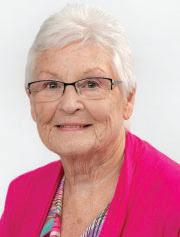
Trish Adams President
This issue, I’d like to start by sharing a personal story.
Back in 2020, I was working in the Older Person’s Health Team at what was then Planning and Funding at the Canterbury District Health Board.
In February, listening to Professor Michael Baker on RNZ while driving to work, I became uneasy, then concerned, and finally, terrified, about the news from overseas. A new virus was devastating the Northern Hemisphere. People were dying by the hundreds of thousands; older people were particularly vulnerable. In Italy, bodies were piled in the streets faster than they could be cleared. There were stories of rest homes abandoned in Spain. In the UK, hospitals discharged 25,000 people back to rest homes in preparation: most not tested for the virus. As a result, COVID-19 rampaged through British rest homes. Thousands of older people died.
One thing was very clear: there was no way that New Zealand was going to escape the pandemic. At work, we tried to get plans in place, working urgently late into the night to try and get ahead of what was to come.
And then it happened. In Canterbury, COVID-19 struck in a dementia unit. Two days later, another rest home had an outbreak. Staff were stood down, and the health system struggled to provide cover. People were hospitalised; many died. I will never forget working to support these hard-working facilities, knowing that if we were this stretched already, there was no way we were going to avoid utter disaster when
COVID-19 spread further.
And then, what still feels like a miracle: Jacinda Ardern on the television, telling us clearly, “I know it won’t be easy, but the alternative is worse.” A national lockdown. A halt of that inevitable spread. A disaster averted. 20,000 lives saved.
We seem to hear about New Zealand’s COVID-19 response in the media these days only in relation to money spent, but those 20,000 lives are absolutely priceless. We were saved the devastating trauma of losing thousands of people to a horrid, painful, lonely death and I will be grateful forever. I hope, even given potential financial consequences, we will do the same in future (with lessons learned) if, or when, a similar situation arises.
I revisit this today because I think there are lessons from COVID-19 that we are starting to forget. We, as a nation, cared for our most vulnerable, and were willing to put aside our own immediate needs to protect them. During hard times, we supported our neighbours, looked after each other, and made it through. I have never been more proud to be a New Zealander.
Today, the fuel crisis is impacting the economy, and our community is suffering as a result: tough times, if not quite a pandemic-level event. At Age Concern Canterbury, we are always here to help if you are struggling or you know someone who is: if we can’t help directly, we will connect you with someone who can. Reach out to your neighbours, whānau and friends, and let’s take care of each other again. We know how to do this.
“What is the most important thing in the world? It is the people, it is the people, it is the people.”
Greta Bond Chief Executive
On is distributed by Age Concern Canterbury to Christchurch Malls, Senior Citizen Clubs and Groups, Libraries, Medical Centres, Rest Homes, Hospitals and Institutions, Housing Complexes and Agencies working with older people and individuals. Keeping On is published quarterly in February, May, August and November each year. Written contributions for consideration can be emailed to the Editor at liz.sugrue@ageconcerncan.org.nz or contact Liz on (03)366-0903. The Keeping On Team: Liz Sugrue - Editor, Mike Crean - Journalist, June Peka - Journalist, Anna-Marie Hunter - Designer/Advertising Representative.
by
Rolleston. Age Concern Canterbury is very grateful for the support we receive from our advertisers. Without advertisements this publication could not survive. Some of our advertisements are the traditional type and others include advertorial (an advertisement that’s written in the form of
of these
Deadline for our August 2026 issue of Keeping On is Friday, 31st July 2026. Please contact Anna-Marie on 03 331 7804.
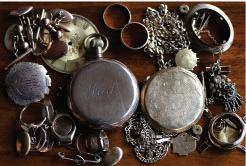
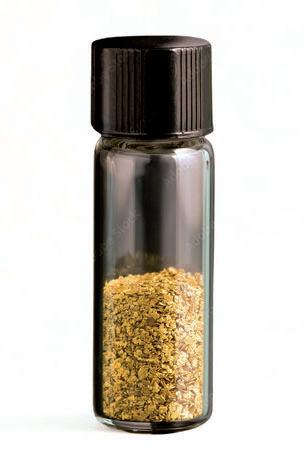
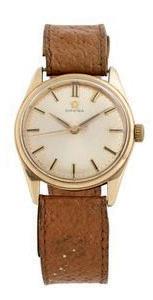
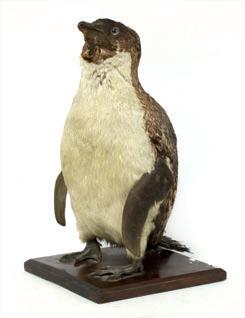
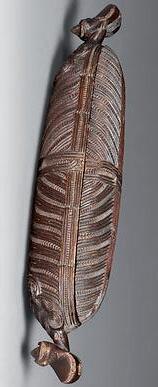
Page 23, Gold May Not Glitter by June Peka
Reflections on ANZAC Day: Family, Tradition and Remembrance
Reflecting on ANZAC Day
ANZAC Day is not only an historical commemoration but also a personal journey that deepens with age. Childhood memories of the day evolve into a greater understanding of its importance over time. Sharing personal experiences and insights encourages others to pause, reflect, and recognize the significance of this national event and its enduring traditions.
Recent Years and Changing Traditions
On April 25, 2019, the dawn service at Latimer Square was notably marked by armed police - a response to the tragic Christchurch Mosque shootings. This event highlighted contemporary challenges. In 2020, the COVID-19 pandemic led to the cancellation of traditional ANZAC services. Despite these disruptions, communities found new ways to honor the day by gathering at their gates, listening to ANZAC broadcasts, and observing the Last Post. These actions demonstrated the community's respect and resilience, ensuring the spirit of ANZAC Day continued even in difficult times.
The Future of ANZAC Day Currently, ANZAC Day services and commemorations have been somewhat dependent on RSA clubs, yet there appears to be a commitment by many communities to keep the spirit of the day alive.
The Papanui RSA, like others, has closed due to declining patronage. However, in 2024, I experienced a well-attended public breakfast followed by a parade, showing that community traditions remain valued. I met the Kenny family - Anna, Sean,
by Defyd Williams
and Zav. Sean served overseas in several conflict zones, including Iraq. Sean wore his medals, and Zav wore his great-great-grandfather’s World War II service medal. At breakfast, I spoke to a Vietnam veteran and a female peacekeeper who supported women’s education in Afghanistan. Veterans and community groups parade down Harewood Road, led by a pipe band. Young and old participate, and youngsters from St John’s Youth lay a wreath at Papanui Reserve.
ANZAC Day is a time to consider the causes of wars - past, present, and future. Today’s world faces wars over territorial disputes, resources, ideology, and political power.
Propaganda posters once convinced young men they were lion cubs of the British Empire. The role of conscientious objectors, those who refused to kill, must be considered.
The 1916 Conscription Act divided Māori society: Apirana Ngāta encouraged Māori to serve in foreign
ANZACs in African Campaign
Pools of sweat mixed with blood, wrath and curses
In a desert lashing endless dust storms that Whip man’s hand in land of sand and salt bush
Beneath stern skies scorching rocks and hills as Mines, bombs and shells gouge welters of a war
That shudder the earth of warring combatants on Battle sites with bottle-like labels: Ruweisat, Mersa Matruh, Sidi Rezegh, Minqar Qaim…. Troops immerse in maelstroms, verve in nerve, Damned in doom to sip water brackish, Battered by wind and war’s ruthless clamour. Ted, you told me all this, for you were there
To slog Egypt’s wasteland, advancing, retreating, Over and again, good mates stuck in grim states Writhing in repugnance from stinking wounds, Bodies, dodging, dying, blown to bits until New men, new tanks, new orders surge. Breakouts splinter, final advances roll and reel. Enemy troops fail and fall in a faze, Allies sup victory – Kiwis take praise. by Mike Crean (excerpt)
wars, while Princess Te Puea urged Māori men to resist conscription.
Teaching the meaning of ANZAC Day is important. I have taken classes to dawn service in Hamilton on ANZAC Day and Waitangi on Waitangi Day, helping students think critically about their identity as New Zealanders.
In 2025 the Otakaro Kahui Ako taught the meaning of ANZAC by having seniors from Shirley Boys’ High and Avonside Girls’ High teach local primary and intermediate pupils about the origins of ANZAC. The RSA, the army, and the Nurses Chapelthe only memorial to nurses killed in wartime - were involved. Pupils felt the weight of packs, helmets, and the awkwardness’ of gas masks, and thought about women’s changing roles in war.
I feel fortunate as a baby boomer never to have directly experienced the horrors of war, though sometimes war seems close to home.
As chair of the Papanui Heritage
Community Law Information Session
Age Concern Canterbury will be hosting a talk by Community Law Canterbury at our offices at 24 Main North Road, Papanui on Friday, 24th July from 1.00pm. The talk will be on Wills, EPOAs, Death and Debt.
“The overall purpose of these legal education sessions is to provide the community with the knowledge to be able to advocate for themselves and gain confidence as they move through different stages of their life.”
There are limited spaces available to attend this talk so please call the office on 03 366 0903 to reserve a seat.
Group, I am involved in a project to protect and promote the 15 Memorial Avenues in Papanui. These living memorials can help mitigate climate change. The group hopes to install storyboards on these streets to enhance the ANZAC story by remembering the Fallen from World War II, 1939–1945.
The ANZAC story begins in Gallipoli and recalls Mustafa Kemal Atataturk’s gesture to the enemy who invaded Turkey: “Having lost their lives on this land they have become our sons as well.”
“They shall not grow old nor the years condemn. At the going down of the sun, we will remember them.”
The Papanui Heritage Group welcome your ANZAC stories and ideas for storyboards on Christchurch’s 15 Memorial Avenues. Contact Defyd on 027 3894179 or email defydjoan@xtra.co.nz.
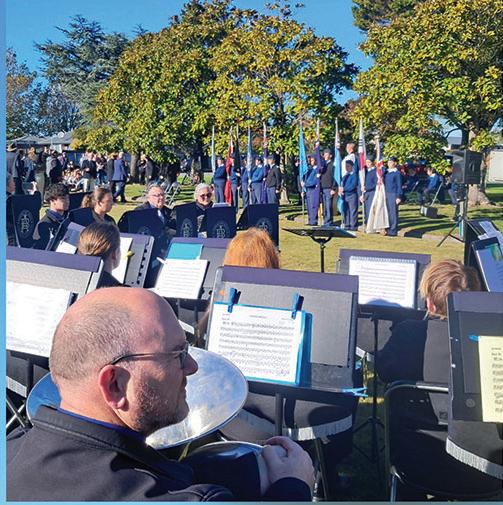
The Papanui RSA co-ordinated ANZAC Day 2026 commeration at The Papanui Club.
Buller’s last line of care and a community fighting to keep it
When Senior Minister Winston Peters visited Westport last month, he came face to face with a crisis that is playing out quietly in communities across regional New Zealand - and nowhere more acutely than in Buller.
O'Conor Home in Westport is the only aged care facility in the entire Buller District. It provides hospital, dementia, rest home, and respite care under one roof - and right now, it is full. Twenty families are on the waiting list. Some have waited so long that their loved ones are now being cared for in Christchurch - 330 kilometres away, a 660-kilometre round trip.
For families in Buller, that distance is not just inconvenient - it is heartbreaking. A son who cannot visit his mother on a Sunday. A daughter who has taken unpaid leave to travel south. An elderly husband making the 660-kilometre round trip because his wife has been placed where a bed was available, not where she belongs. These are the stories behind the numbers, and they are happening every week.
"Buller residents deserve the opportunity to receive aged care services in their own communitywith lifelong friends and family close to them."
A decade of lost beds
Over the past decade, the Buller District has lost 54 aged care beds through three successive Health New Zealand facility closures - Kynnersley Home in Westport (27 beds, 2015), Dunsford Ward at Buller Hospital (15 beds, 2018), and Ziman House in Reefton (12 beds, 2024). Not one of those beds has been replaced by Health New Zealand.
O'Conor Home has done its best to fill the gap, growing from 34 beds to 68 over the past decade. But we are now full - 100% occupancy - and the demographics make the pressure clear: Buller's population aged 65
by
and over stands at 26.3%, nearly 10% above the national average. The West Coast is projected to need 74 additional aged care beds by 2034. The need is documented. The urgency is real.
108 years of service - and still going
O'Conor Home was established in 1918 by benefactor Eugene O'Conor and has served the Westport community for 108 years. It is a notfor-profit charitable trust - every dollar of surplus is reinvested into aged care, not into shareholder pockets.
We employ 75 staff. We were a 2025 Senior New Zealand finalist for Best Aged Care Facility in the South Island.
We are proud of what we have
built. But we cannot keep pace with the need without investment in new infrastructure - and that is the reality we brought to NZ First Ministers and MPs when they visited on Sunday, 29th March.
The Ministerial visit
The visit came about through the persistent advocacy of MP Mark Patterson, to whom we are deeply grateful. Mr Peters was accompanied by NZ First MP Jamie Arbuckle and candidate Jamie Clein, who is standing for West Coast-Tasman at the next election.
We gave the delegation a full tour of our existing facility - the aged care wing, the hospital wing, and our dementia unit and a detailed briefing on Stage 5A, our proposed
24-bed expansion. We made our case clearly: this is not a request for a handout. It is a request for a Government investment in a critical community service - creating 25 additional new permanent jobsthat returns its full cost to the Crown through PAYE income tax within 8.7 years.
The response from Mr Peters and his team was very positive. We came away encouraged and will await the outcome with confidence.
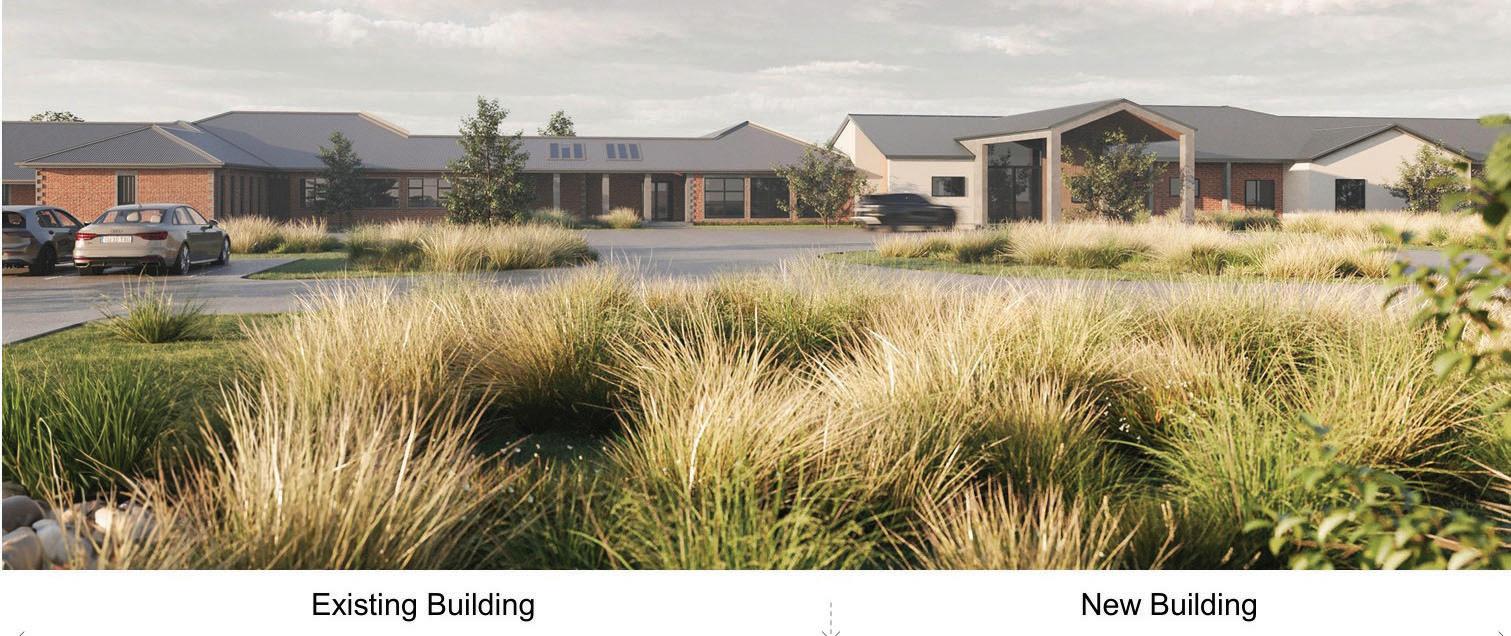
The new 24-bed hospital wing would bring O'Conor Home's total capacity to 92 beds.
The project at a glance
New beds: 24 hospital-grade
Total capacity: 68 → 92 beds
Waiting list: 20 people now
New jobs: 25 permanent
Project cost: $13.35 million
Status: Shovel-ready
What happens next
The $13.35 million project is funded through a blended model of O'Conor Home reserves, an ASB Bank term loan, Health New Zealand sustainability funding, and community fundraising. A final Government investment is being sought to complete the package. Design is complete, building consent is lodged, and $856,000 has already been invested in detailed plans and engineering reports. We are ready to build the moment that final piece is secured.
We are also asking our wider community - including many of you reading this in Canterbury, who may have family or connections on the West Coast - to watch for the launch of our community fundraising campaign. Details will be available on our website shortly. If you know someone who has been cared for at O'Conor Home, or who might one day need to be, this will be a meaningful way to help.
Garry Howard, Chair , O'Conor Home Management Committee, Westport
Artists impression of the proposed Stage 5A expansion - the new 24 bed hospital wing bringing O’Conor Home’s total capacity to 92 beds.
Garry Howard, Chair, O'Conor Home Management Committee, briefing Senior Minister Winston Peters, Kaikōura MP Jamie Arbuckle and Ministerial staff at O'Conor Home, in Westport on Sunday, 29th March 2026.
Health NZ urges people to get vaccinated ahead of winter
Health New Zealand is encouraging people to prepare for winter by getting their recommended immunisations for influenza (flu), Covid-19, and whooping cough (pertussis).
The flu vaccine has been available from 1 April and is free for eligible groups including people aged 65+, pregnant women, and those with certain health conditions. The Covid-19 vaccine is available all year round and additional doses are free for eligible people aged 30 years old and over, with a focus on people at
higher risk of severe disease.
Dr Christine McIntosh, Clinical Director – Prevention Immunisation, says keeping up to date with
immunisations helps protect whānau and communities.
“Winter brings an increase in respiratory illnesses. Immunisation is one of the best ways to stay well and reduce the risk of severe illness.”
New Zealand declared a Pertussis epidemic in November 2024. Whooping cough is still circulating in our communities.
“Whooping cough is particularly serious for newborn babies. Making sure women are vaccinated from 16 weeks of every pregnancy and babies
receive their 6-week immunisations on time is important to keeping our youngest safe.”
Health NZ is committed to ensuring more people get the right healthcare when and where they need it. Vaccinations are available from GPs, pharmacies, Māori and Pacific providers, some midwives and community vaccinators.
For more information on eligibility and where to get vaccinated, visit healthnz.govt.nz/health-topics/ immunisations.
Amberley Country Estate - Spacious and Unique
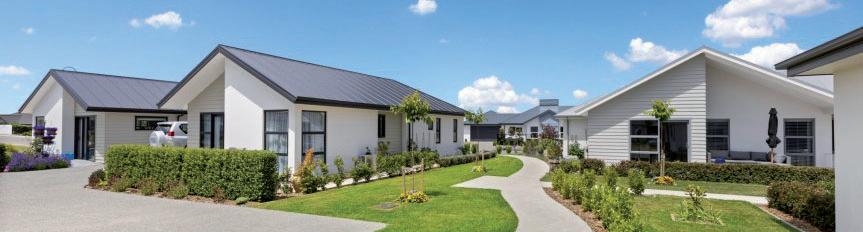
Canterbury’s most spacious retirement village, Amberley Country Estate - just 35-minutes from Christchurch - is a retirement village like no other. Set on 37 acres with beautifully landscaped grounds and exceptionally well spread out two and three-bedroom villas, Amberley Country Estate looks more like a subdivision than a typical retirement village.
A wide range of single level homes, from 94m2 to 185m2, means each street is unique and villas don’t all look the same. Some have shared,
cul-de-sac like settings, but, with rural people in mind, many homes have private driveways, double garages and spacious yards. Streets are beautifully landscaped with colourful plantings.
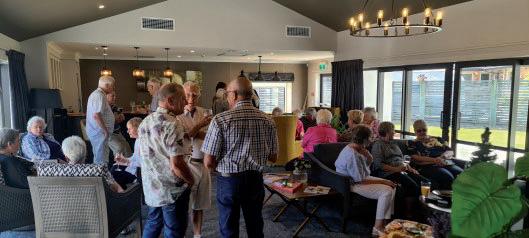
A 350m2 Clubhouse features a pool table, bar, library, gym, spa pool, pétanque, croquet and a men’s shed. A resort style Resident’s Centre, 5x that size, will be the heart of the village, with a café, restaurant, pool tables, dance floor, library, gym, indoor pool and spa, movie room, men’s shed and bowling green.
Regular happy hours, van excursions and other activities and events will allow residents to be as social as they please.
For residents’ peace of mind, the village will have a modern hospital and medical centre with comprehensive care facilities, including memory care.
Amberley’s villas have been built with energy efficiency in mind and feature ducted central-heating, deeper walls with thicker insulation, thermally-broken, argon-filled, double glazed windows and even industry
leading insulated foundations, so the home is cool/warm and comfortable year-round, with power bills that are extra low. Their quality and fitout is of an exceptionally high standard. Each has its own patio, garden area (lawns and gardens are maintained by village staff) and garage.
With extra warm homes, villas that are larger than typical, low weekly fees and a layout that features beautiful streetscapes with distinctive yards, Amberley Country Estate will be a very special place to live.
Canterbury’s most Spacious Retirement Village
Amberley Country Estate, just north of Christchurch, is uniquely designed for people who want space that feels more like home. Like a residential subdivision in look and feel, here you ’ll find spacious yards with individually landscaped gardens, wide roads and luxurious, well spread out, generously-sized, north-facing, energy-efficient Villas, many with private yards. We also have social gatherings, group events, exercise classes and regular outings, complimented by our 350m 2 Residents’ Clubhouse. A much larger resort-style Community Centre is under construction now and modern care facilities are planned as well. If you ’ re 65+ and seek an active independent lifestyle with laid-back country living, call today to find out more about a retirement village with space to live a life you’ll love. We even have Villas available for immediate occupancy. Phone 0800 573 573 to find out more.
With Luxurious, Energy-Efficient Homes
Our luxurious, energy efficient villas combine the highest standards of specification, style, security and comfort: ducted central heating, thicker walls with more insulation, super-insulated floor slabs and thermally-broken doors and windows keep the cold outside, mean power bills are low, and your home is quiet, peaceful, warm and comfortable year round.
Be prepared: what’s next for your Licence at 75+?
Turning 75 brings an important milestone for drivers in New Zealand: licence renewal, followed by renewals every two years after 80. It’s natural to wonder “what next?” For some, this can feel a little daunting. The key message is simple: preparation makes all the difference. With time, information, and support, this process can be both manageable and reassuring.
One of the most helpful steps is to start early. You can renew your licence up to six months before your birthday, and taking advantage of this window reduces pressure and gives you time to explore your options. Booking your GP appointment early, allowing time for any follow-up assessments, and refreshing your driving knowledge will help you feel more in control.
Seeking feedback on your driving is another valuable step. A trusted friend or family member can offer honest observations, or you may choose a professional driving assessment. These conversations aren’t about criticism - they are about making small adjustments that can keep you safe and confident on the road. It is also a good idea to brush up on current road rules. Even the most experienced drivers can benefit from a refresher, especially as rules and
by Charlie Hudson, Staying Safe Driving Course Co-ordinator, Age Concern Canterbury
road environments change over time. Reviewing the New Zealand Road Code or trying online quizzes can be a simple way to rebuild confidence and stay up to date.
A common concern is what happens if your GP is unable to provide a medical certificate. While there is no formal appeal process through NZTA, you do have options. You can seek a second medical opinion, ask whether you can resit a cognitive test, or request a free onroad safety test if you are aged 75 or over. Some people also choose to see an occupational therapist for a more detailed assessment, although this can come at a cost. Because these pathways can take time, early preparation is especially important. Support is available to help you along the way. Free Staying Safe Refresher Driving Courses,
delivered by Age Concern Canterbury, provide a relaxed and informative environment to update your knowledge, understand how age can affect driving, and build confidence behind the wheel. These sessions are not tests - they are designed to support you as a capable and experienced driver.
It is also helpful to look ahead and consider future transport options.
Age Concern Canterbury’s “Life Without a Car” courses focus on staying active and connected, even if driving is no longer part of your life. They explore practical ideas such as local transport services, community connections, recreation opportunities, and ways to maintain social outings. Thinking about these options early can make any future transition feel far less overwhelming. After your assessment, outcomes can vary. You may continue driving without restriction, drive with some
conditions (such as limiting night driving), or in some cases, be advised to stop driving. While giving up your licence can feel like a significant loss, it is important to remember that no one expects to drive forever. The goal is to keep you, and others, safe. Licence renewal at 75+ is not about taking independence away. It is about supporting you to remain a safe, confident driver for as long as possible, while also helping you prepare for whatever comes next.
Resources:
* Age Concern Canterbury’s Staying Safe Refresher Driving Course and Life Without a Car Course. Contact Charlie Hudson chudson@ageconcerncan.org.nz or 03 331 7808.
* AA Senior Driver Assessment Senior Driver Coaching Session (74+) AA Member Benefit. Road rules, tests and resources www. NZTA.govt.nz and www.drive.govt.nz
Over 40 years in the antique business
Steve Purcell is a licensed antiques dealer trading as Antiques International Limited, with over 40 years experience in the business. Steve started frequenting antique shops and restoring antique furniture when he was 15 and developed a passion for Kauri furniture in particular. After “doing up” a number of pieces it soon became apparent that some would have to be sold to make room for more projects.
Developing associations with a number of dealers, it was a natural progression into general antiques, art and jewellery. In the ’80s the hobby became a business selling items at antiques fairs, on behalf in established shops and converting an old Bedford bus into a mobile antiques shop.
In the ’90s the first official shop “Circa 1900” was formed with a
partner in Merivale and a second shop in Riccarton called “Finders”. With the dawn of the new millenium internet communication was now a well established medium for selling, opening the door to a world-wide customer base. “Circa 1900” was closed and the company Antiques International was formed.
A
Steve Purcell, licensed antique dealer.
VOLUNTEER HOSTS REQUIRED FOR SOCIAL OUTINGS
Hosts provide a morning or afternoon tea at their own venue to a group of 5 to 9 clients. Monthly or casual basis.
For more information please contact: Robynn Walsh on 331 7801 or email robynnwalsh@ageconcerncan.org.nz
Do you have a dry or burning mouth?
A dry mouth happens because you’re not producing enough saliva and it can cause bad breath, a dry throat and cracked lips. Saliva is important for your digestion, protecting your mouth and teeth from decay and gum disease.
In itself, it’s not a serious condition, however it can be a symptom of another health condition, so tell your doctor.
If you have a dry or burning mouth, firstly make sure you are drinking enough fluids: 6-8 cups a day is recommended. If you are not drinking enough try the following:
• sip water from a bottle continually or suck on ice cubes.
• oil emulsion sprays, their effects last longer than water - they can be found online, however, many taste bad. Make your own - see recipe below.
• sugar free or denture friendly chewing gum.
• discuss with your Doctor or Dentist the use of specialty toothpaste and gel.
• hourly baking soda mouthwash (commercial mouthwashes are
Driving Miss Daisy: embracing winter and staying connected
As the crisp Canterbury air settles in and the days grow shorter, it can be tempting to stay indoors and wait for the warmth of spring. But winter doesn’t have to mean isolation or putting life on hold.
At Driving Miss Daisy, we believe that staying connected - to people, places, and the activities you enjoy - is essential for your wellbeing, no matter the season.
alcohol based so dry your mouth out).
See Old Emulsion recipe below.
• clean your teeth before meals.
• avoid alcohol, caffeine and tobacco.
• limit salt and sugar intake.
If, after trying these things, you still have a dry mouth talk with your Doctor or Dentist.
Oil emulsion recipe
Make your own with grape seed or coconut oil. Use one tablespoon of oil to one tablespoon of water and swish around in your mouth.
Mouthwash recipe
1. Cup (250 ml) warm tap water.
2. Add 1/4 teaspoon baking soda and 1/8 teaspoon of salt
3. Stir until dissolved.
4. Pour the mouthwash into a clean bottle and close the lid.
After 24 hours, discard.
Swish around your mouth for about 30 seconds, then rinse your mouth with water.
For more advice our friendly Dietitian can help just contact us at Therapy Professionals Ltd, phone: 03 377528, email: admin@tpl.nz or www.therapyprofessionals.co.nz
IS AGEING, DISABILITY, INJURY OR ILLNESS MAKING LIFE DIFFICULT?
Therapy Professionals Ltd’s physio, speech language, music and occupational therapists and dietitians can make life easier.
This winter, let us be your trusted companion driving service, helping you get out and about safely, comfortably, and with confidence. Whether it’s attending a medical appointment, visiting friends and family, heading to the supermarket, or simply enjoying a change of scenery, our friendly, caring drivers are here to support your independence and keep those important connections strong.
How Driving Miss Daisy Can Support You This Winter:
• Safe and reliable transport: Our professional drivers provide a door-to-door service, ensuring your comfort and safety in all weather conditions.
• Peace of mind for families: Knowing your loved one has dependable, caring transport provides reassurance and confidence.
Simple Ways to Stay Connected This Winter
• Attend local community events and indoor gatherings.
• Enjoy a coffee or tea outing with friends.
• Visit indoor attractions such as museums, galleries, or garden centres.
• Keep up with hobbies like book clubs, craft groups, or gentle exercise classes.
Don’t let winter become a barrier to living well. With Driving Miss Daisy, you can continue to enjoy your routine, stay socially connected, and maintain your independence - no matter the weather.
Get in touch today to make a booking or learn more about how we can support you or your loved ones this winter. We look forward to helping you make the most of the winter season!
• Personalised assistance: We can help you in and out of the vehicle, carry shopping, and even accompany you into appointments if needed.
A
Keep your independence and freedom with our safe, reliable companion driving service.
We can drive and accompany you to:
•Medical and other appointments
•Deliveries - e.g. take home meals
•Companion outings
Total Mobility Scheme cards accepted in most Canterbury areas, and an ACC contracted supplier.
Bookings are essential - call today and make your next outing a pleasure!
UPDATE FROM THE CLUBS
Christchurch Red Hatters Club No set meetings but the Club has ‘gatherings’ which include monthly events such as luncheons, dinners and an outing/activity. Contact: Iris Cousins on 021 0209 3598.
Christchurch Senior Citizens Cards section meets on Mondays, 12.15-3.00pm; Indoor Bowls section meets on Tuesday at 12.30-3.00pm; the Activities Group has outings for meals and social days, visits places of interest and go on bus trips. Contact: Wayne on 355 6252 or 027 391 8038
Club 55 Ten Pin Bowlers meet for fun, friendship, outings, exercise and a bit of team competition. Meet: Thursdays at 9.45am to approximately midday at Zone Bowling, Iverson Terrace, Christchurch. Contact: Beth on 388 2375 or 0272 610493.
Darfield Senior Citizens Enjoyed a trip to Opuke Thermal Pools, Methven. A visit to the Done and Dusted second hand store and lunch at Cust Hotel is planned in May. Meet: 3rd Friday in Darfield (times vary). Contact: Elizabeth May on 027 4183886.
Lincoln Area Senior Citizen Club Members have a bus trip to Rangiora with lunch at the RSA in May. In June the Club holds its 50th birthday celebration at the Lincoln Bowling Club - lunch, entertainment, raffles and cake. Meet: First Tuesday of the month at 1.30pm at the Lincoln Event Centre. Contact: Evelyn 027 712 7195.
Pegasus Daylight Lodge No 450, a Freemasons Lodge has meetings with minimal ceremonial content. Partners join for lunch and an activity/speaker. Meets: 3rd Wednesday, 11.00am, Canterbury Freemasons Centre, 9 Shirley Road, Christchurch. Contact: pegasus450@xtra.co.nz or call Gerald 021 1704 179.
Estate Navigator - practical support when it’s needed most
When someone passes away, families are often faced with far more than grief. Alongside the emotional impact, there are practical responsibilities that can quickly feel overwhelming. Executors may find themselves managing paperwork, contacting multiple organisations, navigating financial accounts, and trying to understand what needs to be done - all at a time when clarity and energy can be in short supply.
Estate Navigator was created to provide calm, practical administrative support during this difficult period. The service is designed to assist executors and families with organising documentation, understanding next steps, and keeping estate matters on track in a structured and manageable way.
Support can include organising important paperwork, preparing information for legal and accounting professionals, liaising with banks
and service providers, and helping families work through the many administrative tasks that follow a loss.
Estate Navigator does not replace your solicitor or accountant - rather, it works alongside them to ensure everything is prepared, coordinated, and easier to manage.
Having someone steady and experienced to guide the process can reduce stress and prevent small tasks from becoming overwhelming. Families remain in control at all times, with support tailored to their individual needs and pace.
Estate Navigator is locally based and understands the importance of compassion, discretion, and clear communication.
If you or someone you know is managing estate responsibilities and would value practical guidance and support, Estate Navigator is here to help.
provides calm, practical support to help executors and families stay organised, understand next steps
Papanui Rebus Club Meet: First Tuesday of the month at 10.00am at the Morrison Avenue Bowling Club, 30 Morrison Avenue, Papanui, Christchurch. Contact: Gillian on 03 352 6697 or Sian on 03 359 0057.
Whareora Community House: Monday: Walking Group, 10.00am. Brisk walk and explore the area. Tuesday: Knit & Natter, 10.00am to 12.00pm. Last Friday of the month a Community lunch: finger food and garden table, gold coin donation. Meet: 8 Athelstan Street, Christchurch. Contact: Leanne on 03 337 2731.
Group Exercise Classes: Blue Brothers offering wellbeing and camaraderie to men living with cancer. Free exercise classes and a cuppa. Elevate Fitness, 4 Rolleston Avenue, 8.15am on Tuesdays. Rangiora: Mainpower Stadium, 289 Coldstream Road, 8.15am (Monday, Wednesday and Friday). Rolleston: Selwyn Sports Centre, 70 Broadlands Drive, 2.00pm (Tuesdays). Phone 0272027525 or email hello@bluebrothers.org.nz
Kiwi-Fit Mall Walking: Northlands Mall every Tuesday and Thursday morning. Northern doors opened at 7.45am (near KiwiBank and The Warehouse). To enrol email northlands@kp.co.nz or go to the office (outside the Mall near BNZ) to receive a lanyard. Mall walkl - no uneven paths, hanging tree branches, spiky bushes, dogs, cars backing out, cyclists or wet weather, walk safely at your own pace with a walking stick or walking frame. Meet new friends, stop for a chat and a hot drink . Contact Karen Couch on 021 0690498 or email Karen.couch@xtra.co.nz.
Beckley Coachlines offers unique and relaxing style tours
Travelling around New Zealandfrom Stewart Island to Lochmara, Napier and even Whangarei. Beckley Coachlines and Travel offers unique and relaxing style tours, specialising in the 50-plus age group.
Tour pricing includes coach travel, accommodation, breakfasts and evening meals. Most activities are also included – making budgeting for your trip super easy! Your experienced and friendly guides/ escorts know the business of touring, and are on-hand to make sure your tour goes as smoothly as possible.
You are able to do as much or as little as you like on the tours, meaning you get the holiday YOU want and need! Even better is your like-minded travelling companions, making new friends and connections is a really special part of these getaways. With lots of laughter and fun, you will head home with loads of special memories.
You can book together with a friend and share a room, or if you
are travelling solo, you may choose a single room or be paired up with another solo person (same gender). Couples are very welcome as well; our tours cater to everyone! We have recently introduced “Walking Tours” for the more active travellers who are fit and able to get out and enjoy some easy day walks around New Zealand.
If you have mobility concerns, feel free to call us for a chat. Each itinerary lists any specific mobility requirements, but in general our motto is if you can get on the bus –you can come on our tours, mobility aids welcome.
We would love to hear from you if you would like further information about a specific tour, or if you have any questions. You can also check out our website, www.beckleycoachlines. co.nz or Facebook page (Beckley Coachlines and Travel) to see more about what adventure we are off on next!
A
Jane, Me and our sourdough journey
A few weeks ago, I was standing behind a man in a café queue who was berating the cashier about the cost of a single slice of sourdough toast. “Five dollars! Five dollars!” He said it the way someone might announce the Port Hills had suddenly erupted. He then swung toward me, eyes blazing with outrage, wanting to know whether I also found this an unforgivable scandal.
I gave him a wry smile and asked, “Have you ever made sourdough bread?” In that moment I was unbearably smug - because I have,
TRADES DIRECTORY
Specialising in handrails, bathroom renovations, ramps and
steps.
Contact Patrick for a free assessment and quote.
by Deirdre McGrath
and I know exactly how much time, effort, and frustration goes into coaxing life out of a jar of flour and water.
I got the idea to bake sour dough from an Instagram video that drifted into my feed (damn you, Alice Taylor Eats). This showed a friendly young woman effortlessly producing a perfect loaf. It looked simple: mix some flour and water in a jar, feed it for a few days, then combine it with more flour and water, let it rise, shape it, bake it, and voilà. In my mind, I was already handing out warm, golden loaves to family and friends like some benevolent carbohydrate philanthropist.
After five days, my “starter” (and yes, by then I was fully down with the lingo) didn’t look remotely like the bubbly, photogenic ones online. I just assumed those had been digitally enhanced and I ploughed on to make bread. My first loaf… well, let’s just say Peter was cautious about putting it in the rubbish bin in case the binmen couldn’t lift it. I turned most of it into breadcrumbs, but even my fancy Magimix groaned like it was processing gravel.
I was disappointed, really crushed, but I wasn’t about to be beaten by a lump of flour-based concrete. I dived into a Sourdough for Beginners Facebook group, only to discover it read like a science textbook. Suddenly I was confronted with terms like ambient temperature, hydration percentage, autolyse, and bulk fermentation. Science has never been my strongest subject, and I began to suspect I needed a lab coat and possibly a PhD in chemistry.
I also noticed that some people named their starters. This struck me
as both slightly unhinged but also strangely endearing. So, I christened my starter Jane, after a particular acquaintance. She (Jane the starter) has the temperament of a Victorian aunt who disapproves of my life choices. She sits on the bench in her jar, glowering through the glass like she’s judging everything; the ambient temperature, the quality of my flour, and possibly even my moral character.
At that point I had a bit of a problem; I was about to head off on a two-week road trip. Most people pack clothes, toiletries, maybe a book, I packed those things too… plus a jar of fermenting goo, a bag of flour, and a bottle of filtered water. Yes, Jane came with me, crossing the Cook Strait and travelling through Waipukurau, Greytown, Blenheim, and all points in between like some sort of gloopy hitchhiker.
I was convinced that after such an exciting change of scenery, Jane was ready to contribute to the best loaf of sourdough bread ever made. The result? Better, not great, but at least this loaf didn’t pose a threat to local infrastructure. In the meantime, I discovered that sourdough discard (the bit you’re meant to throw out when feeding) can be turned into all sorts of culinary delights. So, in between the bread baking disappointments, I perfected cheese crackers, apple sourdough cake, pizza bases, and various other treats made from Jane’s unwanted bits. She was finally contributing something to the household economy.
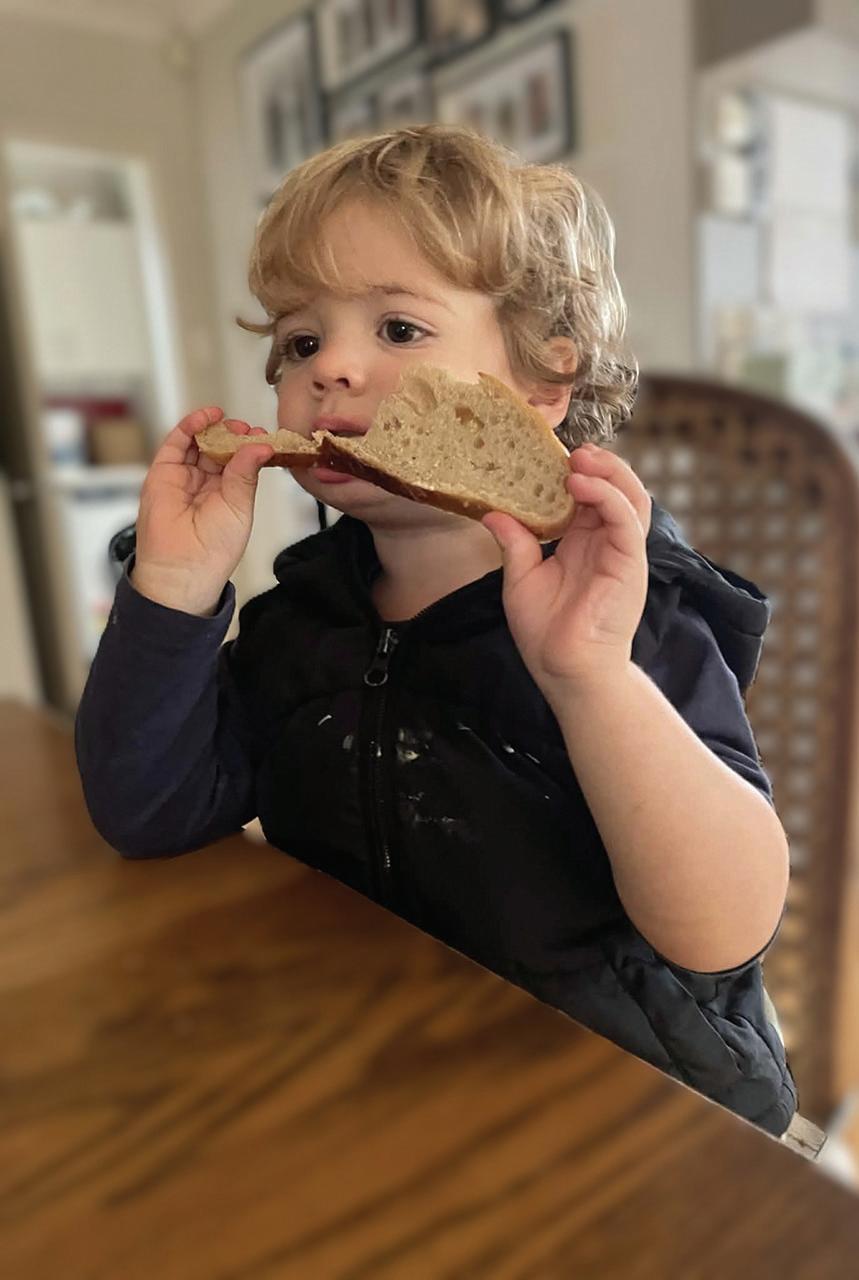
A week later, I tried again. Another slight improvement. Then came loaf number four — the first one I wasn’t too ashamed to share with family. Low and behold, the grandsons loved it. They wanted more. Suddenly, I am no longer a failed bread baker. I’m now producing a couple of reasonable loaves each week and feeling rather chuffed about it.
I think the turning point came when I stumbled across one simple post in the Facebook group:
“Sourdough is not an exact science. There are no rules. Be patient. Keep trying different methods to see what works in your kitchen. Start small. Know that nobody’s first loaf (or first ten loaves) were good. Eat the bread — it doesn’t have to be perfect. Have fun with it.”
So, what finally made it work? Time, patience, and letting go of perfection. When you think about it that’s a good philosophy for life, although life rarely smells as good coming out of the oven.
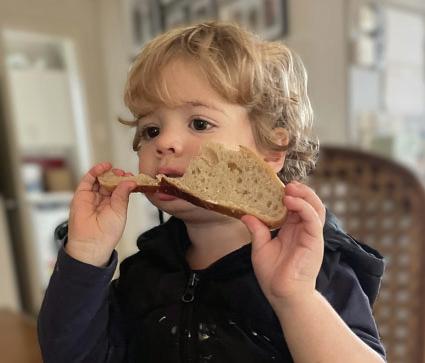
Grandson loves the bread.
Are you wanting more time with your grandchildren?
It is widely recognized in New Zealand that grandparents play an essential and profound role in the lives of their grandchildren, by promoting continuity, stability, and a unique familial bond. For a number of reasons, however, parents or caregivers at times place restrictions on this relationship.
The law provides a pathway for grandparents to apply to the Family Court to increase their time with grandchildren. Whilst a child’s upbringing should primarily be the responsibility of their parents and guardians, a key principle of the Care of Children Act 2004 (“COCA”) is that the child’s relationship with their family group (which includes grandparents) should also be preserved and strengthened. A child’s identity, including culture, language, and religious denomination is also something grandparents in particular are excellent at promoting.
Unless there are any urgent safety issues, mediation in the form of “Family Dispute Resolution” is usually the first step along the legal pathway. If better contact with a grandchild cannot be agreed through mediation, grandparents are then able to apply to the Family Court for help. Grandparents must initially apply
for “leave” (i.e. permission) to seek the Court’s help. The Court will then consider:
· the best interests of the child (the paramount consideration of any question under COCA);
· the current bond between the grandparent and grandchild; and
· any potential harm – to the child, or the relationship between parents and grandparents.
Grandparents need to demonstrate a genuine, appropriate and sustainable interest in promoting the welfare of the child. Once this permission is granted, grandparents can then apply for a parenting order; to enforce the contact they are seeking. Such an order might record regular contact arrangements (e.g. every second weekend) or visits for special occasions depending on the circumstances. Cases involving clear safety concerns might also see grandchildren placed in the day to day care of their grandparents. There is no “one size fits all” in these circumstances. If you require any assistance or have any questions, please don’t hesitate to contact a member of Harmans’ specialist family law team (033797835 or www. harmans.co.nz).
"The happiness of your life depends upon the quality of your thoughts." Marcus Aurelius.
Enviro Master: committed to achieving perfect climate control of your space
programme giving eligible home owners a 90% grant towards the cost of the supply and installation of a new heat pump up to $3,450 including GST. Customers are eligible if they have a Community Services Card, SuperGold Combo Card or live in a low-income area as determined by deciles 9-10 on the New Zealand Deprivation Index. Their home must also have been built before 2008 and have no fixed heating in a living area, such as an existing operational heat pump or fireplace. Insulation must be to standard and there are grants to assist with this also. Enviro Master has been in business since 2002 and has gained a reputation for unbiased advice and providing solutions tailored to each situation. This could be for heating, air-
conditioning or a balance of both. A full assessment process that looks at environmental conditions as well as users’ requirements is backed up by a wide range of heat pump brands. Topping it off are friendly, professional staff who always take the time to show customers how to operate their new heat pump for maximum longterm efficiency. At Enviro Master, we’re committed to helping you find the most efficient and effective air conditioning and heating solutions in Christchurch. Let us help you achieve the perfect climate control for your space. For a free assessment, call Enviro Master on 366-0525 or visit www. enviromaster.co.nz. Our showroom is open weekdays 8.00am-4.30pm at 41A Shakespeare Road, Waltham, Christchurch.
Enviro Master is proud to be supplier to the Government’s Warmer Kiwi Homes
Have a go at the Trivia Crossword
deadliest battles in history (5). 28. Japanese martial art whose name translates as empty hand (6). 29. Particles that are electrically charged (4). 31. An ocean occurrence during full and new moons (6,4).
Down
1. The NPC rugby team known as The Stags (9). 2. An ambiguity (especially in law) that makes it possible to evade a difficulty (8). 3. 24-hour motor race held in northern France Le ------ (4). 4. A commonly caught recreation fish, popular for smoking (7). 5. The club for New Zealand Veterans abbr (3). 6. What the Ockham Awards celebrate (10). 8. The French word for sled which is given to a Winter Olympic event (4). 9. There were over 100 of them in a Dodie Smith children’s book (10). 11. Surname shared by All Blacks Glen and Bill (7). 14. The father of psychoanalysis (5).
Across
1. What was once mined in Salzburg, Austria (4). 3. Successor to Sir Geoffrey Palmer as New Zealand Prime Minister (4,5). 7. A filled tortilla (9). 10. A paper-like cloth often used in the South Pacific (4). 12. Skivvy wearing children’s entertainers. The ----- (7). 13. Snowman in the Frozen movies (4). 15. A scarf of feathers
(3). 16. Obelisk found in London and New York attributed to Cleopatra. (6). 18. A user icon on a computer screen or the manifestation of a Hindu deity (6). 20. An analgesic brand name (7). 21. British singer/songwriter with 16 Grammys and an Oscar (5). 24. Boudicca’s tribe (5). 25. A ceremony related to burial or cremation (7). 26. One of the
17. Shrek’s best friend (6). 19. Don McLean hit inspired by an artist (7).
20. The word given to birds reared for human consumption (7), 22. A compound containing two oxygen atoms per molecule (7). 23. A colour and a fruit (5). 27. Group of islands at the mouth of Galway Bay (4). 30. Dry when describing white wine (3). See answers on Page 35.
Age Concern Canterbury is an approved agency for the Total Mobility Scheme. From 1st July 2026 eligible individuals are entitled to discounts that give them 65% off transport fares with approved operators. Individuals wishing to access the scheme must meet the eligibility criteria set by the NZ Transport Agency and adopted by Environment Canterbury. Age Concern Canterbury can undertake assessments to test your eligibility and organise the Total Mobility card for those approved.
Appointments available only on a Monday from 9.00am to 3.00pm. Phone 03 366 0903.
Organising the ‘life admin’ pile
We all have a “life admin” pile. It might sit on the kitchen counter or in a mental drawer we prefer not to open. Writing or updating your Will and organising Enduring Powers of Attorney often drifts to the bottom of that pile. It feels like something that can wait until we are older or less busy.
However, at Pier Law we see the reality of putting off those decisions every day. Often, by the time families come to us, the window of opportunity has closed, leaving loved ones to navigate a legal maze during their most difficult moments.
One common situation involves medical emergencies. If someone becomes incapacitated without an Enduring Power of Attorney, even close family members may not automatically have the legal authority to make important medical decisions on their behalf. This can create delays and unnecessary stress at an already difficult time.
Another is blended families, which require careful planning to ensure children from previous relationships are protected. For example, a parent may leave everything to their partner, expecting their partner to later provide for their children. Without the right planning in place, those children may ultimately miss out. Changes in relationships can also have significant legal effects. Marriage can revoke an existing Will, meaning a person may unintentionally die without one, and their estate is distributed according to the Administration Act. Divorce can alter how parts of a Will operate, and if a Will is not updated, it may no longer reflect a person’s wishes.
“Boldly stating that kindness is your guiding principle is a courageous act.”
Jacinda Ardern
Osteoporosis New Zealand
Our vision is better bones and fewer fractures for New Zealanders.
Our mission is to make this happen by engagement with the public, health professionals, policymakers and the private sector, through programmes of awareness, advocacy and education, to prevent fractures caused by osteoporosis.
Phone 04 499 4862 or Email info@osteoporosis.org.nz
Osteoporosis New Zealand, PO Box 688, Wellington 6140
Taking the time now to organise your affairs can save your loved ones significant stress later. The team at Pier Law can help ensure your Will and Enduring Powers of Attorney reflect your wishes and protect the people who matter most. A
See the road clearly this winter - headlight restoration for safer, more confident driving
Winter brings long, dark evenings, glare from wet roads, and reduced visibility - conditions that can make driving feel more challenging as we get older. Clear vision is essential for safe travel, whether you’re visiting family, keeping appointments, or simply enjoying your independence.
Suave Auto Care is built on one simple idea: deliver premium results with modern technology and genuine customer care. That’s why our Headlight Restoration service is designed with your safety and comfort in mind.
Over time, headlights become cloudy, yellowed and dull, reducing how far and how clearly you can see at night. Our advanced polymer restoration system brings them back to life. The technology restores clarity by re-flowing and bonding the polycarbonate back together at
a molecular level, creating a crystal clear finish allowing your headlights to shine brighter and farther.
This improvement in light output can make a real difference. Our process creates a long-lasting, finish not a temporary shine, with a UV coating, helping you stay safe throughout the winter months and beyond. Feel far more confident driving at night when your headlight lenses are restored. Your safety matters. Your confidence matters. And being able to travel independently to see the people you care about matters most of all.
See clearly. Stay safe. Enjoy the journey this winter. Book your Headlight Restoration today. Phone Hugo on 027 399 4611 or email hugo@suaveautocare.co.nz.
Mention the ad below for a 15% discount for Keeping On readers. A
Cloudy, yellowed headlights reduce how far you can see at night. Our advanced polymer restoration brings them back to crystal claritywith a UV coating for long-lasting results. Drive safer this winter.
Friday Friends have clocked up a few years
We Friday friends have clocked up a few years. Together we number nearly 260 and we’re all a bit deaf but we can talk up a storm about anything and everything that matters – reading, music, community happenings, the garden and world affairs. Peggy (in the middle, agewise) can still manage up to four appointments/meetings in one day, with the aid of a manual diary. She’s a pocket powerhouse. Daph, our nonagenarian doyenne is as sharp as a tack, with great wit. Despite a number of falls in recent times, she’s bounced back and gets around under her own steam - with the aid of a 3-year-old car which has just 5000ks on the clock.
Daph and I got ourselves in quite a tizz of a recent Friday. Ever reliable Peggy had not turned up to the appointed meeting place by eighteen minutes past two. The first phone call I made elicited a cacophony – a
by June Peka
melee or a brawl, or worse, perhaps an armed robbery in progress? Five more calls went straight to message. Daph and I raced to Peggy’s place (at no more than 30kph giving way to absolutely everything in our path). My good chap was already pacing on the footpath. Although Peggy’s car was in its usual spot, the house was locked up tight and windows impervious to our prying eyes.
The chap on the police emergency line was unflustered. He needed answers we could not supply. Next of kin, contact numbers, habits, health records, state of mind. I interrupted to ask if a policeman was on the way to gain access, and was reminded curtly that the correct process had to be followed. Daph and I convinced ourselves Peggy had not risen that day and was lying helpless or worse, in her bed. My bloke considered smashing a door pane.
We knocked on the door of a
Mature Moves is about helping people
If you are considering moving into a smaller home, perhaps a retirement village or residential care and you feel you could use some help Mature Moves could be your answer. It is a Christchurch based company with local people helping older people to downsize and move when the need arises.
They understand that sometimes your family are not positioned to help as they might like to or have time restraints. True to their motto ‘to treat you like they treat their own families’, the team at Mature Moves can pack up, declutter and move all of your belongings and furniture to your new home.
Then they unpack and set up your new home to the very last detail, just the way you like it.
Decluttering can be a bit overwhelming. However, it is made much easier with some understanding help. Step-by-step you can have
things sorted and organised with minimal fuss and stress.
Along with this wonderful service, they can also organise selling things you no longer require, or if you desire gifting them to family or charities. They can also clean homes inside and out, and complete the gardening to get houses ready for sale.
Mature Moves is about helping people. You let them know what help you need and they will set about showing you just what they can do to help you.
A visit and consultation is free of charge, with no obligation to use their services. However, if you feel they may be of assistance a quotation can be provided for your consideration.
neighbour, who hadn’t seen Peggy that day. But wait, she had a key! Heart in mouth we searched Peggy’s cottage. The bed was made, there were no signs of a melee of any description. I phoned the police and spoke to a woman this time. Had we tried the hospitals, she wondered? We agreed to talk again soon.
Two hours later Peggy phoned. Had she missed something? Ever dependable darling Peg had forgotten to diary our monthly meeting and had accepted an invite to the pictures.
After the horse had bolted we swapped lock-box numbers and at next meeting will exchange contact details three ways. We’re all sociable people with a wide circle of friends, but we feel we need to have an even more robust system to cope with what could well be more senior moments, if not genuine emergencies.
NB: Our Peggy has worn her hair shirt for two weeks now. We met
again today when she reassured us her group of Wordle and Connections friends would set an alert in motion if she didn’t participate every day. Now she just needs to connect them to one of two people who have her lock-box number. Daph has a daily arrangement with a close neighbour. And I have a live-in minder. Are you sorted?
The Age Concern Canterbury Community Connectors suggest that you explore if a personal safety alarm is a good option. The responders to this can access the code for a lockbox with a house key in it outside your property. You may be eligible for a disability allowance to get an alarm subsidized by Work and Income. A good idea is to know your neighbours and ensure that friends, family and your GP have next-of-kin contact details. A lockbox with a spare key, sharing the code with certain people and a card with emergency contacts in your purse are also good ideas.
Travel smart, stay safe: why booking with a trusted expert matters more than ever
In today’s fast-moving digital world, booking travel has never been easier, but it has also never been riskier. Online websites make it simple to compare fares in seconds, yet they don’t always show the full picture. Behind some “too good to be true” deals can lie hidden fees, unreliable third-party providers, or, in the worst cases, sophisticated scams.
Unfortunately, travel-related scams are on the rise. From fake airline websites to fraudulent booking confirmations, more travellers are being caught out. What looks like a legitimate deal online can quickly turn into a stressful and costly situation, especially when there’s no real person to turn to for help.
Sitting down face-to-face with an experienced consultant means your trip is built with care, transparency, and your personal needs in mind. You’re not just clicking “book now”, you’re gaining access to expert advice, verified suppliers, and ongoing support before, during and after your journey.
You can phone Mature Moves on 0800 777 214 to talk about your move. We are sure Mike and the team can help you to lighten the load and make your move a smooth transition.
A
That’s where working with Zest4Travel, your trusted, local travel specialist makes all the difference. At Zest4Travel, we believe peace of mind is just as important as price.
If plans change or something goes wrong while you’re away, you won’t be left navigating call centres or unanswered emails. Instead, you’ll have us ready to step in and assist. Travel today is more complex than ever, with changing airline schedules, global events, and evolving entry requirements. Having someone in your corner, someone you trust, is truly worth its weight in gold. Before you book your next trip, consider the value of experience, security, and a genuine human. Let Zest4Travel book you the holiday you deserve! A
Buying a new phone, tablet, or computer can feel a bit overwhelming. With so many options, features, and price points, it’s easy to think you need the latest and greatest. But the truth is, the “right” device isn’t the newest one - it’s the one that suits you. A little clarity about what you actually want to do can make the decision much simpler.
Before looking at brands or prices, it helps to start with a simple question: What do I want this device to do?
For example:
* If you mainly want to call and text, a basic smartphone will do the job.
* If you enjoy photos, email, and browsing, a mid-range smartphone or tablet may suit you well.
* If you’d like to bank online, shop, or manage documents, a tablet or laptop might be more comfortable. One important change to be aware of is the move away from older 3G mobile networks. Many providers in New Zealand are phasing these out,
From the IT desk
Choosing the right device: start with what you need
which means older 3G phones may stop working for calls and texts. If you’re considering a mobile phone, it’s worth making sure it supports 4G (or newer) so it continues to work reliably.
Common pitfalls when choosing a device include:
* Buying more than you need: paying for features you’ll never use.
* Buying too cheaply: some very low-cost devices can be slow or frustrating.
* Not checking compatibility: especially important with the 3G shutdown.
* Following someone else’s choice: what works for others may not suit you. The right device should make life easier, not more complicated. When technology matches your needs, it builds confidence - you’re more likely to use it, enjoy it, and get real value from it. On the other hand, the wrong choice can lead to frustration, wasted money, or a
Understanding Occupation Right Agreements
Moving into a retirement village is a significant decision, and one of the most important documents you will be asked to sign is an Occupation Right Agreement, often called an ORA. An ORA sets out your right to live in a retirement village unit and the terms that apply while you are there. Unlike buying a standard residential property, you may not own the unit itself. Instead, the agreement gives you the right to occupy the unit, subject to the conditions in the agreement.
These agreements can be lengthy and contain important details about fees, what happens if you move out, how the village is managed, what services are provided, and what
deductions may be made when the unit is relicensed. It is important to understand these matters before signing, as they can have a real impact on your financial position and future planning.
Retirement village living can offer security, community, and support, but every village and agreement is different. Taking the time to properly understand the ORA can help avoid confusion or unexpected issues later. If you are considering moving into a retirement village, or you have been given an Occupation Right Agreement to review, KT Law can help explain the terms in plain English and guide you through the process before you make a final decision. A
by Dave Callis
device that sits unused in a drawer.
With changes like the 3G network closure, this is also a good opportunity to make sure your technology is future-ready, so you’re not caught out down the track.
Helpful Tips
Here are a few simple tips to guide your decision:
* Start with a short list of what you want to do (calls, photos, email, banking, etc.).
* Choose a device that comfortably covers those needs: no more, no less.
* If buying a phone, make sure you confirm it supports 4G calling
(VoLTE) for future use.
* Visit a store if you can - holding a device can tell you a lot about comfort and ease of use.
* Ask questions - there’s no such thing as a silly one when it comes to technology.
Choosing a device doesn’t have to be complicated. Think of it like buying a pair of shoes - if they fit well and suit your purpose, you’ll use them every day without a second thought. Let us know what tech topics you’d like help with next - we’re here to make technology feel a little more approachable, one step at a time.
Breaking barriers, building connections
For more than 40 years, Aspire Canterbury has been supporting people with disabilities and their whānau to live independently and stay connected across the Canterbury region, from Timaru to Kaikōura and inland to the mountains.
Every day, we see the difference that the right support can make. Something as simple as being able to get to an appointment, attend a community event, or leave the house independently can have a profound impact on a person’s wellbeing and sense of connection.
As Canterbury’s largest provider of Total Mobility discount taxi cards, Aspire sup-ports more than 7,500 people to access safe, affordable transport. For many, this service is lifechanging, restoring independence and reducing isolation. Our Mobile Service Van helps extend this support even further, bringing services directly into rural communities, retirement villages and local hubs.
At our Braintree Centre shop, we provide a wide range of mobility aids
and daily living equipment, alongside affordable hire options and donated items for those in need. But beyond equipment, Aspire is also a place people turn to for guidance and compassion during some of life’s more challenging moments.
Our Disability Information and Advisory Service offers free, practical support to help people navigate the often complex health and disability system. Whether it’s understanding funding, accessing services, or simply knowing where to start, our team is there to walk alongside people every step of the way.
We also create opportunities for connection through events and workshops such as Next Steps and Thrive, helping people build confidence, reduce isolation and feel part of their community.
At its heart, Aspire’s work is about removing barriers and opening doors, so everyone can live with greater independence, dignity and choice.
Visit www.aspirecanterbury.org.nz for more info or call (03) 366 6189. A
Total Mobility Taxi Cards for discounted transport.
Come in and keep warm with EECA and Age Concern Canterbury
An extra blanket on the bed, seeing your breath in the morning or the dreaded frost on your car are all signs that winter has crept up on us again. While winter comes whether we like it or not, I am slowly learning that I no longer have to let it sneak up on me or even dread its arrival!
Being prepared to fight the cold and embrace the cosiness that only a winter’s night can bring has been my silver lining. In my endeavour to become winter ready I have leant on those a bit wiser than me for advice - invaluable information from recipes that make you feel warm and help to keep you healthy and ways to keep your home warmer.
These ideas, big or small, are ways to be ready for, and to enjoy, winter and were too good not to share.
by Phoebe Sugrue, Age Concern Canterbury
Therefore Age Concern Canterbury has decided to put together a couple of winter Ready Drop-In Sessions (see below for dates, times and locations). We want to bring all the best bits of Winter together while also providing you with some opportunities to take advantage of what’s on offer to support you through the season.
The following are on offer at the drop-in sessions:
* EECA Grant Checks
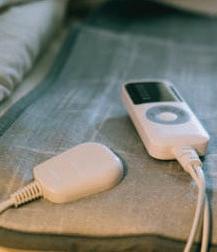
* MegaTest: Get your electric blanket checked.
* Blankets available.
* Hot soup, tea and coffee.
* Hints to keep the heat in.
* Winter recipes.
In addition we will have a checklist of easy ways to ensure you are staying as warm as possible and saving
There will also be a pile of cosy handknitted blankets looking for a good home.
Hopefully, you will go home full of soup, information and confidence.
energy over winter. Come along and enjoy some soup or a hot drink while we answer your questions and even check that your electric blanket is still safe to use. If you are concerned about the condition of your electric blanket bring it in and we will have Mega Check on the premises to give it the once over.
Drop-in Sessions
Aranui Community Trust (37 Hampshire Street, Aranui) on Thursday, 4th June from 11.30am to 1.30pm.
Age Concern Canterbury Office (24 Main North Road, Papanui) on Friday, 5th June from 1.00pm to 3.00pm.
Rolleston Older Persons Hub (94 Rolleston Drive, Rolleston) on Monday, 8th June from 10.00am to 12.,00pm.
Hornby Community Centre (8 Goulding Ave, Hornby) on Wednesday, 10th June from 1.00pm to 3.00pm.
EECA Warmer Kiwi Homes Grant
A project that is making the most difference for Kiwis around the country is the Energy, Efficiency and Conservation Authority (ECCA) Warmer Kiwi Homes Grant. A check of eligibility is required achieved through their simple online survey at www.eeca.govt.nz or this can be done with you at these drop in sessions.
What the EECA grants cover 50–90% of the total cost of ceiling and underfloor insulation. In some areas the cost to you may be even lower, thanks to generous funding from community organisations.
In some areas, up to 90% of the cost of an approved heater. This could be a heat pump or an efficient wood/pellet burner for the main living area. Heater grants are capped at $3450 including GST.
Eligibility for a grant
Checklist for an insulation grant:
* You own and live in a home built before 2008.
* You (the owner) have a Community Services/SuperGold Combo Card or live in an area identified as lower- to middle-income.
* Your home does not have ceiling and underfloor insulation. If you had an insulation grant for a previous house, you can apply for a grant at your current home.
Checklist for a heater grant:
* You own and live in a home built before 2008.
* You (the owner) have a Community Services/SuperGold Combo card or live in an area identified as lower- to middle-income.
* You have ceiling and underfloor insulation installed to EECA
Faulty electric blankets kill ... have you had yours checked?
* MegaTest will inspect your blanket and do a full 3-point check to ensure safety.
* AS/NZS 3760 Insulation Test.
* Thermographic image inspection. Thermal imaging allows us to visually identify hot spots or breakages to give you complete peace of mind.
standards. An EECA insulation provider may need to do a quick check at no cost to you.
* Your home does not already have 1 of the following fixed heaters that is operational in any living area of the house: heat pump, wood or pellet burner, flued gas heater or central heating system. If your home has 1 of these heater types, you are not eligible for a heating grant.
Change to Warmer Kiwi Homes wood and pellet burner grants
From 9 January 2026, Warmer Kiwi Homes will no longer accept new applications for grants for wood and pellet burners.
www.eeca.govt.nz
DECLUTTERING CONSULTANT
As winter approaches we see more people who need our support. Age Concern Canterbury’s Health Team and Community Connectors are frequently called on to support members of our community who find themselves unable to access food or basic necessities for various reasons. Age Concern Canterbury supports these clients with access to long term solutions but in the short term we make sure that they have the basics to get by for a few days. We are asking for donations to restock our supplies: tinned goods, tea, coffee, cereal, pasta, biscuits and soup. Any donations are much appreciated. Monetary donations specifically for this cause will be gratefully received.
Thinking of downsizing? Want help sorting your possessions? Make life easier and more enjoyable Neat Spaces Canterbury offers experienced in-your-home decluttering and home-organising services
Age Concern Canterbury Inc.
A Year in Review
For the year ended 31 December 2025
Vision: Age Concern Canterbury is the trusted organisation that connects, supports, empowers and celebrates all older people across the region. Core Values: Dignity. Wellbeing. Equity. Inclusion. Respect.
Guiding Principles: Te Tiriti o Waitangi, The United Nations Principles of Older People, The Declaration of Human Rights and Envrionmental Sustainability.
In 2025 we have increased the scope of our services provided in Selwyn and Waimakariri. We have opened an Older Person’s Hub running out of the Rolleston Community which operates 5 mornings a week and hosts social events, clubs, Steady As You Go exercise classes, and a number of educational events. Library drop-in sessions are also held in Darfield and Leeston.
We have an increasing presence in Waimakariri, with a drop-in space at Dudley Park Pavilion on Tuesday mornings, providing confidential EARS consultations and Community Connection. We also offer a range of social connections services throughout Waimakariri and Rolleston. We continue to provide Elder Abuse Response services across the West Coast, with social connections services also running out of Hokitika and Westport.
Visiting Service
The Visiting Service team in Canterbury and the West Coast continue to coordinate thousands of volunteer visits to socially isolated people: 6,994 volunteer visits were made in 2025.
1,493 calls were made to check on other socially isolated people.
Across the regions, 32.7% of the Visiting Service volunteers are under 65 and 24.5% are under 65 throughout the orgnisation.
There are currently 236 volunteers registered for the visiting service.
“Thank you very much for my home visitor, she’s absolutely delightful and you couldn’t have chosen anyone better.”
Elder Abuse Response Service
Age Concern Canterbury delivers the Elder Abuse Response Service across Canterbury, the West Coast and Timaru.
671 referrals (a 10% increase on last year) were received from 32 different sources. The majority of referrals were from Family/ Friend (Whānau) (157/23%) known to the referred clients; Selfreferrals (110/16%); Emergency/ First Response Workers (72/11%); Social Workers (64/10%); GP or Other Practice Staff (47/7%).
The remainder of referrals came from a range of sources including 0800 Elder Abuse Response Service, community organisations, and other informal community-based sources.
Community Connectors
The Community Connector Service supported 1,226 individuals this year, a decrease of 26% from 2024.
The number of clients with complex case matters increased, requiring a greater degree of one-to-one service provision.
Social Connection Service
The Social Connection Team Co-ordinators utilised our three minibuses to facilitate 3,384 outings for 4,512 socially isolated people.
There were 408 host outings.
We appreciate our many drivers and driver’s assistants whose numbers have increased this year.
The Companion Walking Service
This Service returned 554 record of walks with clients.
“Joining the outings service has been life changing ... I feel like I am part of the community again.”
Home Support Services
2,269 clients were assisted in 2025 with home help, a trade/ handyman or gardener from our database. (2,424 in 2024)
All service providers on our database are police checked and interviewed.
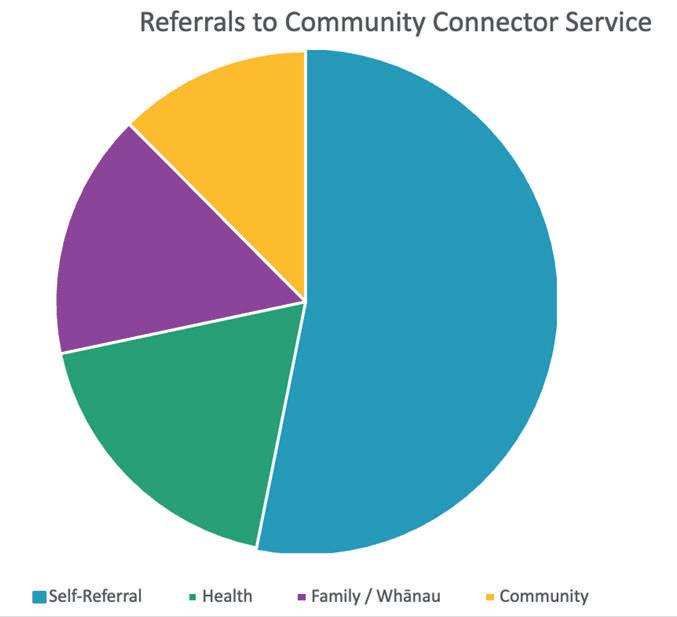
The spread of referrals remained relatively consistent with last year's data, the majority self-referring (576/ 52%), followed by health care providers (201/18%). Family/ Whānau accounted for 172 (16%) of the referrals, while the Community Providers and general public referred 135 (12%). %)fthflhilthCit
Kevin (service provider) has a real respect and affinity with older people, our clients really enjoy his attentive manner and efficient service.
On Facebook our current follower count is 1,581, which was a 4.6% increase from 2024. Our engagement on this platform has increased by 81.5%. This has been great to see and has meant we are able to spread information more easily to our wider community.
Information is also reaching beyond our own community as over half of our engagement was coming from outside those that follow Age Concern’s Facebook page. We are hoping to continue this growth in our digital presence.
Other Activities
The Christchurch Muslim Community: We have held a number of meetings with Christchurch’s Muslim community to explore ways that Age Concern Canterbury can better support older Muslim people living in Canterbury. We have held several information sessions around the use of public transport and assisted elders to access total mobility cards. We have had several promising meetings with a range of people from Canterbury’s migrant community, with plans to develop specific services for older people within the Indian and Nepalese communities.
Information Sessions/Talks: We have delivered over 20 information sessions/talks to community groups.
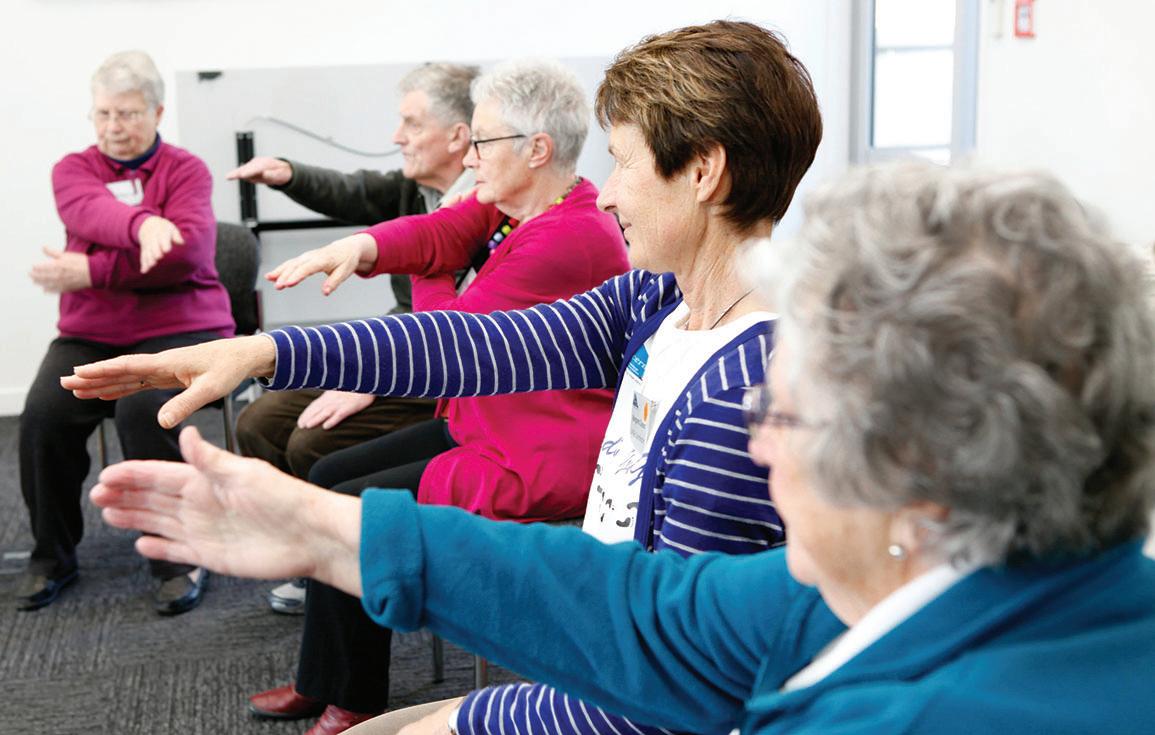
As You Go Classes
5,760 older people have attended classes run by Peer Leaders. There are currently 62 regular SAYGo classes across Christchurch and North Canterbury, some classes have waitlists. New classes are continuing to be set up.
“I’ve come to move my bones and that’s exactly what’s happening, I find my legs are getting stronger”.
Volunteers
In 2025 volunteers contributed 18,228 hours to improving the lives of older people This figure refers to the calculation of value based on minimum wage ($23.50 x 18,228 = $428,358).
Volunteers enable us to deliver on our vision of being the lead agency that connects, supports, empowers, celebrates and respects all older people in an inclusive community.
Keeping On is a well-read, informative and positive newspaper published quarterly in February, May, August and November each year. It is distributed Canterburywide and available in New World supermarkets. We have 7 volunteer writers. Printing of Keeping On is enabled by the support of our advertisers.
* 55,000 copies of Keeping On were printed and distributed throughout Christchurch and the South Island in 2025.
* The May, August and November editions were bumper issues with 36 pages.
* Increased digital and postal subscribers to Keeping On
* New and regular advertisers continue to support the publication.
* Increase in digital readership of Keeping On from www. ageconcerncan.org.nz.
“Another great issue of Keeping On ... lots of great reading and information from cover to cover.”
Kahukura Kaumatua: a day programme for older Maori people is held monthly in the Birdlings Flat Community Centre, in partnership with Health New Zealand/Te Whatu Ora.
Th Ch i t h h M li
Keeping your identity is incredibly important
We have been helping several clients recently who have found themselves unable to access basic services like banking, applying for credit, buying a phone contract or requesting legal documentation all because they no longer have a current and officially recognised form of photo identification. Our Health Team and Community Connectors want to emphasise how incredibly important this is. The process of re-establishing your photo ID can be long and drawn out leaving you in a precarious situation.
This is a case study of an actual client of ours. Sally is not her real name.
Sally contacted the Age Concern Canterbury office after losing her EFTPOS card because she was advised by her bank that she would need current photo identification before a replacement could be issued.
I visited Sally at home to explore the identification options available to her, including applying for a Kiwi Access Card or adding a photo to her SuperGold Card. However, it quickly became clear that she did not hold any acceptable forms of identification to support these applications, and her bank does not accept a photo SuperGold Card as valid ID.
In the interim, Sally was advised that she could withdraw a limited amount of cash by presenting in person at her local bank branch with her expired passport. This has placed a significant and ongoing burden on her. At 91 years of age, and no longer driving, Sally must either walk or arrange and pay for transport each time she needs access to her own money. This is particularly difficult in poor weather conditions and creates
by Trudy Lyford, Community Connector, Age Concern Canterbury
unnecessary stress, cost, and physical strain for something as routine as purchasing everyday essentials. What would normally be a simple transaction has instead become a logistical challenge that she must repeatedly navigate.
Sally was born in Australia but has lived in New Zealand for over 60 years. Her driver licence and passport both expired many years ago. While renewing her passport was considered, the cost of approximately $400.00 made this option unrealistic.
It was determined that the first step would be to obtain a copy of her birth certificate. However, the online application process proved extremely challenging, as it required multiple forms of identification that Sally simply did not have. After contacting Births, Deaths and Marriages in New South Wales, we were advised that alternative documentation could be used, such as official letters confirming her name and address. We then worked with Sally to gather supporting documentation, including a letter from MSD confirming her pension and address, a bank statement, a power bill, and confirmation of identity from her retirement village. It was also identified that
her birth surname differed from her married name, requiring more time and a separate application for her marriage certificate to support the process.
This stage created further barriers. The application needed to be completed online, despite Sally having no experience with technology. An email address had to be set up for her, and she required ongoing support to learn how to use it. Gathering the necessary documentation took considerable time, followed by further delays while waiting for the marriage certificate to arrive. The overall process has been lengthy, complicated, and at times overwhelming for Sally, adding to the stress of an already difficult situation.
Once the marriage certificate was received, we attempted again to apply for the birth certificate online through New South Wales Births, Deaths and Marriages. Due to strict identification requirements within the online system, we were instead directed to submit a manual application. Sally was then required to wait for email correspondence to proceed
Come and enjoy social interaction with other seniors…
Donation/Koha requested to help cover costs
MONDAYS
9.00amBoard Games
10.00amMorning Tea
10.30amArts and Crafts
12.00noonBYO Lunch / Socialise
12.45pmExercise Class
1.30pmVariety Hour
2.30pmAfternoon Tea
with payment - again relying on technology she is unable to independently access. This meant she needed to visit our office multiple times for assistance just to check emails and respond.
After a significant delay, Sally finally received confirmation requesting payment of $110.00 (AUD), which included the replacement certificate, priority processing, and international registered postage.
Once the birth certificate arrives, we will proceed with a Kiwi Access Card application, which will involve a further cost of $75.00 plus the cost of photographs. This will ultimately provide Sally with the photo identification required by her bank.
What initially appeared to be a straightforward issue - replacing a lost EFTPOS card - has evolved into a prolonged, costly, and complex process. For Sally, this has meant not only financial expense, but also repeated inconvenience, reliance on others, and ongoing difficulty accessing her own funds for day-to-day living.
A Discovery in the Rocks written
by Mary Duff
Based on a true story about the discovery of an ancient whale fossil in North Otago and featuring illustrations by Duntroon Primary School students. “A whale of a story illustrated by children for children.”
“The richest bank of all is our memory bank. For years we deposited
It’s hard to believe I was once a Boy Scout. The Scout Movement was wide-spread in New Zealand and I joined it in 1958. A room at the Hawarden District High School was used as our base then. Later a majestic A-frame Scout Den was erected on the Hawarden Domain, after I had shifted to Christchurch. I didn’t really want to be a Scout, as it involved the boys bowing divinely to Great Britain’s ways and means. The trouble was, Dad was treasurer of the Hawarden Scouts and he said he would look silly if I didn’t join.
experiences there.
Now we can withdraw them. The interest accruing is our enjoyment.”
In my two years I attended three camps and enjoyed them. One was held in an old farmyard just off the highway to Hurunui and Hanmer. My enjoyment came from a crosscountry race which entailed climbing a steep limestone cliff as part of the two-mile course. The winner was four years older than me. I came second. Perhaps that prepared me for the highlight of Scouting. The next camp was at the west end of Masons Flat. There Mount Mason looked over us as if to challenge an ascension. Our Scout Master was Leicester Hardy.
He was also my school-teacher that year (Std 4). All the pupils loved him. From camp we trudged like Hillary’s mountaineers. We crept and crawled as the way became steeper. When nearly at the summit Scout Wayne Manning grabbed me and said, “Come on, Mike, we’ll be first up there”. Sure enough, we were.
Wayne (two years older than me) and I were victorious. But then, rather than sitting on a rock and teasing the slower boys, Wayne convinced me we should be first back to the flat earth.
Wayne then told me he had once
climbed Mount Manning with his father. His Dad had led him on a faster way down. So off we went. In less than five minutes we were lost. We could no longer hear the shouts and calls of the slower Scouts. Of course, I trusted Wayne’s navigation skills – though I wasn’t too happy. Then Wayne admitted we were lost.
After 30 minutes of slipping and sliding we spotted the rest of the Scouts away ahead of us. Whew, that was comforting – embarrassing too. Mr Hardy never said a word. We had learned our lesson.
Nurse Maude opens a new hospice for Canterbury
As Nurse Maude approaches 130 years of caring for the community, a new chapter is beginning with the opening of a new Nurse Maude Hospice in Merivale.
Welcoming patients and whānau from 17 June, the purpose-built hospice reflects both a long-standing legacy and a vision for the future. Since 1896, when founder Sibylla Maude championed accessible nursing care in people’s homes, the organisation has remained committed to supporting those most in need.
Today, that commitment continues through essential hospice and end-oflife care services for the community.
The new hospice has been thoughtfully designed to provide comfort, dignity, and connection. With space for up to 11 patients, including dedicated areas for younger people, each room offers privacy and views of surrounding gardens. There are also welcoming spaces for whānau and friends to gather, rest, and spend meaningful time together.
Care extends beyond the physical
environment. The building design reflects our bicultural identity, incorporating Māori designs that represent the Canterbury landscape and the journey of care. Inside, these elements speak to shared values such as compassion, respect, unity, and spiritual wellbeing.
Importantly, hospice care in New Zealand is not fully government funded. This new facility has been made possible thanks to the generosity of the community – including donors, hospice shops, trusts, businesses,
and individuals.
For many, Nurse Maude’s care is deeply personal. Supporters like Denver Glass, whose late wife was a nurse with the organisation, say the hospice continues a legacy of caring for the most vulnerable, regardless of circumstance.
You are warmly invited to visit the new hospice at 28 Mansfield Avenue during open days on Friday, 5 June and Saturday, 6 June, 10am–2pm, to learn more about the free care provided here and in the community. A
Raising awareness during Elder Abuse Awareness Week
Elder abuse is a serious issue that affects millions of older adults worldwide. It can take many forms, including physical, emotional, financial, and sexual abuse, as well as neglect and self neglect. Often, elder abuse is perpetrated by someone the elderly person knows and trusts, such as a family member, caregiver, or friend. The consequences of elder abuse can be devastating, leading to physical injuries, psychological trauma, and even death. Raising awareness about this issue is essential to prevent abuse and protect our older population.
Elder Abuse Awareness Week is a crucial time to shine a light on this often-overlooked issue. This year, we have organised a series of activities to raise awareness and provide
support to our older community. The events will take place across various locations in the week following World Elder Abuse Awareness DaySunday, 15 June.
At each of these venues our team will be available to provide information and resources about elder abuse, including how to recognise the signs and where to seek help.
Planned activities are:
Monday, 15th June:
10.00am – 12 noon at Rolleston Community Centre and Eastgate Mall.
1.00pm - 3.00pm at Hornby Library and The Palms Mall.
Tuesday, 16th June:
10.00am – 12 noon at Dudley Park Pavilion, Rangiora and Barrington Mall.
1.00pm - 3.00pm at Amberley
Library and Riccarton Mall. Wednesday, 17th June
To wrap up the week, Age Concern Canterbury is hosting a community event on Wednesday, 17th June, at our office located at 24 Main North Road, Papanui. A BBQ will run from 11.30am to 1.00pm and is open to everyone.
This event is an excellent opportunity for the community to come together, enjoy some food, and learn more about the prevention of elder abuse in a relaxed and friendly environment.
Together, we can make a difference and ensure that our older population is treated with respect and dignity.
Cross party consensus emerges on need for collaboration to fix housing crisis
The Christchurch Methodist Mission (CMM) launched the Doors to Dignity campaign nationally with an event in Parliament last month co-hosted by four members of parliament from different political parties.
Doors to Dignity calls for crossparty support for increased and targeted investment in social and affordable housing for older people and is supported by a Parliamentary Petition.
The four MPs, Hon Chris Bishop (Minister for Housing), Hon Kieran McAnulty MP (Labour Party Spokesperson for Housing), Tamatha Paul (Green Party Spokesperson for Housing) and Andy Foster MP (NZ First Spokesperson for Housing), acknowledged that there was a housing crisis and that the various
parties needed to collaborate to solve it.
Government data shows that by 2048, 40% of retirees will be renters, many reliant on NZ Super as their sole or main income. But NZ Super was not designed for renters: many older renters currently spend over half their Super on rent. Doors to Dignity asserts that older people have a right to affordable, accessible and healthy housing, but Ministry of Housing and Urban Development figures show that New Zealand is not building enough houses to meet growing demand.
Speaking at the launch, CMM Executive Director Jill Hawkey noted that the housing situation for older people had deteriorated significantly over the past five years and that
the number of older people rough sleeping was on the rise.
“We see it from our housing outreach teams. In recent weeks we found a couple of women in their eighties who have been homeless and two men last week in their seventies who are homeless," Hawkey said.
“We believe urgent investment by Government in older persons’ housing is needed to address this growing crisis and we were delighted to have cross-party support for this, highlighting the urgent need for a collaborative approach on the issue of older persons housing.”
Anyone can support the Doors to Dignity campaign by adding their name to the petition at www. doorstodignity.nz/take-action.
For over 60 years, we’ve provided professional, compassionate care in a
When it’s time to transition from living at home into a more comprehensive support environment, WesleyCare is the right choice. We offer a range of affordable options, from rest home and hospital level care through to respite and palliative care. Our experienced staff build genuine relationships with residents, and our purpose-built facilities provide all the comforts of a
Age Concern Canterbury’s Elder Abuse Response Service (EARS) is a free and confidential service employing professional staff to work with older people and their carers, providing support and advocacy so that older people can be happy, healthy, and safe. It aims to improve the quality of life for older people in abusive situations, and to prevent abuse by providing information, education programmes, advocacy and support.
If you have concerns about elder abuse, the way you or someone you know is being treated, spoken to or cared for, or if you are concerned about how money is spent and property is being used, Age Concern Canterbury offer a free and confidential service to help. Phone 366 0903.
Social Worker in South Canterbury
Age Concern Canterbury has a social worker in Timaru covering the South Canterbury Elder Abuse Response Service. Sarah Hendry works out of the South Canterbury Age Concern Canterbury offices at Community House, 27 Strathallan Street in Timaru. Her contact number is 03 387 7372 or 027 5173499
Social Worker, Sarah Hendry.
Octogenarian,Wendy, writes Gold May Not Glitter
It’s long been said that if you want something done quickly and efficiently, ask a busy woman. I’ve also heard that a busy woman will always be a busy woman. Octogenarian Wendy Cheyne (Nuthall), who ostensibly has entered retirement at Ryman’s Diana Isaac Retirement Village is a case in point. Signs of slowing down or indulging in sedate leisure are not in evidence.
Originally from Cardiff in Wales, Wendy has been the quintessential Kiwi Jill-of-all-trades since arriving as a school girl in Roxburgh, in 1954. Both on her own and later with husband David, she has worked in a bank, and locally, at the old Cranford St egg factory. She’s grown and processed blueberries, raised hens, made pickles, jams and gift baskets, managed farms in North Canterbury, cooked for farmhands and shearers, supplied counter lunches at the Dominion Hotel and, as a deliverer with “no sense of direction”, survived driving the wrong way on the Auckland motorway. After a Polytechnic course in typing and shorthand she spent 14 years in a secretarial-personal assistant’s role at Canterbury University, where she also started a degree in French. All this while raising three children. The secret is a good strong work ethic in the family, Wendy explains.
If that sounds a busy life, it certainly wasn’t too much for Wendy, as she also spent 15 years researching and writing her first book. From the Auld Rock to a Hard Place, published in 2019, spans the Highland Clearances to the settling of Karamea in New Zealand by crofting tenants. An historical romance woven into real events in real times, “Rock” sparks the interest of genealogists, historians, researchers, and descendents of settlers. With no formal background in writing, it was a labour of love, Wendy says.
“I never had the luxury of a creative writing course, but I’ve always had a great imagination. It sometimes got me in trouble as a youngster as I could easily come to believe the stories I made up were true. I did take direction from author and assessor Barbara Else however, and would recommend that path to any beginning author.”
Encouraged by the reception of “Rock” and with its ink barely dry, Wendy began work on “Gold May
by June Peka
Octogenarian Wendy Cheyne and her book,
May Not Glitter.”
Not Glitter”, published this year by Troubador UK. She’s quick to point out it’s not a sequel to “Rock”.
“I know some people who enjoyed my first book were expecting that, but it doesn’t follow on at all. It begins in South Wales and comes to Otago. It also features a love story, and like “Rock” some very interesting recipes”.
I was privileged to attend the launching of “Gold” at Diana Isaac recently, where an audience of more than 40 people was keen to hear Wendy’s words, and line up to purchase a copy. Unfortunately I haven’t yet been able to read and review my gifted copy, but have asked fellow attendee, and more diligent reader, Caralyn Way of Wainoni, for her thoughts.
Gold May Not Glitter. Wendy Cheyne. Published by Troubador UK 2026. 608 pp. $35
This story begins in South Wales with a number of characters journeying to Otago in New Zealand. After trials and tribulations in the new land, all but two made it back to Wales to tell the tale. One was killed, possibly a relief to most, (including the readers) with the other remaining in Otago to serve at his majesty’s pleasure.
There are many threads throughout the 600 pages. It is a large book but not at all daunting, I had been to South Wales many years ago, but hadn’t appreciated the extent of damage, and the
effect these times had had, on the people and towns.
The family at the heart of the story certainly has its share of drama and mystery. There are ups and downs, heartaches and highlights a-plenty. It’s an easy-to-follow story line, helped by the bigger than usual font size plus line-spacing for those like myself with not-so-young eyes.
“I enjoyed my memories from Wales, and when the story moved to New Zealand could identify streets and towns. The historical information of both countries was researched and presented well. I liked to see the Welsh meanings at the foot of pages, rather than have to flick back and forth to a list at the back of the book.” Caralyn Way
Typically, while Wendy considers her next writing project, which may feature cameo character profiles, and perhaps recipes from both books, she is not idle. As instigator and co-ordinator of Grandees, a programme in schools designed to assist primary pupils with reading, she’s on a drive to recruit more volunteers to help small groups of children reach peer level and begin to enjoy the wonderful world of reading.
“Children who haven’t mastered reading at the same pace as their classmates are really at a disadvantage. We can’t fix everything in an hour a week, but we can see the excitement and happiness when they make a breakthrough. They love to learn big words and to figure out what they mean. It’s very rewarding. Teachers are so grateful for this extra assistance too, so it’s a win-win for all. Around fifty people, mainly pensioners and mainly women are involved already and we’d really love to see a few more men put their hands up.”
Contact Wendy (who uses the name NUTHALL for Grandees matters) at wendyn@xtra.co.nz to learn more about the programme, and to inquire about her books which are available from her directly, or through Scorpio, Picadilly and Amazon.
NB. In one of life’s serendipitous coincidences, Caralyn Way is a grandee of long experience. She loves her job at St Albans School. Her story will appear in our next Keeping On.
Every day, someone is waiting for a better or safer treatment - maybe a loved one, a friend, or even you. At Optimal, we’re helping to shorten that wait while always putting trial participant care first. We are a leading clinical research centre in New Zealand, inviting participants to join our research studies. By participating in clinical trials, you may:
•Help develop better or new treatments
•Get early access to potential treatments
•Receive study-related medical care at no cost
•Get a stipend for your participation
Approval from MedSafe and the Health & Disability Ethics Committee is essential for New Zealand trials.
Call 0800 73 73 27 ext 1 or Scan QR code to find a trial that interests you optimalclinicaltrials.com With you. For good.
‘Gold
Tokona te Kaika -
Do you find visiting the library difficult? Library staff can choose your books for you and deliver them to your door.
End of life planner and workbook
‘When I Die’ is an end of life planner and workbook created by Hawke’s Bay’s Kathryn Perks, who is originally from Christchurch.
This comprehensive, A4 size, 40 page workbook provides a place to record end of life wishes and personal information that may not be included in a will, but needed to help with the administration of an estate.
The idea for ‘When I Die’ came about when Kathryn was living in Australia and her mother died. Returning to New Zealand to help with the estate, Kathryn realised how little she knew about her mother’s details and end of life preferences. It would have been so helpful had everything been recorded in one place, so the family could be certain the choices they made were what her mother wanted, removing any uncertainty.
Kathryn returned to live in New Zealand in 2013. Encouraged by friends also wishing to prepare for end of life, she began researching and drafting ‘When I Die’, producing the first edition in 2017. Now in its 5th edition, Kathryn self-publishes and distributes the workbook throughout New Zealand, currently with almost
3000 copies sold.
‘When I Die’ provides space to record personal family details needed for the death certificate, whether there is a will, preference for body disposal, contact information for Executor, Lawyer and other professionals as well as who to notify, with their contact details, preference for funeral or memorial service format, ‘My Life Story’ pages to share life experiences, personal identification details, service providers, bank and financial details, income and investments, business and property ownership, regular payments, debts, memberships and subscriptions, insurances, distribution of personal items not listed in Will, computer/ technology access including email accounts, social media and online registrations, memberships, borrowed or loaned items as well as spare pages for amendments and additions.
Once completed ‘When I Die’ becomes a useful resource and reference so the estate administration will be a much easier, cost-saving process.
Road Trip
by Jean Easton
Today I went on a road trip
Run by Age Concern and it was a treat!
A lovely day with lovely people
Lovely things to eat!
We went to a lady’s private house
And we were served morning tea
Just like people used to do It was a real treat for me
Because now it’s all cafes and takeaways
Not usually served with a smile
But it was certainly like that today
And I haven’t seen that for a while All nicely laid out on a table, so posh
Just like Mum and Aunty used to do back in the day
And it was appreciated a lot by me in the same way
Thanks all round and best wishes
All we left behind was crumbs and the dishes.
Aspire Canterbury Talk
Aspire will be at Age Concern Canterbury, 24 Main North Road, Papanui at 1.00pm on Friday, 26th June to give a talk about their services, resources and products. If you would like to attend please contact Reception on 03 366 0903 by Friday, 12th June. Limited seating.
Aspire Canterbury provides FREE disability information, advice, and access to resources that enable disabled people, and people with impairments to live their best life.
This session will cover:
* Simple and practical solutions to maintain independence.
* Up-to-date information and resources for community groups, and disability and health organisations.
* Demonstration of assistive products with the ability to purchase.
* Walking stick, walker height, and safety checks.
Stay warm, dry and healthy this winter
As the colder months set in, many homeowners start to notice just how much their home struggles to stay warm. Cold, draughty rooms aren’t just uncomfortable – they can also impact your health and increase your power bills.
One of the most effective ways to improve warmth and comfort is by making sure your home is properly insulated. Good insulation helps keep heat inside where it belongs, meaning your home stays warmer without needing to rely as heavily on heating. The result is a more comfortable home that’s also more affordable to run.
Insulation also plays an important role in reducing moisture and condensation. In colder weather, poorly insulated homes are more likely to experience dampness and mould, which can contribute to respiratory issues and other health concerns. A warm, dry home is not just more comfortable – it’s better for your wellbeing too.
If your insulation is older or hasn’t
been checked in some time, it may no longer be doing its job effectively. Many homes, particularly those built before 2008, may benefit from a topup or upgrade.
Community Energy Action (CEA), a local charitable trust, offers free insulation assessments for eligible homeowners across Canterbury and the West Coast. Subsidies are available that can cover 50–100% of the cost of ceiling and underfloor insulation. In some cases, support may also be available for energyefficient heating, particularly where there is no fixed heating or the current system is no longer working.
Winter is also the busiest season for insulation and heating work, so don’t wait until the rush is in full swing. Booking your free assessment now means you’re more likely to get the support you need before the cold really sets in.
To find out more or to book a free assessment, call Community Energy Action on 0800 438 9276 or visit www.cea.co.nz. A
New outreach service supporting older adults launches in Dar
field and Leeston
Age Concern Canterbury, together with Selwyn District Council, is pleased to introduce a new initiative designed to support the wellbeing of older adults across our rural communities - the Older Persons Outreach Service.
This service is part of the Council’s ongoing Ageing Positively strategy. This aims to ensure Selwyn remains a place where older residents feel supported, connected, and valued. The new outreach hub offers a friendly, welcoming space for older adults and their families seeking guidance, information, or social support.
The Outreach Service brings Age Concern Canterbury’s trusted services directly into the heart of the Selwyn district. Residents can access:
* Community Health Support: information, wellbeing checks, and referrals.
* Social Connection Services: opportunities to stay engaged and supported.
* Home Support Services: help navigating home assistance options.
* Staying Safe Driving Courses: practical refreshers for senior drivers
* Total Mobility Cards (TMC): assistance applying for mobility transport cards.
Whether you need practical advice, help with navigating services, or simply a friendly conversation, the Outreach Service is here to assist.
Community members are welcome to drop in during outreach hours or book an appointment for more specific or private discussions. The Outreach Service will be available fortnightly:
Darfield Library & Service Centre and Leeston Library & Service Centre on Tuesdays from 9:30am to 12:00p pm.
For further enquiries or bookings phone 027 231 4439 or email ejohnston@ageconcerncan. org.nz .
Older Persons’
MONDAY:
9.30am to 12.30am, Foot Clinic, 2nd & 4th Monday 10.00am to 12.00 noon, Health Services
10.00am to 12.00 noon, Craft Group
10.00am to 12.00 noon, Carer Support Group, 2nd & 4th Monday
TUESDAY:
9.30am to 10.30am, Age Concern Canterbury, SAYGo Class 10.00am to 12.00 noon, Age Concern Canterbury Social Connection Service
WEDNESDAY:
10.00am to 12.00 noon, Help with Technology Appointments 3rd Wednesday of the month, Dementia Canterbury THURSDAY: 10.00am to 12.00 noon, Board Games
FRIDAY: 10.00am to 11.30am Stroke Aotearoa NZ Education Sessions
Feet First Podiatry taking big steps forward
At Feet First Podiatry, we’ve always believed that great foot health should be accessible, professional, and delivered with genuine care. This year, we’re excited to share some big steps forward - quite literally - as we expand our services and continue to support our community from the ground up.
Our podiatry team remains at the heart of what we do. We’re proud to welcome our newest podiatrist, Rachael, who brings fresh expertise and even more appointment
availability. Whether it’s ongoing foot pain, diabetic foot care, orthotic support, or general maintenance, our podiatrists are here to keep you moving comfortably and confidently.
We’re also thrilled to introduce Laser Therapy, our newest service designed to support healing, reduce inflammation, and assist with stubborn conditions that haven’t responded to traditional treatments. It’s safe, non invasive, and already proving to be a game changer for many of our clients.
For those who simply need regular nail care, our Just Toenails service has quickly become a favourite. For only $55.00, clients receive a professional nail trim using sterilised instruments, performed by our trained Footcare Assistant under the clinical oversight of a podiatrist. It’s straightforward, affordable, and ideal for anyone who struggles with nail care or just prefers to leave it to the professionals.
And of course, no conversation about foot health is complete without the right footwear. That’s why our
partnership with The Shoe Room continues to be such a valuable part of our service. Their range of functional, fashionable footwear means our clients can walk out not only feeling better, but looking great too - with styles that support comfort, alignment, and everyday living. Whether you’re seeking treatment, maintenance, or simply better shoes, we’re here to help you put your best foot forward. We look forward to seeing you soon. A
Keeping On eeping On
Arthritis pain relief that works in minutes
Florentine Gold All Natural Harmony Body and Joint Rub (topical lotion) is an amazing product with so many uses and benefits. You can purchase this online by visiting our website www.florentinegold.co.nz or email us at info@florentinegold.co.nz
* Made with all natural mineral crystal salts and essential oils.
* Excellent for sensitive skin - no harmful additives.
* Contains Omega 3 and Omega 6.
* Easy absorption, non greasy, biodegradable, ozone friendly.
* Vegan and cruelty free certified.
The All Natural Harmony Body and Joint Rub is wonderful for all types of pain relief including peripheral neuropathy, sensory ataxia, gout, neck and shoulder pain, stiffness, headaches, migraines, pulled and strained muscles, tennis elbow and much more. It also gives relief to some skin conditions including acne, eczema and psoriasis. It is excellent for sore throats and toothache (for external use only), speedy recovery from migraine headaches, for the
relief of sunburn, and takes the itch from mosquito bites.
“With a dose of scepticism I tried the Body and Joint Rub for my damaged cervical spine and carpal tunnel and joint problems. It freed up and alleviated the pain and increased mobility almost immediately. With Allodynia, a nerve condition, and head injury symptoms, I then tried it on my scalp and to my joy and surprise it stopped the nerve over stimulation. I am now using it daily. Indebted to Florentine Gold for providing such a great product.” John S. Canterbury. 1st July 2022
IMPORTANT NOTICE
The 200ml Body & Joint Rub costs $48.50. The 100ml cost $36.50 Courier postage is included in these prices, however, the cost for rural delivery will increase to $7.00 (which must be paid separately into our bank account as our website does not allow for this cost). Thank you for your ongoing support FGNZ Ltd.
Natural Harmony Body & Joint Rub
Great for all manner of joint and muscle stiffness, sprains and strains and dry flaky skin.
EXCELLENT FOR SENSITIVE SKIN
Phone: 027 517 2347
Email: info@florentinegold.co.nz
www.florentinegold.co.nz
Natural Harmony Body & Joint Rub is $48.50 for 200ml and $36.50 for 100ml and includes delivery. However, for rural deliveries the cost is $7.00 which must be paid directly into our bank account. You can purchase by visiting our website www.florentinegold.co.nz, by emailing us at info@florentinegold.co.nz or by phoning us on 0275172347.
TESTIMONIAL
“OMG This stuff is MAGIC! I have been suffering tremendous lower back pain for the last few days (nerve pinch I think?) In tears with the pain, can’t sleep, hurts to walk, hurts to sit. My husband handed me his bottle of Florentine Gold & I am a different person. I simply can’t believe how this stuff has turned my pain away by 99%. I can’t use the normal anti inflammatory drugs due to medication I am on. Florentine Gold you are a life saver. I will be ordering a second bottle tomorrow! Diane Stockley Te Aroha on Jan 26, 2024
The All Natural Harmony Body & Joint Rub would make a wonderful present for family and friends.
Lunchtimes take a musical star turn
Lunchtimes are the perfect time for a concert.
Fine music elevates the day, bringing respite from city noise and haste. Pragmatically, too, we can bundle up our errands and catch up with friends all on a single trip to town.
As Christchurch residents, what’s better than a concert in our beloved Great Hall at The Arts Centre, a unique asset.
You may know about the Great Hall Lunchtime Concert series on selected Mondays, but did you know there’s also a Rising Stars series on selected Tuesdays?
Rising Stars is, as it says on the tin, a series of performances by young musicians, most still at school, some not yet at high school. They may be young, but their talent and dedication have already set them apart, as winners of national competitions, pupils of renowned teachers, and early achievers of musical milestones.
The standard is always high in these concerts, and – let’s be honest – we confess a certain smugness when a musician we’ve followed early in their career becomes a star.
This year, the series opens on Tuesday 26 May with choral and chamber music from Rangi Ruru Girls’ High, and – as if to presage where many of these performers are
heading – the series ends on Tuesday 24 November with two musicians whose stars have risen. Cellist Christine Jeon and pianist Matthew Seinafo were both awarded the 2026 Pettman Royal Overseas League Scholarship, supporting an extensive European tour for performances and professional development. It’s remarkable to think Christine first appeared in the Rising Stars series as recently as 2020. For full details of concerts in the Rising Stars series, visit www.artscentre.org.nz/whatson/rising-stars
Tickets cost $15 per show or get special $10 tickets by joining either Concert for Christchurch Friends or Friends of The Arts Centre.
A
Terence Yang will be performing a Flute Recital on 11 August.
Musicians on a mission
by Stephen Tyerman
The Choir of the Cathedral of the Blessed Sacrament (CBS) dates its modest beginnings from 1969. Its initial purpose was to preserve the peerless musical heritage of the Catholic Church and to make that great taonga available to presentday congregations. This tradition stretches from Gregorian plainchant, through the sinuous vocal weaving of medieval and Renaissance polyphony, to the composers of the Baroque and Classical schools: Vivaldi and Mozart to name but two. We perform the emotionally charged music of 19th century romantics such as Brahms, Buckner and Mendelssohn. We tackle the austere, strongly rhythmical modernist mass of Stravinsky; and even venture to include music by composers still alive and kicking, notably Sir James Macmillan, composer of music for the late Queen's funeral and recipient of the King's Medal for Music in 2025. Conscious of our local roots, we include music by Kiwis, and especially Canterbury luminaries such as Christchurch composer Professor John Ritchie.
But the function of CBS Music, our umbrella group, goes well beyond the Choir's initial, devotional purpose. Twice a year, we perform outstanding works by Bach and Handel, the greatest composers of the Baroque period. These are the wildly dramatic St. John Passion at Easter, and Handel's ever-popular Messiah, scheduled this year for December 6th at 1.30 pm. These works are presented to the public with the able assistance of the CBS Orchestra.
The Choir and Orchestra frequently give concerts combining vocal and orchestral music. The next, Mystical Mozart, which includes Mozart's 39th Symphony, is on June 14th at 2pm at Saint Mary's, 373 Manchester Street, which has functioned as the Catholic Cathedral since the loss of
the elegant, Oamaru stone Basilica, a casualty of the 2011 earthquake.
Our weekly 'Wednesdays at One' lunchtime concerts, serve as a platform for local and visiting performers from talented school students to established professionals. Food is available before the concerts' commencement at 1.10 pm. the cost is $15. There is plenty of parking at 373, Manchester Street.
Outside of its usual setting, the Choir sang as the opening act for Marlon Williams' concert in the reopened Town Hall. Marlon is an internationally successful singersongwriter with a huge following; he was also a student of Christchurch Boys' High School, where his music teacher was Don Whelan, the Choir's Musical Director. Don encouraged Marlon to join the Choir while he was still a schoolboy; and it was at Marlon's invitation that we sang. A packed audience, unlikely to have heard our styles of music, clapped enthusiastically.
CBS is the brainchild of Don Whelan, who has tirelessly led the Choir as its Musical Director since its inception. Don strives not only to preserve tradition but to foster new talent and modes of expression. Come and hear us - information is available at www. cathedral.org.nz.
Every Wednesday at One
St Mary’s Catholic Pro-Cathedral
373 Manchester Street (parking, wheelchair access) Warm CBS Music Centre during July & August
Concerts 1.10 – 2.00 pm Admission $15 (Eftpos) Pre-Concert Café Friendly company with coffee & cakes. Flute Choirs, String Ensembles, Bands, Steinway Virtuosi Youth Prodigies, Baroque Ensembles, School Performers, Violin & Guitar Duos, Harpsichord Recitals, Orchestras, University Performers, Vocal Soloists, Wind Ensembles, Percussion Groups, Organ Recitals, Community Choirs, Opera Singers, Renaissance Consorts, Folk Groups. Something for everyone!
A
Experience freedom on three wheels with our NEW Electric Trikes. Designed for those who refuse to compromise, these mobility trikes combine extended range, enhanced safety features, and premium comfort seating. Travel at your own pace - because independence means choice. With Wired 2 Ride, you're not just getting around; you're reclaiming your life. Go further, ride safer, sit better.
Why Choose Us Wired 2 Ride
At Wired 2 Ride we pride ourselves on creating the best e-trikes and e-mobility solutions in New Zealand. Our commitment to quality and customer satisfaction means you
Don’t let age or health slow you down, live as fast as you want to! No longer drive or ride a bike? Don’t stop or slow down. Experience the freedom and joy of riding our electric trikes. Ready to ride? Try one, live a little!
Call me, Donald, on 022 510 4911
A
Safer, more stable
Full seat with slide
Folding arms
Tilting handle stem
Blue or white
Longer distance big battery $4,975.00
CBS Messiah 2025
Keeping On eeping On
We love our ‘Grandfriends’ at Playful Generations
The story of Playful Generations is essentially one of observation and response by the Village church and Community Centre in Papanui. In an increasingly mobile world, families coming to the Village’s Monday Music Moments often felt isolated from their extended family networks. Many expressed a desire for more "grandparently figures" in their children's lives.
Another thing we noticed was that the general vicinity around the Village - Papanui (460 Papanui Road) includes a number of retirement homes. In talking with people connected to some of the retirement complexes, a common thread was of possible loneliness and isolation among older people there. The idea for Playful Generations emerged not as a fix-all solution to a big problem, but as a simple, local response to these two very real human needs, a "little Thursday morning experiment" to see what might happen if we simply created a space for these two generations to be together.
Trevor Agnes is a ‘grandfriend’ and storyteller.
Trevor Agnew (pictured) is a “grandfriend” and storyteller at the Playful Generations intergenerational playgroup in Papanui. He writes: “I was surprised when I was asked to read stories to the pre-schoolers at Playful Generations. The reading stories part is easy. The tricky part is choosing stories the young ones will enjoy. Their favourite authors include Dame Lynley Dodd, whose rhymes and noises are an invitation for all to join in, whether it’s ‘Hairy Maclary’ or ‘Dragon in a Wagon.’ Juliette MacIver’s picture books, such as
‘Duck Goes Meow,’ have a great sense of rhythm. Gavin Bishop’s board books delight babies who recognise themselves and their parents in them.
My proudest moment came when I discovered that one young gentleman thinks the word for book is ‘Trevor.’ I was nervous at first, but I soon found that each visit to Playful Generations is a delight. I can honestly say that the Thursday morning gathering is the highlight of my week.”
Feedback from the parents that attend Playful Generations is that they and their children really enjoy story time with Trevor. Several also said that they would love more older adults to join in and connect with the children at the group.
Playful Generations would love more “grandfriends” to come along to the group on Thursday mornings during term time from 9:30am to 11.00am. We offer wonderful barista-made coffee for a donation. We have enjoyed learning and participating in knitting, baking and gardening with some of our grandfriends, but everyone is most welcome to come along and see what activity is happening on the day!
For more information contact Playful Generations on 352-6197 or at papanui@villagechurch.nz.
Alpine and perennial nursery InEssence o ff ers the gentle power of massage therapy for seniors
Sisters Sue and Kate started their alpine and perennial nursery Behind The Hedge in Rangiora 20 years ago. We are growing a wide range of perennials from imported seed not seen in other nurseries, we also grow alpine plants and unusual bulbs from around the globe.
We both started gardening from an early age and were encouraged by our gardening parents and grandparents. Our love of the unusual comes from our Mum, who was an amazing plantswoman, who created two amazing gardens full of colour and different foliage, not to mention 350 roses!
We would like to extend an invitation to all garden clubs and other groups to come for a visit to the nursery as well as Sue’s country garden in Rangiora. We are also happy to go and speak at any groups that would like to know more about bulbs and alpines and perennial plants.
We are both members of the Rangiora Garden Club and have held the positions of President for 8 years (Sue) and Secretary for 16 years (Kate). We are also members of the NZ Alpine Garden Society for the past 20 years and have been very involved with the NZAGS Botanical Expo held at the Lincoln Events Centre in September each year. We have also participated in several Ellerslie Flower Shows while it was held in Christchurch.
We travel to fetes around the South Island, unfortunately not as many are held these days due to many of these Alpine Societies no longer being in existence.
Besides our love of plants, it is the people that we meet along the way that make it so enjoyable for us, many friendships have been made. When you are a gardener, you never stop learning and enjoy sharing treasured plants.
I welcome you into a place of nourishment and restoration of energy.
When we are in pain or when we hold tensions in our body, our energy does not flow well. This can create an obstruction to our natural energy flow and makes us feel uncomfortable, physically and emotionally.
In my massage treatment, I am working with you to free up your energy and release the pain and discomfort held in the muscles and surrounding tissues.
Essential oils are used in this process for their ability to work at a deep cellular level to naturally release muscular tension, soothe inflammation and bring comfort to areas under strain. They offer profound support for the nervous system, helping to settle emotions and inviting a deep sense of calm within you.
What I value the most is to see my clients getting better naturally. There is often a sense that they have discovered a new depth of support that is both empowering and fulfilling. It not only takes care of the pain but also gets them back in touch with a sense of peace and contentment.
This restoration of energy leads to better sleep because when we have been nourished, everything relaxes within us. We feel cared for and how we feel has been met, giving us a feeling that everything is well in our world.
I have seen how my services have met the needs of seniors in a deeply tangible way.
If you feel drawn to this healing experience, you are welcome to give me a call to discuss how best I can support you with your specific needs. Contact Valerie 021 2162708.
Gentle Support for Pain, Stiffness and Sleeplessness
Are you living with arthritis, joint pain or struggling to get a good night’s sleep?
There are safe, natural ways to feel more comfortable, without adding more medications
Discover how massage therapy with essential oils can help you:
•Ease stiffness, joint & muscle pain
•Calm inflammation
•Move with greater ease
•Maintain a good posture
•Support recovery after surgery
•Improve sleep and relaxation
•Support your body as you age
A
They say connection matters most
They say connection matters most. For many residents, it's what they lack.
Two years ago, at 15, I decided to start volunteering at a rest home. I wanted to interview the residents, I wanted to talk to them about their life stories. And so that’s what I did. Given that most of them had very different careers and lives, I thought I’d hear a wide range of answers to many of the questions I asked. But when it came to asking them what they found the most meaningful in life, I kept hearing the same answer, again and again. It wasn’t the food. Not their achievements. Not even their health, at least most of the time. It was the relationships. It was talking to their friends and family and connecting with people. But then you would be in the lounge for an afternoon, and for many residents there would be these long, uneventful stretches where nothing much happened. There weren’t many real conversations and no one in particular to talk to. For many, entire days could go by without any meaningful social contact, even though these years might often be the final years of their lives.
However, when I tried to look into the problem of loneliness in rest homes properly, I was surprised by how little information there was. There were many studies on loneliness among older adults living in the community, but very few that focused specifically on rest homes here, even though 30-40,000 people in New Zealand live in care and would have far fewer opportunities to see family or friends.
Discuss your Life Stage Plan with Robyn Let Transition Navigators enhance your wellbeing as we support you by finding your most appropriate living place Considering moving? Feeling overwhelmed thinking about your options?
by Bill Li
Yet at the same time, the data here does exist. Through interRAI assessments, we routinely collect information on residents’ wellbeing, including loneliness, but it had not been analysed at a population-level. So I decided to see what I could learn. At first, I had no idea how research worked. It took months of reading papers, learning how to make sense of statistics, and trying to understand the academic language for me to finally be comfortable with even starting to write the first words. There was little mentorship early on, so much of it was trial and error. I really did not set out to do research, but the more I read about it, the more it became something that I thought I could and should do. Some of this work has now been written up in a paper currently under review, which was
also presented at a conference and received the Emerging Researcher award. A second paper on related aspects of loneliness in New Zealand is also under submission.
Residential care understandably focuses heavily on physical health and safety. These are, of course, the right priorities. But emotional wellbeing can sometimes receive a lot less attention, even though loneliness has been linked in many studies to poorer health outcomes, reduced quality of life, and increased mortality risk among older adults.
This is obviously not a problem with any easy solutions. Loneliness is not something that can simply be fixed by adding more staff or funding a new programme or even doing more research, but that does not mean it should be ignored. Loneliness in
Bishopdale hearing -
rest homes deserves more attention. People need to recognise it as a real and serious problem, one that affects thousands of residents every day. Families and friends have a certain responsibility to maintain connections whether through a visit or a phone call. Without them, even in safe and well-run homes, people can spend their final years feeling quietly isolated.
As New Zealand’s population ages and more people spend their later years in aged care, high standards of medical and physical care will and should remain essential, but they are not enough. Because when the residents themselves say that connection is what matters most, it becomes hard to accept just how little of it they often get.
one of the few truly
independent audiology clinics in Christchurch
Bishopdale Hearing is one of the few truly independent audiology clinics in Christchurch. When you choose to see us, you can feel safe knowing you are receiving an honest professional opinion and won’t feel like a ‘number’. Not only are we super fun and relaxed, but we are also the only comprehensive audiology clinic in the Canterbury area – meaning we offer a lot more than just hearing aids!
Two specialties that not many other Audiologists provide are Auditory Processing Assessments with Auditory Training, and Vestibular (Balance) Assessments along with Vertigo Rehabilitation.
Auditory Processing Disorder
(APD) is estimated to affect 6-10% of New Zealanders. It can occur in people of any age, with or without hearing loss. Symptoms include struggling to understand speech in a noisy environment, remembering multi-step instructions or becoming tired/frustrated trying to listen.
Our full Vestibular (Balance) Assessments are for people who may be suffering from ongoing balance issues in the inner ear (called the vestibular system), checking whether symptoms are related to the ear, or something neurological.
We also treat sudden onsets of Benign Positional Paroxysmal Vertigo (usually just called vertigo) immediately in clinic.
* Earwax Removals
* Outer Ear Infection Treatments
* Diagnostic Hearing Tests
* Hearing Aid Fittings
* Second-Hand Hearing Aids
* Auditory Processing Disorder Assessments
* Auditory Training and Therapy
* Vestibular (Balance) Assessments
* Vertigo Tests and Rehabilitation
* Custom-Made Moulds and Earplugs
Our clinical team are all members of the New Zealand Audiological Society (NZAS), meaning we regularly access all avenues of funding such as the Disability Support Services, ACC, Veterans Affairs and more.
We also accept donations of second-hand hearing aids and fit them to people who cannot afford new devices – if you have hearing aids sitting in your drawer at home, please consider donating them to us! We are always looking to make hearing healthcare more accessible. Come and see what all the fuss is about! A
Bill Li
Healthcare research first for Bill Li
At 17, Bill Li is the first secondary school student to present a research paper at the annual InterRAI Research Network Knowledge Exchange held in New Zealand.
Alongside senior researchers and clinicians, the Year 12 College student will present his findings into loneliness in long-term care for the elderly.
Bill became especially interested in the subject after seeing it firsthand while volunteering with elderly residents.
His research has been informed by InterRAI data. The platform aims to improve healthcare around the world by inviting medical professionals, policy-makers, and researchers from more than 35 countries to utilise a wealth of high-quality data for advanced research.
Bill’s 4000-word paper, The demographic, temporal, and regional
dynamics of loneliness in long-term care in New Zealand: A secondary data analysis is also under peer review with the Australasian Journal on Ageing.
Bill hopes that his research can “better inform intervention and policies surrounding loneliness in long-term care to better target at-risk populations”.
A Voice for the Wild: Christchurch City Choir presents Missa Gaia
In an era where our connection to the environment is more vital than ever, the Christchurch City Choir invites audiences to a powerful celebration of the Earth through a masterfully curated program of contemporary choral works. On Saturday, June 13th at 7:30pm, the choir will bridge the gap between the human spirit and the natural world in a performance defined by international excellence and local heart.
The evening’s centrepiece is Paul Winter’s groundbreaking Missa Gaia (Earth Mass). This is no traditional liturgical work; it is a vibrant, "ecospiritual" mass that weaves the human voice together with the haunting, evocative sounds of nature.
Supported by a rich instrumental tapestry of percussion, organ, clarinet, and saxophone, the choir integrates recorded calls of the wild to create a soundscape as expansive
as the wilderness itself.
Complementing the Earth Mass is a selection of works by Paul Halley, renowned for his rhythmic vitality. The choir will bring to life his celebrated Freedom Trilogy, the serene Ubi Caritas, and the lush Love Songs for Springtime, exploring the intersection of spirituality and the changing seasons.
Bringing the evening home to Aotearoa is the Silver Whispers Suite by acclaimed New Zealand composer Leonie Holmes. This evocative suite celebrates life in its most diverse forms - from the "scuttle of insects to the unearthly song of whales"and features the poignant poetry of Christchurch’s own Marnie Barrell.
Experience this extraordinary performance with the Christchurch City Choir on Saturday, June 13th at 7:30pm. Tickets are available through TicketMaster. A
“To my knowledge, this is the first large-scale analysis of loneliness in long-term care in New Zealand, as well as being one of the only studies in the world to analyse loneliness prevalence longitudinally in this context,” Bill explains.
“It found that age and ethnicity were predictors of loneliness and that loneliness prevalence decreased significantly over time (although only Europeans showed a statistically significant decrease). It also found a significant difference in regional loneliness between DHBs.”
In response to his research, the interRAI Research Network Chair has invited Bill to help with literature reviews in preparation for setting up
a dementia registry in New Zealand.
Meanwhile, Bill has also been recognised for his achievements in the prestigious John Locke Institute 2025 Global Essay Competition, being Highly Commended for his writing in the Psychology section. His essay focused on the following question: Eleanor Roosevelt declared, “No one can make you feel inferior without your consent”. Is she right?
His essay was one of thousands from around the world and judged to be in the top 3%.
The Oxford and Princeton-linked John Locke Institute encourages traits of independent thought, depth of knowledge, clear reasoning, critical analysis, and persuasive style in young writers, inviting students to respond to challenging questions.
In August, Bill also gained the highest grade in seven Advanced Placement (AP) exams to help open the gates to study at leading universities in the United States and United Kingdom. He achieved a ‘5’ in Biology, Calculus AB, Government and Politics, Environmental Science, Macroeconomics, Psychology, and Statistics.
You don’t have to do this alone
Supporting someone you care about who is using alcohol and/ or other drugs can be incredibly challenging. You might find yourself worrying about them, trying to keep things together, or feeling unsure what to do next.
If this sounds familiar, you are not alone! You don’t have to manage this on your own.
Family Drug Support (FDS) is a national service that supports family/ whānau impacted by someone else’s substance use. We offer free, confidential support focused on your wellbeing, regardless of whether your loved one is seeking help.
You can talk with someone who understands, either over the phone or via Zoom, at a time that works for you. We also offer a structured 5-Step Programme, which provides practical ways to cope, communicate, and feel more supported.
Many people tell us that simply having a space to talk and make sense of what’s happening can bring relief and help them feel more in control.
If you’re supporting someone and would like to talk, we’re here for you.
Family Drug Support (FDS) 0800 FDSUPPORT www.fds.org.nz A
Dr Gary Cheung, an Associate Professor at the University of Auckland, Bill Li and Margaret Milne, InterRAI development and Service Delivery Manager.
Getting involved as a volunteer in Taiwan and New Zealand
I'm at a social gathering for chatting and sharing. I see an elderly Kiwi lady filling in some numbers into a Sudoku table. I watch her working for a while, then I tell her: “I can’t do that! I think Sudoku is very difficult”.
She glanced at me, and smiled: “No, not at all. It’s not difficult”. Then she started to show me how to do Sudoku. And, yes, she's right. At least, Sudoku isn’t as difficult as I have supposed for a long time.
Two days later, I went to a $2 shop and bought two Sudoku books. I started to have a brand-new process of doing something challenging! Then, someone told me about the elderly lady, who is 88 years old, and that she's a very good knitter, knitting baby sweaters for donating. I was really touched and asked myself: How can a person at the age of 88 keep on doing these things that are beneficial to herself and others?
Recently I have been a volunteer for a community trust. Another volunteer and I work as a team to prepare morning tea and clean up afterwards for the elderly people
by Harmony
who attend the social group, chatting and socializing. I also chat with them when I have free time.
And, like all the volunteering jobs I have done both in Taiwan and New Zealand, I have learned a lot! So, now I am going to turn back the pages of my memory and share some of my experiences of volunteering with you.
The first long term volunteering experience was when I was a university student in Taiwan. We called it a Working Camp. We 25 students took a hired bus on Saturday afternoons. We helped to build a wall, vegetable farm, or clean up rubbish for the infant asylums, orphanages, or schools. We brought our own sleeping bags, stayed on site overnight, and left on Sunday after lunch. We prepared all the tools and cooked our meals on our own. What we needed from the schools or orphanages was just the rooms for overnight accommodation.
For joining the Working Camp, we had to pay for our three meals and transport. Some students laughed at us: “You pay for being a volunteer”!
It’s true. But, on the other hand, we had opportunities to meet and work with other like-minded people. We learned to open our hearts and knew a way of contributing our strength to the people we were concerned about. Especially, after so many years, I do now appreciate the kitchen team workers. How could three university students cook three meals for 25 mouths, from buying ingredients, setting up the kitchen, cooking 4 Chinese dishes for every meal, and cleaning afterwards?
Volunteering played another role for me after I became an immigrant. Before moving to New Zealand, one university social work lecturer advised me: “The common problem for immigrants is the lack of social networks. After you are in New Zealand, you need to work on it. Otherwise, it will be easier to end up moving back to Taiwan”. Being a volunteer is my way of getting to know New Zealand society. In the past 20 years, I have followed the flow of life by choosing some organisations and applying for
volunteering positions online. The first one was for the Chinese Line of Citizens Advice Bureau. I thought it was a good way to get to know what is happening in New Zealand society. Even though there were only a small number of phone calls that I picked up, I learned a lot from the monthly training courses.
Then I wanted to know about New Zealand’s health system for elderly people. So, I worked for Nurse Maude helping with the operation of activities and serving morning tea and lunch for the residents of the hospital. I also volunteered for a Red Cross shop, a temple, and a meditation centre later on.
I have heard a Kiwi saying: “It is not because you are old, so you stop learning. It is because you stop learning, so you become old”. I think it is like the Chinese saying: “One is never too old to learn”. After so many volunteering experiences, I am pretty sure both of them are one hundred percent correct.
Natural shift in pace with the move to cool months
As we move into the cooler months, there’s a natural shift in pace across Christchurch. It’s a time when many people spend more time at home, check in on neighbours, and stay connected in different ways. I really enjoyed attending local ANZAC Day services this year and want to acknowledge all those involved in organising these important occasions for our communities.
In recent weeks, I’ve had many conversations with older adults
by Tracey McLellan, Labour List MP based in Banks Peninsula
across the city, and some consistent themes are coming through. The cost of living remains a real pressure, particularly for those on fixed incomes. Power bills, insurance, and everyday expenses are all adding up, and many people are having to make careful choices about spending.
Access to healthcare is another key issue. Being able to get an appointment when you need one, and close to home, makes a big difference. We’ve put forward practical ideas
like providing three free GP visits each year and supporting more local clinics, to make care more accessible and reduce pressure on the wider system.
Just as important is staying connected - whether through reliable transport, local services, or community groups. Being able to remain independent and part of your community is something people value deeply. I’ve also heard how much people value the role organisations
like Age Concern Canterbury play in providing connection, advocacy, and support.
These are issues my Labour colleagues and I continue to focus on, advocating for practical solutions that support people to stay well, connected, and secure in their communities. Thank you for the contribution you make to your families, your communities, and our city. It does not go unnoticed, and it matters.
A
Cafe Group Outings
Age Concern Canterbury’s Social Outings are for people over 65 who live in their own home and would enjoy more company. You will need to be able to transfer independently on and off our minibus. Limited numbers.
New social Cafe group picking up from Sumner-Redcliffs.
Fortnightly outings to a Cafe on a Tuesday morning. We will pick you up between 9.00am and 10.00am and you will be home by 12.00 midday. Donation of $5.00. You will need to pay for your own food and drink at the Cafe.
Please contact Debbie on 331 7814 or 027 555 8077 to register your interest.
Move over cold weatherthere’s a new plan in town
In Canterbury, the colder season has returned. Many of us slow down, stay indoors in our nice cosy homes and get by as best we can. But then we become stiff and sore, and our muscle condition and body alignment deteriorates. People often come to physio due to the problems they are having due to this or after winter when they get moving again.
In Norway they have a great saying during their cold winters that translates to: “there is no such thing as bad weather, just bad clothes”. Keep moving, indoors (and outdoors if you can) You may already have somewhere indoors you go to keep moving. At Vigeo Physio, we help people learn gentle movements in comfortable positions to help maintain muscle condition and body alignment. Exercises you can perform in the comfort of your own home. By doing so, the body that you take outside moves well and isn’t stiff or restricted. By doing so, life will be far more enjoyable again.
But what about my arthritis (or other condition/problem)? Too many people are struggling with physical health issues that can be improved. When you come to us to improve your
situation, we start with an assessment and ensure you are managing your problem well each day. Then when you are ready for it, gentle movement in comfortable positions works really well for most conditions, like:
· Arthritis
· Joint problems
· Balance problems and fall risks, including fear of falling, loss of confidence or avoidance of activity
· Chronic pain
· Osteoporosis
· Post-surgery recovery
· Difficulty with daily function like walking, bending, stairs
“For years I have put up with aches and pains blaming getting older. I am so delighted with how good I feel from Vigeo’s thorough programme.”
Denise L. - Semi-Retired
Dominic Brosnahan understands conditions affecting 55+ year olds and when you explain your situation he can assess you and provide support specific to your needs. With over 20 years physiotherapy experience, advanced post-graduate spinal manual therapy training and gentle exercise specialisation, Dominic is the 55+ physio you need.
Pumpkin Soup
Ingredients
1.2 kg pumpkin or butternut
1 brown onion sliced
2 to 3 cloves of garlic
3 cups vegetable or chicken stock
1 cup water
Salt and pepper
Instructions
* Cut the pumpkin into 3cm cubes/ chunks. Cut the skin off and remove the seeds.
* Place the pumpkin, onion, garlic, stock and water in a pot. Bring to a boil, uncovered, then reduce heat and cook until pumpkin is tender.
* Remove from heat and put through a blender or a food processor or use a stick blender to blend until smooth. Be careful!
* Season with salt and pepper.
* Ladle soup into bowls, drizzle over a bit of cream, sprinkle with pepper and fresh herbs, toasted pumpkin seeds or crunchy croutons.
If you want to be a bit adventurous you can add some extra flavour with peanut butter and soy sauce or go for a Thai twist by starting with sauteing some Thai red curry paste before adding your pumpkin, onions etc and then add coconut cream at the end.
Walking alongside you
Do you feel awkward when comforting a grieving friend? Or discouraged when conversations turn toward dying? Or overwhelmed by the financial realities of funeral planning? These are common concerns in my work as an end-of-life doula and palliative social worker. Originating in Ancient Greece, doula means ‘person of service’. An end-of-life doula offers holistic, compassionate support to individuals and those who love them, particularly during diagnosis, during the ageing and dying process, and when facing the deep realities of mortality. By creating a safe, and honest space in which difficult conversations can be held, I am guided by your priorities for living and dying well. Skilled in grief education and emotional support, family facilitation, advance care planning, funeral planning, and advocacy, I can walk alongside you and your medical team to be a steady, compassionate presence as you consider where, how, and with whom you wish to spend your precious time.
For as long as I can remember, I have been interested in life’s stages and transitions, particularly dying. My professional training in social work and palliative care, together with my personal experiences, have shown me the vital role of compassionate support at the end of life – and my gentle, considered approach honours death as part of the life cycle and grief as part of everyday life. Our experiences are always unique, and support is available in every season. Please be in touch for a free initial chat or visit my website for further details.
From a client: “Liz was very helpful in providing resources on coping strategies, and dealing with grief, and offered her support and practical knowledge to the family. I found her to be approachable and sensitive to the situation and the needs of the family."
The Fifth Season: www. thefifthseason.co.nz End of Life Doulas: www.eldaa.org.nz A
ENERGETIC AND RELIABLE GARDENERS TO MAINTAIN GARDENS
Fit, keen, energetic, reliable, own lawn mower and a current driving licence.
Payment is on an hourly rate. Needed in the following areas: Wigram, Hornby and Prebbleton. Casual work only.
An appropriate level of fitness is required.
It’s a question we hear more at Petersgate these days. Has the world gone mad? For many older people, the pace and intensity of change feels overwhelming. News cycles are relentless, filled with conflict, political division, economic uncertainty, and environmental concerns. The cost of living continues to rise, communities feel less connected, and technology, while offering convenience, can sometimes also deepen feelings of isolation.
These reactions to these changes are entirely human. Feelings of worry, confusion, frustration, or even grief for “simpler times” are valid. Many people are experiencing a sense of loss, not just of financial security, but of predictability and stability.
At Petersgate Counselling Centre, we are seeing how these pressures are affecting mental wellbeing across all ages, but particularly for older adults. Life experience brings resilience, but it doesn’t make anyone immune to stress. In fact, cumulative
worries, health concerns, family pressures, and societal change, can feel heavier over time.
However, while the world may feel chaotic, it is not without hope. There are still strong communities, meaningful relationships, and opportunities for connection and support. Small, consistent actions like maintaining social contact, limiting distressing news, and focusing on what can be controlled can make a significant difference.
Talking to someone can also help. Counselling provides a safe space to process these feelings, regain perspective, and find ways to cope in uncertain times. You don’t have to carry these concerns alone.
The world hasn’t gone mad, but it has become more complex. And in complexity, it’s natural to feel unsettled. What matters most is how we respond: with compassion for ourselves, connection with others, and a willingness to seek support when needed.
Drivers and drivers’ assistants needed for our well-loved Social Outings Service.
Drivers transport clients in our minivans to a morning or afternoon tea in and around Christchurch, supporting them to make new friends. No special licence required. Casual basis.
Drivers’ assistants support the drivers and help clients.
Please contact Robynn on 331 7801, email robynn.walsh@ ageconcerncan.org.nz or Debbie on 331 7814, email dgarraway@ageconcerncan.org.nz for more information.
by Matthew McVicar, Law Clerk, Godfreys Law
A recent New Zealand High Court case highlights an important point - a will is not always the final word when someone passes away.
In Lowe v Ngan [2026], a man was removed from his brother’s will after concerns were raised about how he had managed family property. After the brother passed away, the excluded sibling challenged the situation.
Although the Court found the will itself was valid, it also recognised that the excluded brother had spent many years helping manage the deceased’s properties with the expectation he would be rewarded. As a result, the Court awarded him a share of the estate - even though he had been removed from the will.
This case is a useful reminder that, in New Zealand, there are legal ways to challenge or alter the effect of a will. These include claims where someone has been unfairly left out,
or where promises were made during a person’s lifetime in return for care or services.
For many families, disputes arise not from bad intentions, but from misunderstandings or informal arrangements that were never clearly recorded.
There are some simple steps that can reduce the risk of issues later on:
• regularly reviewing your will;
• clearly recording your intentions; and
• getting legal advice when making significant changes.
Taking the time to get things right can help ensure your wishes are respected and reduce stress for your family.
At Godfreys Law, we assist with preparing and updating wills, and can provide guidance where concerns or disputes arise. Real People. Real Solutions.
A
The benefit of Poro Poro
by June Peka
Despite all those years I’ve only just cottoned on to the benefit of poro poro. A native, shrub/tree poro poro has long been known for its medical properties, for bruises and itches, and until recently was used for natural contraception and then in the manufacture of commercially produced birth control. Its berries when green are toxic but once orange can be used for jam. It is fast-growing, in erect to spreading fashion (up to 3–4 metres in a season) providing privacy from the epidemic townhouses, along with food for birds and temporary shelter for tender crops.
A bird obviously planted the one we have been blessed with, and now I have learned that it is another perfect additive for compost. The leaves and berries are fine as is, and the softwood branches are easily dealt to with secateurs. We’ll probably have
seedlings pop up in spring but if not, the plant will come away from a stern pruning and do it all again next year.
New exhibition - a rare opportunity to view one of New Zealand’s modernist artists
A new exhibition offers a rare opportunity to view the work of one of Aotearoa New Zealand’s most adventurous and experimental modernist artists.
Edith Collier: Early New Zealand Modernist is open at Christchurch Art Gallery Te Puna o Waiwhetū until 30 August.
The exhibition showcases the work of painter Edith Collier (1885–1964) – one of the outstanding artists of her era in Aotearoa New Zealand.
This survey exhibition takes a fresh look at her achievements, both at home and abroad, at a time of growing international interest in the work of women modernists.
ENERGETIC AND RELIABLE CLEANERS
Energetic and reliable cleaners are required in Wigram, Hornby and Prebbleton to clean houses for older adults living in the community.
Gentle and effective exercise while sitting watching TV
Used under feet and hands, the Aircycle exerciser is a simple way to relieve joint pain, increase circulation, reduce swollen ankles and cramps, help restless legs, strengthen muscles, and improve balance and mobility. It also aids in the prevention of blood clots when sitting for long periods.
Featuring more than 60 works spanning her career, the exhibition includes studies, sketches, watercolours, prints, and archival material. Highlights include rarely exhibited key paintings from the Edith Collier Trust, held at Te Whare o Rehua Sarjeant Gallery and not often seen in Ōtautahi Christchurch.
Edith Collier: Early New Zealand Modernist was developed and toured by Te Whare o Rehua Sarjeant Gallery, with the generous support the Edith Collier Trust. A
Born in Whanganui, Collier travelled to England in 1913 and spent nine years studying with artists including Margaret Macpherson (later Preston) and Frances Hodgkins. Under their guidance she developed a bold, experimental style based on the ideas of post-impressionism, featuring vigorous drawing, fluent brushwork and a distinctive sense of colour.
9 May – 30 August | Free entry
Aircycle provides gentle exercise without weight-bearing or strenuous activity. It’s simple to use, soft on feet and hands and easily deflated for carrying in a pocket or purse. Use it from the comfort of your chair while sitting – reading, having coffee, watching TV or travelling.
A woman from Te Horo invented this simple device to help relieve her husband’s severe arthritic pain and swollen ankles. His arthritis carers were so impressed with the relief and increased joint mobility he experienced they asked her to make more for other sufferers.
Gay from Rotorua says, "Aircycle is better than the information says. The pain in my knees has gone and, although I use a walker, I don’t need it around the house anymore. I can move more freely and have much less pain in both my hands and feet. My feet are warmer too and now I don’t need bed socks which I’ve worn for years."
Sam from Oraki wrote, “I’ve suffered for years with sciatica. It’s gone completely when I use the Aircycle.”
Mrs Cooksley from Wellington advised, “I’m diabetic and had an ulcer on my leg which wouldn’t heal. After 7 weeks using my Aircycle it was gone! My Doctor is recommending it to other patients. The pumping motion is addictive and comforting. I use it while knitting.”
Includes lifetime warranty and listed with Medsafe. A wonderful gift for yourself or loved ones!
Gathering memories: a writer’s workshop
Age Concern Canterbury is running a writing workshop for those interested in recording their memories for the next generations to enjoy, or even just for their own benefit.
Experienced writer Mary Duff will be sharing tips and techniques that can help boost enthusiasm and get the ink flowing - or the fingers typing. It also includes innovative and simple ways to manage photos. The aim is for participants to leave each week with the bones of a chapter of their lives.
This course was offered to our members via email in the first instance and is now fully subscribed. There is a $50.00 fee for the 8-week course, held at the Age Concern Canterbury premises at 24 Main North Road in Papanui. If this is something that you are interested in, please call 03 366 0903 to register your interest and we will possibly run a second course later in the year.
Stay warm, stay connected
As winter settles in and the temperature drops, it’s easy to retreat indoors and wait for spring. But staying connected during the colder months can make a real difference to our wellbeing. At Canterbury WEA, we offer a warm, welcoming space where you can meet others, learn something new, and lift your spirits. Our bright and inclusive venue is easy to reach on multiple bus routes, ideal when fuel costs are high, and there’s always a hot cuppa waiting to greet you. Canterbury WEA is centrally located at 59 Gloucester Street, Christchurch. Office hours are 9.30am–3.00pm Monday to Friday, or call us on 03-366-0285. For details on other courses see www.cwea.org. nz.
This season, we have a range of engaging activities to help you stay active and connected. Food lovers can enjoy Gluten-Free Cooking with Rice Paper on Friday 26 June, 12.30–3.00pm, for $30. Chef Toyomi
Furuta will share simple, delicious recipes using everyday ingredients in a relaxed demonstration-style class. If you enjoy a good clear-out and a bit of treasure hunting, don’t miss
The Great WEA Swap Shop on Friday 19 June, 5.30–7.00pm, with a $5 donation to the Christchurch City Mission. Donations can be dropped off at 59 Gloucester Street on Thursday 18 June from 1.00–4.00pm or Friday 19 June from 10.00am–4.00pm.
For those curious about the wider world, What a Difference 100 Years Makes with Dr Simon Pollard begins on 19 June and runs for two Fridays, 10.00–11.30am, for $21.
This fascinating course explores how scientific discoveries have transformed our understanding of the universe.
This winter don’t go it alone. Come in, keep warm, and stay connected with your community at Canterbury WEA.
Estelle and John Logan, National Franchisors of V.I.P. Home Services in NZ have been involved in the home services industry for over 30 years.
“During that time we have seen many changes in both the lawnmowing and cleaning industry,” says Estelle.
What is perhaps the most telling feature is the quality of the V.I.P. Franchisees, their workmanship and pride in their work. With V.I.P. you will find smart uniforms, bright green trailers, sign written vehicles, and men and women who are running and operating their own successful franchise.
“Selecting the right franchisees, ensuring they are security screened, insured, trained and supported is paramount to ensuring our customers receive a quality and consistent service. Customers can feel confident that the franchisee coming to give them a free no-obligation quote will be the person performing the service as all franchisees are owner/operators,” smiles Estelle. “We want our customers to feel safe
and secure in the knowledge that the franchisees have been thoroughly vetted”.
V.I.P. offers customers a personalised service, both indoors and outdoors of your home or premises. Some will only want their kitchens and bathrooms done, others a full clean. Whether it is mowing your lawns, doing your gardens, or even washing windows, no job is too big or small. Your local franchisee will come and discuss your requirements with you, provide you with a fixed quote (so you know exactly what you are getting) and arrange the day they will be there. Services can be one-off, or regular with the majority of lawn and garden clients fortnightly. Cleaning services are usually weekly or fortnightly – whatever suits you best.
“Don’t hesitate to contact us today on 0800 84 64 84. We are currently taking on new clients and looking for new franchisees in Canterbury. We’d love to hear from you,” says Estelle. A
My two cents
by June Peka
Learning to make do from parents: Part One
As I write it feels like the whole world is in hunker-down mode. The middle east ceasefire is tenuous and at the whim of dodgy characters, and much of the North Island has locked down and stocked up on water and toilet paper in preparation for Cyclone Vaianu. Fuel price hikes have pushed basic groceries further out of the reach of many. I take a few minutes online to escape from it all. On Facebook’s Feijoa Appreciation page I get a laugh at someone bemoaning the fact that it took her AAAAGES to scoop enough fruit out of their skins to make muffins. “Why can’t we just buy the pulp at the supermarket?” she wailed.
I suspect most people on that board are, like me, inundated with these lovely things at this time of the year and committed to preventing waste and unnecessary costs at the supermarket. We almost throw them in the prams of unsuspecting passersby. Freezers and jars and dehydrators are working overtime stocking up for
that rainy day which looms closer and closer. We swap recipes for relish and sauce and fruit leather. We find space - as though our lives depend on it - amongst the preserved and frozen beans, tomatoes, peaches, apples and pears just finished their flush. We’ve stocked up on some vital spices, lentils
and dried onions from the Bin Inn. Like scouts, we’re prepared.
My parents were born at each end of World War 1. They would recall hanging about the kitchen to get a finished jam jar to swish out with water, or milk if they were lucky, to make a sweet drink. Living through the Depression and the Waterfront Strike in Wellington, they were masters of thrift and economy by the time they started their own family in 1939. My brothers and I wore mummade undies of parachute silk, from the army surplus store. She cut our hair, unpicked and re-knitted dad-sized garments into smaller socks and hats, and made warm quilts with duck-down stuffed into bleached flour bags. She fished from Petone Wharf, and dad shot rabbits and deer in the Wairarapa. We were never hungry or cold. They’d learned to make do from their parents.
Like me, my older brother Kevin appreciates our family’s skills. Gleaning gems for my about-to-bepublished book, I came across one of
his posts in a self-sufficiency thread on Facebook: “Les Smith, our grandfather in Cuba St had utilised a flour bin, a normal fixture in the far-off 1920s, as a receptacle for all manner of handy bits and bobs; pieces of string down to about six inches long, cardboard packets flattened for easy storage and re-use, and brown paper bags of all sizes. He used the bigger ones as oven bags. That’s what comes of being burned by the Depression. The guts of it all? We grandkids grew up with these values of thrift and are still standing us in good stead.”
As the winter sets in I’ll be near the fire, cutting old singlets into strips for plant ties for spring. I’ll crochet dishcloths and carry on hooking a warm rug much like those made by my mother and grandmothers. Mine is colourfully and durably constructed from merino garments thrown away by the sort of people who would buy feijoa pulp. I hope it won’t be a long hard winter for them.
The Sisterhood of Companionable Shoes
The Sisterhood of Companionable Shoes. (With apologies to Alexander McCall-Smith.)
I’m pretty sure if shoes could be DNA tested, mine would have a strong connection to Botswana in Southern Africa. I’d be prepared to bet, that with a little surface scratching they would closely match a pair in the Gabarone wardrobe of Grace Radiphuti nee Makutsi. Currently partner of traditionally built and very well known and respected Precious Ramotswe of The No 1 Ladies Detective Agency. Grace began her career as an impoverished but almost perfect secretary, graduating from the Botswana Secretarial College with the highest ever score of 97% (a feat she likes to remind others of, frequently.) As she
progresses in the busy, two-lady firm, her fortunes improve both financially and romantically to the point she’s been able to buy the most beautiful shoes she’s ever seen. Fashionably narrow (and to be honest) not that comfortable, Grace’s shoes symbolise all that is wonderful about her new life. Remarkably, although others do not hear their philosophical conversations, Grace and the shoes are on speaking terms even. And it’s here I draw the comparison with my own drop-dead gorgeous, sparkly, princess shoes. We’ve only been acquainted since January, so it’s perhaps a little premature to expect a chat, but I am constantly amazed by their personality, their magnetic attraction.
Since the girls and I have been an
item, I have the highest marks ever (at least 97%) for conversations with strangers. In fact I’ve been approached every day I’ve worn them. Some of my accosters have become friends, column fodder too. I have learned about the after effects of stroke, the symptoms of “killer compost”, french tapestries, what it’s like to have a gay brother (who “borrows” your shoes) and how to make a perfect scone. My fancy footwear has availed me of five or six unexpected cups of coffee, whilst
adding two to four centimetres to my truncated stature. They’re the perfect width for a girl who didn’t wear shoes until high school age. They “go” with almost everything in the wardrobe even the OTT sparkly stuff. Whoever made them is, like me, not afraid of colour, constructing the body from elegant pastel tapestry, trimmed with red and gold shiny leaves, multihued vibrant soles, and laces like Christmas parcel ribbon. The zip is sown in to sturdy leather. The only thing which could have made my light-weight girls even more blingy, would be the flickering lights I covet when children wear them. And such is their durability I’ve bequeathed them to a special young friend in Timaru. We’re sure they’ll stand the test of time.
Making your own compost is only limited by space and energy levels
With the prevalence of “Killer Compost” and pea-straw very much to the fore in the minds of keen gardeners, many are working on ramping up their own production. Hundreds, probably thousands of people in the past few years have lost the pleasure of growing their own produce, after nursing seedlings inside through the winter months or buying in Spring, to plant into a contaminated product. Organic no-dig types like myself will often have a bin or two of compost in perpetual motion, but it requires quite some organisation and space to expand to the point where you don’t need to buy
in a top-up. A disputes case was won in Christchurch recently, and a judge awarded meaningful compensation. Nonetheless, neither suppliers nor sellers have accepted responsibility so there’ll be more problems ahead. Making your own is only limited by space and your energy level. Lazy gardeners such as I, have ways to minimise the energy factor. Think KISS - keep it simple, stupid. Use a store bought bin, or knock one up up from a pallet. If space is an issue use a 20 litre plastic paint bucket (or five in a row) with bottoms removed. Turn upside down, and IN LAYERS
30-40cm ONLY, first add twigs or small branches, coffee grinds, weeds except convolvulus, oxalis and twitch, leaves, grass clippings, pea-straw, sawdust, kitchen scraps except meat and fish, cardboard, newsprint, shredded paper, seaweed, animal fur, hair trimmings, shredded cotton Tshirts etc. All animal manure (except dog or cat) is a perfect addition, but take care you do not buy it from a supplier who has used clopyralid (or similar) herbicide on pasture where the animals graze. It can live in the animal, be expelled in urine and faeces and be composted into the commercial product - which you
don’t want to replicate. You can build a heap in a day, or take months. When you reach the top, tip on a bucket of water and cover. No need to turn. Start another. Bokashi is a similar concept and ideal for the smaller section. Spread compost/bokashi over your veggie patch at planting time, with the addition of scattered blood and bone, or a good organic booster. PS - you can grow an entire garden this way. Simply continuously construct as above, in “lasagne” layers and plant directly. This is nodig. I haven’t used a shovel in 45 years.