Reconciliation in action
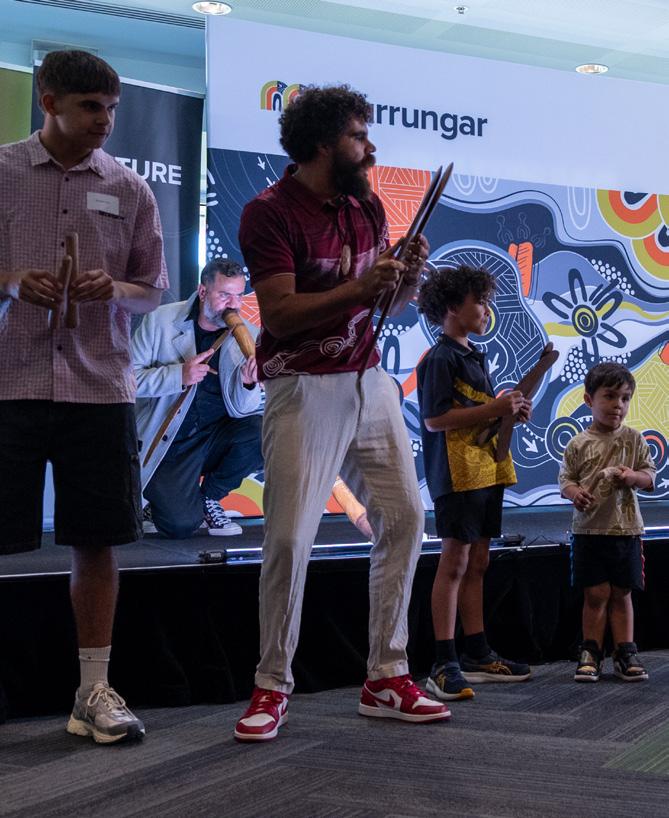
Murrungar,anewIndigenous-ledandownedprofit-for-purpose procurementcompanyforthebuildingservicesindustry,seeks tofacilitateanewwaveofeconomicparticipationofAboriginal communitiesandbusinessesinthebuiltenvironmentsector.
BYVARUNGODINHO
It’sbeennearlytwodecadessincetheReconciliationAction Plan(RAP)wasintroducedbyReconciliationAustralia.The nationalframeworkwasdesignedtohelporganisationstake definitiveand,moreimportantly,measurablestepstoward reconciliationwithAboriginalandTorresStraitIslanderpeoples.
Sincethen,thousandsoforganisations–spanningbanking, education,sports,facilitiesmanagementandhealthcare,among others–havespentthepastfewdecadesdraftingtheirplansto meetthetieredgoalsoftheframework.
Amongthosewhohaveplayedapivotalroleinhelpingdraft policymakingatseniorlevelsisAaronClark,aDjapWhurrung, KirraeWhurrung,PeekWhurrungmanbornandraisedinthesouthwestVictoriacommunityofFramlingham.
Clark’slivedexperiencesduringhisformativeyearsgrowing upinhisdiscreteAboriginalcommunityisalsowherehewas firstexposedtothebuildingservicesindustry.Hesaysthathe andhiscommunitywereverymuchinvolvedindesigningand implementingtheusabilityofthespaceacrossinfrastructure developedovertheyearsincludingtheirlocalhealthcareand tourismcentres.
“ThatwaswhereIfirstdealtwithengineers,architectsand builders.Wehadalotofdialogueabout:howdoyoumakea culturallysafebuilding?HowdoyouensurethatAboriginalpeople getanopportunityforajobonthatworksite?,”explainsClark.
Butitwasn’tinthebuildingservicesindustrythatClarkstarted outhisprofessionalcareernearlythreedecadesago.Instead, itwasinanavenueinwhichseveralIndigenousmenhavefound success–sportsandspecificallytheAFL.Clarkwasn’tcompeting onthefield,butinsteadintheboardroomsofsomeofthesport’s biggestdecision-makers.
By2015,ClarkhadrisentobecomethedirectoroftheKorin GamadjiInstitute(KGI)attheRichmondFootballClub,makinghim theonlyIndigenousseniorexecutiveoutofthe18clubsatthetime. TheKGIisacentreofexcellenceforIndigenousyouth,supporting
Images: Supplied
theminleadershipcareers,andhealthandwellbeing.OneofClark’s mandateswastoleadtheInstituteandtheclubthroughitsRAP program.Whenitisexecutedcorrectly,organisationsrisethrough thetieredsystemoftheprogramfromReflect,Innovateand StretchthroughtoElevate.Clark’srolewastowalktheorganisation throughtheElevatelevel.
“Weweretheonlysportingclubatthetime,outofaround4000 organisations,ofwhich20hadreachedtheElevatestatuswhere wehaveactionsaroundcreatingculturalcompetencyandsafety, andalsobuildingpartnerships.Iwasabletosharemyknowledgeof embeddingthewaysofAboriginalsknowing,beinganddoinginto everydaybusinessandhighperformance,”saysClark.
At around this time, Clark came into contact with Russell Telford, the managing director at the A.G. Coombs Group. The Melbourne-headquartered building services company designs, installs, commissions and maintains mechanical, fire protection, HVAC, and electrical and hydraulic systems. He was keen to support the programs Clark was rolling out at KGI. At the time, Telford also invited Clark to contribute to the development of A.G. Coombs’ RAP.
Adecadelater,ClarkmadethejumpovertojoinA.G.Coombs full-timewhereheisnowtheexecutiveleadforInclusionand Engagementatthecompany,whichrecentlycelebratedits80th anniversary.Hewasbroughtonboardtobuildthecompany’sfirst diversityandinclusionactionplan,whichhasthreekeypillars–advancementofwomen,peopleofallabilitiesandIndigenous pathways.He’sgoneastepfurther.
Hehasnowco-foundedacapabilitypartnershipwithA.G. Coombs,Murrungar–whichmeanstobuild,growandnurture –whichservesasanIndigenous-ledprocurementcompanyfor commercial,governmentandinfrastructureprojects.
“It'sthemeldingoftwocommunities–A.G.Coombs’community, whichis80yearsold,andourcommunitywhichis60,000-plus yearsold."
Murrungarisclearaboutitseconomicpositioning,stating unambiguouslythatitisaprofit-for-purposeenterpriseand majorityIndigenousowned.Itisn’tadressedupsocial-first,profitlaterentity.ClarkisadamantthateconomicwinsforMurrungarand theIndigenousbusinessesitsupportsarecentraltoitsoperations, notanafterthought.
“Iwanttoensurethat,undertheMurrungarway,Aboriginal peoplecanparticipateintheeconomyacrossthewholesupply chaininareallymeaningfulandauthenticmanner.
“There'sagrowingIndigenousanddiverseeconomyof Aboriginalfacilitiesaroundthehealthsector,theminingsectorand otherremoteservices.AboriginalpeoplewithAboriginaldollars areaskingthequestion,‘Whereareourdollarsbeingspent?’. And Ithinkclientsarealsoaskingthat.Theywanttounderstandwhat's theimpactofwherethiscontract'sgoing.Organisationshavetobe betteratarticulatingwhatisthelegacyandlocalimpactofthose dollars.Murrungarwantstobeapartofthatsolution.”
Murrungarhassetitselfatargetofensuringthat20percent ofitssupplychaininthefirstthreeyearswillbefromIndigenous suppliers.ItwillalsoworkcloselywithIndigenoussupplierstohelp themunderstandtheexpectationsoftheopenmarket,actingasa conduitbetweentheendclientandtheIndigenoussupplierdown togettingbusinessbasicsinplacesuchasschedulingofinvoices ornegotiatingtheratesandtermsforasupplyagreement.
Murrungar is also committed to supporting the creation of skilled technical personnel. It aims to have 50 Indigenous people trained in technical roles for the building services industry – such as engineers, mechanical plumbers and electrical technicians –by 2030.
It is also working with the Aboriginal community to deeply embed them across the supply chain from ordering, to supplying, to employing them in the workshop, and through to fitting the final products.
Clark will be working with end clients as a consultant to help them understand the impact that their projects will have on Country through the materials used, the facility’s recycling systems, the groundworks, and even the water and energy usage mechanisms. These are all areas in which Aboriginal people have expertise and knowledge when it comes to the impact on the environment.
“We'vebeenmanagingandsupportingCountryforthousands ofyears.Murrungaristhevehicletodrivethoseconversations,to reallypushaninnovativeapproachandthinkabouthowyoucan turnprocurementintoeverydayoutcomesandimpact.
“Andwe'renotaskingfacilitymanagerstodoanythingdifferent. It'stoutilisethedollarsyou'realreadyspendingnow,butmaybe unpackandreevaluateit.”
ToemphasisethepointthatMurrungarisn’tjustanothertool gearedtowardsperformingaperfunctoryservicefortheAboriginal
Aaron Clark
communityandthatbusinessesworkingwiththeorganisation willseefar-reachingconsequencesoftheiractualdollars,Clark pointstothe‘SupplyNation2025:TheSleepingGiantRises’report whichsaysthatforevery$1spentwithanIndigenousbusiness,itis estimatedthatithasa$3.66returnonsocialimpact.
Thatsocialimpactcouldhaveacompoundingbeneficialeffect acrosshousing,healthcareandtheworkforce.FormanyAboriginal families,itcouldbethefirsttimethatsomeonefromtheirfamily hasbeenofferedafull-timejob.Forothers,itmaybethefirsttime theyareabletobuytheirownhome.
“Whenwe'reemploying20Aboriginalstaffandhaveavisionto employover50AboriginalstaffinMurrungar,thinkofthecapacity they'recontributing.They’repayingtaxes,they'recontributingto theirhouseholdandthey'resendingtheirkidstoschool.
“We'reusingeconomicinvestment,empoweringAboriginal peopletocontroltheirowndestiny,empoweringAboriginalpeople tobebusinessowners.”
Againstabackdropofthisyear’sWorldFMDay’stheme ‘CultivatingBelongingThroughBuiltEnvironments’,Clarksays
thatIndigenouspeoplefromothercountriesbeyondAustralia toohavearoletoplayinthebuiltenvironment.“Therearediverse peoplebeyondtheIndigenouspopulationthatareexpertsat puttingcommunityattheheartofeverythingtheydo,because that'snaturallywhotheyareasIndigenouspeoples,nomatterwhat countrythey’refrom.
“Indigenous peoples are a collective, nurturing and inclusive society. If you can harness those three elements and put them into your building space, how amazing is that? You're seeing feng shui, you're seeing Indigenous artwork now providing a richness to reflect Australia's modern day society. And that to me then fosters a sense of belonging because you can see yourself embedded there.”
Butheequallycautionsthatthosepromotingthemessage ofcreatingbelonginginthebuiltenvironmentmustalsofirst understandwhatthatentailsandwhatthey’reaskingforfrom stakeholders.“Whenwetalkaboutcultivatingasenseofbelonging, Ithinkyou'vegottobereallyclear.Whatareyouwantingpeople tobelongto?Andoftenthebuiltenvironmentcanstrugglewithan identitybecauseAustraliastruggleswiththeiridentity.”
He says that belonging takes on a new meaning in the built environment when it is anchored in Country, whether that’s through artworks, installations or pathways. “The end opportunity is through Aboriginal people having a role in land and Country, in environmental sustainability, supply chain that's manufactured from Country or on Country, and through opportunities of technical roles.”
HealsodispelssomeofthemisguidednotionsthatAboriginal organisationsoftengetthattheyaregettingunfairlyprioritisedor thattheyarereceivingspecialhandouts.
“Aboriginalorganisationsaren'tafterahandout;we'reafter ahand-up.EconomicparticipationmeansAboriginalpeople controllingourowndestiny,havingequityandhavingalevelplaying field.Now,thatrequiresthosewhoarecurrentlysettingtherules andtheboundariestoadjustandtweak.Anditrequiresleadership likeA.G.Coombstoleaninandwalkthatjourneyside-by-side.” l
When we talk about cultivating a sense of belonging, I think you've got to be really clear. What are you wanting people to belong to? And often the built environment can struggle with an identity because Australia struggles with their identity.