The New The New Space App
Follow the Lunar Cycle
Track the Sun in Real-Time
Map All 88 Constellations
Explore 3D Planets & Moons
Catch the Latest Cosmic News
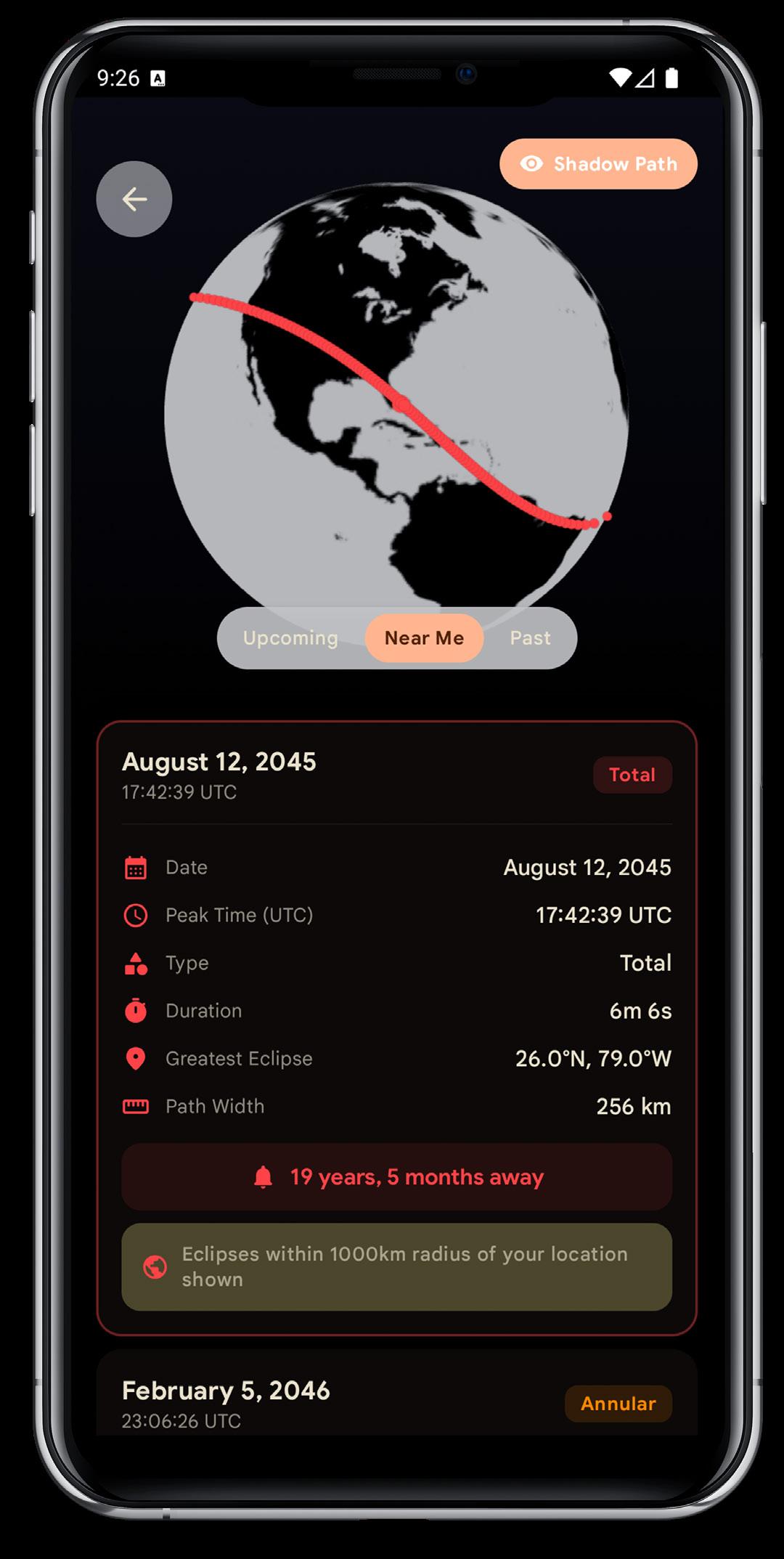
Time-Travel Through 100 Years of Eclipses
ETHIOPIAN SPACE
SCIENCE SOCIETY @officialesss
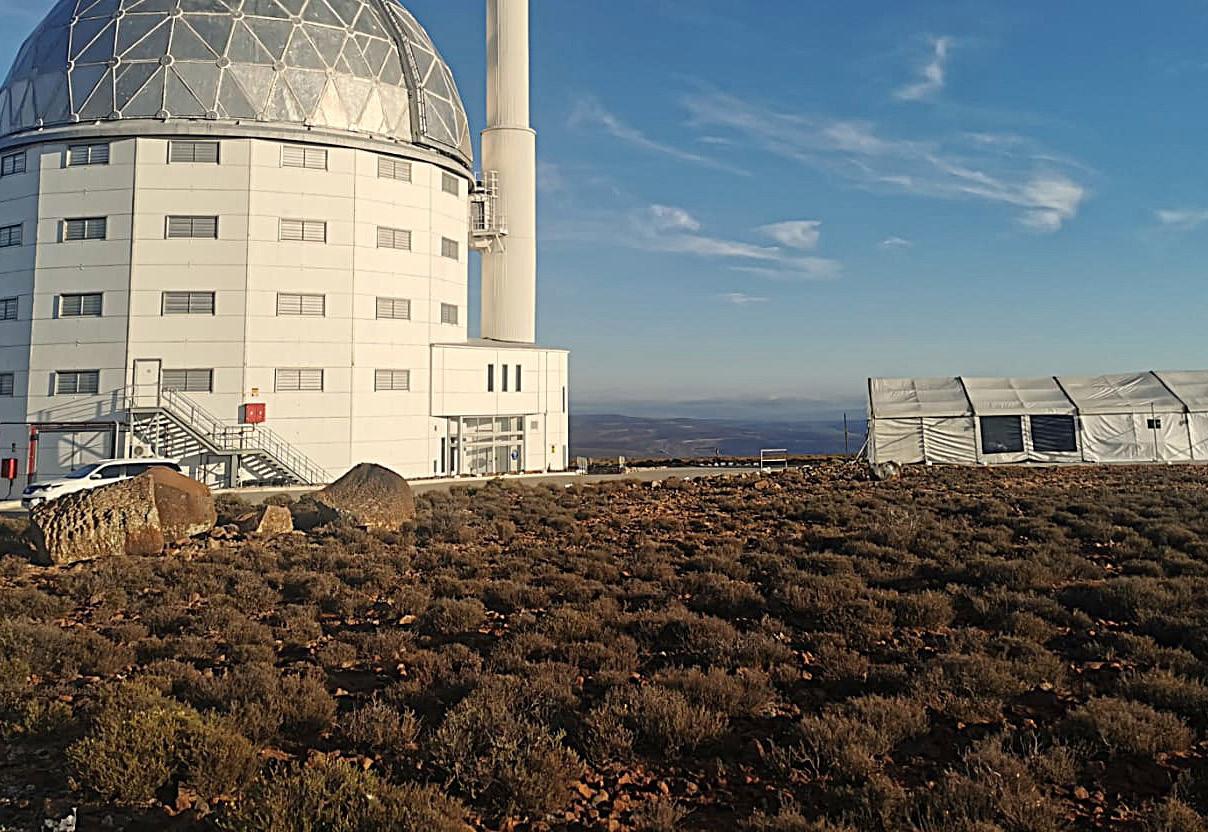
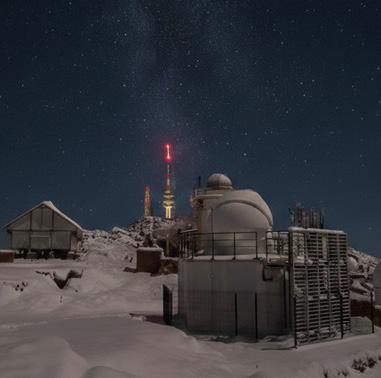
Stars
Editor: Lillian Assefa
• Nadine Sims
Contributing Writers:
Prof. Jamal Mimouni
Dr. Adriana Marais
Dr. Funmilola Oluwafemi
Dr. Aletha de Witt
Samuel Nyangi
Dr. Jamal Chafi
Shakirah Thebus
Dr. Taha Shisseh
Graphic Designer: Ilze Garnett-Bennett
designer • Stacey Swar tz writers amesi ubheka Assefa osi Fulufhelo
Josephine Chishala
• Nadine Sims
Lillian Assefa
• Tshiamiso Makwela
Glen Malesa Kaoutar Saadi
• Dominic Ver tue
Cailyn Scheepers
Siphokazi Vuso
• Charles Takalana
Phenyo Mathapo
Mutshidzi Mclloyd Nelwamondo
Chairman • Madambi Rambuda
General Manager: Mutshidzi Nelwamondo
Subscriptions • info@sciencestars.co. za
Publisher: Madambi Rambuda
Subscriptions: info@sciencestars.co.za
Copyright 2023 African Science Stars Pty Ltd All Rights Reserved No par t of this publication may be reproduced, stored in a retrieval system or transmitted in any form or any means, electronically or mechanically, without prior permission.
Copyright 2026 African Science Stars (Pty) Ltd. All Rights Reserved. No part of this publication may be reproduced, stored in a retrieval system or transmitted in any form or by any means, electronically or mechanically, without prior permission.
African Science Stars is published by Science Stars (Pty) Ltd
African Science Stars is published by Science Stars (Pty) Ltd.
African Science Stars is an initiative under the African Astronomical Society and funded by the Depar tment of Science and Innovation.
African Science Stars is an initiative under the African Astronomical Society and funded by the Department of Science, Technology and Innovation.
1 Bridgeway, Century City, Cape Town, South Africa, 7441 +27 21 830 5240 info@sciencestars.co. za w w w. africansciencestars.com
1 Bridgeway, Century City, Cape Town, South Africa, 7441 +27 21 830 5200 info@sciencestars.co.za www.africansciencestars.com African Science Stars
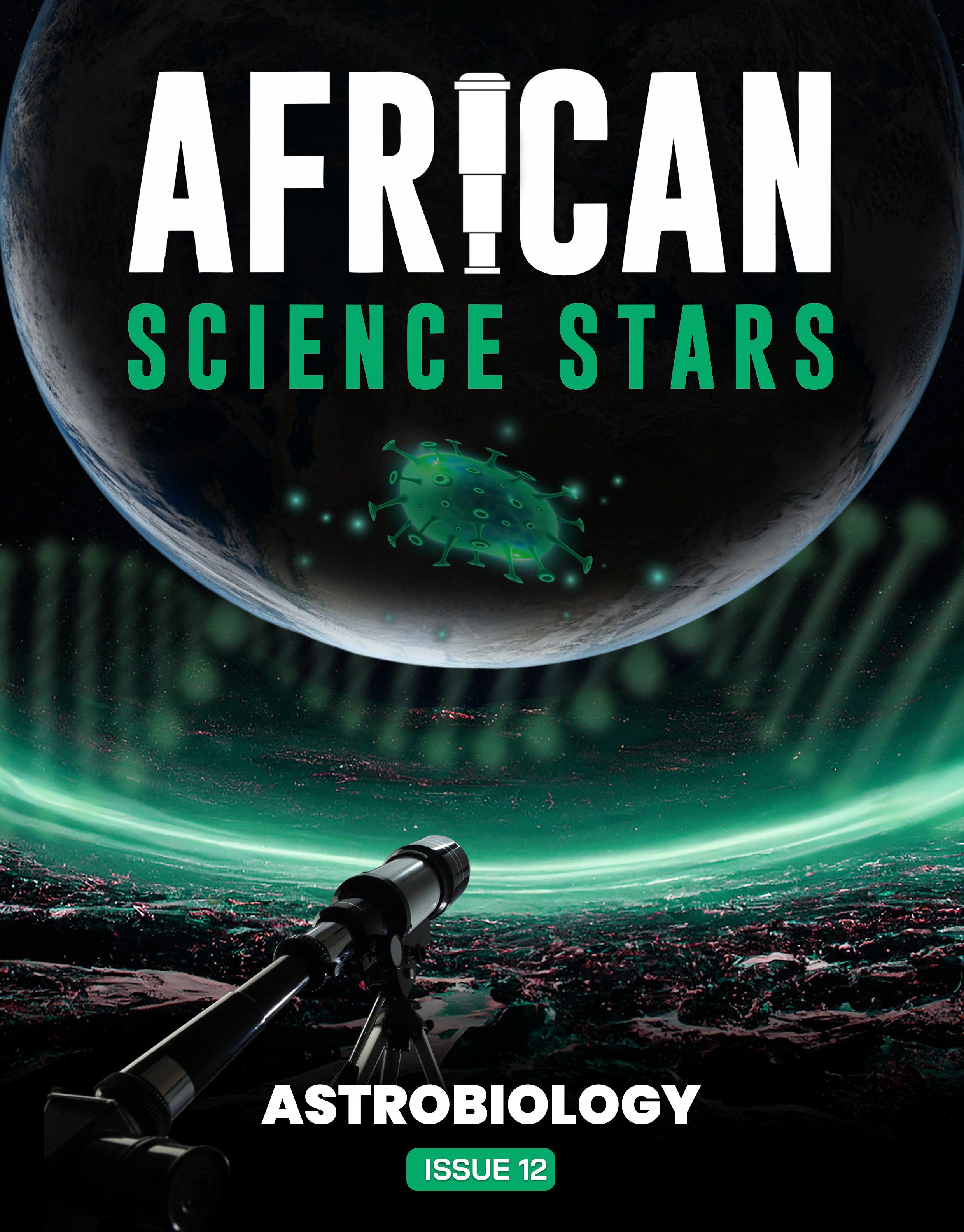
Astrobiology and the Search for Life Beyond Earth

Humanity originated in Africa, and for as long as we have walked this planet, we have looked up at the night sky and wondered: Where do we come from? Are we alone? Where are we going? Today, astrobiology—the study of the origin, evolution, distribution and future of life in the Universe—is helping us explore these enduring mysteries. In the drive to discover and to establish life beyond Earth, we are also uncovering a deeper truth: the story of the Universe is written within us.
Across Africa, the Square Kilometre Array, under construction in South Africa and eight partner nations (as well as in Australia), will be the most powerful radio astronomy instrument ever built. It will allow us to probe the distant Universe, as well as search for technosignatures, the molecular building blocks of life and habitable exoplanets— promising to advance our understanding of how life emerges and whether it exists elsewhere.
At the heart of the search for life is water. Earth remains the only known planet with stable liquid water on its surface, and all terrestrial life depends on it. As a result, the search for water - on Mars, beneath the surface of icy moons of Jupiter and Saturn or on distant exoplanets - guides the search for life itself, and also the future locations where we can live and explore.
Beyond ground-based telescopes, Africa’s journey into space is already underway. Africa2Moon, the first all-African space exploration mission, is a radio telescope array to be launched from China to the lunar surface in 2029. This mission will demonstrate new technology, do science not possible from Earth, while laying the groundwork for Africa’s participation in human space exploration. The telescope will be deployed in
the south pole region of the Moon, an extreme yet strategically important region rich in water ice.
While we have yet to confirm scientifically the existence of extraterrestrial life, for the first time in the 4-billion-year history of life on Earth, we are preparing to expand beyond our home planet, with the construction of research bases at the lunar south pole - selected due to the presence of water ice - to commence this decade, as a stepping stone to Mars and beyond.
At the same time, we are discovering that the Universe resides within us. Around 10% of our bodies is as old as the Universe itself! Almost all hydrogen atoms formed nearly 14 billion years ago soon after the Big Bang, and the water that makes up more than half of our bodies contains these ancient atoms. Furthermore, Earth’s oceans—where life likely first emerged— are older than our Sun, having been energised by distant stars and delivered to our planet by comets and asteroids. In this sense, we are not separate from the Cosmos; we are its continuation.
Proof of life beyond Earth would be the most profound discovery in human history—revealing that life is far more abundant than we may have imagined—and transforming forever our understanding of our place in the Universe, and most importantly, of ourselves.
From Africa, where humanity began, the next generation of African astrobiologists, explorers and dreamers now reach back to the stars, to understand life, and perhaps, to find it again.
Dr Adriana Marais
Quantum Biologist, Author of ‘Out of this World and into the Next’ and Head of Science for the Africa2Moon mission.
LETTER FROM THE EDITOR “
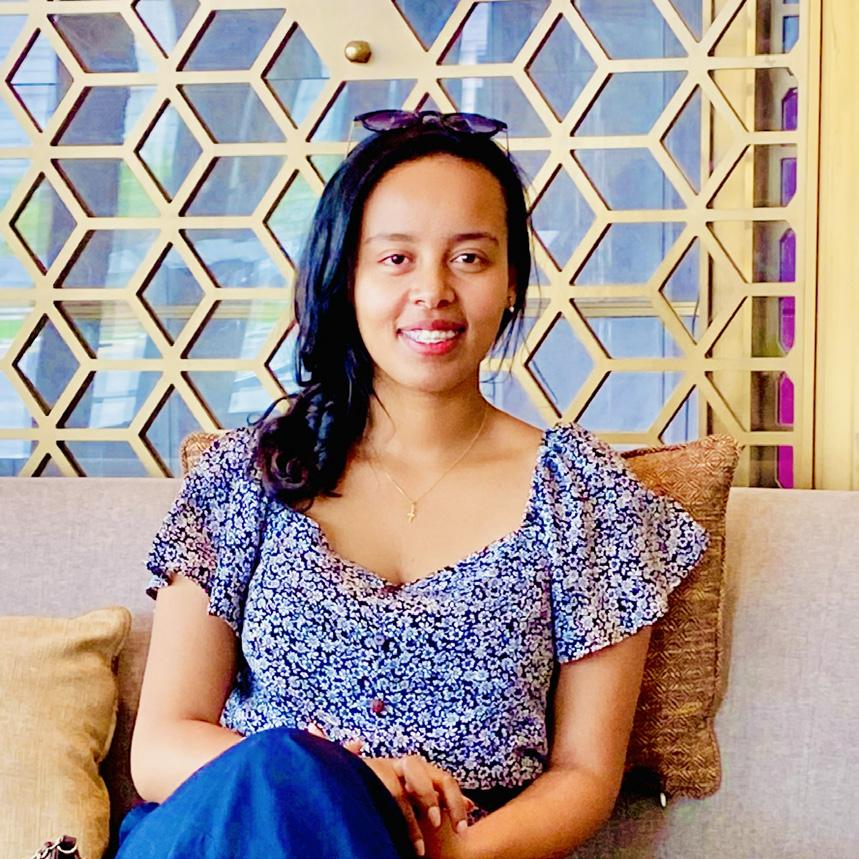
As I write this, I’m reminded that some of the most profound questions we can ask as humans are also the simplest: How did life begin? Are we alone? This issue of African Science Stars is rooted in those questions, as we explore the fascinating and ever-evolving field of astrobiology.
Astrobiology is, at its core, the study of the origin, evolution, and distribution of life in the universe. But beyond definitions, it represents something deeper. It is a meeting point of disciplines, perspectives, and possibilities. It connects the chemistry of early Earth to distant exoplanets, the resilience of life in extreme environments to the search for habitable worlds far beyond our own.
In this issue, we bring together voices that reflect both global excellence and African leadership in space science. From Dr. Adriana’s foreword and interview, to Dr. Funmilola’s cover story, and insightful contributions on habitable planets, meteorites, and emerging technologies like AI in astrobiology, each piece builds a richer picture of where this field stands today and where it is headed.
What excites me most is the growing role of Africa in this journey. Through initiatives like major telescope projects, and expanding research communities, the continent is not just participating in the global conversation, it is shaping it. Our outreach efforts across West Africa, as highlighted in this issue, are a reminder that curiosity and scientific ambition are alive and thriving among the next generation.
Astrobiology invites us to look outward, but it also challenges us to look inward. To understand life beyond Earth, we must first understand life here, its origins, its limits, and its future. In doing so, we gain a deeper appreciation of our own planet and our shared responsibility to protect it.
As Editor, it is a privilege to bring together this collection of stories, research, and voices. I hope this issue sparks curiosity, inspires new questions, and reminds you that science is not confined to laboratories or telescopes, it lives in our imagination, our collaboration, and our willingness to explore the unknown.
Lillian Assefa
Editor, African Science Stars
Dr. Funmilola Oluwafemi’s Journey in Astrobiology and the Search for Life Beyond Earth
By Dr. Funmilola Oluwafemi, Chief Scientific Officer (CSO), Nigerian Space Agency – National Space Research and Development Agency (NASRDA), Abuja, Nigeria
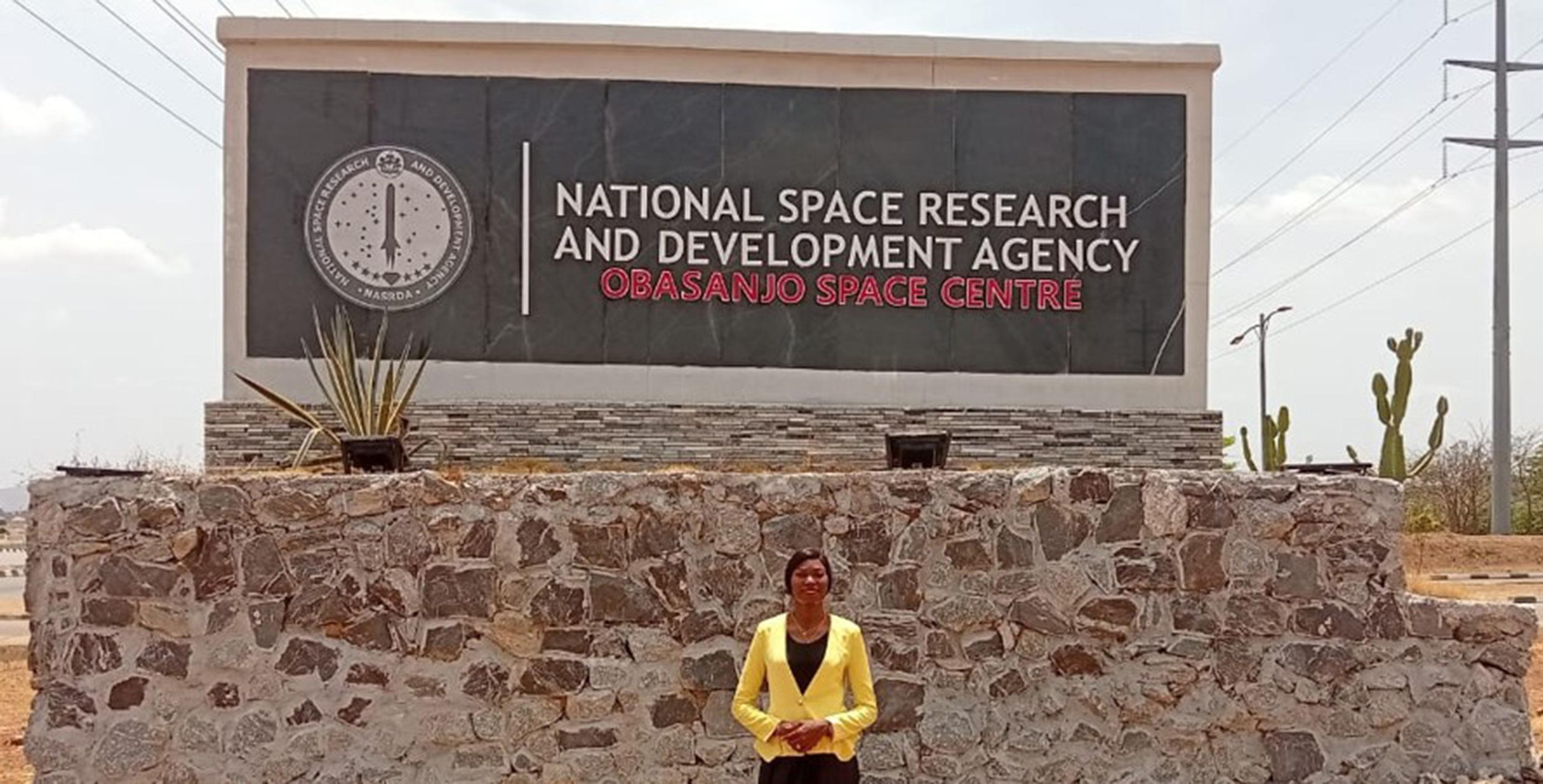
Growing up as an African child, I never imagined myself working in the space sector or space industry. This is the bitter truth. This is because of the rare academic opportunities available in the space sector in Africa. However, grace found me. I was employed in 2013 by the Nigerian Space Agency – National Space Research and Development Agency (NASRDA), at the Obasanjo Space Centre, Abuja, Nigeria, in the Space Life Sciences Division after I obtained my Master of Science Degree in Membrane Biochemistry and Biotechnology from University of Ibadan, Ibadan, Nigeria, in 2011. As a staff of the Nigerian Space Agency, I enrolled and completed my Ph.D. in Space Biochemistry from Federal University Oye-Ekiti (FUOYE), Oye-Ekiti, Nigeria in 2024. Before my Master’s Degree, I had my Bachelor of Science Degree in Biochemistry from Bowen University, Iwo, Nigeria in 2008.
I love my job as a research scientist in the space industry. For a job, one is paid for carrying out certain assignments. These assignments may not necessarily be tasks that one loves to do. For work, one carries out tasks that one enjoys doing. Hence, congratulations to those of us whose job is our work. We are paid for tasks that we love to do.
However, being employed by the Nigerian Space Agency is just the beginning of my story. Personal development or personal training is the key. Taking personal responsibility can never be equated to the capacity building you get when someone else uses his/her resources to train you. When someone on her own source for information (knowledge), consumes the information (understanding), and applies the information (wisdom) to work; this is called personal
Dr. Funmilola Oluwafemi, Nigerian Space Agency – National Space Research and Development Agency (NASRDA)
development. In personal development, you can use your personal money or your salary to get information that is beneficial to your work. This is what I did to reach this stage today. Personal development has brought me to this spotlight in the space industry. Personal development pushed me to apply for diverse opportunities; regardless of my background and origin. But you know what? I get some of these opportunities because it is not about your background, nor your origin, nor the school you studied at. It is about what you can currently offer.
My story as an astrobiologist began when I won the microgravity simulation equipment “clinostat” from United Nations Office for Outer Space Affairs (UNOOSA) in 2015. My research keywords include space biology; gravitational biology; space life sciences; space medicine and healthcare; biochemistry; spaceflight/astronautical hygiene; Isolated, Confined and Extreme (ICE) environments research among many others. These all span bioastronautics. Hence, I am a Space Bio-Scientist. I am currently the Chief Scientific Officer (CSO) at the Nigerian Space Agency. I am the Principal Investigator and the Leading Expert of the Microgravity Research at NASRDA.
Some of my notable research includes investigating plant growth on the Moon, Mars and even Venus to explore ways to grow plants on these celestial bodies’ surfaces. I carry out microgravity and reduced gravity research to study their effects on living organisms and their applications. I also conduct
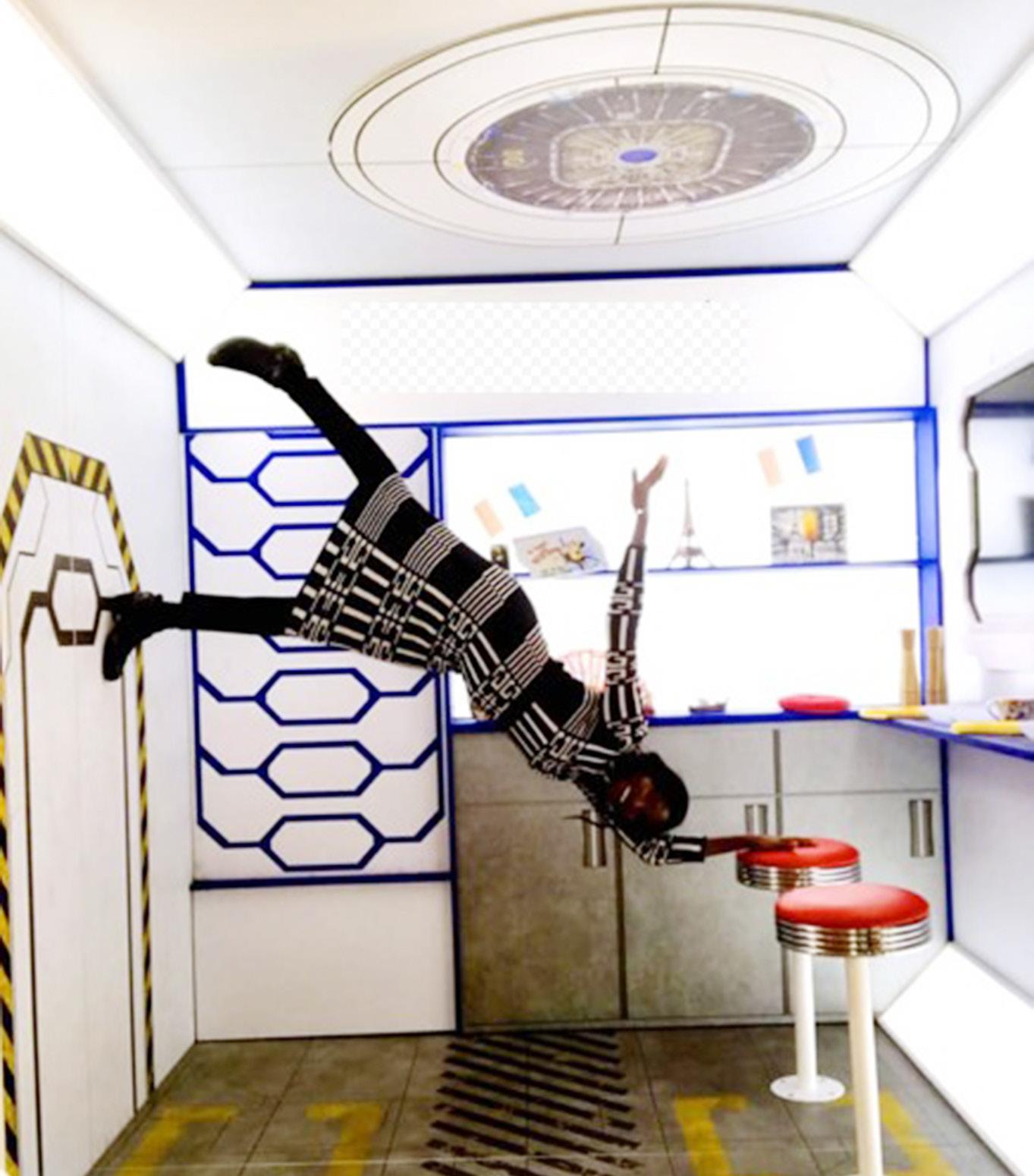
gravitational biology research by simulating diverse celestial body’s gravity on living things to examine the possibilities of life beyond Earth. My research supports human life and health for long-duration space missions enabling humans to explore and thrive in space environments. My research has impact on improving life on Earth such as in medicine, agriculture, and environmental conservation, to mention a few.
There were certain hurdles I had to overcome over the years especially as a woman in aerospace. Actually, I am a virtuous woman and not just a career woman. I am a married woman, I am a family woman, and I have children. I had to combine diverse roles to achieve my plans, especially during my Ph.D. program. I had to balance my work, family, research, and school. I had to look for a school that was not too far from home, and not too far from work, putting these considerations into account for several years before enrolling in the PhD program. After getting on to the Ph.D program and impacting my experimental samples with the microgravity simulator won from UNOOSA; obtaining a cutting-edge laboratory to carry out the biochemical characterisation analyses I had proposed in my Ph.D objectives became a challenge for me in Nigeria and I had to start looking abroad to carry out those analyses; and actually I was marvelously helped as I applied for diverse scholarships and I won four international scholarships. These include the American Zonta International Amelia Earhart Fellowship for Women in Aerospace; the African-German Network of Excellence in Science–Program Advocating Women in Science (AGNES-PAWS) supported by the German Federal Ministry of Education and Research (BMBF) and the Alexander von Humboldt (AvH) Foundation; the United Nations Educational Scientific and Cultural Organization – International Centre for Biotechnology (UNESCO-ICB), Nsukka, Nigeria; and the Climate, Food and Farming – Global Research Alliance on Agricultural Greenhouse Gases Development Scholarships (CLIFF-GRADS) program. Three of these scholarships included grants for my academic research and one involved me travelling abroad as a visiting research scientist at a cutting-edge laboratory in a host university. There will always be challenges, but there will always be a way out.
Hence, with my diversity and wealth of experience in STEM and working knowledge with youths, I influence them for positive-change and impart knowledge. Sequel to all these, and in-line with my scientific research ambition that is core to my career path, I engage in knowledge transfer to the next generation by developing curriculum to train others. My joy is seeing them successfully advancing in the space industry. I am primarily involved in policy-driven publications that lead to the adoption of practice, driving positive-change around the globe as a researcher, educator, writer and a counsellor on space related matters.
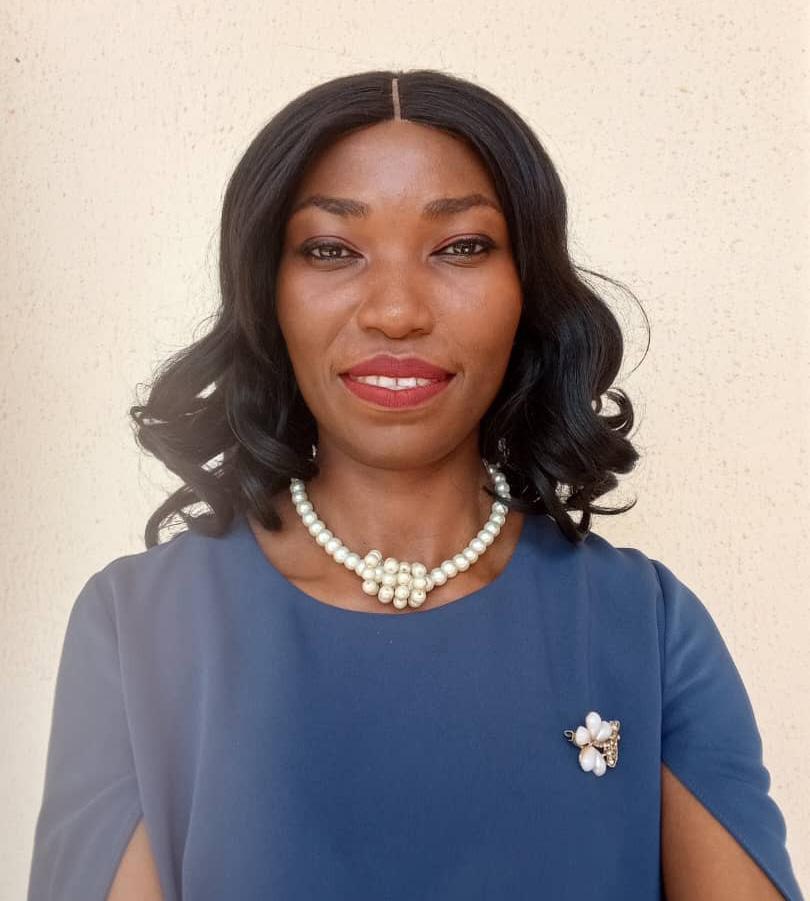
My dear youths and aspiring scientists in the space industry, my advice is that you should keep dreaming big. You can do it, you can make it, you can achieve what you want to achieve. Always have optimistic mindset at all times, don’t give up, keep searching for opportunities, keep doing your work, keep and speak out anytime you need help. But don’t be beggarly, don’t sound beggarly, don’t look beggarly. Keep advancing yourself, keep moving forward, and don’t be stagnant at any point in time in your education and career. If the equipment you want to use for research is not available, improvise. The work you have done will speak for you where you are not present. But remember, there is no field that cannot be linked to space.
What is astrobiology?
Astrobiology is the study of life in the universe. It is about exploring the possibilities of life beyond our planet Earth i.e. to understand how life originated on Earth and whether it exists elsewhere. It involves searching for biosignatures (any measurable phenomenon that indicates the presence of life), studying extreme environments, and understanding life’s adaptability.
Key Aspects of Astrobiology
● Fundamental Questions: Explores if we are alone in the universe, how life begins, and what defines life.
● Interdisciplinary Field: Blends expertise from astronomy, biology, geology, chemistry and other sciences.
● Search for Extraterrestrial Life: Focuses on detecting life or habitable conditions on planets, moons and other celestial bodies e.g. exploring ways to grow plants on the lunar surface.
● Studying Earth as an Analog: Uses Earth’s isolated, confined and extreme (ICE) environments (like deepsea vents or frozen deserts) to understand how life might survive elsewhere. An example is the study of extremophiles.
● Gravitational Biology: This involves the variation of gravity on experimental samples. Since reduced gravity
research is what is experienced on celestial bodies; hence studying the effects of reduced gravity on living organisms and its applications is crucial.
Students and Young Professional Engagement in Astrobiology
There are four major classifications of microgravity platforms: the orbiting microgravity facilities; non-orbiting microgravity facilities; ground microgravity simulators; and ground microgravity analogs. Most of the ground microgravity simulators are adjustable to simulate reduced gravity to experiment with living things, since reduced gravity is obtainable on celestial bodies. The microgravity simulators include clinostats, and random positioning machines (RPM).
Aside from getting a job with one’s nation’s Space Agency (if the nation has a Space Agency), there are diverse ways or platforms to engage in the space industry; for those who have an interest. For example, I am an alumna of Space Generation Advisory Council (SGAC). This organisation is in support of the United Nations Program on Space Applications by UNOOSA. SGAC is an organisation for students and young professionals (youths from ages 18 to 35) who interact and exchange ideas to promote research and advancement in the space industry. The organisation is virtual but during certain events such as conferences the members meet physically. This platform is a very good international platform for youths to engage. Also, the National Aeronautics and Space Administration (NASA) Open Science Data Repository (OSDR), NASA GeneLab Analysis Working Group (AWG) are other platforms for open science for life in space. The OSDR contains multi-modal and multi-hierarchical fundamental space life science data which is available for reuse toward basic science, applied science, and operational outcomes for space exploration and knowledge discovery. There are now diverse academic and career opportunities out there for Africans; hence abolishing the saying “is it rocket science?” when something seems difficult.
Therefore, all ages can engage in astrobiology. There is a library of materials for audiences of all ages and experience levels, ranging from curious amateurs to university-level instructors and students. These materials are available on advanced university websites, such as the University of Washington, United States. https://depts. washington.edu/astrobio/wordpress/about-us/what-isastrobiology/#:~:text=Astrobiology%20is%20the%20study%20 of,and%20stellar%20interactions%20and%20processes
For simulations: https://phet.colorado.edu/en/simulations/ filter?subjects=biology&type=html For virtual planetary laboratory (VPL): https://vpl.astro. washington.edu/epo/games/
Dr. Funmilola Oluwafemi
The Next Earth: How Scientists Are Decoding the Signs of Life Beyond Our Planet
By Dr. Jamal Chafi
c d e f g h
Humanity is entering a remarkable era of discovery. For centuries, we wondered whether planets existed beyond our Solar System. Today, we know they do by the thousands. The question has evolved into something far more profound: Could any of these distant worlds host life?
This is no longer science-fiction. It is one of the most active and exciting fields in modern science.
A New Science of Life in the Universe
The search for life beyond Earth has led to the emergence of astrobiology, an interdisciplinary field combining astronomy, biology, and planetary science. Its roots lie in experiments like the Miller–Urey experiment, which showed that life’s basic ingredients can form naturally. The discovery of extremophiles further revealed that life can survive in extreme environments, expanding our view of habitability. A major breakthrough came in 1995 with 51 Pegasi b, and since then, over 6,000 exoplanets have been confirmed, highlighting the abundance of planetary systems in the Universe.
How Do We Find Invisible Worlds?
A rocky planet orbiting a distant star is roughly a billion times fainter than the star itself, like trying to spot a firefly next to a
lighthouse from across an ocean. Instead, scientists rely on four methods that let planets betray themselves through subtler signs.
The oldest is radial velocity, or the Doppler method. As a planet orbits, it causes its star to wobble slightly, compressing and stretching the star’s light in a measurable rhythm. The shift can be as small as a walking pace, yet modern spectrographs catch it with ease. It was this technique that Mayor and Queloz used in 1995 to confirm 51 Pegasi b the first exoplanet around a Sun-like star, a discovery that earned them the Nobel Prize in Physics.
The most prolific method, however, is transit photometry: detecting the faint, periodic dimming of a star when a planet crosses its face. NASA’s Kepler telescope used it to confirm over 2,600 planets by watching 150,000 stars for nine years. Its successor, TESS, continues the census today. The conclusion they collectively deliver is striking: on average, every star in the Milky Way hosts at least one planet.
Gravitational microlensing adds a third dimension, using Einstein’s general relativity to detect cold, distant worlds that transits and wobbles miss entirely. And direct imaging, the
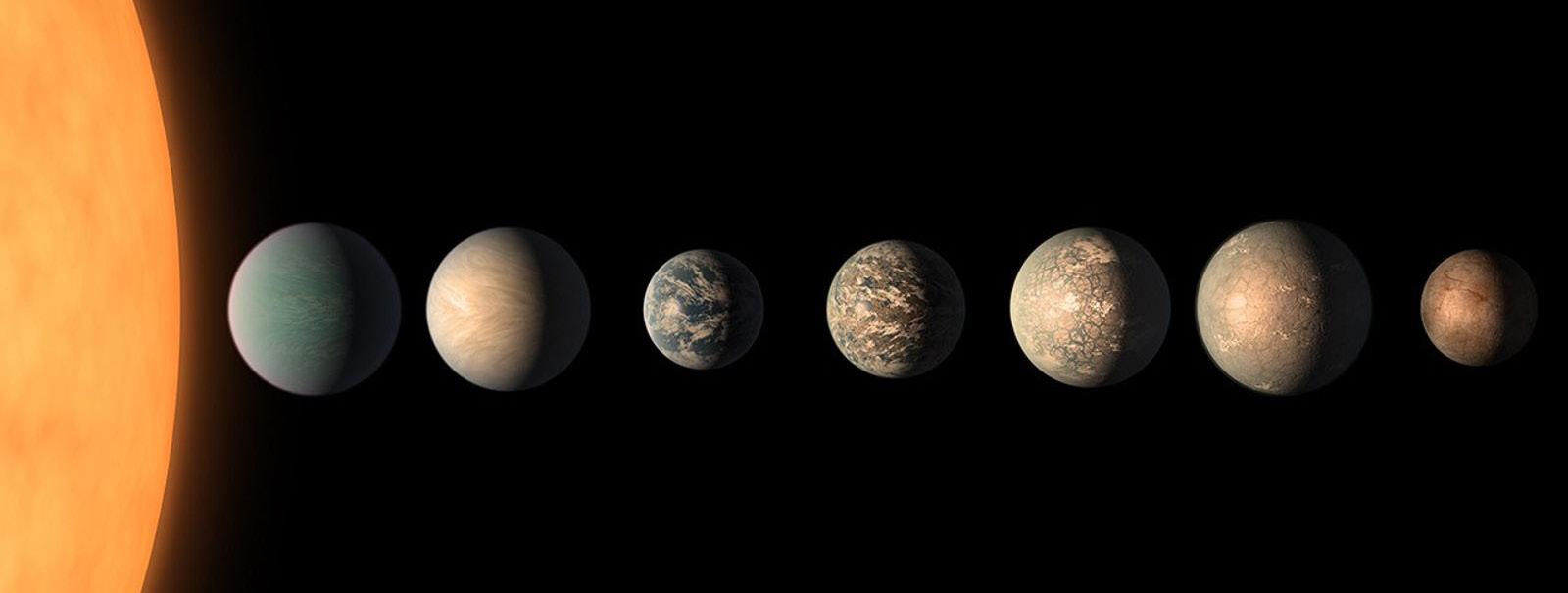
Artist’s impression of the TRAPPIST-1 planetary system, illustrating the relative sizes, masses, and orbital distances of its planets based on observational data available as of February 2018. Credit: NASA/JPL-Caltech b
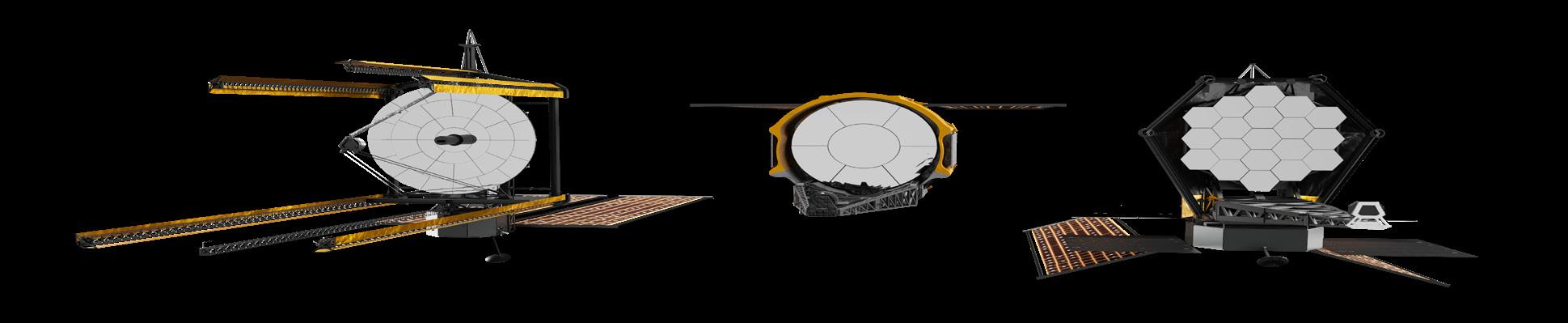
An enormous eye to spot life; that’s the segmented mirror for the next generation Habitable Worlds Observatory space telescope. Built in a honeycomb configuration, these hexagonal tiles of gold and glass will gather the dim light from “distant Earths” to study their atmospheres. Credit: NASA
hardest method of all, uses coronagraphs to physically block a star’s glare and photograph a planet’s own reflected light, the only way to one day read its chemical signature directly.
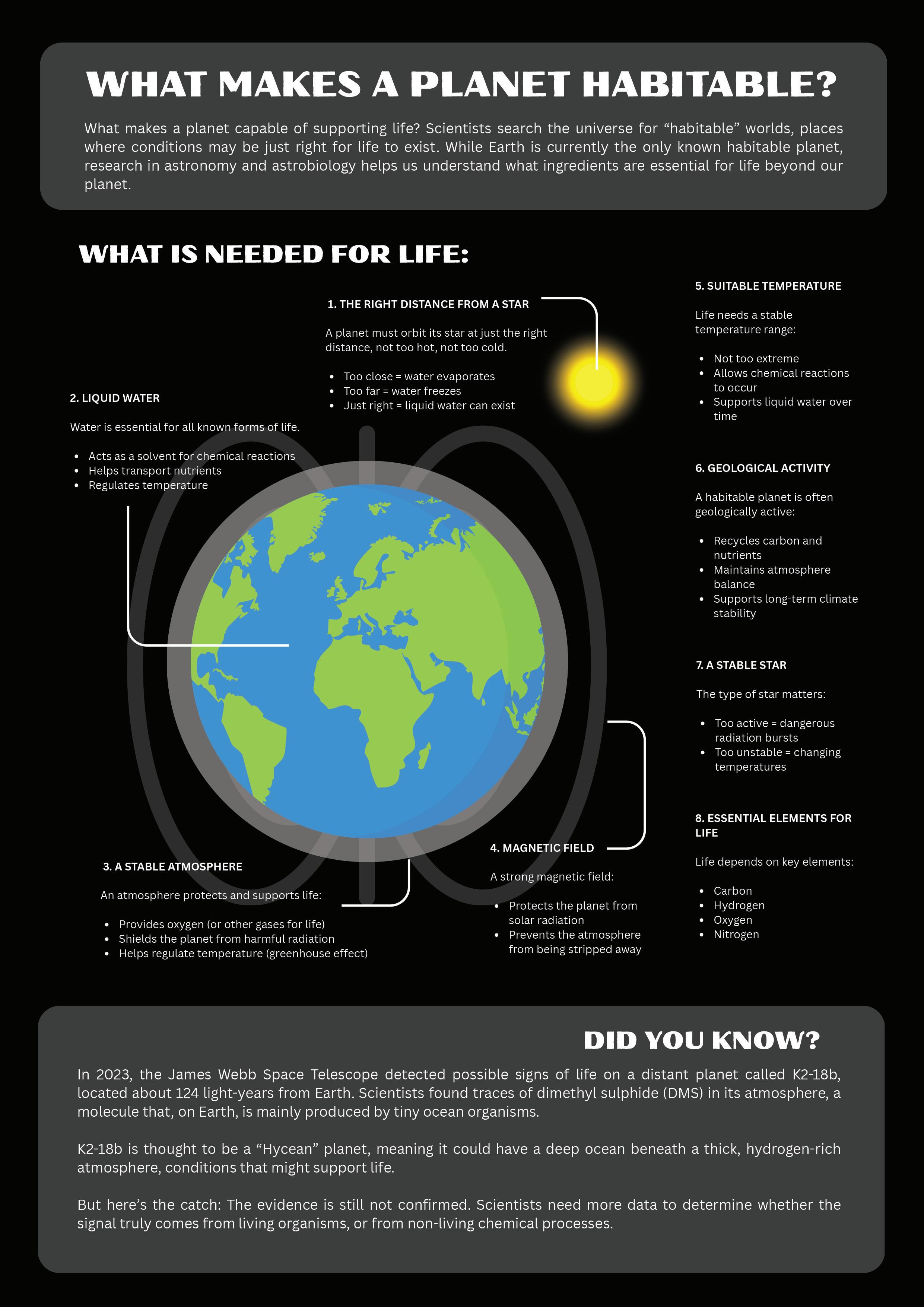
Together, these four methods give astronomers a planet’s mass, size, orbit, and eventually its atmosphere enough to ask whether it falls in the habitable zone, where liquid water can exist on a rocky surface, and where the search for life truly begins.
Reading the Atmospheres of Distant Worlds
Finding a planet is only the first step. To study whether it could host life, scientists analyse its atmosphere using Transmission Spectroscopy, which reveals the chemical fingerprints of different gases as starlight passes through it during a transit. Rather than searching for a single gas, astrobiologists look for chemical disequilibrium combinations such as oxygen and methane that are difficult to sustain without biological activity. Other possible biosignatures, including ozone, nitrous oxide, and dimethyl sulfide, are also being investigated.
The Most Promising Worlds So Far
The TRAPPIST-1 system, forty light-years away, hosts seven rocky Earth-sized planets, three of which e, f, and g orbit within the habitable zone. TRAPPIST-1e, nearly identical in size and mass to Earth, is currently being scrutinised by the James Webb Space Telescope for signs of a protective atmosphere.
At 48 light-years, LHS 1140 b is perhaps the most exciting recent find of a likely ocean world with a nitrogen-rich atmosphere orbiting a calm, well-behaved star, sparing it the stellar violence that threatens so many red-dwarf candidates.
K2-18b, 124 light-years away, made headlines in 2023 when Webb tentatively detected dimethyl sulfide in its atmosphere, a molecule produced on Earth almost exclusively by marine life. The signal remains contested, but has not been ruled out.
Closer to home, Proxima Centauri b just 4.2 light-years away is the nearest known habitable-zone planet to Earth, and almost certainly a first target for next-generation telescopes. And
Kepler-442b, orbiting a stable orange dwarf 1,200 light-years distant, consistently scores among the highest on planetary habitability indices.
Each of these worlds is a hypothesis, not yet a confirmed habitat, but together they form the shortlist where the search for life will be decided.
A New Generation of Telescopes
Science progresses by closing the gap between what we can observe and what we aim to understand. Today, that gap in exoplanet research is rapidly narrowing. Since 2021, the James Webb Space Telescope has begun probing the atmospheres of distant planets, detecting key molecules and revealing their chemical properties.
The next step involves instruments specifically designed to study habitable worlds. The Extremely Large Telescope will soon enable highly detailed observations, while future missions like the LIFE mission and the Habitable Worlds Observatory aim to directly analyse Earth-like planets and search for signs of life. Together, these efforts mark a rapid progression from detection to the characterisation of potentially habitable worlds.
Why This Search Matters
What drives us to invest so much in the search for life beyond Earth? At its core, this quest addresses one of the most profound questions of humanity. Discovering life elsewhere would transform our understanding of the Universe and our place within it. Conversely, if all these worlds prove lifeless, it would strengthen the idea that life is rare, highlighting the uniqueness and fragility of Earth.
Instead, by maintaining their silence, the stars remind us of an even graver reality: Earth isn’t simply our home, but rather, our solitary, unique haven within the universe. Within this grand context, any mission to locate the ‘Next Earth’ must be viewed as nothing less than a quest for self-discovery. The quest reminds us of our responsibility to cherish and preserve life on Earth since we only have this world today, whereas centuries may pass before finding a suitable planet for life support in the future.
Meteorites and Asteroids as Carriers of Building Blocks of Life: What We Know so Far
By Dr. Taha Shisseh
We have always been obsessed, as a civilisation, by the idea of time travel either to the future or to the past. What if I told you, despite the fact that we aren’t able to create a time machine -yet-, we have succeeded in travelling back in time through the study of meteorites, especially those originating from primitive asteroids. I will explain why and how in what follows.
In ancient times, meteorites were perceived as divine messages from the gods. The interest in these space rocks intensely grew in the 1950s, during the space age, as the advent of space exploration provided funding and advanced technology to study them as crucial samples from various bodies in the solar system. As more meteorites were subjected to detailed studies, we were able to constrain their origins and their conditions of formation. This has helped provide answers to long-standing questions surrounding the origin of water, insight into the building blocks that allow for life on Earth,
and even the formation of the solar system. A minor number of meteorites come from the red planet Mars, the Moon, and perhaps comets [1], whereas the majority originate from asteroids. Asteroidal meteorites make up to 98.4% of the total number of meteorites on Earth. Among them, only 4.5% are primitive carbonaceous chondrites [2]
Carbonaceous chondritic meteorites are of major interest to our understanding of the solar system formation and evolution and the origin of life as most of them contain the first solids that formed in the cooling solar nebula, dating back 4.567 billion years, as well as material rich in water and organic matter. Ivuna-type carbonaceous chondrites (CI), for example, can contain up to 20% water trapped in the crystal structure of their minerals. Oued Chebeika 002, a CI chondrite that was found in Morocco in 2024, likely consists of 11% water [3]. Ivuna, on the other hand, which is a witnessed meteorite fall that occurred in Tanzania in 1938, and the meteorite
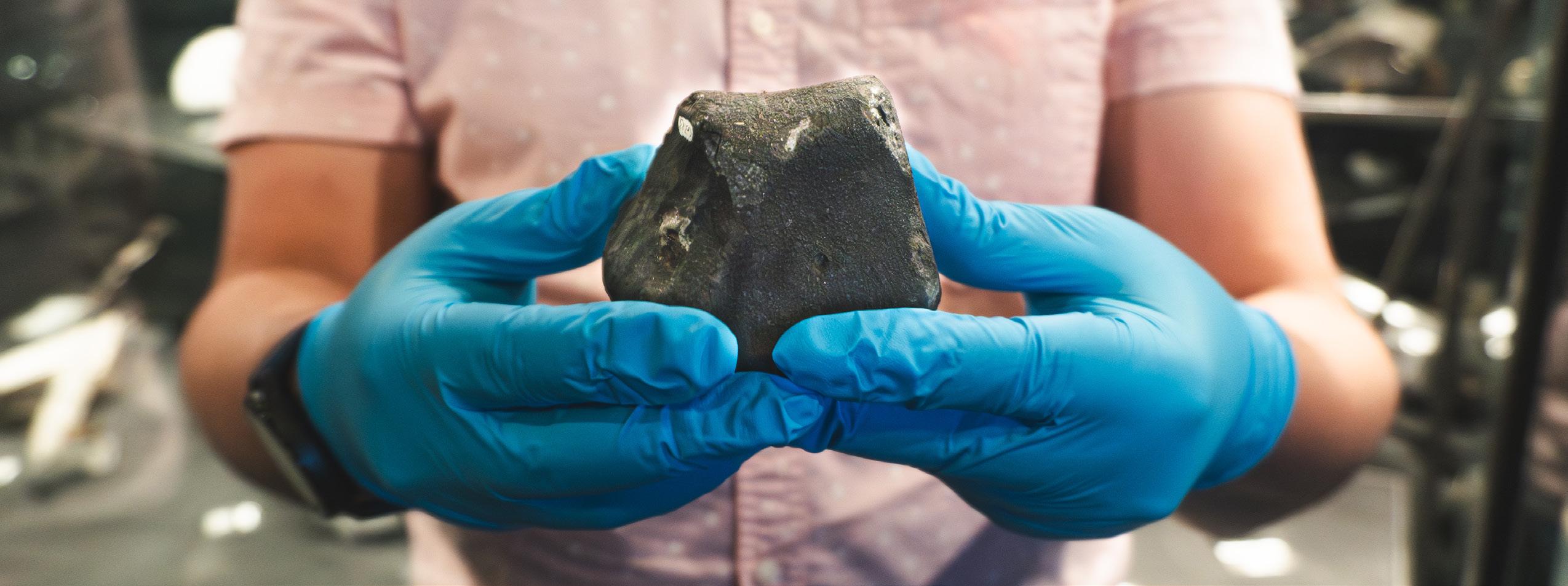
Dr. Taha Shisseh holding Murchison and Allende carbonaceous chondrites, which are meteorites that formed 4.567 billion years ago and are rich in water and organic matter. These rare specimens are on display at Meteorite Museum at the Institute of Meteoritics, University of New Mexico. Photographs taken by Beth Ha.
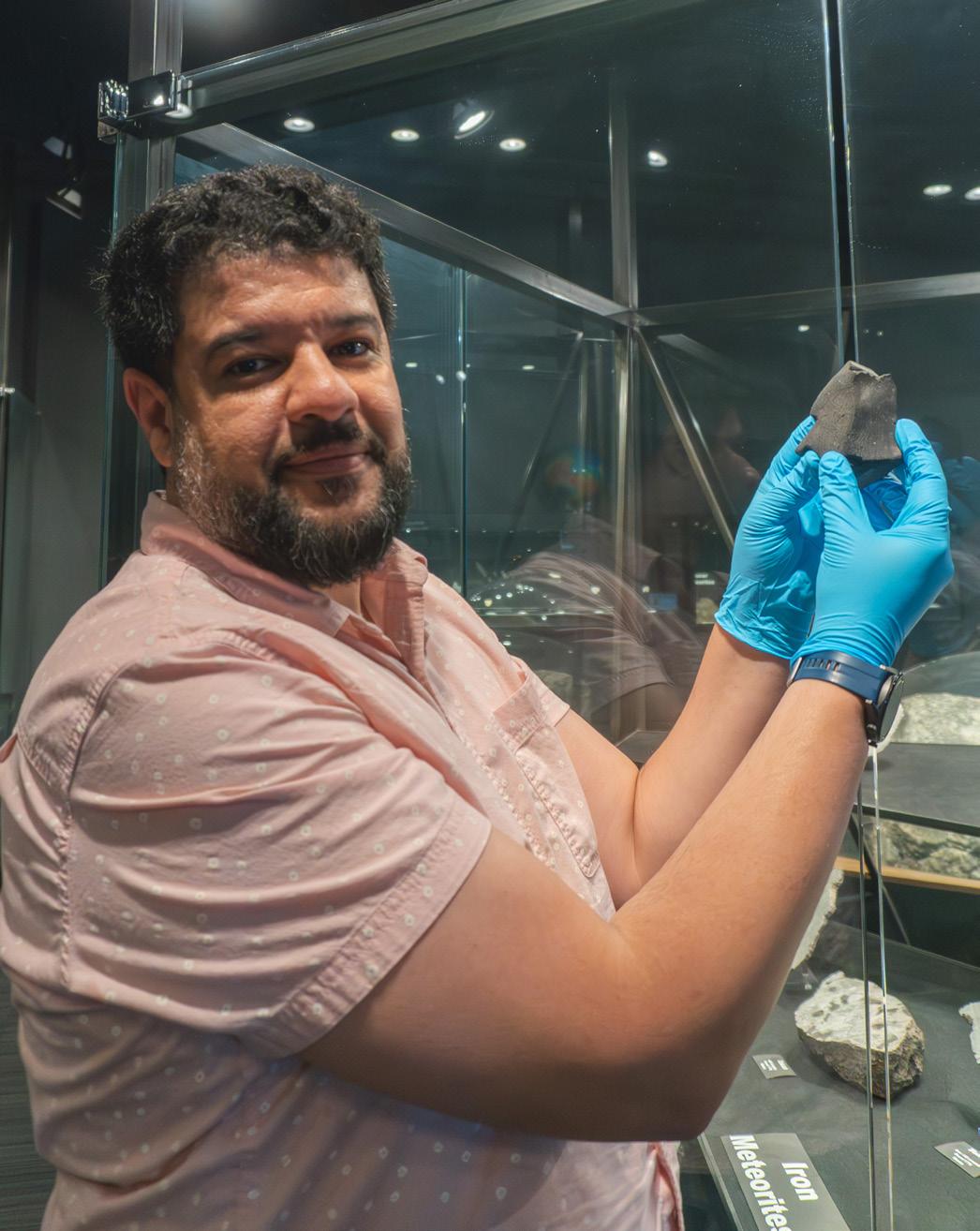
Dr. Taha Shisseh holding Murchison and Allende carbonaceous chondrites, which are meteorites that formed 4.567 billion years ago and are rich in water and organic matter. These rare specimens are on display at the Meteorite Museum at the Institute of Meteoritics, University of New Mexico. Photographs taken by Beth Ha.
after which CI chondrites are named, consist of up to 18.7% water [4]. Meteorites belonging to this major meteorite class also carry within them a diverse array of extraterrestrial insoluble and soluble organic matter. Examples of organic matter identified in these meteorites include amino-acids like glycine, which is a vital building block for proteins in the human body for example [5], or nucleobases like adenine, guanine, cytosine, uracil and thymine, which are the fundamental units of the genetic code in DNA and RNA [6]. These vital components are not only found in meteorites, but also in pristine returned-samples from asteroids, and especially carbonaceous (C-type) asteroids like Ryugu and Bennu,
which were visited by the Hayabusa 2 and the OSIRIS-REx spacecrafts in 2019 and 2020, respectively.
At the present time, we have made tremendous advances in our knowledge of meteorites and asteroids rich in water and organics, and we know that the building blocks of life are out there, floating in our solar system. The question that you are probably currently asking is how these components ended up here, on Earth? The answer is: IMPACTS! Results from the study of meteorites and bodies in the solar system have led scientists to believe that the early solar system was a chaotic and violent environment dominated by frequent and massive impacts. As the planets were forming millions of years after the birth of the solar system, leftover debris and planetesimals continually collided with each other and the developing planets. This led to the mixing of their constituents, and the delivery of water and organic compounds to early-forming Earth. In conclusion, when taking everything into account, it is highly probable that some of the carbon and water in your body and mine were delivered to Earth by two different carbonaceous asteroids or meteoroids that collided with Earth at different times, up to millions of years apart. This is incredible, right?
*The photographs show Dr. Taha Shisseh holding Murchison and Allende carbonaceous chondrites, which are meteorites that formed 4.567 billion years ago and are rich in water and organic matter. These rare specimens are on display at Meteorite Museum at the Institute of Meteoritics, University of New Mexico. Photographs taken by Beth Ha.
REFERENCES
[1] Gounelle et al. The solar system beyond Neptune 592 (2008): 525-541
[2] Meteoritical Society Bulletin Database (www.lpi.usra.edu/ meteor/metbull.php)
[3] Gattacceca et al. Meteoritics & Planetary Science 60.7 (2025): 1441-1479
[4] King et al. Earth, Planets and Space 67.1 (2015): 198
[5] Aponte et al. ACS Earth and Space Chemistry 1.1 (2017): 3-13
[6] Oba et al. Nature communications 13.1 (2022): 2008

Exploring Life Beyond Earth: Dr. Adriana Marais on Astrobiology, Space Exploration, and Africa’s Future
By Lillian Assefa
1. Let’s start at the very beginning of your journey. You started with a Martian city science project at age 13. What first inspired you to dream about life beyond Earth?
“As a child of four or five, I imagined exploring worlds beyond our home planet. And what a time to be alive! In the 4-billionyear history of life on Earth, for the very first time, we are planning to expand our presence beyond Earth in the form of permanently inhabited bases to be constructed on the Moon this decade, as a stepping stone to Mars and beyond. This is a time of great transformation for humanity, and we face many challenges as a society. Whether we are planning to pursue our dreams right here on Earth, or to participate in this exciting era for space exploration, we should remember that we are all here for a reason, to make our unique and vitally important contributions to this era.”
2. For many of our readers, this might be their first time hearing about astrobiology. Astrobiology can sound complex, but at its heart it’s about a simple question: Are we alone? How would you explain your work to a young student hearing about it for the first time?
“In a Universe made up of hundreds of billions of galaxies, each with hundreds of billions of stars with their own planets, we know of at least one planet that is teeming with life: Earth. While Earth is, so far, the only place we know of where life exists, the questions of whether life exists beyond Earth have fascinated humans for as long as we have gazed up at the vast night sky. Astrobiology is the study of the origins, evolution, distribution and future of life in the Universe. Some astrobiologists study extremophiles, organisms that can survive in extremely harsh conditions, to understand what kind of life may be able to survive, for example, the extreme conditions on or just below the surface of Mars. While we are yet to scientifically confirm the existence of life beyond Earth, we have found building blocks of life, things like amino acids and sugars, in comets. My research involved looking at how these building blocks are formed in space, and whether they may have combined into life elsewhere. Astrobiology also looks at the adaptation of terrestrial life to conditions beyond Earth, studies crucial for the safety of crews living in Earth
orbit, and soon, excitingly, for people living and working on the surface of the Moon.”
3. One of the most fascinating parts of your work is understanding how life begins. You study how the building blocks of life may form in space. Why is understanding how life began important when looking for life on other planets?
“In spite of impressive recent developments in science and technology, we don’t yet understand how life emerged, or how to create life: life is the most beautiful mystery in the Cosmos! One thing we do know is that all life on Earth is interrelated, with a common 4-billion-year history detailed in the complexity, and commonality, of each life form’s genome. Which means that in trying to understand what life is by studying life on Earth, we are essentially studying a single system, terrestrial life, while trying to derive a general theory from it. It’s clear what’s missing: a second data point. I am convinced that we are not alone, but proving this scientifically through space exploration will be a one of the most important discoveries in the history of our species, forever advancing our understanding of ourselves and our place in the Universe.”
4. You’re not just studying space—you’re also testing it here on Earth. The Proudly Human “Off-World Project” tests habitats in deserts and Antarctica. What surprising challenges have these Earth-based tests revealed about living on the Moon or Mars?
“Human communities, whether in remote areas or overcrowded cities on Earth, or on the Moon, Mars or beyond, require basic resources including shelter, power, water, food and communications systems. Curiosity-driven space exploration is a celebration of our humanity and the reality in which we find ourselves. Yet the difficulties we face on Earth, including poverty and inequality, mean that not everyone is able to participate. The challenge is to balance ambitious goals that inspire us to dream about, for example, the first human communities on the Moon and Mars with improving conditions for people already living in extreme environments on Earth and encouraging a rapidly growing young population to get excited about exploring and learning.
Proudly Human takes up the challenge! Proudly Human’s Off-World Project aims to demonstrate human resilience, sustainable technology and community spirit in even the most extreme environments through grit, imagination, research and innovation and, most importantly, community spirit at a time when inspiration and unity are needed most.
Proudly Human’s Off-World Project is a series of habitation experiments in the most remote and extreme environments on the planet, supported by volunteers, advisors and technology partners. The Project will collect data on groups of experts setting up off-grid infrastructure including shelter, power, water, air, food and communication systems from scratch in the driest deserts, the polar night, as well as under the ocean – where we will aim for a new world record – and live as a research community; to prepare for life beyond Earth, but also to better understand ourselves and our social structures here on Earth. Each experiment will generate exploration-driven innovation and research and be filmed for people around the world to watch through a documentary series: Mission Off-World.”
5. You were one of 100 Mars One astronaut candidates in 2015. What did you learn from that experience about the reality of living on Mars that most people might not think about?
“I dream of a future we can all be proud of as humans, and I believe that space exploration provides a way to unite and become better stewards of our home planet Earth. Sometimes this vision seems very far away. The most important lesson I learned from the Mars One Project is that trailblazers should expect failures along the way, but with humility and unwavering determination, if we work together, we can all realise the dreams that we are born with.“
6. It’s easy to think of space as distant, but your work brings it closer to home. Many people think space exploration is far removed from everyday life. How can research in astrobiology actually help solve challenges we face here on Earth?
“Space is not far away; we are in space! And thinking about how we can survive beyond our home planet also provides important lessons for living on Earth. Firstly, as the only planet in the Solar System where we can see life from space in the form of the green forest belts around our equator, we should all be thinking deeply about the importance of protecting the biodiversity that regulates our climate and provides our sustenance here on the Earth. Secondly, the challenge of putting technology and later people in space has resulted in many of the innovations we use every day on Earth. The first satellite was launched into Earth orbit in 1957, today satellite data is a critical part of modern life, from the ability to monitor our natural environment, resources and climate, to enabling navigation, communication and financial transactions that underpin the functioning of our modern society. Space exploration has driven the sophistication of solar panel technology, water filtration systems and food production in controlled environments, and in particular the Moon landings of the Apollo era have driven computing, the establishment of the Internet and eventually the smart phone, now carried by more
than half of the people on Earth. We can only imagine what new technologies will emerge from the current era of renewed lunar exploration!”
7. As Head of Science for the Africa2Moon project, you’re helping lead Africa’s first mission to the Moon. What does it mean for Africa to have its own space science missions?
“The benefits of space technology are vast and profound: from enabling global financial transactions, transportation and communication; to providing Earth observation and climate science data for resource management and environmental protection; to driving discovery and advancement in engineering, science and healthcare in extreme environments; as well as being a catalyst for education, inspiration and international collaboration.
The Outer Space Treaty of 1967 establishes space as the province of all humanity, declaring it free for exploration and use by all nations without discrimination for peaceful purposes. But what is Africa’s role in space exploration?
While people in Africa constitute almost 20 percent of the global population with projections that by 2030 nearly half of global youth will be African, and in spite of the establishment of over a dozen national space agencies across the continent in the past decades, including the African Space Agency in 2023, less than a percentage of satellites in Earth orbit are Africanowned, the continent has had no official participation in a decades-long international programme of human habitation in Earth orbit, and has led no space exploration mission to date.
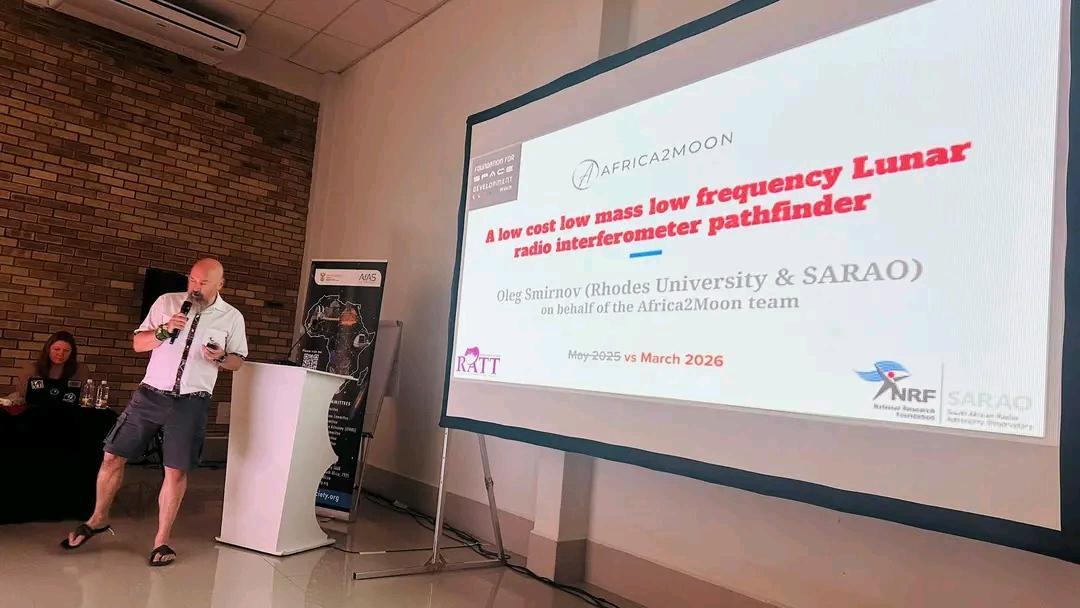
The first all-African space exploration mission, the Foundation for Space Development Africa’s Africa2Moon initiative, is an African designed and built low-frequency radio telescope to be deployed on the lunar surface with China’s Chang’e-8 mission in 2029, to demonstrate new technology, do first-time science and inspire the next generation of African innovators and dreamers.
The telescope is to be deployed in the south pole region of the Moon, one of the harshest environments in the Solar System, with temperatures plummeting to below negative 200 degrees Celsius. While humanity has not yet landed technology at this location, the lunar south pole is an important place to collect data because this is where the first permanent off-world research bases are to be established in the coming years due to the presence of water ice in the permanently shadowed craters there.
Our instrument consists of an array of three antennas or BALLS which work together to observe low frequency radio signals from space that are not observable from the surface of the Earth. The first lunar instrument of its kind, Africa2Moon is also in the running to be the first fully successful radio astronomy experiment performed from the surface of the Moon, after US and Chinese instruments suffered mishaps. Radio astronomy is the study of outer space using radio waves rather than visible light, and the Moon is an ideal place to perform such studies as the low frequency signals we will be
measuring are unobservable from Earth due to interference with our atmosphere.
The mission is led by the Foundation for Space Development Africa and a team of expert volunteers in collaboration with organisations such as the South African National Space Agency, the South African Radio Astronomy Observatory, as well as institutions in Kenya, Ghana, Botswana and across the continent.
As a collaborative project, we could not have achieved the design maturity and technical agreements without the hard work of the engineers and scientists that have voluntarily given their time, effort and dedication to this project. A big thank you to the teams at Petrawell, Aerospace Systems Research Institute and the University of KwaZulu-Natal, Electronics Systems Laboratory and Stellenbosch University, for the manufacturing of the components of the structural and functional models to be delivered to the Chang’e-8 team in Beijing for testing in May 2026.
This 3-BALLS array will serve as a pathfinder for future lunar technologies and radio astronomy experiments and also as a technology demonstrator for the full Africa2Moon mission aiming to deploy 55 antennas on the far side of the Moon, one for each nation in Africa, in a future mission to the lunar farside.”
8. Looking to the future, what space discovery or breakthrough (like finding water on Mars, or signs of life somewhere) would excite you the most, and why?
“While we have not (yet) had any official communication from extraterrestrial intelligence, (perhaps they are waiting for us to advance to a more peaceful society), many astrobiologists believe that we may find evidence of life on our next-door neighbour planet: Mars. This evidence may be in the form of fossils from billions of years ago when Mars had oceans, or perhaps still living in what we understand to be lakes of liquid water below the Martian surface. If we detect evidence of life so close to home, we may come to understand that life is a far more widespread phenomenon beyond Earth than we may have imagined. Such discoveries could lie just around the corner, particularly with China’s Mars sample return mission scheduled to launch in 2028.
For young people looking skywards, if we want to visit planets beyond our own Solar System, we will need novel forms of propulsion. With currently existing technology, it would take over 70,000 years to reach Proxima Centauri, the nearest star to our Sun. We will need theoretical physics knowledge, engineering expertise and a lot of imagination and creative thinking, but I believe that as humans we are defined by our curiosity, collaborative spirit and desire to explore, and while our home will always be beautiful planet Earth, in our future are grand journeys into the stars.”
9. For young Africans interested in space science or astrobiology, what skills or experiences should they focus on now?
“Follow your passion and the boldest dreams you have for your life. If the space beyond Earth is where your curiosity lies, the skill with the broadest application is mathematics, the language of the Universe. With mathematics, you can tackle almost any other science or engineering field. But let’s remember that when humans are living and working on the Moon in the next few years, even Mars perhaps in the next decade, we will need a range of experts from chefs and agriculturalists to mediators and psychologists. The next few years will be an exciting time for human exploration!”
10. For those who want to explore further, do you have any resources (websites, videos) you recommend for students who want to learn more about quantum biology or astrobiology?
“Coursera offers free online courses in astrobiology, eg https:// www.coursera.org/learn/astrobiology
Quantum biology involves integrating principles of quantum physics with biological systems. To get started, focus on building a foundation in quantum physics and molecular biology. For an overview of potential future directions of the field, we have written a review paper: https:// royalsocietypublishing.org/rsif/article/15/148/20180640/86920/ The-future-of-quantum-biologyThe-future-of-quantum”
11. For young people across Africa who dream of working in space or science, what advice would you give them on where to start?
“Begin with the vision, dream big and imagine what kind of future you want to create. Prepare for failure, if you are a trailblazer, you can guarantee that there will be obstacles on your journey. The important part is not to give up. Team up with like-minded people, passion is contagious, and you will meet many people along the way who will help you and teach you important lessons for your voyage. With vision, perseverance and collaboration, you can achieve your dreams, no matter how impossible they may seem at the outset.“
12. Looking at the next generation, what skills or ways of thinking do you believe are most important for future scientists and explorers?
“Curiosity, never stop asking questions, imagination, the first step to a future we can be proud of is imagining that a better world is within reach, and the spirit of Ubuntu, or in other words, ‘If you want to go far, go together’.”
Artificial Intelligence In Astrobiology
By Glen Malesa
For as long as humanity has gazed at the stars, we have wondered if we are alone. The search for life beyond Earth, the core mission of astrobiology, has traditionally been a slow, meticulous science. It involved painstakingly analysing soil samples, listening for radio signals, and waiting for rovers to drill into Martian rock. But we are entering a new era. Today, the question is no longer just “Is there life out there?” but rather, “How will we recognise it when the data is too vast for the human mind to process alone?”
The answer, as highlighted by recent discussions from NASA and the wider scientific community, lies in the silicon “brains” we are building here on Earth. Artificial Intelligence is no longer just a tool for automating tasks; it is becoming the critical copilot in the search for extraterrestrial life.
One of the most significant shifts in the field is the transition to what NASA’s recent Astrobiology Data Ecosystem white paper describes as an era of “Open Science”. Missions are no longer isolated events that return a handful of rock samples. Modern instruments from the James Webb Space Telescope (JWST) to spectrometers on Mars rovers generate petabytes of data. As noted in recent Nature articles and NASA’s own AI directives, we are drowning in information.
AI is the lifeboat. Machine learning algorithms are now being trained to sift through this cosmic haystack to find the needle. Whether it is identifying biosignatures in the hazy atmospheres of exoplanets or detecting faint, non-geological patterns in Martian terrain, AI offers a speed and pattern-recognition capability that human researchers simply cannot match.
A fascinating critique emerging from the community, including perspectives from publications like AI Mind and the Frontiers in Astronomy research topic on machine learning suggests that we might be searching for alien life the “wrong way”. Historically, we have looked for life as we know it: oxygen atmospheres, liquid water, and specific organic compounds.
AI is changing that paradigm. Instead of programming rovers with rigid checklists of what to look for, scientists are beginning to use unsupervised learning models. These algorithms can analyze a sample or a spectrum and flag anything that is “anomalous”: anything that statistically doesn’t look like the result of known geological or chemical processes. This approach allows us to detect “life as we don’t know it”, freeing astrobiology from the shackles of Earth-centric bias.
The intersection of these fields is perhaps best summarised by NASA’s DARE (Data, AI, Research, and Exploration) 2025 white paper. The document outlines a future where astrobiology is not just a field of science but a computational one. It envisions a unified ecosystem where data from lunar missions, Martian rovers, and deep-space telescopes are fed into massive AI models in real-time.
These models can autonomously guide mission priorities. For instance, telling a rover to stop drilling and take a picture because it just detected a texture anomaly that matches the statistical profile of a microbial mat fossil.
Despite the high level of automation, this isn’t a story about robots replacing scientists. Rather, it is about augmentation. As one researcher put it in a recent Harvard Astrophysics Data System abstract, the goal is to handle the “big data” complexity so that humans can focus on the big picture.
AI handles the noise; humans interpret the music.
As we stand on the precipice of potentially the greatest discovery in history: finding life on a distant exoplanet or beneath the ice of Europa, it is becoming clear that the discovery will be a collaboration. It will be a partnership between human curiosity and the relentless, unbiased precision of artificial intelligence. We are teaching machines to help us search for ourselves in the cosmos, and in doing so, we are redefining what it means to be an explorer.
Sources referenced: NASA Astrobiology Data Ecosystem (DARE 2025), Nature Astronomy, Frontiers in Astronomy, Harvard ADS, and AI Mind publications.
The Rocks That Killed the Dinosaurs! Could It Happen Again?
By Kaoutar Saadi
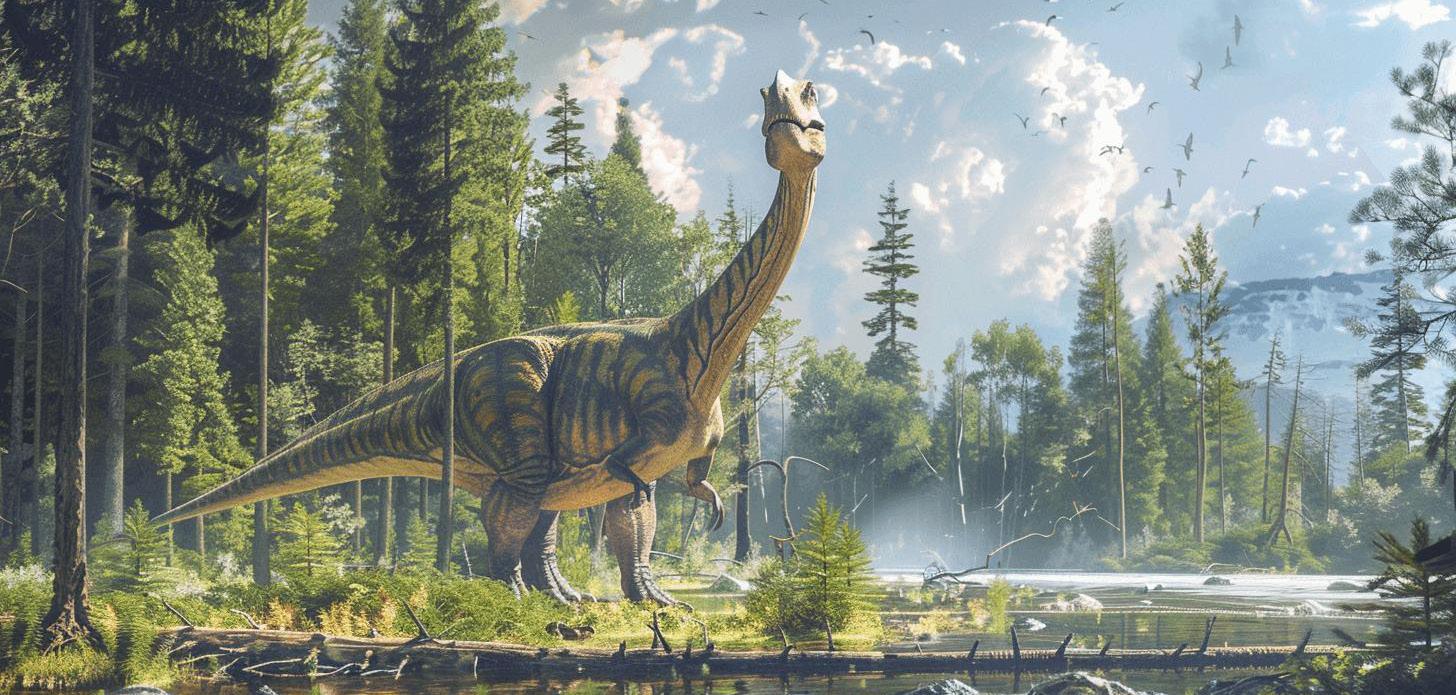
Source: Dinosaur.org — Cretaceous Period Dinosaurs
A Quiet World Before the Impact
It didn’t begin with an explosion, it began with silence. Sixtysix million years ago, Earth was a thriving world filled with life. Dense forests covered vast lands, oceans were rich with biodiversity, and dinosaurs dominated every ecosystem. It was a stable and flourishing planet, with no sign of the catastrophe that was about to unfold.
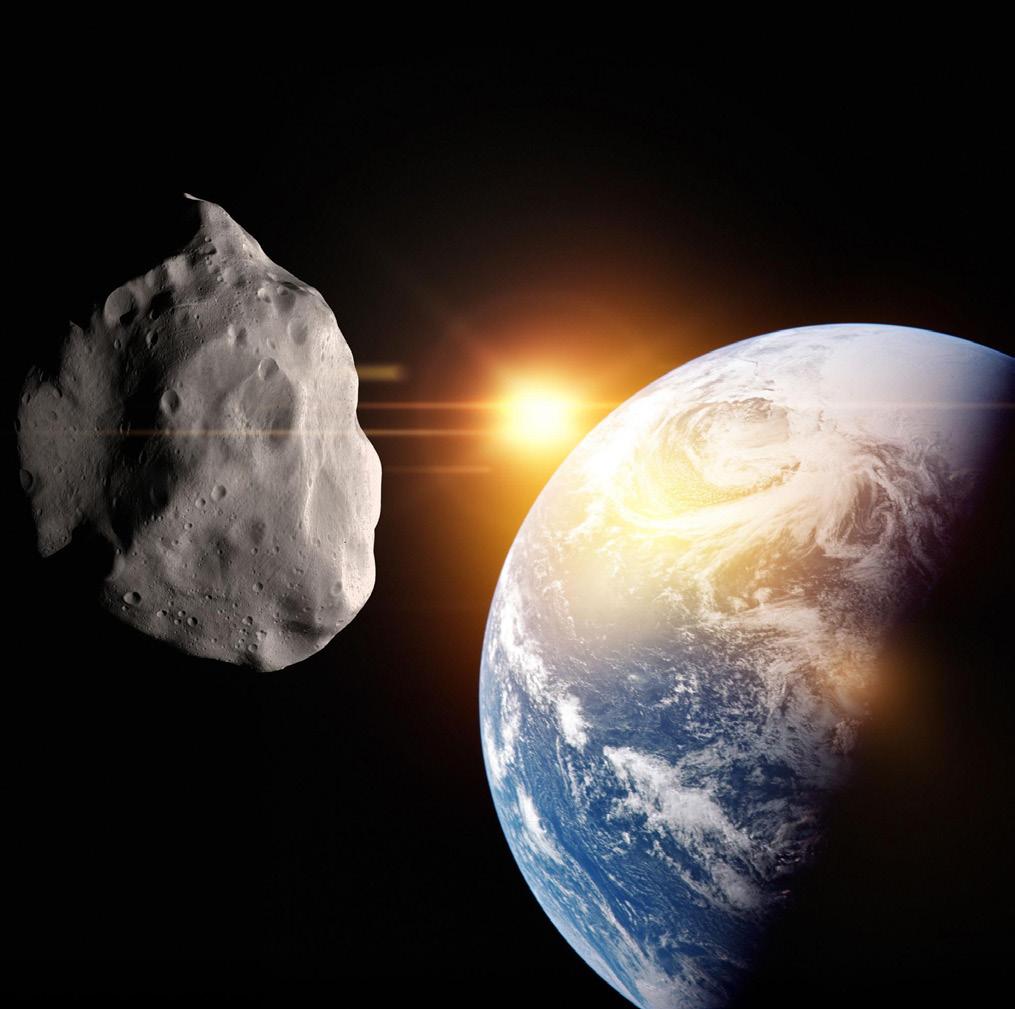
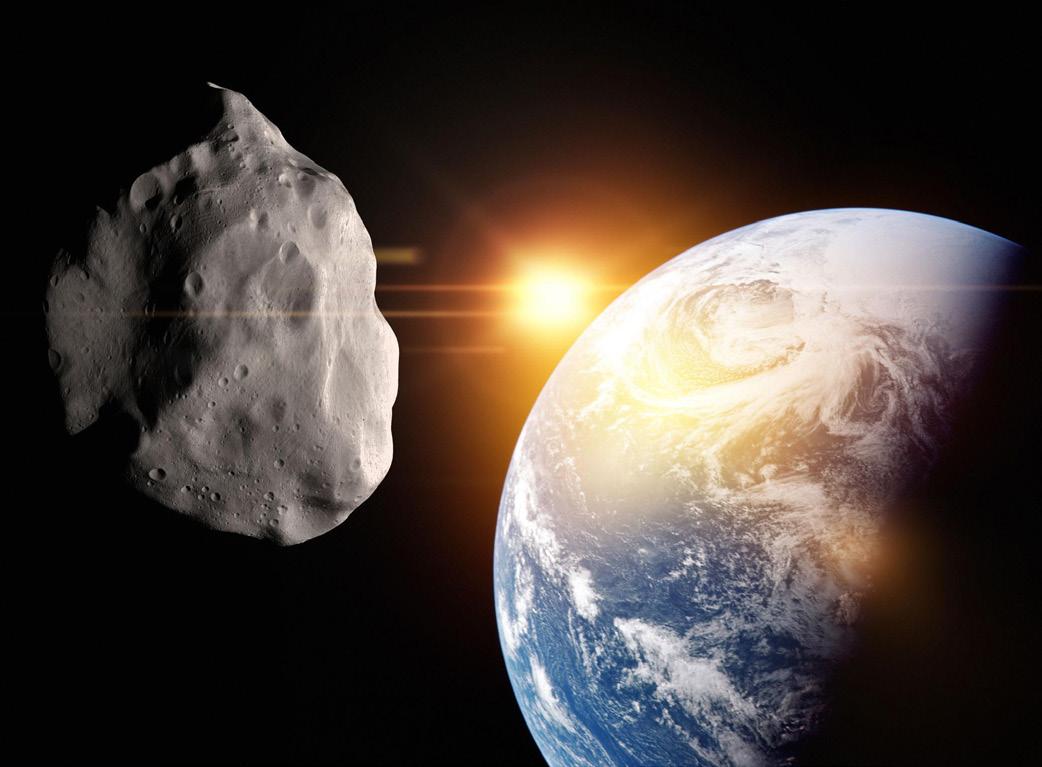
Far above the Earth, however, something was already on its way. A massive asteroid, about 10 kilometers wide, was travelling through space at incredible speed. Invisible to life below, it approached Earth rapidly, carrying with it the power to change the course of history forever.
The Day Everything Changed
When the asteroid finally struck, it carved out what we now call the Chicxulub crater in present-day Mexico. The impact itself lasted only seconds, yet its consequences would echo across the entire planet for millions of years.
The energy unleashed was incomprehensible by any human measure. Shockwaves tore through the Earth’s crust, triggering
massive earthquakes, while colossal tsunamis surged across the oceans and crashed into distant coastlines. Simultaneously, molten rock and debris were blasted high into the atmosphere, raining back down as superheated fragments and igniting wildfires across vast stretches of land.
For a brief, catastrophic moment, the planet was consumed by heat and destruction.Yet the most devastating phase unfolded far more slowly. Dust, ash, and vaporised rock rose into the upper atmosphere, forming a dense global shroud that blocked out the sun. Darkness spread across the world, temperatures plummeted, and the climate shifted dramatically. Without sunlight, plants could no longer photosynthesise and began to die, and with them, entire ecosystems started to unravel.
This cascading collapse triggered the Cretaceous–Paleogene extinction event, which ultimately wiped out nearly threequarters of all life on Earth, including the non-avian dinosaurs. In a geological heartbeat, the planet had been fundamentally transformed, and the full consequences of that single moment would continue reshaping life on Earth for millions of years to come.
Where Did the Asteroid Come From?
Scientists believe that the asteroid originated in the asteroid belt between Mars and Jupiter. This region contains countless rocky remnants left over from the formation of the Solar System. While most of these objects remain in stable orbits, gravitational interactions can occasionally push one out of its path.
In rare cases, such an object is redirected toward Earth. When that happens, the consequences depend on its size, speed, and impact location. The Chicxulub asteroid was large enough to trigger a global catastrophe, something that happens only very rarely, but not impossibly.
Could It Happen Again?
The answer is yes, but with important context. Earth is constantly exposed to material from space. Every day, small particles enter our atmosphere and burn up harmlessly as meteors. However, larger objects, known as Near-Earth Objects (NEOs), are of particular concern. These include asteroids and comets whose orbits bring them close to Earth.
Fortunately, modern science has made significant progress in detecting and tracking these objects. Space agencies like NASA and the European Space Agency continuously monitor thousands of asteroids using ground-based telescopes and space missions. Their observations allow scientists to predict orbital paths with high accuracy.
As of today, no known asteroid large enough to cause a global extinction is on a collision course with Earth in the foreseeable future. However, the risk is not zero. Smaller asteroids, ranging from tens to hundreds of meters in size are more difficult to detect and could still cause significant regional damage.
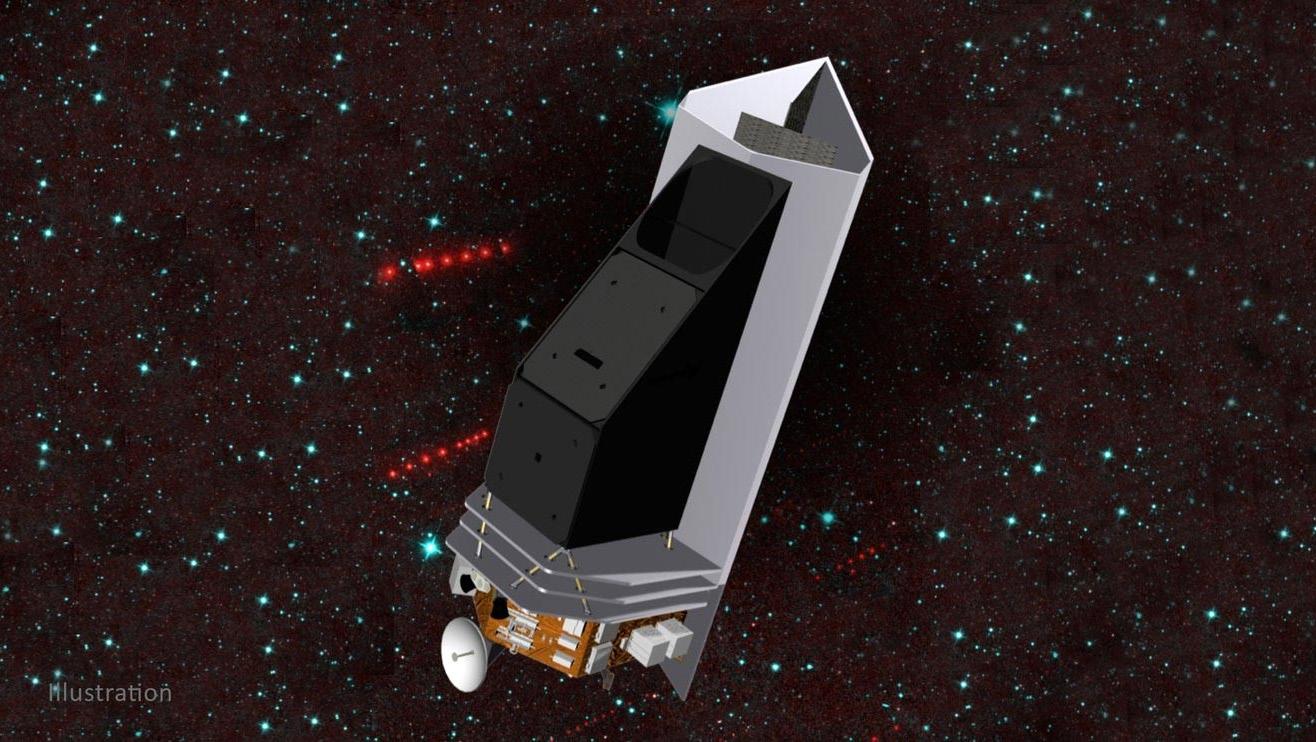
Illustration of NEO Surveyor, which is a mission designed to discover and characterize most of the potentially hazardous asteroids that are near the Earth. Credit: NASA/JPL-Caltech
Can We Defend Our Planet?
The encouraging news is that humanity is no longer a passive observer. Scientists and engineers are actively developing strategies to protect Earth from potential impacts.
In 2022, NASA carried out a historic experiment known as the DART mission. In this mission, a spacecraft intentionally collided with an asteroid called Dimorphos to test whether its trajectory could be altered.
The mission was successful. The asteroid’s orbit was slightly changed, proving that it is possible to deflect a potentially dangerous object if detected early enough. This achievement represents a major step forward in planetary defence. Other methods are also being explored, including using gravitational forces to slowly pull an asteroid off course or, in extreme cases, applying more powerful techniques. The key factor in all these strategies is early detection.
A Future We Can Shape
The story of the asteroid that ended the age of dinosaurs is often told as a tale of destruction, but it is also a reminder of change and resilience. It shows how life can be reshaped by forces far beyond its control. At the same time, it highlights something extraordinary about our present moment: we are no longer just passive inhabitants of this planet.
For the first time, a species exists that can look into the sky, recognise a potential catastrophe, and attempt to prevent it. The same kind of rock that once brought an era to an end might one day be stopped before it ever reaches us.
100 SOUTH AFRICAN SHINING STARS: DR CHARLES TAKALANA
By Siphokazi Vuso
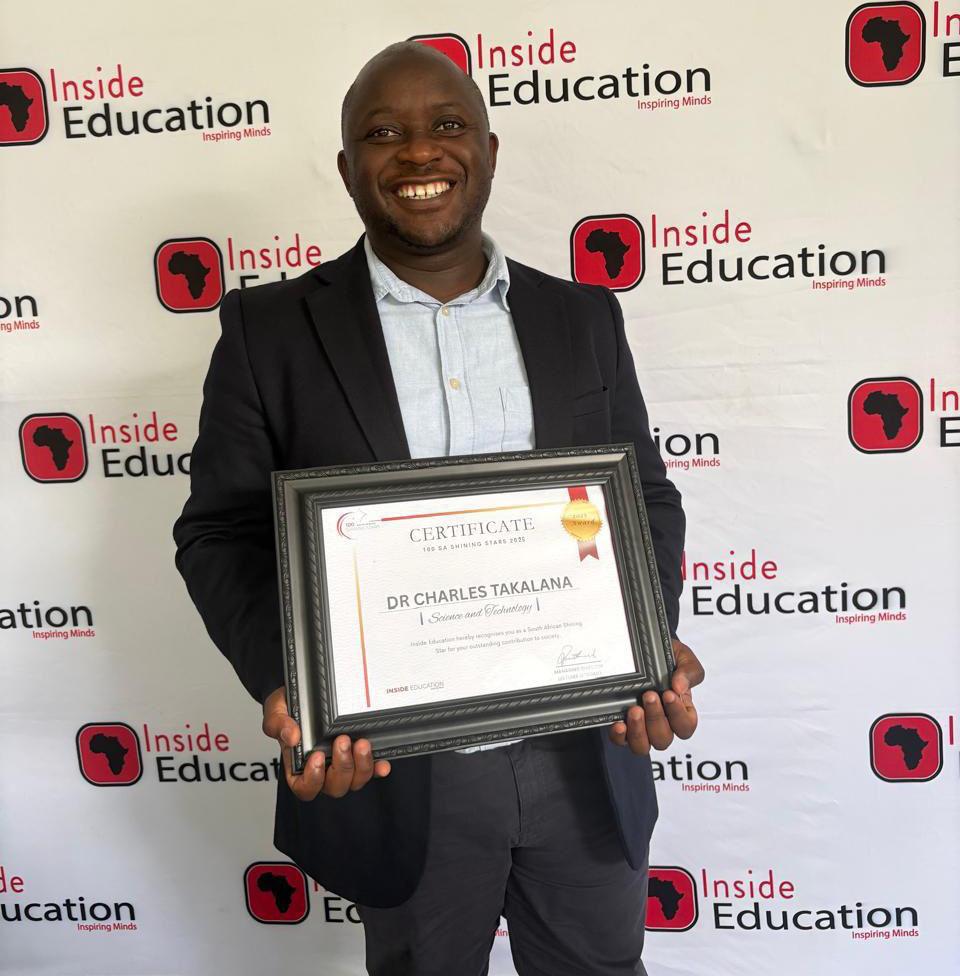
South African Astronomer Dr Charles Takalana has been named among the 100 South African Shining Stars for 2025, an annual initiative by Inside Education that honours young, trailblazing South Africans aged 18–35 who are impacting their communities. These individuals, recognised across 12 categories including education, business, arts, and health, are selected for their leadership and dedication to social change. Now in its 8th edition, the 100 Shining Stars Awards honour young people from all spheres of society.
Charles Mpho Takalana is a South African astronomer working in science for development, dedicated to leveraging astronomy as a catalyst for education, innovation and inclusive growth. As Deputy Director at the International Astronomical Union’s Office of Astronomy for Development, he contributes to leading global partnerships that apply space science to real-world
challenges, mentors emerging researchers, and drives flagship programmes that expand skills and opportunities across Africa.
From 2021 to 2024, he served as the founding Head of Secretariat of the African Astronomical Society, strengthening continental coordination, launching public engagement and education initiatives, and supporting the African Planetarium Association (APA). As Co-Chair and later Vice-Chair of the National Organising Committee for the historic 2024 International Astronomical Union General Assembly, he helped ensure the participation of more than 400 African delegates and secured long-term partnerships for African astronomy.
With contributions to Nature Astronomy, experience in national policy development, and active research in data analysis and observational techniques, Dr Takalana exemplifies the awards’ theme of “The Power of Youth in Action”. He received NRF funding throughout his studies and was awarded his PhD in astronomy and astrophysics from the University of the Witwatersrand in 2020.
Beyond research, Dr Takalana remains committed to linking South Africa’s scientific strengths to community impact and building an empowered, knowledge-driven continent.
Reflecting on his award, Takalana said:
“I am deeply honoured to be recognised as one of the Inside Education 100 South African Shining Stars. This recognition is both humbling and motivating, and it reflects the collective efforts of the many communities, partners, and institutions working together to advance science, education, and development. I remain inspired by the legacy of Madiba and the belief that each of us has a role to play in building a better society.”
For more information about the 100 Shining Stars Awards, visit: https://insideeducation.co.za/wp-content/ uploads/2026/02/100-shining-Stars-2025-final.pdf.
South African Medical Research Council Is Building Africa’s Next Generation of Scientists
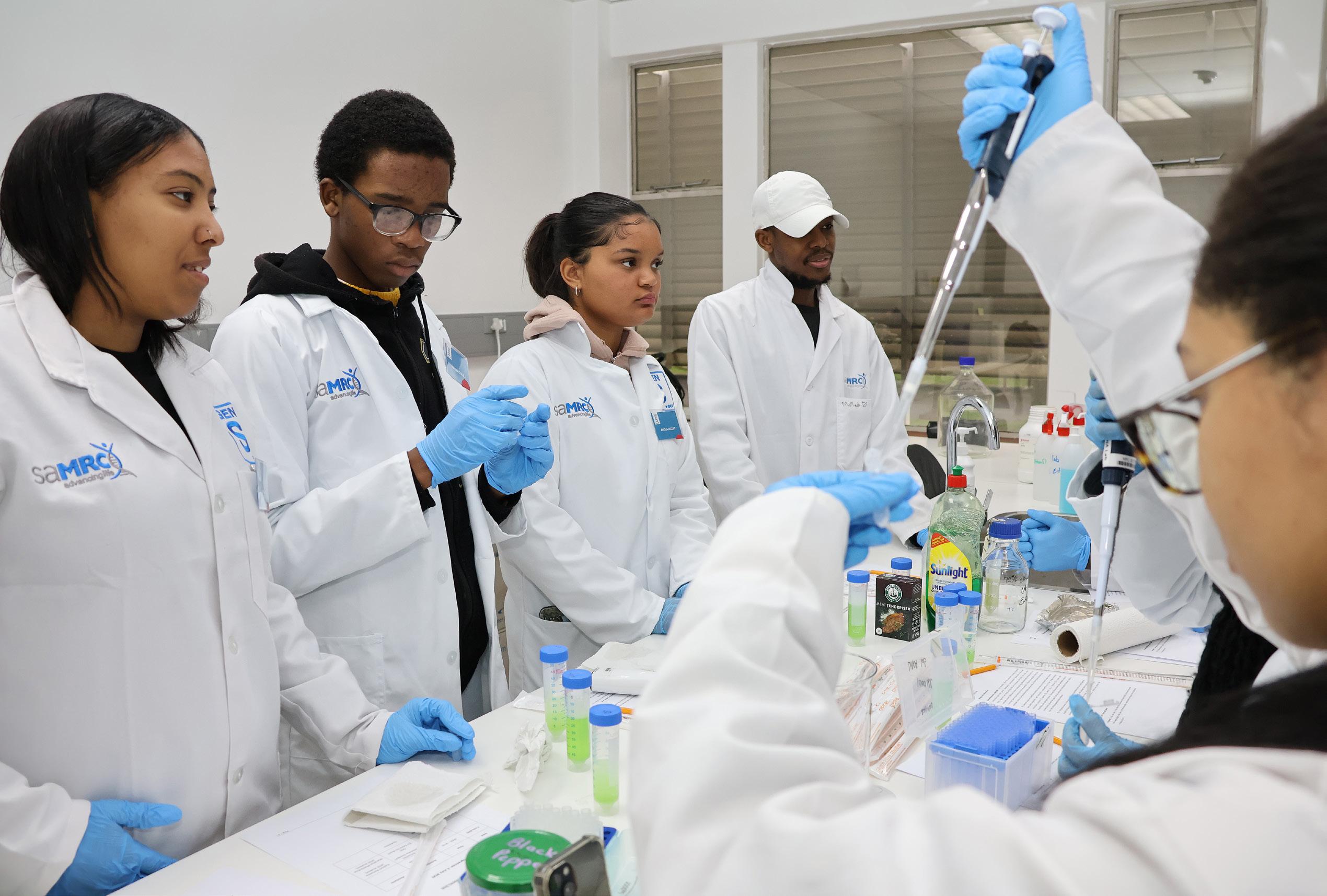
Across Africa, a transformation is taking place in the way scientific talent is nurtured and prepared for real-world impact At the heart of this shift is a growing recognition that what the continent needs is practical, industry-aligned training that turns graduates into entrepreneurs or job-ready professionals.
The South African Medical Research Council (SAMRC) is helping to lead this change. Working in close partnership with Stellenbosch University and the University of Cape Town, the programme bridges the long-standing gap between academic learning and industry expectations.
The impact is measurable. More than 70% of graduates from the first three cohorts secured positions within industry, while 18% advanced to postgraduate studies. By the fourth cohort, the programme had reached an impressive milestone, with 85% of participants placed on six-month paid internships.
This success has not gone unnoticed. Industry participation has grown rapidly, expanding from just two companies in 2021 to more than 12 today. A clear sign of trust in the programme’s ability to produce capable talent.
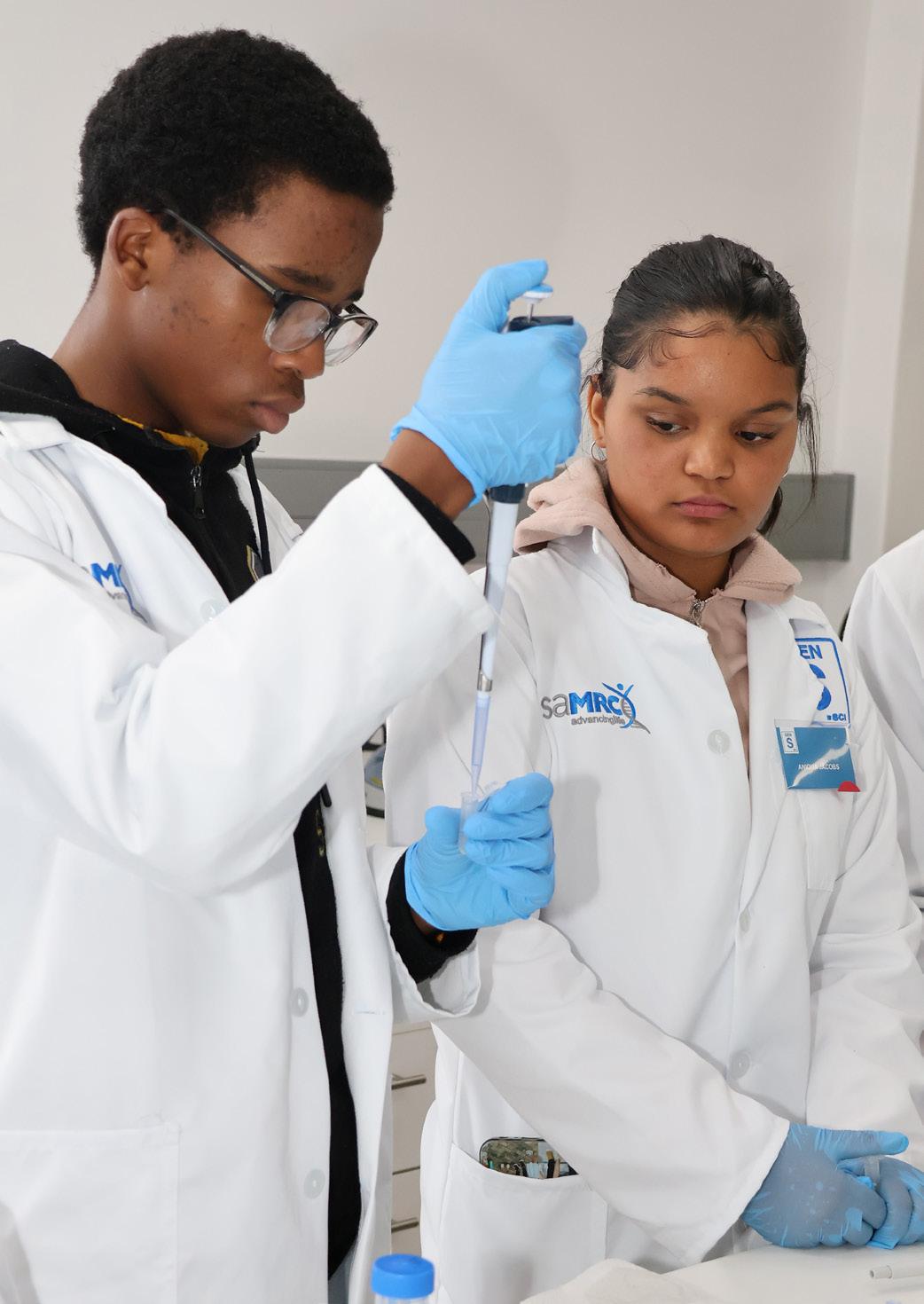
Beyond outcomes, the programme is also reshaping inclusion. Women make up 63% of participants, while more than 85% are drawn from historically disadvantaged institutions across South Africa. The initiative has also extended beyond national borders, with trainees from Kenya, Malawi, Ethiopia and Nigeria contributing to a more diverse and interconnected African scientific community.
This success lies in a carefully designed partnership model. Universities align their teaching with industry needs, research institutions provide infrastructure and strategic direction, and private companies offer hands-on experience and mentorship. The result is a system that produces graduates who are not only qualified, but employable from day one.
Equally important is the programme’s ability to adapt. Training modules are refined after each cohort based on direct industry feedback, ensuring ongoing relevance. Practical components such as CV writing and interview preparation are embedded into the curriculum, equipping graduates with the skills needed to successfully enter the workforce.
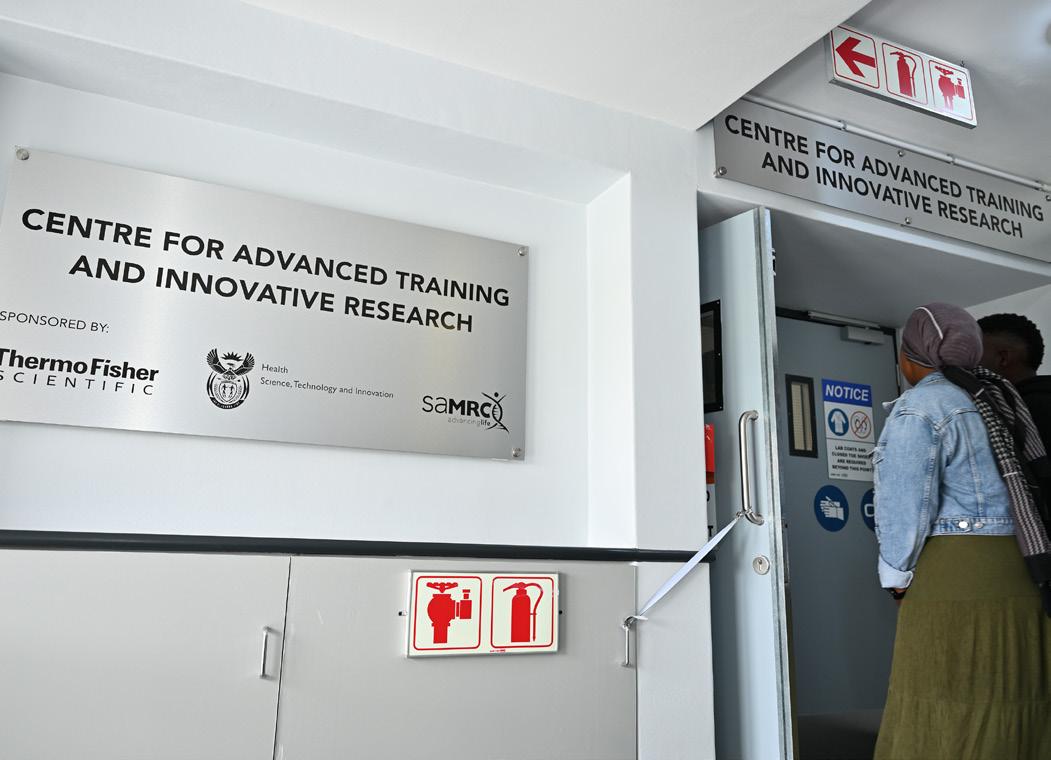
Building on this momentum, the SAMRC has expanded its capacity development efforts through the Centre for Advanced Training and Innovative Research (CATIR) in Pretoria. Developed in partnership with Thermo Fisher Scientific and the Department of Science, Technology and Innovation, CATIR provides hands-on training in advanced molecular techniques and laboratory management. These are critical capabilities for strengthening Africa’s biomedical sector.
At a continental level, the SAMRC is also contributing to broader scientific capacity development through collaborations with
African partners. These include training initiatives in genomics and infectious disease surveillance, as well as mentorship programmes supporting early-career researchers across countries such as Malawi, Kenya and Nigeria. Through these partnerships, African scientists gain access to shared expertise, collaborative research opportunities and regional networks that strengthen the continent’s collective scientific capacity.
The message is clear. Africa’s future depends not only on knowledge, but on the ability to apply it.
Programmes like this demonstrate that when training is practical, collaborative and aligned to real demand, it can transform lives, industries and health systems.
The next step is scale. Expanding models like this across the continent will be key to building a resilient, self-reliant Africa — one where scientific talent is not only developed but fully realised.
UP Astronomers Discover The Most Distant “Space Laser” Using South Africa’s MeerKAT Telescope
By Phenyo Mathapo
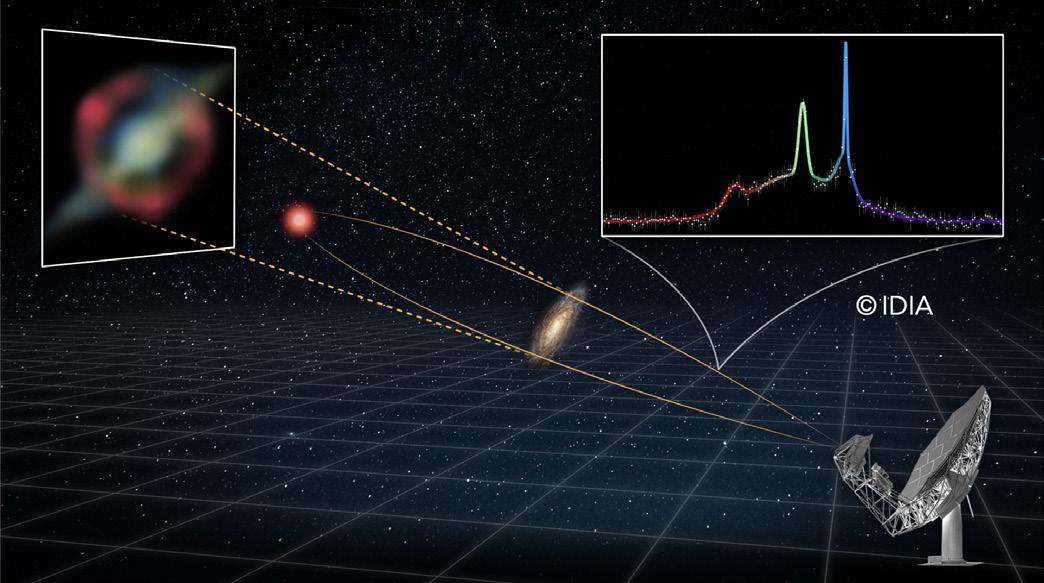
South African Astronomers have discovered a record-breaking cosmic ‘radio laser’ from a galaxy more than eight billion lightyears away. They have identified the most distant hydroxyl megamaser ever detected, with the help of the 64-dish MeerKAT radio telescope and strong gravitational lensing.
The extraordinary find was made by a team led by Dr Thato Manamela, a postdoctoral researcher at the University of Pretoria (UP), funded by the South African Radio Astronomy Observatory (SARAO). This marks yet another breakthrough linked to the MeerKAT telescope and astronomy in Africa. It also sheds light on cosmic phenomena that have intrigued scientists for a long time and unfolds a new frontier in radio astronomy.
This groundbreaking discovery reveals significant implications of understanding our universe and offers clues on how galaxies in the early universe were formed.
Hydroxyl megamasers, often referred to as natural ‘space lasers,’ are a rare phenomenon. Located in a violently merging galaxy over eight billion light-years away, they are extremely bright radio-wavelength emissions produced when hydroxyl molecules collide in gas-rich galaxies. These cosmic collisions
compress gas, stimulating large reservoirs of hydroxyl molecules to amplify radio emission. Scientists are still working to study, in detail, the collision of galaxies that potentially produce gravitational waves and ripples in space time due to their central black holes eventually moving towards each other.
The recently discovered system, HATLAS J142935.3–002836, is so far away that we are seeing it as it was when the universe was less than its current age. It is both the most distant and luminous known system, so luminous that it warrants the classification ‘gigamaser’ rather than ‘megamaser’. While it is so far away, thanks to the combined power of the MeerKAT and strong gravitational lensing, it has produced a shockingly strong signal, a phenomenon originally theorised by Albert Einstein. Furthermore, the recently detected radio space laser could provide indirect clues about how these extreme cosmic events unfold.
To prepare for the upcoming Square Kilometre Array (SKA) era, a strong partnership between the Inter-University Institute for Data Intensive Astronomy and SARAO has been made to support this discovery. This discovery exposes South Africa’s expanding role in the forefront of data-intensive radio astronomy and is another example of how the country’s growing space science sector continues to produce significant discoveries. It may also help scientists better understand supermassive black holes and gravitational waves. Moreover, the collaborative approach empowers emerging South African researchers to lead in cutting edge research.
Researchers hope breakthroughs such as these inspire and enliven young South Africans to pursue careers in technology, science, mathematics and engineering. This discovery highlights the scientific power of the MeerKAT telescope in unlocking the secrets of the universe and bolsters South Africa’s position as a major contributor to international astronomy research.
MeerKAT Telescope
Astronomy, Education and Scientific Inclusion in West Africa
AfAS MISSION TO CAMEROON AND BENIN
By Prof. Jamal Mimouni
CERIST & Univ. of Constantine 1, Constantine, Algeria
Past President, African Astronomical Society
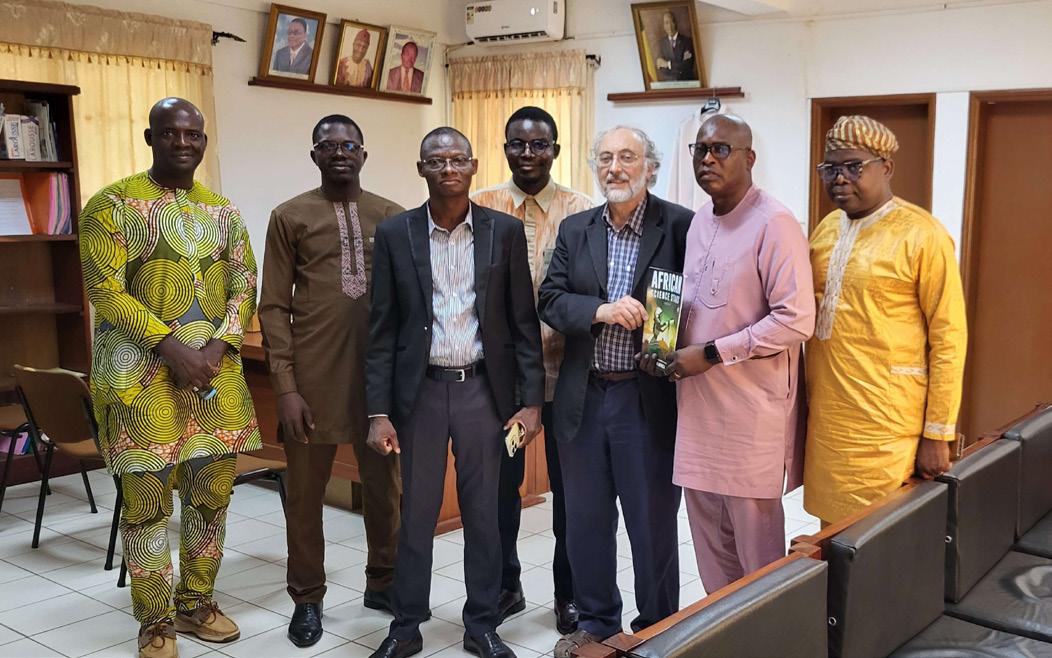
The African Astronomical Society (AfAS), with the support of the International Astronomical Union’s Office of Astronomy for Development (OAD), conducted a two-week Global Astronomy Outreach (GAO) mission to Cameroon and Benin. The mission from January 30 – February 14, 2026 formed part of AfAS’s long-term continental strategy aimed at extending astronomy and space science to African countries where these disciplines remain absent or only marginally represented within university systems.
The delegation also included Mr. Madambi Rambuda, Director of African Science Stars magazine, underlining the importance of scientific communication, media outreach, and educational dissemination in the development of astronomy across Africa. Important pedagogical support was further provided by the Sirius Astronomy Association of Algeria, whose educational materials, astronomy posters, and sky maps were widely distributed during the mission.
Astronomy as a Driver for Scientific Development
The GAO initiative is based on a simple but ambitious principle: no African country should remain excluded
from the continent’s scientific transformation. While major infrastructures such as the SKA, SALT, and HESS have positioned Africa prominently within global astronomy, large parts of the continent — particularly in Francophone Africa — still lack formal astrophysics programmes or research structures.
AfAS considers astronomy not as an isolated specialty, but as a strategic gateway to physics, mathematics, computing, engineering, and advanced technological training. Through astrophysics, students encounter fundamental concepts ranging from gravitation and electromagnetism to cosmology, planetary science, and data analysis. The discipline therefore acts as a powerful catalyst for broader STEM education and scientific culture.
The mission also emphasized the multidisciplinary dimension of astronomy, linking it to climate studies, satellite technologies, artificial intelligence, aerospace sciences, and computational methods increasingly essential for Africa’s future development.
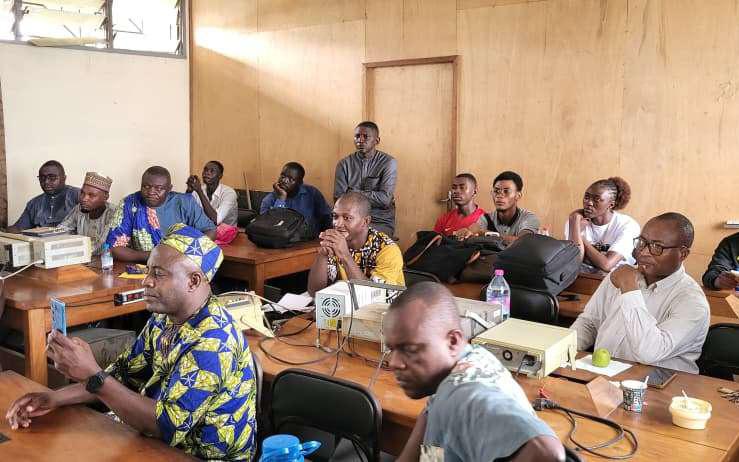
CERIST former president with colleagues at various physics departments
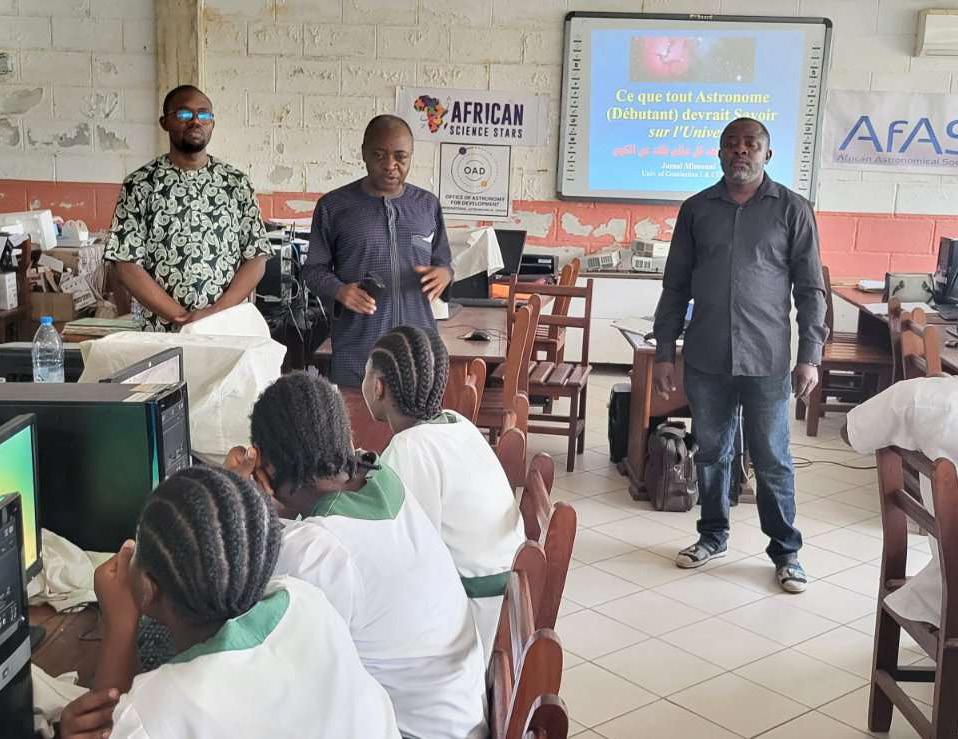
Academic Integration and Institutional Dialogue Cameroon:
The Cameroon leg of the mission included activities at the Universities of Douala, Yaoundé I, and Buea, as well as at AIMS-Cameroon in Limbé. The delegation held extensive meetings with faculty members, university administrators, and government representatives concerning the gradual integration of astrophysics into physics curricula and research programs.
At the University of Douala, discussions led by Prof. JeanPierre Nguenang focused on the role astronomy could play in modernising scientific education and opening research opportunities for young scholars. A major lecture presented astrophysics as a “generalisation of physics,” illustrating how the universe itself can serve as a laboratory for understanding natural laws.
At the University of Buea and AIMS-Cameroon, special emphasis was placed on cosmology, mathematical physics, and the growing importance of computational science.
In Yaoundé, meetings with senior university officials and representatives of the Ministry of Higher Education explored long-term institutional frameworks for astronomy teaching and scientific cooperation.
Towards Structured Astronomy Education Benin In Benin, the mission evolved into a broad “Roadshow of Astronomy and Space,” coordinated with Thierry Tchangole of CosmoLAB HUB and Prof. Clément Kouchadé of the University of Abomey-Calavi (UAC).
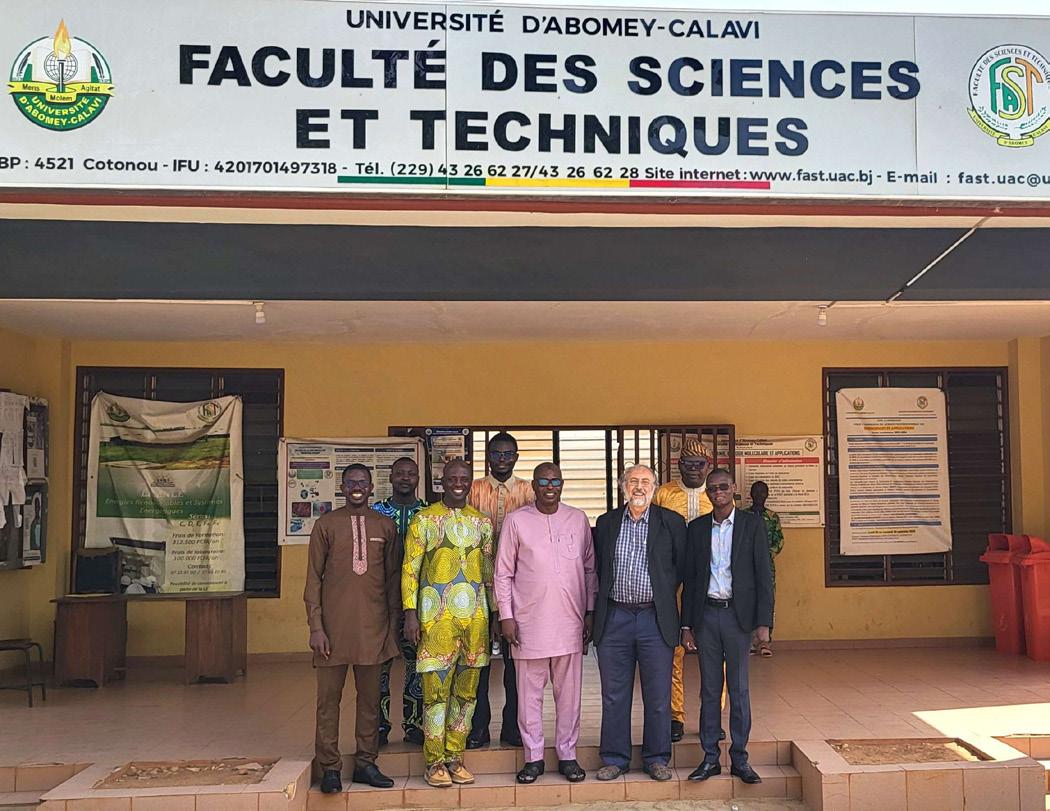
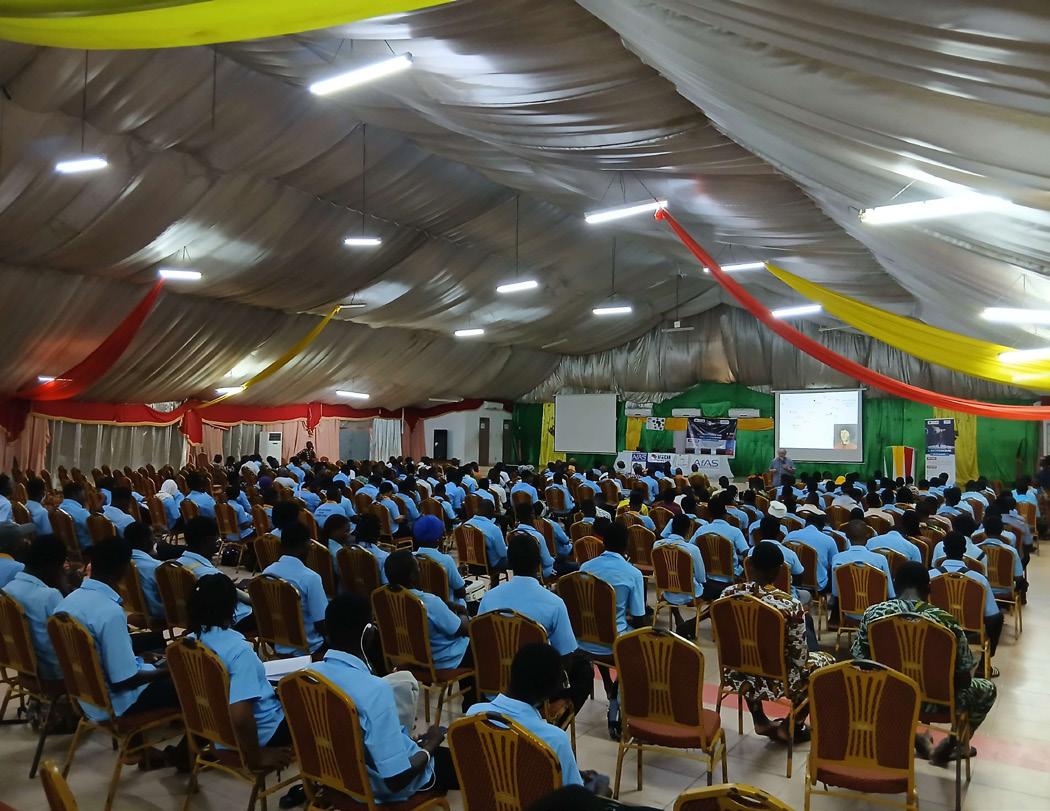
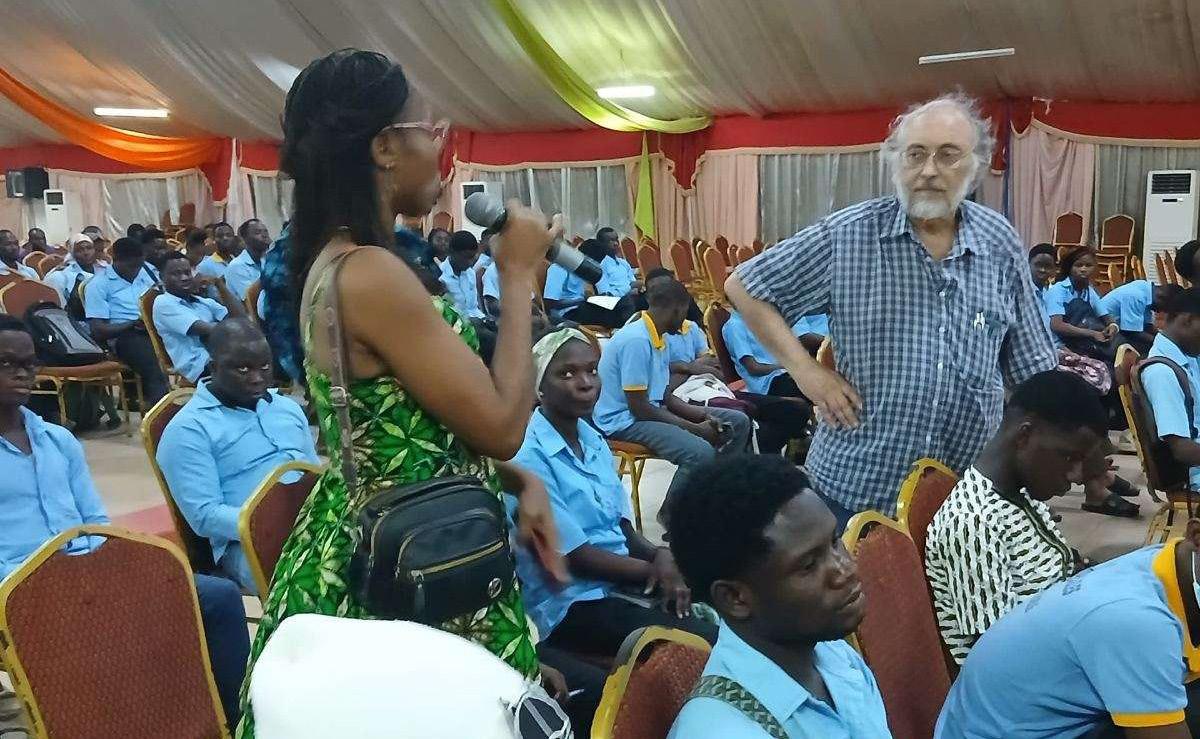
At UAC, discussions focused on the creation of introductory astrophysics courses and the long-term possibility of a Master’s program in Universe and Space Sciences. A major public conference attended by nearly 400 students explored the transition from classical physics toward modern cosmic-
At Yaoundé University
At Abomey-Calavy University with the Faculty of Science students, Bénin
At AIMS, Limbé, Cameroon
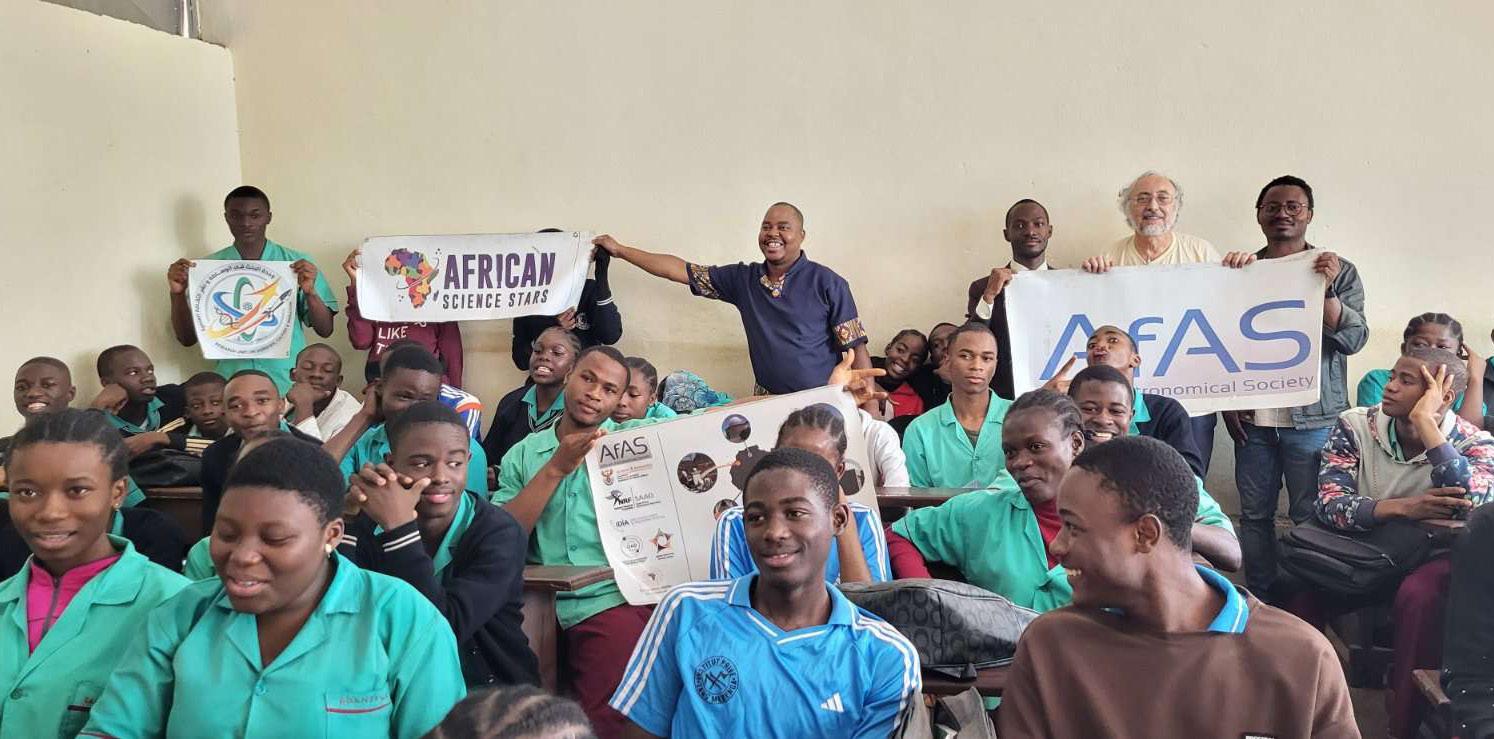
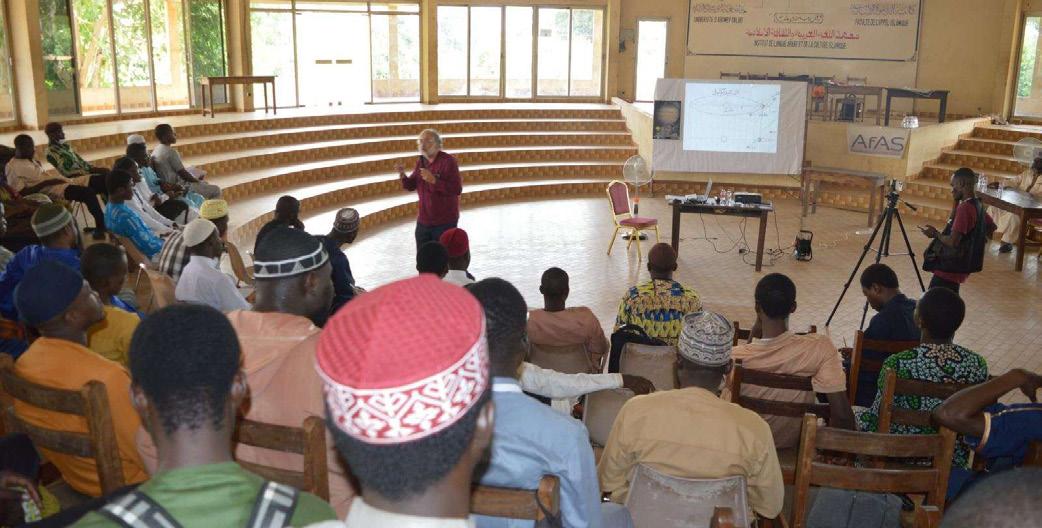
At the ILACI, UAC, Bénin
scale science. The keynote lecture, Physics as the Grammar of Nature, presented astrophysics as both an intellectual adventure and a unifying framework for understanding the universe through mathematics.
One of the mission’s most important outcomes was the preliminary agreement to organise a future Spring or Summer School in Astrophysics at UAC, with AfAS expected to provide pedagogical guidance and scientific support.
At IMSP-Dangbo, exchanges with mathematicians and theoretical physicists highlighted the strong potential for research collaborations in general relativity, cosmology, and computational astrophysics. Additional activities at ENSNatitingou emphasised astronomy’s value in the training of future secondary-school science teachers.
The mission concluded with a bilingual French-Arabic lecture at ILACI on the astronomy of crescent observation and lunar calendar calculations ahead of Ramadan. Beyond its scientific dimension, the lecture demonstrated how astronomy can interact constructively with cultural and religious practices within African societies.
Schools, Youth and Public Engagement
Public outreach and school engagement remained central components of the mission. In both Cameroon and Benin, lectures and interactive sessions were organised in secondary schools with the support of APSTER and CosmoLAB HUB.
At the historic Buea Grammar School and several schools across Benin, students were introduced to astronomy, space exploration, planetary science, and Africa’s emerging role in global scientific research. The activities aimed not only to transmit scientific knowledge, but also to encourage curiosity, critical thinking, and long-term interest in STEM careers.
Particular attention was given to encouraging female participation in science activities and promoting multilingual scientific communication across English-, French-, and Arabicspeaking communities. Outreach sessions also introduced students to topics absent from the original program, including satellite applications for African development, climate monitoring from space, and the role of astronomy in the age of artificial intelligence and big data.
A Continental Vision for the Future
The Cameroon-Benin mission continues a wider AfAS outreach effort that has already included Chad, Niger, DR Congo, Mali, Guinea-Conakry, and Tanzania. Through the GAO programme, AfAS seeks to build a scientifically connected continent where astronomy serves as both an educational catalyst and a symbol of African scientific sovereignty.
Beyond lectures and institutional meetings, the mission demonstrated that astronomy can help reconnect African youth with scientific ambition, international collaboration, and the belief that advanced science also belongs to the continent’s underserved regions.
“A continent that learns to read the sky also learns to shape its future”
Under One Sky: Strengthening Africa’s Astronomical Future Through Collaboration and Innovation
By Josephine Chishala
On behalf of the AfAS Communications Commitee
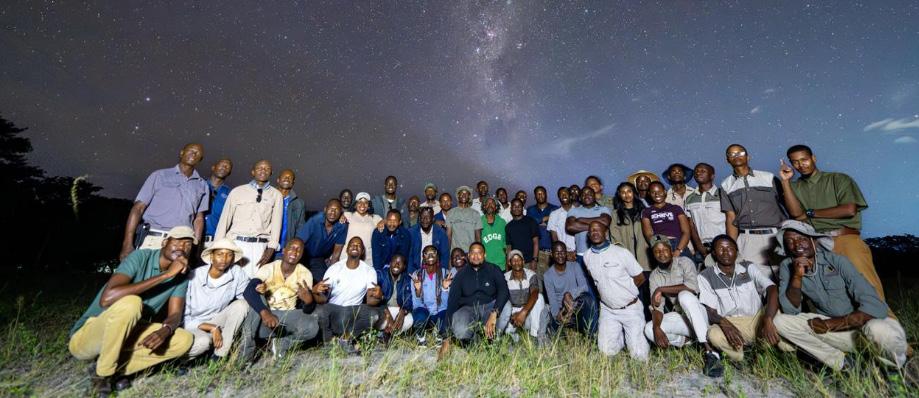
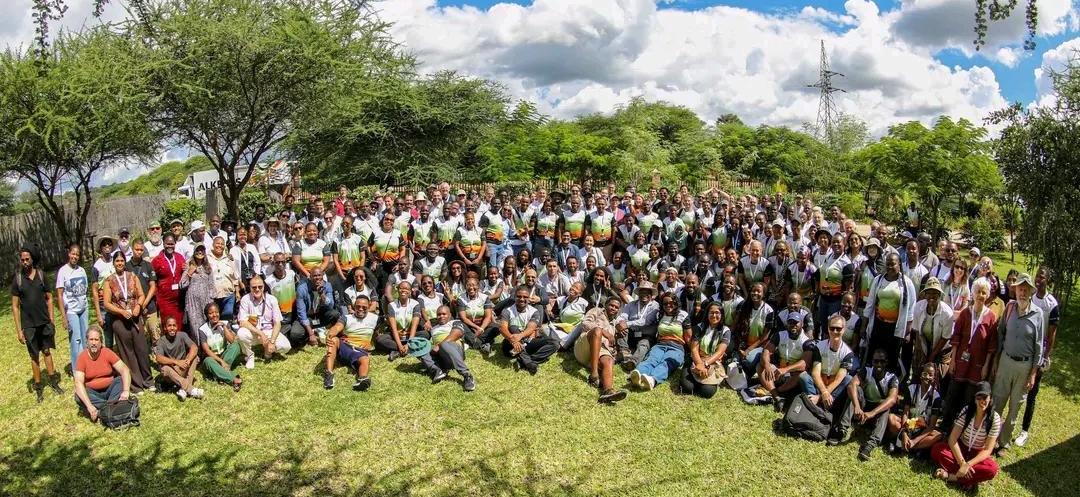
The 2026 African Astronomical Society (AfAS) Conference, held from 22–27 March in Kasane, Botswana, marked a defining moment for astronomy on the continent. As the first AfAS conference hosted in Botswana, the event represented both a milestone and a statement of intent for the continued growth of African astronomy. Jointly organised by the Botswana International University of Science and Technology (BIUST) and the Ministry of Communications, Knowledge and Technology, the week-long programme brought together astronomers, educators, policymakers, and students from across Africa and beyond.
Set against the backdrop of the Chobe River region, renowned for its pristine dark skies, the conference fostered a shared vision of collaboration, innovation, and inclusive scientific growth.
Conference Highlights
AfAS 2026 delivered a dynamic programme featuring keynote addresses, technical sessions, workshops, and networking opportunities. A defining feature of this year’s conference was its emphasis on interdisciplinary collaboration, particularly in areas where African research is rapidly expanding.
Pre-conference activities and workshops such as Astrotourism, Astrolab, Blueshift, the Hackathon, and science communication sessions laid a strong foundation by prioritising capacity building and hands-on engagement. These activities created space for participants to develop practical skills, exchange ideas, and form meaningful collaborations. The 2nd African Lunar Symposium in collaboration with NASA’s SSERVI explored Africa’s potential role in lunar exploration and planetary science.
ASTROTOURISM WORKSHOP, BOTSWANA
The main conference programme showcased the breadth and quality of astronomy research on the continent. Scientific sessions spanned astrophysics, cosmology, planetary science, and instrumentation, with strong participation from early-career researchers. This growing presence of young scientists reflects the continent’s expanding research capacity, particularly among African Square Kilometre Array (SKA) partner countries preparing to host next-generation infrastructure.
Africa’s advancing role in radio and optical astronomy was a recurring highlight. Facilities such as MeerKAT and the Southern African Large Telescope (SALT) continue to position
the continent at the forefront of global discovery, especially as preparations for the SKA.
A key moment of the conference was the recognition of impactful capacity-building programmes. Initiatives such as Development in Africa with Radio Astronomy (DARA), the South African Radio Astronomy Observatory (SARAO), the Pan-African Planetary and Space Science Network (PAP2SN), and the Office of Astronomy for Development (OAD) were highlighted for their contributions to postgraduate training, mentorship, and the use of astronomy as a tool for sustainable development. These programmes are instrumental
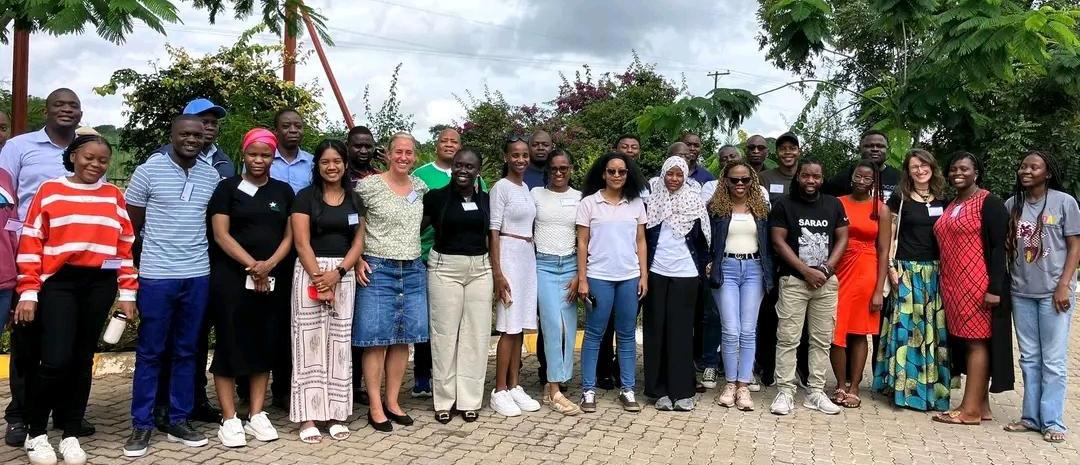
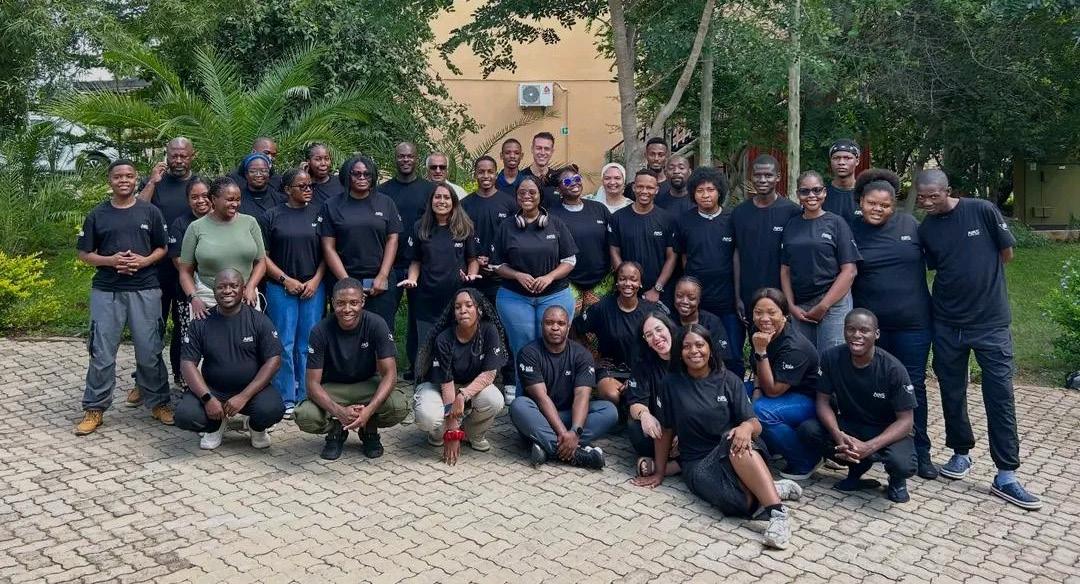
in developing the next generation of African scientists while strengthening the continent’s presence in global space science.
Key Themes
Several core themes emerged throughout AfAS 2026 conference:
Growth of African-led Astronomy Research
The conference highlighted the rapid expansion of research output across African institutions. Presentations reflected increasing publication rates, improved infrastructure, and a growing leadership role for African scientists in international collaborations.
Funding, Capacity Building, and Skills Development
There was strong emphasis on equipping early-career researchers with technical, analytical, and communication
skills. Structured initiatives such as DARA, SARAO scholarships, and PAP2SN were presented as effective models for mentorship, sustainable research development, and career advancement in astronomy.
Science Communication and Visibility
Participants emphasised the need to strengthen how African science is communicated, both within the continent and globally. Expanding outreach to schools and communities remains essential to increasing awareness, inspiring future scientists, and ensuring that astronomy is accessible and relevant to broader society.
Outcomes and Impact
AfAS 2026 conference concluded with renewed commitments to collaboration, mentorship, and skills development. Participating institutions expressed a shared intention to expand scholarship programmes, strengthen regional partnerships, and scale up research training across the continent. Importantly, AfAS 2026 demonstrated growing confidence in Africa’s ability to lead in scientific discovery, policy-relevant research, and technological innovation. As the continent looks ahead, the momentum generated in Kasane is expected to translate into deeper partnerships, increased research output, and a stronger, more visible African voice in global astronomy.
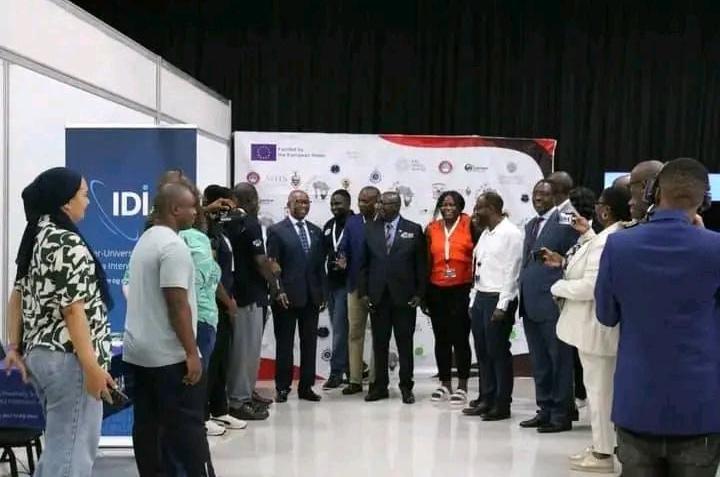
The Realm of the Nebula: Engines of Galactic Evolution and Chemical Synthesis (PART-1)
Prof. Jamal Mimouni
CERIST & Univ. of Constantine 1, Constantine, Algeria Past President, African Astronomical Society
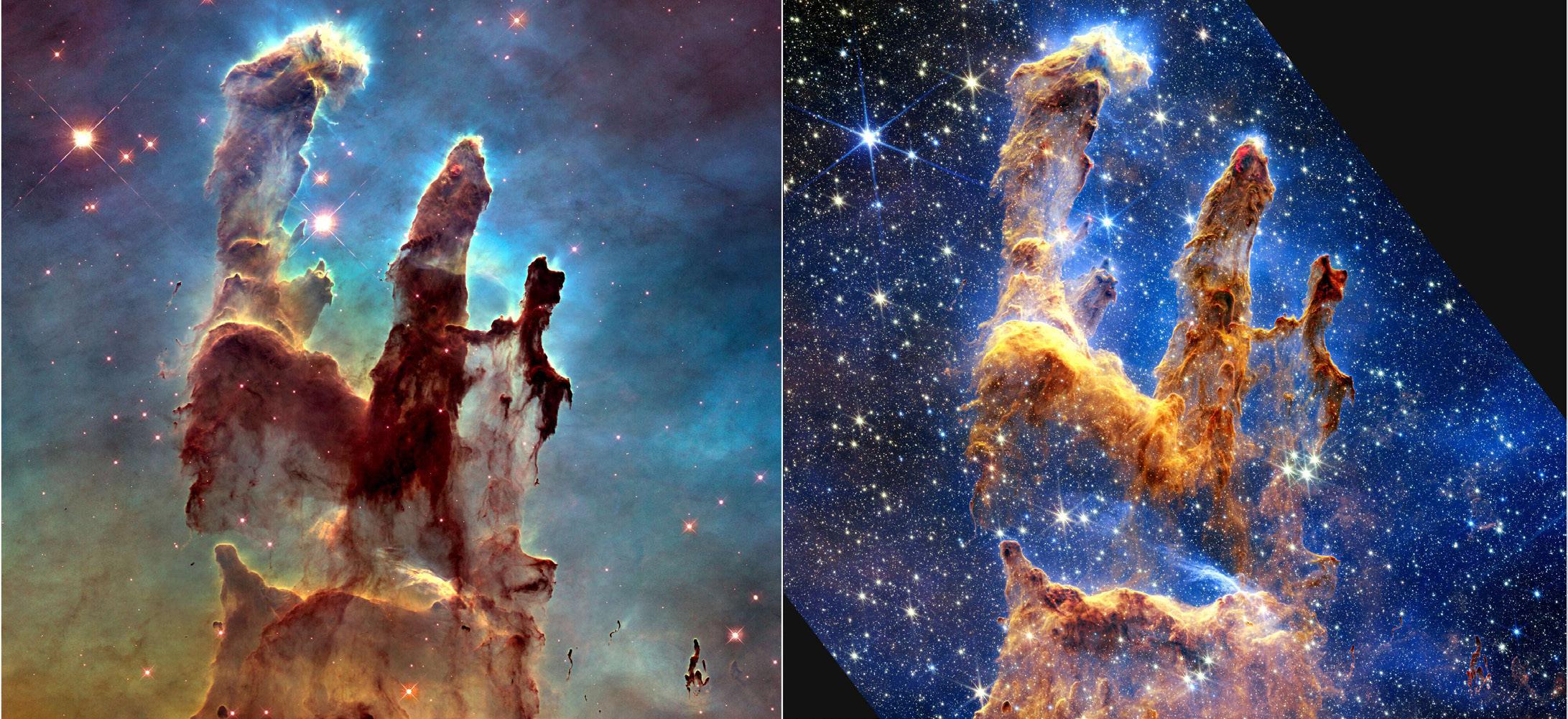
In this Astronomy fact sheet, we continue in the footsteps of our previous installments, ‘What Every (Aspiring) Astronomer Needs to Know about the Universe’, to explore nebulae— those strange cosmic clouds so beautiful, yet so crucial to the alchemy of galaxies, in fact their cosmic engines. This is the story of how the galaxy breathes, dies, and is born again above the very soil we stand on. They are not just distant wonders, but our own ancient ancestors.
1. The Universe’s Painted Veil
To look at a nebula through a telescope is to glimpse the universe’s most profound masterpiece. For centuries, these objects were seen as mere “smudges” of light—ethereal, colourful clouds that seemed to drift in a serene, eternal
stillness. But as our technology has evolved, so has our understanding. Far from being quiet clouds, nebulae are the most dynamic and violent laboratories in the cosmos. They are the bridges between the death of ancient suns and the birth of new worlds, acting as the primary centers for cosmic recycling.
Within our own Milky Way, these clouds of gas and dust are the raw ingredients of existence. Every atom in our bodies was once cradled within these glowing curtains. Today, through the eyes of the Hubble and James Webb telescopes, we have discovered that these structures are not just pretty pictures; they are the high-energy engines that drive the evolution of our entire galaxy. They represent the “Interstellar Medium” in its most visible, passionate state—a celestial “levain” or leaven that raises the next generation of stars.
Figure 1 The “Pillars of Creation” (M16): A cosmic cathedral of gas and dust, where towering pillars stand as silent monuments to the endless cycle of stellar birth and recycling. On the left the image taken by HST in 2014 and at right by the James Webb Space Telescope, on the right, enabling us to peer through more of the dust in this star-forming region.
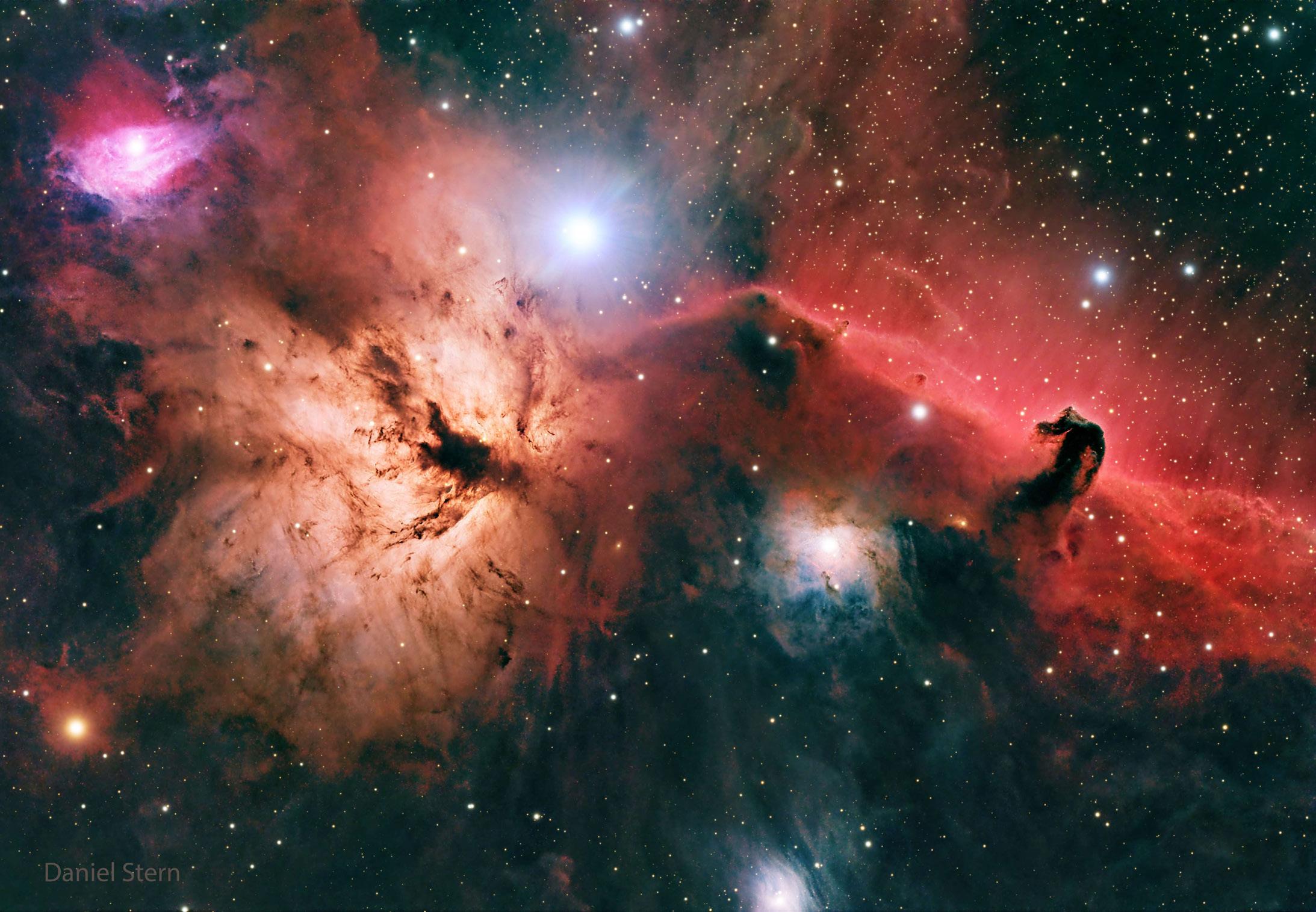
2. A Taxonomy of Light and Shadow
Astronomers classify these clouds based on how they interact with light, revealing the hidden physical state of the space between stars. Emission Nebulae are the stars of the show, glowing with a neon-like brilliance as they are energised by the fierce radiation of nearby newborn stars. Reflection Nebulae offers a softer beauty, appearing as sapphire-blue veils where starlight bounces off microscopic grains of dust, much like sunlight reflecting off a morning mist.
Then there are the Dark Nebulae, the “coldest” and most mysterious parts of the galaxy. These are dense, opaque silhouettes that block out the stars behind them. While they look like voids, they are actually the most fertile ground in space. Deep within these dark cocoons, gravity pulls gas together until it ignites, giving birth to a new sun. Finally, we have the “return” structures: Planetary Nebulae and Supernova Remnants, the final, spectacular exhalations of dying stars that scatter life-giving elements back into the void.
3. Decoding the Cosmic Palette
The colours of a nebula are not just for show; they are the chemical signature of the universe. By reading these colours, we can tell exactly what a cloud is made of. The dominant crimson (deep red) glow is the heartbeat of the galaxy—it is the signature of hydrogen, the most abundant element and the primary fuel for stars.
When you see a striking emerald (vibrant green) or teal (bluegreen), you are looking at oxygen. In the thin vacuum of space, oxygen emits a specific “forbidden” light that we rarely see on Earth, marking the hottest and most energised parts of the cloud. Blue usually indicates “dust” scattering starlight, much like the process that makes our own sky blue. Deep oranges and purples (violet) often signal the presence of sulfur or nitrogen. Together, these colours create a map of the nebula’s internal temperature and its chemical wealth.
Figure 2: The Horsehead Nebula (B33) at right where the dark, silhouette of a celestial knight rises against a glowing rich red color curtain crimson, revealing the hidden layers of the interstellar void. The Flame Nebula is at left.
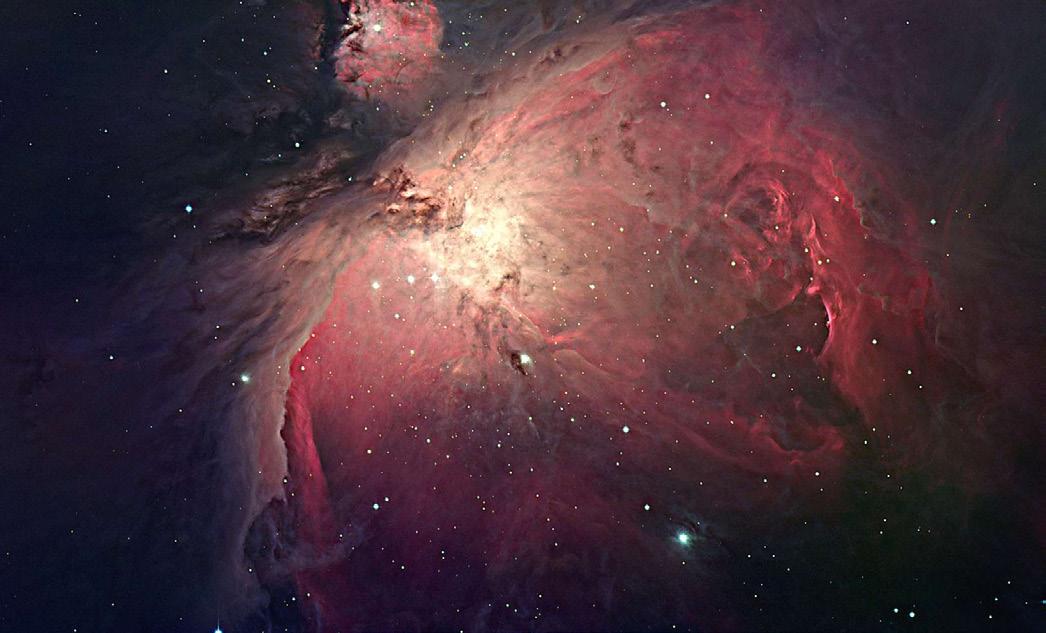
4. The Stellar Nursery
Nebulae are the primary regulators of a galaxy’s life cycle. Inside Giant Molecular Clouds, gravity eventually wins the battle against internal pressure, and stars are born. But the process is a delicate dance of creation and destruction. As soon as a star ignites, its powerful winds and radiation begin to push back against the cloud that created it.
This “feedback” is essential. If the process were too efficient, the galaxy would burn through its gas in a heartbeat. Instead, the nebula acts as a gatekeeper, slowing down the rate of star birth and ensuring the Milky Way continues to produce new generations of stars for billions of years. The nebula is both the cradle of life and the regulator of the galaxy’s long-term stability, ensuring that the cosmic fire never burns out too quickly.
5. Beyond the Nurseries: The Restless Theatre of the Deep
Beyond the familiar star nurseries, the cosmos is filled with a restless theatre of light and shadow, beginning with the spectacular ruins of the Supernova Remnants. These are the shattered remains of massive stars that ended their lives in colossal explosions, sending chaotic, shredded filaments of gas, like those seen in the famous Crab Nebula, racing into the void to scatter the heavy elements needed for future worlds. In contrast, we find the Planetary Nebulae, the delicate, glowing “final sighs” of stars like our own Sun. Despite their name, they have nothing to do with planets; they are shimmering, jewel-
like shells of gas puffed out by an aging star, illuminating the darkness like a translucent cosmic bubble before fading into the interstellar night. Joining them are the Dark Nebulae, those silent, cold silhouettes that act as the galaxy’s mysterious storehouses of raw material.
Amidst these are even rarer sights: the Wolf-Rayet Nebulae, massive “super-bubbles” blown by the gale-force winds of scorching-hot stars, and the Herbig-Haro Objects, which serve as the glowing “exhaust pipes” of star birth. The collection is completed with the fleeting Protoplanetary Nebulae, a brief chrysalis phase of stellar death, and the Variable Nebulae, those cosmic chameleons that shift their shadows over just weeks or months.
In the next part, we will dive deeper into the mysterious “double-bubble” shapes of dying stars and explore how these cosmic clouds act as high-tech chemical factories for the building blocks of life.
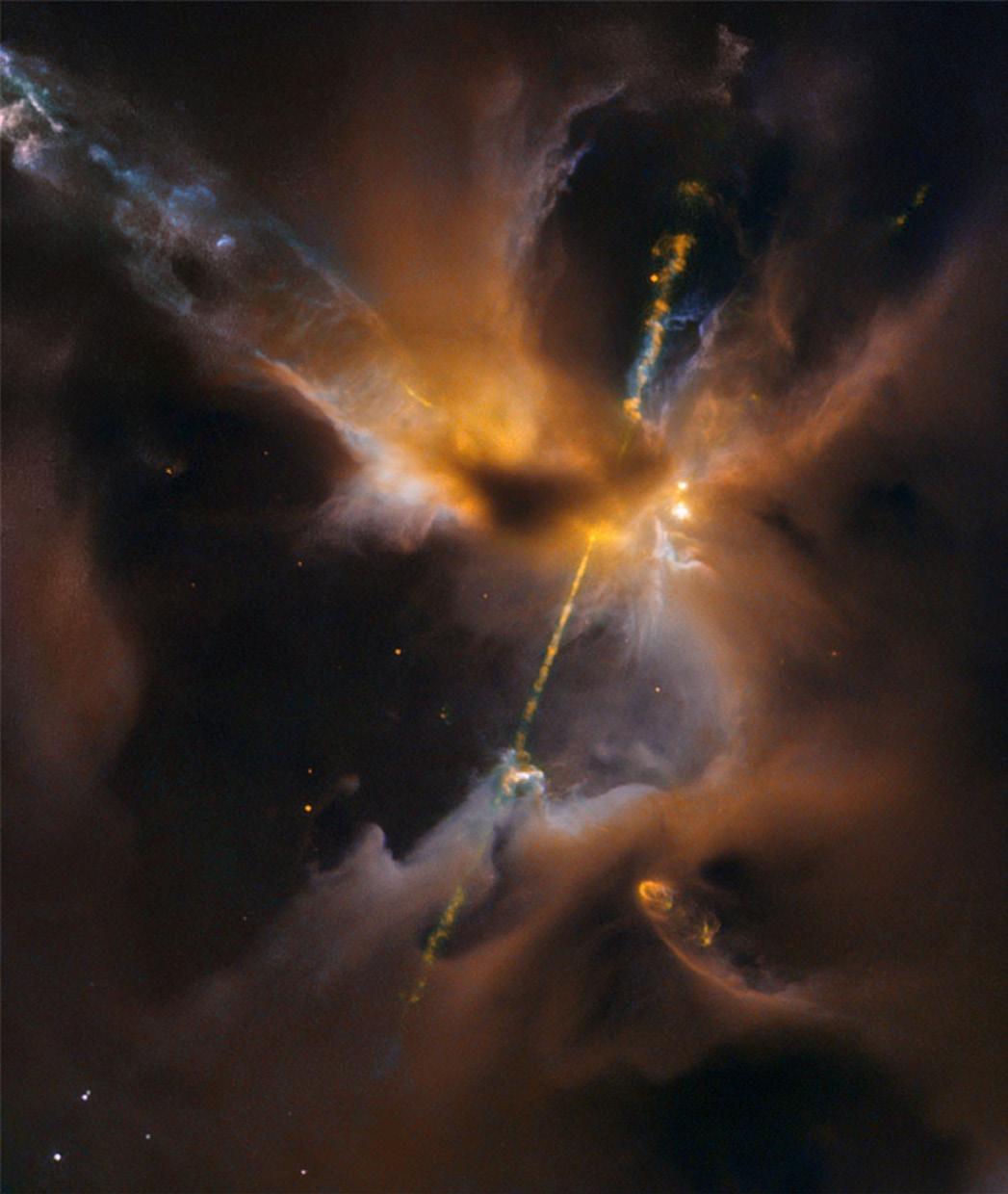
Catching the Cosmic Clouds — A Guide for African Stargasers
You do not need a billion-dollar space telescope to witness the majesty of a nebula. Many of the “cosmic engines” described in our feature are visible to the naked eye or through a simple pair of bird-watching binoculars. Here is how to begin your journey:
Figure 3: The Orion Nebula (M42), our galaxy’s most famous nursery and a masterpiece of colours: the deep crimson (red) of hydrogen and the emerald (green) glow of oxygen.
Figure 4: Herbig-Haro 24. Looking like a double-bladed lightsaber from a science fiction epic, this conspicuous Herbig-Haro object shows the fierce power of a star in its infancy. We can see the baby star shoot out narrow jets of gas that slam into the surrounding void.
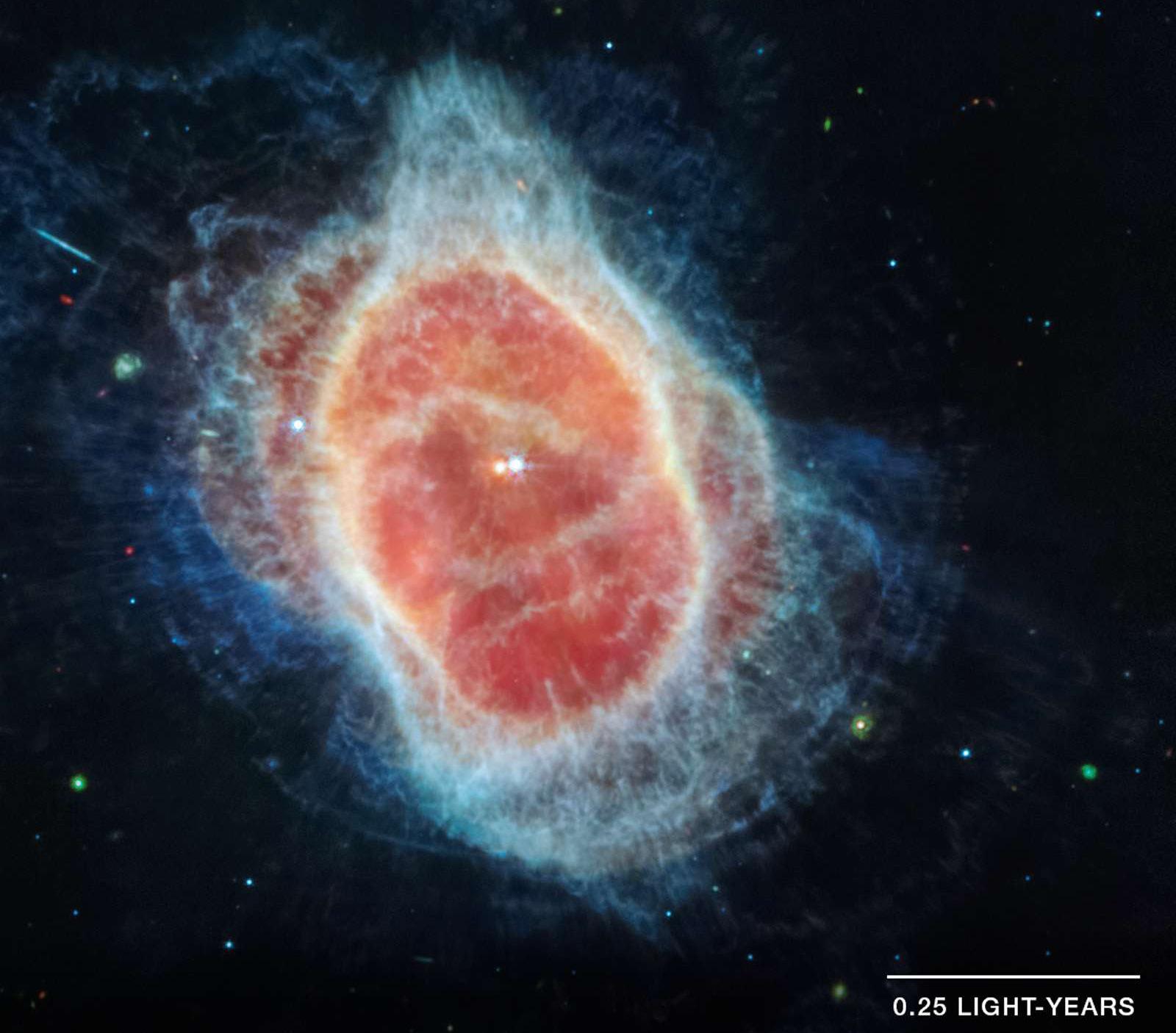
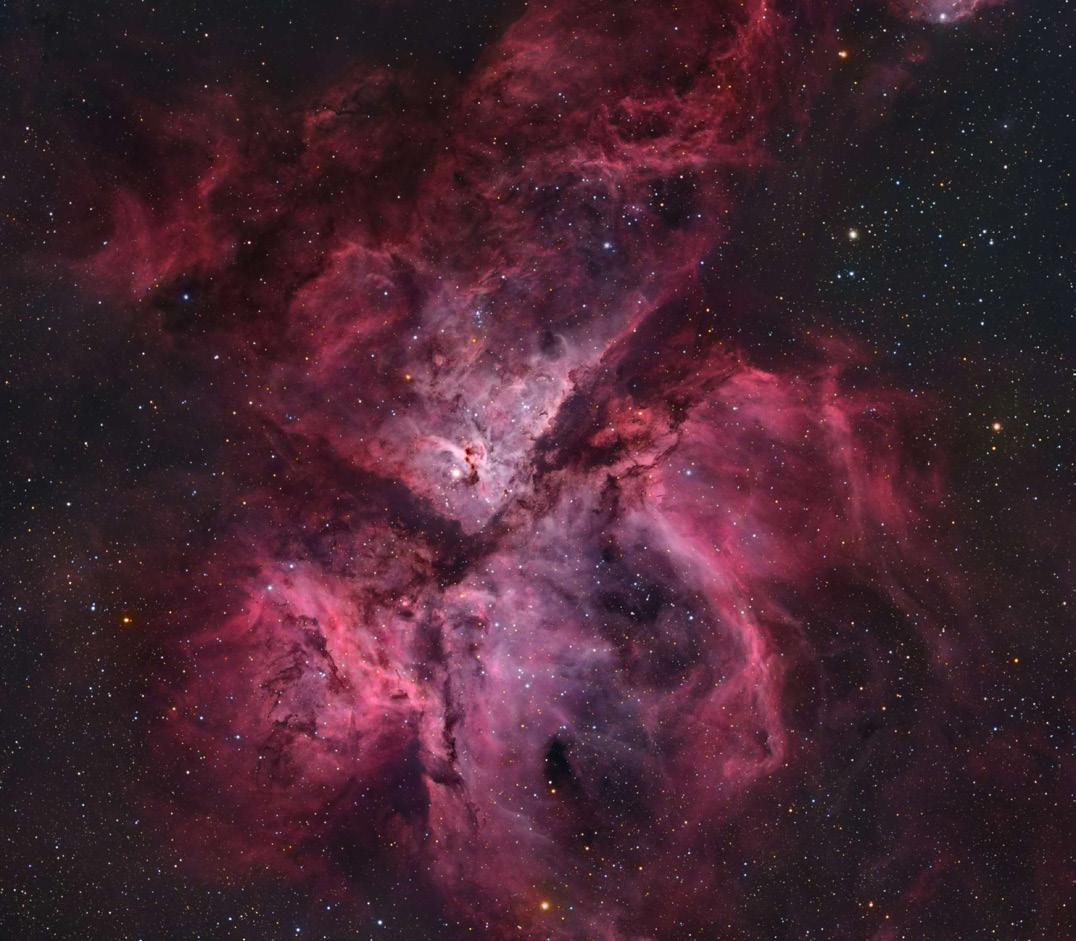
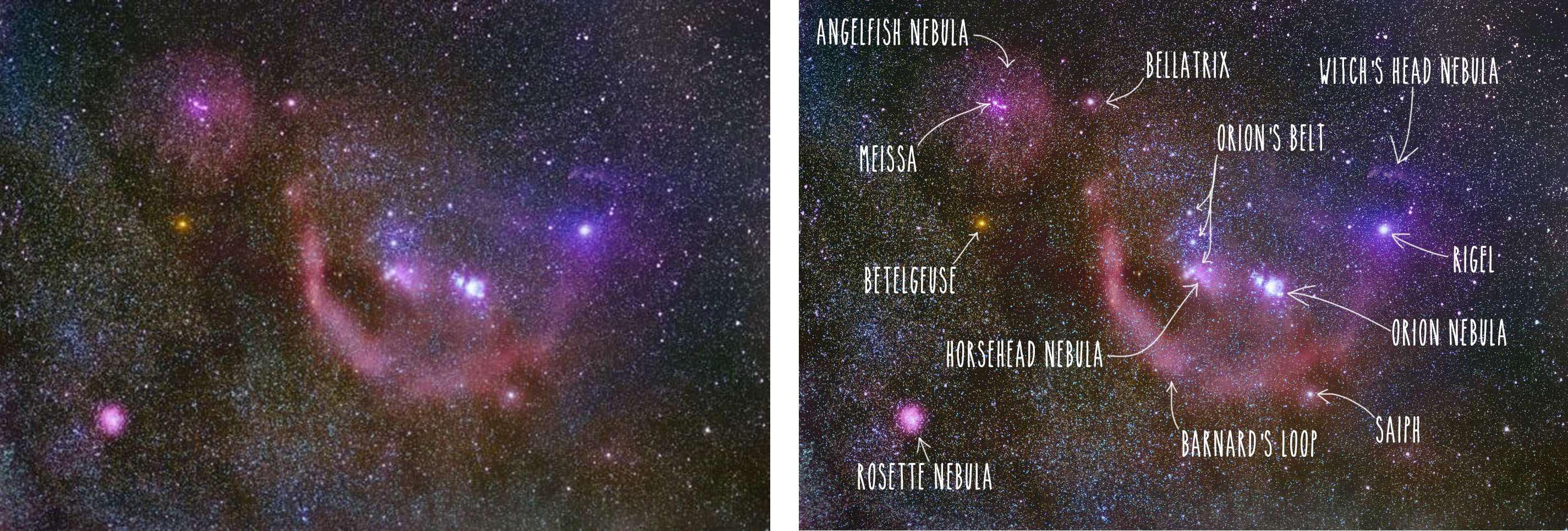
• Seek the Darkness: Nebulae are faint, ethereal ghosts. To see them, you must escape the “light soup” of the city. Head to the countryside during a New Moon (when the moon is not in the sky), and let your eyes adjust to the darkness for at least 20 minutes.
• The Equator’s Gift (Orion): No matter where you are in Africa, look for the three stars of “Orion’s Belt” during the summer months. Hanging just below the belt is a “fuzzy star.” This is the Orion Nebula. Through binoculars, it transforms from a smudge into a glowing green-grey curtain of light—a place where hundreds of suns are being born right now.
• The Southern Jewel (Carina): For our readers in Central and Southern Africa, look for the “Southern Cross.” Nearby lies the Carina Nebula. It is massive and bright enough to see without any equipment from a dark site. It looks like a bright patch of the Milky Way that has “clumped” together.
• The “Averted Vision” Trick: Our eyes are more sensitive to faint light at the edges of our vision. When looking at a nebula through a telescope or binoculars, try looking slightly to the side of it rather than directly at it. You will be amazed as the hidden “wings” of the nebula suddenly pop into view!
• Start Small: A pair of 10x50 binoculars is often better for beginners than a cheap telescope. They offer a wide view, making it much easier to find these “smudges of light” as they drift across our beautiful African sky.
Pro-Tip: Download a free stargazing app like Stellarium or SkySafari. They use your phone’s GPS to show you exactly which nebulae are rising above your horizon at this very moment!
In Conversation with Morocco’s Astrophysics Pioneer: Celebrating Prof. Benkhaldoun’s Contributions to African and Global Astronomy
By Kaoutar Saadi
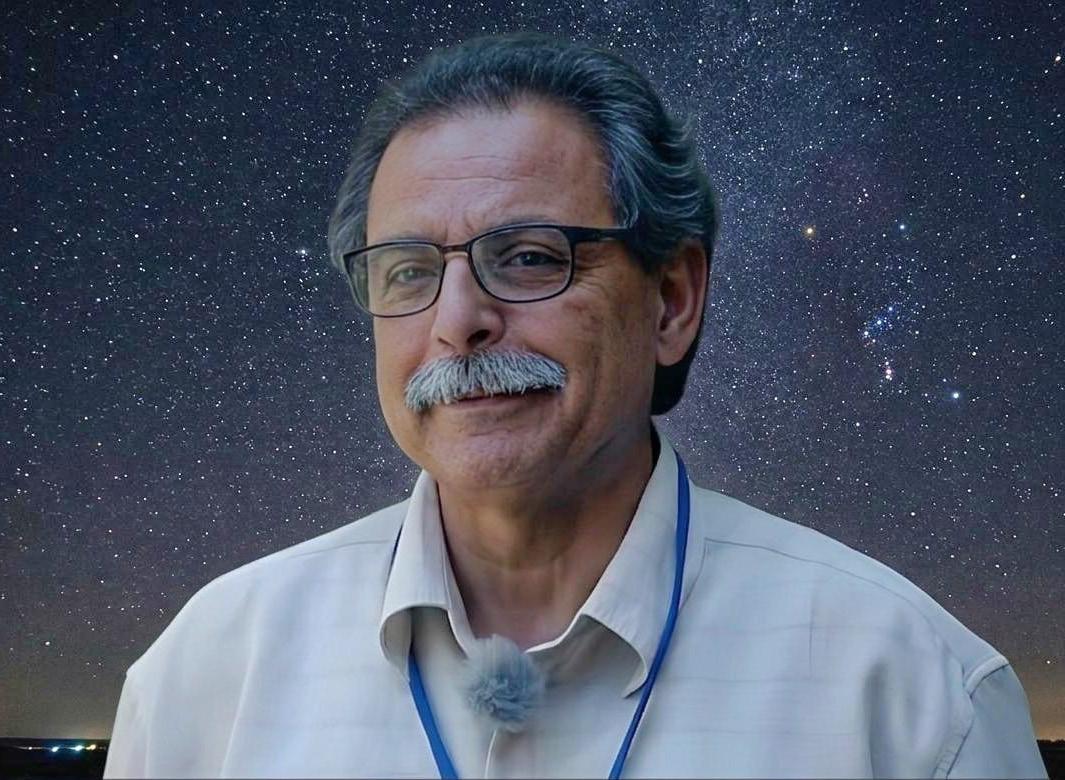
For more than four decades, Professor Zouhair Benkhaldoun has played a central role in shaping the development of astronomy in Morocco and across Africa. Through his work as a researcher, mentor, and one of the scientific leaders at Cadi Ayyad University, he has helped build the foundations of modern astrophysics in the country while fostering international collaborations and training a new generation of scientists. His vision and leadership also led to the development of the Oukaimeden Observatory, which has become a symbol of Morocco’s rise in global astronomy, A journey of such vision, impact, and dedication can only be described as “a sky without limits”.
Now, as he takes on the prestigious role of Director of the Radio and Optical Observatories at the Sharjah Academy for Astronomy, Space Sciences and Technology in the United Arab Emirates, a new and exciting chapter begins. In this exclusive interview for African Science Stars, we sit down with the man behind the mission to celebrate an extraordinary career, honour a lifetime of achievement, and look ahead to what the stars still have in store.
1. Professor Zouhair, behind every great observatory, is a greater story of perseverance. You helped build Morocco’s astronomical legacy almost from scratch, brick by brick, telescope by telescope, student by student. Now that Oukaimeden stands as a landmark of African science, how do you personally make sense of that remarkable journey?
First of all, I would like to thank you for giving me the opportunity to reflect on this remarkable journey of developing astronomy in Morocco. I would also like to commend you for the tremendous effort invested in producing this publication.
With hindsight, this journey represents above all a deeply human adventure. Nothing would have been possible without the firm belief that high-level astronomy could exist in Morocco, nor without the collective commitment of many actors: faculty members, researchers, students, administrative staff, and national and international partners.
The success of the Oukaimeden Observatory is less an end point than a demonstration, proof that perseverance, long-term vision, and trust in younger generations can transform what once seemed an unrealistic scientific dream, given our modest initial resources, into a sustainable and internationally recognised reality.
2. Over the years, the Oukaimeden Observatory has become a hub for international projects such as MOSS, TRAPPISTNorth, and OWL-Net. Looking back at these collaborations, which achievement or discovery stands out to you as the most important milestone for Moroccan astronomy?
The most significant milestone was not a single discovery, but rather Morocco’s full integration into high-level international scientific networks. Projects such as TRAPPIST-North demonstrated that instruments operated from Morocco can directly contribute to major scientific discoveries and to knowledge production on a global scale.
Professor Zouhair Benkhaldoun
Beyond these scientific results, the most enduring achievement lies in the development of strong local expertise and human capacity, an essential foundation for the long-term sustainability of astronomy in Morocco.
3. In your experience, what are the key qualities needed to lead a successful scientific institution? And what were the main challenges you faced while building the foundations of astronomy?
Long-term vision, patience, and the ability to bring people together are fundamental qualities for leading a scientific institution. This journey was not without obstacles; at various moments, progress was threatened by resistance from certain stakeholders or decision-makers.
Overcoming these challenges required resilience, the courage to confront difficulties head-on, and above all, an unshakable belief in the nobility and importance of the scientific mission. It was this steadfast conviction that continually renewed our capacity to persevere.
4. Through your work in developing astronomy, Morocco has gained greater visibility in the international scientific community. Do you feel that the perception of Moroccan researchers has evolved within major global institutions?
Yes, without a doubt. Today, Moroccan astronomers and astrophysicists are recognized for their expertise and scientific credibility. This is reflected in their ability to win prestigious international awards and secure positions in major global institutions.
This evolution is the result of years of rigorous work, sustained publication efforts, and collaborations built on a true win-win philosophy rather than on purely peripheral participation.
5. Since the first journey of The Oukaimeden Observatory the doors were opened to amateur astronomers, allowing them to train, observe, and in 2021 even install their own telescopes alongside professional instruments. What was your vision behind this PRO-AM collaboration, and how can passionate amateurs contribute to real scientific discoveries?
Science moves forward when it is inclusive. Amateur astronomers often bring exceptional dedication, time, and observational skills. When properly trained and methodologically supported, they can make meaningful contributions to monitoring programs, sky surveys, and transient phenomena research.
Their inclusion within the Oukaimeden Observatory has proven to be an outstanding success. Today, they provide indispensable technical and observational support to the ecosystem we have built, an ecosystem that is now widely cited as a reference model for professional-amateur cooperation worldwide.
6. Africa is at a turning point in science. Over the next decade, what is the one transformation you want to see most in African astronomy? How do you intend to help make it happen from your new post in Sharjah?
Significant efforts have already been invested in advancing astronomy in Africa, particularly through our strong involvement in the African Astronomical Society (AfAS). My aspiration is to see Africa transition from being primarily an observational site to becoming a fully empowered scientific actor and decision-maker.
From my new role as Director of Observatories at the University of Sharjah, my objective is to strengthen South-South and South-North partnerships, support regional talent development, and contribute to the creation of shared research infrastructures across the MENA region and beyond.
7. As founder of the Atlas Dark Sky Foundation, you advocate for the protection of dark skies. Why should preserving the natural night sky be a priority today? What practical steps can be taken to limit light pollution in Africa?
The night sky is a scientific, ecological, and cultural heritage. Its degradation impacts astronomical research, biodiversity, and even human health. Simple yet effective measures—such as responsible public lighting, appropriate regulations, and public awareness—can already make a significant difference. We have launched an ambitious initiative to establish a protected dark-sky reserve in the region, and we are actively engaged at the international level to preserve sky quality by combating light pollution.
Morocco, through the Oukaimeden Observatory, is also a founding member of the newly established IAU Centre for the Protection of the Dark and Quiet Sky from Satellite Constellation Interference, addressing emerging challenges linked to artificial satellite mega-constellations.
8. While helping develop major research facilities, you also co-founded the Amateur Astronomy Association of Marrakech to share astronomy with the public. Why did you
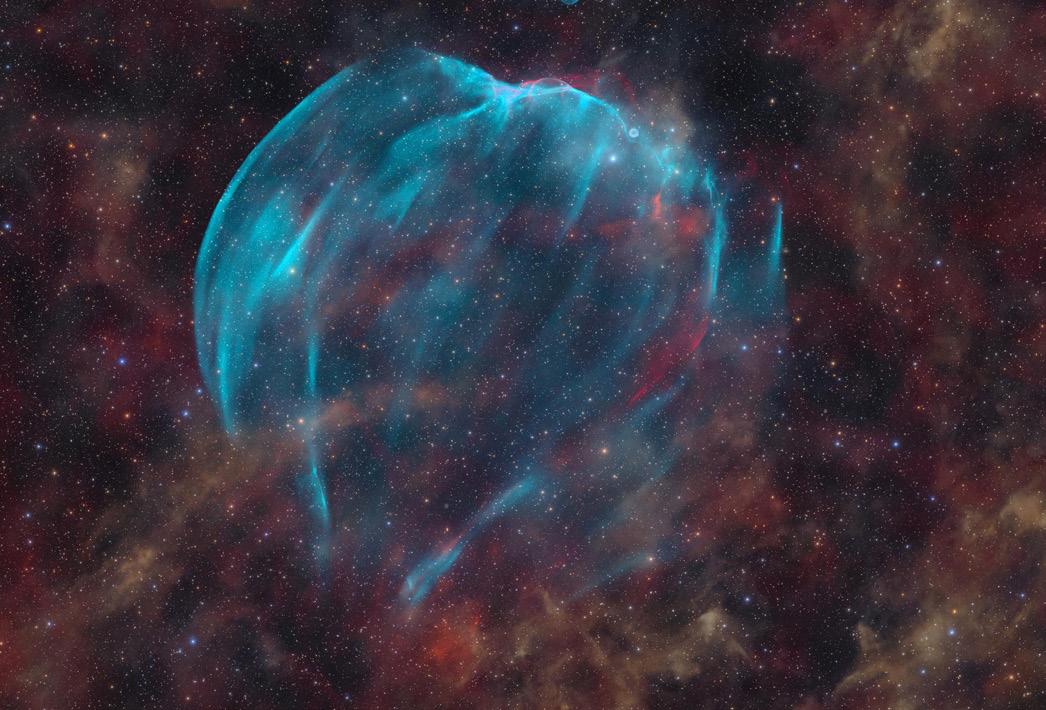
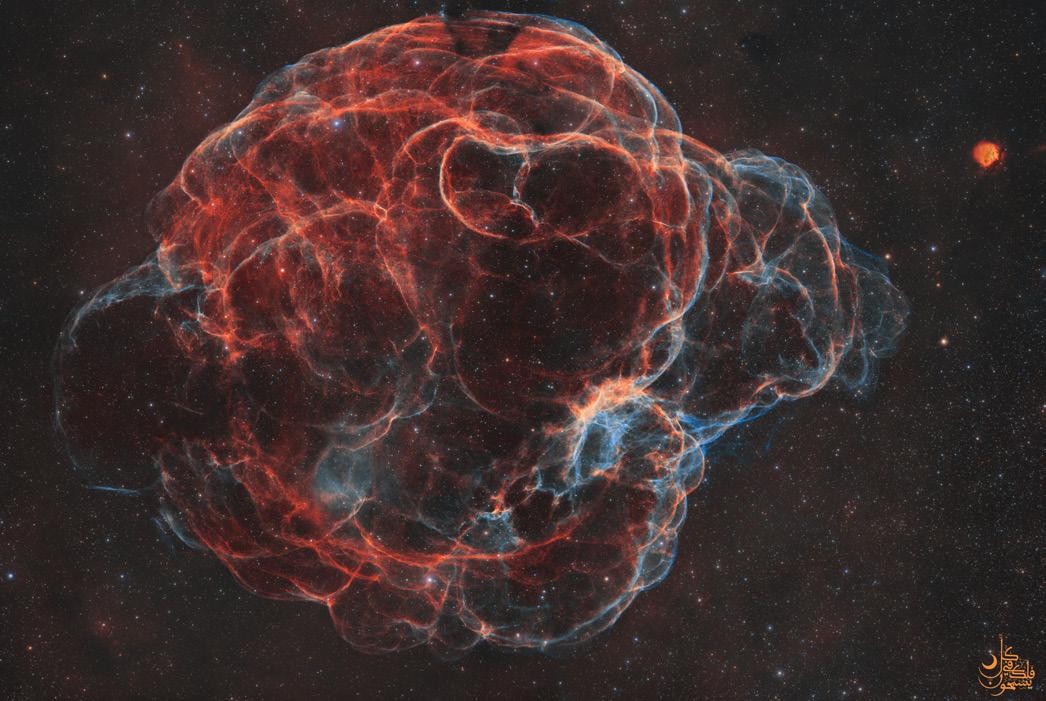
feel it was important to combine scientific research with outreach, and how do amateur astronomers contribute to the development of scientific culture?
At the very beginning of this adventure, we quickly realized the severe lack of human capacity necessary to reach a critical mass for launching astronomy in Morocco. A science disconnected from society is inherently fragile.
The involvement of amateur astronomers fosters collective ownership of scientific knowledge, inspires younger generations, and helps create a cultural environment where science is viewed as a shared public good. The creation of the Marrakech Amateur Astronomy Association (3AM) and its dynamic outreach activities have inspired many school students to later pursue astronomy-related fields at the university level.
9. Over the years, you have been a strong advocate for women in astrophysics. Looking at the current landscape of African astronomy, how far have we come in supporting women in the field, and what barriers still need to be addressed to achieve real inclusion?
As you rightly noted, I have always been committed to promoting the role of women in science, and in astronomy in particular. While significant progress has been achieved, structural barriers persist, especially in access to leadership positions and long-term career continuity.
Addressing these challenges requires sustained action in education, mentoring, and institutional policy reform to ensure genuine and lasting inclusion.
10. A great scientist is measured not only by discoveries, but by the minds they shape. With dozens of researchers now carrying your legacy forward across continents, which achievement moves you more, your scientific work, or the careers you helped build? And what single piece of advice would you give to those just beginning that journey?
Seeing former students become colleagues, leaders, and independent scientists is profoundly rewarding. My advice is simple: believe in your abilities, persevere through difficulties, and never lose the curiosity that first drew you to science. My guiding principle has always been that success goes hand-in-hand with inclusion, and that it is together, not individually, that we overcome challenges and build meaningful scientific achievements.
11. Amazing, a final question: what is the one dream you still hope to achieve? And what scientific impact would you like to make in the coming years while keeping Morocco connected to this journey?
My dream is to contribute to the emergence of major astronomical infrastructures within the MENA region, while continuing to support training and scientific projects across Africa and the broader region. Science knows no borders, and scientific journeys must remain interconnected. Maintaining strong intellectual and collaborative links with Morocco is an integral part of this vision.
Spaghetti Nebula astrophotography, observed by HAO (PRO-AM) at the Oukaïmeden Observatory, captured by Aziz Kaeouach and Mathieu Tequi. ©️AstroMaroc
Atlas Nebulae – Observed mainly from HAO (PRO-AM), Oukaïmeden Observatory, Morocco. Team: Aziz Kaeouach, Yann Sainty, Richard Galli, Bray Falls, Curtis Morgan, Marcel Drechsler & Prof. Robert Fesen. ©️Astromaroc
SALT Marks Two Decades of Astronomical Discovery
By Siphokazi Vuso
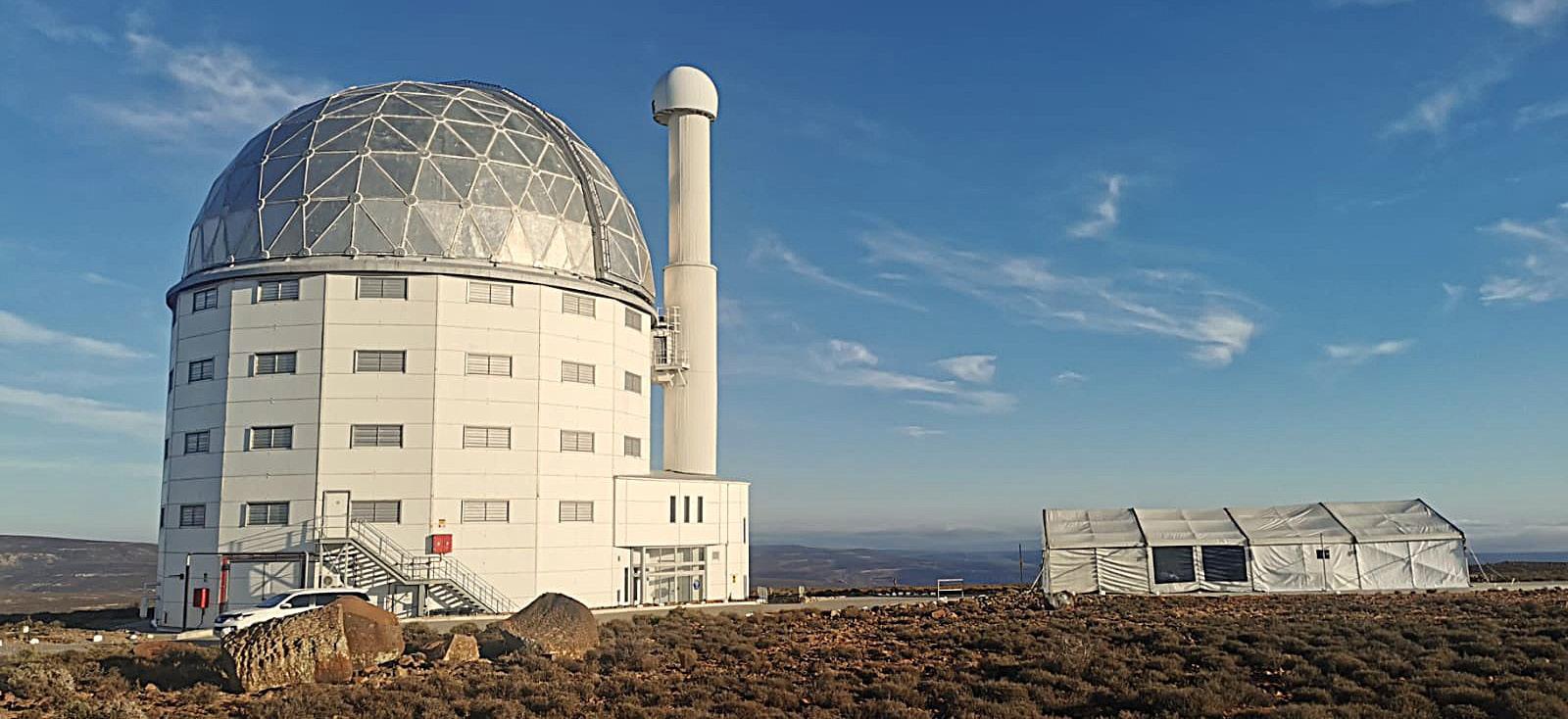
The Southern African Large Telescope (SALT), Africa’s largest optical telescope and one of the most powerful in the world, recently marked 20 years as a cornerstone of astronomical excellence and discovery.
The milestone was commemorated at SALT’s home in Sutherland, Northern Cape, during a celebration jointly hosted by SALT, the Department of Science, Technology and Innovation (DSTI), and the South African Astronomical Observatory (NRF-SAAO).
Inaugurated in 2005 by former President Thabo Mbeki, SALT has grown into a flagship facility for South African and global astronomy.
Over two decades, it has delivered groundbreaking discoveries, from observing colliding neutron stars to uncovering distant galaxies, while developing local expertise and strengthening international collaboration.
Delivering the keynote address, Deputy Minister of Science, Technology and Innovation Dr Nomalungelo Gina said SALT was built to serve both science and society.
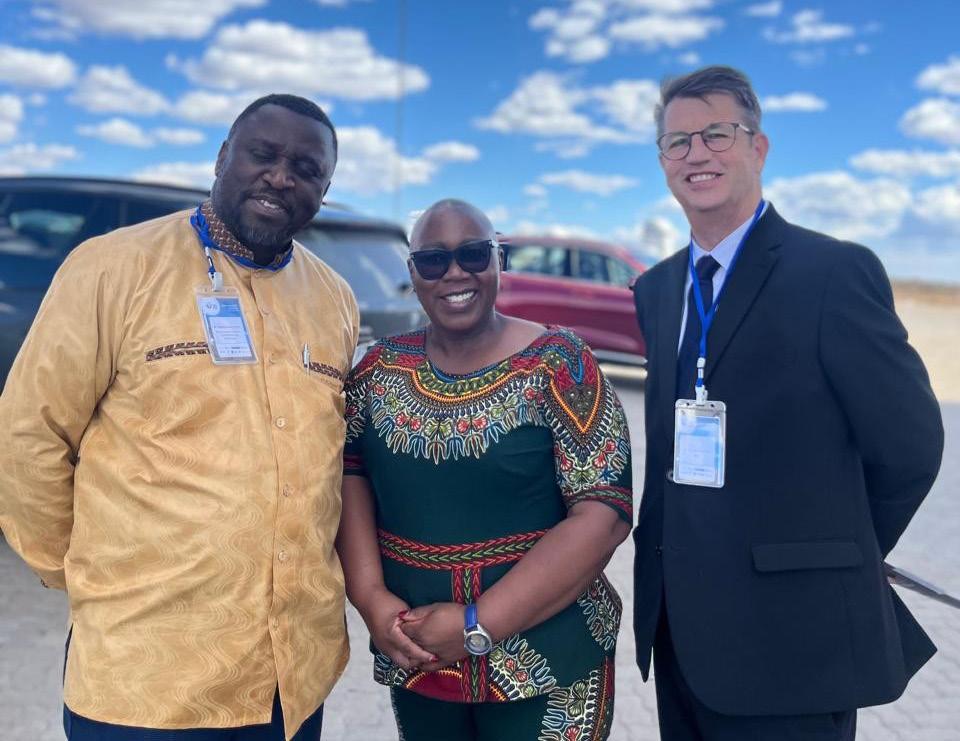
“SALT’s 20-year journey is a story of vision, perseverance and excellence. We remain committed to ensuring it continues to shine as a beacon of African science, uniting research, education, and innovation for the benefit of humanity,” she said.
She added that SALT is more than a telescope, but a symbol of what is possible when vision, investment and international cooperation come together in pursuit of knowledge and progress.
Affectionately known as Africa’s Giant Eye on the Sky, SALT remains the largest single optical telescope in the Southern Hemisphere, capable of detecting light from celestial objects a billion times too faint to be seen with the naked eye.
SALT Global Ambassador and South African Astronomical Observatory astronomer Professor David Buckley highlighted the observatory’s lasting contributions and future promise.
“What’s next for SALT is continued investment in technologies that will improve its performance, that will allow for new instrumentation to be developed and expand its capabilities,” Buckley said.
NewSpace Africa Conference 2026: Where Africa’s Space Agenda Was Set
By Samuel Nyangi
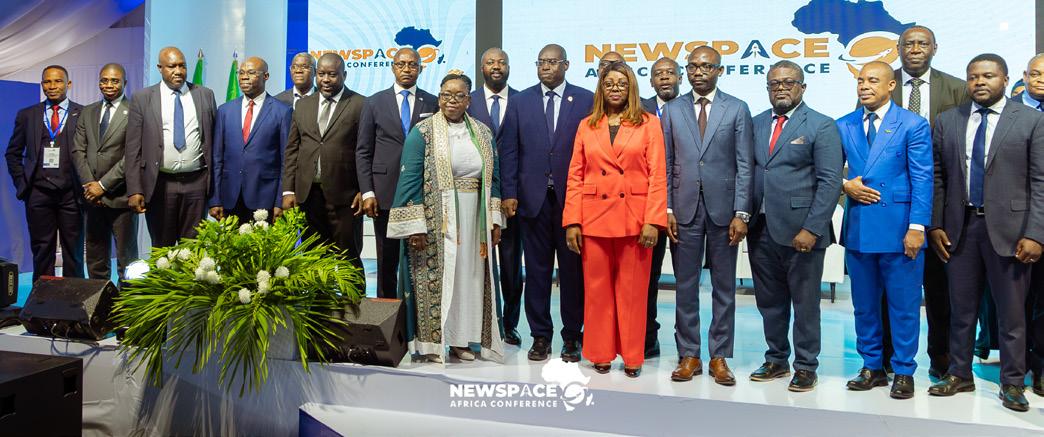
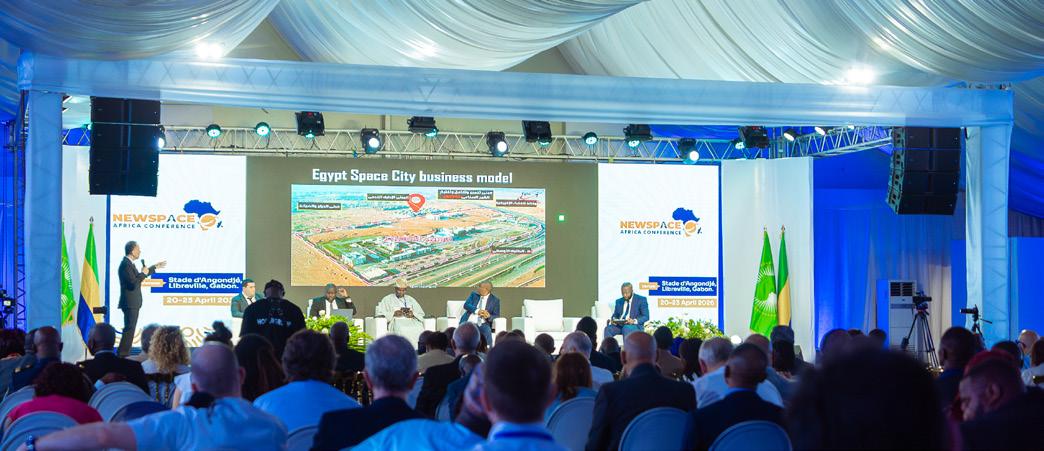
From 20–23 April, Libreville became the centre stage of Africa’s space conversations. The 5th NewSpace Africa Conference brought together over 600 delegates from more than 300 organisations across 70 countries, reflecting a gathering that has steadily grown, edition by edition, into the continent’s leading space forum.
Organised by Space in Africa in collaboration with the African Space Agency and hosted by the Government of Gabon, the four-day event was guided by the theme, “Inclusive Growth: Expanding Space Benefits to All Africans”, which shaped everything from keynote addresses to hallway conversations. The focus signalled a shift beyond technical milestones, reflecting growing emphasis among African governments on ensuring that space advancements translate into tangible benefits for their citizens.
The conference opened with remarks from Dr Temidayo Oniosun, Managing Director of Space in Africa, and H.E. Tidiane Ouattara, President of the African Space Agency’s Council. The Gabonese government was represented by Minister of Digital Economy and Innovation H.E. Mark-Alexandre Doumba and Secretary General H.E. Minko Aline Sylvie, joined by ambassadors and multilateral representatives from across the continent.
Celebrating Africa’s Rising Space Leaders
The opening ceremony also made room for celebration. Eight young space professionals from across the continent were recognised at the 2026 Young African Space Professionals Awards, presented by H.E. Minko Aline Sylvie. The recognition reflected the conference’s broader focus on inclusive growth in action.
Conversations Driving Impact Across Africa’s Space Sector
More than 60 speakers took the stage over four days, sharing insights on the questions that matter most to Africa’s space future, including satellite connectivity for impact, Earth observation and imagery intelligence, launch capabilities, space manufacturing, and the continent’s evolving global space partnerships. Government-to-government sessions drew participation from Japan, Germany, the United States, China, and France, a reminder that Africa’s space ambitions are increasingly impossible to ignore on the global stage.
Space science and exploration had a prominent voice at the conference, led by keynote addresses from Dr Adriana Marais, Lead Scientist of the Africa2Moon mission, and Dr Meryem Guennoun, Executive Officer of the African Astronomical Society. Together, they made a case for Africa not just as a participant in the broader story of space exploration, but as an emerging force with ambitions that reach well beyond Earth.
Additionally, collaboration translated into concrete action through new partnerships. The NewSpace Africa Conference once again served as a leading platform for deal-making, with over five MoUs and additional agreements signed to strengthen institutional cooperation across Africa’s space ecosystem.
Next Stop: Dakar, Senegal
With the sixth edition of the NewSpace Africa Conference heading to Senegal, the momentum continues to build. The conversations continue beyond Libreville, carrying with them a growing commitment to advancing Africa’s space future in Dakar and beyond.
Dignitaries at the NewSpace Africa Conference pose for a group photo during the opening ceremony. Source: Space in Africa.
Participants at the NewSpace Africa Conference 2026, in Libreville, Gabon. Source: Space in Africa
North Africa’s New Eye on the Universe: A Workshop on the Relocation of the Sunyaev–Zel’dovich Array (SZA) Radio Telescope
By Kaoutar Saadi
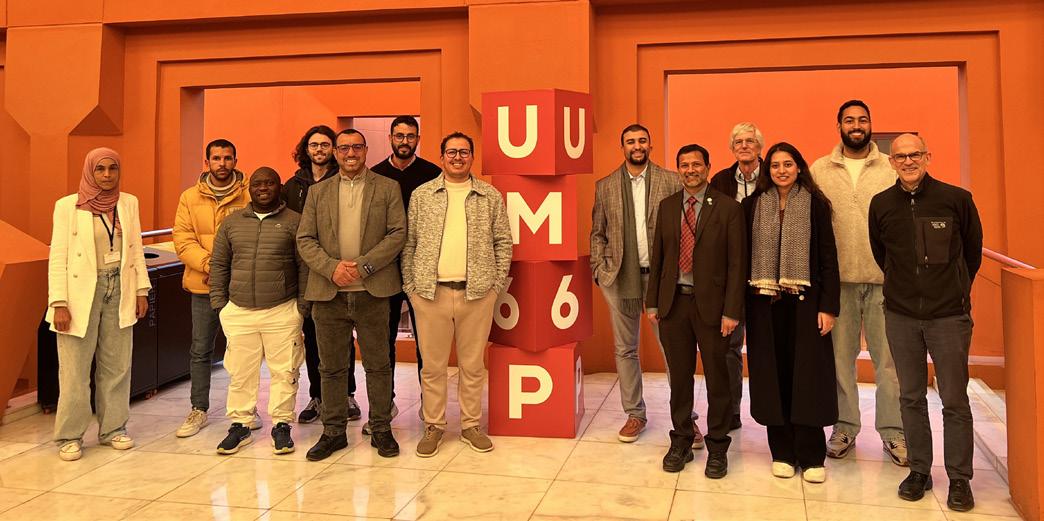
SZA Workshop Participants – Morocco on January 2026
On January 15 and 16, 2026, the School of Applied and Engineering Physics at Mohammed VI Polytechnic University (UM6P) hosted a landmark workshop that may redefine the future of radio astronomy in Africa. The gathering marked a decisive step toward relocating the Sunyaev–Zel’dovich Array (SZA) radio telescope to Morocco, an ambitious initiative blending cutting-edge science with long-term national development.
Organised by Dr. Youssef Moulane of UM6P’s School of Applied and Engineering Physics, the workshop brought together the project’s international partners for their first face-to-face meeting. Two packed days of presentations, debates, and strategic planning sessions covered everything from millimetrewave atmospheric transparency to the practicalities of training the next generation of Moroccan radio astronomers.
A Telescope With History
The instrument at the centre of this excitement is no ordinary telescope. The Sunyaev–Zel’dovich Array was conceived and built at the University of Chicago under Professor John Carlstrom, one of the world’s leading observational cosmologists. Since 2005, its eight 3.5-meter dishes have operated at Owens Valley Radio Observatory in eastern
California, mapping the universe at two frequency bands 24 to 36 GHz in radio wavelengths and 80 to 110 GHz in the millimeter range.
The SZA was designed to detect the Sunyaev–Zel’dovich effect, a subtle imprint left on the cosmic microwave background by hot gas within galaxy clusters. Measuring this effect allows astronomers to probe dark matter, trace the expansion history of the universe, and better understand the large-scale structure of the cosmic web. Having fulfilled its original scientific mission, the array now awaits a second life in Morocco, it turns out, offers the right conditions to make that possible.
Finding the Right Mountain
Morocco’s High Atlas and Anti-Atlas mountain ranges provide high-altitude plateaus characterised by low humidity, limited radio-frequency interference, and proximity to major research institutions.
During the workshop, sessions on site characterisation presented preliminary analyses of several potential locations, including Tassemit, Ahansal, and Aklim. Among them, the Ahansal region emerged as a promising candidate due to its favorable precipitable water vapour (PWV), high altitude, and relatively low radio interference.
Charting a Decade of Discovery
One of the most energising sessions focused on science specifically, what the relocated and upgraded SZA could achieve over the next ten years. The answer: a great deal.
With new receivers and modern digital backends, the array could undertake ambitious surveys of molecular gas clouds throughout the Milky Way, mapping the raw ingredients of star formation with unprecedented sensitivity.
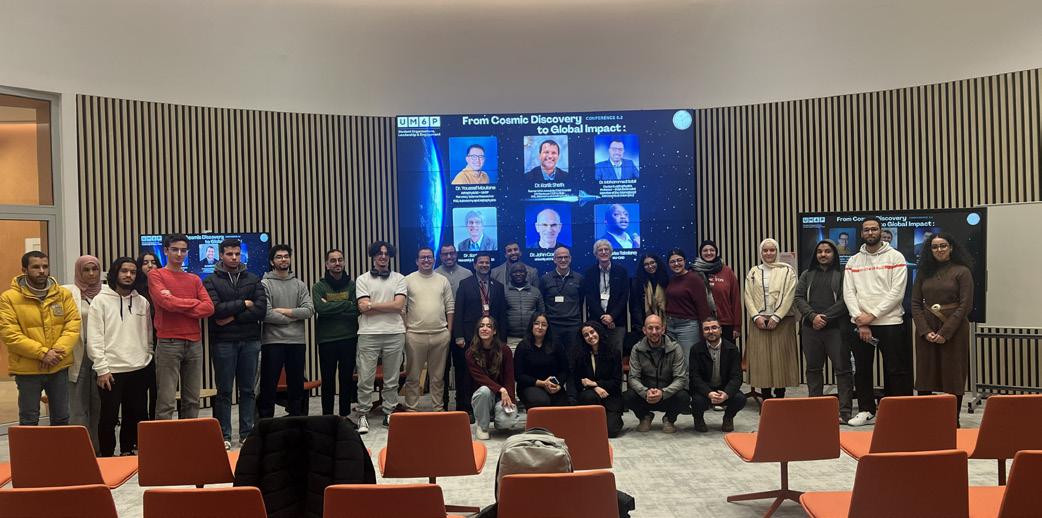
Beyond our galaxy, the telescope would continue its original mission of cataloguing galaxy clusters, providing target lists and finding charts that directly support observing programs on ALMA and the James Webb Space Telescope.
In this role, the Observatory would serve as a scientific pathfinder identifying the most compelling cosmic targets and guiding follow-up observations with the world’s most powerful instruments.
More Than a Telescope
What distinguished this workshop from a typical astronomy planning meeting was the repeated emphasis that the telescope is ultimately a means, not an end.
Speakers from the Empowered Earth Alliance, UM6P, and the University of Delaware highlighted the observatory’s potential as a catalyst for national development. Building and operating a radio interferometer requires expertise in mechanical and civil engineering, cryogenics, signal processing, fiber optics, software development, and data science. These competencies directly support industries central to Morocco’s economic future, including Space science, telecommunications, aerospace, and advanced manufacturing.
Educational initiatives were equally prominent. Through collaboration with the University of Delaware’s Entrepreneurship program, the project aims to engage Moroccan Scientists and university students in innovation challenges and design-thinking programs inspired by real observatory needs. Proposals discussed during the workshop included summer schools in radio astronomy, graduate fellowships, and public engagement initiatives that could position the observatory as a destination for scientific tourism.
The People Behind the Vision
Behind this ambitious project stands a diverse, highly committed international team whose combined expertise drives both its scientific vision and its broader societal impact. Leading the initiative in Morocco is Dr. Youssef Moulane of Mohammed VI Polytechnic University, whose leadership and
coordination have been essential to advancing the relocation effort. From the University of Chicago, Dr. John Carlstrom contributes continuity with the SZA’s scientific legacy, bringing decades of experience in cosmology and instrumentation. Bridging astronomy with sustainable development, Dr. Kartik Sheth, formerly of NASA and now with the Empowered Earth Alliance, ensures the integration of innovation and capacity building. Moroccan academia plays a key role through Dr. Jamal Chafi of Cadi Ayyad University, alongside Dr. Mohamed Kaab and Dr. Mohammed Sabil of Université Sultan Moulay Slimane, strengthening national collaboration. International expertise is further enriched by Dr. Anna Ho of Cornell University and atmospheric specialist Dr. Scott Paine of the Harvard-Smithsonian Center for Astrophysics. The project also benefits from global outreach efforts led by Dr. Genevieve Marshall and Dr. Charles Takalana of the IAU Office of Astronomy for Development. Importantly, young researchers, including Ismail Bekkaoui, Tarik Mouhtafid, Saadia Oujaoura, Kaoutar Saadi, and Alexandre Huchet, actively contribute, embodying the project’s commitment to nurturing the next generation of scientists.
A Coalition Takes Shape
The workshop also marked a pivotal moment for institutional structuring. Representatives from the University of Chicago, the telescope’s original home, met with UM6P leadership,
Empowered Earth Alliance coordinators, and delegates from the International Astronomical Union’s Office of Astronomy for Development to align governance frameworks, datasharing policies, intellectual property considerations, and responsibilities.
Working groups were established for five priority areas: scientific vision, site characterisation, institutional partnerships, capacity building, and implementation planning. Each group left Ben Guerir with defined deliverables and reporting structures, transforming two days of discussion into a lasting organizational framework.
The Road Ahead
The potential relocation of the Sunyaev–Zel’dovich Array to Morocco marks a pivotal opportunity that extends well beyond astronomy. By combining scientific ambition with national development goals, this initiative could establish Morocco as a meaningful contributor to global radio astronomy, while reinforcing Africa’s growing role not merely as a participant in international research, but as an emerging leader. Realising this vision will depend on sustained institutional coordination, technical investment, and a shared commitment to building lasting scientific capacity in the region.
Space for All: Ensuring
Equitable and Responsible
Access to Space Through
Global Cooperation (Space Plenary Session, UN Science Summit (UNGA80), September 2025, New York)
By Dr. Aletha de Witt Department of Science, Technology, and Innovation (DSTI), South Africa and Domingos Barbosa, HPC- U-Évora, Portugal
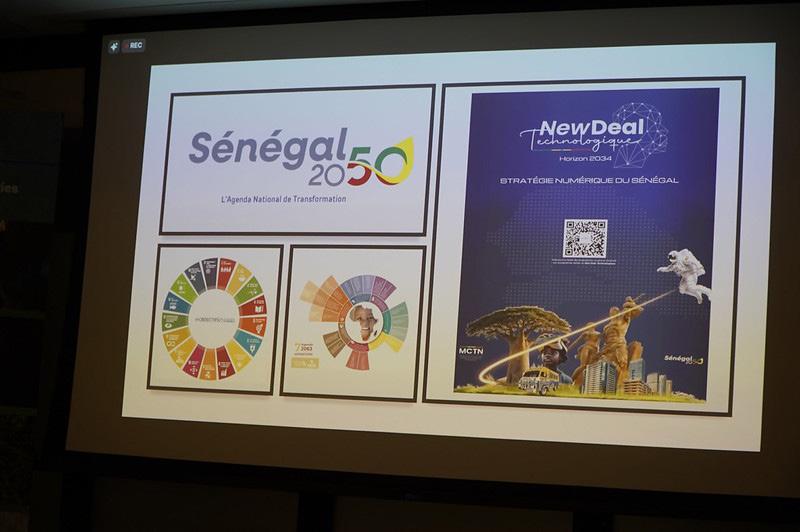
The space environment is undergoing rapid transformation with the emergence of new commercial capabilities. These include increased satellite activity and novel developments such as satellite constellations, autonomous spacecraft, and commercial space destinations.
These activities have led to a proliferation of space debris and a sharp rise in space traffic, raising serious concerns about orbital congestion and the degradation of the dark and radio-quiet sky. At the same time, the growing volume of spacecraft production and launch operations is contributing to the environmental footprint of the sector.
In parallel, the increased use of radio frequencies for commercial and satellite services poses a growing threat to the radio-quiet environment, undermining the ability of radio astronomy and space geodesy to operate without interference and putting essential scientific and navigational infrastructure at risk.
There is no doubt that space is essential for advancing the 17 Sustainable Development Goals (SDGs). Yet, paradoxically, the very use of space to support sustainable development may itself become unsustainable, from the perspective of both the Earth and the space environment. This emerging challenge,
described by some as the ‘space sustainability paradox’, may also deepen existing inequalities by making access to space increasingly difficult for developing nations.
Of particular importance is the rise of new space agencies across the globe—and especially in Africa—which underscores the geostrategic importance many nations place on space science and technology. These developments reflect growing efforts to improve national autonomy in resource management and to create enabling conditions for education, economic opportunity, and social development. They also call for deeper investment in capacity building, STEM education, and international scientific cooperation.
Finally, greater recognition must be given to foundational scientific domains—such as space geodesy—which underpin all space-based infrastructure and operations. From maintaining global reference frames and determining precise satellite orbits, to supporting deep-space navigation and space situational awareness, geodesy plays an essential— though often invisible—role in enabling and sustaining modern space activities and acting as an entry point for infrastructure development in developing nations.
The session also tackled an area of growing urgency: the gaps in international governance of space. Questions were raised about whether existing frameworks are adequate for managing space traffic, curbing the militarisation of space, and holding commercial actors accountable. The recently proposed EU Space Act, covering debris mitigation, cybersecurity, and environmental accountability, was cited as an example of growing momentum toward stronger multilateral regulation. Speakers stressed that space-derived data, from Earth observation to GNSS, must be treated as a global public good, governed transparently and shared equitably.
A dedicated theme on space environmentalism highlighted the escalating environmental costs of the commercial space race. The rapid expansion of satellite constellations is generating radio frequency interference (RFI) that threatens ground-based radio astronomy and geodetic VLBI operations worldwide. Discussions drew a striking analogy: just as the Montreal Protocol addressed the ozone crisis, a comparable international moratorium may ultimately be needed to address the growing threat of space debris. The protection of dark skies—intersecting with Indigenous heritage, astronomy, and UNESCO-endorsed astro-tourism—was also raised as a dimension too often overlooked in space policy.
The Space Session at the Science Summit was convened to address these topics through Cooperation and Responsible Use of Space, by fostering peaceful, equitable, and inclusive access to space through international cooperation. This requires supporting multilateral frameworks that promote transparency, scientific collaboration, and long-term resilience. Space Data should be seen as a Global Public Good Space that is increasingly a shared global asset (EO, GIS, GNSS) requiring Capacity building through Education, STEM education for space careers and intergenerational knowledge transfer. At heart, we showcased global collaborations in space education (especially
Global South engagement) and African Access to Space and African Space Leadership:
Africa is emerging as a leader in Earth observation, GNSS augmentation, and space science, supported by initiatives like the African Space Agency (AfSA), which coordinates continental capacity and international partnerships.
However, meaningful access to space infrastructure and services remains a challenge, including limitations in sovereign launch capability, restricted access to orbital slots and spectrum, and dependency on foreign operators for upstream assets.
This theme also reflects Africa’s growing role in advocating for equitable access to space resources, reinforcing the principle that space must remain a domain for all humankind.
The Space for All session at the UNGA80 Science Summit, held on 26 September 2025 in New York, brought together a remarkable community of scientists, policymakers, and space leaders. It was co-convened by Dr. Aletha de Witt (DSTI, South Africa), Prof. Domingos Barbosa (HPC–U. Évora, Portugal), Dr. Marie Korsaga (IAU Office of Astronomy for Development, Burkina Faso), and Dr. Larisa Schelkin (UNITAR). Among the distinguished international speakers were Loránt Czárán (UNOOSA), Niklas Hedman (COSPAR), Nicholas Brown (UN Global Geodetic Centre of Excellence), Hayo Hase (Federal Agency for Cartography and Geodesy, Germany), Moriba Jah (University of Texas at Austin), Rachel Opitz (Taylor Geospatial Institute), and Naeem Altaf (CTO for Space, IBM). African voices were central: Carla Mitchell (SARAO) spoke on Africa’s radio astronomy ambitions; Monique Lagoute (Eurêka Geo, Cameroon) on private sector leadership in Africa’s space ecosystem; Muhammad Sanusi (NASRDA, Nigeria) on Africa’s strategic role in global space policy; Maram Kaire (Senegal Space Agency) on building national space capability through international cooperation; and Lidia Dinsa Regassa (Ethiopia Space SS) and Joy Olayiwola (GeoAppsPlus) on African capacity and inclusion. In one of the session’s most inspiring moments, Miracle Chibuzor Marcel and his team from the PanAfrican Citizen Science e-Lab (PACS e-Lab, Nigeria) presented the first Africa-wide amateur radio contact with the International Space Station—a landmark education and outreach milestone enabling students across the continent to communicate directly with astronauts in orbit. This remarkable achievement captured the spirit of the entire session: space science as a tool for empowerment, innovation, and continental pride.
Further reading: Session programme and recordings | Session photos (Flickr)
South Africa–Belgium Astronomy Workshop Bridges Simulations and Observations
By Shakirah Thebus
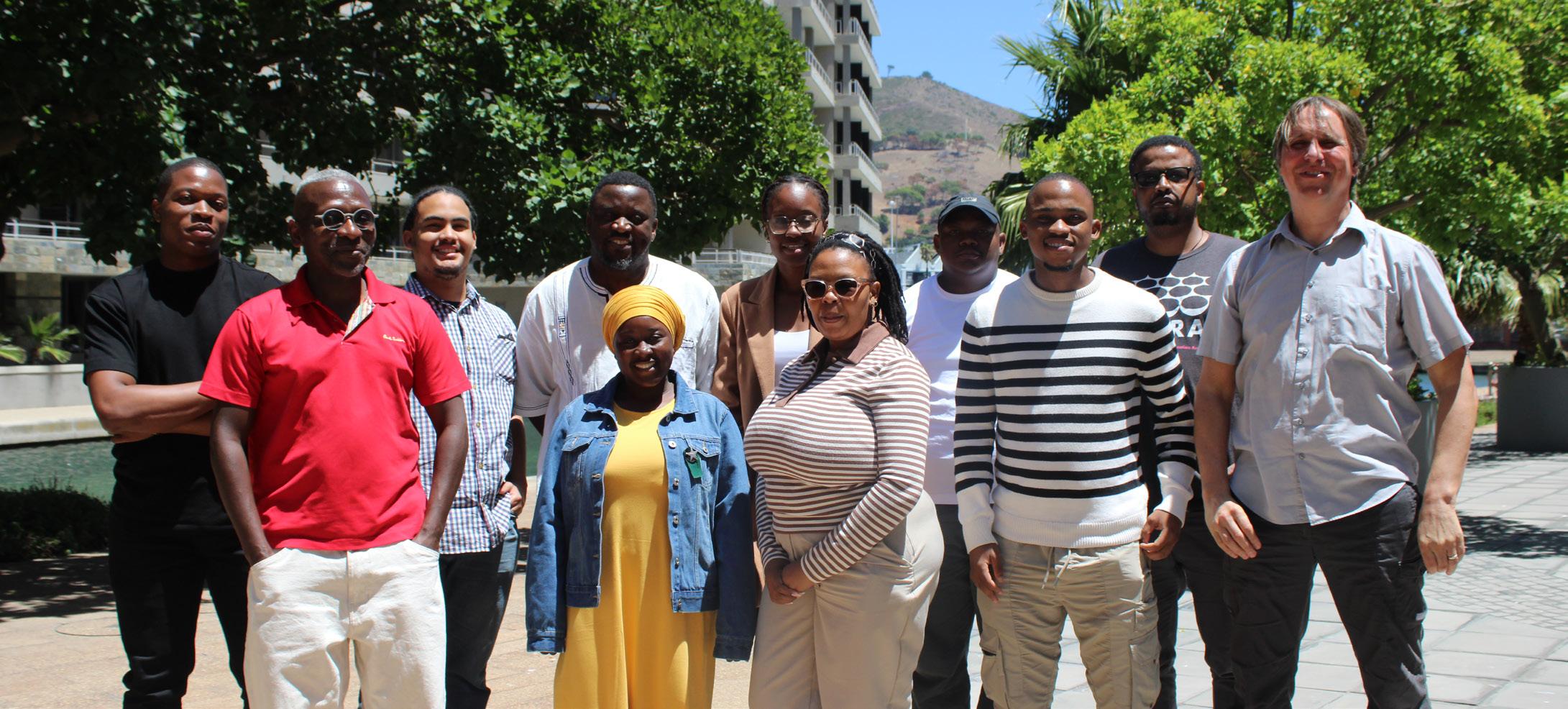
Several South African master’s students in astronomy, along with invited guests, participated in an interactive workshop led by leading scientists and researchers from South Africa and Belgium.
Dubbed the GALSIMAS project, the workshops forming part of it were held over two days on 28 and 29 January in Cape Town.
The workshop is part of a collaboration formalised three years ago, led by South African Professor Lerothodi Leeuw and Belgian Professor Maarten Baes. Full-time professor of Astronomy at the University of Ghent.
The bilateral collaboration between South Africa and Belgium has enabled South African students to visit Ghent University in Belgium, and has facilitated workshops and meetings held both in Belgium and South Africa.
Professor Leeuw, a Professor of Astrophysics and Physics, currently serves as the Head of the Department of Physics at the University of Pretoria. He previously worked at the University of the Western Cape in the Department of Physics and Astronomy and continues to hold the title of Extraordinary Professor there.
The students attending were predominantly master’s students from the University of the Western Cape, alongside invited guests.
Professor Leeuw explained that the funding secured for the program from South Africa and Belgium- namely the National Research Foundation and the Belgian Science Policy Officer, allowed for science and meetings to be conducted.
“The science in the workshop deals with data coming from MeerKAT and the best ways to interpret it,” he said.
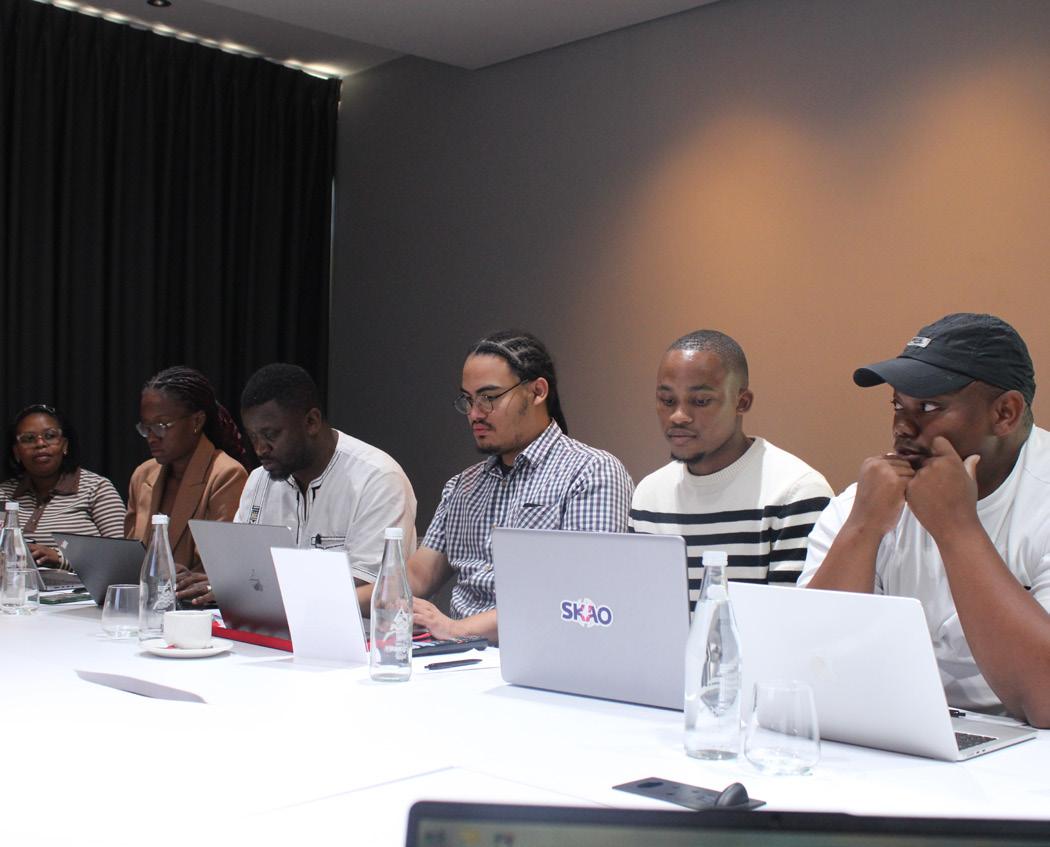
“In particular, it connects computer simulations of how galaxies evolve with the images produced from those simulations, allowing comparison with observations.”
He added that this approach is unique, as most researchers typically deal only with observations and rarely compare them directly with simulations.
GALSIMAS is the acronym used to describe the project.
Professor Baes said the collaboration grant funded travel for students and staff between South Africa and Belgium, as well as the joint organisation of workshops.
Since the start of the project, two workshops have taken place in Ghent, with South African participants, focusing on radiative transfer code.
“This one is really the GALSIMAS workshop itself,” he said. “The goal of this specific workshop is to help students bridge the gap between simulations and observations, and to see how the combination of simulations and observations can help bring astronomy forward.”
He praised South Africa’s achievements in radio astronomy, calling it a “world leader at this moment,” and highlighted the high standard of astronomy education in the country.
“So what we are doing in Ghent in our Institute is mainly simulations work but in the South African side is really strong in observational work in the radio domain and the goal of this workshop is to see how we can put our forces together and
bridge those different fields and find ways to solve problems by combining both approaches.”
One student had spent three months in Belgium as part of the program, while another visited for a shorter period for meetings.
Nhlakanipho Sabelo Kunene, 25 year old master’s student in Astrophysics at the University of the Western Cape, previously visited Belgium as part of the programme. The visit allowed him to present and discuss his research at a gathering that drew experts from around the world.
“I am a very curious person, if I were to say quite computationally-inclined as well, so fields such as astronomy really do me well,” he said.
“I grew up in the villages in Kwa-Zulu Natal and you grow up seeing a sky and it’s just this beautiful mask and you just wonder. In my village especially, you can see the milky way disc across the sky. I once asked my father what that is and he gave me his answer but to come and study astronomy and to find out those things, it’s quite interesting.”
The workshop also provided students with an opportunity to present their theses and seek guidance from experts. Another Master’s student who took part in the workshop, Refilwe Mmekwe, said: “This conference focuses on the SKIRT code and everyone needs to learn it, because SKIRT code helps us to understand the radiative transfer in the galaxies... The fact that I haven’t used SKIRT before, that’s an absolute skill for me so I love that.”
Takalani Nemaungani, Chief Director of Astronomy within the Department of Science, Technology and Innovation in South Africa explained that the astronomers applied for grant funding through the National Research Foundation, an entity of the department.
He said the joint funding from South Africa and Belgium supports exchange programs, co-supervision of students, and workshops to promote scientific collaboration between the two countries.
“Belgium is one of our important partner countries in Europe for bilateral scientific collaboration,” Nemaungani said.
He added: “It’s a good program that is helping to expand our astronomy community by exposing students to the best in the world. Moreover, as more international astronomers use our facilities in South Africa, the program becomes mutually beneficial.”




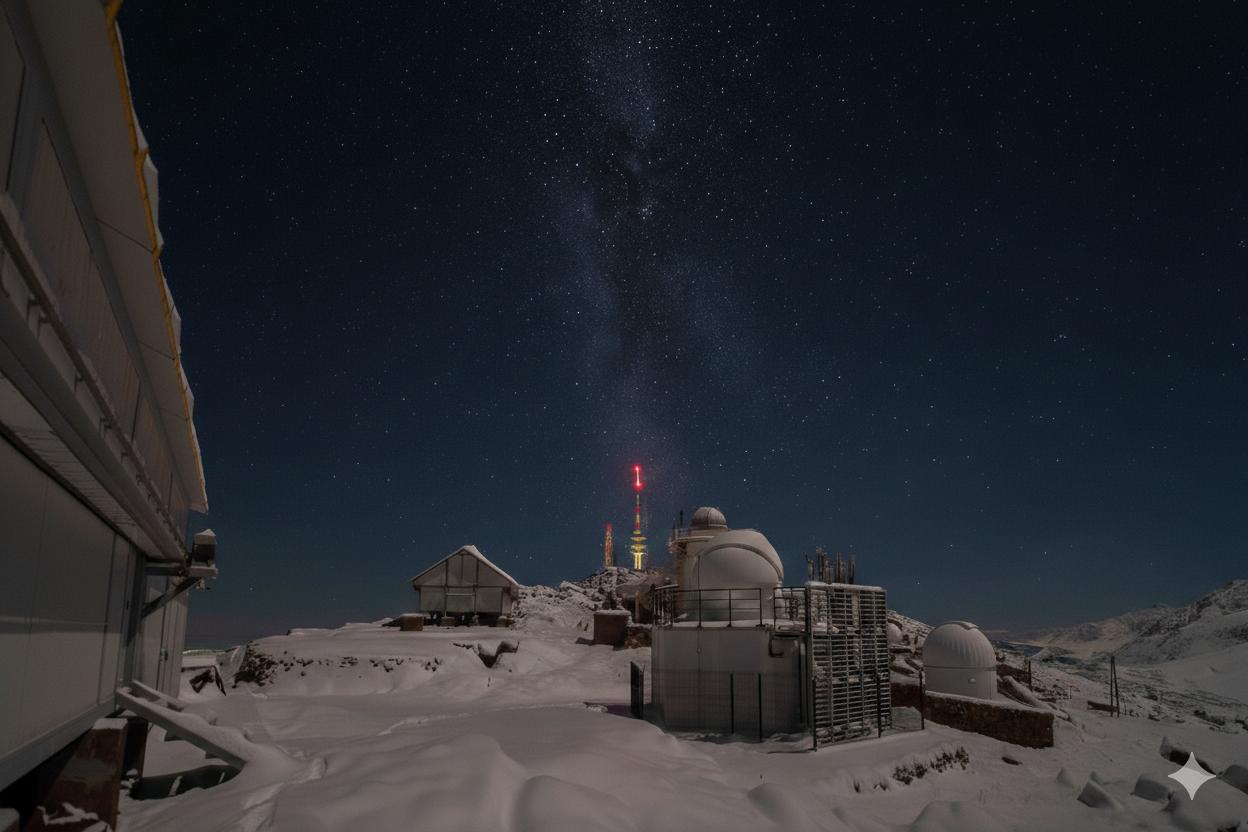

African Science Stars on the move
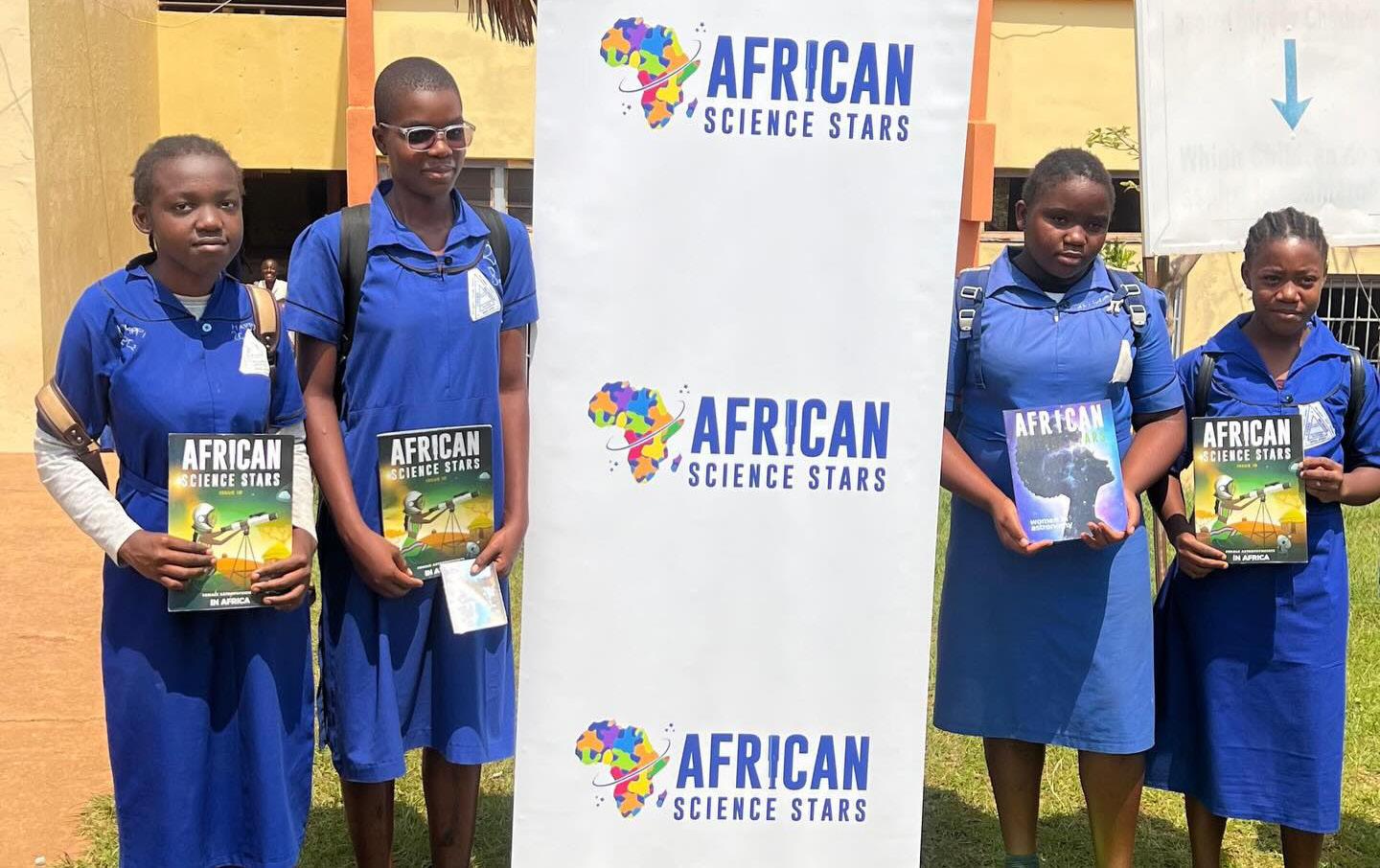
SAAO Science Outreach Programme
The Science Outreach Programme at the South African Astronomical Observatory brought together learners from Fezeka High School in Gugulethu and Siyabulela Primary School in Langa for an immersive, hands-on experience in astronomy. Hosted as part of the government’s Back-to-School initiative, the programme aimed to strengthen interest in mathematics and science by exposing students to real-world applications of STEM. Learners explored the observatory’s facilities, including the historic McClean Telescope, and participated in interactive activities that introduced them to South Africa’s leading role in astronomical research.
West Africa Roadshow
The West Africa Roadshow was a targeted outreach initiative aimed at inspiring and engaging young people in astronomy and space science across key regions in Cameroon. The programme included visits to both high schools and leading academic institutions, creating opportunities to connect with students at different stages of their educational journeys. In Buea, a region affected by the ongoing Anglophone crisis, the team worked closely with learners and university students. The roadshow also included a visit to the African Institute for Mathematical Sciences Cameroon centre in Limbe, where an engaging astronomy lecture sparked excitement among postgraduate students and future scientists
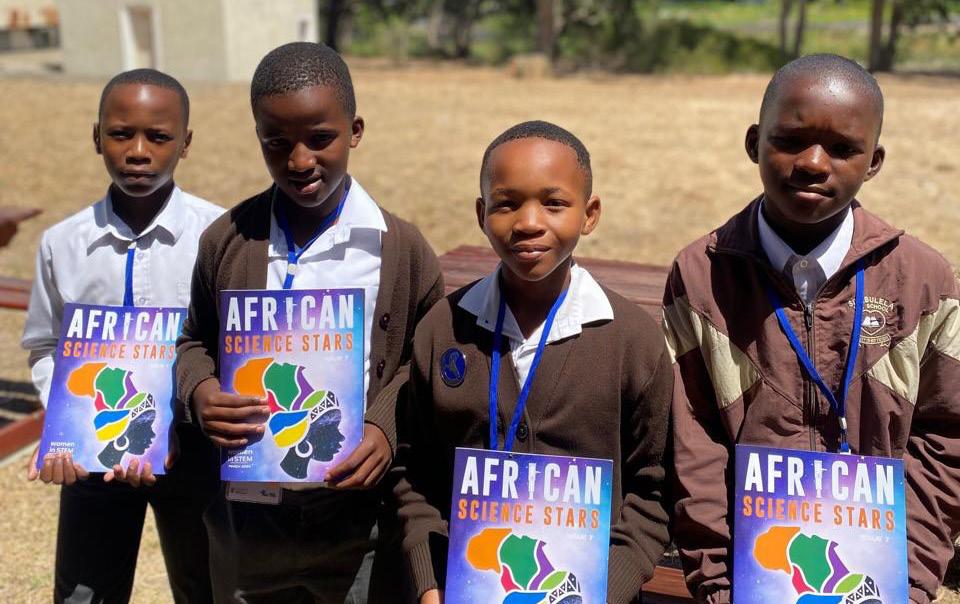
AfAS Conference
The African Astronomical Society Conference 2026 brought together scientists, researchers, and innovators from across the continent for several days of knowledge-sharing, collaboration, and forward-thinking discussion. Beyond the conference sessions, the event extended into meaningful outreach activities in partnership with the Square Kilometre Array Observatory, including school visits in Botswana where learners were introduced to the wonders of astronomy and the possibilities within STEM careers.
Astrocamp
African Science Stars magazine delivery successfully completed for the Astro Cadets at Astro Camp Agadir 2026 The event was held in Agadir, Morocco, from May 5 to May 9, 2026, bringing together young astronomy and space enthusiasts in an inspiring atmosphere of science, discovery, and learning.Proud to share the African Science Stars magazines with future space leaders and honored to collaborate with the Moroccan Association for Space Studies in this wonderful event dedicated to promoting astronomy and science among youth.
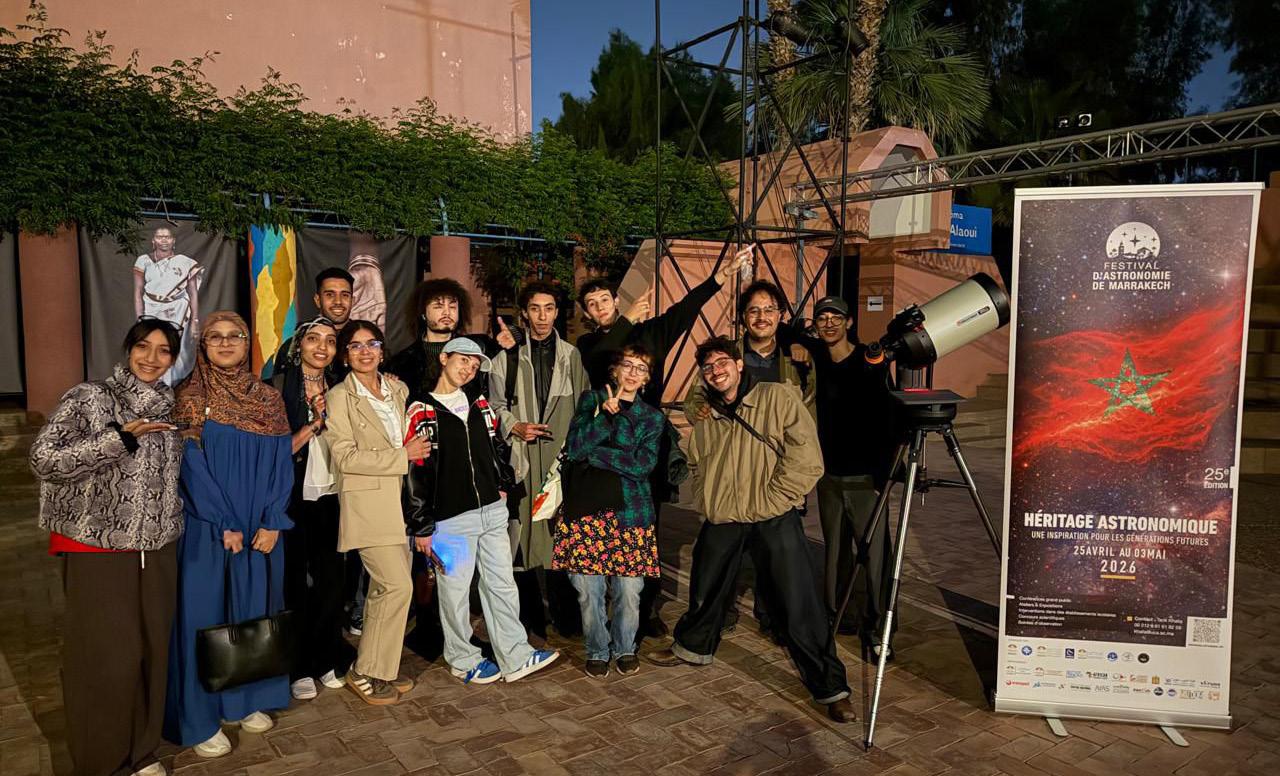
21st National Festival in Popular Astronomy
Hosted in Constantine, Algeria, the 21st National Festival in Popular Astronomy brought together educators, astronomy enthusiasts, students, and researchers for a celebration of science communication and public astronomy. African Science Stars supported outreach efforts at the event through the distribution of educational magazines, helping expand access to science content and educational resources for participants and visitors.
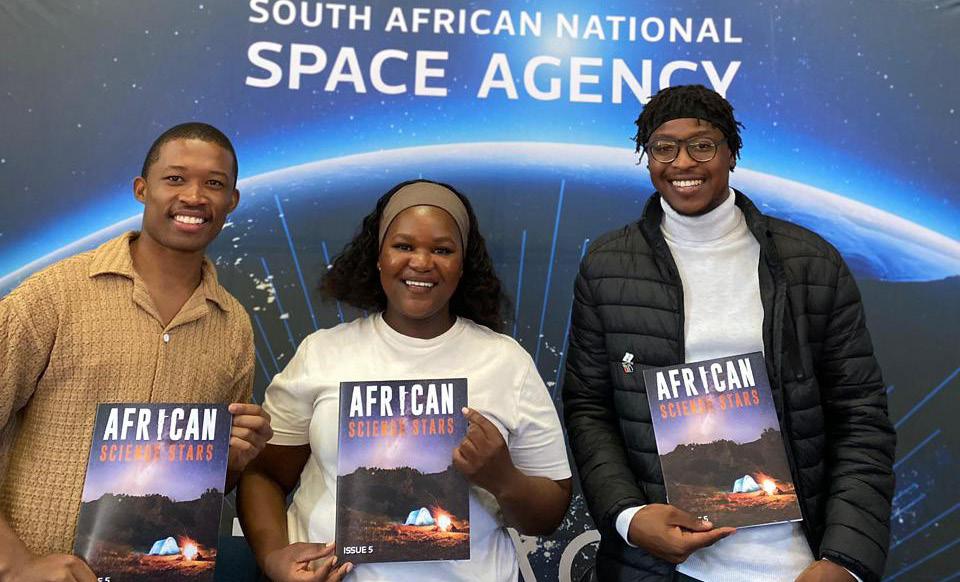
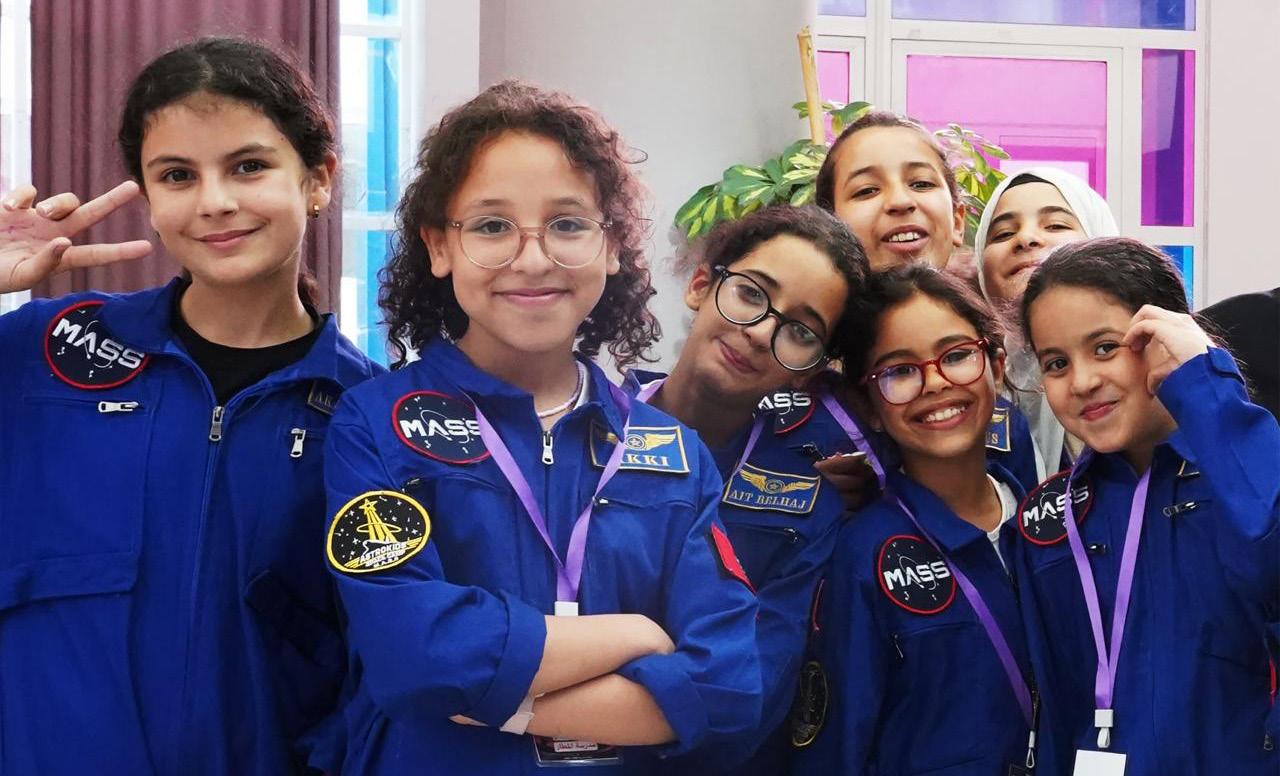
25th Marrakech Astronomy Festival
The 25th Marrakech Astronomy Festival in Marrakech, Morocco, celebrated a quarter-century of astronomy outreach, public engagement, and science education. African Science Stars participated in the event by distributing educational magazines to attendees, learners, and astronomy enthusiasts, contributing to science awareness and encouraging interest in astronomy and space science across communities.
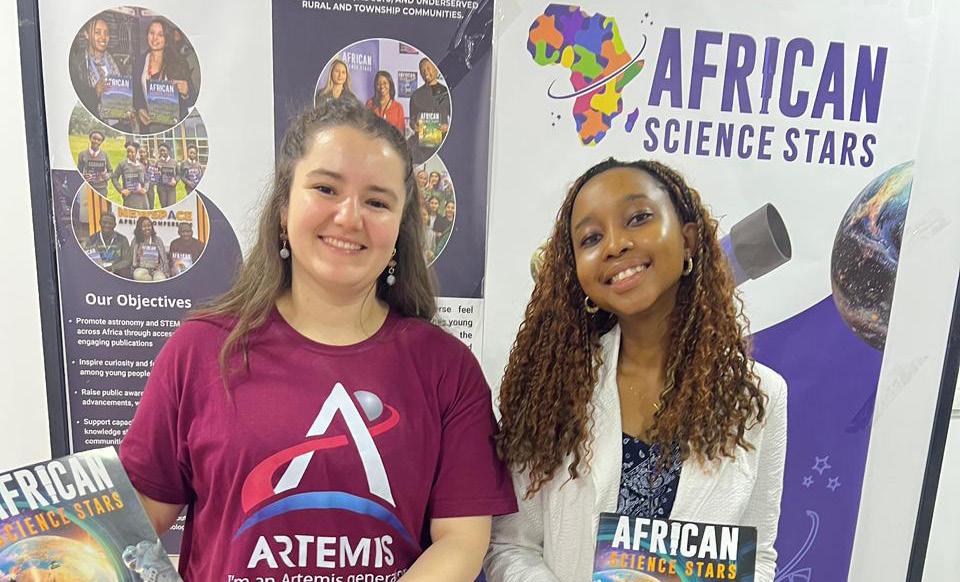
6th Annual Harry Gwala District Science Week
The 6th Annual Harry Gwala District Science Week in KwaZulu-Natal, South Africa, showcased the importance of STEM education through interactive workshops, exhibitions, competitions, and hands-on learning experiences for learners across the district. Outreach programmes were conducted at local schools to expose learners to science, astronomy, and technology in an engaging and accessible way. African Science Stars distributed educational magazines throughout the event and school outreach activities, helping to inspire curiosity, promote science literacy, and encourage learners to explore future careers in STEM fields.
Could You Become Africa’s Next Astrobiologist?
By Mutshidzi Nelwamondo
ASTROBIOLOGY CHALLENGE
1. What is Astrobiology?
A) Study of stars only
B) Study of life in the Universe
C) Study of weather on Earth
D) Study of rockets
2. Which planet are scientists actively studying for evidence of ancient life?
A) Venus
B) Saturn
C) Mars
D) Mercury
3. What does a “habitable planet” usually mean?
A) A planet with mountains
B) A planet capable of supporting life
C) A planet with rings
D) A planet with two moons
4. Which ingredient is essential for life as we know it?
A) Gold
B) Water
C) Sand
D) Ice
5. What do powerful telescopes help scientists do?
A) Control planets
B) Find clues about distant worlds
C) Create stars
D) Predict lottery numbers
6. Artificial Intelligence (AI) helps Astrobiologists by:
A) Building planets
B) Analysing scientific data
C) Creating gravity
D) Moving asteroids
7. Which South African astronomy facility contributes to exploring the Universe?
A) MeerKAT Telescope
B) Soccer City Stadium
C) Table Mountain Cableway
D) OR Tambo International Airport
8. What is an asteroid?
A) A rocky object orbiting the Sun
B) A black hole
C) A type of galaxy
D) A dying star
9. Which question drives Astrobiology research?
A) Are we alone in the Universe?
B) Why do stars shine?
C) How fast rockets travel
D) Why planets spin
BONUS QUESTION
If scientists discovered life beyond Earth tomorrow, how do you think humanity would change?
Write your answer and discuss it with your classmates, teachers, or fellow scientists and colleagues
FINAL THOUGHT
Africa’s future scientists may already be sitting in today’s classrooms. The next great discovery about life beyond Earth could come from an African student who dared to stay curious, ask questions, and dream beyond our planet. Keep exploring. Keep questioning. The Universe is waiting.