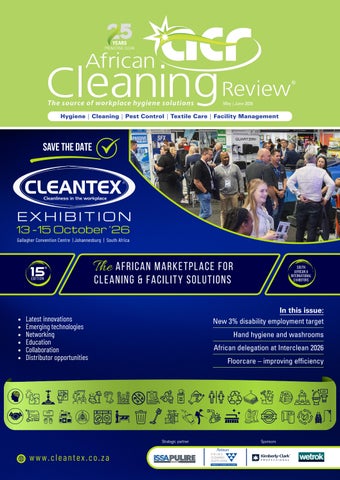
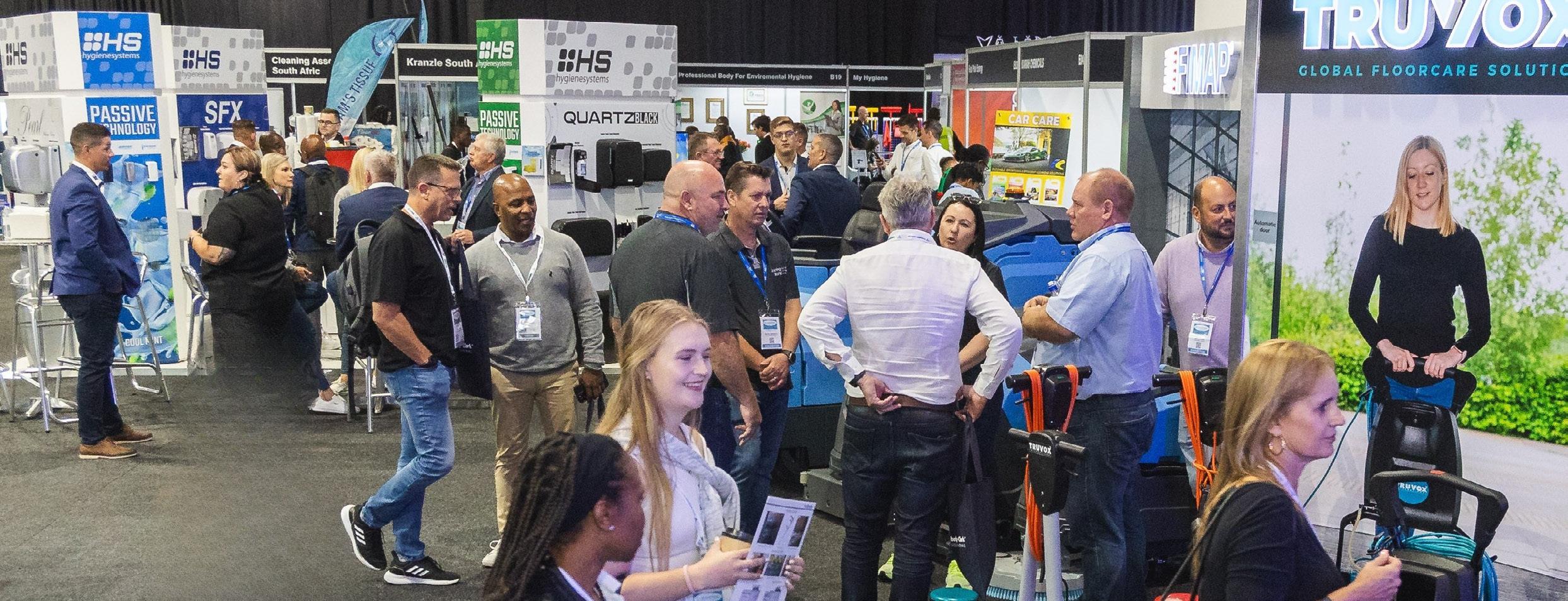
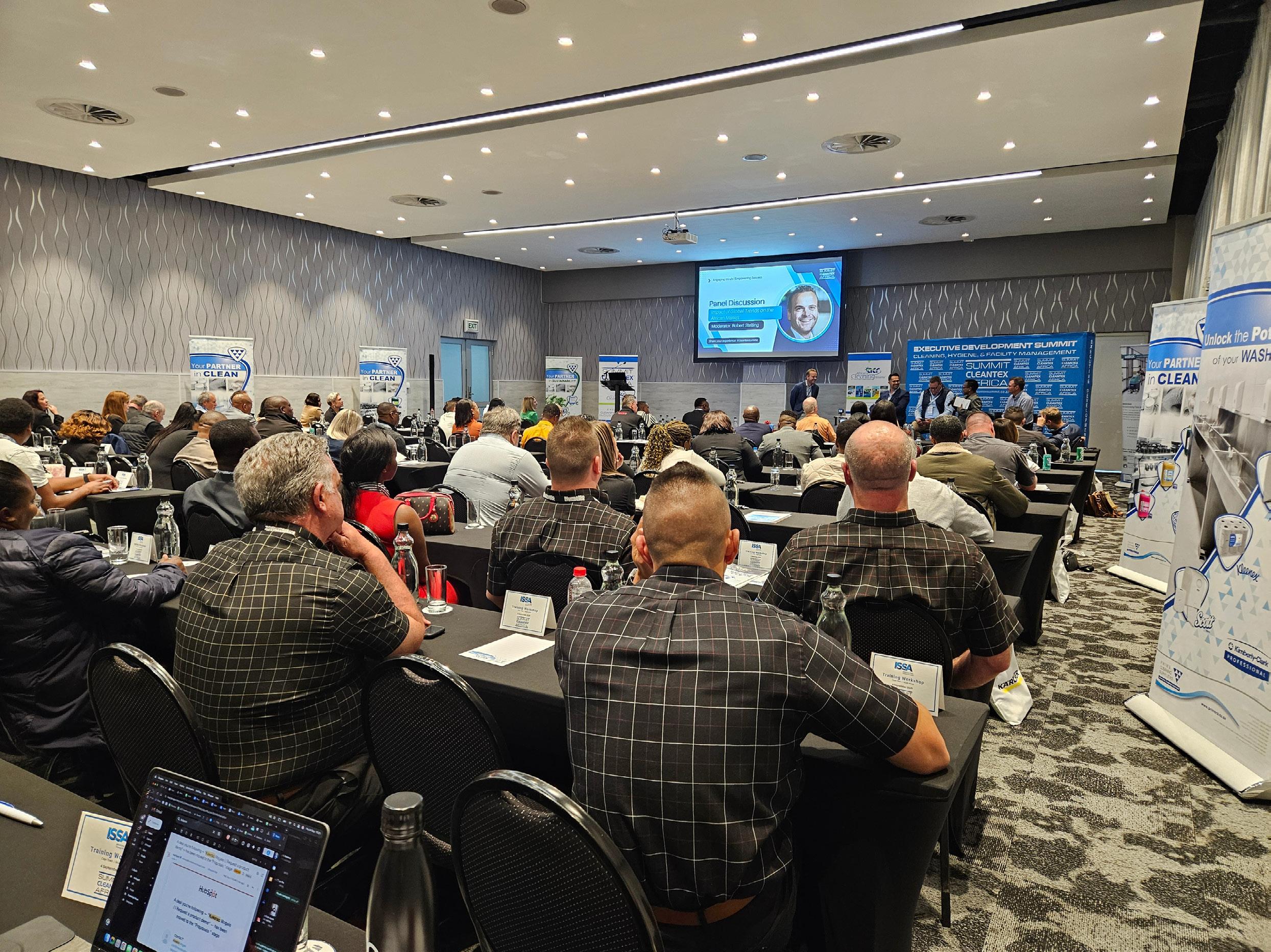
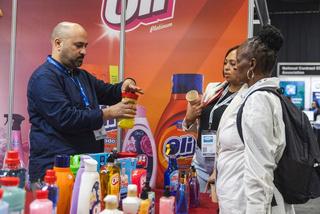
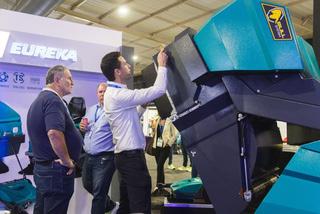
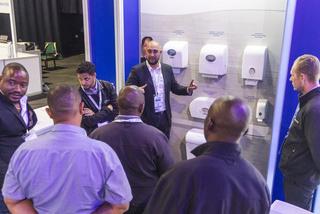
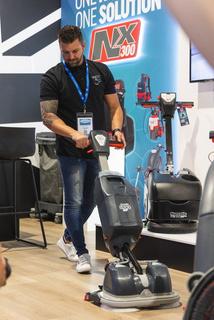
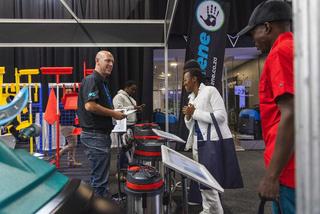
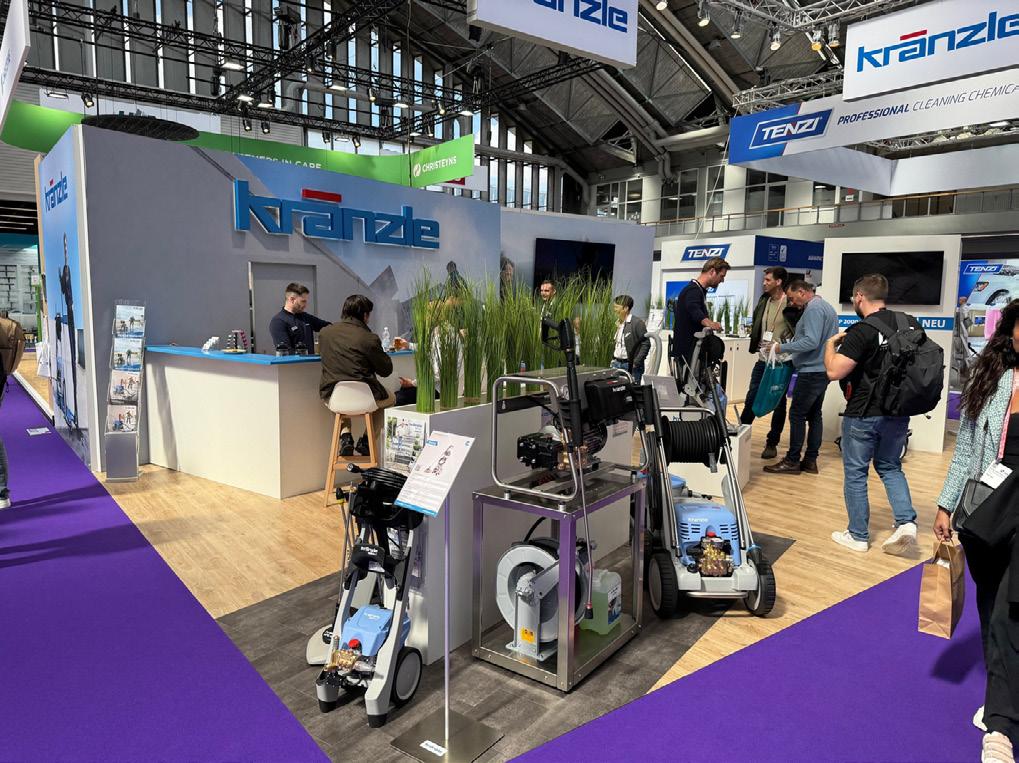
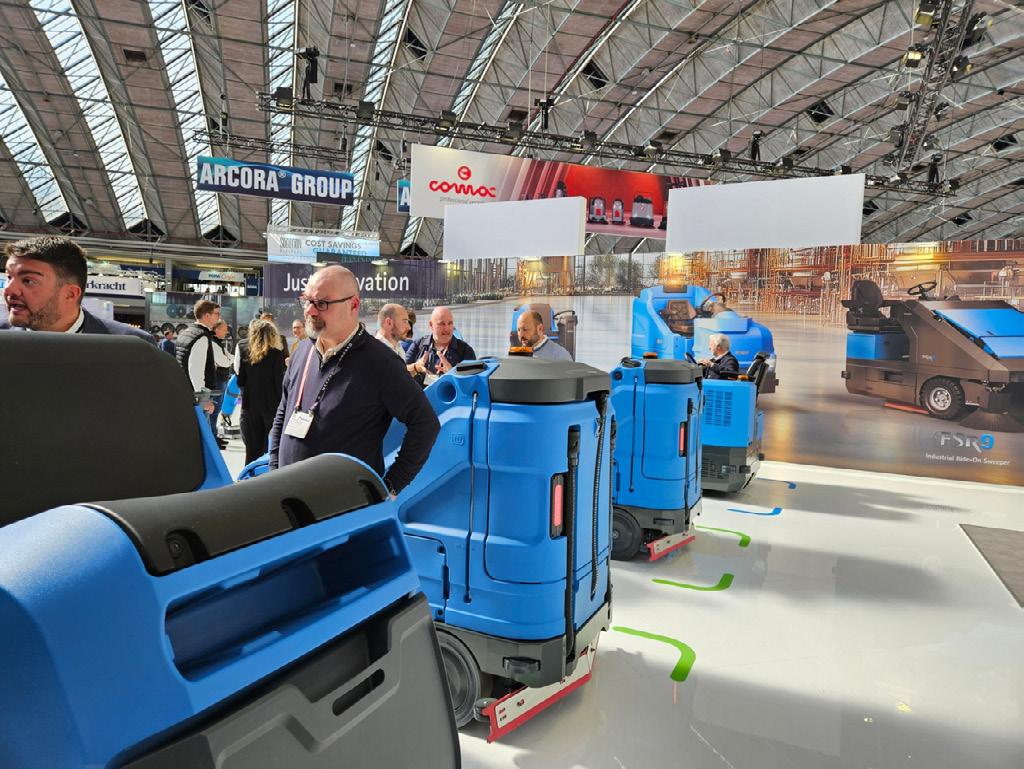
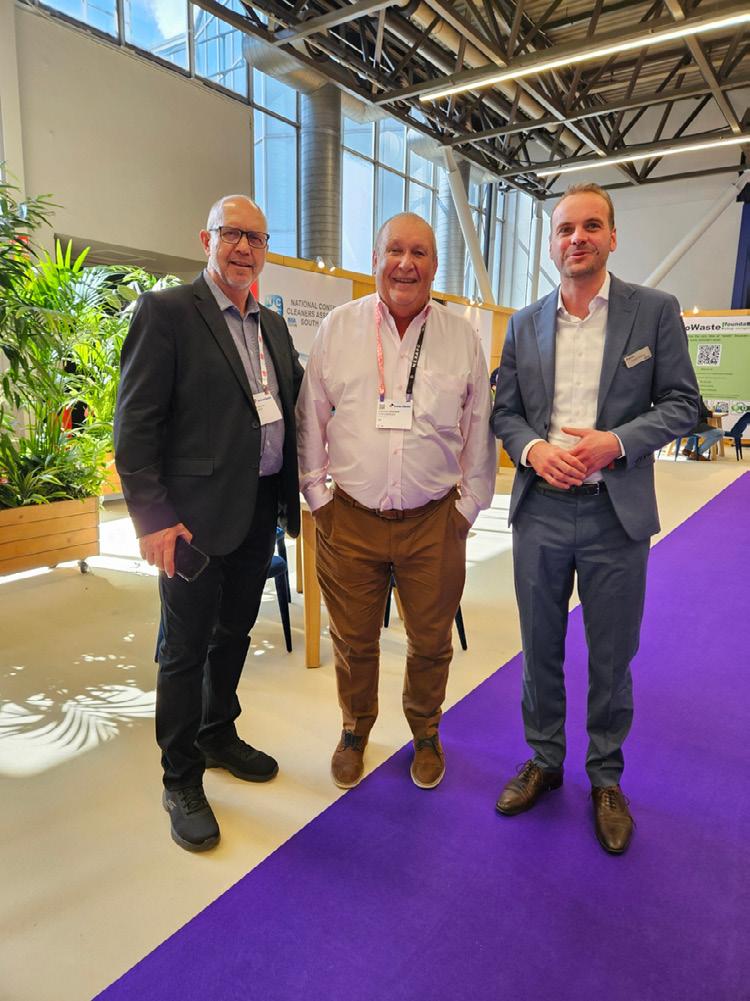
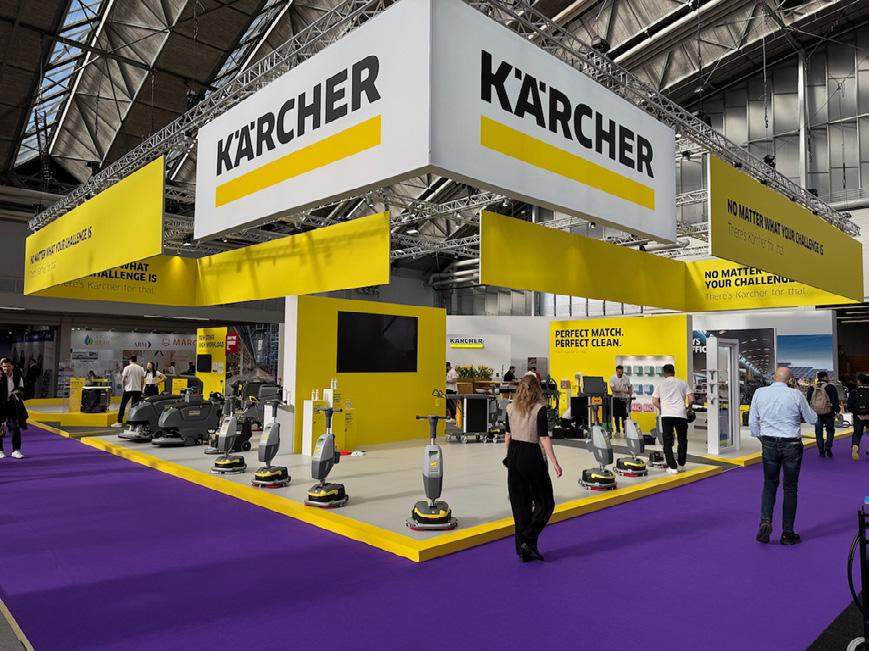
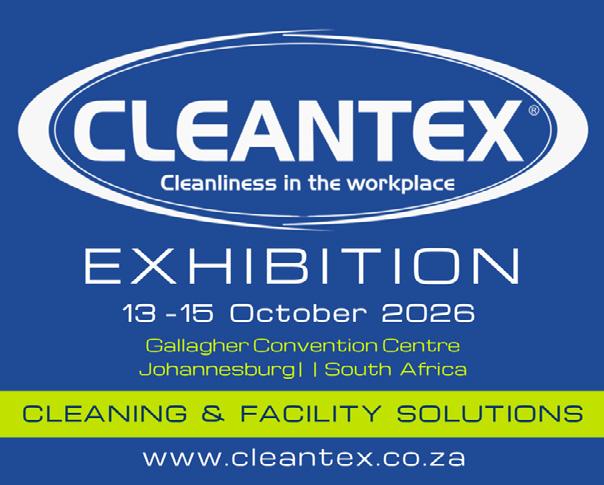
The African marketplace for cleaning and facility solutions returns to Johannesburg, South Africa from 13–15 October 2026. The highly anticipated biennial Cleantex Africa exhibition brings together the entire cleaning, hygiene, and facility management community to experience the latest trends, products, innovations, and insightful education. Don’t miss this valuable opportunity to be part of Africa’s only dedicated cleaning, hygiene, and facility solutions trade event by joining thousands of professionals shaping the future of clean.
Visit: www.cleantex.co.za
• Why the new 3% disability employment target matters, and how hosted learnerships can help business deliver
• Disease prevention in focus on World Hand Hygiene Day
• President urges urgent reform of SA’s SETA system
• Clorox completes acquisition of GOJO Industries
• Tennant to accelerate robotic cleaning innovation
• Rolux and Panners Wolserve become single entity
• Register for the WFBSC’s Global Executive Congress 2026 in Las Vegas
• Excellerate Services refresh brand and sets new standard
• Winter cleaning is a productivity strategy, not a hygiene 10 issue – Unilever Professional
• Reducing absenteeism this winter – Hygiene Systems
hygiene and washrooms
• New WHO handwashing standards need reinforcing • Survey highlights handwashing behaviour
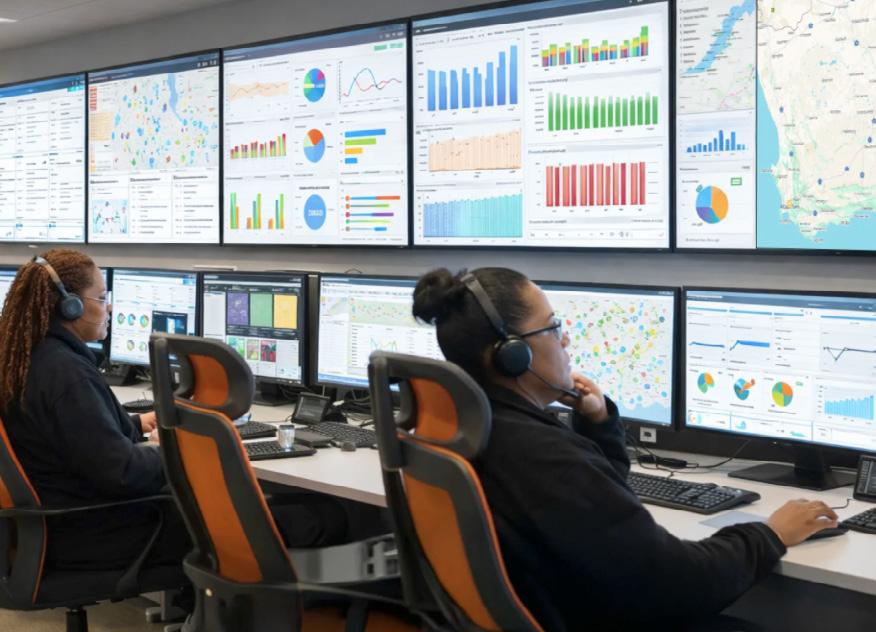
The predictive washroom advantage
• Reconnecting the global cleaning and hygiene
• Guide to selecting the correct floor cleaning equipment
• Improving efficiency through smarter cleaning solutions
• Are we mopping hygienically?
• The mop and broom cleaning era is coming to an end
• Drop the chemicals, not the cleaning standard
Advertorial
• Don’t damage your buildings’ esteem in the 17 washrooms – Nuwkem
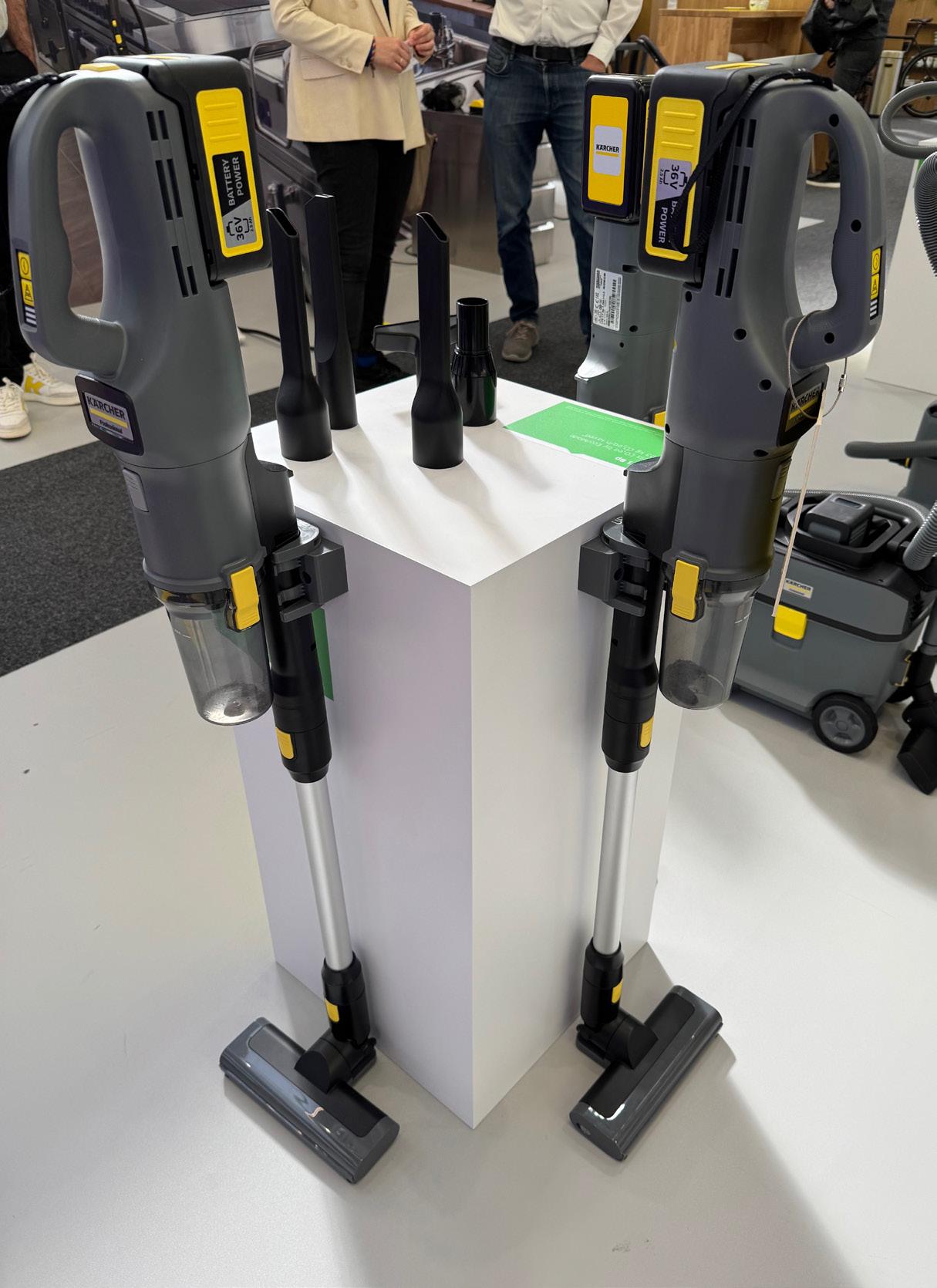
• Introducing the Kärcher LVS family – vacuum cleaners 22 for professional users – Kärcher Facilities Management Review 29
• The rise of the FM
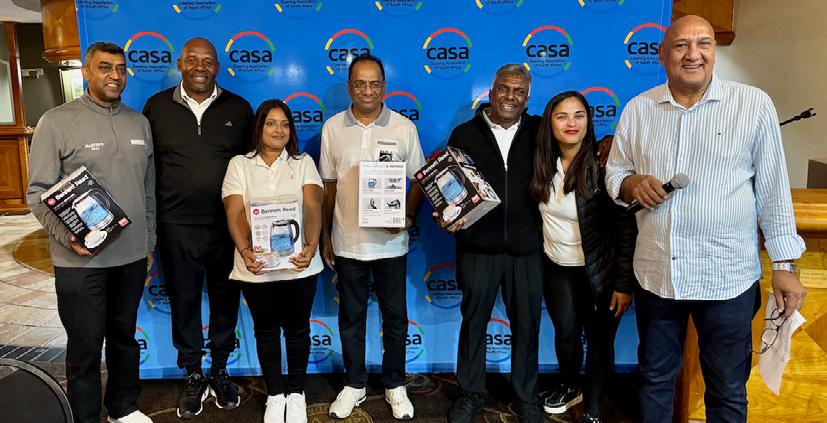
Association golf
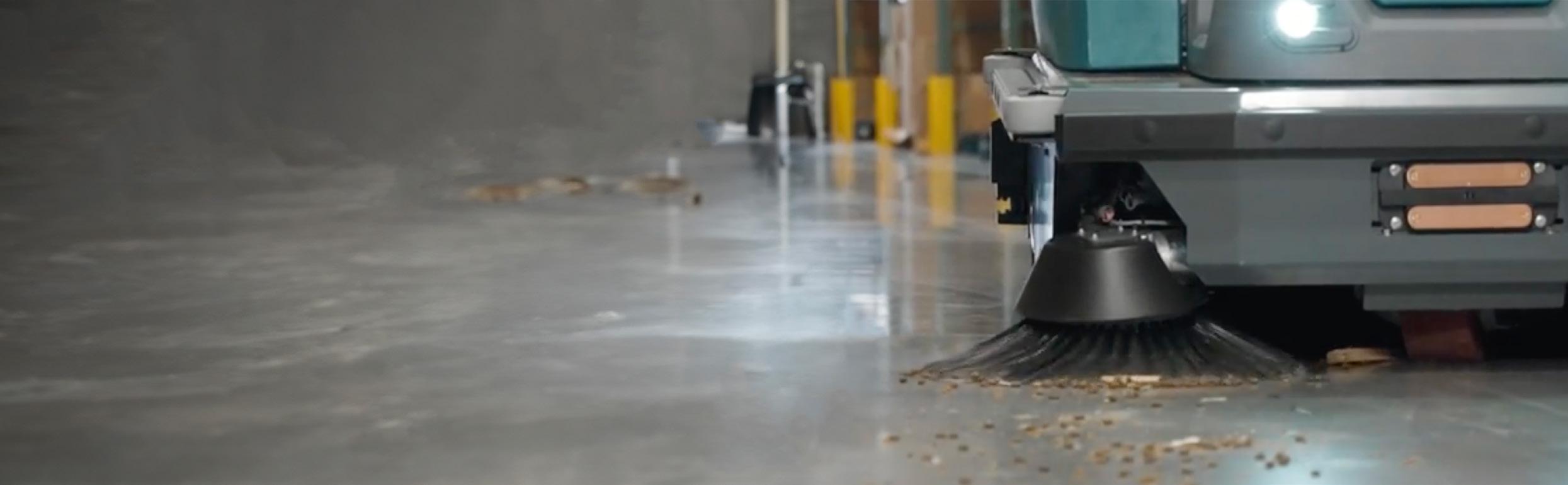
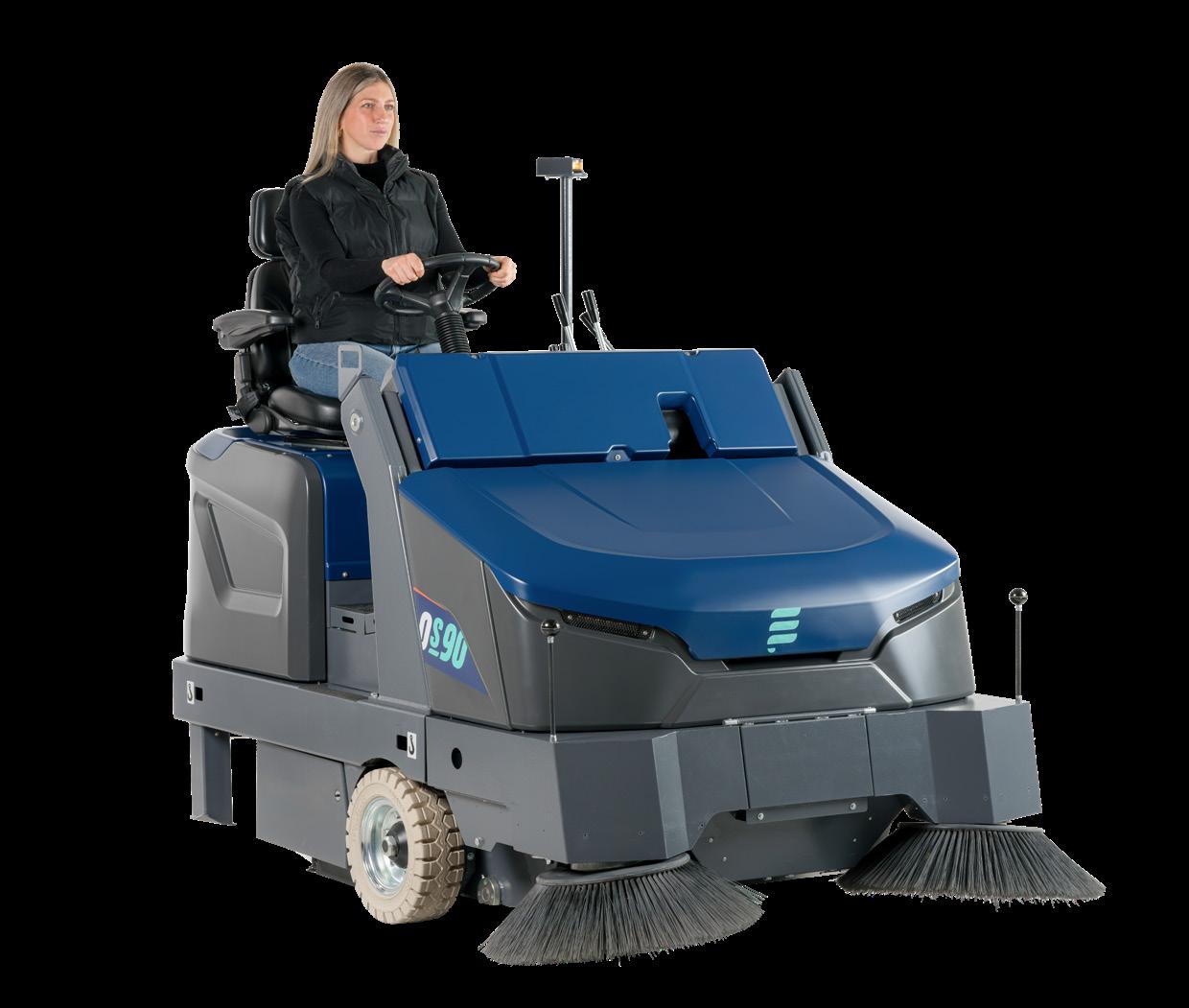
• Electric sweeper delivers sustainability, performance, and operating
African Cleaning Review is aimed at end-users, contractors and suppliers of products and services to Africa’s Cleaning, Hygiene, Maintenance, Textile Care, Pest Control, Waste- and Facility Management industries. It is published every other month by: e-squared Media
All editorial contributions can be sent to the editor who reserves the right to publish editorial based on the strength of its content. No articles or photographs may be reproduced, in whole or in part, without written permission from the publishers.
Although every effort is made to ensure the accuracy and reliability of material published in African Cleaning Review, e-squared Media and its agents can accept no responsibility for the veracity of the claims made by contributors, manufacturers or advertisers. Copyright of all material published in African Cleaning Review remains with e-squared Media and its agents.
Planned features for 2026
July/August issue: Editorial deadline 19 June
• Healthcare cleaning and hygiene
• Wipes and wiping solutions
• Women in cleaning and hygiene
September/October issue: Editorial deadline 14 August
• Sustainability in cleaning
• Washroom hygiene
• Cleantex Africa 2026 catalogue
November/December issue: Editorial deadline 16 October
• Hospitality cleaning solutions
• Retail cleaning solutions
• Cleantex Africa 2026 review
Feature sections in every issue:
• Textile care review
• Facilities management review
Effective hand hygiene prevents the spread of infectious diseases
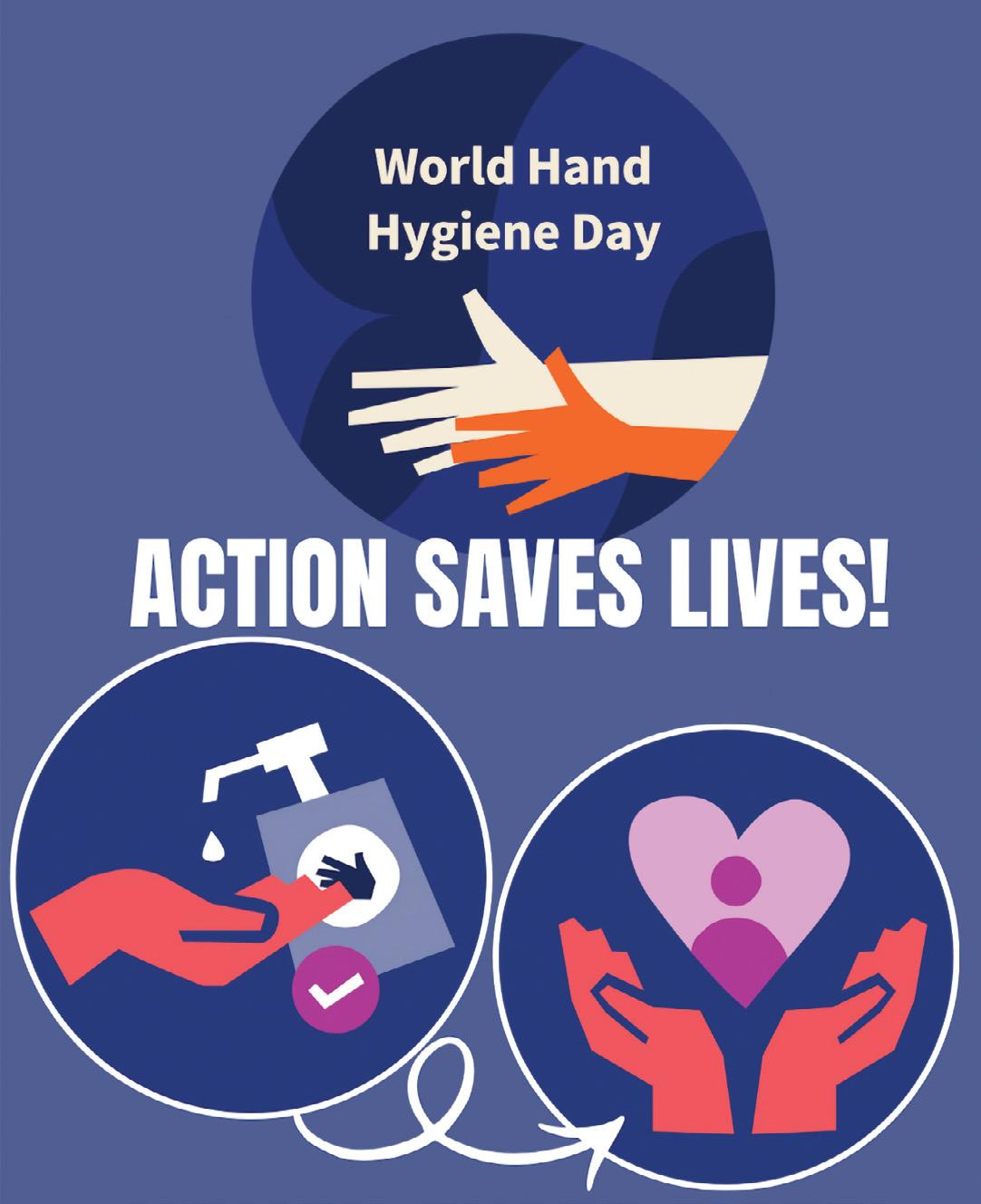
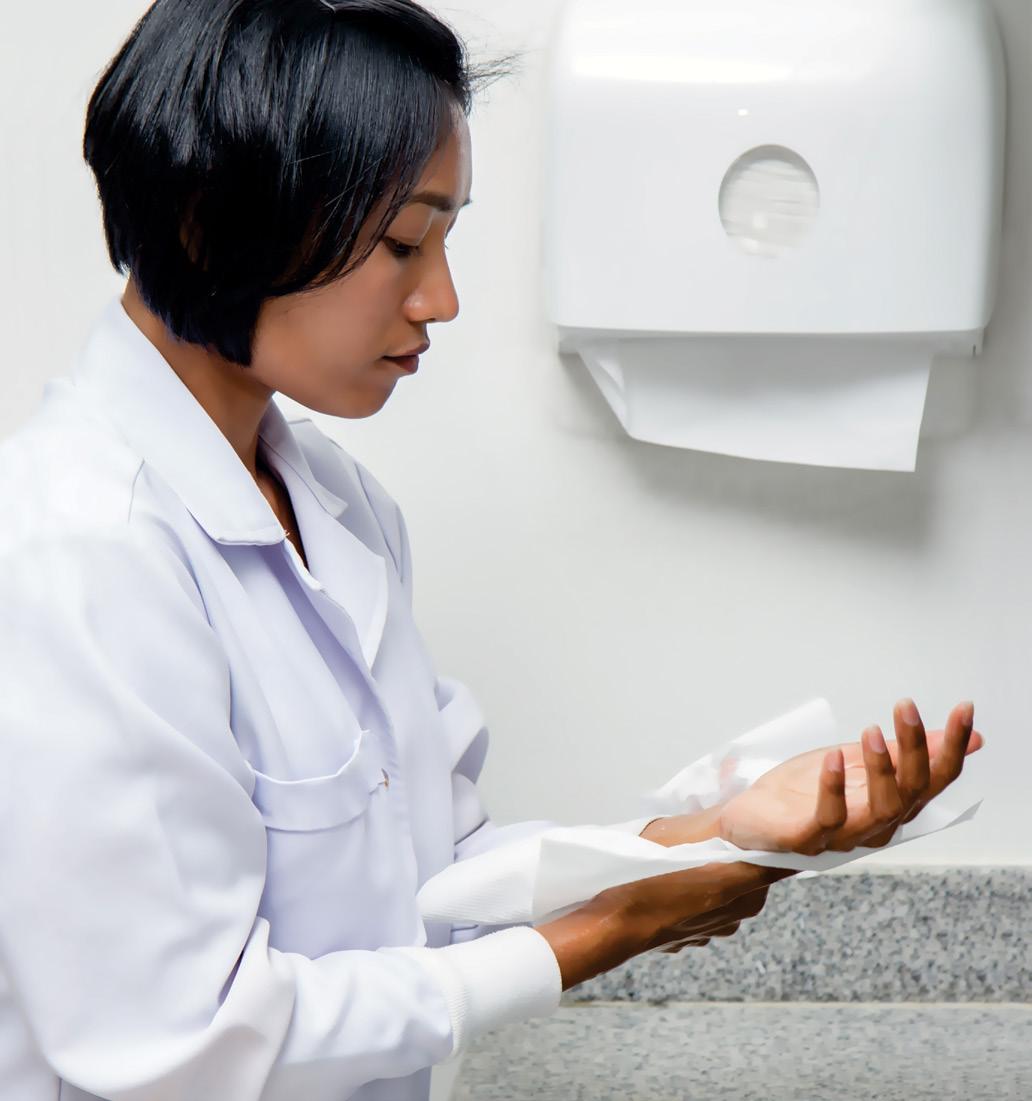
As global health systems continue to grapple with infectious disease threats such as Hantavirus and Ebola, experts are returning to one of the simplest, most effective preventative tools – hand hygiene. After marking World Hand Hygiene Day on 5 May, with the theme tagged ‘Action saves lives’, the World Health Organization (WHO) urged all countries around the world to prioritise hand hygiene as a frontline defense against a wide range of illnesses transmitted through contact.
The renewed focus comes amid growing concerns about healthcareassociated infections and the persistent spread of infectious diseases linked to poor hand hygiene practices. The Director-General of the WHO determined that the Ebola disease caused by the Bundibugyo virus in the Democratic Republic of the Congo and Uganda constitutes a public health emergency of international concern (PHEIC). In the absence of vaccines and therapeutics, hand hygiene again emerges as an important measure to stop the spread of the virus and save lives.
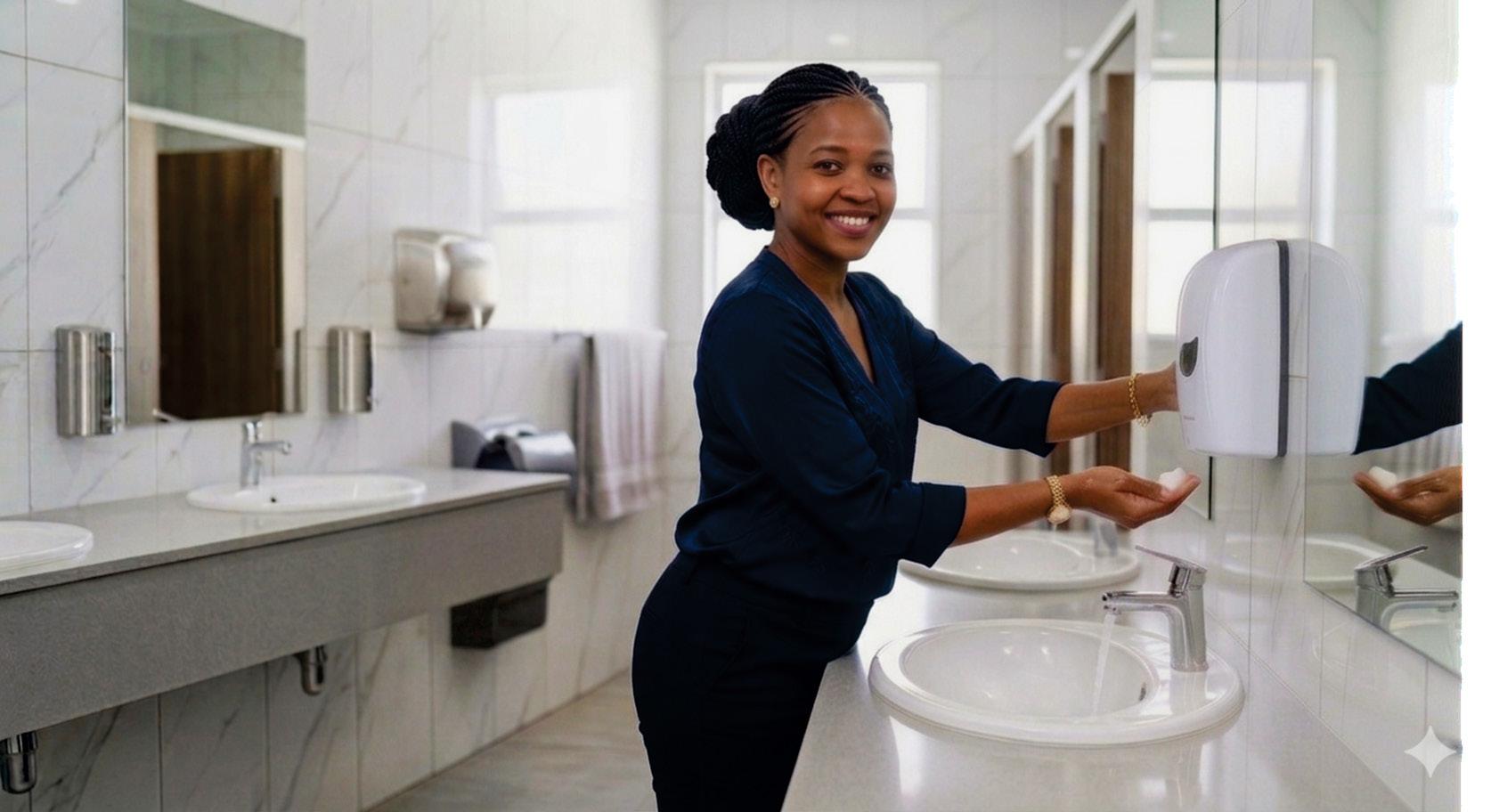
Recommendations include functional hand-hygiene stations, access to soap and water, alcohol hand rub, or using a chorine solution. Our feature on hand hygiene and washrooms offers attentive insight of this bedrock in providing safe and healthy facilities.
Furthermore, we look back at the 30th edition of Interclean Amsterdam.
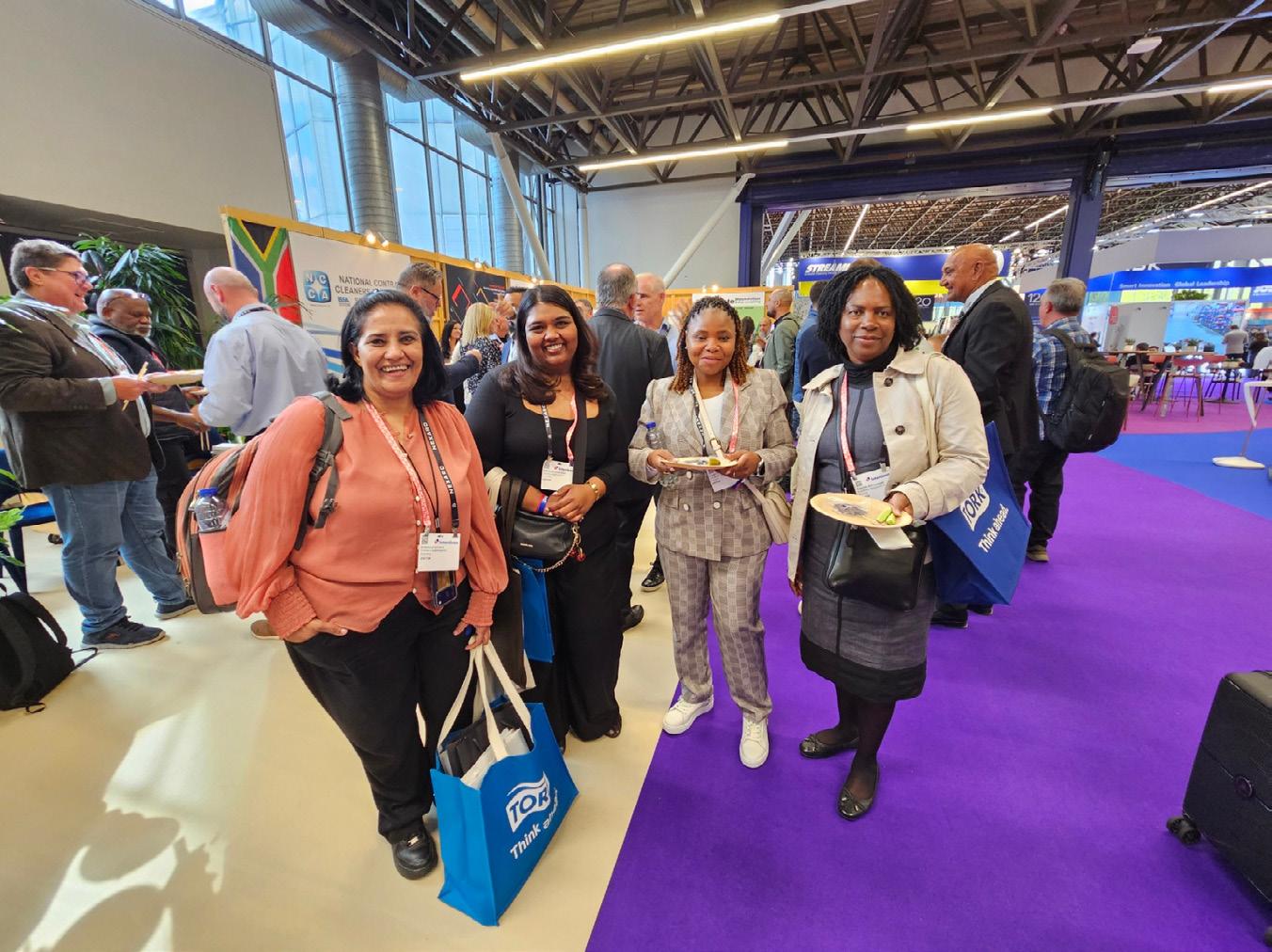
Four days well spent with the African delegation, outstanding conversations, inspiring demonstrations, and detailed presentations. The floorcare feature offers an informative overview of cleaning equipment, mopping hygiene outcomes, and the rise of automated cleaning.
Enjoy the read,
Why the new 3% disability employment target matters, and how hosted learnerships can help business deliver
By: Anton Visser, Group COO at SA Business School
South Africa’s updated employment equity framework has raised the bar for disability inclusion in the workplace. For too long, people living with disabilities have remained excluded from meaningful participation in the economy.
While South Africa has made progress in embedding transformation into law and policy, disability employment has often lagged behind. In many businesses, representation of persons with disabilities has historically sat at around one percent, with no firm national benchmark to drive urgency or accountability.
That has now changed. The Employment Equity Amendment Act, together with the updated Employment Equity Regulations, introduces a clearer and more structured compliance framework for designated employers. One of the most significant changes is the new three percent disability target across all national economic sectors. In practical terms, for a business employing 50 people, this means at least two employees should be persons with disabilities to meet the target. The requirement applies to designated employers – organisations with 50 or more employees.
This shift moves disability inclusion from a “nice-to-have” HR objective into a measurable workforce priority. It also sends a strong message to business: inclusion can no longer live only in policy documents, CSI reports, or corporate values statements. It must be reflected in hiring, development, retention, and career progression.
The unemployment crisis facing South Africans living with disabilities remains one of the country’s most severe and least adequately addressed social challenges. For many disabled young people, especially those from low-income and rural communities, the path into formal employment is still blocked by inaccessible workplaces, low employer confidence, poor support systems, and a lack of practical work exposure. The result is not simply unemployment, it is long-term, and often lifelong, economic exclusion, dependency, and lost human potential. That is why the new three percent benchmark should not be viewed only as a compliance requirement. It should be seen as an opportunity for businesses to build a more inclusive workforce and make a genuine contribution to social and economic transformation.
Resolving the implementation challenge through learnerships
Many HR leaders understand the need to improve disability representation and want to do so, but struggle with the practicalities. Where do you source suitable candidates? How do you build a pipeline of work-ready talent? What reasonable accommodation is required? How do you support managers and create a workplace culture in which disabled employees can thrive?
Here the right learning and development partner becomes invaluable. SA Business School works with corporate sponsors to structure and deliver hosted learnerships for youth living with disabilities, including training costs and monthly learner stipends. These programmes are delivered through SA Business School’s training centre, which is specifically designed to cater for the safety, accessibility, support, and practical learning needs of disabled learners.
This matters because disability inclusion is not achieved through recruitment alone. It requires a supportive environment, specialist understanding, structured development, and a clear pathway into real work.
SA Business School’s model is built around exactly that.
Over a 12-month learnership, learners do not simply complete a classroom-based programme. They gain meaningful workplace exposure in a formal contact centre business environment, work toward a recognised qualification, and develop the practical, life, and soft skills needed to succeed in a corporate setting. By the time they complete the programme, they have something many first-time jobseekers do not: credible workplace experience, confidence, and a real year of work on their CV. That practical exposure is often the difference between a learner who completes training and a learner
The end goal is always gainful, permanent employment and long-term career progression. As part of the AlefBet Holdings Group, SA Business School is connected to a broader network of debt collection, sales, and customer service BPO businesses. This ecosystem creates a valuable bridge between training and employment, enabling successful learners to be absorbed into full-time roles where possible, rather than being left to cycle endlessly through short-term programmes.
This distinction is critical. There is little value in providing learnerships for disabled learners if they deliver certificates, but not jobs and careers.
In fact, repeated “perpetual learner” programmes that do not lead to meaningful employment can deepen frustration and reinforce the very exclusion they are meant to address. The true measure of success is not enrolment. It is absorption, retention, progression, and dignity.
For employers, this hosted learnership model offers several clear advantages.
• It provides a practical route to building a disability talent pipeline in a structured and supported way.
• It helps HR and leadership teams address disability inclusion proactively rather than reactively.
• It creates a credible and sustainable response to the three percent target, particularly in sectors where
transformation objectives, including B-BBEE skills development outcomes, making them a smart investment from both a compliance and impact perspective.
Understanding disability more broadly
Employers must also start with a sound understanding of what disability means in the workplace. The law recognises disability far more broadly than many assume. It is not limited to visible physical impairments. It can include long-term or recurring physical, sensory, intellectual, or mental impairments that substantially limit a person’s access to work or advancement in employment.
That means employers need to think beyond ramps and parking bays. They need to consider accessibility, job design, assistive support, management capability, awareness training, and reasonable accommodation. In many cases, these changes are practical and achievable – but they require intention, planning, and the right support.
This is where hosted learnerships for disabled youth offer real value. They help employers do more than fill a target. They help businesses build capability, confidence, and a sustainable pipeline of skilled, work-ready talent while changing lives in the process.
South African businesses now have a clear choice. They can treat the new three percent disability target as
Disease prevention in focus on World Hand Hygiene Day
The Gauteng Department of Health recently observed World Hand Hygiene Day in Hammanskraal, north of the capital Pretoria, in an event that highlights the importance of proper handwashing. The event forms part of efforts to promote disease prevention and public health awareness.
The annual campaign is led by the World Health Organization (WHO). Health officials say hygiene plays a key role in reducing the spread of infectious diseases, particularly in communities facing water and sanitation challenges.
Gauteng Health spokesperson, Steve Mabona says, “The World Hand Hygiene Day is commemorated annually on the 5th of May under the auspices of a global campaign spearheaded by the World Health Organization. Now in many communities, challenges such as limited access to safe water, inadequate sanitation facilities and overcrowding increase the risk of communicable
diseases. Now this includes diarrhoea, cholera, typhoid, and any other respiratory infections.”
Since 2009, the WHO’s SAVE LIVES: Clean Your Hands campaign aims to progress the goal of maintaining a global profile on the importance of hand hygiene and infection prevention and control (IPC) in health care and to ‘bring people together’ in support of improvement globally. In this 18th year of the WHO World Hand Hygiene day, the organisation calls on those providing
President urges urgent reform of SA’s SETA system
President Cyril Ramaphosa has called for an overhaul of South Africa’s Sector Education and Training Authority (SETA) system, saying it is no longer fit for purpose and must be replaced with a more effective model aligned with the country’s economic needs. His comments follow after the SETA system has been criticised for governance failures, poor performance, inefficiencies, and a persistent mismatch between training programmes and labour market demands, with concerns that it has not consistently delivered job-ready skills or effectively absorbed learners into employment.
Speaking at the News24 Record Summit at the Cape Town International Convention Centre, Ramaphosa said the current system
should be restructured to better integrate education and practical workplace training.
He said he had examined international models and noted that countries such as Germany and Switzerland operate dual systems combining academic and workplace-based learning, which South Africa should consider adopting. He emphasised that the existing system had not delivered the desired outcomes, stating that, “The SETA system has not served us well at all, it must now be changed.
‘’We must build from our strength as a country to create jobs for the economy of the future. We have one of the most sophisticated financial systems in the world, we can position SA as a destination for
and supporting health care to refresh their action on hand hygiene and IPC to ensure patient and health worker safety. Hand hygiene and IPC best practices are also affected by the built environment including lack of water, sanitation, waste management, and hygiene (WASH), which also impact equity and dignity among both those providing, and receiving, care.
For more information about the 2026 WHO World Hand Hygiene Day, click here
financial services,” he said.
The president stressed that addressing unemployment requires co-operation across society, saying that progress depends on “collaboration between the private sector [and] public sector [and] between labour and communitybased organisations.”
Clorox completes acquisition of GOJO Industries
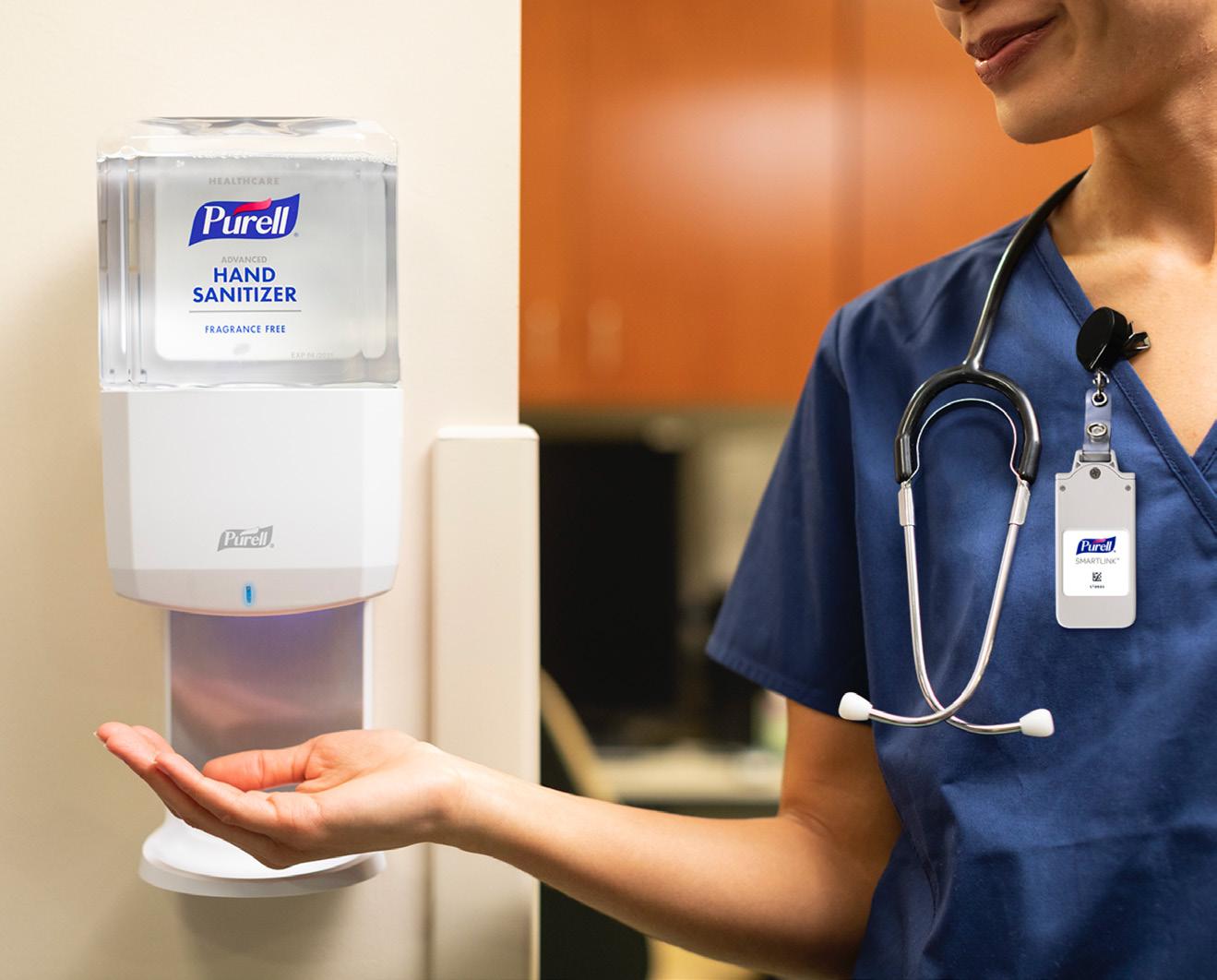
The Clorox Company announced its acquisition of GOJO Industries, a manufacturer of hand hygiene and skin care products, for $2.25 billion in cash, a move at expanding its position in health and hygiene brands. GOJO, which was founded in 1946 by Goldie and Jerry Lippman, is known for its Purell hand sanitiser. The combination brings together two companies with a shared commitment to making the world cleaner and healthier, leveraging complementary consumer brandbuilding expertise and B2B capabilities to deliver a more comprehensive product offering and both near- and longterm strategic value to Clorox.
“Today marks an important milestone as GOJO officially joins The Clorox Company,” said Linda Rendle, Chair and CEO of The Clorox Company. “GOJO has incredible strength in
the marketplace, and we are looking forward to coming together to thoughtfully grow the business. We see strong opportunity ahead as we bring together our leading brands, talented organisations, and complementary capabilities to deliver best-in-class health and hygiene solutions to consumers and institutional end users alike.”
The GOJO business, now known as Clorox Purell, will be led by President
Carey Jaros who said, “We could not be more excited to officially join The Clorox Company and realise the opportunity to exponentially scale our impact in the world. Together, we’ll set new standards for health and hygiene and bring well-being to more people everywhere, creating long-term value with and for our partners and customers. Clorox Purell is a winning combination in every way.”
Tennant to accelerate robotic cleaning innovation
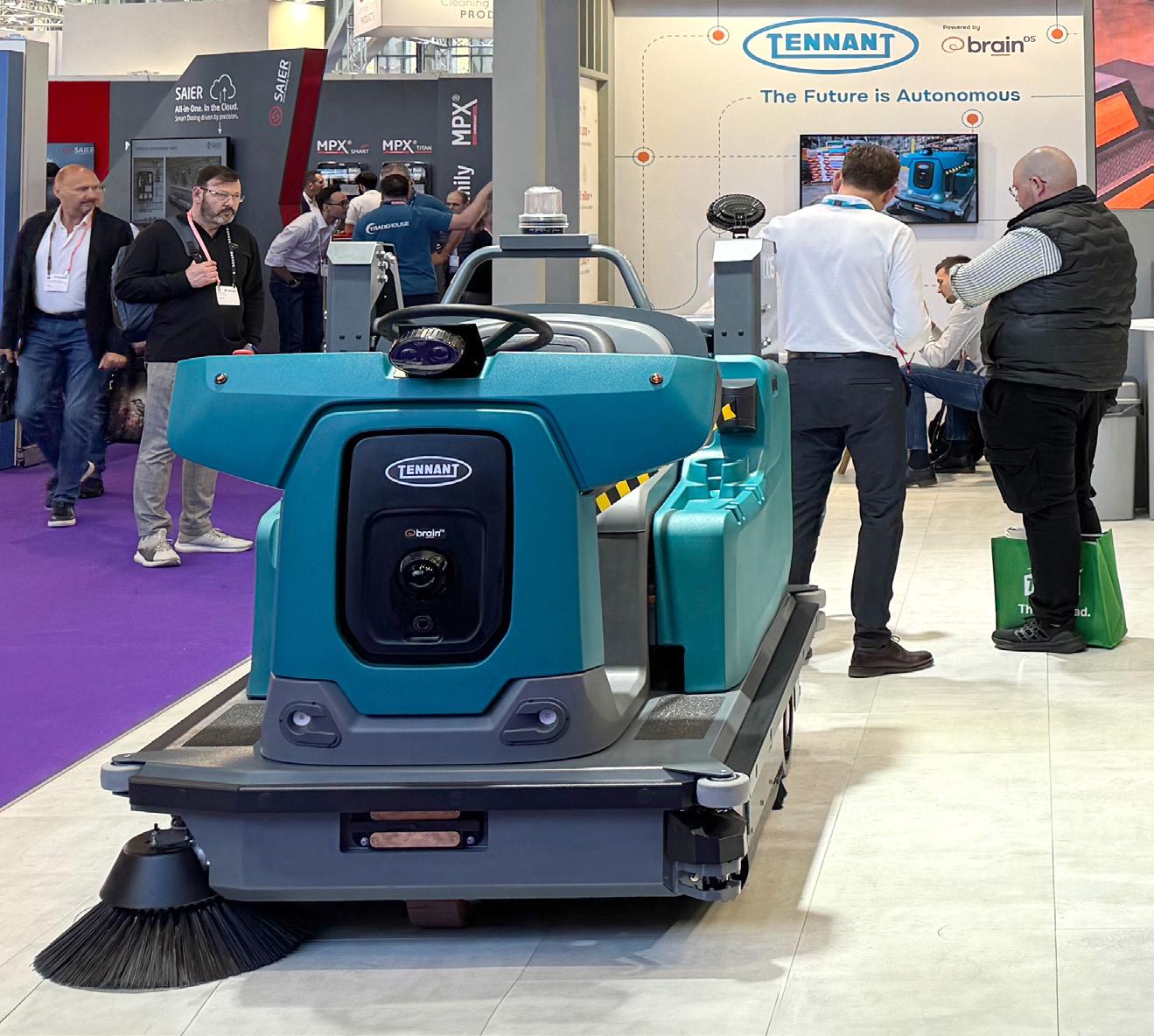
The Tennant Company, a leading multinational floor cleaning equipment and solutions business recently announced a significant evolution in its longstanding relationship with Brain Corp, an autonomous technology company, signing a three-year exclusivity extension for next-generation robotic floor care, accelerating new product development with plans to release 10 new products within 24 months, and simplifying the customer buying experience. Together, these actions support the growth of Tennant’s strategic focus on robotic cleaning and reinforce the company’s commitment to build its autonomous equipment portfolio into a $250 million business by 2028.
This evolution builds on the formation of the Tennant Company Robotics team, a dedicated venture that consolidates resources across sales, research and development, product management, customer success, and technical support into a single, vertically integrated organisation focused exclusively on robotics. By aligning strategy, execution, and customer engagement under one organisation, Tennant is strengthening robotics as a core growth engine and advancing its strategic focus on robotics, and technology-led solutions that solve real-world problems.
Under this model, Tennant and Brain Corp are optimising their complementary strengths to
accelerate market adoption. Tennant leads as the face to the customer, focusing on core cleaning technology and equipment design, solution integration, direct sales, service, and lifecycle support through its global ecosystem. Concurrently, Brain Corp drives the foundational autonomy platform, advancing the AI, spatial intelligence, and software ecosystem that powers Tennant’s robotic portfolio. This enables deeper technical alignment, faster innovation cycles, and a more seamless end-toend customer experience, including a simplified buying model that delivers one integrated solution at a competitive price, aligned with how customers want to purchase, deploy, and support autonomous cleaning at scale.
This evolution further strengthens Tennant’s differentiated approach to robotics by combining its more than 150-year legacy of cleaning equipment expertise, globally recognised brand, and worldwide direct sales, distribution, and service network with Brain Corp’s best-in-class autonomous navigation platform, BrainOS ®
“This is an exciting time for [the] Tennant Company and our customers. This next phase reflects how far we’ve come, and where we’re going,” said Dave Huml, President and Chief Executive Officer of the Tennant Company. “By accelerating our product roadmap, and simplifying how customers buy autonomous cleaning solutions, we are reinforcing Tennant’s leadership in robotics. This evolution strengthens our ability to deliver differentiated, AI-enabled solutions that solve real customer problems and create long-term value.”
Rolux and Panners Wolserve become single entity
Rolux Randburg and Panners
Wolserve recently announced their unification to introduce South Africa’s first integrated supply business for the facility and property management sector. The integration of the two entities marks a major milestone as it strengthens operations, simplifies processes, and delivers greater value to clients and suppliers.
“By combining extensive industry specific expertise and resources, the new business will provide faster service, streamlined operations, and a seamless client experience. A strong emphasis will be placed on
sourcing innovative, environmentally conscious products from both local and international markets, ensuring sustainable solutions that meet modern industry needs,” said Managing Director, Shawn Fulton.
Fulton added, “The integration will also enhance collaboration with leading supply partners, including Numatic, Kränzle, Rolux, Lasher, ECKOS, OneServe, PVA, and STIHL. These partnerships will benefit from clearer communication, improved co-ordination, and stronger long-term alignment. The refreshed Wolserve brand identity symbolises innovation, reliability, and client-centric
excellence, and at the heart of the new identity encompass the guiding tagline: Simple. Service. Solution.”
For more information email: shawn@wolserve.co.za
Register for the WFBSC’s Global Executive Congress 2026 in Las Vegas
Registration is now open for the World Federation of Building Service Contractors’ (WFBSC) Global Executive Congress 2026, taking place from 17 to 19 November at Mandalay Bay Resort and Casino in Las Vegas, marking the event’s return to North America for the first time in more than a decade, and its debut in the city. The WFBSC is a trade association representing leading contract cleaning companies and regional associations serving the contract cleaning industry.
The Congress will be hosted in partnership with The Building Service Contractors Association International as part of its Contracting Success Conference, bringing together senior leaders from across the global cleaning and facilities services industry for
three days of education, strategy, and networking.
“This Congress represents an exciting moment for our global community.
Having hosted our last US-based event in New York City more than a decade ago, it is incredibly rewarding to once again welcome industry leaders from around the world – this time to Las Vegas. We look forward to bringing our community together to share ideas, strengthen partnerships, and shape the future of our industry,” says Stan Doobin, CBSE, CEO of Harvard Maintenance and President of WFBSC.
Designed specifically for executive decision-makers, the 2026 Global Executive Congress will feature a forward-looking programme centred on global market insights, emerging trends
and leadership strategies. Attendees will benefit from high-level education, peerto-peer engagement and international networking opportunities aimed at helping organisations adapt and thrive in a rapidly evolving industry.
Held alongside BSCAI’s Contracting Success Conference, the congress offers a unique platform for global perspectives and cross-border collaboration, connecting attendees with international leaders shaping the future of commercial cleaning and facility services. Attendees will also have access to the ISSA Show North America, providing additional opportunities to explore the latest innovations, products, and solutions driving the industry forward.
For more information and to register, click here
Shawn Fulton
Multi-services business, Excellerate Services, has unveiled a refreshed brand identity – one that reflects how far the business has grown, and where it is headed. Building on a strong legacy, the company has evolved to meet the changing needs of the market. The new brand captures that shift: a sharper focus on specialist expertise,
a clear commitment to actively improving every space it manages, every day.
The brand refresh is being implemented across all territories – Southern Africa, the Middle East, the UK, and Ireland, at a point when consolidating the company’s positioning and core values across all regions makes clear strategic sense.
The Better Way is the brand promise and a way of working, underpinning every decision, deployment, and interaction across the business.
Excellerate Services’ position is that ‘good enough’ is not good enough. The company’s mission is to leave every space they touch better than before, a standard that applies to every service line and every member of staff. The brand’s new tagline, Where Better Begins, captures this from the client’s perspective: engaging Excellerate Services is the starting point for
and create a more positive experience for the people in them.
“This has been a natural evolution,” says Adriaan Otto, Managing Director of Excellerate Services. “We’ve built something strong over the years, and this refresh is about making sure our brand reflects the full depth and breadth of what we offer today, and the standard we hold ourselves to.”
Excellerate Services operates as the master brand, delivering services through four specialist divisions:
Excellerate Security – manned guarding, security technology, and security special operations; Excellerate Cleaning – contract cleaning, hygiene solutions, pest control, and landscaping and plant scaping; Excellerate SmartPark – parking and admissions management; and Fresh Canteen – corporate food services.
For more information visit: www.excellerateservices.co.za
The African Marketplace for cleaning, hygiene, & facility solutions
Numatic International South Africa - Providing dependable cleaning solutions that "simply work”
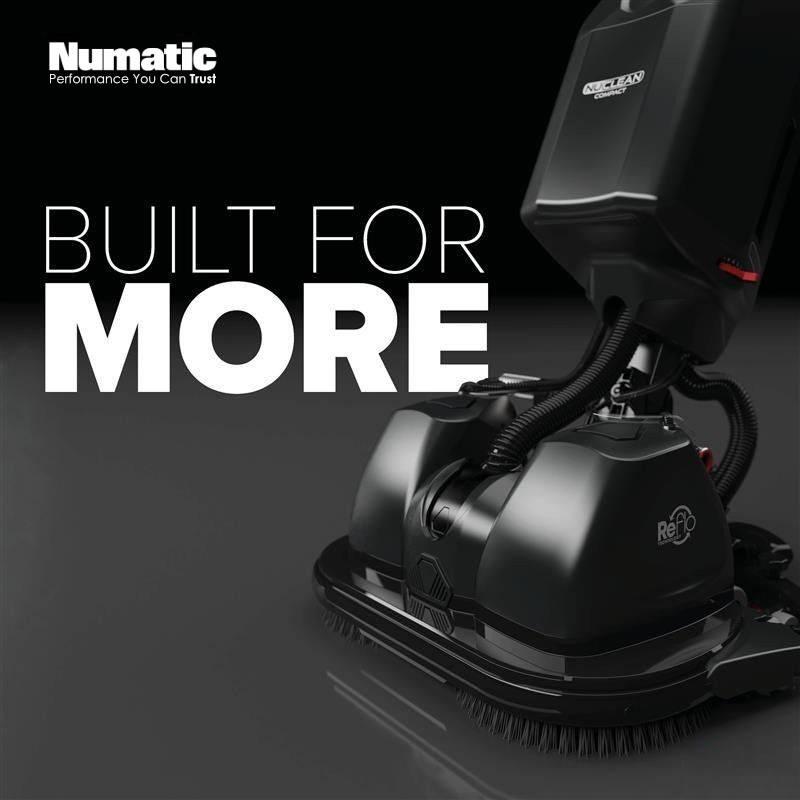
Following an incredible reception at Interclean 2026 in Amsterdam, Numatic International South Africa is thrilled to bring that international momentum to Cleantex. Our focus this year is on the evolution of cordless technology and specialised efficiency. These pillars are designed to reduce downtime and improve cleaning standards across South Africa, proving our equipment is truly Built for More.
At Cleantex, we will be showcasing the NX300 and NX100 Pro cordless series. Powered by our highperformance lithium battery technology:
The NX300 Power Core: A unified battery platform that switches seamlessly between vacuum cleaners and floor scrubbers, providing professional-grade runtime.
The NX100 Pro: A compact, agile solution for high-traffic environments where corded power is not an option.
We are also launching our new specialised hospital trolley solution. Designed specifically for the rigorous demands of healthcare environments, these modular stations are built from high-quality recycled materials. They are fully customisable to fit sterile workflows, ensuring that every tool and disinfectant has a dedicated place, significantly reducing cross-contamination risks and increasing worker efficiency. We invite all Cleantex visitors to experience these innovations firsthand.
For more information visit: www.numatic.co.za
Winter cleaning is a productivity strategy, not a hygiene issue
Absenteeism costs South African businesses billions each year, and winter only adds to the challenge. Therefore, as we enter the winter season, many businesses face a familiar challenge: a rise in colds, flu, and other respiratory infections among employees. These spread easily in shared indoor spaces, leading to more sick days, disrupted operations and a drop in productivity, placing strain on already stretched teams. This absenteeism costs South African businesses billions annually, with typical levels estimated between 3.5 and 6 percent, resulting in a major loss of productive time over a year.
And while winter absenteeism may seem inevitable, how ‘bugs’ circulate within a workplace is often influenced by everyday hygiene practices when people spend longer periods in close proximity, and ventilation is reduced. “Good workplace hygiene may not eliminate absenteeism due to infectious illnesses, but it remains one of the simplest, most practical ways to reduce their spread,” says Jeffrey Madkins, Marketing Manager for Unilever Professional. “This is why public health guidance continues to recommend cleaning frequently touched surfaces and maintaining good hand hygiene to help prevent transmission.”
“During colder months, workplace environments naturally become higher-risk,” he adds. “People spend more time sharing air and frequently touched surfaces like door handles, kettle switches, microwave buttons, and taps. These accumulate bacteria, allowing germs to transfer between people. But there is another silent driver: presenteeism, when unwell employees come to work. One person pushing through Monday can quickly
turn into multiple sick days across a team by Friday.
Madkins notes that these risks are compounded for businesses that approach cleaning as a visual standard rather than an operational one. Those who manage it effectively recognise it as part of protecting productivity, not just appearance.
Five workplace hygiene mistakes businesses should avoid this winter:
1. Treating winter cleaning like business as usual
The same cleaning schedule that worked in summer is unlikely to be sufficient during winter and peak business periods when employee illness risk increases. High-touch surfaces and shared areas, in particular, require multiple cleans daily during peak periods.
2. Targeting surface grime rather than germ hotspots
A workplace can look immaculate and well-presented and still pose a hygiene risk. The surfaces that transmit illness most effectively are rarely the ones that look unclean. It’s items like lift buttons, shared equipment and devices, switches, phones, handles, counters, and card machines that are recognised as key points of contact in the transfer of infections, and require targeted attention.
3. Mistaking excess for effectiveness
One of the most persistent cleaning misconceptions is that more chemicals means a better result. It does not. Overuse can leave residue and lead to wasted product and increased costs without making meaningful hygiene improvements. What actually matters is using the correct product,
on the correct surface, at the correct dilution and frequency every time, like Unilever Professional Multi Surface Disinfectant Cleaner.
4. Overlooking the risks in communal spaces
Bathrooms, kitchens, canteens, reception areas, and meeting rooms are key risk areas for germ circulation. This is not only due to frequent use, but because they’re used in quick succession throughout the day, often without cleaning in between. And one person leaving a trace of infection on a high-touch surface can set off a chain reaction. Hand hygiene is critical in breaking that chain, and signage reminding employees and visitors to wash or sanitise their hands helps reinforce good habits. Support this with readily available sanitisers, regular cleaning and good ventilation where possible.
5. Misjudging cleaning as a cost rather than risk management
When cleaning is treated purely as an overhead, a line item to manage, it is often scaled back when budgets tighten. Instead, workplace hygiene should be seen as part of business continuity, particularly during peak illness periods, rather than dealing with the downstream costs of absenteeism and disruption.
“Winter workplace cleaning simply needs to be more targeted,” advises Madkins. “Increase cleaning where the risk is greatest, focus on hightouch areas, and ensure products are fit for purpose. That’s where the biggest difference is made and what separates a cleaning programme that protects a business from one that simply maintains appearances,” he concludes.
and washrooms
New WHO handwashing standards need reinforcing
Industry experts in the UK are calling for clear and effective cleaning standards to be introduced across workplaces and public spaces in the UK to build on the World Health Organization’s (WHO) Global Handwashing Standards.
Welcoming the handwashing standards as a firm foundation for providing safe and healthy facilities, the body representing the £67bn cleaning, hygiene, and waste sector has published a new guidance framework to improve UK public health, save lives, protect the economy from billions of pounds lost every year in absences due to sickness, and prevent thousands of school days being lost to sickness annually.
The British Cleaning Council (BCC) argues that higher standards of cleaning in workplaces and public spaces, combined with the handwashing measures recommended by the WHO, are the best way of reducing the spread of common infections such as the flu and protecting against another pandemic.
The BCC's Strategic Framework for Achieving Cleanliness and Hygiene in Public Environments (the framework) builds on the WHO standards by providing a framework of systematic guidance on how to develop cleaning and hygiene policies for public spaces, aimed at preventing the spread of infectious disease. The aim is to enable managers across a range of environments, for example leisure, retail, hospitality, and public transport facilities, to develop a policy for delivering targeted hygiene which is appropriate to the specific needs and challenges of the environment they're responsible for, and which includes both cleaning and the subsequent measurement of outcomes.
It is planning a pilot project which will see the framework implemented in one or more schools, with evidence being collected to demonstrate the
impact of measures on reducing both absenteeism and the spread of infection to families in the community. It's hoped that the results of this trial will result in the wide adoption of the framework in other workplace situations and public spaces.
be considered as the bedrock for health and wellbeing.” The framework includes:
• The definition of hygiene and cleanliness
• Assessing risks
• Establishing cleaning and hygiene standards
Improved handwashing nationally will undoubtedly help limit the spread of sickness, but that needs to be combined with higher cleaning standards to be most effective.
The BCC's Jim Melvin said, “Improved handwashing nationally will undoubtedly help limit the spread of sickness, but that needs to be combined with higher cleaning standards to be most effective. The Strategic Framework for Achieving Cleanliness and Hygiene in Public Environments we have issued, gives expert guidance on the issues and methods to be considered when designing a cleaning regime to create a cleaner, safer, and healthier environment for everyone. Higher cleaning standards are essential to protect public health, save lives and reduce the huge impact of sickness absences on the economy.”
Delia Cannings, author of the framework, and Immediate Past Chair of the BCC, added, “A regulated standard is the way forward to provide a structured route to consistency in cleaning standards across a range of environments and public spaces.” She concluded, “Enabling organisations to develop their own policies using the framework guidelines will potentially contribute to the creation of a resilient country whilst reassuring the public regarding environmental cleanliness. A national standard must
• Implementing cleaning and hygiene procedures
• Continuously monitoring and improving the process
This framework has been developed to be adapted/ tailored to specific environments. Examples of areas covered include:
• The need to identify the sites and surfaces where the probability of contamination is highest and where there is the greatest risk of infection spread. This may include hands, high-touch surfaces such as door handles, light switches and shared equipment, cleaning utensils, and surfaces where food is prepared or handled.
• The need to develop cleaning protocols by creating detailed cleaning procedures for different areas and surfaces, including the frequency of cleaning, the types of cleaning products to use and the proper techniques for application.
For more information about the Strategic Framework for Achieving Cleanliness and Hygiene in Public Environments visit: www.britishcleaningcouncil.org
Survey highlights handwashing behaviour
With increased globalisation symbolising the constant global movement of people and goods, it unfortunately brings with it another invisible exchange: the spread of micro-organisms. In this interconnected world, hand hygiene remains one of the simplest and most powerful tools for infection prevention. Despite this, new data from the 2026 Healthy Handwashing Survey by the Bradley Company suggests that consistent adherence remains a challenge.
The Bradley Company has tracked American handwashing behaviour since 2009, making 2026 the 17th year of its national survey. This year, 1 020 adults across the US were surveyed to better understand public washroom habits, perceptions, and hygiene behaviour. While awareness of hand hygiene remains high, the findings reveal a troubling gap between knowledge and action.
According to the survey, 77 percent of respondents reported seeing others leave public washrooms without washing their hands – an increase from 68 percent in 2024. Even more striking, 1 in 5 Americans admitted they are more likely to skip handwashing when alone, underscoring the influence of social accountability on hygiene practices.
Self-reported adherence is also declining. In 2026, respondents said they wash their hands 76 percent of the time after using a public washroom, down from 81 percent the previous year. Barriers such as a lack of soap, empty paper towel dispensers, or non-functioning sinks were commonly cited reasons for skipping proper handwashing.
“For many people, the decision to wash their hands in a public washroom is influenced by the environment,” said Jon Dommisse, Vice President of Business Development and Strategy at the Bradley Company. “If a washroom appears poorly maintained or is understocked, it can discourage
proper handwashing – at exactly at the moment when it matters most for public health.”
The survey also highlights concerning shortcuts. While soap and water remain the gold standard, 44 percent of Americans admit to rinsing with water only. Gender differences persist: men are more likely than women to skip soap (50% vs 38%).
Despite this behaviour, awareness of hand hygiene’s importance remains strong. Ninety three percent of respondents believe handwashing is essential to overall health, and 81 percent report increasing handwashing during influenza season or viral surges. Of the respondents, 70 percent say they are concerned about contracting seasonal illness such as influenza.
These findings align closely with the goals of WHO’s World Hand Hygiene Day, observed annually on 5 May. The initiative is part of WHO’s broader “SAVE LIVES: Clean Your Hands” campaign,
aimed at improving hand hygiene practices in healthcare facilities worldwide.
The Bradley survey also underscores that touchless technology is an emerging factor. A significant majority of respondents prefer touchless fixtures: 76 percent believe they are important, and 75 percent agree they improve the washroom experience. Additionally, 66 percent said they are more likely to return to businesses that offer touchless washrooms, suggesting that hygiene and customer experience are increasingly intertwined.
Reducing absenteeism this winter
As winter settles in, absenteeism in workplaces, schools, and public facilities tends to rise. Colder temperatures drive people indoors, where germs spread more easily through shared spaces, surfaces, and frequent hand contact. An often-overlooked yet highly effective defence against winter absenteeism is proper hand hygiene, according to Hygiene Systems.
Hands are one of the main carriers of infection. Studies show that a large percentage of infectious diseases are transmitted via hands, and on average, we touch our faces multiple times an hour unknowingly transferring harmful bacteria and viruses. Implementing accessible hand hygiene solutions is therefore essential. Alcohol and non-alcohol-based hand sanitisers, antibacterial hand soaps, and surface sanitisers should be readily available in high-traffic areas such as entrances, washrooms, break rooms, and reception areas. Clear signage and staff education further reinforce good habits, helping to break the chain of infection before it starts.
Reducing absenteeism in winter is not about one single solution, it’s about a holistic hygiene strategy. By combining effective hand hygiene practices with robust hard floorcare programmes, organisations can significantly limit the spread of illness, protect their people, and keep productivity strong throughout the colder months. A cleaner environment is a healthier environment and in winter, that makes all the difference.
For more information about hand hygiene solutions visit: www.hygiene-systems.co.za
The predictive washroom advantage
Smart buildings are no longer futuristic concepts. Across the globe, facility leaders are investing in technology to optimise energy use, streamline operations, and create better occupant experiences. However, while heating, ventilation, and air conditioning (HVAC) systems, lighting controls, and occupancy sensors often take centre stage, one of the most visible and frequently used spaces in any building is often overlooked in the conversation: the washroom. That omission comes at a cost according to Karen Ross, a business operations leader for Onvation® at Kimberly-Clark Professional.
The pressures facility leaders face Today’s facility managers and service providers face a difficult balance. Budgets are tightening, yet expectations continue to rise. Labour resources are stretched, with teams asked to do more in less time.
Additionally, the need to anticipate industry shifts, from sustainability goals to emerging technologies, continues to grow stronger every year.
Nowhere do these pressures converge more visibly than in the washroom. High-traffic, high-complaint,
and high-cost washrooms are often the first place that guests notice when operations fall short. One outage, one empty dispenser, or one unclean space can undermine trust in a facility.
continues on page 16 >>
feature hand hygiene and washrooms
From reactive to predictive Traditionally, washroom maintenance has been a reactive approach. Teams follow rigid schedules or respond to emergencies and complaints. This model wastes resources, drains labour hours, and leaves facilities vulnerable to guest dissatisfaction.
Predictive intelligence offers an improved path forward. By combining historical usage patterns with realtime data, facility teams can anticipate needs before problems occur. Instead of unnecessary checks and rushed emergencies, servicing happens when and where it’s genuinely needed. The result is a shift from firefighting to foresight.
Proof in practice
In one large office building, predictive washroom technology helped facility managers save more than 3,000 hours of cleaning time in a single year. This equated to more than R576,000 in labour savings, enabling teams to focus on in-depth cleaning and higher-
value work throughout the facility. This example illustrates how predictive approaches ease labour pressures, control costs, and strengthen the overall building experience.
Why now
The timing could not be more important. Labour costs continue to rise. Guest expectations are increasing, with little tolerance for service failures. Sustainability commitments are pushing organisations to do more with less. And adoption of smart technology is advancing across the built environment.
In this context, predictive washrooms are not a luxury; they are a strategic step forward. Washrooms that are consistently clean, stocked, and operational send a powerful signal: this is a facility that cares about its people and is preparing for the future.
Washrooms as brand-defining spaces
Ultimately, predictive intelligence is about more than reducing complaints
or saving costs. It is about redefining the role of the washroom within the smart building strategy. Washrooms can be elevated into brand-defining spaces, spaces that reflect a facility’s standards, values, and commitment to excellence.
When washrooms deliver consistently, they reinforce trust. For guests, that means confidence in the facility. For teams, it means less stress and more pride in their work. And for leaders, it means assurance that one of their most visible spaces is working as it should: seamlessly, reliably, and intelligently.
The cornerstone of facility performance
Smart buildings deserve smart washrooms. As predictive intelligence becomes more prevalent, the washroom will no longer be overlooked. It will be recognised as a cornerstone of facility performance and brand experience.
Don’t damage your buildings’ esteem in the washrooms
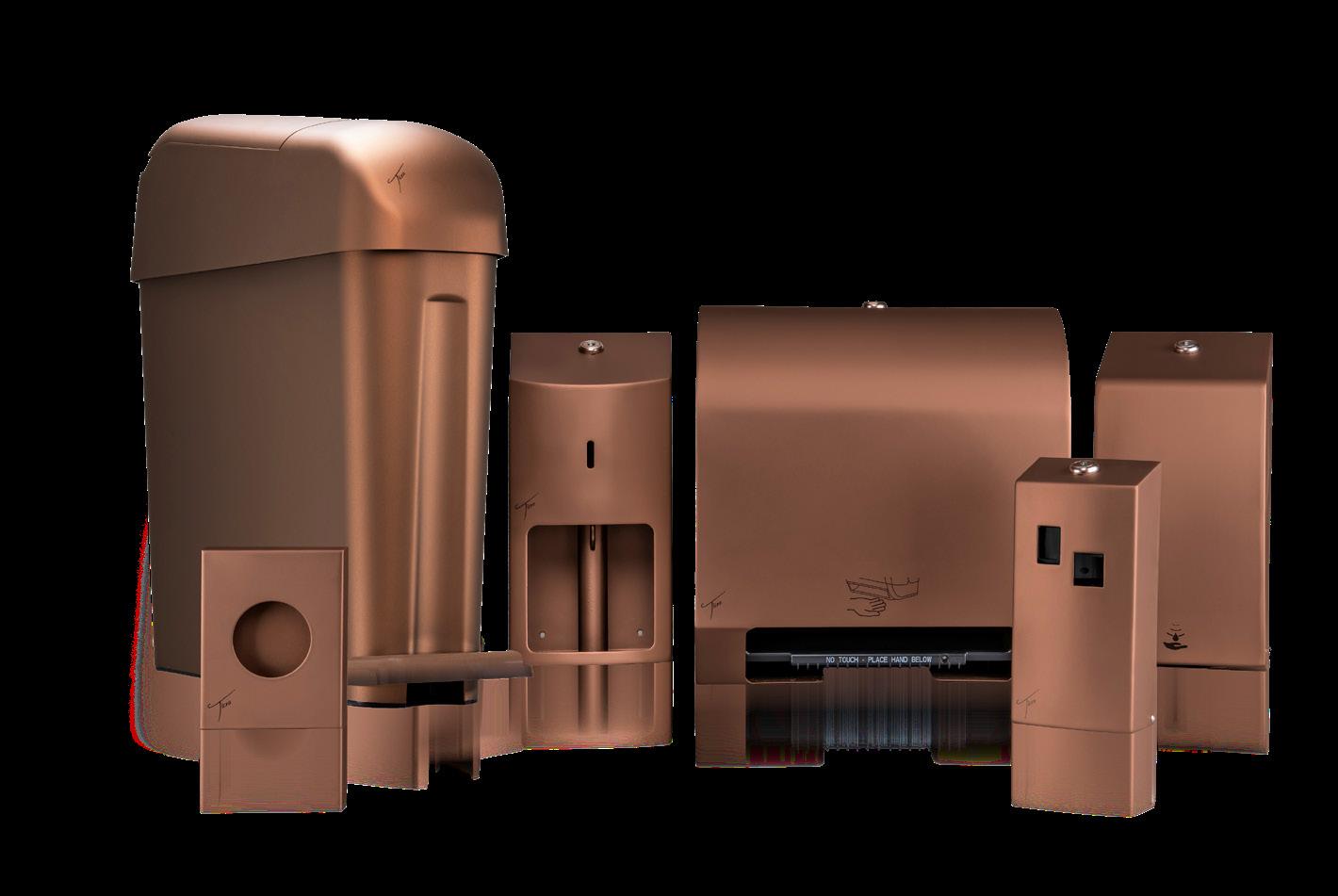
What if your building could actually work as your most persuasive sales tool, convincing every visitor of your commitment to excellence without you saying a single word? It can, with the new Ticra Ember Bronze Steel Range from Nuwkem. This unique premium range allows you to elevate your building to be your ultimate brand
Yfeel genuinely appreciated. As someone who manages high-end commercial spaces, you already know that your reputation is only as strong as the most frequently used parts of your property. You might spend a fortune on a breathtaking lobby, but the real conversation you have with your customers happens in the quietest corners of your building – your washrooms. By introducing the Ember Bronze Steel Range, you are transforming these often-overlooked spaces into sanctuaries that align with your brand’s story of excellence.
Nuwkem, a leader in commercial hygiene solutions, has developed the Ticra Ember Bronze Steel Range specifically for those who refuse to cut corners. This premium collection is the “royal family” of washroom products. Crafted from high-grade steel and finished in a rich, warm bronze tone, these products bring an understated luxury to hotels, boutiques, restaurants and other high-end venues.
Nuwkem understands that while high style is essential, durability is equally non-negotiable in busy commercial
environments. That is why the Ember Bronze Steel Range combines a sophisticated aesthetic with rugged construction, ensuring that your investment maintains its shine and performance for many years to come.
effect”, cannot be overstated. Because people are more aware of hygiene and quality than ever before, providing a space that feels safe, stylish, and hygienic is a necessity. When you provide a washroom that feels like a sanctuary, you are offering a moment of peace that people truly value. The Ember Bronze Steel range of products are designed with maintenance in mind, being easy to refill and even easier to keep clean. Because they use the same high-quality refills you have come to expect from the Ticra name, you can maintain a consistent standard of hygiene without any additional logistical headaches. In the end, your building’s reputation depends as much on how it makes people feel as it does on the
Nuwkem, a leader in commercial hygiene solutions, has developed the Ticra Ember Bronze Steel Range specifically for those who refuse to cut corners. This premium collection is the “royal family” of washroom products.
When a visitor enters your washroom, they are often looking for a brief moment to pause and reset. If they encounter polished premium surfaces and effortless, flawless function, they receive a message of reliability that they then transfer to their impression of your entire operation. The Ember Bronze Steel Range helps you send a clear signal that the well-being of your customers is at the top of your priority list. This is what builds the kind of long-term trust that turns casual visitors into lifelong ambassadors for your property.
The psychological impact of these high-end fixtures, the so-called “sanctuary
services you provide. By choosing the new Ember Bronze Steel Range, you are setting a standard that your customers will notice, appreciate, and remember long after they have left your building. So, don’t silence your building’s voice, explore how this flawless design and superior performance can transform your washrooms into powerful assets for your brand. Let your quiet corners do the talking and show your customers that you truly care about every single detail.
For more information visit: www.nuwkem.co.za.
Visit the Nuwkem stand from 13–15 October 2026 at Cleantex.
Connecting the global cleaning and hygiene industry
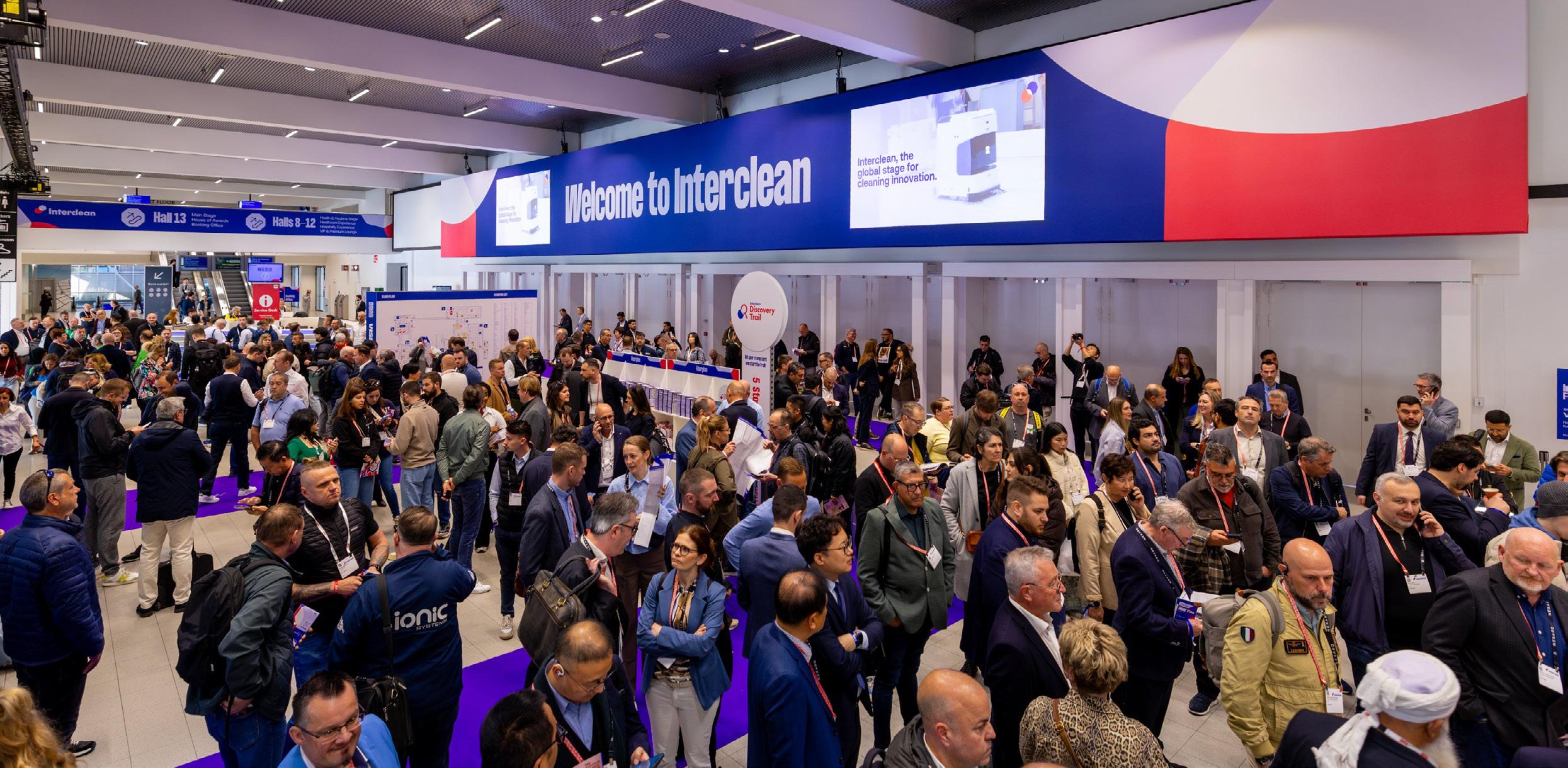
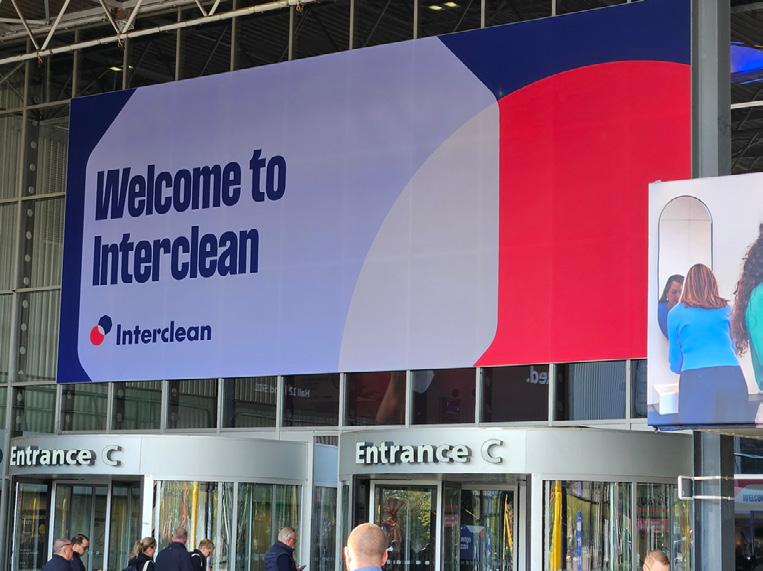
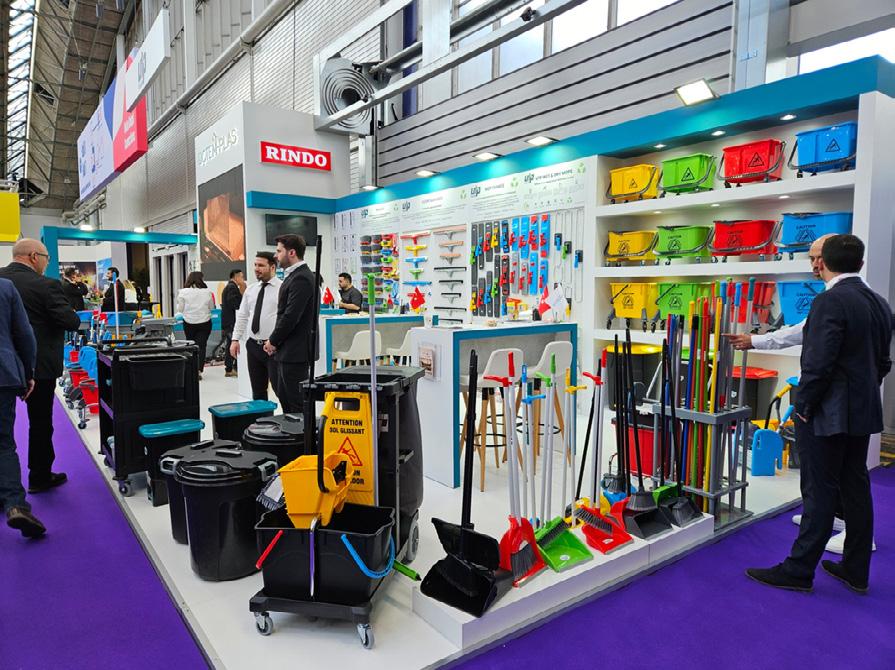
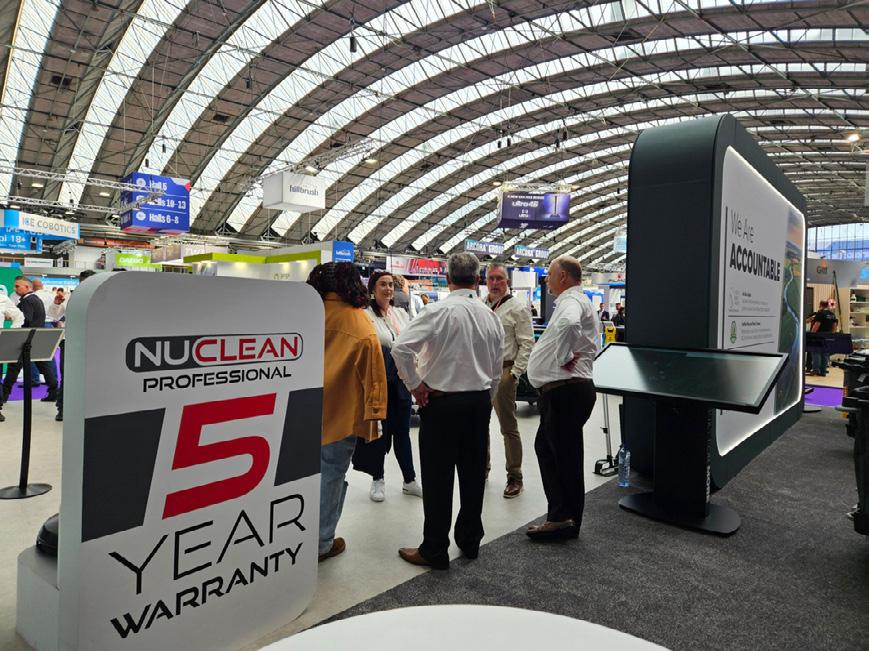
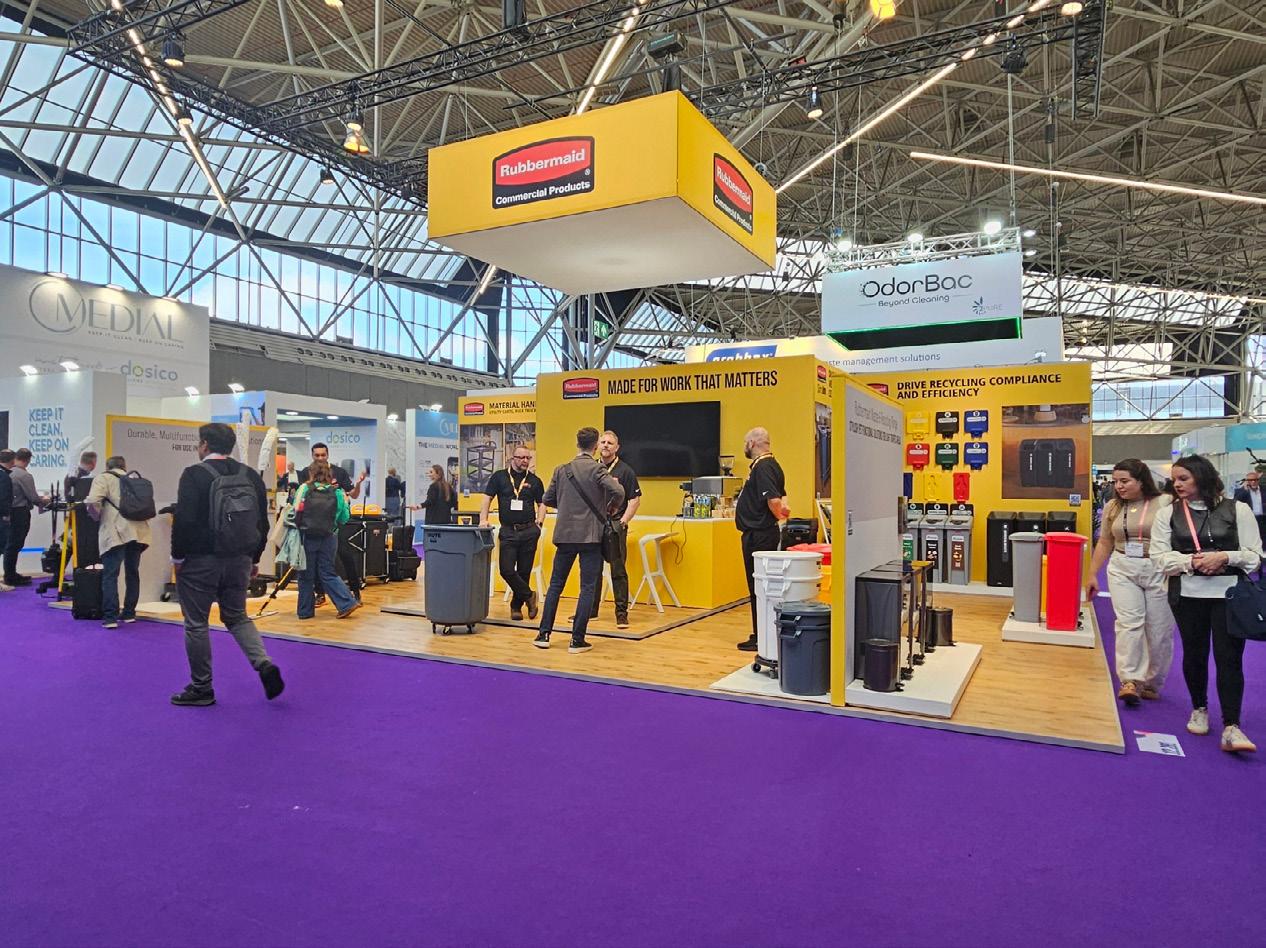
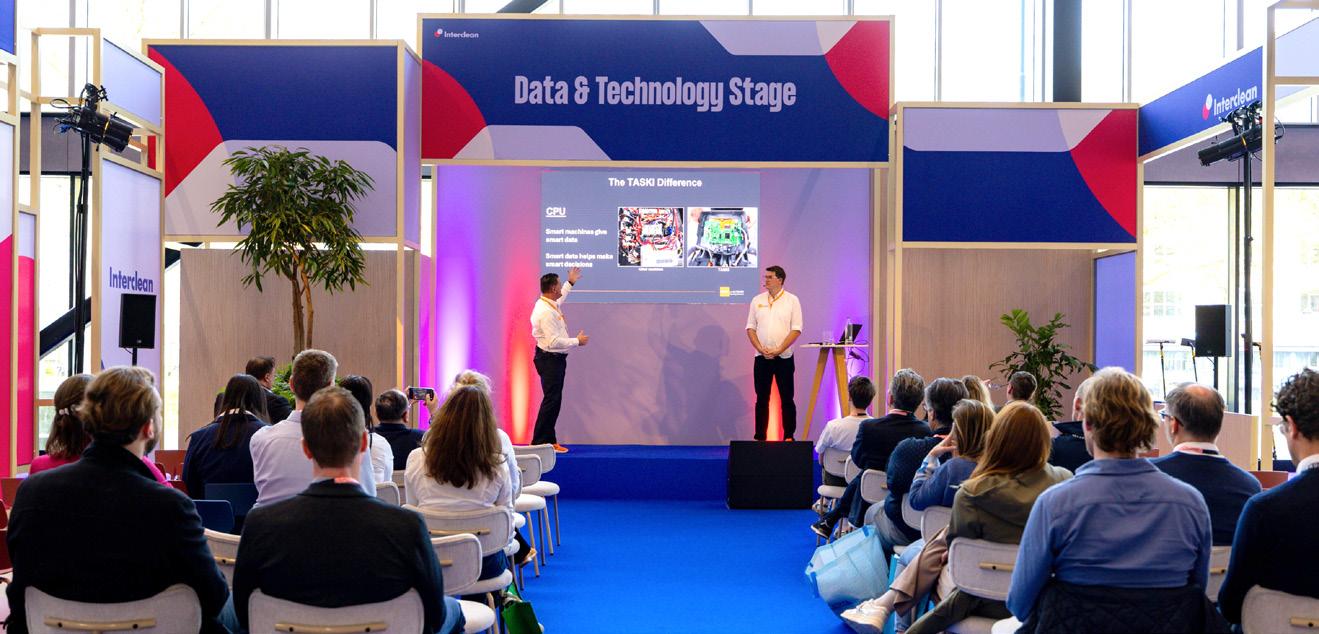
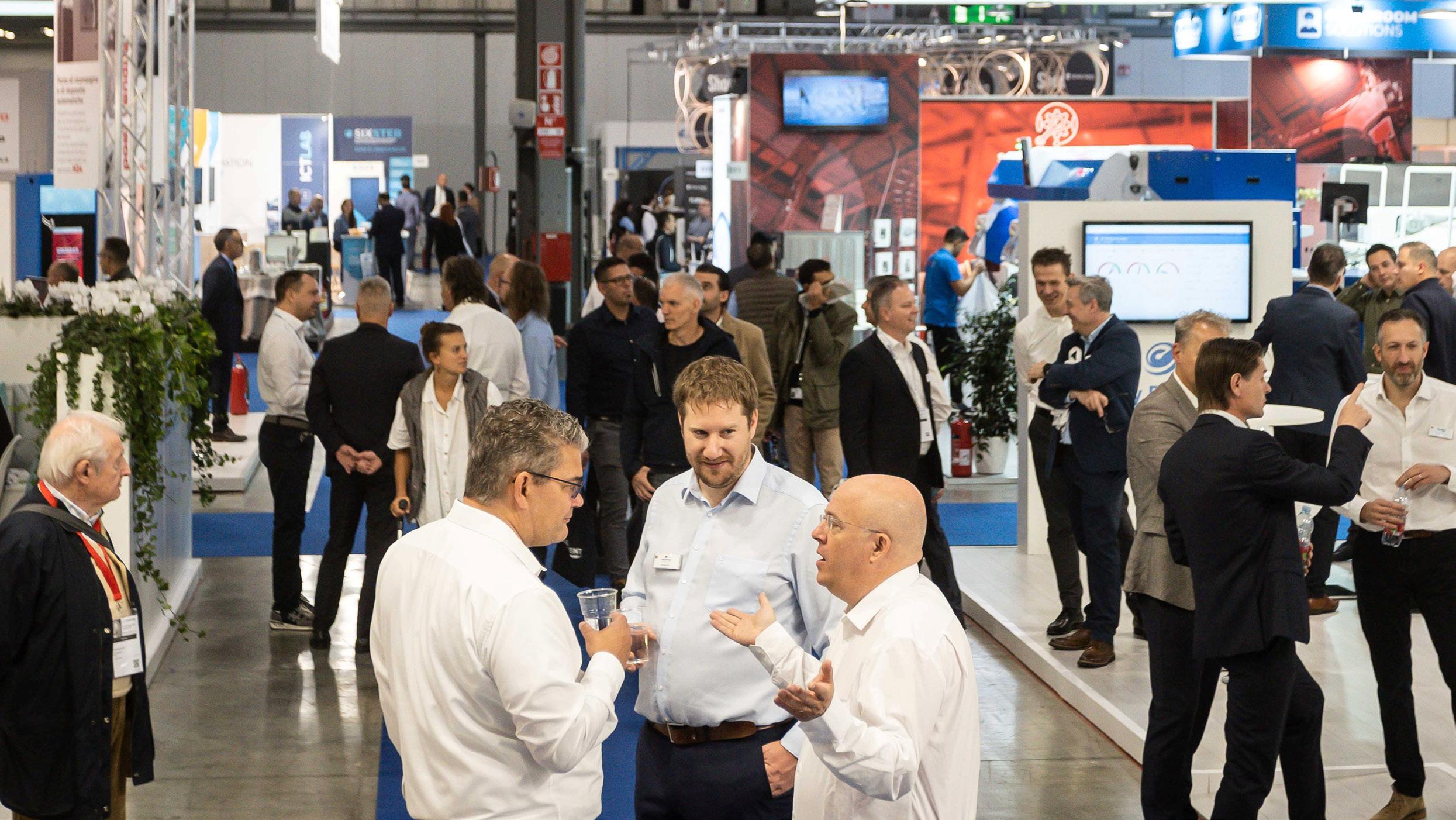
This year’s Interclean Amsterdam exhibition that took place from 14 to 17 April, can probably be best described as a phenomenal international professional cleaning showcase. The 30th edition of the event was spread over 75,000 square metres, occupied by over 900 exhibitors, making it the world’s leading meeting place for cleaning and hygiene professionals.
The return of the three kilometre circular layout offered visitors a unique experience to explore the full scope of the professional cleaning industry. This is where global manufacturers, innovators, and decision-makers congregate to highlight the industry’s shift towards automation, autonomous robotics, and sustainable solutions.
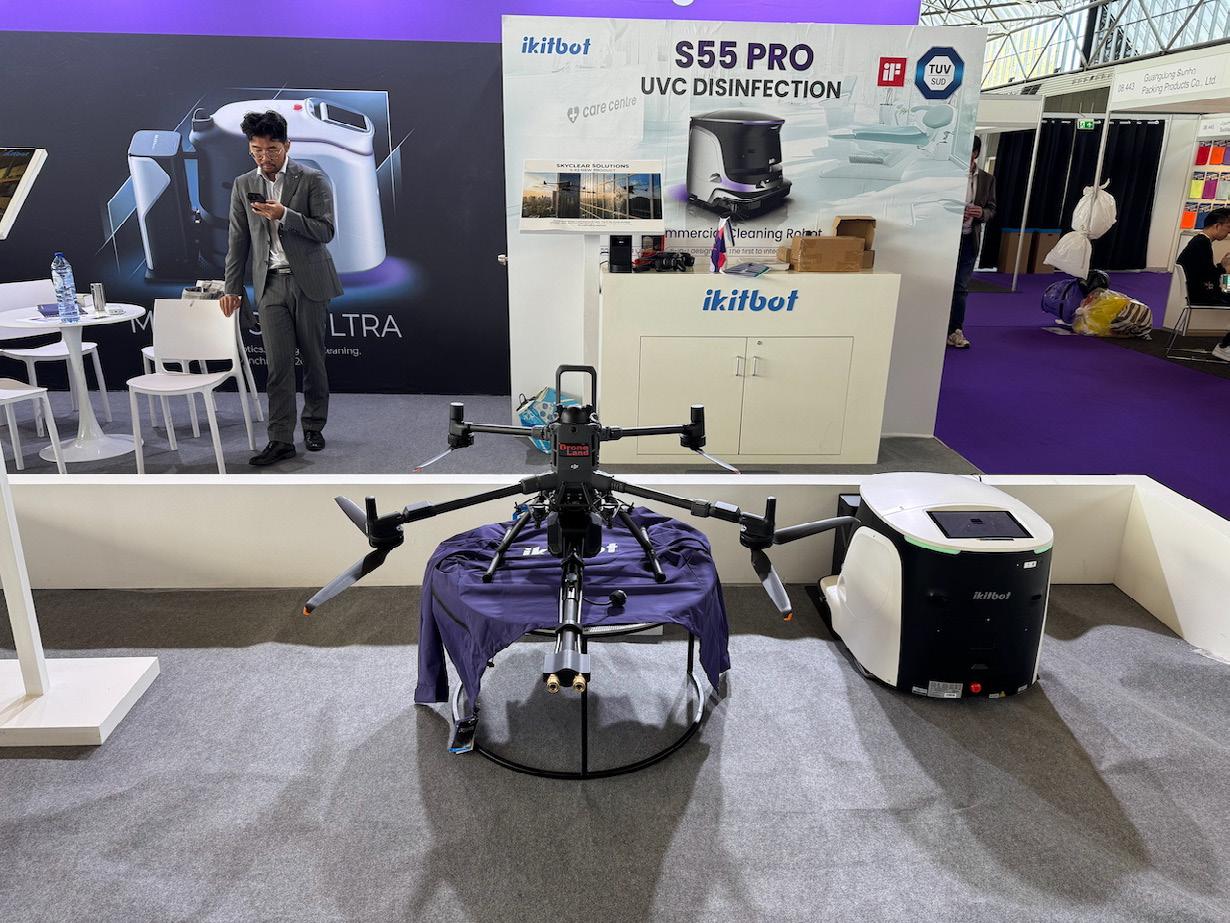
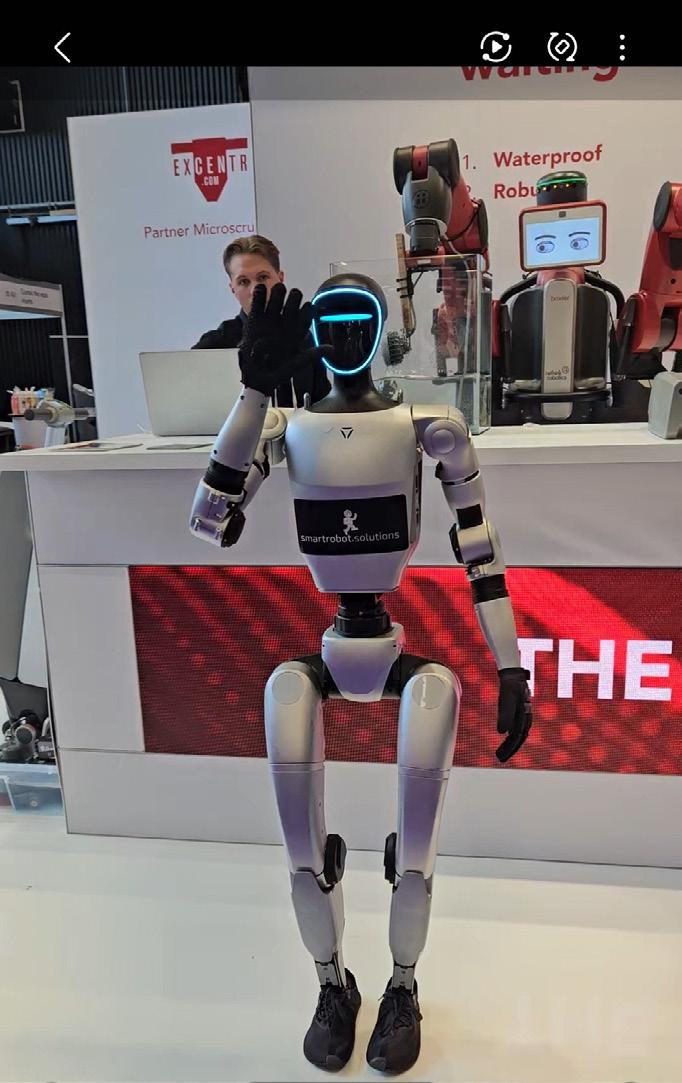
This year’s show featured more live and interactive experiences than before. Visitors were able to explore hands-on zones, including hospitality, robotics, outdoor cleaning, and healthcare cleaning experiences, offering real-world demonstrations and practical insights. The Outdoor Cleaning Experience showcased the latest façade and window-cleaning systems in action. The dedicated zone for autonomous cleaning robots, featured
live demonstrations from leading manufacturers including Sparkoz, Adlatus, LionsBot, Gausium, Shenzhen Yunjie Technology, Allybot, and Ecovacs.
Awards
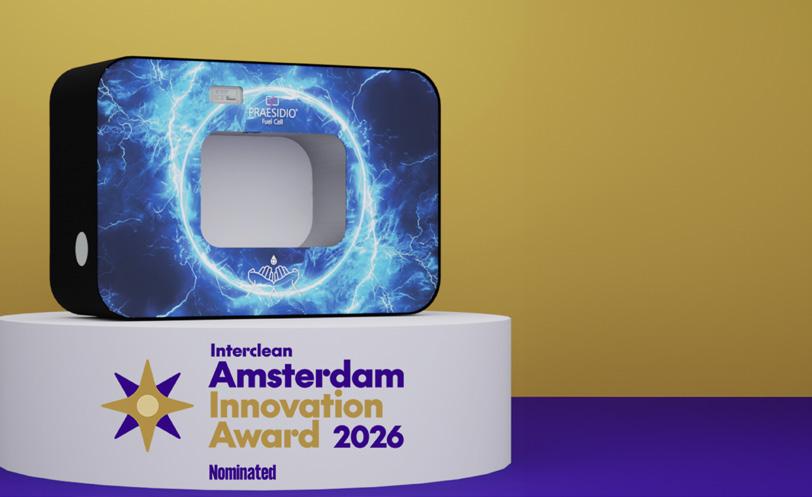
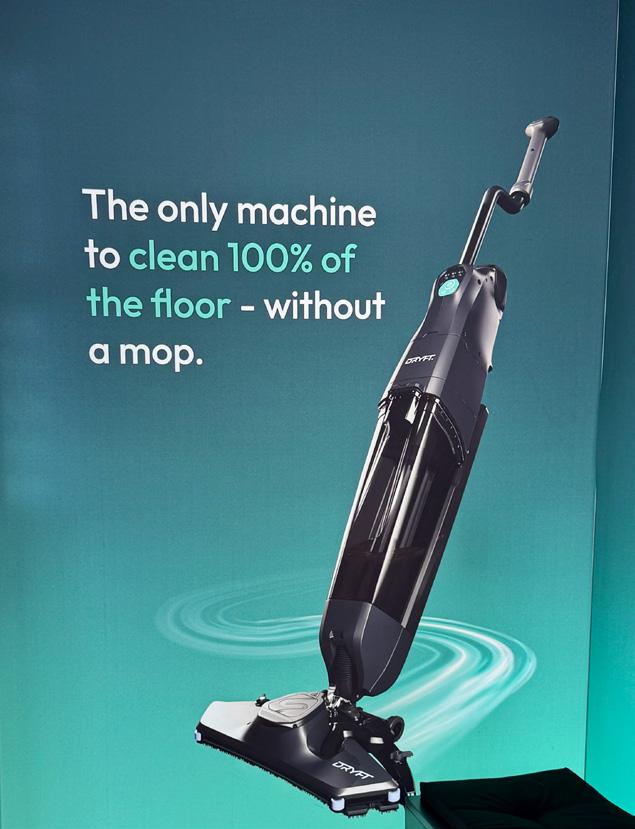
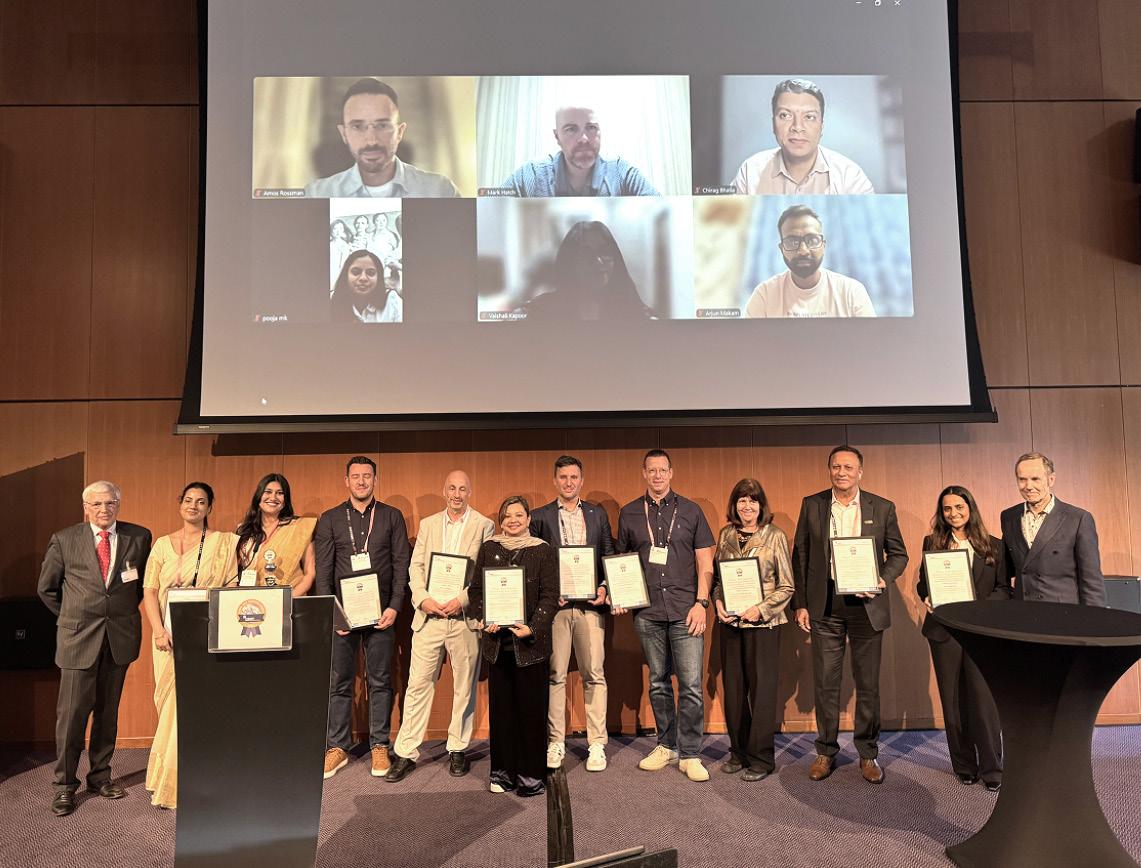
As a cornerstone of the show, the Amsterdam Innovation Award continued to set the benchmark for innovation across the cleaning and hygiene industry. This year’s overall winner award was presented to DRYFT for the DRYFT® ultra-low profile highspeed scrubber-dryer. Designed with the operator in mind, the machine impressed the jury with its ability
to significantly reduce the physical strain through its vertical, ergonomic design while delivering strong cleaning performance and versatility. Beyond ergonomics, the jury also noted its potential to make a meaningful difference across the industry through significantly improving both productivity and user experience.
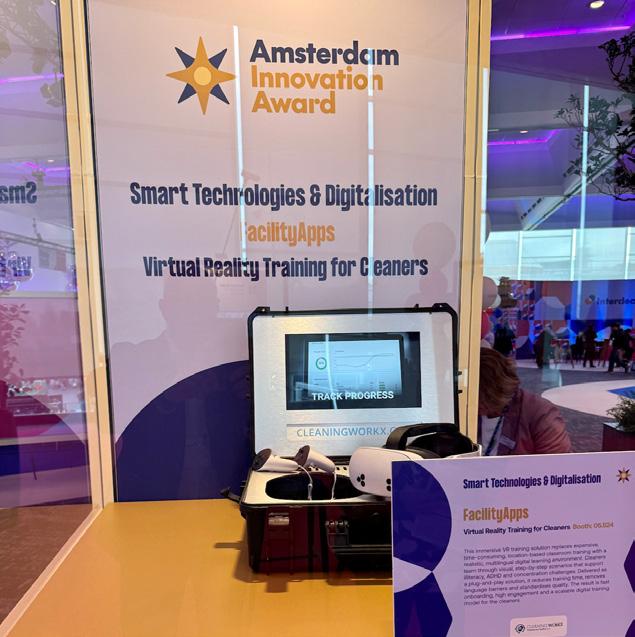
Some of the other awards included, the Cleaners’ Choice Award presented by the Dutch Cleaner of the Year to FacilityApps for its Virtual Reality Training for Cleaners, further underlining the positive impact of the solution. The Visitor’ Choice Award went to Kärcher for the KIRA B200, a safety-certified, fully autonomous scrubber dryer.
Knowledge sessions
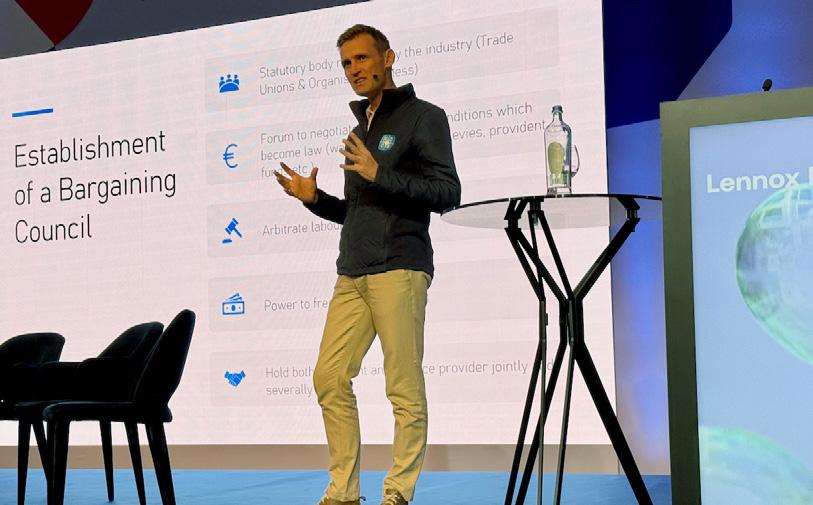
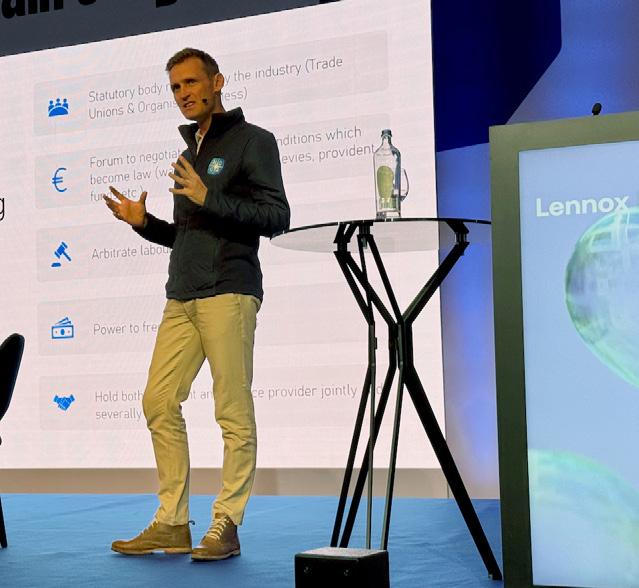
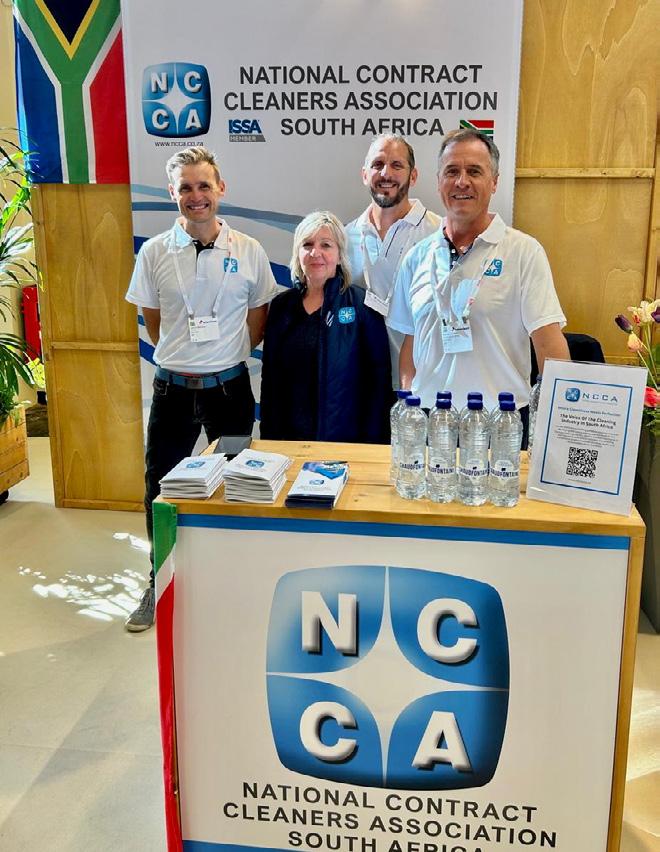
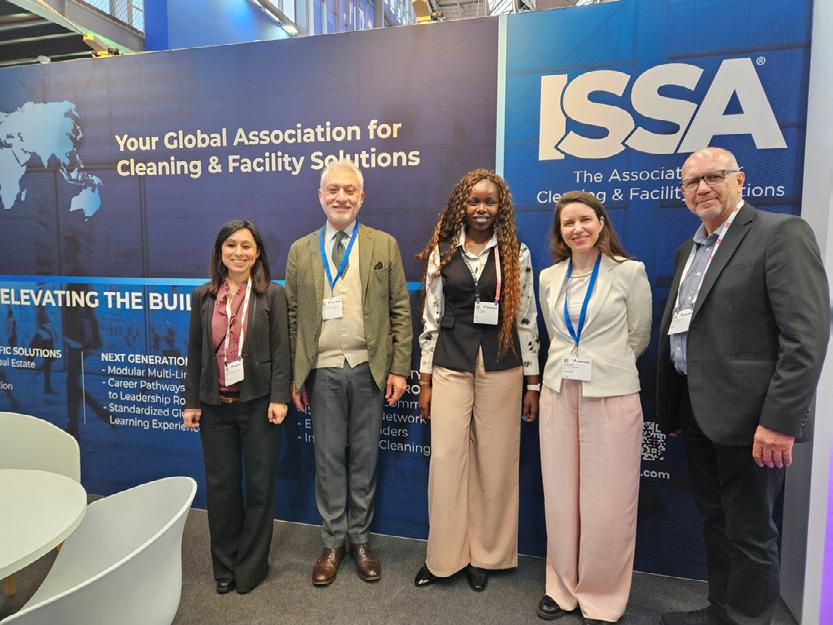
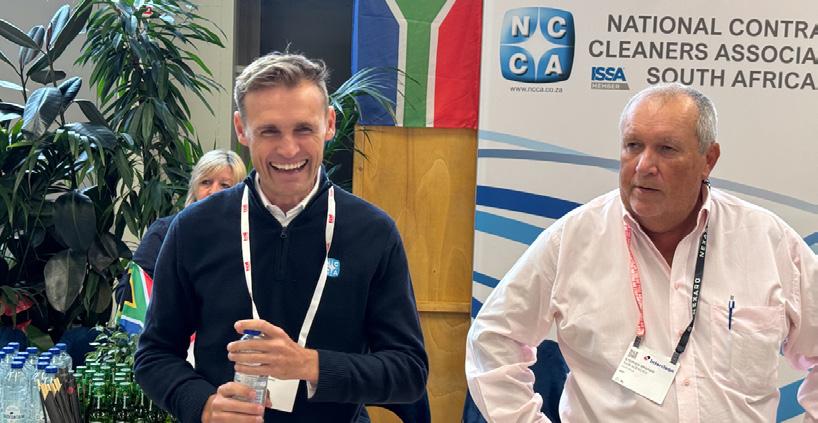
Interclean Amsterdam 2026 placed education and professional exchange at the centre of the show, with four dedicated knowledge stages addressing the people, practices, and technologies shaping professional cleaning. On the second day and at the main stage, the South African National Contract Cleaners Association represented by President, Lennox Batchelor, participated in a Global Association Meeting and panel discussion. He presented a case study on the recently established bargaining council and South Africa’s journey towards a professional and sustainable cleaning industry.
FacilityApps
DRYFT®
Lennox Batchelor
African Cleaning Forum
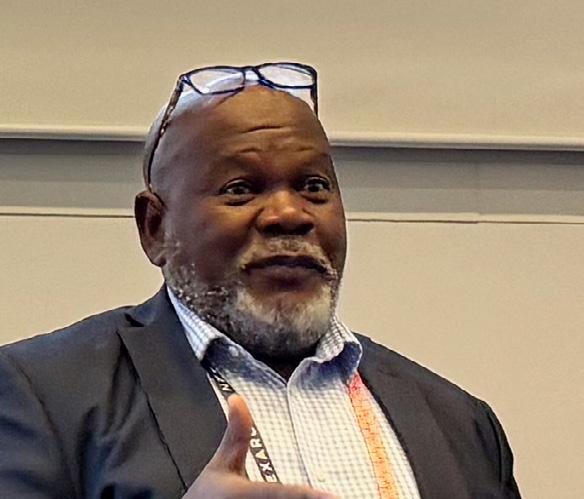
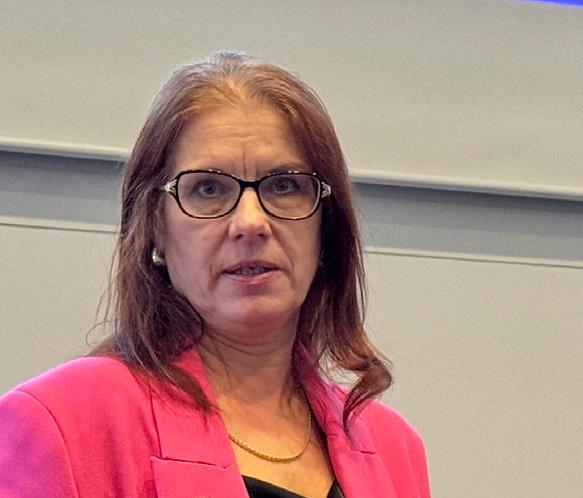
Interclean hosted the first edition of the African Cleaning Forum, a dynamic gathering that united attendees from the African continent to learn, network, and exchange perspectives on shared challenges in the African cleaning industry. This unique platform was aimed at strengthening collaboration across the continent and to help shape the future of professional cleaning across Africa. The event included presentations by international speakers, Dr Baagi Thema Mmereki (Botswana), owner of a waste management and occupational hygiene company, and Helga Alt, (Estonia) a cleaning industry expert who played a central role in establishing national cleaning standards and steered the design and implementation of the European Qualifications Framework based certification in Estonia.
South African delegation
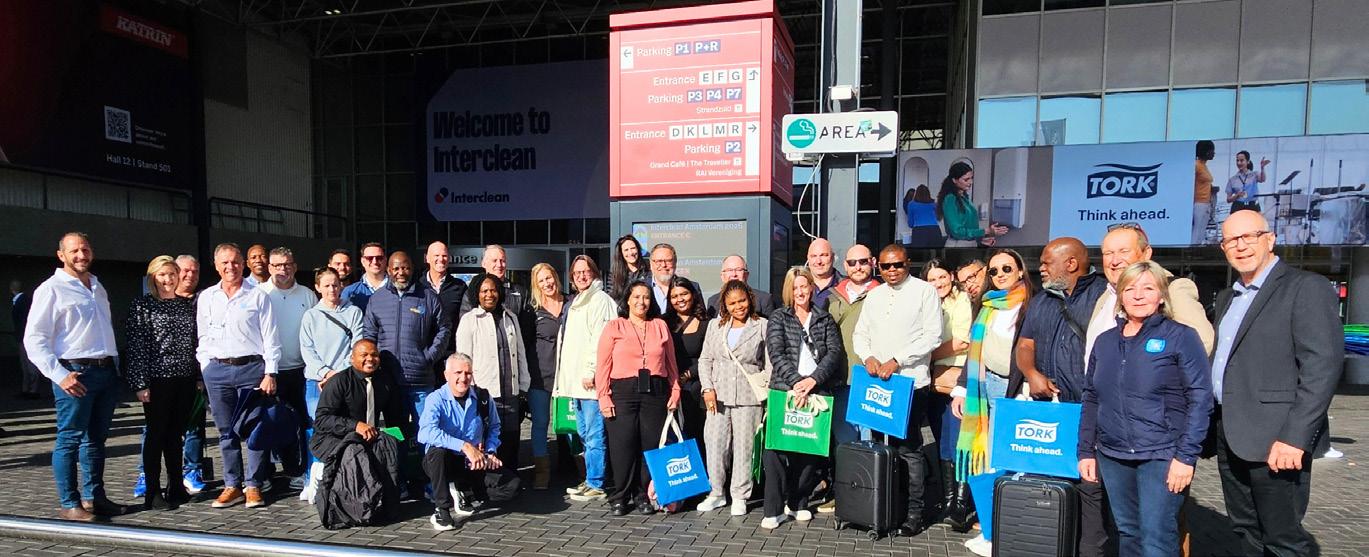
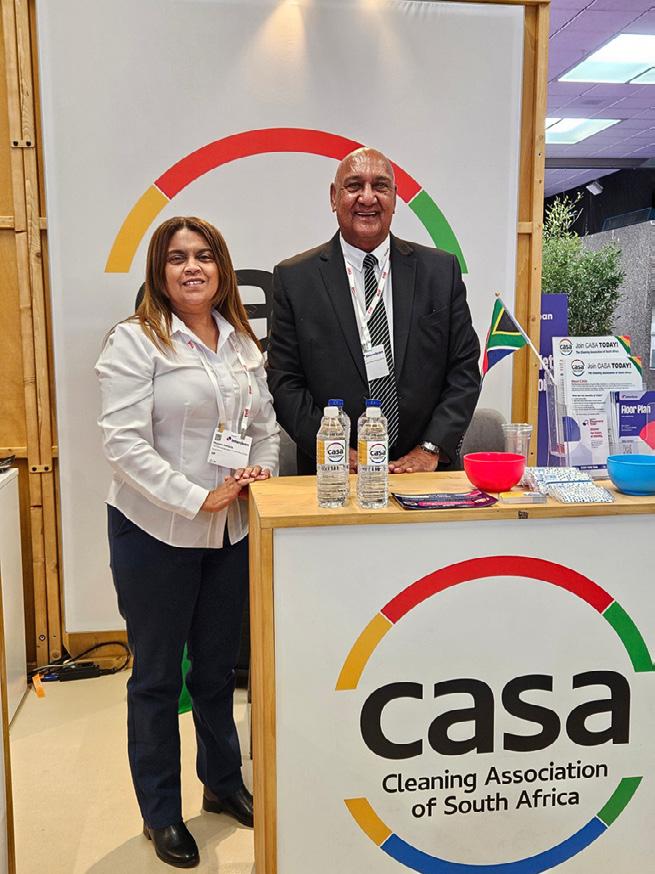
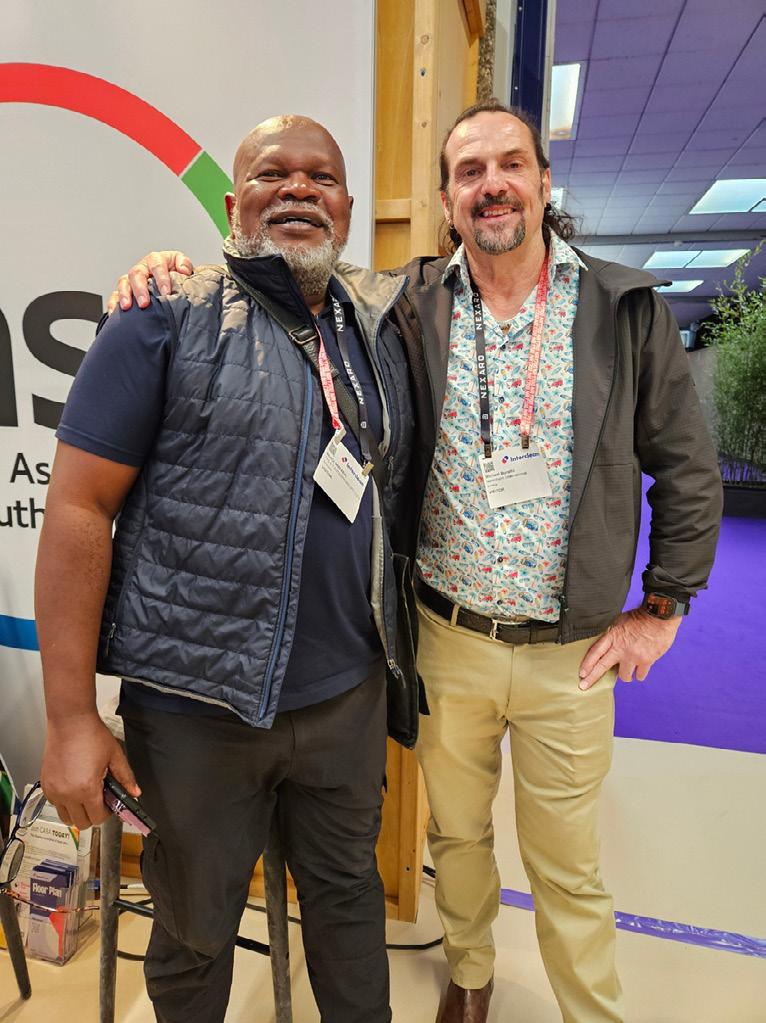
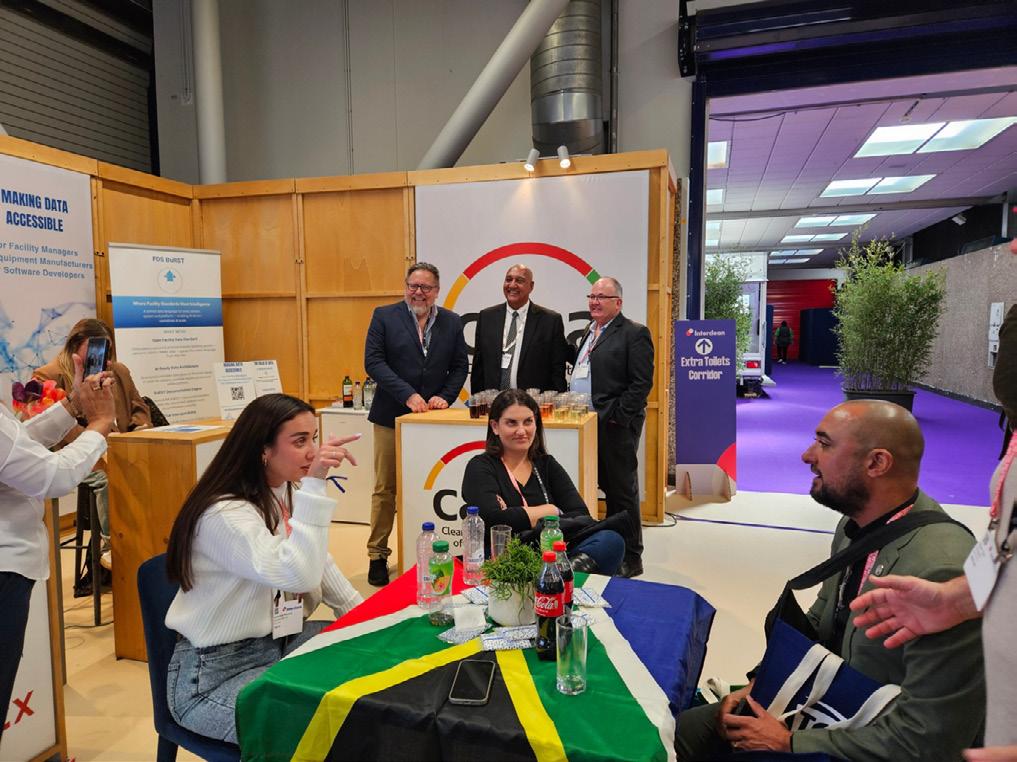
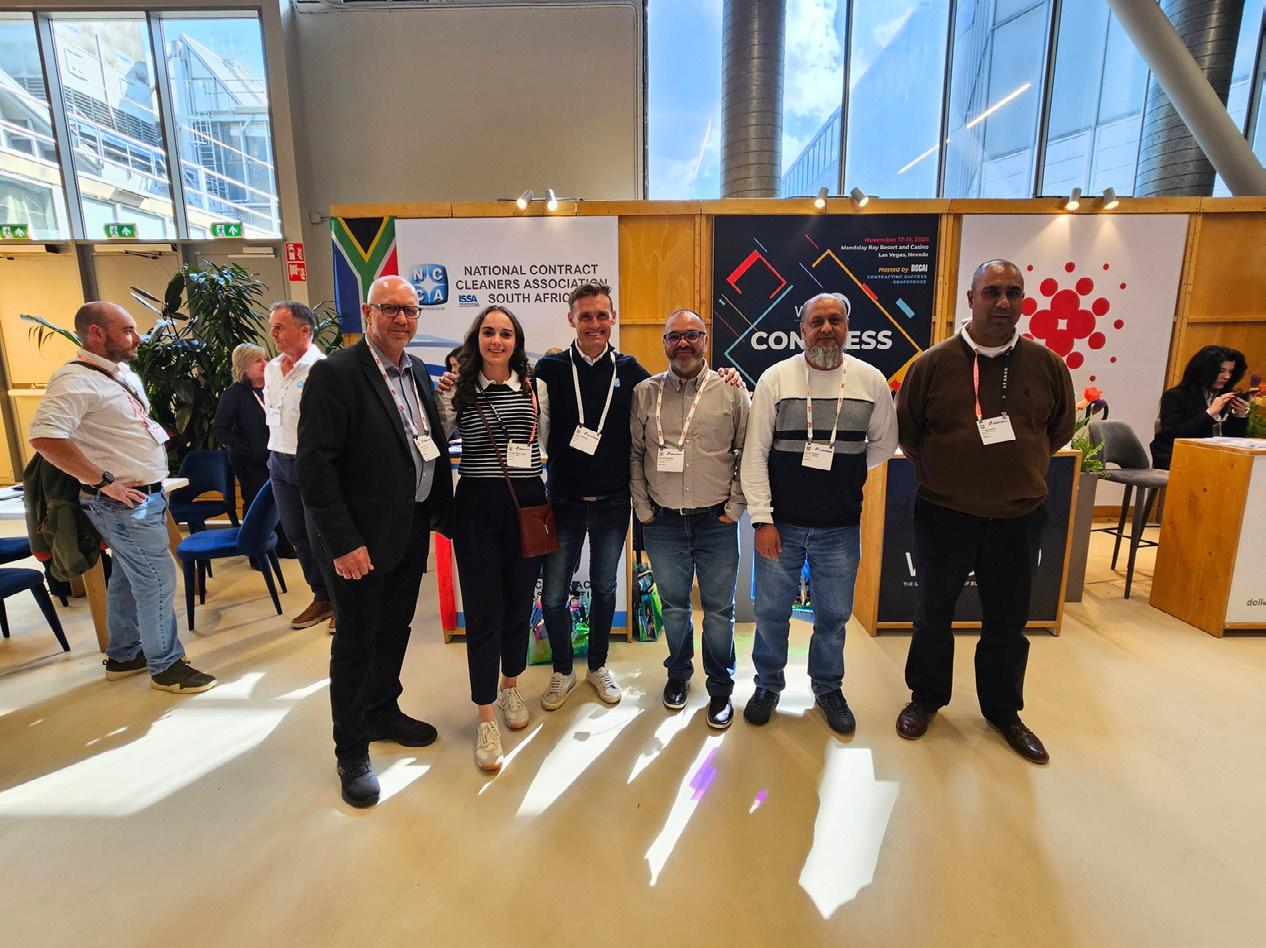
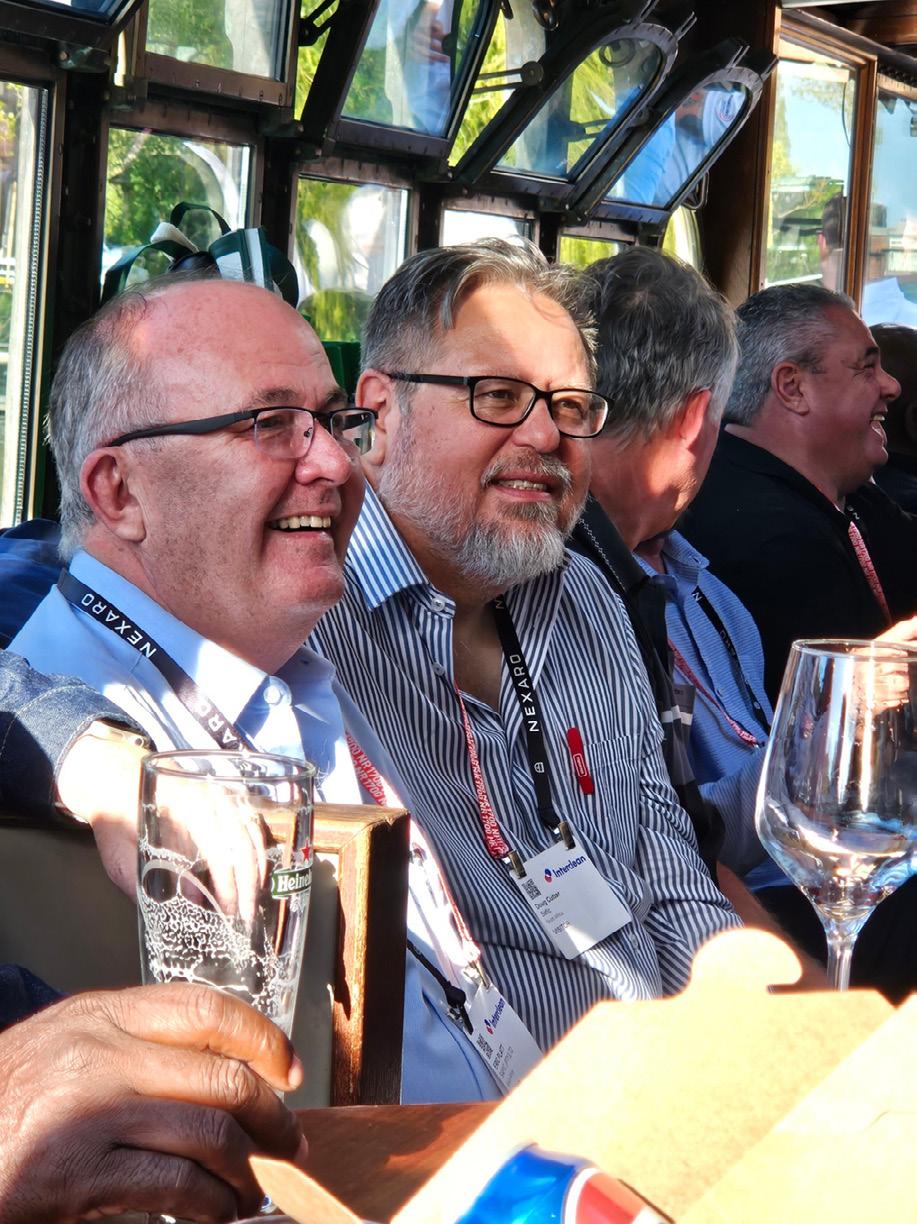
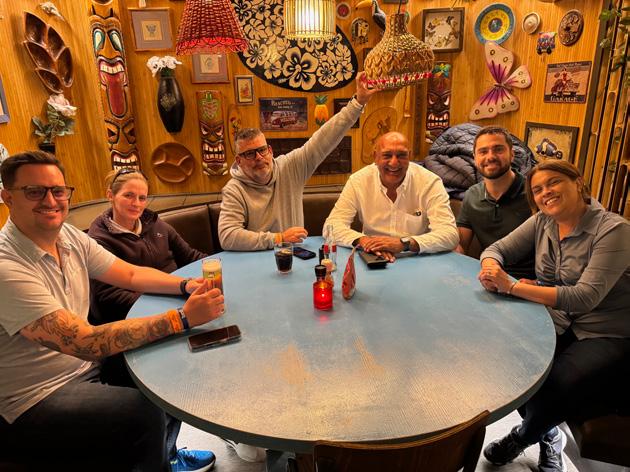
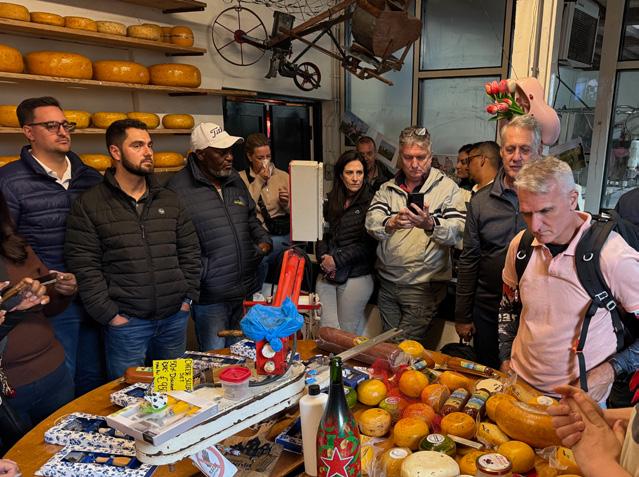
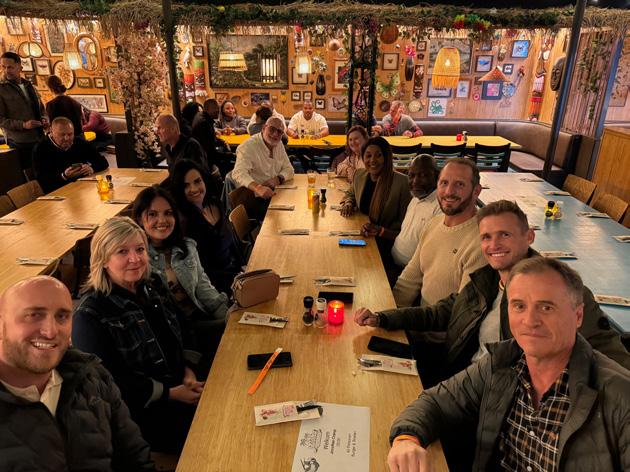
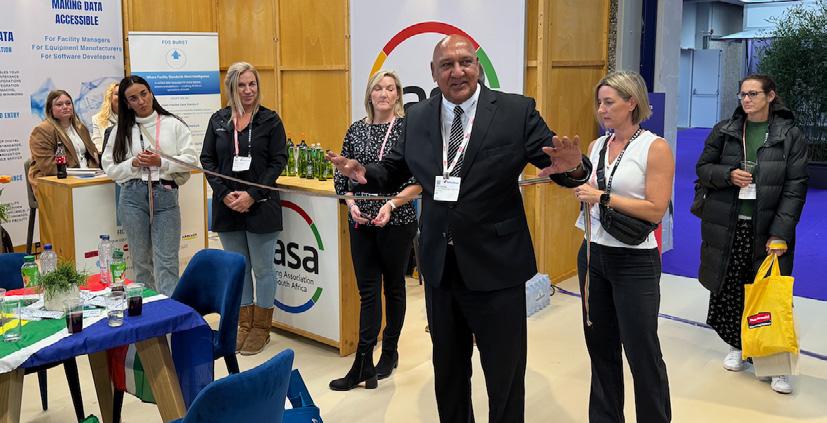
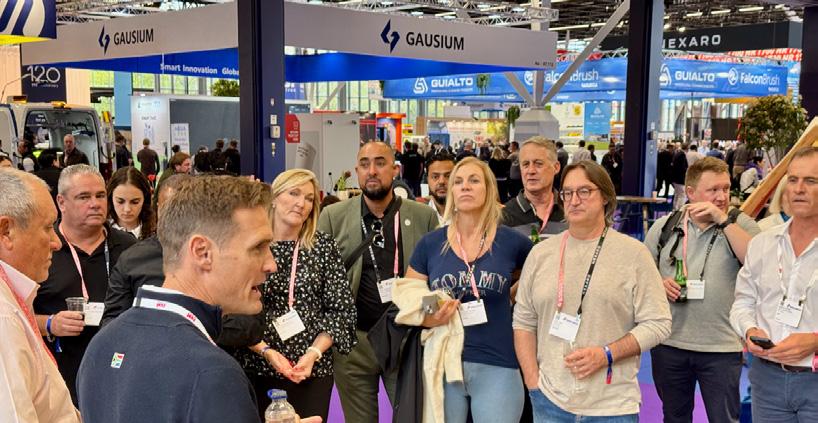
A group of 48 made up the official South African delegation to the Amsterdam showcase. Having arrived two days prior to the opening of the show, delegates had ample opportunity to familiarise themselves with the city and enjoy an excursion to Keukenhof tulip gardens and a Gouda cheese factory. Furthermore, on the first show day, the group gathered at the two South African cleaning association industry stands for the customary cocktail parties before departing on a boat trip on the Amsterdam canals. The trip culminated with a farewell Amsterdam dinner in a restaurant featuring a ten pin bowling alley.
For the 30,000 visitors from 140 countries, Interclean Amsterdam 2026 was not only about seeing the latest innovations, but also about making valuable connections and gaining practical insights directly from industry leaders and experts. Interclean Amsterdam will return from 4 to 7 April 2028, continuing its mission to connect the global cleaning and hygiene industry and showcase quality, innovation, and collaboration.
Dr Mmereki
Helga Alt
Paperdi
The African Marketplace for cleaning, hygiene, & facility solutions
Founded in 1989 by Vincenzo Di Leva and located in San Nicola La Strada, Paperdi is a leading company in the professional tissue sector, continuously growing and achieving increasingly ambitious milestones. From its facilities in Caserta to the paper mill in Pietramelara, every stage of production from pulping to final converting is carefully monitored to ensure the highest quality disposable hygiene and food-grade products. The company offers a complete range of products to the market, from jumbo rolls to paper towels and wiper rolls, from medical rolls to toilet paper and sanitary products, confirming its position as a benchmark in the professional tissue sector while also looking with interest at the B2C segment. With a strong focus on experience and innovation,
Paperdi continues to uphold the true quality of tissue products, establishing itself as a leader capable of meeting the most demanding needs of the international market.
For more information visit: www.paperdi.it
Kingtox Hygiene Solutions - Net zero, reduced plastic, fewer chemicals
In an industry where competition is fierce and margins are tight, it’s natural to wonder how any of this is achievable For many small businesses, the biggest challenges remain the same: securing enough funding to grow, support yourself, and create jobs for others Yet the world is shifting Customers, regulators, and supply chains are calling for innovation and for a move away from the cheapest, most disposable products that have traditionally helped small businesses survive At Kingtox Hygiene Solutions, we understand these pressures because we face them too There’s an old saying: “How do you eat an elephant? One bite at a time ” The point is simple - big challenges are solved through small, deliberate steps
This year, as part of our commitment to reducing plastic use, lowering logistical footprints, and empowering small businesses to take control of their own production, Kingtox Hygiene Solutions is introducing a D I Y solution for soap, sanitiser, and cleaning product packaging It’s a practical step toward sustainability that doesn’t leave small businesses behind but brings them into the future with confidence
For more information visit: www kingtox co za
Amalga Training - Future-proofing South Africa: Empowering your workforce
Amalga Training believes that the future of South African industry lies in the power of its people As a Level 2 B-BBEE contributor with over a decade of expertise, our mission is to bridge the gap between potential and professional excellence, providing high-impact, SETA and QCTO-accredited solutions designed to future-proof your organisation
The cornerstone of our offering is our Learnership Programmes We meticulously structure these initiatives to provide learners with an essential blend of theoretical knowledge and hands-on practical and workplace experience For your business, we see these learnerships as a strategic triple-win: we help you cultivate a pipeline of industry-ready talent, maximise your B-BBEE scorecard points, and unlock significant tax incentives Our ecosystem extends far beyond learnerships to ensure your comprehensive growth Our portfolio includes Skills Programmes and Compliance Training, ensuring every tier of your business is equipped for peak performance We also offer "Value-Added Training" modules that distinguish our approach, tackling modern essentials such as leadership development and mental health wellness
Furthermore, we serve as your vital consultancy partner We navigate the complexities of Broad-Based Black Economic Empowerment (B-BBEE), Employment Equity, and Skills Development compliance on your behalf, while facilitating Youth Employment Service (YES) initiatives to combat youth unemployment
For more information visit: www amalgatraining co za
Introducing the Kärcher LVS family –vacuum cleaners for professional users
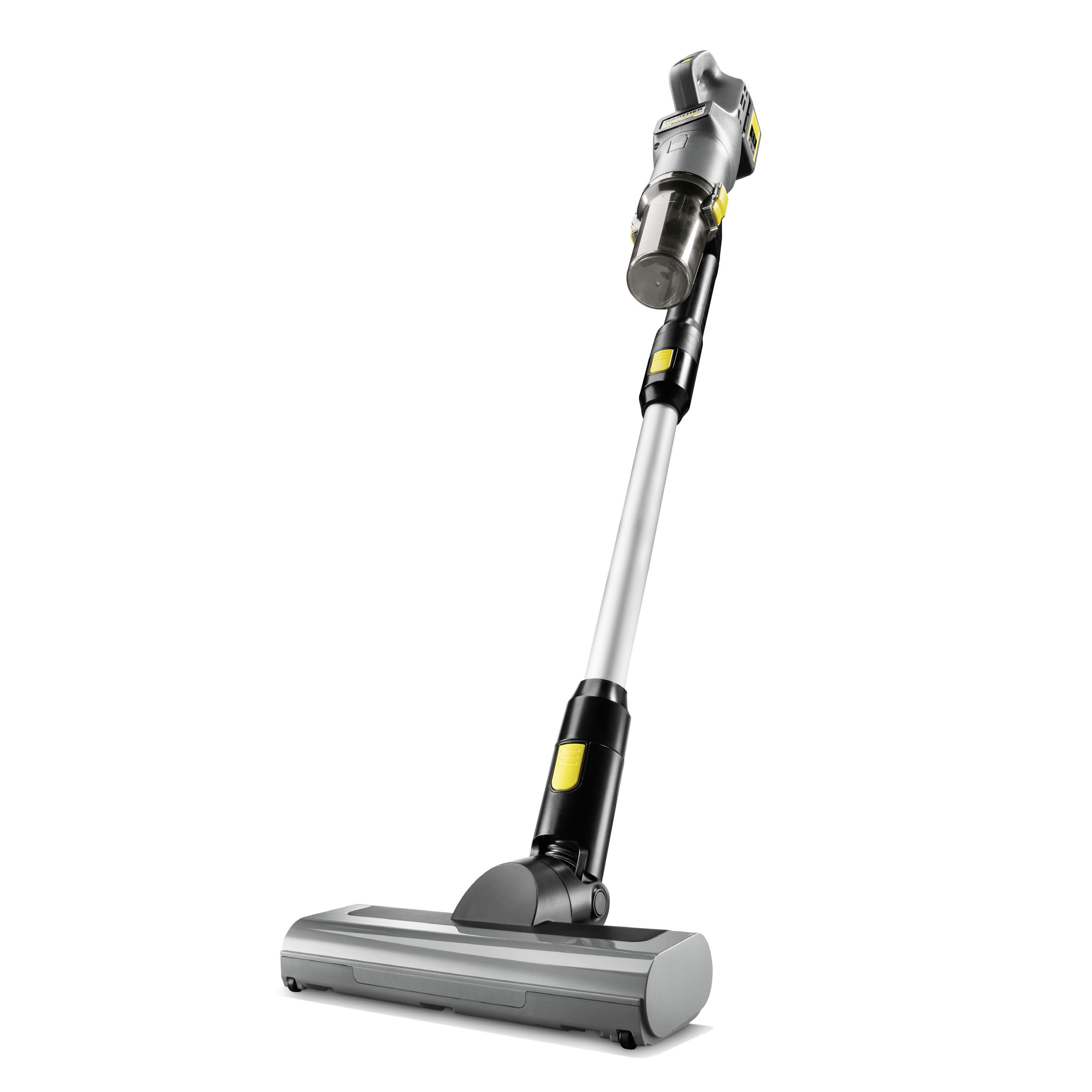
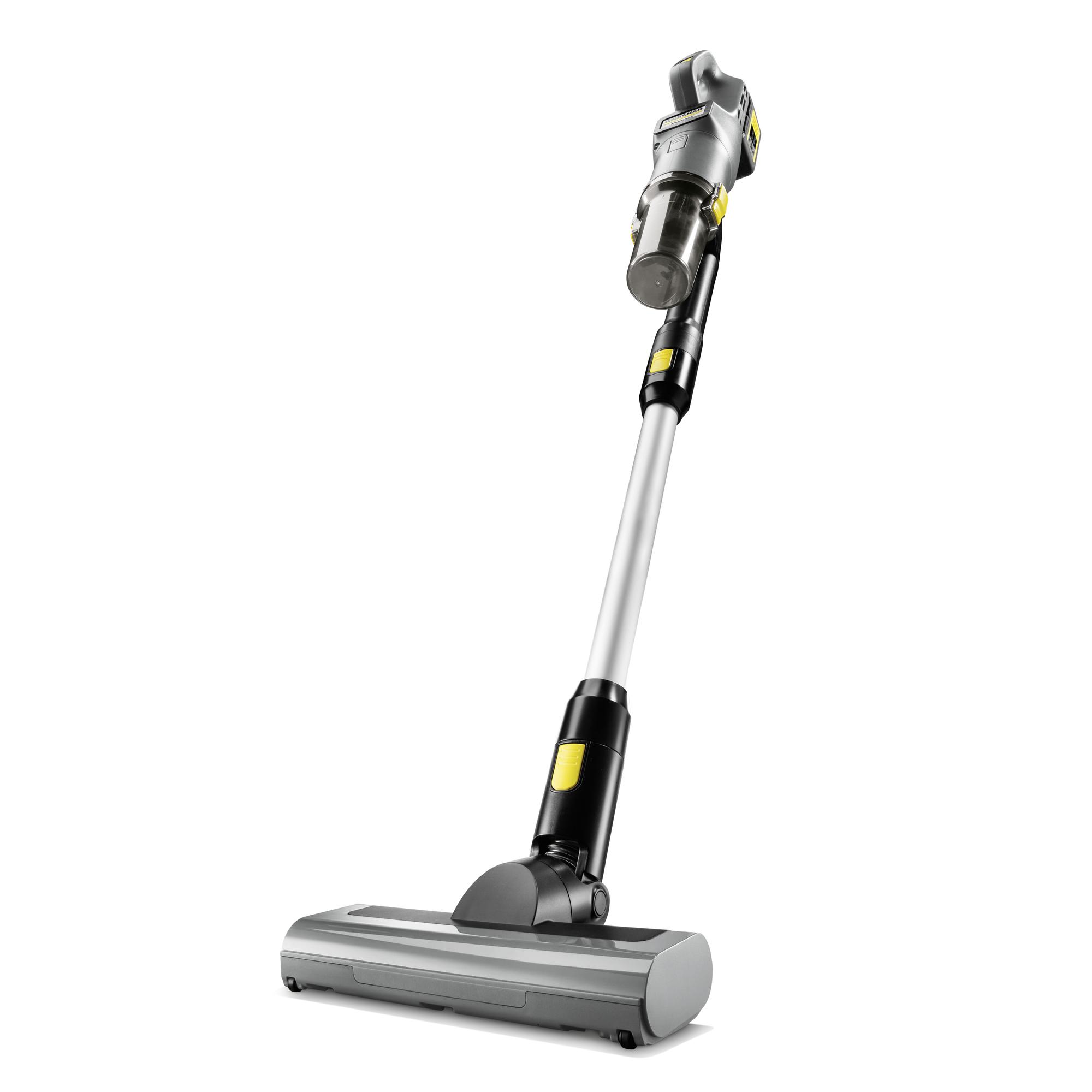
Kärcher expanded its professional portfolio with the launch of its first dedicated battery-powered vacuum cleaners for professional users. The new LVS family, available in 18 V and 36 V models, is designed specifically for spot cleaning and small-area applications where flexibility, efficiency, and ease of use are essential. Delivering strong cleaning performance combined with long runtime, these compact machines offer a practical and cost-effective solution for daily professional cleaning tasks.
The LVS range stands out due to its streamlined design and intuitive operating concept. Built with durability in mind, all components are engineered for long service life in demanding environments. As the vacuum cleaners feature a dust container and cyclone filter system, there is no need for consumables such as filter bags, reducing ongoing operating costs. Both models can be conveniently carried on a bracket attached to the Kärcher FlexoMate cleaning trolley or stored neatly on a wall bracket, ensuring seamless integration into existing cleaning workflows.
The LVS 1/1 Bp model is particularly lightweight and highly manoeuvrable. It comes equipped with a floor nozzle, crevice nozzle and an accessory holder on the suction tube for practical handling. In addition, it is compatible with other accessories that meet the DN 35 standard, offering flexibility across various cleaning requirements.
The more powerful LVS 1/2 Bp version features an active floor nozzle with a rotating brush, delivering excellent cleaning results on both carpets and hard floors. A crevice nozzle is also included
as standard, ensuring efficient cleaning of corners, edges, and tight spaces.
Both models utilise innovative airflow technology within the dust container to separate larger particles from fine dust. Fine dust is captured in a filter unit consisting of a cyclone filter and a HEPA 13 filter. The filter can be easily tapped out to prevent clogging and maintain consistent suction performance. If required, the HEPA 13 filter can be replaced quickly and effortlessly. Larger debris collects in the 0.35-litre dust container, which can be removed, emptied into a waste bin and re-attached using two simple clips.
To adapt to different levels of soiling, users can select between Power, Standard and Eco modes at the push of a button. Both LVS vacuum cleaners are compatible with the Kärcher Battery Universe rechargeable battery system.
The LVS 1/1 Bp operates with 18 V batteries, while the LVS 1/2 Bp uses 36 V batteries. Depending on the selected model, battery capacity and application, users can achieve runtimes of between 60 and 80 minutes.
The Kärcher Battery Universe encompasses two battery platforms
with a continuously expanding range of machines, from highpressure cleaners and leaf blowers to multipurpose vacuum cleaners. Both 18 V and 36 V batteries are available in various capacities to meet diverse application needs. A key advantage is full compatibility across all Kärcher devices within the same voltage class – whether in the Home and Garden or Professional range.
A distinctive feature of Kärcher batteries is the integrated LCD display with real-time technology, which shows remaining runtime, charging time and battery capacity in minutes. The robust battery housing is impact-resistant and protected against dust and spray water in accordance with IPX5 standards. Efficient temperature management ensures optimal performance even during intensive use, while intelligent cell monitoring safeguards against overloading, overheating, and deep discharge. For extended storage periods, an automatic storage mode supports long battery life.
For more information visit: https://www.kaercher.com/za/
The Kärcher LVS family on display at the recent Interclean show.
Guide to selecting the correct floor cleaning equipment
Maintaining a clean and safe environment is more than just a priority, it’s a necessity for businesses in every industry. According to the National Floor Safety Institute, slips and falls account for over 1 million hospital visits each year, making proper floor maintenance essential to preventing costly accidents. On top of that, a study by P&G Professional found that 9 in 10 (91 percent) agree that they are more likely to have an overall negative opinion of an independent business if the public spaces (lounges, washrooms or lobbies) are not clean.
In short, clean floors aren’t just about appearances – they directly impact safety, customer perceptions, and even your bottom line, according to the Tennant Company, a recognised leader in the cleaning industry, providing highquality floor cleaning equipment to help create a cleaner, safer, healthier world.
But with so many types of cleaning machines available, each suited for different environments and debris, it can be difficult to determine which equipment is the correct fit for your business. In this guide, Tennant breaks down the key types of floor cleaning machines, their ideal applications, and the factors to consider when choosing equipment. Whether you’re operating in a high-traffic retail space, a warehouse, or a healthcare facility, the guide will help you make an informed decision so that your floors stay spotless, safe, and aligned with your brand image.
Commercial floor sweepers vs commercial vacuum cleaners
When maintaining large commercial spaces, selecting between a floor sweeper and a vacuum cleaner depends largely on the type of debris and environment.
Floor sweepers excel in handling larger debris like dust and dirt over wide spaces. They are ideal for warehouses, retail environments, or any area with expansive, hard floors.
Vacuum cleaners, on the other hand, are designed for environments requiring
more precision, such as offices, hotels, and healthcare facilities. They are perfect for spaces where air quality and fine dust collection is essential.
Evaluating industrial and commercial floor sweepers
If you’ve determined that a floor sweeper is ideal for your business’ needs, how do you start to sort through the variety of options available today?
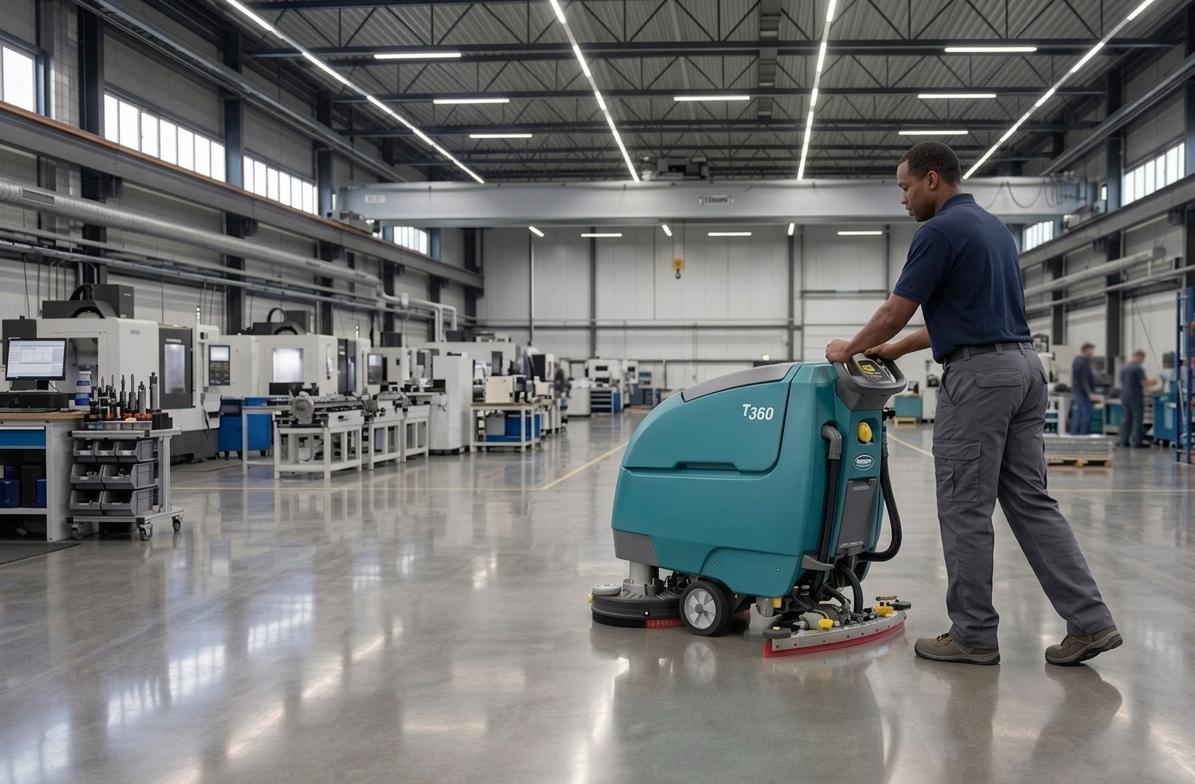
Walk-behind sweepers work best for smaller, tight spaces, while ride-on sweepers cover larger areas faster. Each machine offers different benefits depending on the size of your facility and the type of debris you’re dealing with. Additionally, consider the power sources (battery, gas, or electric) and key features such as rotary brush systems for larger debris and vacuum systems for finer particles. These elements play a significant role in choosing the best equipment for your specific environment.
Maximising efficiency with commercial and industrial floor scrubbers
Floor scrubbers are essential for ensuring a high level of cleanliness, particularly in areas where safety and hygiene are critical. There are three main types of scrubbers to consider:
• Walk-behind scrubbers for smaller spaces like schools and hospitals
• Ride-on scrubbers for larger areas like warehouses
• Robotic scrubbers for automated, high-efficiency cleaning in various environments
When to invest in a sweeperscrubber: Time to upgrade?
In warehouses and logistics facilities, where both sweeping and scrubbing are often required, sweeper-scrubbers provide a versatile solution. These machines combine sweeping and scrubbing into a single, efficient process, making them ideal for maintaining large areas in a short amount of time. If your operation has expansive floor space, is concerned with safety hazards like slips, or needs to reduce cleaning costs over time, a sweeper-scrubber might be the right fit.
Conclusion: Choosing the correct equipment for your business
Selecting the correct floor cleaning machine comes down to understanding the size of your space, the type of debris you’re dealing with, and your operational priorities. Whether you need a sweeper, a vacuum, a scrubber, or a combination machine, request a demonstration or speak with a representative about your specific cleaning challenges.
Tennant cleaning equipment is distributed by Goscor Cleaning Equipment, for more information visit: www.goscorcleaning.co.za
Improving efficiency through smarter cleaning solutions
In modern industrial and commercial environments, cleaning has become a measurable contributor to operational performance rather than a routine maintenance task. Clean, well-maintained facilities support productivity, extend asset life, improve safety, and ensure compliance with increasingly stringent hygiene standards. As a result, organisations are placing greater emphasis on mechanised cleaning solutions that deliver consistency, efficiency, and cost control at scale.
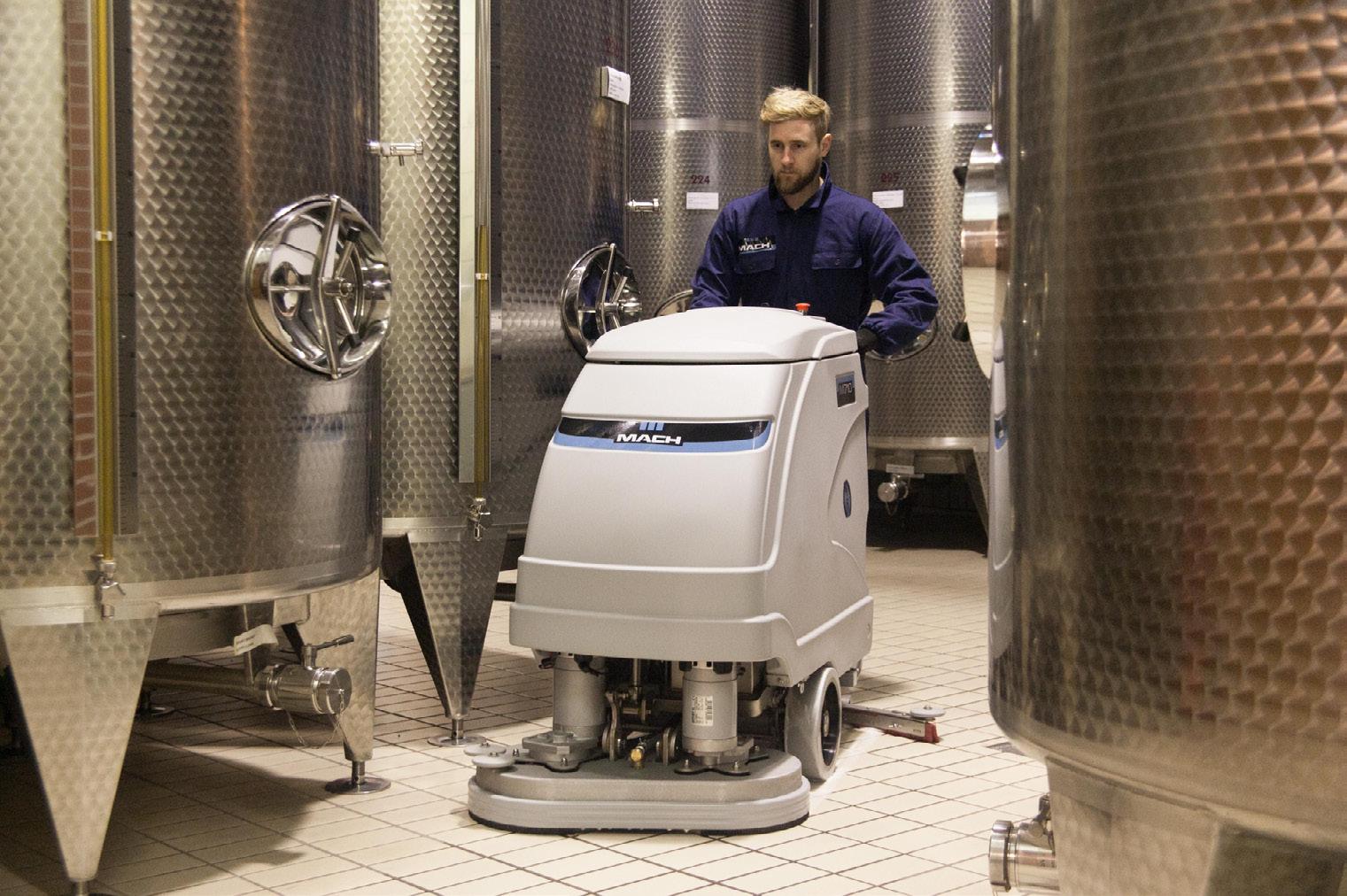
MACH cleaning machines, engineered and manufactured in Italy, has positioned itself as a specialist in this space through a focused portfolio of industrial floor cleaning equipment. The range includes walk-behind and ride-on scrubber dryers, industrial sweepers, and
escalator-cleaning machines, each designed to meet specific operational requirements across sectors such as manufacturing, logistics, retail, healthcare, and large-scale facilities management. A key advantage of MACH equipment is its ability to balance cleaning performance and
resource efficiency. Machines are designed to optimise water and chemical use while maintaining high cleaning effectiveness, an important consideration in cost-sensitive, sustainability-driven environments.
continues on page 26 >>
The African Marketplace for cleaning, hygiene, & facility solutions
SkyJacks - Engineered for efficiency: The MACH advantage in hard floorcare
In today’s demanding industrial and commercial environments, cleaning is no longer a back-ofhouse function; it is a strategic priority. Efficiency, hygiene, and sustainability are critical to operational performance, and this is where MACH floor sweepers and scrubbers continue to set the benchmark.
Renowned for their robust engineering and Italian design excellence, MACH offers a comprehensive range of cleaning solutions tailored for diverse sectors, from warehousing and manufacturing to retail, healthcare, and large-scale facilities management. Their portfolio includes high-performance ride-on and walk-behind scrubber dryers, sweepers, and escalator cleaners that maximise productivity while reducing water and chemical usage and labour costs. What sets MACH apart is not only the reliability and durability of their machines but also their focus on user-friendly technology. Intuitive controls, ergonomic design, and low maintenance requirements ensure operators can deliver consistent, high-quality results with minimal downtime. For businesses seeking to elevate cleaning standards while improving cost efficiencies, MACH provides a compelling, future-ready solution.
SkyJacks distinguishes itself as a trusted provider of industrial services across Southern Africa. With a strong reputation built on reliability, technical expertise, and customer-centric service, SkyJacks ensures that MACH customers receive not just equipment but a complete support solution.
For more information visit: www.machcleaningmachines.co.za
Integrated vacuum and filtration systems further support dust control, thereby improving air quality in enclosed or hightraffic facilities.
Operational usability is another defining characteristic. MACH machines are developed with intuitive controls, ergonomic layouts, and simplified maintenance access, enabling operators to achieve consistent results with minimal training. This reduces dependency on highly specialised labour while limiting downtime, an important factor in environments where cleaning must be completed quickly and without disruption to core operations.
However, the long-term value of any cleaning technology is closely linked to the quality of local support and service infrastructure. In Southern Africa, SkyJacks fulfils this role as the official distributor and service partner for MACH
Cleaning Machines. With more than four decades of experience in industrial equipment, SkyJacks has established a strong reputation for technical expertise, reliability, and service delivery.
SkyJacks’ approach extends beyond equipment supply. The company provides structured consultation to align machine selection with application requirements, ensuring that customers invest in solutions suited to their specific operational environments. This is supported by a comprehensive after-sales framework that includes maintenance, servicing, parts availability, and technical support. These are critical components in maintaining equipment performance over time. Importantly, SkyJacks operates a national service network, enabling responsive support and minimising downtime for clients operating across multiple sites. Its broader industrial
capability, including access equipment, lifting solutions, load testing, and accredited operator training, positions the business as an integrated service provider rather than a single-product supplier.
The combination of MACH’s engineering-led approach to cleaning technology and SkyJacks’ established service infrastructure offers a practical, scalable solution for businesses seeking to improve cleaning outcomes while managing operational costs. As cleaning continues to evolve into a performancedriven function, this partnership provides a credible, proven pathway for organisations seeking to enhance efficiency, compliance, and long-term value across their operations.
For more information about MACH cleaning equipment visit: www.machcleaningmachines.co.za
Are we mopping hygienically?
The authors of a recent GBACTIPS peer-reviewed article, Do All Manual Floor Mopping Methods Give the Same Hygiene Outcomes?, set out to determine whether different combinations of mop type and product used produced different hygiene outcomes on floors inoculated with Staphylococcus aureus bacteria.
The role of mops in pathogen dissemination
Proper hygiene practices are essential to help mitigate contamination in commercial facilities, especially in healthcare. While conclusive evidence of the role of floors in the chain of infection is lacking to date, supporting evidence for the role of floors in pathogen dissemination has been steadily growing. This study investigated whether there were different hygiene outcomes associated with different manual floor mopping applications, varying the type of floor mop and the type of product used to mop the floor. It was hypothesised that the bactericidal efficacies of different hygiene products would be significantly different, and that
the hygiene practices used will cause variable levels of cross-contamination. In the study, a two square meter floor that had been previously disinfected was inoculated with Staphylococcus aureus near one edge of the floor. Then the floor was mopped using combinations of launderable flat mops, disposable flat mops, and string mops combined with a neutral cleaner, hydrogen peroxide disinfectants, sanitisers, or quaternary ammonium chloride disinfectants. The inoculation zone was then sampled to determine how much of the bacteria was removed by mopping. Then samples were taken every 0.5 square meters across the floor to determine how much bacteria was cross-contaminated across the floor.
There were statistically significant differences among product types used, with the neutral cleaner having the most average log10 densities recovered (i.e., the most contaminated after mopping), compared to hydrogen peroxide or quaternary ammonium compoundsbased disinfectant products. More cross-contamination was observed when cotton mops were used, while
the area cleaned or disinfected had no significant differences among average log10 densities recovered. While the neutral cleaner was not expected to be biocidal, the prevailing theory on the use of neutral cleaner when mopping is that the mechanical action of mopping would physically remove the bacteria and provide a similar hygiene outcome to the use of biocidal products. This was not supported in the study. The neutral cleaner had the least efficacy against Staphylococcus aureus compared to disinfectants and sanitisers. The mop type and product combinations were significantly different; hence the overall performance of hygiene practices is highly dependent on product and mop type. This suggests that healthcare and other high-risk facilities should use biocidal products when manually mopping floors in clinical and other high-risk areas. Non-healthcare facilities should similarly use biocidal products in higher-risk environments to achieve the best hygiene outcomes.
Article by: Michael Diamond, co-founder of The Infection Prevention Strategy (TIPS)
The mop and broom cleaning era is coming to an end
Because of key industry trends such as the cost of labour, labour shortages and high staff turnover, the cleaning industry is evolving. One of the most significant developments in recent years has been the rise of mechanisation which revolutionised traditional cleaning methods. It adds data tracking and sets new standards for efficiency and effectiveness.
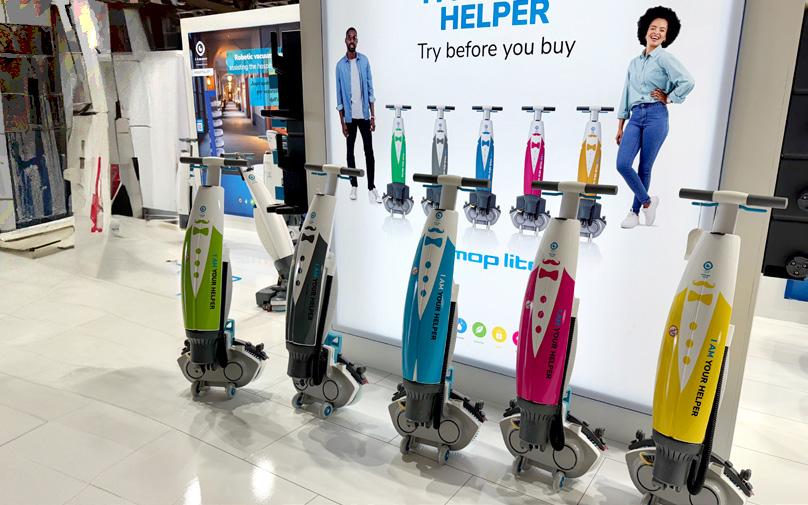
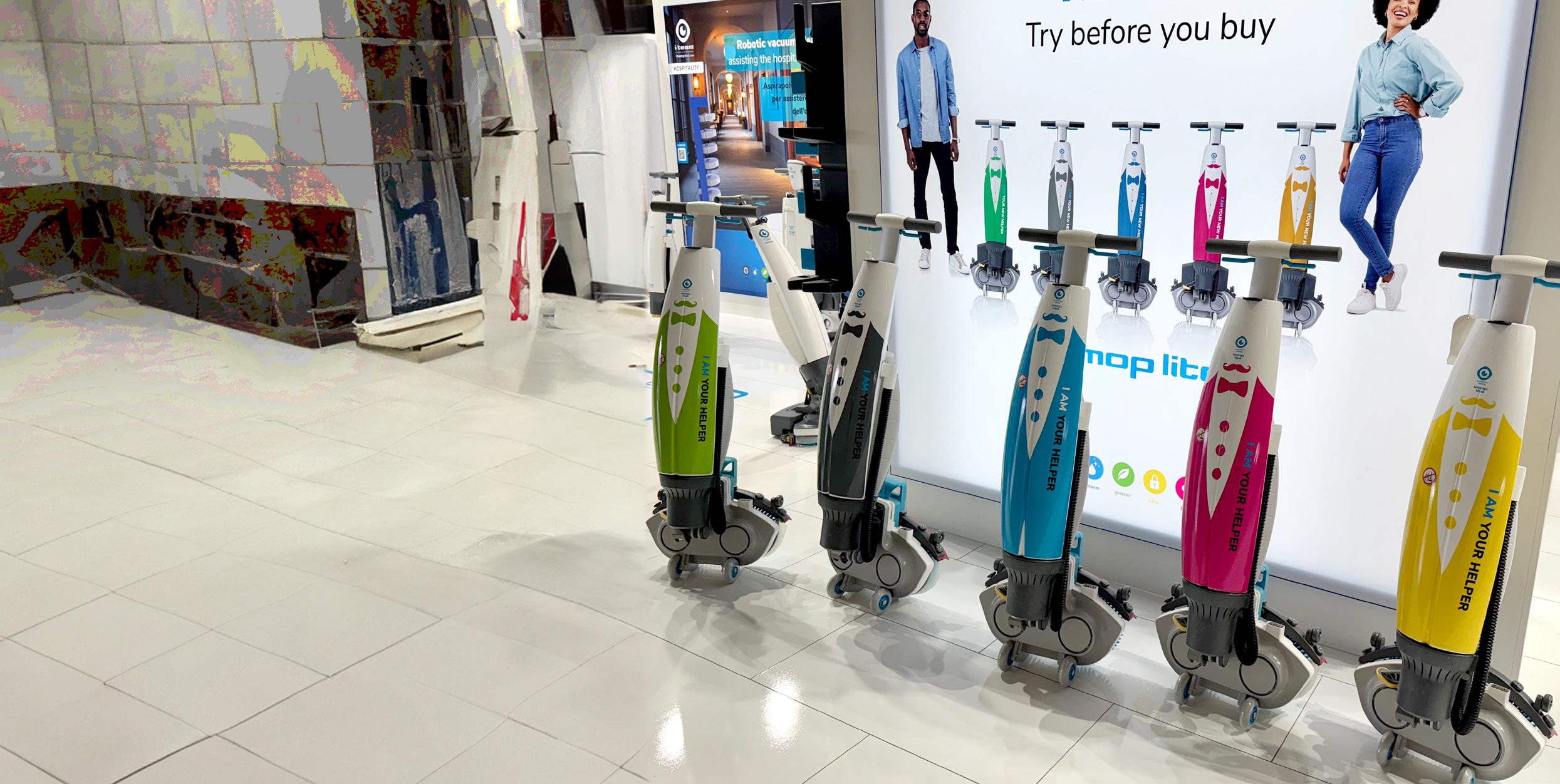
Traditionally, the cleaning industry relied on manual labour, with cleaners using tools such as mops, brooms, and vacuums. While these methods served us well, they are often associated with limitations in terms of speed, thoroughness, and productivity. This is where mechanisation steps into the foreground, offering a transformative approach to cleaning according to i-mop. In this article, i-mop delves into the world of mechanisation and highlights two innovative solutions that are leading the way, the patented i-mop technology and co-botic 45, both running on i-team’s data platform, i-link.
i-mop: Revolutionising floor cleaning technology
The i-mop has emerged as a game changer in the field of floor cleaning. It saves the cleaner up to 60 percent of the required cleaning time. By blending the agility of a mop with the power of an industrial-grade scrubber-dryer, the i-mop delivers exceptional cleaning performance. Its unique design allows for ease of manoeuvrability, edge cleaning and hard to reach spaces even in confined spaces, while its robust brushes and powerful suction ensure
a thorough and efficient clean on all floor surfaces. The cleaner becomes an operator, or even better, a hospitality host. With the i-mop, the cleaning
it adapts to different settings and surfaces, making it a versatile and efficient cleaning companion. It frees up valuable human resources
With the i-mop, the cleaning professional can achieve remarkable results in less time and therefore significantly enhance productivity and customer satisfaction.
professional can achieve remarkable results in less time and therefore significantly enhance productivity and customer satisfaction.
Co-botic 45: Advanced automated cleaning
Another groundbreaking solution is the co-botic 45. This advanced machine works as a colleague alongside the i-mop operator. It combines artificial intelligence and autonomous navigation to provide unparalleled cleaning capabilities.
Equipped with state-of-the-art sensors and algorithms, the co-botic 45 can navigate complex environments with precision, avoiding obstacles and ensuring thorough coverage. With customisable cleaning programmes,
so the operator can spend more time on other important cleaning tasks. Mechanisation brings numerous advantages to the cleaning industry. By automating repetitive tasks and optimising cleaning processes, it allows cleaners to focus on more important activities. Moreover, mechanisation improves operator wellbeing by reducing physical strain and exposure to potentially harmful substances. It is evident that the cleaning industry is evolving, and mechanisation is the driving force behind this transformation and with solutions like the i-mop and co-botic 45, we are witnessing a paradigm shift in how we approach cleaning, achieving unparalleled efficiency, and raising the bar for excellence.
Drop the chemicals, not the cleaning standard
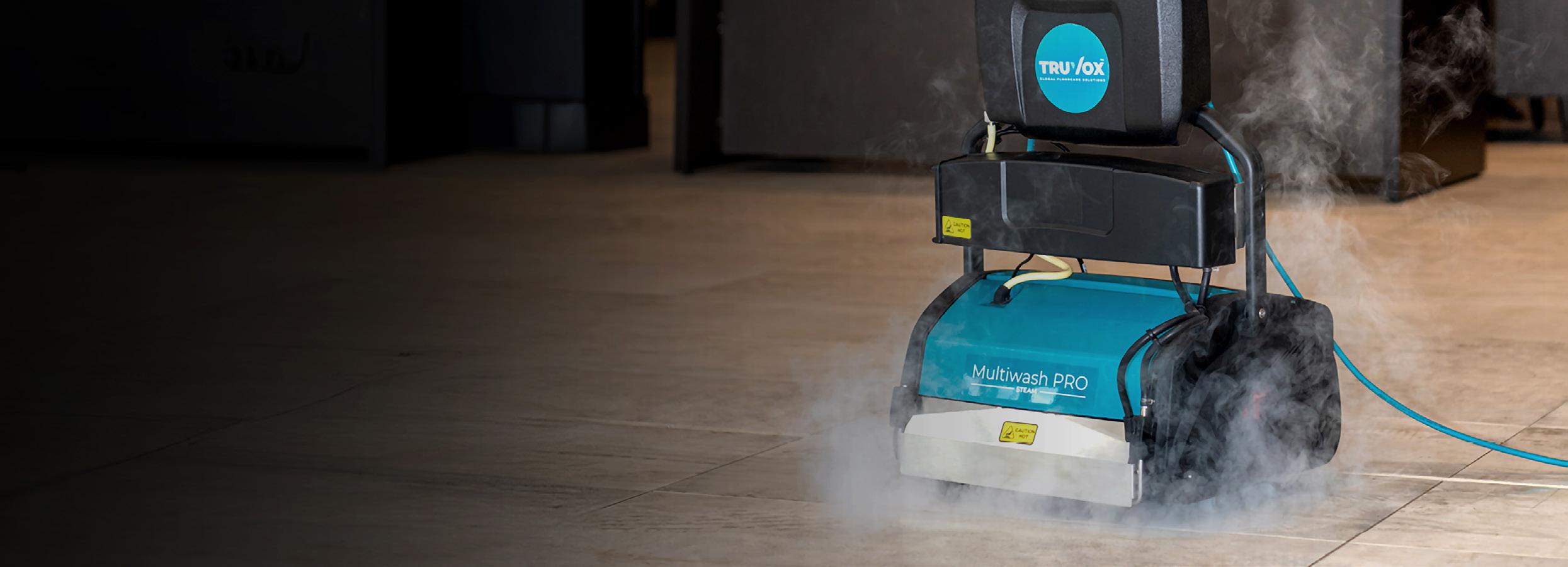
In today’s commercial cleaning landscape, organisations are under increasing pressure to deliver exceptional hygiene, efficiency and consistency across their facilities. As pressures grow around sustainability, staff safety and rising chemical costs, many organisations are rethinking the way they approach cleaning. Yet one concern remains constant: hygiene cannot be compromised. The good news is that with modern steam technology you don’t need harsh chemicals to achieve a deep, reliable clean when steam technology is doing the heavy lifting.
Following the successful introduction of the Truvox Multiwash™ PRO Steam, it’s clear that forward-thinking cleaning teams are embracing solutions that deliver high performance without high chemical usage. Steam cleaning is leading that shift, offering a powerful, eco-conscious alternative that doesn’t sacrifice results.
Why industry moves away from chemicals
Traditional chemical-based cleaning is becoming increasingly challenging for commercial facilities. Chemical storage, rising procurement costs, environmental impact, and the need for more sustainable operations all play a role. Many sites, particularly healthcare, education, and hospitality facilities are under pressure to reduce exposure to harsh substances for both staff and visitors. Steam helps address these concerns by cleaning using only water, delivering impressive hygiene performance with fewer risks and lower environmental footprint.
Steam cleaning that performs where it matters
For busy commercial spaces, the ability to cut down chemical usage without losing cleaning effectiveness is a significant breakthrough. That’s where the Multiwash™ PRO Steam truly stands out. Its integrated steam function
helps remove ingrained dirt, grease, and grime quickly, while independently tested results show it removes over 99.99% of bacteria, including some of
teams. Fewer chemicals mean fewer risks from spills, fumes or skin contact, and less reliance on PPE for routine floorcare tasks. Teams can work more
With machines like the Multiwash™ PRO Steam embracing a wash-scrub-dry-sanitise workflow, organisations can deliver exceptional cleanliness, improved infection control, and real-world sustainability benefits.
the most common pathogens found in public and clinical environments. This makes it particularly valuable in sectors where hygiene cannot be compromised – schools, healthcare, and veterinary clinics. But equally, leisure centres, hotels, and large retail spaces benefit from visibly cleaner floors without the chemical scent or residue often left behind by traditional methods. In schools and universities, its quick-drying results help maintain safe, hygienic spaces with minimal disruption to daily activities. Healthcare environments benefit from its proven ability to support infection control by combining deep mechanical cleaning with the added hygiene boost of steam.
Better for the environment, better for
your team
Chemical reduction is not just about sustainability – it’s also about creating a safer working environment for cleaning
comfortably, with simpler processes and fewer products to manage. For facilities managers, the long-term payoff includes reduced chemical spend, streamlined procurement and a more environmentally responsible cleaning strategy.
A
smarter way forward
According to Truvox, steam cleaning isn’t just a trend, it’s a practical response to the evolving expectations of modern facilities management. With machines like the Multiwash™ PRO Steam embracing a wash-scrub-dry-sanitise workflow, organisations can deliver exceptional cleanliness, improved infection control, and real-world sustainability benefits. By switching to steam, you’re not just upgrading your floorcare routine, you are committing to a cleaner, safer, and more environmentally friendly future.
The rise of the FM analyst
Facilities management is stepping into a new era where data skills are becoming just as valuable as technical know-how. In 2026, leaders who can turn numbers into clear narratives will help shape strategy and influence decisions at the highest level.
A data-driven turning point
“Facilities management is entering a data-driven era where curiosity, interpretation, and storytelling matter as much as technical expertise,” says Dr Matt Tucker, Director of Research at the International Facility Management Association (IFMA].
As organisations demand clearer links between workplace spending and business results, FM leaders who can translate data into meaningful insights for CFOs and CHROs are set to gain influence, secure budgets and play a bigger role in executive decisionmaking. Top rated space management tool for facilities managers, Skedda, made five FM predictions for 2026, highlighting the growing importance of data storytelling, flexible workplaces, and cross-department collaboration, along with practical steps to turn these ideas into reality.
1. A long-awaited seat at the table
Senior leaders are overwhelmed by dashboards yet still searching for clear answers. With growing pressure to justify spending and improve agility, the focus is shifting from collecting data to using it effectively. FM teams that simply share spreadsheets risk falling behind. Those who provide context, outline options and explain trade-offs will stand out. Choosing the right metrics, and explaining what they mean, will be a defining skill in 2026.
In practice
• Replace ad-hoc dashboards with a monthly one-page executive summary.
• Tailor insights to specific stakeholders and speak their language.
• Track measurable outcomes for every recommendation.
2. Space strategy becomes flexible and experience-led
Not all spaces will serve the same purpose in 2026. Organisations are designing workplaces around specific use cases and employee experience, recognising that well-designed environments boost engagement, productivity, and retention. Offices must now ‘earn the commute’ by offering spaces people genuinely want to use.
In practice
• Run real-estate experiments to identify the best use of space.
• Create office neighbourhoods for focus work, collaboration, social connection, and quiet reflection.
3. AI as co-writer – with humans in control
With reporting demands increasing, AI is becoming a valuable partner in turning metrics into insights quickly. Executives expect AI-driven analysis linked to downtime, costs, and energy performance. Yet concerns around trust, security, and job impact remain. The solution is a human-in-the-loop approach: AI drafts and analyses, while people validate assumptions and make final decisions.
In practice
• Use AI to draft summaries and highlight unusual patterns.
• Include sources for AI insights and ensure human review.
• Keep people closely involved in highstakes decisions.
4. One shared source of truth
The workplace is moving away from fragmented tools towards connected ecosystems where people, data, and digital systems work together.
As data flows between FM, HR, and finance systems, governance becomes essential. Organisations with clean, well-managed data are seeing real progress with AI, while others remain stuck in pilot phases.
In practice
• Maintain a shared workplace data dictionary with clear definitions.
• Hold regular cross-department dataquality reviews.
5. ‘Planned vs actual’ data drives decisions
Flexible working has exposed a significant gap between booked space and actual usage. Many companies aim for 65 percent occupancy but see utilisation closer to 38 percent, highlighting the need for better measurement. Usage also varies across the week, with mid-week peaks and quieter Mondays and Fridays. Understanding these patterns helps justify space changes and service levels.
In practice
• Compare booked versus actual usage and peak versus off-peak patterns.
• Test space changes as experiments before making them permanent.
• Prioritise integrations that reduce duplicate work across systems.
From reporting to storytelling
Success in the era of the FM Analyst is not about having the most sophisticated dashboards or sensors. The most effective FM teams in 2026 won’t have perfect data, but they will use what they have to tell clear, credible stories that shape the future rather than simply report on the past.
EXPOdetergo International 2026: Driving sustainable innovation in textile care
EXPOdetergo International 2026 is set to reaffirm its role as a leading global event for innovation in washing systems and professional detergency. Scheduled to take place in Milan from 23 to 26 October 2026, the exhibition will bring together industry leaders, manufacturers, and decision-makers from around the world, offering a comprehensive overview of the most advanced technologies shaping the future of professional cleaning.
At the heart of the event are advanced washing methods designed to improve efficiency, reduce operational costs, and enhance sustainability. From next-generation automated laundry systems to smart dosing technologies, exhibitors will present solutions capable of meeting the growing demand for highperformance and environmentally responsible cleaning processes. Water and energy savings, reduced chemical waste, and optimised workflows are among the key drivers of innovation in the sector.
Professional detergency will also take centre stage, with a focus on formulations that combine effectiveness with environmental safety. New-
generation detergents are increasingly designed to work at lower temperatures while maintaining high standards of hygiene and fabric care. This evolution is particularly relevant for markets where resource efficiency and cost control are essential, offering tangible benefits to operators looking to modernise their services.
For African stakeholders, EXPOdetergo International 2026 represents a unique opportunity to access global expertise and develop strategic partnerships. The event encourages knowledge exchange, enabling visitors to explore scalable solutions adaptable to different operational contexts, from large industrial laundries to smaller
commercial facilities. Networking opportunities will further support business growth and collaboration across regions.
In a rapidly evolving industry, staying up to date with technological innovation is essential. EXPOdetergo International 2026 not only highlights current trends but also anticipates future developments, helping professionals navigate the transition toward more sustainable and efficient cleaning models. The exhibition stands out as a key platform for innovation, education, and international dialogue in the professional cleaning sector.
For more information about EXPOdetergo International 2026 click here
A truly global PTC event,
The International Association for Textile Care (CINET) co-located its Global Best Practices Awards (GBPA 26), with the recent Interclean Amsterdam exhibition that culminated in what CINET described as a very successful event. During the four days, delegations from more than 35 countries were present with more than 10,000 Textile Care professionals participating online making it a truly international CINET event.
The CINET GBPA 26 convention brought together operators, suppliers, national associations, researchers, consultants, and innovators under one roof, with a single shared ambition –making Smarter PTC services pay off.
One of the event highlights was an AI Masterclass presented by three CINET AI Consultants: Amos Rossman (Israel), Michiel Droog (Netherlands) and Rachit Ahuja (India). Together, they laid out the current state of AI adoption in PTC – where it is being used, what results operators are seeing, and how to approach AI implementation without getting lost in the noise. The Masterclass was followed by a session titled: “AI at its Best”, featuring two companies sharing live case studies: FORNET (China), and Washmen (Dubai).
A significant milestone was the introduction and distribution of the CINET AI Code of Conduct for professional textile care. Developed by the CINET Artificial Intelligence Steering Committee, the Code provides a practical framework for operators using AI tools in their business – covering transparency, data responsibility, and the ethical use of
AI in customer-facing and operational contexts.
According to CINET, the Amsterdam convention was simply the beginning. The GBPA 2026 event in Milan will present the GBPA 2026 Awards, a full convention programme, and the official presentation of the PTC Strategy Study 2026 will take place during EXPOdetergo 2026 in Milan scheduled for 22 and 23 October.
Applications for the Global Best Practices Awards 2026 are now live. If you are a PTC operator anywhere in the world and you want to showcase your business on the biggest international stage for the industry, this is your moment. Registration is available in 200+ languages and is
handled entirely through the CINET GBPA registration portal.
To register, click here
SA cleaning industry in Amsterdam
Towards the end of the first day of the 30th edition of Interclean Amsterdam, South African cleaning professionals gathered at the exhibition stands of the NCCA and CASA to join in at their respective cocktail parties. The associations’ exhibits at the show are always regarded as a home away from home where South Africans can rest their weary feet in the company of fellow compatriots. Following welcome addresses by both association presidents, visitors engaged in networking while reflecting on new innovations and insights presented by industry leaders.
Association golf day
The Cleaning Association of South Africa (CASA) held its annual Gauteng golf day on 15 May at the Centurion Golf Estate, for a day of friendly competition, culminating with the awards dinner. This year marked the introduction of the renowned CASA Red Jacket Award initiated in the Western Cape. During the evening awards function, some 80 golfers and sponsors were welcomed by CASA President, Clive Damonze and Vice President, Tseliso Pitikoe. Team Kusile Facilities Management was called up as the 2026 overall winner to don the CASA red jackets.
Italian industrial floor cleaning manufacturer, Eureka, recently introduced the first industrial sweeper under the E-Ones brand, a symbol of energy efficiency, environmental responsibility, ergonomics, and excellence in innovation, to the market. The new E-Ones brand enters the industrial floor cleaning machines market with a value proposition focused on innovation, sustainability, and enhanced performance. Companies are evolving their production processes, organisational models, and quality standards. At the same time, their cleaning requirements are becoming more demanding.
Electric sweeper delivers sustainability, performance, and operating autonomy
E-Ones aims to support them with next-generation sweepers and scrubber dryers, designed to raise industry standards to a new level. E-Ones aligns with environmentally conscious customers who seek
innovative approaches to every business challenge and evaluate each investment based on its long-term added value. Energy efficiency is at the core of this project: reduced consumption means lower operating costs and a minimised environmental footprint, in line with the ESG goals of the 2030 Agenda.
The OneSweep 90, a ride-on sweeper equipped with a 900 mm central brush, represents the forefront of innovation in energy efficiency, productivity, and long-term performance. This sweeper meets the most advanced cleaning requirements and is available exclusively in an electric version, ensuring greater versatility, environmental sustainability, and lower operating costs.
First touch-free hand sanitiser dispenser with a fuel cell
Another innovative concept showcased at the recent Interclean Amsterdam show and an Innovation Award nominee, was the PRAESIDIO® touch-free disinfectant dispenser by Ophardt Hygiene, featuring a robust and hygienic appearance. With the integrated fuel cell, there is no need to replace the batteries regularly, saving resources in the long term. A small proportion of the alcohol-based hand sanitiser is utilised to convert it into electrical
energy. The reaction of oxygen from the ambient air and the isopropanol produces the energy required to drive the PRAESIDIO® touchless sanitiser dispenser. The Swiss manufactured disinfectant dispenser can be operated without contact, protecting users against cross-contamination. Whether in the entrance area, hallway, or lobby, the PRAESIDIO® fits in perfectly. It can be installed on a stainless steel stand or securely mounted on a wall. The patented pump technology doses a
Its electric core, combined with the intelligent integration of advanced technologies, ensures high productivity and outstanding efficiency. With an operating autonomy exceeding a full working day, the OneSweep 90 is a reliable alternative to traditional dieselpowered machines, even in large, heavily soiled environments and under intensive use conditions. The advanced air filtration system, including a HEPA filter and multiple dust-control features, makes the OneSweep 90 particularly safe and easy to operate for any user.
Ideal for the most demanding industrial environments, the OneSweep 90 sweeps, filters, and collects dust and debris of all types at the highest level. It features unmatched energy efficiency, low noise operation, and superior filtration performance. The E-Ones’ ride-on sweeper is designed for operator convenience, environmental protection, and outstanding cleaning results.
For more information visit: www.eurekasweepers.com
pleasant spray and effectively protects users without creating aerosols during hand sanitisation.
Our features offer you the opportunity to address major decision-makers
JULY / AUGUST 2026
We want to hear from you!
HEALTHCARE HYGIENE
Maintaining cleanliness in healthcare settings is crucial for protecting patient health, supporting staff safety, and ensuring regulatory compliance
Healthcare-acquired infections (HAIs) remain a significant risk that impacts patient outcomes and the facility’s reputation
This makes healthcare cleaning practices essential Therefore selection of the most effective disinfecting products, correct cleaning tools, and implementing proper cleaning and hygiene procedures becomes imperative
We invite you to contribu te your insights, expertise, and groundbreaking solutions Share your healthcare hygiene solutions shaping the future of the industry with our readership
GET THE RIGHT WIPE FOR THE JOB:
Single-use paper towels emerge as champions in the battle against time and hygiene, offering a quick and efficient solution. Away-from-home” (AFH) commercial paper and disposable products refer to hygiene and tissue products used in commercial and institutional settings These include toilet paper, paper towels, napkins, facial tissues, and other disposable paper-based products commonly found in offices, hotels, restaurants, healthcare facilities, educational institutions, and public spaces Wipes, towels, and cloths deliver essential cleaning, sanitising, and disinfecting solutions, while being hygienic and cost effective
You are invited to provide your perspectives on this topic covering issues such as key trends like hygiene advantages sustainability, technological advancements, private label brands, recycling, etc
W
We invite you to contribute your insights, expertise, and groundbreaking solutions to industry challenges. Contact us today to learn more about how you can share your knowledge with our readership.
Editorial submission deadline: 26 June 2026
For multimedia advertising packages, contact nande@africancleaningreview.co.za