
There’s Kärcher for that. Professional cleaning challenges call for top performance. That’s why our full range of solutions is engineered for unmatched efficiency, outstanding reliability and powerful results. Discover more at karcher.com



MARCH/APRIL 202
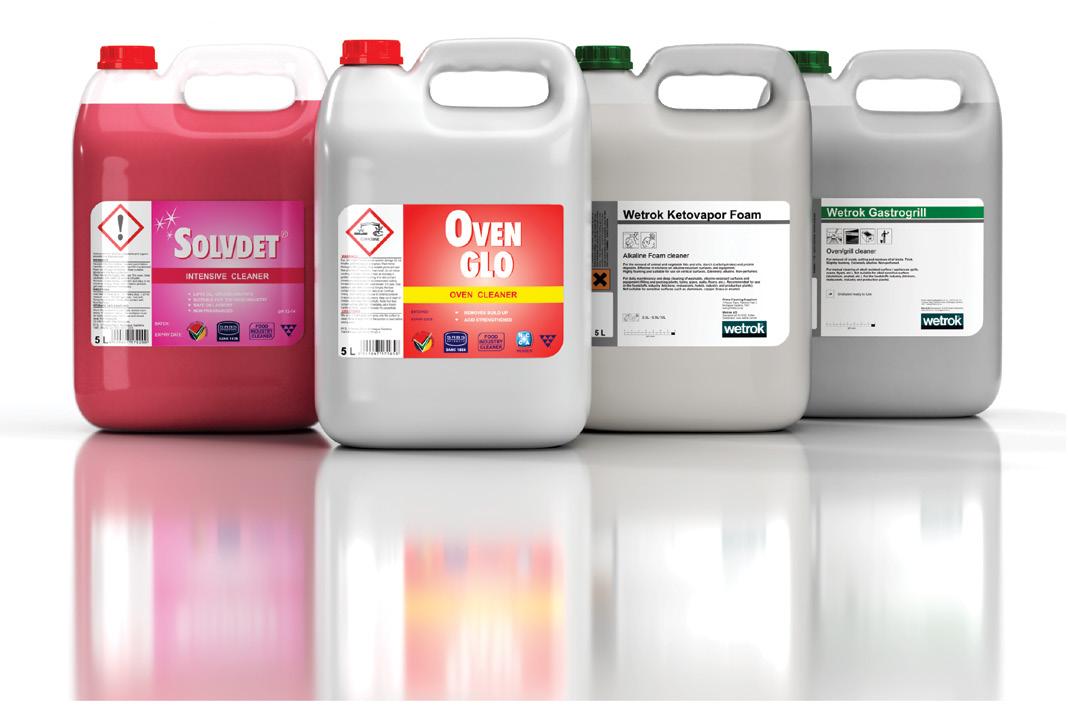
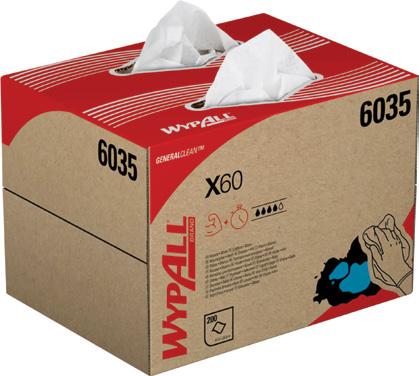
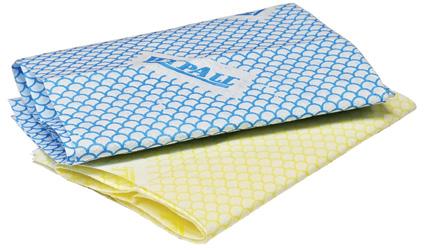
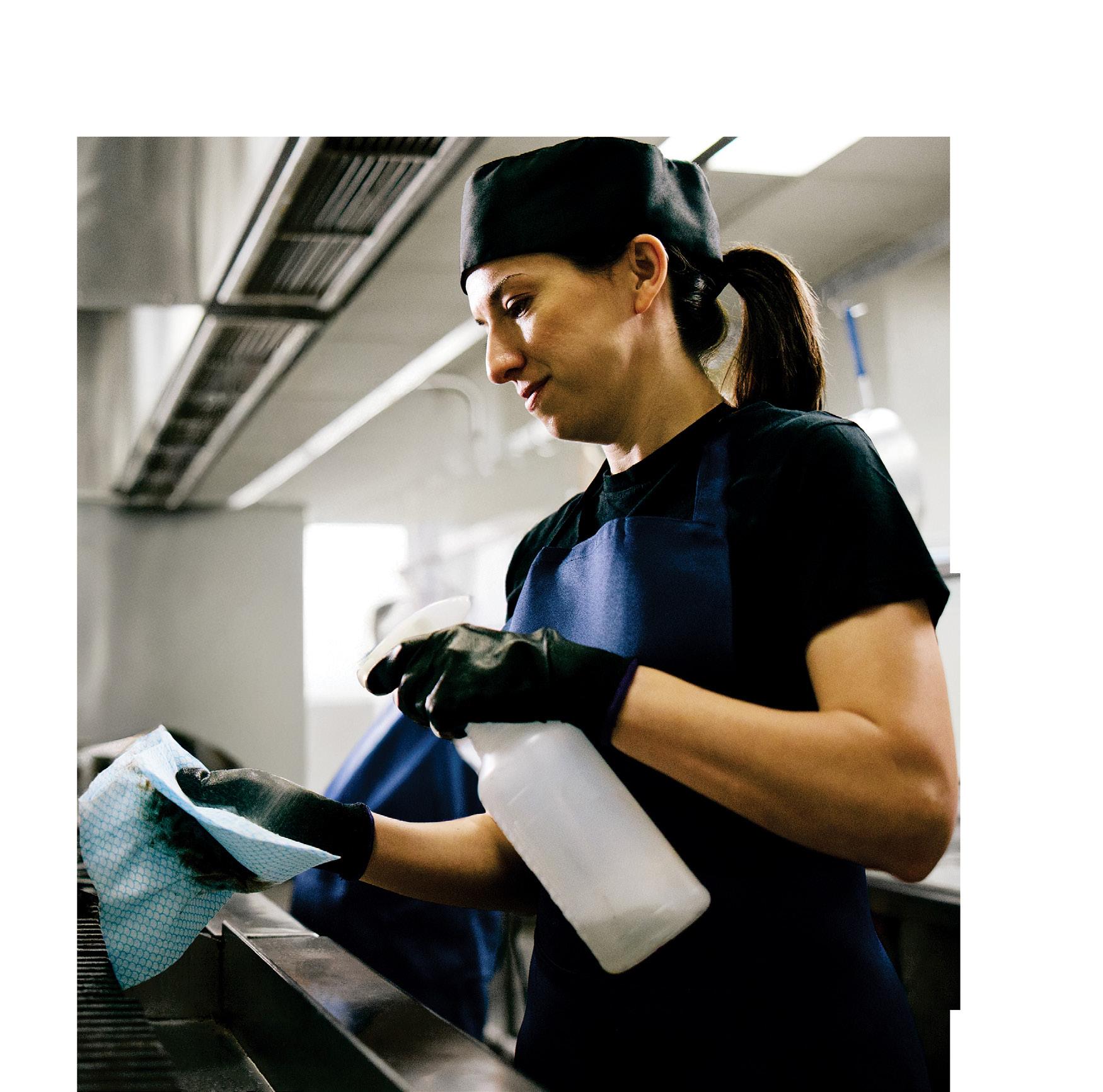
Prime Cleaning Suppliers is a leading South African cleaning-solutions supplier, established in 1996. Prime Cleaning Suppliers has spent a number of years building strong brands, many of which have been tested by the SABS 1828 and 1853 standards and carry their mark of surety, which gives the customer confidence when using the products. All disinfectants are registered as per Act 29 and are compliant with the VC8054 compulsory specification for disinfectants. Prime Cleaning Suppliers’ complete cleaning solutions cover paper products/ dispensers, cleaning chemicals/disinfectants, floorcare machines, and cleaning sundries. Prime Cleaning Suppliers has an ongoing commitment to ensure the best long-term solution to their customers and represents the following brands: Aquarius, Kleenex, Scott, Tork, Wetrok, WypAll, and Rubbermaid Commercial Products.
• Professional cleaning in practice 2026 trends: Driven by people, powered by innovation
News 4
• Where the future of professional cleaning comes to life
• National Minimum Wage increase – what you should to know
• OCS Group’s activities in Morocco and Senegal to be sold
• Targeted collaborative support can drive growth in SME sector
• Agile Capital and RMB Corvest exit investment in Feedem Group
• Cleantex Africa 2026 already exceeds floorspace of previous edition
• Exploring ‘clean’ scents and their impact in commercial cleaning
and smart solutions 10 • Smart IoT improve efficiency and ensure hygiene compliance
• AI scepticism will age in, not out Training and education 14
Tsebo launch AI4ME, empowering employees to grow with technology
EISA assessment process clarified
A proud milestone achieved – CSG
and fall
• Launched: Ticra Ember Bronze washroom
African Cleaning Review is aimed at end-users, contractors and suppliers of products and services to Africa’s Cleaning, Hygiene, Maintenance, Textile Care, Pest Control, Waste- and Facility Management industries. It is published every other month by: e-squared Media
Tel: +27 (0) 11 238 7848 or +27 (0) 72 611 1959
PO Box 1976, Halfway House, 1685, South Africa
Email: africancleaningreview@cleantex.co.za
Website: www.africancleaningreview.co.za
@AfricanCleanMag AfricanCleaningReview african-cleaning-review
Publishing Editor: Johann van Vuuren
+27 (0) 11 238 7848 or +27 (0) 72 611 1959
Email: africancleaningreview@cleantex.co.za
Advertising: +27 (0) 11 238 7848 or +27 (0) 72 611 1959
Email: africancleaningreview@cleantex.co.za
Operations and Accounts: Nandé Jacobs
Email: africancleaningreview@cleantex.co.za
All editorial contributions can be sent to the editor who reserves the right to publish editorial based on the strength of its content. No articles or photographs may be reproduced, in whole or in part, without written permission from the publishers.
Although every effort is made to ensure the accuracy and reliability of material published in African Cleaning Review, e-squared Media and its agents can accept no responsibility for the veracity of the claims made by contributors, manufacturers or advertisers. Copyright of all material published in African Cleaning Review remains with e-squared Media and its agents.
Planned features for 2026
May/June issue: Editorial deadline 17 April
• Hard floorcare cleaning solutions
• Hand hygiene
• Interclean Amsterdam review
July/August issue: Editorial deadline 19 June
• Healthcare cleaning and hygiene
• Wipes and wiping solutions
• Women in cleaning and hygiene
September/October issue: Editorial deadline 14 August
• Sustainability in cleaning
• Washroom hygiene
• Cleantex Africa 2026 catalogue
November/December issue: Editorial deadline 16 October
• Hospitality cleaning solutions
• Retail cleaning solutions
• Cleantex Africa 2026 review
Feature sections in every issue:
• Textile care review
• Facilities management review




We are pleased to present this year’s second edition of African Cleaning Review. This issue begins by examining key trends shaping the professional cleaning sector. These insights complement our coverage of digital and smart solutions designed to enhance operational efficiency, reduce costs, and uphold hygiene standards. Furthermore, it is widely recognised that strategic decisions regarding AI implementation made today will influence whether future stakeholders perceive your organisation as trustworthy or merely opportunistic.
The question of liability allocation for slip and fall risks remains a primary concern for companies providing professional cleaning services. In this issue, we present perspectives from two legal experts regarding the responsibilities involved in preventing injuries resulting from slip-and-fall incidents in public areas.
Waste Management Review examines the growing prevalence of single-use e-cigarettes in waste streams and their associated fire risks. These devices can ignite via a process known as “thermal runaway,” posing safety concerns for workers and leading to significant operational challenges for waste and recycling facilities.
Many South Africans are completing their final preparations to attend the biennial Interclean Amsterdam exhibition, widely recognised as the world’s leading platform for the cleaning and hygiene industry. In addition to more than 900 exhibits, an extensive educational programme will focus on knowledge, expertise, and practical insight. Topics such as infection prevention, workforce transformation, smart facilities, and artificial intelligence will be addressed, reflecting the increasing complexity of contemporary cleaning practices and the importance of shared expertise. Furthermore, a specialised laundry programme will showcase emerging technologies, AI-driven solutions, and global best practices that are shaping the future of laundry operations.
African Cleaning Review will be present at Interclean Amsterdam to keep up with industry innovations and to showcase South Africa as a strategic business hub for expansion into other parts of the continent. We are eager to engage with colleagues from across Africa at the African Cleaning Forum, which takes place on the exhibition’s second day.
Enjoy the read.

The professional cleaning industry is often portrayed as moving towards widespread automation. Robotics, artificial intelligence, data-driven systems, and changing regulations appear to signal a future in which human involvement is steadily reduced. However, the Interclean 2026 trend report, which examines 10 of the defining trends for the year, challenges this and the sector’s trajectory, analyses this assumption and points to a different reality. This article highlights five of the key areas that show how professional cleaning is becoming more people-led, more specialised, and more accountable, with technology acting as an enabler rather than a replacement.
1. Sustainability is central to professional cleaning Sustainability now shapes everyday business decisions, with circular practices influencing packaging, product use, and waste. Rather than focusing on one-off changes, companies are rethinking how they supply, reuse, and recover resources throughout their operations.
Pressures are also rising on businesses to deliver tangible reductions in water use, chemical consumption, and waste. This has encouraged suppliers, for instance, to redesign product systems that advance sustainable behaviour and shape how cleaning is actually carried out on a day-to-day basis. The challenge lies in providing clear guidance, the correct training and effective oversight, all of which become more challenging to deliver consistently at scale.
2. Automation absorbs tasks, not responsibility Innovation is not replacing human effort; it is making room for greater
oversight, judgment, and accountability. Organisations continue to adopt automation and digital solutions to achieve increased productivity, cost reduction, and improved accuracy. By removing repetitive tasks, automation gives people more space for creativity, problem-solving, and connection. Taking on new responsibilities also means providing the necessary training to adapt.
The challenge remains using automation in a transparent, responsible way in a complex and ever-changing landscape. Specialisation also adds complexity and requires targeted training. However, investing in the proper training is essential. It reduces operational risk, strengthens compliance, and delivers stronger, more sustainable results over the long term.
3. Expertise defines performance
As technology advances, the need for expertise in cleaning becomes even more critical. Despite technological progress, cleaning environments remain unpredictable and automated systems
are not yet capable of fully managing human behaviour.
As a result, the role of cleaning professionals is evolving. Formal qualifications and accredited training are becoming essential indicators of quality and decision-making. Staff also require regular, structured training rather than solely relying on experience. The successful adoption of new technologies will depend on understanding how these systems fit into their daily work.
4. Rising standards, deeper scrutiny
Evolving external forces, including rising standards, client expectations, and tighter regulations, are creating higher levels of scrutiny and a demand for better health and safety requirements in the cleaning industry. This means that the industry as a whole is becoming more accountable, demanding clear procedures and measurable outcomes. And when cleaning is recognised as a critical necessity, it protects people, supports organisational resilience, and
underpins trust in shared spaces. In the future, the challenge is managing increased visibility and rising expectations. Hybrid work, public awareness, and environmental concerns have made cleaning more prominent and closely linked to reputation.
5. People-led future
New regulations and continued technological advancements are accelerating innovation across the cleaning industry. Over time, these forces have tested and reshaped the industry’s priorities, bringing greater clarity around what matters most. The future is more about reinforcing those priorities. By placing people at the centre, the industry can focus on using technology more effectively and strengthening partnerships to raise standards and outcomes.
For a detailed look at all 10 trends, including challenges and opportunities ahead, download the full report here.







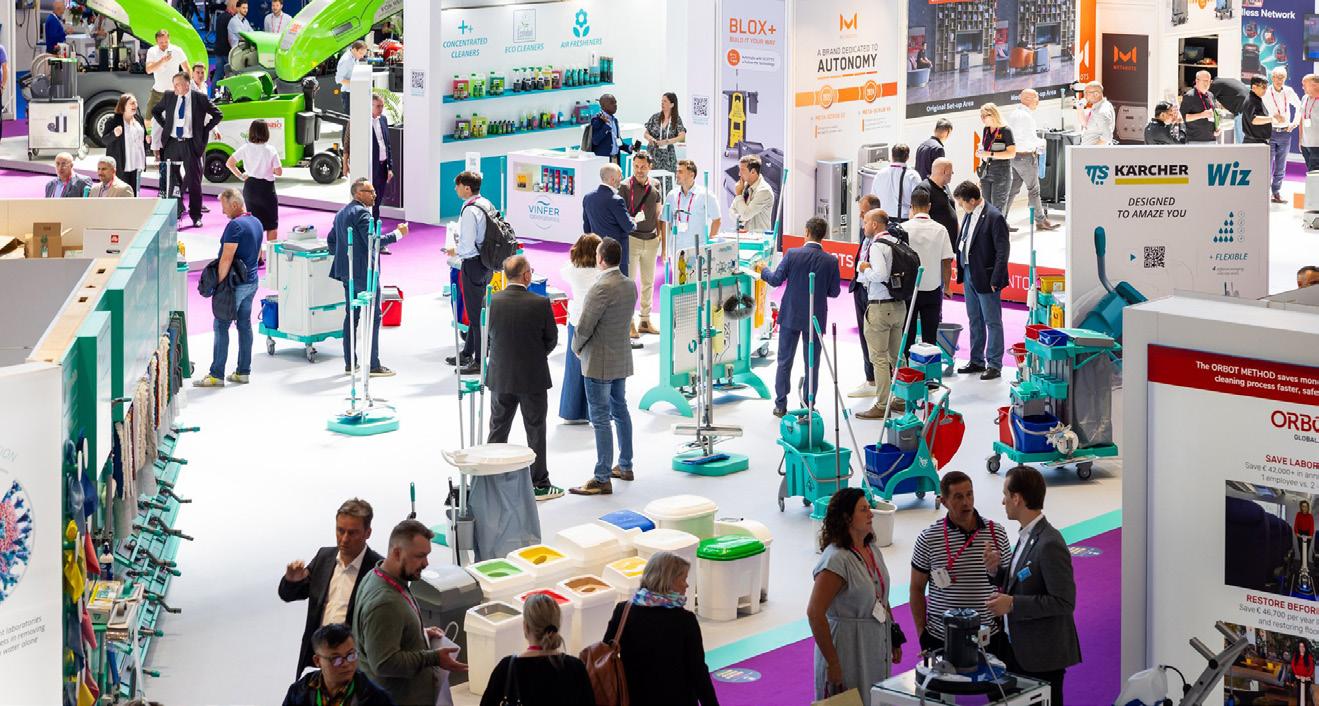
The world’s leading meeting place for the cleaning and hygiene industry, Interclean Amsterdam 2026, returns from 14 to 17 April uniting global manufacturers, innovators, and decision-makers as the sector continues to evolve. With expanded exhibition floorspace, a growing international exhibitor base, and an enhanced programme of live demonstrations and knowledge sessions, the show highlights the industry’s shift toward automation, autonomous robotics, and sustainable solutions. This year the show takes place during the Dutch tulip season. But while the city may be in bloom outside, inside the halls the focus is firmly on the technologies, partnerships, and ideas shaping the future of cleaning.
At the heart of Interclean Amsterdam 2026 are four dedicated experience centres, each designed to provide hands-on insight into the latest products, technology, and solutions:
Healthcare experience: In collaboration with Clean Hospitals, this experience focuses on infection prevention, hygiene standards, and cleaning solutions for healthcare and long-term care environments.
Hospitality experience: Located in the newly expanded Hall 8 and developed together with BICSc, this area highlights
innovations in hospitality cleaning. The hall also introduces new product segments, including Laundry and Textile Care and Pest Control solutions.
The outdoor cleaning experience features live outdoor demonstrations, including professional window-cleaning showcases by i-team and PTH Global.
Robotics experience: A dedicated zone for autonomous cleaning robots, featuring live demonstrations from leading manufacturers such as Sparkoz, Adlatus, LionsBot, Gausium, Shenzhen Yunjie Technology, Allybot, and Ecovacs.
This year, Interclean Amsterdam places education and professional exchange at the centre of the show, with four dedicated knowledge stages addressing the people, practices, and technologies shaping professional cleaning.
The Main Stage programme kicks off with a strong line-up of sessions developed in cooperation with Interclean partners: ISSA, Clean Hospitals, BICSc, ECJ, Cinet, African Cleaning Review, FDS, Italian National Association of Pest Control Companies, Afidamp, Zero Waste Foundation, and WFBSC.
The main stage will feature ISSA
sessions, best practices, round-table discussions from award-winning companies, an AI Gems session, and the presentation of the Innovation Awards winners.
A focused ISSA knowledge session programme will examine developments across hospitality and leisure, workplace and commercial environments, and healthcare and longterm care, with sessions addressing guest experience, smart facilities, and cleaning for health and safety. By bringing together leading voices from across the value chain, the Main Stage offers visitors both strategic direction and actionable insight, making it an essential stop for decision-makers seeking to stay ahead of industry change.
Additional stages dedicated to sustainability, health and hygiene, and data and technology explore emerging trends and practical applications through expert-led presentations.
Participating companies include Zvoove, Essity, Diversey, Toolsense, Arxada, Afidamp, Gausium, Excel Dryer, Werner & Mertz, Pollet, Ashine Diamond Tools, and Wepa.


Stearinos is a European manufacturer that focuses on professional fragrance solutions for both retail and institutional customers. Located in Bulgaria and leveraging German engineering expertise, the company designs and produces innovative air-care products.
Established in 2004 in Silistra by German engineer Herbert Witekend, Stearinos has more than twenty years’ experience creating fragrance solutions known for their modern design, dependable performance, and enduring scent. The company’s offerings have grown from home fragrances to an extensive selection of professional air-care products now found in public spaces, commercial establishments, and hygiene-related settings. The company offers EVA air fresheners, urinal screens, WC clips, ceramic diffusers, and other long-lasting fragrance systems.
Stearinos uses advanced materials and fragrance blends to create a pleasant, long-lasting scent in professional spaces. Many products are made with injection moulding, integrating fragrance into the material for even distribution and gradual release.
Stearinos utilise top-grade materials and premium fragrance oils to ensure dependable product performance and consistent quality. The company provides both private label and branded products to partners throughout Europe and global markets.
At Cleantex Africa 2026, Stearinos will present a carefully selected range of fragrance solutions tailored for high-traffic settings, including offices, hotels, shopping centres, healthcare facilities, and community buildings. Cleantex Africa visitors will have the opportunity to review the latest product innovations and engage in discussions regarding prospective collaborations with the Stearinos team throughout the three-day exhibition.
Employment and Labour Minister, Nomakhosazana Meth announced that the National Minimum Wage (NMW) for each ordinary hour worked will increase from R28.79 to R30.23.
The National Minimum Wage Act was first proclaimed in 2018, setting a historic precedent in the protection of low-earning (vulnerable) workers in South Africa and provided a platform for reducing inequality and huge disparities in income in the national labour market.
The National Minimum Wage was first implemented on 1 January 2019 at a level of R20 per hour.
The minimum wage only includes the basic hourly pay for ordinary hours of

work, meaning it does not include any additional allowances, bonuses, tips, or payments in kind like transport, food, or accommodation provided by the employer.
In terms of the law, it is an unfair labour practice for an employer to
Metropolitan Councils: City of Cape Town, Greater East Rand Metro, City of Johannesburg, Tshwane and Nelson Mandela
Local Councils: Emfuleni, Merafong, Mogale City, Metsimaholo, Randfontein, Stellenbosch, Westonaria
All areas in KwaZulu-Natal
NB: Conditions of employment for KwaZulu-Natal areas shall be subject to the agreement concluded in the Bargaining Council for the Contract Cleaning Service Industry KwaZuluNatal (BCCCI)
unilaterally alter hours of work or other conditions of employment in implementing the National Minimum Wage. With effect from 1 March 2026 employers shall pay contract cleaning workers at least the minimum hourly wage as detailed in the schedule below:
* A Regional Bargaining council (RBCCCI) for Area A has been registered - Government Gazette 53216 published 22 August 2025. Once the agreement of a 5% increase which has been concluded between the Employer Associations (NCCA and BEECA) and Labour is promulgated, the RBCCCI will become operational.
** The Bargaining Council for the Contract Cleaning Industry in KZN (Area B) concluded an agreement in 2026, (effective upon promulgation).
Any provider that contracts with a contract cleaning company at levels that make it impossible for the contract cleaning company to meet its obligations in terms of the National Minimum Wage or the Basic Conditions of Employment Acts can be held liable in terms of section 200(b) of the Labour Relations Act 66 of 1995. These rates are amended

annually on 1 March as per Sectorial Determination promulgated by the Minister of Employment and Labour. Both government and labour have stressed that enforcement remains critical. Cosatu called for an intensified crackdown on employers who fail to comply, describing non-payment of the minimum wage as a criminal offence. The federation welcomed Minister
Meth’s commitment to employ an additional 20,000 labour inspectors, saying this would strengthen the state’s ability to act against defaulting employers.
For more information relating to the National Minimum Wage contact the National Contract Cleaners Association (NCCA) at: national@ncca.co.za


African private equity firm Adenia Partners, along with Proparco, has signed an agreement to sell OCS Group’s operations in Morocco and Senegal to a consortium led by Morocco’s Retail Holding, alongside pan-African investment fund, Amethis.
Founded initially as a catering operator in 2009, OCS established itself within a decade as one of the two leading players in the Moroccan market, before diversifying its activities by integrating a comprehensive facilities management offering. The Group operates under the brands Ansamble and Proxirest for catering, and Artis Facilities in Morocco and Alizés in Senegal for FM.
Since the Adenia and Proparco’s investment in 2021, the Group has experienced very strong growth, doubling in size, while undergoing a significant institutional and operational transformation. This

Strengthening South Africa’s SME sector through targeted support and innovative funding structures remains vital to driving inclusive economic growth. FNB Business, in partnership with small business development specialist, Edge Growth, continue to empower high-growth
period was marked by strengthened governance, the appointment of a new management team led by Nicolas Belleteste, the expansion into FM services through the acquisition of Artis in 2023, and a strategic refocus around core activities in Morocco and Senegal.
With revenues exceeding one billion dirhams and a workforce of over 6,000, OCS serves a diversified portfolio of over 300 institutional and private clients. During Adenia’s holding period, the Group created more than 500 net new jobs, expanded employee training and workforce development programmes, and achieved certifications across quality, safety and Environmental, Social, and Governance standards, reinforcing its position as a responsible employer and service provider.
“OCS fully illustrates our approach as an active and engaged investor alongside Africa’s
regional leaders,” notes Stéphane Bacquaert, Managing Partner at Adenia Partners. “Working closely with the management team, we supported a phase of structuring, refocusing, and scaling up, enabling OCS to establish itself as a leading provider of services to businesses and public entities. Now with its shareholding firmly anchored locally, the Group has very strong development prospects.”
Through the transaction, the Retail Holding-Amethis consortium intends to support the OCS Group’s development in its next phase of growth. With a majority Moroccan shareholding base, the consortium aims to sustainably strengthen OCS’s position in its key markets, while leveraging commercial and operational synergies with Retail Holding and its subsidiaries, as well as with the Amethis network.
SMEs since they first launched the Vumela Enterprise Development Fund in 2009.
As their flagship collaboration, the Vumela Enterprise Development Fund provides innovative finance to blackowned “missing-middle” businesses, those too large for microfinance that don’t meet traditional credit criteria, with financial support and hands-on post-investment support from Edge Growth.
Monabo Hygiene Services, a 100 percent black woman-owned cleaning provider and FNB supplier, is one of many examples that demonstrate the impact of these collaborative programmes. With over 10 years’ experience servicing clients across Gauteng, the Western Cape, and KwaZulu-Natal, Founder and CEO
Bongiwe Monakedi faced a critical growth opportunity in early 2024 that required additional liquidity. Through an Accelerate Loan of R800,000 from the Vumela Fund, Monabo was able to secure and deliver on a major contract at the University of Pretoria – showcasing its ability to manage larger-scale operations with efficiency. Demonstrating strong financial discipline, the company successfully exited the Vumela Fund just over a year later, having fully repaid the loan by June 2025. In recognition of Monabo’s exemplary compliance and financial discipline, the end of the loan term saw a full reimbursement of all interest paid.
“This milestone highlights the company’s commitment to operational excellence and responsible financial management – principles that continue
to drive its growth and success,” says Investee Compliance Officer Team Lead, Tasneem Kader, from Edge Growth.
Through this support from the Vumela Fund, FNB Business, and Edge Growth, Monabo has also been able to sustain and expand their job creation drive, ensuring a positive contribution to both the community and the economy.
This is particularly meaningful given Monakedi’s dedication to empowering women, supporting their growth from entry-level roles to managerial positions across diverse industries.
Palesa Moeletsi, SME Business Development Support Manager at FNB, says, “At FNB, we believe that meaningful partnerships and innovative funding solutions are essential to
Agile Capital, alongside RMB Corvest and other shareholders, have exited their investment in the Feedem Group to the Empact Group. Having invested in Feedem in 2017, Agile has enjoyed a fruitful partnership with its co-shareholders and the management team over its investment period and seen significant growth in the business. This transaction demonstrates the Agile teams’ expertise in recognising the potential in home-grown South African businesses.
Feedem celebrated 50 years in 2025 and has grown to be one of the largest independently owned service providers within the local catering industry, with more than
Partner, Agile Capital. “Through careful strategic planning and focus on disciplined growth and customer service, the management team has driven exceptional growth”. The business initially included industrial, corporate, and educational sectors, and retirement living schemes. The business also grew through strategic M&A expanding its reach in the education sector, hygiene and pest control services, outsourced staffing options, and various ad-hoc services.
Empact Group is a good fit for Feedem and will ensure that Feedem’s sector expertise is well utilised within the Group’s network. Feedem Group CEO, Bazil Lauryssen, says, “We are excited to witness the new phase of growth
unlocking the growth potential of South Africa’s SMEs. Through the Vumela Fund and our collaboration with Edge Growth, we provided not only access to capital, but also the strategic support and mentorship that high-growth businesses need to thrive.
For more information, visit: www.edgegrowth.com

foundation created by the current management team and outgoing shareholders.”
“The services industry continues to attract investment, and we believe that Private Equity is able to help formalise and scale mid-market companies poised for growth. We have been a part of building Feedem


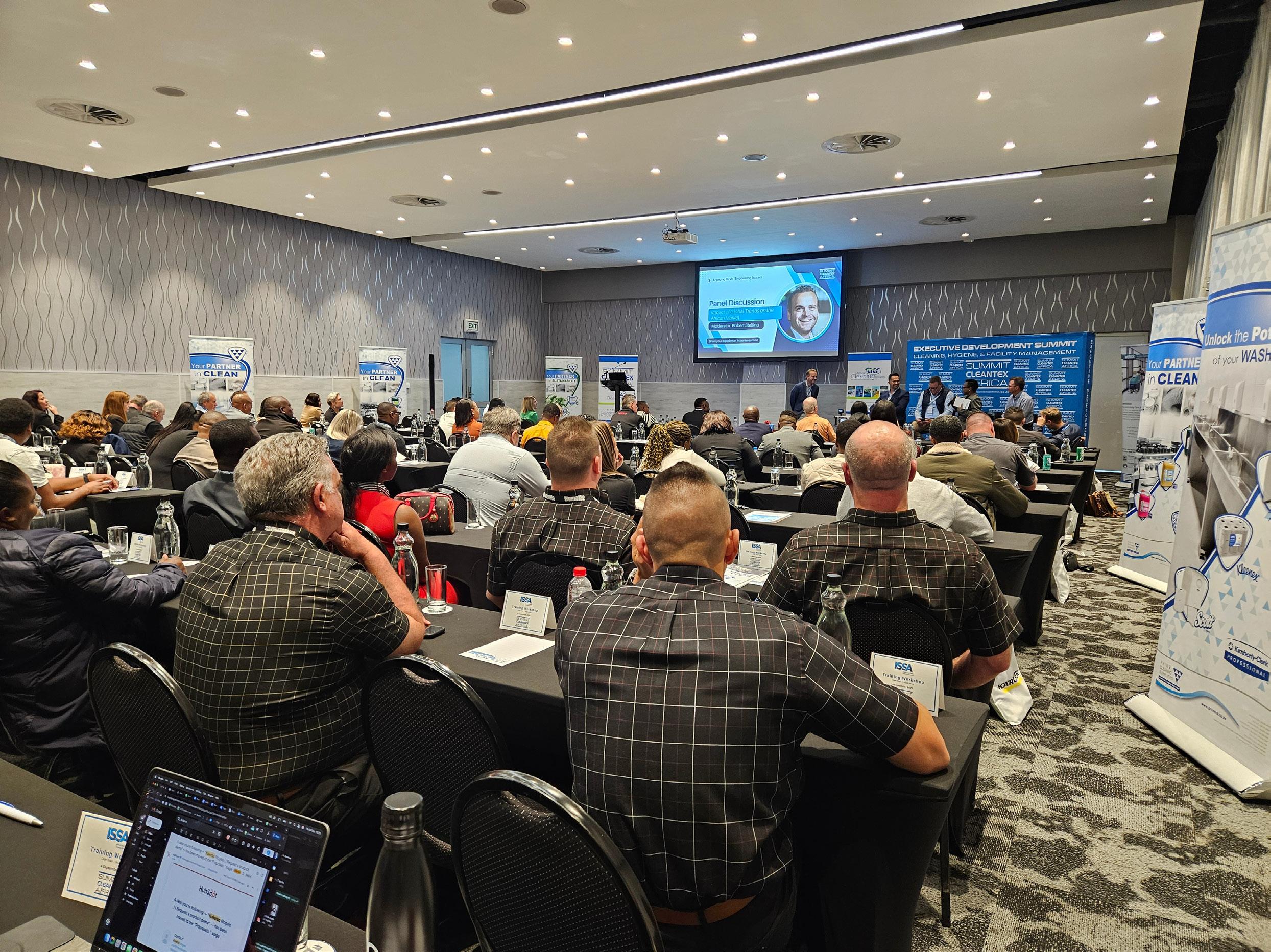
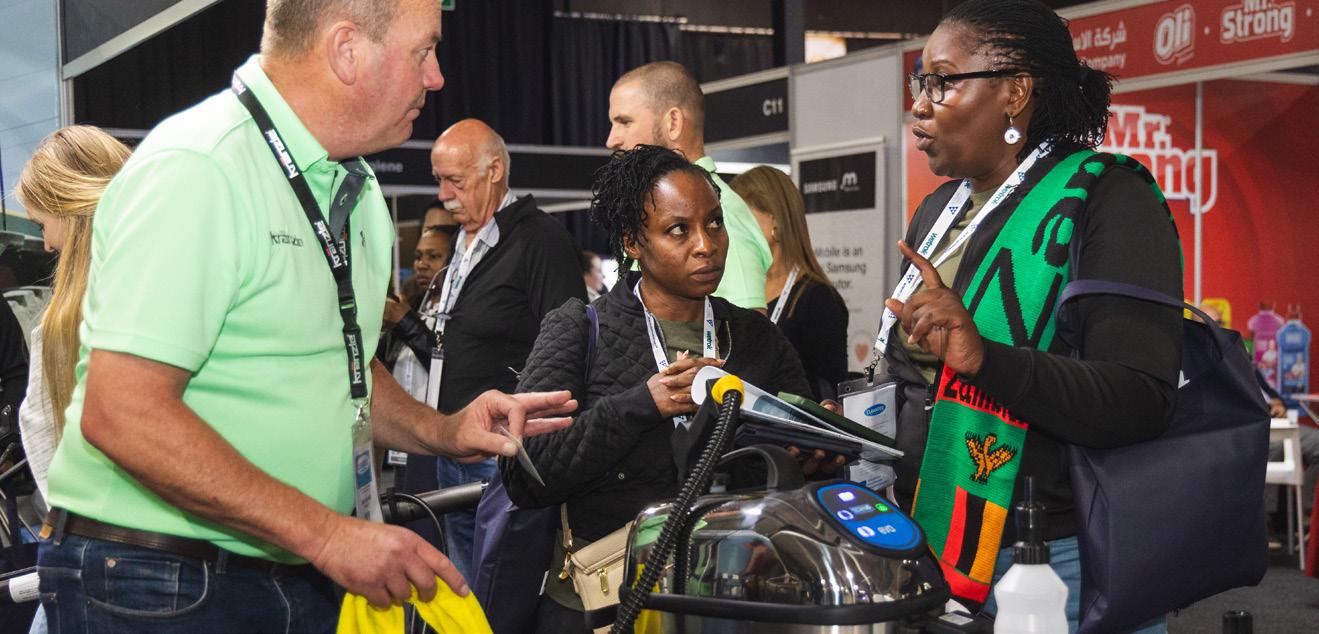
Cleantex Africa, the continent’s largest cleaning and facility solutions exhibition returns to Johannesburg, South Africa from 13 to 15 October 2026. With confirmed exhibitor floorspace already exceeding the 2024 edition, and with a growing international exhibitor base, the event promises to offer ample new
In a post-pandemic world, hygiene standards have never been higher. Cleantex Africa exhibition stands as the continent’s premier platform for discovering advanced products and solutions, offering three days of exploring the latest in cleaning technology, sustainable products, and facility hygiene advancements. Dedicated educational sessions will include more renowned speakers, association meetings, and
robust networking opportunities.
Among the companies that have already confirmed stand positions are industry and brand leaders, African Cleaning Review, Bayersan, BHBW SA Hako, Cleaning World, Cleanvac, Dr. Scent, Duramaid Cleaning and Hygiene Supplies, Goscor Cleaning Equipment, GW Enterprise, Hillbrush, Hygiene Systems, ISSA, Karcher SA, KimberlyClark Professional, Kranzle SA, MACH, Mazzoni, NCCA, Numatic SA, Nuwkem, Prime Cleaning Suppliers, Red Pole Energy, Rejuvinitals, SkyJacks, Stearinos, Tennant, Wetrok, with more interest to be confirmed.
Whether your company offers techdriven commercial cleaning, energyefficient equipment, healthcare-grade sanitation, and more, this event is your platform to prove that innovation equals efficiency.
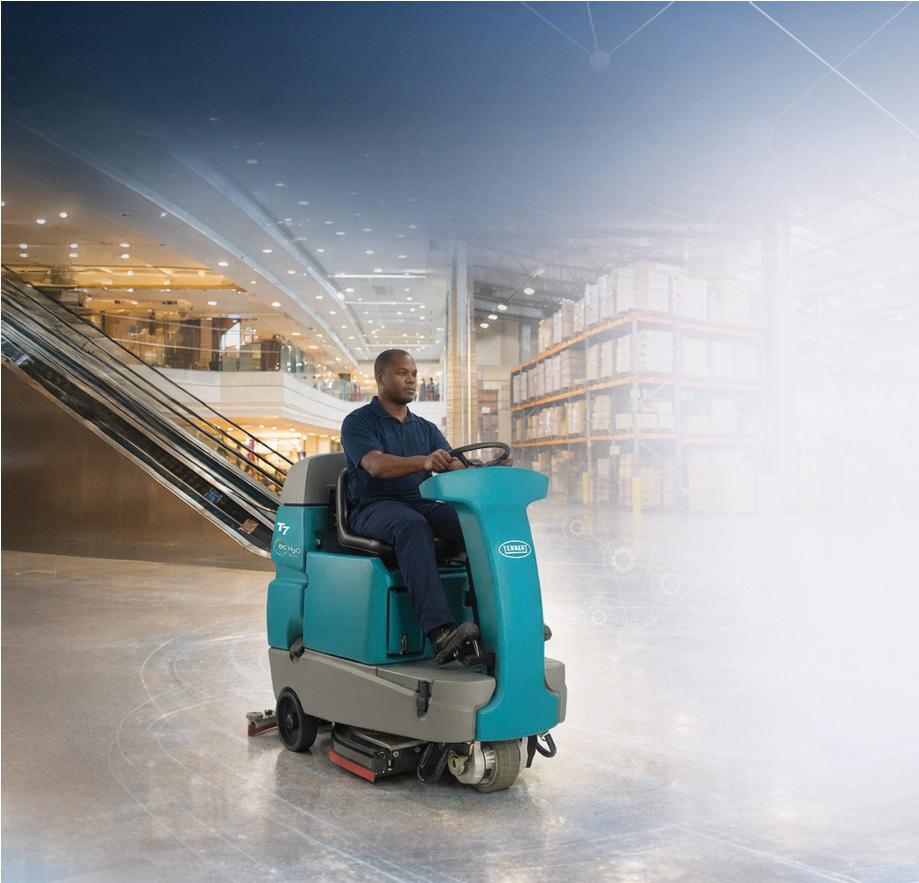
Goscor Cleaning Equipment, authorised Tennant partner in Southern Africa, delivers smart, reliable cleaning solutions backed by training and national support.




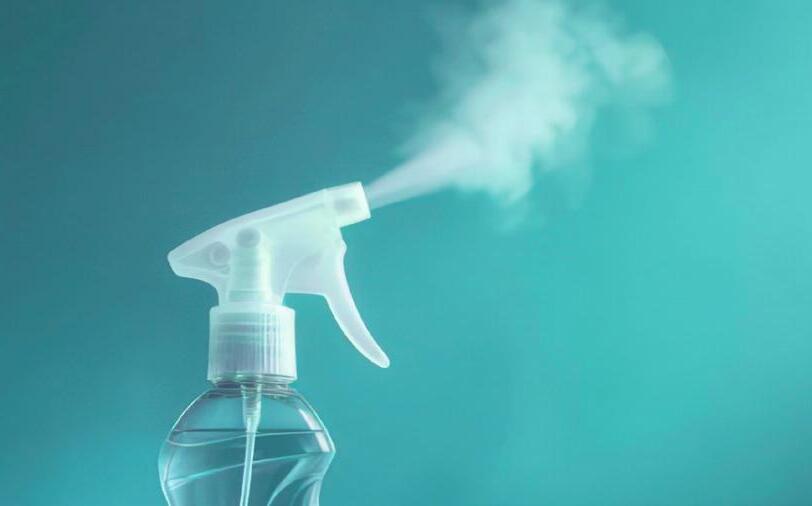
As the commercial cleaning industry continues to evolve, what role does scent play in product choice, hygiene results, and sustainability efforts? This is the allimportant question raised by REMI Network.com. From the perception of cleanliness to air quality and beyond, cleaners and facility managers need to consider scents in their overall health and safety strategy.
The perception of cleanliness
Often, people associate a clean environment with the smell of citrus, pine, or bleach, but a clean smell does not mean a clean and sanitised space. It is stated that 9 out of 10 visitors consider cleanliness to be a crucial factor in deciding whether to visit a business again, so companies want to leave a positive lasting impression.
• For subtle scents, choose essential oils and natural products as fragrance alternatives.
• Focus on removing foul odours at the source with frequent deep cleaning and prompt attention to spills and messes to simplify adding subtle scent to the space.
including air fresheners, chlorine bleach, dry cleaning chemicals, detergents and dishwashing liquid, rug and upholstery cleaners, furniture polish, and oven cleaners.
How can facility managers and commercial cleaners better protect building occupants?
• Switch to low or no VOC, scent-free cleaning products. Use resources like the Environmental Protection Agency (EPA) or Green Seal for a list of cleaning products that meet their standards.
But when a pleasant scent improves 82 percent of people’s perception of the washroom’s cleanliness, how can companies leave that lasting impression without using the traditional scents?
• Shifting from an odour masking to odour neutralising strategy is one way to stay hygienic while avoiding unnatural or chemical scents.
More and more companies are prioritising ESG goals as part of their commercial cleaning programmes. The growth of sustainability, transparency, and the use of environmentally friendly products means that some of these fragrant products will no longer make the cut. Many of these “natural” ingredients that create that “clean” smell are achieved through synthetic fragrances and Volatile Organic Compounds (VOCs). As the demand for transparency continues to grow, these ingredients will need to be listed on cleaning labels, making them less desirable for companies to use.
VOCs are problematic for indoor air quality (IAQ), as they can contribute to chronic respiratory issues, asthma, allergic reactions, and headaches. Many cleaning products contain VOCs,
• Educate staff and visitors on the effects that scented cleaning products can have on health, IAQ, the environment, and more.
• Stay transparent by posting cleaning schedules, promoting clean products, and publishing the labels from products used, so occupants and visitors can be assured that you are practicing consistent cleaning. Commercial cleaners and facility managers need to be conscious of the effect that scent has on the environment, air quality, and the health and safety of the building occupants, despite the common misconception that a clean aroma equates to a clean facility.
Bayersan stands as a top cleaning product manufacturer in Europe, renowned for both quality and service. Since its founding in 2000, the family business has consistently grown each year, attracting businesses worldwide.
Located in Silivri, Istanbul, the Turkish division specialises in the production and distribution of comprehensive professional and industrial cleaning equipment and supplies. These products are designed for janitorial applications, hospital hygiene, workplaces, public cleaning, and school hygiene. The manufacturing facility encompasses a 12,000 sqm production area and exports goods to 62 countries globally
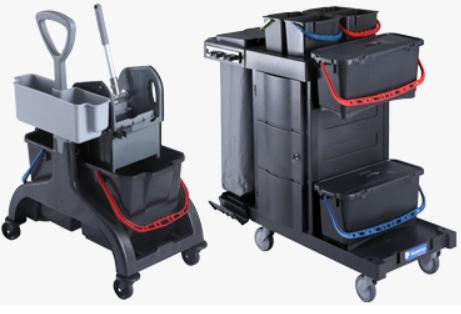
Bayersan offer high-quality products, including window cleaning systems (outdoor and indoor), mopping systems, window and floor cleaning equipment, bucket trolleys, multi-purpose trolleys, and dust bins.
At Cleantex Africa 2026, Bayersan is eager to connect with decision-makers from healthcare, hospitality, professional cleaning, and facility management sectors. Products and equipment are robust, ergonomically designed, and made from recycled materials. Bayersan is actively pursuing distribution opportunities across Africa.
The Diversey IntelliDishTM CONTROL is a smart IoT solution that food service hospitality and contract caterer operators can use to better monitor their dishwashing operations.
Diversey, a Solenis company and global leader in cleaning and hygiene solutions, recently announced the launch of IntelliDishTM CONTROL, an innovative IoT solution that helps food service, hospitality, and contract caterer operators improve efficiency, reduce costs, and ensure hygiene compliance in mechanical dishwashing operations.
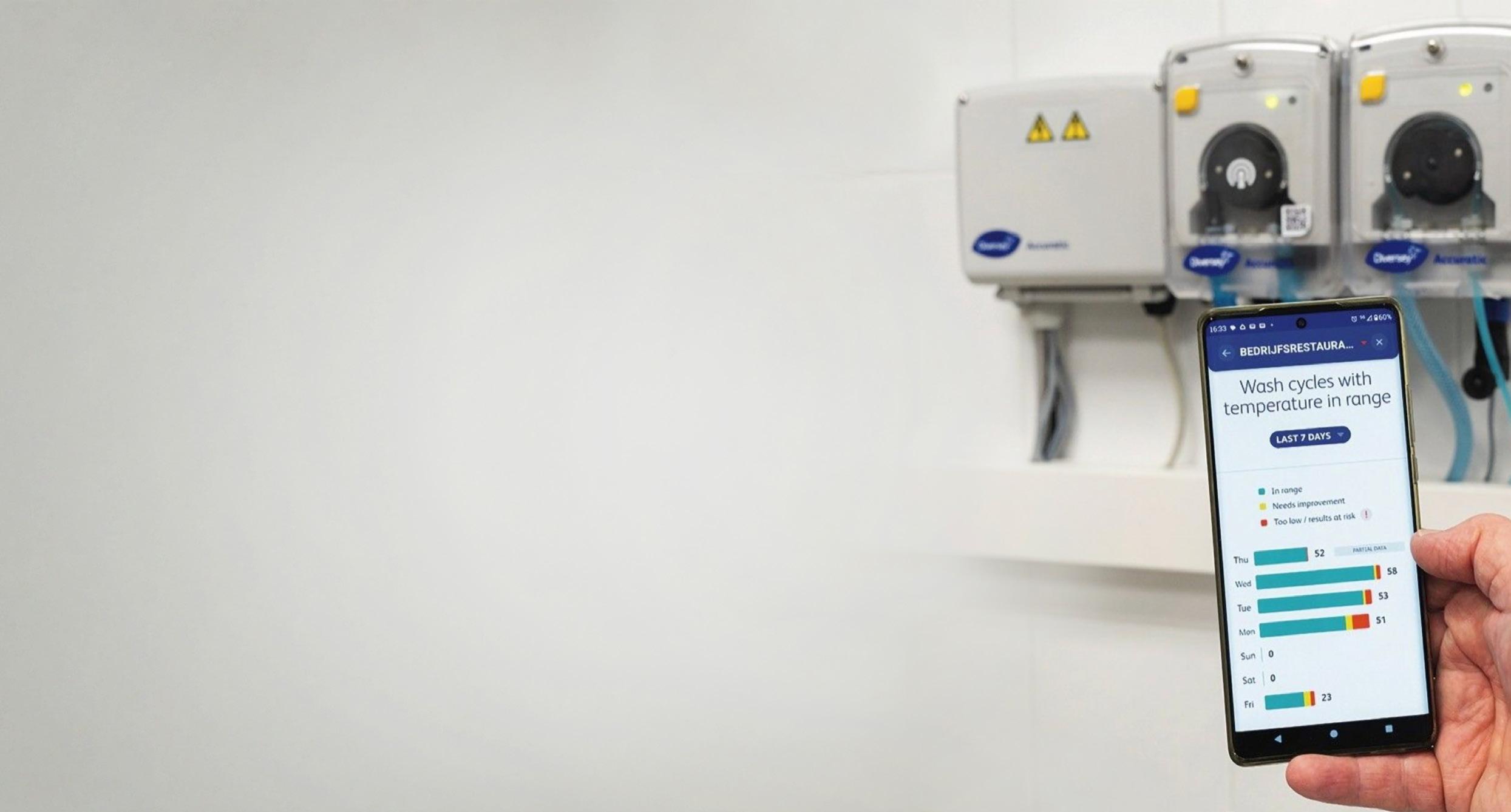
Mechanical dishwashing can account for up to 60 percent of back-of-house activity in restaurants and hotels. Interruptions in the process often result in rewashes, labour inefficiencies and shortages of clean tableware, directly impacting customer satisfaction and brand reputation. IntelliDishTM CONTROL addresses these challenges by combining advanced dispensing with an app to monitor hygiene and control cost, as well as cloud connectivity to help operators optimise performance across single and multi-site operations.
The system provides insights into key dishwashing metrics, such as wash
and rinse temperatures or detergent and water consumption and includes alerts and notifications. It is an easyto-implement solution with a patent pending, helping businesses prevent disruptions, ensure compliance, and save energy. Pairing IntelliDishTM CONTROL with Diversey’s superior eco-certified offer for mechanical dishwashing, including SURETM plantbased detergents and rinse aids, provides additional opportunities for customers to meet their sustainability goals.
“Our customers need solutions that are practical, scalable, and sustainable,” said Gaetano Redaelli,
President, Institutional Solutions, Solenis. “IntelliDishTM CONTROL was developed with those needs in mind, helping our customers reduce waste, simplify processes, and deliver consistent hygiene standards across their operations.”
Diversey, a Solenis company, provides cleaning, hygiene, and infection prevention solutions for the hospitality, food service, healthcare, beverage, and processed food and dairy markets. These solutions, which include advanced chemicals, digital technologies and value-added services, enable customers to build a cleaner, safer and more sustainable world.






Something nobody saw coming: the generation most sceptical of artificial intelligence (AI) isn’t the one who doesn’t understand it. It’s the one who understands it best. Every new technology faces resistance. The internet? A fad. Smartphones? Unnecessary. Social media? A waste of time. But tech scepticism has always followed the same pattern, older workers resisted, younger workers embraced, and eventually the sceptics retired, and adoption became universal. Not this time though.
Tech scepticism script has flipped
Traditional technology scepticism was driven by unfamiliarity. Baby Boomers didn’t grow up with computers. Gen X had to learn the internet as adults. They resisted because the technology was foreign. As digital natives entered the workforce, resistance faded. AI flips this script entirely. Those of Gen Z who express scepticism toward artificial intelligence equal 62 percent, higher than any other generation. Another 16 percent explicitly don’t want AI on their phones, compared to only 9 percent of older users. A total of 49 percent believe AI will harm their critical thinking skills.
This isn’t ignorance but rather educated wariness. Gen Z grew up watching social media algorithms manipulate behaviour, mine personal data, and damage mental health. They understand how “engagement optimisation” created filter bubbles and monetised attention at the expense of well-being. They have seen technology companies prioritise profit over users, and they figured (correctly) that it will keep happening. When it comes to AI, Gen Z is not asking, “How does this work?” They’re asking, “Who does this benefit, and at what cost?” And they can spot AIgenerated content instantly. Years of exposure to algorithmic manipulation have given them sophisticated internal detectors.
The impact for B2B sellers
You already know that generational dynamics in business-to-business (B2B) selling have gotten complex. Older salespeople struggle to connect with younger buyers who communicate differently and research differently. Younger salespeople face challenges selling to executives who expect traditional relationship-building. AI adds another layer of complexity to this already delicate situation. Consider this common scenario: Your sales team deploys AI-powered email outreach, chatbots for qualification, or AI-generated proposals. The goal is efficiency, reach more prospects, respond faster, scale the process. But when that AI touches a Gen Z buyer, it triggers immediate scepticism.
An AI-written email isn’t just impersonal; it’s a signal that you chose efficiency over authenticity. An AI chatbot is not helpful; it is a barrier between the buyer and real human expertise. An AI-generated proposal tells the buyer you couldn’t be bothered to understand their specific situation.
Here is the mismatch: millennial and Gen X sales leaders view AI pragmatically as a productivity tool (which can, and should be, used correctly). They don’t realise their AI-enhanced outreach is actively repelling their youngest prospects. They see time savings. Gen Z buyers see corporate shortcuts that signal low prioritisation of genuine relationships.
Authenticity is everything, and this time, you can’t fake it
When buyers doubt the authenticity of your communication, they doubt the authenticity of your company. This hits B2B particularly hard because business relationships depend on trust. B2B buying decisions involve long-term commitments, significant investment, and organisational risk. Buyers need confidence that you will deliver, support, and stand behind your product over time.
AI-generated content undermines that confidence. When a prospect receives an AI-written email, the subtext reads, “This company would rather automate than understand our needs.” When an AI chatbot handles initial qualification, the message becomes, “Our time is more valuable than yours.” When an AI system generates proposals, buyers wonder, “If they are using AI for this, where else are they cutting corners?” And guess what? These messages are correct interpretations. Gen Z interprets AI deployment as a values statement. They’ve watched tech companies claim to prioritise user experience while optimising ad revenue. They have seen platforms promise connection while fostering division. If your technology serves your interests at the customer’s expense, trust evaporates.
AI scepticism will age in, not out Here’s the critical difference: internet scepticism aged out. AI scepticism will age in. Gen Z is entering the workforce now. Within a decade, they’ll hold senior leadership roles. Their sophisticated understanding of AI’s capabilities and limitations will shape how organisations approach artificial intelligence. And their scepticism isn’t going away; it’s informed by direct experience with technology’s dark patterns. The choices you make today about AI deployment will determine whether future decisionmakers view your organisation as trustworthy or opportunistic. Companies that use AI thoughtfully, transparently, and in service of genuine customer value will differentiate themselves. Those who deploy AI primarily for internal efficiency will find themselves shut out as sceptical buyers gain purchasing authority.
What you should do
Don’t abandon AI. Use it, but use it well. The technology offers legitimate
value for data analysis, research, ideation, and productivity. But deployment must be strategic. Distinguish between internal AI use and customer-facing AI deployment. Are you using AI to analyse customer data and identify patterns? That’s smart. Are you using AI to generate customer communications? That’s dangerous. The former enhances human decision-making. The latter replaces human connection.
When AI does touch customer interactions, be transparent. Don’t try to make AI-generated content indistinguishable from human communication. Acknowledge the tool’s role while demonstrating human oversight. Let prospects know that AI helped research their industry, but a human shaped the insights specifically for their situation. Remember, AI is your intern, not your manager, salesperson, or decision maker. As an intern, it’s great. It has a high IQ, it has 20 degrees, and it has no street
smarts whatsoever. Your job is to give it the street smarts.
Most importantly, recognise that generational differences in perceptions of AI are not temporary. Gen Z’s scepticism reflects a permanent shift in how buyers evaluate vendor authenticity. Companies that double down on genuine human relationships, transparent processes, and customerfirst values will thrive. Those that view AI primarily as a cost-cutting tool will become irrelevant to the generation they are trying to reach. The question isn’t whether to use AI. It’s whether you use it in ways that build trust or destroy it. Gen Z’s scepticism provides the answer, and it’s not going away.
Article by Troy Harrison, a sales navigator, speaker and author of “Sell Like You Mean It and “The Pocket Sales Manager”. Harrison has trained salespeople from 23 countries living on three continents.






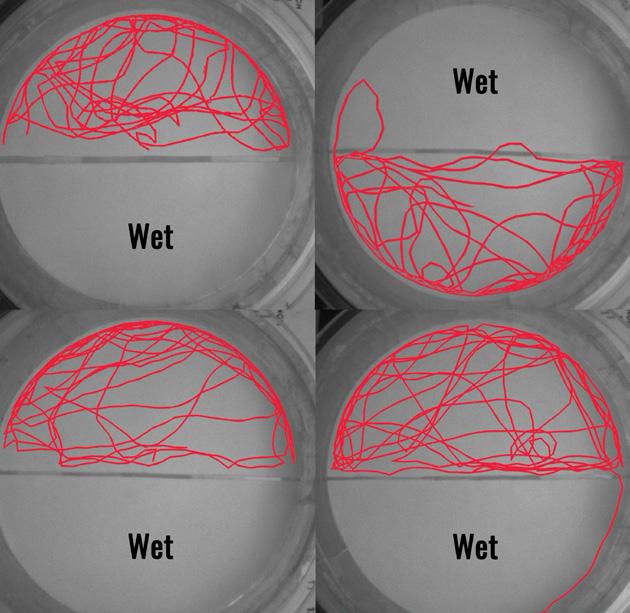
Humans tend to fear bed bugs, and rightly so. The bloodsuckers are tough to get rid of once they’ve entered a facility. But new US research has, for the first time, identified one thing the bugs seem to fear: water and wet surfaces.

AUniversity of California, Riverside study published in the Journal of Ethology details this previously undocumented fear in the dreaded insects. UCR entomology professor and paper co-author, DongHwan Choe, says the finding seems to make perfect sense based on the shape of a bed bug’s physique. Bed bugs have extremely flat bodies and small respiratory openings called spiracles on the sides of their belly.
“If they physically contact a body of water, they’ll get stuck to its surface, blocking their respiratory openings,” Choe said. “Due to its strong adhesive power, water could be very dangerous from a bed bug’s perspective. So, it’s not surprising to learn that they’re extremely averse to moisture.”
Researchers in the Choe lab discovered this insight serendipitously. Normally, laboratory bed bug colonies are kept in vials. To feed the bed bugs, the researchers attach an artificial feeder to the top of the colony vials. The insects crawl up to the top and poke their mouth parts through the membrane to ingest the blood.
One day, the membrane that holds the blood was slightly torn, and the blood from the feeder started to wet some paper used in the colony vials for the bed bugs to cling onto.
“The leaked blood was slowly soaking the paper from the top of the vial. I thought the bed bugs would be happy to drink the blood from the paper,” Choe said. “But what I saw was very different. They were actively avoiding the part of paper that became wet with blood. They wouldn’t even walk near the wet areas.”
The researchers also wet the paper substrate in the vials with water, and the insects avoided this as well. These observations inspired further study. When a postdoctoral researcher in Choe’s lab, Jorge Bustamante, designed some experiments, he had to use a special infrared camera with a magnifying lens. “It’s not easy to work with young, really small bed bugs,” Choe said. “They’re maybe only 2 millimeters long or less.”
Using video analysis software, Bustamante could track differences in colour between the bugs and the background, allowing him to record and quantify the insects’ movements. He paid close attention to the speed and distances the bed bugs travelled to avoid wet surfaces and examined the behaviour with respect to gender and age.
He found that all bed bugs, males, females, old and young alike, avoid wet surfaces. The bed bugs in the study also tended to flee from the water faster than they approached. However, he also saw that smaller, younger bed bugs make a faster U-turn when they realise they’re approaching a wet surface, showing the younger insects are more sensitive to water and dampness.
Aside from the novelty of being the first to publish insights into this behaviour in bed bugs, there could be some implications for treating infestations. Companies may want to pay close attention to this behaviour when developing and testing waterbased insecticide sprays, as the bugs will actively avoid wet surfaces created by the treatments, and possibly move
to other areas of the infested property, at least temporarily.
“If the insecticides don’t kill the bed bugs right away, then they will leave the treated areas and disperse elsewhere,” Choe said. In addition, there is a simple solution if a person suspects they may have bed bugs on them. “Take a bath. It’ll solve the problem,” Choe said. “Of course, the bed bugs in the room or on the bed will require different approaches.”
He found that all bed bugs, males, females, old and young alike, avoid wet surfaces. The bed bugs in the study also tended to flee from the water faster than they approached.

As a leading integrated workplace management solutions (IWMS) provider, we deliver a broad suite of services, including facilities management, catering, security, cleaning, hygiene, remote site services, and more. Tsebo, a leading integrated workplace management solutions provider believes that no one should be left behind as technology evolves. That belief has inspired the launch of AI4ME, their new frontline digital enablement programme that opens the world of artificial intelligence (AI) to all Tsebo employees, in a safe, responsible and practical way.
AI4ME embodies Tsebo’s vision of caring innovation – technology designed to empower people. The programme invites every employee to Ask, Learn, and Grow with confidence as AI becomes part of daily life. “This initiative marks another meaningful step in Tsebo’s AI journey. As intelligent AI agents emerge all around us and begin to shape the way we live and work, our focus remains on equipping our people with the skills and confidence to thrive alongside this technology. It goes beyond digital enablement. It’s a vision deeply rooted in our purpose: to develop people, to serve people, to uplift society. By empowering the people at the heart of our operations, we will ensure that we all grow with technology and thrive in the future of work,” says Dr Chris Jardine, CEO of Tsebo Solutions Group.
Delivered through Learning Management System (LMS), Tsebo’s digital learning portal and used by around 15,000 employees each month, the programme offers short, easy-tofollow modules that are accessible even offline. For many Tsebo employees, learning happens on the go: completing modules on mobile phones, often while travelling to and from work using public transport. This flexibility ensures that AI4ME truly meets employees where they are.
To make learning even more accessible, the programme integrates Meta AI through WhatsApp, a familiar and trusted channel for many across the Group. Tsebo Group Chief Human Resource Officer, Elanie Kruger explains,
As intelligent AI agents emerge all around us and begin to shape the way we live and work, our focus remains on equipping our people with the skills and confidence to thrive alongside this technology. It goes beyond digital enablement. It’s a vision deeply rooted in our purpose: to develop people, to serve people, to uplift society.
“This conversational, practical format breaks down traditional barriers to digital learning, enabling employees to explore how AI can support their wellbeing, personal and career growth, and ultimately provide a better service to our clients. It also reinforces the importance of confidentiality and responsible use, ensuring our people apply AI safely, productively, and with integrity.”
The programme is already live in South Africa, with a phased rollout to follow across Tsebo’s other African operations in multiple languages,
opening the world of AI to more than 32,000 employees across 25+ countries. Tsebo has received global recognition from the Top Employers Institute for its AI empowerment initiatives and thought leadership in AI augmentation, positioning the organisation as a forward-thinking strategic business partner that uses technology to strengthen human judgment and uphold ethical decisionmaking in the workplace.
For more information visit: www.tsebo.com
The Services SETA has released the official schedule for the 2026 External Integrated Summative Assessment (EISA) dates, which are essential for ensuring learners meet national occupational standards.
Learners enrolled in occupational qualifications are assessed through the External Integrated Summative Assessment (EISA). This assessment is a key part of the quality assurance systems used by both the Services SETA and the Quality Council for Trades and Occupations (QCTO). It ensures that assessments for occupational qualifications, part qualifications, and trades
are conducted in a way that is standardised, consistent, and credible.
Skills Development Providers (SDPs) conduct internal assessments for learners enrolled in occupational qualifications. Upon completion, learners receive a Statement of Results (SoR), which must reflect their achievements across the three components of the qualification: knowledge, practical experience, and workplace experience.
The final External Integrated Summative Assessment (EISA) is administered by Accredited Assessment Centres. Registration for EISA can be initiated either by the SDP or directly by the
learner. To support this process, the Services SETA published a calendar outlining scheduled EISA dates for all occupational qualifications with active learners in the system. Skills Development Providers (SDPs) must deliver training in line with approved curriculum standards and submit their EISA readiness list to the QCTO at least three months prior to the EISA dates.
Assessment Centres must be formally accredited by the QCTO to conduct EISA and must have access to a database of Subject Matter Experts (SMEs).
For more details visit the Services SETA website or EISA at: www.eisahub.co.za/ upcoming-eisa-dates#SSETA2
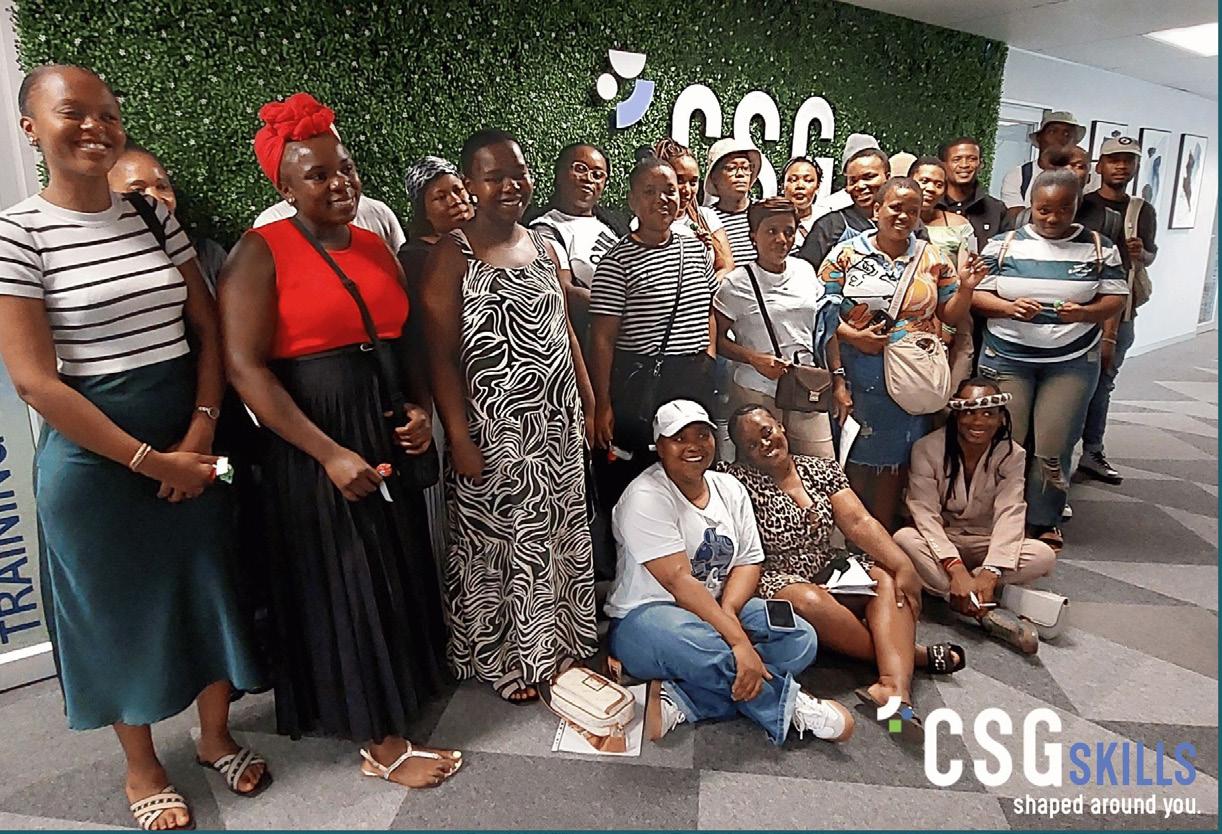
CSG Skills Institute recently had the privilege of hosting a W&R SETA group of learners who completed their EISA examinations at their premises in Johannesburg, marking an exciting milestone for the organisation.
According to the Skills Institute, this was the first group to sit their exams onsite, and they look forward to welcoming many more learners in the future. Hosting these assessments reinforces CSG’s commitment to supporting quality training, upholding industry standards, and contributing to successful learner outcomes. CSG Skills Institute remains dedicated to creating opportunities that empower learners and strengthen skills development in South Africa.
For more information visit: www.csggroup.co.za

In South Africa’s dynamic built environment, facility managers are no longer behind-the-scenes caretakers – they are now frontline strategists driving operational excellence, compliance, and sustainability. Public holidays and seasonal downtime expose the cracks in traditional maintenance models, underscoring the urgency for smarter, more integrated systems. As the country’s infrastructure expands, so too must the intelligence of the systems that manage it, according to Broll IFM.
Extended holiday periods, such as those in April and May, often leave buildings under-occupied, which can allow latent issues like system failures or security gaps to surface. According to Mandla Msweli, COO at Broll Integrated Facilities Management (Broll IFM), these quiet times offer both challenges and opportunities, “Extended periods of low occupancy can unmask underlying issues within a facility. Implementing smart technologies ensures operations remain seamless, even with fewer people on-site.”
This need for smarter oversight reflects a broader transformation across the sector – from manual, reactive maintenance to integrated, tech-enabled solutions designed to anticipate and resolve problems before they escalate.
Compliance and policy: A catalyst for outsourcing
South African regulations, including the Occupational Health and Safety Act and SANS 1752:2017, place a legal and ethical obligation on organisations to maintain safe, functional spaces. The Public Works Facilities Maintenance Policy further pushes for performance tracking and preventative upkeep. These mandates are encouraging both public and private entities to outsource facilities management to experts like
Broll IFM, who bring strategic insight and systems thinking to the table.
“Facilities managers today are not just caretakers – they’re compliance officers, sustainability drivers, and operational strategists,” says Msweli.
Technology meets strategy: The rise of smart systems
The integration of intelligent platforms like Broll IFM’s Integrator Delivery System is transforming facilities into interconnected ecosystems. Features such as IoT monitoring, energy management, and
The
maintenance. Broll IFM is reversing this trend by embedding its teams within client environments to create a culture of foresight and resilience. “We’ve taken facilities from 80 percent reactive to 80 percent proactive maintenance,” notes Msweli. “This shift prevents breakdowns and enhances long-term value.” This people-centric approach, powered by data and supported by compliance, positions facilities management as a business enabler –not just a background function.
future of South Africa’s built environment hinges on how well organisations manage complexity, cost, and compliance. Strategic facilities management – combining people, platforms, and process – is no longer a luxury but a necessity.
predictive maintenance enable clients to consolidate services and gain real-time visibility over assets – all under a single contract.
A recent survey found that 59 percent of businesses have cut operational expenses and improved competitiveness through outsourcing, highlighting the financial and strategic value of expert-led facilities management.
From firefighting to future-proofing In many South African sectors, infrastructure development outpaces
The future of South Africa’s built environment hinges on how well organisations manage complexity, cost, and compliance. Strategic facilities management – combining people, platforms, and process – is no longer a luxury but a necessity. With leaders like Broll IFM driving the charge, the sector is moving toward a smarter, safer, and more sustainable future. “Delivering safe, sustainable, and smart facilities isn’t optional anymore, it’s essential,” says Msweli.










Whose job is it anyway?
Allocation of risk in slip-and-fall claims
Malls and shopping centres bustling with shoppers, create a lively yet crowded environment. However, the foot traffic increases the risk of slip-and-falls significantly. Wet floors from summer rains, misplaced merchandise, and hurried shoppers all contribute to a spike in personal injury claims, making this an opportune moment to revisit recent case law on liability allocation.
South African courts continue to grapple with the issue of legal responsibility when it comes to preventing injuries caused by slip-andfall incidents in public spaces. The duty of care owed by mall owners and their appointed contractors remains a recurring point of contention, particularly in determining what constitutes reasonable measures to ensure shopper safety. This issue was recently brought into focus in the matter of Verna Mershall Manuel v Supercare Services Group (Pty) Ltd, which arose from an incident that occurred on 9 November 2016 at Zevenwacht Mall in Cape Town. The claimant slipped on a chip in a walkway and fractured her wrist. At the time, the mall was owned by Investec Properties (Pty) Ltd, managed by Broll Property Group (Pty) Ltd (property manager), and cleaned by Supercare Services Group (Pty) Ltd (cleaning contractor) under a service agreement.
The claimant alleged that both the property manager and the cleaning contractor owed her a legal duty to ensure the mall’s surfaces were kept free of hazards and that their failure to detect and remove the chip constituted negligence. She initially sued both parties but later withdrew her claim against the property manager, leaving the cleaning contractor as the sole defendant. This strategic decision proved fatal to the plaintiff’s case, as it eliminated the party with primary responsibility for hazard detection.
The cleaning contractor argued that its responsibility for the detection and continuous monitoring of the premises for spillages was expressly excluded under the Master Service Agreement (MSA). It concluded with the property manager, which required it to clean spillages only when notified. CCTV footage showed that the chip fell just 15 seconds before the incident, and cleaners responded promptly thereafter.
The Western Cape Division of the High Court dismissed the claimant’s claim, finding that the MSA was binding and excluded any duty on the cleaning contractor to monitor or detect spillages. The court held that the cleaning contractor could not be liable for failing to perform a duty it was not contractually obligated to undertake. It further noted that, given the short timeframe between the chip falling and the accident, no reasonable cleaning system could have prevented the incident. The court emphasised that the primary duty to ensure safety rested with the property manager and with the mall owner.
The appeal court examined whether the court a quo had erred in its interpretation of the contractual obligations and the existence of a legal duty. The appeal court confirmed that the deeming provisions in the MSA were effective and that the cleaning contractor’s role was limited to cleaning upon notification, not continuous monitoring. The court stressed that liability for negligent omissions depends
on the existence of a legal duty, which in this case was absent. It reiterated that public policy does not support imposing liability on a contractor for duties expressly excluded by contract, particularly where the managing agent retained responsibility for hazard detection. The court reaffirmed that mall owners and managing agents bear the ultimate responsibility for maintaining safe premises. While they may delegate cleaning functions to contractors, such delegation must be reasonable and supported by clear contractual terms. The court clarified that the duty to provide a safe environment cannot be shifted entirely in circumstances where public policy dictates otherwise. In this case, the appointment of the cleaning contractor was reasonable, and its exclusion from monitoring duties was contractually clear, making it inappropriate to hold the contractor liable. This three-tier structure, owner, managing agent, and service contractor, is typical in commercial property operations and creates complex liability chains that insurers must navigate when assessing coverage and exposure. Mall owners and managing agents should ensure that agreements explicitly define responsibilities as any ambiguity in this regard creates exposure for all parties. Where hazard detection duties are excluded from contractor agreements, owners and managing agents must implement independent monitoring systems to mitigate the risks.
This might include dedicated personnel, enhanced CCTV monitoring with active observation, or regular inspection protocols. Underwriters should request copies of all agreements concluded between property owners and their service providers to properly assess the extent of risk, particularly where cleaning contractors have contractually limited their liability or exposure.
Even with delegation, owners and managing agents should maintain oversight mechanisms to ensure contractors perform their allocated responsibilities in a competent and diligent manner.
Abridged article by Rethabile Shabalala, Senior Associate & Maano Manavhela, Associate at law firm Webber Wentzel.
Founded in 1868, Webber Wentzel is a leading fullservice law firm providing clients with innovative solutions to their most complex legal and tax issues across Sub-Saharan Africa. With over 450 lawyers, their multi-disciplinary expertise is consistently ranked top tier in leading directories and awards, both in South Africa and on the African continent.
During a recent court ruling, the Supreme Court of Appeal (SCA) dismissed an attempt by Pick n Pay Retailers (Pty) Ltd to reopen a longrunning slip-and-fall case, confirming that the supermarket chain remains liable for injuries suffered by a customer who fell on a slippery substance inside one of its stores. The ruling supports earlier judgments holding Pick n Pay responsible for injuries sustained by Maria Williams at its N1 City Mall store in Goodwood, Cape Town.
The case dates back to November 13, 2017, when Williams, widow of late rugby star Chester Williams, was shopping with her sister when she slipped and fell in the store. She had briefly left the checkout area to retrieve an item she had forgotten and was walking briskly, not running, through an aisle when she lost her footing. After the fall, Williams noticed an oily, orange-coloured substance on the sole of her shoe. She later suffered injuries to her left hip and shoulder joint, requiring medical treatment. Pick n Pay initially assured Williams that it would cover her medical costs but later failed to do so, prompting her to institute legal proceedings in the Western Cape High Court. She claimed damages for medical expenses, loss of earnings and general damages for pain and suffering. In September 2023, the High Court ruled in Williams’ favour, finding that Pick n Pay had failed to take reasonable steps to keep its premises safe. The
court held the retailer fully liable for any damages Williams could prove and also granted Pick n Pay a right of indemnity against its cleaning contractor, Tradesoon (Pty) Ltd trading as Bluedot.
Pick n Pay sought leave to appeal that decision, arguing that it had acted reasonably by outsourcing cleaning services to an independent contractor and that any negligence lay with the contractor, not the store. However, the high court refused leave to appeal, and a subsequent petition to the SCA was also dismissed. Undeterred, Pick n Pay launched an application for reconsideration under section 17(2)(f) of the Superior Courts Act, a provision that allows the SCA to revisit refusals of leave to appeal in rare cases where a grave failure of justice would otherwise result or where the administration of justice may be brought into disrepute.
In a unanimous judgment, three retired judges, Vuminkosi Dlodlo, Xolani Petse, and Boissie Mbha, rejected the application. The court emphasised that section 17(2)(f) is not intended to provide litigants with “another bite at the cherry” after repeated failures to secure leave to appeal. The SCA found that Pick n Pay had not demonstrated any exceptional circumstances or grave injustice that would justify reopening the matter. Instead, the retailer was merely attempting to reargue issues already considered and decided by the High Court and by the SCA itself. On the merits, the court reaffirmed


that shop owners owe a duty of care to customers to ensure that their premises are reasonably safe. While Pick n Pay had engaged Bluedot to clean the store, this did not absolve it of responsibility. The court held that a store owner cannot simply delegate safety-related duties and then adopt a passive stance.
Evidence showed that Pick n Pay did not actively monitor the work of the cleaning contractor, failed to review cleaning logs, and had no staff member present in the aisle at the time of the incident. The court found that these shortcomings meant Pick n Pay had not taken reasonable steps to guard against foreseeable harm, particularly in a busy supermarket where spillages are common.
The judges also rejected Pick n Pay’s reliance on earlier case law protecting principals from liability for the negligence of independent contractors. They stressed that a business may still be liable where the harm arises from its own failure to ensure that adequate safety systems are properly implemented and supervised.
The small lithium battery inside a discarded vape pen might not look dangerous, but for waste management facilities across the US and Europe, these devices have become an increasingly urgent fire hazard. As singleuse e-cigarettes flood the market, and subsequently, waste streams, regulators are scrambling to address a problem that’s quite literally explosive. In the United States, the issue has reached a critical point.
Material recovery facilities report fires caused by lithium-ion batteries in vapes and other electronics with alarming regularity. When these batteries are punctured or crushed during sorting and processing, they can ignite through a process called “thermal runaway”, threatening worker safety and causing costly operational disruptions. The batteries are particularly problematic because they are small, high-energy density, and difficult to identify amongst other recyclables. Even when they appear depleted, they still hold enough charge to cause a thermal event. The frequent jostling, crushing, and shredding in waste and recycling streams can cause battery smoking or combustion in collection trucks, at MRFs, in scrapyards, or at transfer stations.
Legislative action gains momentum in US States
Several US states have now begun taking legislative action. California’s State Assembly recently passed AB 762, which proposes banning disposable vape pens entirely. The bill would prohibit the import or manufacture of such devices from 1 January 2027, followed by a ban on sale or distribution from 1 January 2028. The legislation covers disposable vapes containing nicotine but not those containing cannabis. A similar bill introduced last year failed to gain traction, but this version has the backing of a coalition including Californians Against Waste, the California Product Stewardship Council, California Public

Interest Research Group, and Rethink Waste, all aligned on the notion that such devices create unacceptable risks to the state’s waste and recycling systems. Meanwhile, New Jersey’s legislature has reintroduced extended producer responsibility legislation for e-cigarettes. Additionally, pilot programmes from the Product Stewardship Institute in New York and Missouri are testing approaches to more safely manage this complicated waste stream.
Industry advocates argue that these legislative efforts are necessary because waste and recycling operators have effectively become victims, left to deal with fire hazards dumped at their doorstep with few resources or safe disposal options available. At present, there are minimal outlets for users to safely dispose of vape devices, particularly the increasingly popular single-use models.
Europe moves towards comprehensive battery regulations
European regulators are taking a different but equally decisive approach. Rather than targeting vapes specifically, the EU is implementing a regulation that will ban all products with non-replaceable built-in batteries by February 2027. This environmental measure will effectively eliminate most current disposable vape designs from the market, as well as some integrated battery mods. The regulation stems from concerns raised by major waste industry associations. In March 2024, seven organisations – including the European Association for Waste Disposal and Resource Utilisation (FEAD) and the European Waste Energy Plant Association (CEWEP) – jointly called for action on disposable e-cigarettes, citing the environmental impact of lithium batteries and fires caused by improper disposal.
Individual EU member states have not waited for the bloc-wide regulation. Belgium enacted a ban on disposable vape sales effective January 2025, becoming the first EU country to do so
after receiving approval from the European Commission. France implemented its ban in February 2025. The UK, whilst no longer in the EU, banned disposable vapes in June 2025 as part of a broader strategy that includes restrictions on flavours, display regulations, and fines for illegal sales to minors.
The UK’s experience following its ban proved instructive about the challenges ahead. Just one month after the ban took effect, vapes were blamed for a pair of waste facility fires, including one requiring 60 firefighters to extinguish. Between June and September 2025, waste management company Biffa discovered more than 840,000 discarded vapes across just four of its major sites, highlighting the scale of the problem even after sales were prohibited.
Figures from Material Focus show that more than 1,200 battery-related fires broke out in UK refuse vehicles and waste facilities during 2023/24, representing a 71 percent increase on the previous year. Lithium-ion batteries found in vapes, toys, laptops, and seasonal decorations are regularly discarded in residual waste and recycling bins. When damaged or crushed during collection or processing, these cells can enter thermal runaway, rapidly heating to extreme temperatures and igniting nearby materials.
For waste management operators, the vape problem illustrates a broader challenge: as consumer products become increasingly battery-powered, waste infrastructure struggles to keep pace. Mobile phones, power tools, medical devices, toys, and countless other items now contain lithium-ion batteries that pose similar risks when improperly disposed of. The message for waste operators is clear: whilst legislative action accelerates, facilities must remain vigilant, because until these measures take full effect, they’re left managing fire hazards they never created.
by vecteezy
Stands selling fast, act now!

Gallagher Convention Centre | Johannesburg | South Africa
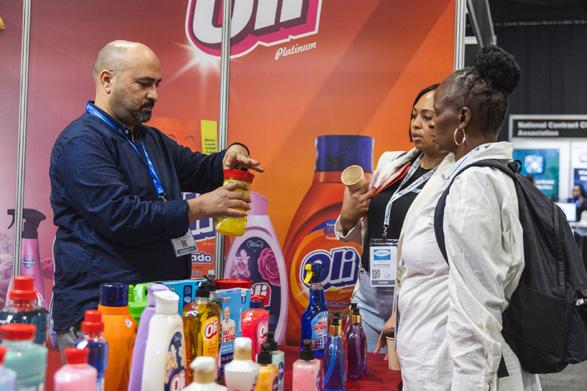
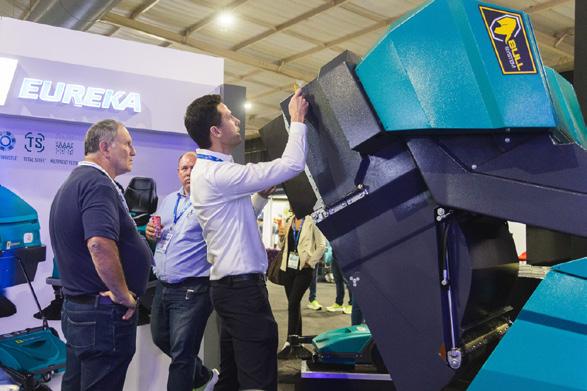
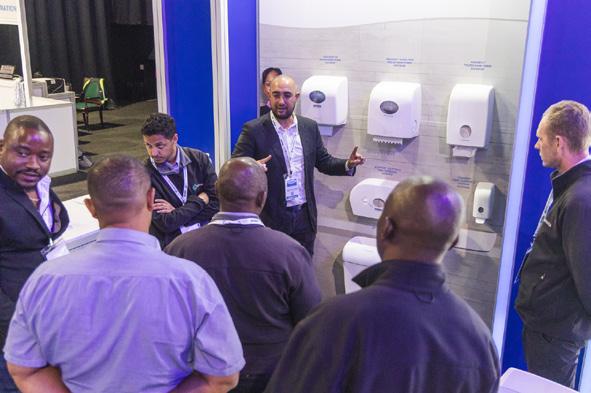
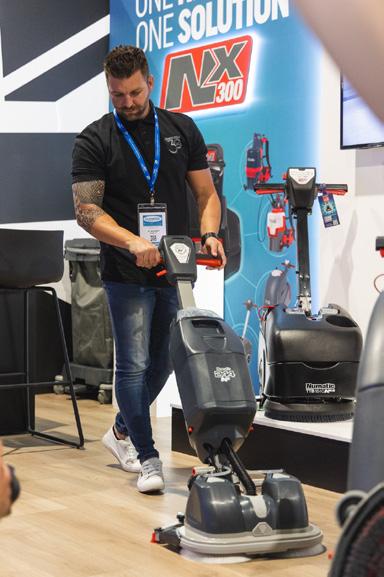
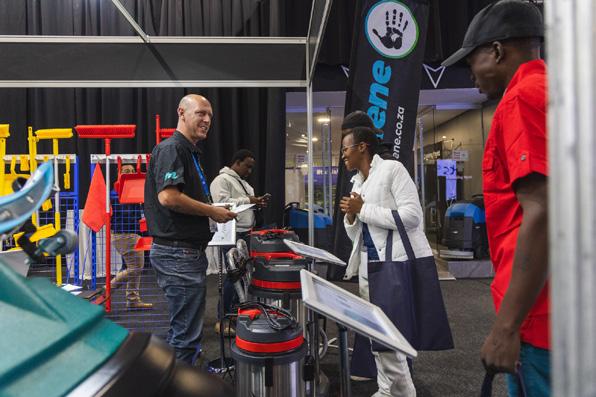
The cleaning and facility management industry is experiencing significant transformation, with increasing emphasis on technology, sustainability, innovation, and employee wellbeing.
Cleantex Africa stands as the continent’s premier platform for discovering advanced products and solutions within this field. Visit www.cleantex.co.za for
Whether your company offers tech-driven commercial cleaning, energy-efficient equipment, healthcare-grade sanitation, and more, this event is your platform to prove that innovation equals efficiency.









From crisp hotel bed linen to spotless tablecloths and fluffy towels, white has become the universal language of hospitality. It’s such a familiar sight that most guests scarcely notice it. Yet, behind white linen and towels lie centuries of history, symbolism, and operational intent.
How white became the standard
Back in the 15th and 16th centuries, bedding was shared, typically straw-filled, and linen was rare. By the 17th and 18th centuries, inns, taverns and boarding houses commonly used coloured or patterned linens to hide wear and stains, as laundry facilities were primitive. It was only with the emergence of commercial hotels in the 19th century that hygiene became a visible marker of higher standards, and white textiles moved to the forefront in hospitality as a symbol of quality and luxury.
White is also associated with purity and care. In healthcare, it represents sterility and professionalism. In hospitality, it communicates trust and reassurance, according to Jeffrey Madkins, Marketing Manager for Unilever Professional. “White shows everything, and any imperfections are immediately noticeable,” says Madkins. “By using white linens, you are communicating cleanliness, transparency, and confidence in your standards, because the colour leaves nothing to hide.” And for guests, white linen subconsciously signals that the space is clean, well-managed, and nothing is hidden. It is why chefs wear white jackets, why spas rely on white towels, and why fine-dining tables are still dressed in white cloths. White does not distract; it frames the experience and allows every other element –service, food, design – to take centre stage. White also creates consistency across borders. A bed or table with white linen feels familiar, whether you are in Cape Town, Paris, or Tokyo. And
that familiarity builds global trust, especially for brands operating across multiple locations.
hidden risk of faded whites
The power of white, however, comes with risk. Faded, greyed, or yellowed whites send a very different message. Instead of confidence and care, they suggest age, poor maintenance or cost-cutting. In hospitality, where perception and reality are closely linked, that shift matters. “When whites lose their brightness, guests notice. Dull whites quietly erode their trust – even if they cannot articulate why,” says Madkins.
Common causes include:
• Incorrect wash temperatures
• Machine overloading
• Hard water mineral build-up
• Residual detergent or fabric softener
• Inconsistent chemical dosing
And once white loses its clarity, restoring brightness without damaging fabric integrity becomes difficult.
The advantage of white linens is that they simplify hotel operations: they can be washed in large batches at high temperatures without risk of colour transfer, making laundry more efficient. By employing effective laundry processes, housekeeping teams can save time, water, and energy. Best practices include:
• Correct detergent dosage based on soiling level
• Using appropriate wash cycles and temperatures
• Proper sorting and handling of white items
• Pre-treating heavy stains before washing
• Avoiding machine overloading
Using quality solutions such as Unilever Professional’s commercial laundry and hygiene formulations, including bleach and professionalgrade detergents, supports effective sanitisation and stain removal, helping to maintain the bright appearance of white fabrics.
A well-managed linen programme is also essential. It should balance maintaining whiteness with protecting fabric integrity, minimising premature wear caused by rough handling, improper cleaning, or environmental factors – a key operational concern when high-quality textiles carry significant replacement costs.
Despite modern trends toward colour, texture, and bold design in interiors, white remains non-negotiable where cleanliness matters most. “Spotless white linen, towels, and tablecloths aren’t just aesthetic choices in hospitality – they’re promises of impeccable quality for guests,” notes Madkins. “White is a visual shorthand for professionalism and cleanliness in a way no other colour can match, and guests instinctively recognise and appreciate it. As such, it will continue as the gold standard for the industry in 2026,” he concludes.
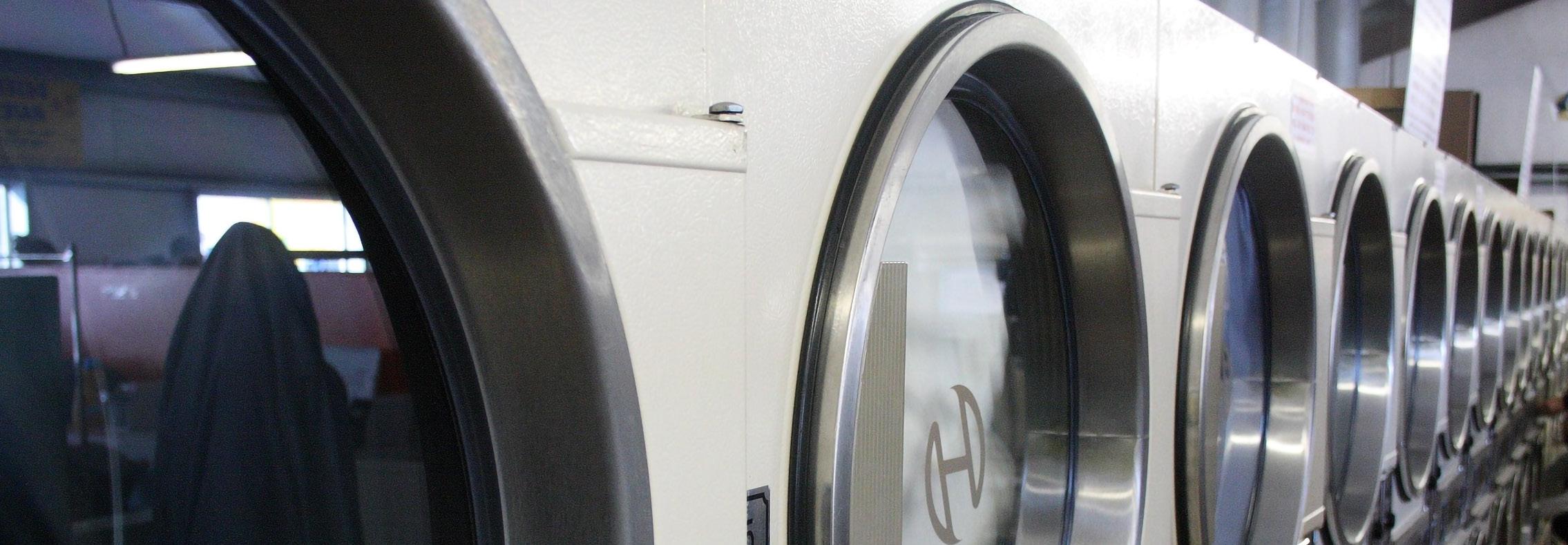
As part of the PTC Strategy Study – Roadmap to 2050, CINET, the International Association for Textile Care invited revered professionals worldwide to share their views and visions on the current and future perspectives of the PTC industry. This article features an exclusive interview with Anup Poddar.
1. Describe your current position and profile of the organisation I am the Managing Director of BEEPEE Group, an integrated textile care and linen solutions organisation headquartered in India. Our group operates across luxury garment care, hospitality and institutional laundry, healthcare and pharma textile care sectors, as well as global linen manufacturing and supply. We operate primarily across western India, especially Mumbai and Gujarat, while exporting hospitality and healthcare linen worldwide.
2. What is the extent of the company’s international knowhow?
Our experience spans across India’s hospitality, luxury retail garment care, healthcare, pharmaceuticals, and institutional laundry sectors. Through ICP Linen Pvt Ltd., we export to global markets including the Middle East, Europe, Africa and Asia, thus providing us with a comprehensive understanding of textile lifecycle management across many geographical areas.
3. Describe the most important characteristics and current trends in the PTC market
In India, the professional textile care industry is rapidly evolving. Key trends include:
• Increased outsourcing by hotels and hospitals
• Rising premium garment care demand in metro cities
• Growing hygiene and compliance standards
• Water and energy efficiency pressures
• Shift toward centralised large-scale laundries
• Digital integration and tracking expectations
• Export growth in hospitality linen Customers now prioritise reliability, hygiene assurance, sustainability, and service consistency over basic washing services.
4. State the most important success factors for today’s PTC companies
• Operational efficiency and scale
• Technology adoption and automation
• Sustainability and resource optimisation
• Consistent quality and compliance
• Strong logistics network and solid customer experiences
5. What are your organisation’s objectives and how do you define success?
Our goal is to build a fully integrated textile care ecosystem across services and manufacturing. Success for us means becoming a leading Indian based textile care and linen solutions provider with strong sustainability benchmarks, technology-enabled operations and global partnerships.
6. What are the most important future client demands?
Clients will increasingly demand:
• Transparency and hygiene assurance
• Sustainability reporting
• Digital tracking of textiles
• Faster turnaround times
• Integrated supply and service solutions
• Cost efficiency with quality consistency
7. What are key issues PTC companies should consider to meet future client demands?
• Labour availability and training
• Rising utility costs
• Capital investments for technology
• Environmental regulations
• Real estate constraints in urban areas
• Need for a skilled workforce
8. How important is sustainability in relation to business performance?
Sustainability is critical for our operations. We are investing in water recycling, energy-efficient equipment, chemical optimisation, and textile life extension. Sustainability is both an environmental responsibility and a commercial necessity.
9. Do you regard sustainability as an important driver for (new) business or as a cost-saving factor?
Sustainability acts both as a costsaving mechanism and a key driver for business growth, particularly for global clients that demand ESGaligned partners.
10. Describe technical innovation enhancing business performance
Key technologies shaping the future include automation, RFID tracking, water recycling systems, heat recovery, AI-driven process optimisation, and digital customer platforms.
11. What do you regard as important innovations in the future?
Future innovations will include smart textile tracking, automated mega facilities, data-driven operations, and integrated textile lifecycle management.
12. How do you adapt your business and services model to changing market demands?
We are integrating digital interfaces, centralised process control and predictive logistics into our operations to align with future market demands.
13. What does it take for small companies to be successful in the PTC sector?
Niche positioning, specialisation and offering a high-quality service will
allow smaller companies to remain competitive alongside large-scale operators.
14. How can the PTC industry gain additional market share?
Professional textile care must emphasise hygiene, convenience, textile longevity, and sustainability benefits to gain market share from domestic washing.
15. What do you anticipate as major opportunities for the professional laundry and cleaning industry for the longer term?
• Healthcare and hygiene textiles
• Hospitality outsourcing
• Linen rental and lifecycle management
• Sustainable textile processing
• Technology-driven service models
• Export growth from India
16. What are the major future threats to the PTC industry?
• Rising costs
• Fragmented industry structure
The Specialists Franchise Group, an industry leader in providing environmentally safe, reliable, and superior facility services in Southern Africa and beyond announced the appointment of Etienne Snyman as Managing Director. “Etienne’s passion for the business and commitment over the years have made a measurable impact on standards across every area of the organisation. His dedication, work ethic, and drive for excellence reflect the values that define The Specialists. We are confident that under his guidance, standards will continue to rise, and our network will grow from strength to strength.”
• Slow technology adoption
• Environmental compliance pressures
17. What role should industry associations play in supporting the PTC industry?
Industry associations should promote technology adoption, sustainability standards, training, global networking, and policy advocacy.
18. What is your perspective on the future of the industry?
The industry will evolve into a technology-driven, sustainabilityfocused, and highly integrated ecosystem. India will play a significant role as both a service and manufacturing hub.
19. What is your key-message to your PTC colleagues?
The industry must embrace technology, sustainability, and collaboration. The future belongs to organisations that innovate and adapt to changing global expectations.

Kärcher, a global cleaning technology leader, has announced the promotion of Joe Lahoud to Regional President of the newly unified Middle East and Africa (MEA) region. This strategic consolidation brings 68 countries under a single leadership framework, streamlining Kärcher’s extensive professional and consumer portfolios to better serve the evolving needs of the two continents.
By integrating Middle Eastern and African operations, Kärcher aims to provide seamless access to its worldclass cleaning solutions. The move places everything in the 1000+ product portfolio of Kärcher, ranging from high-pressure cleaners and industrial scrubber dryers to autonomous robots and municipal sweepers under Lahoud’s guidance. This leadership structure ensures that critical industries receive specialised, local and adapted support within multiple target groups
such as Agriculture, Automotive, Building Service Contractor, Construction, Healthcare, Hospitality, Industry, Public Service, Retail, Transport, and Mining.
Lahoud has led Kärcher’s Middle East operations since 2020, transforming the Dubai headquarters into a regional center of excellence. His tenure has been defined by high-volume growth and deepened partnerships with government entities, professionals, and industrial leaders. In this expanded capacity, he will now oversee the strategic integration of the African continent, scaling distribution and technical support to meet rising emerging markets demand.
Additionally, this move reinforces Kärcher’s current official presence in key economic hubs such as Egypt, Morocco, Tunisia, Ivory Coast, South Africa, and Kenya, while simultaneously strengthening an extensive dealer
Tennant Company has announced the appointment of Sandro Haim as VP and general manager, EMEA. Haim will lead Tennant’s regional commercial strategy and execution across Europe, the Middle East and Africa, working with teams across sales, service, and key accounts to accelerate profitable growth and deepen customer relationships.
Prior to this appointment, Haim held senior leadership roles within Tennant, including leading the company’s business in Latin America, with responsibility for driving commercial execution and growth, achieving a seven-fold expansion of the business in the last 15 years.
“Over his 24 years with Tennant Company, Sandro has consistently driven growth in the LATAM region,
advanced innovations such as the EaaS business model, and fostered strong relationships with customers” says Rusty Zay, SVP and Chief Commercial Officer at Tennant Company. “I’m looking forward to the impact his leadership will bring as we accelerate growth momentum in this critical region.”
Haim is a long-time industry leader with experience spanning commercial leadership, go-to-market execution and regional business development. He is renowned for an approach grounded in focus and continuous improvement, including practical emphasis and prioritisation to help teams deliver meaningful results for customers.
“I am excited to take on this role and work with our teams across EMEA to stay focused on what matters most: serving customers

network that spans the entire continent.
The strategic consolidation of the Middle East and Africa represents a bold step forward in Kärcher’s global growth strategy. Under Lahoud’s leadership, this move harmonises regional expertise with untapped market potential, creating a powerhouse of technical support and distribution.

better and executing with clarity. That means strengthening the partnerships we have with our distributors and direct customers alike, and making it easier for them to buy, service, and scale with Tennant. This is a competitive market, and our success will come from strong local relationships, trusted key account partnerships, and consistent delivery –day in, day out,” said Haim.
With the new Ticra Ember Bronze washroom range from Nuwkem, the unique premium washroom range allows facility managers to elevate their building to become the ultimate brand ambassador, commanding a higher level of prestige.
A building’s washrooms are a powerful tool to make customers feel genuinely appreciated. Managers of high-end commercial spaces, already know that your reputation is only as strong as the most frequently used parts of your facility. By introducing Ember Bronze, facilities are transforming these often-overlooked spaces into sanctuaries that align with your brand’s story of excellence.
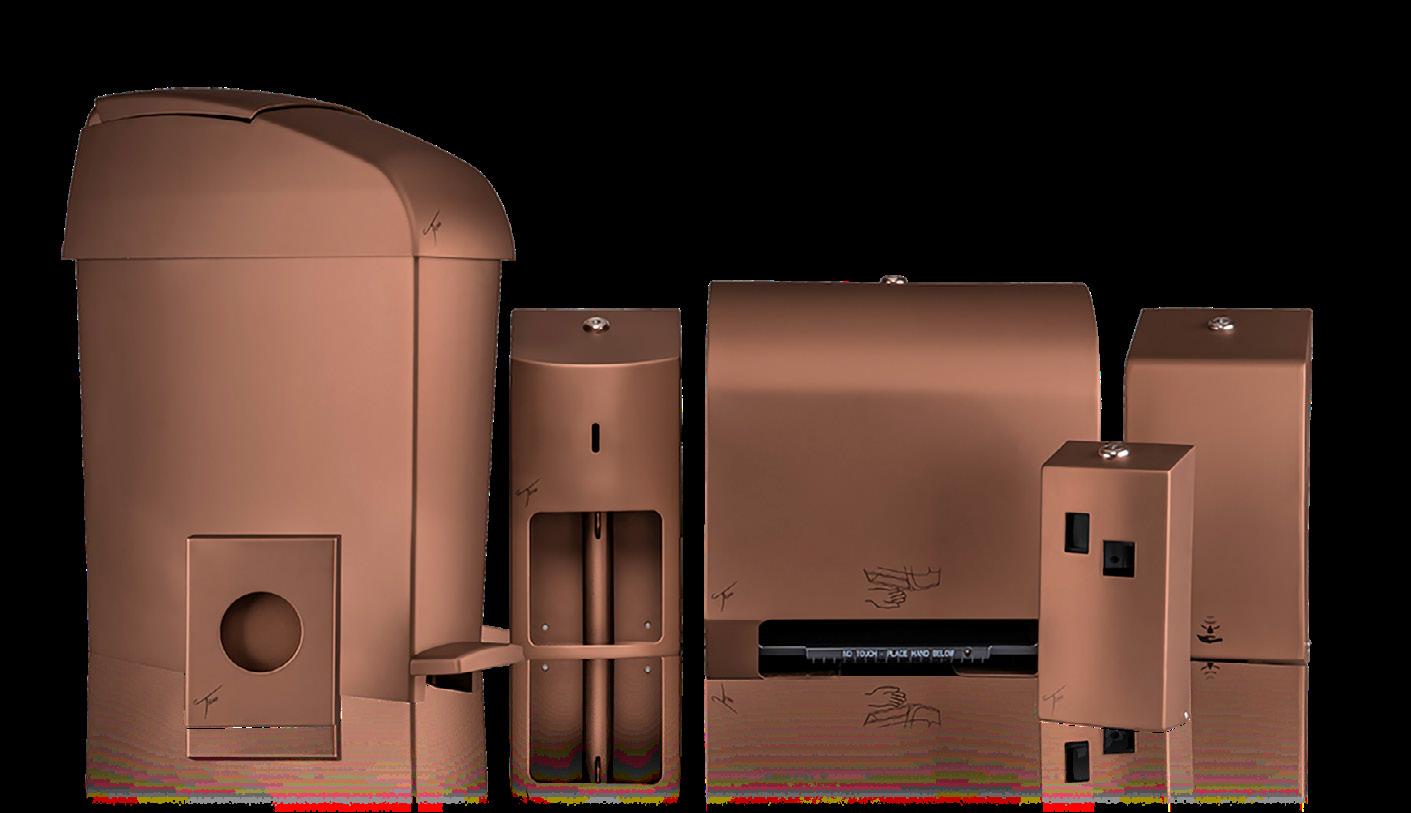
refusing to cut corners. This premium collection is the “royal family” of washroom products. Crafted from high-grade steel and finished in a rich, warm bronze tone, these products bring an understated luxury to hotels, boutiques, restaurants, and other high-end venues.
to come. The Ember Bronze range sends a clear signal that the wellbeing of your customers is at the top of your priority list. This is what builds the kind of long-term trust that turns casual visitors into lifelong ambassadors for your property.
Nuwkem, a leading commercial hygiene solutions provider, have developed the Ticra Ember Bronze Range specifically for those facilities
Nuwkem understands that while style is essential, durability is equally non-negotiable in busy commercial environments. The Ember Bronze Range combines sophisticated aesthetics with rugged construction, ensuring that the investment maintains its shine and performance for many years
Maintenance is another key area where this range delivers, as the products are designed to be easy to clean and simple to refill. By using the trusted Ticra refills, property managers can maintain their high hygiene standards without any extra logistical stress.
For more information visit: www.nuwkem.co.za
With the launch of the XMAN humanoid series, KEENON Robotics officially releases KOM 2.0 (KEENON Operator Model 2.0), the world’s first VLA (VisionLanguage-Action) model specifically designed for the service industry. KOM 2.0 sets a new industrial standard for embodied intelligence, enabling robots to perceive, understand, and act in complex real-world service scenarios. At its core, KOM 2.0 combines the K-Mind System (Thinking System) for high-level task planning with the K-Act System (Action System) for precise motion execution. The K-Mind System, powered by a VLM-based multimodal large model and leveraging K-Infinity
Contextual Learning, allows robots to sense environments, interpret tasks, and make intelligent decisions. The K-Act System, trained on extensive real-robot cases, produces smooth and reliable actions. Together, these systems provide a robust foundation for the next generation of KEENON robots.
Building on KOM 2.0, KEENON takes a pioneering step with the “Role-Oriented” concept, bringing it to life through the KEENON ProS specialised vertical model. ProS is a deep, domain-specific model tailored to particular service roles, boosting the applicability and efficiency of general-purpose robots in vertical scenarios. This allows robots to master
tasks across restaurants, hotels, and retail environments, enabling rapid deployment of role-specific expertise.
K-Mind System and K-Act System: Thinking and acting in harmony KOM 2.0’s dual-system design mirrors human cognition:
• K-Mind System: High-level thinking, understands complex environments, interprets natural language, and plans complex strategies.
• K-Act System: Executes precise, continuous motions guided by K-Mind and the robot’s current state, trained on extensive realrobot cases.
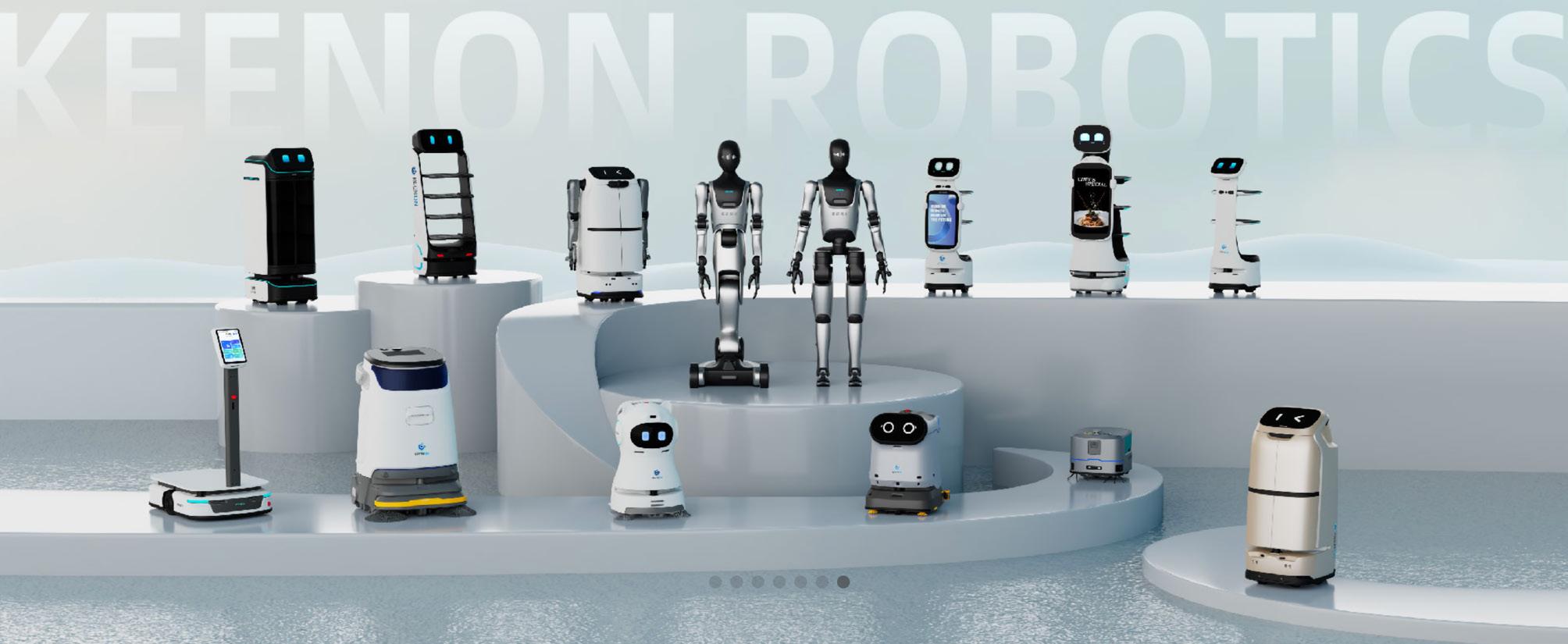
By thinking and acting asynchronously, KOM 2.0 achieves both intelligent decision-making and agile execution, ensuring reliable task planning while maintaining fluid, human-like performance.
K-Infinity contextual learning: Scene-driven service specialisation KOM 2.0’s capabilities stem from hundreds of millions of real-world service interactions, collected from KEENON robots operating in live environments. This is built upon KEENON’s proprietary multimodal perception and environment reconstruction technology, which enables the creation of highly realistic digital service scenarios. By conducting physical simulation interactions in these digital scenarios, a solid foundation is laid for the training and evolution of the KOM model.
Through the K-Infinity Contextual Learning set – constructed on this basis and characterised by strong authenticity, diversity, and business relevance – robots interact, learn, and evolve within real-world scenarios, acquiring authentic, diverse, and business-relevant knowledge. It provides robust support for the model’s robustness and generalisation ability. This forms a continuous learning loop – scenario experience, model evolution, deployment, feedback, and optimisation – creating a selfreinforcing flywheel effect that accelerates model evolution. As a result, KOM 2.0 adapts broadly and demonstrates exceptional resilience
in commercial service environments, including high-frequency interactions, unexpected disturbances, and dynamic changes.
KOM 2.0 model: Toward a more universal future for embodied service robots
• Deeper environmental cognition: Breaks traditional recognition limits to achieve perception from objects to intentions, behaviour prediction, and scene semantic reconstruction, truly enabling robots to perceive, understand, and act.
• Faster real-time decision making: Millisecond-level response handles dynamic obstacles, ad hoc tasks, and multi-robot coordination, ensuring smooth and reliable operational loops.
• More human-like interaction: Supports safe, anthropomorphic movements and precise execution, improving user experience and making robots more attentive and dependable partners.
• Efficient scalable deployment: Strong adaptability reduces scene customisation and manual tuning, enabling rapid replication, flexible scaling, and smooth commercial rollout.
KEENON ProS: Making embodied service robots more professional Leveraging deep insights into vertical industries, KEENON extends KOM 2.0 with a role-oriented strategy, embedding role-specific knowledge and fine-tuning models with industry
knowledge graphs. The ProS vertical model covers multiple scenarios such as dining, hotels, healthcare, and retail, including roles like cashier, food runner, and front desk. ProS embodies KEENON’s industry intelligence and commercial value.
By integrating a multi-type, rolespecific robot portfolio, KEENON enables cross-scenario task transfer and generalisation, shortening deployment cycles and reducing startup costs. Core advantages include:
• Preloaded expert capabilities for specific roles, delivering efficiency, precision, and stability.
• Deep scenario penetration for handling dynamic, unstructured tasks, with multi-robot collaboration completing full operational workflows.
• Rapid deployment and highefficiency operations for customers, supporting scalable business rollout.
The launch of KOM 2.0 represents a leap forward in robotic intelligence, allowing robots to perceive, understand, and act with precision in real-world service scenarios.
KEENON Robotics will continue to advance its multi-modal robot portfolio, comprising both general-purpose and role-specific robots, enhancing their multimodal intelligence capabilities and collaborating with global partners to scale embodied intelligence technology worldwide.
For more information visit: www.keenon.com
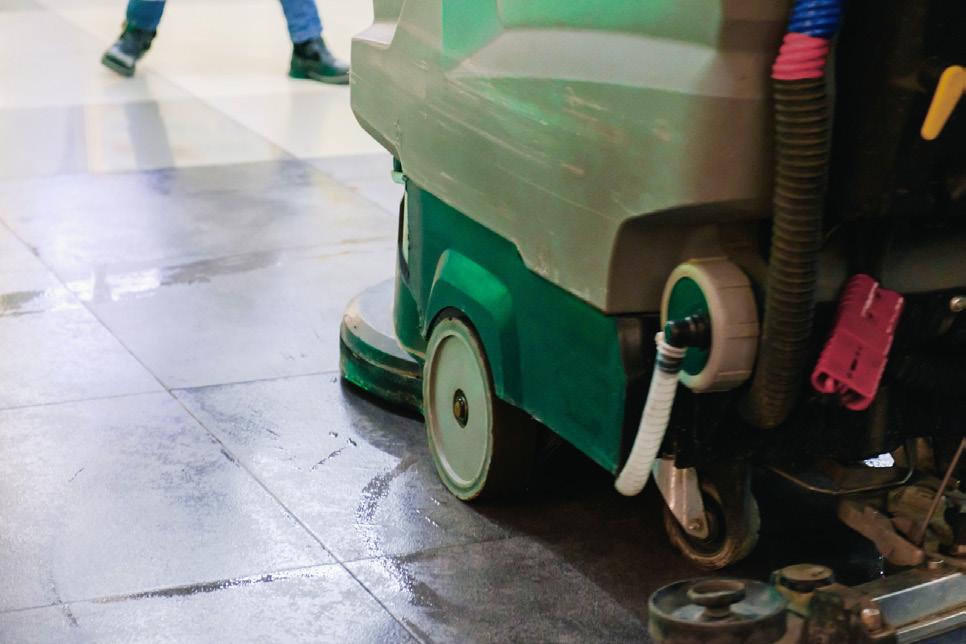
We want to hear from you!
Prioritise consistent floor cleaning year-round to help keep facilities clean and safe Routine floor maintenance helps reduce bacteria and germ transmission on top of potential trip hazards throughout the building By making facility floorcare a priority, it can culminate in a hygienic environment that is safe for workers and visitors
Using the proper cleaning tools is a critical component of floorcare Cleaning with ineffective and dirty equipment contributes to an excessive build-up of dirt, leading to floor damage Investing in high-quality cleaning tools, chemicals and equipment reduces long-term supply costs because of their durability and longevity thereby creating a positive and lasting impression We look forward to hearing from product distributors and service providers as to how they can make a difference to floorcare procedures
As World Hand Hygiene Day approaches on 5 May, we support the WHO and cleaning professionals in highlighting hand hygiene's importance Handwashing, using soap and water, is a simple, effective way to remove dirt and germs, protecting staff and customers from illness
Hand hygiene includes washing, sanitising, and using sterile gloves, all of which help prevent infection This is a unique opportunity for your company to highlight products and services that contribute to effective hand hygiene practices, lowering the spread of infectious diseases

We invite you to contribute your insights, expertise, and groundbreaking solutions to industry challenges Contact us today to learn more about how you can share your knowledge with our readership
Editorial booking deadline: 17 April 2026
Final advertising material: 30 April 2026
Ts & Cs apply