Keynote speaker at Cleantex Executive Summit announced
From 13 to 15 October 2026, Cleantex Africa returns to Johannesburg, South Africa. The continent’s leading cleaning and facility solutions event will once again bring African professionals together to discover the latest developments, connect with industry peers, and explore the future of facility cleaning and hygiene.
Co-located this year is the Cleantex Executive Summit, a premier executive development event for Africa’s professional cleaning and facility services sectors, uniquely created for management teams’ personal and professional success with specific outcomes and lasting change.
Delegates will interact with top subject matter experts as well as network with senior industry peers to discuss industry developments, best practices, and emerging trends.
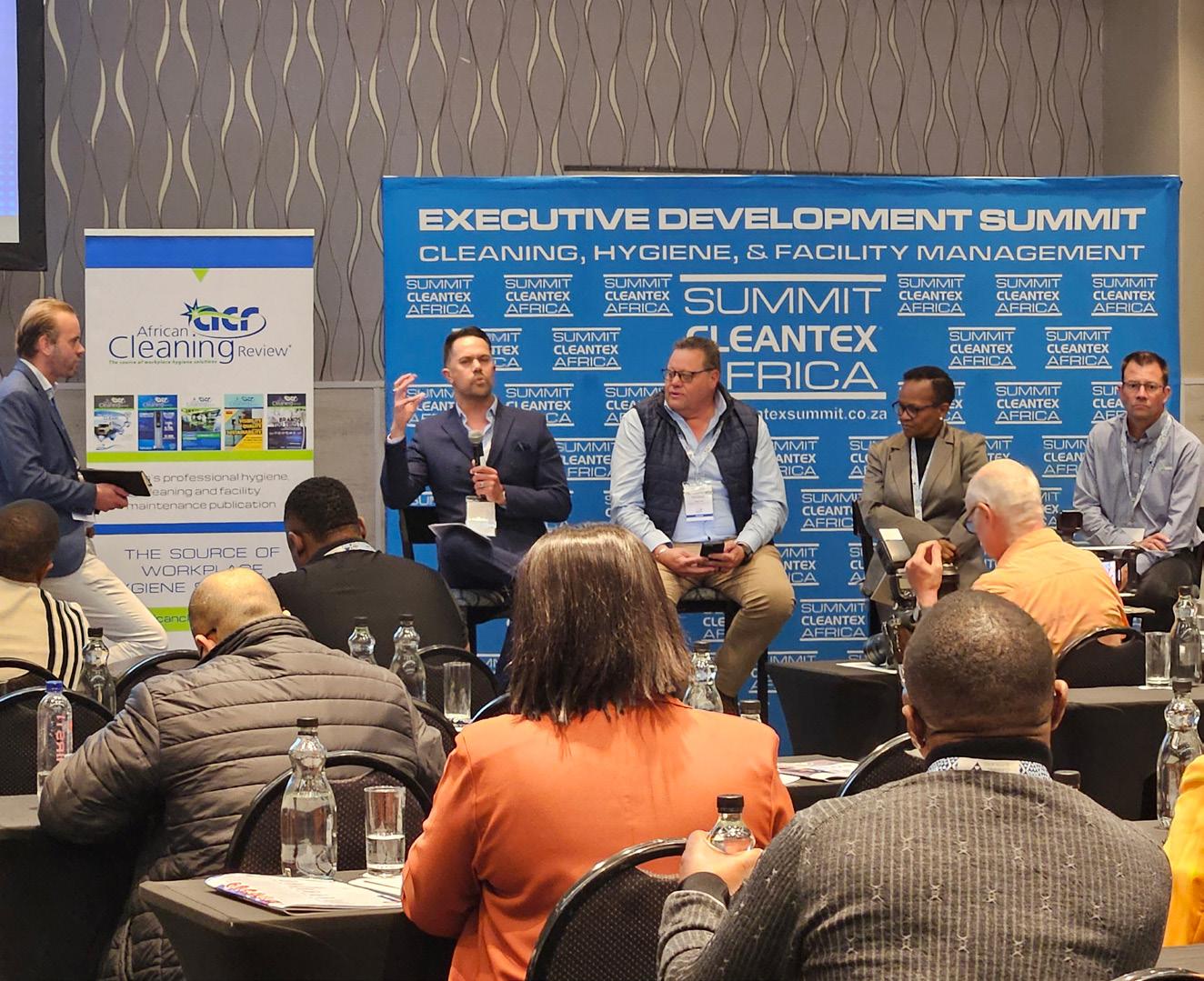
The 6th Cleantex Executive Summit African programme is aimed at providing delegates with an opportunity to expand and enhance knowledge, with
professional speakers and industry leaders addressing delegates on a variety of business topics.
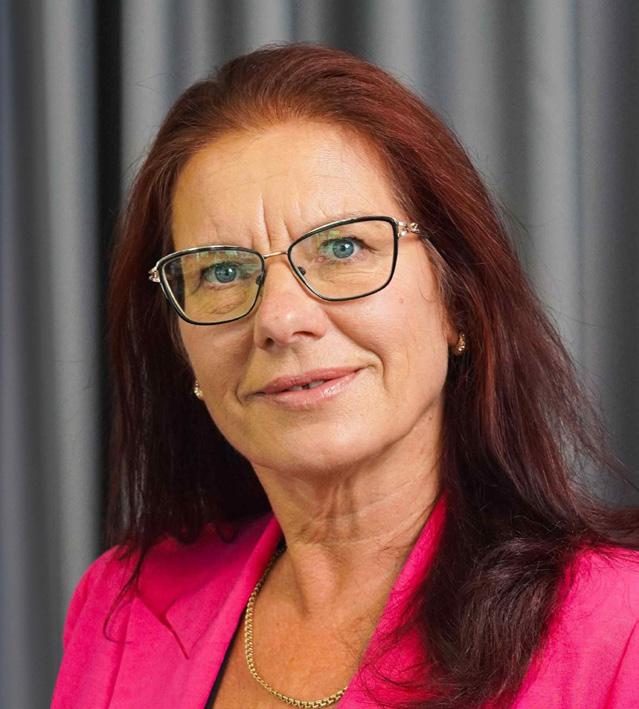
The 2026 Cleantex Executive Summit keynote speaker will be Helge Alt, originator and chairperson of the Professional Cleaning Service Committee of Estonia. Helge led the development of the national qualification system for the cleaning sector. As a result, more than 5,000 cleaning professionals have been certified in Estonia according to the European Qualifications Framework (EQF). Amongst her many academic achievements, Helge holds a MA degree specialising in cleaning education and is the Chairperson of PuhastusEkspert OÜ, an Estonian training and development entity with international experience in the cleaning sector since 1998. She is the author of several cleaning-related
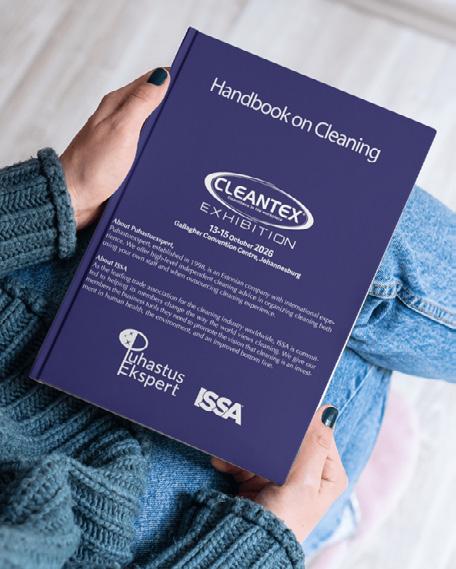
books and articles including the ISSA recognised Handbook on Cleaning, a copy of which will be available to 2026 Summit delegates.
Helge, fluent in English, Estonian, Finnish, and Russian, has coordinated international cleaning sector projects involving over 20 organisations from more than 15 countries, successfully bringing together diverse partners to develop and implement innovative standards and training programmes. As a frequent speaker and trainer at international seminars and conferences, she has shared best practices and inspired professionals across Europe to adopt higher cleaning standards.
To book your seat at this executive development and networking event for Africa’s professional cleaning and facility solutions industry, email: nande@cleantex.co.za
Helge Alt
Kärcher and STIHL launch groundbreaking battery alliance
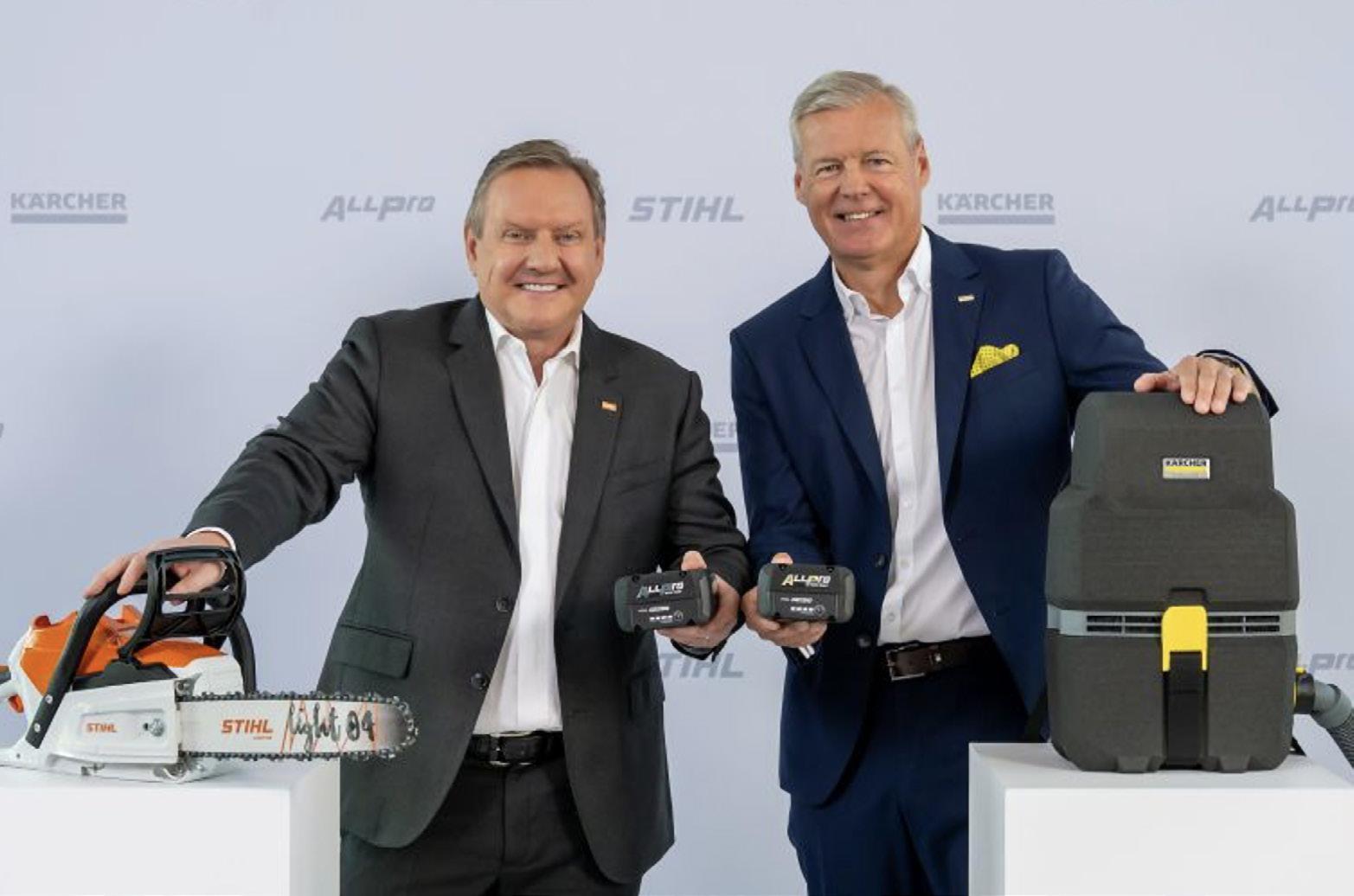
Innovation drivers, Alfred Kärcher SE & Co. KG and ANDREAS STIHL AG & Co. KG have announced the launch of their joint battery alliance. The aim of this strategic partnership is to offer professional users a common, high-performance, and future-proof battery standard. At the heart of the alliance is the ALLPRO battery system developed by STIHL, which will be used in the professional equipment of both brands in future.
“Professional users need more than just high-performance tools. They need systems that cover a wide range of tasks, reduce complexity, and ensure their investment pays off in the long term,” says Michael Traub, Chairman of the Executive Board of STIHL AG. “This is exactly where ALLPRO comes in. The partnership with Kärcher expands the scope of our battery system to include further professional applications, thereby creating added value in our customers’ day-to-day work.”
“STIHL and Kärcher are two familyowned businesses whose success has always been based on innovative strength and an uncompromising commitment to quality. Through the synergy between our equipment, we are creating far more than just a technical solution: we are consistently driving forward the electrification of professional applications, thereby securing a decisive competitive advantage for our customers,” says
Hartmut Jenner, Chief Executive Officer and Chairman of the Board of Management of Alfred Kärcher SE & Co. KG.
This partnership brings tangible benefits to professional users: they profit from a system that combines maximum performance with a high degree of flexibility, as they will in future be able to use the same highperformance batteries and chargers for both their Kärcher cleaning equipment and their STIHL power tools. STIHL customers can rest assured of full compatibility with the existing AP
system. A particularly attractive feature is that existing AP batteries can also be used to their full potential with the new Kärcher battery-powered devices. For Kärcher customers, ALLPRO is an entirely new platform. However, Kärcher continues to guarantee full service, spare parts, and battery availability for existing devices from the previous Battery Universe. The result is a working environment for professionals in which they can cover the entire spectrum of daily landscaping, forestry, and cleaning tasks with just one battery system.
premier executive development event for professionals in cleaning and facility solutions
SPE AKER TOPICS NETWORK & EXPAND YOUR BRAND
Results-based cleaning / Clean Mind Project | Cleaning ergonomics | CLEANFORCE 360™: A global workforce model for solving the cleaning industry's retention crisis | The 4D Leadership Model™: Managing every type of cleaning employee for maximum performance | Cleaning in the future - Global trends including AI transforming the industry | Integrated services - A futuristic scenario | Panel discussion: African Cleaning Forum
The
Gallagher Convention Centre
Pictured from left are Michael Traub (STIHL) and Hartmut Jenner (Kärcher).
Setting the standard for pressure cleaning
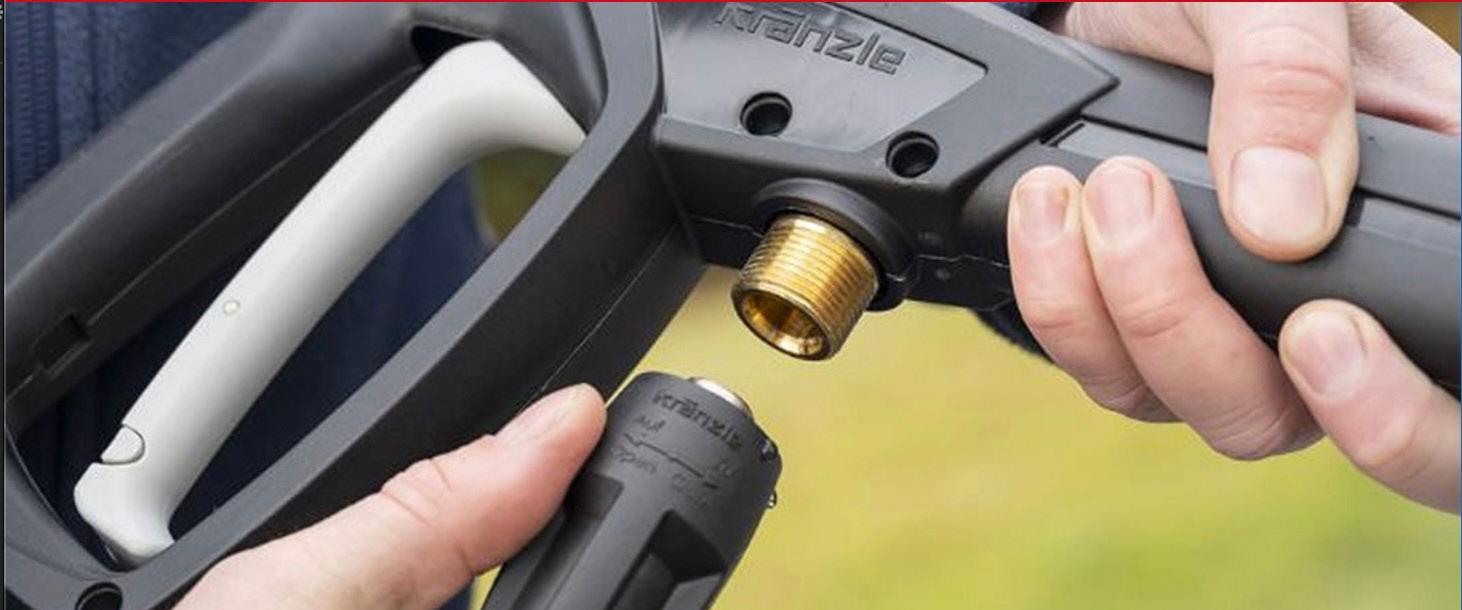
As industries across South Africa face growing pressure to maintain cleaner, safer, and more efficient operational environments, the demand for reliable and highperformance cleaning solutions has never been greater. Kränzle, a globally recognised German engineering brand with a strong footprint in South Africa, is meeting this demand head-on with a comprehensive range of industrial and commercial pressure cleaners designed to perform under the most demanding conditions. From manufacturing plants and food processing facilities to construction sites and agricultural operations, the need for dependable cleaning equipment is a consistent operational requirement. Kränzle has built its reputation over decades by delivering machines engineered with precision, durability, and long-term performance as core priorities.
A range suited to every commercial application
Kränzle offers a diverse selection of commercial pressure washers that cater to varying application requirements. Whether a business requires cold water, hot water, or steam cleaning capability, the Kränzle range includes solutions tailored to meet specific industry needs. Hot water models are particularly effective in food production and catering environments where grease and biological contaminants must be removed efficiently and hygienically. For operations requiring mobility and flexibility, Kränzle offers compact and portable units that do not compromise on pressure or performance. Larger stationary models are available for high-volume industrial applications where continuous operation is a daily requirement. This scope of product offering ensures that businesses of all sizes and across all sectors can find an appropriate solution within the range.
Growing need for industrial-grade cleaning solutions
Surface contamination, grease buildup, and industrial residue not only affect productivity but can pose serious health and safety risks if not properly managed. Standard consumer-grade pressure washers are often inadequate for these challenges, making purposebuilt heavy-duty cleaning equipment an essential investment for businesses operating at scale.
Kränzle’s industrial range is engineered specifically to address these challenges, offering higher pressure outputs, extended duty cycles, and robust construction that withstands the rigours of continuous commercial and industrial use. The brand’s machines are widely used across a variety of sectors including mining, automotive, logistics, hospitality, and municipal services.
German engineering meets local conditions
What sets Kränzle apart in a competitive market is its unwavering commitment to quality manufacturing. Every machine in the Kränzle range is manufactured in Germany to exacting standards, incorporating components that are designed to last and perform consistently even in harsh South African environments. High ambient temperatures, dusty conditions, and variable water quality are all factors that Kränzle’s engineering teams have taken into account when designing their product lineup.
Kränzle pressure cleaners are built around brass pump heads, stainless steel components, and industrialgrade motors that outperform many competitor products in longevity and reliability. This focus on engineering integrity means that businesses can expect a lower total cost of ownership over the lifecycle of the equipment, reducing downtime and maintenance expenditure.
Sustainability and efficiency are core considerations
Modern businesses are increasingly focused on reducing water consumption and energy usage as part of broader sustainability commitments. Kränzle high pressure cleaners are designed with efficiency in mind, delivering powerful cleaning results while minimising water wastage compared to traditional hosepipe or manual cleaning methods. Higher pressure outputs mean that less water is required to achieve the same or superior cleaning outcomes, supporting both cost reduction and environmental responsibility.
After-sales support
One of the key considerations when investing in industrial cleaning equipment is the availability of after-sales support, spare parts, and technical expertise. Kränzle South Africa has established a reliable local support network to ensure that customers can access service and maintenance assistance without unnecessary delays. Local availability of genuine spare parts is a significant operational advantage, particularly for businesses where equipment downtime directly impacts productivity and revenue.
The Kränzle team provides technical guidance to assist clients in selecting the most appropriate equipment for their specific applications, ensuring that investments are well-matched to operational demands from the outset. This consultative approach has contributed to long-standing relationships with clients across various industries throughout the country.
Visit Kränzle South Africa at Cleantex Africa, from 13 to 15 October 2026 at Gallagher Convention Centre and discover their range of dependable cleaning equipment.
The African Marketplace for cleaning, hygiene, &
was established with a clear purpose: to build a hygiene company grounded in integrity, reliability and uncompromising quality. The business is shaped by a belief that strong relationships matter, standards should never be diluted, and products must
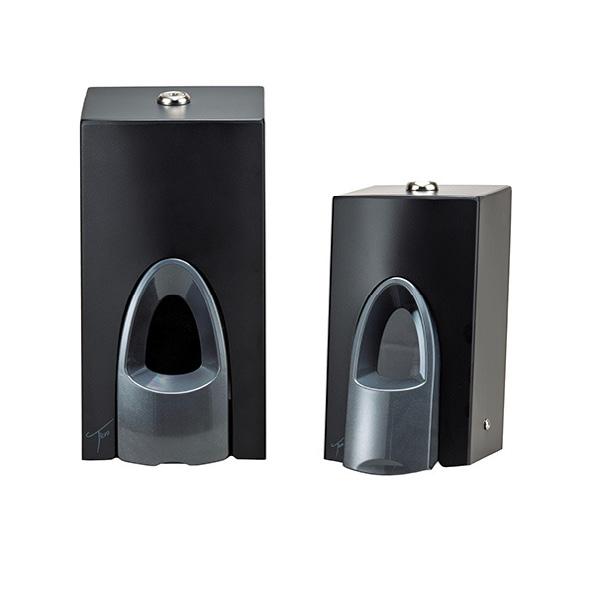
We believe customers and distributors through Africa should enjoy working with the people behind the brand, trust in consistent product availability and feel confident that every solution is crafted to a superior standard. This philosophy is reflected in our durable, thoughtfully engineered South African-made Ticra™ dispensers designed for long-term performance and backed by industry-leading warranties and guarantees.
Our mission sets the benchmark for excellence in hygiene solutions by continually innovating and delivering products that raise standards in performance and design. At this year’s Cleantex exhibition, you can expect to see new products, including our ember bronze range and revamped dispensers.
Trusted in hospitality, retail, property management and other sectors, we are guided by clear values: quality and reliability in everything we produce, integrity in how we do business and a customer-centric approach.
Visit Nuwkem from 13-15 October 2026 at Cleantex Africa, Gallagher Convention Centre and discover hygiene solutions that innovate continuously.
Delivering complete cleaning solutions
Goscor Cleaning Equipment is a leading Southern African supplier of industrial and commercial cleaning equipment, providing innovative solutions that help businesses improve cleanliness, productivity, safety, and operational efficiency. Backed by a nationwide sales and service network, Goscor offers customers access to world-class equipment, technical expertise, after-sales support, and maintenance solutions.
At Cleantex 2026, visitors can explore several standout solutions, including the revolutionary SpaceVac highlevel cleaning system, designed to safely remove dust and debris from elevated areas without the need for ladders or scaffolding. Also on display is the robust Delfin industrial vacuum range, renowned for its powerful performance in demanding industrial environments.
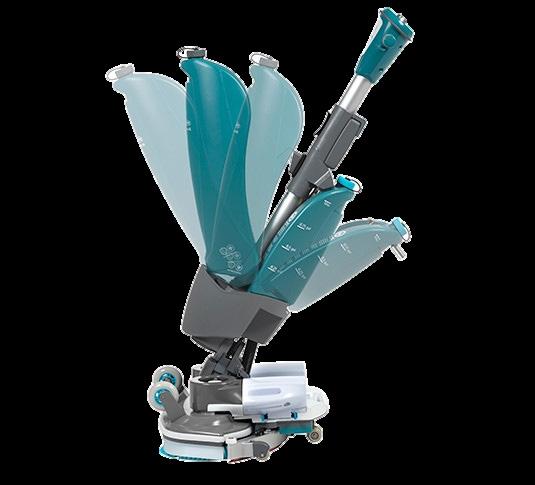
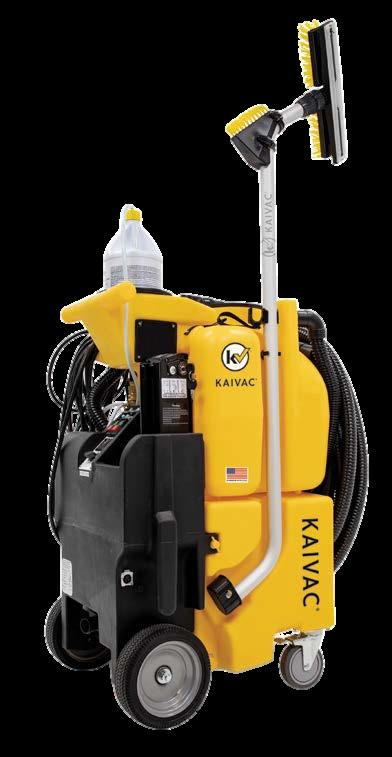
Transform restroom hygiene with the Kaivac 1750 delivering a complete touchless cleaning solution that cleans, sanitises, and removes contaminants more effectively than traditional methods. The highly versatile i-mop combines the manoeuvrability of a mop with the cleaning power and productivity of a scrubber dryer, ideal for congested and hard-to-reach areas.
Goscor proudly represents some of the industry’s most respected brands, including Tennant, IPC, Delfin, Portotecnica, Highpoint, Macro Road Sweepers, Kaivac, and i-team. Whether your requirements involve floor care, industrial vacuuming, pressure cleaning, road sweeping, or specialised cleaning applications, Goscor delivers solutions designed to keep businesses cleaner, safer, and more productive.
Expanding hygiene portfolio
Wolserve SA, formed through the merger of Panners Wolserve and Rolux Randburg, is rapidly establishing itself as South Africa’s benchmark supplier of integrated facilities management products
With a vision rooted in sustainability, innovation, and operational excellence, the company continues to introduce solutions that redefine hygiene standards for the region’s facilities sector
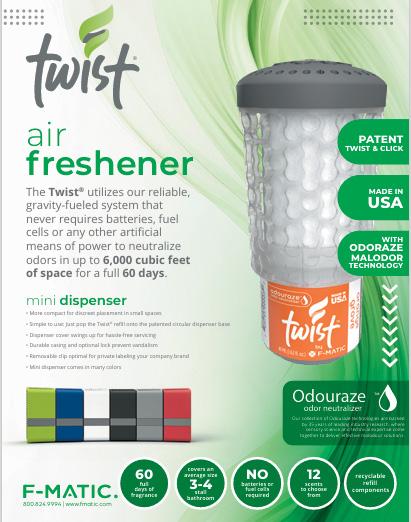
The latest products highlight Wolserve’s commitment to combining advanced technology with practical design, and this will be emphasised at the Cleantex 2026 exhibition Latest products include: Pebble mini and Pebble + air hand dryers, SaniMaid Stockholm silicone head toilet bowl cleaners, Twist passive air fresheners and Terracyclic sanibin units, to mention a few
Together, these products reflect Wolserve SA’s drive to deliver cutting-edge, eco-conscious hygiene solutions that meet the demands of modern facilities
The company strengthens its role as a pioneer in sustainable hygiene innovation across Southern Africa
Visit Wolserve SA from 13-15 October 2026 at Cleantex Africa, Gallagher Convention Centre and discover the latest in hygiene and washroom solutions
Benefits of single use paper towels in the washroom experience
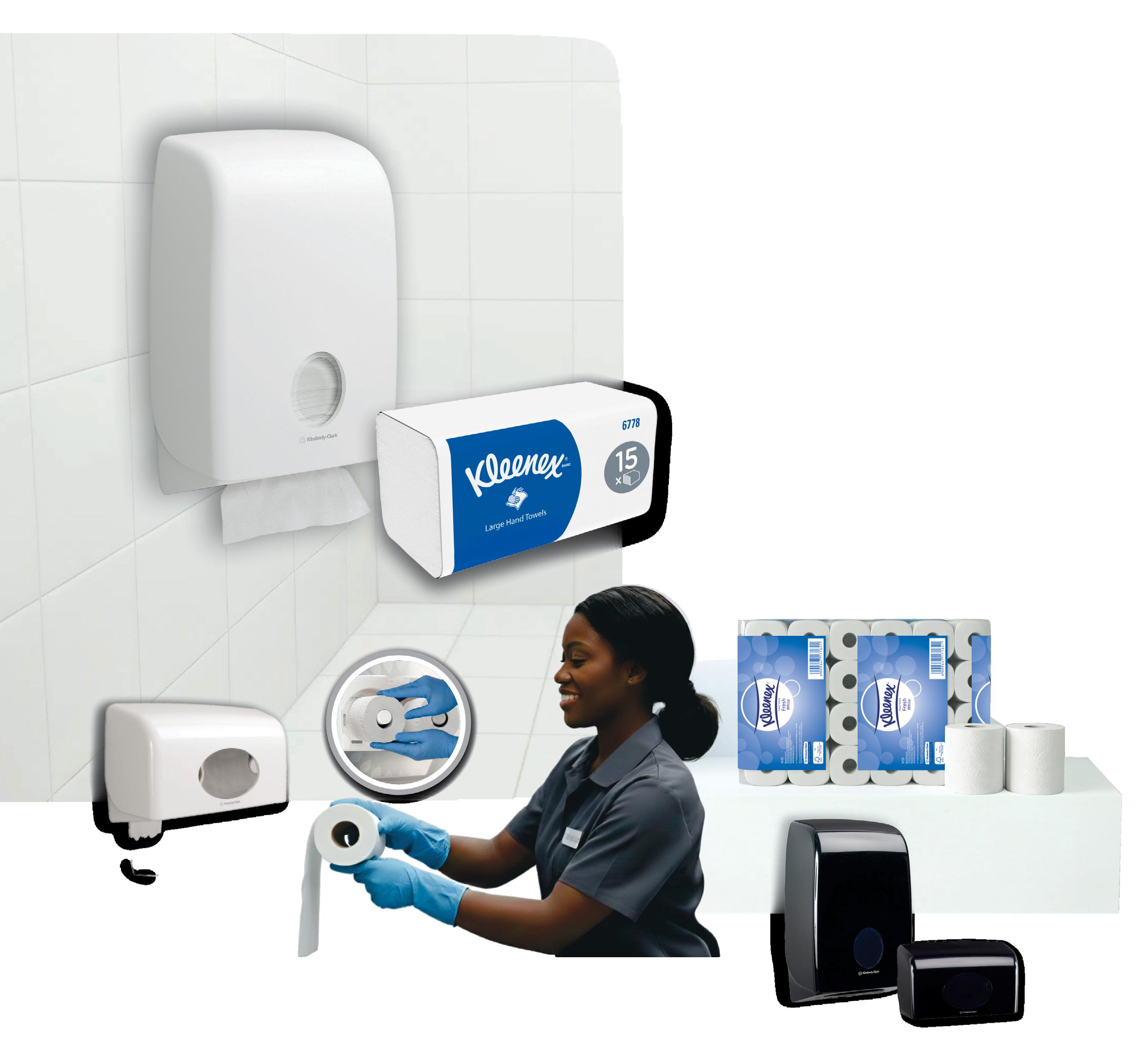
Looking to enhance the washroom experience in your facility? This article reveals why single-use paper towels outshine jet air dryers and how prioritising hygiene excellence can improve customer satisfaction. When it comes to customer experience, every detail counts, and none more so than the state of your washroom facilities. It’s not just about cleanliness; it’s about signalling to your patrons that their well-being matters.
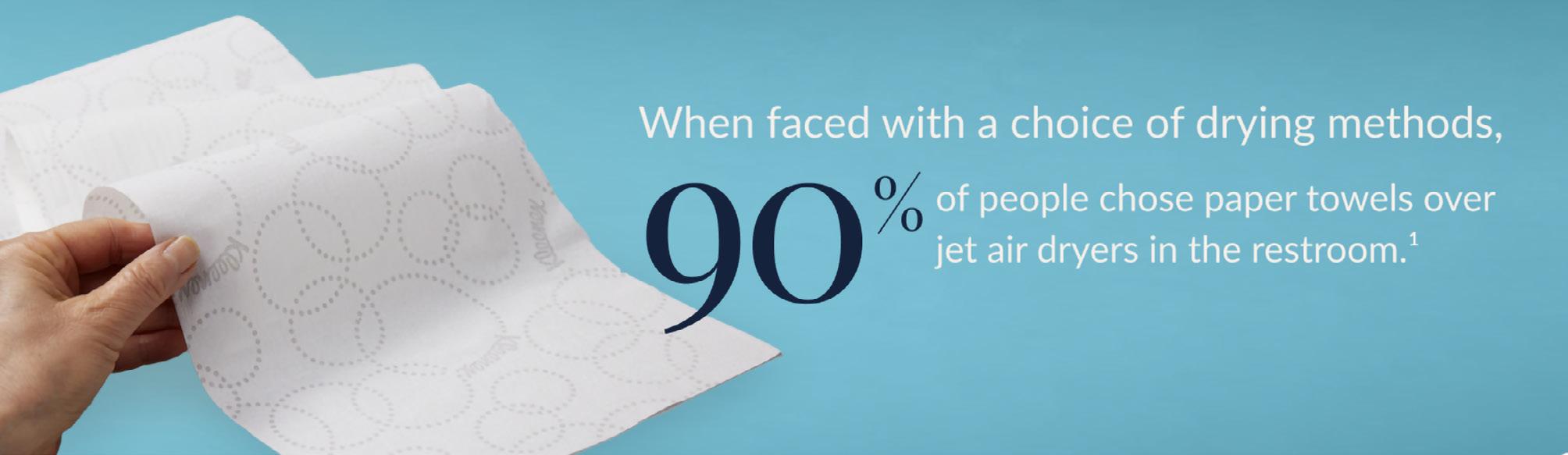
Among the arsenal of tools to achieve this, the choice between single-use paper towels and jet air dryers stands out as a pivotal decision. Despite the allure of modern technology, studies consistently reveal a clear preference for single-use paper towels. When faced with a choice of drying methods, 90 percent of people chose paper towels over jet air dryers in the washroom.
Let’s delve deeper into why this preference persists and how it impacts both hygiene and customer satisfaction.
Understanding the human behaviour gap
One key factor often overlooked in the debate over hand-drying methods is how people behave. Despite experts recommending a 60-second drying time when using jet air dryers to ensure thorough drying, studies show that most individuals will only dry their hands for 30 seconds. This reality is made worse during peak washroom traffic when people will rush the
handwashing process or even abandon it altogether, increasing the risk of cross-contamination.
Why does this matter?
Damp hands are prime breeding grounds for germs and bacteria, moisture provides an optimal environment for bacteria to flourish. When individuals with damp hands touch surfaces, they can easily transfer bacteria onto them. Understanding how our actions impact hygiene underscores the importance of proper hand-drying practices in mitigating the spread of bacteria in public spaces.
Efficiency of paper towels
Single use paper towels emerge as champions in the battle against time and hygiene. Offering a quick and efficient solution, patrons can quickly and easily dry their hands as they exit the washroom – without compromising on cleanliness.
Unlike the lingering uncertainty of partially dried hands after using a jet air
dryer, single-use paper towels ensure a thorough drying process. Also, the tactile act of rubbing hands with a paper towel not only removes moisture but also physically dislodges bacteria, further improving hand hygiene.
Elevating customer experience: 6 CX factors
Beyond mere functionality, the preference for paper towels is rooted in customer experience (CX). Let’s break down the key reasons driving this preference:
1. Reduced wait times
In environments with high foot traffic, every second counts. Paper towels play a crucial role in speeding up the hand-drying process, reducing congestion and ensuring a smoother flow of washroom traffic. It’s more than convenience; it’s a strategic move to enhance user satisfaction and operational efficiency.
Shorter queues translate to happier patrons and smoother operations.
feature paper products
By reducing queues, facilities can make better use of space, allocate staff resources more effectively, and streamline operations.
2. Decreased noise pollution
Selecting paper towels over jet air dryers offers a quieter and less disruptive solution, addressing the bothersome noise often associated with hand dryers. Jet air dryers typically produce noise levels around 85 dB, comparable to city traffic or a food blender. While adults may tolerate this noise, it impacts children more significantly since air dryers are often positioned at a child’s ear height.
Research indicates that some hand dryers can even reach up to 121 db. Although this noise level is unlikely to cause hearing damage due to the brief operation time, it can be much more disruptive for children as they have anatomical and physiological differences making their hearing more sensitive and loud noises more jarring.
Opting for paper towels can help facilities reduce the negative impact of noisy hand dryers, creating a more positive washroom experience that prioritises user well-being without compromising efficiency.
3. Cross contamination mitigation
Maintaining washroom hygiene is crucial for both patron well-being and facility reputation. Choosing singleuse paper towels over jet air dryers is key in achieving this as studies show jet air dryers disperse significantly more germ particles into the air compared to single-use paper towels.
One study found jet air dryers dispersing 1,300 times more germ particles into the surrounding air than paper towels, with 100 times more particles remaining, even after 15 minutes. Paper towels effectively remove bacteria and moisture, reducing illness transmission risk. Proper hand drying with paper towels can eliminate up to 77 percent of bacteria remaining on the hands after washing. Prioritising cross contamination mitigation with paper towels underscores a facilities’ commitment to hygiene.
4. Maintenance simplicity
In facility management, simplicity often equals efficiency. Paper towels offer a straightforward solution that minimises the complexities associated with maintaining jet air dryers. Jet air dryers demand daily cleaning and servicing
6. Expanded functionality
Beyond hand drying, paper towels offer versatility in cleaning tasks, simplifying purchasing and inventory management. They serve as a multipurpose cleaning tool, allowing facilities to streamline their cleaning
Using paper towels enables facility managers to streamline maintenance efforts, decrease operational costs, and ensure a hassle-free washroom
experience.
to prevent the spread of bacteria-laden air. Training workers and supervisors on proper procedures for jet air dryer maintenance, including regular filter replacement, can be time-consuming and is a cost often overlooked.
Using paper towels enables facility managers to streamline maintenance efforts, decrease operational costs, and ensure a hassle-free washroom experience.
5. Environmental sustainability
Despite common misconceptions, single-use paper towels can play a role in supporting your sustainability initiatives. You can easily find towels made from recycled materials and look for items that can be diverted from the landfill and minimise environmental impact via composting. When choosing a supplier, prioritise those who source paper materials from responsibly managed forests, following Forest Stewardship Council® (FSC®) guidelines. This ensures that paper towels remain a sustainable option without compromising on hygiene standards.
supplies and reduce complexity in procurement. With paper towels readily available for various cleaning needs, facilities can enhance efficiency and maintain a clean, hygienic environment seamlessly.
The clear choice: Single use paper towels for enhanced hygiene Washroom facilities play a crucial role in customer experience, signalling a commitment to patron well-being and professionalism. While modern technology offers innovative solutions, studies consistently show that the humble single-use paper towel remains a superior choice for their efficiency and hygiene – ultimately enhancing the washroom experience. For facilities aiming to prioritise both improved cleanliness and customer satisfaction, single-use paper towels are the optimal choice.
Abridged article by Kimberly-Clark Professional, for more information visit: www.kcprofessional.com
More than just a paper towel
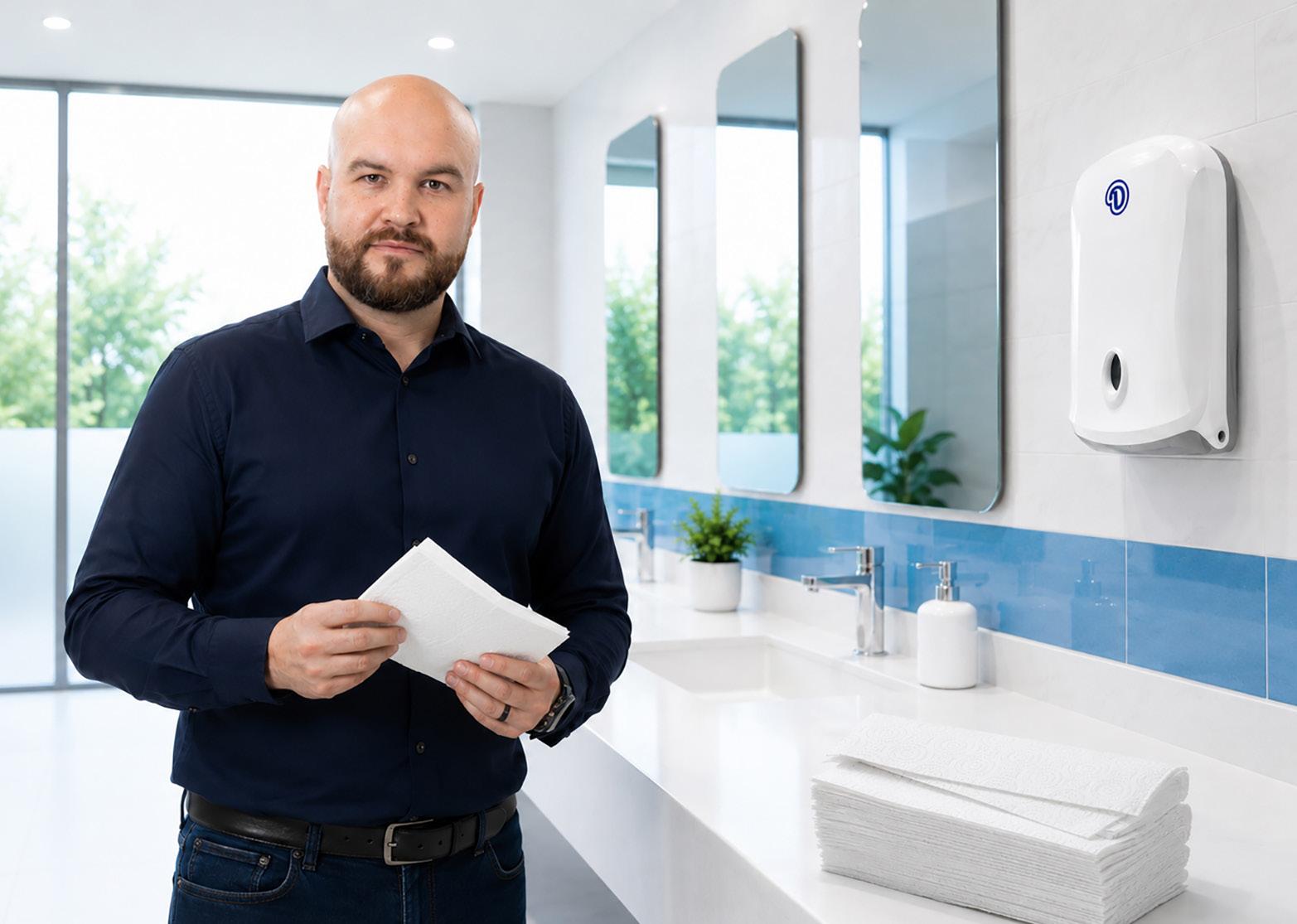
A washroom is one of the few spaces every visitor, customer, employee, or guest is likely to use. Whether they realise it or not, that experience shapes how they see the facility as a whole. Cleanliness, availability of supplies, and ease of use all play a role, including something as simple as how people dry their hands. Most people only notice hand towels when they are missing. An empty dispenser or towels that do not dry hands properly can quickly create a poor impression of an otherwise clean facility.
When people think about washroom hygiene, they usually focus on soap, water, and cleaning routines. Yet one important step is often overlooked: how users dry their hands, according to Wipe-it CEO, Gerbrandt van Niekerk.
Hand drying is not simply the final step after washing. It forms part of the overall hygiene process and can influence cleanliness, user comfort, and the perception of a facility.
Wet hands can transfer microorganisms more easily than dry hands, which is why effective drying should be viewed as an essential part of good hand hygiene. For this reason, many facilities continue to choose paper towels over hand dryers, particularly in environments where hygiene confidence, speed, and convenience are priorities.
Paper towels offer a practical and familiar solution. They allow users to dry their hands quickly, remove moisture effectively, and are suitable for a wide range of environments, from offices and healthcare facilities to schools, factories, and public spaces. Once the decision has been made to use paper towels, the next consideration is choosing the correct dispensing system for the environment.
In high-traffic areas such as shopping centres, factories, schools and public facilities, hand towel rolls and auto-cut systems are often the preferred choice. These systems hold more paper, require fewer refills and help cleaning teams maintain consistency during busy periods. Fewer empty dispensers can improve user satisfaction while reducing the burden on maintenance staff.
For medium- and lower-traffic environments, folded hand towels are often a practical and controlled solution. They provide a neat presentation and can help reduce unnecessary consumption when paired with the correct dispenser.
The type of fold also plays a role in both hygiene and efficiency. M-fold, V-fold and C-fold towels influence how towels are dispensed, how many sheets are used and the overall user experience. Interfolded options such as M-fold and V-fold towels help control usage by presenting one sheet at a time.
For decision-makers, the best paper towel is not always the cheapest option per pack. The true cost depends on factors such as towel consumption, refill frequency, waste generation, cleaning time and the overall
washroom experience delivered to users.
Choosing the right paper towel system should, therefore, be viewed as both a hygiene and operational decision. The right solution supports cleaning teams, protects budgets, improves user experience, and helps facilities maintain consistent standards.
At Wipe-it, we work with businesses across a wide range of industries and have seen how the correct towel format and dispensing system can make a measurable difference to both hygiene outcomes and operational efficiency.
In the end, paper towels are more than a consumable product. They form part of the hygiene standard and washroom experience that a business chooses to deliver every day.
For more information visit: www.wipe-it.co.za
Gerbrandt van Niekerk
Advanced cleaning technology helps industries do more with less
Manual cleaning can be timeconsuming, inconsistent, and expensive, especially in large facilities where downtime affects productivity. With unreliable utility supply, rising labour costs, and growing sustainability goals, the case for smarter and more efficient cleaning solutions is clear.
Rising
pressure on facilities and operations
According to Darryn Jacobs, Managing Director at SkyJacks, South African businesses are increasingly seeking cleaning solutions that provide measurable value rather than simply fulfilling maintenance requirements. “Industries across South Africa face pressure from
multiple directions,” says Jacobs. “Unstable utilities, high labour costs, skill shortages, and increasing compliance requirements create significant challenges. Neglecting cleaning can lower operational efficiency, affect audit results, and impact the long-term value of facilities and equipment.”
Why businesses are turning to mechanised cleaning
This is where modern floor cleaning technology is playing a more strategic role. Today’s mechanised cleaning equipment reduces reliance on labourintensive processes while boosting consistency and performance. Intelligent systems can cover larger areas in less time, cut down on water and chemical waste, and minimise downtime.
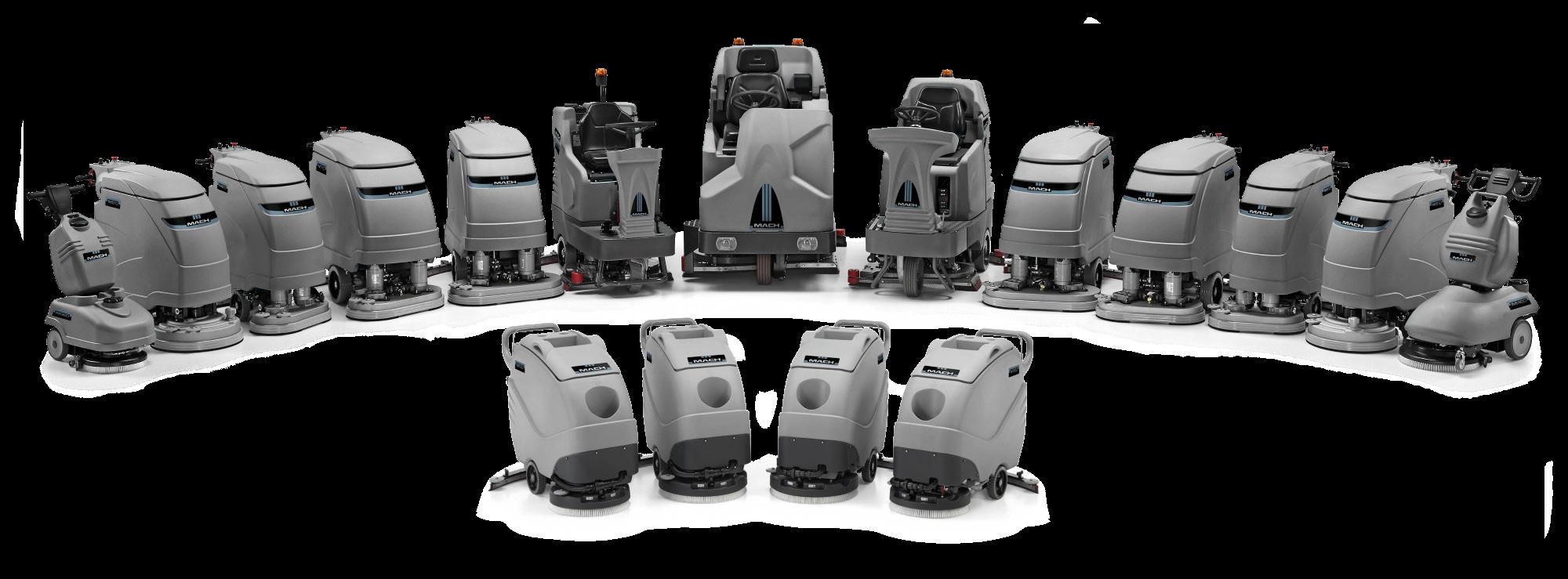
One growing solution in the local market is the MACH range of Italianengineered floor cleaning machines, backed by SkyJacks’ nationwide service network. This range includes compact scrubber-dryers for smaller spaces and larger industrial sweepers for extensive factory and warehouse floors. Designed for durability, efficiency, and user-friendliness, the MACH range helps businesses clean smarter, not harder.
Jacobs explains that automation is enabling companies to tackle some of the toughest workforce challenges in the industry. “The use of smart
cleaning equipment allows businesses to do more with fewer resources,” he says. “Today’s machines are easy to operate, have quick-change parts, and require less waste disposal, allowing a single operator to manage large cleaning tasks effectively.”
At the heart of this shift is a growing demand for equipment that balances performance and sustainability. South African businesses are more aware of water use, energy consumption, and environmental impact, especially as sustainability commitments influence corporate reporting and operational strategies. New cleaning technologies are now being designed with these goals in mind.
The MACH range includes systems like ECOsystem ®, DoseMatic ®, and FlowMASTER ®, which optimise water and chemical use while improving cleaning efficiency. “These technologies significantly cut cleaning time and reduce the use of cleaning solutions and water,” says Jacobs.
According to Jacobs, modern cleaning machines typically offer reliable performance for three to six years, helping businesses reduce labour demands, enhance cleaning consistency, and limit operational interruptions over the long run.
Visit the SkyJacks stand at Cleantex Africa from 13 to 15 October to experience the MACH cleaning equipment range.
Darryn Jacobs
Infection prevention –do not make unsubstantiated claims
Environmental surface hygiene is a foundational component of infection prevention in healthcare. Surfaces surrounding patients, particularly high-touch objects, serve as reservoirs for clinically relevant pathogens and contribute to indirect transmission via hands, equipment, and medical devices. Claims related to disinfectant efficacy, residual activity, and self-cleaning surfaces, therefore, demand a level of scientific rigor to commensurate with their potential impact on patient outcomes.
Despite this, marketing narratives increasingly promote disinfectants and coatings as “non-toxic,” “contact-killing,” or capable of providing extended protection with minimal human intervention. Such claims, when insufficiently validated, risk undermining established infection prevention principles. This article examines a real-world demonstration of such claims alongside contemporary peer-reviewed evidence and regulatory guidance to underscore why mechanical cleaning, validation, and systems-based approaches remain essential.
Observational case study: ISSA North America demonstration
At an ISSA North America event, an environmental services (EVS) leader conducted a bed-cleaning demonstration using a fluorescent marker (Glo Germ) to simulate contamination on patientcontact surfaces. The purpose of this method is well established: to visually reinforce that mechanical action, wiping, friction, and soil removal, is critical to effective cleaning and disinfection.
During the demonstration, a disinfectant representative asserted that his “non-toxic” spray product killed microbes on contact and eliminated the need for wiping. The product was
applied to the fluorescent-marked surfaces and allowed to remain for the full label-specified contact time. Under ultraviolet light, simulated contamination remained clearly visible until mechanical wiping with a microfiber cloth was performed.
Two patient safety concerns were immediately apparent. First, “nontoxicity” was repeatedly offered as reassurance when questions were raised regarding compatibility with topical medications, wound dressings, and fragile or compromised skin, particularly in burn patients. Toxicological claims alone do not establish safety under repeated exposure or in conjunction with other chemical and biological agents. Secondly, the assertion that wiping was unnecessary contradicted both the product’s own label instructions and the wellestablished principle that cleaning and disinfection are inseparable processes.
This interaction illustrates how theatrical demonstrations can obscure critical gaps between marketing claims and evidence-based practice.
Limitations of non-toxicity and label claims
Healthcare surfaces are complex and dynamic, accumulating residues from
medications, emollients, adhesives, bodily fluids, and previous cleaning agents. Regulatory guidance emphasises that disinfectant selection must balance antimicrobial efficacy with chemical safety, including compatibility with materials and patient exposure risk.
Quaternary ammonium compounds and other biocides act on multiple microbial targets but may also interact non-specifically with polymers, tissues, and biological residues, particularly with repeated application or prolonged contact. Claims of non-toxicity fail to address several essential questions for infection prevention and EVS leaders:
1. Has the formulation been tested for interactions with common topical medications and dressings?
2. What is the effect of repeated application on plastics, mattress covers, and coatings that contact skin or mucous membranes?
3. How does performance change in the presence of organic soil and real-world wiping patterns? Without formal compatibility and safety testing under simulated-use or real-world conditions, reliance on non-toxicity language is scientifically insufficient and ethically problematic.
Durability claims under realworld conditions
Recent research published in Applied and Environmental Microbiology provides a rigorous evaluation of residual disinfectant claims. Investigators examined a commercially available spray-on, surface-anchoring quaternary ammonium salt biocide marketed as providing 30-day antimicrobial protection. Microbial burden was measured on hightouch surfaces in an active microbiology laboratory for one month before and after application, while routine cleaning practices continued.
Across floors, benches, handles, and glass surfaces, statistical modelling demonstrated no meaningful reduction in microbial contamination at either five- or 30-days post-application. In some cases, the proportion of samples exceeding predefined microbial thresholds increased after treatment. These findings indicate that, under real world conditions involving abrasion, recontamination, and routine cleaning, the advertised durability did not persist.
feature healthcare hygiene
These results reinforce key principles for healthcare settings:
• Standardised laboratory testing does not reliably predict performance in high-touch clinical environments.
• Durability claims must account for routine cleaning agents, mechanical abrasion, and organic soil.
• Without independent, real-world validation, extended-protection claims may offer negligible patientsafety benefit.
The myth of self-cleaning surfaces
Marketing language surrounding residual disinfectants and antimicrobial coatings frequently implies autonomous, self-cleaning functionality. The peer-reviewed literature consistently contradicts this implication. Even when residual activity is demonstrated, such technologies function only as adjuncts to routine cleaning and disinfection.
continues on page 20 >>
Cordless, quiet, and built for professional cleaning
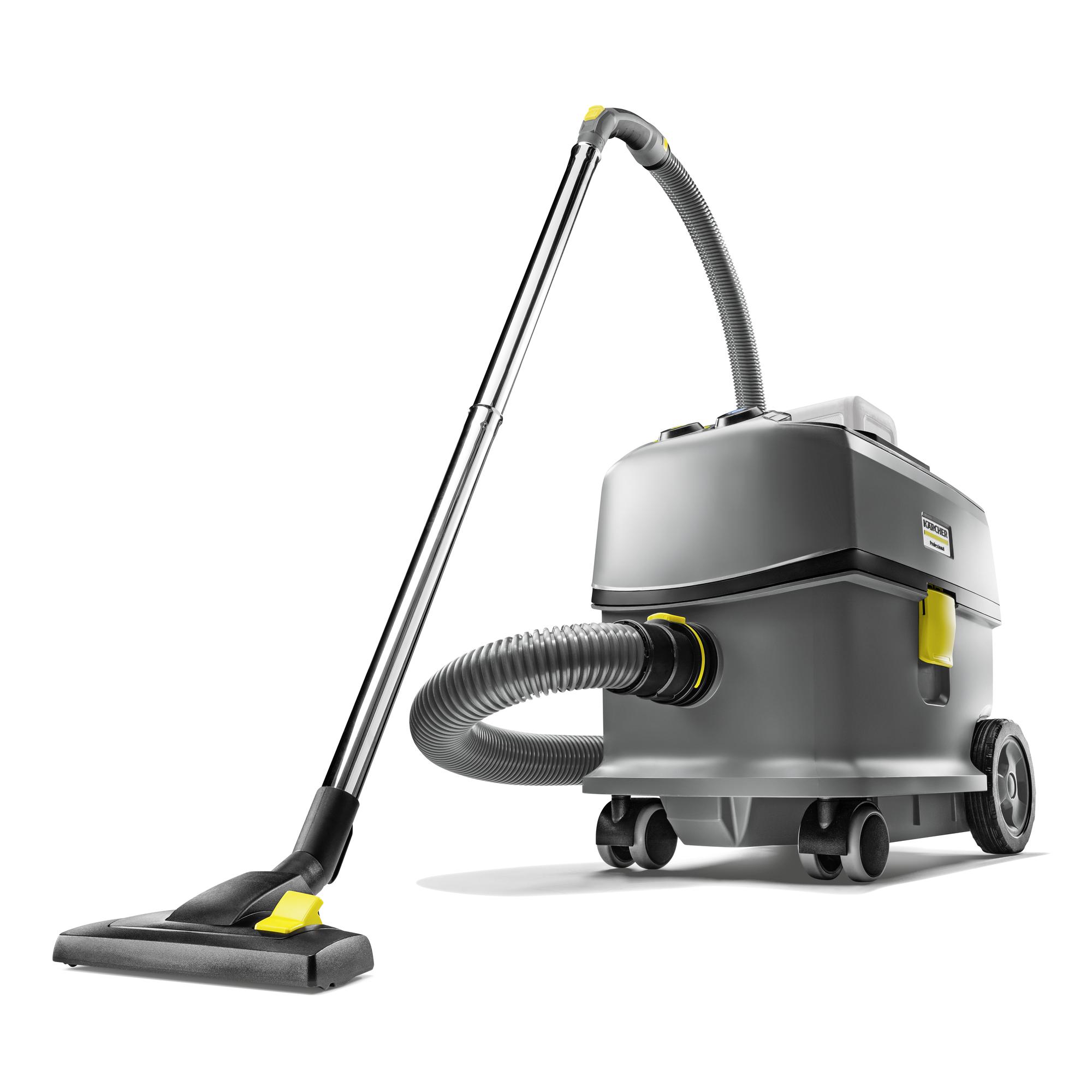
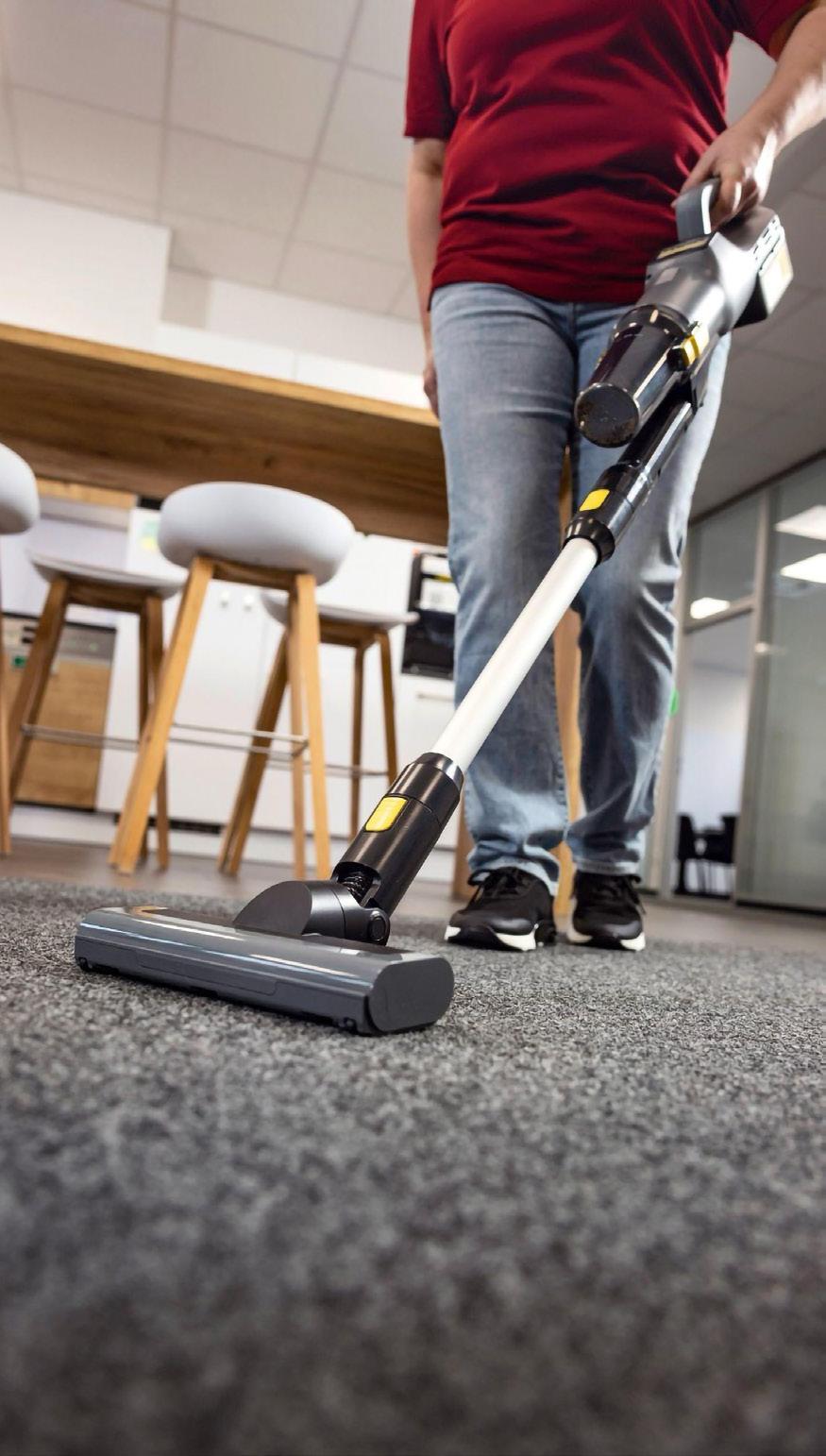
The new Kärcher T 10/1 Bp is a battery-powered dry vacuum cleaner designed for professional users who require powerful cleaning performance without the restrictions of a power cord. Ideal for hotels, catering establishments, retail spaces, and contract cleaning companies, it combines cordless flexibility with exceptionally quiet operation, making it well suited to daytime cleaning in occupied environments.
Operating at just 57 dB(A), the T 10/1 Bp enables cleaning with minimal
disruption to guests, customers, staff, and building occupants. Despite its low noise level, the machine delivers excellent suction performance, powered by Kärcher’s 36 V Battery Power+ platform, providing consistent cleaning results across a wide range of commercial applications.
Sustainability is a key feature of the machine that is manufactured using 45 percent recycled plastic, reducing the need for virgin raw materials while maintaining the durability and reliability expected from professional Kärcher equipment. Designed with operator
comfort in mind, the vacuum cleaner features a 10-litre container, a compact footprint and a stable, manoeuvrable design that makes it easy to navigate around furniture and confined spaces. A foldable carrying handle allows for ergonomic transport, while integrated onboard accessory storage keeps the supplied crevice nozzle within easy reach during cleaning tasks.
For environments with stringent hygiene requirements, the T 10/1 Bp can be fitted with an optional HEPA 14 filter, helping to capture fine particles and reduce the circulation of airborne contaminants. This makes it particularly suitable for healthcare facilities, educational institutions, and other hygiene-sensitive environments.
The Kärcher T 10/1 Bp is supplied without a battery or charger, allowing professional users to select the compatible 36 V Kärcher Battery Power+ battery and quick charger best suited to their operational requirements.
For more information, visit: https://www.kaercher.com/za/
Engineered for professional performance, the T 10/1 Bp combines cordless convenience, ultra-quiet operation and extended battery runtime with a sustainable design made from 45% recycled materials for smarter, more efficient cleaning. karcher.com
Laboratory studies of residual quaternary ammonium disinfectants show that efficacy depends on surface orientation, film thickness, and preservation of the dried layer. Authors emphasise that abrasion and soil accumulation rapidly degrade residual effectiveness and that manual cleaning remains essential.
Healthcare surface hygiene experts further warn that antimicrobial coatings may foster behavioural complacency. When staff believe a surface is inherently self-disinfecting, adherence to cleaning protocols, contact times, and verification measures may decline. This false sense of security may pose a greater risk than reliance on conventional disinfectants supported by robust training and monitoring systems.
An evidence-based framework for product evaluation
Drawing from observational experience, peer-reviewed evidence, and regulatory guidance, healthcare organisations should apply the
following framework when evaluating disinfectant and durability claims:
1. Context relevant efficacy data: Claims must be supported by standardised and simulated use or real world studies reflecting healthcare surfaces, organisms, soil loads, and workflows.
2. Realistic durability testing:
Residual claims should be validated under repeated cleaning, abrasion, and contamination cycles.
3. Compatibility and safety evidence:
Products must demonstrate noninteraction with medications, dressings, devices, and compromised skin, especially in high-risk populations.
4. Systems integration:
Antimicrobial technologies should complement, not replace, mechanical cleaning, staff training, audit tools, and feedback mechanisms.
Conclusion Environmental surfaces remain important reservoirs for
healthcare associated pathogens, particularly around vulnerable and immunocompromised patients. While innovation in disinfectant technology is welcome, it cannot substitute for evidence-based practice. Overreliance on unvalidated residual biocides raises concerns regarding safety, cost, behavioural complacency, and the potential for biocide tolerance.
The ISSA demonstration serves as a cautionary example. When simple fluorescent testing revealed persistent contamination without wiping, the disconnect between marketing claims and real-world performance became undeniable. In healthcare, evidence is not optional. There is no shortcut around the fundamentals of mechanical cleaning, validated disinfection, and well-trained staff.
Abridged article by, Dr. Linda Lybert, founder of the Healthcare Surfaces Institute and leader of the ISSA’s Healthcare Division and Dr. Rodney E Rohde, a clinical microbiologist, public health leader and educator.
Rethink healthcare hygiene by tailoring cleanliness to facility scale
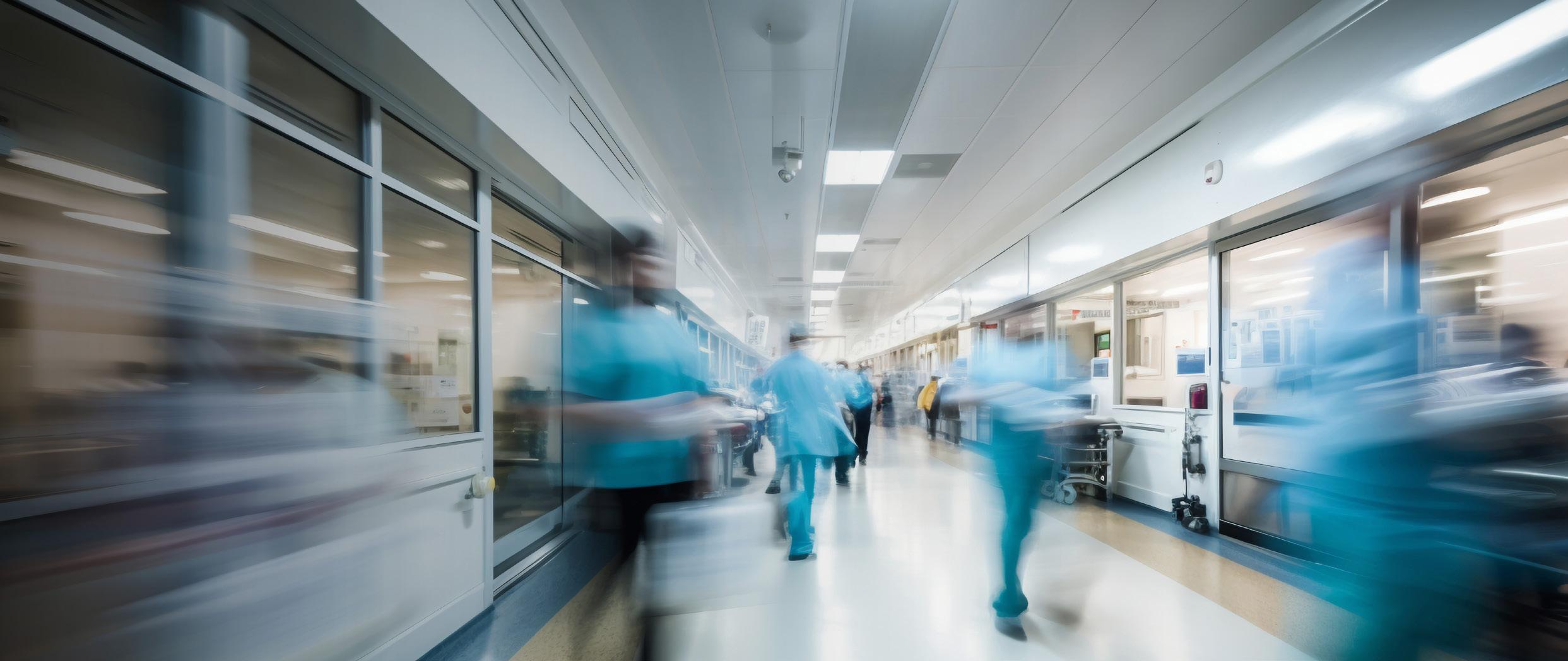
Maintaining cleanliness in healthcare settings is crucial for protecting patient health, supporting staff safety, and ensuring regulatory compliance. Healthcare-acquired infections (HAIs) remain a significant risk that impacts patient outcomes and the facility’s reputation. This makes healthcare cleaning practices essential.
Therefore, selection of the most effective disinfecting products, correct cleaning tools, and implementing proper cleaning and hygiene procedures becomes imperative. In the modern healthcare landscape, cleaning and disinfection are critical pillars of infection prevention and control (IPC). However, effective hygiene is not a onesize-fits-all protocol. The environmental
demands of a large-scale tertiary hospital vastly differ from those of a community dental practice or an optometric clinic. To mitigate the risk of healthcare-associated infections (HAIs), facilities must deploy targeted technology scaled precisely to their unique operational footprints and patient volumes, according to Kärcher, the world’s largest manufacturer of cleaning machines.
feature healthcare hygiene
Micro environments: Precision and mobility for small clinics
Smaller healthcare facilities, such as dental practices and optometry clinics, face high patient turnover in confined spaces. These environments require agile, unobtrusive cleaning tools that can navigate tight clinical layouts without compromising on microbial efficacy.
In these spaces, thermal disinfection is a primary defence line. Compact professional steam cleaners, such as the Kärcher SG 4/4, are highly effective for detail cleaning high-touch clinical surfaces, examination chairs, and intricate medical fixtures. Operating at a powerful 4 bar steam pressure and utilising a two-tank system that ensures continuous steam generation, the unit provides certified disinfection in accordance with EN 16615 standards. By avoiding aggressive detergents, it eliminates chemical residues that could trigger allergic reactions in sensitive patients.
For routine dust and particle containment in these smaller layouts, trailing power cables present a physical trip hazard to patients and staff. The introduction of cordless technology, specifically the LVS 1/2 Bp professional dry vacuum cleaner, solves this
For routine dust and particle containment in these smaller layouts, trailing power cables present a physical trip hazard to patients and staff. The introduction of cordless technology, specifically the LVS 1/2 Bp professional dry vacuum cleaner, solves this challenge.
reduces setup times and improves manoeuvring in tight treatment rooms. Crucially for clinical settings, it features an integrated HEPA 13 filter that captures 99.95 percent of microscopic particles and pathogens, preventing the redistribution of fine dust into the air.
Macro environments: Robust power for hospital scaling
Conversely, institutional hospitals operate on vast square meterage and require heavy-duty, high-capacity machinery capable of continuous operation in public corridors, wards, and surgical theatres.
For deep, multi-surface decontamination in large facilities, a dedicated steam vacuum cleaner like the SGV 8/5 becomes essential. It combines the deep-cleaning capability of an 8-bar steam cleaner with the instant removal capacity of a wet vacuum. Hot water rinsing (up to 70 °C) dissolves stubborn
leaving floors and walls dry and safe for immediate foot traffic.
For large-scale hard flooring maintenance, such as vinyl, terrazzo, or linoleum common in hospital corridors, single-disc machines provide the necessary mechanical agitation to remove biofilms. The BDS 43/150 C utilises a powerful 1,500-watt motor and hard-wearing metal gears within a maintenance-free planet carrier to deliver a consistent 150 rpm brush speed. This mechanical torque ensures thorough deep-cleaning, stripping, and polishing, maintaining a smooth, nonporous floor finish that prevents bacteria from harbouring in microscopic surface abrasions.
Ultimately, scaling the technology to the environment ensures that healthcare facilities, regardless of size, maintain an uncompromising standard of patient safety.
Reconsidering cubicle curtain protocols in infection prevention
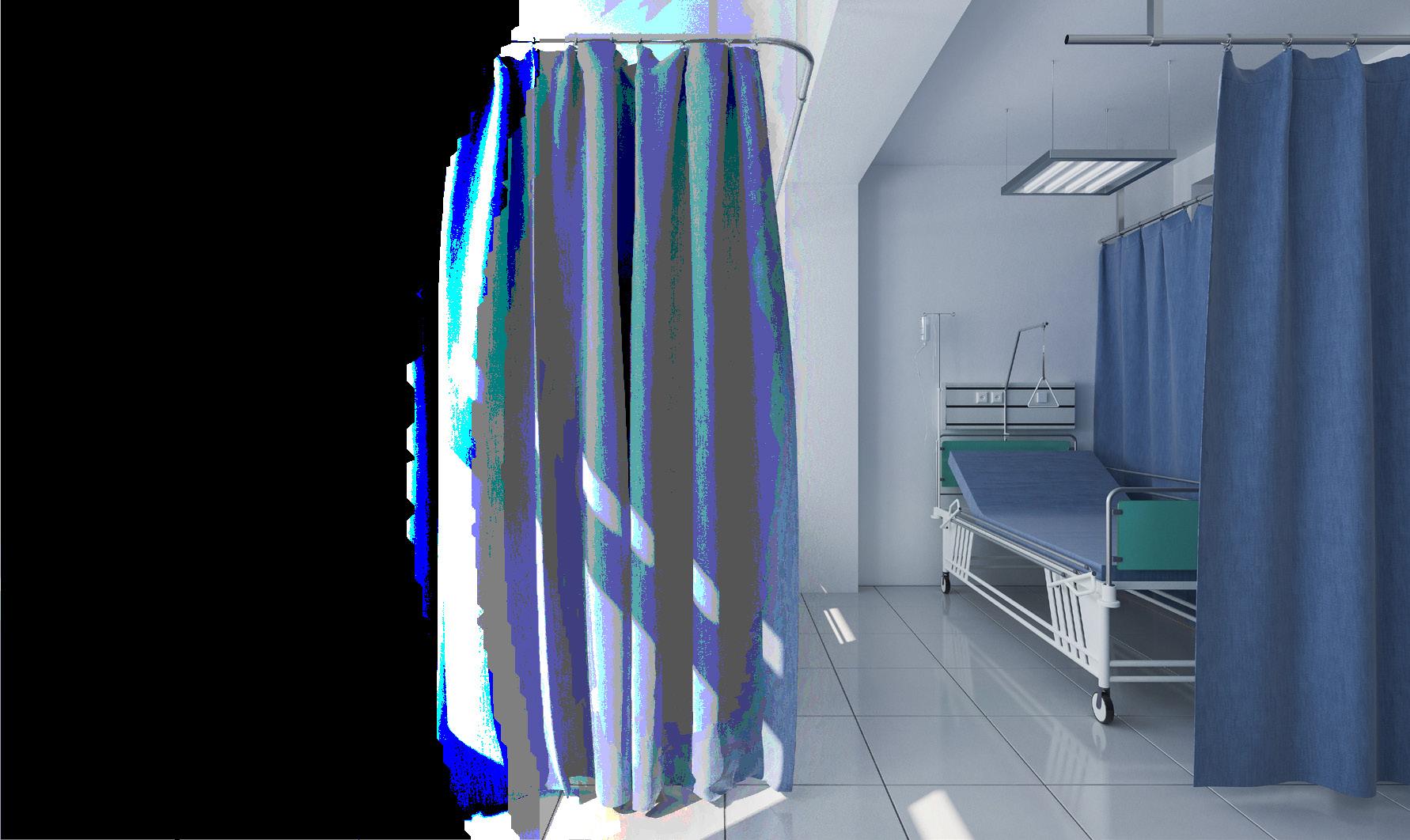
Hidden in plain sight, cubicle curtains are among healthcare’s most-touched, and least regulated, surfaces. Vague “change when soiled” guidance leaves dangerous gaps, as dusty mesh headers and inconsistent replacement cycles quietly seed transmission, underscoring the need for quarterly, trackable swaps and evidence-based standards.
A high-touch surface hiding in plain sight
Cubicle curtains are among the most frequently touched, and often overlooked, surfaces in healthcare settings. From exam rooms to inpatient bays, they are constantly touched by patients, clinicians, and visitors. Yet, cleaning and replacement guidelines for curtains remain among the most inconsistent and least regulated aspects of environmental infection control. Without clear mandates, practices vary widely, even within the same facility. And that inconsistency can lead to risk, according to Infection Control Today.
What the guidelines say – and don’t say
Despite the well-documented role of environmental surfaces in pathogen transmission, cubicle curtain guidelines remain soft.
• The CDC, The Joint Commission, and many state health departments stop short of specifying a change frequency.
• Language typically reads: “Change when visibly soiled” or “after contact with infectious material or isolation patients.”
• The onus is placed on the facility to define frequency, leading to inconsistency.
• Some hospitals change curtains monthly, others quarterly. In many places, it is only done when they appear dirty.
This lack of standardisation creates a gap in infection prevention, one that cannot be closed without more explicit guidance and a culture of consistency.
Why best practice should be quarterly and measurable
• Curtains are a high-touch, lowpriority item in many infection prevention plans. But they shouldn’t be.
• Studies have shown that pathogens can survive on curtain surfaces for days or even weeks, especially in high-use areas.
• Curtain changes once per quarter offer a reasonable balance between safety, cost, and operational feasibility.
• Electronic tracking systems can log change dates, issue reminders, and produce audit reports to ensure compliance.
Consistent tracking of curtain changes creates accountability across EVS, nursing, and infection prevention teams. It also makes compliance easily auditable for regulatory visits.
The rise of cubicle curtain commercialisation
The cubicle curtain industry has evolved dramatically in recent years.
• Traditional cloth curtains that are laundered between uses
• Disposable curtains (e.g., from On The Right Track or Standard Textile) that are designed for extended multi-month use, not single use
• Color-coded systems to distinguish usage cycles or infection risk
• Hybrid systems that blend re-usable mesh with replaceable curtain panels
Many hospitals have outsourced curtain changes to third-party vendors. Some of these vendors provide barcoded
cloth curtains that are laundered and scanned in and out for tracking. Others focus on programmes that replace only the curtain panel, leaving the mesh in place. This is a growing and concerning practice.
While outsourcing this task is understandable given staffing and workflow constraints, it is critical to partner with companies that understand infection prevention standards. That includes adherence to hand hygiene, clean vs dirty transport practices, and proper curtain-handling protocols during change-outs.
Manufacturers who promote snap-on curtain systems often do so to support these outsourced models. While efficient, these systems are designed for ease of change, not necessarily for infection prevention. Without specific guidance on how to clean or replace the mesh, this approach may inadvertently undermine patient safety.
As demand grows, so does innovation, and not all innovations are created equal.
The mesh problem
Some newer systems feature a snapout panel that allows the curtain to be changed while leaving the mesh header intact. While this may reduce labour and laundry costs, it introduces a critical oversight.
• Mesh is located at the ceiling to allow for sprinkler deployment and smoke detection, but it is often excluded from cleaning protocols.
• It collects dust, which can harbour pathogens such as Clostridioides difficile, Methicillin-resistant Staphylococcus aureus (MRSA),
Vancomycin-resistant Enterococcus (VRE), Acinetobacter baumannii, and Candida auris, as well as viruses such as influenza and SARS-CoV-2.
Studies have also identified bacteria such as Bacillus, Staphylococcus, and Pseudomonas; fungi such as Aspergillus, Penicillium, and Alternaria; and even viral particles such as influenza in health care dust samples.
• Movement of the curtain during daily use can disturb this dust, potentially dispersing harmful particles into the air.
While the mesh is overhead, its contamination still poses a risk, especially in spaces where airflow can redistribute particulate matter.
Recent testing by On the Right Track Systems, using AATCC Test Method 100, evaluated traditional curtain mesh headers for contamination. The results were concerning.
• Against Acinetobacter baumannii, the mesh only demonstrated a 55 percent reduction in bacterial
This is the premier executive development and networking event for Africa’s professional cleaning and facility management industr y
The 6th Cleantex Executive Summit African programme is aimed at providing delegates with an opportunity to expand and enhance knowledge, with professional speakers and industry leaders addressing delegates on a variety of business topics
feature healthcare hygiene
growth after 24 hours – indicating significant survival of a known multidrug-resistant organism. To be clear, a 55 percent reduction is not considered a safe reduction in bacterial load. For disinfectants used on soft surface textiles, the EPA recommends testing for a minimum mean 4.0-log reduction in qualifying bacteria relative to controls within 10 minutes ± 5 seconds. A 4.0 log reduction is 99.99 percent.
• Against C. auris, a high-concern fungal pathogen, a 99.8 percent reduction was seen, but residual contamination remained at 5.0 x 10^5 CFU/sample after 24 hours. These findings confirm that curtain mesh can harbour and retain pathogens, reinforcing the need for validated cleaning or replacement protocols. Leaving mesh behind may save money, but without a validated cleaning protocol or replacement cycle, it compromises the very infection control goals these systems aim to support.
Conclusion: Curtains are not cosmetic
Cubicle curtains are not decorative elements. They are functional, highcontact surfaces that play a direct role in infection transmission, and they must be treated as such. As with other surfaces, one truly should view a building or similar spaces and its surfaces as a living environmental organism with the potential to cause harm.
As innovation in this space continues, the health care industry must balance efficiency with safety. Without clear policies, defined cycles, and validation of new curtain systems (including mesh), we risk letting convenience overtake care.
The industry needs leadership. It needs data. Most of all, it needs to stop treating cubicle curtains like an afterthought. Because when it comes to infection prevention, there is no room for grey areas, only clean lines.
Speaker Topics
Results-based cleaning / Clean Mind Project | Cleaning ergonomics | CLEANFORCE 360™: A global workforce model for solving the cleaning industry's retention crisis | The 4D Leadership Model™: Managing every type of cleaning employee for maximum performance | Cleaning in the future - Global trends including AI transforming the industry | Integrated services - A futuristic scenario | Panel discussion: African Cleaning Forum
Who should attend?
Executives and Business Owners Management | CEOs | CFOs | Managing Directors | Marketing & Sales Executives Financial Directors/Managers Entrepreneurs
Delegates will receive a copy of the
Floor hygiene remains a critical component in healthcare cleaning
Maintaining high standards of cleanliness is fundamental to the safe and effective operation of any healthcare facility. From hospitals and clinics to medical centres and care homes, healthcare environments must support infection prevention while ensuring the wellbeing of patients, visitors, and staff. Although hand hygiene and surface disinfection remain key priorities, floor hygiene is an equally important aspect of a comprehensive environmental cleaning programme, according to Columbus Cleaning Solutions.
Infection prevention starts with environmental hygiene Healthcare facilities face unique cleaning challenges due to the constant movement of patients, visitors, and healthcare professionals through shared spaces. While attention is often focused on hand hygiene and the cleaning of high-touch surfaces, environmental hygiene plays an equally important role in infection prevention.
Floors can accumulate dirt, dust, and other contaminants that are carried throughout a facility by footwear, wheeled equipment, and daily activity. Without regular and effective cleaning, these contaminants can contribute to poor environmental hygiene standards. Implementing consistent floor cleaning practices helps healthcare facilities maintain cleaner environments, support infection prevention protocols, and create safer, more welcoming spaces for patients, staff, and visitors alike.
Improving safety through effective floor maintenance
Safety is a critical consideration in any healthcare setting. Wet, dirty, or poorly maintained floors can increase the risk of slips, trips, and falls for patients, visitors, and staff. These incidents can result in injuries, operational disruptions, and increased costs. Effective floor maintenance programmes focus on both
cleanliness and safety by ensuring that floors are thoroughly cleaned and dried as quickly as possible. Maintaining clean floor surfaces also improves the overall appearance of healthcare facilities, helping to create a professional and reassuring environment.
Boost patient confidence through clean environments
Cleanliness plays an important role in shaping patient perceptions of healthcare quality. Patients and visitors often associate clean, well-maintained facilities with professionalism, safety, and quality care. Floors are among the largest visible surfaces within a healthcare environment and can significantly influence first impressions. Consistent floor maintenance not only supports hygiene objectives but also contributes to a welcoming environment that promotes confidence and reassurance among patients and visitors.
Balancing hygiene, productivity, and sustainability
Healthcare facilities are increasingly required to balance stringent hygiene standards with operational efficiency and environmental responsibility. Modern cleaning technologies support this objective by reducing water consumption, optimising chemical usage, and improving productivity.
By adopting efficient cleaning practices and equipment, facilities can maintain high levels of cleanliness while reducing resource consumption and operational costs. This balance between hygiene, productivity, and sustainability is becoming an increasingly important consideration for healthcare managers seeking to deliver safe and effective healthcare environments.
As healthcare facilities continue to face increasing demands around infection prevention, patient safety, and operational efficiency, the importance of effective floor hygiene cannot be overlooked. Clean, wellmaintained floors support broader environmental hygiene programmes, reduce safety risks, and contribute to a positive patient experience.
By implementing consistent floor care practices and embracing modern cleaning technologies, healthcare organisations can create safer, healthier, and more welcoming environments for patients, visitors, and staff. Ultimately, floor hygiene remains a fundamental component of healthcare cleaning and an important contributor to the overall quality of care delivered within a facility.
Columbus Cleaning Solutions is a leading manufacturer of compliant chemical products offering a national supply network to both the industrial and domestic sectors. For more information visit: www.columbussa.com
The African Marketplace for cleaning, hygiene, & facility solutions
Celebrating 20 years of innovation in hygiene
Celebrating 20 years of excellence, Hygiene Systems leads the way in innovative hygiene solutions, supplying trusted dispensing systems, consumables, and hygiene products across Africa. Built on a reputation for quality, reliability, and forward thinking innovation, the company remains committed to shaping the future of hygiene across the continent.
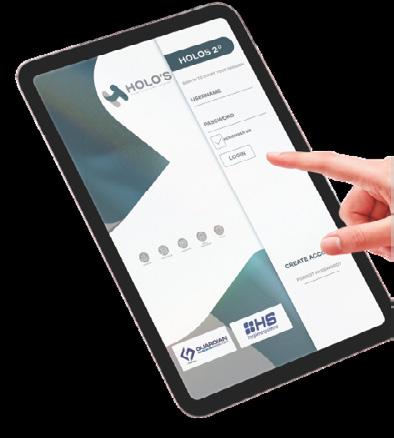
At this year’s Cleantex exhibition, visitors can look forward to an exciting showcase of new technologies and product innovations designed to improve efficiency, elevate hygiene standards, and enhance the overall user experience. One of the standout launches this year is HOLOS (Hyvest Online Ordering System). HOLOS is an intelligent, easy to use digital platform created to simplify and streamline ordering. Bringing hygiene dispensing systems, chemical solutions, janitorial hardware and consumables, paper essentials, and PPE together in one seamless solution, offering customers greater convenience, speed, and accessibility
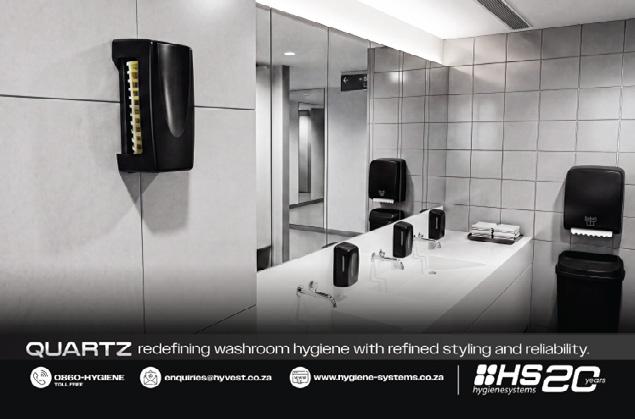
Attendees will also experience the Quartz Dispenser Range, a stylish and durable collection of dispensers developed for high traffic environments. And, the all new Passive Fragrance System that include VAZE®, AIRLOOP®, and V-SCREEN® products that combine to harmonise the washroom fragrance experience.
Visit us at Cleantex stand E06, to experience the future of hygiene.
Showcase of premium UTP Professional cleaning solutions
Sunplast is an established premier wholesale distributor and market leader specialising in high-quality plastic industrial cleaning supplies and household goods across South Africa and the wider Sub-Saharan region With a robust distribution network, the company has built a reputation for excellence, reliability, and unparalleled corporate supply chain efficiency
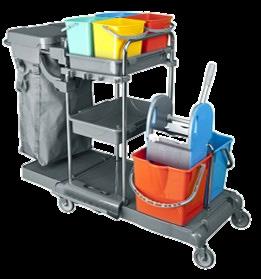
As a strategic powerhouse in the com mercial hygiene sector, Sunplast will showcase the globally renowned UTP Professional brands at Cleantex 2026, for which the company holds exclusive authorised representation Through this exclusive partnership, Sunplast delivers a comprehensive ecosystem of heavy-duty, commercial-grade cleaning equipment and hardware specifically engineered to meet the rigorous demands of industrial facilities, contract cleaners, and hospitality environments
By maintaining massive stock availability and prioritising long-term product durability, Sunplast bridges the gap between premium international manufacturing standards and local market accessibility The company ’ s core mission focuses on driving operational efficiency and cost-effectiveness for business enterprises throughout Africa
Our commitment at Sunplast is to provide business with the most resilient, professional hygiene infrastructure available We don't just supply products; we deliver sustainable wholesale solutions that optimise daily cleaning workflows for our corporate partners
Offering a commitment to innovation, performance, and long-term value
Columbus Cleaning Solutions is a leading manufacturer and supplier of cleaning products and equipment. We offer a well-established national supply network supported by industry expertise and customer-focused service.
Our product offering is built around three key categories: cleaning chemicals, commercial cleaning machines, and a comprehensive range of cleaning consumables. From household detergents and disinfectants to heavyduty industrial cleaning solutions, our products are designed to deliver effective results while maintaining high standards of quality, safety, and environmental responsibility
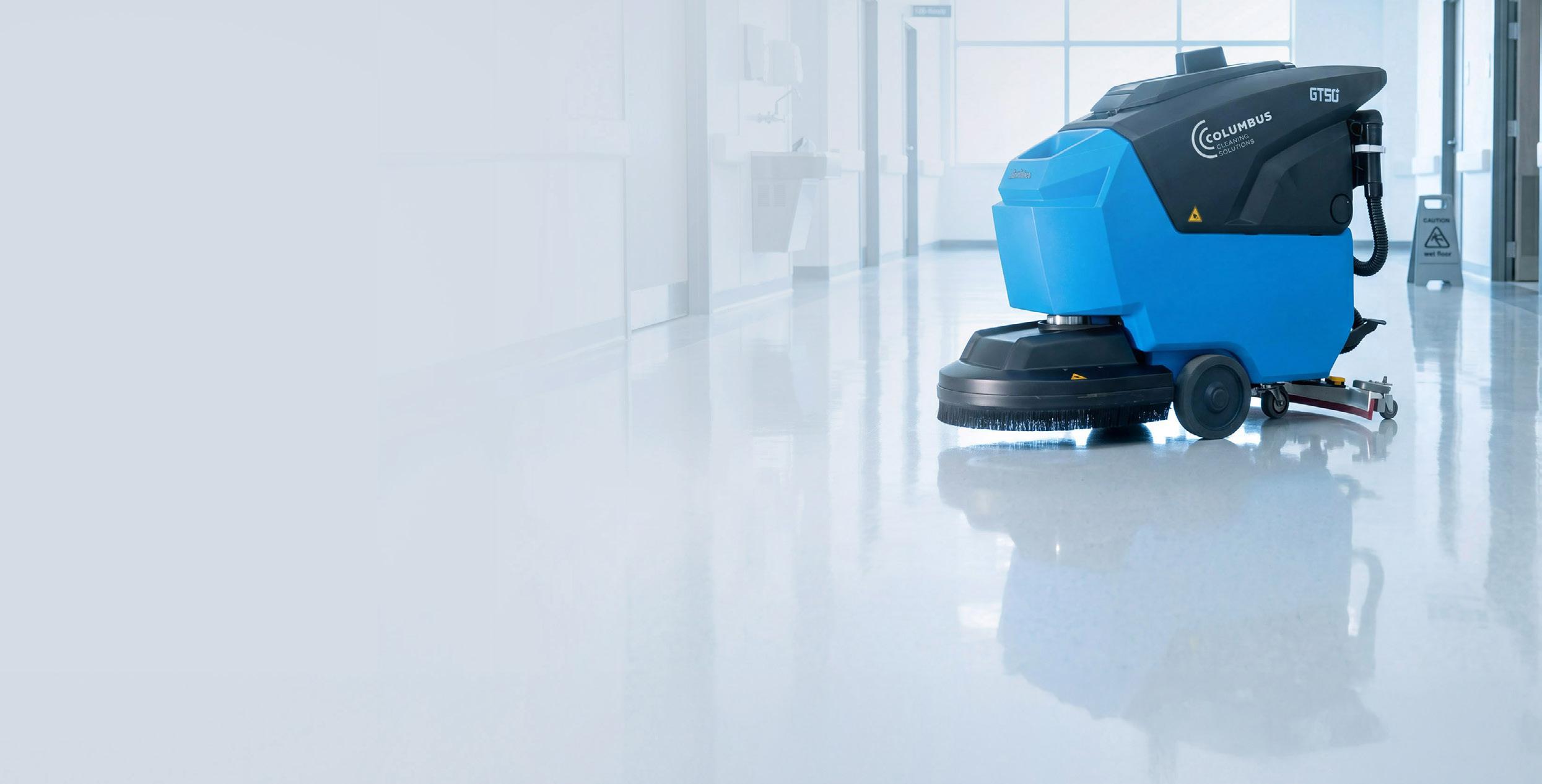
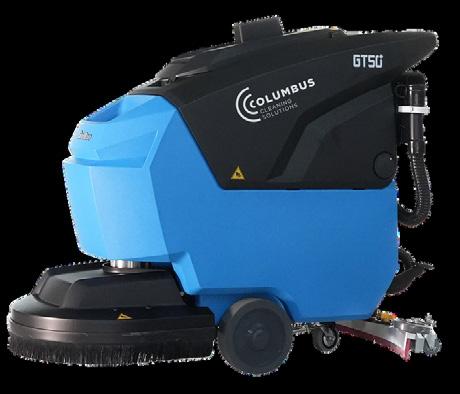
At the Cleantex ’26 exhibition the GT50+ scrubber dryer, a powerful floor cleaning machine designed to maximise productivity, reduce labour time, and water consumption will be showcased. Its user-friendly operation, durable construction, and excellent manoeuvrability is ideal for medium to large commercial and industrial environments.
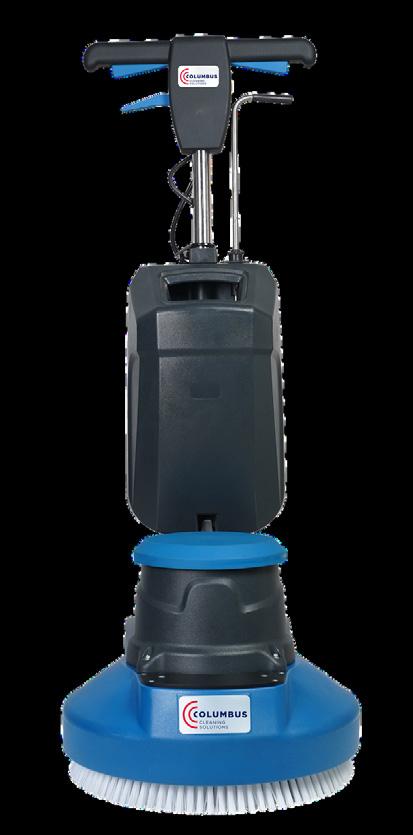
Also, the R47 standard speed rotary, built to handle a variety of floor care tasks. Whether used for deep scrubbing, floor stripping, spray cleaning or polishing, it delivers consistent results while handling demands of daily use. Its robust construction and balanced design provide operators with the confidence and control needed to achieve professional-quality finishes across a wide range of floor surfaces.
month 2026
Women in leadership
The month of August has become synonymous with being a period in the year when we celebrate the role of women in society. South Africa has an exceptional history as it is our women who have played a vital role in shaping the future and society we now find ourselves in. South Africa has been celebrating women during the month of August since 1994. It serves as a reminder of the tough and tenacious, gracious and passionate, formidable and, above all, courageous women who have continued to shape our future. Women in South Africa are making significant strides in leadership. In the corporate sector, South African women hold 36 percent of board seats in JSE Top 40 companies and 37 percent in the Top 50, surpassing global averages of between 23 to 25 percent. In this issue, we introduce two industry trailblazers and with a few probing questions explore their take on women in leadership positions.
Iam the Founder and Managing Director of Nozihle Cleaning Services, a proudly South African company that provides commercial cleaning, hygiene, pest control, and facilities support services to a diverse range of clients. Since establishing the business in 2002, I have been committed to building an organisation that delivers quality services, creates employment opportunities, and contributes positively to the communities we serve.
My journey in the cleaning and hygiene industry has taught me that success is built on consistency, integrity, and people. Over the years, I have had the privilege of leading talented teams, developed sustainable client relationships, and navigated
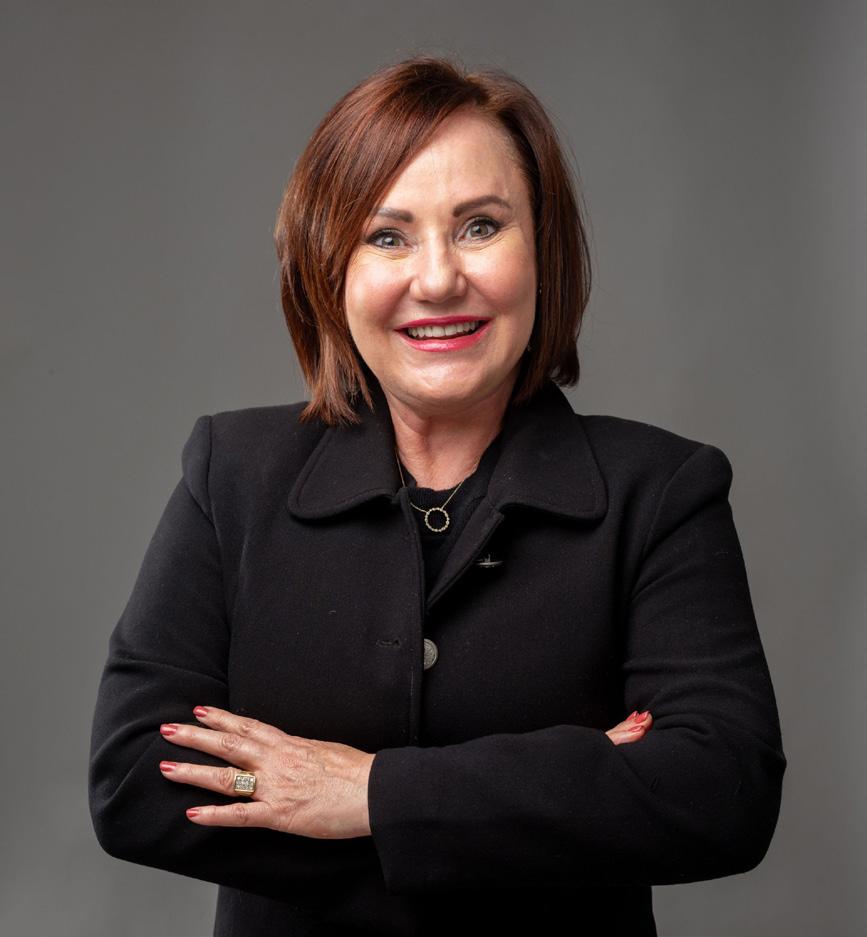
Introducing Dolly Mbuyane
the challenges and opportunities that come with growing a business in a constantly evolving environment.
What is the core purpose that drives your leadership?
My leadership is driven by a desire to create opportunities and make a meaningful difference in people’s lives. I believe that a successful business should not only deliver an excellent service but also empower employees, support families, and contribute to economic growth. Knowing that our work creates livelihoods and opportunities inspires me every day.
How do you ensure your vision remains relevant in changing times?
I stay connected to both our clients and our employees. Listening is one of the most important leadership skills. The requirements of our customers, advancements in technology, and changing industry standards require continuous learning and adaptation. By remaining open to new ideas while staying true to our core values, we ensure our vision continues to evolve with the times.
What is the one thing you do consistently to keep your team motivated?
I make it a priority to acknowledge and
appreciate people. Employees perform at their best when they feel valued and respected. Celebrating achievements, providing support, and creating opportunities for growth helps build a motivated team that takes pride in its work.
How do you maintain focus during a time of crisis?
In times of crisis, I focus on facts, priorities, and solutions. Remaining calm allows me to make informed decisions and provide confidence to those around me. I believe that leaders should bring stability during uncertainty and guide their teams through challenges with clear communication and purpose.
What is the best leadership advice you have received?
The best advice I have received is: Lead by example. People are more influenced by what leaders do than by what they say. Demonstrating integrity, accountability, and commitment encourage others to do the same. Allow your team to think, and come up with solutions; your duty as a leader is to provide the vision and a sound strategy to grow the business. I continually check where the bottlenecks occur and reprioritise if need be.
What do you hope people will remember most about your leadership style?
I hope people will remember me as a leader who genuinely cared about people, led with integrity, and created opportunities for others to succeed.
My career in the cleaning industry spans more than 28 years. I started in 1998 as a Systems Consultant at Wetrok Industro Clean, where I specialised in systemsbased cleaning solutions for contract cleaning companies and healthcare cleaning.
During my tenure, I was appointed General Manager of Siyaya Skills Institute, focusing on skills development and designing industryspecific training programmes and seminars. Then I established my own consultancy with the aim to assist contract cleaning companies with audits, specialised cleaning systems, training, time and motion studies, productivity improvement, and operational optimisation. This venture provided me with a deep understanding of the realities and challenges faced by cleaning service providers.
In 2024, I was appointed Managing Director of CSG Skills Institute, where I continue to combine my passion for skills development with my commitment to advancing the cleaning
feature women’s month 2026
If my leadership inspires others to believe in themselves, grow professionally, and reach their full potential, then I will consider my legacy a success. My biggest leadership advice is for each businesswoman / businessman to develop resilience.
Once a person is resilient, nothing will stop them and they will fight tooth and nail for their success. I am a success driven woman, I will never let anything or anyone stand in my way or pull me down, for as long as I am in the cleaning services business.
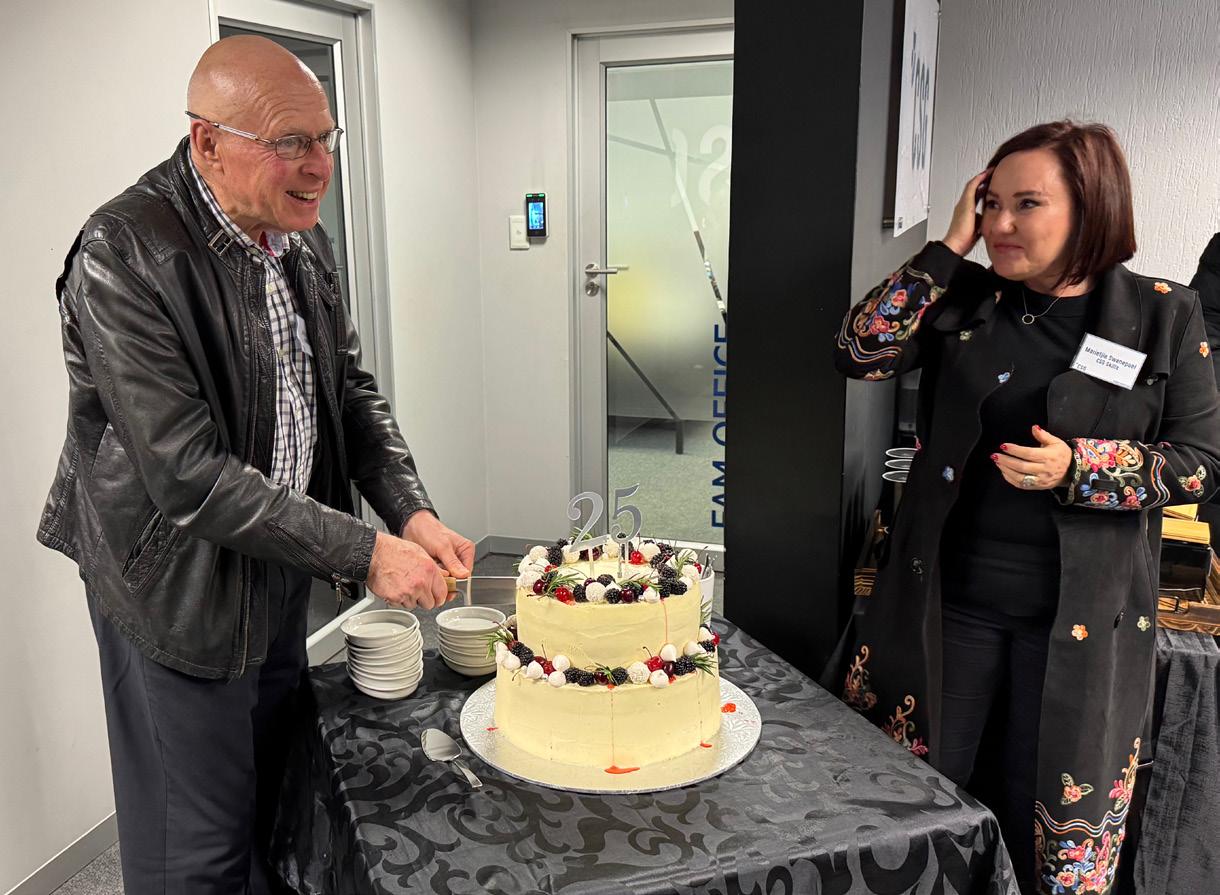
Introducing Marietjie Swanepoel
industry through training, consulting, and professional development.
What is the core purpose that drives your leadership?
My purpose is to create opportunities that change lives. In our industry, leadership is about more than delivering a service, it is about creating employment, developing skills, and giving people the dignity that comes from meaningful work. I strive to build successful teams while helping people discover their own potential. As a woman in leadership, I also hope to open doors for others and lead with integrity, resilience, and empathy.
How do you ensure your vision stays relevant in changing times?
A vision should remain constant in purpose but flexible in execution. I stay connected to clients, listen to my team, and embrace innovation, while never losing sight of our values. I believe continuous learning and collaboration are essential to staying relevant in a changing industry.
What is the one thing you do consistently to keep your team motivated?
I help my team understand that their work has purpose. People are motivated when they know they make a difference. I celebrate achievements, provide honest feedback, encourage growth, and create an environment built on trust, where people feel valued and empowered to succeed.
How do you maintain focus during a time of crisis?
I focus on three things: the facts,
the people, and the solution. I believe in gathering the correct information, communicating openly, and breaking down challenges into manageable steps. Every crisis presents an opportunity to learn, improve, and lead with resilience.
What is the best leadership advice you have received?
“Lead people, not processes.” Systems are important, but people drive success. Great leadership is about serving others, removing obstacles, and creating opportunities. When people feel trusted and supported, they achieve more than they ever thought possible.
What do you hope people will remember most about your leadership style?
I hope people will remember me as someone who genuinely cared about people while never compromising on excellence. I want my legacy to be measured by the people I inspired, developed, and empowered. If those who worked with me leave believing more in themselves than when we first met, I will consider my leadership journey a success.
Women’s Month is celebrated throughout South Africa from August 1 to August 31, with National Women’s Day observed on August 9. It commemorates the historic 1956 march where 20,000 women marched to the Union Buildings to protest apartheid pass laws. The theme for South Africa’s Women’s Month 2026 is “Building Resilient Economies for All” and the overarching purpose of this commemoration is to promote women’s participation and representation in leadership and the economy.
How to slash facilities services costs: A guide for small business
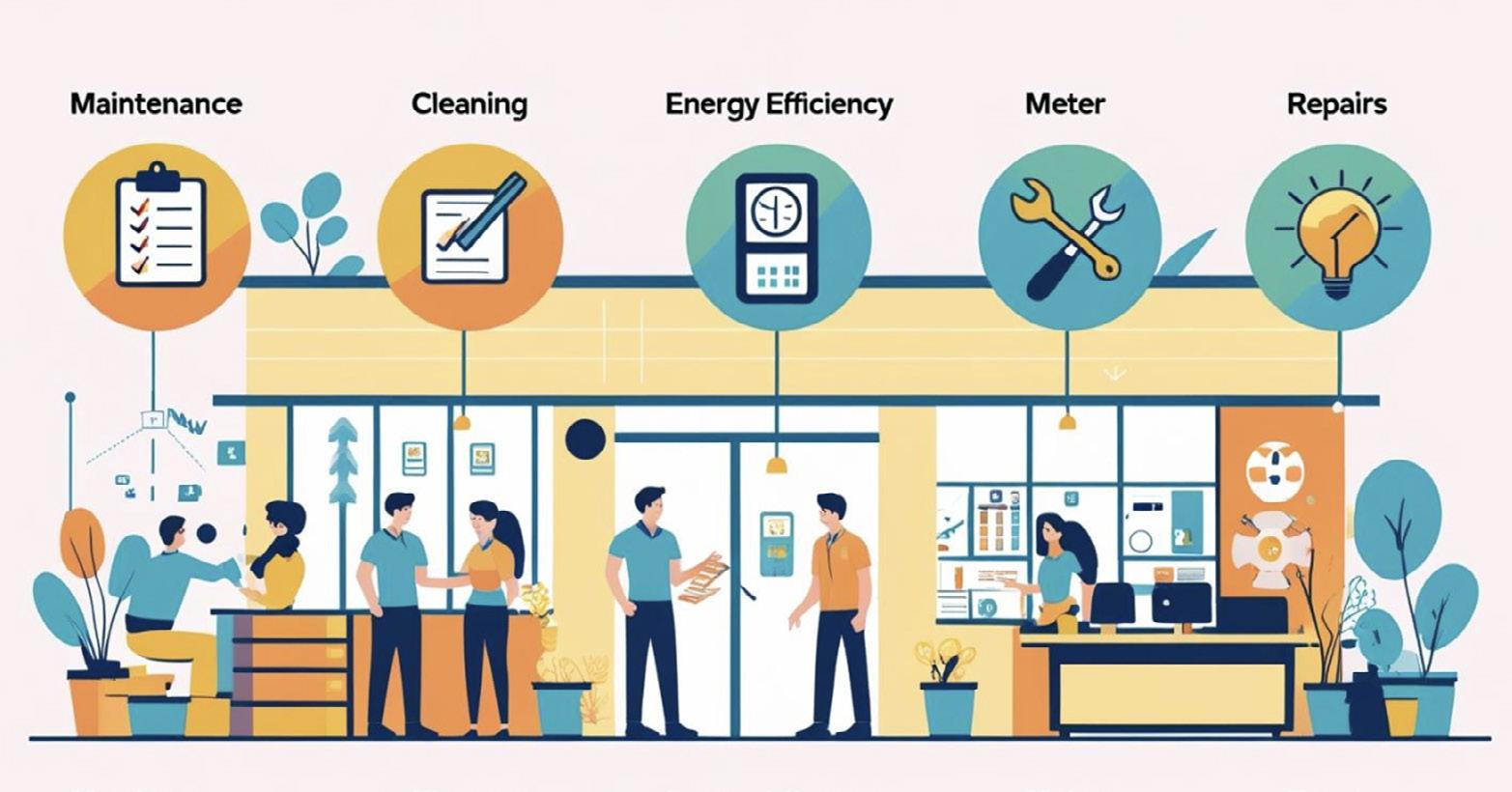
Facilities Management (FM) Services are an essential component to ensure the smooth operation of small businesses. These encompass a wide array of activities, including commercial cleaning, building maintenance, janitorial services, office cleaning, and other property management tasks. For small enterprises, managing these services effectively while controlling costs is critical to maintaining profitability and competitiveness in a dynamic market environment. The challenges posed by tight budgets and limited resources often compel small businesses to seek innovative ways to streamline services and reduce overheads. This article by Brightpath Associates focuses on providing insights into industry trends and offering practical strategies for reducing facilities services costs, all while ensuring that quality standards are upheld. This guide is designed to help small businesses optimise their facility management strategy and thrive in today’s ever-evolving business landscape, thus, positioning themselves to seize opportunities for growth and sustainability.
Understanding facilities services costs
To effectively manage facilities services costs, small business owners
must first understand the typical components involved. The key areas include commercial cleaning, building maintenance, janitorial services, and office cleaning. Each of these services contributes to the overall facilities maintenance management and can significantly impact the business’s bottom line. Understanding not just the financial implications but also the qualitative aspects of these services is crucial for making informed decisions.
Cost factors that influence a facility management strategy include the size of the facility, the frequency of services, and the specific requirements of each service area. For example, a larger space may necessitate more frequent cleaning and maintenance visits, thus, escalating the overall expenses. Additionally, the integration of technology and specialised maintenance services can either escalate or reduce costs, depending on how strategically they are implemented. Properly assessing the needs and establishing a tailored service level can aid in optimising expenditures.
Industry trends in FM services
From 2023 to 2025, several trends emerged in the field of facilities management that small businesses need to be aware of. One of the most significant is the impact of technology and innovation on service delivery.
As businesses increasingly adopt automation and smart solutions, the efficiency and effectiveness of facilities services are improving, often leading to cost reductions. The deployment of digital tools allows for improved communication, real-time monitoring, and data analysis, which can enhance decision-making processes.
Another trend is the ongoing challenge of leadership talent shortages in the sector. As facilities management evolves, so do the expectations from leadership roles, requiring new skill sets and strategic vision. Gone are the days when tasks could be managed without a comprehensive understanding of technology and emerging trends. Consequently, the recruitment practices in facility services management are undergoing strategic evolution to meet these shifting demands. Executive search recruitment is becoming a pivotal element in ensuring businesses can secure the top leadership talent they need to navigate these complexities.
Strategies to slash facilities service costs
Implementing cost-efficient facility management strategies is vital for small businesses looking to slash expenses. One approach is to streamline operations by leveraging technology. Facilities maintenance management systems can enhance scheduling, track maintenance activities, and offer predictive insights that prevent costly repairs. By implementing an integrated platform, businesses can also decrease redundancy and miscommunication among teams responsible for various services, leading to overall improved service delivery.
Optimising office cleaning and property management can be achieved by tailoring services to actual needs rather than generic templates. This could involve negotiating flexible service contracts with providers or training in-house staff for basic maintenance tasks, thus, empowering employees and reducing dependency on external
contractors. Furthermore, reviewing cleaning frequencies and service levels regularly ensures that the services rendered align with current usage patterns.
Employing technology-driven solutions, like IoT-based building management systems, can further optimise resource usage, reducing energy costs and improving overall maintenance efficiency. For instance, smart sensors can monitor energy consumption and adjust heating and cooling systems accordingly, resulting in significant savings over time. Moreover, the utilisation of predictive analytics can help anticipate maintenance needs before they escalate into more significant issues.
Executive hiring and leadership in facilities services
The ability to address leadership gaps is crucial for facilities services companies. Executive search recruitment plays a vital role in overcoming talent shortages that have become increasingly apparent. Brightpath Associates exemplifies how specialised recruitment agencies can match small to mid-sized facilities services companies with industryleading talent. They bring over 50 years of combined experience, offering tailored recruitment solutions designed
facilities management review
and effectively. Moreover, by facilitating workshops and training programmes, these agencies can also help existing teams sharpen their skills and adapt to emerging technologies, thereby enhancing internal capabilities.
Real-world examples and case studies
Several companies have successfully reduced facilities services costs through strategic management practices. For instance, businesses adopting technology-enhanced cleaning solutions have reported significant savings and improved service outcomes. Similarly, case studies show how effective facility services management has led to streamlined operations and cost reductions without sacrificing quality. For example, one company realised a 30 percent savings by integrating smart building technologies that optimised their HVAC systems alongside a rigorous staff training programme on efficient resource usage.
In another case, a small business that re-evaluated its cleaning service contract was able to renegotiate its agreement based on actual needs and service history, resulting in a more cost-effective arrangement that did not compromise cleanliness or employee
Conclusion
In conclusion, small businesses aiming to slash facilities services costs must embrace innovative management strategies and adapt to industry trends. By understanding the core components of facilities management services and effectively implementing cost-saving initiatives, these businesses can achieve improved efficiency and financial performance. It is essential to remain agile and responsive to technological advancements and market shifts, which can provide new opportunities for savings and service enhancement.
Emphasising efficient leadership and recruitment practices will further enhance the ability of small businesses to navigate challenges in the facilities services sector. With agencies like Brightpath Associates, small businesses can ensure they have the leadership talent required to drive growth and maintain a competitive edge. By leveraging insights and strategies discussed in this guide, small enterprises can create a resilient facilities management framework positioned for long-term success.
Brightpath Associates is a leading US executive search and staffing agency for small to mid-sized enterprises, for more information, visit: www.brightpathassociates.com
The African Marketplace for cleaning, hygiene, & facility solutions
oducts, machines, e and high-quality solutions t
delivering products and services that are both effective and environmentally friendly. Our vision is to be the pr of cleaning products and services in South Africa. We strive to achieve this by consistently exceeding our customers' expectations and building long-lasting relationships. With branches in all major business areas, we have a strong presence throughout South Africa, bolstered with skilled professionals dedicated to providing exceptional customer service and support. Our product range includes a wide variety of cleaning products, machines, and consumables, designed to cater to the needs of different industries. We prioritise quality and sustainability in all our offerings.
At this year’s Cleantex exhibition, we will showcase an extensive range of commercial cleaning solutions and hygiene systems, aimed at offering the correct solution for your business.
Driving sustainable innovation in Textile Care
From 23 to 26 October 2026, the global textile care industry will gather at EXPOdetergo International 2026, hosted at Fiera Milano, Italy. Recognised as one of the most influential events in the sector, the exhibition continues to strengthen its role as a key international hub for innovation, business exchange, and strategic vision.
The 2026 edition has already secured 224 confirmed exhibitors, demonstrating strong momentum well ahead of the event. Notably, 36 percent of exhibitors originate from outside Italy, representing 22 countries. This growing international presence reflects the fair’s expanding global relevance and its ability to attract leading companies across the textile care value chain.
At the heart of EXPOdetergo International 2026 lies a clear and forward-looking vision: sustainability, technology, artificial intelligence, and digitalisation are no longer optional trends but essential drivers shaping the future of the industry. The event will explore how these elements converge to create what organisers define as “sustainable productivity” – a model that balances operational efficiency with environmental responsibility and social awareness.
Exhibitors and visitors alike will experience firsthand how advanced technologies are transforming textile care processes. From energy-efficient machinery and low-impact detergents to integrated digital systems, the industry is rapidly evolving toward smarter and more responsible solutions. Artificial intelligence and automation are playing an increasingly central role, enabling better quality control, predictive maintenance, and streamlined operations across the entire workflow. This technological evolution is also redefining workplace dynamics. Greater attention is being given to ergonomics, user-friendly interfaces, and inclusive
design, all aimed at improving working conditions and enhancing productivity. By reducing physical strain and simplifying complex processes, these innovations contribute to a more efficient and human-centred work environment.
in an immersive and practical experience rather than a purely static display.
For African stakeholders, EXPOdetergo International 2026 represents a unique opportunity to access global expertise and develop
For African stakeholders, EXPOdetergo International 2026 represents a unique opportunity to access global expertise and develop strategic partnerships. The event encourages knowledge exchange, enabling visitors to explore scalable solutions adaptable to different operational contexts, from large industrial laundries to smaller commercial facilities.
In sectors where hygiene and sanitation are critical, such as healthcare, hospitality, and food service, EXPOdetergo International 2026 will highlight how cutting-edge solutions can meet the highest standards of safety and reliability. The integration of AI with sustainable practices ensures not only compliance with regulations but also the delivery of certified, high-performance results that clients increasingly demand.
One of the defining strengths of the exhibition is its comprehensive and integrated approach. Visitors will be able to explore a complete ecosystem of products and services, including dry-cleaning and wet-cleaning machines, ironing and finishing equipment, professional detergents, management software, automated systems, and highquality textiles such as hotel linen and tableware. A distinctive feature of the event is the presence of fully operational machinery, allowing attendees to engage
strategic partnerships. The event encourages knowledge exchange, enabling visitors to explore scalable solutions adaptable to different operational contexts, from large industrial laundries to smaller commercial facilities. Networking opportunities will further support business growth and collaboration across regions.
Ultimately, EXPOdetergo International 2026 positions itself not just as a trade fair, but as a strategic platform for shaping the future of textile care. By bringing together innovation, sustainability, and digital transformation, it provides a comprehensive response to the challenges facing the industry today, while opening new pathways for development worldwide.
Save the date for EXPOdetergo, 23 to 26 October 2026 in Milan. For more information about EXPOdetergo, click here
people and events
Kärcher SA introduce new Managing Director
Kärcher South Africa recently announced the appointment of Michael van Blerk as its new Managing Director, marking a new chapter for the company as it continues to strengthen its position as a leader in innovative cleaning solutions across Southern Africa and the newly formed Middle East and Africa region.
With more than 20 years of leadership experience spanning engineering, programme management, commercial leadership, general management, and executive leadership, van Blerk brings a wealth of expertise in driving sustainable business growth, operational excellence and customer-focused innovation.
Van Blerk joins Kärcher with a clear vision of building on the company’s globally recognised reputation for quality, innovation, and customer trust. He believes that the growing global focus on hygiene, sustainability, and resource efficiency presents significant opportunities for Kärcher South Africa to expand its reach while continuing to make a positive impact on businesses, consumers, and communities.
“What attracted me most to Kärcher South Africa is the combination of an iconic global brand, exceptional people, and tremendous growth potential,” says van Blerk. “Cleaning plays an essential role in creating healthier environments and protecting the assets that matter most to people and businesses. I am excited to work alongside our talented team to unlock new opportunities and continue delivering outstanding value to our customers.” Michael’s leadership philosophy centres on empowering people, encouraging collaboration, and fostering accountability.
His strategic priorities include strengthening customer relationships, expanding market reach, investing in innovation, and building an even stronger culture of high performance. He is equally committed to deepening partnerships with Kärcher’s dealer network, distributors, and business partners by providing the tools, training, and support needed to achieve shared success. Looking ahead, he is focused on accelerating Kärcher South Africa’s journey towards becoming the undisputed market leader in both the professional and consumer cleaning markets while remaining true to the company’s values of innovation, quality, and customer commitment.
Michael van Blerk
Celebrating a momentous milestone
CSG Skills Institute celebrated a major milestone –25 years of dedication in delivering industry-leading learning and compliance solutions and building strong relationships with their valued customers. As a token of their appreciation, the Institute hosted a special event during June for clients to join in the celebration and reminisce about the past quarter of a century.
Guests and staff were welcomed by CSG Skills Institute MD, Marietjie Swanepoel, who introduced CSG Group CEO, Kobus Nieuwoudt, to deliver the official welcoming address. Event highlights included a choir performance by staff and students who were joined by former Siyaya MD, Arthur Bath; a Teams video address by Services SETA’s, Thembinkose Mosia; and Above Business Consulting MD, Doryn Dippenaar.
Kobus Nieuwoudt said, “CSG Skills’ 25 years in the business world, is not just a number, it reflects business leadership, survival in difficult times, and the resolve to stay relevant in today’s world. As I walked into this room, I could
“CSG Skills’ 25 years in the business world, is not just a number, it reflects business leadership, survival in difficult times, and the resolve to stay relevant in today’s world. As I walked into this room, I could feel the energy and positivity of this 25year celebration”, said Kobus Nieuwoudt.
feel the energy and positivity of this 25-year celebration.
Every eminent story features a star, and the hero of this business is someone who displayed immense courage during those years when this was a fledgling industry. This person is Arthur Bath, who founded Siyaya Skills Institute a quarter of a century ago. Arthur, we are really privileged and pleased that you joined us here today in such good health and still with active industry involvement. It is amazing!
When CSG acquired the business in 2017, we did not just buy a business, we bought a legacy – a legacy of excellence built by Arthur. He steered the business in those early days through very uncertain times, and it was a perfect fit to add to our CSG basket.
Of course, any legacy needs hands to support, and that brings me to the MD of this business, Marietjie Swanepoel. Marietjie has a beautiful history in this business, and she has made a complete circle, because when we started the acquisition negotiations, she was running Siyaya Skills Development for Arthur as the GM. Nobody knew the DNA of this business like Marietjie, so, you can see now why we approached Marietjie two years ago to join us and take up the MD position. It was not just a normal recruitment, for us it was a homecoming for her. Subsequently, Marietjie took this business to the next level, not just from a revenue and profit perspective, but the real impact she is making in this business and in the CSG Group.
Choir performance
Arthur Bath cutting the cake
Danie Engelbrecht, Kobus Nieuwoudt and Marietjie Swanepoel
people and events
We operate in a landscape where the rules keep changing combined with a sluggish economy. However, we also operate in a country with an enormous skills-gap. This is an emergency, so, for us it is imperative to skill these youngsters and empower them to participate in the economy.
This is where CSG, as a company, really steps up and takes the gap. I am especially proud of the numerous unemployed learnerships that we put through this business in the last few years. These programmes are not just educating the youth but also elevate them from hopelessness to dignity.
It is important to provide people with skills and equip them with dignity to support their households.
In closing, let’s look at the next 25 years. It is important that we continue to be innovative, that we continue to lead with integrity, and that we never lose sight of the people involved in the business”.
Established in 2001 as Siyaya Hygiene and Cleaning Skills Institute, CSG Skills Institute has built a proud legacy of empowering individuals, strengthening organisations, and contributing to South Africa’s evolving skills development landscape.
The company’s story began with a pioneering vision, to develop practical, accredited learning opportunities that create meaningful employment and sustainable growth. Siyaya played a significant role in shaping the industry by
introducing some of South Africa’s first SAQA-registered cleaning qualifications. In a defining moment in our history, the very first group of certificated learners recognised at a Services SETA certification ceremony were Siyaya learners, cementing our reputation as a trusted and preferred partner in skills development.
In 2017, Siyaya Hygiene and Cleaning Skills Institute became part of the CSG Group through acquisition and was rebranded as CSG Skills Institute. While embracing the strength, scale, and opportunities of the broader CSG Group, the organisation retained its rich heritage and commitment to excellence that had been established over many years.
Today, CSG Skills Institute delivers industry-leading learning and compliance solutions that support businesses, communities, and individuals across South Africa. The Skills Institute’s comprehensive offering includes occupational qualifications, learnerships, accredited skills programmes, short courses, bespoke training interventions, and integrated compliance consulting services.
For more information, visit: www.csggroup.co.za/talent-division/skills/
2026 Graduation
2007 Achievers awards
2016 Tsebo graduation
2019 Cleaning Africa certificate ceremony
Aesthetically pleasing insect control system
Leading provider of professional hygiene and sanitation services, Sanitech, has announced the launch of Lumio, an innovative insect control system specifically engineered for brand-sensitive, customer-facing environments. Businesses in the hospitality and retail sectors can now maintain world-class hygiene without compromising on aesthetic appeal. Lumio makes this possible by combining advanced LED technology with a sleek, customisable design.
Traditionally, pest control has been a ‘back-of-house’ function, often confined to kitchens and loading bays due to the industrial appearance of conventional light traps. Lumio challenges this convention by offering a sleek, discreet unit that integrates seamlessly into luxury hotels, restaurants, and high-end retail spaces.
“Lumio is designed to be aesthetically pleasing enough to be deployed front-of-house,” says Robert Erasmus, Managing Director of
In food production environments, cleaning teams face constant pressure to remove stubborn residues quickly while maintaining strict hygiene standards. Manual scrubbing with traditional brushes or pads can be time consuming, physically demanding, and inconsistent between operators.
Sanitech. “It does not look industrial; in fact, it is subtle enough that a customer might mistake it for a Wi-Fi router. This allows businesses to extend pest control coverage to every corner of their operation.”
Lumio’s technical differentiator lies in the shift from outdated fluorescent tubes to high-performance LED technology. Unlike standard units that rely on a single light frequency, Lumio utilises three distinct wavelengths to attract a much broader spectrum of flying insects, including flies, moths, mosquitoes, and fruit flies. Once attracted, the insects are captured on a unique dual-surface glue board, both horizontal and vertical, ensuring much higher retention rates than older models.
As environmental consciousness grows, Lumio offers a mercury-free, energy-efficient alternative to traditional traps. The unit consumes only 16 watts of power, and features a fully recyclable body. It is also glass-free,
making it fully compliant with the stringent safety requirements of food manufacturing and pharmaceutical environments. The unit is mercury-free and RoHS compliant, and the glue boards are environmentally approved for food environments. Because it uses LED rather than fluorescent tubes, it eliminates the risk of chemical emissions and glass breakage, making it safer for both staff and customers.
For more information visit: www.sanitech.co.za
Power assisted cleaning for food production
Sticky build-up such as dough, chocolate, fats, labels, and product residues often require significant manual effort to remove. During shift changeovers or scheduled deep cleans, these tasks can extend downtime and place additional strain on cleaning teams.
Introducing the Vikan HyDrive system, a smarter approach, transforming standard cleaning tools into power-assisted solutions that reduce manual effort and improve cleaning efficiency. As with all Vikan tools, the HyDrive system is designed specifically for food processing environments such as dairies, bakeries, and ready-to-eat production facilities.
Key design features:
• Food contact compliant
materials compliant with EU, UK, and FDA regulations
• Durable construction for repeated industrial cleaning cycles
• Secure hexagonal drill connection for stable operation
• Compatibility with Vikan’s existing pipe cleaning brush range
• Colour-coded options to support hygienic zoning and cross-contamination control programmes
The HyDrive system integrates seamlessly into existing Vikan cleaning programmes while helping teams clean faster, reduce manual effort, and improve consistency.